
There are places just outside San Cristóbal de las Casas where the city gives way to something quieter without asking for much travel at all. El Arcotete is one of those places. We went on a cool mid-morning with a few friends from Co404, our digital nomad coliving space. It was nice to step outside of familiar street grid and into the loose outskirts, where pine trees start to gather in clusters and the air carries more movement.
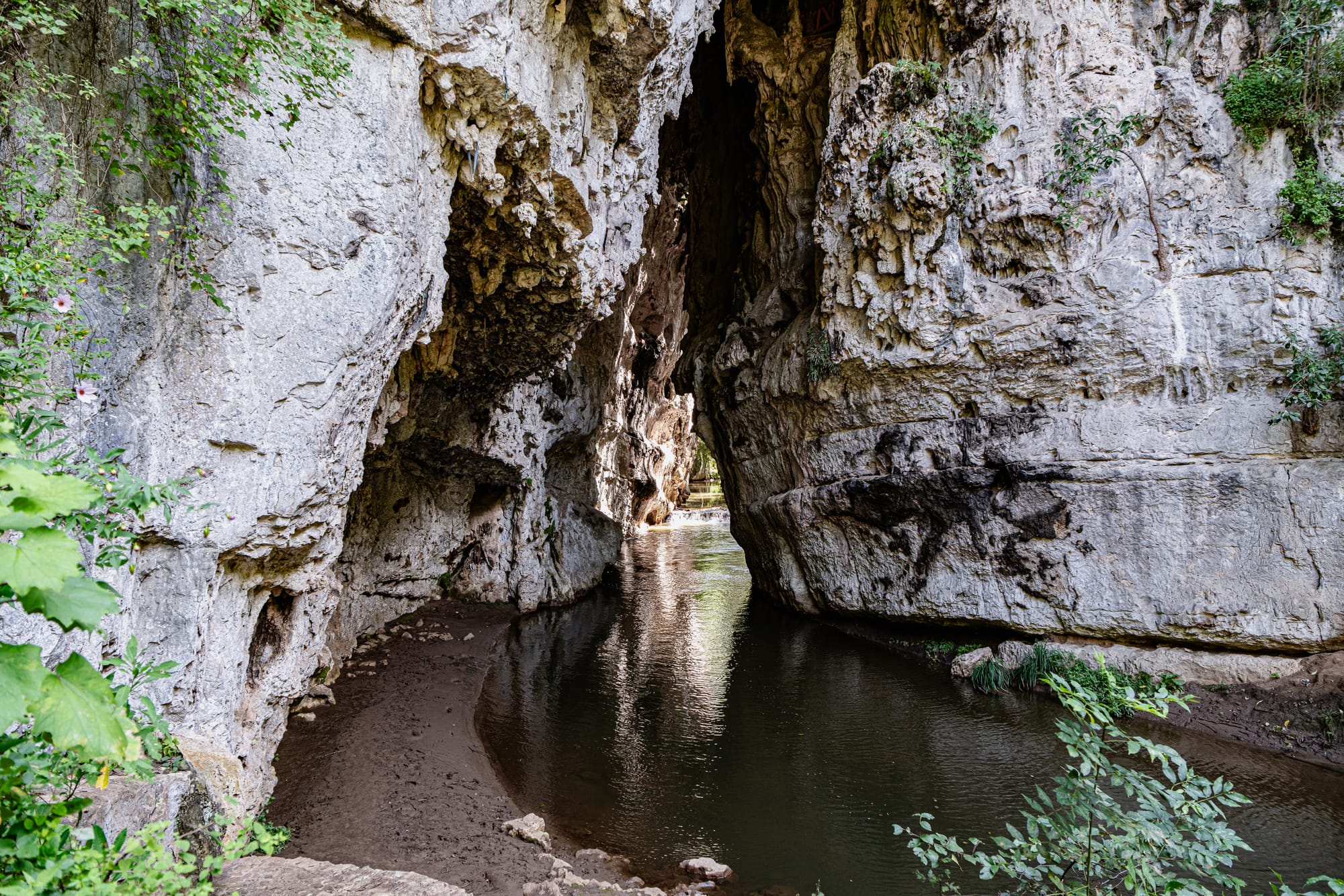
El Arcotete is known for a single, striking feature: a limestone arch with a river flowing beneath it. But the arch's surroundings—the small trail system, the modest caves, and the shaded grounds—turn the site into a place where a few hours can stretch easily.
If you want a guided visit that includes both Arcotete and the nearby Rancho Nuevo cave system, here’s the tour we recommend: Rancho Nuevo Caves and Arcotete tour.
First sight of the arch
Past the entrance, the ground slopes gently toward the river. You hear water before you see it—an irregular hush that rises and falls depending on where you’re standing. Then, around a bend in the path, the arch appears.
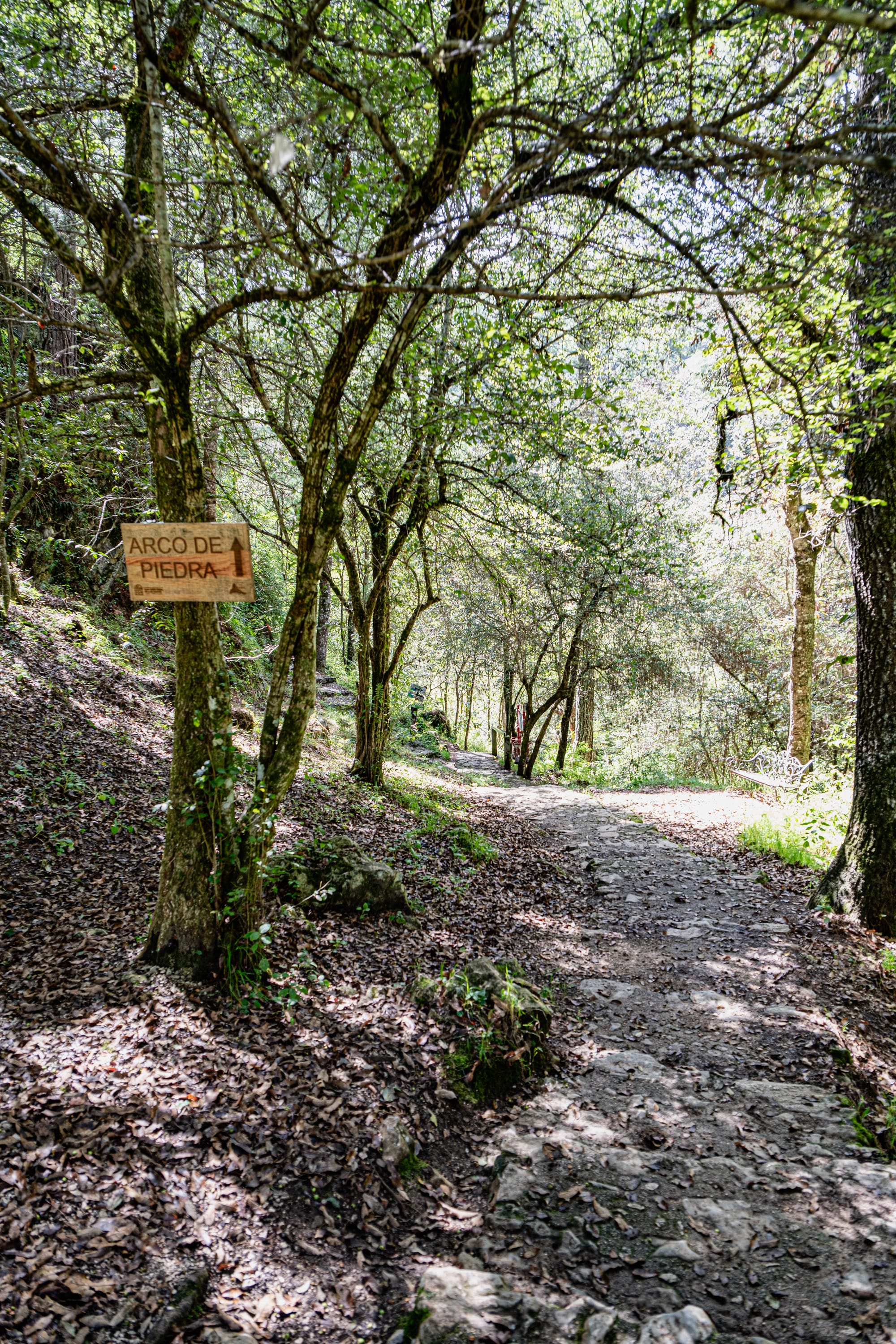
A forest path leading toward the stone arch at El Arcotete
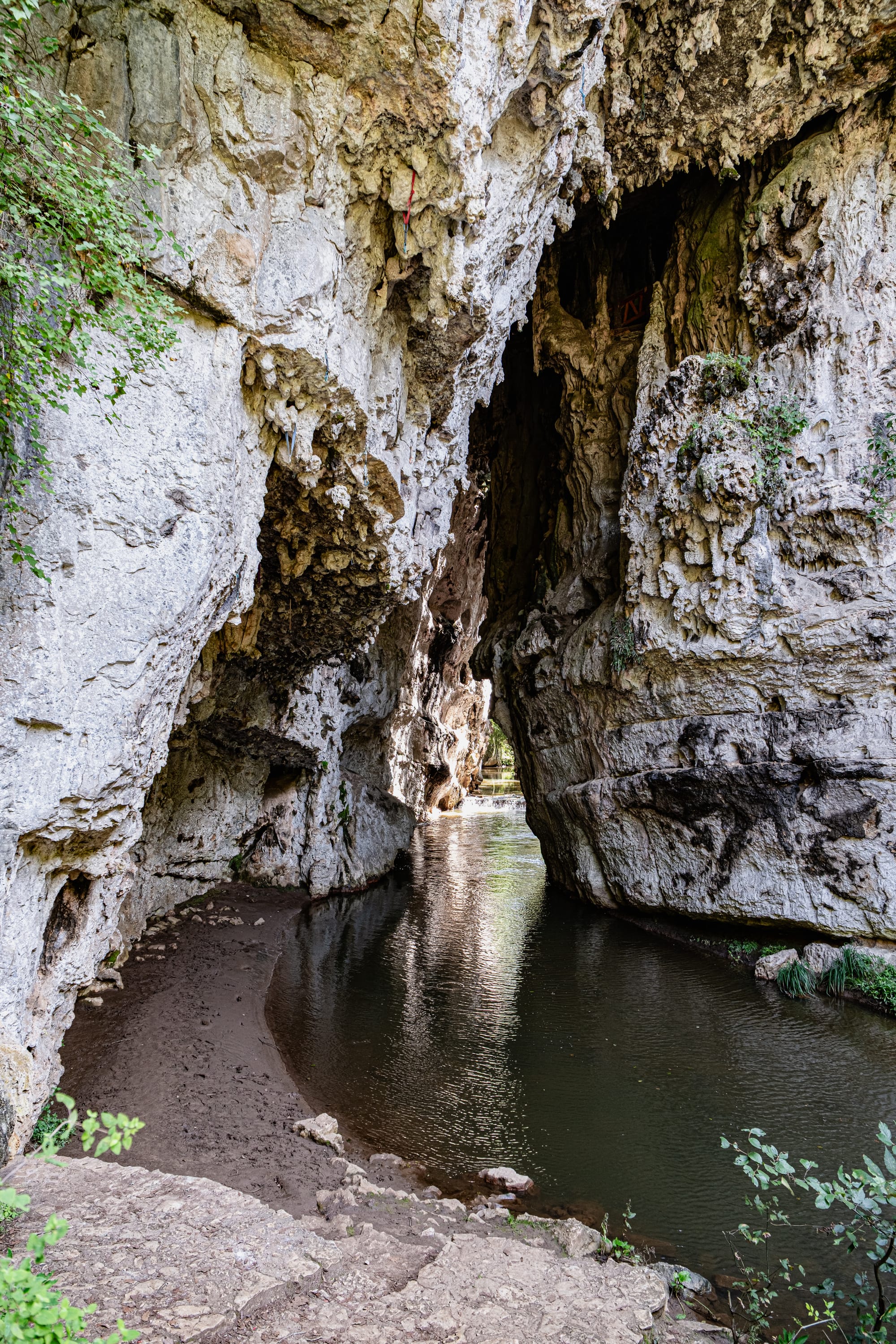
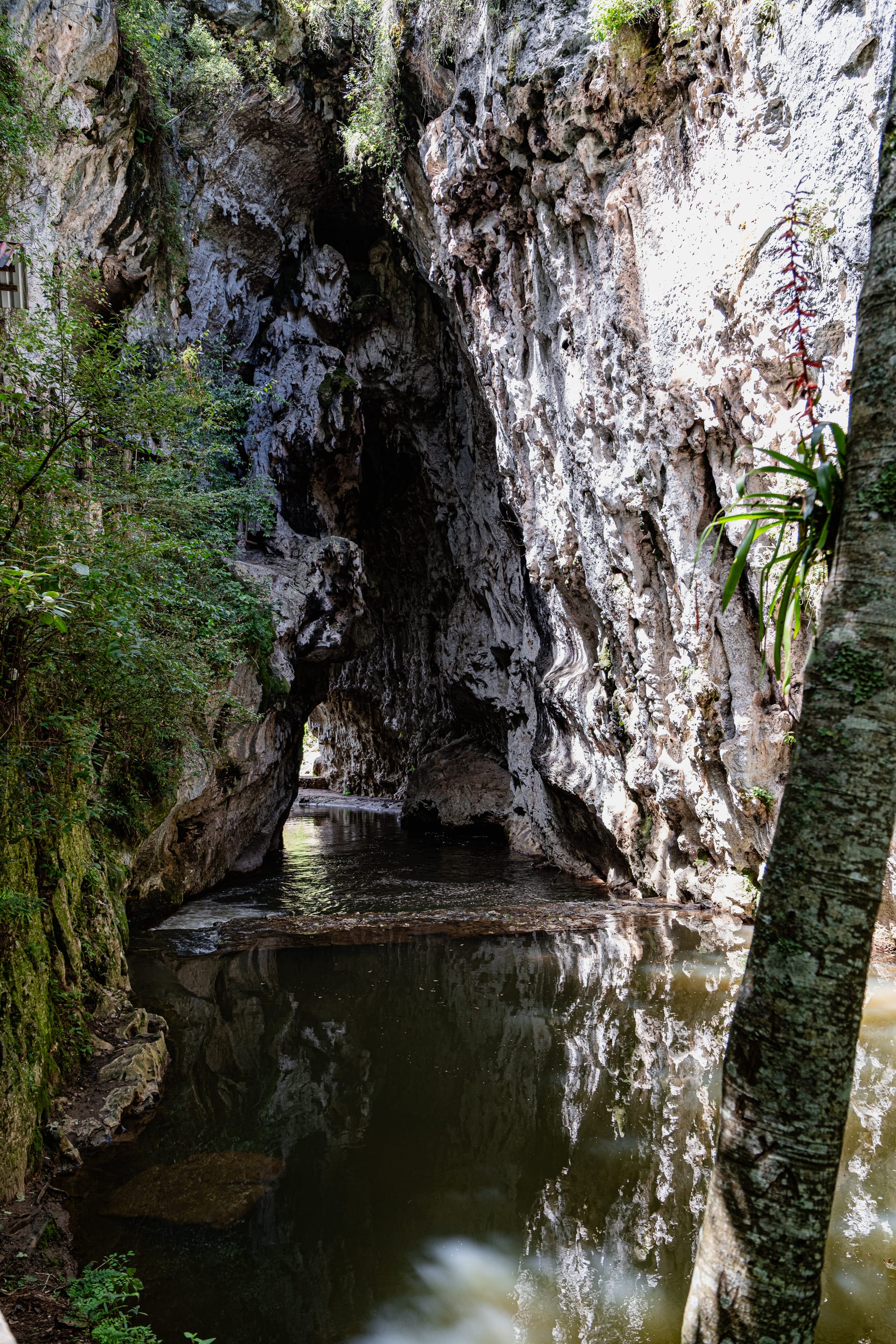
It is larger than photographs suggest, not in height alone but in the way its shape anchors the surrounding valley. The limestone has been hollowed and sculpted over time by Río Fogótico, leaving a broad opening that looks almost architectural from a distance. Upright walls extend vertically from the riverbanks, with irregular textures marking where water once seeped or where rock gave way in fragments.
From the viewpoint opposite the arch, you can see the full curve of stone reflected in the water. Pines and highland vegetation gather on the upper ridges, and the river threads quietly beneath the span. The scene feels older than the town just a few kilometers away.
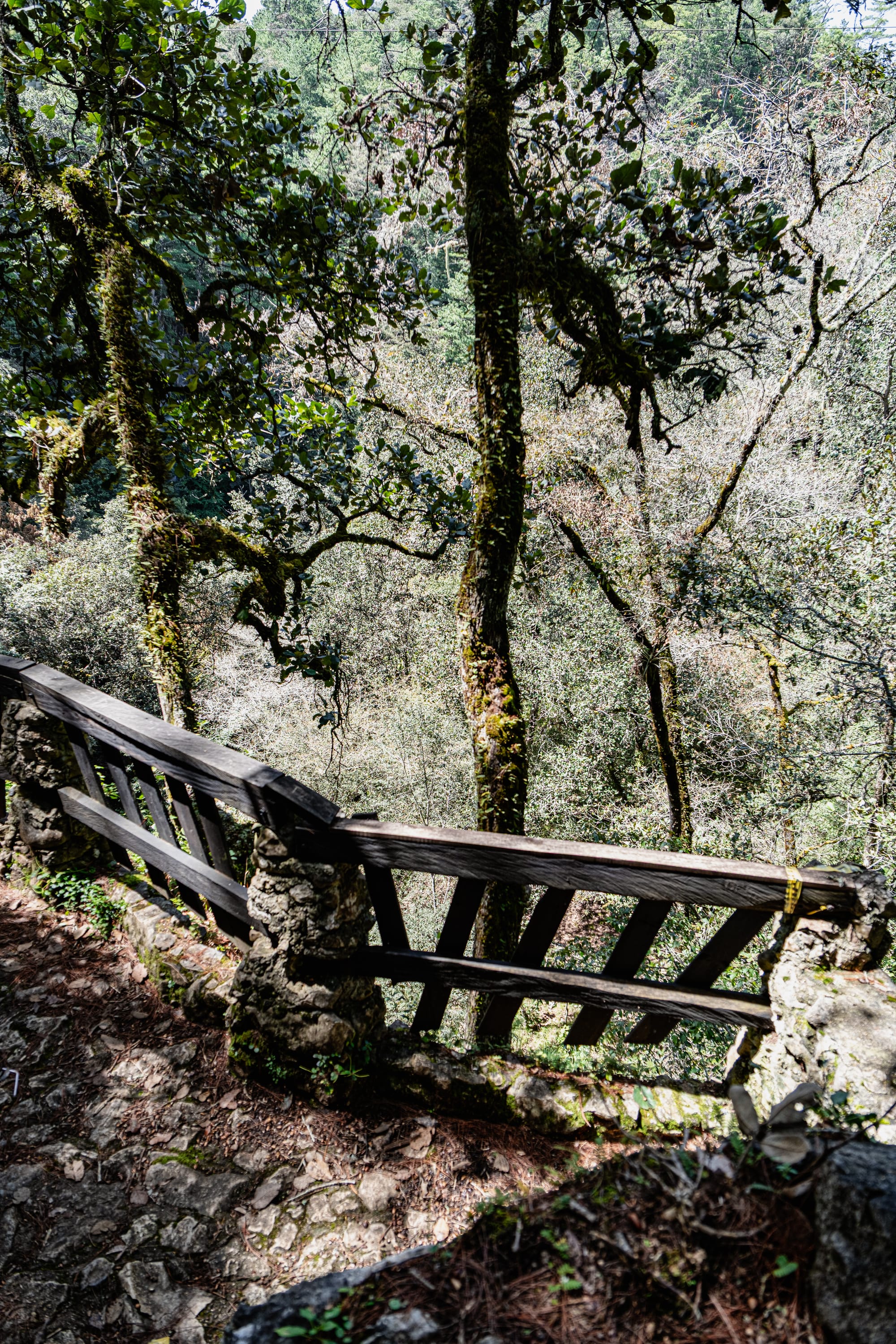
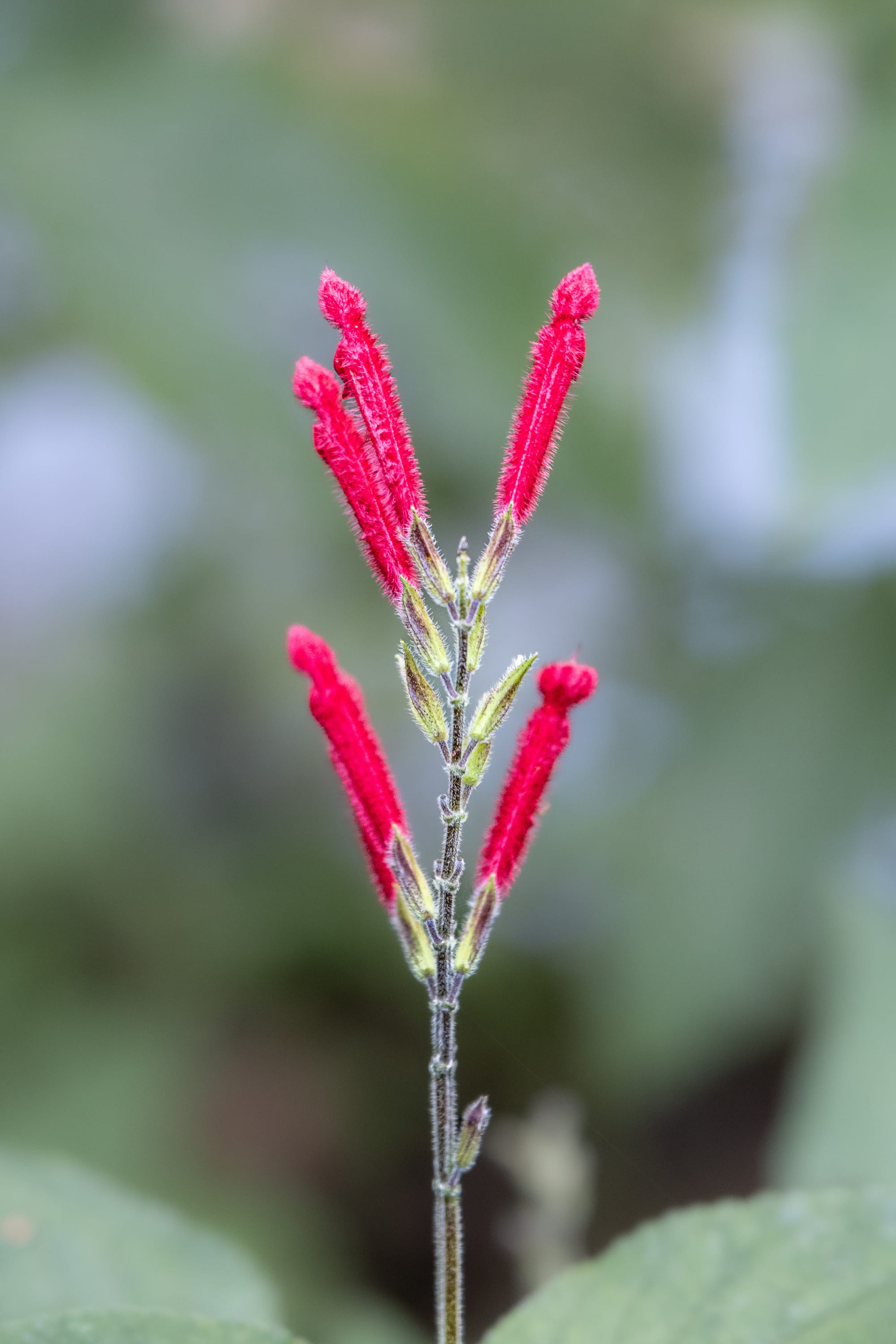
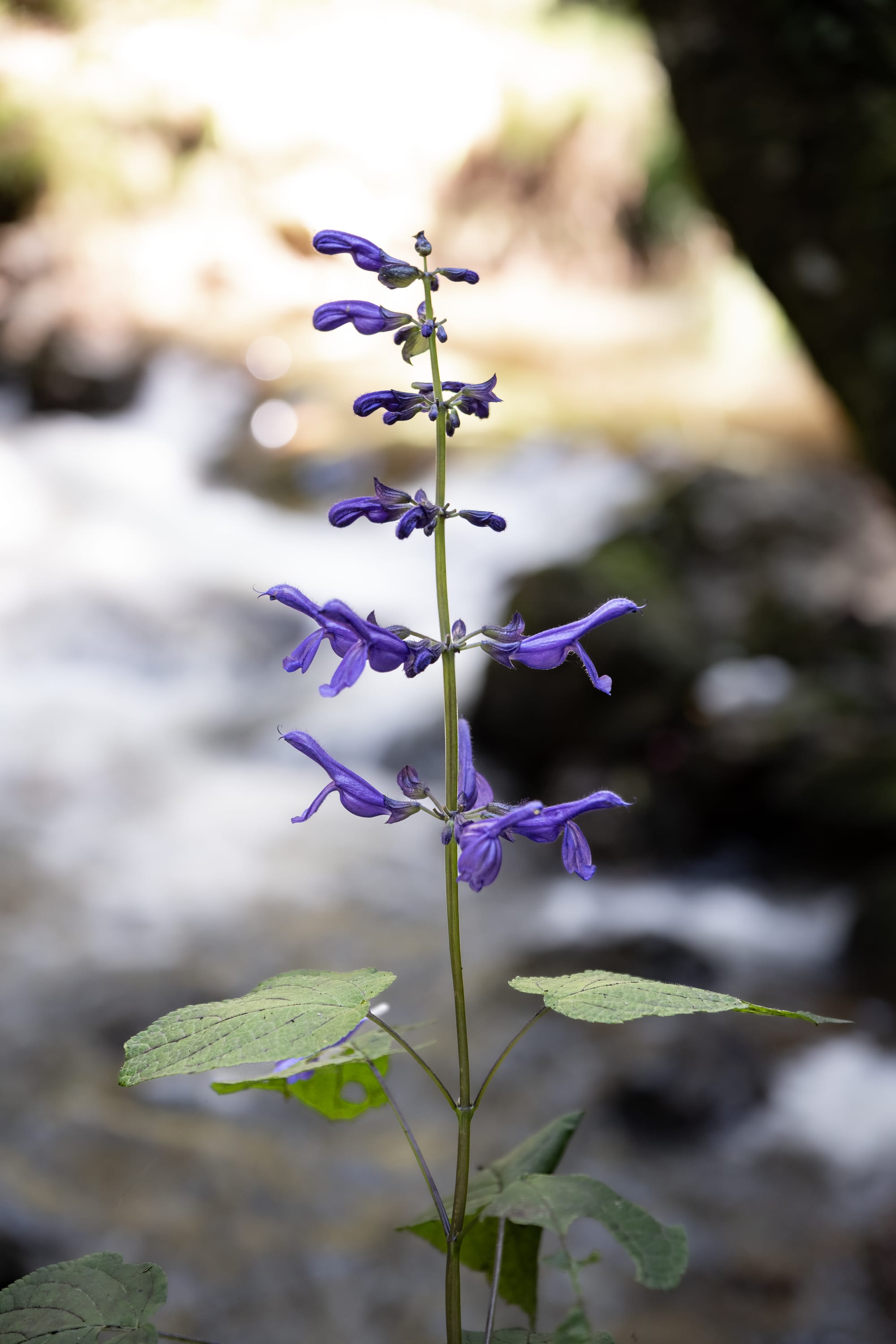
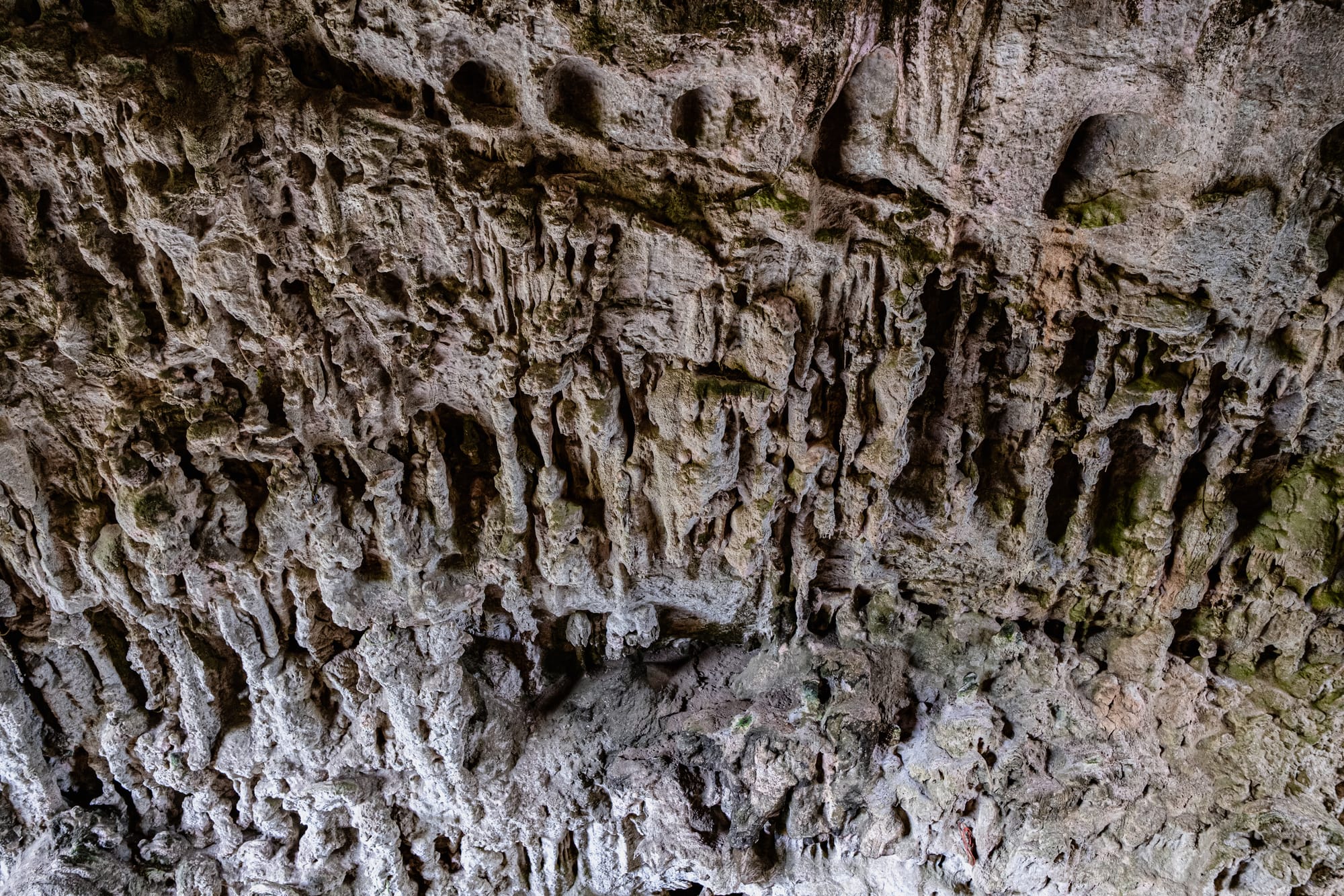
Small details from El Arcotete’s trails and cliffs
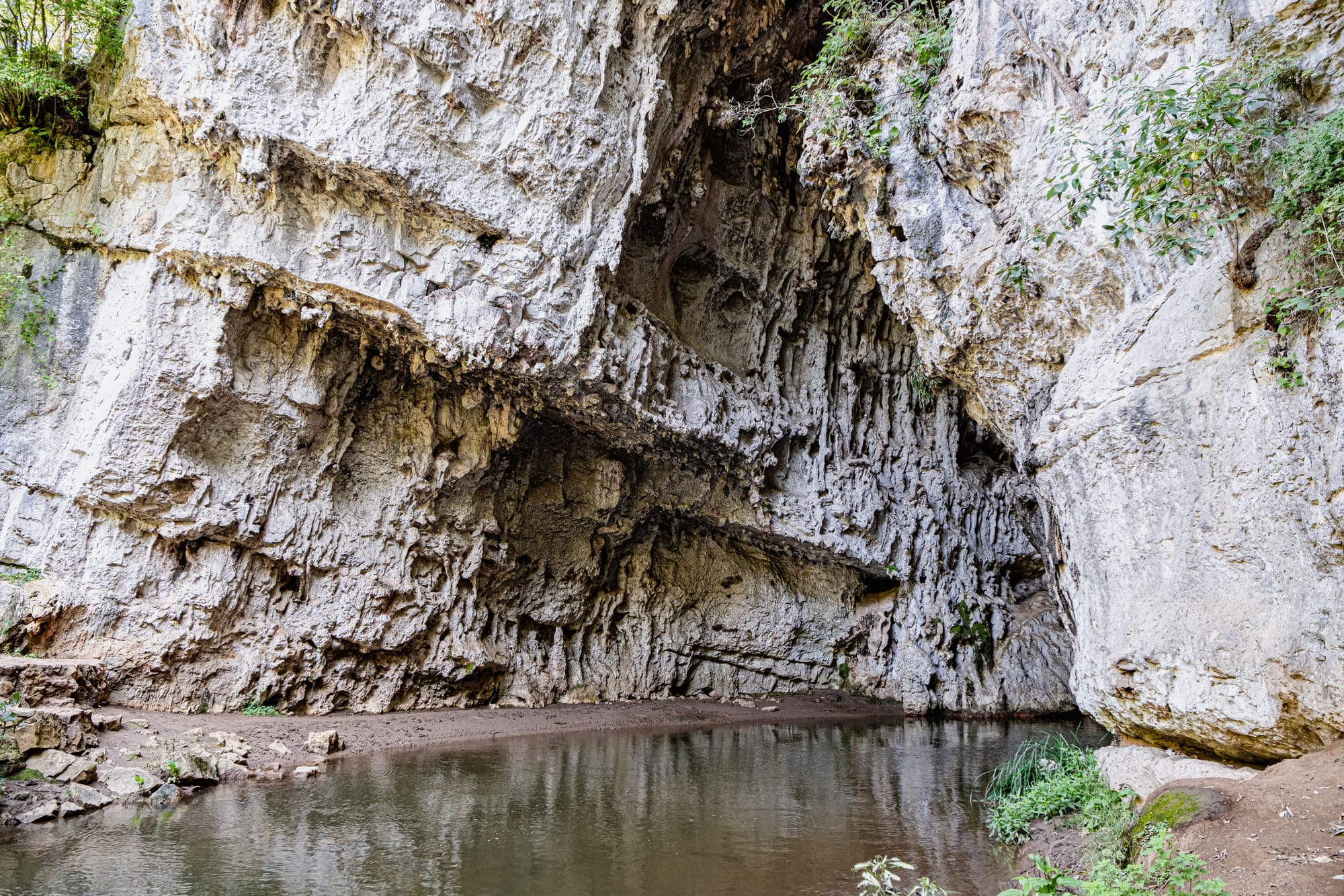
The form of the arch is part of a larger karst landscape—limestone shaped by dissolution, groundwater movement, and erosion over long stretches of time. You can see traces of this process in the pitted surfaces, the soft edges of stalactitic drips, and the hollows that open near the base.
Stepping inside the caves
Stairs lead from one side of the arch up toward the caves—a short climb, but one that shifts the viewpoint quickly. Inside, the air cools noticeably, and the light narrows into small pockets shaped by the stone formations overhead.
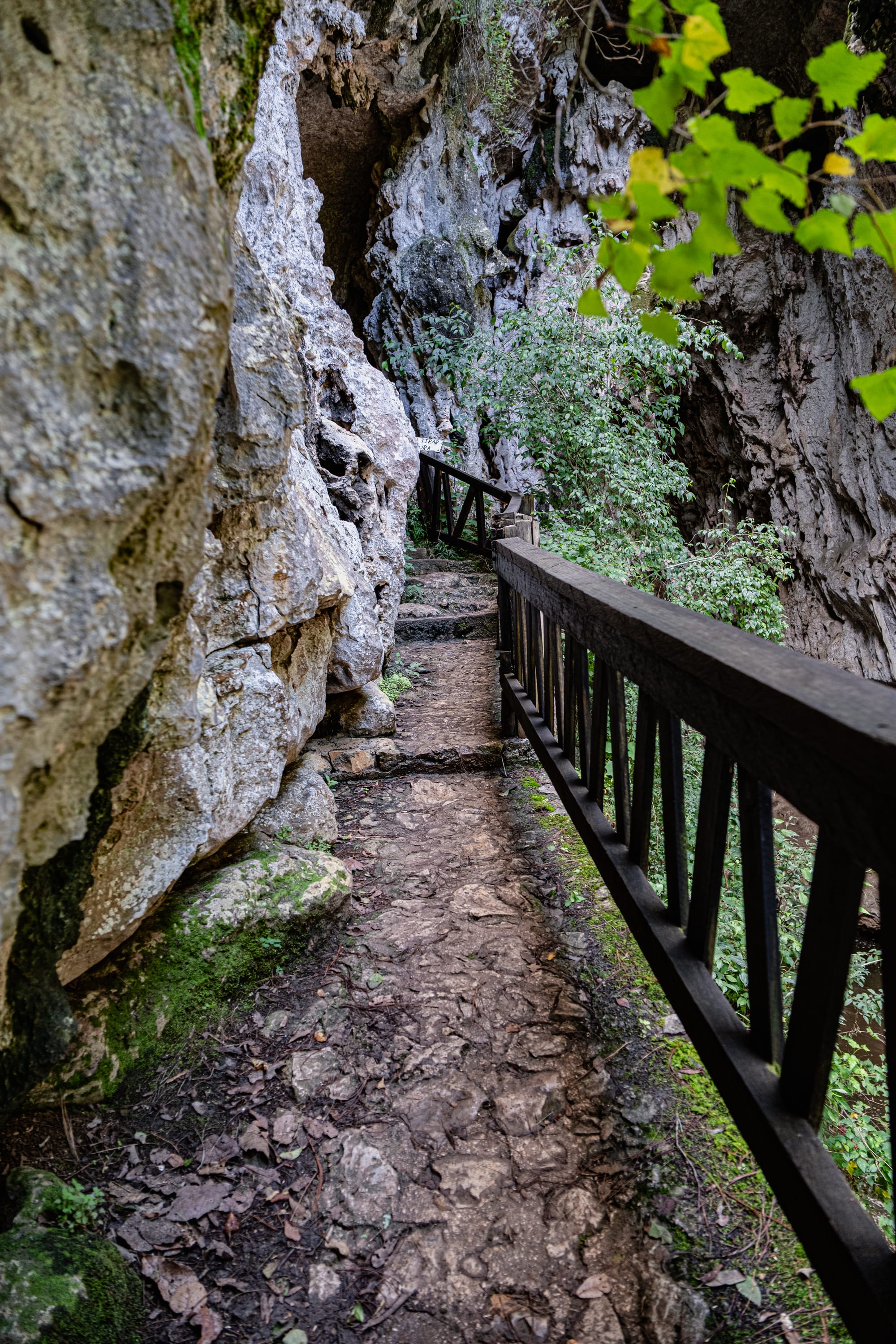
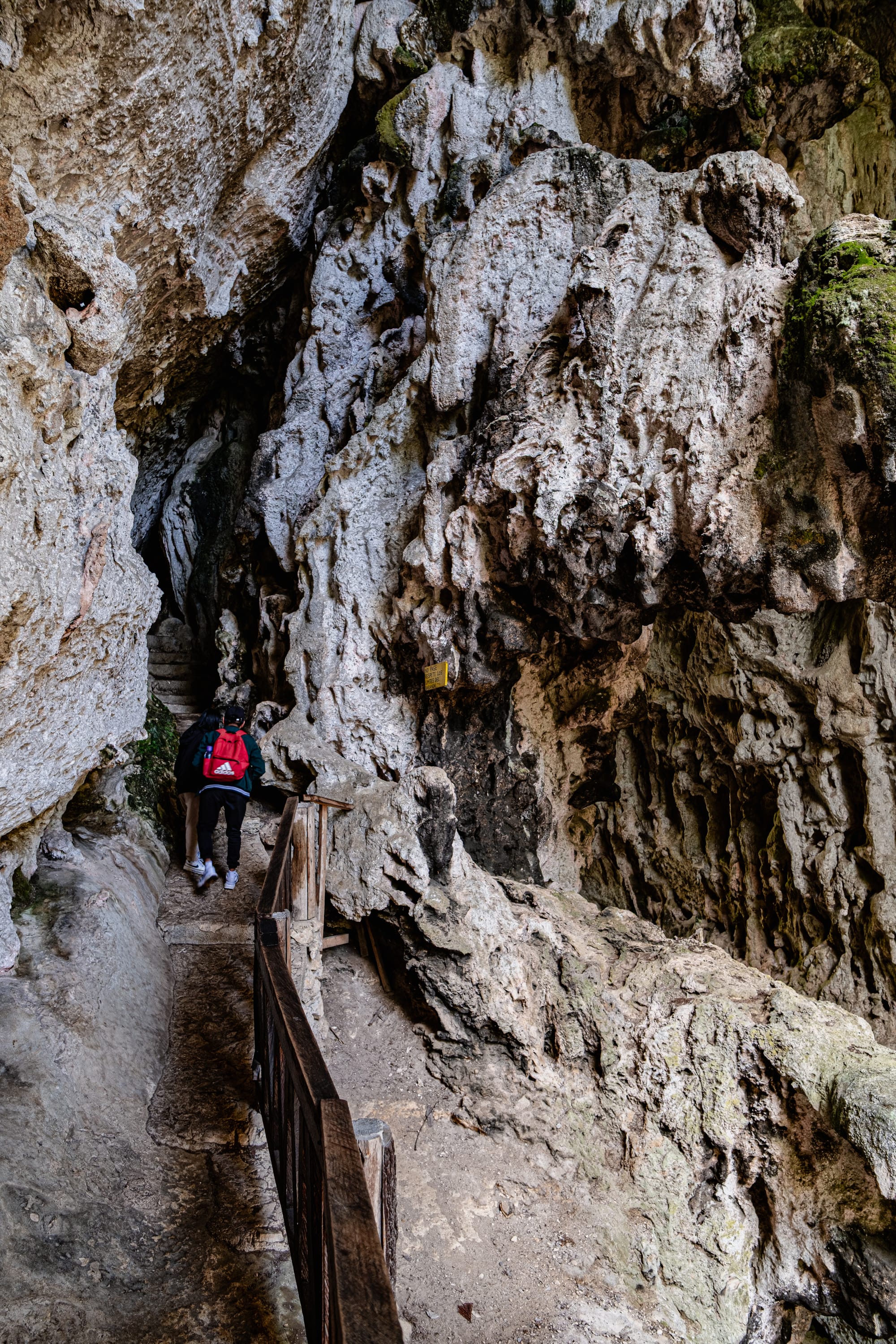
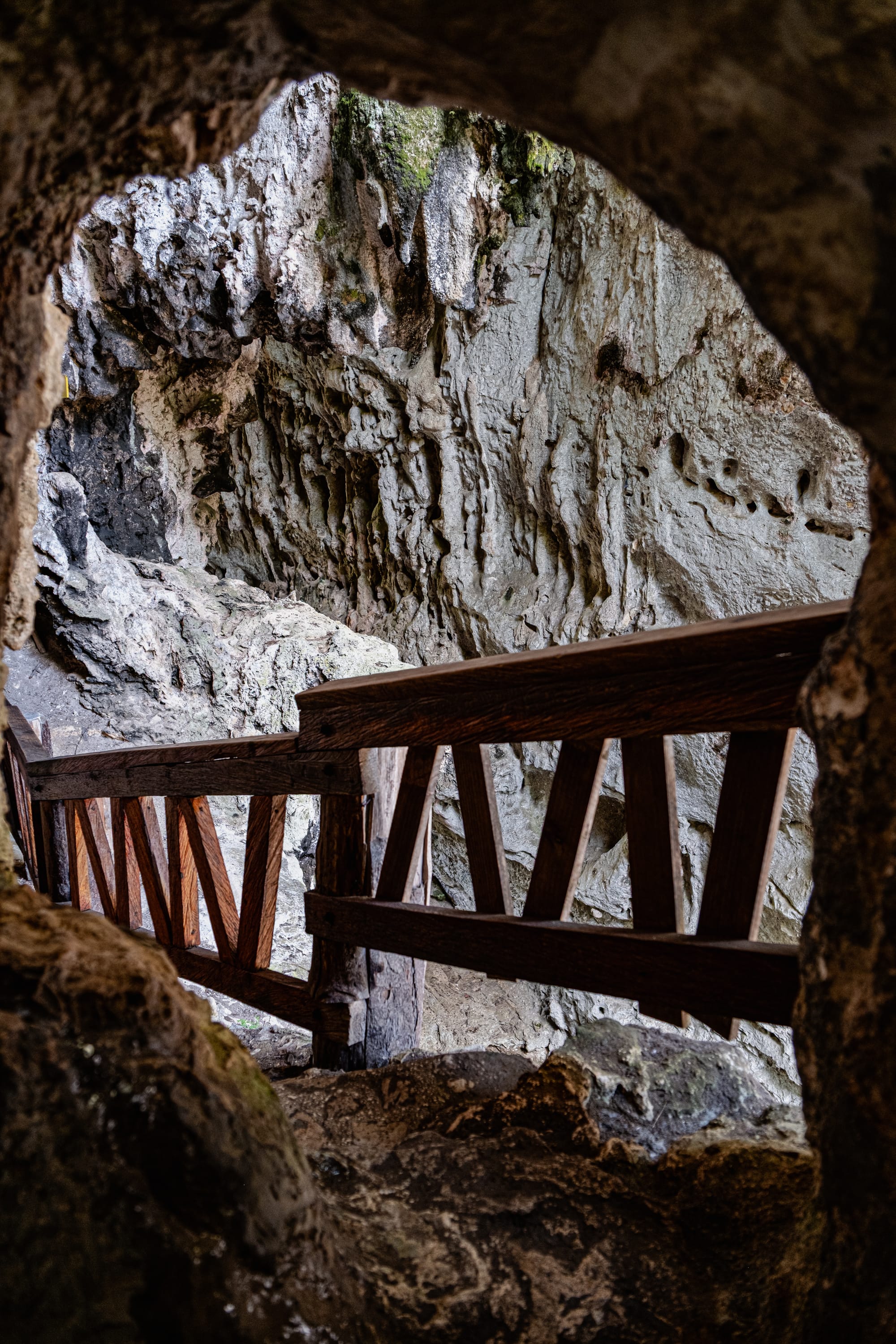
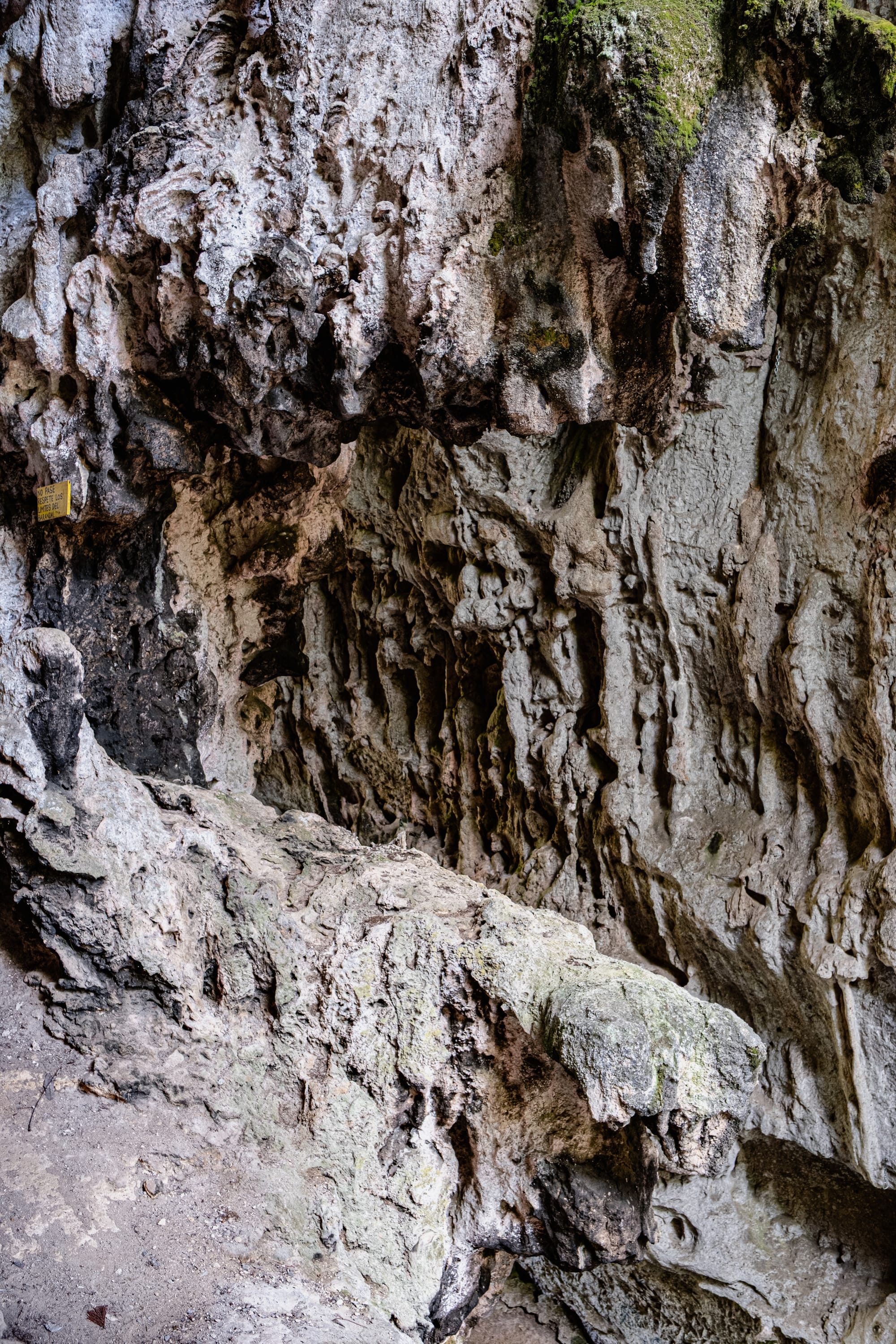
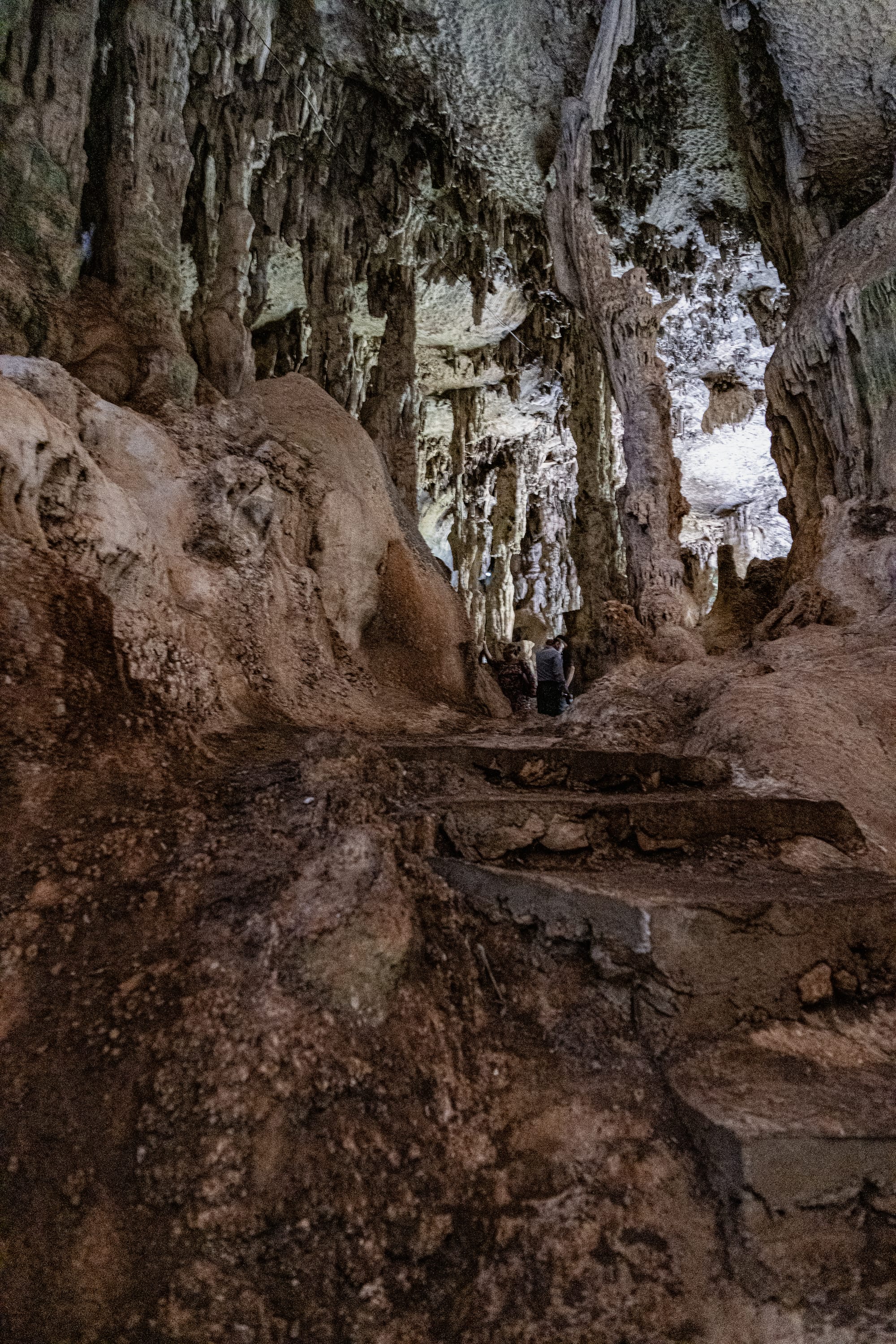
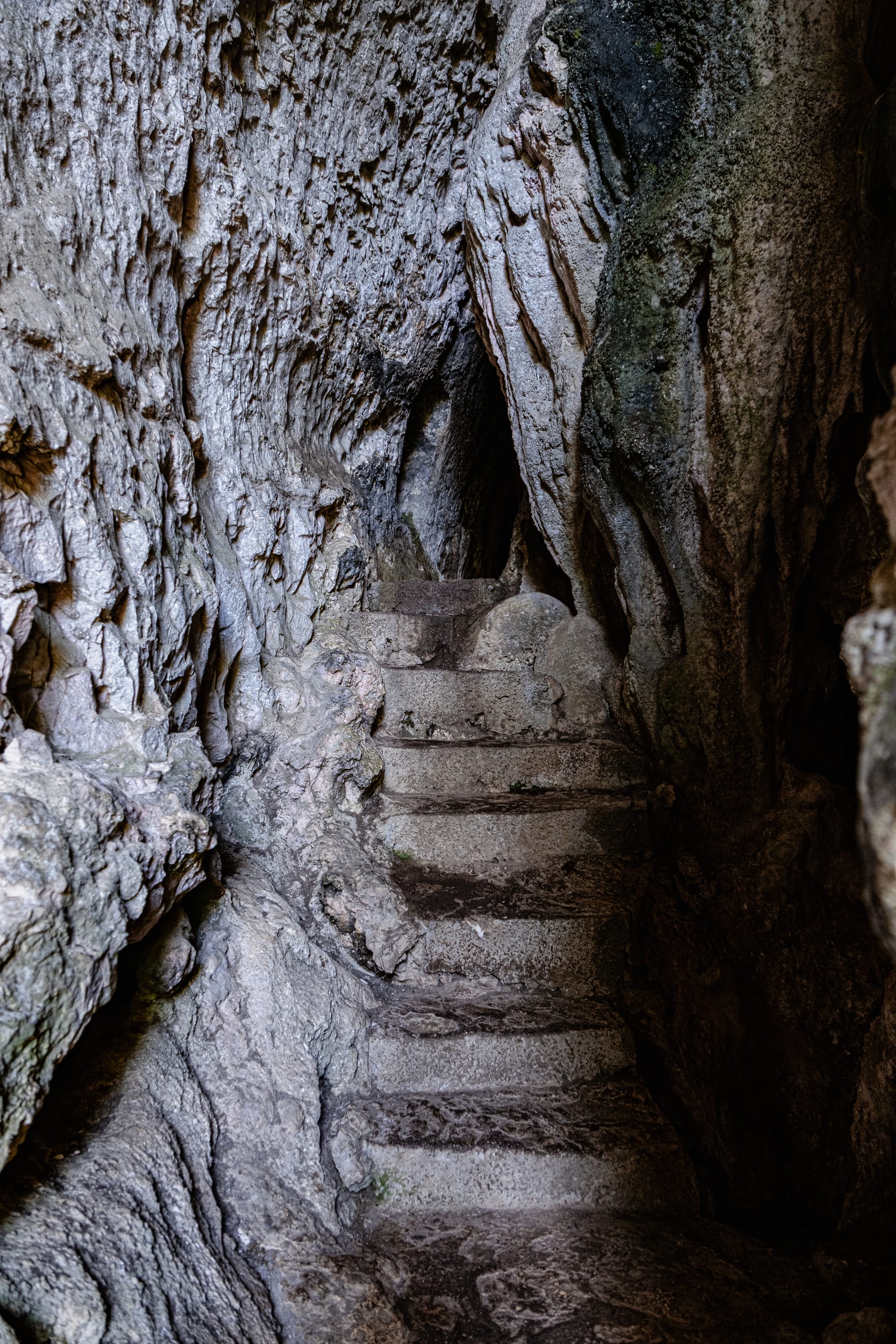
Inside the caves at El Arcotete
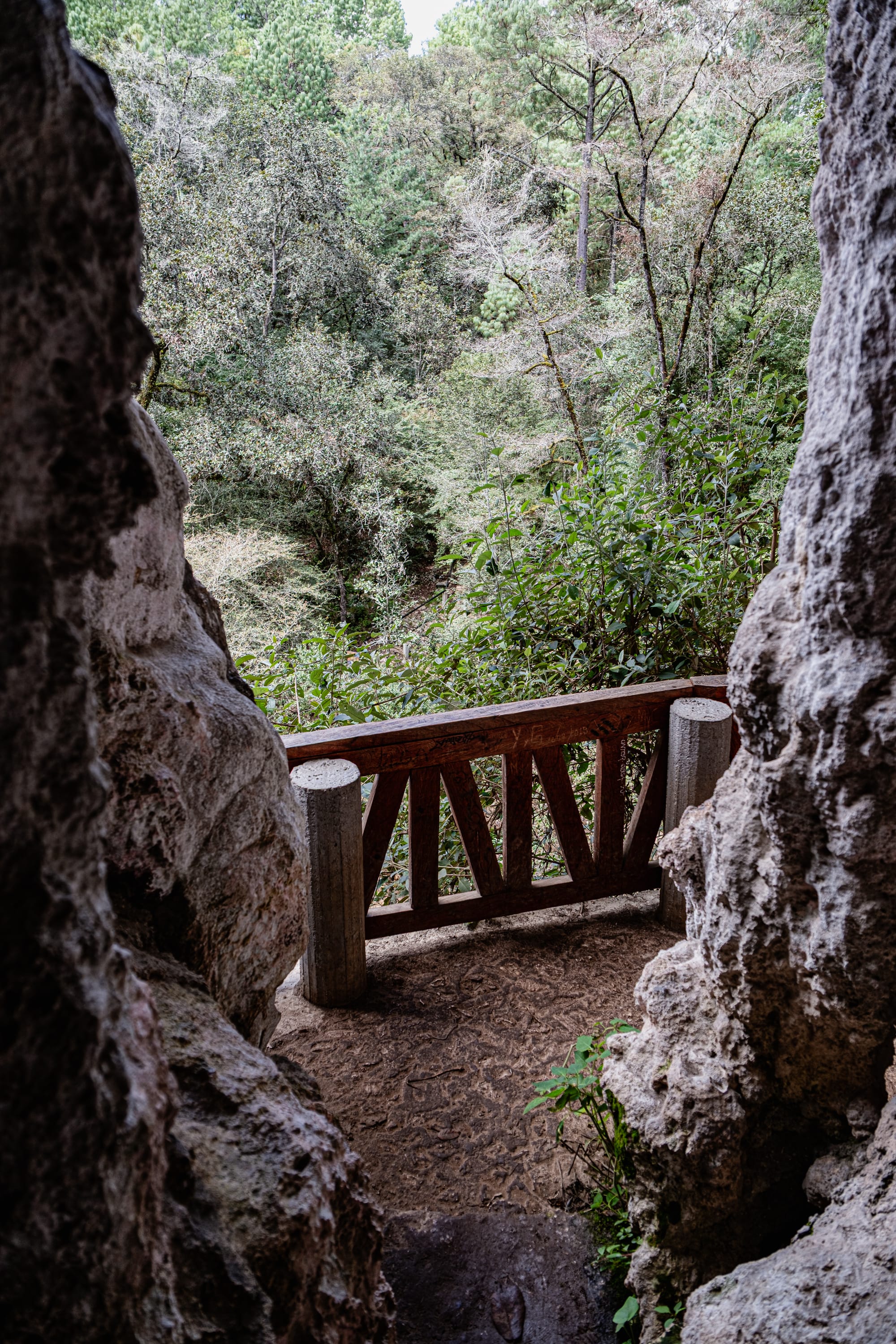
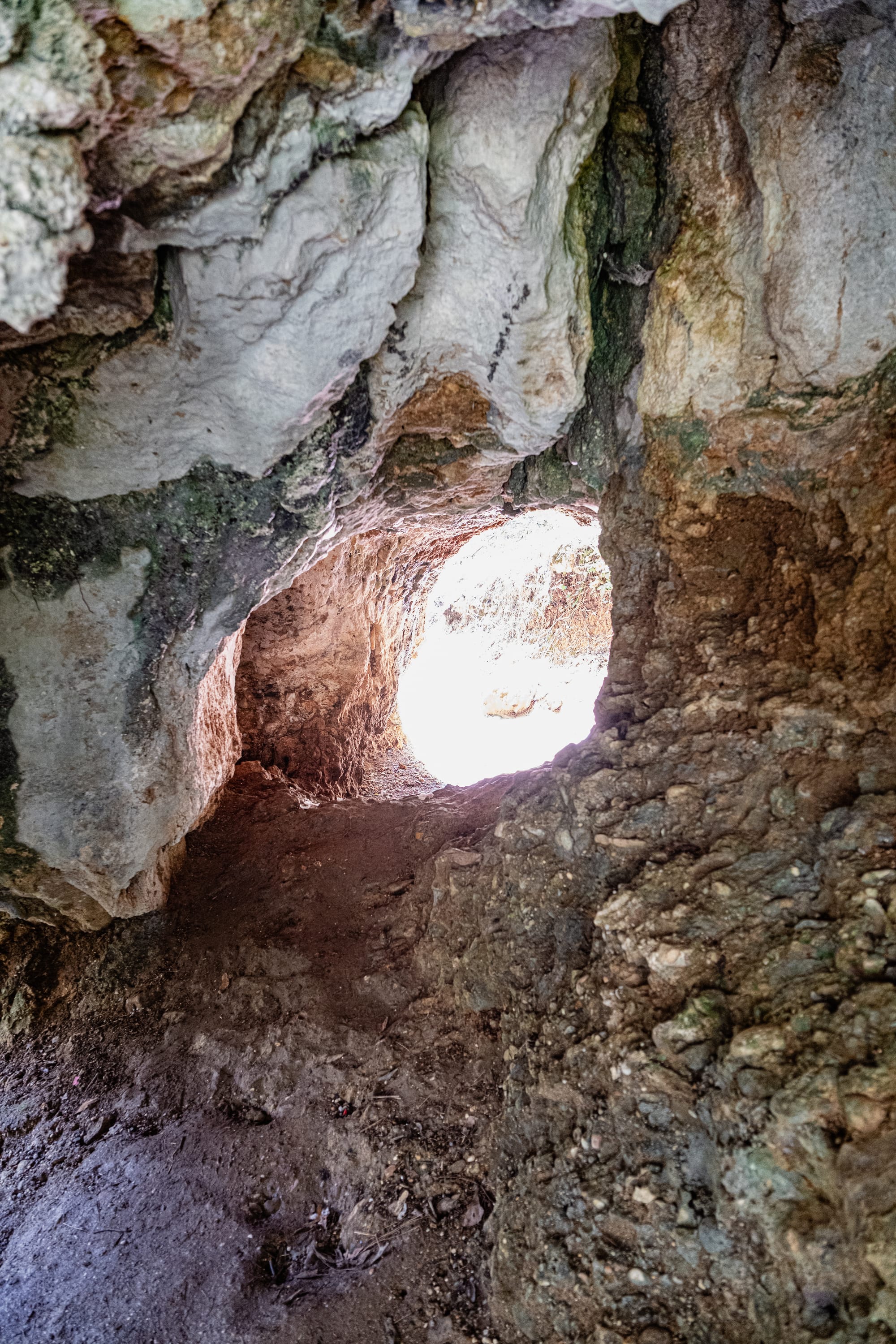
The caves at Arcotete are not sprawling caverns; they are a network of modest chambers and connecting passages that carry the imprint of water’s long presence. In some areas, the walls are smooth where mineral deposits once flowed. In others, jagged lines mark where rock fractured along natural weaknesses. A few openings look out toward the river below, framing the water between uneven edges of stone.
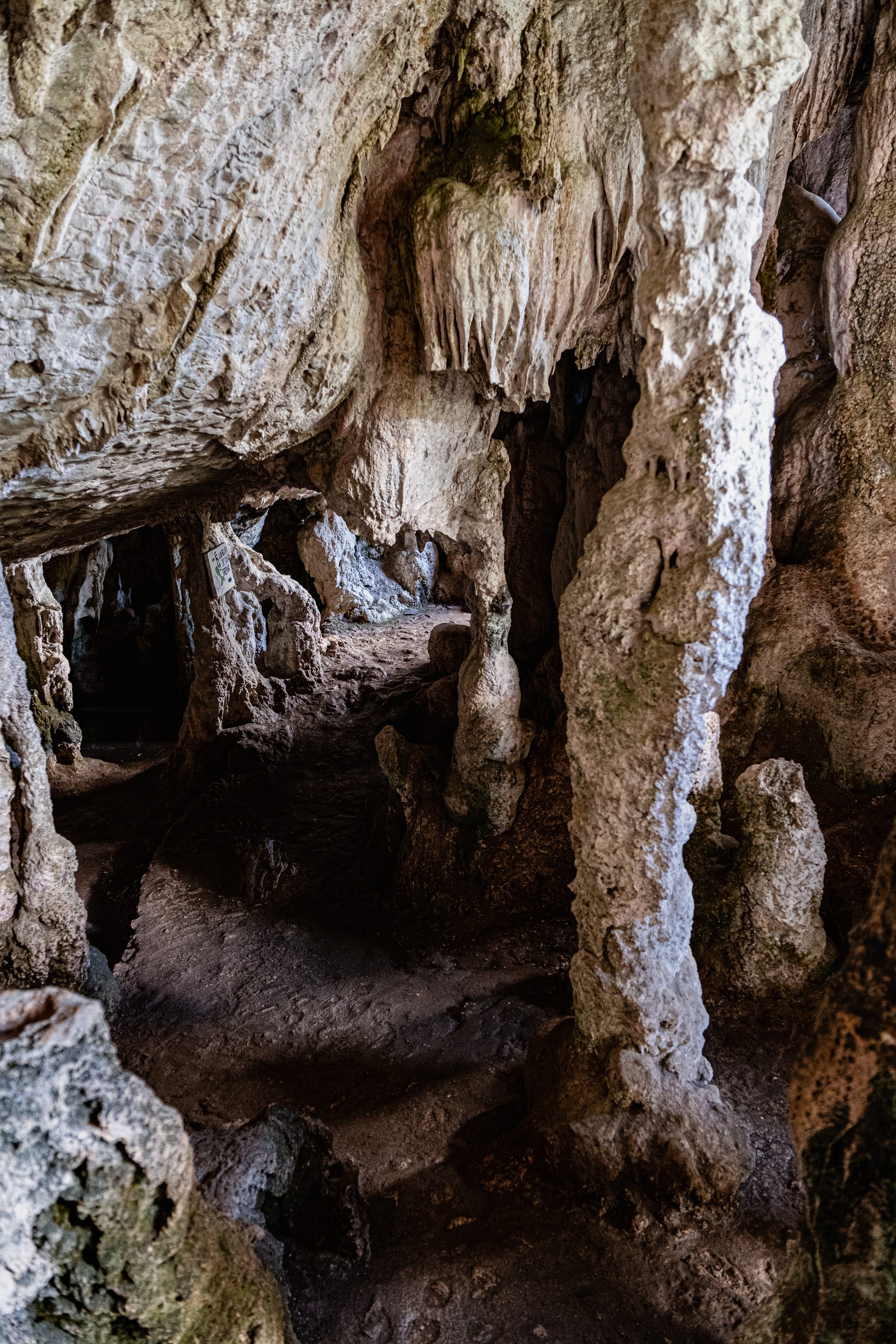
Walking through the limestone chambers at El Arcotete
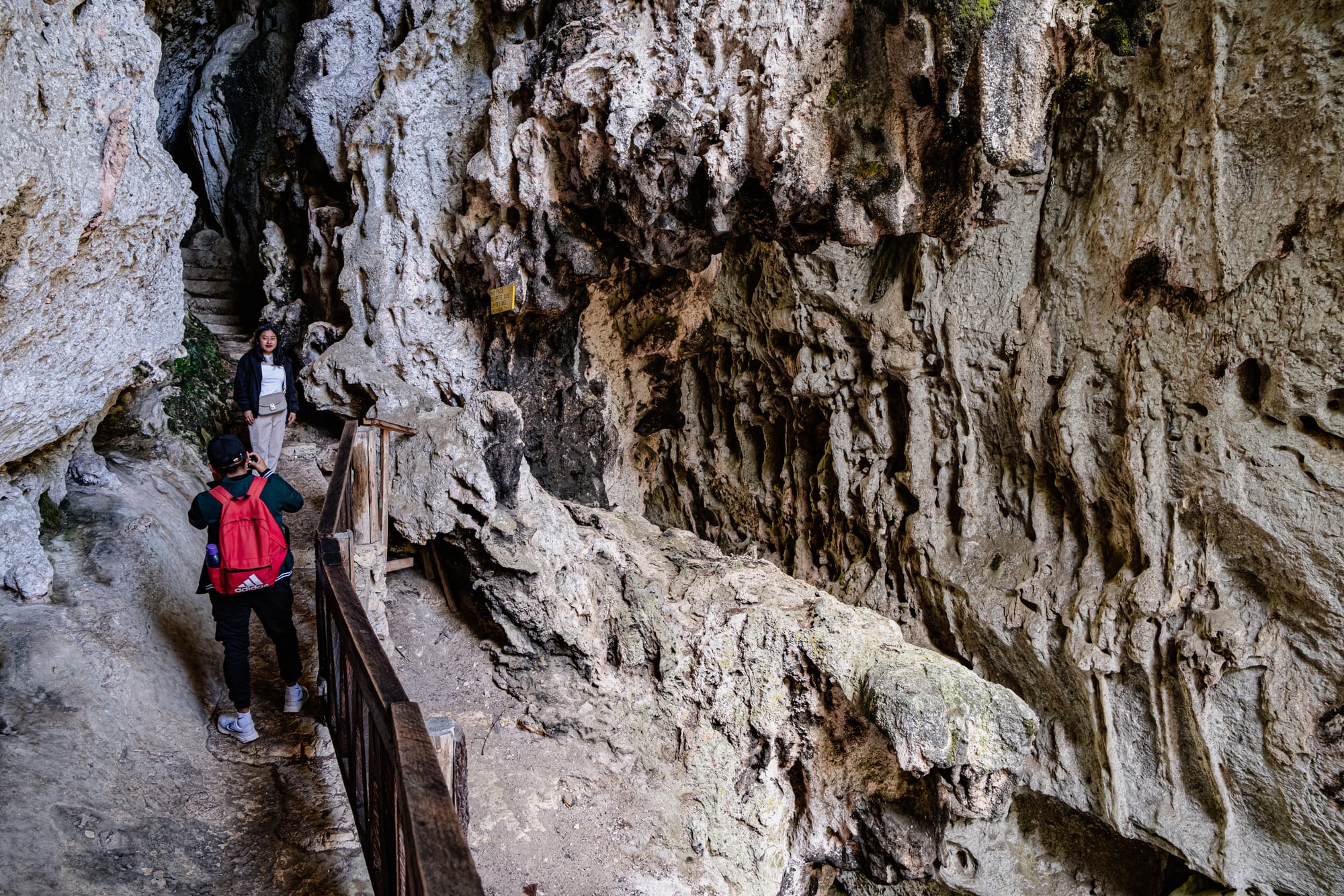
Metal walkways guide you through a loop that takes only a few minutes if you move quickly, though it’s more interesting at a slower pace—pausing to notice how the ceiling shifts in height, how certain formations have grown in sheltered corners, how sound behaves in a room made entirely of mineral.
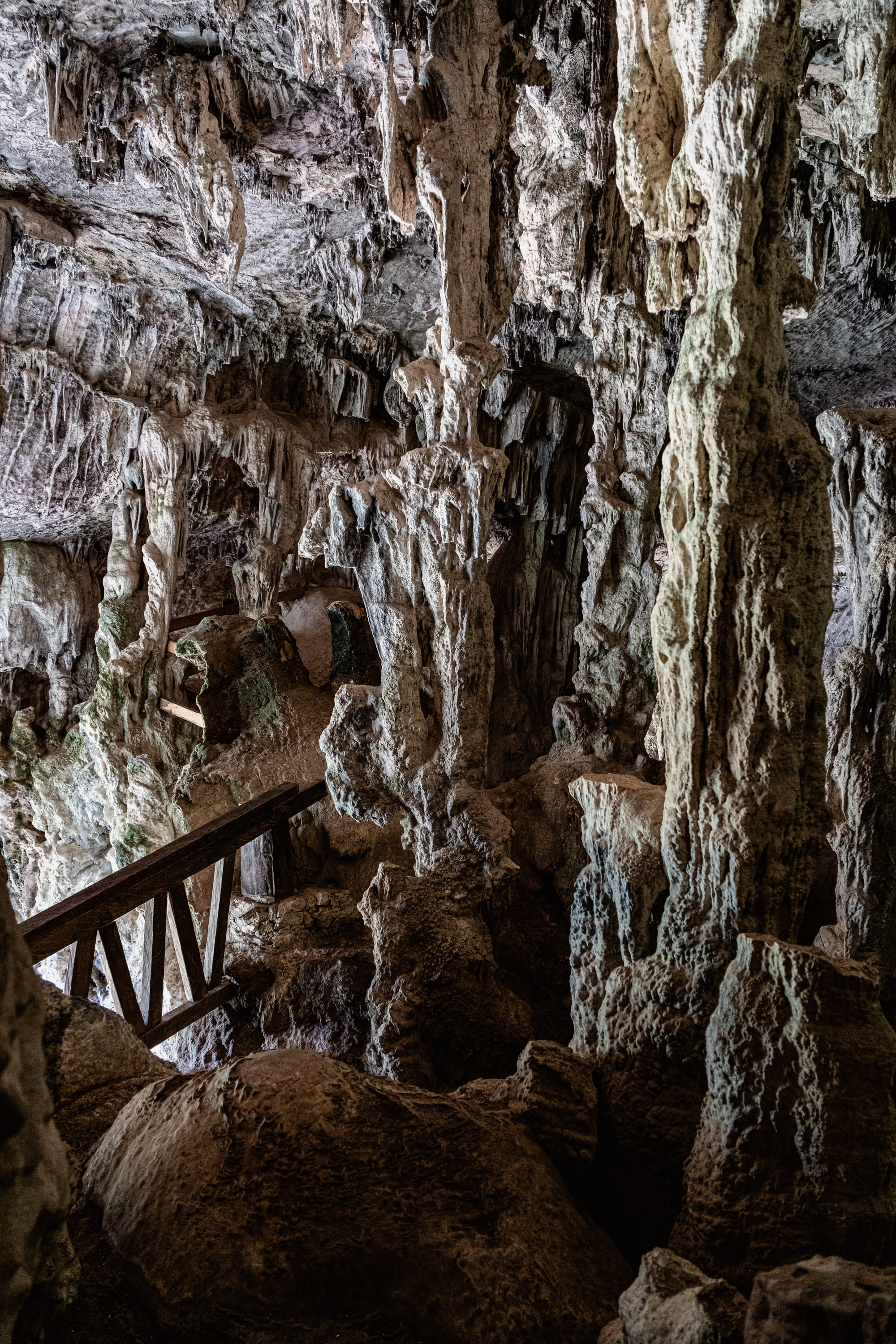
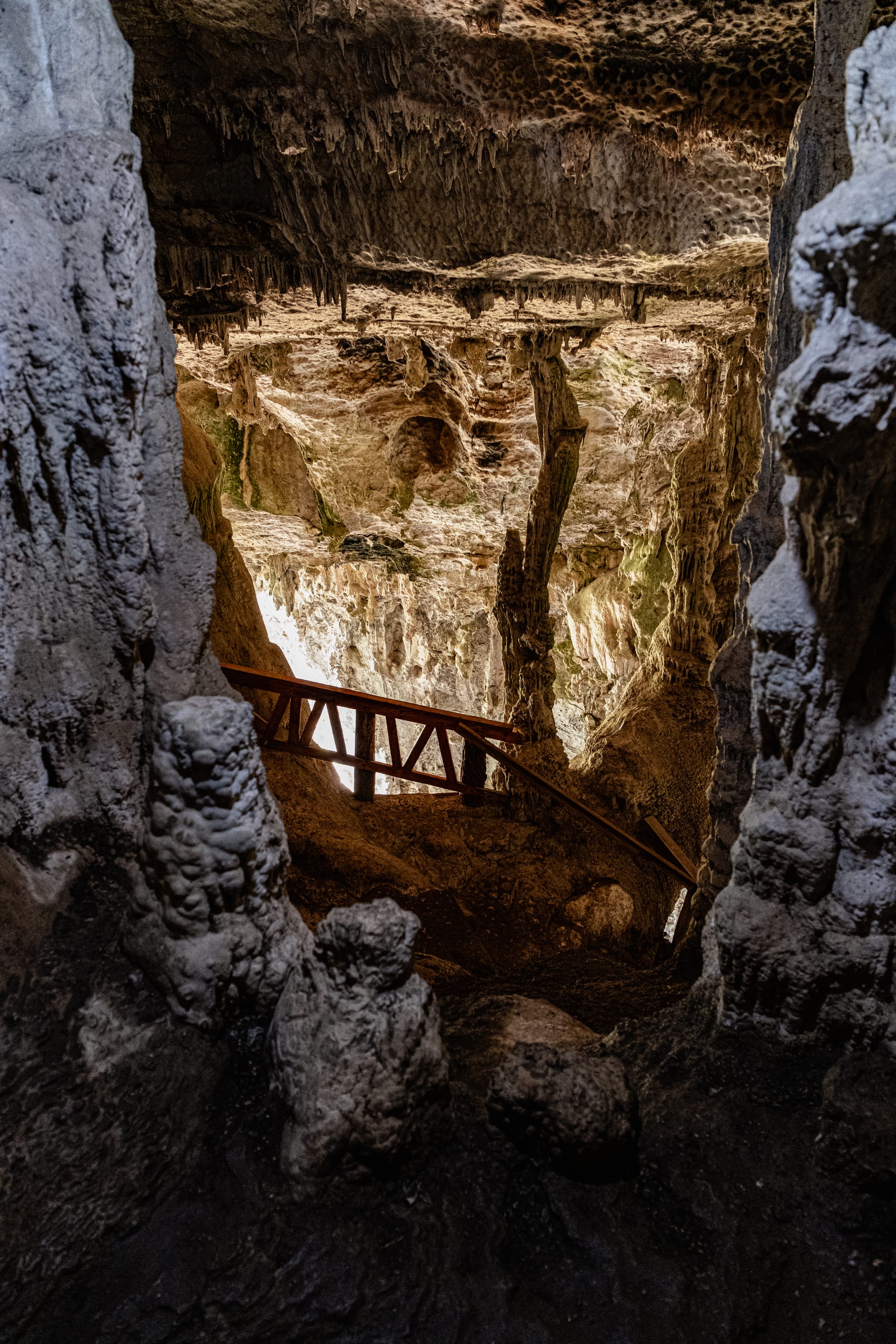
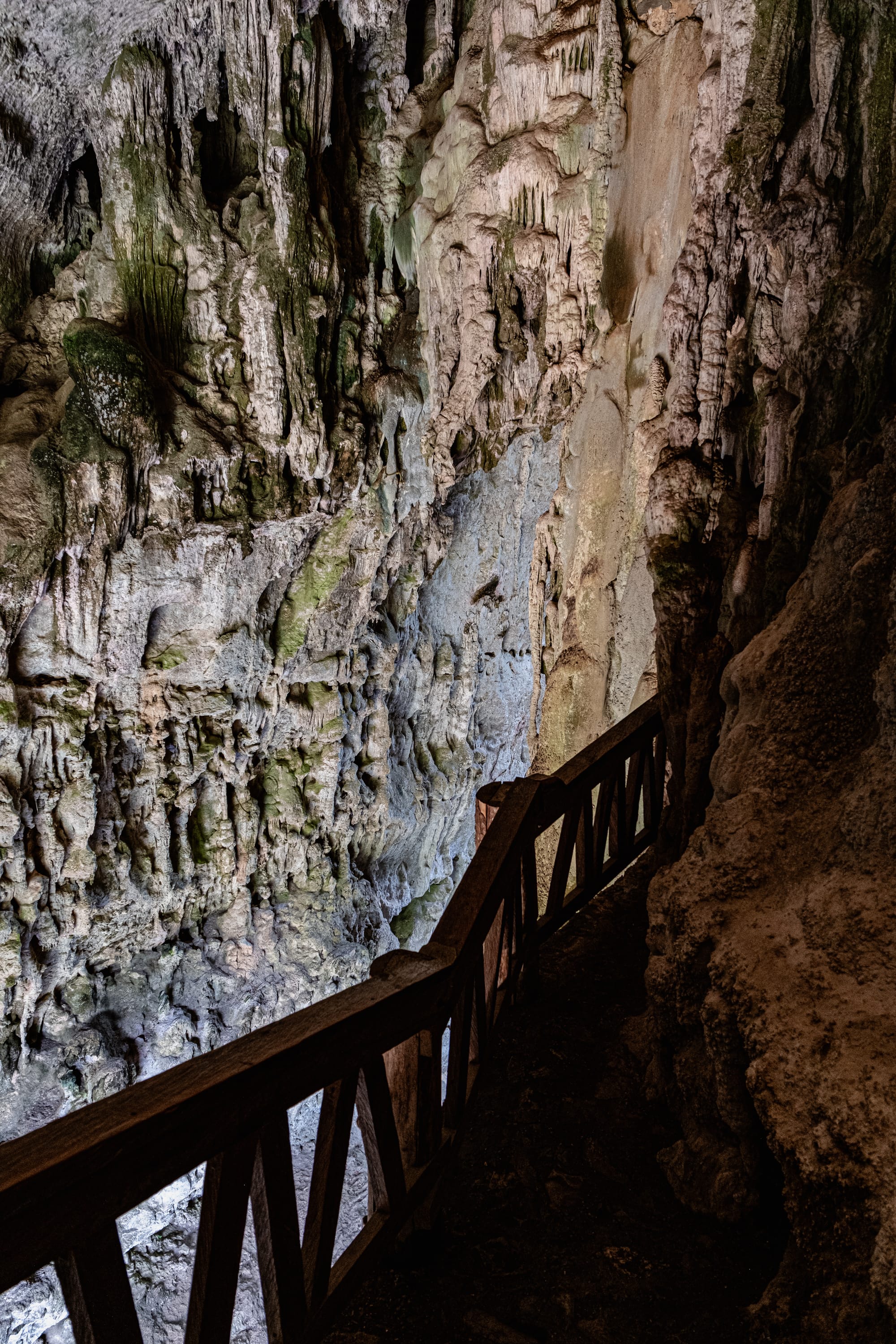
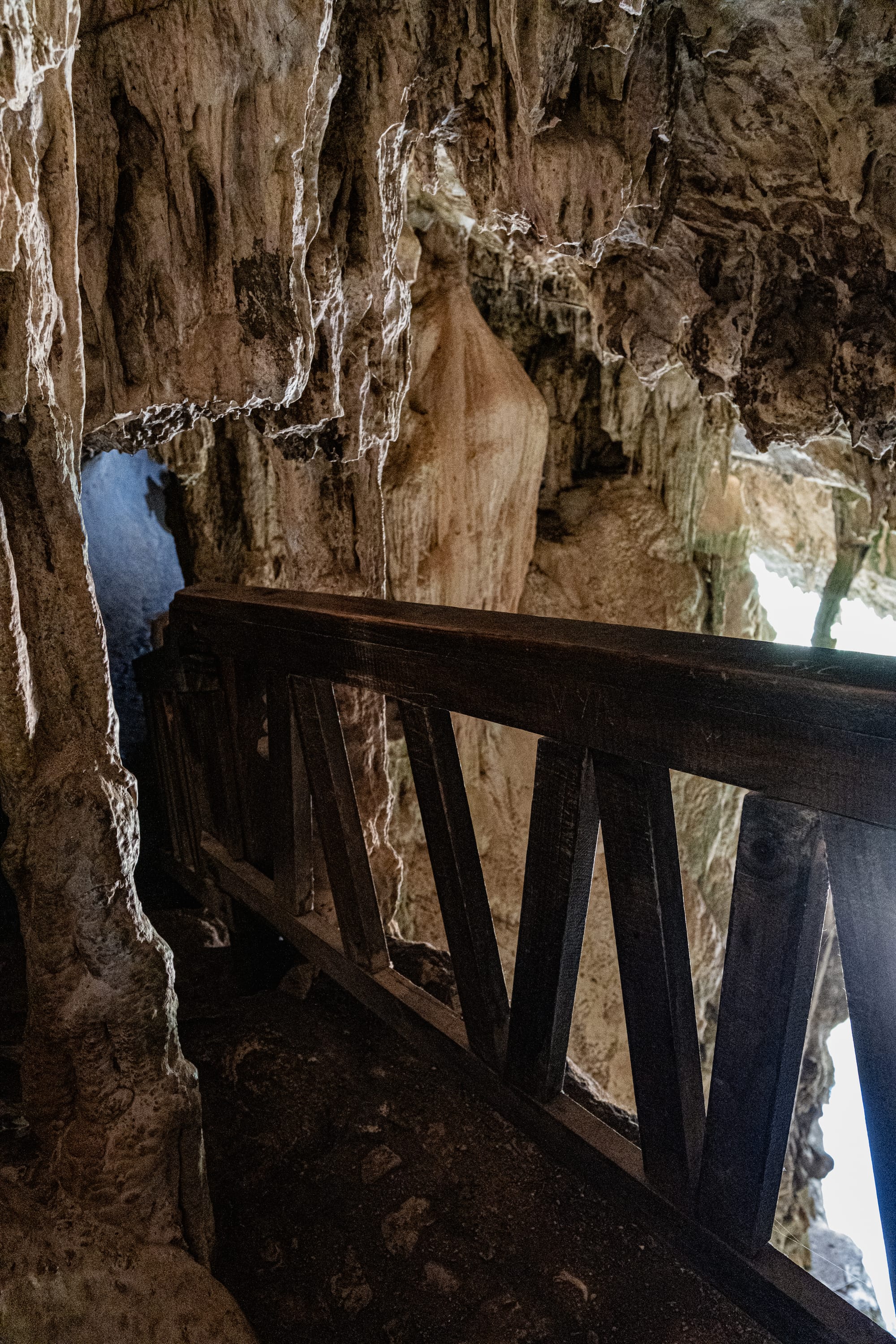
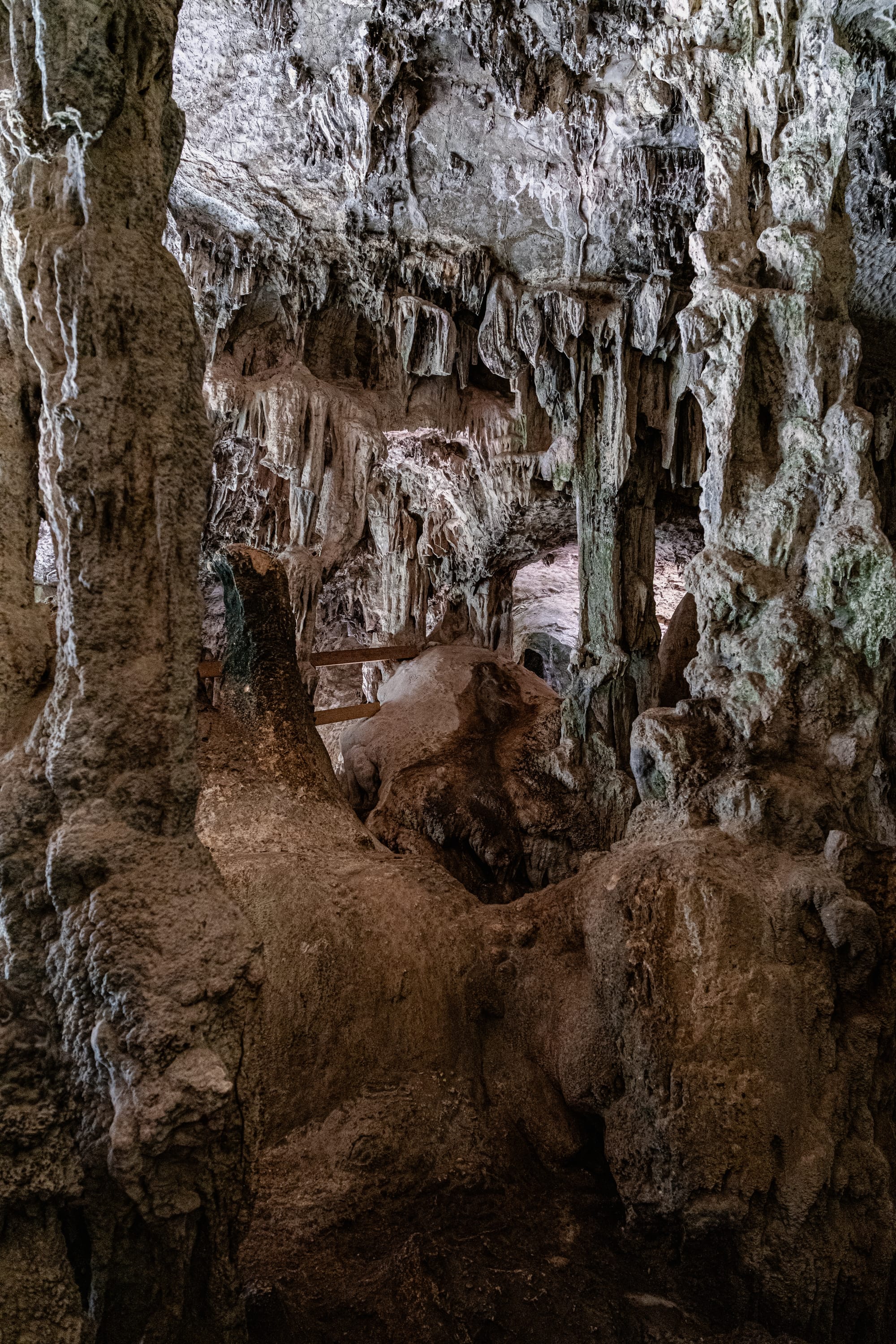
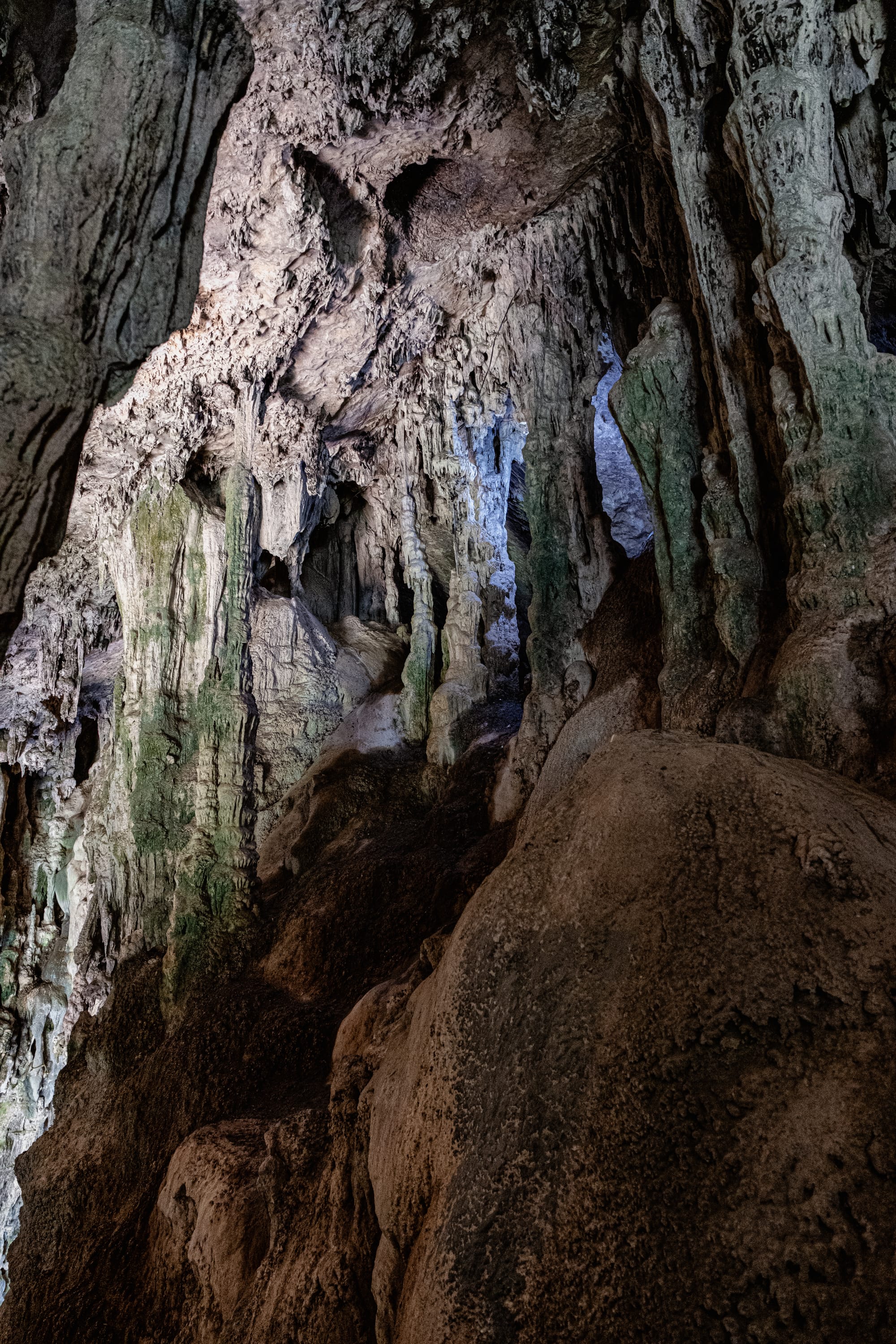
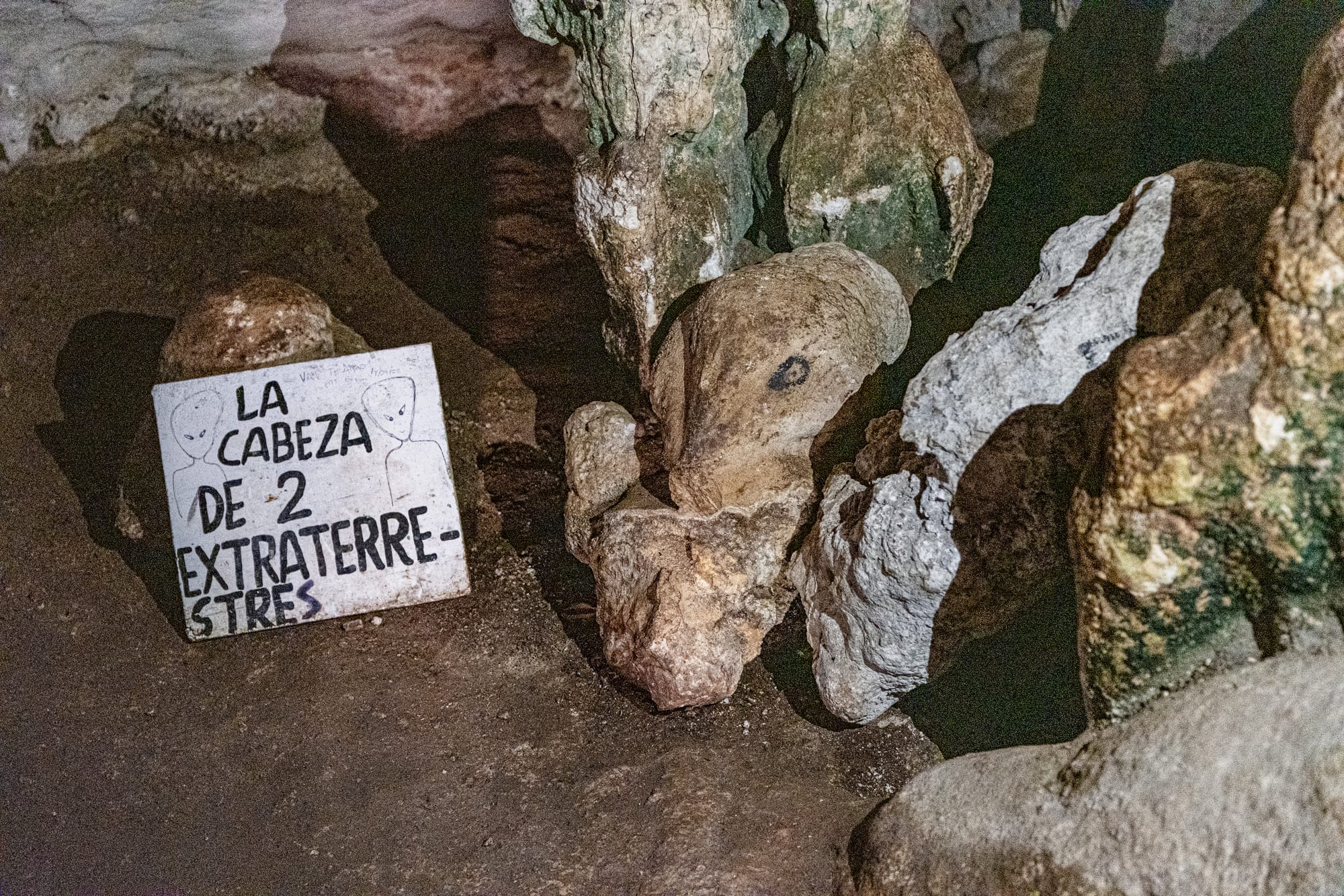
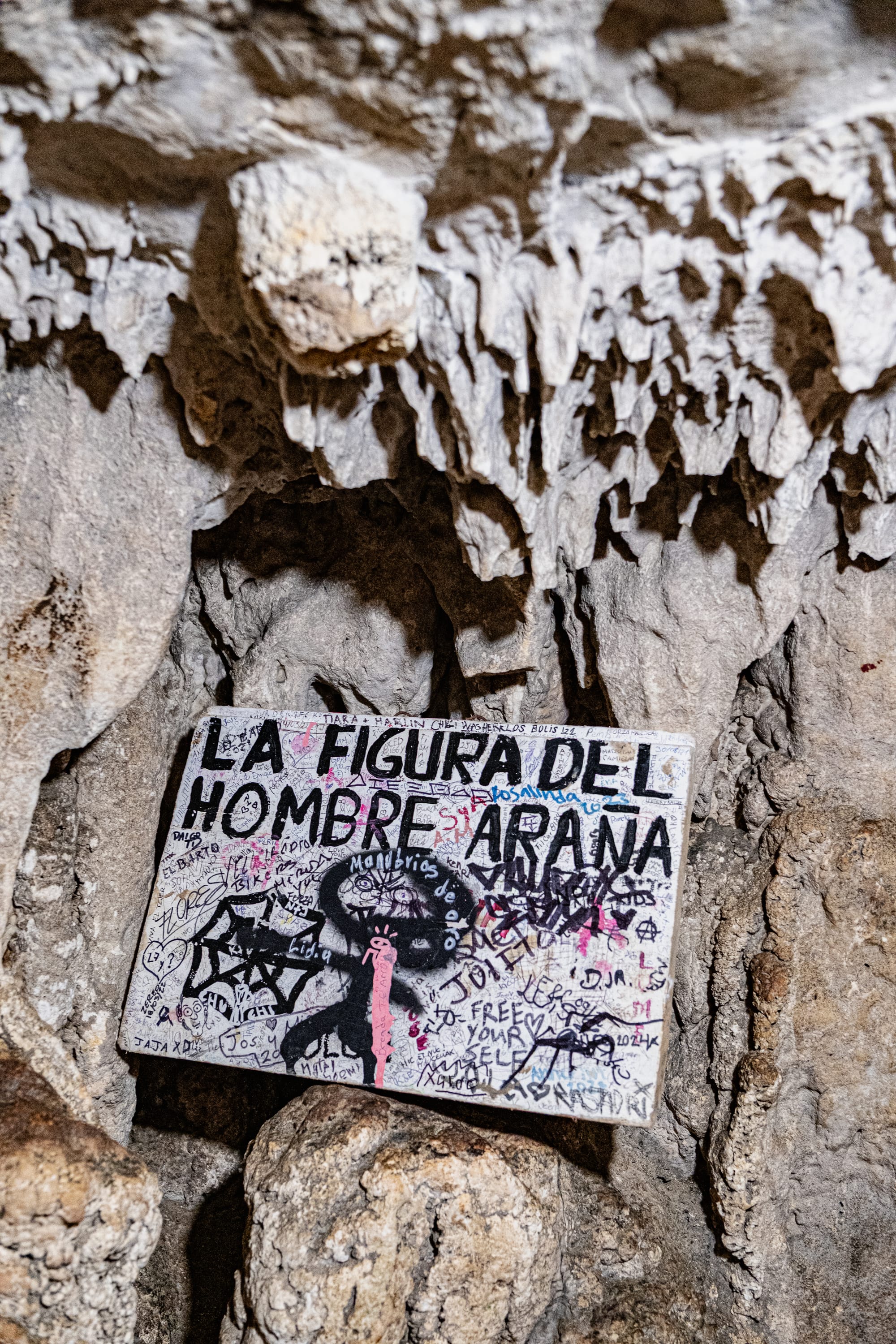
Cave formations at El Arcotete with hand-painted signs hinting at what people see in the stone
Standing inside, you understand the arch differently—it’s not just an exterior landmark but the visible surface of a more complex interior system.
Along the river and through the trees
Back on the forest floor, the river widens into a quieter stretch where people tend to gather. Families spread blankets beneath the pines. Kids chase each other along the water’s edge. Someone always seems to have brought a portable speaker, though the sound never entirely overrides the softness of the place.
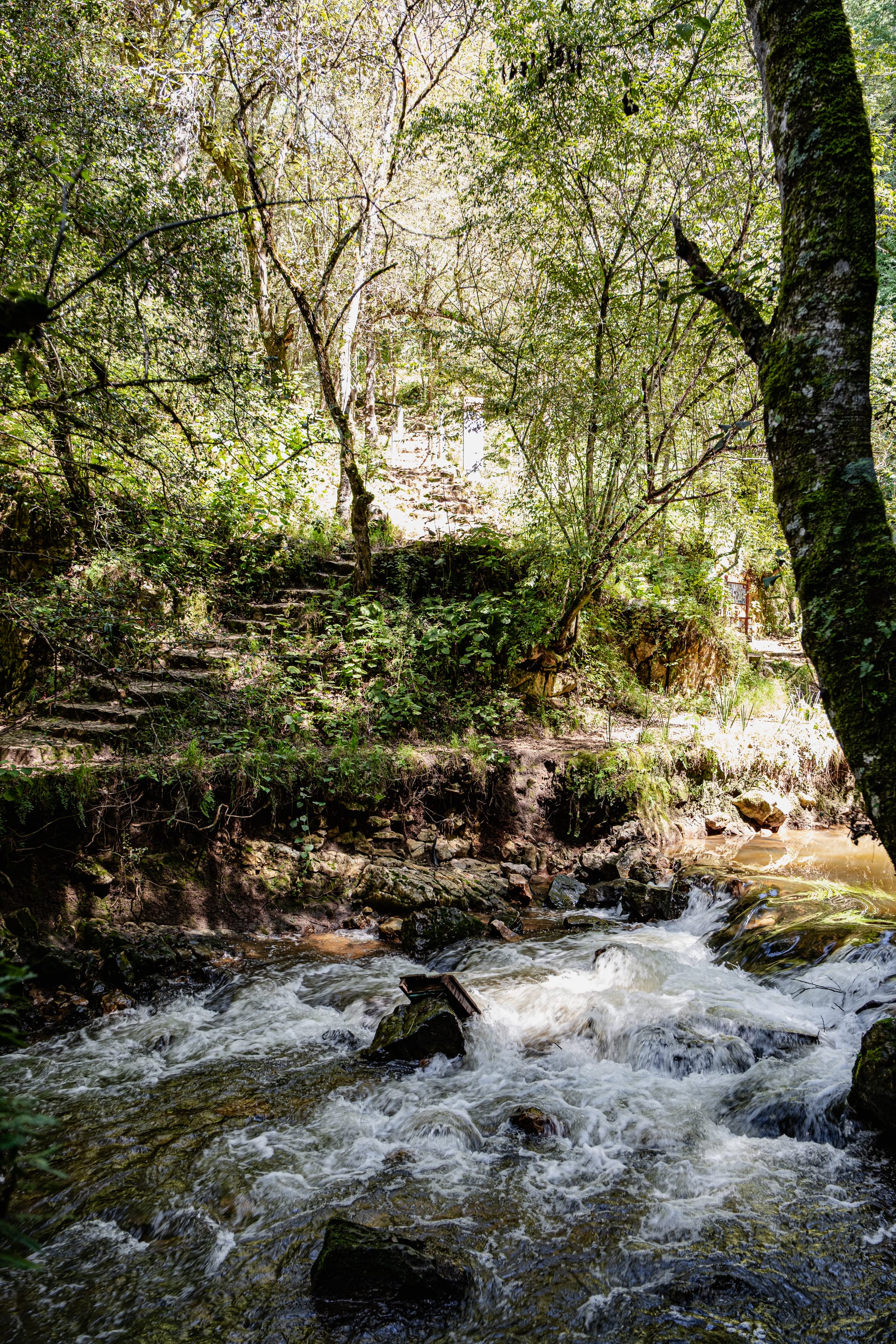
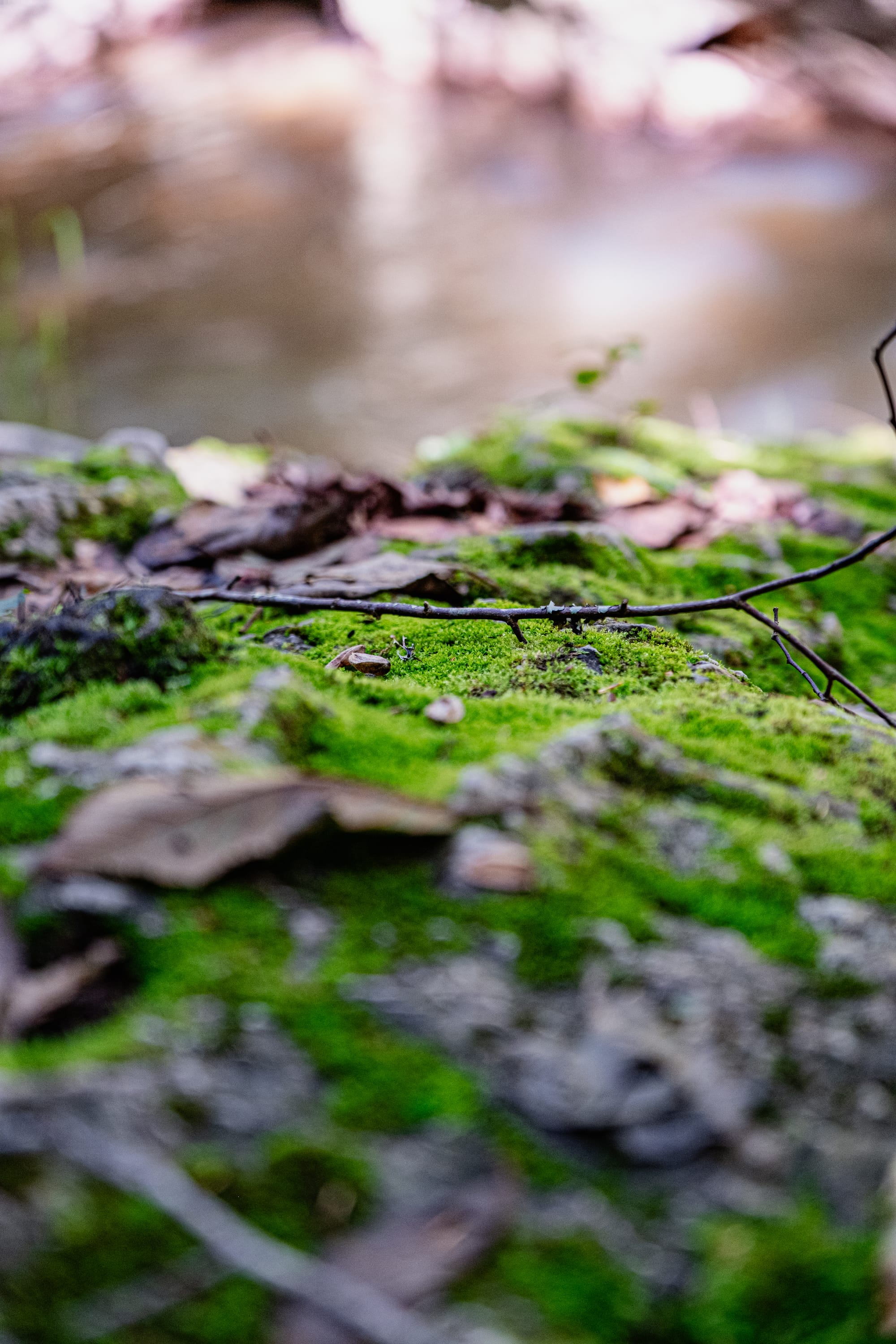
Along the river at El Arcotete, where rushing water meets the moss-covered stones
We followed a path that leads away from the main area and into the trees. The highland forest here is typical of the region around San Cristóbal—tall pines mixed with a variety of understory plants adapted to cool conditions.
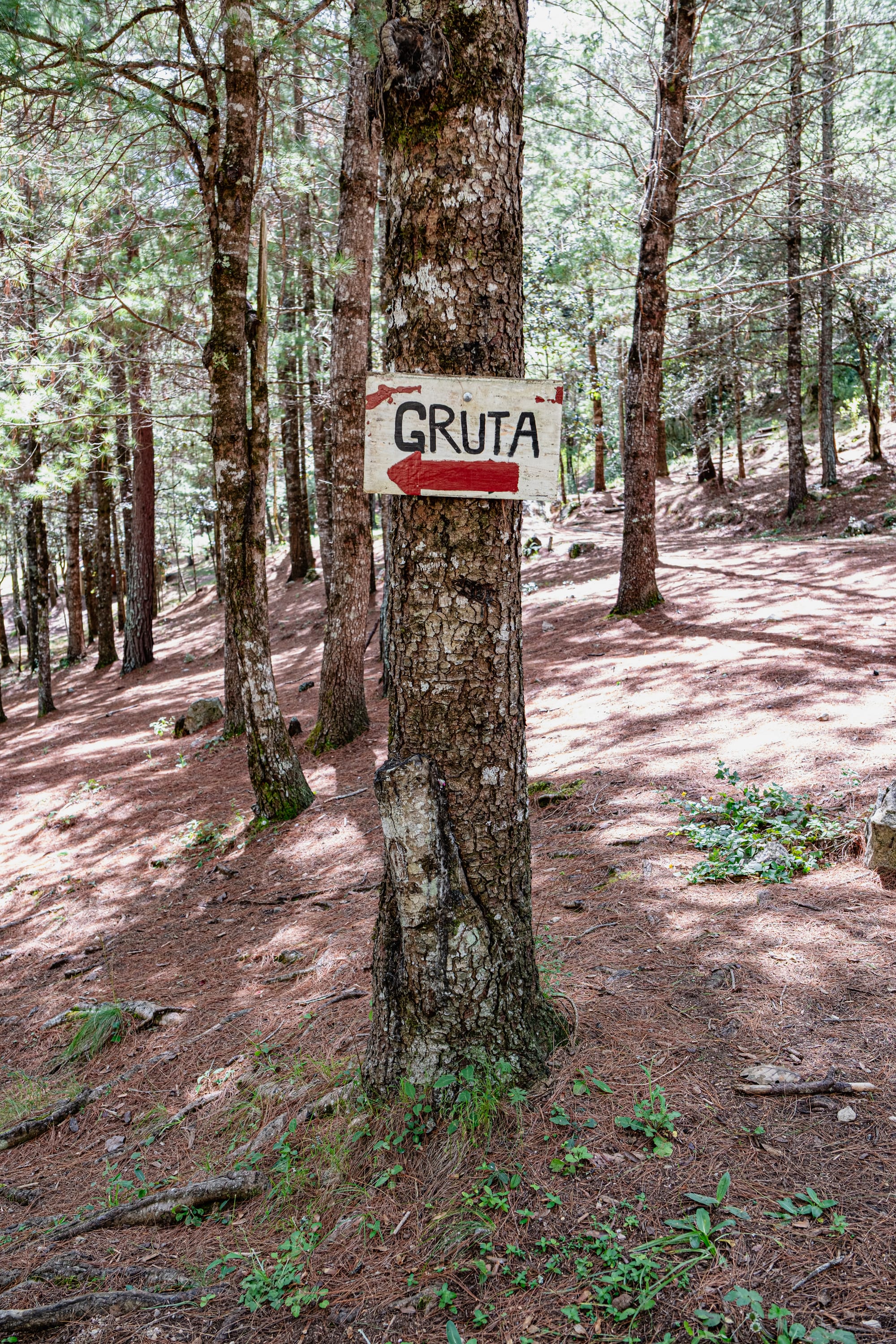
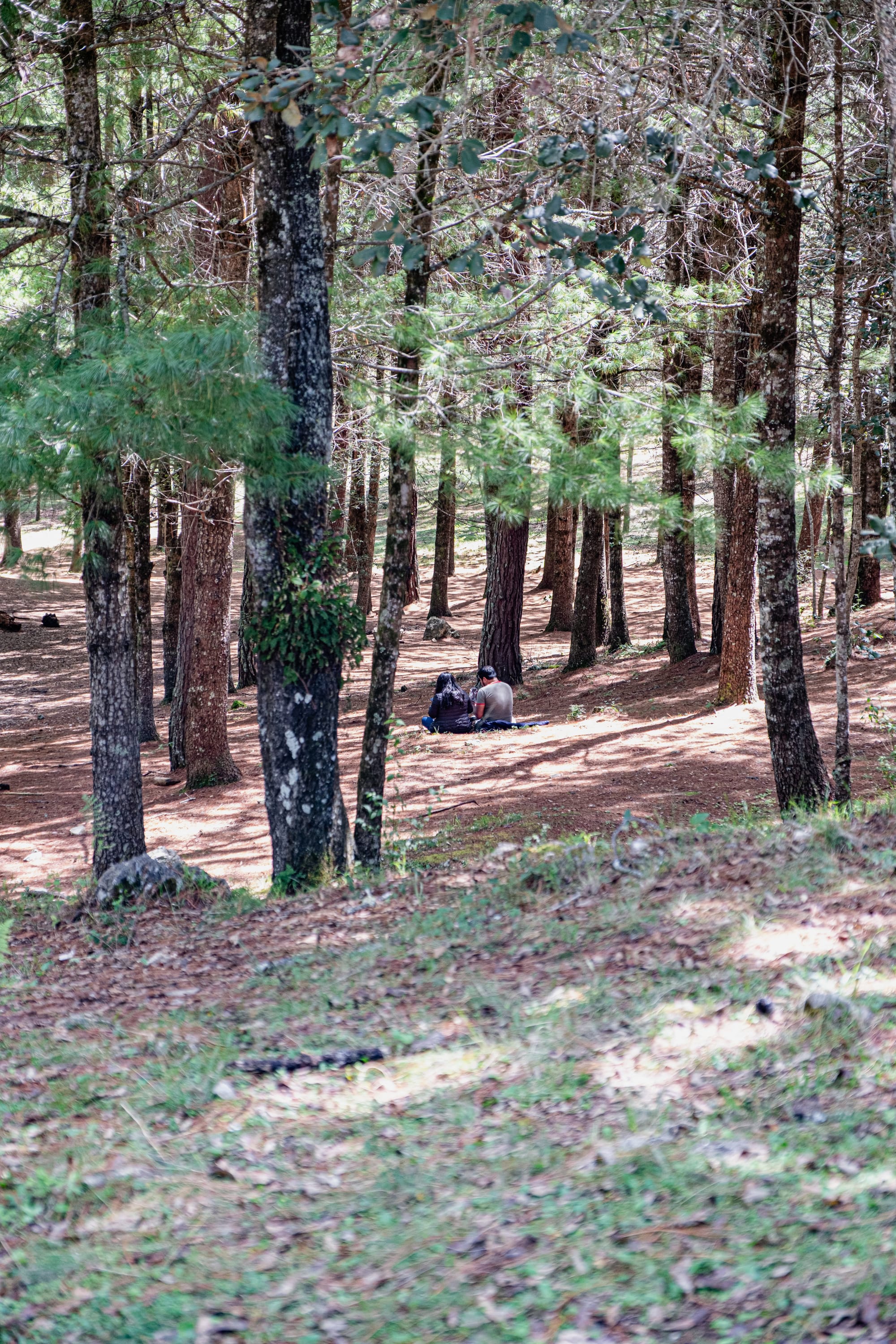
Walking through the highland pines at El Arcotete
Moss grows where shade holds moisture. Ferns cluster at the base of rocks. Depending on the season, you can sometimes spot epiphytic plants anchoring themselves to the bark of older trees.
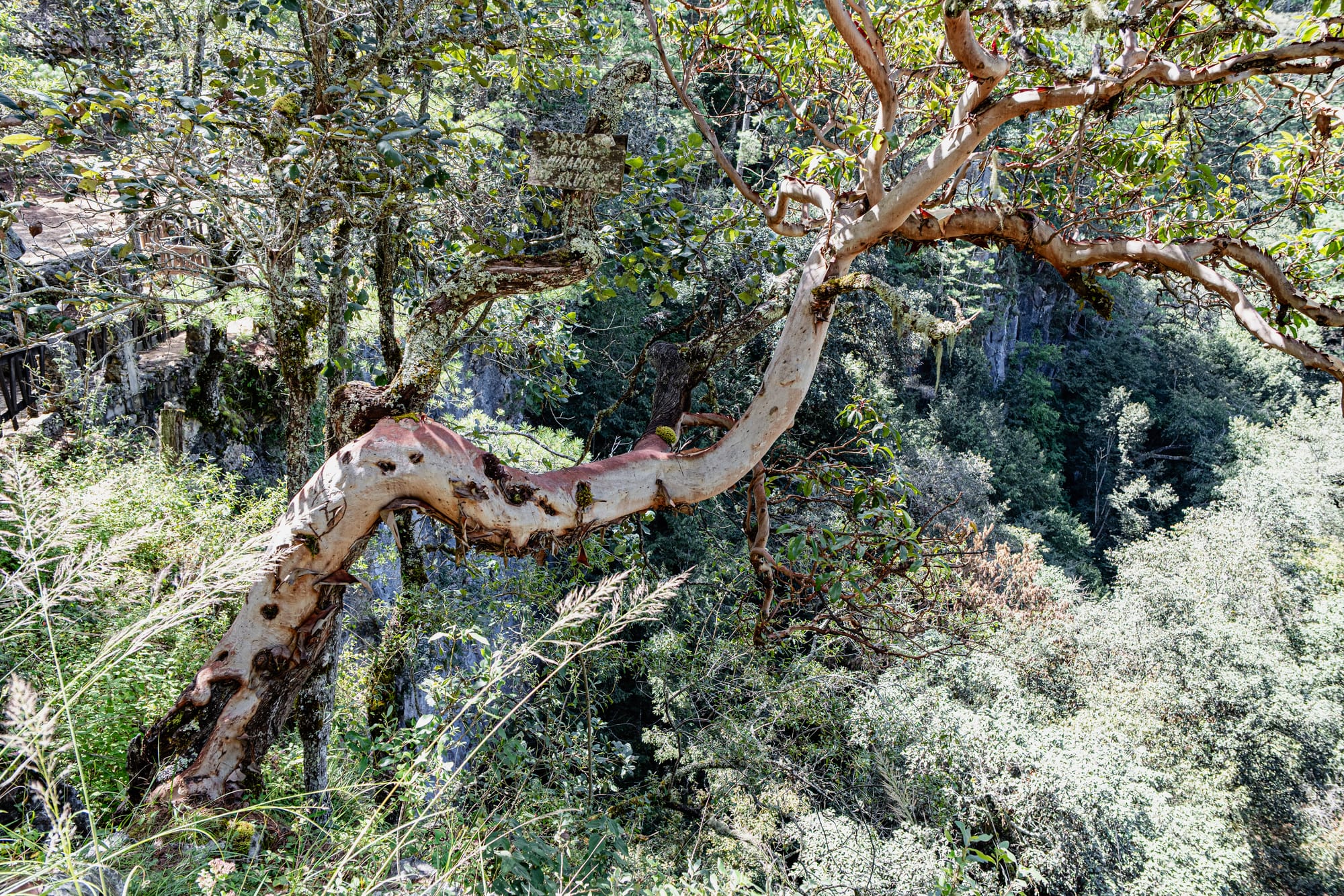
The trails are not long; most of them loop gently back toward the center of the park. But there are moments where a break in the branches gives you a view of the surrounding hills, or where the terrain dips just enough that you catch sight of the river again from a different angle.
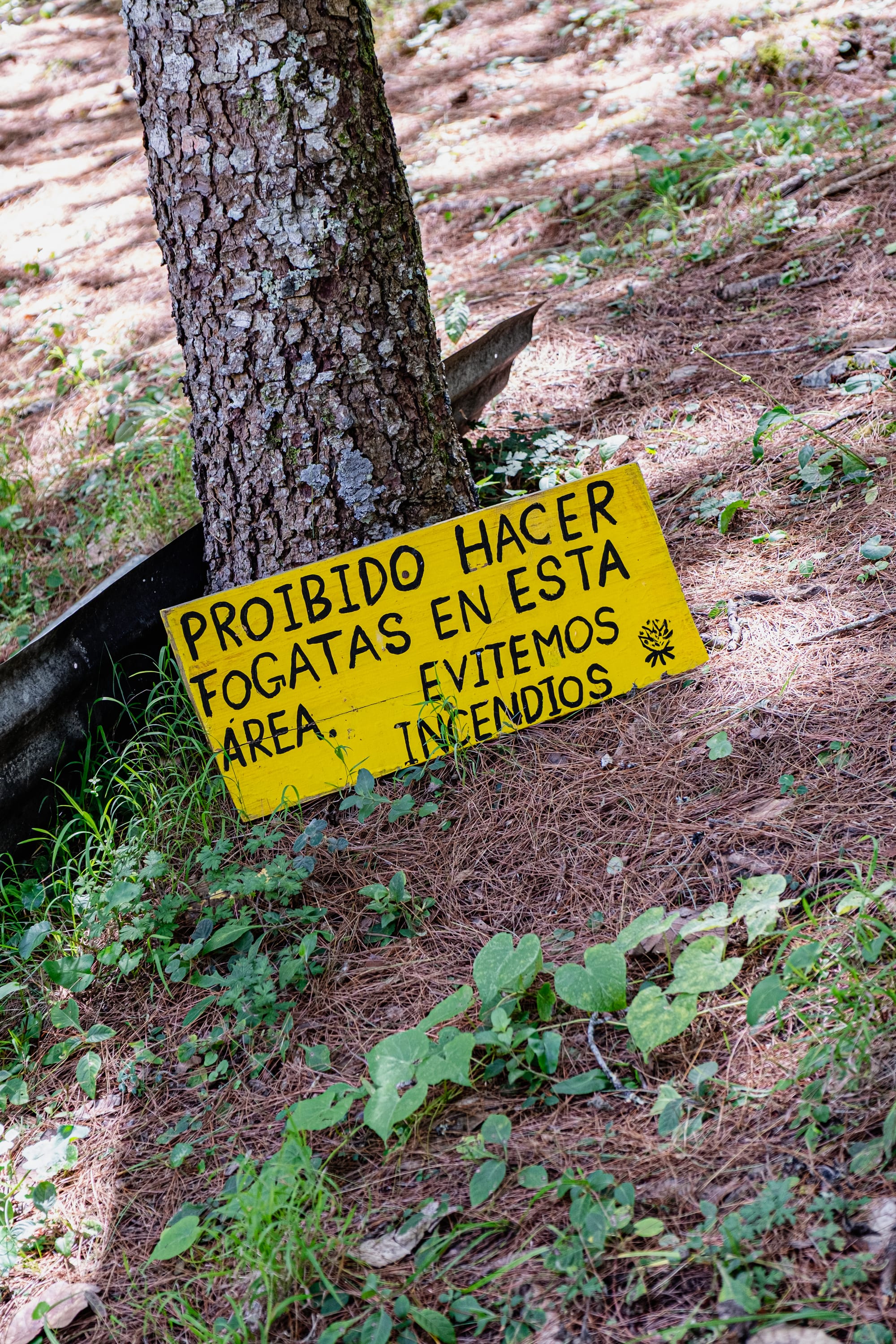
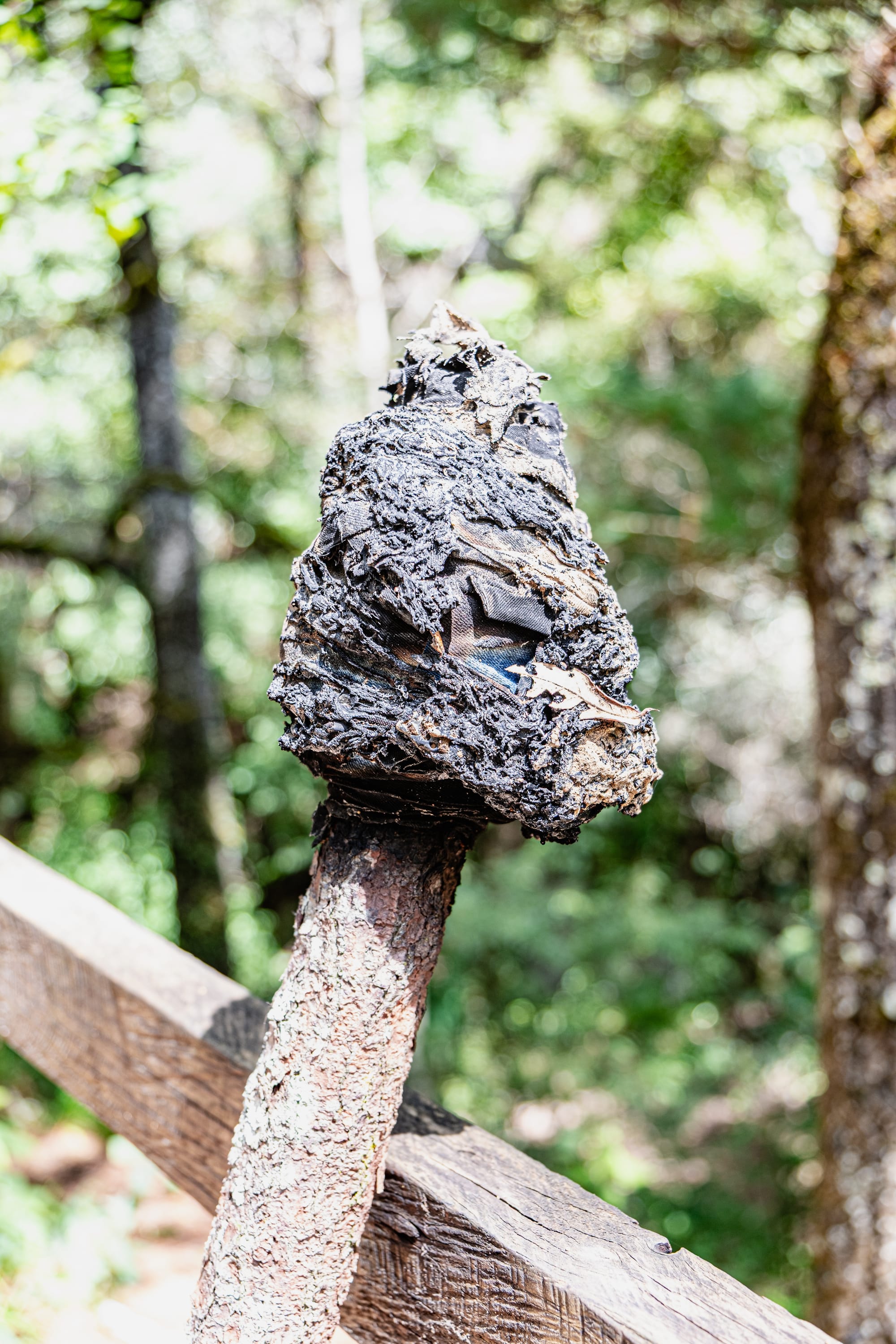
Signs and small details around El Arcotete
It’s not wilderness, but it feels like a pocket of landscape that has been allowed to remain itself.
A few hours with friends
The park was lively but not crowded, and the mix of forest, water, and rock made the entire outing feel loose and open. We brought a bag of guavas to share with our friends.
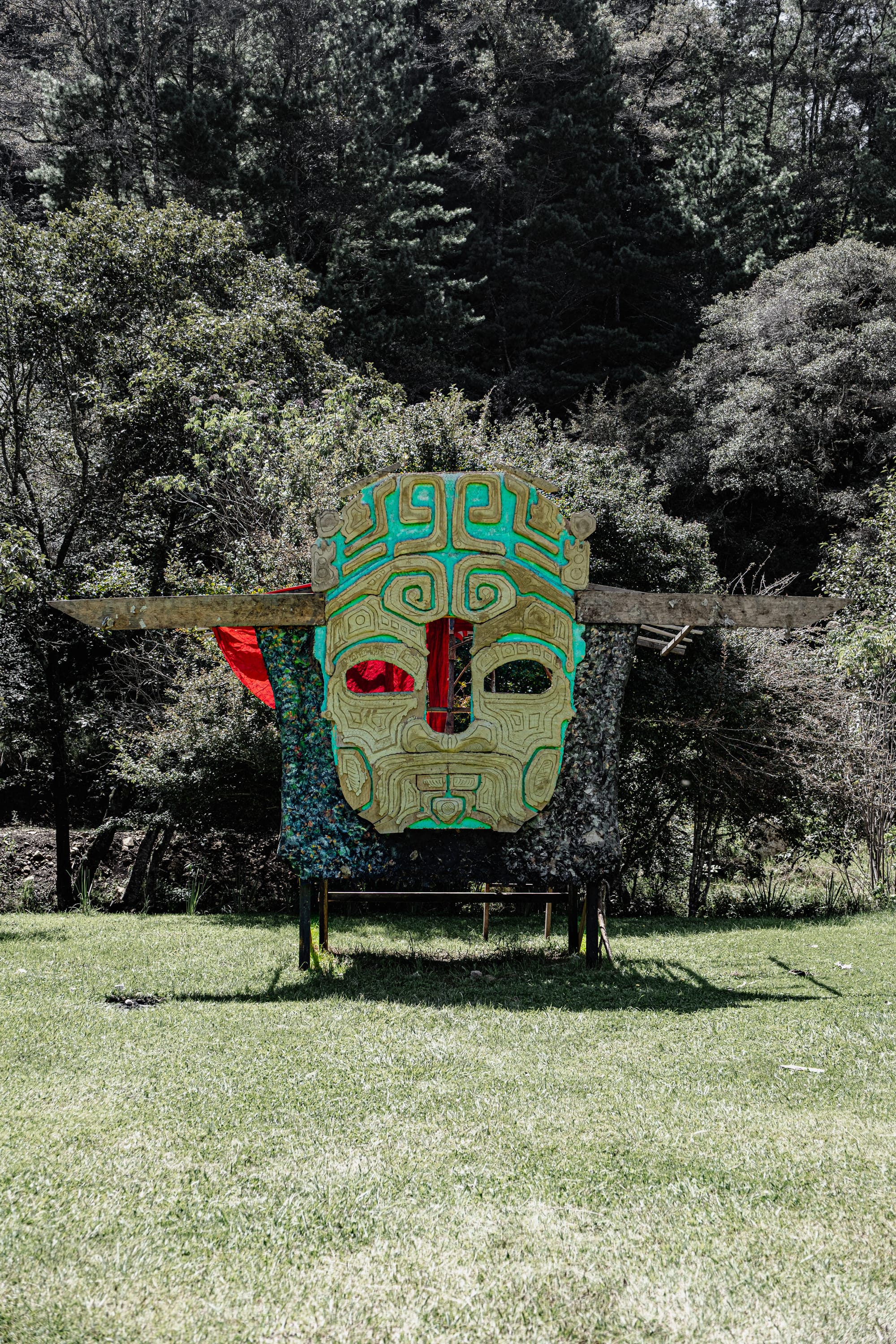
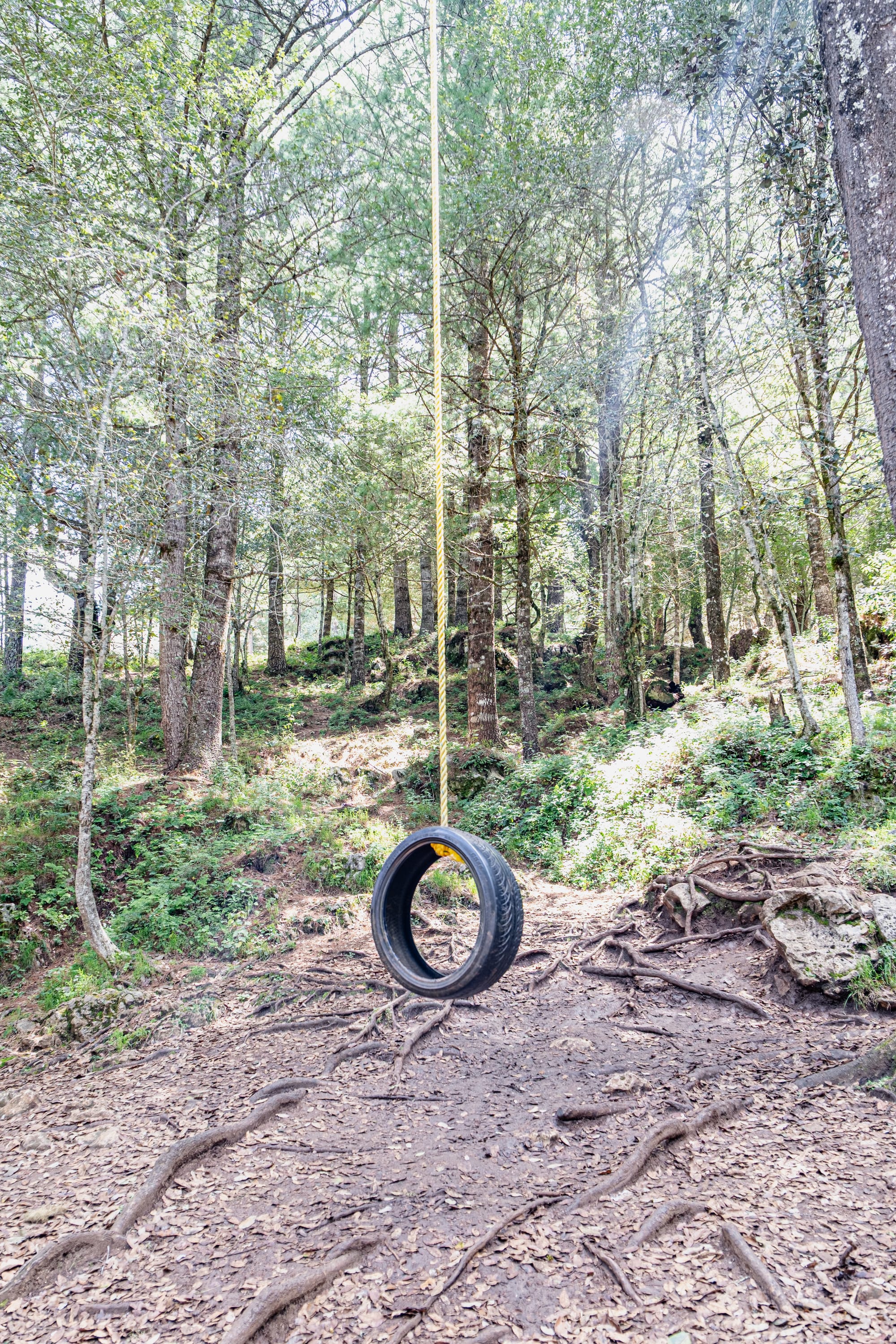
Art and play across the grounds at El Arcotete
For travelers who like a bit more structure, the park offers occasional adventure activities like ziplining and climbing along designated routes. They’re optional, fenced off from the quieter parts of the grounds, and easy to ignore if you’ve come mainly for the caves and the river.
Stories held by the stone
Arcotete carries a local legend—one that we heard in passing. The story goes that the name traces back to a Frenchman who lived in the region generations ago, a man whose unreturned love left him wandering the area near the caves. Versions differ, and the details blur over time, but the narrative has become entwined with the place itself. Some say parts of the rock resemble the outline of a face; others simply repeat the story because landscapes like this invite myths to settle in.
Behind the legend lies the slower, verifiable history of the formation. The arch is a natural bridge created by Río Fogótico’s long interaction with the limestone beneath San Cristóbal. Over thousands of years, the river cut downward, carving cavities, openings, and eventually the span visible today. Water continues to shape the stone, though the process is incremental—small shifts, mineral drips, and seasonal flows recording themselves subtly on the surface.
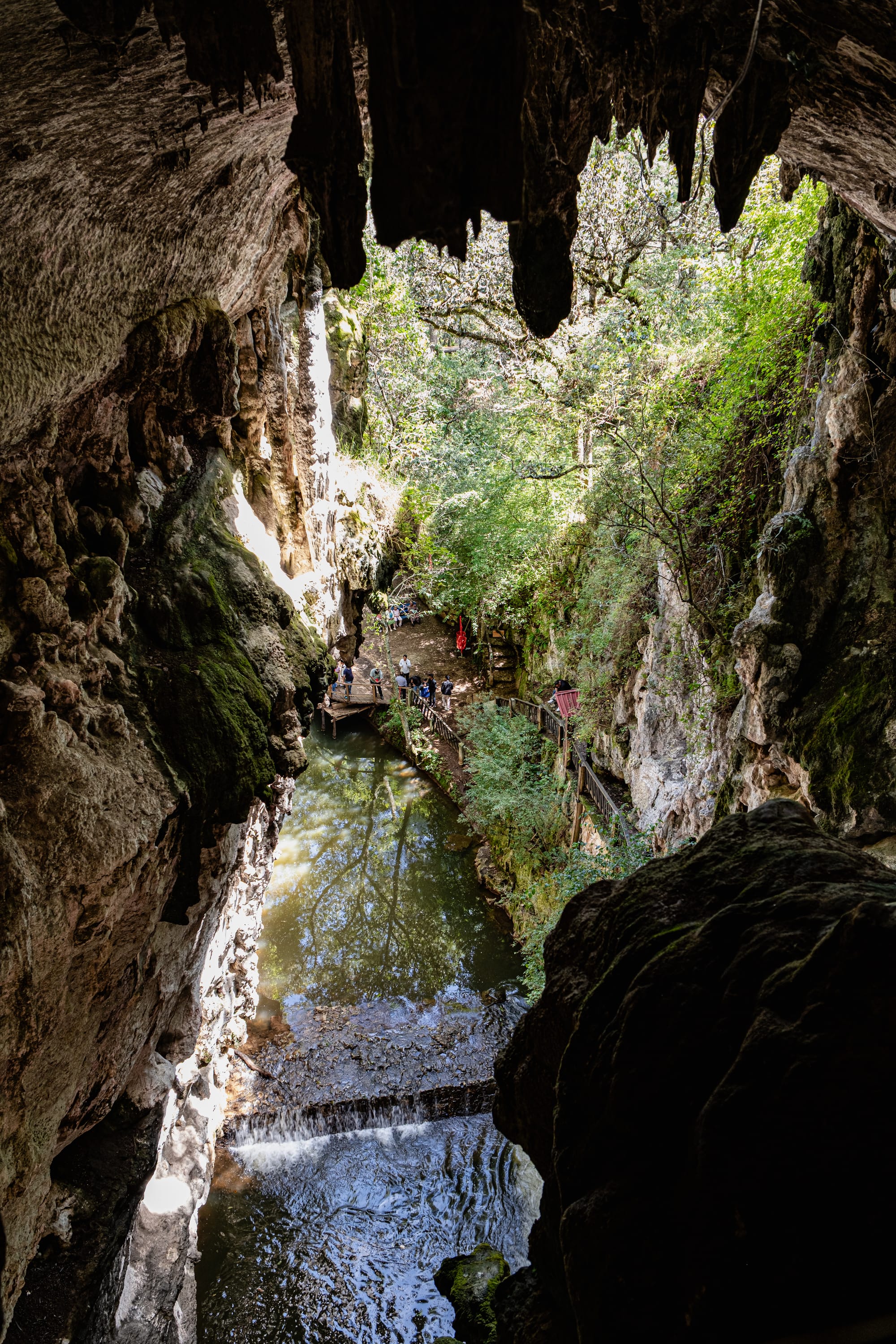
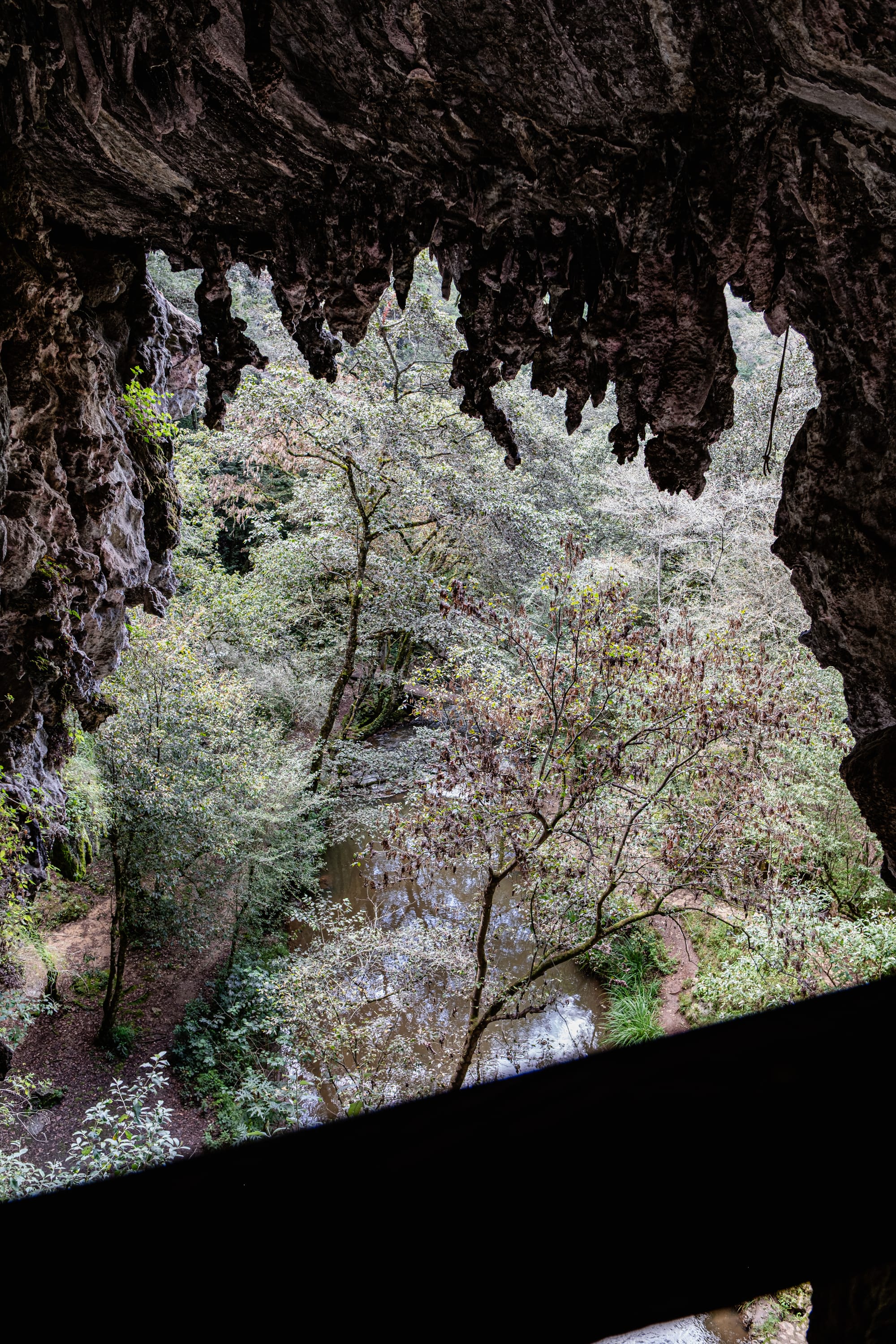
Looking out from inside the limestone cavities at El Arcotete
Walking through the caves and standing above the river makes that timeline more tangible. The arch is neither static nor new; it’s the present form of an ongoing conversation between rock, water, and time.
Plan your visit
El Arcotete is one of the easiest natural areas to visit from central San Cristóbal de las Casas. Colectivos running toward the outskirts often pass near the park entrance; many are labeled clearly, and locals will point you in the right direction if you ask. The ride takes around twenty minutes, and taxis are readily available if you prefer a direct route.
There’s a small entrance fee to access the park, and a separate ticket for the caves. The trails are short and manageable, and the main pathways are well marked. Facilities are basic—picnic areas, restrooms, and small food stands—but everything you need for a few hours outdoors is there.
Most people spend between two and three hours at Arcotete, moving between the river, the arch, the caves, and the trails. If you want to extend the outing, the Rancho Nuevo cave system pairs naturally with this visit, and you can combine both with a guided trip like the one linked here: Rancho Nuevo Caves and Arcotete tour.
For us, Arcotete was an easy half day—simple, close, and steady. A forested pocket where the shape of the stone does most of the speaking, and where a few friends, a cool morning, and a slow walk were more than enough.


