
San Cristóbal de las Casas sits high in the mountains of Chiapas, and you feel that elevation immediately—not just in the cooler air, but in the rhythm of daily life. Days unfold at a gentler pace here. Evenings arrive early and cold. Walking becomes the default way of moving through the city, not because it’s romantic, but because it’s simply the easiest way to be there.
For anyone who enjoys wandering without a plan, turning down side streets, lingering in cafés, and letting the day stretch and soften, San Cristóbal can feel like an easy fit. It’s compact, walkable, and full of small details that reward attention.
A smaller, more intimate rhythm
One of the first things that stands out about San Cristóbal is its scale. The historic center and surrounding neighborhoods are easy to navigate on foot, and after a few days, streets begin to feel familiar. You start recognizing corners, storefronts, and patterns of movement. The city doesn’t sprawl in the way many larger Mexican cities do, and that containment shapes how life here feels.
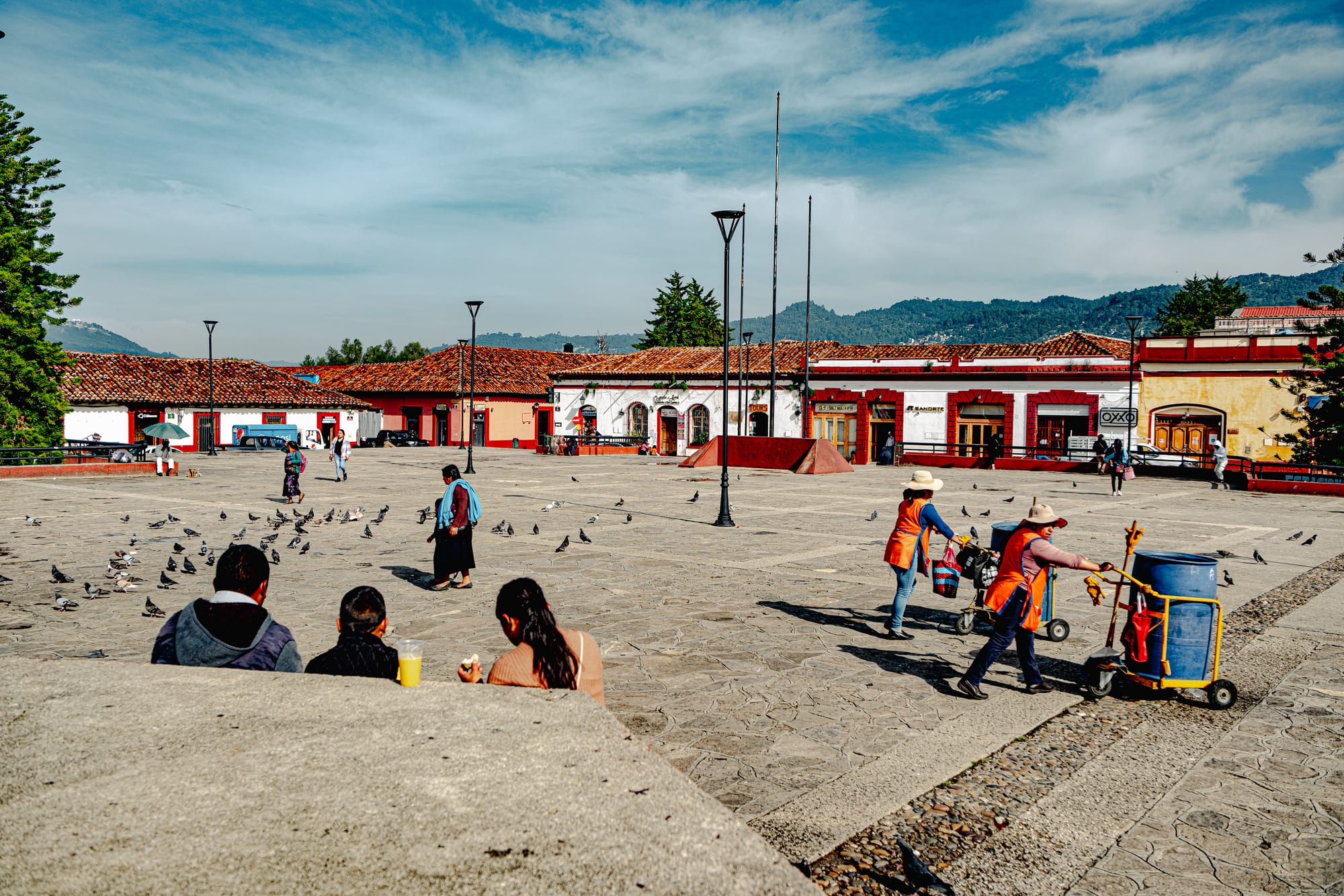
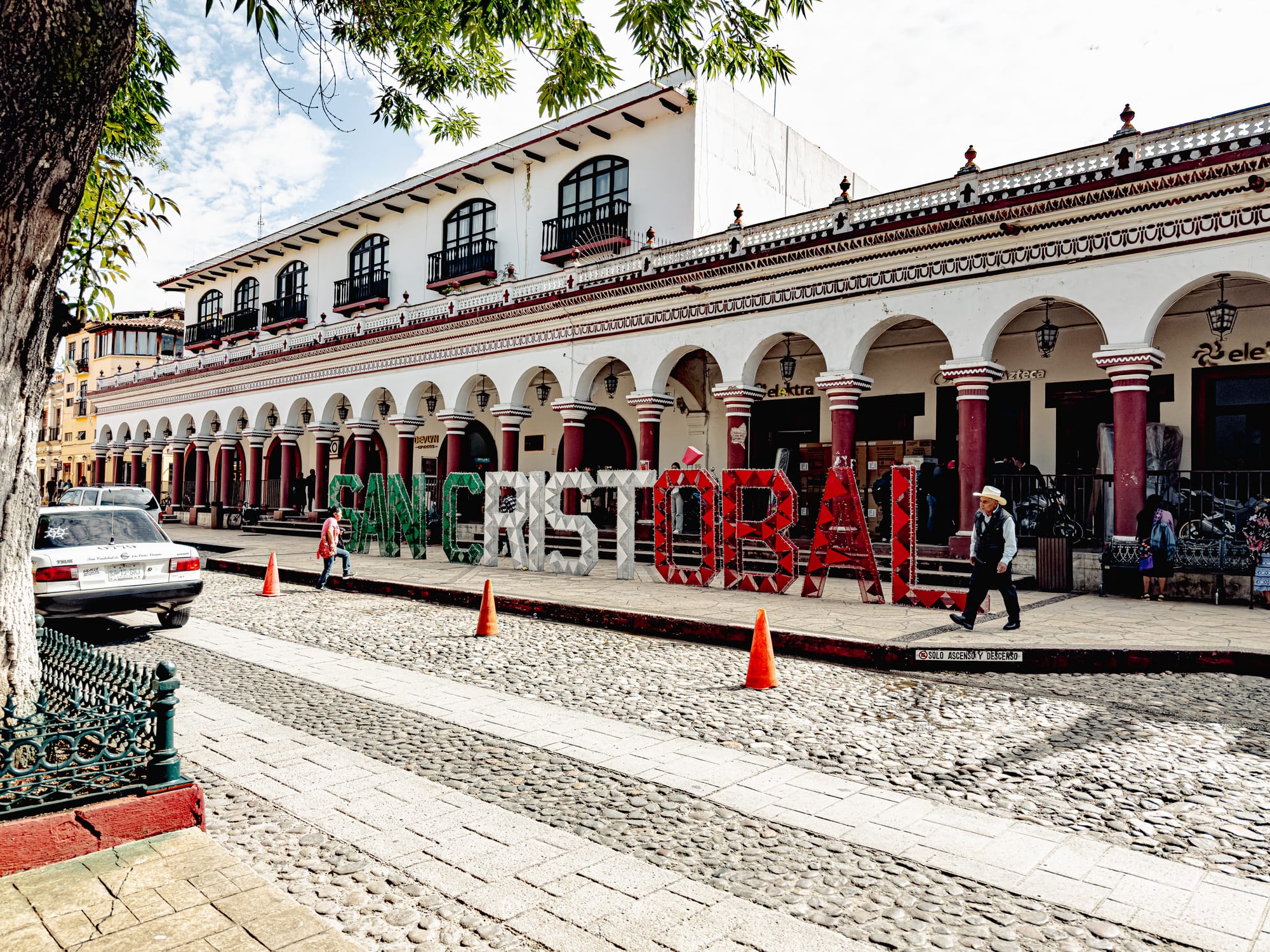
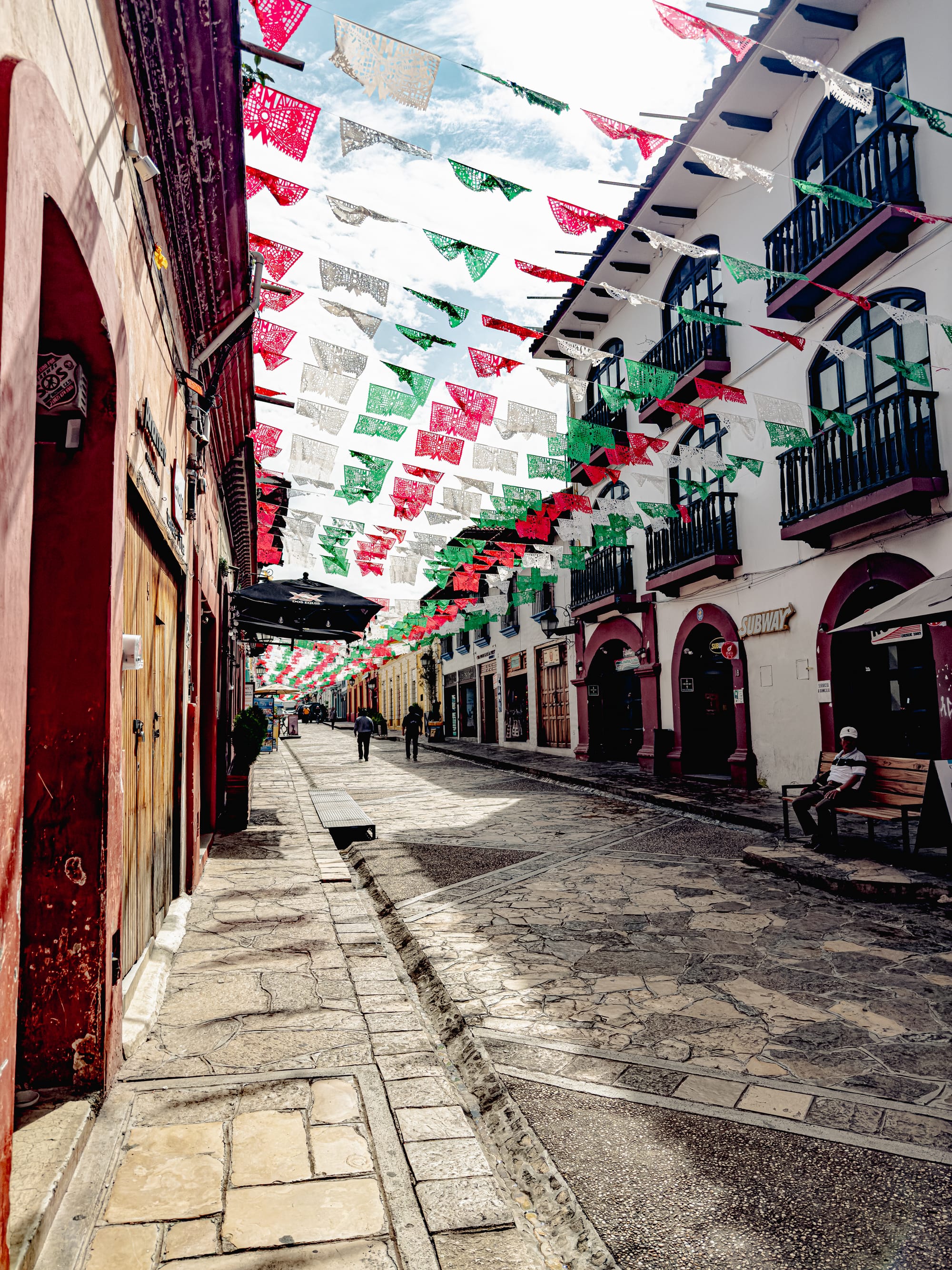
Everyday life unfolding in the heart of San Cristóbal de las Casas
Days tend to revolve around simple routines: walking to get cacao, finding a quiet place to work, cooking or eating out in the early evening, and retreating indoors once the temperature drops. San Cristóbal lends itself to repetition, which makes it easy to settle into a rhythm without much effort.
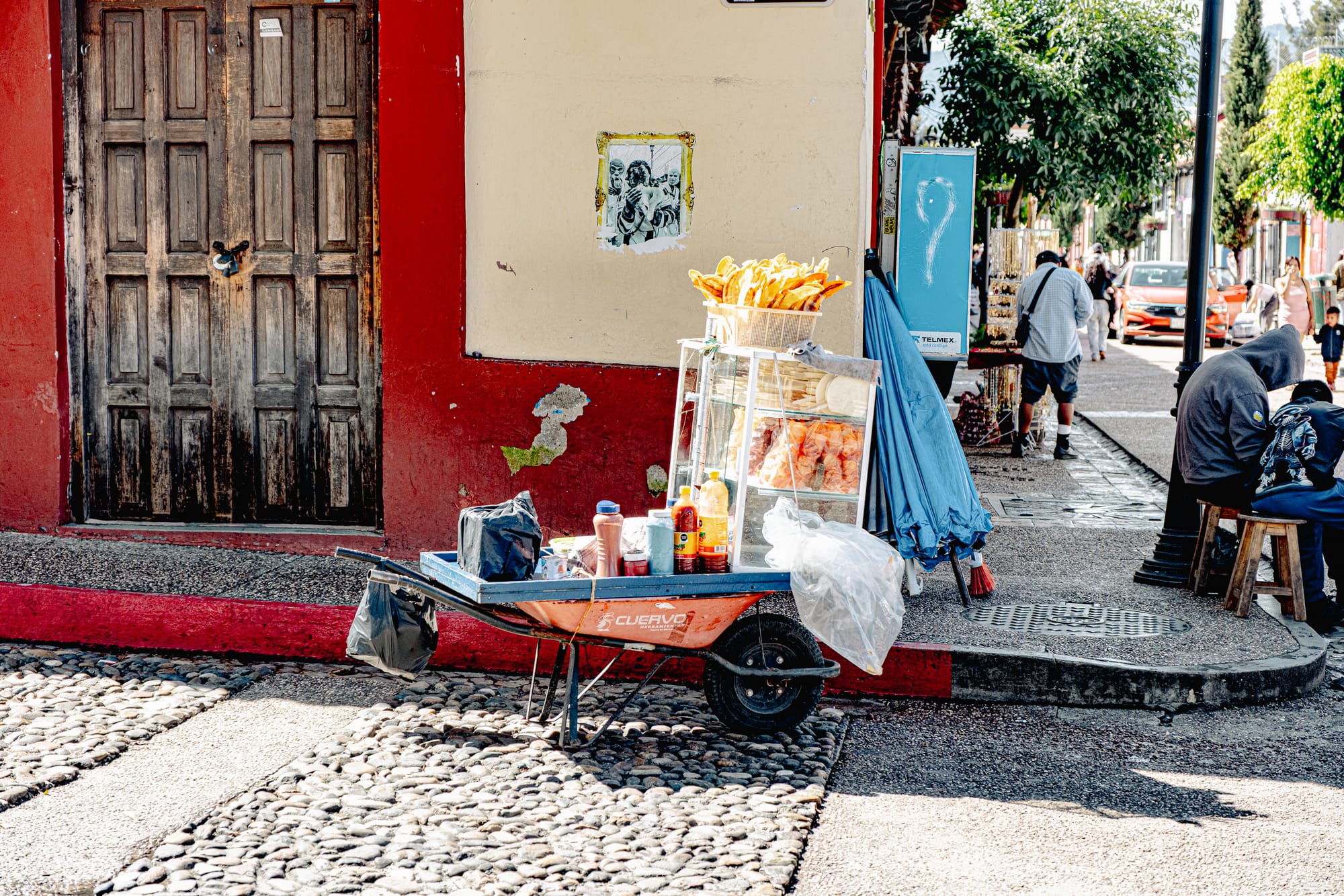
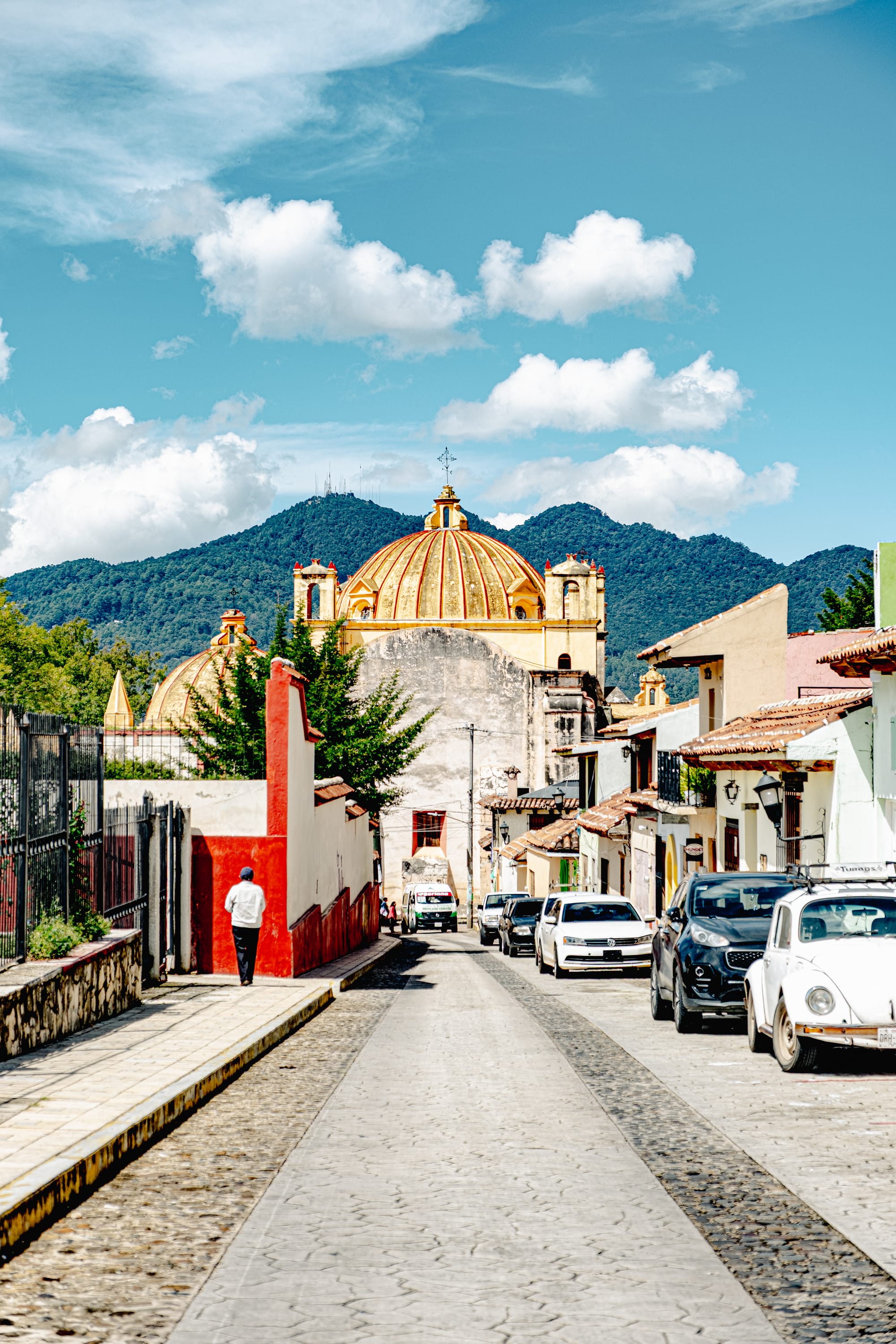
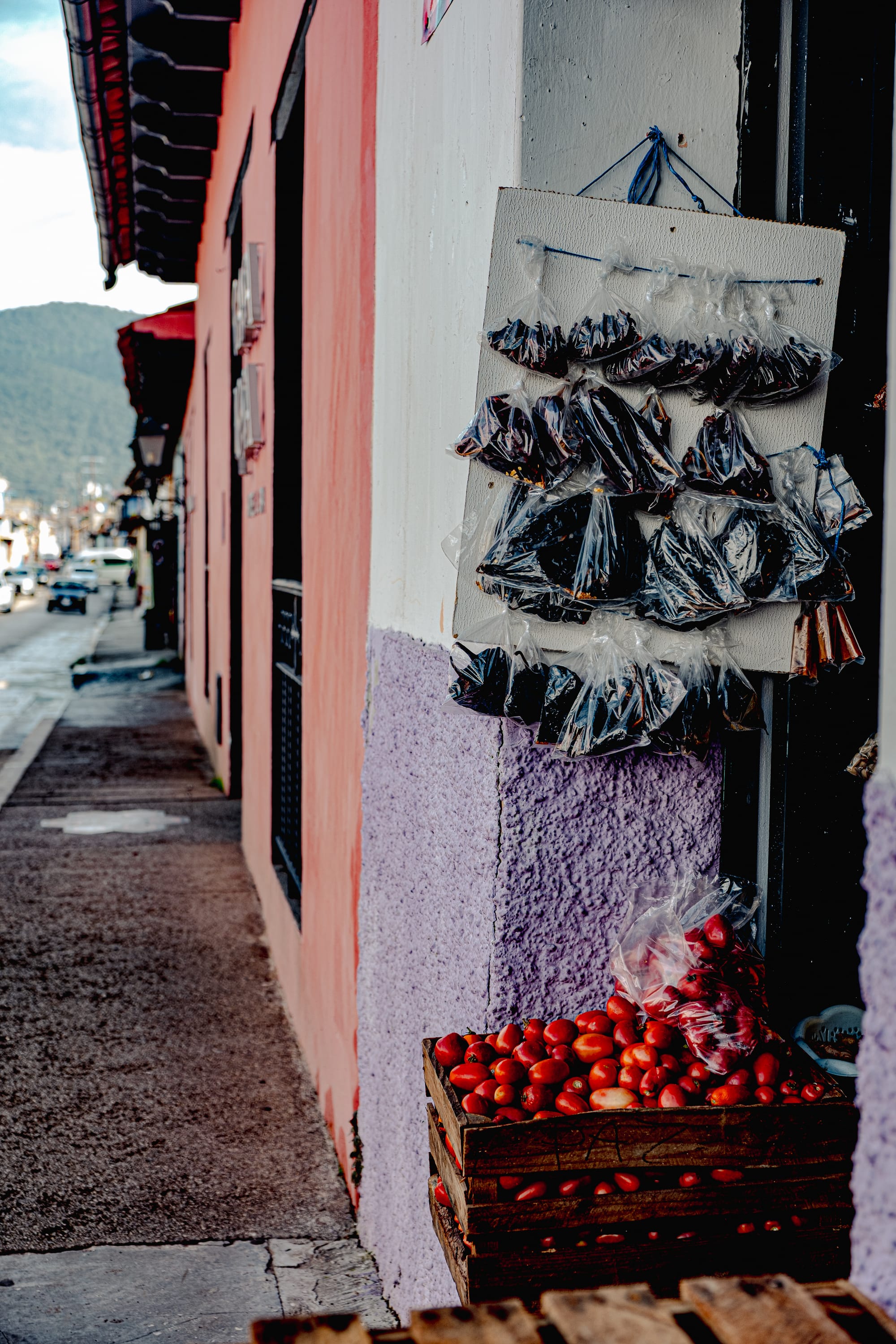
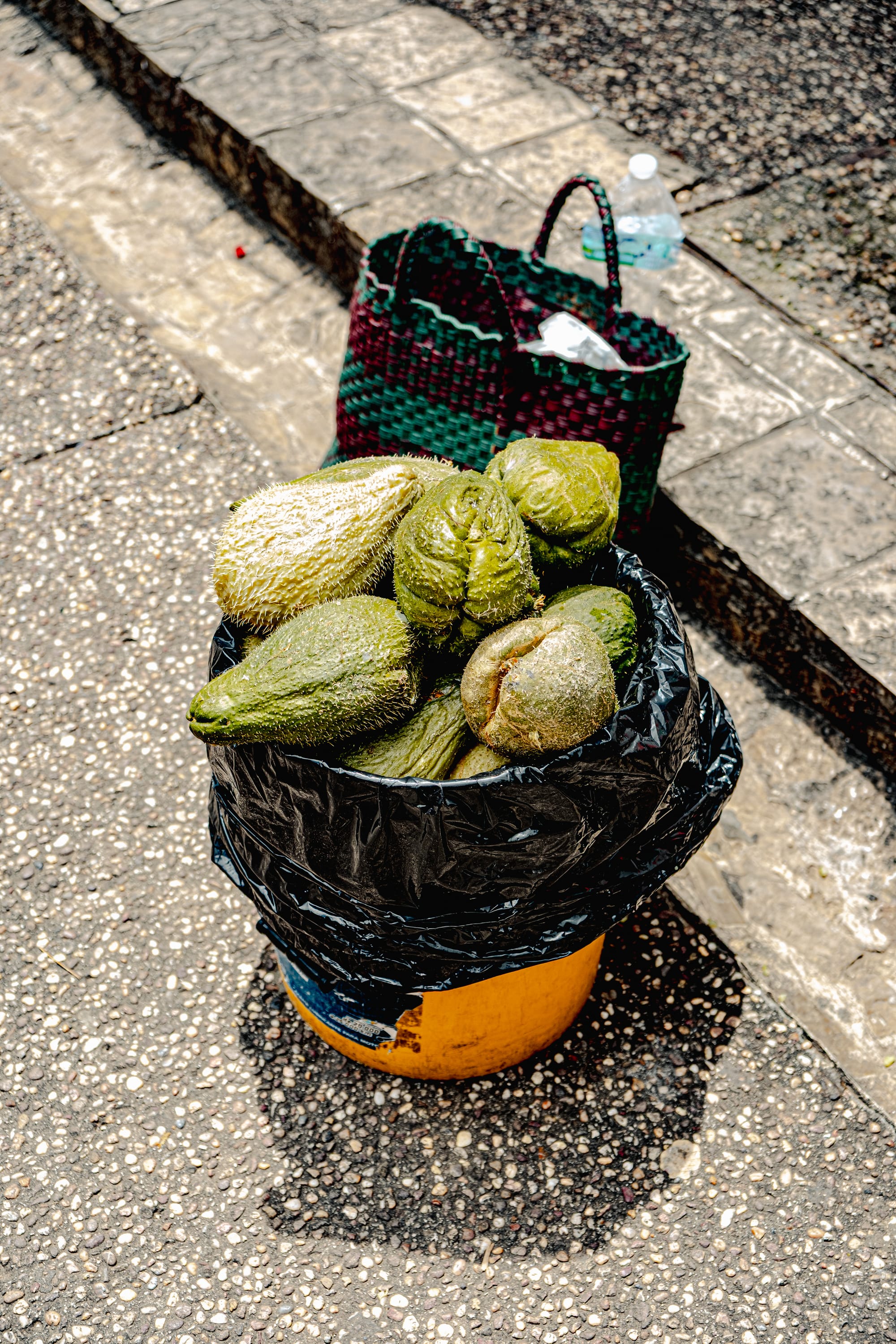
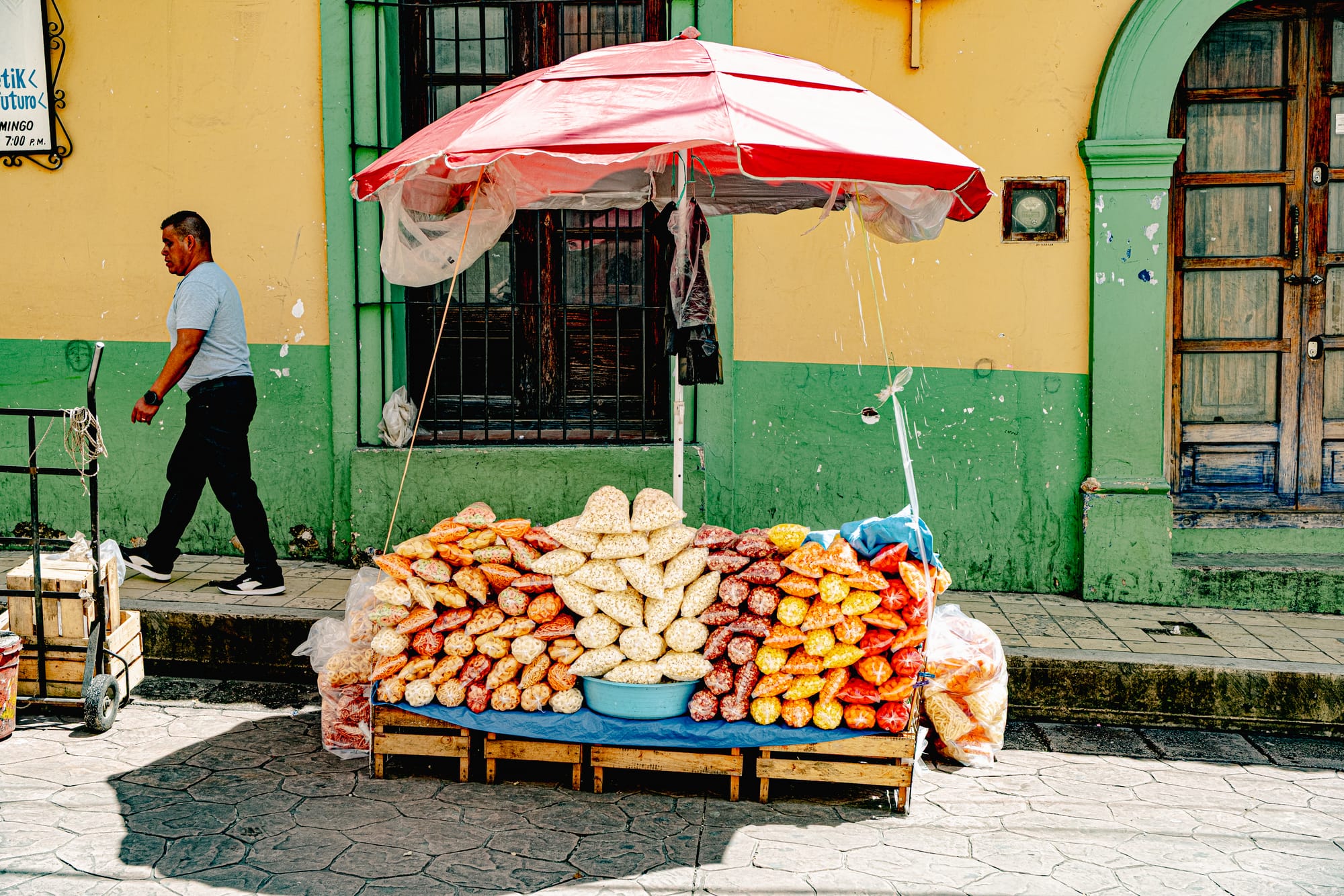
Street scenes in San Cristóbal de las Casas
If you’re the type of person who likes to feel grounded in a place rather than constantly stimulated by it, this rhythm can be deeply appealing.
Indigenous presence as part of daily life
San Cristóbal has a strong and visible Indigenous presence that shapes the city in very tangible ways. People in traditional clothing are part of the everyday street scene. Indigenous languages are spoken openly. Markets and public spaces reflect a cultural continuity that feels active rather than symbolic.
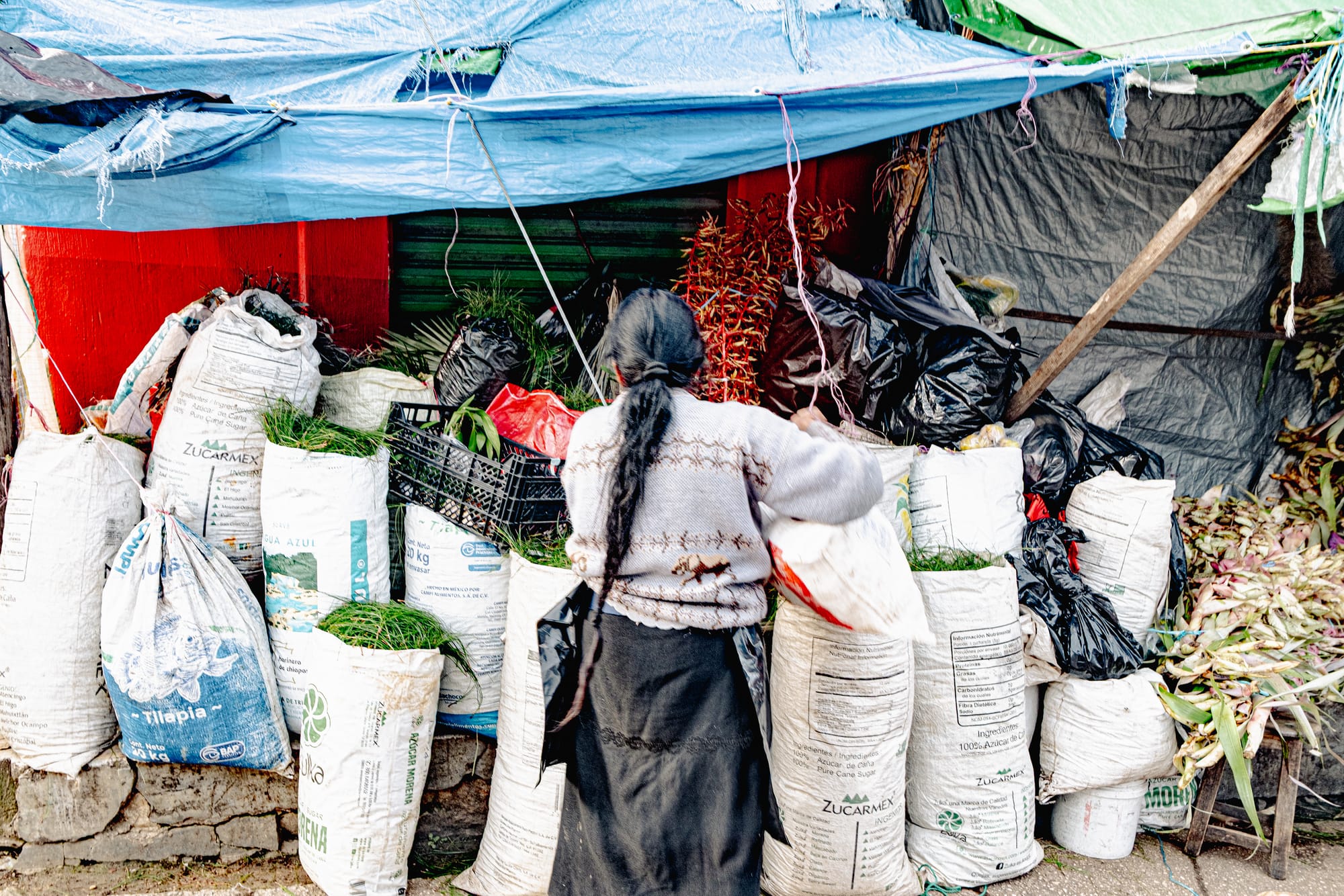
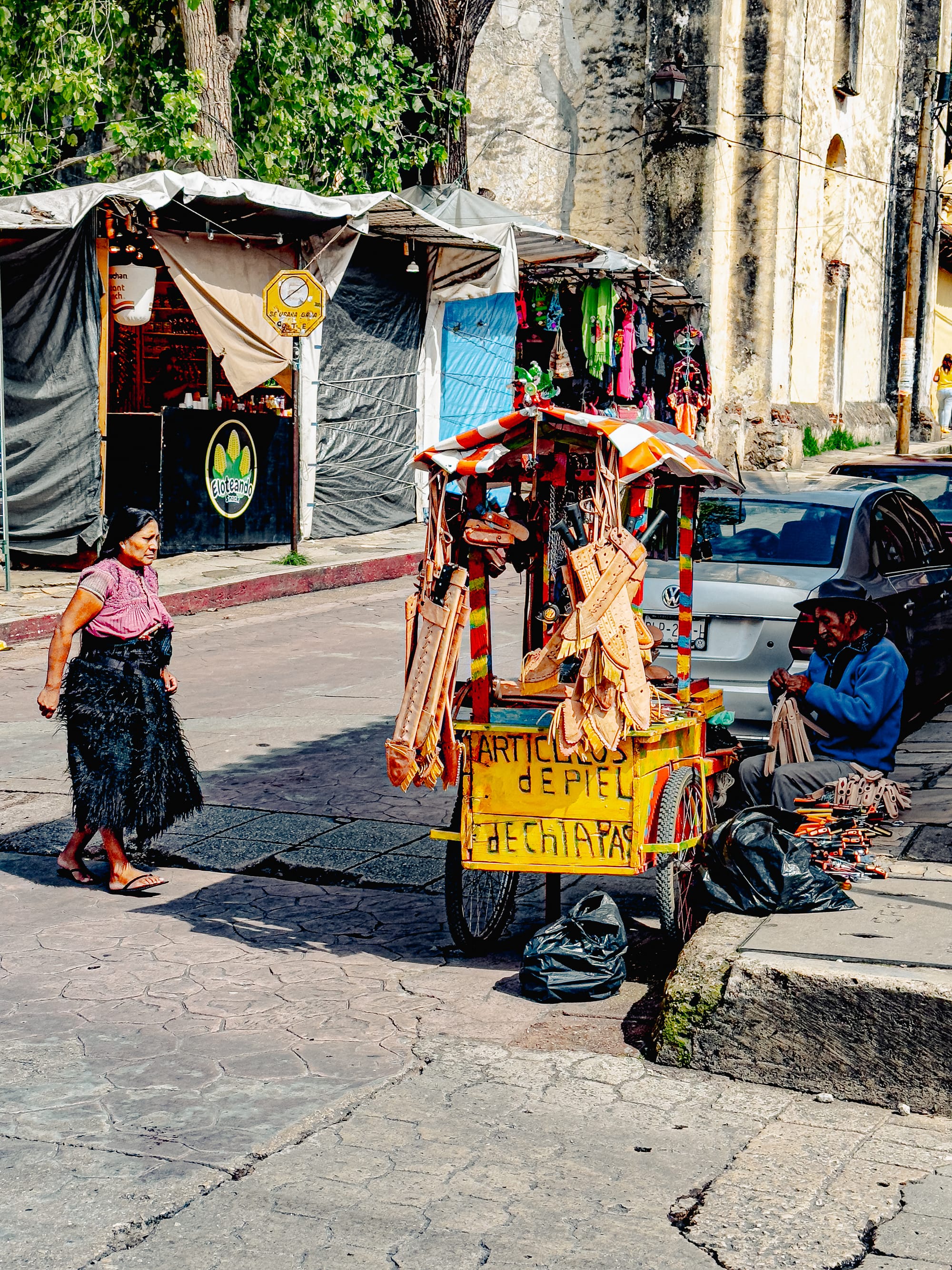
Market life
This presence also shows up visually across the city. In neighborhoods like El Cerrillo, murals are a common sight. Corn appears again and again as a central motif, often alongside Indigenous figures. You pass these murals on the way to cafés or while walking through residential streets.
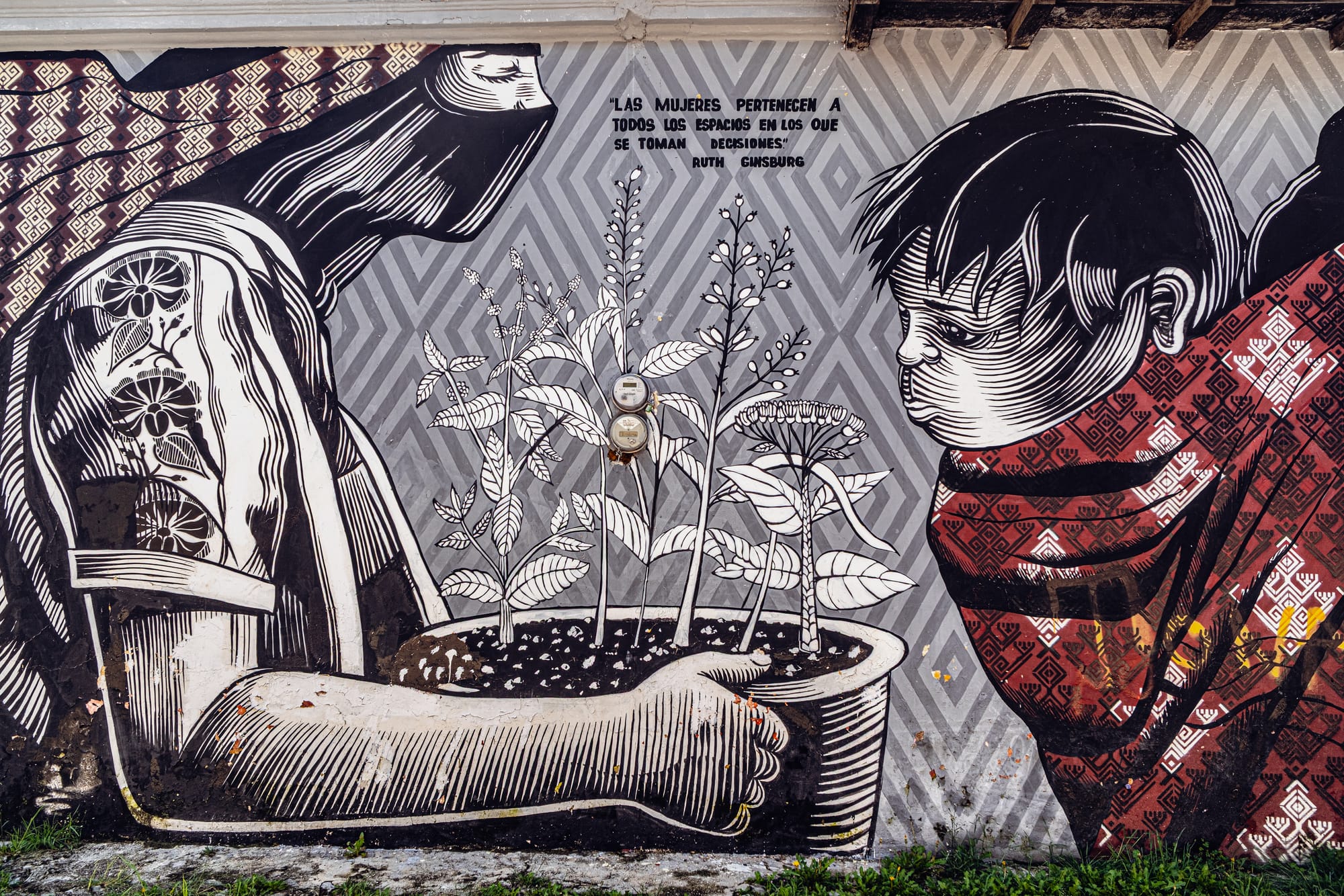
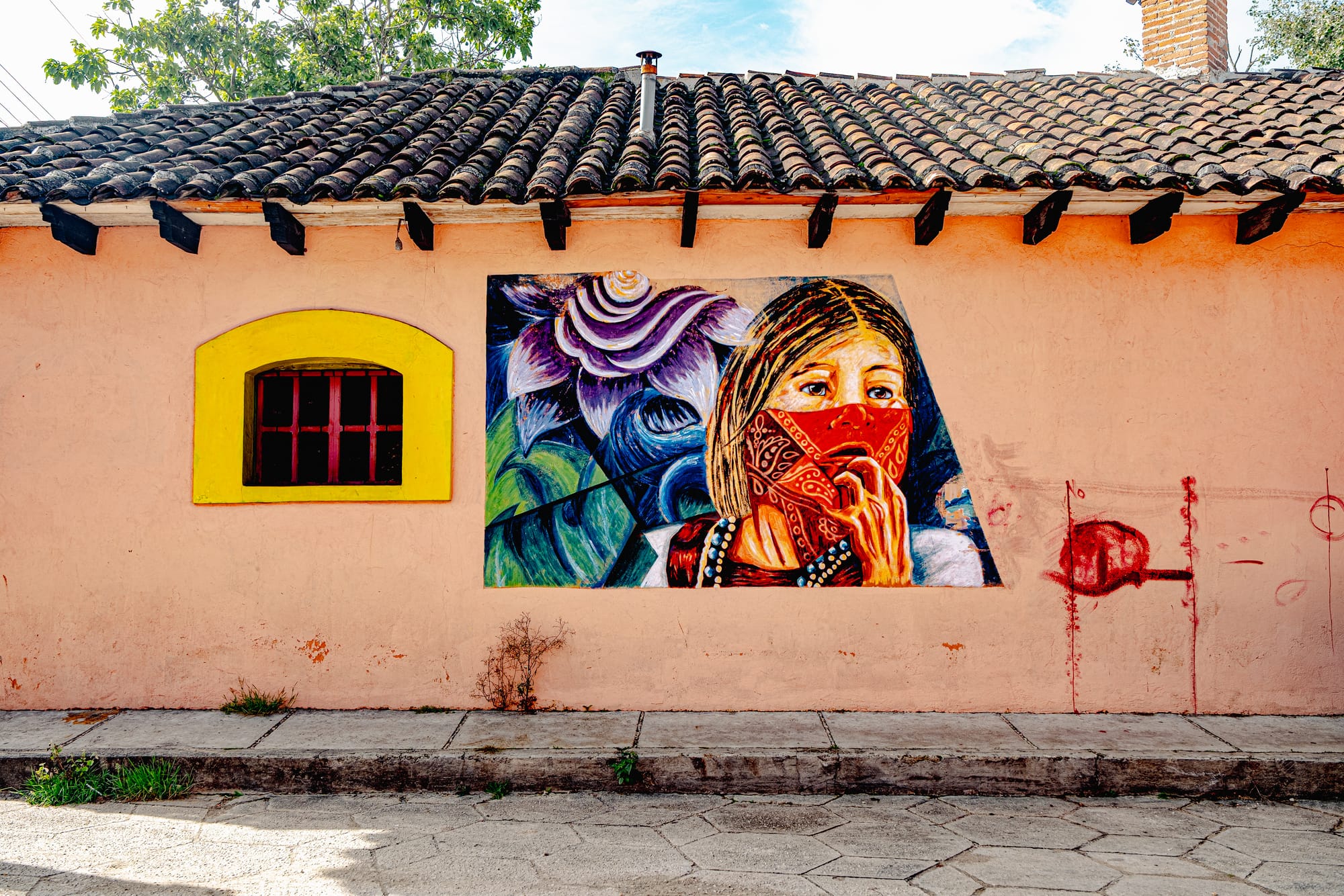
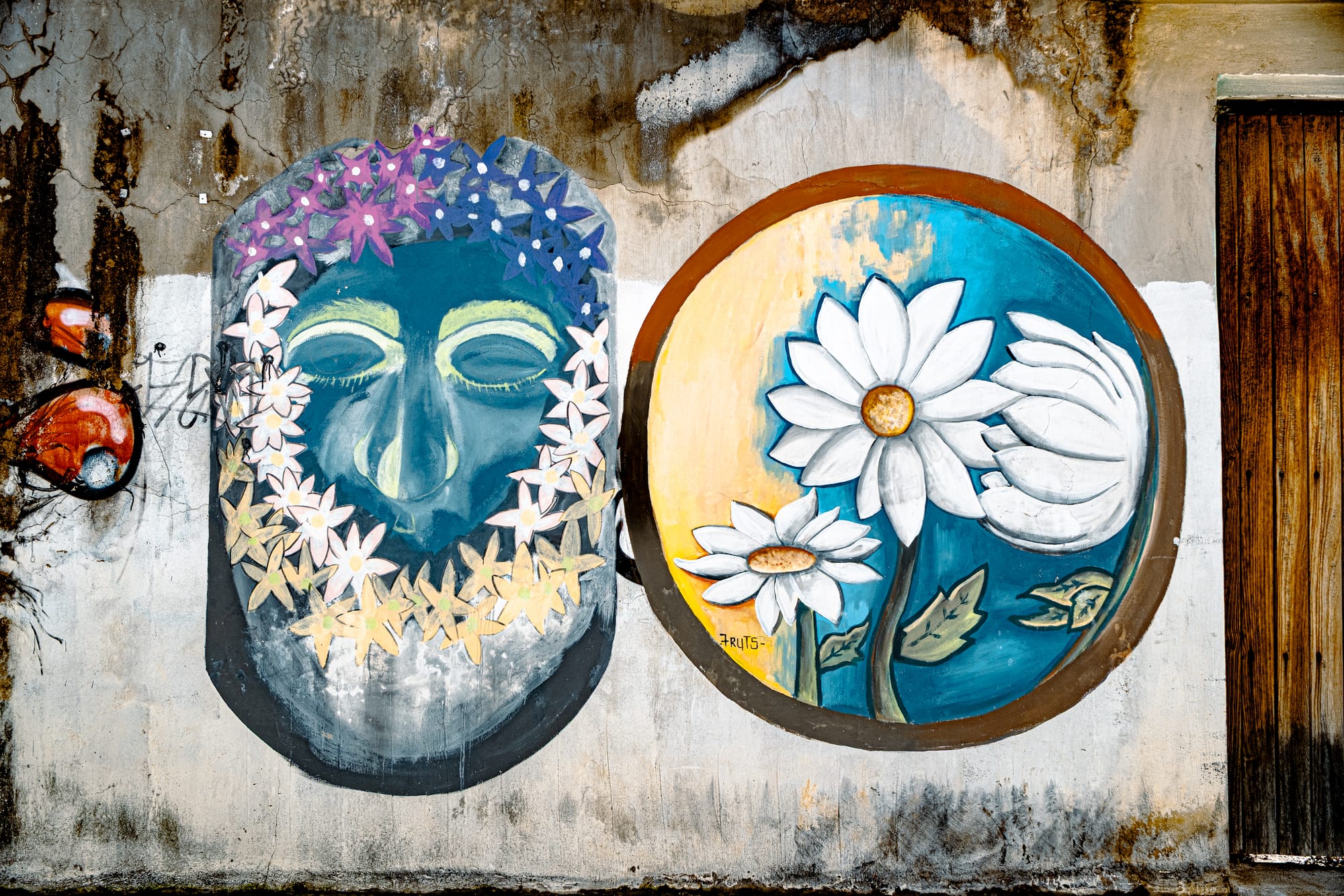
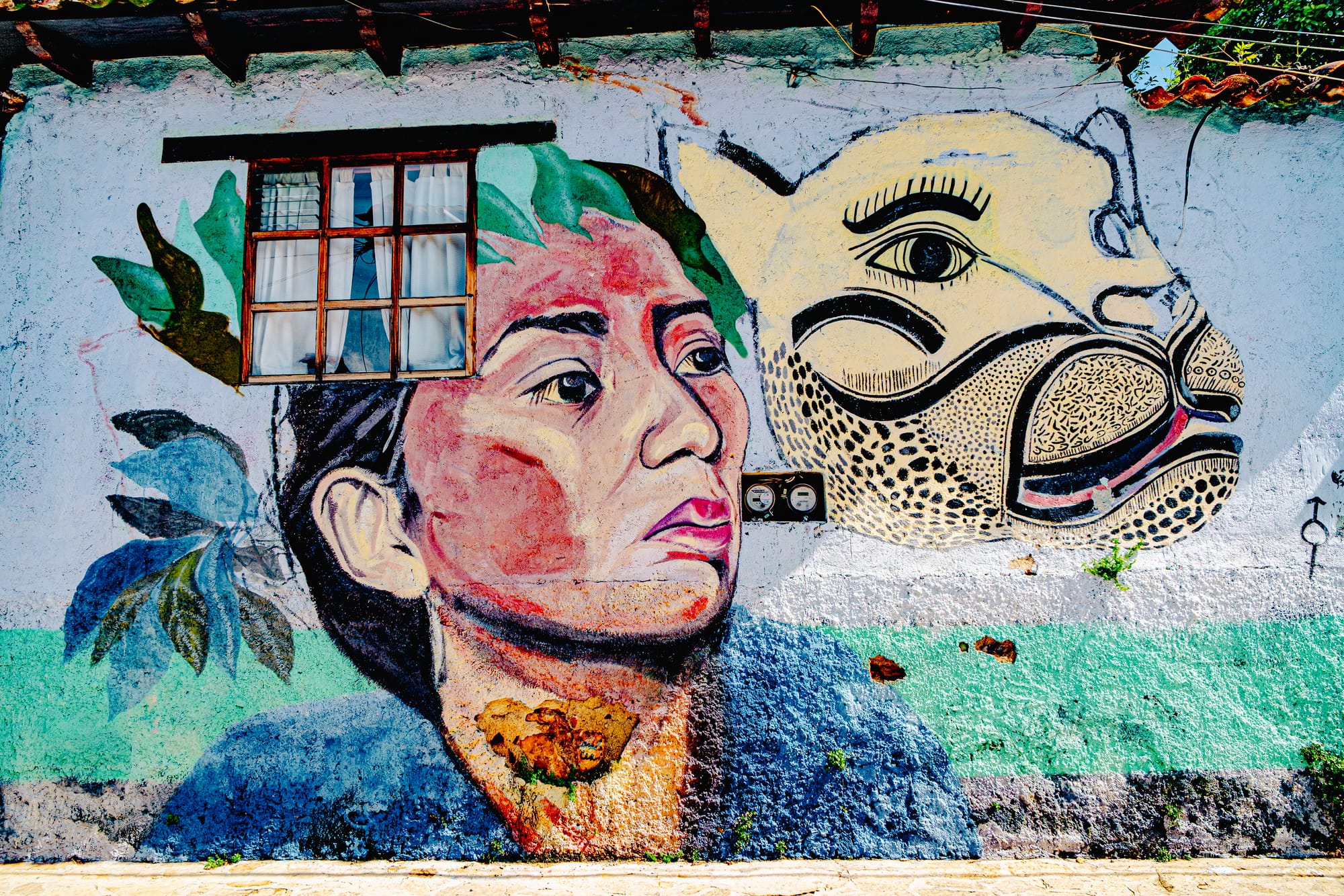
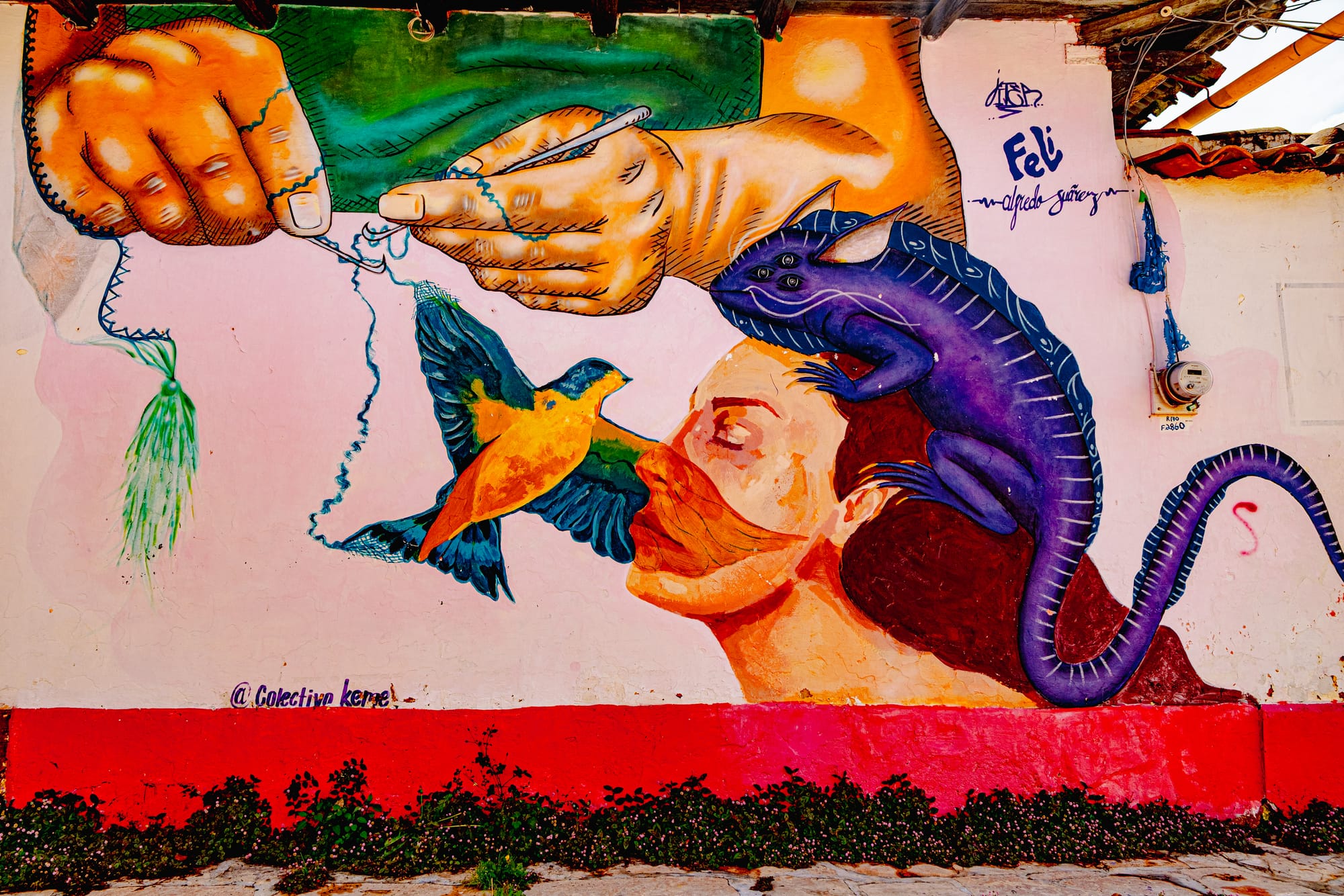
San Cristóbal is also closely connected to the history and ongoing presence of the Zapatista movement. Visiting CIDECI-UniTierra offers context for understanding how autonomy, education, and resistance are practiced in the region. It’s not something that dominates daily life in an obvious way, but it’s there in the background, informing conversations, art, and the broader political landscape of Chiapas.
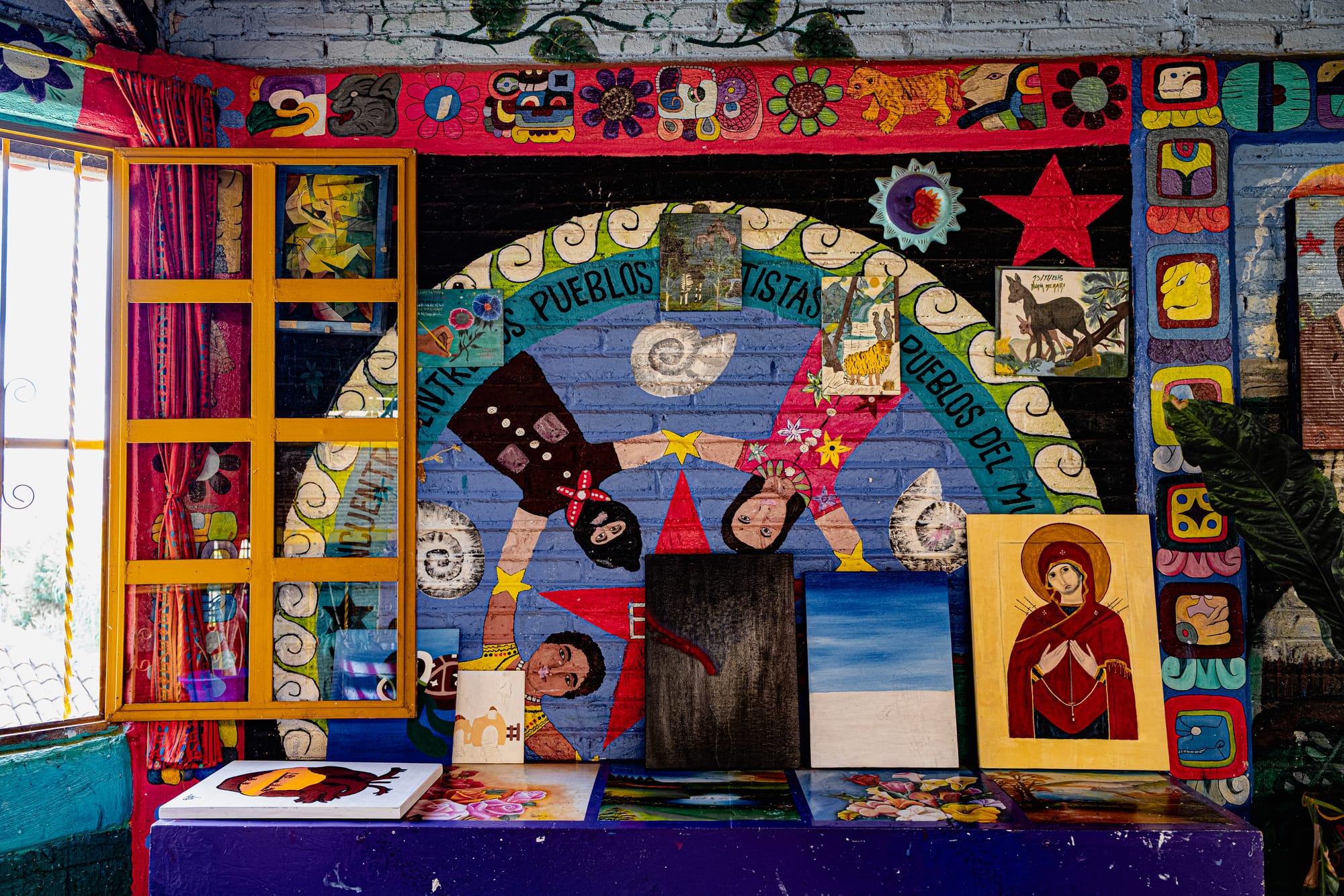
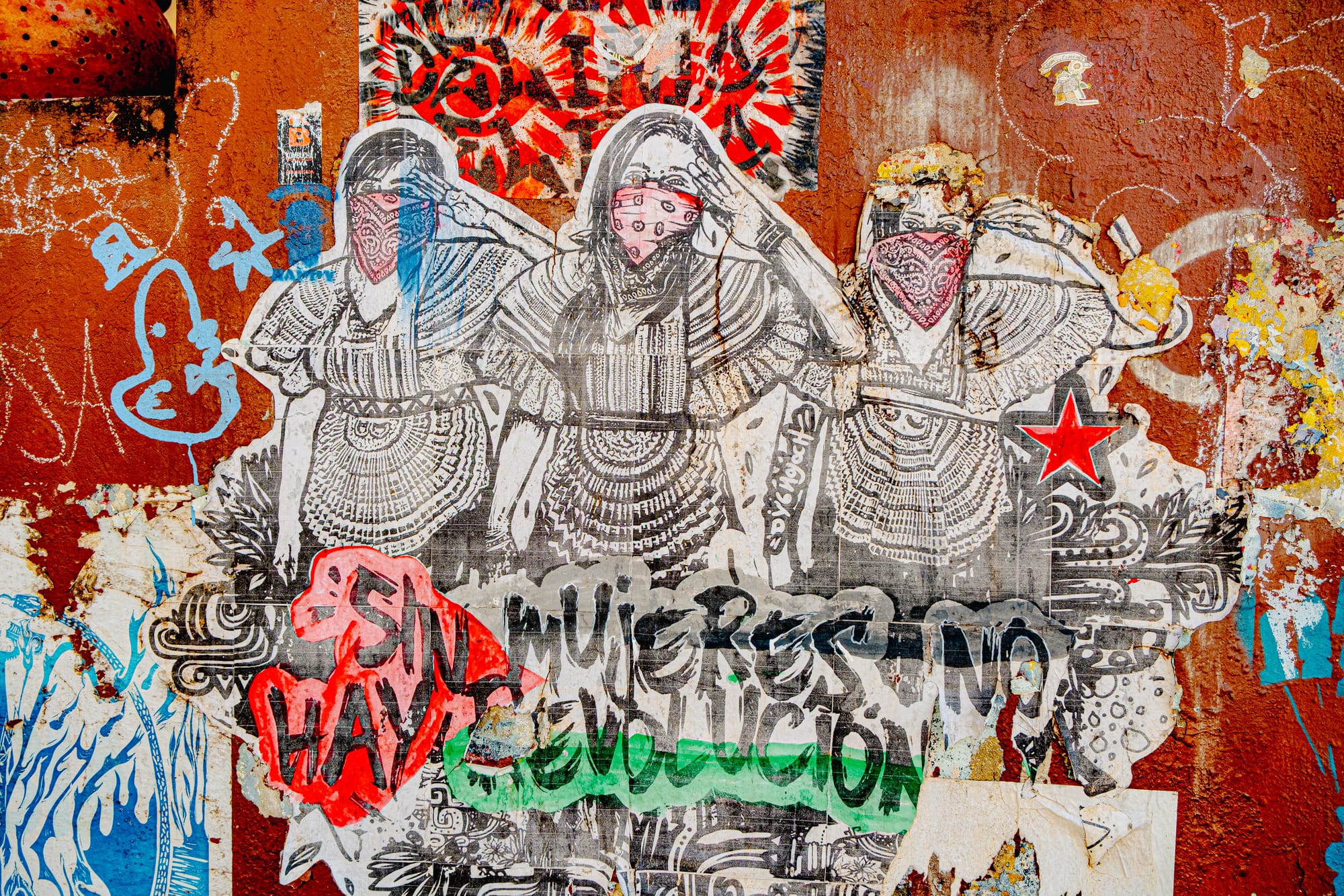
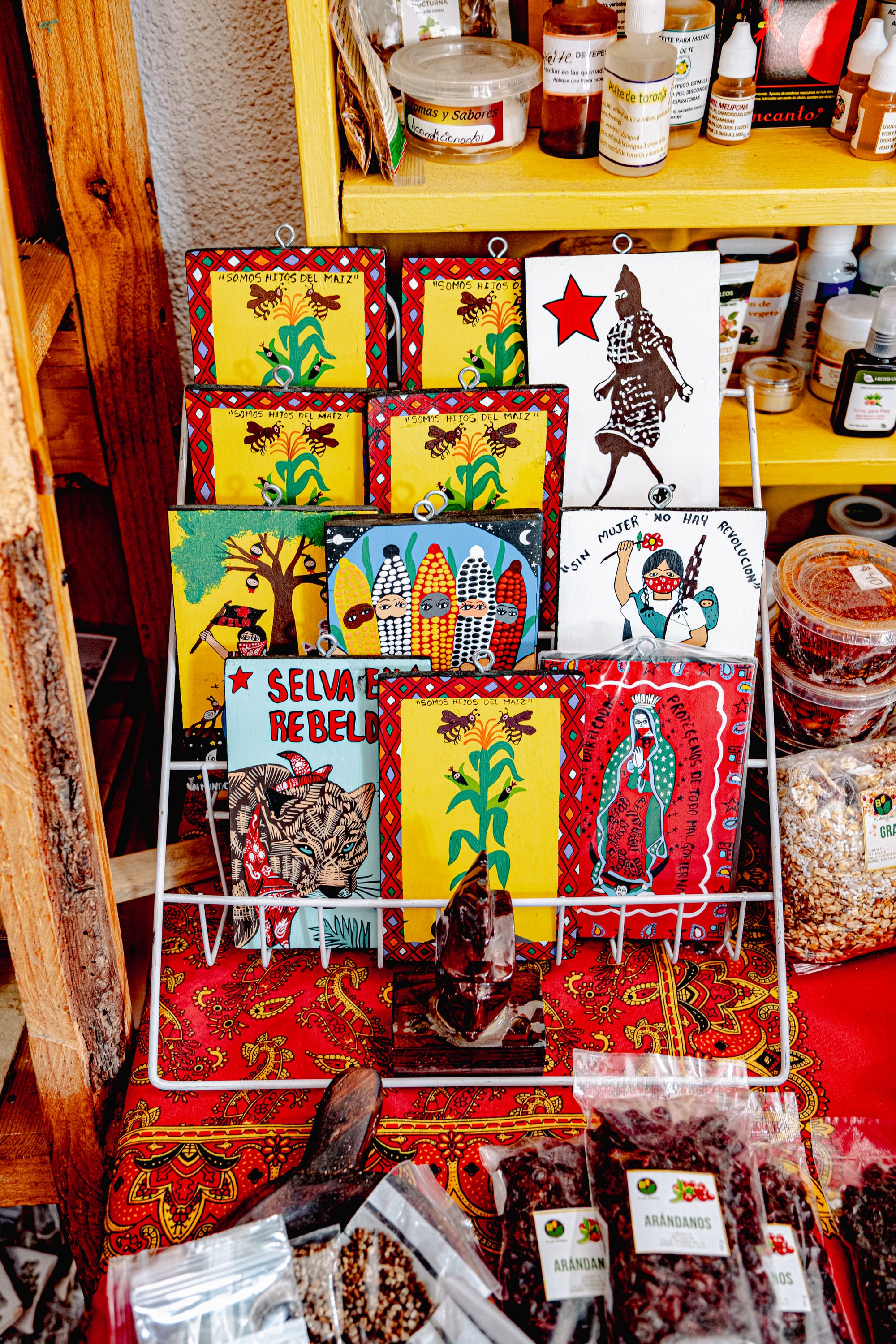
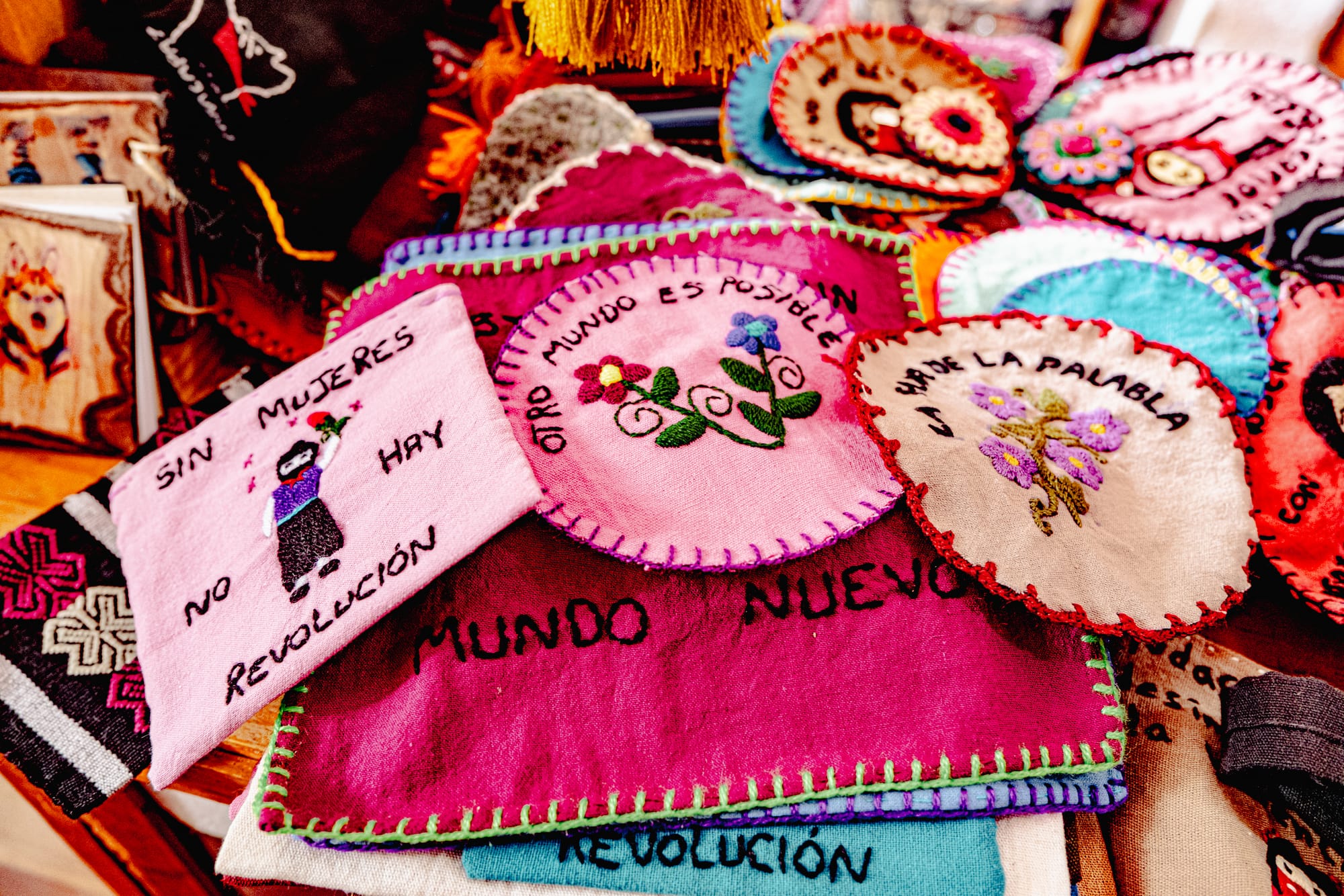
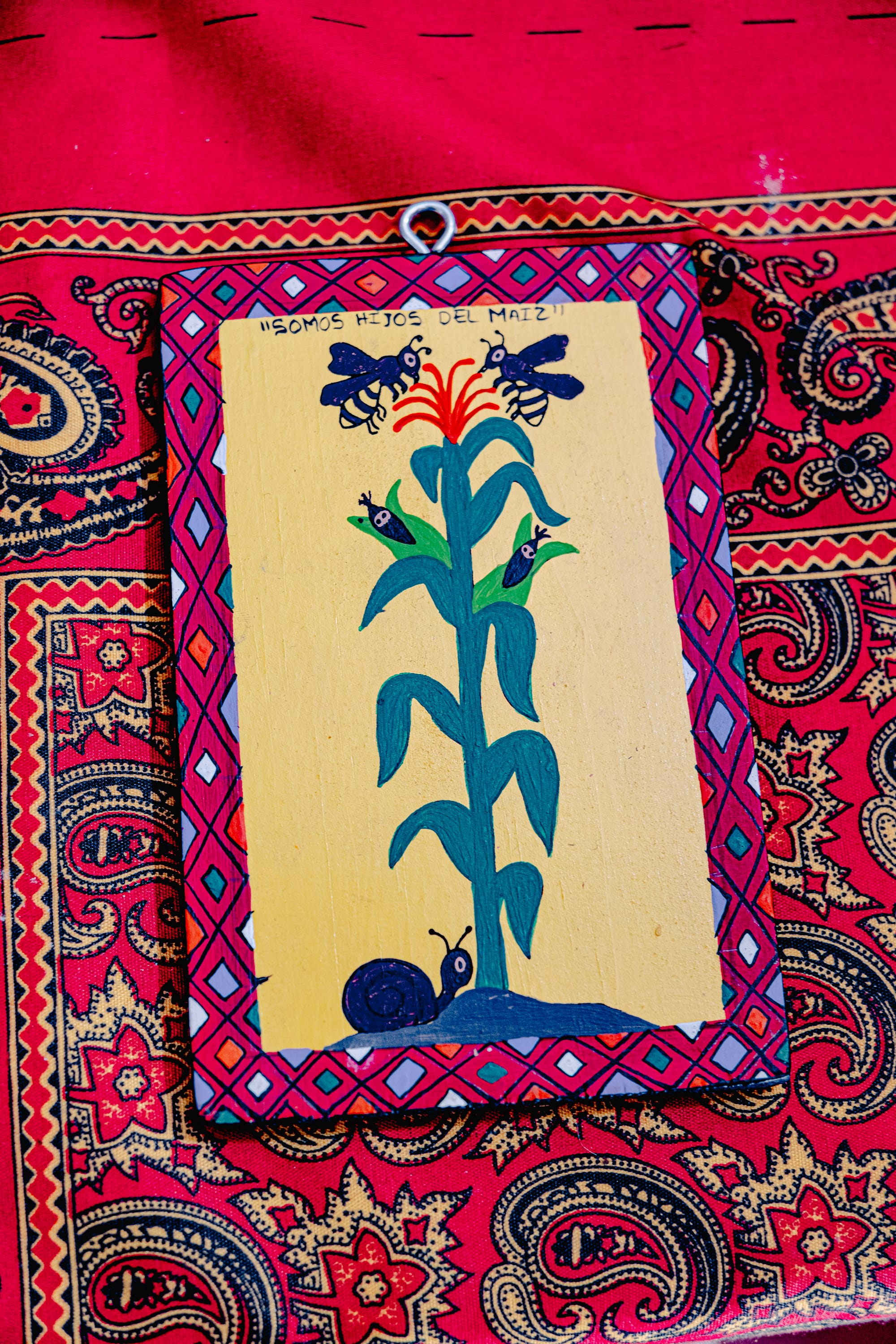
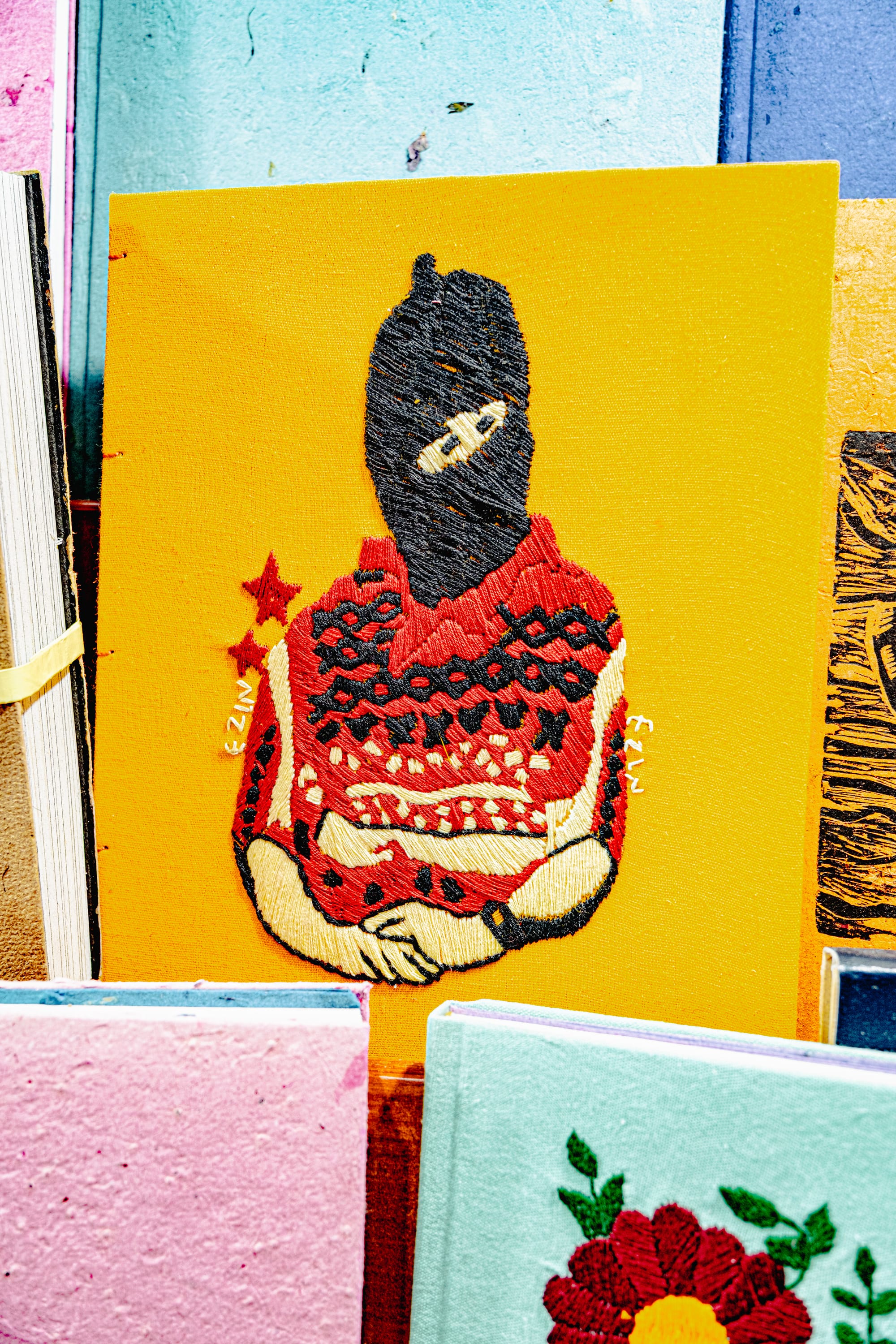
Handmade art reflecting identity and resistance in San Cristóbal
Beyond San Cristóbal itself, several nearby Indigenous towns are easy to visit and add important context to the region. Places like San Juan Chamula and Zinacantán are both close enough to reach on a short trip, yet distinct in their traditions, religious practices, and daily rhythms.
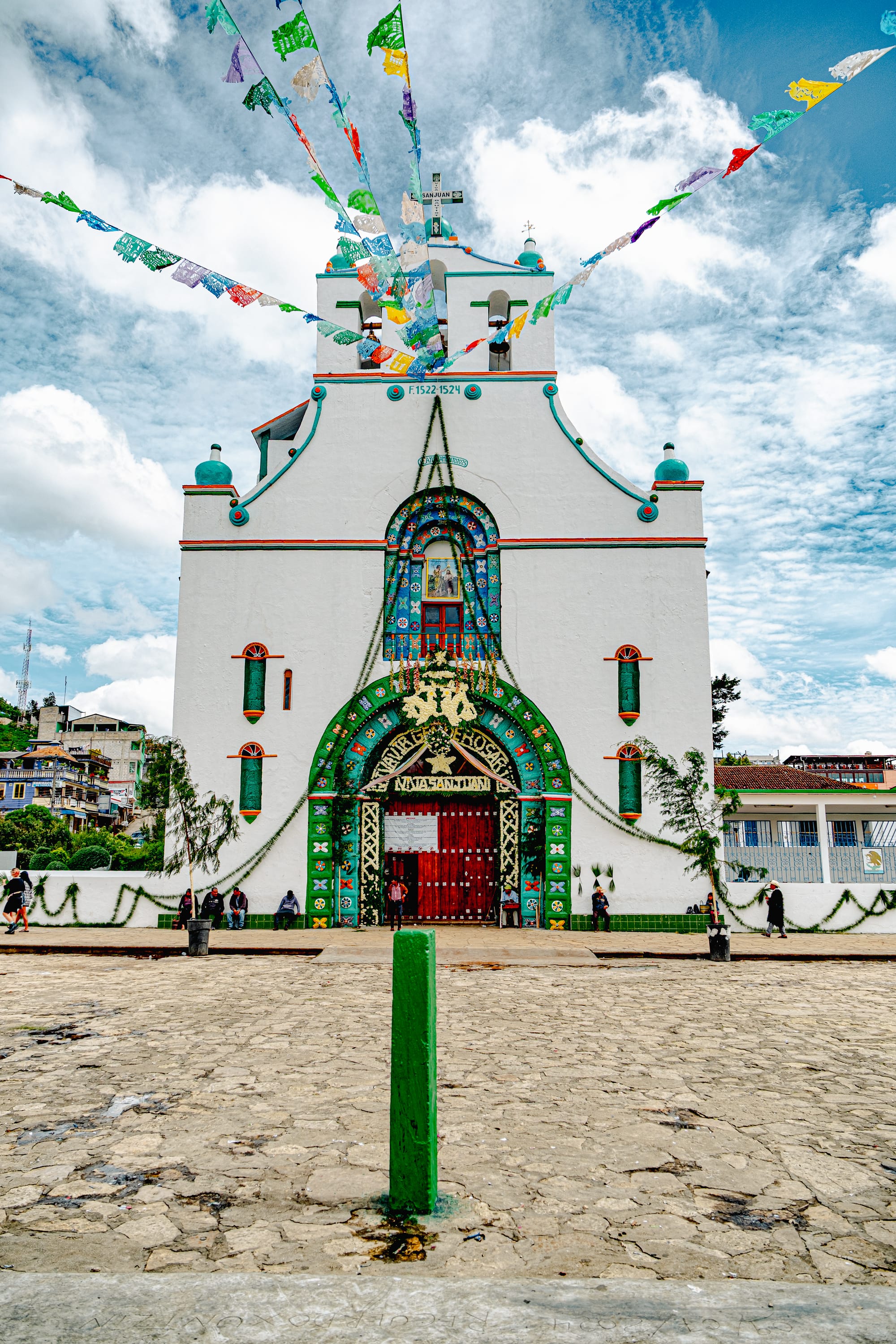
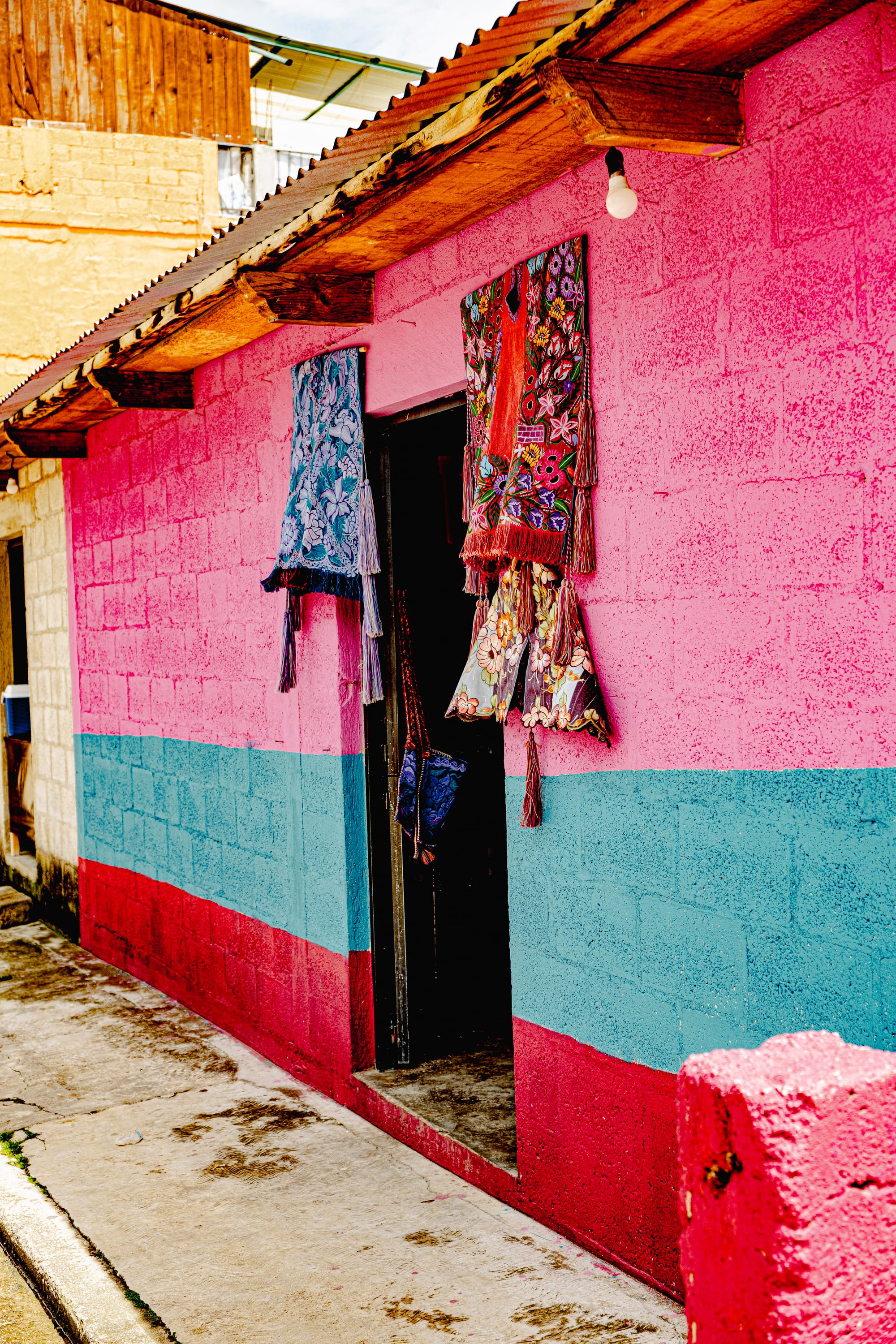
San Juan Chamula and Zinacantán
Visiting these towns, whether independently or with a local guide, offers a deeper sense of how Indigenous life in the highlands continues on its own terms, alongside but separate from San Cristóbal. As with anywhere in the region, these visits are best approached with curiosity and respect, understanding that you’re entering living communities rather than cultural exhibits.
A creative mountain town
San Cristóbal attracts a particular kind of energy. There’s a noticeable creative undercurrent here: artists, craftspeople, writers, and people who seem to have chosen the city deliberately rather than ended up in it by accident. It shows up in what people make, how they dress, how spaces are used, and how time is structured.
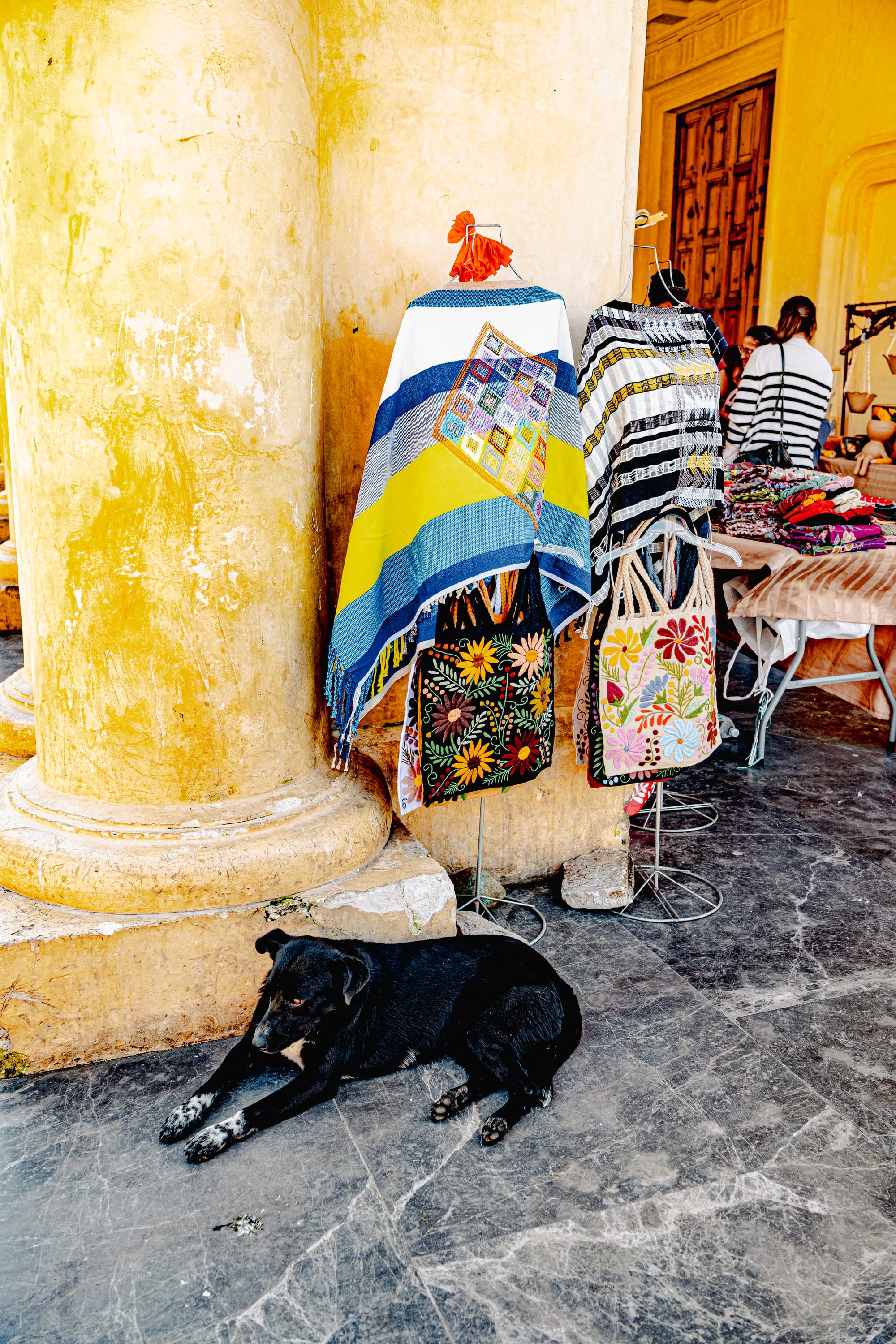
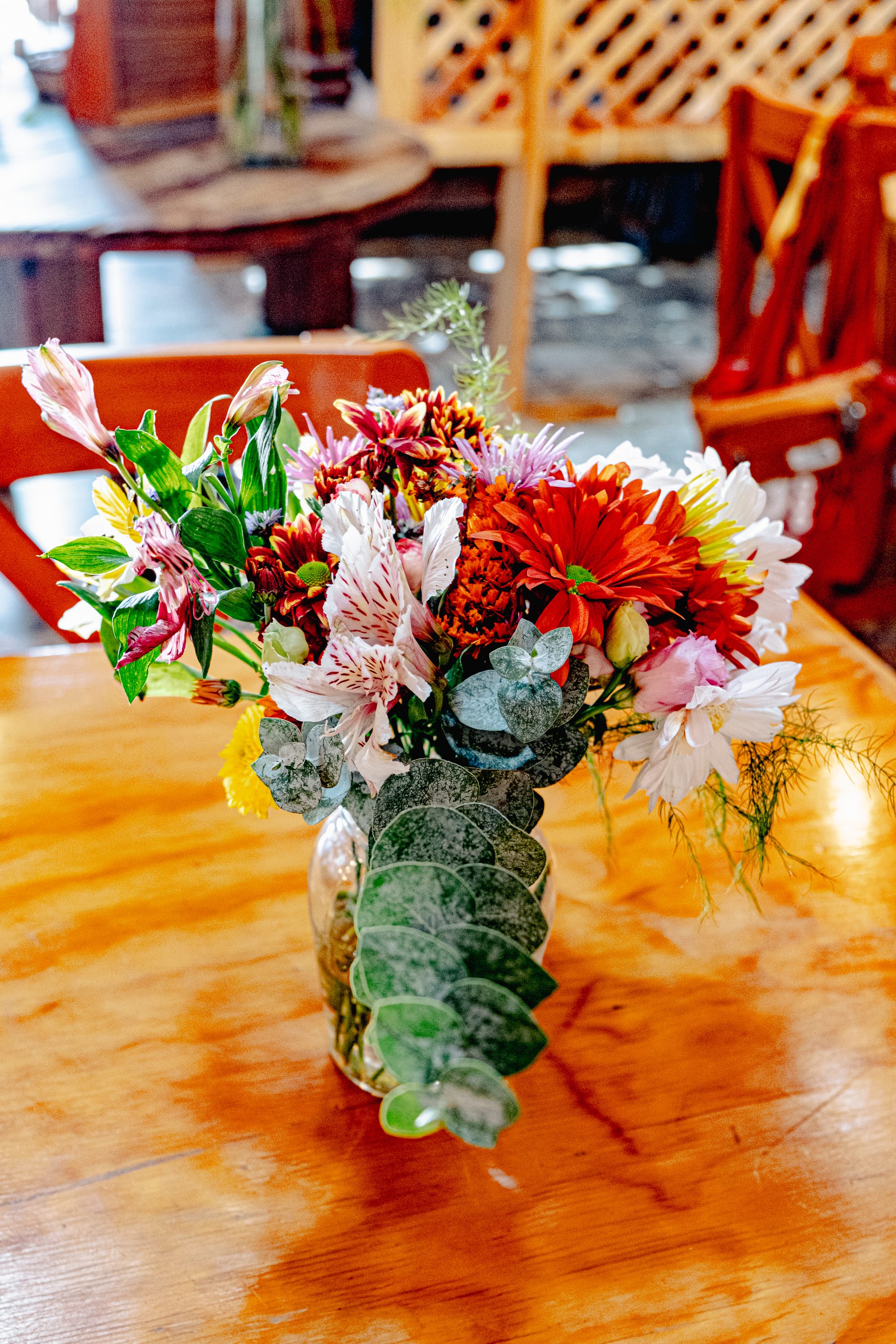
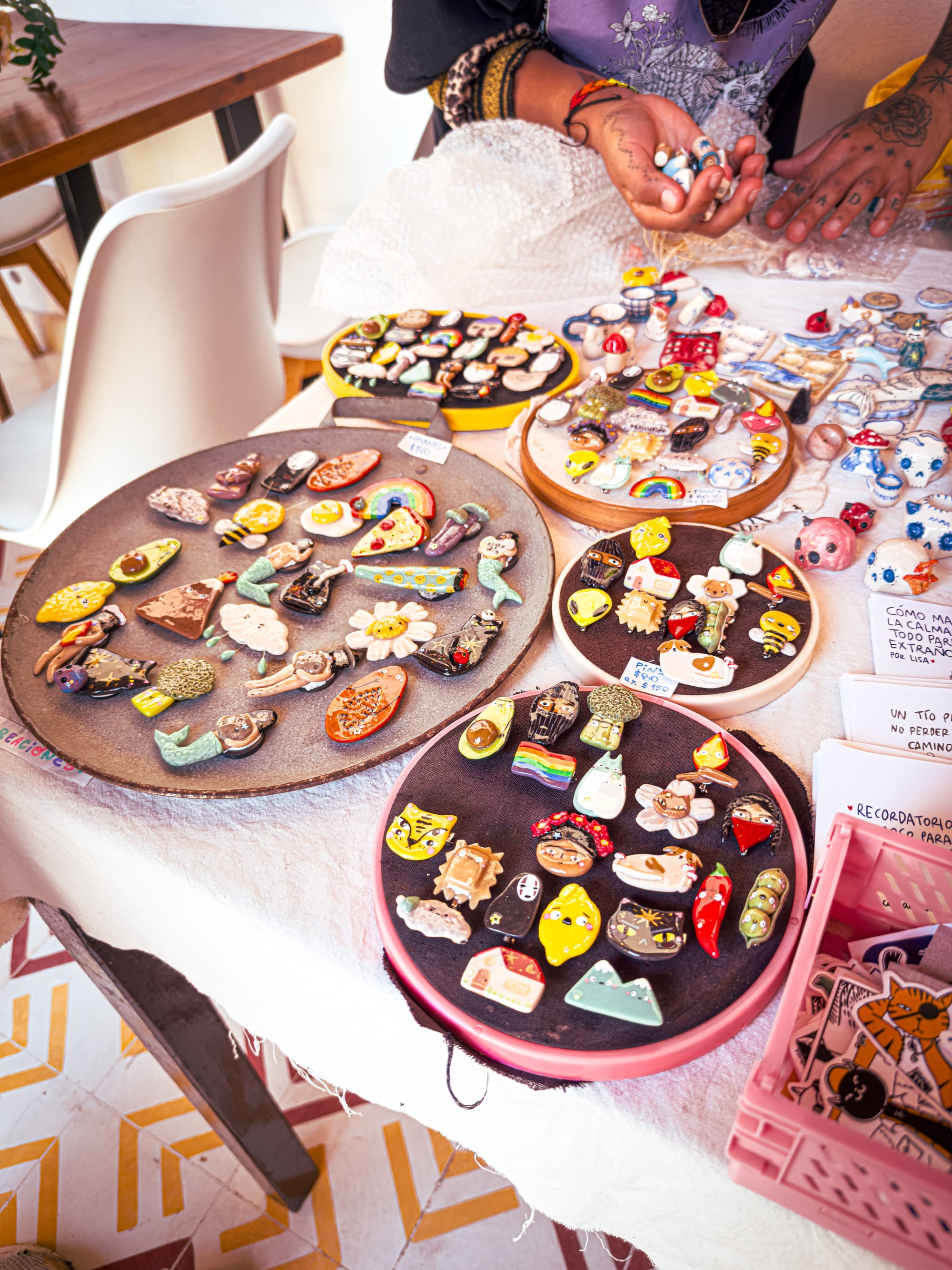
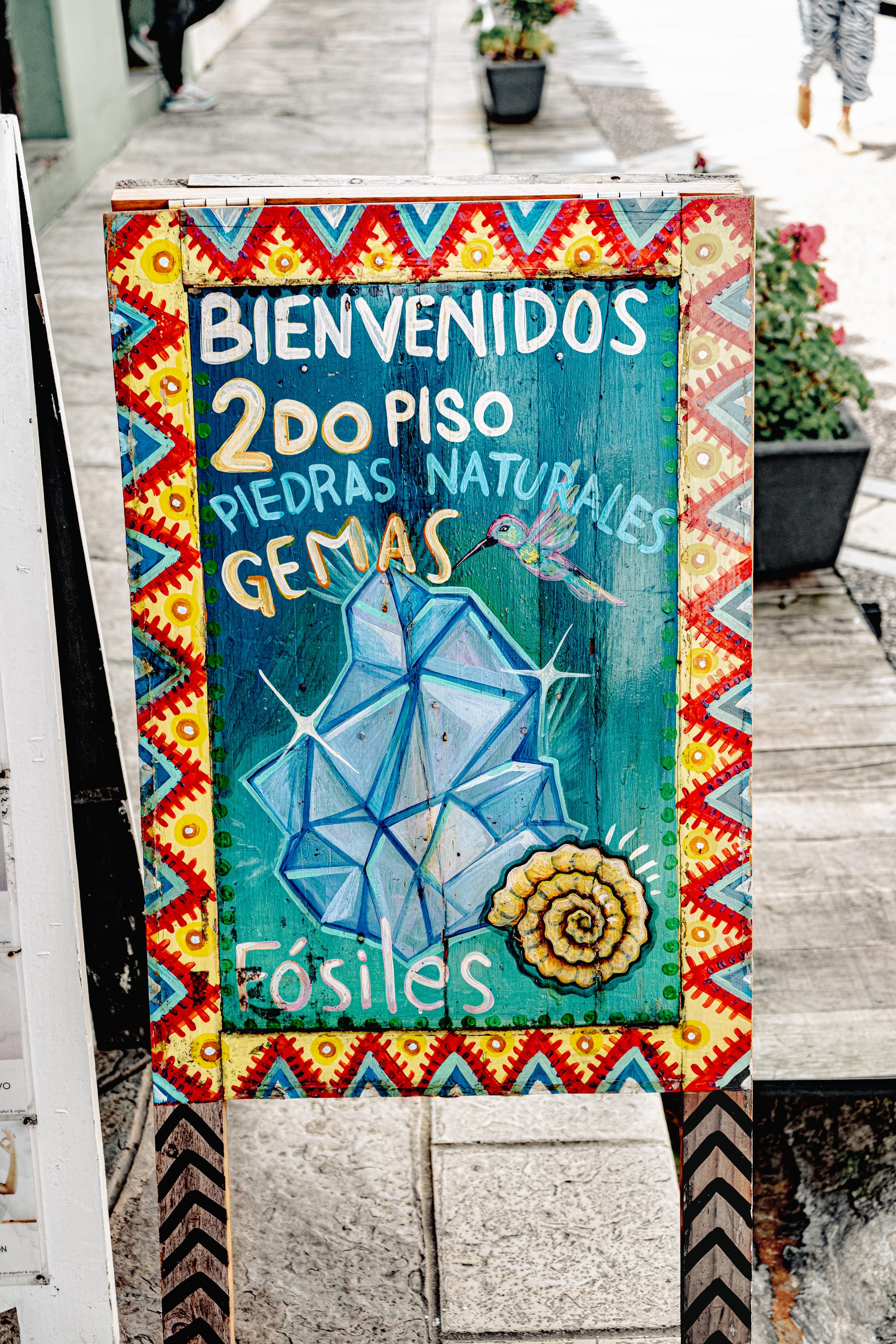
Artistic details in town
Textiles, ceramics, political art, and small-scale creative projects are woven into everyday life. You encounter them while walking, shopping, or sitting in a café, not because you’re looking for them, but because they’re part of the city’s fabric.
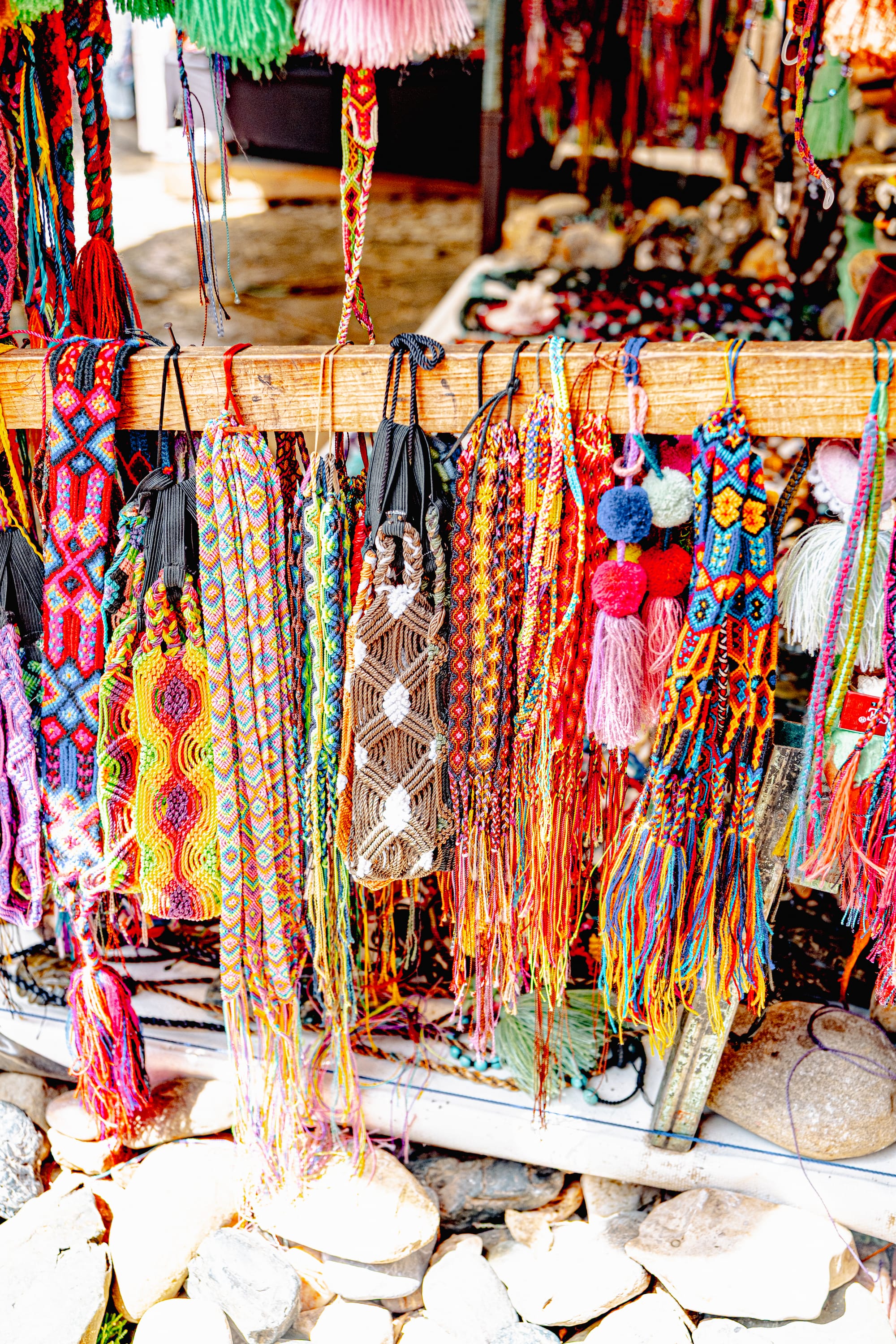

Market findings
Compared to larger and more visible cultural centers like Oaxaca, San Cristóbal feels less polished and less self-conscious. That difference is subtle, but if you’ve spent time in places that cater heavily to visitors, it’s something you notice quickly.
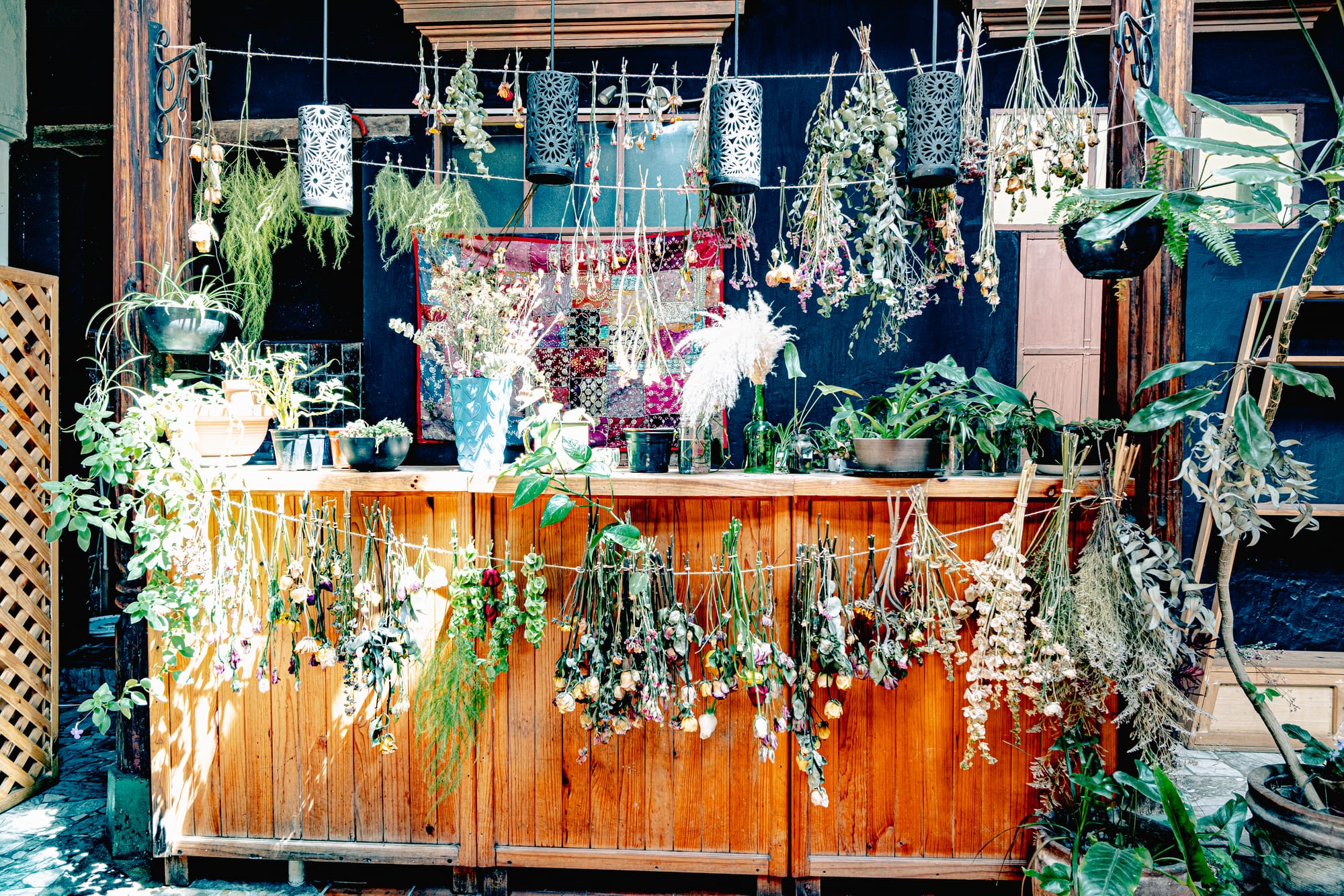
Spending time in San Cristóbal also quietly shifted how we related to our own creative work. Without really intending to, we found ourselves more inclined to make things: to write, to think, and to follow ideas. Days felt open enough to let thoughts stretch, and there was less of the low-level pressure to stay productive or visible. Whether that came from the pace of the city, the weather, the walking, or the sense of being surrounded by people living close to their own forms of making, it’s hard to say. But San Cristóbal put us in a mental state that felt more original and self-directed, where creation came from curiosity. If places can shape how you think, this one nudged us gently toward creating for its own sake. If we had to guess, we'd say it was perhaps a kind of inspiration from the sincerity of the place.
Working remotely in San Cristóbal
From a practical standpoint, San Cristóbal works well for remote work—especially if you’re comfortable with a quieter setup. There are plenty of cafés where laptops are welcome, but they’re rarely dominated by them. Most places feel like shared social spaces rather than informal coworking hubs, which helps work blend more naturally into the day.
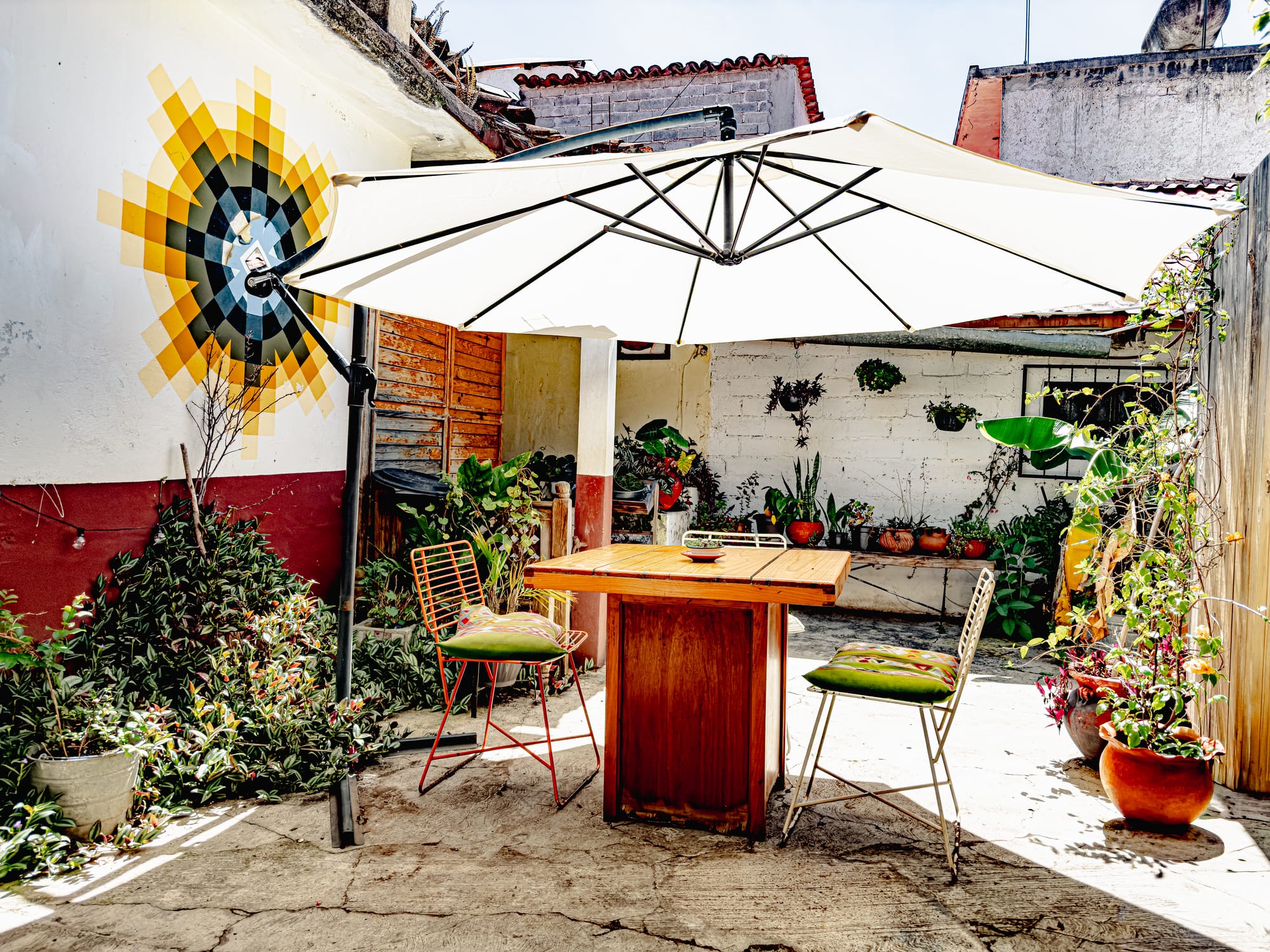

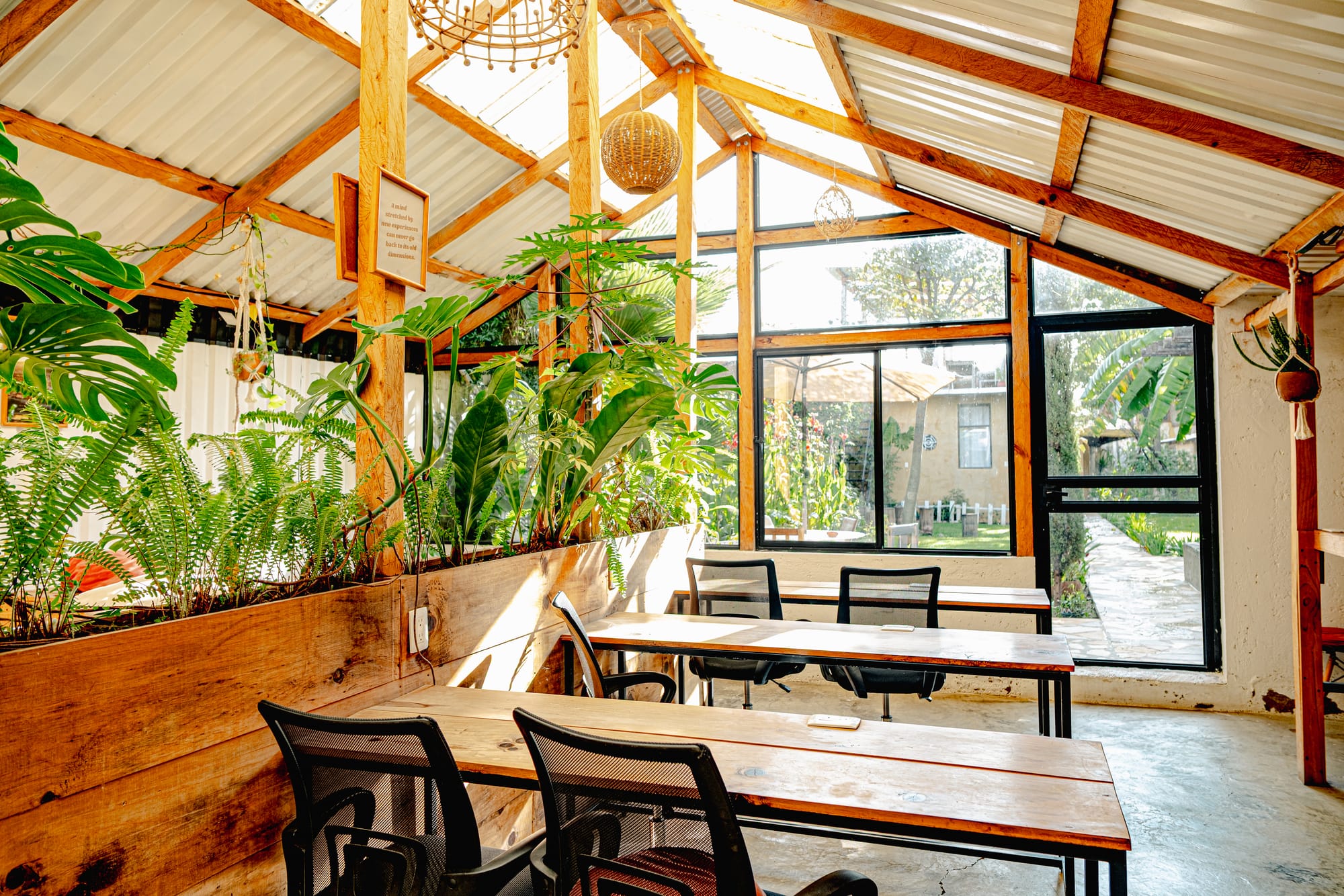
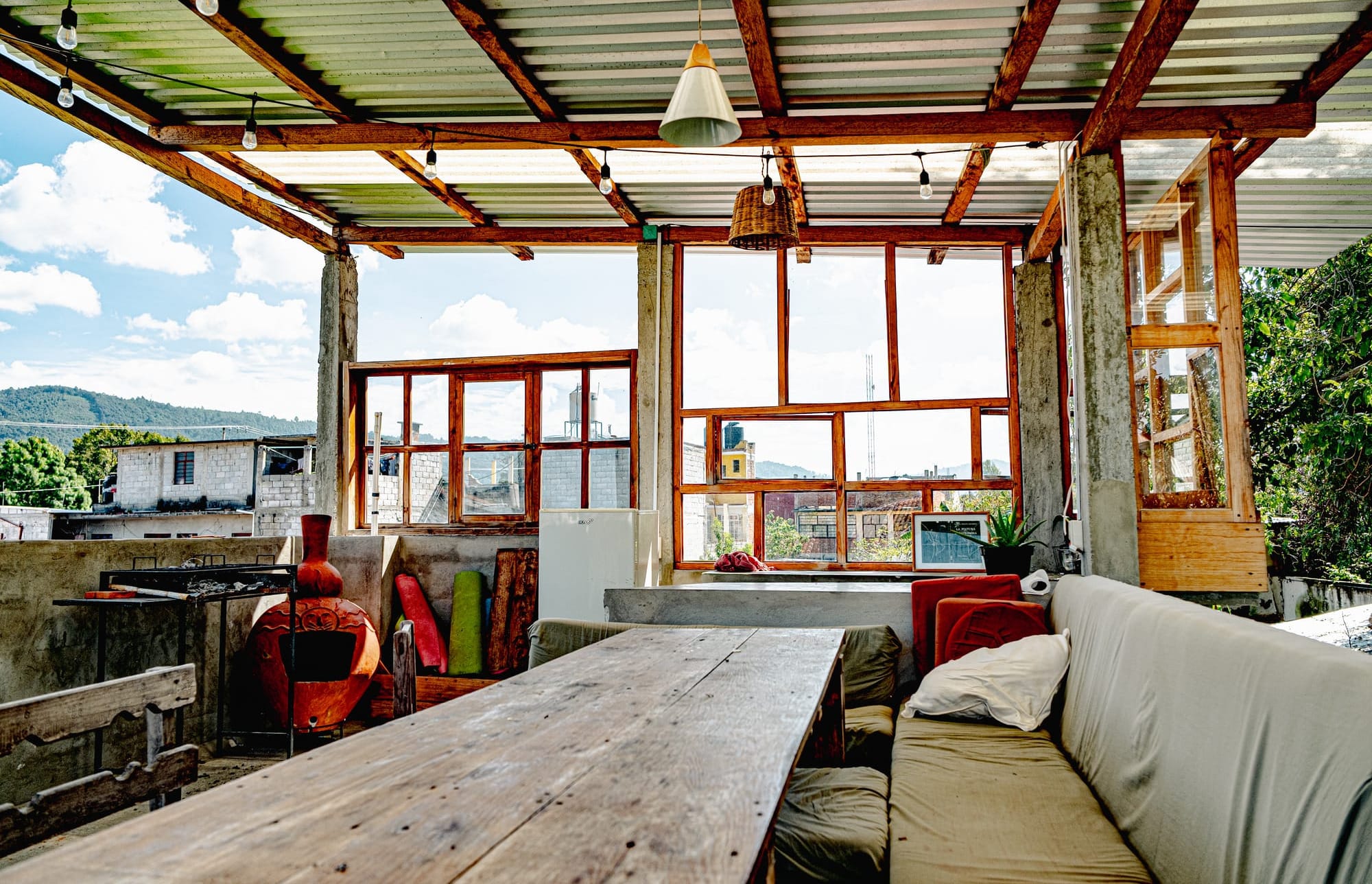
Coliving and coworking spaces like Co404 have contributed to a small digital nomad presence in the city. The scale here matters. Compared to larger setups in places like Oaxaca, Co404 in San Cristóbal feels more contained and grounded, with gardens and mountain views that reinforce the sense of being somewhere slightly removed from the usual nomad circuits.
Nature close at hand
One of San Cristóbal’s biggest draws is how close it sits to dramatically different landscapes. Nature here doesn’t feel like something you save for a long weekend or a special trip. It’s woven into the logic of being in the city at all. In almost every direction, a few hours (or less) takes you somewhere that feels completely different.
The contrast is most immediate when heading toward the jungle. Places like Palenque feel a world away from the cool mountain air: hot, dense, and alive, with ruins emerging from thick green surroundings. Nearby, waterfalls such as Cascadas Roberto Barrios offer another version of that same shift, where swimming, walking, and lingering replace any sense of sightseeing.
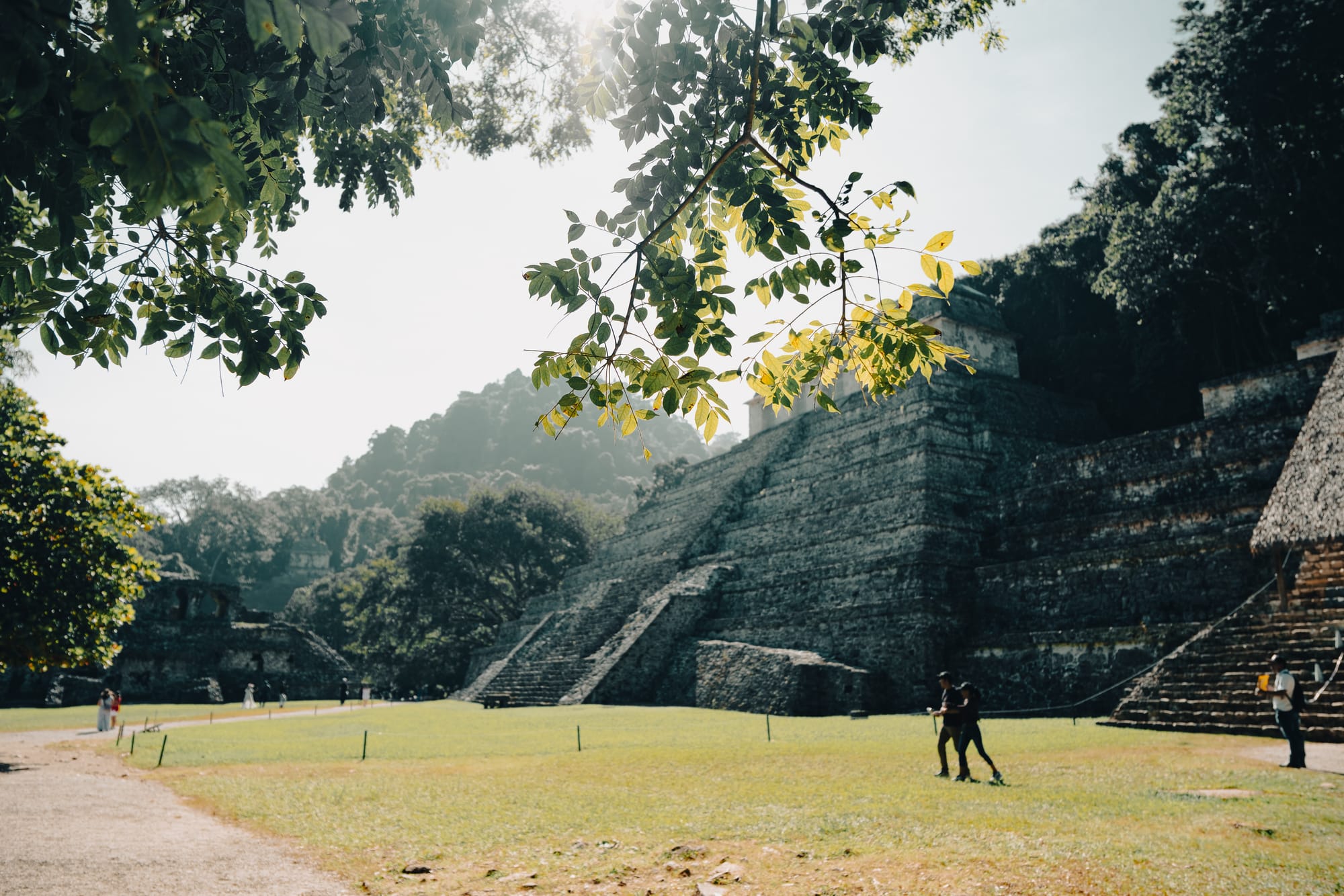
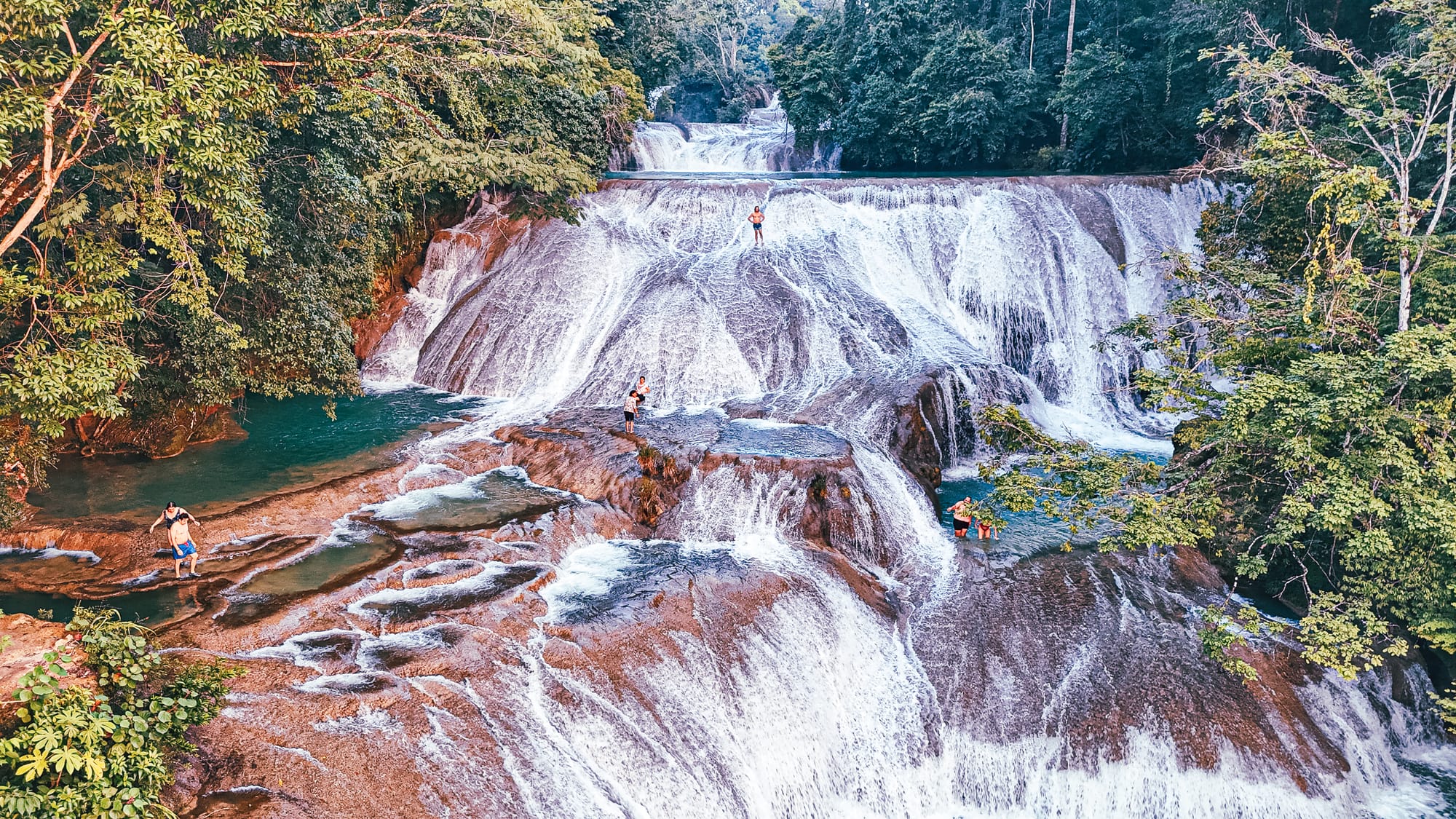
Other trips move in quieter directions. The reflective blues and greens of the Lagunas de Montebello feel expansive and slow, while Sumidero Canyon does something else entirely, compressing your sense of scale through sheer height and stillness. Waterfalls like Misol-Há and El Chiflón sit somewhere between these extremes, easy to reach but powerful enough to pull you fully out of the city’s rhythm for a day.
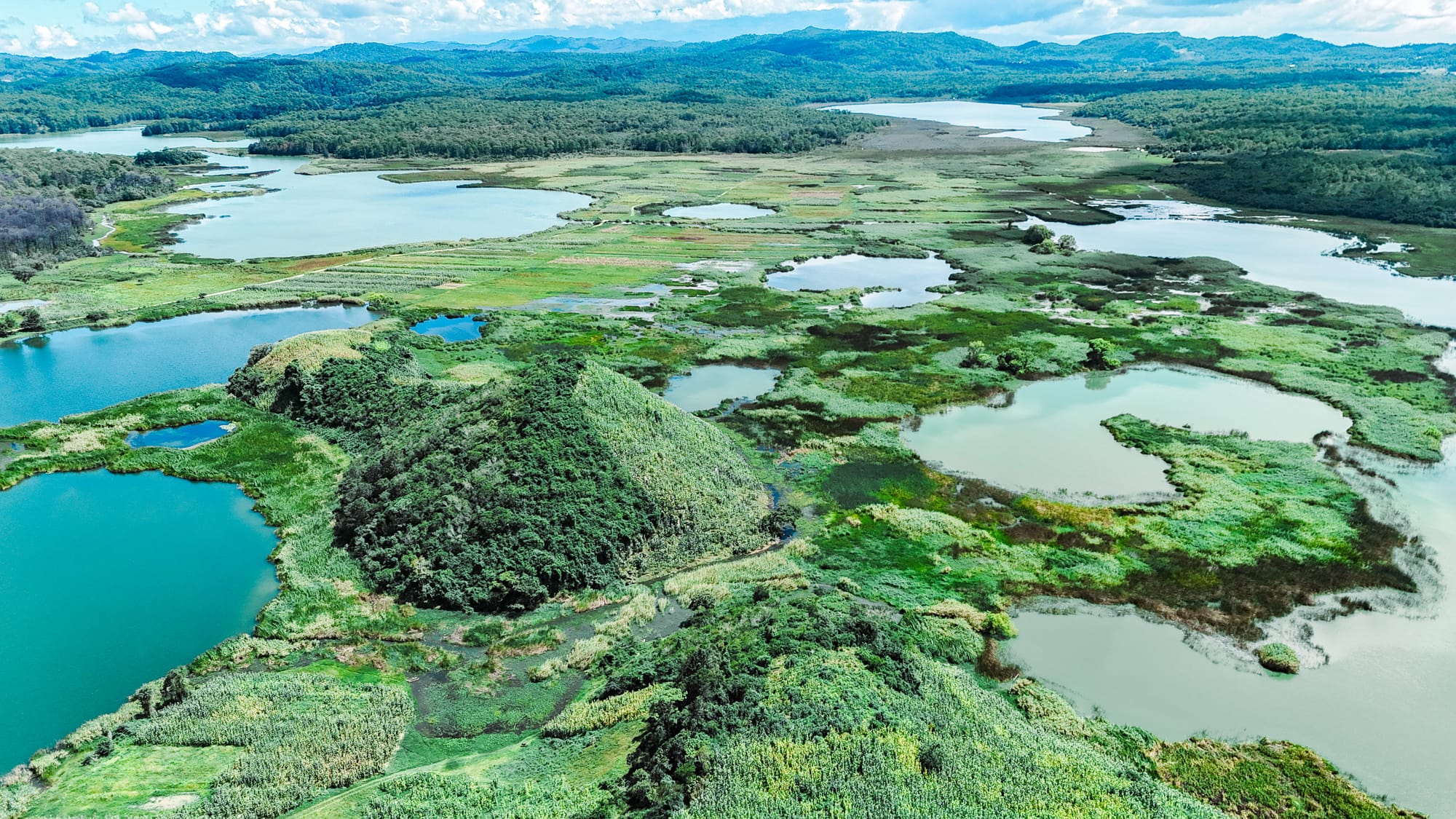
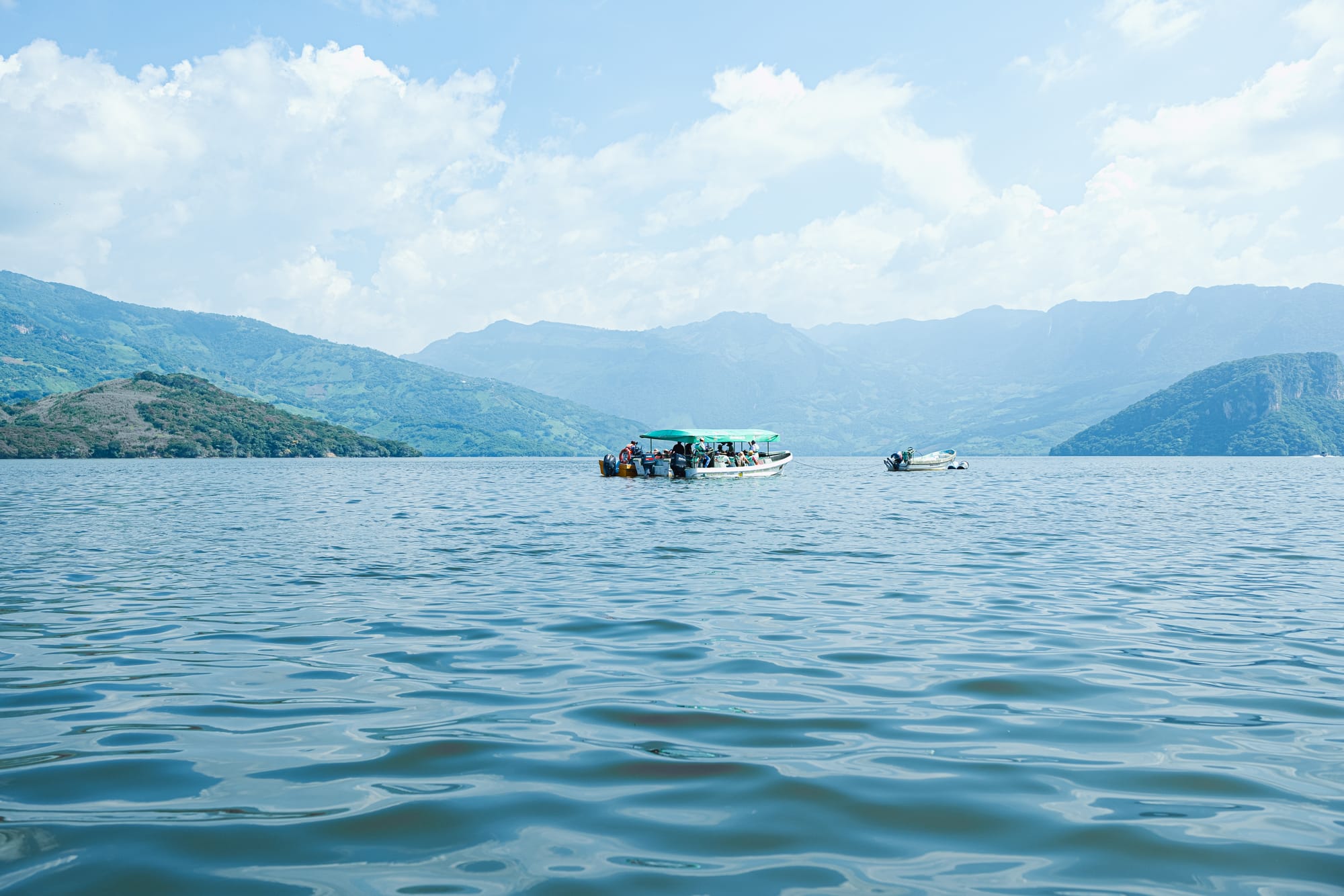
Some of the most memorable experiences are less than 20 minutes away from town. A fungi hike with a local mycologist shifted our attention downward—to forest floors, textures, and seasonal patterns that are easy to miss without guidance. Visits to places like El Arcotete or the Moxviquil Orchid Reserve felt similarly grounded, focused more on observation than movement.
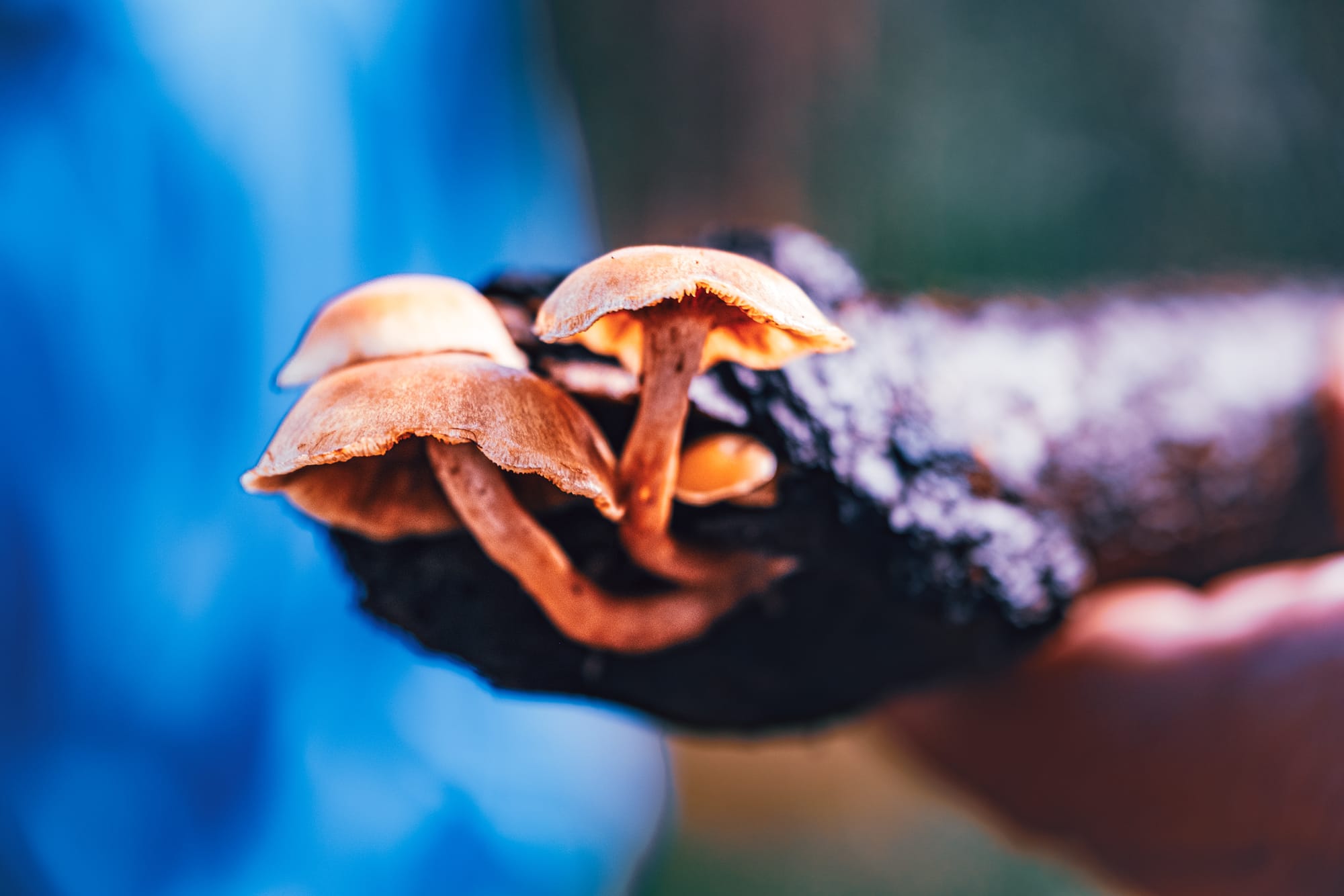
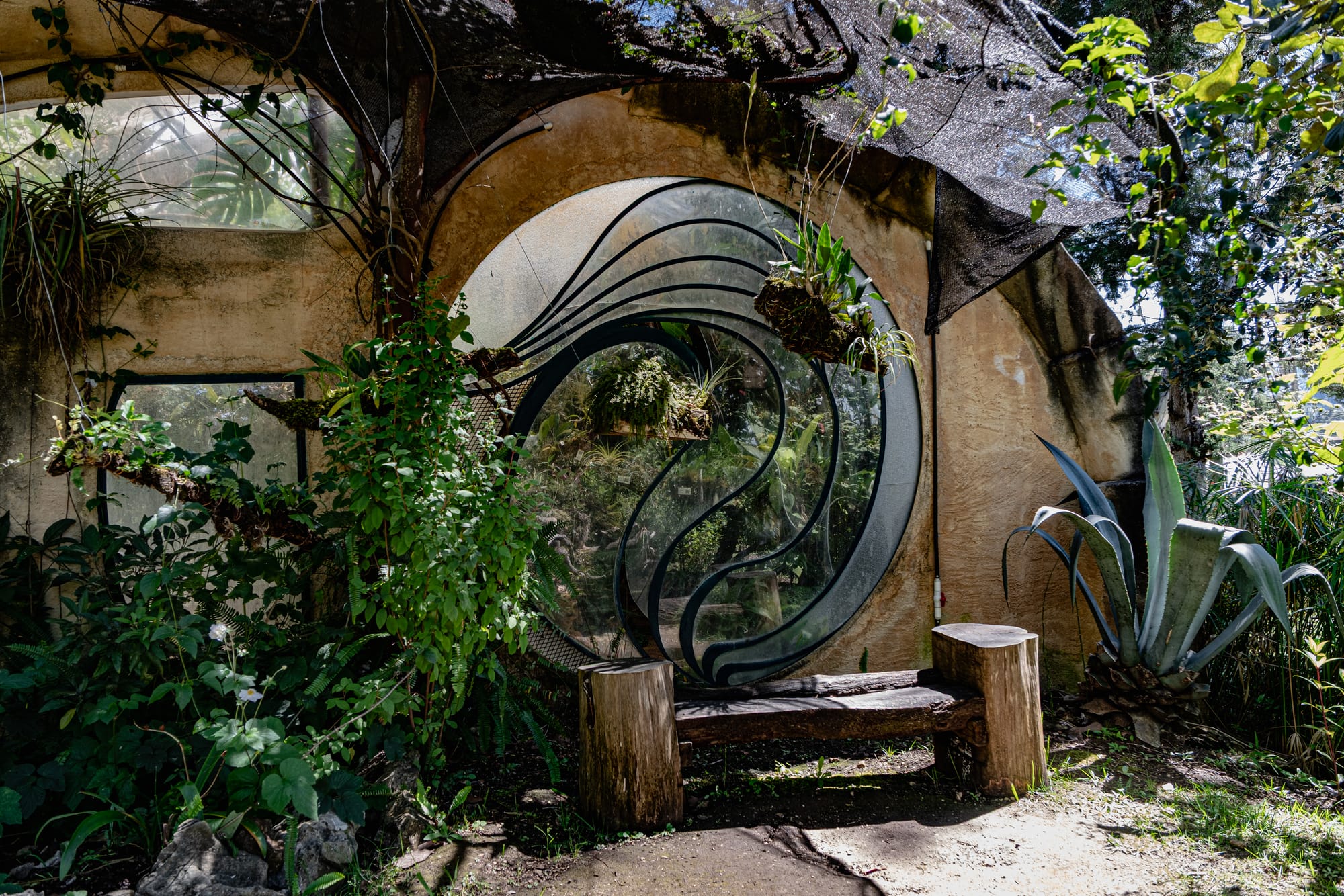
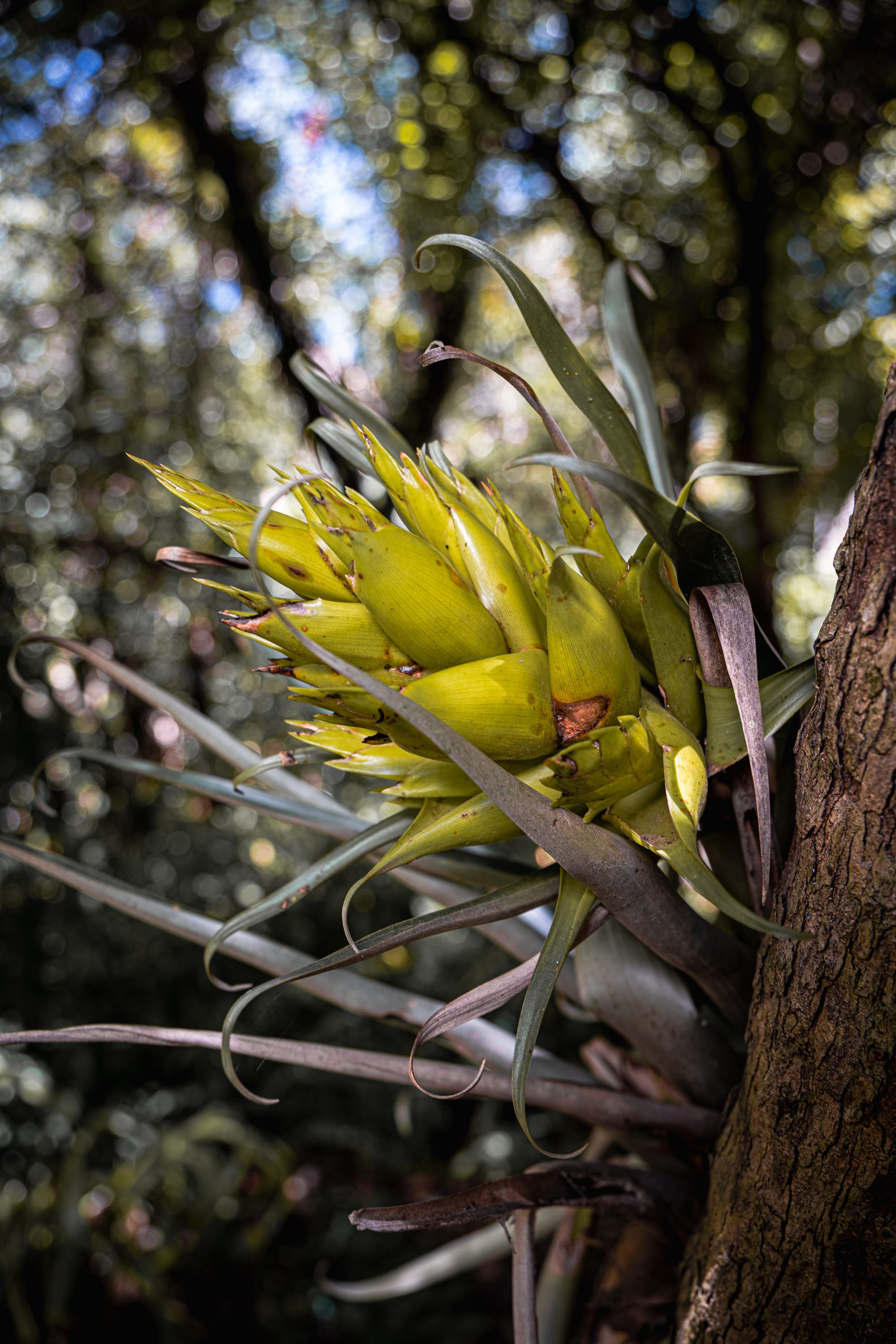
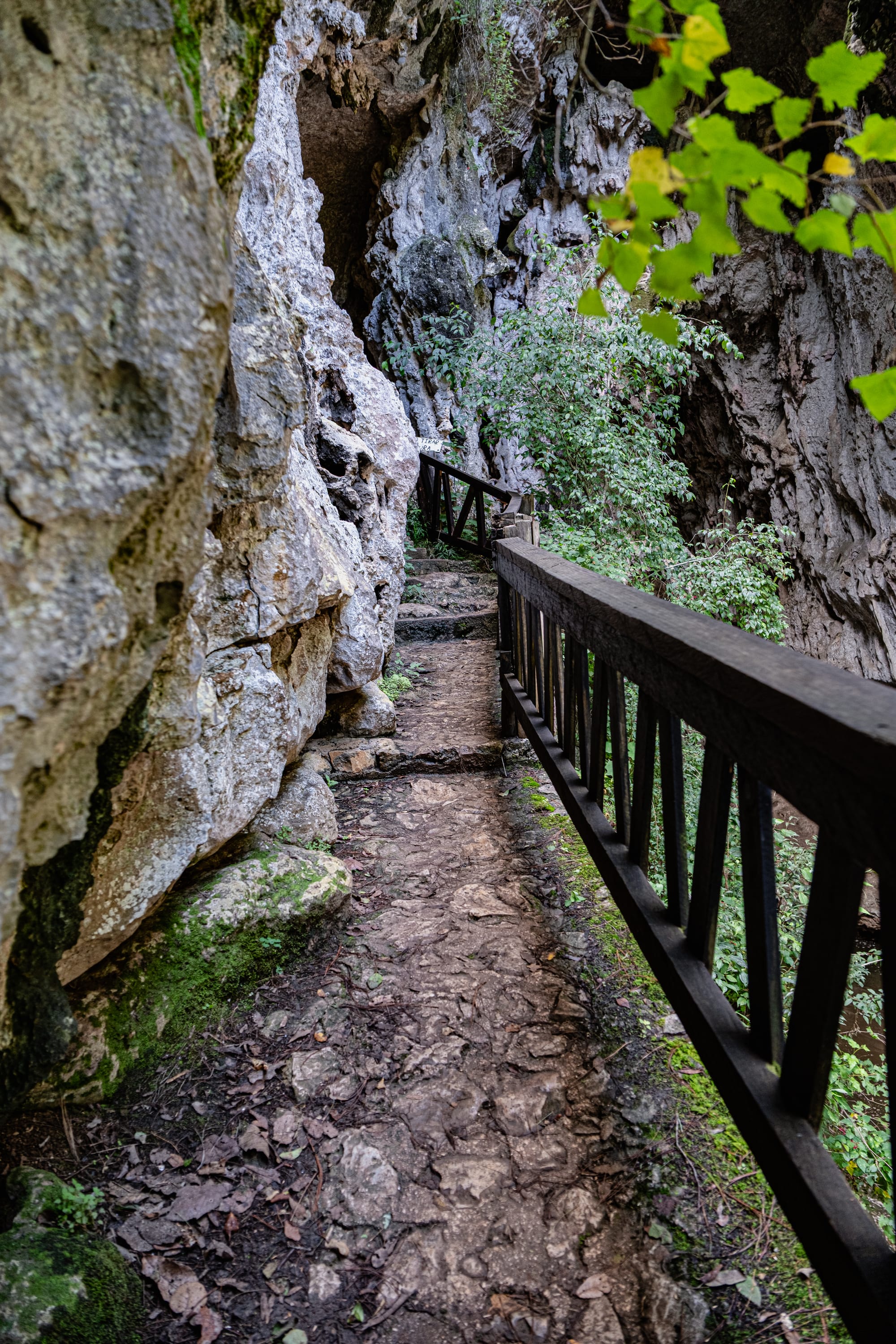
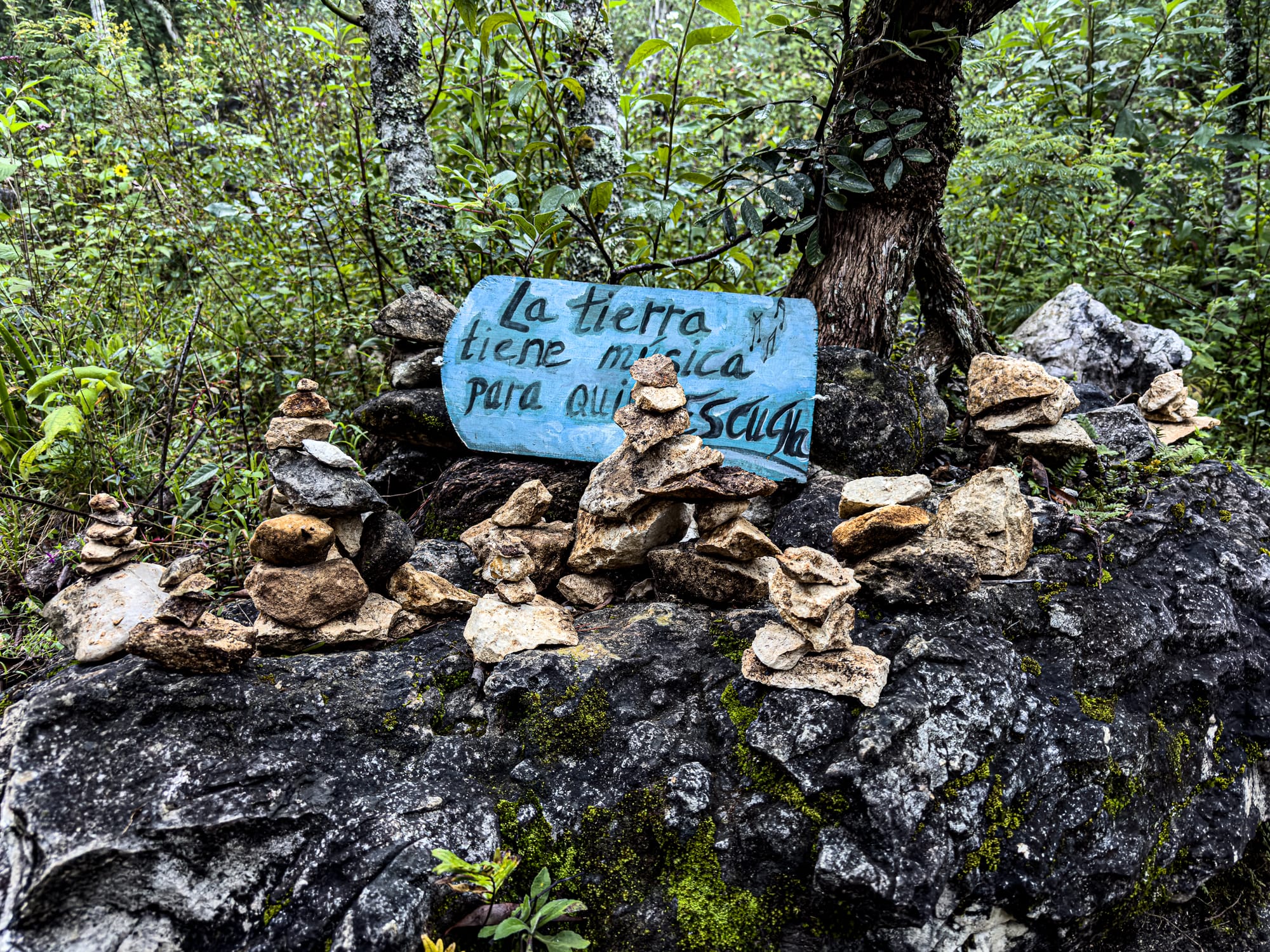
Nature trips from San Cristóbal de las Casas
Taken together, these landscapes shape how time in San Cristóbal feels. Nature here isn’t a backdrop or an optional extra. It’s part of the city’s extended environment, offering regular reminders of scale, biodiversity, and seasonality without requiring long or complicated travel.
Day of the Dead in San Cristóbal
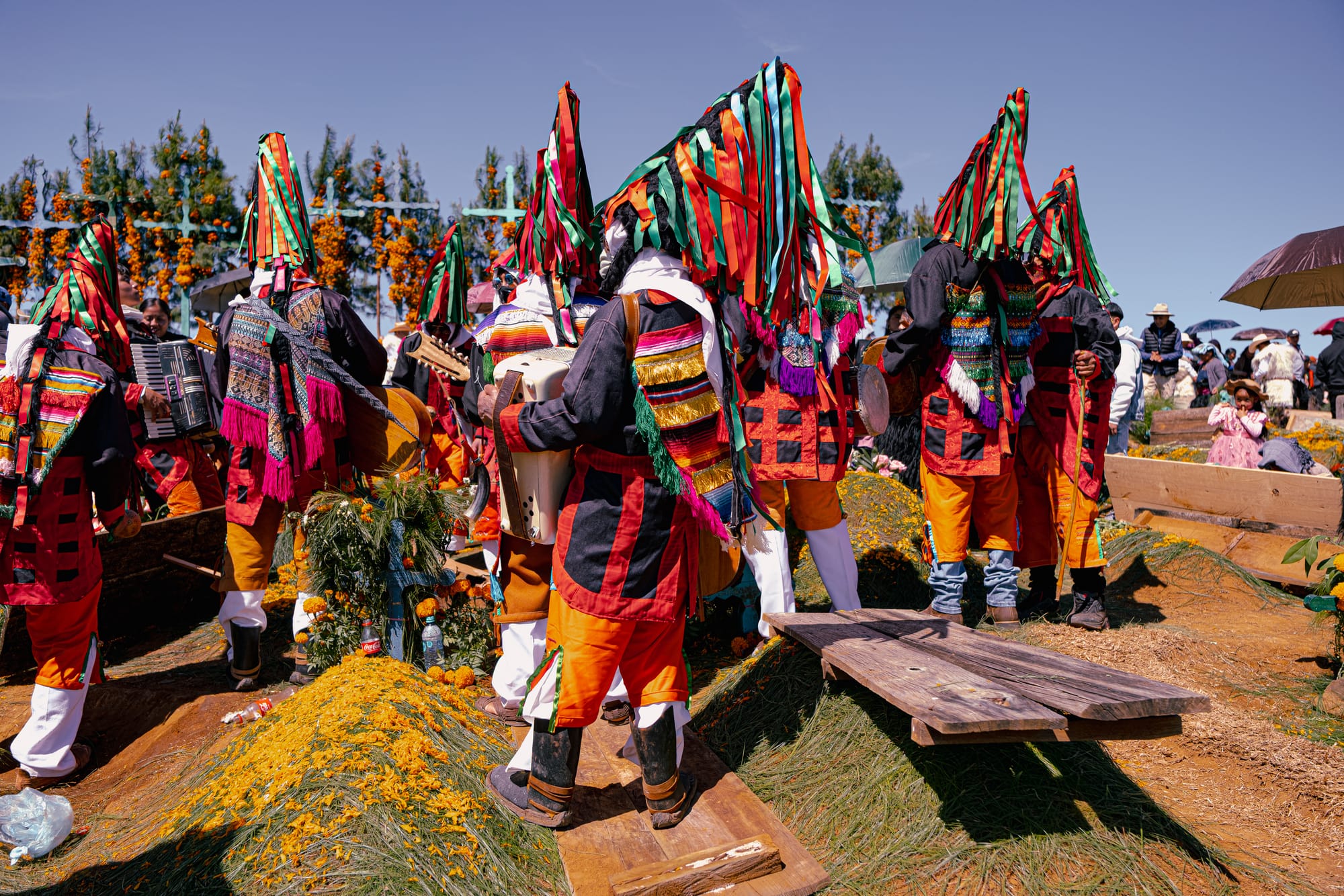
Day of the Dead in San Cristóbal de las Casas feels markedly different from how it’s experienced in many other parts of Mexico. It’s more spiritual. Instead of staged events, the focus is on presence—people spending long hours in cemeteries, tending graves, sharing food, talking softly, and sitting together well into the evening.
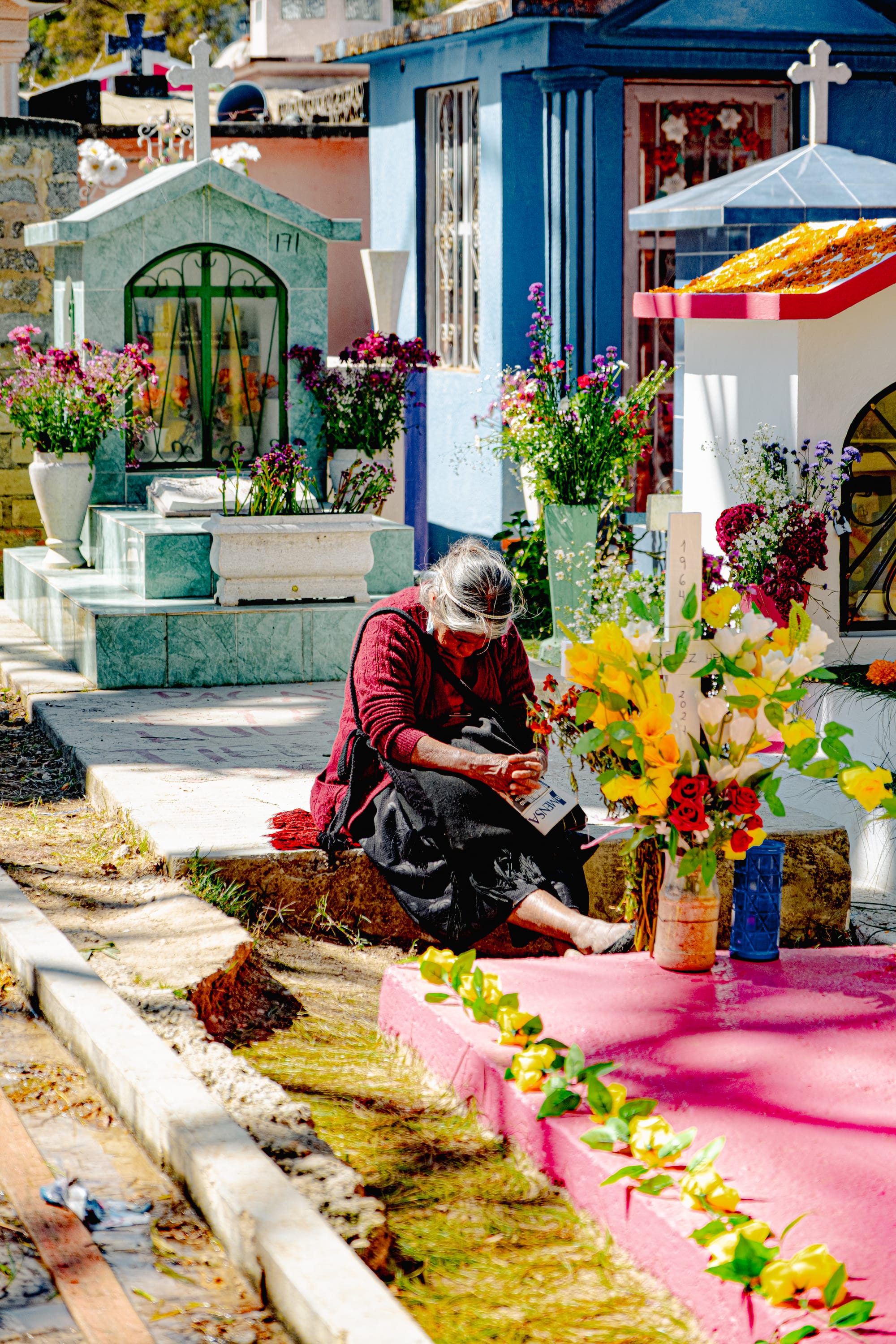
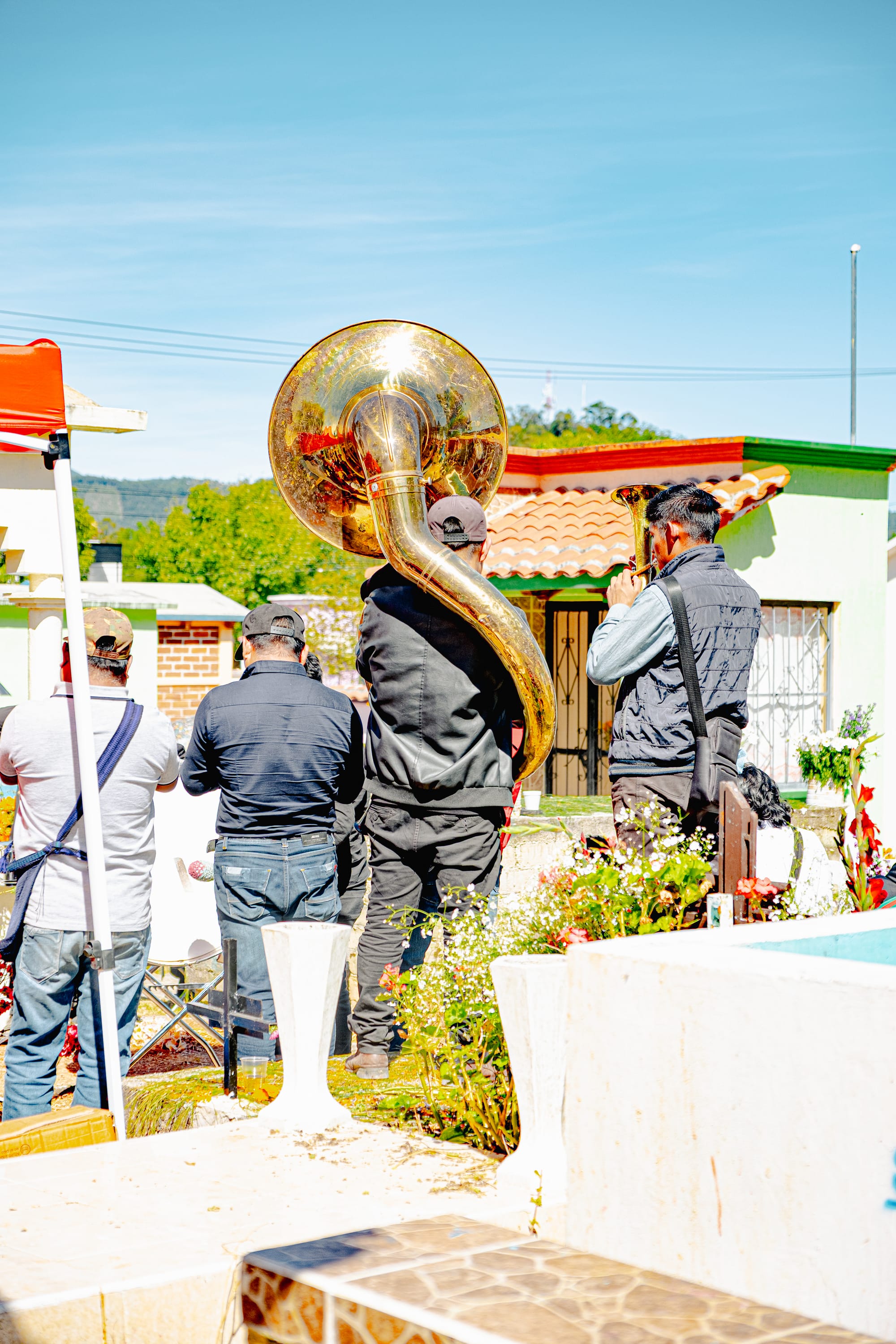
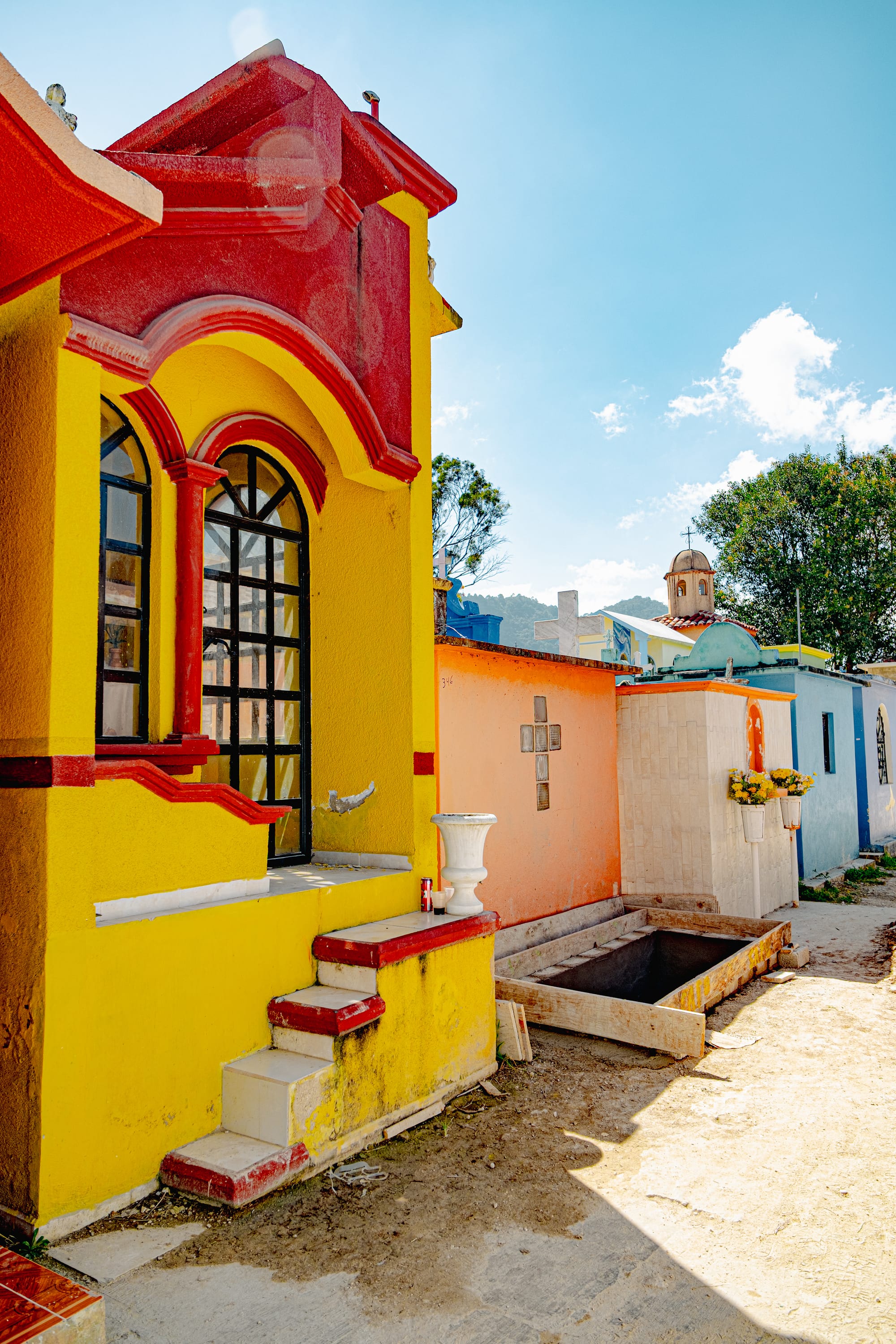
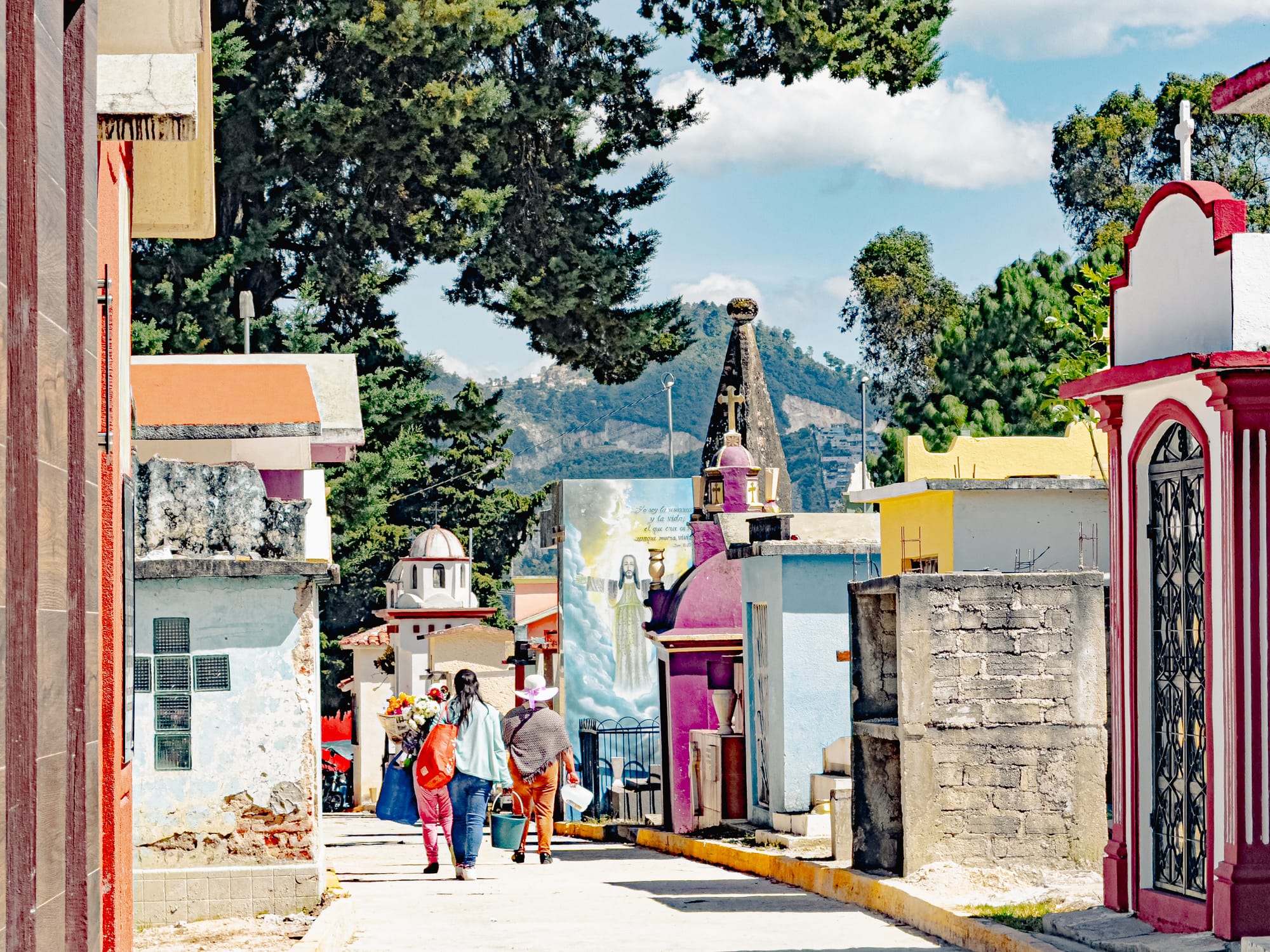
Cemetery scenes on Day of the Dead
We visited three different cemeteries over the course of the celebrations: Romerillo, Zinacantán, and San Cristóbal’s Municipal Pantheon (before and during the day). Each had its own atmosphere, but all shared the same sense of intimacy and care. Graves were covered in flowers, candles burned late into the night, and families stayed close, eating, praying, and remembering.
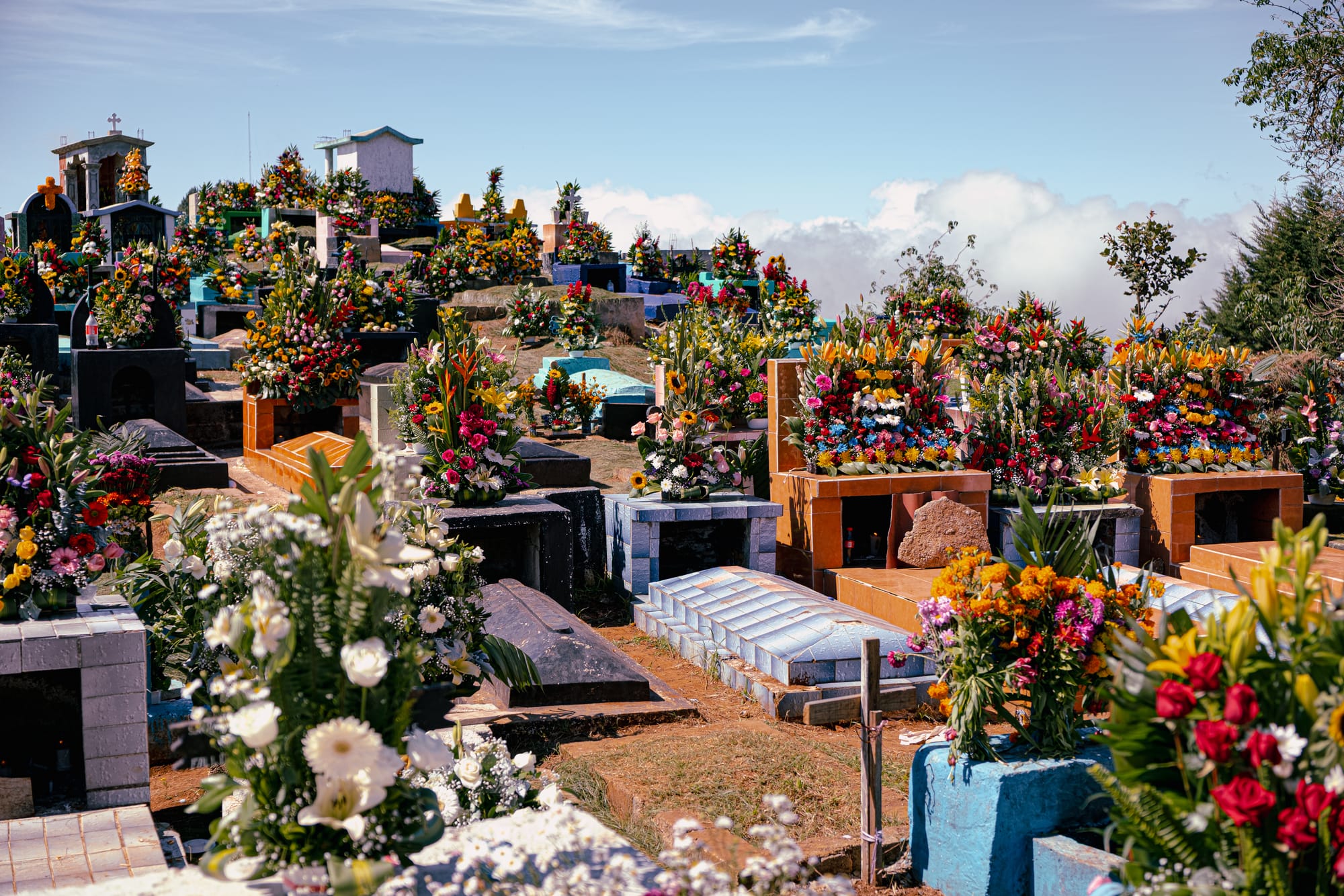
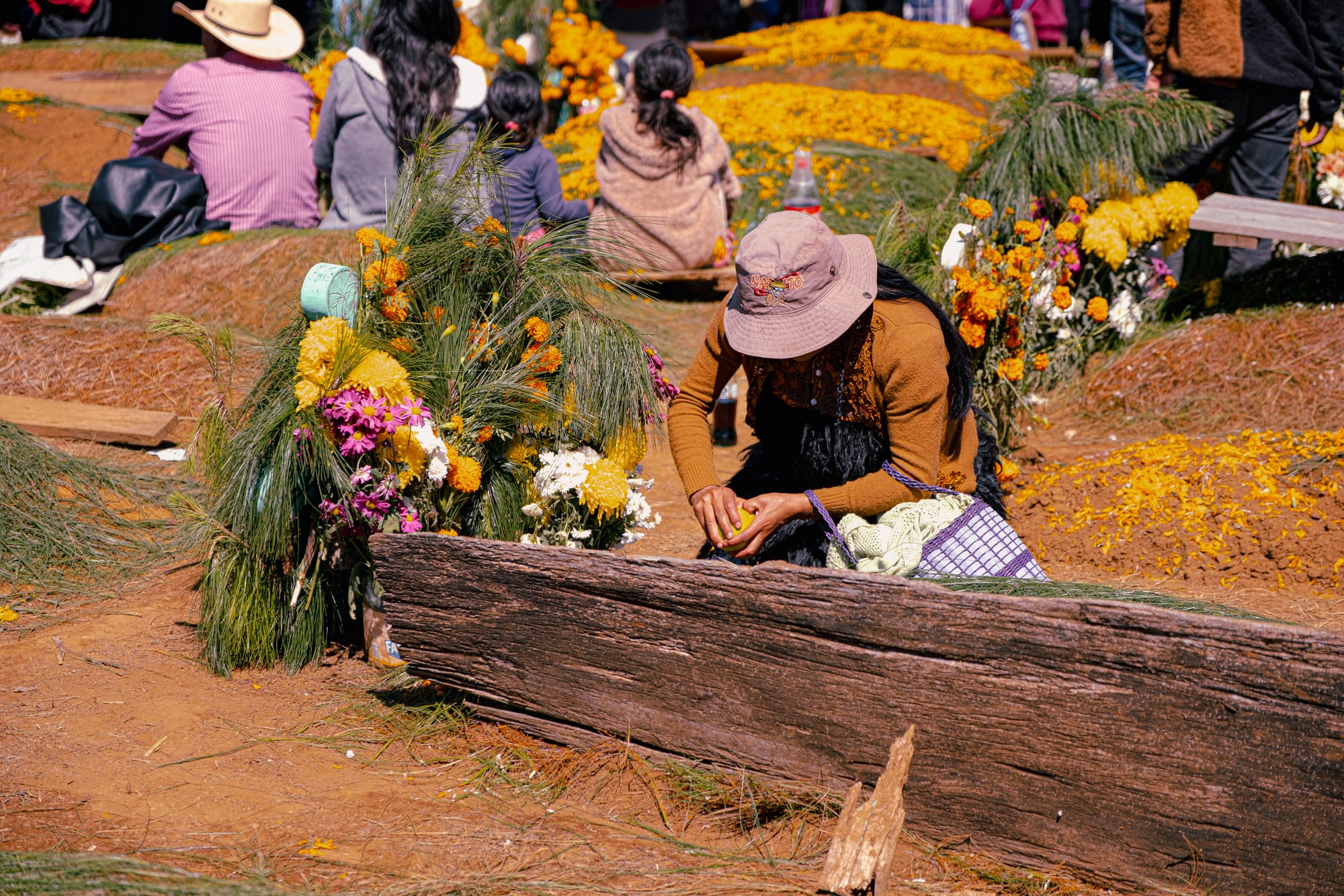
We left those nights feeling deeply grateful to have been in San Cristóbal for Day of the Dead rather than somewhere louder or more touristic. If you’re considering when to visit, being here during this time is something we’d wholeheartedly recommend. It was, without question, one of the most special moments of our time in the city.
And if you're not here for Day of the Dead, we'd recommend paying a visit to San Cristóbal’s beautiful churches. They’re not isolated landmarks you visit once and move on from, but part of the city’s everyday texture. Places like Santo Domingo de Guzmán or the Catedral de San Cristóbal appear naturally as you wander, opening onto small plazas, markets, or steep streets.
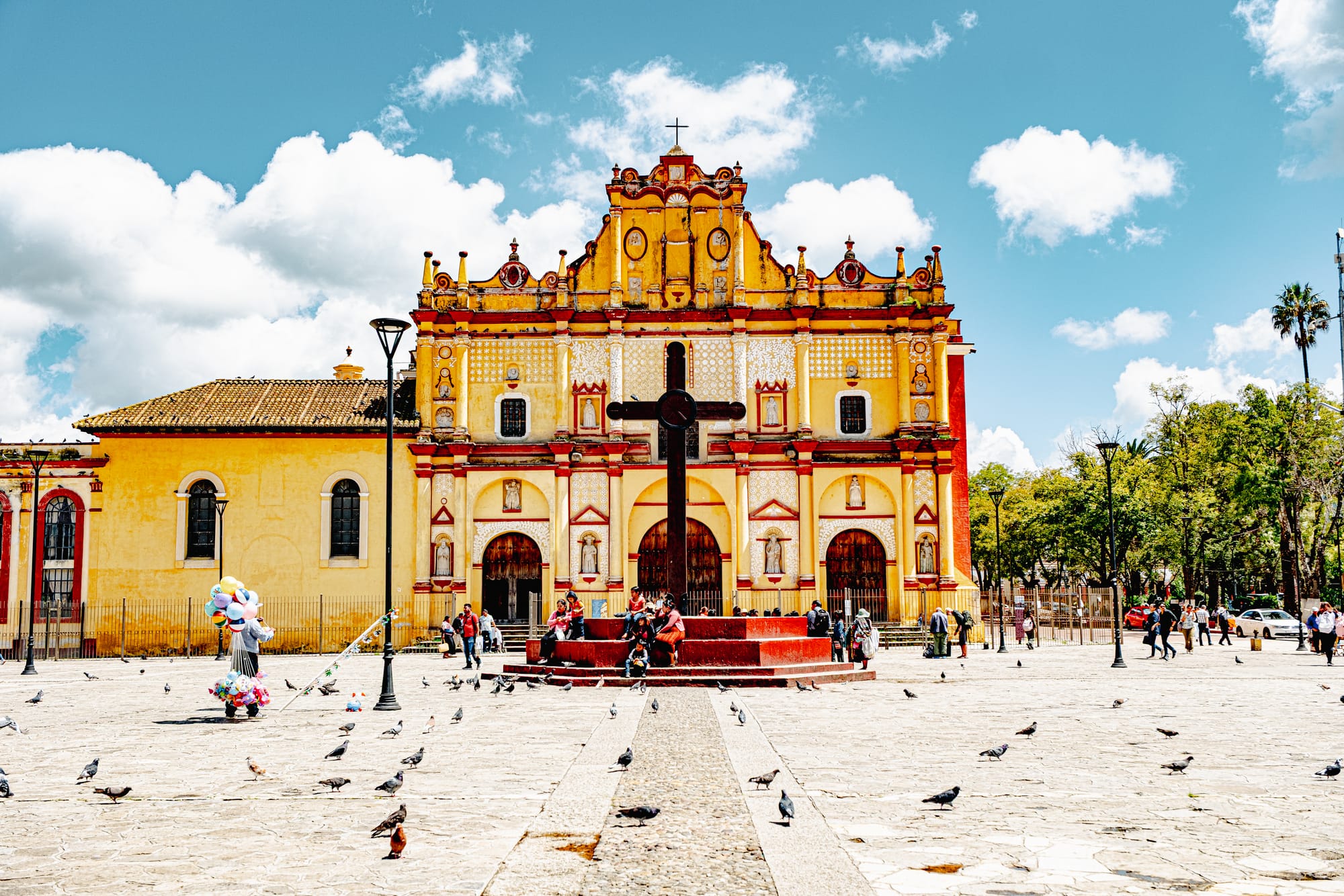
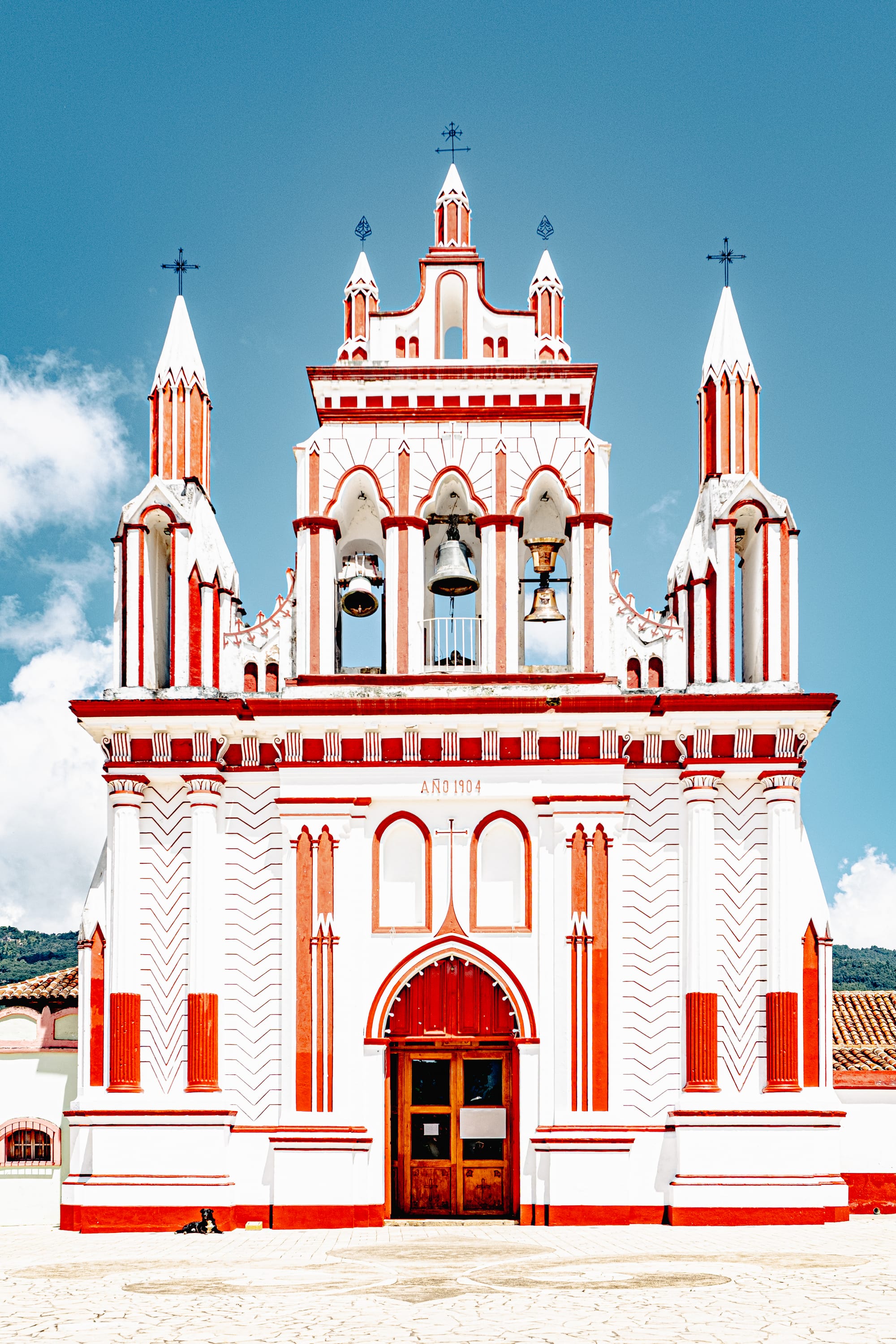
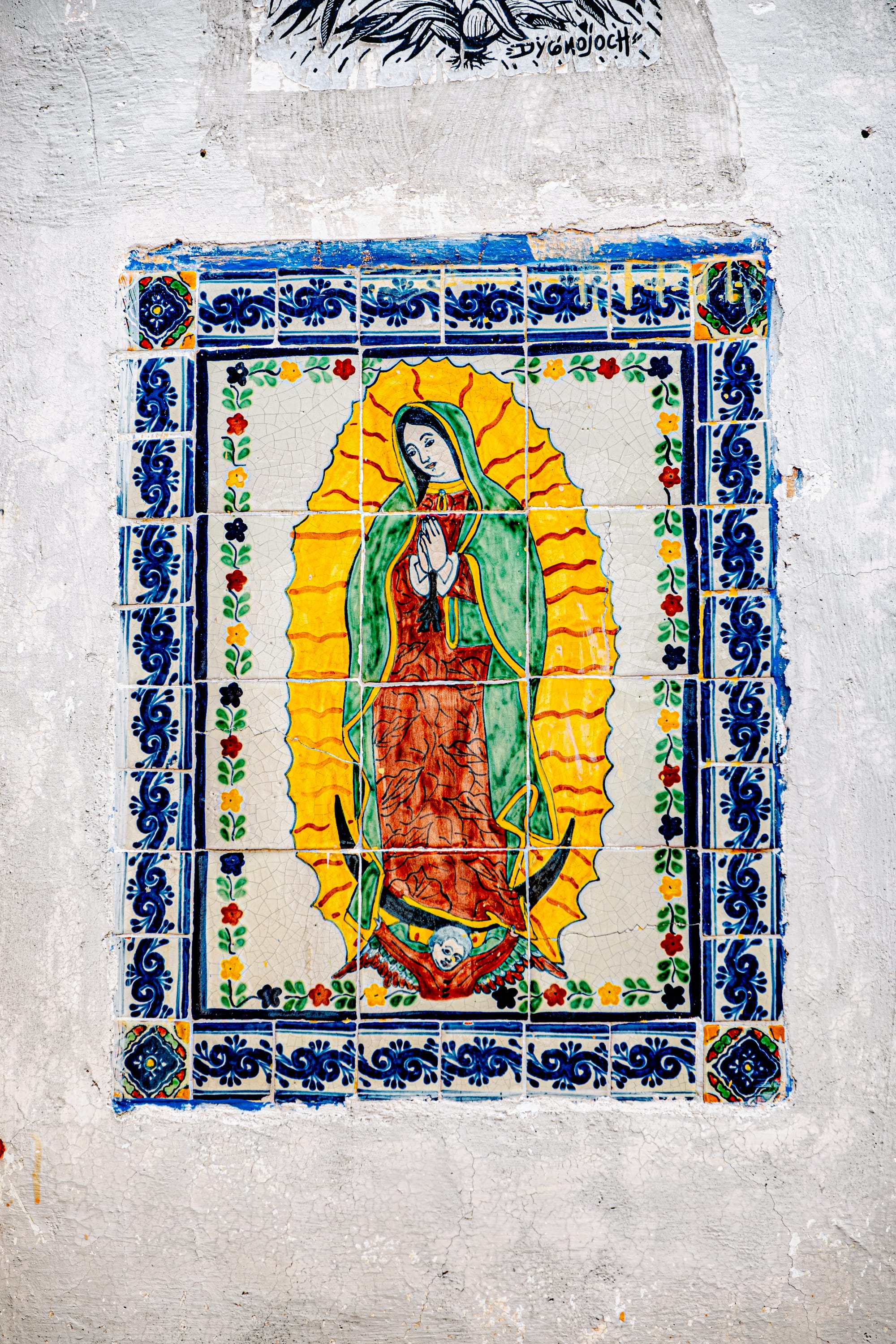
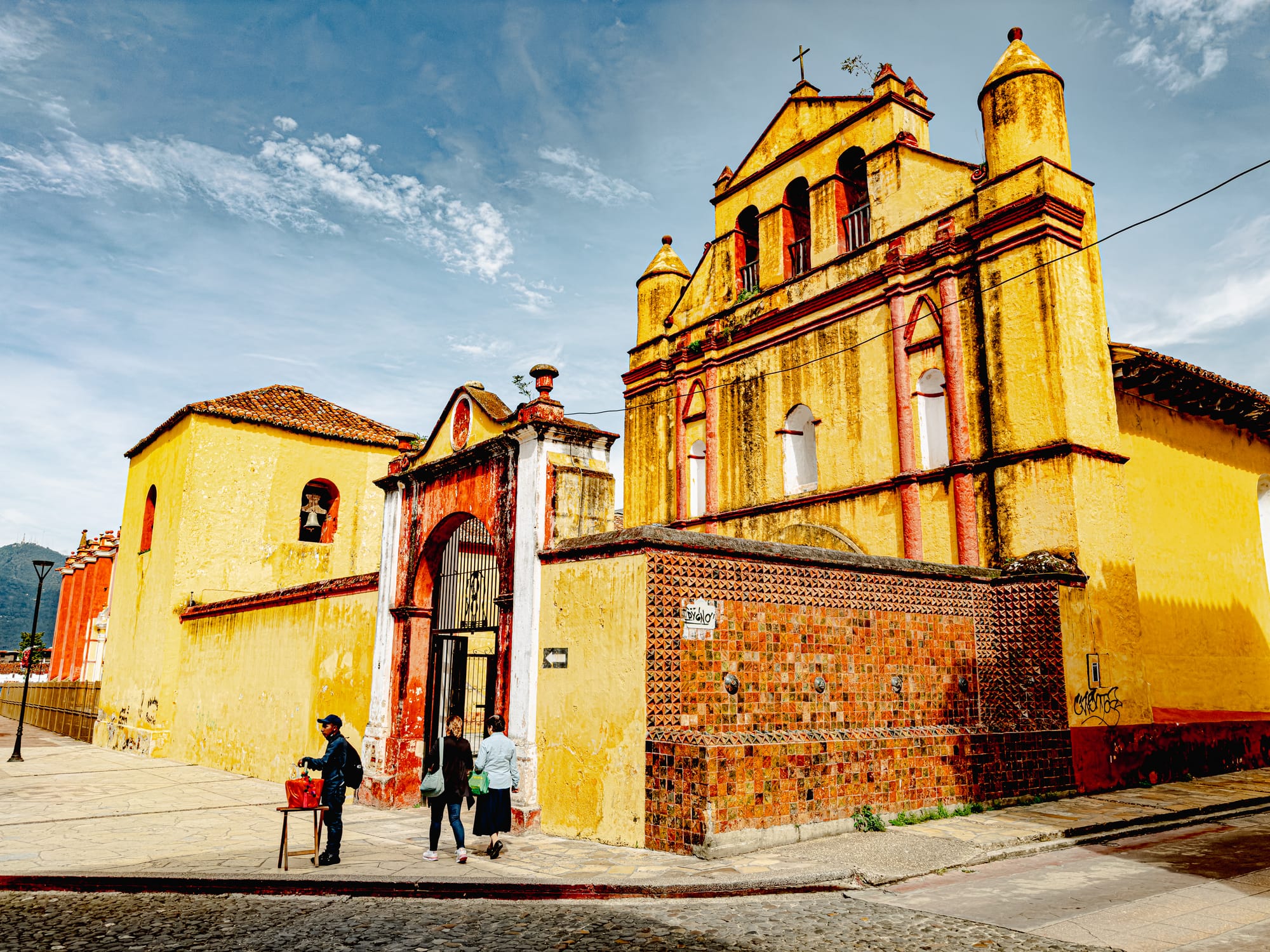
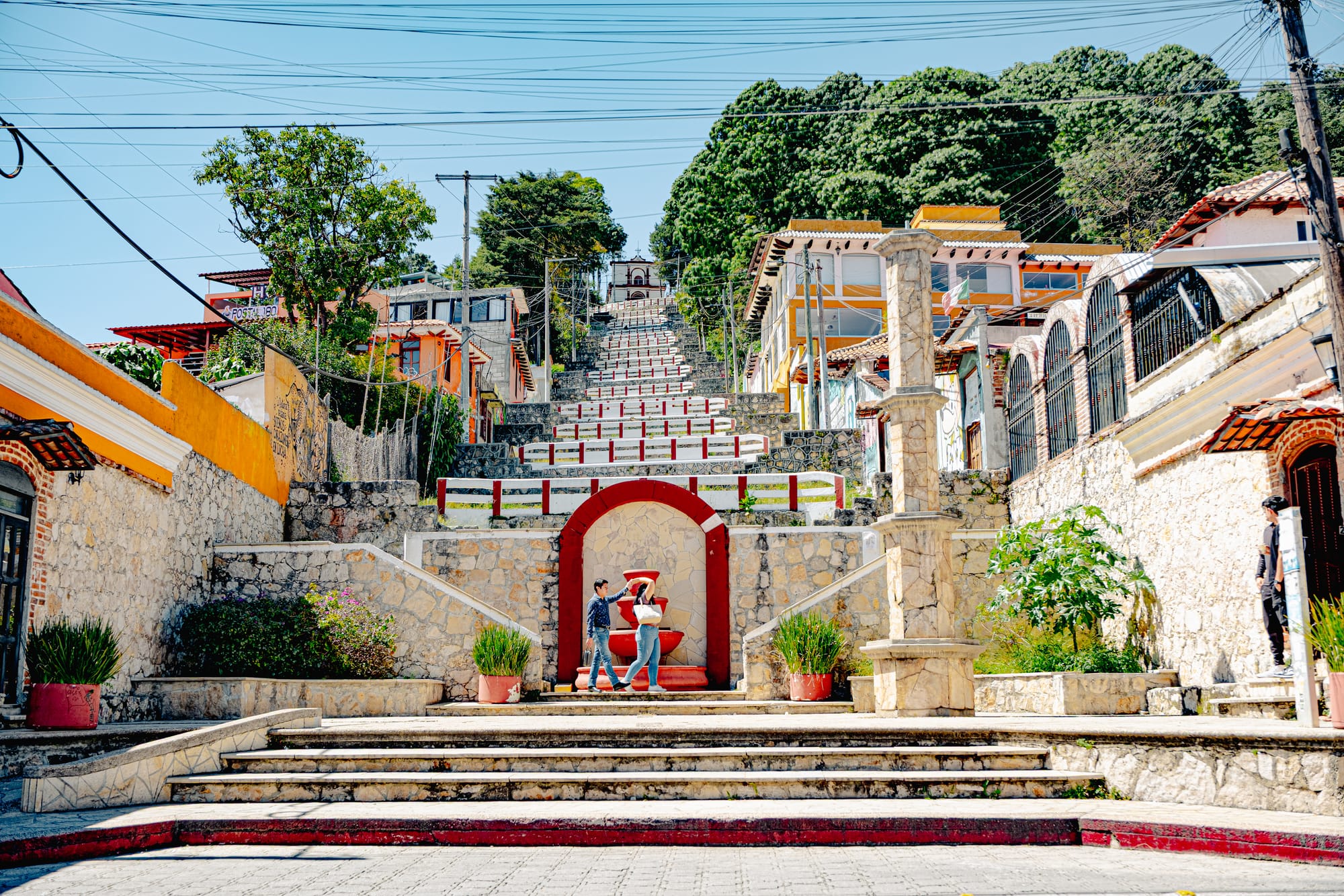
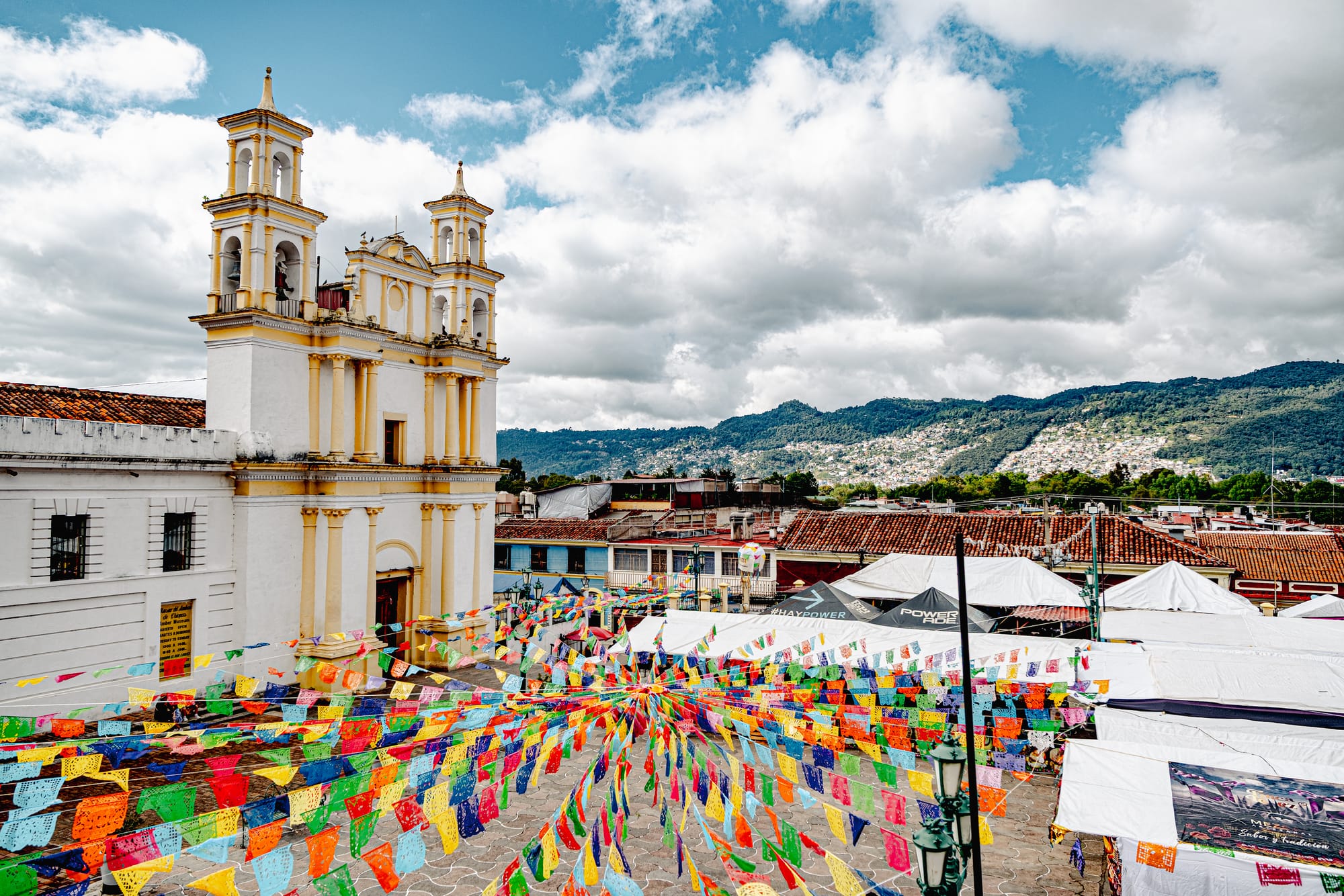
Some are ornate, others modest, but together they give the city a sense of depth and continuity. Even if you’re not especially interested in religious architecture, it’s hard not to notice how these buildings anchor neighborhoods and daily life, contributing to the feeling that San Cristóbal is shaped by many histories at once.
Food and markets
Food is one of the easiest parts of daily life in San Cristóbal to settle into. We ate out most of the time while we were there, and it never felt repetitive or limiting. There’s a good spread of small restaurants and cafés across the city, many of them relaxed enough to linger in and easy to fold into a normal workday.
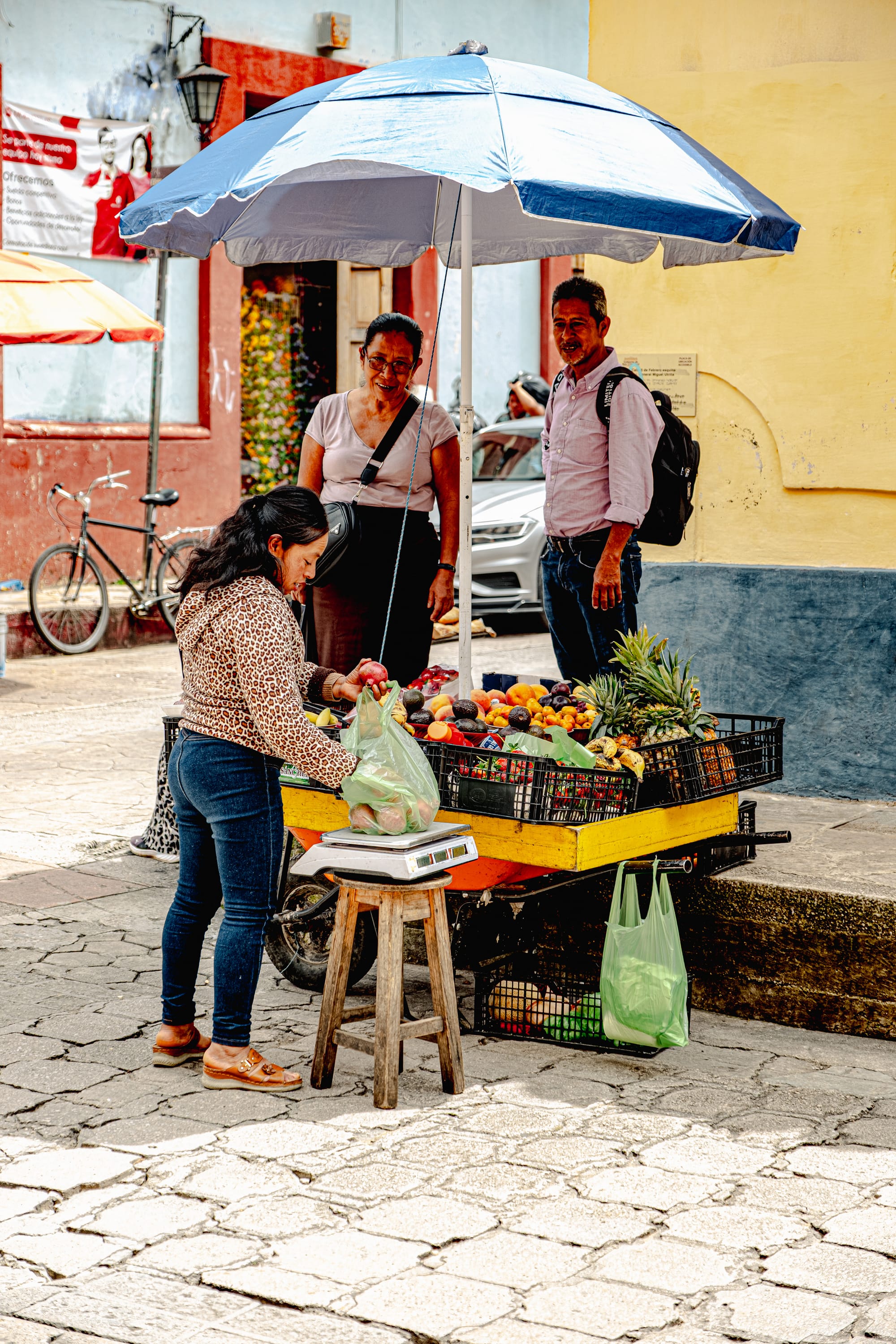
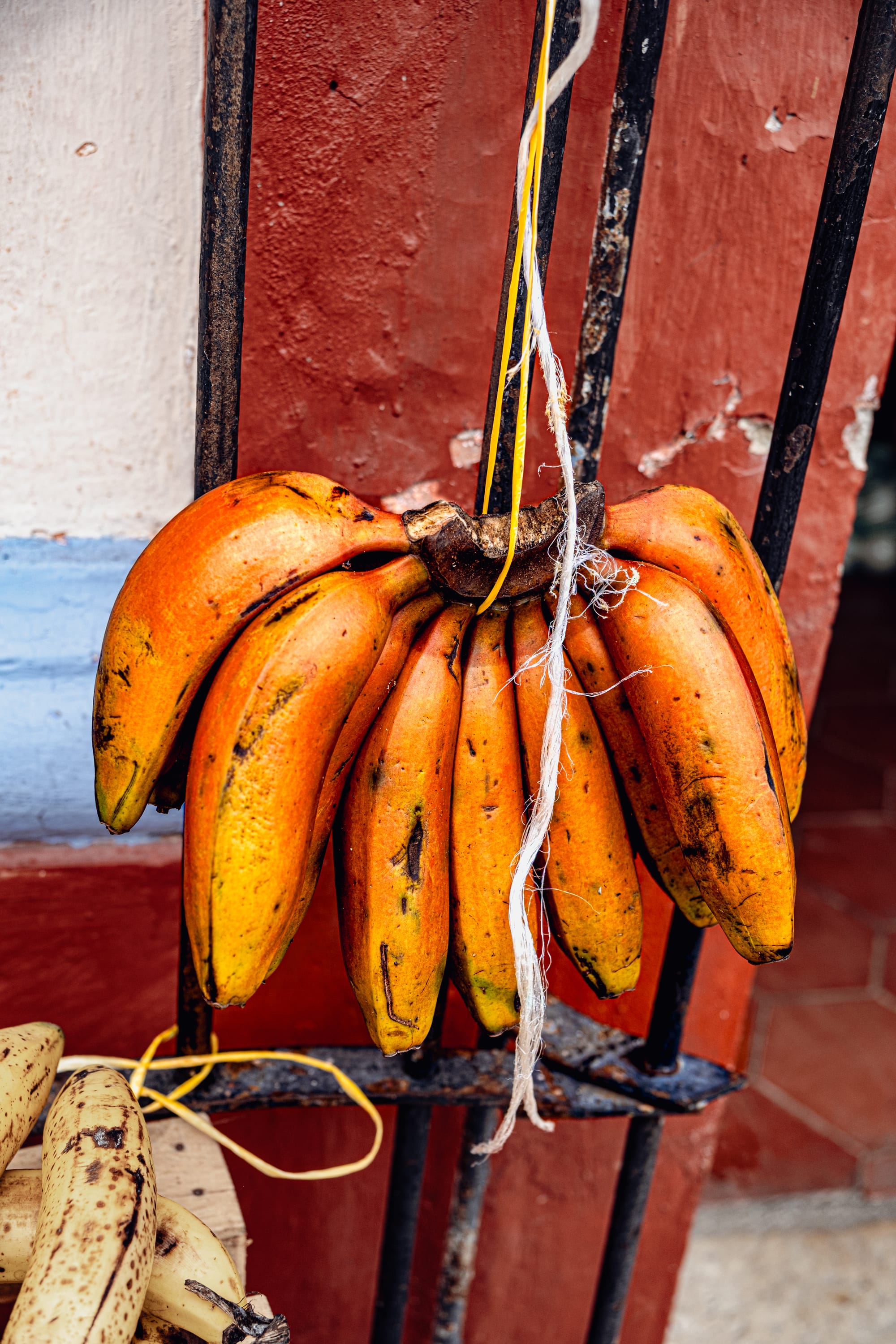
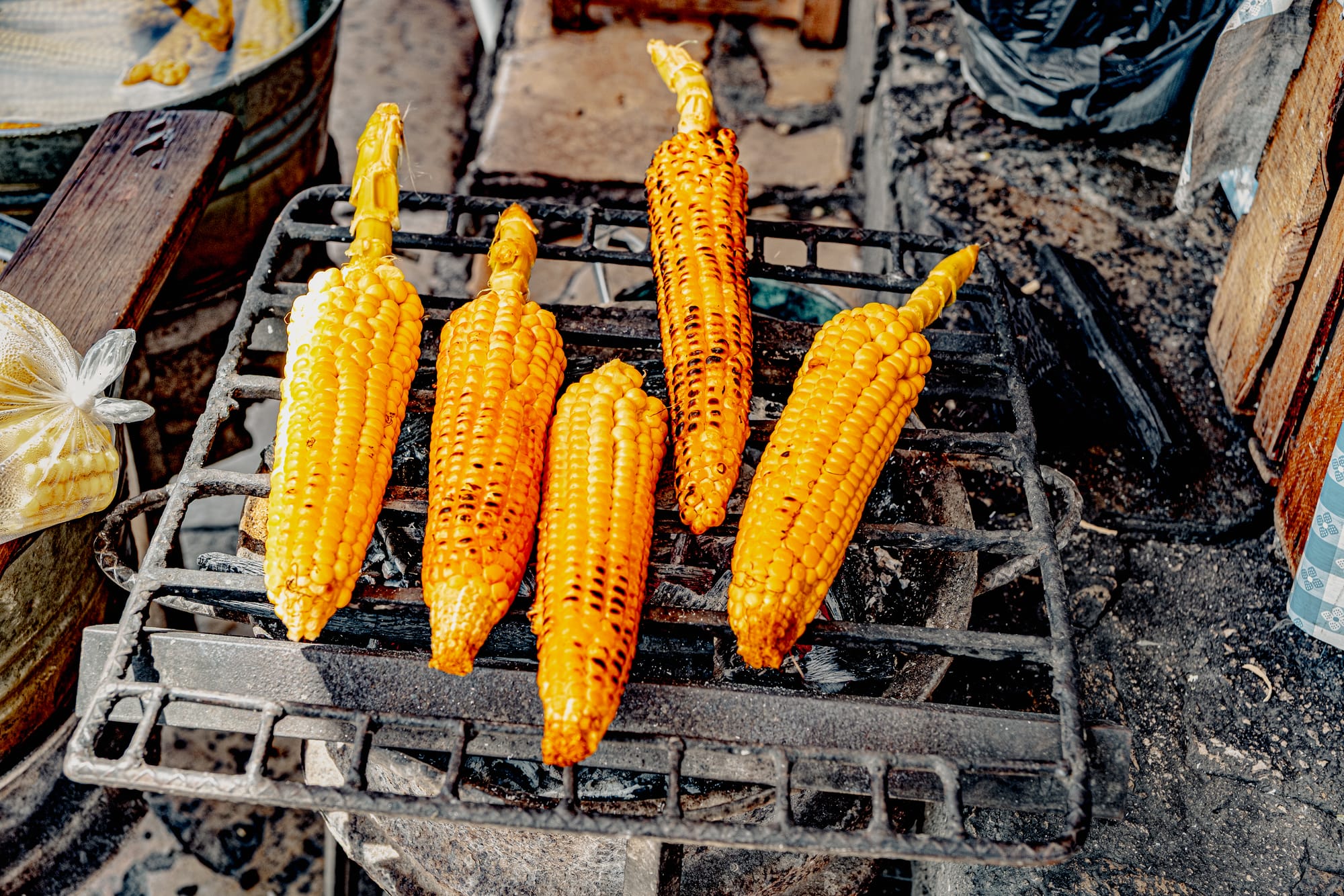
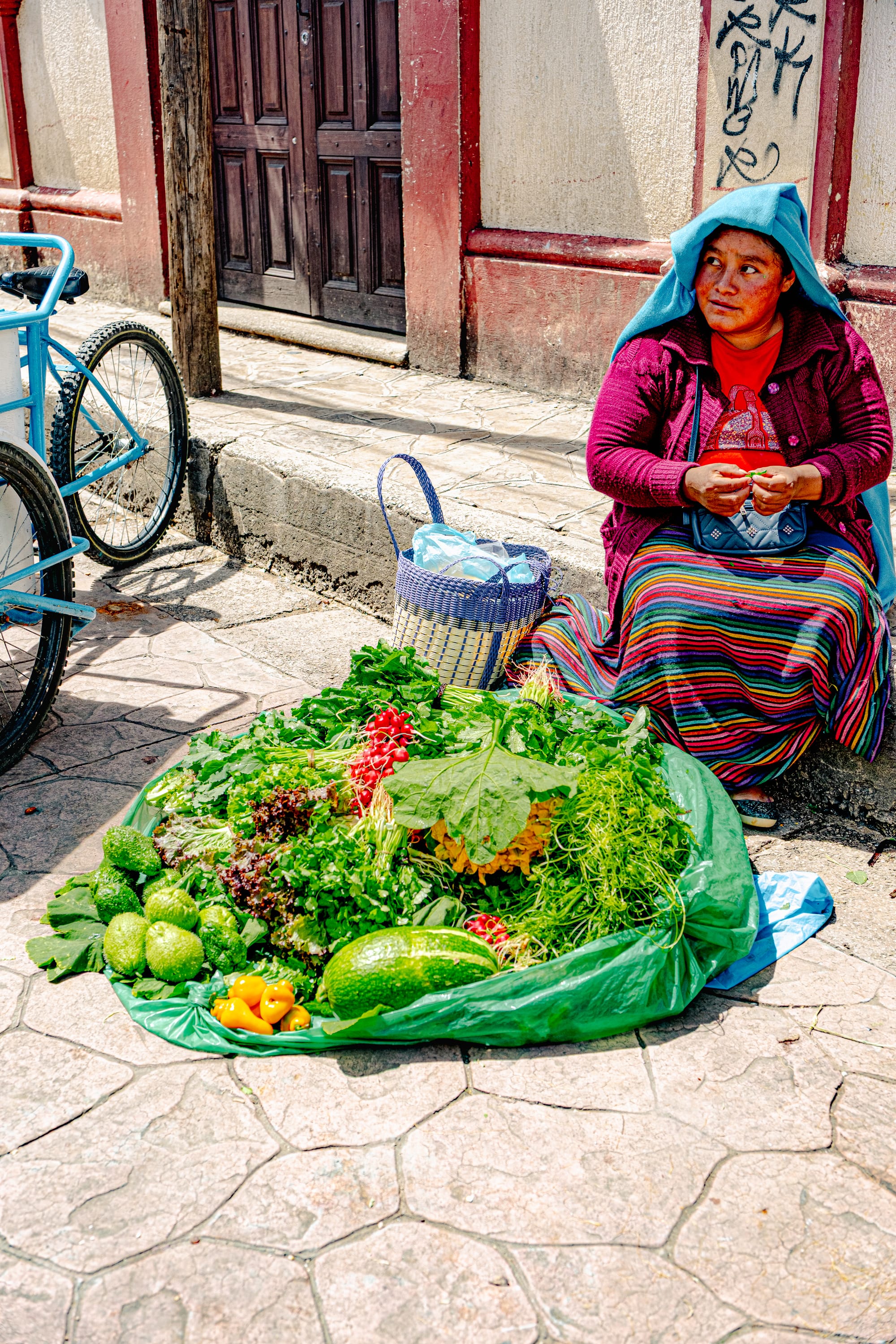
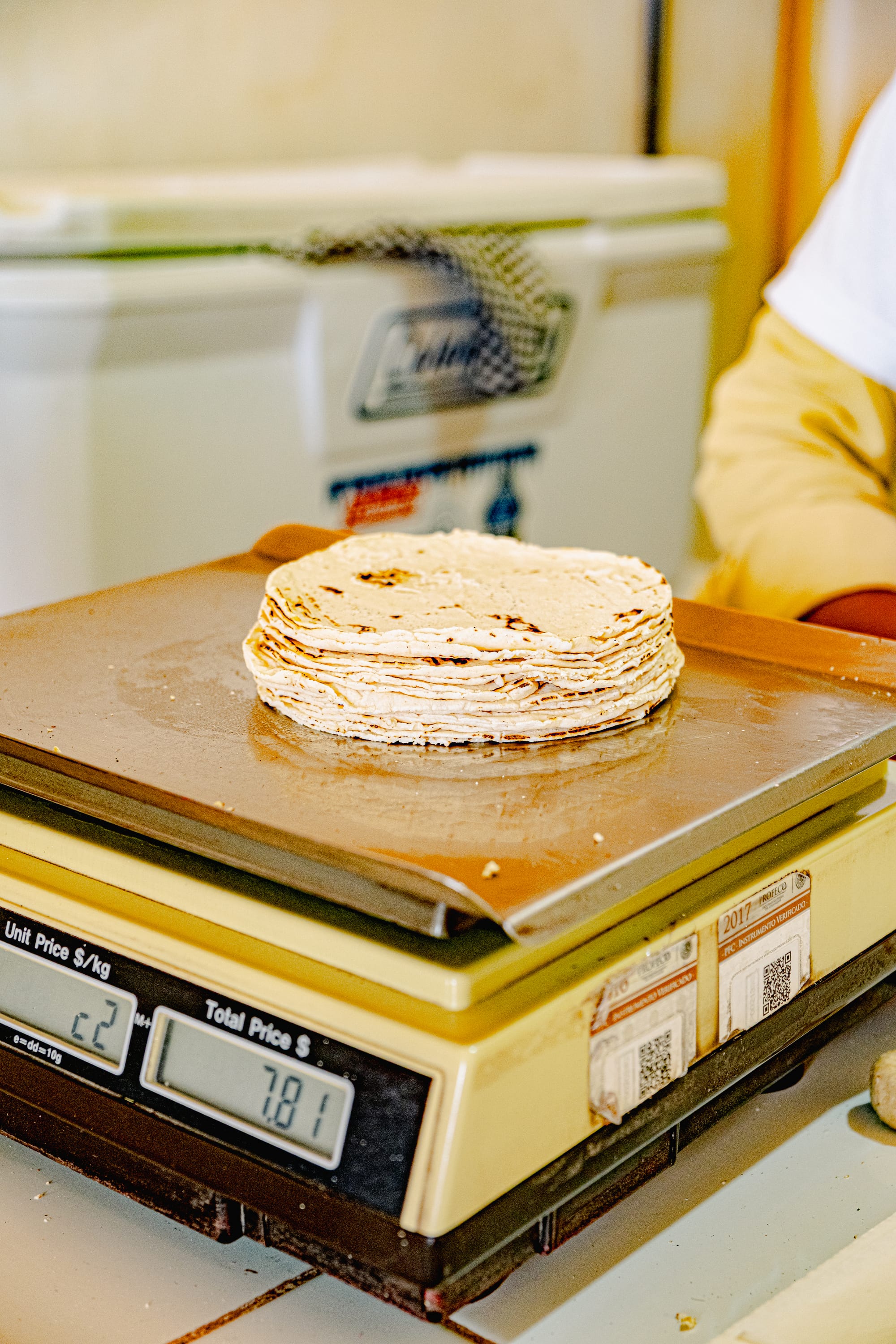
Scenes from Santo Domingo Market
At the same time, San Cristóbal is a great city if you prefer to cook for yourself. The local markets are full of high-quality produce, and shopping for ingredients quickly becomes part of the daily rhythm. Fresh vegetables, herbs, and staples are easy to find, affordable, and varied enough that cooking regularly doesn’t feel like a compromise.
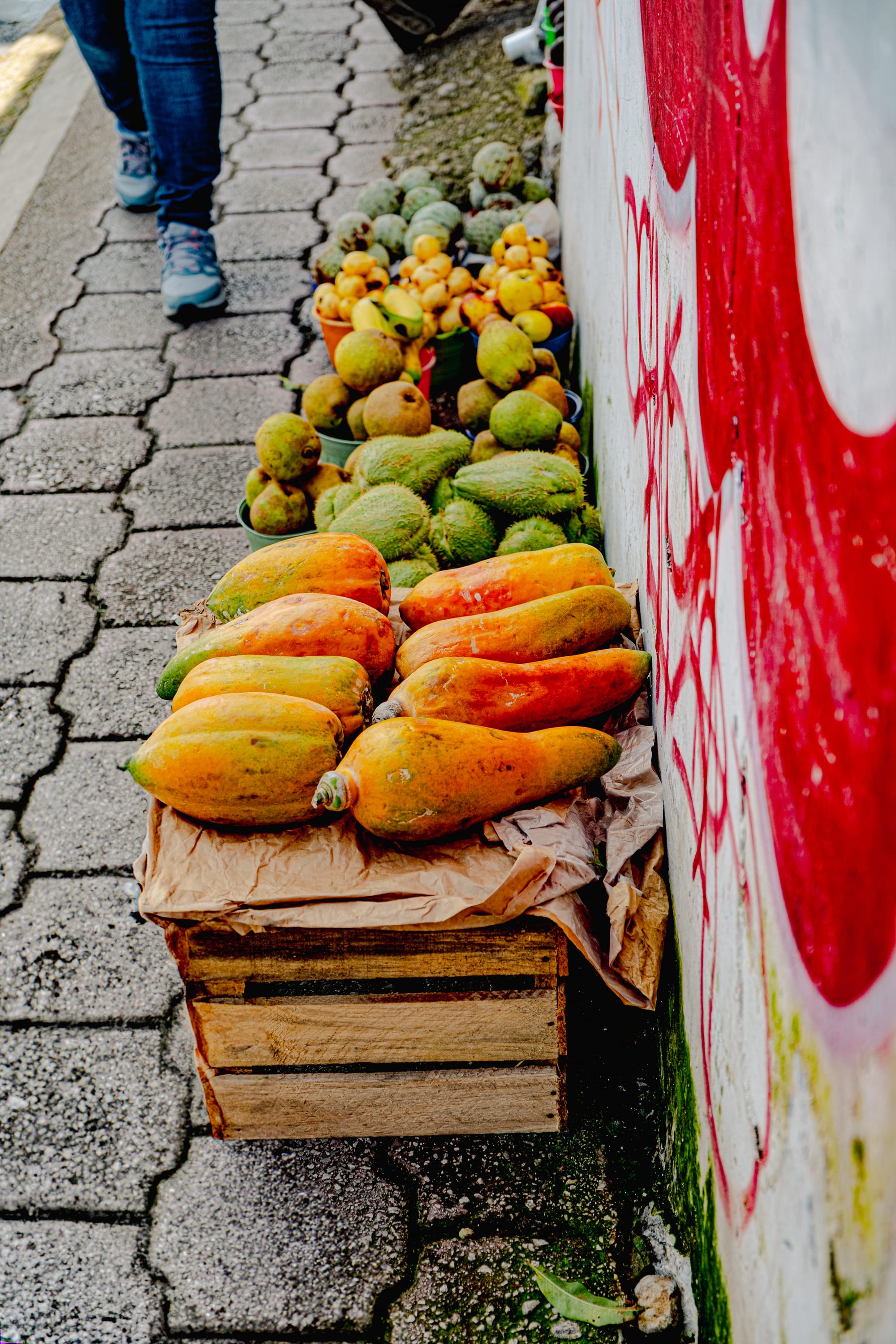
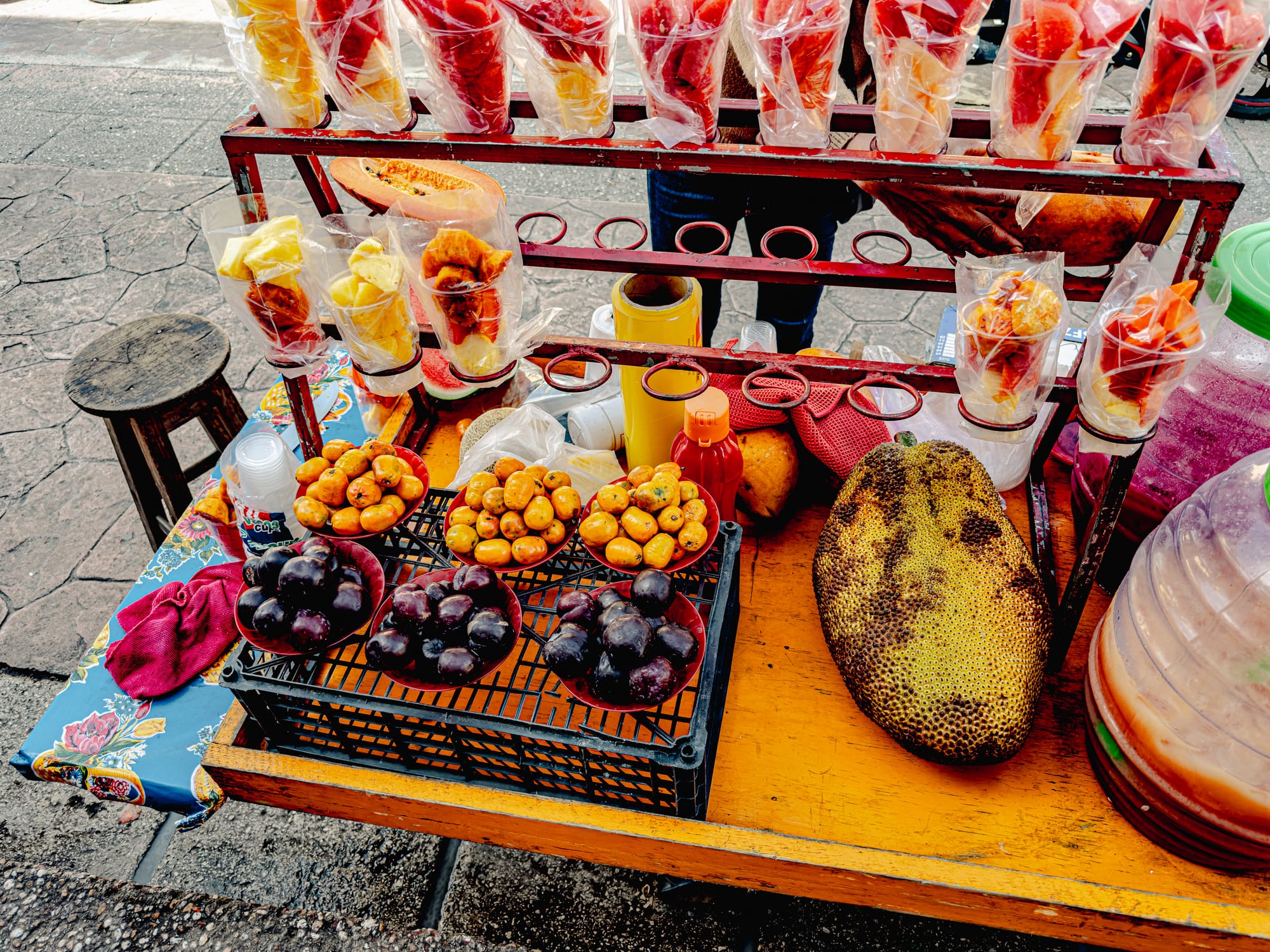
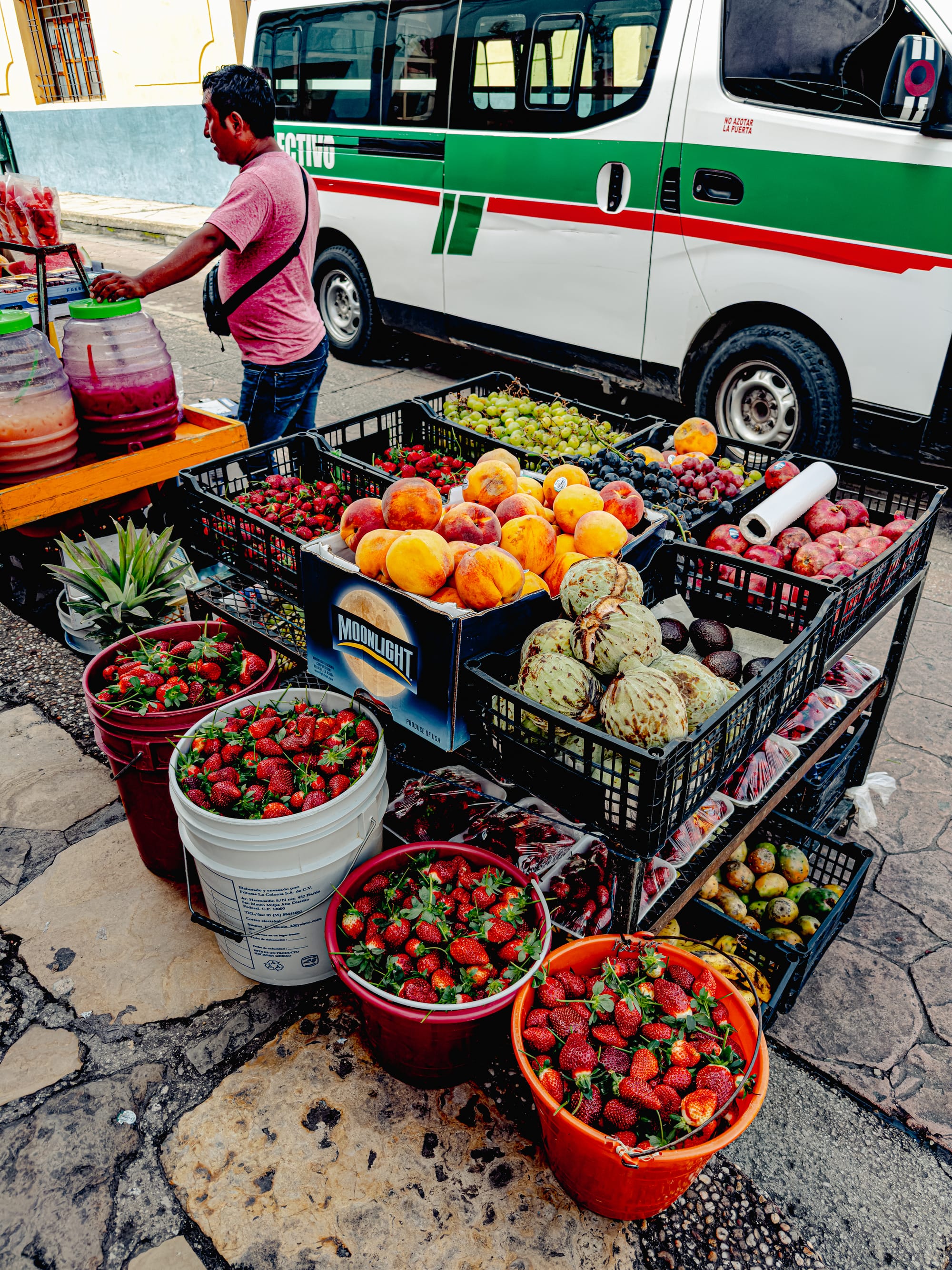
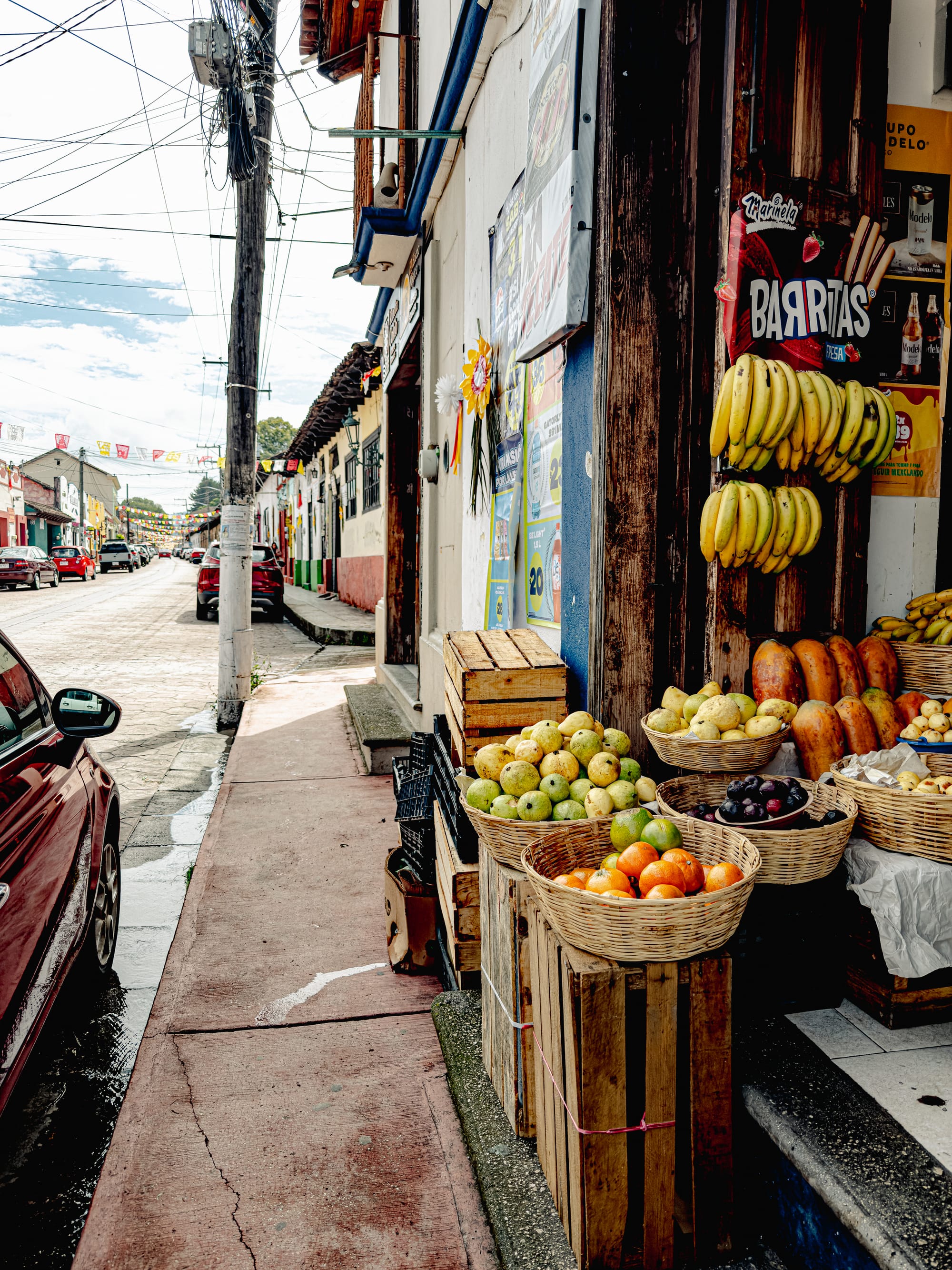
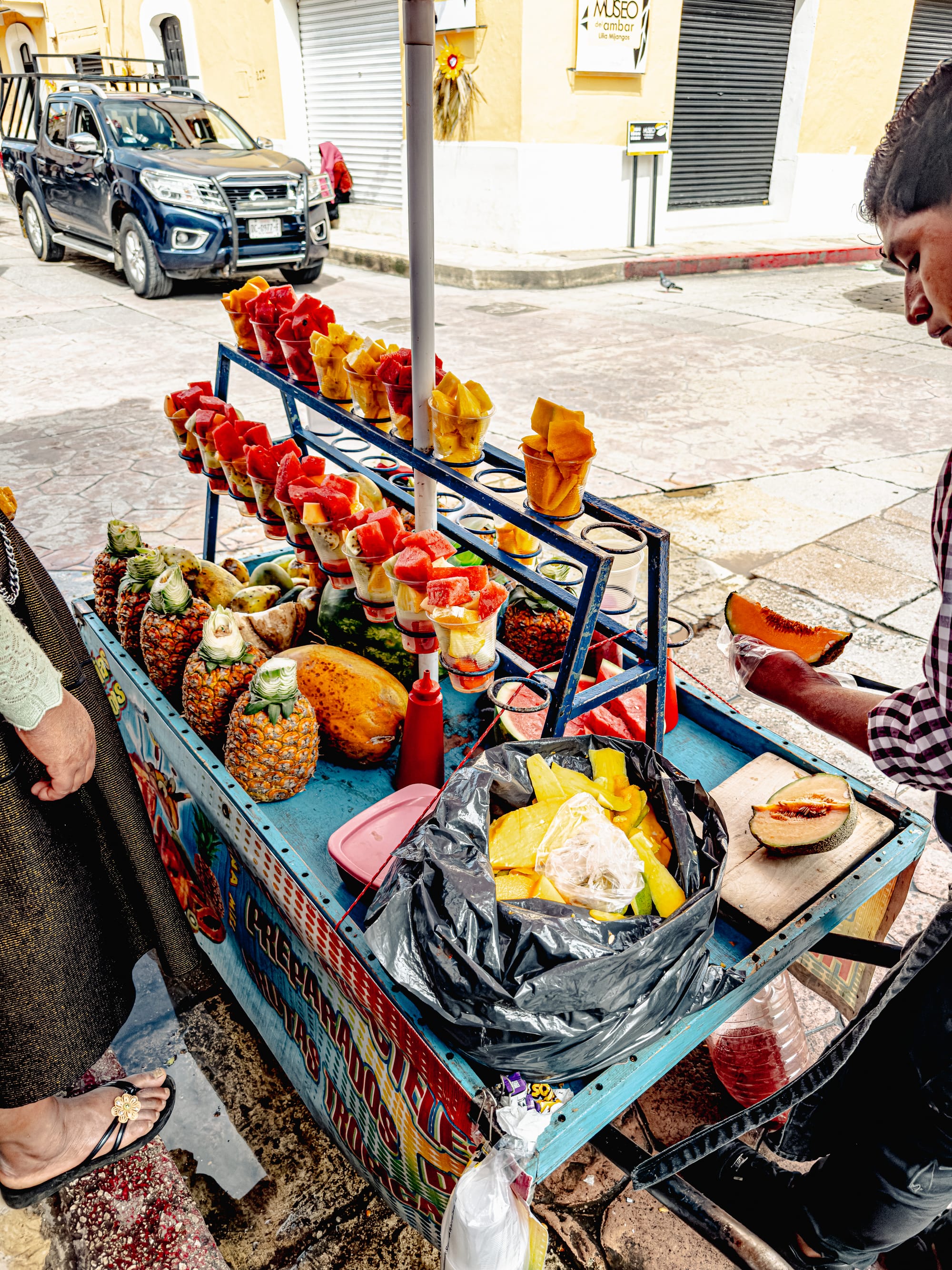
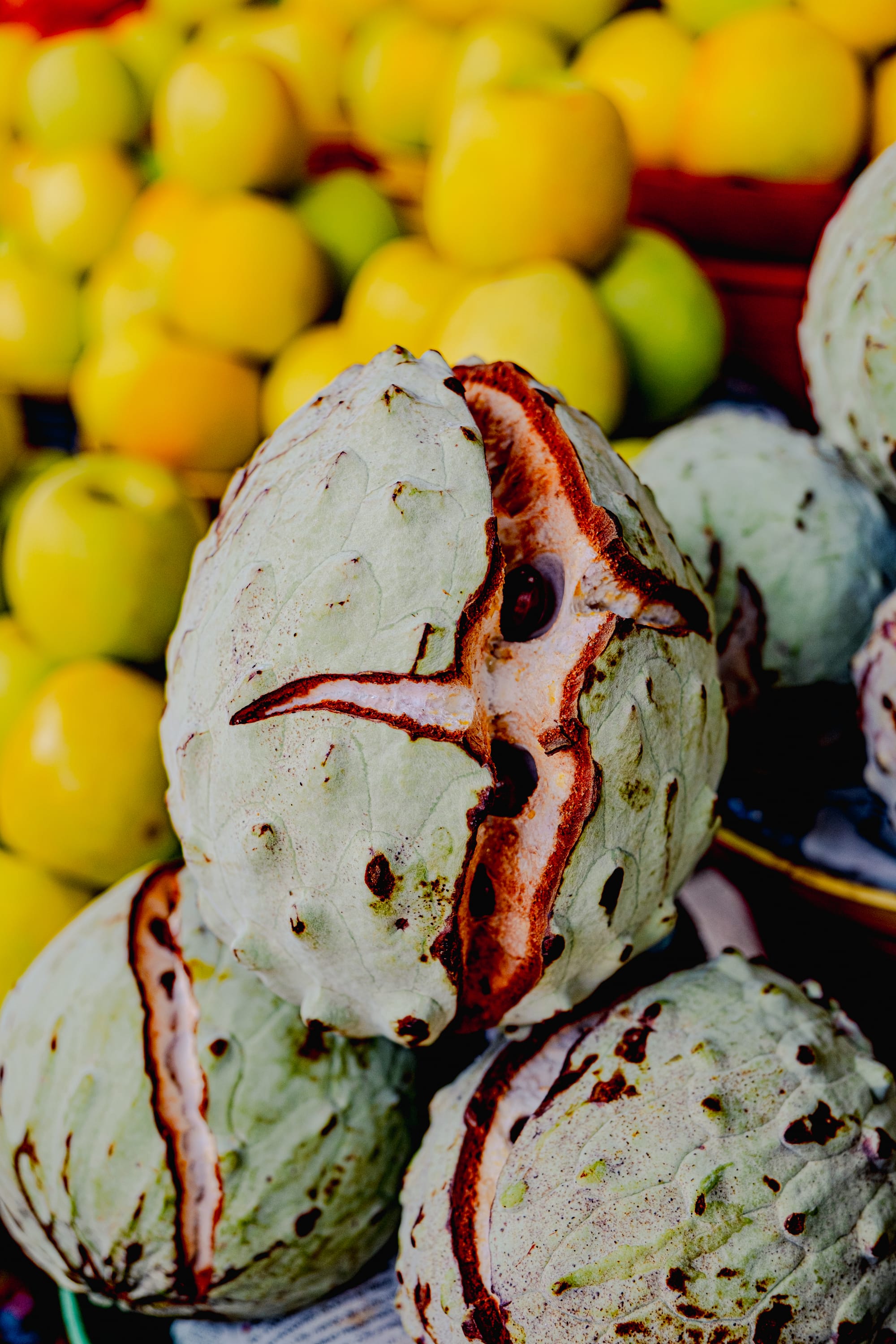
Fruit found on the streets
The city especially accommodating for those who are plant-based. We were actually surprised how many amazing vegan options we found in San Cris.
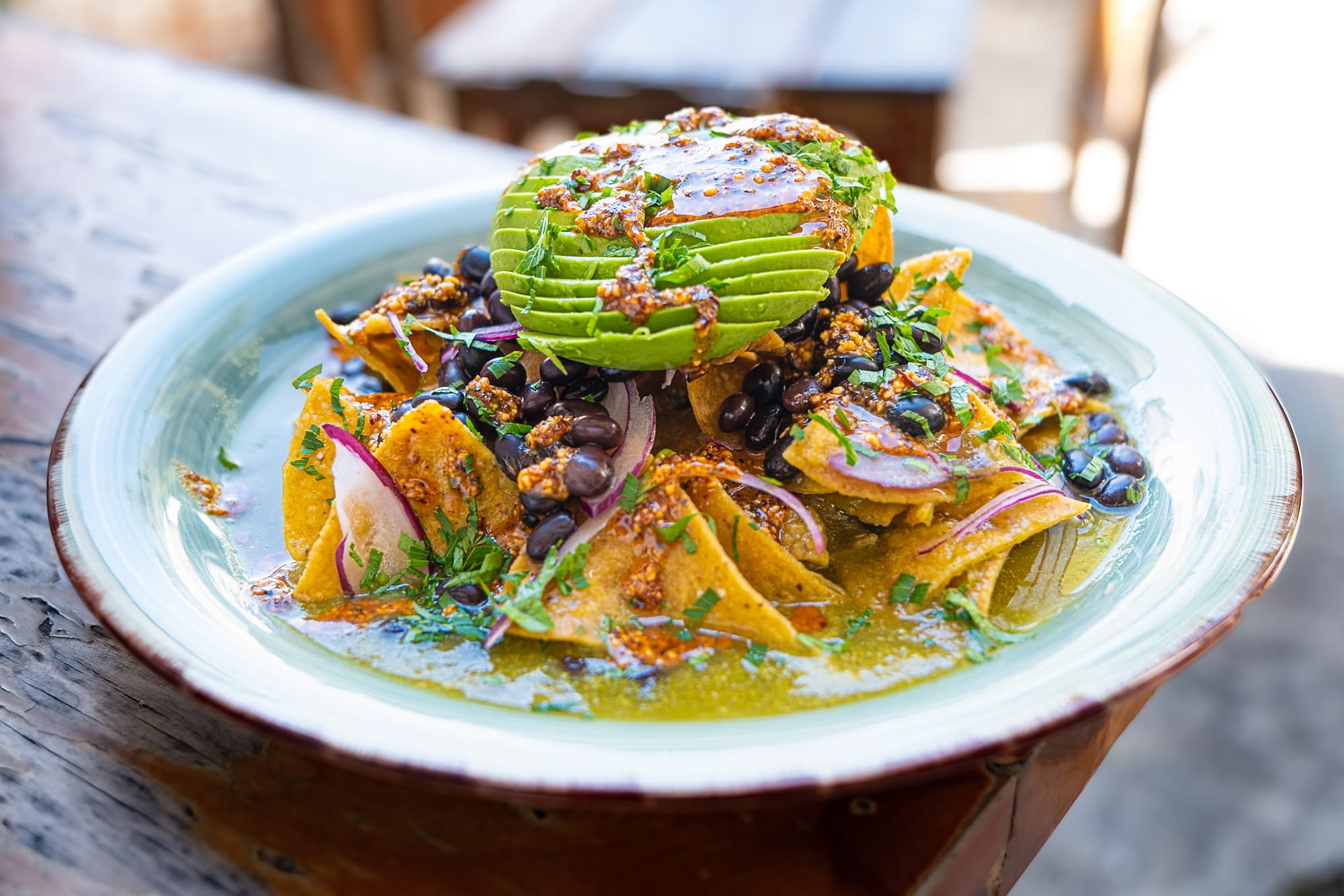
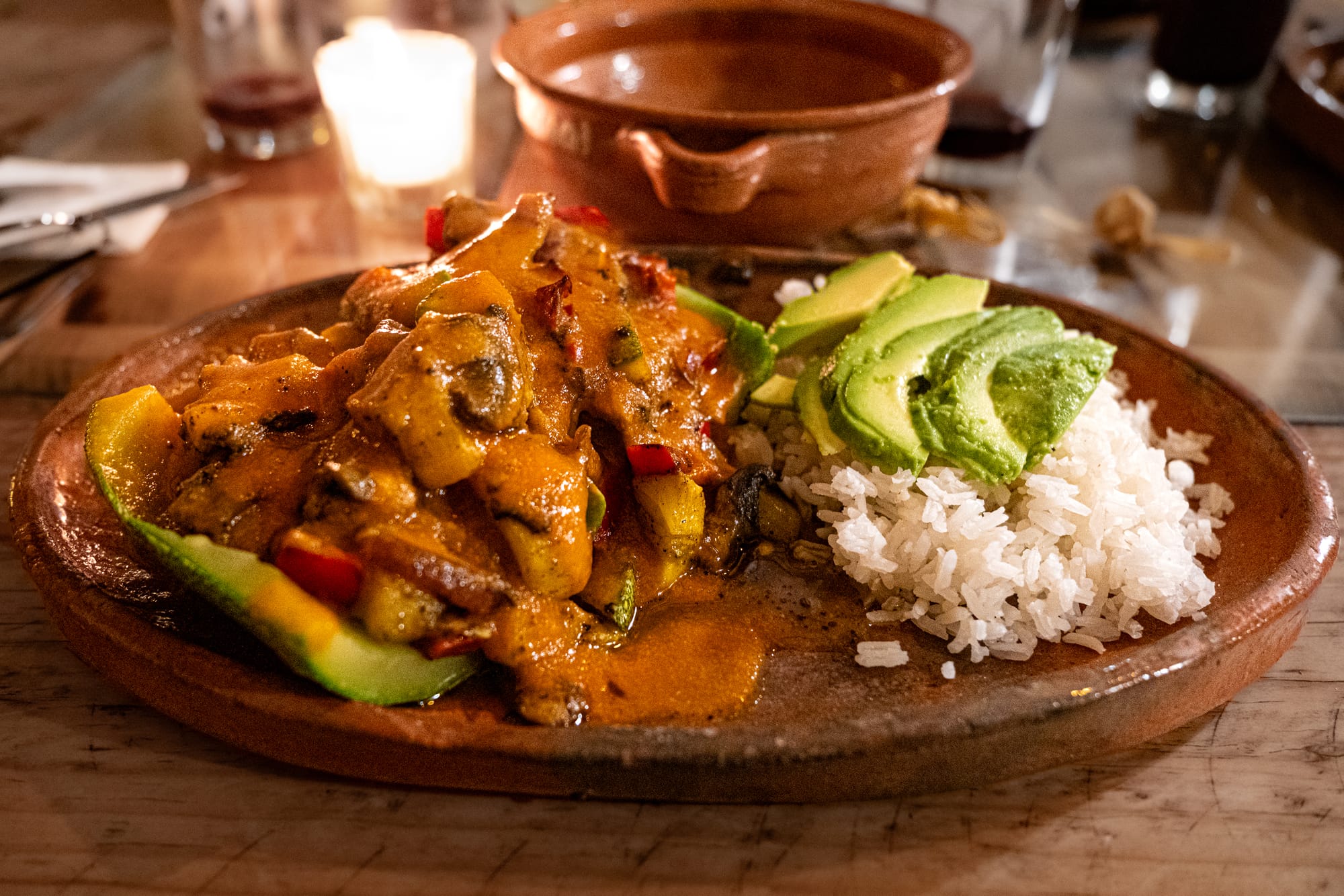
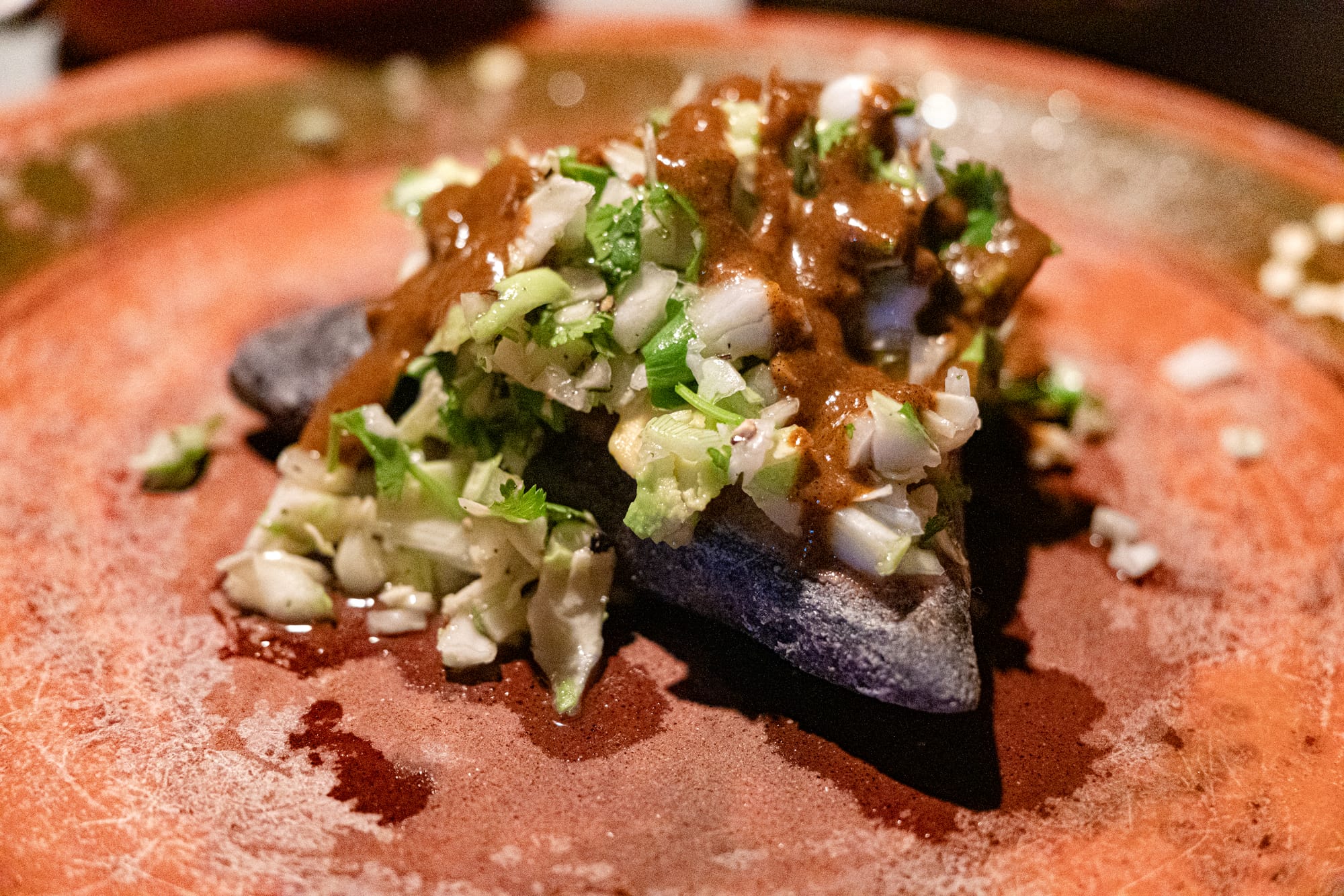
Vegan food in San Cristóbal de las Casas
We also took part in several food-focused experiences while we were there, including a cooking class at restaurant Art Libreria with Gerardo, a home-based vegan cooking class in the mountains with Itzel, and a cacao workshop with Guillermo of Element Cacao.
Weather, evenings, and everyday comfort
San Cristóbal’s climate plays a significant role in daily life. Nights are often cold, even when days are mild. Layering becomes second nature. Evenings tend to be quieter and more inward-focused, with people gathering early for dinner or retreating home once the temperature drops.
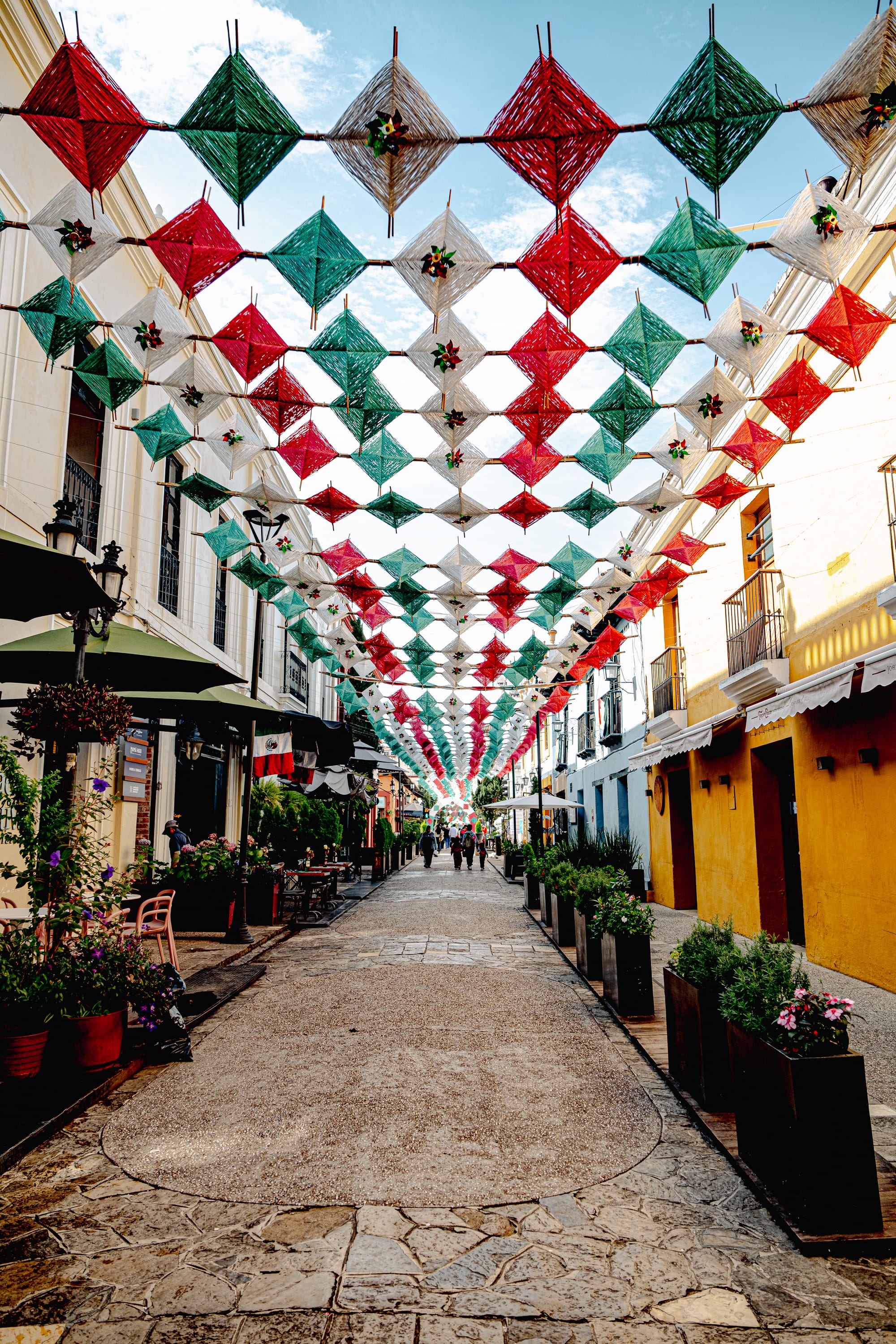
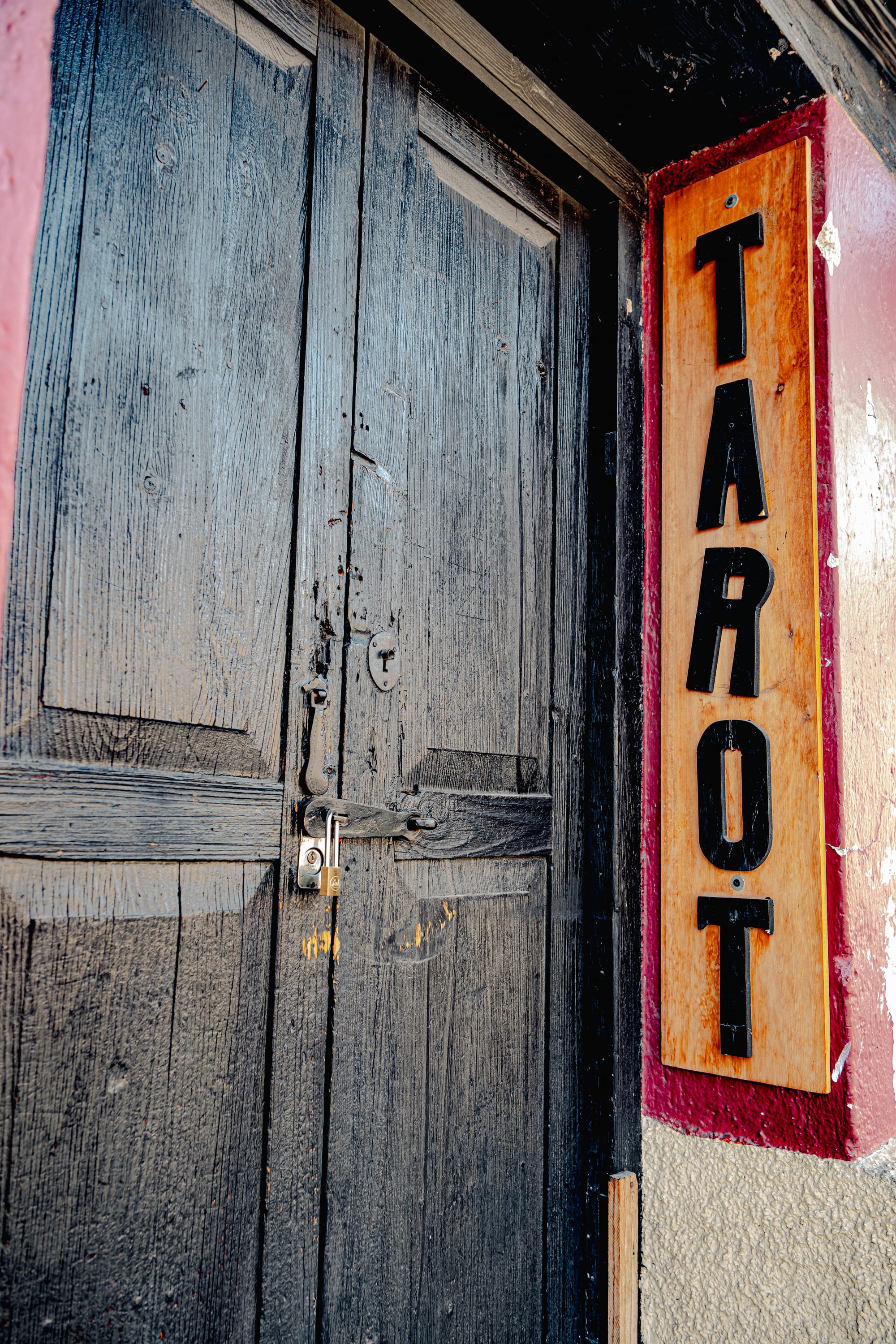
Street scenes
Arriving toward the end of the rainy season, days often carry a softness—cloud cover, occasional rain, and a general sense of coziness. The weather encourages slower mornings and unhurried afternoons. It’s a city that makes staying in feel just as valid as going out.
For some people, this rhythm can feel limiting. For others, it’s exactly what they’re looking for.
Who San Cristóbal suits, and who it doesn’t
San Cristóbal de las Casas is not a nightlife-forward city. If your ideal place involves going out late every night, high-energy social scenes, and constant stimulation, there are plenty of other Mexican cities that will suit you better—places like Playa del Carmen, for example, are built around that kind of momentum.
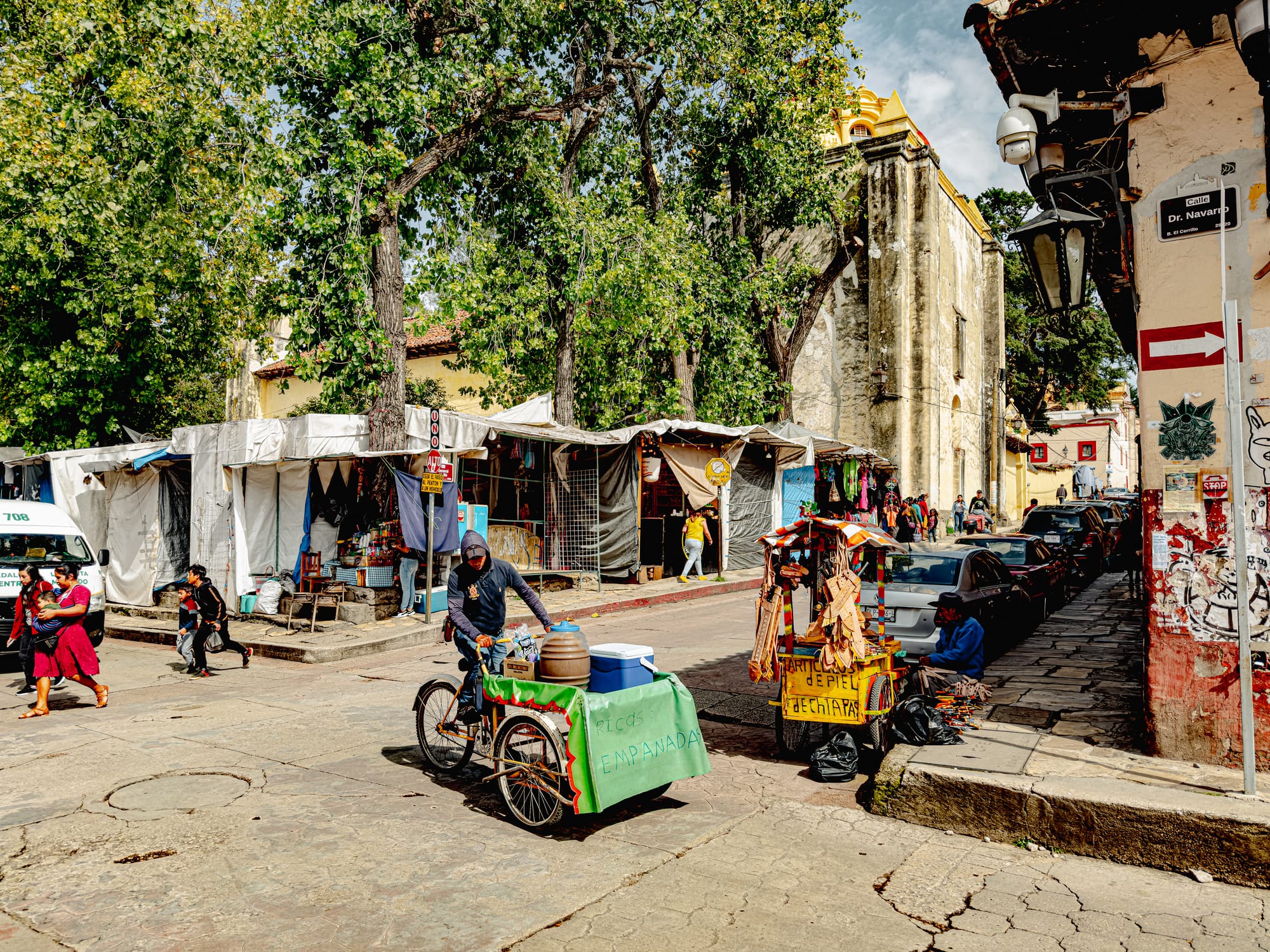
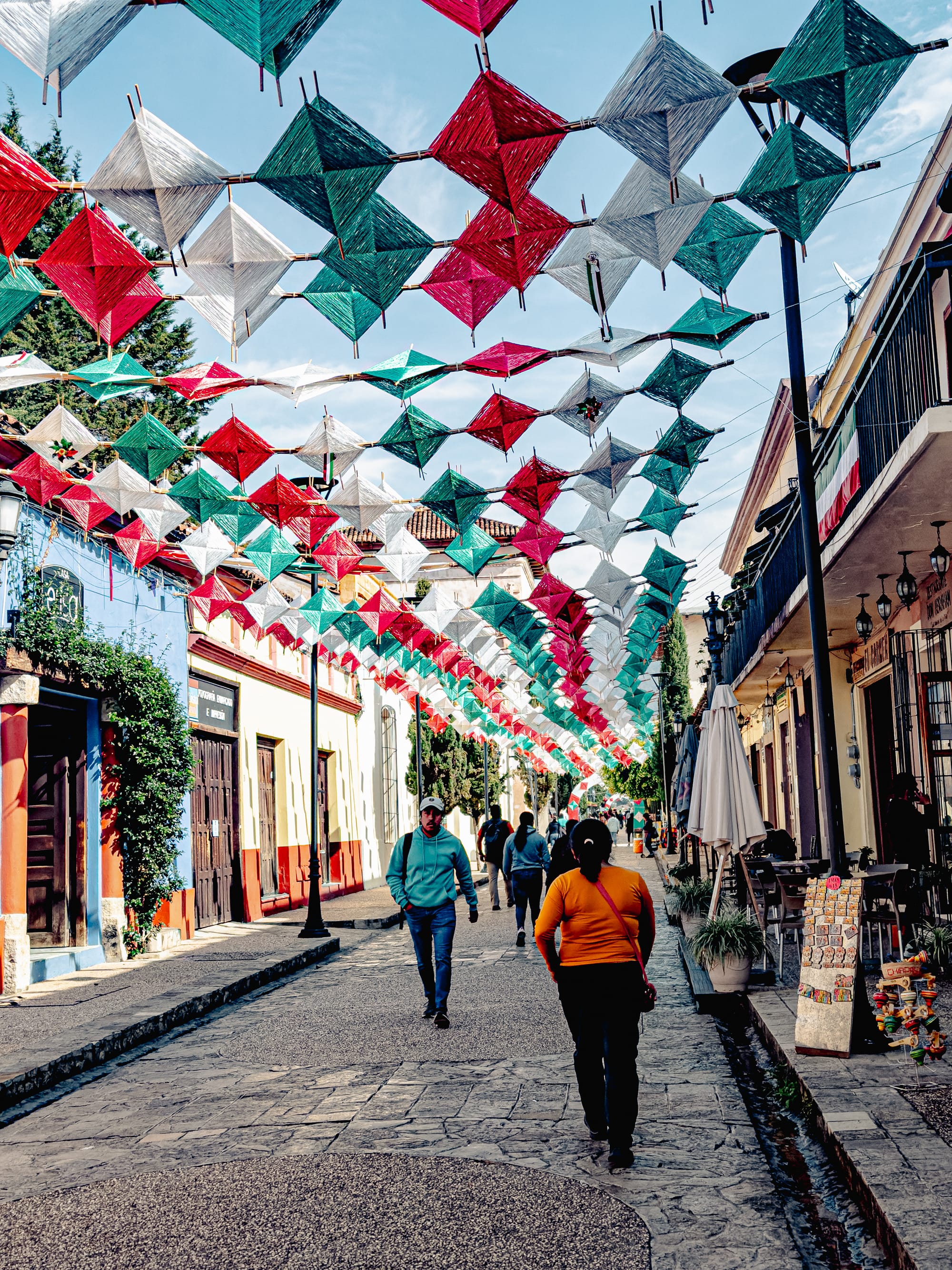
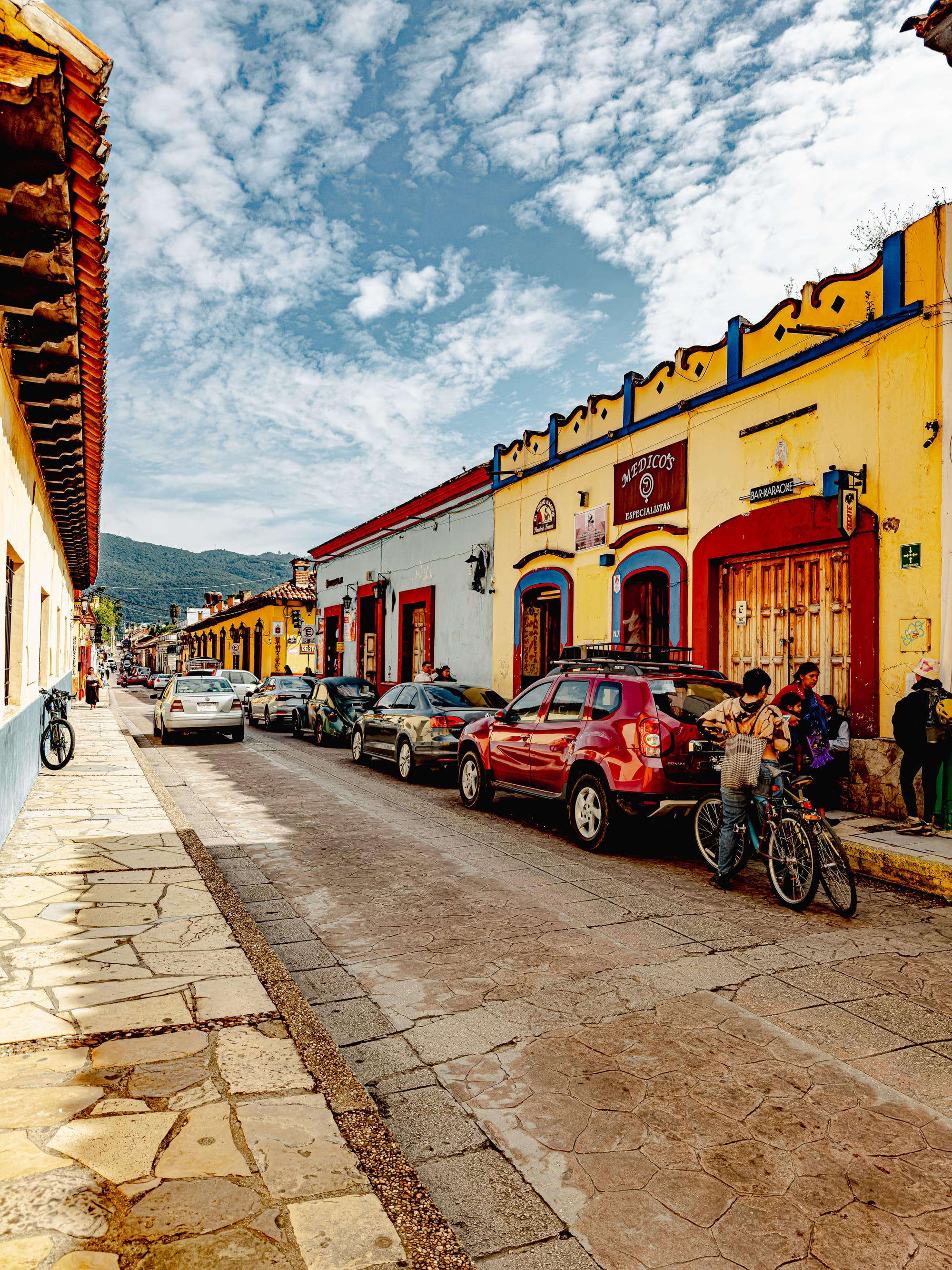
Cobblestone streets and mountain views
San Cristóbal attracts a different temperament. It suits people who enjoy walking, thinking, making, and spending time in nature. Artists, creatives, intellectuals, and those drawn to quieter forms of cultural engagement often find the city especially appealing. It’s a place where days can feel full without being busy, and where solitude doesn’t automatically read as isolation.
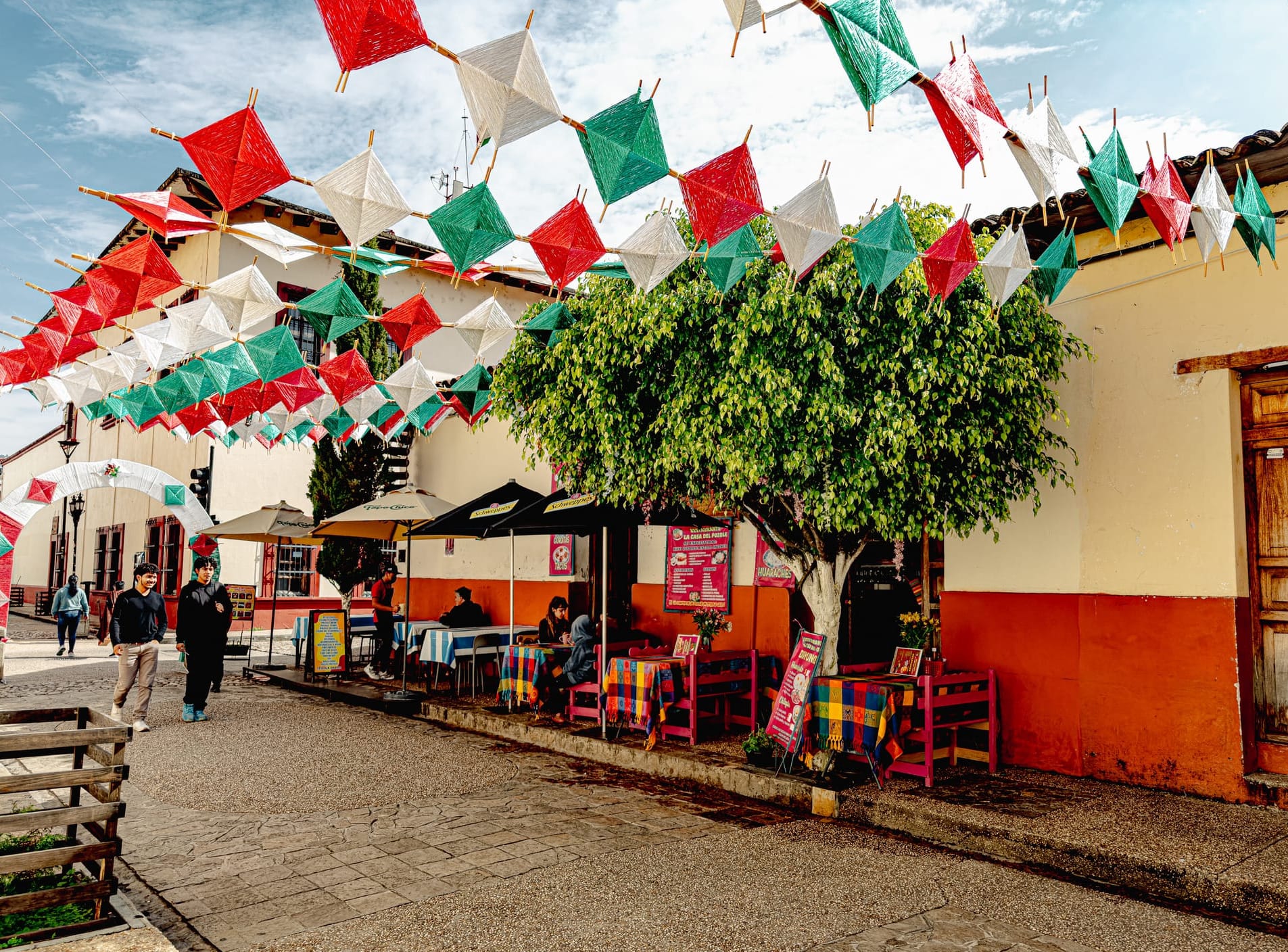
It’s also notably more affordable than cities like Oaxaca or Playa del Carmen, which makes long-term stays more accessible. Rent, food, and daily expenses tend to be lower, allowing for a simpler lifestyle that doesn’t revolve entirely around budgeting or optimization.
Living here, rather than passing through
For us, San Cristóbal felt easy to live in. Not because it offered endless entertainment or novelty, but because it didn’t demand either. The city made room for routine, for quiet workdays, for wandering without a goal, and for paying attention to small details.
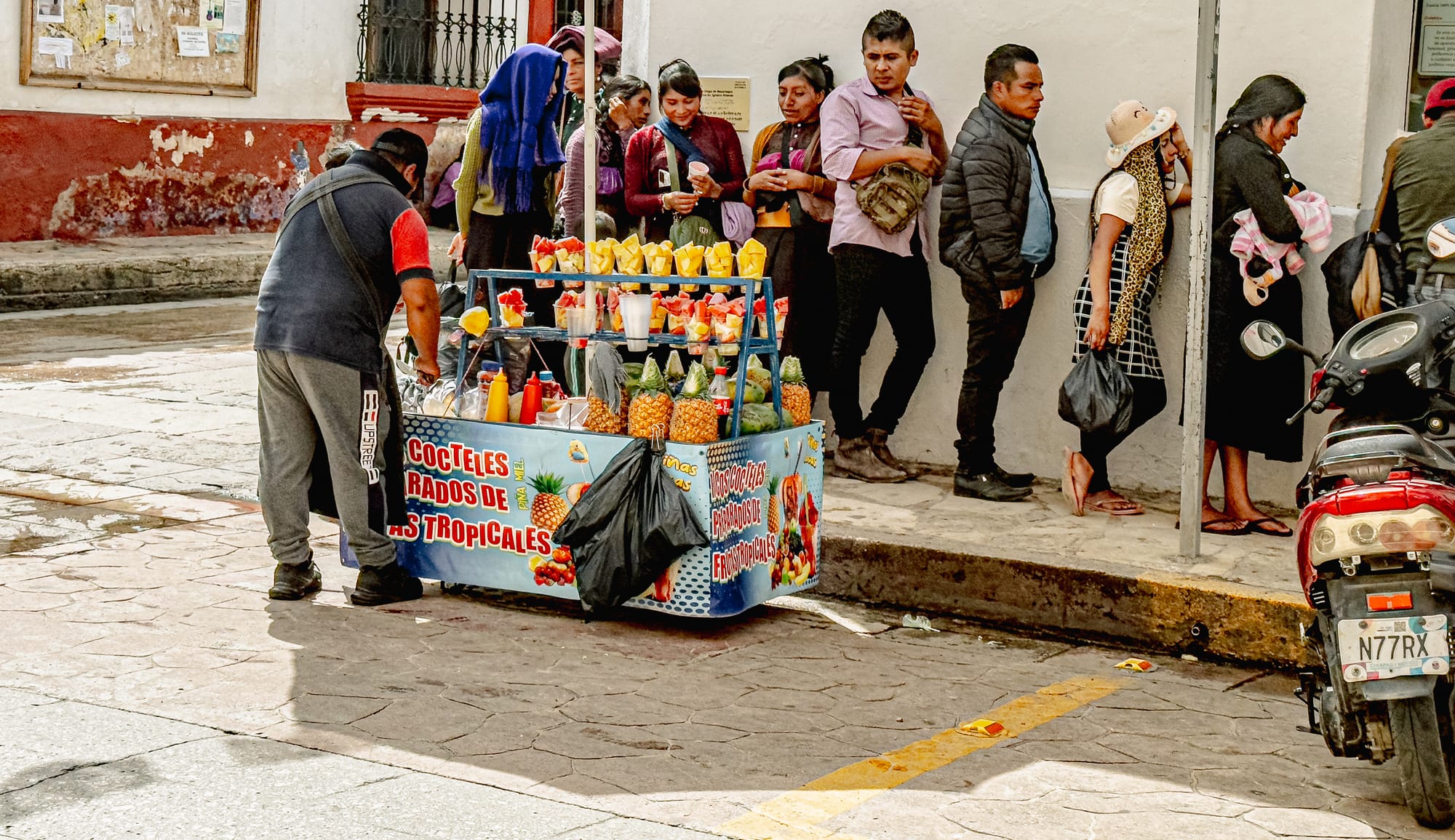
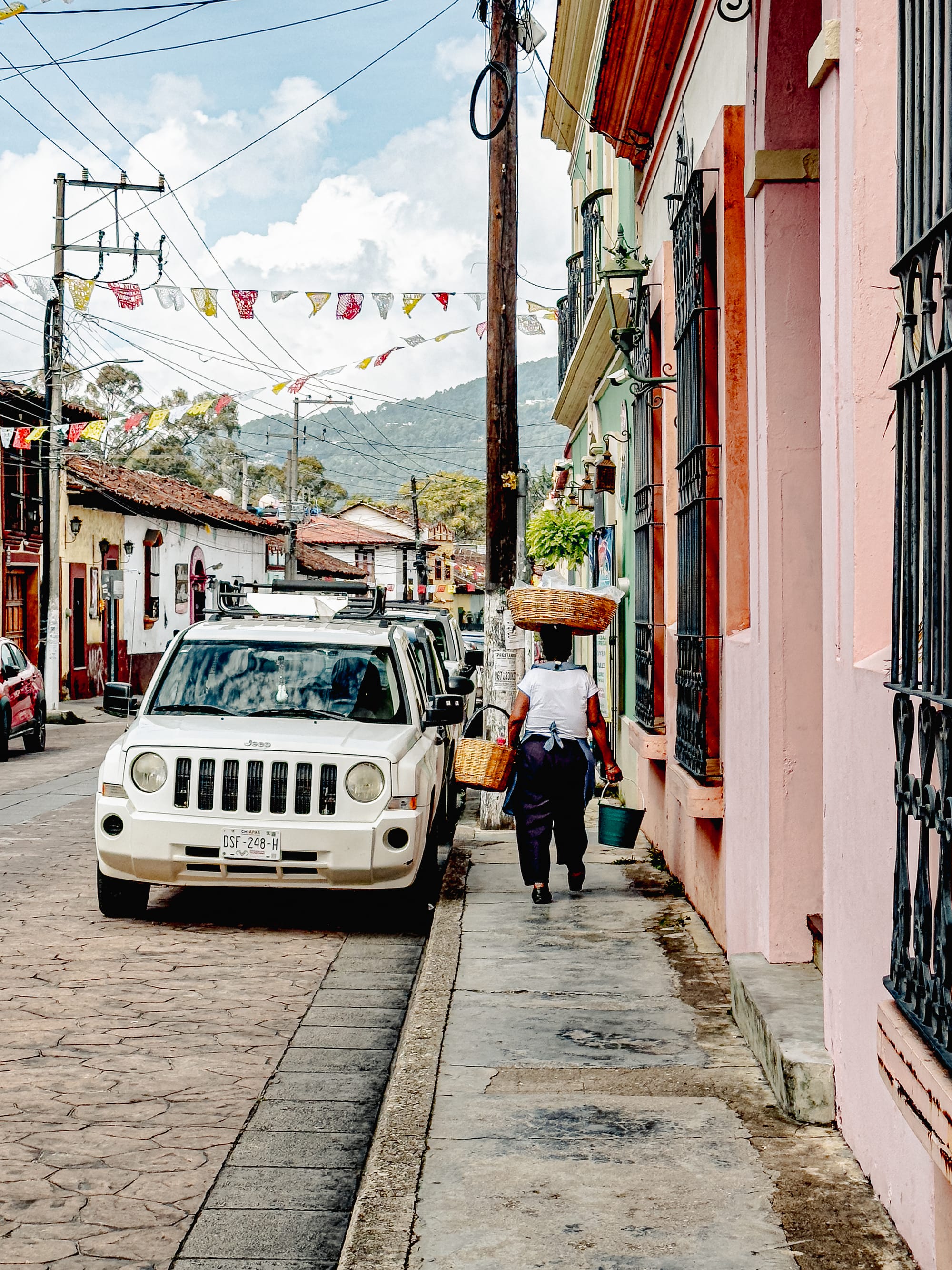
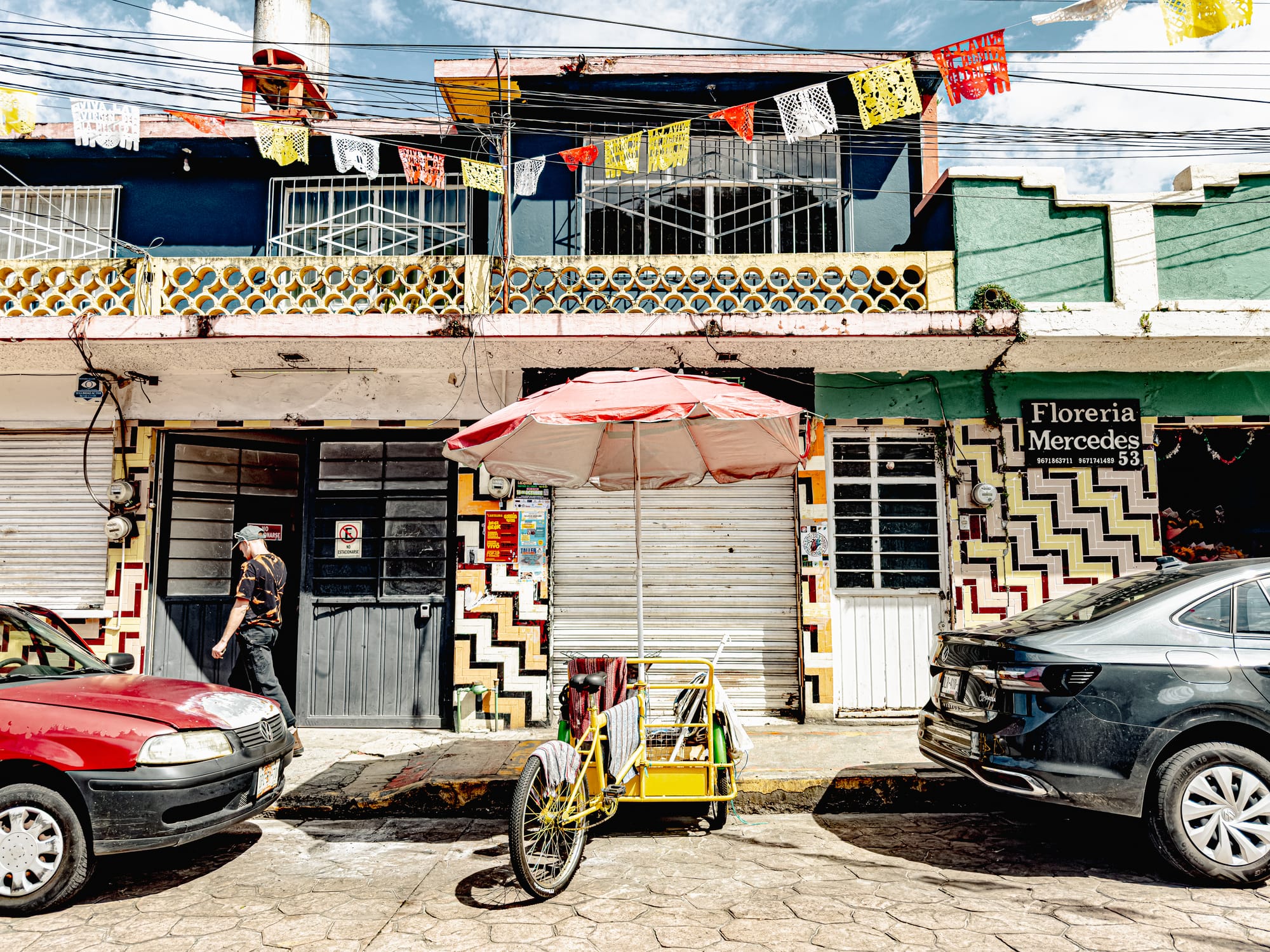
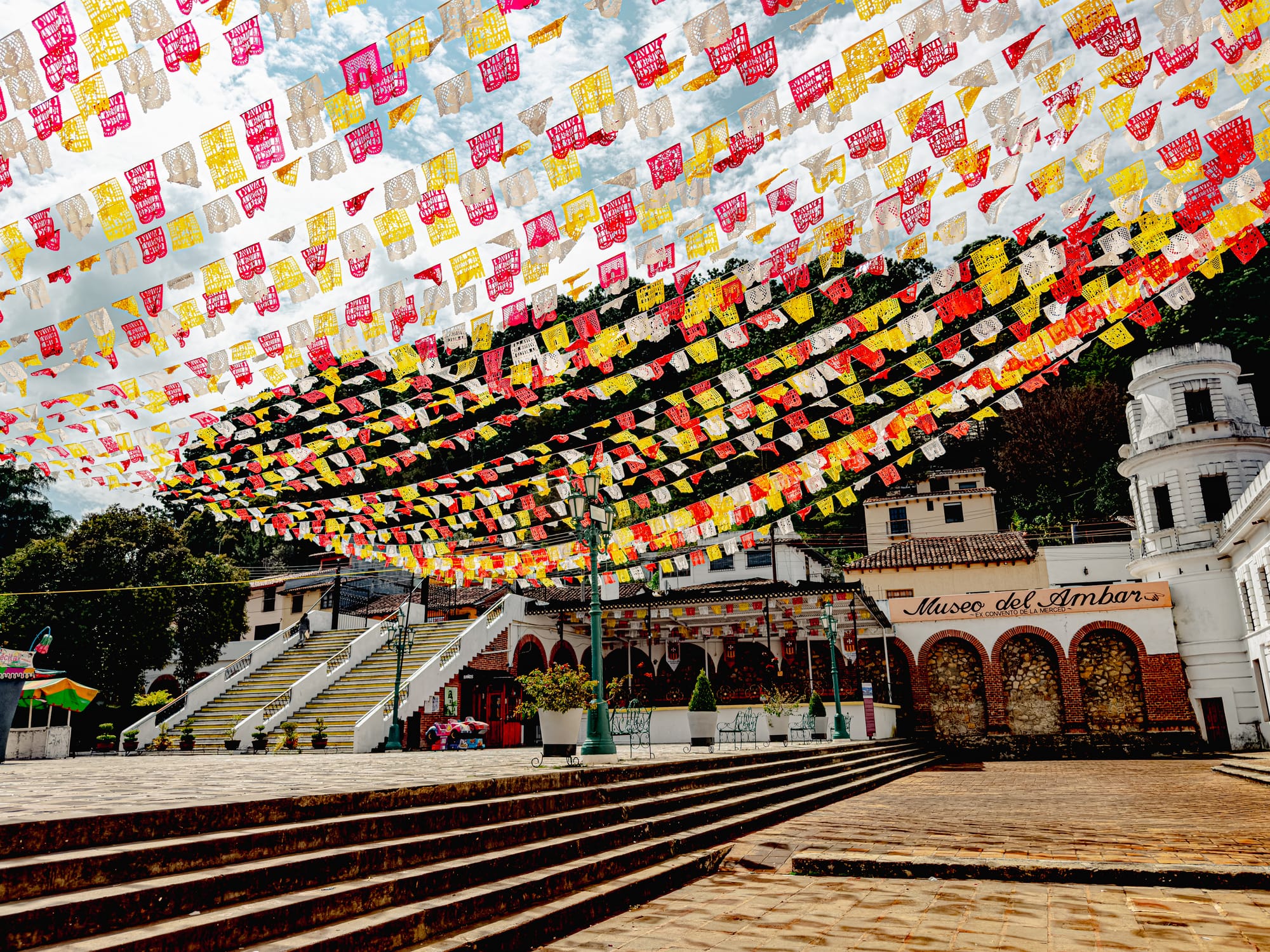
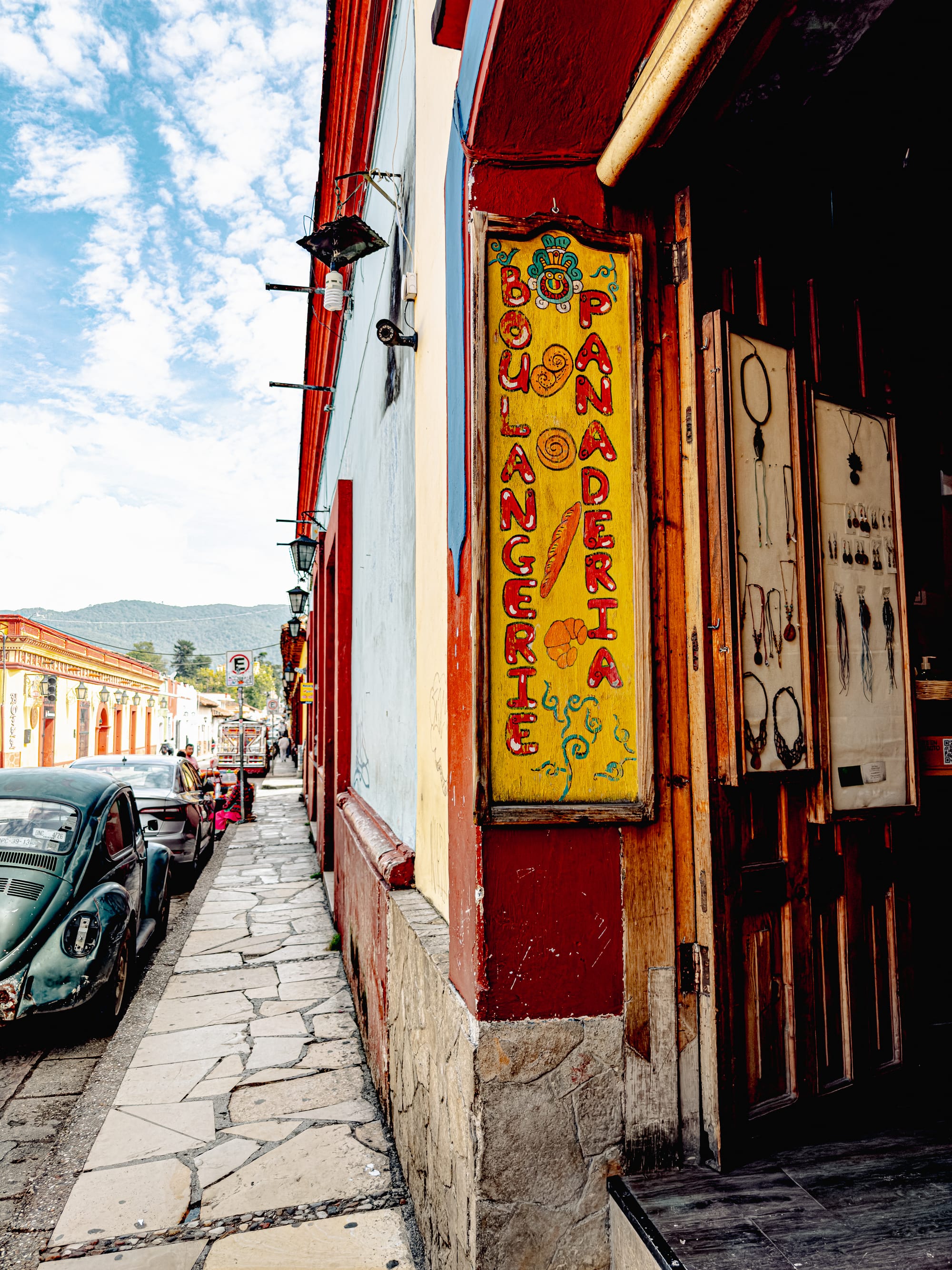
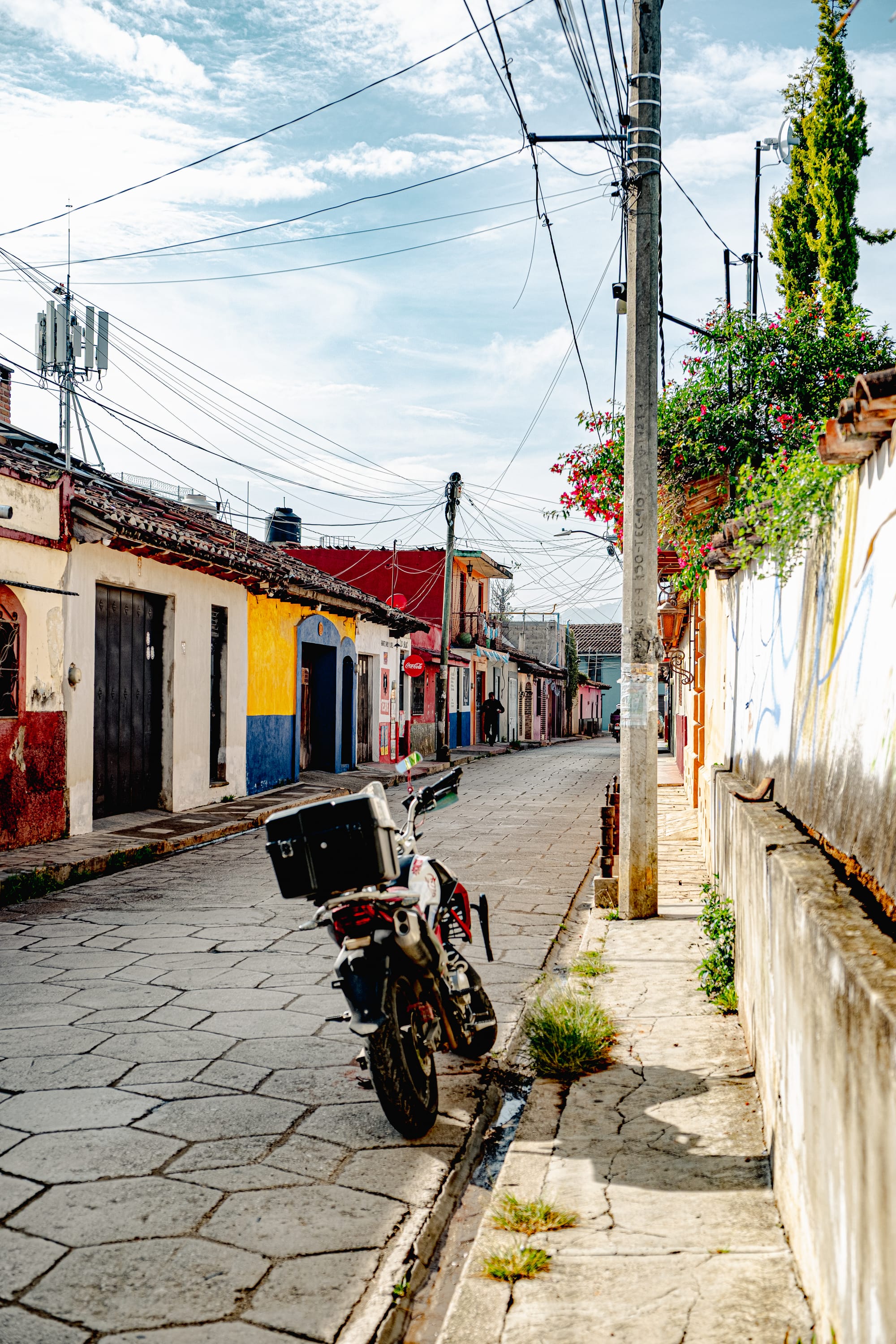
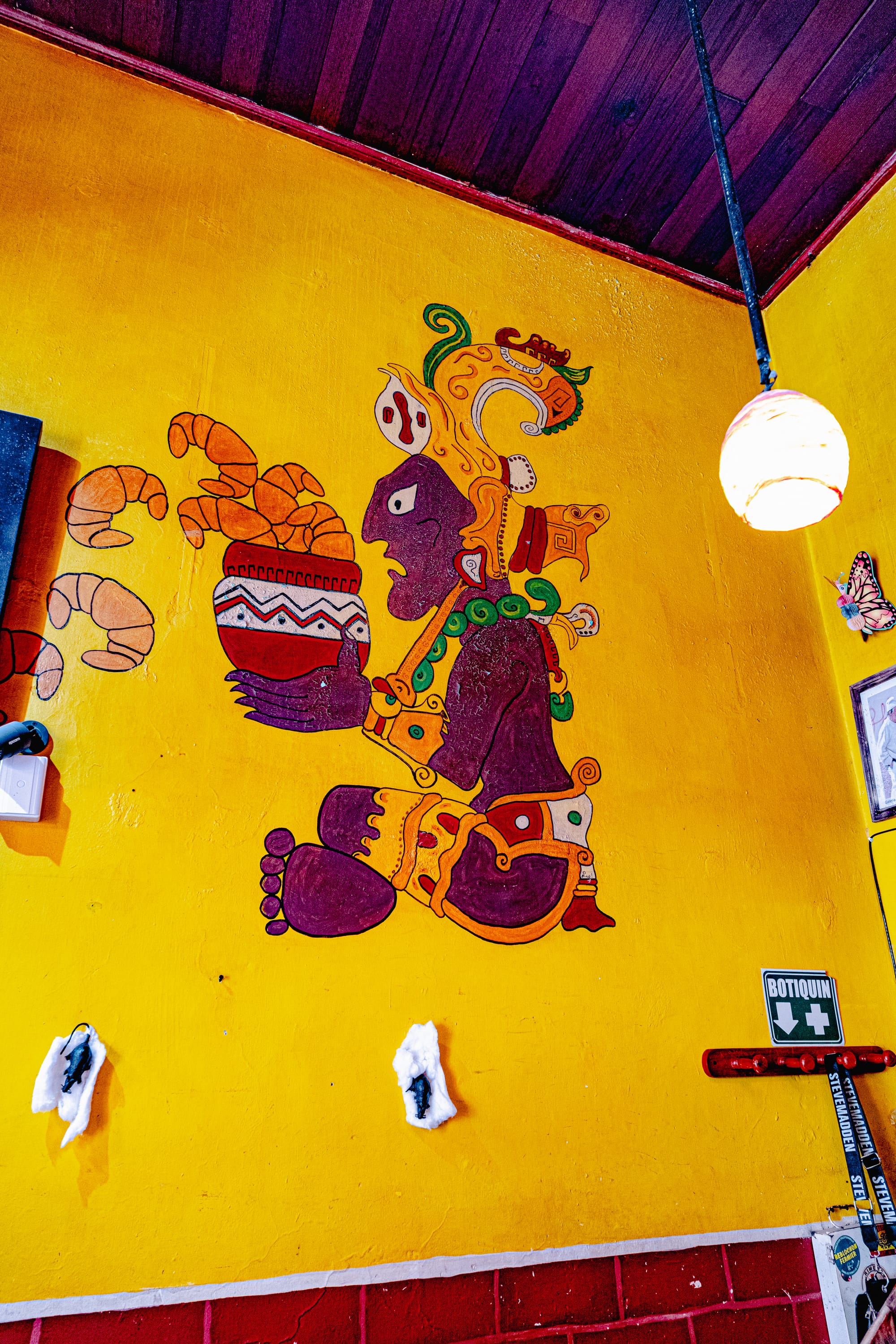
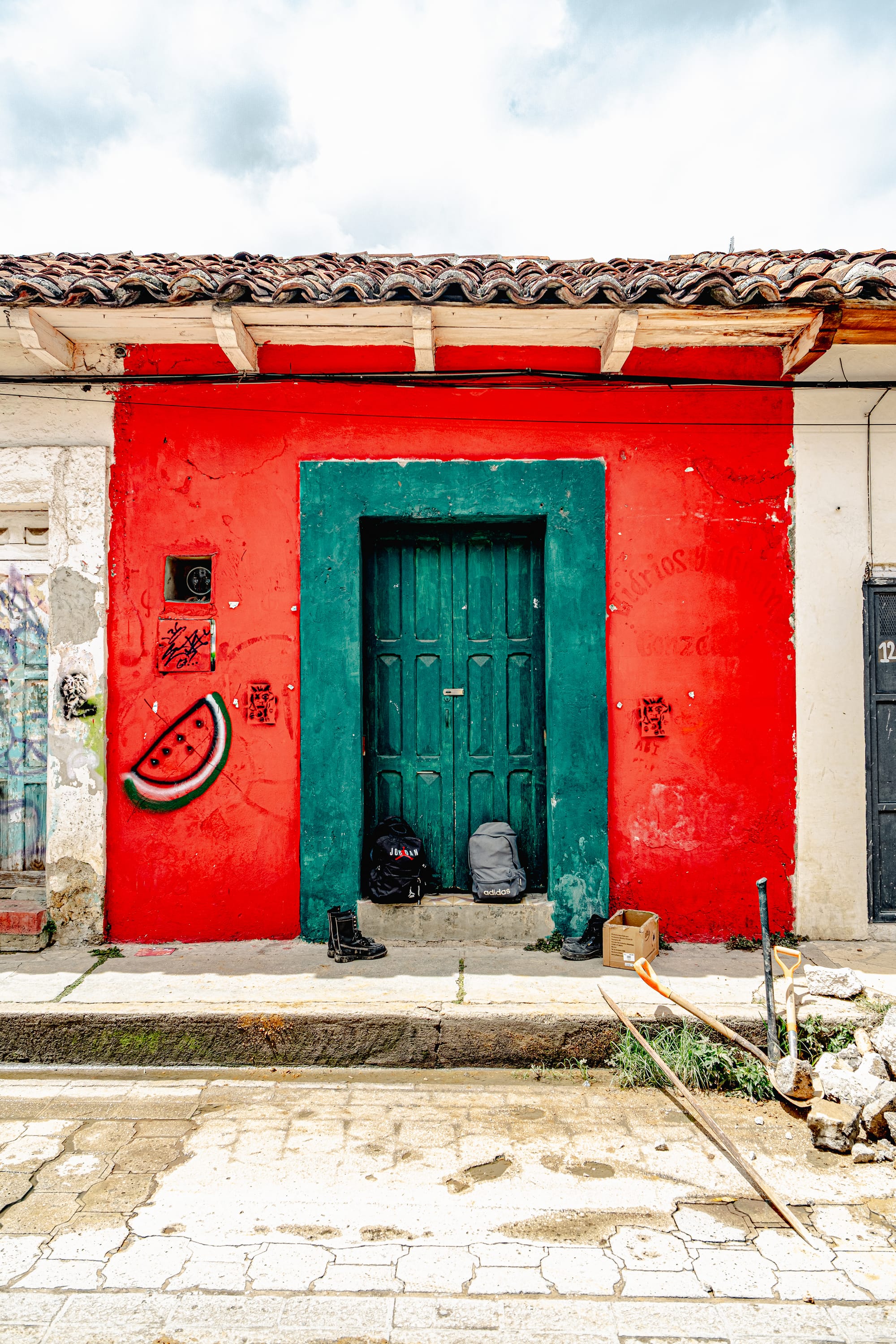
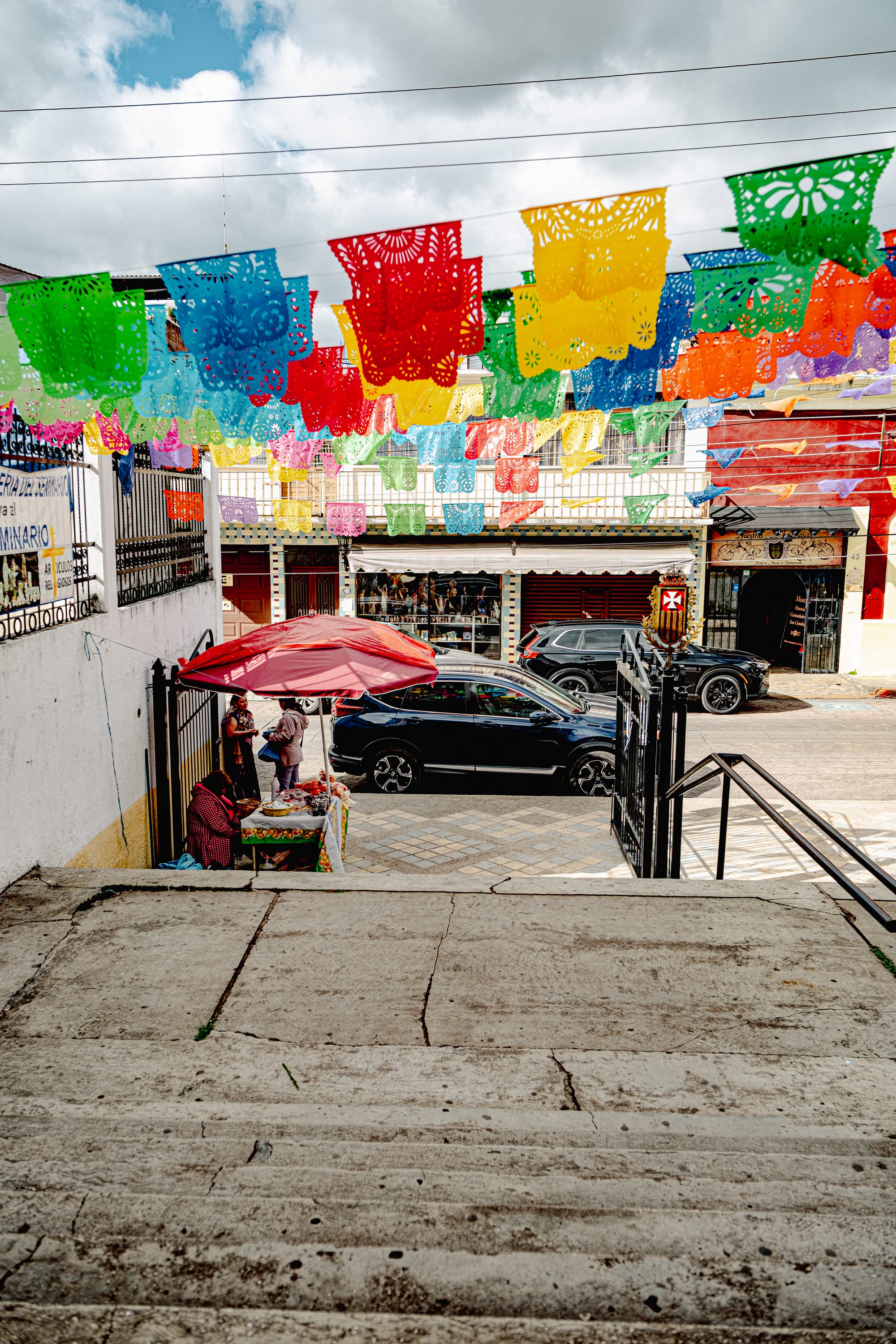
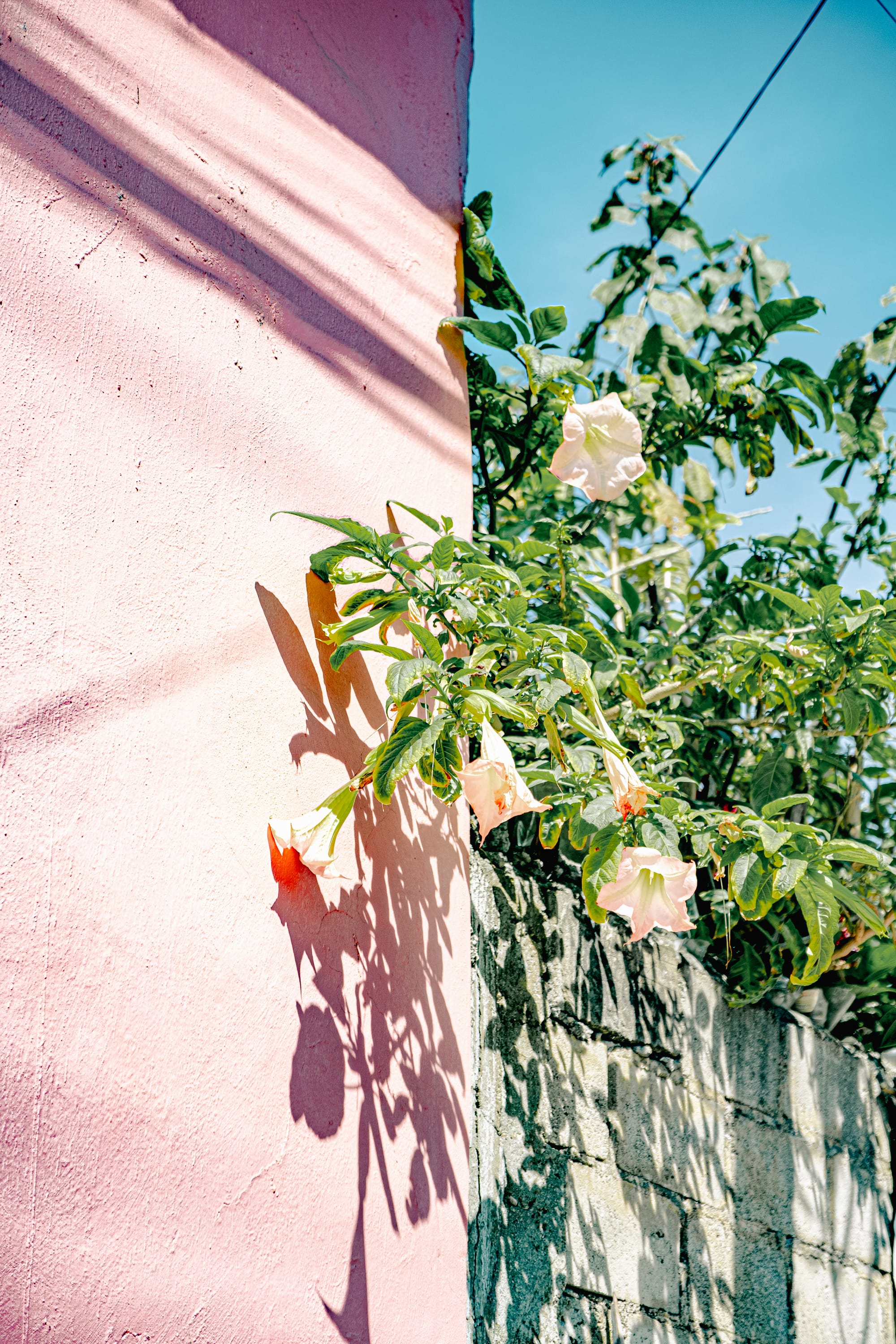
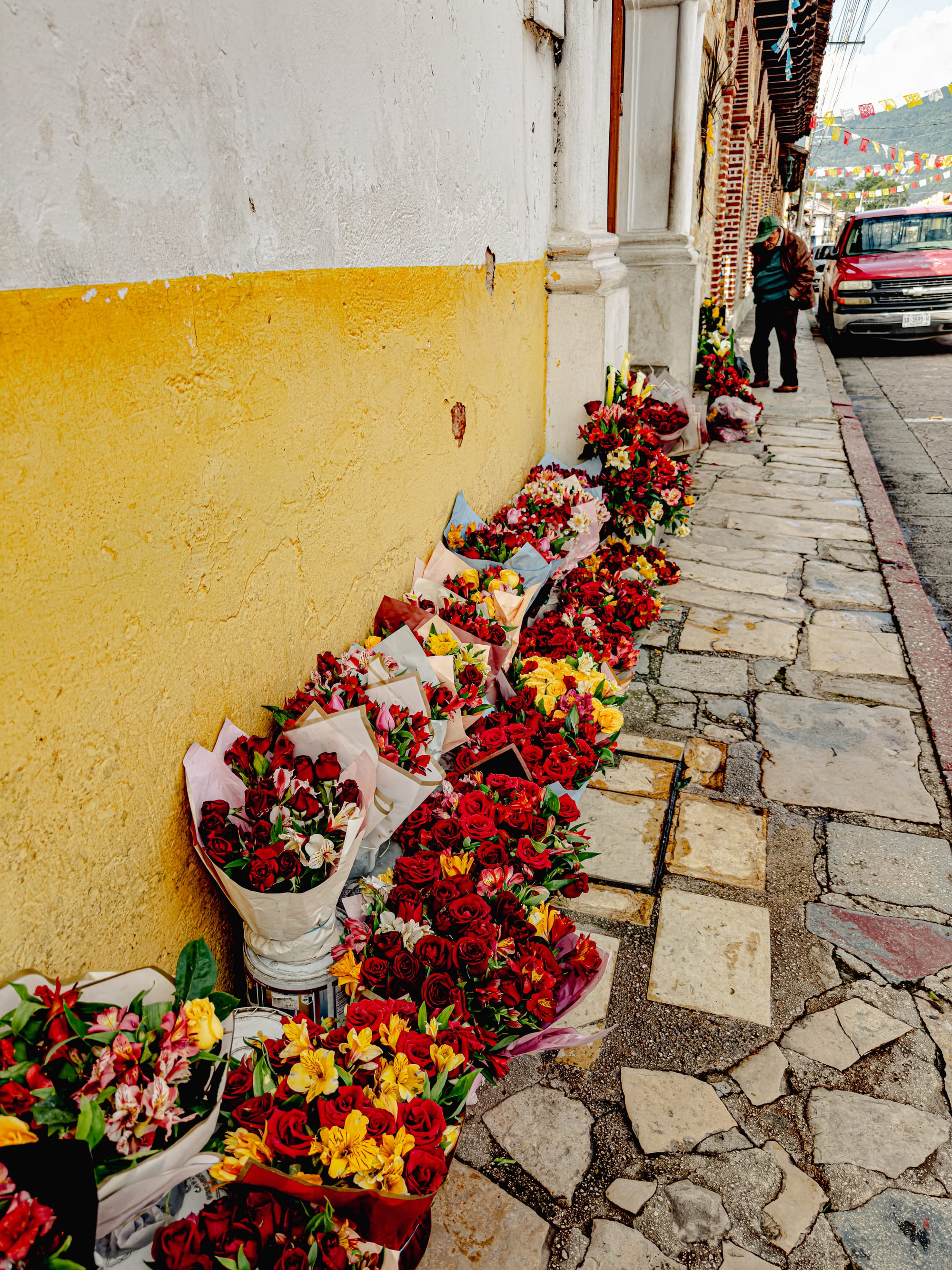
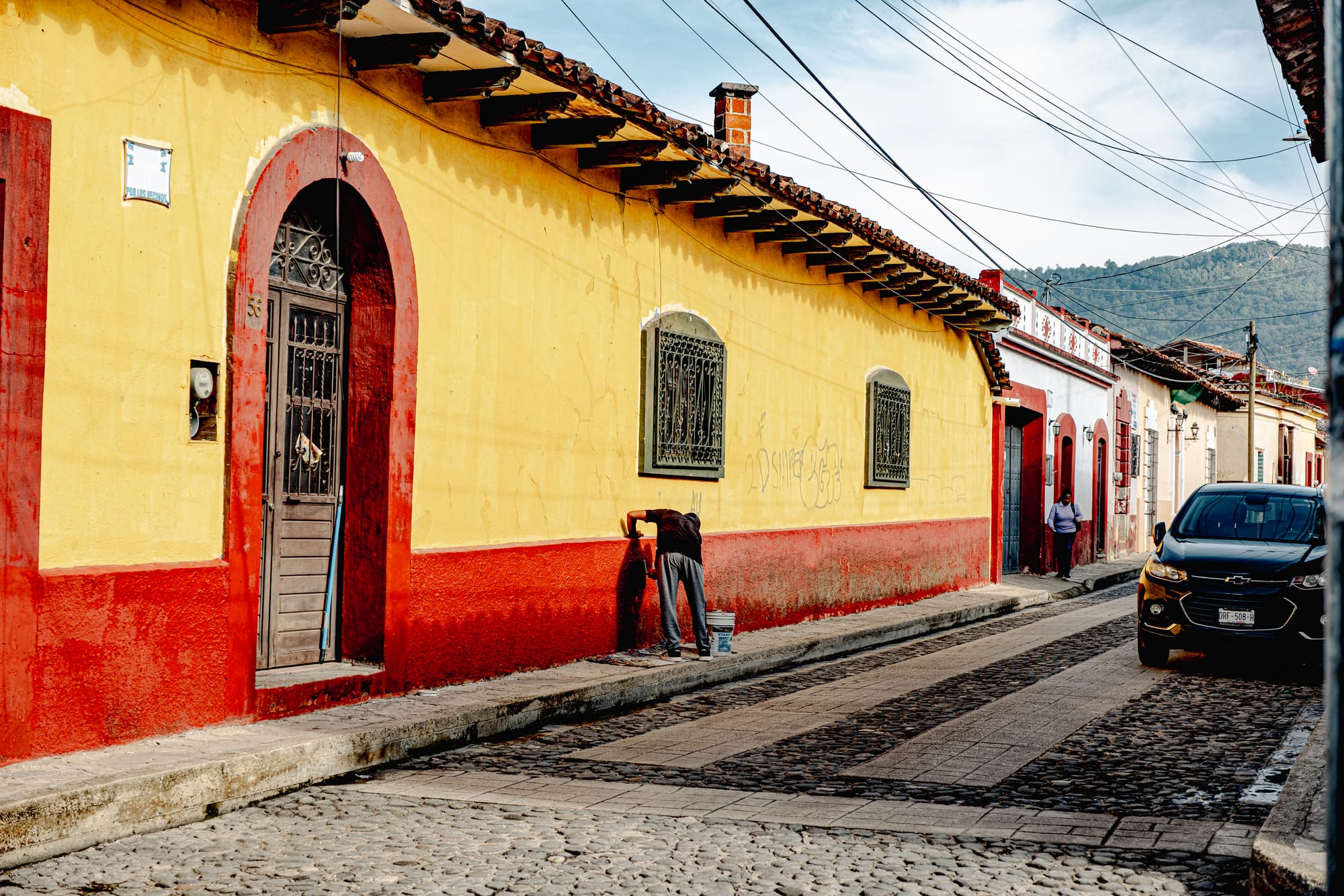
Fragments of everyday life across San Cristóbal’s streets
The strong Indigenous presence, the creative undercurrent, the closeness to nature, and the slower pace all combined into something that felt genuinely supportive of our preferred way of life.
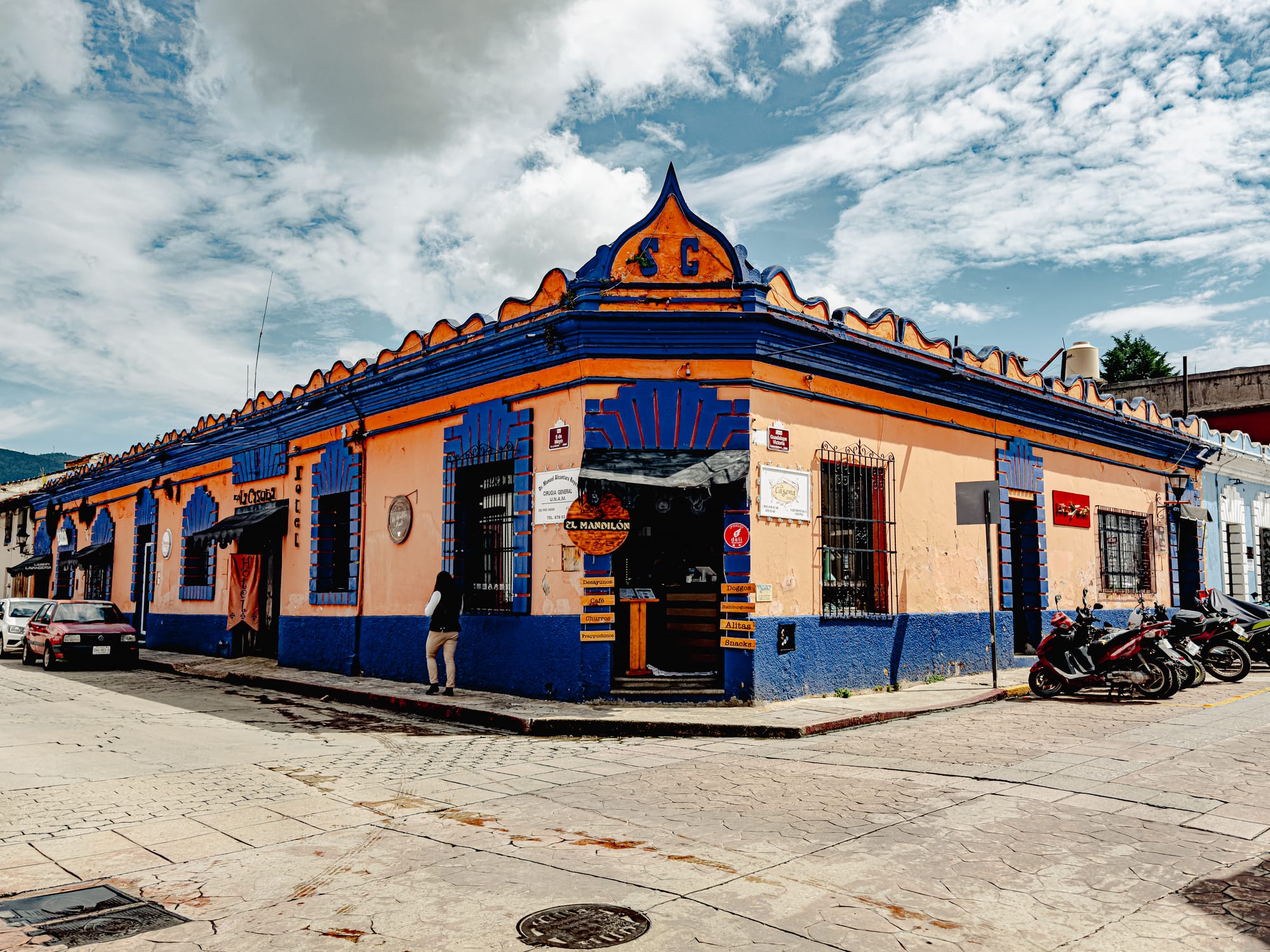
San Cristóbal hasn’t been shaped to appeal to everyone, and that’s precisely what allows it to remain what it is. If you’re looking for a place that rewards slowness, curiosity, and a more inward-oriented rhythm, it’s a city well worth spending time in. It holds a dear place in our heart.


