
San Cristóbal de las Casas sits high in the mountains of Chiapas, where cool air drifts through cobbled streets and the days unfold at a gentler altitude. It’s a town shaped as much by mist and pine forests as by history, resistance, and art. Beneath its colorful streets runs a strong Indigenous and political current, deeply influenced by the legacy of the Zapatista movement and broader struggles for autonomy, dignity, and land. This gives San Cristóbal a texture you feel quickly: creative, communal, and quietly defiant.
For digital nomads, San Cristóbal offers something increasingly rare. It’s slower and less mediated than Mexico City, Oaxaca, or Playa del Carmen, and that’s precisely its draw. There’s reliable infrastructure for remote work, a deeply rooted café culture, and a rhythm that supports focus without isolation.
In this complete guide, we’ll share what it’s like to live, work, and explore in San Cristóbal de las Casas—along with links to our deeper guides on neighborhoods, cafés, nature escapes, and the everyday practices that make this highland town such a lovely place to dwell in.
Why San Cristóbal de las Casas?
San Cristóbal de las Casas feels culturally dense in a way that’s increasingly hard to find. Set in the highlands of Chiapas, it’s a small, walkable city with a strong Indigenous presence and a long history of political organizing, shaped in part by the legacy of the Zapatistas. That history shows up in everyday ways—in bookstores, murals, community cafés, and the kinds of conversations you overhear while walking through town.
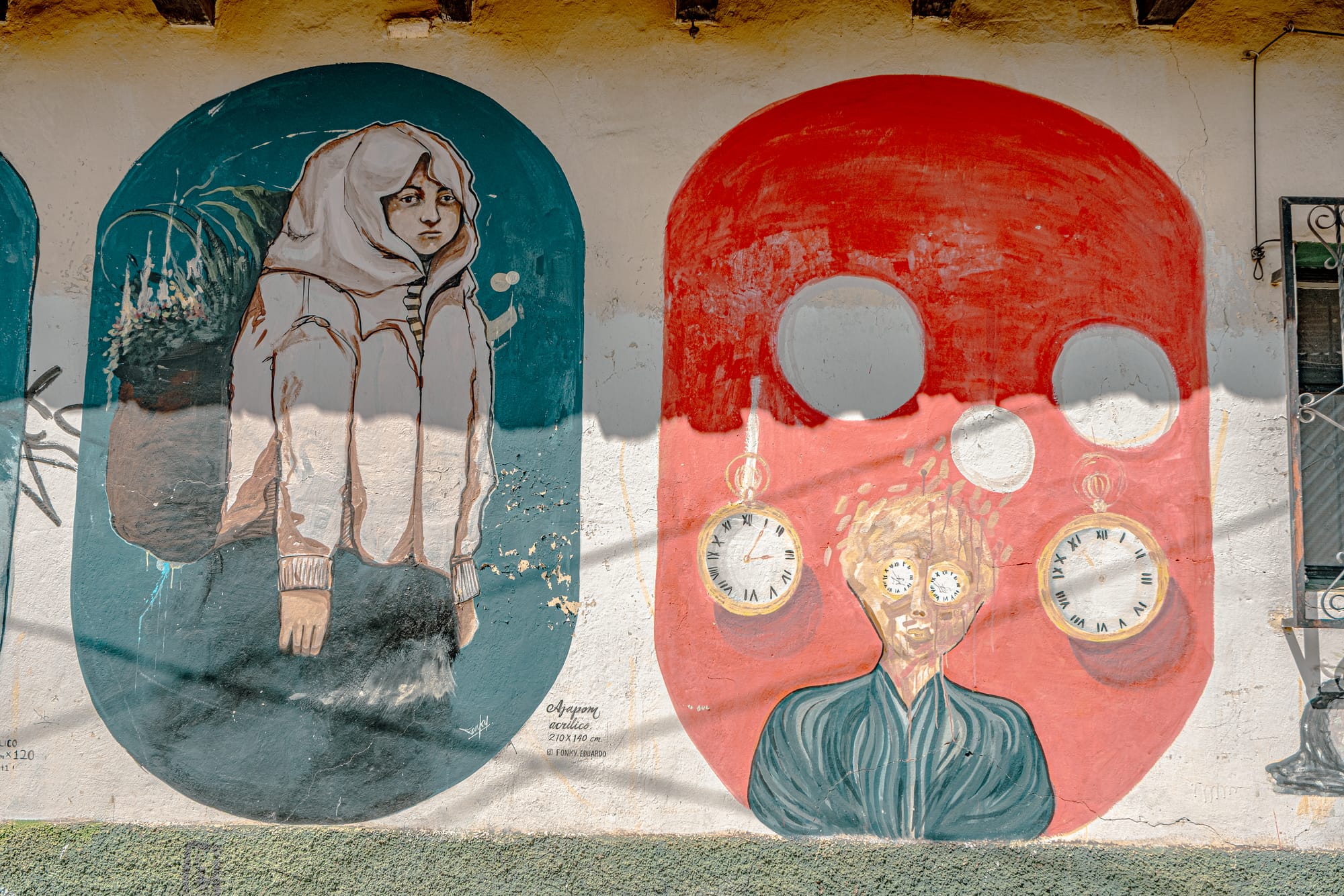
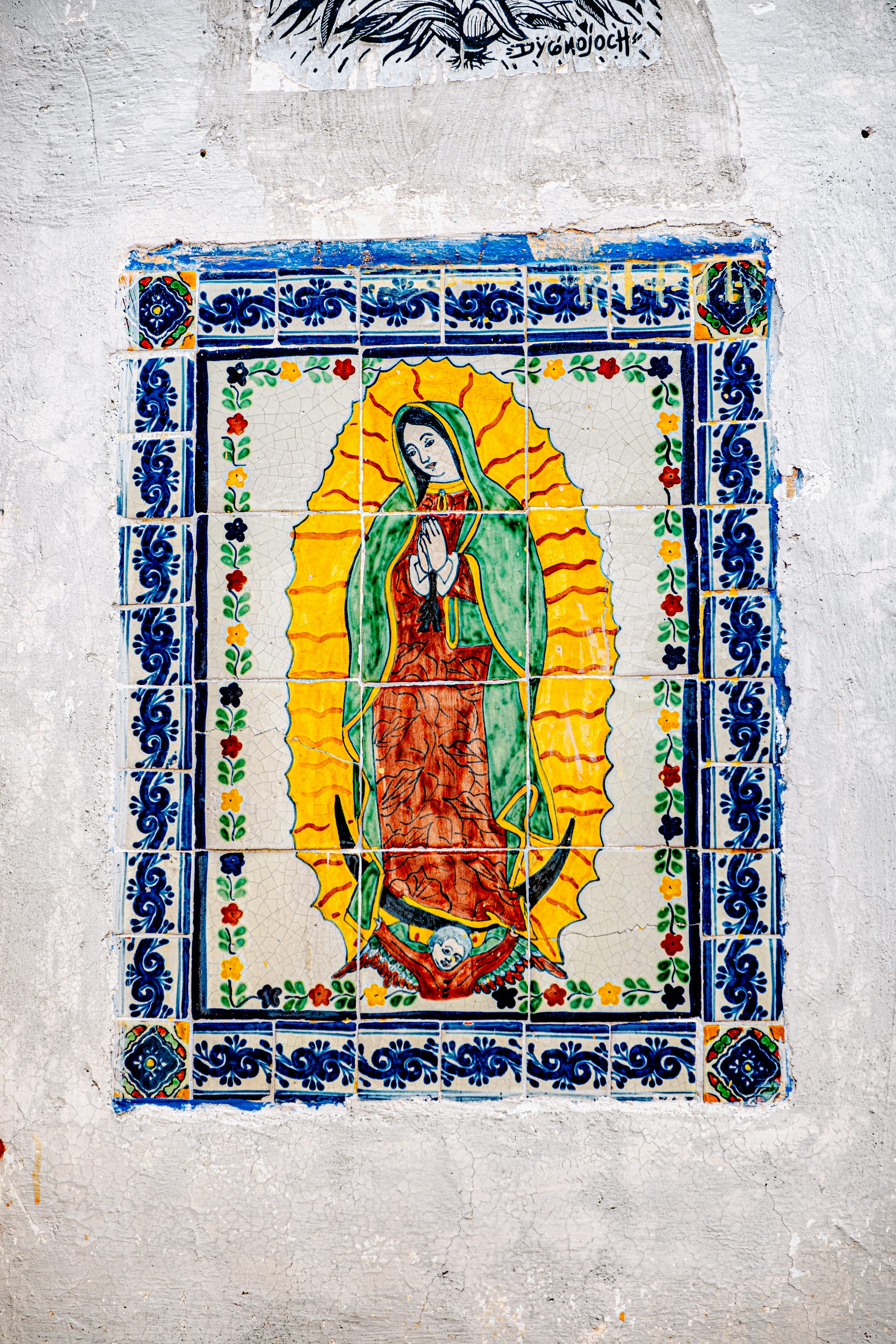
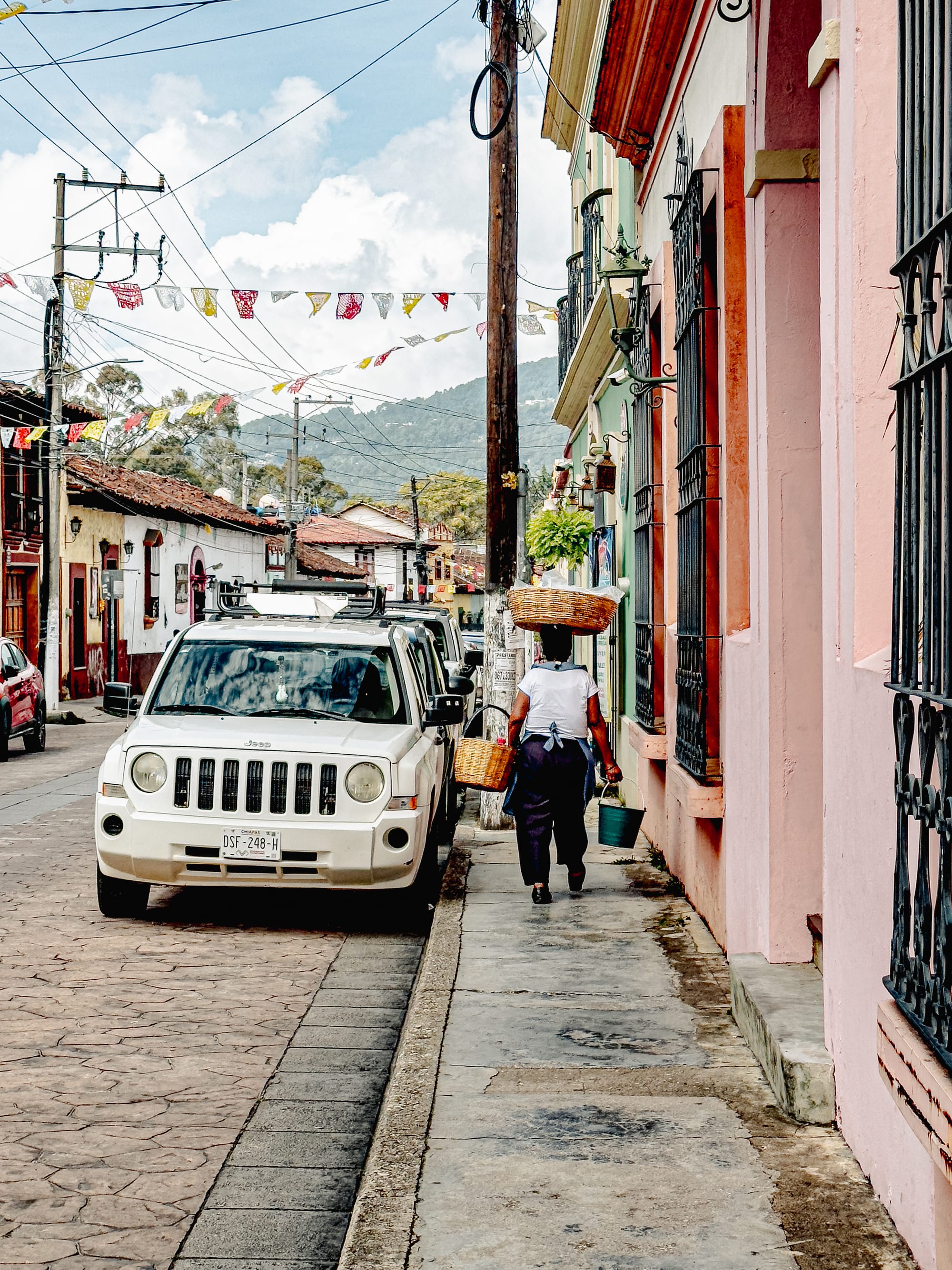
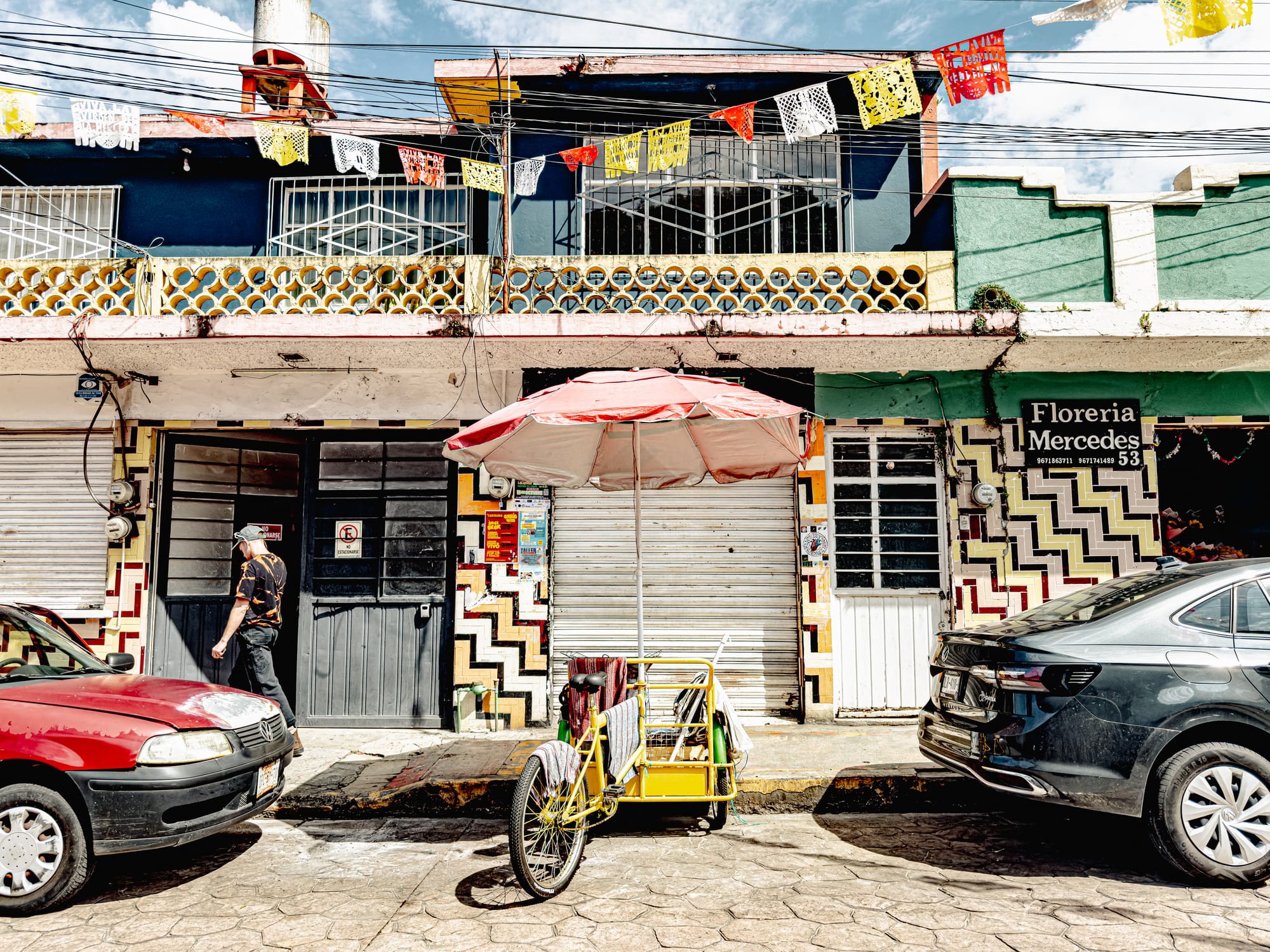
Compared to better-known Mexican destinations, San Cristóbal is noticeably less touristed and far less optimized for visitors. We found that to be one of its biggest strengths. It feels like a real town first, not a destination built around short stays. Its smaller scale means you actually come to know it—your walking routes, your favorite panadería, the café where you end up returning again and again because the light hits just right in the afternoon.
San Cristóbal is also an excellent base for nature. The surrounding region offers an unusual concentration of day trips: waterfalls, highland villages, jungle ruins like Palenque, and the dramatic sweep of Sumidero Canyon. It’s the kind of place where you can stay for a month or longer and still feel like you’re only scratching the surface.
Artistic, political, and deeply local, San Cristóbal is well suited to people who want to slow down without disengaging. It’s vibrant without being overwhelming, small enough to feel familiar quickly, and rich enough to keep rewarding longer stays. For those looking for a place in Latin America that doesn’t feel overexposed or overproduced, San Cristóbal de las Casas is a genuinely solid place to land.
A political undercurrent you can feel
One of the things that most clearly sets San Cristóbal de las Casas apart is the political consciousness that runs through everyday life here. This is not abstract or historical—it’s present, lived, and visible. Chiapas is the heartland of the Zapatista movement, and San Cristóbal sits close to several Zapatista Caracoles. The influence of the Zapatistas is still tangible, shaping conversations around autonomy, education, land, and resistance.
You notice it quickly. In cafés, bookstores, and cultural spaces, politics isn’t hidden or softened—it’s openly discussed. Murals reference Indigenous struggle and self-governance. Posters announce talks, film screenings, or assemblies. Even places that feel casual at first glance often double as spaces for dialogue and organizing. We found this level of political awareness unusually consistent, especially compared to other cities in Mexico.
One place that made this especially clear for us was our visit to CIDECI-UniTierra, an autonomous educational center on the edge of town. CIDECI is deeply connected to Zapatista thought and practice, offering alternative models of education rooted in collective learning, Indigenous knowledge, and self-determination. Spending time there gave us a much clearer sense of how these ideas translate into real infrastructure, not just theory.
What’s striking is how normalized this political awareness feels. It doesn’t come across as performative or academic. It’s woven into daily routines—where people gather, what they read, the art they make, and the questions they ask. Even in places like small cafés or local restaurants like Art Libreria, there’s often a shared understanding that culture and politics are not separate domains.
For digital nomads, this context matters. It’s a place that invites reflection on where you are, whose land you’re on, and what kinds of systems you’re moving through. You’re in a city where political life hasn’t been pushed to the margins.
If you’re interested in spending time somewhere that feels intellectually and socially engaged—where creativity, resistance, and everyday life overlap—San Cristóbal offers a depth that’s hard to replicate elsewhere.
When to go
The best months to visit San Cristóbal de las Casas are November through April, which is the dry season. Days are mostly sunny, mornings and evenings are cool, and the city is easy to navigate on foot. It’s a good period for settling into a routine, working from cafés, and taking longer day trips into the surrounding highlands without worrying about road conditions.
Late October through early November is a particularly special time to be in San Cristóbal if you can overlap with Day of the Dead, or Día de los Muertos, around November 1st. The celebrations are widely observed across the region, and during our visit we went to three different cemeteries: Romerillo, Zinacantán, San Cristóbal’s Municipal Pantheon. Each had a very distinct atmosphere. Witnessing Day of the Dead was one of our top travel moments, and was a truly special experience.
December through February are the coolest months of the year. Days are pleasant, but nights can be cold, especially in older buildings without heating. This is a great time for focused work, long walks through town, and dry-season travel, as long as you’re prepared with warm layers in the evenings.
March and April remain dry but start to warm up slightly. These months strike a good balance if you want reliable weather without the holiday crowds of late December. It’s an easy time to combine workdays with weekend trips to nearby villages and nature spots.
May through October is the rainy season. Rain usually arrives in the afternoons or evenings rather than falling all day, and the surrounding landscape becomes intensely green. Waterfalls are at their most dramatic during this period, though humidity increases and some rural roads can get muddy.
September and October are typically the wettest months. Rain can be heavier and more persistent, but the city remains active and the surrounding region is lush and full. If you don’t mind working around weather and slower travel days, it can still be a rewarding time to stay.
Our advice on the best time to be in San Cristóbal de las Casas
If you’re coming to work remotely and want the easiest, most stable conditions, November through March is the most straightforward choice. The weather is dry, days are comfortable, and it’s easy to build a routine that balances work with walking, cafés, and weekend trips into the surrounding highlands.
If experiencing Día de los Muertos matters to you, aim to arrive in late October and stay through early November. It’s one of the most meaningful times to be in the region, especially if you’re interested in local ritual and community life. Just be prepared for higher demand on accommodation around those dates and approach the experience with care and respect.
If you’re drawn to nature—waterfalls, lush landscapes, and greener surroundings—and don’t mind occasional rain, June through September can be a rewarding time to stay. Workdays are best planned with flexibility, but the payoff is a dramatically green landscape and quieter conditions in many nearby areas.
If you prefer cooler days for walking, writing, and spending long hours in cafés, December and January are particularly well suited. Evenings can be cold, so warm layers are essential, but the daytime rhythm is ideal for focused work.
No matter when you go, plan for temperature swings. San Cristóbal’s altitude means mornings and nights can feel chilly year-round, even when days are sunny. Bringing layers will make a noticeable difference to how comfortable your stay feels.
Getting to and from San Cristóbal de las Casas
The closest airport to San Cristóbal de las Casas is Tuxtla Gutiérrez International Airport (TGZ), about 1.5 hours away by road. Tuxtla Gutiérrez has frequent domestic flights from major Mexican hubs, including Mexico City, making it the most straightforward entry point if you’re flying in from elsewhere in the country.
From the airport, most travelers take a shared shuttle up into the highlands. The drive climbs quickly from hot lowlands into cooler mountain air, and shuttles are generally reliable, affordable, and easy to arrange on arrival or in advance through local operators.
If you’re already traveling within southern Mexico, San Cristóbal is also well connected by long-distance bus. Comfortable overnight and daytime buses run from cities like Mexico City, Oaxaca, and Palenque, making it a practical stop on a slower overland route. Many nomads arrive this way to avoid flying altogether and to experience the gradual shift in landscape and climate.
For those combining destinations, San Cristóbal is a good option before moving north to Mexico City or south toward Antigua, especially if you’re traveling slowly and prefer overland connections.
While it’s not the easiest place to reach in Mexico, that extra step is part of what keeps San Cristóbal from feeling overrun. Once you arrive, the city’s compact size and walkability mean you won’t need to think much about transportation again.
Working remotely from San Cristóbal de las Casas
The main anchor for digital nomads in San Cristóbal is Co404, a combined coliving and coworking space that’s clearly designed with remote work in mind. It’s calm, well laid out, and easy to be productive in, with strong wifi, comfortable work areas, and plenty of natural light. One of the highlights is the outdoor garden space, where it’s genuinely possible to work for hours without feeling cramped or distracted.
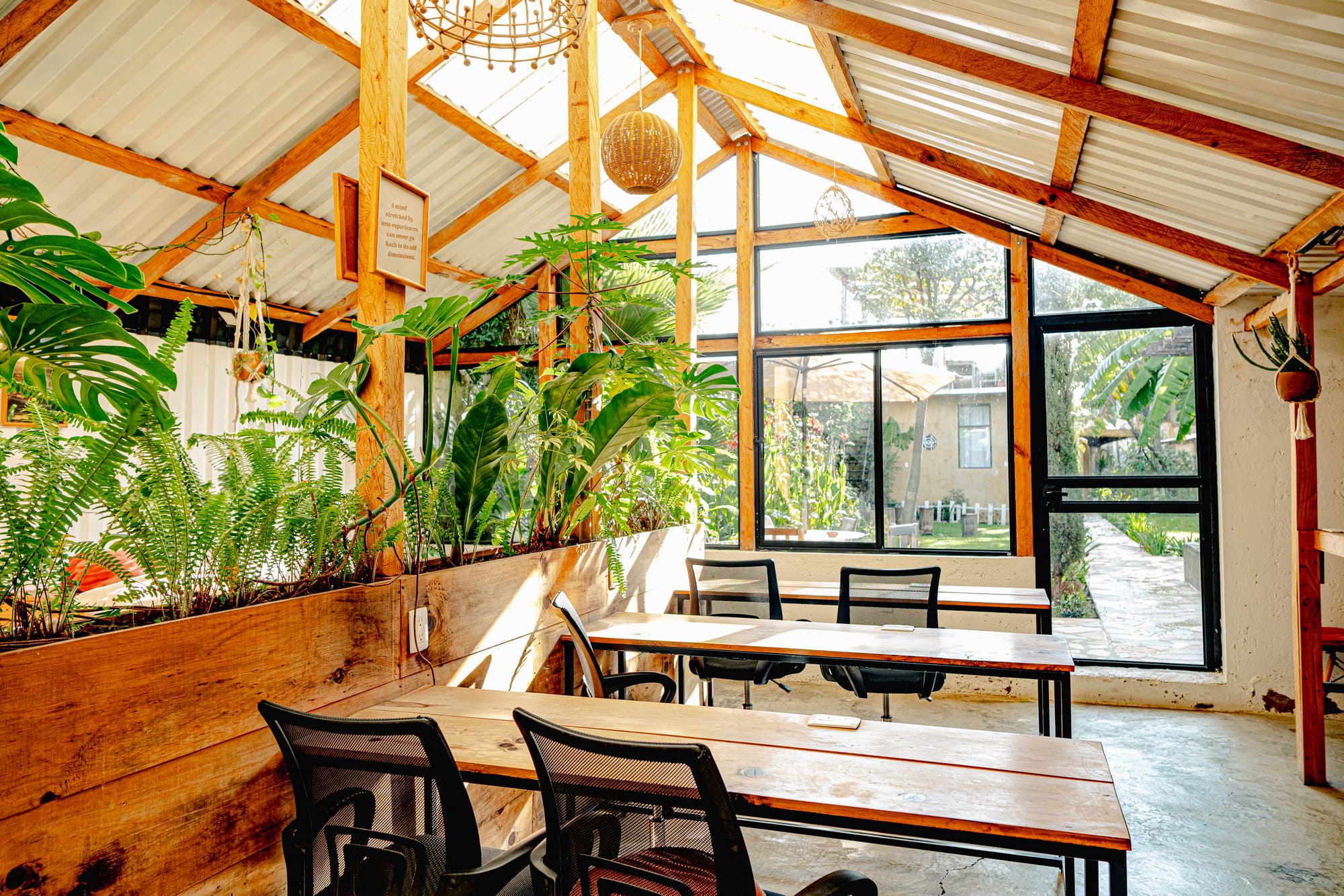
What we appreciated most about Co404 was the scale. The community is small and fairly intimate, which makes it easy to actually get to know the people you’re living and working alongside. Compared to larger nomad hubs in Mexico—like Oaxaca, Playa del Carmen, or Mexico City—the remote worker presence here is much lighter. We found that to be a positive. There’s less churn, fewer drop-ins, and a more settled rhythm overall.
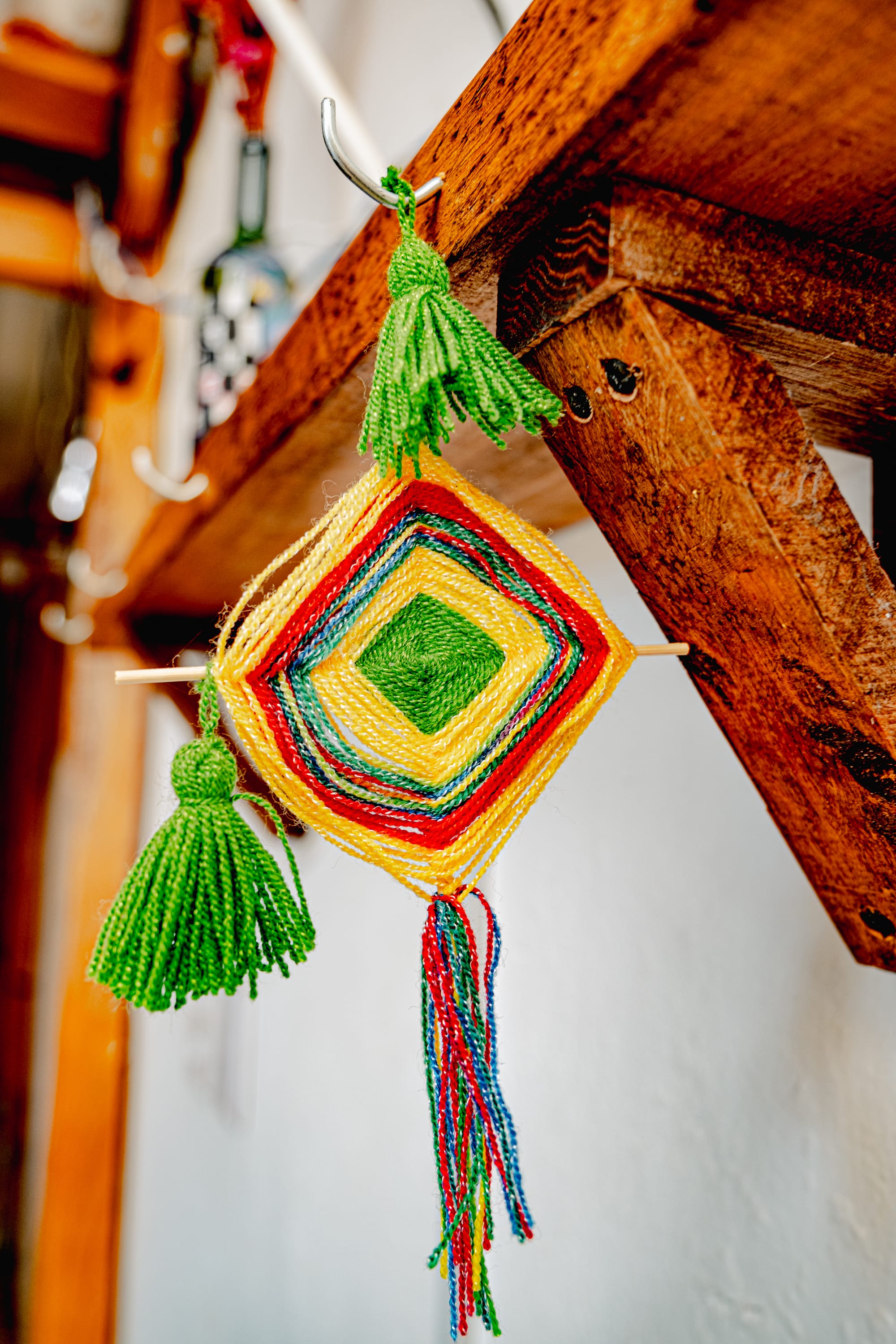
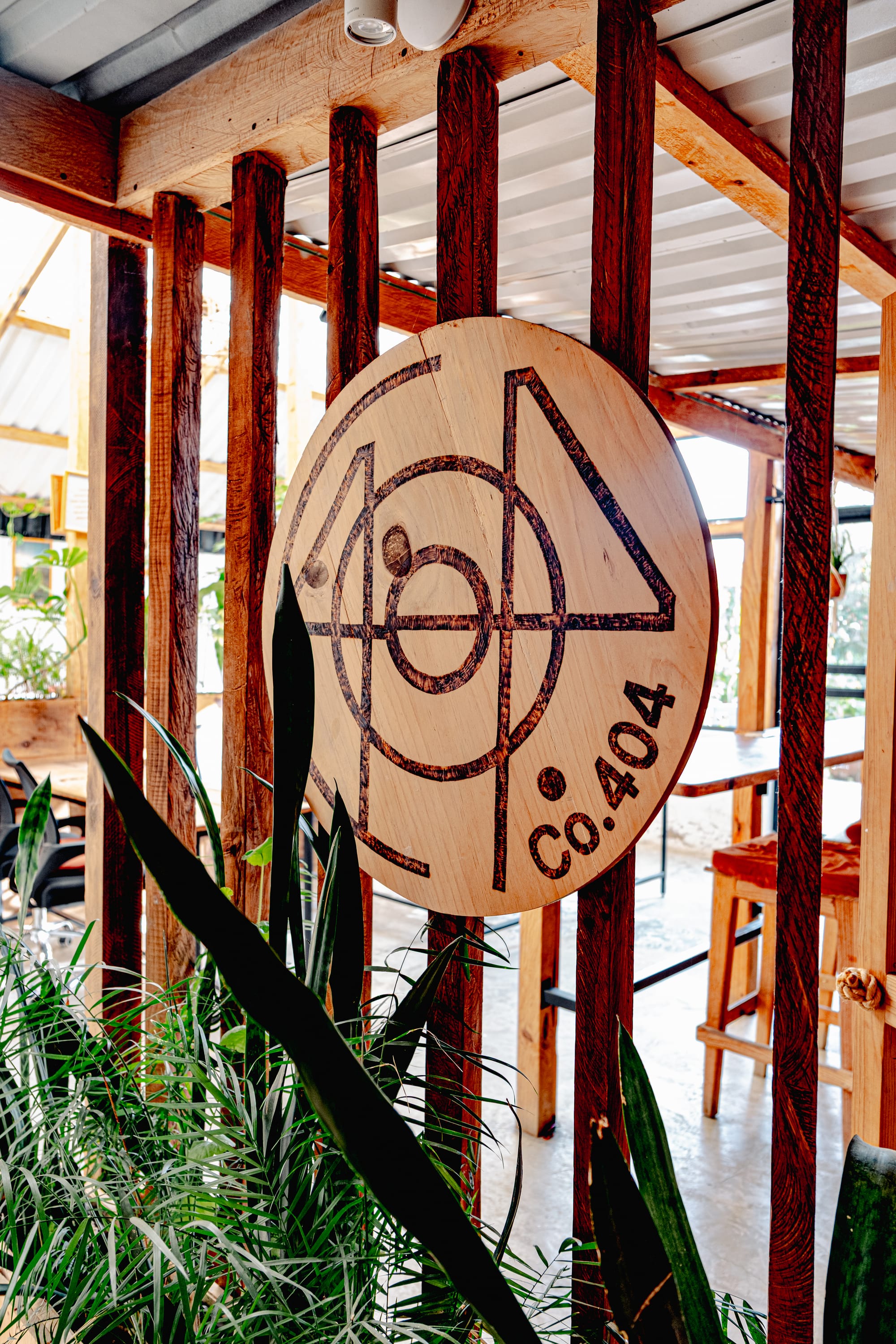
Outside of Co404, San Cristóbal has a solid number of cafés that are workable for laptops. While it’s not a café-coworking culture in the way some bigger cities are, there are enough reliable spots around town to rotate through if you prefer working outside your accommodation. Wifi quality is generally good, and many cafés are accustomed to people staying for a few hours.
Overall, San Cristóbal is well suited to focused, quieter remote work. The town’s smaller size, cooler climate, and slower pace mean fewer distractions, and the lack of a large nomad scene helps keep things grounded.
Digital nomad community
San Cristóbal de las Casas has a noticeably smaller and quieter digital nomad community than other well-known spots in Mexico. There is very little in the way of organized nomad programming.
The main hub for remote workers is Co404. Because the community there is small and fairly stable, it’s easy to form real connections. We found ourselves actually getting to know the people we were living and working alongside, rather than cycling through short, surface-level encounters. Days tended to unfold organically—working together, cooking shared meals, or spending time in the garden—without the pressure of constant social activity.
Beyond Co404, connections tend to form more informally. San Cristóbal has a decent café culture, and many of the same faces reappear. Conversations often grow out of shared routines rather than events.
Overall, the social scene is low-key and unstructured. If you’re looking for a plug-and-play nomad network with frequent mixers and large events, San Cristóbal may feel too quiet. But if you’re comfortable letting community form slowly and you value depth over scale, it can be a very rewarding place to spend time.
Chiapaneco culture
San Cristóbal de las Casas sits at a cultural crossroads. While it’s often described as a colonial town, daily life here is shaped far more by the Indigenous communities of the surrounding highlands than by its Spanish-era architecture. Tsotsil and Tseltal languages are spoken openly in markets and on the streets, traditional dress is part of everyday life rather than ceremony, and rural–urban movement is constant, giving the city a texture that feels lived-in and contemporary rather than preserved.
Many people from the region might broadly be described as chiapanecos, but that label only goes so far. Identity here is often rooted more specifically in community, language, and land. You see this in the textiles worn by women from nearby villages, each pattern signaling a particular place; in the food sold at markets, tied to highland agriculture; and in the rhythm of the city itself, which follows rural cycles as much as urban ones.
Markets are central to daily life. They’re functional first—places to buy produce, corn, herbs, coffee, bread—but they’re also social spaces where people meet, exchange news, and maintain ties across communities. Small neighborhood tiendas, bakeries, and tortillerías still play a major role, and many residents shop locally and frequently rather than stocking up in one trip.
Religion and ritual are present, but often blended. Catholic traditions coexist with Indigenous spiritual practices, sometimes within the same household. Churches fill on Sundays, but belief here isn’t confined to formal spaces—it spills into processions, home altars, cemetery visits, and seasonal observances that mark time throughout the year.
Art and politics are closely intertwined. Murals, posters, and independent cultural spaces reflect a long history of resistance and organizing in Chiapas. This isn’t abstract ideology—it’s tied to land rights, education, language, and autonomy. Even casual spaces like cafés often double as places for discussion, readings, or film screenings, and it’s common for cultural expression to carry an explicit social or political stance.
Psychogeographics
What does it actually feel like to live in San Cristóbal de las Casas for a month or more? Cool mornings, long walks, and a pace that encourages attention. Days often start quietly—mist in the streets, people opening shops, coffee brewing early—and end with cold air settling in as the city winds down. The altitude changes how you move: you walk slower, sit longer, schedule less.
The city’s small scale shapes daily life. Most errands happen on foot. You begin to recognize the same routes, the same faces, the same corners where you tend to pause. Cafés become regulars rather than one-offs. Work slots itself into the day without demanding the whole thing. There’s a sense of containment here—enough going on to stay engaged, but not so much that it fractures your attention.
Sound and texture matter. Church bells, street vendors, conversations in Spanish, Tsotsil, and Tseltal. Stone underfoot. Warm light in courtyards. Even when the city is busy, it rarely feels rushed.
San Cristóbal is grounded rather than overstimulating. Over time, that steadiness begins to shape your work rhythm: fewer distractions and clearer blocks of focus.
We wrote a full piece on the texture of life here: A creative season in the highlands: digital nomad life in San Cristóbal de las Casas.
Where to stay
San Cristóbal is compact and easy to navigate, so where you stay matters more for vibe and routine than for logistics. We’d recommend choosing based on how much structure, privacy, or community you want. Below are the places we’d personally point people toward, grouped by accommodation type.
Coliving
Co404 Coliving & Coworking: A magical place with a beautiful outdoor garden and terrace where both sunrises and sunsets are genuinely special. It’s very easy to be productive here, and the atmosphere strikes a rare balance between calm and social. The community felt warm and welcoming. If you’re looking for a coliving that actually supports both deep work and deep connection, this is our top recommendation.
Hotels & private stays
Parador Margarita: A calm, traditional hotel with bright rooms arranged around a peaceful garden. Mornings start with a hearty breakfast, and the overall atmosphere is consistently quiet and welcoming. It’s a dependable choice if you’re prioritizing comfort, rest, and a slower pace.
Las Casas Chiapas: A small, thoughtfully designed boutique stay with airy rooms, soft lighting, and handcrafted details throughout. The cozy patio and gentle atmosphere make it feel more like a private home than a hotel. A great option if you prefer intimate, well-kept spaces right in town.
Hotel Na Bolom: A historic guesthouse set within lush gardens, filled with old photographs, carved furniture, and quiet corners. Staying here feels like stepping into a living cultural space, with warmth and character in every room. Ideal if you’re drawn to places with story, history, and a strong sense of place.
Hostels & social stays
Puerta Vieja Hostel: A lively, social hostel known for its generous breakfasts, spacious common areas, and friendly energy. Dorms are comfortable with good privacy, and the garden and hammocks offer quieter corners to unwind. A solid choice for solo travelers who want an easy sense of community.
13 Cielos Hostel & Coworking: 13 Cielos combines relaxed hostel living with a genuinely useful coworking setup. Dorms and private rooms are modern and well organized, and the work area has solid wifi and a focused atmosphere. It’s a balanced option for remote workers who want both comfort and connection.
The best things to do in San Cristóbal de las Casas
There’s no shortage of things to do in San Cristóbal de las Casas, but what stood out most to us was the depth of the surrounding region and how easy it is to move between town life and nature. One day you’re walking cobbled streets and browsing bookshops, the next you’re at a canyon overlook, a waterfall, or a highland village less than an hour away.
San Cristóbal works especially well as a base. The city itself is compact and walkable, but it sits at the center of an area with an unusually high concentration of incredible day trips. It’s the kind of place where you can stay for a month or longer and still feel like you haven’t exhausted what’s nearby.
This list includes our personal favorites. Many have their own dedicated posts if you want more detail, context, or practical tips. Our advice is the same as always: don’t try to do everything. Pick a handful of experiences that fit your pace, and give them enough time to actually register.
Mayan ruins
Palenque
Ancient ruins rising from the jungle.
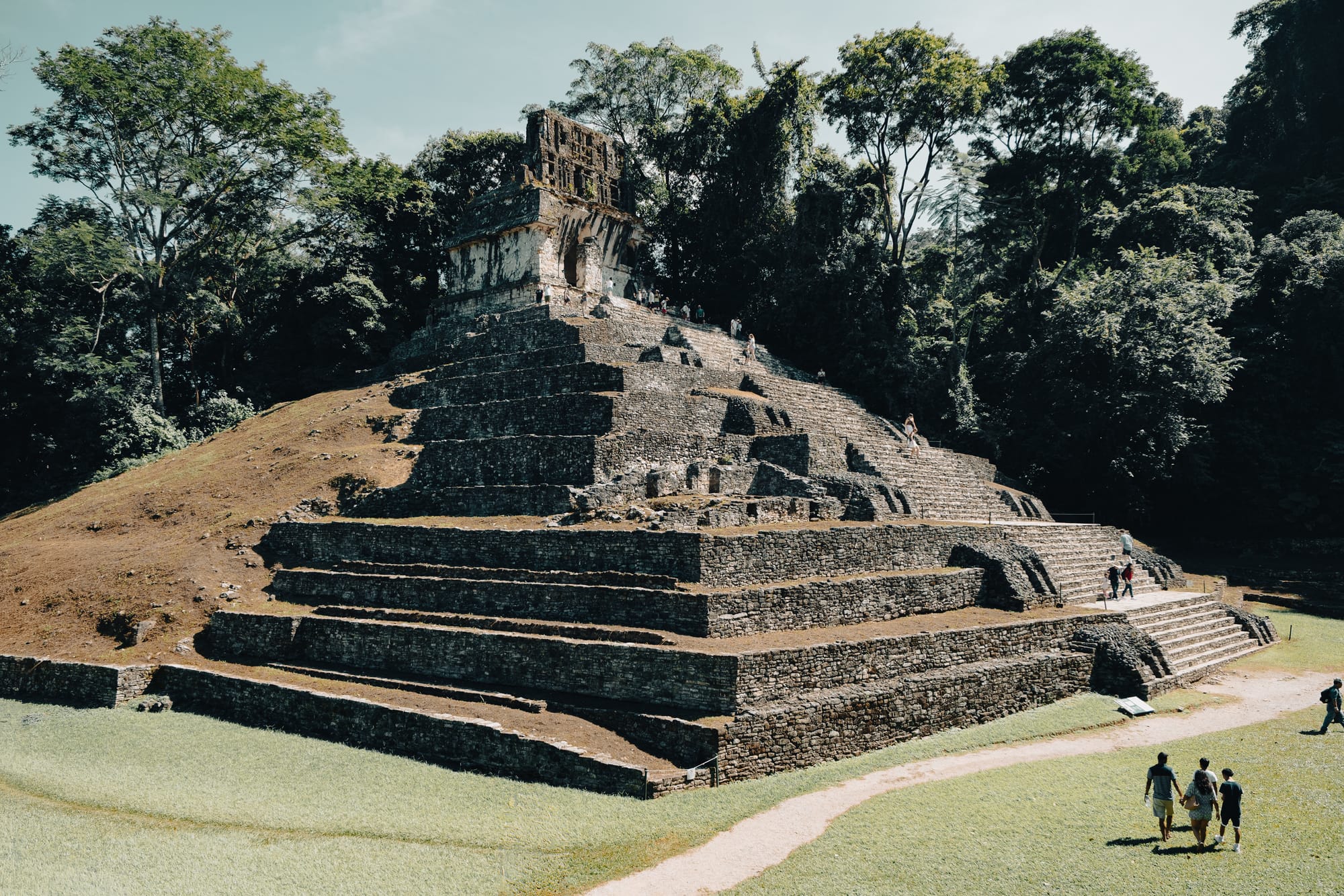
Palenque is one of the most significant Maya archaeological sites in Mexico, and visiting from San Cristóbal de las Casas feels like stepping into a completely different landscape. Set deep in the northern Chiapas jungle, the ruins are surrounded by dense greenery, with howler monkeys calling from the canopy and mist hanging low in the mornings. Unlike more exposed sites, Palenque feels enclosed and alive with the temples and palaces emerging gradually from the jungle rather than standing apart from it.
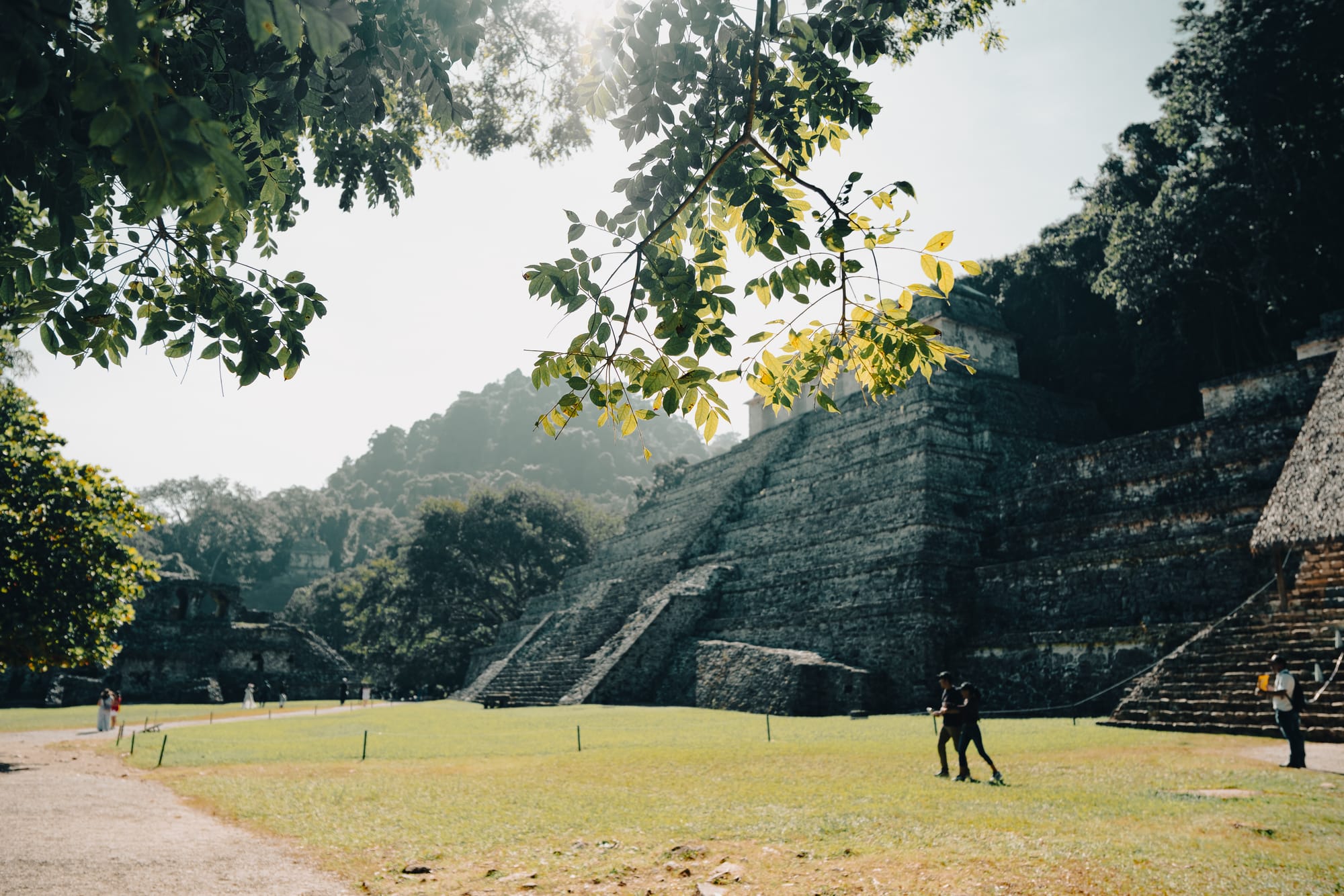
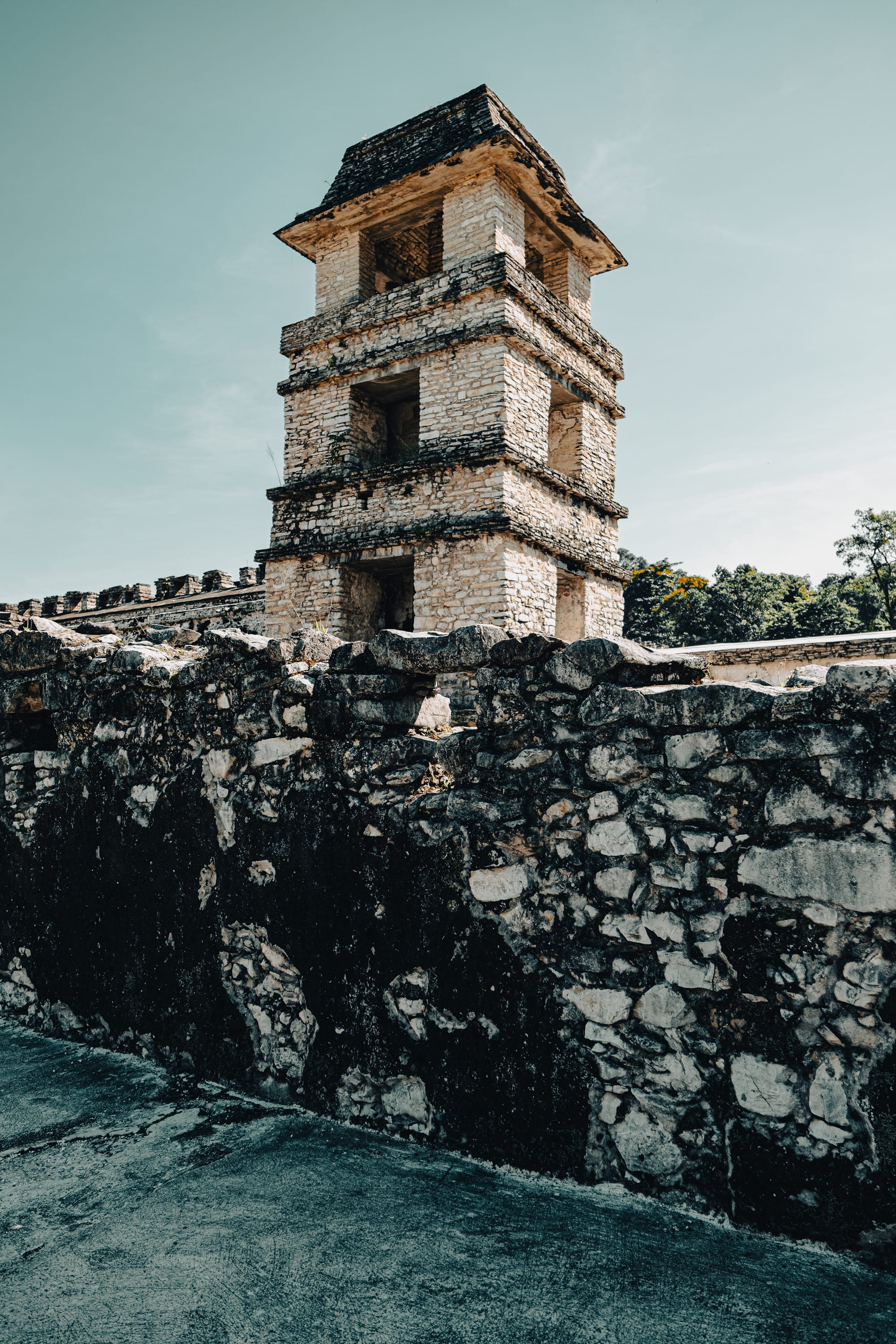
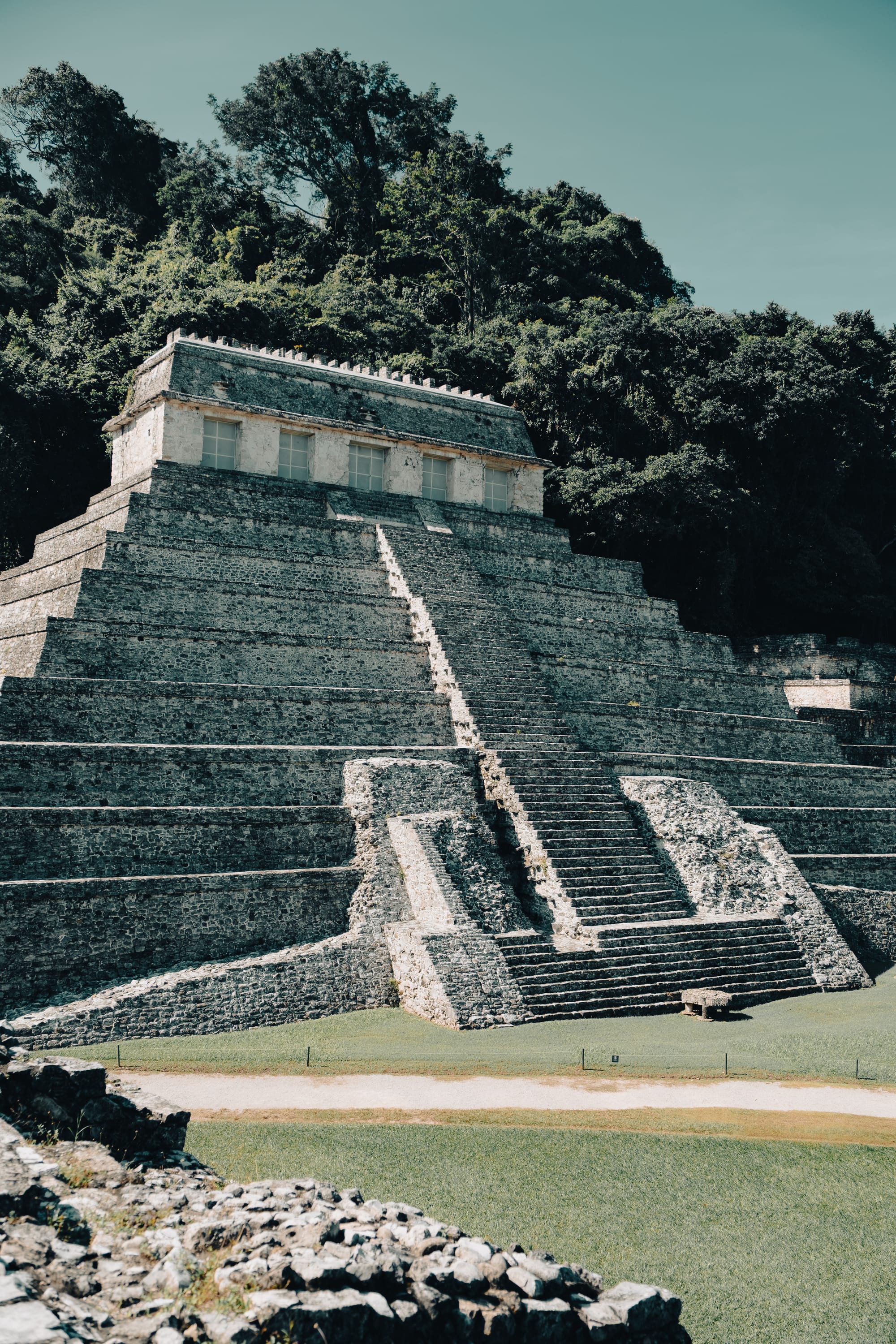
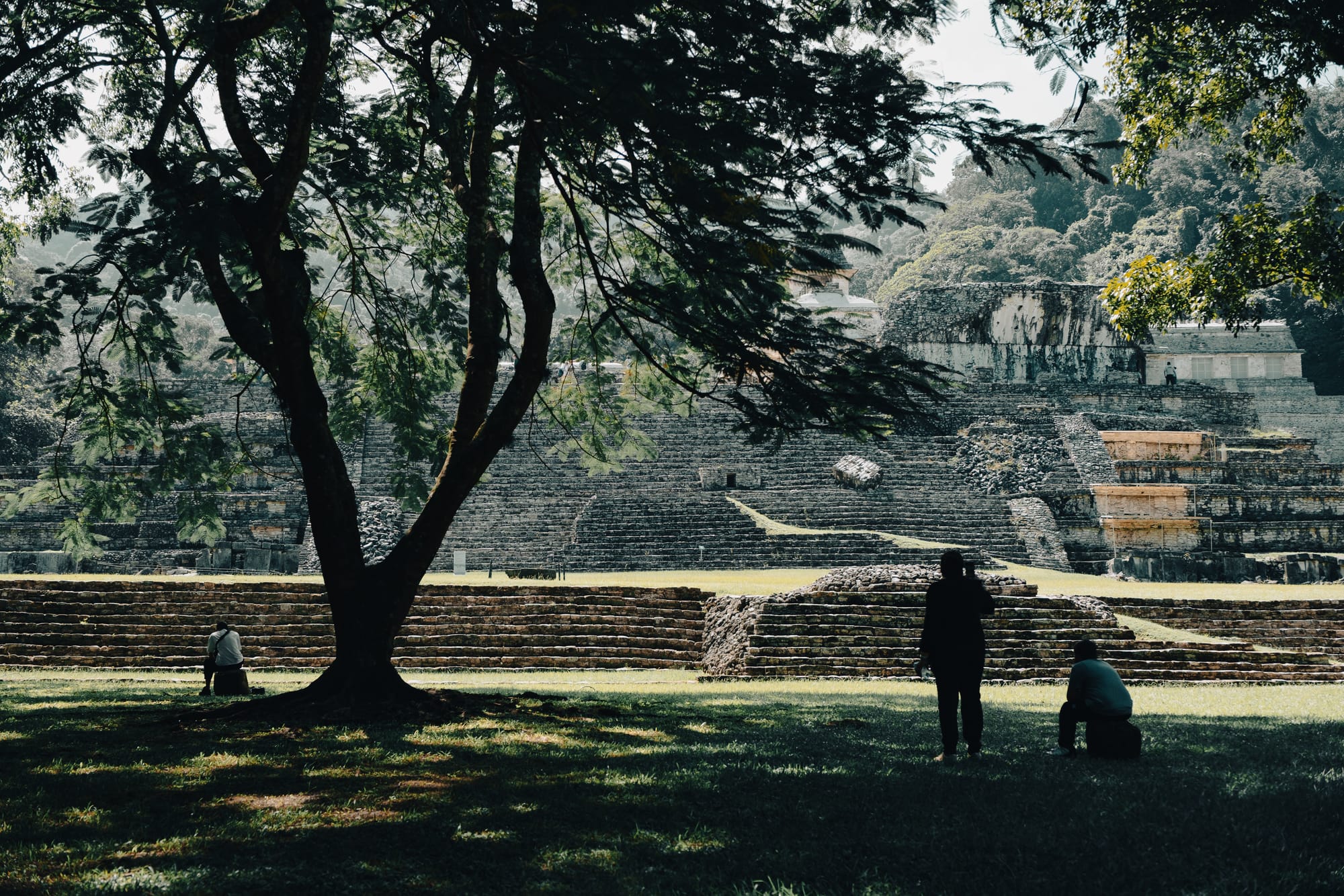
The journey from San Cristóbal takes around five to six hours by bus or car, which makes Palenque best suited as a long day trip or an overnight stay. Once there, you can explore the Temple of the Inscriptions, the Palace, and a network of smaller structures connected by shaded paths and streams. The site is large but walkable, and it rewards taking your time: reading inscriptions, sitting quietly near the water channels, and noticing how closely architecture and environment are intertwined. For many people, Palenque stands out not just for its historical importance, but for the way the ruins feel embedded in the land, making it one of the most memorable excursions from San Cristóbal.
Yaxchilán & Bonampak
Remote jungle ruins reached by river and road.
Yaxchilán and Bonampak are often paired together, and visiting them feels far more adventurous than more accessible sites like Palenque. Yaxchilán sits deep in the Lacandon Jungle and is accessible only by boat along the Usumacinta River near the Guatemalan border. The approach alone sets the tone, with a slow ride through jungle-lined waterways before arriving at stone structures wrapped in roots, vines, and dense canopy. Howler monkeys are common, and the site feels wild and lightly mediated.
Bonampak, reached by road through Lacandon territory, is smaller but historically significant for its remarkably preserved murals, which depict court rituals, warfare, and daily life in vivid detail. Together, the two sites offer a fuller picture of Maya life, with monumental architecture at Yaxchilán and narrative art at Bonampak, all set within a landscape that feels largely unchanged. From San Cristóbal, this is typically 3-day trip and is often done with a guide due to distance and logistics. It is not the easiest excursion, but for those willing to commit the time, Yaxchilán and Bonampak are among the most striking and immersive ruins in Chiapas.
Chinkultic
A hilltop Maya site overlooking lakes and lowlands.
Chinkultic is a lesser-visited Maya site in eastern Chiapas, often included as part of a trip to the Montebello Lakes. Set on a series of low hills, the ruins overlook open countryside and seasonal lakes, giving the site a spacious, quiet feel that contrasts with more forested ruins like Palenque or Yaxchilán. Stone staircases, plazas, and platforms are spread across the slopes, with long sightlines that make it easy to understand how the site related to its surrounding landscape.
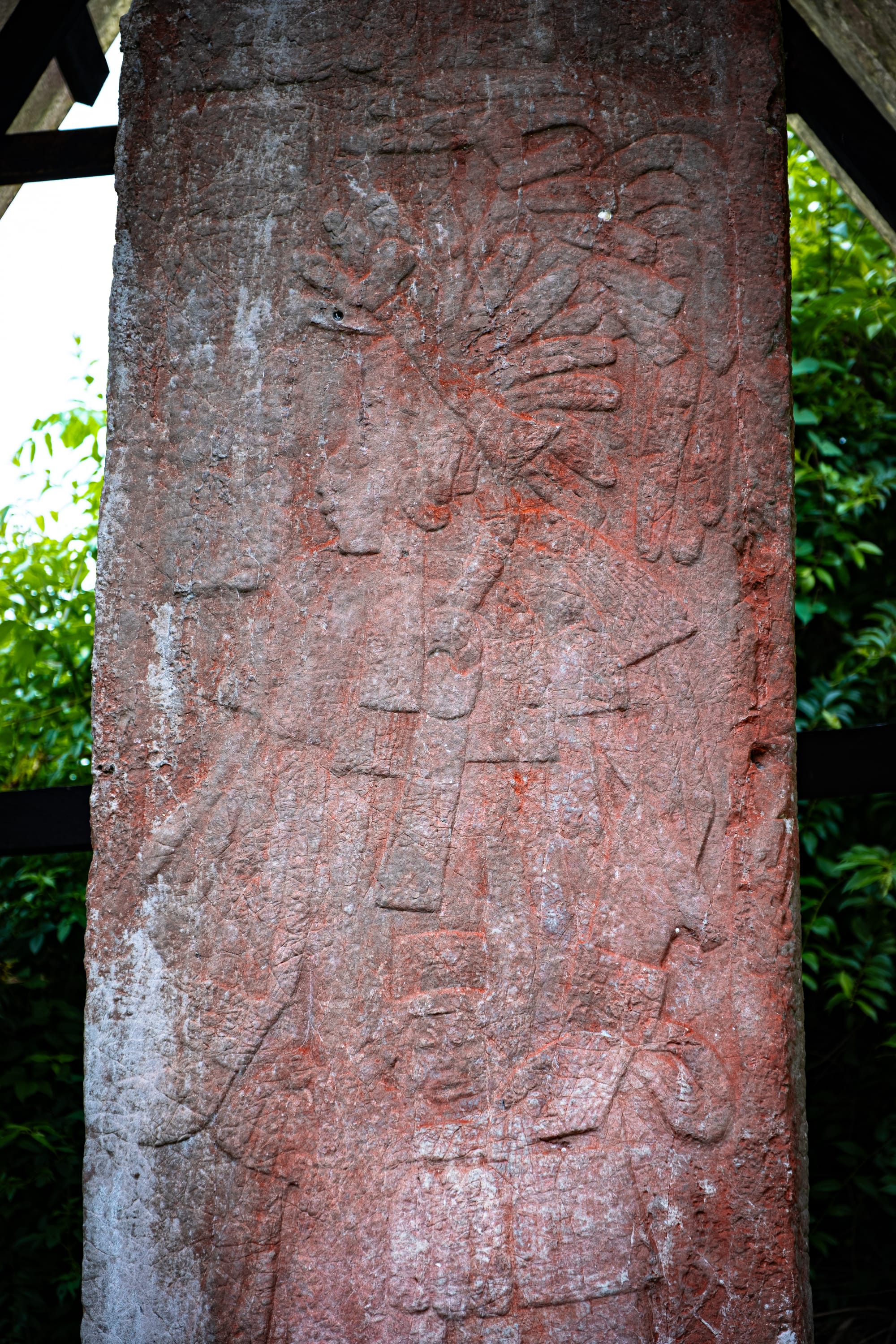
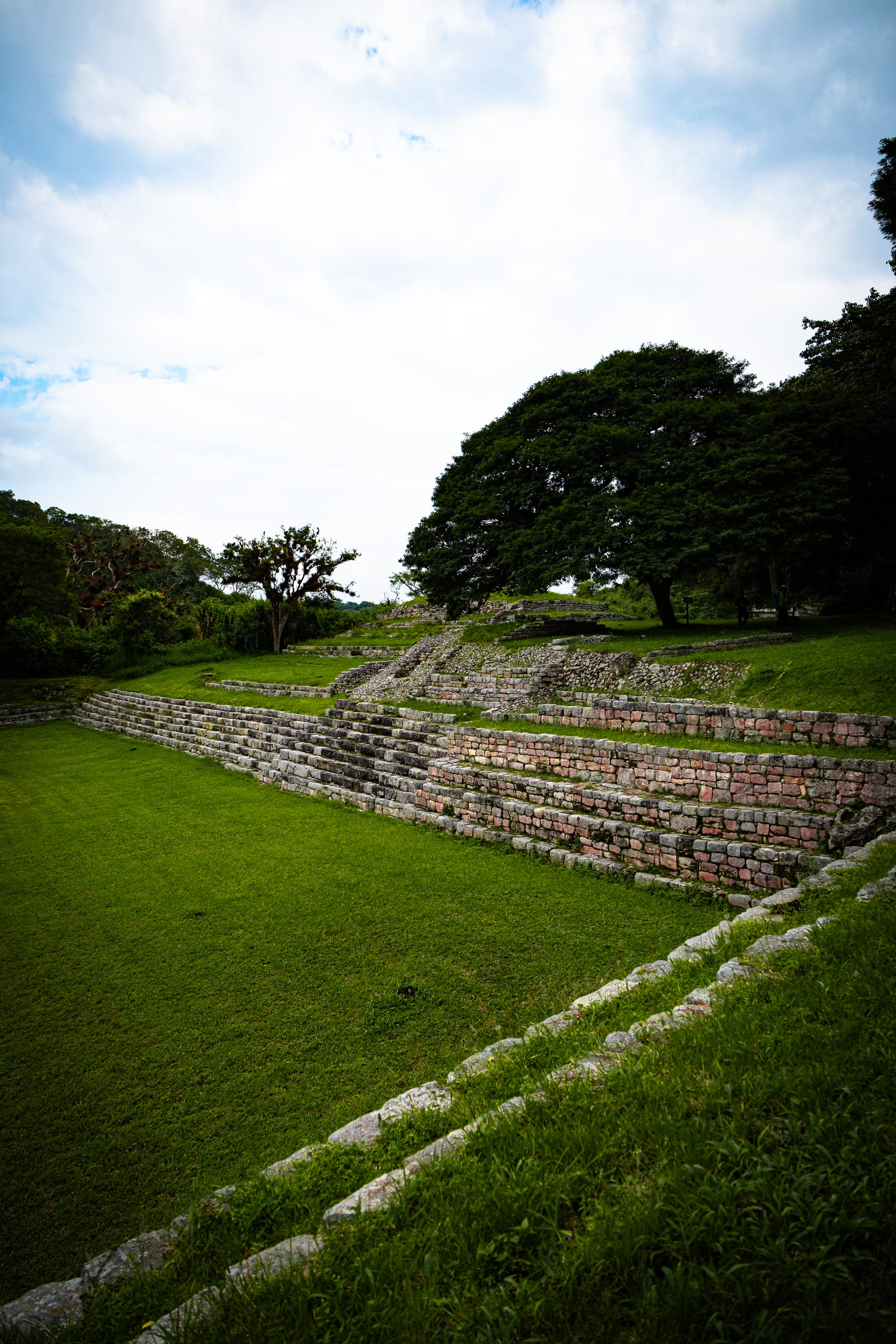
What makes Chinkultic especially appealing is the lack of crowds and the ease of exploration. You can walk freely between structures, climb several of the pyramidal bases, and take in views across the region without much interruption. Informational signage is limited, so it helps to read a bit beforehand or visit with a guide if you want deeper context. As a stop between San Cristóbal and the Montebello area, Chinkultic works well as a calm, unhurried introduction to Maya history in this part of Chiapas, and pairs naturally with a day spent moving between lakes and viewpoints.
Waterfalls
Cascadas Roberto Barrios
Tiered waterfalls and turquoise pools in the jungle.
Cascadas Roberto Barrios are one of the most accessible and rewarding waterfall systems in Chiapas, and an easy addition to a stay in San Cristóbal if you are already heading toward Palenque. The falls consist of multiple cascades spread along a forested river, with bright turquoise water flowing over smooth limestone steps. Paths connect different levels, making it easy to explore at your own pace and find quieter spots away from the main swimming areas.
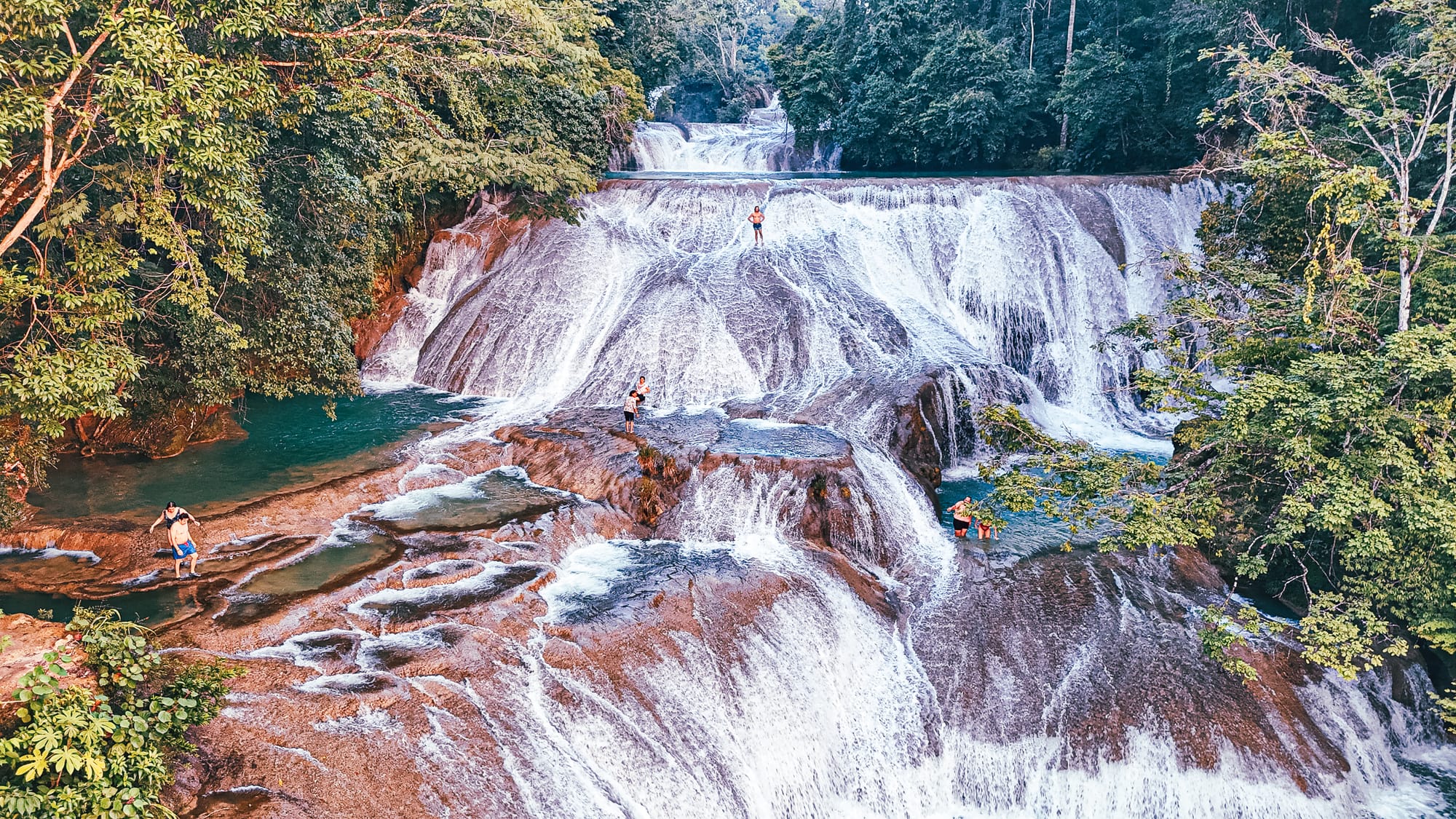
Unlike single-drop waterfalls, Roberto Barrios feels more like a series of natural pools linked by short walks and footbridges. You can swim, sit by the water, or move between levels as the day unfolds. It works well as a half-day stop or as a break on the way to or from Palenque. If you arrive earlier in the day, especially on a weekday, it is possible to experience the falls with relatively few people and enjoy the sound of the water and jungle without much interruption.
Cascada Misol-Há
A single-drop waterfall with a walk-behind curtain of water.
Cascada Misol-Há is one of the most dramatic waterfalls in Chiapas, plunging nearly 35 meters into a wide pool surrounded by dense jungle. Unlike tiered systems like Roberto Barrios, Misol-Há is all about scale and force. The sound of the water builds as you approach, and the first view of the falls framed by thick vegetation is genuinely striking.

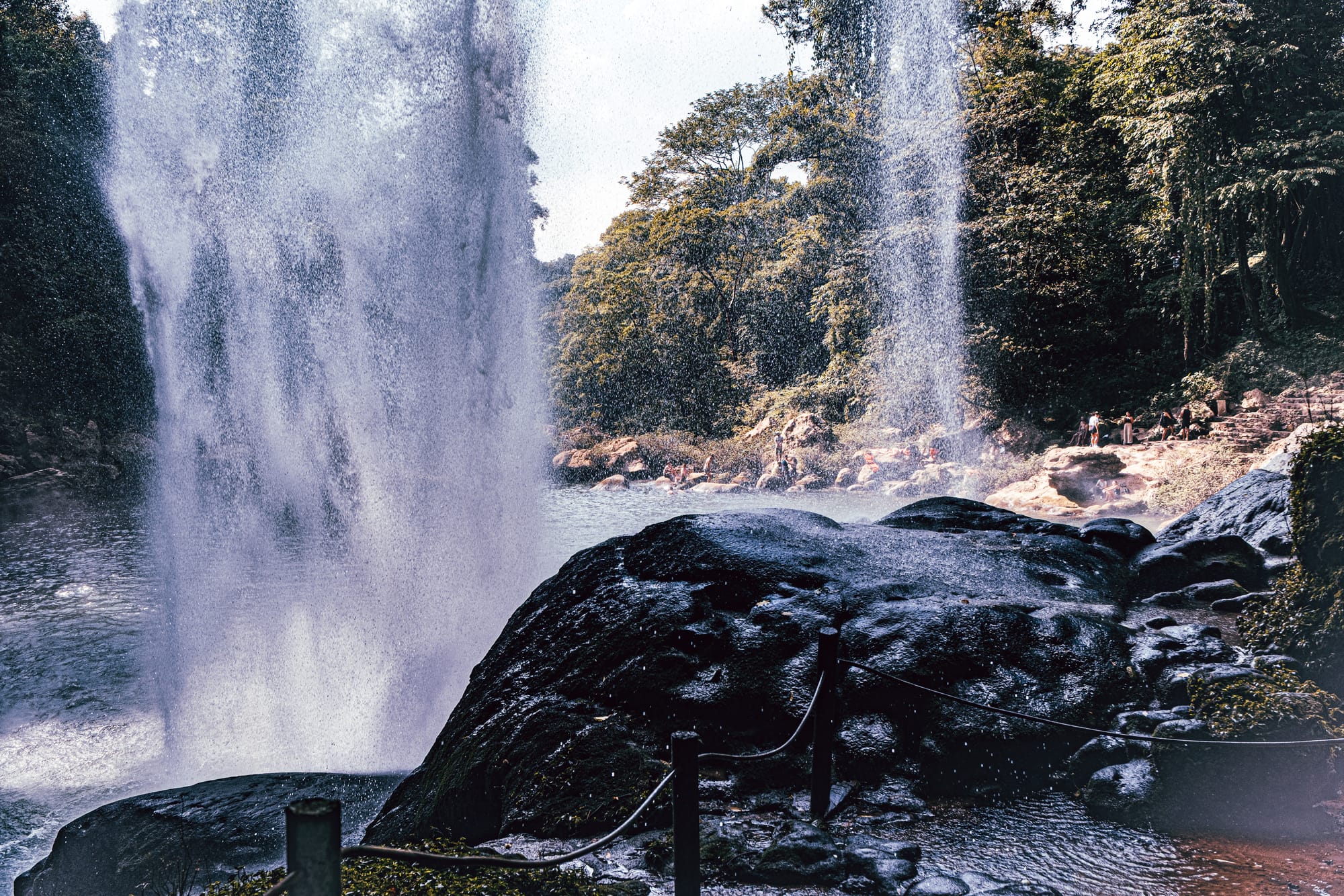
A short trail allows you to walk behind the waterfall, passing through a shallow cave where water crashes down just a few feet away. From inside, the light filters through the falling water, and the temperature drops noticeably. Swimming is possible in the pool below, though currents can be strong closer to the base. Misol-Há is an easy stop if you are traveling between Palenque and San Cristóbal, and it works well as a short visit rather than a full day. Arriving earlier in the morning helps avoid tour groups and makes the experience feel calmer and more immersive.
Cascadas El Chiflón
A powerful series of falls in a forested canyon.
Cascadas El Chiflón is one of the most impressive waterfall complexes in Chiapas, known for its height and power. Rather than a single viewpoint, El Chiflón is a sequence of waterfalls accessed by a well-maintained trail that follows the river upstream. The main attraction is Velo de Novia, a tall, thundering cascade that sends mist drifting across the surrounding forest and can be seen from multiple angles along the path.
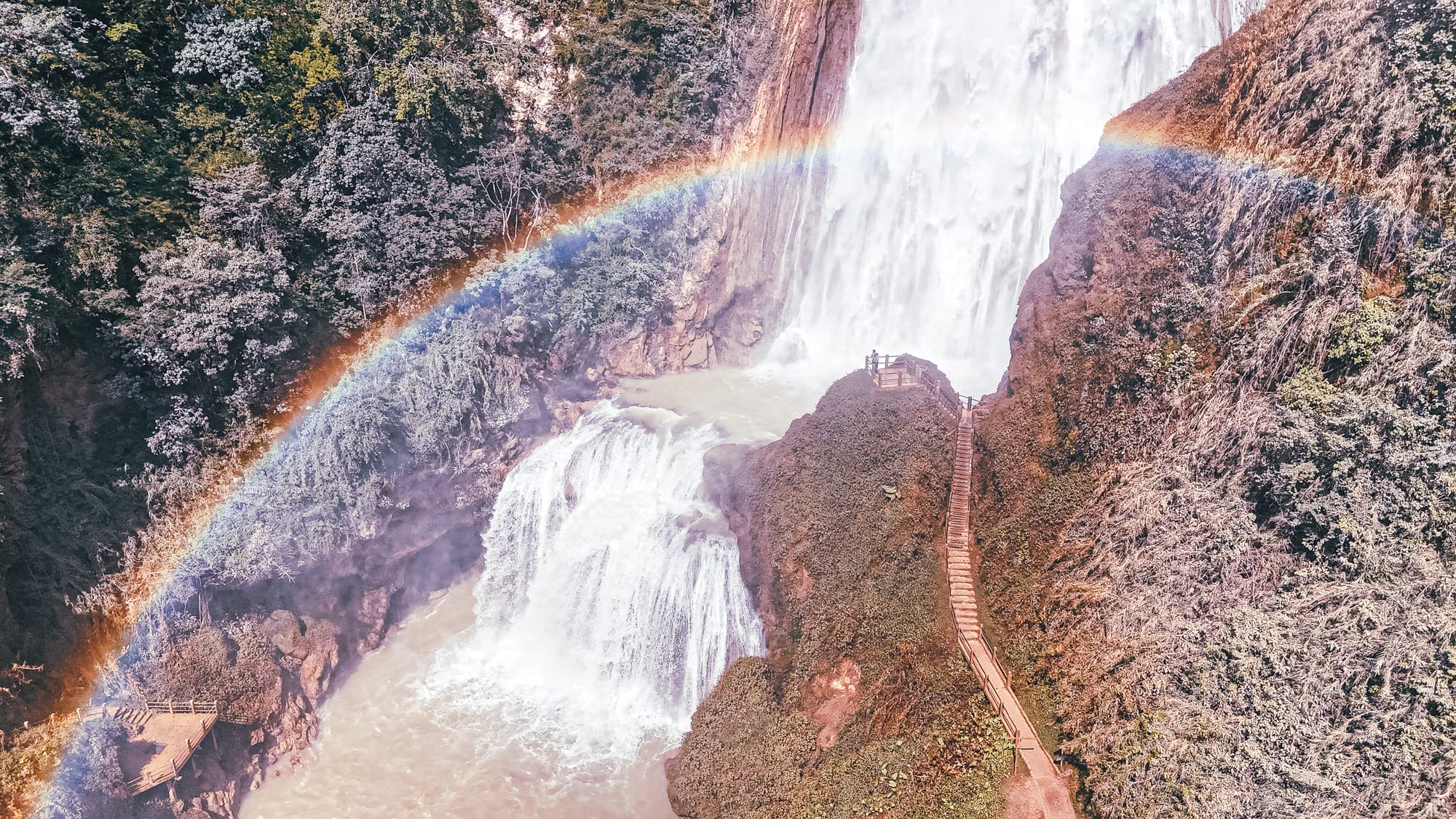
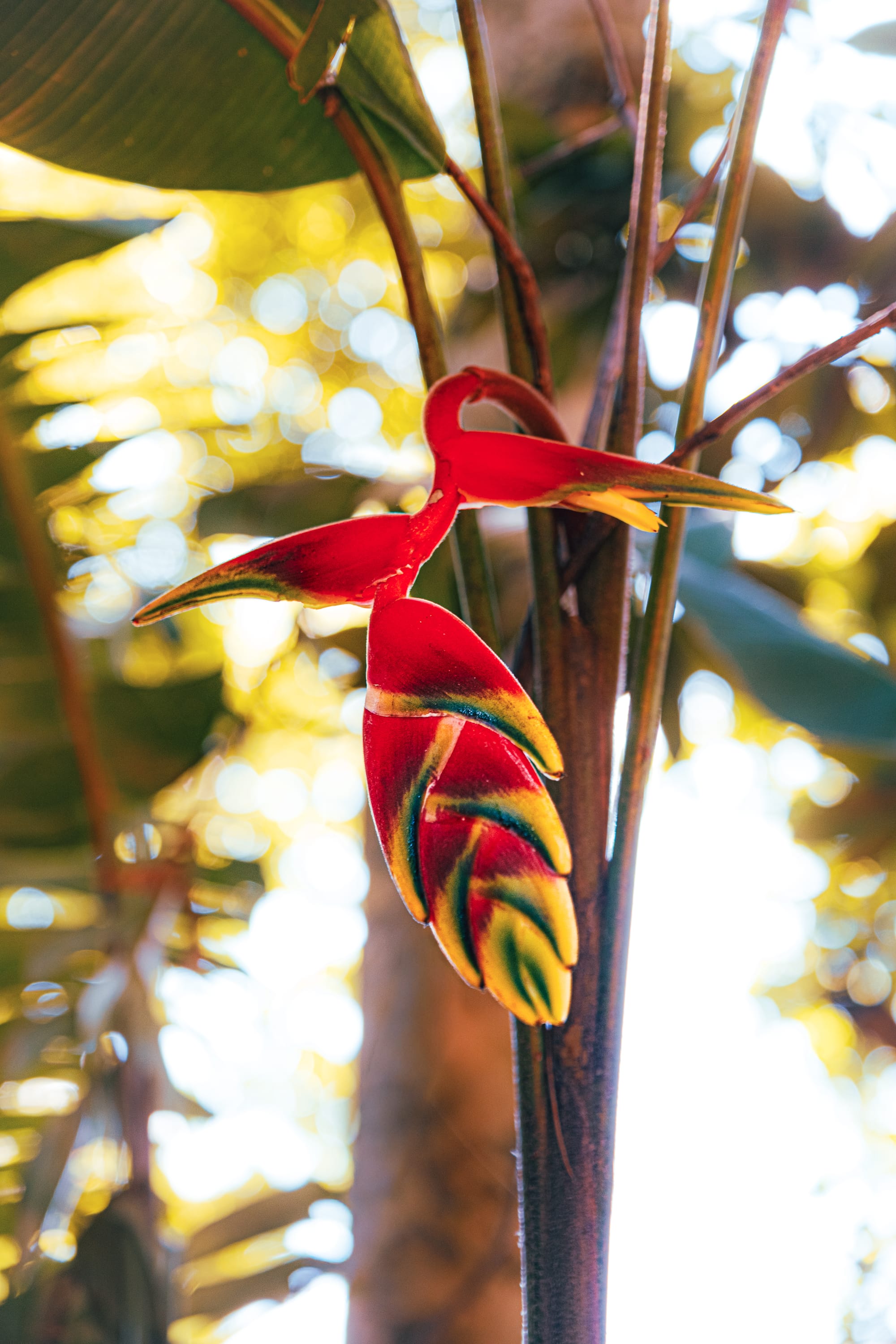
The walk to the upper viewpoints takes around 30 to 45 minutes at a steady pace, with several stops along the way to rest, take photos, or cool off near the water. The trail is uphill but manageable, with railings and clear signage throughout. Swimming is allowed only in designated areas near the lower falls, as the currents around the main cascade are extremely strong. El Chiflón is best visited as a full day trip from San Cristóbal, and arriving earlier in the day helps avoid crowds and heat. It is a rewarding outing for anyone who enjoys walking, dramatic landscapes, and waterfalls that feel genuinely powerful rather than decorative.
Cascadas Agua Azul
Bright blue cascades flowing through limestone terraces.
Cascadas Agua Azul are among the most well known waterfalls in Chiapas, famous for their vivid turquoise color and wide limestone steps. The river tumbles down a long series of shallow cascades rather than a single drop, creating multiple viewpoints and calm pools along the way. When water levels are right, the color is striking, especially in sections where the flow spreads thinly across the rock.
Agua Azul is located along the main route between Palenque and San Cristóbal, which makes it an easy stop when traveling between the two. The area is more developed than other waterfalls in the region, with marked paths, vendors, and viewpoints along the river. Swimming is sometimes permitted in calmer sections, depending on conditions. The falls are most impressive during the dry season, when the water runs clearer and the blue color is more visible. Visiting earlier in the day helps avoid crowds and heat, and makes it easier to move slowly along the river and take in the scale of the cascades without feeling rushed.
Cascadas Las Nubes
Misty river rapids and jungle viewpoints near the Guatemalan border.
Cascadas Las Nubes are less about a single dramatic drop and more about movement and atmosphere. The Santo Domingo River surges through a narrow, forested corridor, creating a series of fast-moving rapids, smaller cascades, and lookout points where mist rises constantly from the water below. The setting feels lush and humid, with thick vegetation pressing in close and footbridges crossing above the rushing river.
Las Nubes is typically visited as a longer day trip or overnight stop from San Cristóbal, often combined with nearby jungle communities or borderland nature reserves. Trails connect several viewpoints, allowing you to walk alongside the river and pause where the water funnels through tighter channels. Swimming is limited due to strong currents, but the appeal here is walking, watching, and taking in the scale and energy of the river as it moves through the landscape. Compared to more famous waterfalls, Las Nubes tends to be quieter and feels more immersive, especially if you arrive earlier in the day and give yourself time to explore the paths slowly.
Cascada El Aguacero
A deep canyon waterfall reached by a long stone stairway.
Cascada El Aguacero sits inside the El Ocote Biosphere Reserve and feels very different from most other waterfalls in the region. The main feature is a powerful cascade that drops into a steep limestone canyon, with the river disappearing into a narrow gorge below. The scale of the landscape is the first thing you notice, with sheer rock walls, dense vegetation, and a sense of depth that makes the area feel dramatic and remote.
Reaching the waterfall requires descending a long series of stone steps, often estimated at around 700 to 800 steps each way. The climb back up is strenuous and should be taken slowly, especially in warm weather, but the views along the way make the effort worthwhile. Swimming is possible in calmer sections near the base, depending on water levels, though conditions can change seasonally. El Aguacero works best as a focused half-day trip from San Cristóbal, ideally started early to avoid heat and crowds. It is a good option for those who enjoy physical effort paired with striking scenery and a setting that feels wild rather than polished.
Other nature weekend trips
Sumidero Canyon
A vast river gorge carved through towering limestone walls.
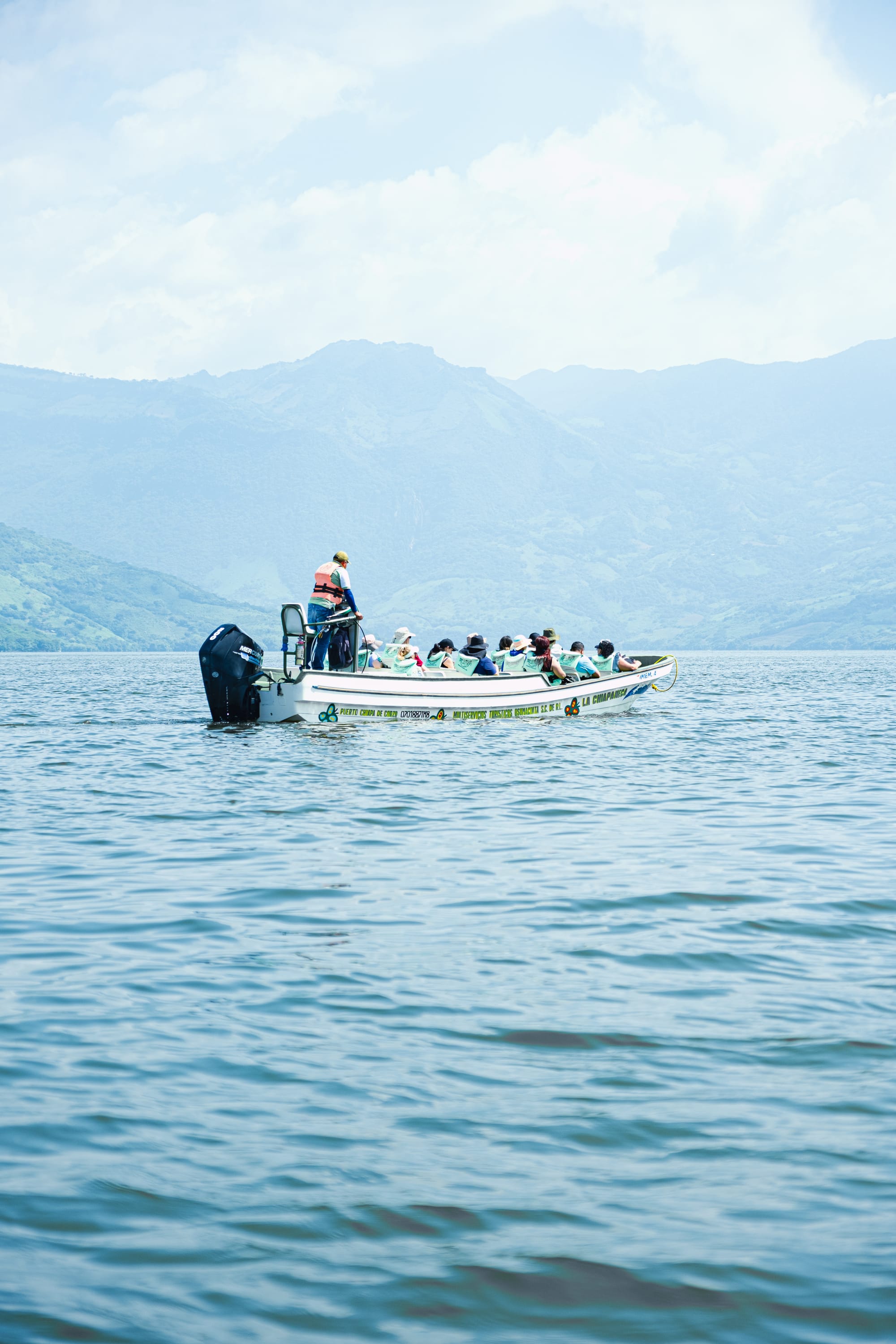
Sumidero Canyon is one of the most dramatic natural landmarks in Chiapas, defined by steep limestone walls that rise more than a thousand meters above the Grijalva River. The scale is immediate and humbling. Vertical cliffs close in as the river narrows, with caves, waterfalls, and rock formations appearing along the way. Crocodiles rest on the banks, birds circle overhead, and the sound of the river echoes between the canyon walls.
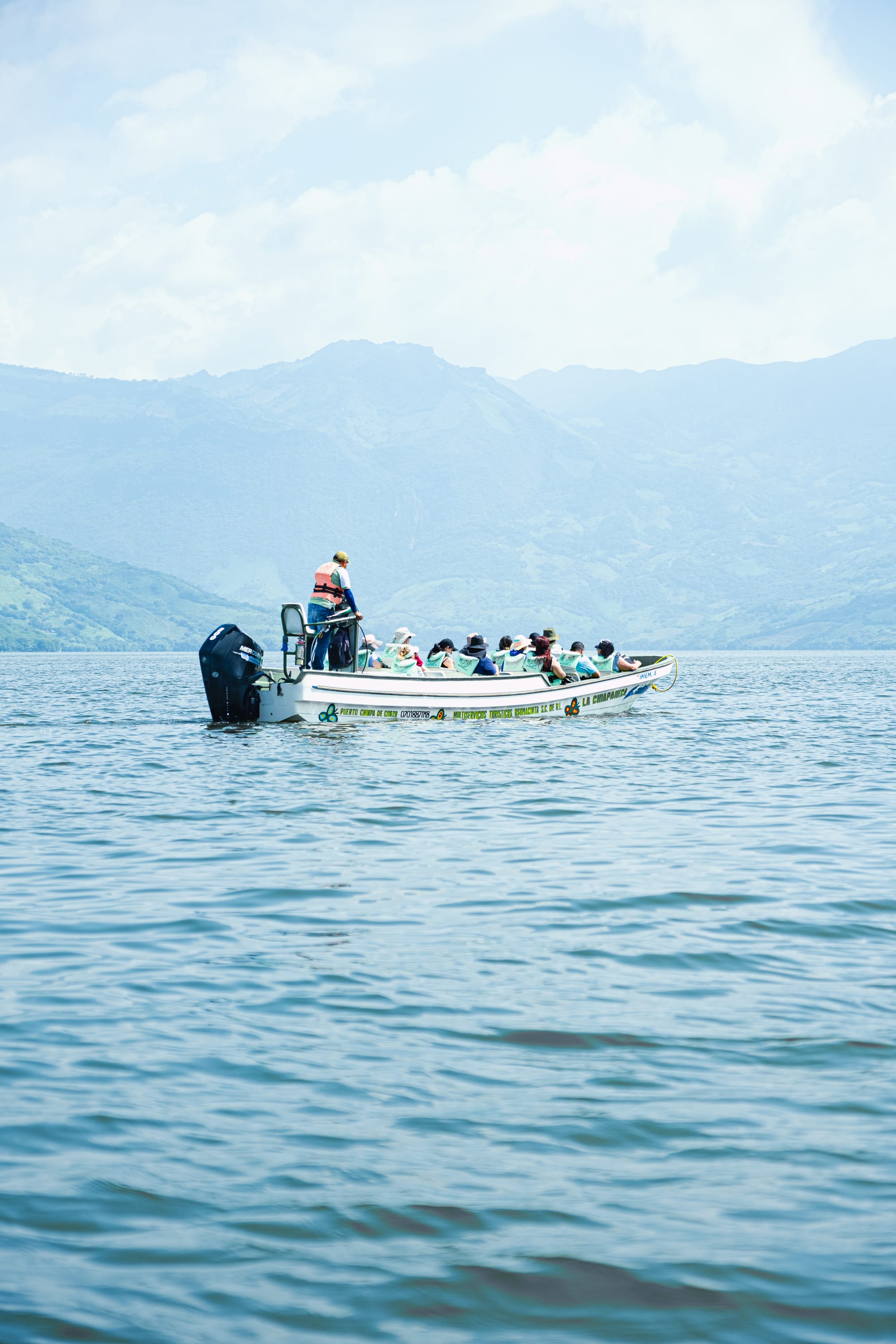
Most visitors experience the canyon by boat, departing from Chiapa de Corzo on a guided ride that takes around two hours. The route moves slowly upriver, stopping at key formations and viewpoints while guides point out wildlife and geological features. There are also several miradores along the rim of the canyon that can be visited by car, offering wide, panoramic views from above. Sumidero Canyon works well as a full day trip from San Cristóbal and provides a striking contrast to the highland landscapes around town, making it one of the most worthwhile nature excursions in the region.
Montebello Lakes
Dozens of highland lakes in shifting shades of blue and green.
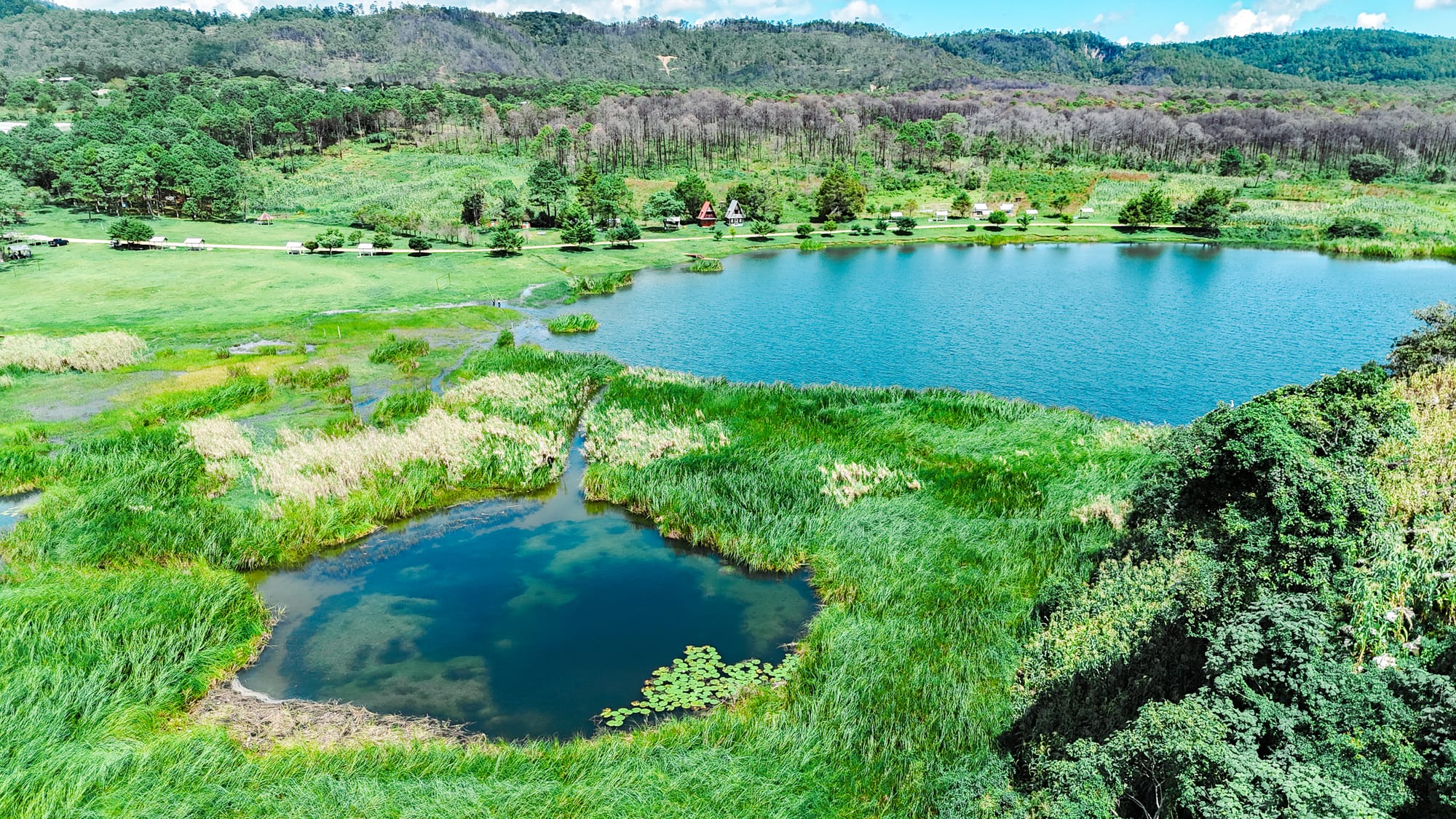
Lagunas de Montebello is a large protected area near the Guatemalan border, known for its collection of more than 50 lakes scattered across pine forest and open grassland. Each lake has a slightly different color, ranging from pale turquoise to deep cobalt, depending on depth, minerals, and light. The setting feels expansive and calm, with cool air, quiet roads, and wide views across water and hills.
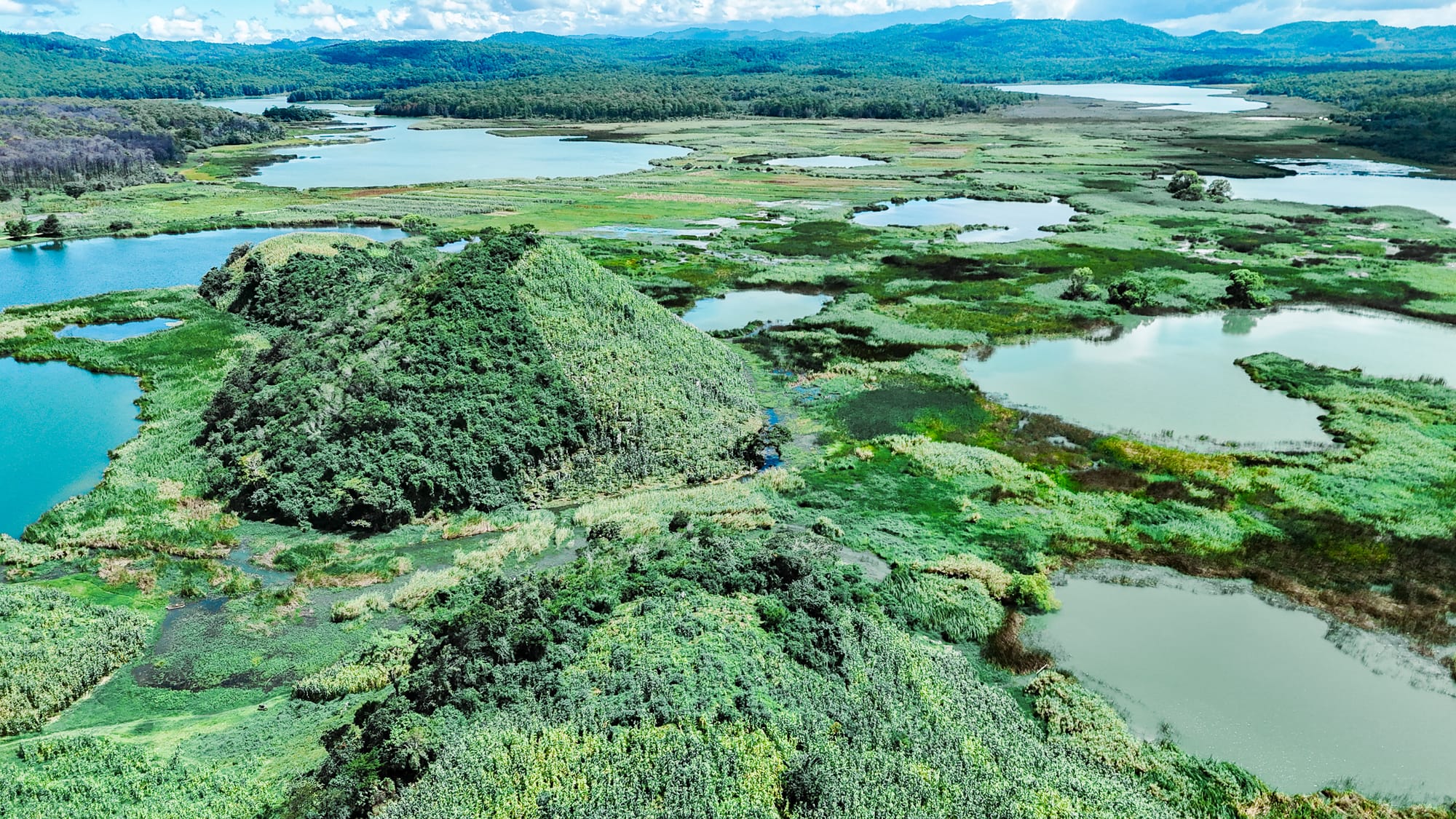
Visiting Montebello is less about a single destination and more about moving slowly between lakes. Wooden docks, short trails, and viewpoints connect many of the main stops, and small boats or rafts are available at some lakes if you want to get out on the water. It is best experienced as a full day trip from San Cristóbal, ideally starting early to allow time to explore several lakes without rushing. Compared to waterfalls or canyons, Montebello offers a gentler kind of nature experience that emphasizes stillness, color, and space rather than force or scale.
Cenote El Camarón
A hidden cenote reached by a steep descent into the forest.
Cenote El Camarón is a lesser-known natural spot tucked into the countryside outside San Cristóbal, and it feels far removed from the more developed cenotes of the Yucatán. The experience begins with a descent down a long, narrow stairway cut into the hillside, leading into a shaded sinkhole surrounded by dense vegetation. The air cools noticeably as you go down, and the sound of insects and dripping water replaces road noise almost immediately.
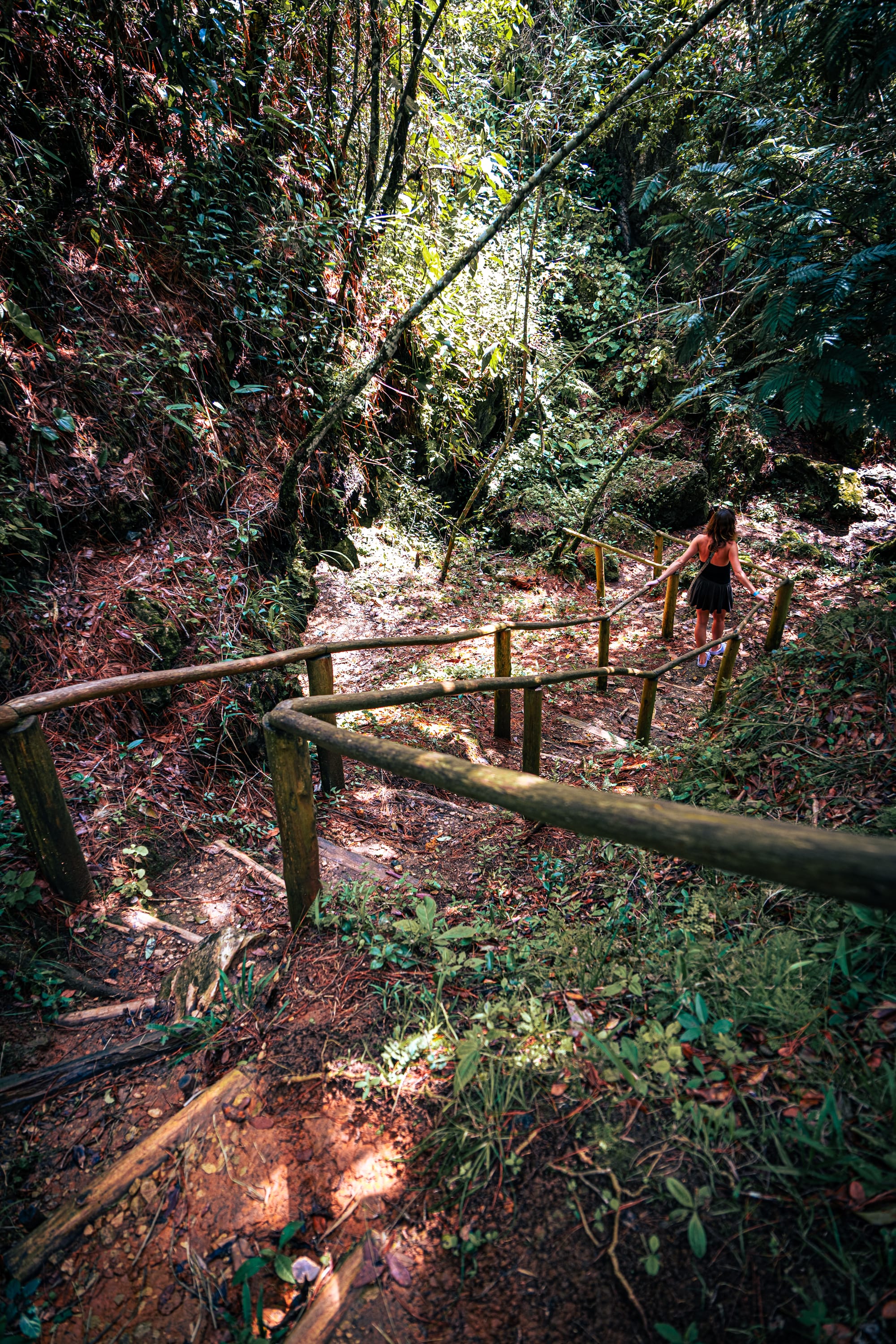
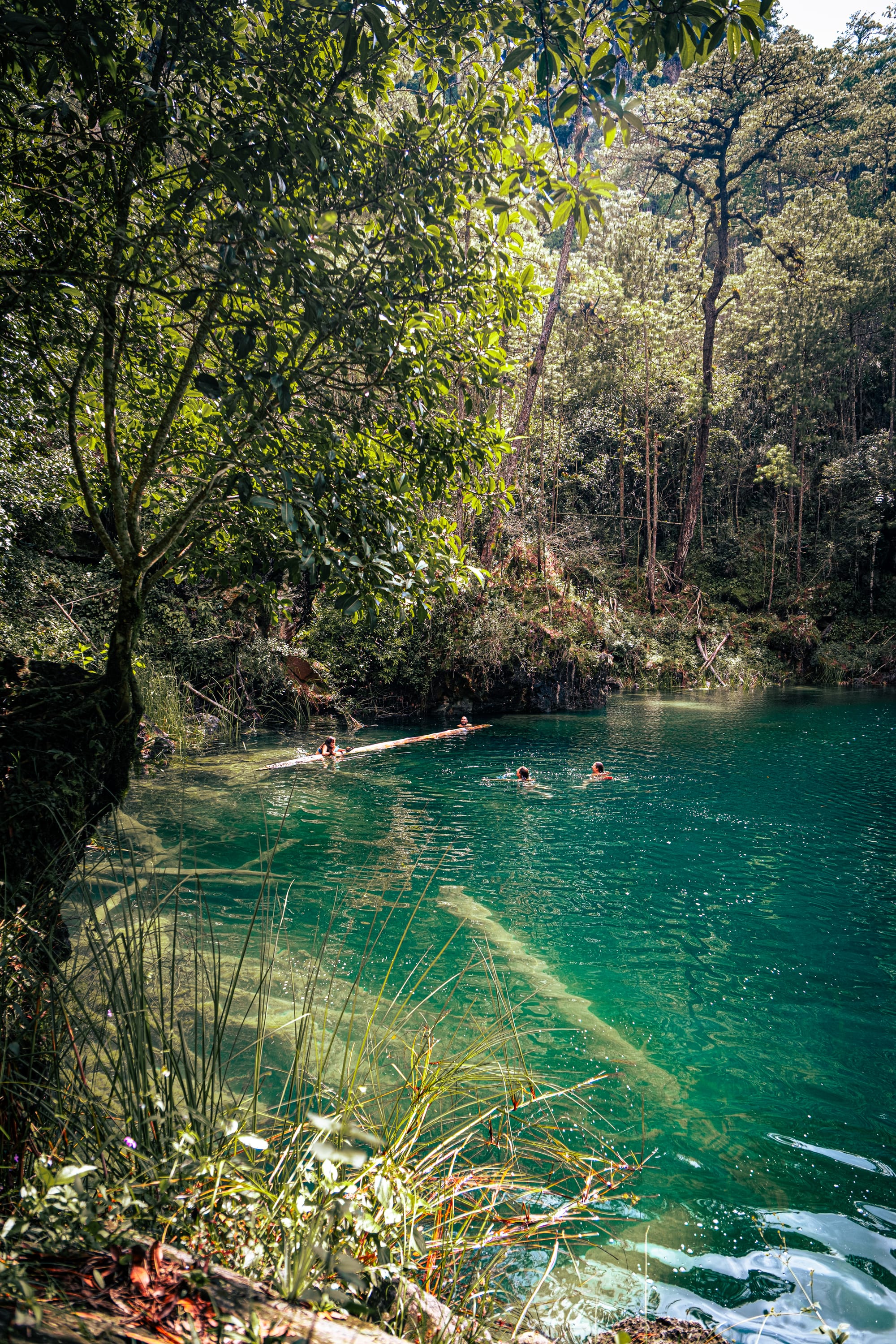
At the bottom, a clear pool sits enclosed by rock walls and greenery, with light filtering down from the opening above. Swimming is refreshing and calm, especially after the climb, and the water stays cool year-round. There are few facilities beyond basic access, which helps keep the atmosphere quiet and unpolished. Cenote El Camarón works well as a short outing or as part of a day exploring nearby nature, and it is best visited earlier in the day to avoid heat on the stairs and to enjoy the space with fewer people around.
Cenote Bartolo hike
A forest climb to panoramic views over the Montebello Lakes.
This hike near Cenote Bartolo is less about swimming and more about gaining perspective. Located near the Lagunas de Montebello, the trail climbs steadily through pine and forested terrain, with uneven ground and a few steeper sections that make it feel like a proper hike rather than a casual walk. The forest is quiet and cool, and the gradual ascent gives you time to settle into the rhythm of the landscape.
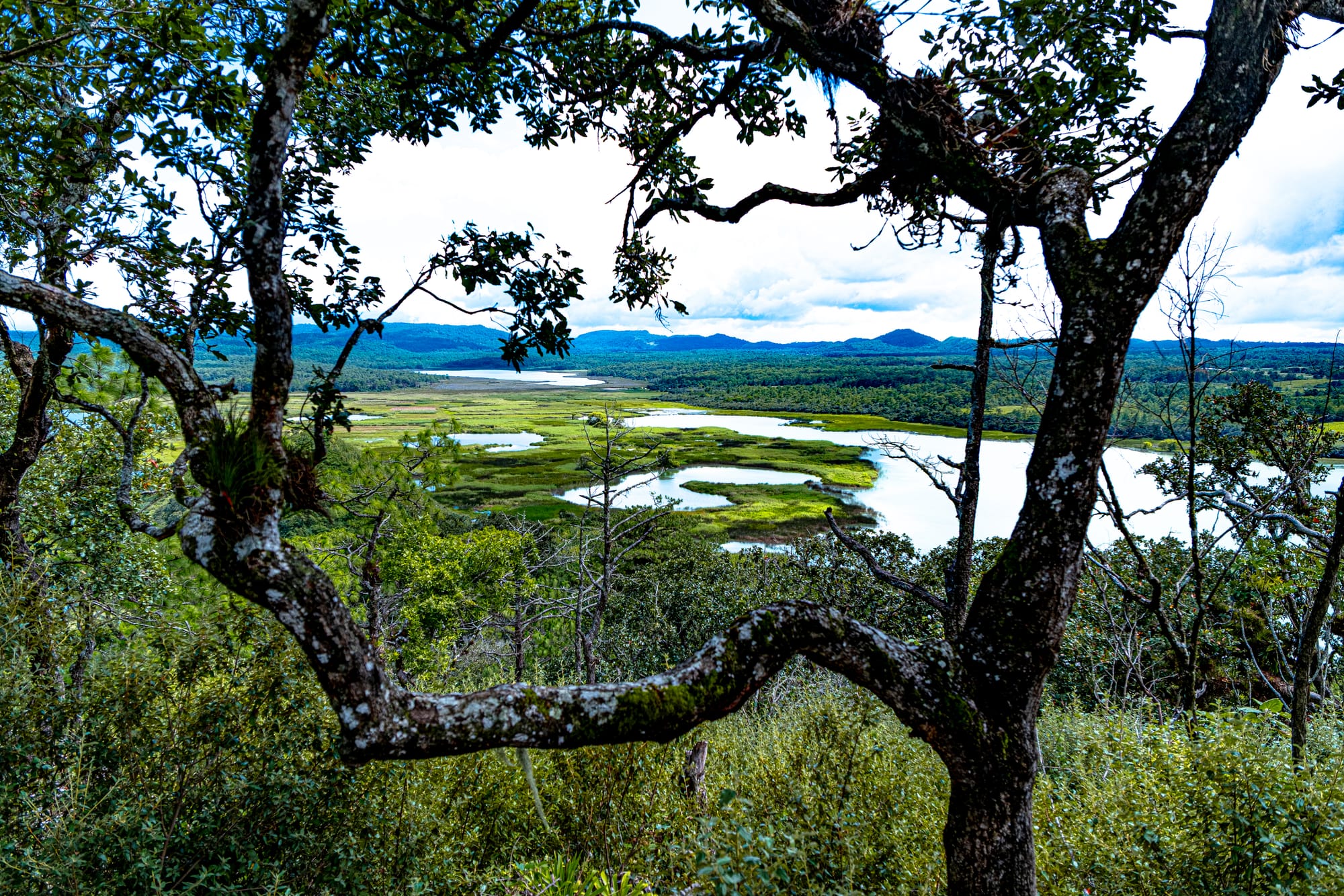
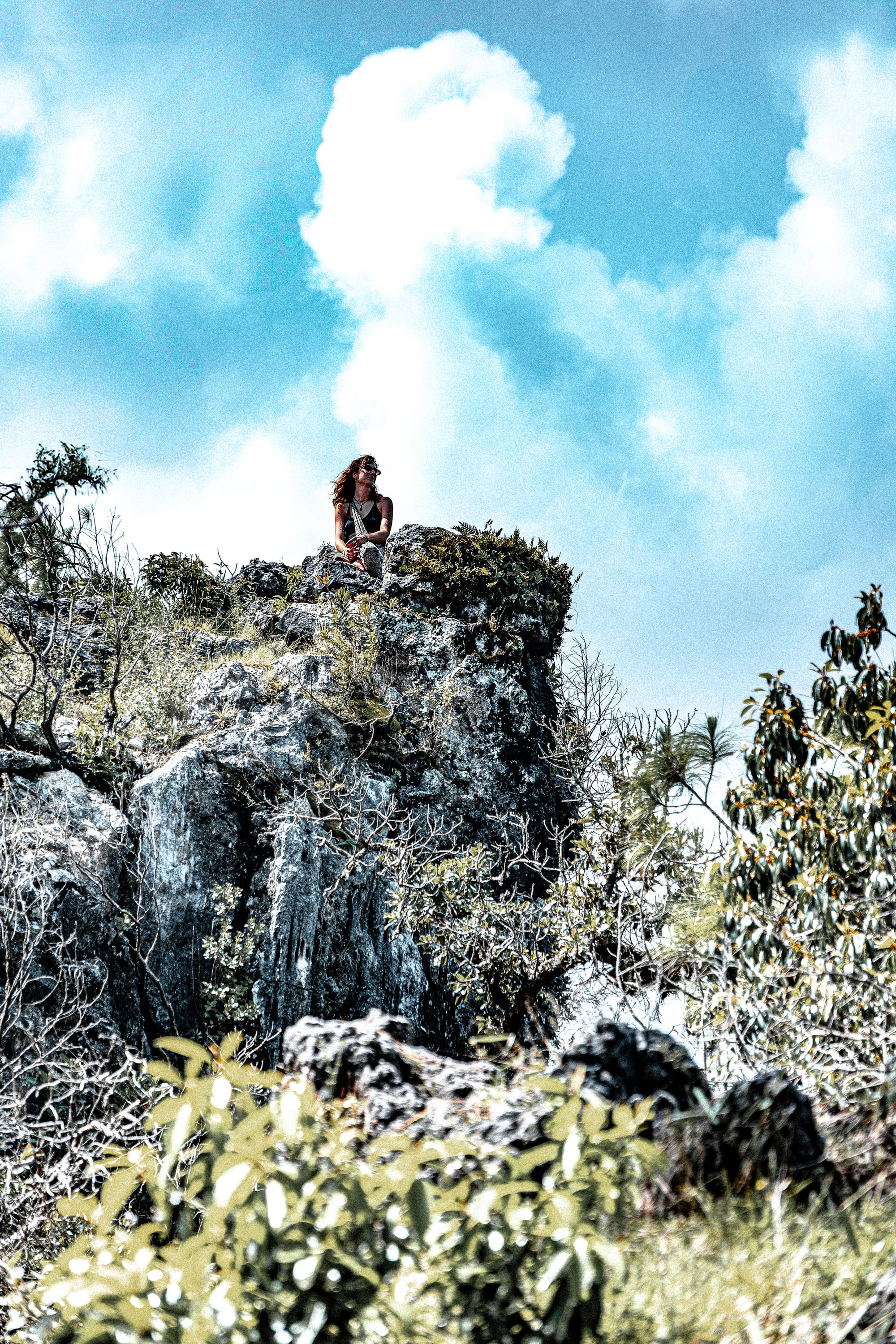
The trail ends at a viewpoint overlooking the Montebello Lakes, where the reward is a wide, open view across multiple shades of blue and green water framed by forest and hills. From above, the scale of the park becomes much clearer, with lakes scattered across the landscape rather than isolated stops along a road. It’s a good option if you want a more active experience in the Montebello area and a vantage point that most visitors never see. Bring water, take your time on the climb, and plan to linger at the top before heading back down.
Cenote Chucumaltik
A deep blue cenote surrounded by quiet countryside.
Cenote Chucumaltik is one of the most visually striking cenotes in Chiapas, known for its intense blue water and wide, open basin. Unlike enclosed jungle cenotes, Chucumaltik sits in open countryside near the town of Comitán, with grassy banks and simple platforms leading down to the water. The clarity and color of the cenote are immediately noticeable, especially on sunny days when the light penetrates deep into the pool.
Swimming is the main draw here. The water is deep, calm, and refreshingly cool, with ladders and platforms making entry easy. Facilities are basic but functional, including changing areas and small shaded spots to rest. Chucumaltik works well as a relaxed stop rather than an all-day destination, and it pairs naturally with a trip to the Montebello Lakes or other sights around Comitán. Arriving earlier in the day helps keep the experience quiet and gives the water its most vivid color.
Sima de las Cotorras
A massive sinkhole filled with sound and movement.
Sima de las Cotorras is one of the most unusual natural sites in Chiapas, defined by a vast circular sinkhole plunging more than 140 meters into the ground. The walls are nearly vertical, streaked with vegetation, and the scale only really registers once you reach the rim. The name comes from the thousands of green parrots that nest inside, filling the space with sound as they fly in and out of the cavity, especially at dawn and dusk.
Visitors can walk along the edge to take in views from multiple angles, and there are rappelling routes for those with proper guides and equipment. Most people come for the spectacle rather than physical activity, arriving early in the morning to watch the parrots leave the nest in swirling formations. The site is typically visited as a long day trip from San Cristóbal, often combined with other stops in the area. It feels raw and powerful, and less curated than many better-known attractions, making it a memorable option if you are interested in geological features that feel genuinely wild.
Political and cultural experiences
San Juan Chamula & Zinacantán
Living Indigenous traditions just outside the city.
San Juan Chamula and Zinacantán are two Tsotsil Maya communities located a short drive from San Cristóbal de las Casas, and visiting them offers insight into Indigenous life that remains distinct from the city. San Juan Chamula is best known for its church, where Catholic imagery and pre-Hispanic ritual coexist. Pine needles cover the floor, candles are placed directly on the ground, and healing ceremonies take place quietly throughout the day. These ceremonies sometimes include the sacrifice of chickens as part of traditional cleansing rituals. Photography is not permitted, and visitors are expected to observe respectfully and without interruption.
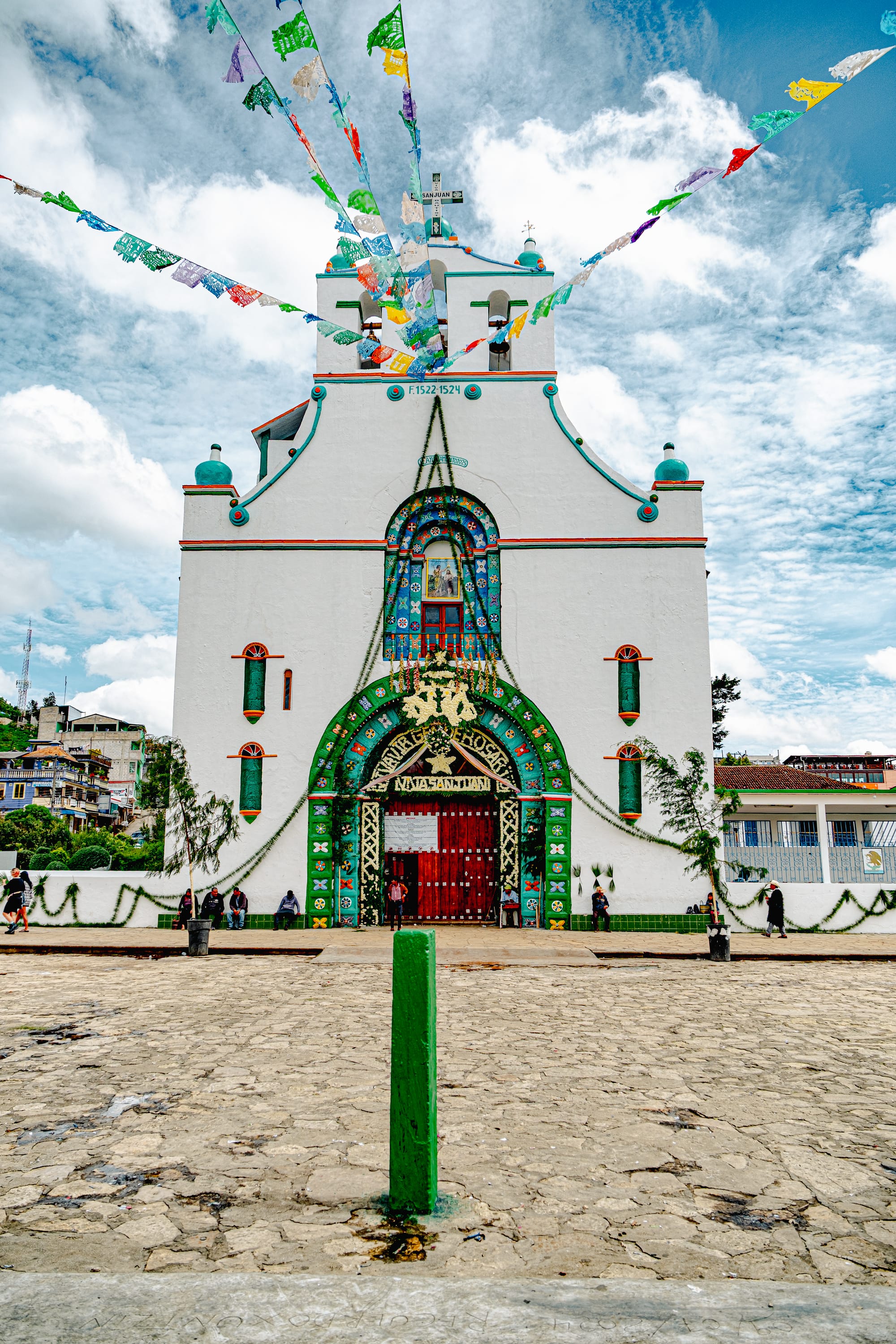
Zinacantán has a different atmosphere, with a calmer church and a strong focus on textile production. The town is known for its handwoven garments, especially embroidered blouses and shawls made in bright floral patterns, many of which are produced in family homes. Daily life remains closely tied to agriculture, flowers, and craft. Visiting these communities works best as a half-day trip from San Cristóbal, ideally with a local guide, and helps place time in the city within a wider cultural and political landscape shaped by Indigenous autonomy, tradition, and land-based identity.
CIDECI–UniTierra, a Zapatista center for Indigenous self-determination
Autonomous education and political thought in practice.
CIDECI–UniTierra is an autonomous educational and cultural center on the outskirts of San Cristóbal de las Casas associated with Indigenous self-organization and Zapatista thought. The campus functions as a living space rather than a traditional institution, with workshops, talks, gatherings, and long-term projects focused on autonomy, collective learning, and alternatives to state and market-led education. Walking through the grounds, you will see murals, communal kitchens, classrooms, and open spaces where people work, study, and meet on their own terms.
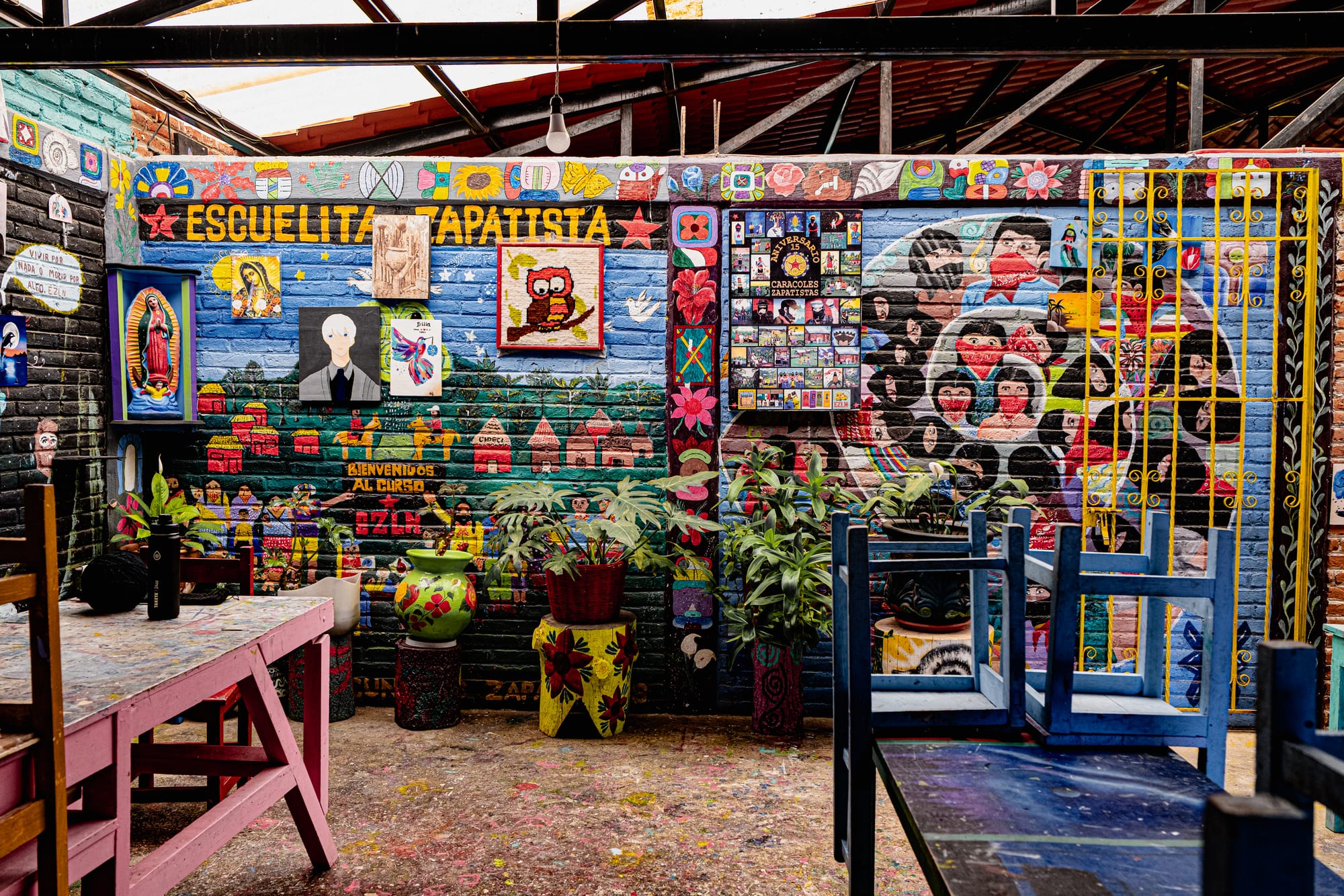
Visiting CIDECI offers a clearer sense of how political ideas in Chiapas translate into everyday practice. This is not a museum or visitor attraction, but an active site of learning and organizing, and the atmosphere reflects that. Spending time here helps contextualize the political consciousness present throughout San Cristóbal, and gives substance to conversations about autonomy, education, and resistance that you will encounter elsewhere in the city.
Street art in El Cerrillo
Murals as everyday political expression.
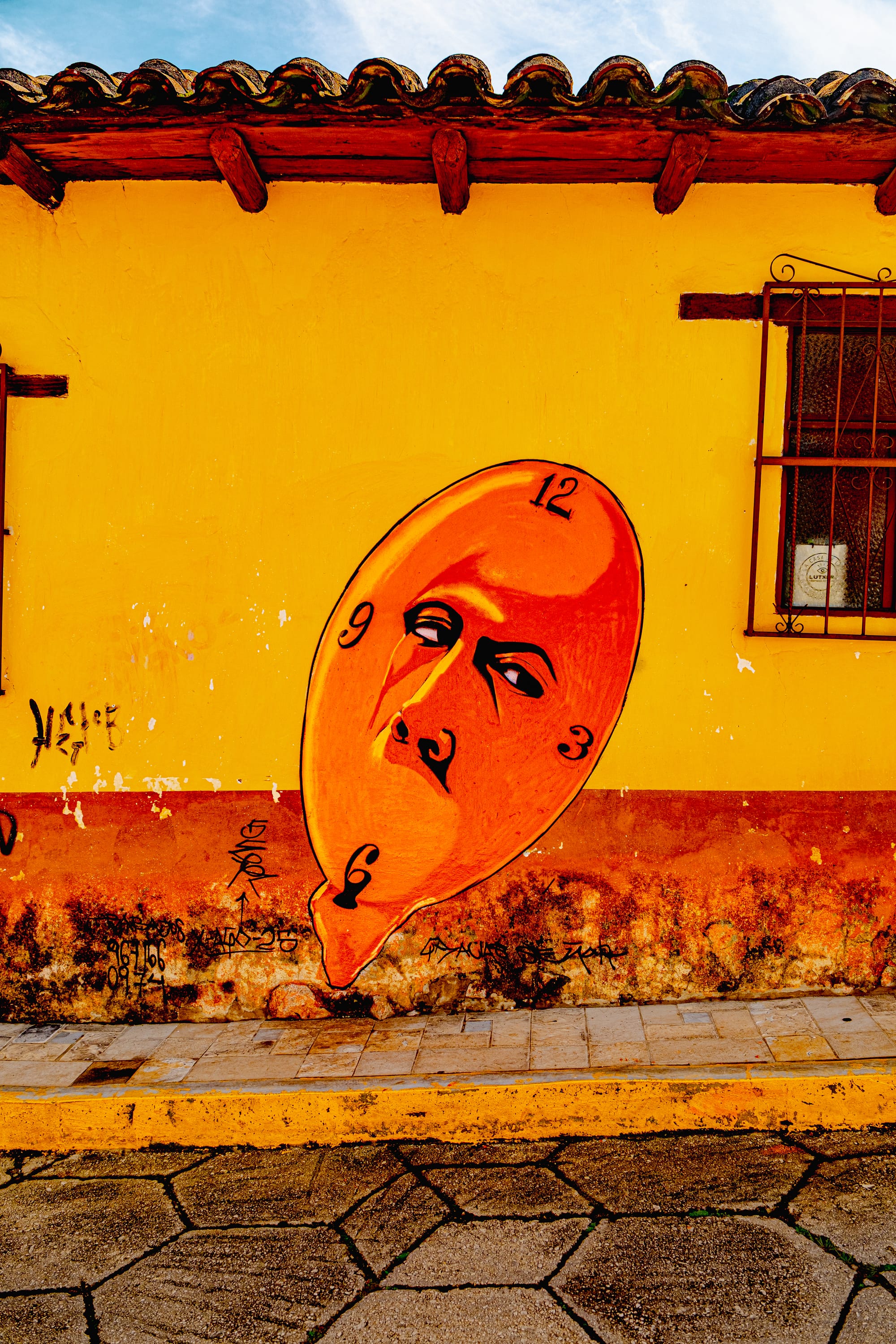
El Cerrillo is one of San Cristóbal’s most characterful neighborhoods, and its street art offers a clear window into the city’s political and cultural undercurrents. Walking its streets, you will see murals addressing Indigenous identity, land rights, autonomy, migration, and resistance, often painted directly onto homes, workshops, and community buildings. They function as public statements, created by local artists and collectives.
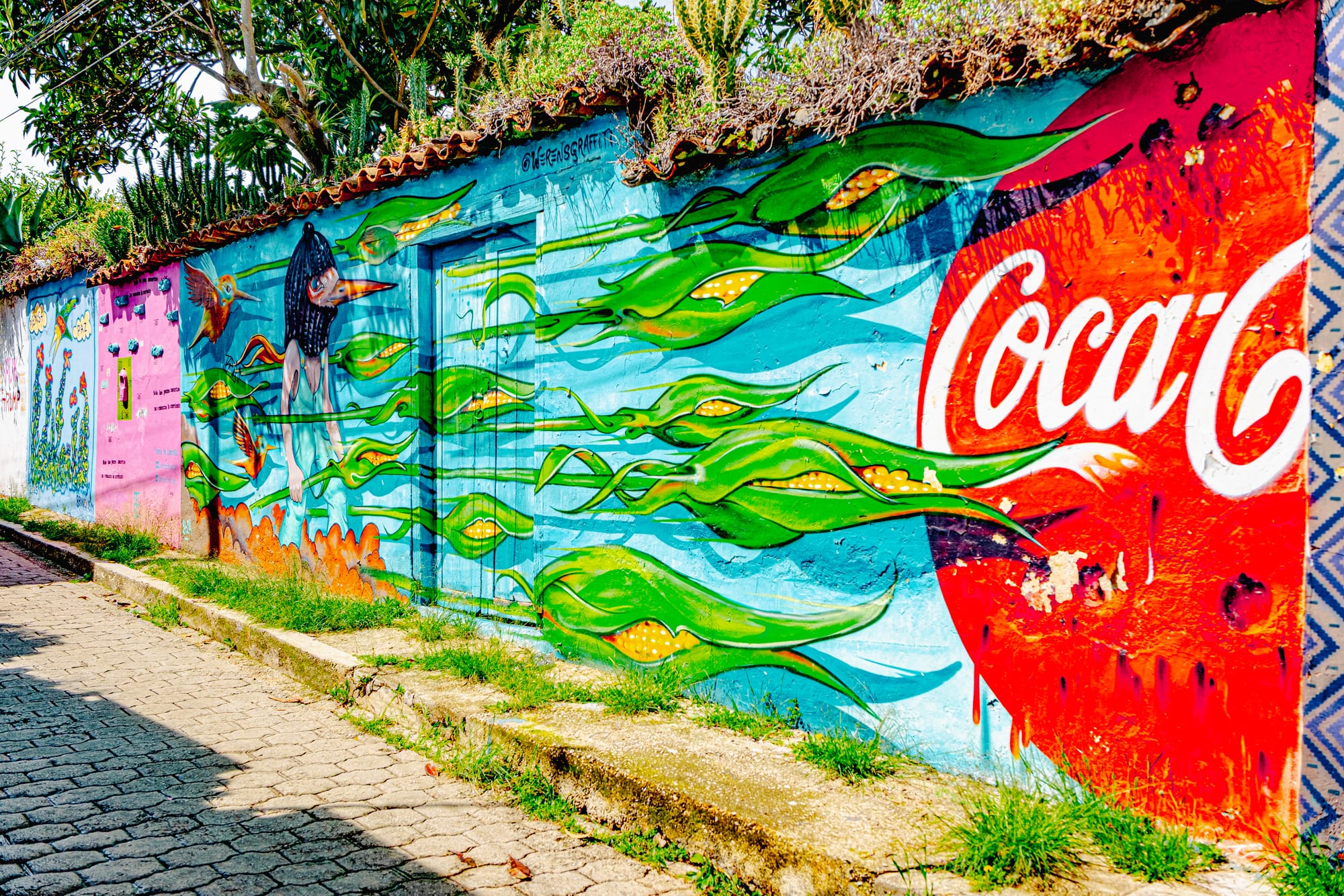
Exploring the neighborhood on foot allows you to move at the same pace as residents, noticing how art, politics, and everyday routines overlap rather than compete for attention. It is one of the simplest ways to understand San Cristóbal’s atmosphere, where political expression is not confined to institutions or events, but embedded directly into the streets themselves.
San Cristóbal’s colorful churches
Everyday landmarks woven into the city’s rhythm.
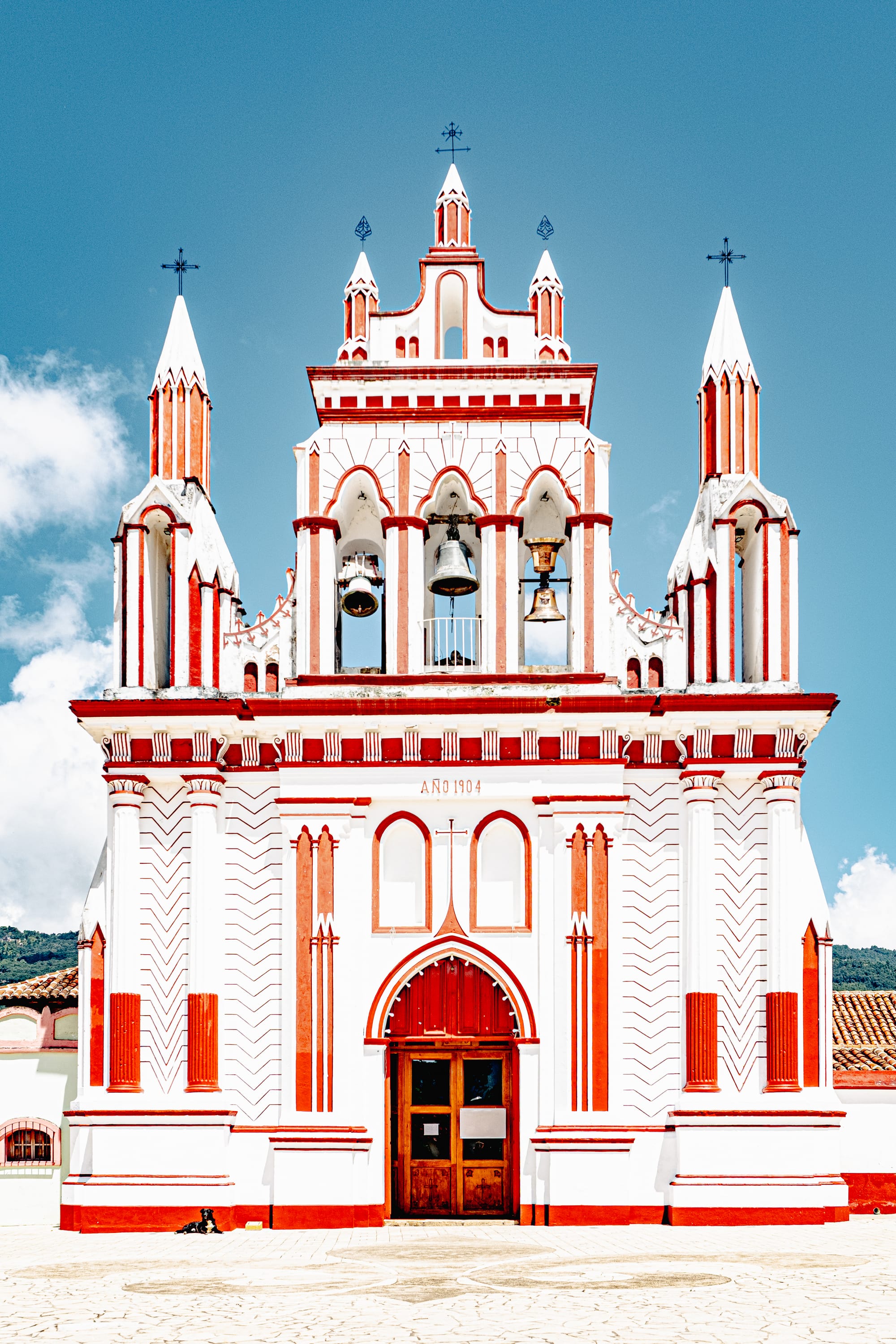
San Cristóbal de las Casas is filled with small, brightly painted churches that feel less like formal monuments and more like part of the city’s daily structure. Their facades punctuate neighborhoods and plazas, acting as visual anchors rather than destinations in themselves. People pass through them on errands, pause on their steps to talk, or sit nearby to rest. Bells mark time softly, and religious life blends into the background of ordinary movement rather than standing apart from it.
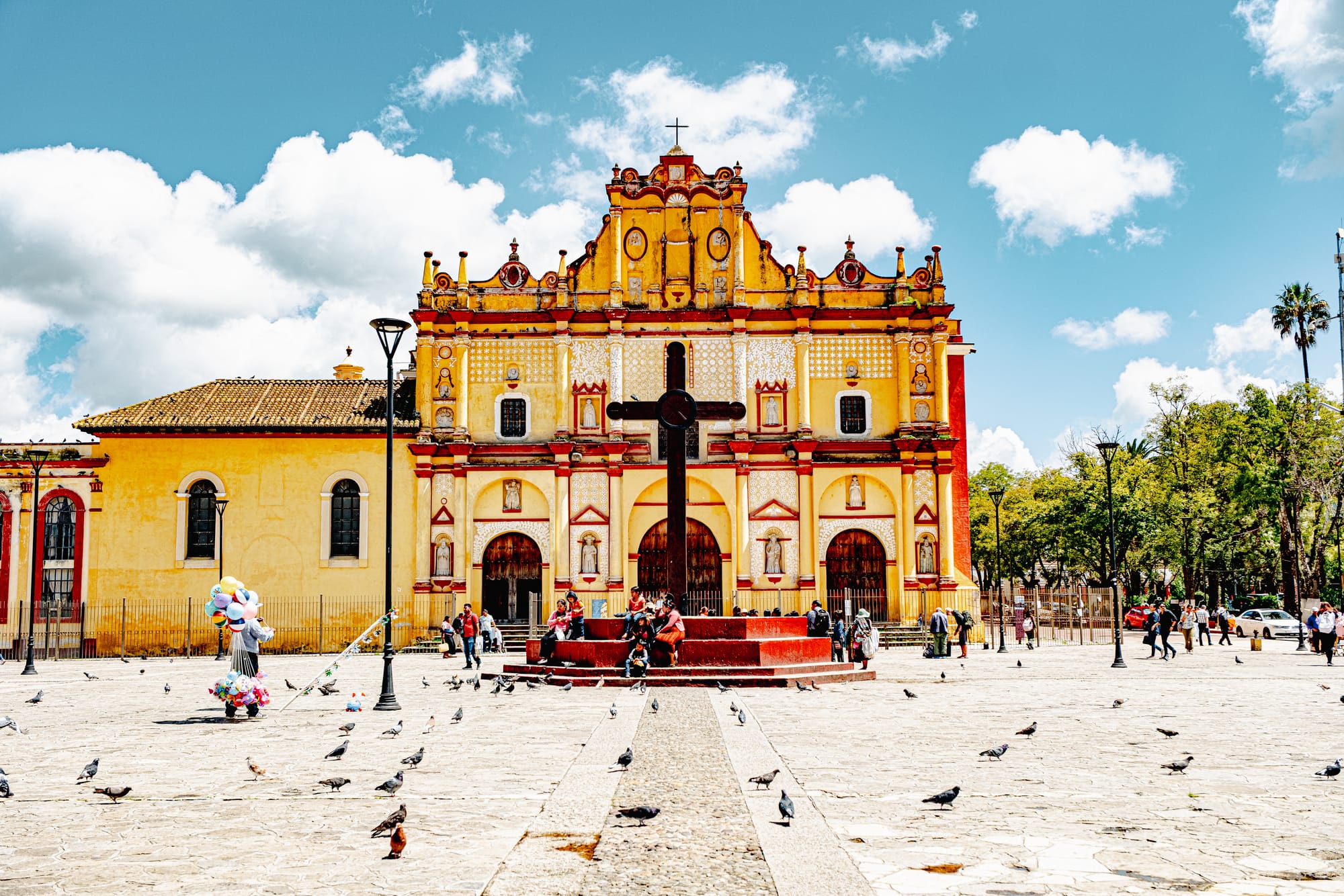
What makes these churches compelling is not their individual distinction, but their collective presence across the city. They shape how streets feel and how days unfold. Our personal favorite is Templo de Nuestra Señora de la Asunción.
Half-day local activities
El Arcotete
A limestone arch and forest park just outside the city.
El Arcotete is a small natural park located a short drive from San Cristóbal de las Casas, making it an easy half-day escape from the city. The main feature is a large limestone arch carved by the river, with walking paths that loop through forested areas, caves, and open clearings. The setting feels calm and accessible, with just enough variation to stay interesting without requiring a full day or major planning.
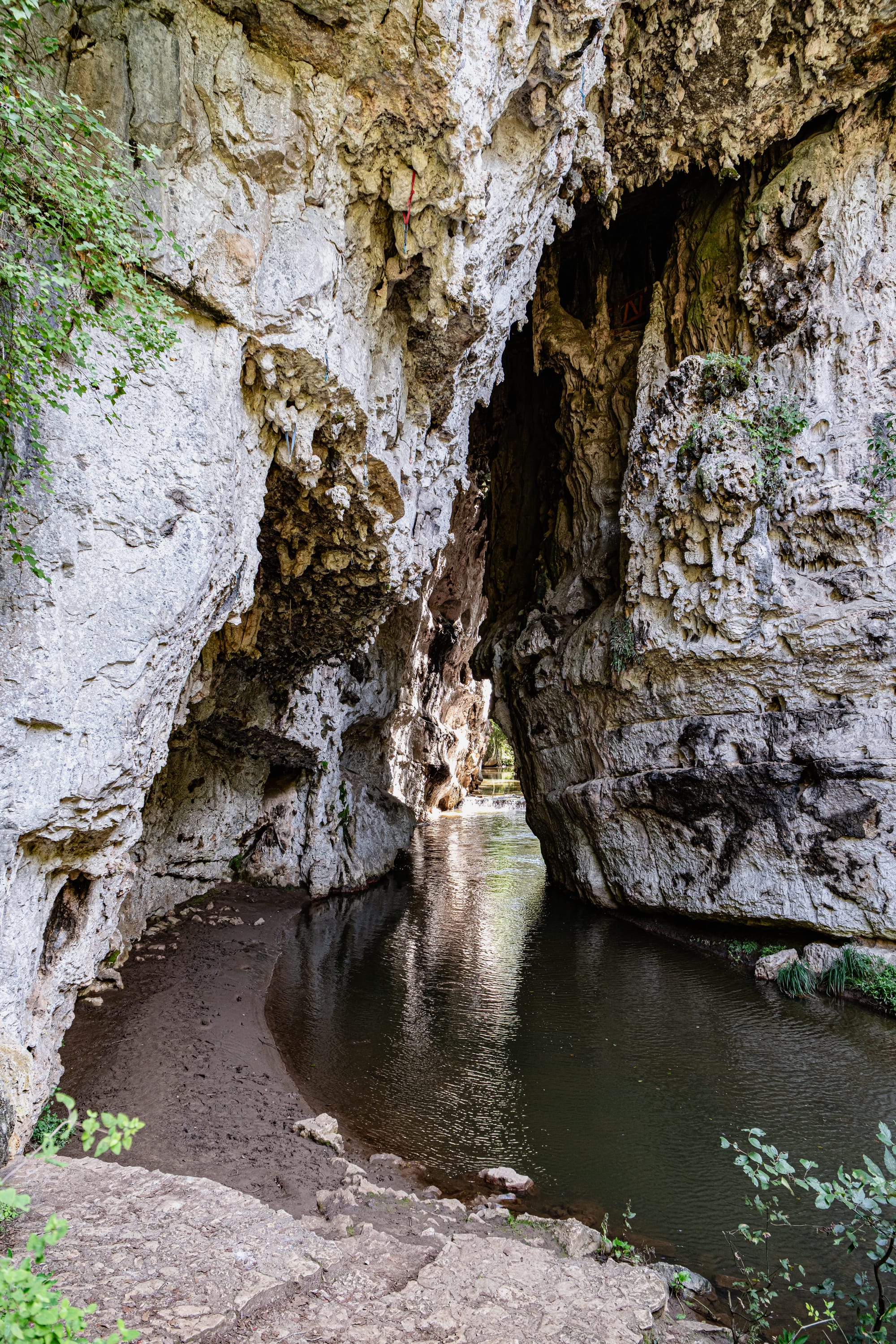
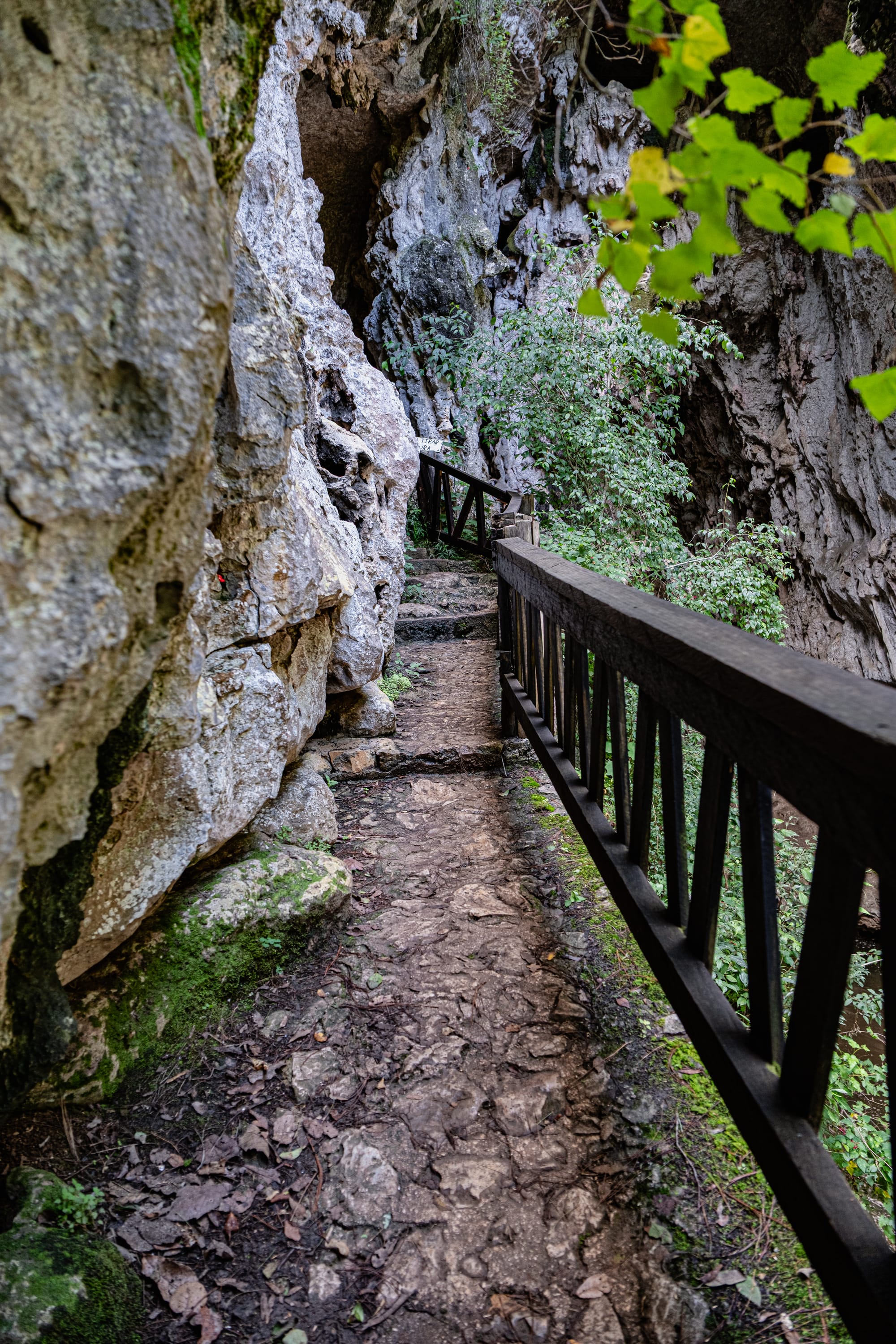
Beyond the arch itself, the park offers gentle walking trails, small caves, picnic areas, and spots to sit near the water. It is popular with local families on weekends, which gives it a lived-in, communal feel rather than a remote wilderness atmosphere. El Arcotete works well if you want a change of scenery without committing to a long trip, and it pairs easily with a relaxed afternoon back in San Cristóbal. It is best visited earlier in the day or on a weekday if you want a quieter experience and more space to explore at your own pace.
Fungi hike with a local mycologist
Foraging, ecology, and forest knowledge at ground level.
Joining a fungi hike with a local mycologist offers a very different way of experiencing the forests around San Cristóbal de las Casas. These walks take place in nearby pine and oak forests and focus on identifying wild mushrooms, understanding their ecological roles, and learning which species are edible, medicinal, or toxic. The pace is slow and observant, with frequent stops to examine fungi growing on fallen logs, tree roots, and forest floor, especially during the rainy season when diversity is at its peak.
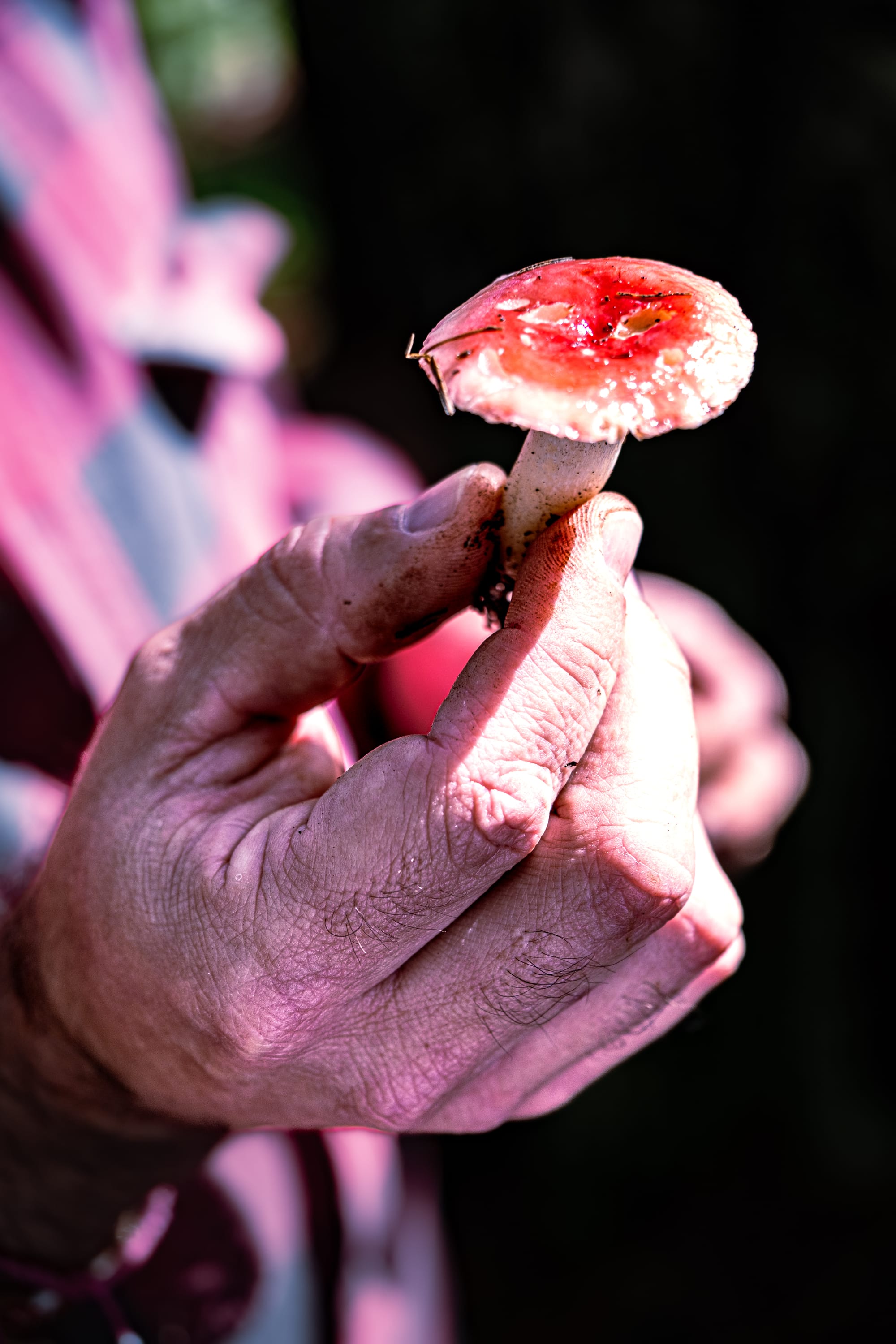

What makes the experience valuable is the depth of knowledge shared along the way. Rather than a checklist of species, the hike emphasizes relationships between fungi, soil, trees, and climate, and how local communities have traditionally interacted with these ecosystems. It is both educational and grounding, appealing to anyone interested in ecology, food systems, or simply paying closer attention to the landscape. As a half-day activity, the hike pairs well with a quieter afternoon back in town and leaves you with a sharper eye for the forests that surround San Cristóbal.
Moxviquil Orchid Reserve
A hillside reserve dedicated to native orchids.
Moxviquil sits on the edge of San Cristóbal de las Casas and is best known for its collection of native highland orchids. The garden protects a range of species that grow naturally in the surrounding forests, many of which are small, subtle, and easy to miss in the wild. Walking the trails, you move through shaded woodland where orchids cling to trees, rocks, and damp ground.
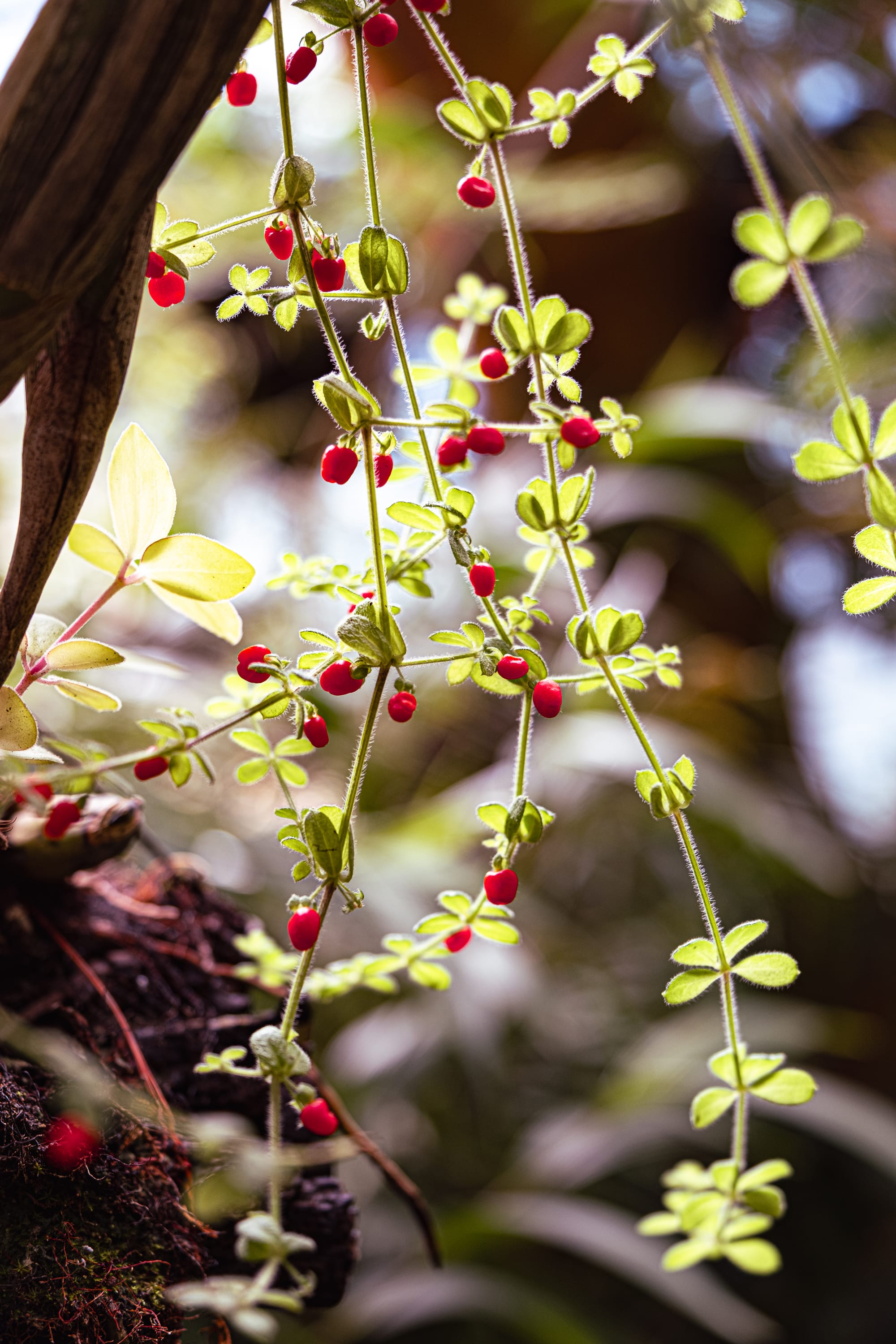
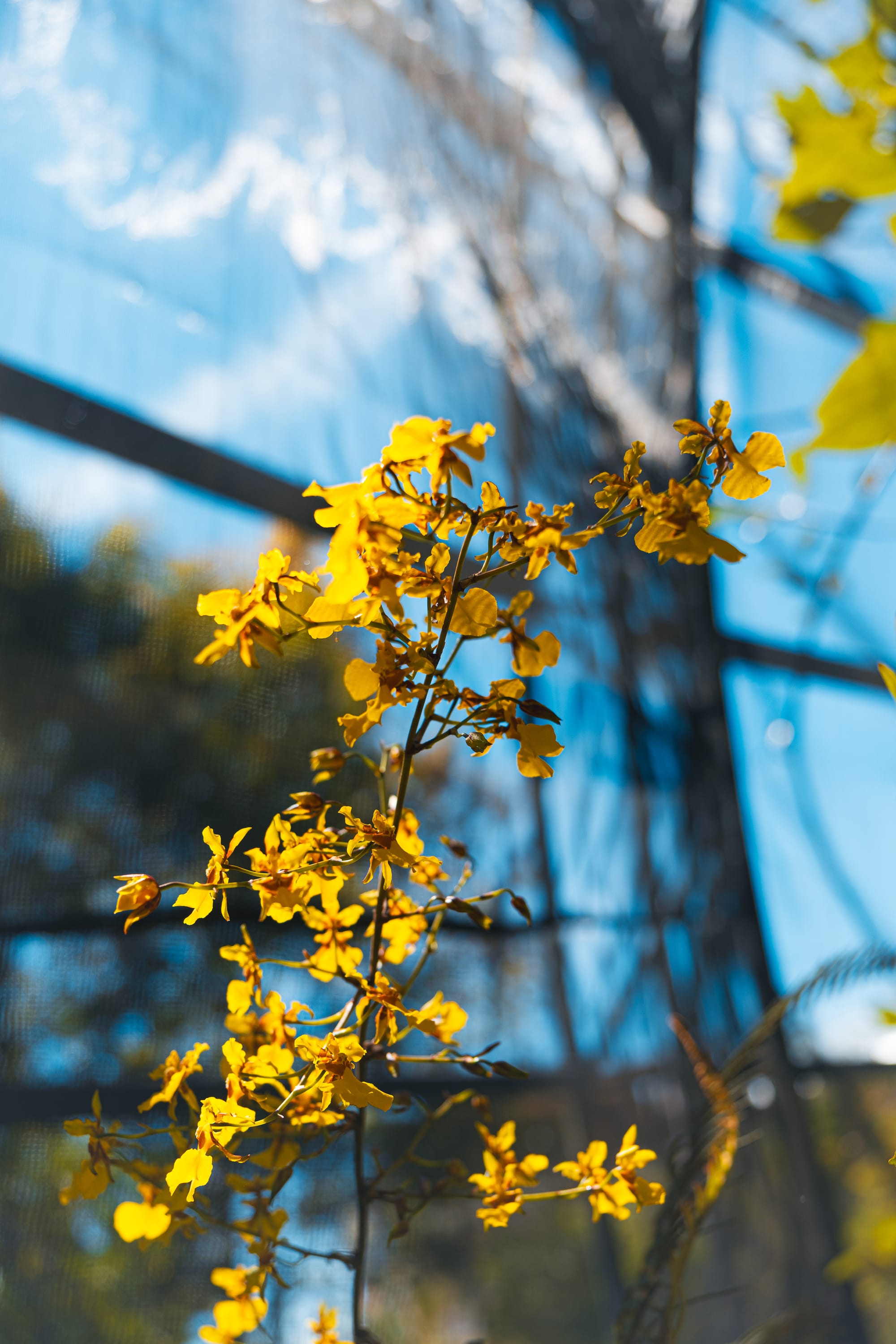
The visit is quiet and unrushed, with simple paths and viewpoints that overlook the valley below. Unlike more manicured botanical gardens, Moxviquil feels intentionally restrained, allowing the orchids to remain part of their natural environment rather than the centerpiece of a display. It works well as a half-day activity if you want something gentle and local, and it offers a slower way to engage with the region’s biodiversity without leaving San Cristóbal behind.
Santo Domingo Market
Daily commerce at the heart of the city.
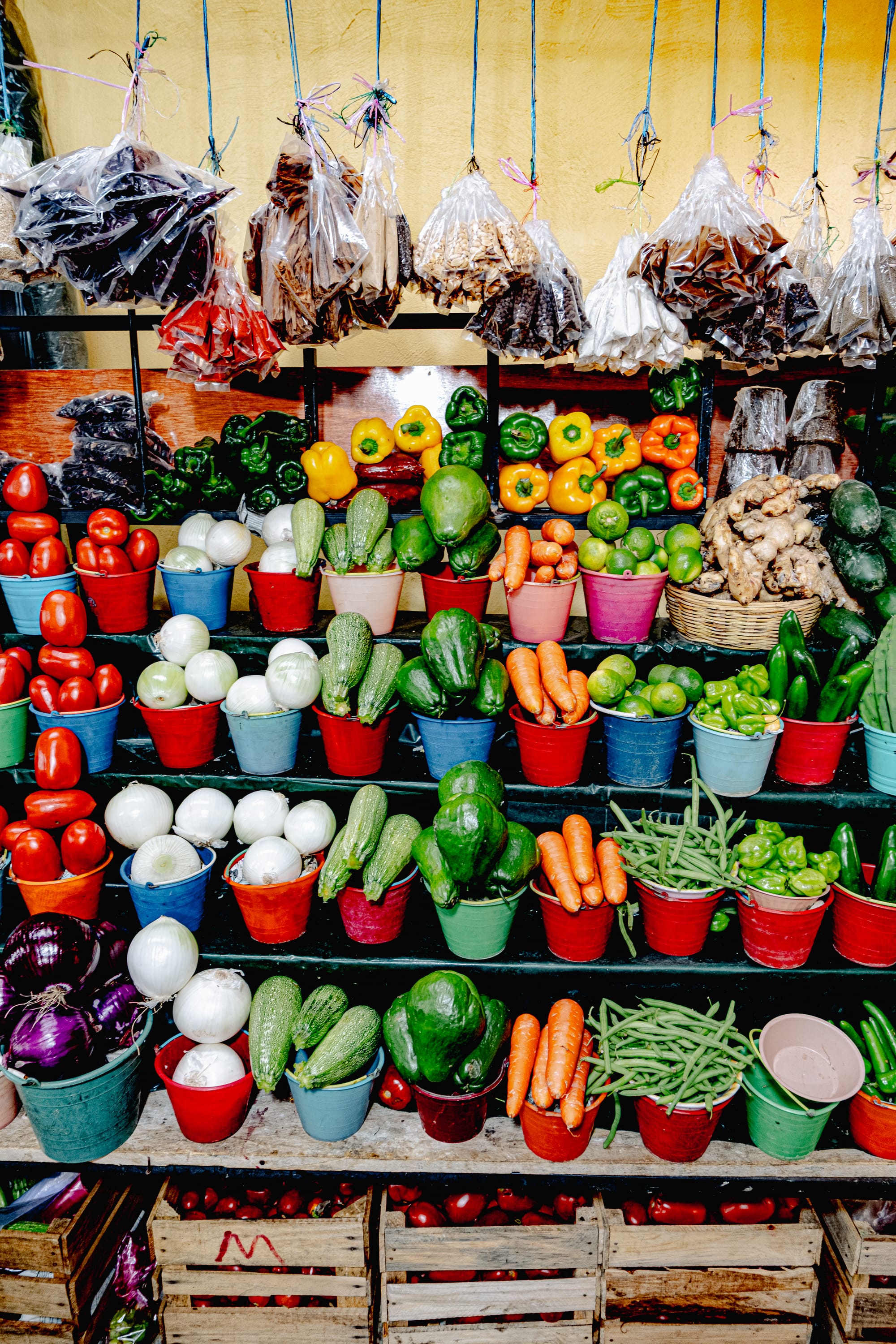
Santo Domingo Market sits beside the Santo Domingo church and is one of the most active and visually dense parts of San Cristóbal de las Casas. Stalls spill outward across the plaza and surrounding streets, selling everything from woven textiles and clothing to fruit, spices, kitchenware, and prepared food. Many vendors come from nearby highland communities, and it is common to hear Tsotsil and Tseltal spoken alongside Spanish as people negotiate prices, share news, and move through the space.

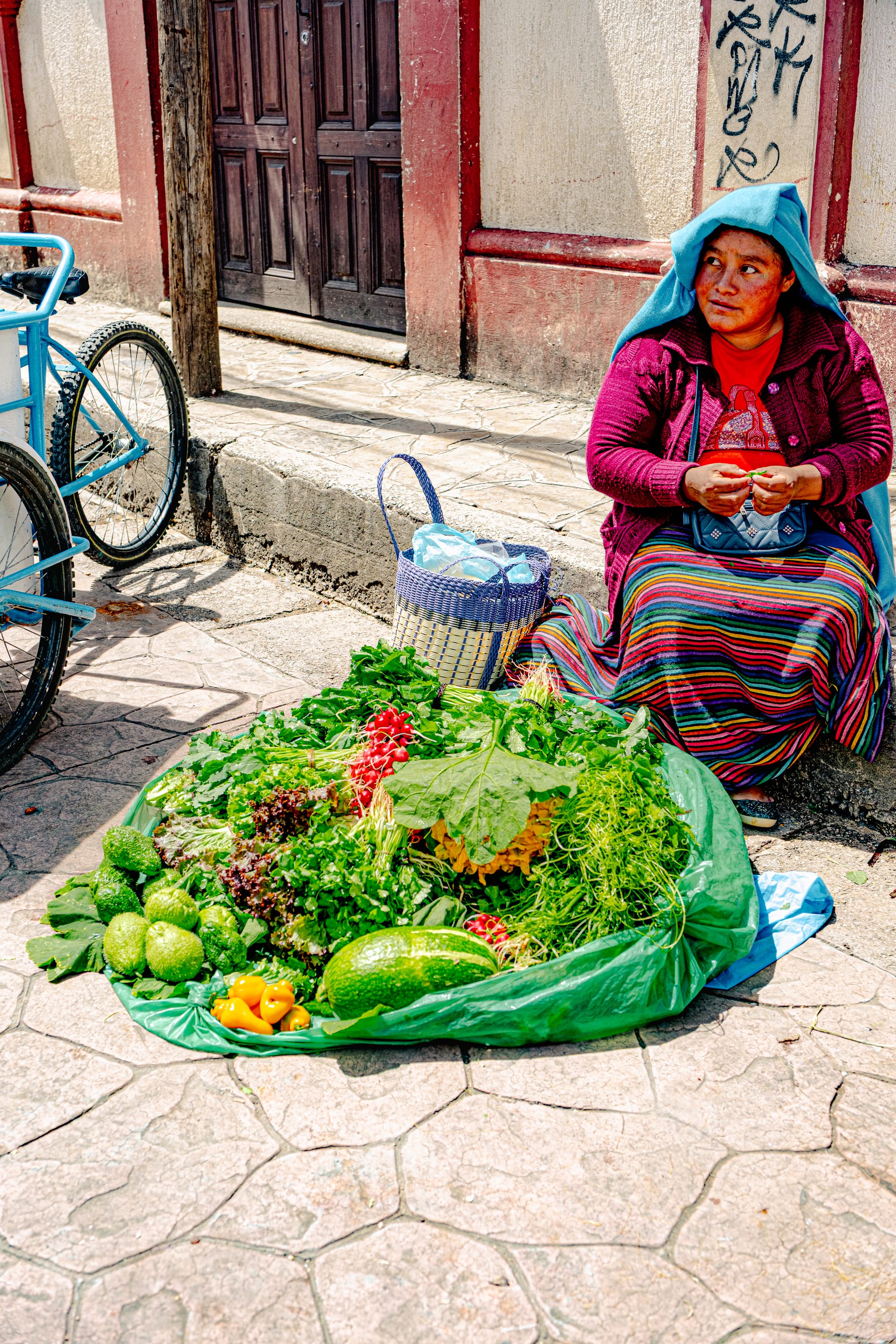
The market functions less as a tourist stop and more as a working center of daily life. Locals shop here for produce and household goods, while artisans sell embroidered blouses, shawls, and blankets made in surrounding villages. Visiting in the morning gives you the clearest sense of its rhythm, when deliveries arrive and stalls are fully stocked. Spending time here is one of the simplest ways to understand how San Cristóbal connects to the wider region, with rural and urban life meeting in a single, busy square.
Day of the Dead
Celebrations in San Cristóbal
Shared rituals at Co404 and a citywide procession.
Día de los Muertos in San Cristóbal de las Casas can be experienced both through small, communal moments and larger public gatherings. At our coliving and coworking space, Co404, the days leading up to November 1st were marked by shared activities such as skull painting, altar creation, and face painting. These unfolded naturally over several days, with people joining in as they wished. The atmosphere was reflective and collaborative, shaped by conversation, making, and time spent together rather than by any fixed program.
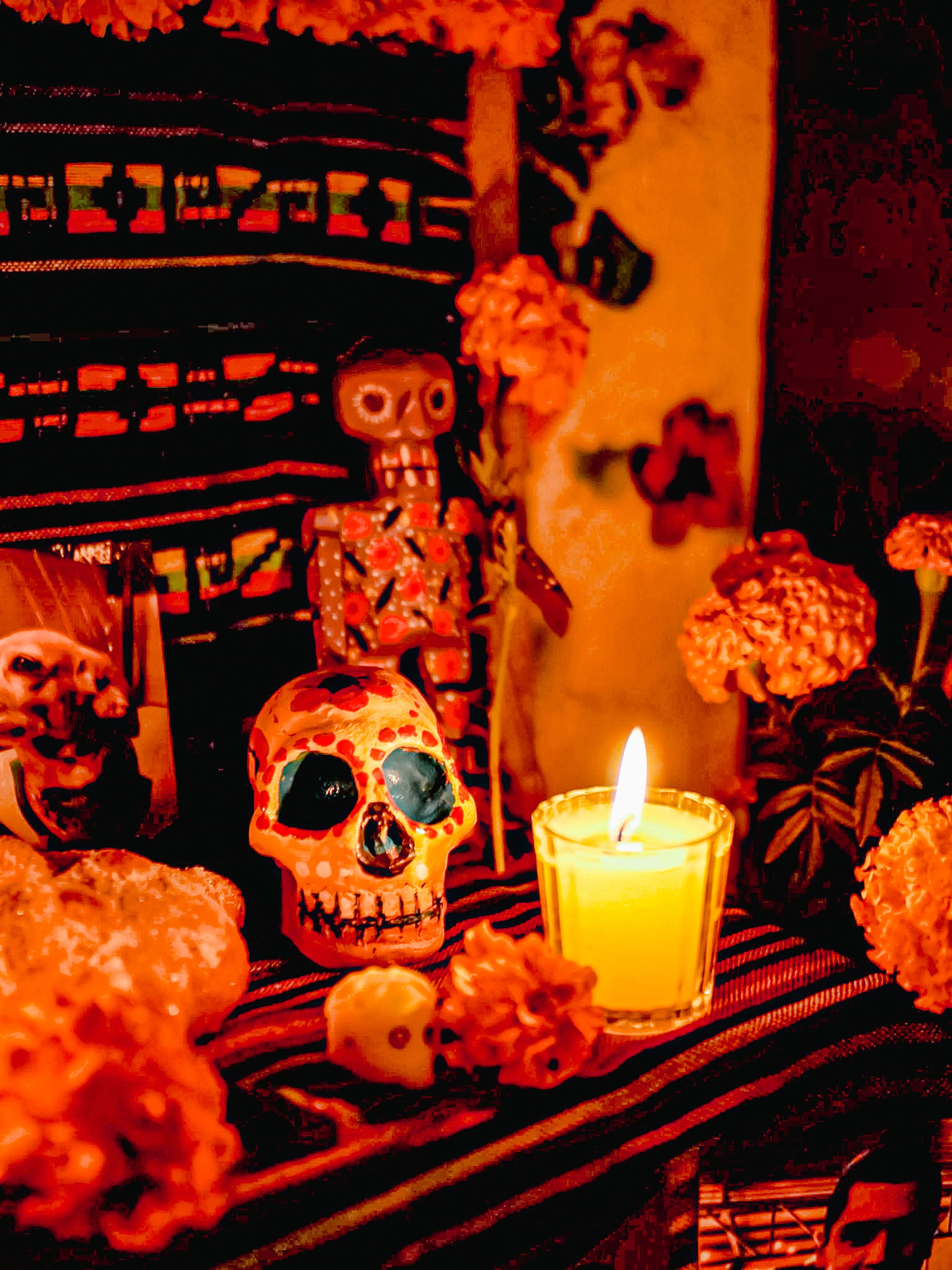

On the day itself, the focus shifted into the city center, where San Cristóbal hosts a Día de los Muertos parade that moves through the main streets. Families, musicians, dancers, and costumed participants take part, and the streets fill gradually as people gather to watch or walk alongside the procession. Experiencing both the quieter, hands-on rituals at Co404 and the parade in town offered a fuller sense of the holiday, connecting personal remembrance with collective expression in the heart of the city.
Romerillo Cemetery
A community-centered Día de los Muertos gathering.
Romerillo Cemetery offers one of the most grounded and communal Día de los Muertos experiences in San Cristóbal de las Casas. Located just outside the city center, it becomes a lively but intimate gathering place in the days around November 1st. Families arrive together to clean graves, decorate them with marigolds, candles, food, and personal objects, and then stay. Children run between paths, vendors sell snacks and flowers nearby, and people settle in beside graves for hours rather than passing through briefly.
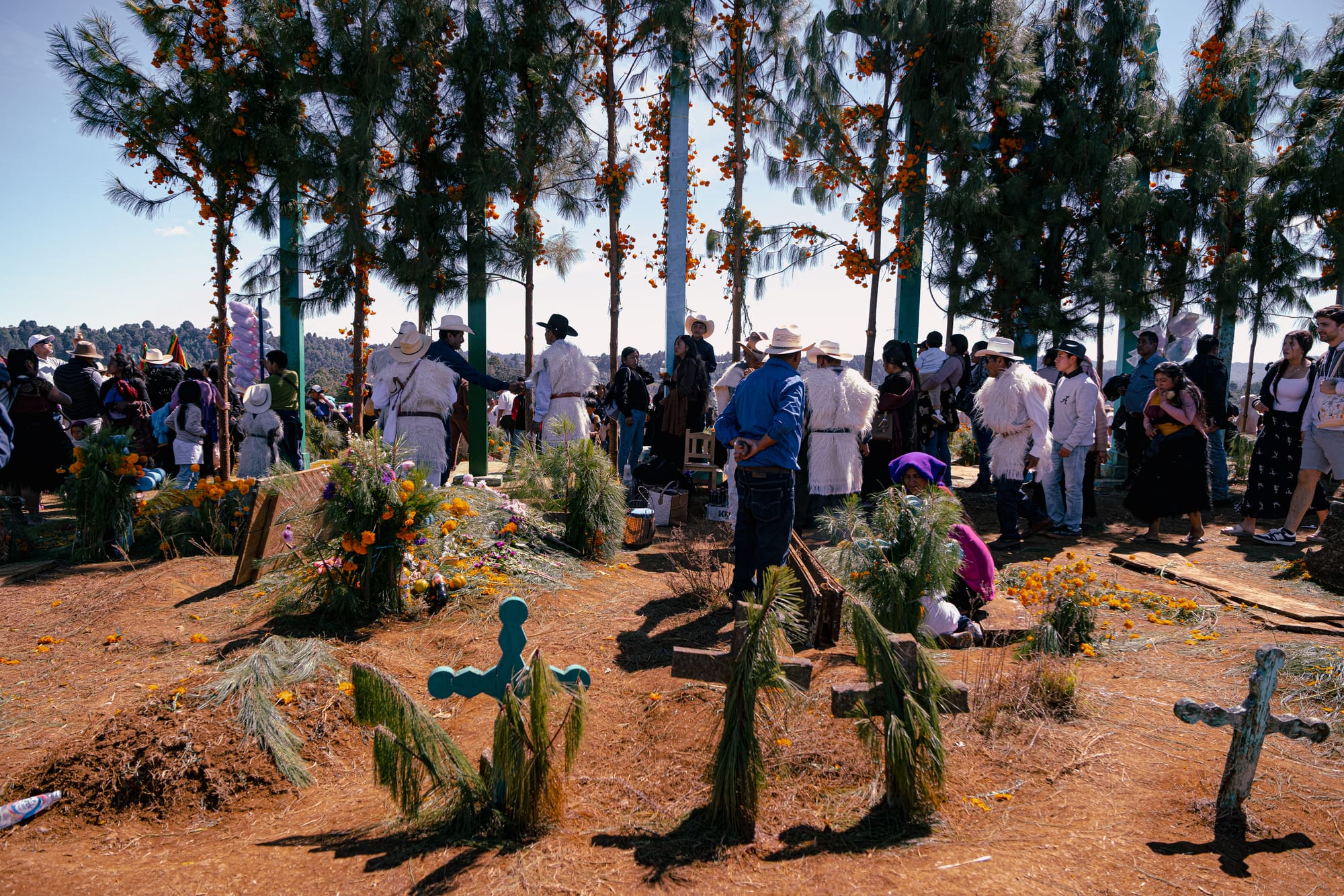
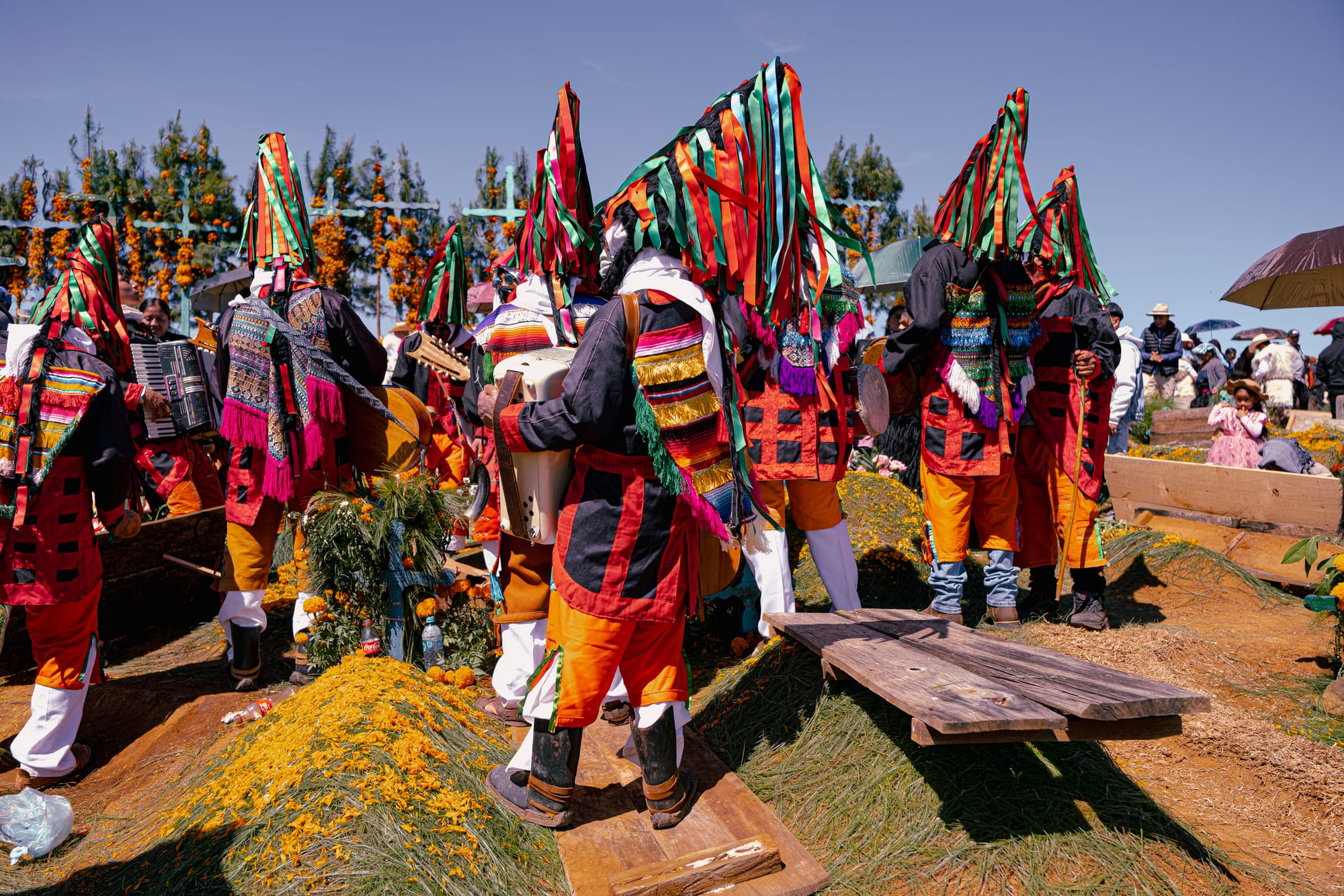
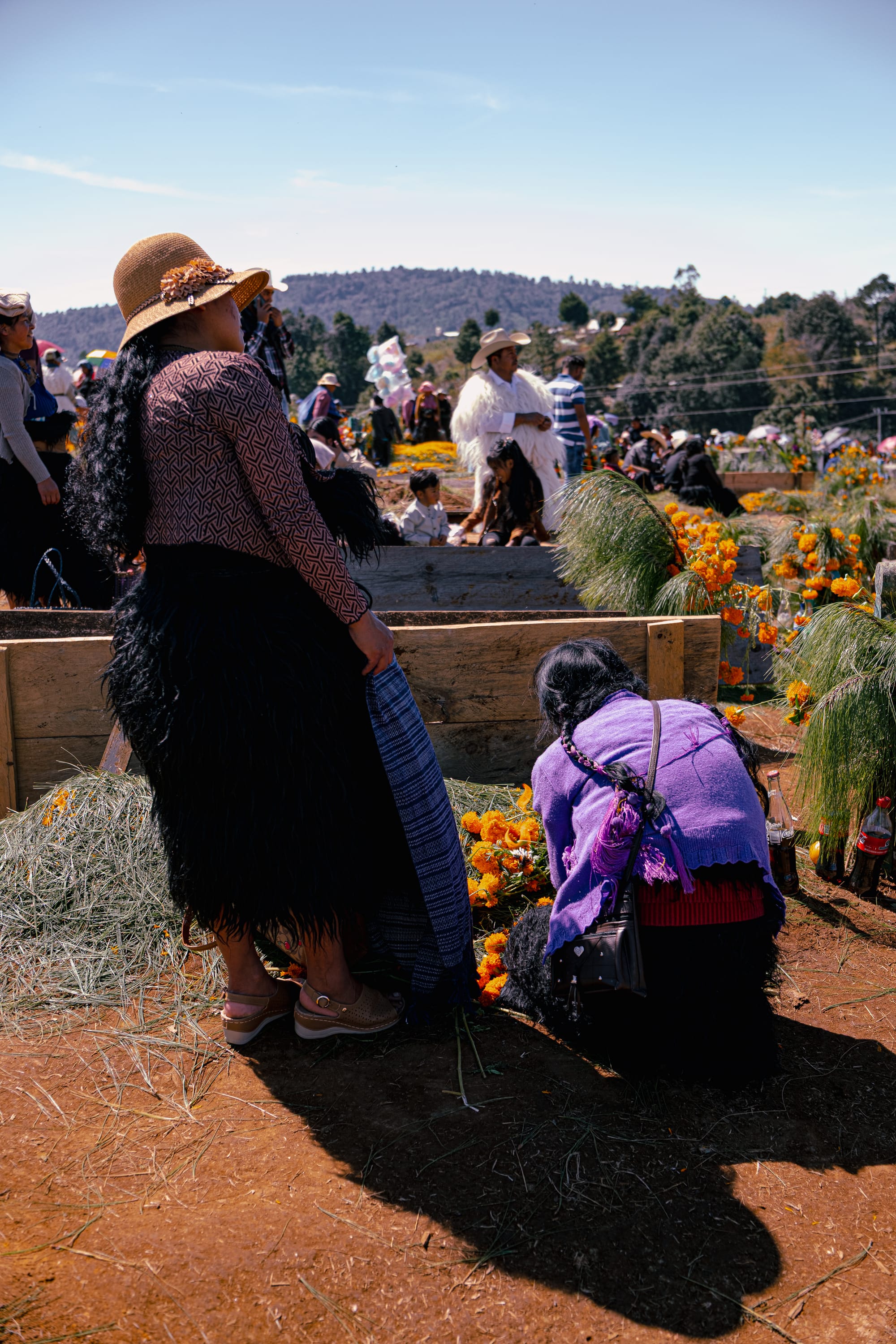
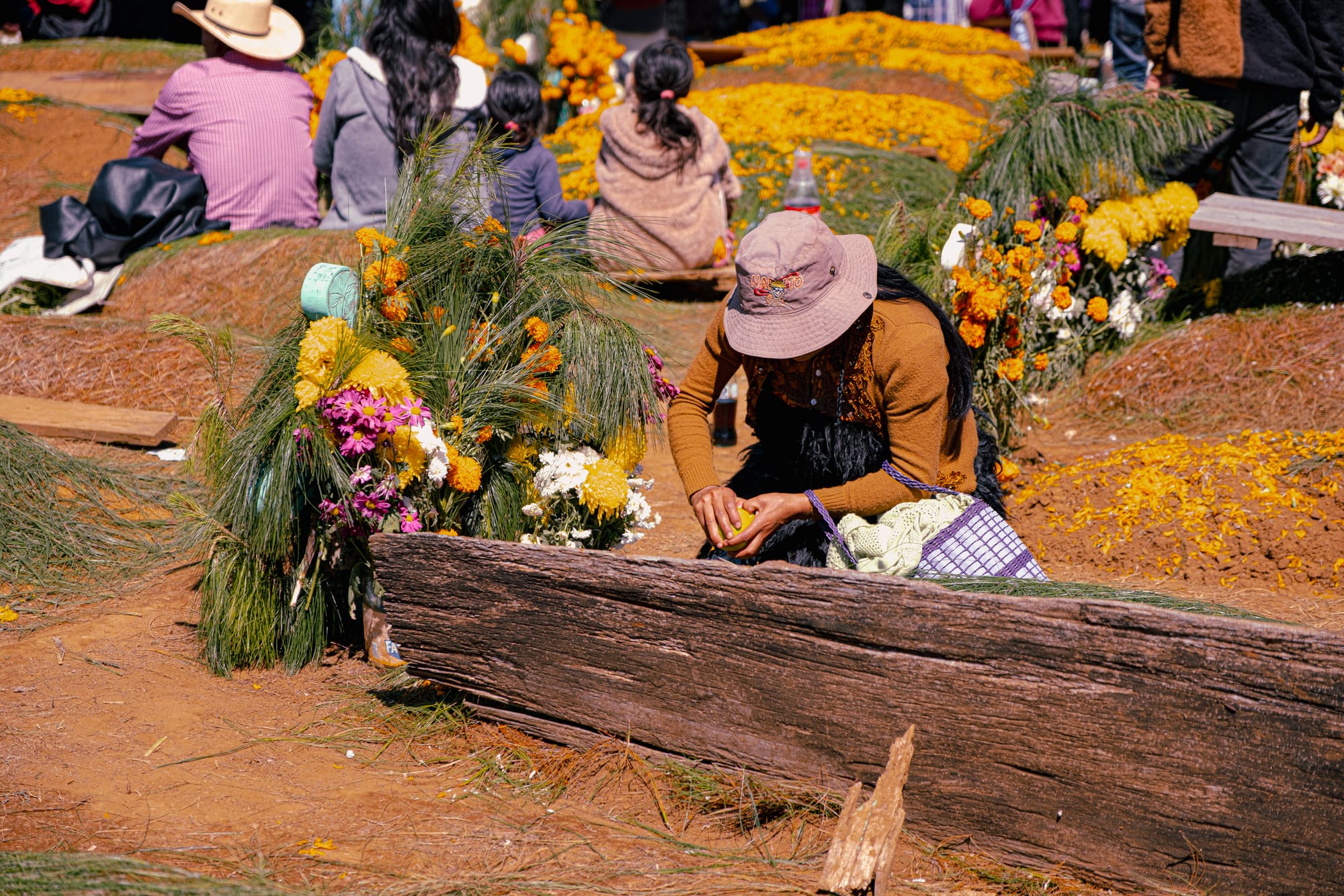
What stood out most at Romerillo was how social and present the atmosphere felt. Music plays from portable speakers, conversations unfold between neighboring families, and the cemetery feels less like a place of silence and more like a shared public space shaped by remembrance.
Zinacantán Cemetery
An ornate and densely floral cemetery in the sky.
When we visited Zinacantán Cemetery on November 1st, the space was almost entirely empty. Only a handful of families were present, arriving quietly to tend graves with flowers grown locally in the surrounding greenhouses. Graves were covered carefully with vivid pinks and purples, candles placed deliberately, and then people stayed close to their own plots. There was very little movement through the cemetery and almost no ambient noise beyond the wind and distant activity from the town.
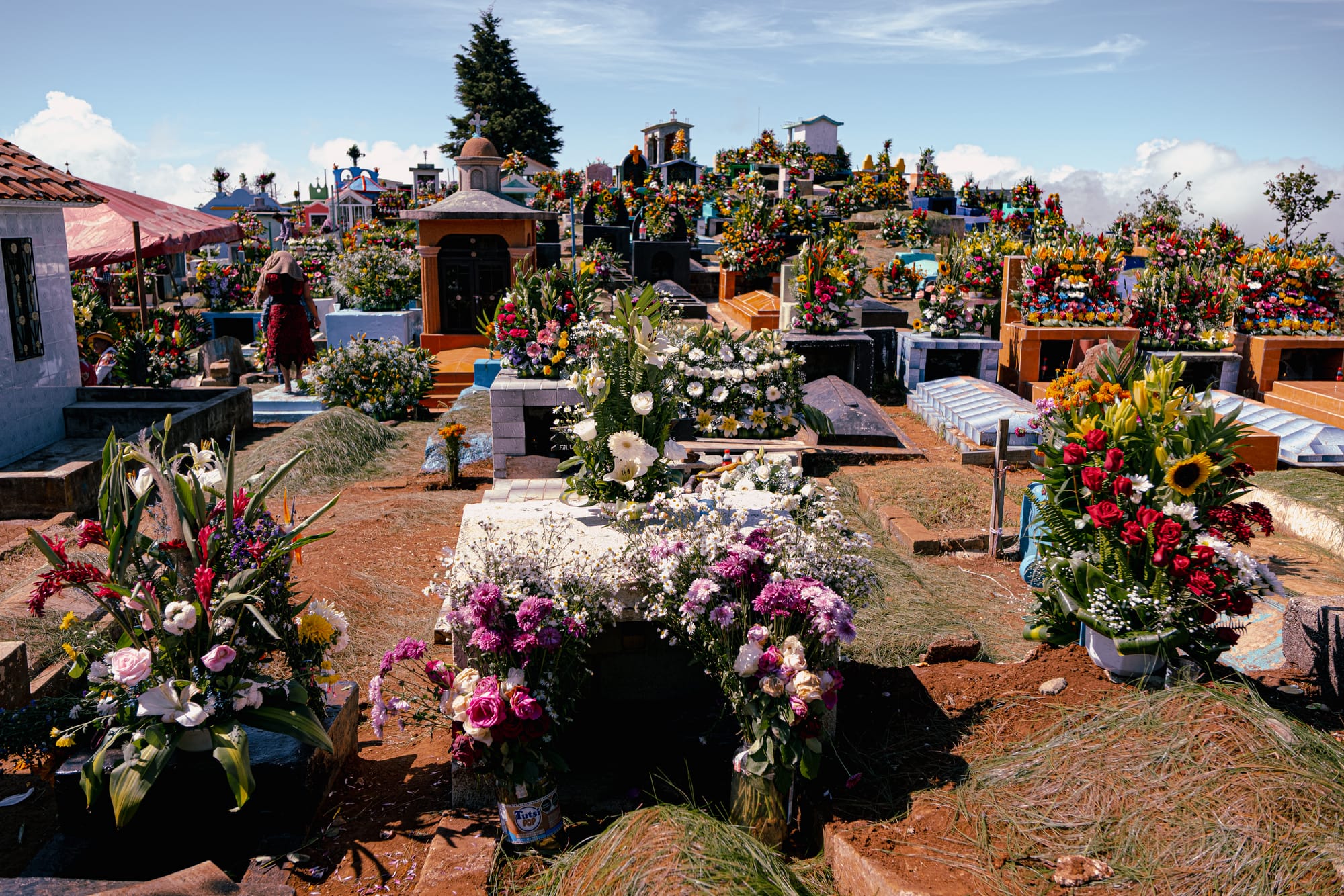
The absence of crowds gave the experience a distinctly contemplative quality. Rather than observing a gathering, we found ourselves moving slowly and pausing often. Experiencing Día de los Muertos here stood in sharp contrast to more communal cemeteries, emphasizing remembrance through quiet presence and exquisite florals rather than shared activity.
San Cristóbal’s Municipal Pantheon
A dense and active gathering at the heart of the city.
San Cristóbal’s Municipal Pantheon offered one of the most visibly active Día de los Muertos experiences we encountered in the city. Located close to the center, it drew a steady flow of families throughout the day and into the evening, each arriving with flowers, candles, food, and personal items to decorate graves. Pathways filled gradually as people moved between plots, greeting neighbors, sharing space, and settling in beside loved ones.
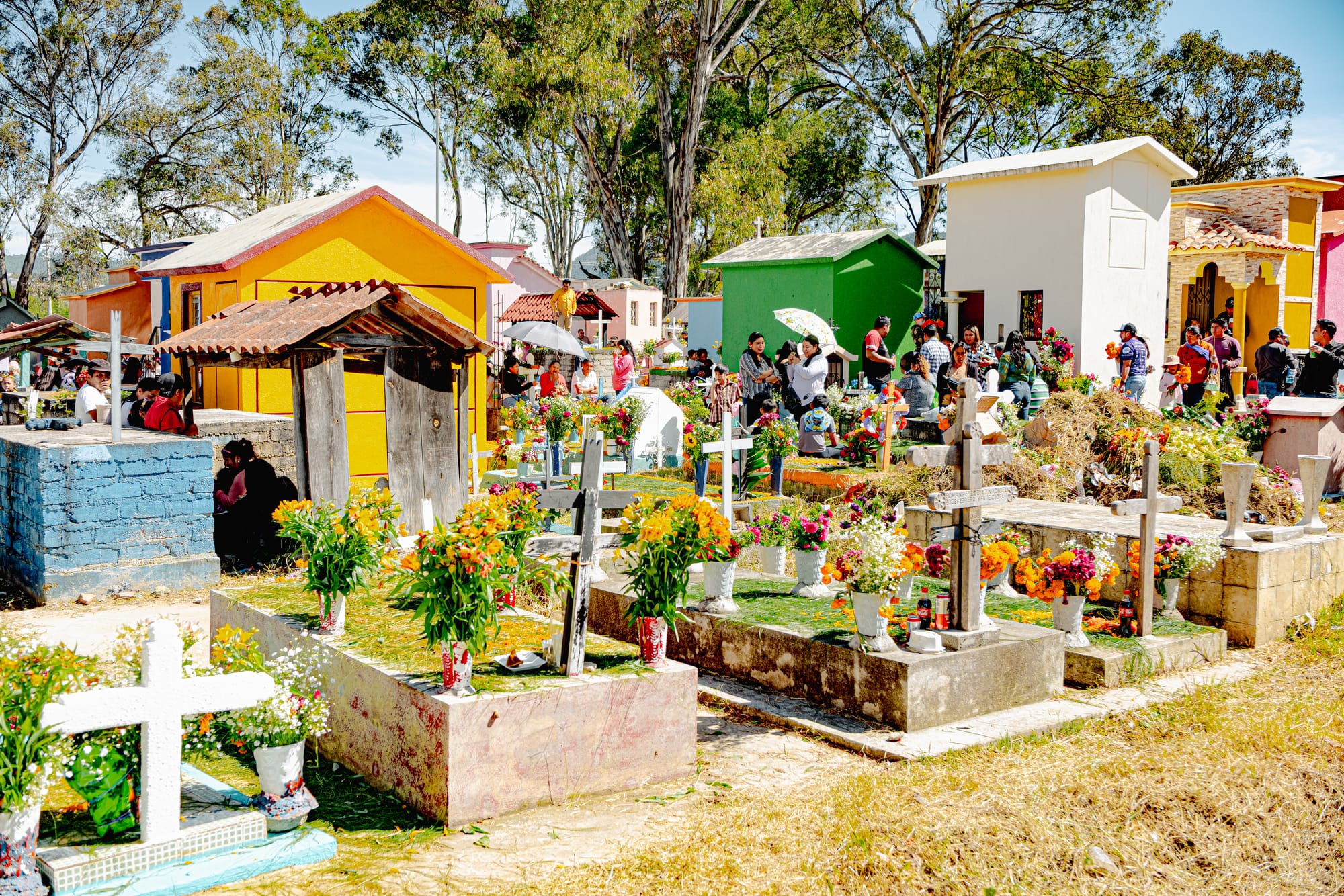
What stood out was the density of activity and the way remembrance unfolded in parallel across the cemetery. Music played, conversations overlapped, and vendors clustered just outside the entrance selling candles and flowers. Unlike quieter cemeteries in the surrounding region, the Municipal Pantheon felt distinctly urban, reflecting the rhythms of San Cristóbal itself.
Vegan cooking classes and cuisine
Art Libreria's vegan cooking class
Plant-based Mexican cooking with a local chef.
Art Libreria’s vegan cooking workshop offered a focused, hands-on experience centered on reworking traditional Mexican dishes using plant-based ingredients. We did the workshop privately with Gerardo, the chef, which allowed the session to move at a slower, more conversational pace. The focus was on making vegan cheese and preparing rajas con queso, a dish traditionally cooked with dairy, while staying close to familiar flavors and techniques rather than reinventing the cuisine entirely.
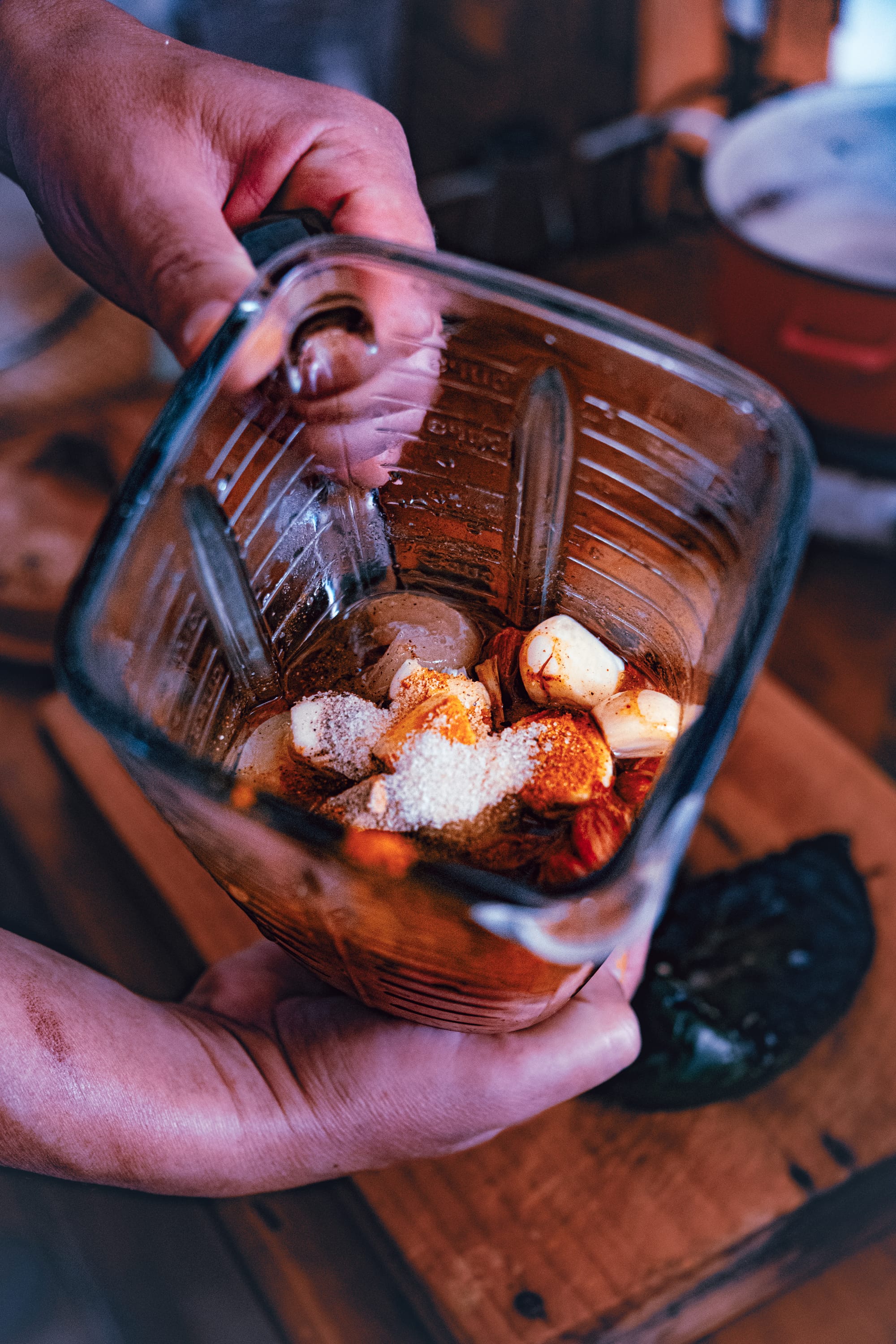

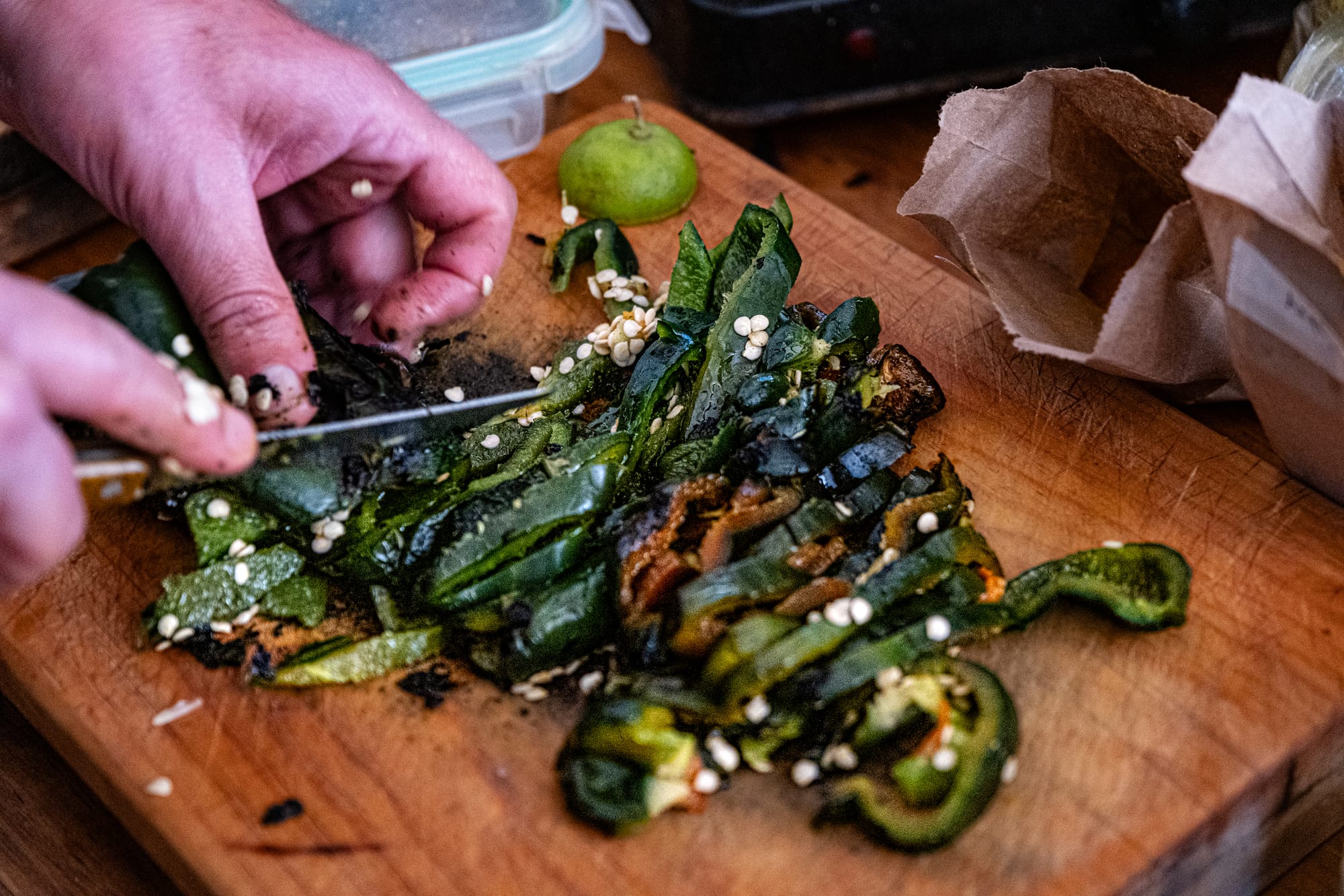
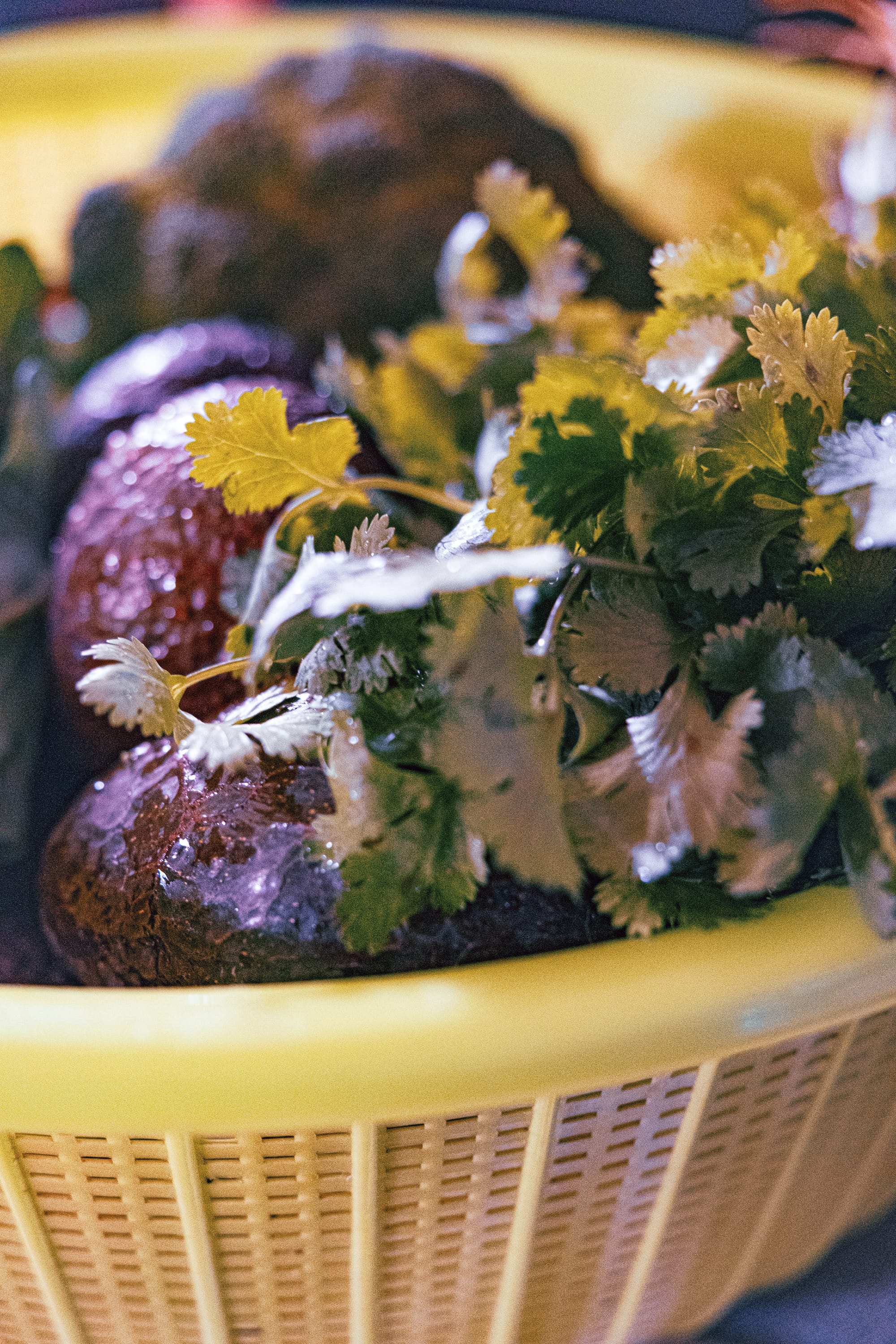
The setting shaped the experience as much as the food. Art Libreria functions as a café, bookstore, and cultural space, and the workshop unfolded naturally within that context. Cooking became a way to talk through food choices, local ingredients, and everyday life in San Cristóbal.
Itzel's vegan cooking class
Home cooking and mountain views above the city.
Itzel’s vegan cooking class takes place in her mountain home just outside San Cristóbal de las Casas, and the setting is a central part of the experience. Reaching the house already shifts the pace, with views opening out over hills and forest and the city falling away below. The class focuses on preparing traditional Mexican dishes in a fully plant-based way using seasonal ingredients and techniques.
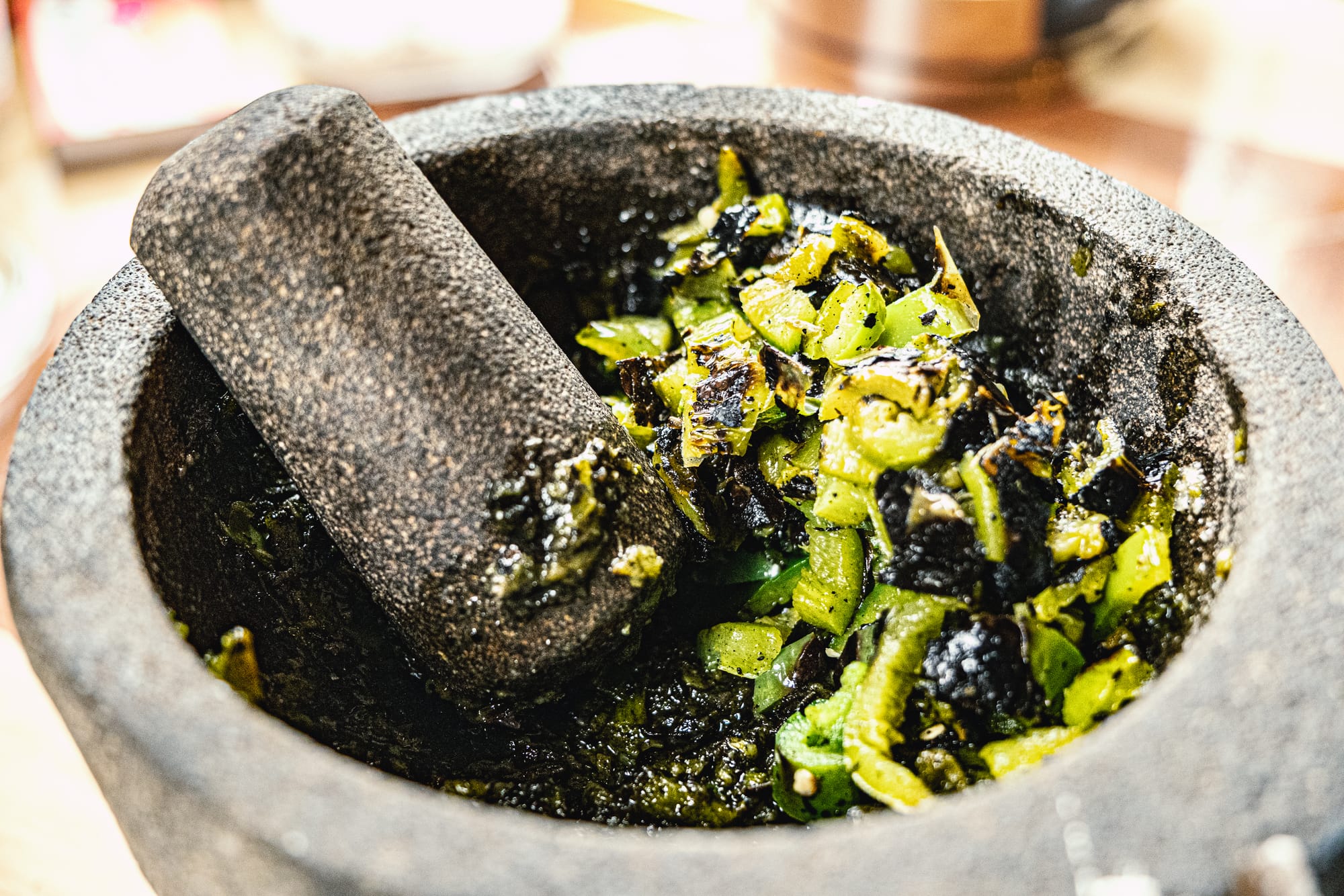
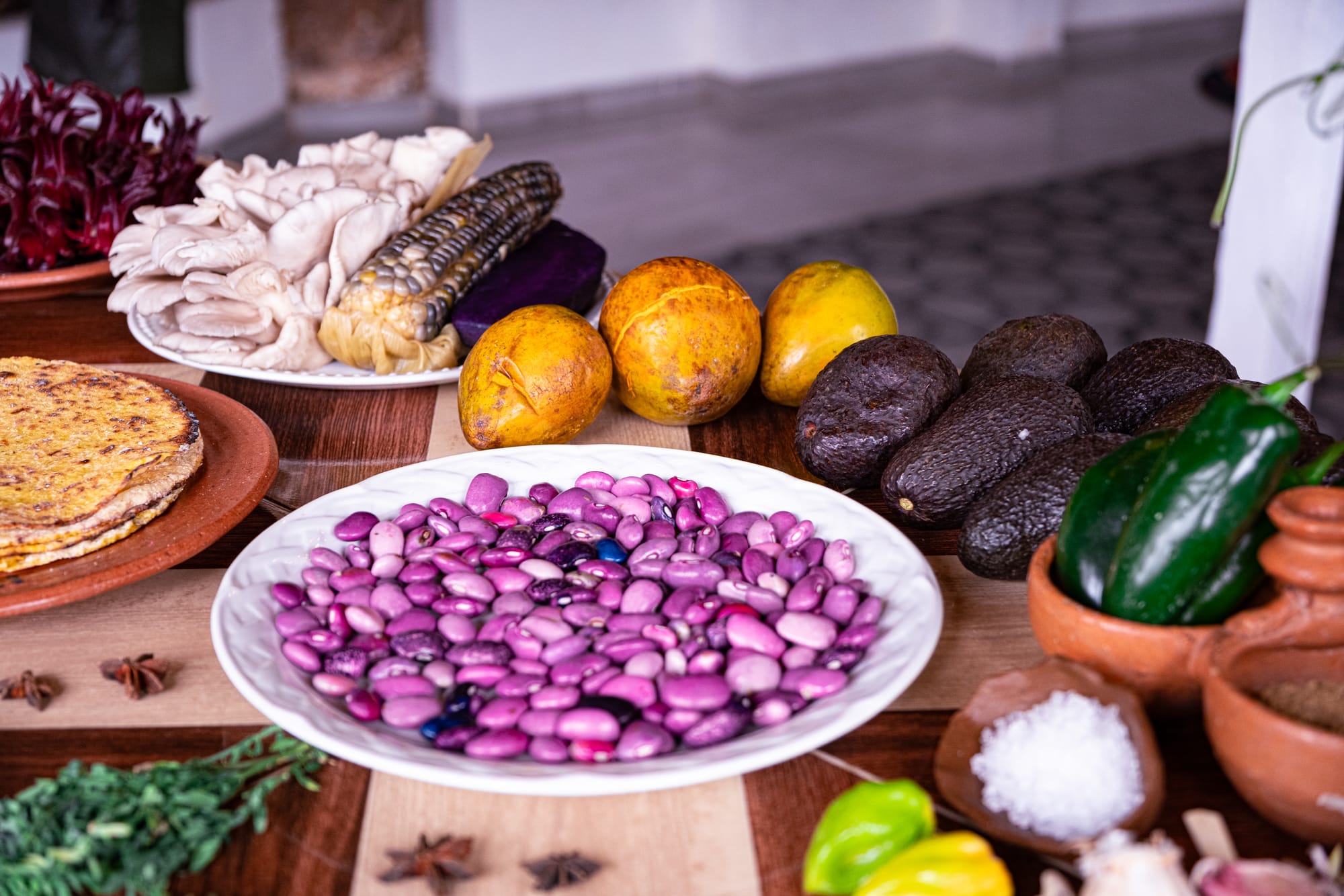


What made the experience stand out was its intimacy and warmth. Being welcomed into someone’s home created a sense of trust and ease, and the class felt closer to cooking with a friend than attending a formal workshop. The food was amazing.
Cacao workshop with Element Cacao
From cacao beans to finished truffles.
The vegan truffle workshop with Guillermo of Element Cacao begins with cacao in its raw form. Rather than working with pre-made chocolate, the process involves handling cacao beans directly and moving step by step through transforming them into a finished product. You work with roasting, grinding, and refining cacao, gaining a clear sense of how texture, heat, and timing shape flavor. The focus is practical and hands-on, with attention given to each stage rather than rushing toward an end result.
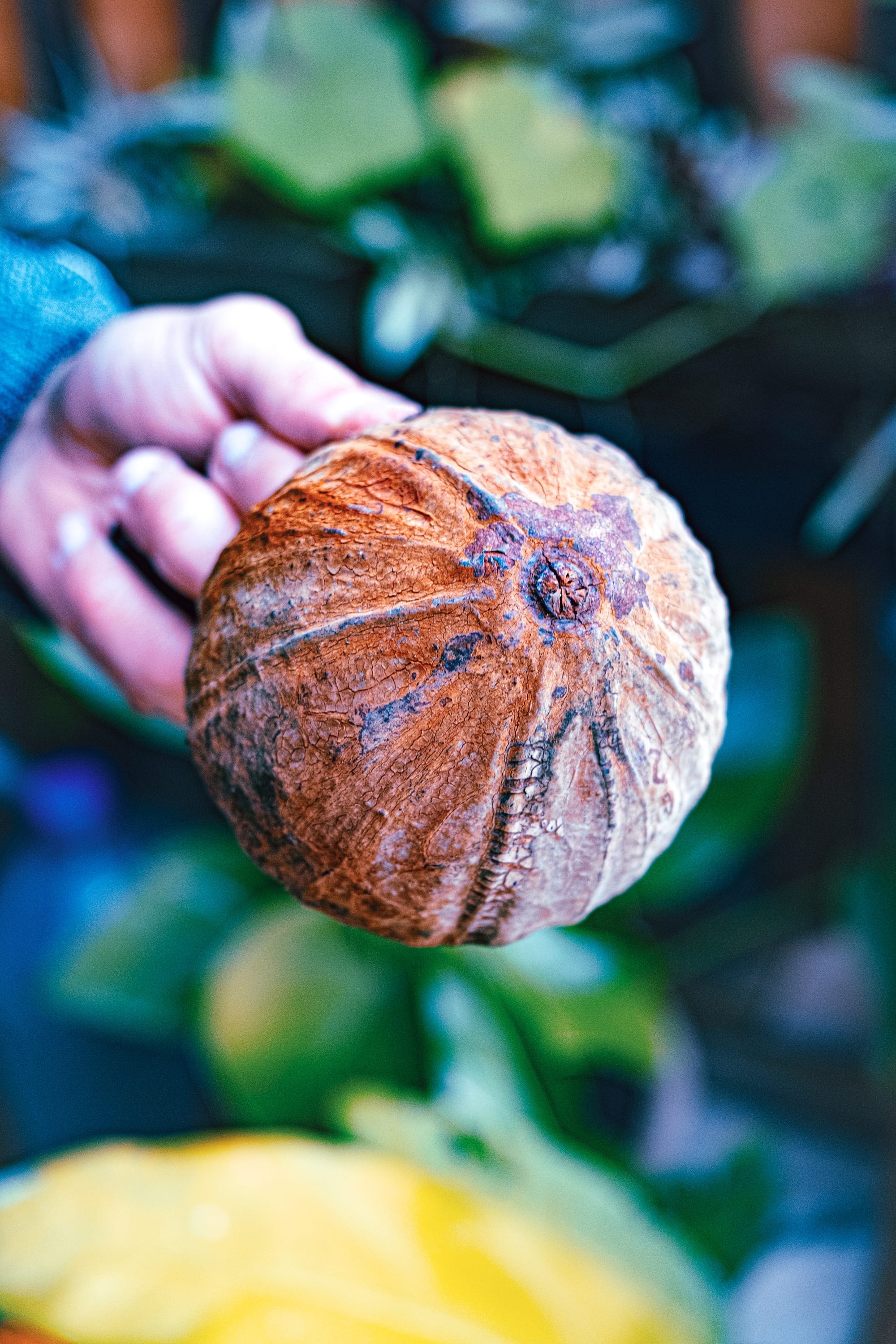

What makes the experience especially grounding is its emphasis on material knowledge. Working with cacao beans creates a deeper understanding of the labor and care behind chocolate. The workshop feels rooted in craft, with time to ask questions and adjust as you go.
Vegan food in San Cristóbal de las Casas
A strong plant-based scene shaped by ethics and community.
San Cristóbal de las Casas has one of the most developed and accessible vegan food scenes we have encountered in Mexico, especially for a city of its size. Plant-based eating here is not treated as a trend or niche, but is connected to political consciousness, affordability, and shared values. You will find fully vegan cafés and restaurants across the city, offering everything from traditional Mexican dishes adapted without animal products to international comfort food, baked goods, and casual lunches. Many places emphasize simple ingredients, seasonal produce, and familiar flavors rather than elaborate presentation.

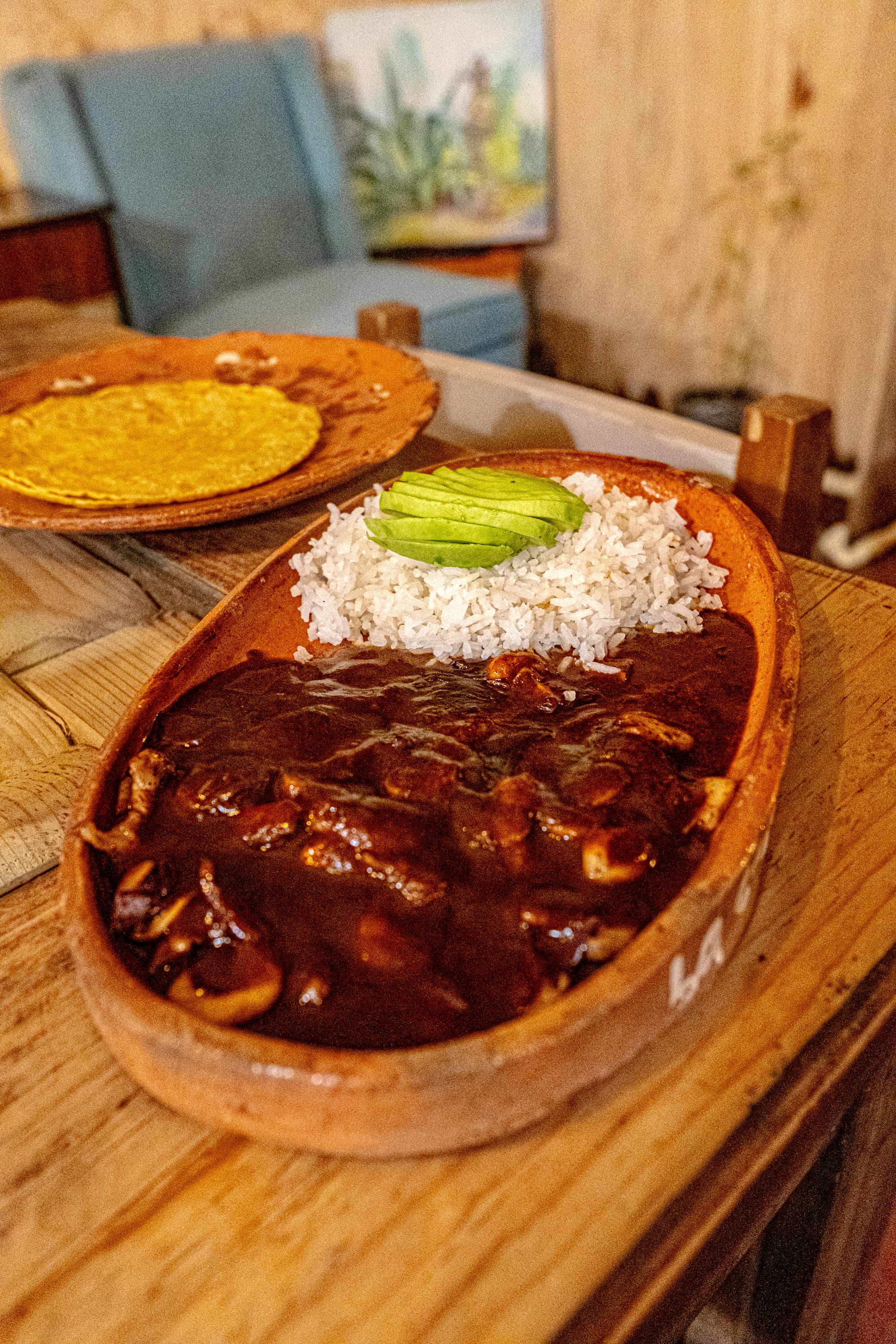
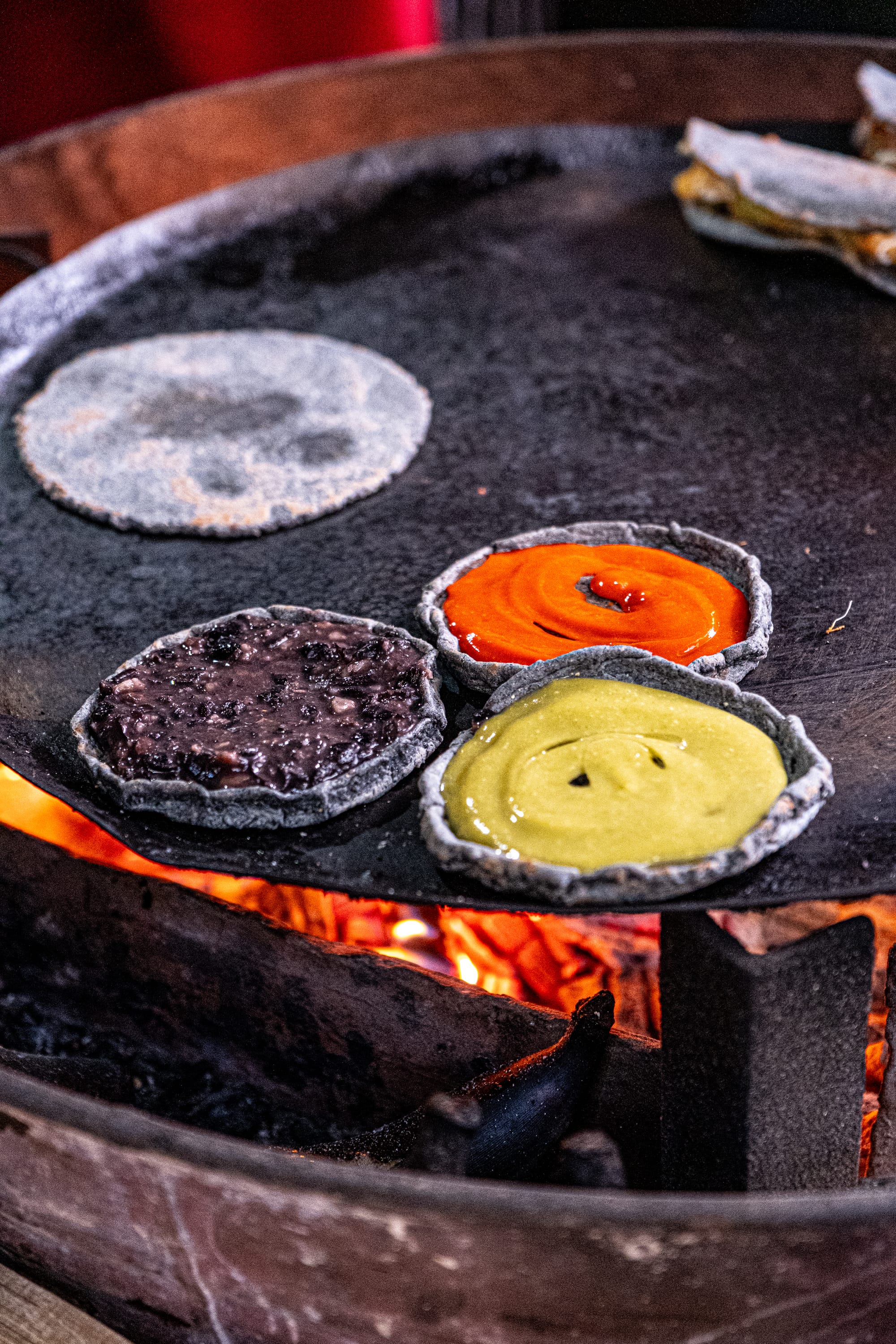
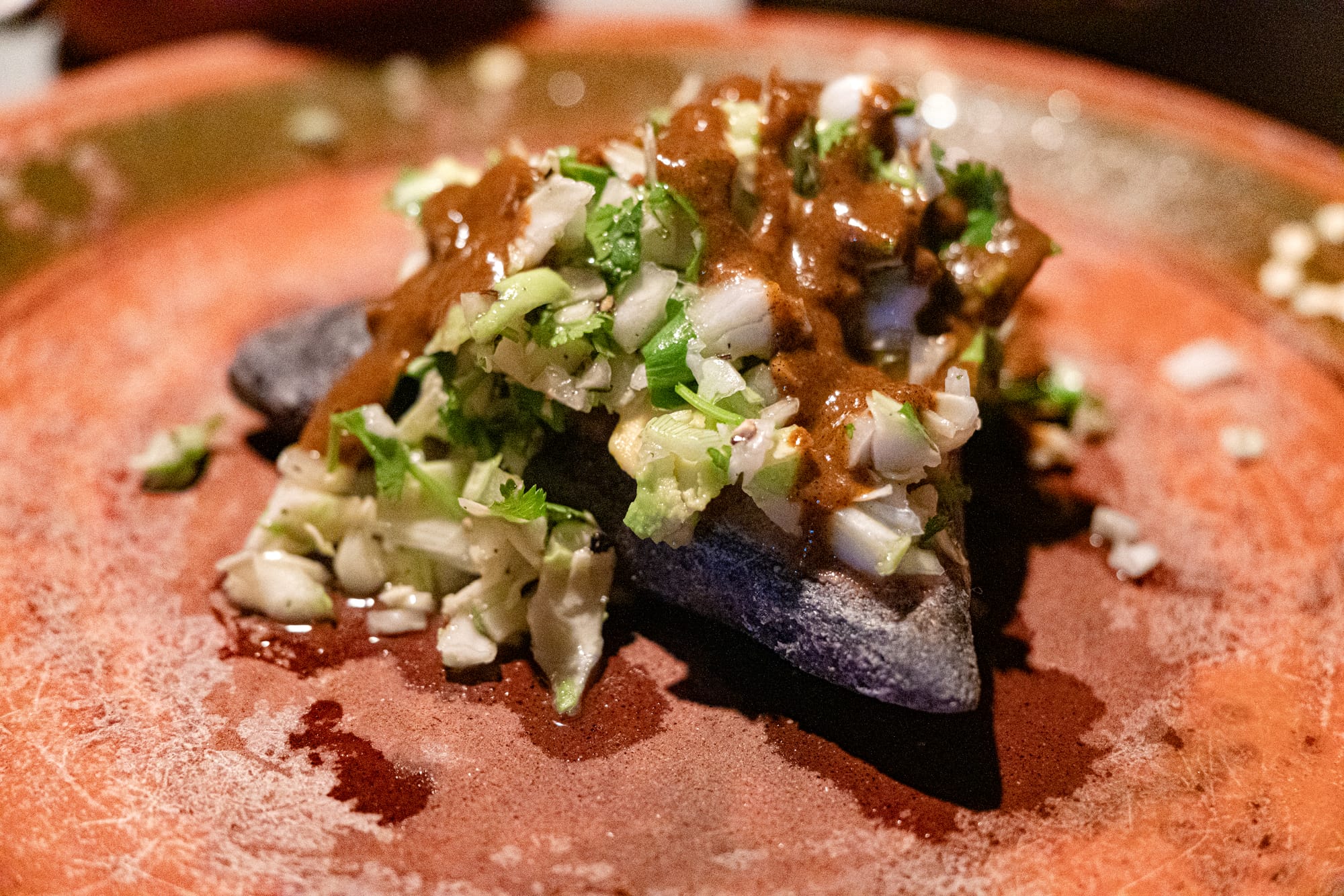
What stands out is how integrated vegan food feels within the city’s broader culture. Several vegan spaces double as community hubs, bookstores, or cultural venues, and meals often unfold alongside conversation, reading, or events. Eating vegan here is easy, varied, and affordable, making it realistic to sustain long-term.
Essential tools for San Cristóbal de las Casas
For nomads living and working from San Cristóbal de las Casas, these tools made our stay smoother.
Saily Global eSIM
Instant global mobile data without needing a local SIM. Saily global eSIM gives you mobile data in Mexico and dozens of other countries—no need to buy a separate local SIM when you arrive. Great for digital nomads who hop between places and want one seamless solution that works everywhere.
SafetyWing (global health & travel insurance)
An affordable, digital-nomad-friendly insurance plan that covers both travel hiccups and medical needs. We like that it runs month-to-month and can be started even if you’re already abroad. Helpful for peace of mind, especially on remote islands where care may require transfers or added costs.
NordVPN
A lightweight, fast VPN that lets you secure your connection on public wifi—especially important when working from colivings, cafes, or airports. It also lets you access content as if you were back home, which is helpful for banking, streaming, or logging into sensitive accounts.
Wise (multi-currency payments)
Our favorite banking solution for multi-currency payments and avoiding bad exchange rates. Wise lets you pay in Mexican pesos locally and manage funds across dozens of currencies. We used it to split group dinners, pay for tours, and withdraw cash without the large fees traditional banks charge.
Should you choose San Cristóbal de las Casas?
San Cristóbal de las Casas possesses a depth, texture, and rhythm that makes it easier to settle in rather than skim the surface.
If you’re looking for a place where your workdays can exist alongside real cultural life, rather than floating above it, San Cristóbal does that well. The town is small, walkable, and socially dense. It’s easy to develop routines, recognize faces, and feel anchored, even over a relatively short stay.
The pros?
- A culturally rich city with a strong Indigenous presence and visible political consciousness
- A slower pace that supports focus without isolation
- Walkable neighborhoods and a compact city center
- Excellent base for nature and day trips: canyons, waterfalls, highland villages, and ruins
- Easy alignment with U.S. work hours
- A small but genuine remote work community, especially around Co404
The trade-offs?
- A much smaller nomad scene than in Oaxaca, Playa del Carmen, or Mexico City
- Fewer purpose-built coworking options
- Cooler nights year-round due to altitude
- Rainy season can complicate day trips
- Not a place for nightlife-driven or high-energy social scenes
San Cristóbal works best for people who are comfortable with quieter environments and slower social rhythms. It’s well suited to writers, researchers, creatives, and remote workers who value context and continuity over constant stimulation.
San Cristóbal de las Casas isn't frictionless, but it’s grounding. And for many people, that’s exactly what makes it worth choosing.
Read more
If you’re curious about how to make San Cristóbal de las Casas work for you, we’ve written extensively about our experience. Check out our San Cristóbal de las Casas guides for more information on what we enjoyed in the region.


