There are trips that feel like extensions of the city you’re staying in, and there are trips that feel like stepping briefly into another atmosphere entirely. Montebello Lakes is the latter. We’d heard about it from almost everyone who had stayed in San Cristóbal de las Casas longer than a few days—a cluster of lakes scattered along the southeastern edge of Chiapas, near the Guatemalan border, colored in blues and greens that look slightly unreal from photographs alone.
It felt too far for a day trip, though plenty of people manage it; for us, it made more sense as a small weekend window—a chance to be held by water instead of mountains, quiet instead of cobblestones. We went with friends from Co404, our digital nomad coliving space.
We piled into the car long before the city had fully shaken off its morning chill. The road out of San Cristóbal unfolded in slow waves: pines, small communities, long valleys, the occasional clearing that revealed how high we still were. Over time the light shifted, the temperature warmed, and the landscape opened so gradually it almost felt like arriving by drift rather than distance.
If you’d rather go with a group or don’t want to manage transport yourself, there are guided options from San Cristóbal de las Casas that cover the lakes and several stops along the way—here is the tour we recommend, which also stops at El Chiflón waterfalls: Montebello Lakes and El Chiflón Day Tour.
The first overlook
Our first stop was a viewpoint reached by hiking above Cenote Bartolo. The trail to reach it wasn’t long, but it climbed steadily, weaving upward through a forest full of unexpected color. Fungi in small orange clusters. Moss trailing over stone. Flowers growing in bright, almost electric tones beneath the filtered light of the canopy. The air was cool where the trees grew close, warm where the path opened to sky.
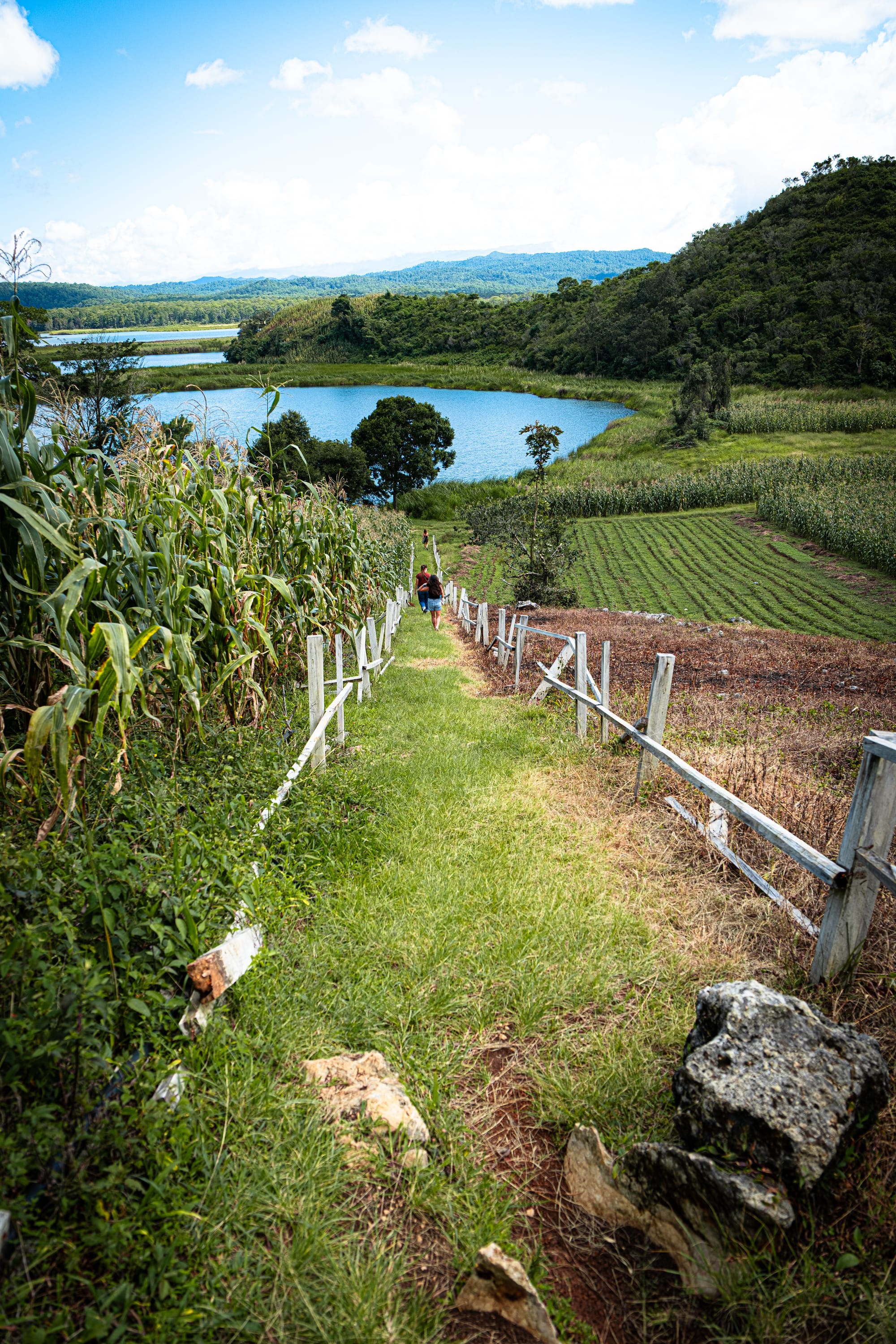
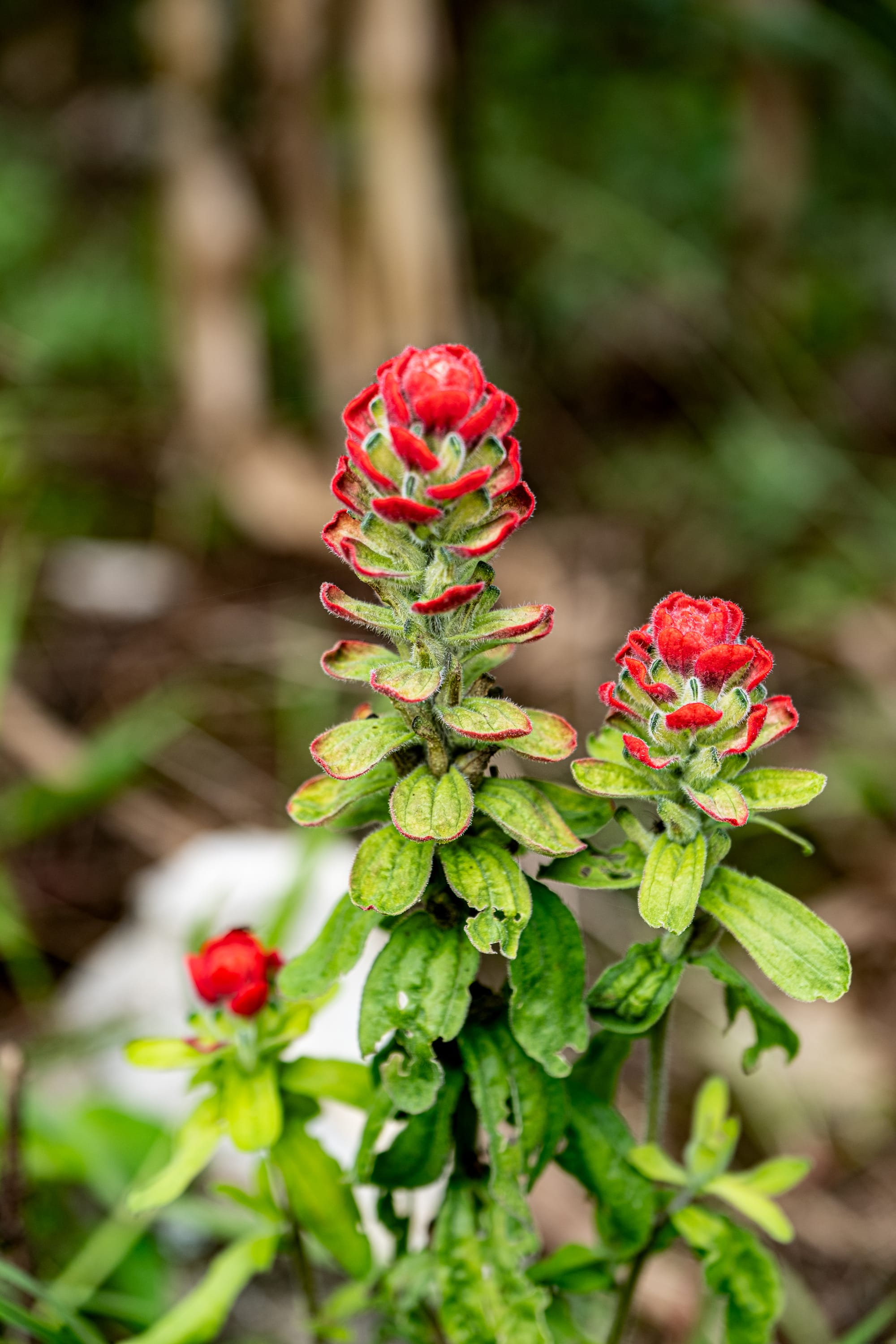
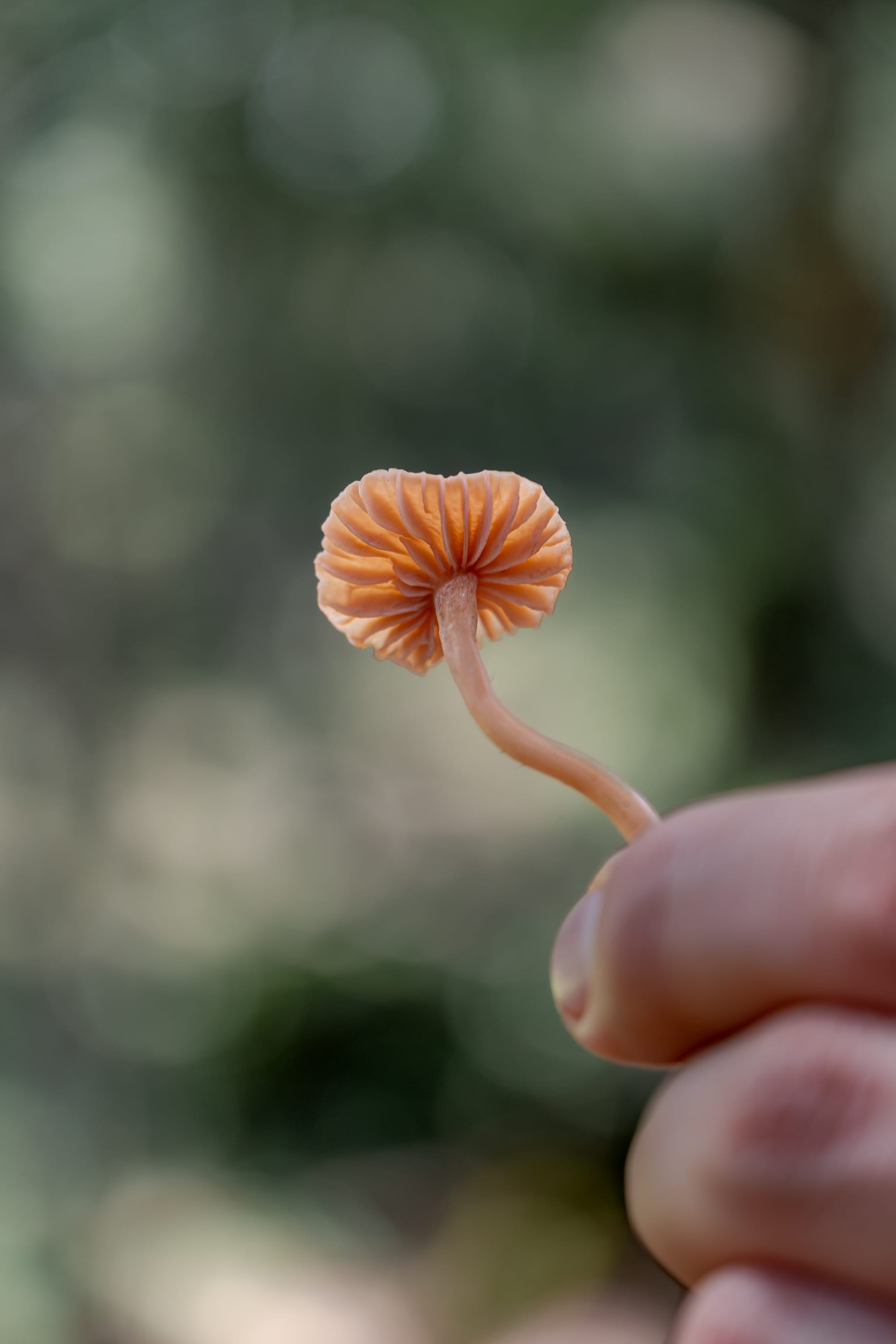
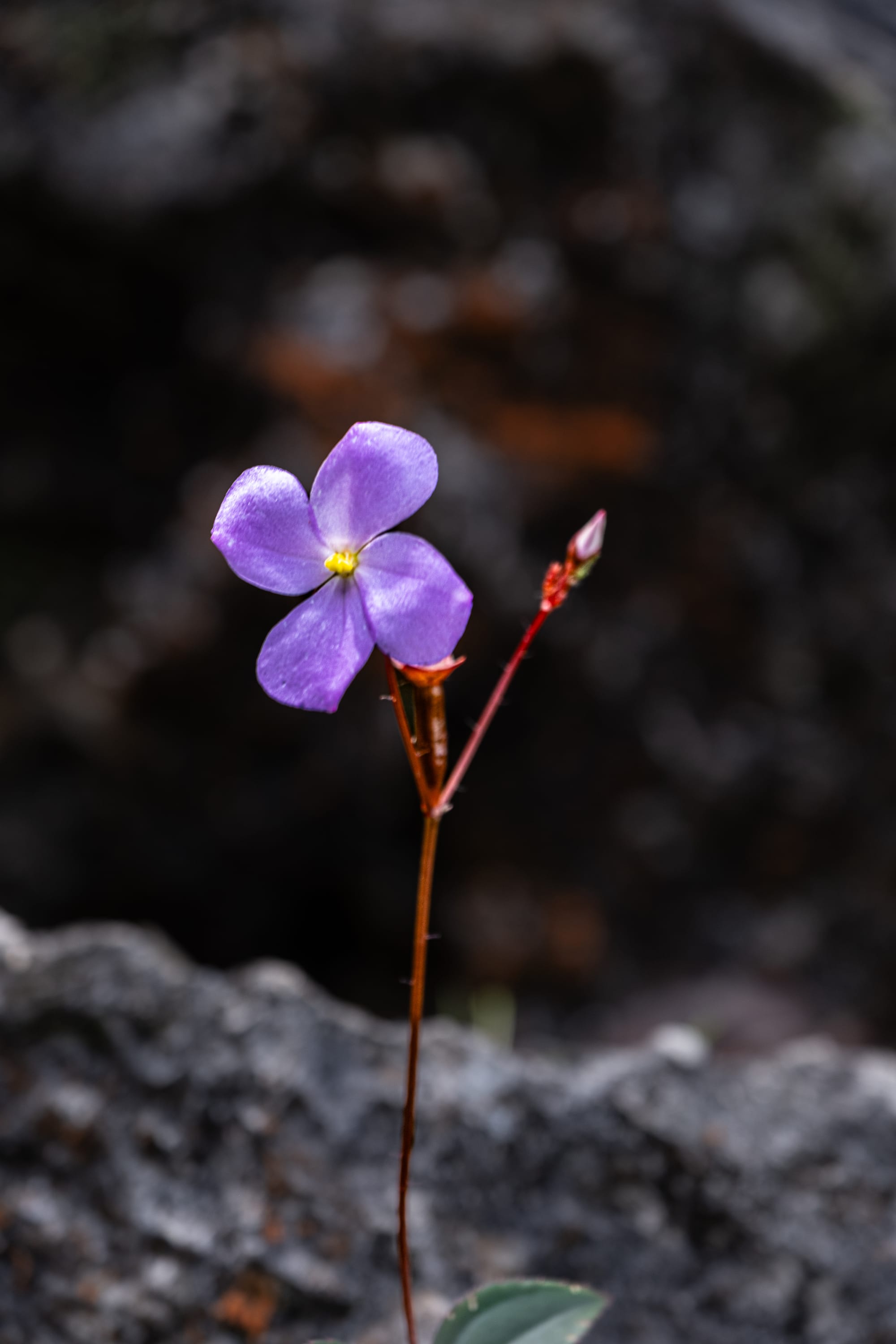
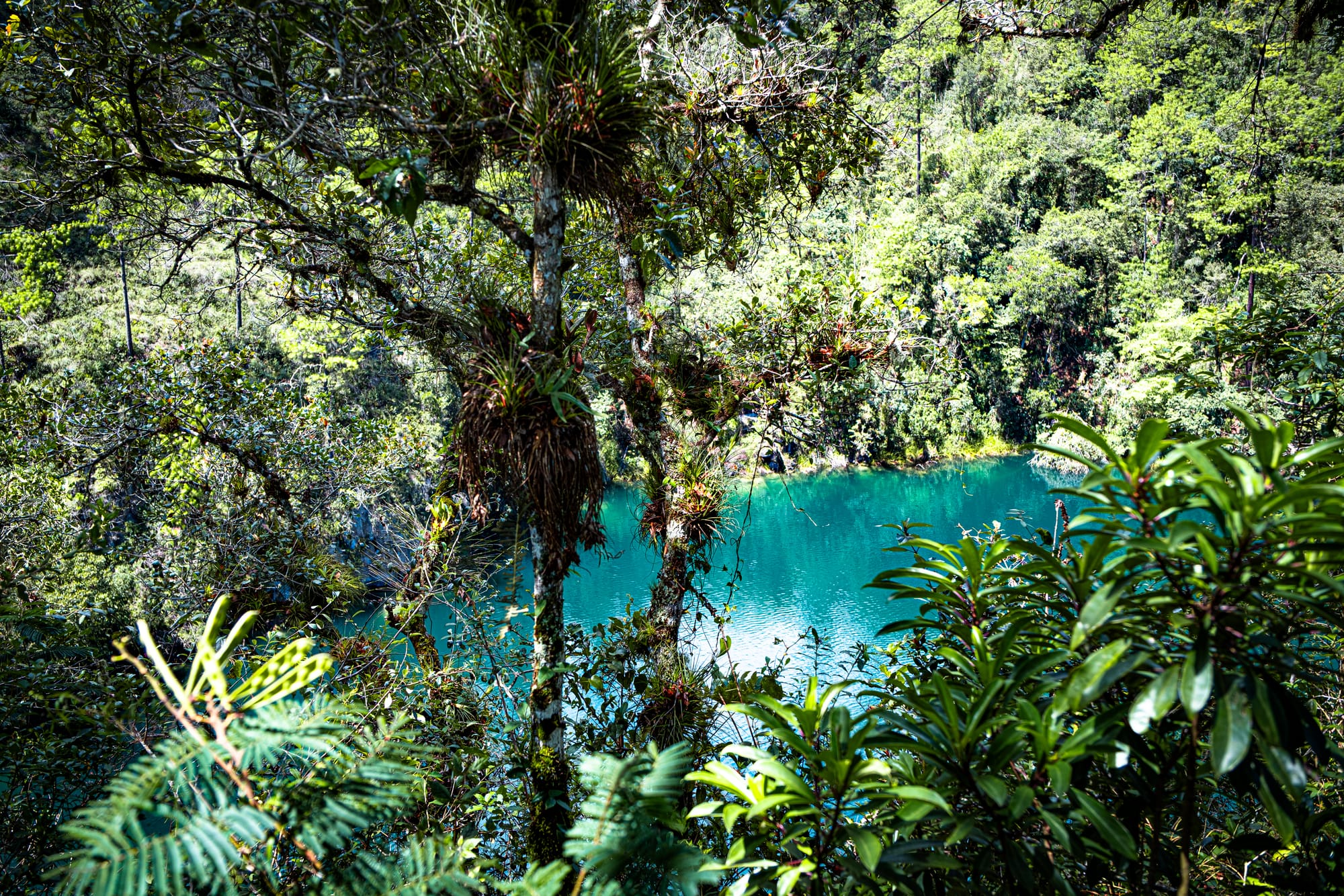
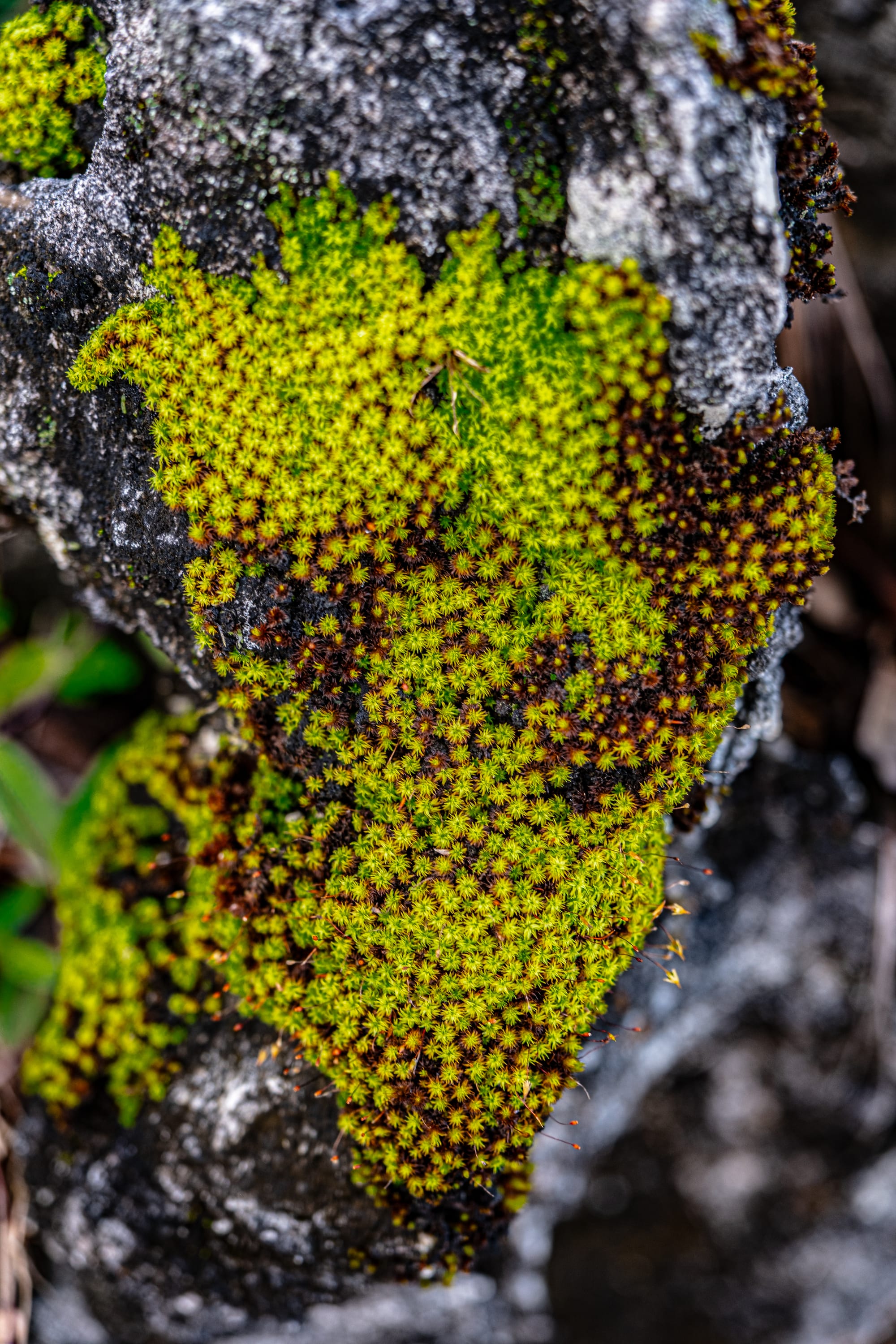
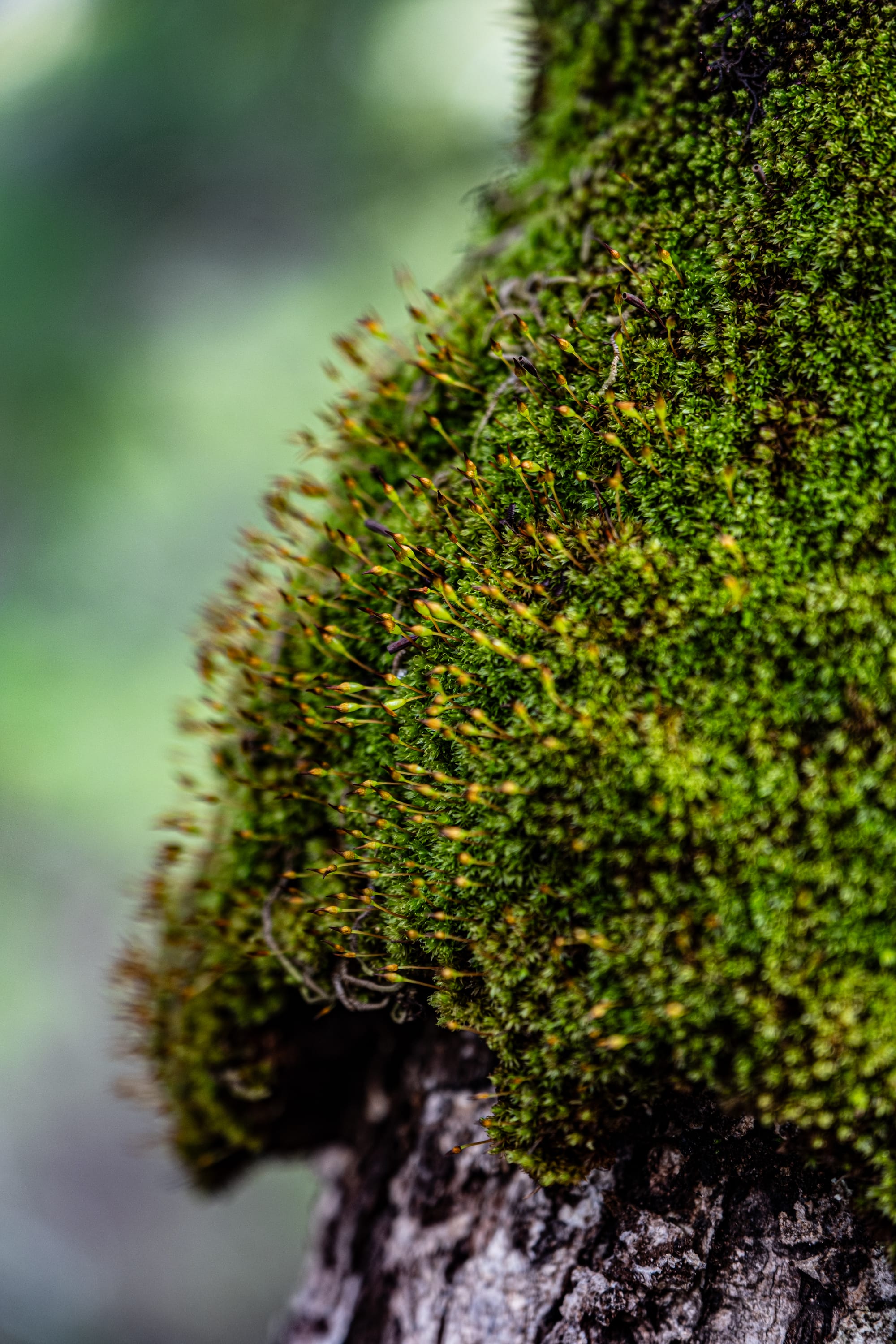
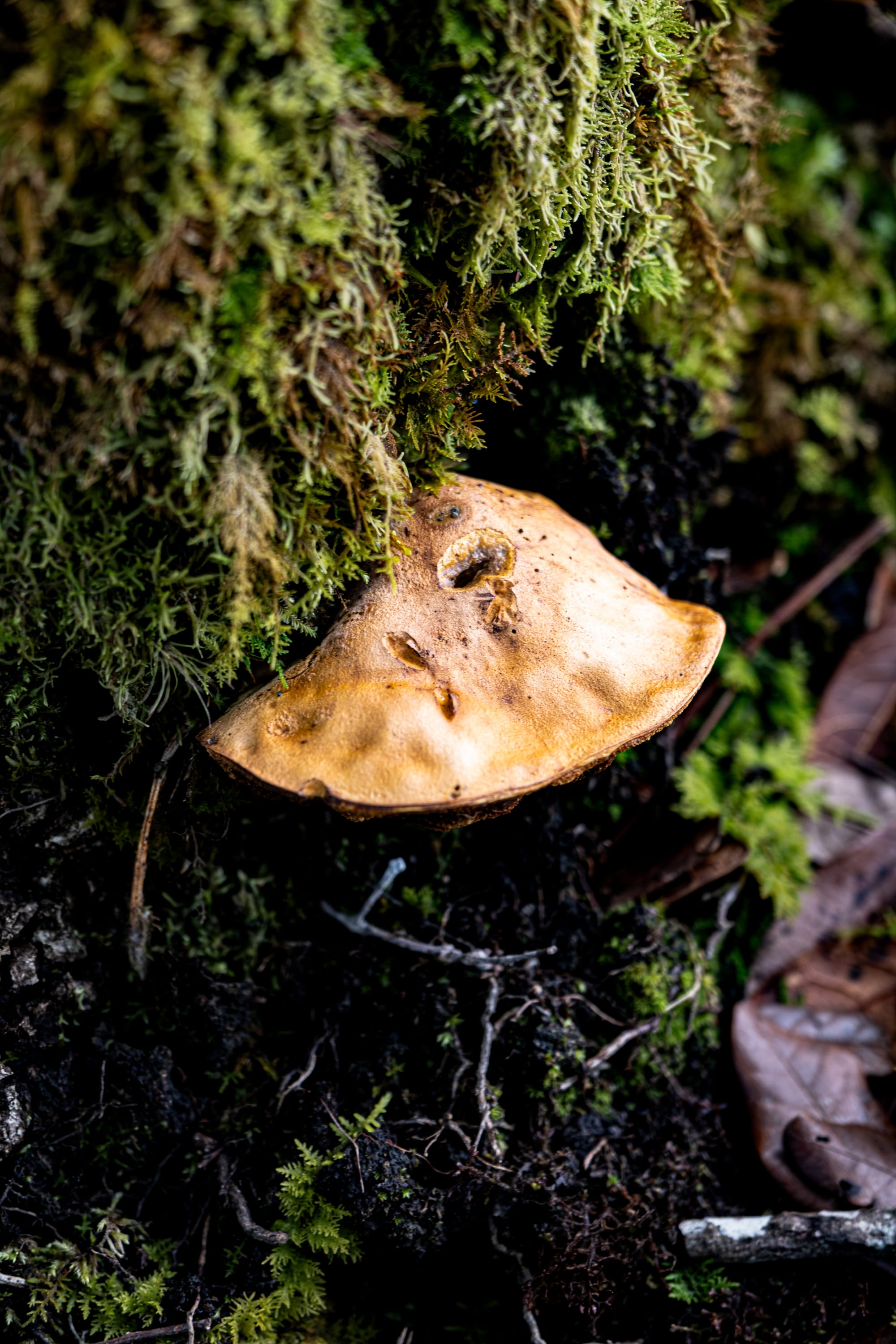
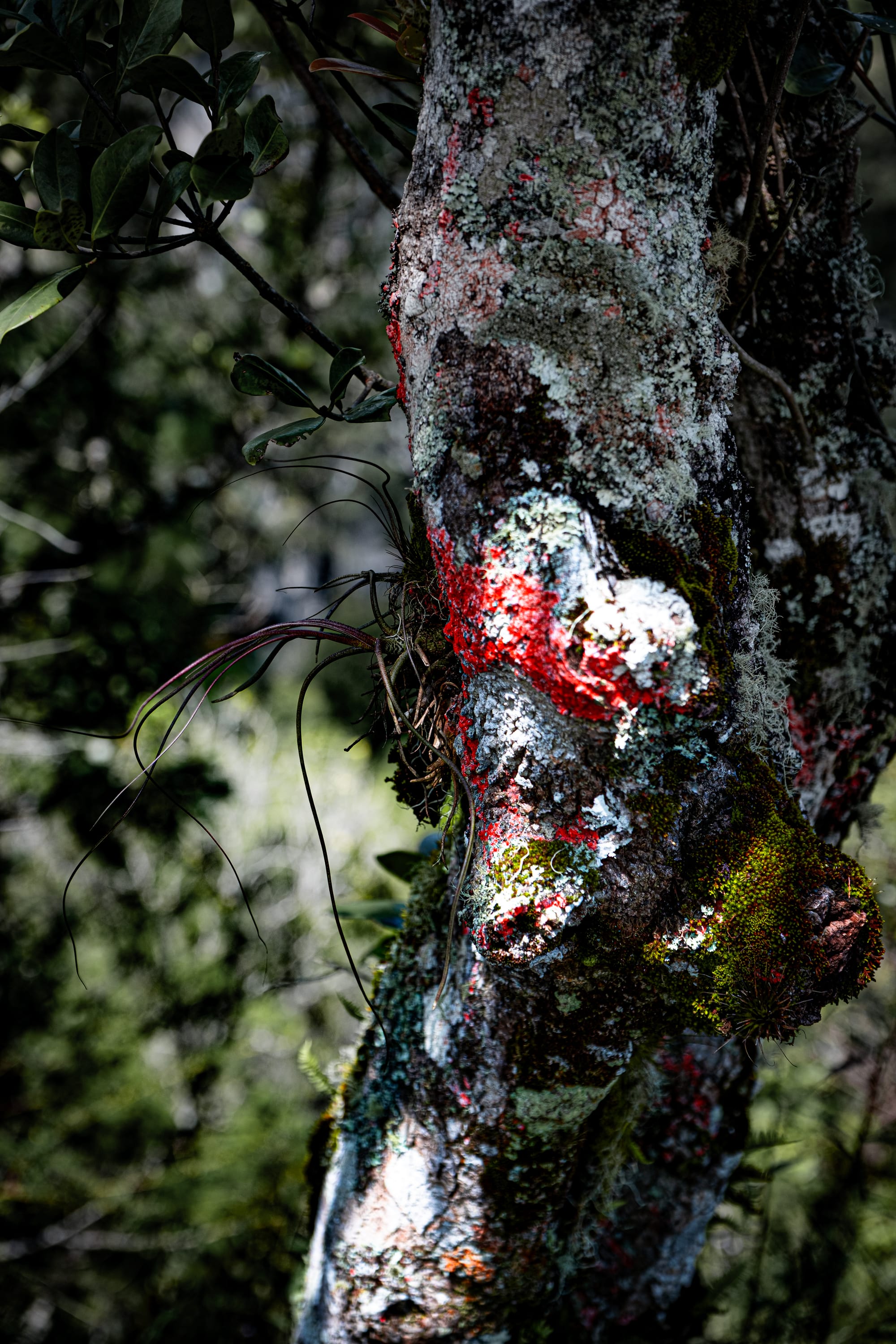
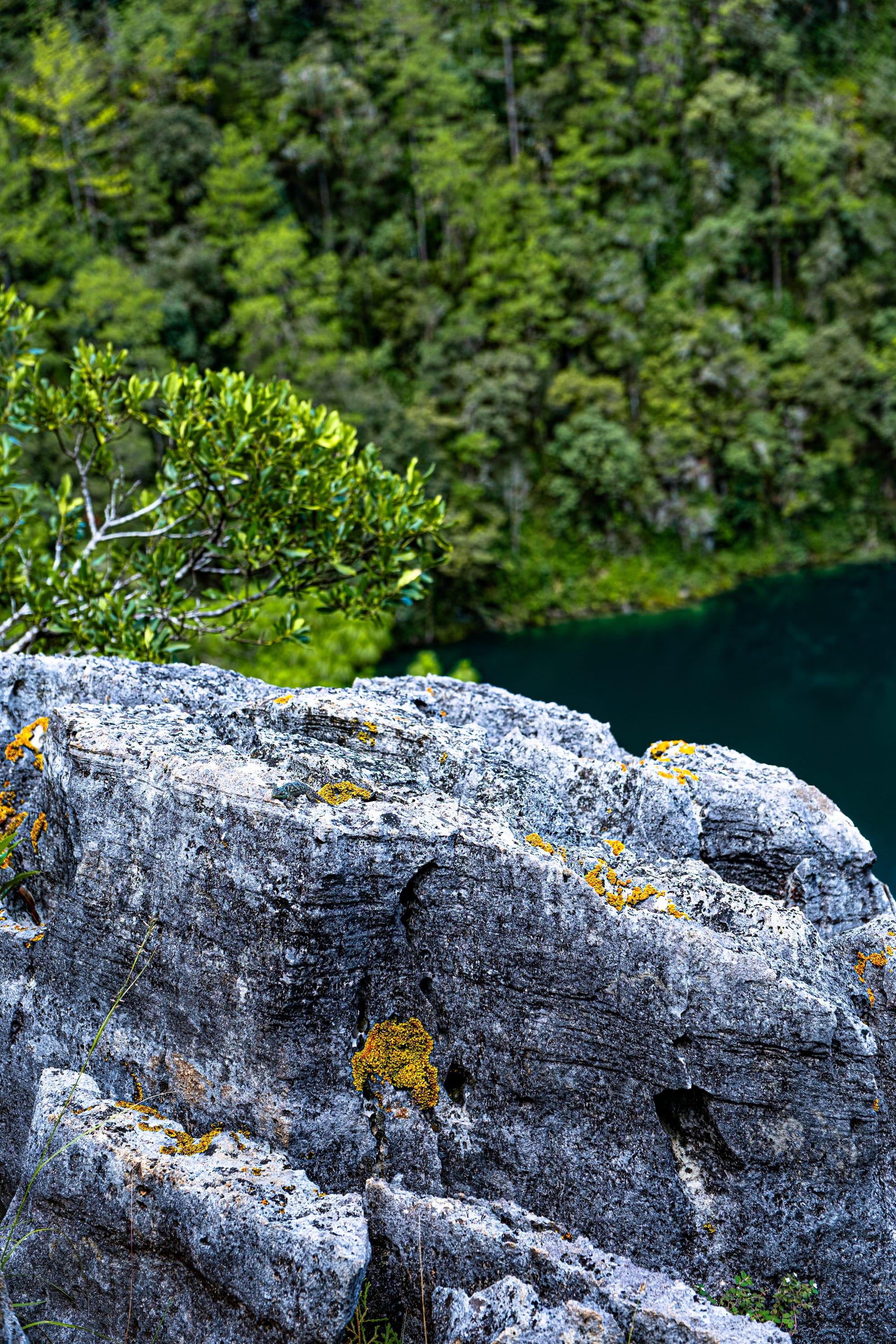
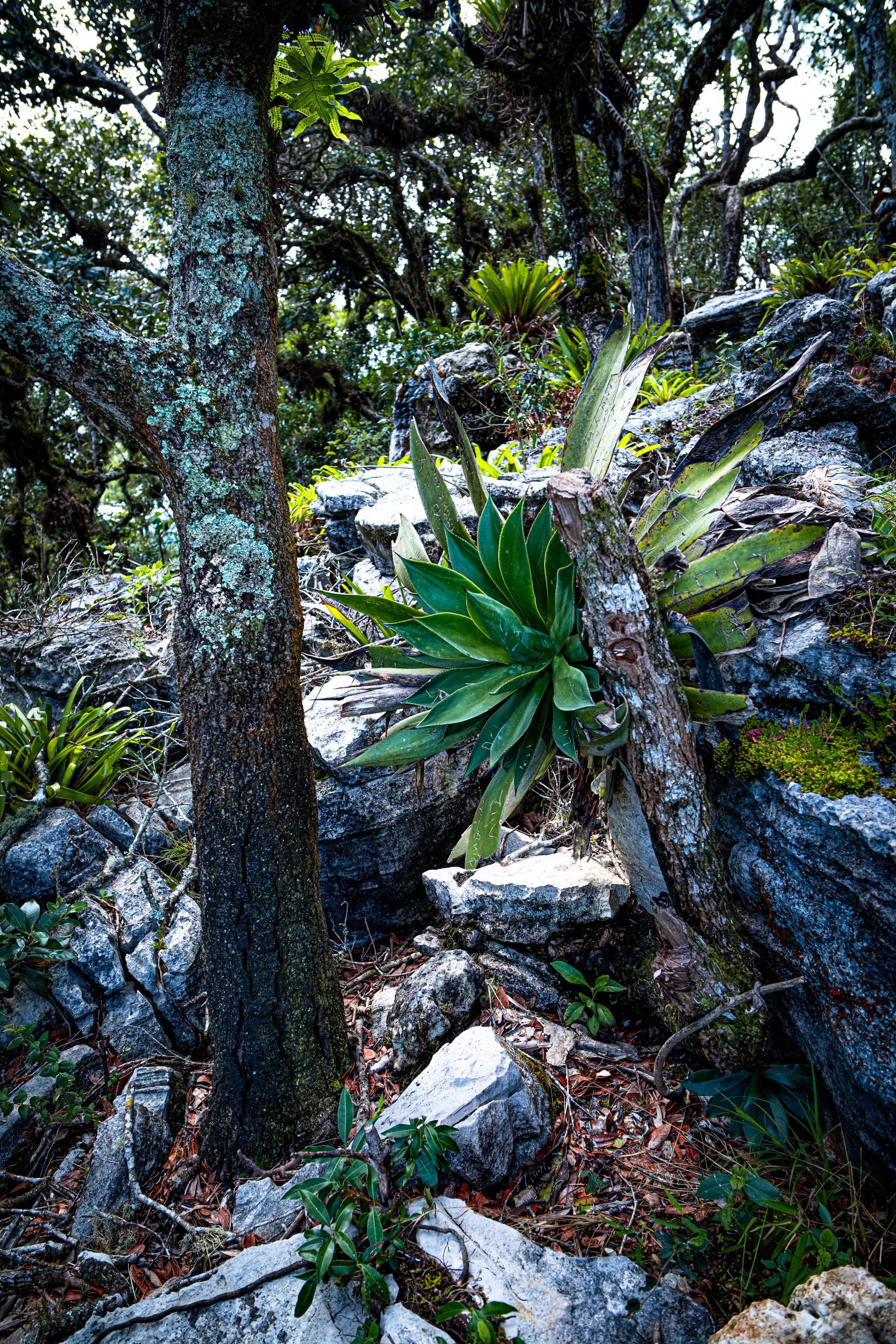
Scenes from the hike to the viewpoint near Cenote Bartolo
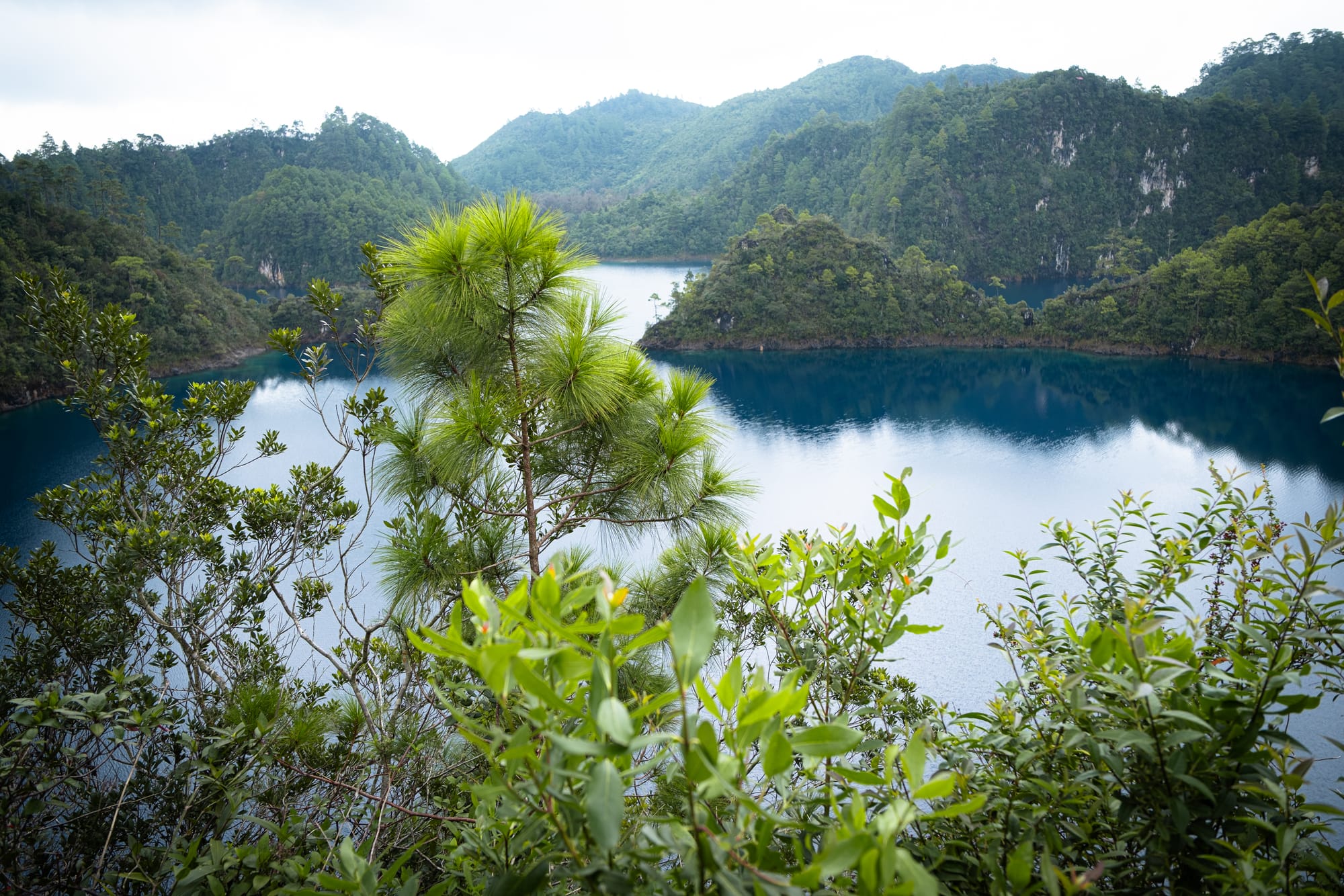
By the time we reached the ridge, the forest dropped away into a view that felt both immediate and impossibly large: several of the lakes visible at once, their surfaces catching glints of sun in slightly different shades.
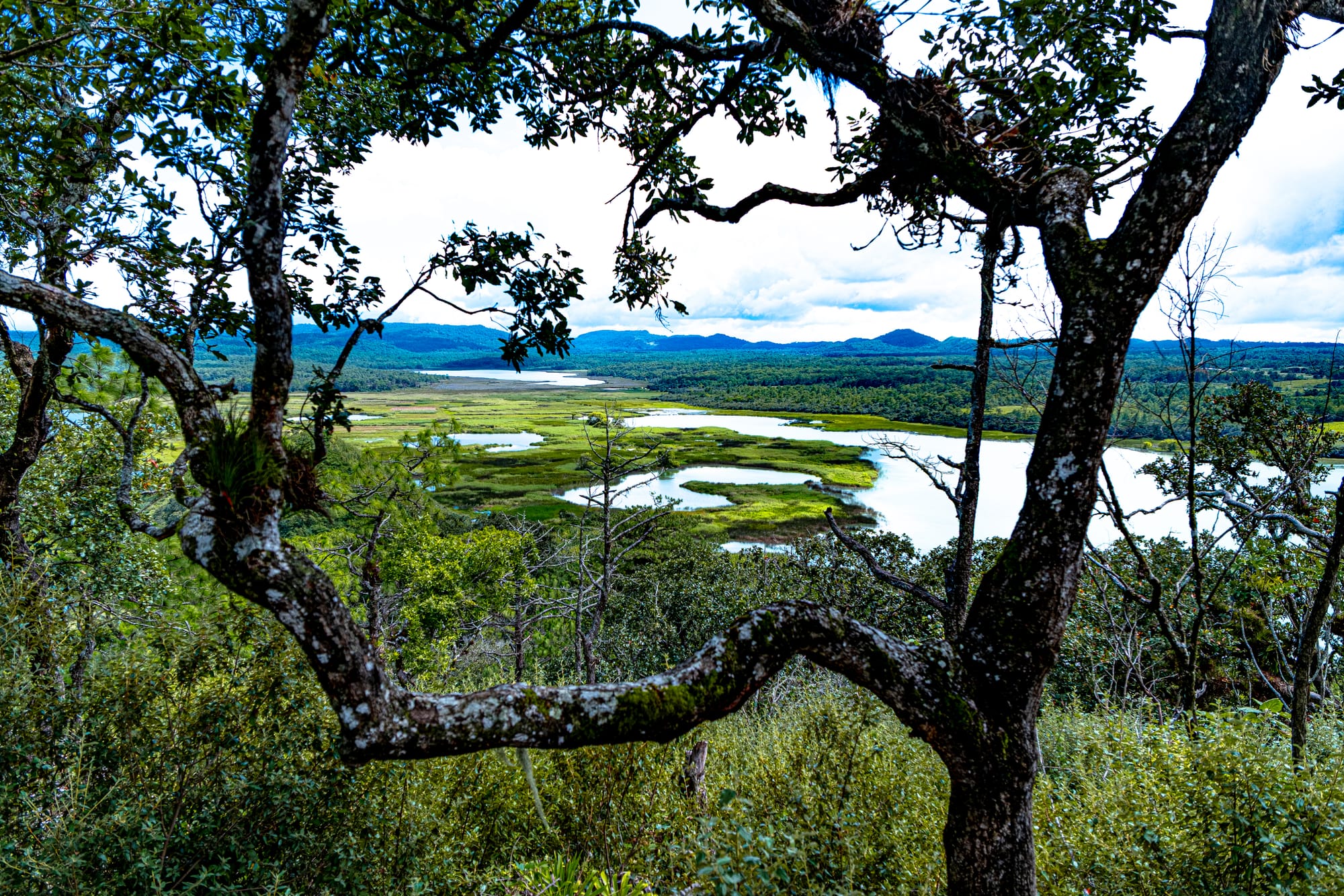
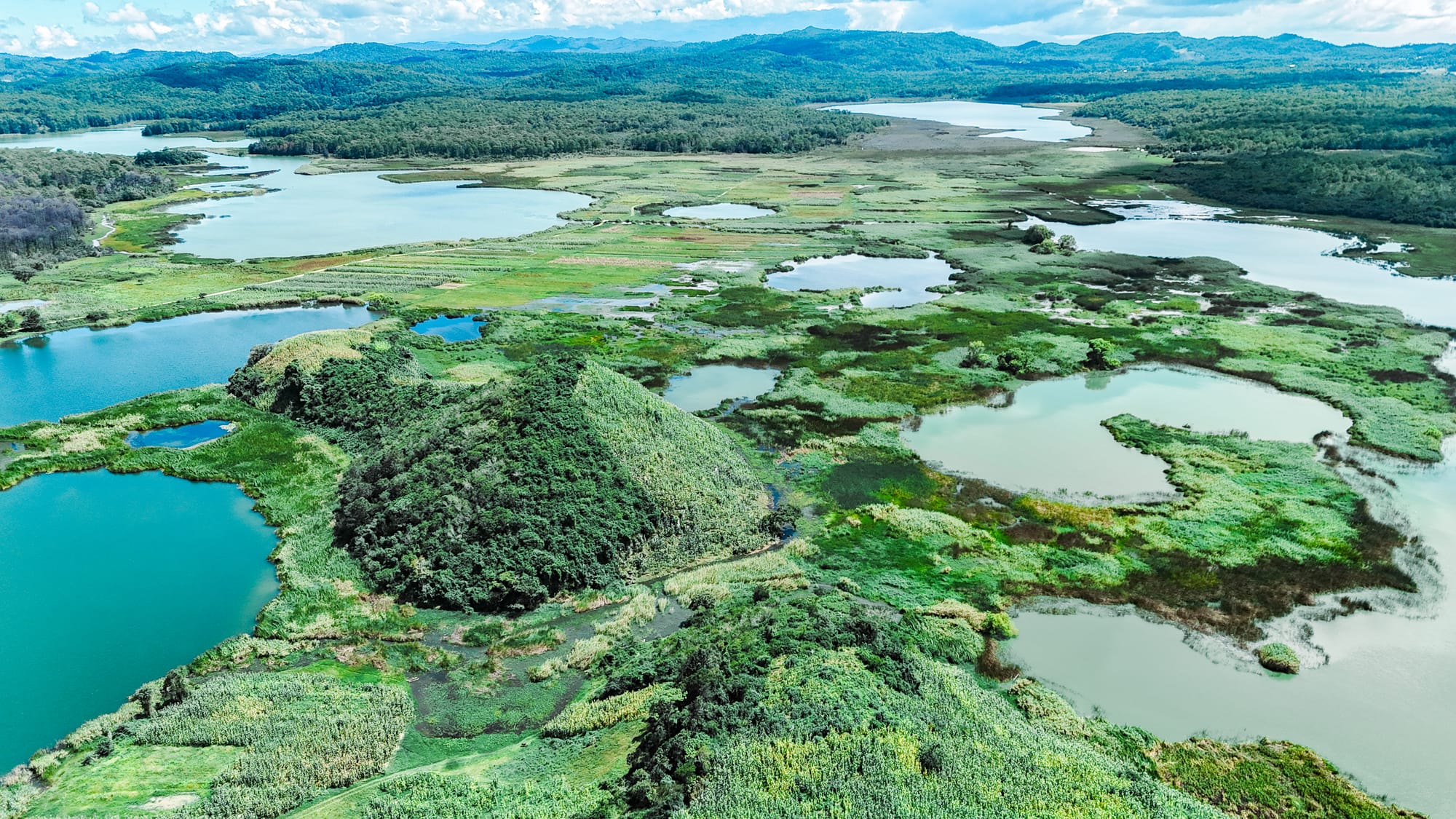
These lakes—part of the Montañas de Colón and the Montebello region—sit across a karst landscape shaped by centuries of water slowly dissolving and re-forming limestone. From above, the shapes of the basins made sense: long, irregular, scooped by time rather than carved by human hand.
We stood there for a while, saying very little. The energy of the place felt grounding, not in an abstract sense, but in a way that made everything slow down internally.
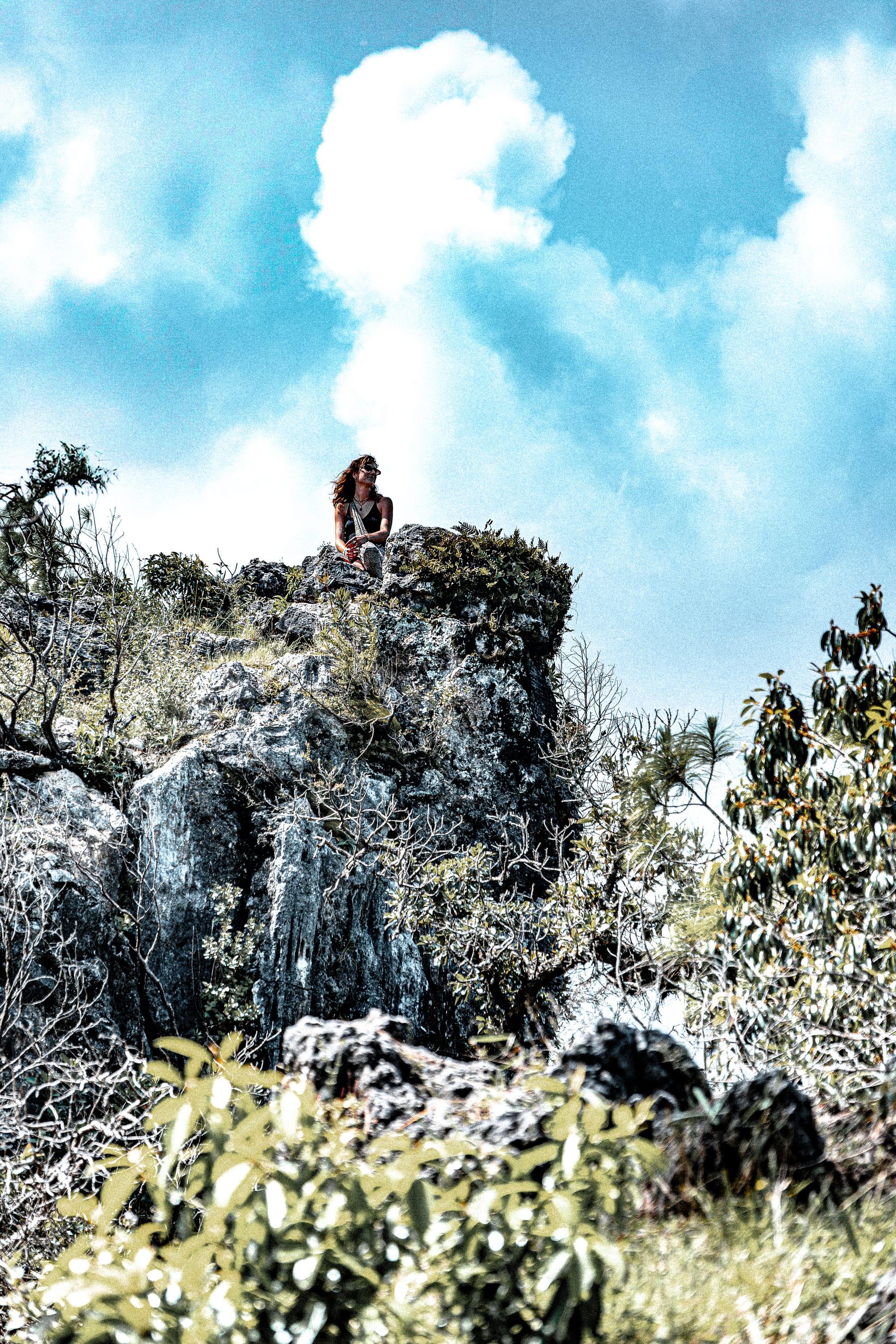
Cliffside moments above Montebello Lakes
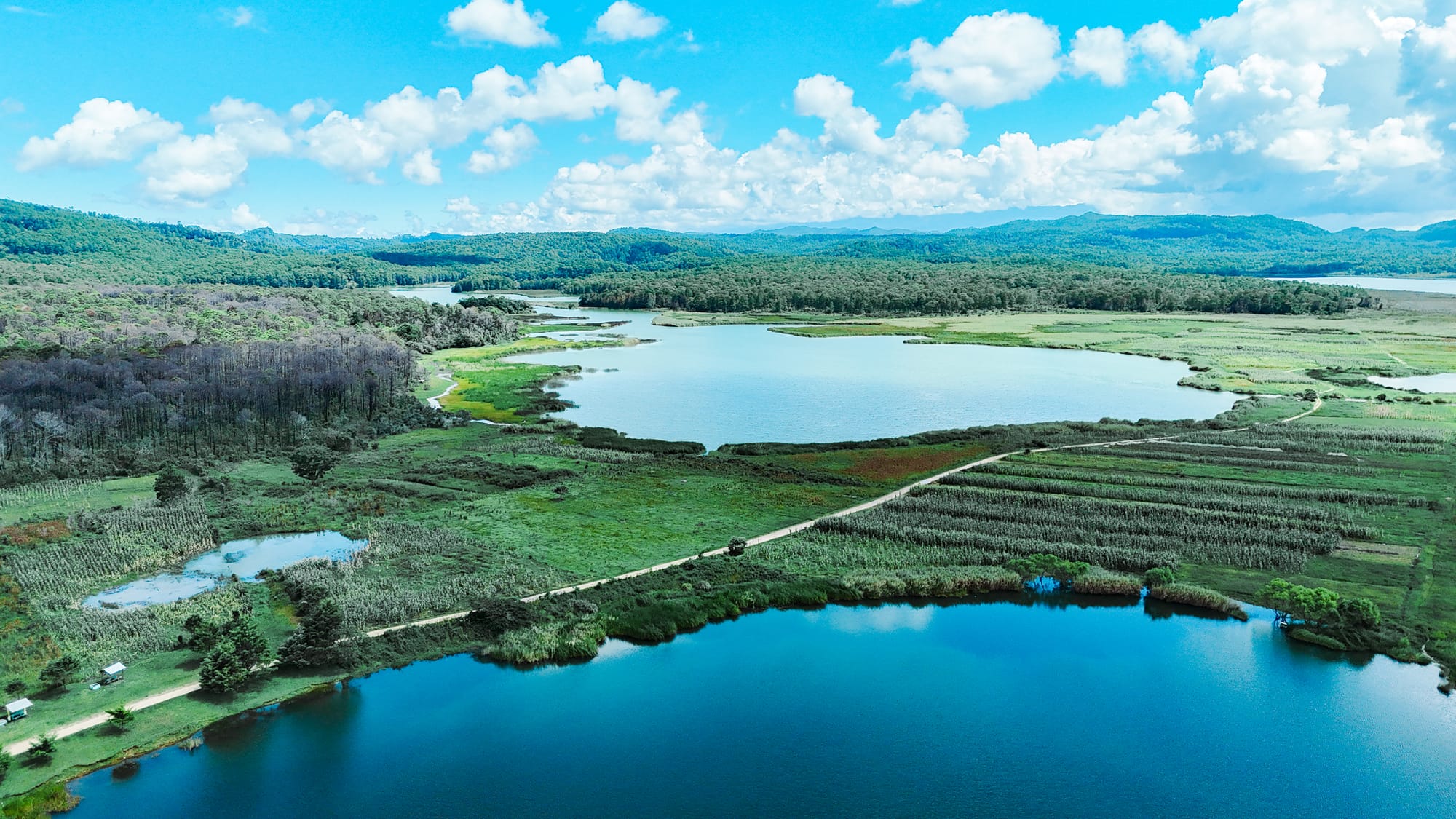
From this spot, we flew our drone and got some excellent shots of the lake-filled valley.
A landscape made of water
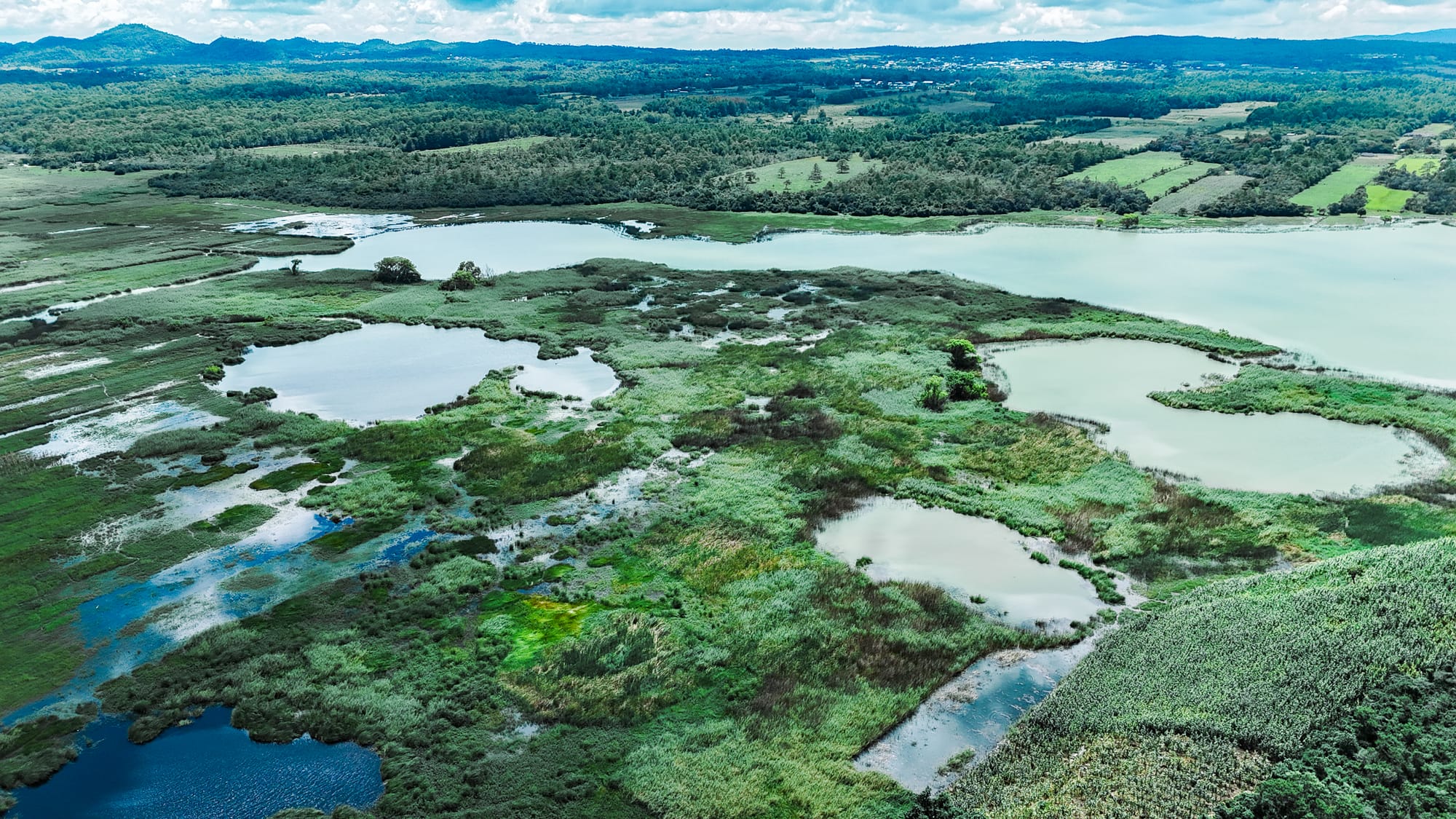
The lakes of Montebello are famous for their shifting colors—deep blue, turquoise, jade, sometimes almost black depending on the minerals, vegetation, depth, and angle of light. Some are large enough to feel like small inland seas. Others are compact, hidden between folds of forest. Their names vary: Laguna La Encantada, Laguna Bosque Azul, Laguna Pojoj, Laguna Tziscao, Laguna Internacional—the last of which straddles the border with Guatemala, marked only by a line of signs and small boats.
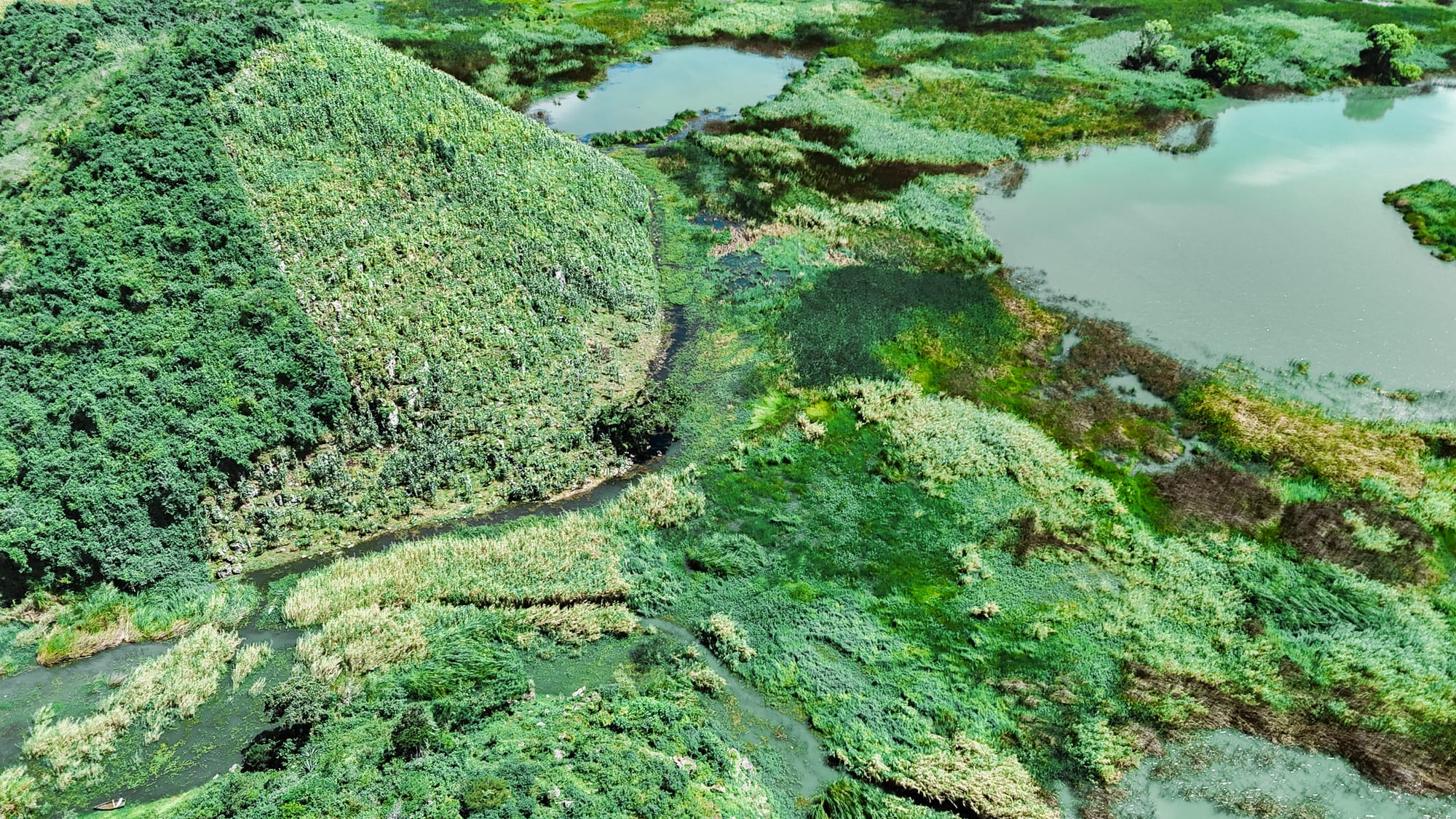
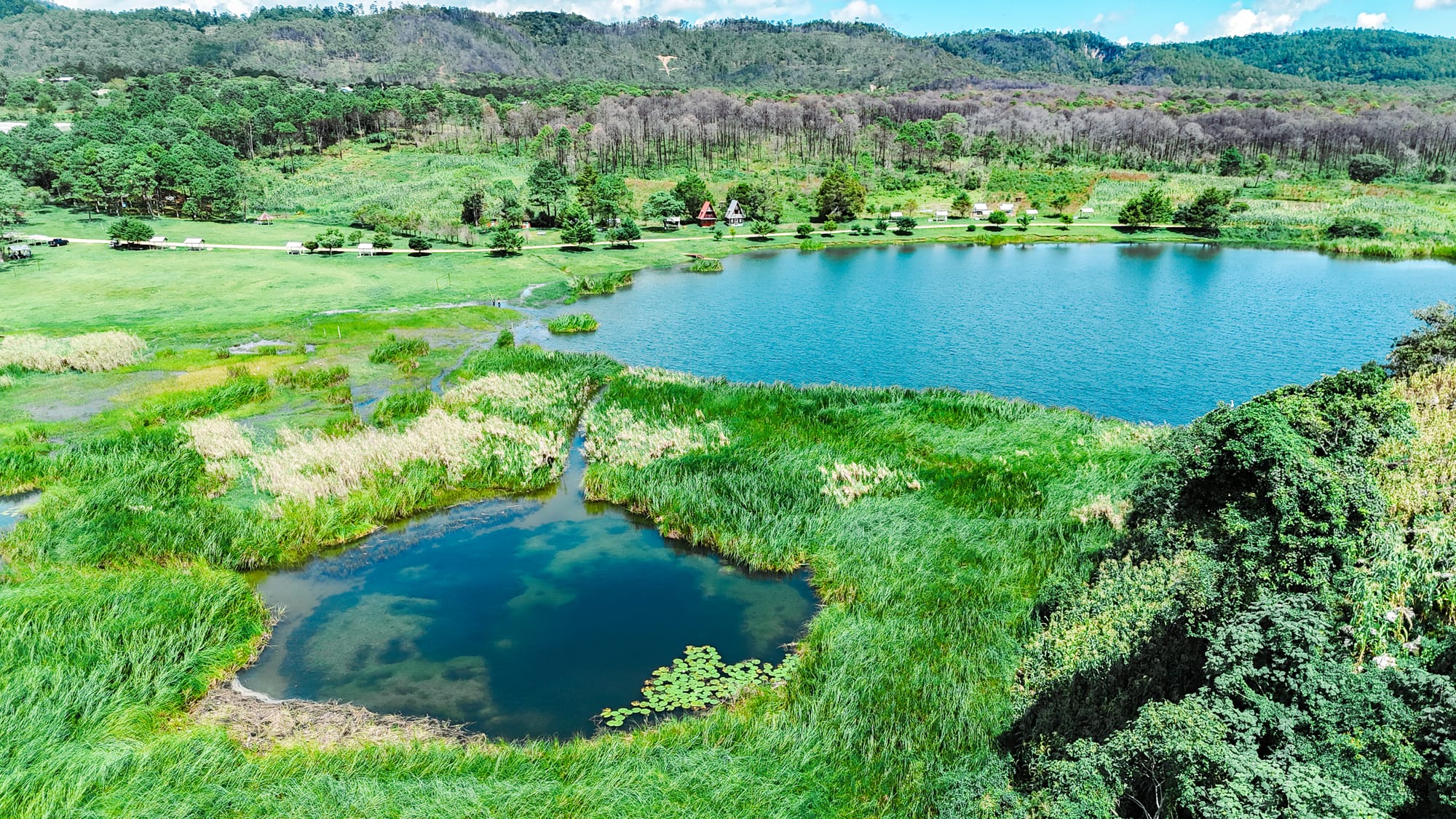
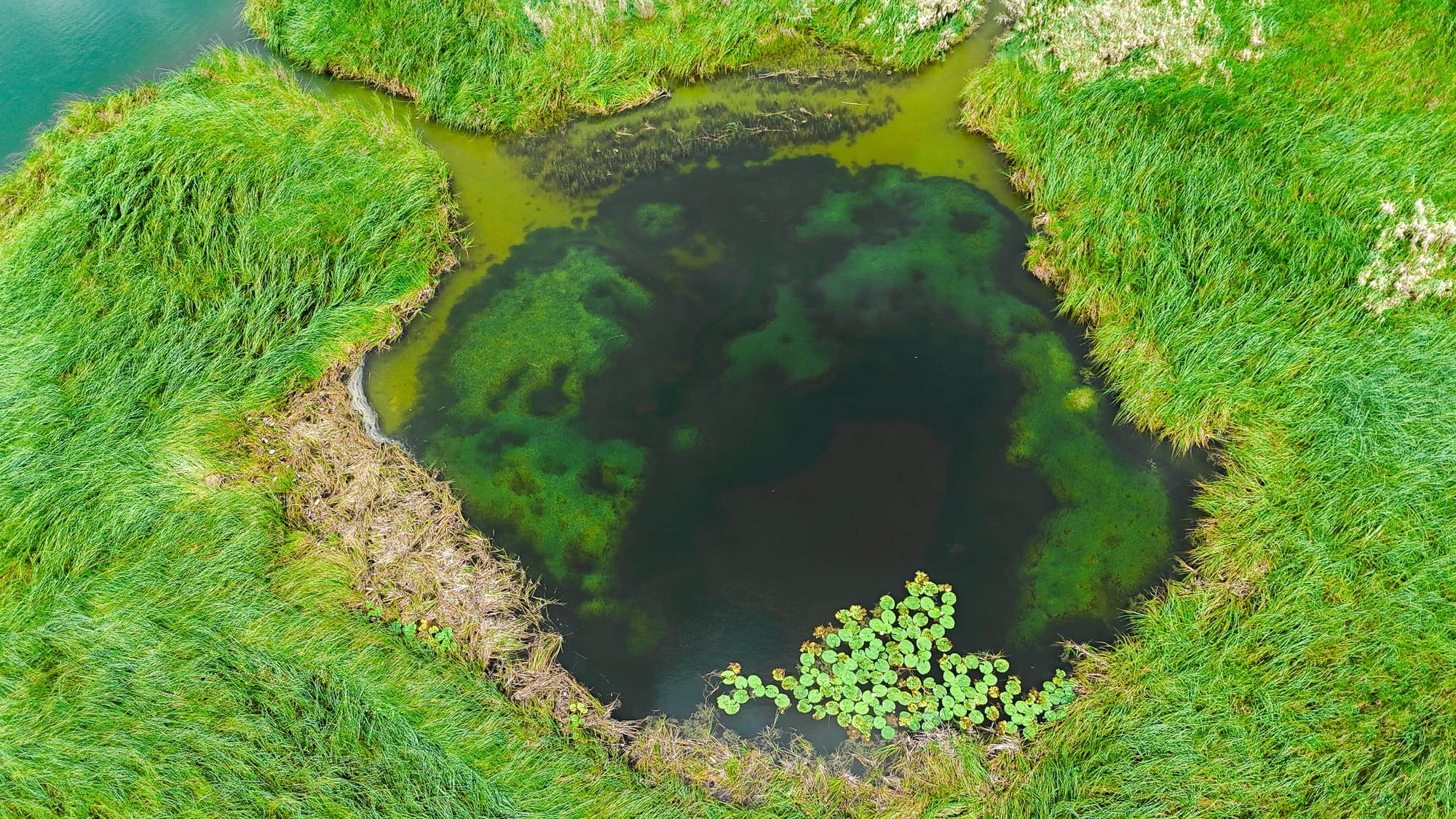
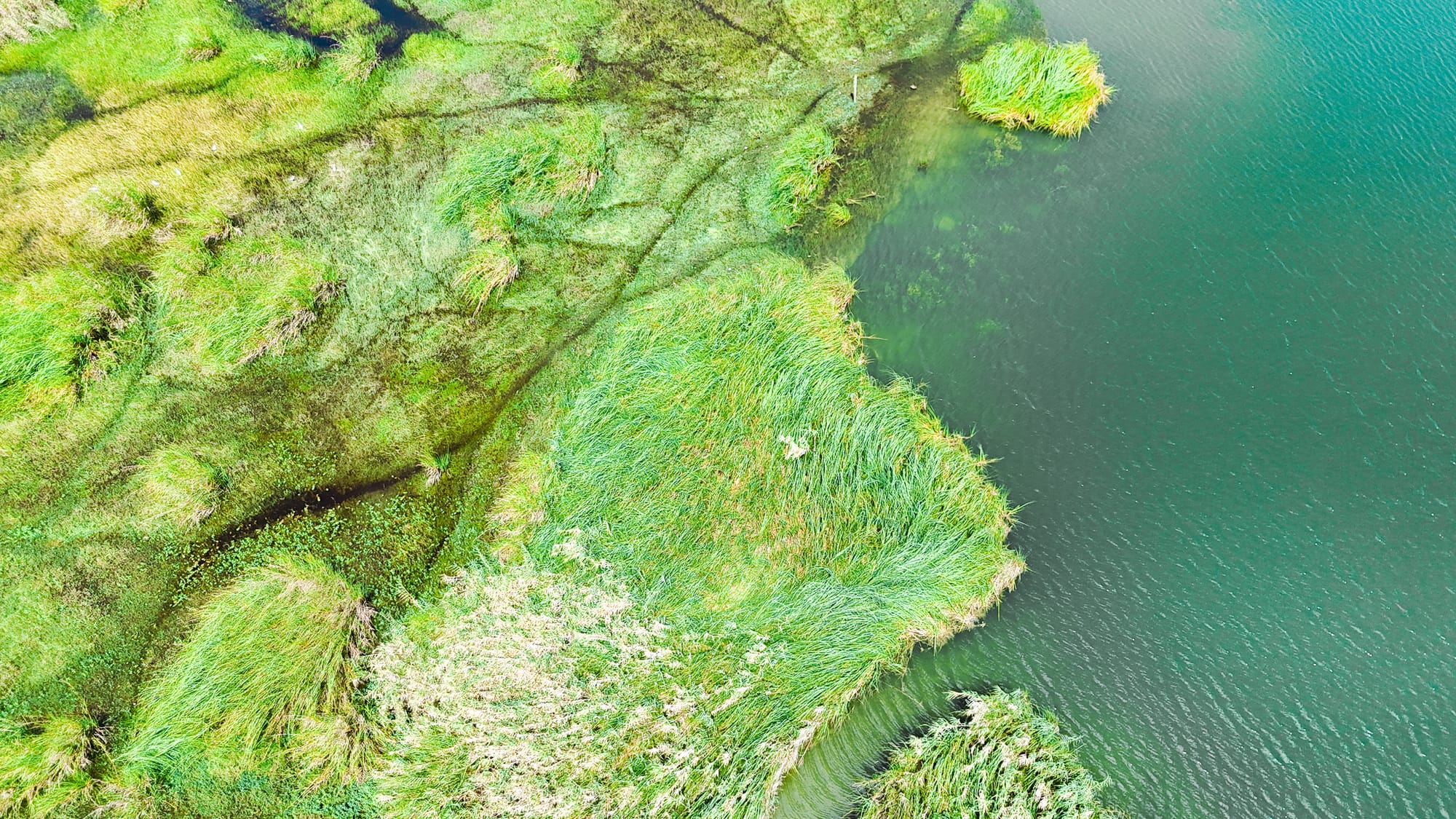
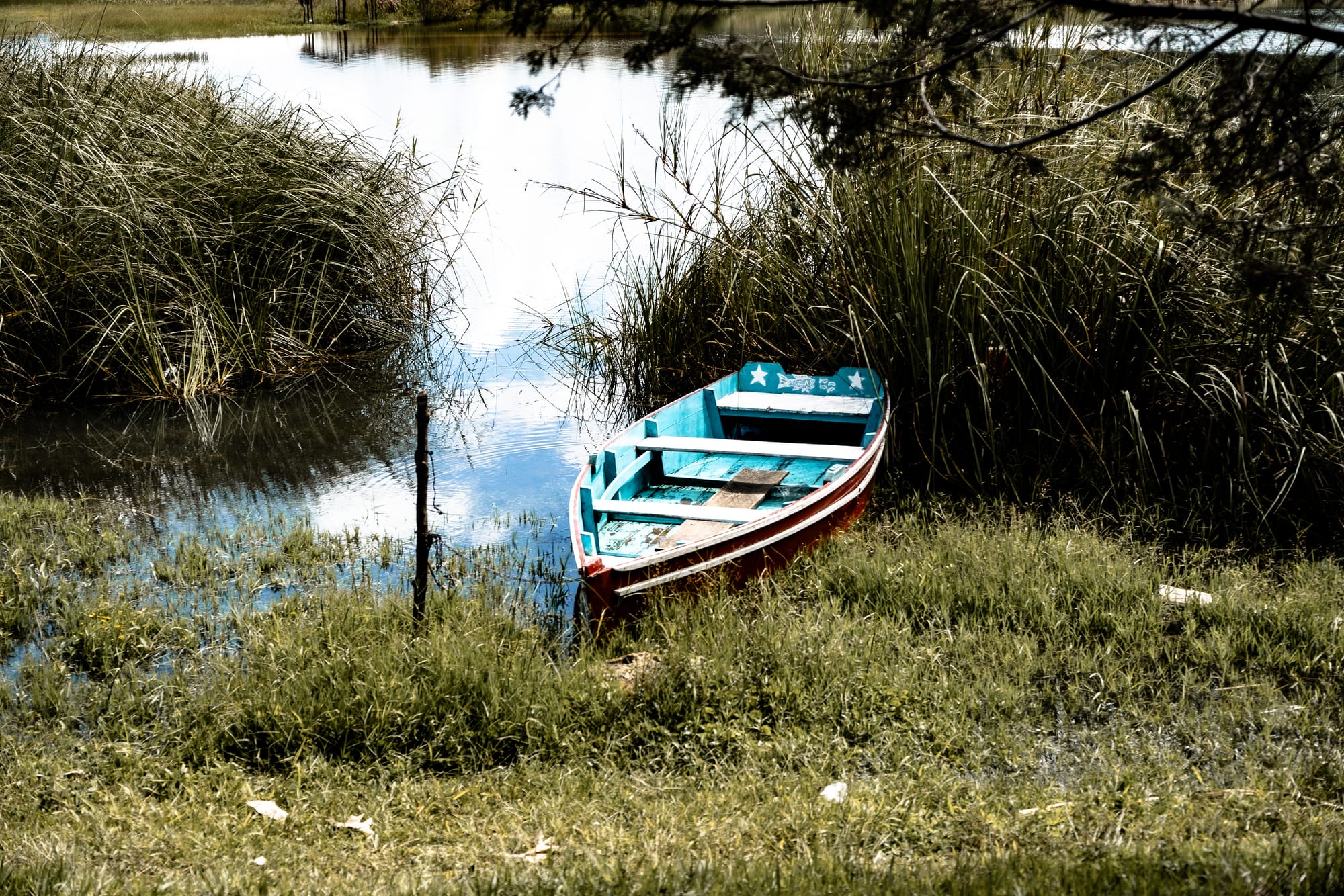
A closer look at the wetlands around Montebello Lakes
Driving between them, you begin to understand that the lakes are less a singular destination and more a loose constellation of water bodies spread across protected terrain. The park’s official designation—Parque Nacional Lagunas de Montebello—was established in the late 1950s, in part to preserve the region’s hydrological systems and the forests that protect them. Pines dominate the upper slopes. Oaks and broadleaf trees fill the lower reaches. Beneath it all sit layers of limestone, carbonates, sediments, and ancient geologic memory.
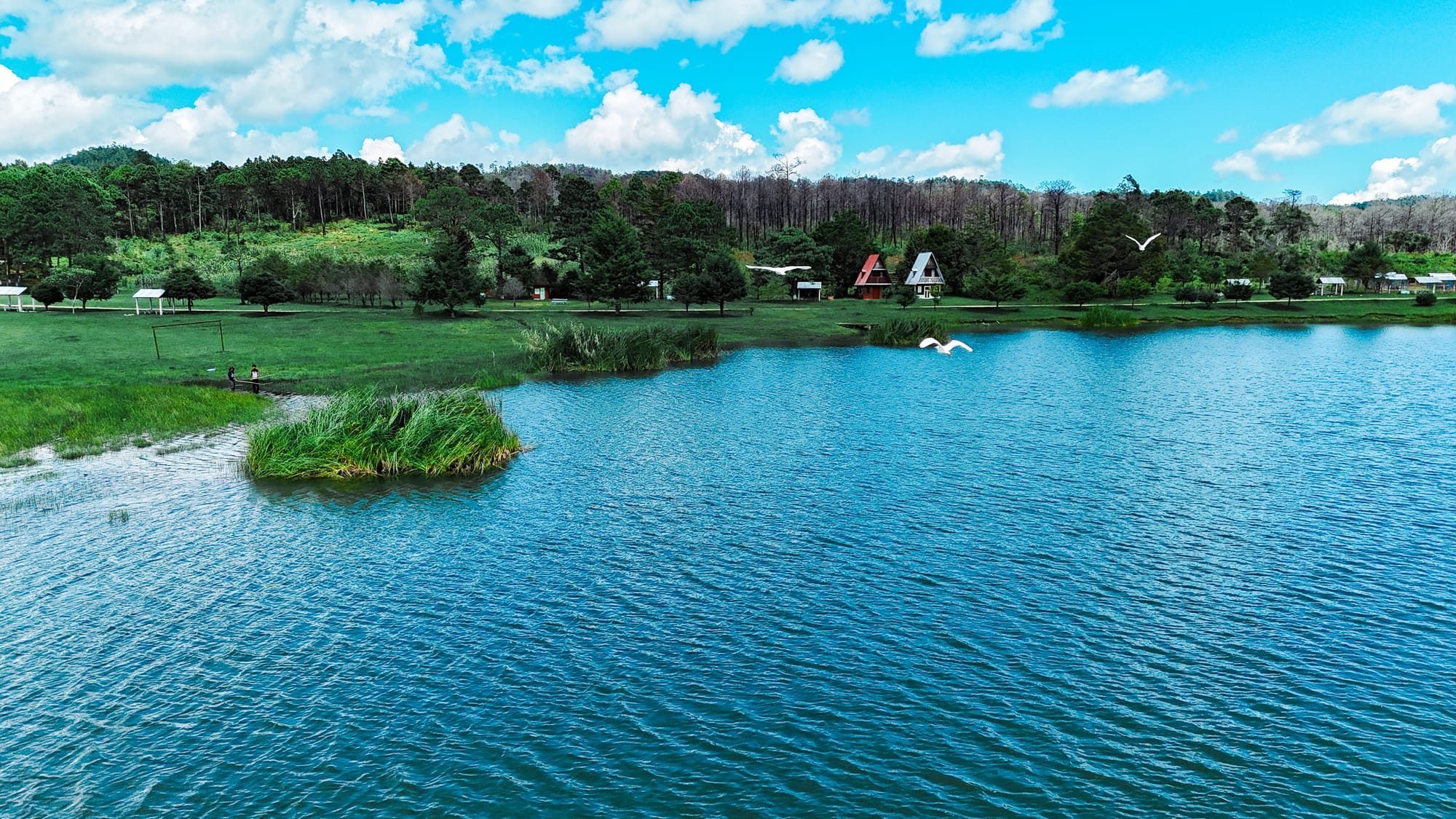
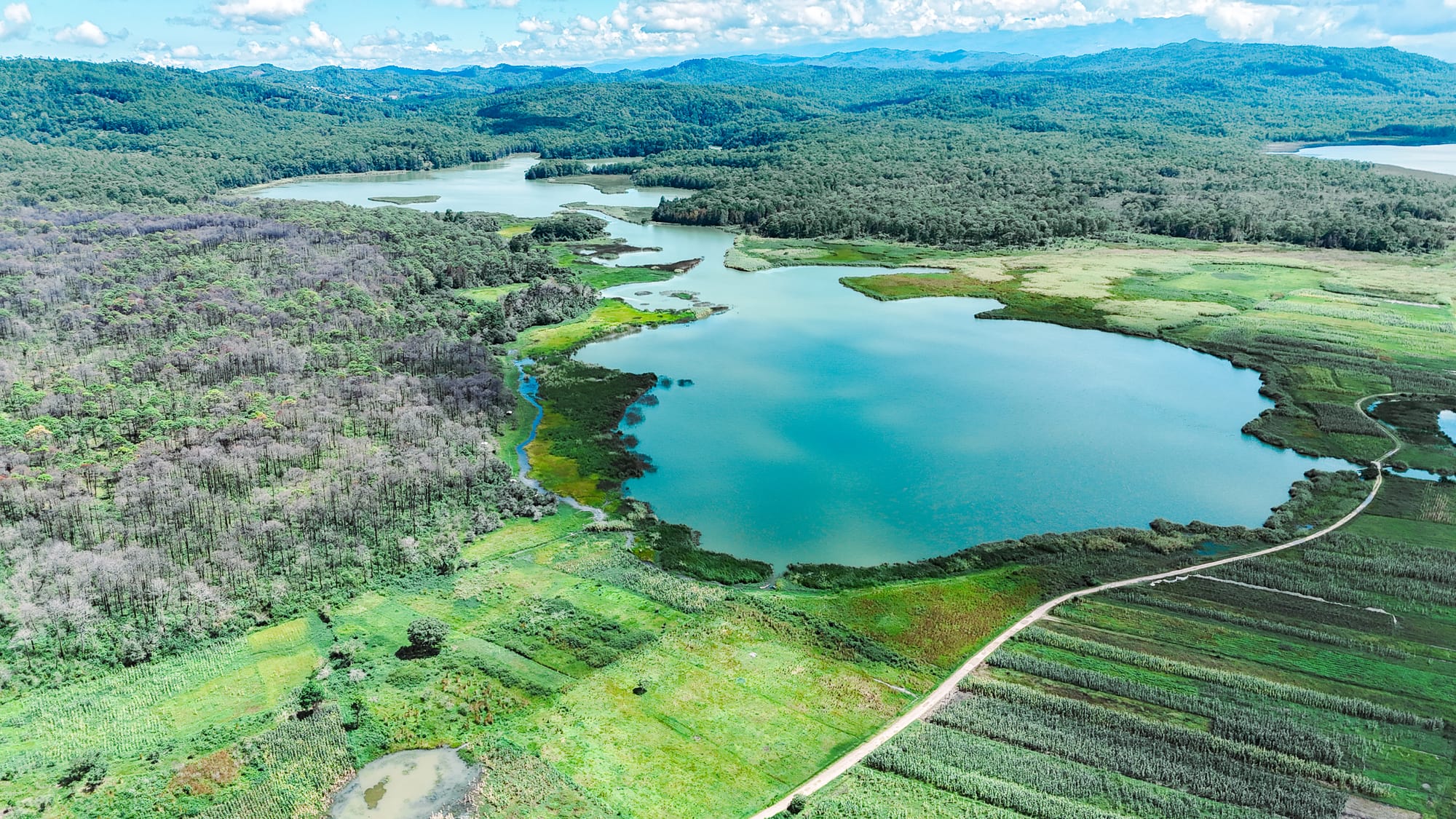
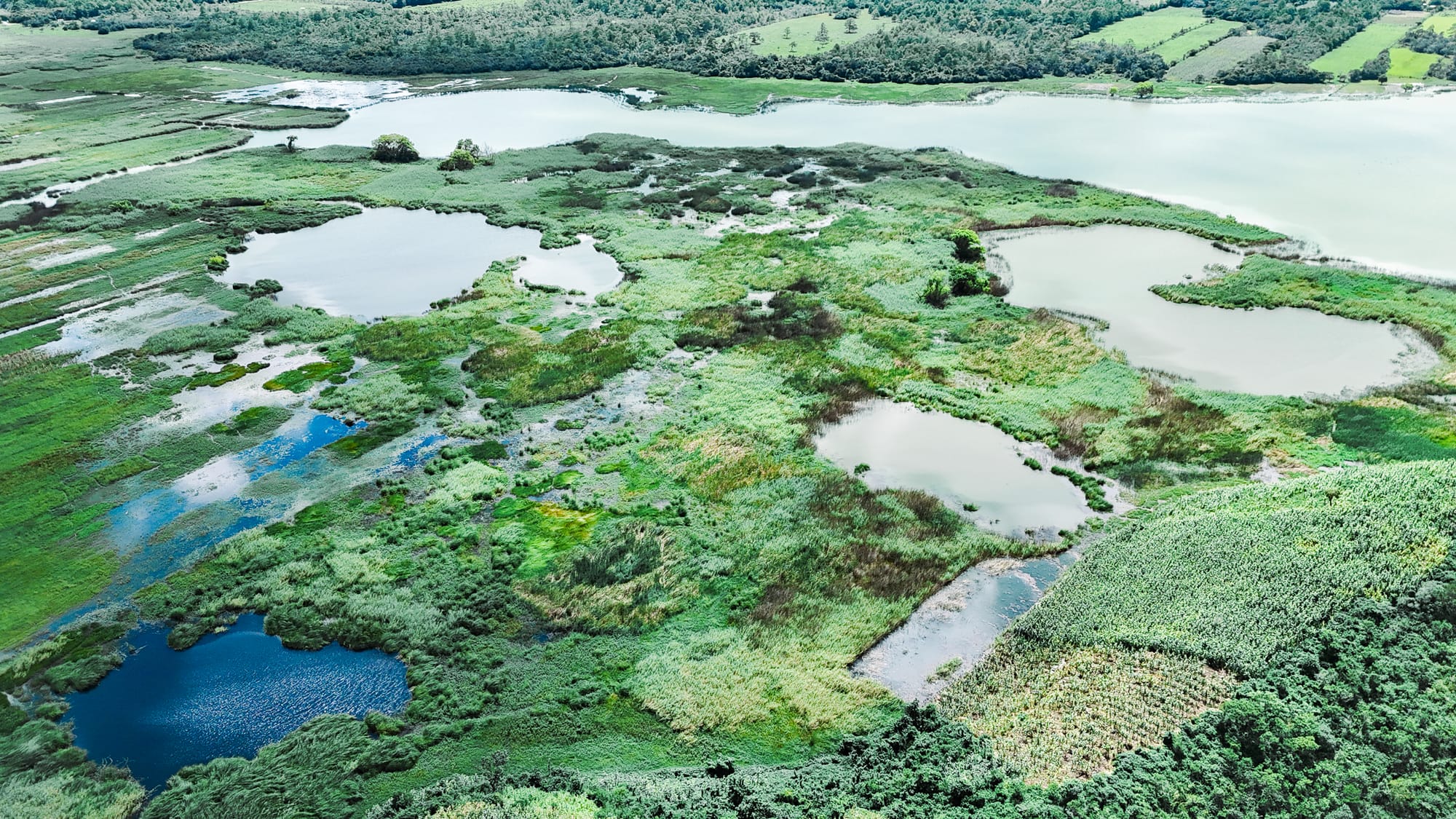
Even if you aren’t seeking a history or lesson in geology, the lakes make the story tactile. You see it in how the edges of some lakes curve sharply into cliffs, and how others spread into gentle shallows where grasses sway. The land, the forest, and the water all speak the same language.
Cenote El Camarón
Later that afternoon, we veered toward a turnoff marked by a small wooden sign. Cenote El Camarón—not part of the official lake circuit, but tucked within the broader region—was our next stop. It was empty when we arrived, the trees casting soft shadows across the water.
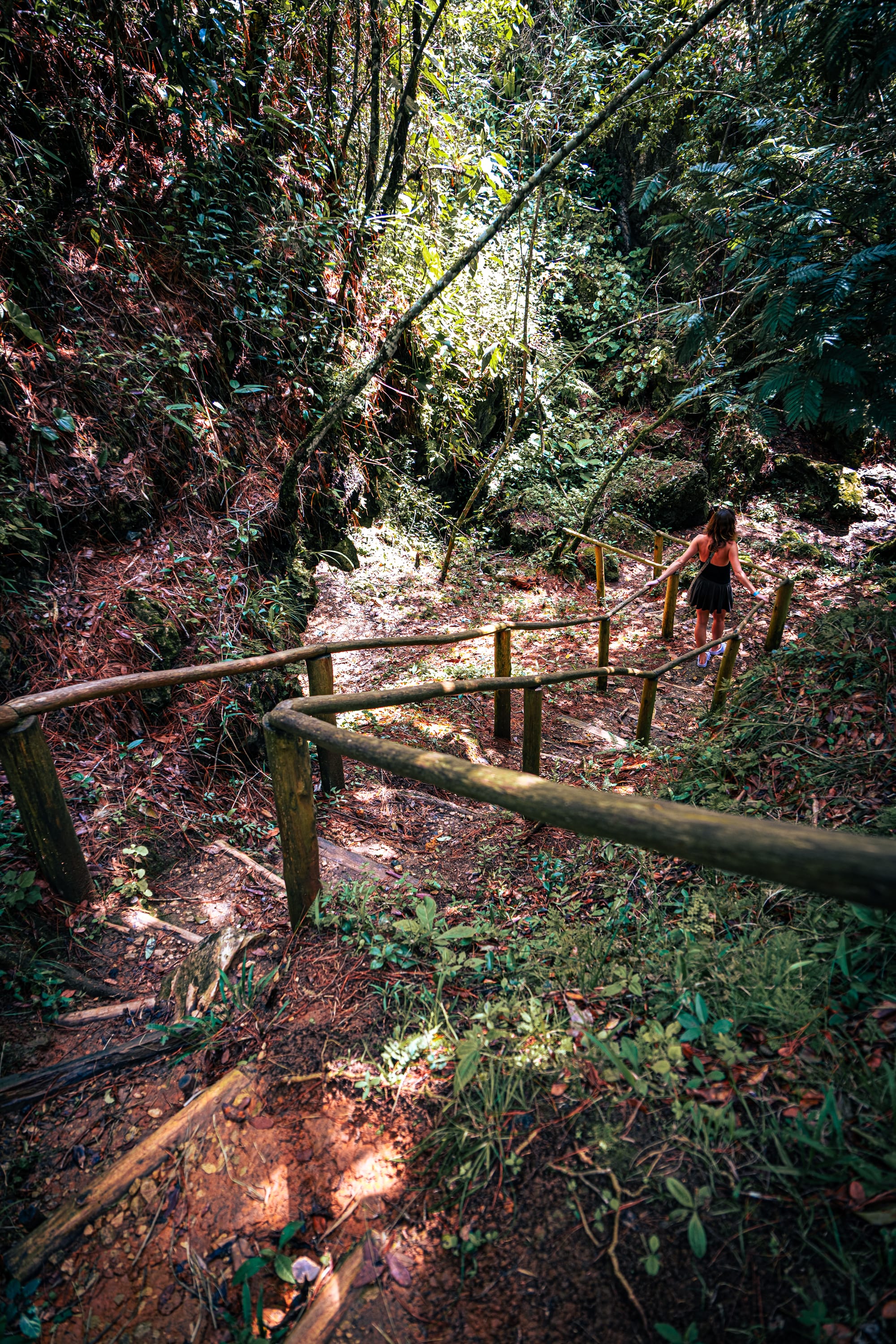
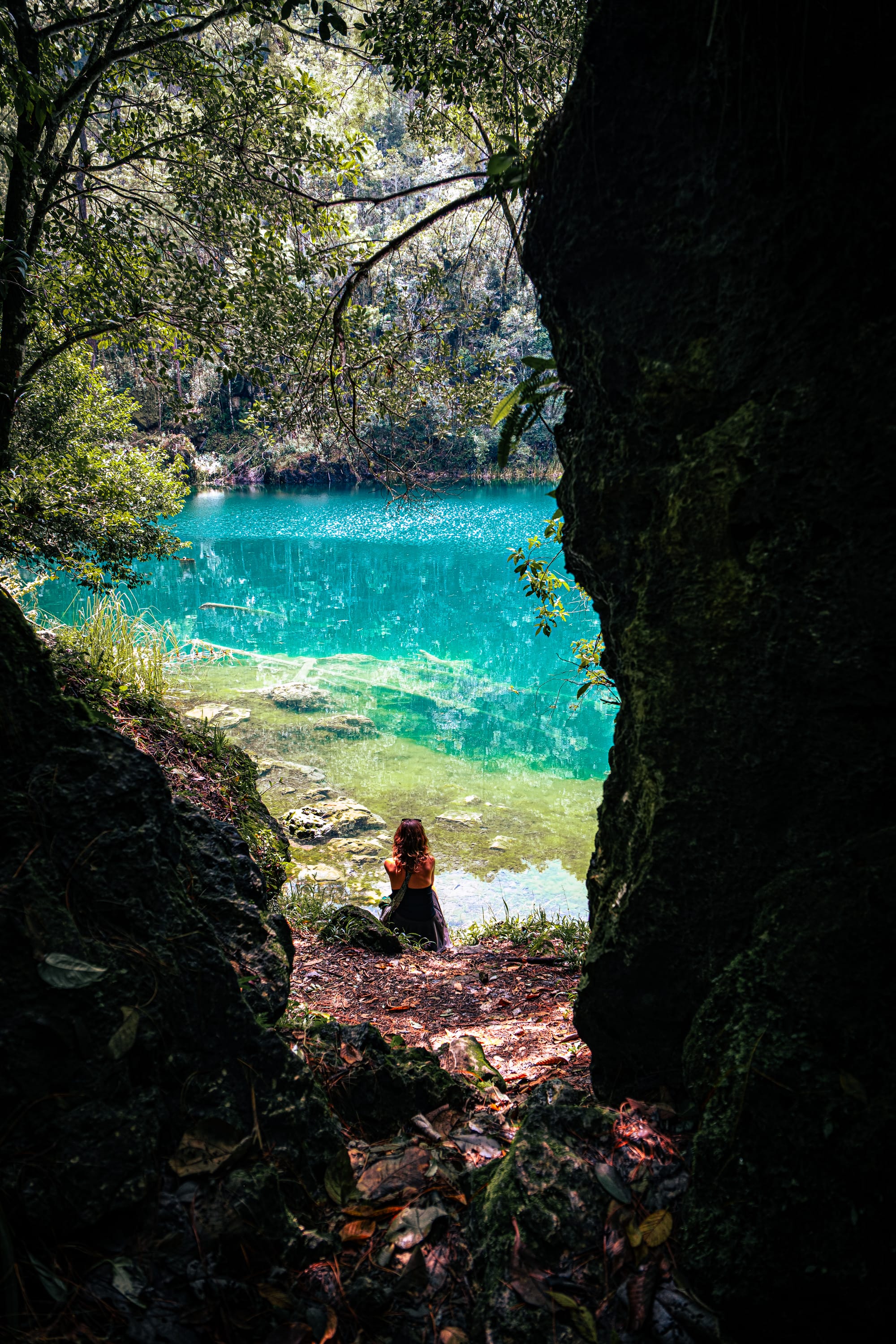
The trail down to Cenote El Camarón, and the bright turquoise water waiting below
The cenote itself was a bright turquoise, nearly opaque at its deeper points. The surface was glassy, disturbed only by the movement of our own feet on the wooden platform. The water was cold in the way that wakes you up fully—a sensation that seemed amplified by the quiet around us. No tour groups. No crowds. Just us, the light filtering through branches, and the feeling of being suspended in a pocket of stillness.
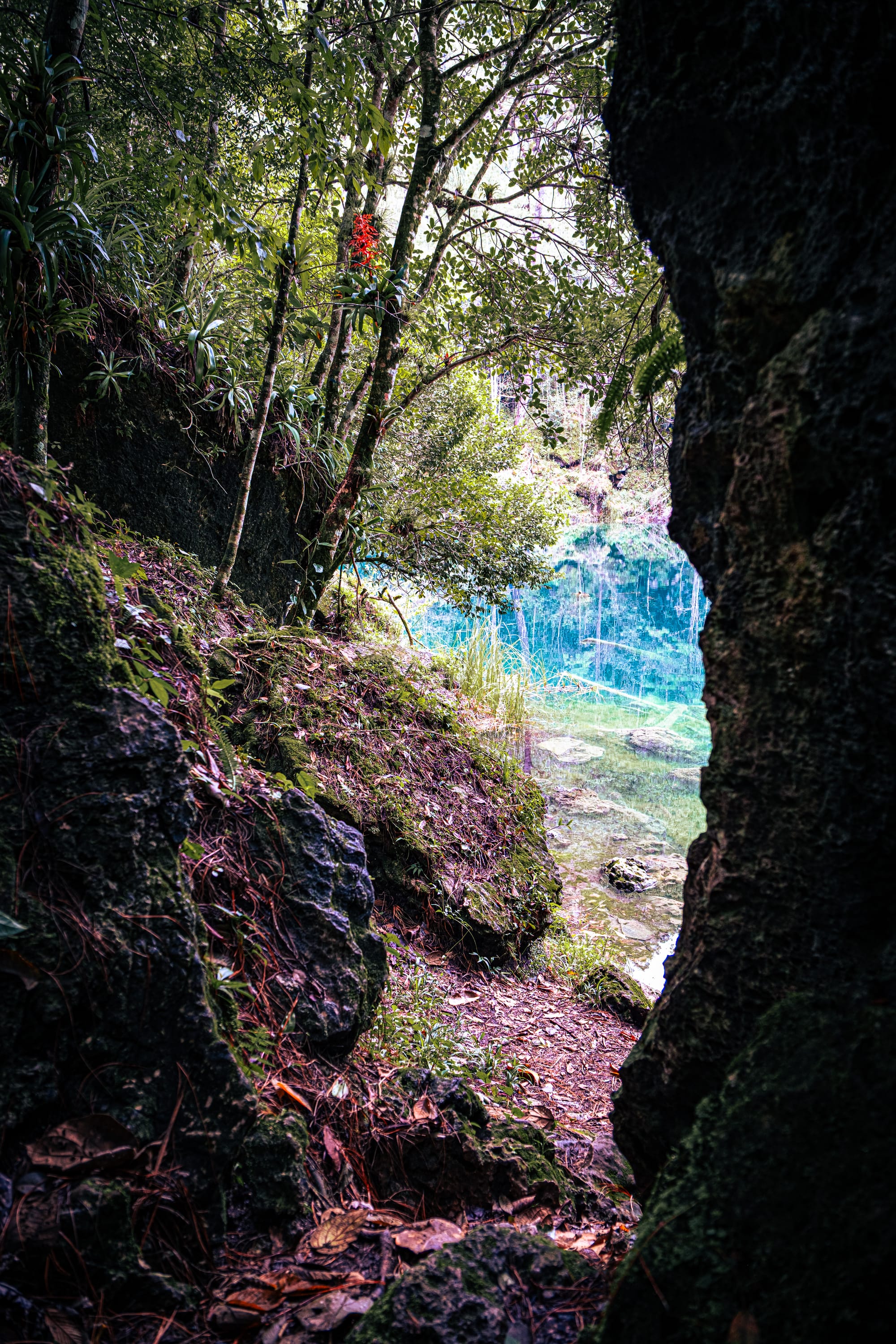
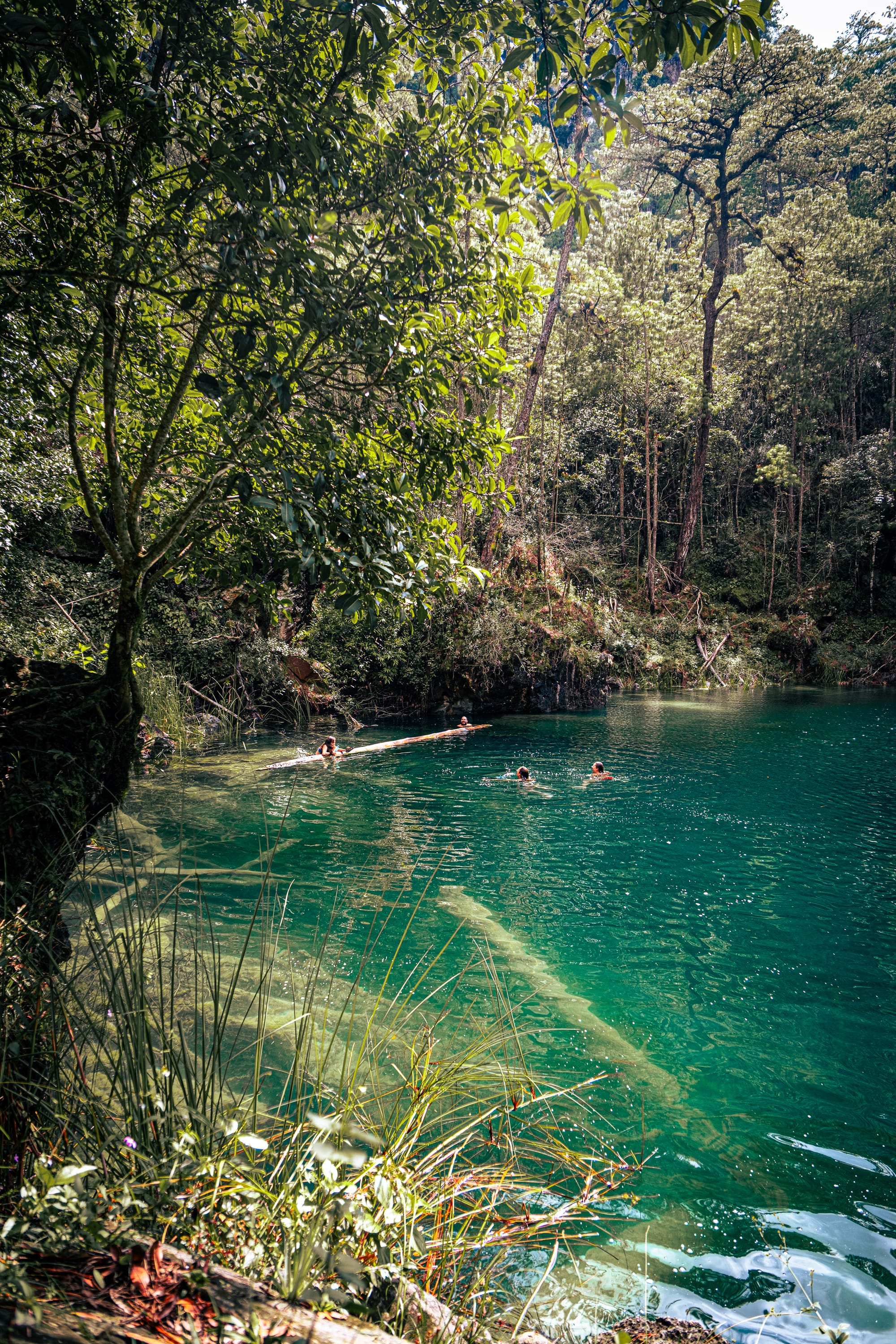
Cenote El Camarón, seen from the shaded trail above and from the water’s edge
Swimming there felt like a private interlude within the wider journey. A kind of pause that allowed everything else—the drive, the laughter, the forest—to settle.
Lakeside cabins
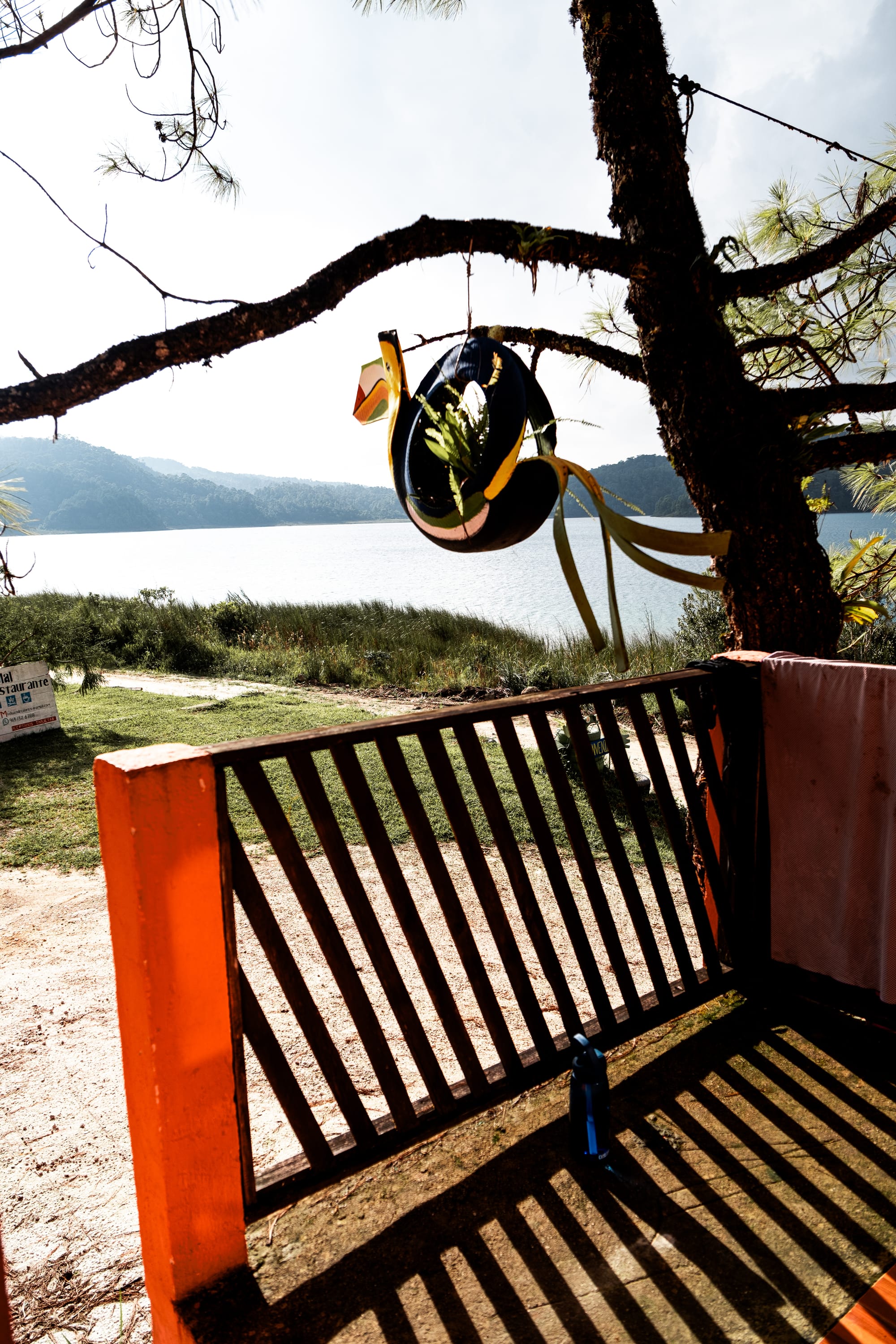
We stayed overnight in a set of lakeside cabins—simple wooden structures tucked close to the water.
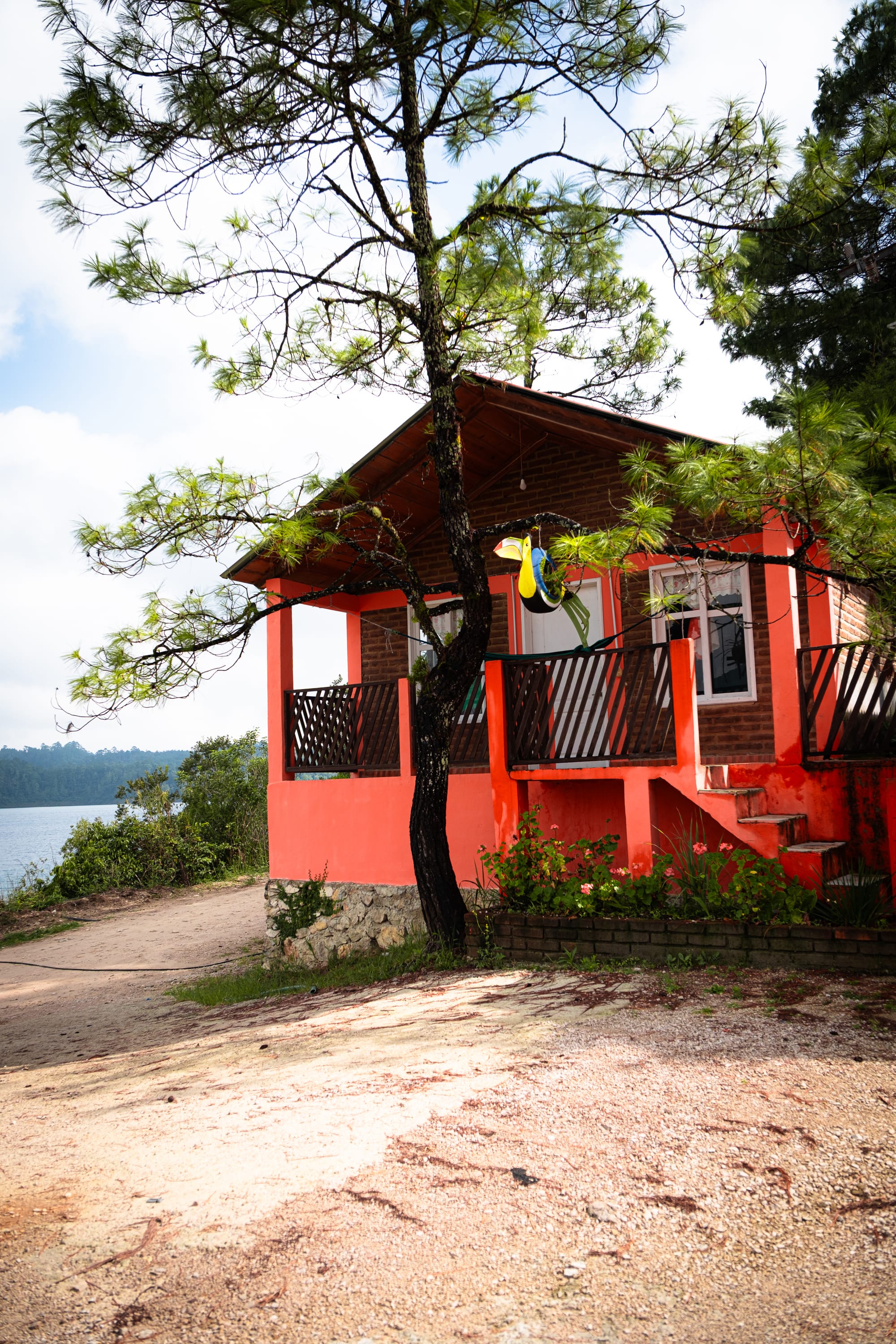
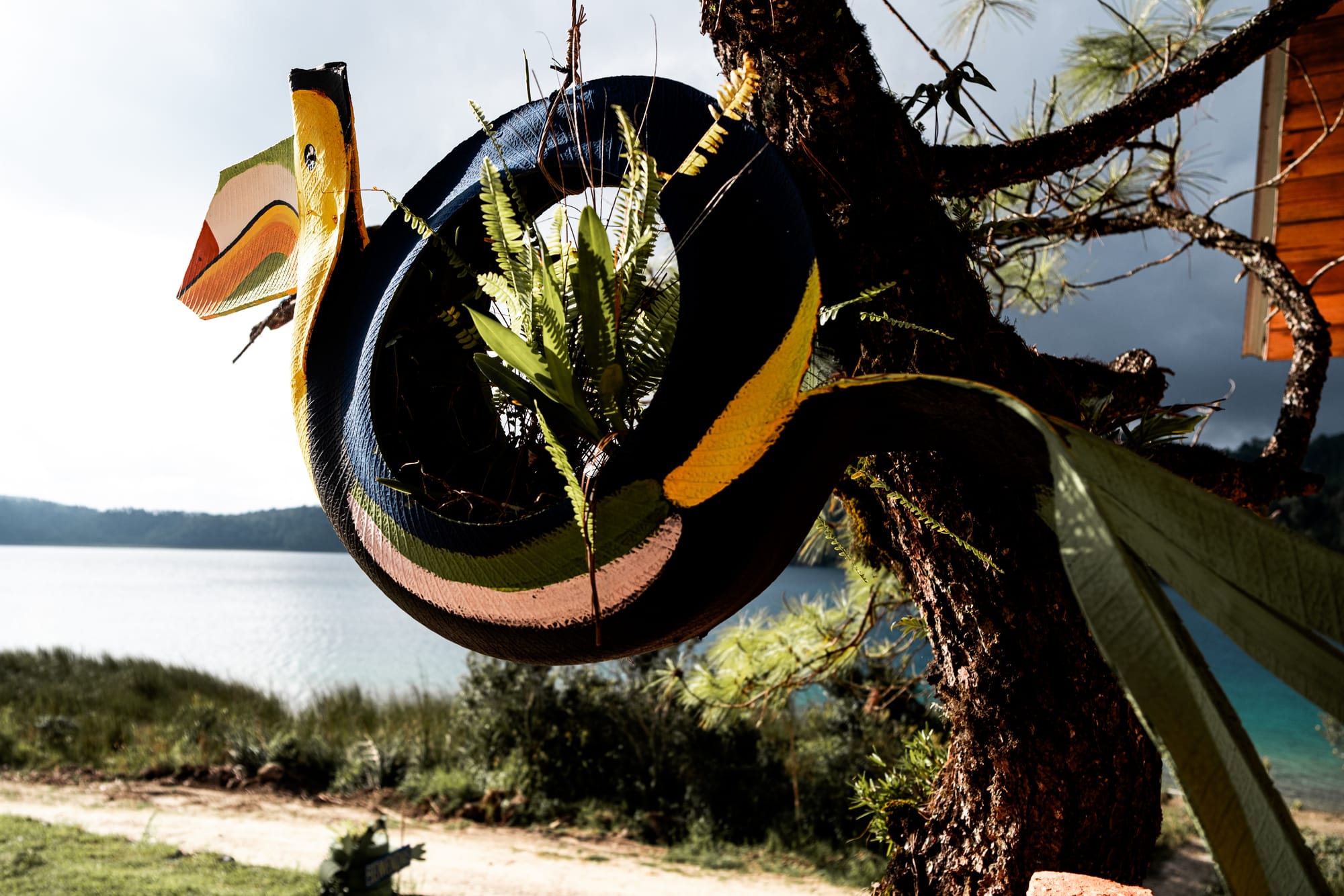
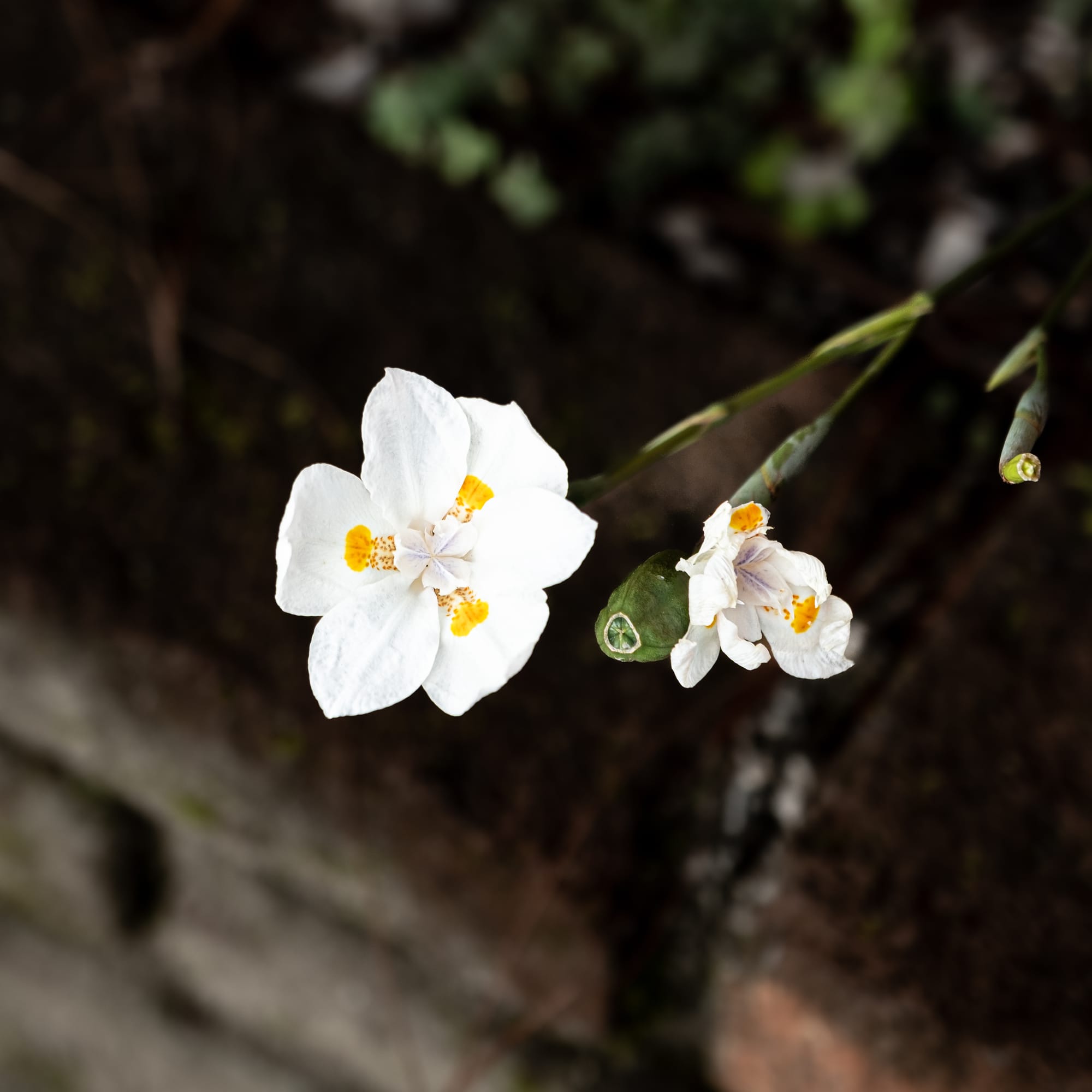
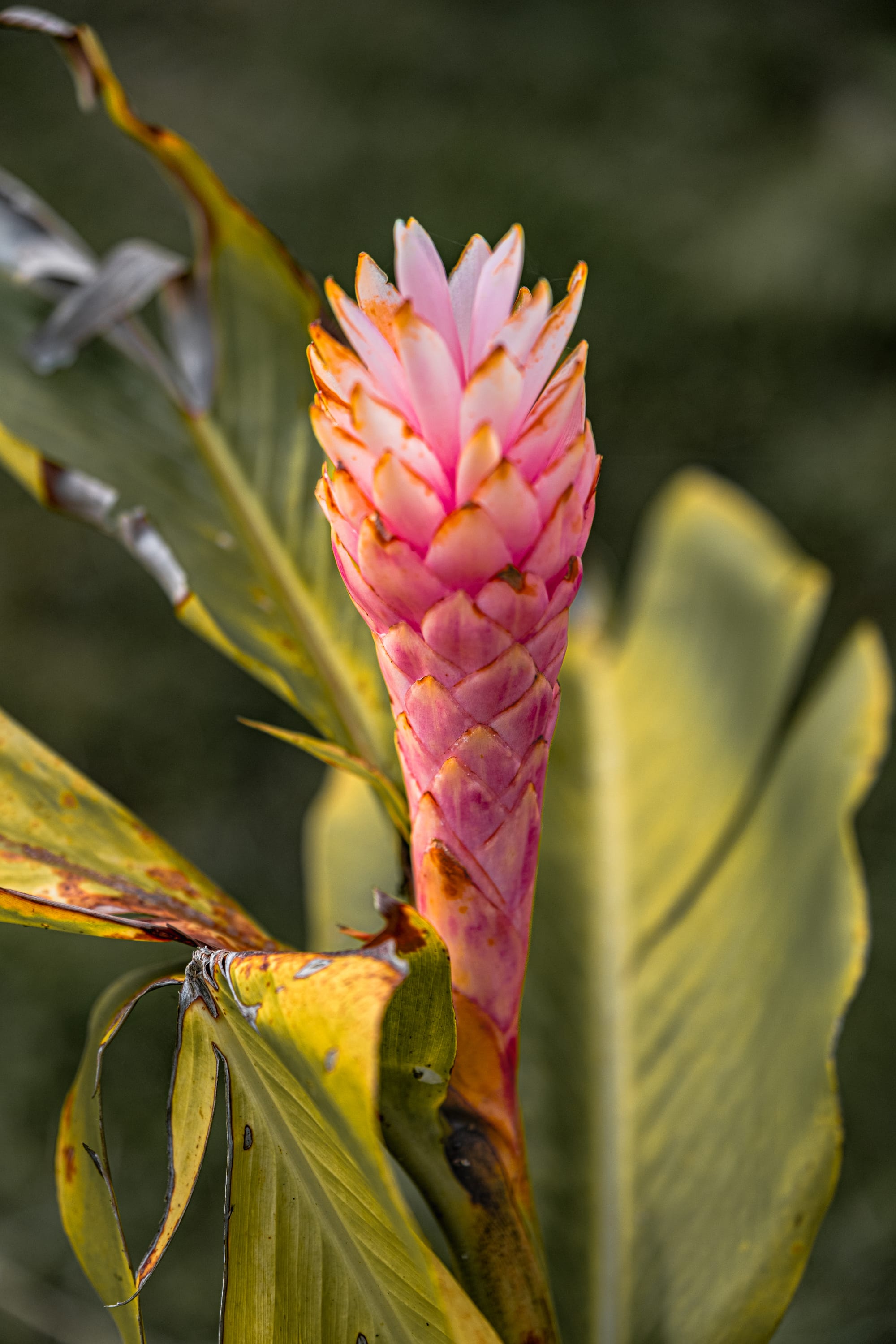
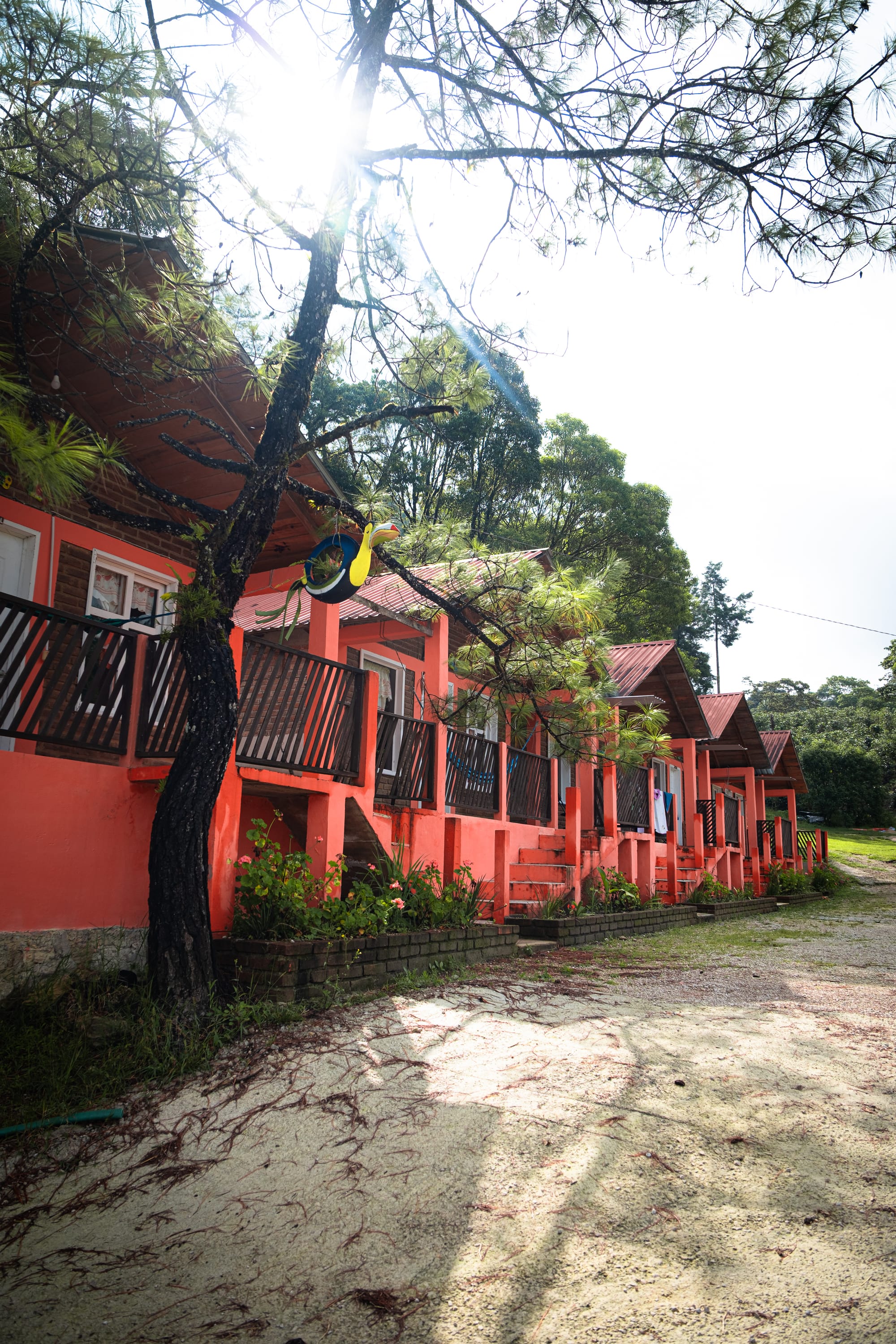
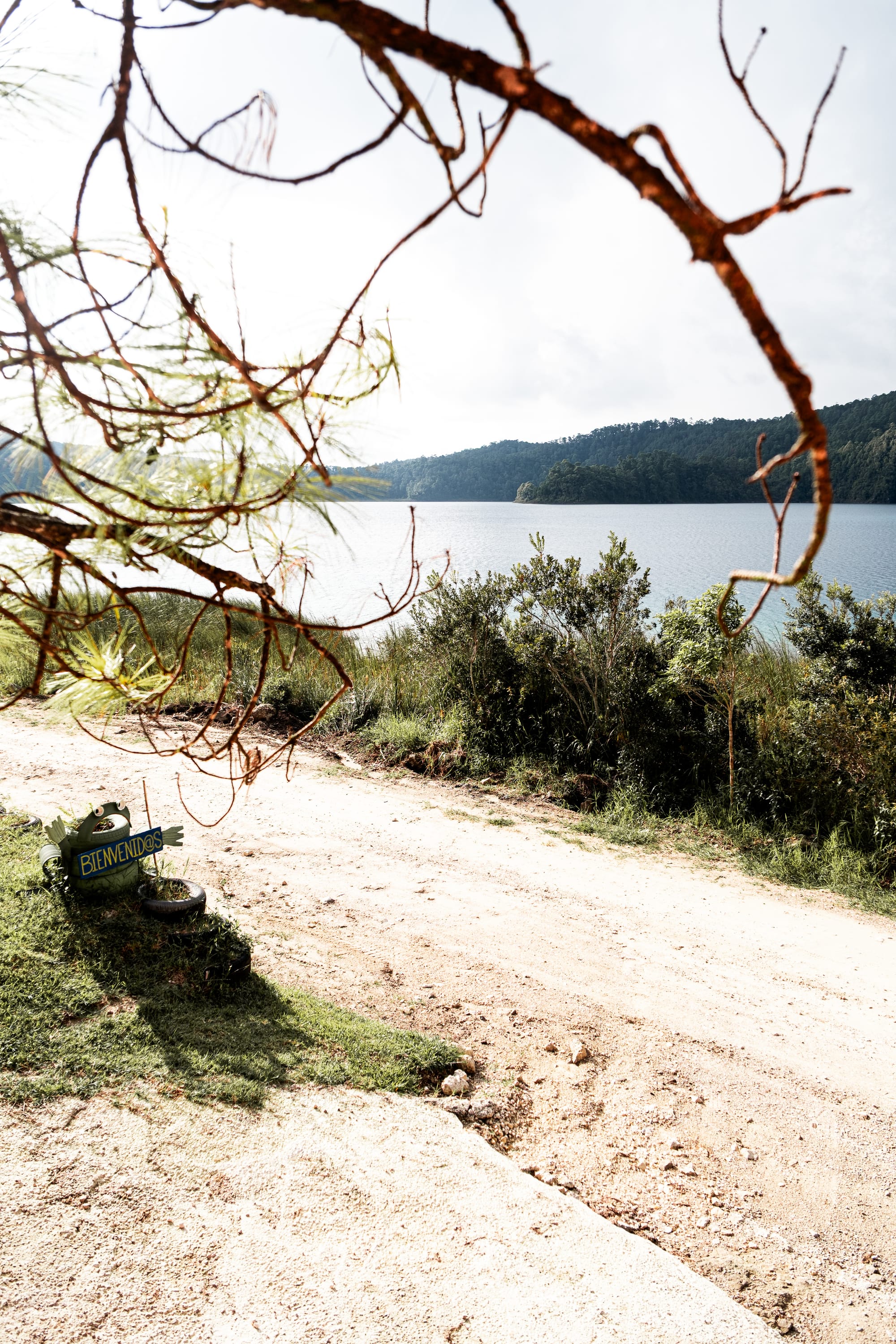
Lakeside cabins
As evening came in, a rainbow stretched across the lake—brief but vivid, arching between clouds that were beginning to gather as dusk approached. The temperature dropped, logs cracked in stoves inside the cabins, and the entire lakeside settled into a deep quiet. Wakefulness felt different here: slower, less sharp, more attuned to small sounds—insects, water, wind sliding between boards of the cabin porch.
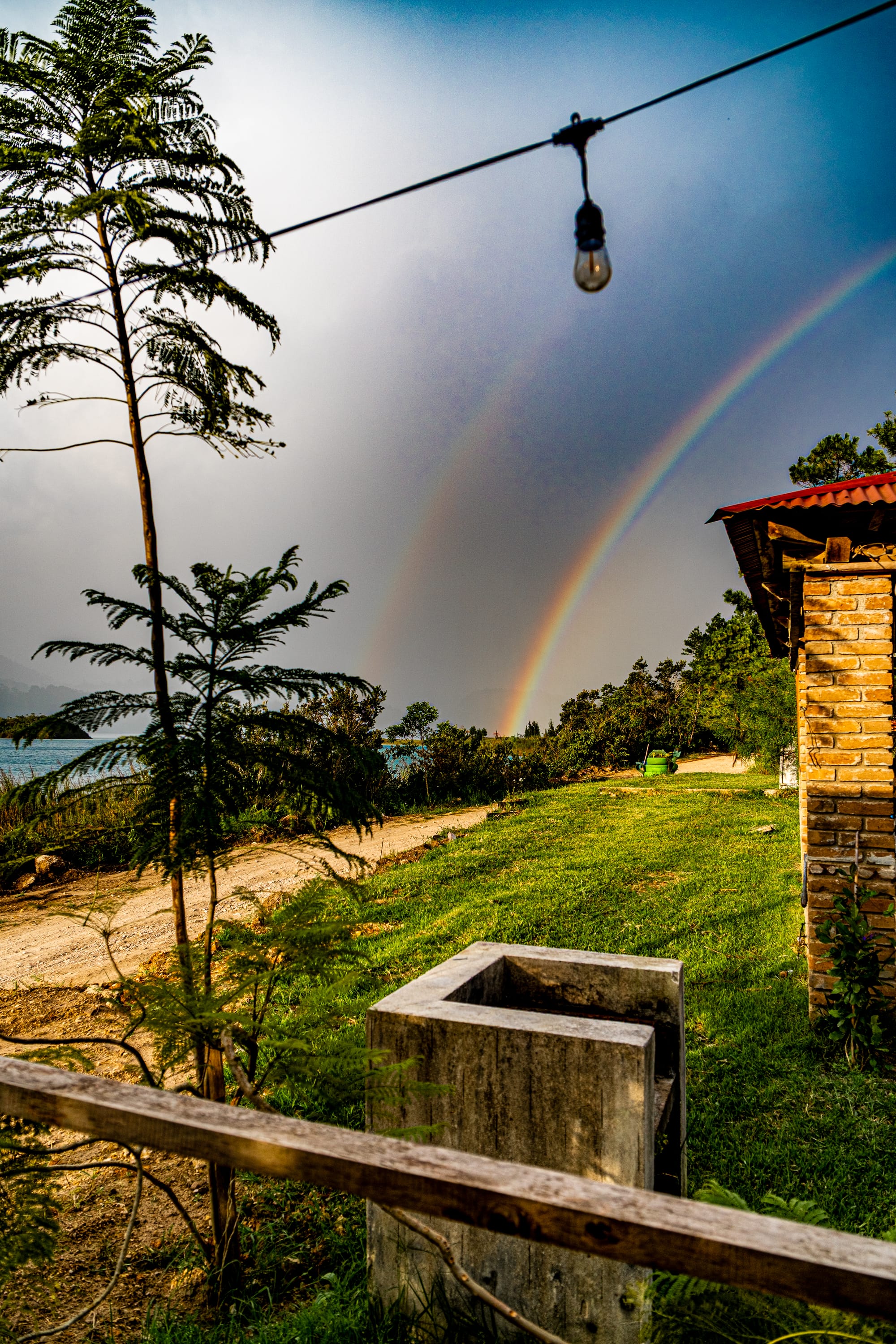
Rain clouds lifting into a double rainbow
Night at Montebello Lakes feels like stepping slightly out of time, not because it’s remote, but because the rhythm of the place invites you to pay attention to the quiet rather than what distracts from it.
Toward the Guatemala border
The night, after dinner, we made our way toward the Guatemala border. The road narrowed and dipped, moving through stretches of tall grass and farmland. The lakes near the border were smaller and more irregular in shape, bordered by reeds and edged by thin slices of shoreline where the forest began again.
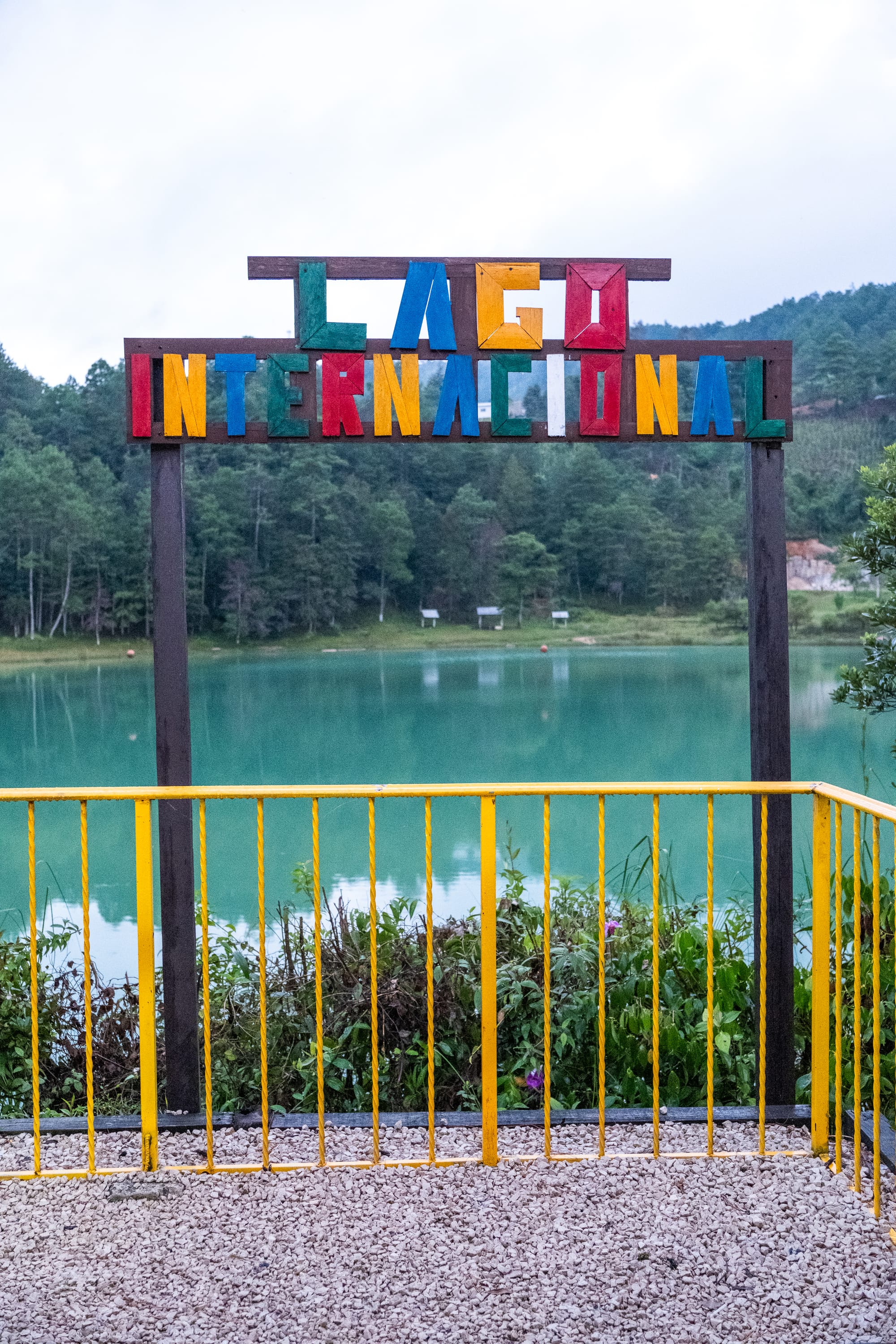
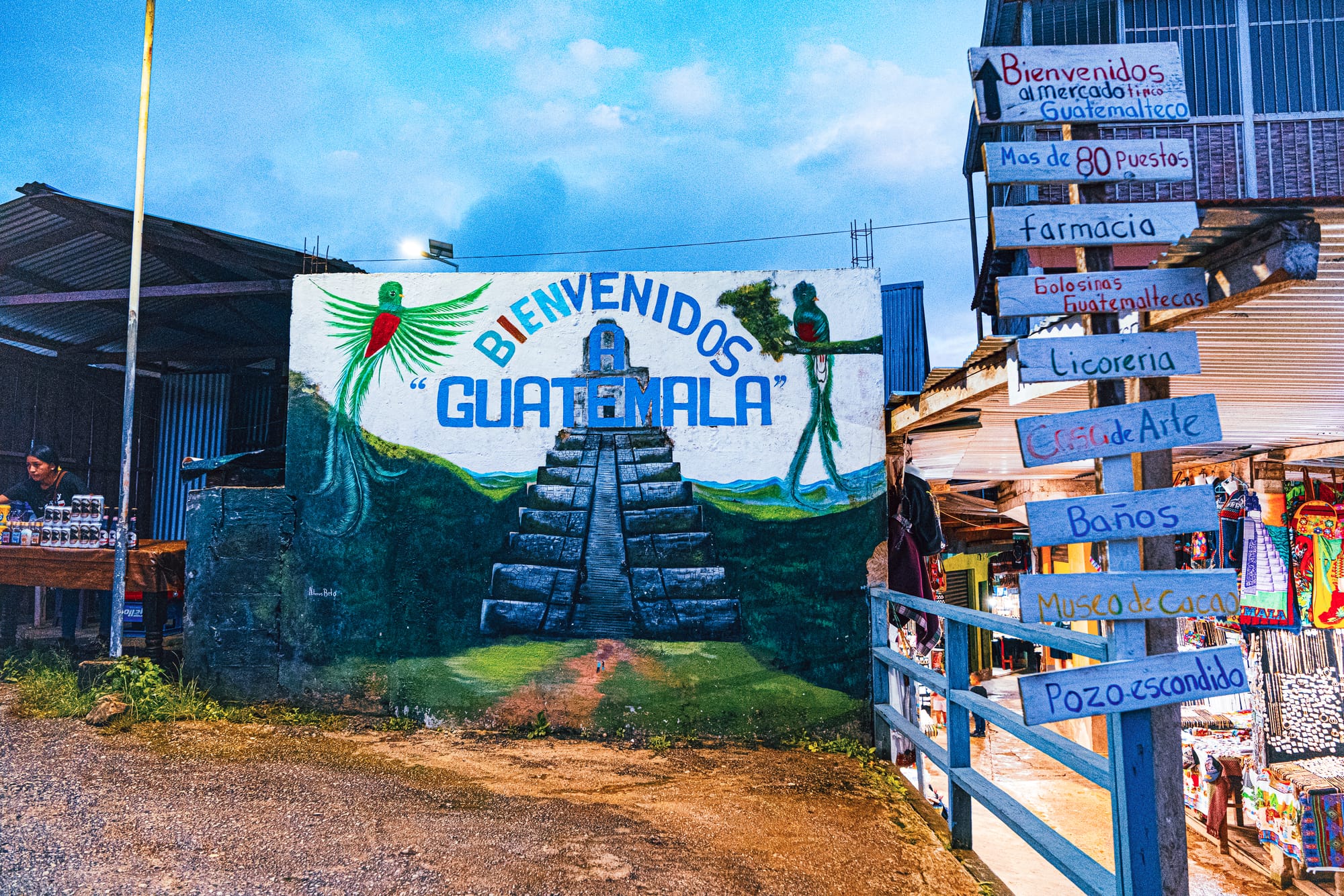
Where the Montebello waters meet the Guatemala border
Laguna Internacional—the lake shared between Mexico and Guatemala—sits right at the frontier. Local boats cross the water while the border line itself is marked by a simple post and a scattering of signs. People come here as much for the lakes as for the novelty of looking across a body of water into another country.
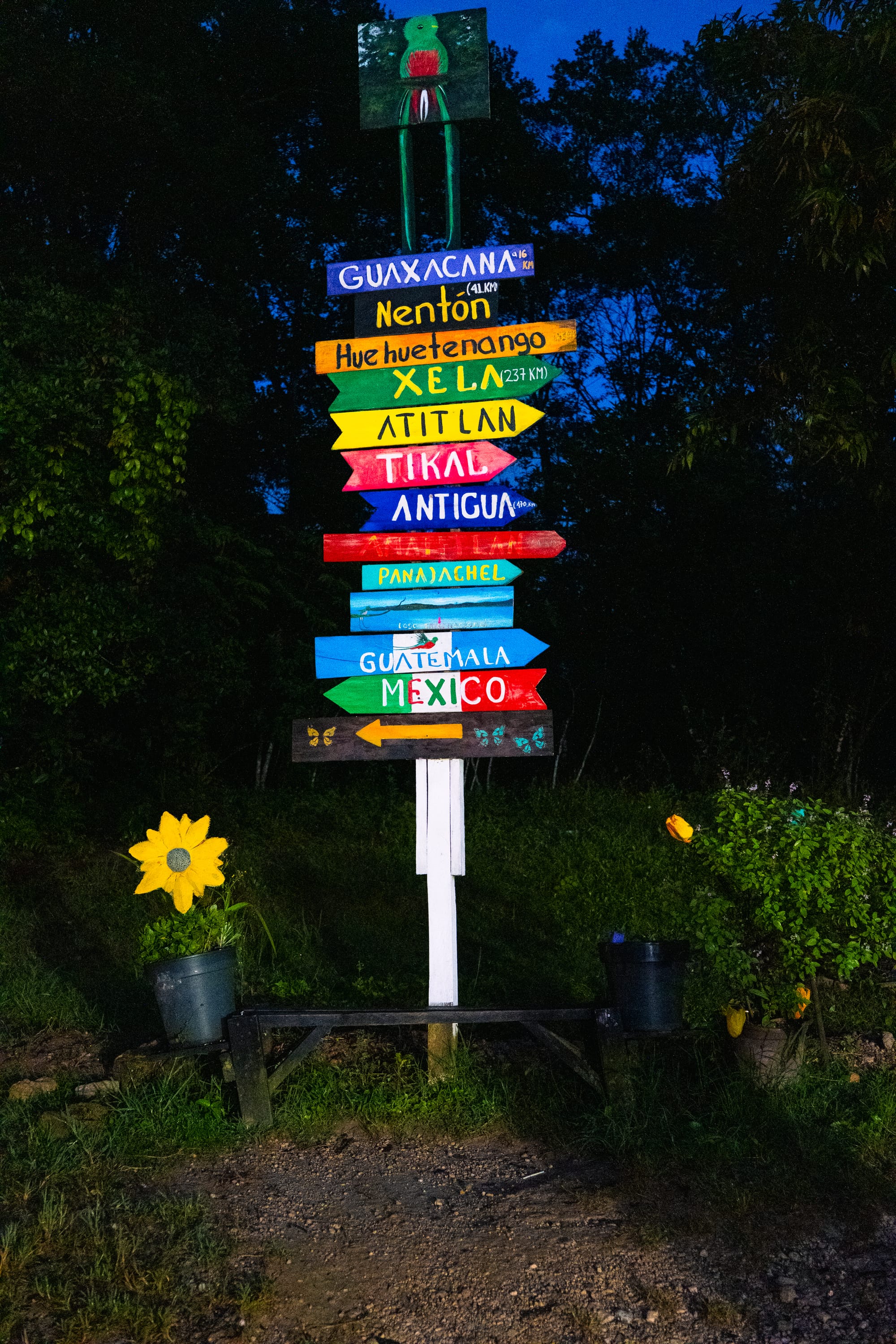
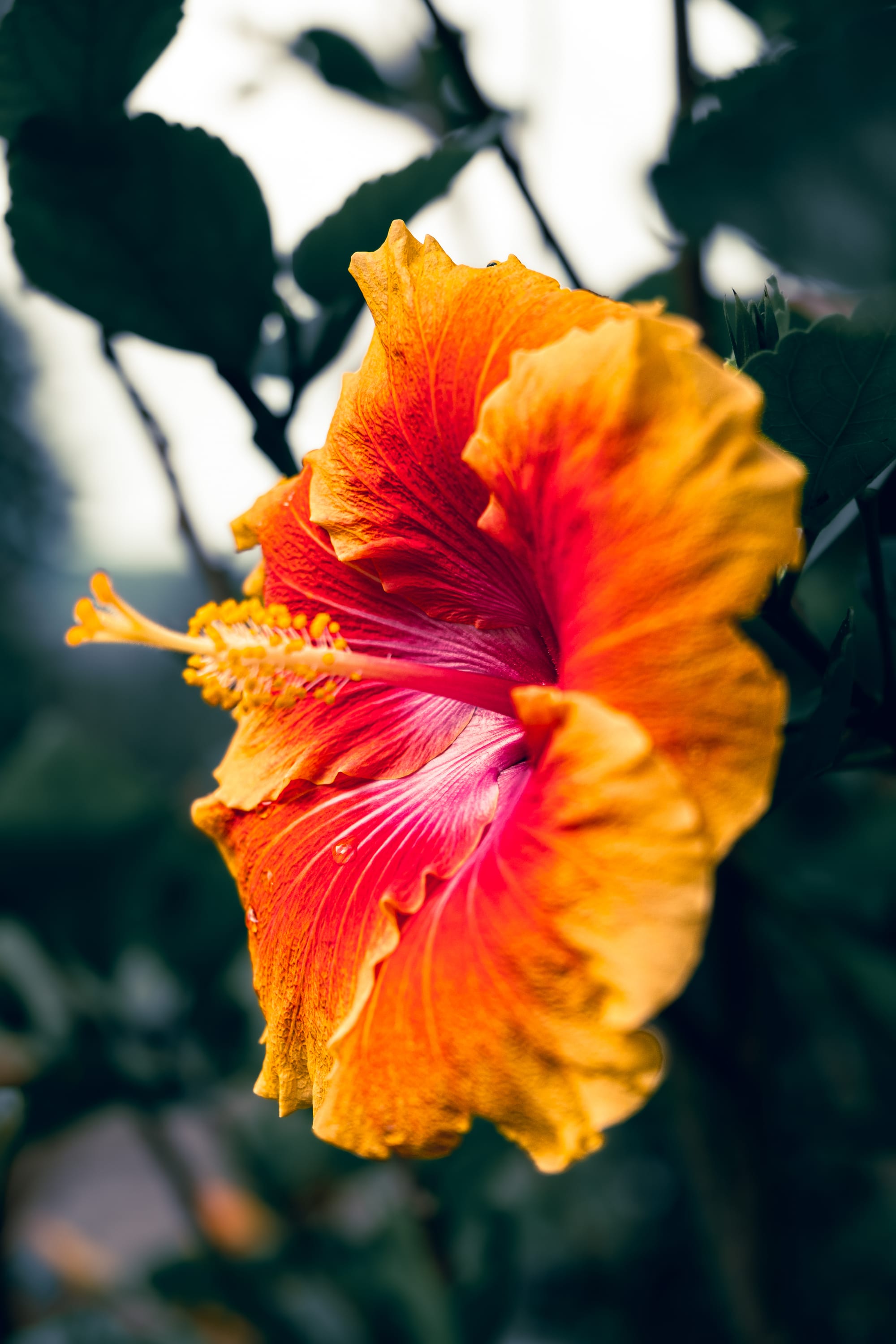
A colorful border sign pointing toward nearby towns and landmarks, and a bright hibiscus
The air felt different here too: slightly warmer, slightly heavier, a reminder that even within the highlands, microclimates shift quickly.
Kayaking on the lake
The following morning, we rented kayaks and paddled out onto another of the lakes. The water was calm, the air almost completely still. In the distance, a small island rose from the lake bed—nothing large, just a patch of land with shrubs and a small clearing at the top.
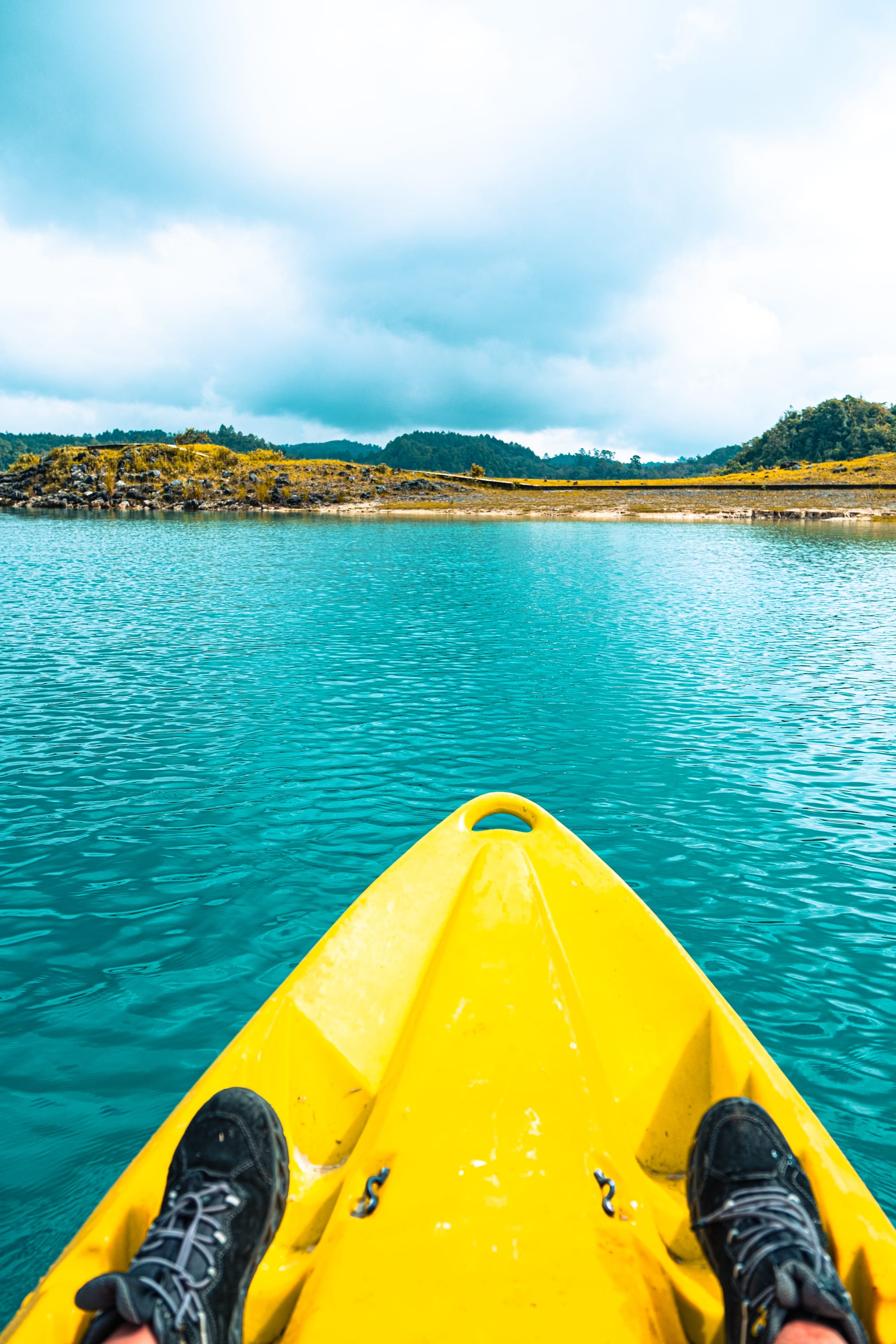
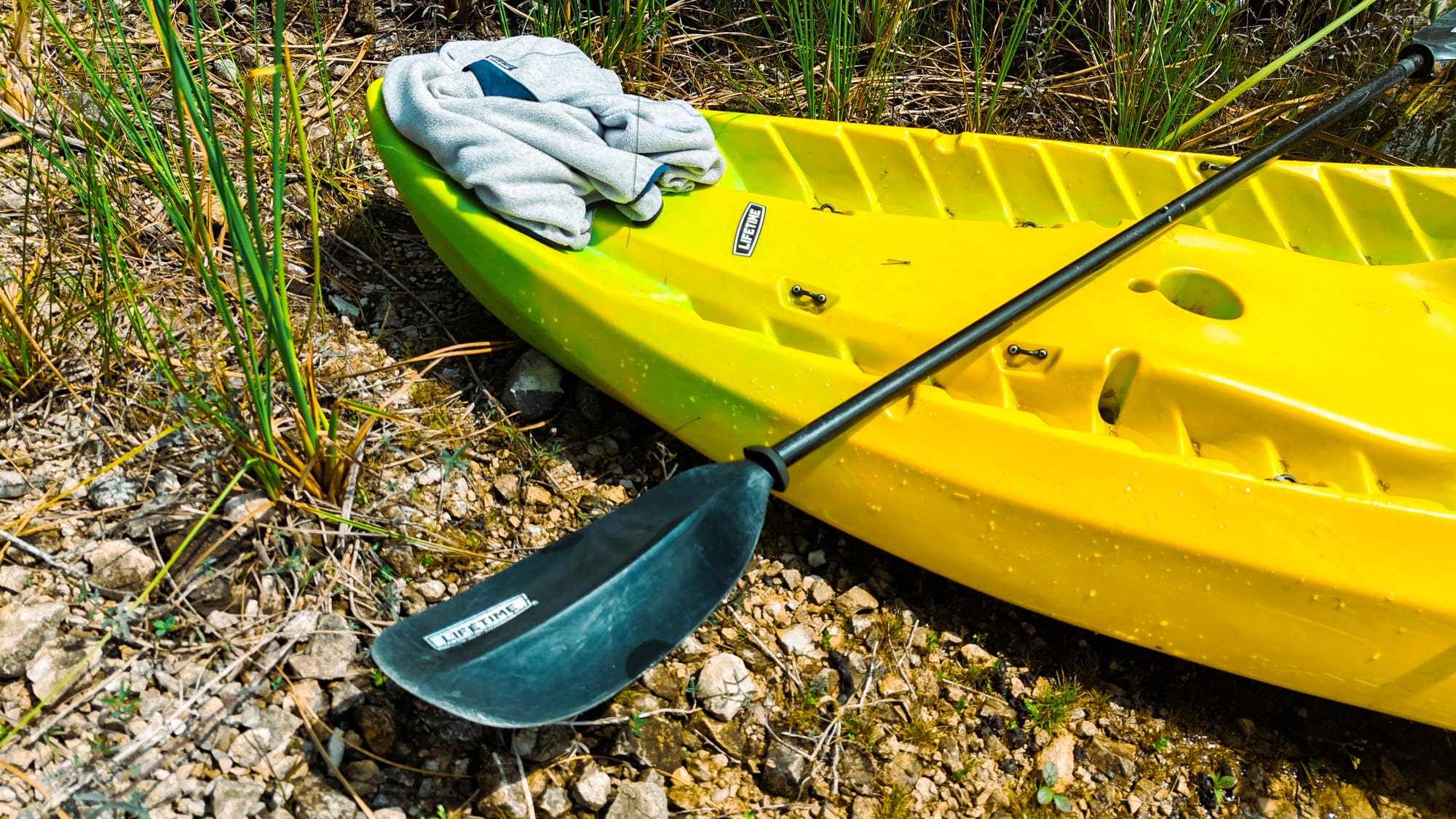
Kayaking across the still water at Montebello Lakes
We rowed toward it slowly, letting the kayak drift at times so we could look beneath the surface where the light allowed. Reaching the island, we pulled the kayaks onto a shallow bank and climbed up the slope. From the top, the lake stretched outward in every direction, bordered by forest that looked soft and textured from above.
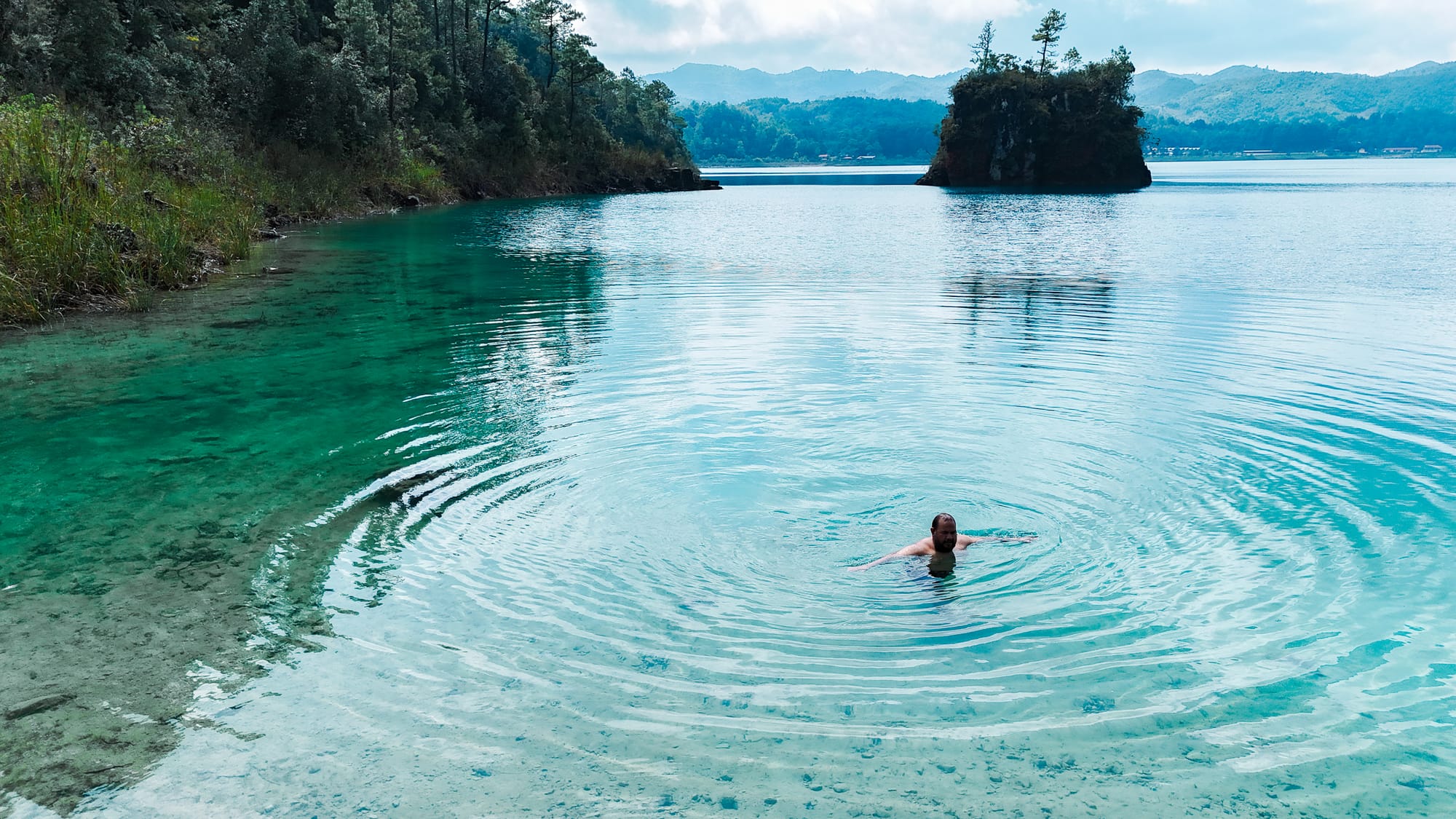
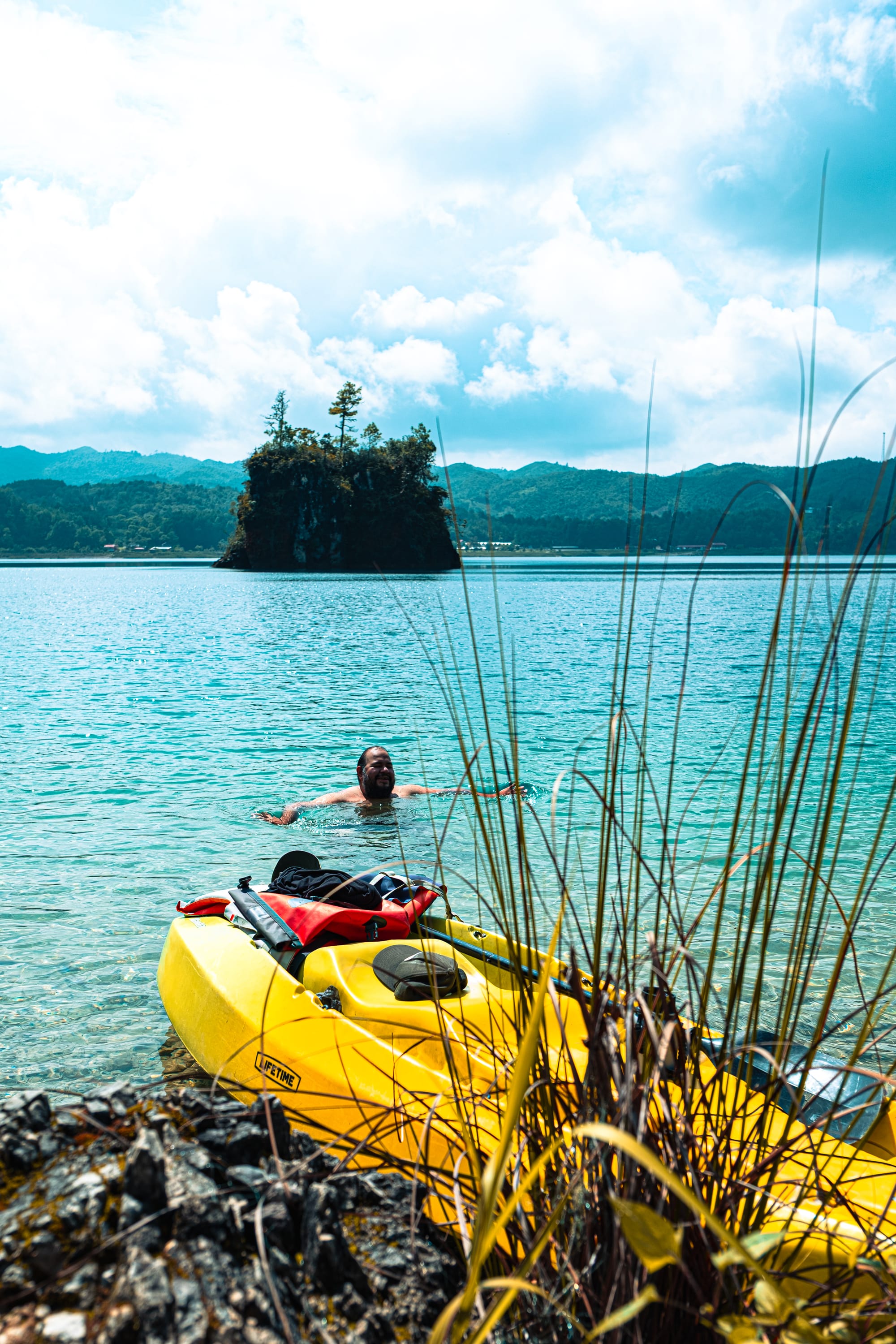
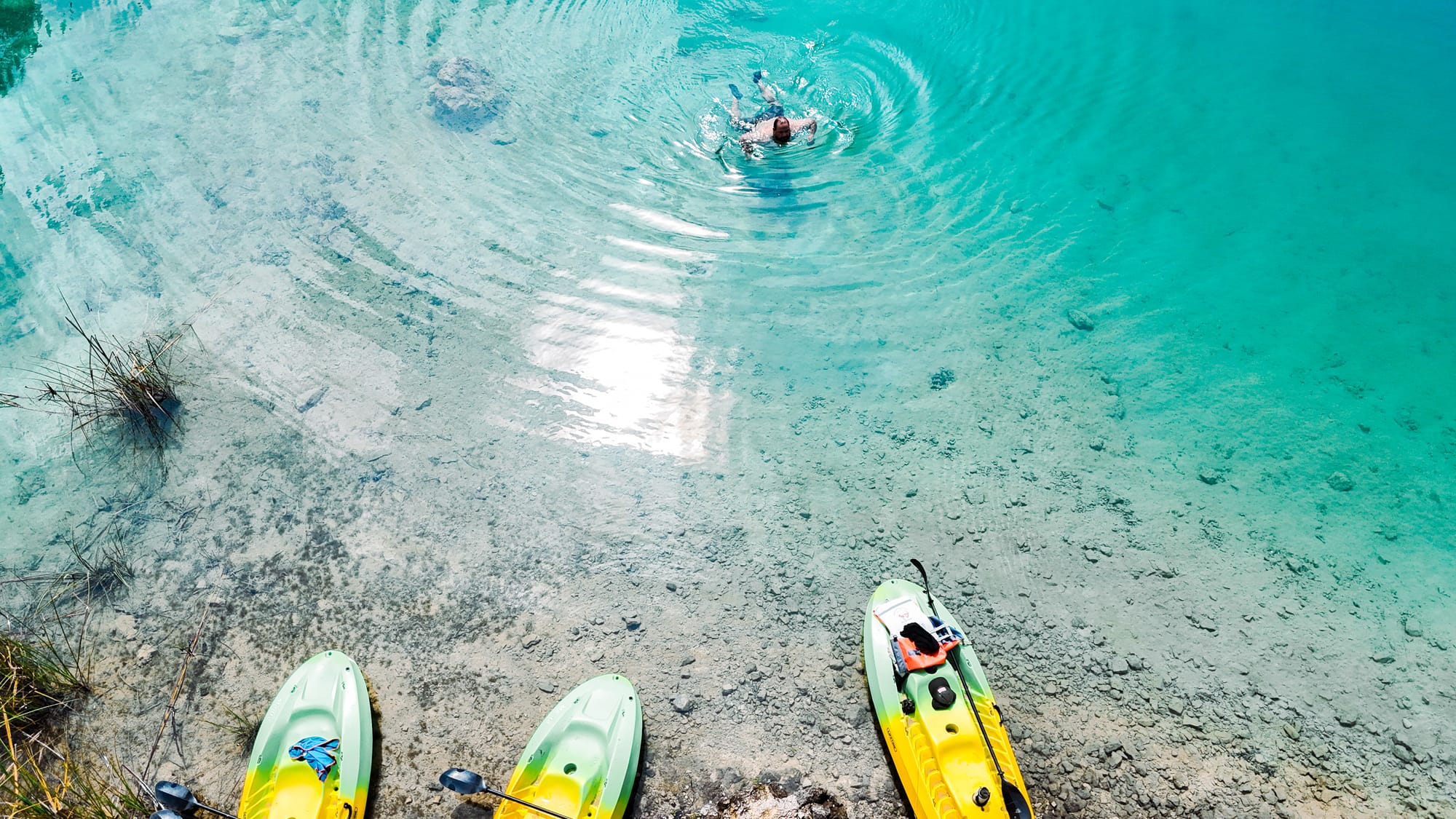
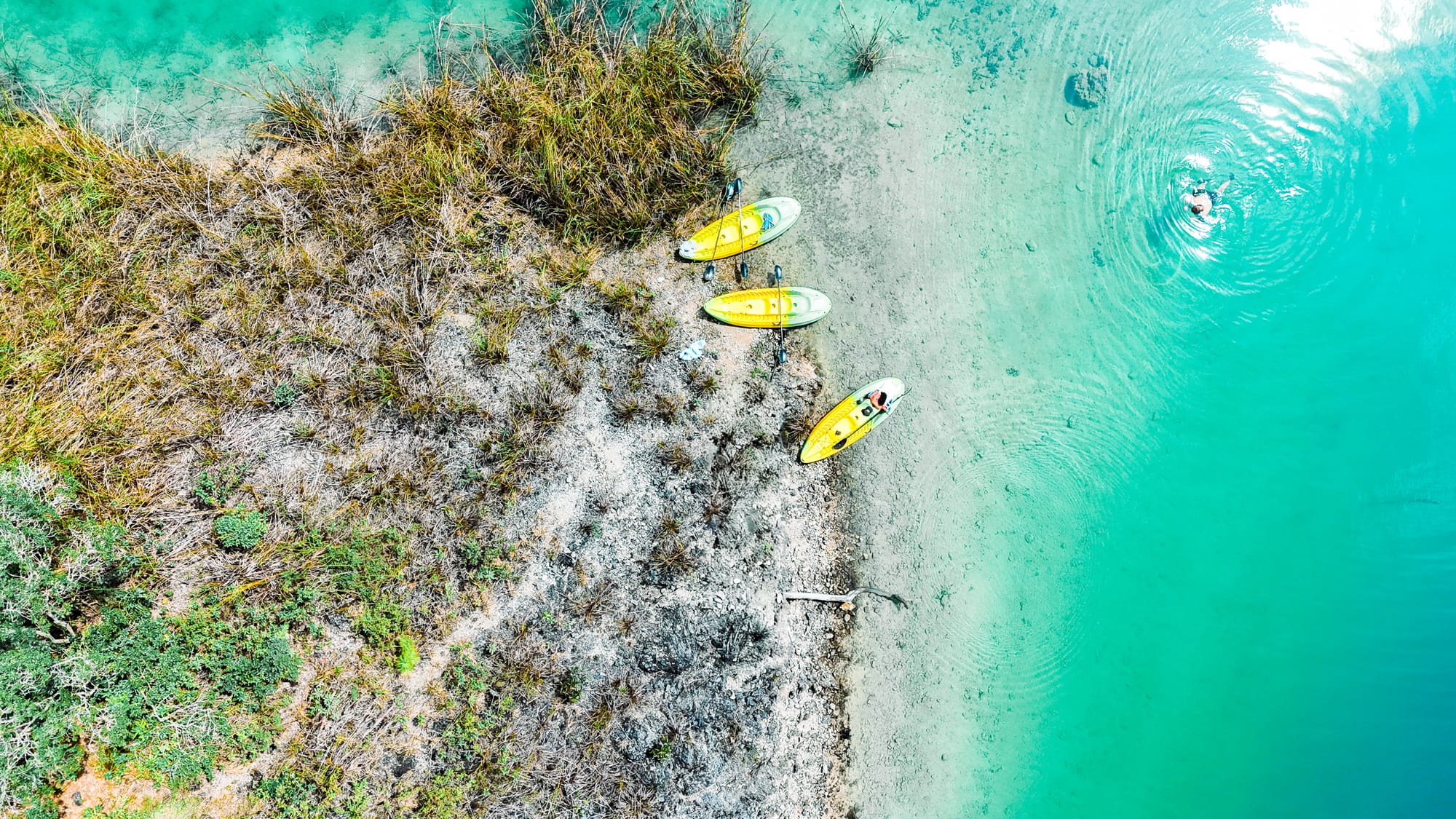
We sat there for a long while—no sound but the occasional movement of water against the hull of the kayaks below. The shift from the earlier viewpoints to this vantage point felt natural: from high ridge to water level to small rise above the lake itself. The landscape invites you into its layers one at a time.
More viewpoints, more water
After returning from the island, we began visiting more of the lakes spread across the park—each one slightly different in color, depth, shape, and mood. Some lakes offered gentle slopes where people waded. Others were bordered by cliffs that dropped abruptly into deep water. Many of the most popular lakes had small stands selling food or renting boats, but it was easy to find quieter corners.
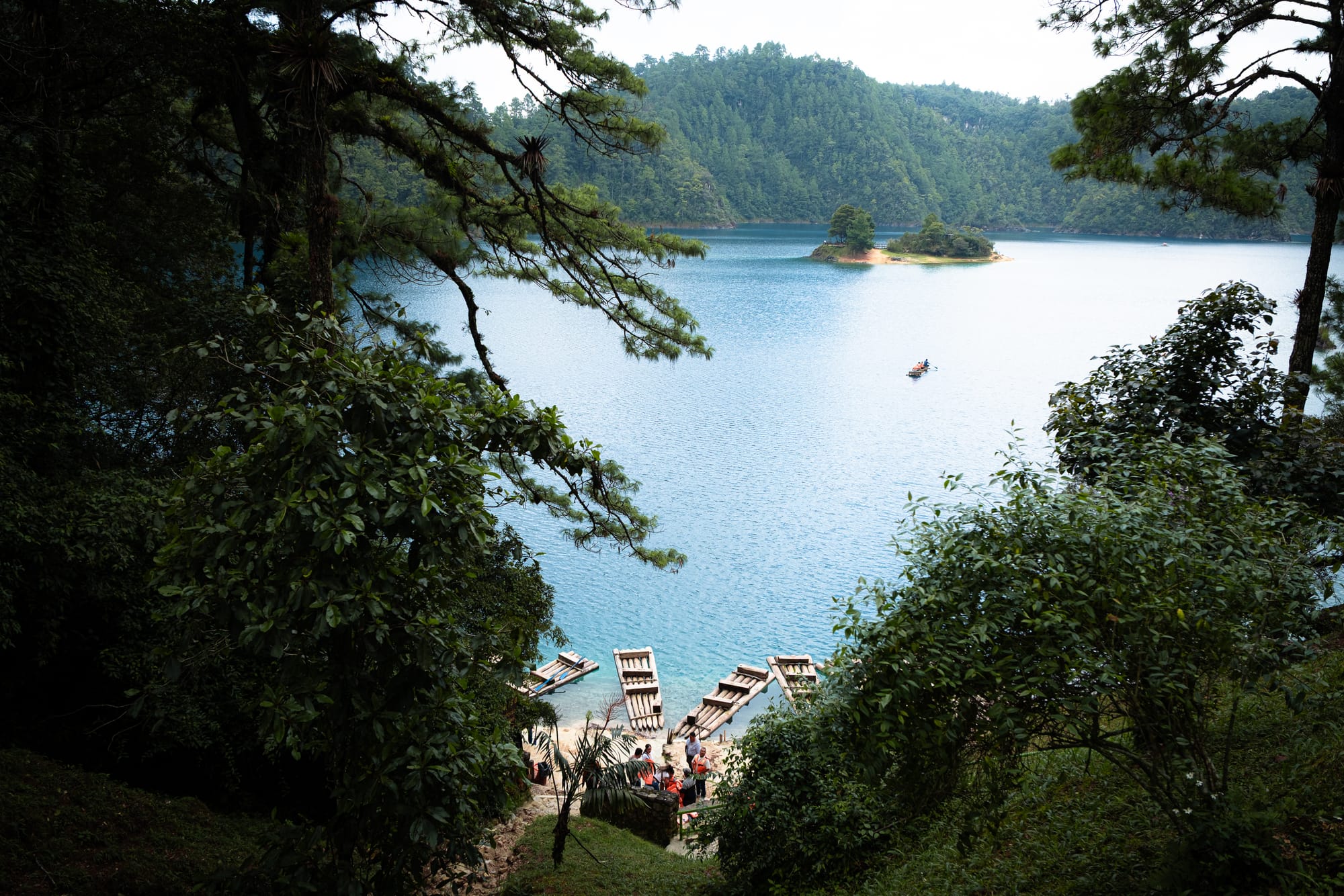
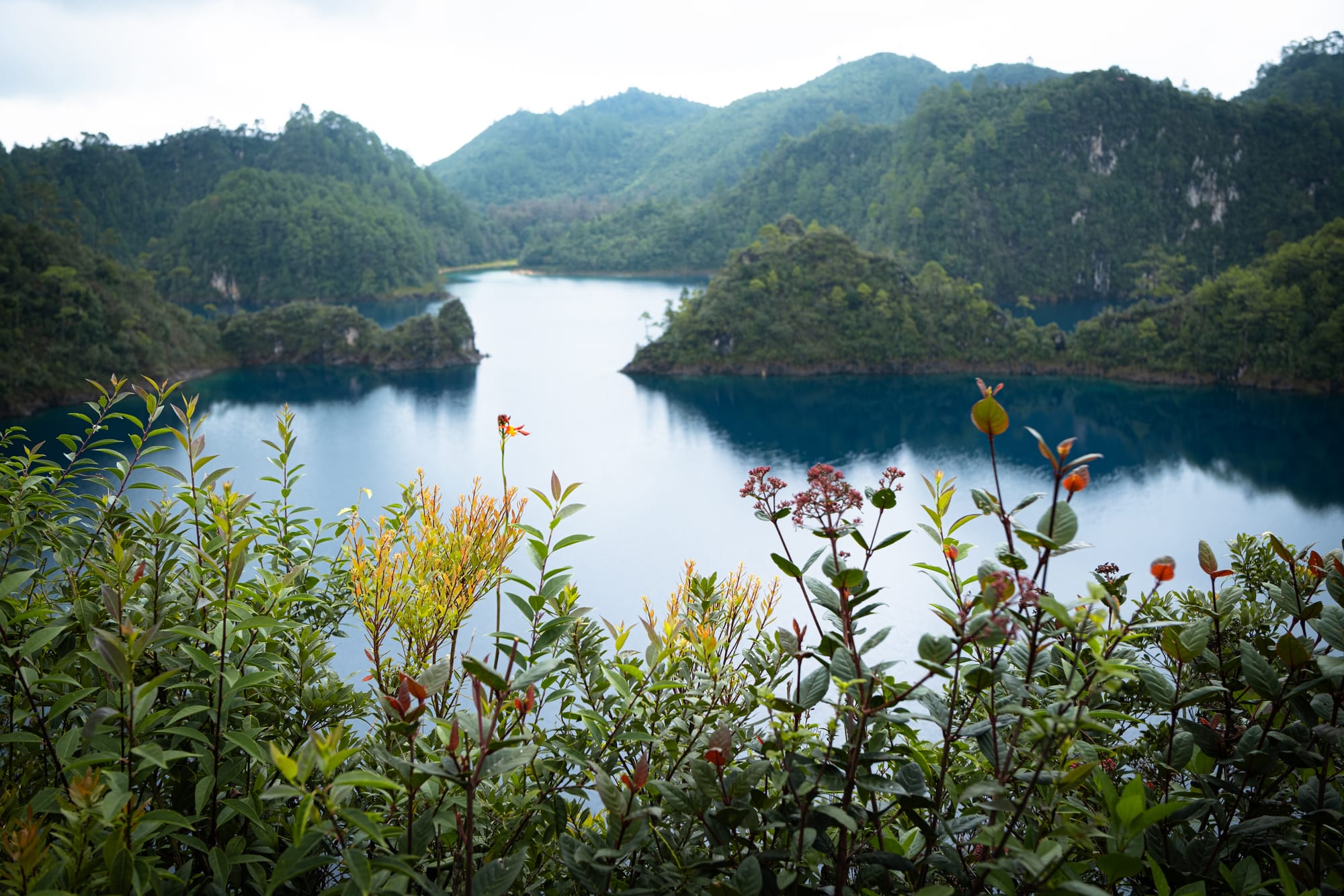
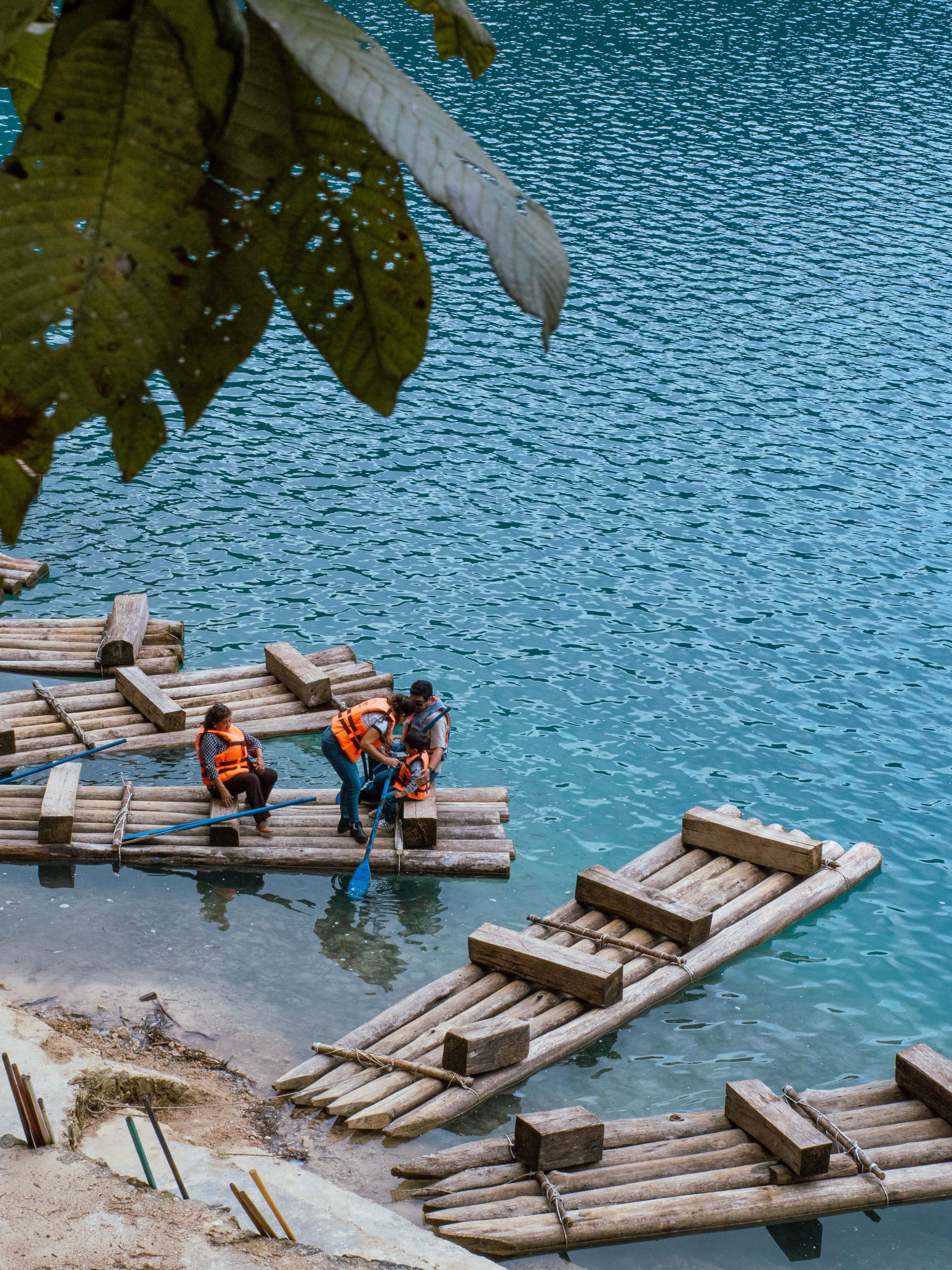
Looking out over the deep blue water of Montebello Lakes from a high ridge
One of the most striking things about the region is how each lake seems to hold its own atmosphere. Some feel bright and open, others shaded and introspective. The forest plays a role in this—its density, its angles, its presence along the shoreline.
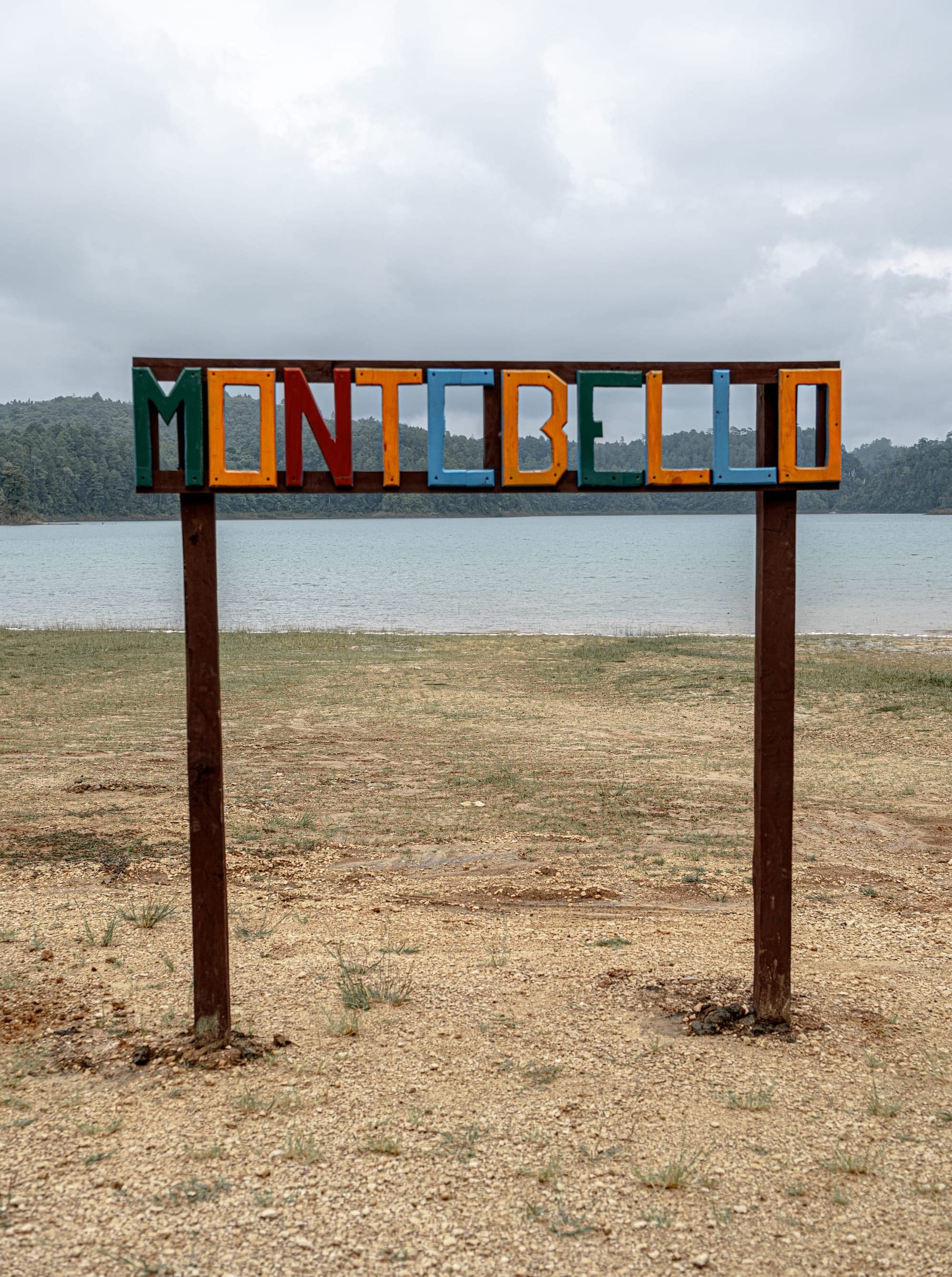
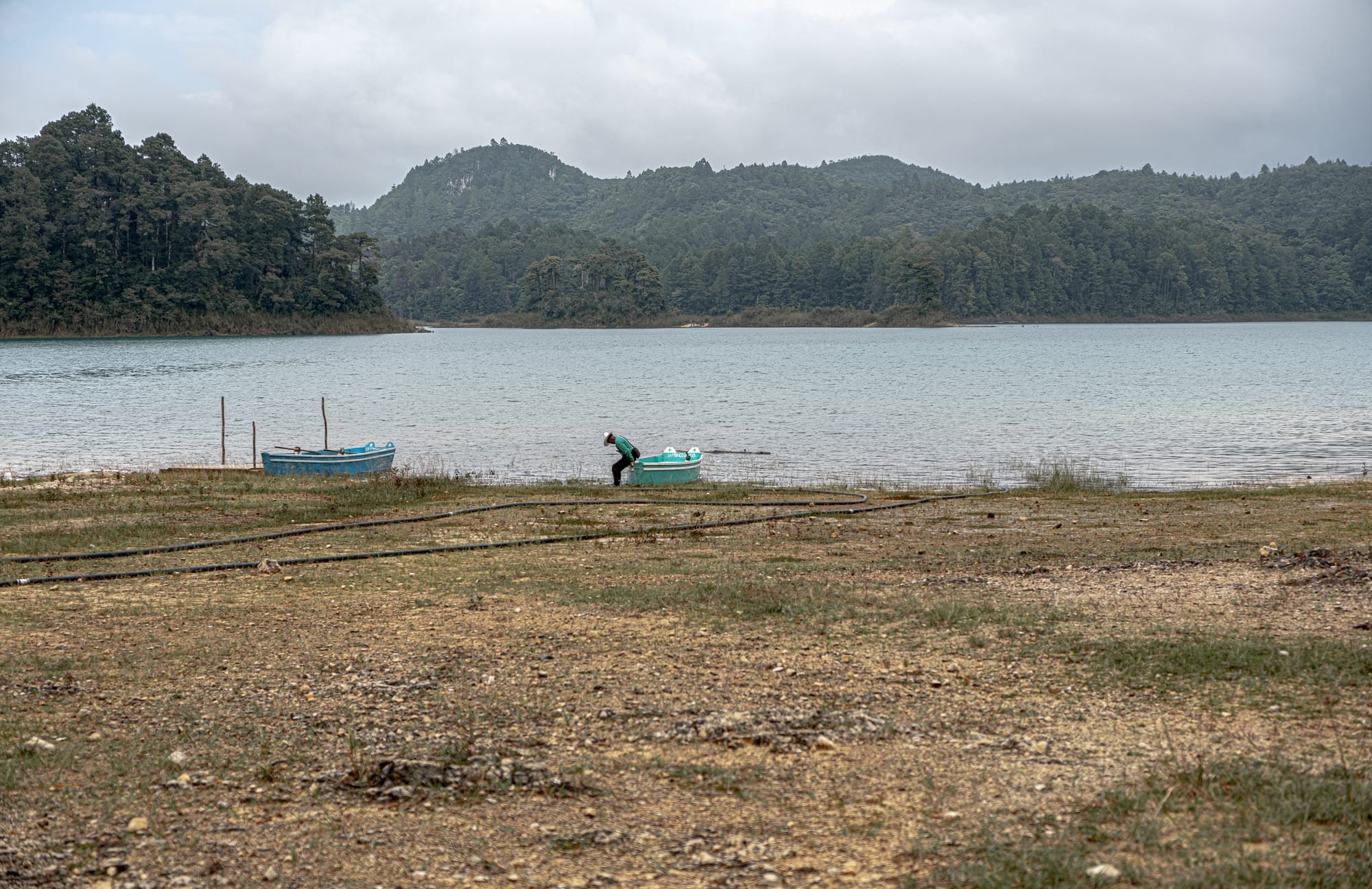
A quiet stretch of shoreline at Montebello Lakes
Around lunchtime, we stopped at a small lakeside comedor, where we were able to get some vegan food.
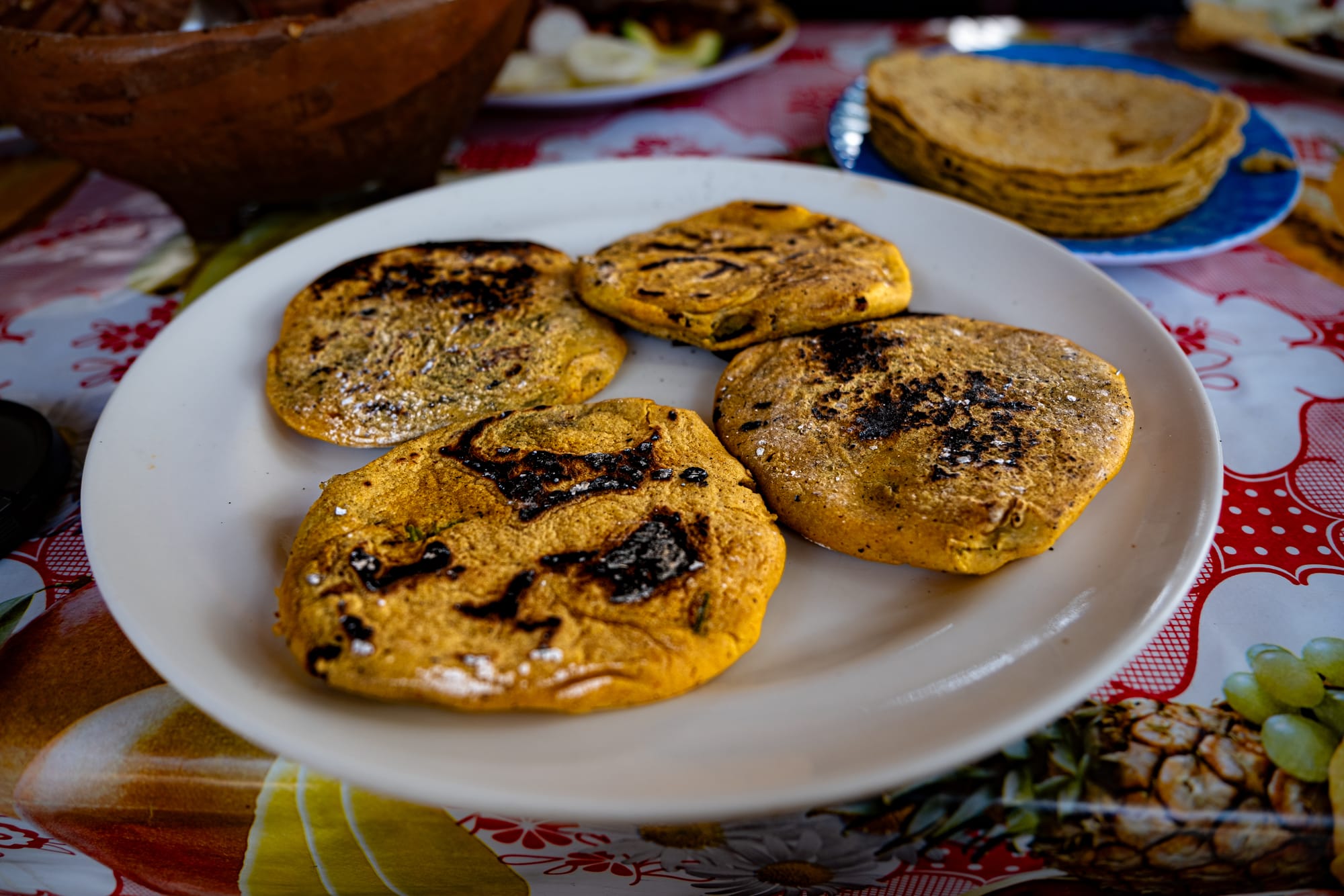

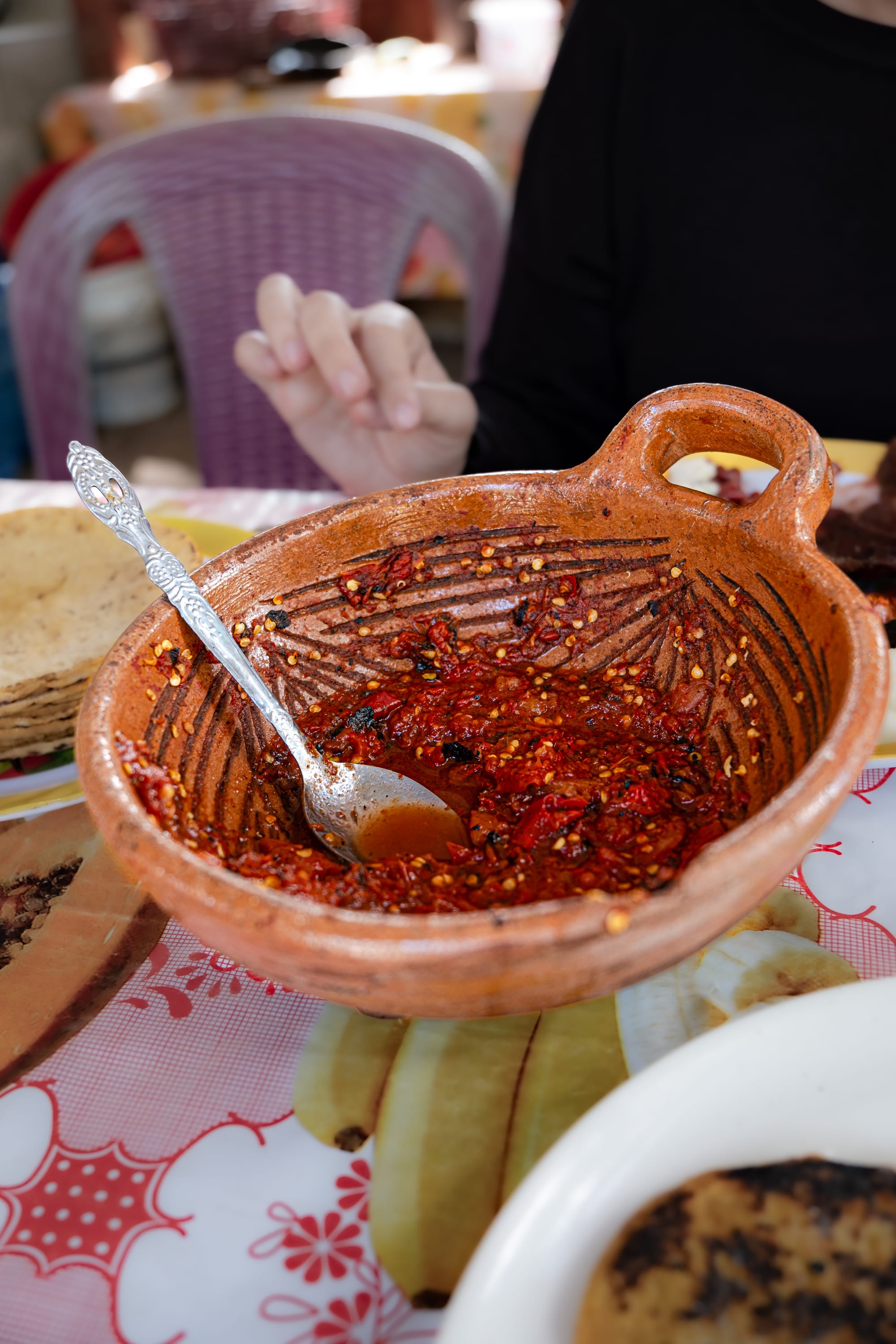
A simple lunch
The meal was simple—corn stuffed with beans and zucchini flowers—but tasted better for being eaten beside water after a long morning of movement.
Chinkultic: ruins across the water
In the late afternoon, we drove toward the archaeological site of Chinkultic. The ruins here are not as widely known as those in Palenque or Yaxchilán, but they sit in a landscape that feels deeply connected to the lakes—a cluster of structures built around natural elevation.
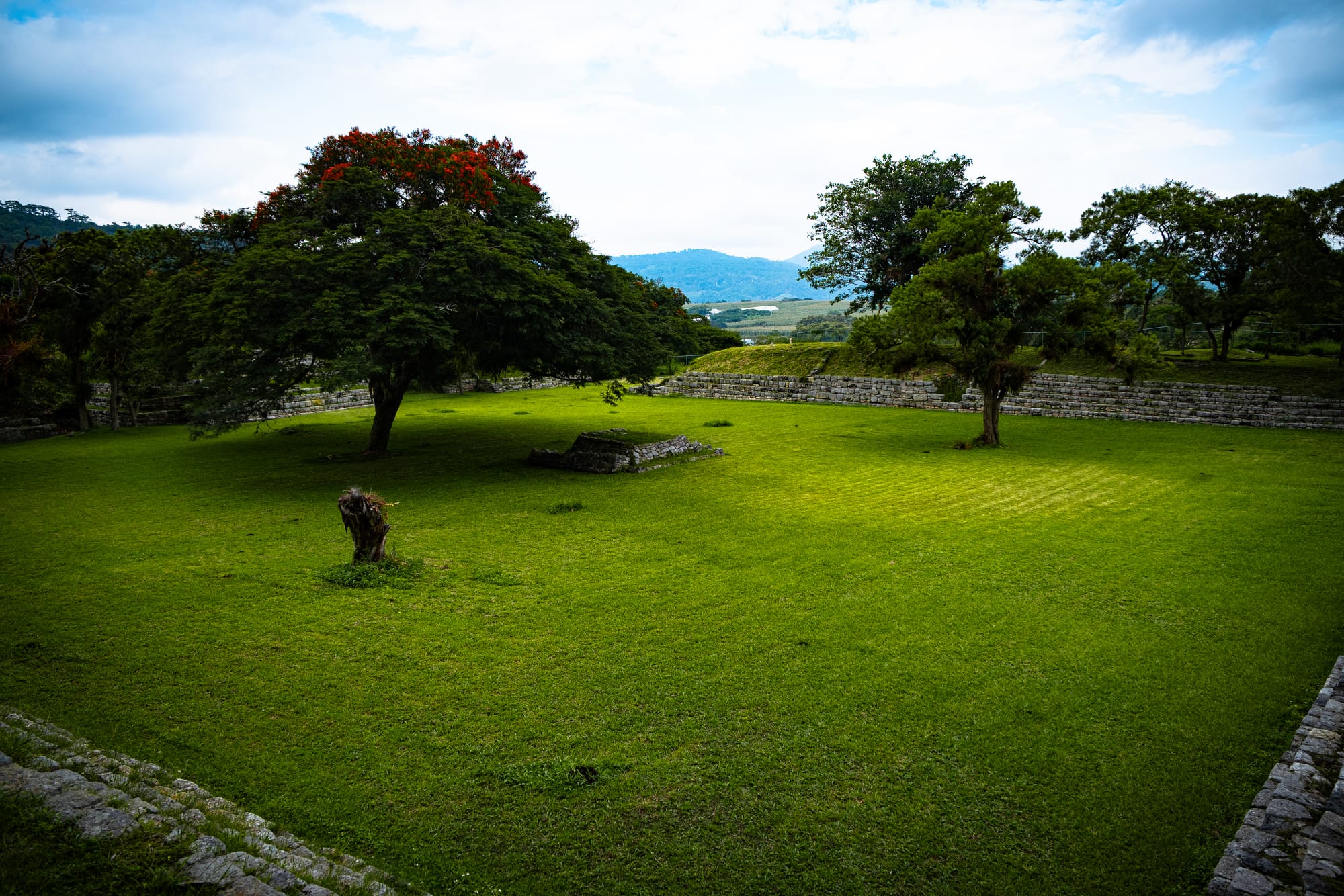
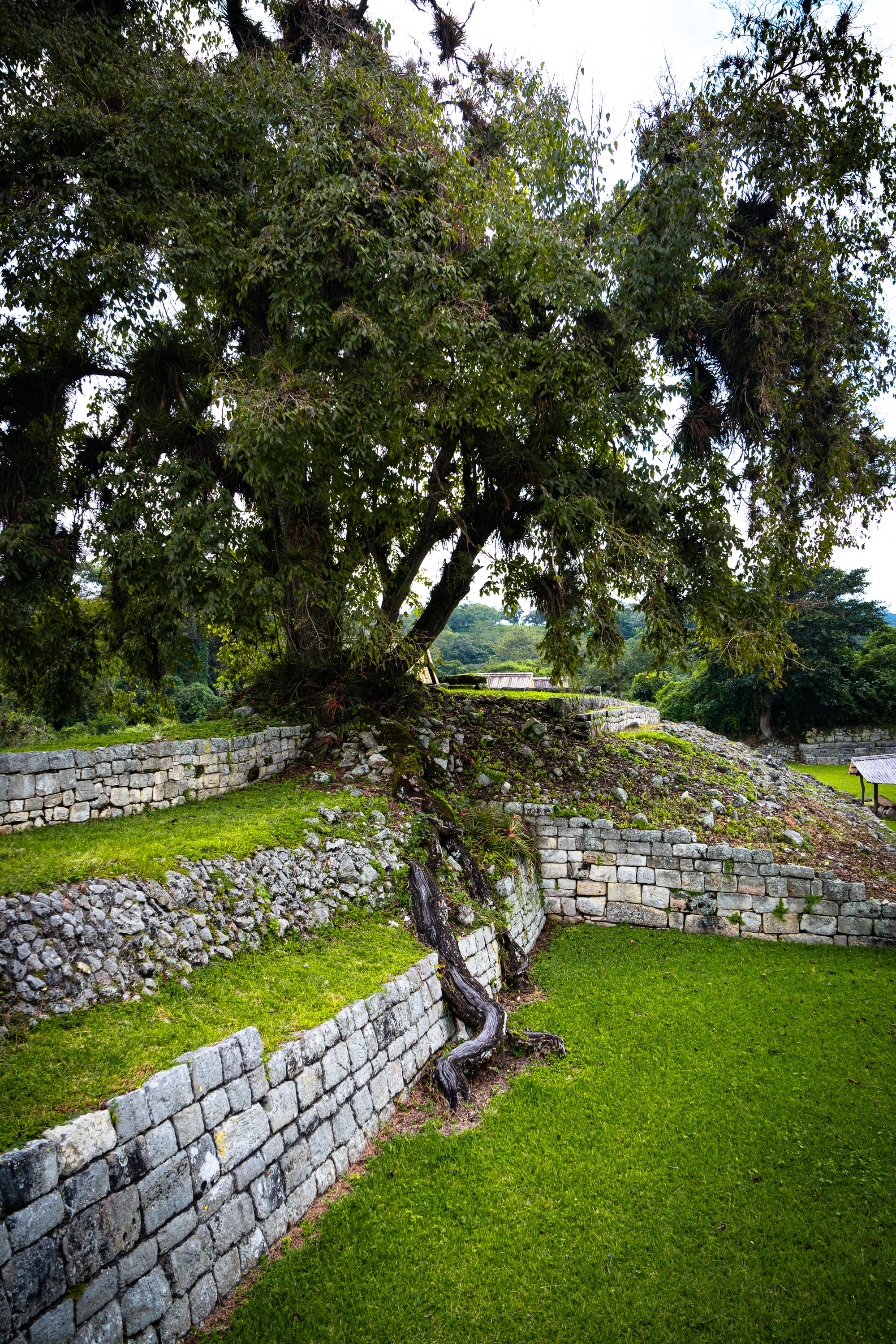
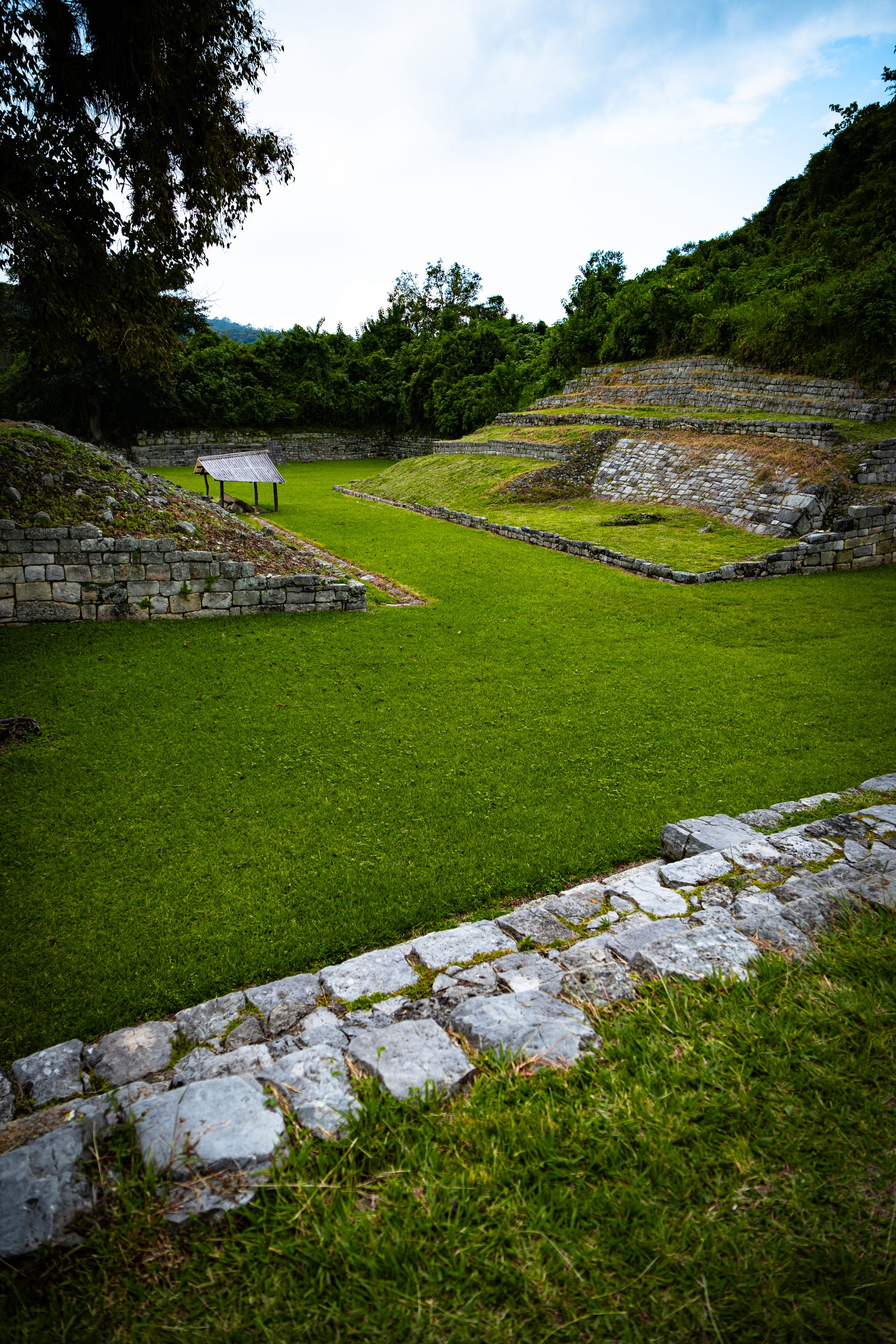
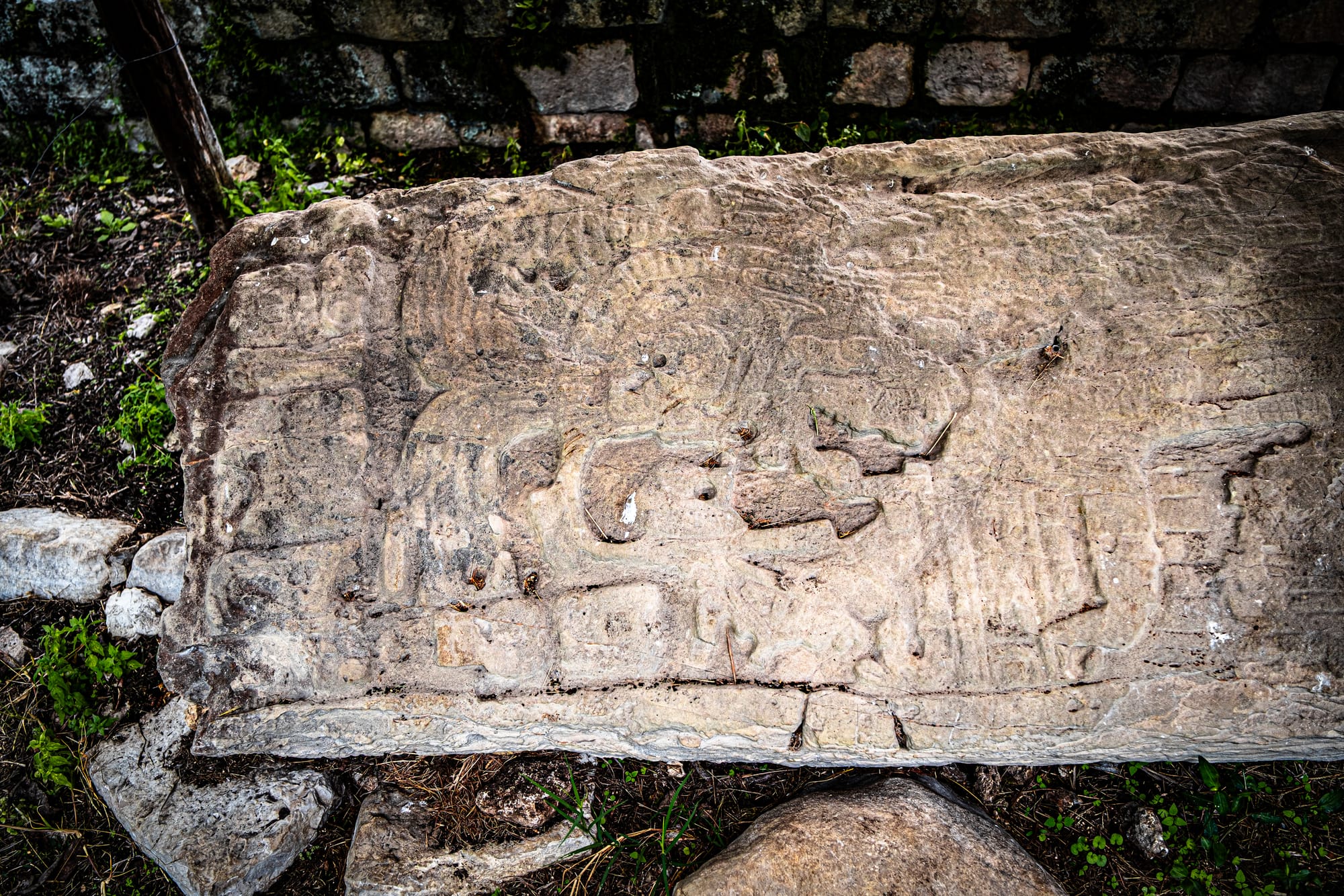
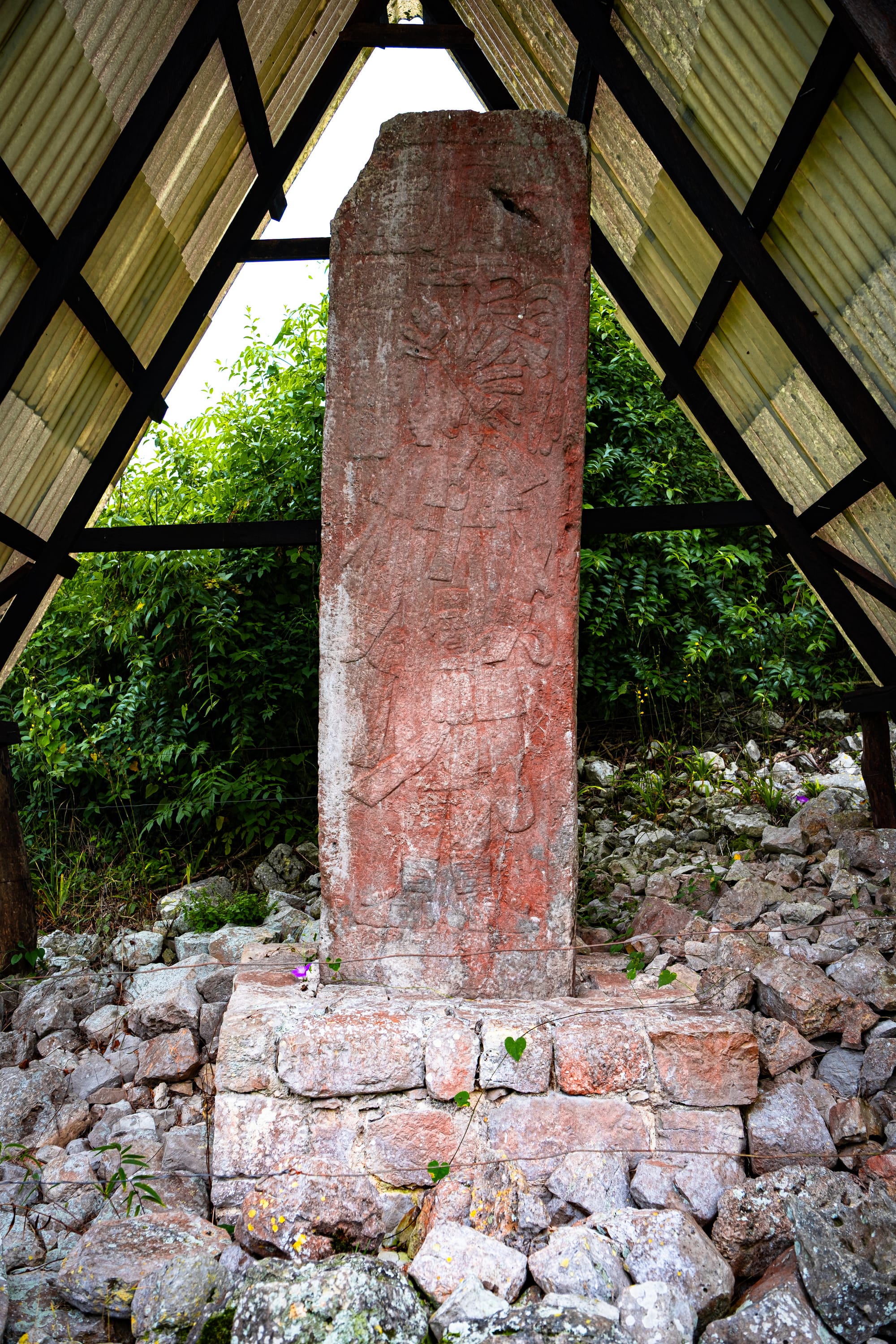
Carved stones at the Chinkultic archaeological site
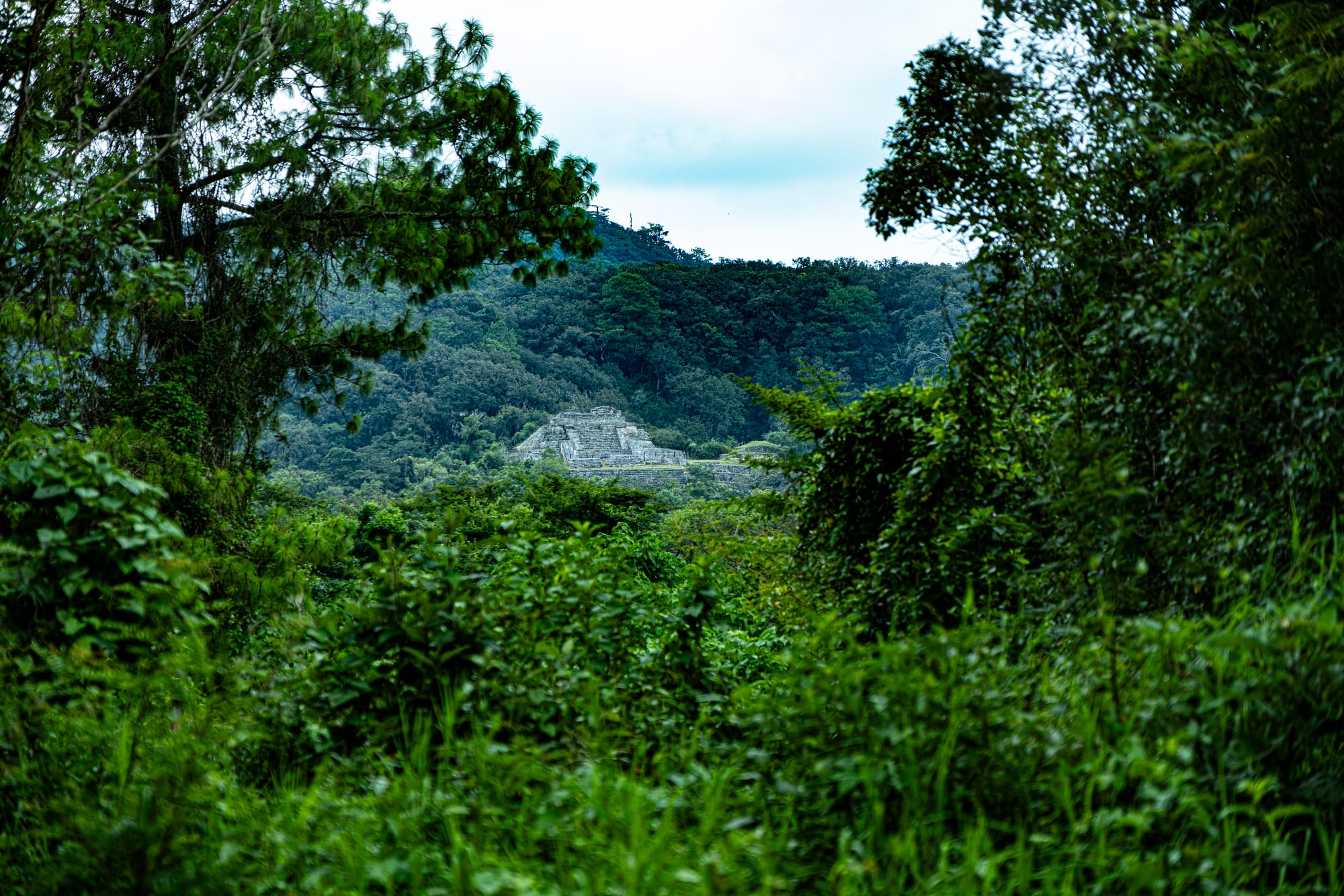
We could see one of the pyramids rising in the distance, and from certain angles, it framed itself perfectly against the lake below. But when we reached the river crossing that leads to the main site, the water was too high from seasonal rain. The current was fast, and even the staff at the entrance shook their heads gently—no safe crossing today.
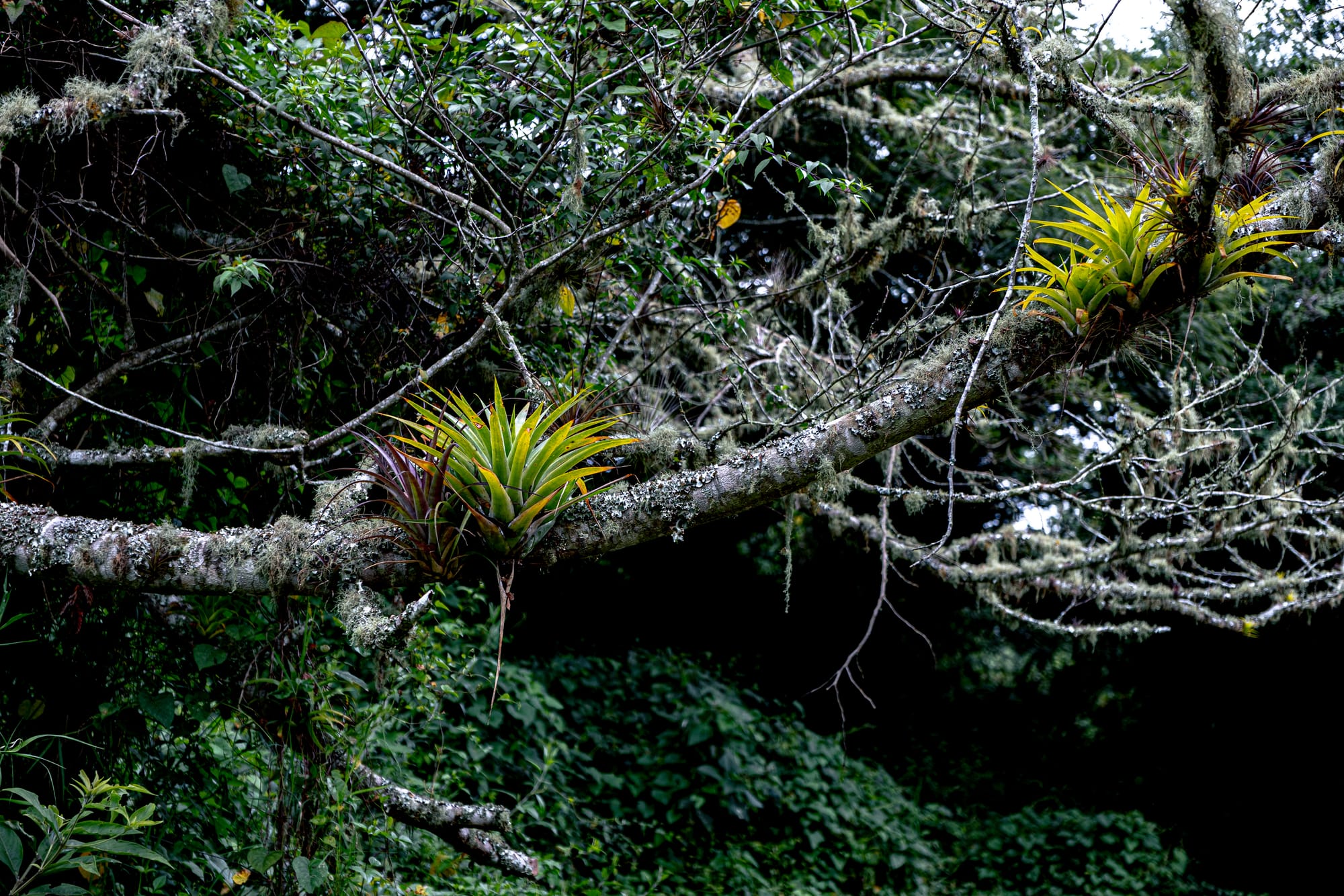
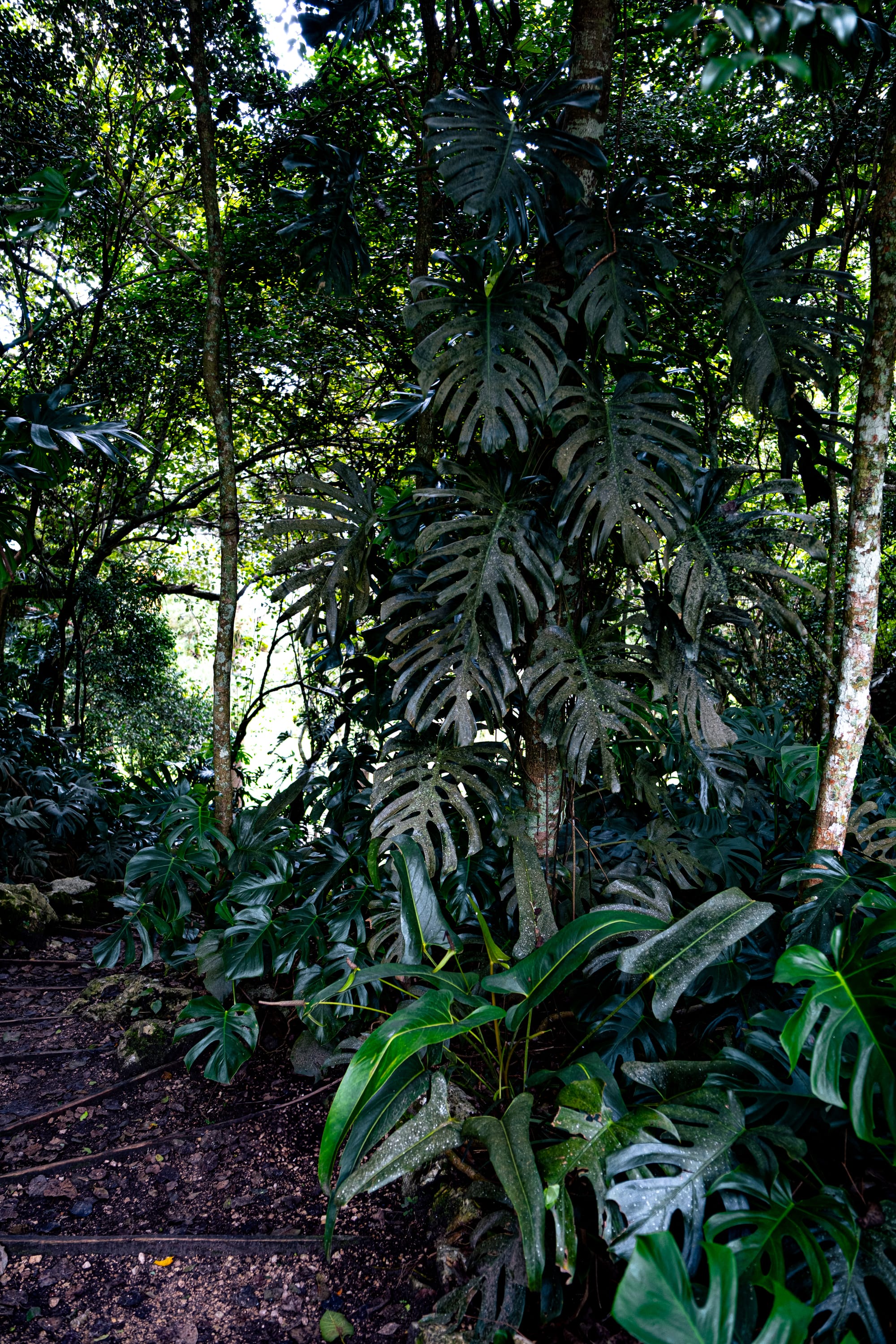
Epiphytes clinging to branches
We walked the accessible section of the site, stood near the water, and looked across at the pyramid catching the afternoon light. Sometimes proximity is its own kind of experience. Seeing the structure from across the river—removed and unreachable—carried a quiet gravity.
Lakeside healing
There’s a groundedness to the Montebello region that feels different from other parts of Chiapas. Something about the movement between ridges and water, the silence inside the forest, the clarity of the lakes’ colors, the ease of slipping between viewpoints.
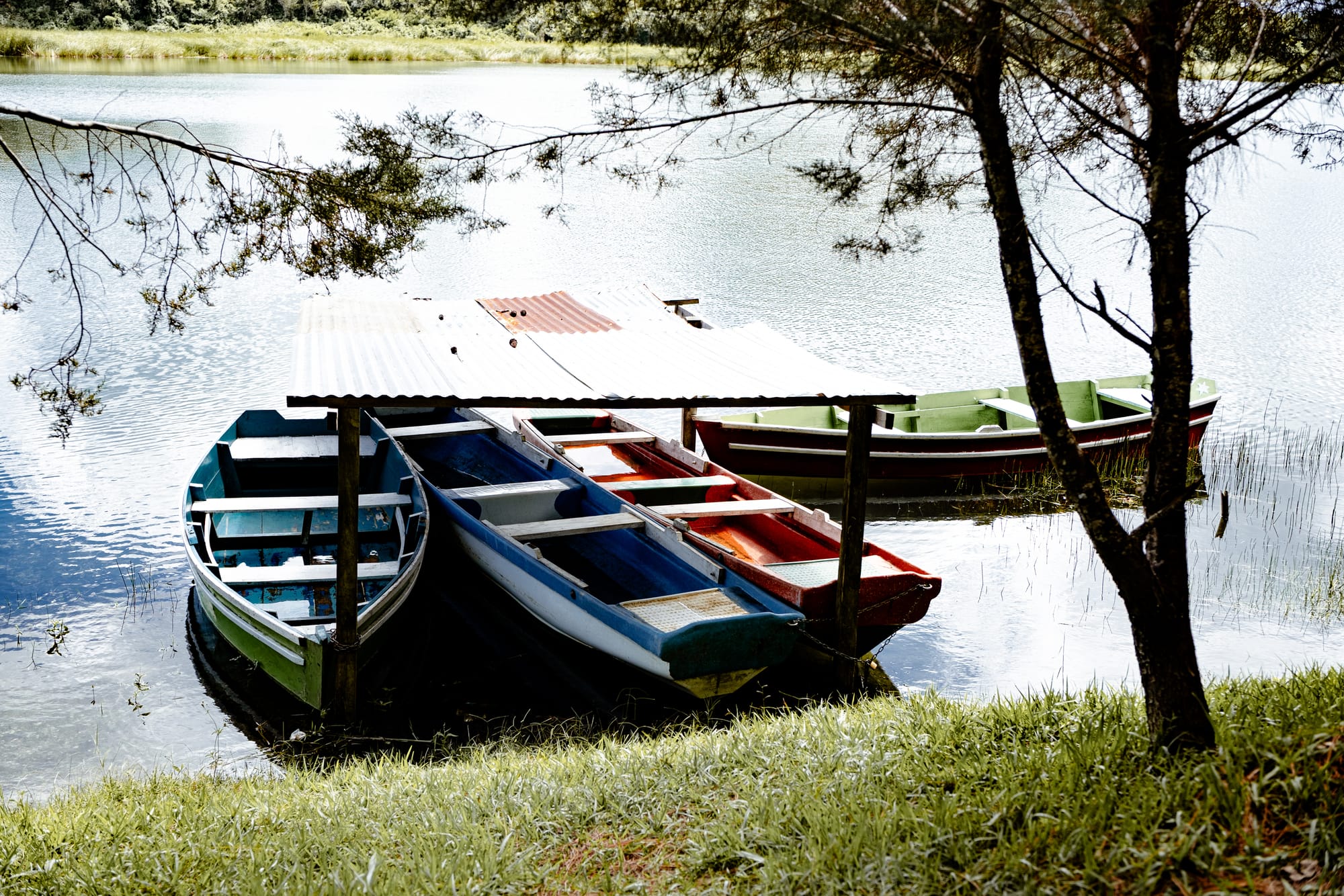
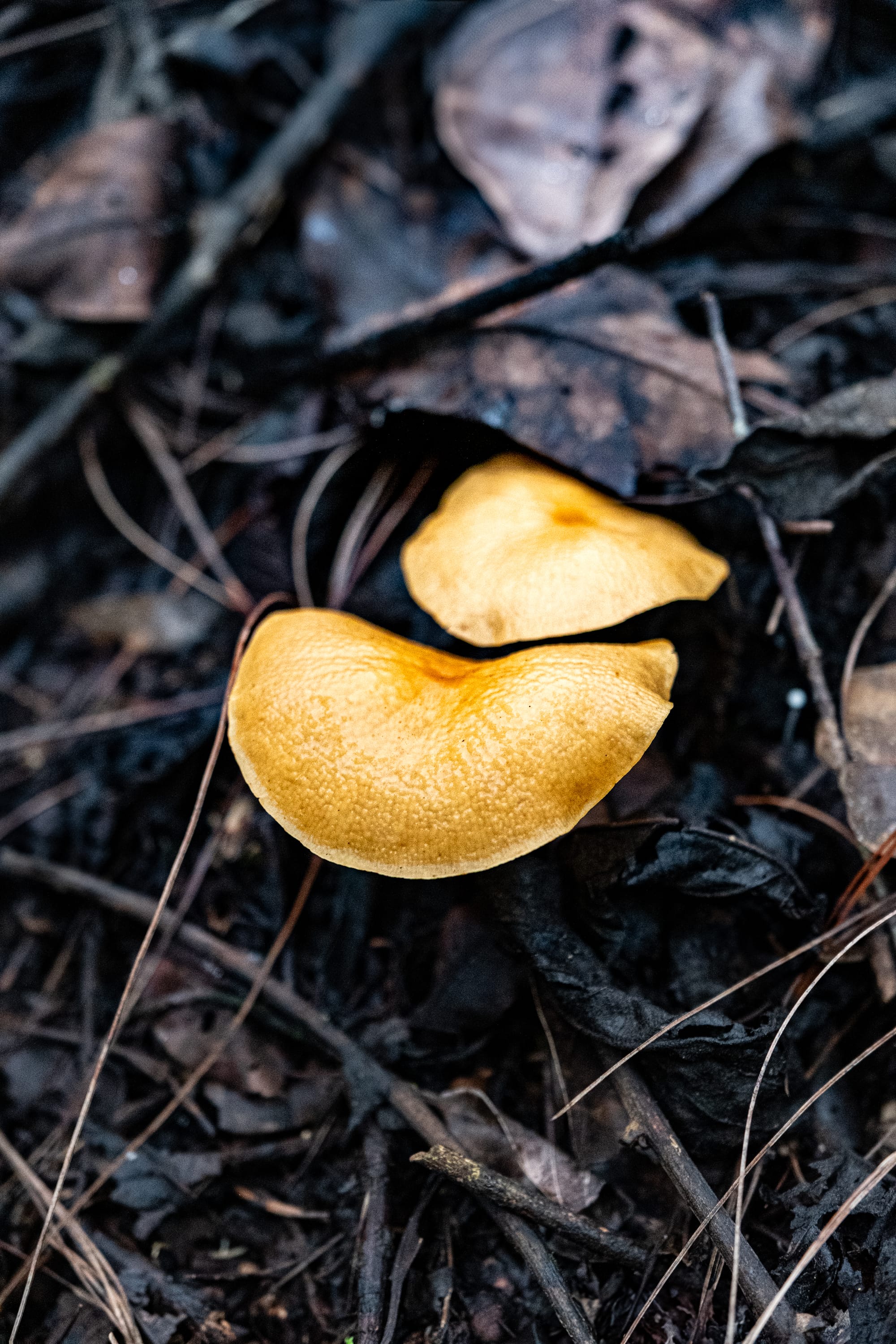
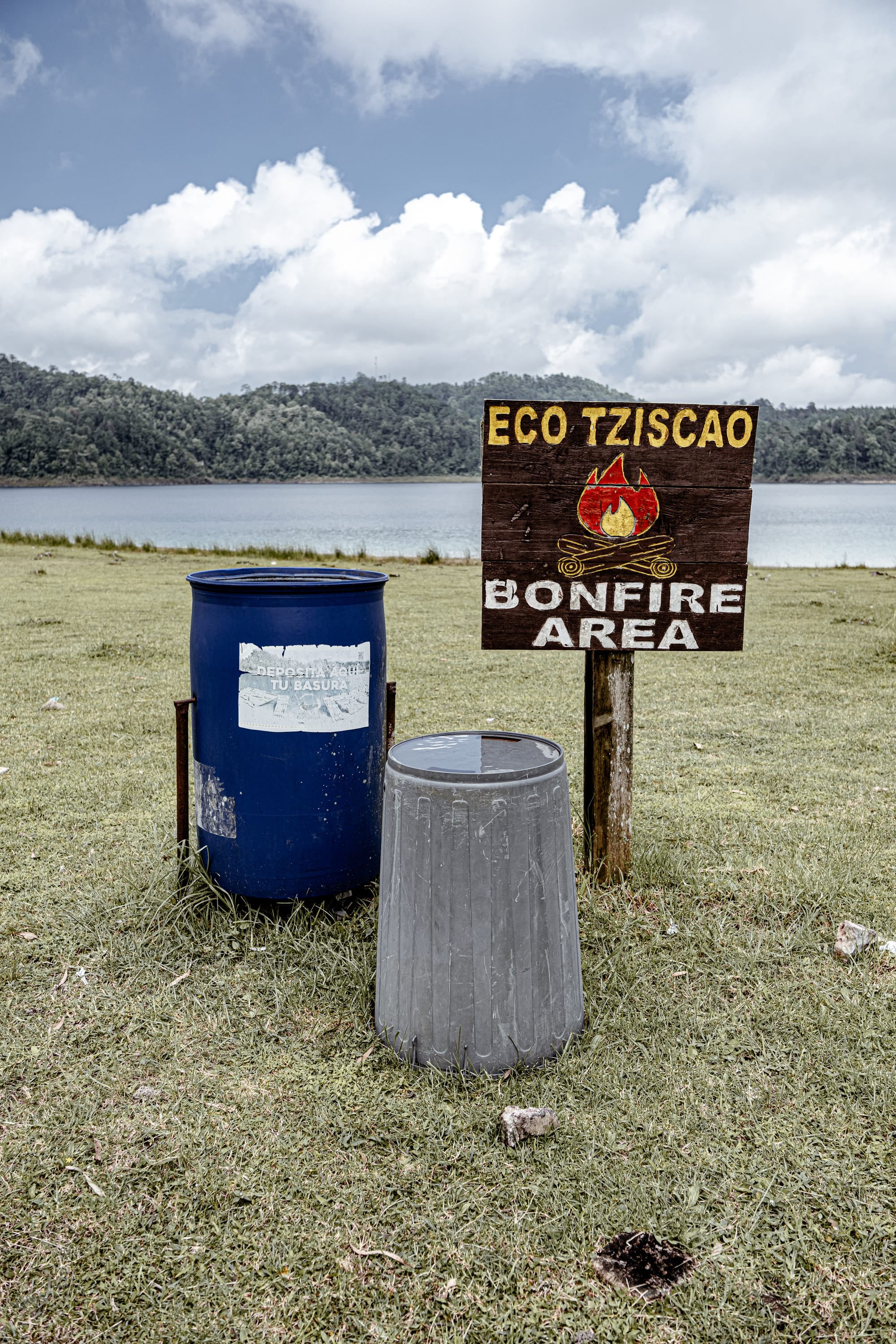
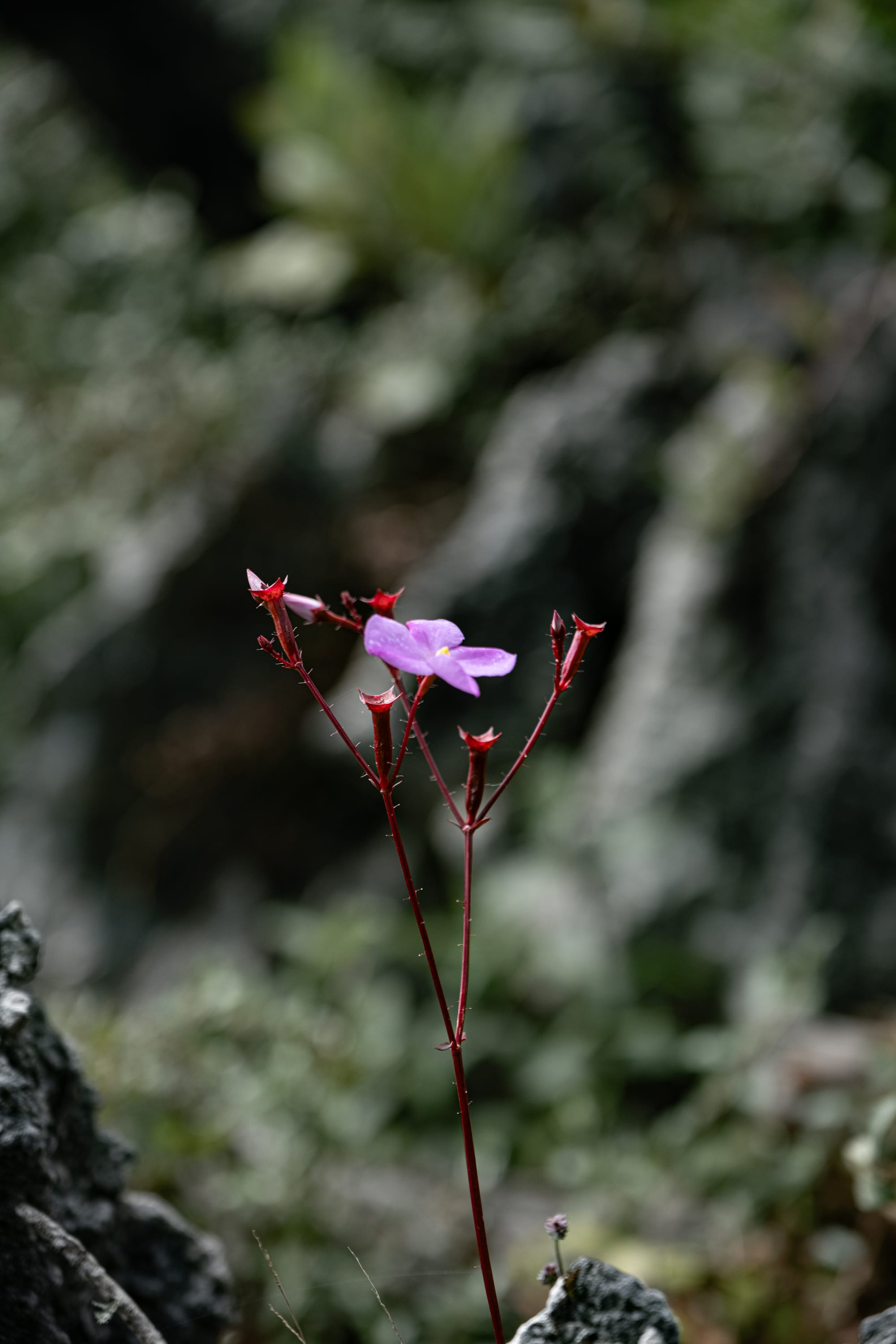
A flash of color in the undergrowth near Montebello Lakes, and the bonfire area at Tziscao
As a getaway from San Cristóbal de las Casas, it offers both spaciousness and calm. You can do it in a single long day with a guided tour, but the lakes open themselves more fully when you stay a night or two—letting their pace shape your own.
Plan your visit
Montebello Lakes lies roughly two and a half to three hours from San Cristóbal de las Casas, depending on stops and traffic. The road is straightforward once you leave the city, weaving through small communities and stretches of pine forest before dropping into the gentler hills of the Montebello region.
If you prefer not to rent a car, guided day trips are common and cover the major lakes, cenotes, and border viewpoints. They move quickly—which is convenient if you’re short on time—but if you want to swim, kayak, linger, or stay overnight in lakeside cabins, a multi-day trip gives you more space.
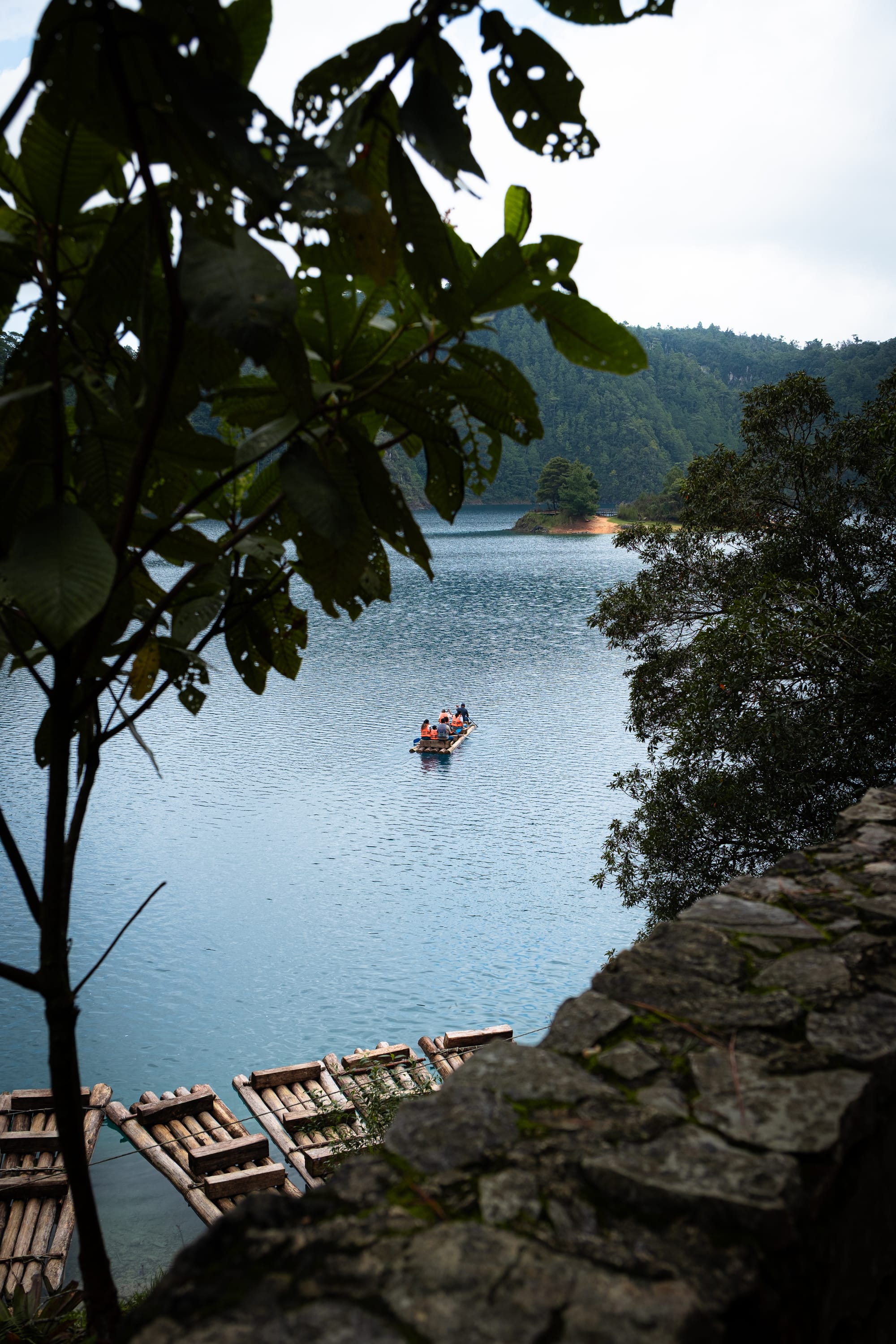
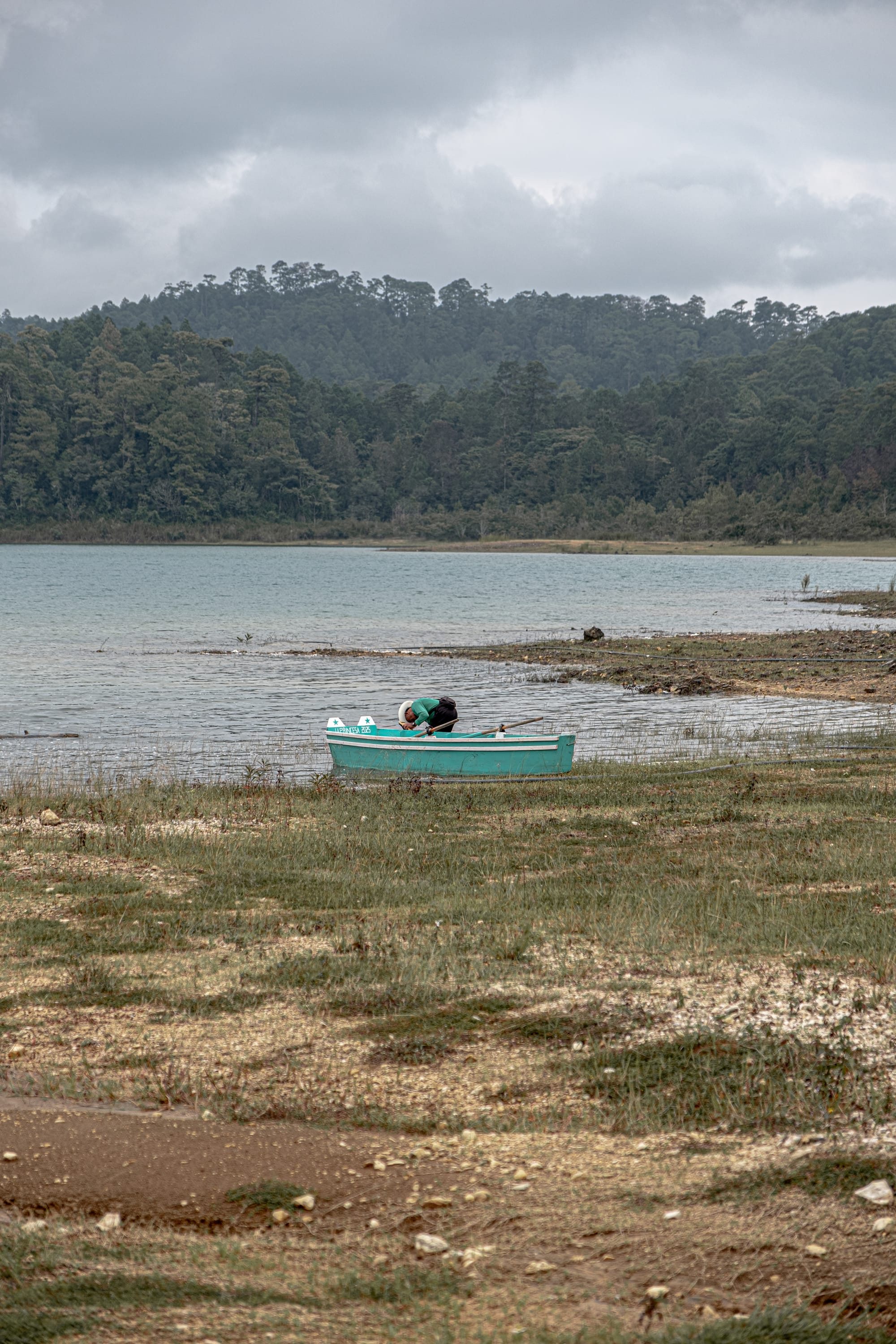
From San Cristóbal, the region can be surprisingly affordable. Entry fees at individual lakes and cenotes are modest, food is accessible, and local accommodations range from simple cabins to more comfortable lodges. Nights can be cold, so bringing warm layers is essential even in warmer months. Weekends draw more visitors, but there are always quiet pockets if you explore beyond the most photographed lakes.
The best times to visit are during the dry season when the water clarity is highest and access to sites like Chinkultic is more likely. During the rainy season, the landscape becomes greener and moodier, but water crossings and certain trails can close temporarily.
For those who want to see the lakes without worrying about transport, this guided trip is an easy option: Montebello Lakes and El Chiflón Day Tour.
Montebello Lakes is truly such a peaceful place where everything slows down. For a weekend away from San Cristóbal de las Casas, we think it's the perfect spot to relax and unwind.


