
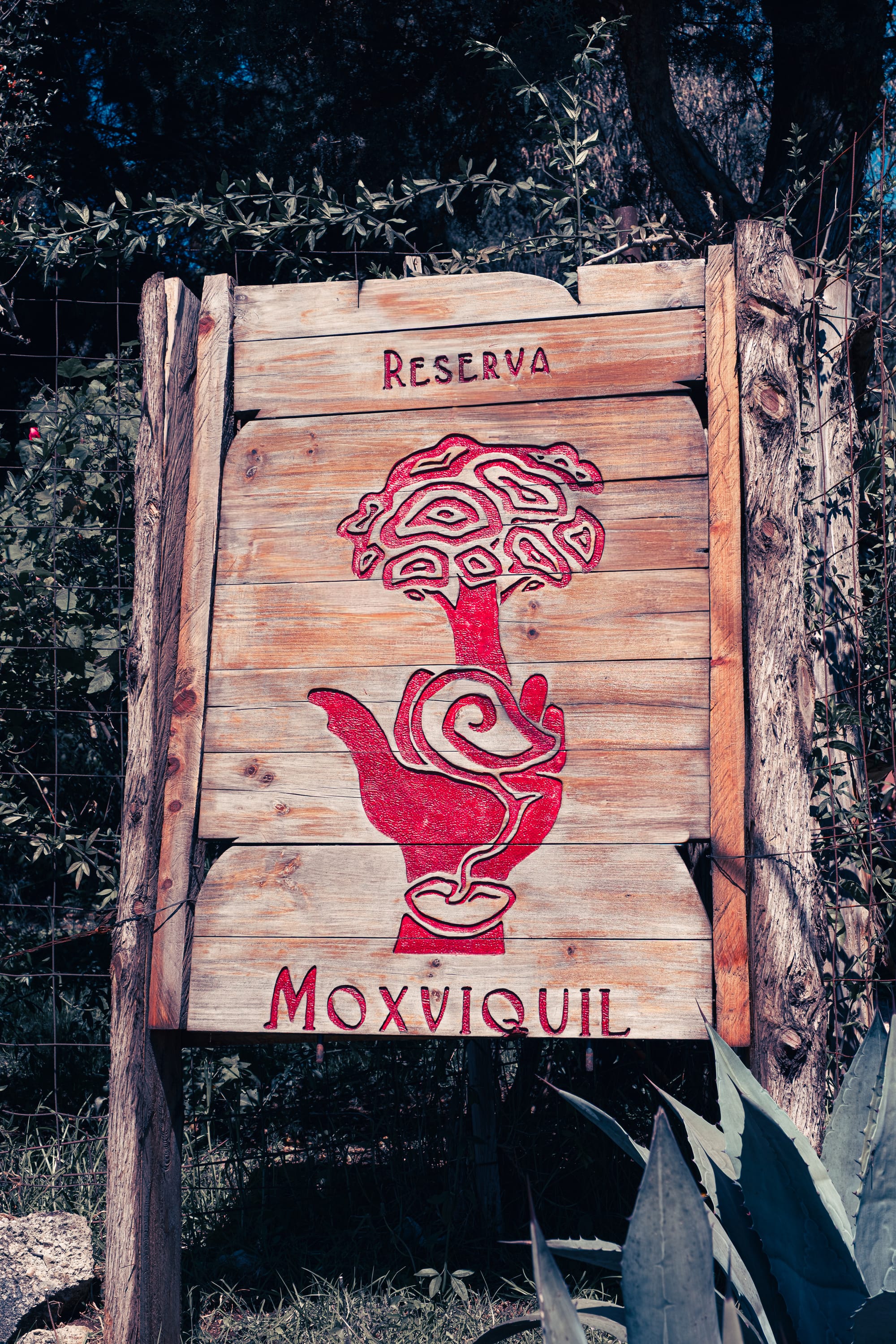
San Cristóbal de las Casas is a city framed by ridgelines and pines, a highland place where cool air holds the scent of wood and rain. In a city known for its cultural richness, it’s easy to forget how much of its identity is rooted in the ecology that surrounds it. Just a short walk or taxi ride from the center, Moxviquil—one of the most quietly meaningful nature reserves in San Cristóbal—offers a glimpse of the region’s wild flora that would otherwise remain hidden.
We arrived late in the morning, the light already brightening the tops of the surrounding hills. The entrance is unassuming, almost humble, but the shift from city to sanctuary happens quickly: the sound softens, the air cools, and suddenly you’re in a different rhythm entirely.
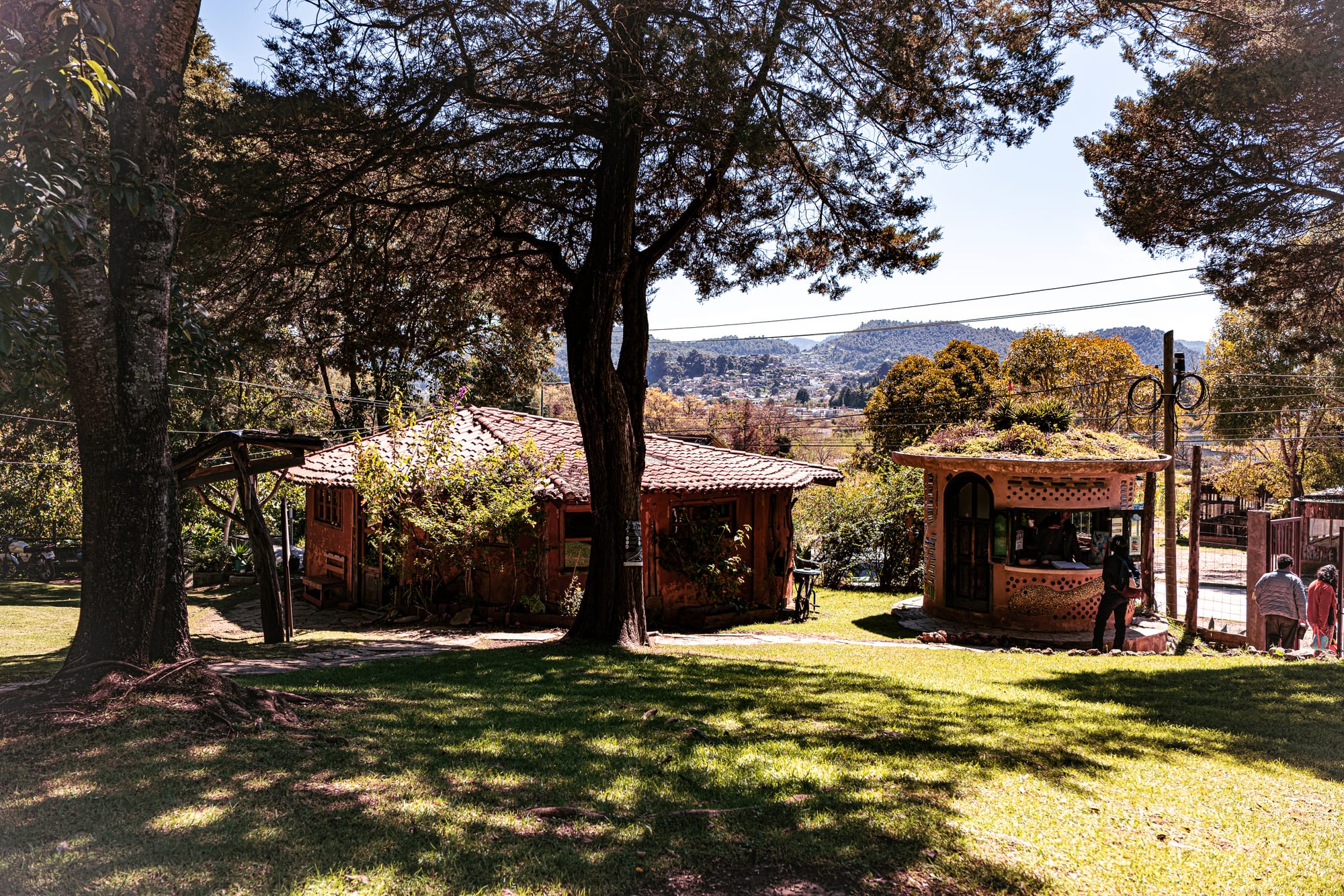
If you’re searching for things to do in San Cristóbal de las Casas that move beyond markets and museums, this is one of the most peaceful places to begin.
The story behind the sanctuary
Moxviquil exists because of a simple but powerful idea: that the native flora of Chiapas deserved protection, visibility, and a living home. The project began in 1994, when conservationist Craig “Cisco” Dietz started rescuing orchids and other epiphytic plants from areas threatened by logging, roadwork, and land clearing around the highlands of San Cristóbal de las Casas. These rescued plants formed the foundation of what would become Moxviquil, a sanctuary dedicated to preserving and propagating Chiapas’ extraordinary orchid diversity in partnership with local conservation organizations.
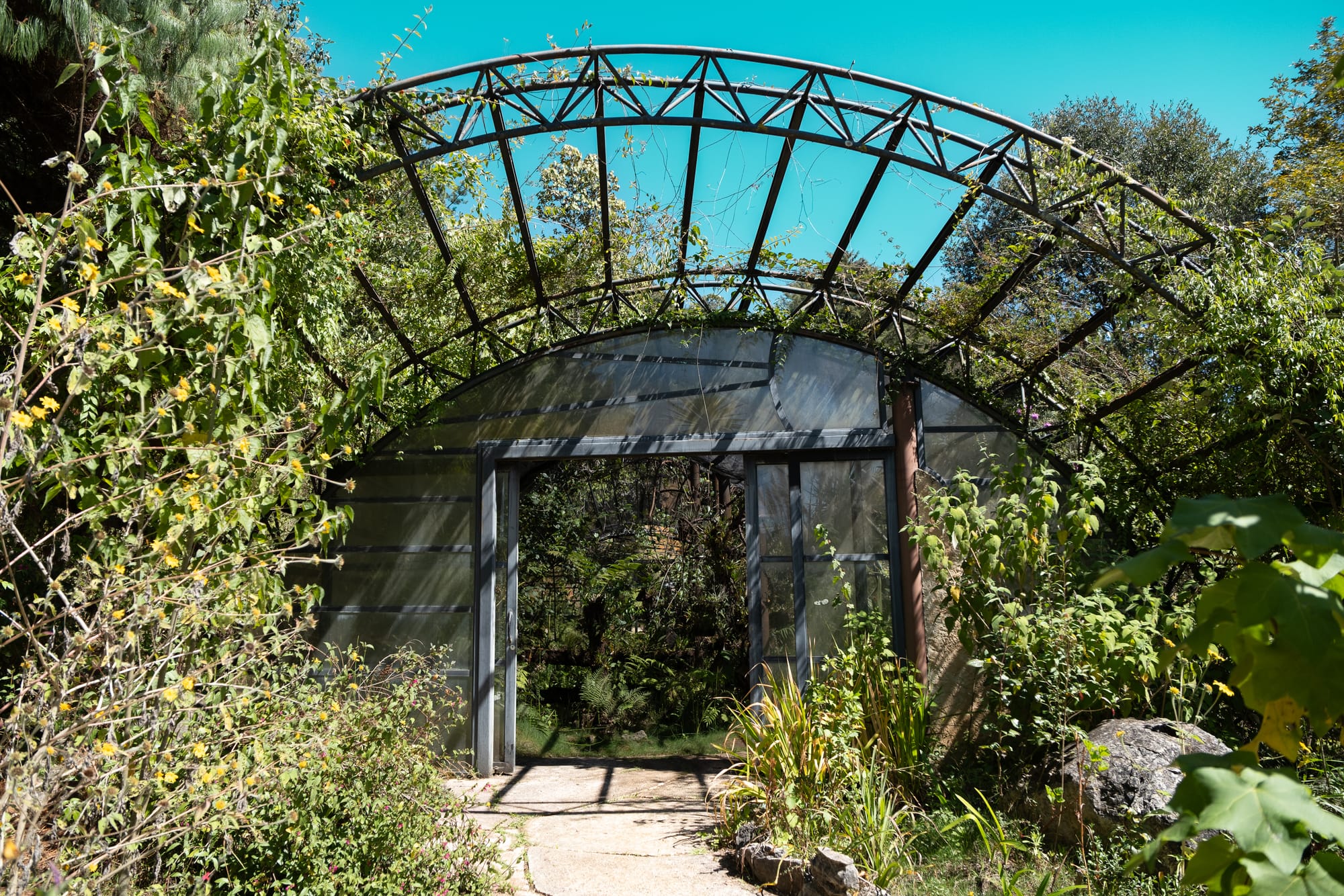
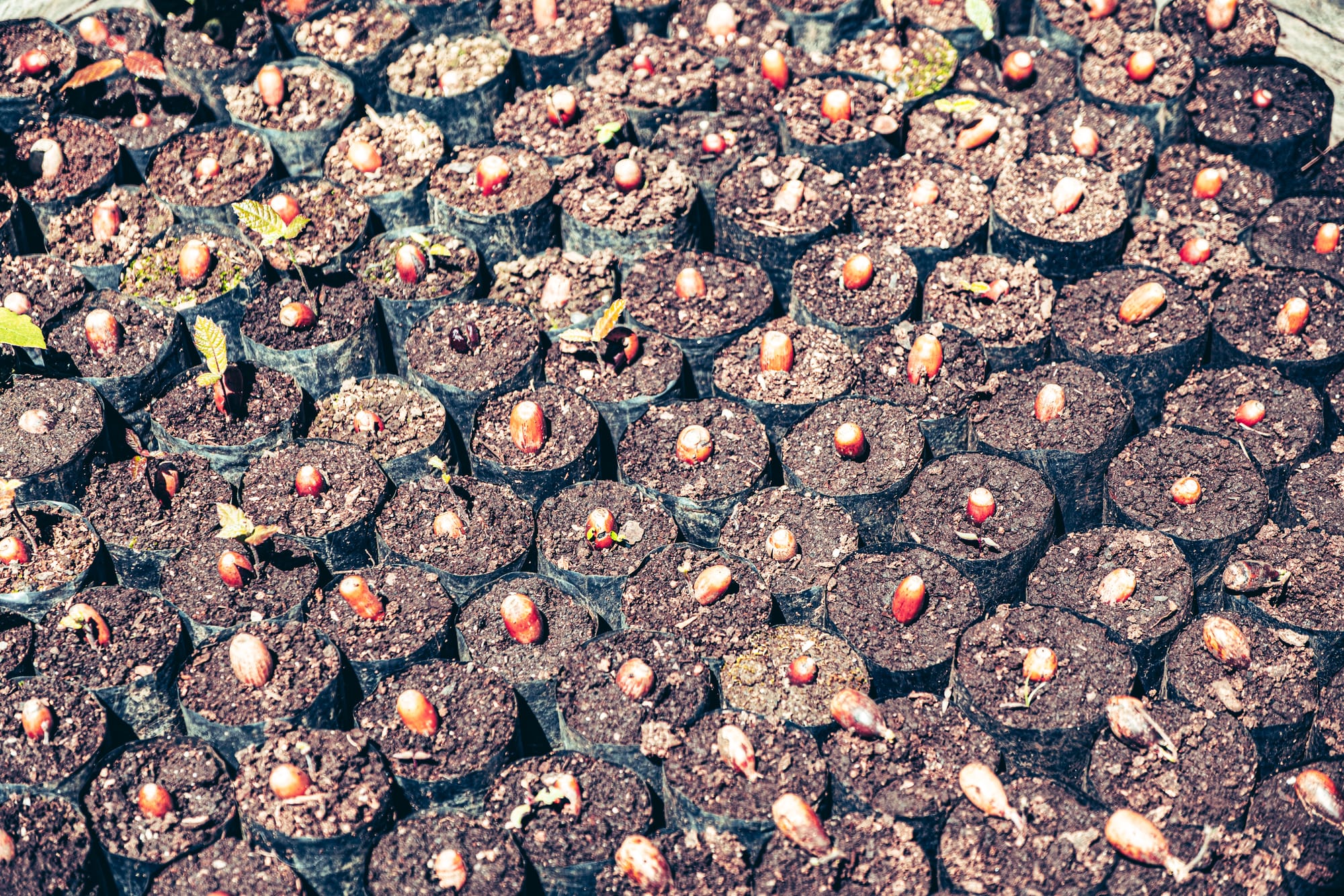
As the highland forests around San Cristóbal shrank, more and more epiphytes—plants that live on trees rather than soil—were left vulnerable. Orchids, bromeliads, and other delicate species were often destroyed as collateral.
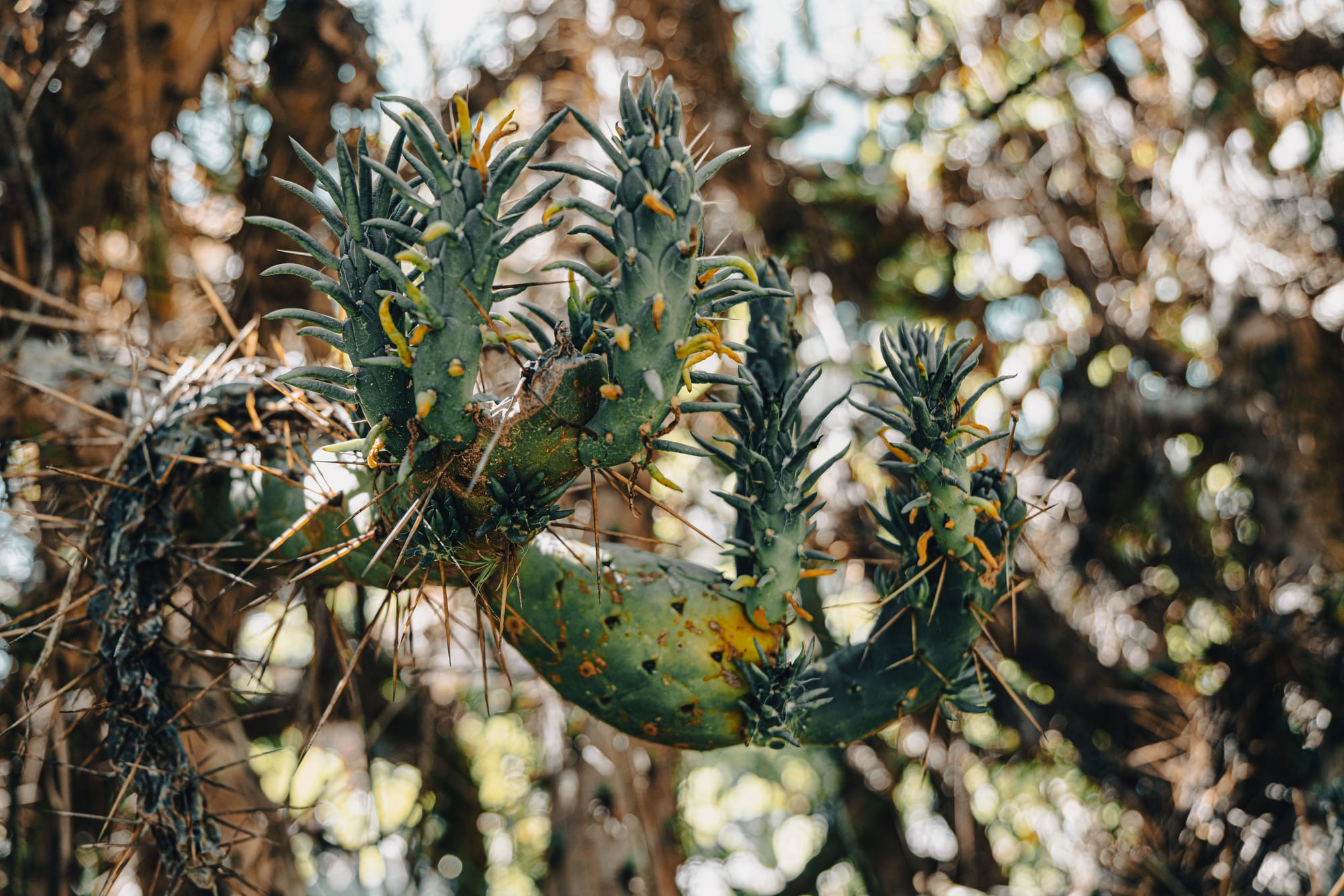
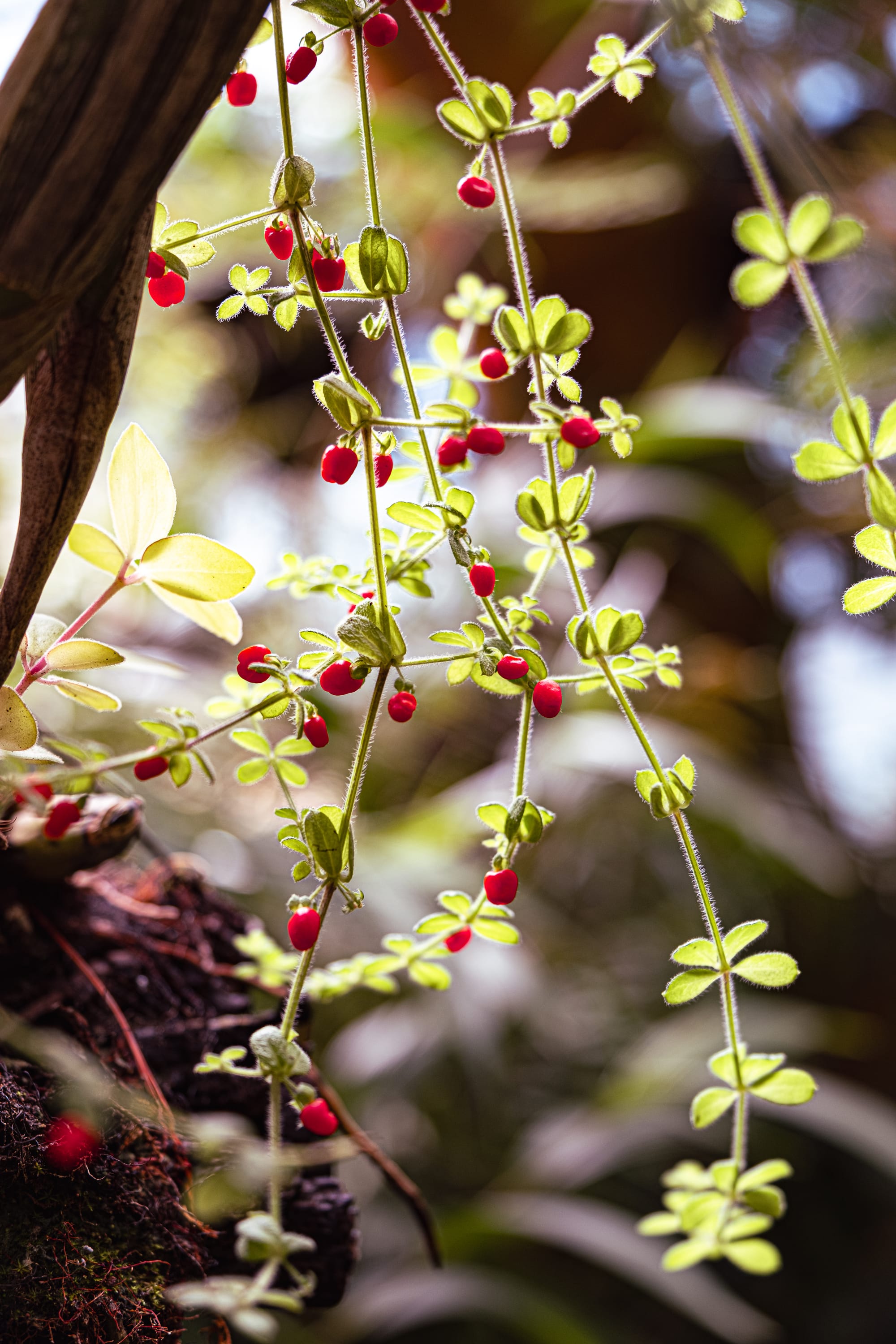
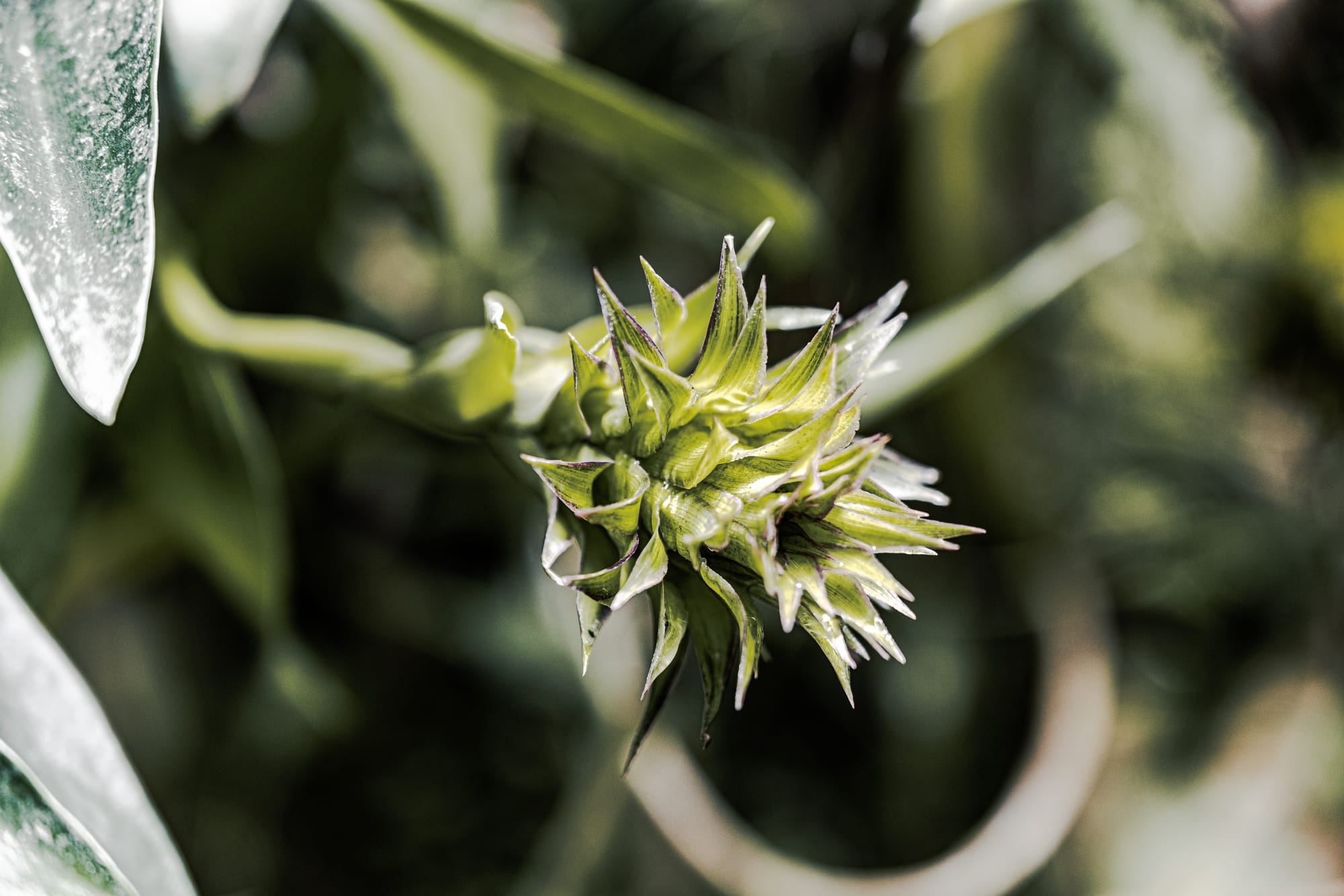
Close-up moments inside Moxviquil
Dietz began salvaging them—sometimes from fallen trees, sometimes from cleared land, often from places where they would not survive another season. What started as a personal conservation effort slowly grew into a sanctuary. With support from local environmental groups, the site eventually became part of a larger protected area known as the Moxviquil Reserve, dedicated to the preservation of the cloud forest ecosystem that defines this region of Chiapas.
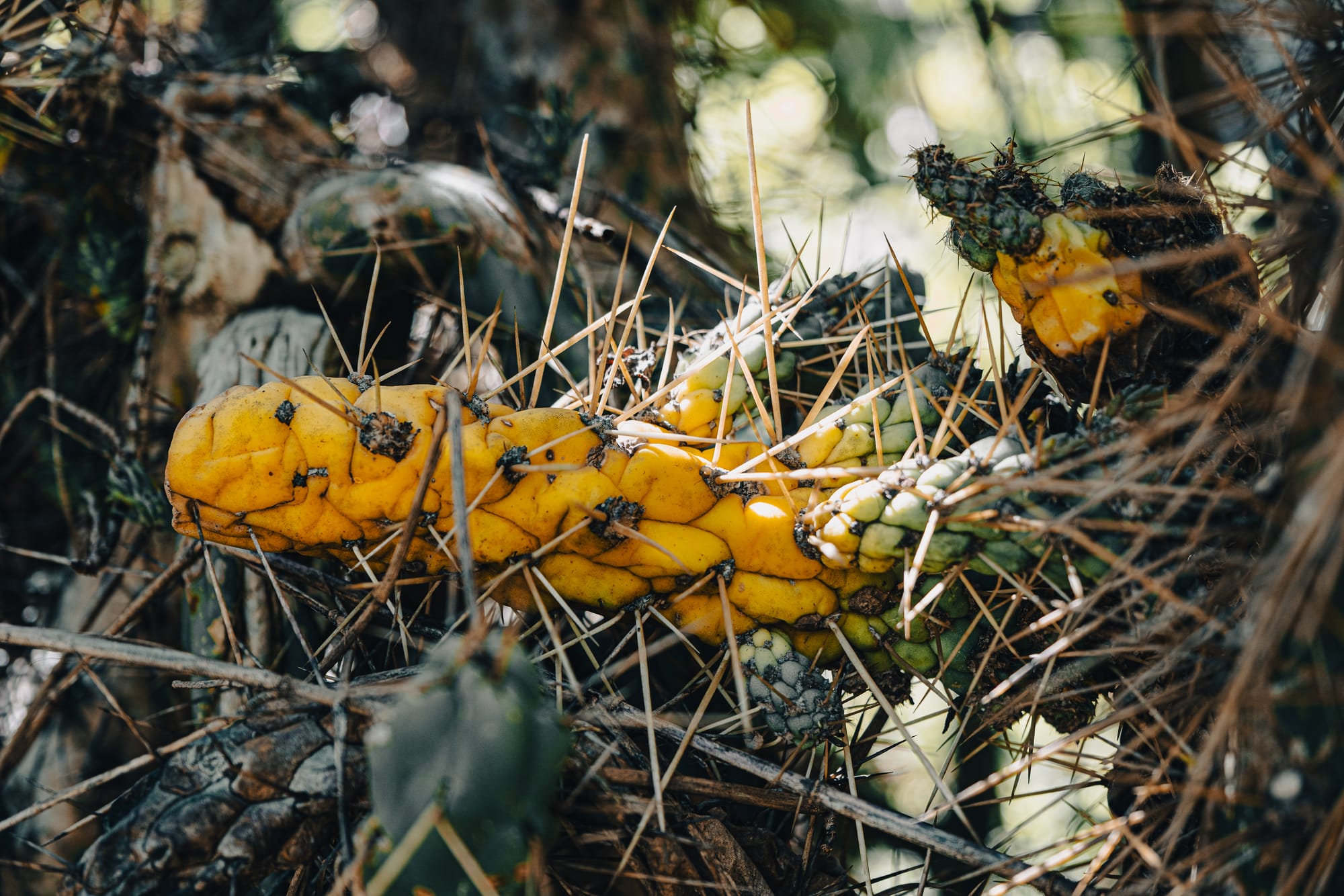
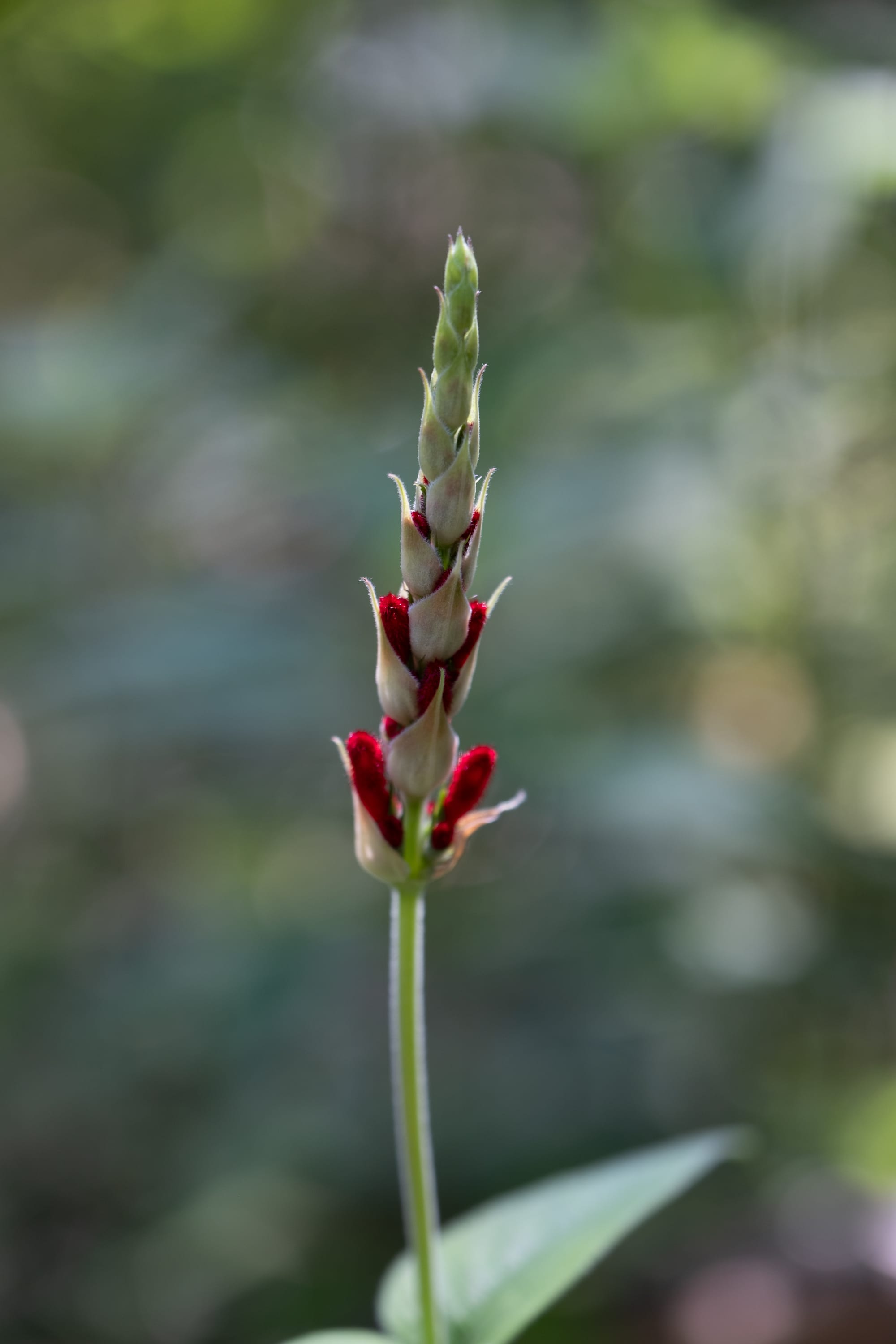
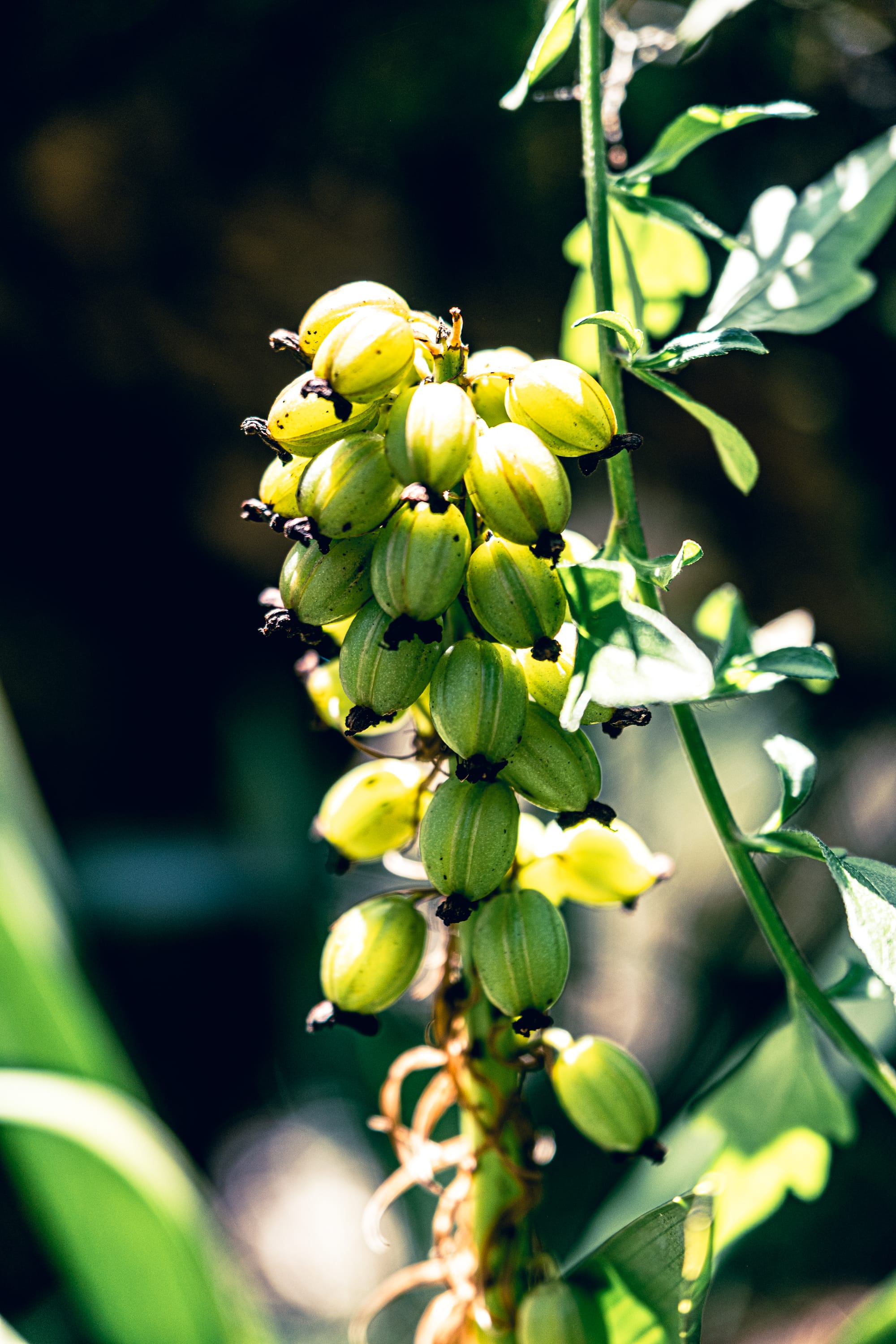
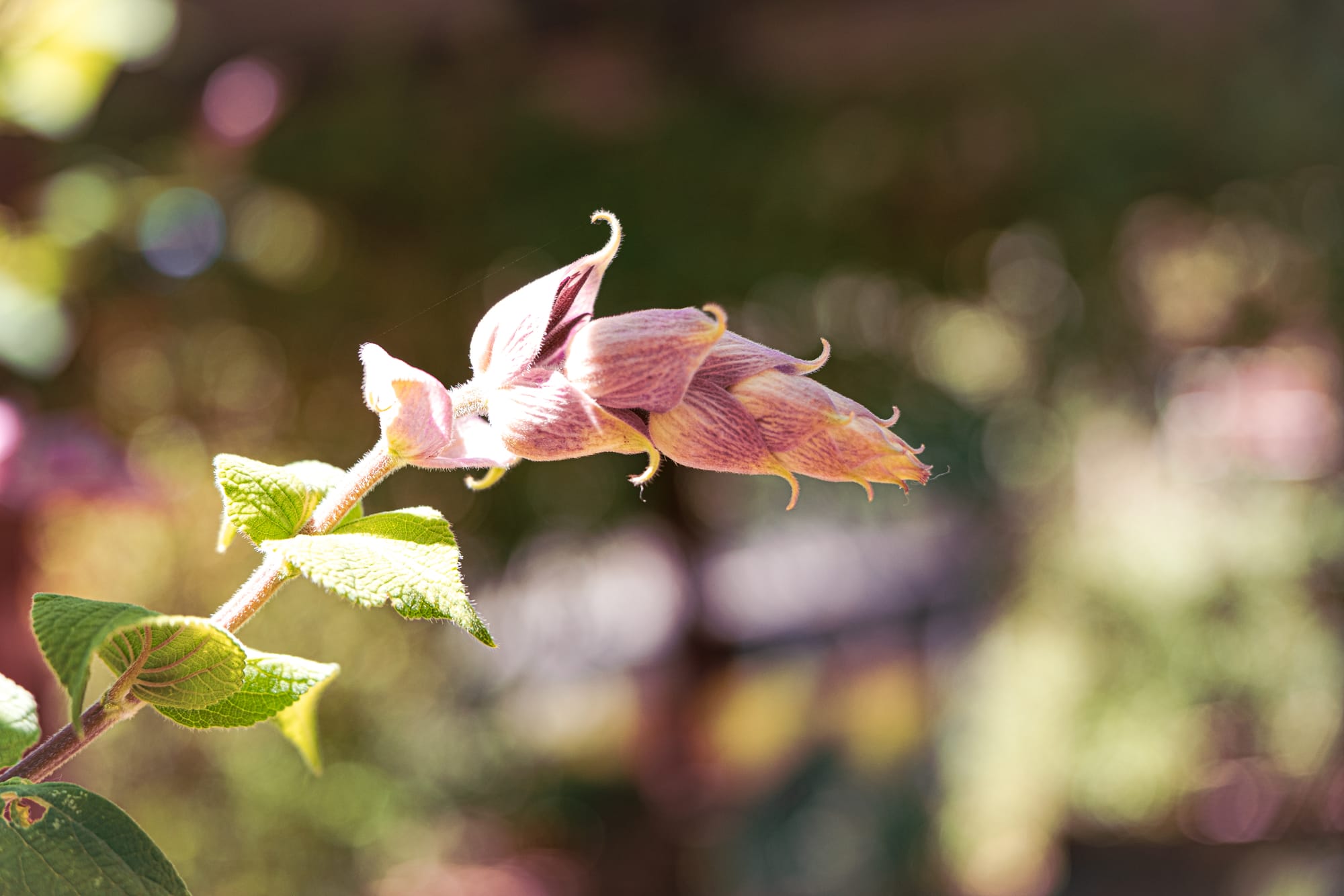
Close-up details of native highland plants at Moxviquil
Moxviquil’s collection brings together a broad range of orchids native to Chiapas—part of a regional flora that includes more than 700 recorded species, making the state one of the most orchid-rich in Mexico. At Moxviquil, those species are not displayed as ornamental beauties, but as living fragments of an ecosystem that is rapidly diminishing.
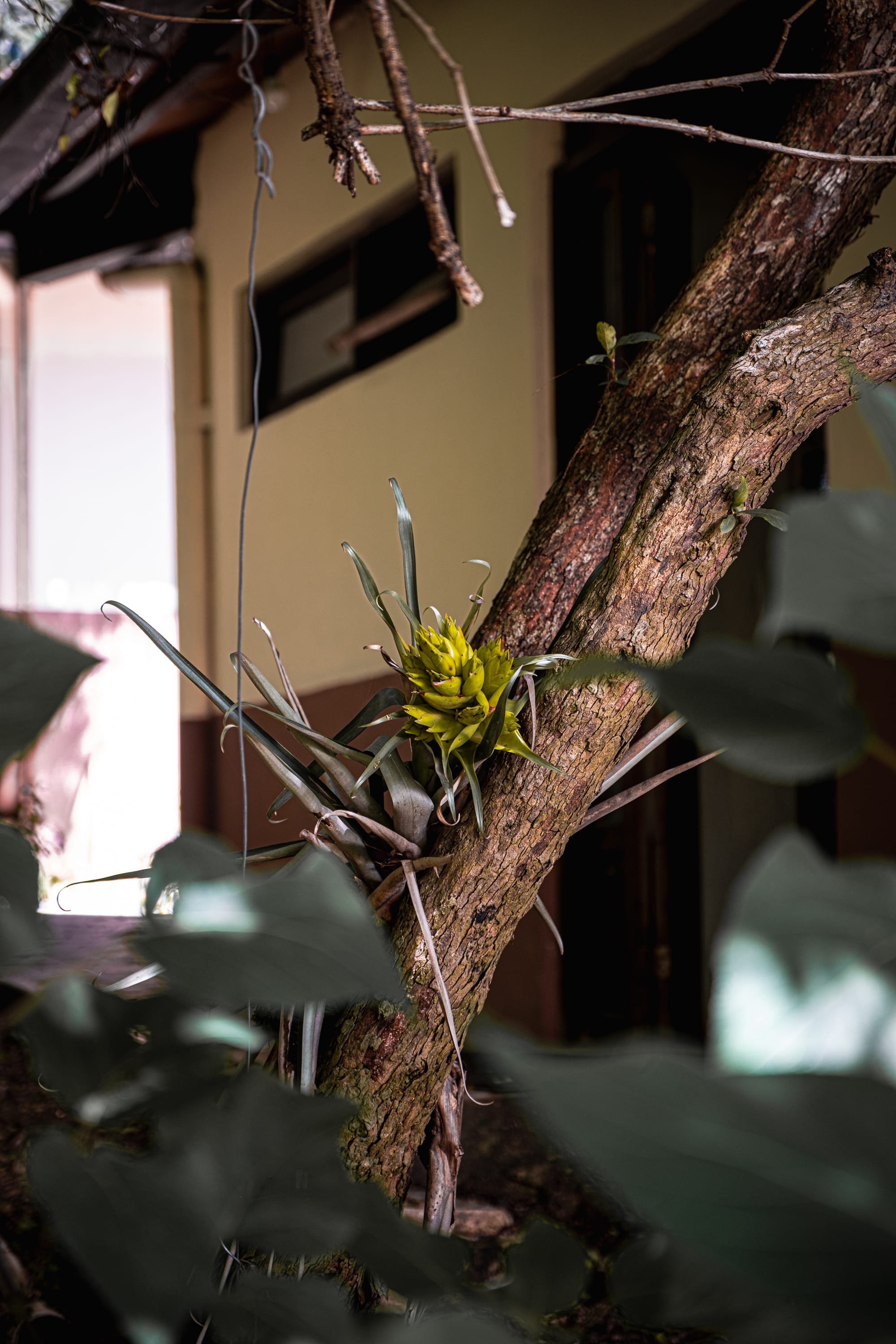
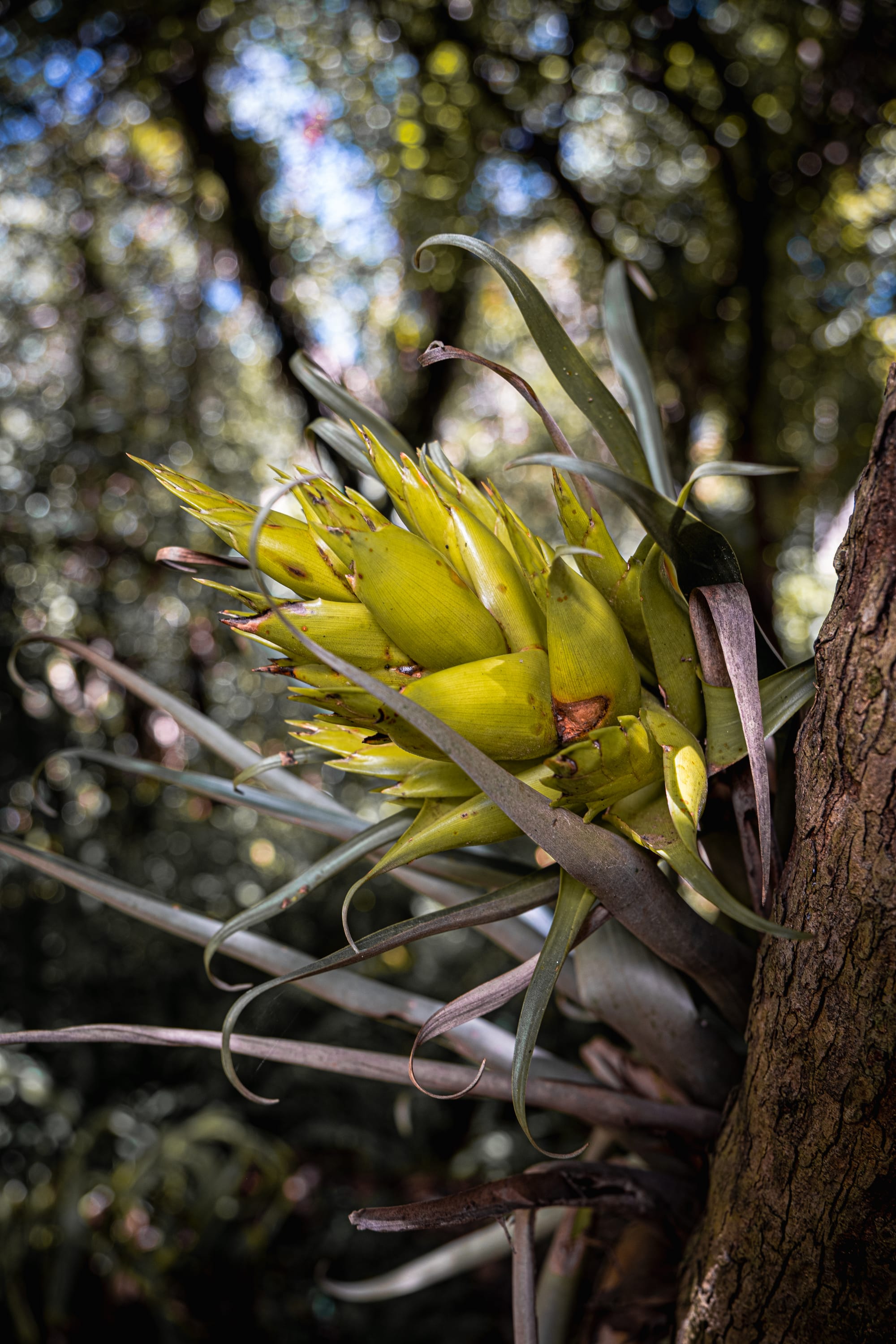
Epiphytic plants growing along the trees at Moxviquil
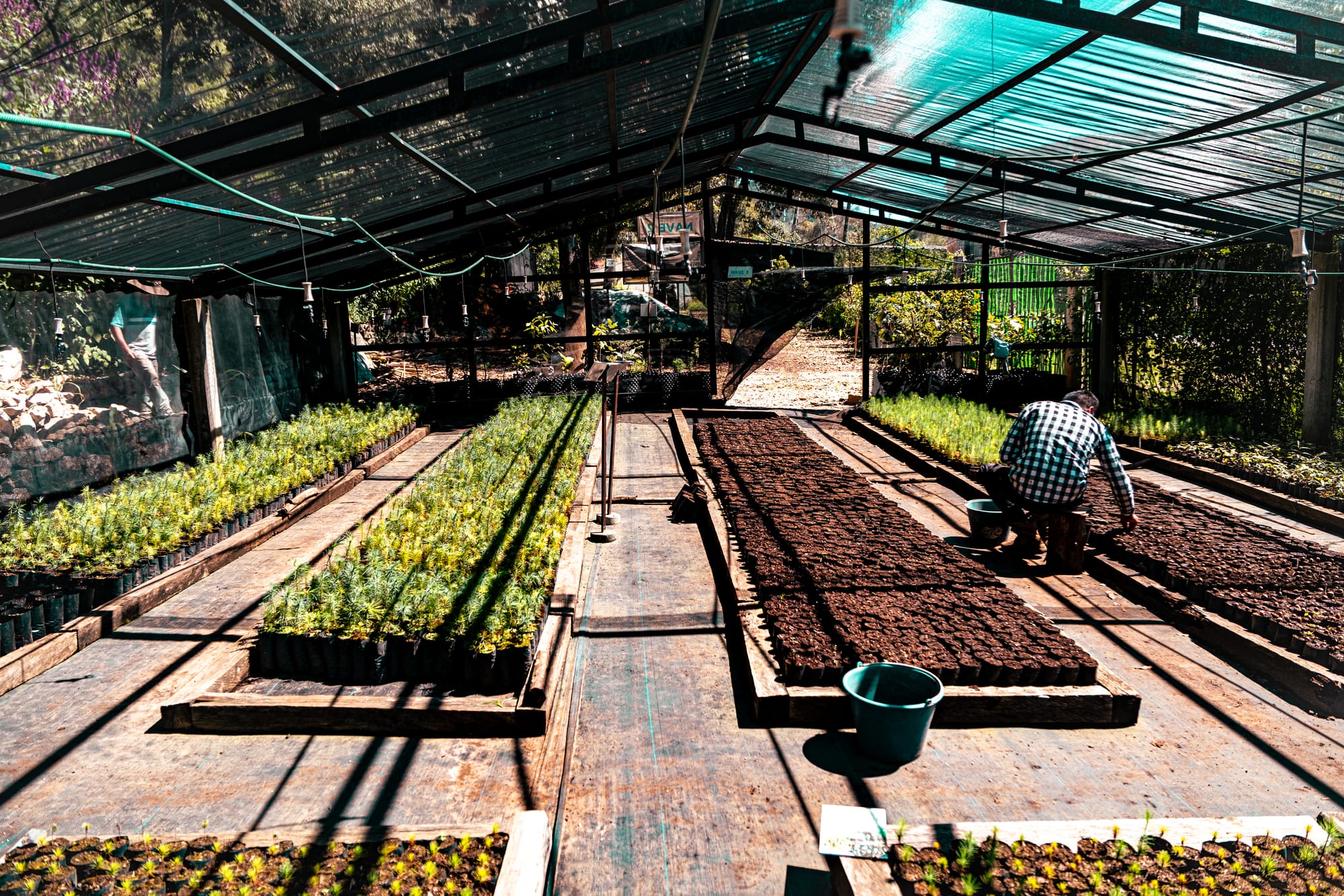
The sanctuary’s work extends beyond display: it engages in propagation, restoration, and careful documentation. Many orchids here were rescued from development sites; others are cultivated to reintroduce species into protected forest areas. It is conservation at a human scale—a blend of botany, stewardship, and quiet dedication that feels woven into every corner of the greenhouse.
Wandering the greenhouse
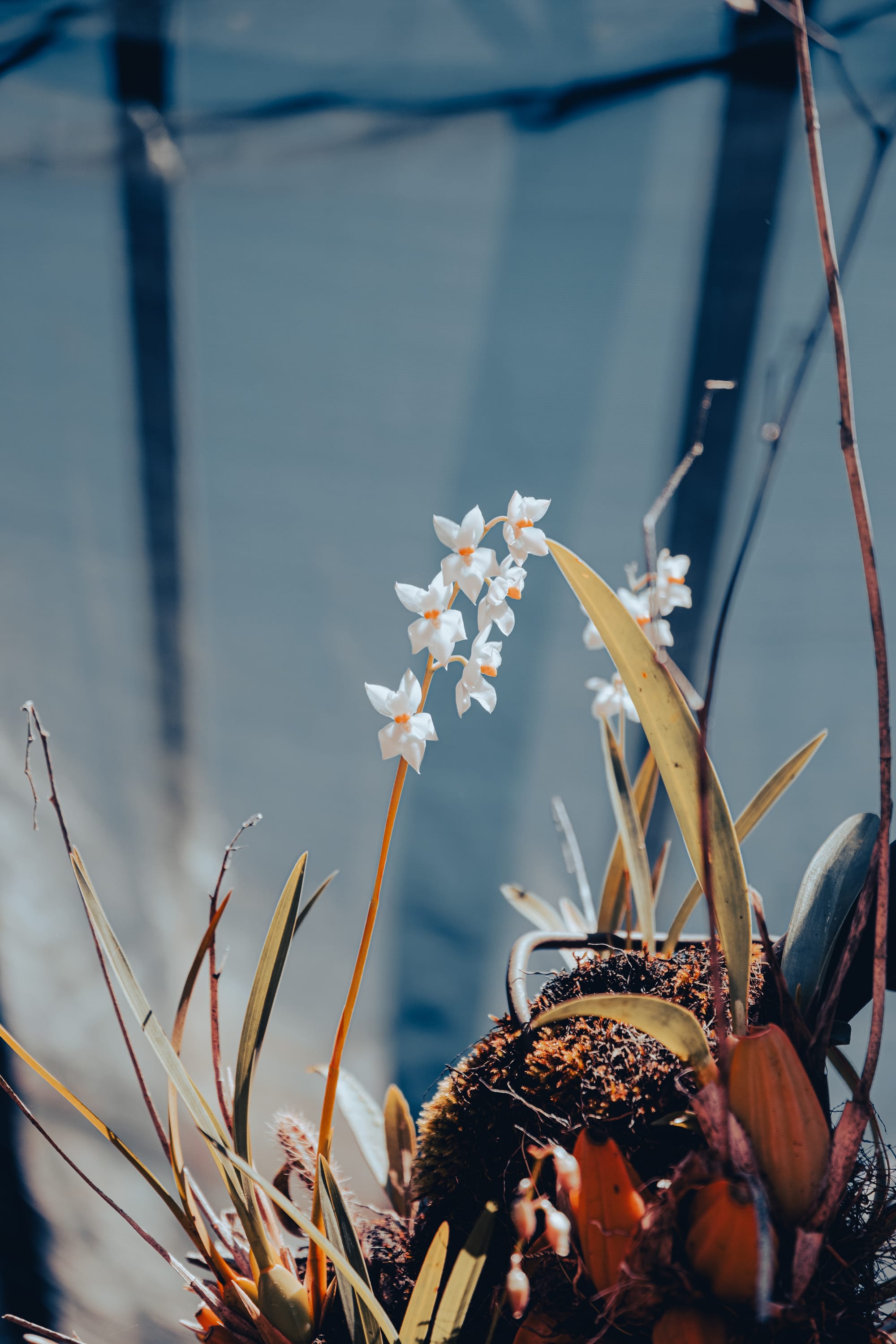
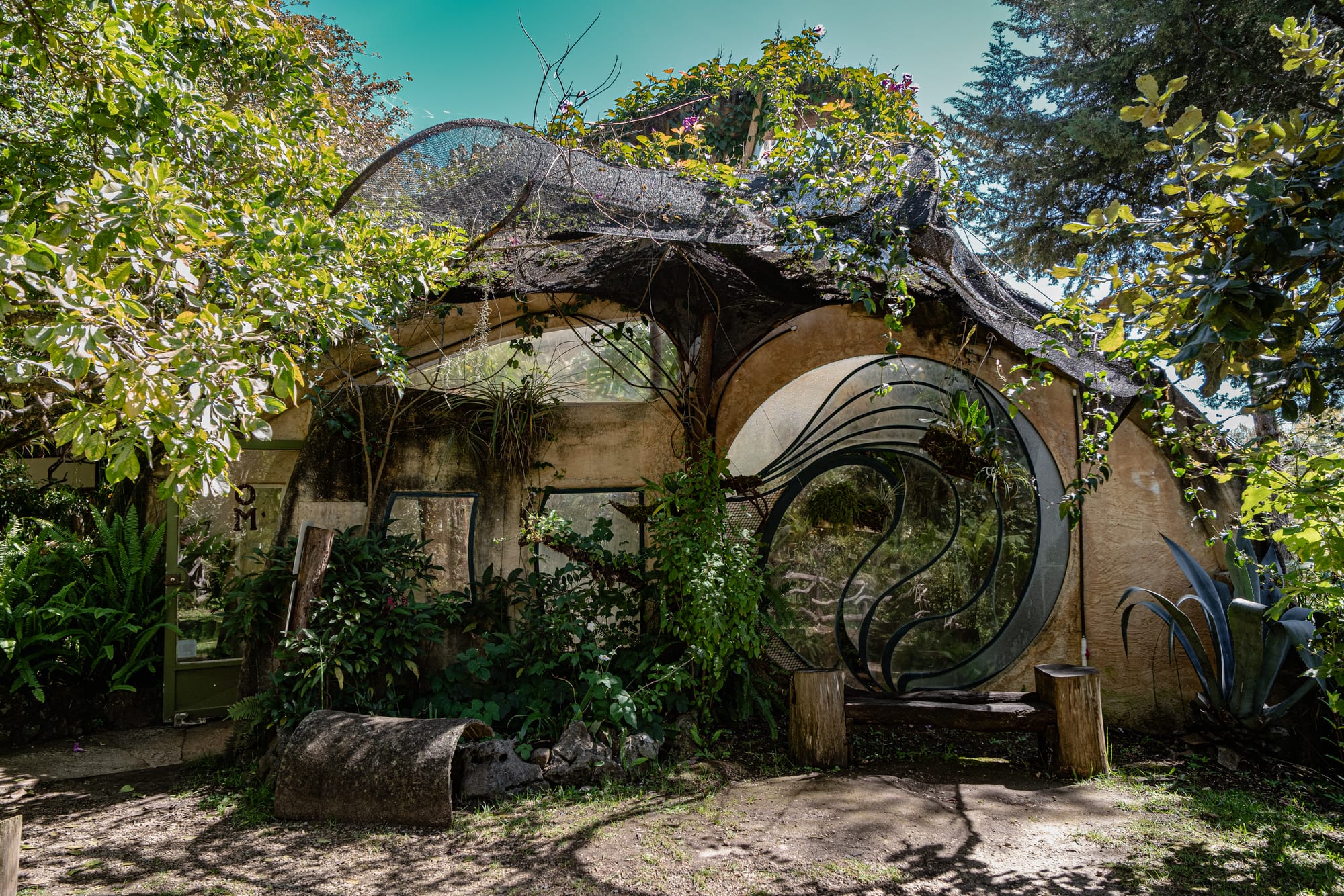
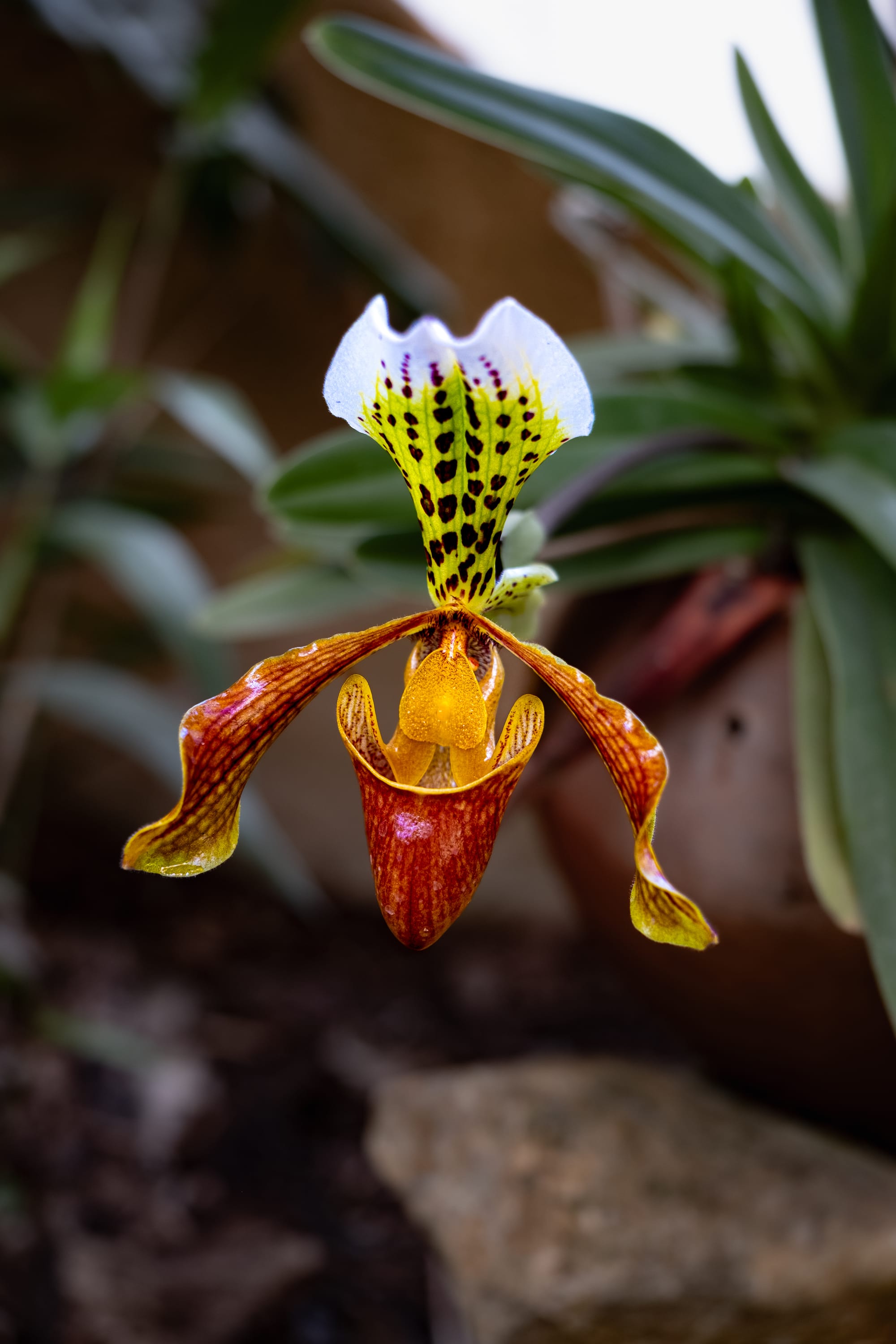
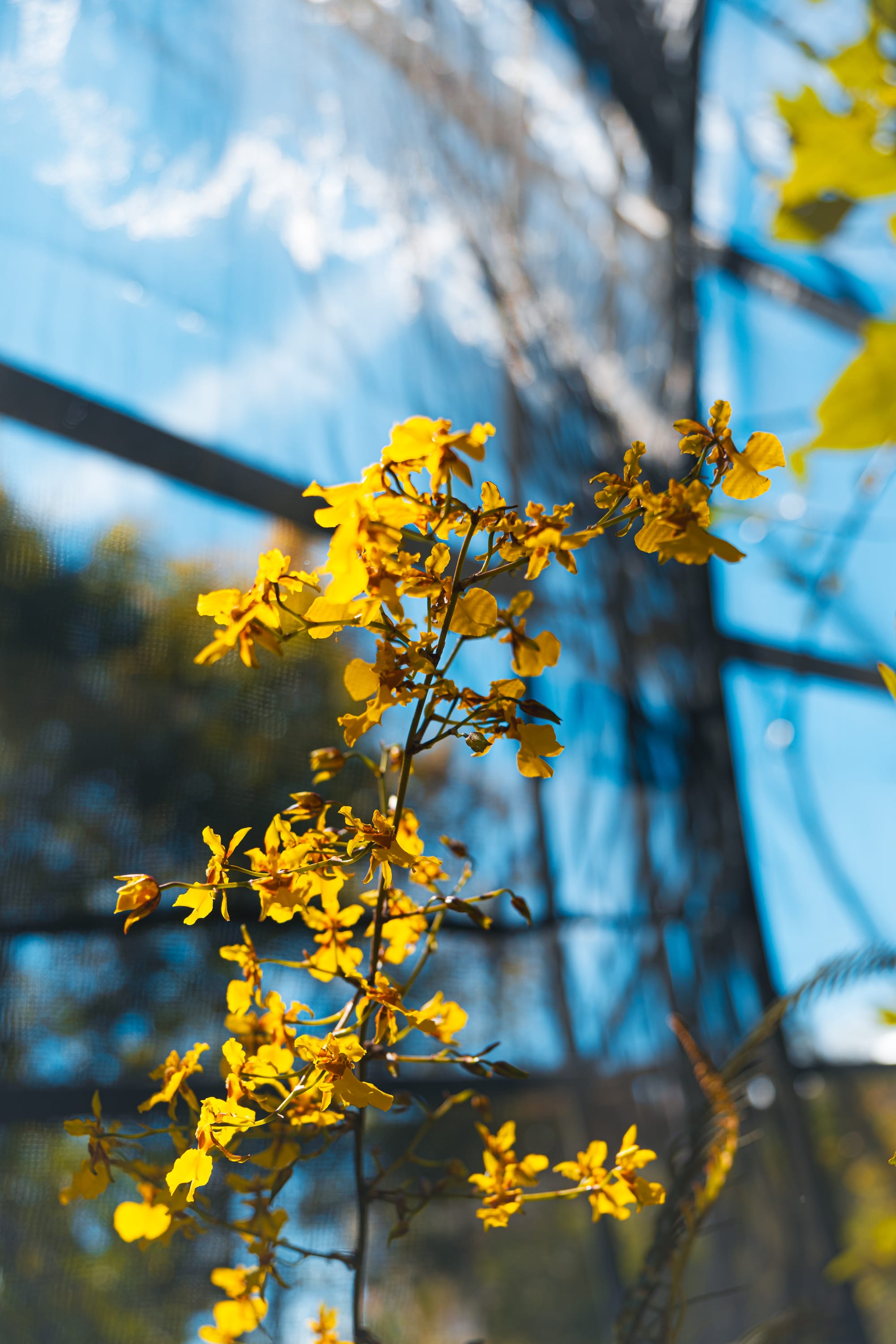
Inside the main greenhouse, humidity gathers lightly in the air, settling on leaves and the soft wood of the orchid mounts. The orchids range from vivid and showy to minuscule and camouflaged. Some cling to bark like tiny sculptures; others open into unexpected blossoms shaped like stars, birds, or folded ribbons. Certain species bloom seasonally, while others appear without warning—small bursts of color that reward slow looking.
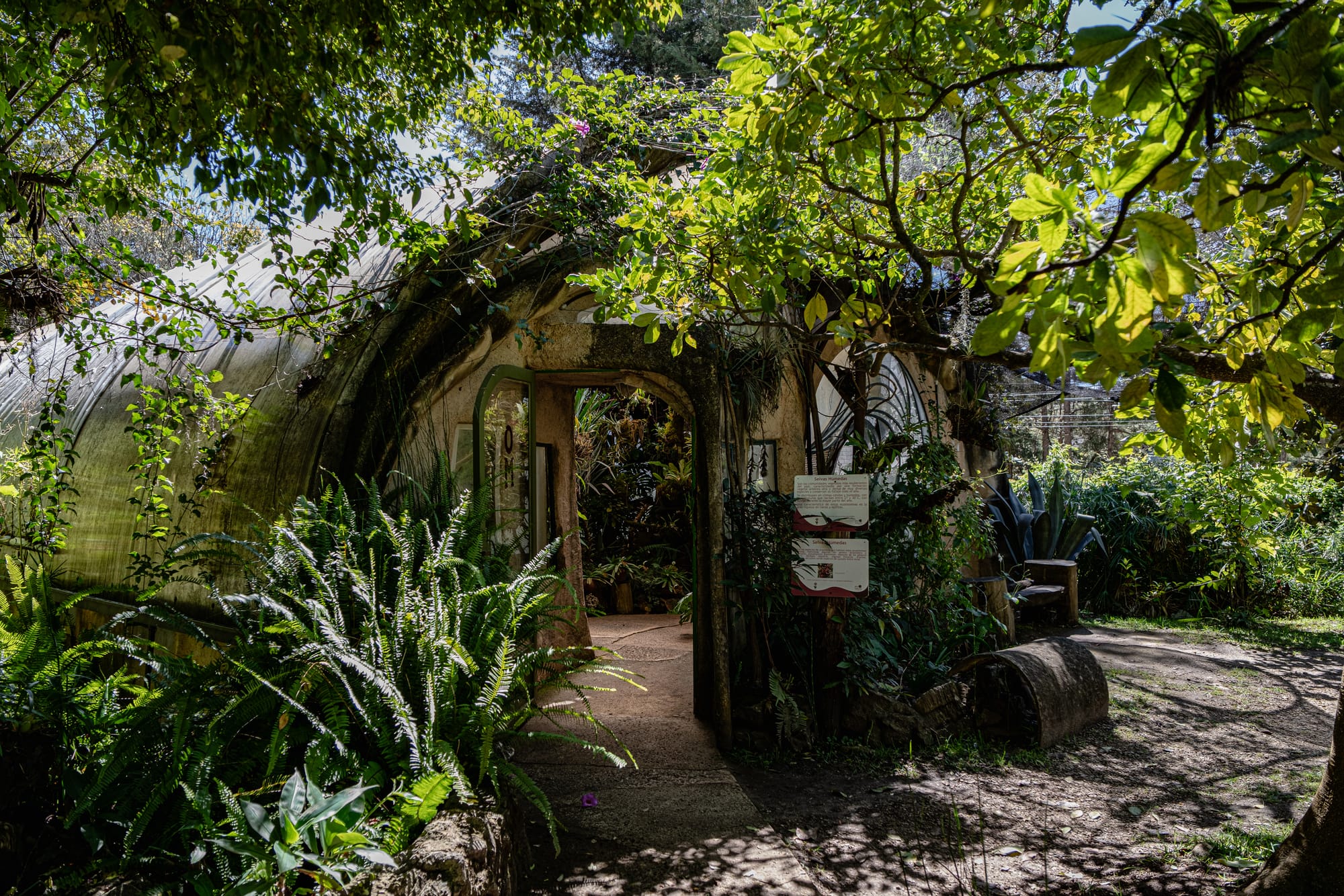
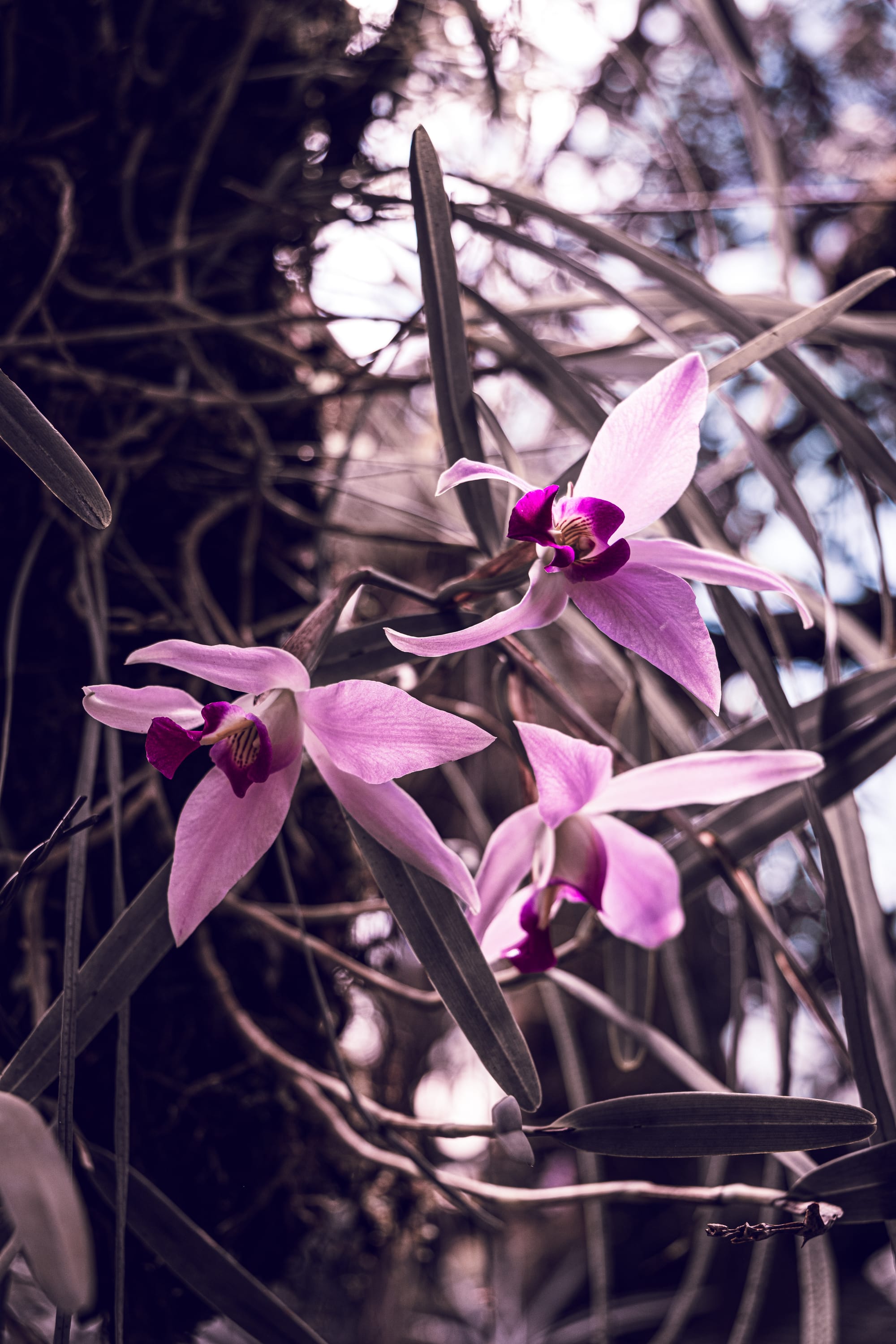
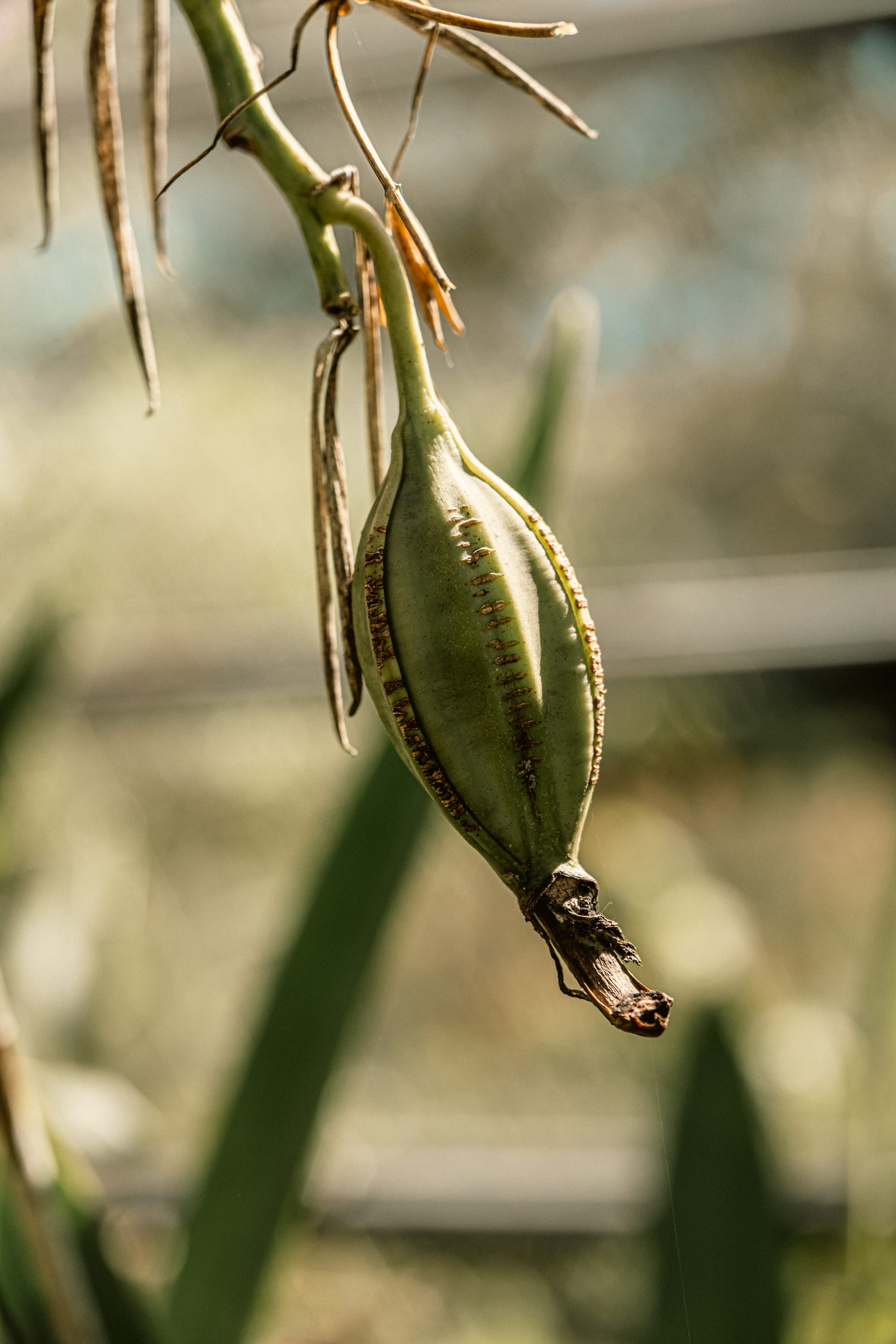
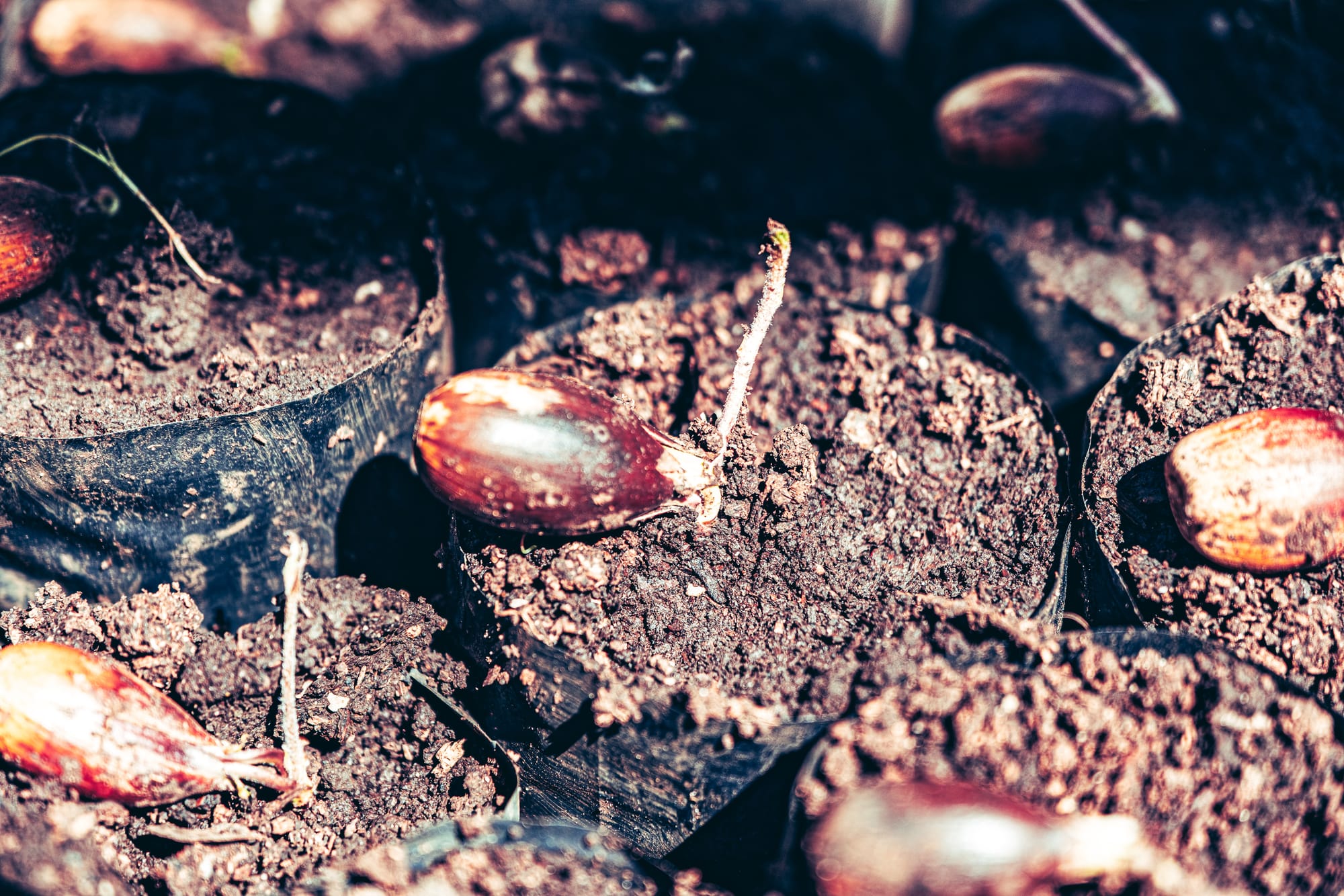
Orchids in bloom at Moxviquil, alongside a developing seed pod
These are not arranged in the manicured style of a typical botanical garden; instead, the greenhouse feels alive, slightly wild, echoing the environments where these orchids would naturally grow. Informational signs help guide your attention, noting altitude ranges, bloom cycles, and whether a species is endemic to the Chiapas highlands. For travelers curious about the flora of San Cristóbal de las Casas, this greenhouse alone is worth the visit.
Into the trails
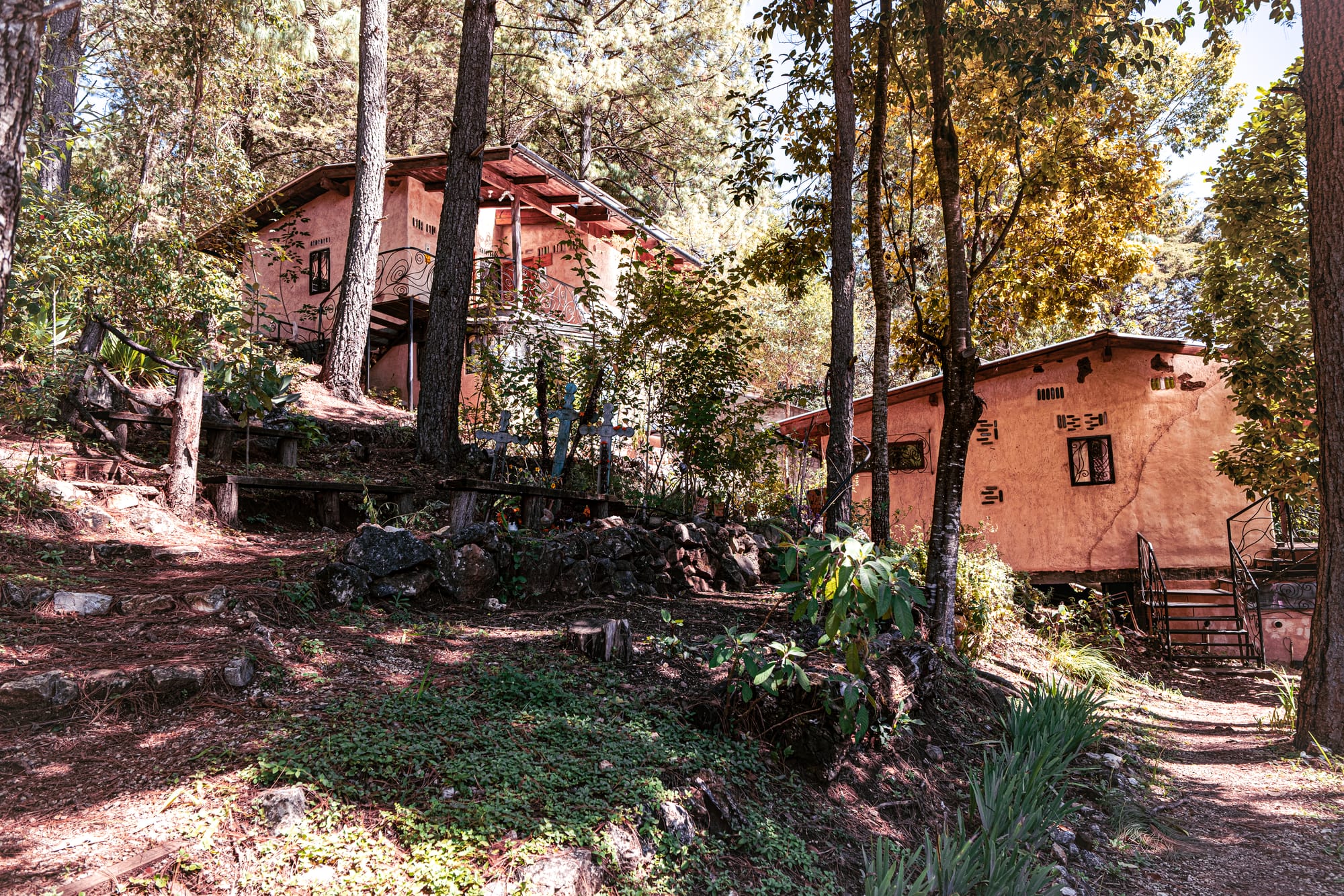
Leaving the greenhouse, we followed one of the nature trails that weave quietly into the hillside behind the sanctuary. The paths are short but rewarding, offering glimpses of the cloud forest ecosystem that once covered much of this region. Ferns, bromeliads, mosses, and native shrubs line the trail. Small orchids peek from tree bark or coil themselves into folds of canopy light. The forest has a softness to it—the kind of quiet that settles easily.
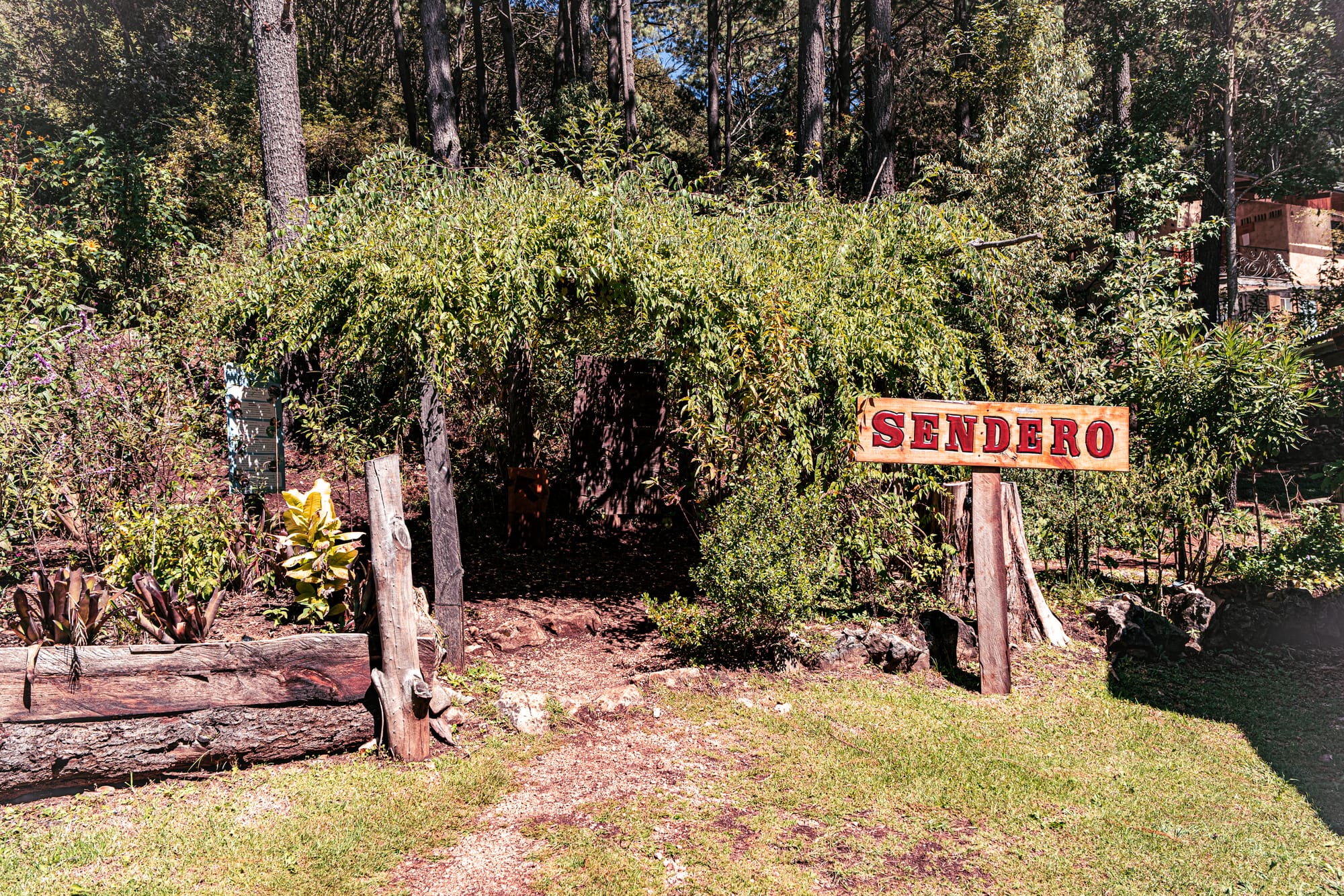
As the trail rises, San Cristóbal appears in small windows through the trees. It’s humbling to realize how close the city sits to habitats as delicate as these. The trail doesn’t take long, but it carries the feeling of having stepped into a different altitude of thought. The air is cooler, the light filtered, the sounds layered: leaves brushing, insects humming, distant city noise fading into background texture.
If you’re searching for nature reserves in San Cristóbal de las Casas where you can experience the region’s ecology without leaving the city, this is one of the best.
A small, steady refuge
Moxviquil is a modest sanctuary, but that is precisely what makes it special. It holds the biodiversity of Chiapas at a scale you can actually see and understand. It reveals the highland plants that often go unnoticed. It invites you to slow down and meet the landscape with attention rather than urgency.
In a city where cultural experiences take center stage, this reserve rebalances the picture by offering a quiet, ecological counterpart. For travelers seeking a calm, meaningful place to spend an hour or two, or anyone wanting to understand the San Cristóbal de las Casas flora beyond what grows in courtyards and markets, it offers exactly that.
Plan your visit
A visit to Moxviquil usually takes between one and two hours, depending on how long you linger in the greenhouse and on the trails. The sanctuary sits just outside central San Cristóbal—close enough to reach by a short taxi ride. The experience is gentle, accessible, and easy to fold into a morning or afternoon.
Blooming patterns vary throughout the year, but the greenhouse always has something to offer. The trails stay cool thanks to the elevation, and the shaded forest canopy makes it enjoyable even at midday.
If you’re planning your trip and looking for things to do in San Cristóbal de las Casas that connect you with nature, know that this small sanctuary is one of the city’s most restorative stops.


