
We left San Cristóbal de las Casas early in the morning, when the air is still sharp enough to wake you and the light pours softly through the trees. The road downward unspools slowly, each curve carrying you farther from the cool clarity of the highlands and closer to the warmer valleys below. Even before we reached the river, we felt the landscape changing its mood—the mountains easing back, the sky widening, the vegetation softening at the edges.
We had heard that Sumidero Canyon was one of the most beautiful day trips from San Cristóbal, but we didn’t anticipate how naturally the day would unfold: a sequence of descending altitudes, shifting climates, and widening perspectives.
Our tour, organized through our coliving space, mirrored the rhythm many others follow. And if you’re not staying with Co404, or simply want to book the experience independently, here’s the option that matches this route: Sumidero Canyon & Chiapa de Corzo Tour.
The canyon seen from above
Before meeting the river, we first visited a lookout known locally as one of the canyon’s most striking viewpoints. From the outside, the site looks understated: a few stone walkways, a scattering of trees, and a circular tower-like structure rising just above the edge of the cliffs. But as soon as you step toward the overlook, the world pulls open.
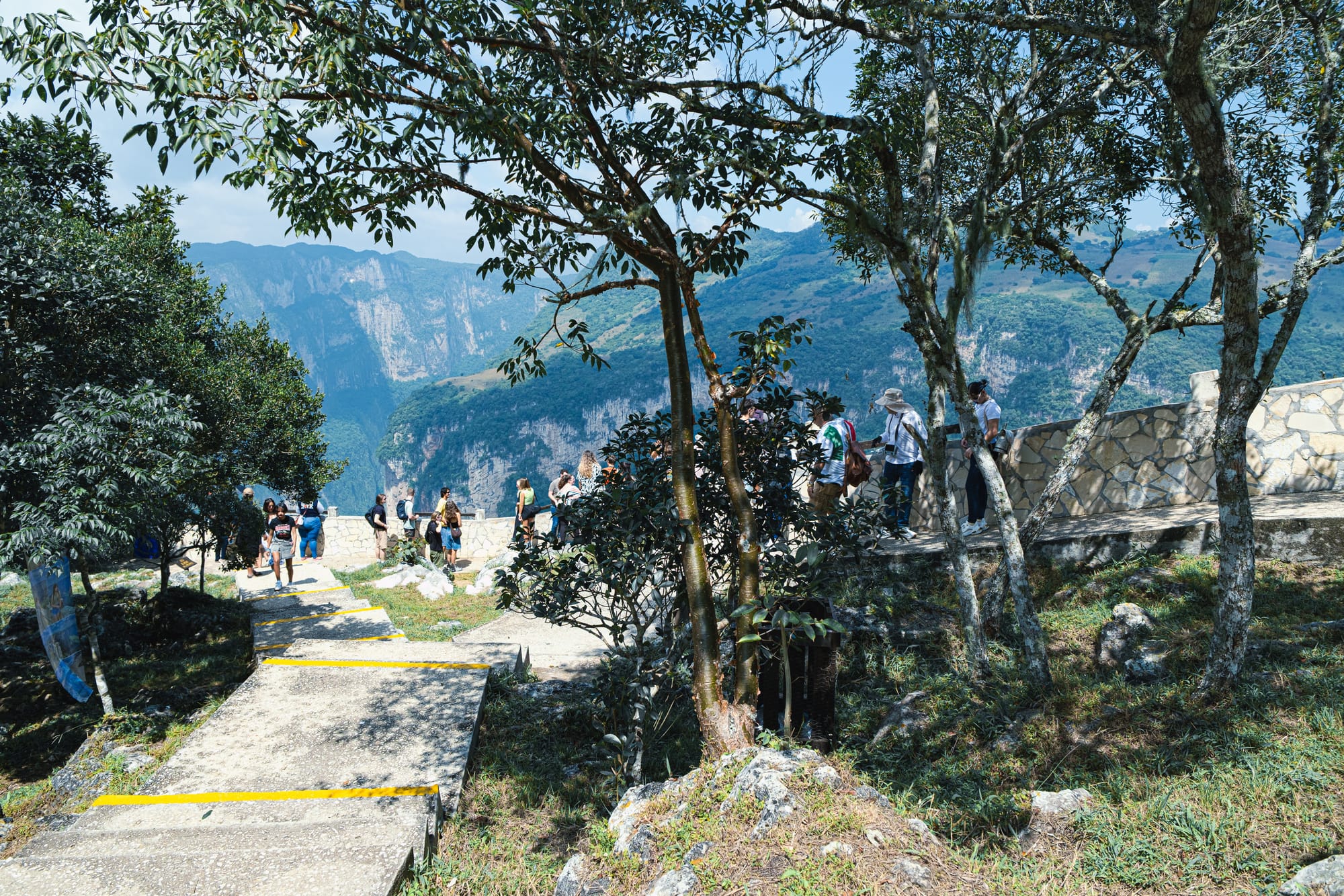
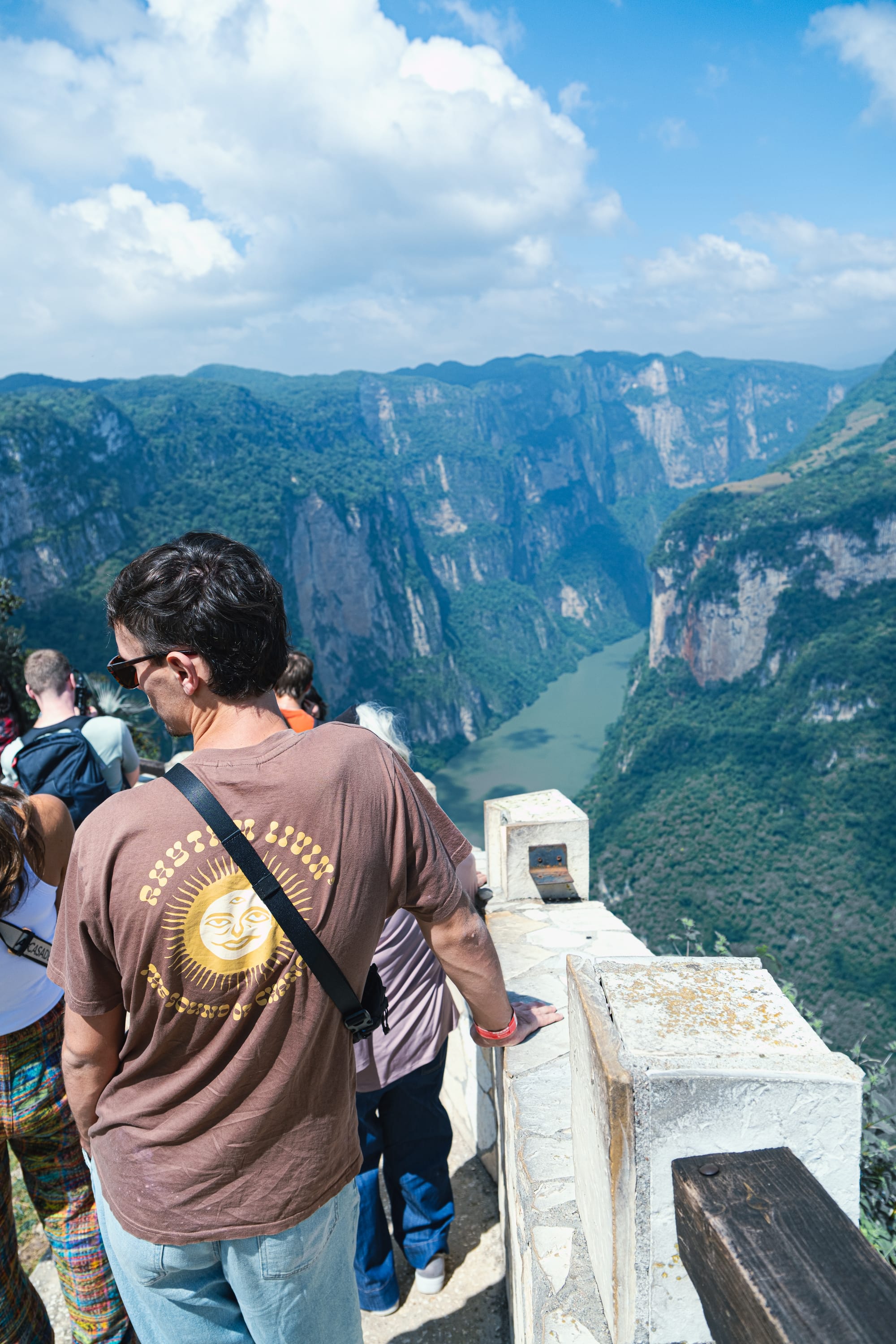
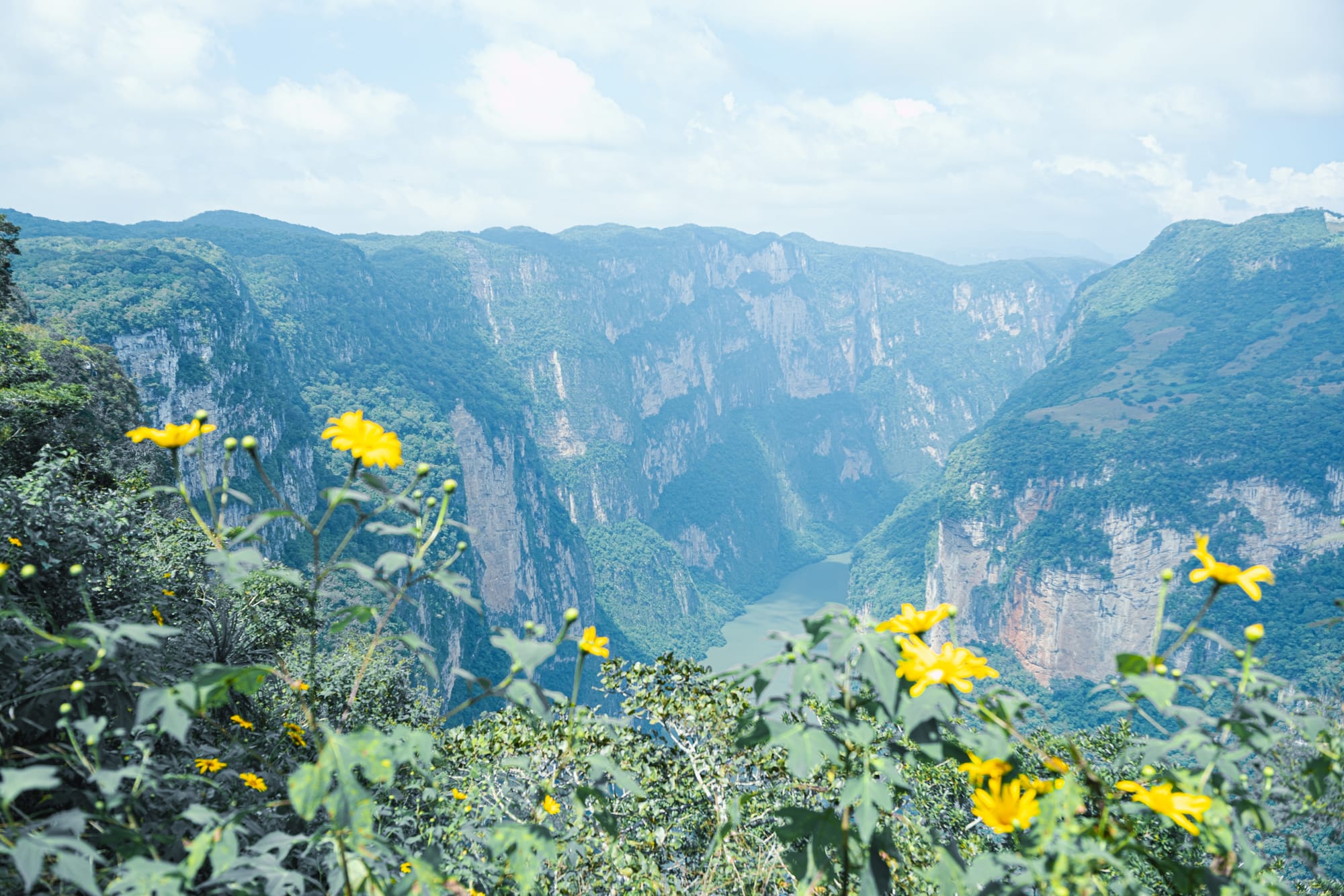
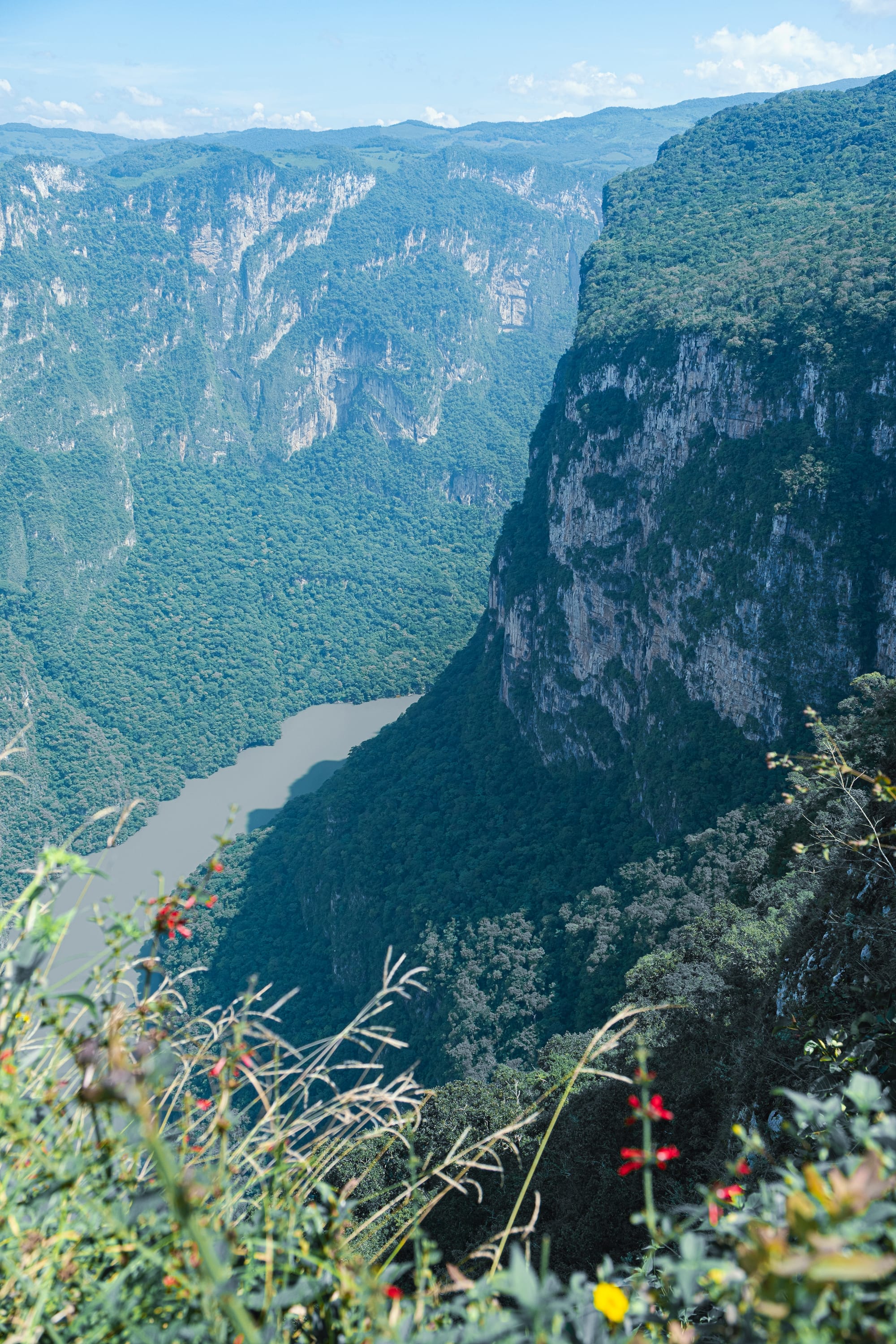
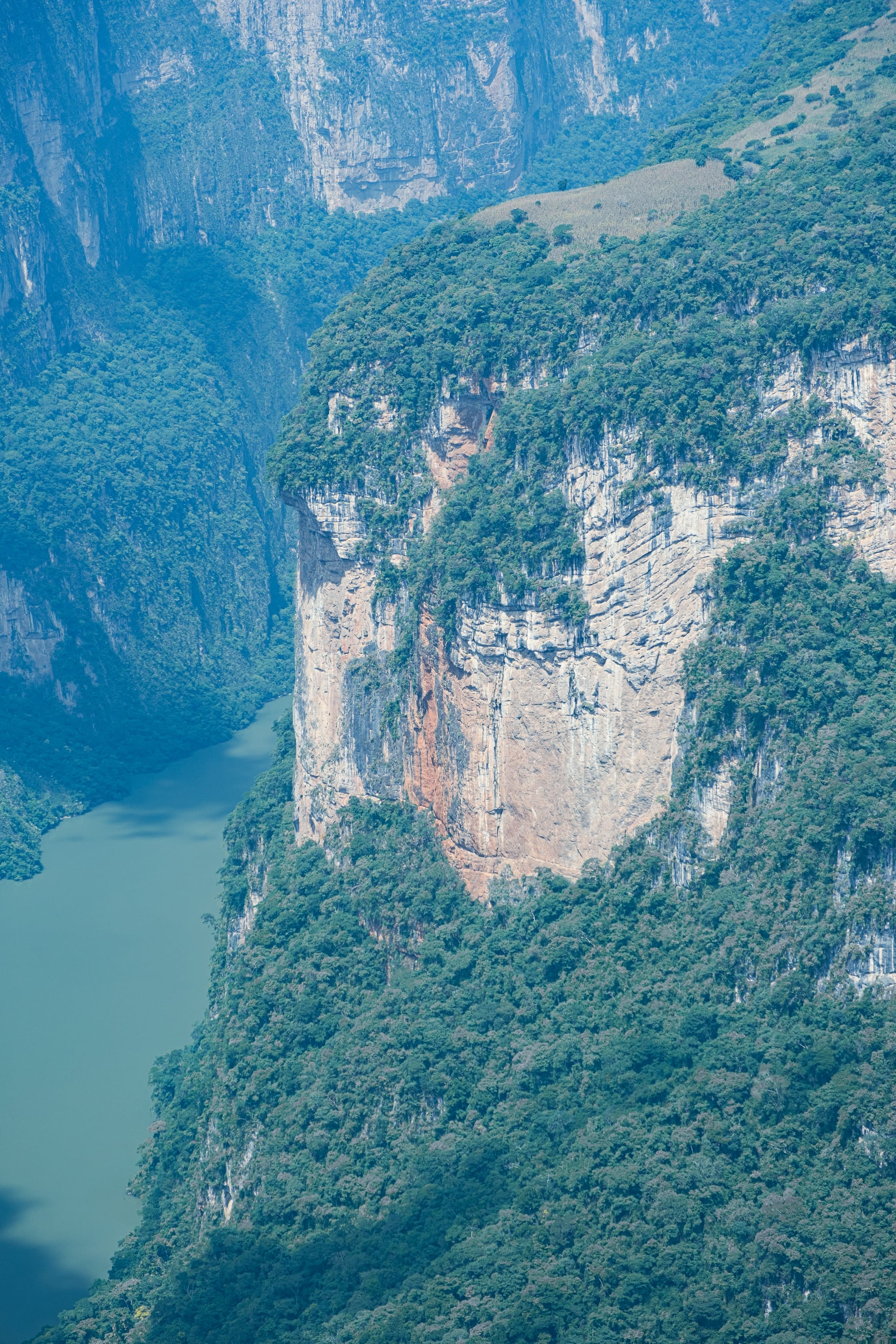
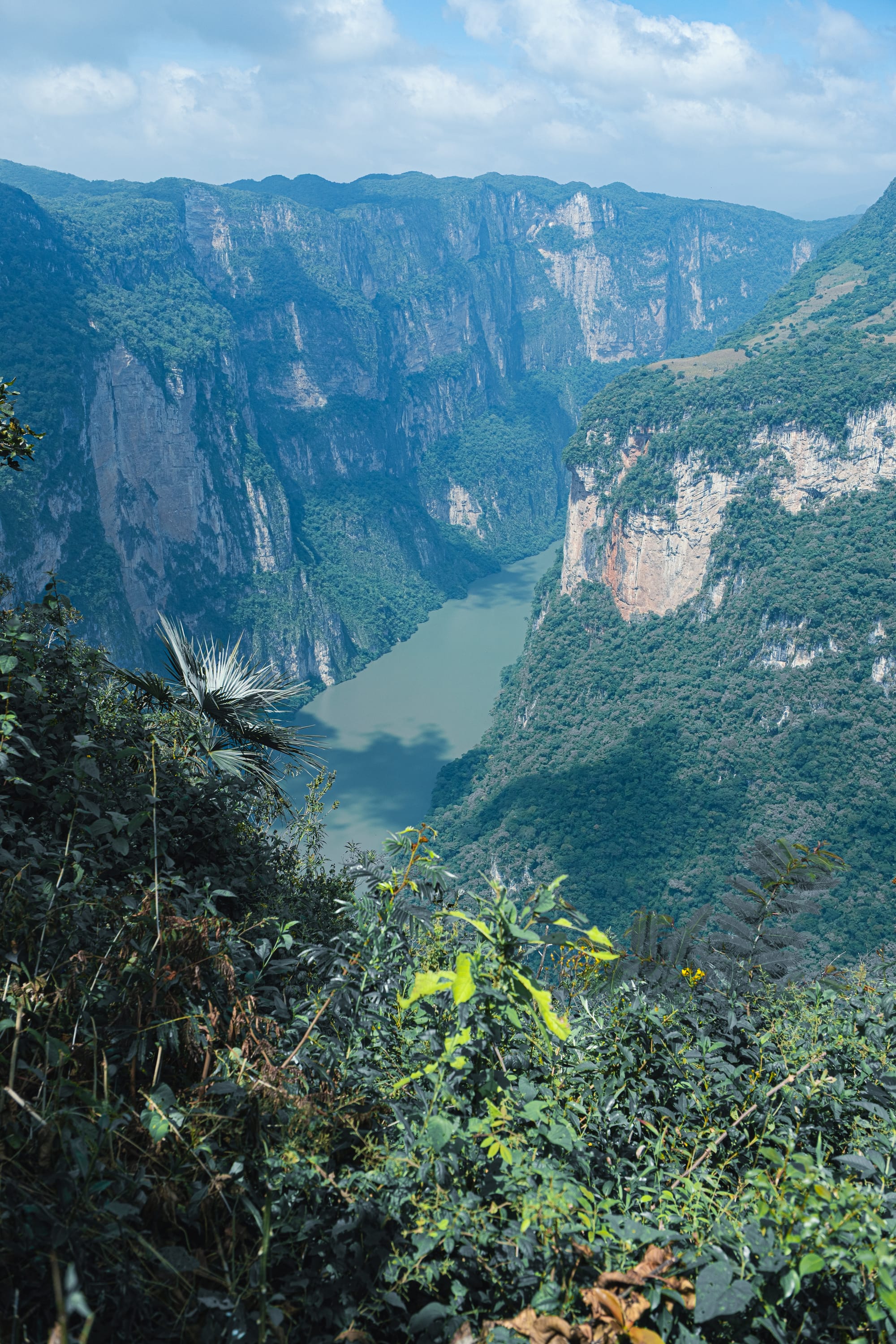
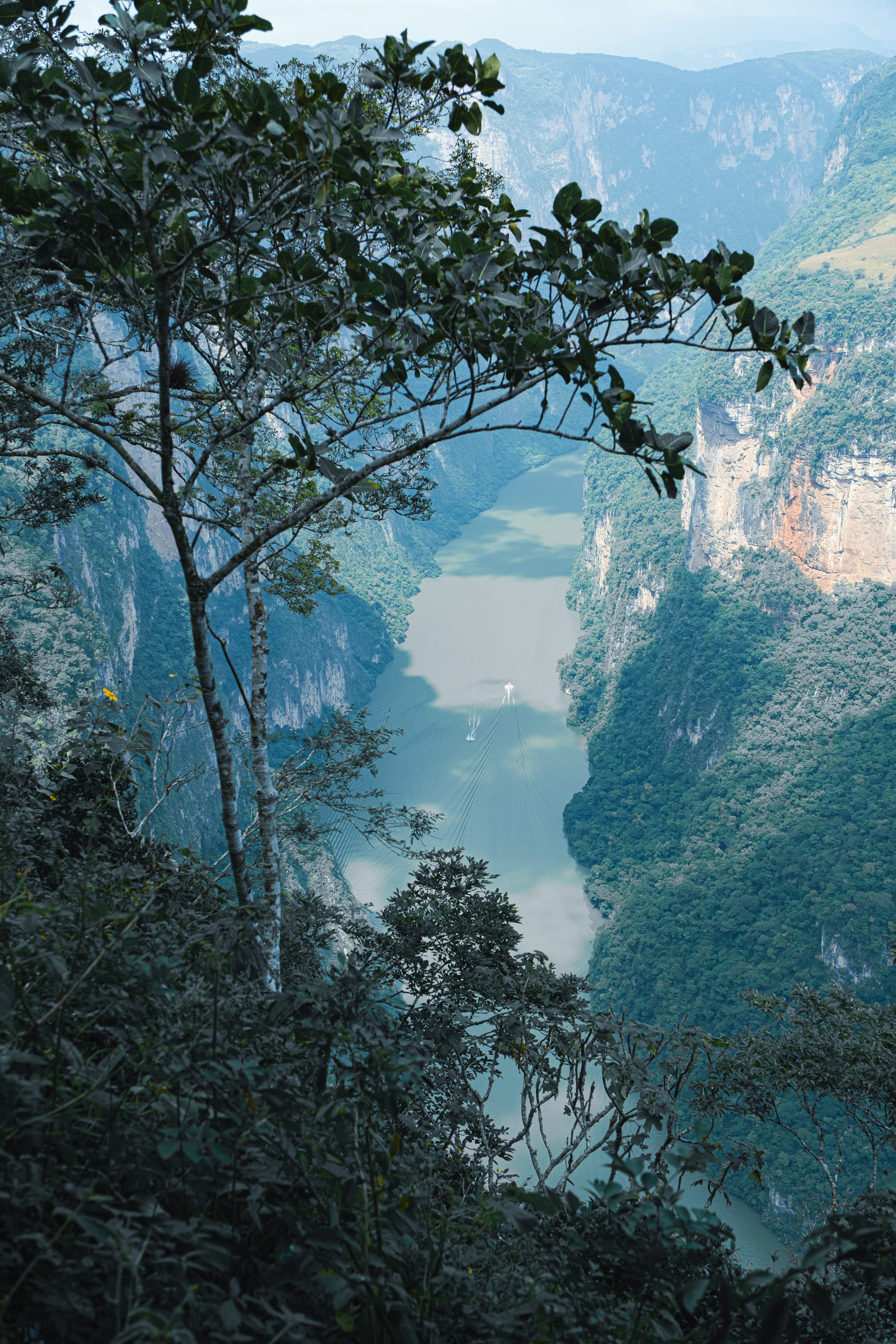
Looking down from the canyon rim, with the river cutting a deep path between vertical cliffs and dense forest
From above, Sumidero Canyon appears almost vertical, as if the earth has been split cleanly in two. The river far below is a narrow green ribbon, winding between sheer walls that plunge downward in staggering drops. The cliffs are streaked with mineral, shadow, and dense vegetation, the colors shifting subtly depending on where the sunlight lands.
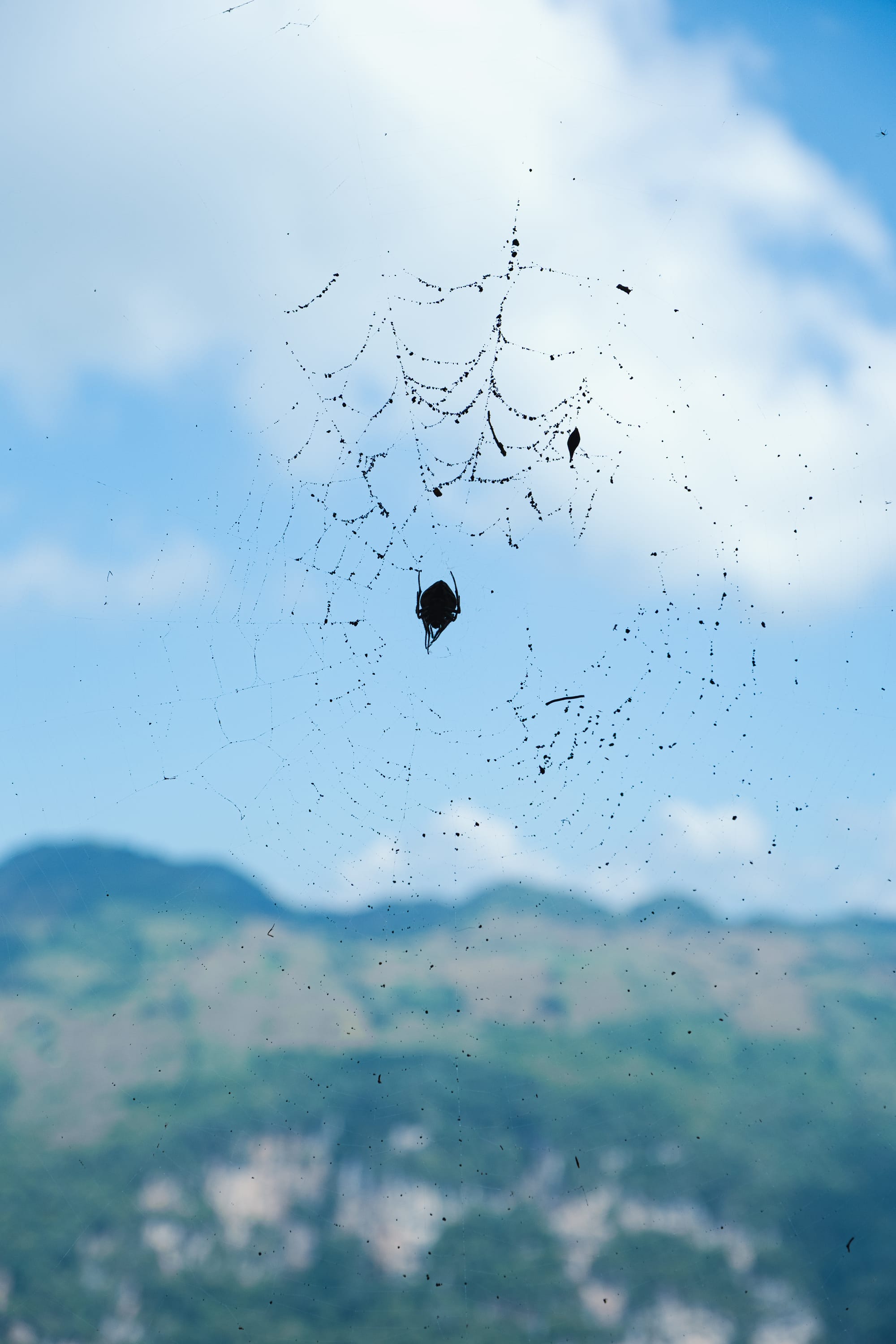
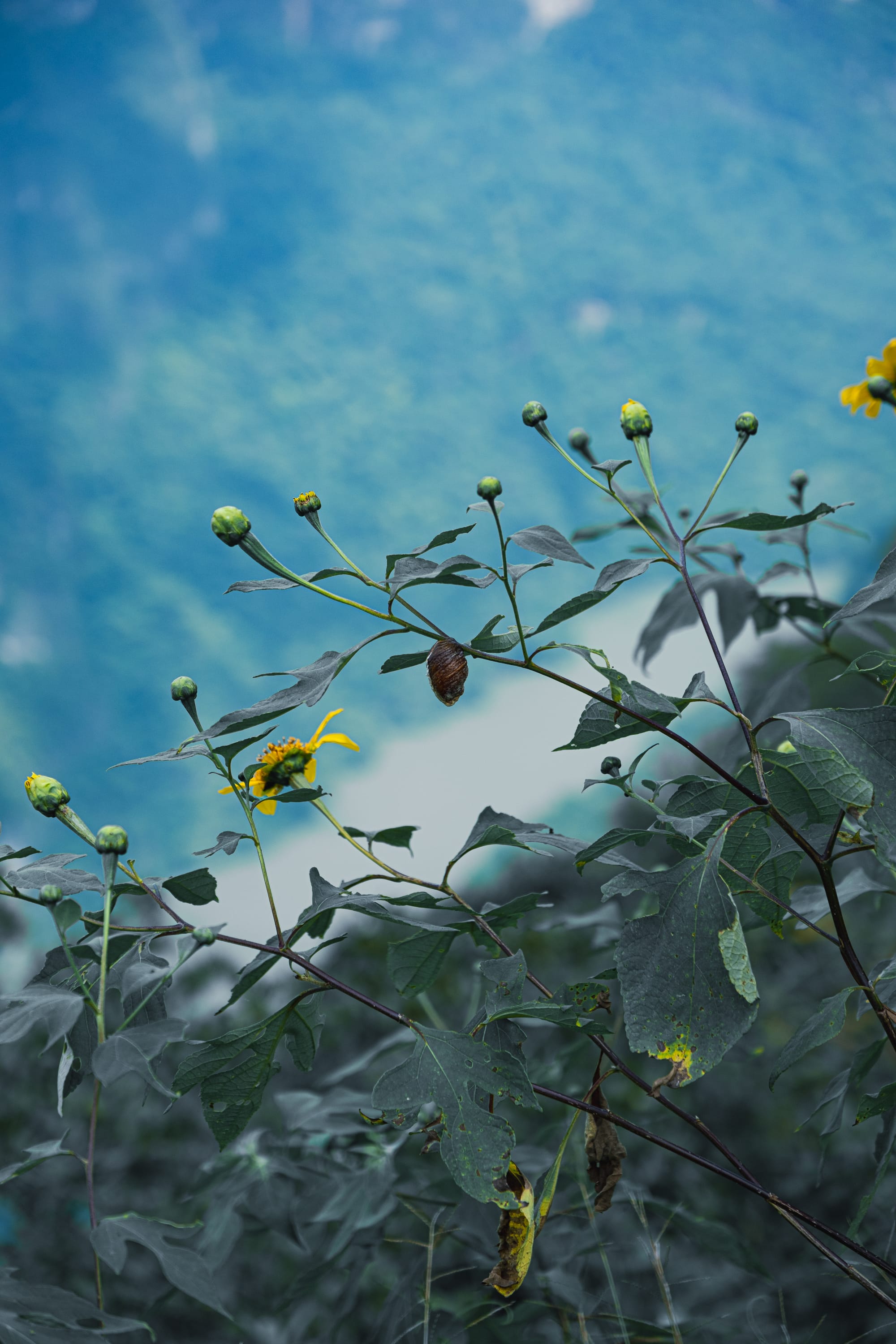
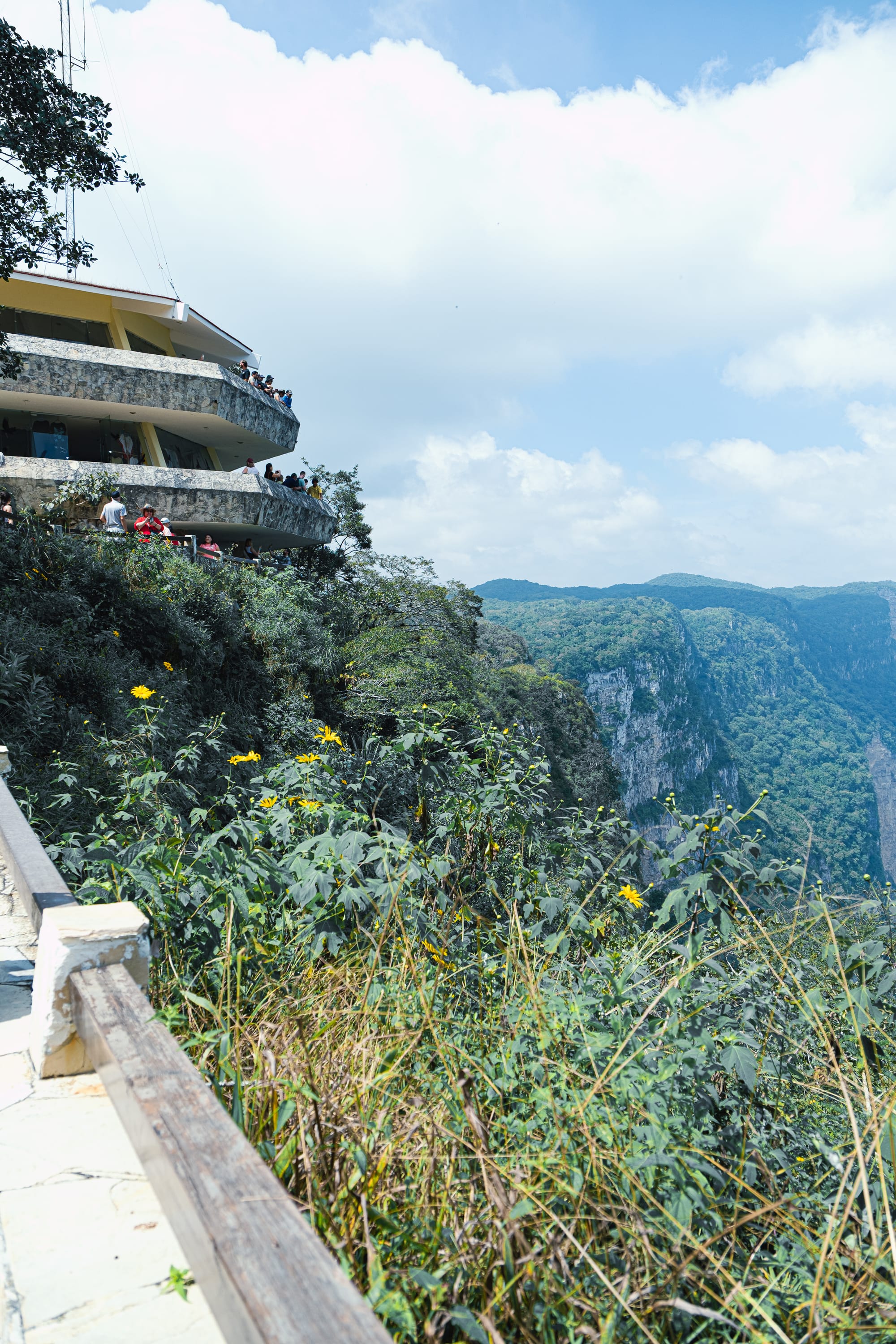
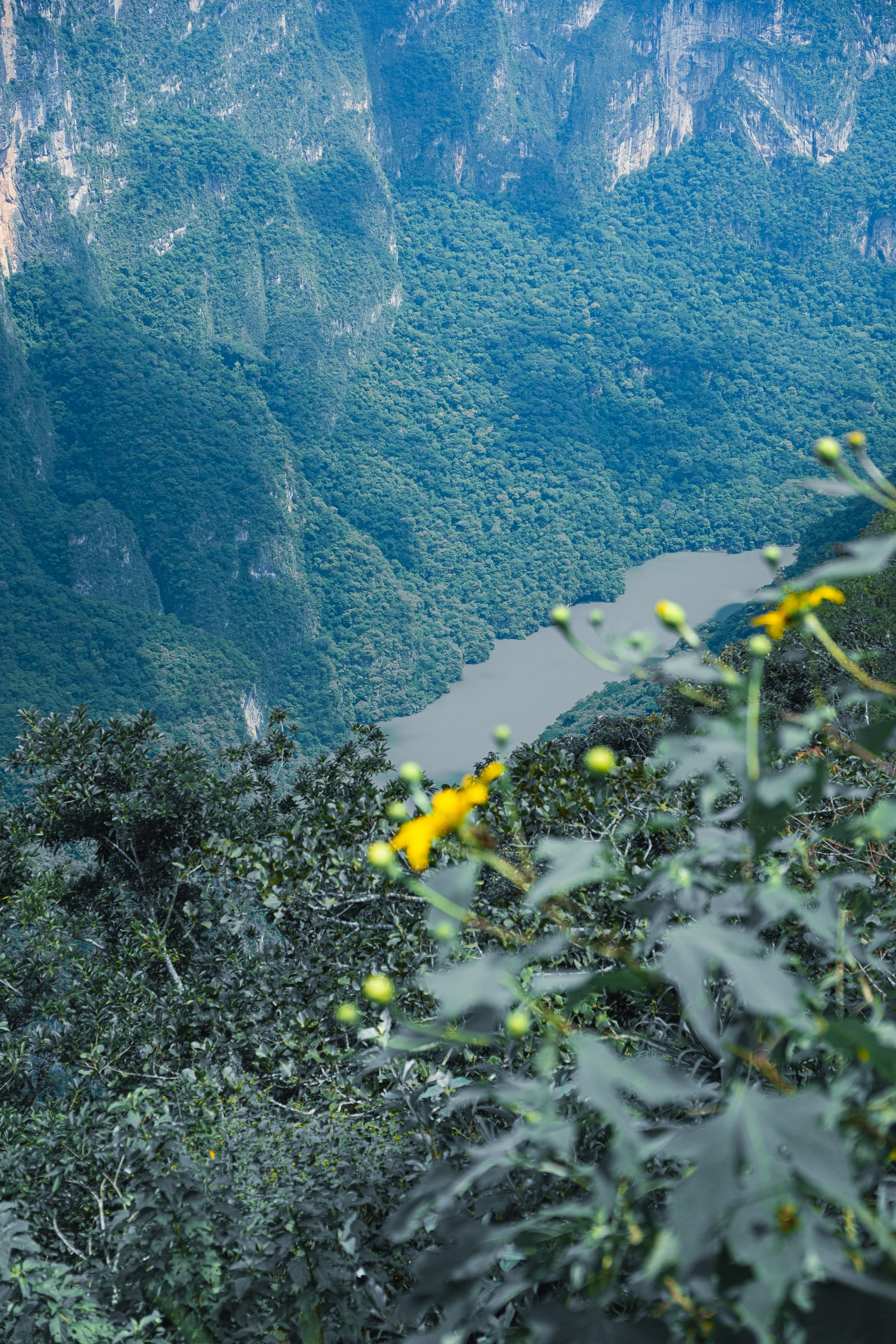
Mirador views of Sumidero Canyon
We climbed the platform to its upper level, where the wind moved more freely and the view widened. From here the canyon felt impossibly grand—a deep geological corridor carved across millions of years, ringed with ridges that stretched into the distance. People gathered in small groups, pointing out details, settling into moments of silence, trying and failing to capture the full scale of what lay below. It was the kind of viewpoint that imprints itself immediately, before you’ve even stepped into the canyon it overlooks.
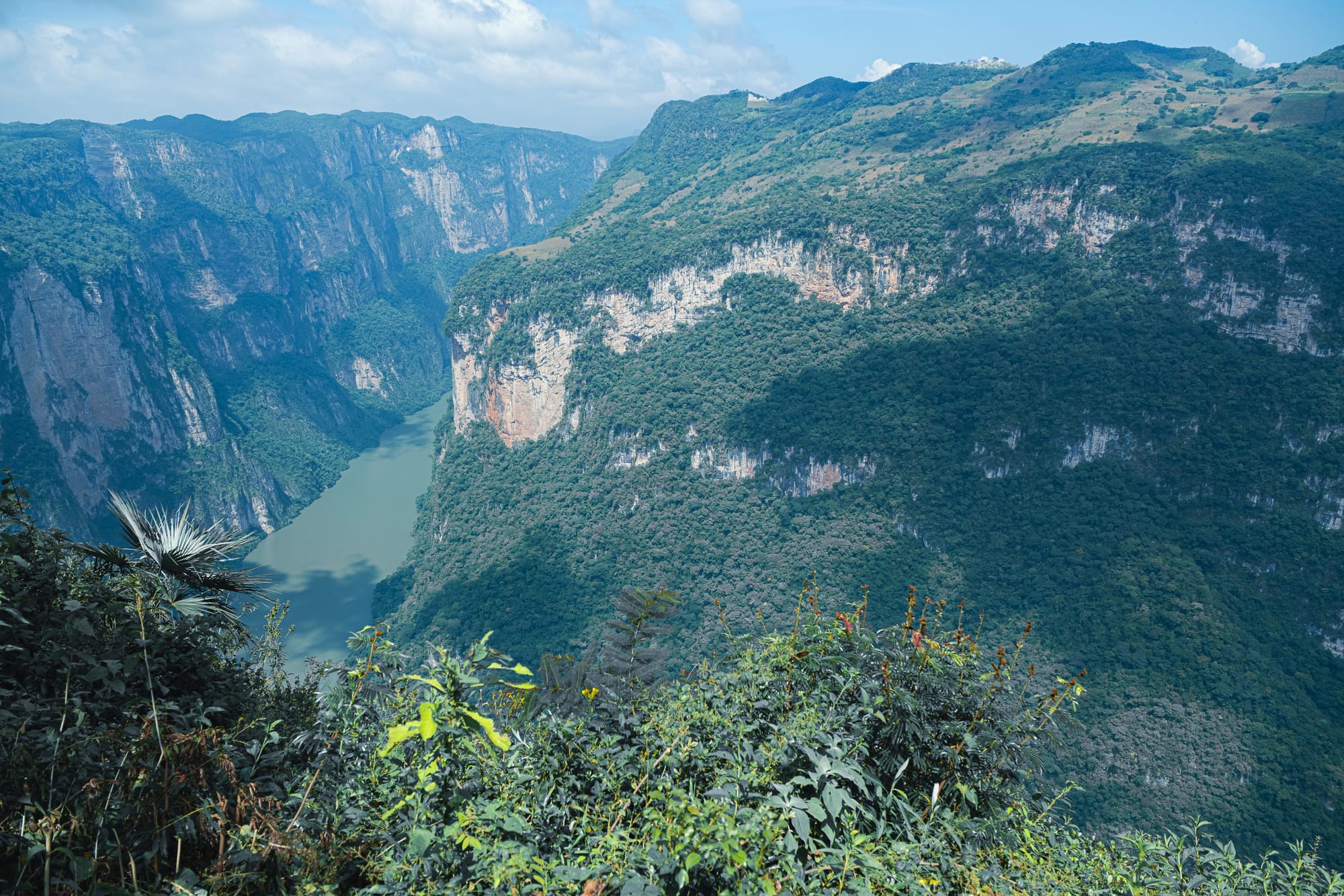
There was a photography exhibition inside with some aerial and close-up shots taken around the canyon.
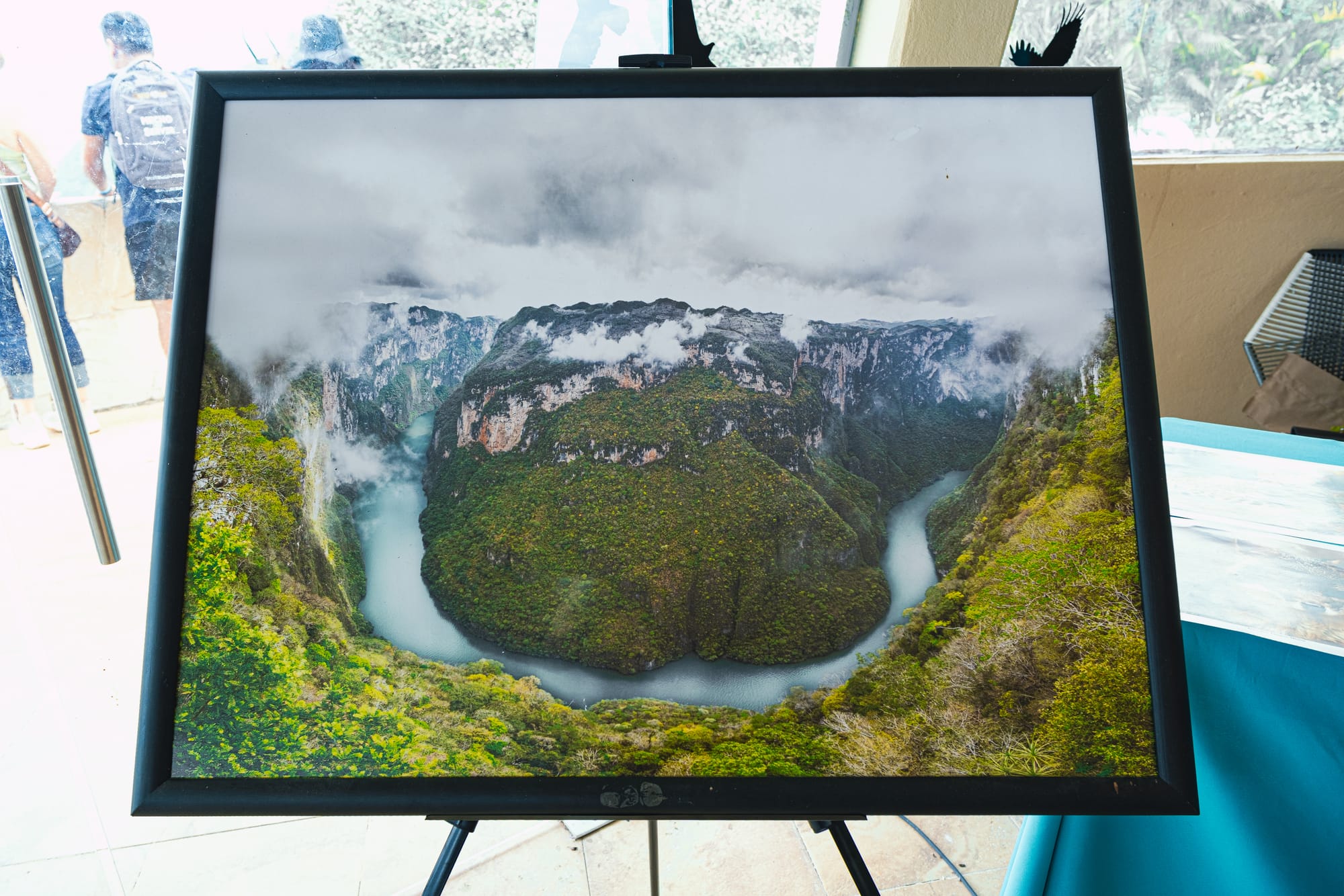

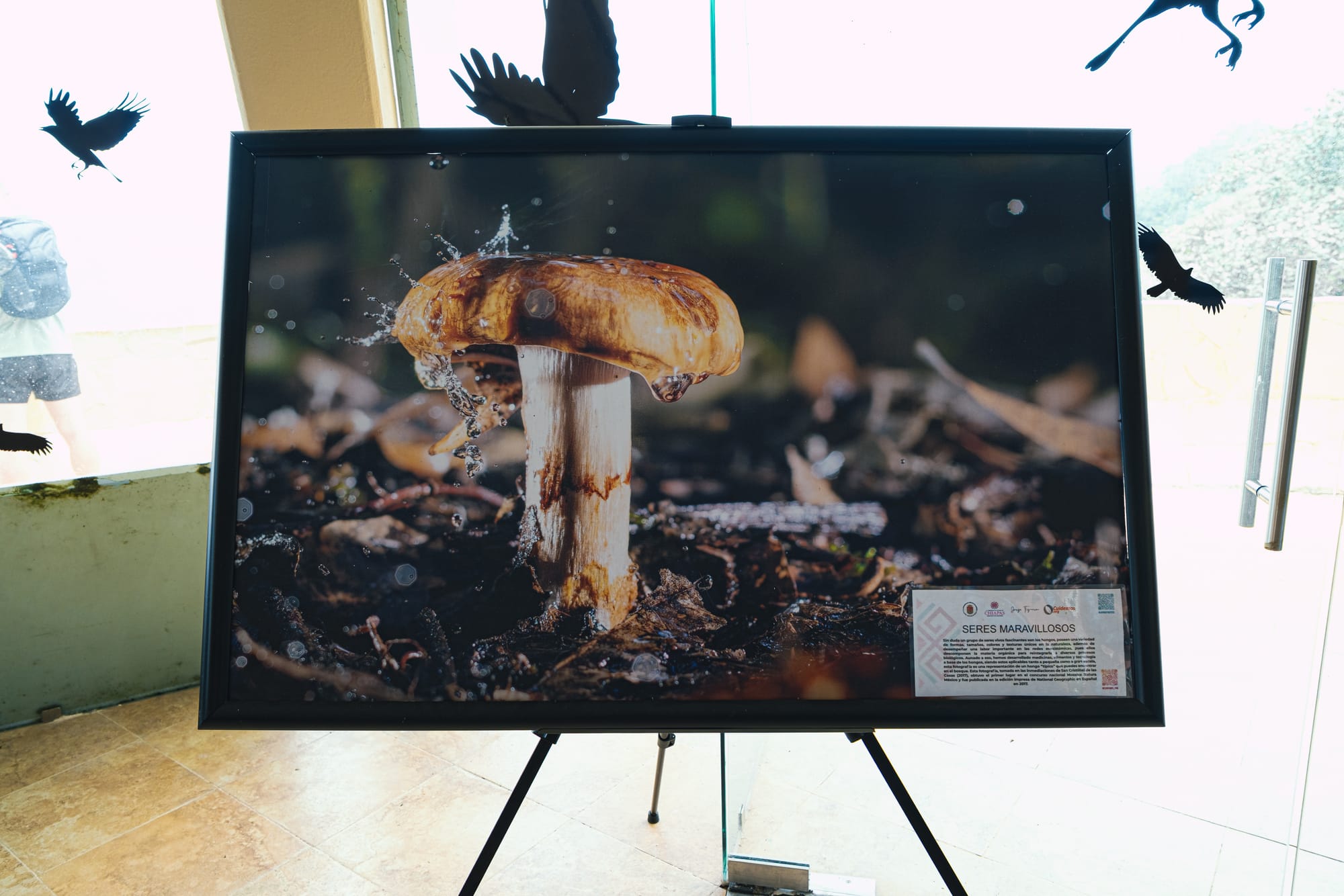
Photography taken around Sumidero Canyon
Looking at the photographs, we got the sense that what awaited below would feel entirely different. And it did.
The descent toward the river
Leaving the lookout, the road carried us into warmer air, toward the lowland river where our boat would be waiting. The shift was immediate: sunlight thicker, plants larger, the landscape greener and more saturated. By the time we reached the riverbank, the canyon walls were only faint silhouettes in the distance, but their presence was already felt.
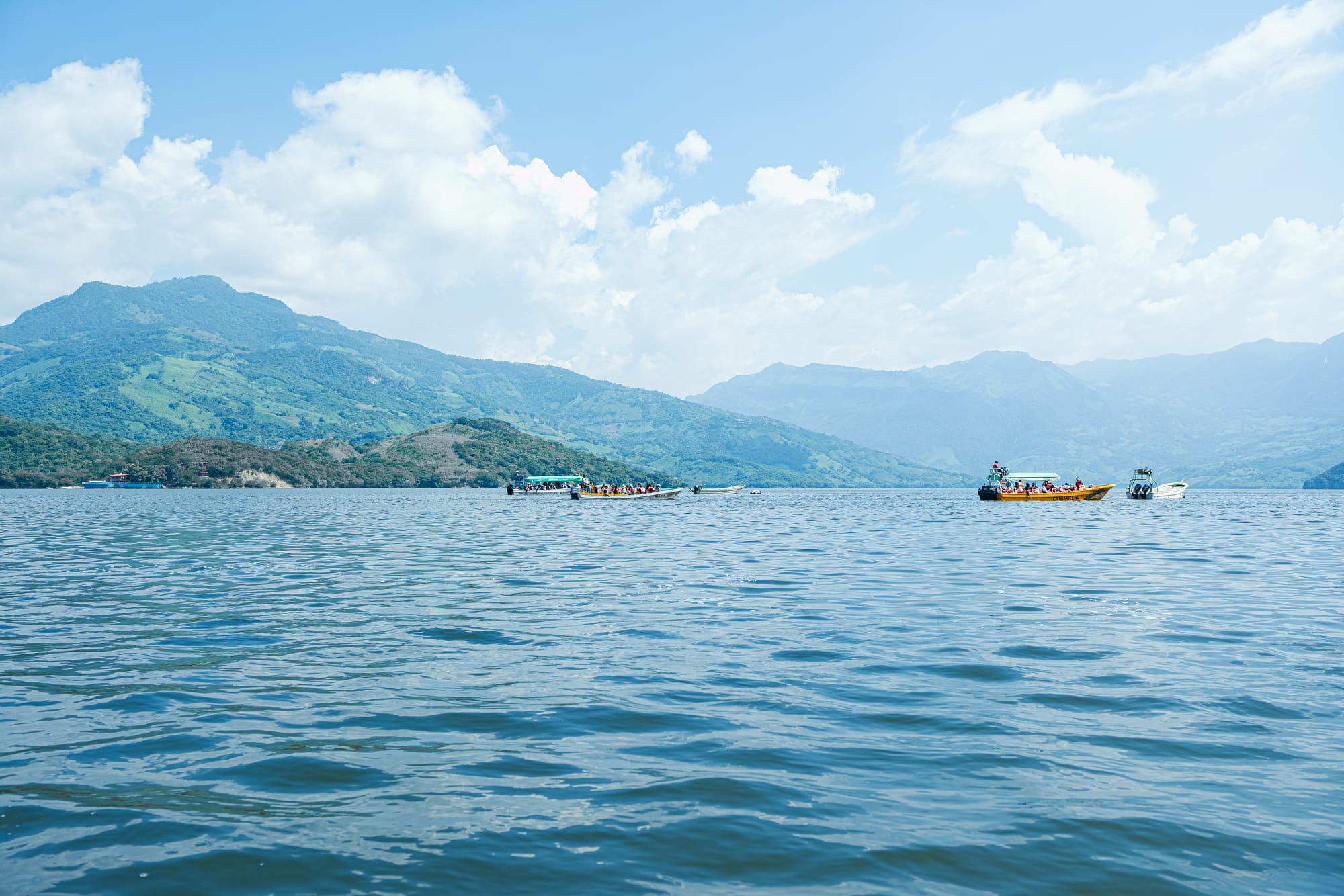
We boarded a long, narrow boat—the kind used throughout Chiapas for navigating rivers—and settled into our seats. The engine started with a low hum, and we drifted forward, the water smoothing itself beneath us. From this point, the canyon didn’t look dramatic yet; it looked inviting, almost gentle.
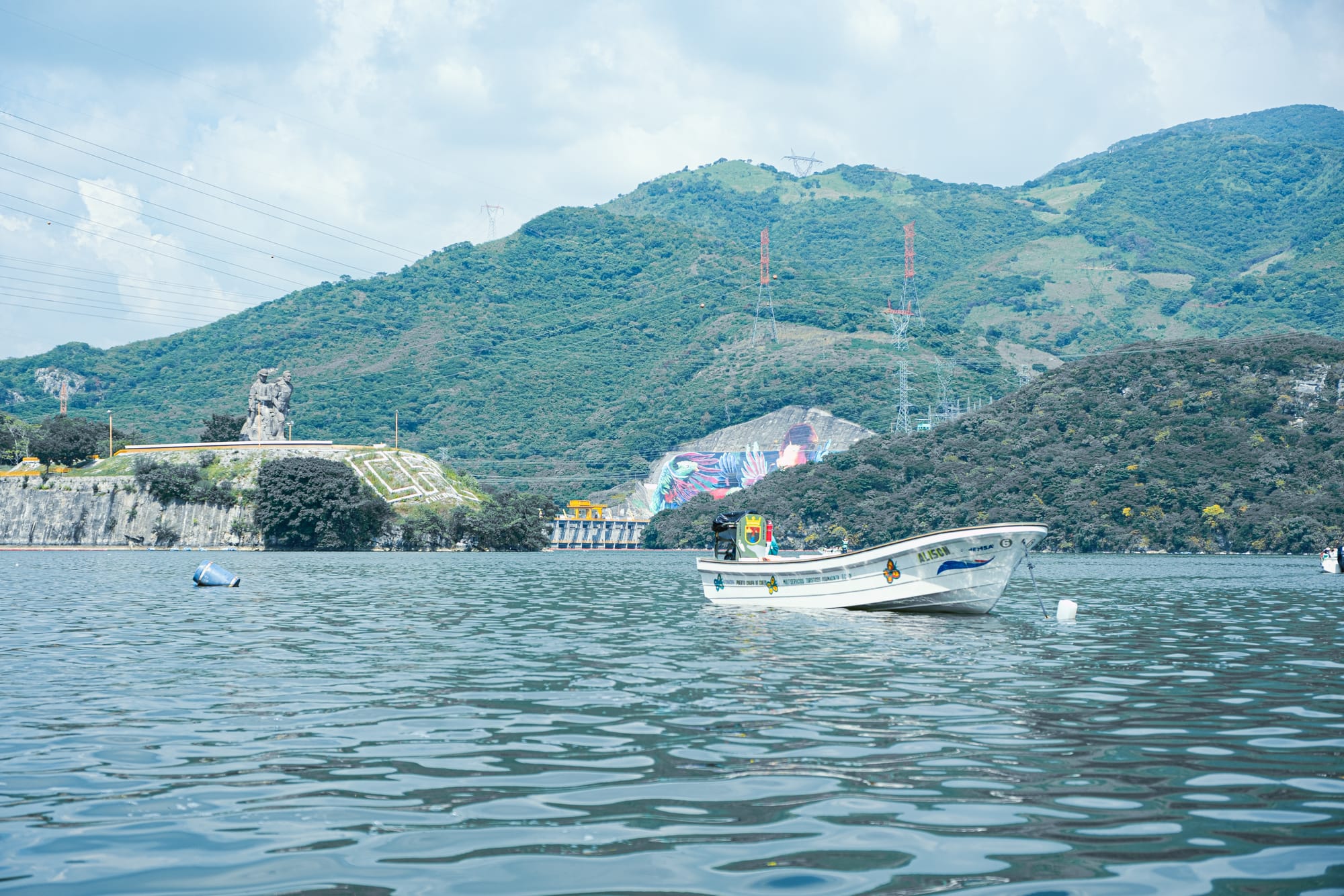
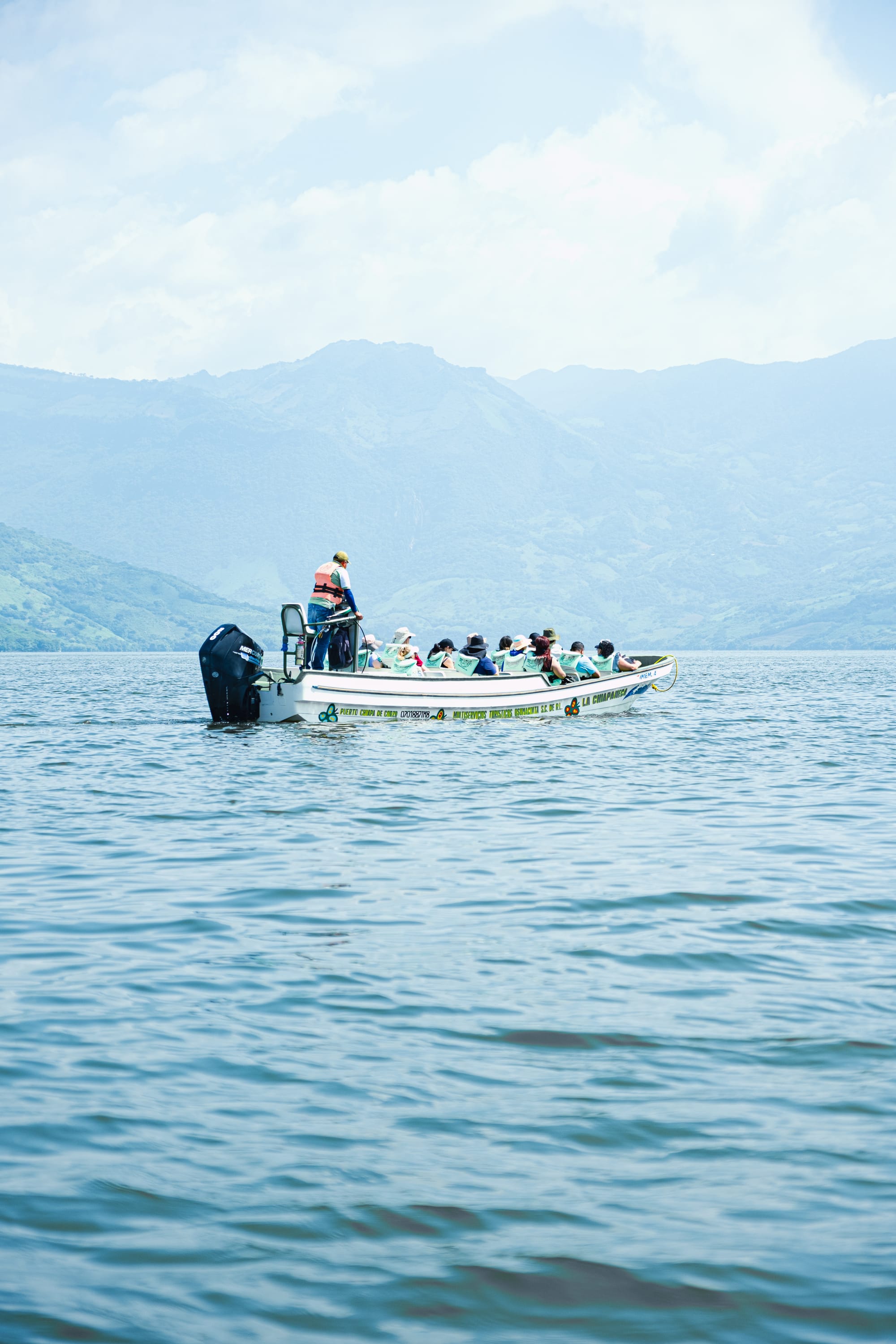
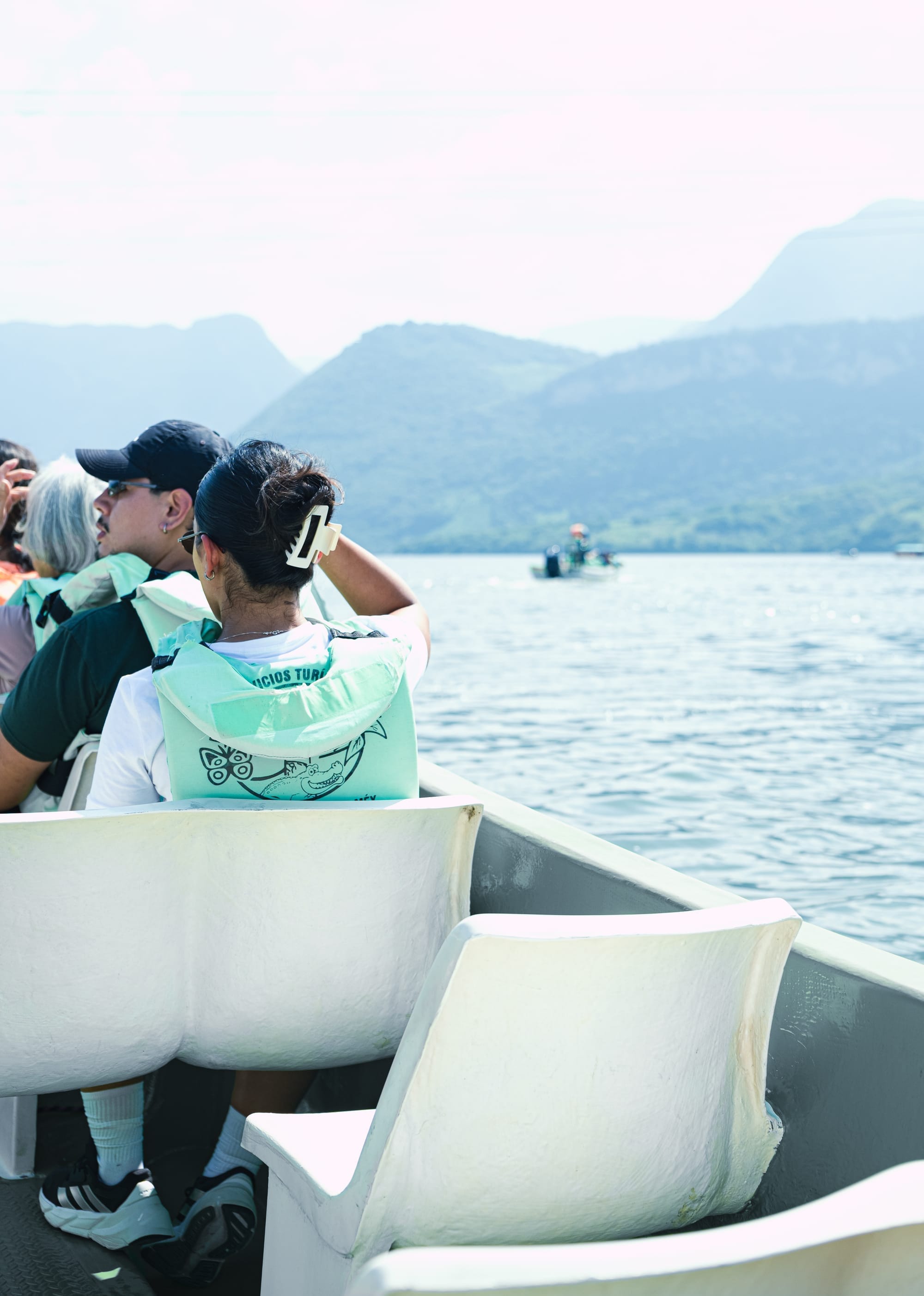
Setting out across the open water before entering Sumidero Canyon
The river narrowed and suddenly found ourselves in the heart of the canyon.
Entering the canyon
The transition into Sumidero Canyon happens with a kind of quiet inevitability. The walls begin low and gradual, then rise steadily, until they tower above you in sheer, uninterrupted heights. Some cliffs reach nearly a kilometer from river to rim. Seen from above they look monumental; from below they feel impossible.
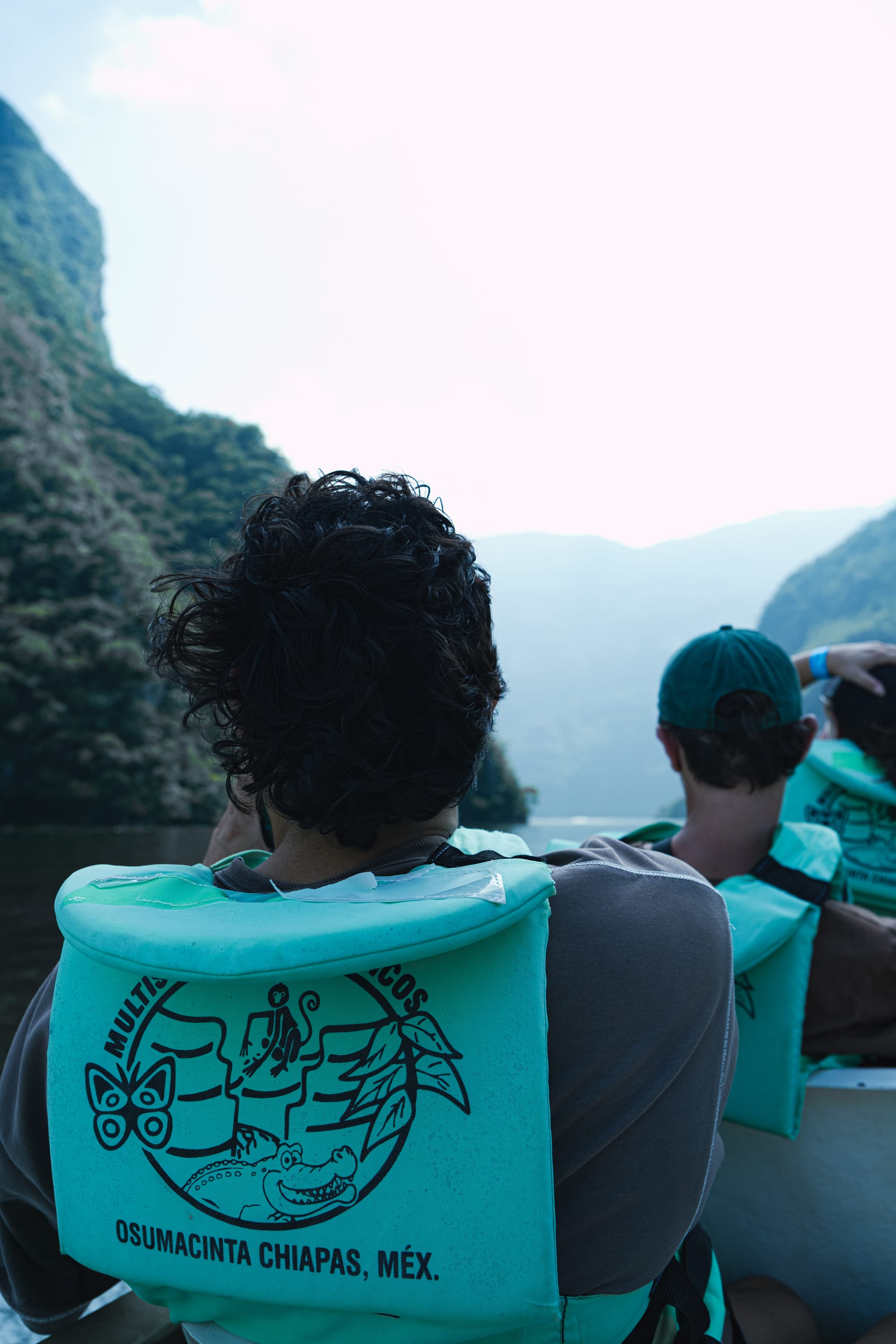
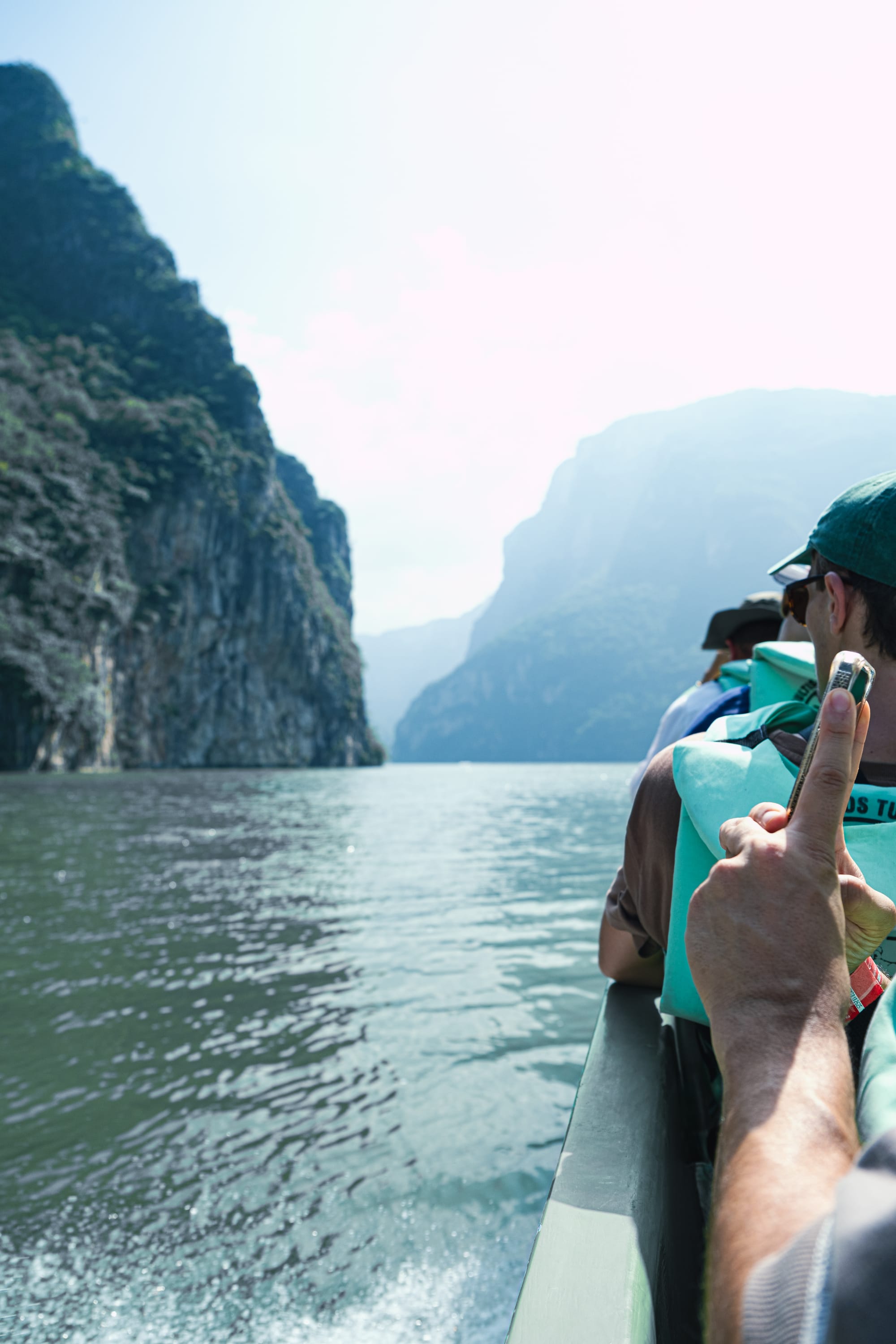
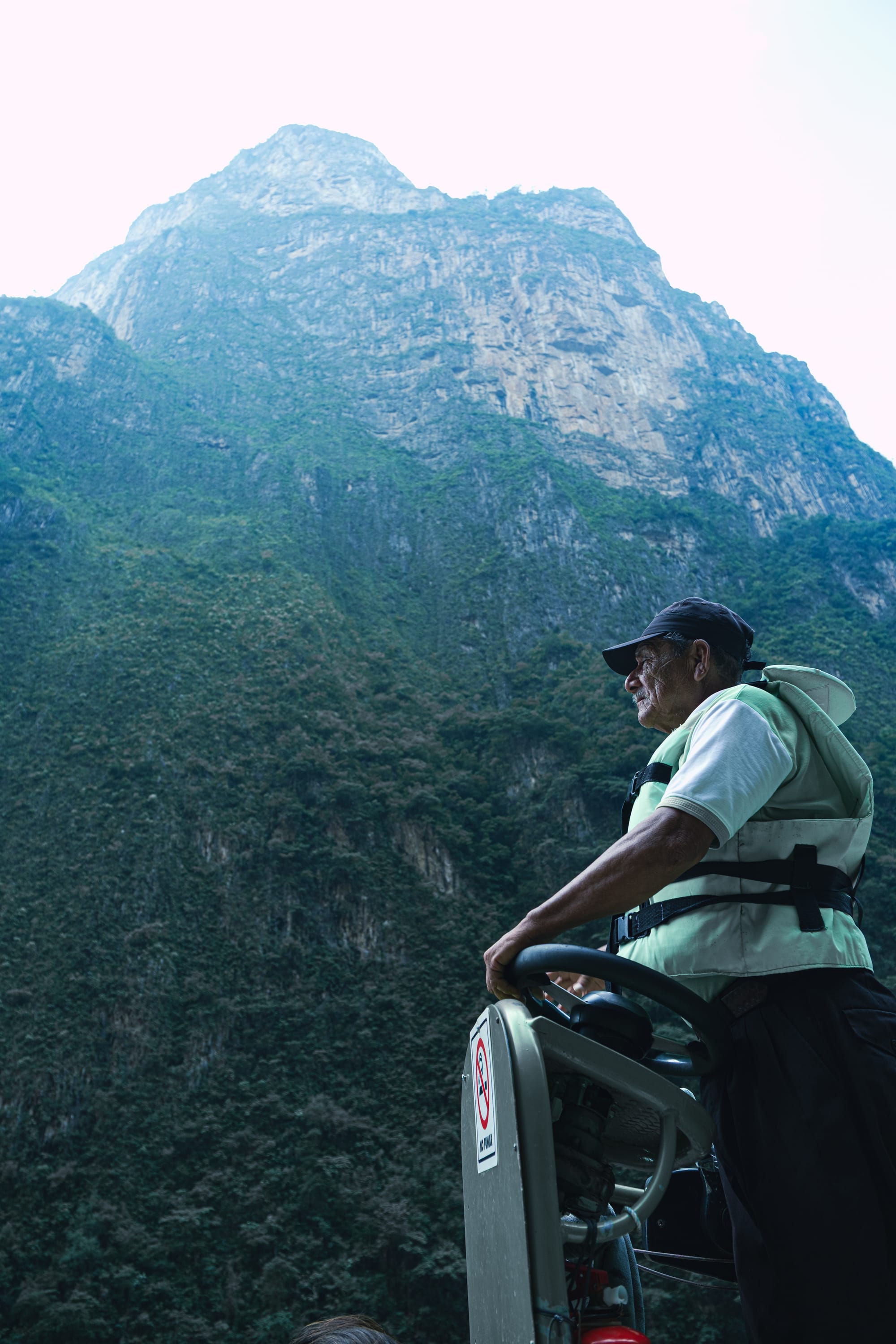
Scenes from Sumidero Canyon
The limestone walls tell their own story in texture alone—horizontal striations from ancient seas, vertical streaks from water flowing over ages, pockets of greenery clinging in improbable places. The air cools as the walls draw closer together, creating a pocket of atmosphere distinct from the open world outside. Sunlight breaks in sharp angles, illuminating parts of the rock while leaving others in deep, almost bluish shadow.
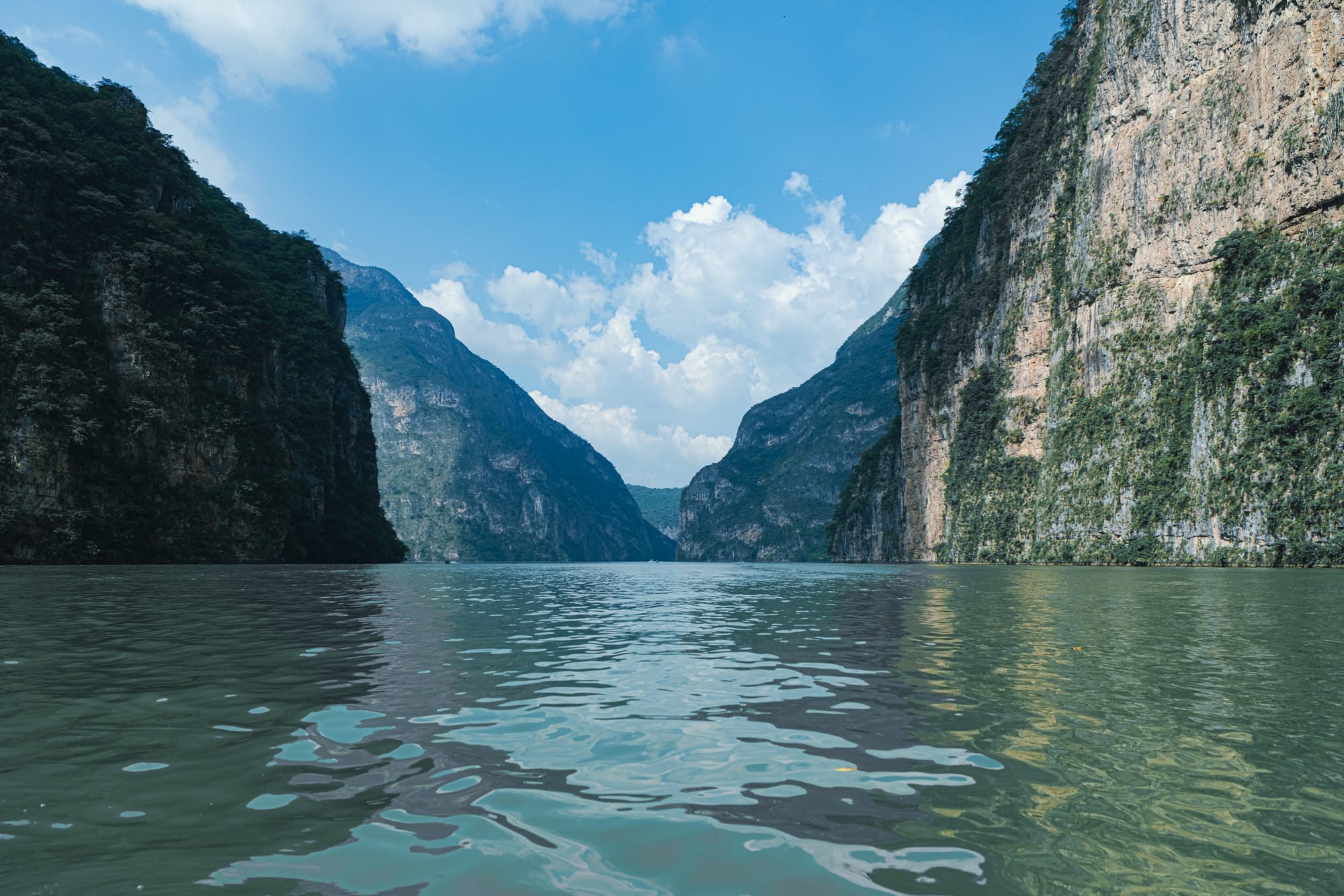
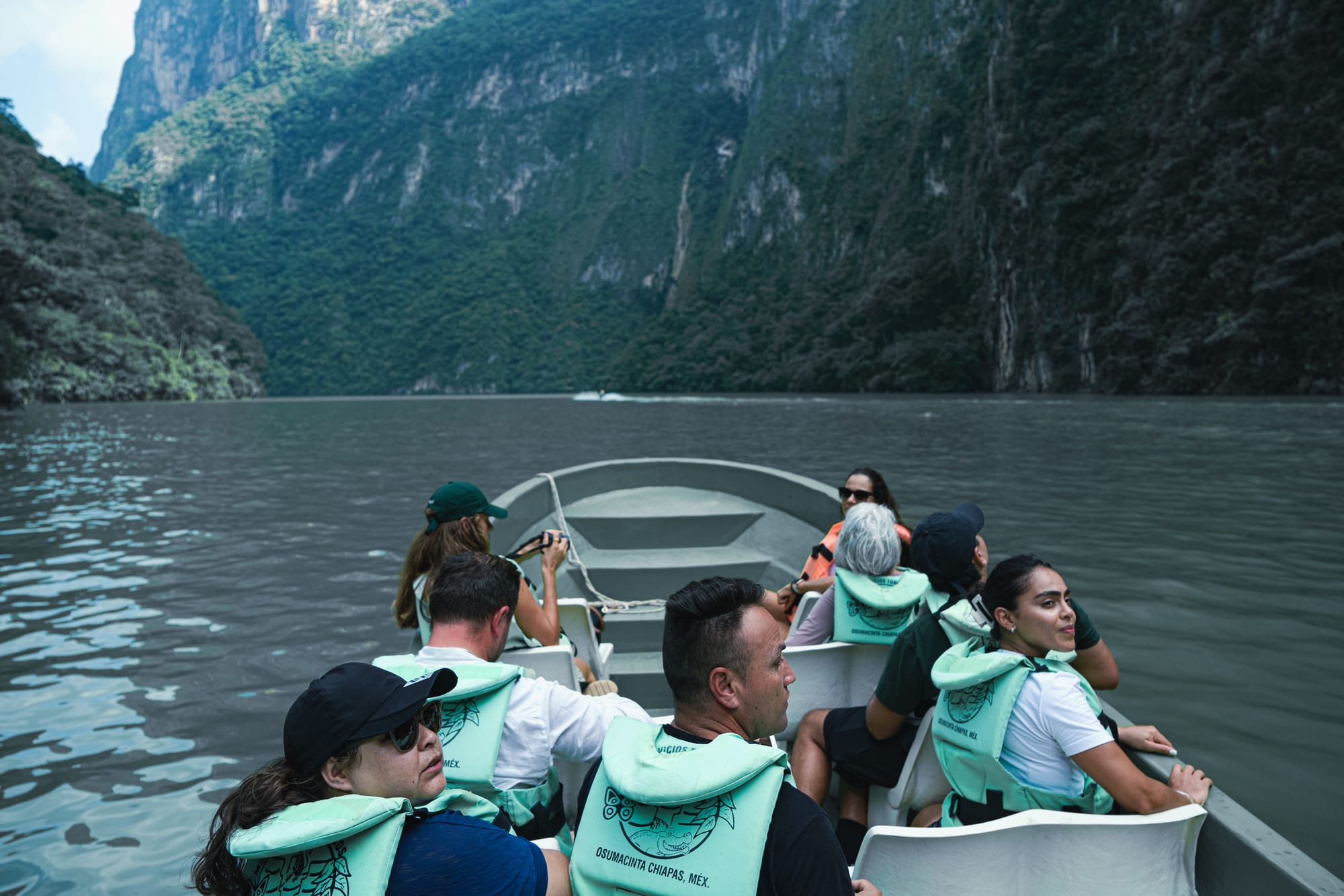
Every curve of the river revealed something new. Sometimes the canyon pressed so closely we could hear our own voices come back to us in soft echoes.
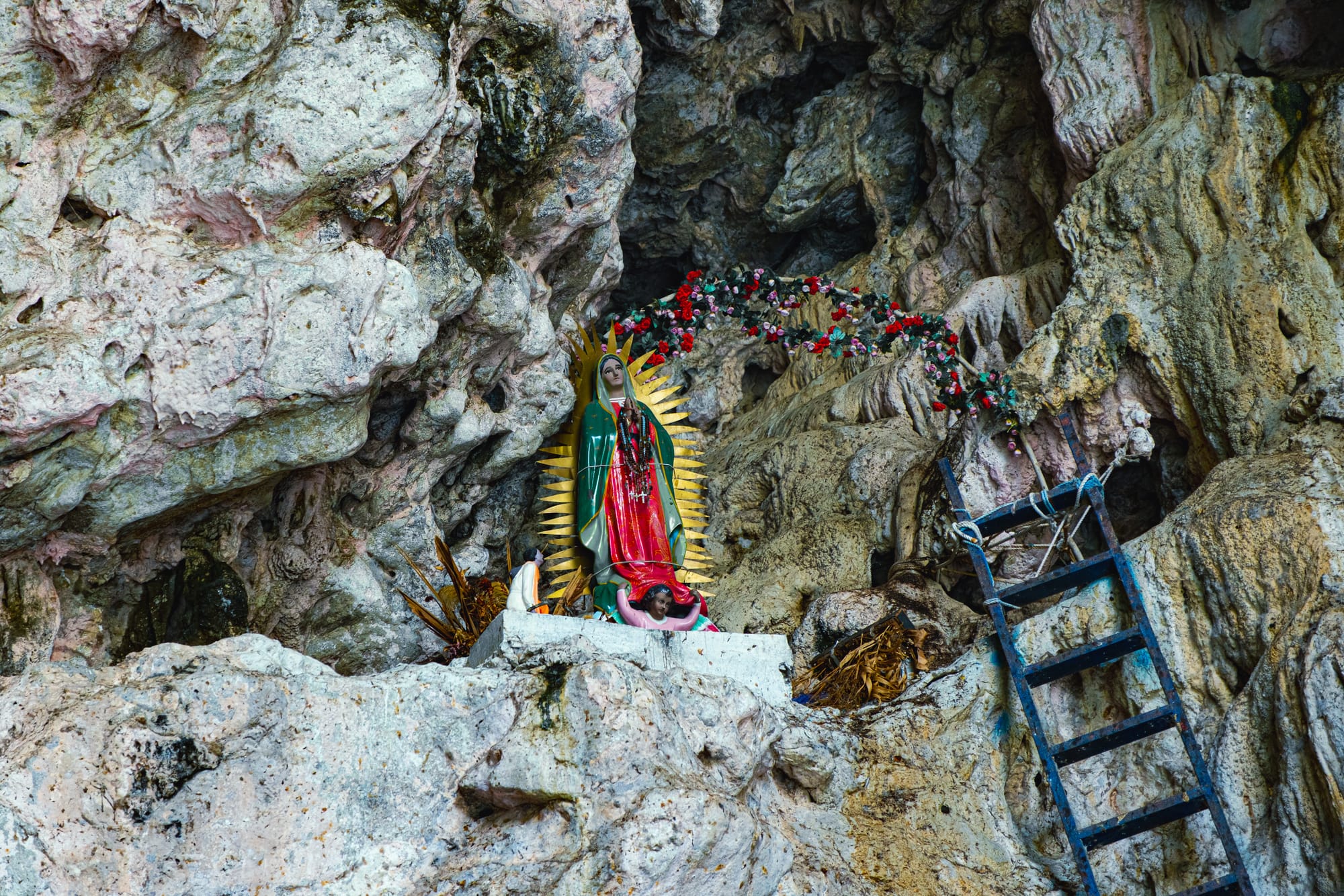
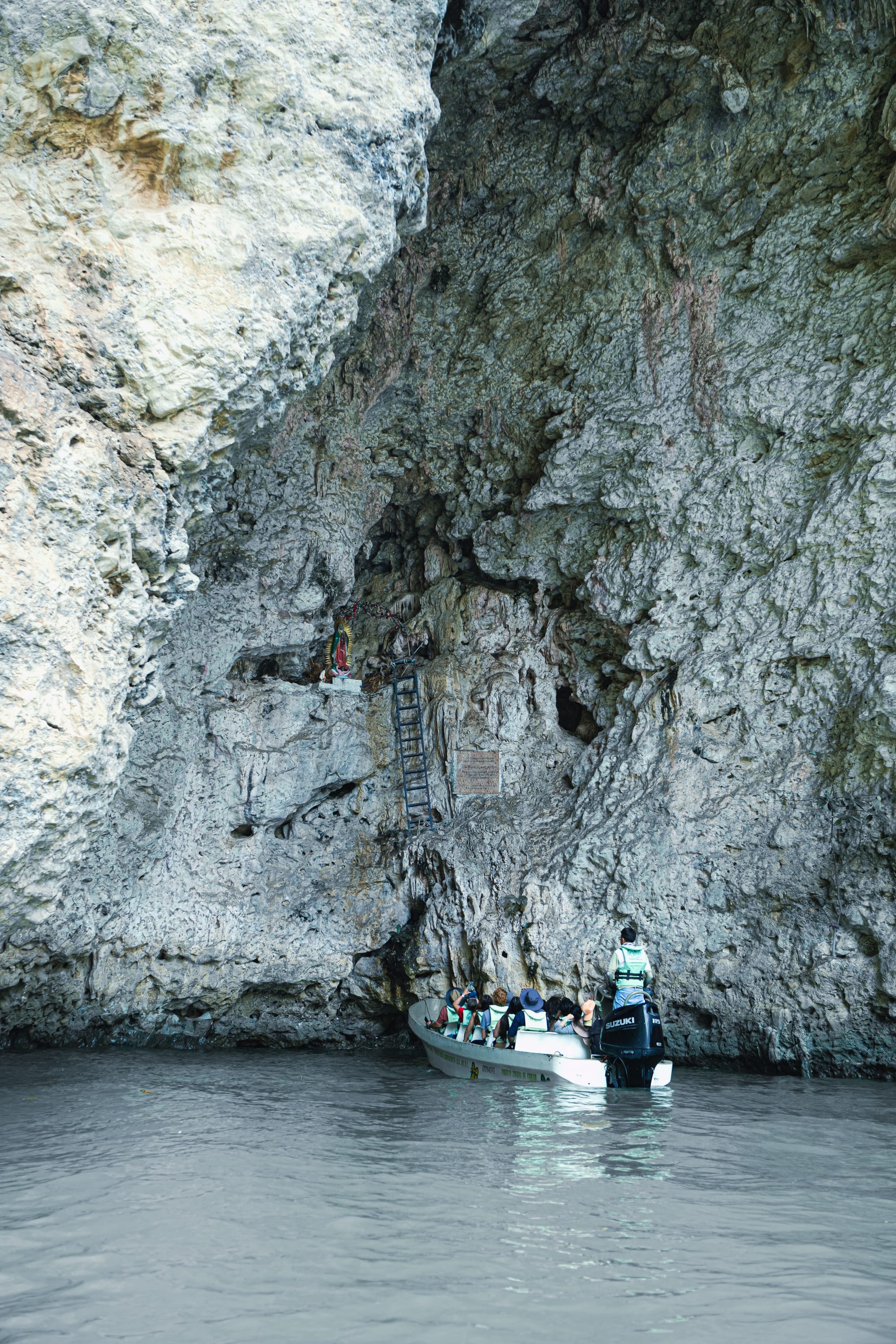
A small shrine to the Virgin of Guadalupe set into the canyon wall
Other times it widened without warning, opening into space that felt like a cathedral made of stone and wind.
Wildlife along the water
Sumidero is often described in terms of its geology, but its wildlife feels equally defining. As we moved deeper into the canyon, birds appeared frequently—herons stepping through shallows, egrets perched in impossible balance, kingfishers darting ahead of us with electric flashes of blue. High above, vultures traced slow circles along invisible thermals.
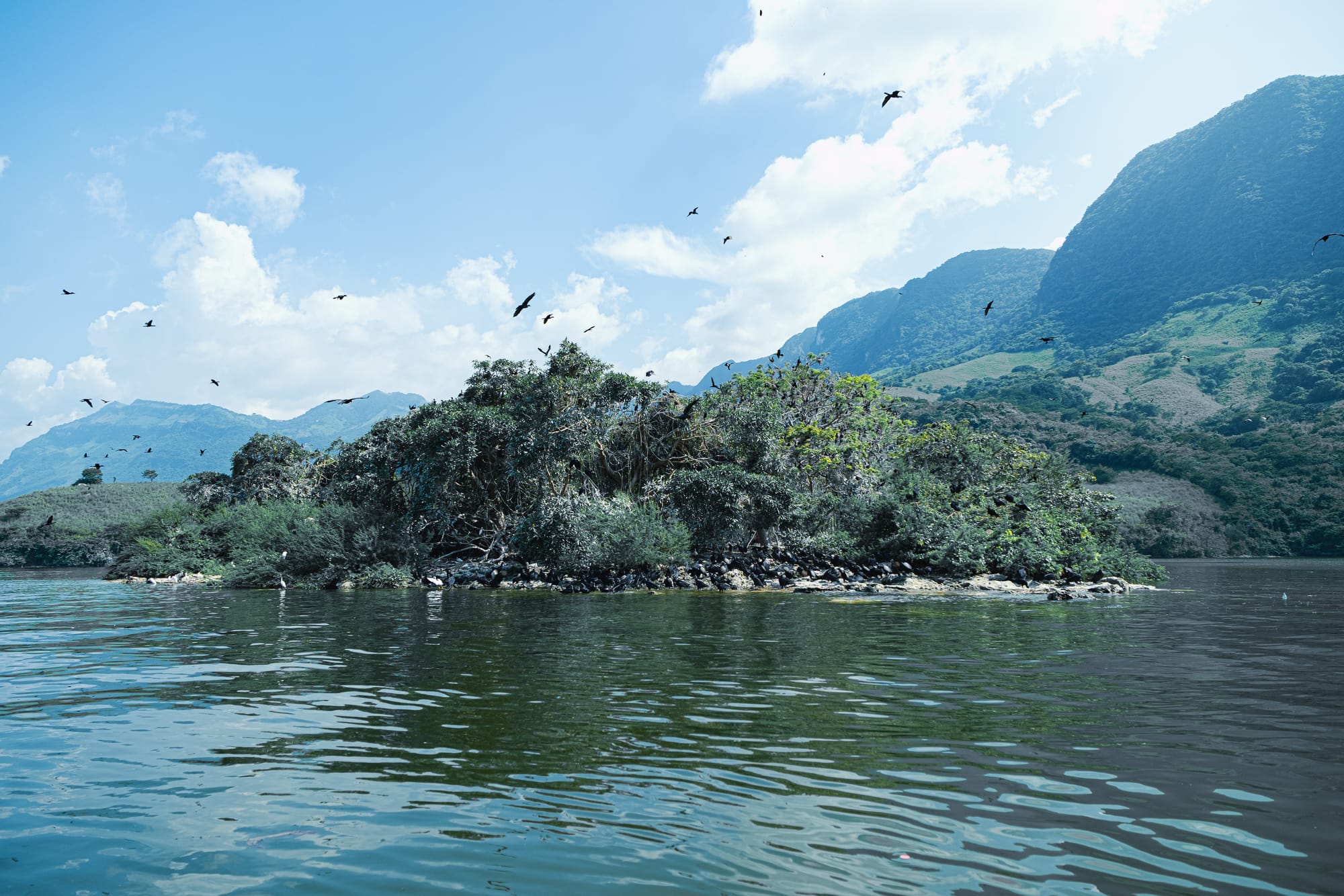
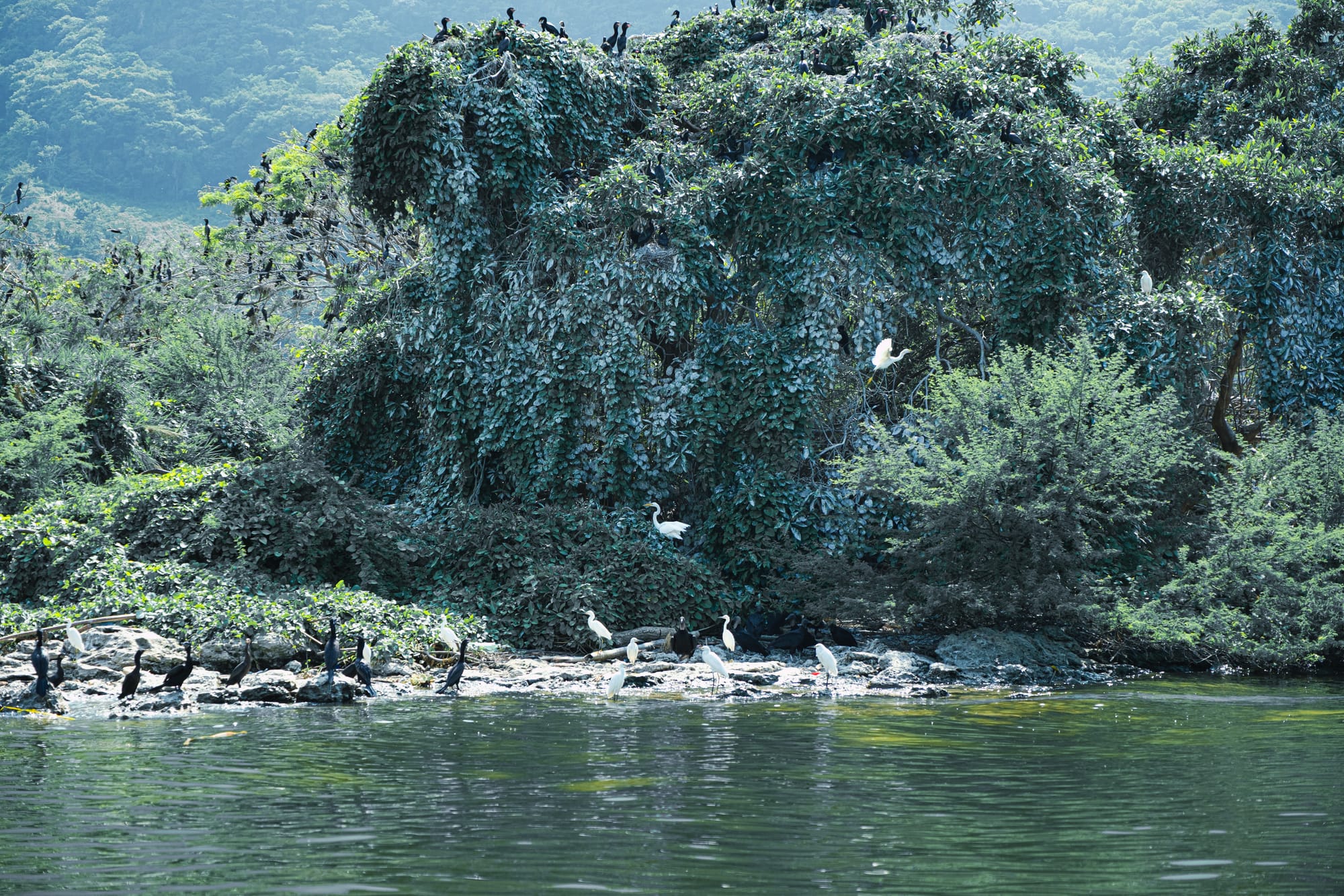
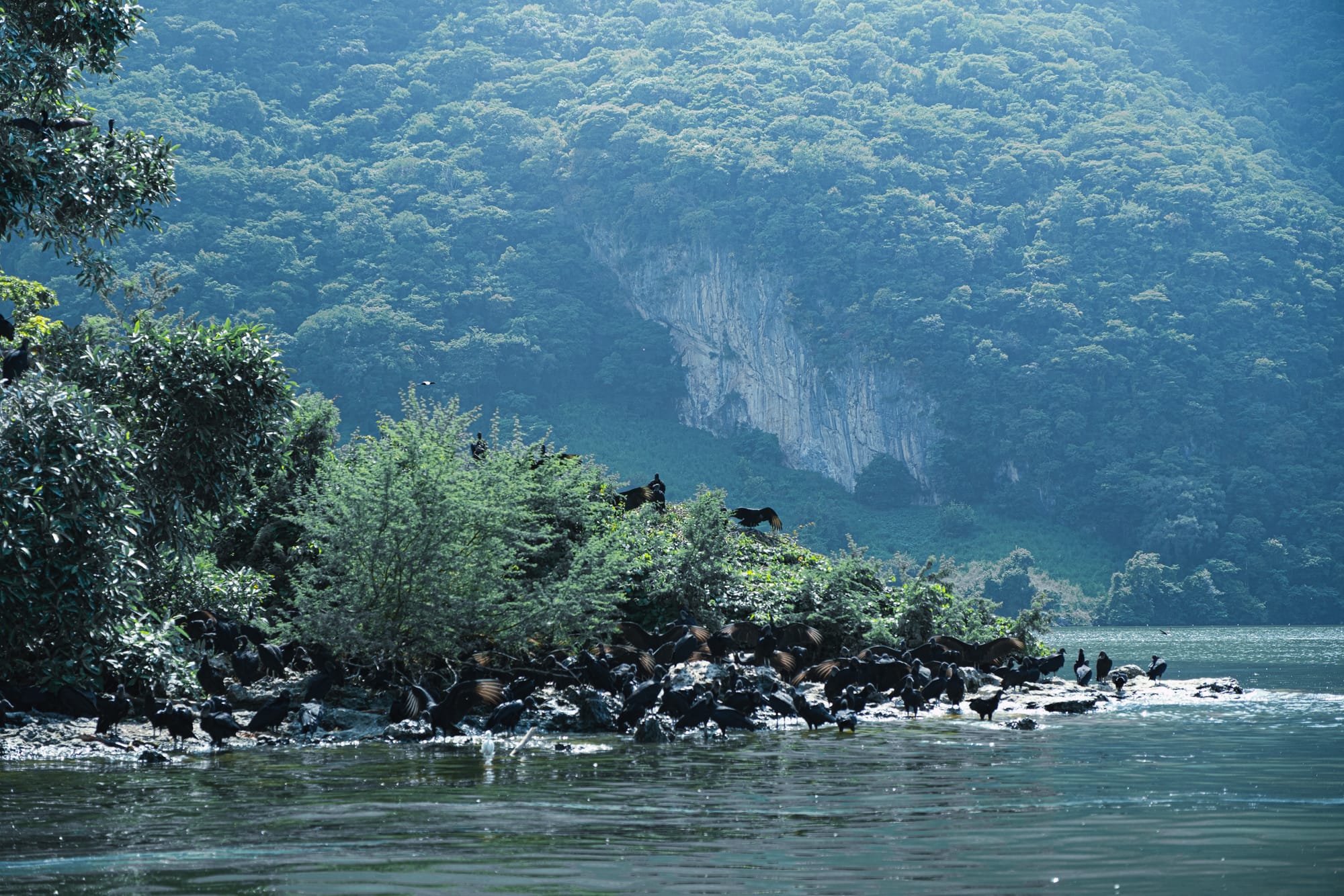
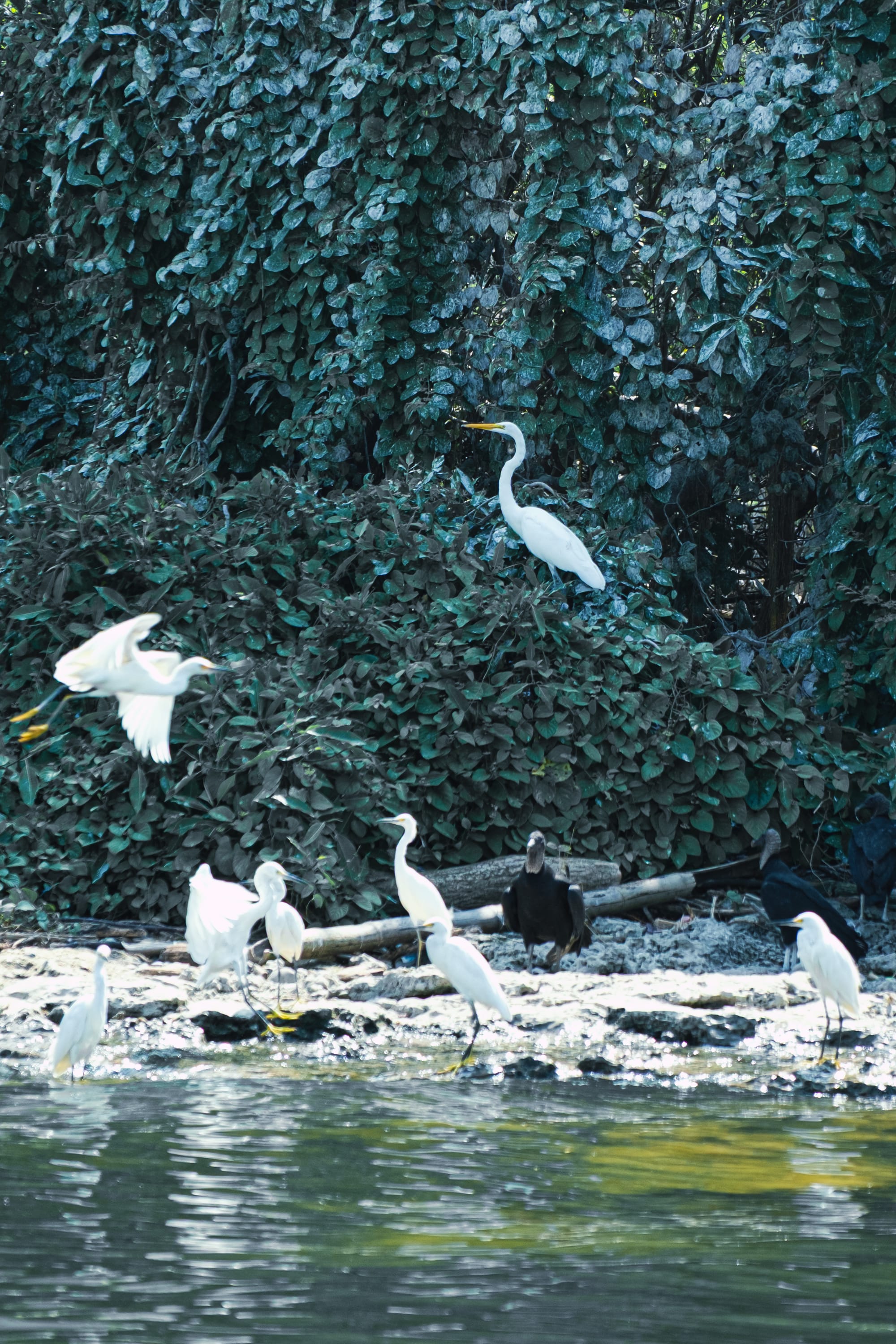
A nesting area along the river where cormorants and egrets gather on the rocks and low branches
Turtles slipped into the water as our boat approached, leaving only ripples as evidence. And then came the crocodiles. The first rested on a warm rock ledge, eyes half-closed, its body perfectly still except for the slow rise and fall of breath. Another drifted beside a shaded bank, just beneath the surface, its outline visible only in the quiet shifts of sunlight across the water.
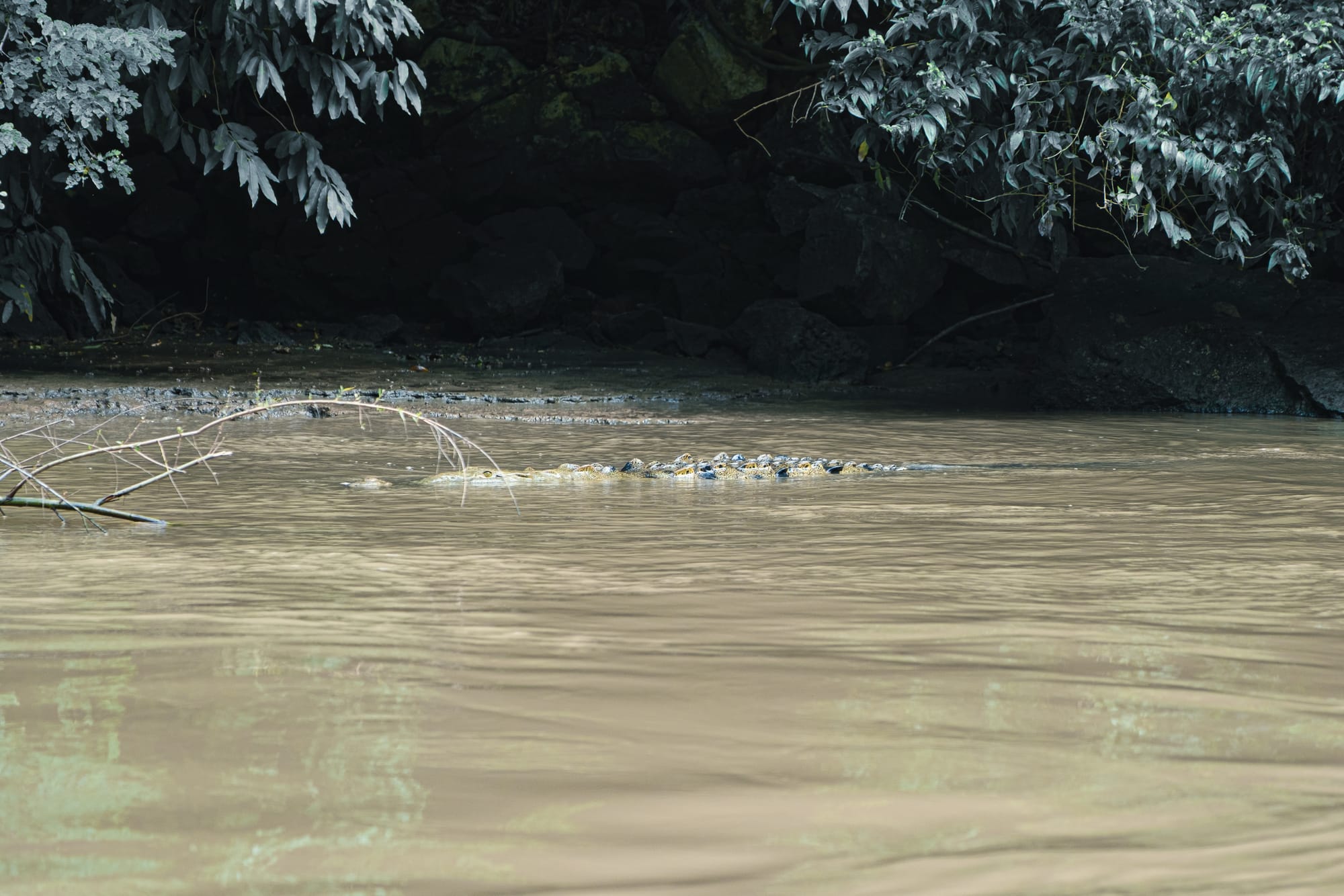
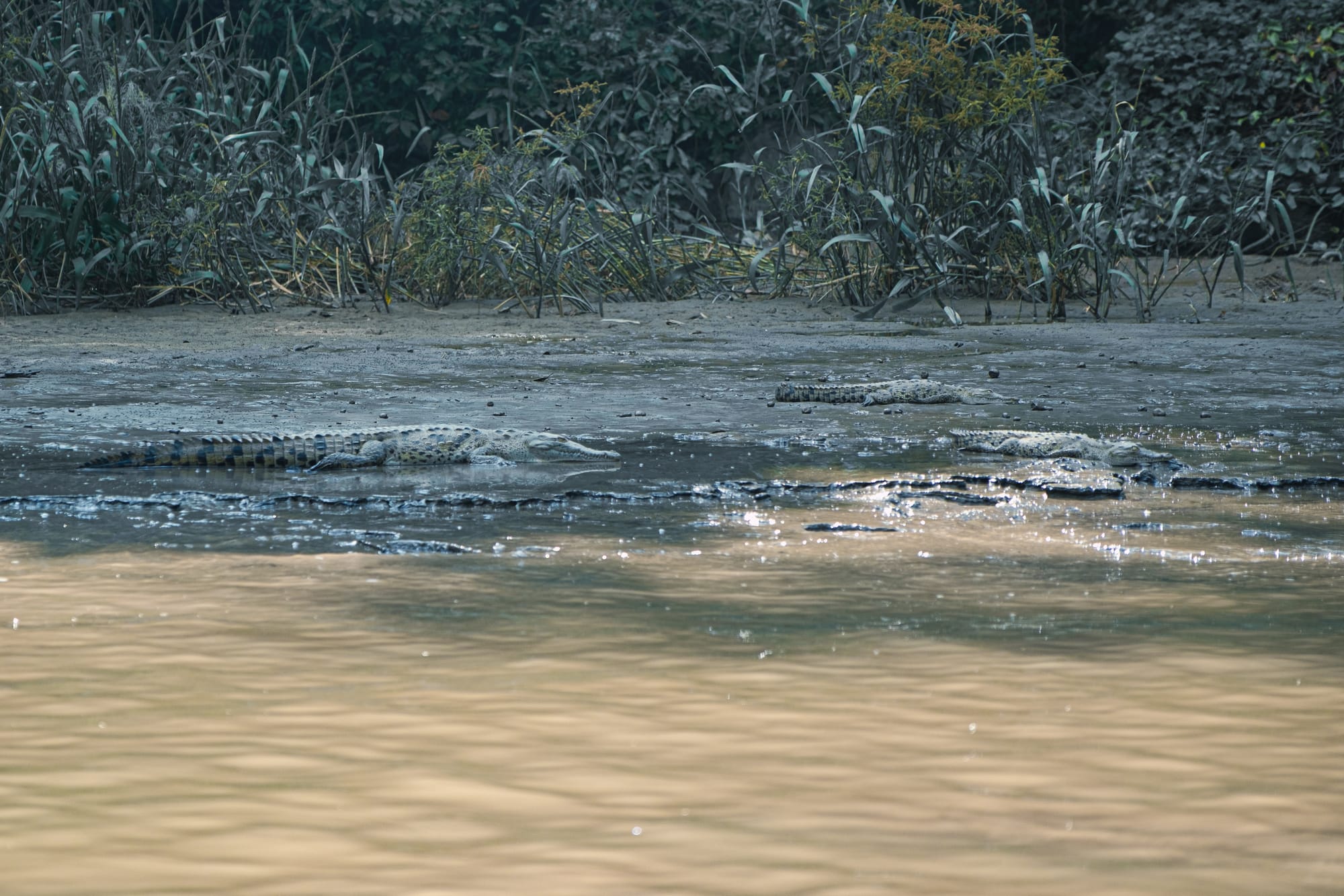
If you’re lucky, you might hear howler monkeys in the distance—a low, resonant call that vibrates more than it echoes. The canyon supports a surprising range of species, helped by the microclimates created by altitude, shade, and the cooling influence of the river.
The waterfall that looked imagined
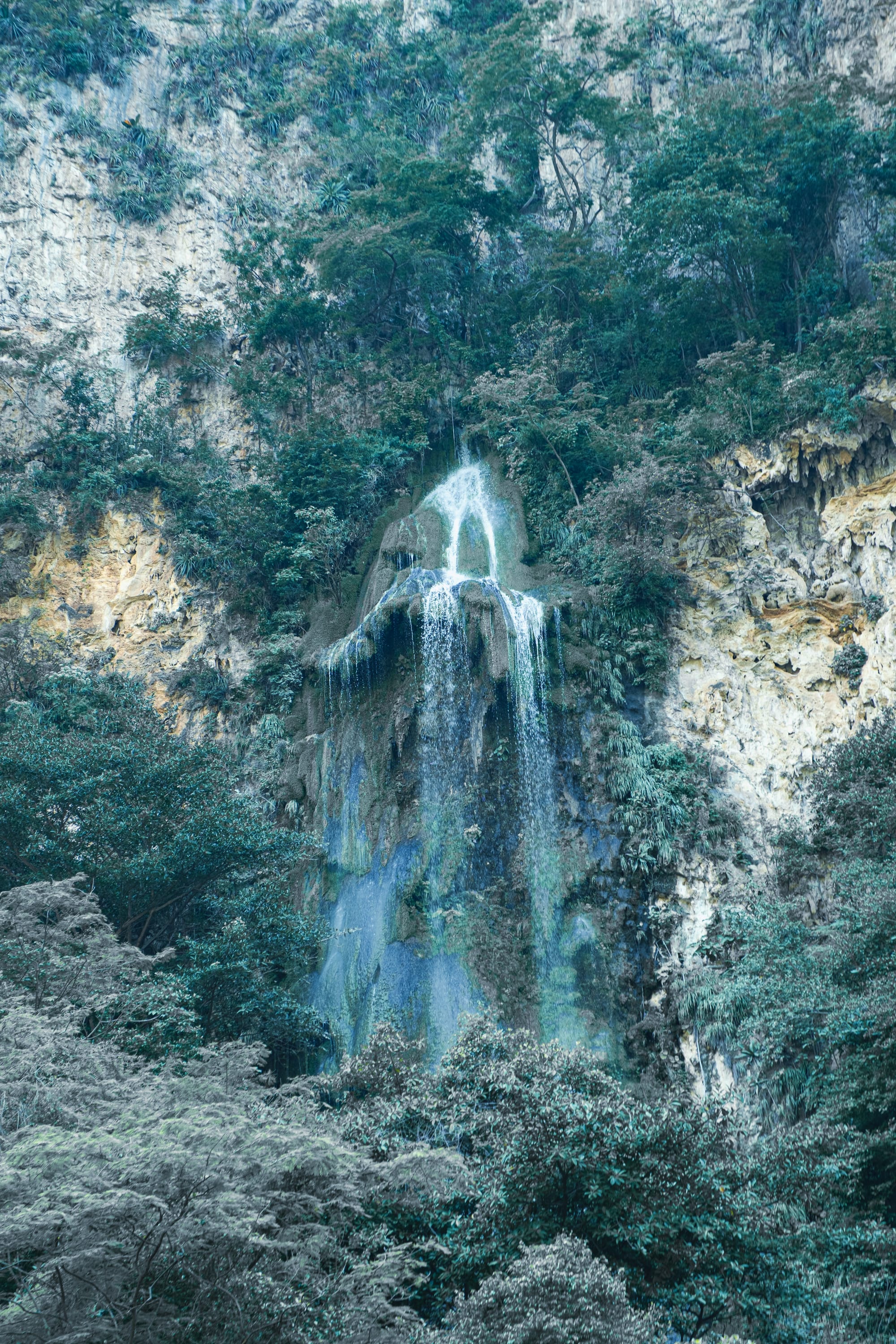
Further along, the canyon widened slightly and the gentle sound of falling water began to rise. As we approached the source, the cascade took form—an enormous mineral structure shaped uncannily like a giant mushroom. Years of mineral-rich water flowing over the rock have created terraces and folds that resemble something sculpted rather than naturally formed. Moss and vegetation covered its upper levels in layered green, while thin threads of water traced its contours.
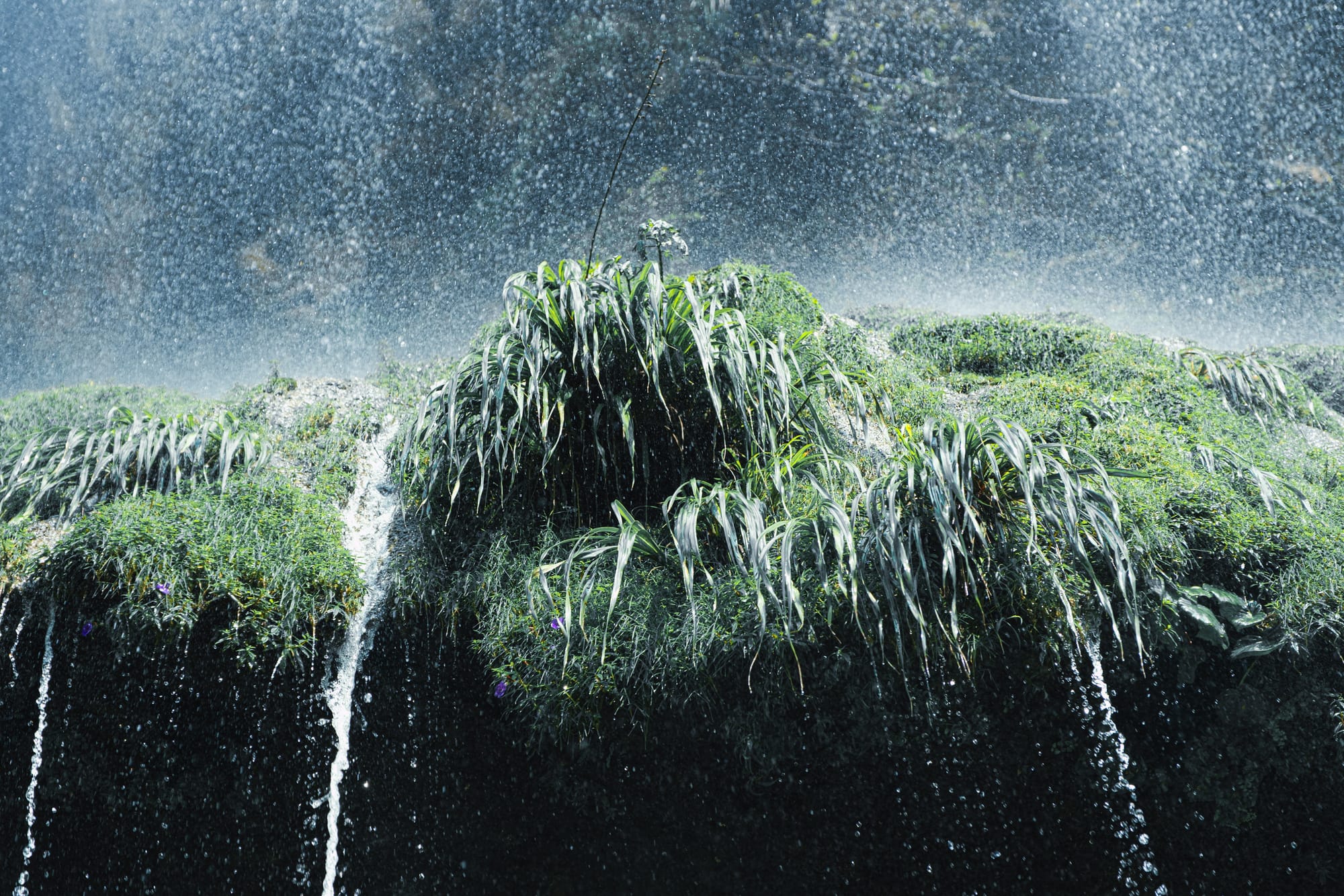
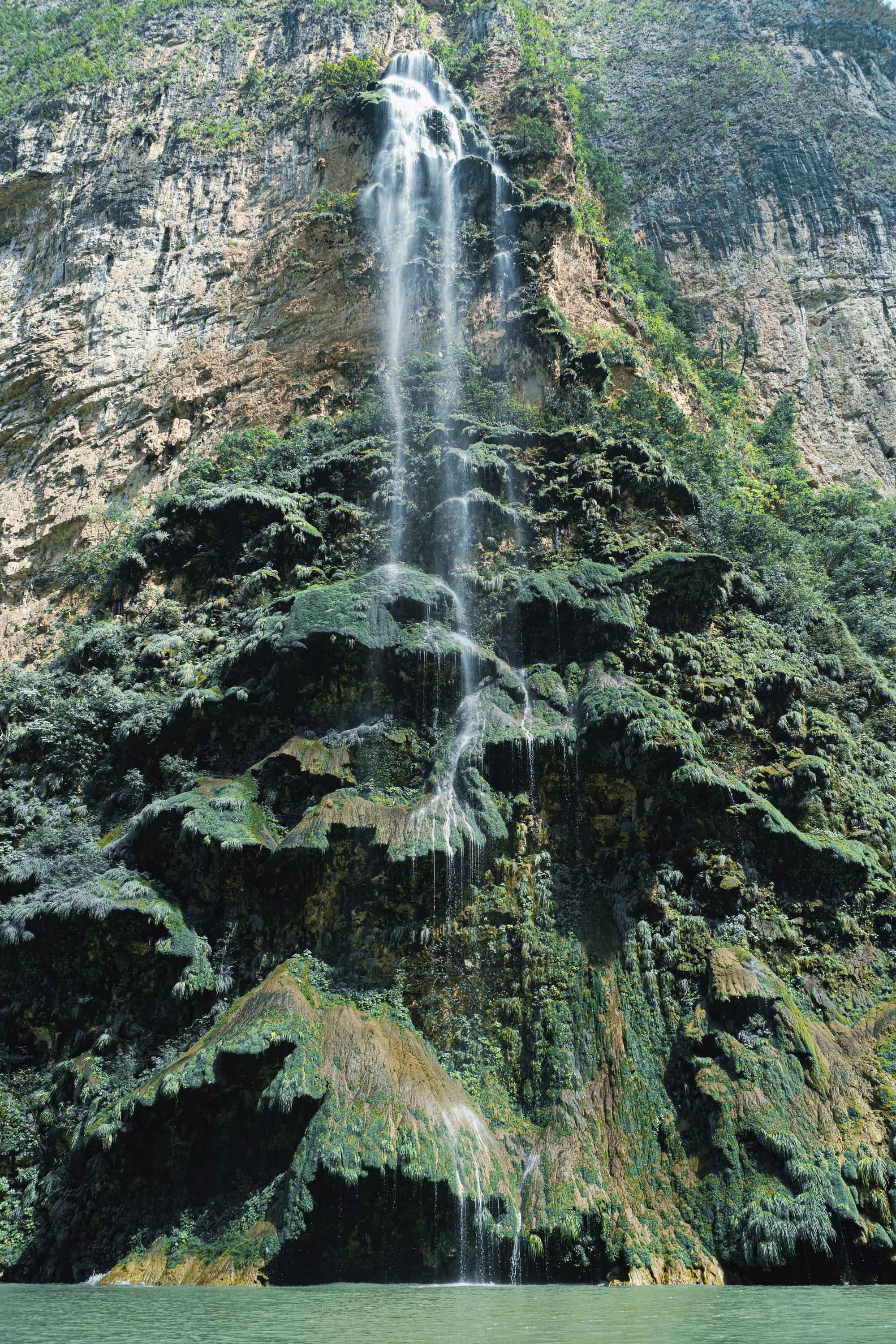
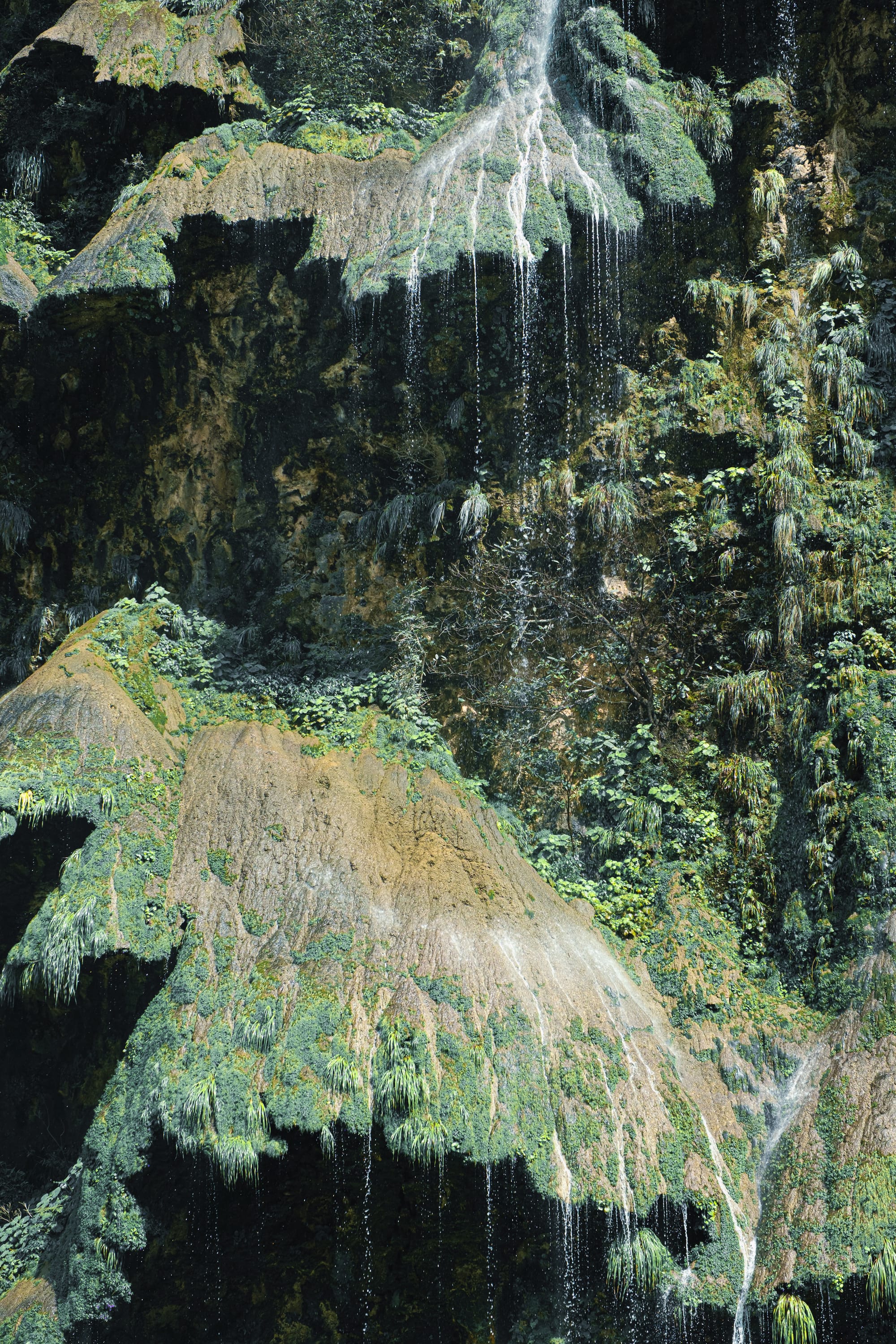
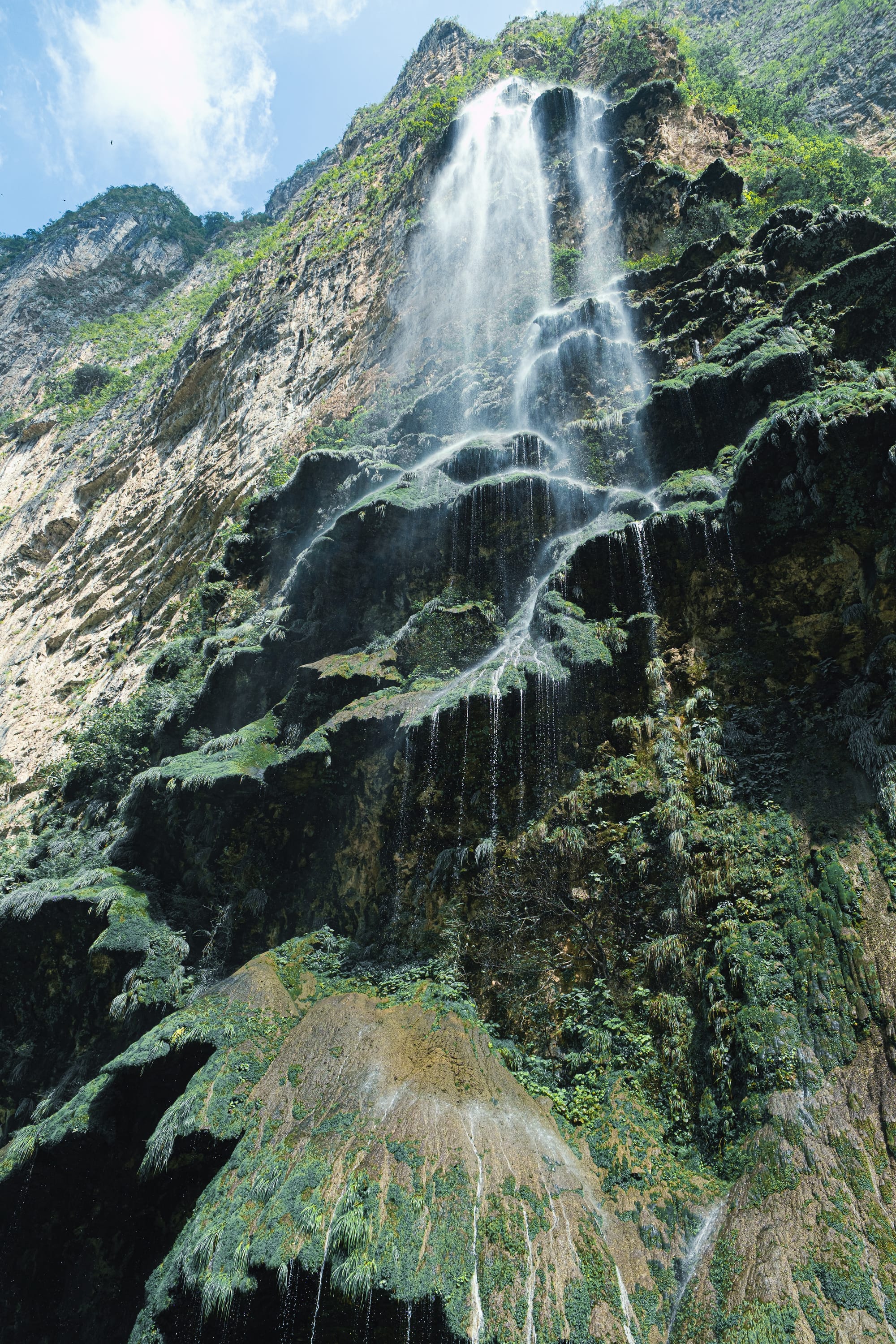
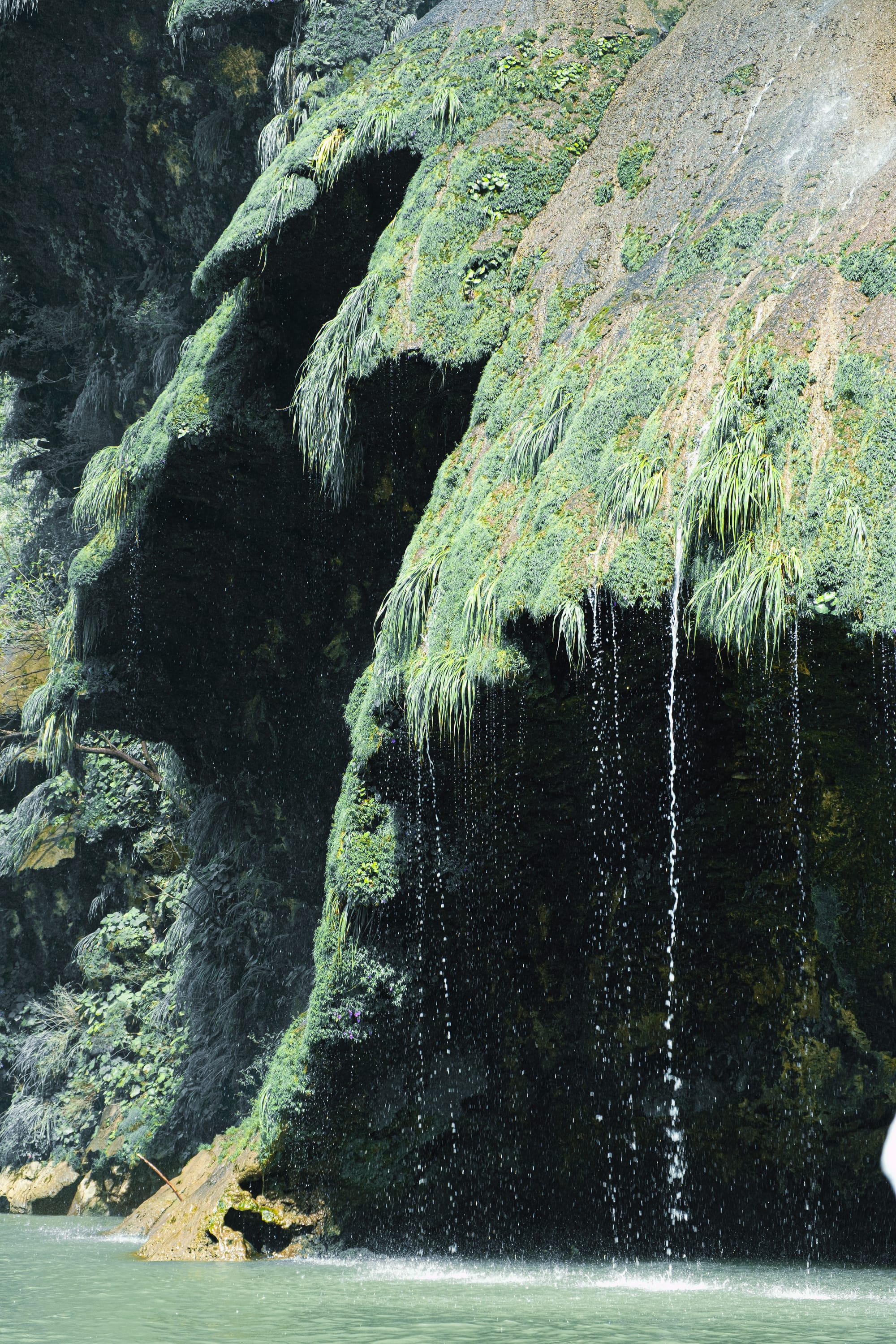
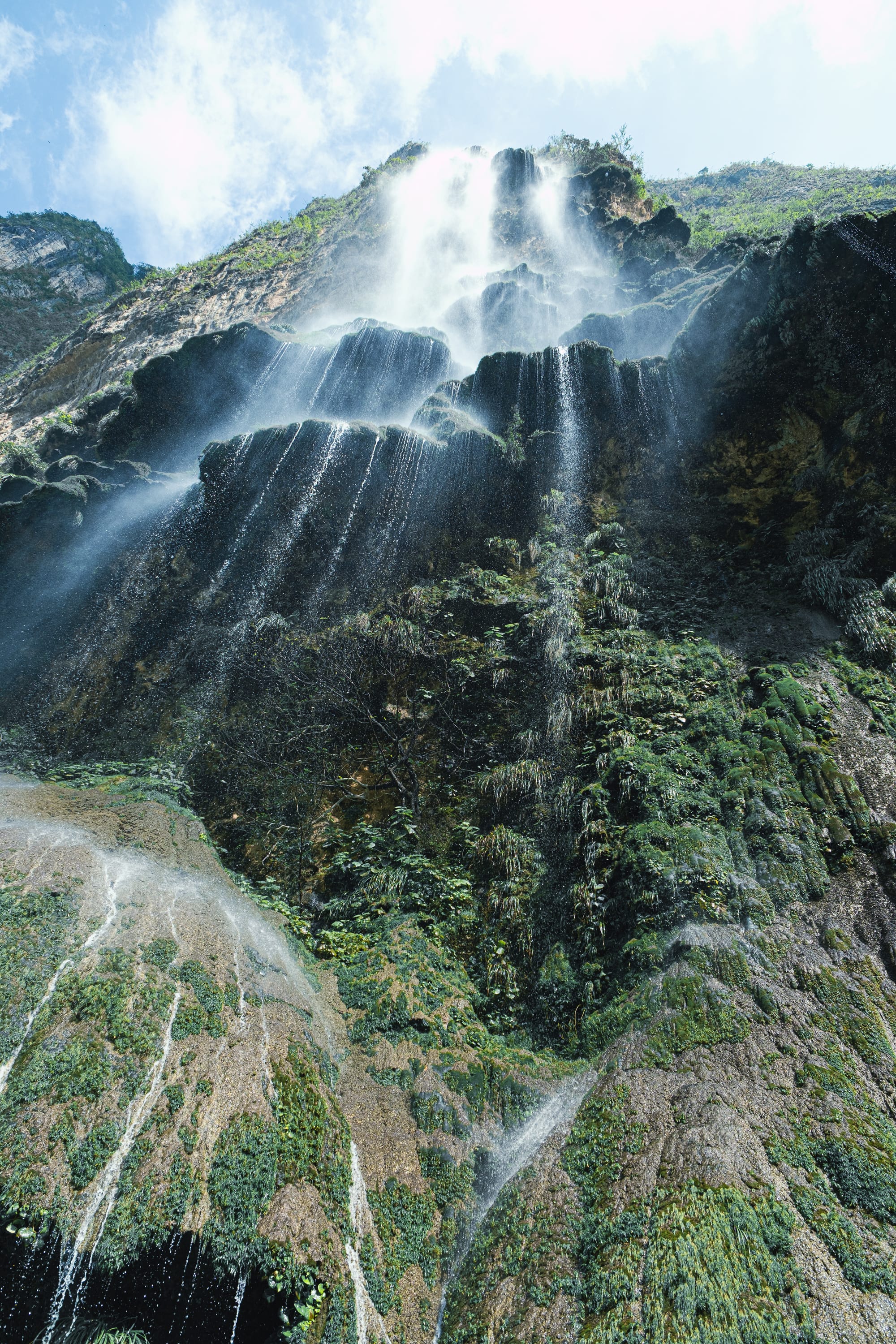
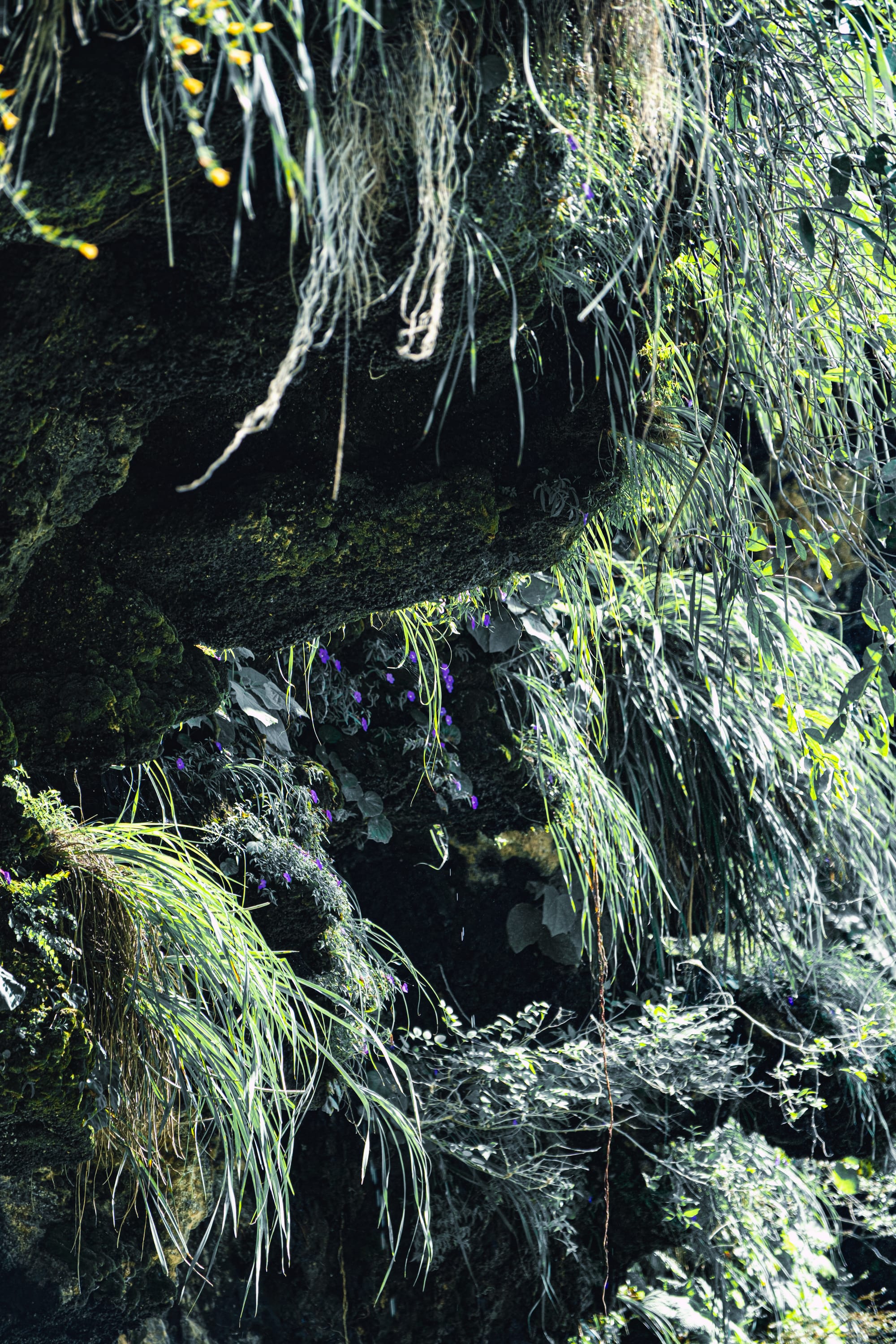
Close-up views of the canyon’s “mushroom” waterfall
It looked like something straight out of a Roger Dean painting—surreal, otherworldly, slightly fantastical, the kind of landscape feature you’d expect to see floating in a dream rather than rooted into a canyon wall. Sunlight refracted through the droplets, creating delicate glimmers that shifted with the movement of the boat.
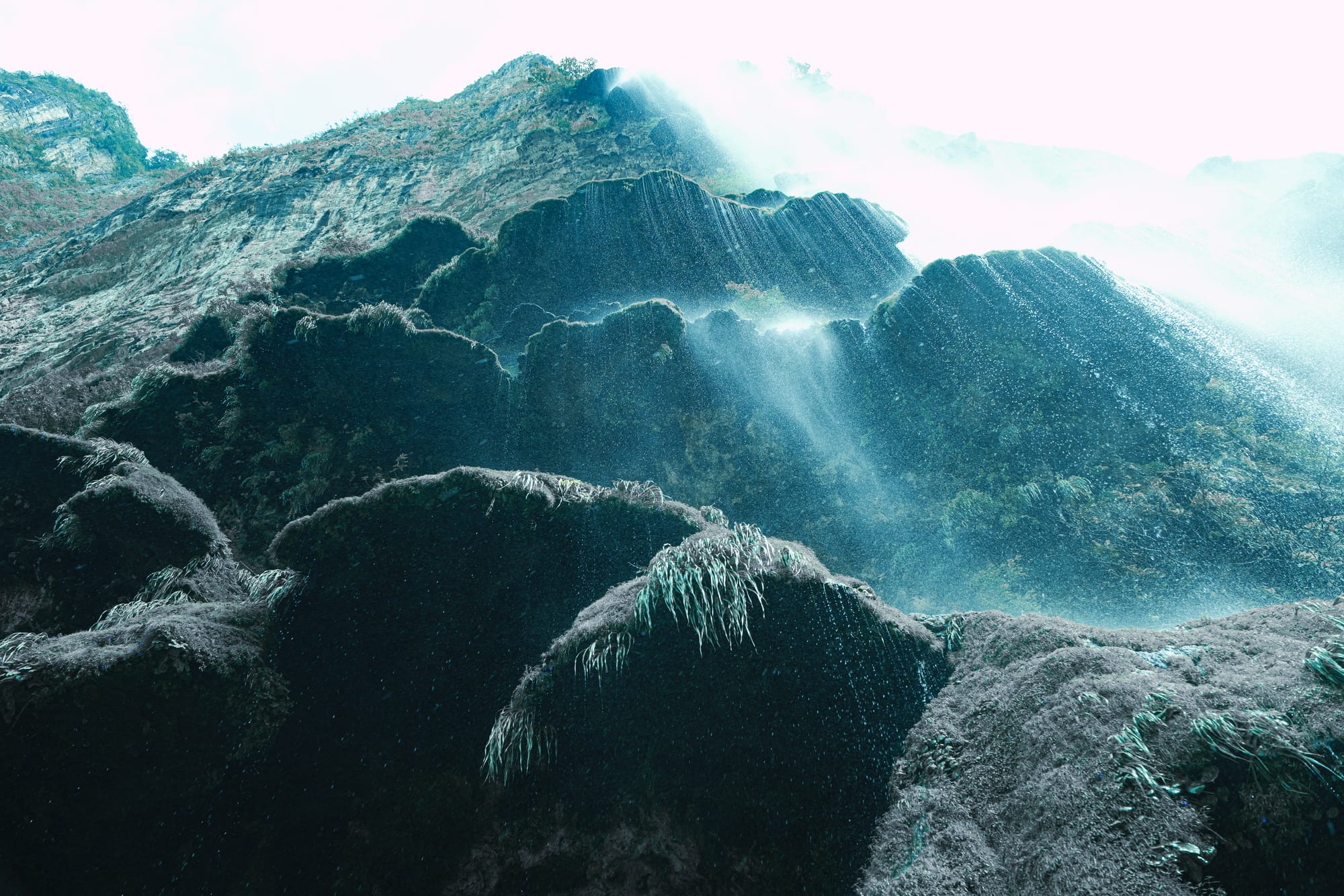
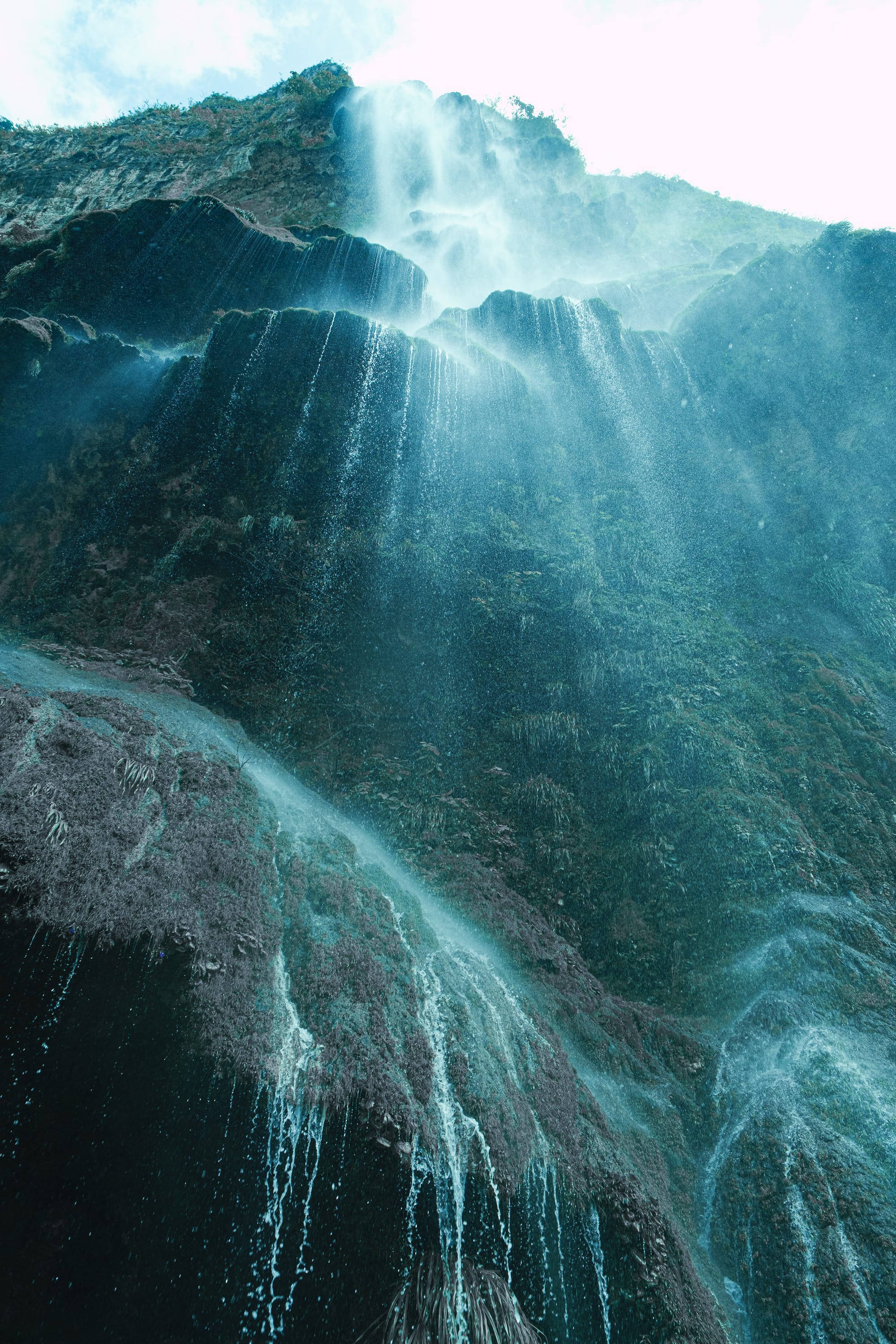
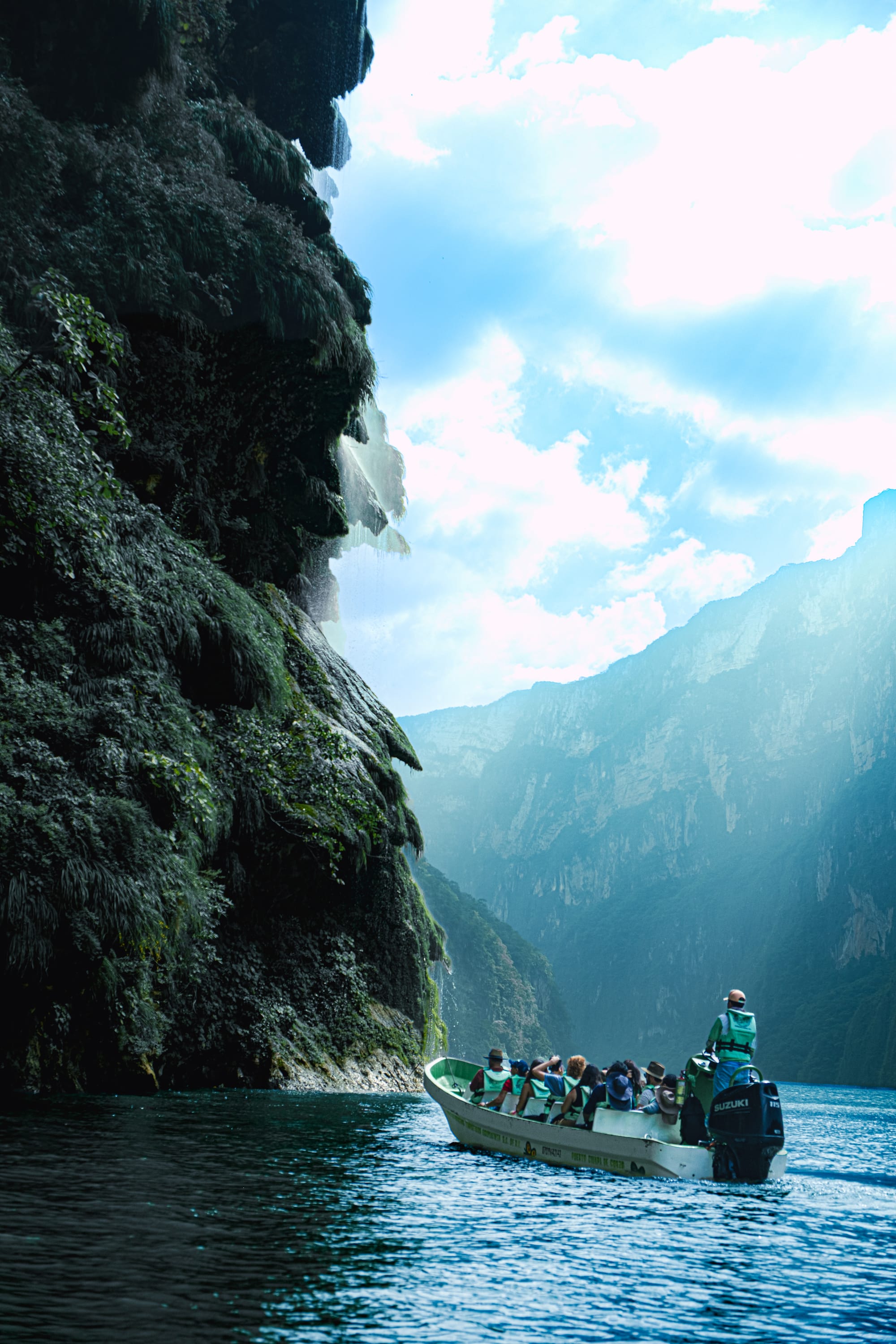
Passing beneath the canyon’s moss-covered waterfall
We drifted beneath it slowly, letting the water fall in threads around us. It was one of the most striking moments of the day—not loud or forceful, but quietly astonishing.
Emerging into Chiapa de Corzo
After nearly two hours inside the canyon, the walls softened and lowered, and the river began opening back into daylight. The transition felt gentle, like waking from sleep into a warm room. Soon after, we reached Chiapa de Corzo, where our journey on the water would end.
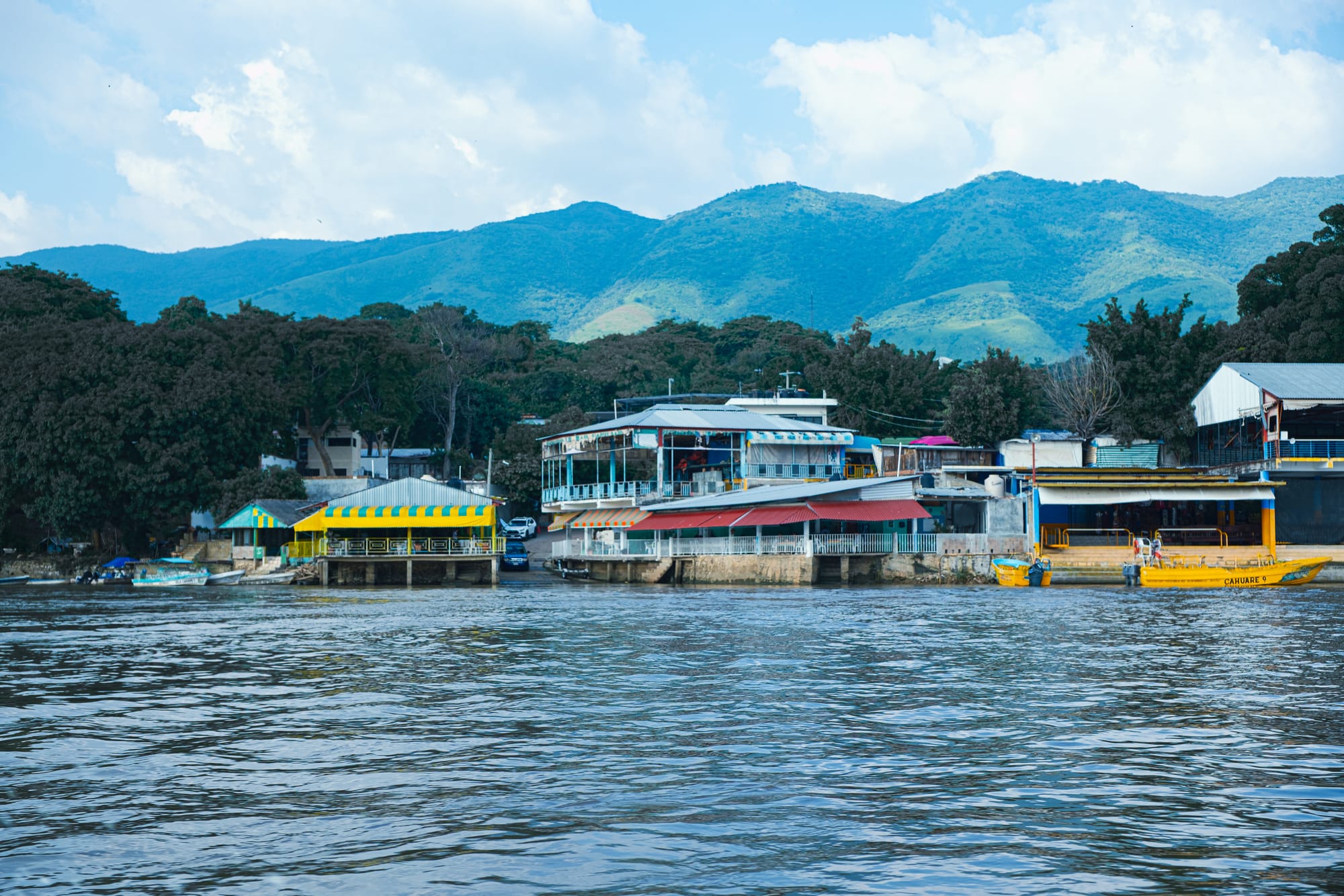
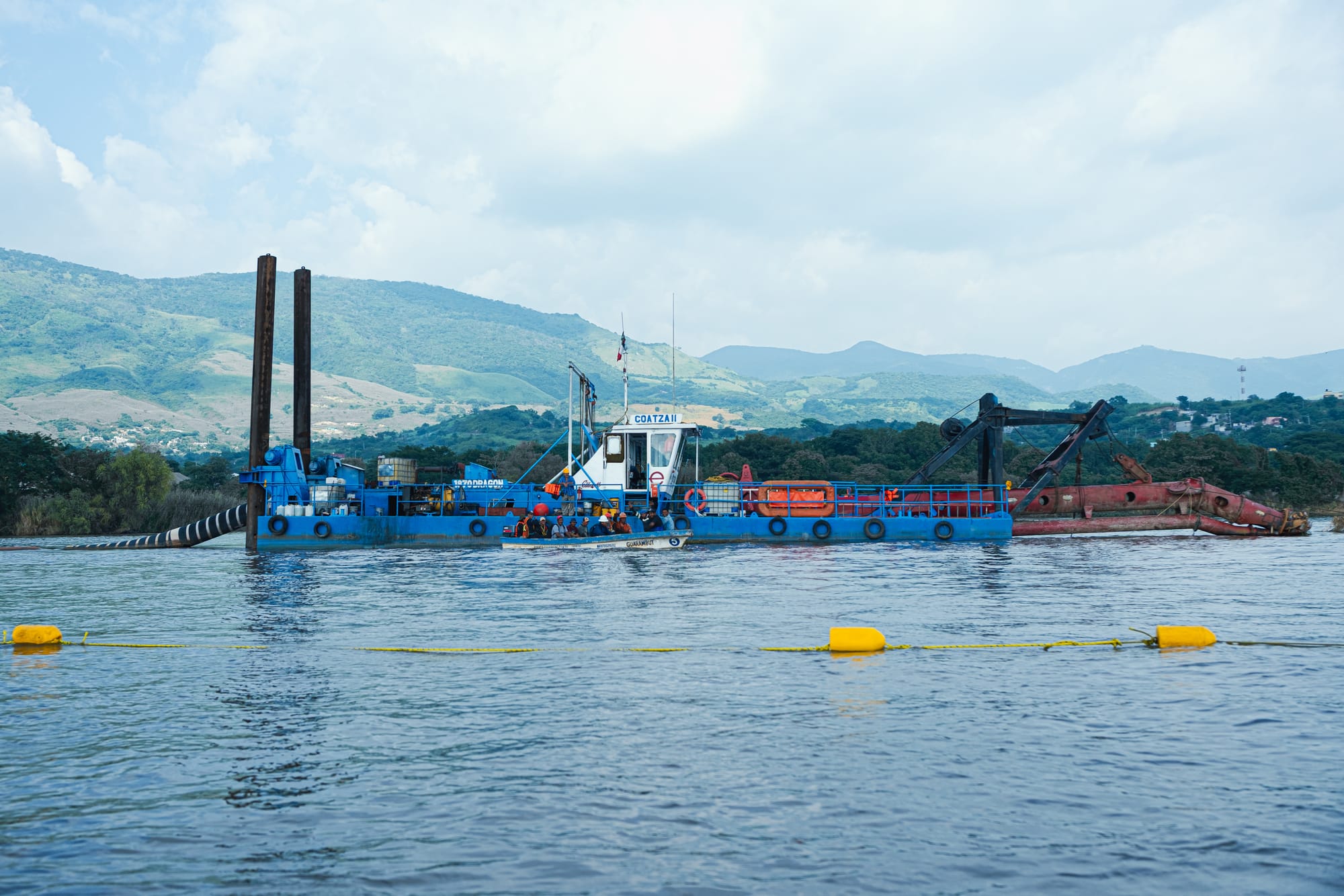
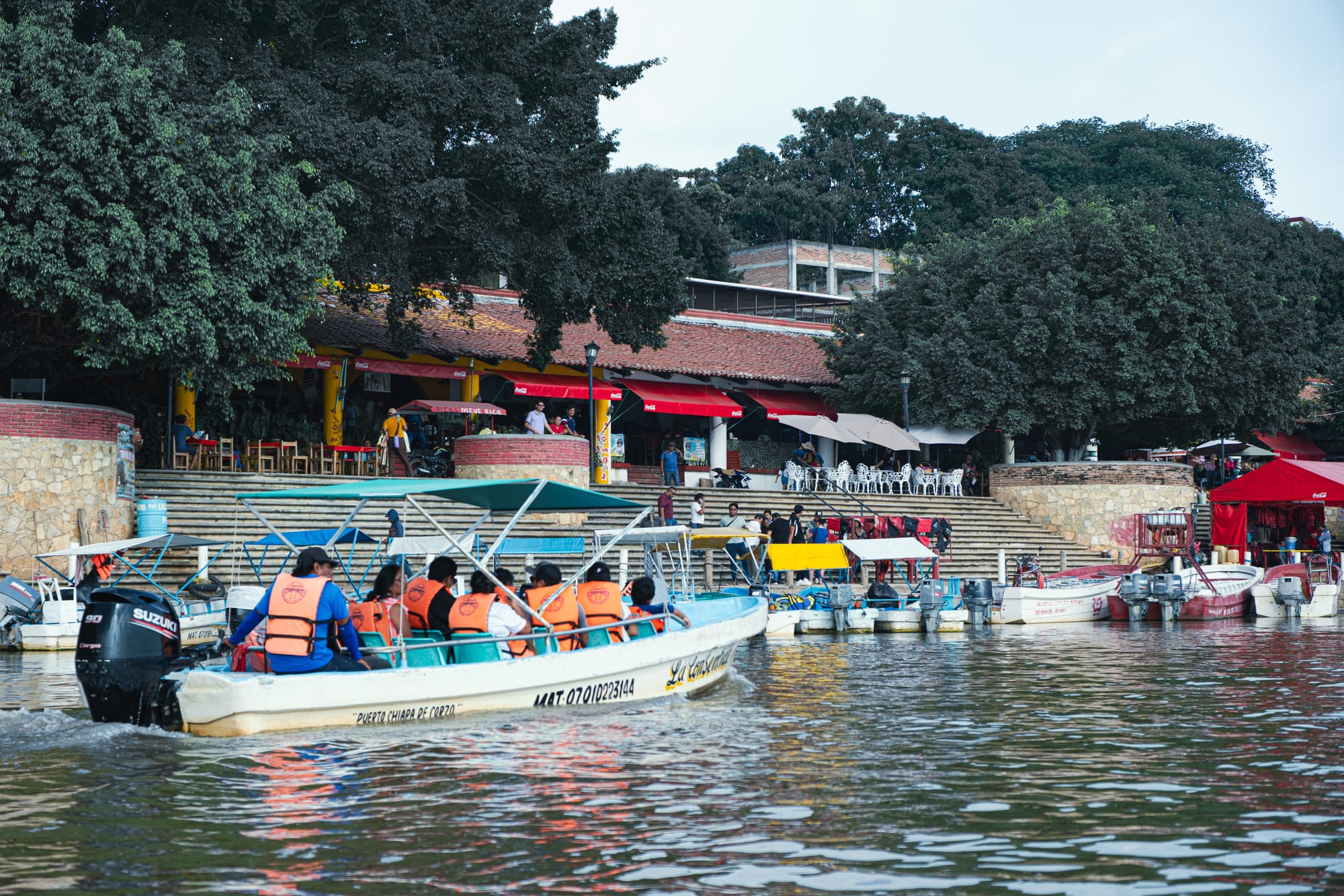
The town welcomed us with heat, color, and the slower rhythm of midday life. We walked toward the plaza and let the afternoon unfold with the kind of pleasant tiredness that follows a morning of wind, water, and awe. Chiapa de Corzo carries its own charm—colonial architecture, a soft buzz of activity, and the steady presence of the river that shapes so much of this region’s life.
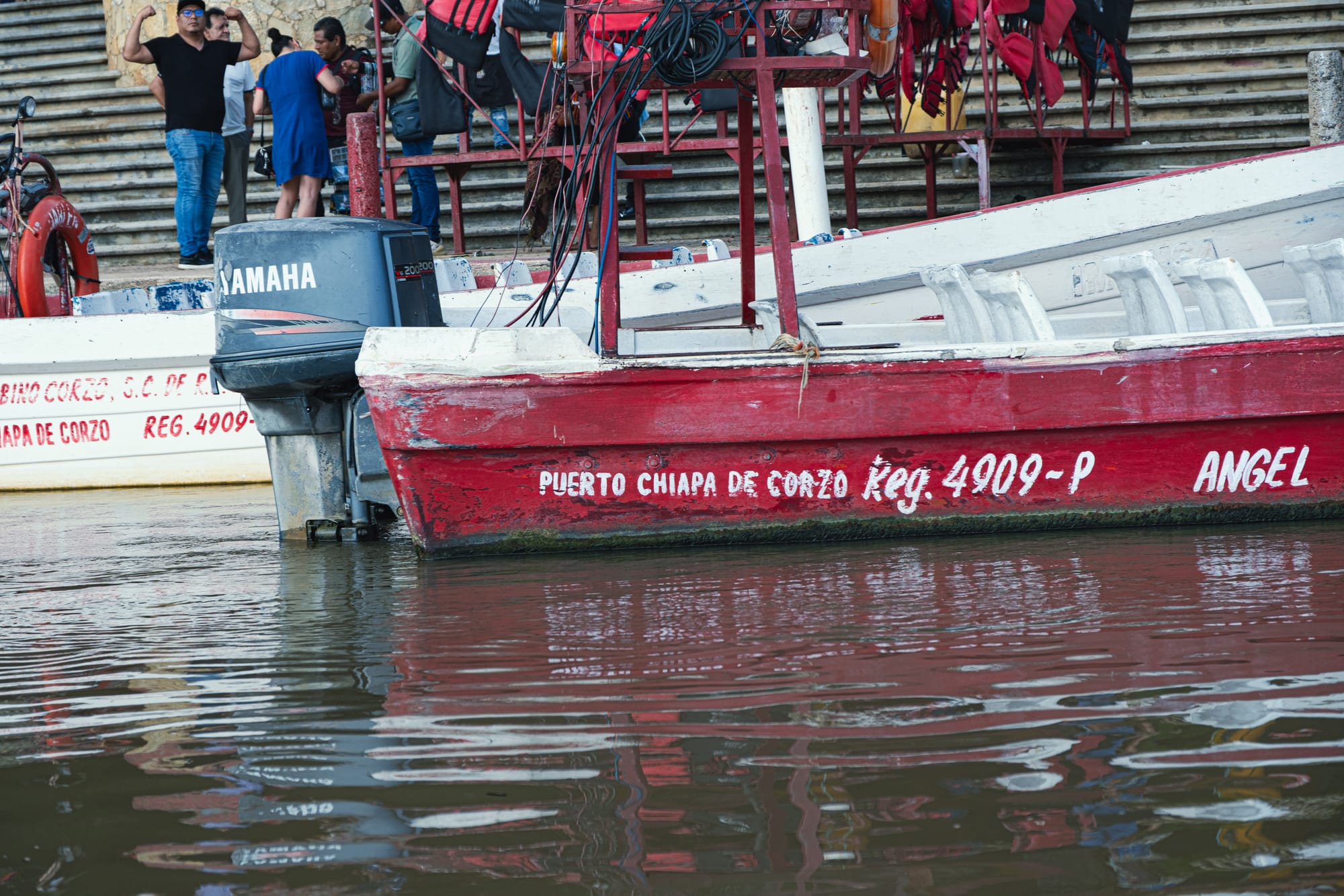

Returning to Chiapa de Corzo after the canyon ride, followed by a simple lunch in town
The return to San Cristóbal later that afternoon felt simple and unhurried, the highlands rising again around us while the day settled into memory.
A brief sense of deep time
Sumidero Canyon is more than a dramatic landscape; it’s a geological timeline made visible. The limestone walls once lay beneath ancient seas, accumulating layer after layer of sediment before being thrust upward by tectonic shifts. When the land rose, the Grijalva River began carving its way downward, slowly and relentlessly, forming the deep corridor we traveled through.
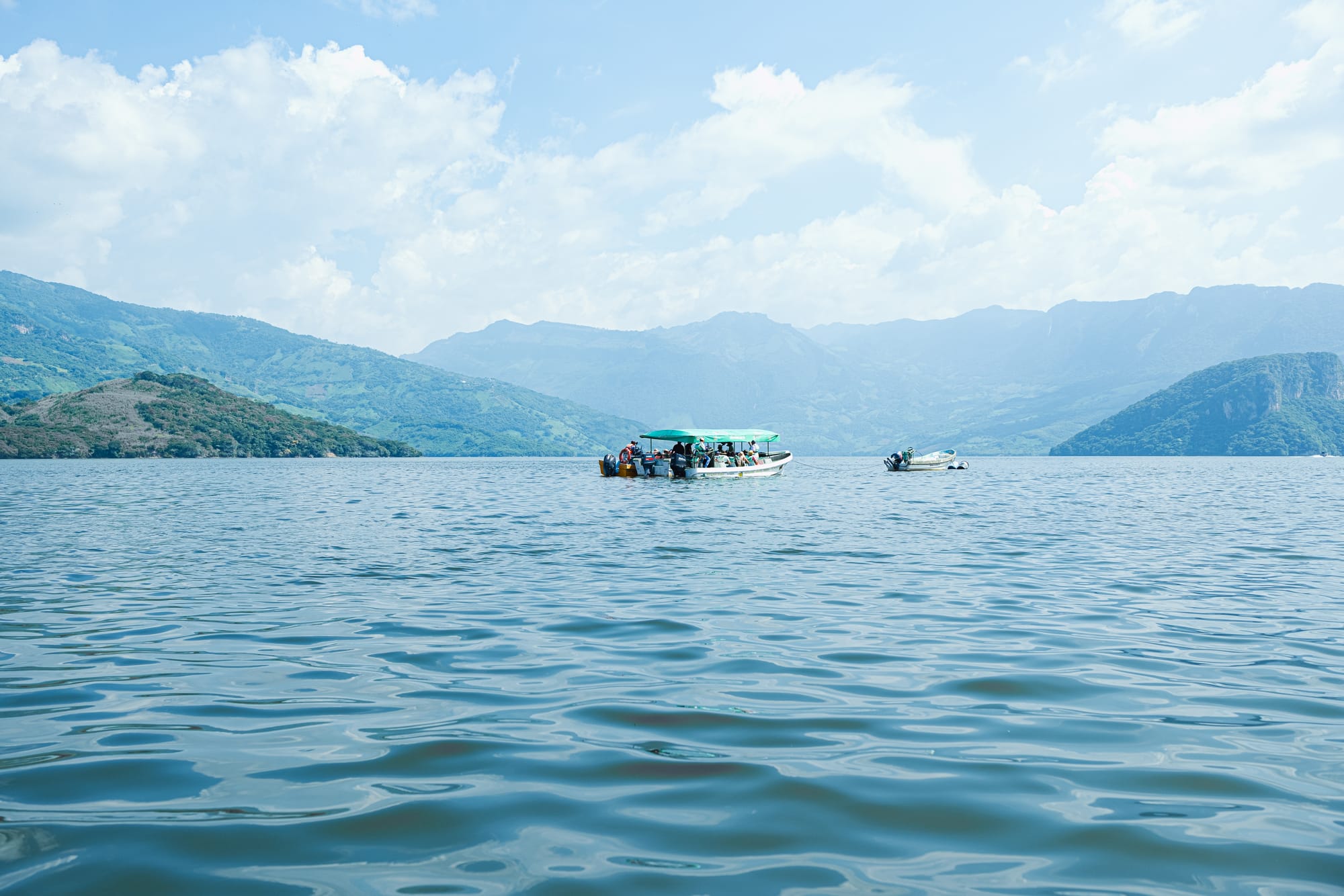
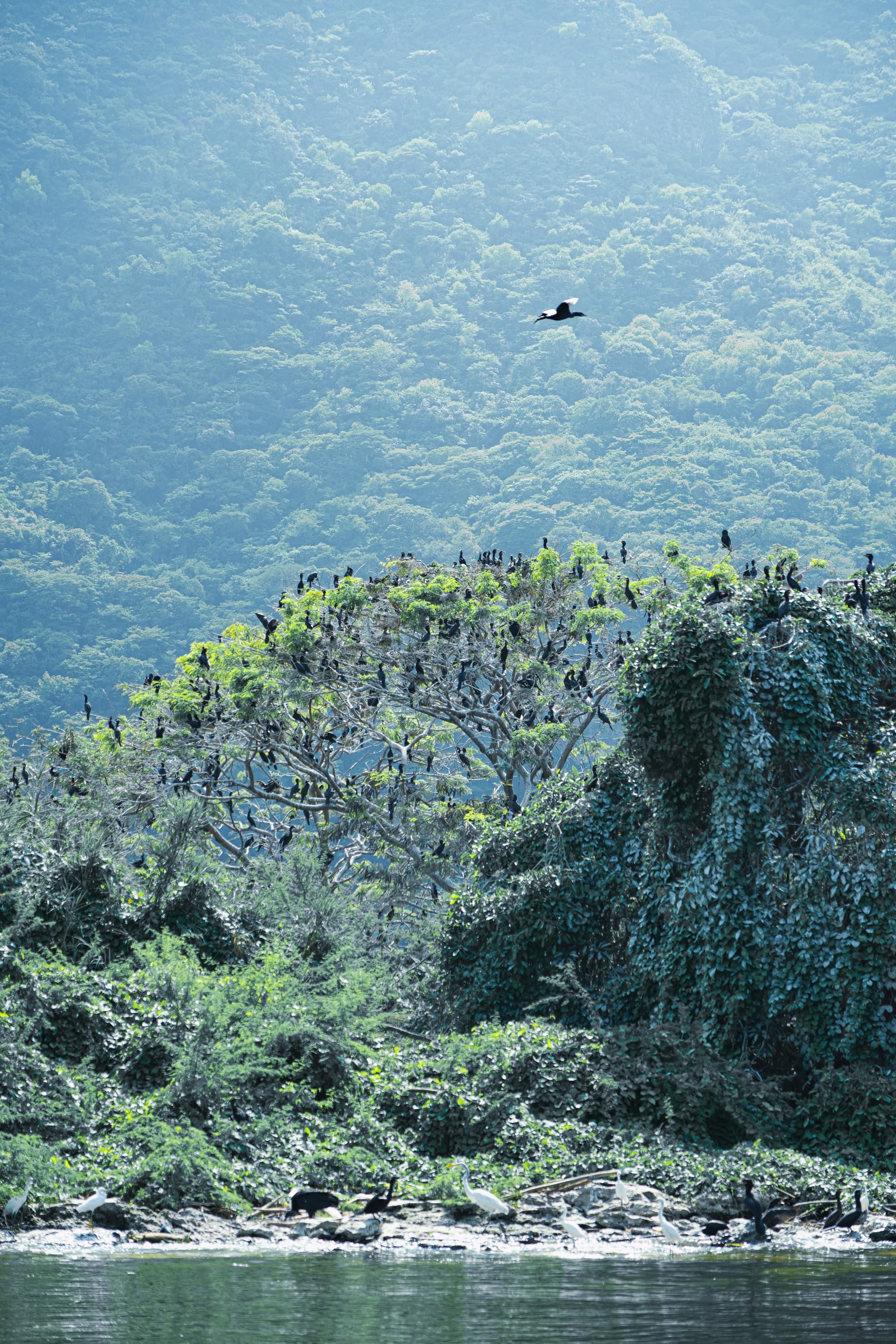
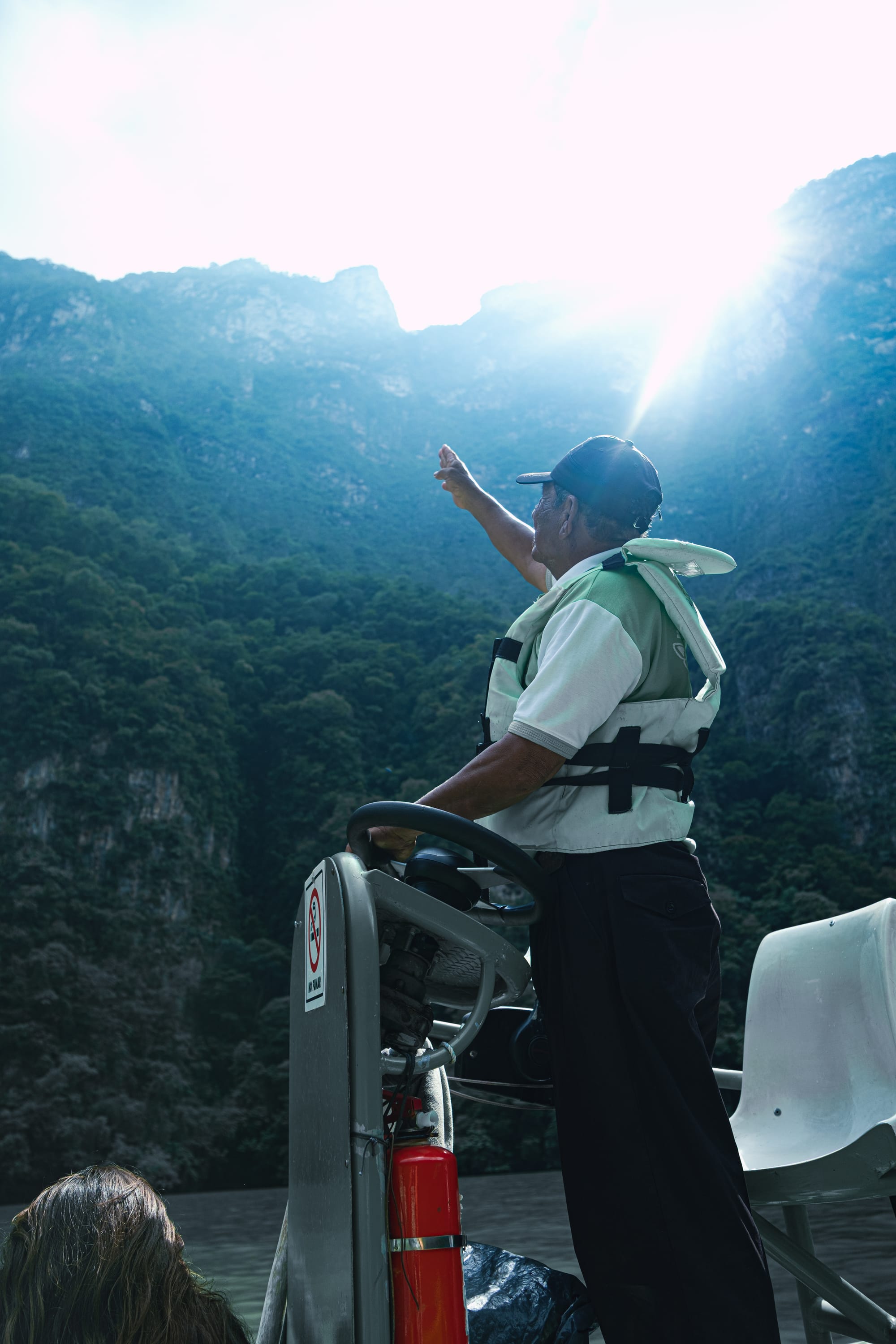
Birdlife gathering on the riverbanks, and our guide pointing out features along the cliffs
The canyon is now part of a protected national park, recognized for both its geological significance and its ecological diversity. Its steep walls create microclimates that support birds, mammals, reptiles, and countless plant species. Every moment within the canyon feels like an encounter not just with nature, but with the forces that shape the earth over millions of years.
Plan your visit
A day trip to Sumidero Canyon from San Cristóbal de las Casas is surprisingly seamless. Most tours follow the same rhythm we experienced: a morning departure from the highlands, a pause at the canyon’s upper viewpoints to understand its scale from above, a descent toward the river, a boat journey through the heart of the canyon, and lunch in Chiapa de Corzo before returning to the mountains.
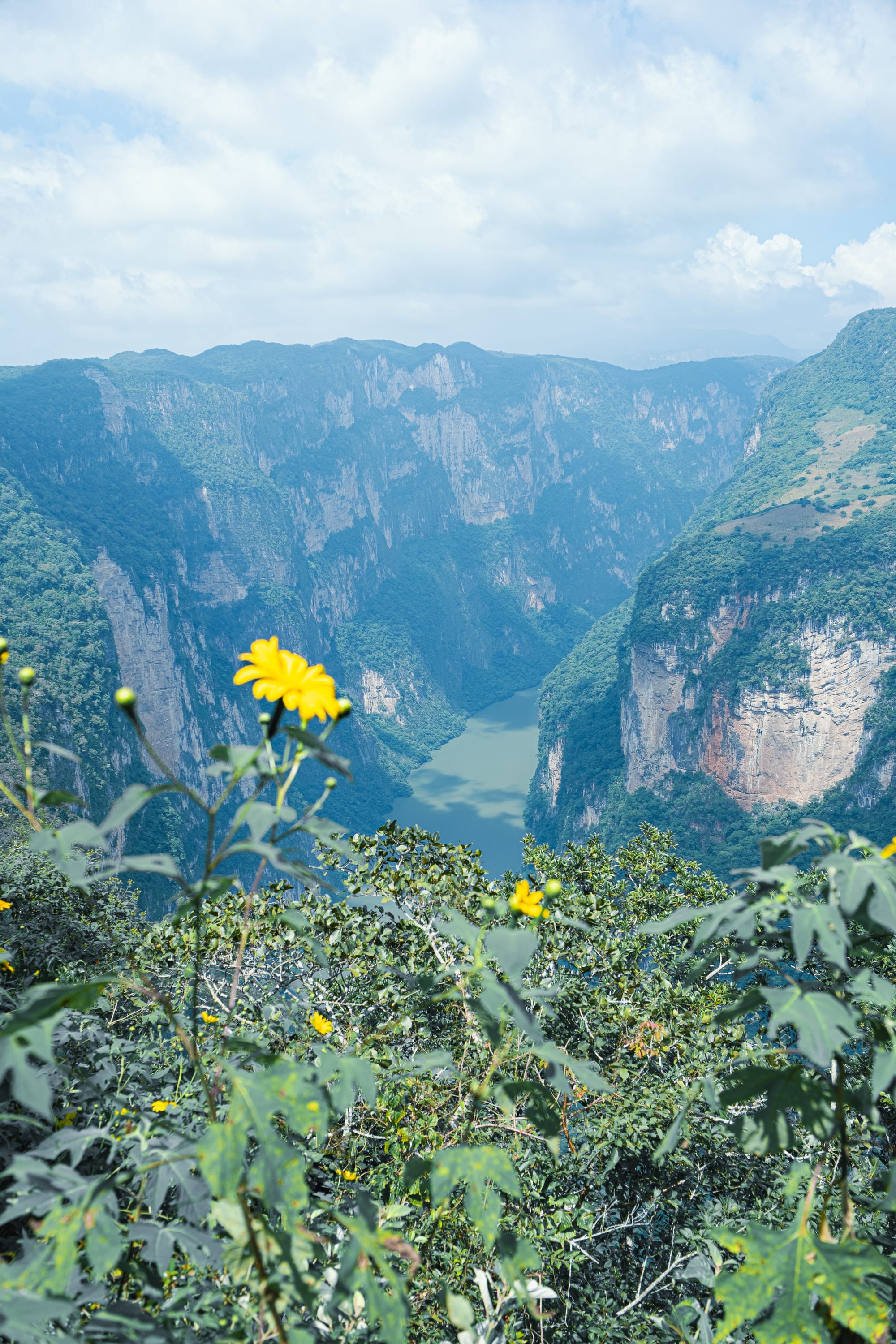
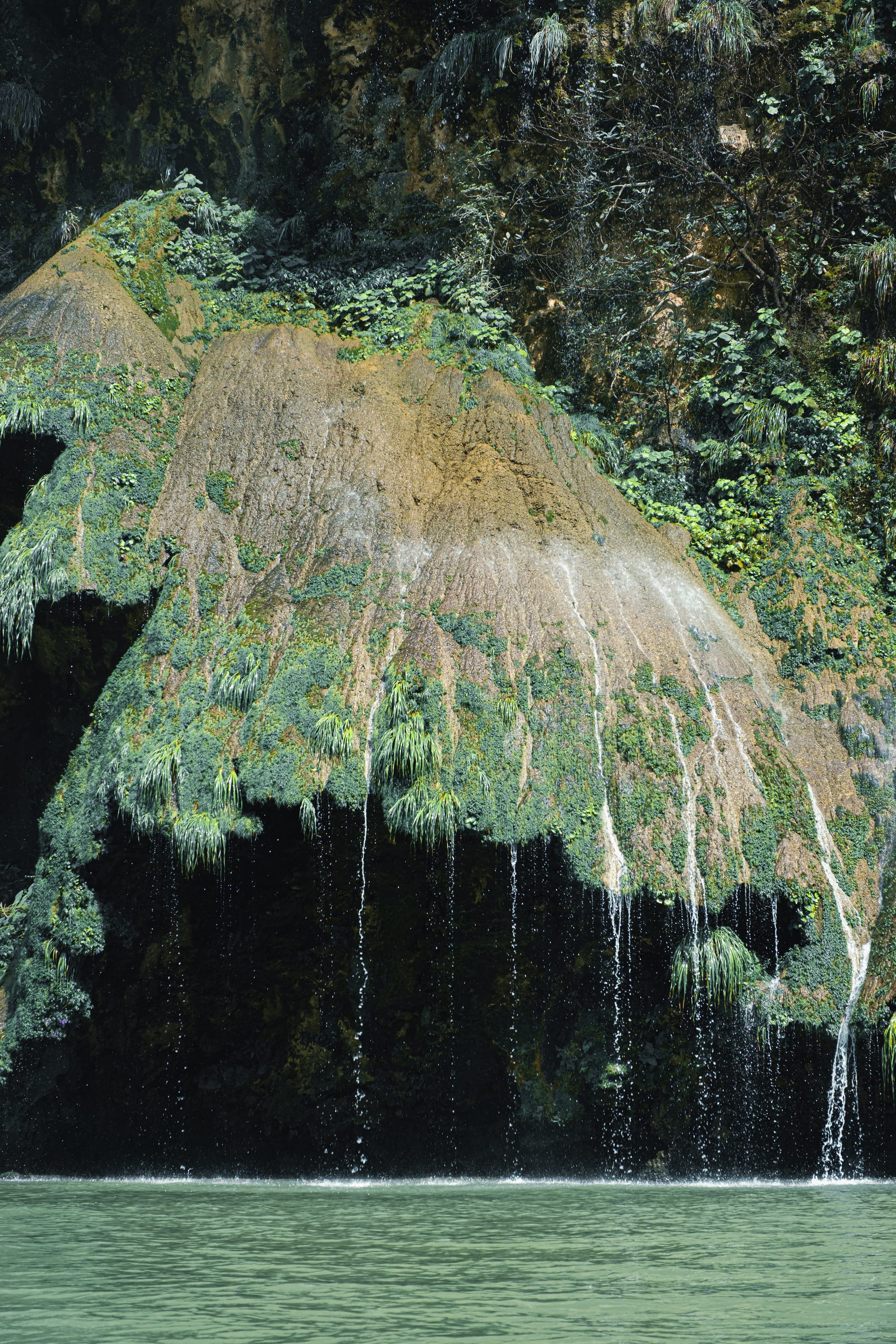
From the lookout high above the canyon to the mineral terraces of the “mushroom” waterfall
The canyon is cooler in the morning, so bringing a light layer helps. By midday, the sun becomes stronger, especially once the boat leaves the shaded stretches of the canyon. The experience changes subtly throughout the year—the dry months tend to offer clearer views, while the rainy season brings lush greenery, fuller waterfalls, and mist rising from the cliffs.
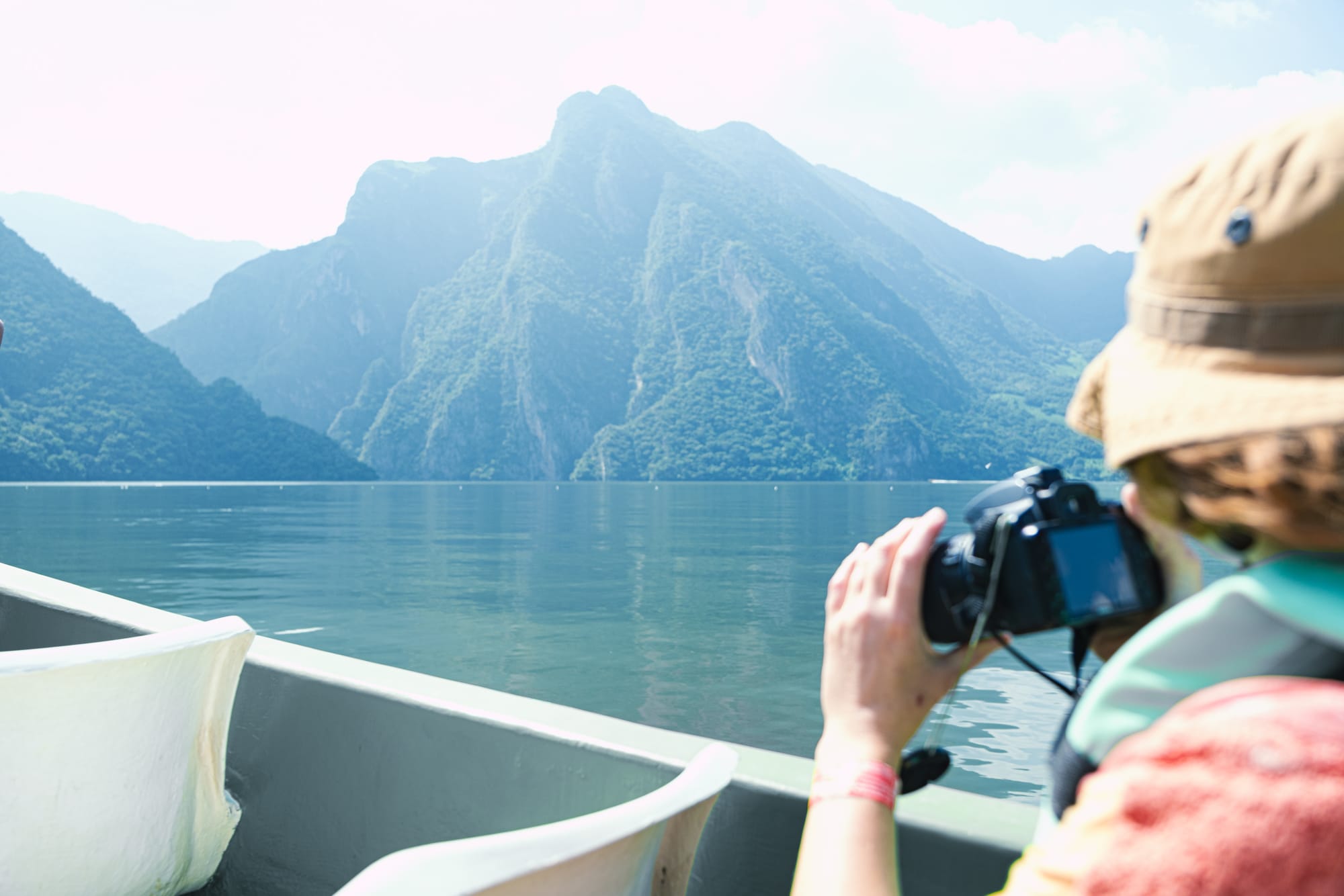
If you’d like to book the tour in advance, here is the option we recommend—the same general route we took, easy to arrange even if you aren’t staying at Co404: Sumidero Canyon & Chiapa de Corzo Tour.
This day trip is straightforward, memorable, and remarkably accessible. If you’re spending time in San Cristóbal de las Casas, it’s one of the easiest ways to experience the scale, history, and beauty of Chiapas in a single day.


