
We had seen photos of the lanterns before, bright red stretched across a narrow street, and that was enough of a reason to go.
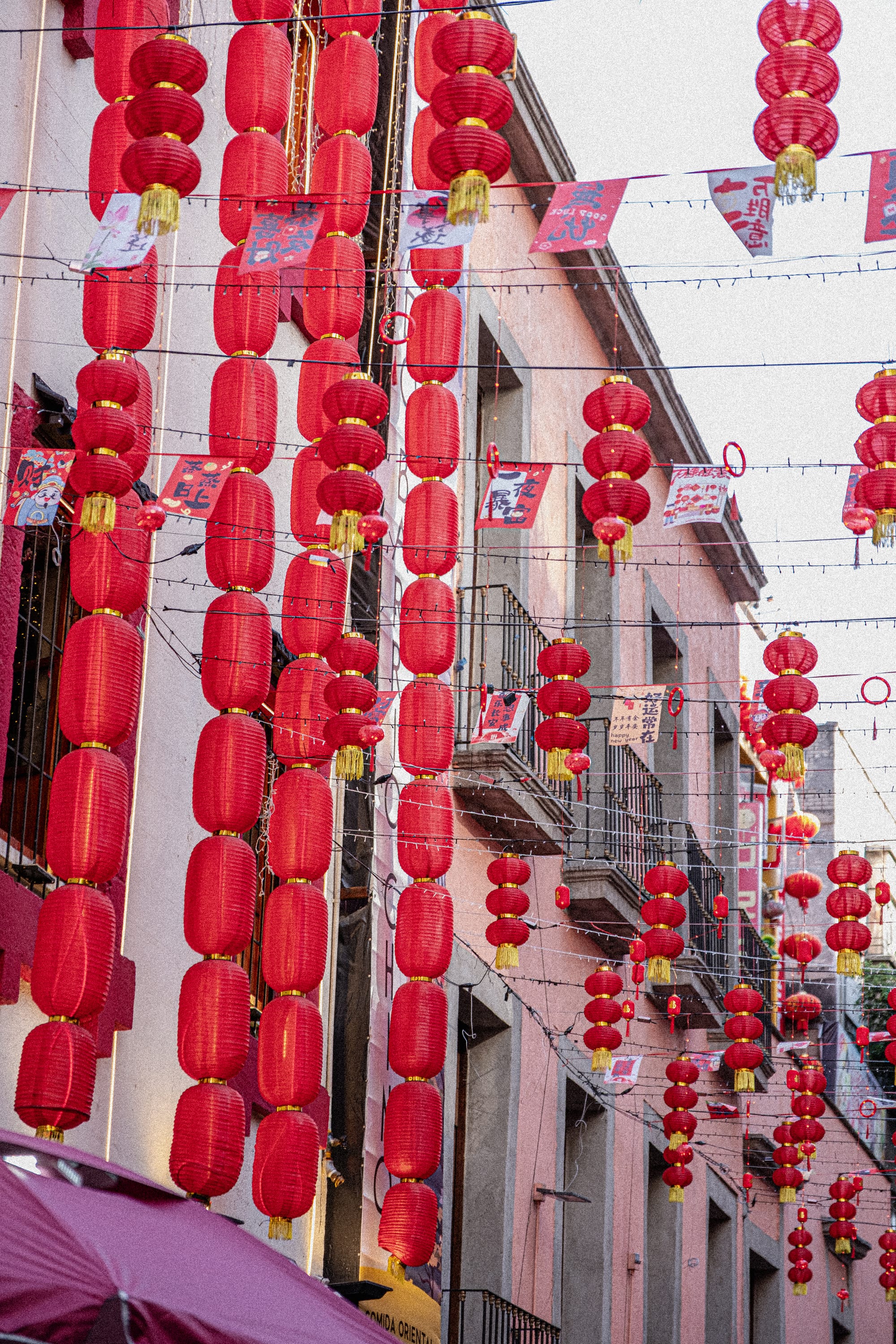
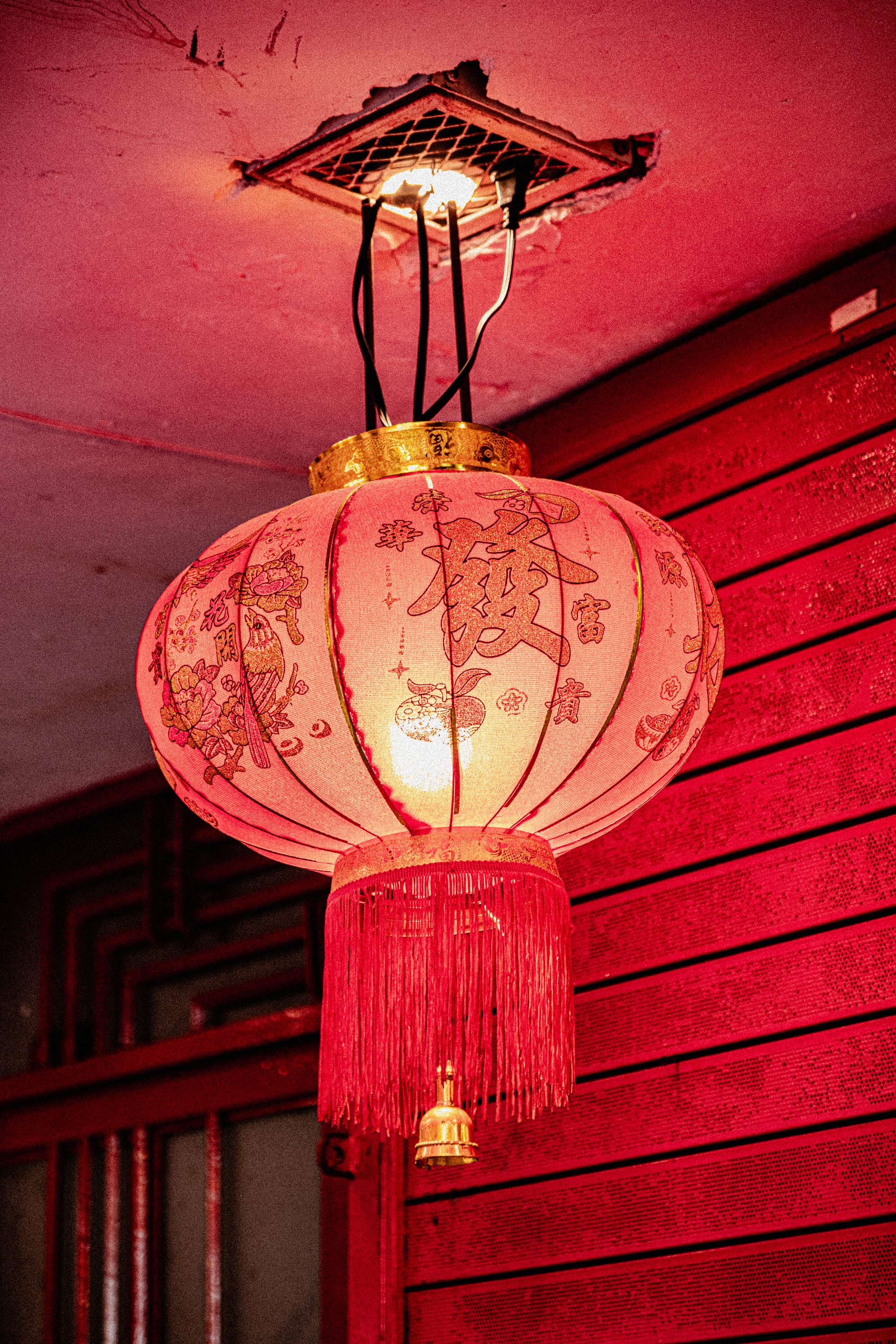
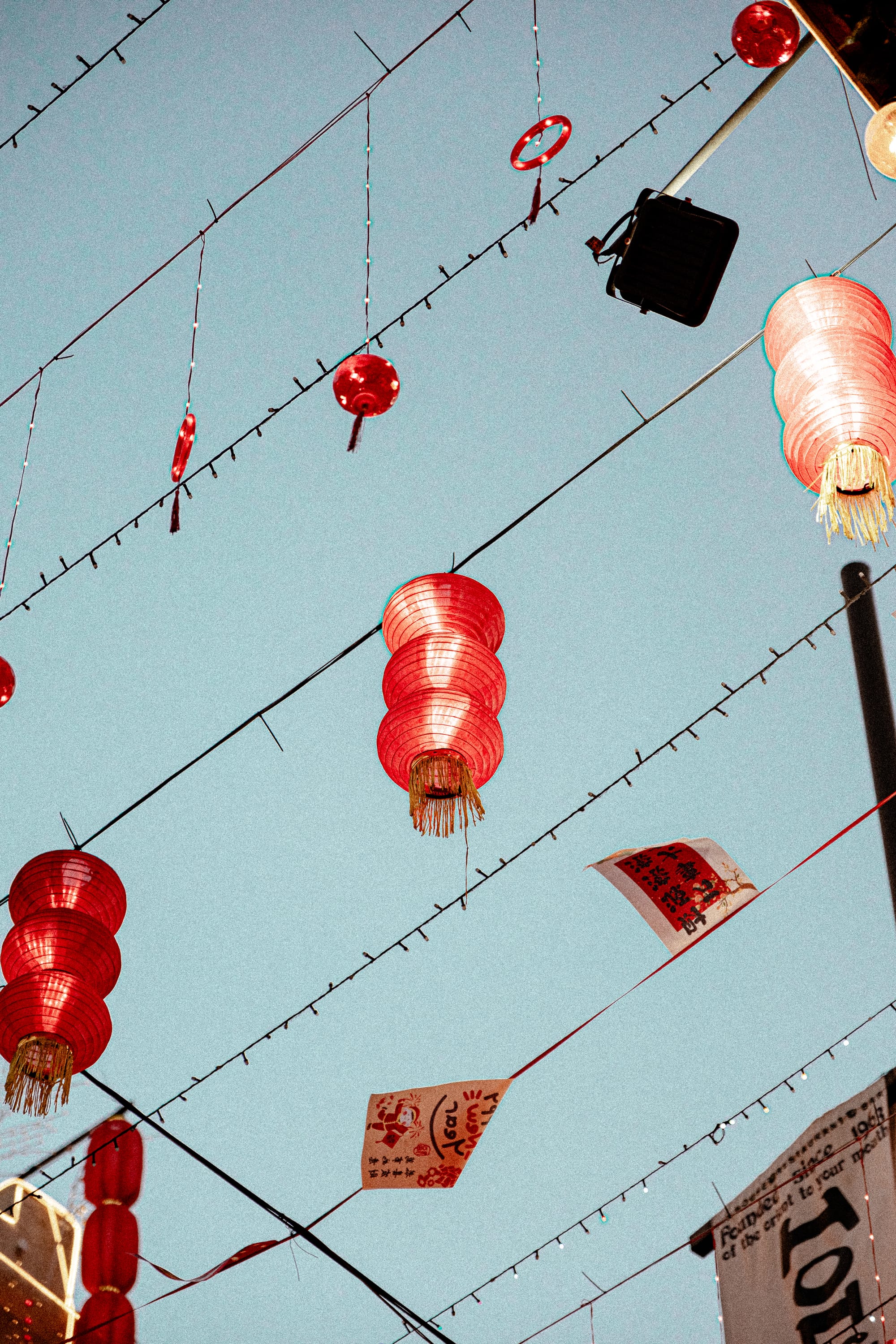
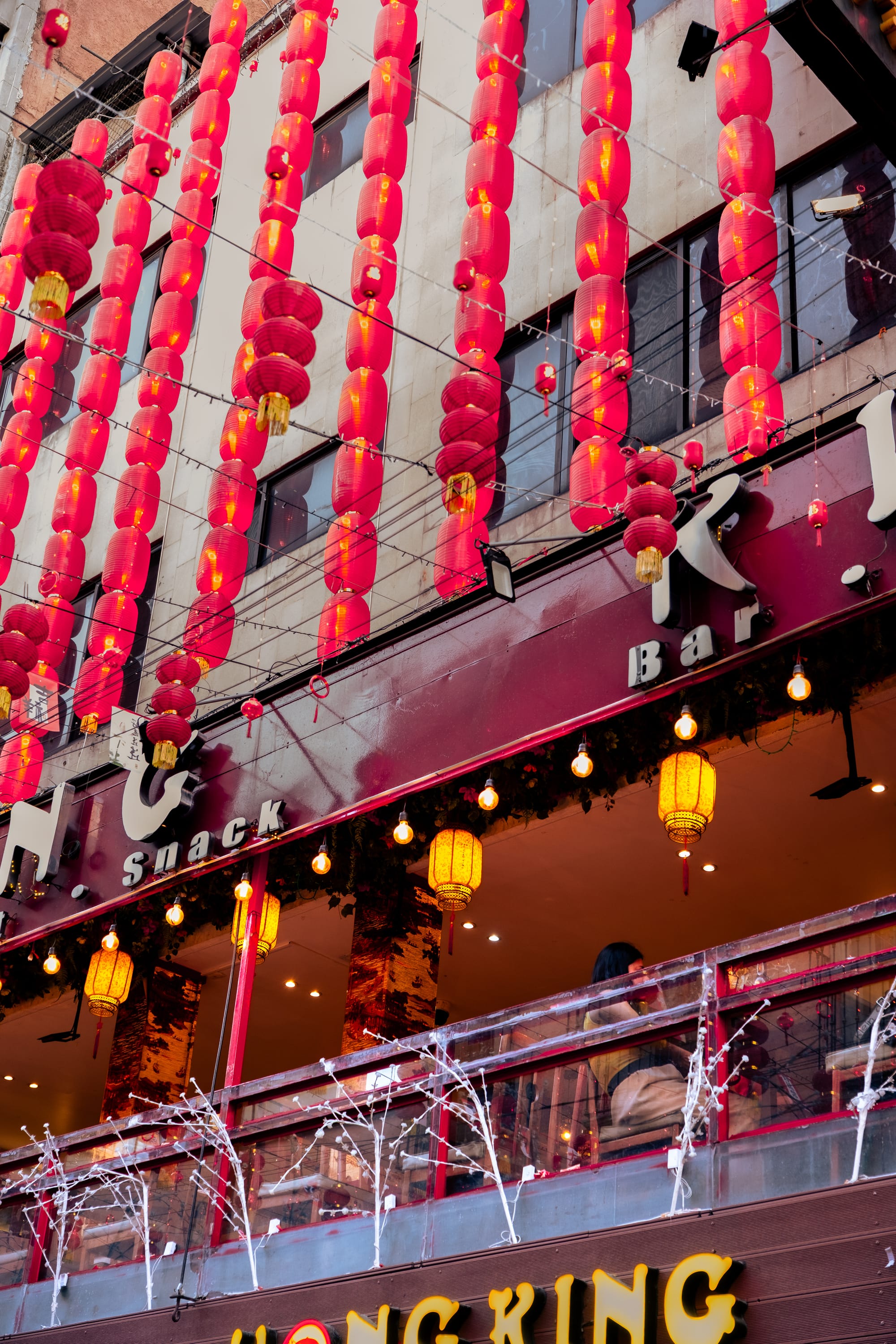
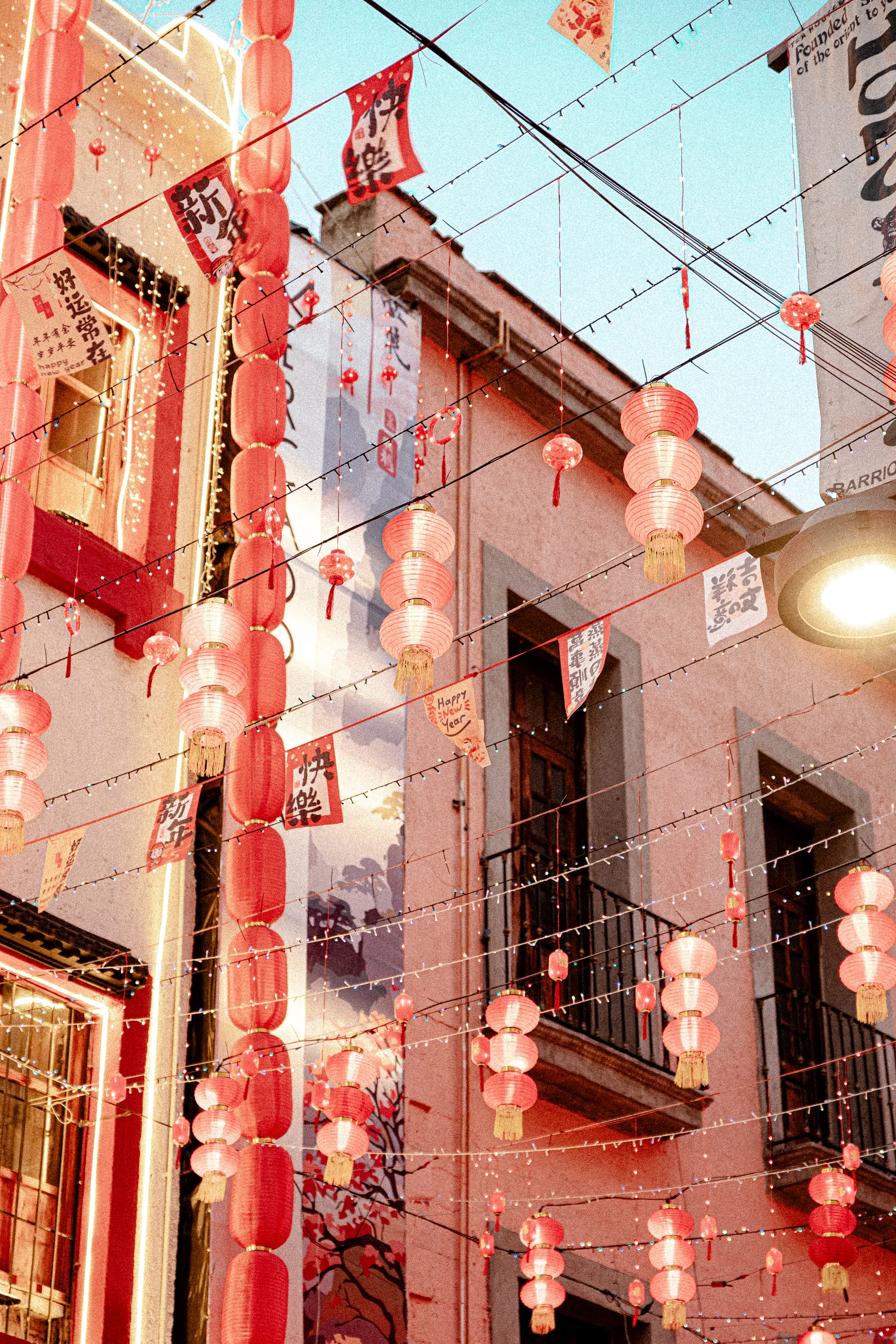
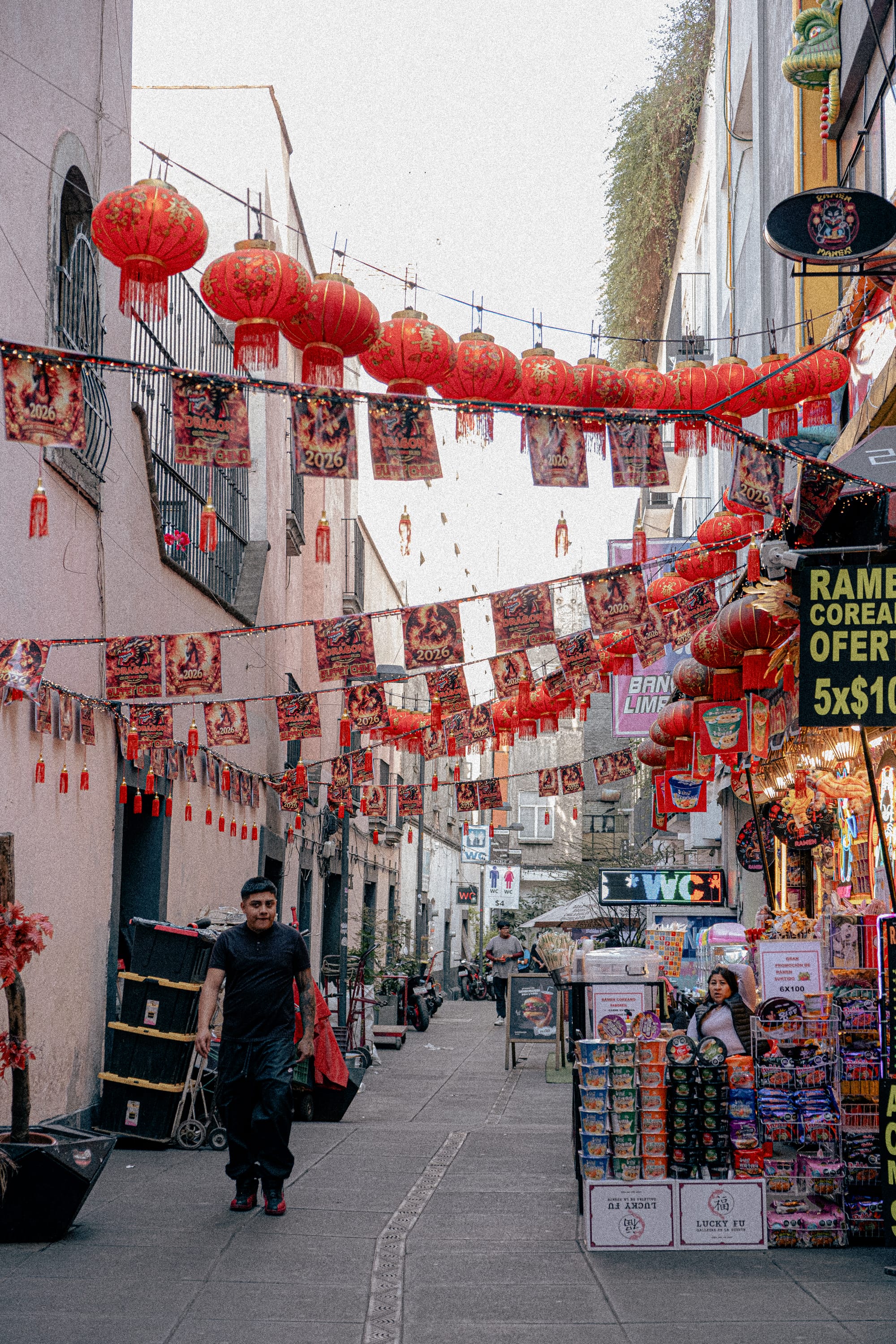
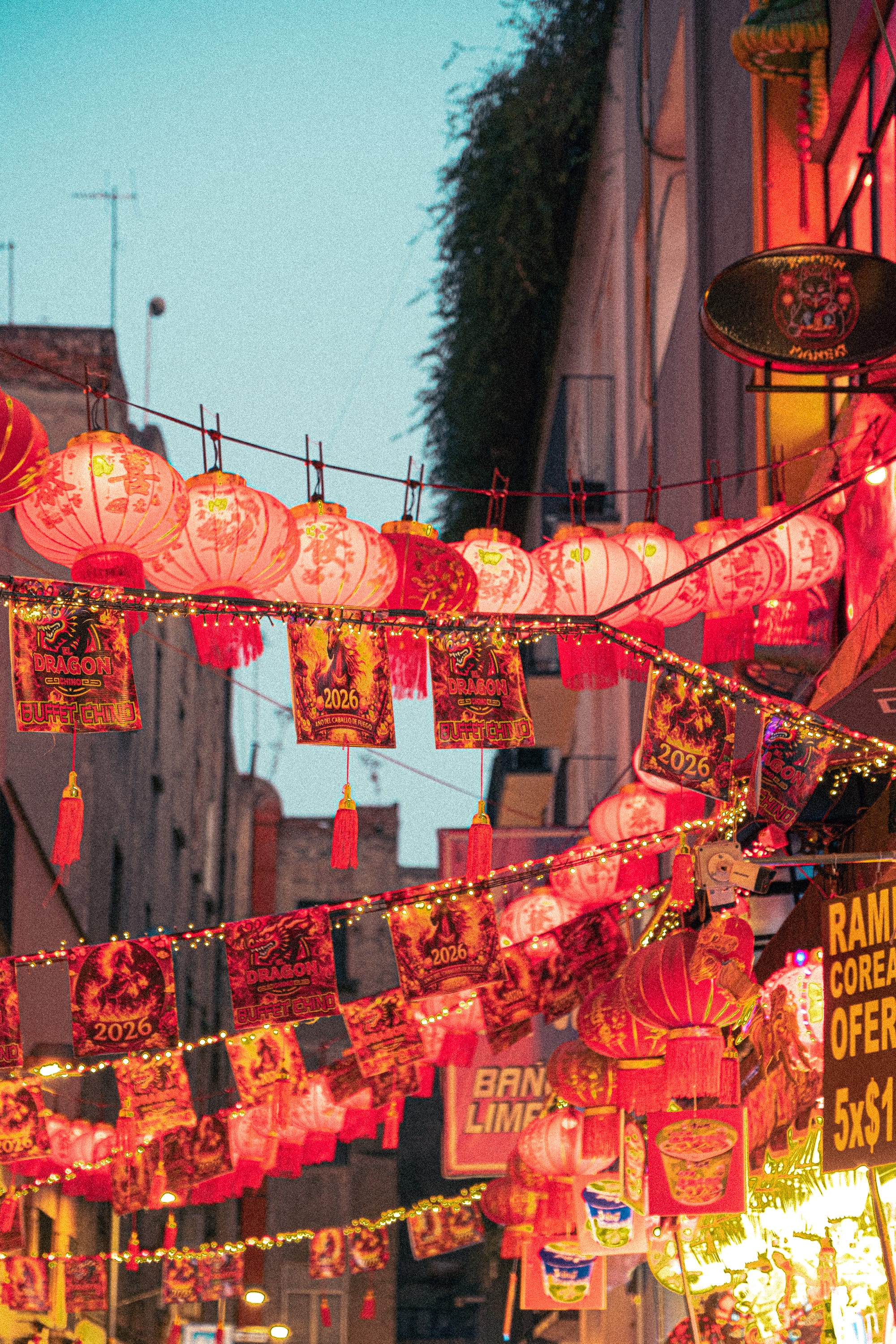
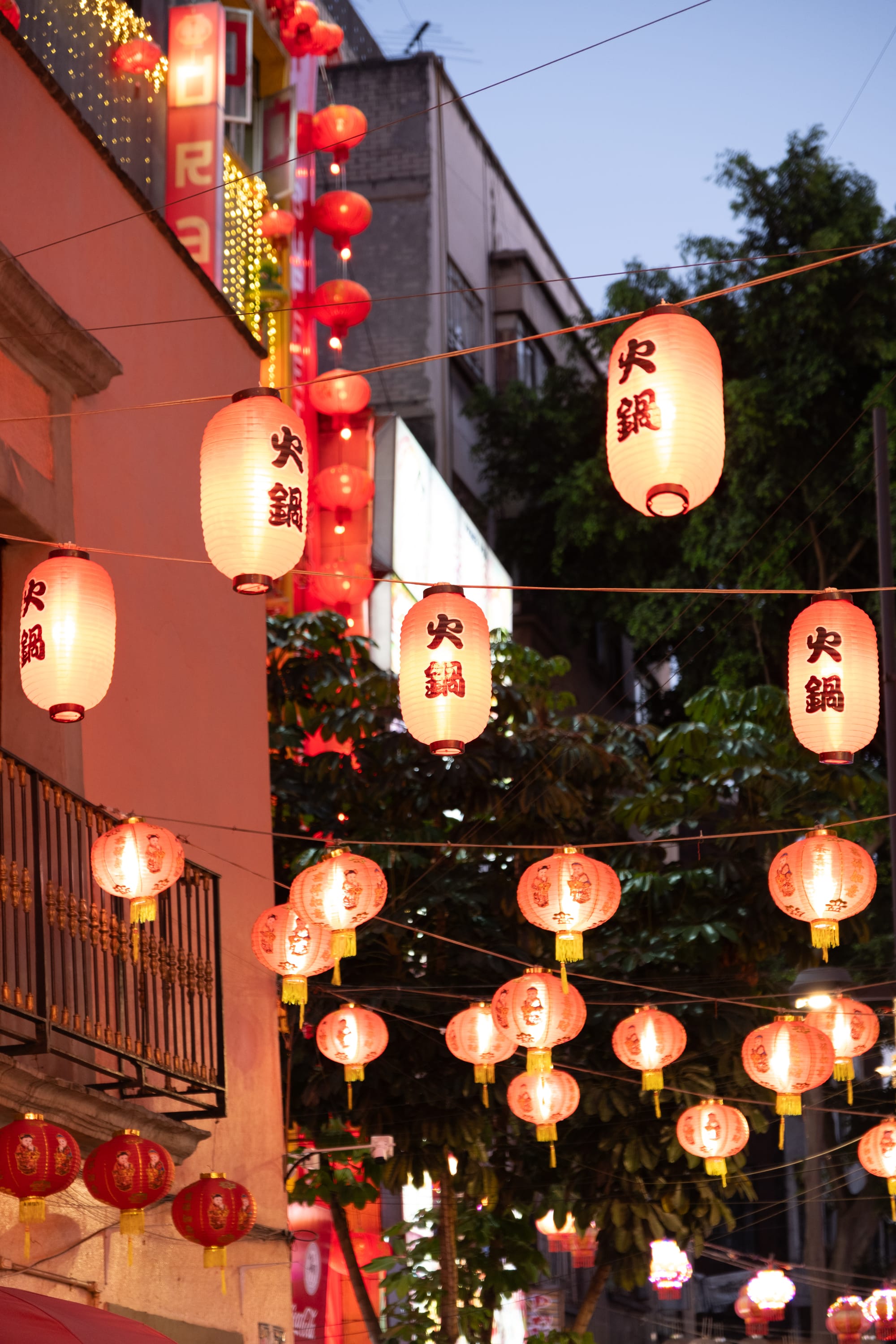
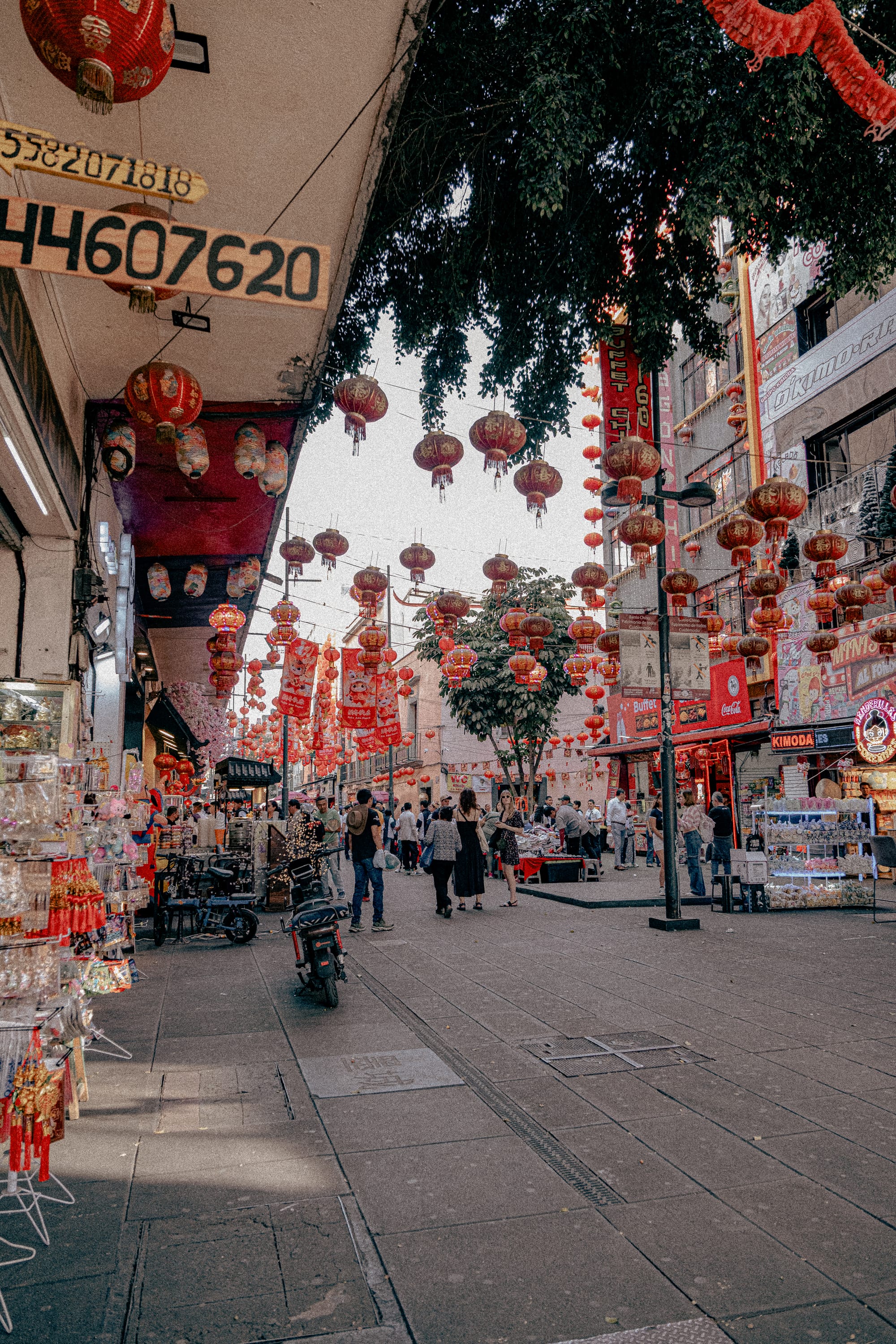
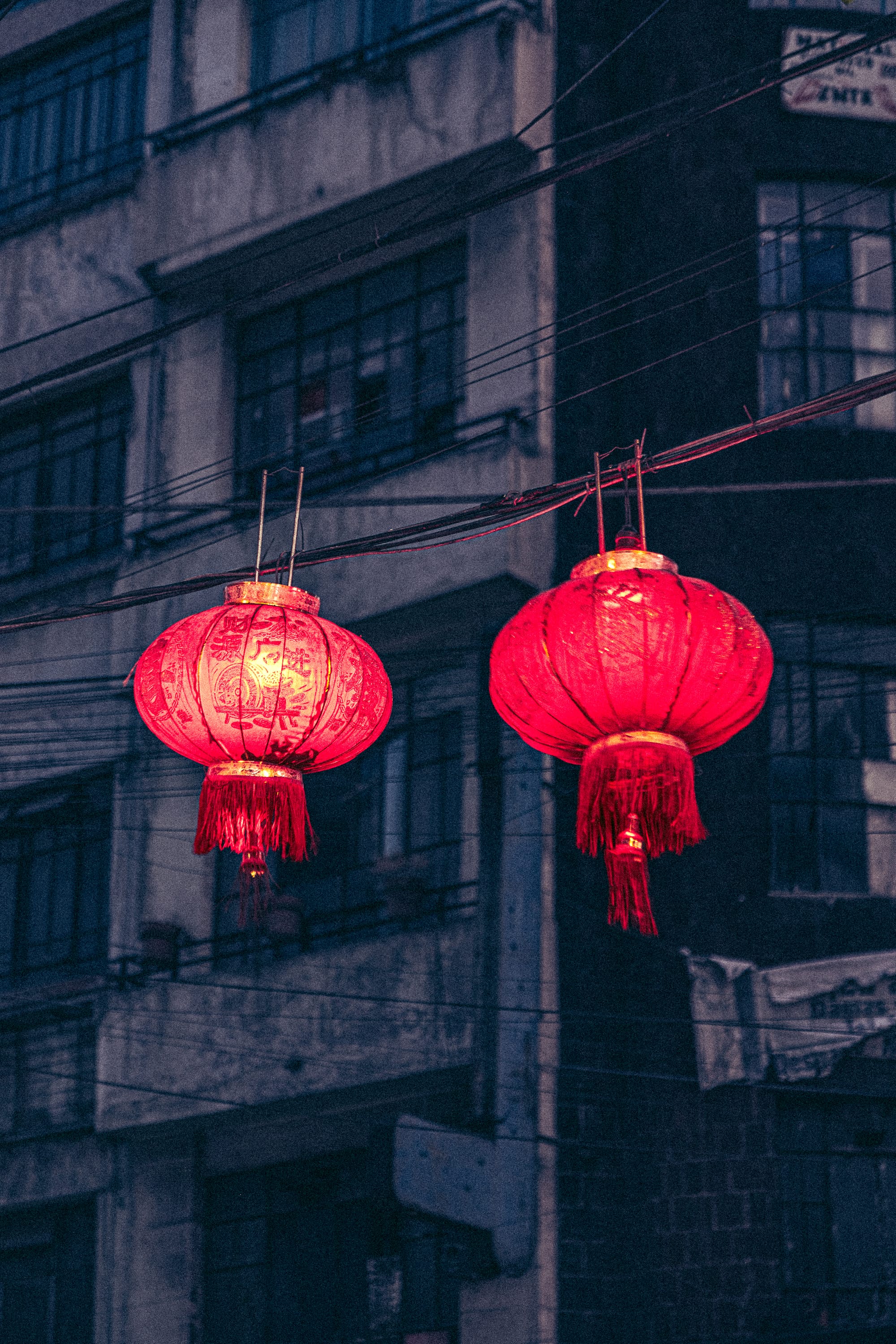
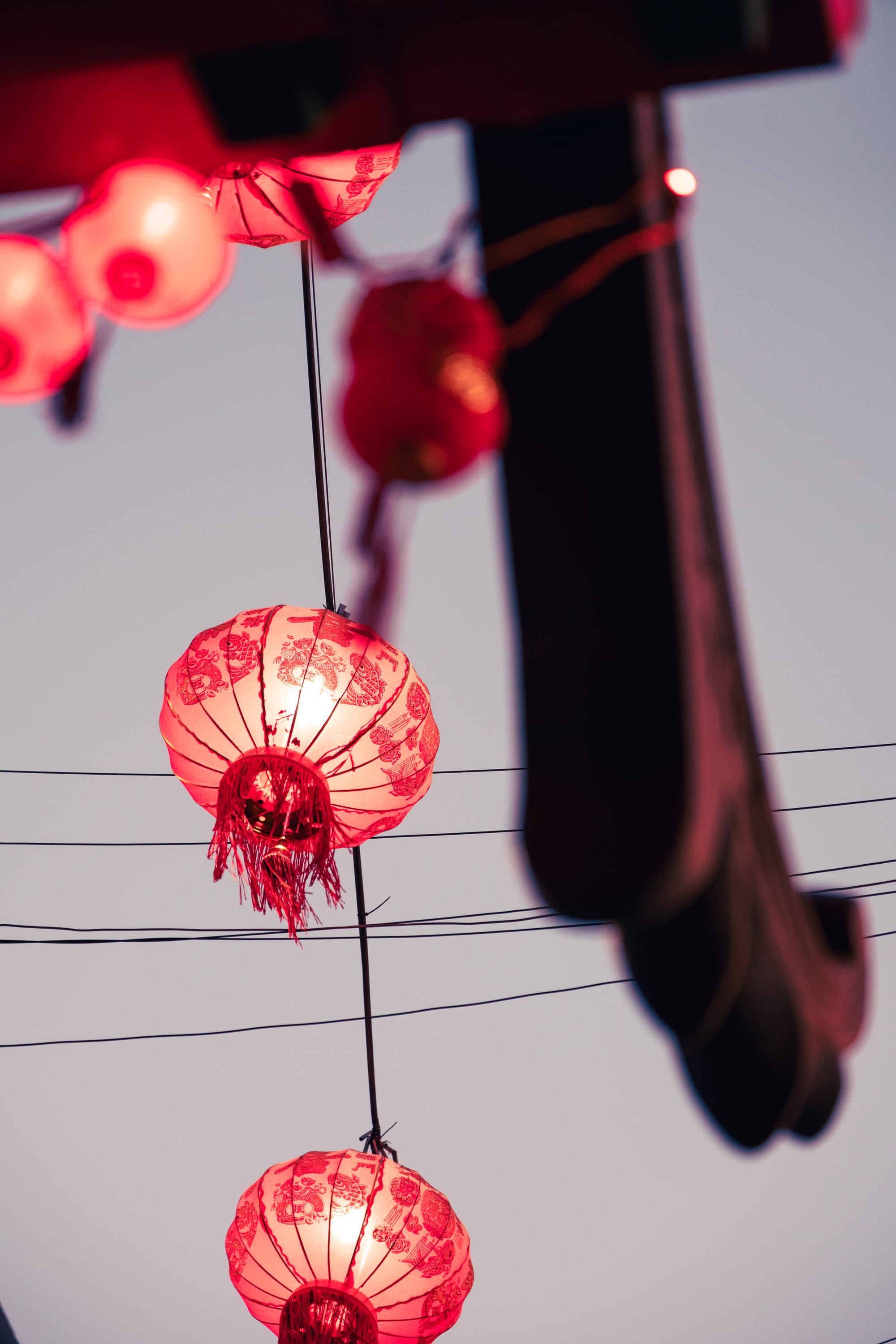
Barrio Chino is on Calle Dolores, a short walk from Bellas Artes. You turn onto the street and it starts to shift almost immediately. The lanterns come first, hanging low and close together, repeating across the sky in uneven lines. Some are faded, some more saturated, some already starting to wear at the edges.
The color does most of the work.
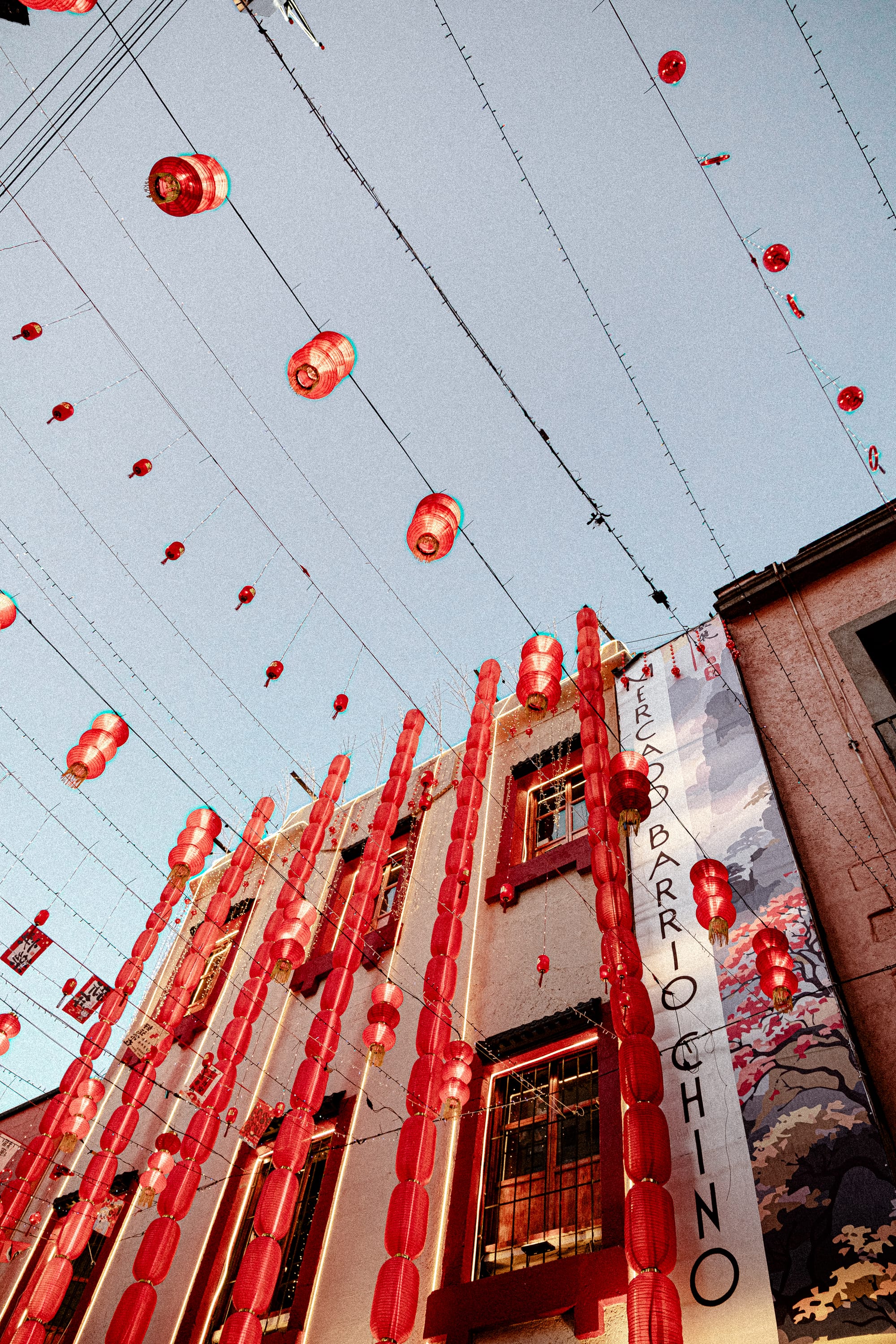
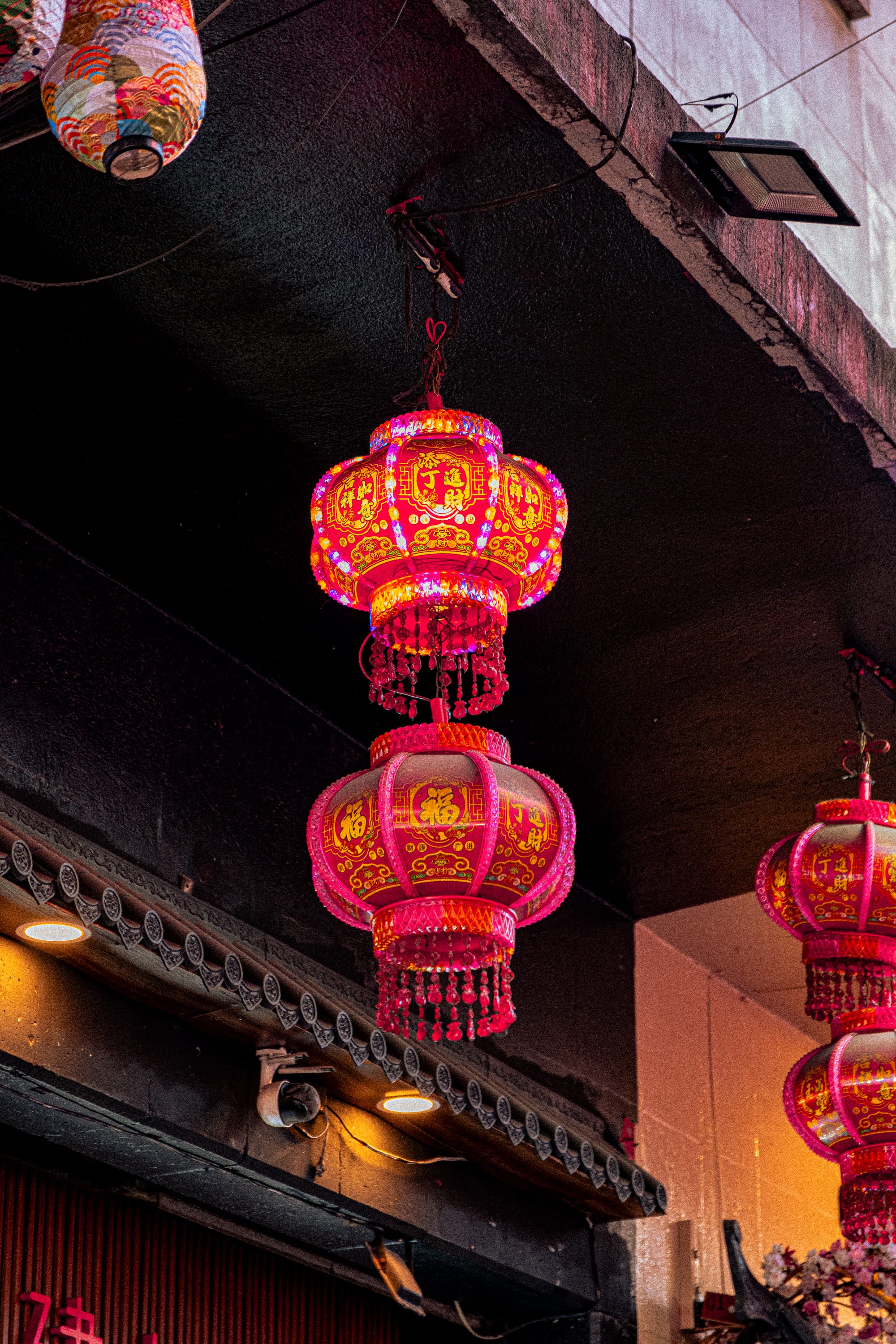
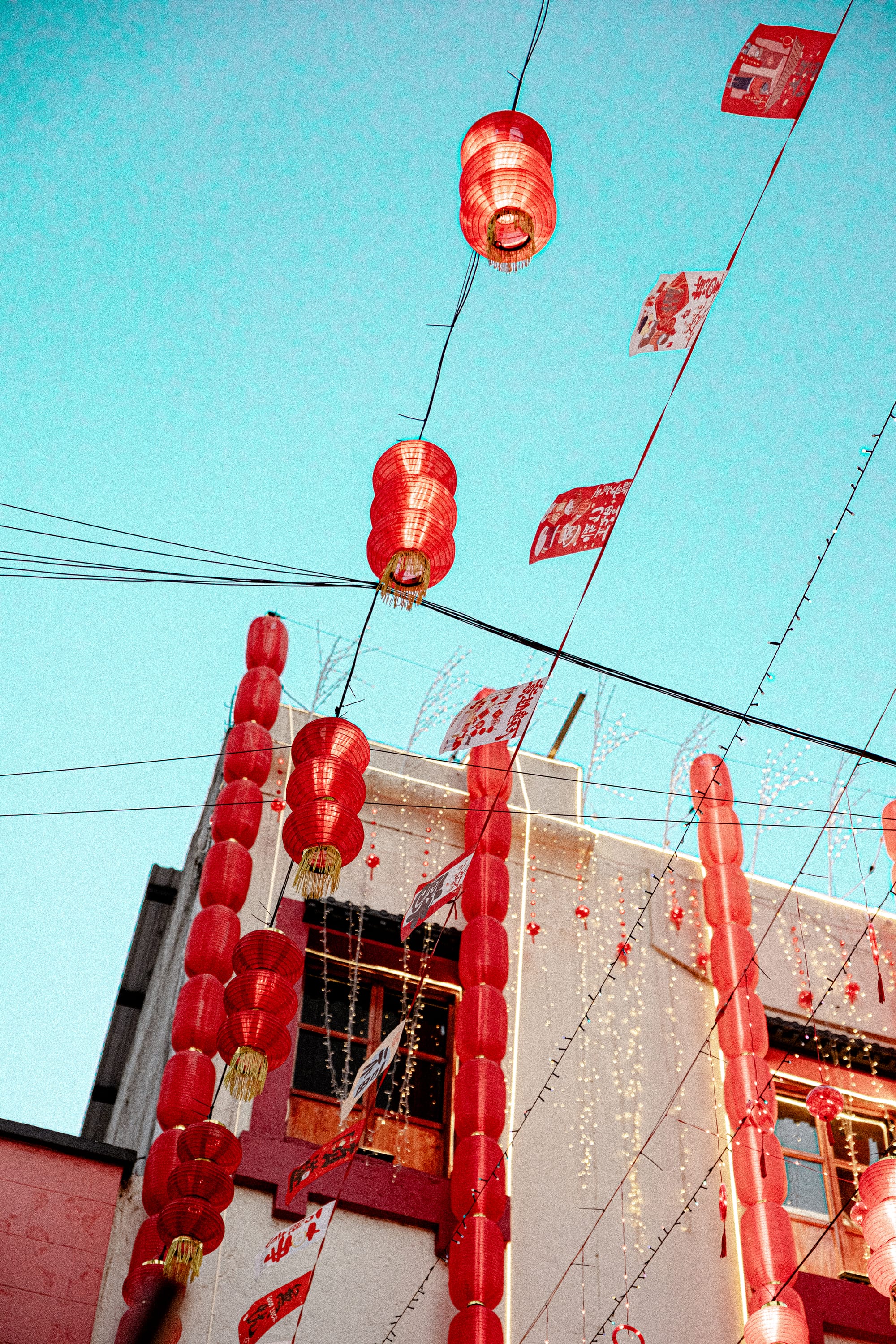
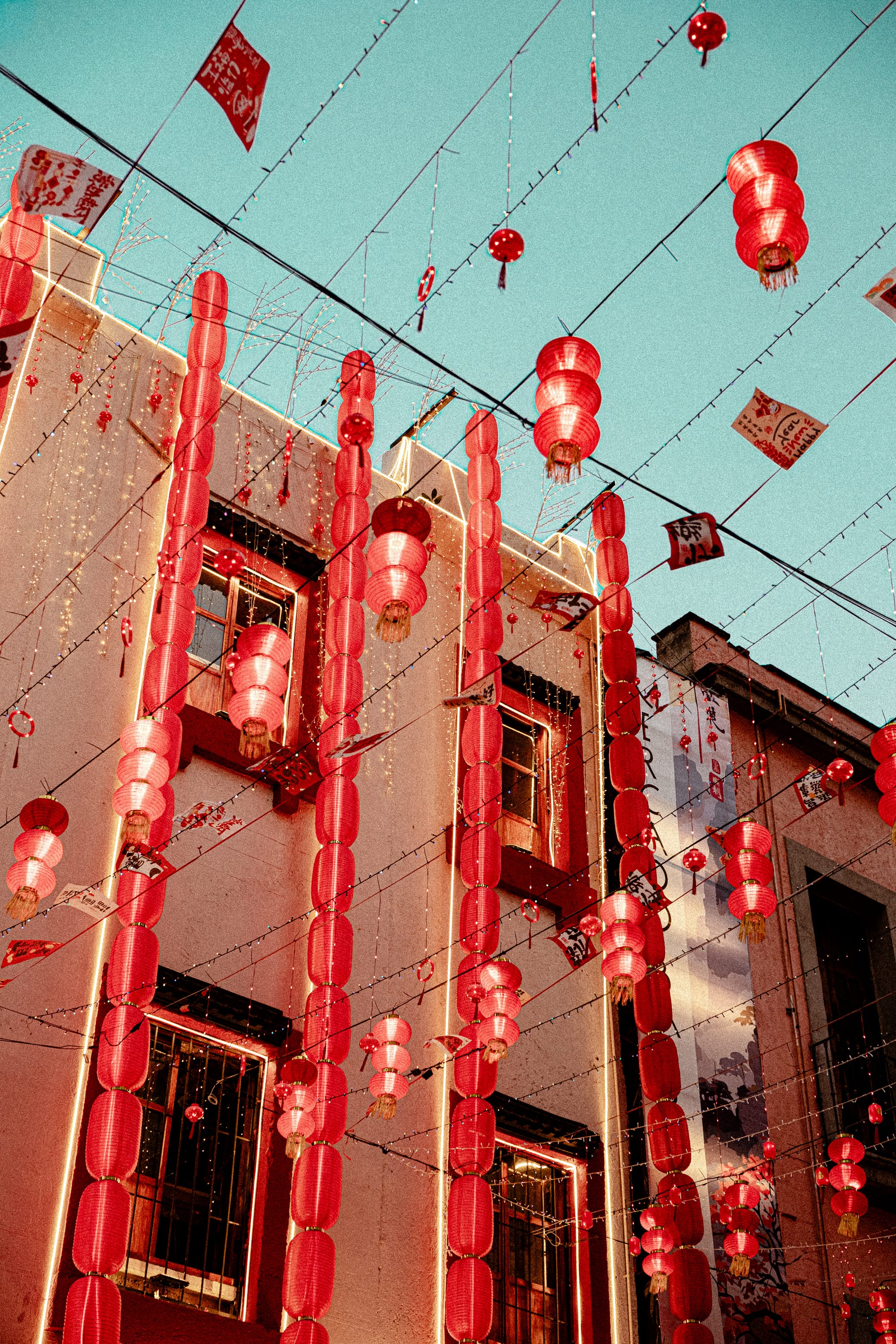
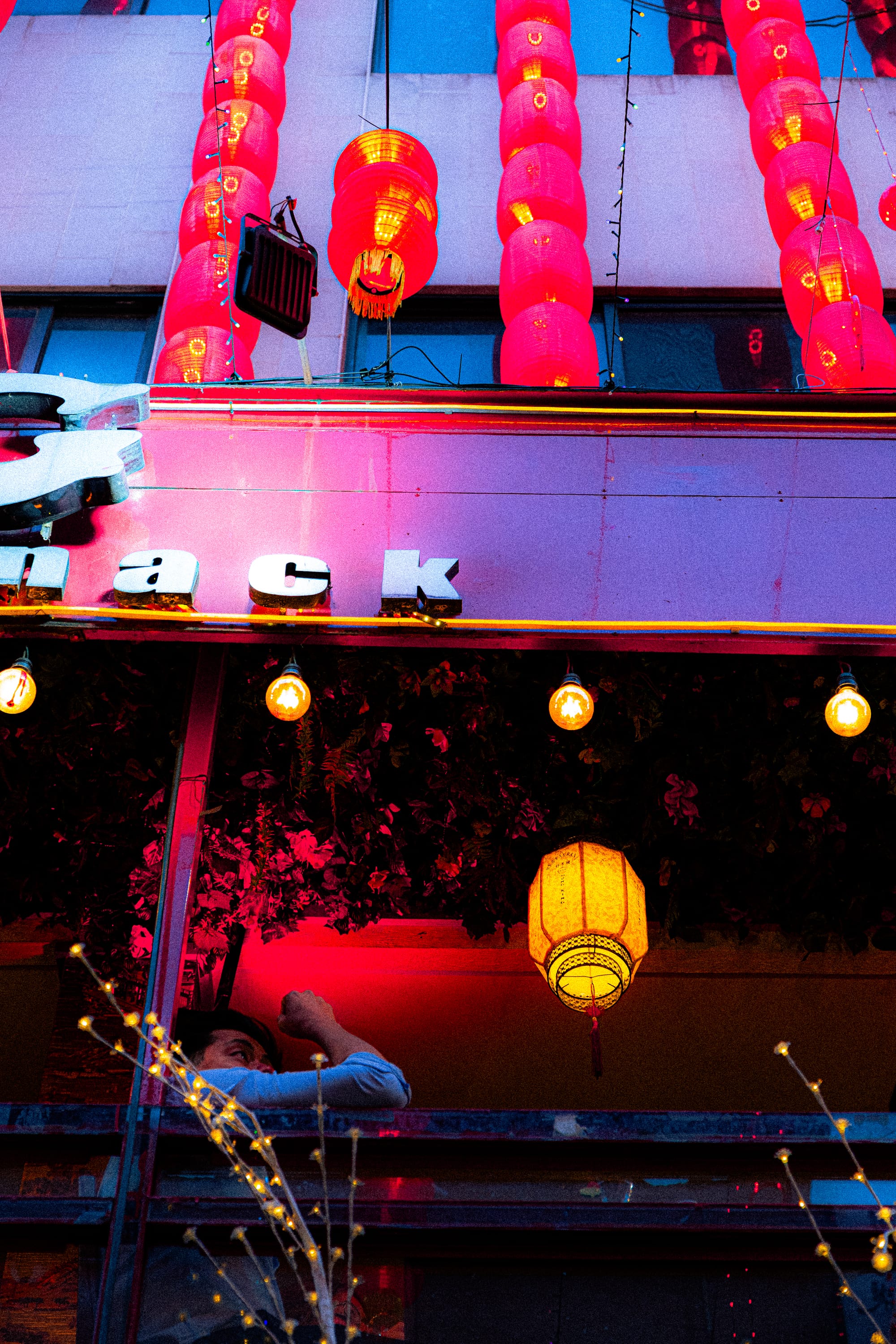
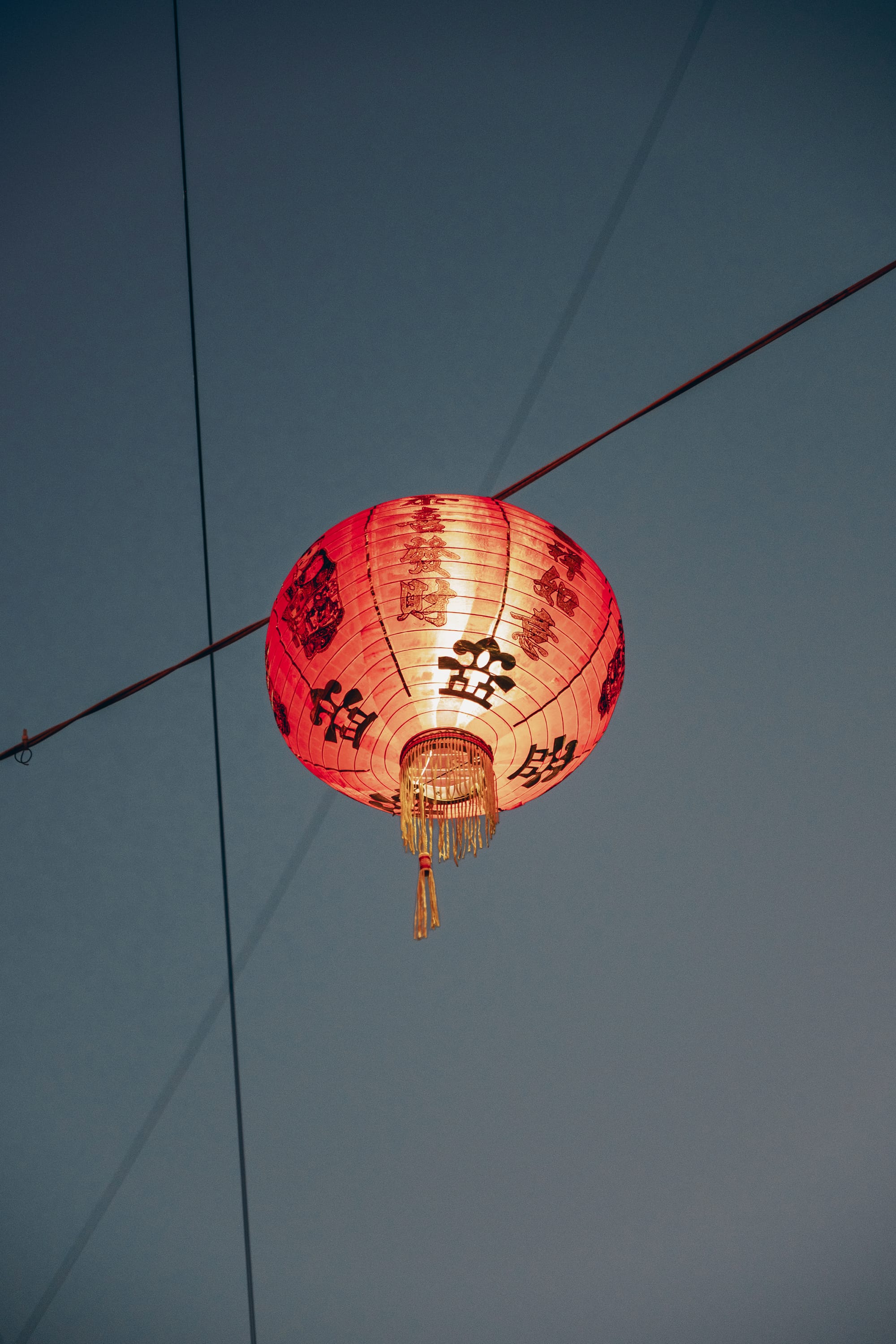
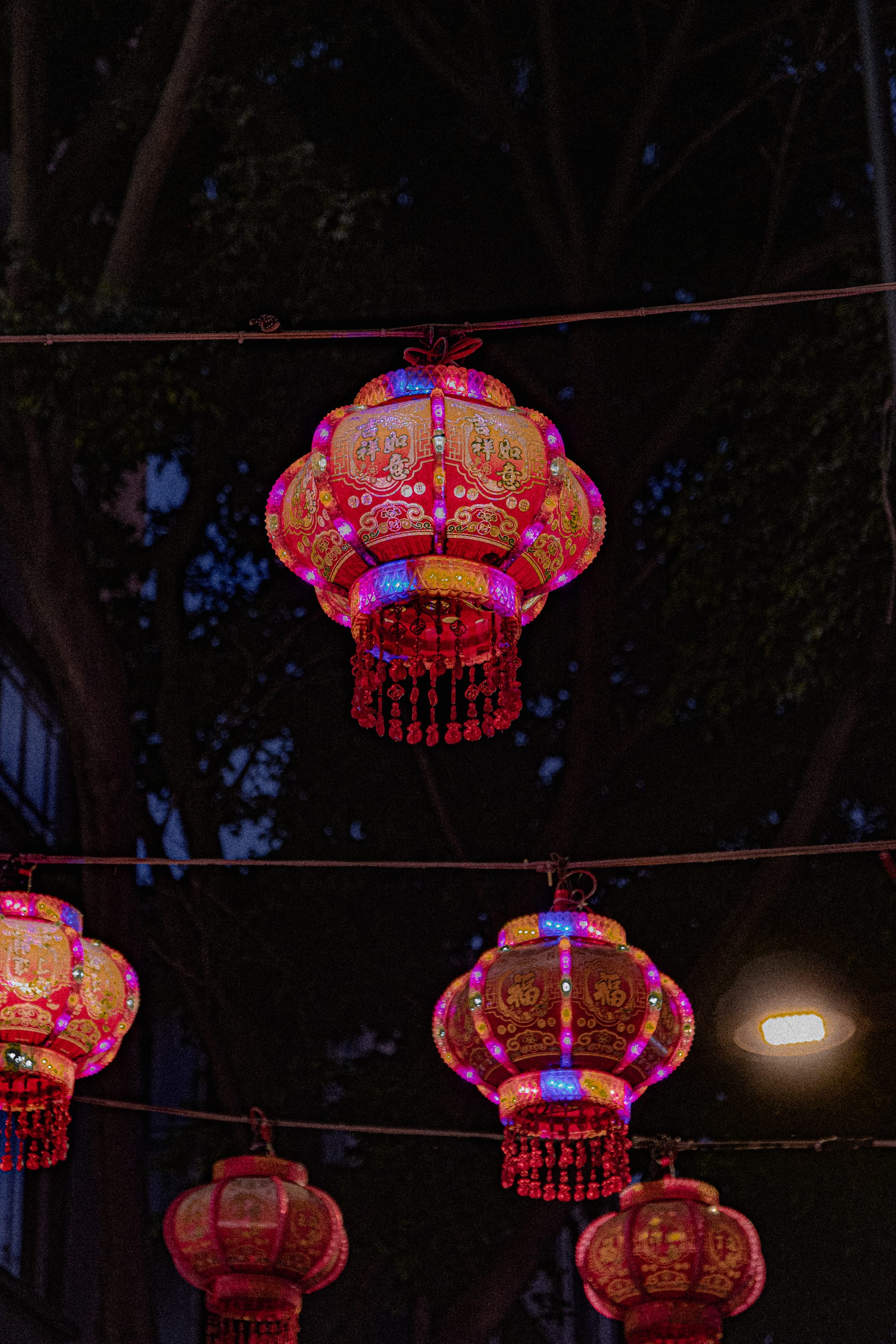
Red against pale buildings. Red reflected in windows. Red stacked above eye level so that when you look up, the whole street compresses into it. It’s not overwhelming, but it’s constant. You start to notice how it changes depending on where you stand. Softer in open light, deeper and more saturated in the shade, almost glowing when the light drops later in the day.
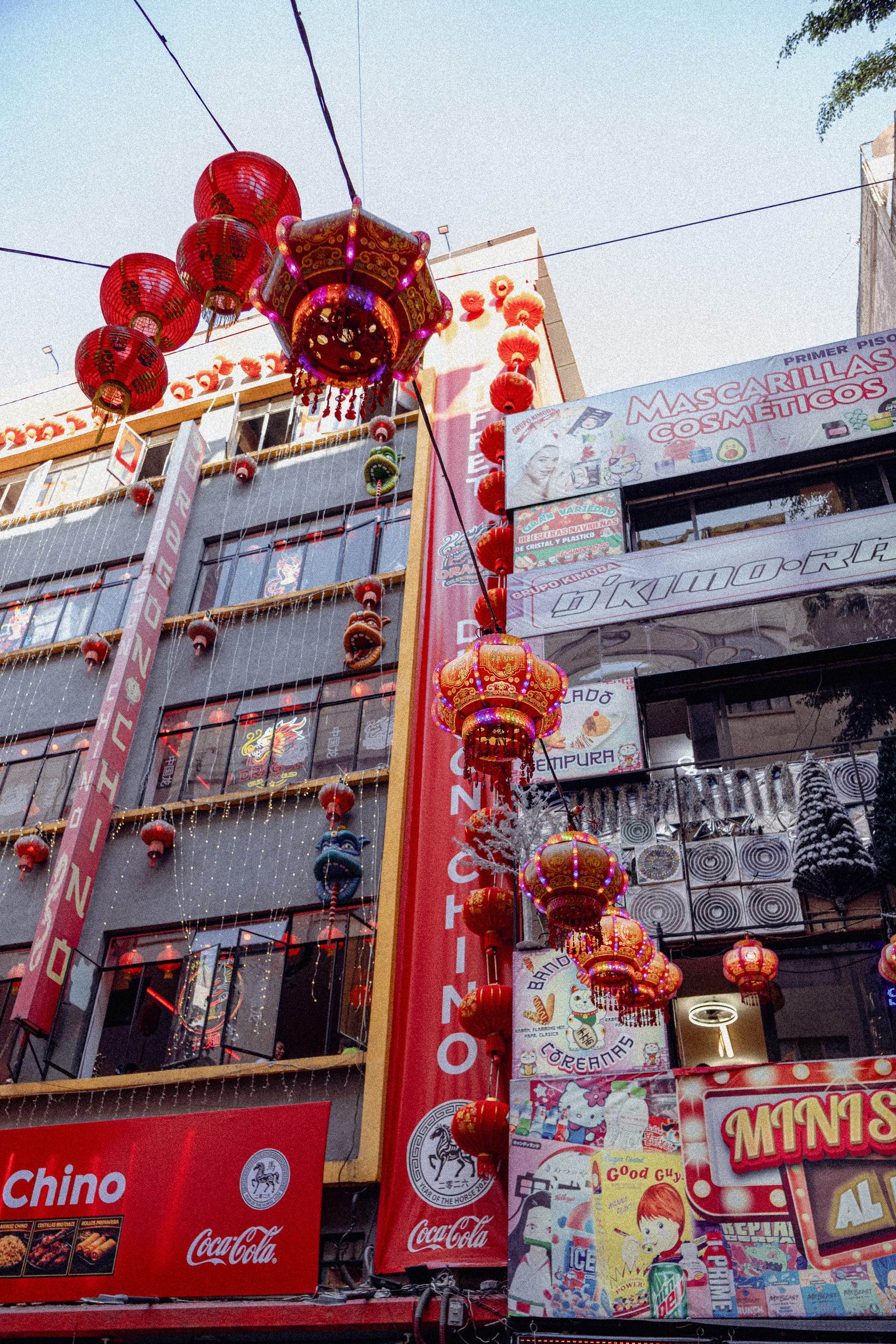
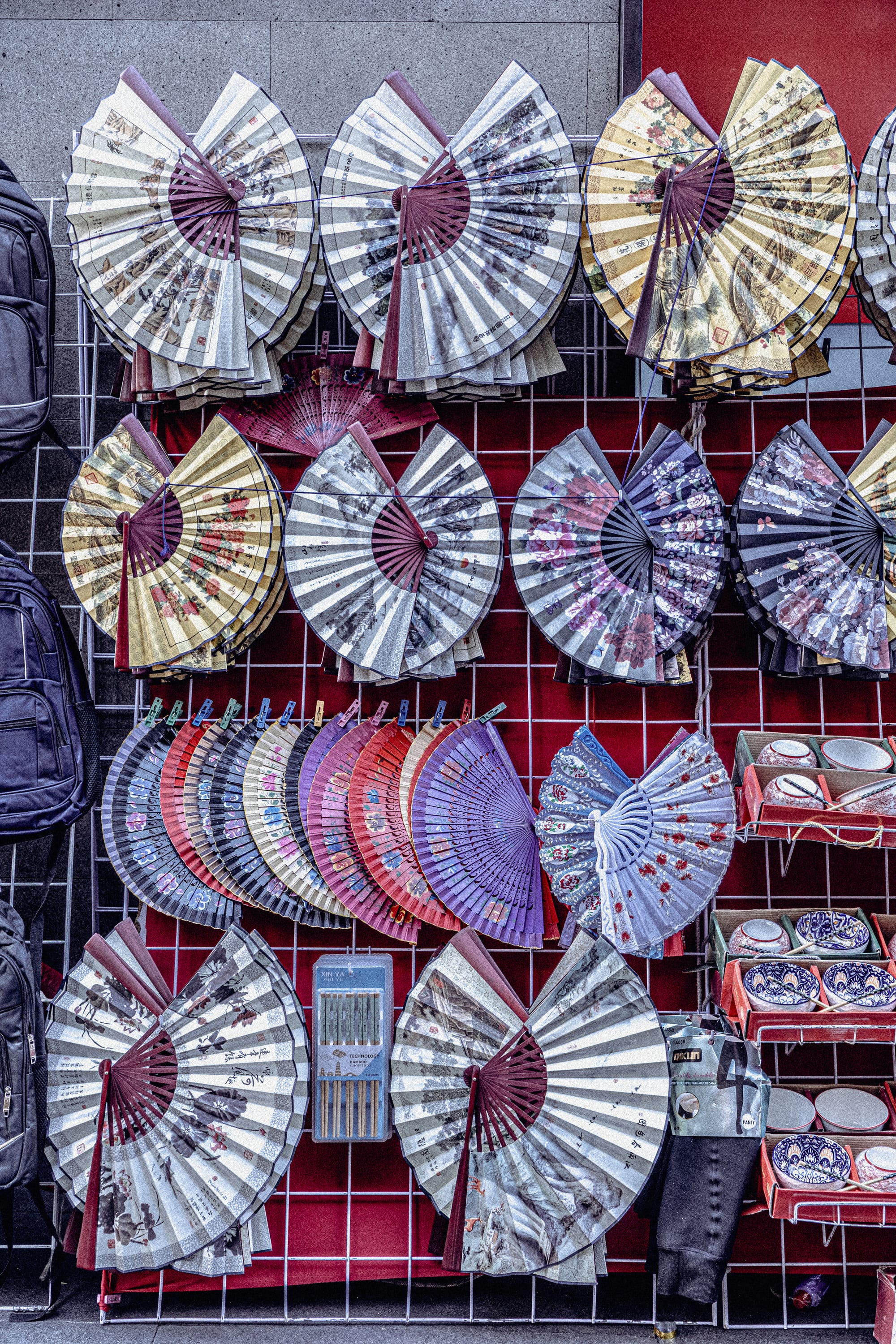
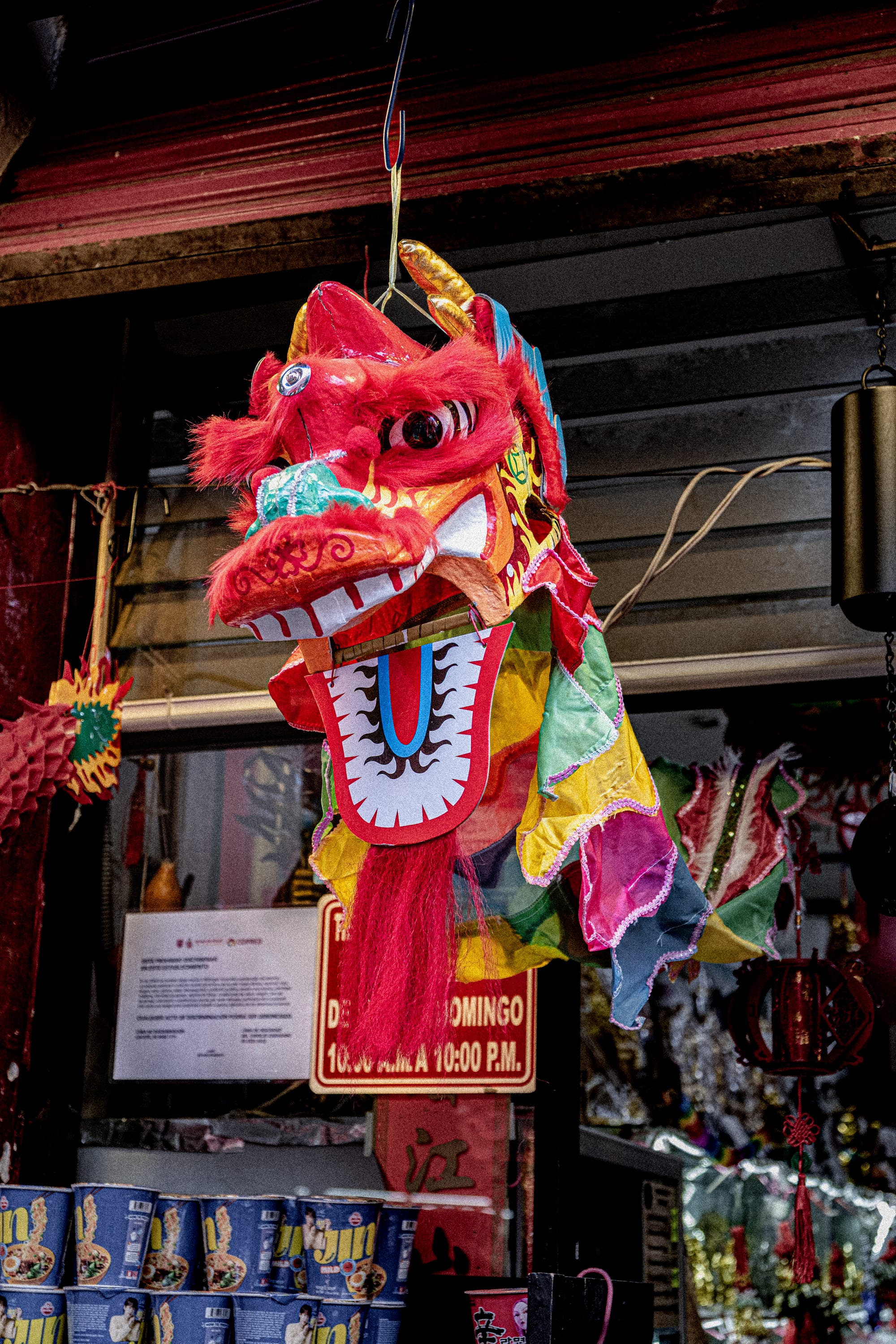
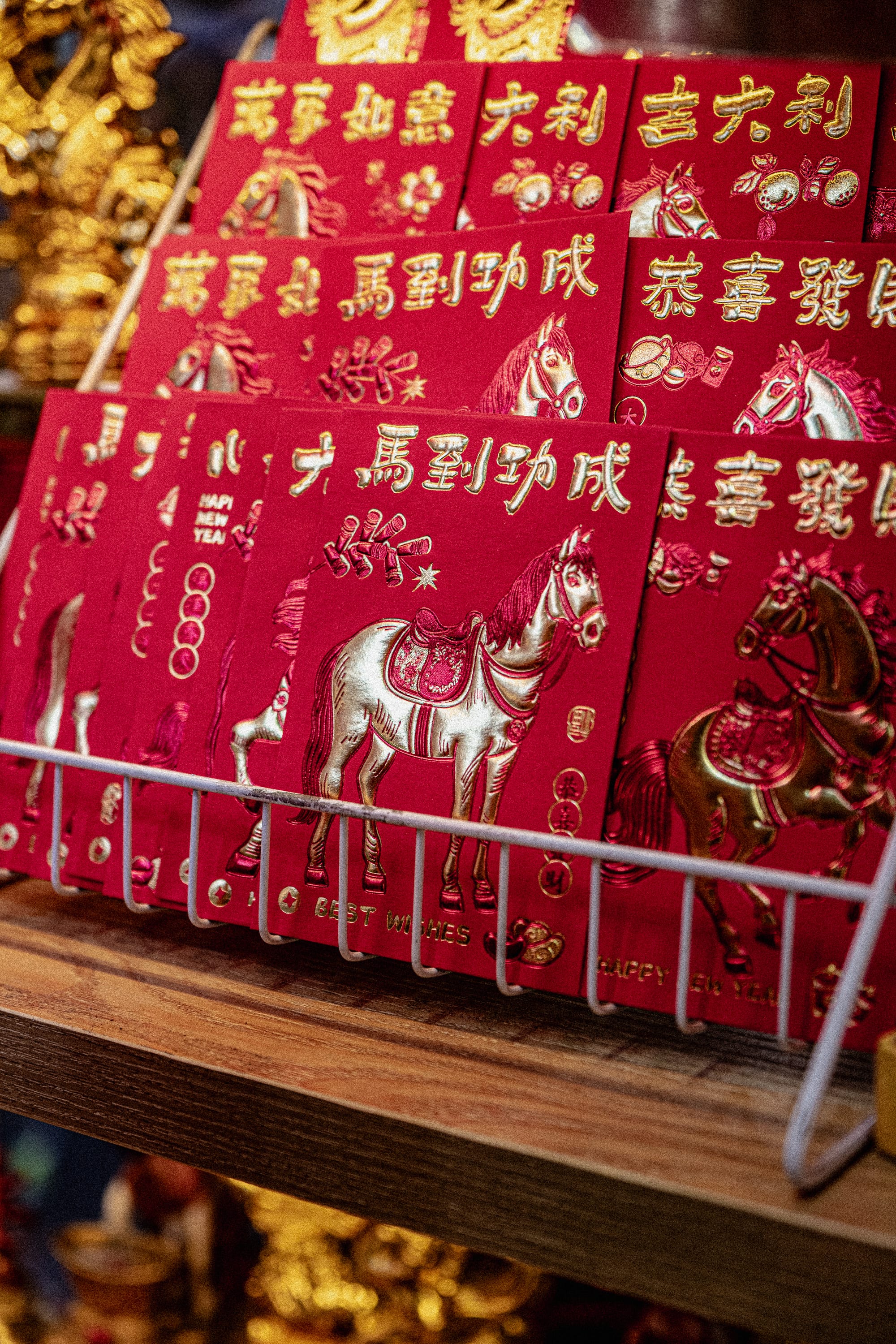
For photography, everything is close. You don’t have to search for scenes. They’re already there, layered into a short stretch of street. Lanterns crossing overhead, cables cutting through the frame, signs pressed against walls, small storefronts packed with color. There’s no distance between things. Details sit right next to each other, so compositions come together quickly if you slow down enough to see them.
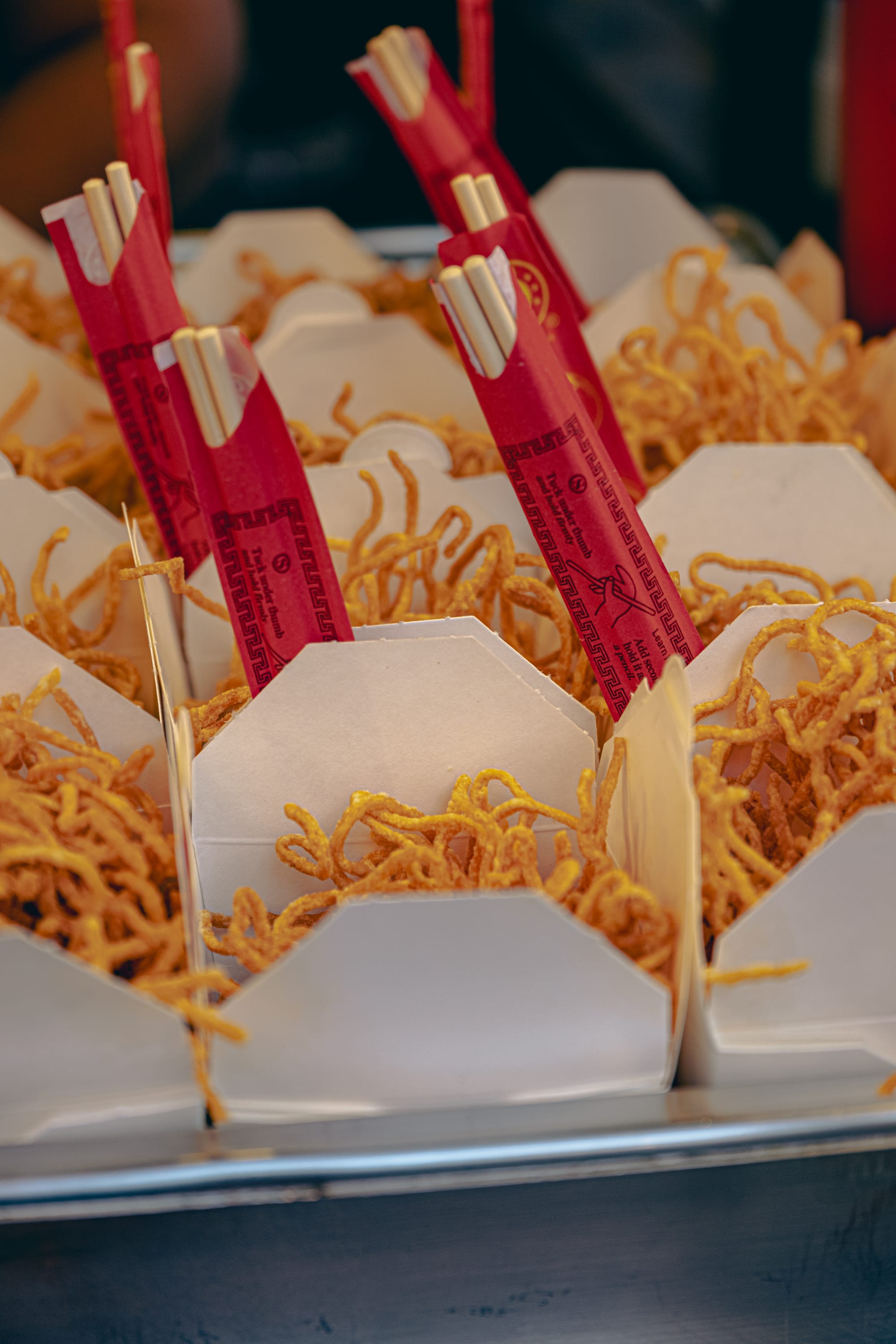
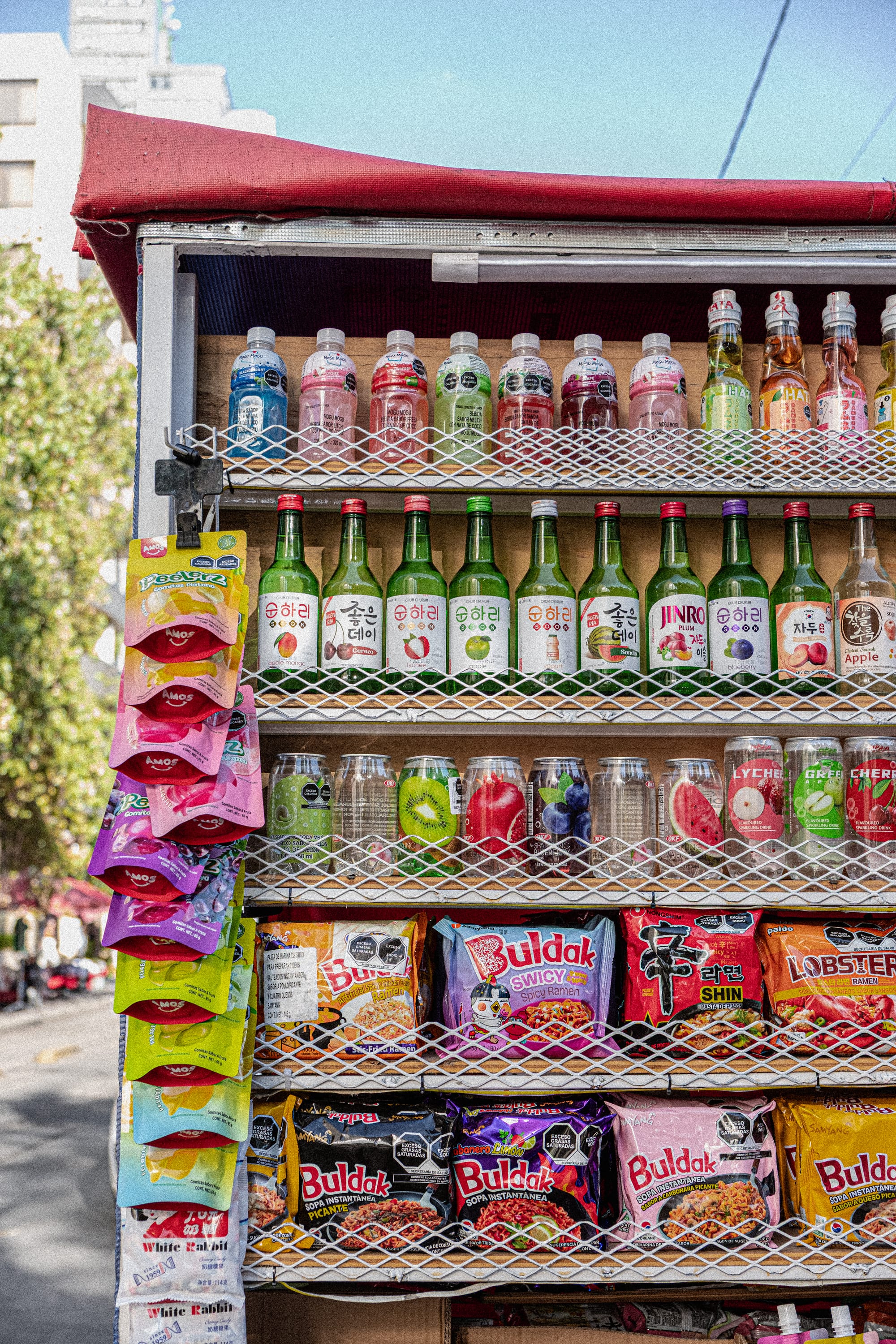
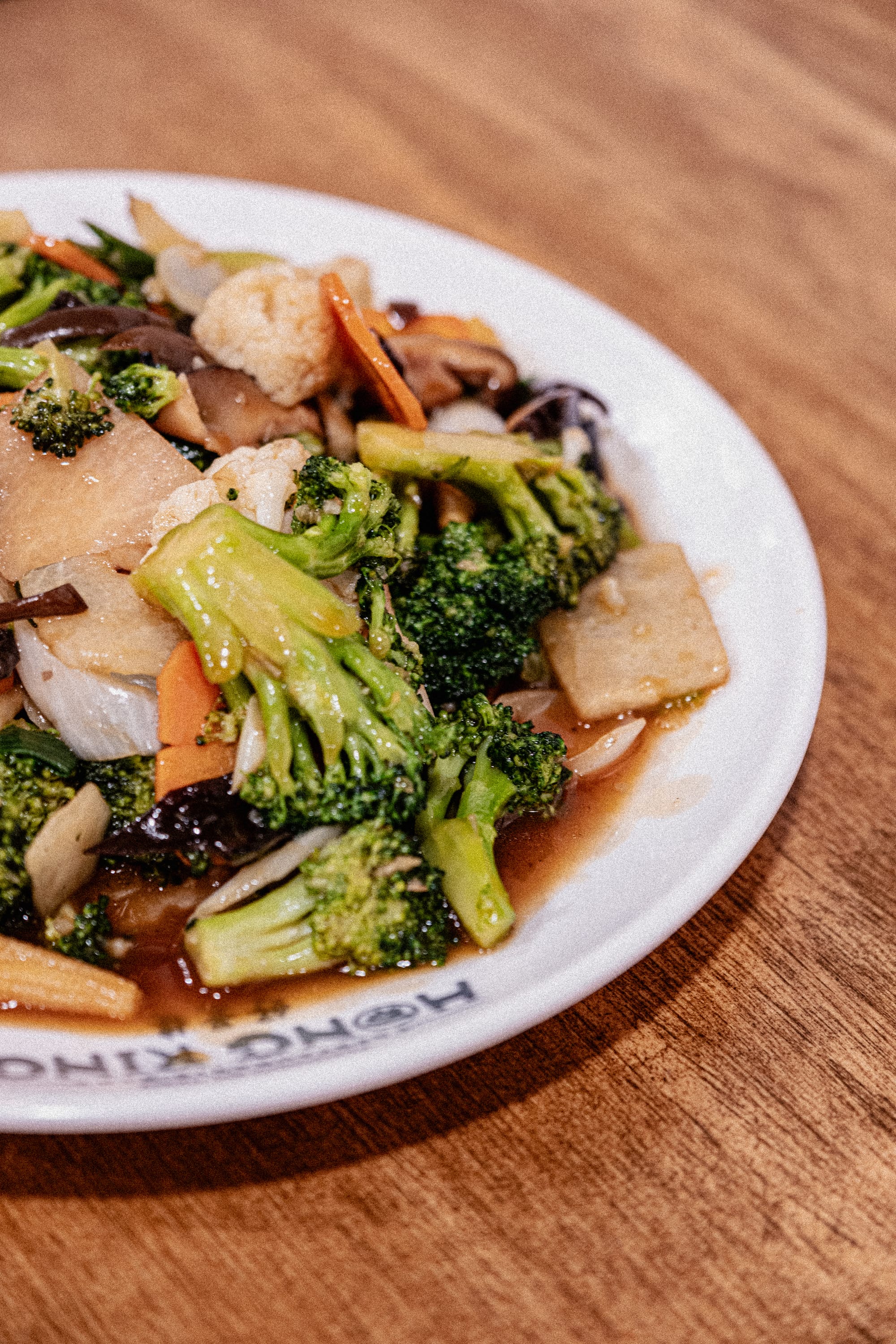
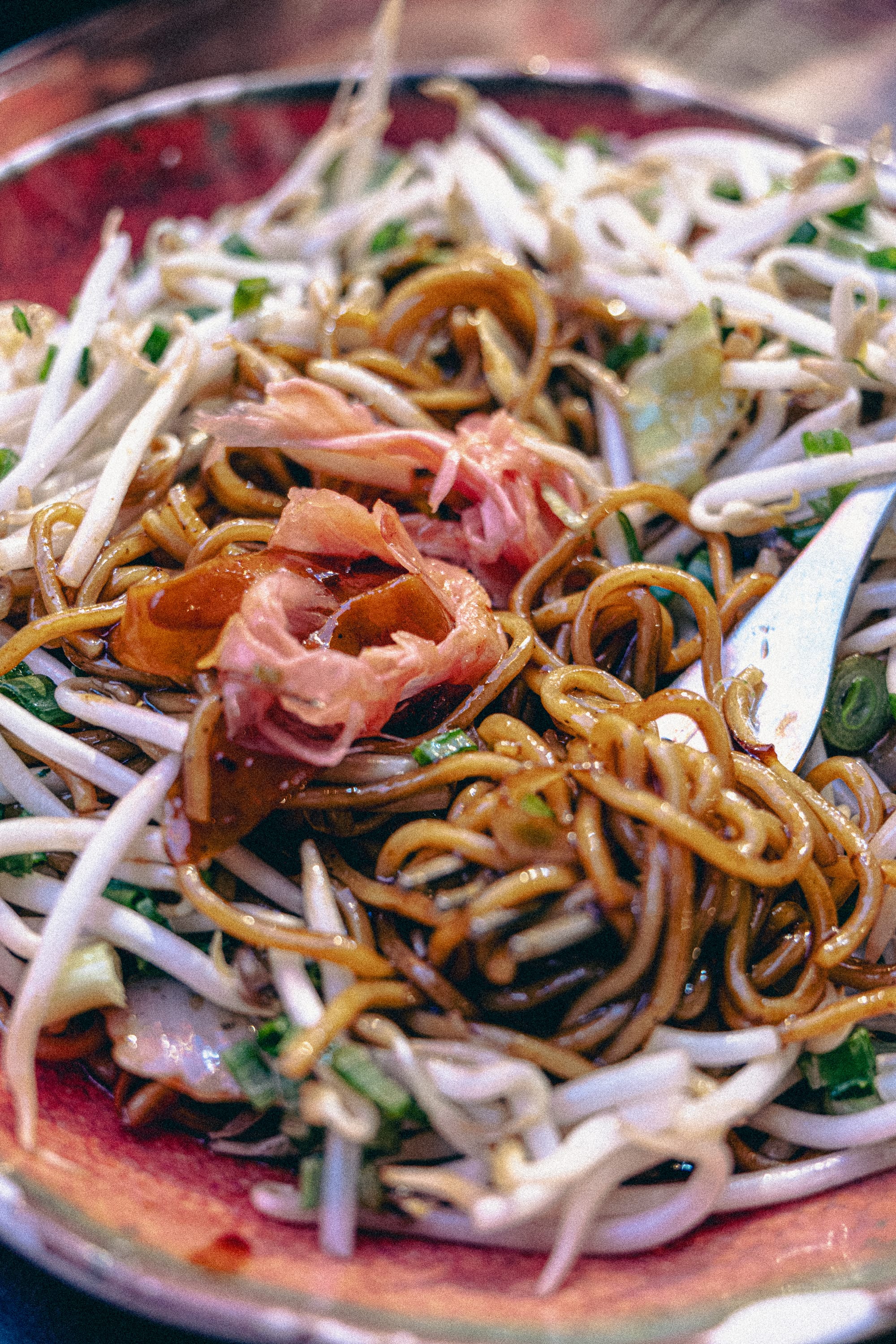
Food in plastic containers near the entrance of a shop. Bright packaging stacked in tight rows. Paper boxes folded around noodles, chopsticks resting on top. Steam, oil, reflections in glass. The kind of textures that catch light in uneven ways.
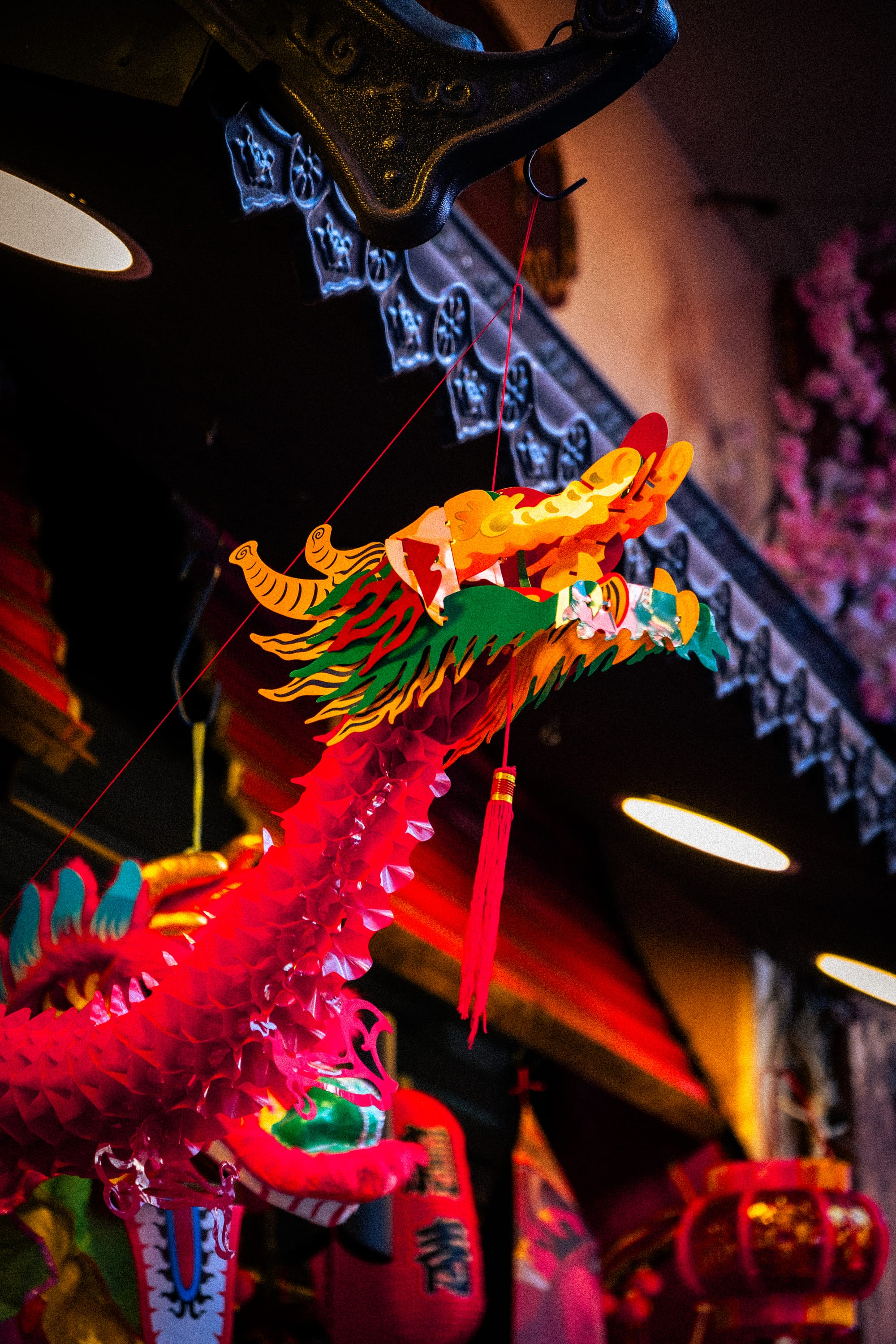
Further down, decorations hang lower. Strings of lanterns dip closer to the ground, mixed with banners and small flags. Some streets feel tighter than others, depending on how everything is strung together above you.
There are moments where the color breaks. A section of wall, a doorway, a patch of sky. Then it comes back again.
It doesn’t take long to walk through, but it changes if you make a few passes. The same stretch of street looks different depending on direction, depending on the light, depending on how many people are moving through it. Someone crossing the frame shifts everything. A motorbike passes and interrupts it. Then it settles again.
The scale of it stays small.
Chinese migration to Mexico began in the late 19th century, with many settling in northern regions first. Mexico City saw smaller waves, but the community here never expanded in the same way as in other global cities.
In the early 20th century, anti-Chinese sentiment led to discrimination and restrictions that limited the growth of these communities. What existed was fragmented, and in many cases pushed to the margins.
Across Mexico, Chinese communities faced expulsions, violence, and policies that made long-term settlement difficult. In cities like Mexicali, larger Chinese communities were able to take hold. In Mexico City, the presence remained smaller and more dispersed.
Instead of forming a dense Chinatown like in New York City or San Francisco, Chinese-owned businesses in the capital were spread out across different areas. Restaurants, shops, and social networks existed, but without a single concentrated district.
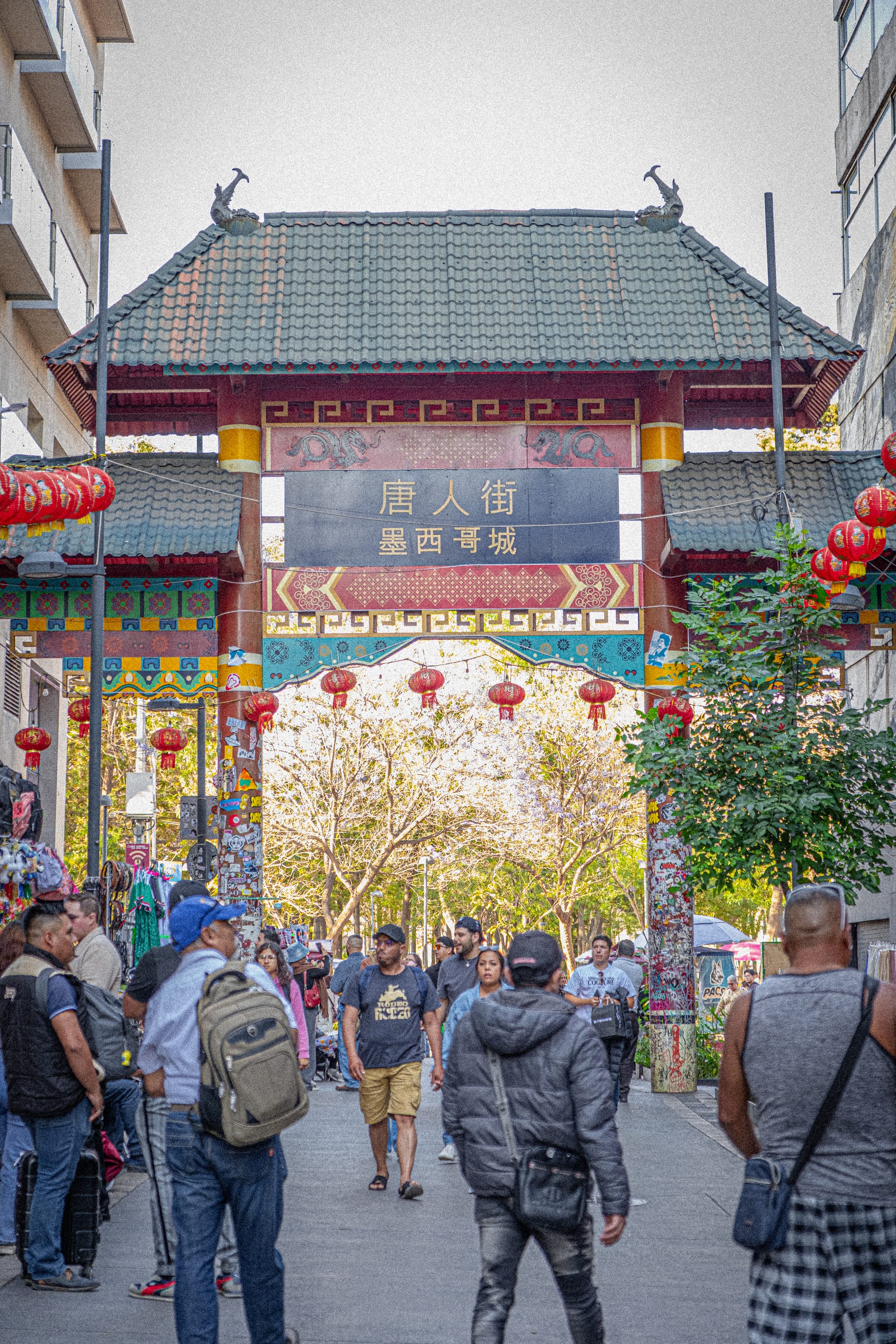
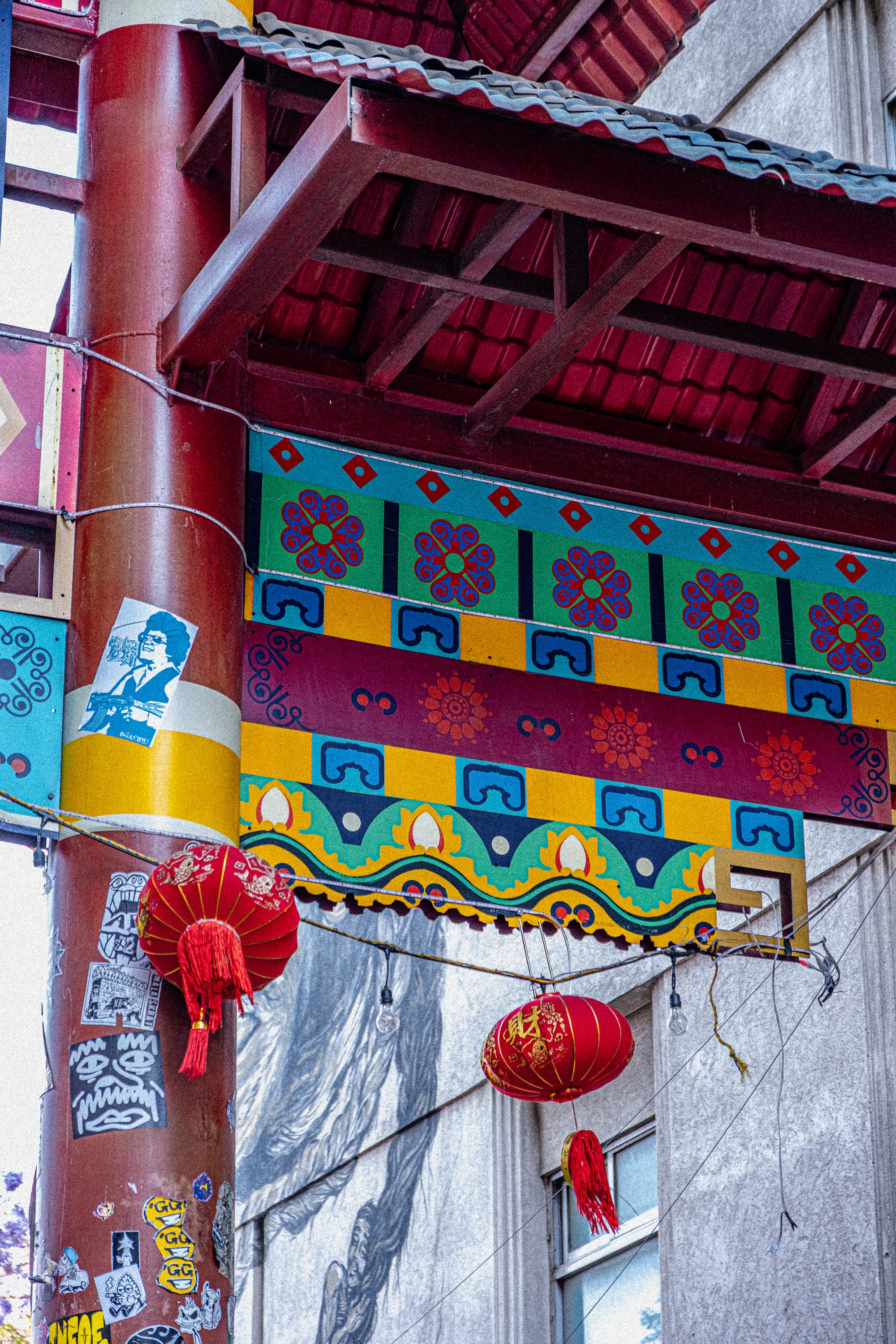
The current Barrio Chino is, in part, a reconstruction. An effort to create visibility where there was once dispersion. The arch, the lanterns, and the defined stretch along Calle Dolores are relatively recent additions. They give form to something that historically existed without a fixed center.
In that sense, Chinatown Mexico City is not an inherited enclave in the same way as others. It is something shaped by both absence and reassembly.
That history still sits underneath the surface, even if most visitors never see it directly.
All photographs below are shot on our Fujifilm X-T5 paired with a XF16–55mm F2.8 R LM WR II lens.


FAQ
Is there a Chinatown in Mexico City?
Yes. It is called Barrio Chino and is located in the Centro Histórico.
Where is Chinatown Mexico City located?
Most of it is on Calle Dolores, near Bellas Artes.
How big is Barrio Chino CDMX?
It is very small, around two blocks.
What can you eat in Barrio Chino Mexico City?
You’ll find Chinese and other Asian dishes, including noodles, vegetables, and snacks.
Is Barrio Chino worth visiting?
Yes, especially as a short stop or for travel photography in Mexico City.
Is Barrio Chino good for photography?
Yes. It’s one of the more photogenic places in Mexico City due to its colors, lanterns, and compact street layout.


