














Living in Chiang Mai
Defining moments
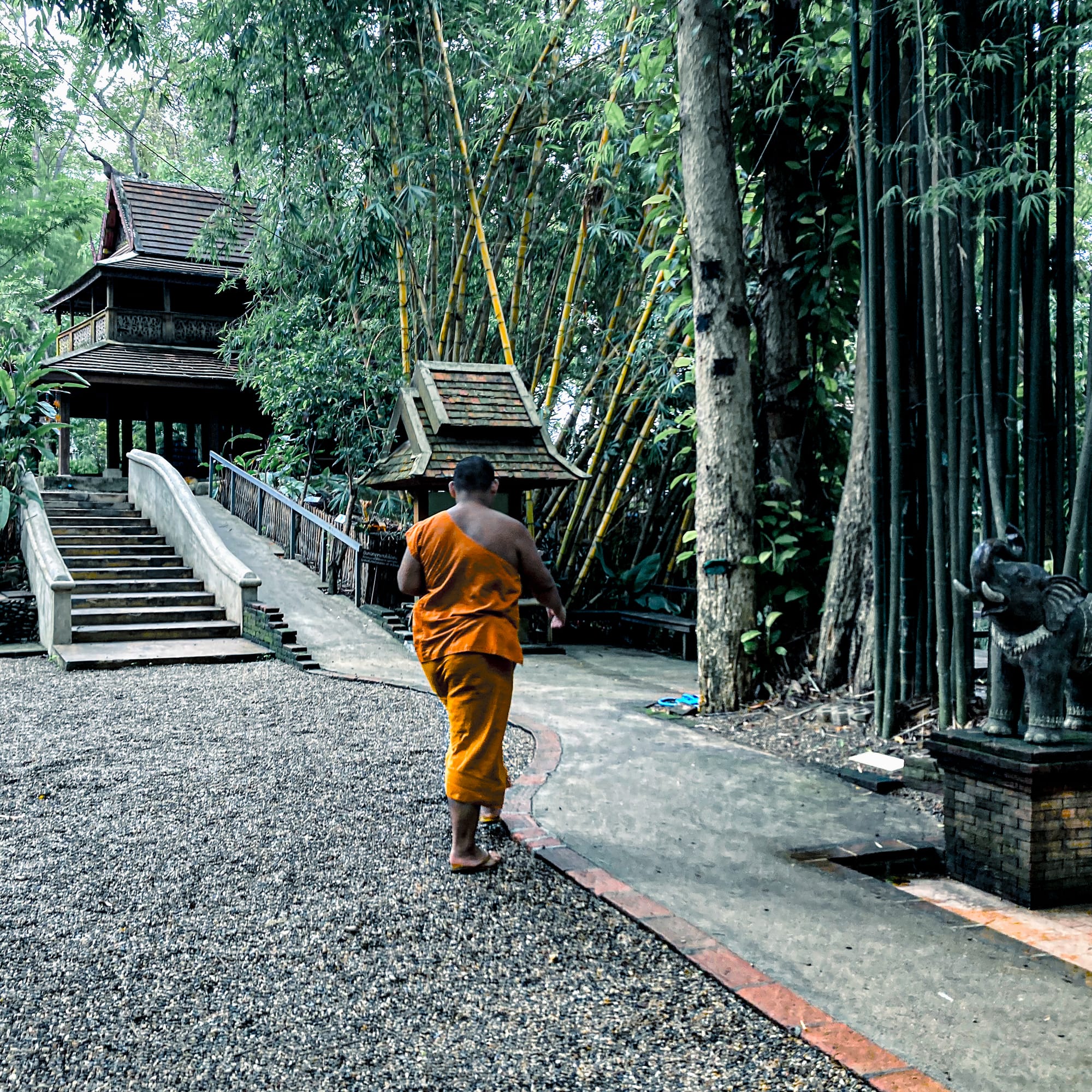
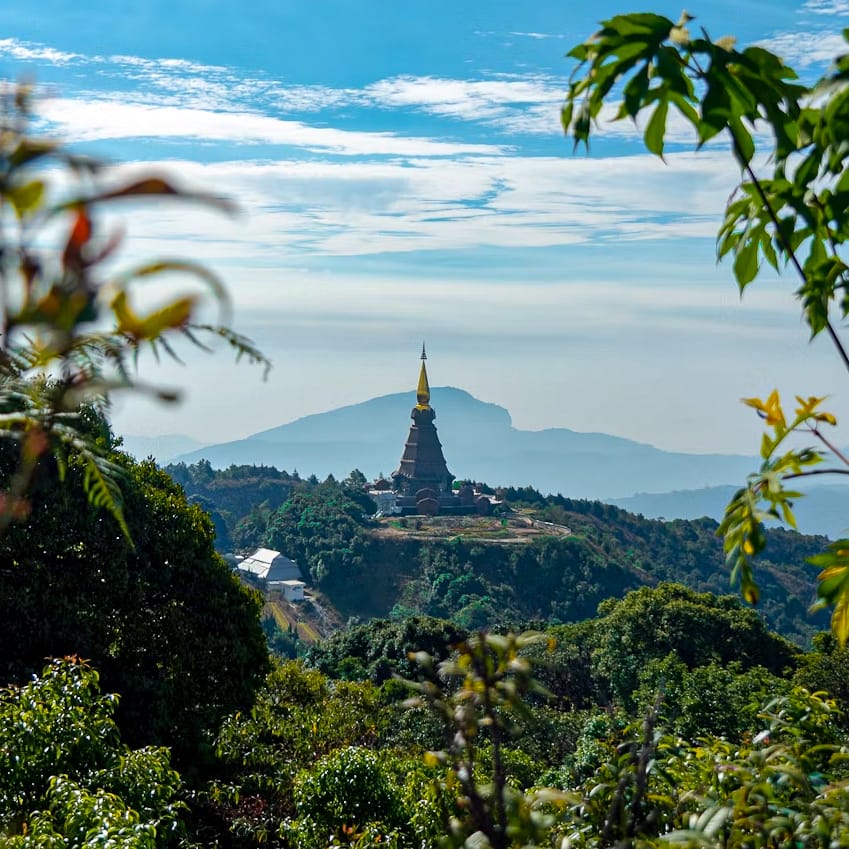
Reaching Wat Pha Lat at the end of the Monk’s Trail and being met by moss-covered stone, forest, and an almost overwhelming sense of stillness.
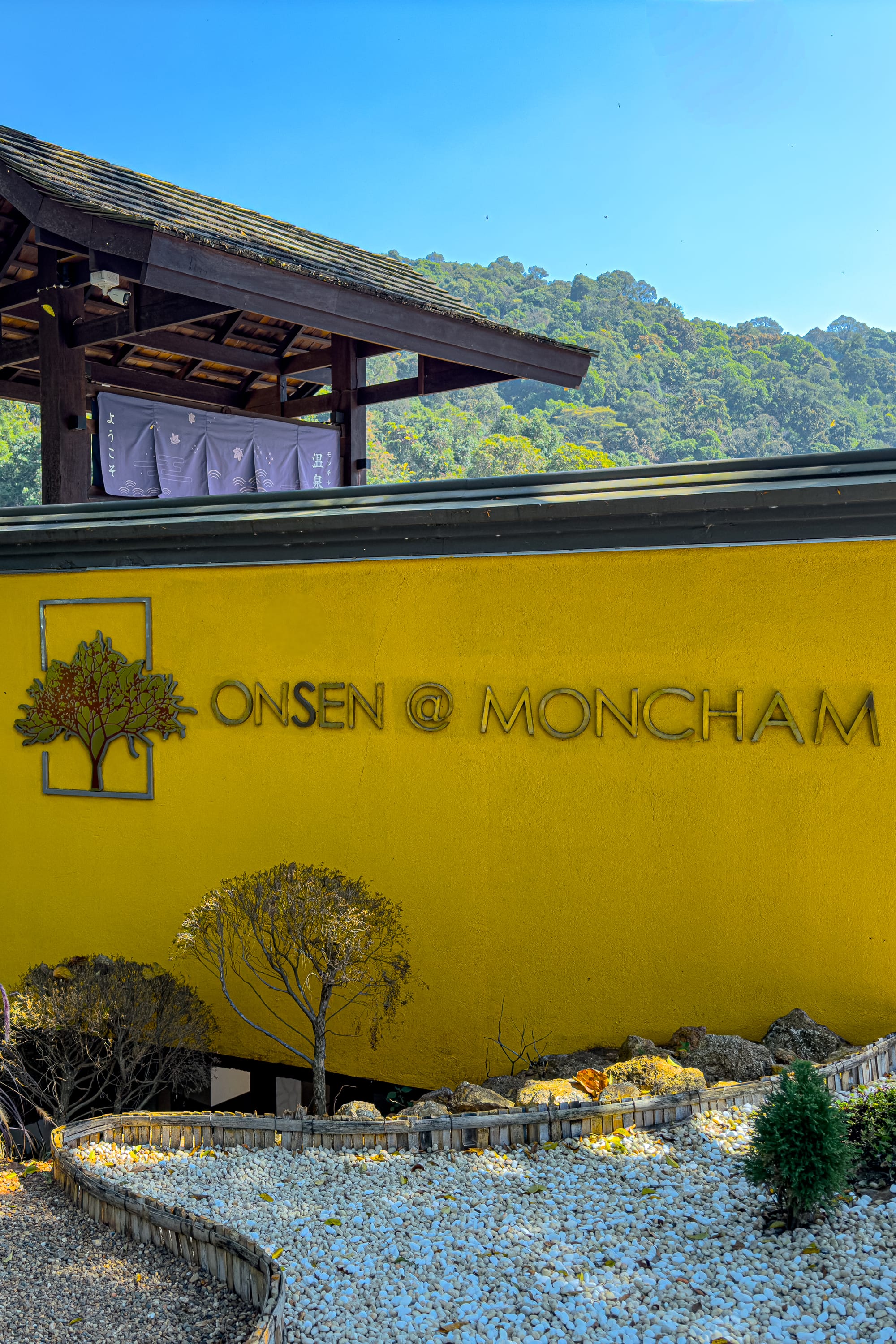
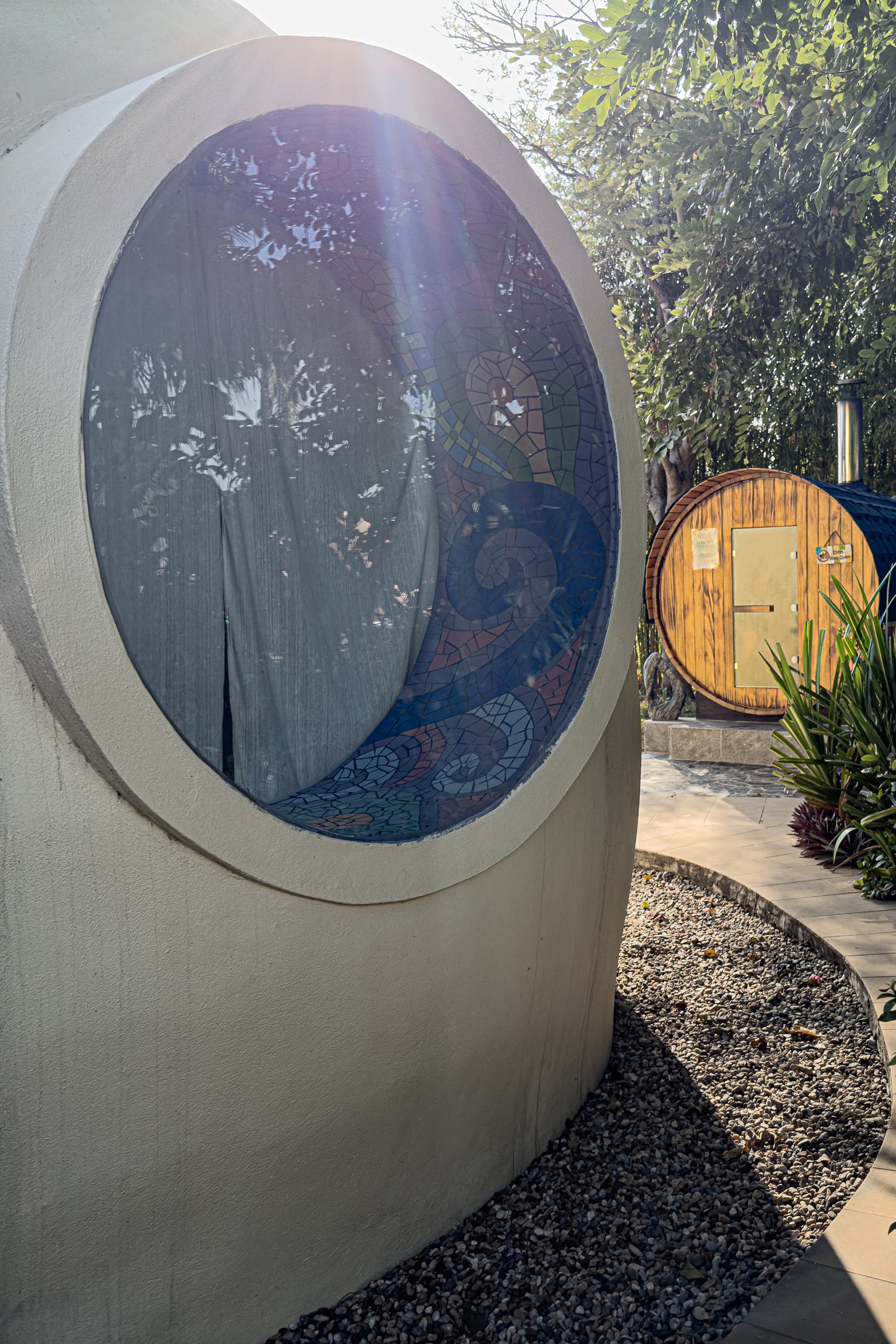
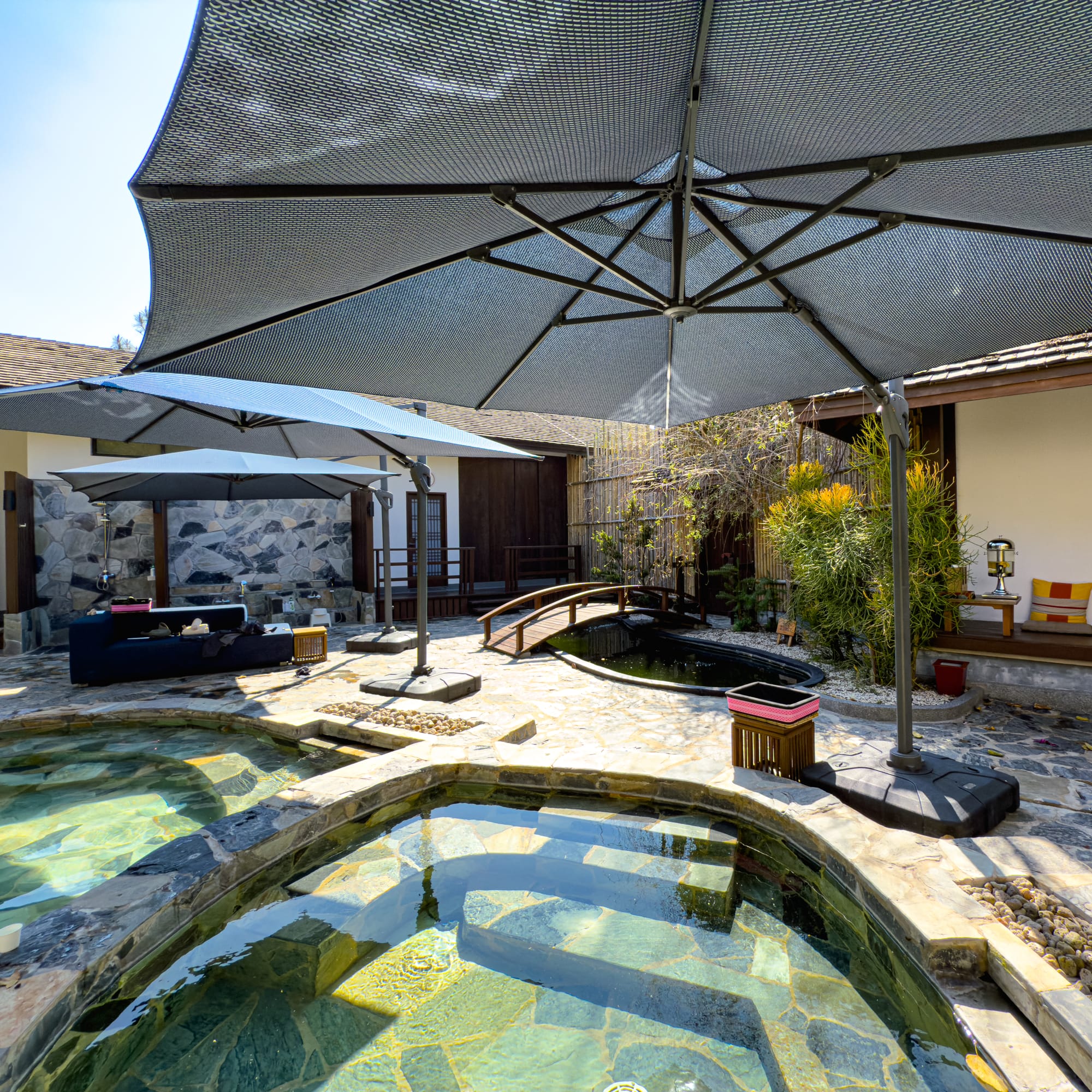
Soaking in an onsen at Moncham in Mae Rim, surrounded by mountain air and quiet, and feeling completely removed from the pace of the city.
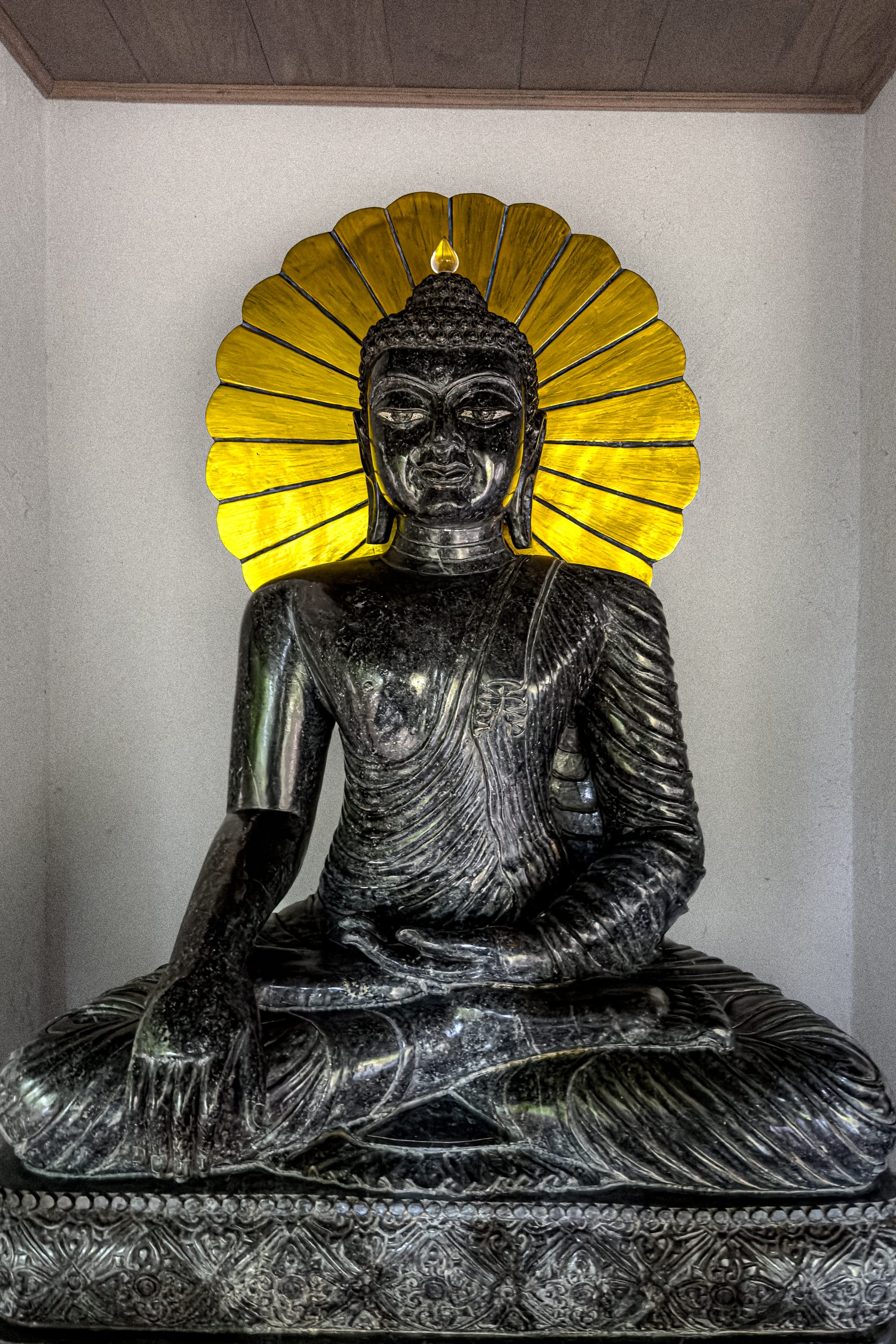
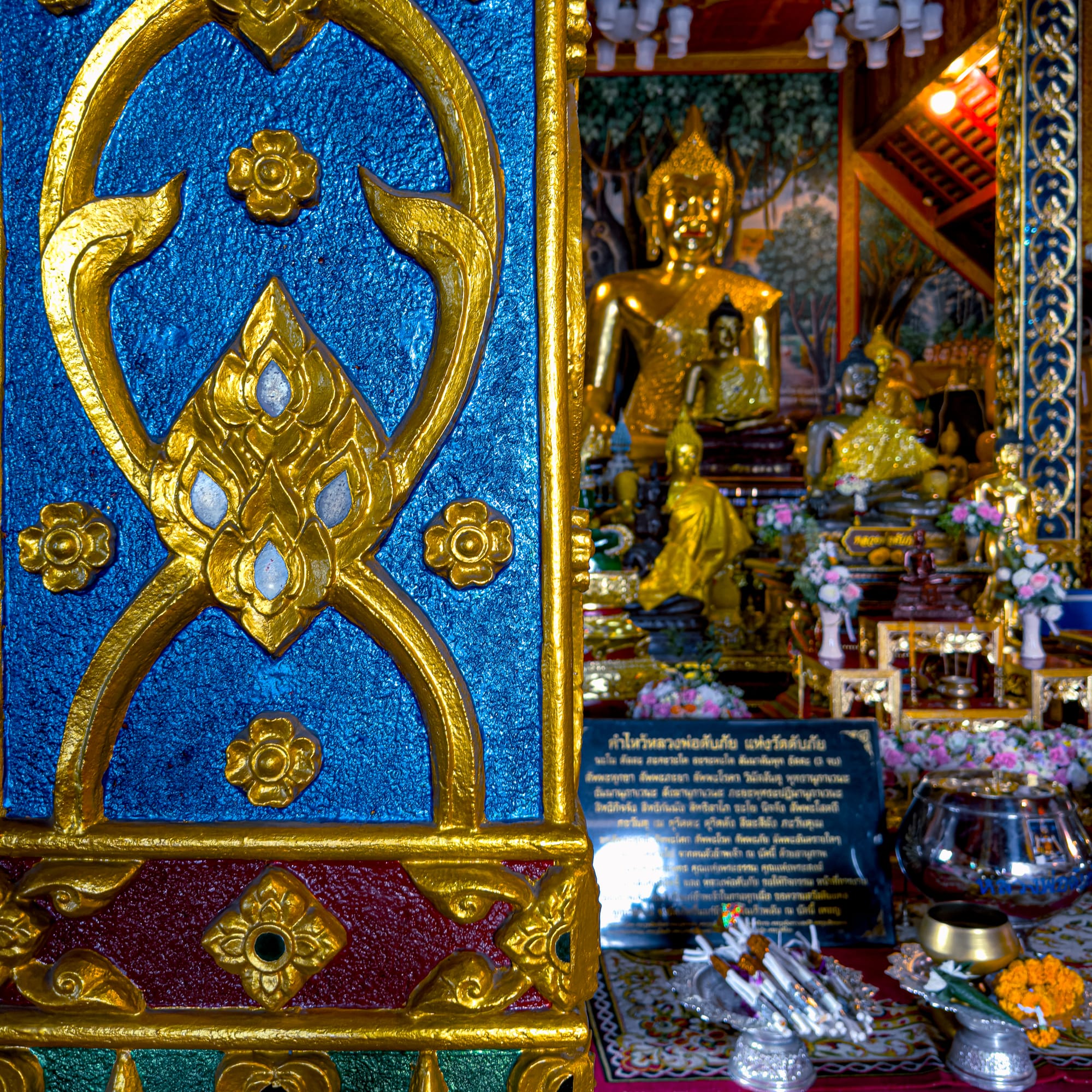
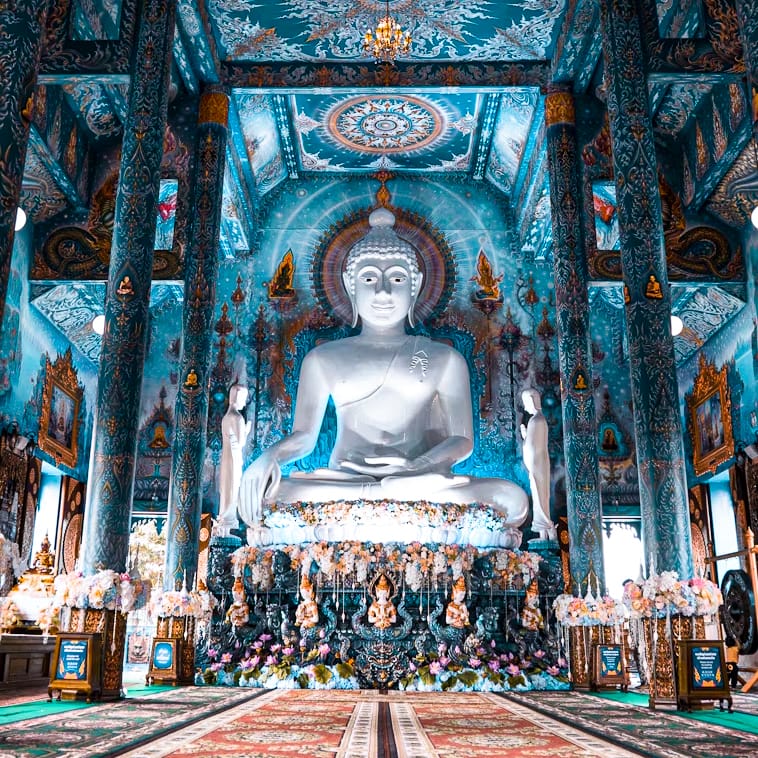
Wandering between Chiang Mai’s temples without much of a plan, moving from incense and gold-leaf interiors to shaded courtyards and monks passing through the grounds.
Digital nomad visa
Thailand now has a visa specifically designed with digital nomads and remote workers in mind: the Destination Thailand Visa (DTV). Introduced in 2024, it is available to digital nomads, remote workers, freelancers, and certain other long-stay visitors. The visa is valid for five years, allows multiple entries, and permits stays of up to 180 days per entry. Applicants need to provide evidence of their remote or freelance work and show financial evidence of at least 500,000 THB. Applications can be made through Thailand’s official e-Visa system while outside the country.
For shorter stays, many travelers do not need the DTV at all. From 15 September 2026, Thailand’s revised visa-exemption system allows passport holders from 60 eligible countries and territories to enter visa-free for tourism for up to 30 days, while some nationalities have different arrangements under bilateral agreements or other schemes. The previous 60-day visa-exemption scheme is being withdrawn, so it is worth checking the latest rules for your passport before traveling.
For digital nomads planning to spend several months in Chiang Mai, the DTV is now the clearest long-term option. For shorter stays, however, ordinary visa-free entry or a tourist visa may be simpler depending on your nationality and how long you plan to remain in Thailand.
Spotlight
“Part of what makes Onsen at Moncham so special is its location. Mae Rim is just 45 minutes from Chiang Mai, but it feels worlds away. The region is known for its cool climate, lush hills, and diverse attractions, from waterfalls and flower farms to cultural centers and adventure activities.”
Read onBest time to go
The best time to visit Chiang Mai is generally from November to January, when the weather is cooler, drier, and much more comfortable for walking, hiking, and spending time outdoors. December and January are especially good, and this is when Chiang Mai tends to feel busiest with digital nomads and longer-term travelers. January is one of the coolest months in northern Thailand and a particularly good time for hiking in the mountains around the city.
The main period to be aware of is Chiang Mai’s burning season, which typically builds through February and can become particularly severe in March and April, when agricultural burning and dry conditions can push PM2.5 levels well above healthy limits. In practice, we’ve noticed a loose digital nomad migration around this: Chiang Mai through the end of the year and into January, then south to Koh Lanta, followed by central Vietnam around March, often Đà Nẵng or Hội An. It’s not a fixed route, but it makes sense seasonally and is one we’ve seen repeated often.
Best areas to stay
Cost of living
Getting around
Getting around Chiang Mai is very easy. For day-to-day trips, we mostly used Grab motorbikes, which are cheap, quick, and available across most of the city. Some people prefer renting their own scooter, especially if they’re staying longer or want more freedom to explore outside the center.
For longer trips, 12Go is useful for booking buses and transfers to places like Pai, Chiang Rai, Bangkok, and other destinations around Thailand. We’ve found it pretty reliable.
For popular day trips and activities around Chiang Mai, GetYourGuide is also a practical option, especially when transport is included and you’d rather not organize the logistics yourself.
Best experiences
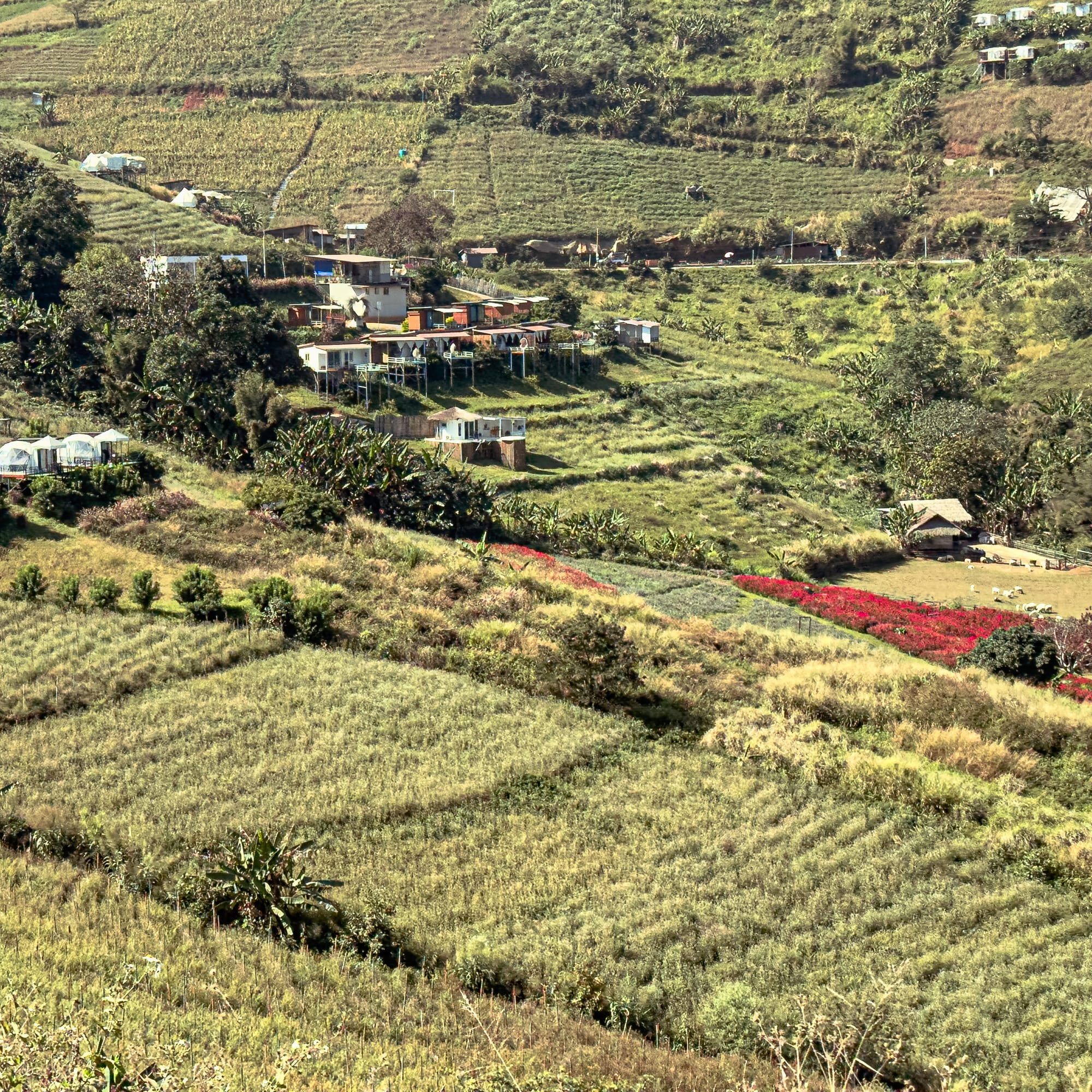
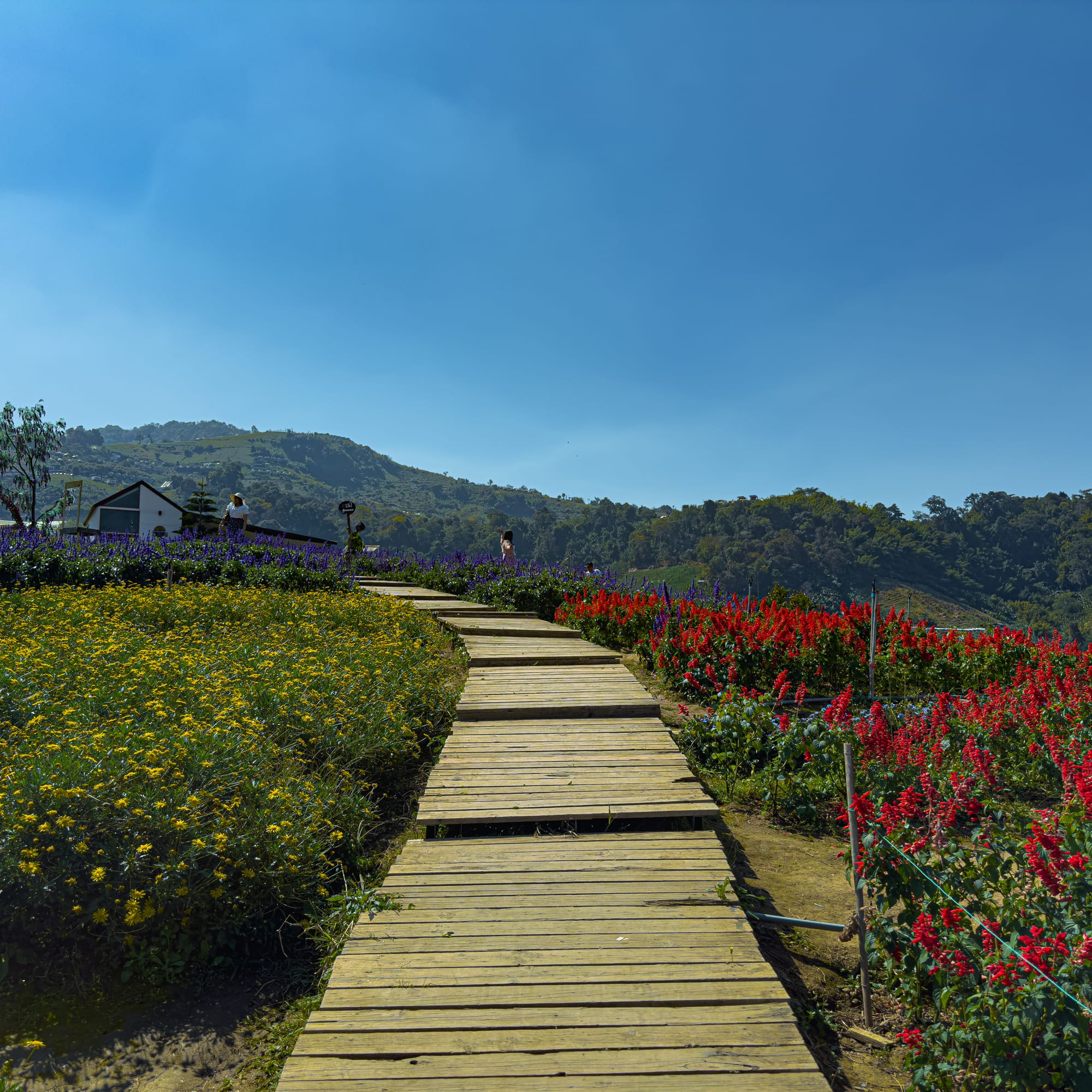
Some of our favorite experiences in Chiang Mai were the ones that pulled us slightly outside the city. Hiking the Monk’s Trail to Wat Pha Lat was a clear highlight, as was spending a weekend in Mae Rim, visiting Queen Sirikit Botanic Garden, wandering through a mountaintop flower farm around Mon Jam, and soaking in an onsen at Moncham. The whole area feels like a reset from the city. It's cooler, greener, and much quieter.
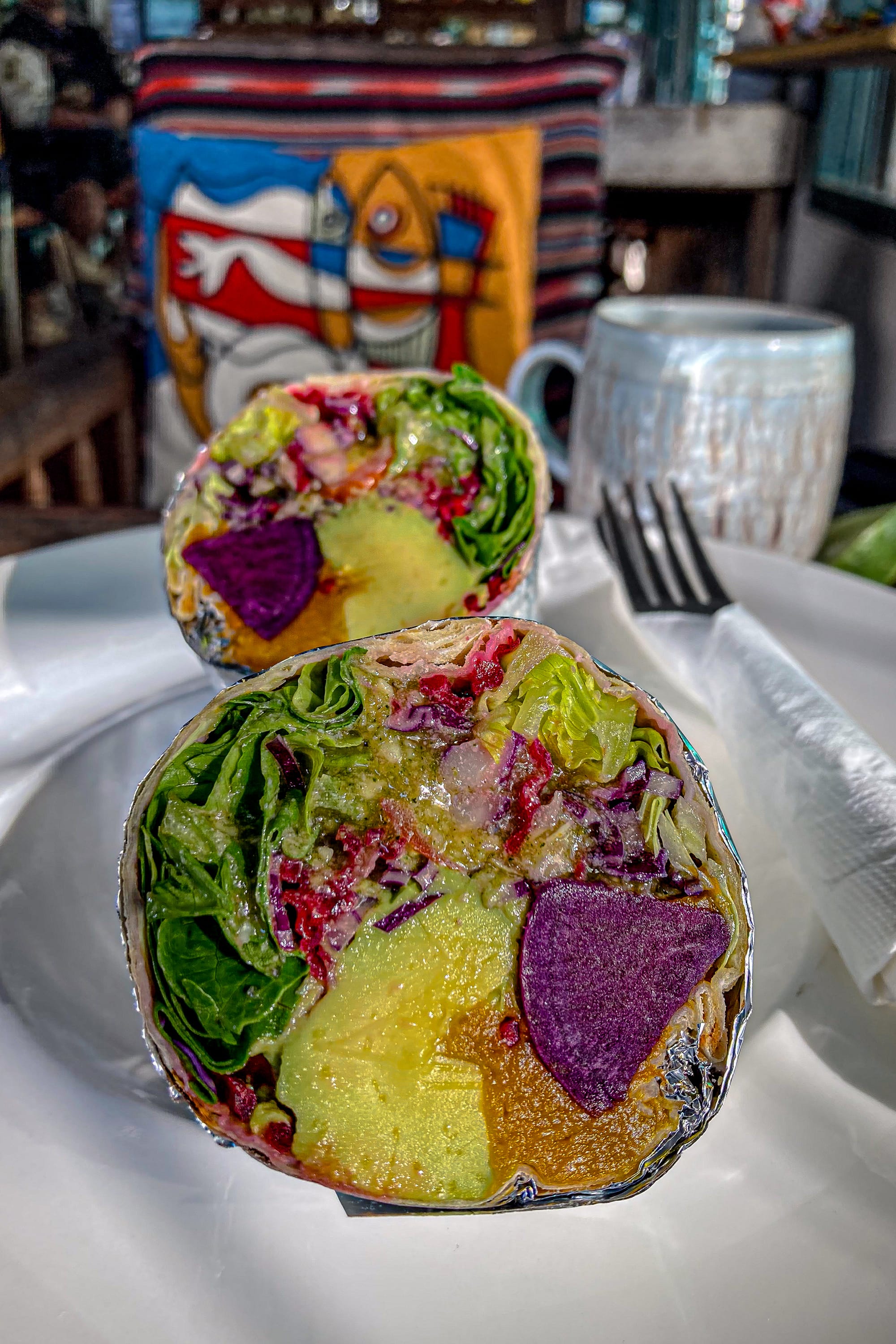
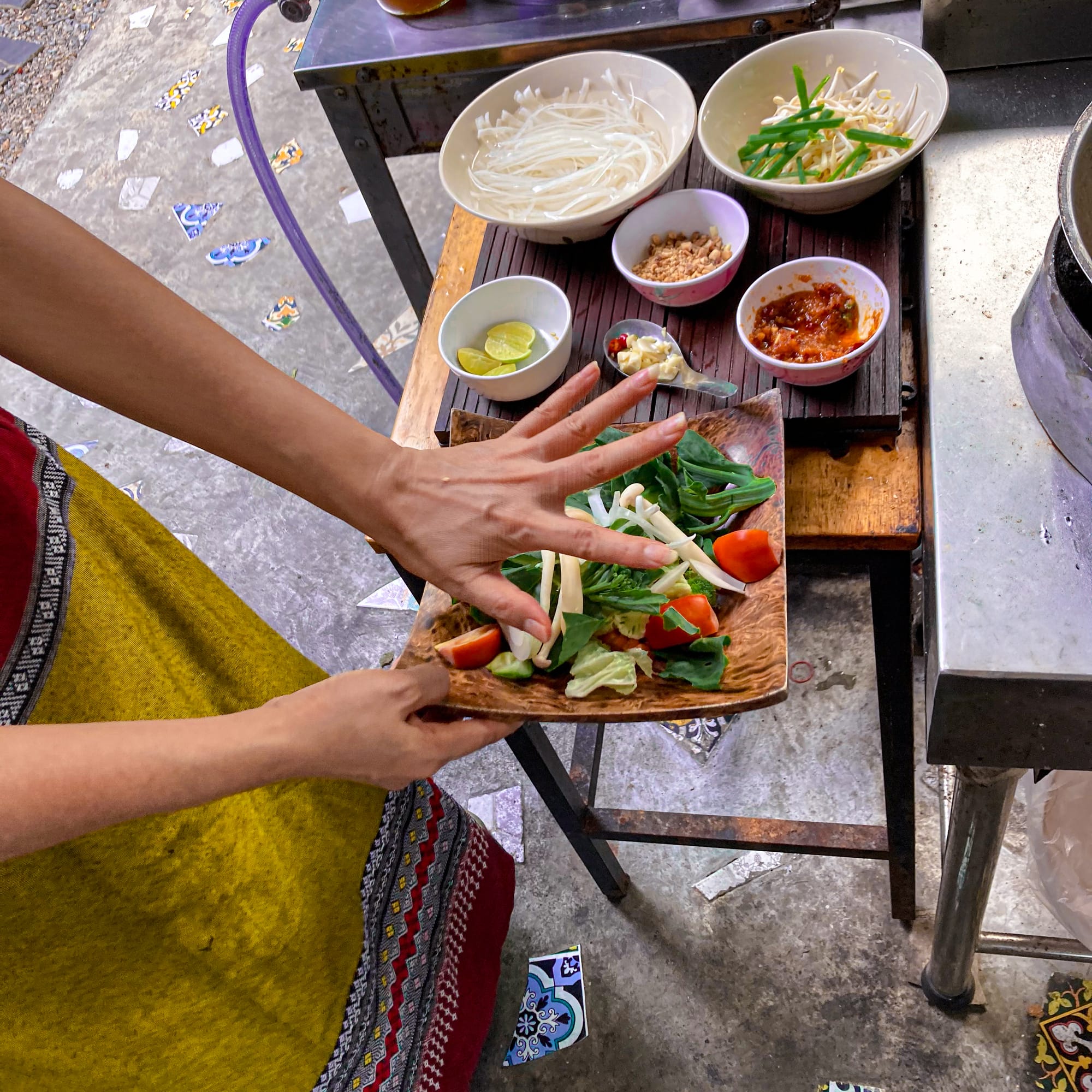
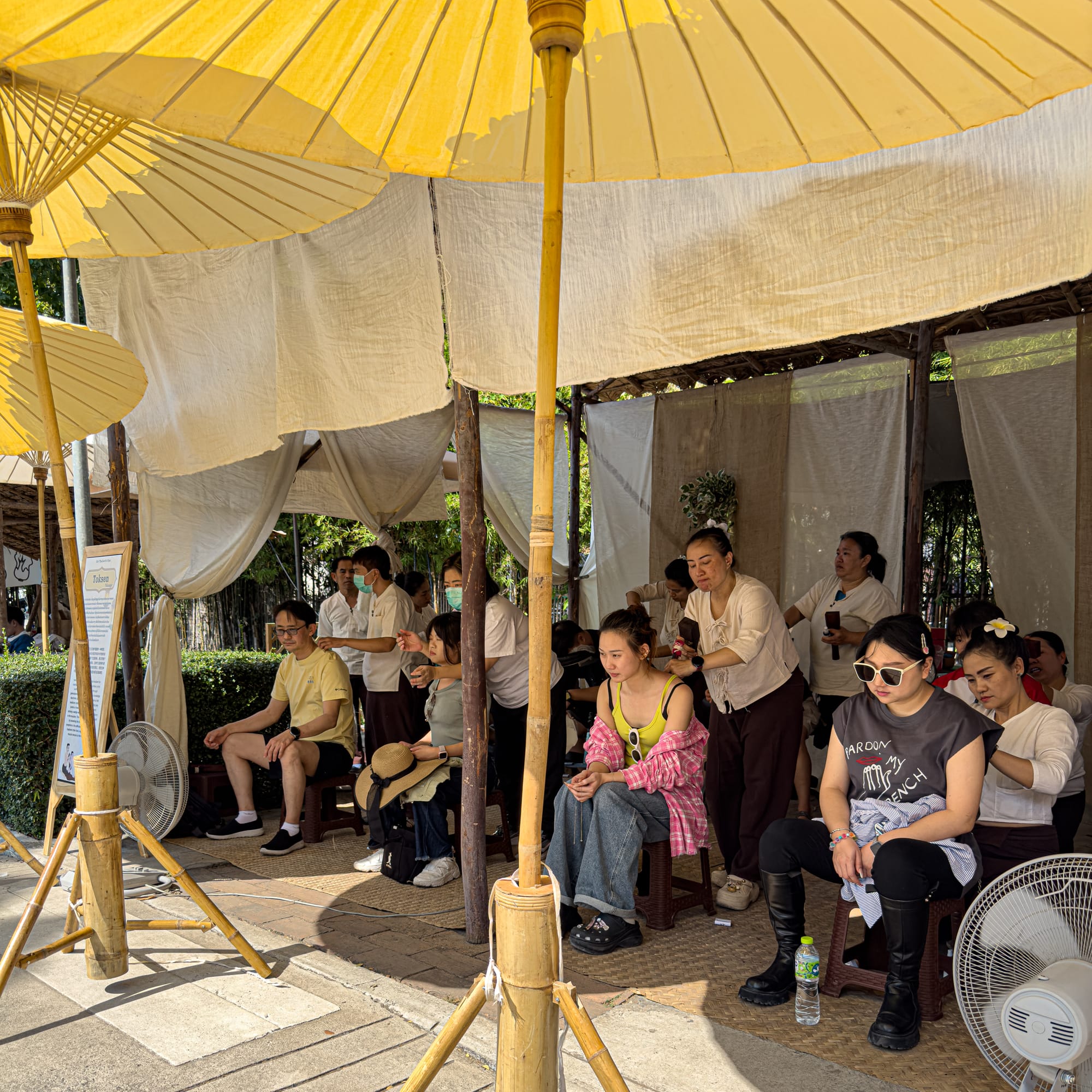
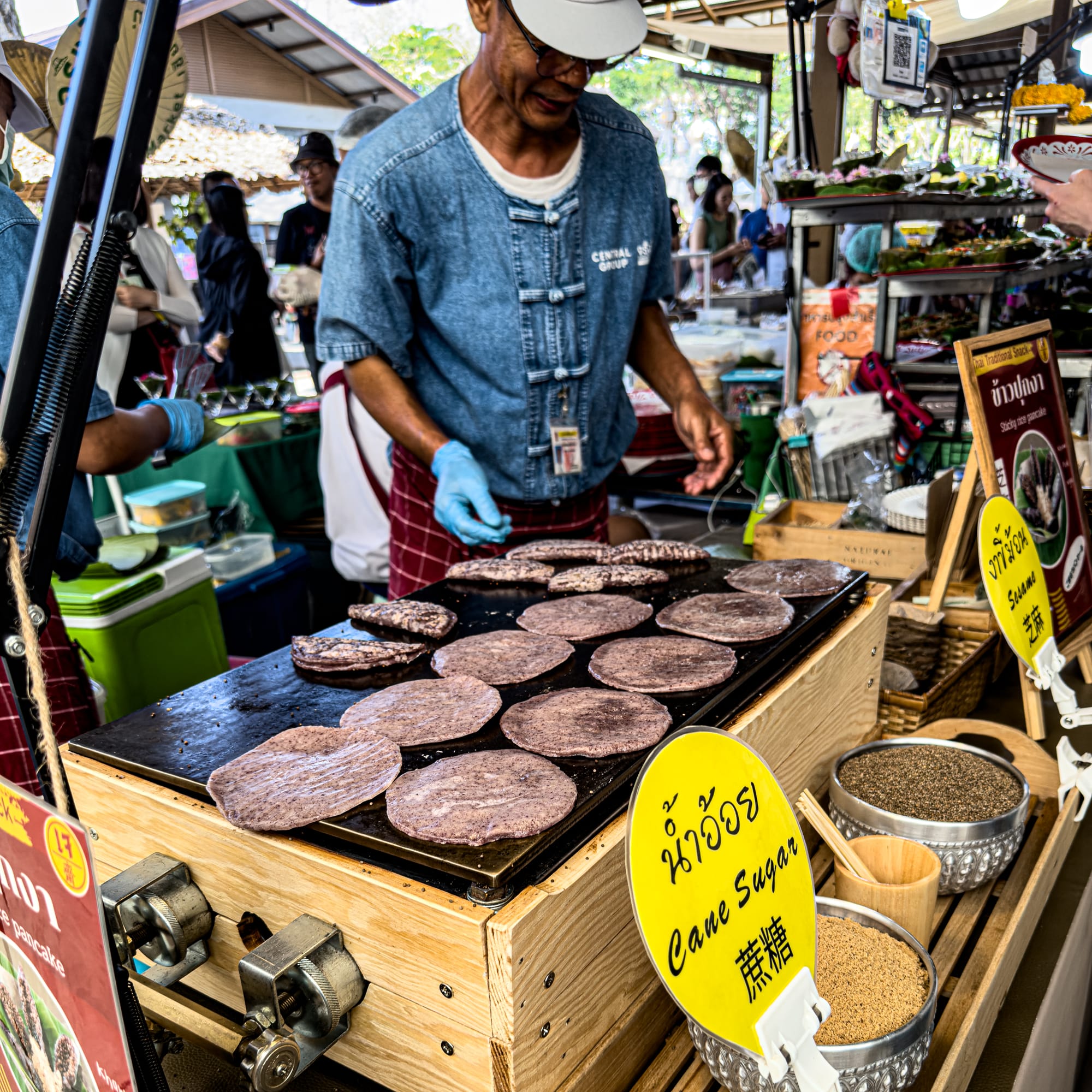
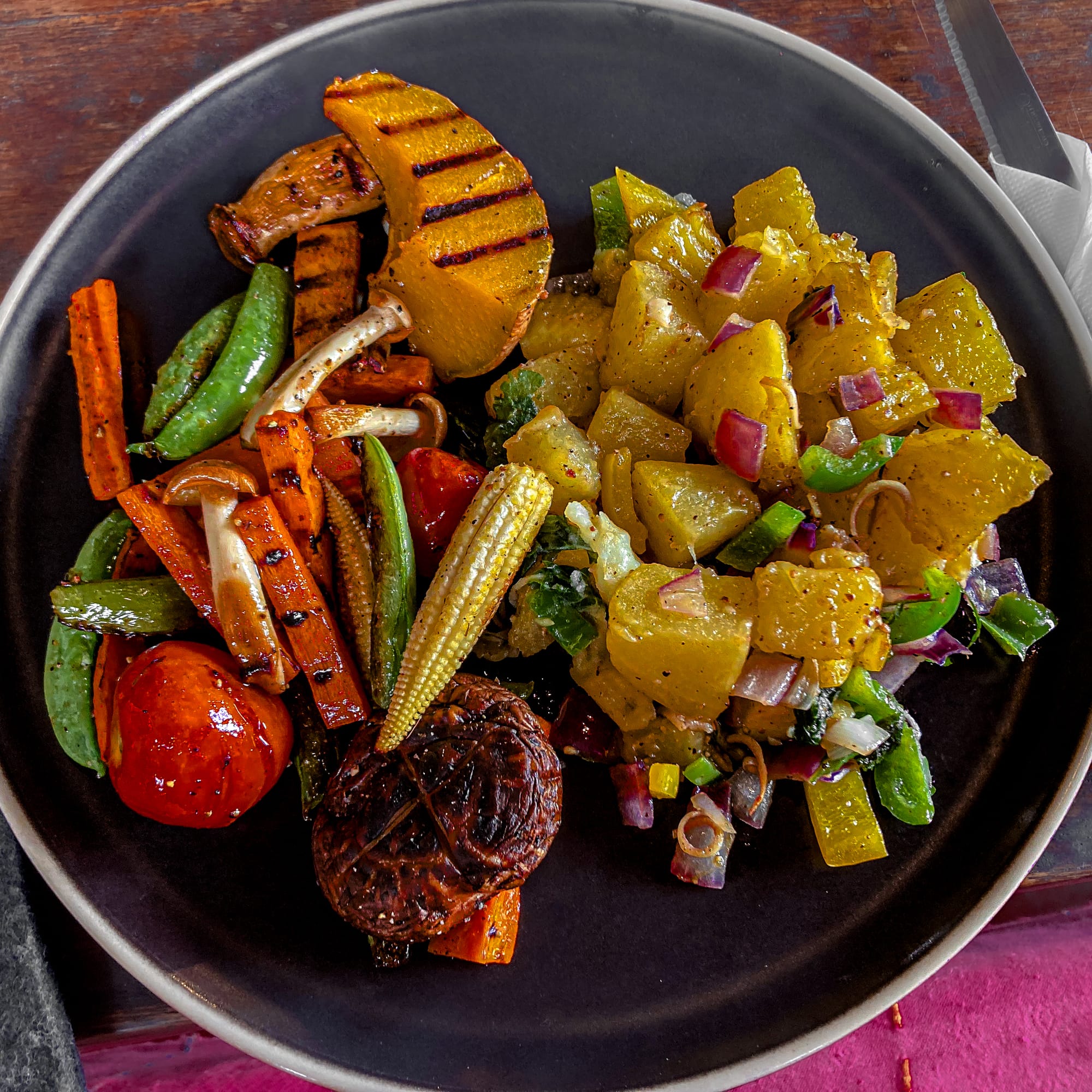
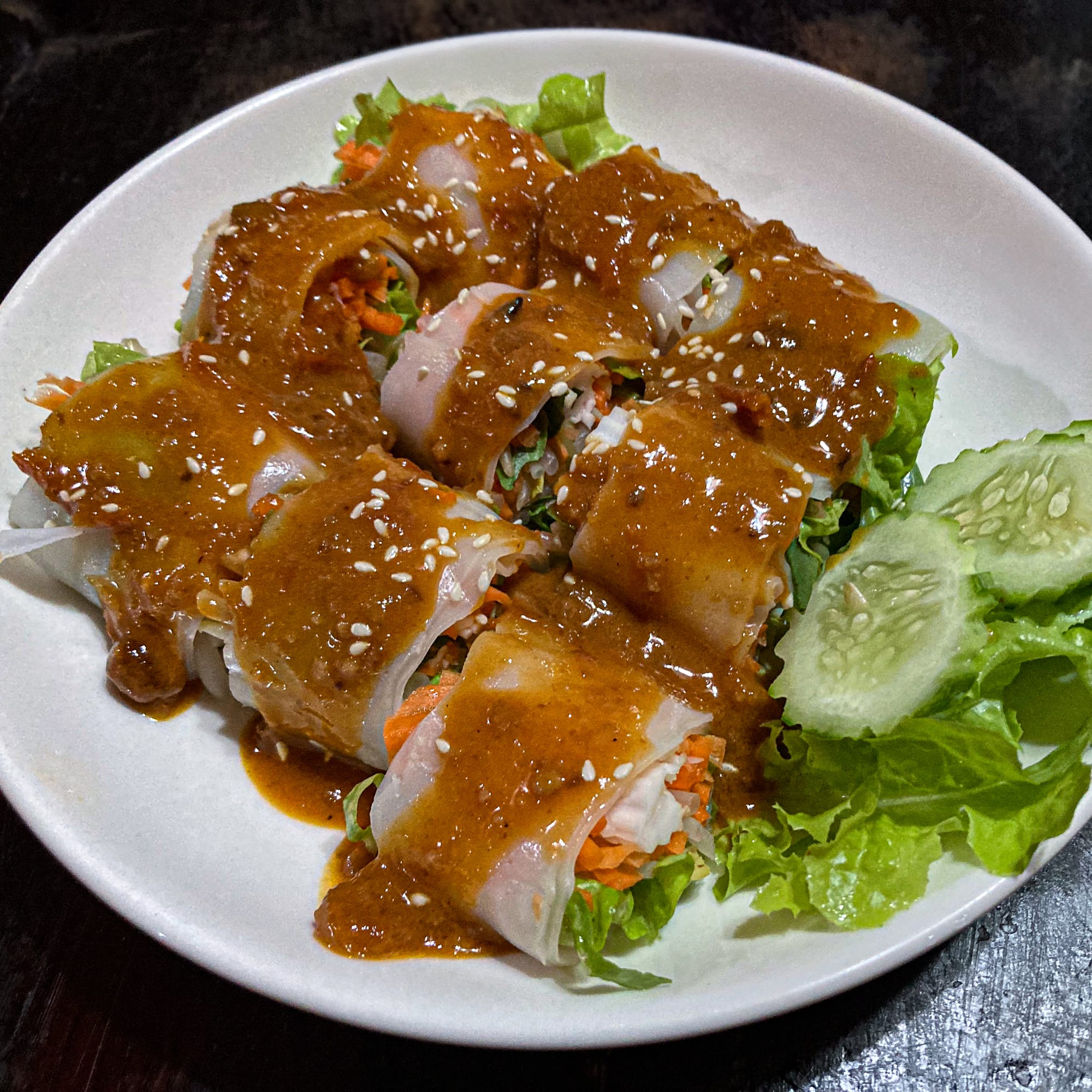
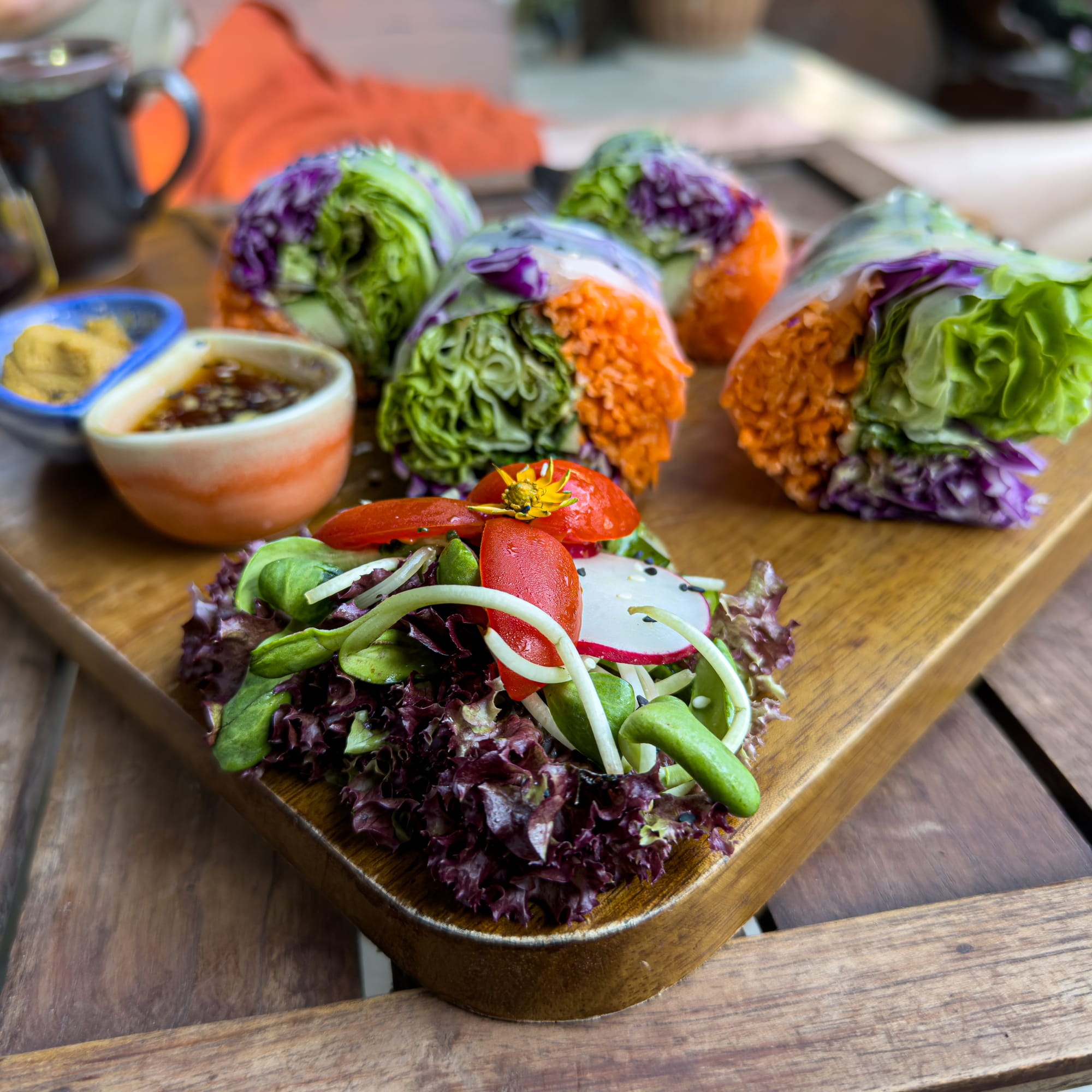
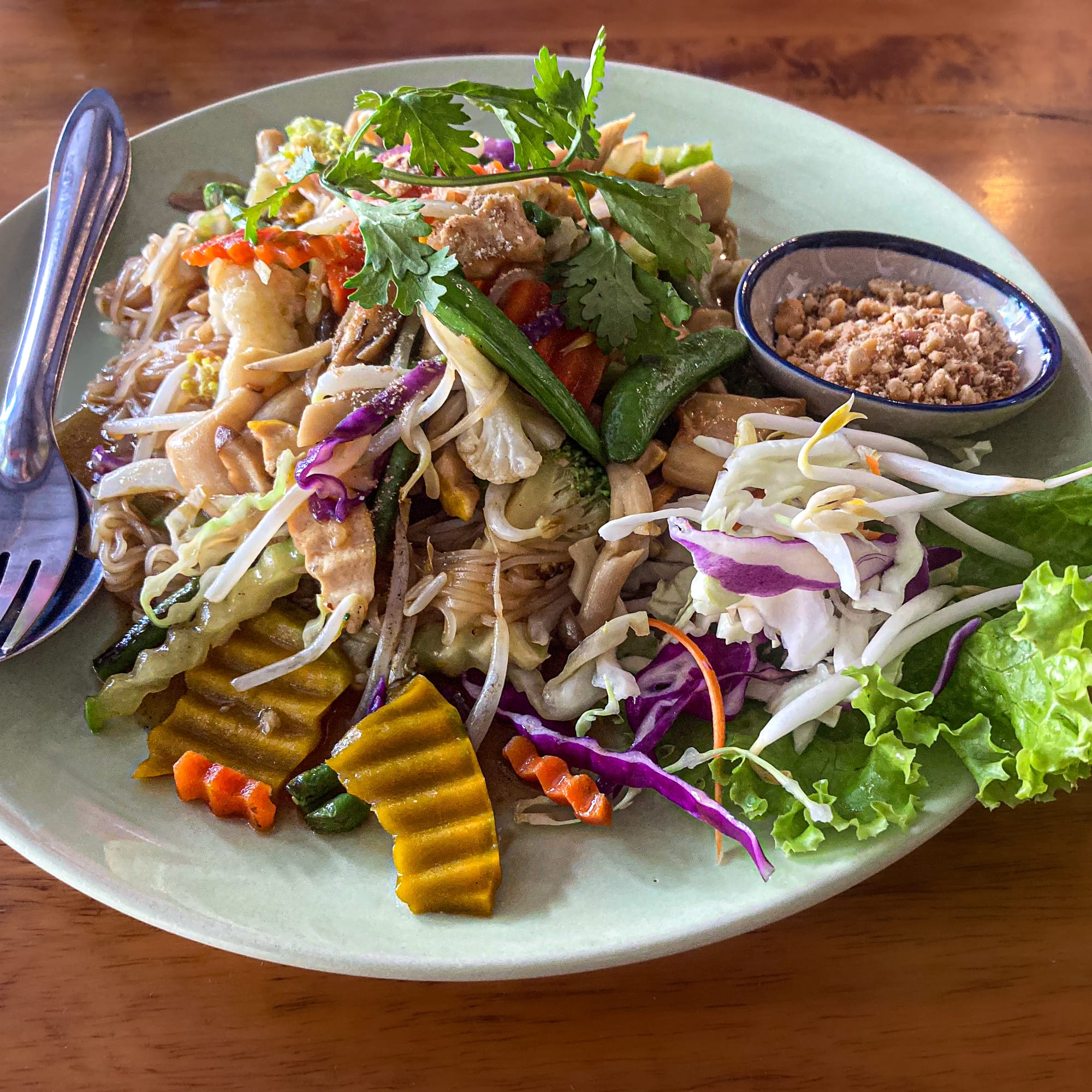
Back in Chiang Mai, we loved Baan Kang Wat, Jing Jai Market, and the Bamboo Saturday Market for their mix of local craft, food, and small independent makers. May Kaidee’s vegan cooking class was another standout, and we ate incredibly well throughout our stay, especially at Bird’s Nest, which became our favorite café. Between temple-hopping, long vegan lunches, markets, massages, and slower wellness days at places like Old City Spa and Cocoon, Chiang Mai made it unusually easy to move between work, culture, food, and restoration.
Community & social life
Best places to work
Internet & infrastructure
Delights & frictions
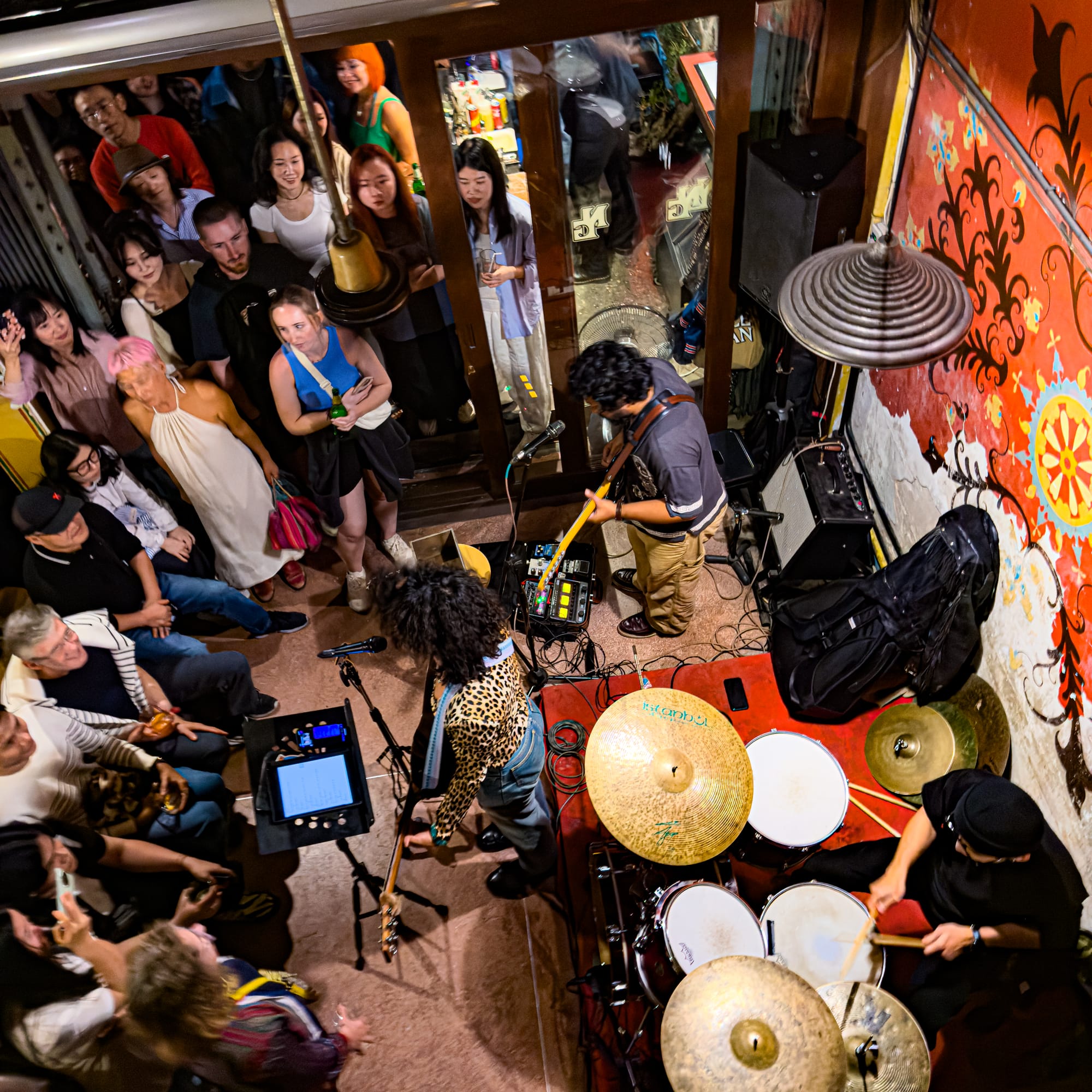
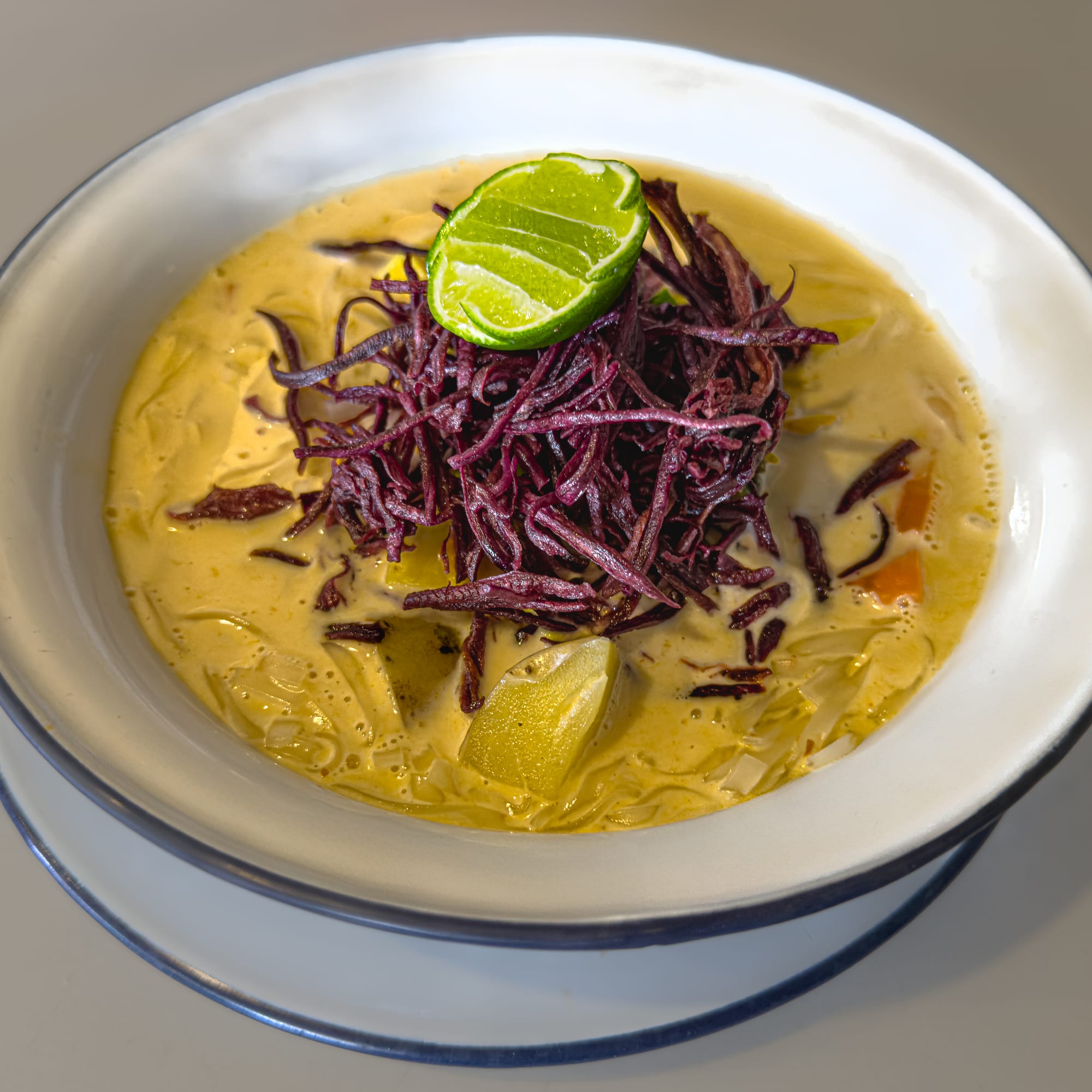
One of Chiang Mai’s biggest delights is the landscape around it. The city sits close to mountains, forests, waterfalls, and quieter rural areas, and that proximity gives daily life a sense of depth that is easy to miss in larger cities. The temples add to that feeling: even when the streets are busy, there are moments of stillness, incense, bells, and shaded courtyards that make Chiang Mai feel unusually reflective. We also loved the abundance of amazing vegan food. Vegan khao soi in particular became one of those foods we kept going back for. And lastly, listening to live jazz at North Gate Jazz Co-op was in itself a kind of religious experience like no other.
The main friction is air quality, especially during burning season, when smoke and PM2.5 can become a serious issue. Outside of that period, Chiang Mai is still busier and more intense than the Thai islands, and at times the traffic, noise, and density can feel like a lot. Personally, we prefer the slower rhythm of island life in places like Koh Lanta, but as a city base, Chiang Mai still offers an unusually strong mix of community, culture, food, nature, and ease.
Safety
We felt generally safe during our time in Chiang Mai, including when moving around the Old City and Nimman after dark. The bigger safety consideration for us was actually transport: the roads can be busy, and unlike in Hội An, not every Grab motorbike driver will necessarily have a spare helmet for you. If you’re using motorbikes regularly, it’s worth carrying your own helmet or checking before you ride.
Air quality is another important health consideration, especially during burning season. Smoke and PM2.5 levels can become severe enough that spending long periods outdoors is uncomfortable or unhealthy, particularly for anyone with respiratory sensitivities. If you’re planning to stay in Chiang Mai around February to April, it’s worth monitoring air quality closely and being prepared to adjust your routine or leave the city if conditions deteriorate.
Top tips
If you can, avoid Chiang Mai during burning season. Air quality can become poor enough to seriously affect daily life, especially around February to April, so we’d much rather plan a stay for the cooler months at the end of the year.
Make time for hiking. Chiang Mai has excellent access to forest trails, waterfalls, and mountain routes, and we regret not doing more while we were there. The Monk’s Trail is an easy place to start, but there are plenty of longer hikes around Doi Suthep and farther into the surrounding mountains.
We’d also strongly recommend spending a few days in Pai. It’s a small, famously hippie-leaning town north of Chiang Mai, with hot springs, hiking, mountain scenery, and a much slower pace. The road there is very winding, so if you’re prone to motion sickness, prepare for that in advance.
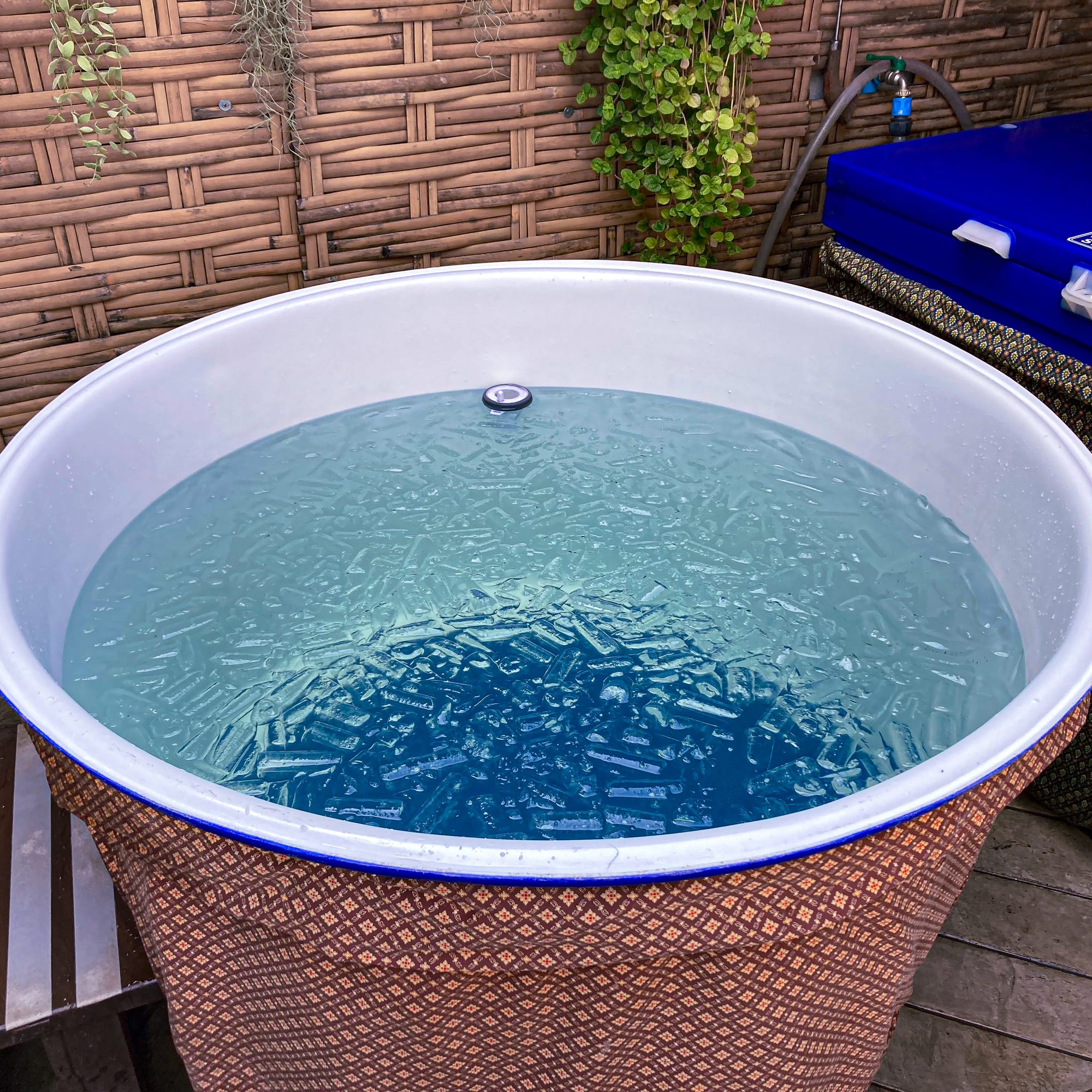
If relaxation and recovery are part of your routine, a membership at Old City Spa can also be really worthwhile. Having regular access to facilities like the sauna and ice bath makes it easy to build a simple wellness rhythm.
Is Chiang Mai worth visiting?
Yes. Chiang Mai is one of our favorite cities in Thailand, especially if you’re interested in temples, food, markets, wellness, hiking, and a slower pace than Bangkok. The city itself has a distinctly spiritual feel, while the surrounding mountains, forests, and rural areas make it easy to get out into nature. It also works particularly well for longer stays, with excellent cafés, coworking spaces, vegan food, and a large digital nomad community.
What are the best things to do in Chiang Mai?
Some of the best things to do in Chiang Mai are exploring the temples of the Old City, hiking the Monk’s Trail to Wat Pha Lat, visiting markets like Baan Kang Wat and Jing Jai Market, taking a Thai cooking class, and eating your way through the city’s excellent vegan restaurants. We also recommend spending time outside the center, whether that means hiking, visiting Mae Rim and Mon Jam, exploring Queen Sirikit Botanic Garden, or taking a short trip to Pai.
How many days do you need in Chiang Mai?
For a first visit, we’d recommend at least four or five days, although a week gives you much more breathing room. Chiang Mai is a place where some of the appeal comes from daily life rather than individual sights, so staying longer gives you time for temples, markets, hiking, cafés, wellness, and trips into the surrounding mountains without rushing. Many digital nomads stay for a month or considerably longer. Current travel guides similarly tend to recommend around four to seven days for first-time visitors.
When is the best time to visit Chiang Mai?
The best time to visit Chiang Mai is generally from November to January, when the weather is cooler, drier, and more comfortable for hiking and exploring the city. December and January are particularly good and also tend to be popular with digital nomads. We would avoid planning a stay around the main burning season, usually from February into April, when smoke and PM2.5 can make the air quality seriously unpleasant or unhealthy.
What is burning season in Chiang Mai?
Burning season refers to the period when agricultural fires, forest fires, dry weather, and regional smoke combine to produce very poor air quality across northern Thailand. It usually becomes more noticeable from February and can be at its worst during March and early April. For us, this is the biggest seasonal drawback of living in Chiang Mai, and many digital nomads simply leave northern Thailand during this period and return once conditions improve.
Where is the best area to stay in Chiang Mai?
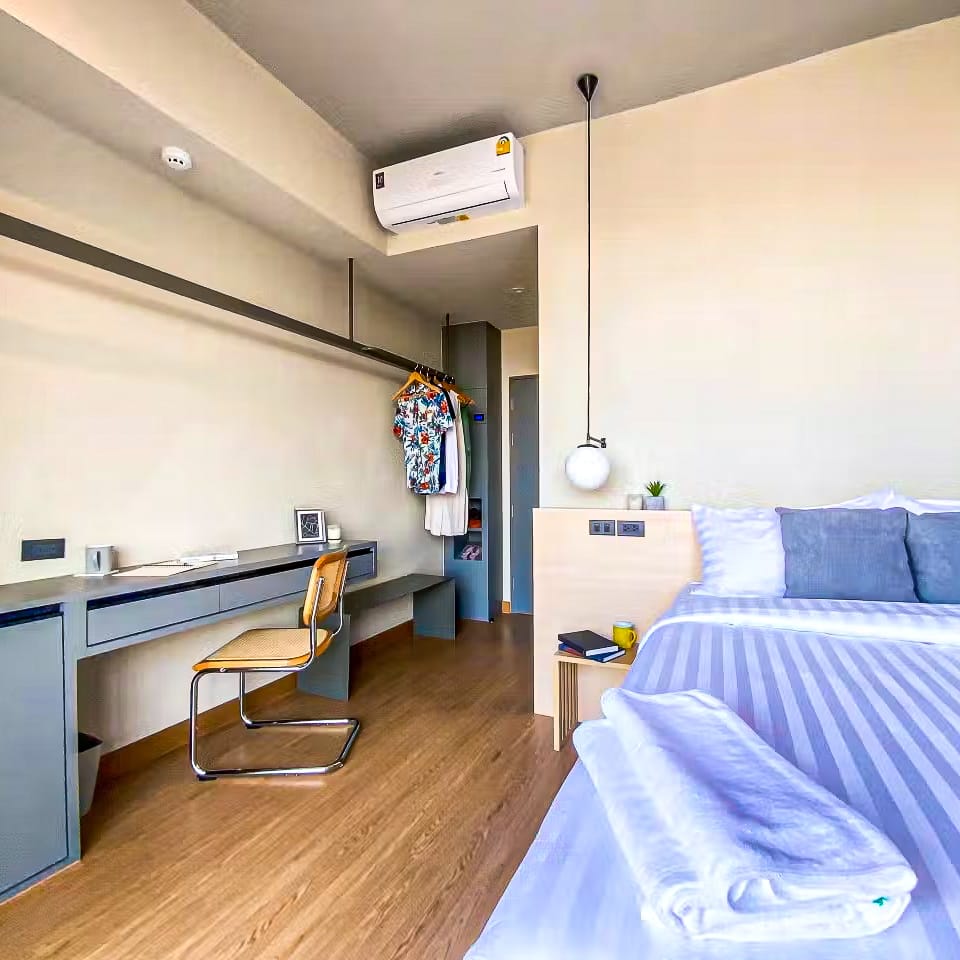
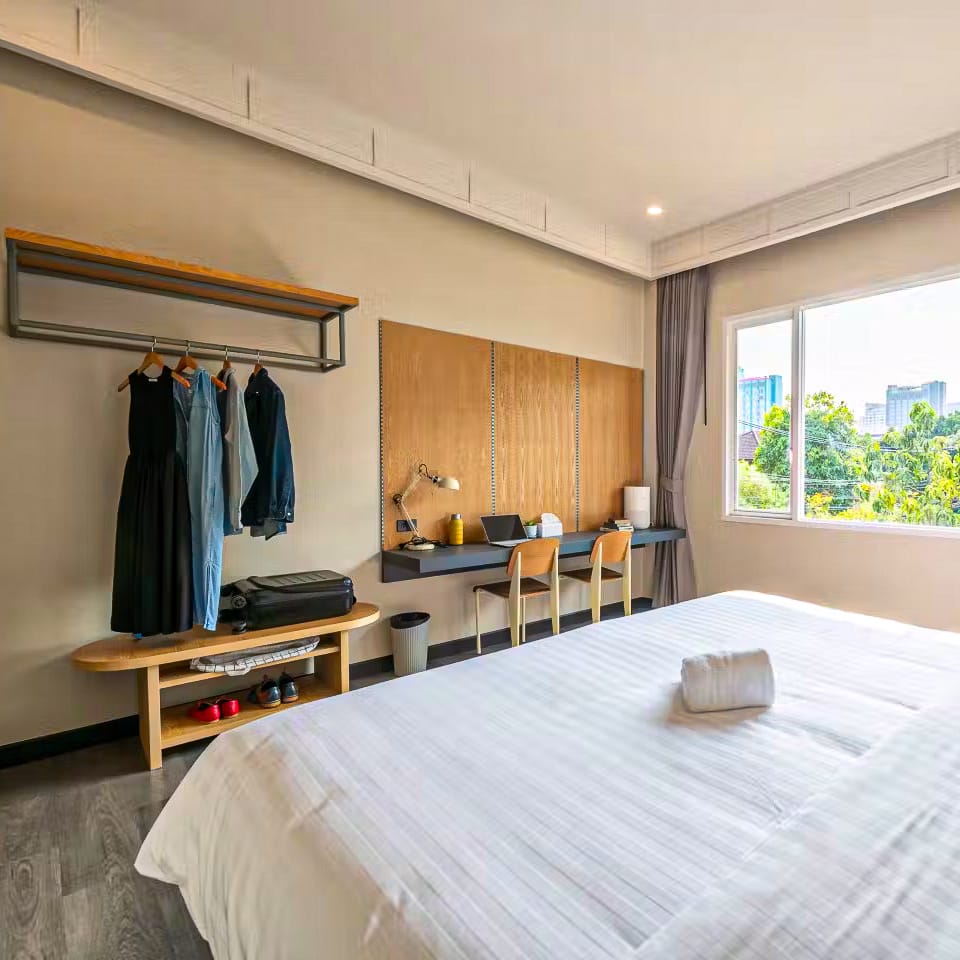
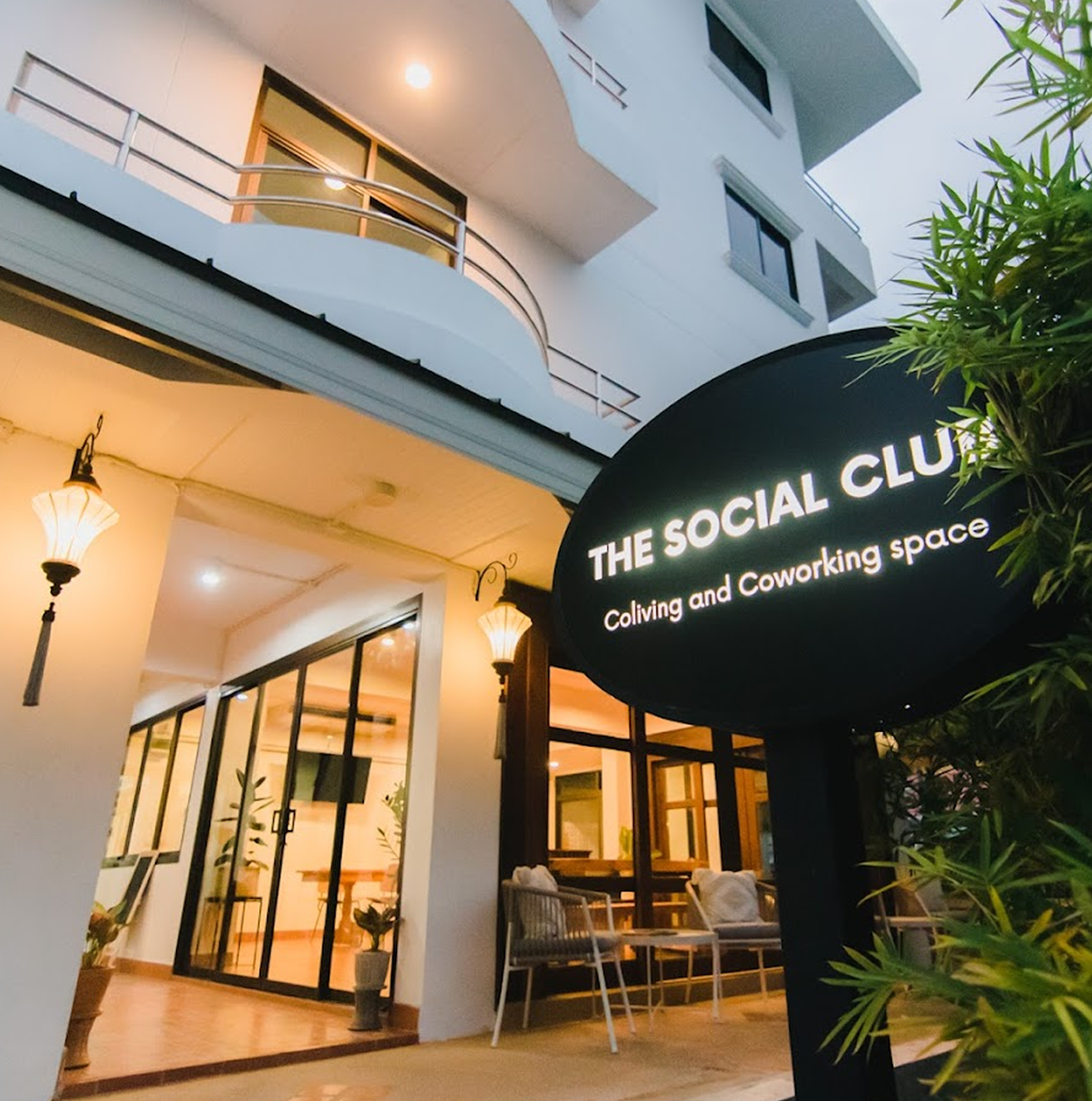
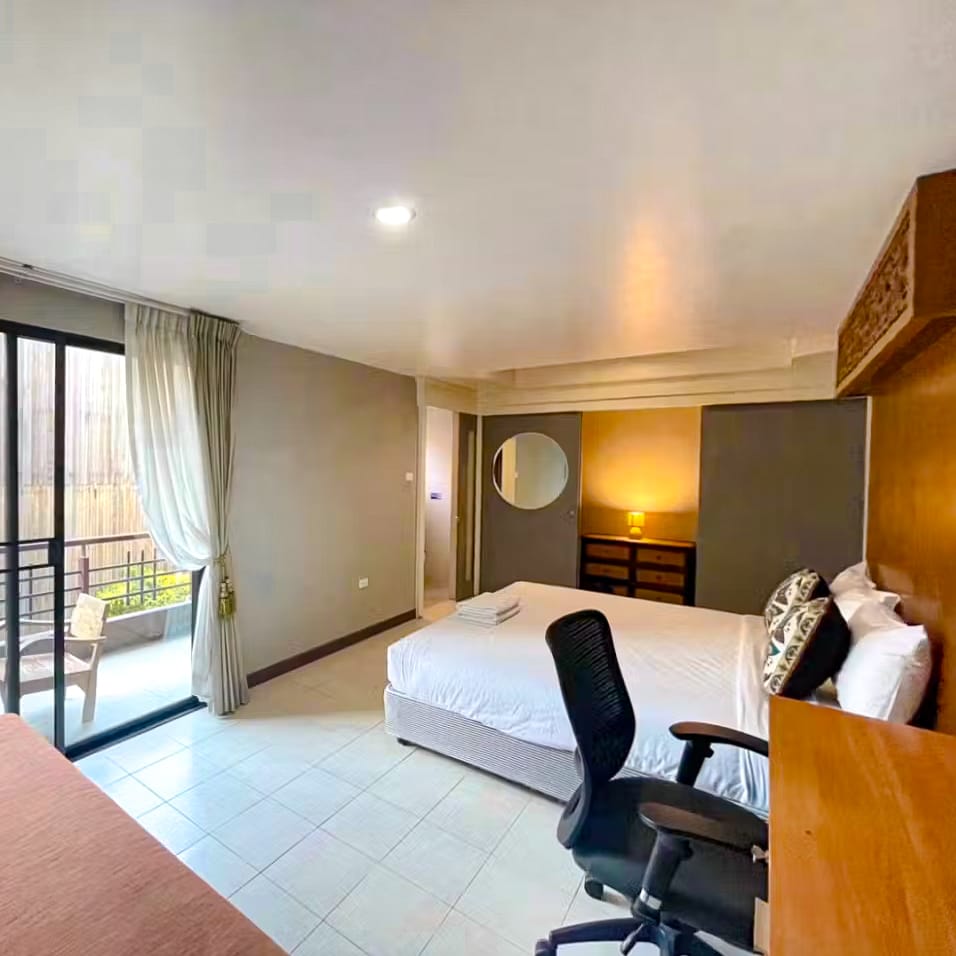
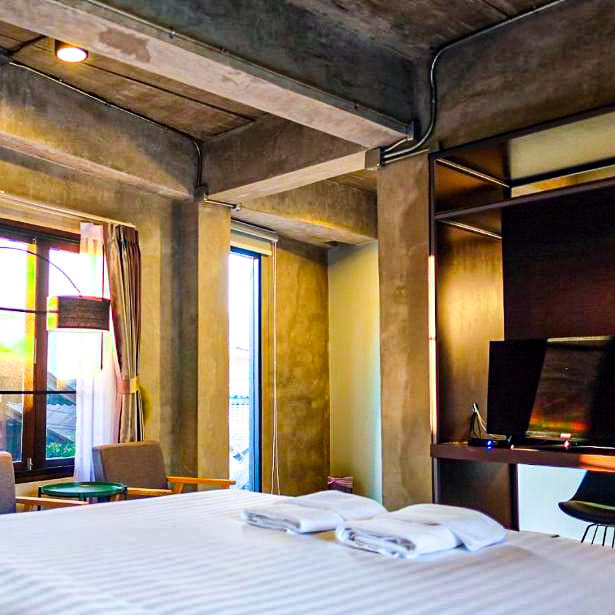
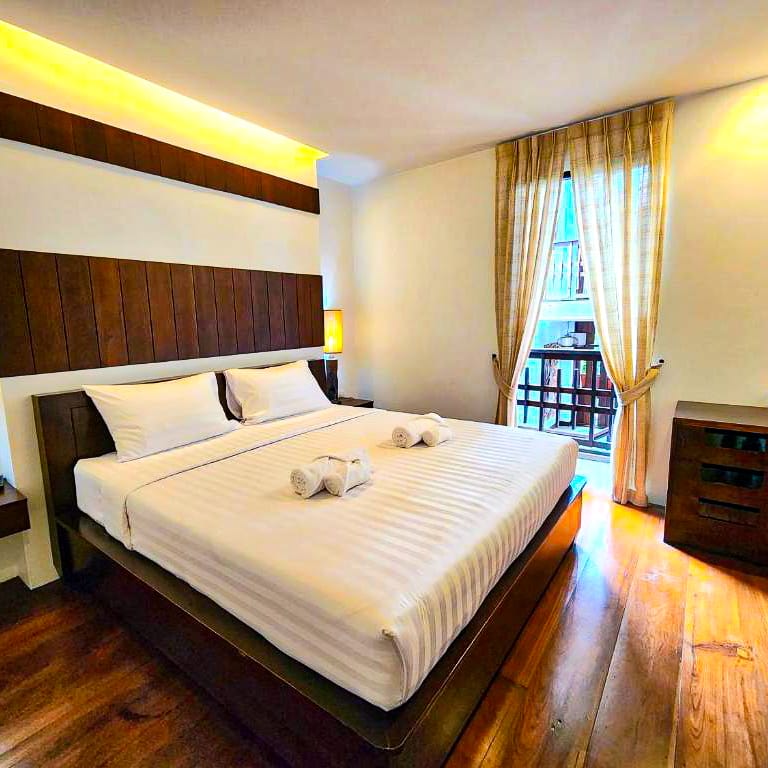
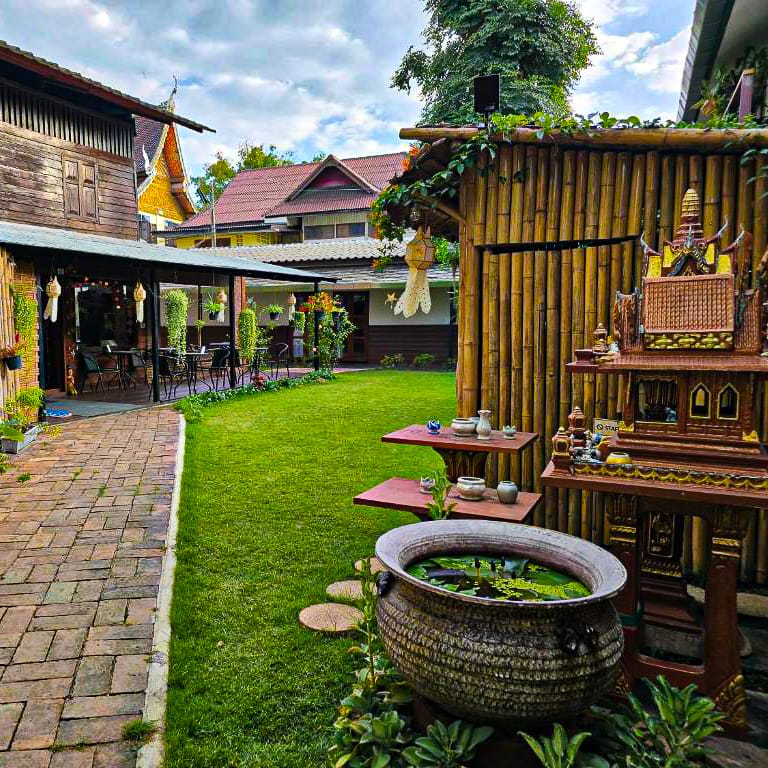
For most visitors and digital nomads, the main choice is between the Old City and Nimman. We personally prefer the Old City because it feels more atmospheric and puts temples, markets, cafés, and everyday street life close by. Nimman is more modern and particularly convenient for coworking, cafés, restaurants, and the digital nomad scene. We stayed at The Social Club in the Old City and found it an easy way to combine coliving, coworking, and community.
Is Chiang Mai good for digital nomads?
Yes. Chiang Mai remains one of the easiest places we’ve lived as digital nomads. The cost of living is low, internet is generally reliable, coworking spaces and laptop-friendly cafés are everywhere, and there is a large established community with regular events, meetups, board game nights, dance communities, workshops, and social gatherings. The main downside is burning season, which is significant enough that we’d plan the timing of a longer stay around it.
How much does it cost to live in Chiang Mai as a digital nomad?
Chiang Mai can be extremely affordable. We rented an apartment with a private ensuite for around $300 USD per month, and it’s very possible to keep costs low by renting locally and eating at local restaurants and markets. Coworking and coliving spaces add to the monthly cost, but even with those extras, Chiang Mai remains one of the better-value digital nomad bases in Southeast Asia. Current 2026 nomad guides commonly place comfortable monthly budgets somewhere around 25,000–50,000 THB, depending heavily on accommodation and lifestyle.
Does Thailand have a digital nomad visa?
Yes. Thailand now offers the Destination Thailand Visa (DTV), which specifically includes digital nomads, remote workers, and freelancers. The visa is valid for five years with multiple entries and allows stays of up to 180 days per entry. Applicants generally need to provide evidence of their remote or freelance work and show financial evidence of at least 500,000 THB. This makes Thailand considerably easier to use as a longer-term digital nomad base than it was in the past.