
We met Amarantonio at Huerto Roma Verde, a "biosocial laboratory" and community garden located in Roma Sur.
The Wednesday market was unfolding slowly, stalls arranged without urgency, people moving between food, conversation, and shade.
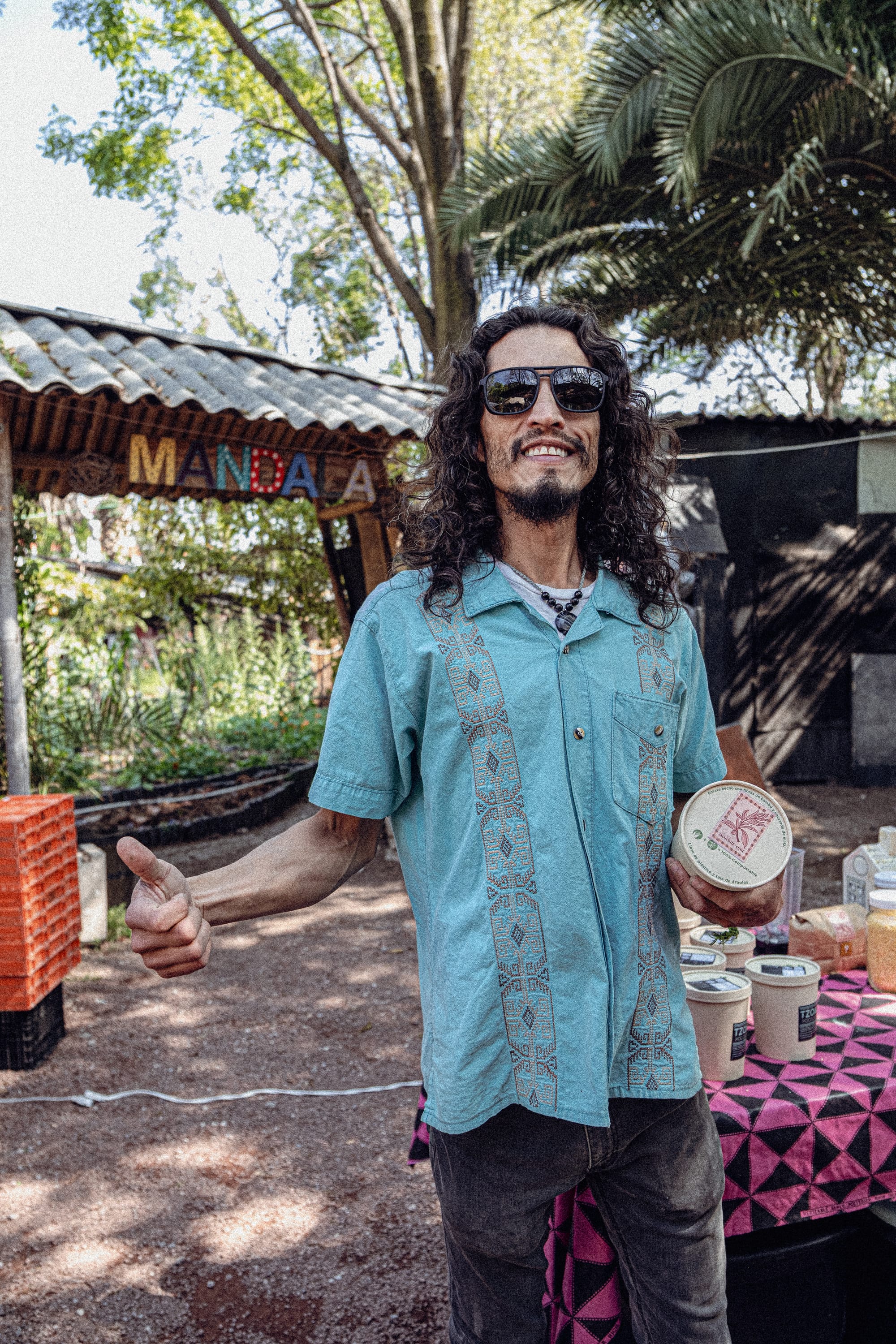
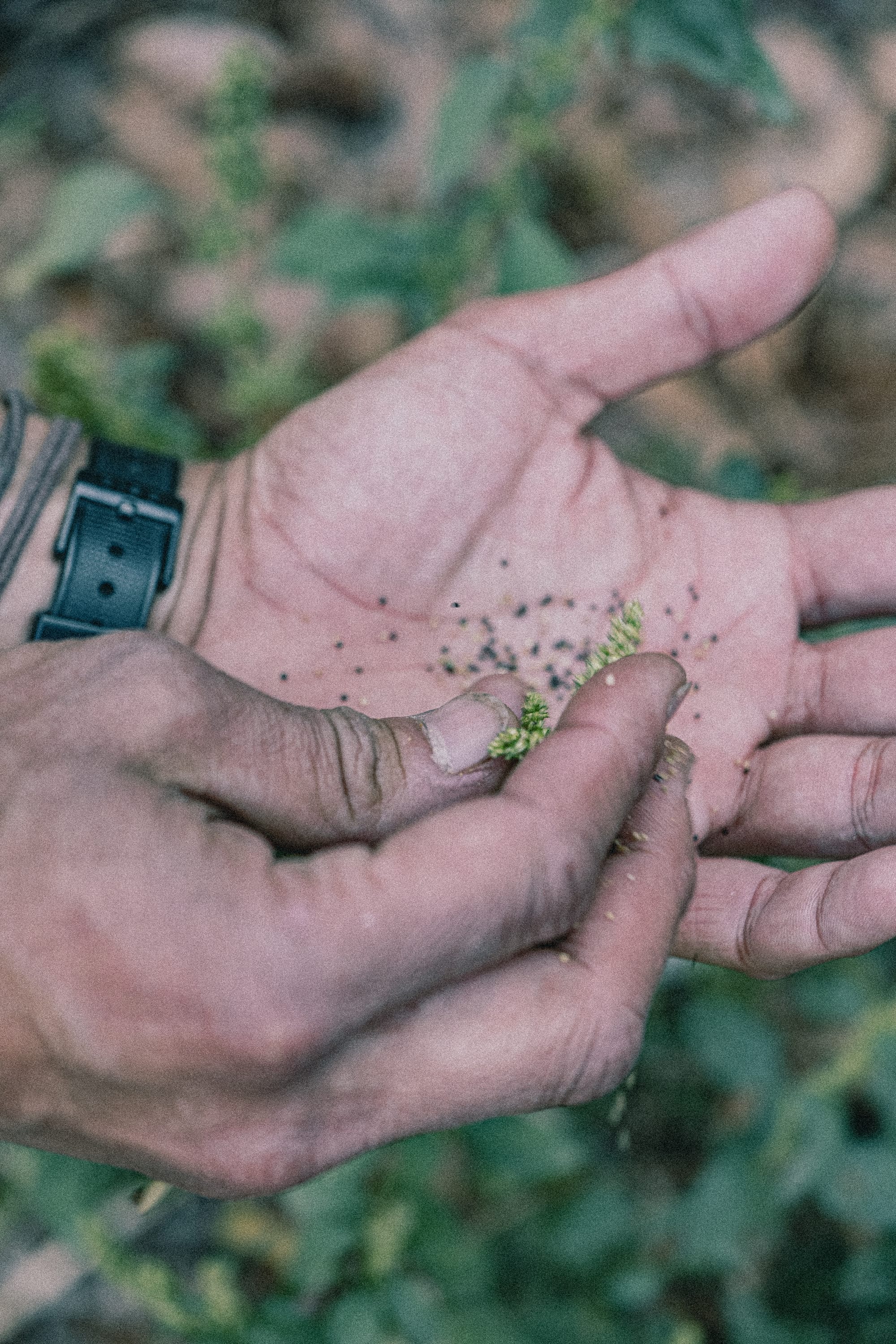
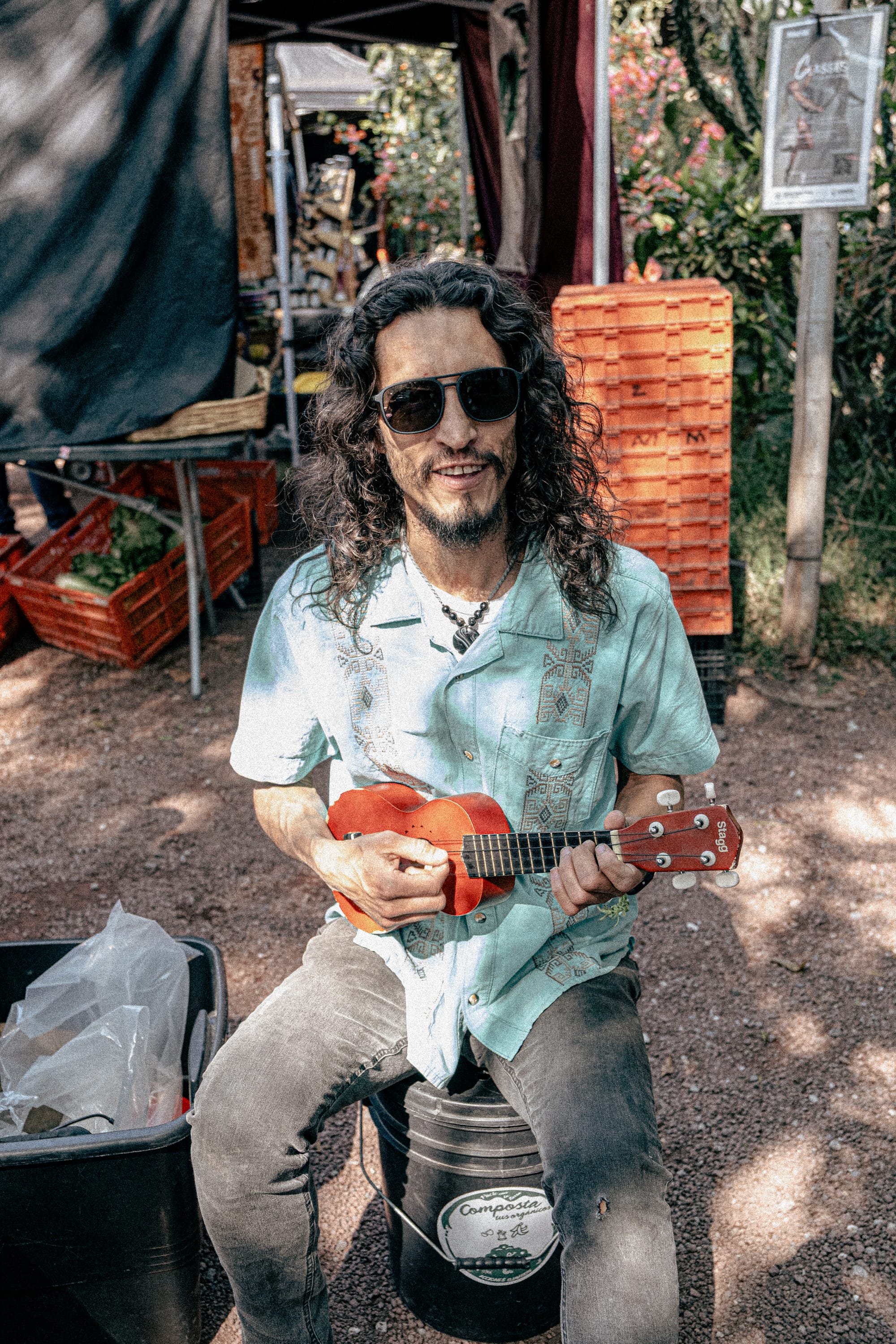
Amarantonio at Huerto Roma Verde's Wednesday market
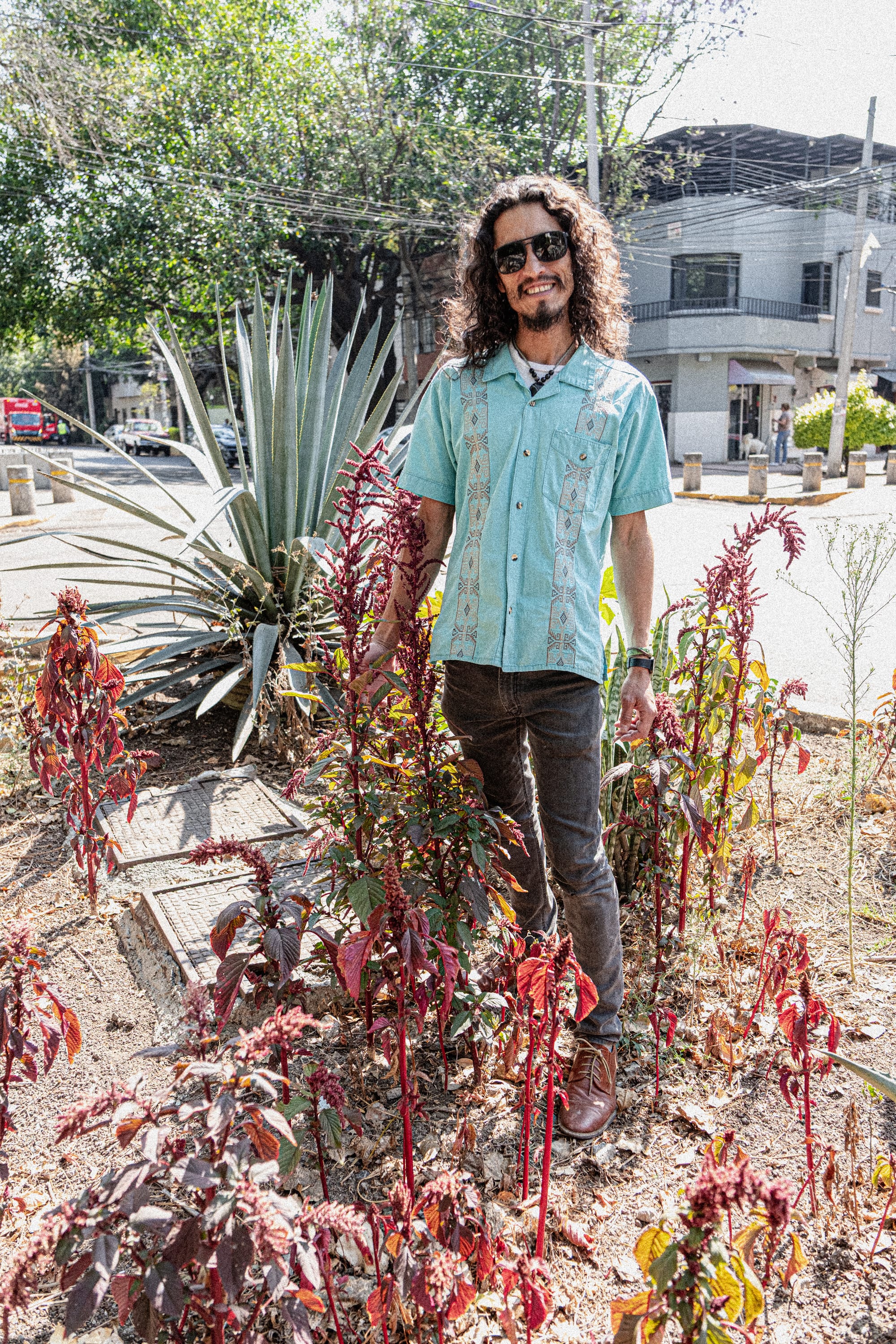
He showed us small patches of amaranth growing around the garden and outside streets, easy to miss if you weren’t looking for them. Some had been planted intentionally, others had spread on their own.
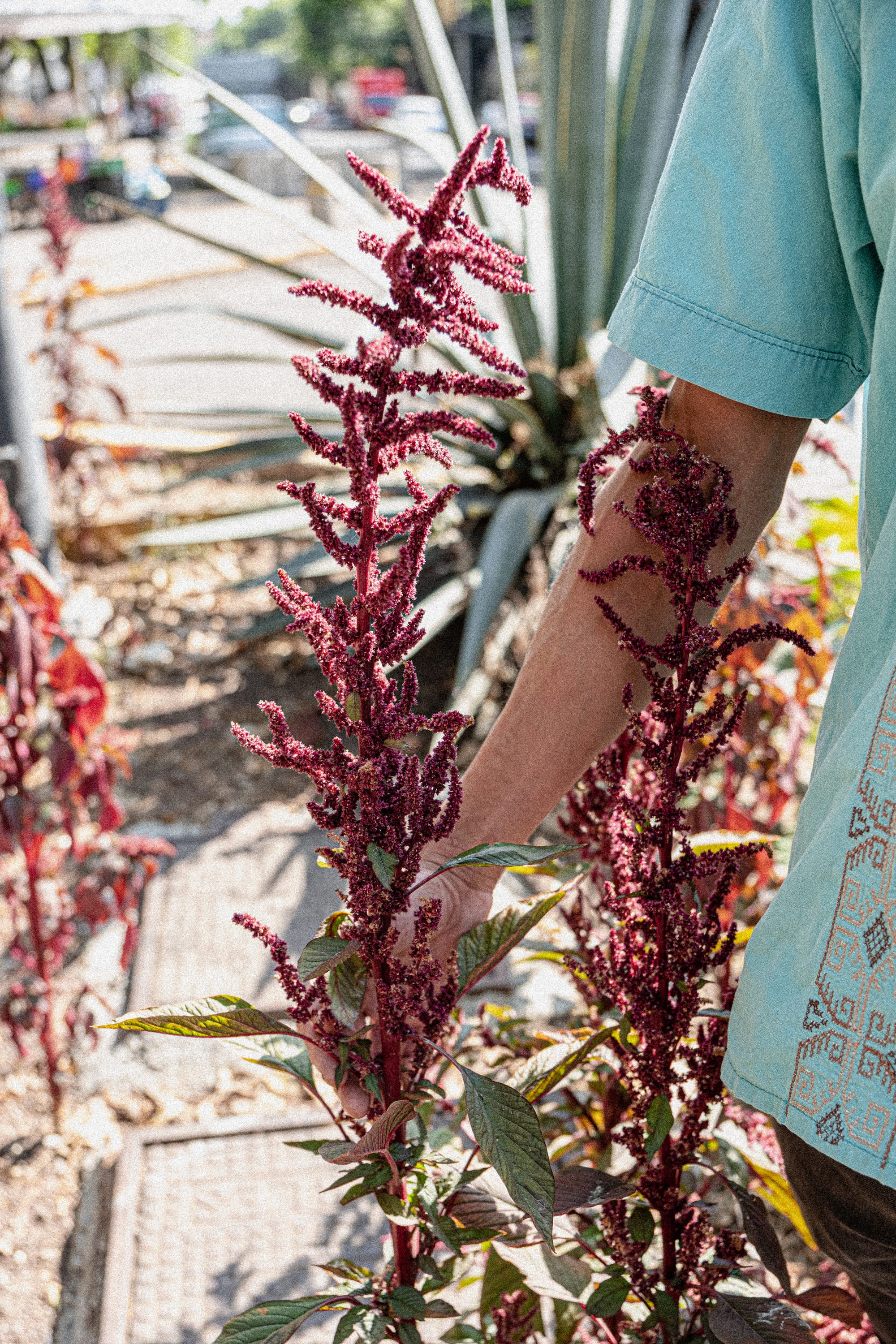
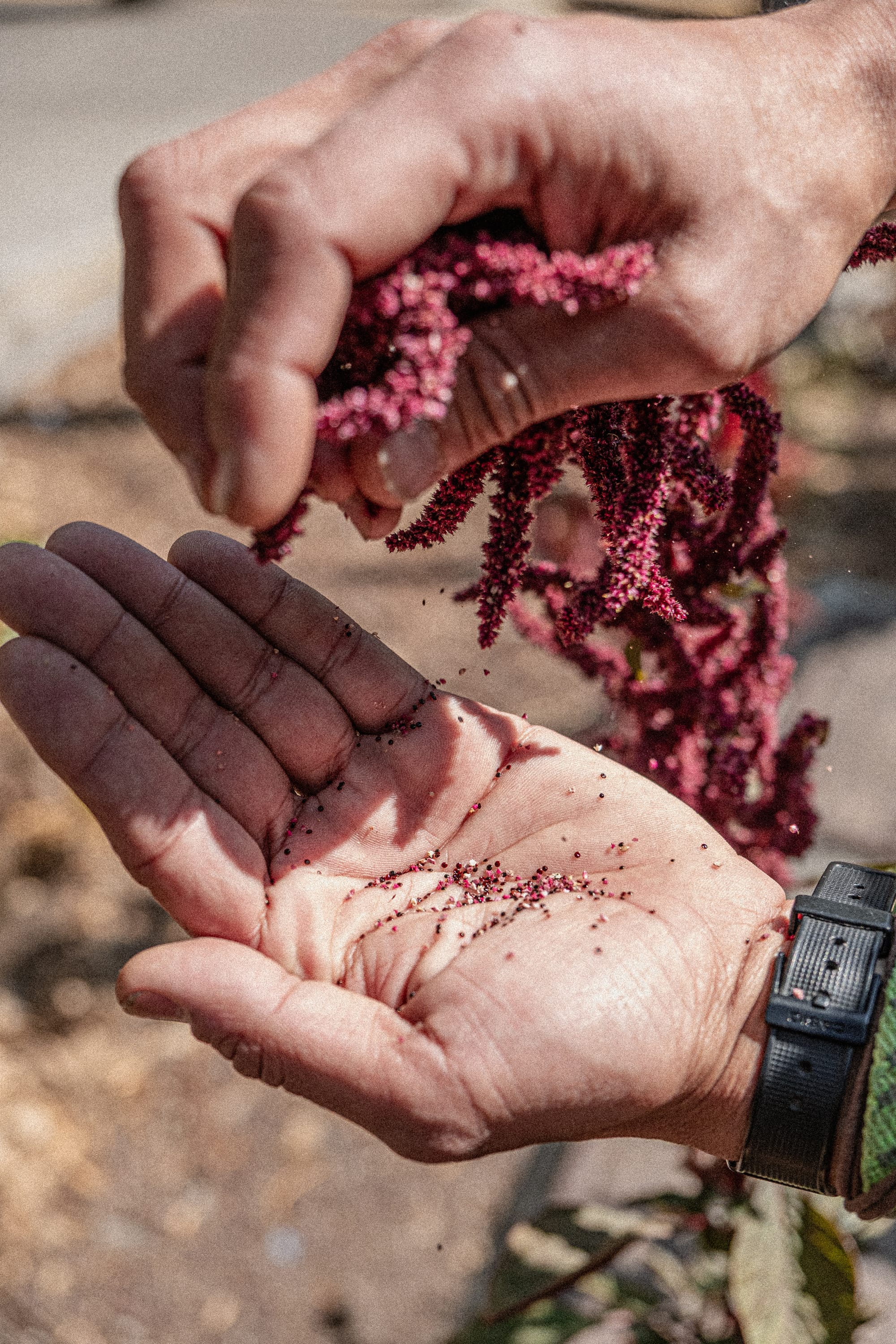
Red amaranth
We talked for a while there, moving between questions about food, health, the city, and the systems that shape all of it.
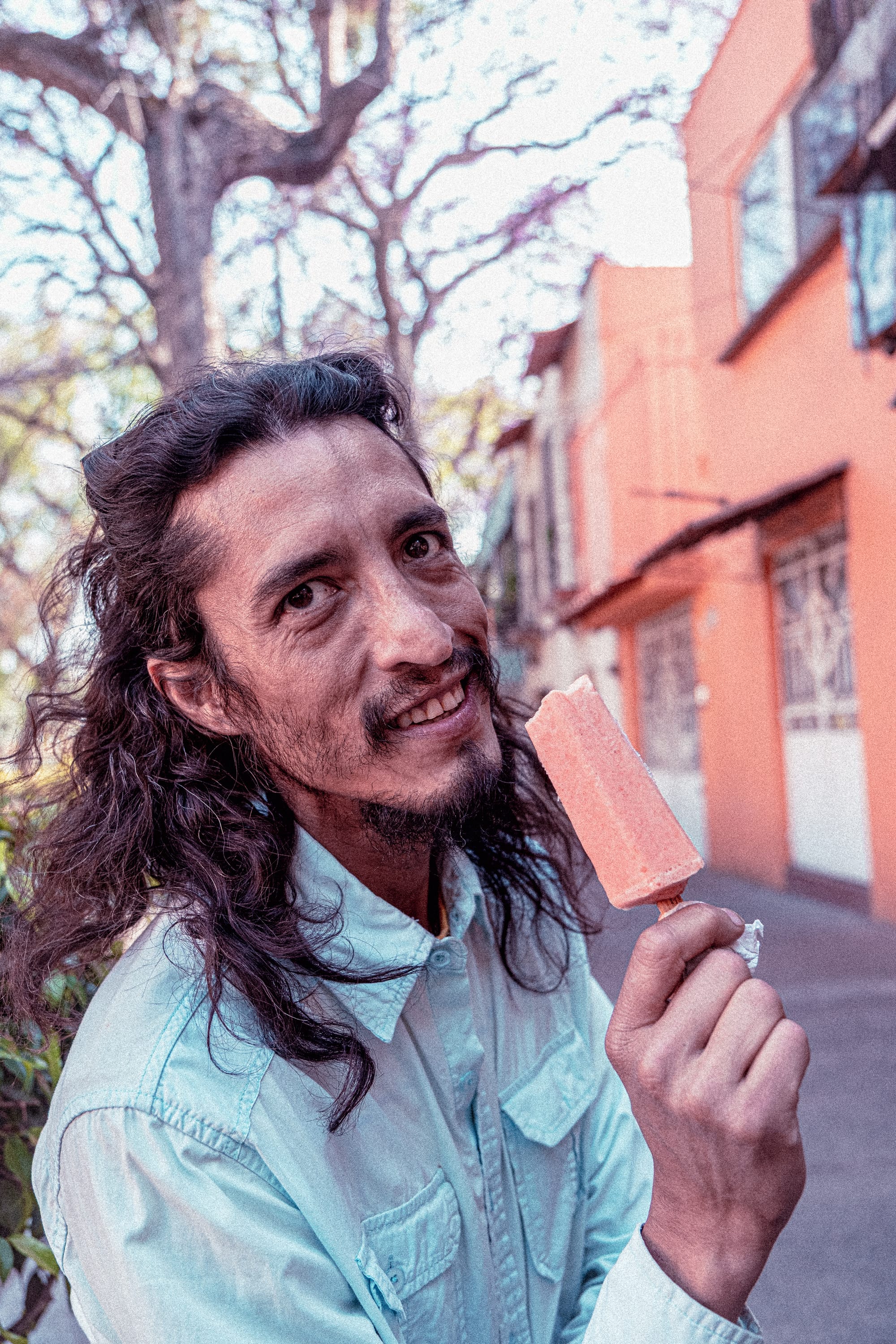
Amarantonio shows us around
As a token of kindness, he gave us a little packet of amaranth seeds.
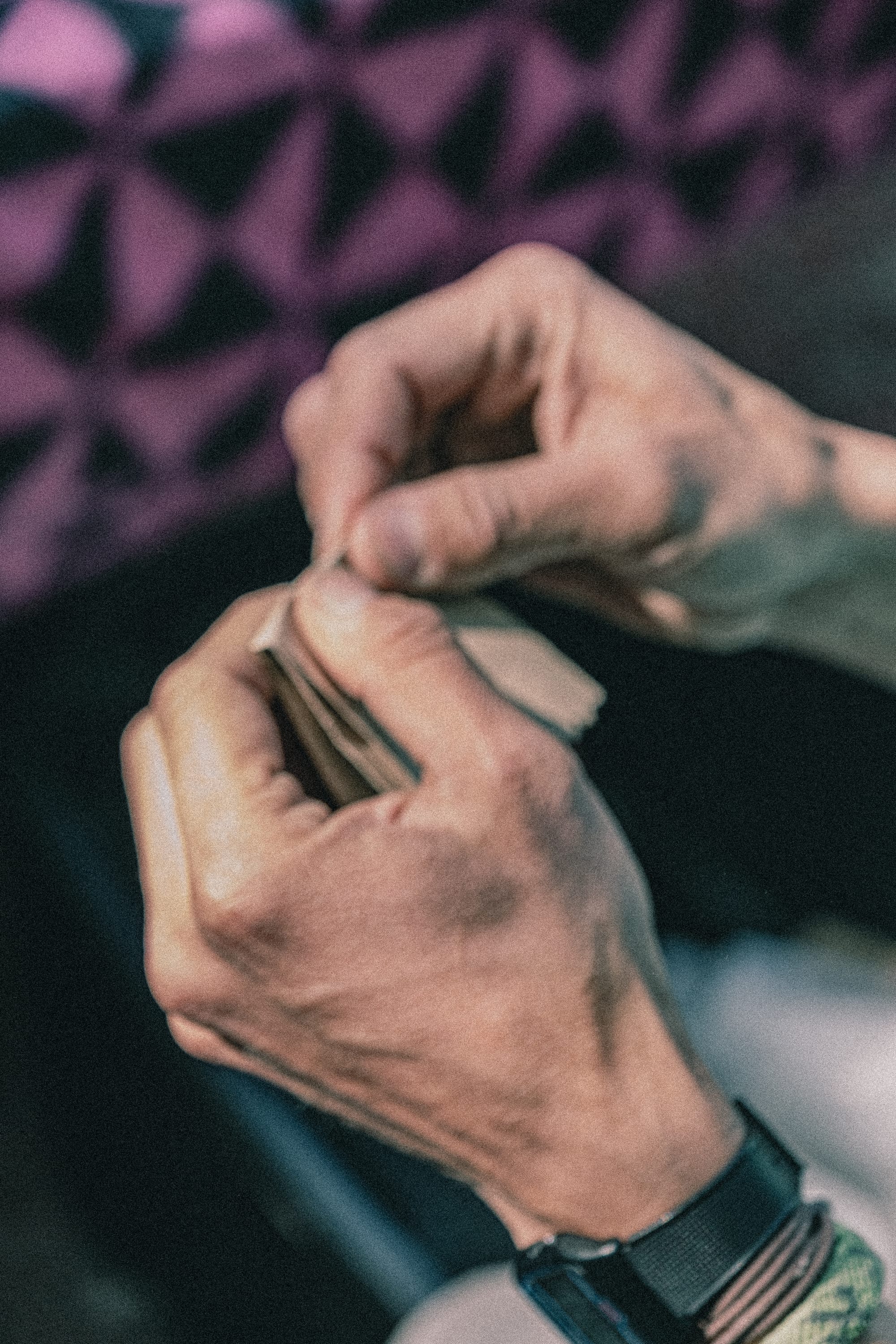
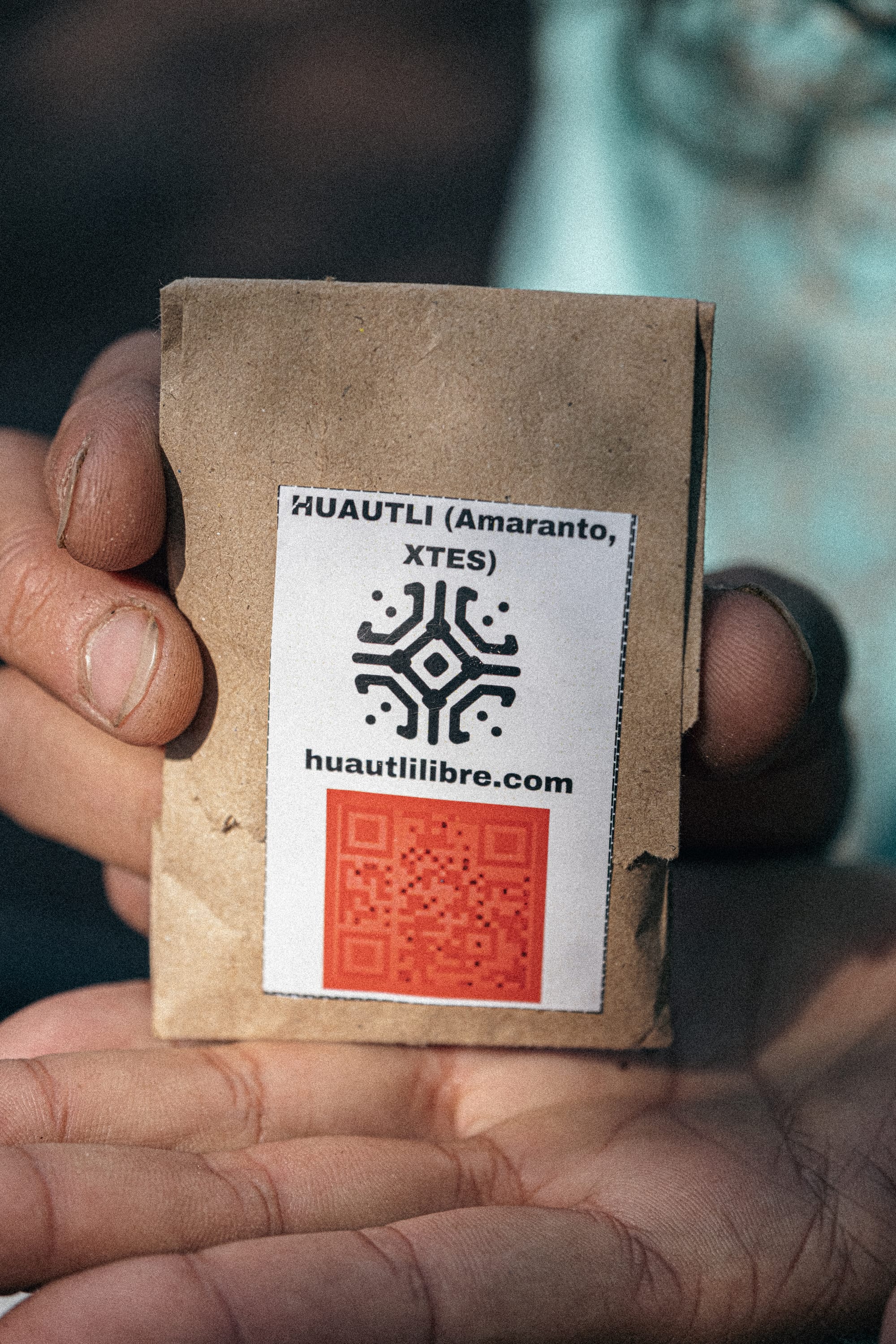
An amaranth seed gift from Amarantonio
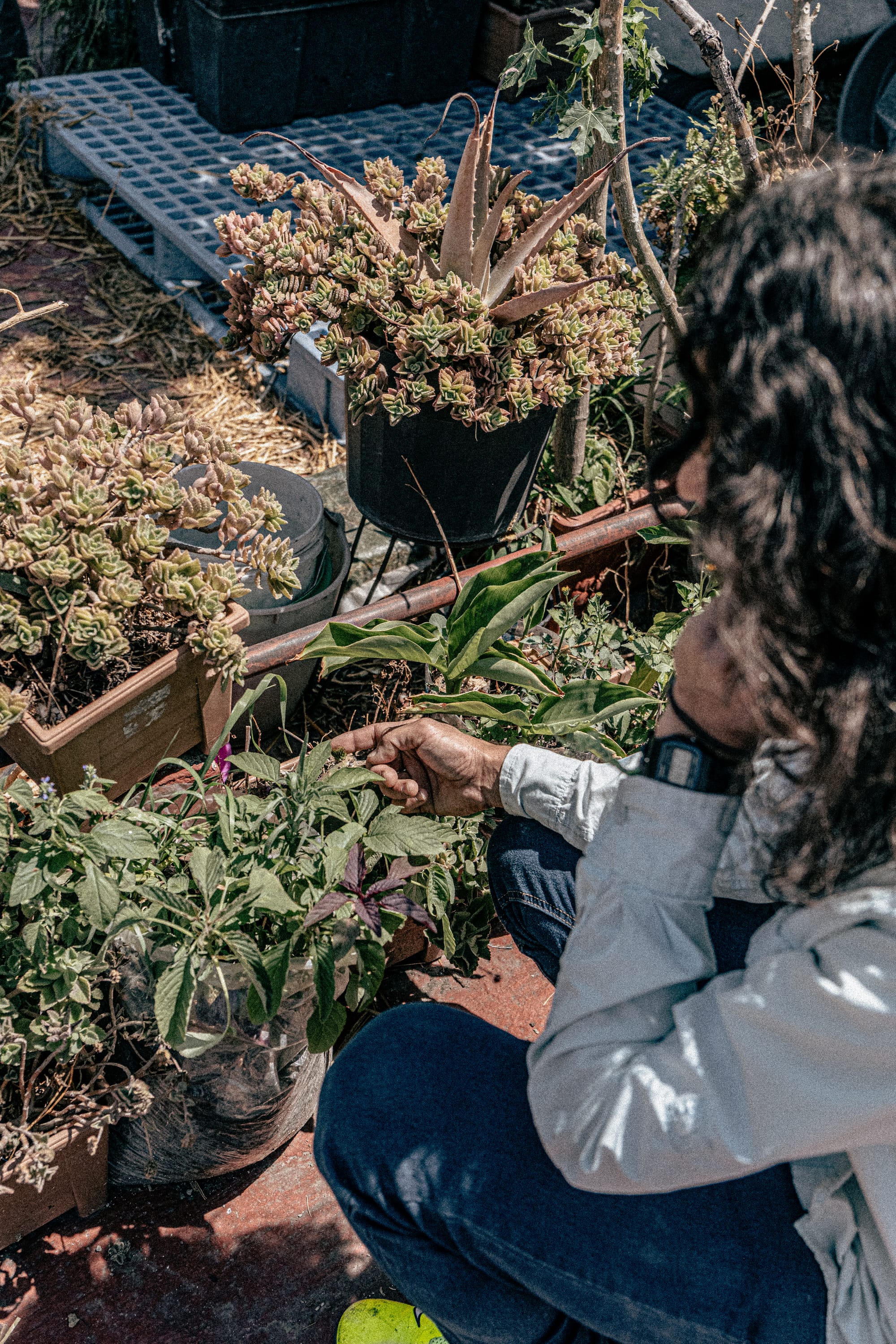
At some point, he invited us to see where he grows.
The rooftop garden: growing amaranth in Mexico City
A few days later, we found ourselves in his kitchen, where a ladder had been attached to a small rooftop window. One by one, we climbed through it and up onto the roof.
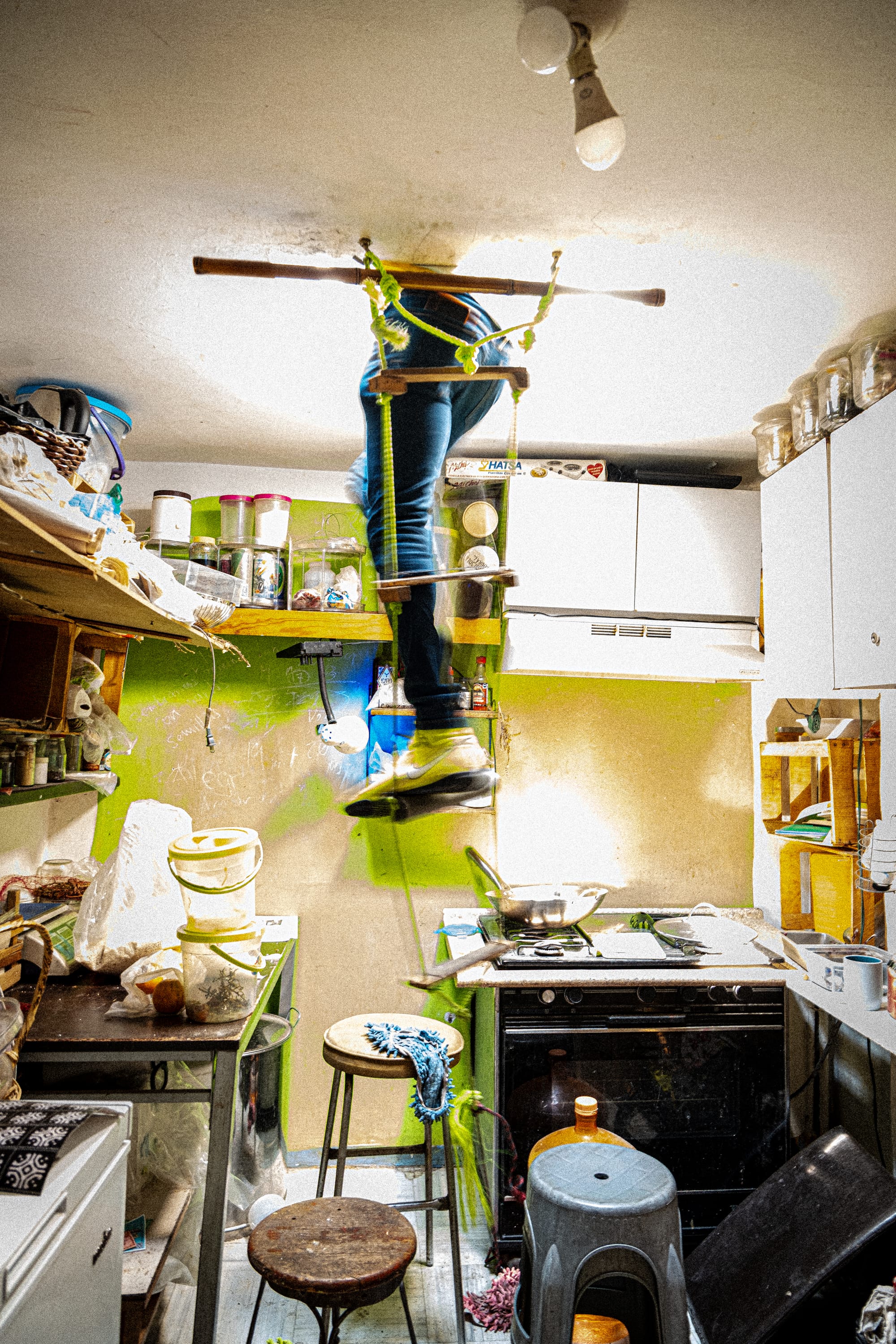
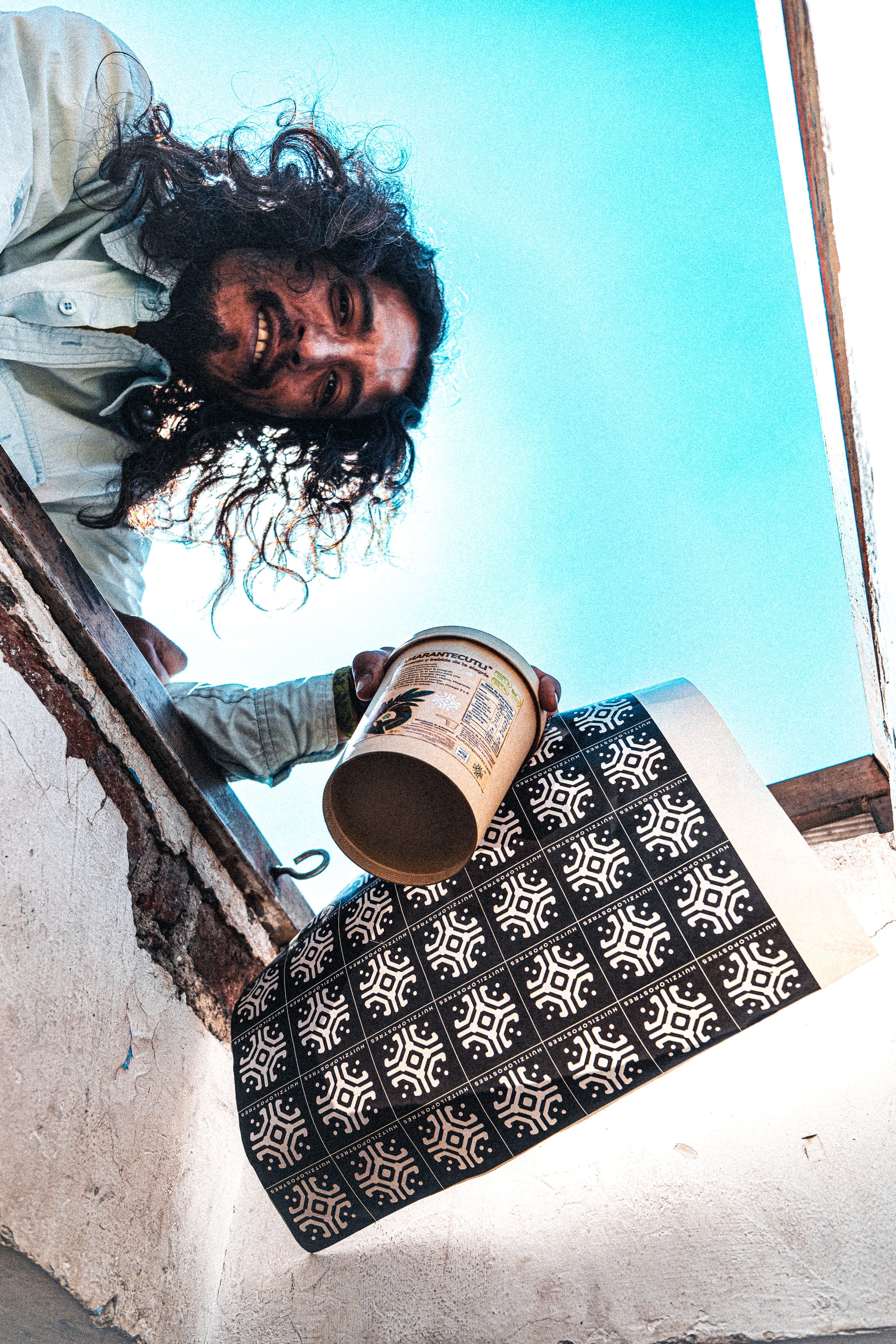
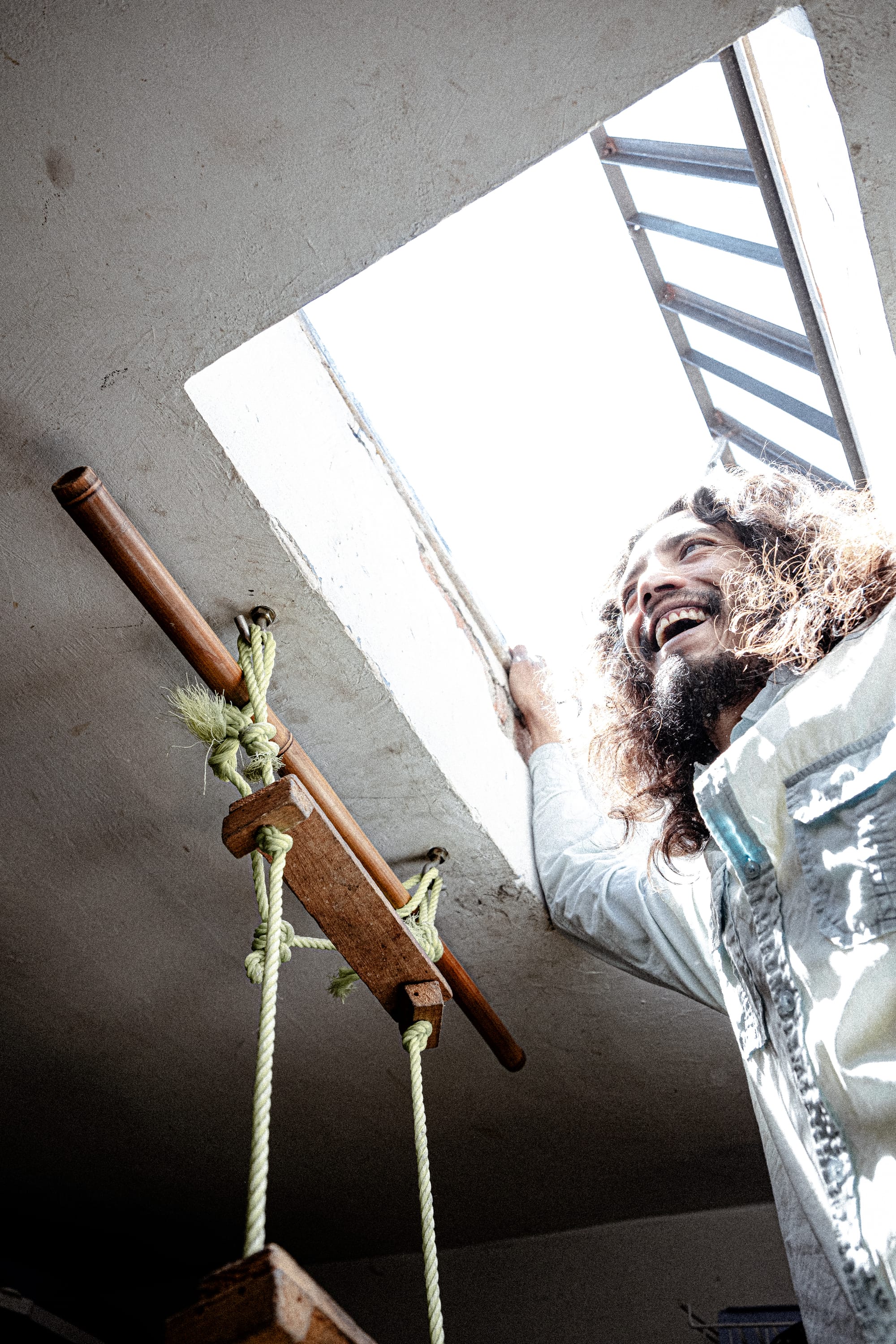
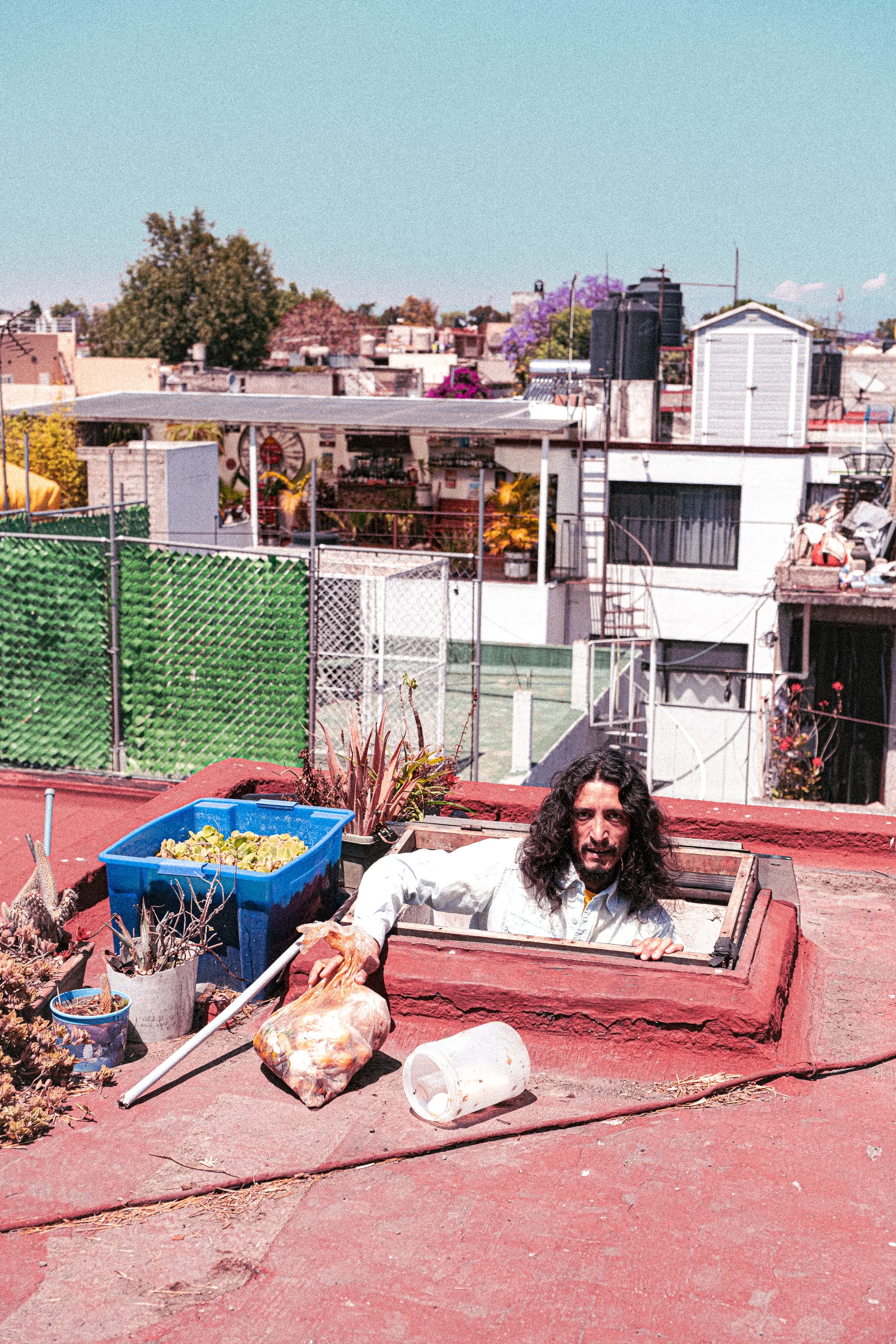
Climbing to the rooftop garden
Before even stepping fully into the space, there was a shift in atmosphere. Amarantonio has a warm, open presence, the kind that makes conversation feel easy and unforced. That same energy seems to extend into the space itself. The rooftop didn’t feel separate from him, it felt like an extension of how he moves through the world.
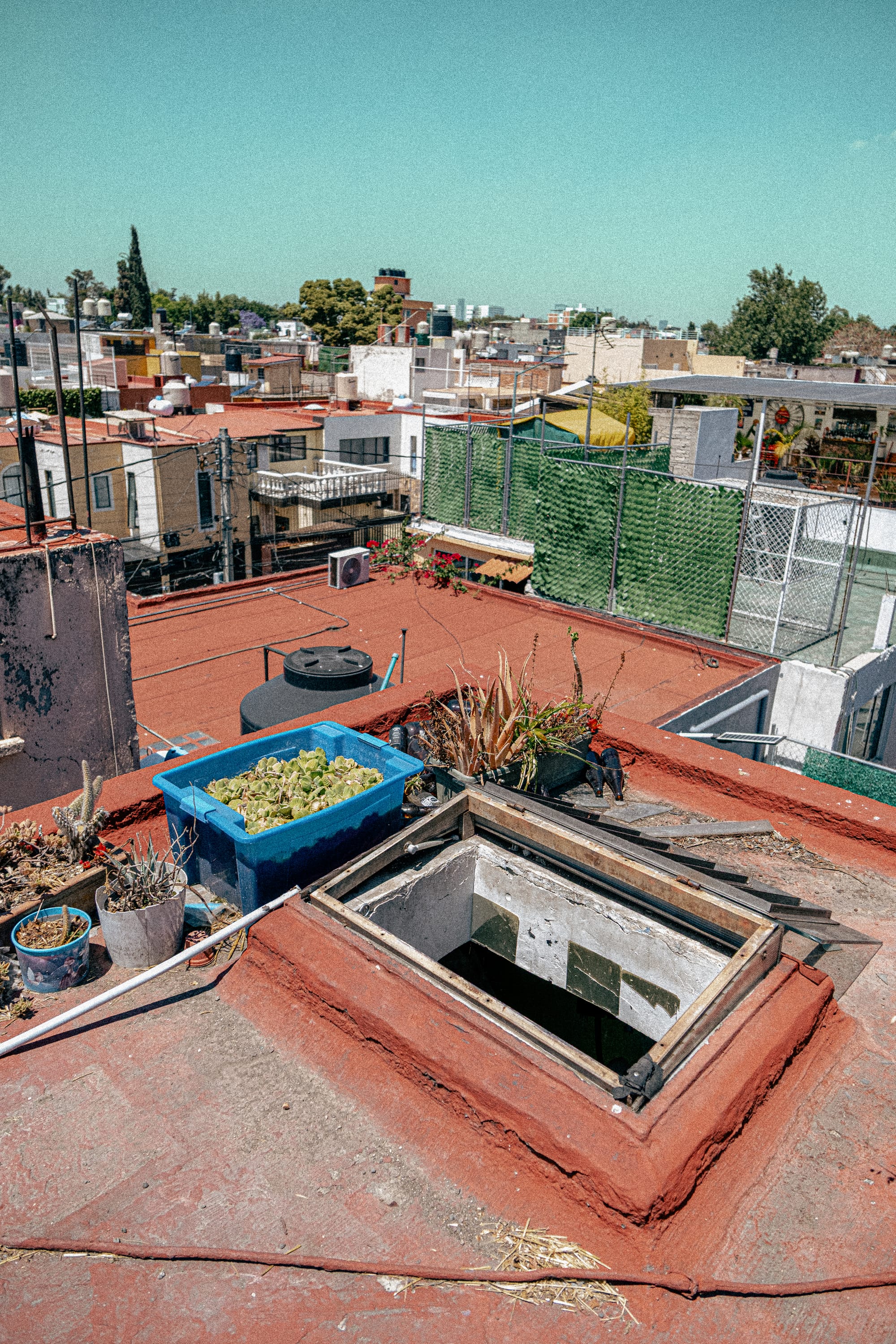
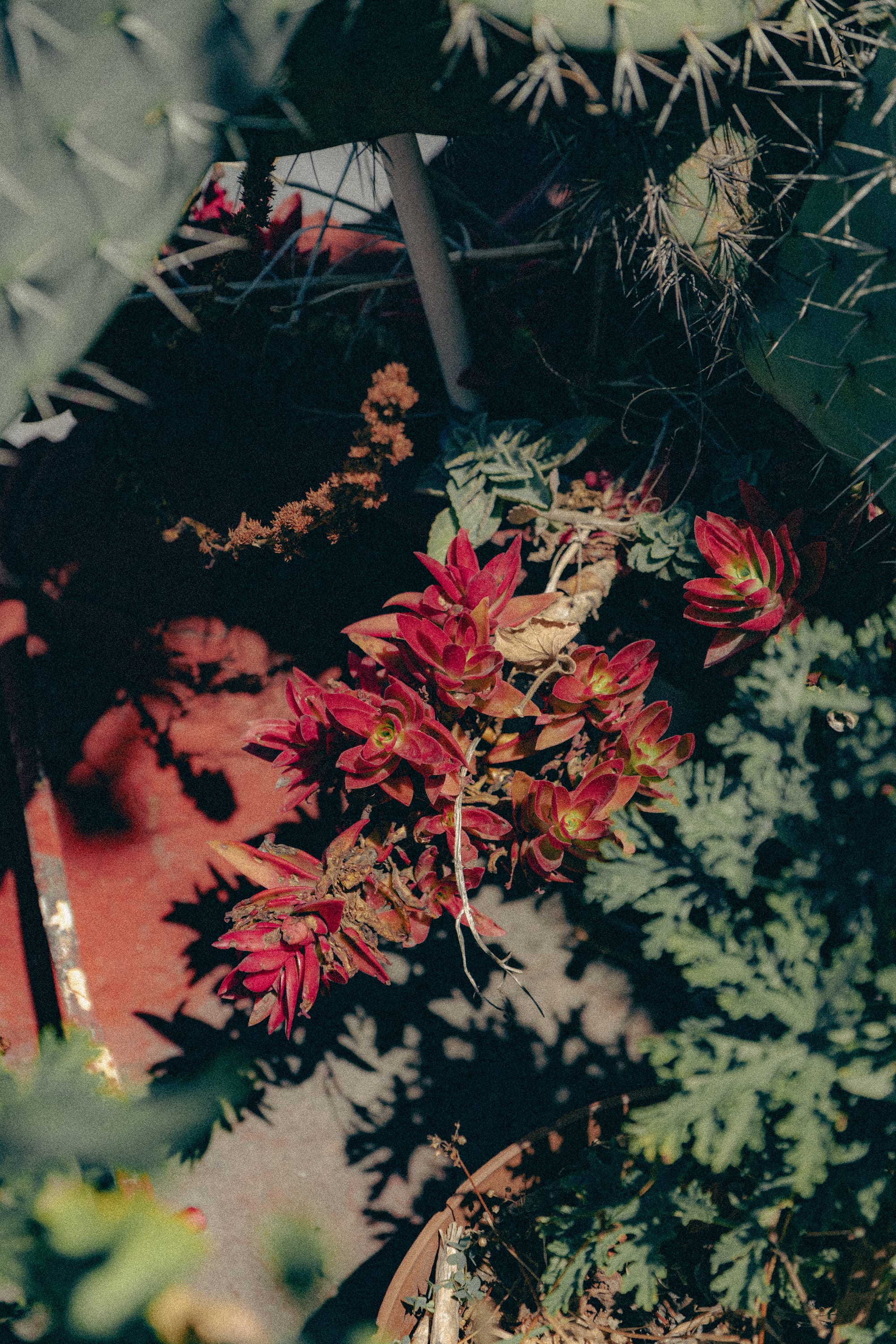
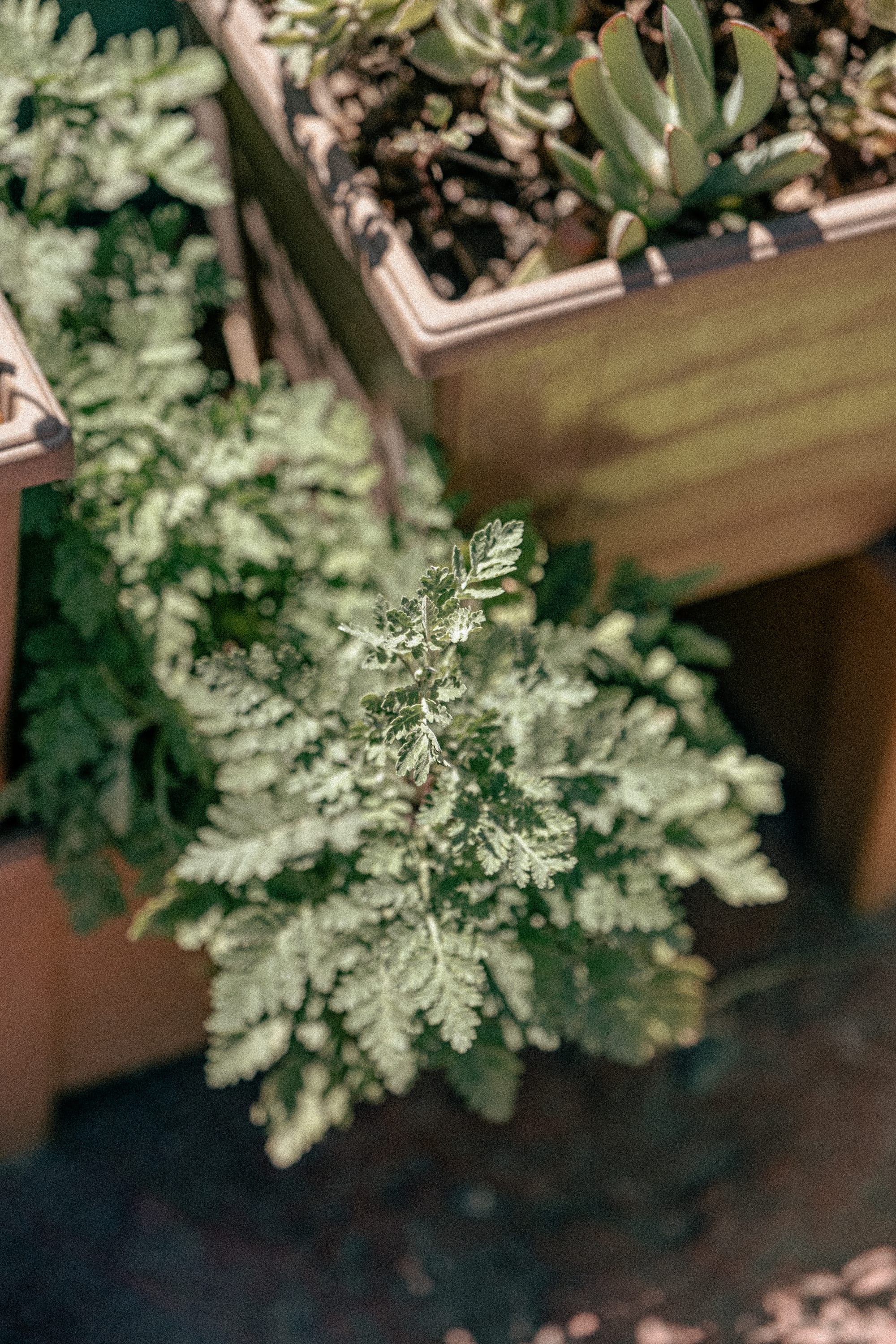
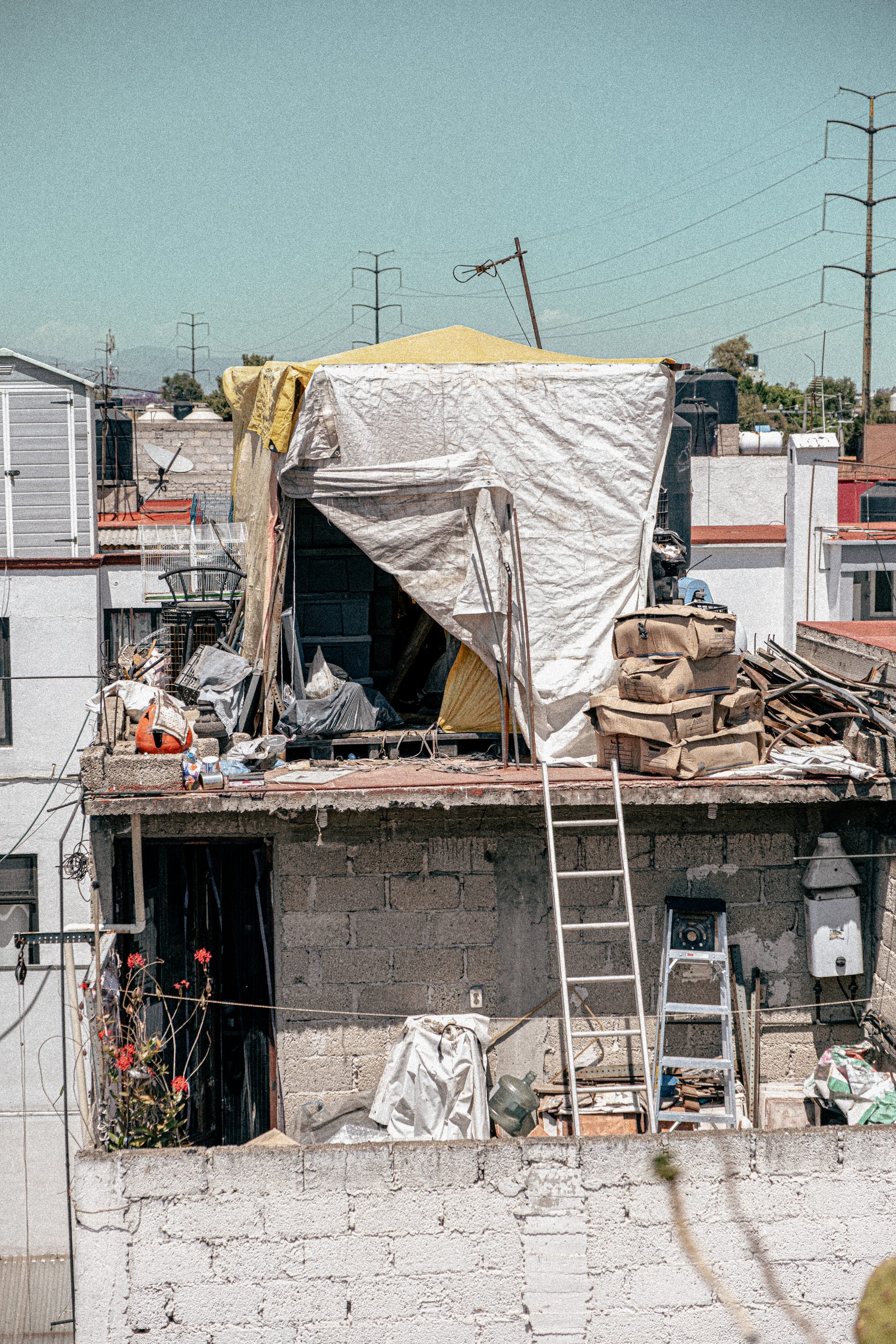
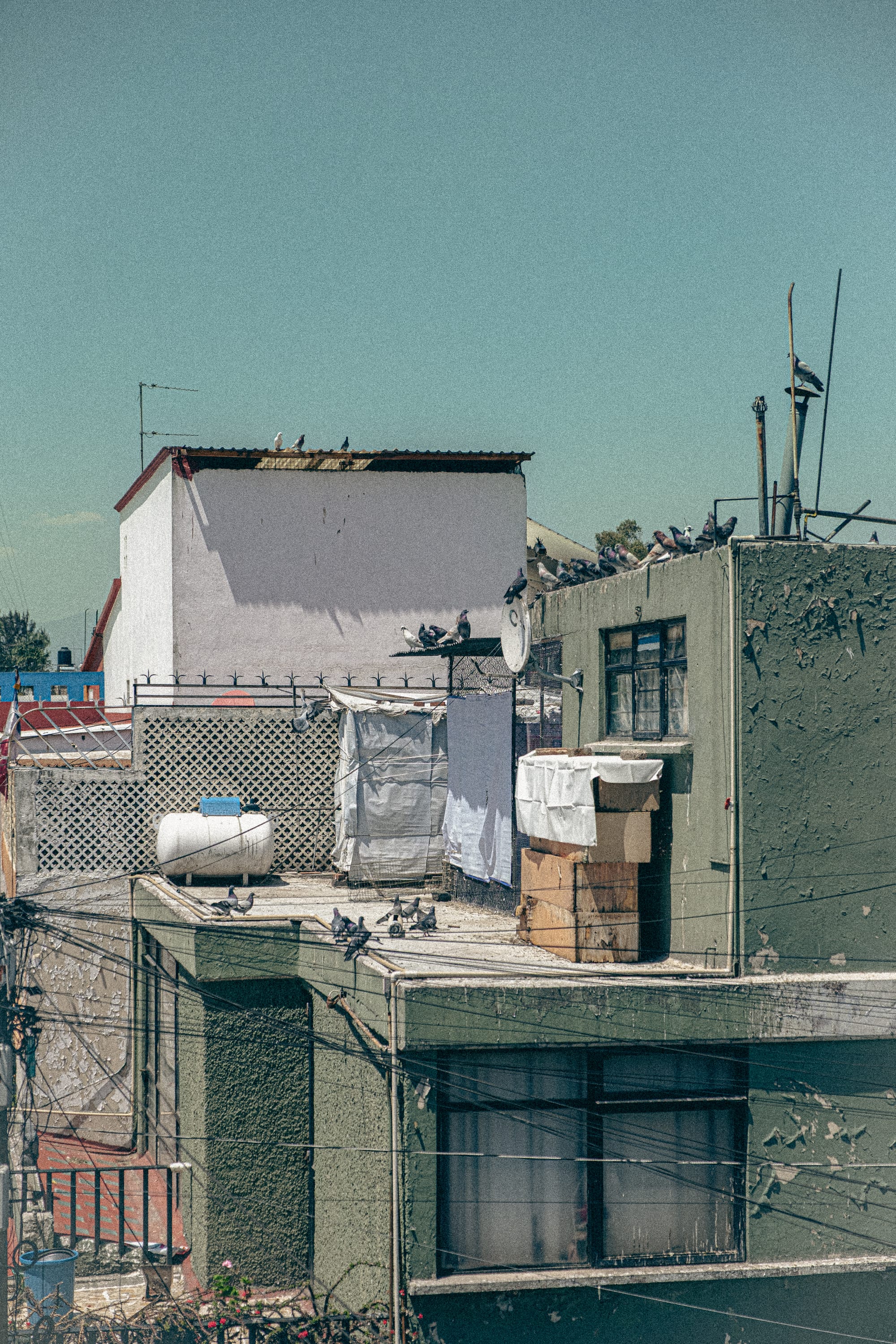
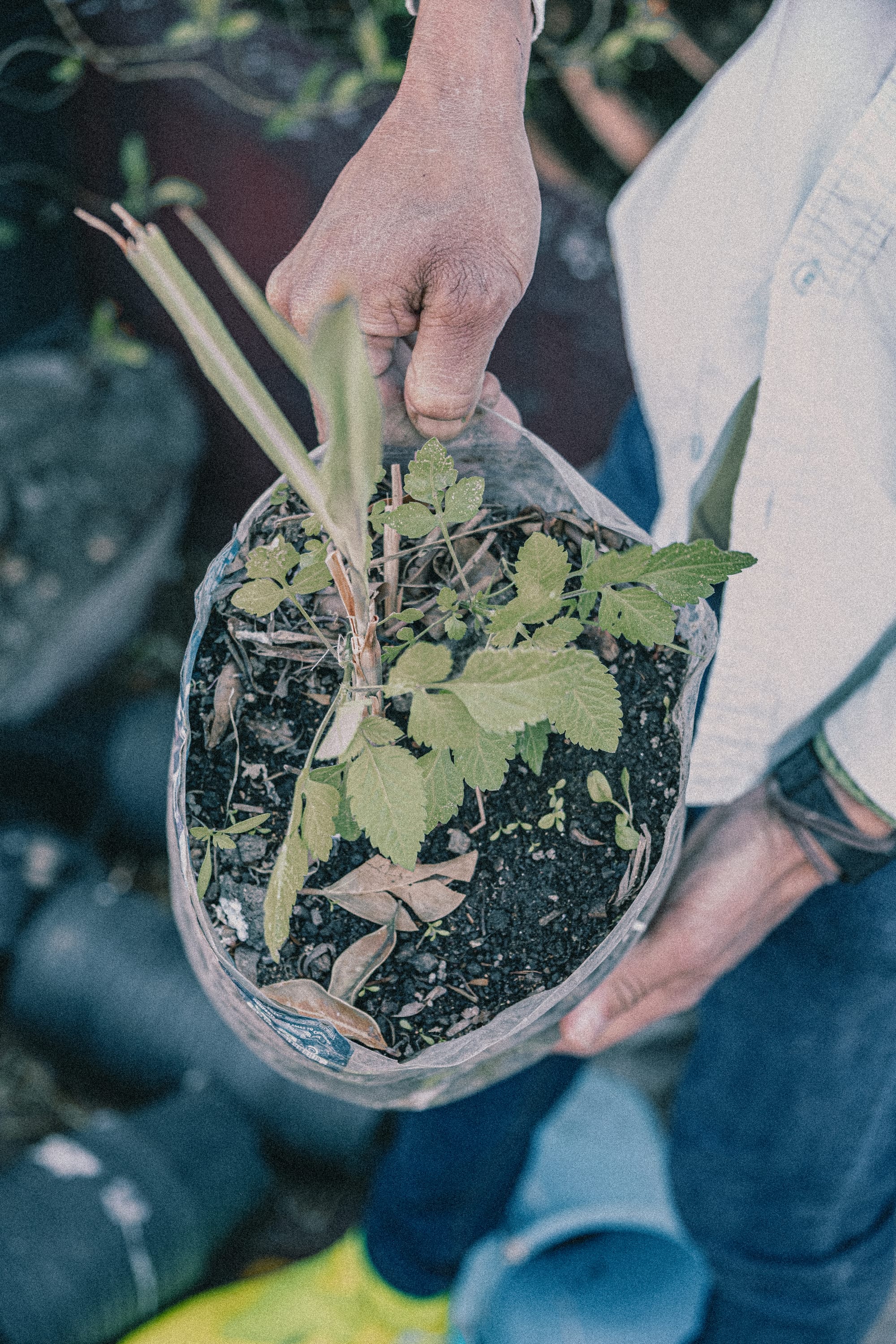
Scenes from Amarantonio's rooftop urban farm in Mexico City
From the rooftop, the city stretches outward in every direction. Buildings, wires, rooftops, movement, all of it visible at once. And in the middle of that, this small, dense ecosystem. The contrast is immediate, but not jarring. It feels integrated, like a different layer of the same place. First a few containers, then more, then a patchwork of plants, soil, reused materials, and improvised systems. Amaranth is there, but not alone. It grows alongside other foods, herbs, and experiments.
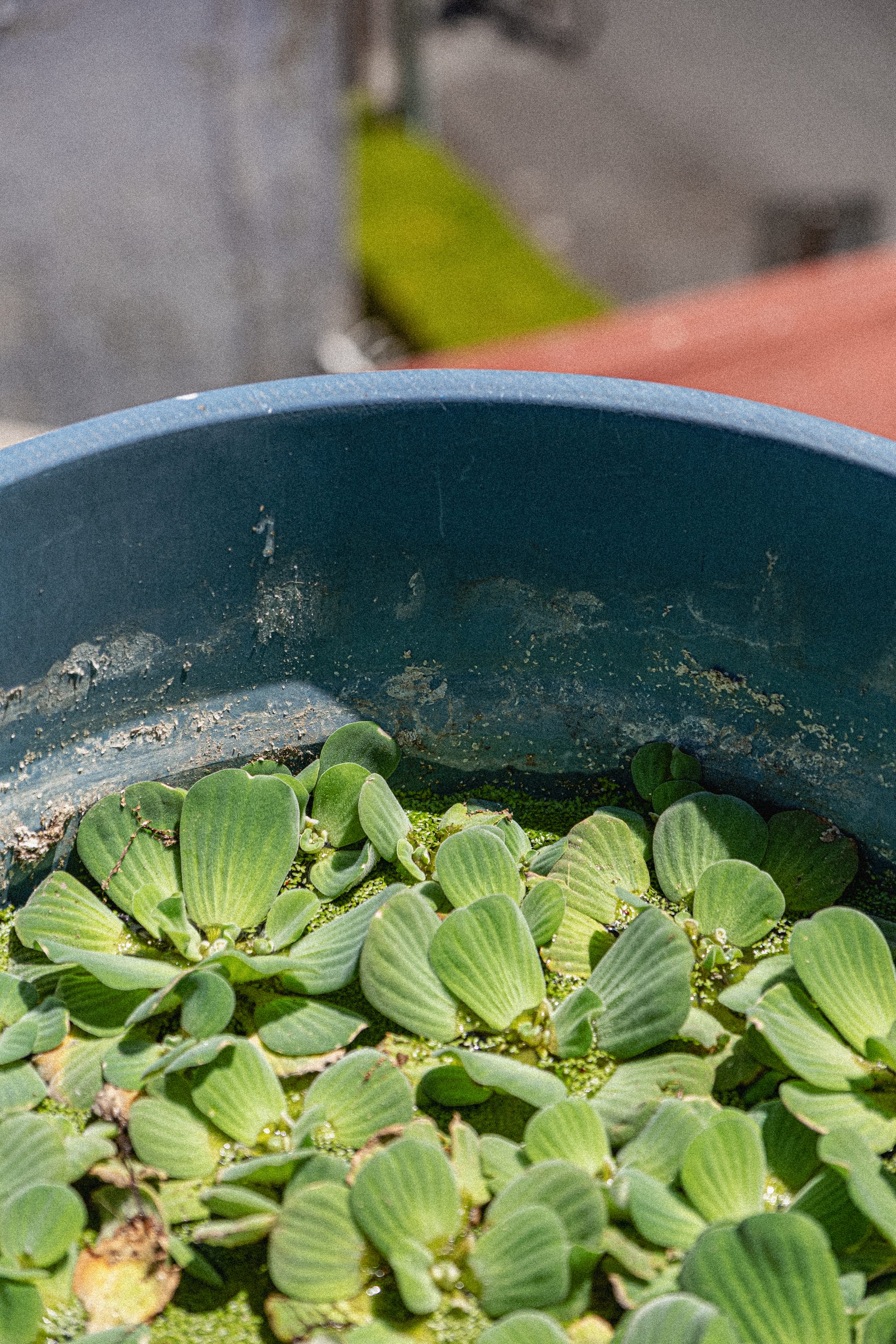
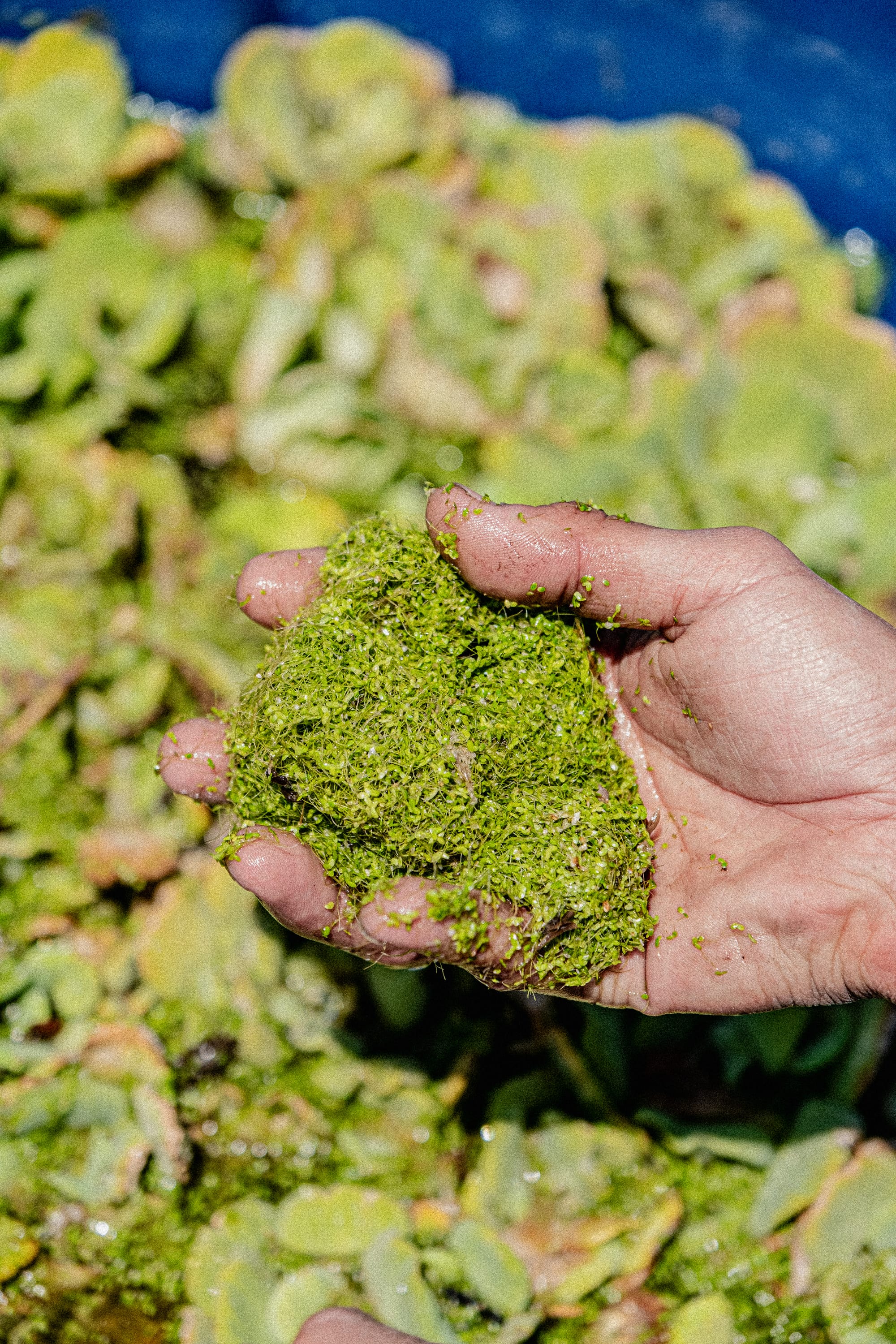
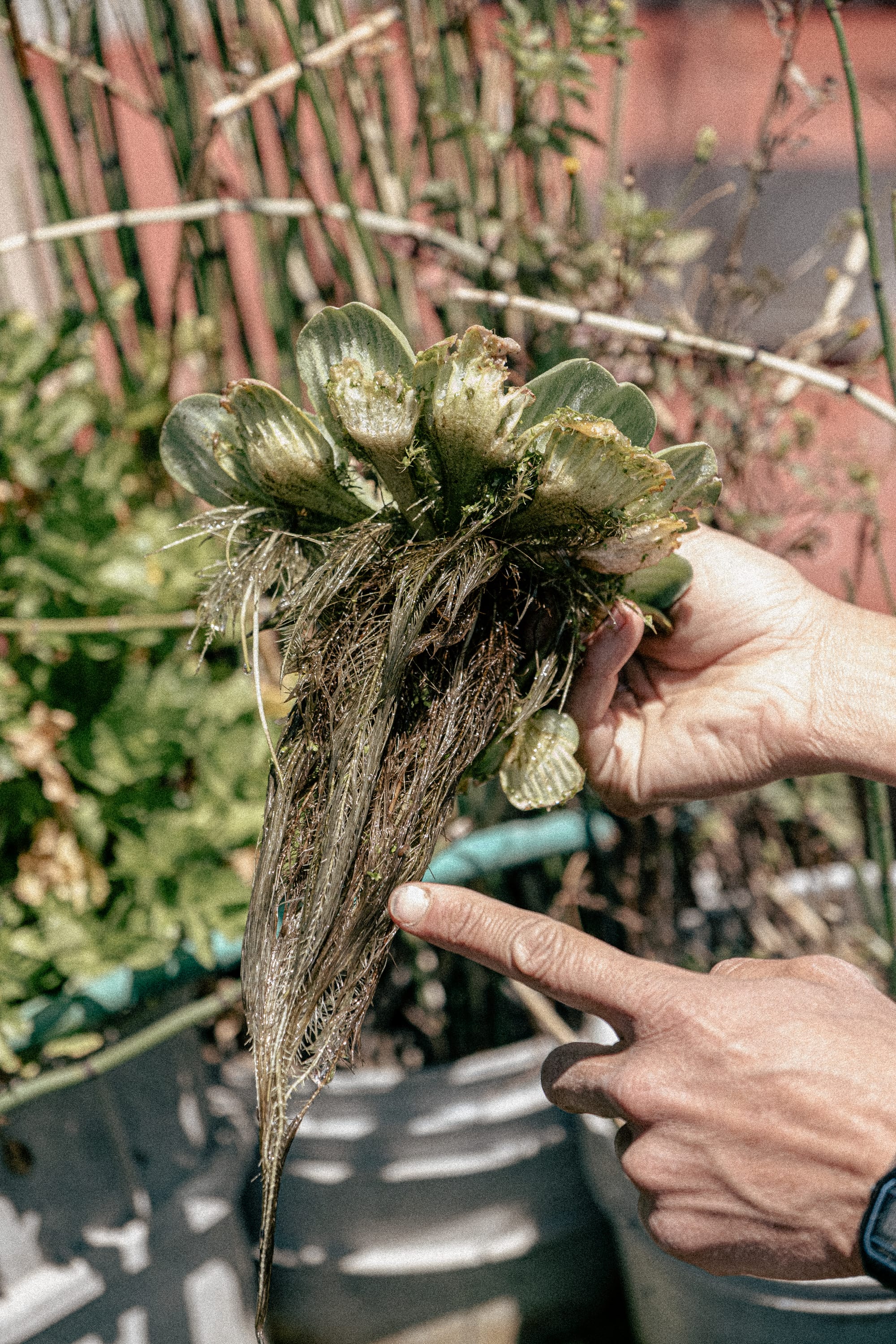
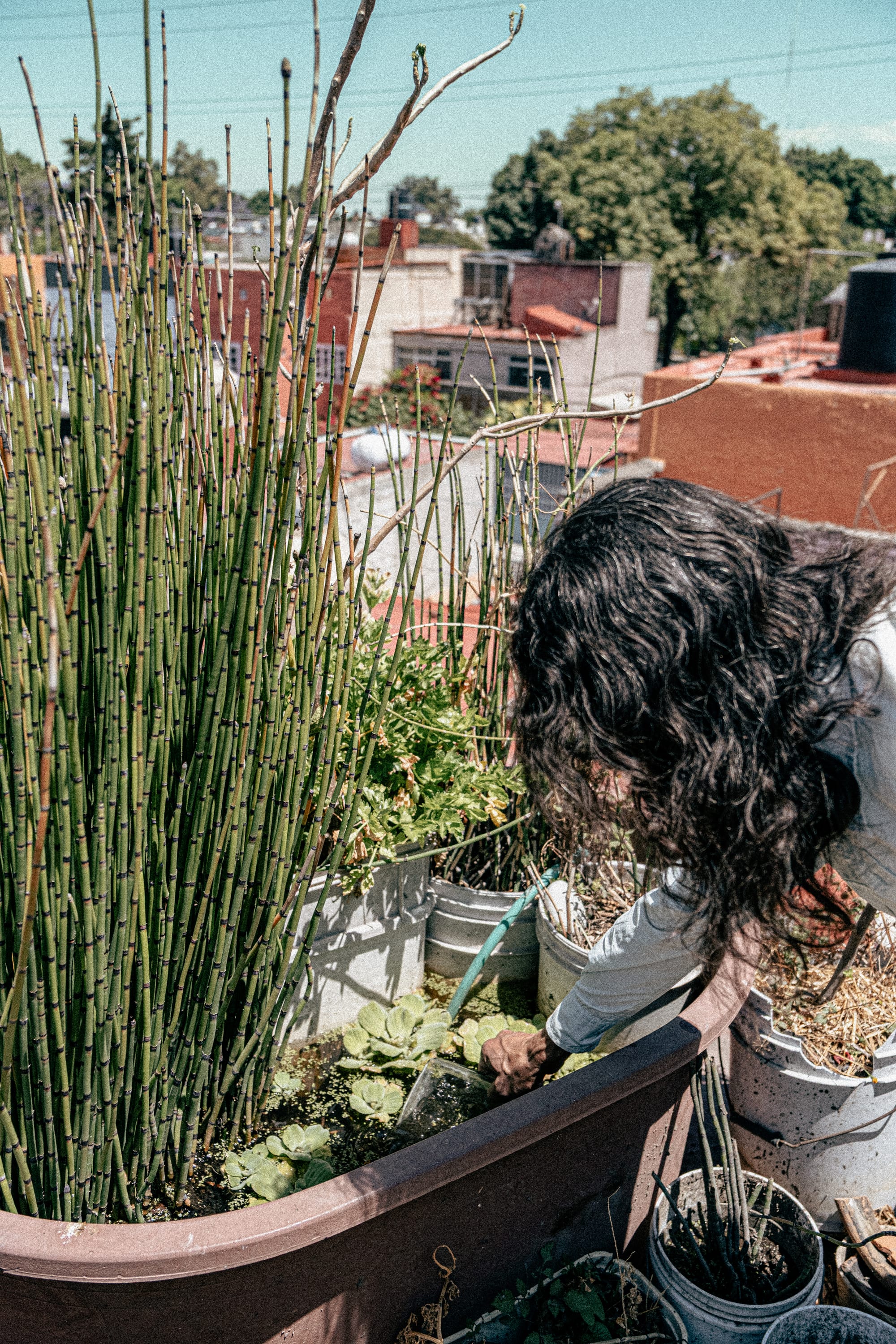
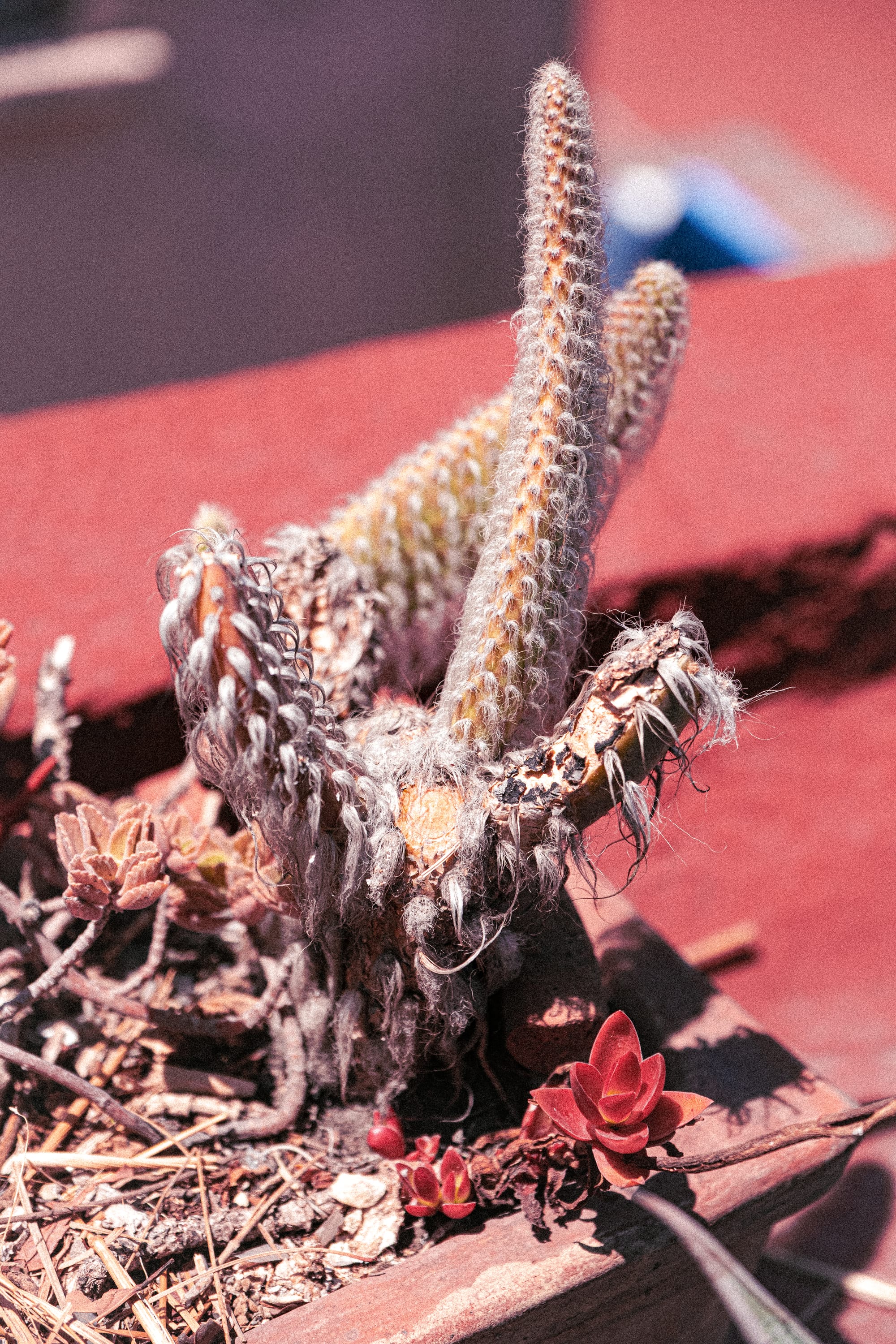
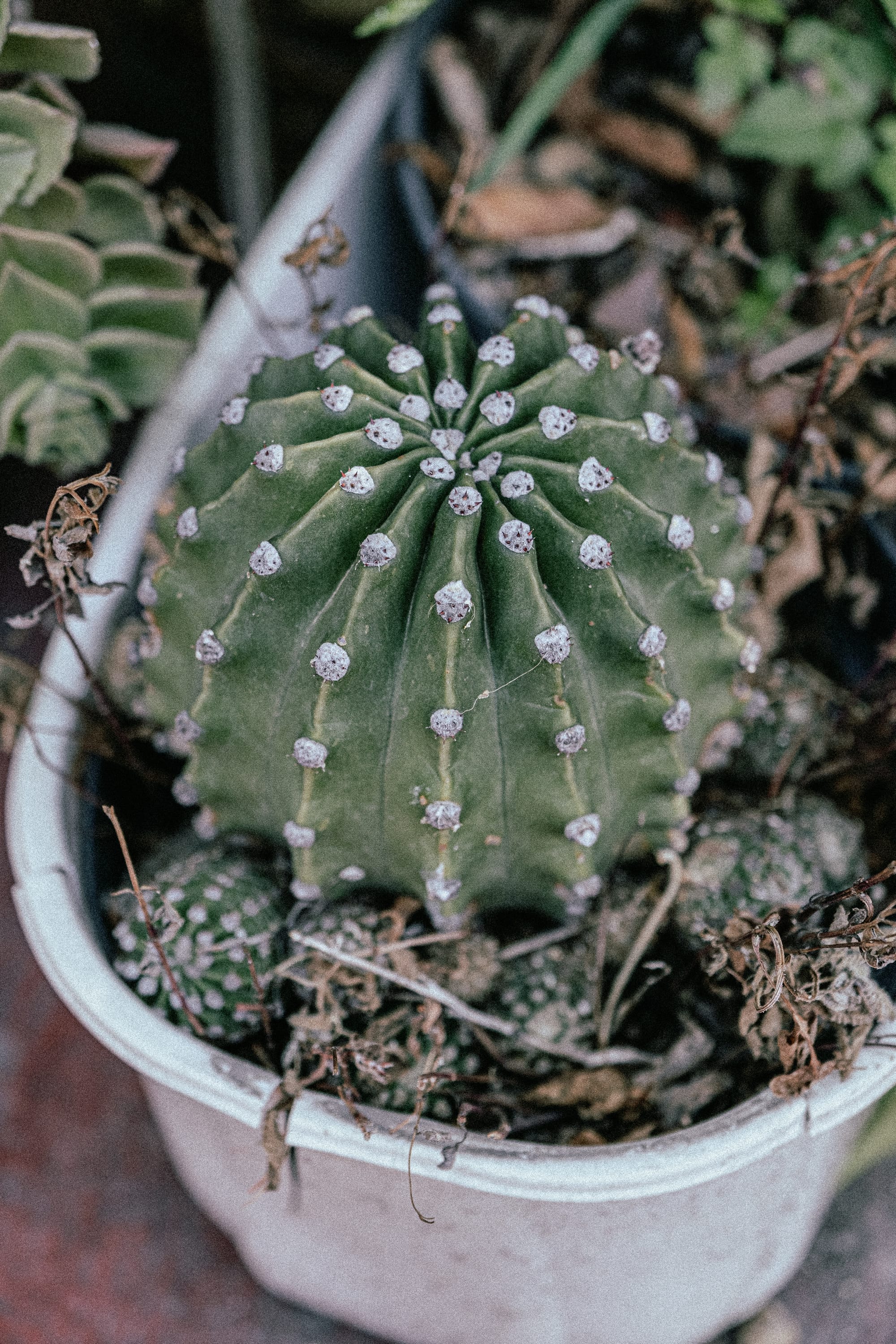
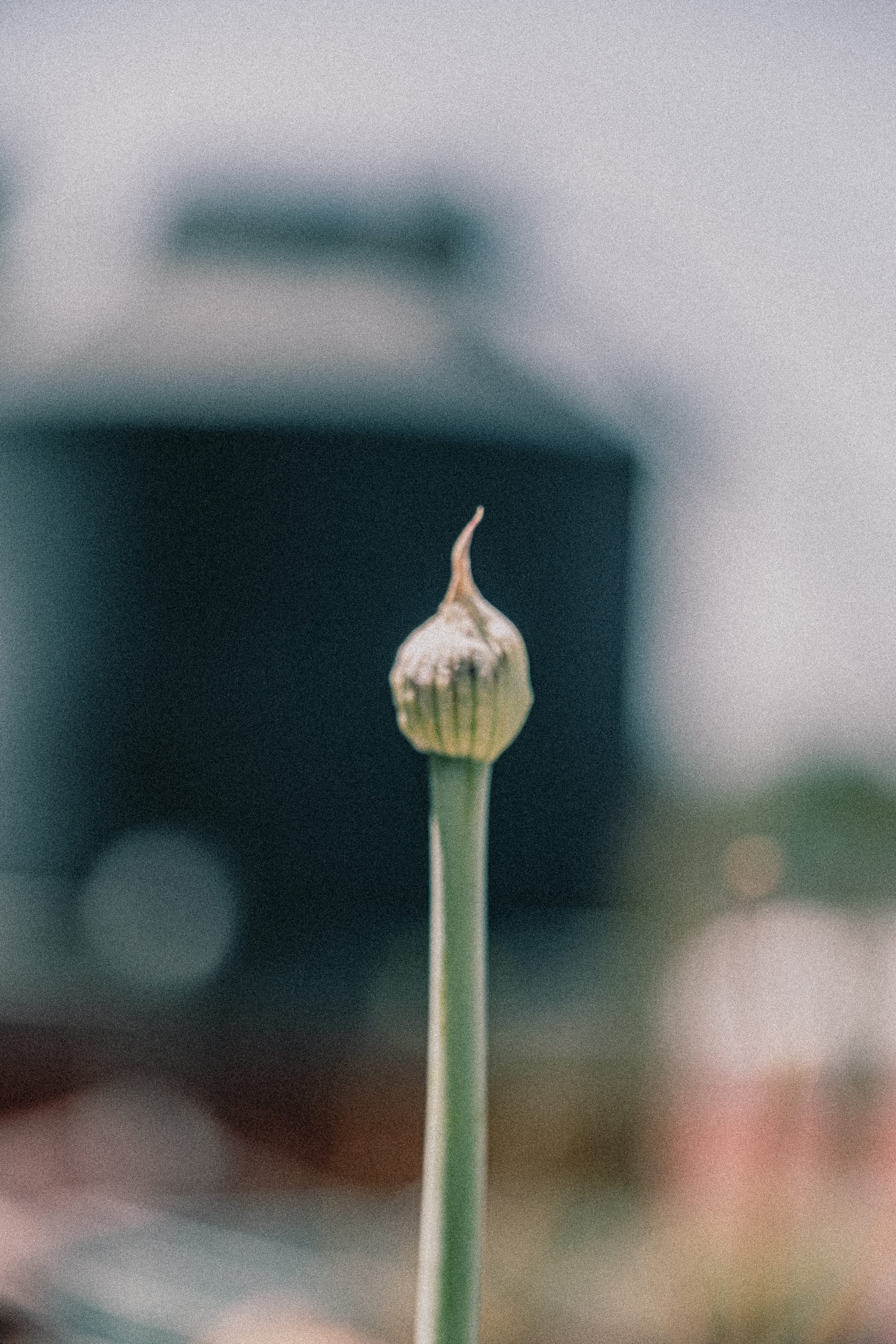
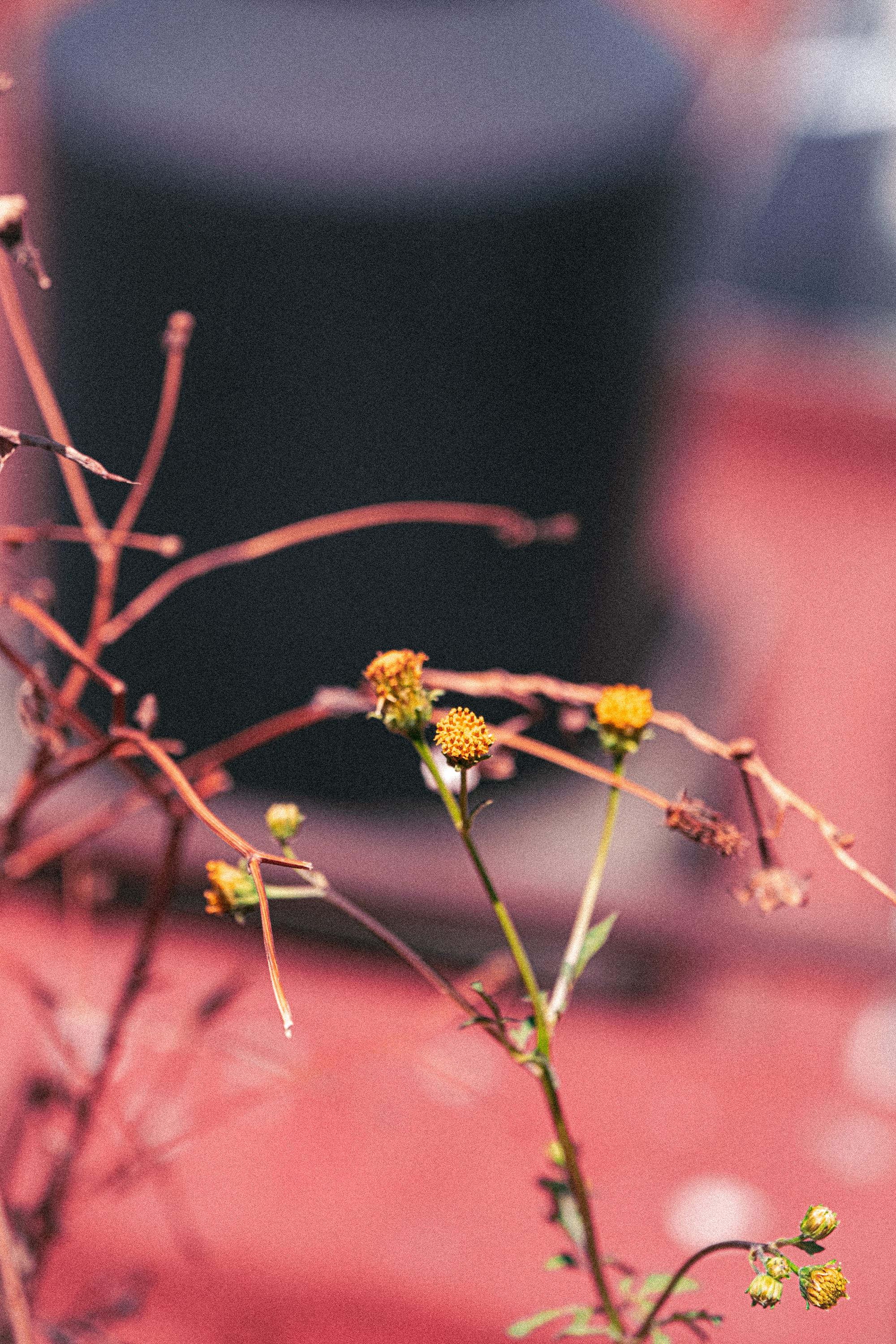
Plants proliferate
There is a sense of attention in how things are placed, how they are allowed to grow, how nothing feels overly controlled but nothing feels neglected either.
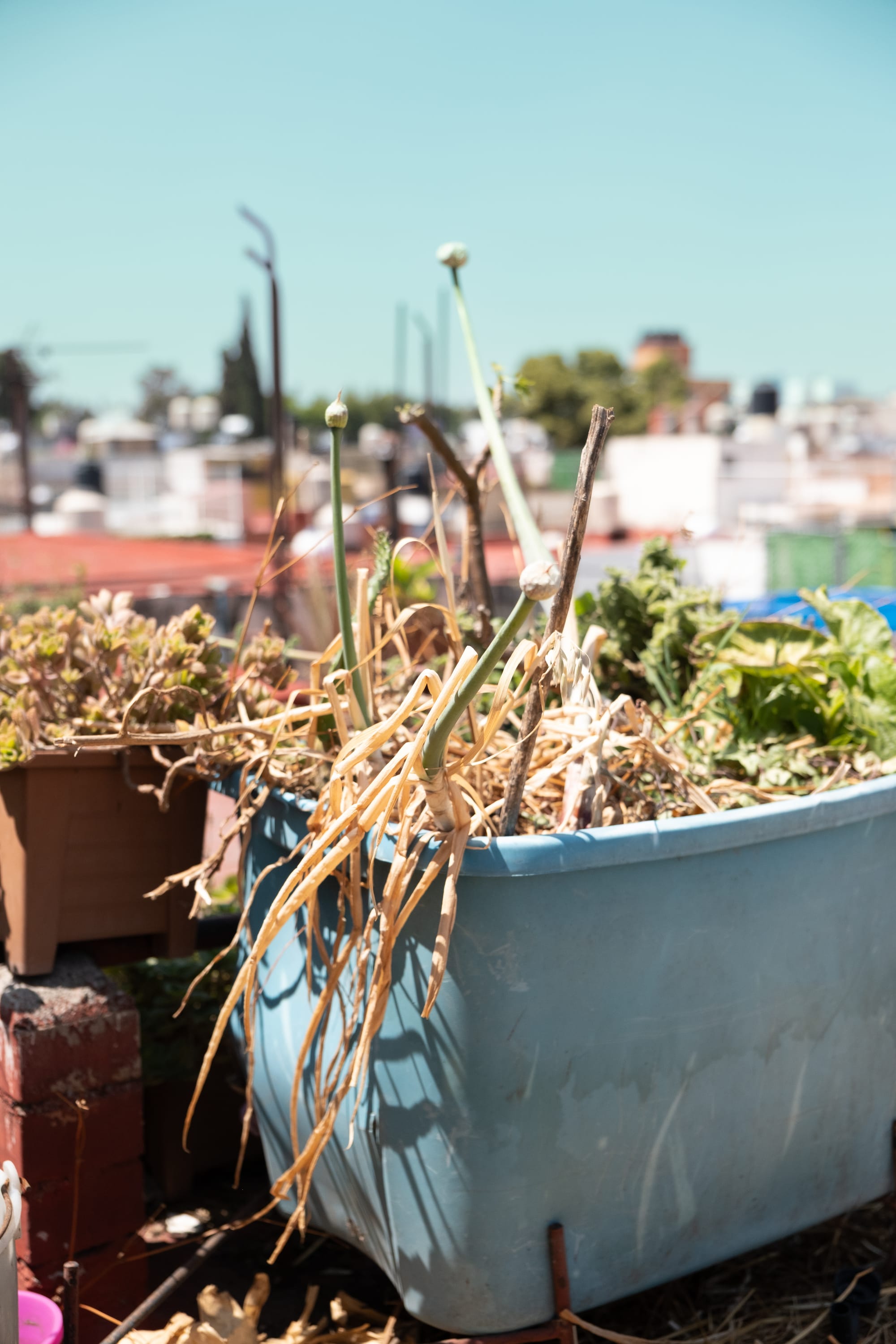
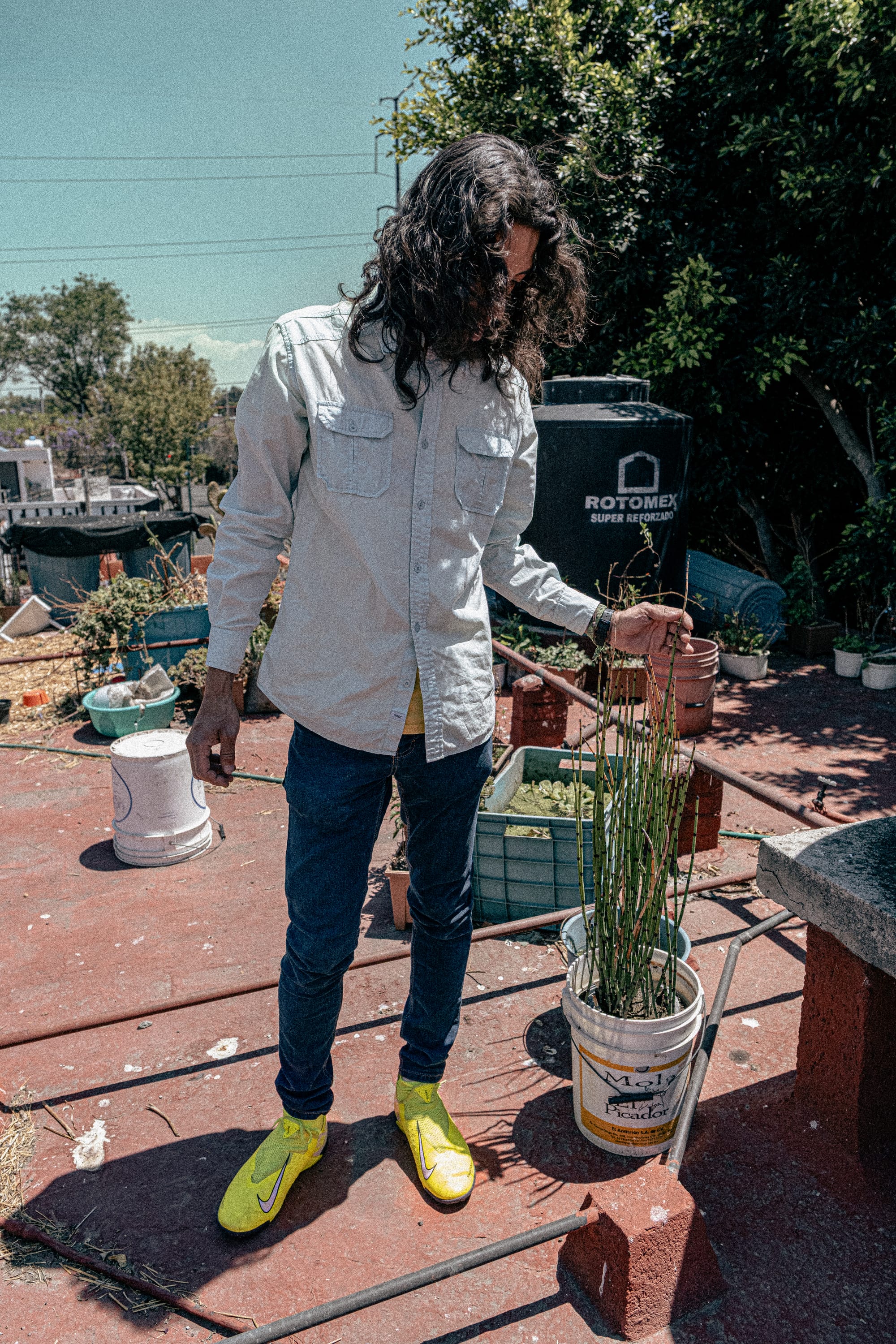
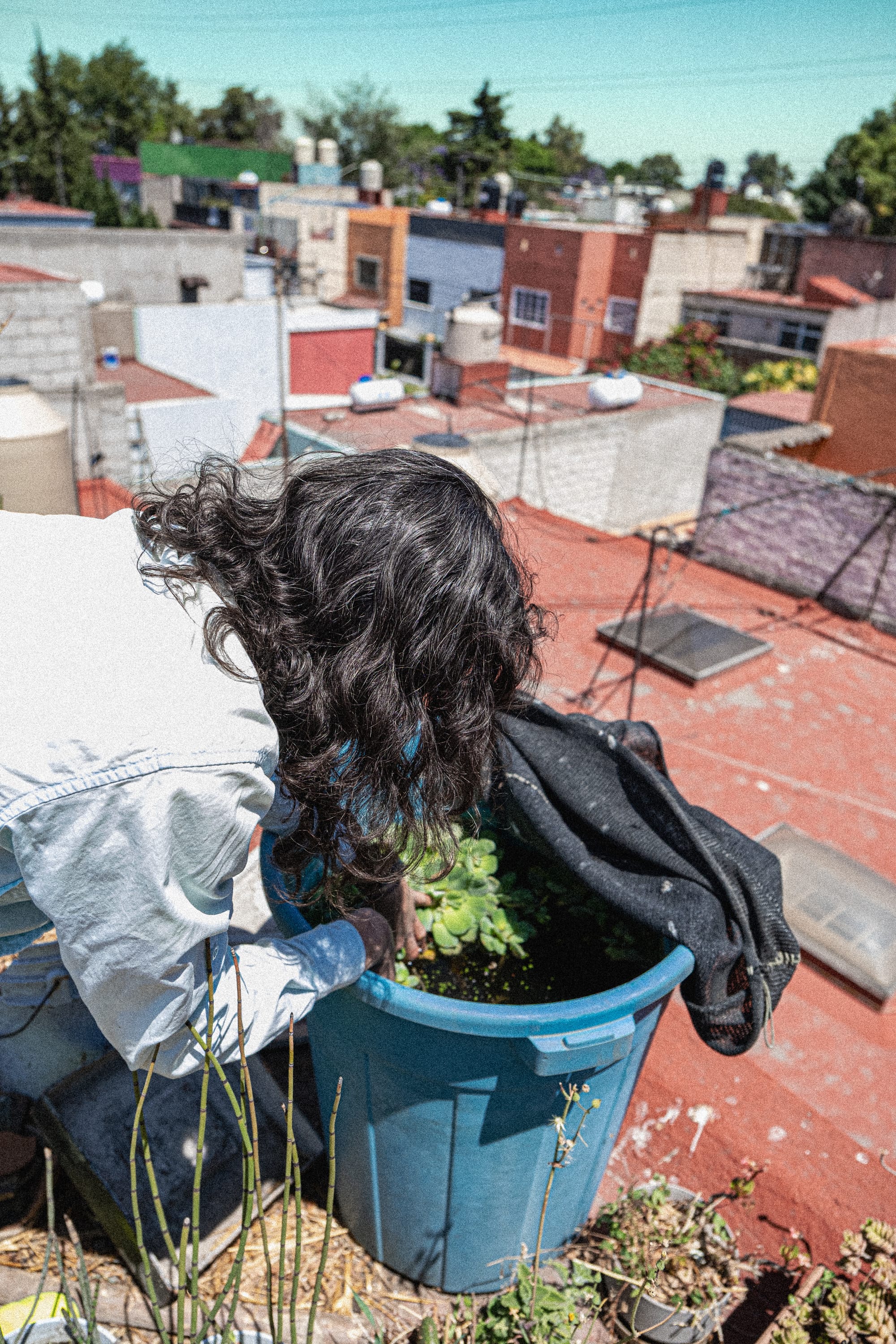
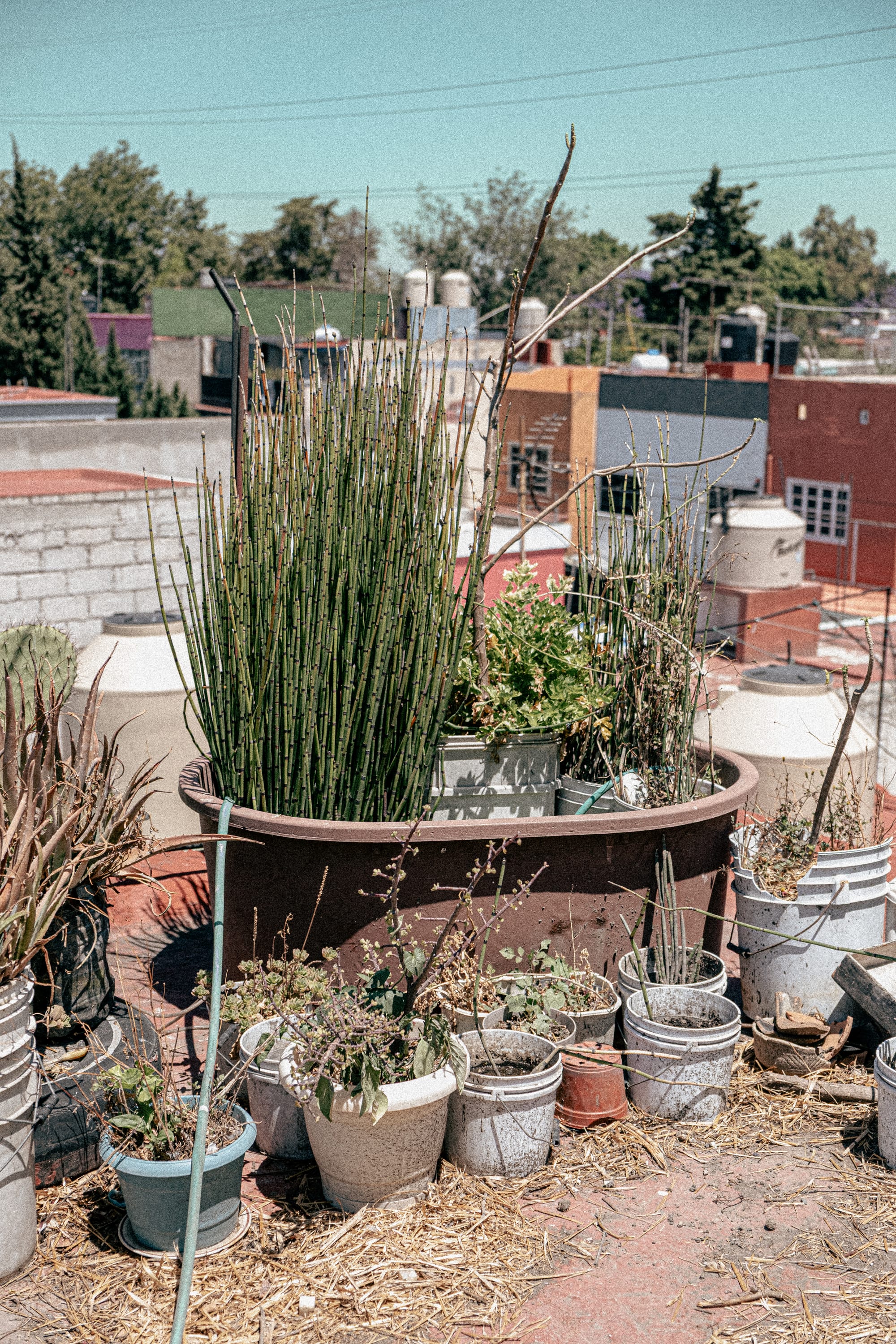
A garden in the city
There’s a compost system tucked into one corner, active, warm, in process. Food scraps, organic matter, transformation happening without spectacle. He shows it to us not as a feature, but as a foundation. Waste doesn’t leave the system, it becomes part of it.
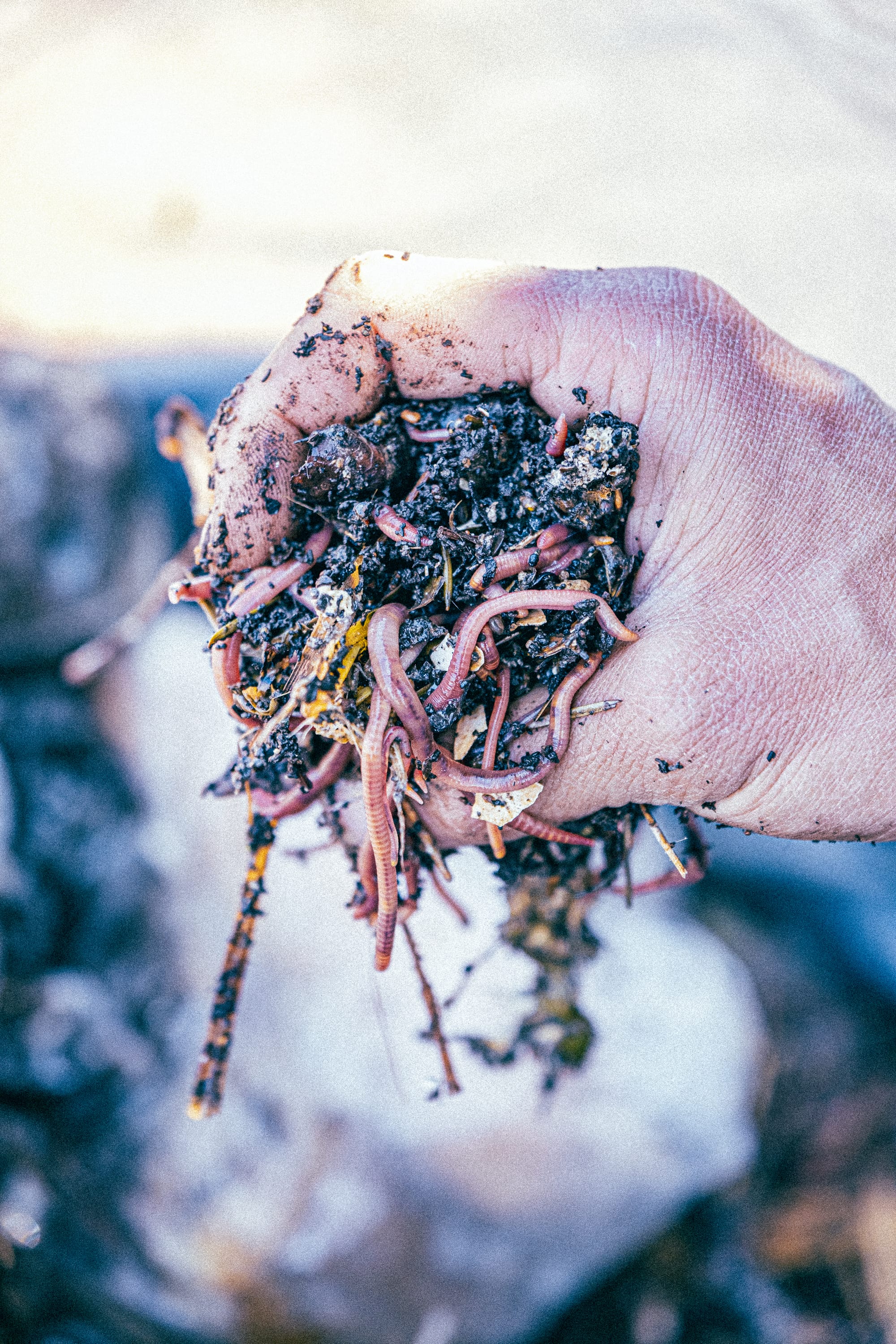
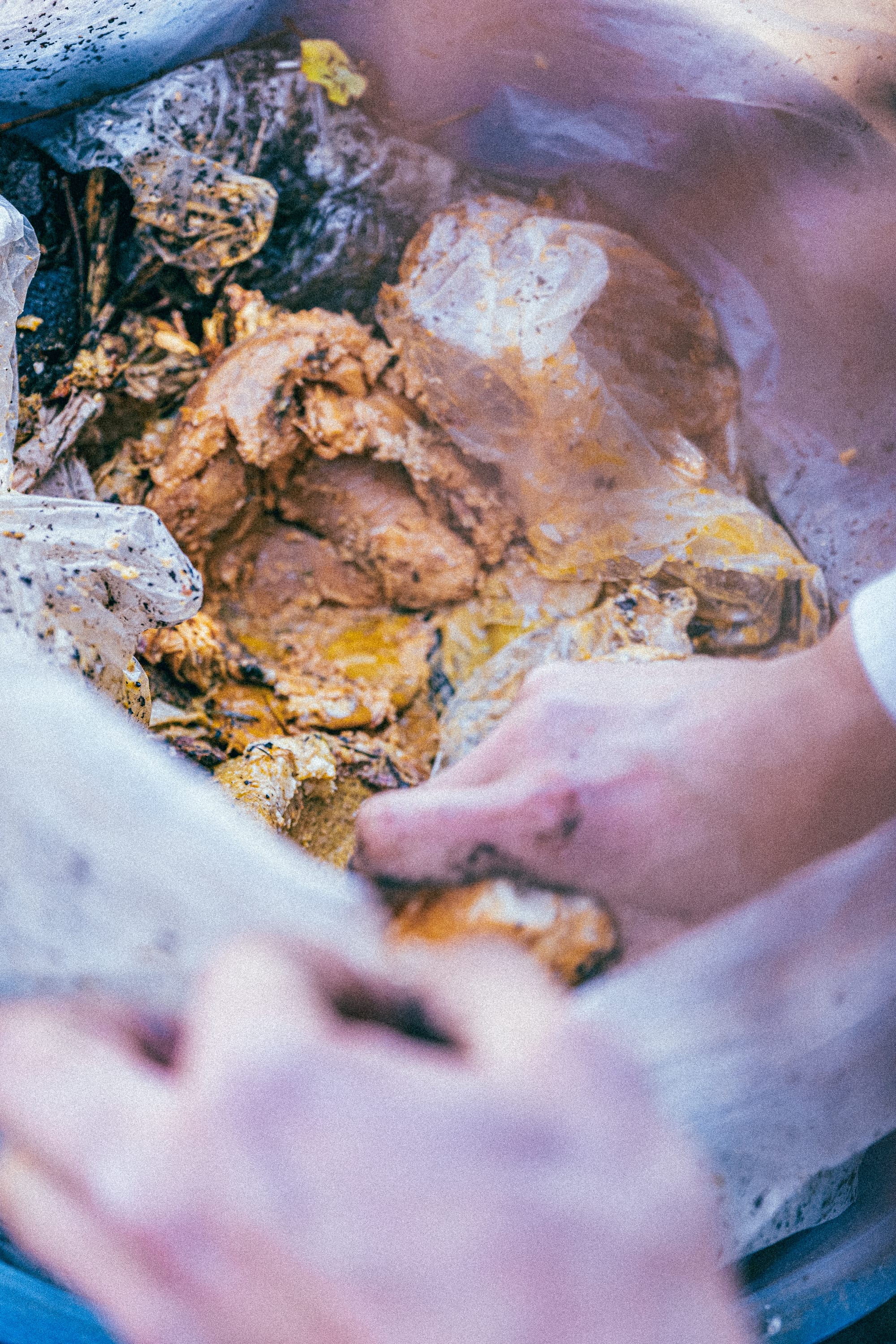
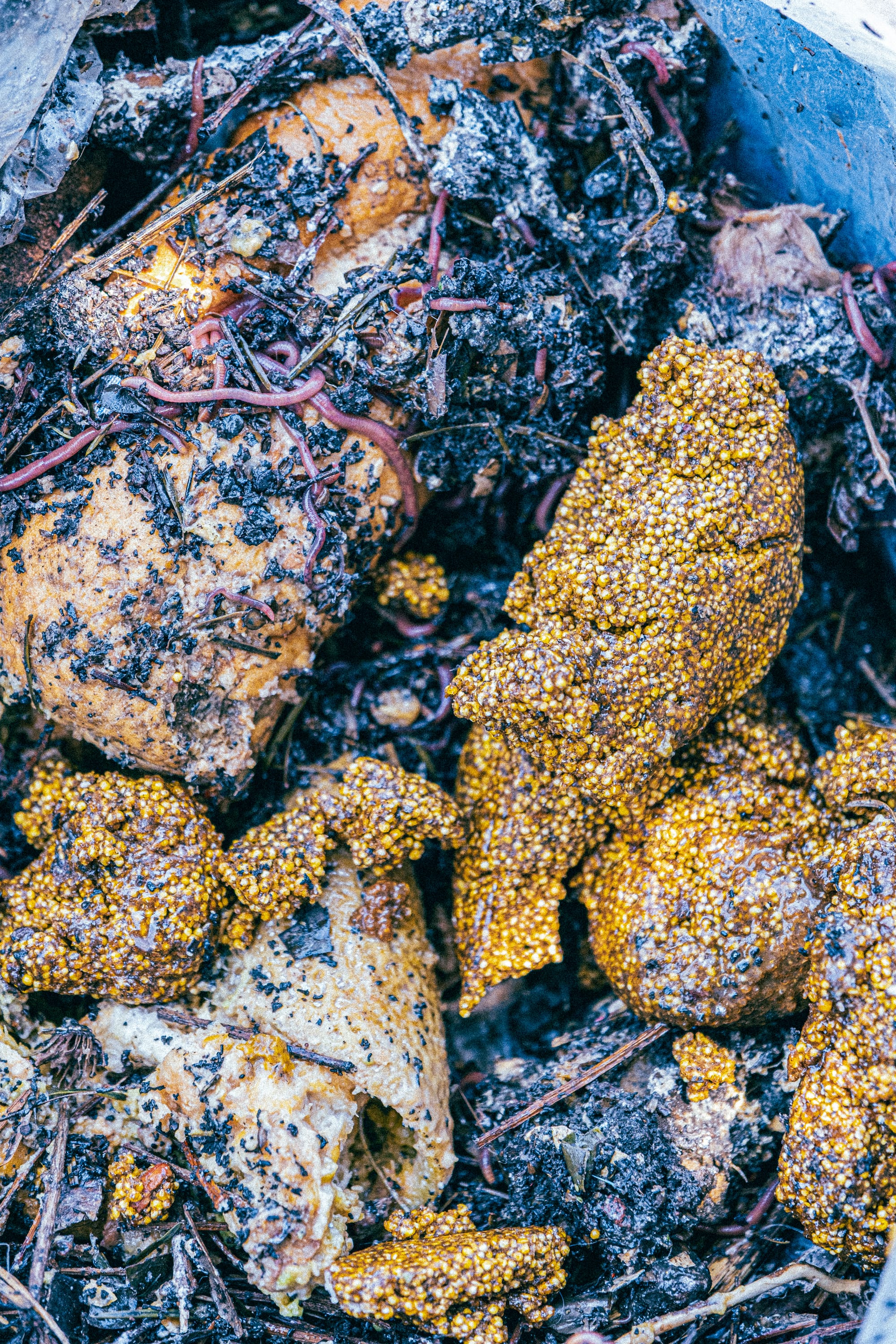
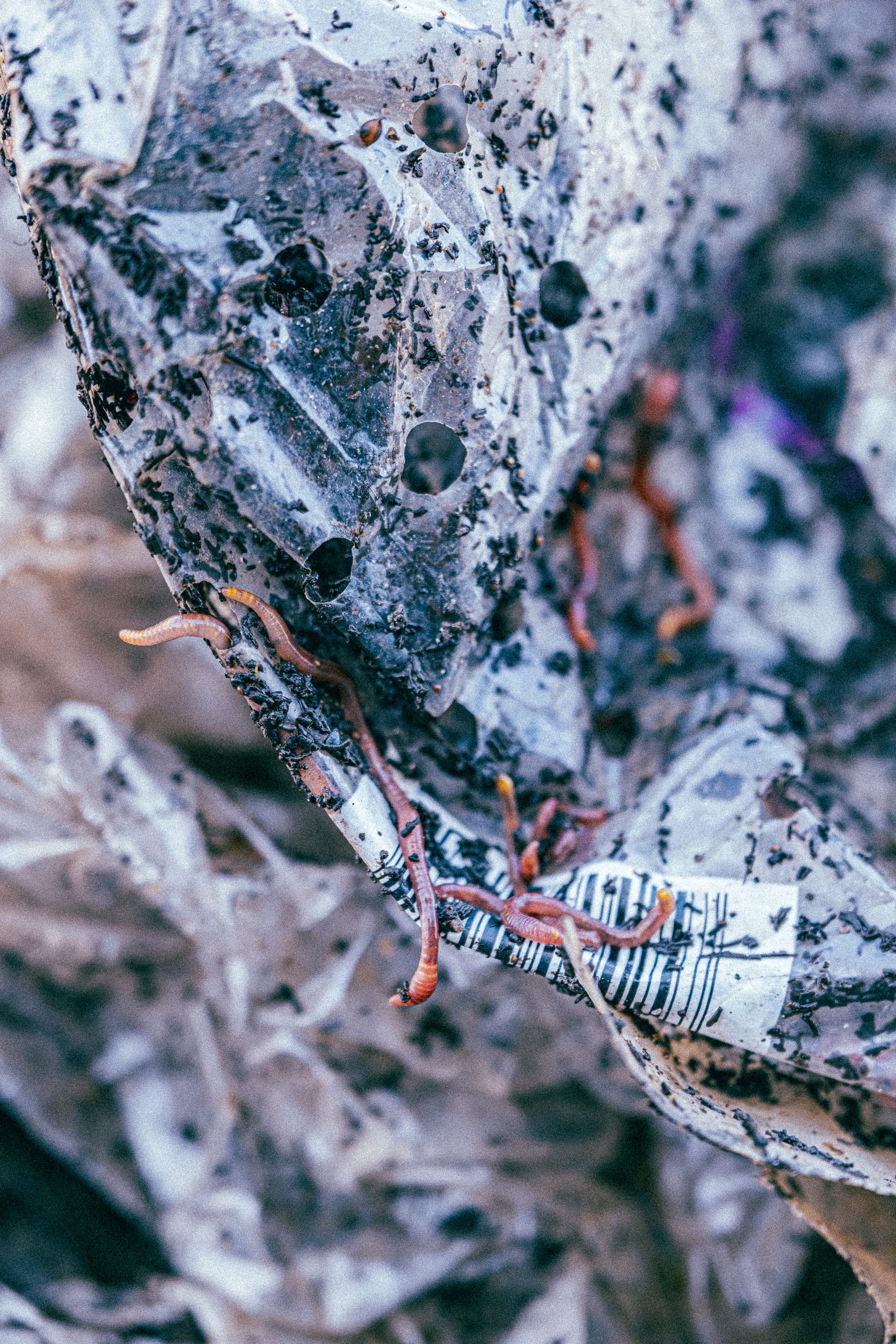
Amarantonio's compost
The rooftop holds multiple timelines at once, seeds just planted, others already mature, some drying, some ready to be shared. You can see the full arc of growth compressed into a single space.
And alongside the plants, downstairs, there are traces of another layer of work, packaging, ingredients, materials prepared for distribution.
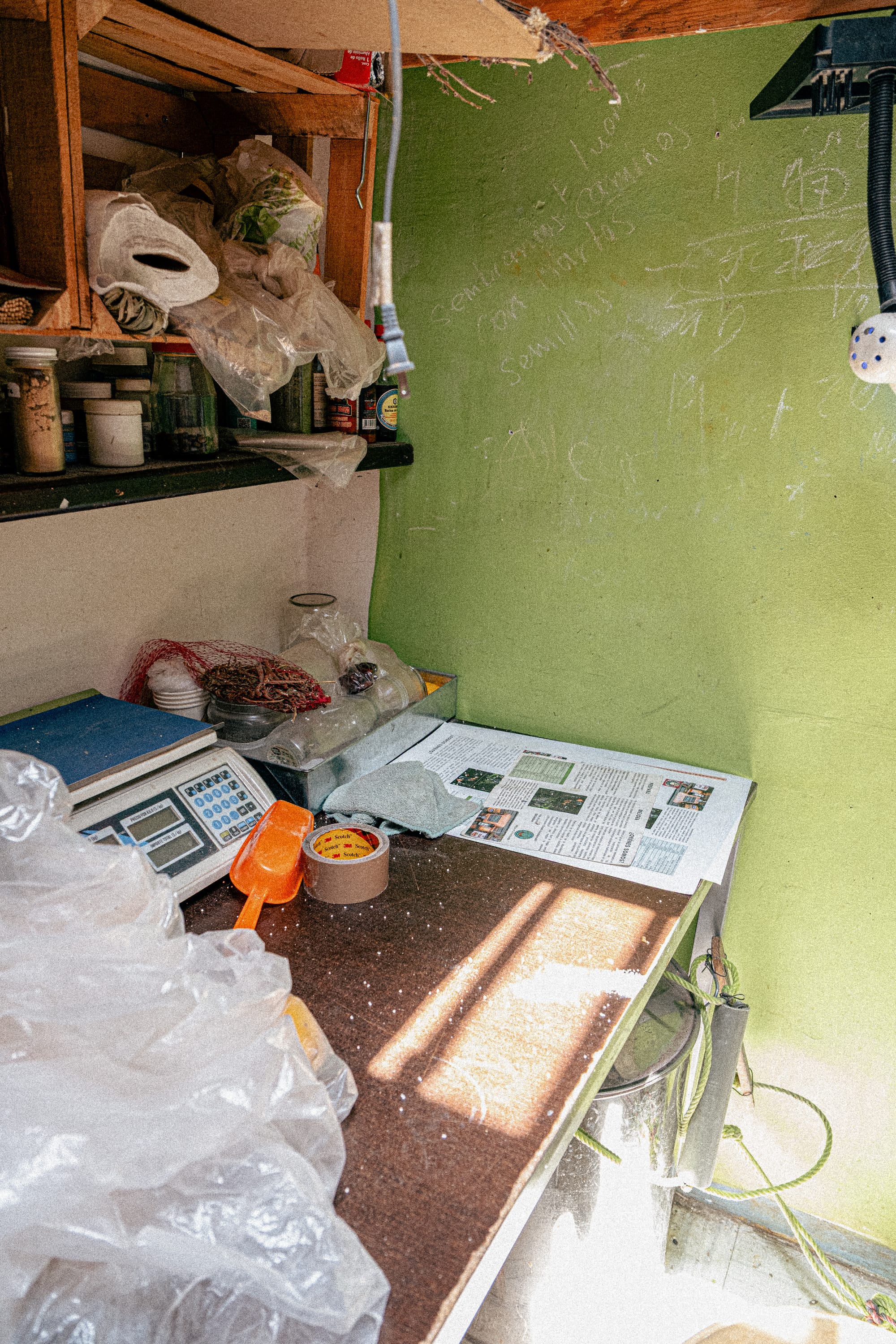
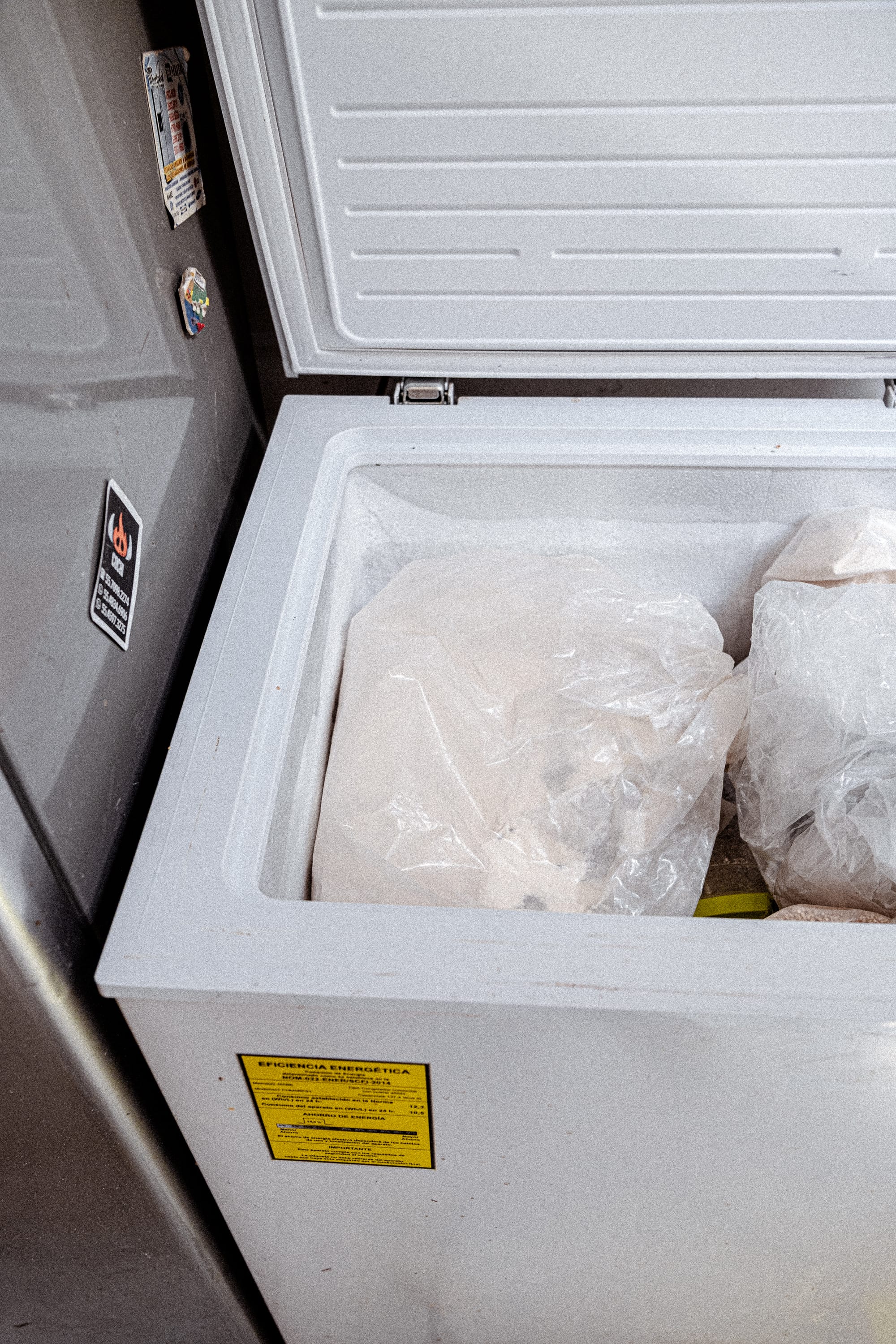
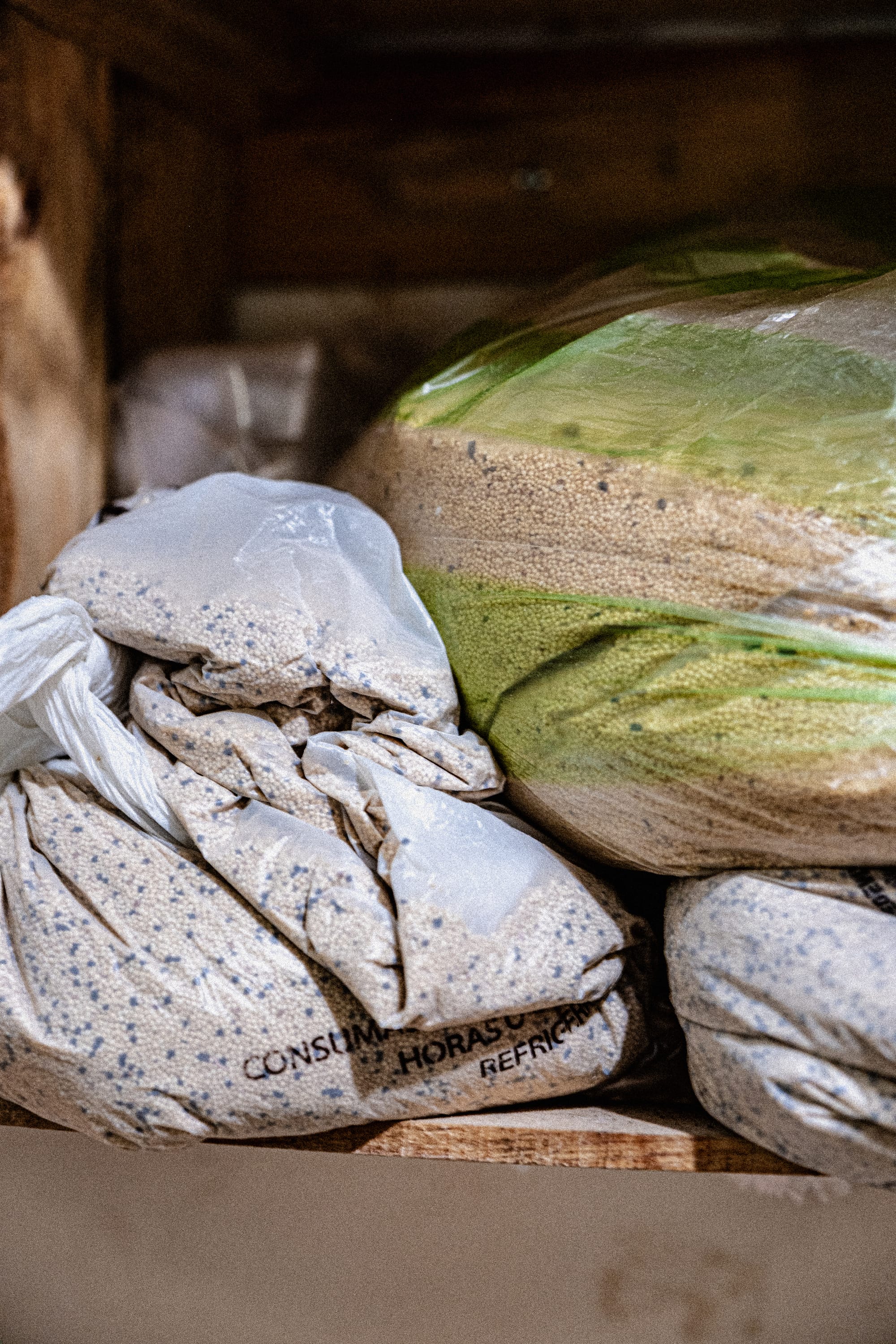
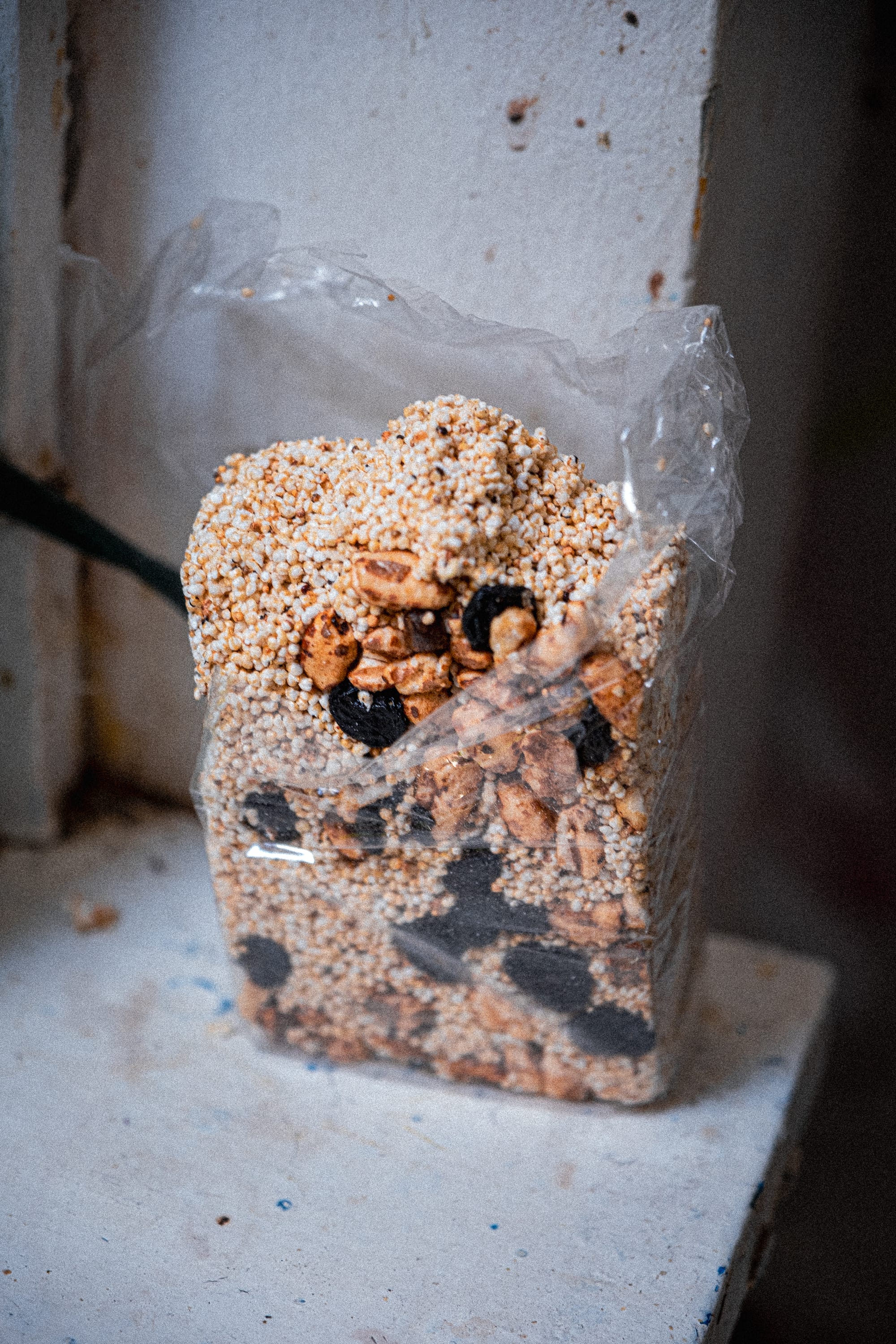
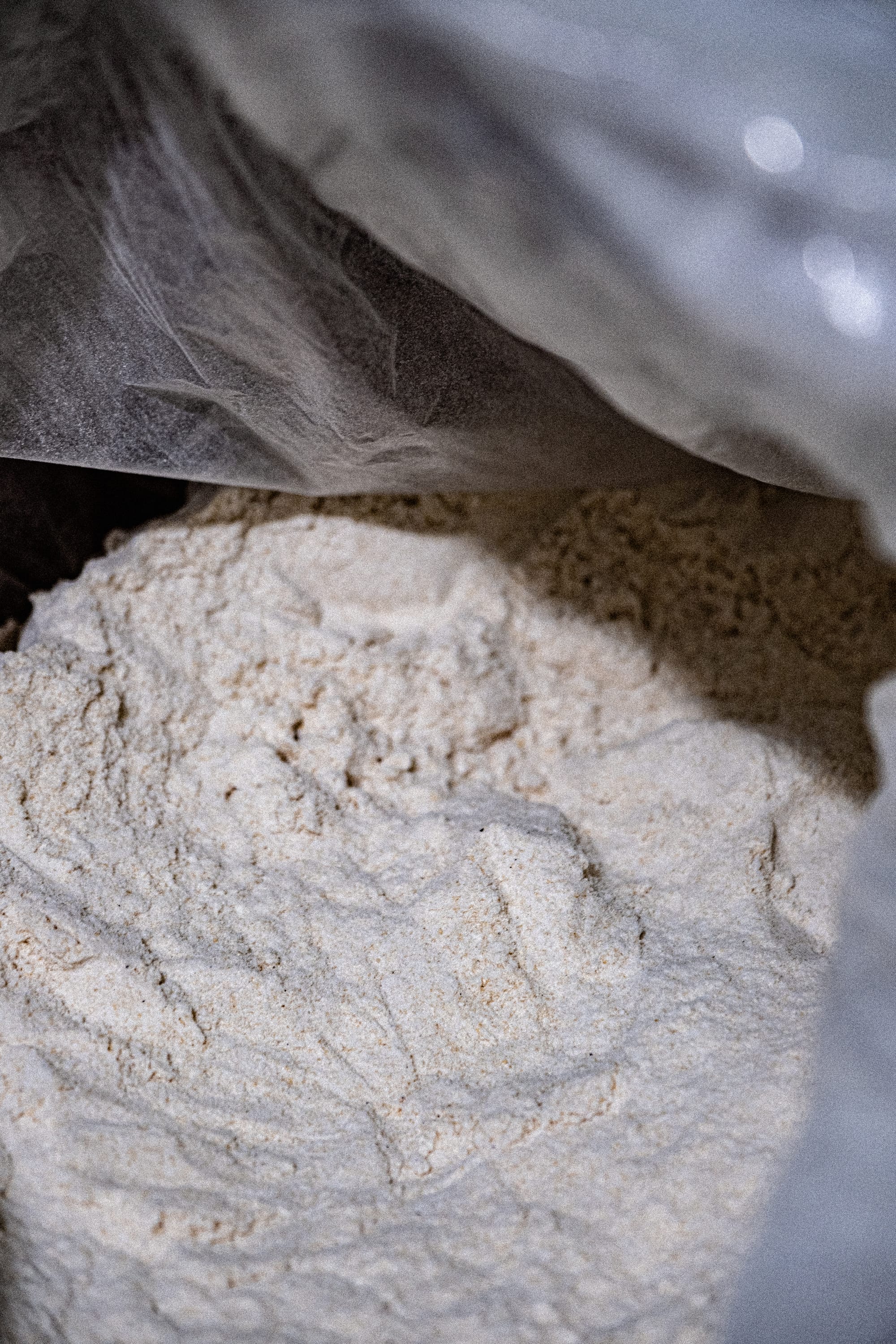
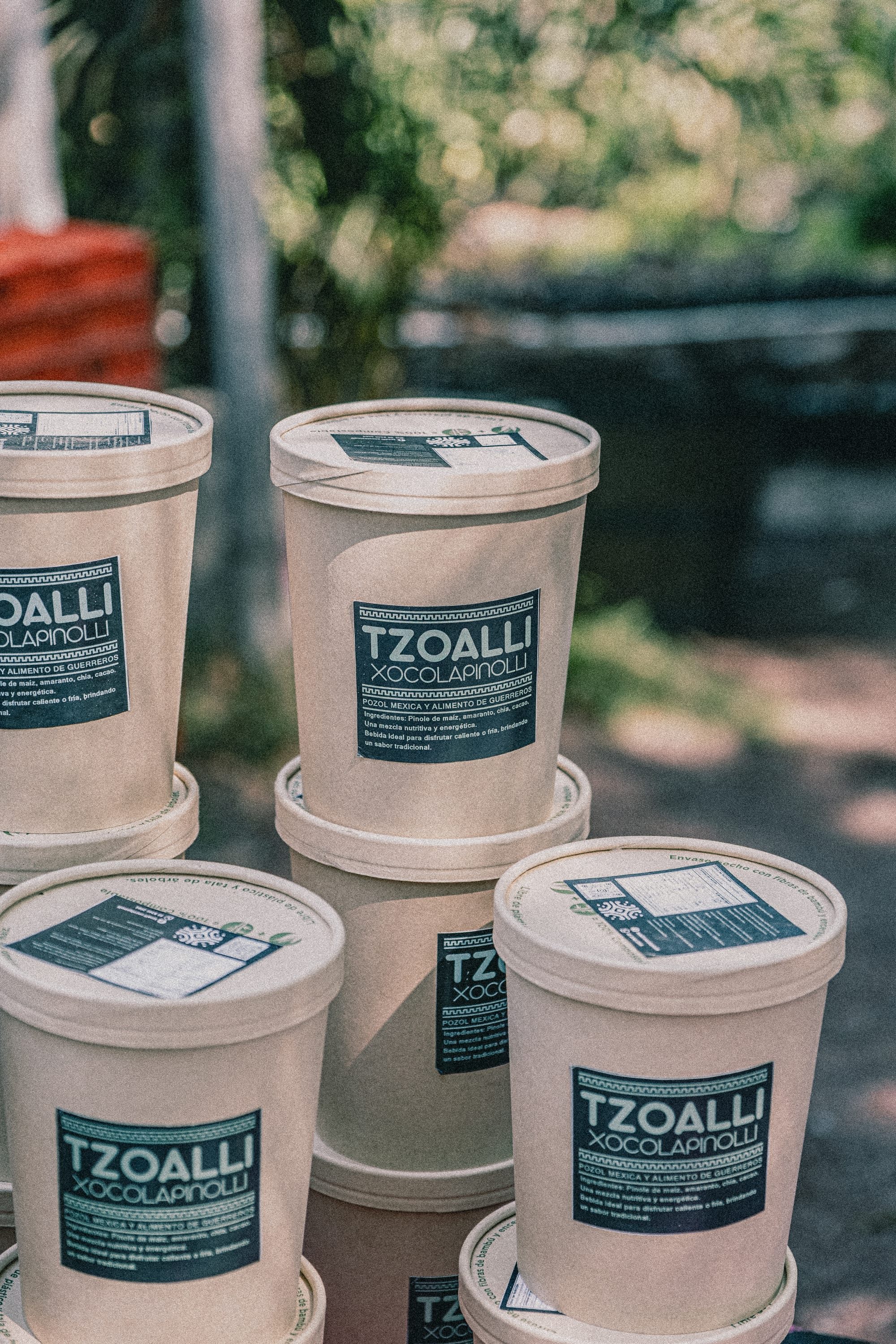
From seed to product
This is also where his products move through, from plant to food, from seed to something that can circulate beyond the rooftop.
Amaranth, food sovereignty, and "Misión Amaranto"
Spending time in the space makes it clear that this work is not neutral. It is deeply political, even if it is not always expressed in those terms.
Growing food in the city, sharing seeds freely, resisting ownership over something as fundamental as nourishment, all of this pushes against dominant systems of control, extraction, and dependency.
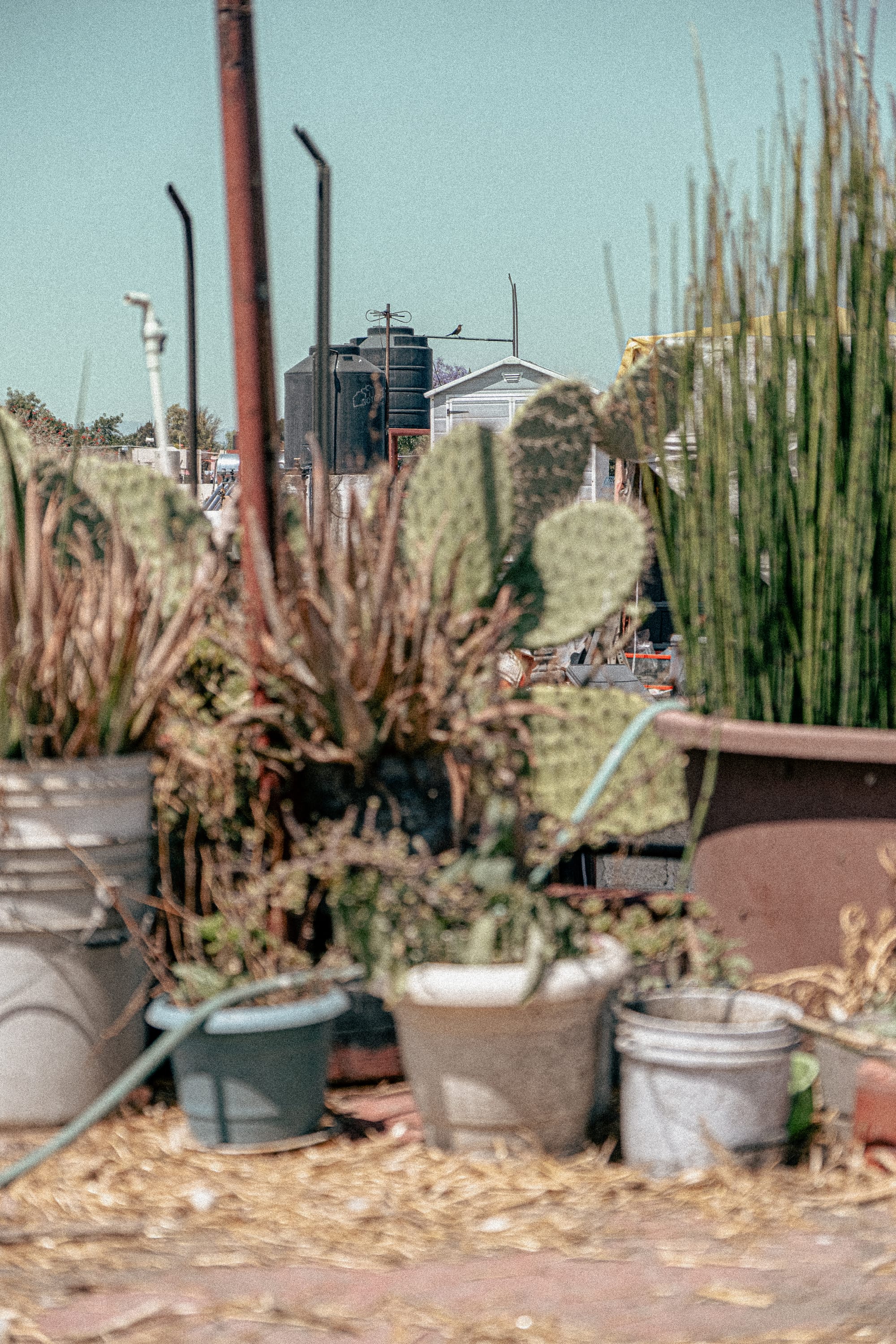
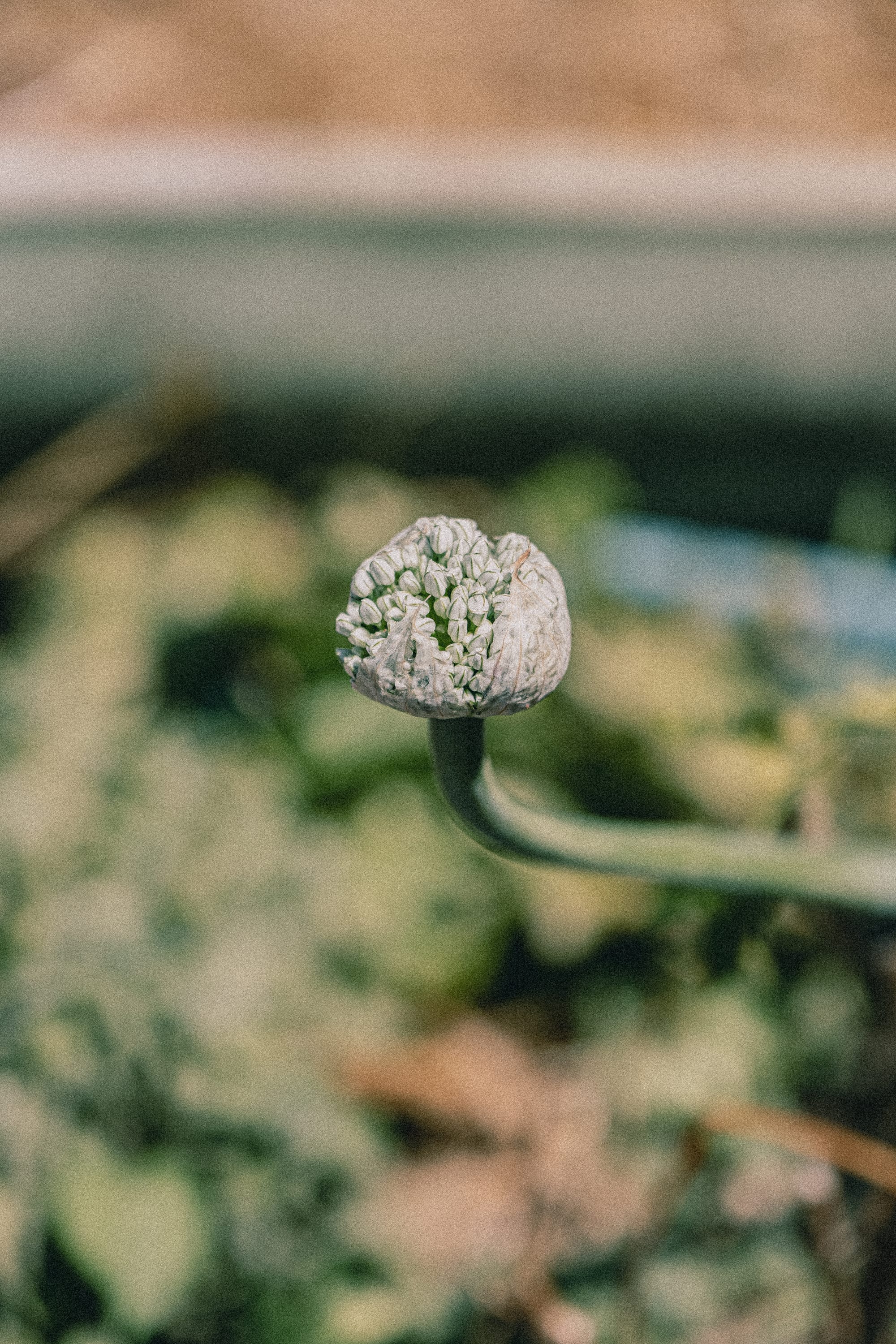
A view from the rooftop and a flowering onion
On his personal website, he describes himself simply:
“Poeta, artista regenerativo y científico guerrero. Sembrando semillas de conciencia a través del arte y la poesía.”
Poet, regenerative artist, and warrior scientist. Sowing seeds of consciousness through art and poetry.
Amarantonio and amaranth
Amaranth, or huautli in Nahuatl, is central to this.
“El amaranto es más que un superalimento: es la semilla de la transformación social y la soberanía alimentaria en México.”
Amaranth is more than a superfood. It is a seed of social transformation and food sovereignty in Mexico.
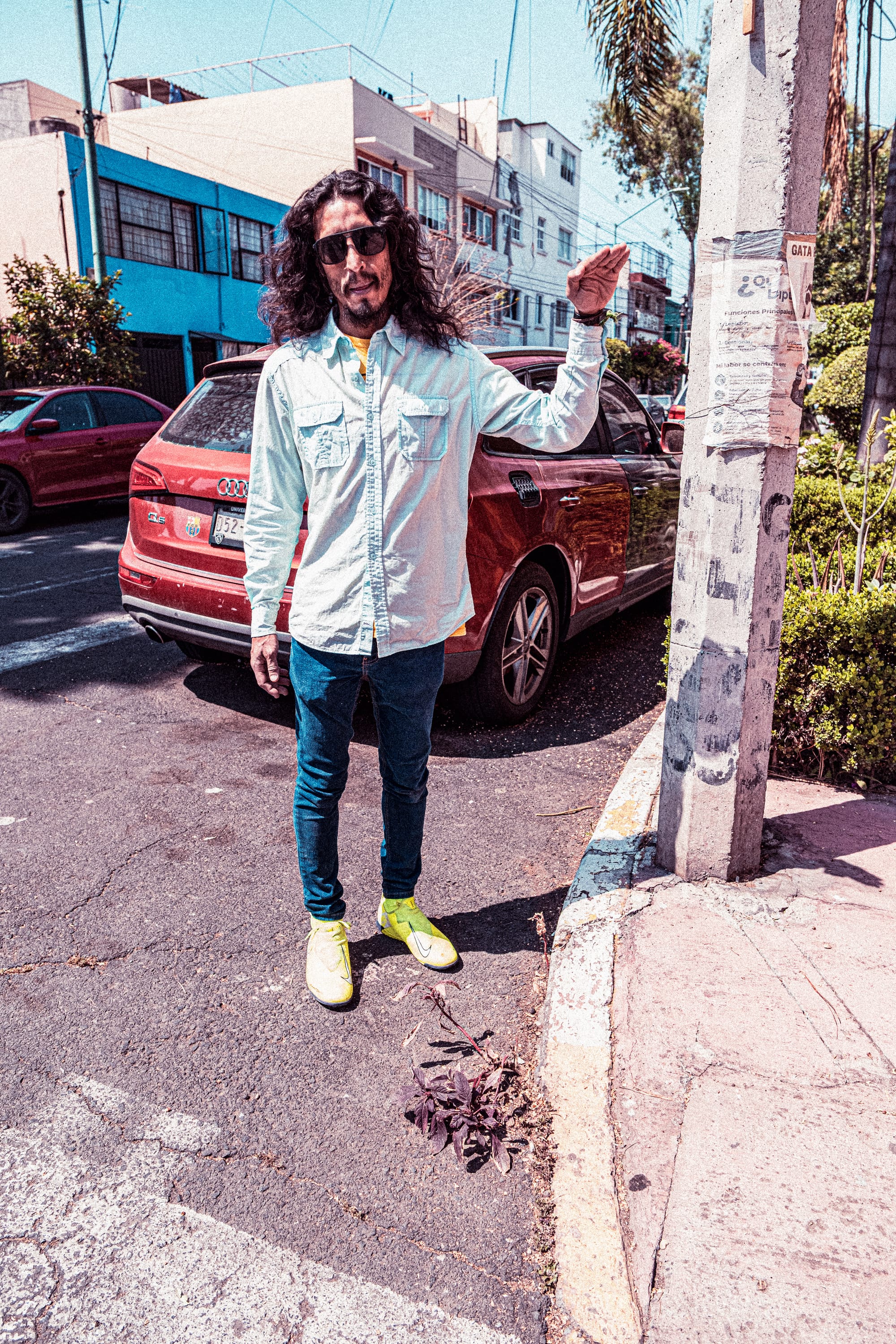
Amarantonio indicates how tall an amaranth plant growing in the concrete used to be
Through what he calls the “Misión Amaranto,” his work is oriented around three interwoven ideas:
- Revitalizing the cultivation of amaranth in both urban and rural communities
- Promoting conscious nutrition rooted in ancestral knowledge
- Regenerating land and relationships through collective action
Each seed planted is framed not as production, but as an act of resistance and care.
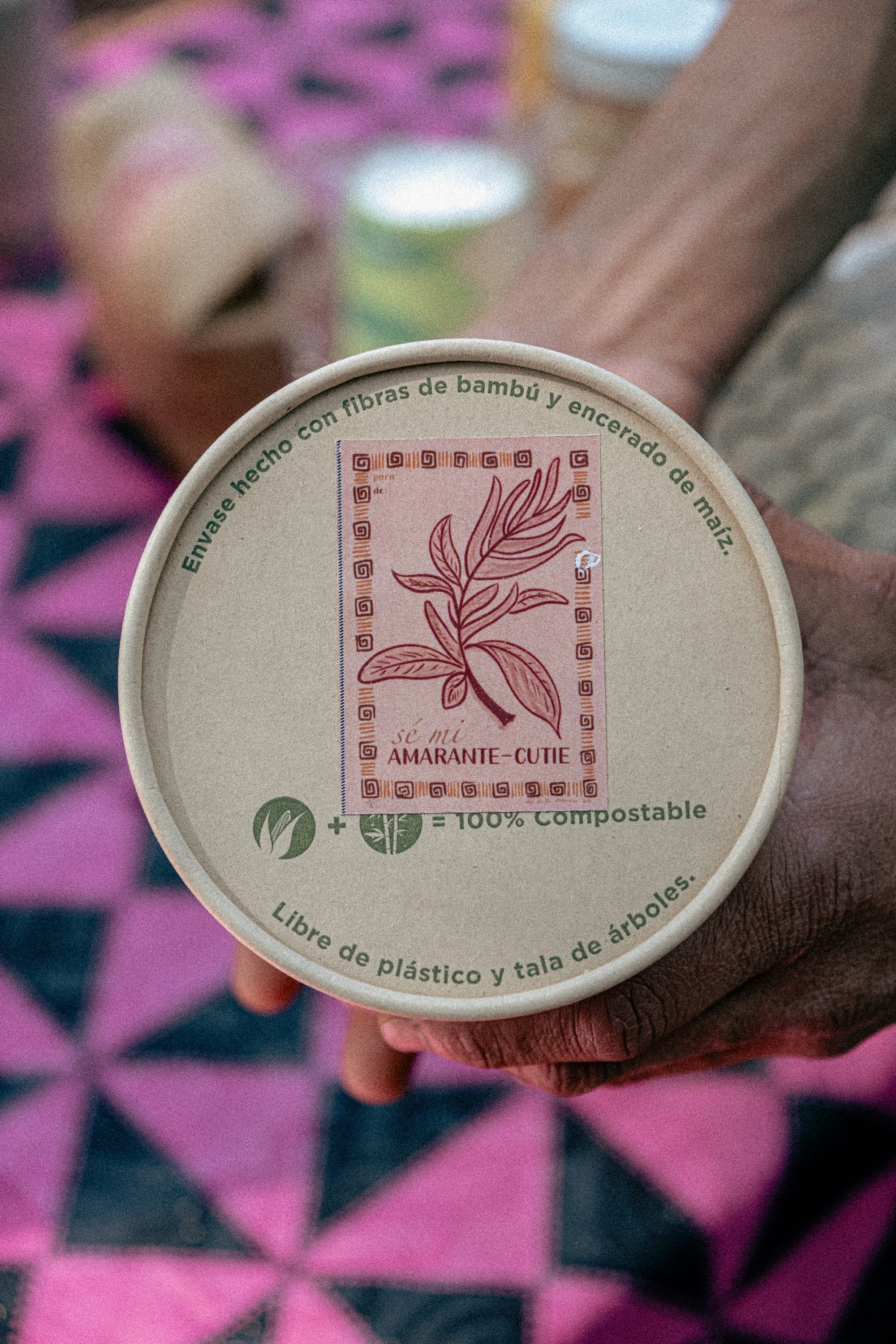
Amarantonio's products
Through Amarantonio's products, this work takes material form.
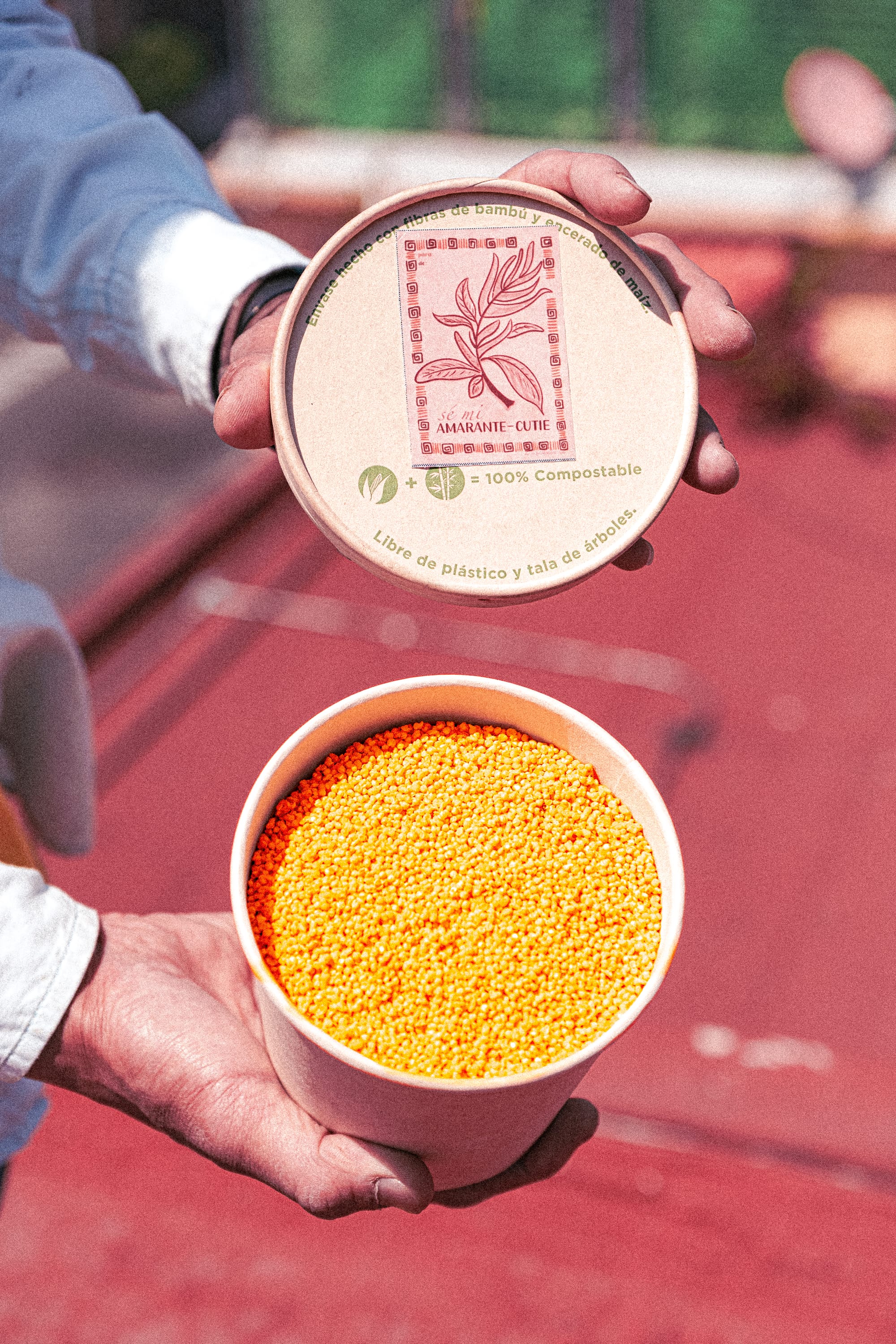
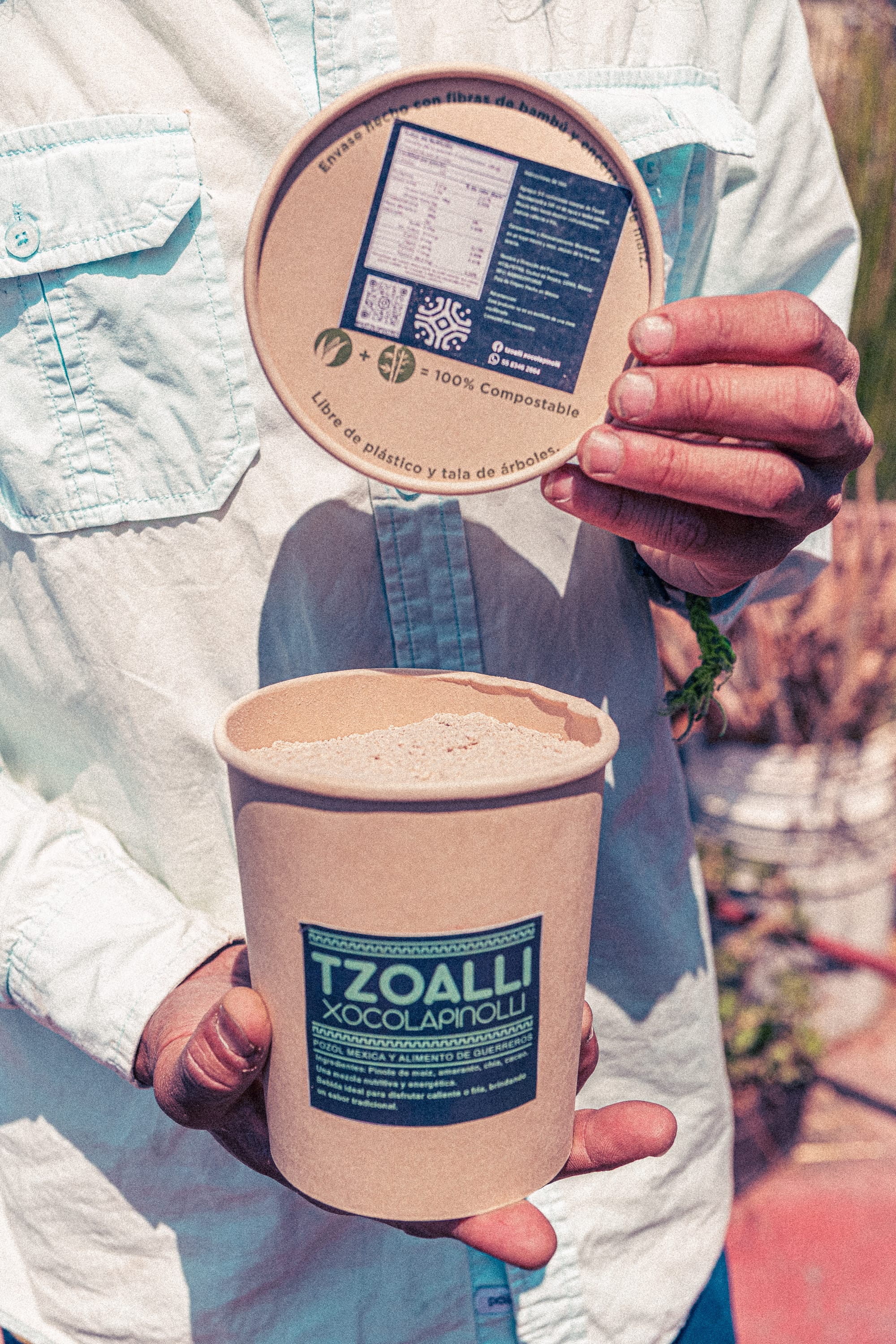
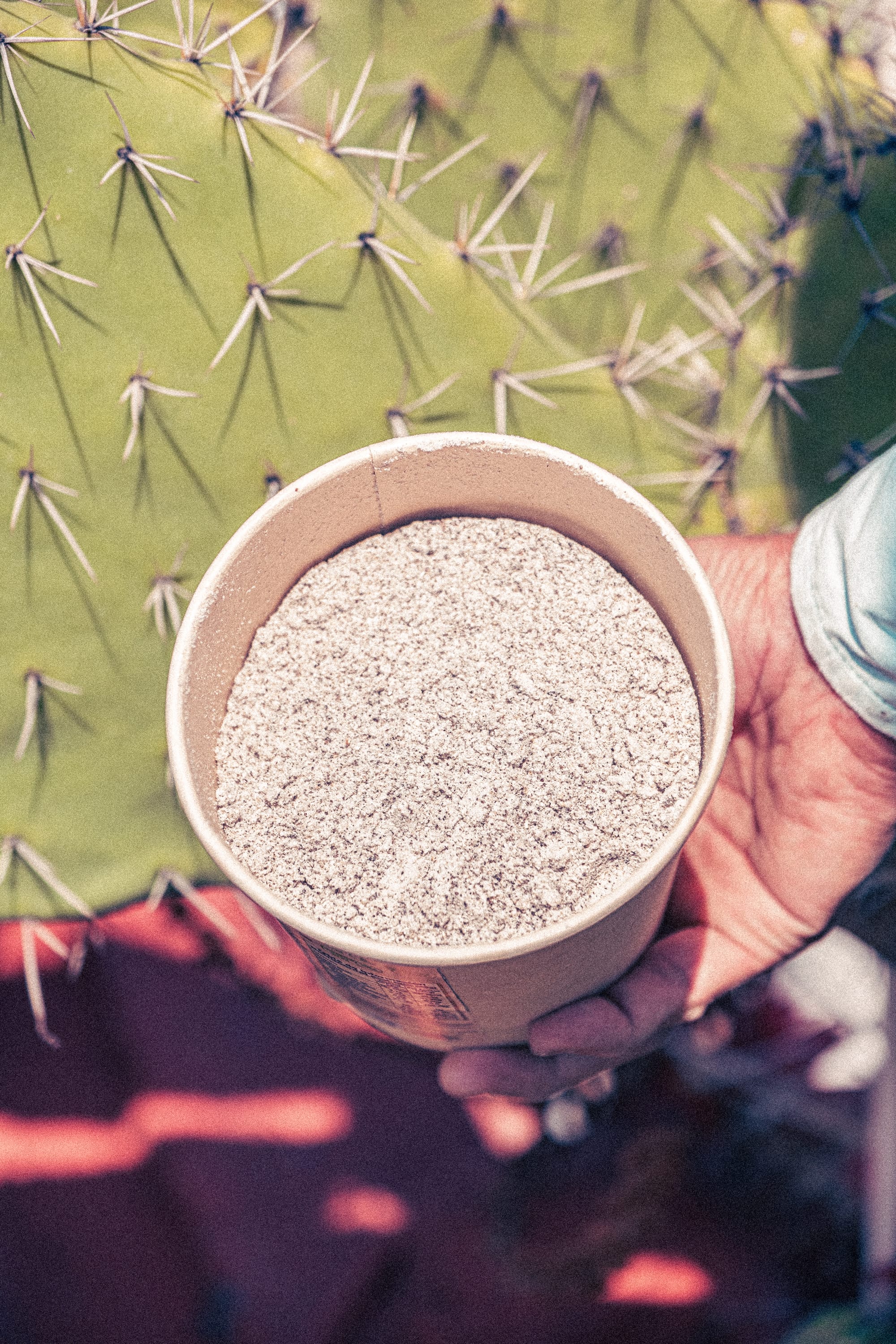
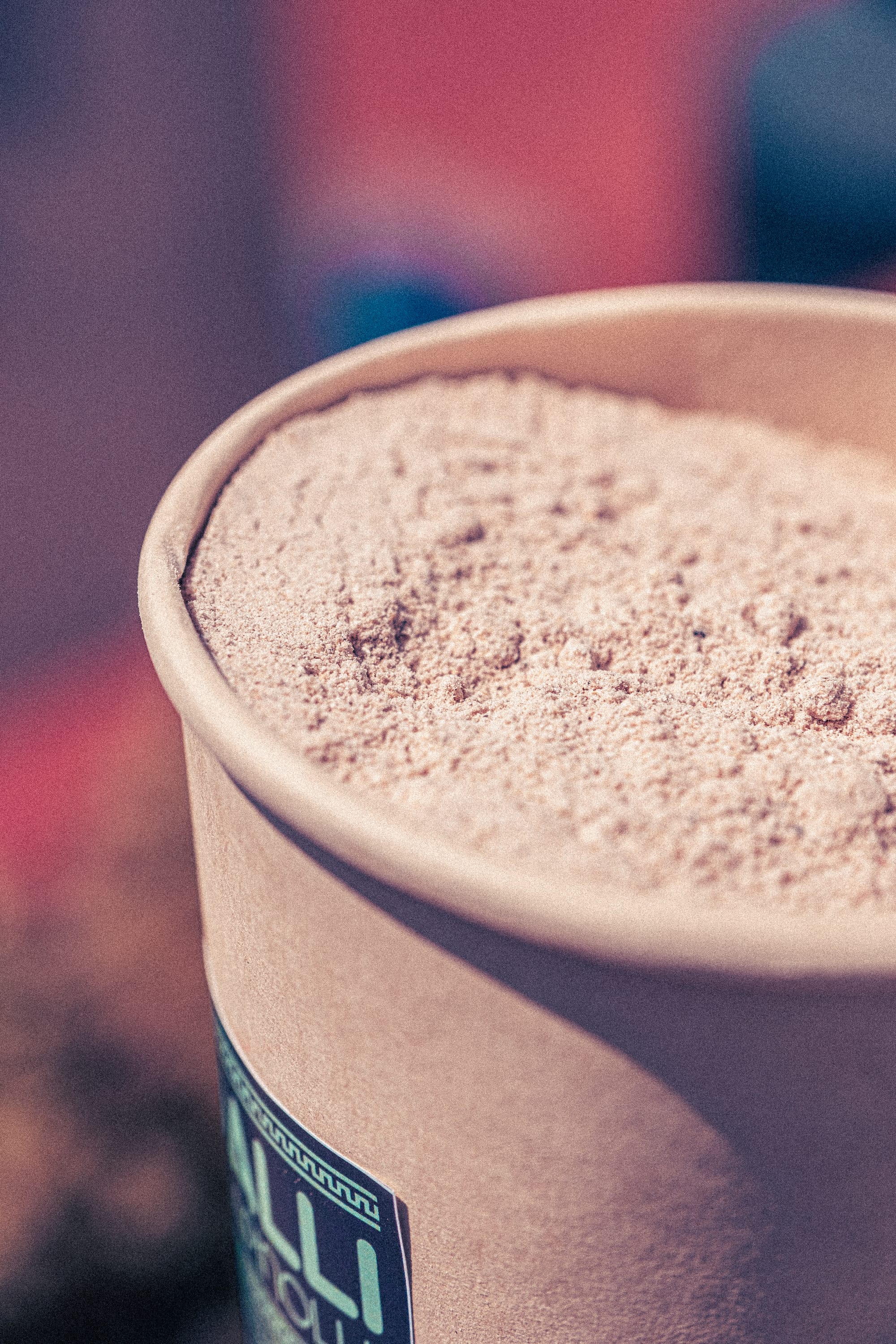
Amarantonio's products, all for sale at Huerto Roma Verde
Products like Alegría (amaranth with organic honey), Tzoalli Xocolapinolli (a drink made with amaranth, chia, and ceremonial cacao), and Amarantecutli (a dense nutritional blend rooted in ancestral formulations) extend the logic of the rooftop outward.
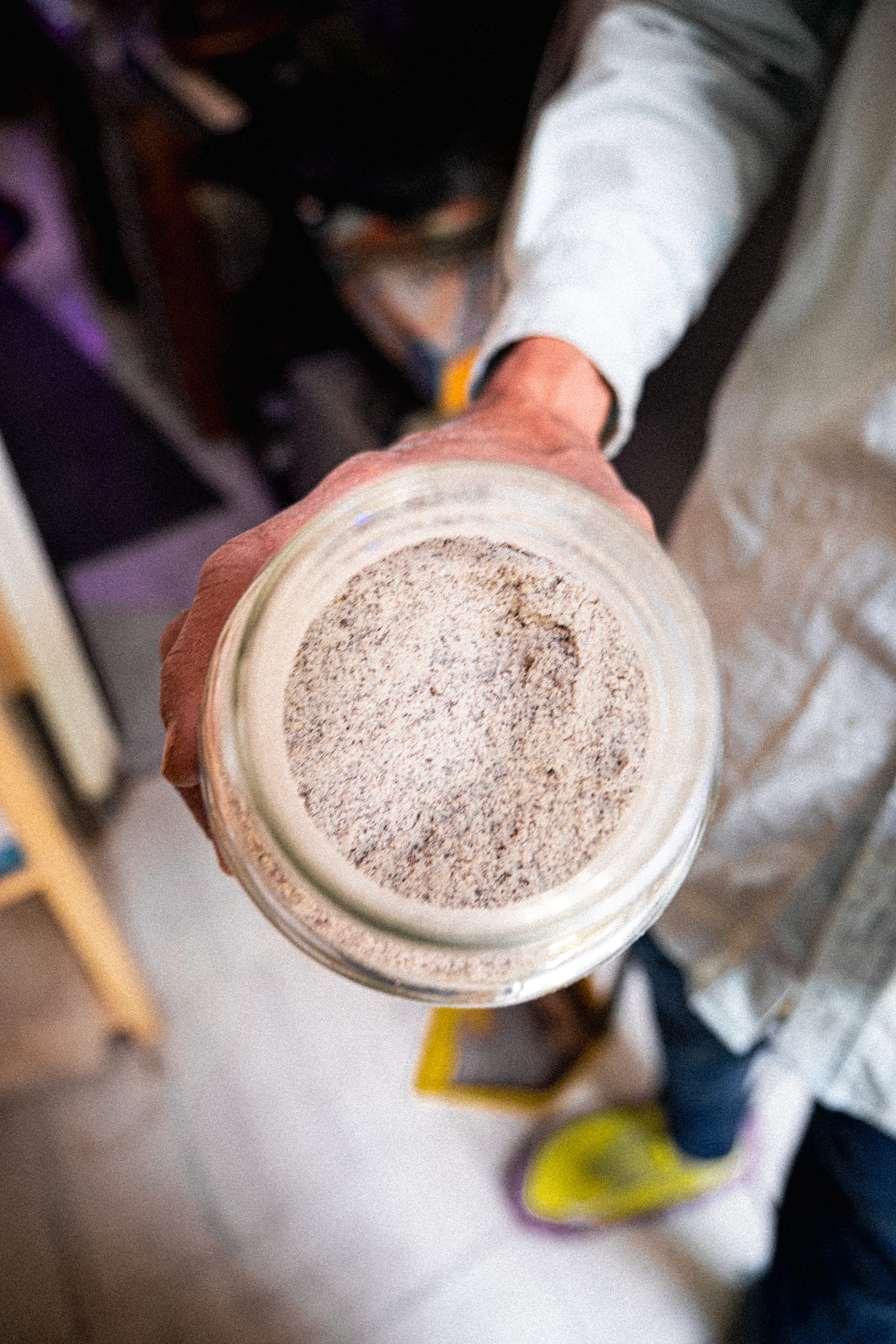
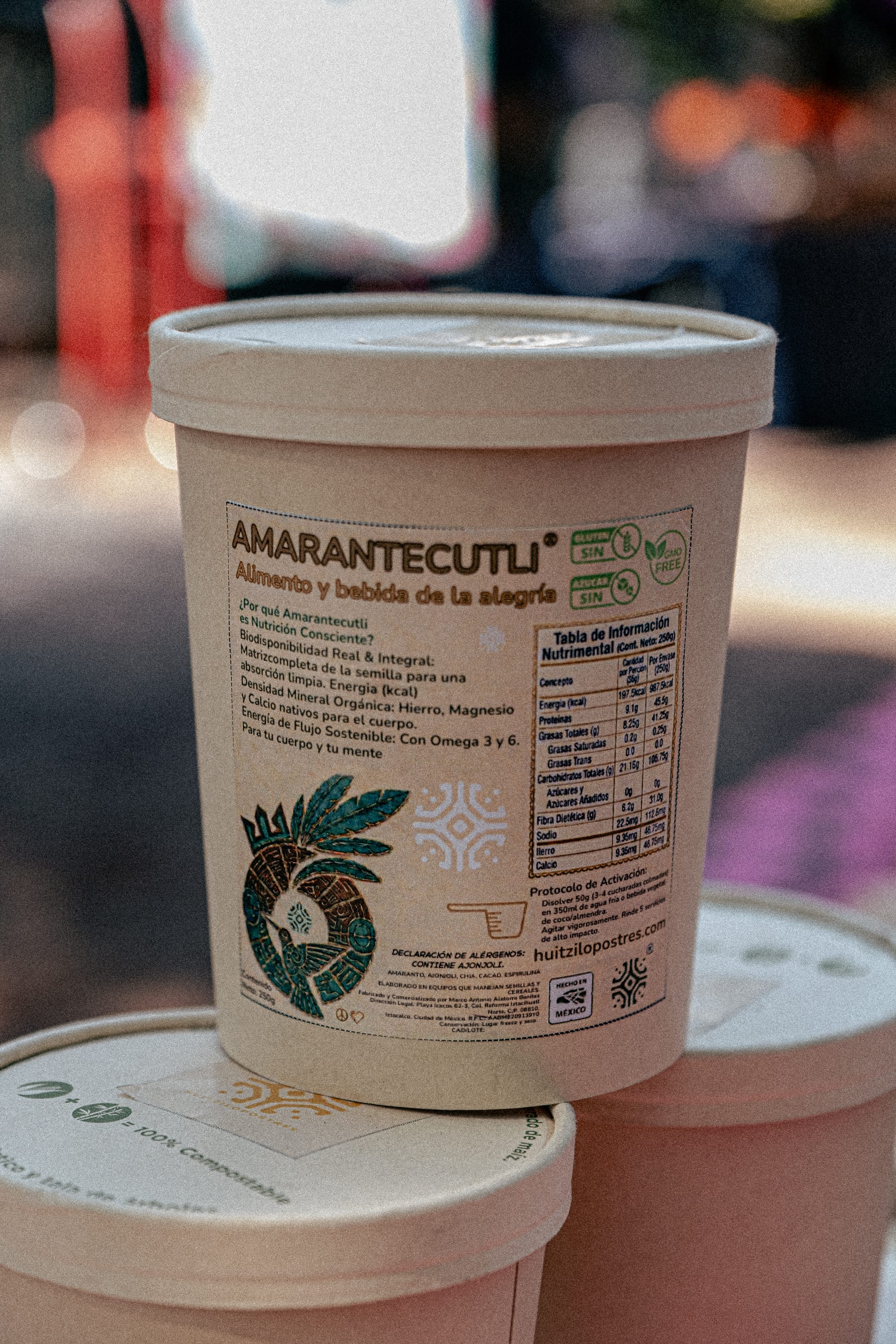
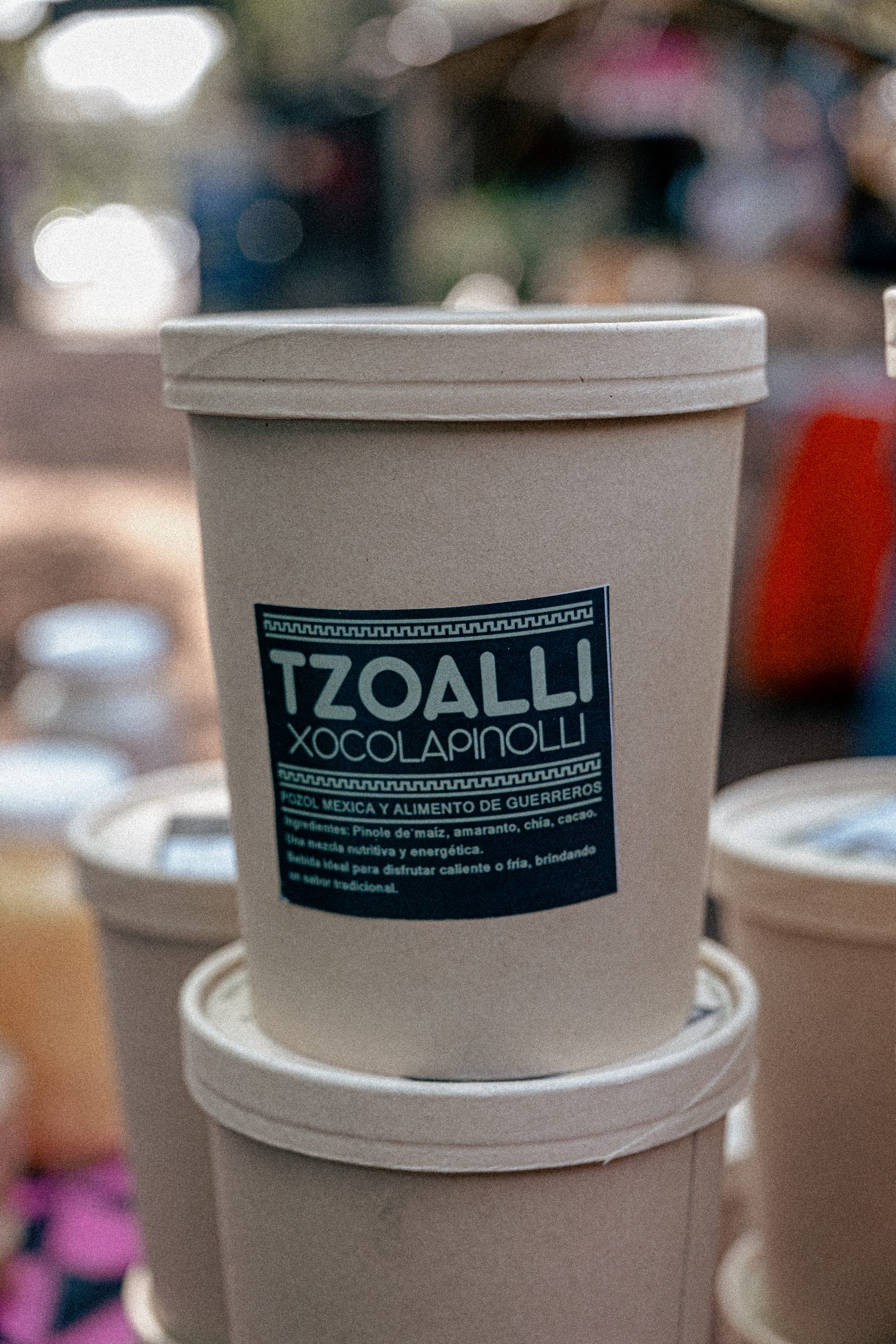
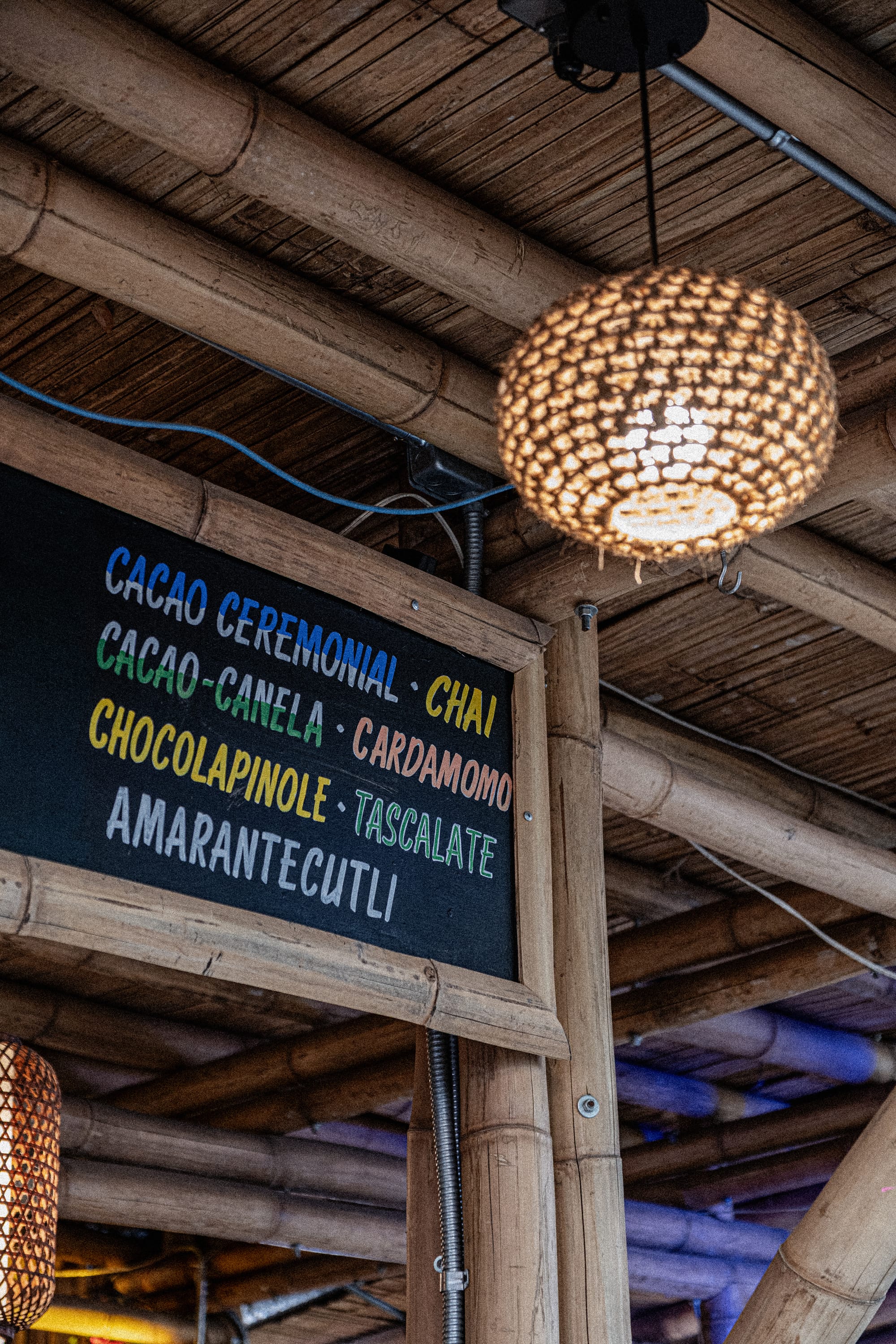
The Amarantecutli blend is used by a cafe at Huerto Roma Verde
Food here is not just consumption. It is circulation.
Regenerative Finance (ReFi) and urban food systems in Mexico City
Across his broader work, that system expands further.
His amaranth brand and movement HuautiLibre describes itself as:
“Un movimiento resiliente y descentralizado que empodera a las comunidades para recuperar su soberanía alimentaria y regenerar sus entornos.”
A resilient and decentralized movement that empowers communities to reclaim food sovereignty and regenerate their environments.
Its mission is to foster self-sufficiency through collective and even clandestine planting, building networks of shared knowledge and action.
Within this, there is an emerging layer of what can be called regenerative finance.
Unlike conventional financial systems, which extract and accumulate, regenerative finance here is about circulation and return.
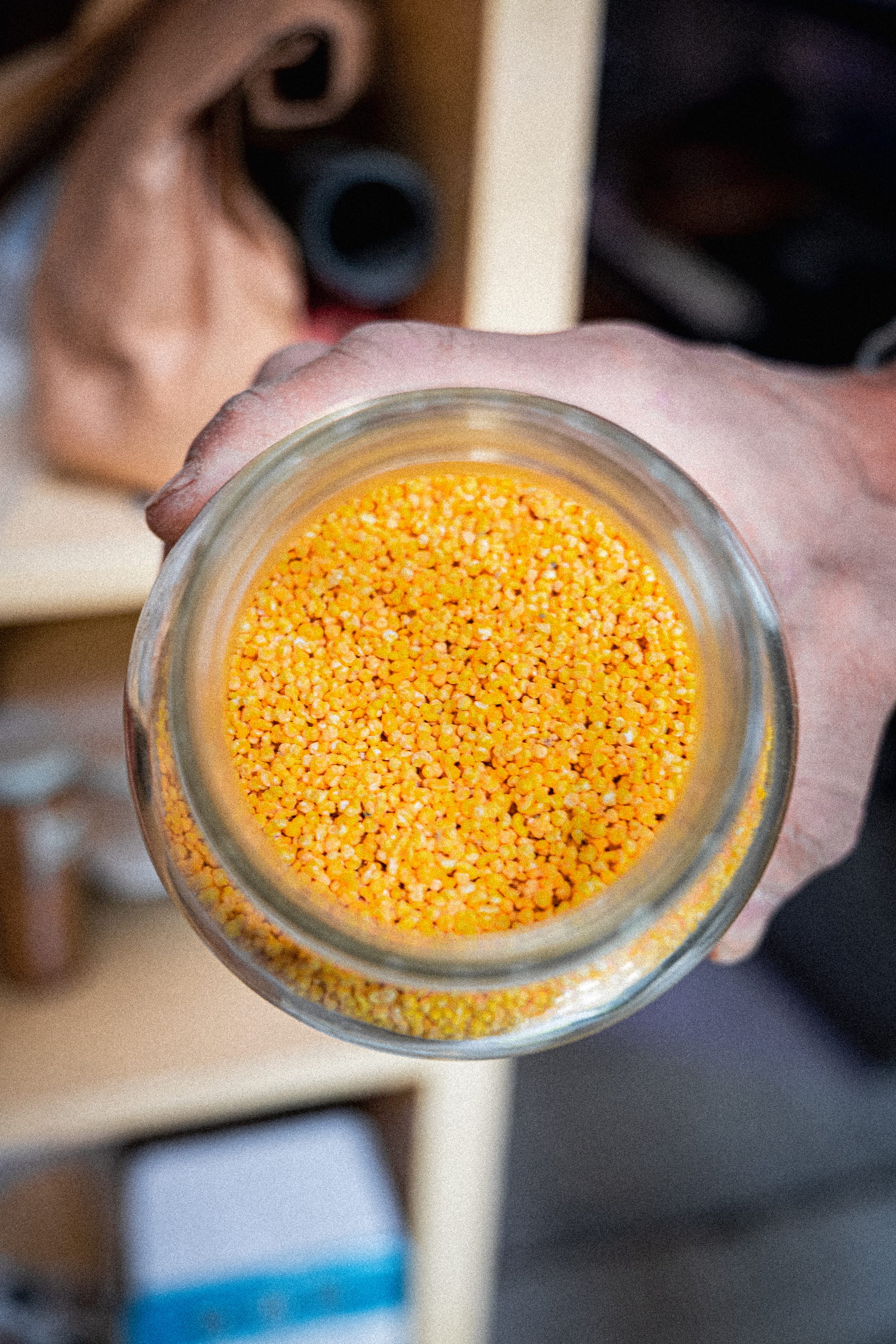
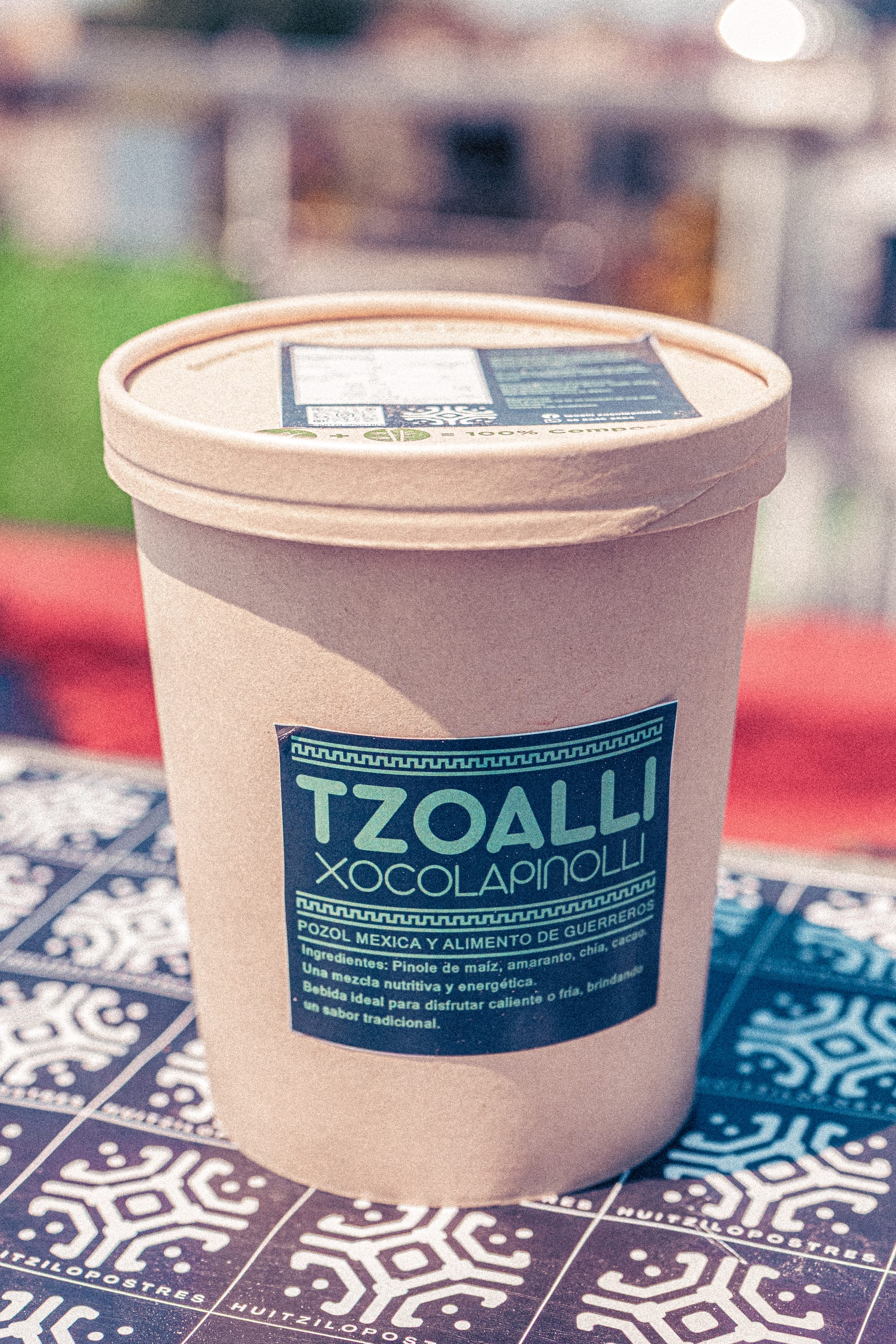
Honey-coated amaranth and an ancestral drink blend
Resources enter the system, but they are redistributed:
- into seeds
- into shared infrastructure
- into community growth
Value is not stored. It is moved.
Money becomes a temporary medium, not an endpoint.
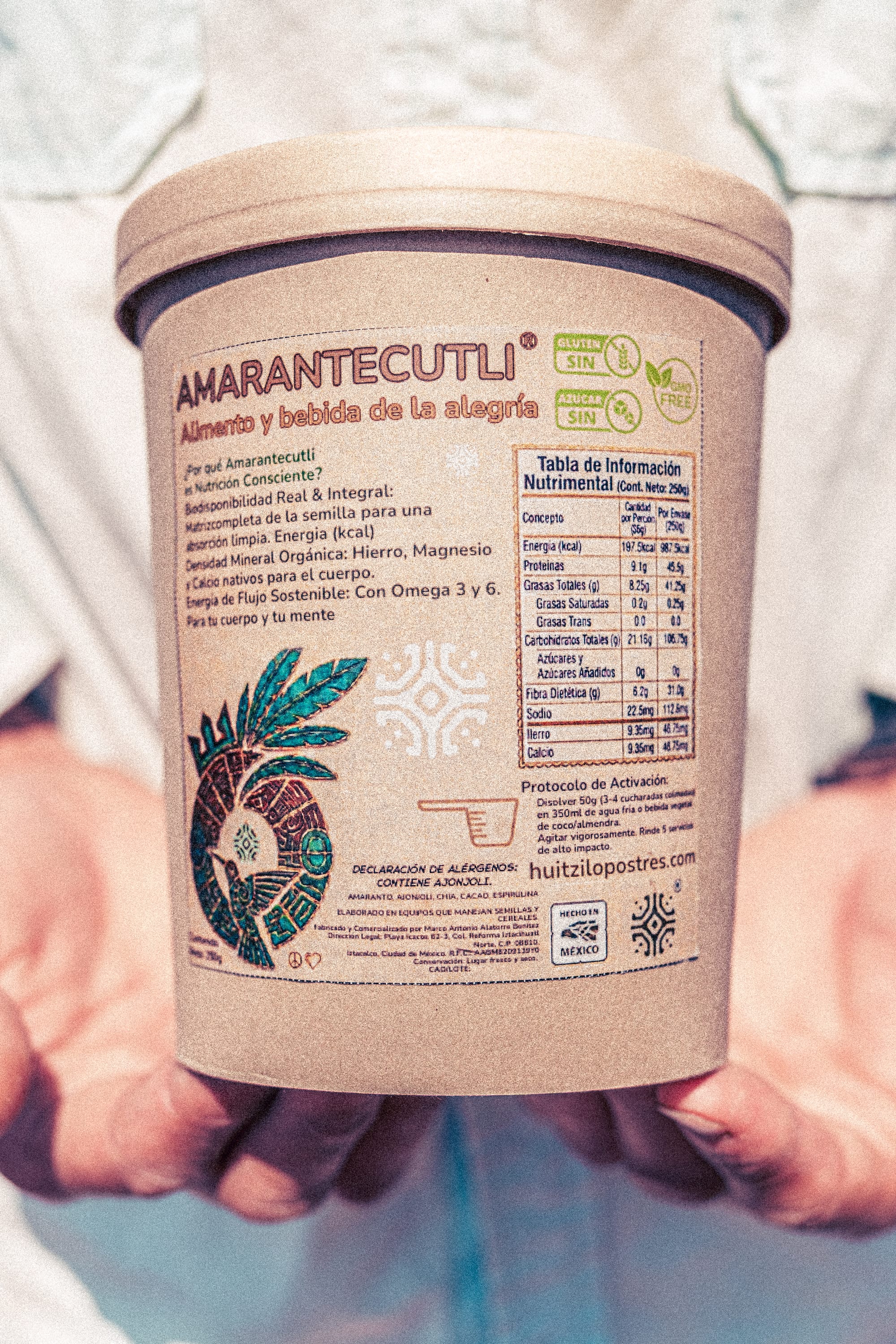
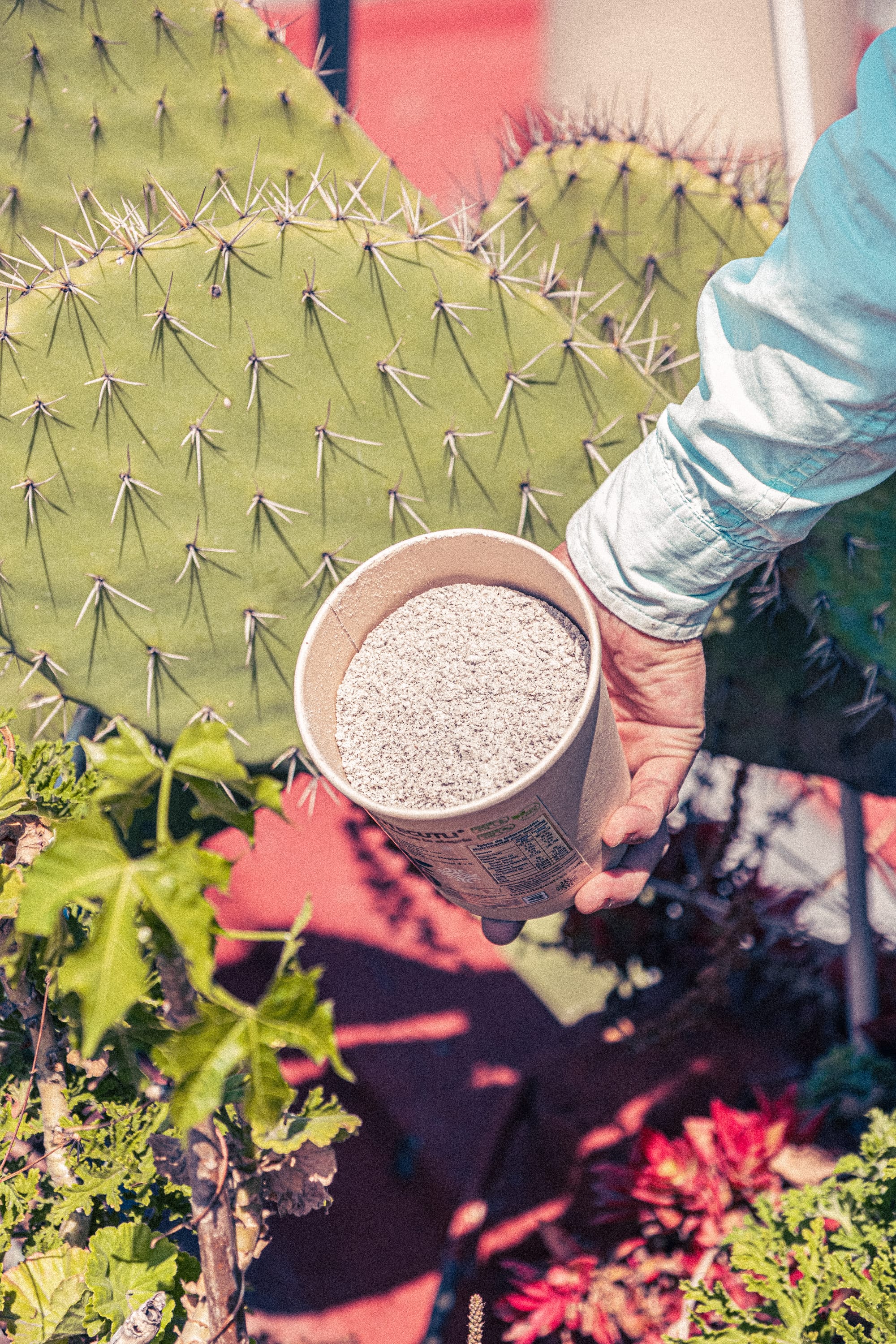
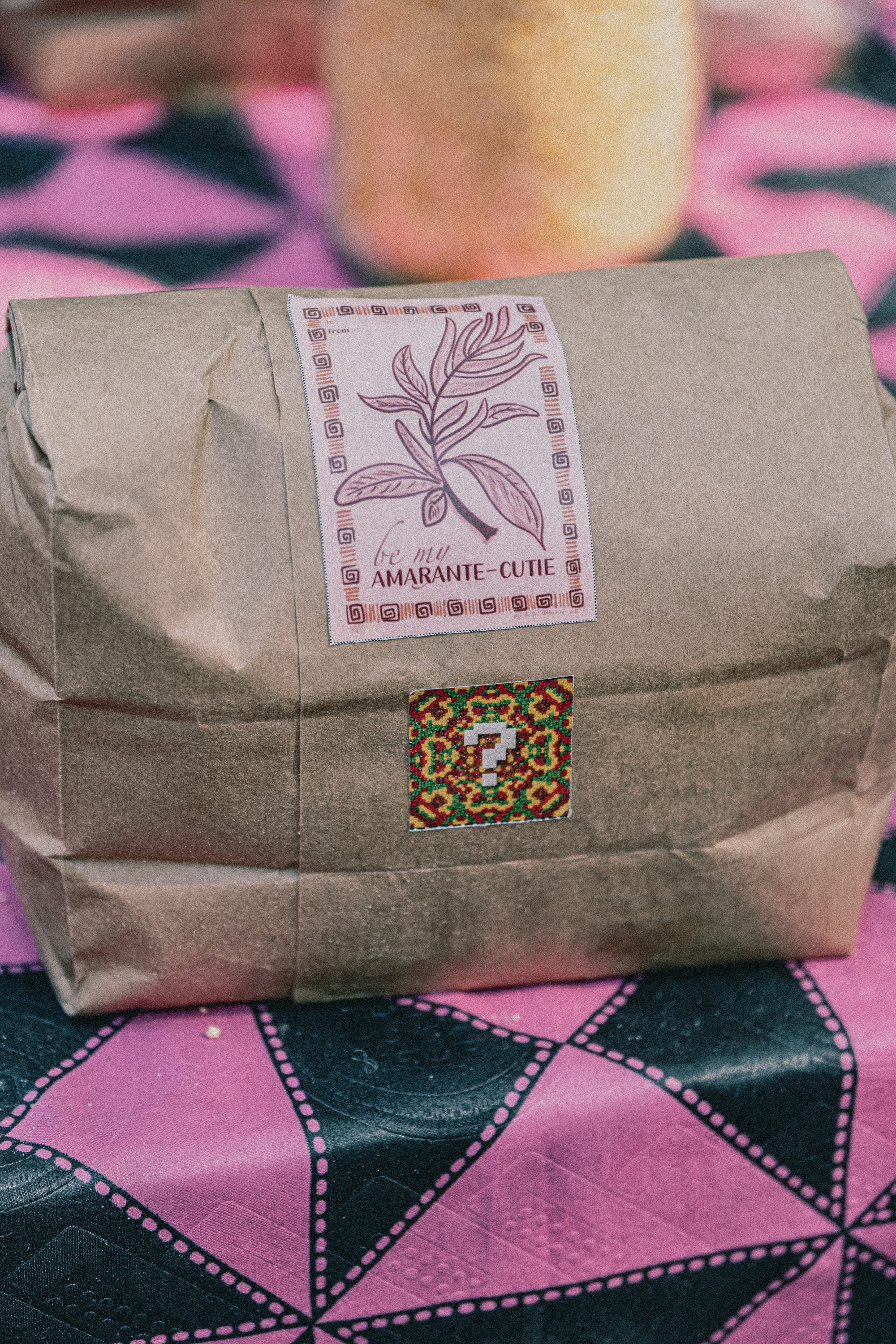
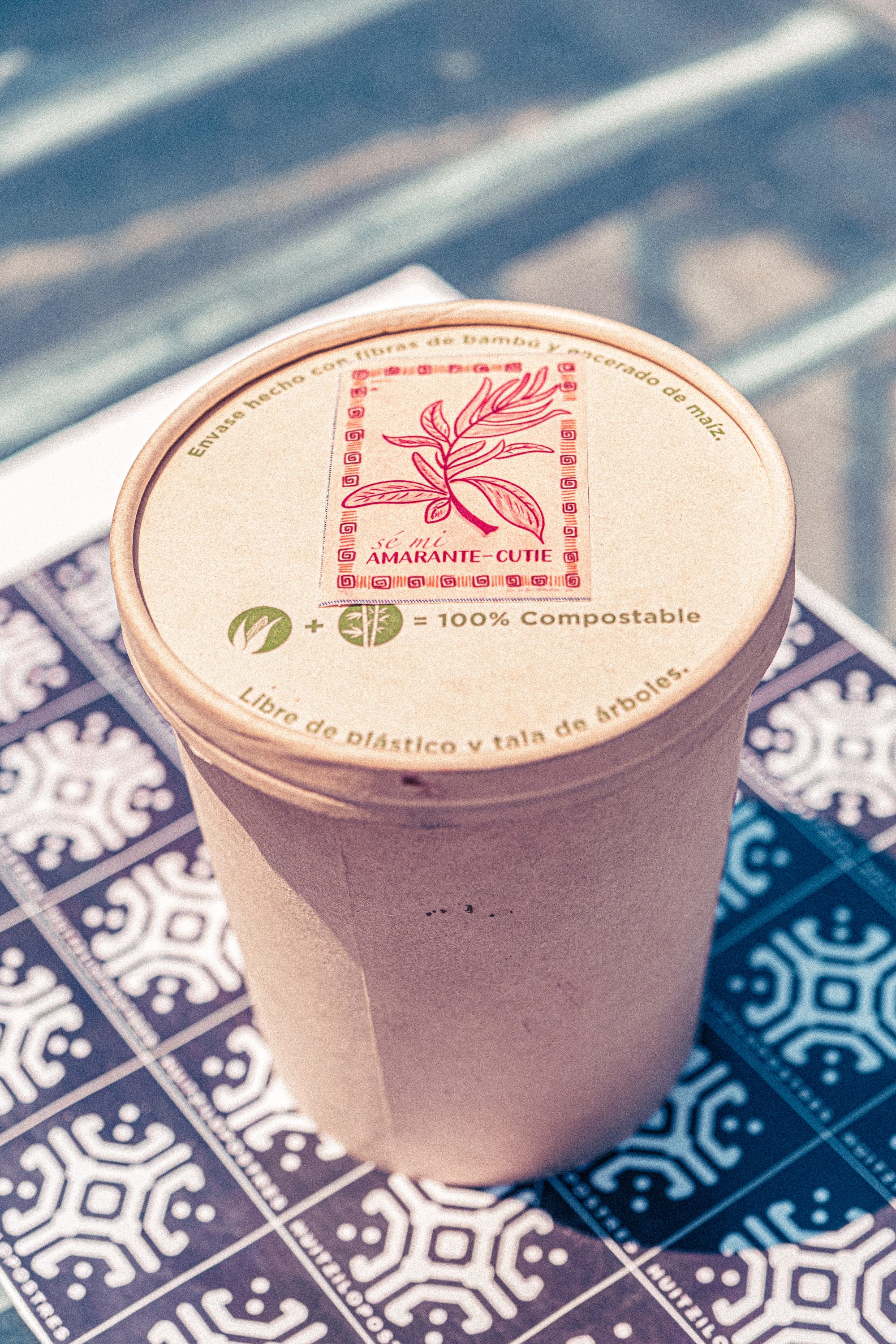
Amarantonio's products
This aligns with a broader shift away from centralized ownership toward distributed, living systems.
Urban farming in Mexico City: turning the city into a garden
On the rooftop, these ideas become tangible.
Every container, every reused material, every plant growing out of what might otherwise be discarded, points to a different way of organizing life in the city. One that doesn’t wait for permission, and doesn’t depend on large-scale infrastructure to begin.
It’s small, but it’s not insignificant.
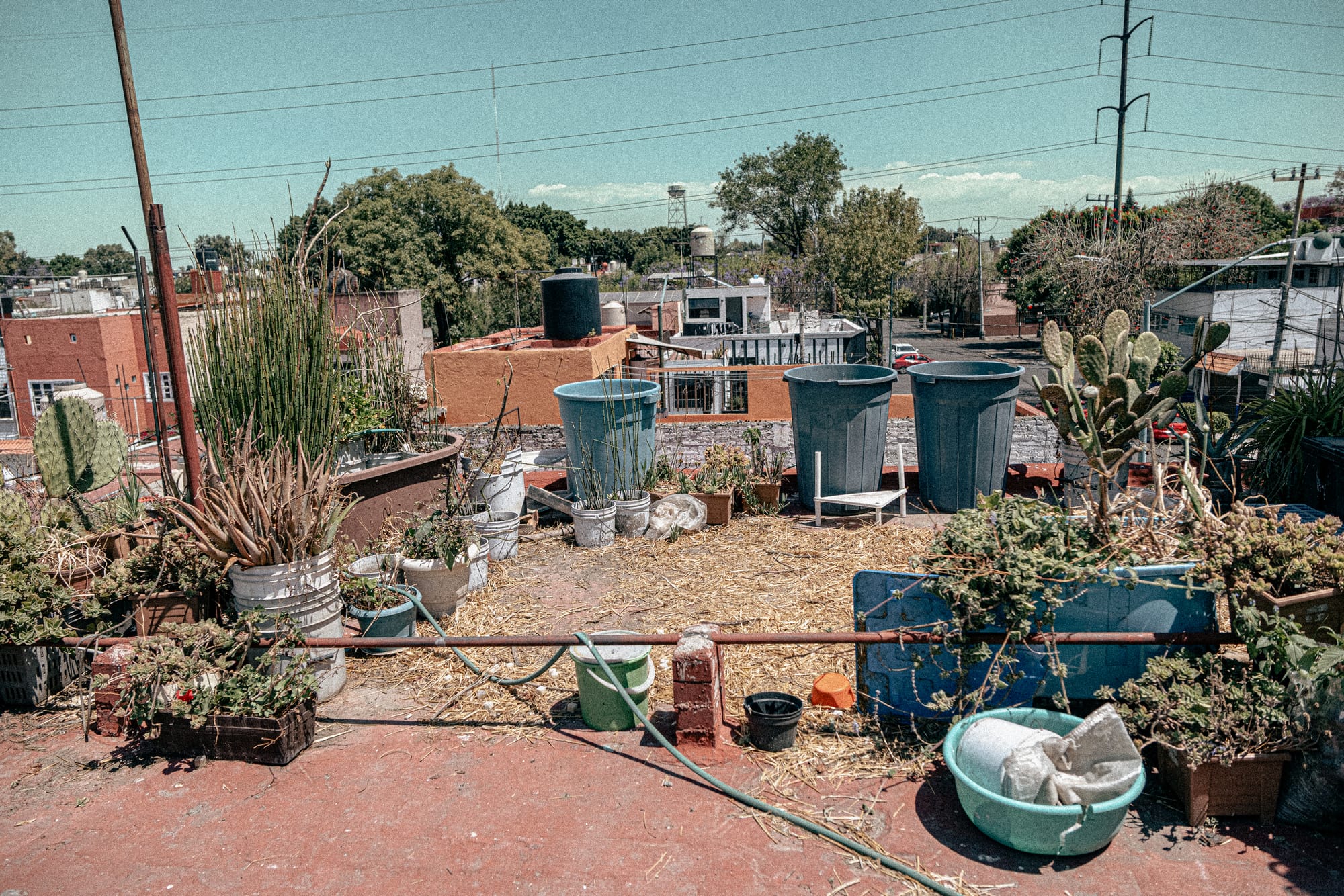
In a city where food is mostly consumed at a distance from where it is grown, spaces like this collapse that distance. They make production visible again. They return a degree of autonomy, even if partial.
And they also make something else visible: how fragile that autonomy is.
Plants can be removed. Spaces can be taken. Systems like this require constant attention, constant rebuilding.
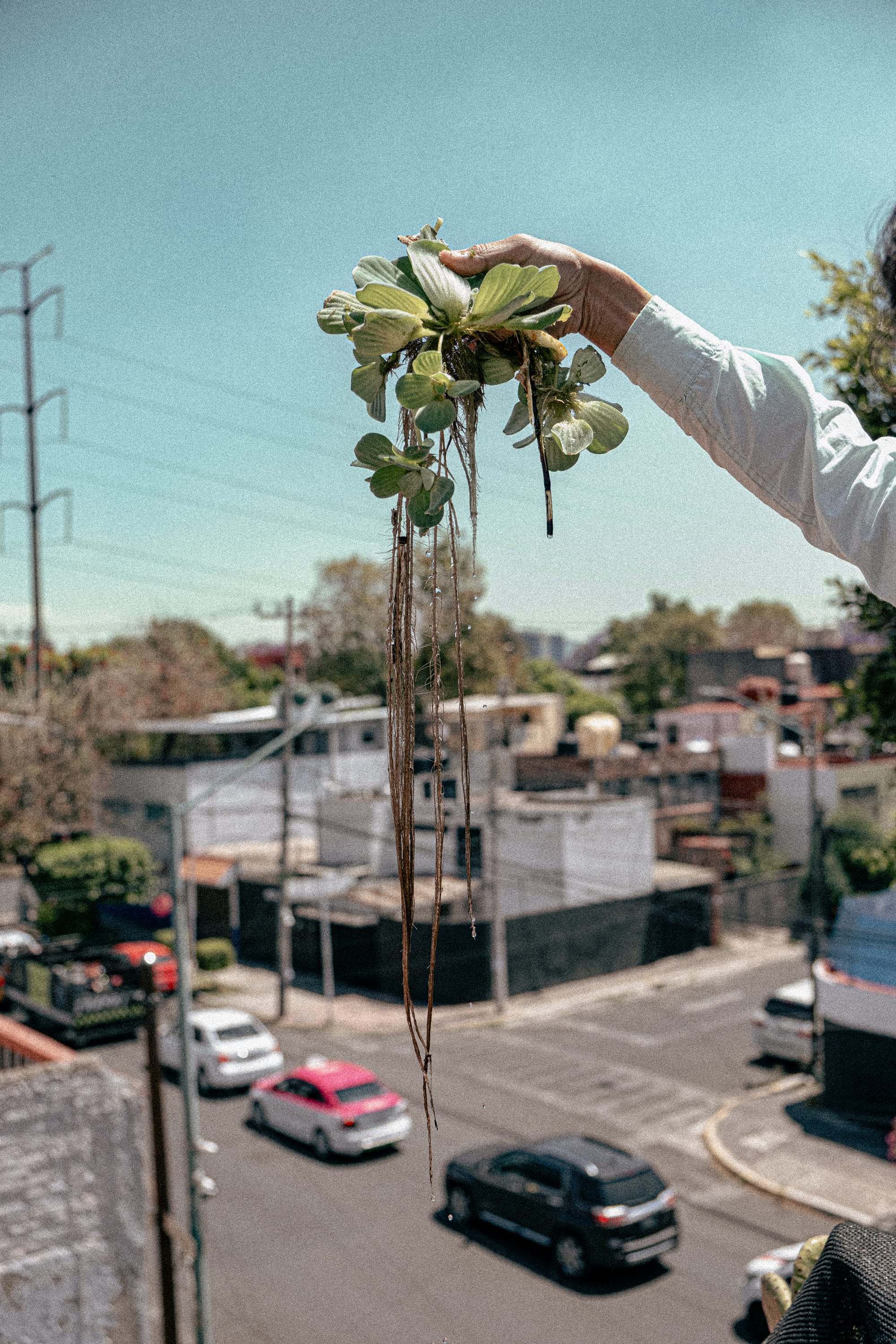
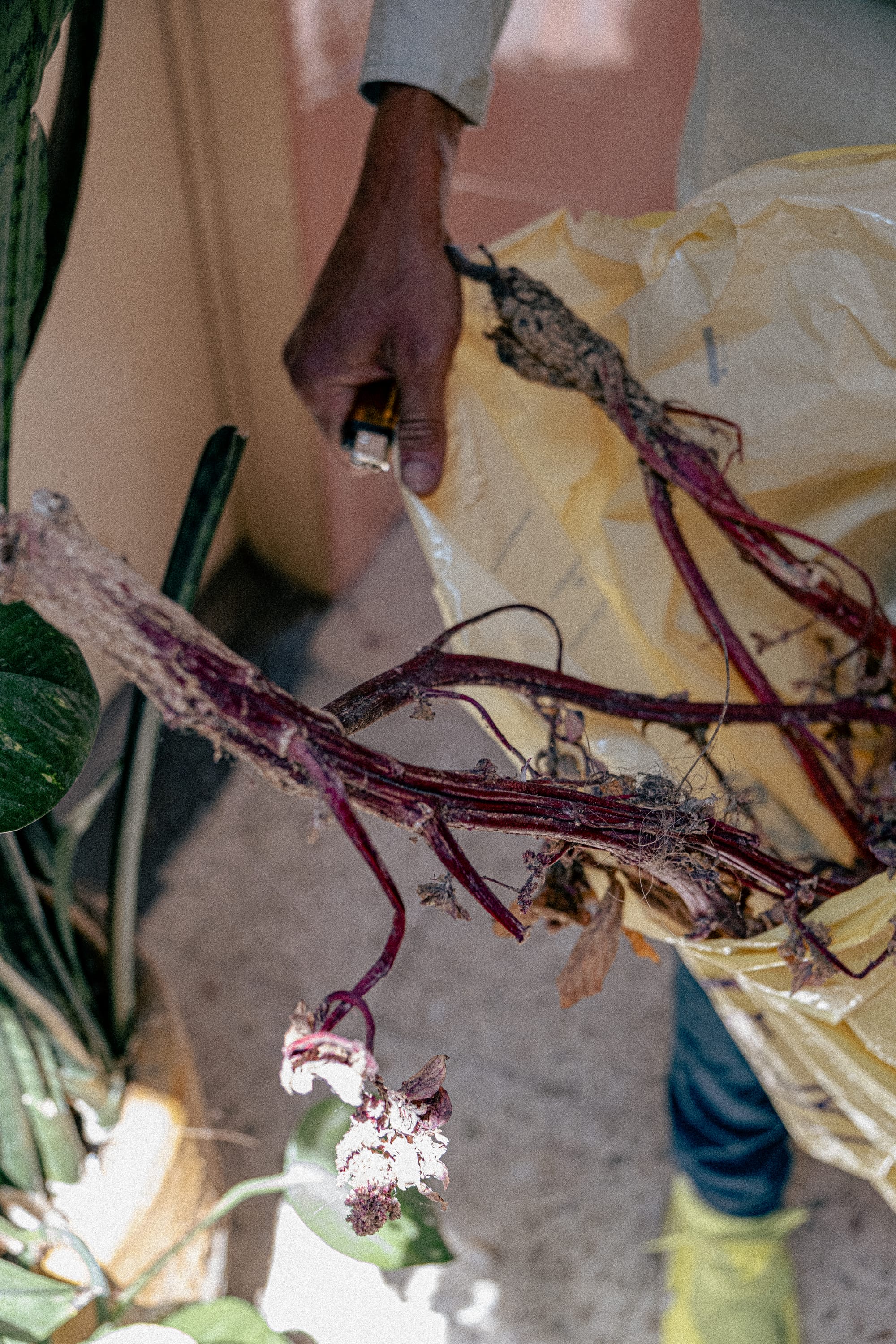
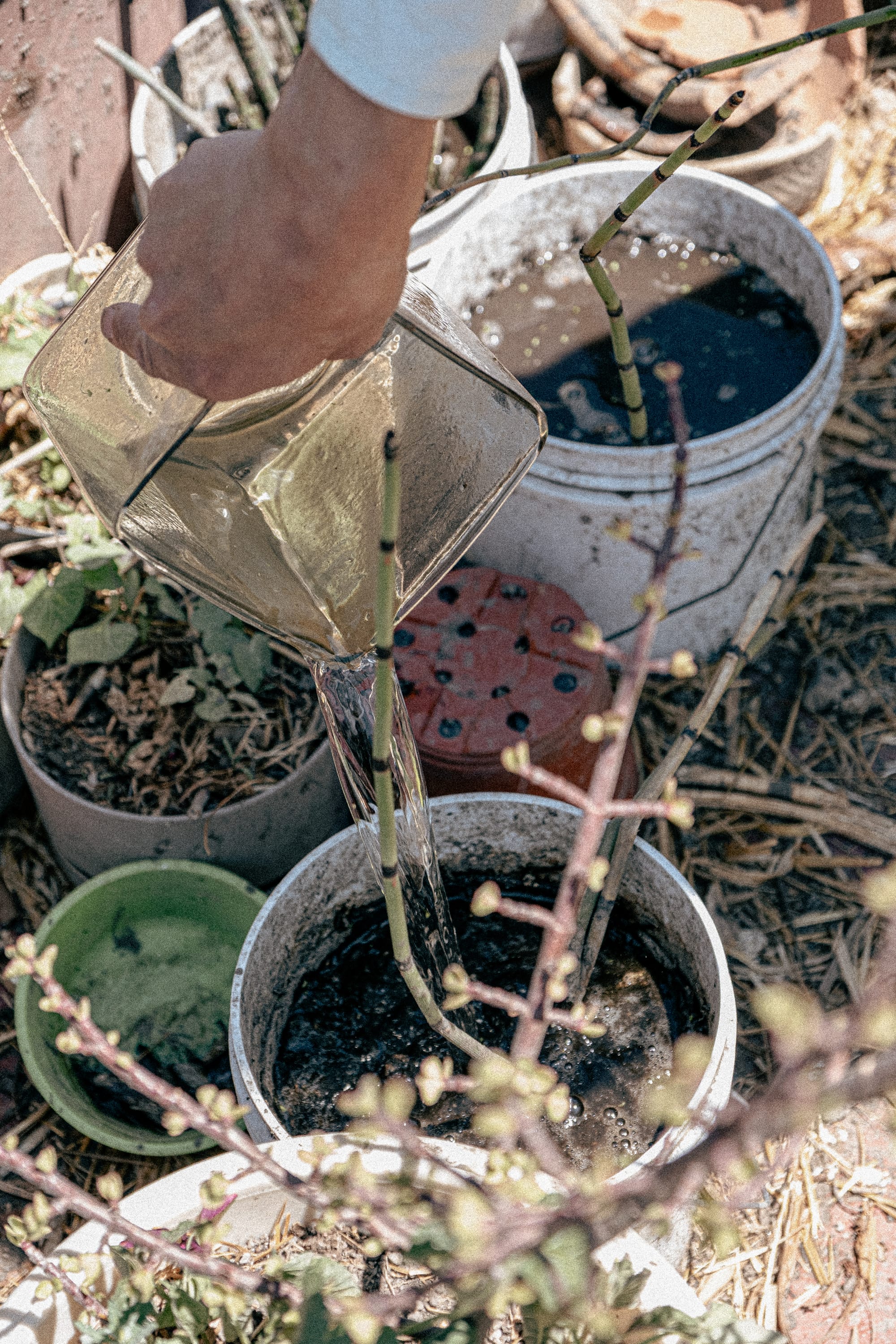
Attending to the plants
Amarantonio has experienced that directly. Earlier attempts at growing in shared or public spaces were undone, removed, erased. The response was not to stop, but to adapt. To grow more quietly when needed, to distribute rather than centralize, to treat the city itself as a dispersed growing ground.
Seed sharing and decentralized urban agriculture
This is where the rooftop becomes more than just a location.
It’s one node in a wider network.
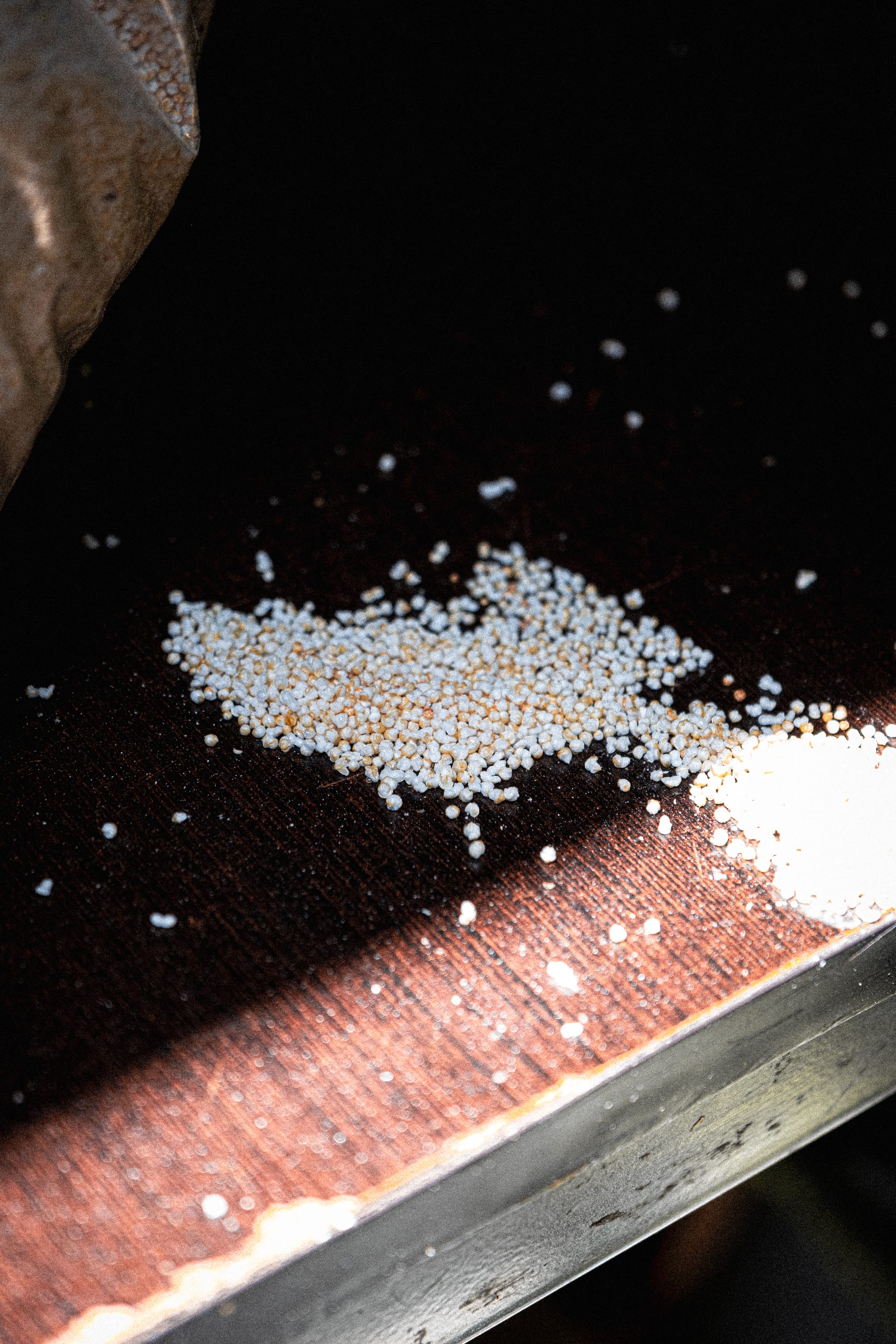
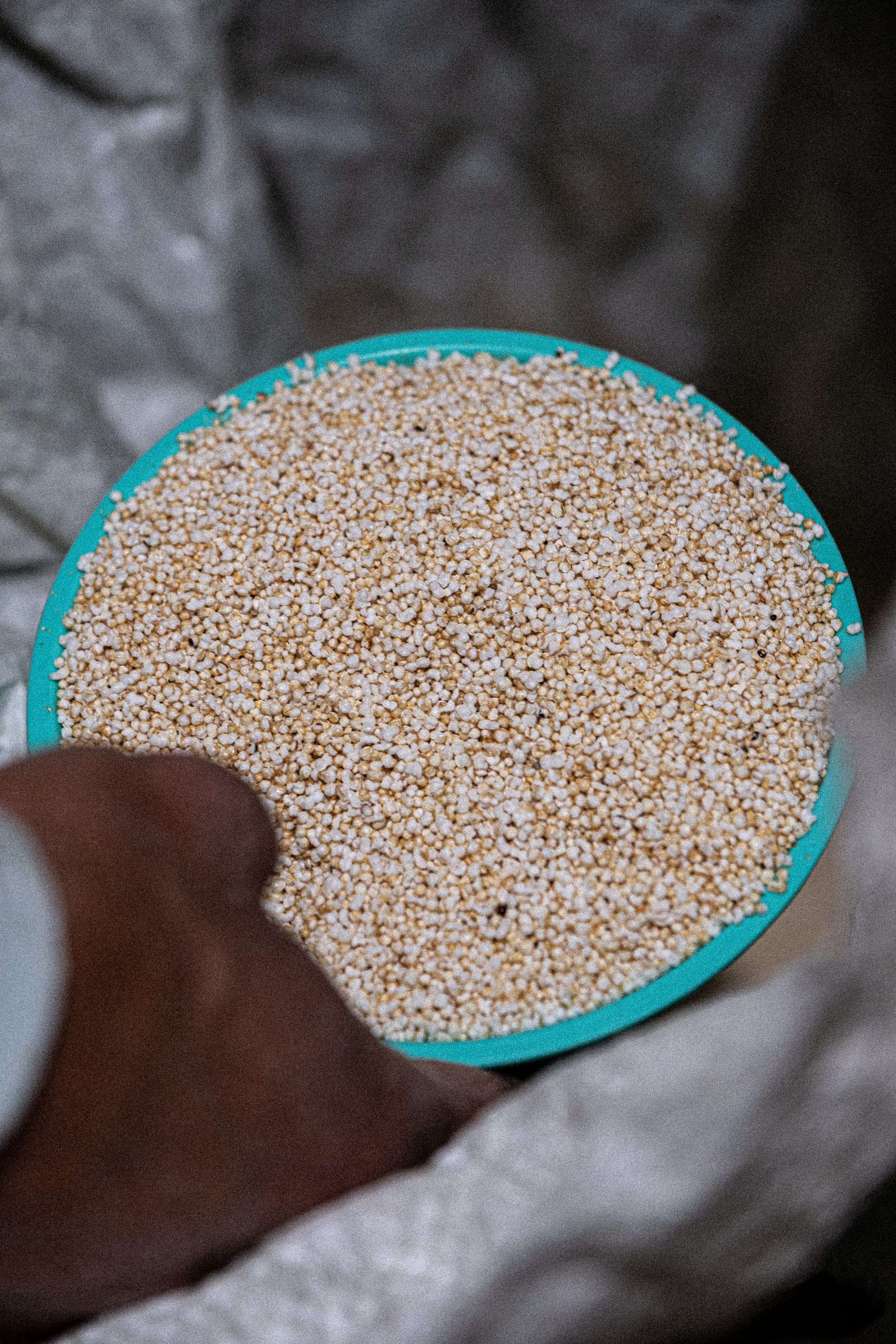
Amaranth seeds
Seeds move outward from here, carried by hand, by conversation, by events, by chance. Some are planted deliberately, others spread more unpredictably. The goal is not control, but propagation.
In that sense, the rooftop is less a contained garden and more a starting point.
Why amaranth matters: rethinking food in Mexico City
Amarantonio is a dear friend of ours, and spending time in his space made that even more clear. Not just because of the work itself, but because of the way he moves through it, openly, generously, without trying to fix its meaning into something easily explained.
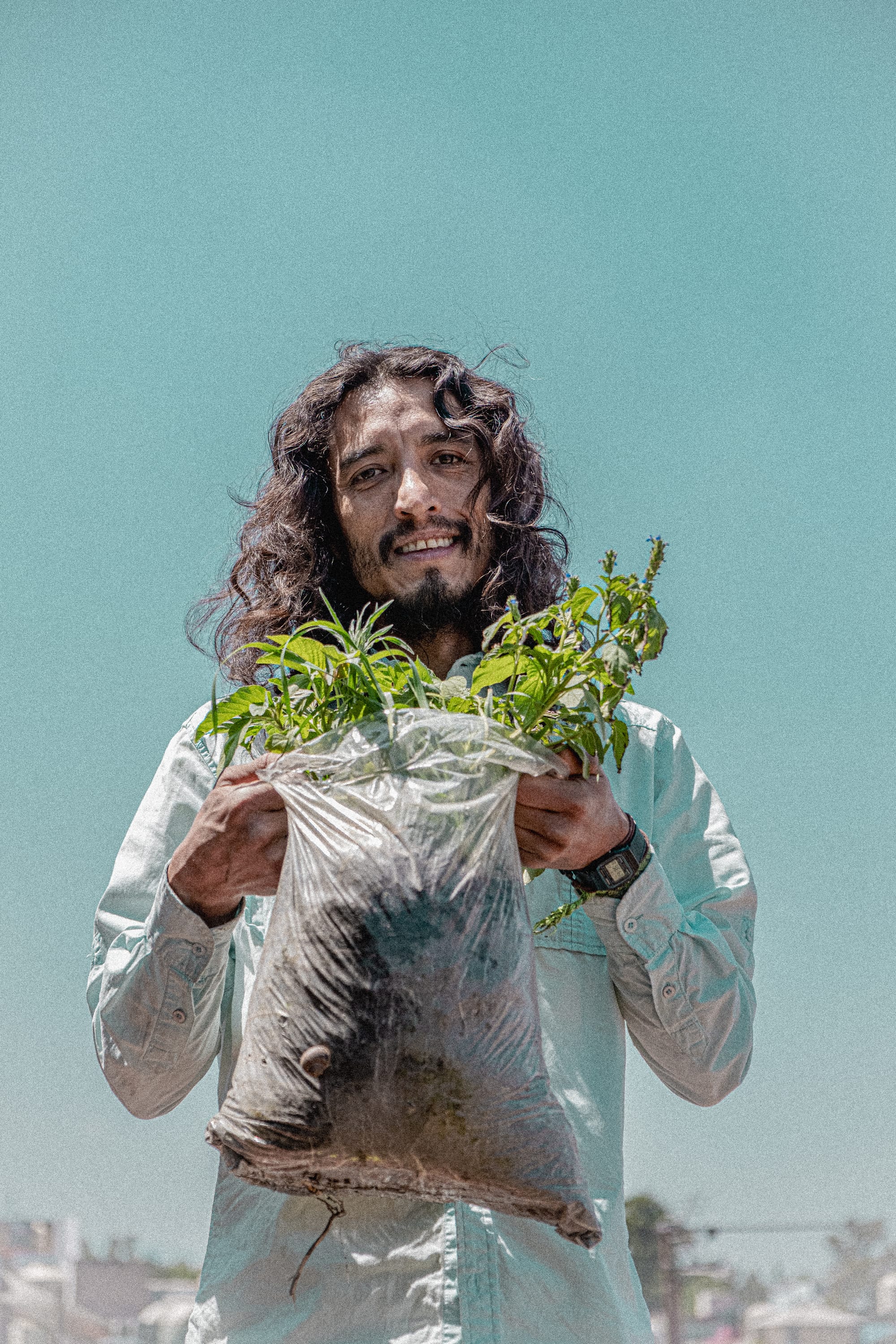
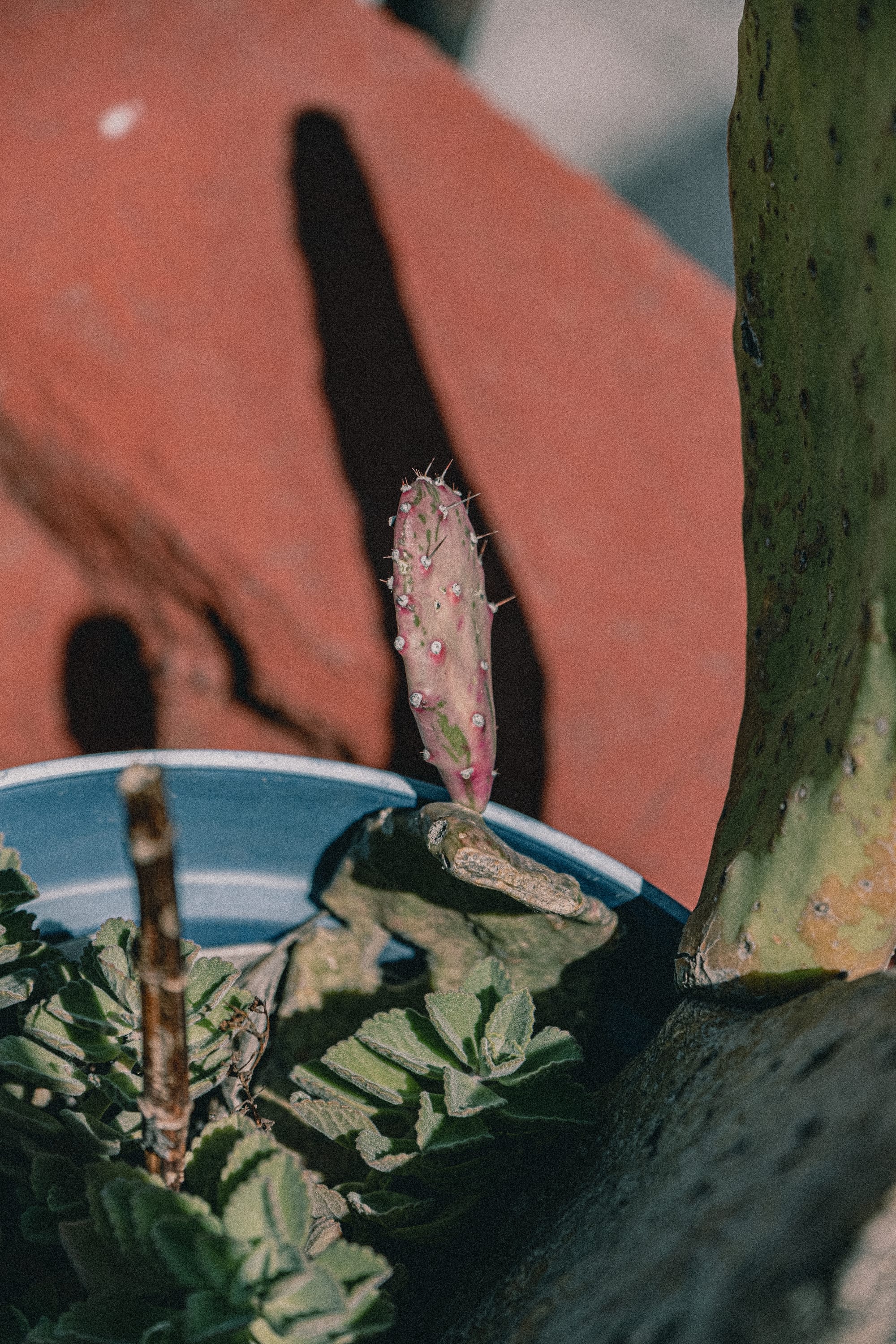
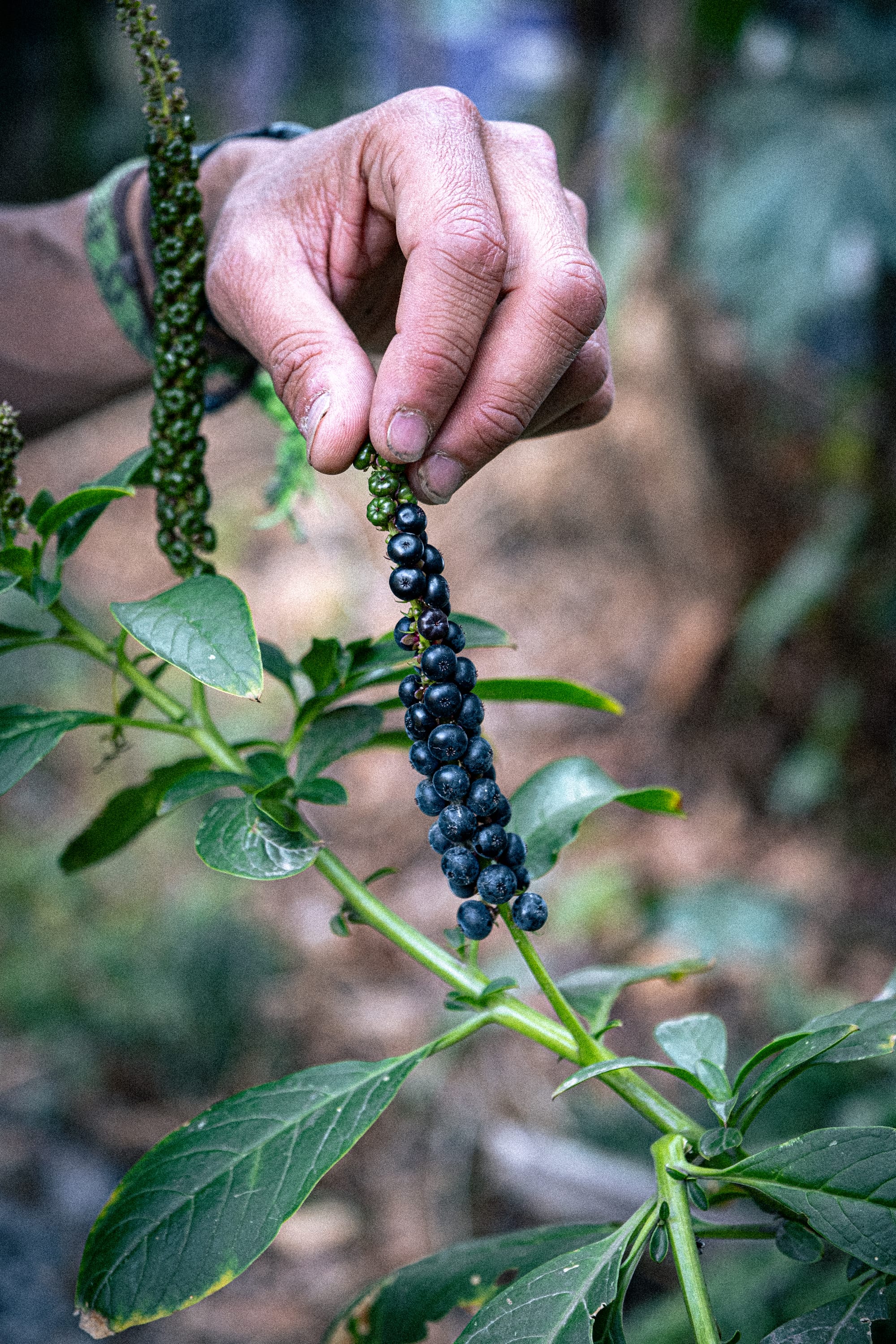
Amarantonio holds an amaranth plant
Amaranth, in this context, is not just a crop. It becomes a way of rethinking how food exists in the city, who grows it, who has access to it, and what it means to nourish ourselves outside of large-scale, industrial systems.
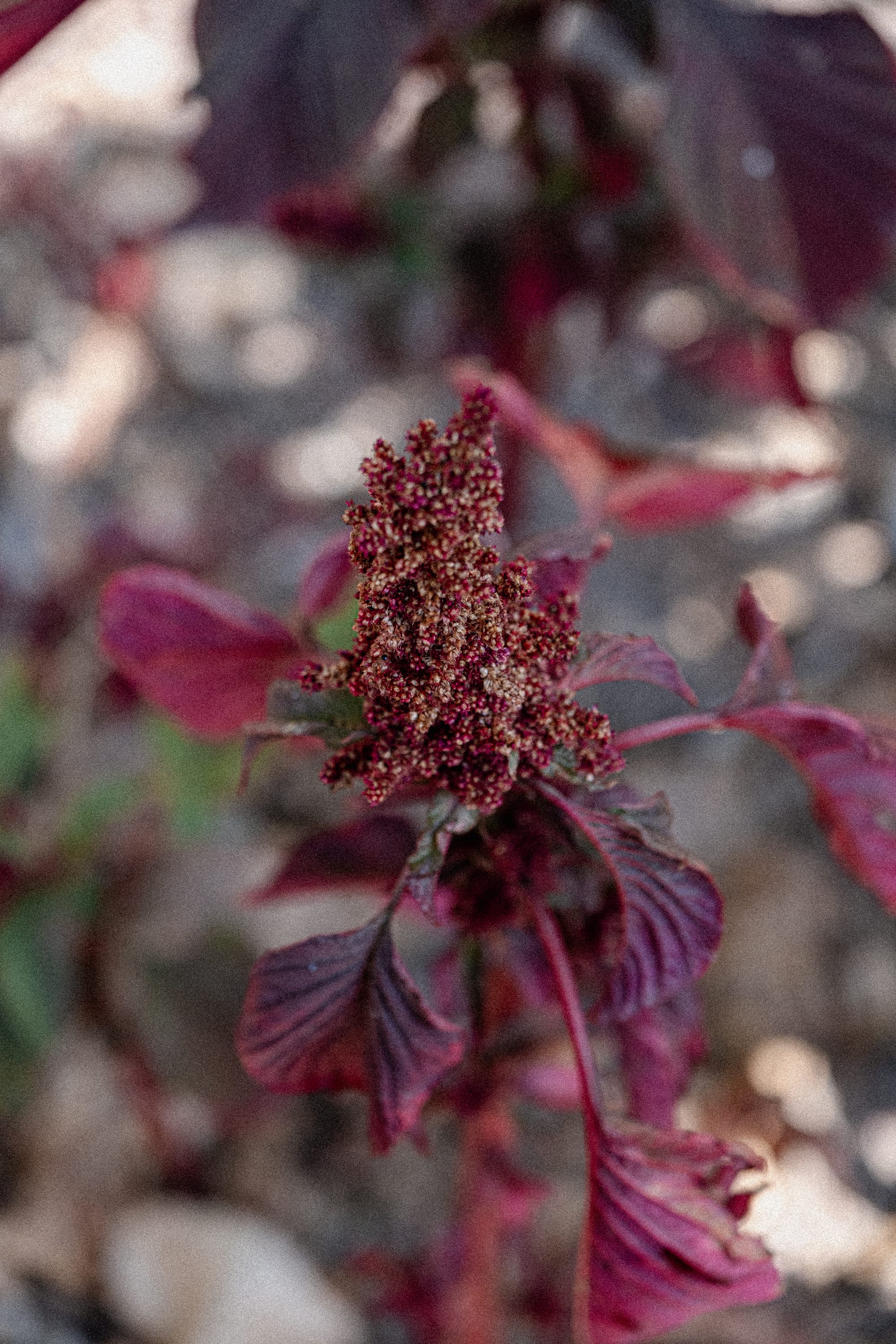
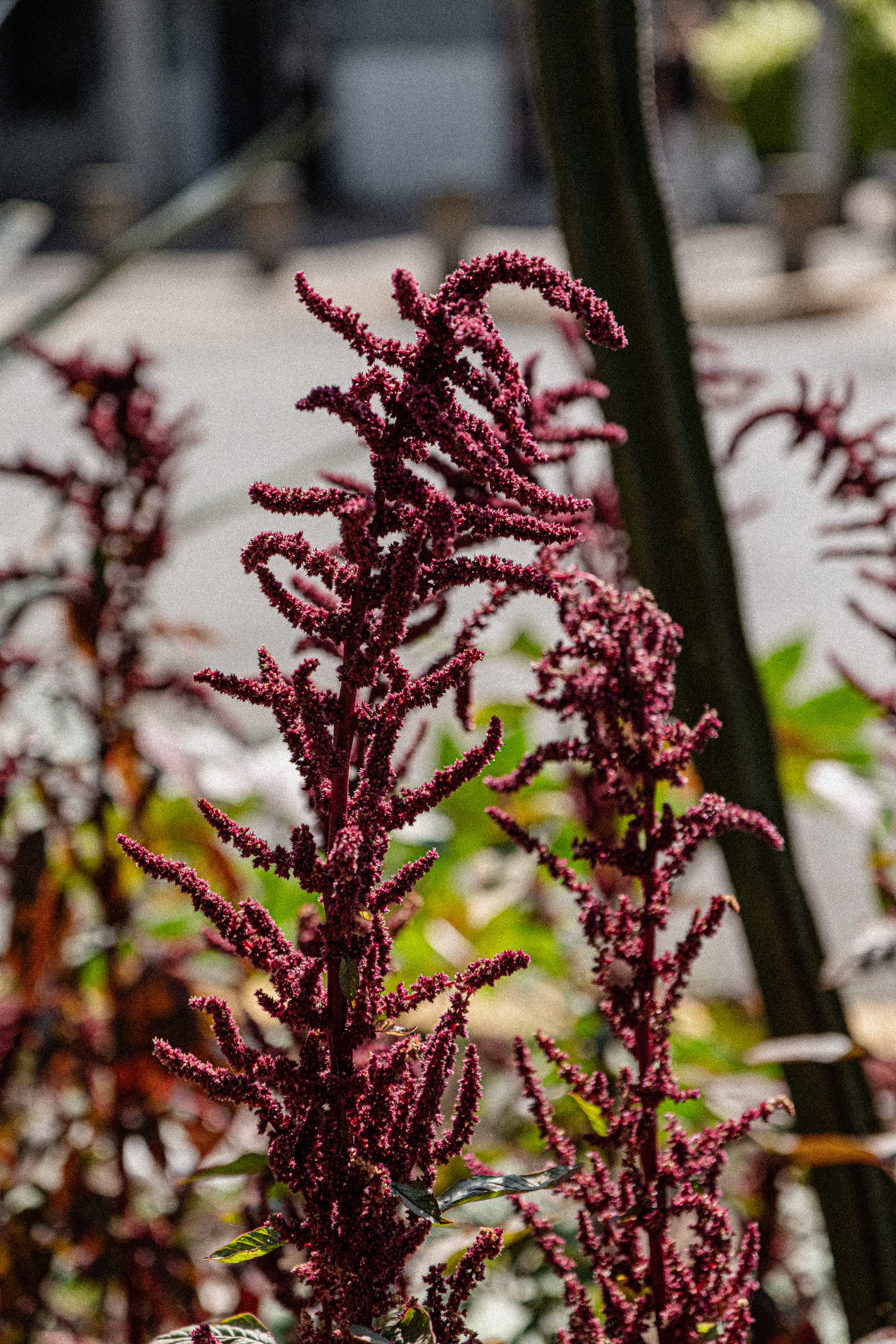
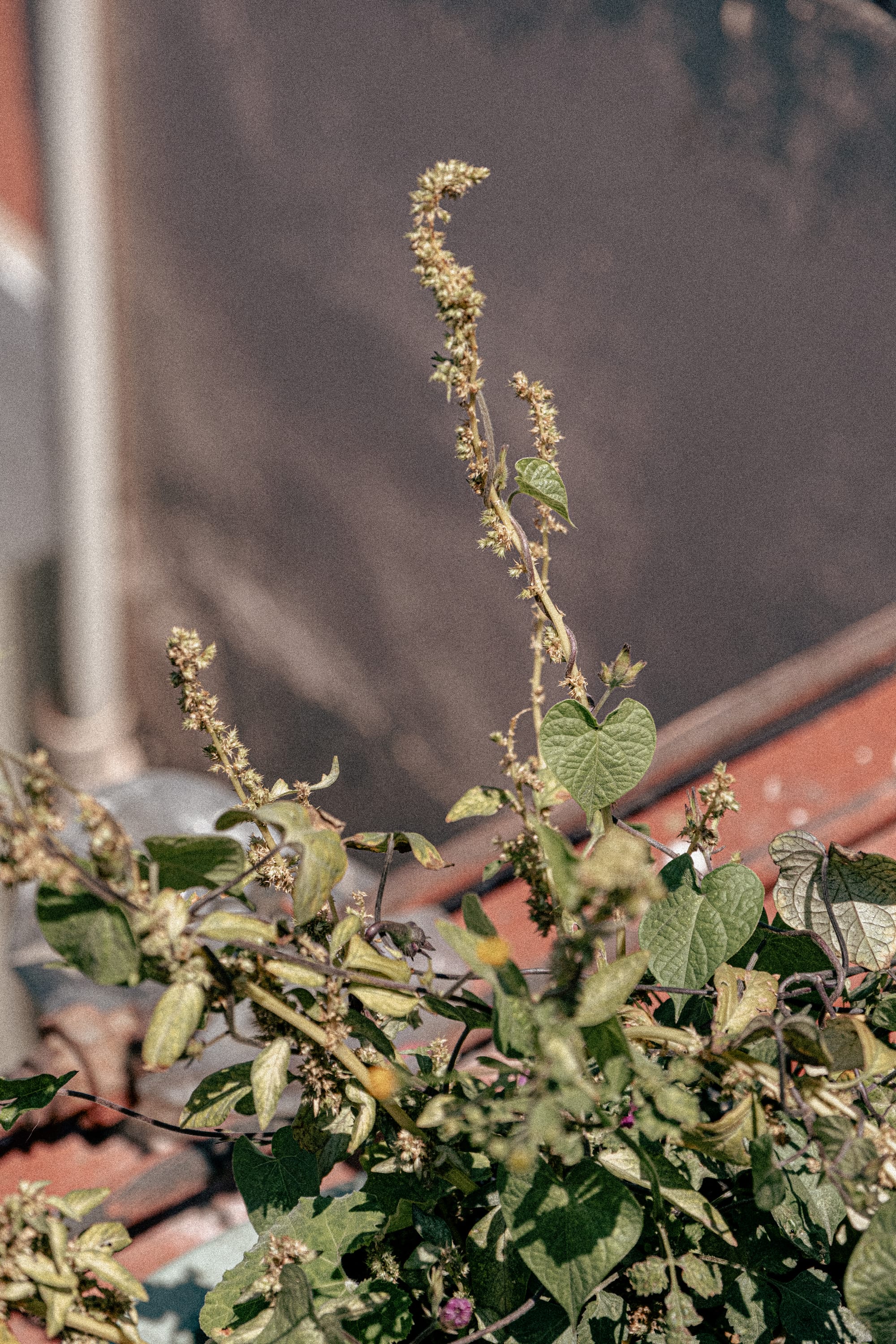
Red amaranth
In Mexico City, most food arrives through long supply chains, processed, packaged, and distributed at a scale that distances people from both the land and the labor behind it. Food becomes something standardized, optimized, and often disconnected from place.
What Amarantonio is doing points in another direction, toward something that could be called a deindustrialized food system. Not a return to the past, and not a rejection of the city, but a reconfiguration of how food moves through it. Smaller-scale, distributed, and closer to where people actually live.
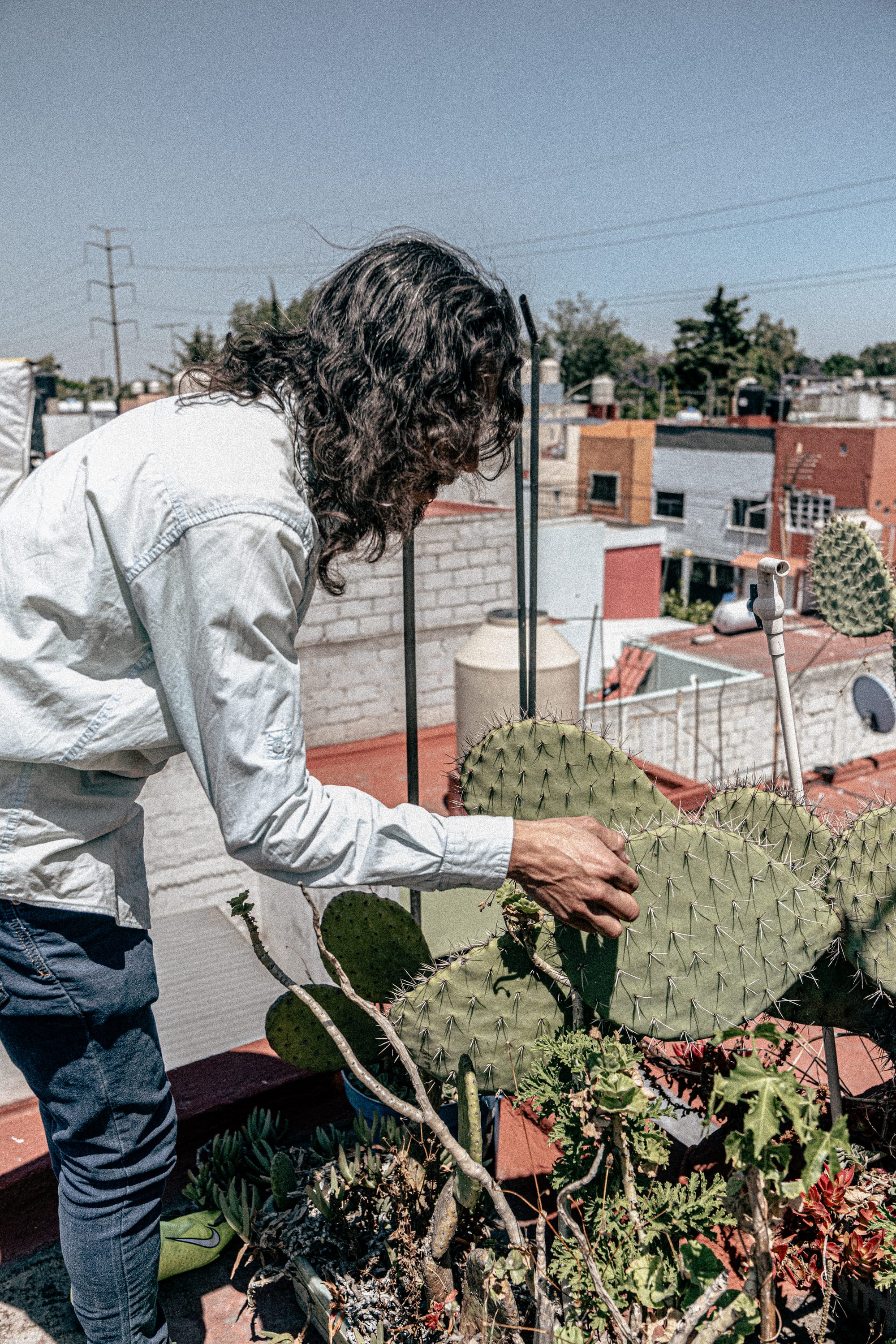
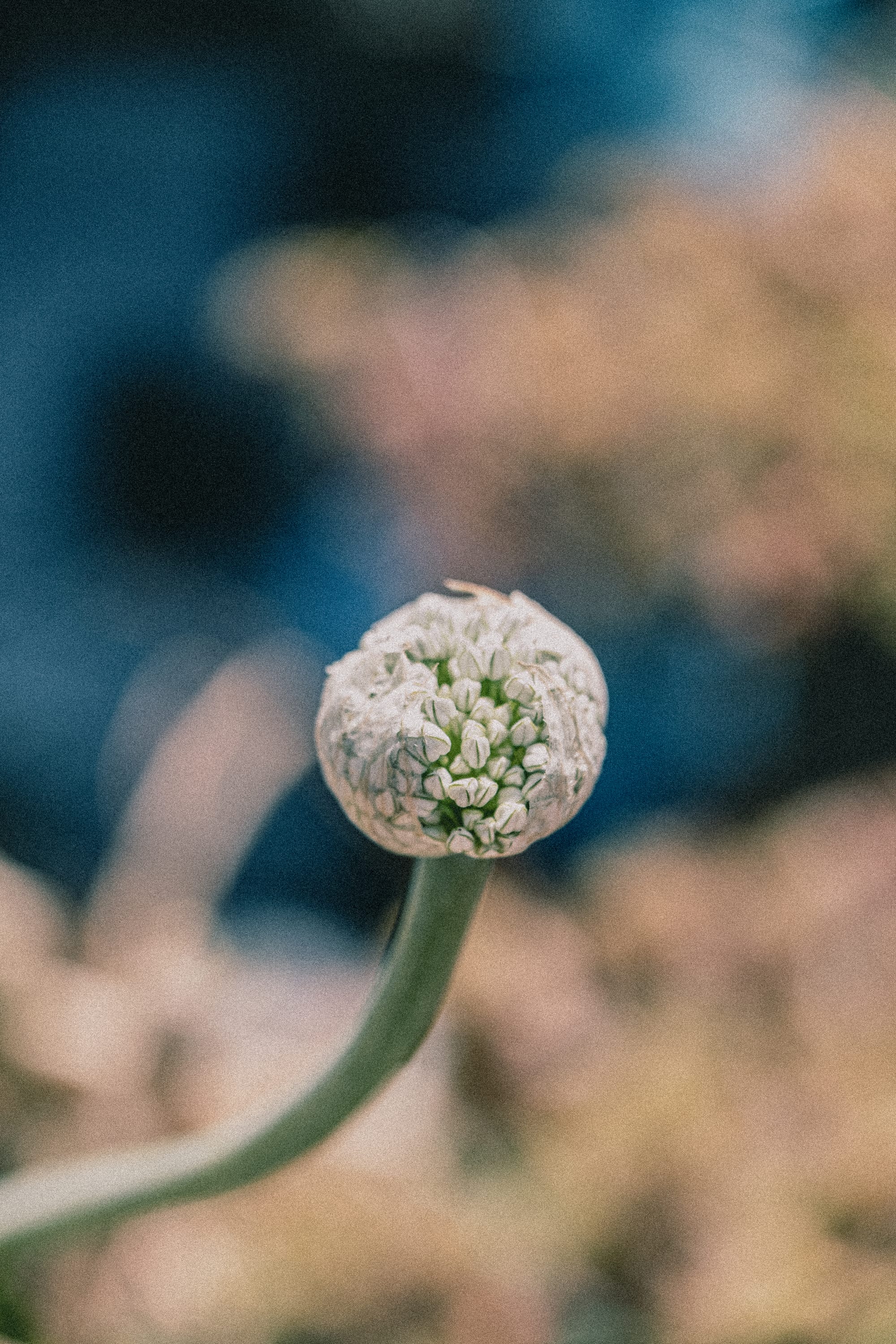
Scenes from Amarantonio's Mexico City garden
On his rooftop, and across the city through the seeds he shares, food is not produced for abstraction. It is grown, handled, and passed between people. It carries context. It carries relationship.
This does not scale easily. It is slower, less predictable, and more dependent on care. But it also restores something that industrial systems have largely removed, a direct connection between nourishment, place, and community.
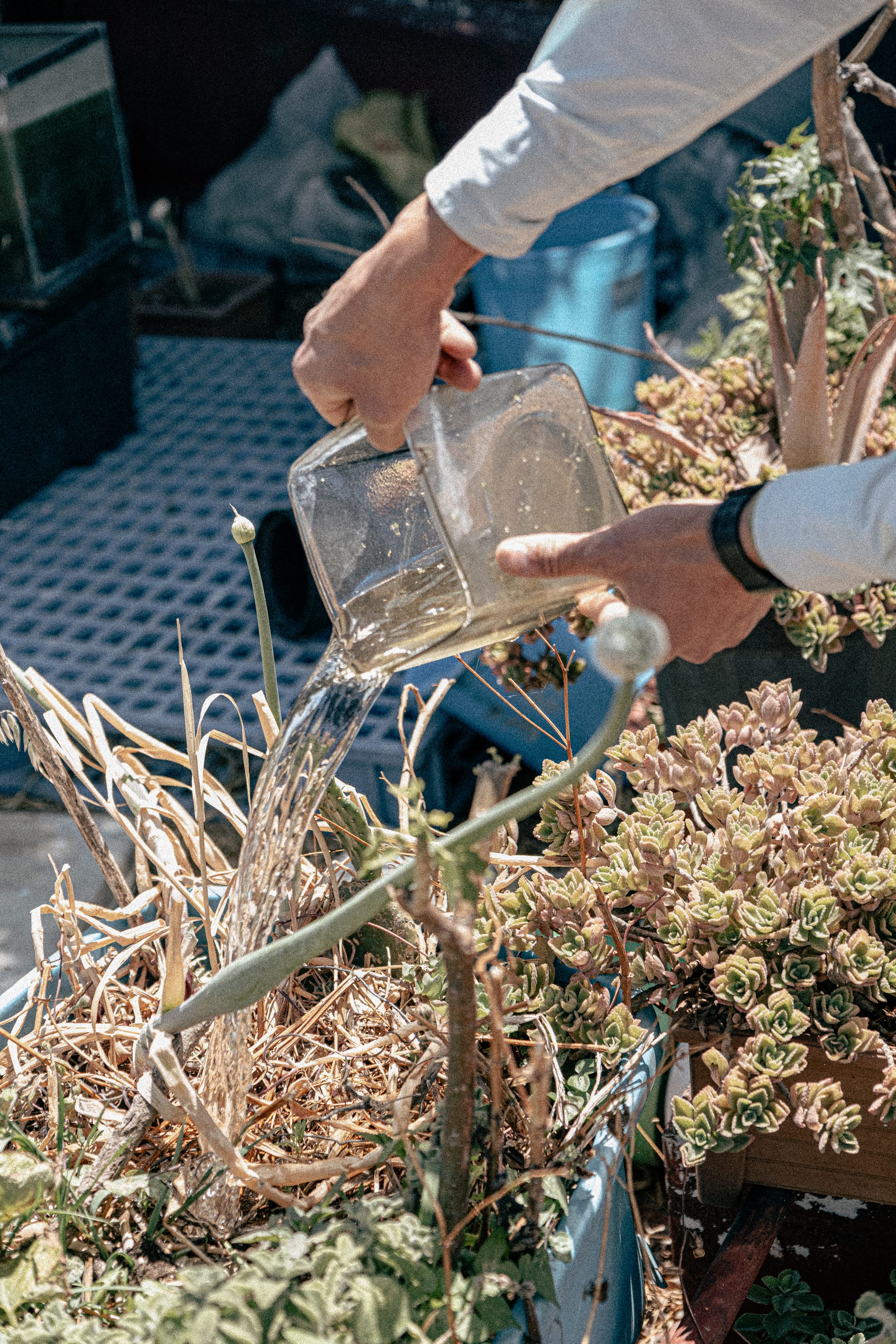
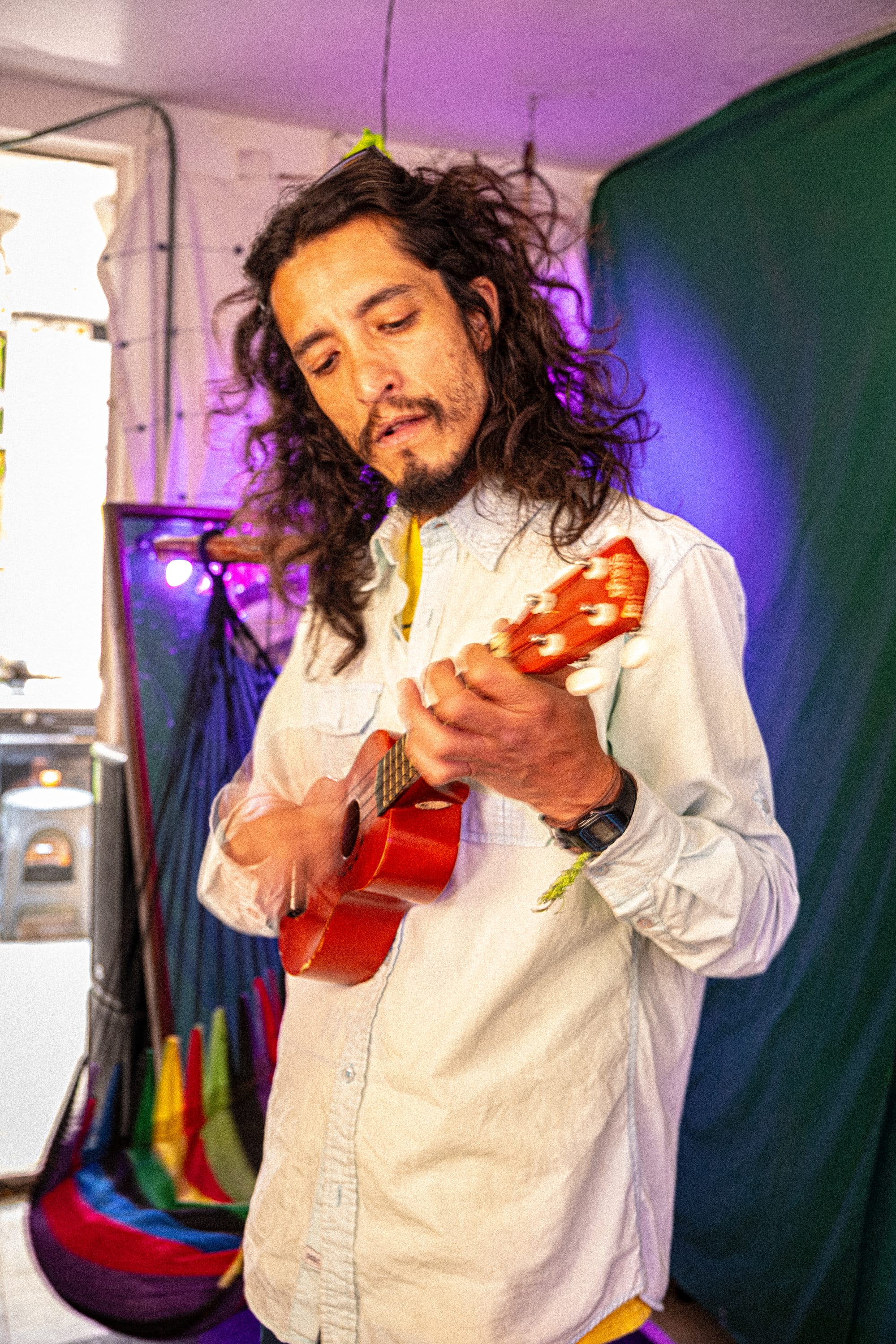
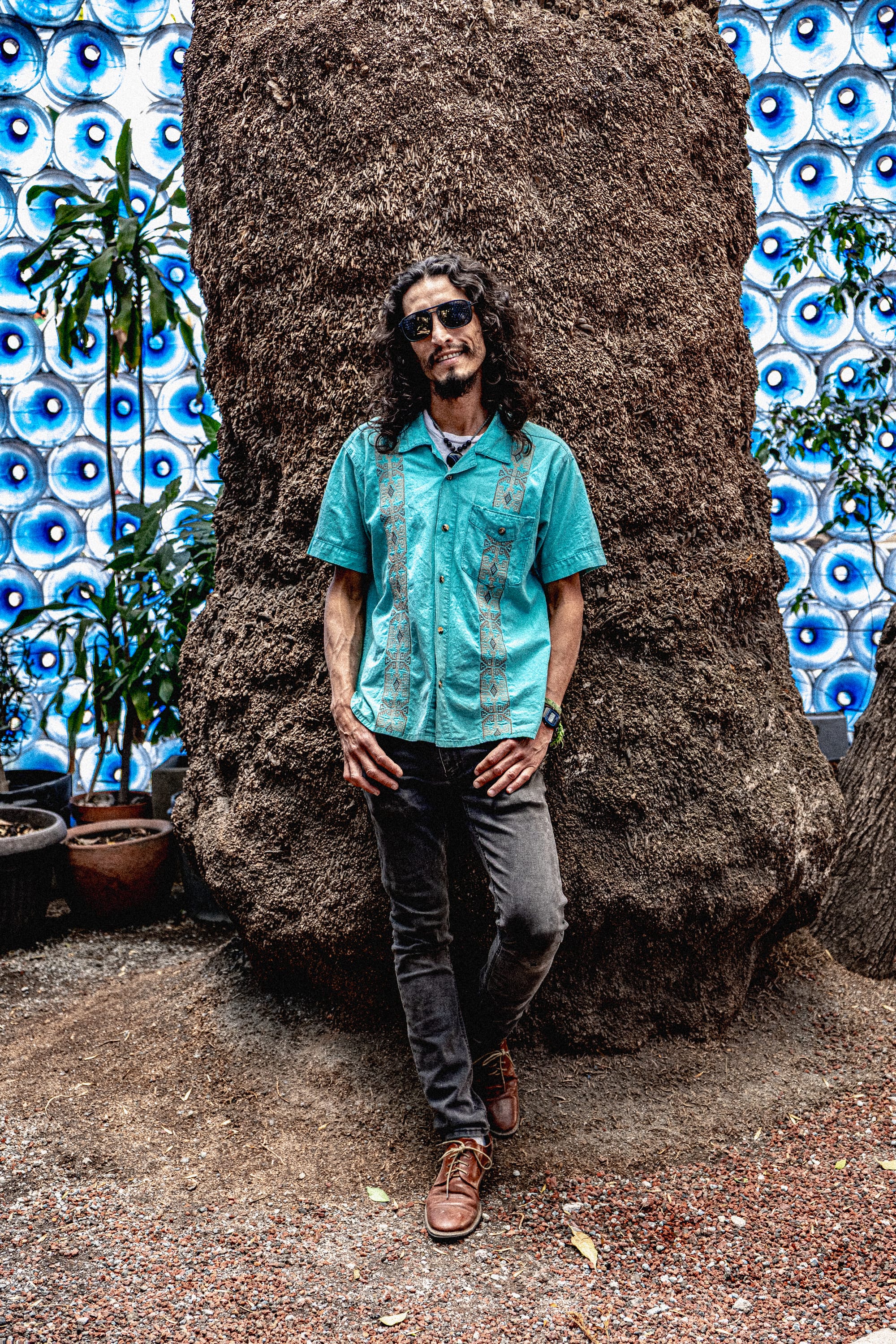
Amaranth grower, regenerative artist, poet, musician, activist, organiser: our dear friend Amarantonio
Amaranth matters not because it replaces existing systems overnight, but because it offers a different starting point. One that asks what it would mean to build food systems that are not optimized for efficiency alone, but for resilience, autonomy, and shared access.
To learn more about Amarantonio is his work, read our interview with him.
 Nomad Earth Catalog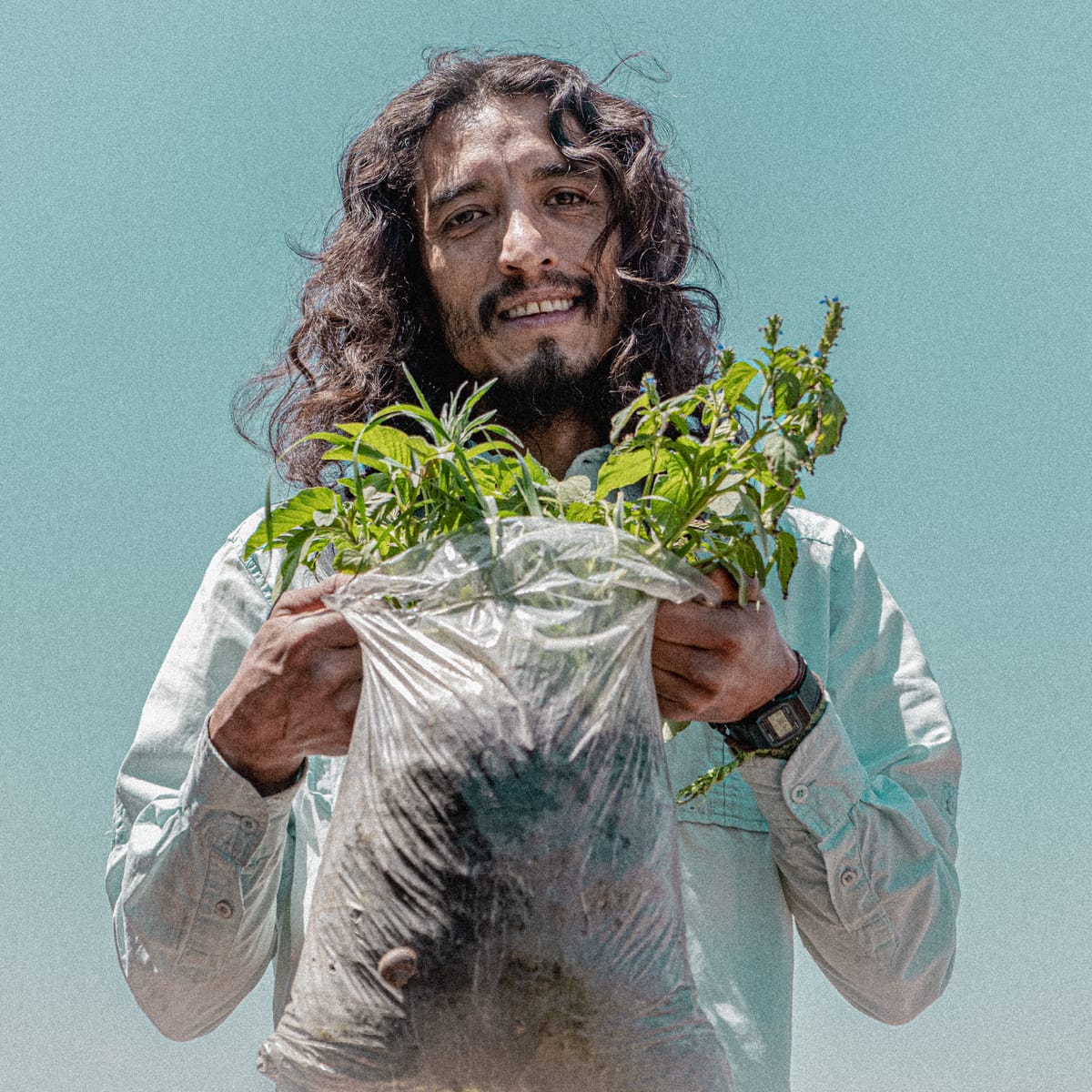
Amaranth is a traditional food of Mexican people. Its original name is Huautli in the Nahuatl language. Libre means "free," following the ethos of software libre / free software.


