
Rising above the treetops of Bosque de Chapultepec, Chapultepec Castle (Castillo de Chapultepec) is one of the most striking landmarks in Mexico City. From a distance it almost looks unexpected. A stone palace sits high above the forest canopy in the middle of one of the largest cities in the world.
When visiting for the first time, one of the biggest surprises is just how high the castle actually sits. Looking at photos beforehand, it is easy to assume you are simply visiting a historic building inside a park. In reality, the castle stands on a hill that overlooks a huge portion of the city. Reaching the terraces at the top reveals sweeping views across Mexico City and across the greenery of Chapultepec Park itself.
The castle today houses the Museo Nacional de Historia (National Museum of History), which traces key moments from Mexico’s past through artifacts, murals, and preserved imperial rooms. Because of this, Chapultepec Castle ends up being two experiences at once: a historic palace and museum, and one of the best viewpoints in the city.

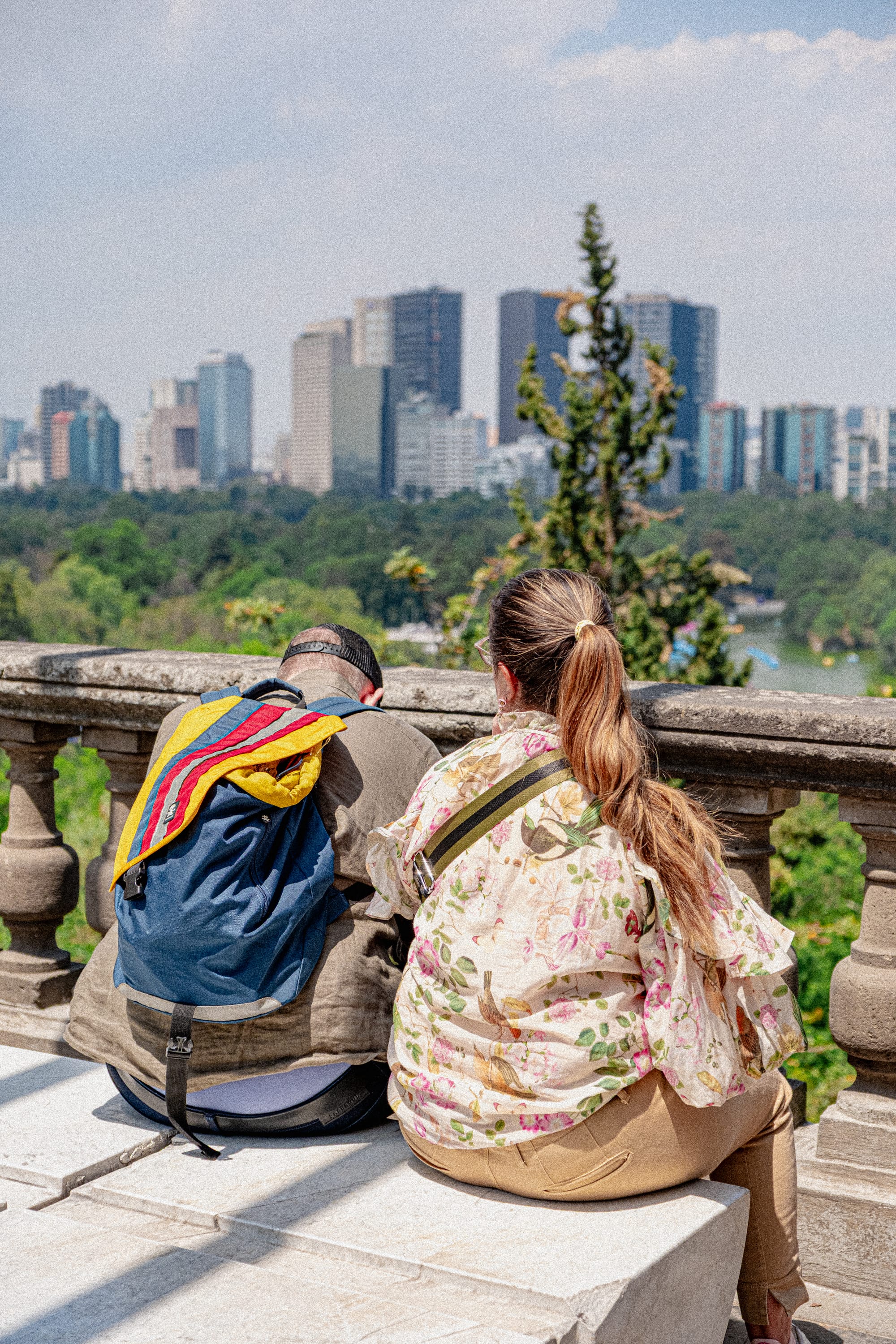
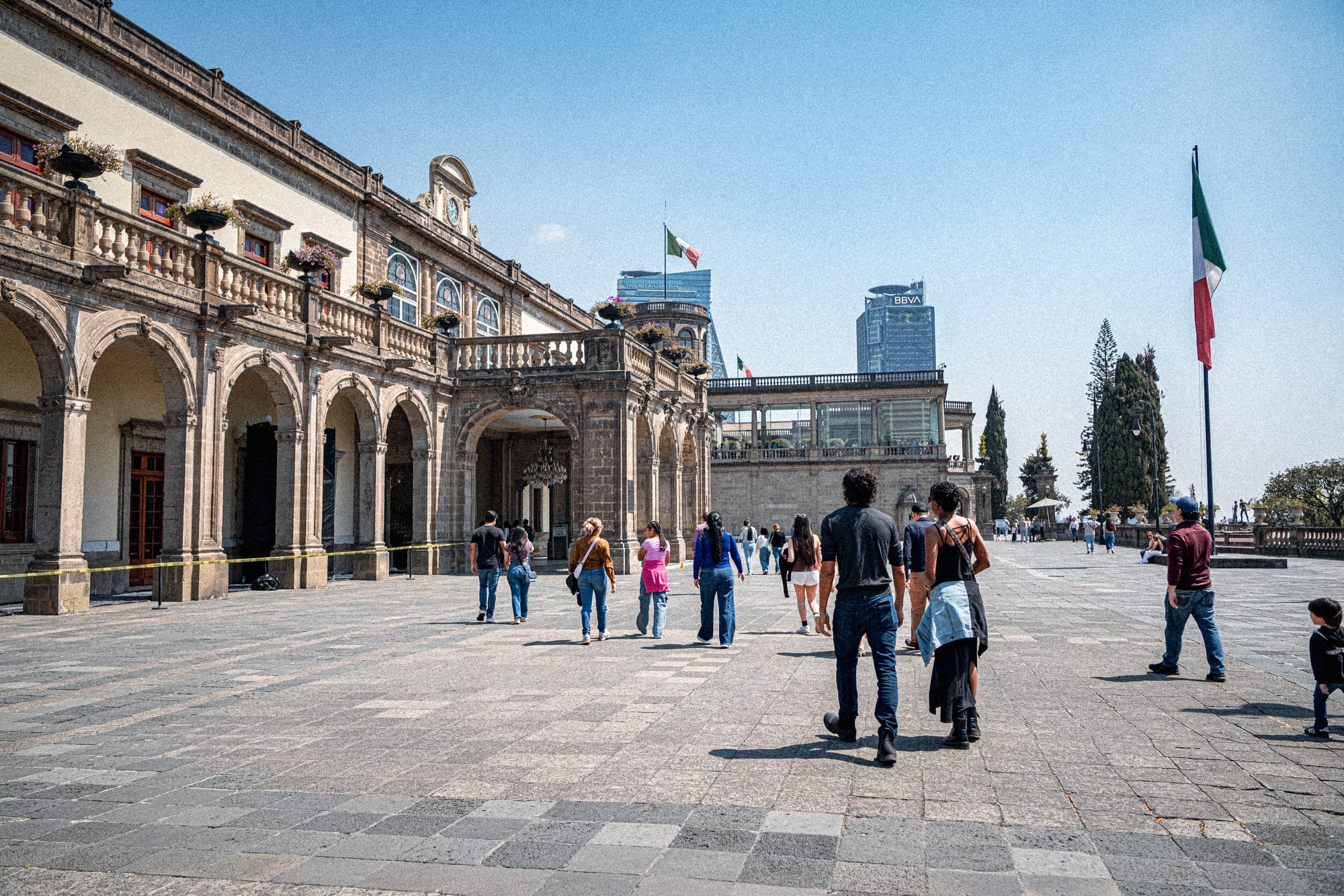
Visitors enjoying the checkered terrace at Chapultepec Castle in Mexico City
For digital nomads living in Mexico City, it can also be a refreshing break from cafés and coworking spaces. The castle is close to neighborhoods like Roma Norte, Roma Sur, and Condesa. A short walk or quick ride to Chapultepec Park can turn into an easy afternoon exploring gardens, terraces, and museum rooms.
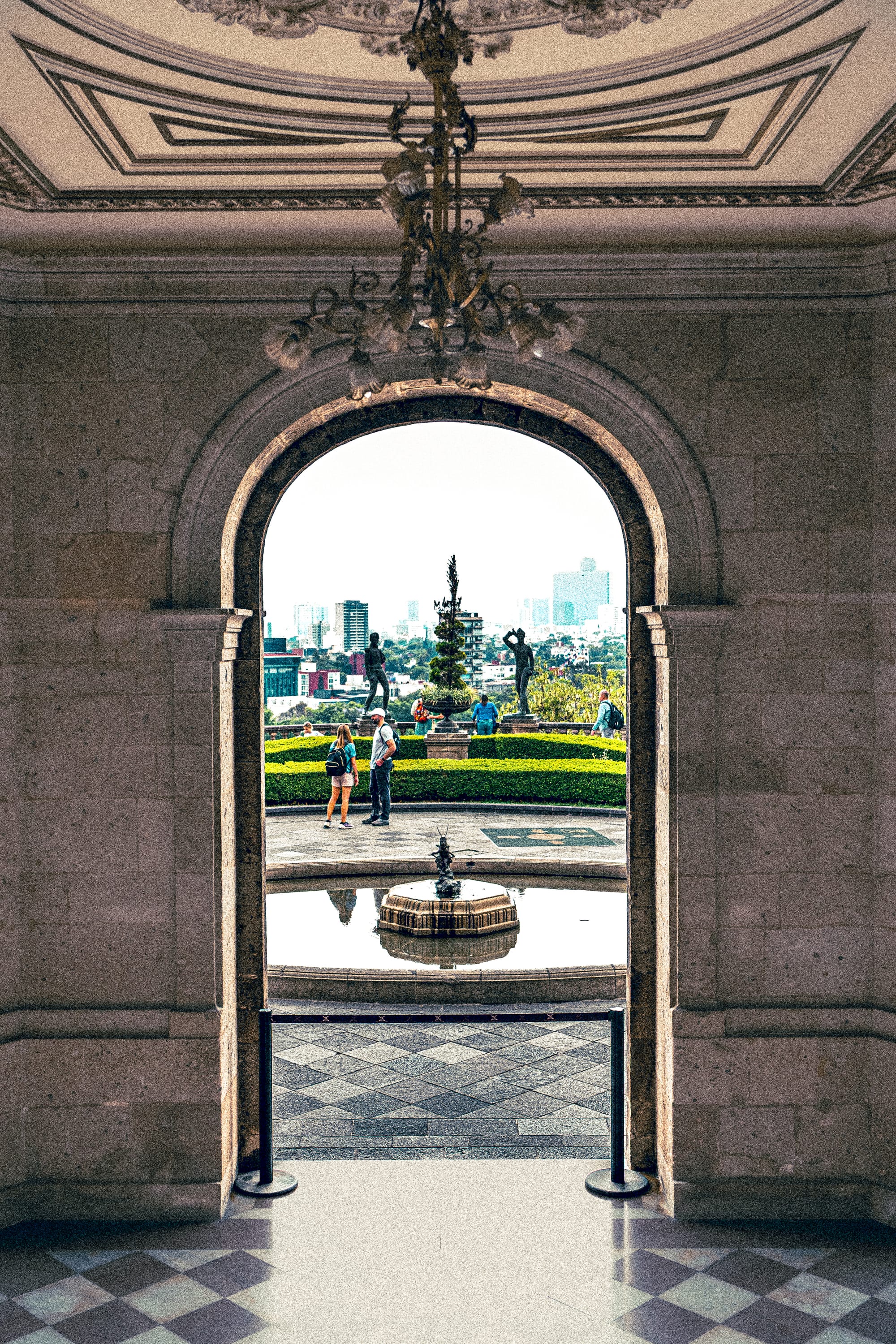
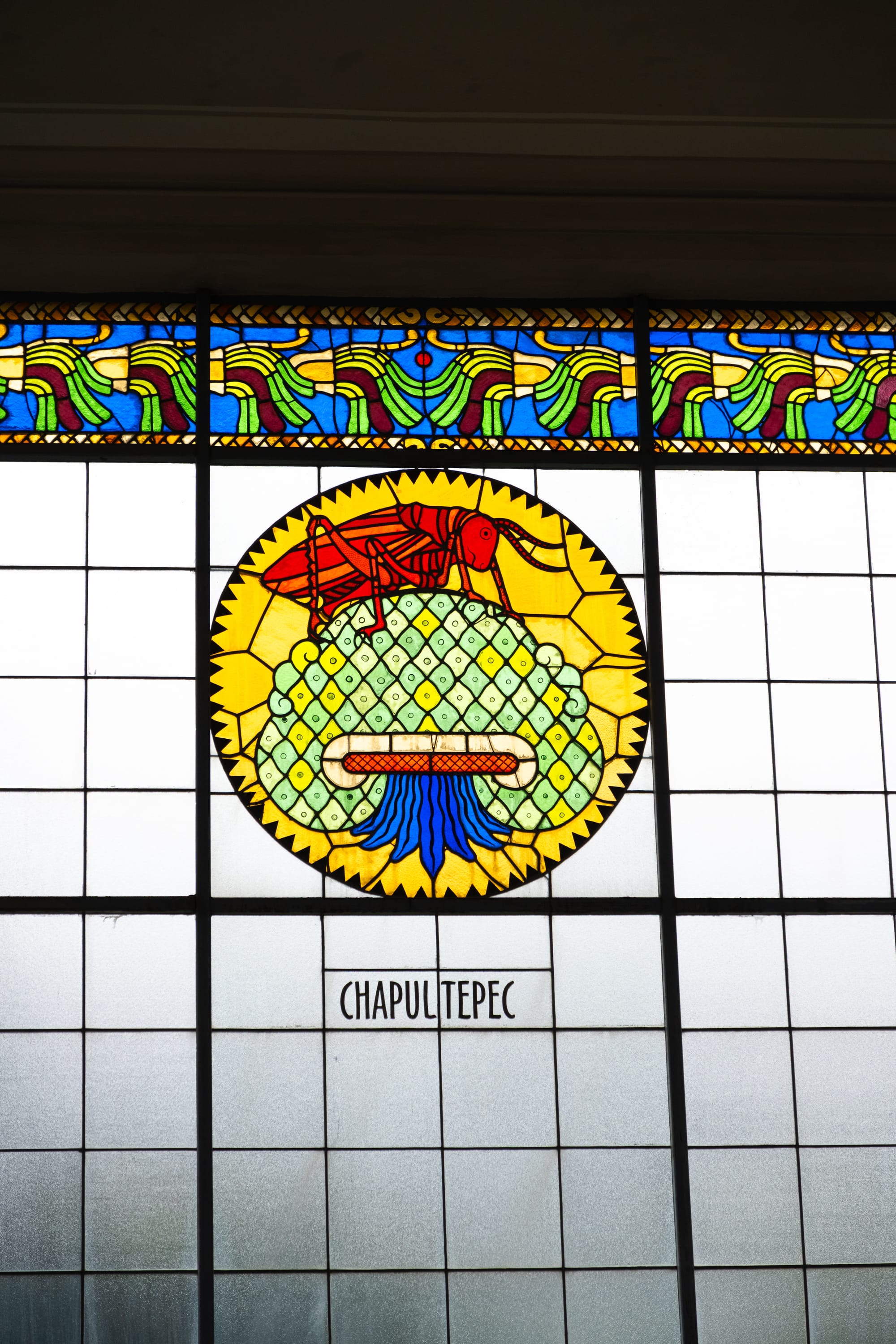
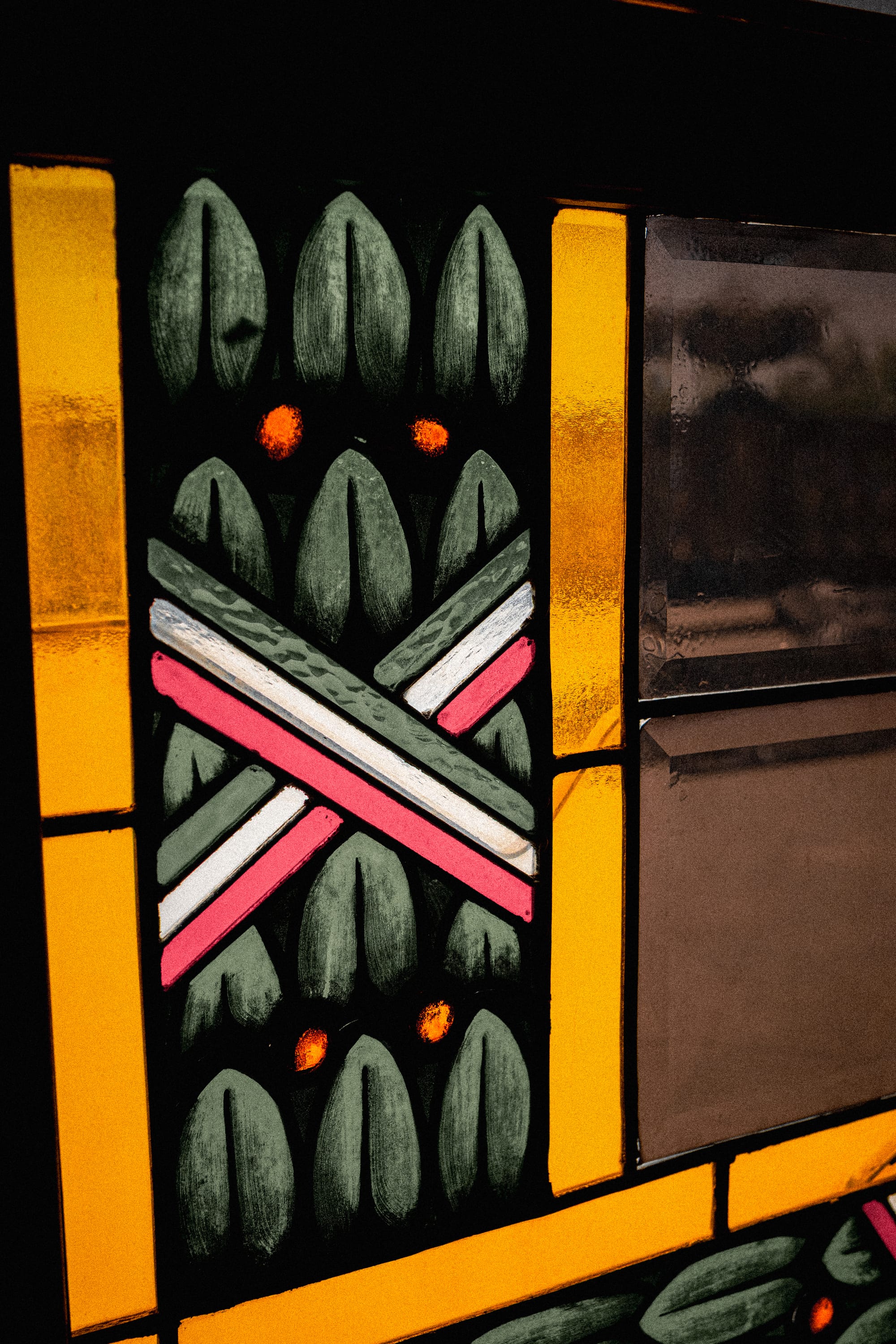
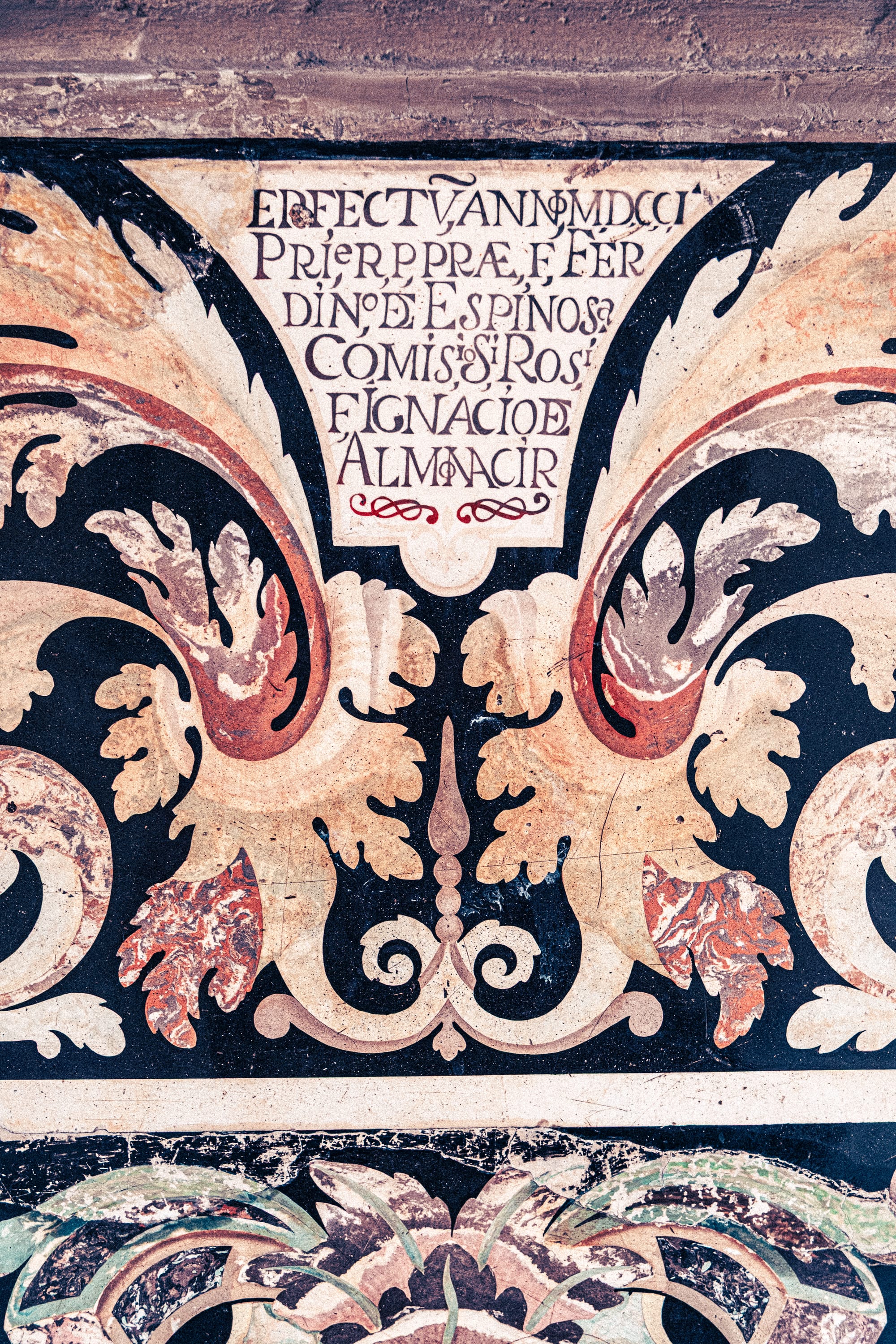
Close-up details inside Chapultepec Castle in Mexico City
This guide covers everything you need to know before visiting Chapultepec Castle, including tickets, opening hours, history, what to see inside, and tips from visiting in person.
Quick facts about Chapultepec Castle
Chapultepec Castle today houses the National Museum of History, which is operated by Mexico’s National Institute of Anthropology and History. The museum presents key moments from Mexico’s past through artifacts, murals, and historic interiors. Visitors can check current opening hours and visitor details on the official National Museum of History website. The castle itself sits inside Bosque de Chapultepec, one of the largest urban parks in the world, which is managed as a major cultural and recreational space for the city.
Location: Bosque de Chapultepec, Mexico City
Official name: Castillo de Chapultepec
Museum: National Museum of History (Museo Nacional de Historia)
Opening hours: Tuesday to Sunday, 9:00 AM to 5:00 PM
Closed: Monday
Entrance fee (foreign visitors): about 210 MXN
Typical visit length: 1.5 to 2 hours
Audio Guides: Available in English and Spanish at the entrance
If you prefer exploring with a guide, a popular option is a Chapultepec Castle and Anthropology Museum guided tour that combines two of the most important attractions in Chapultepec Park. Many visitors choose this option because a guide can explain the historical context behind both the castle and the artifacts inside the Anthropology Museum.
Walking up to Chapultepec Castle
One of the most memorable parts of visiting Chapultepec Castle actually happens before you reach the entrance.
Most visitors approach through Puerta de los Leones (Gate of the Lions), one of the main entrances to Bosque de Chapultepec. Two large lion statues guard the gateway, and beyond them a long paved ramp gradually climbs the hill toward the castle.
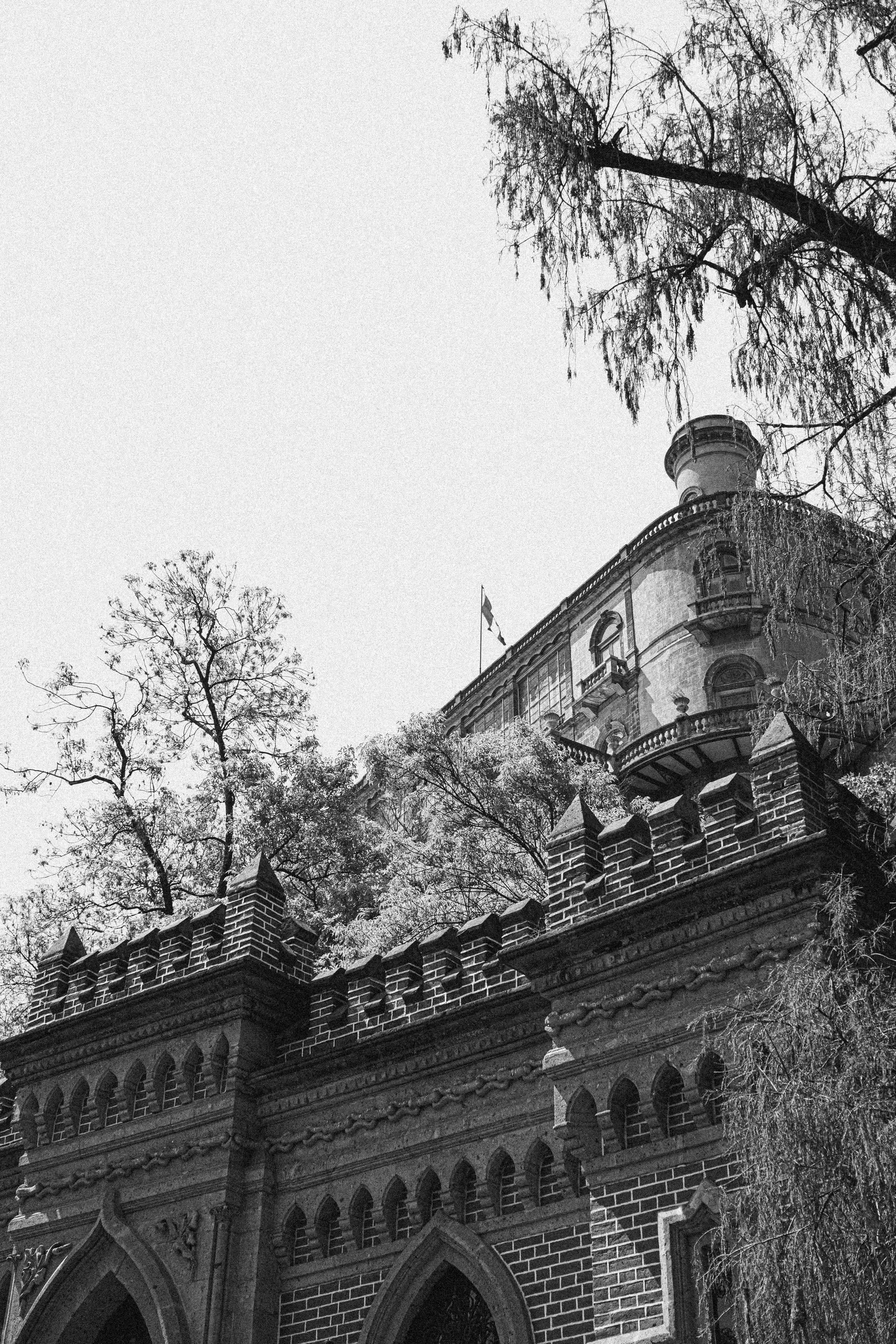
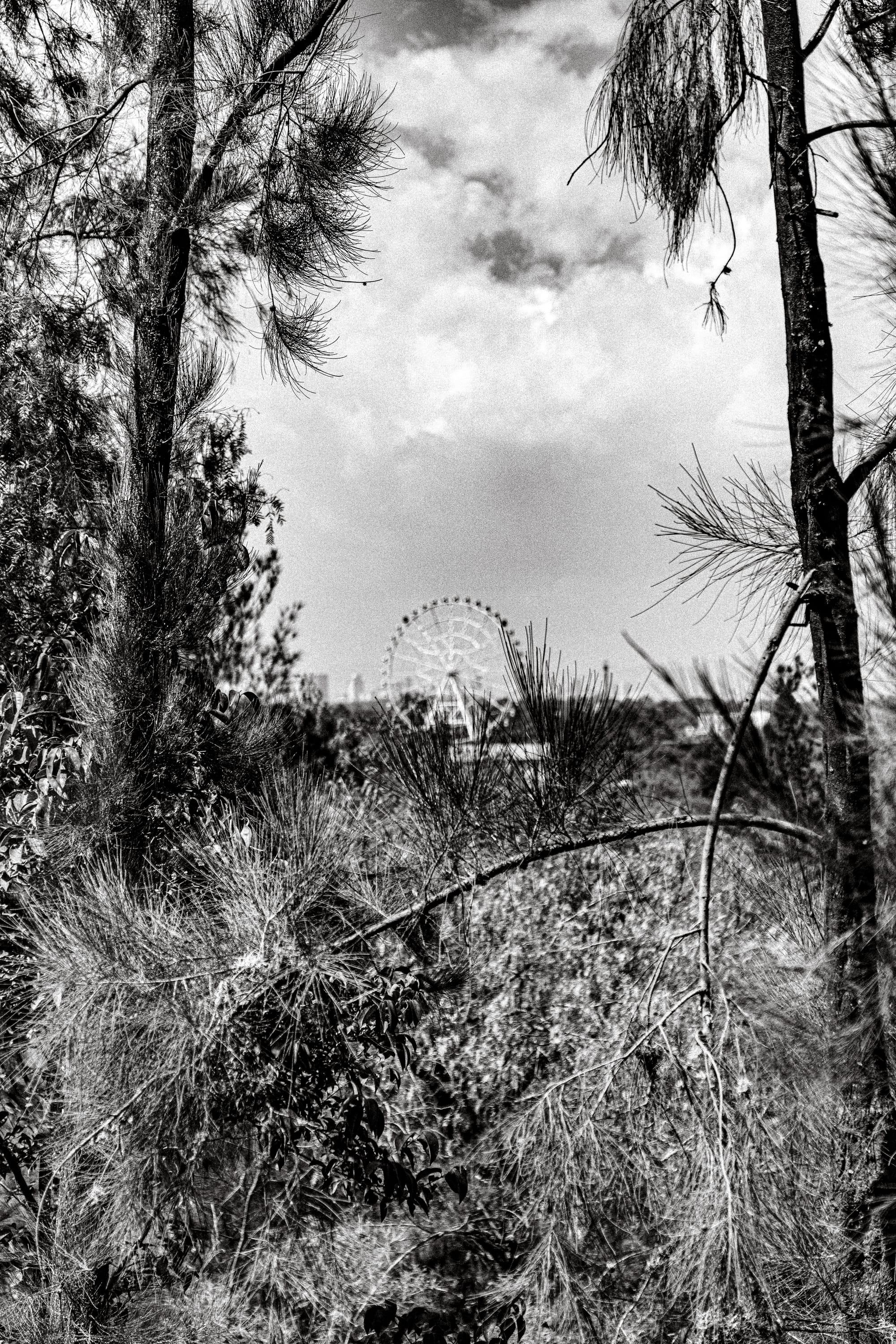
Chapultepec Castle exterior rising above Chapultepec Park, with surrounding trees and skyline views
At first the castle is hidden behind the trees. The path winds gently upward through dense greenery, and the sounds of Mexico City begin to soften behind you. Even though you are still in the middle of a massive metropolis, the walk feels surprisingly calm and quiet.
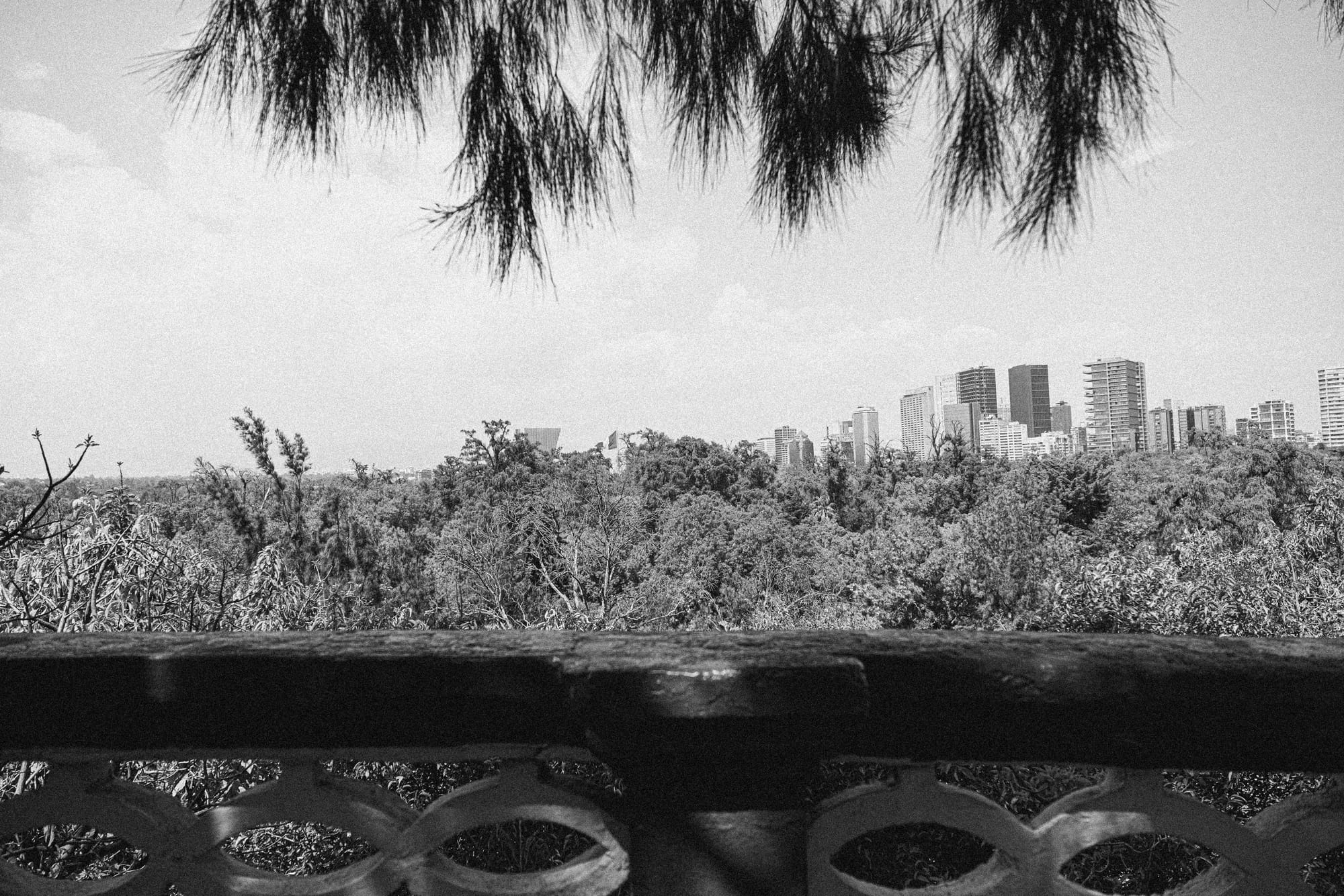
There are no street vendors or loud music along the climb. Instead the path feels peaceful. Benches appear at intervals where people can pause, catch their breath, or simply enjoy the surroundings.
During the walk up the hill we noticed butterflies drifting through the trees and bright bougainvillea flowers along parts of the path. At one point a butterfly landed on a cluster of bougainvillea and stayed there long enough for us to get quite close. It was one of those small moments that makes the walk feel unexpectedly special.
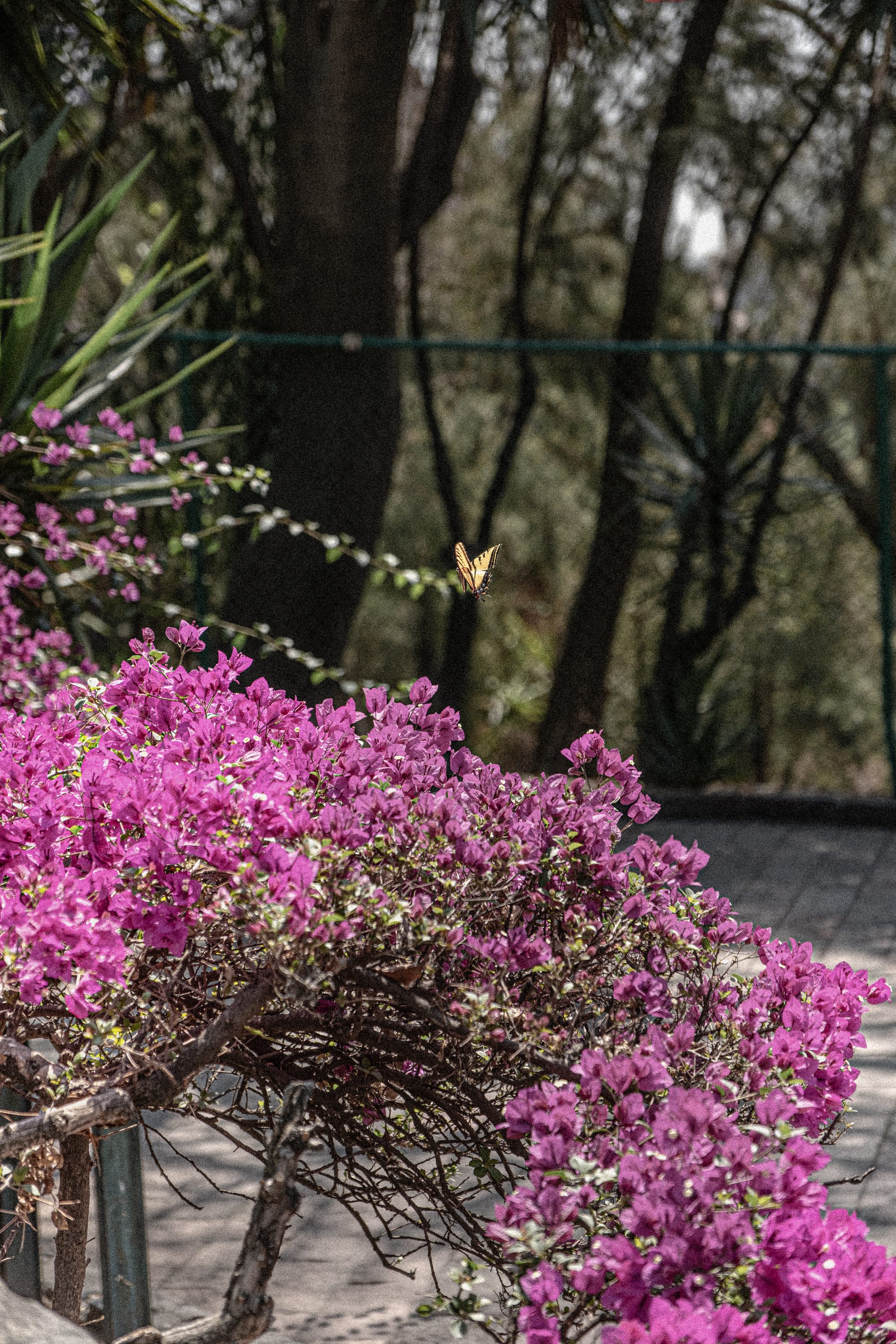
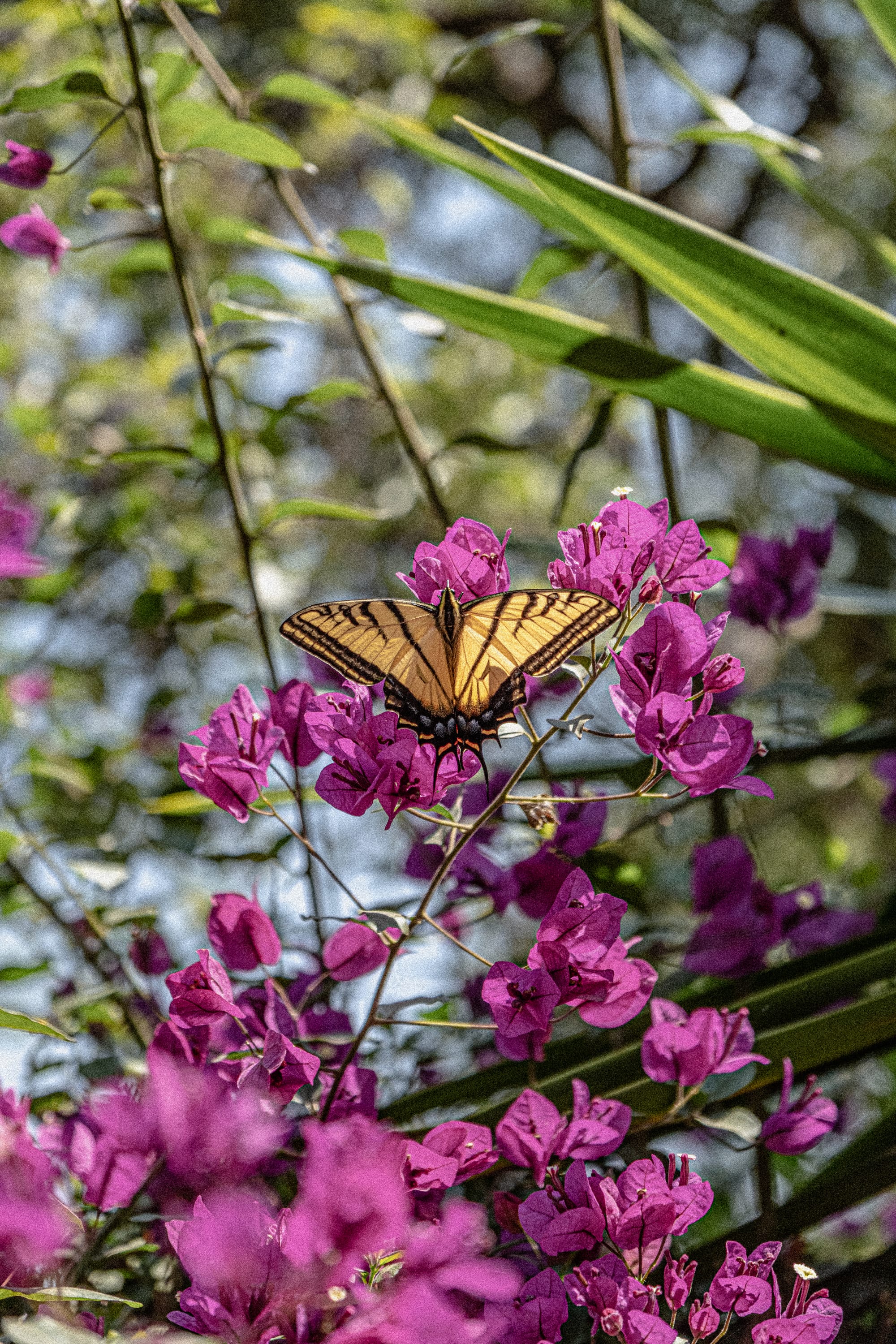
Butterfly on bright bougainvillea along the walk up to Chapultepec Castle in Mexico City
The climb itself is not steep, but it is a bit longer than many people expect. Comfortable shoes definitely help.
Arriving around late morning, around 11 a.m., the path was lively but not overly crowded. Visiting on a weekday seemed to make a difference. There were plenty of other visitors, but the atmosphere still felt relaxed rather than hectic.
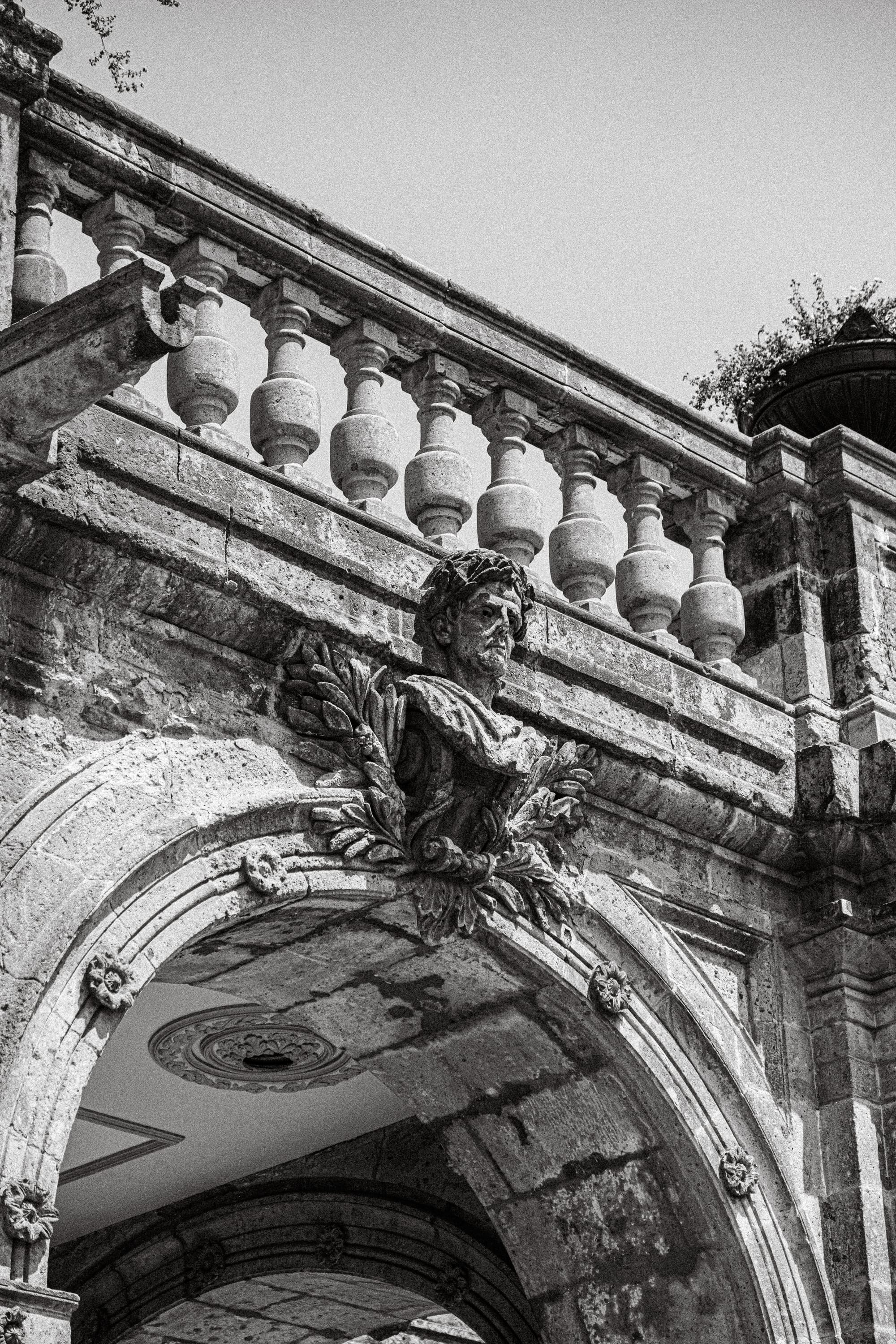
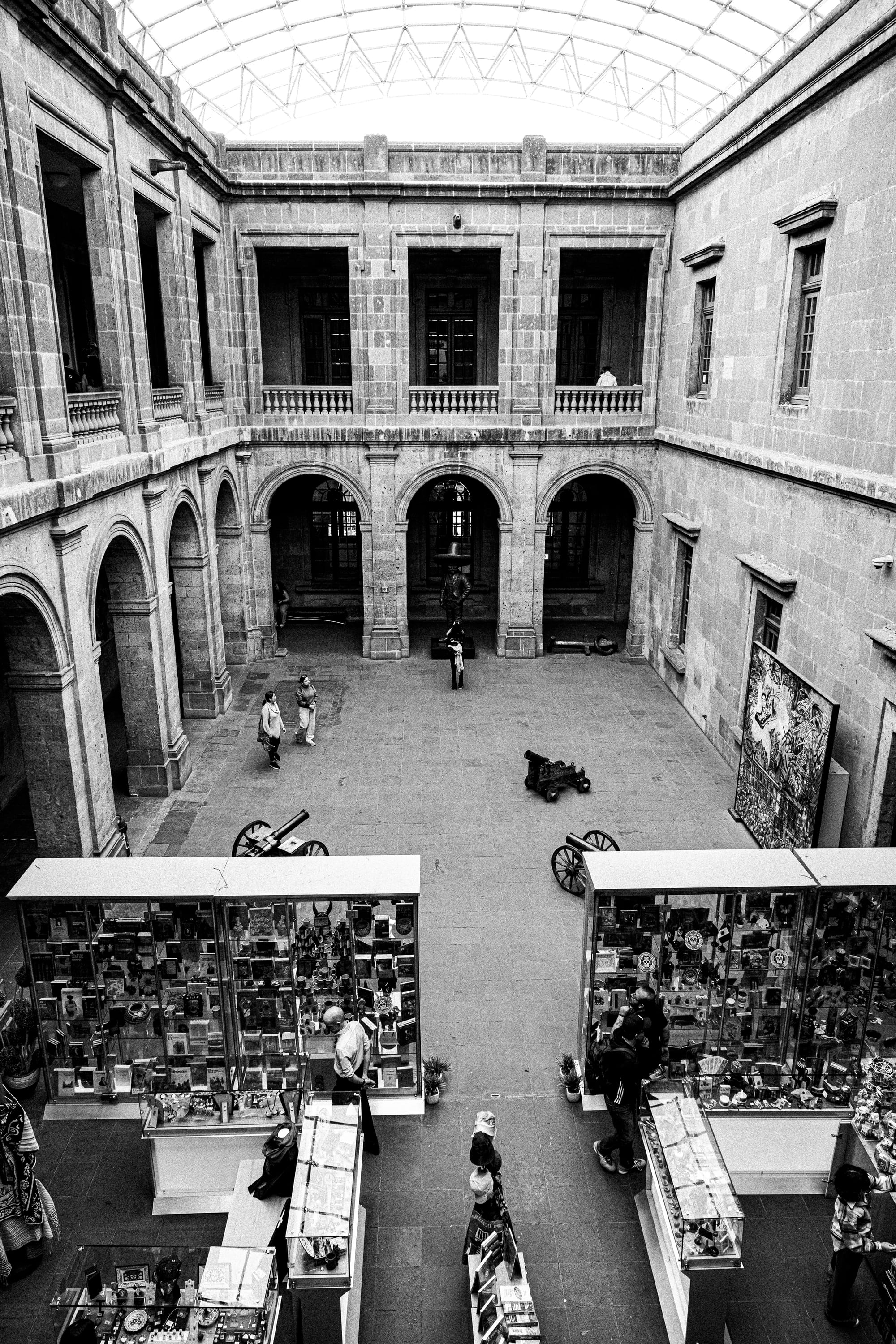
Historic courtyard and architectural details inside Chapultepec Castle, Mexico City
As the path curves closer to the summit, the castle walls finally appear above the trees. Suddenly the structure feels much larger up close. A stone complex rises above the forest canopy, and the entrance to the castle grounds comes into view.
Chapultepec Castle tickets and entrance fee
Tickets for Chapultepec Castle can be purchased at the park near the start of the walkway up the hill. There is no need to book online in advance for general admission, though some visitors prefer skip-the-line tickets to avoid queues on busy days.
The entrance fee for foreign visitors is approximately 210 MXN. It is worth checking the official museum website for the most current pricing before your visit.
On Sundays, Mexican citizens and residents often receive free entry. Foreign visitors still pay the standard entrance fee on Sundays.
Credit cards can be used at the ticket kiosks. The ticket includes access to the full castle, the Alcázar (imperial apartments), gardens, terraces, and all museum galleries.
A few things to note before entering: food, drinks, and gum are not allowed inside the castle, and you can carry water on the walk up the hill, but will be asked to discard it before entering the castle complex.
What is Chapultepec Castle?
Chapultepec Castle (Castillo de Chapultepec) is often described as the only royal castle in North America that actually housed European monarchs. Known formally as the Museo Nacional de Historia, the castle today serves as one of the most important historical museums in Mexico.
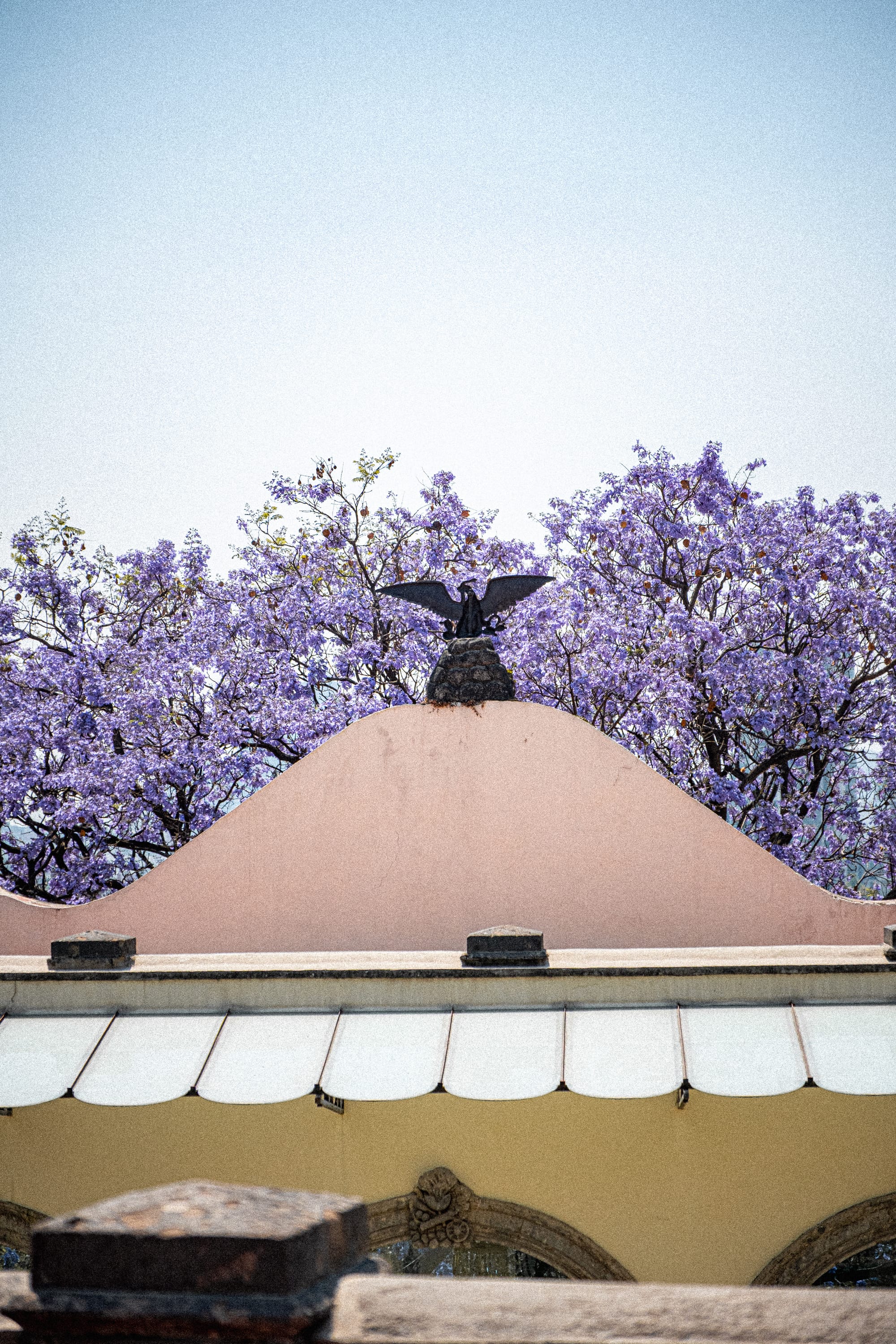
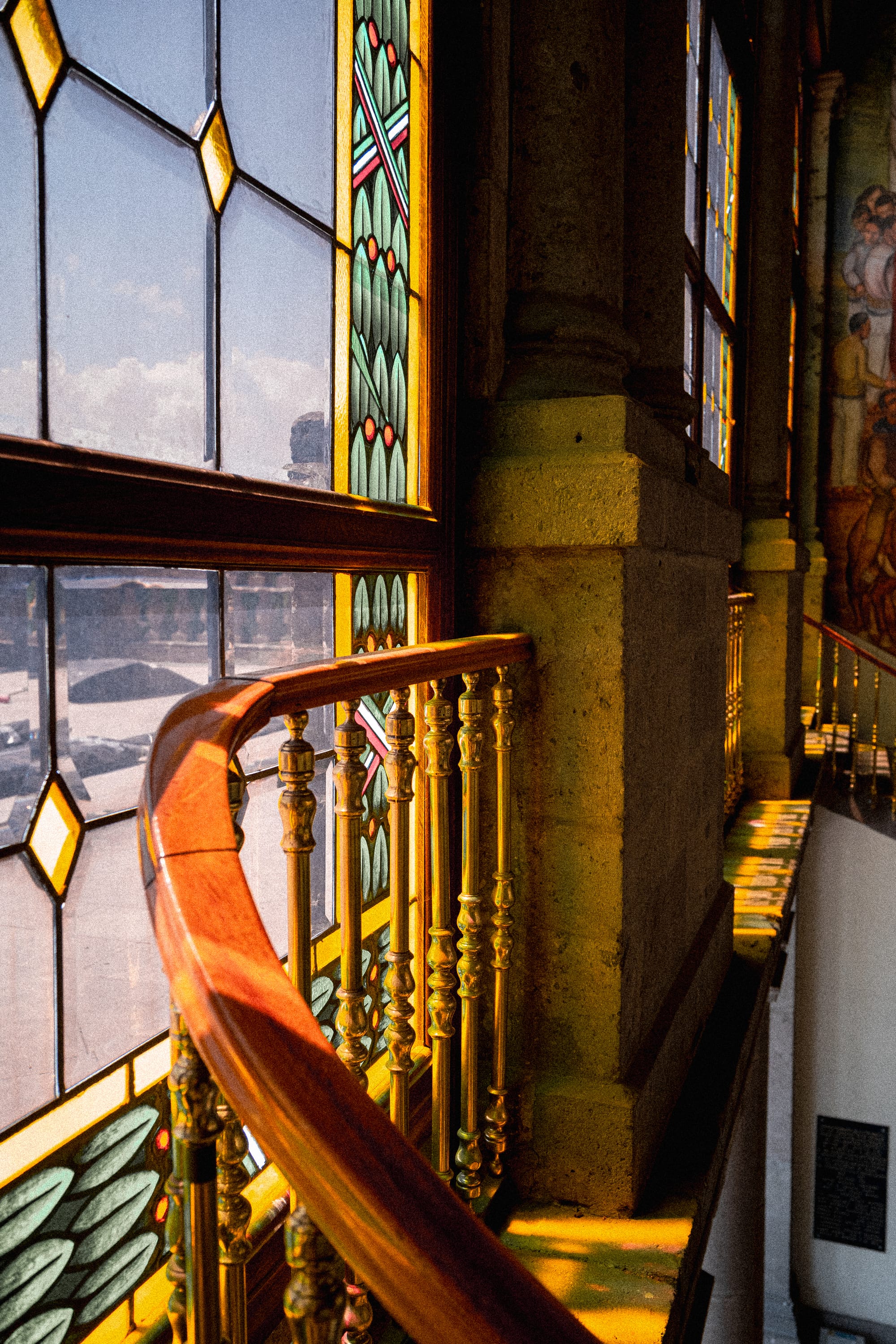
Chapultepec Castle details featuring stained glass interiors and jacaranda trees in bloom outside
The castle sits on Chapultepec Hill, a location that has been culturally significant for centuries. The name "Chapultepec" comes from the Nahuatl language and roughly translates to "hill of the grasshopper."
Long before the Spanish arrived, the hill already held importance for the Aztecs. Later, during the colonial era, Spanish authorities saw the elevated location as an ideal site for a residence overlooking the growing city.
Over time the building took on many roles. It served as a colonial residence, a military academy, an imperial palace, and eventually a presidential residence.
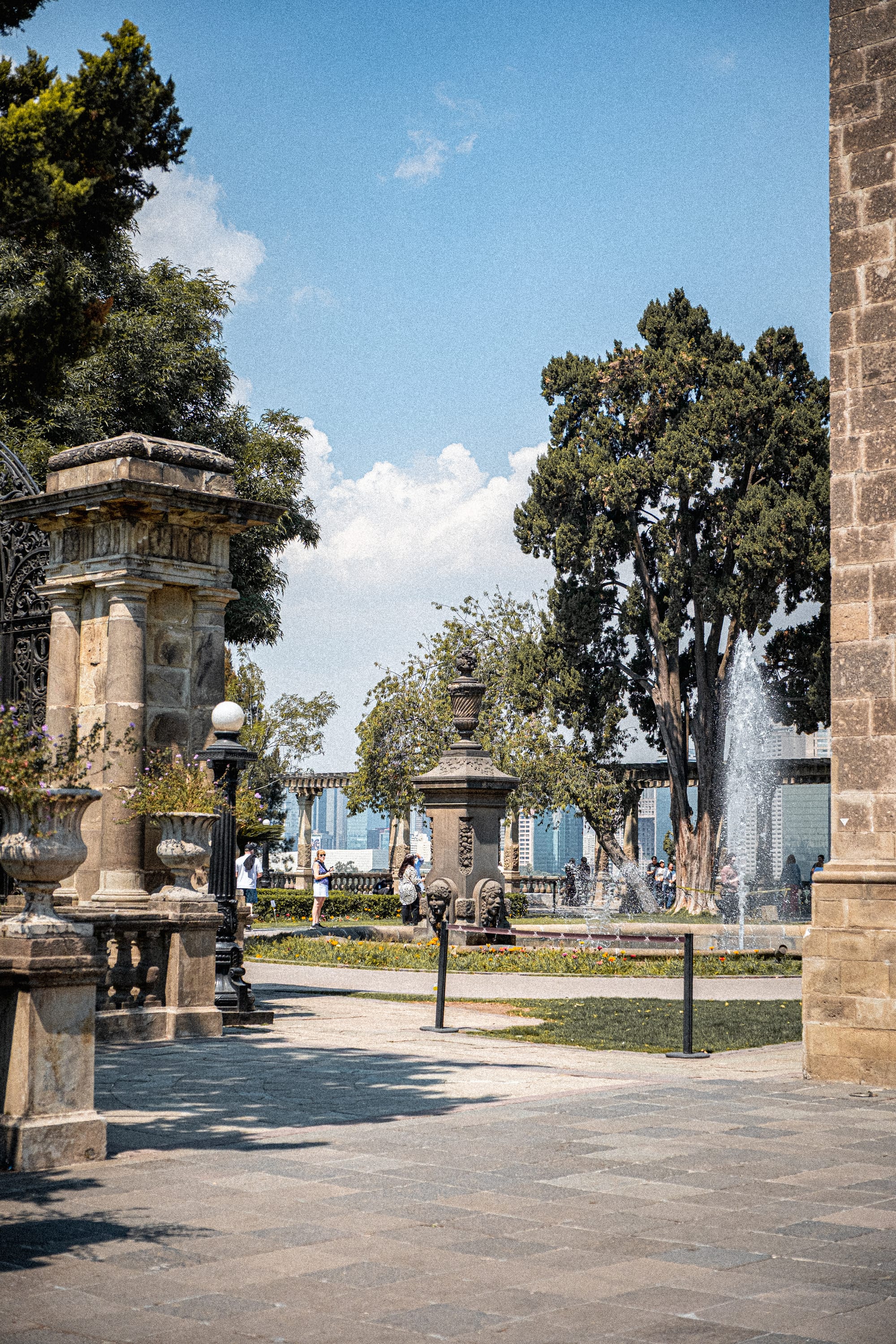
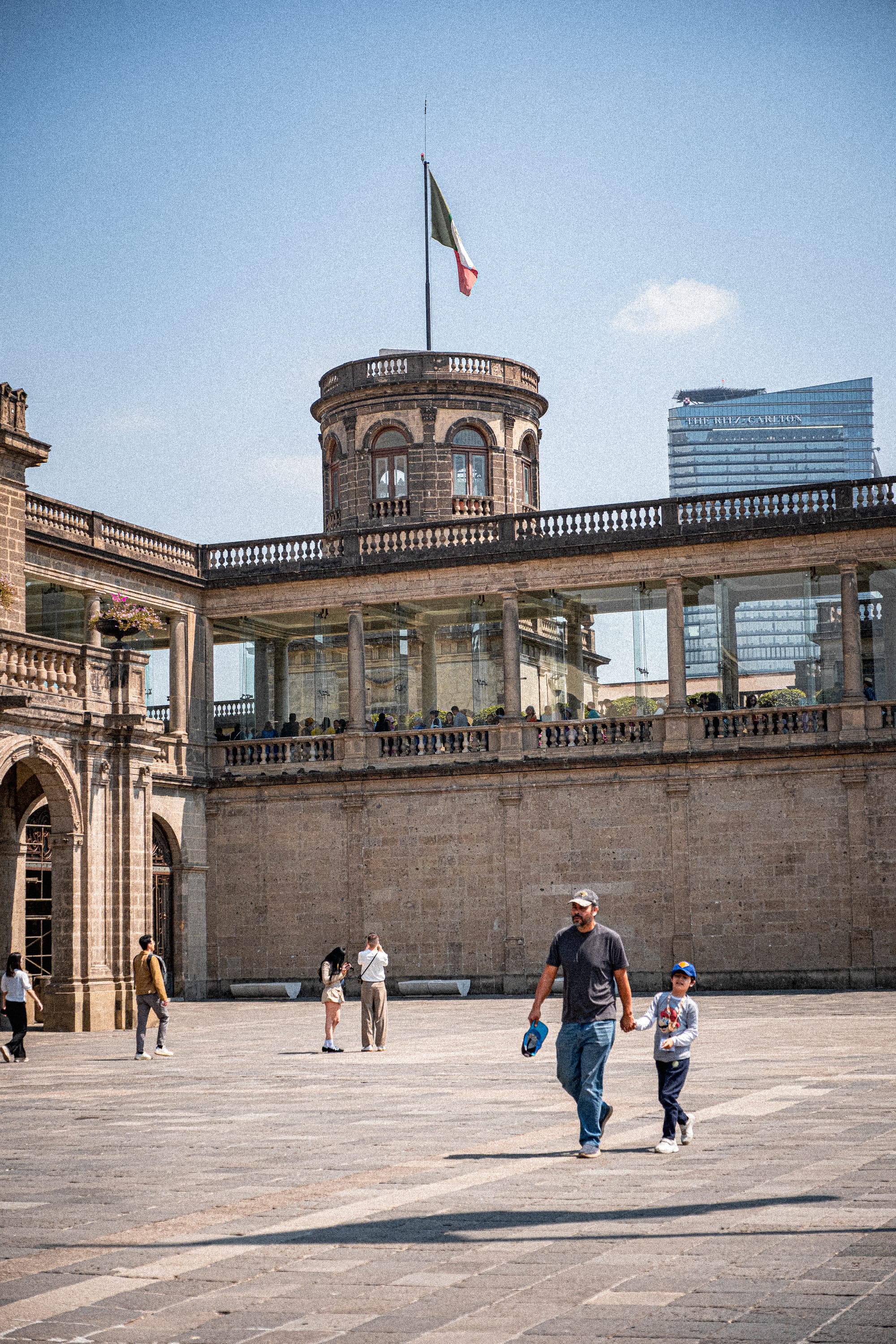
Gardens and terrace views at Chapultepec Castle in Mexico City
Today visitors walk through the castle as part of the National Museum of History. The museum presents major moments from Mexico’s past, from the colonial era through the Mexican Revolution.
A brief history of Chapultepec Castle
Understanding the history of Chapultepec Castle adds an entirely different dimension to the visit. What appears today as a peaceful hilltop palace has witnessed several important chapters in Mexican history.
Colonial construction
Construction began in 1785 during the Spanish colonial period under Viceroy Bernardo de Gálvez. The plan was to build a summer residence for the viceroy of New Spain.
However, the project stalled several times and the structure remained incomplete for years.
Military academy and the Battle of Chapultepec
In the early nineteenth century the building became the Heroic Military Academy.
During the Mexican American War, the castle became the site of the Battle of Chapultepec in 1847. Mexican cadets defended the hill against advancing U.S. forces in one of the most famous battles in Mexican history.

The story of the Niños Héroes, young cadets who died defending the castle, remains an important national symbol.
Imperial residence of Maximilian and Carlota
In the 1860s the castle entered a completely new chapter when Emperor Maximilian I of Mexico and Empress Carlota chose it as their imperial residence.
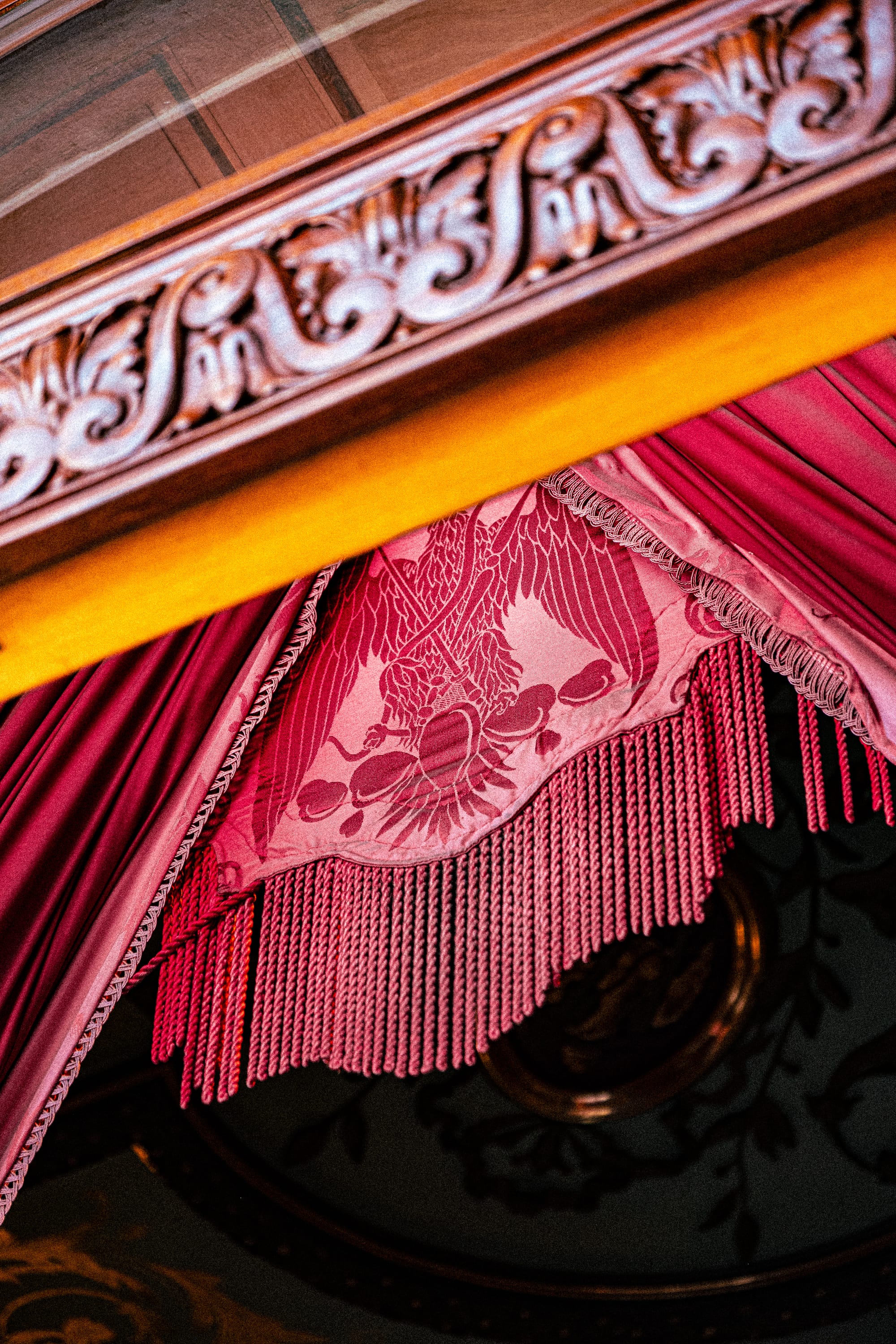
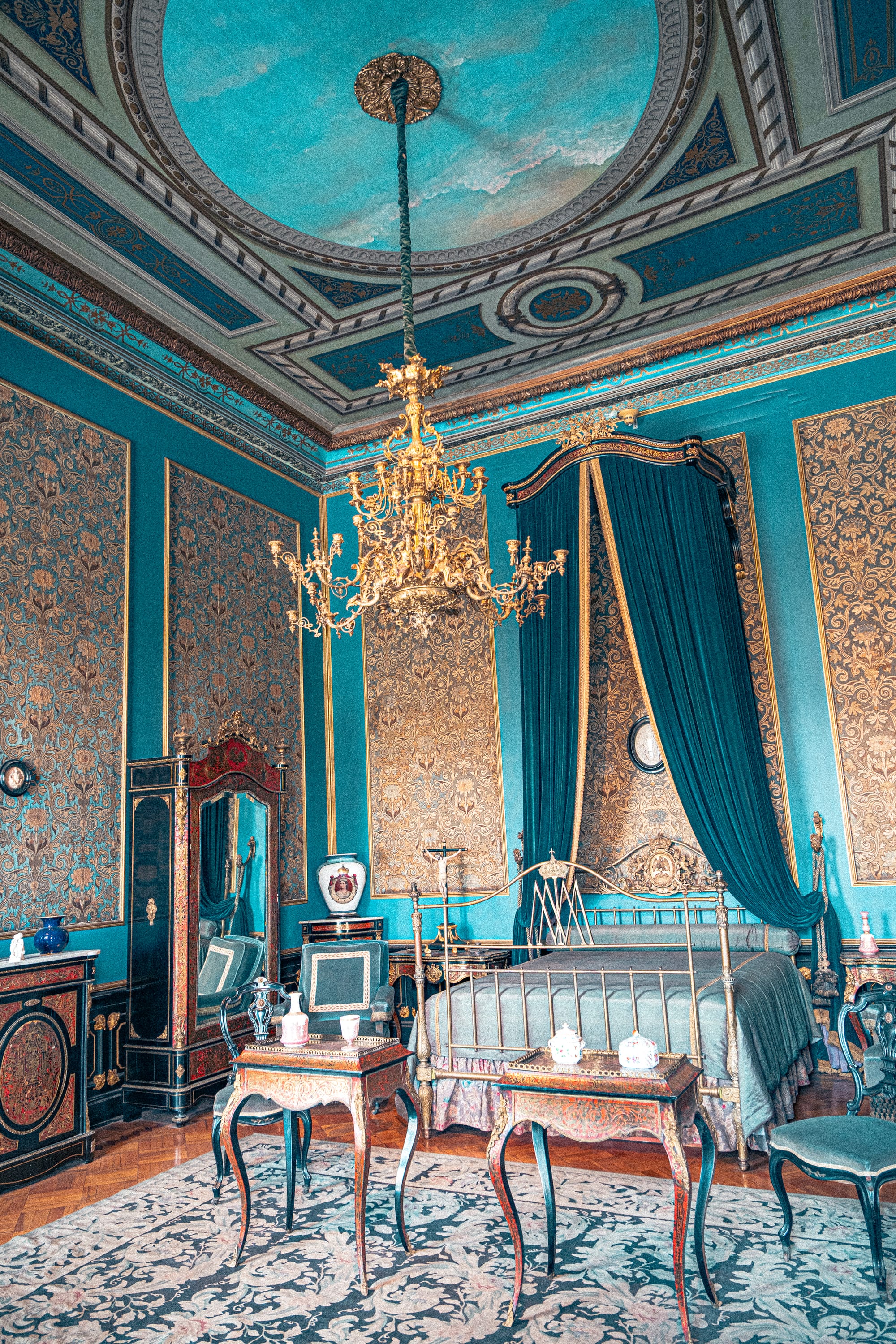
Elegant imperial rooms inside Chapultepec Castle, Mexico City
Maximilian redesigned the castle to resemble a European palace. Gardens were expanded, terraces were added, and elegant interiors were furnished to reflect the style of European royal courts.
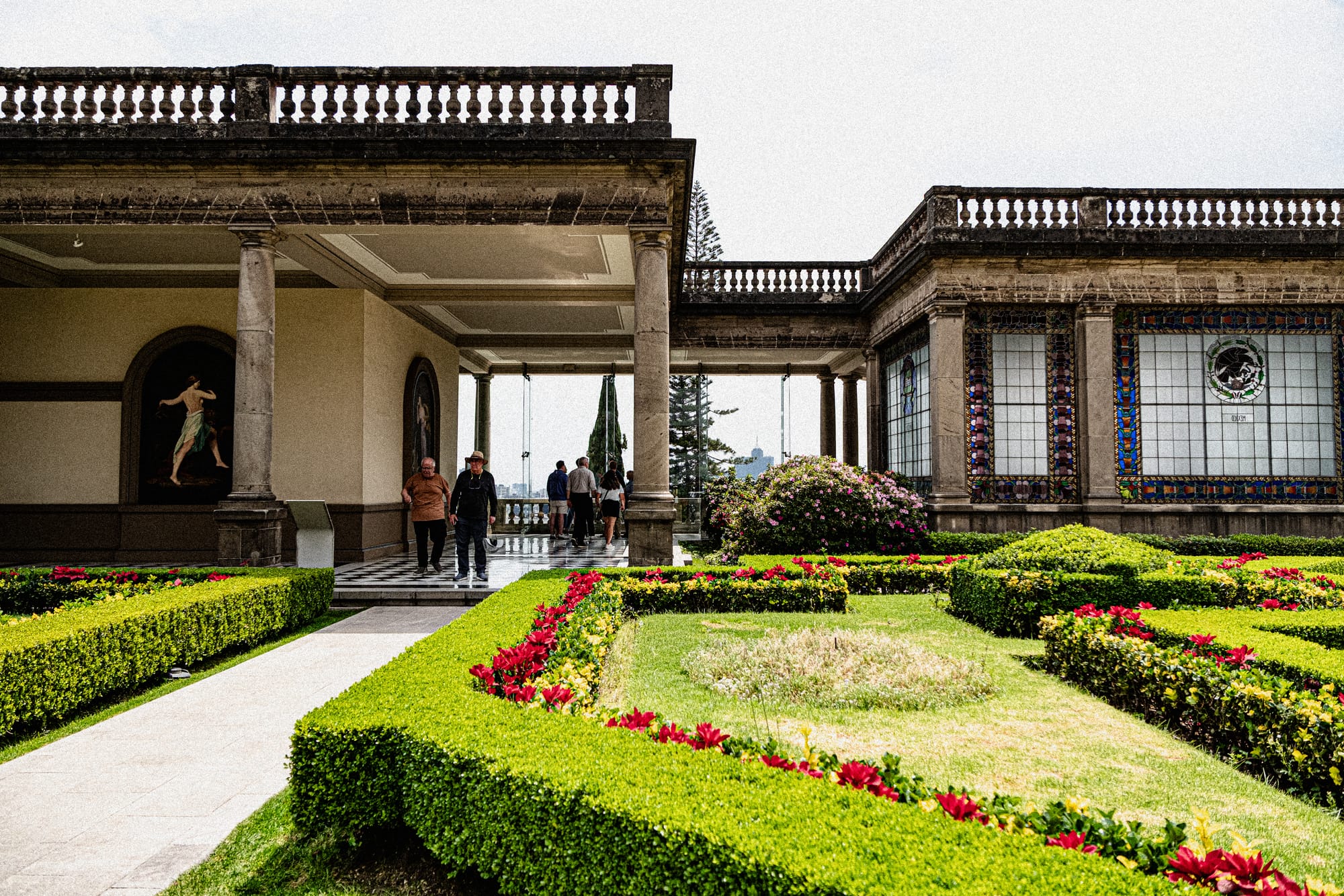

Walking through the gardens of Chapultepec Castle in CDMX
Many of the terraces that visitors admire today date from this period.
Presidential residence
After the fall of the empire, the castle became the official residence of several Mexican presidents.
Presidents lived and worked here until the early twentieth century.
National Museum of History
In 1944, the castle was converted into the National Museum of History. Today the museum displays artifacts, murals, and documents that trace the story of Mexico from colonial times through the revolution.
What to see inside Chapultepec Castle
While the exterior of Chapultepec Castle is impressive, exploring the interiors reveals a mix of palace architecture and museum exhibits.
The imperial apartments (the Alcázar)
One of the most interesting parts of the castle is the Alcázar, the section that once served as the residence of Emperor Maximilian and Empress Carlota.
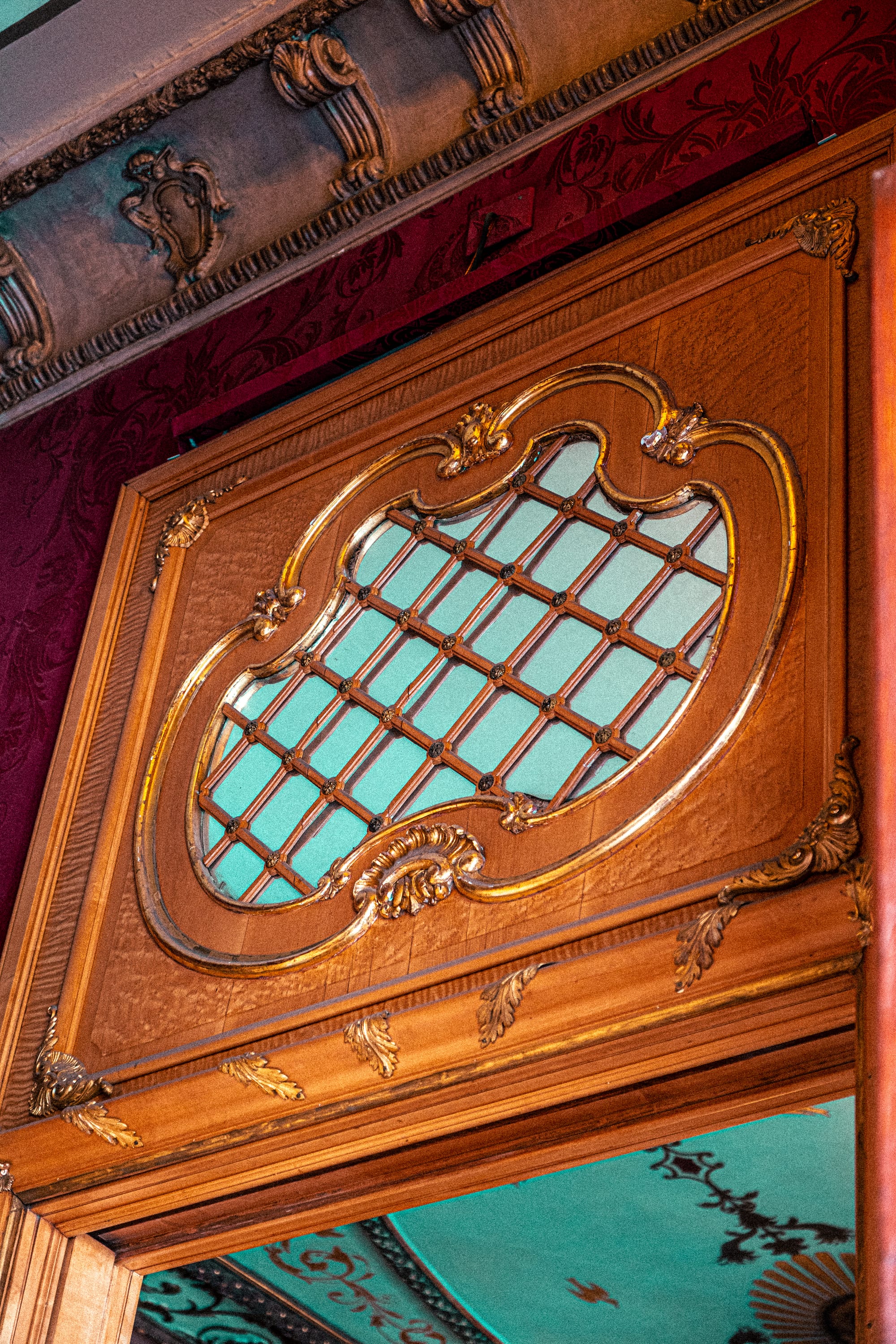
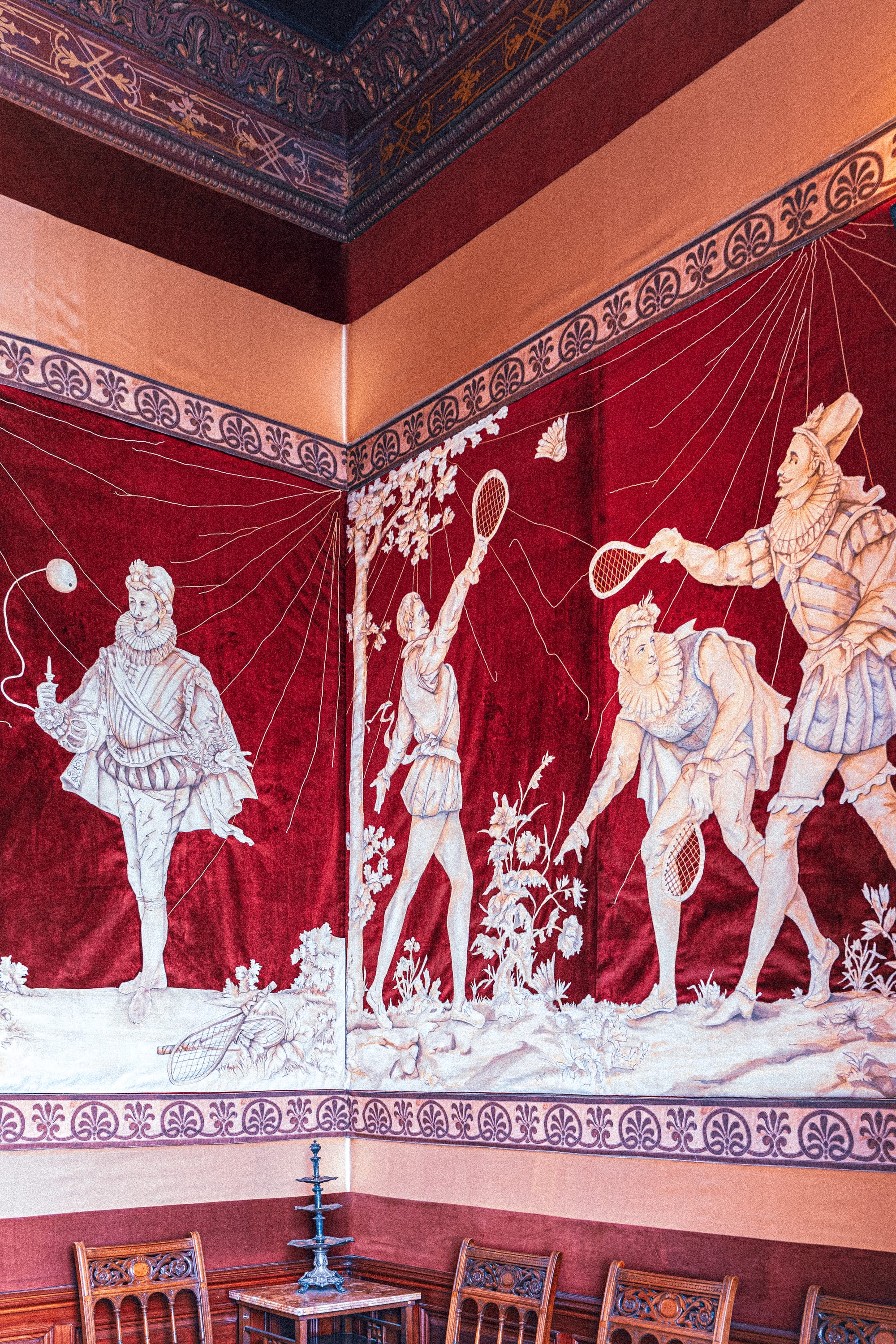
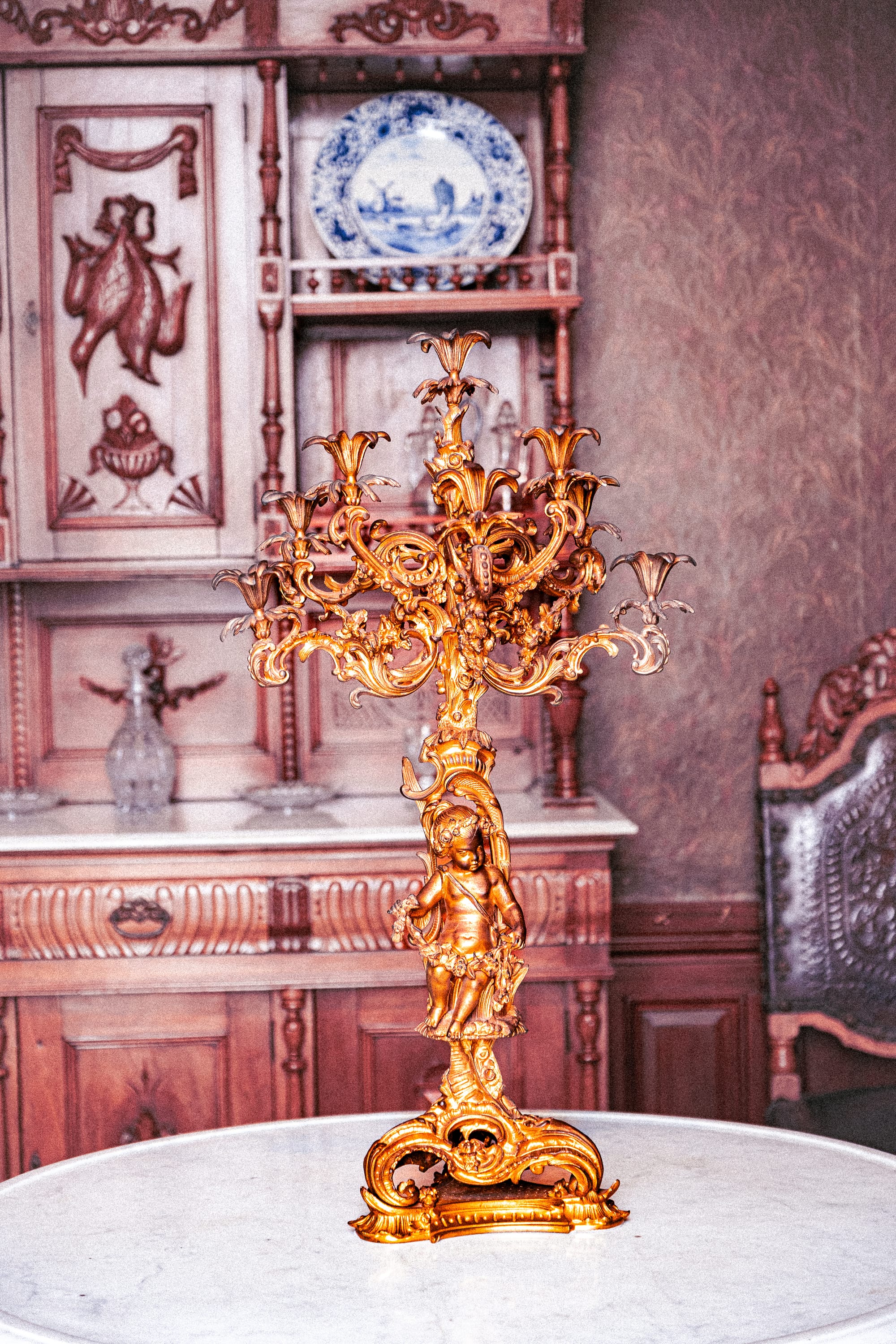
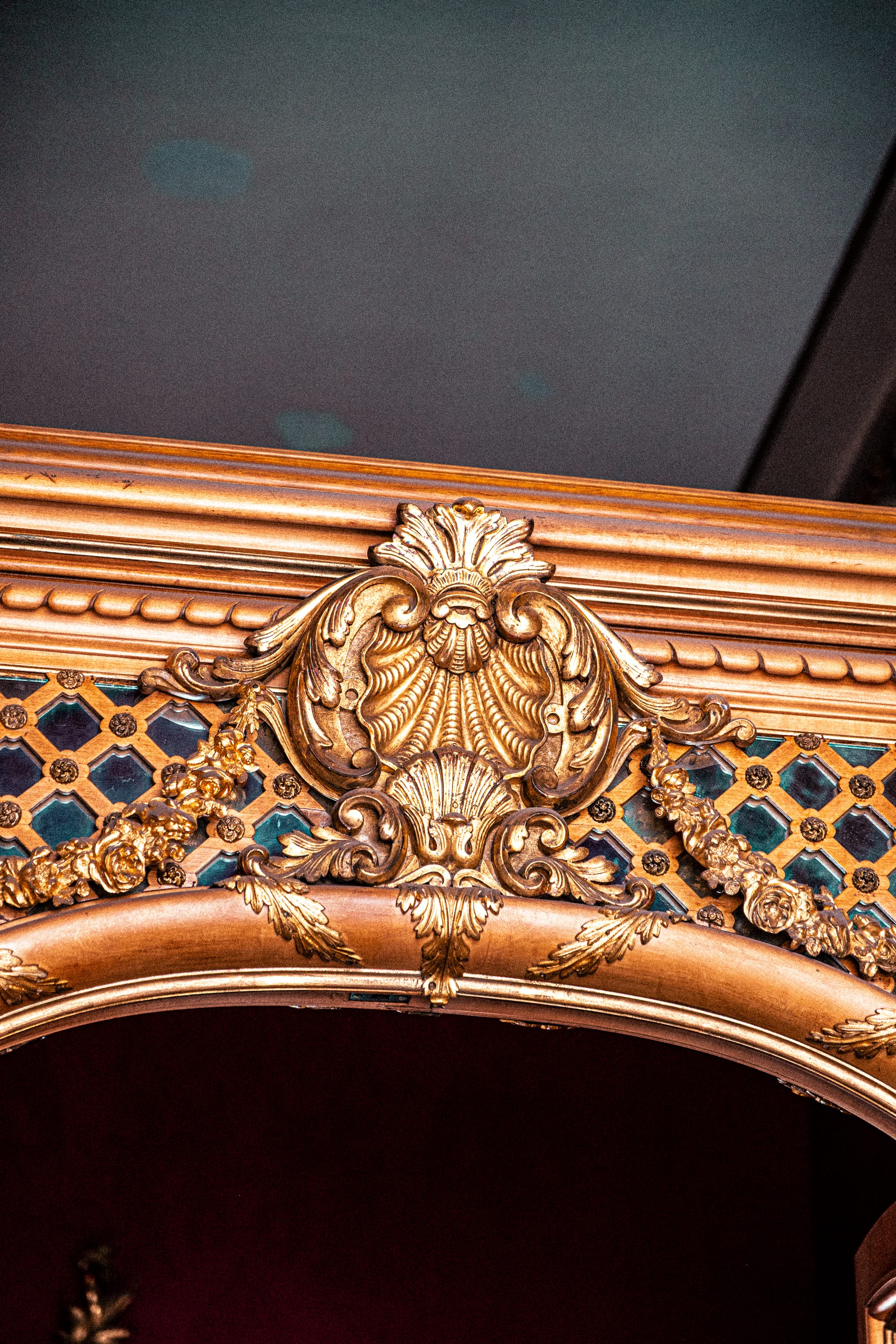
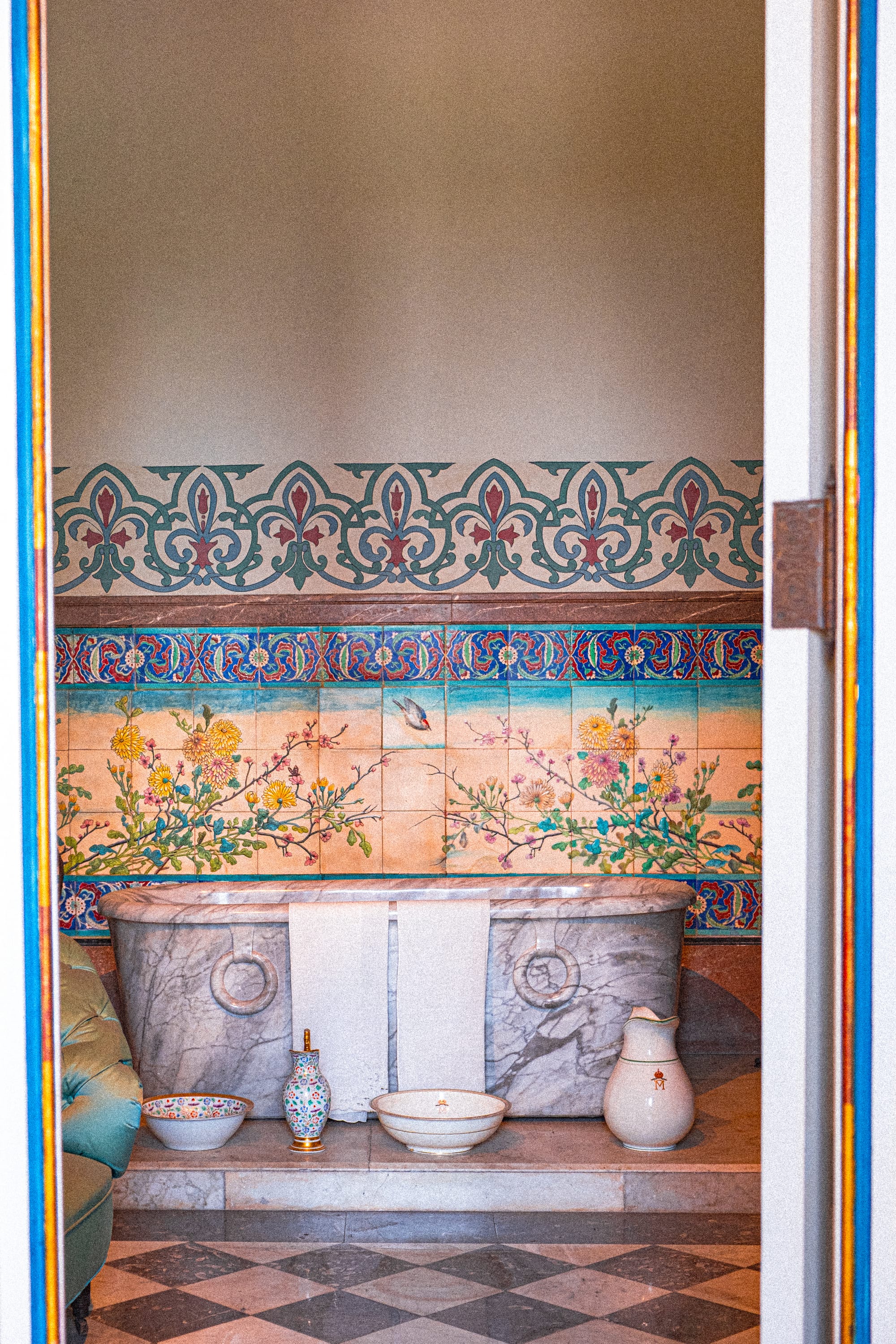
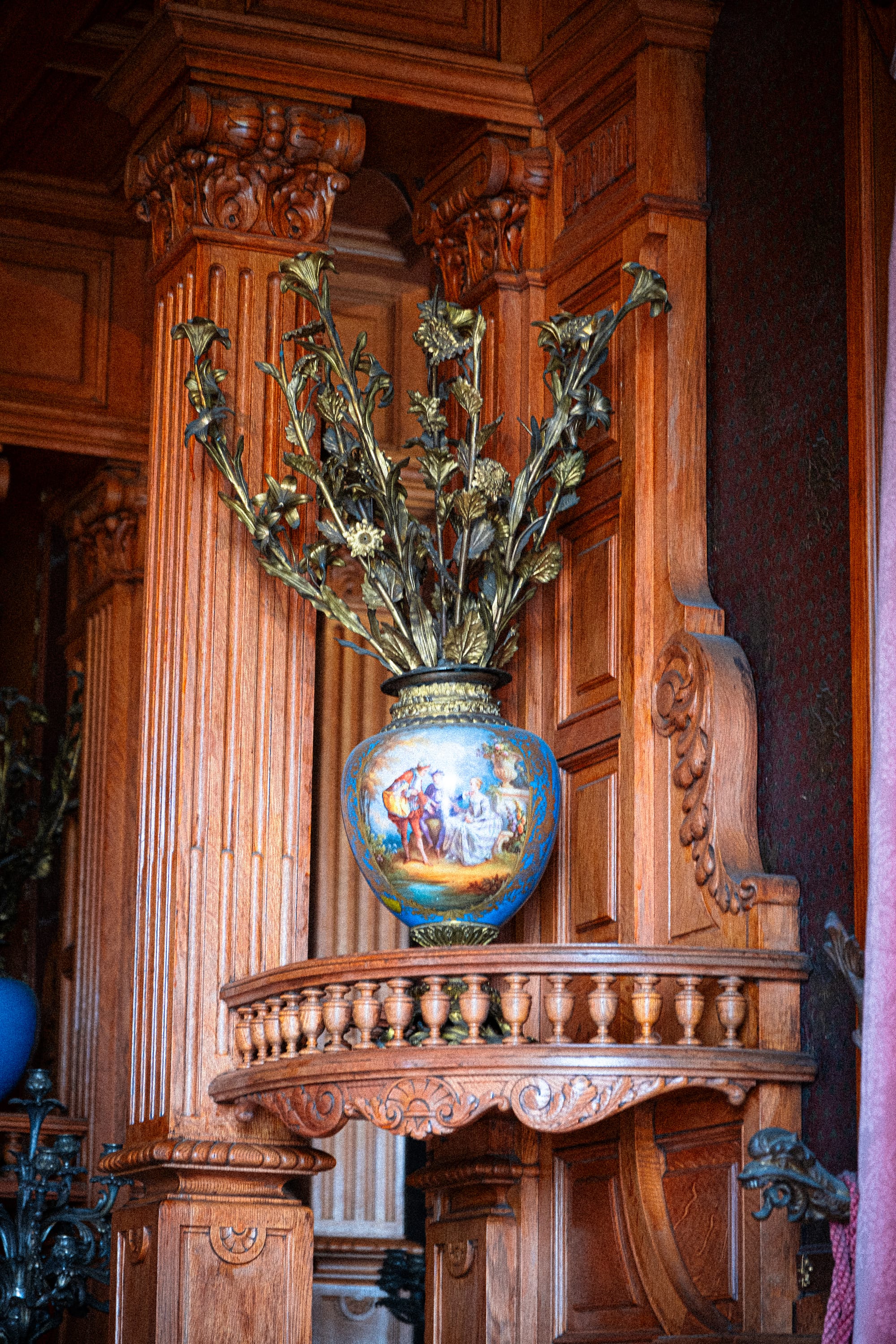
Ornate details from the imperial apartments of Chapultepec Castle in Mexico City
These rooms contain historic furniture and decorative details that reflect the castle’s imperial period. Chandeliers hang from high ceilings and sunlight filters through large windows overlooking the city.
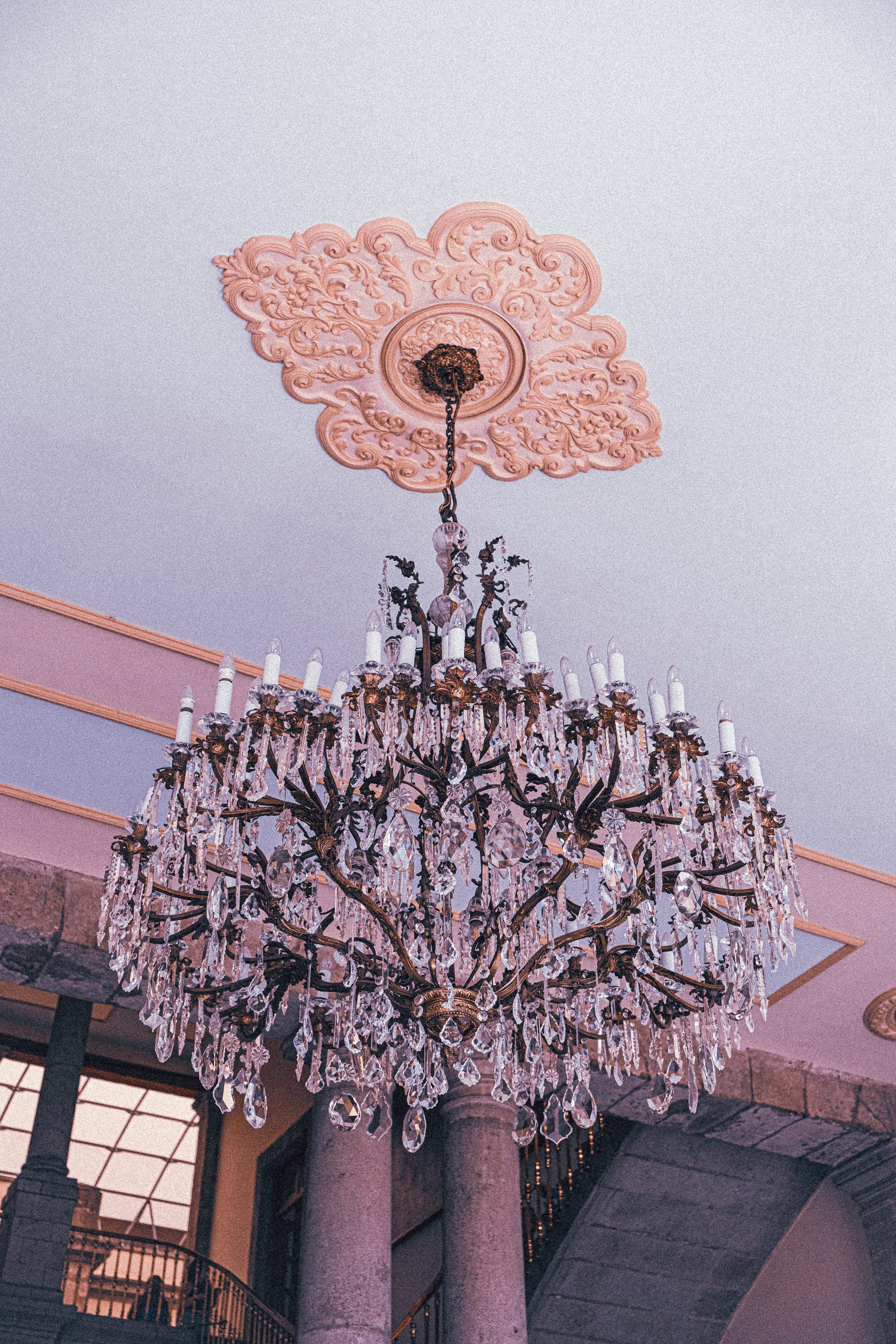
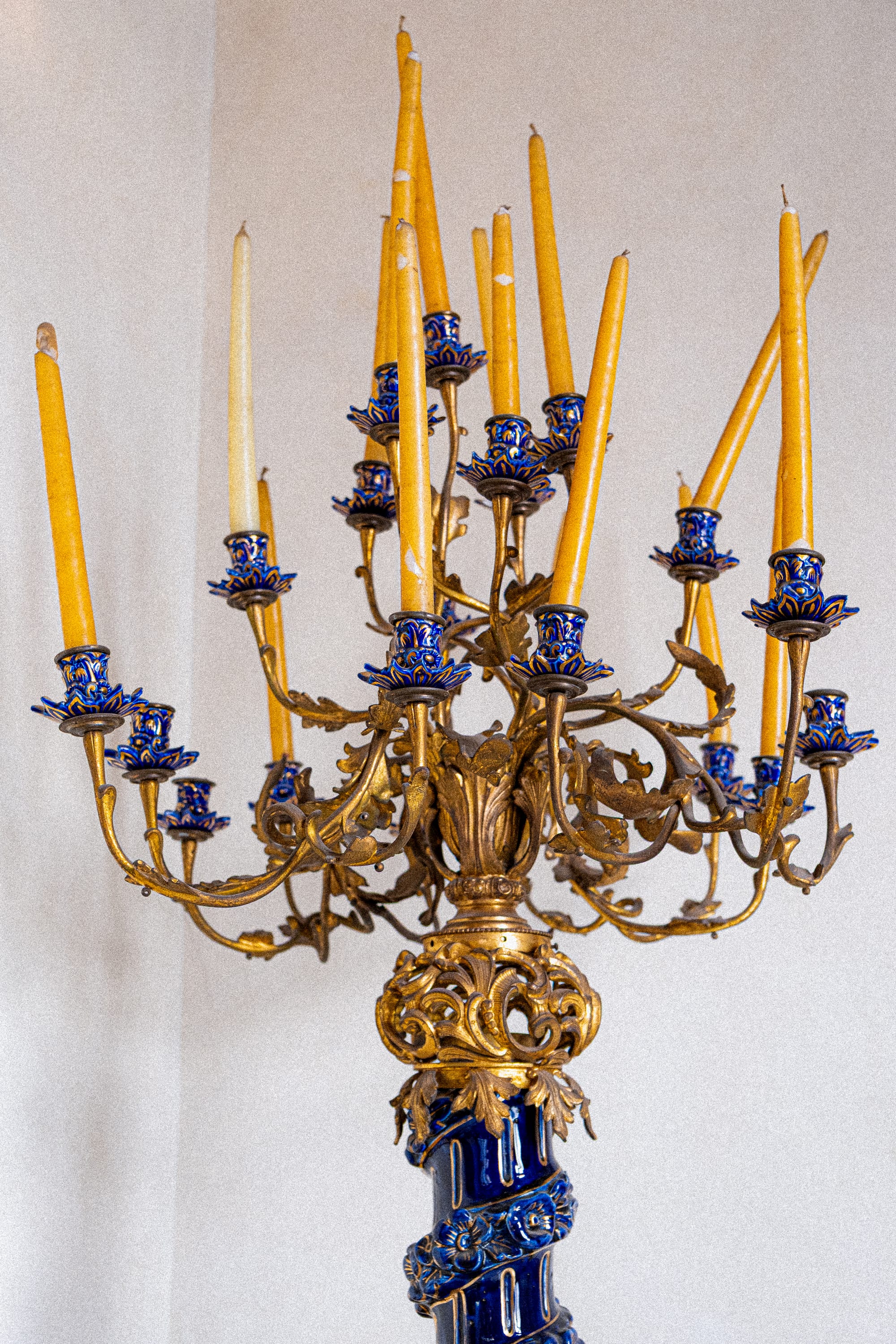
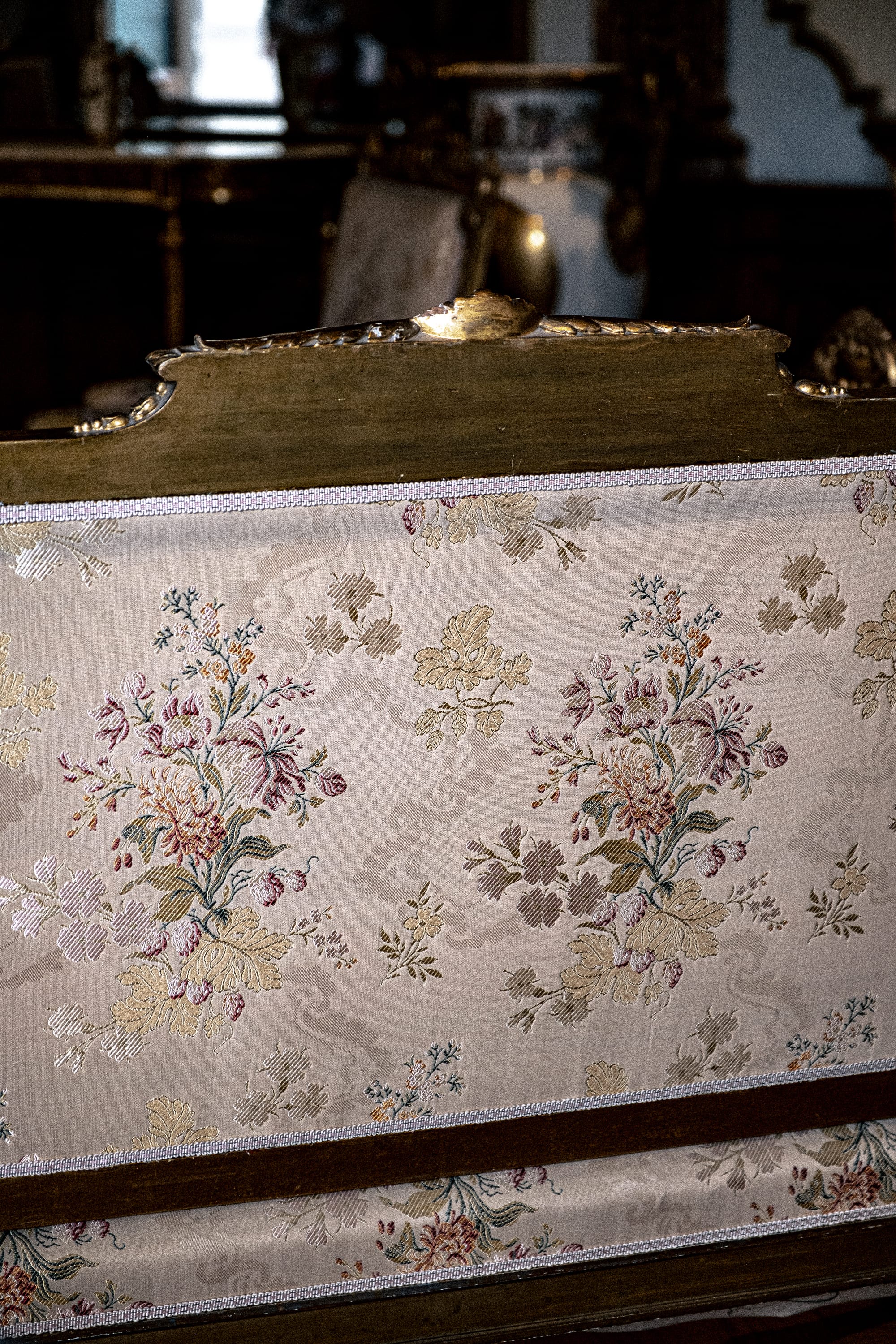
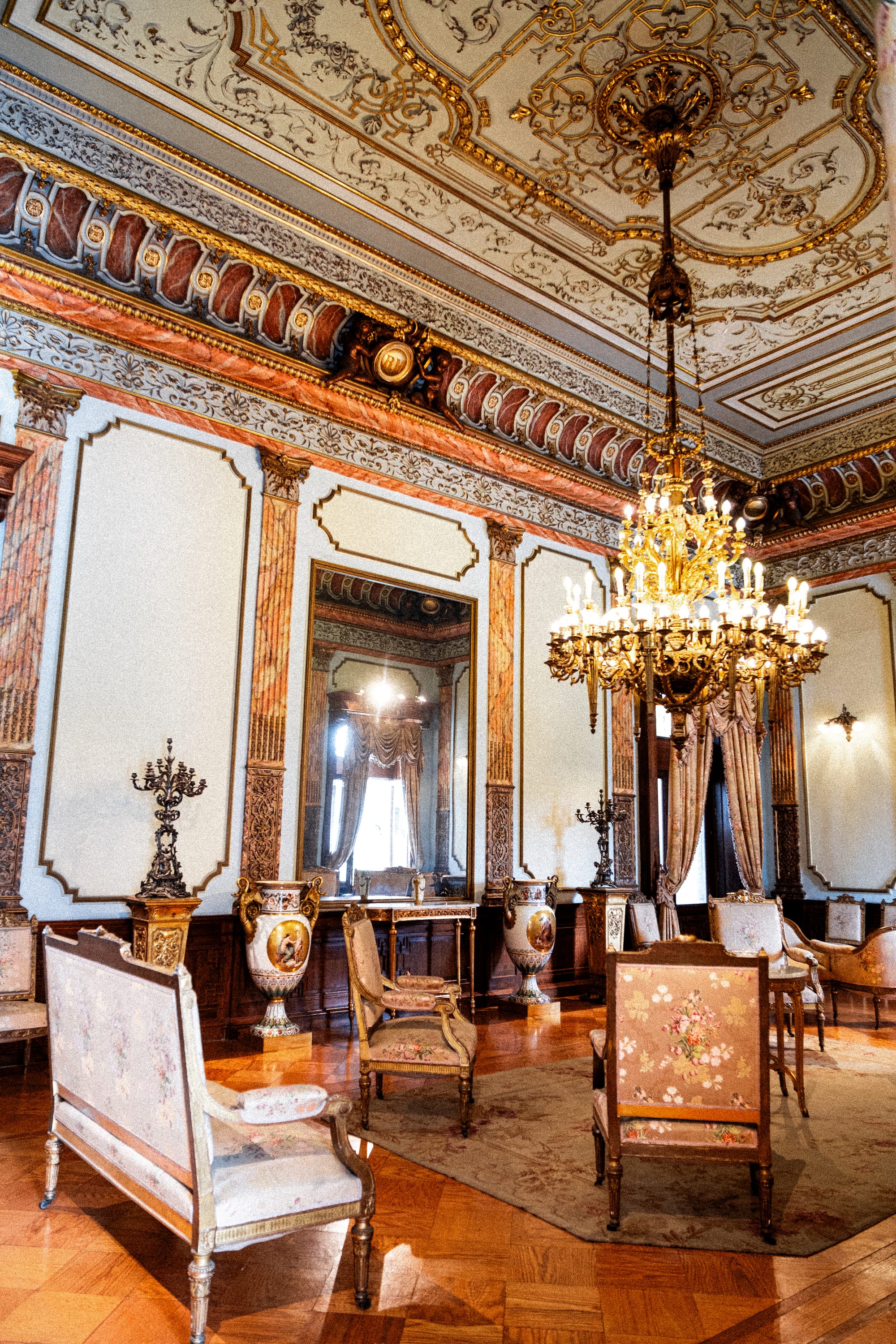
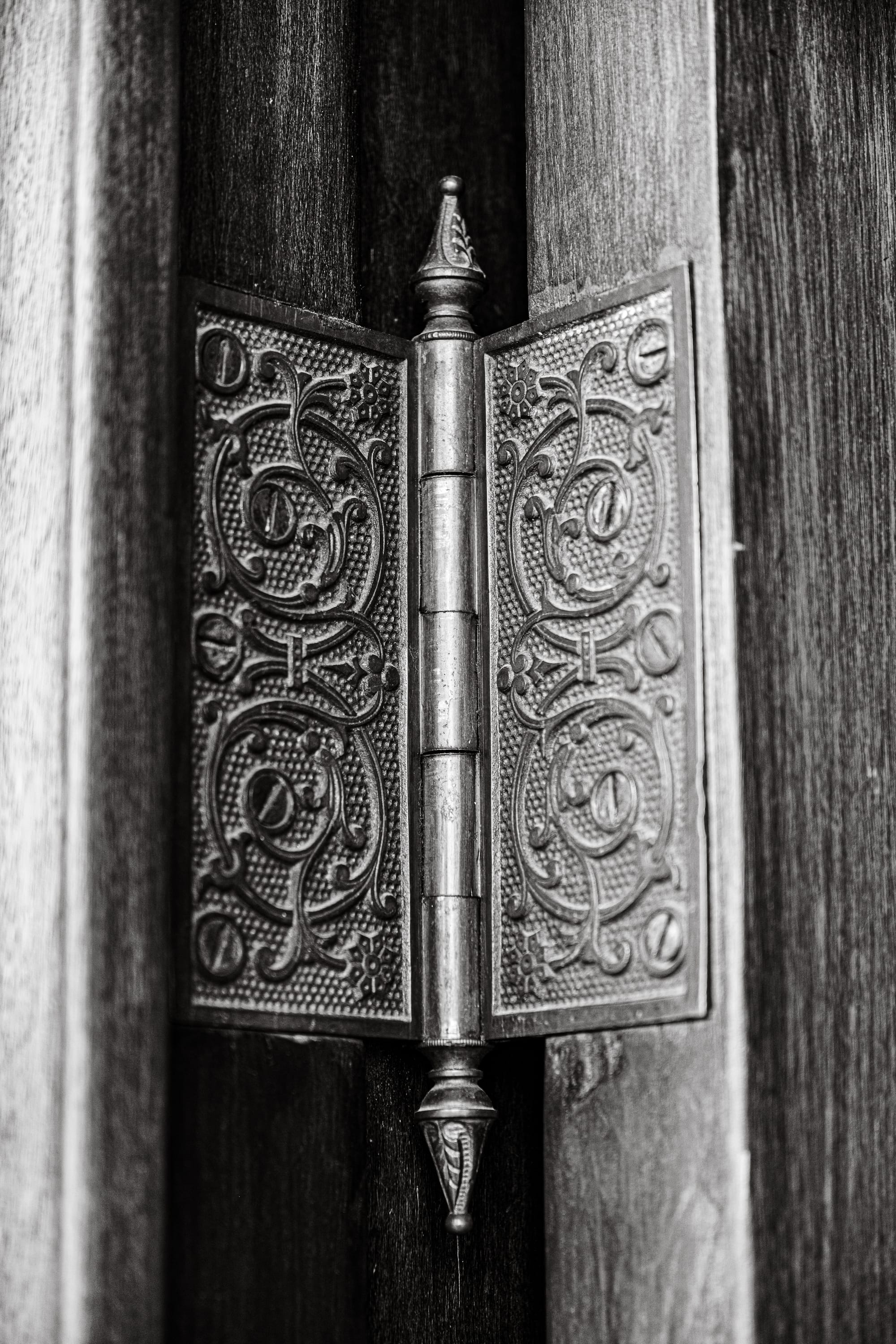
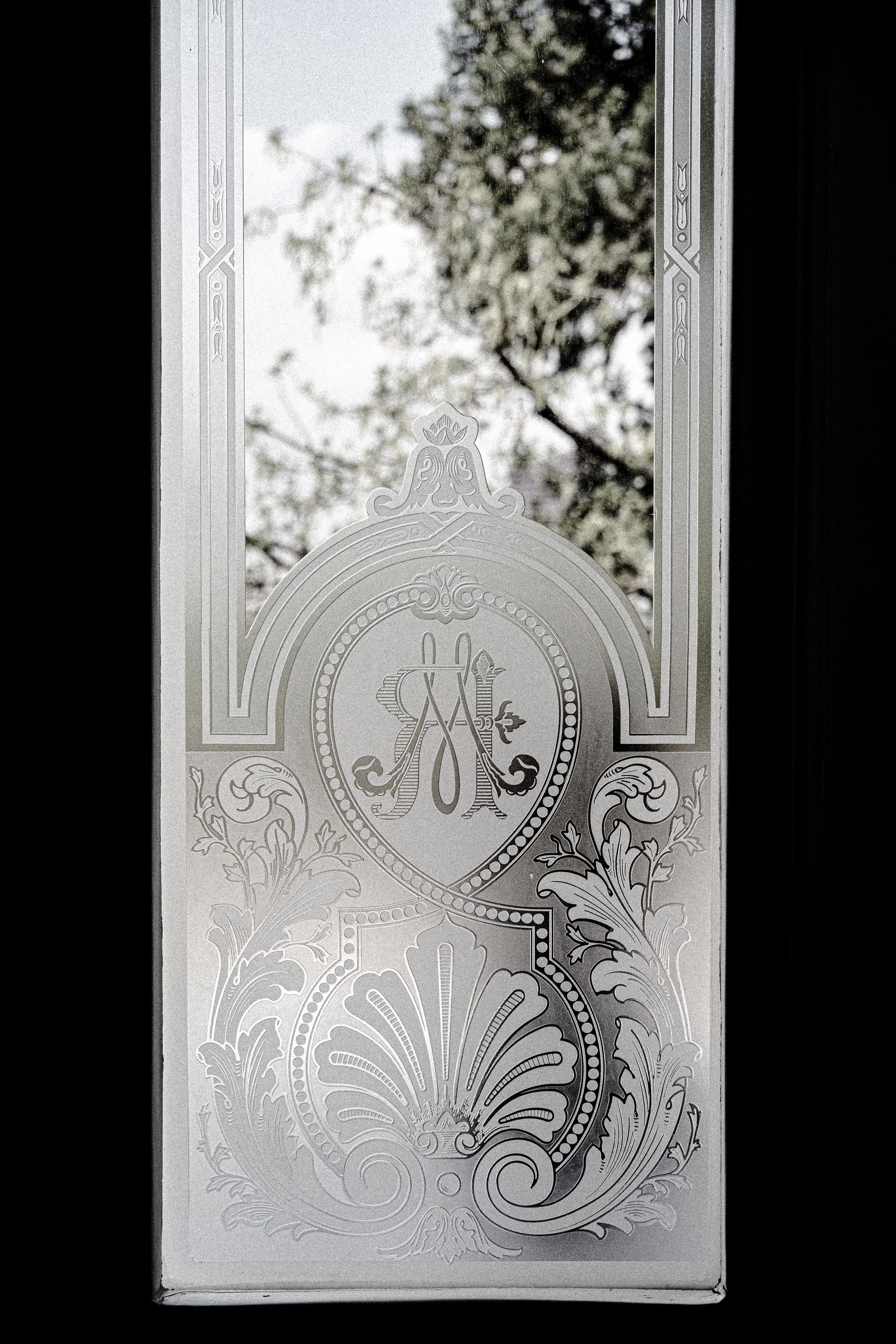
Historic furniture and decorative details at Chapultepec Castle
Small artifacts throughout the rooms help bring the past to life.
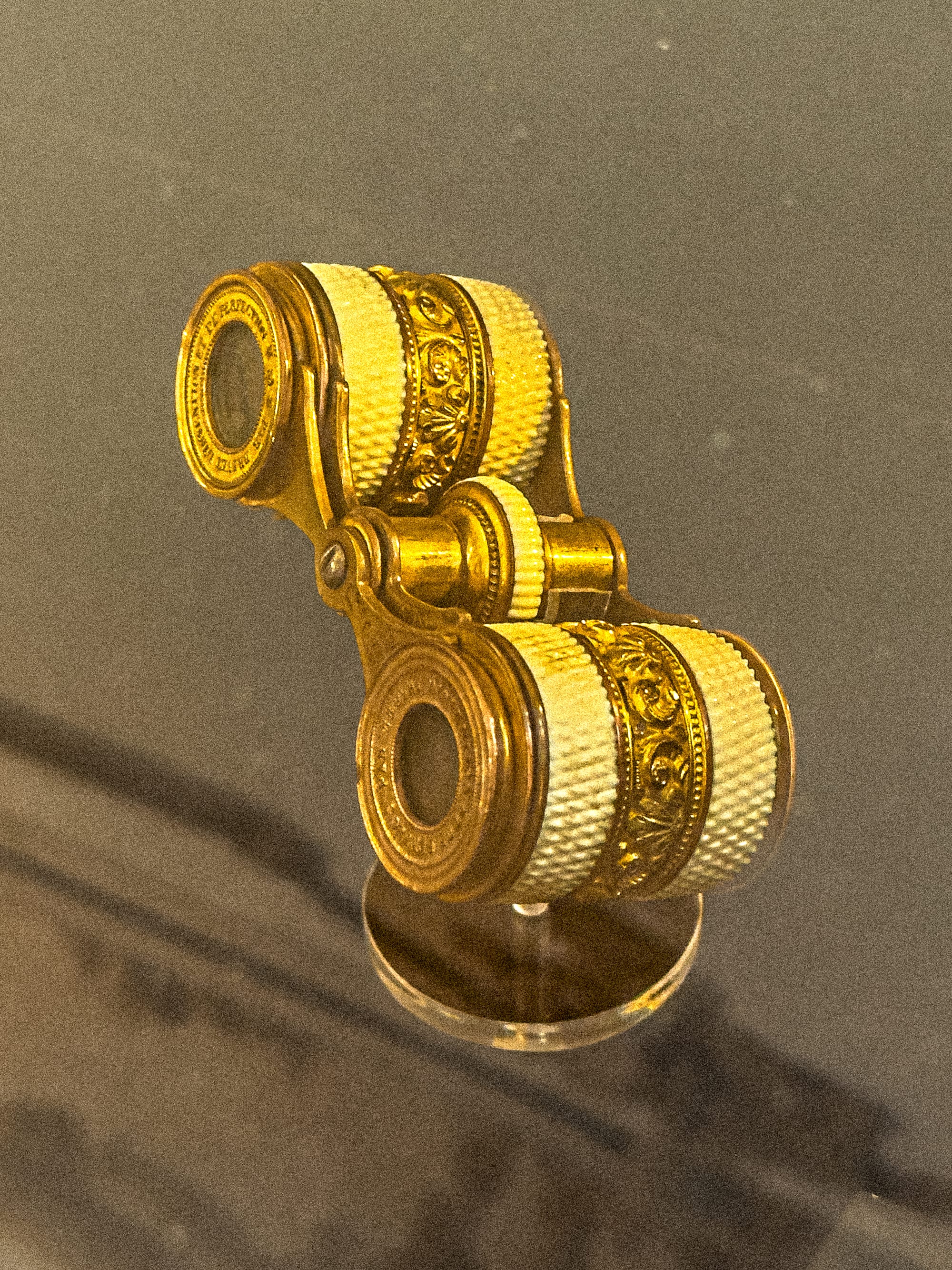
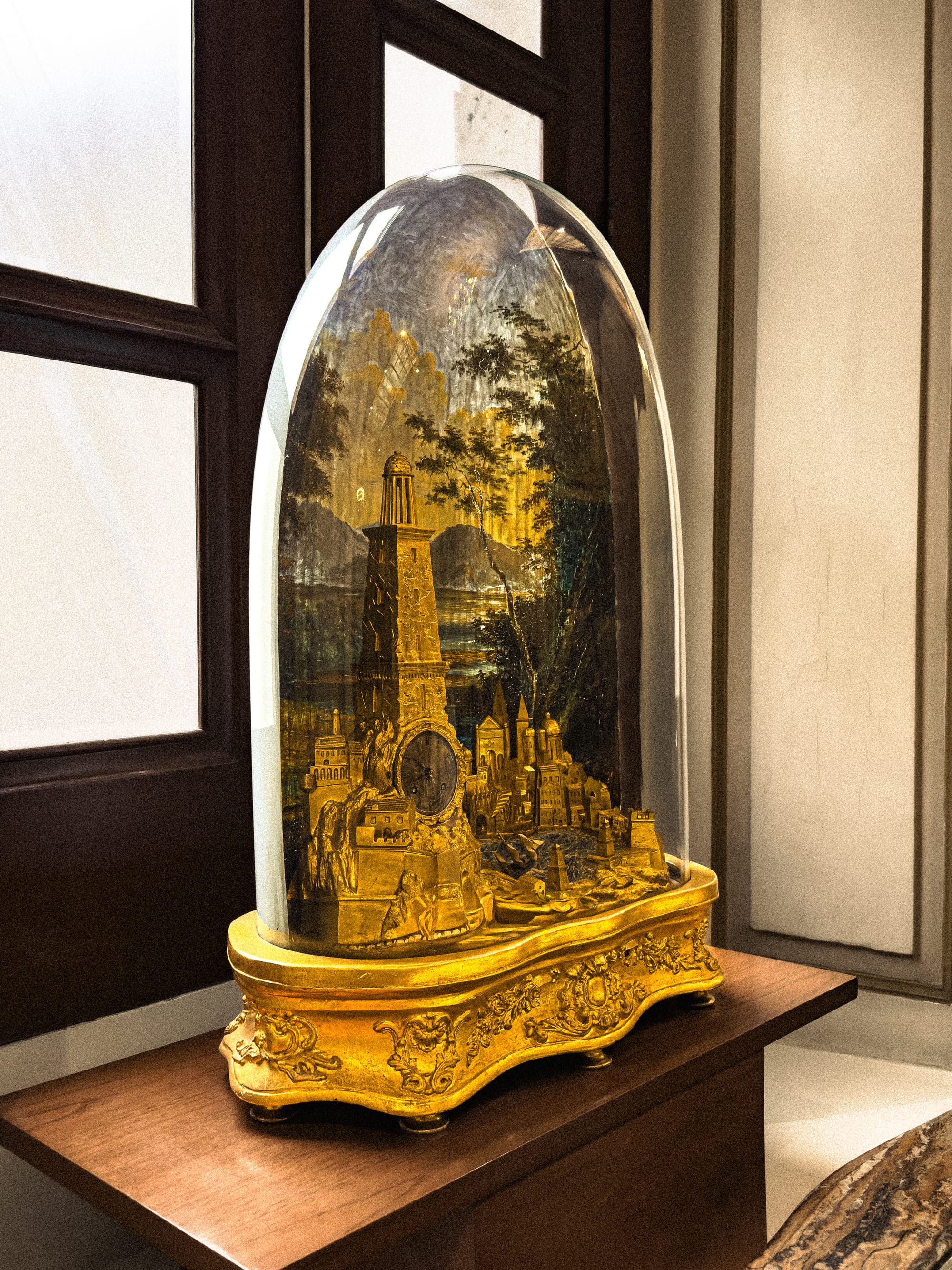
Artifacts from the past shown on display at Chapultepec Castle
Visitors can see objects such as binoculars, personal items, and decorative pieces from the nineteenth century.
The checkered floors and interior design
Several corridors inside the castle feature striking checkered tile floors, which quickly become one of the most photographed interior details.
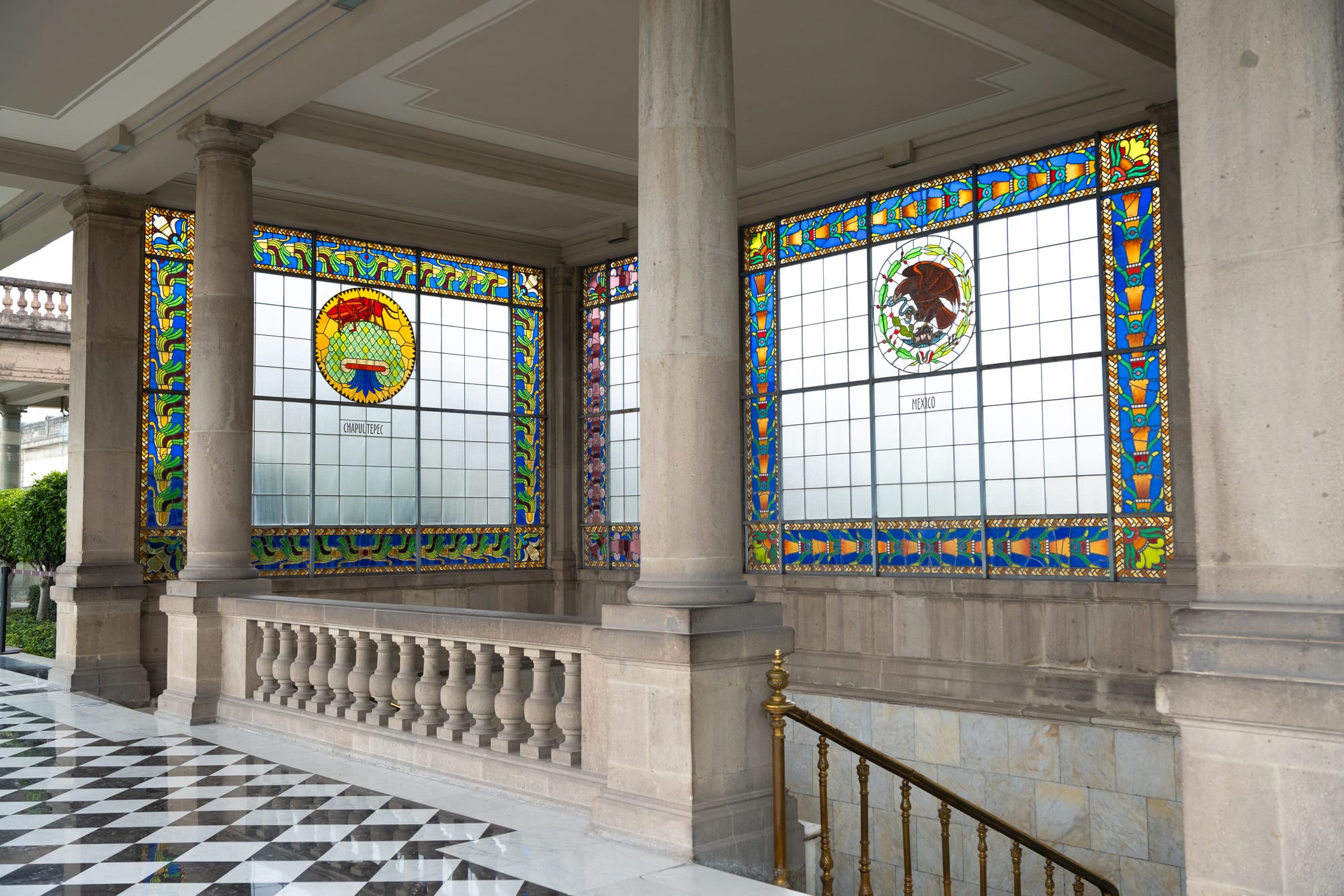
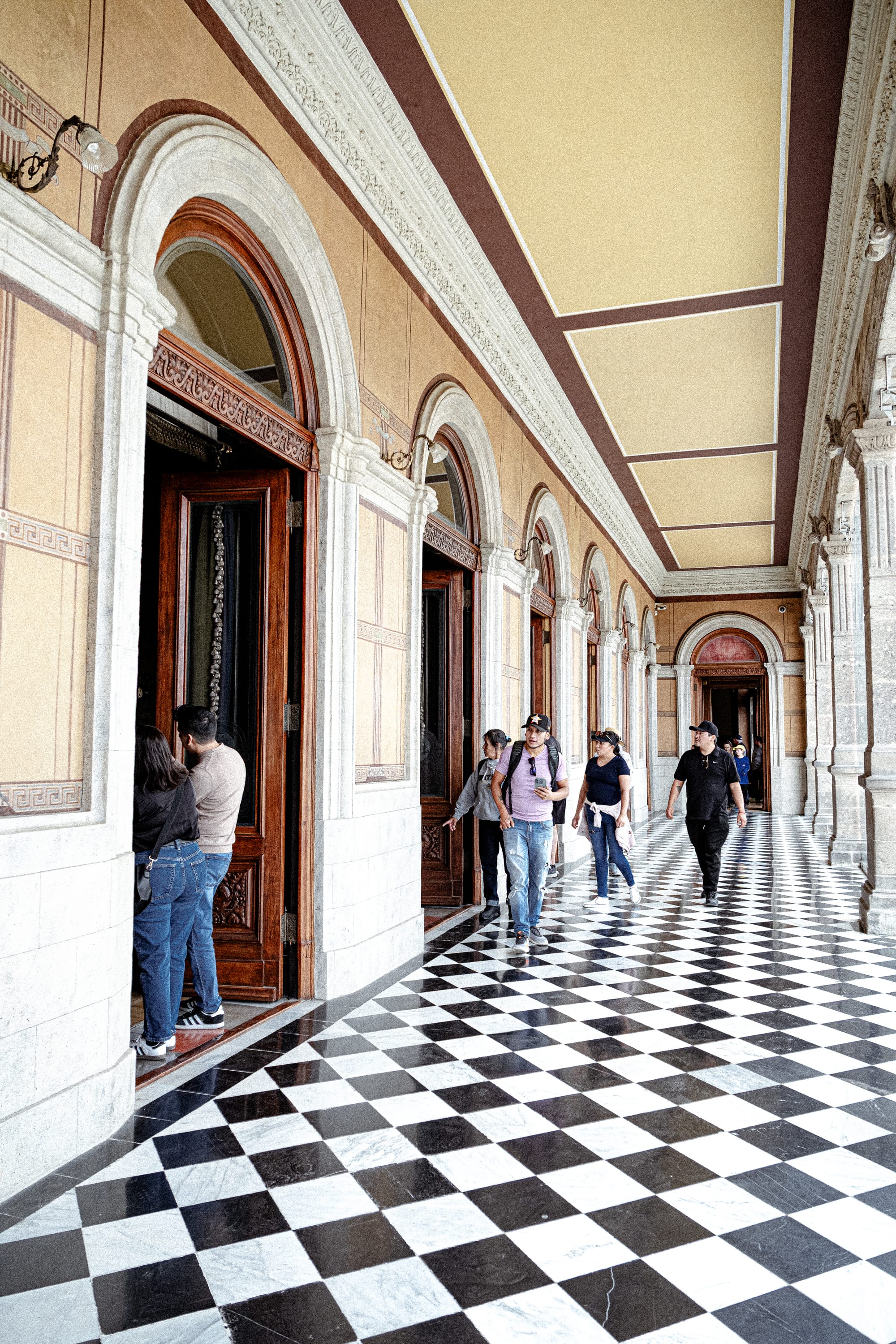
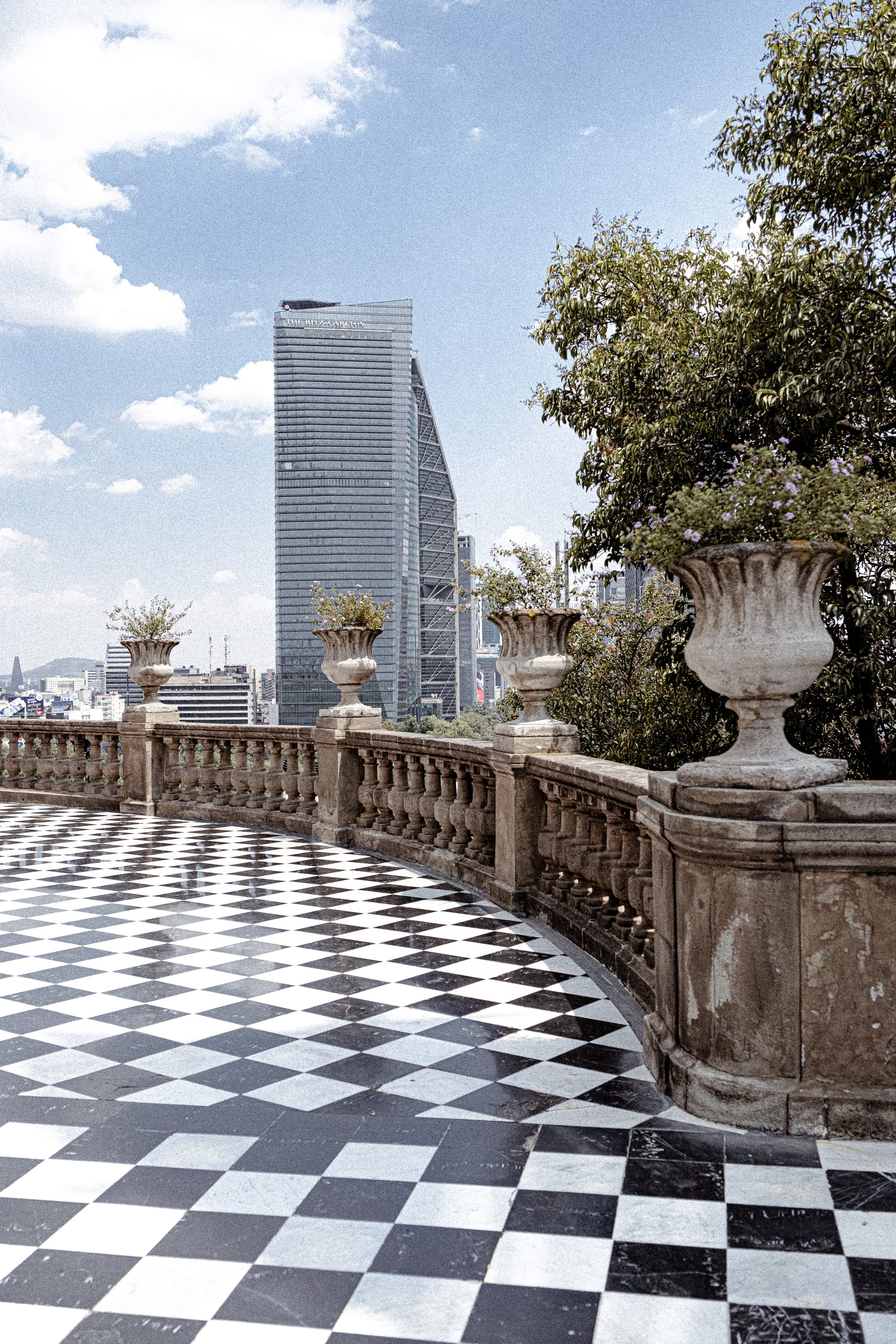
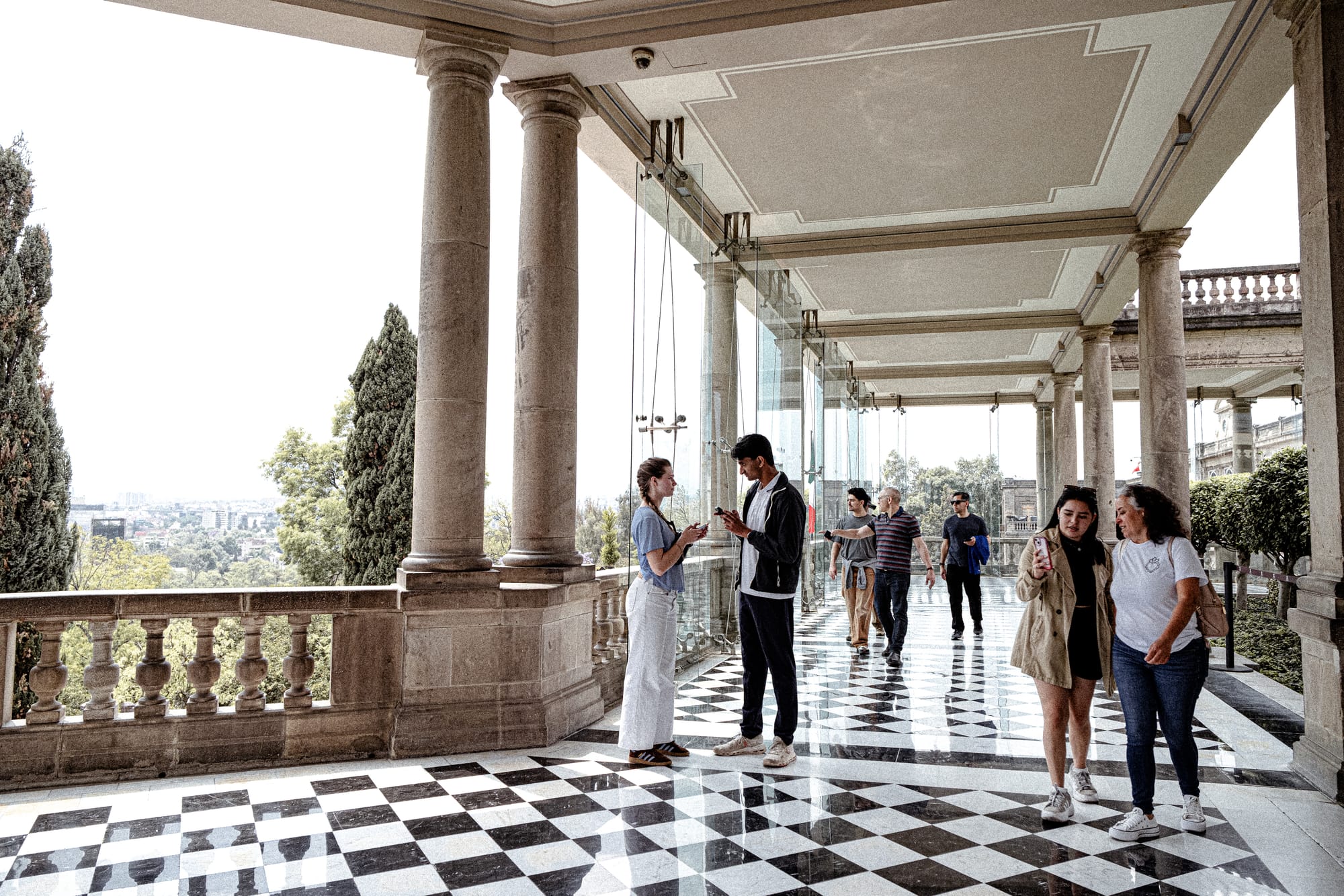
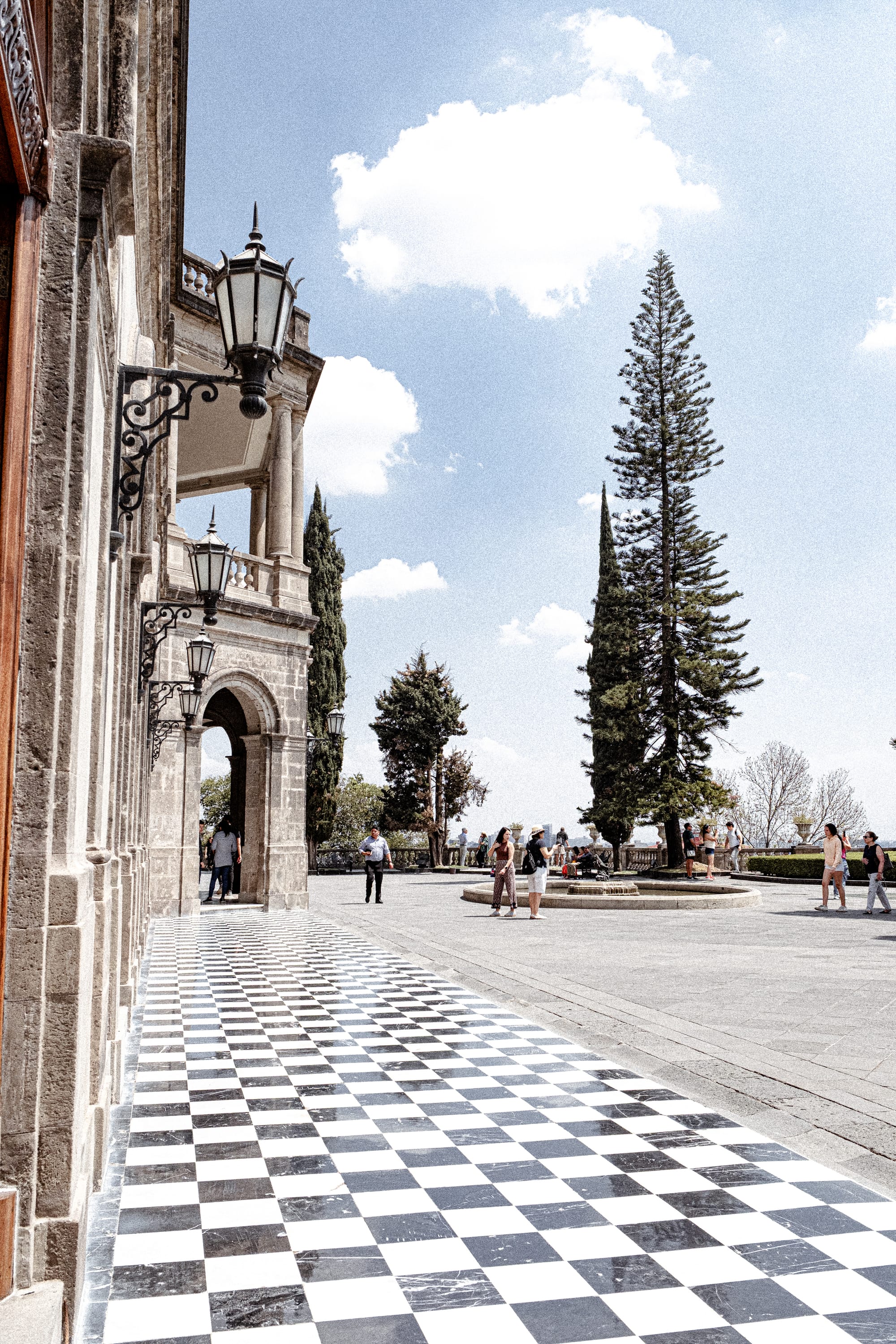
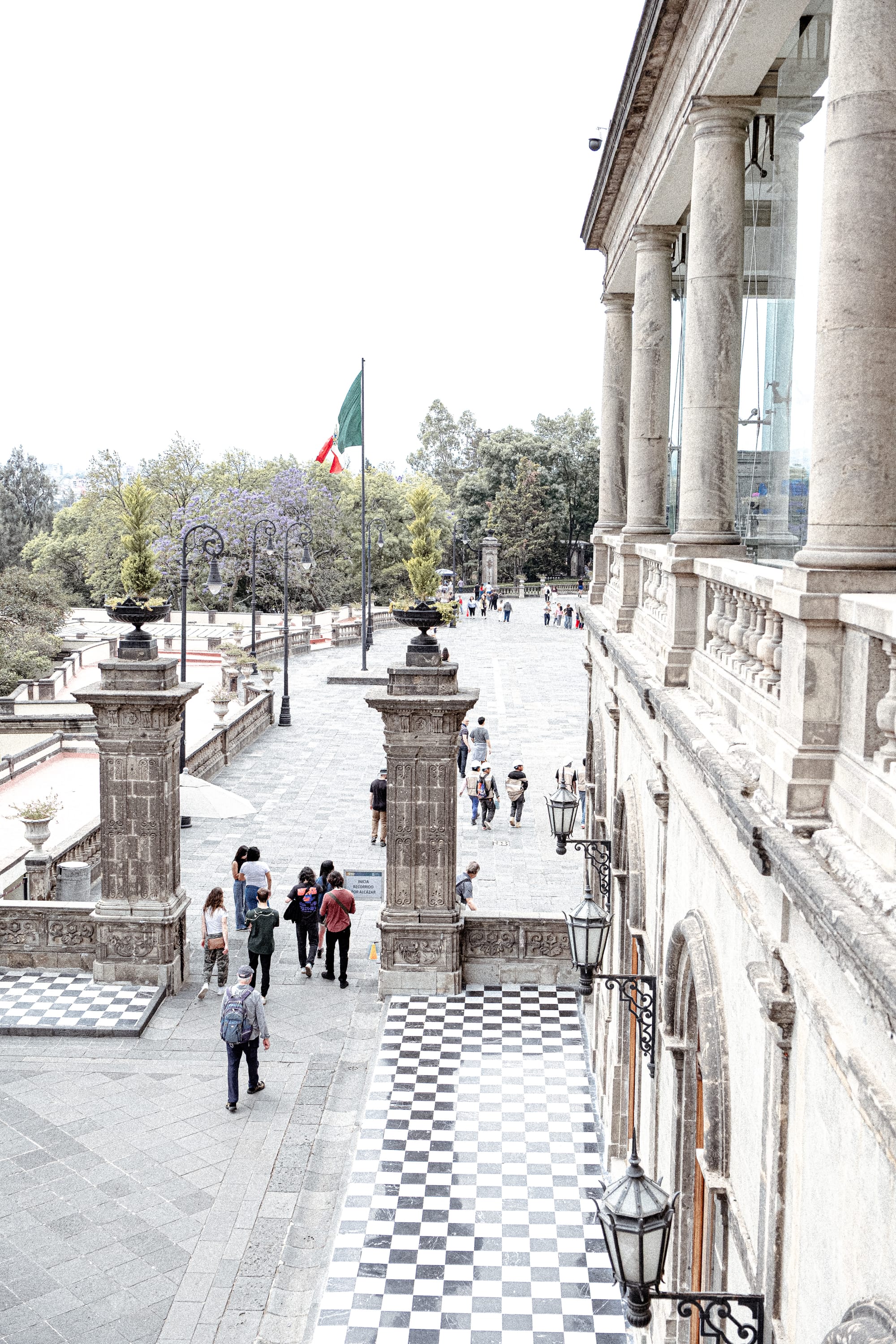
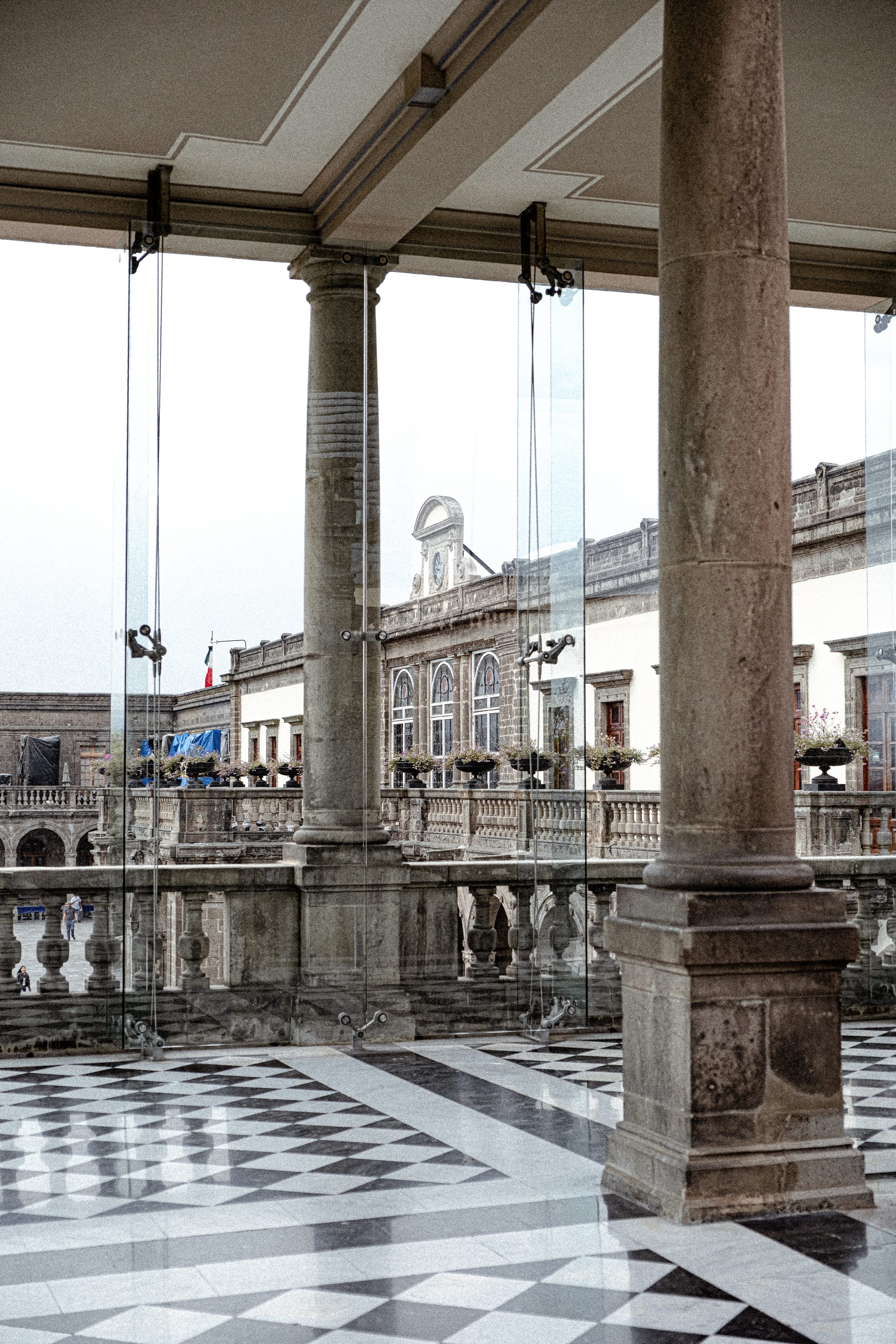
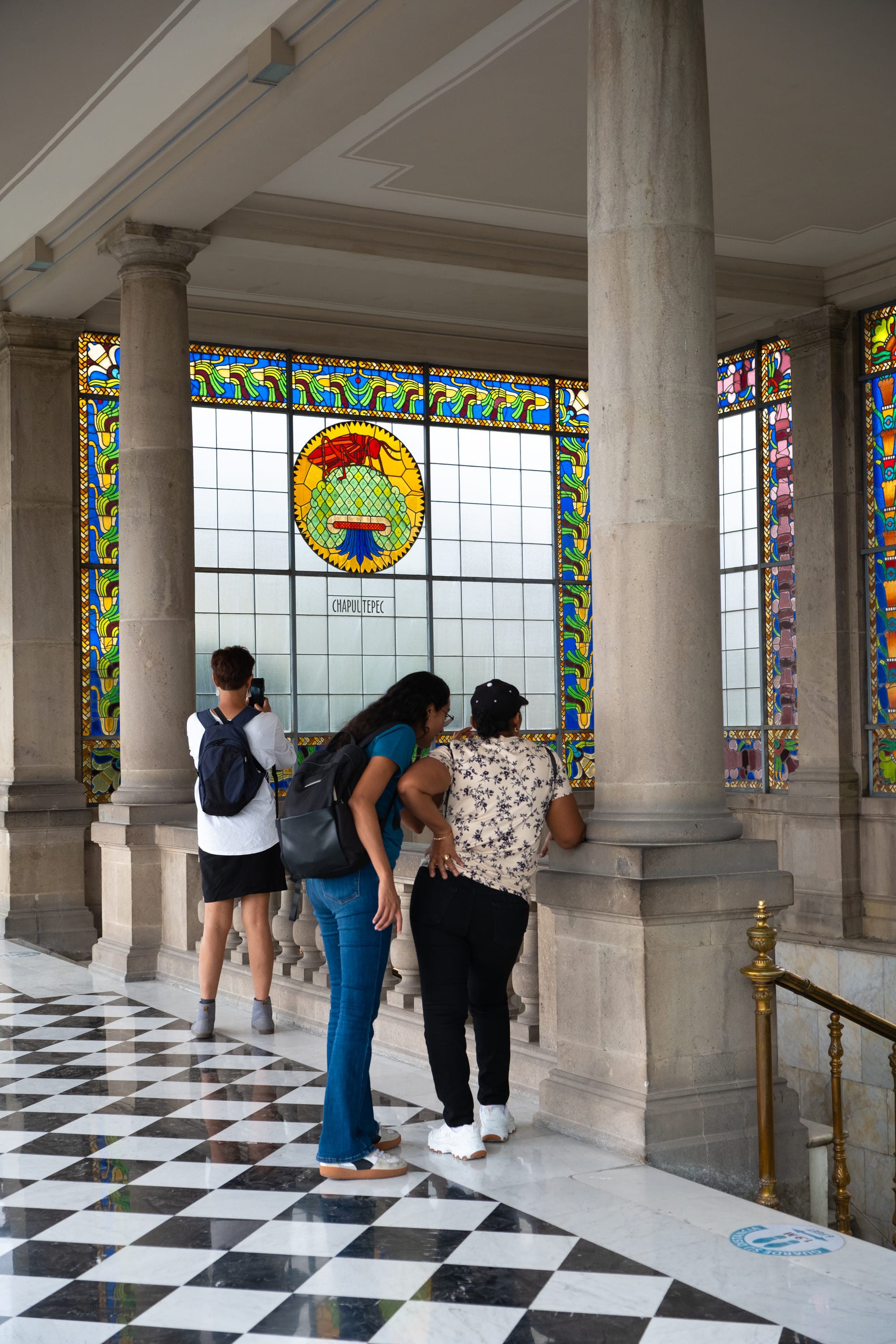
Visitors exploring the stained glass corridor at Chapultepec Castle in Mexico City
Combined with chandeliers, stained glass windows, and historic decor, the floors create a very distinctive atmosphere that feels both elegant and historic.
Terraces overlooking Mexico City
For many visitors, the terraces are the most memorable part of the entire visit.
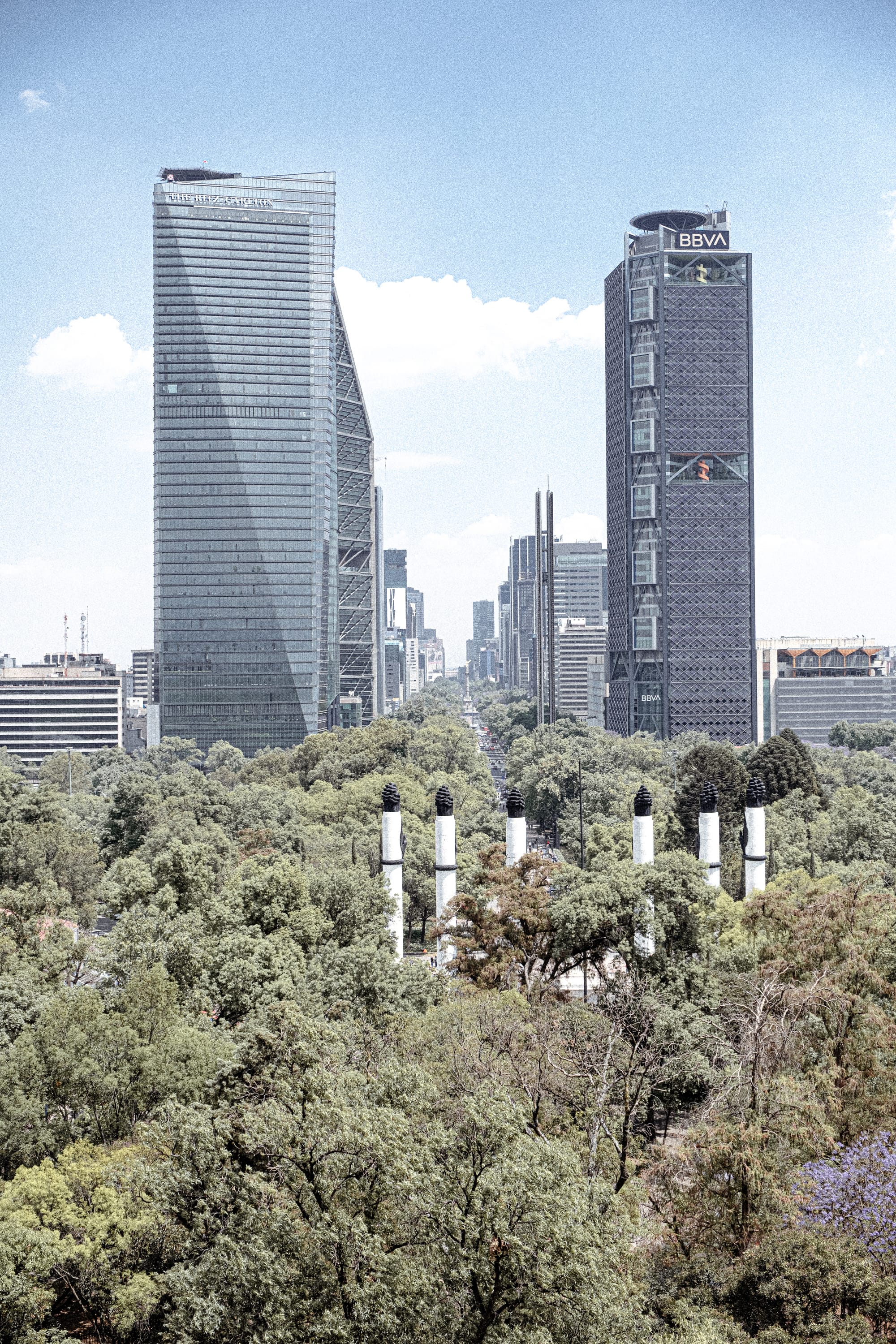
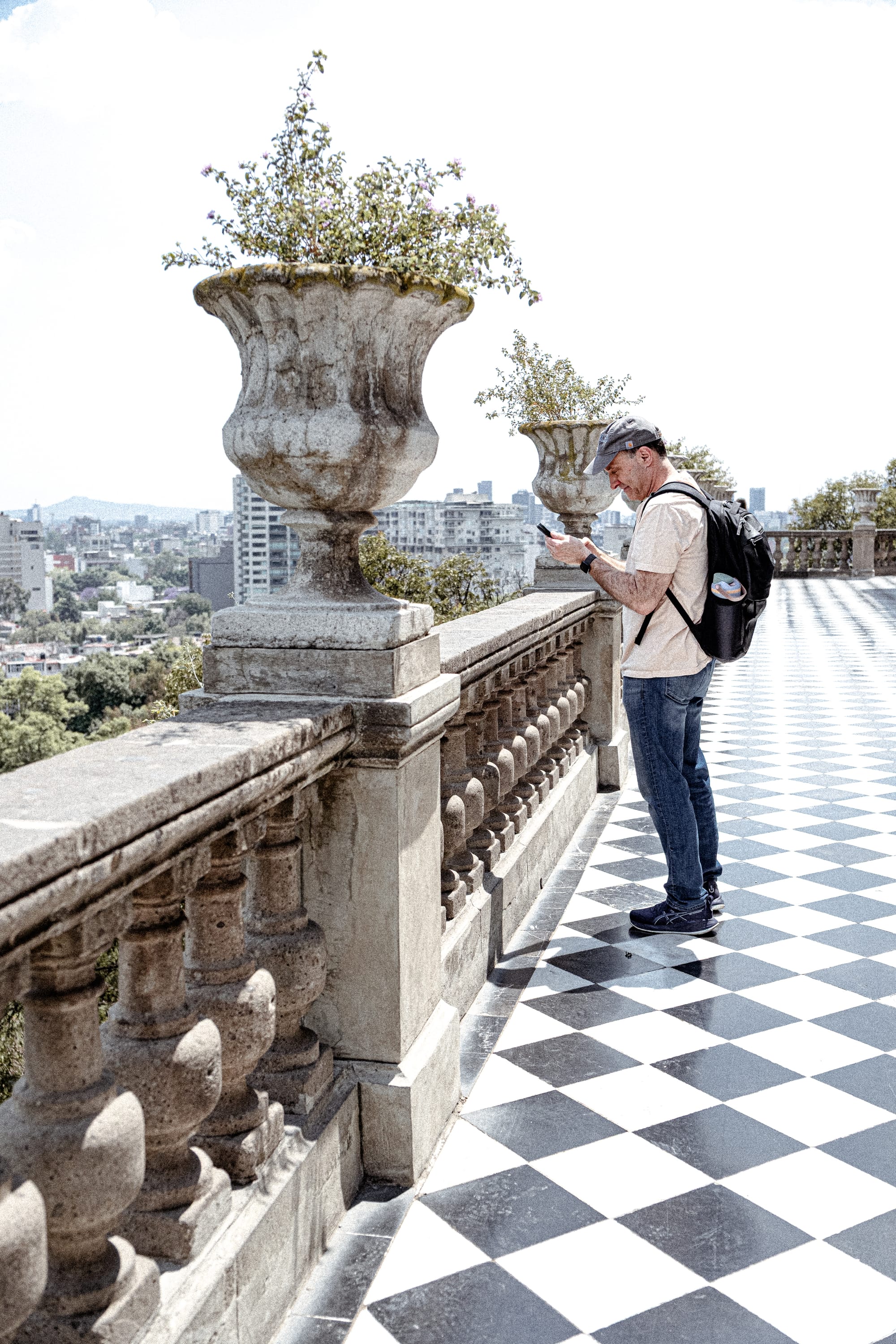
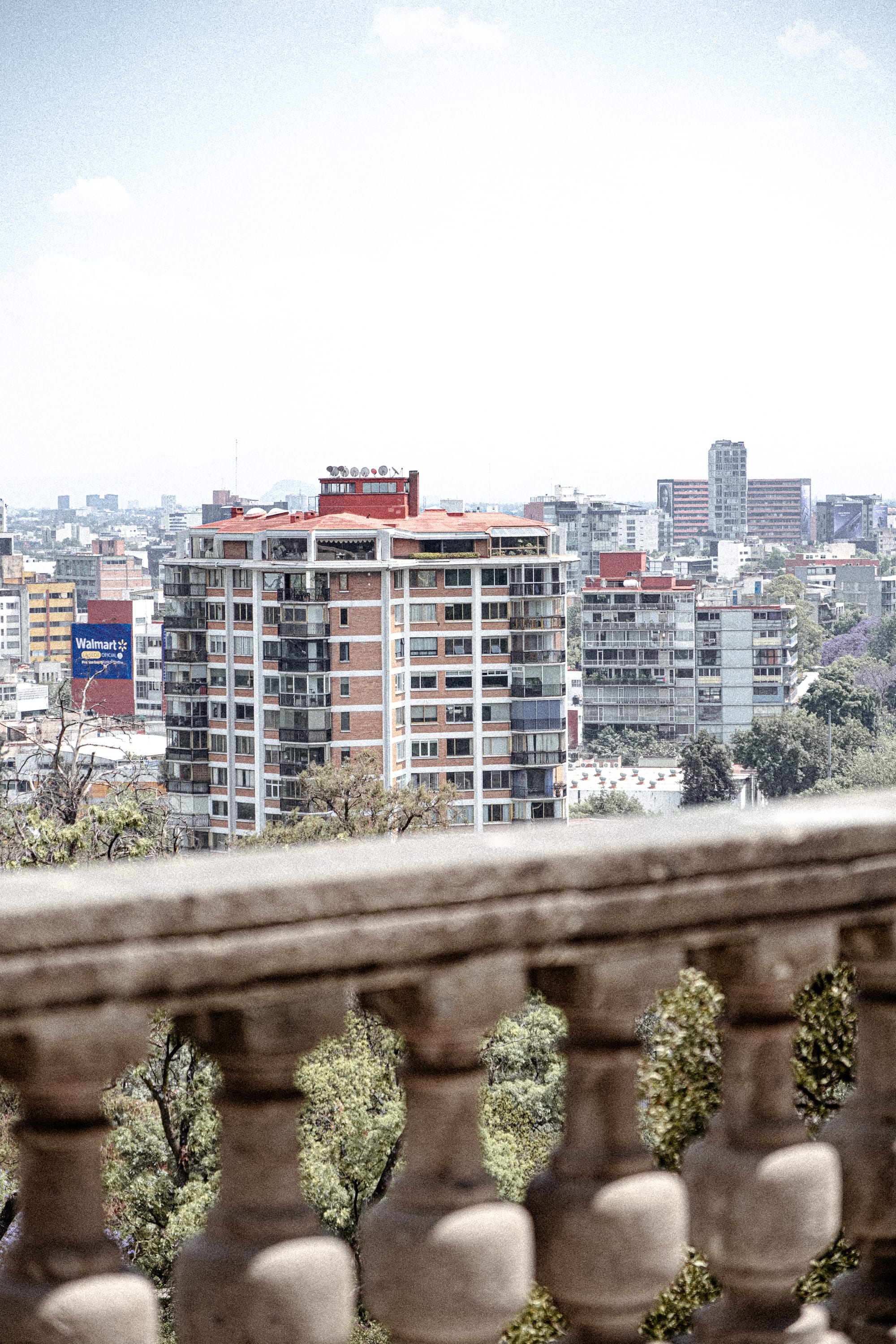
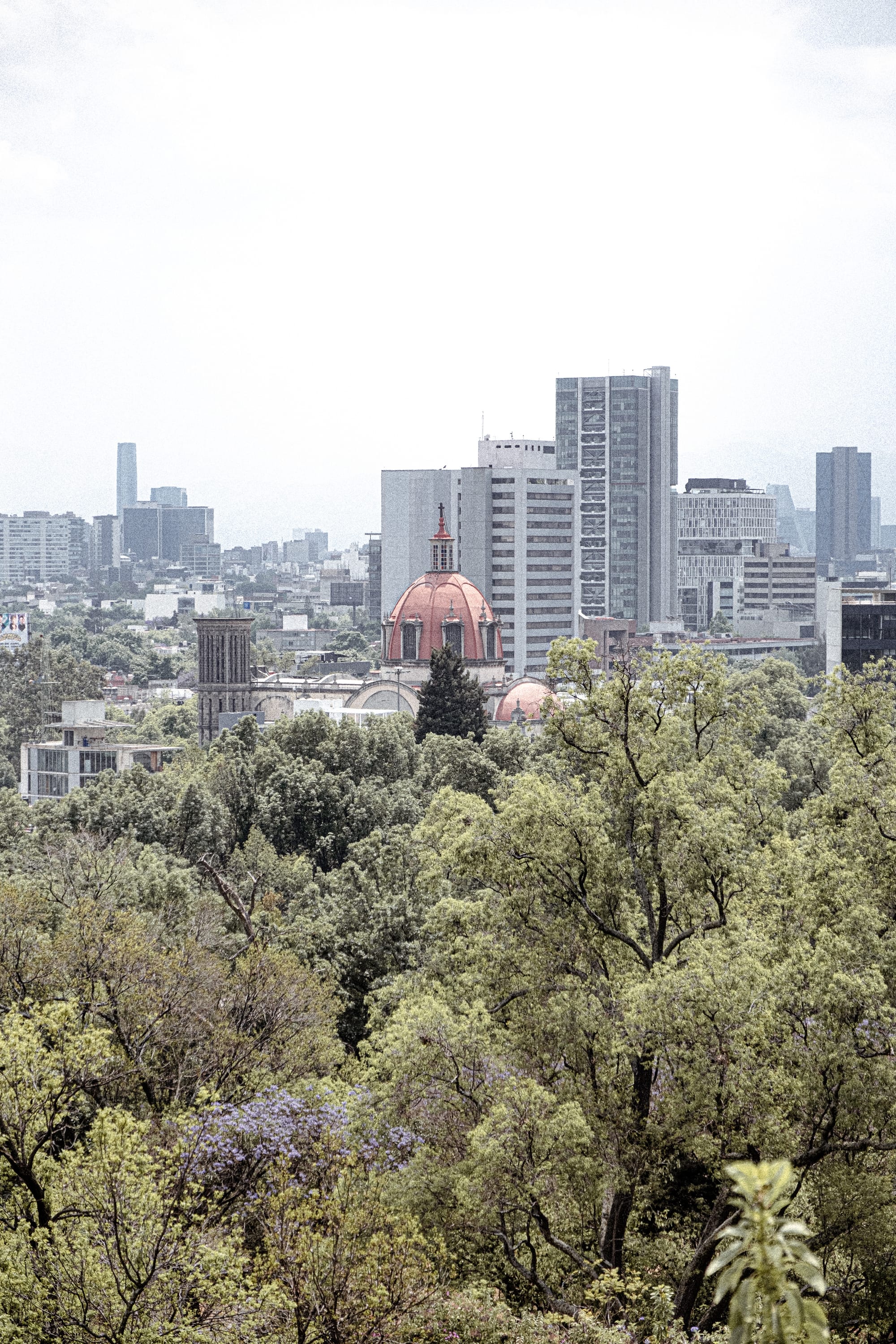
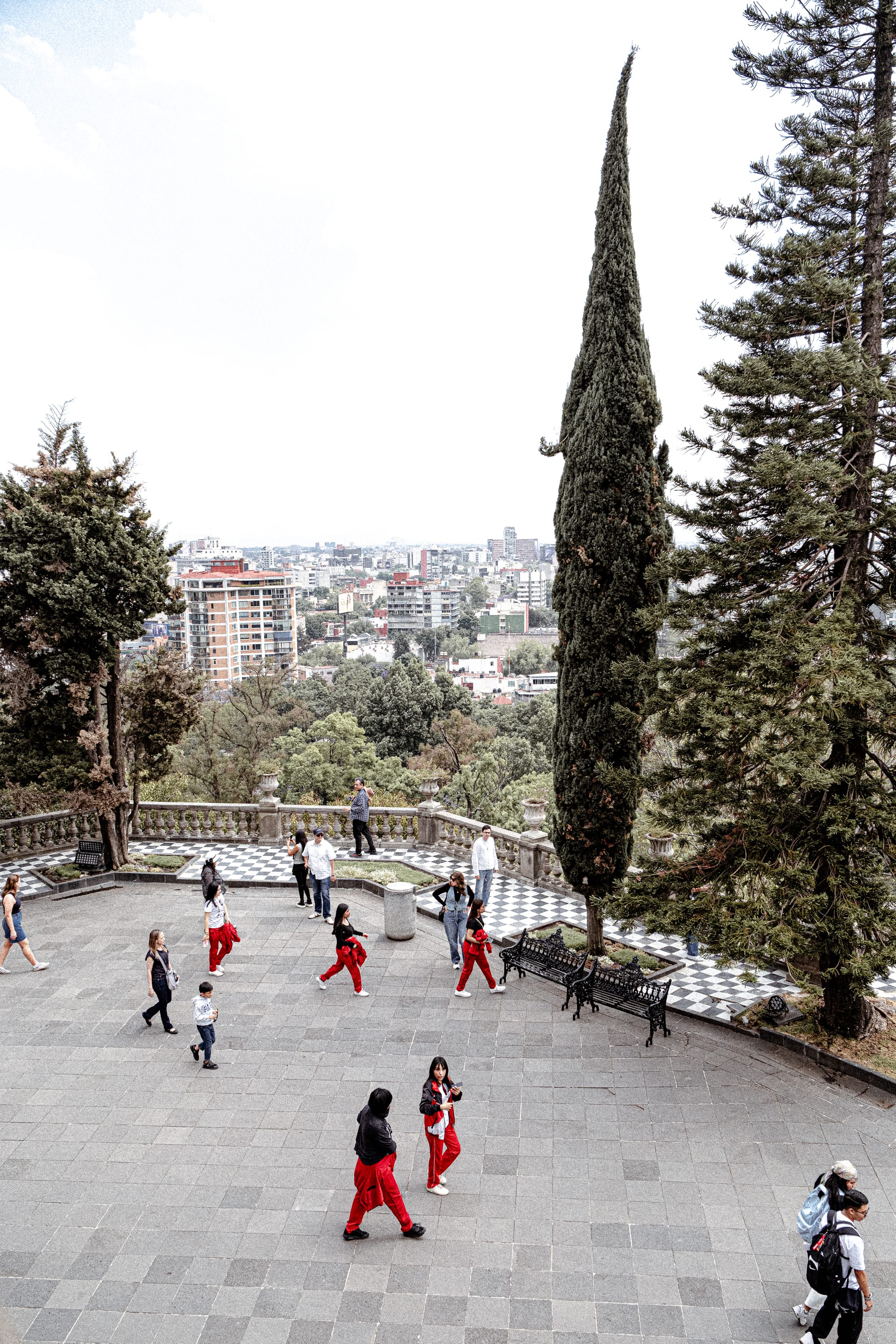
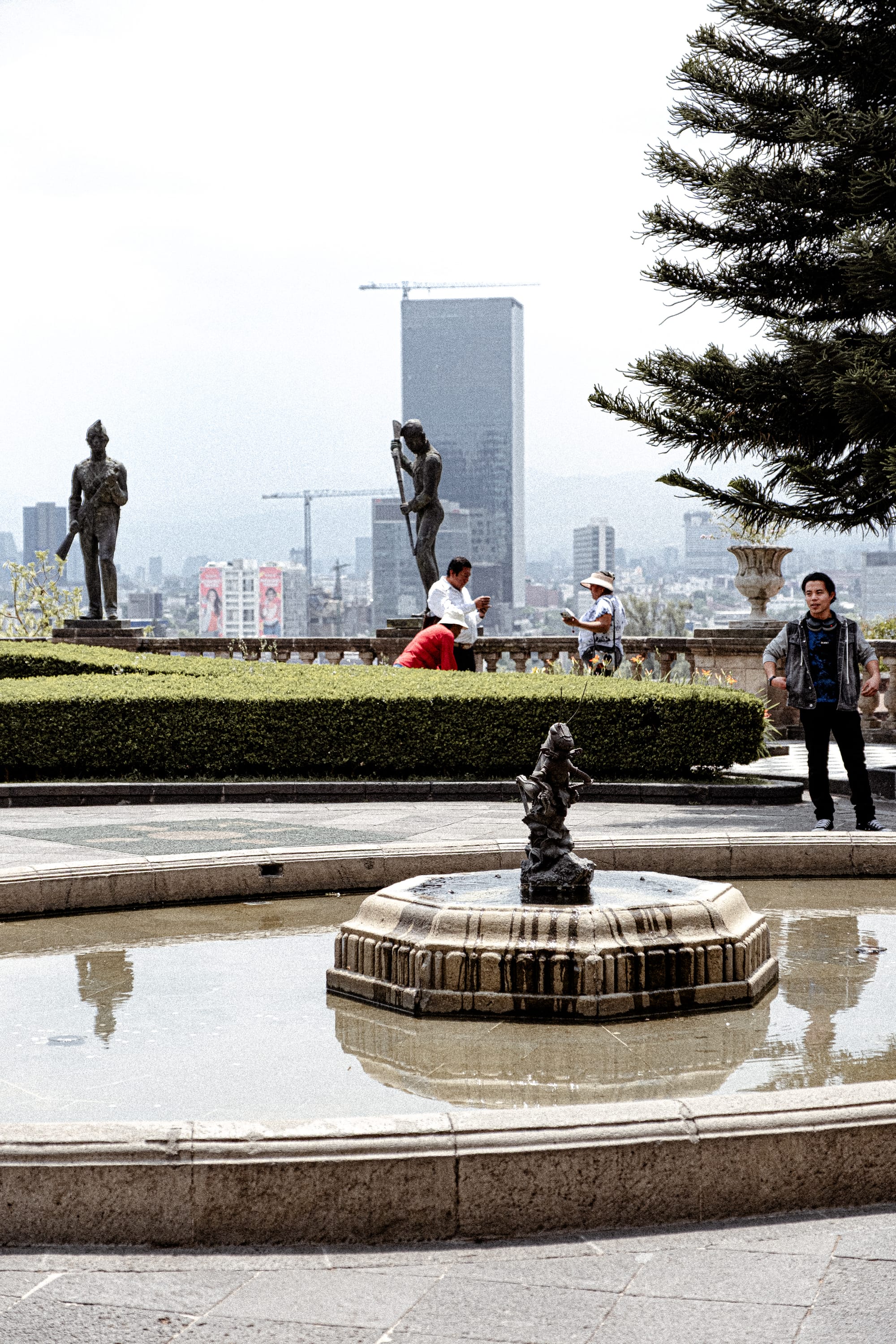
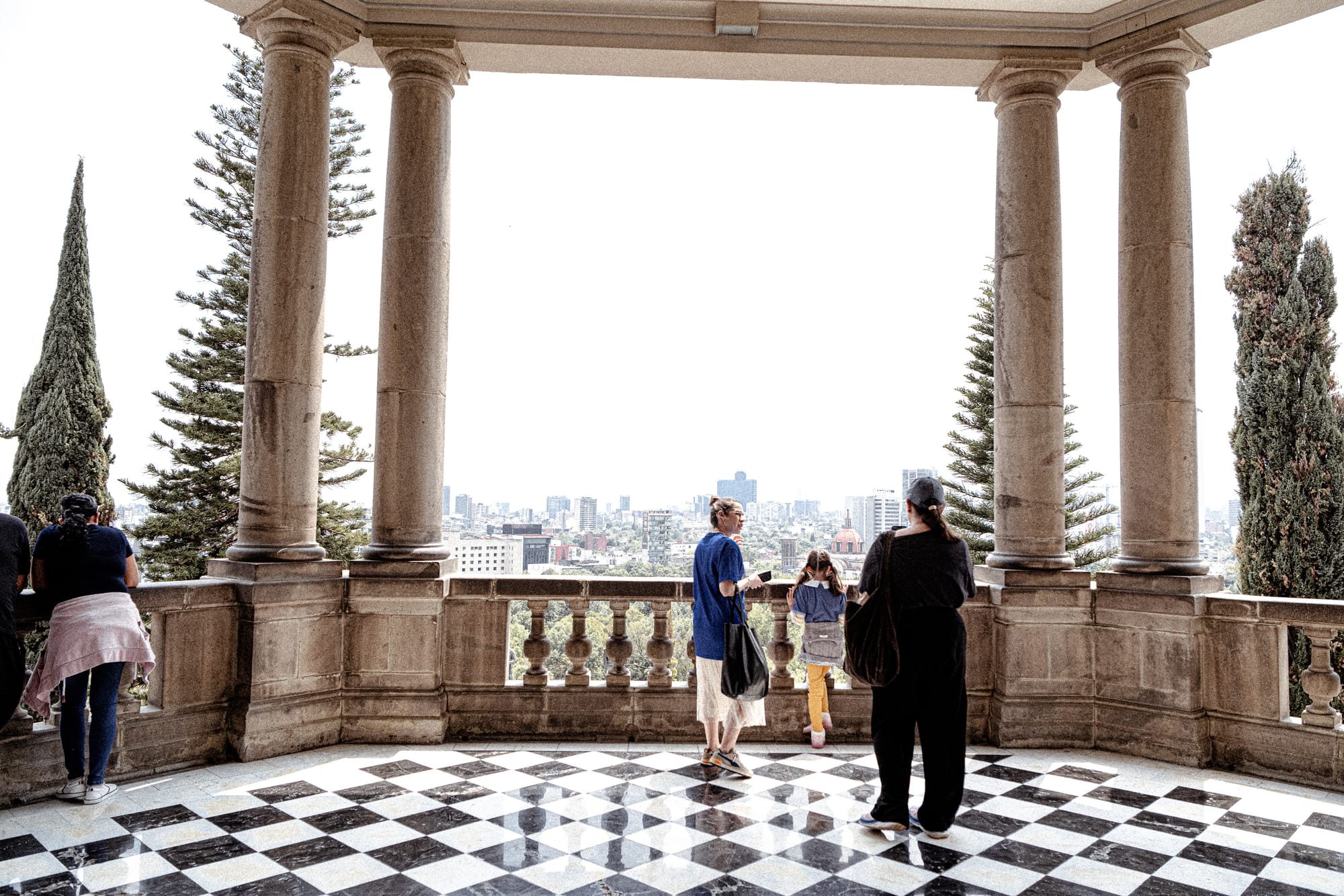
Standing on the terraces gives you a sweeping view across Chapultepec Park. The dense canopy of trees stretches outward in every direction, while the skyline of Mexico City rises beyond it.
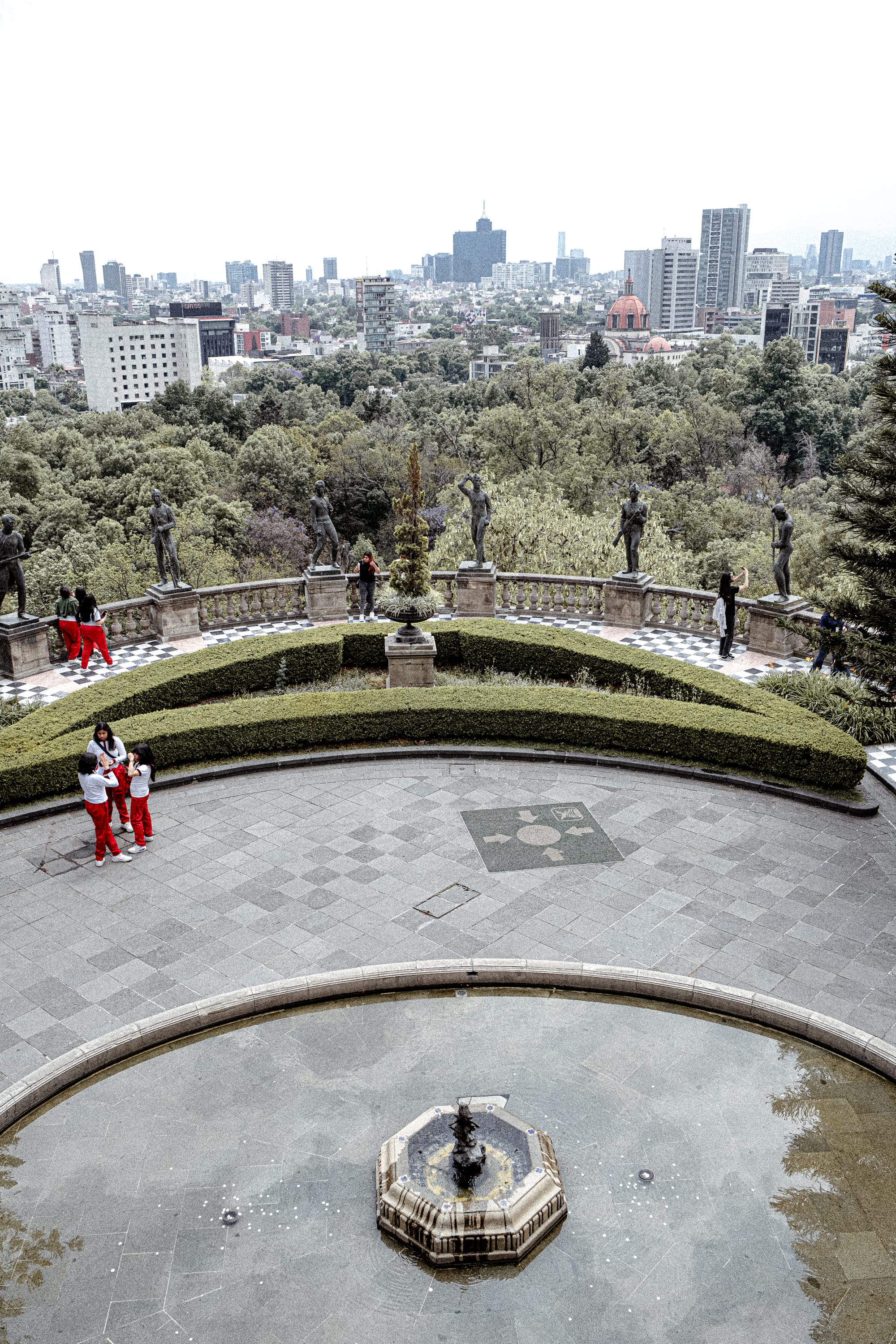
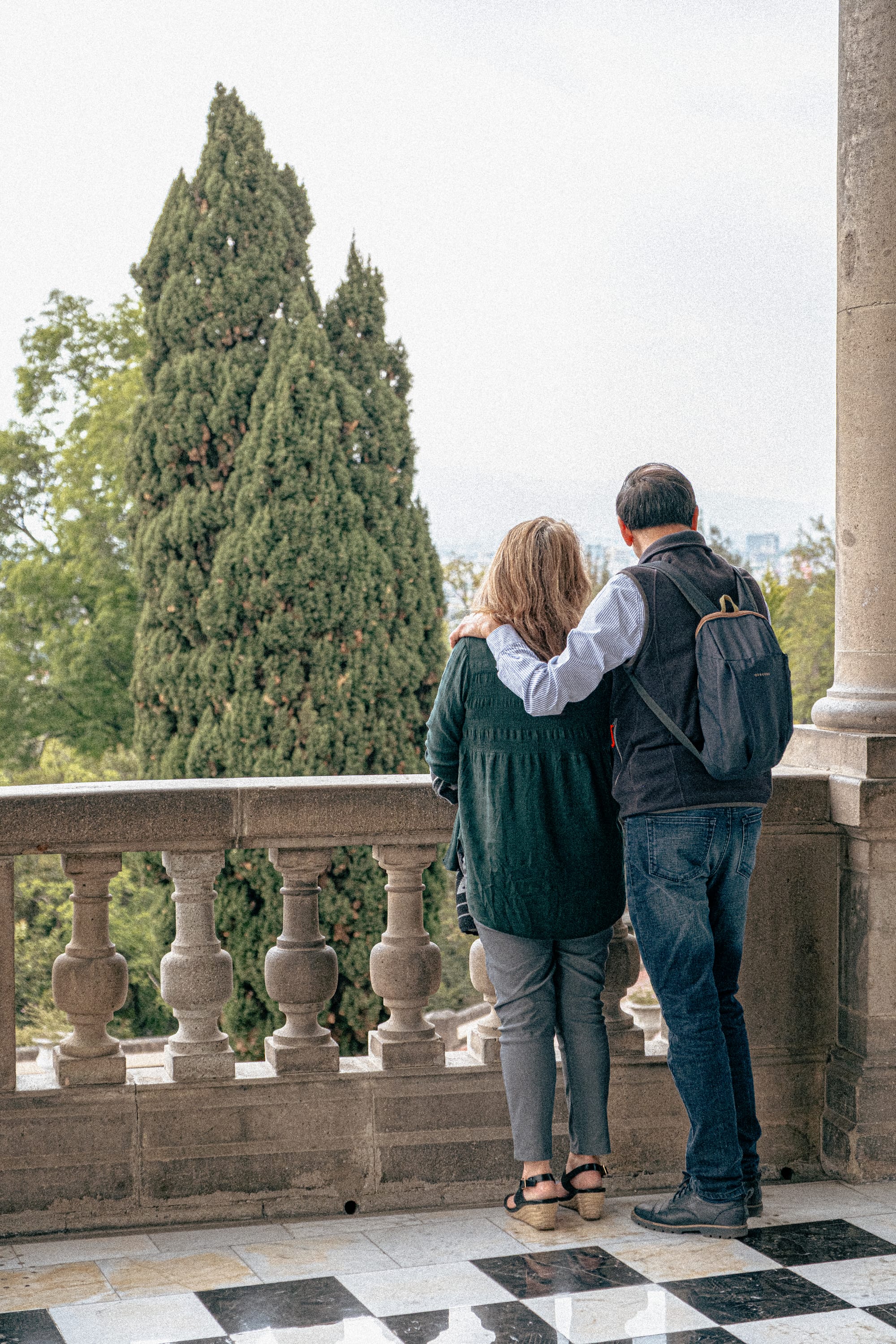
Taking in the views from Chapultepec Castle’s gardens and terraces overlooking Mexico City
Looking down toward the park, you can even see areas where people rent paddle boats on the lake. From this perspective the park feels enormous.
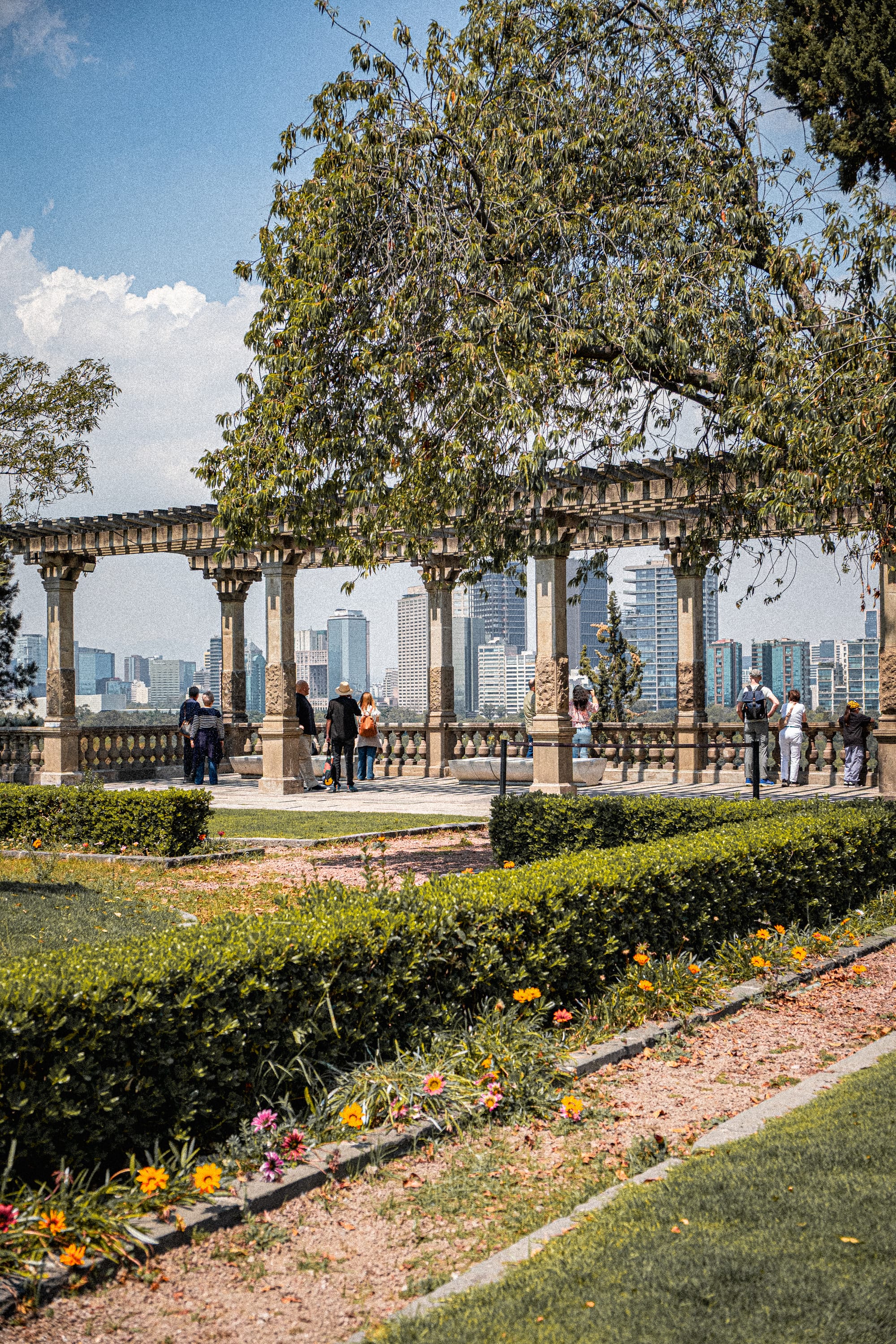
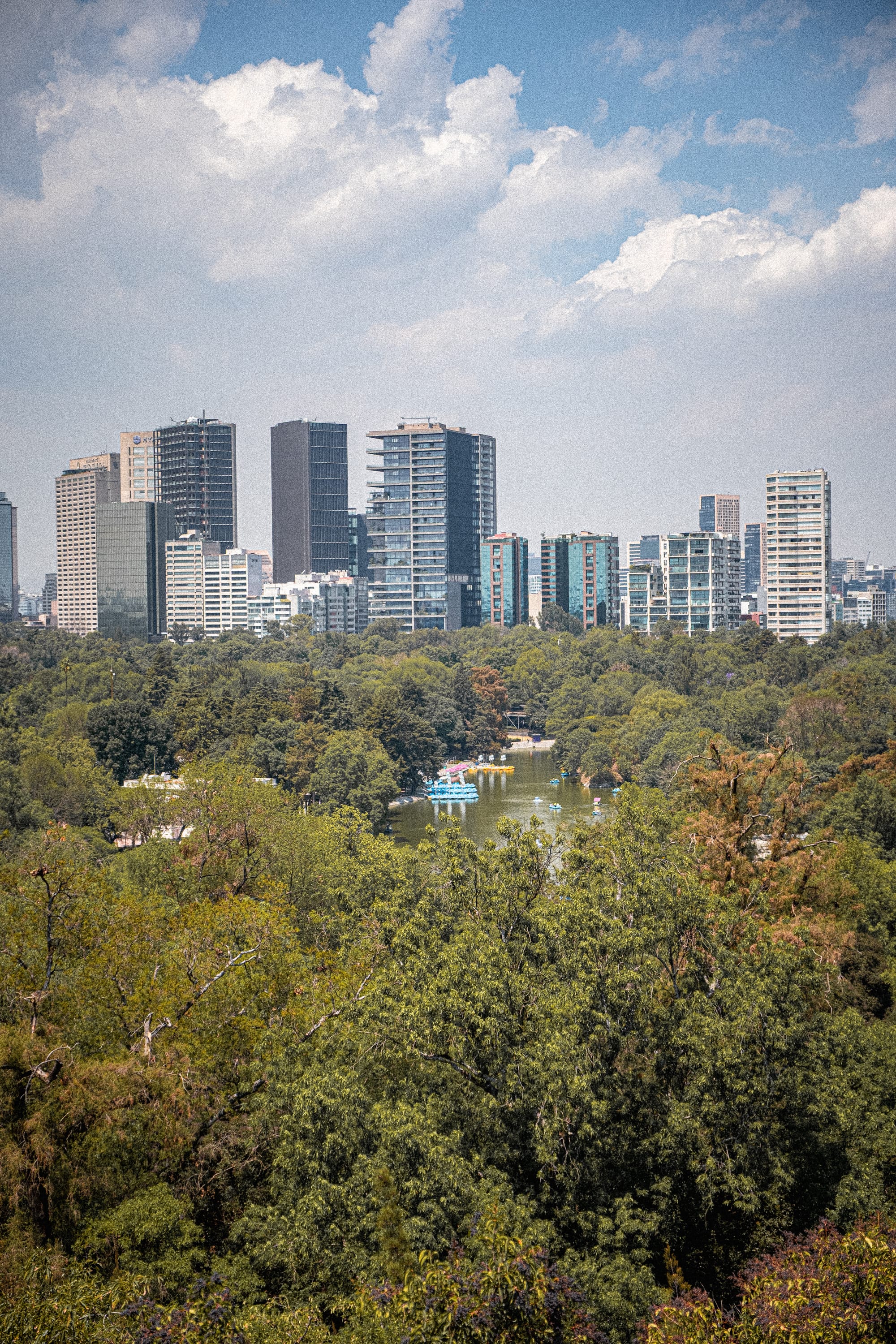
Exploring the gardens of Chapultepec Castle with sweeping views over Chapultepec Park and Mexico City
These views are what truly make the castle special. Even visitors who are not deeply interested in history often spend a long time simply standing at the terraces taking in the scenery.
The gardens and fountains
The gardens at the top of Chapultepec Castle were one of the most surprising highlights.
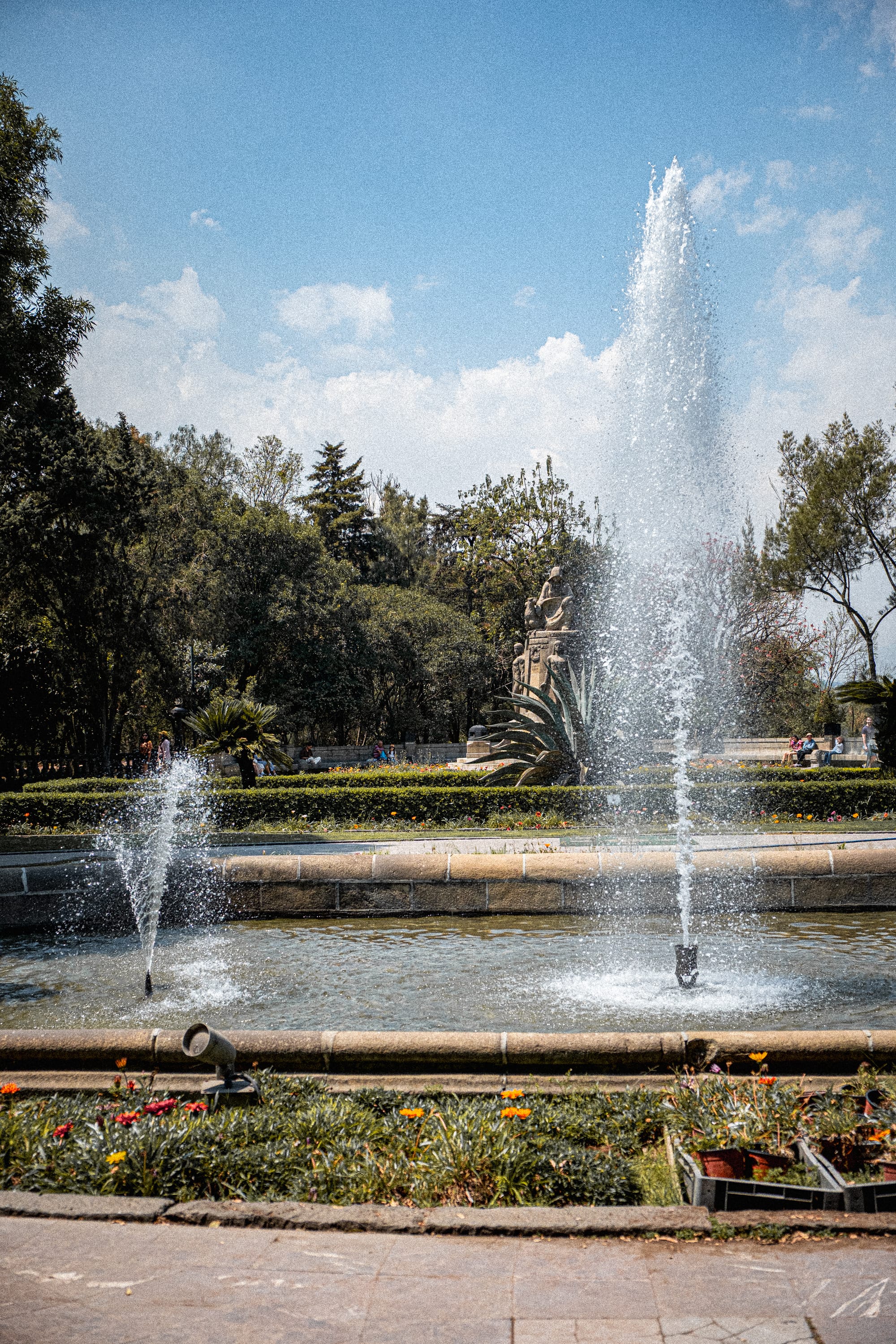
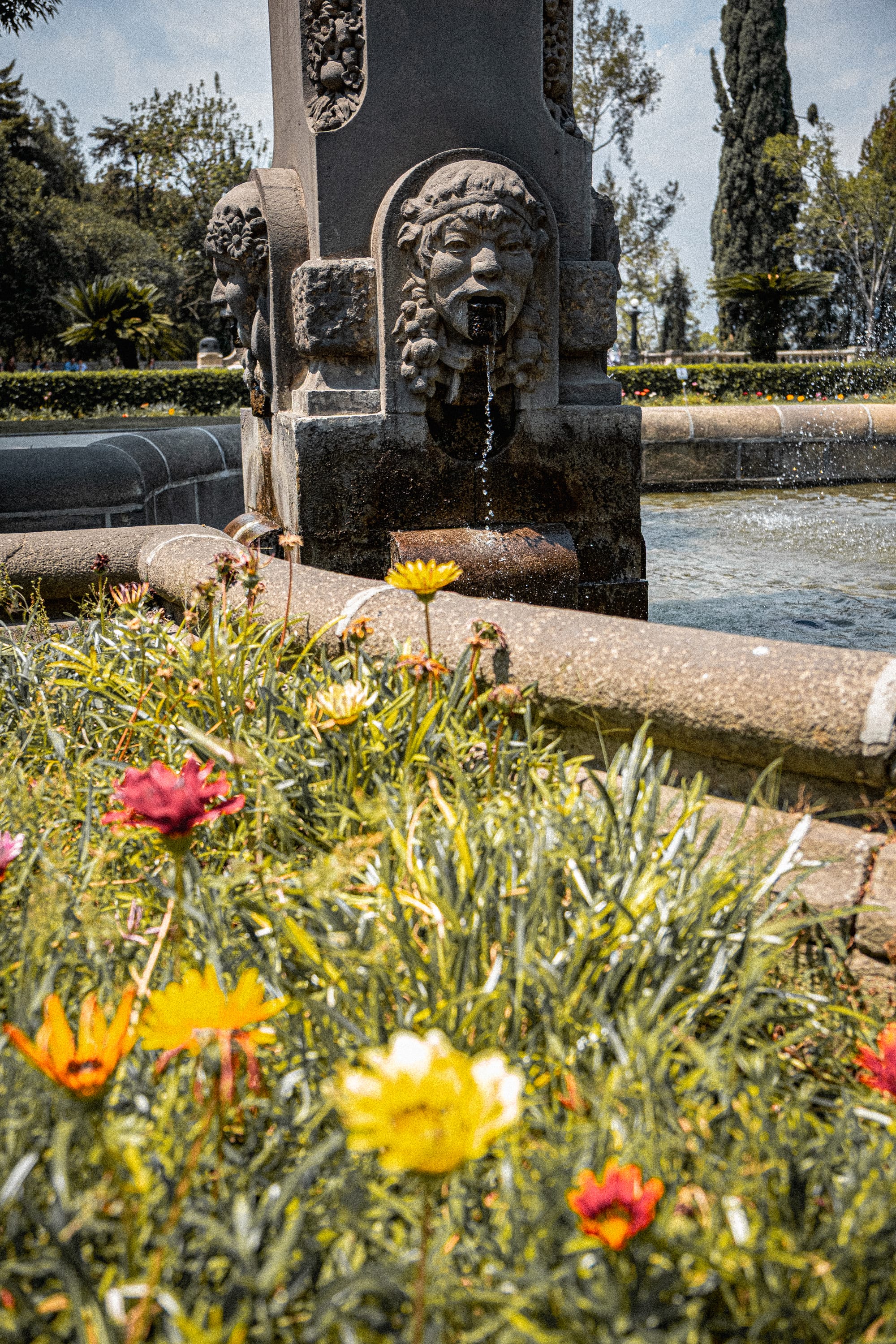
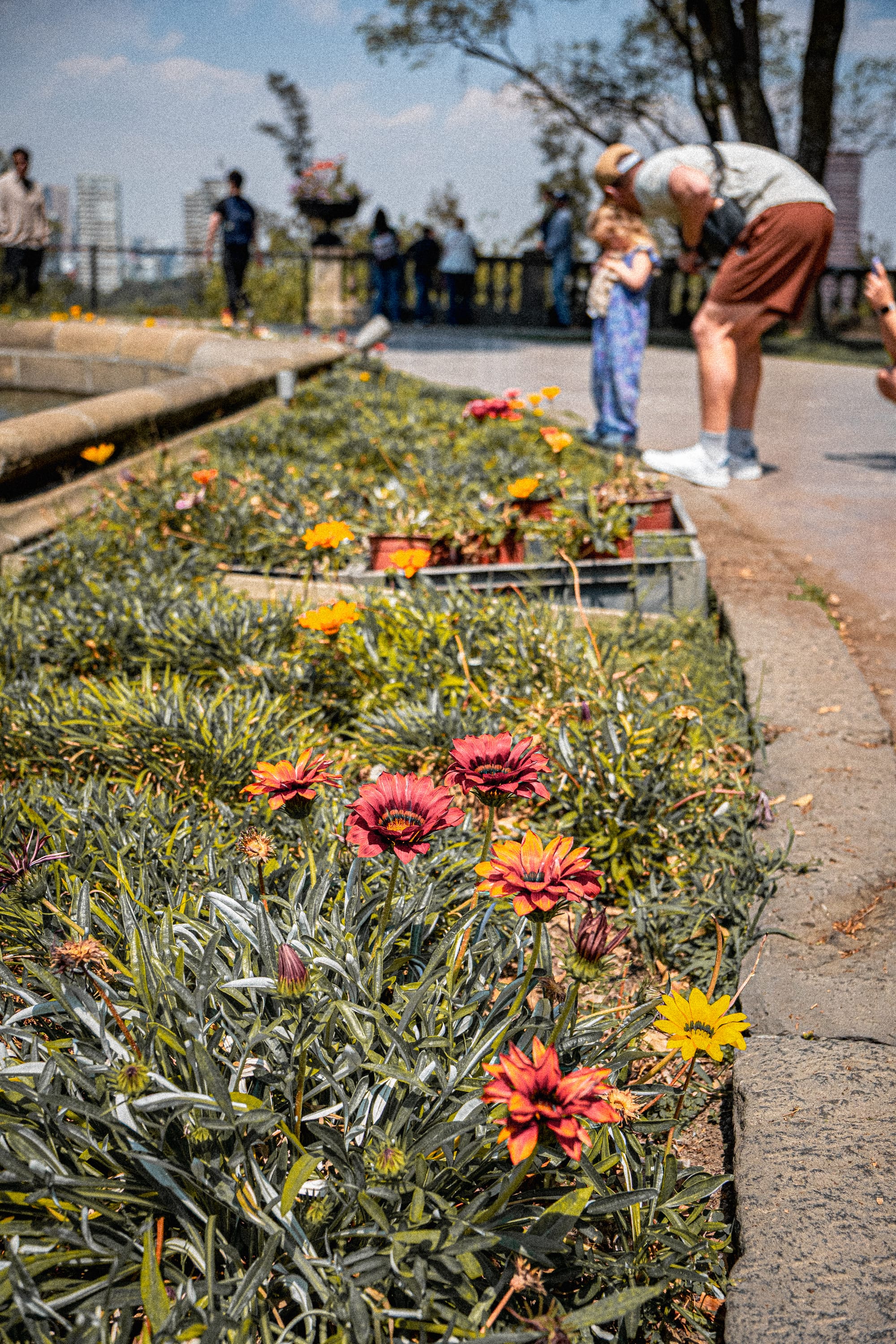
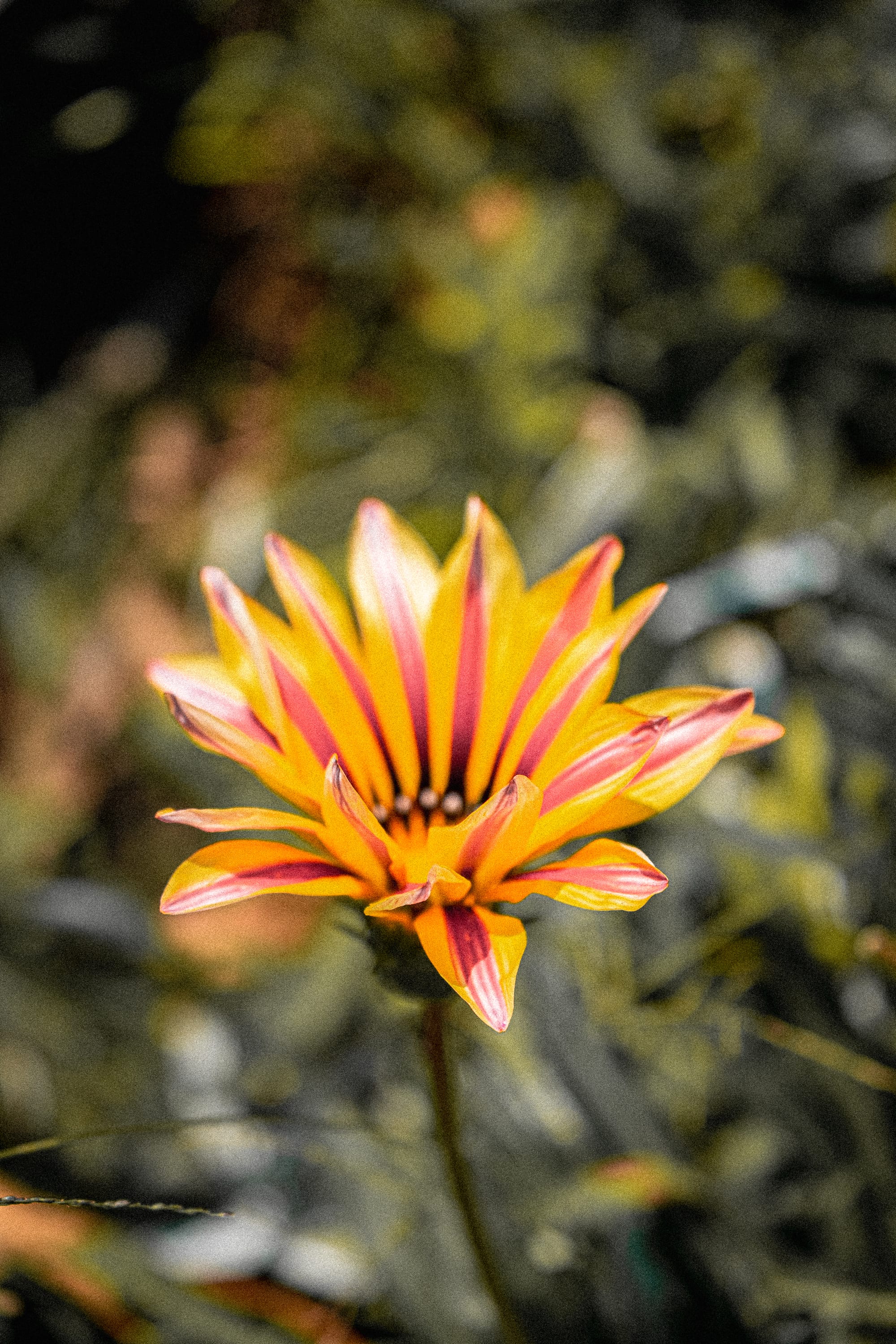
Colorful flowers in the gardens of Chapultepec Castle
There is an area of carefully manicured gardens filled with flowers, fountains, and paths overlooking the city. The space feels green and peaceful despite being surrounded by one of the largest cities in the world.
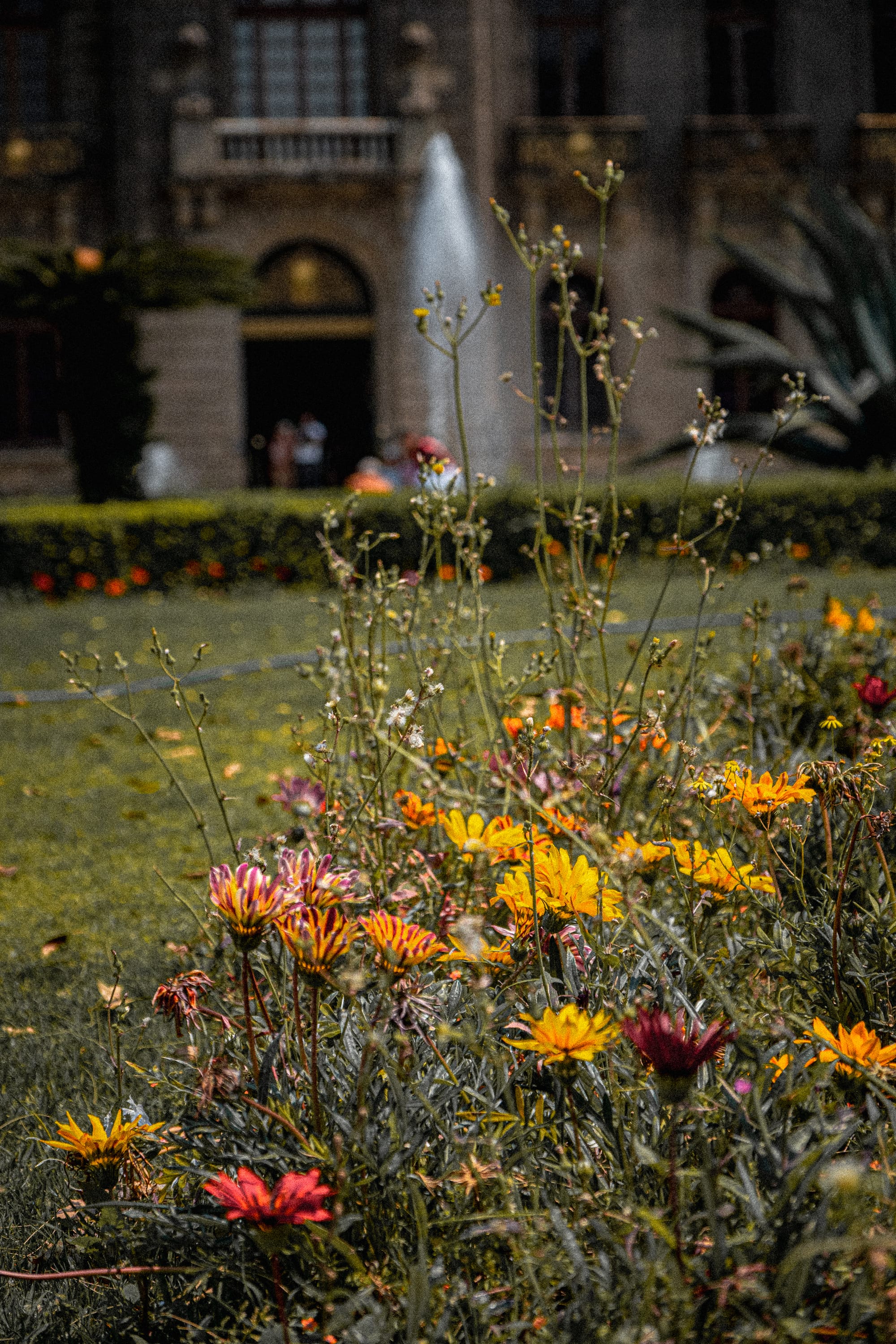
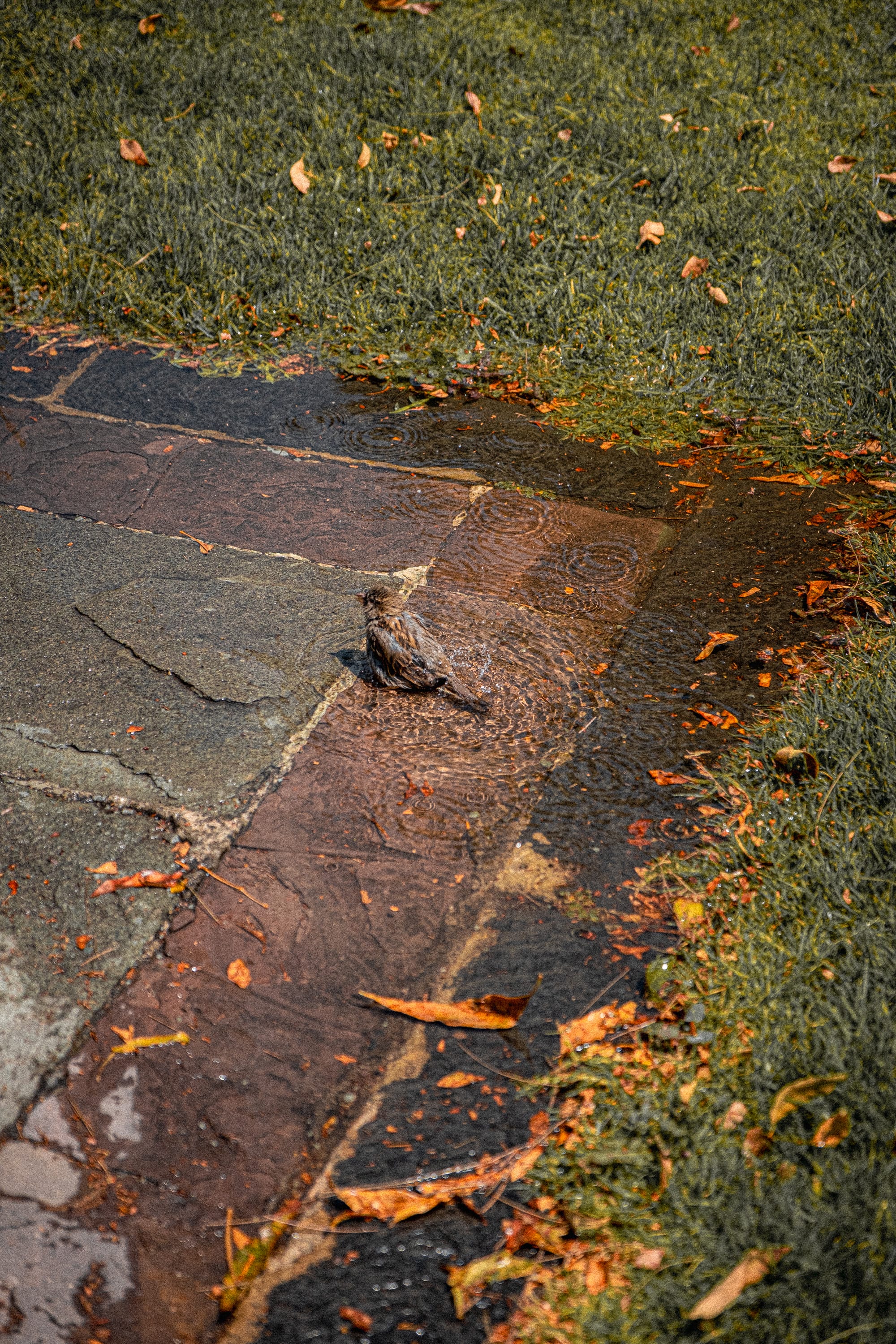
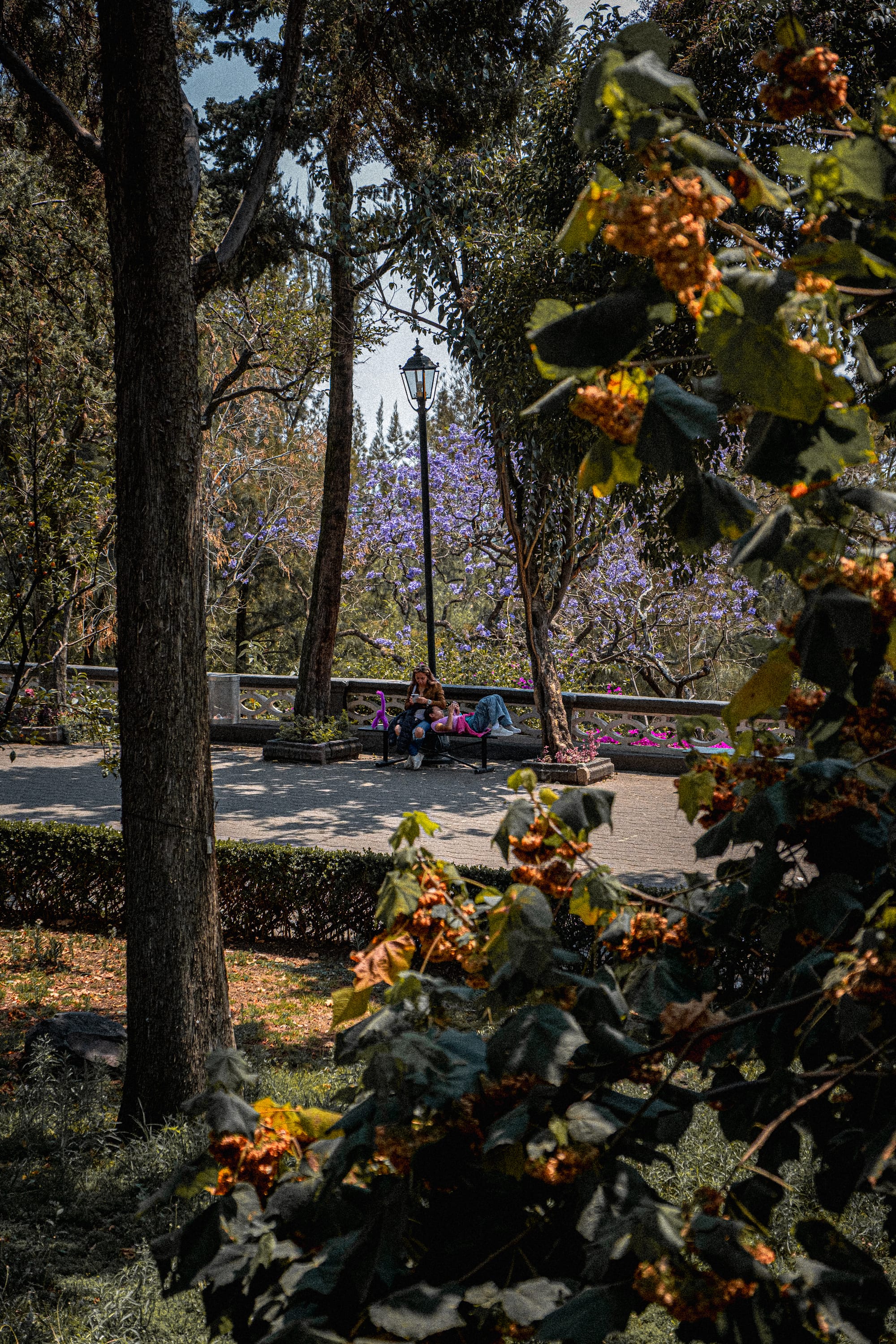
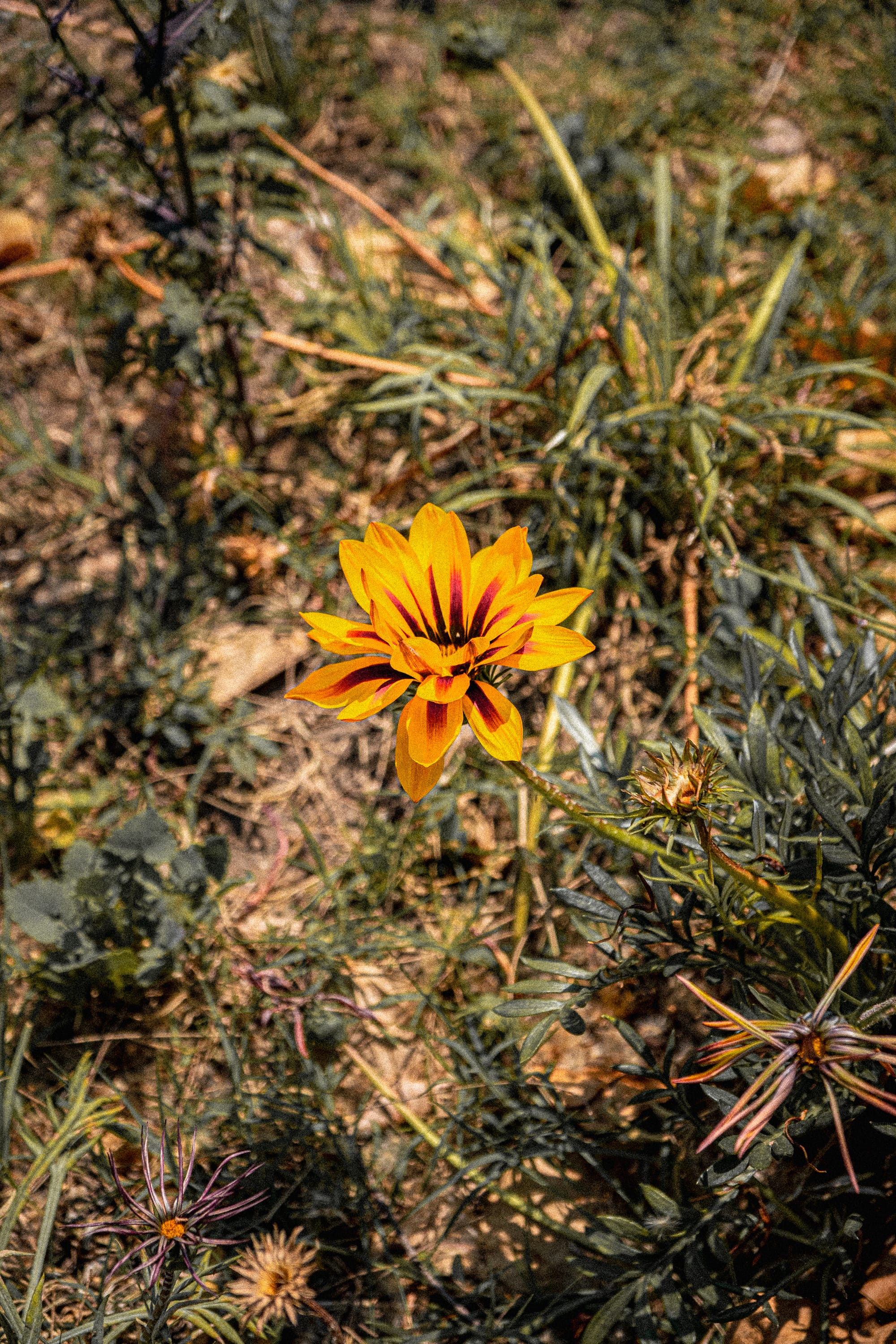
The beautiful gardens of Chapultepec Castle in CDMX
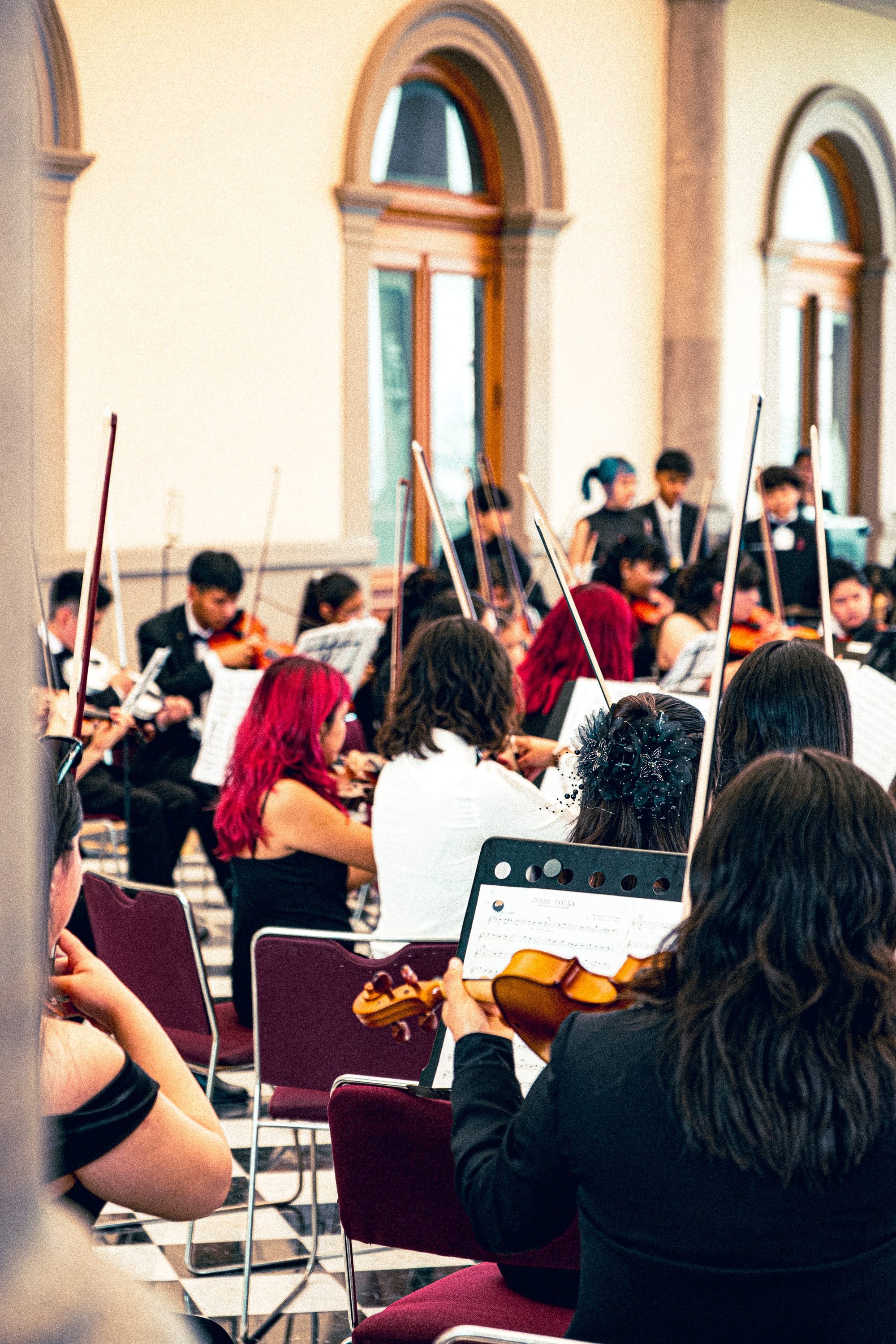
During the visit described here, a group of younger students were performing a small music recital in the garden area. Moments like this give the castle a lively atmosphere that goes beyond a typical museum visit.
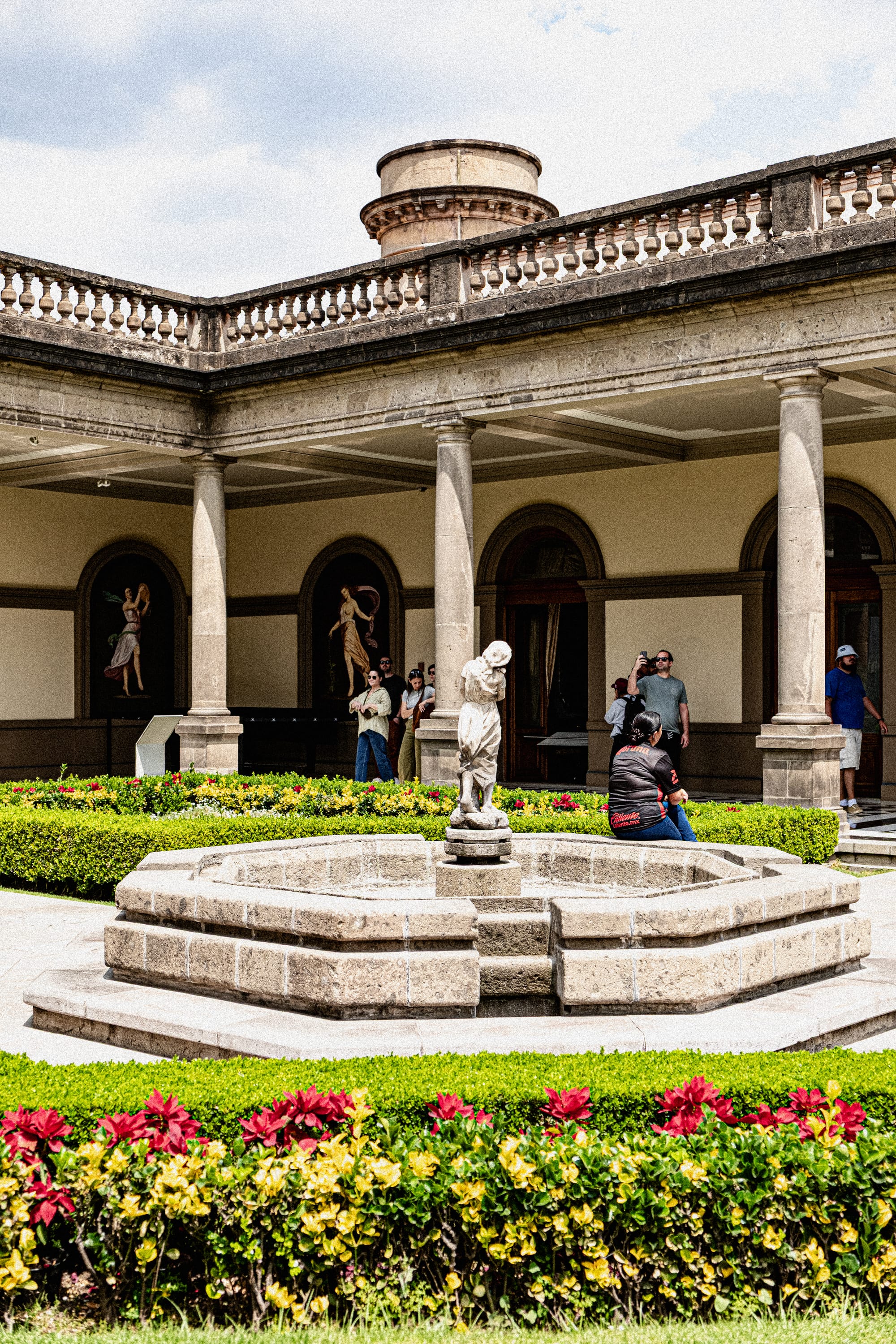
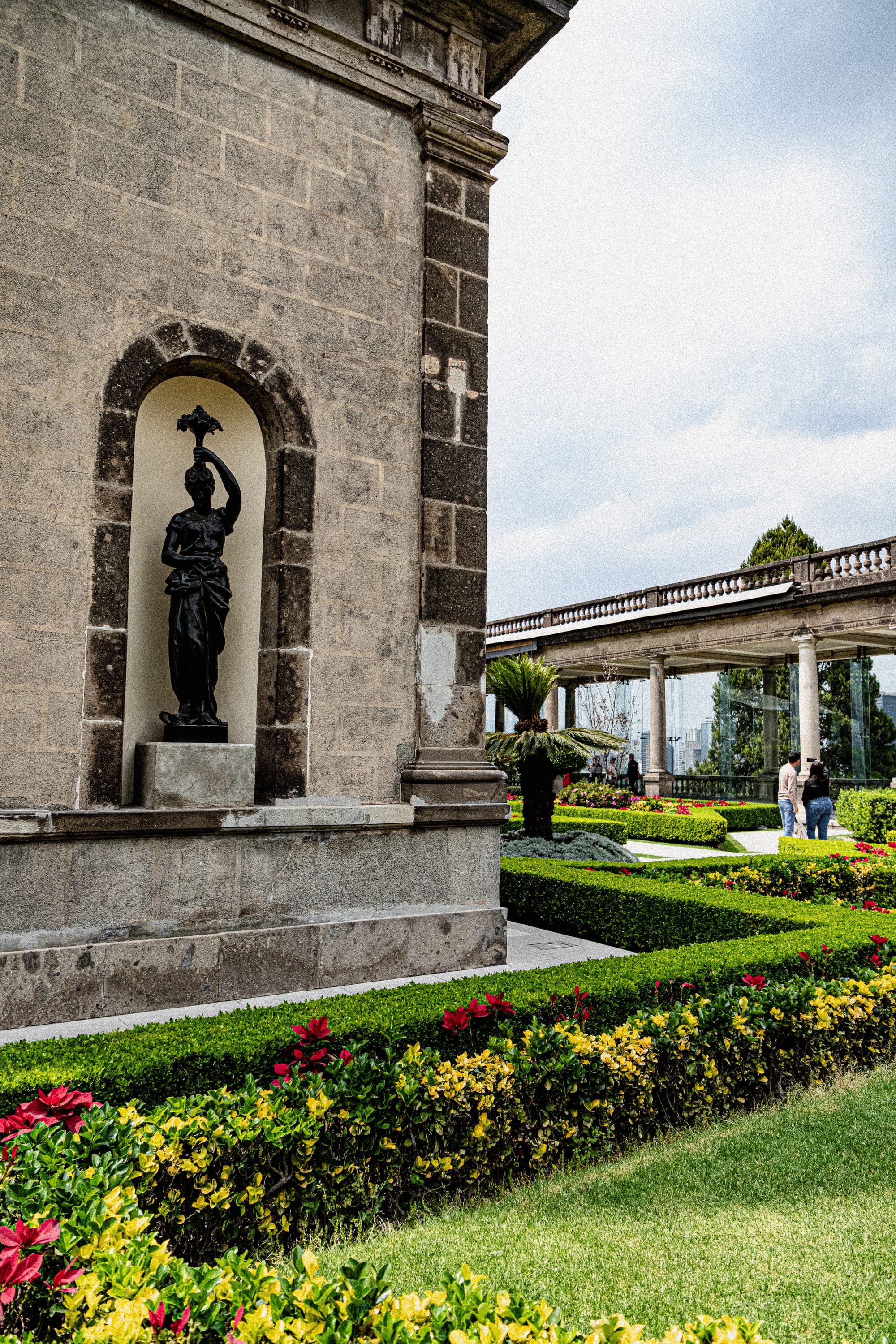
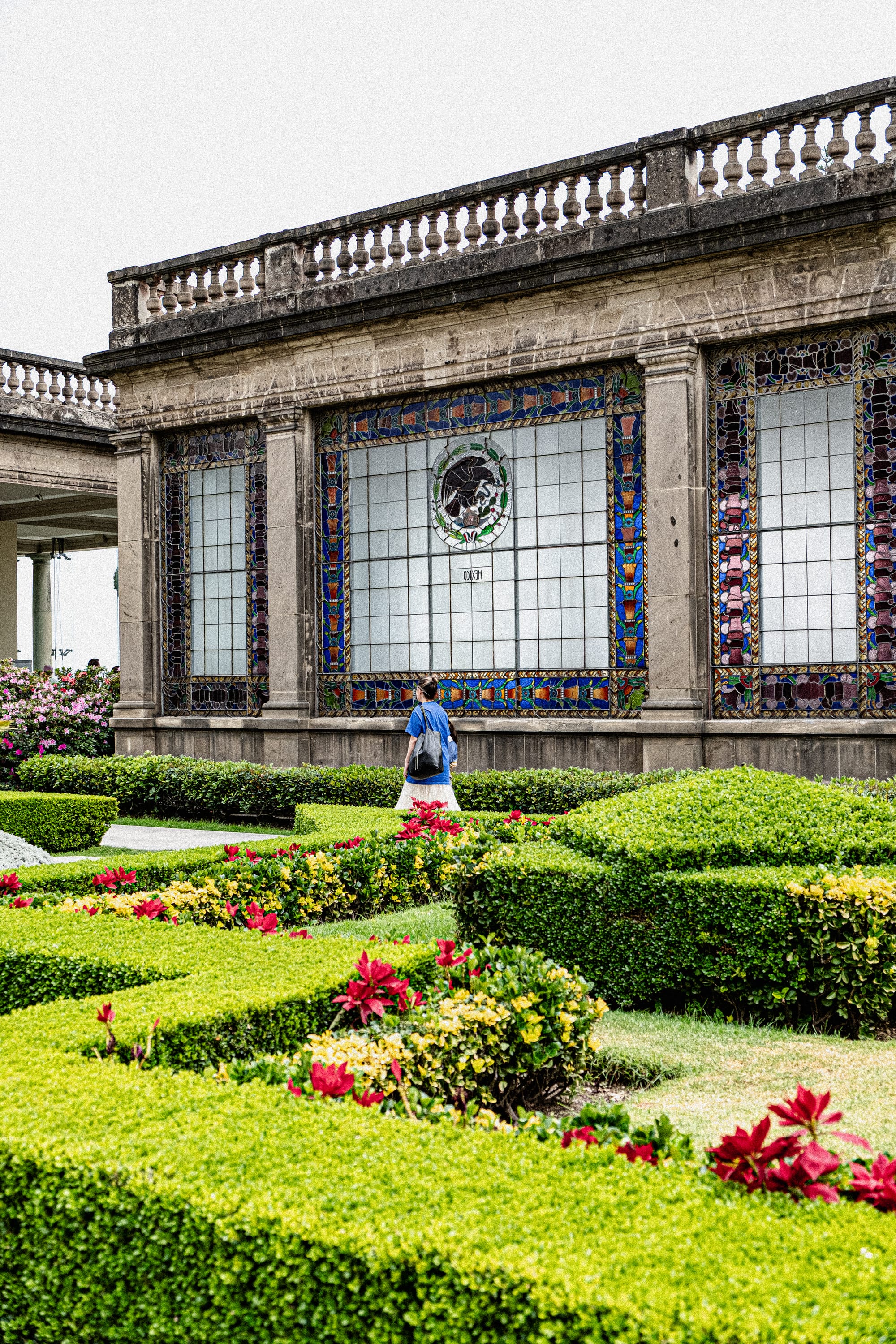
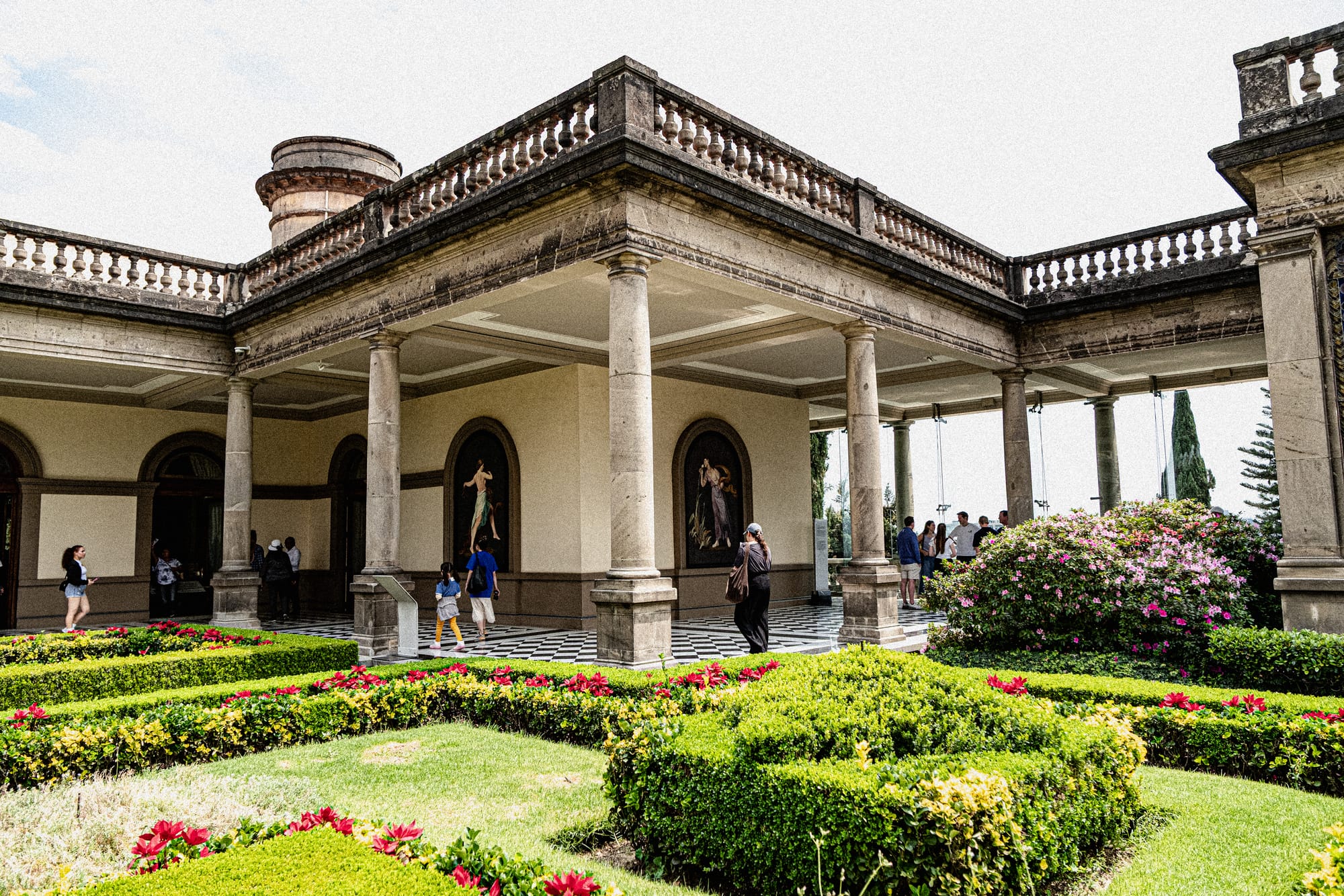
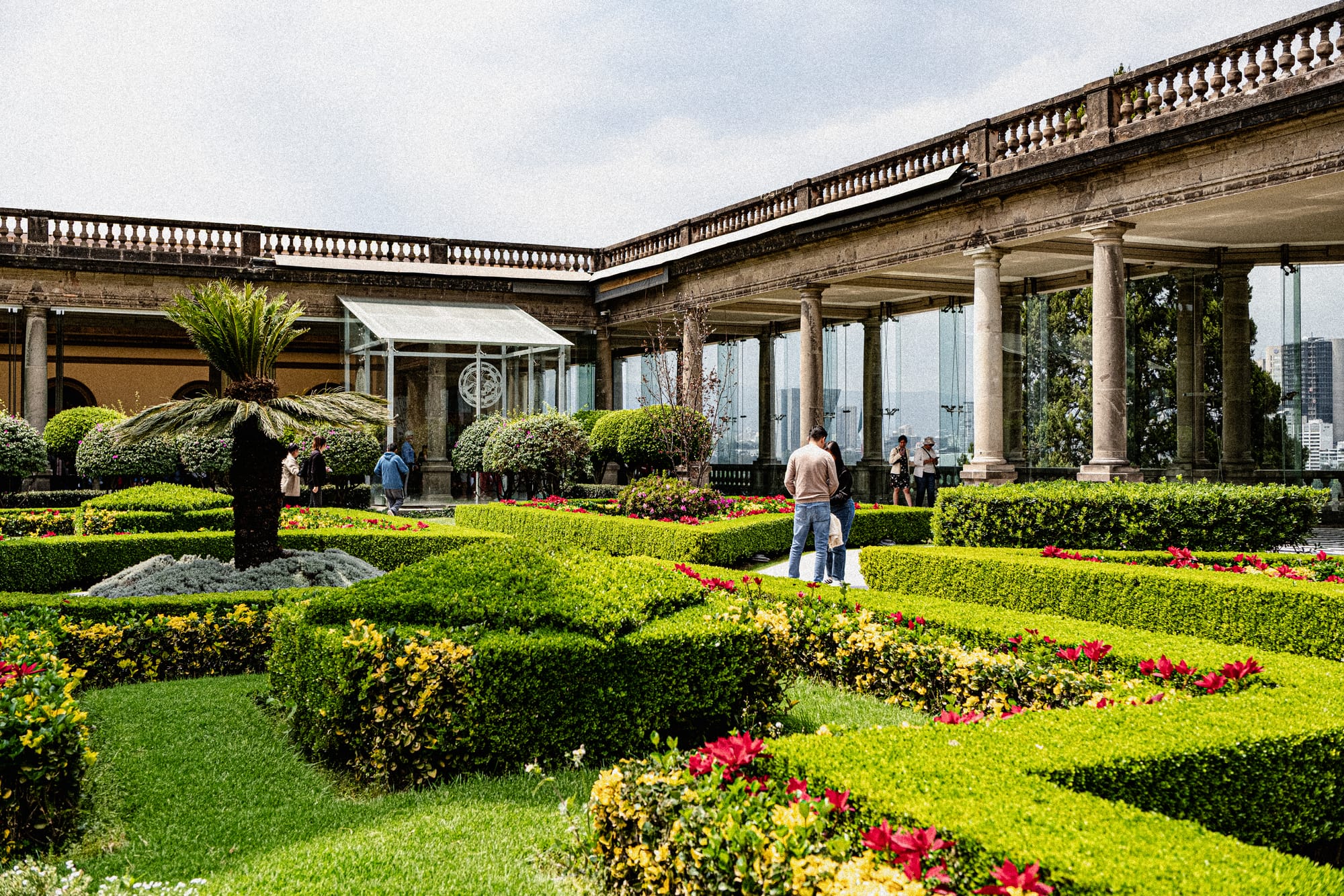
For photographers, the gardens and terraces offer some of the best compositions in the entire castle. Historic architecture in the foreground and the city skyline in the distance create dramatic images.
Murals and historical galleries
Inside the museum galleries, large murals and exhibits illustrate major events in Mexican history.
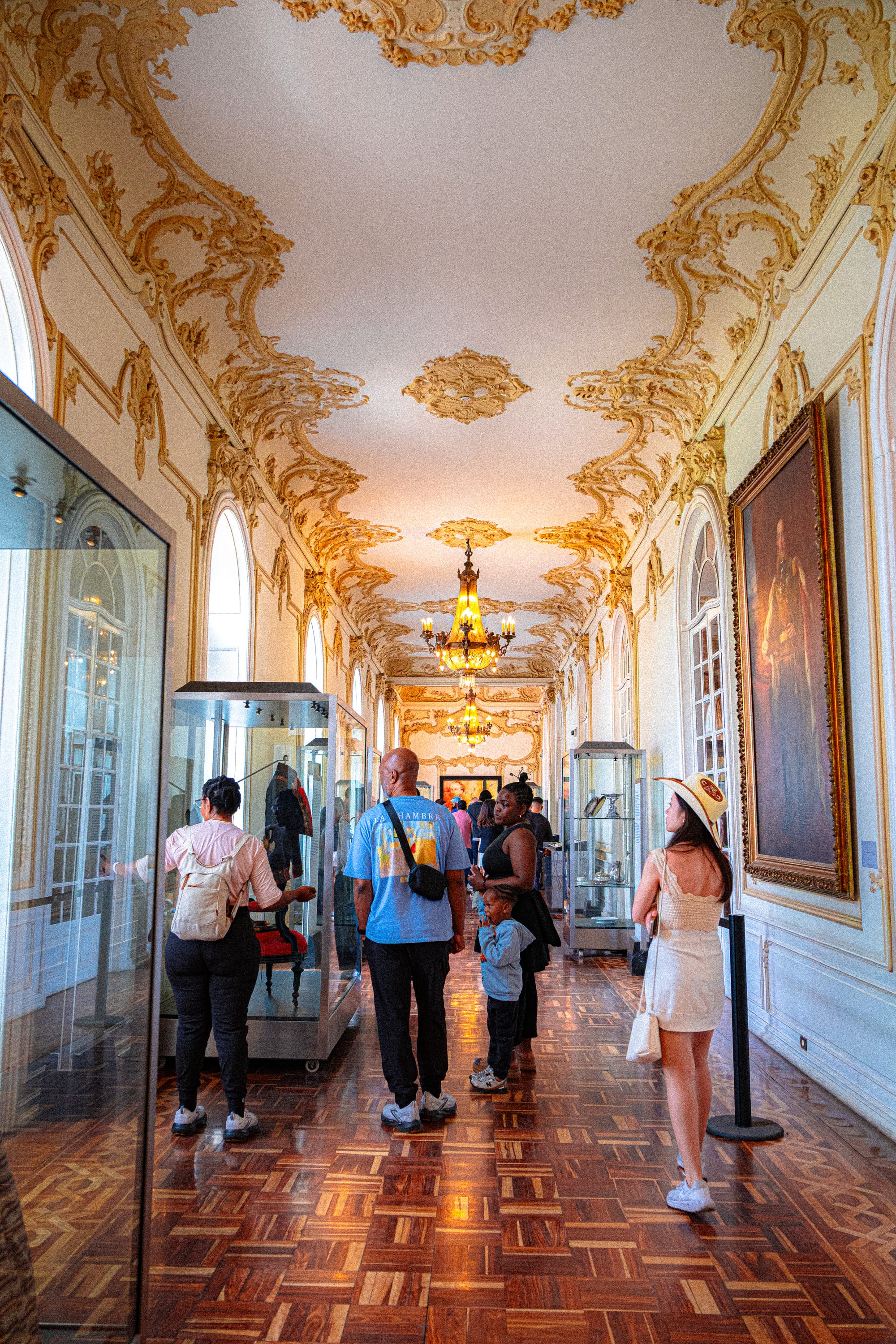

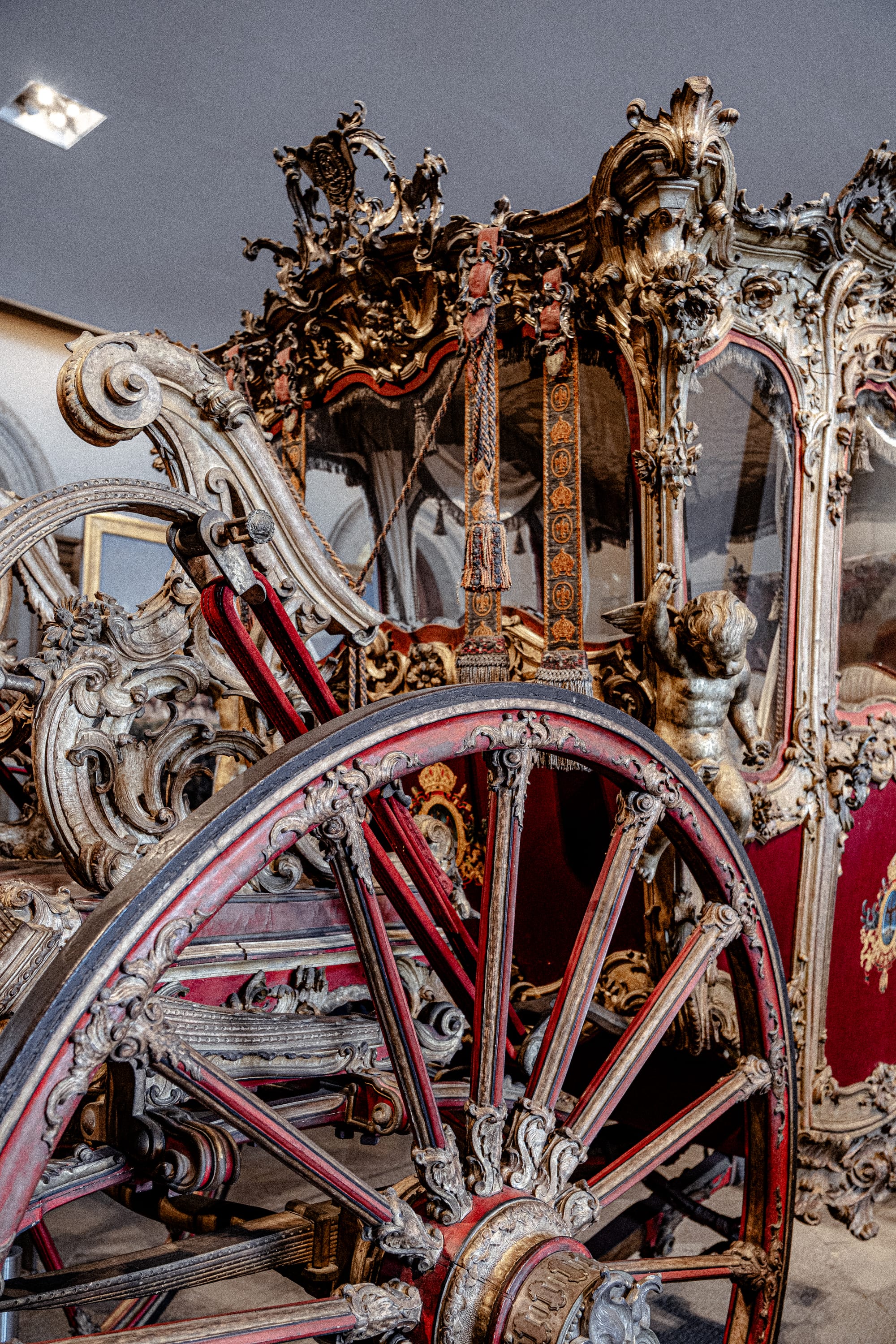

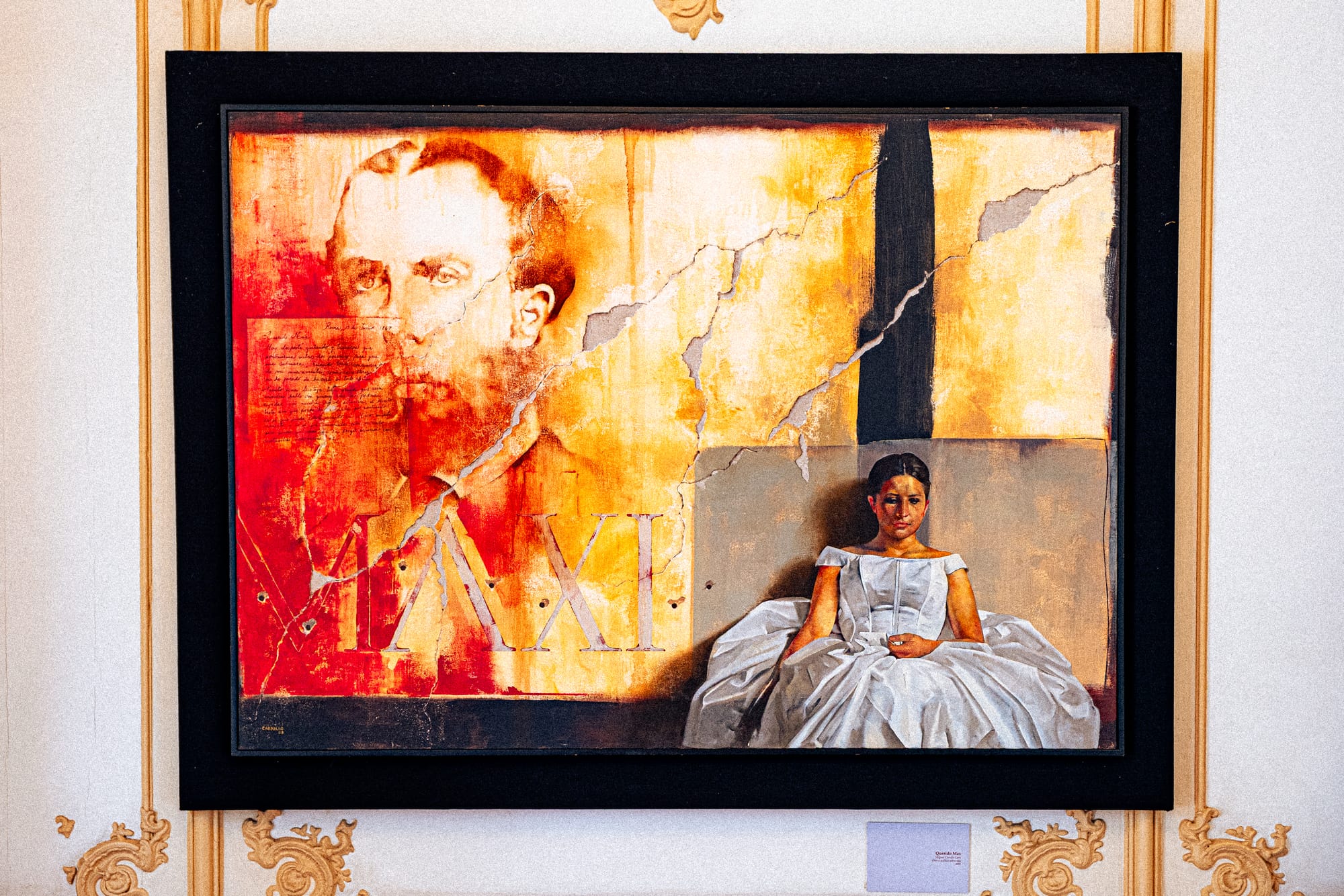
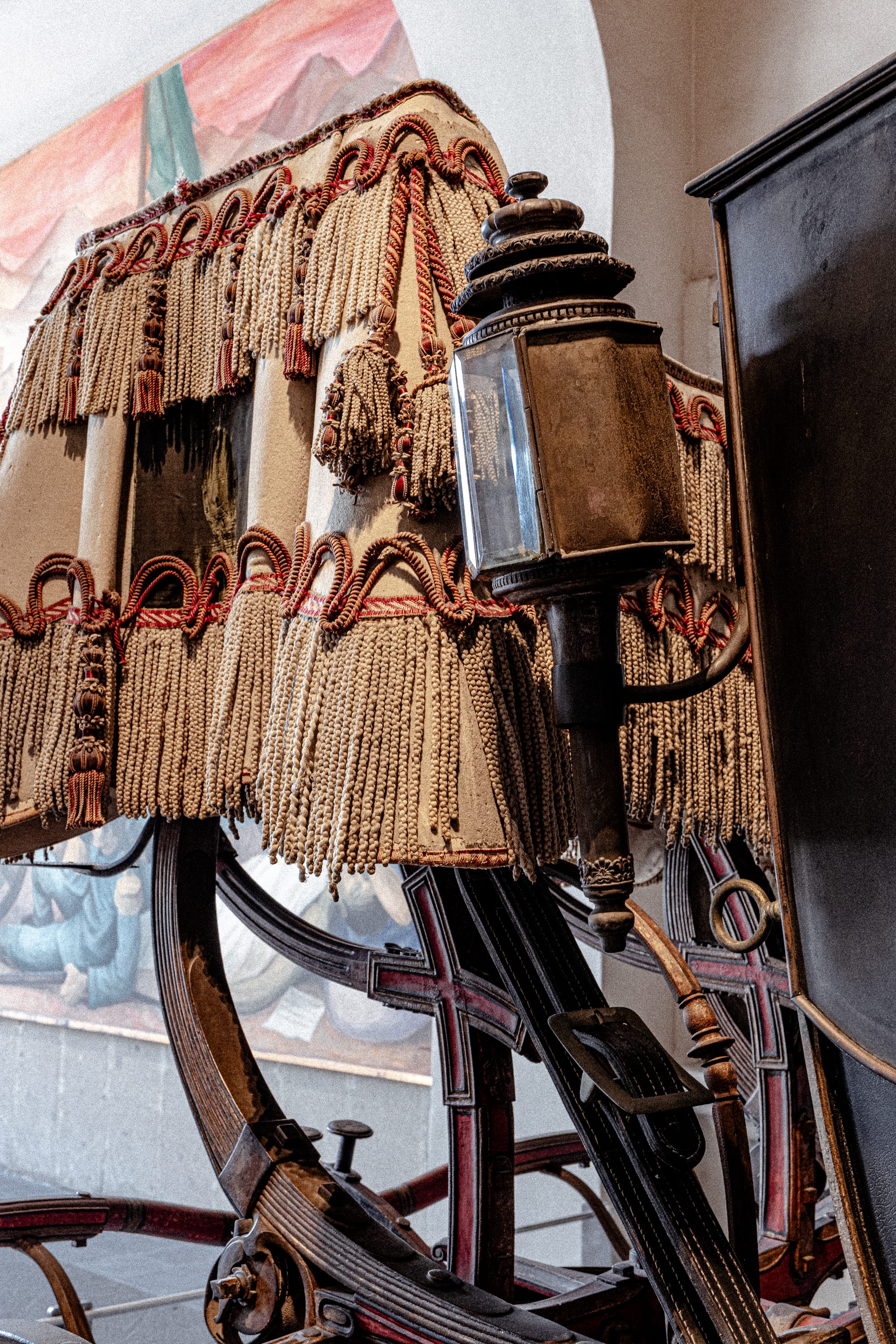
Historic artwork and royal carriage inside Chapultepec Castle
These rooms explore colonial rule, independence movements, political change, and the Mexican Revolution.
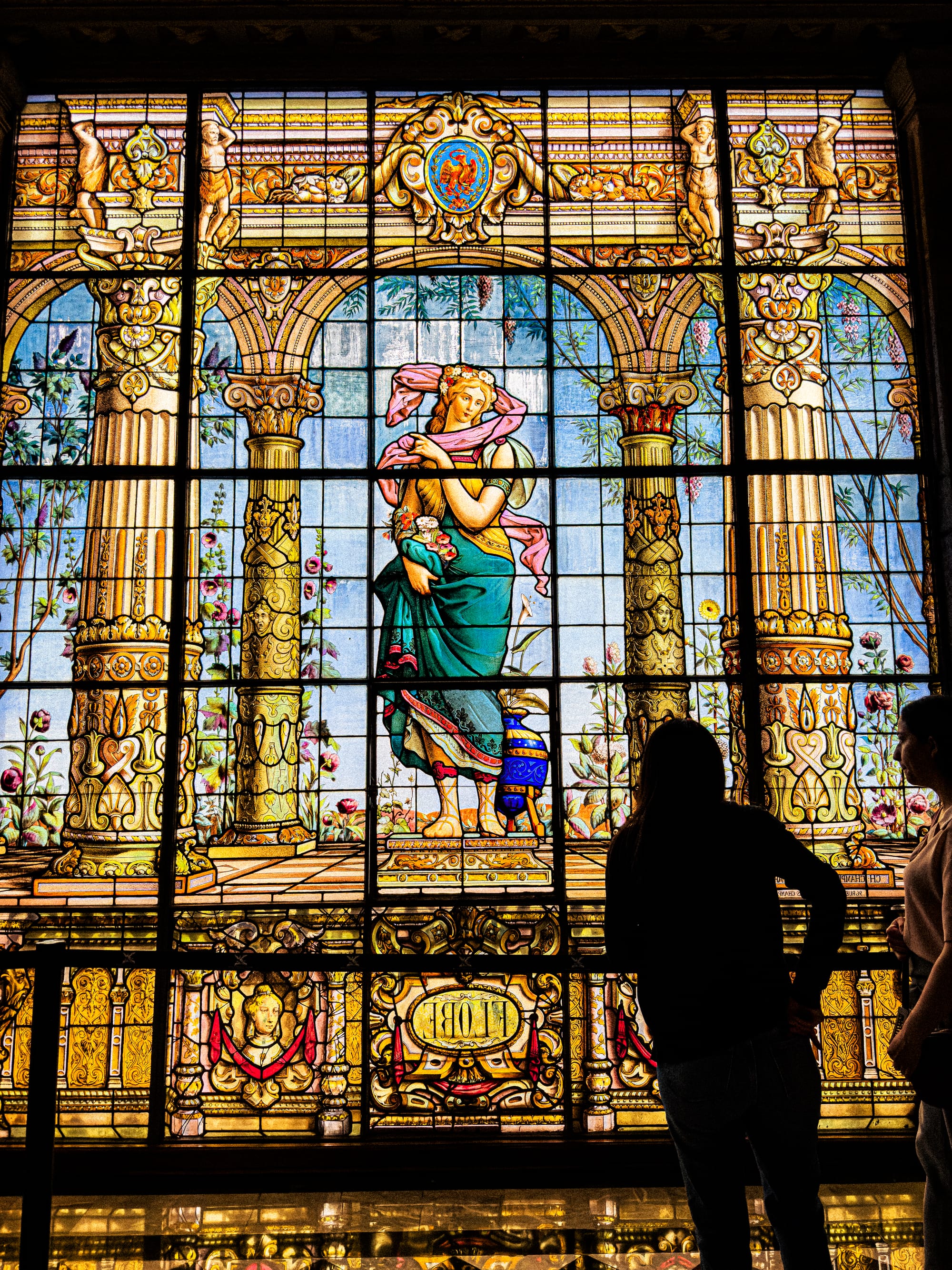
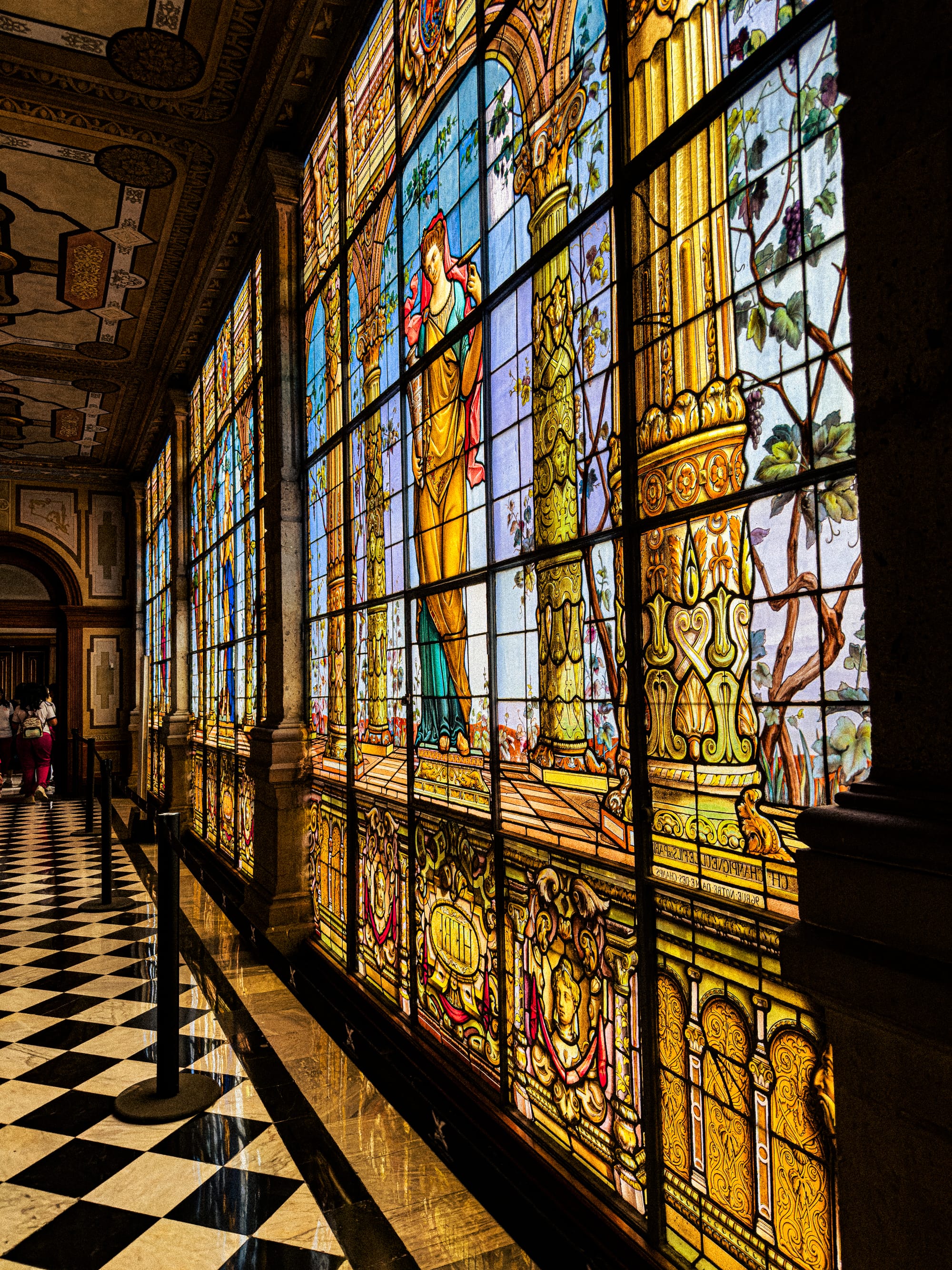
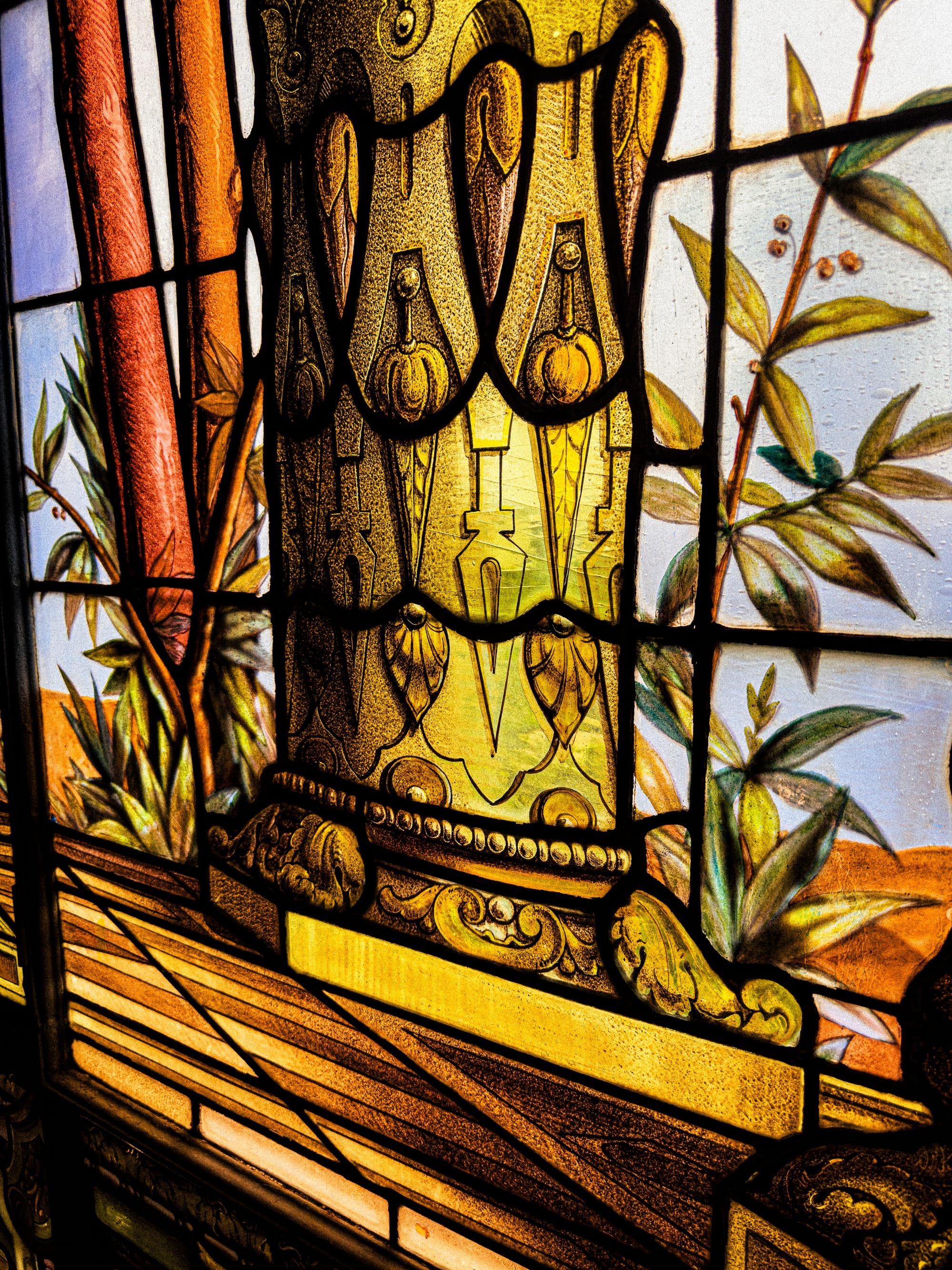
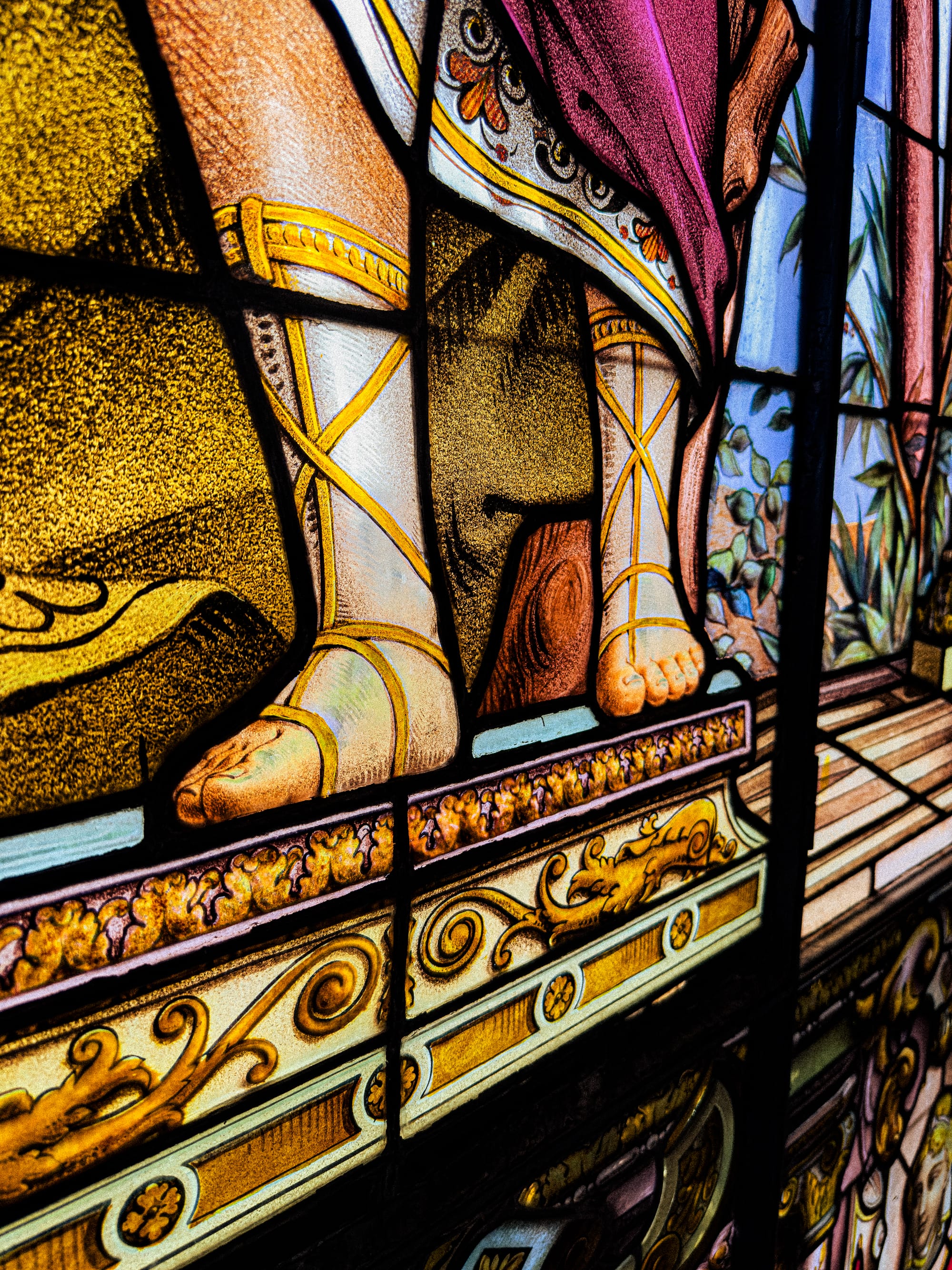
Stained glass corridor inside Chapultepec Castle in Mexico City
Even visitors with only a basic understanding of Mexican history can appreciate the scale and detail of these artworks.
Chapultepec Castle and the Anthropology Museum
Many visitors combine Chapultepec Castle with the National Museum of Anthropology, which sits on the other side of Bosque de Chapultepec. The two complement each other well. The castle focuses on post-colonial and modern Mexican history, while the Anthropology Museum covers pre-Hispanic civilizations, including the Aztec, Maya, Olmec, and others.
If you plan to visit both, starting with the castle in the morning and walking through the park to the Anthropology Museum afterward is a natural flow. The walk between the two takes about 15 to 20 minutes through the park.
A combined guided tour of Chapultepec Castle and the Anthropology Museum is a popular option for visitors who want historical context at both sites. The tour typically lasts about five hours and covers both locations with a knowledgeable guide.
How to get to Chapultepec Castle
Chapultepec Castle sits on Chapultepec Hill inside Bosque de Chapultepec.
Metro
The closest metro station is Chapultepec (Line 1). From the station you can walk to Puerta de los Leones and then continue up the hill toward the castle.
Walking from Roma or Condesa
Visitors staying in Roma Norte, Roma Sur, or Condesa (see our guide to Mexico City) can often reach the park on foot.
From Condesa the walk takes roughly 15 to 20 minutes. From Roma Norte it can take about 25 to 30 minutes depending on your starting point.
Ride apps
Ride apps such as Uber or Didi are another easy option. Most drivers will drop you near Puerta de los Leones, after which you will walk the final stretch up the hill.
Best time to visit Chapultepec Castle
Visiting earlier in the day generally provides the best experience.
Late morning around 10 a.m. to 11 a.m. is often a good balance. The museum is open, the terraces are bright with sunlight, and crowds are still manageable.
Visiting on a weekday can also make a noticeable difference. Although Chapultepec Castle is a major tourist attraction, weekday mornings often feel more relaxed than busy weekend afternoons.
Is Chapultepec Castle worth visiting?
Chapultepec Castle is one of the most rewarding places to visit in Mexico City. It is the only royal castle in North America that actually served as an imperial residence, the former home of Emperor Maximilian and Empress Carlota. Walking through the preserved rooms of the Alcázar gives a tangible sense of that history.
The combination of imperial interiors, murals, manicured hilltop gardens, and panoramic terraces overlooking the city makes it unlike anything else in the capital. Allow at least two hours.
For first-time visitors, it provides a sweeping introduction to Mexico's layered past. For photographers, the checkered corridors and stained glass galleries offer strong compositions. And for digital nomads living in the city, it can also be a refreshing way to spend an afternoon away from screens.
Tips for visiting Chapultepec Castle
Visit earlier in the day, ideally arriving between 9:30 and 11:00 a.m. Late morning gives you good light on the terraces while avoiding the heaviest crowds.
Wear comfortable shoes. The walk up the hill from Puerta de los Leones is longer and steeper than most visitors expect.
Bring a camera or smartphone. The terraces, stained glass corridors, and gardens offer some of the best photography spots in Mexico City.
Allow at least two hours. The castle, museum galleries, gardens, and terraces each deserve time.
Food, drinks, and gum are not allowed inside the castle complex. You can carry water on the walk up, but will need to discard it before entering.
Most exhibit signage is in Spanish. Audio guides in English and Spanish are available at the entrance. Cell service inside the castle can be unreliable, so downloading a translation app offline beforehand can help.
Frequently asked questions
How much does it cost to visit Chapultepec Castle?
Admission for foreign visitors is typically about 210 MXN, although prices can change.
How long does it take to visit Chapultepec Castle?
Most visitors spend 1.5 to 2 hours exploring the castle and museum.
Is Chapultepec Castle free on Sundays?
Mexican citizens and residents often receive free entry on Sundays.
Can you buy Chapultepec Castle tickets online?
General admission tickets are purchased at the park near the base of the hill. There is no official online ticket system, but skip-the-line tickets are available through third-party platforms like GetYourGuide.
Is Chapultepec Castle open on Mondays?
No. The castle and museum are typically closed on Monday.
Is Chapultepec Castle accessible for people with mobility issues?
Access to the castle requires walking up a paved hill, which is moderately steep and takes about 15 to 20 minutes. There is no elevator or vehicle access to the top for general visitors. Visitors with mobility concerns should plan accordingly.
Chapultepec Castle as part of a larger Chapultepec visit
Chapultepec Castle sits inside Bosque de Chapultepec, one of the largest urban parks in the world.
Many visitors combine the castle with nearby attractions such as the National Museum of Anthropology, Chapultepec Zoo, or the lakes where people rent paddle boats.
If you prefer exploring with a knowledgeable guide who can explain the history of both sites, a combined Chapultepec Castle and Anthropology Museum tour is a great option. The tour typically lasts about five hours and provides historical context that can make the experience even more interesting.


