There’s a certain softness to São Miguel. If you spend a few weeks here, slowly cooking your own meals, letting your shoulders drop back into their sockets, and falling into rhythms that feel borrowed from the island’s own pace, it starts to become clear: this is what it feels like to exhale.
Living in the Azores as a digital nomad, especially on São Miguel, offers a slower and more nature-driven lifestyle than most remote work destinations. Compared to faster-paced hubs like Lisbon or Porto, daily life here is quieter and more grounded, shaped as much by the landscape as by your work schedule.
For digital nomads considering the Azores, São Miguel stands out for its balance of infrastructure and environment. You still have reliable wifi, access to essential services, and a small but growing remote work community. But what defines life here is something else entirely: volcanic lakes, hot springs, coastal cliffs, and the sense that your days can be structured around natural time rather than constant activity.
For us, it was one of the most visually unique places we've ever stayed, and felt very similar vibe-wise to New Zealand.
Nature as your calendar in the Azores
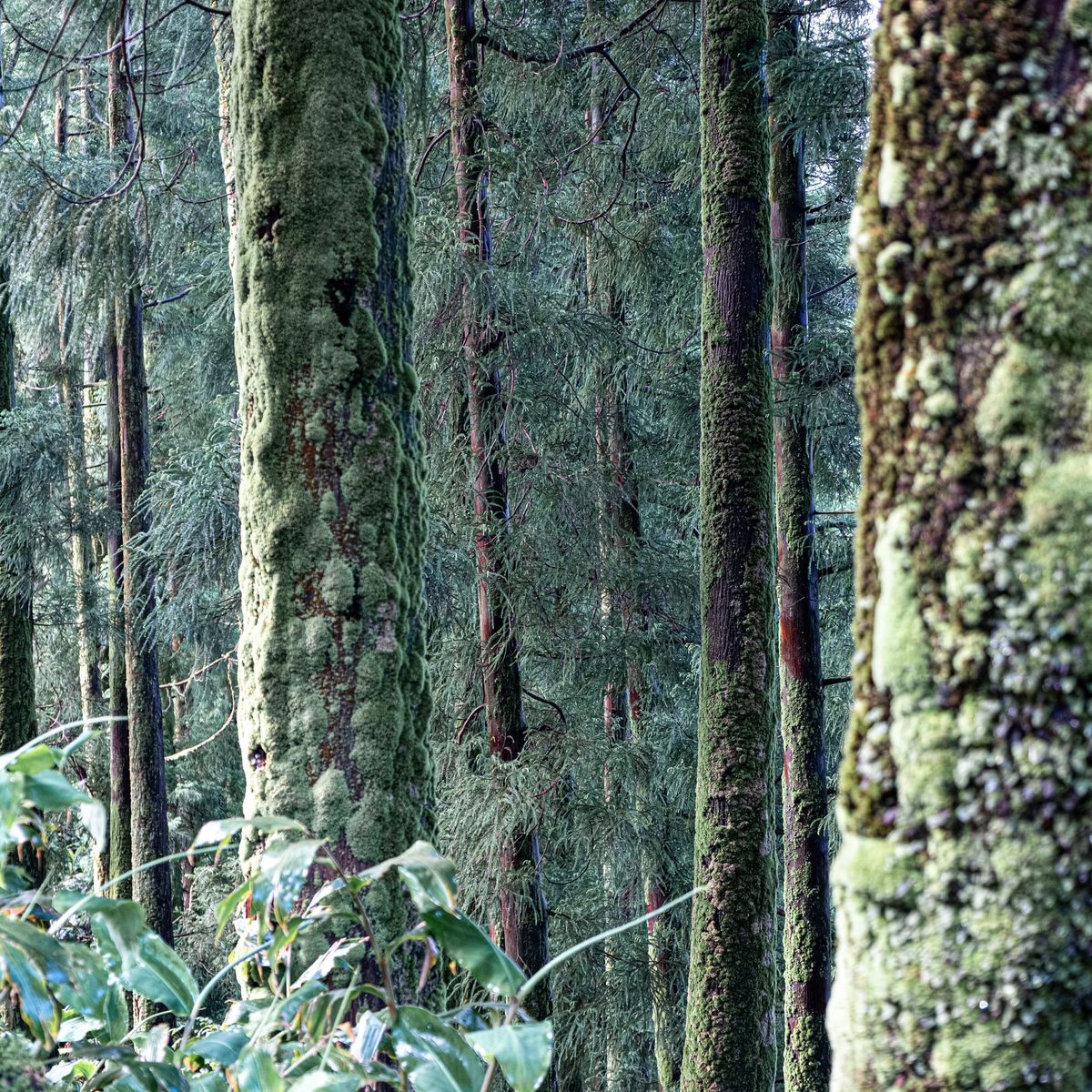
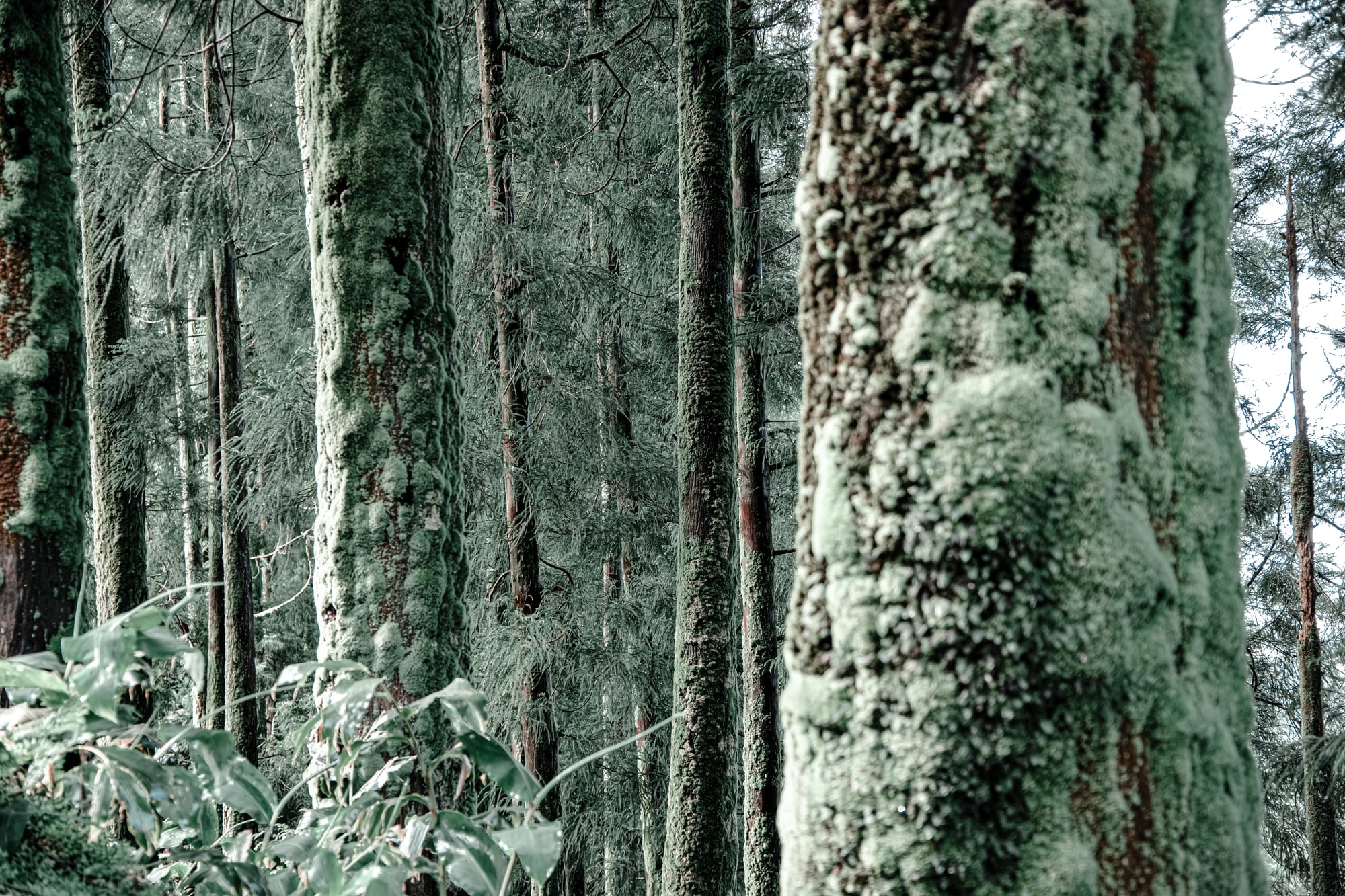
This isn’t the kind of place where you tick off urban landmarks or race through a checklist. On São Miguel, the landscape is the main event. Hiking trails thread through dense forest and volcanic craters. Rainforest-fringed hot springs bubble beside rivers. Ferns fan out across trailheads like green fire.
You might spend a morning swimming in a natural ocean pool. You might end the day watching steam rise off the surface of a geothermal spring.
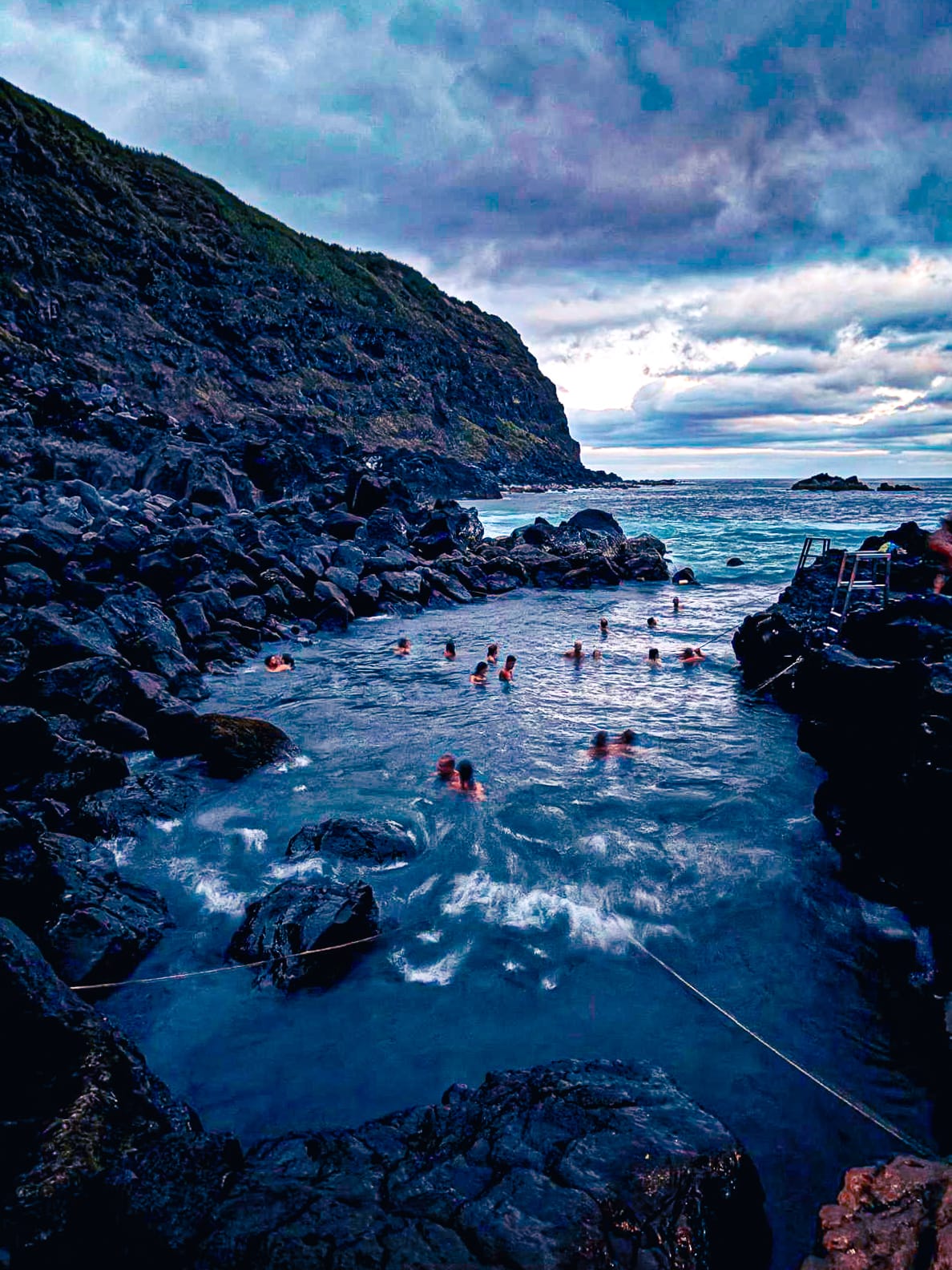
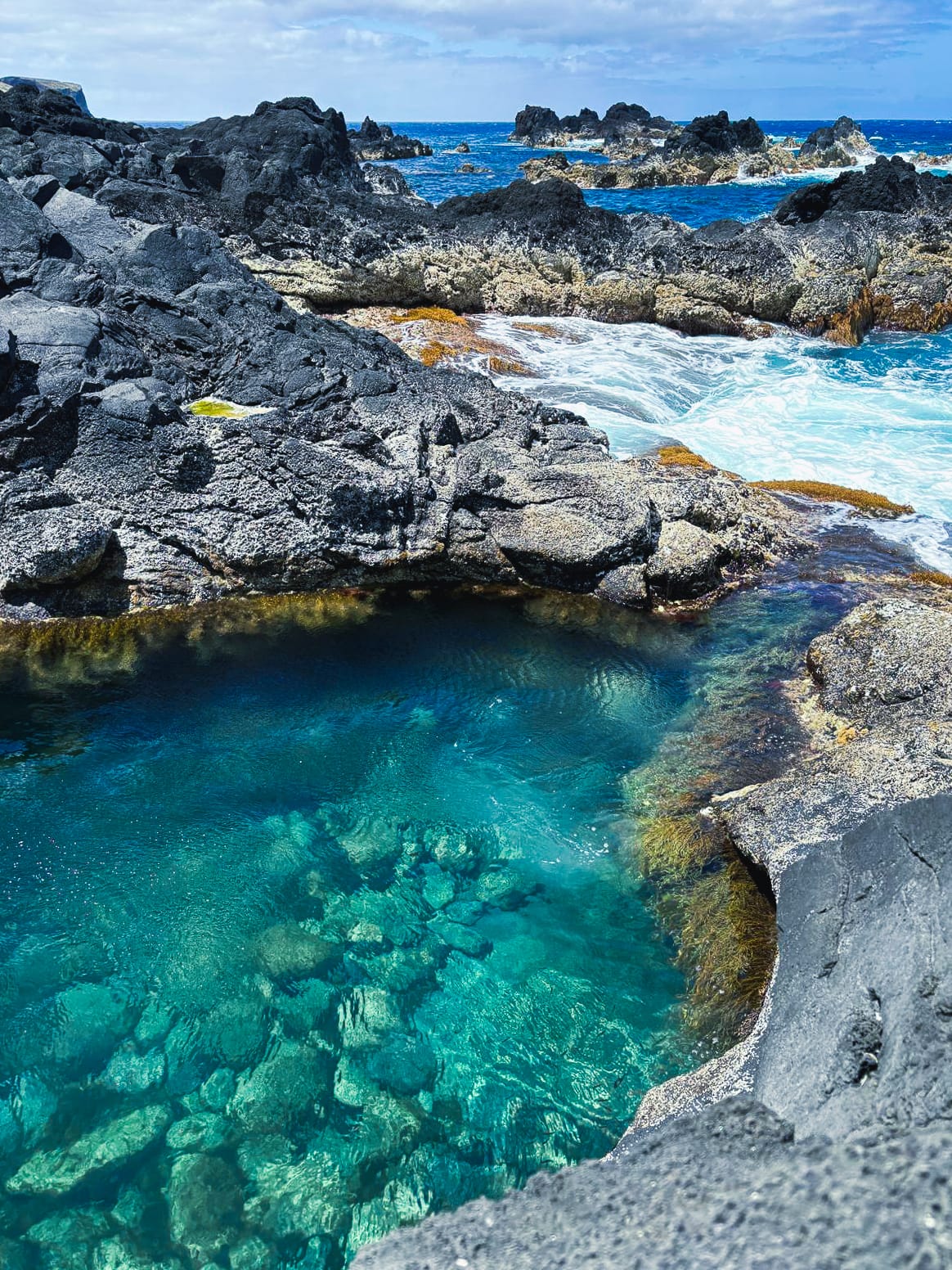
From thermal ocean coves to crystalline volcanic pools, São Miguel’s coastline offers wild swimming at its most elemental
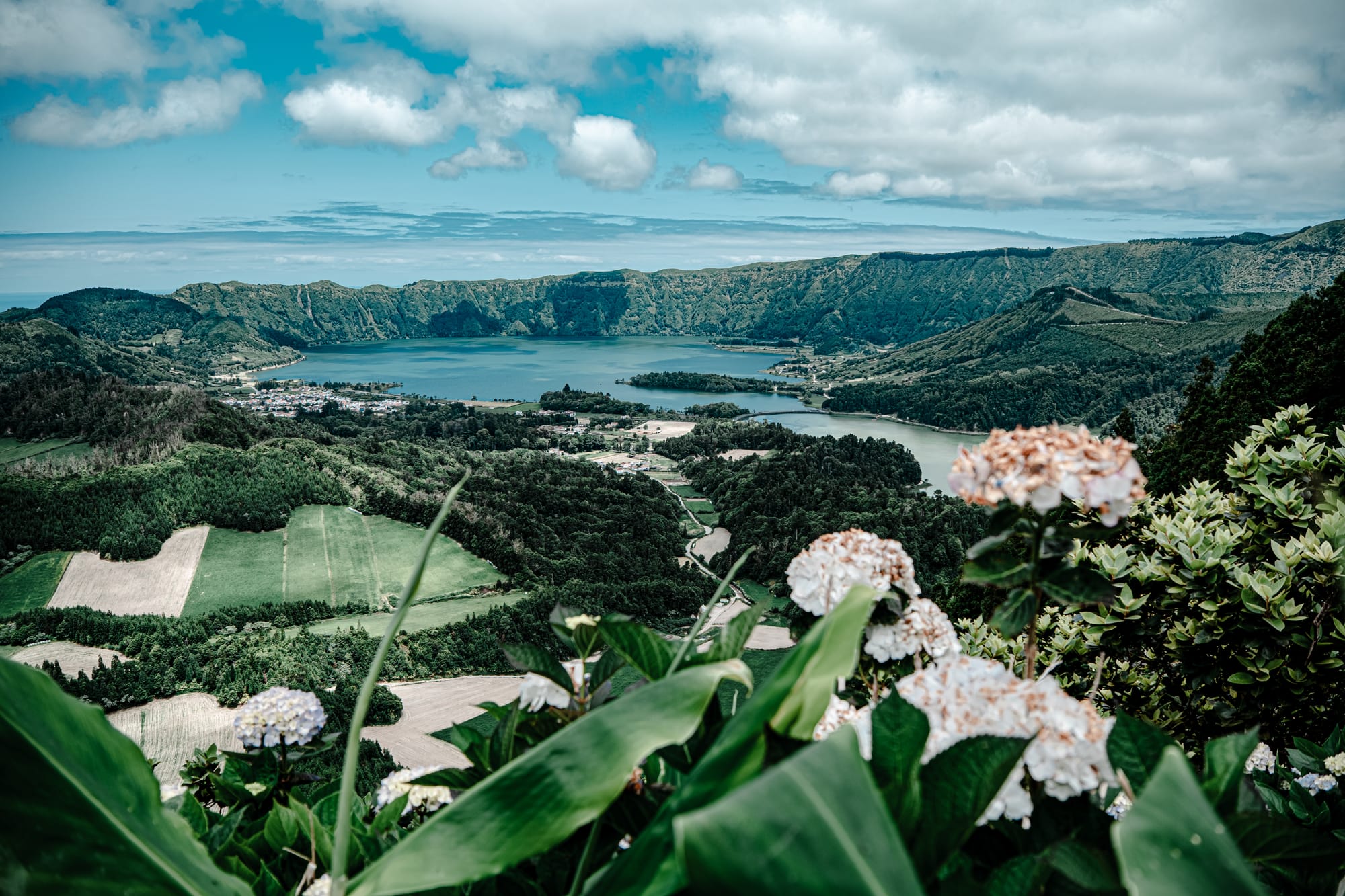
In between, you might hike through thick eucalyptus groves, or drive past hydrangea-lined roads that look like they’ve been pulled from a postcard.
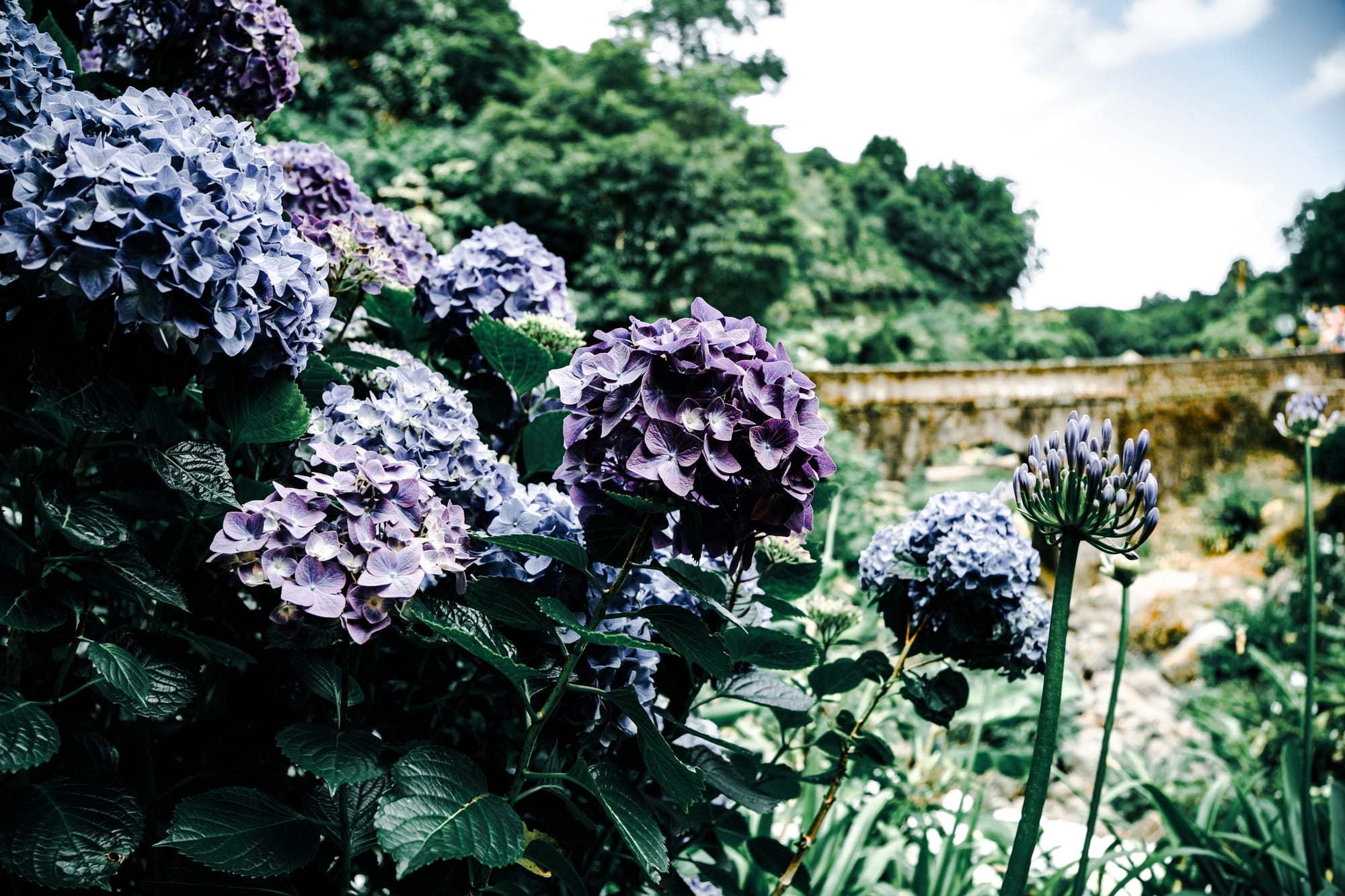
Compared to other destinations we've worked from, São Miguel stands out for how wholly the natural world frames the experience. There's no separation here between life and landscape. They're folded together.
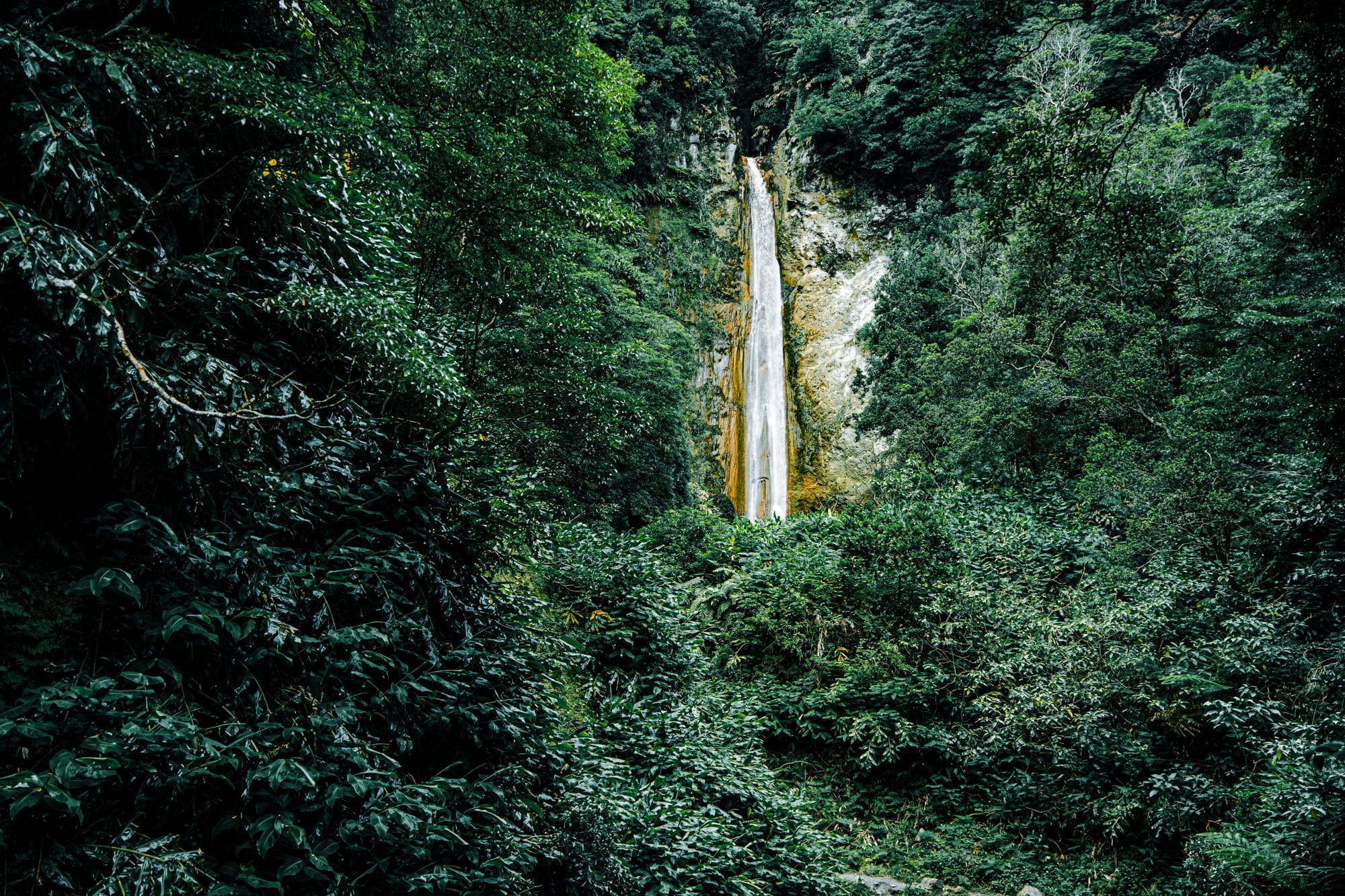
If you're into surfing or water sports, there are multiple beaches and surf spots that rarely feel crowded. The waves aren’t overly aggressive, and the surf culture is more local than expat, which keeps things grounded.
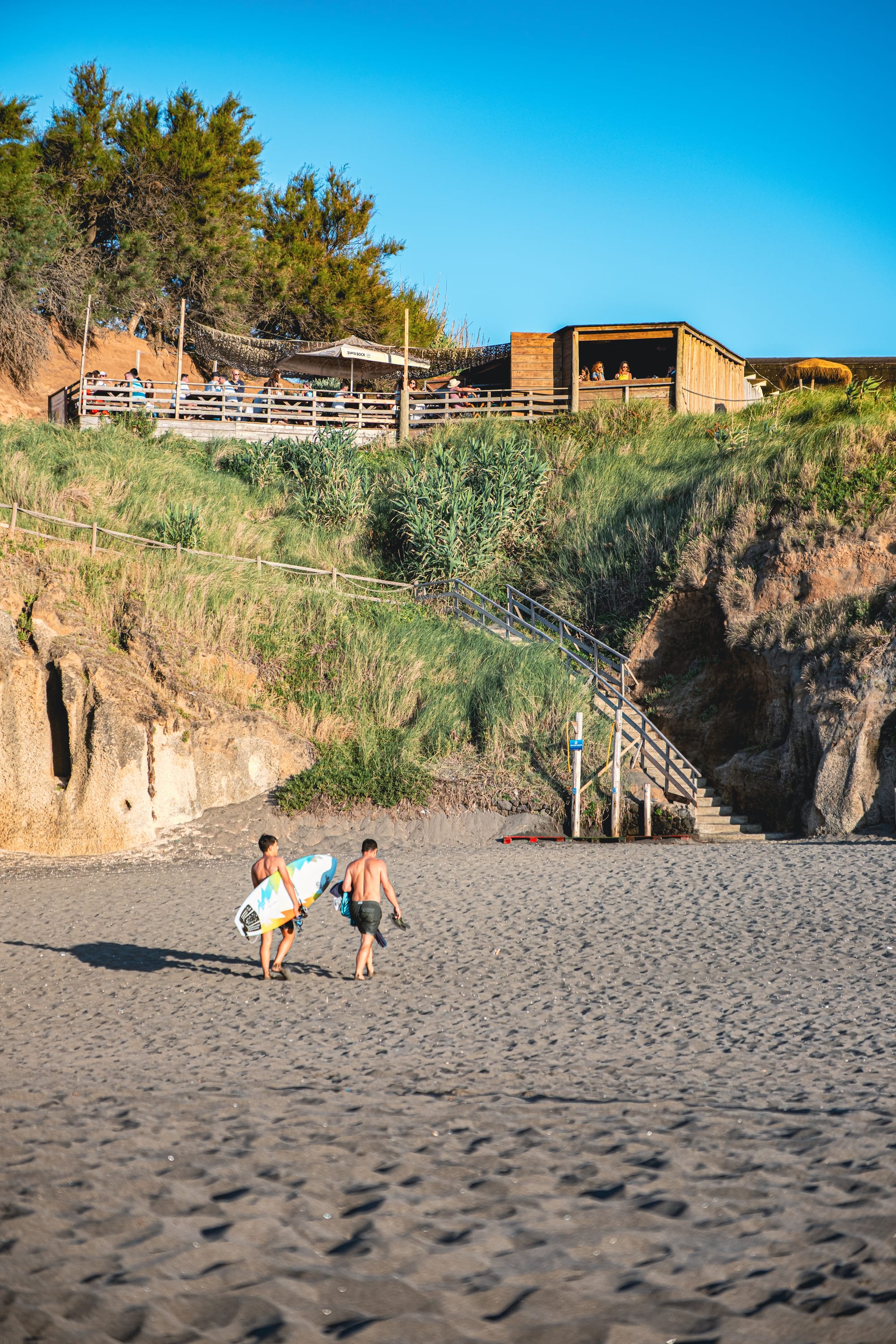
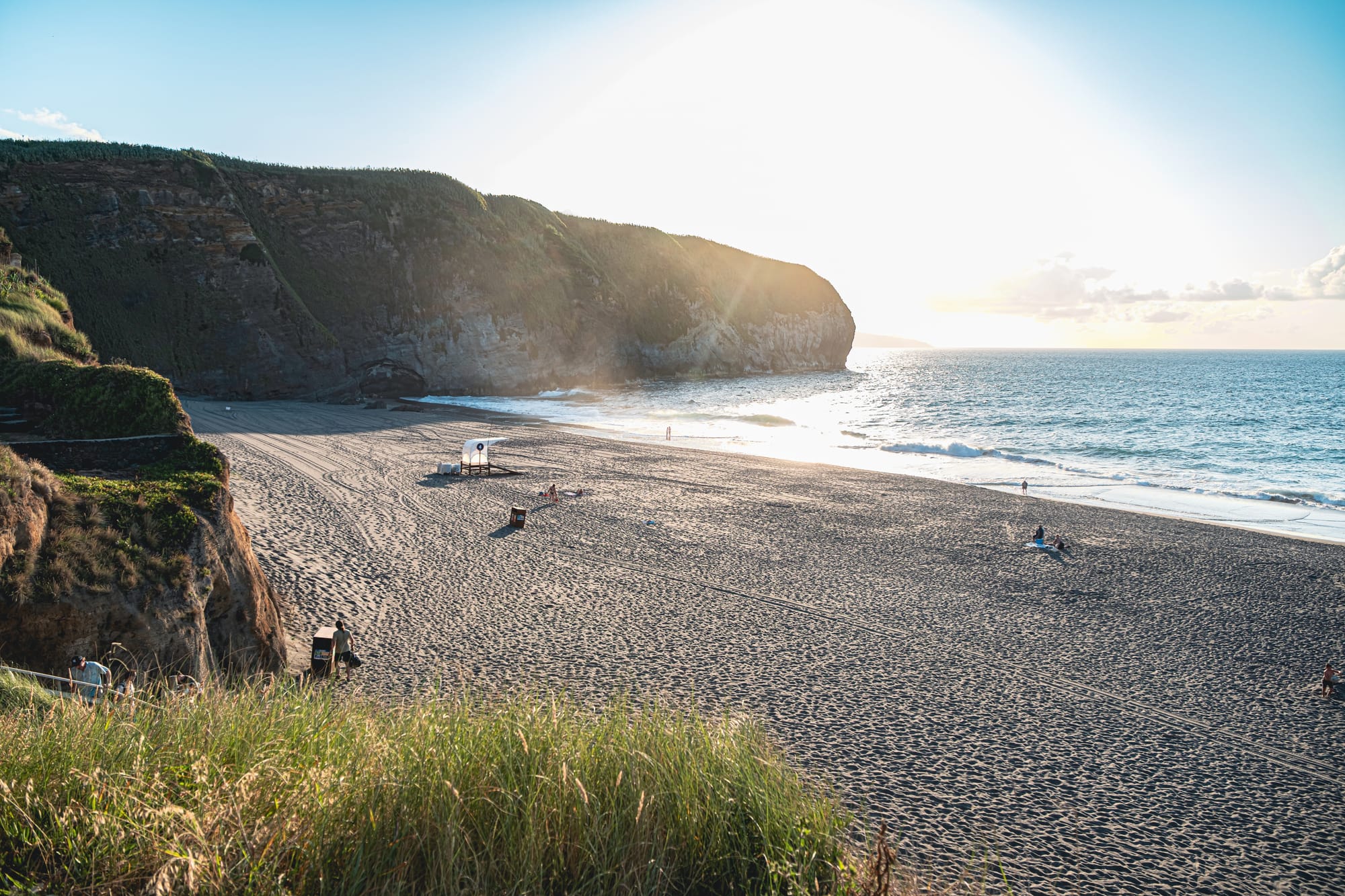
Praia do Areal de Santa Bárbara, a long black-sand beach perfect for surfing, sunsets, and beachside cafés
We met a few digital nomads who scheduled their work hours around morning surf sessions, and it made total sense.
Time moves differently in the Azores
One of the biggest differences you notice on São Miguel is how time stretches out. Mornings feel long. Afternoons drift. There’s less of that subtle hum of urgency that tends to linger in even the most beautiful work-from-anywhere spots.
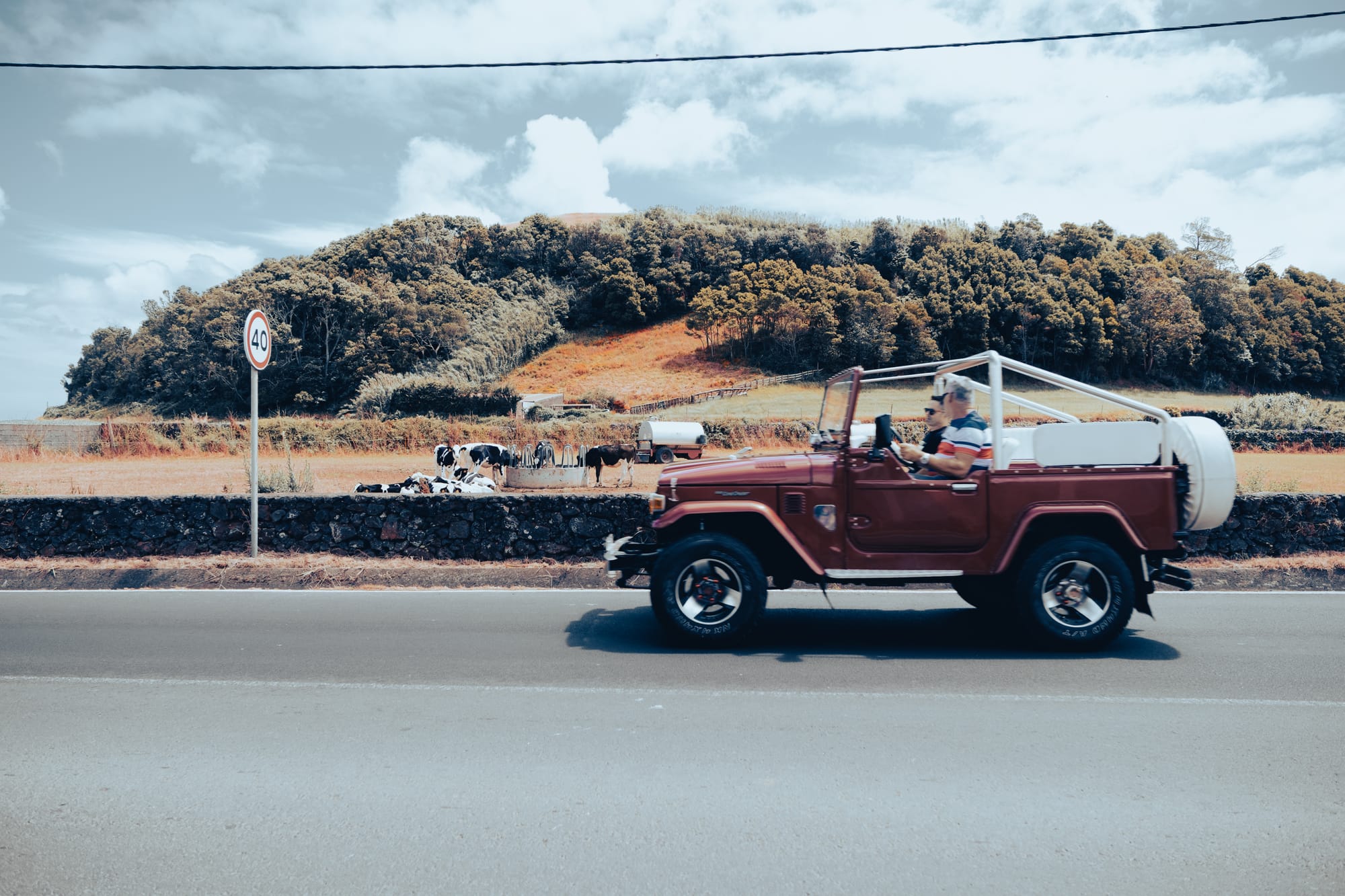
Part of that is geographical. You’re on an island. You’re not adjacent to a major city. There’s a self-contained-ness to the pace that slows everything down.
But part of it is just the atmosphere. Even in the busier towns like Ponta Delgada or Ribeira Grande, there’s still a calm to the way people live. And in small villages like Povoação or Ribeira Quente, you'll see Azorean life at its most authentic.

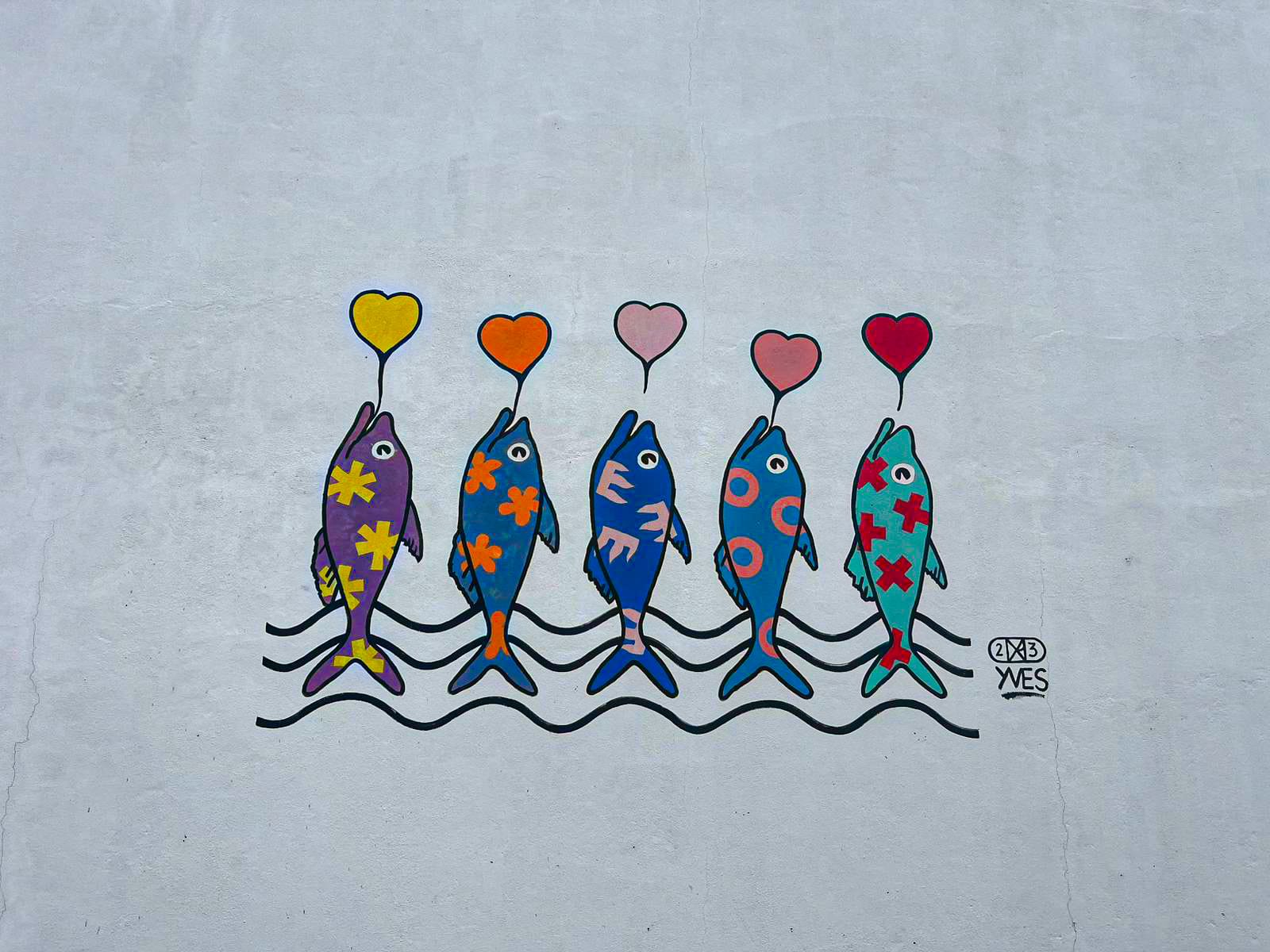
A local artist's take on the Mona Lisa and a school of love-struck sardines
There's time to talk to your neighbor. Time to sit at a miradouro and watch the clouds. Time to take the long way home.
Lava Coliving, where we stayed, captured this sensibility perfectly. It was so peaceful. A clean space, surrounded by green, with a good kitchen, good windows, and the kind of natural quiet you can feel in your lungs.
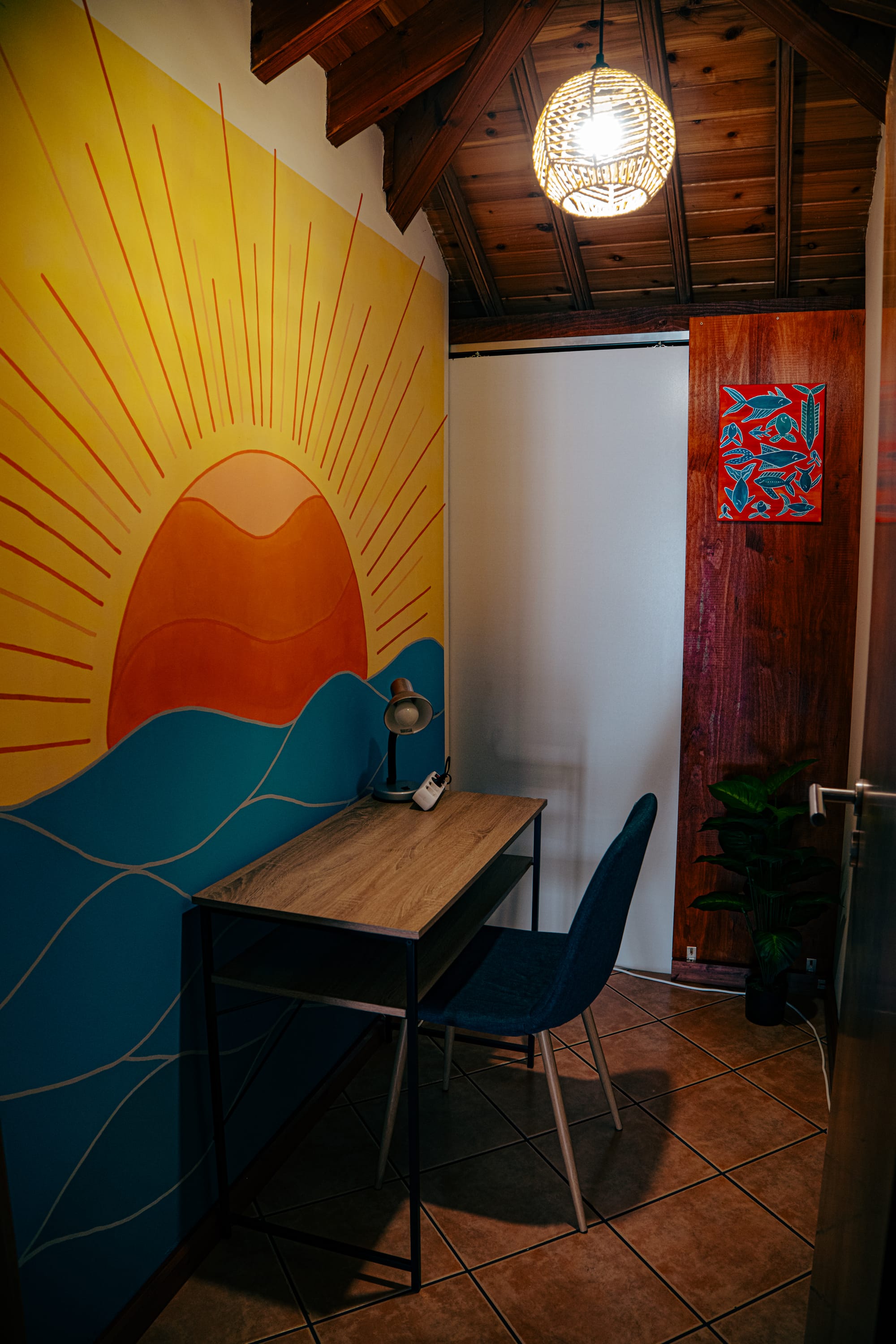
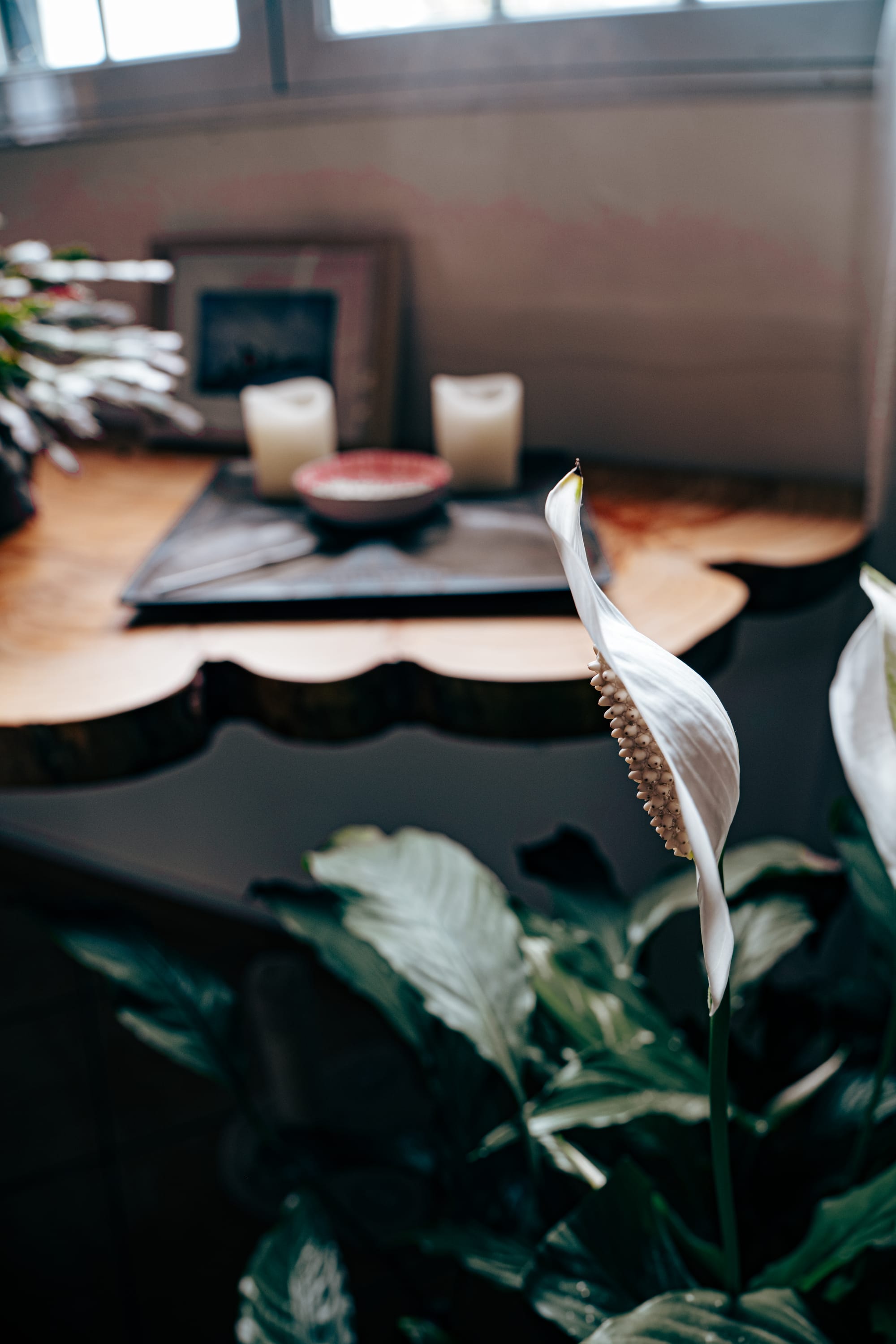
Scenes from Lava Coliving: a hand-painted workspace and leafy still life in the shared lounge
We cooked most of our meals, shared long lunches with others on the same rhythm, and fell into a routine that felt like something we hadn't realized we were missing. Something more porous and breathable than our usual.
Read our full review of our stay at Lava Coliving.
 Nomad Earth Catalog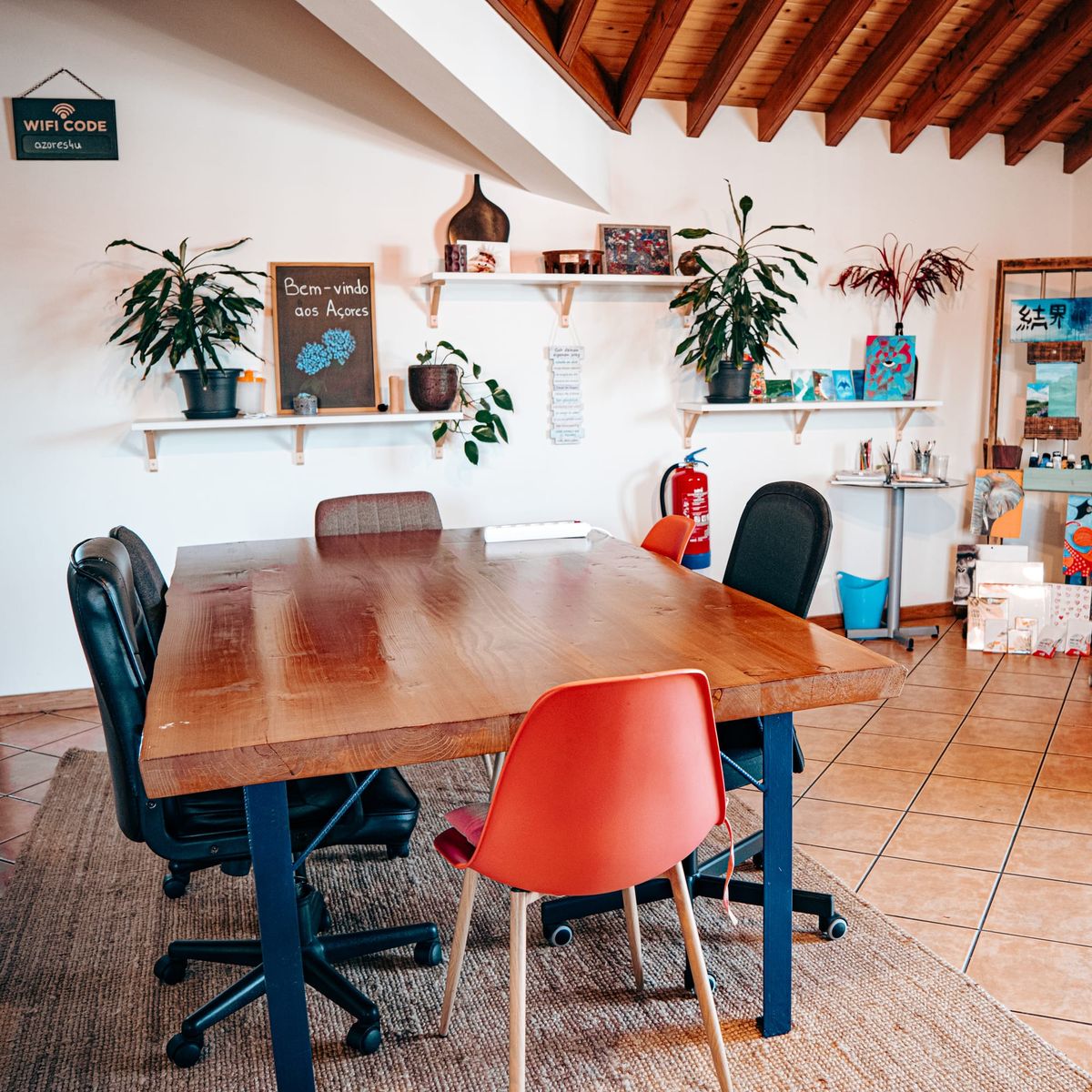
The joy of elemental life in the Azores
A lot of what we loved about our month on São Miguel came down to small, sensory things. Walking barefoot across volcanic stone. Washing produce from a local market and tasting how much more flavor it held. Waking up to birdcalls. Ending the day with a soak in hot mineral water.
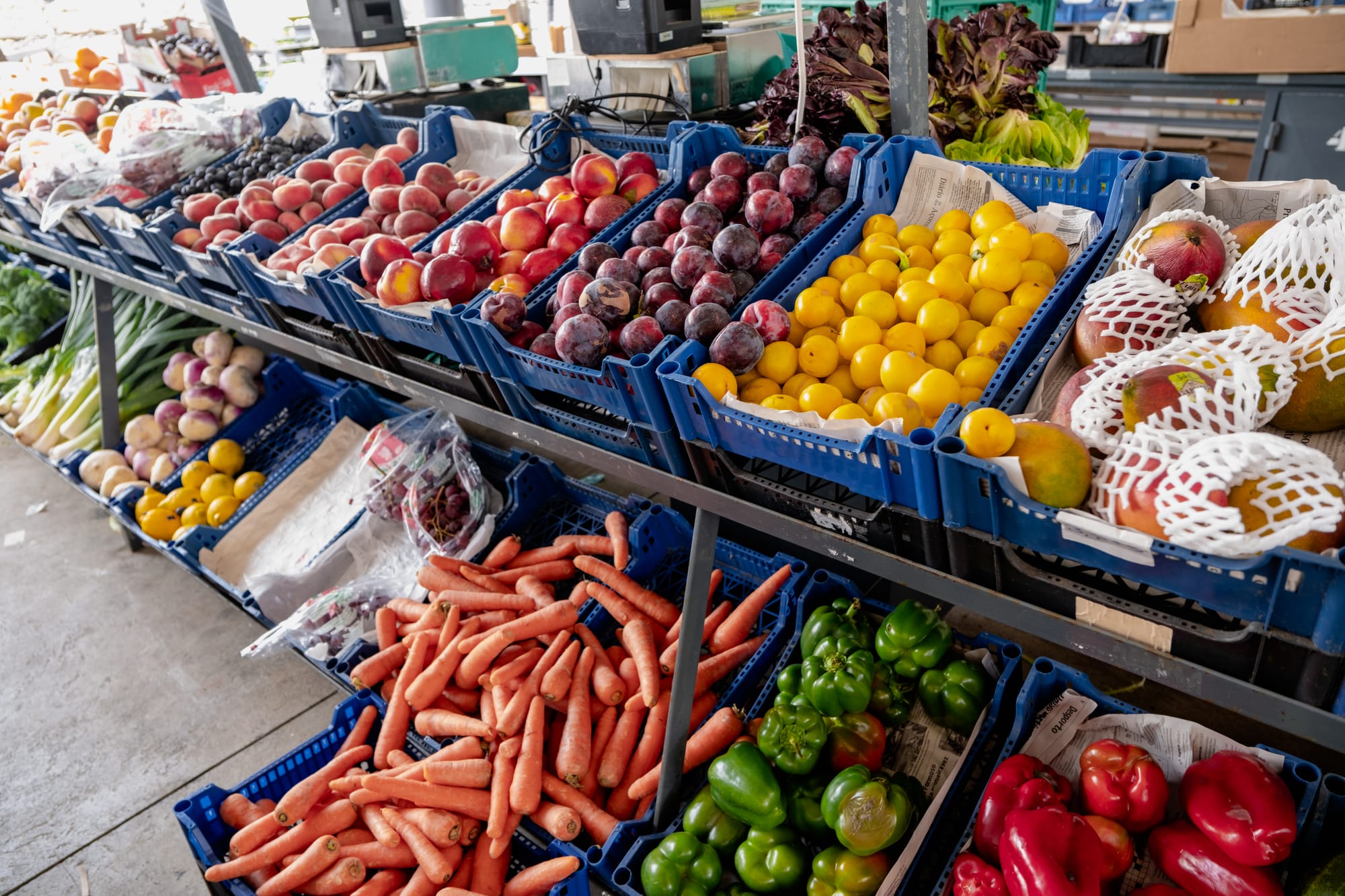
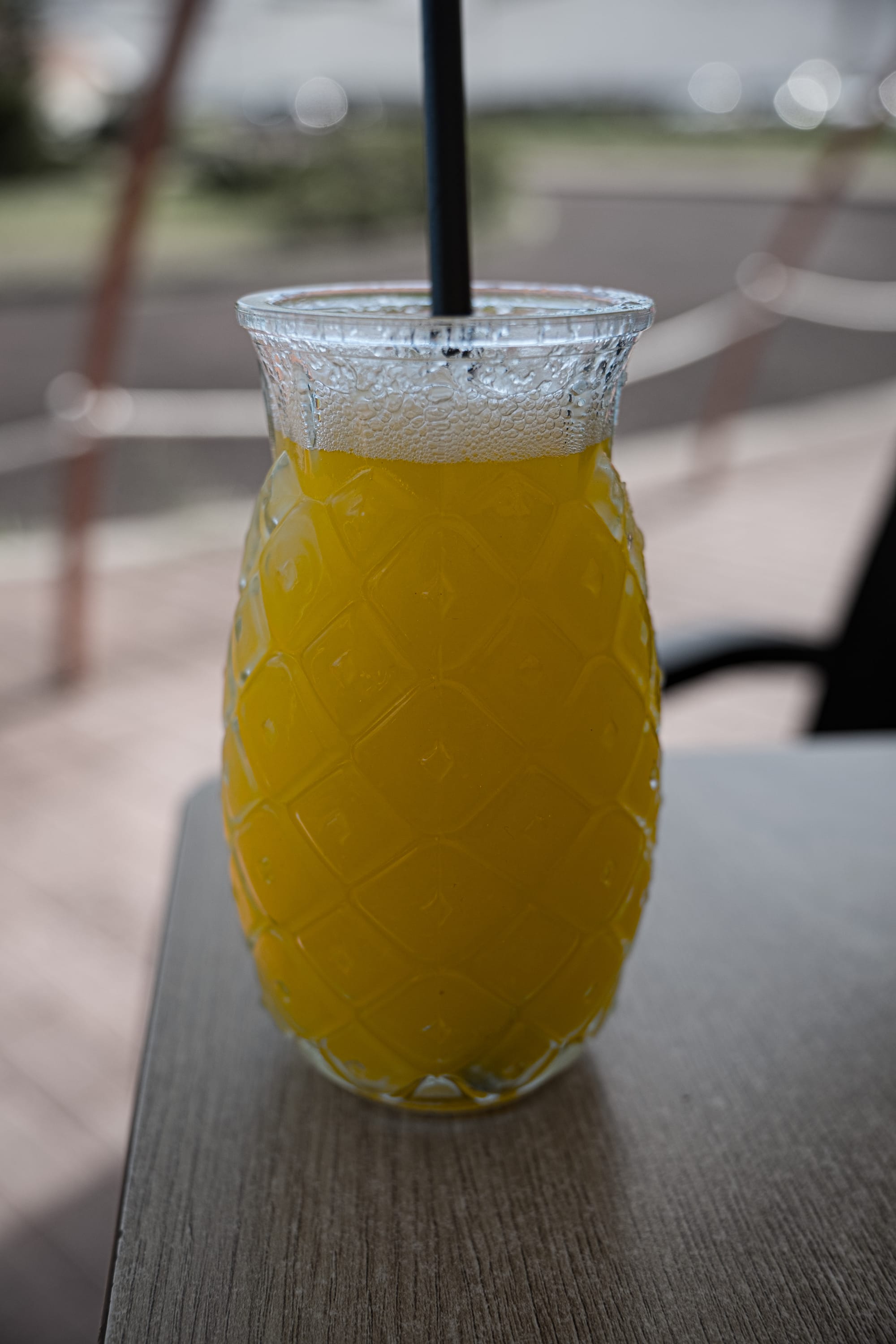
Fresh produce and Azorean pineapple juice
These aren’t flashy experiences. They’re just elemental. But they become the foundation of a way of living that feels more in sync with your body and less tethered to devices, stress, or screen cycles.
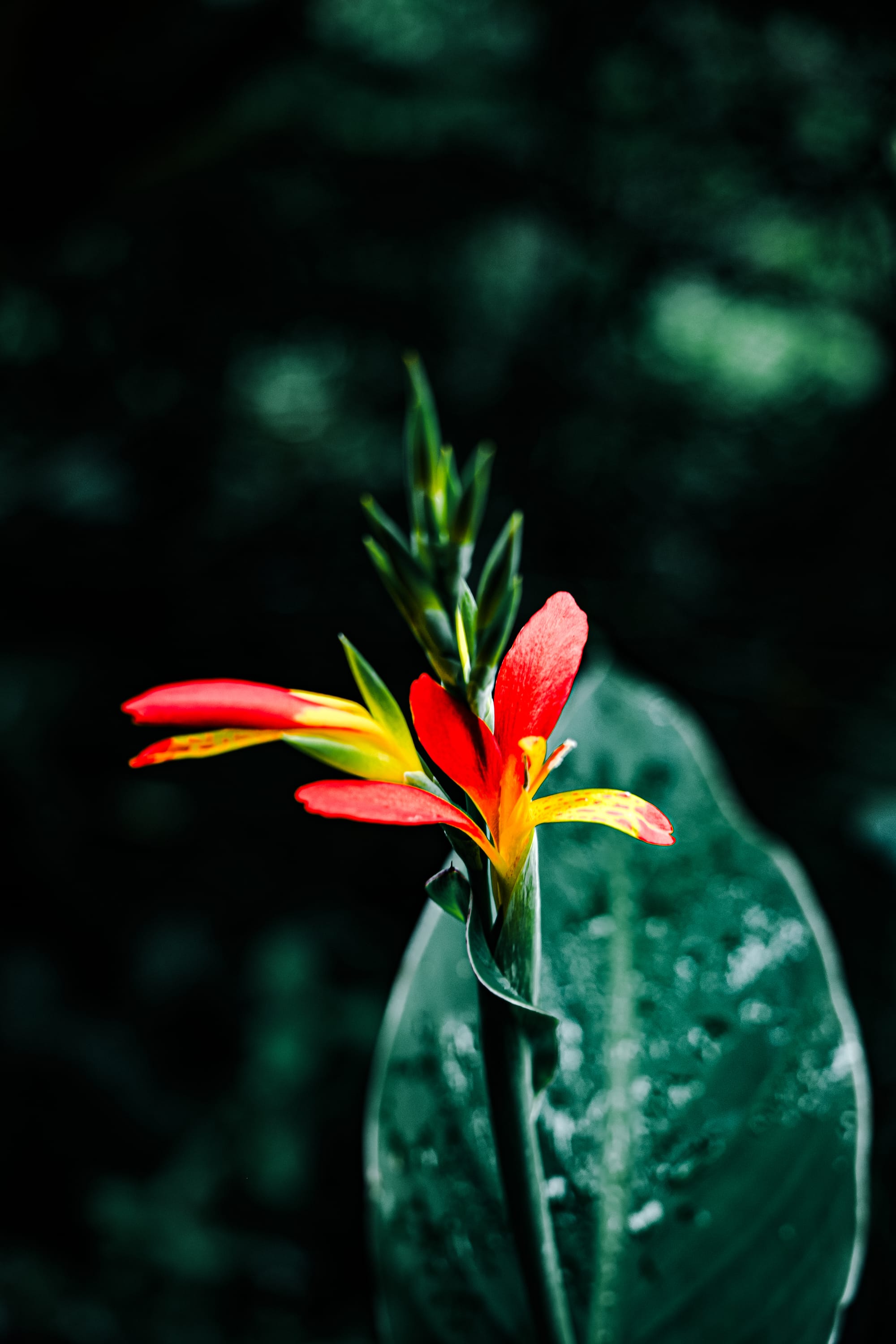
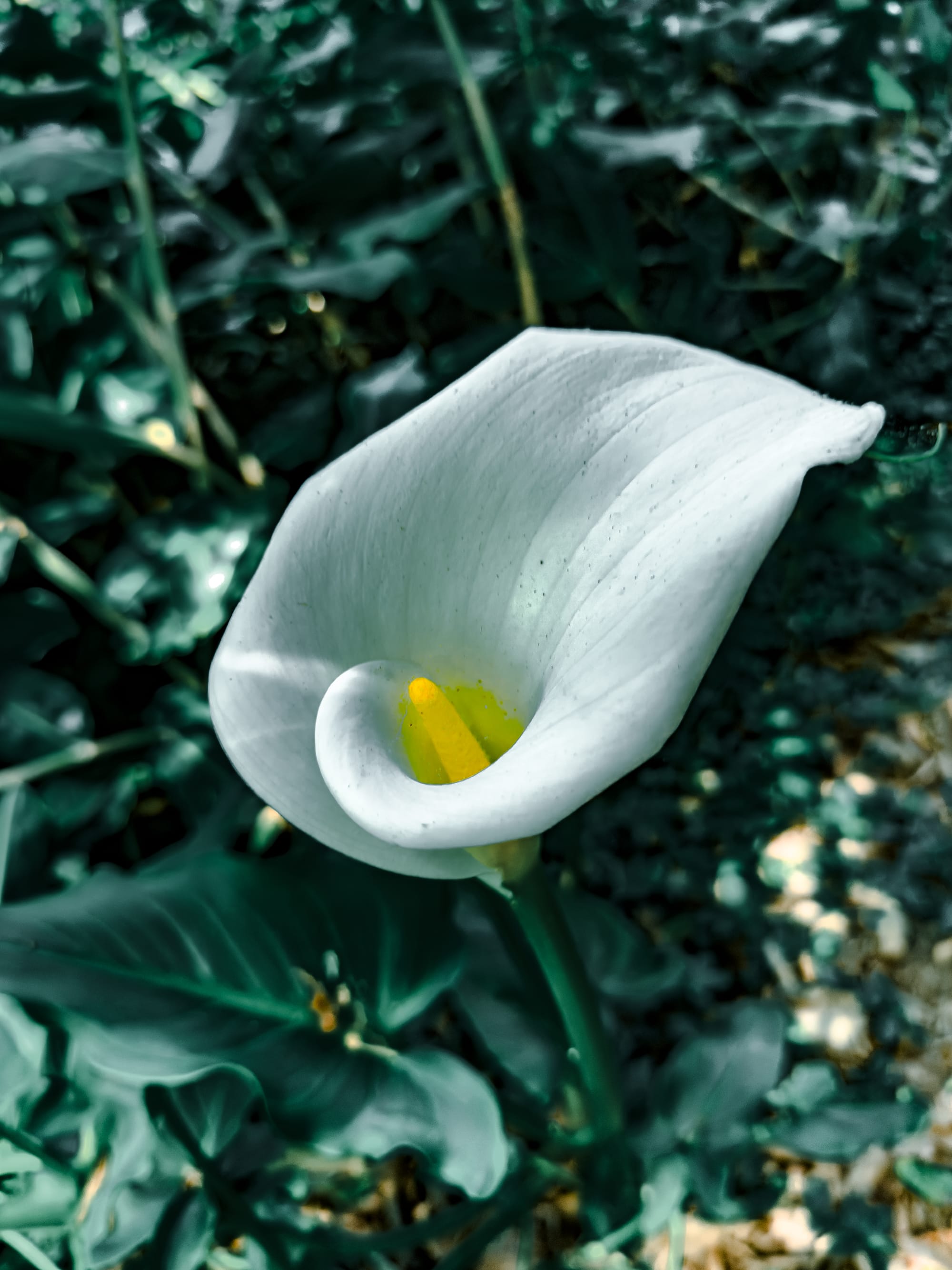
Wild blooms in the Azores thrive in the subtropical air, lighting up the island’s dense green edges
This is especially true in the east of the island, where rainforest meets hot springs in a kind of perfect intersection.
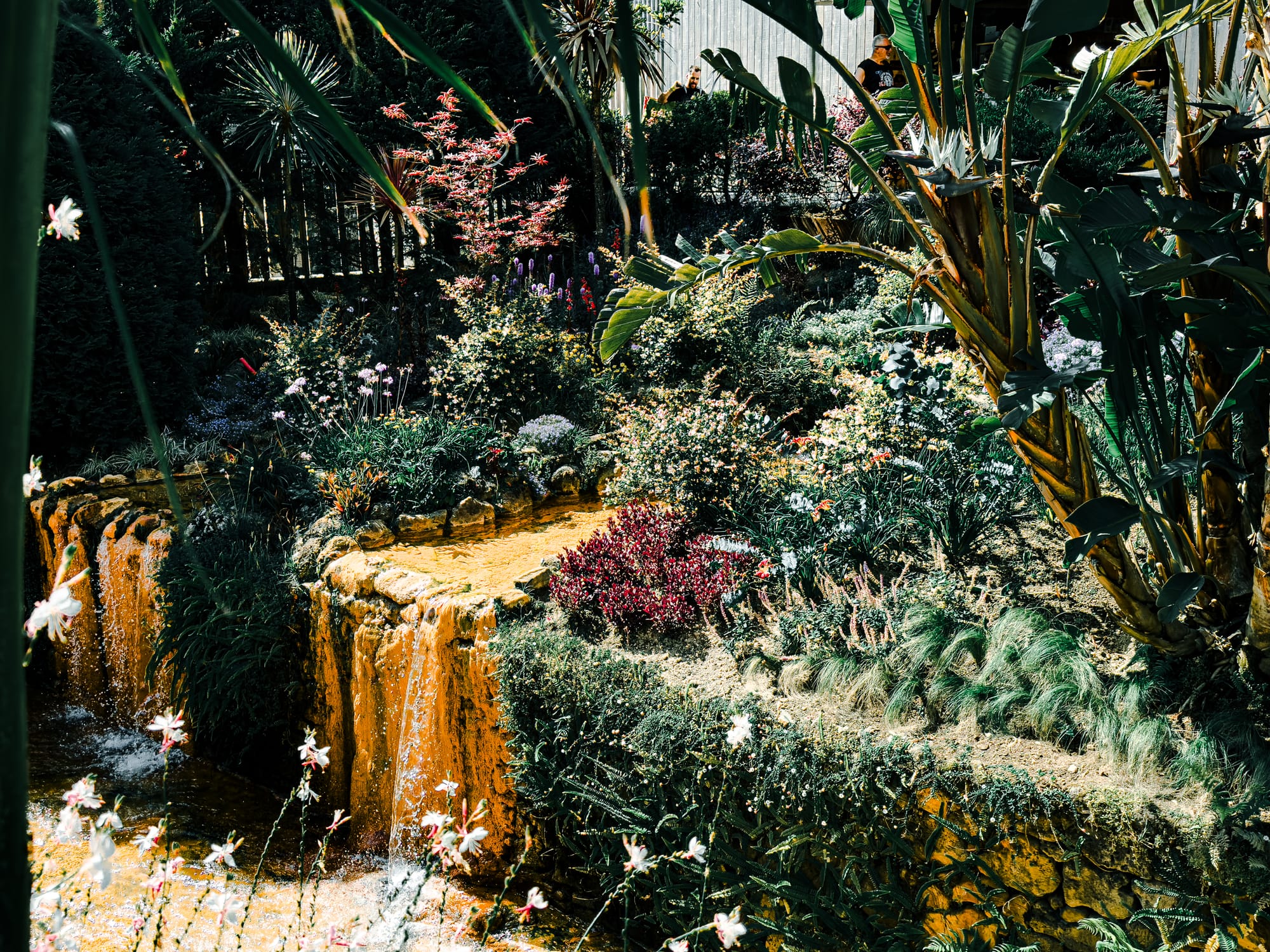
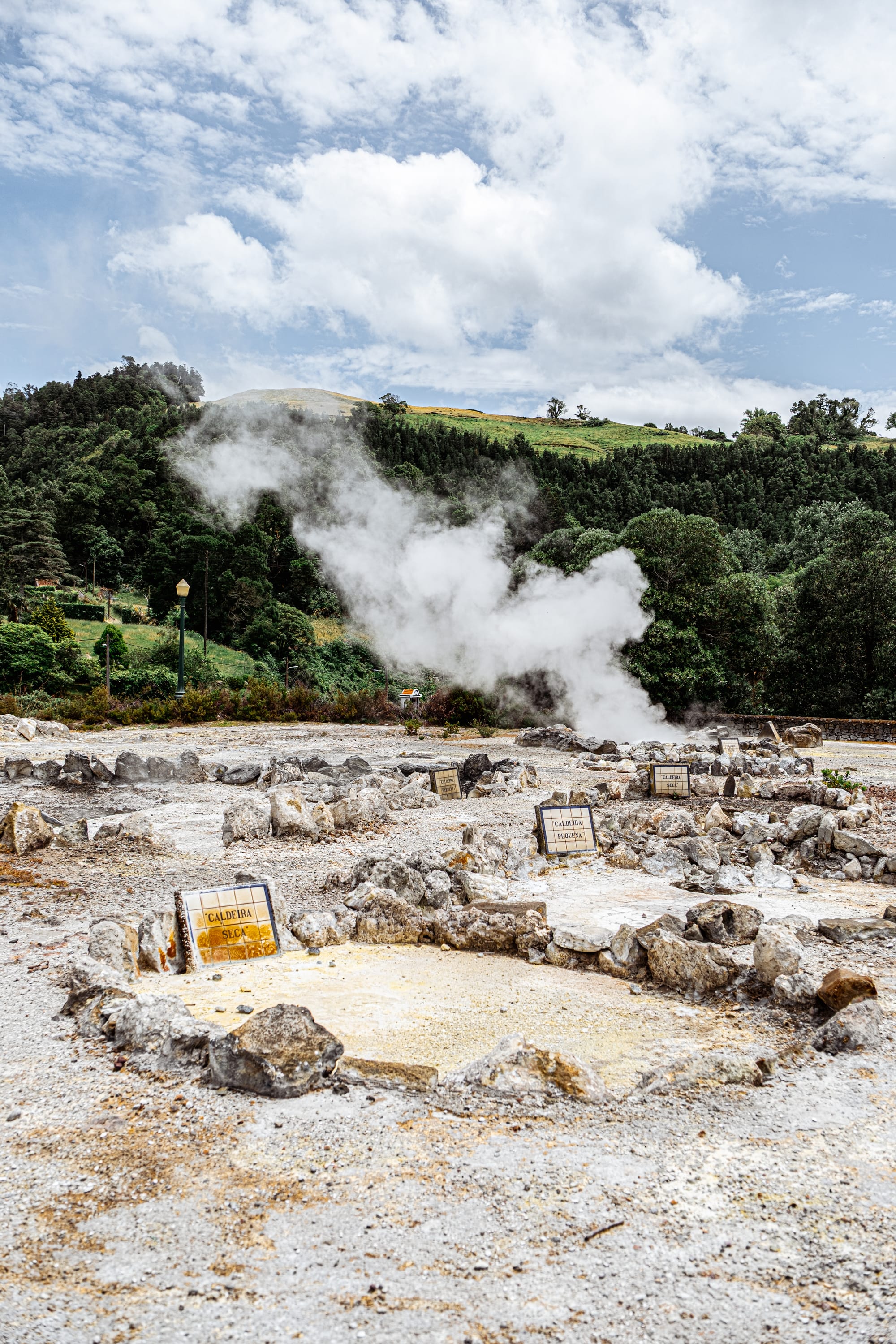
Volcanic waters run hot and bright in Furnas, where lush botanical gardens and geothermal caldeiras blend
There are other places in the world with geothermal activity. But not many that offer that rainforest-humid, fern-fringed soak after a long walk. The feeling of sinking into warm water while surrounded by trees that have stood for decades is one we’ll come back to often.
A digital nomad destination that makes sense
Logistically, São Miguel makes a lot of sense for those needing to align with US hours. East Coast time is just four hours behind, which makes for easy overlap. And unlike mainland Portugal, which can sometimes feel like it straddles too many time zones and too many tourists, the Azores are distinctly their own thing.
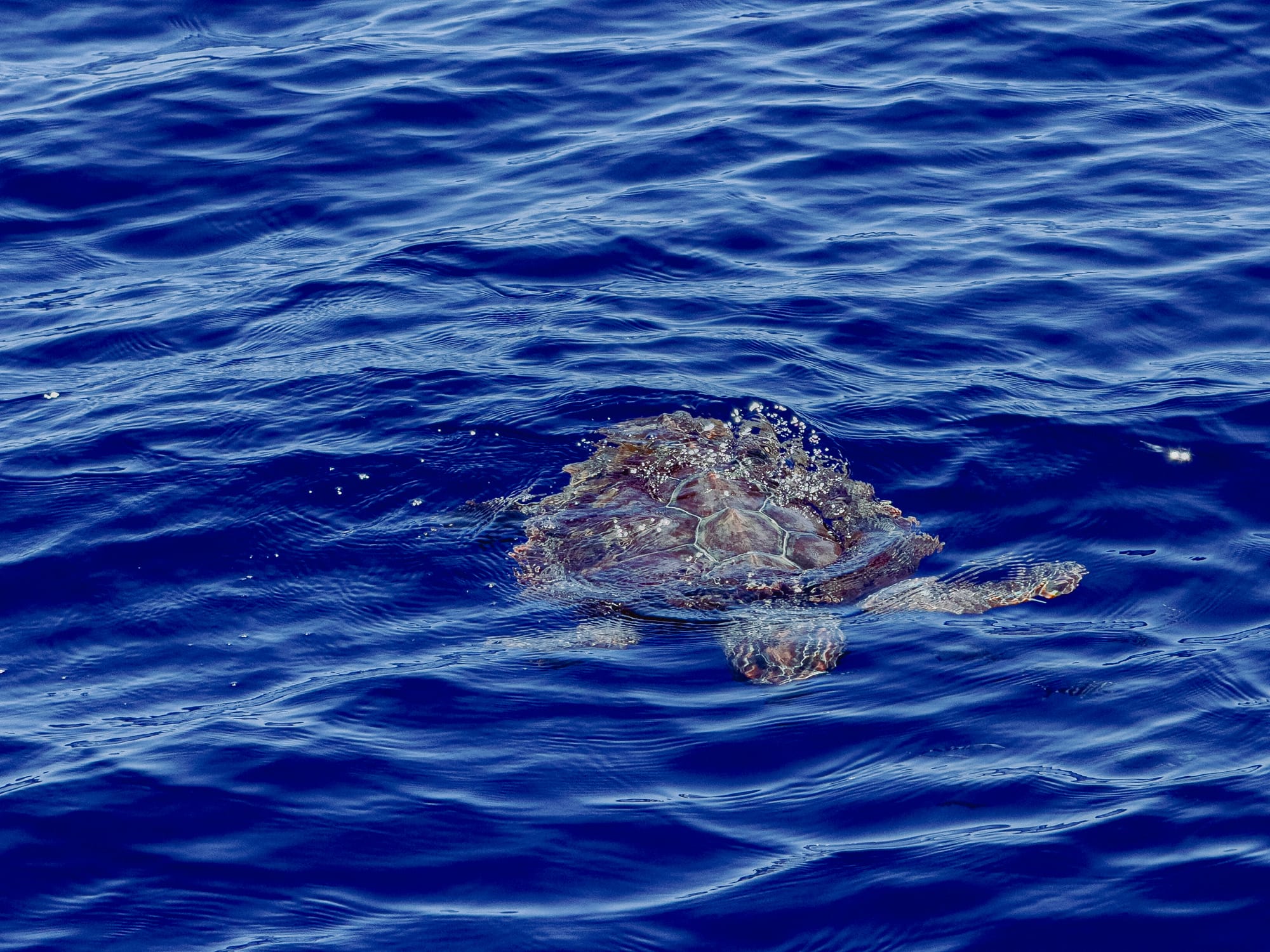
You feel it in the quiet. In the way people talk to each other.
It’s an island with its own pace, its own farmers, its own rhythms.
São Miguel vs. Madeira: a subtle distinction
Madeira is a name we hear often in digital nomad circles. It’s well established. It’s easy to access. And it has a big remote work infrastructure. But in talking to people who’ve lived in both, what we heard over and over again is that São Miguel offers a different kind of experience.
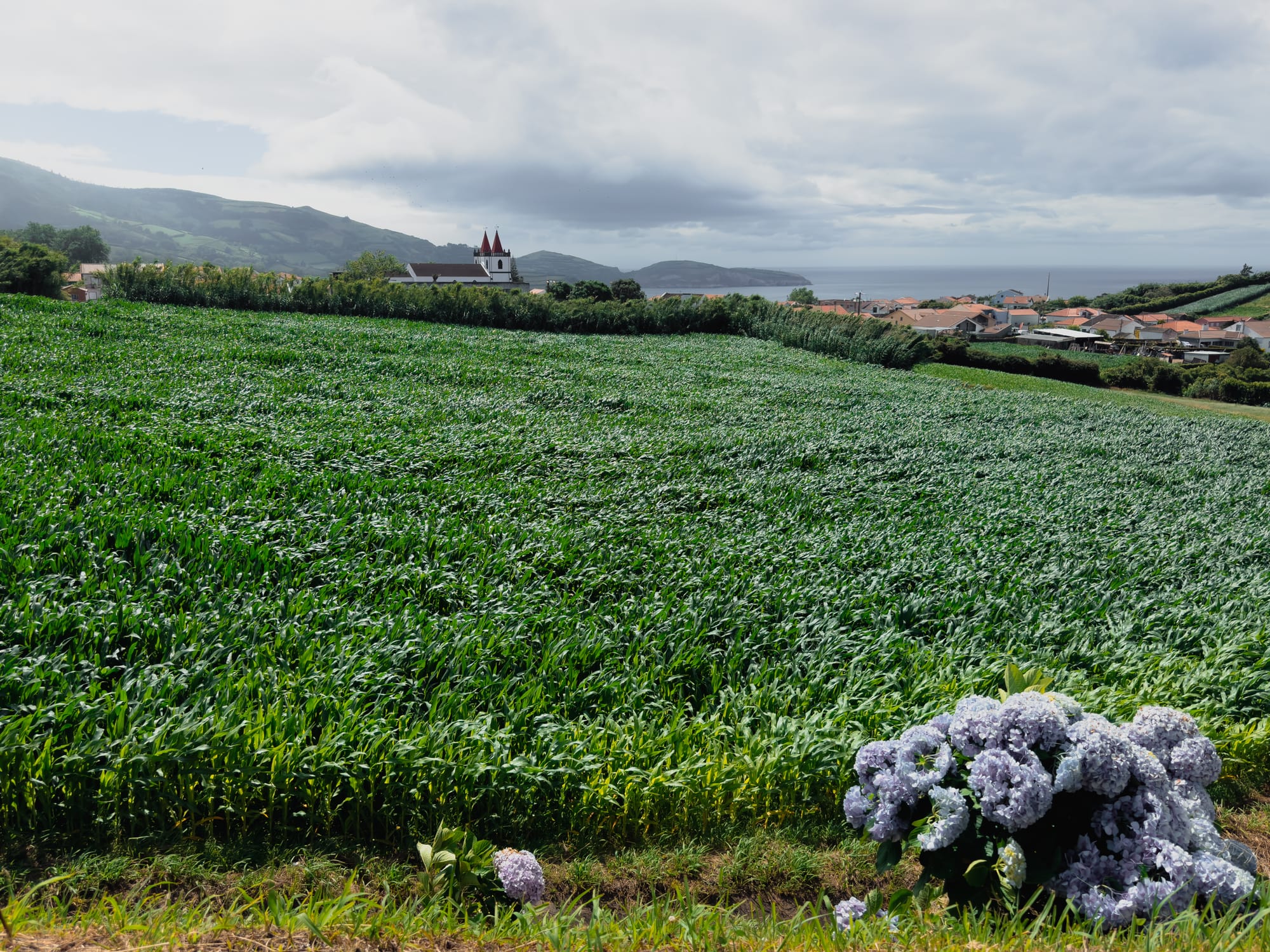
Where Madeira is drier, more dramatic, more built-up, São Miguel is green. Lush. Wet in the best way.

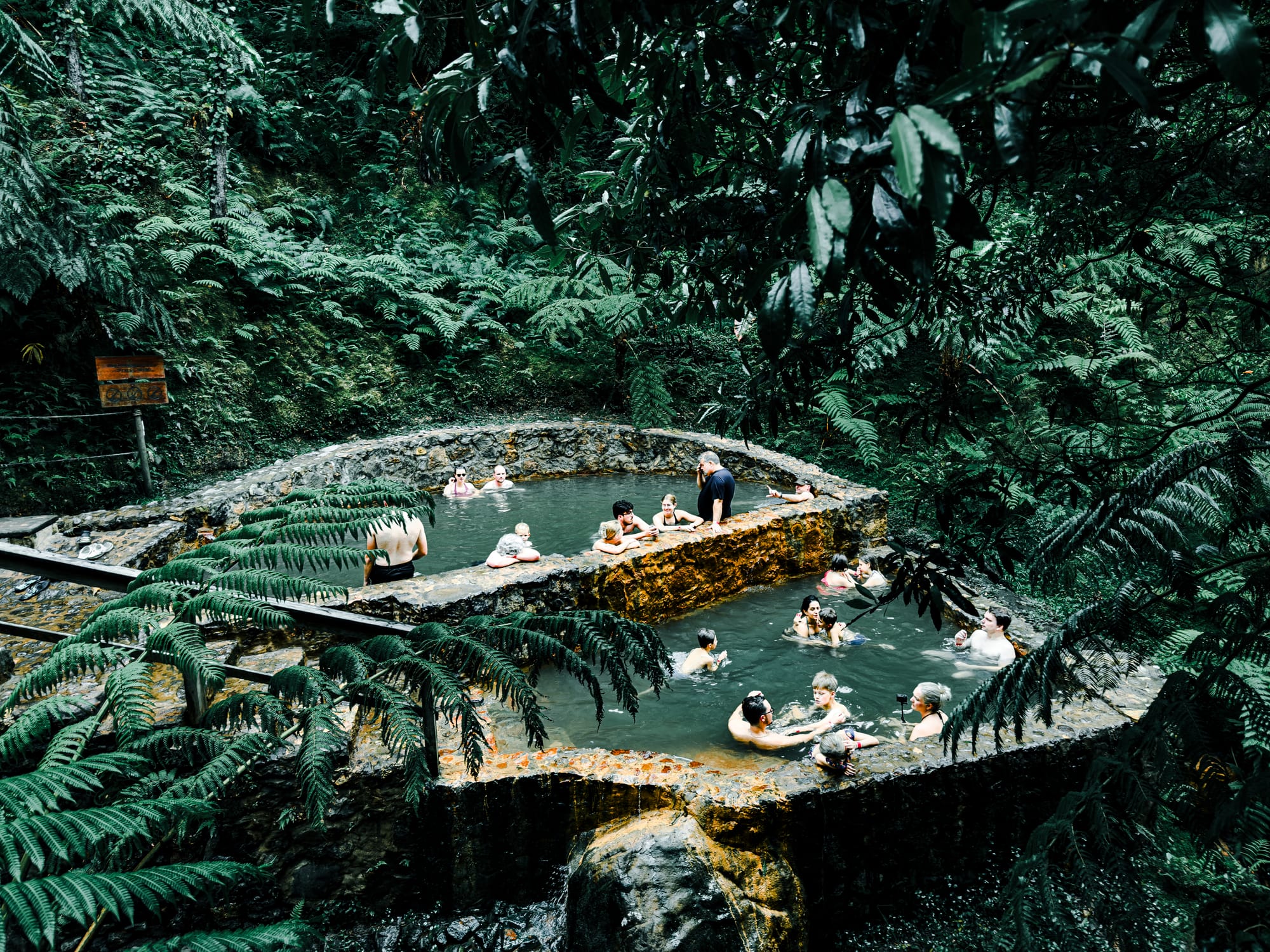
Raindrops settle on lush fern leaves near Caldeira Velha, where mineral-rich hot springs invite a slow, rainforest soak
It has more flowers, more moss, more steam.
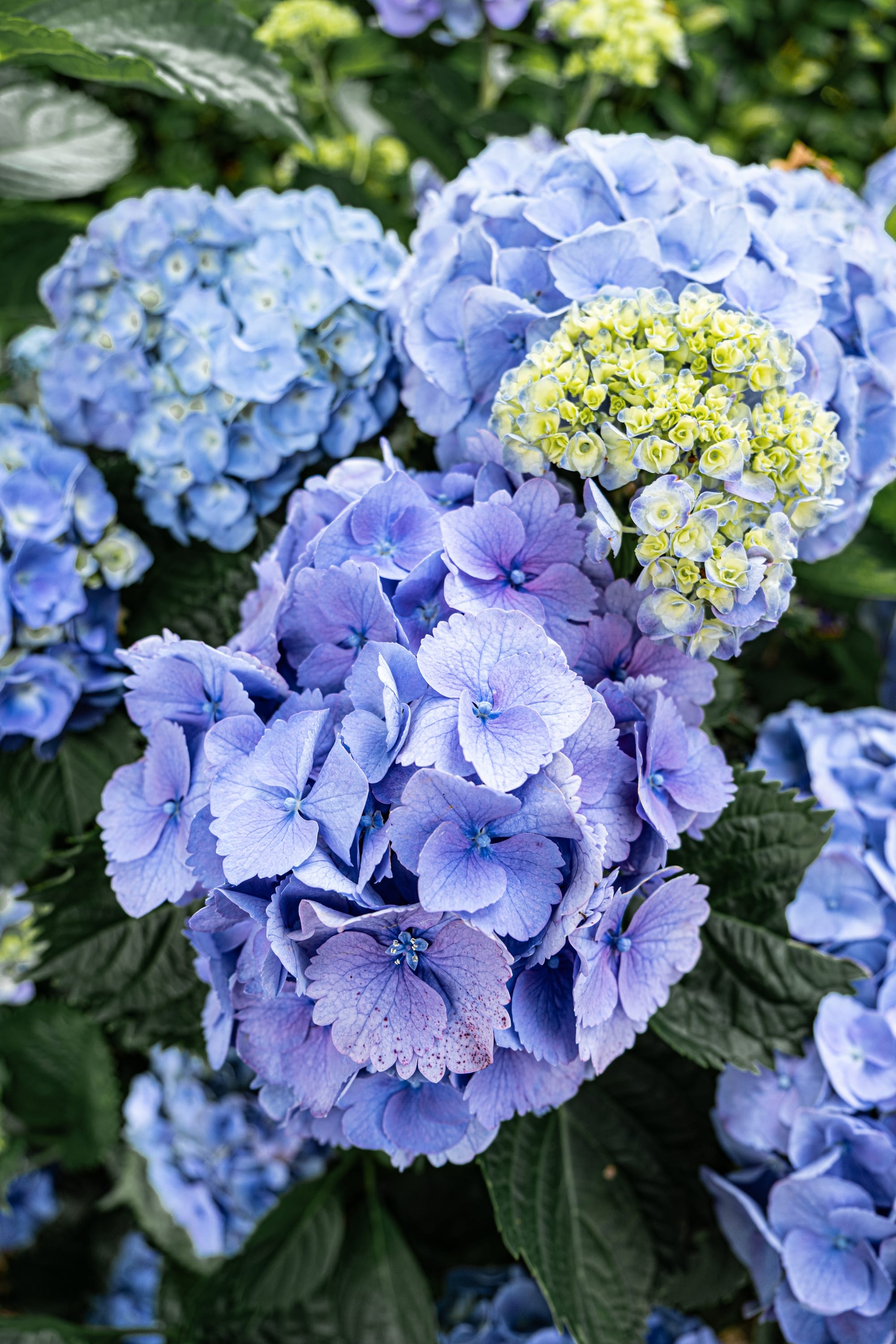
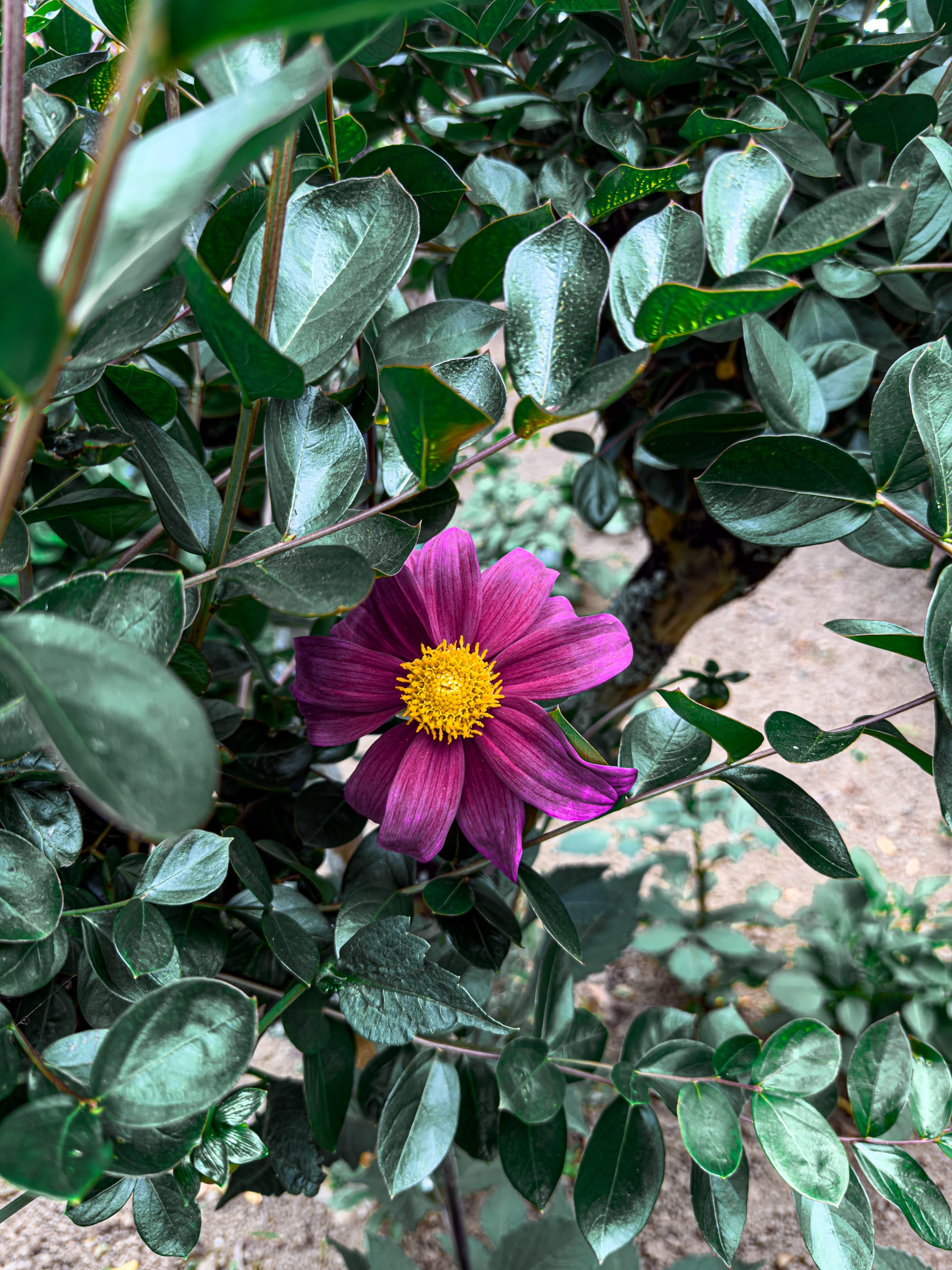
Azorean blooms in late summer light: hydrangeas in every hue and a lone wildflower radiant against glossy green
It hasn’t been overtaken by tourism in quite the same way. You can still walk into a hot spring without lining up behind a bus of tourists. You can still stumble onto trails that feel empty.
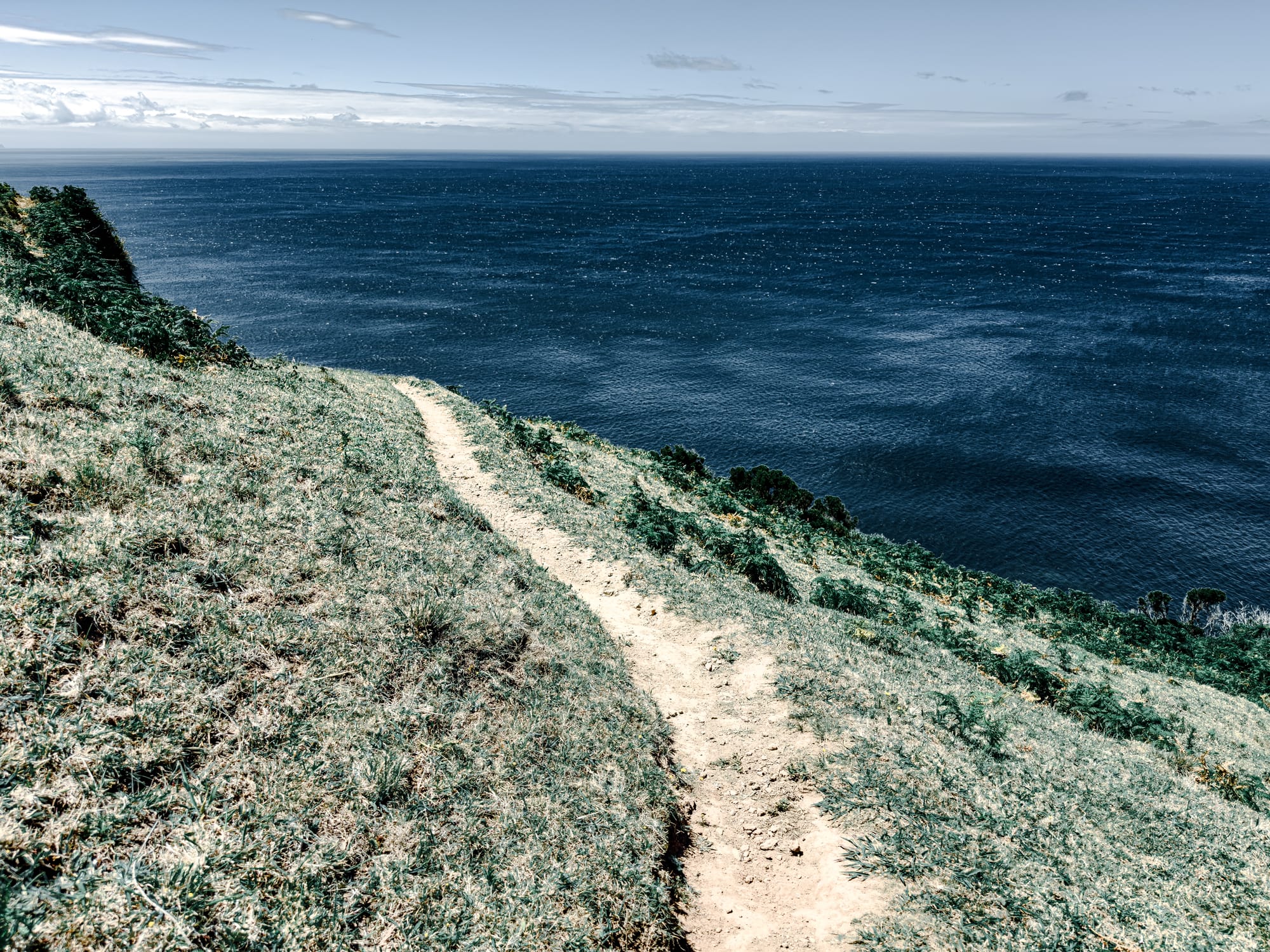
Madeira is known. São Miguel still holds some mystery. And that makes it feel more like a discovery.
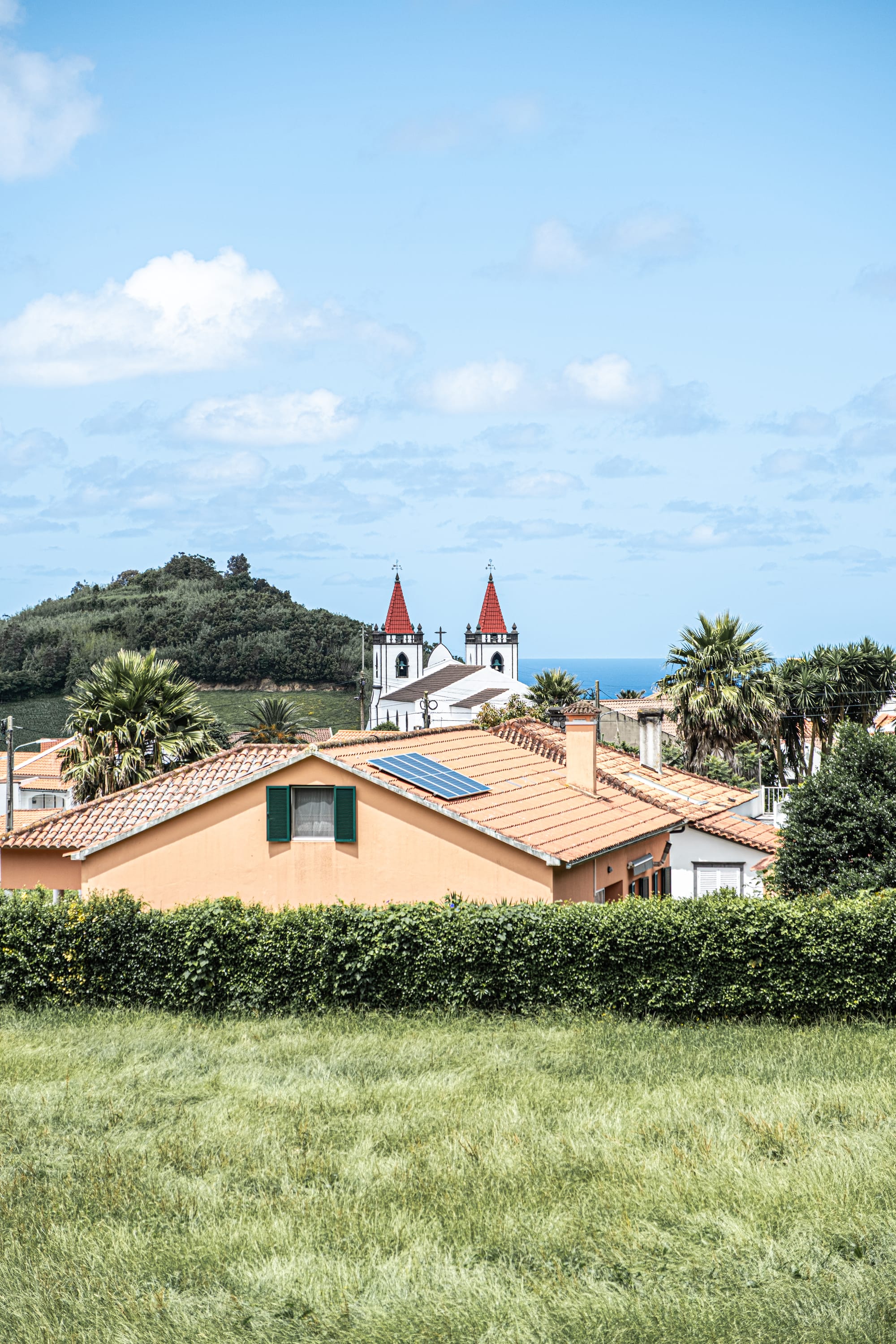
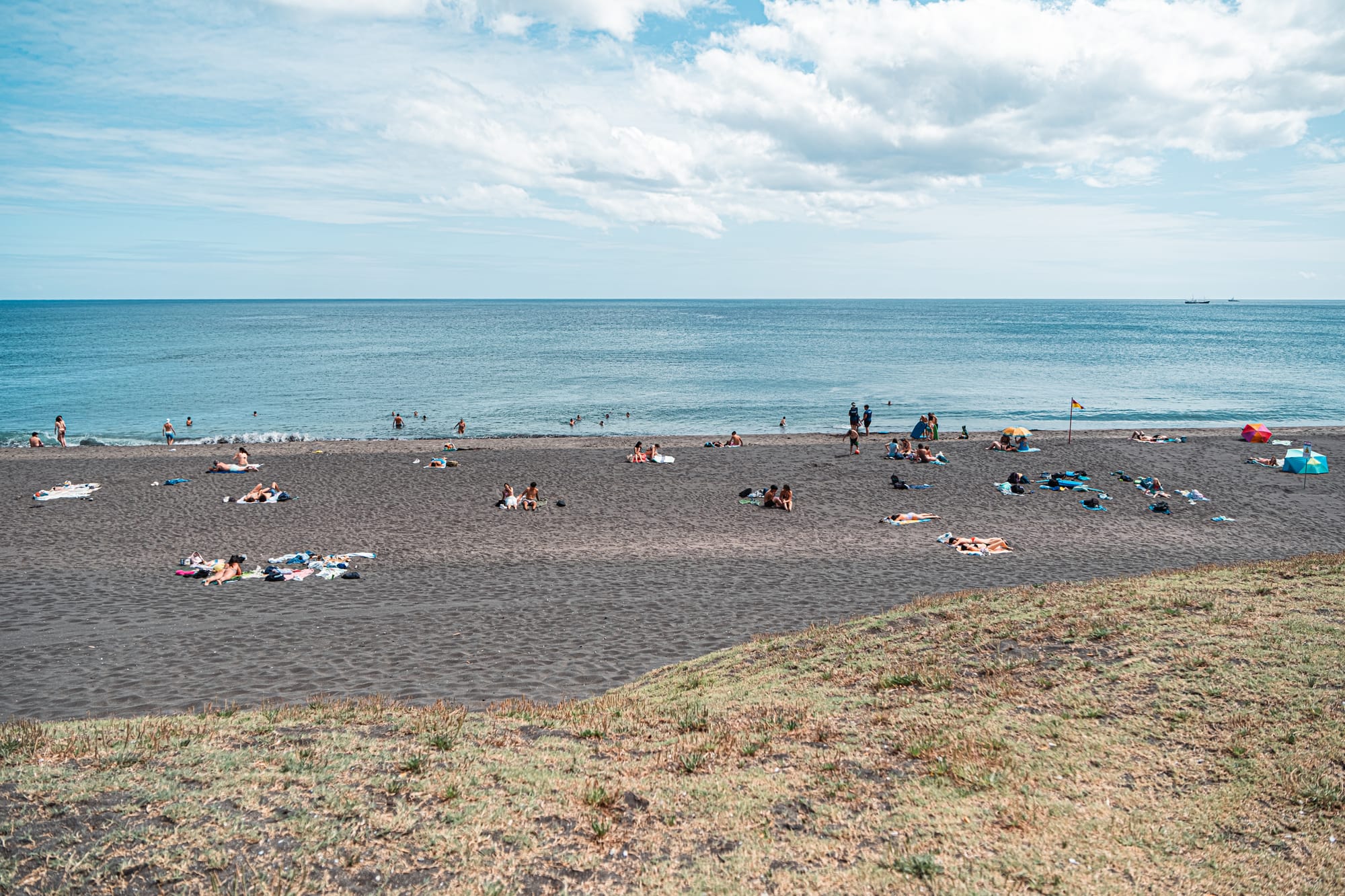
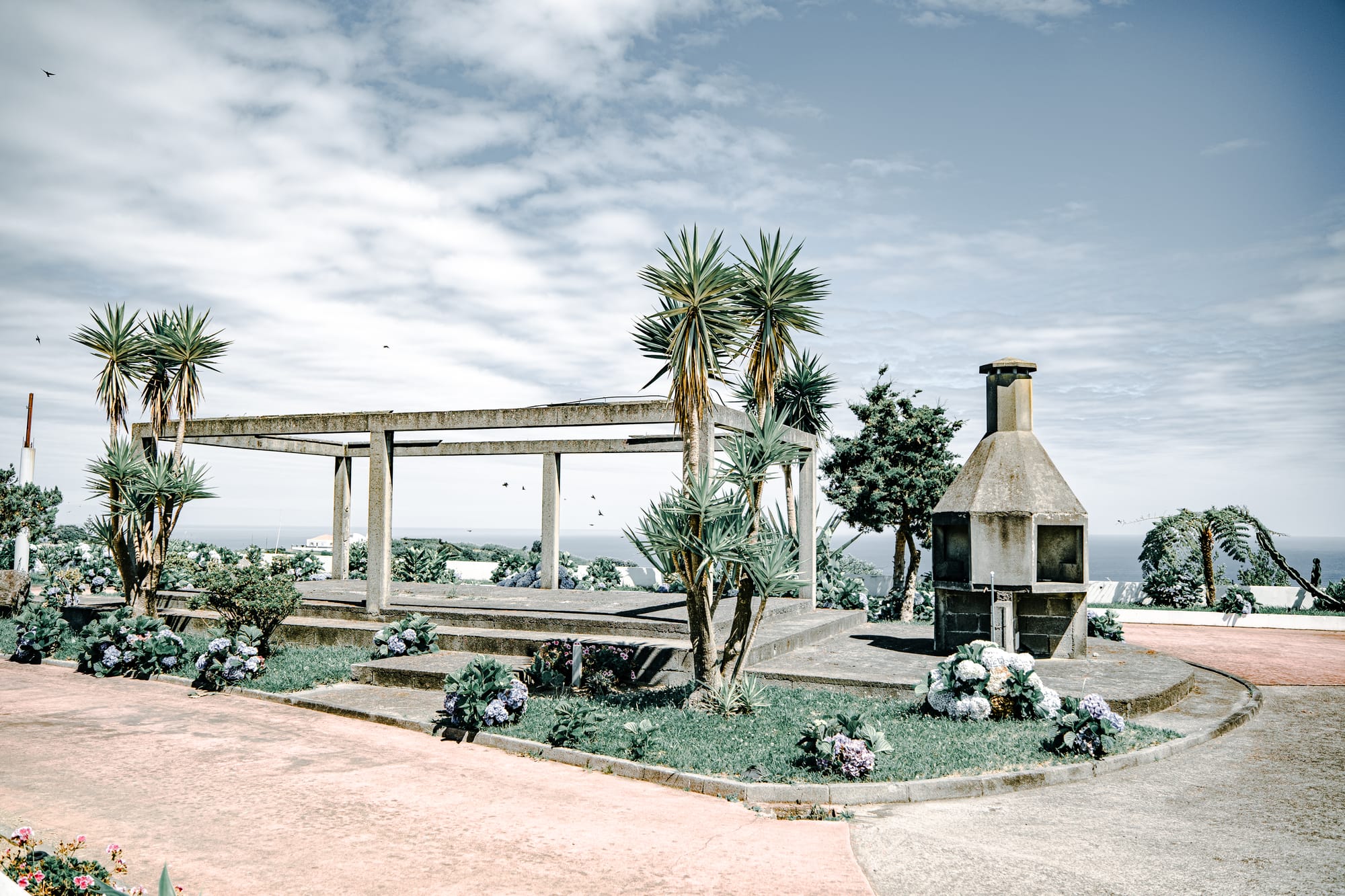
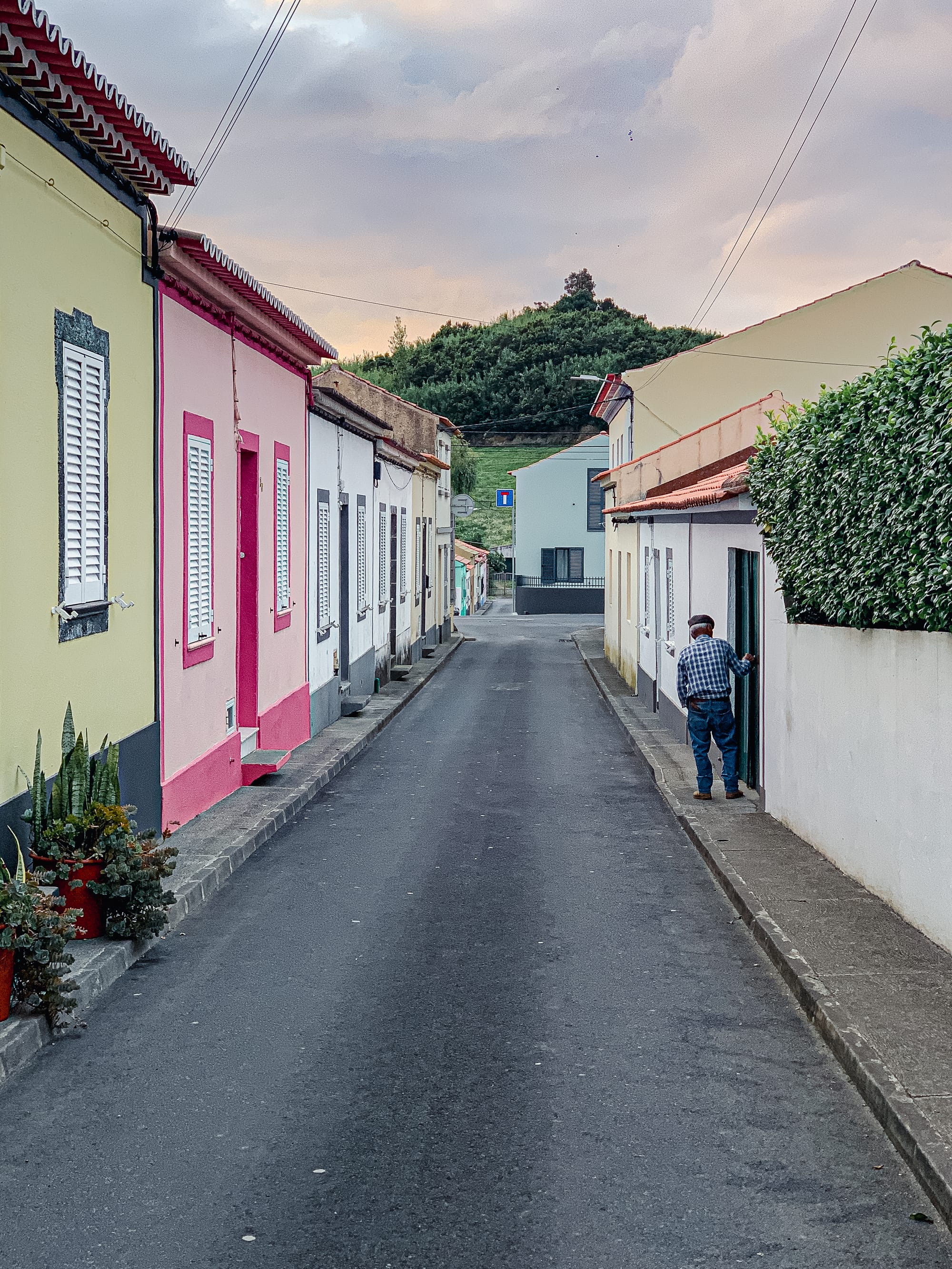
Scenes from daily life on São Miguel: black sand beaches, quiet village streets, backyard grills, and church spires
There’s also the fact that the Azores as a whole are an archipelago, with multiple islands to explore. We only had time for São Miguel, but the idea of hopping to Pico or Flores or Terceira on a longer trip adds depth to the potential here. You could build an entire season around island-hopping in this part of the world and never feel like you were repeating yourself.
Island life in the Azores
After a month on São Miguel, the thing we noticed most was how different our bodies felt. More rested. More even. More attuned to small shifts: light, temperature, hunger, desire.
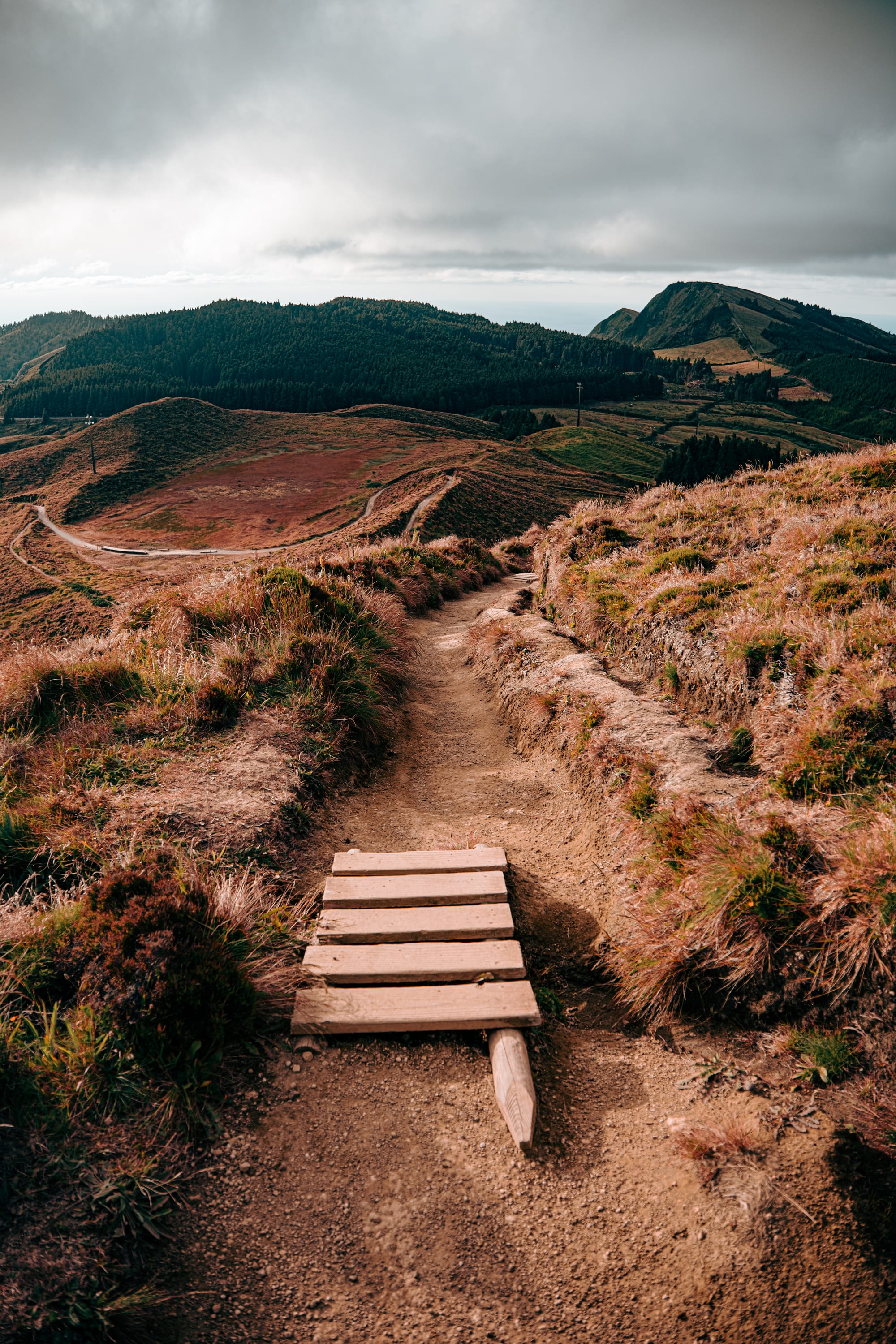
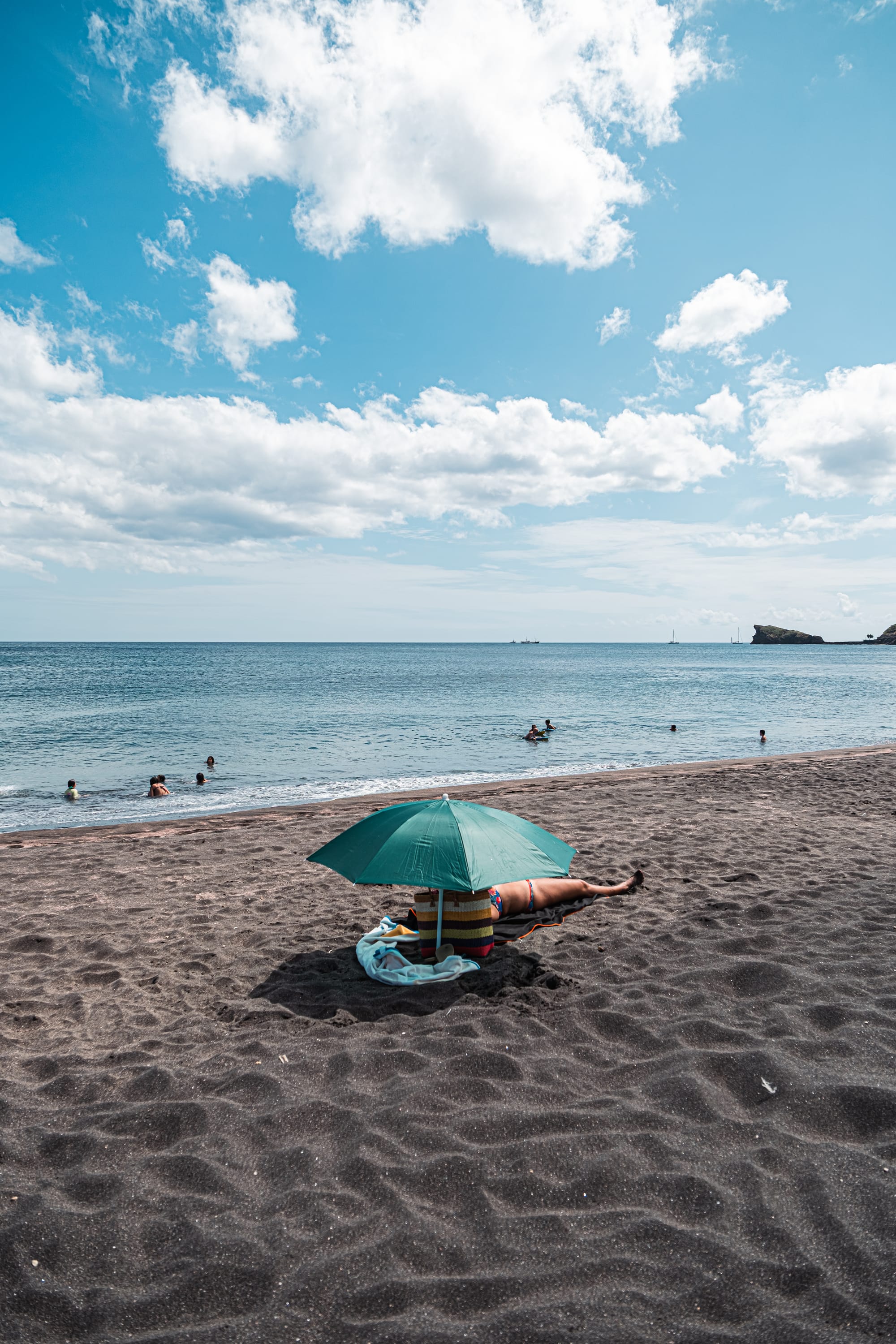
From volcanic ridgelines to black sand beaches, São Miguel moves at a slower, grounded rhythm
We walked more. We ate slower. We talked about things that weren’t work. We felt less like we needed to be anywhere else.
That’s what São Miguel offers: a reorientation toward being. The island isn’t trying to sell you on itself. It’s just there. Lush and slow and generous.
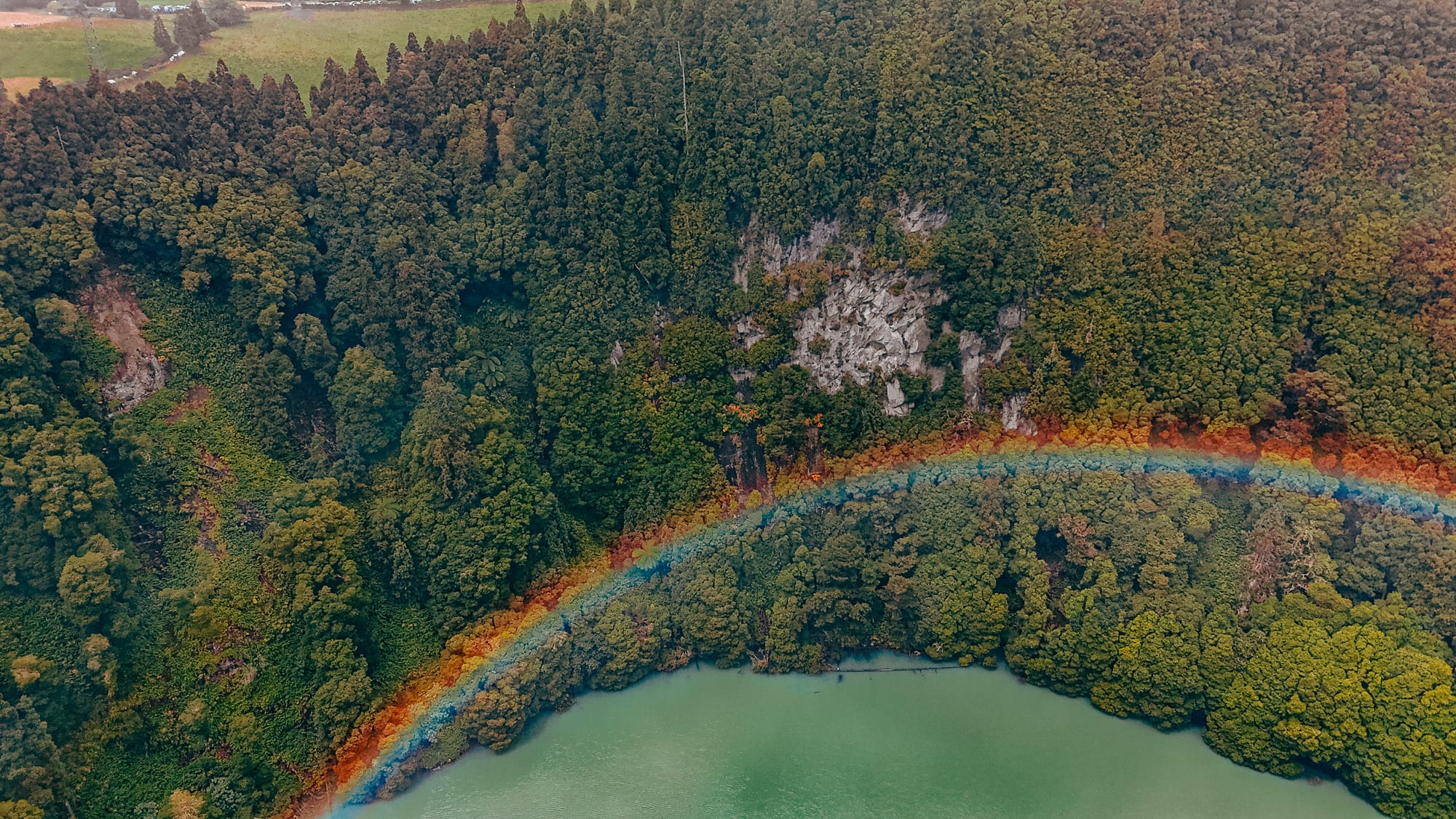
And if you can match its rhythm, even for a little while, it offers something rare: a taste of how your life could feel if it moved like trees or tides.
The kind where the highlights aren’t bucket list moments but mornings with fruit, or dinners with friends, or the smell of rain at night.
The kind where the internet still works, but you forget to check it.
For more on living as a digital nomad in the Azores, read our complete guide.
Nomad Earth Catalog
Frequently asked questions about living in the Azores
What is it like living in the Azores?
Living in the Azores is shaped by the landscape more than anything else. São Miguel feels almost entirely green, but not in a uniform way. One of the most striking details is the patchwork of corn fields, which sit in deeper, almost emerald tones against the lighter grass. That contrast is everywhere, and over time it becomes the backdrop to daily life. Most days are simple, built around work, food, and time spent outside.
Is the Azores a good place for digital nomads?
The Azores works well for digital nomads who are comfortable with a quieter, more contained environment. São Miguel has the infrastructure you need to work remotely, but it doesn’t offer the variety or energy of larger hubs. It suits people who are happy with a consistent routine and who don’t need constant stimulation or a large social scene.
What are the best things to do in the Azores?
Most of what you do in the Azores is outdoors. You hike to crater lakes, swim in the ocean, surf, or spend time in hot springs. People often compare it to Hawaii, but in practice it feels closer to New Zealand. The landscape is varied and accessible, but you need a car to experience it fully, and most of your time is spent moving through nature rather than structured activities.
How does living in the Azores compare to Lisbon, Porto, or Madeira?
The Azores is noticeably quieter and less developed than Lisbon or Porto. There are fewer restaurants, fewer events, and less cultural activity overall. Compared to Madeira, it feels less built-up and less oriented toward digital nomads. There’s more space and less density, but also fewer options day to day.
What are the downsides of living in the Azores?
The limitations become clearer over time. There is less variety in food and culture, and social life depends heavily on who is around at the time. The weather can change quickly, and the island can feel isolated, particularly in the winter months. For some people this is part of the appeal, but it’s not for everyone.
Is the Azores a good place to reset or slow down?
For many people, yes. The environment naturally supports a slower routine and fewer distractions. It can be a good place to spend time focusing on work, rest, or more inward projects, especially if you arrive with that intention.
Nomad Earth Catalog