


São Miguel is one of those rare islands where you can wake up to birdsong, walk past crater lakes on your way to a coworking session, and soak in jungle-fringed hot springs by dusk. For digital nomads who want fewer distractions without giving up on work, this Azores island is a great place to land.
In this complete guide, we’ll share everything you need to know about living, working, and exploring on São Miguel, plus link you to our deeper guides on trails, food, hot springs, and our favorite coliving.
São Miguel for digital nomads at a glance
| Topic | Details |
|---|---|
| Internet | Fast. Portugal's median fixed broadband is about 267 Mbps (Ookla Speedtest Global Index, October 2026). Fiber is common in the towns, patchier in rural areas. |
| Cost per month | About €1,500 to €2,500 for most nomads. A one-bedroom in Ponta Delgada rents for about €625 to €1,050 a month (Numbeo, November 2026). |
| Visa | Schengen rules: most non-EU visitors get 90 days in any 180. Portugal's D8 digital nomad visa needs about €3,680 a month in income (2026). |
| Best months | May, June, and September for work and weekend trips. June is our favorite. |
| Coworking | Mostly inside colivings, such as Lava and Dwell. |
| Community | Small and informal, built around colivings. |
| Best area to stay | The north-central coast (Ribeira Grande, Santana) for nature, or Ponta Delgada for services. |
Why São Miguel for digital nomads?
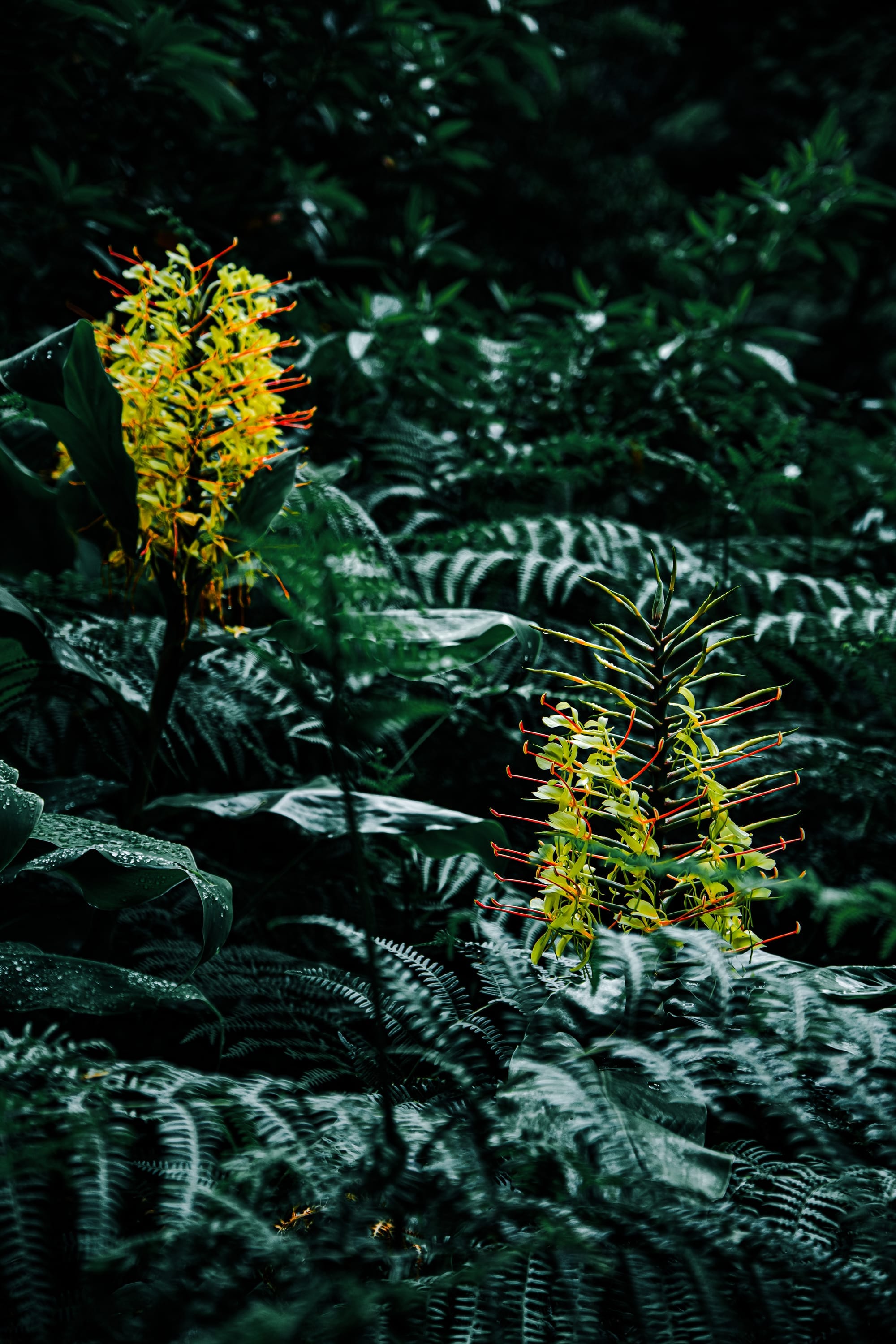
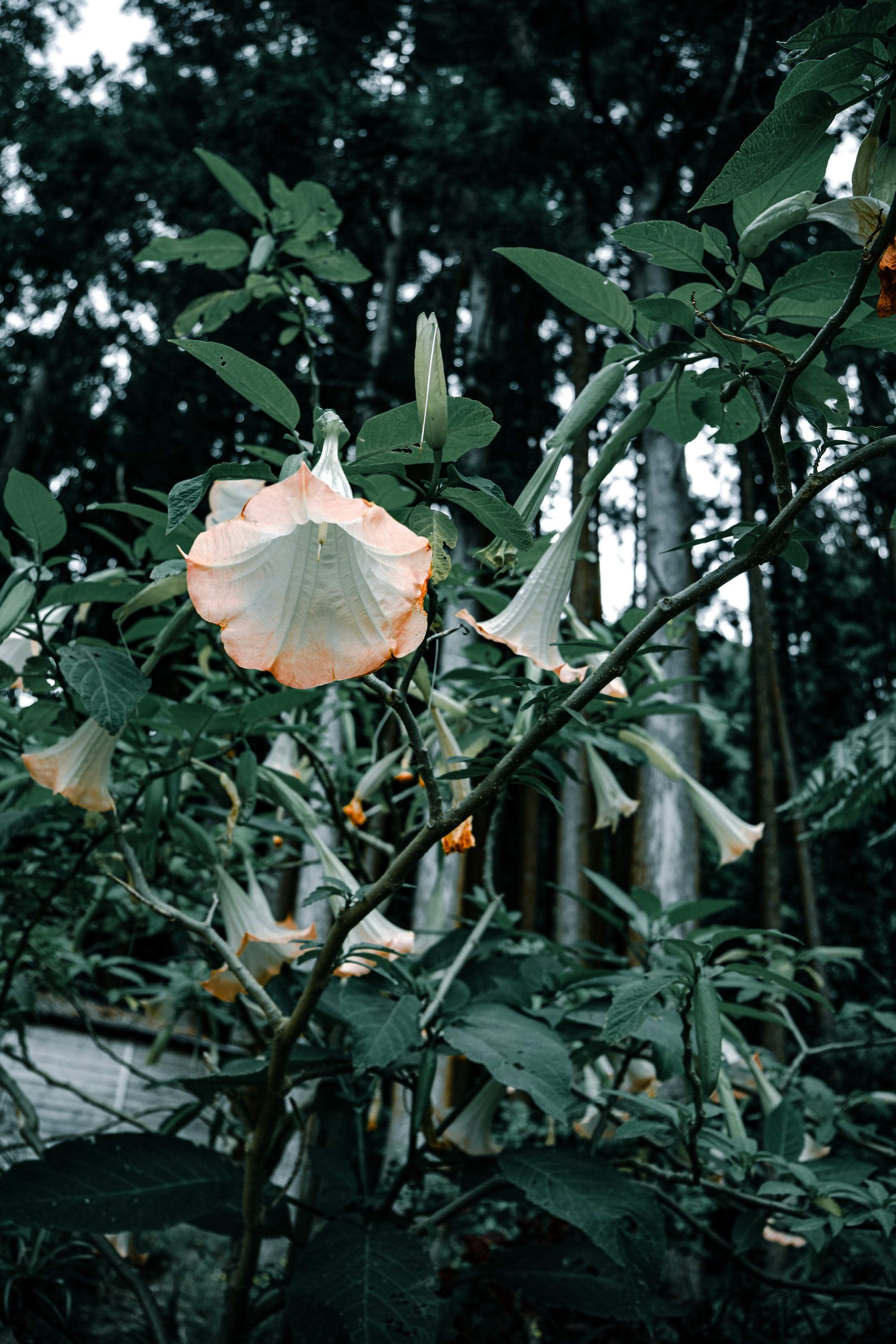
São Miguel, the largest island in the Azores, runs at its own pace, and life here is unhurried. The air smells like eucalyptus, salt, and fresh greenery. It’s subtropical and volcanic, with a landscape that looks more like Hawaii than mainland Europe: banana trees, ginger lilies, and steaming fumaroles, all within a short drive of one another.
Despite being part of Portugal, São Miguel feels worlds away. It’s lush, remote, and still relatively under the radar, especially compared to places like Madeira or mainland coastal hubs. That means no long lines at trailheads, no traffic jams on scenic roads, and no fight for space in the hot springs.
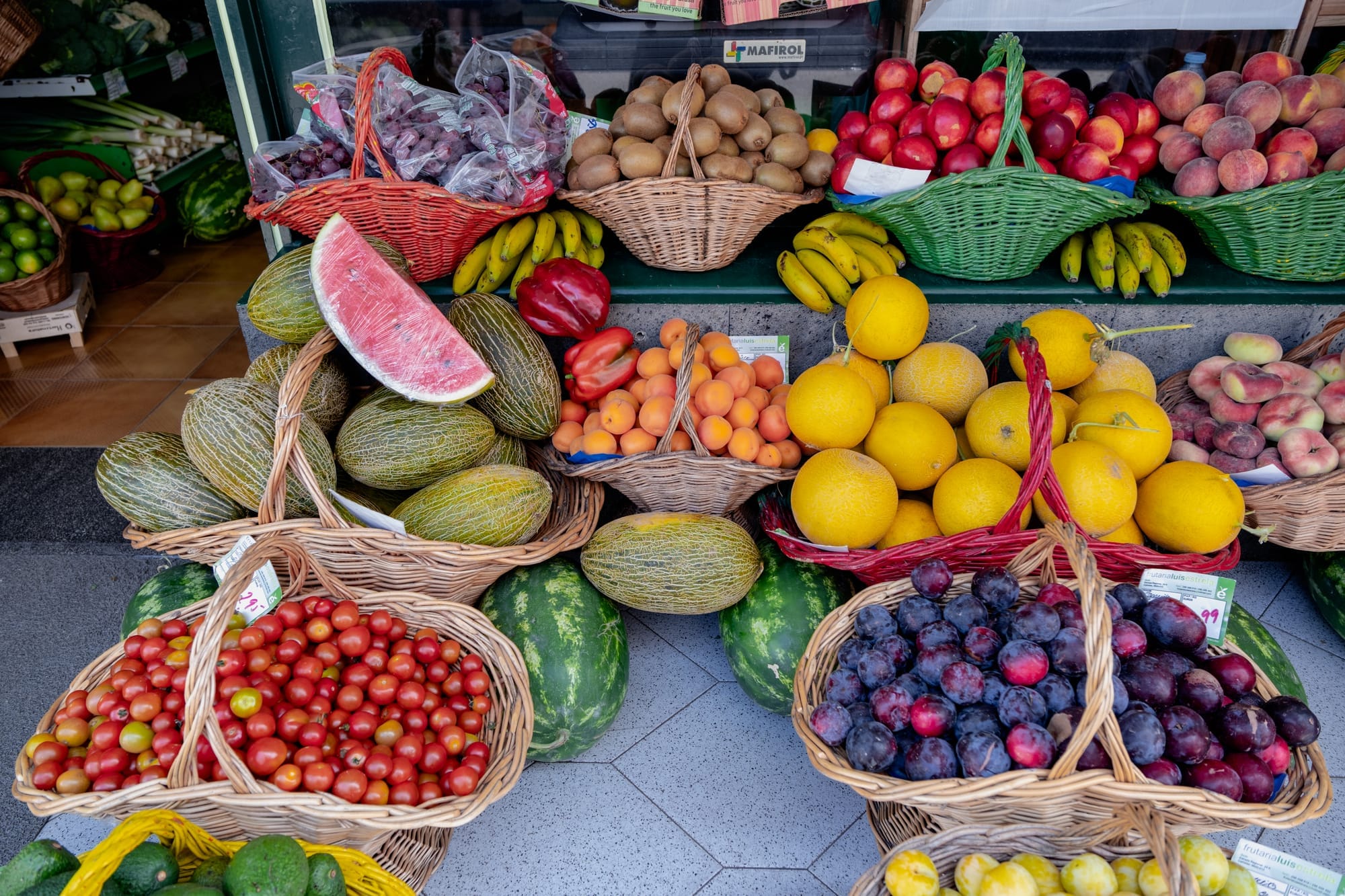
There are only a few coliving spaces, a small but grounded digital nomad community, and an endless list of natural features to explore: crater lakes, black sand beaches, rainforest hikes, natural thermal pools, and ocean lookouts where you’ll often be completely alone. It’s the kind of island where your workday might start with a soak in a hot spring before your 10AM call, or a walk down to a roadside fruit stand for passionfruit and bananas.

If you’re working US hours, the time zone overlap is ideal. You get your mornings to yourself, and your workday finishes just as the sun dips into the sea. With few distractions, it’s an easy place to focus. Deep work comes easily here, and the landscape is a big part of why.
This is not Madeira
Madeira might be the Azores’ more famous sibling, but São Miguel is a very different kind of experience. It’s calmer, less hurried, and less built up. There aren’t lines for hikes, no digital nomad villages, and no influencer crowds at every viewpoint. You won’t find a dozen coworking cafés, but you also won’t be elbowing your way to a waterfall.
A lot of people compare the two islands because they’re both Portuguese, volcanic, and green. But where Madeira is dramatic and steep, São Miguel is more varied, with rolling hills, crater lakes, hot springs tucked into rainforest, and a pace that feels rural, not resort-like.
We’ve heard from people who lived in Madeira and later moved to São Miguel because they wanted something more low-key. More places to think, hike, write, surf, soak, and breathe.
If you’re into nature, solitude, and being part of a smaller, emerging nomad community, São Miguel offers all of that without the over-development. Just come with realistic expectations: it’s not flashy and can sometimes be a bit rustic. But if you like unhurried mornings, moss-covered trails, and walking to fill your water from a mineral spring, you’ll be in good company.
If you’ve considered Madeira, know that São Miguel is greener, calmer, and far less touristed. While Madeira has become a hotspot with major nomad infrastructure, São Miguel still feels like a well-kept secret. Here, there are no lines to hike a trail. You’ll likely have hot springs or coastal miradouros all to yourself.
When to go to São Miguel
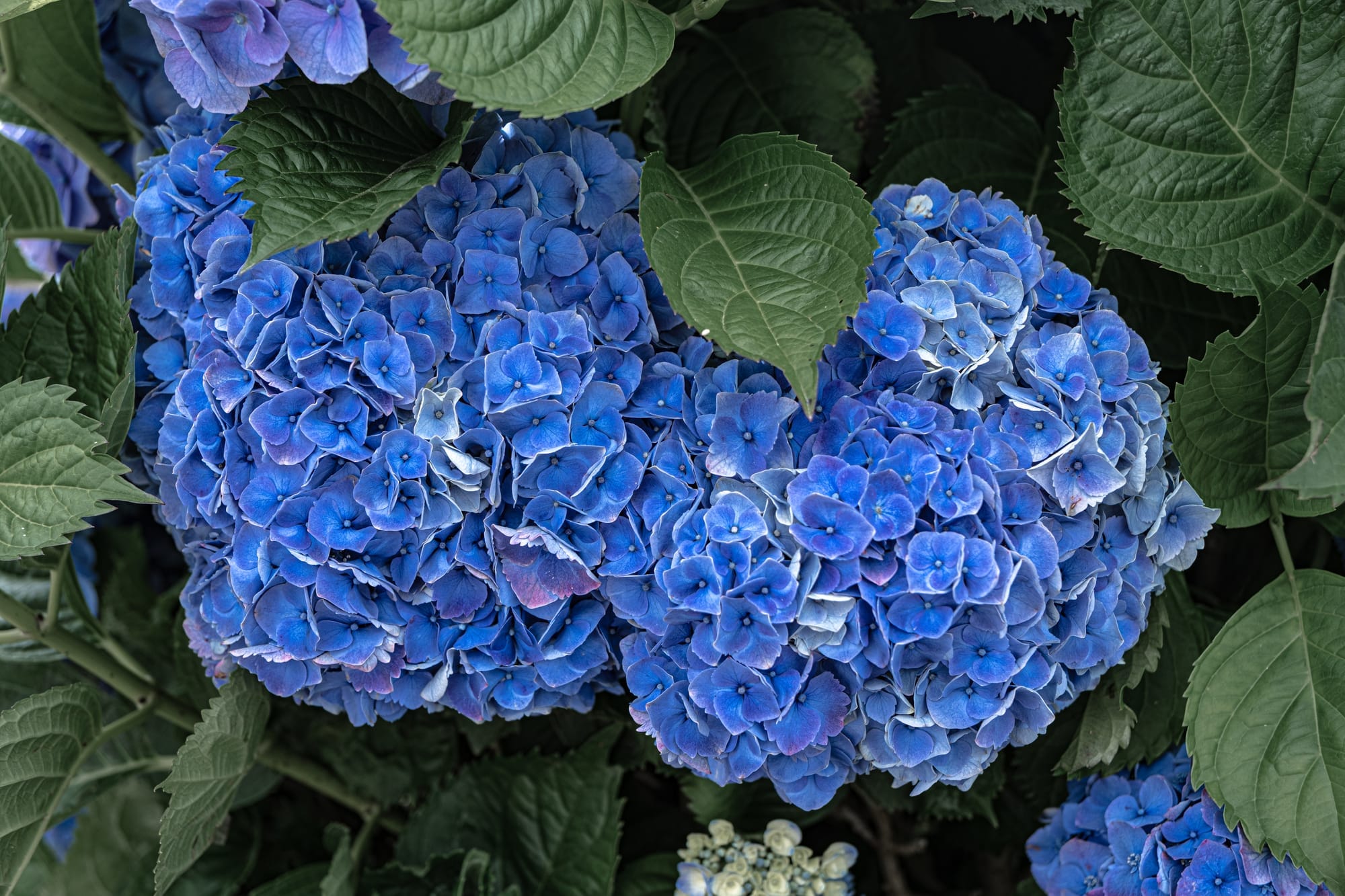
The best months to visit São Miguel are June through September, with June being our personal favorite. That’s when the hydrangeas are at their peak bloom, draping the roadsides and trails in thick clusters of blue, purple, and white. June also tends to bring more stable sunshine without the crowds of July and August. If you want lushness without too much traffic, this is the sweet spot.
July and August are the busiest months on the island. Schools are out, flights fill up, and major local festivals like Festas do Senhor Santo Cristo draw both tourists and returning Azoreans. It’s a lively time to be on the island, but it also means booking accommodations and rental cars well in advance.
May is a great under-the-radar month if you don’t mind a bit of weather roulette. You’ll get wildflowers, soft light, and emptier roads. April is rainier but full of color, ideal for mossy hikes and thermal baths if you like the moody, green side of the island.
September is still warm and beach-friendly. The crowds thin out and prices sometimes dip. It’s a great time to visit if you want both sun and solitude.
October brings more mist and cloud. The island gets less busy. Trails get softer underfoot, and skies more dramatic. This is when hot springs really come into their own. You’ll appreciate the contrast of cool air and geothermal heat.
November through March is the island’s true off-season. Expect more rain, wind, and unpredictable shifts between clouds and sun. But if you’re looking to cozy up in a co-living, take easy hikes through the fog, and have the thermal springs almost entirely to yourself, it can be a rewarding time. Just know that some restaurants and attractions may have shorter hours or seasonal closures.
Our advice on the best time to be on the island
If you’re coming to work remotely and explore on weekends, May–June or September strike a great balance.
If you’re here mostly to hike, April–June offers green trails and fewer people.
If you’re into photography or thermal soaking, October–March gives you moody skies and emptier pools.
If you’re here to swim, July–September are your warmest bets.
No matter when you go, pack for changeable weather. The island often cycles through all four seasons in a single day, and that’s part of the fun.
For more detail before you pick your dates, our São Miguel guide (PDF) has a month-by-month weather table with sea temperatures and whale seasons, plus a packing list.
Getting to and from São Miguel
Direct flights to Ponta Delgada (PDL) are available from Lisbon, Porto, and several international hubs including Boston, Toronto, London, and Frankfurt.
For nomads plotting a long route between continents, São Miguel is a beautiful midway stop between Europe and North America. Some people combine it with mainland Portugal, Madeira, Cabo Verde, or even the Canary Islands.
Getting around São Miguel
Getting around São Miguel without a car is difficult in practice. While there is a public bus network, routes are limited, especially to major sights like Sete Cidades or Lagoa do Fogo. Buses run infrequently (sometimes just a few times per day), don’t always connect well, and delays or missed services aren’t uncommon. This makes it hard to plan a full day or visit multiple places efficiently. What looks simple on a map can take hours or be impossible without backtracking.
If you want to explore the island properly, renting a car is the most reliable option. It gives you flexibility to reach viewpoints, hikes, and remote areas on your own schedule without relying on inconsistent timetables. We recommend DiscoverCars for comparing prices across rental companies and finding the best deal.
Working remotely from São Miguel
Most remote workers we met set up shop in colivings like Lava or Dwell, with fast wifi and calm shared workspaces. You won’t find a lot of laptop-friendly cafes, so it helps to stay somewhere with a proper desk and good lighting.
| Details | |
|---|---|
| Monthly budget | About €1,500 to €2,500, accommodation the biggest cost |
| Where to work | Colivings like Lava or Dwell; few laptop-friendly cafés |
| Internet | Generally good, fiber common in towns, patchier in rural areas |
| Time zone | UTC-1 (UTC+0 in summer), four hours ahead of New York |
| Visa-free stay | Up to 90 days in any 180 for the US, UK, Canada, and Australia |
| D8 visa income | At least 4× the minimum wage, about €3,680 a month (2026) |
| Getting around | Rent a car; buses are limited and infrequent |
| Best months | May to June or September for work plus weekends out |
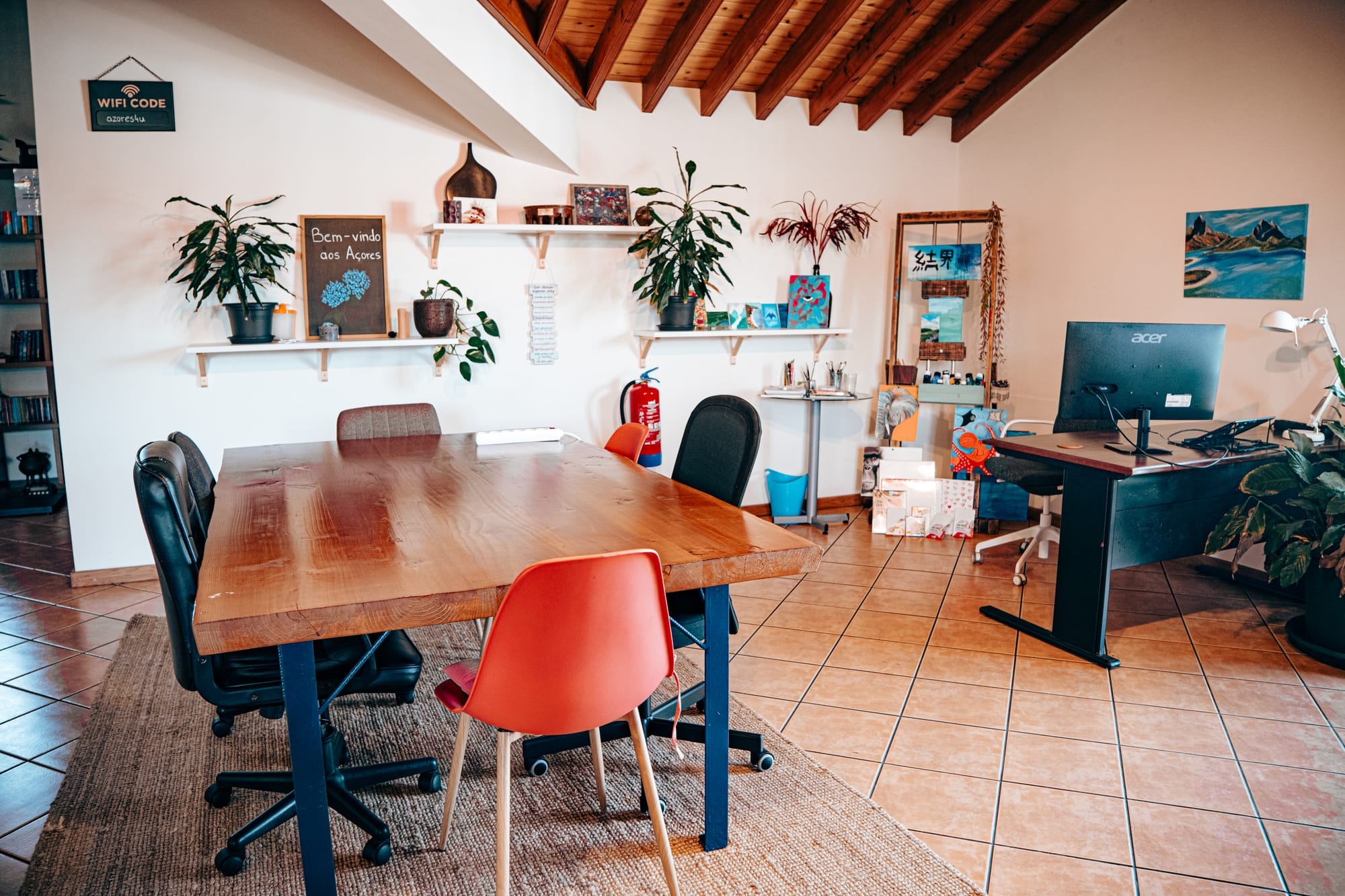
Island life has few distractions, which makes deep work easier. Just remember: bring any gear you need. Tech shopping on the island is limited.
Internet speeds and coworking spaces in São Miguel
Portugal's fixed internet is fast: the median fixed broadband download was about 267 Mbps in October 2026, and the median mobile download about 134 Mbps, according to the Ookla Speedtest Global Index. Those are national figures. On São Miguel, fiber is common in the towns, but rural addresses can have weaker connections, so ask for a speed test before you book a long stay.
| Space | Type and area | Day price |
|---|---|---|
| Lava Coliving & Coworking | Coliving with a coworking space, north-central coast near Ribeira Grande | Not published |
| Dwell Azores | Coliving with a coworking space, Fenais da Luz (north coast) | Day, week, and month passes listed; check the current price |
| Solmar Alojamentos | Apartments with a coworking office downstairs, Ponta Delgada seafront | For guests |
Digital nomad visas and how long you can stay in São Miguel
Portugal’s digital nomad visa (D8 visa) allows remote workers to live in Portugal, including the Azores, either short term (up to 1 year) or long term via a residence visa. To qualify, you generally need proof of remote income of at least 4× the Portuguese minimum wage, a contract or freelance agreements with non-Portuguese entities, accommodation, health insurance, and a clean criminal record. Requirements can change, so always verify details through official sources such as the ePortugal Portal and the Ministry of Foreign Affairs Portugal.
Applications must be submitted through a Portuguese consulate in your country of residence. If approved, you receive a residence visa valid for 120 days, during which you enter Portugal and attend an appointment with AIMA (which replaced SEF in 2023). After this, you receive a residence permit, typically valid for 2 years and renewable for 3 more years. Processing times vary by consulate and can take several weeks to a few months.
This visa allows you to live in São Miguel while working remotely for non-Portuguese companies or clients. You cannot work for a Portuguese employer under this visa. If you spend more than 183 days in Portugal within a 12-month period, you may become a tax resident. If you are entering Portugal without a visa, most visa-exempt nationalities (such as the US, UK, Canada, and Australia) can stay for up to 90 days within any 180-day period in the Schengen Area. Always confirm the exact rules based on your nationality before traveling.
In numbers: the official visa portal asks for an average monthly income over the last three months of at least four times the Portuguese minimum wage. With the minimum wage at €920 a month in 2026, that's about €3,680 a month. You also need a work contract or an employer's declaration (or, if you're self-employed, contracts or proof of services to clients) and a document showing your tax residence. The temporary stay version of the visa, for shorter stays, uses the same income rule.
Cost of living in São Miguel for digital nomads
Rent is your biggest cost on São Miguel. The figures below are for Ponta Delgada, the island's capital, from Numbeo. They come from 10 contributors over the past 12 months, so treat them as a rough guide. Places outside the city and coliving rooms are priced differently.
| Item (Ponta Delgada) | Typical price |
|---|---|
| One-bedroom apartment, center | €1,050 a month |
| One-bedroom apartment, outside the center | €625 a month |
| Utilities (85 m² apartment) | €128 a month |
| Home internet (60 Mbps or more) | €30 a month |
| Mobile plan (10 GB or more) | €16 a month |
| Public transport pass | €50 a month |
| Gym membership | €29.50 a month |
| Meal at an inexpensive restaurant | €12 |
| Cappuccino | €1.60 |
For a whole month, most nomads spend somewhere between €1,500 and €2,500, depending mostly on rent and on a rental car (which you'll want, as buses are limited). For more on what life on the island is like, read our piece on living in the Azores.
Digital nomad community in São Miguel
Let’s set expectations: São Miguel doesn’t have a huge digital nomad scene. There’s no WhatsApp group, no weekly mixers, and no calendar full of community-hosted events. If you’re coming from a place like Chiang Mai, Bansko, or Lisbon, you’ll feel the difference immediately.
That said, there is a growing presence. Colivings are the heart of the nomad community on the island. We met most of our friends through Lava Coliving, cooking together, soaking in hot springs after work, going on group hikes, or piling into someone’s rental car for a road trip. There were occasional joint potlucks between colivings and a few casual get-togethers, but nothing structured or regularly recurring.
The social scene here is smaller and more intimate. Think long dinners with a few people, not large meetups. Group hikes and waterfall swims, not coworking cafe crawls. Most nomads here are passing through for a few weeks to a month, and that means your community might shift quickly. We loved it. But it’s definitely not plug-and-play.
If you’re someone who thrives on organized social infrastructure, you might find Madeira a better fit with its year-round digital nomad village, regular events, and larger pool of remote workers.
But if you’re okay with a low-key, naturally forming social circle, and you’re someone who likes being a bit more present with whoever is around, São Miguel can be incredibly rewarding. The friendships we made here were deep and meaningful. And the fact that we were often the only nomads in a hot spring, on a trail, or in a town made it feel like our experience was fully our own.
Azorean culture
Azorean culture is deeply tied to both land and sea. Fishing villages, crater-farming, dairy herding, volcanic cooking, and sea-salt air all shape how people live here. São Miguel in particular is known for its lush agricultural valleys, its use of geothermal heat for cooking (as in the traditional cozido das Furnas, a stew cooked underground for hours), and for a practical resilience that comes from living on a remote island where the weather changes fast.
You’ll see hydrangeas lining every road, grazing cows in nearly every open field, and a blend of old stone churches and modern murals throughout even the smallest towns. Most locals still do their shopping at small mercearias, know their neighbors, and treat Sundays as sacred. Weekly routines often include fishing, farming, mass, and meals with extended family.
Festivals, especially in the summer, are a big part of the local calendar. These range from religious processions like Festas do Espírito Santo (with locals giving out sweet bread) to secular celebrations like São João with dancing, sardines on the grill, and fireworks. Villages string up lights, dress in traditional clothing, and gather in community squares.
Ponta Delgada feels more cosmopolitan, while the rest of the island is more relaxed. Azorean life is close-knit: people pay attention to nature and to one another, and nobody seems to be in much of a hurry. Time here is for living, not for rushing through.
Psychogeographics: what living in São Miguel feels like
What is it actually like to live on São Miguel for a month or more? Expect an unhurried pace and fewer distractions. Mornings often start with ocean mist, and evenings can end in hot springs under the stars. People smile at you in the market, days seem to stretch out longer, and your work tends to shift from frantic to focused.
Nature shapes the pace of everything here, and it’s more than a backdrop. Locals keep a close eye on weather, soil, harvest, and wind. You’re never far from birdsong, basalt, or something lush and green growing.
We wrote a full piece on what day-to-day life is like here: Island time, island pace: digital nomad life on São Miguel.
Where to stay in São Miguel
You can base yourself in a coliving or book a private place and build your routine around hikes, hot springs, and markets. Here are our top picks for coliving and private stays, broken down by region.
For how we search for colivings and longer stays in any city, see our guide to digital nomad accommodation.
Central / North-central (Ribeira Grande, Santana, Rabo de Peixe)
Lava Coliving & Coworking: Peaceful, spacious, and ideal for deep work. The coworking space has fast wifi, and the vibe is both social and focused. The backyard and balcony offer ocean views and greenery. A top pick for solo remote workers or couples. Close to the farmers' market, hot springs, and hiking trails.
Solmar Alojamentos: Self-catering apartments on Ponta Delgada's seafront promenade, overlooking the marina, each with a full kitchen and balcony. The building has a coworking office downstairs, so you get a desk without needing a coliving.
West Coast (Mosteiros, Sete Cidades)
Novovento Coliving: Tucked away near Sete Cidades, Novovento is ideal if you want to be near São Miguel’s most iconic lakes and hiking trails. Expect peace, dramatic landscapes, and a sustainable coliving model built around its veggie garden and ocean views.
Canto do Mar: Perfect for couples or pairs, these cozy homes are right on the water. Great base if you want access to Caneiros pools or the wild western trails, with privacy and independence.
East-central (Furnas)
InSide Furnas: A lovely 2-bedroom house located within walking distance of the town’s geothermal springs. If you’re into nature bathing, lush vegetation, and misty mornings, this base is unbeatable. Fast wifi and cozy interiors make it perfect for a month-long stay.
East Coast (Nordeste)
Casas da Chaminé Eco Country Lodge: If you want silence, bird songs, and sweeping sea views, base yourself here. These pretty houses include access to a pool and terrace. Ideal for creatives and long-form projects.
South Coast (Vila Franca do Campo)
Quinta D. Maria & Inês: A great option for groups or families, this spacious house has ocean views and easy access to the islet and local cafes. It’s also right near the Santuário de Nossa Senhora da Paz.
Eco-conscious / regenerative living
Quinta do Bom Despacho: A seasonal ecoliving project that welcomes digital nomads from October to April. If you value permaculture, sustainability, and thoughtful community, this is a rewarding place to stay.
The best things to do on São Miguel
There’s no shortage of things to do on São Miguel, but what stood out most to us weren’t the biggest tourist attractions, but the experiences that felt rooted in the island’s landscape and pace. Think hot springs tucked in the forest, long ridgeline hikes past crater lakes, small towns, and coastlines where you’ll have entire viewpoints to yourself.
This list includes our personal favorites, places and moments we’d genuinely go back for. Some are well known, others are off the radar. Most of them have a full post you can read if you want more details, photos, or tips. Our advice: don’t try to do everything. Pick a few things that align with how you like to travel, and give them the time they deserve.
Hot springs & caldeiras
Soak in the rainforest hot springs of Caldeira Velha
Forest-framed geothermal wonder.
Located along the lush slope of the Fogo volcano, Caldeira Velha is one of the most atmospheric hot springs on São Miguel. The site sits in a rainforest-like landscape of tree ferns, hanging mosses, and dense tropical foliage. As you walk along the boardwalk, the air gets warmer and smells of sulfur, and the path leads you to a cascading geothermal waterfall surrounded by rust-colored rock and mineral-rich pools.
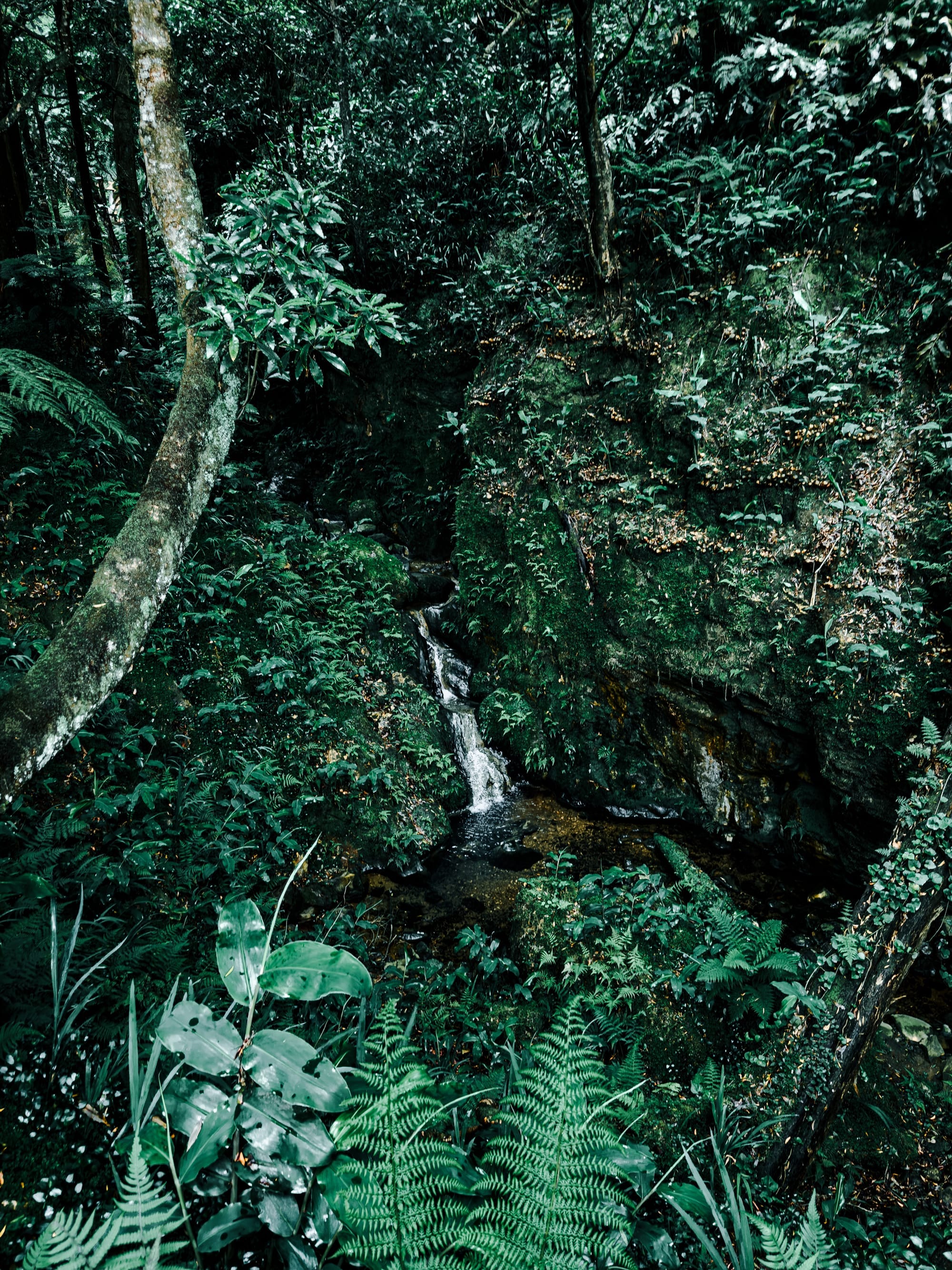
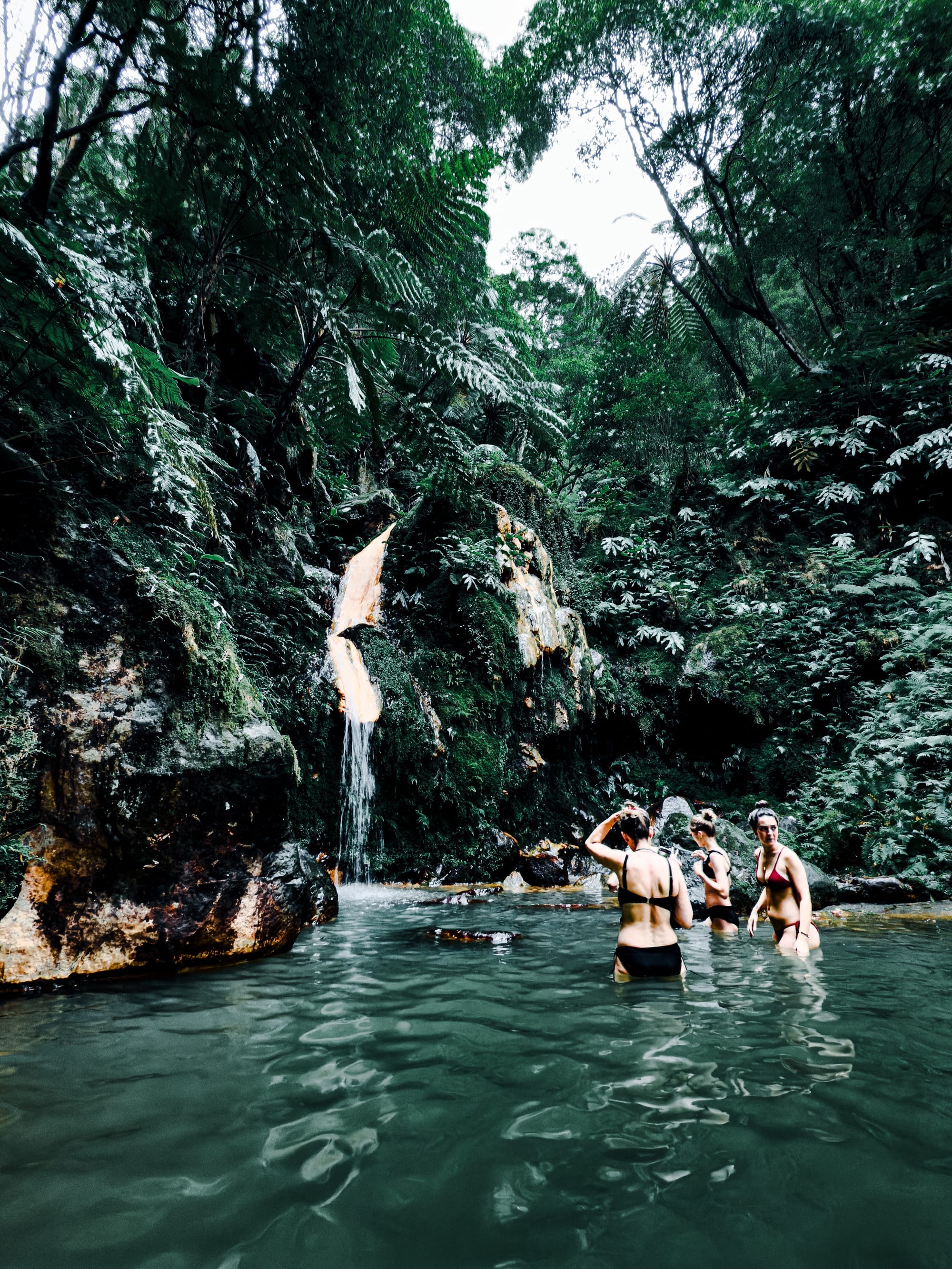
The pools vary in temperature, so you can move between them depending on how hot you like it. Early mornings or misty afternoons are especially good. When steam rises from the water and birdsong echoes through the canopy, the whole place looks almost prehistoric. The site also has a small interpretive center explaining the volcanic forces behind it. Entry is timed to limit crowding, so book in advance if you’re visiting during high season.
Bathe in the fancy Poça da Dona Beija thermal pools
Orange-tinged thermal pools in the heart of Furnas.
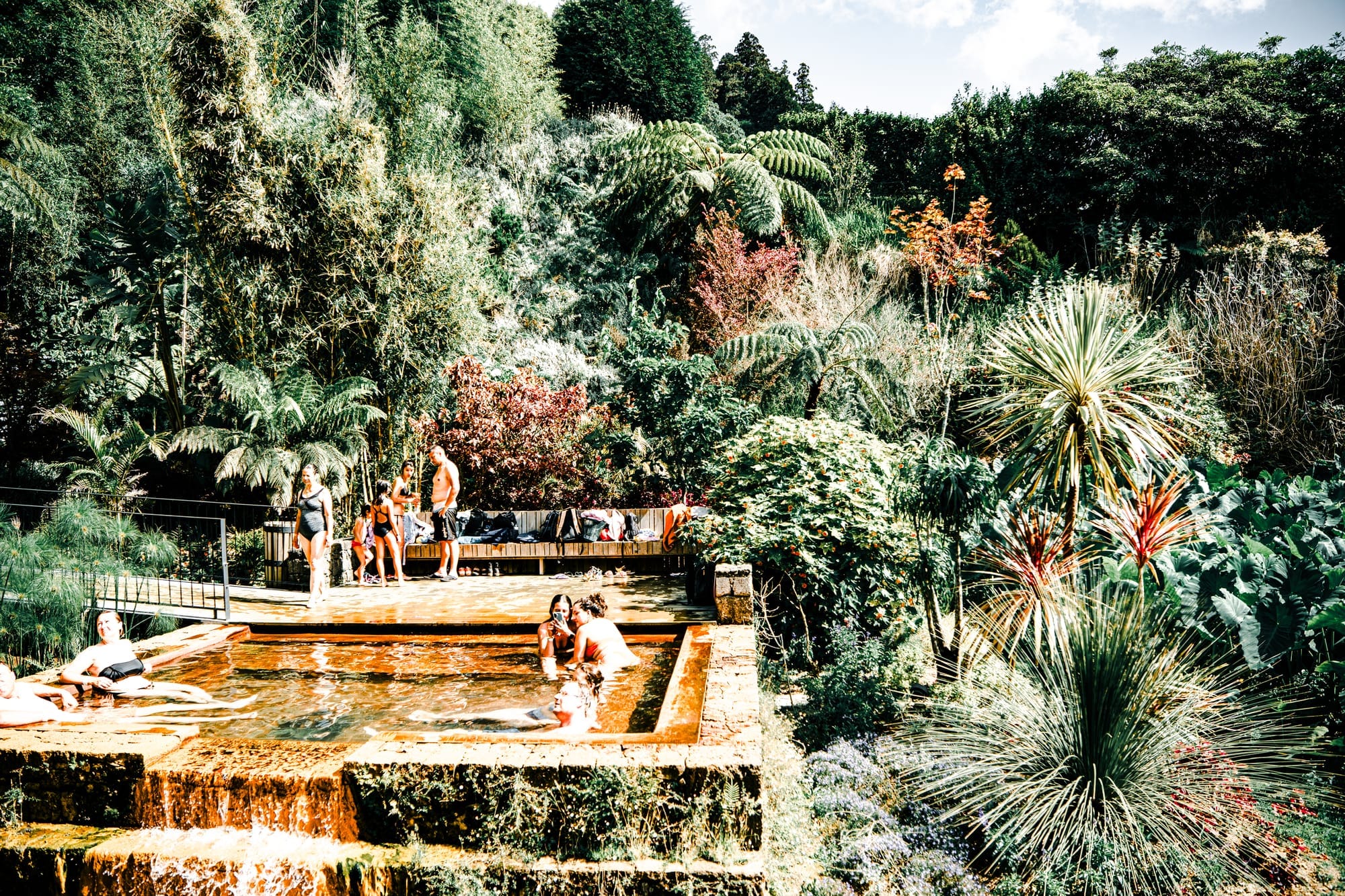
Set within the volcanic village of Furnas, Poça da Dona Beija is a thoughtfully designed thermal spa fed by iron-rich waters that hold a consistent temperature of 39°C. The stone channels and walled pools are laid out like a geometric garden, framed by lush vegetation and tinted golden by sulfur sediment. Each pool is a little different, some shallow and calm, others deeper and steamy. All are named after states of mind like “meditação” or “reflexão.”
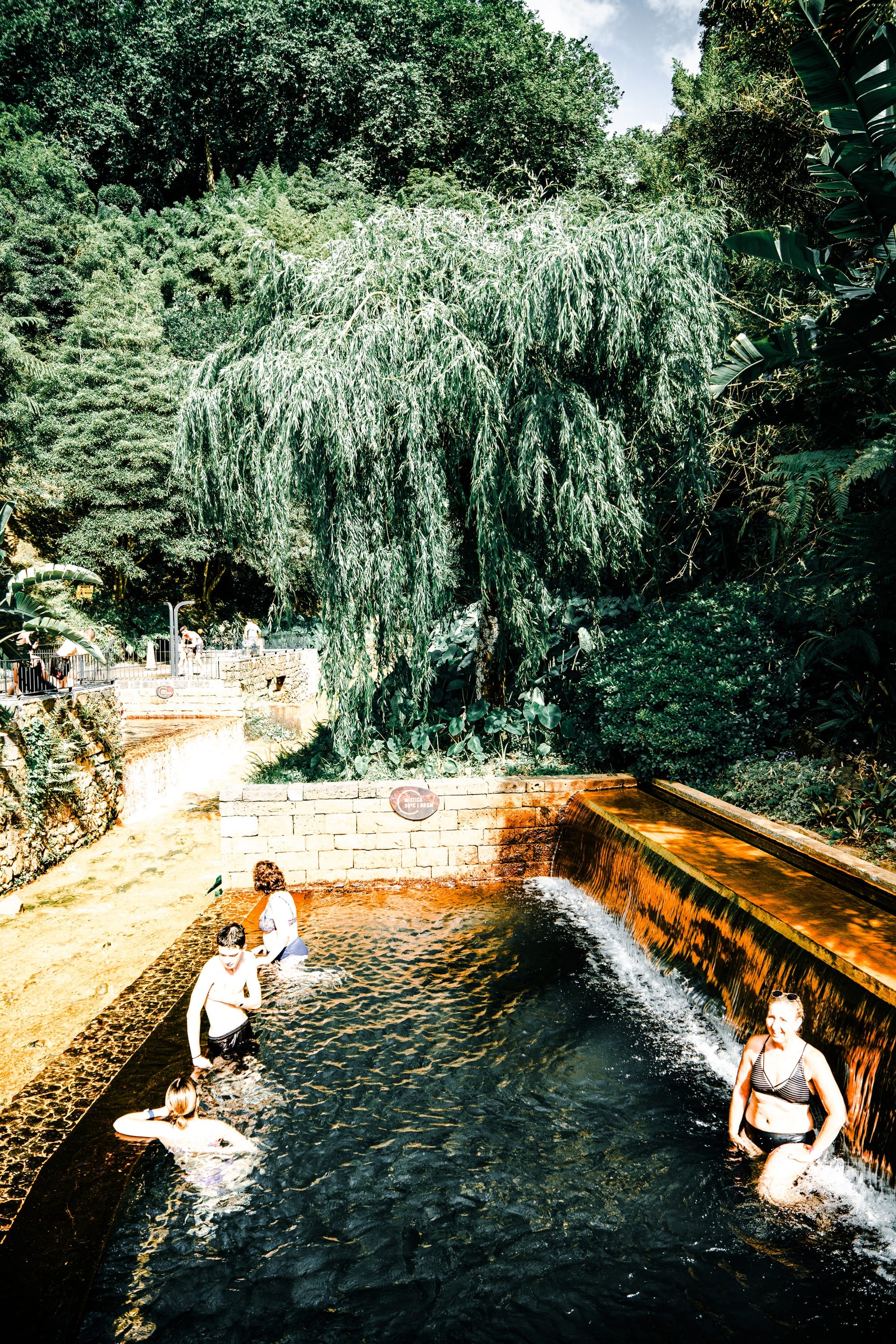
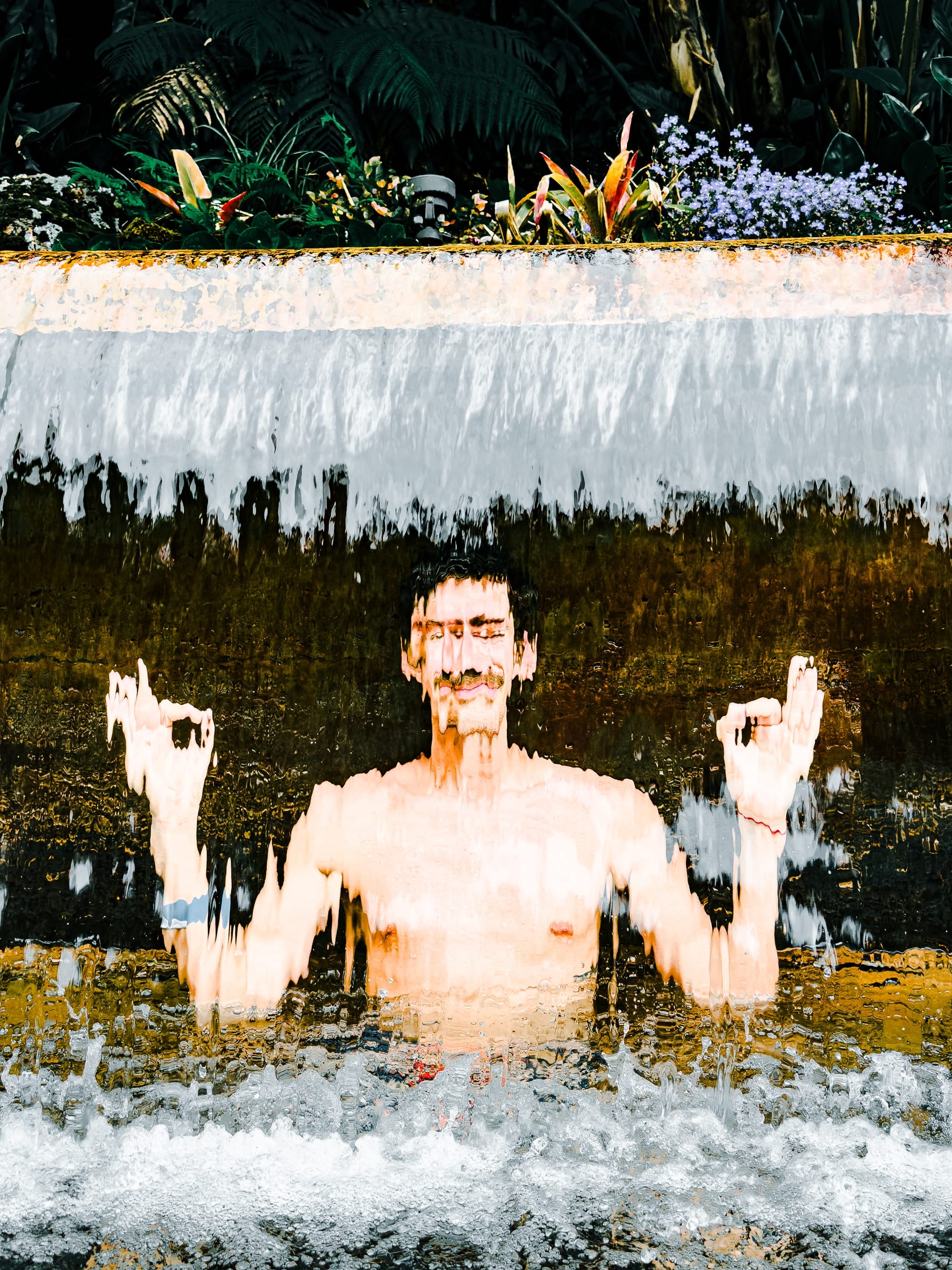
A natural stream flows through the center, and a red clay sediment can be applied as a DIY face mask between soaks. Come at night for an especially relaxing visit, when the pools glow under low lighting and steam curls into the cool air. Sessions are timed (usually 1.5 hours), so make the most of your time there. For many travelers, this is a highlight of São Miguel and a place they come back to whenever they need to unwind.
Explore Caldeiras das Furnas
Bubbling sulfur and steam vents in town.
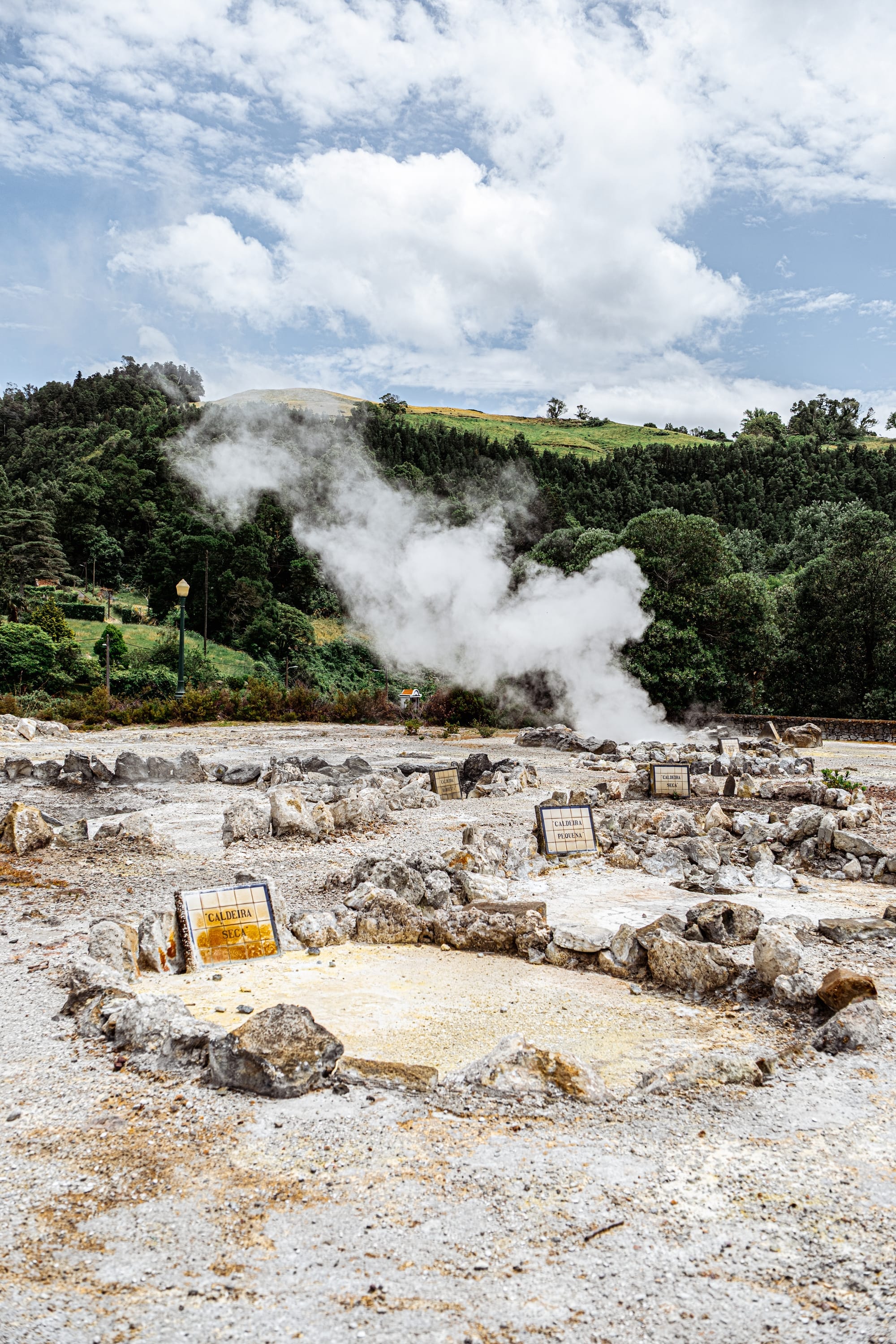
Wander just a few steps from the central garden of Furnas and you’ll find yourself surrounded by steam. The Furnas caldeiras, bubbling geothermal vents and fumaroles, are embedded directly into the village streetscape. Here, volcanic activity isn’t something you hike to; it’s built into the town itself. Vents hiss beside sidewalks, water boils in stone basins, and the air carries the sharp scent of sulfur, especially after rain. Locals stop by to collect mineral-rich spring water from public taps, each with its own mineral profile and taste.
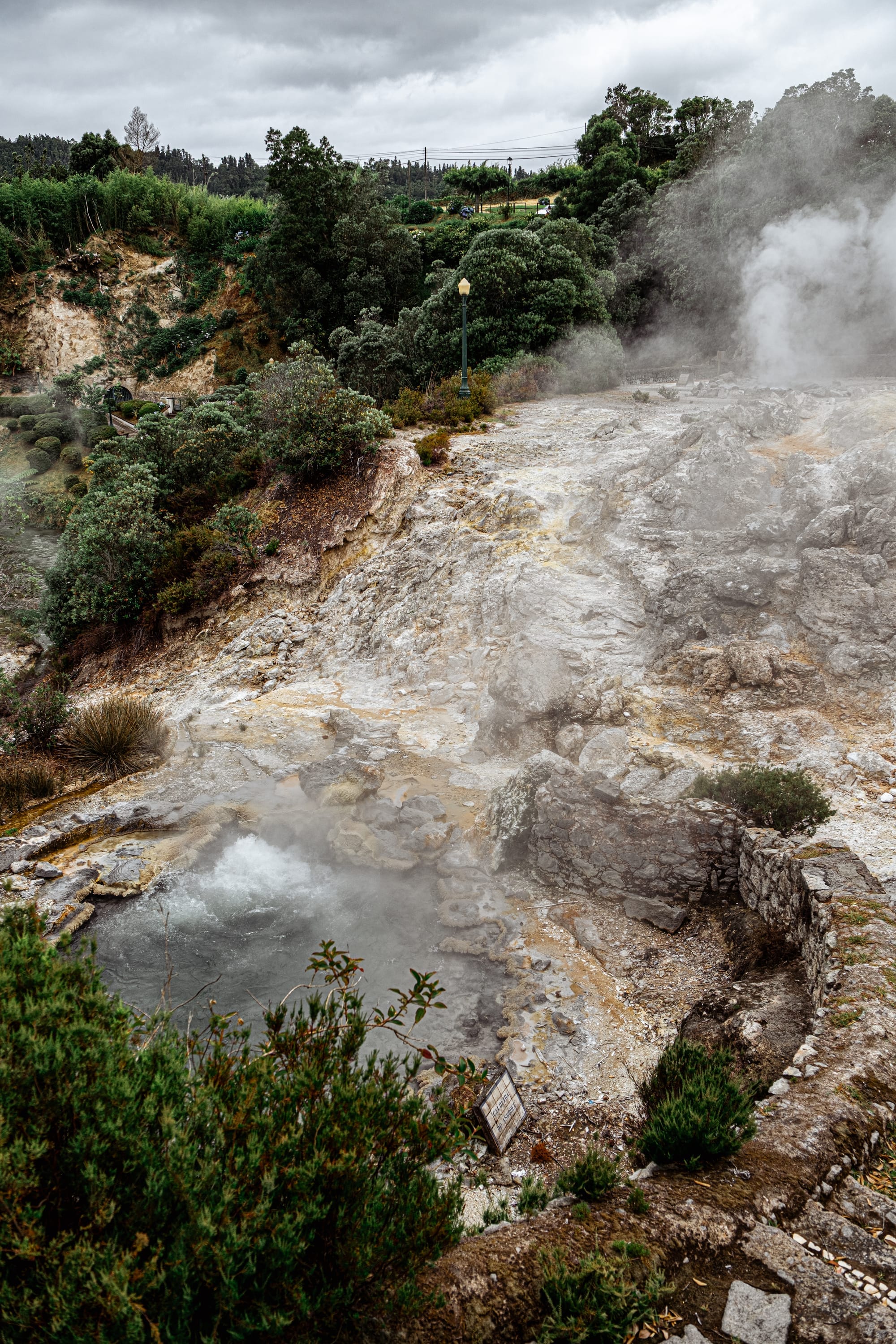
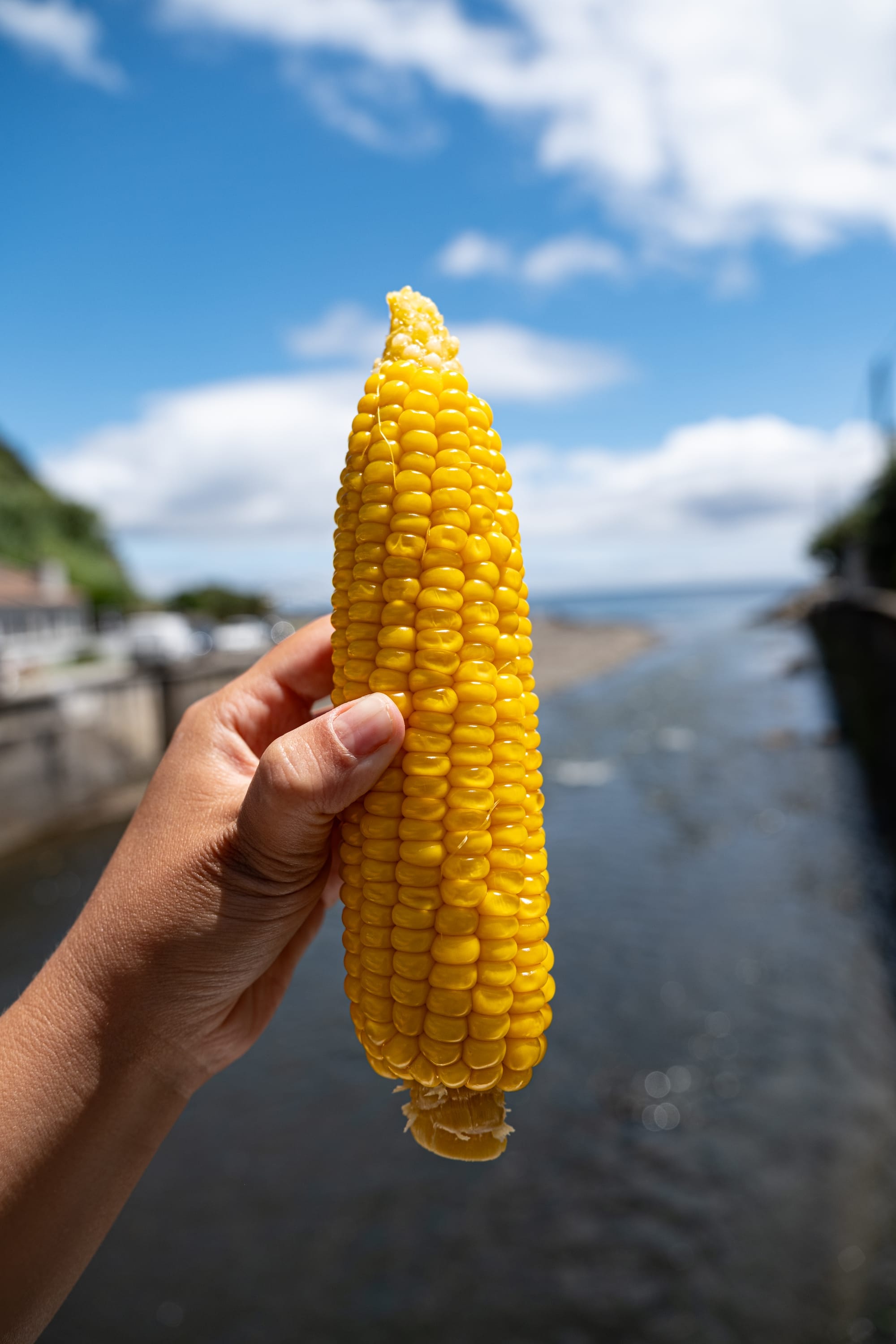
On certain mornings, you’ll see stalls selling milho cozido, sweet corn boiled in the caldeira water until perfectly tender. Watching the steam rise between tiled houses and cobbled paths is surreal. It’s a good place to stop and watch how people here live right beside an active volcanic system. While the Furnas caldeiras are smaller and more immediate than Caldeira Velha or Poça da Dona Beija, they offer one of the clearest glimpses into the island’s geothermal activity.
Hiking
Hike Moinhos da Ribeira Funda
Stairway to the sea.
On the wild northern edge of the island lies one of São Miguel’s least crowded trails, a descending path through cornfields, coastal cliffs, and eucalyptus groves that eventually opens onto the ocean. Moinhos da Ribeira Funda is a varied hike where you’ll often have the path to yourself. The trail moves from dirt roads to fern-fringed forest to a rocky descent that looks like it could lead straight into the Atlantic.
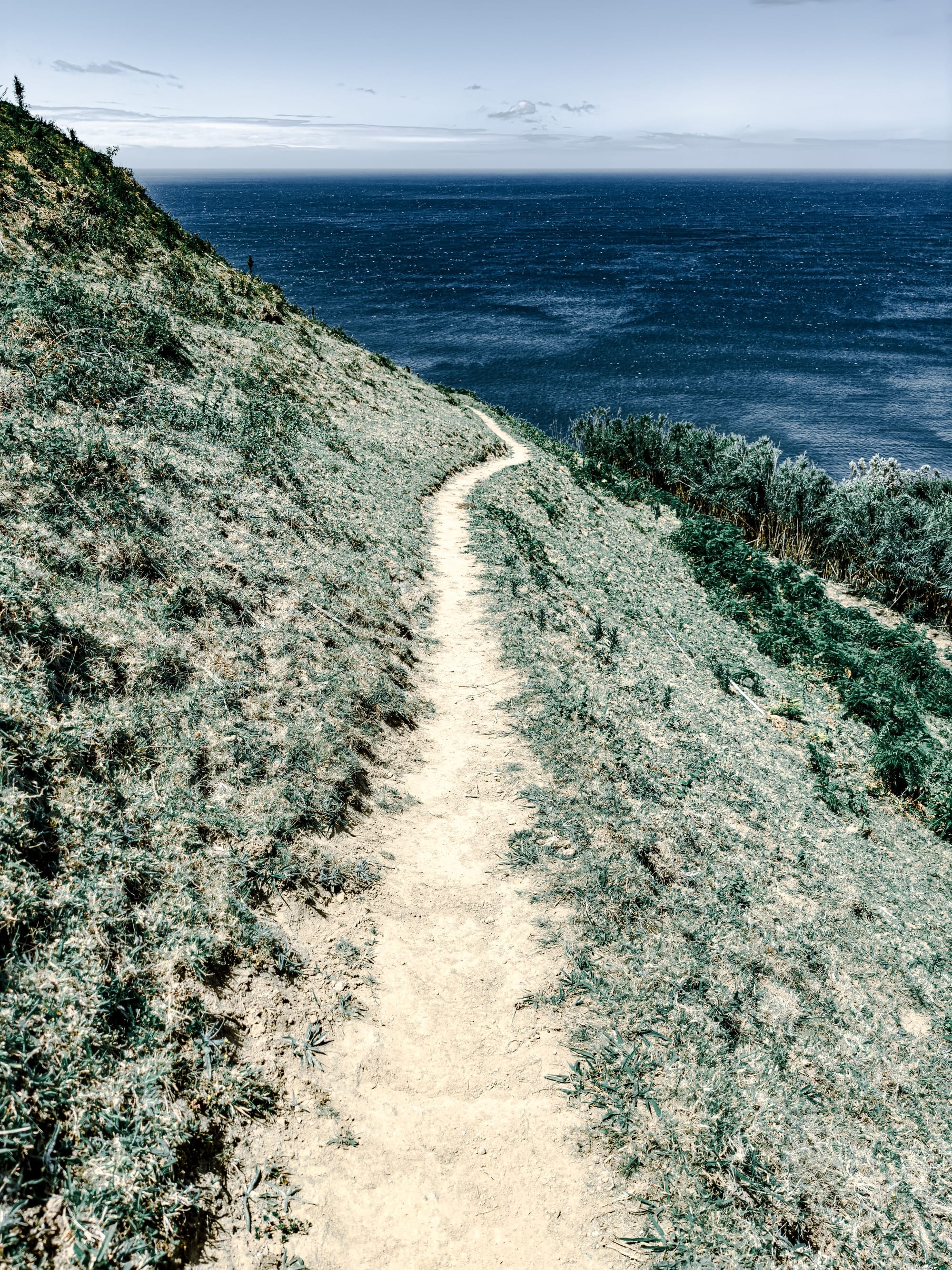
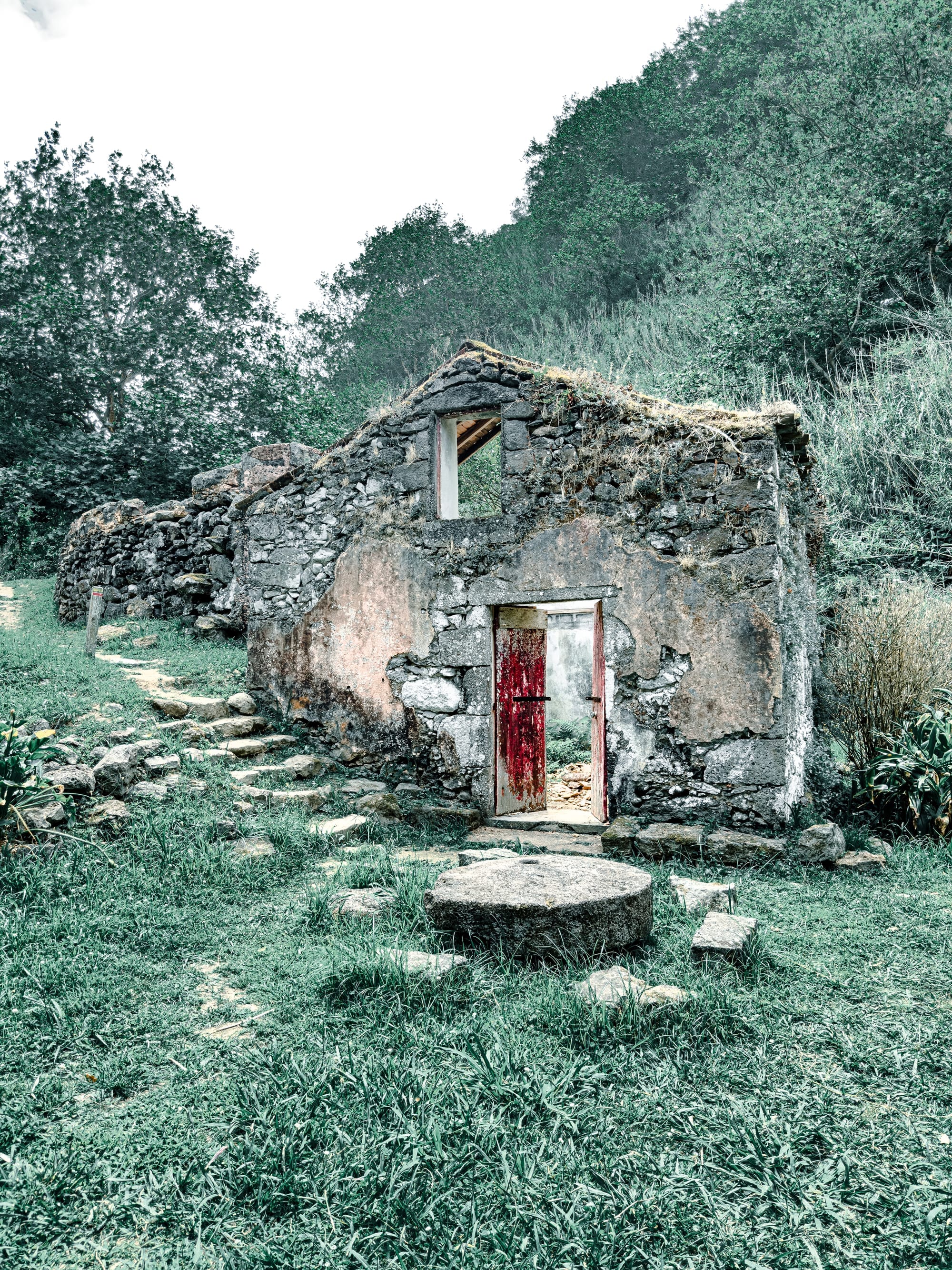
Along the way, you’ll pass a small waterfall, an old mill with a red door, and wild plantings that blur the line between cultivated and untamed. We combined this trail with Moinho do Félix on a full-day hike with Atlantimagia, and it remains one of our most memorable experiences.
Hike Moinho do Félix - Cascadas
Forest loop of waterfalls.
Moinho do Félix is a lush, looped hike through dense green forest, with one waterfall after another. The path alternates between wide-open sky and enclosed forest, with staircases climbing up and down red clay earth. Morning glories tangle in the branches, and the waterfalls come one by one: some small and hidden, others cascading with full force.
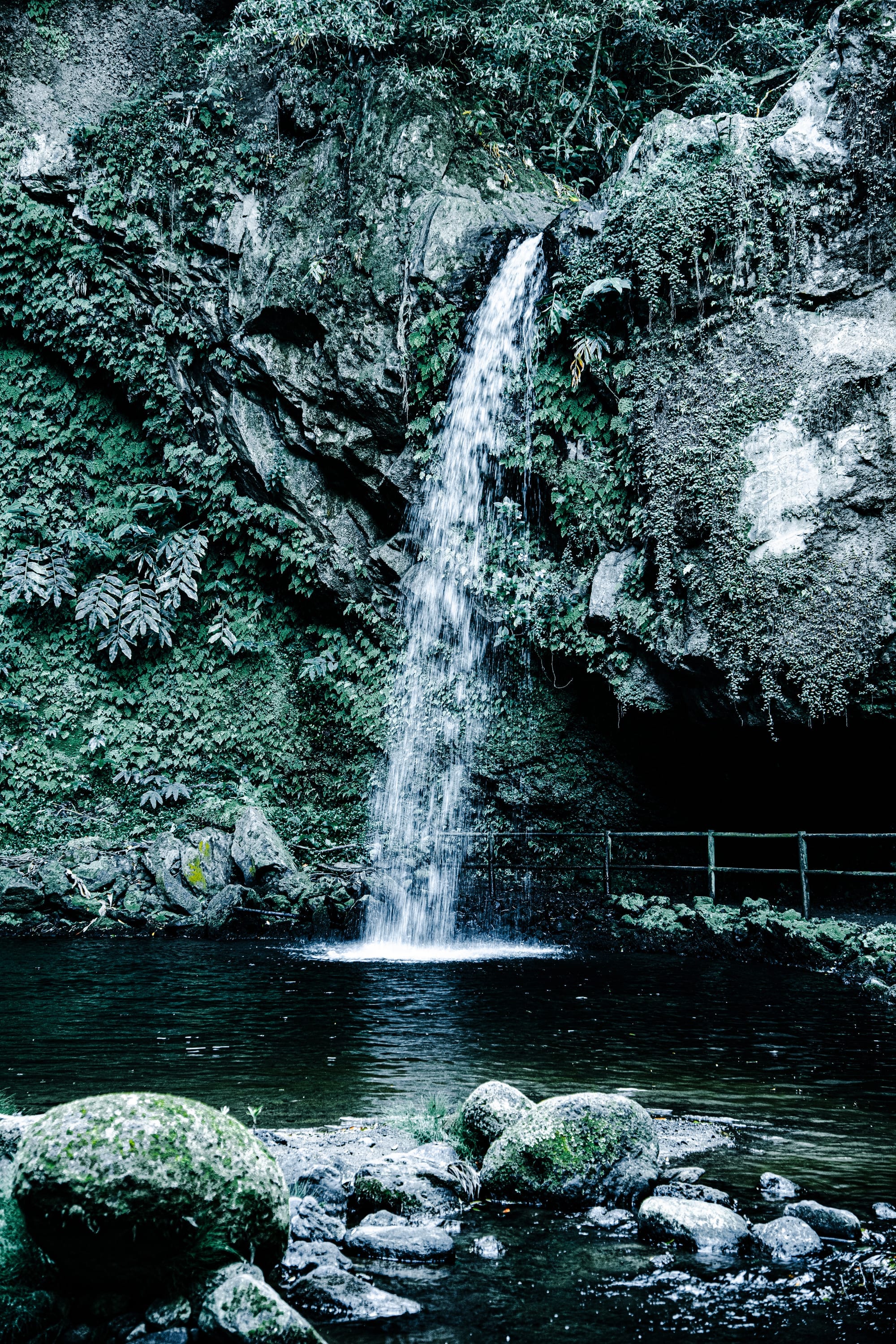

There are calm stretches and the fun of not knowing what’s around the next bend. It’s easy to do in a few hours, but you’ll remember it for far longer.
Hike Sete Cidades' southeast lagoas
Cinematic crater and ocean views.
This loop trail, just southeast of Sete Cidades proper, passes several lesser-known crater lakes including Lagoa do Canário, Lagoa Rasa, and Lagoa das Éguas. But the lakes are just part of the show. The trail winds along ridgelines with dramatic views of ocean and inland craters, through patches of golden lichen, red volcanic moss, and grasslands that ripple with wind.
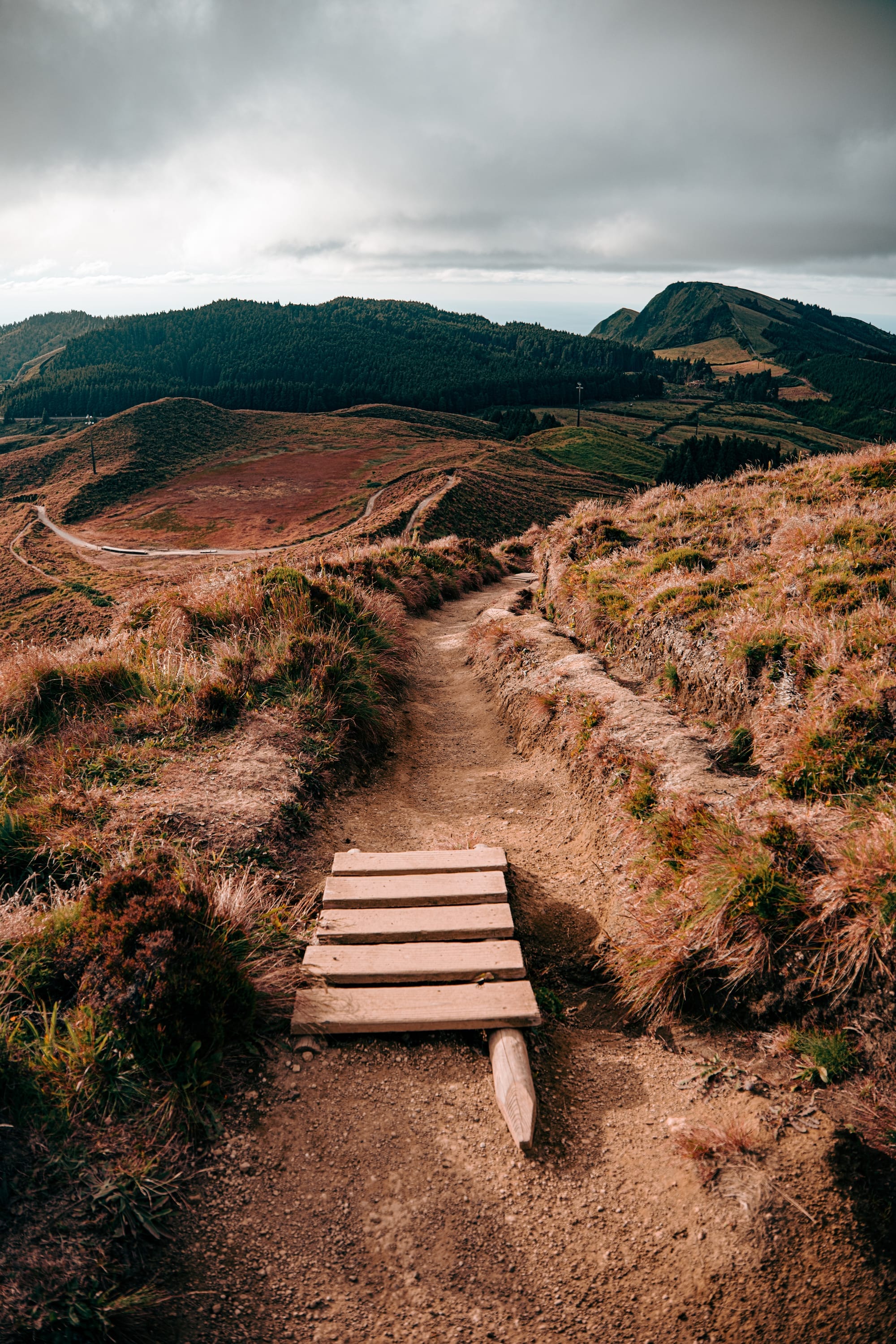
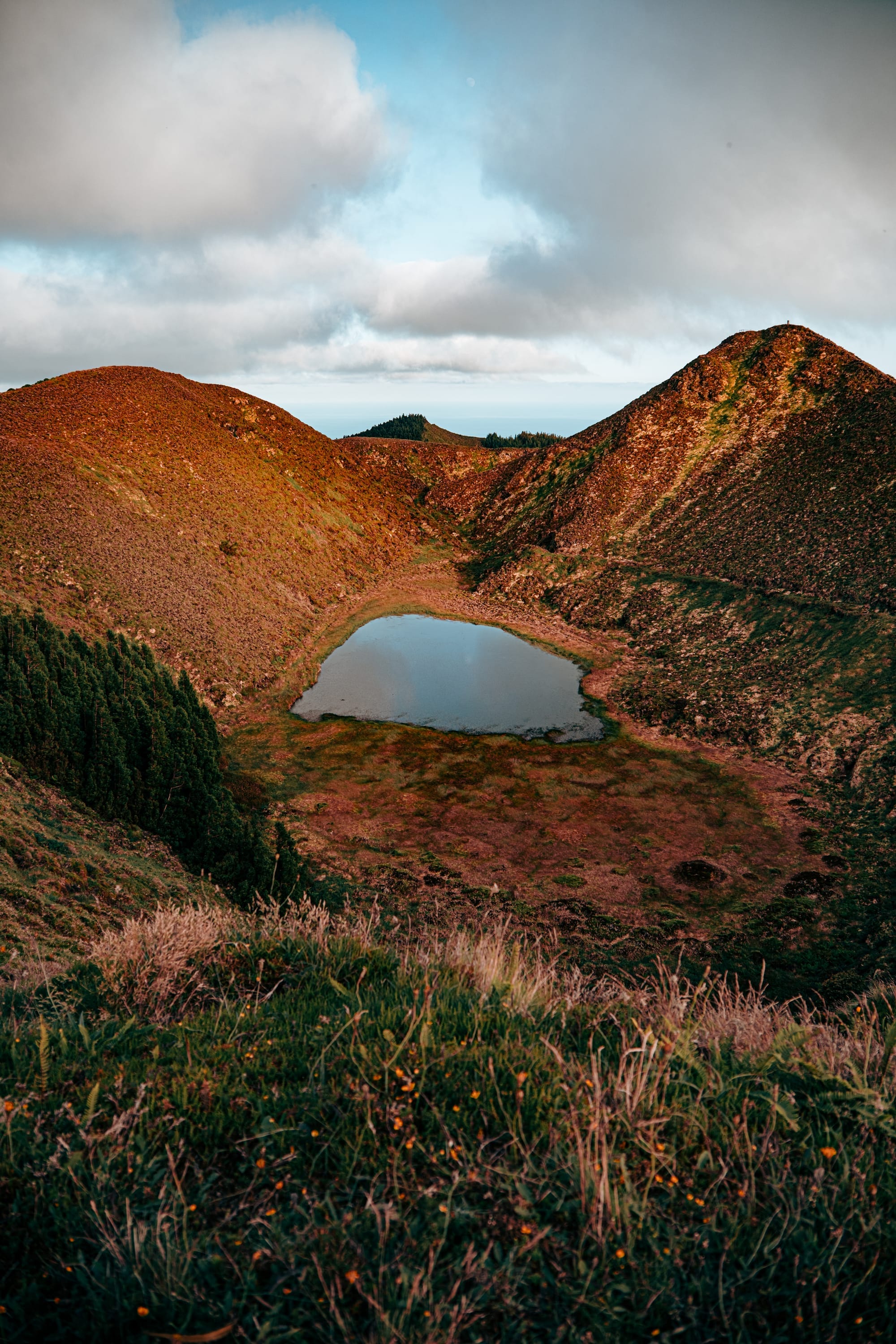
You’ll pass wildflowers, birdsong, and the occasional cow, all while keeping several lagoas in view at once. On a clear day, the color contrasts are surreal. It’s a hike that shows off São Miguel’s geology and ecology at every turn.
Hike Lagoa das Furnas & Grená Park trails
Thermal mist and gothic forests.
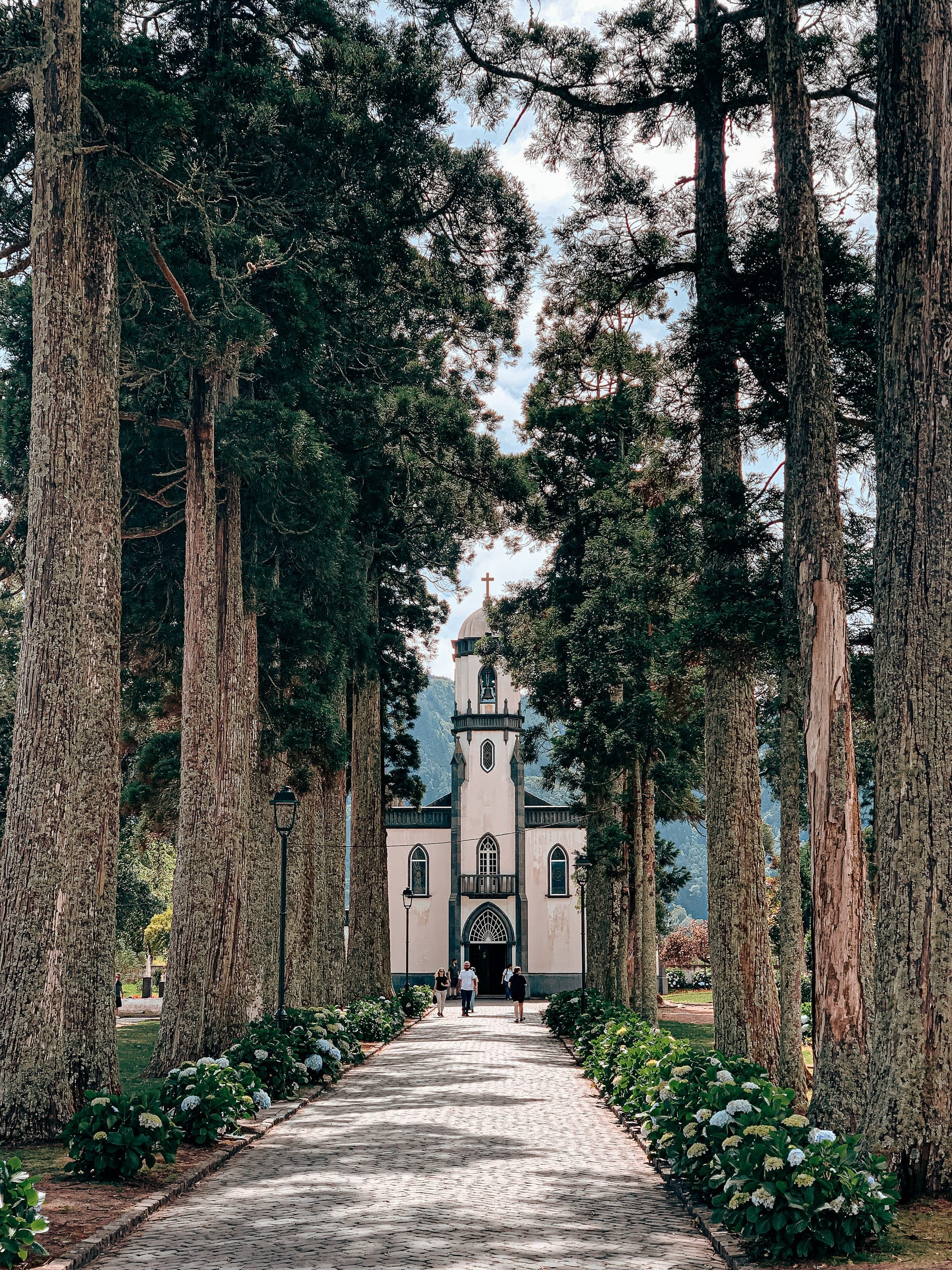
Tucked on the eastern edge of Lagoa das Furnas, Grená Park is a lesser-known trail network that looks like something out of a foggy fairy tale. Before entering, be sure to hike around the lake itself. Begin near the gothic church, and you’ll soon be winding through fern-draped ravines, groves of whispering bamboo, and moss-covered staircases that seem pulled from another era.
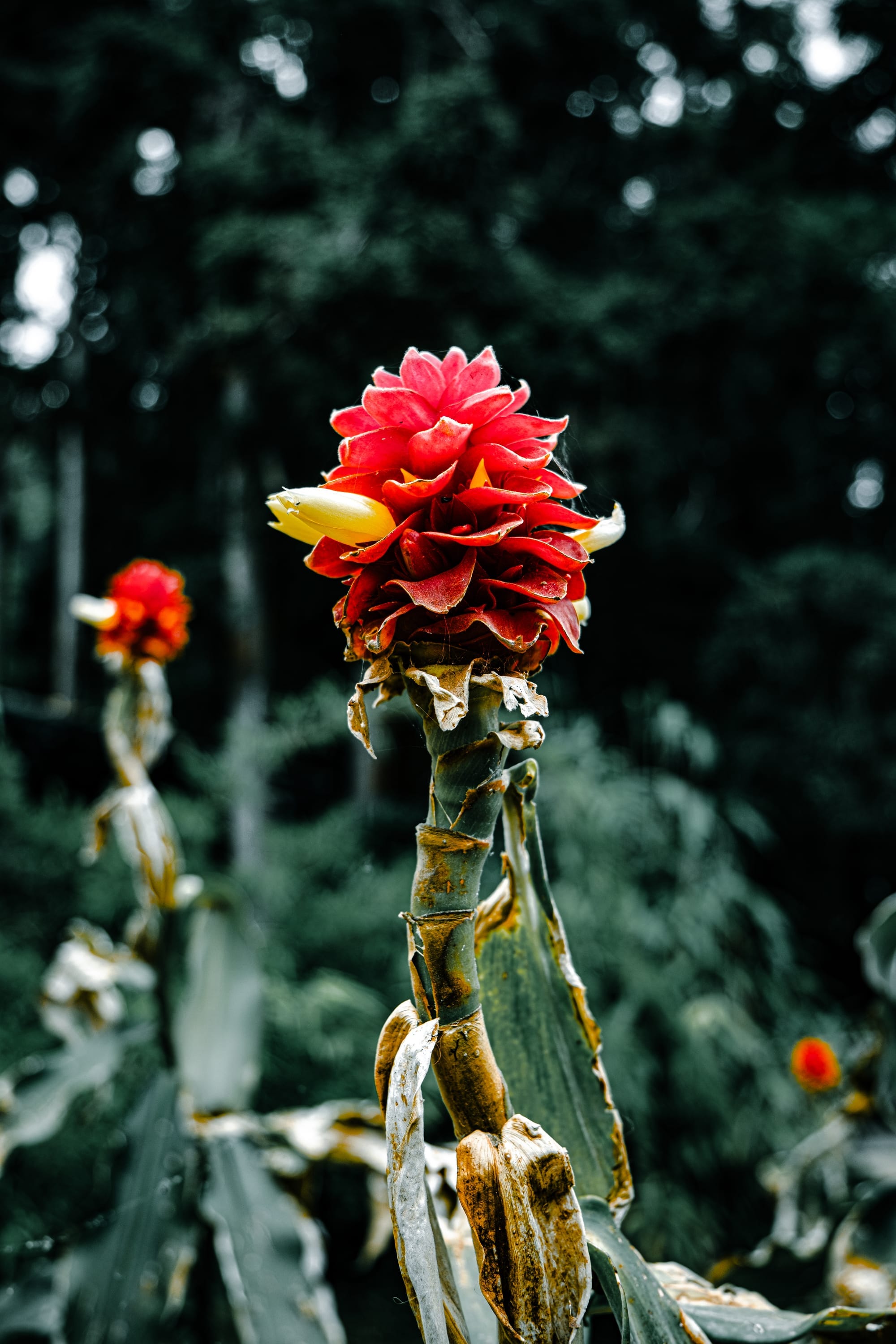
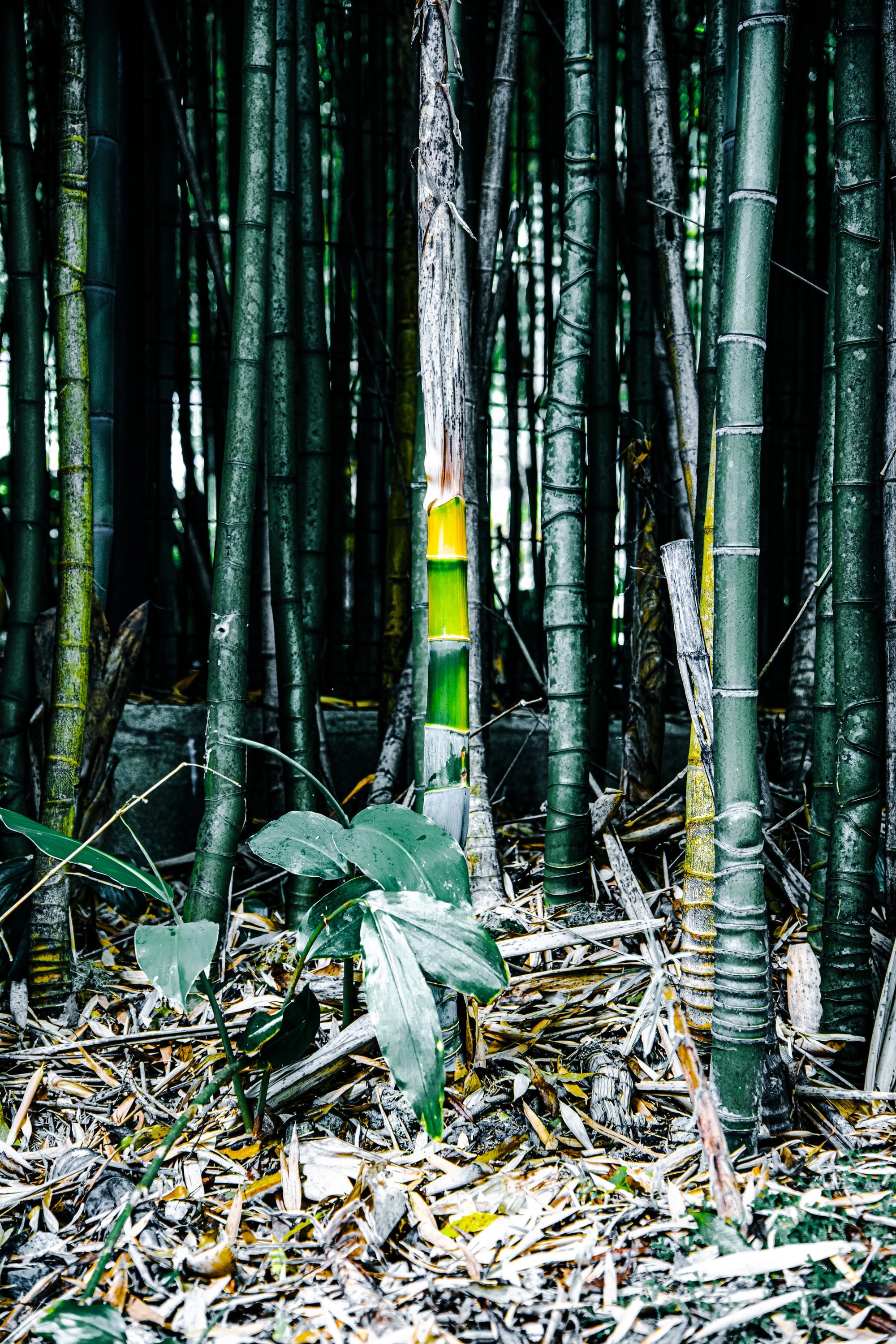
The sound of water follows you throughout. The trails are mistier, moodier, and more forest-bathed than most, making them ideal for those who prefer atmosphere to altitude. End your loop with a view back toward the lake’s thermal waters and wander into town for a post-hike soak.
Hike Trilha do Sanguinho / Salto do Prego
Deep green.
Densely alive, the Sanguinho trail near Faial da Terra looks like a botanical garden gone wild. The path rises through a pocket of forest so lush you’ll think twice about leaving. Canna lilies glow yellow, cycads spiral upward, and moss covers every step.
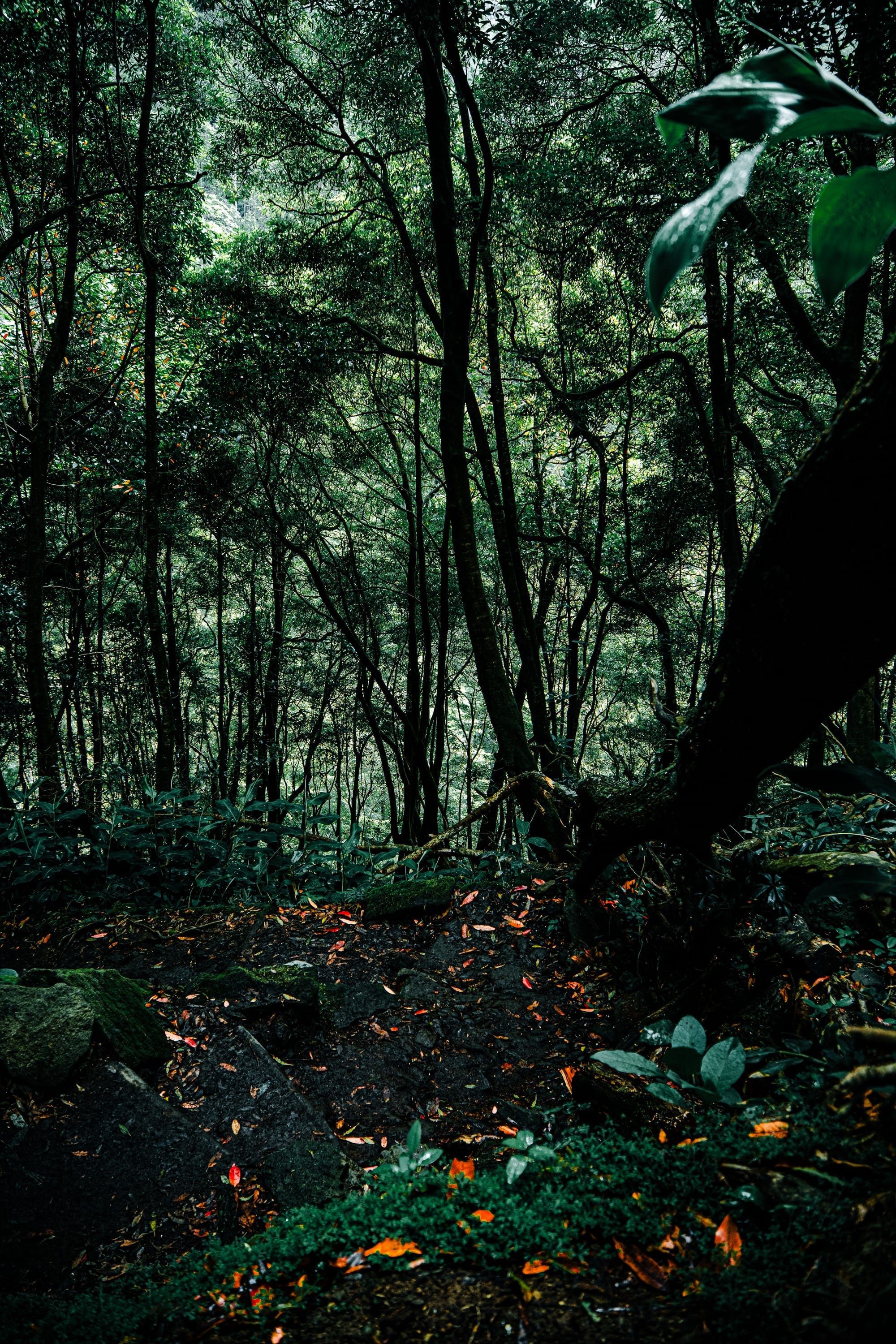
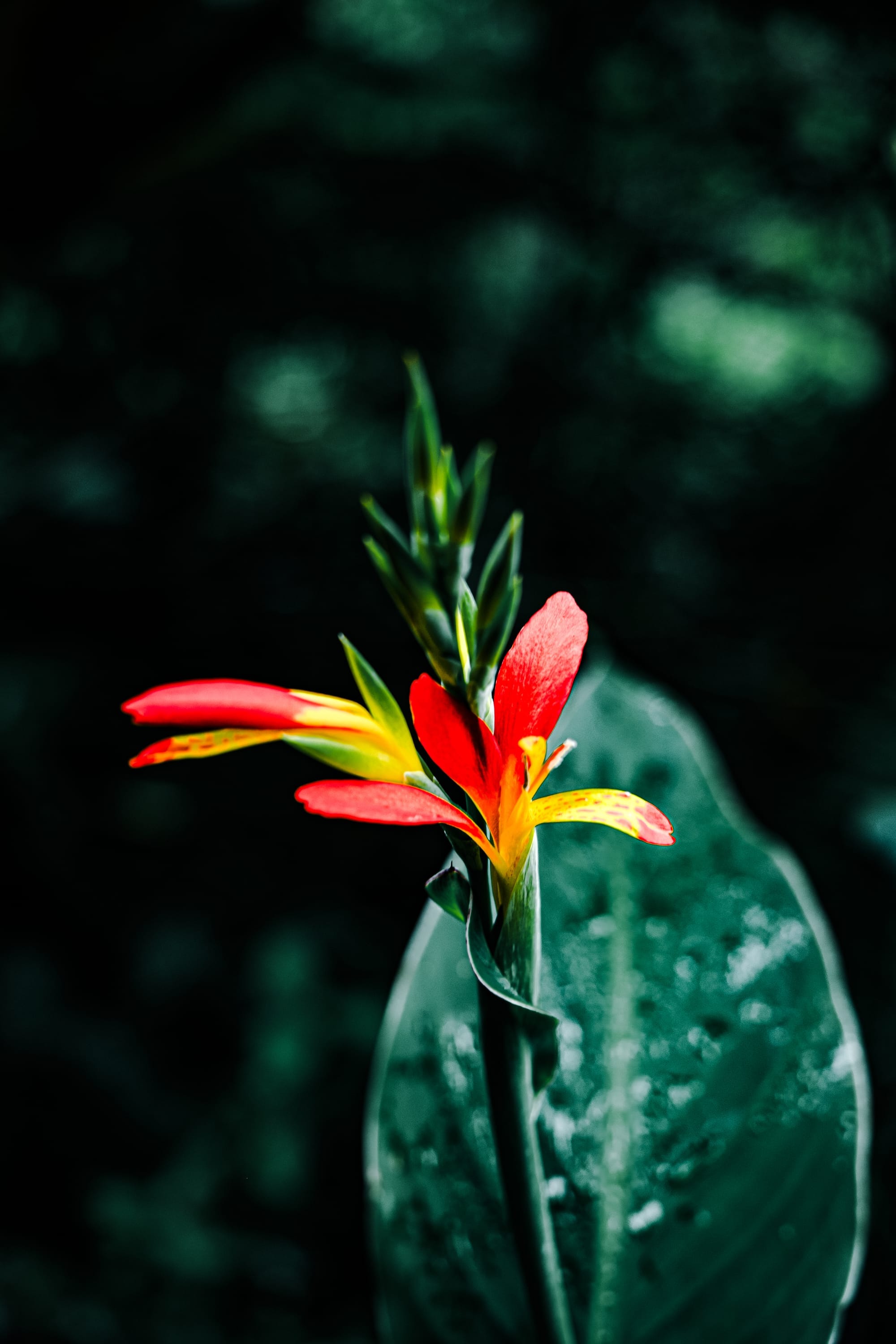
At the trail’s midpoint, you can opt to take the Salto do Prego route to see a waterfall plunge down into a fern-lined gorge, misting the air. This is less a workout and more a chance to take your time and notice the many greens of the island. It’s approachable, beautiful, and perfect for a half-day wander.
Hike PR3–SMI / Sete Cidades trail from Vista do Rei
Lake views from high elevation.
The PR3–SMI trail is the island’s most iconic hike, and with good reason. Beginning at the famous Miradouro da Vista do Rei, the trail traces the volcanic rim with sweeping views over the blue and green twin lakes below. You’ll pass through wildflower meadows, descend through shady corridors of ginger lily and tree fern, and catch glimpses of the Atlantic between mossy volcanic walls.
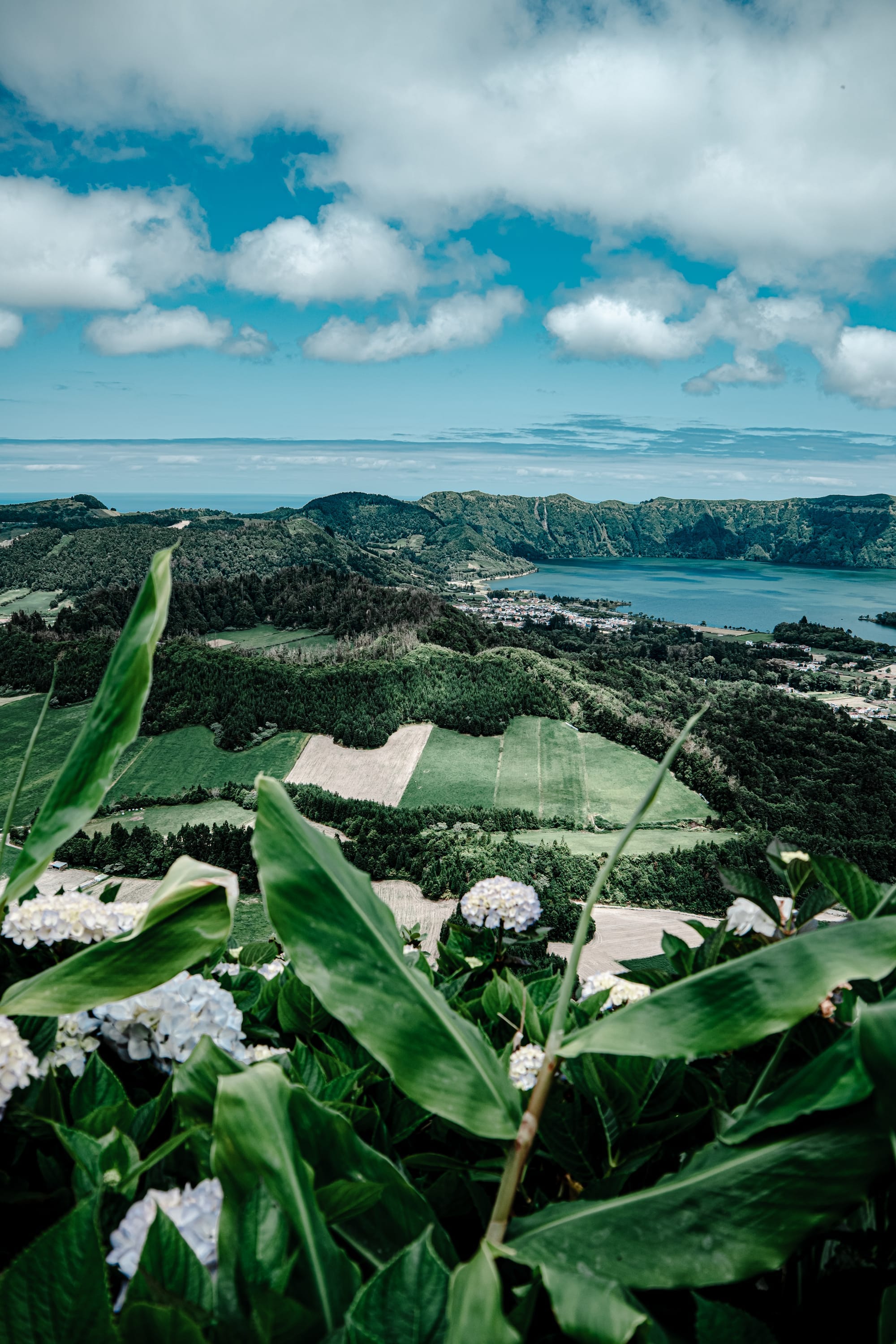
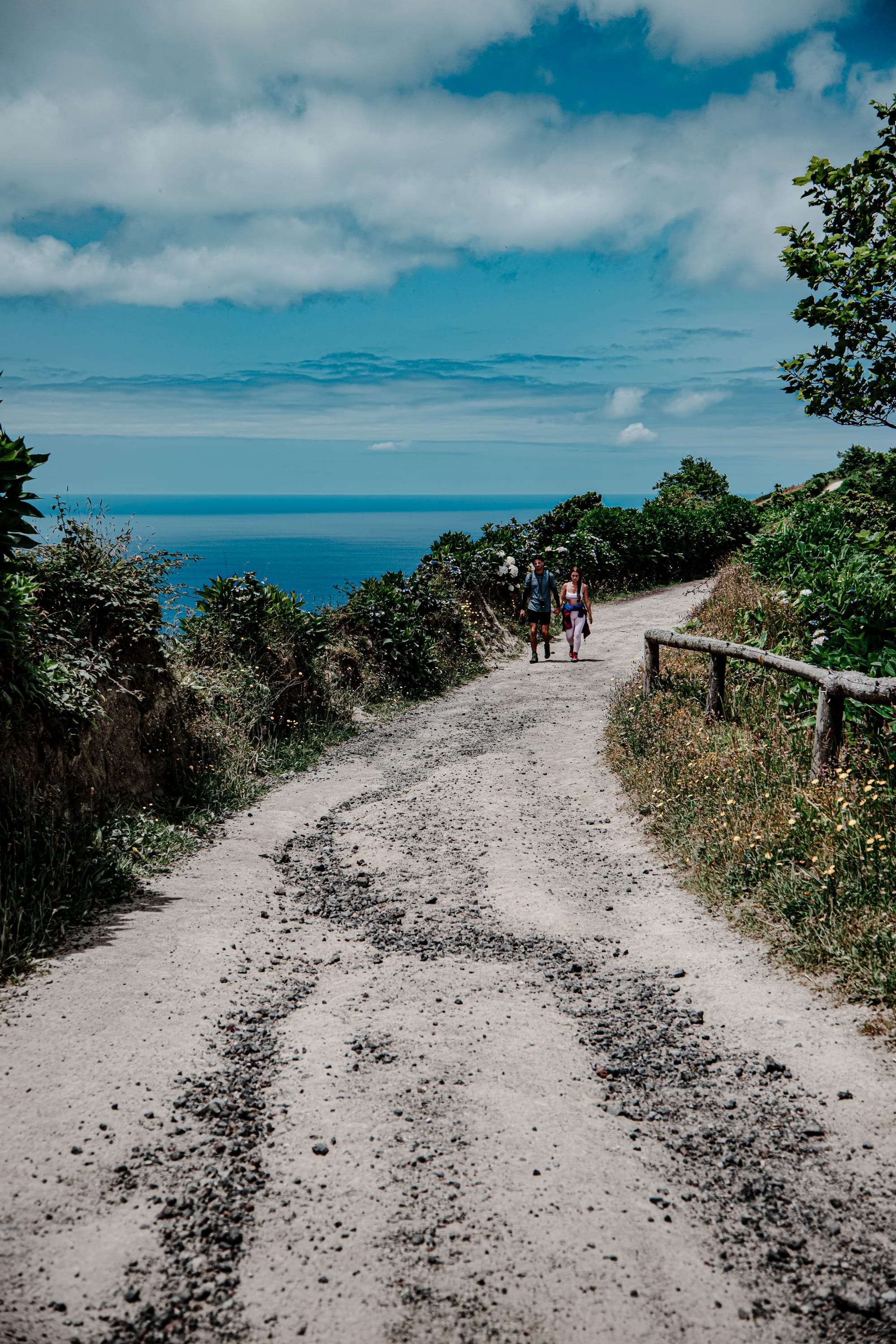
As the trail winds downward, the terrain shifts from panoramic to pastoral, eventually delivering you into the heart of Sete Cidades itself, a crater town ringed by still water and calm air. The trail gives you both big views and peaceful stretches.
Ocean activities
Go on a whale watching tour, and see dolphins too
Living your Moby Dick moment.
Few experiences on São Miguel feel as cinematic as heading out into the open Atlantic in search of whales and dolphins. These half-day boat tours, offered by eco-conscious operators, put you in proximity to sperm whales, bottlenose and common dolphins, Risso’s dolphins, and even occasional sea turtles. You’ll often spot seabirds circling above the action. While brochure photos may show whales breaching in full glory, what you’ll more likely see is subtle but powerful: a spout of mist, the arched back of a whale, a smooth dive beneath the waves.
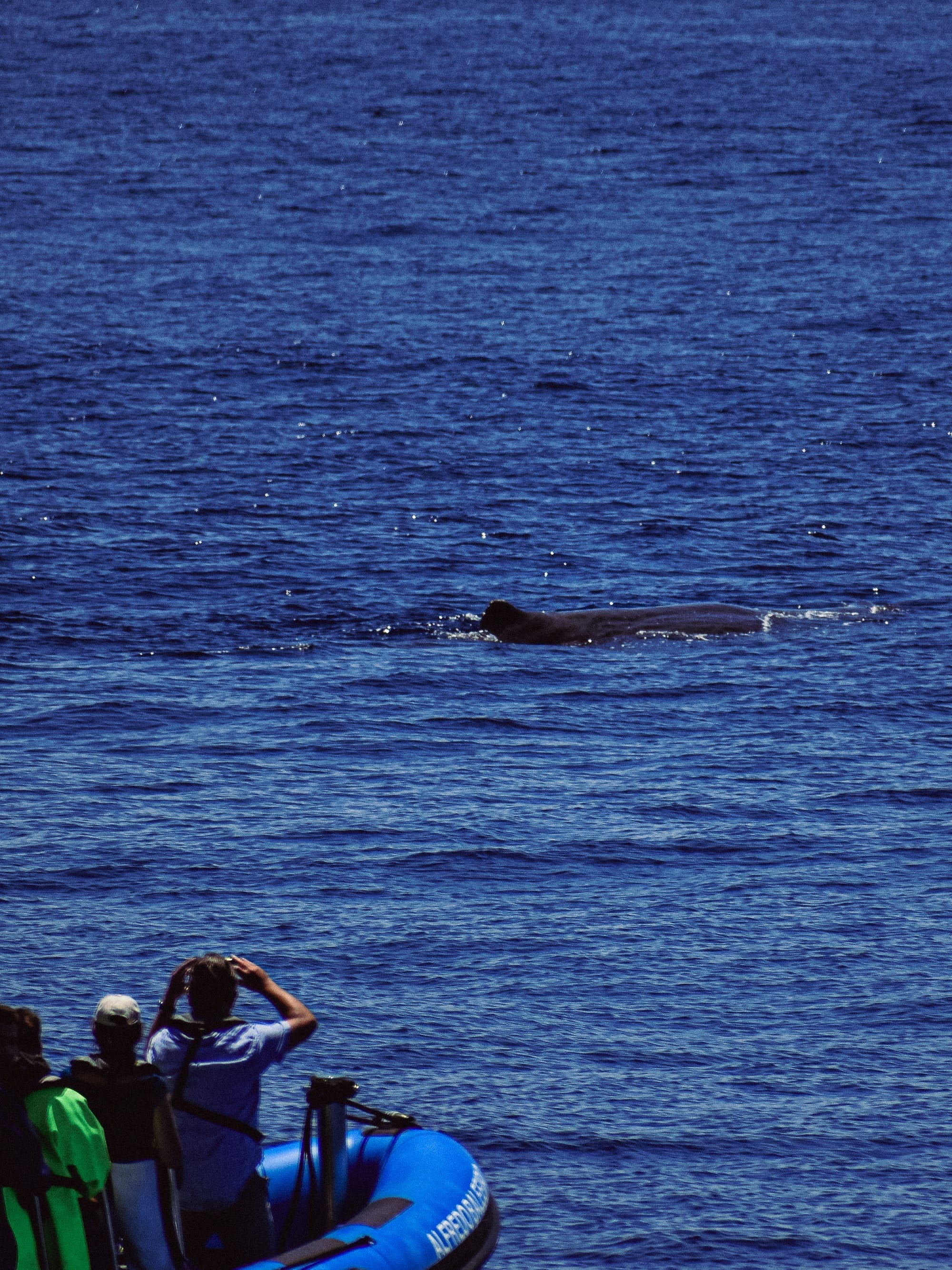
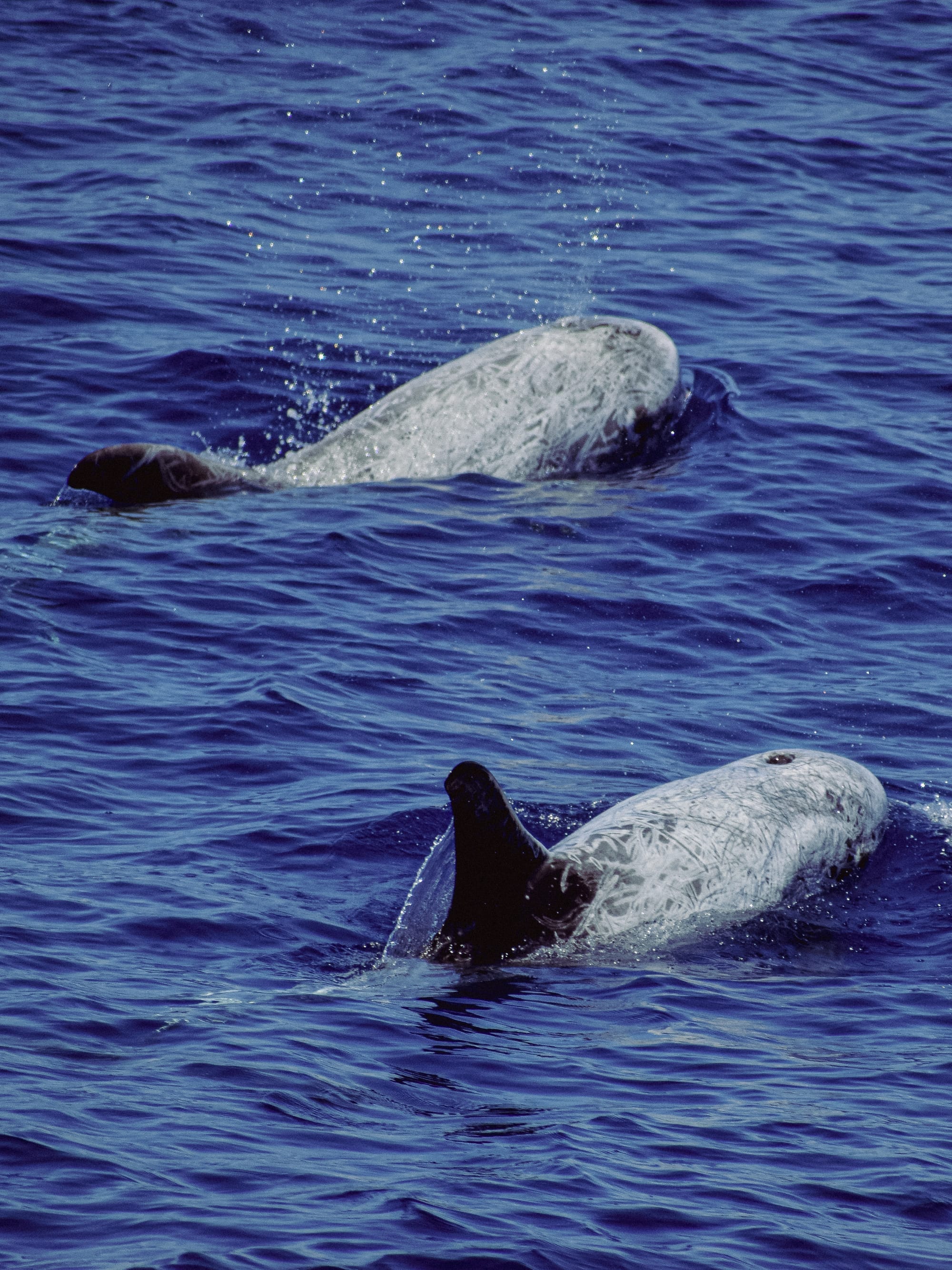
The dolphins, meanwhile, are often the show-stealers, curious, social, and at times playful near the boat. You can choose between a steadier catamaran (better for those prone to seasickness) or a Zodiac boat for a more agile, close-up experience. Tours operate under strict guidelines to ensure respectful wildlife viewing, and most companies will invite you back for free if you don’t see anything the first time.
Explore Ilhéu de Vila Franca
Kayaking or snorkeling in a marine reserve.
Just off the coast of Vila Franca do Campo lies one of São Miguel’s most recognizable natural wonders: Ilhéu de Vila Franca, a collapsed volcanic crater turned tidal lagoon. From above, it looks like a ring of green floating in turquoise. Up close, it’s even more spectacular. The calm interior waters make this an ideal place to kayak or snorkel, especially for those curious about marine life. You’ll paddle past steep cliffs where seabirds nest, glide over volcanic rock formations, and peer into a clear, protected underwater world.
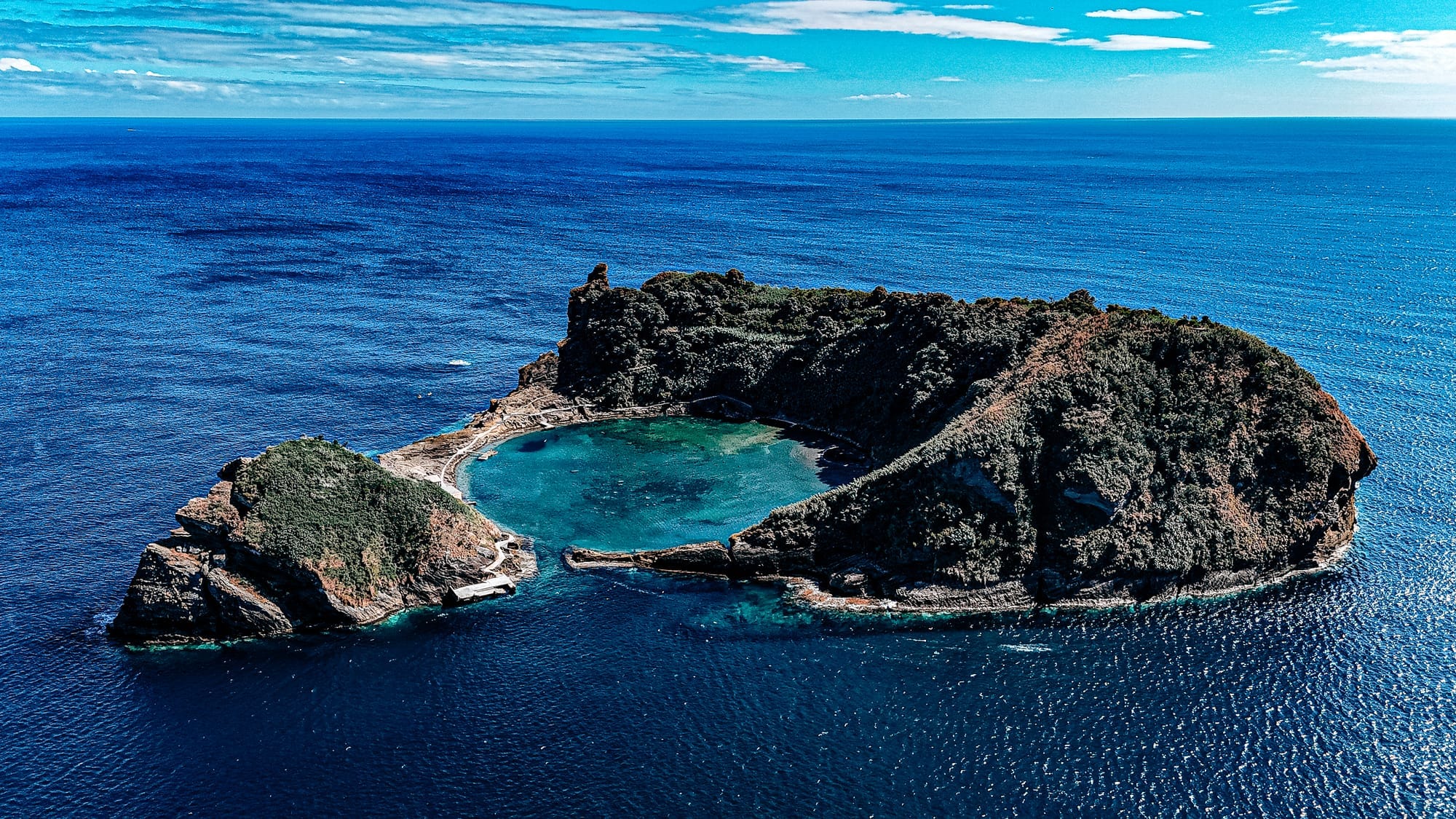
This is a seasonal experience. Access is restricted in winter and tightly managed during peak months to preserve the ecosystem. But when it’s open, it’s one of the best things to do on the island. Book early, bring water, and if you’re snorkeling, prepare to be surprised by how much life thrives within this circular reserve.
Swim at Ponta da Ferraria
Hot springs in the ocean.
Where else can you wade into the Atlantic and feel your legs suddenly warmed by geothermal energy? Ponta da Ferraria is a rugged cove on the western tip of São Miguel, where underwater volcanic vents mix with ocean waves to create a pocket of thermal bliss. Timing is everything here: arrive near low tide when the hot water isn’t diluted, and you’ll soak in what feels like a natural hot tub.
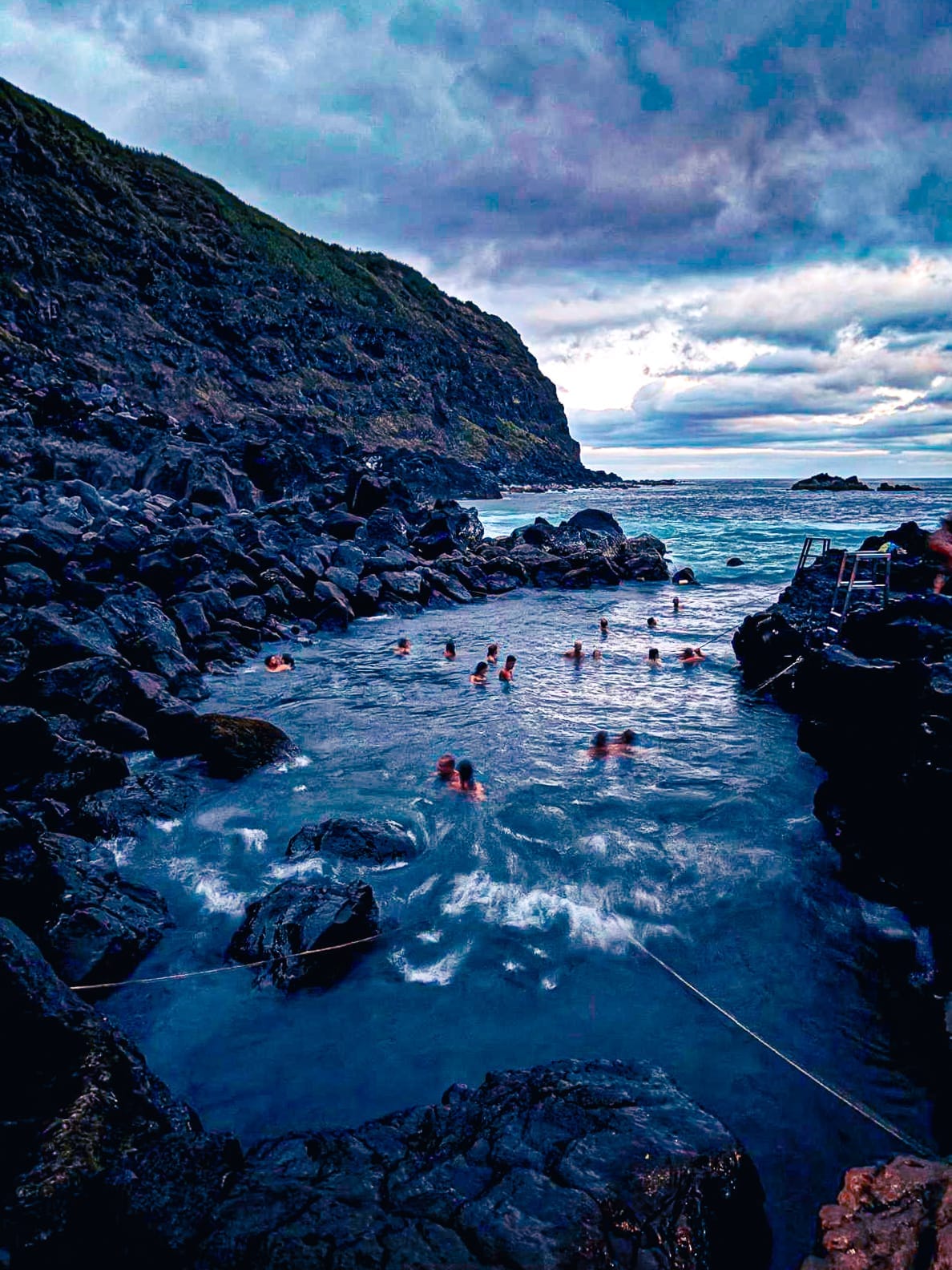
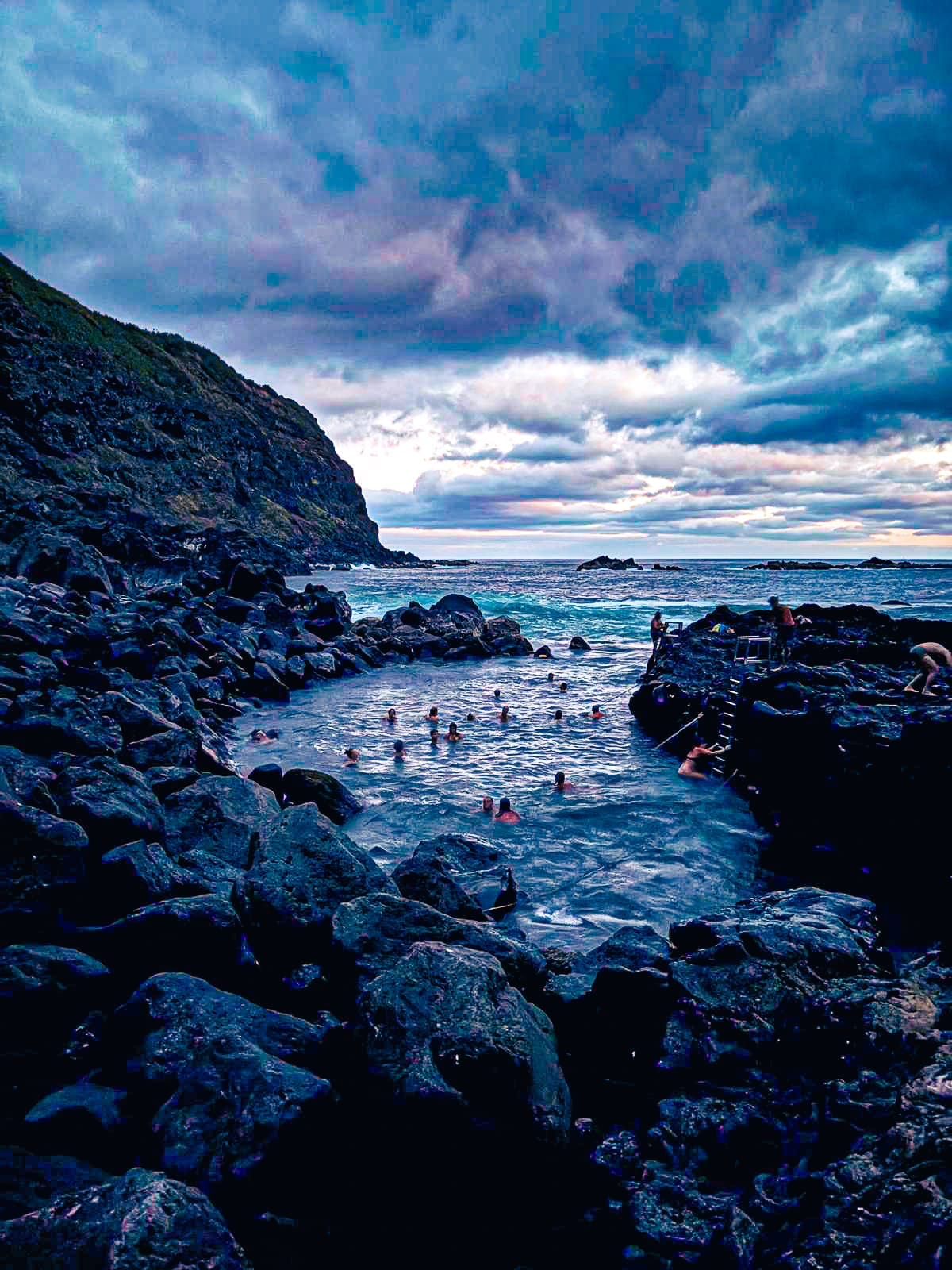
Arrive during high tide or on rough sea days, and the waves can make it a more dynamic (read: chilly or thrashing) experience. Ropes and lifeguards are often present to assist. There’s also a spa nearby if you’d rather soak in a tiled thermal pool. Either way, it’s a unique and surreal place to be: hot springs with horizon views, salt in the air, and basalt cliffs towering behind you.
Swim at Piscinas Naturais Caneiros
Cold ocean pools.
On the island’s northwest coast lies one of its calmest swimming spots: the natural ocean pools of Caneiros. Formed by volcanic rock and shielded from the open sea, these pools create a safe, wave-buffered place to float, wade, or stretch out under the sun. The lava formations give the space a sculptural beauty, and you’ll find locals sunbathing, kids exploring tide pools, and swimmers enjoying a break from the surf.
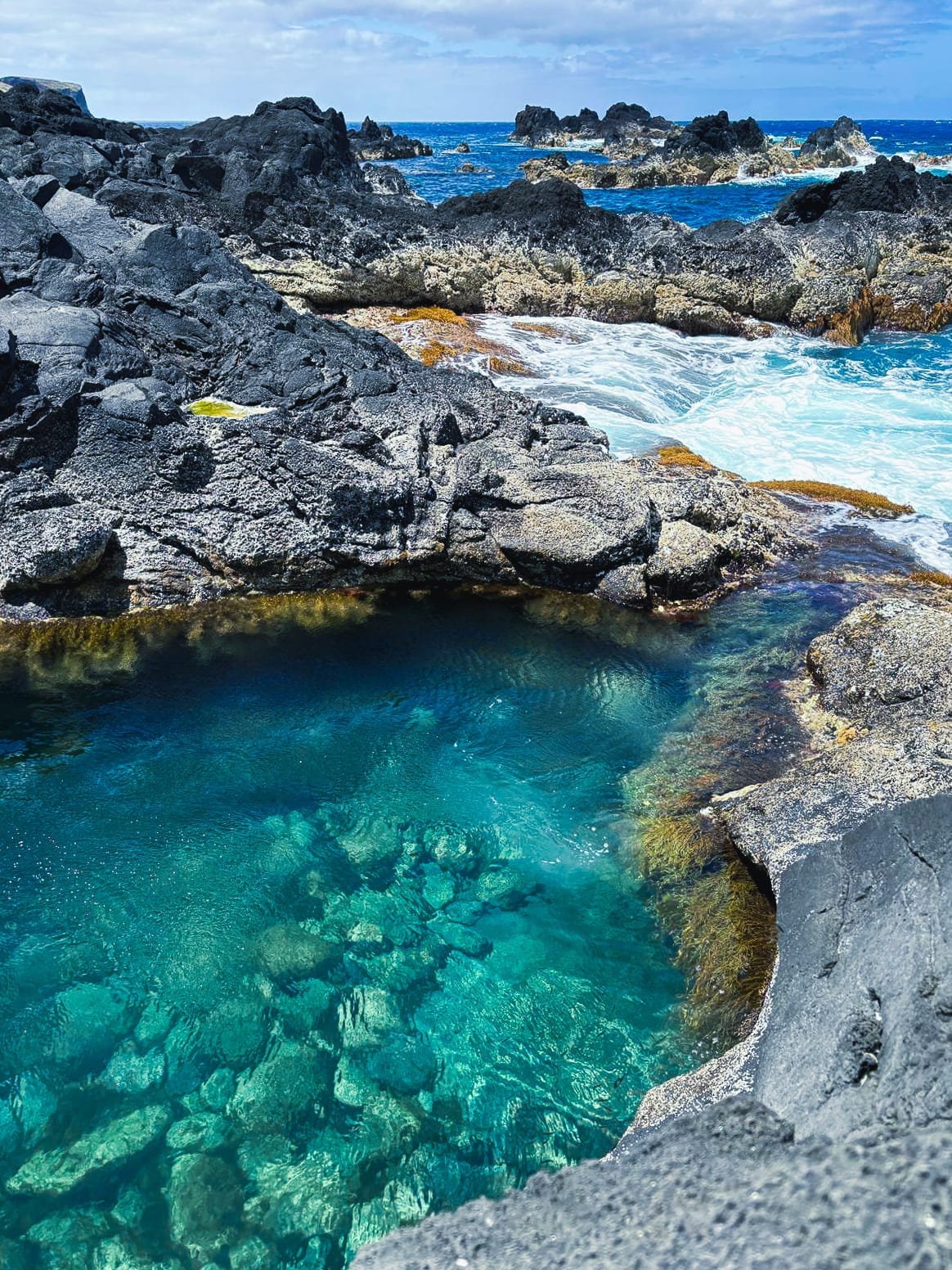
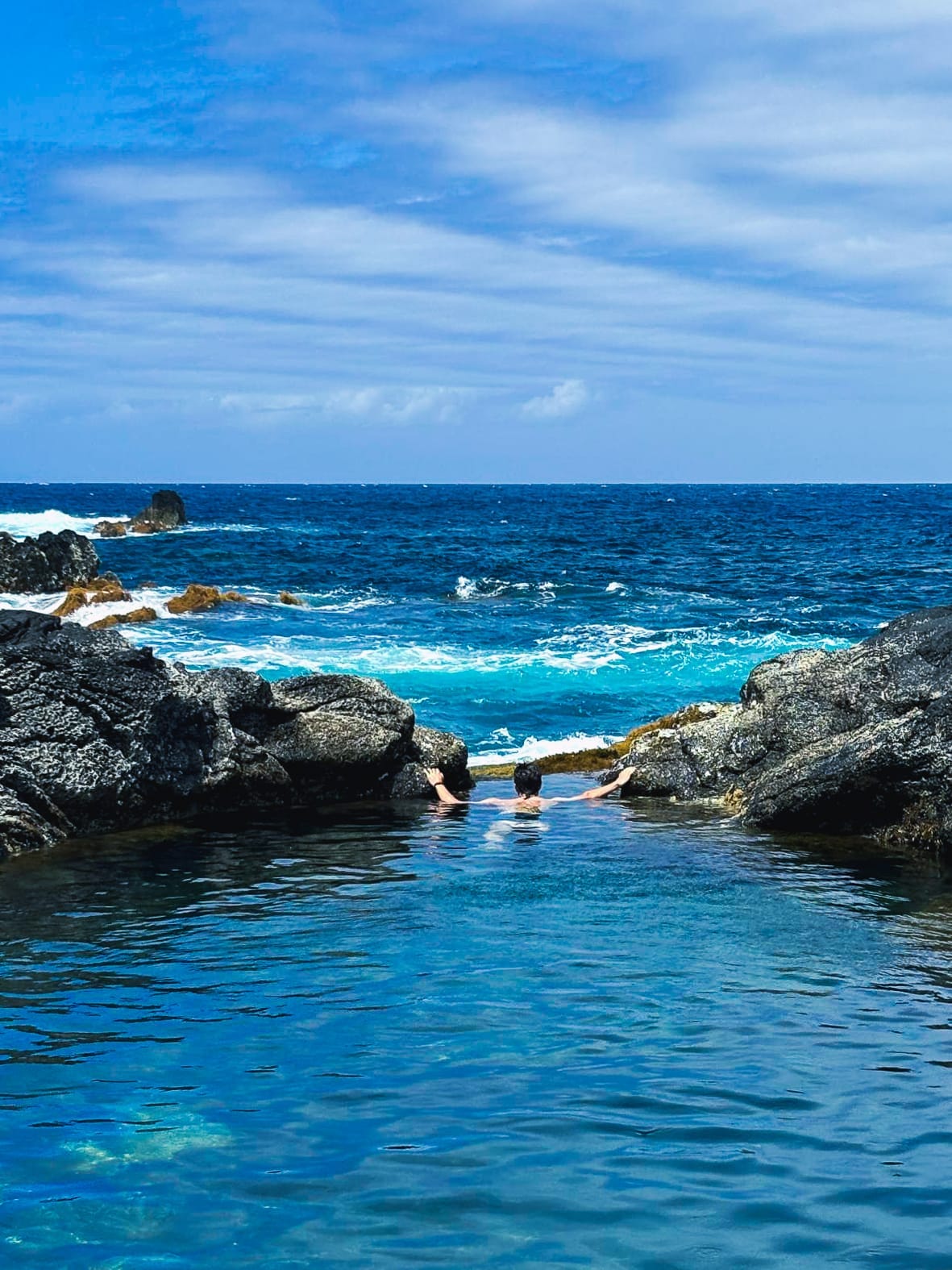
There are showers and basic facilities nearby, and it’s a perfect spot to combine with a sunset drive along the coast or a post-hike cool down. Bring a towel, reef-safe sunscreen, and don’t forget your camera. The contrast here, from black basalt to cobalt water, is incredibly photogenic.
Uniquely Azorean activities
Visit Plantação de Ananás dos Açores, a pineapple plantation
A greenhouse-grown pineapple paradise.
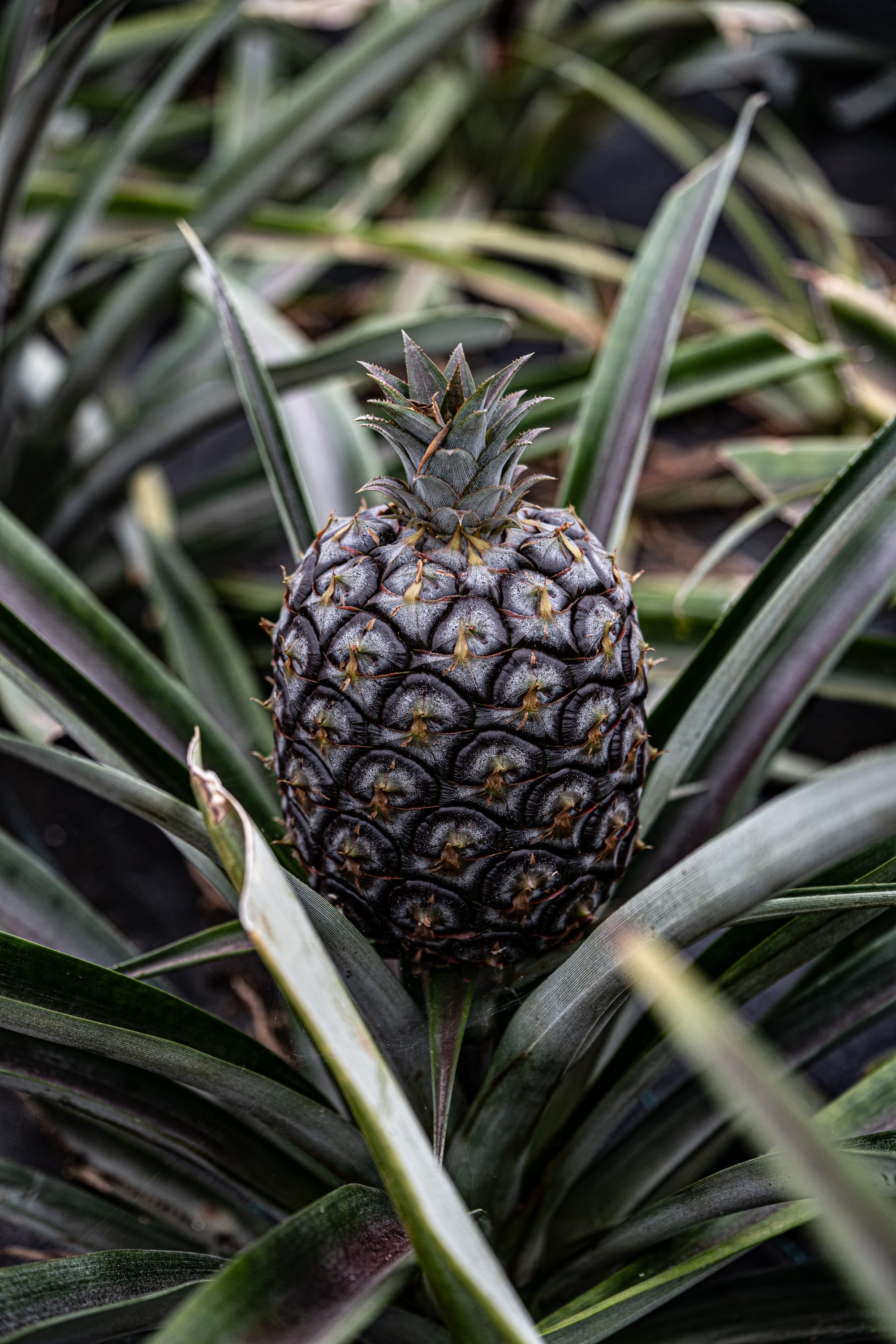
Just outside Ponta Delgada lies one of São Miguel’s most unexpected offerings: Europe’s only active pineapple plantation. Here, Azorean pineapples grow at their own pace in long rows of greenhouses, cultivated using traditional methods that date back over a century. Unlike tropical varieties, these pineapples are small, intensely fragrant, and prized for their concentrated sweetness.
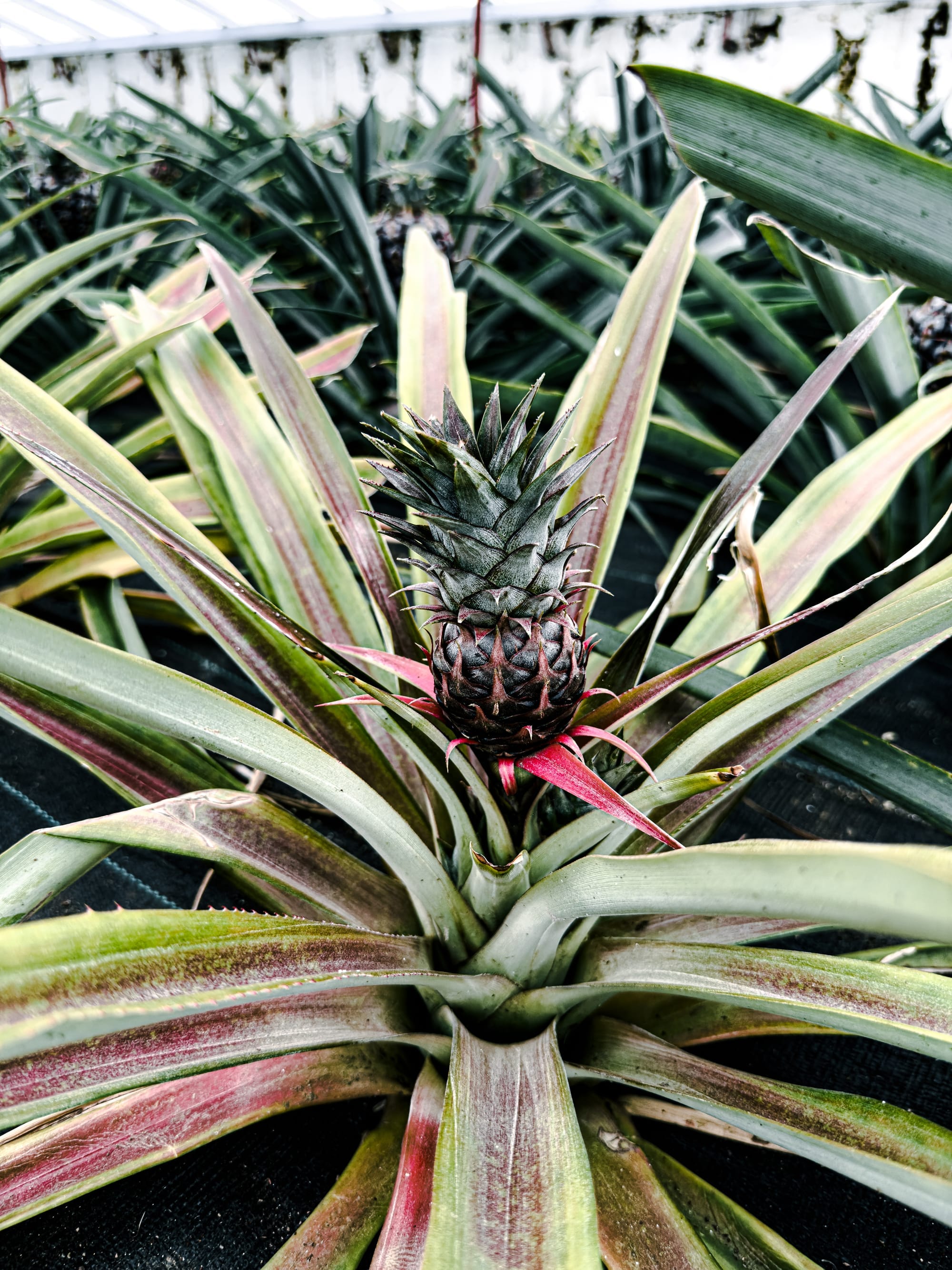
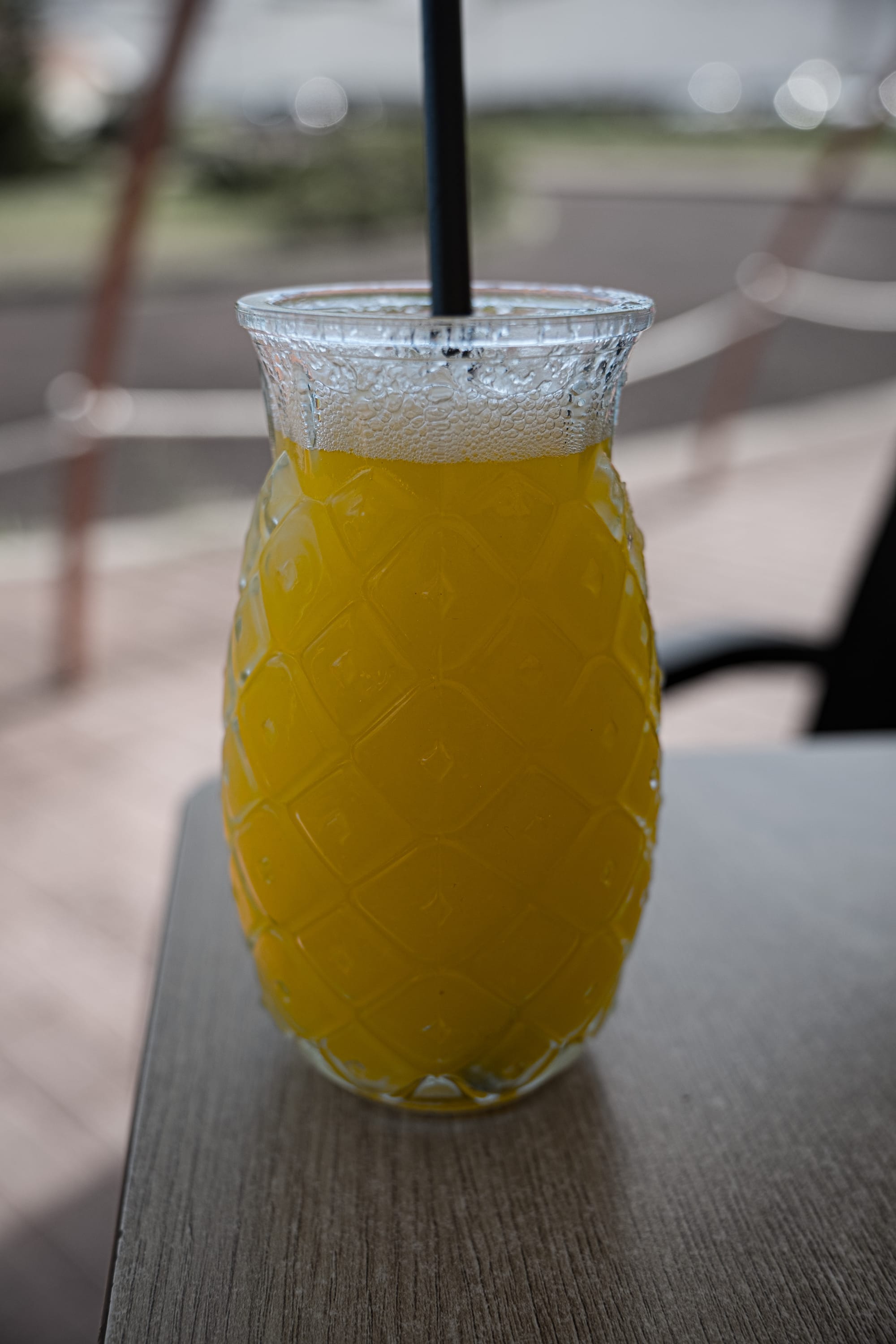
Visitors can wander between the steamy growing rooms, learn about the cultivation process, and browse a shop selling pineapple liqueurs, marmalade, and juice. Entry is free, making this a perfect short stop for those interested in agriculture, food history, or just something a little quirky and delicious.
Visit Chá Gorreana tea plantation
Europe’s last tea plantation.
Set along the north coast’s misty hills, Chá Gorreana has been producing green and black tea since 1883. Walking into the plantation is like visiting a working time capsule. You’ll find antique machinery still in use, a small museum, and rolling rows of Camellia sinensis stretching toward the sea. The air smells of earth and leaves.
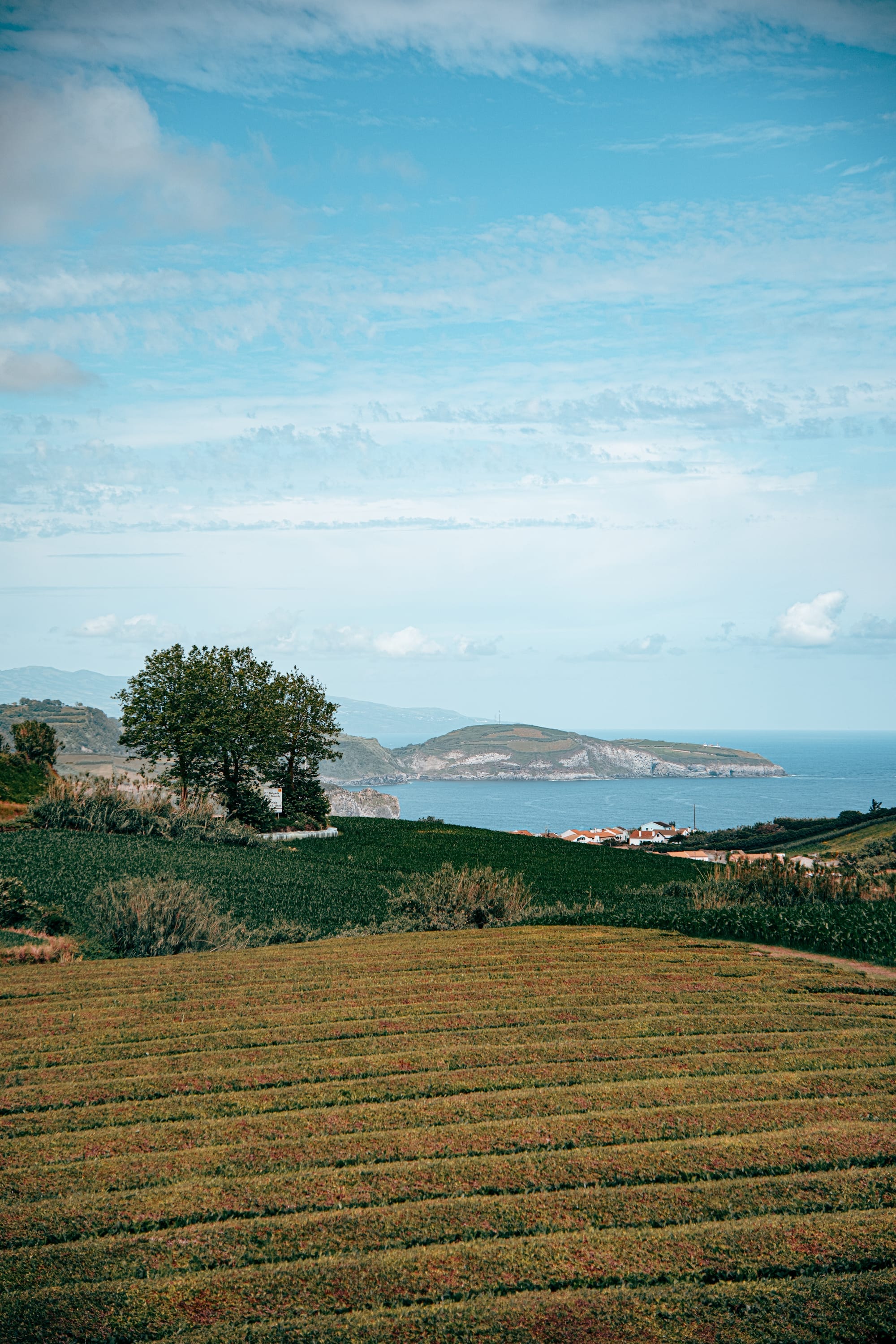
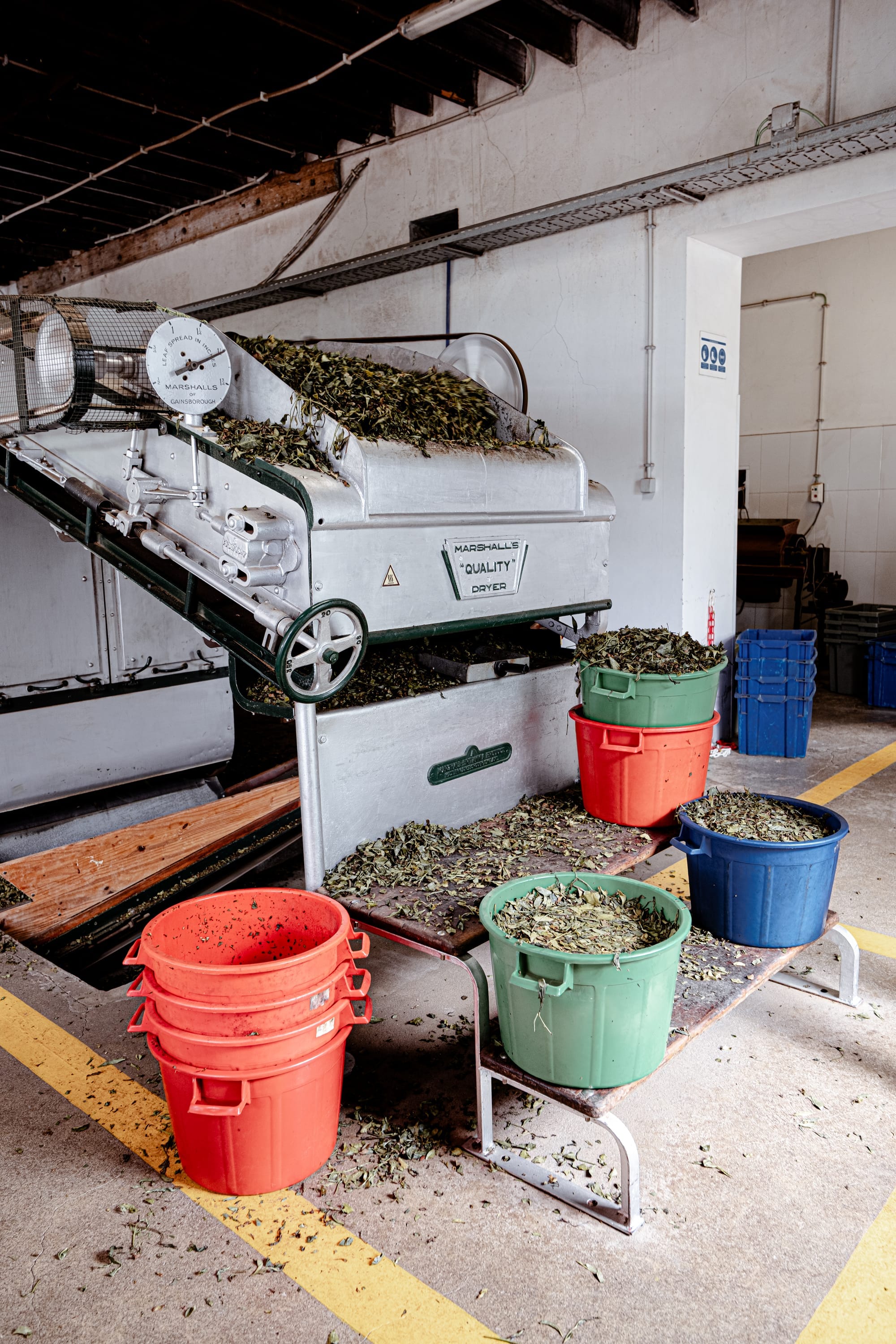
After a self-guided trail through the fields, you can enjoy a free tasting of the island’s signature blends, delicate, mineral-rich, and uniquely Azorean. For tea lovers, history buffs, or anyone craving a calm, leafy detour, Chá Gorreana is a must.
Visit Ribeira dos Caldeirões waterfalls park
Waterfalls, mills, and forest calm.
One of the most accessible and atmospheric natural parks on São Miguel, Ribeira dos Caldeirões sits tucked along the northeast coast. Here, waterfalls cascade between moss-draped walls, 19th-century water mills stand watch over fern-lined trails, and picnic spots appear beneath towering trees.
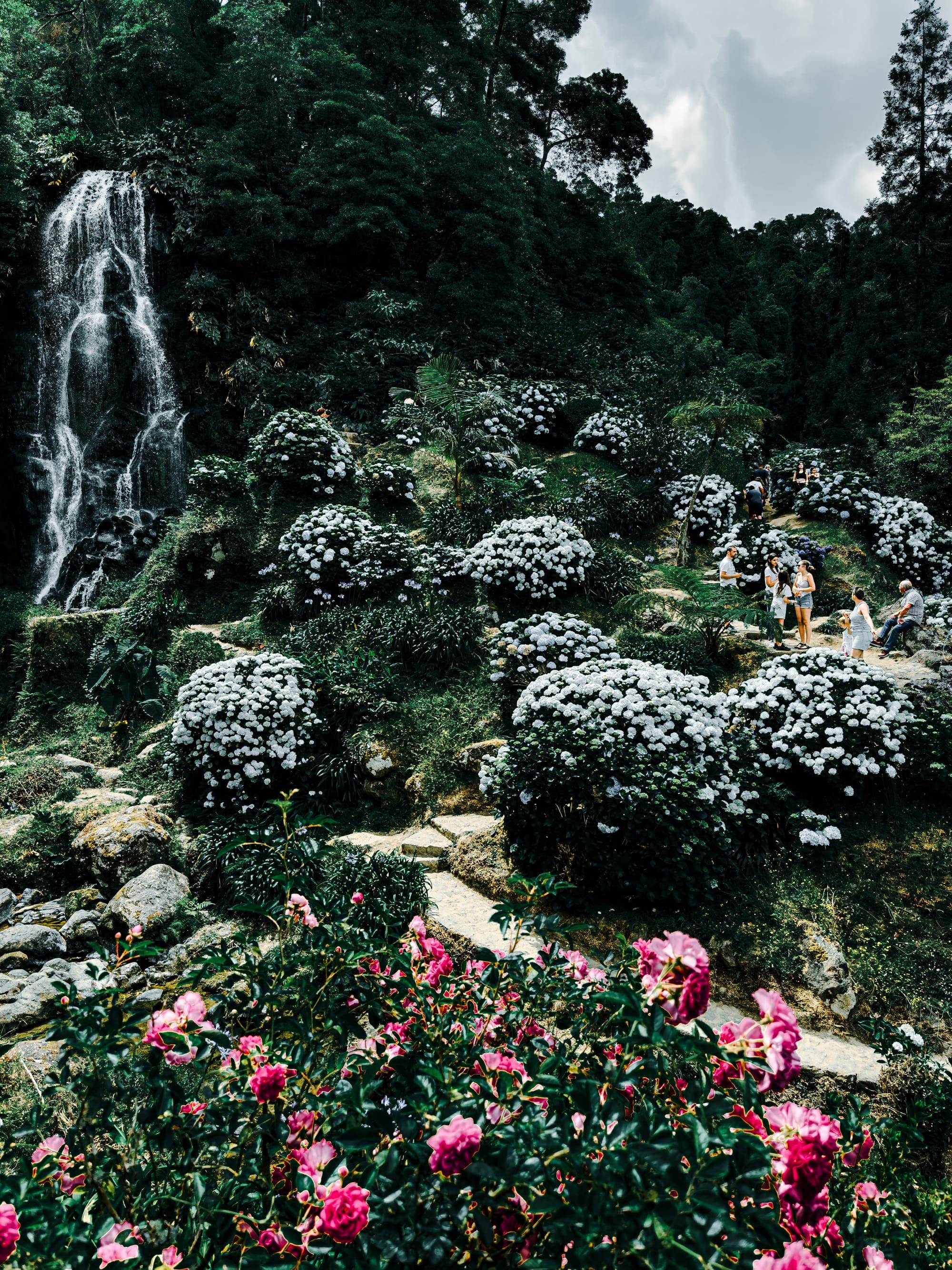
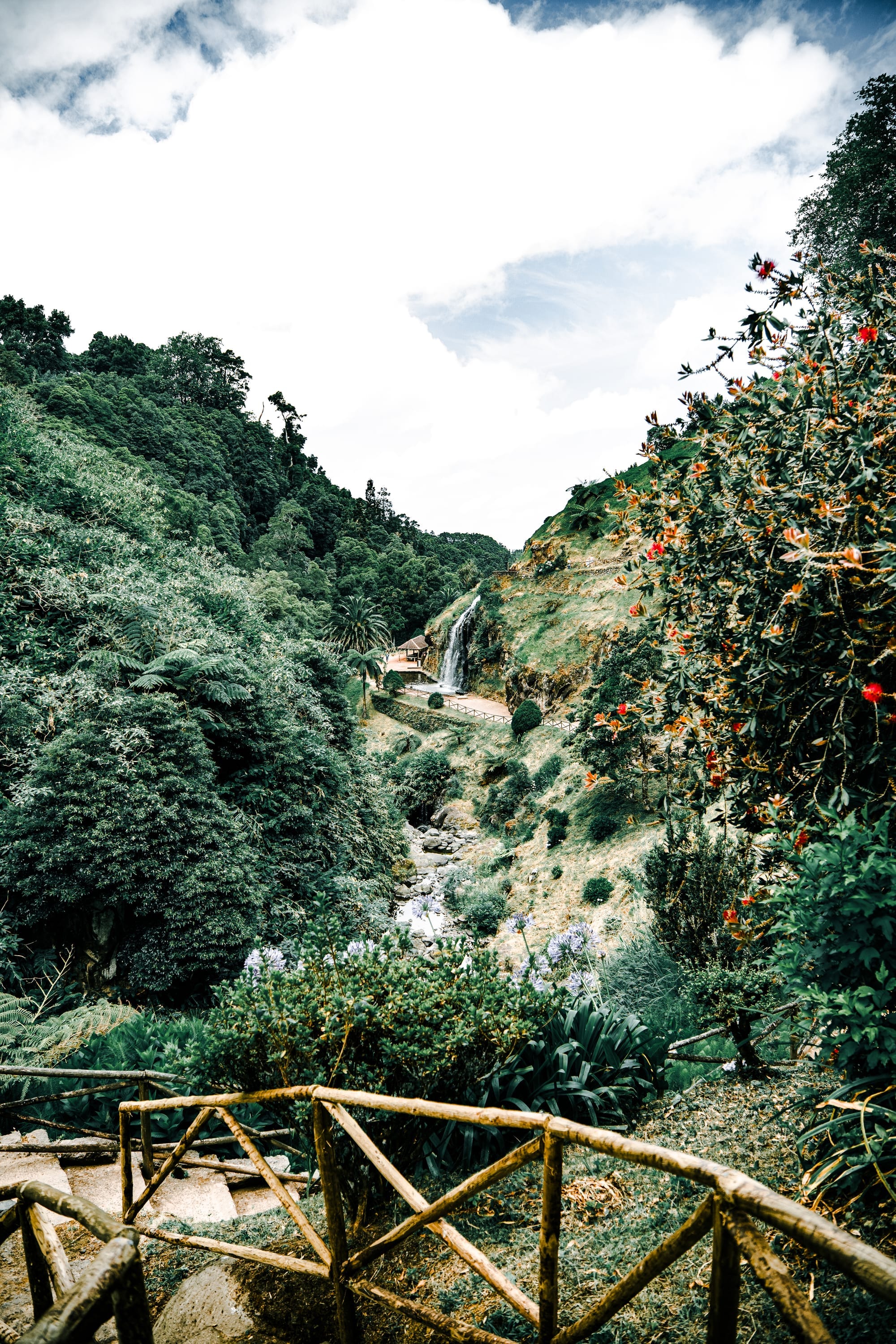
Unlike more rugged hikes, this park is easy to wander without much planning and ideal for a half-day trip. The soundscape alone, a mix of running water and birdsong, feels therapeutic. Don’t miss the chance to explore some of the old mill interiors, which now house local craft shops.
Check out the island's many miradouros
The island’s best views.
São Miguel may have more scenic viewpoints per capita than almost anywhere else. Known locally as miradouros, these lookouts range from lush garden terraces to roadside curves where the world suddenly opens up.
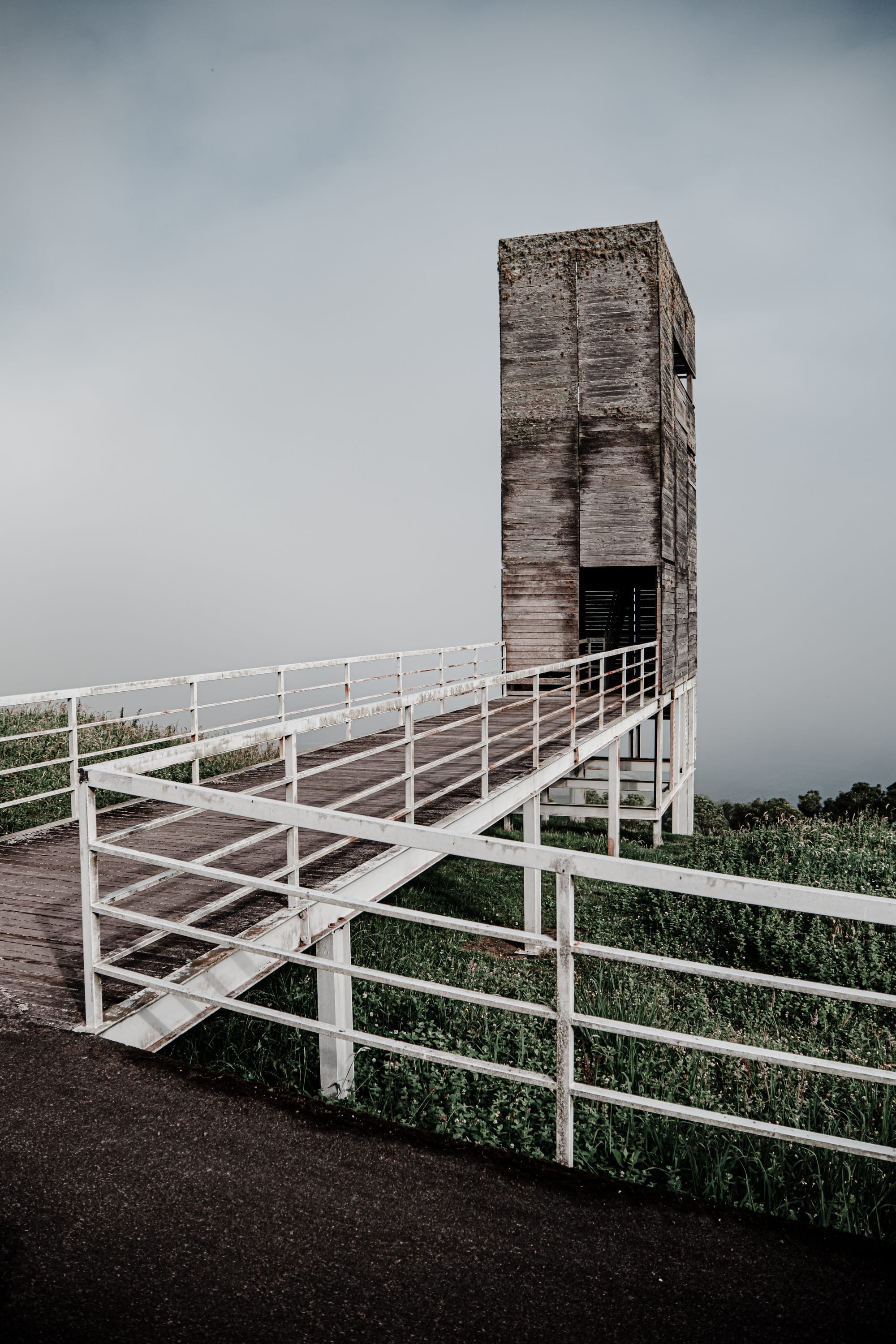
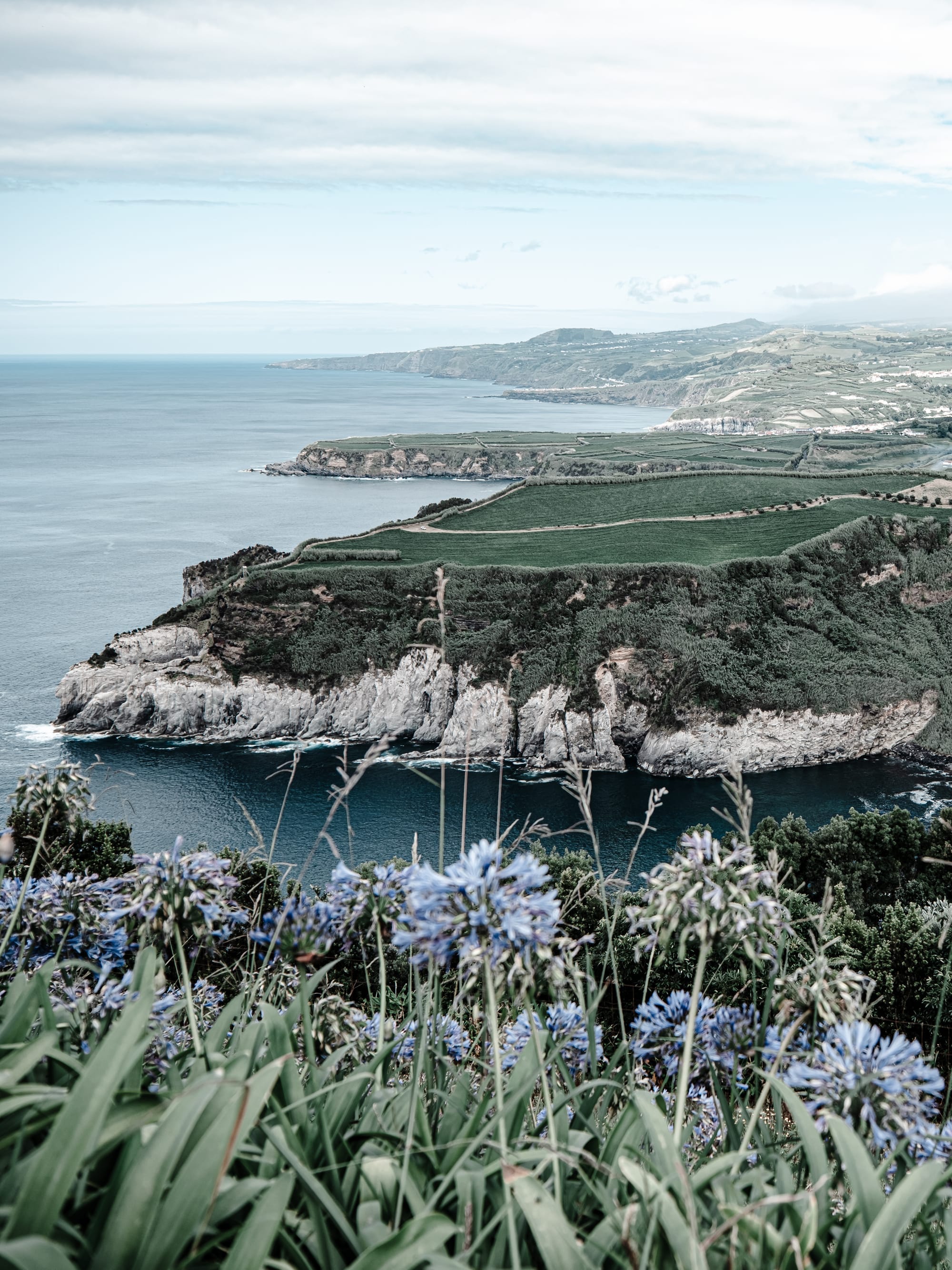
Among our favorites: Miradouro do Pico dos Bodes, with its brutalist structure; Miradouro da Ponta do Sossego, a manicured cliffside garden with hydrangea-lined paths; and Miradouro de Santa Iria, a peaceful grassy slope ideal for cloud-watching and picnics. Many aren’t signposted. Just pull over when a view catches your eye.
Explore the abandoned Monte Palace Hotel
Abandoned grandeur over Sete Cidades.
Perched above the iconic Vista do Rei, the Monte Palace Hotel is one of São Miguel’s most surreal experiences. Once a luxury hotel promising unmatched crater lake views, it now stands in ruins, an overgrown shell with five floors of murals, graffiti, and gradual decay. Yet, stepping inside doesn’t feel dangerous or grim. It feels calm. Sunlight filters through broken windows, wind whistles through empty halls, and each room frames a different view of the twin lakes below.
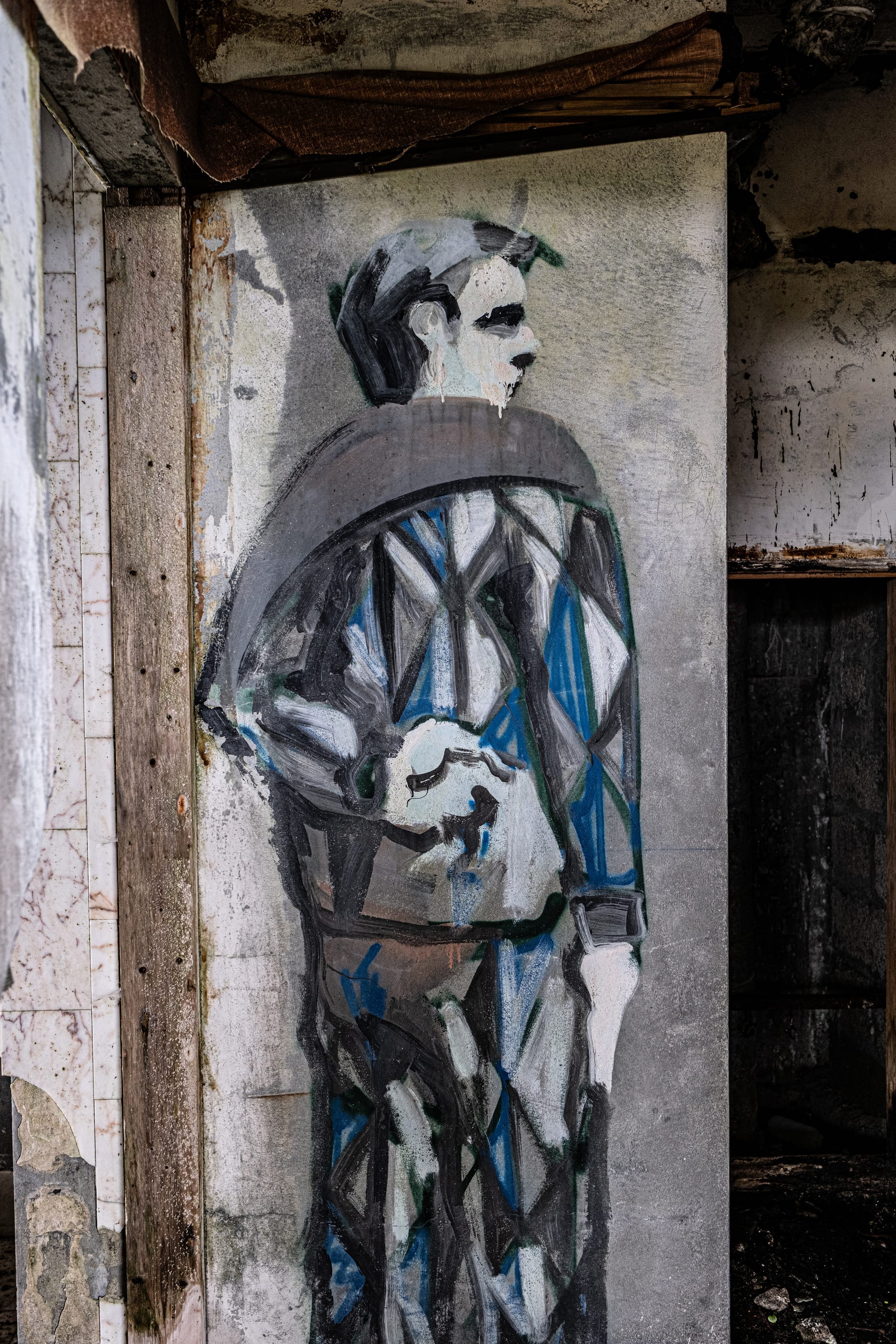
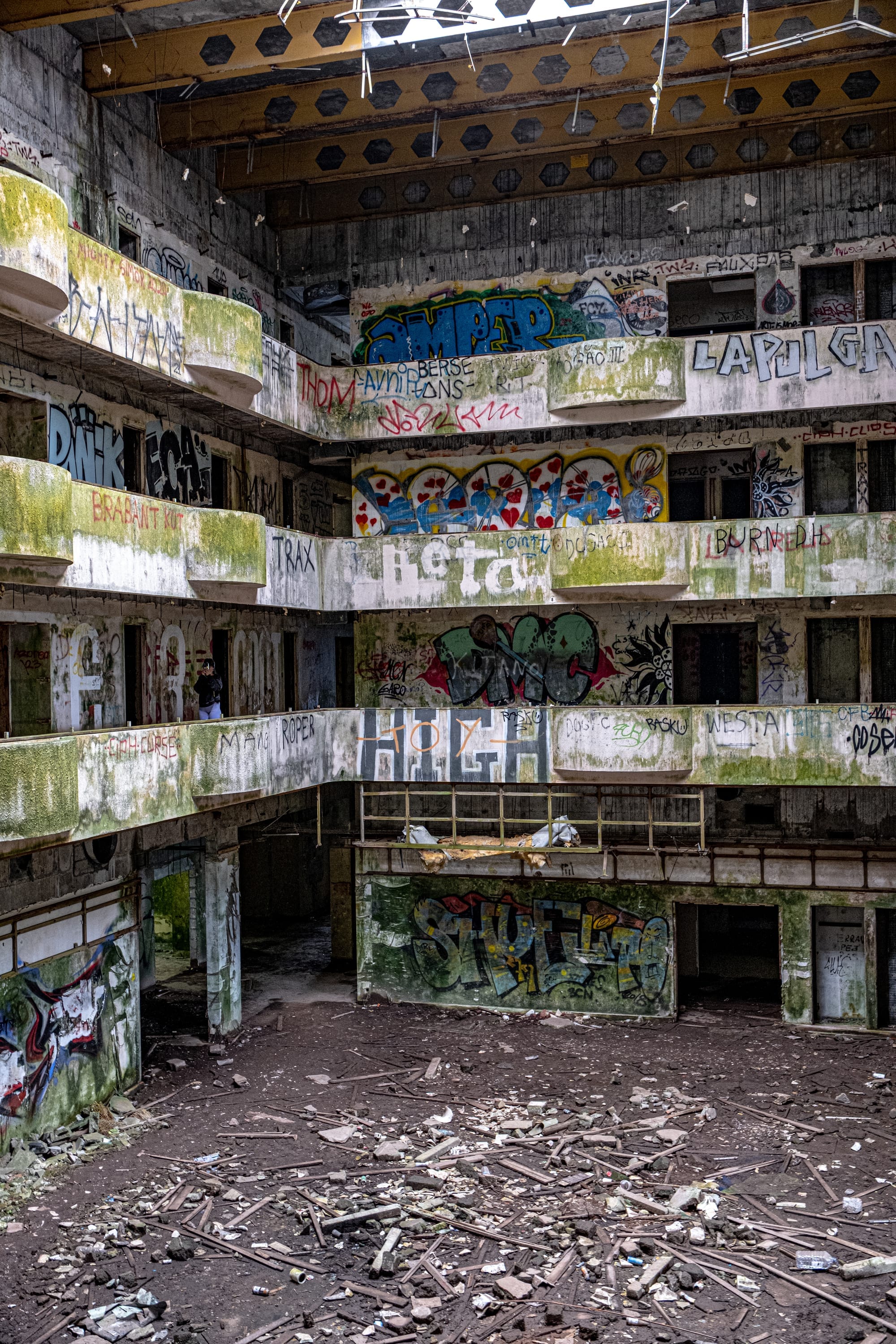
Some murals are detailed and strange, others abstract and expressive, creating an open-air gallery on top of a collapsing building. It’s a photographer’s dream, an urban explorer’s playground, and a surprisingly peaceful place to reflect on beauty, failure, and time.
Climb the staircase at Santuário de Nossa Senhora da Paz
A whitewashed church above the sea.
Rising above the town of Vila Franca do Campo, the Sanctuary of Nossa Senhora da Paz is one of the most visually striking churches on the island. The ascent begins at the foot of a sweeping staircase, flanked by hand-painted azulejos that depict scenes from the rosary. Each step feels symbolic.
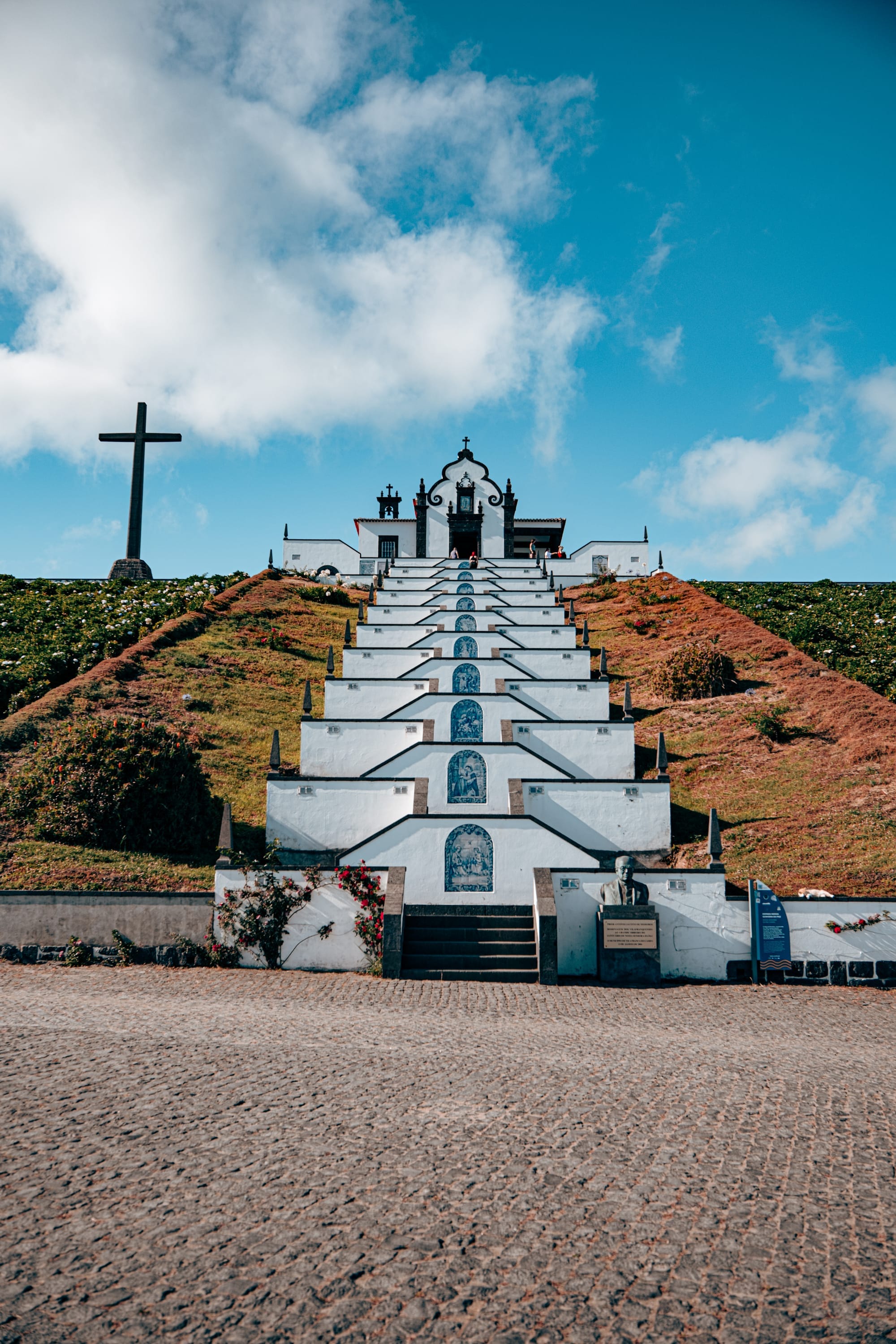
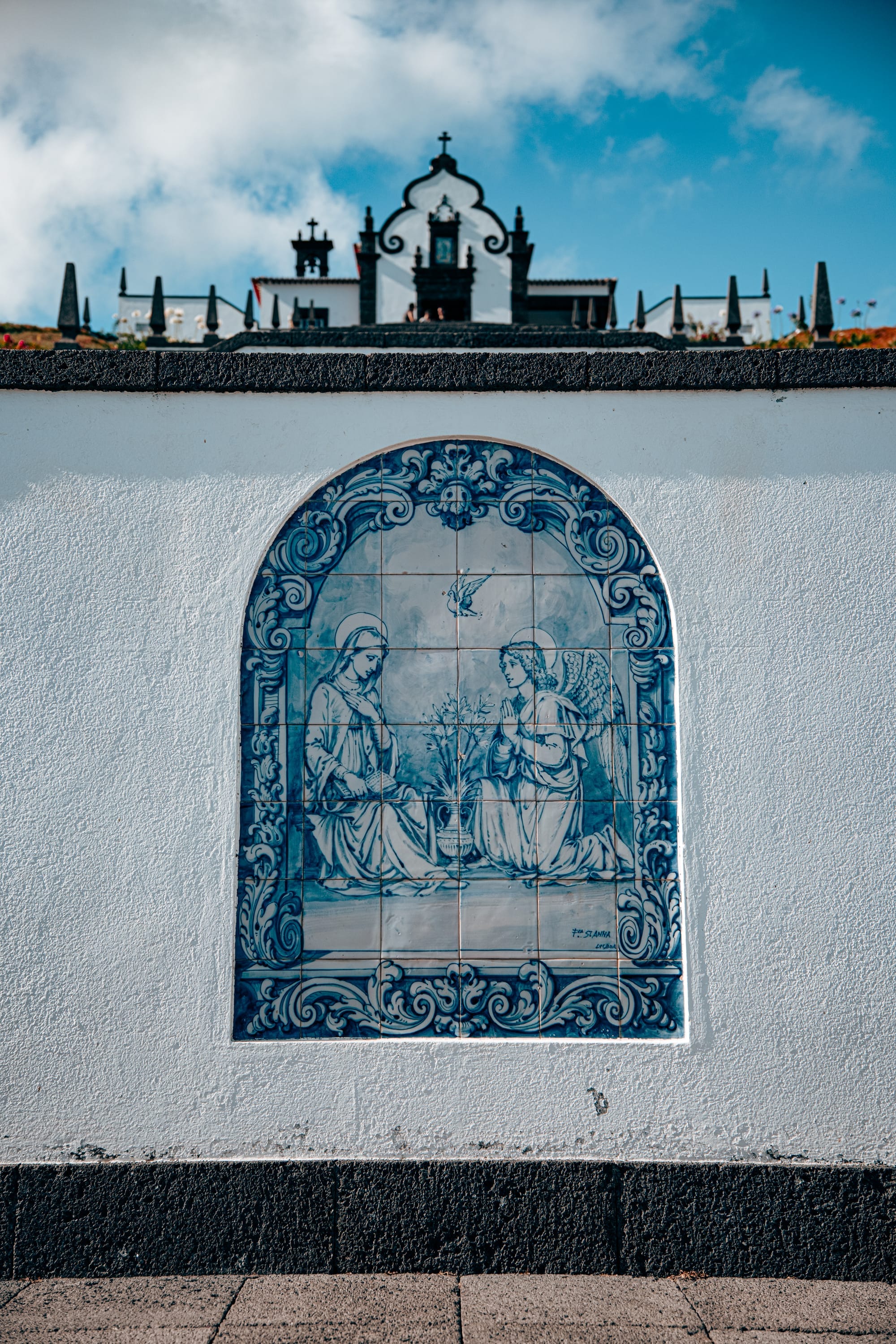
The church itself is simple and peaceful, but the view from the top is the real highlight: you’ll see the coastline unfold below, with the Ilhéu de Vila Franca do Campo floating offshore. Religious or not, you’ll find it a calm, reflective spot with wide-angle views.
Visit aqueducts
Volcanic relics in plain sight.
São Miguel’s old aqueducts, remnants of an ingenious water transport system, are scattered like forgotten monuments across the island. Built to channel volcanic and rainwater to towns and agricultural areas, these stone structures now blend into the landscape, often covered in moss or rising unexpectedly beside roads and trails. Some are intact enough to walk across or beneath, giving you a close look at the island’s engineering past.
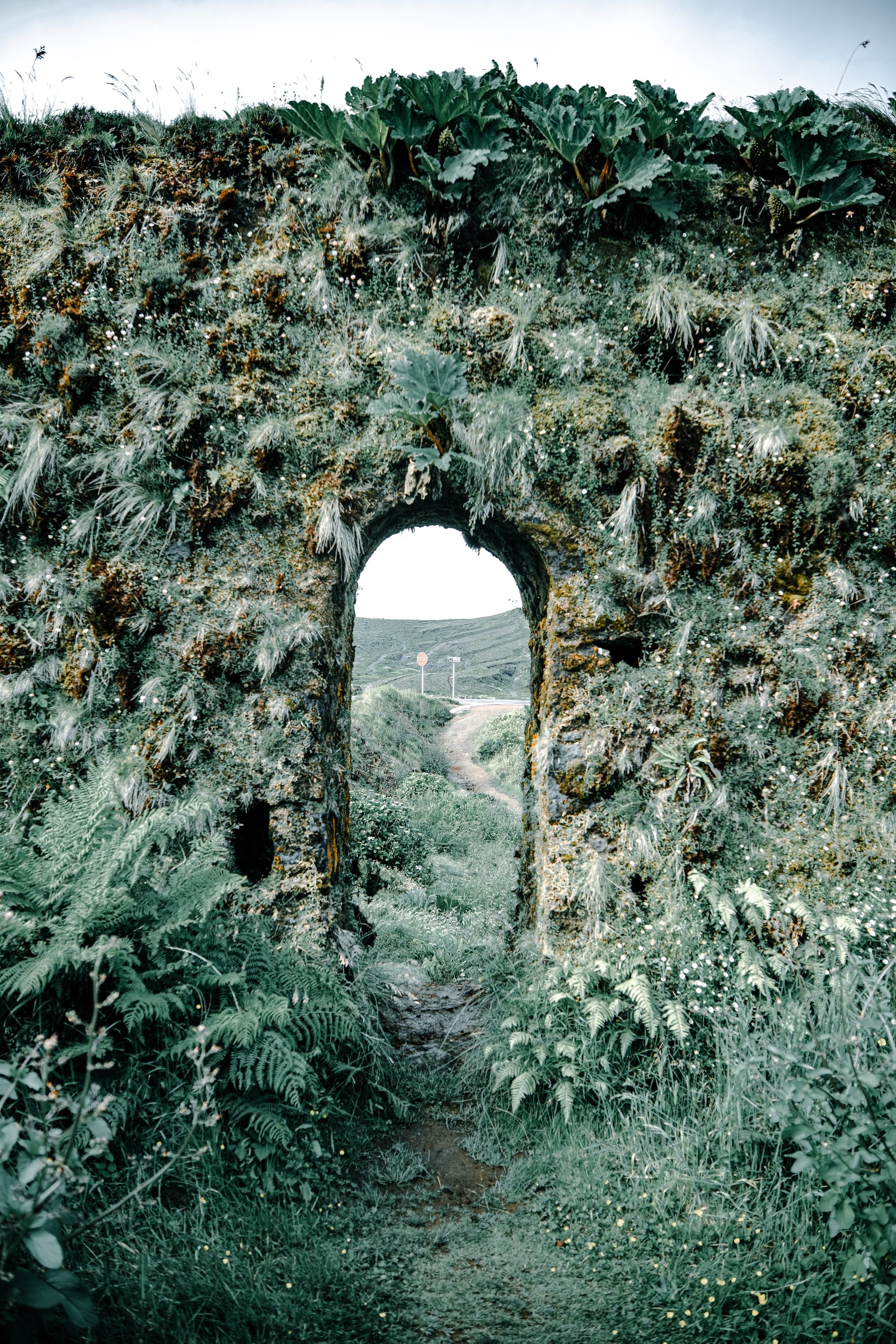
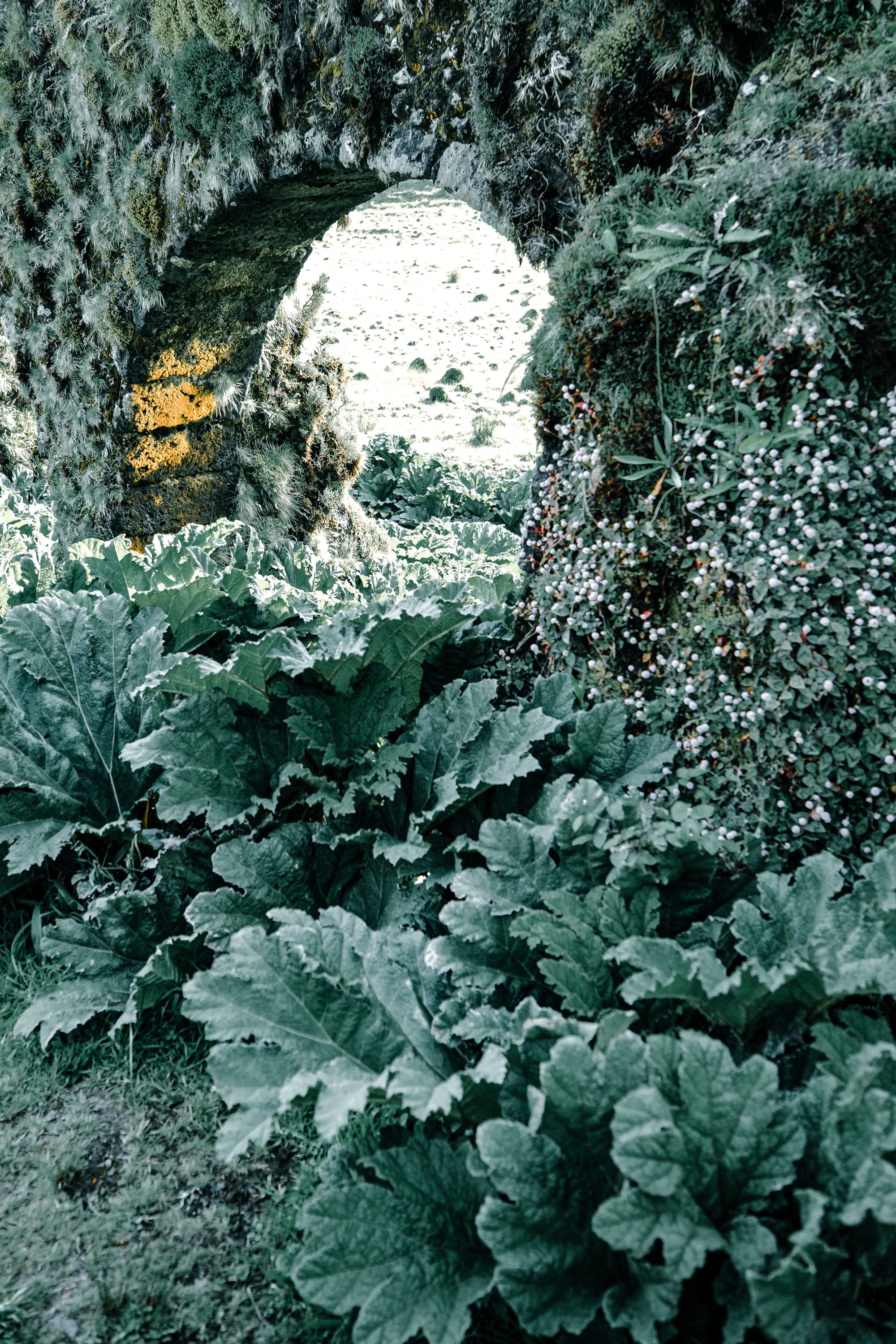
You’ll find especially striking segments in the Sete Cidades region and near Ribeira Grande, perfect for contemplative detours and dramatic photo ops.
Shop local at Mercado Agrícola de Santana
Local abundance, community pulse.
Every Thursday and Saturday morning, the Santana farmers market bursts into color. Stalls overflow with Azorean produce: taro, passionfruit, bananas, ginger root, greens, and herbs you’ve never tasted. Expect the smell of earth and citrus, chatting vendors, and plenty of locals doing their weekly shop.

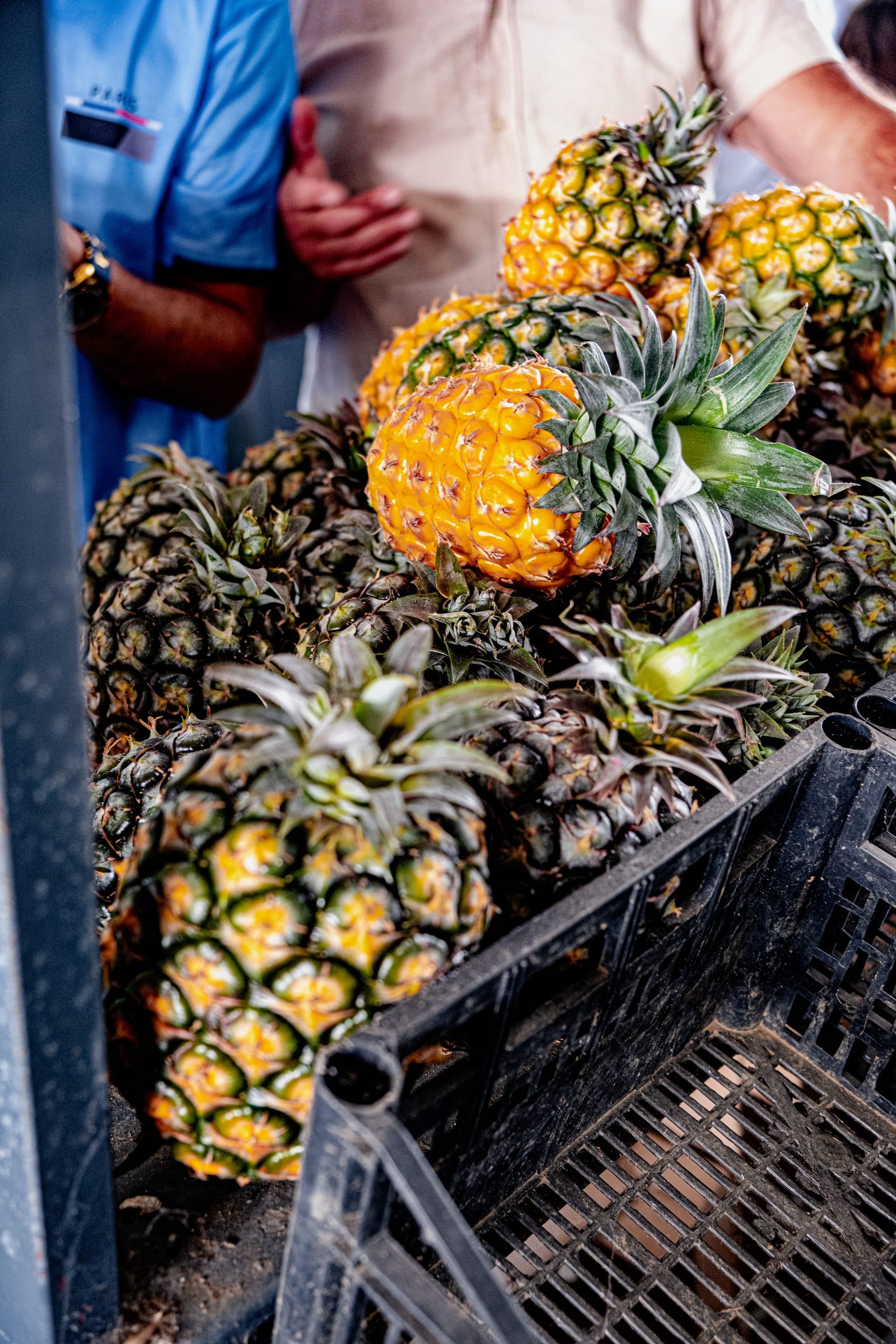
For nomads staying nearby (especially at Lava Coliving), it’s also a social anchor. Come for fresh food, stay for the chance encounters and occasional events like yoga, art nights, or cooking sessions.
Villages and cultural spots
Furnas, the geothermal village
The island’s thermal heart.
Set in the lush interior, Furnas is the island’s geothermal heart, a valley of rising steam, mineral-rich pools, and tropical vegetation. It’s where locals cook cozido stew underground for hours and where travelers soak their bones in 39ºC springwater. Beyond Poça da Dona Beija, Furnas is great for wandering: cobblestone lanes lined with volcanic rock, fragrant garden paths, and sulfur vents bubbling beside footbridges.
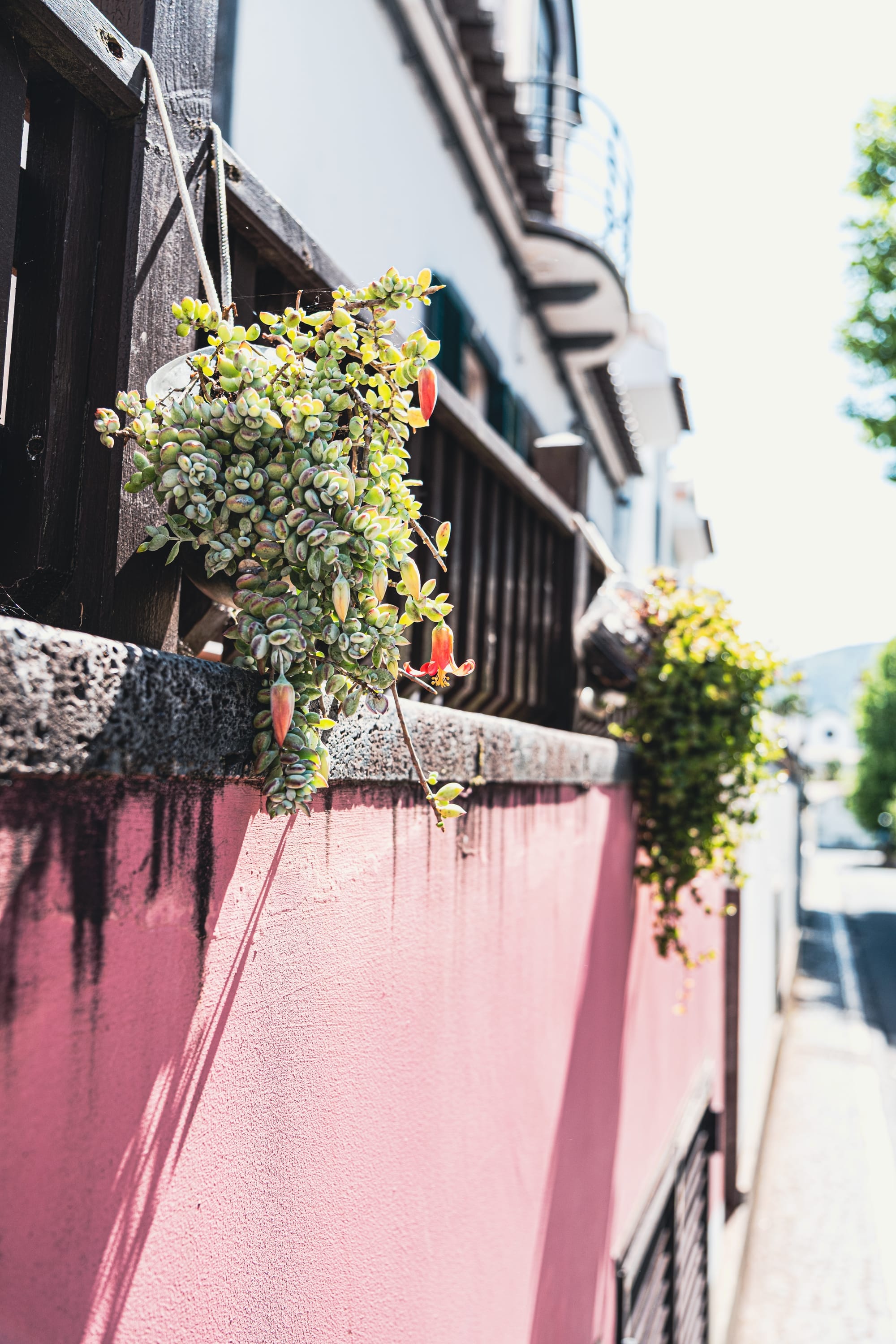
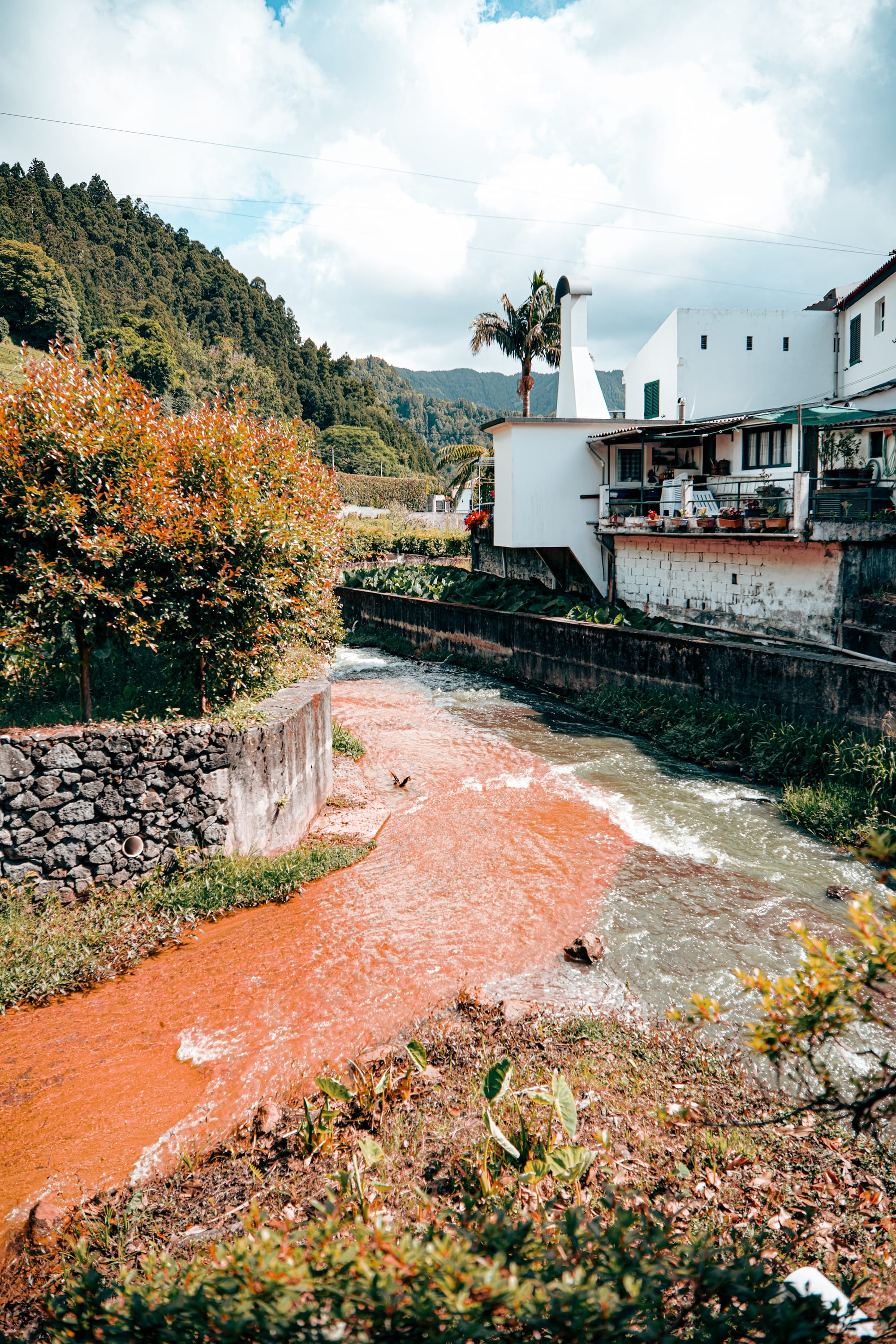
With easy access to Grená Park, Lagoa das Furnas, and forested hiking trails, it’s an ideal base for those who like their days part-walk, part-soak, part-stare-at-steam.
Sete Cidades, a beautiful lakeside village
Crater town among the lakes.
Sete Cidades sits inside a dormant volcanic crater, surrounded by twin lakes, one green and one blue, and ringed by some of the island’s best hikes. It’s a small, peaceful village with a strong pull, partly due to its setting and partly the mythos that surrounds it.
Rent a paddleboard, hike the rim trail from Vista do Rei, or simply bring a sandwich to the shore and sit. The fog rolls in and out all day. While the town itself is small, it offers a few restaurants, a local grocer, and a relaxed pace that makes it easy to linger.
Vila Franca do Campo, gateway to the islet
Ocean-facing former capital.
Once the capital of São Miguel, Vila Franca do Campo is now best known for its proximity to Ilhéu de Vila Franca, a volcanic islet turned swimming lagoon. But the town is worth your time on its own. It’s home to the tiered Santuário de Nossa Senhora da Paz, a striking church that overlooks the coastline, and a relaxed feel that’s great for a medium-term stay.
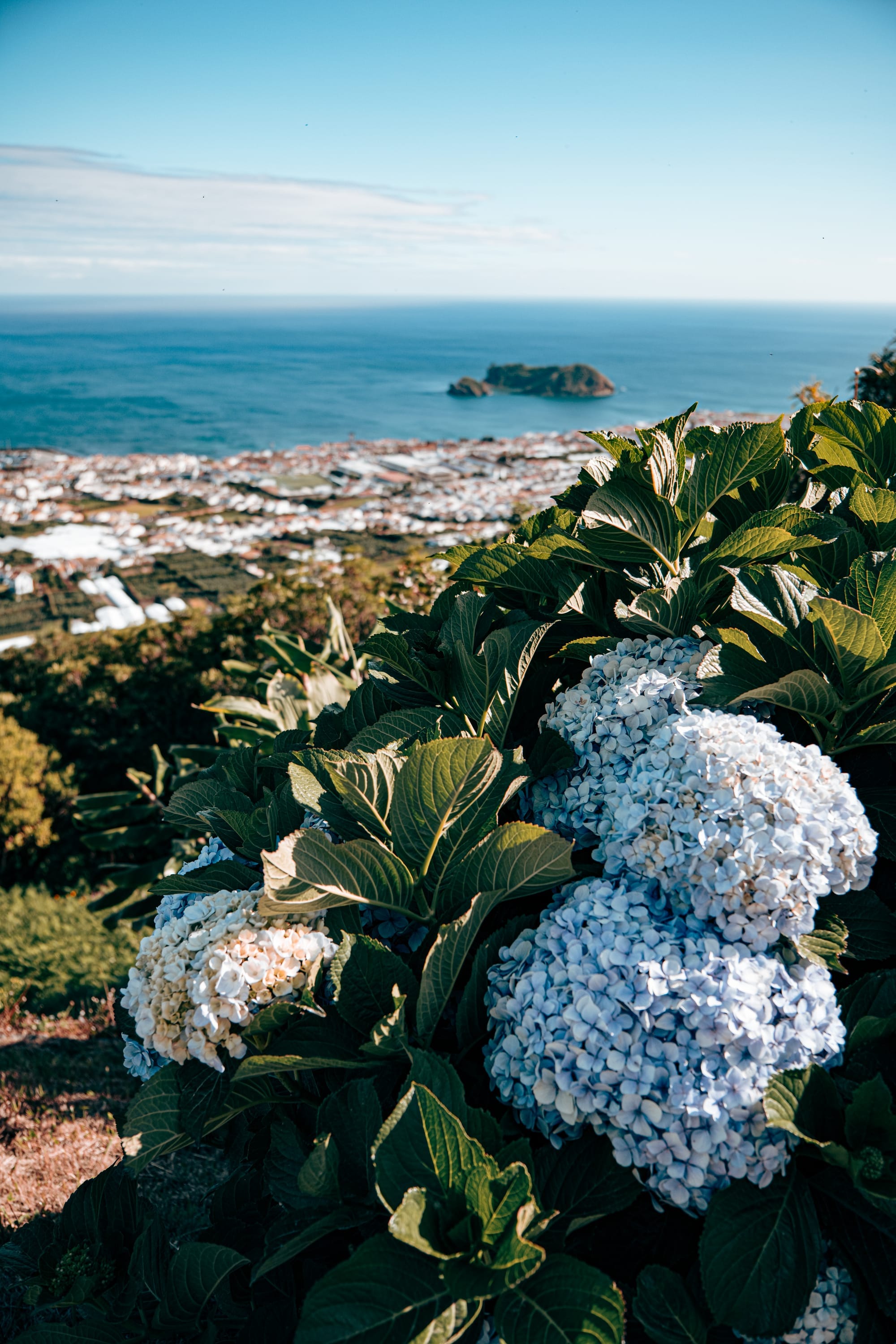
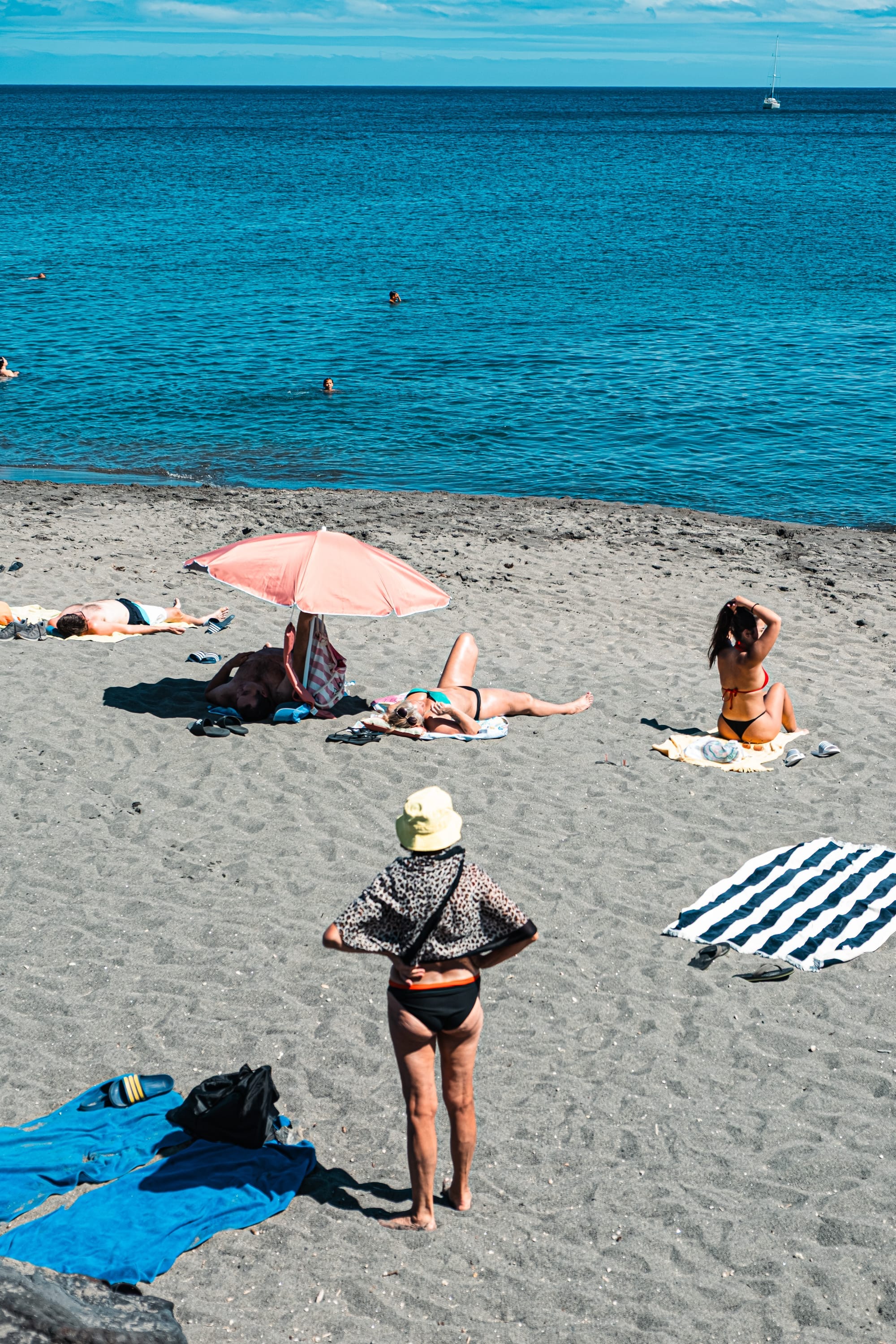
Fruit stalls, sea-facing promenades, and a casual beach vibe set the tone here. You’re well-positioned to explore the south coast, visit Lagoa do Fogo, or join a kayaking tour around the islet.
Povoação, a coastal village
Where settlement began.
Framed by volcanic cliffs and a horseshoe bay, Povoação is considered the site of the island’s first settlement. It has a frontier feel, distinct from the busier towns, calmer, and flanked by dense forest.
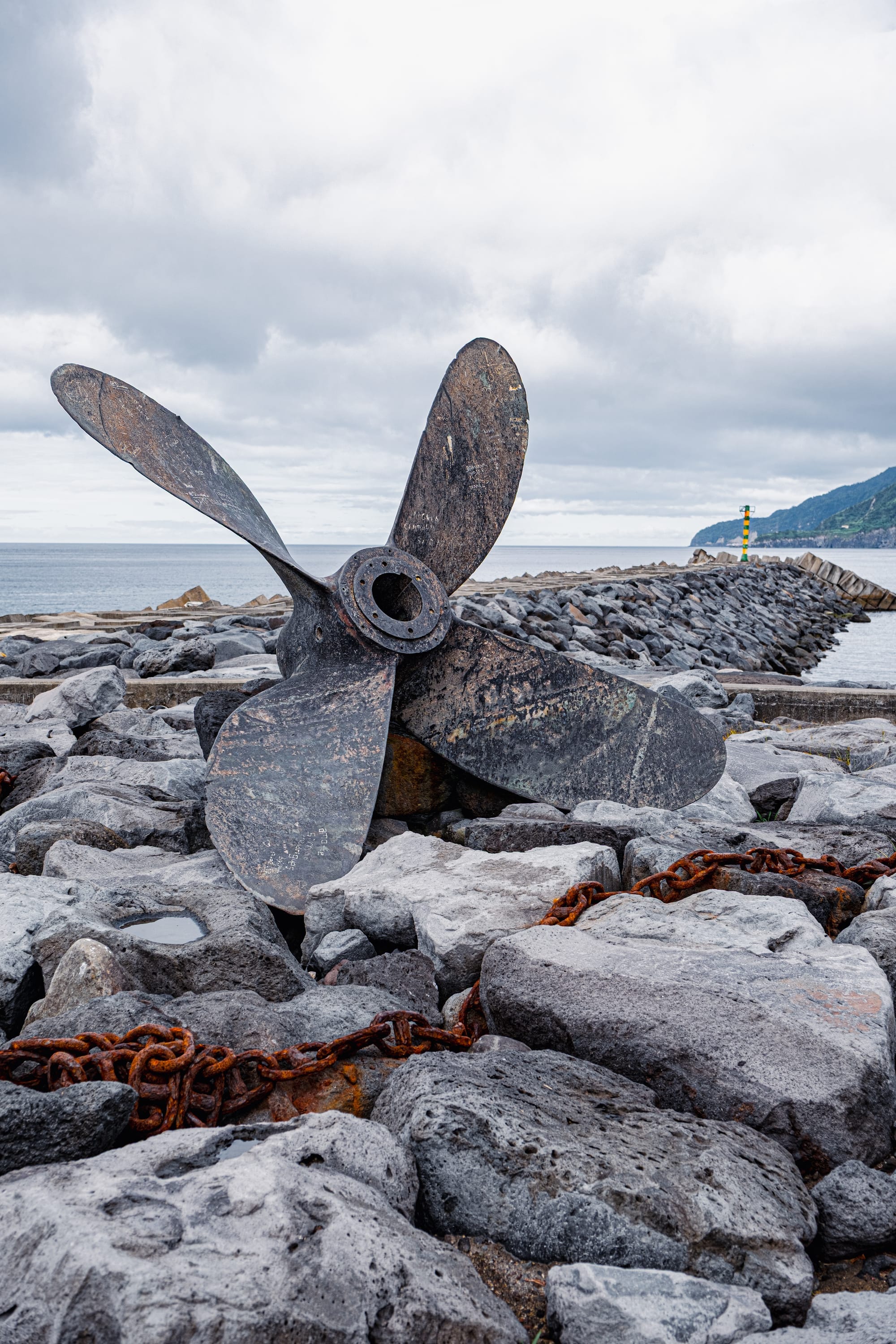
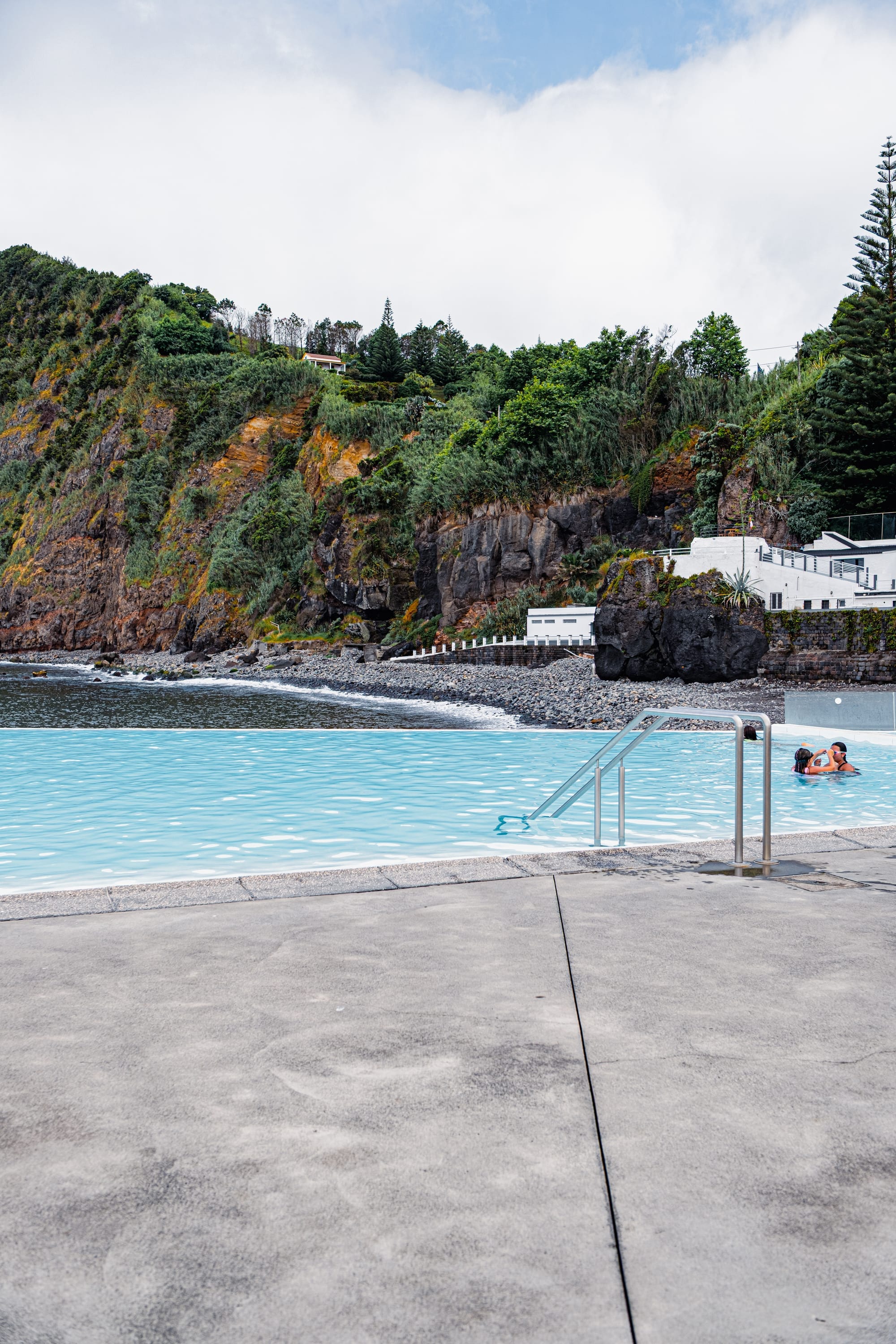
Strolling through its tidy plaza, you’ll find murals depicting settler history, a handful of cafes, and a local pace that makes it easy to rest. It’s also a useful base for reaching Faial da Terra and the Sanguinho trail.
Ponta Delgada, the capital city
Gateway city with colorful edges.
The island’s capital and main transport hub, Ponta Delgada is worth exploring beyond the airport. Its historical core is lined with basalt arches, cobblestone squares, and churches.
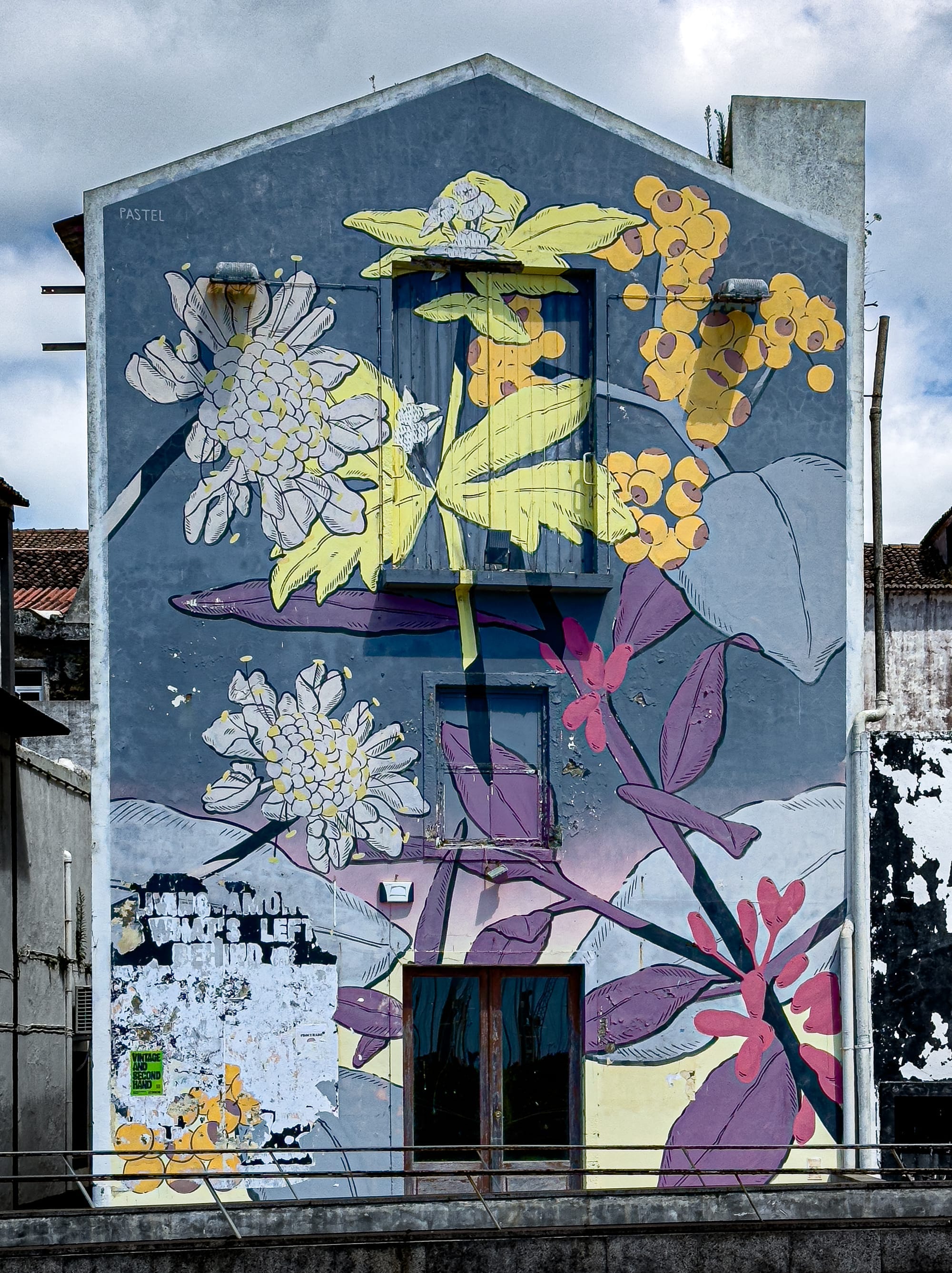
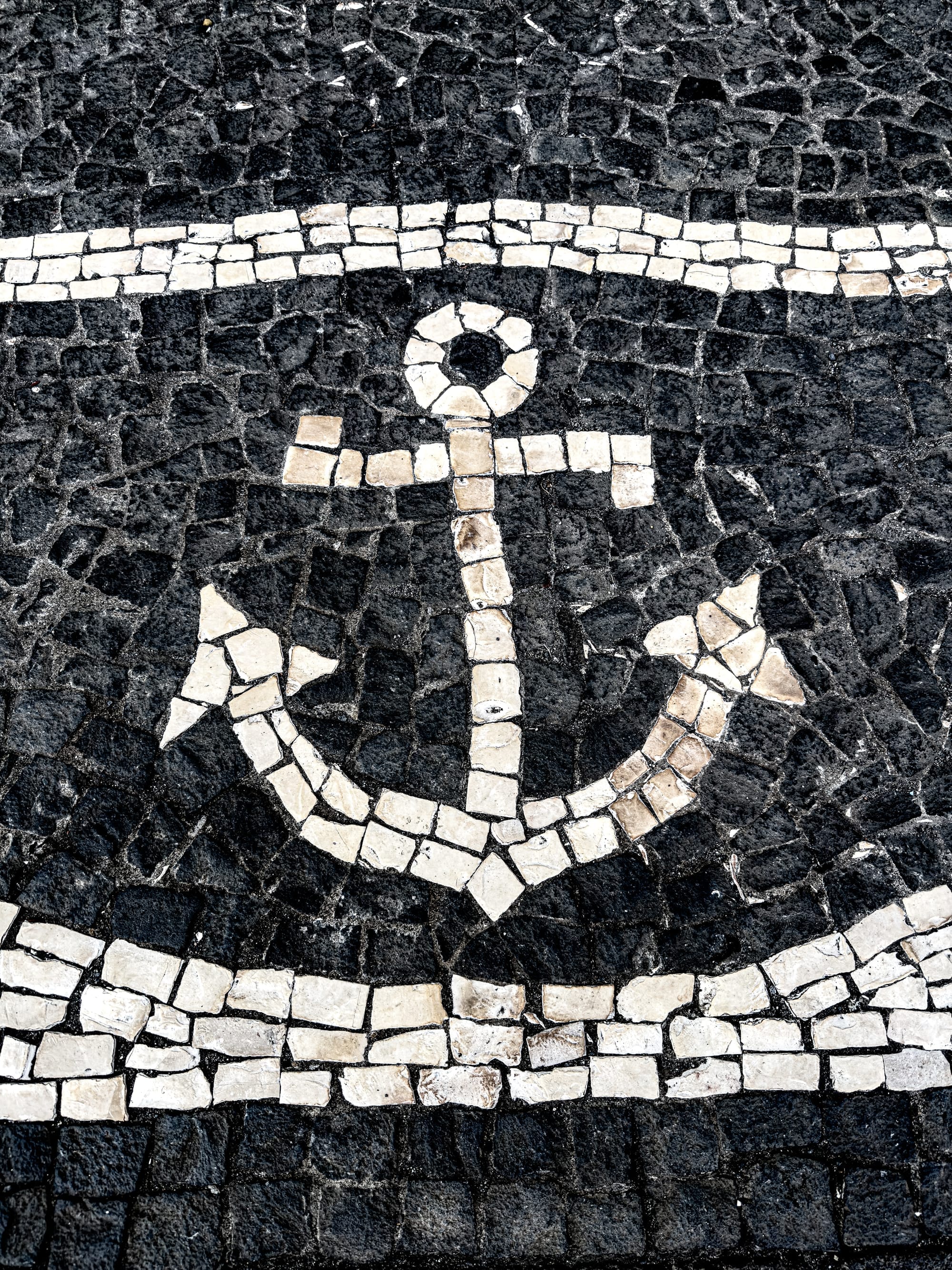
While not the focus of most digital nomads, it’s a good place for essentials and a few worthwhile stops like Jardim António Borges, the Fort of São Brás, and local eateries like Louvre Michaelense. It’s also home to one of the best co-ops of Azorean artists and designers.
Ribeira Quente, a fishing village with a black sand beach
Geothermal coast and village calm.
Tucked between steep cliffs and the sea, Ribeira Quente is a tiny fishing village with one of the most memorable coastlines on the island. It’s known for Praia do Fogo, a black sand beach with geothermal activity heating the ocean near shore.
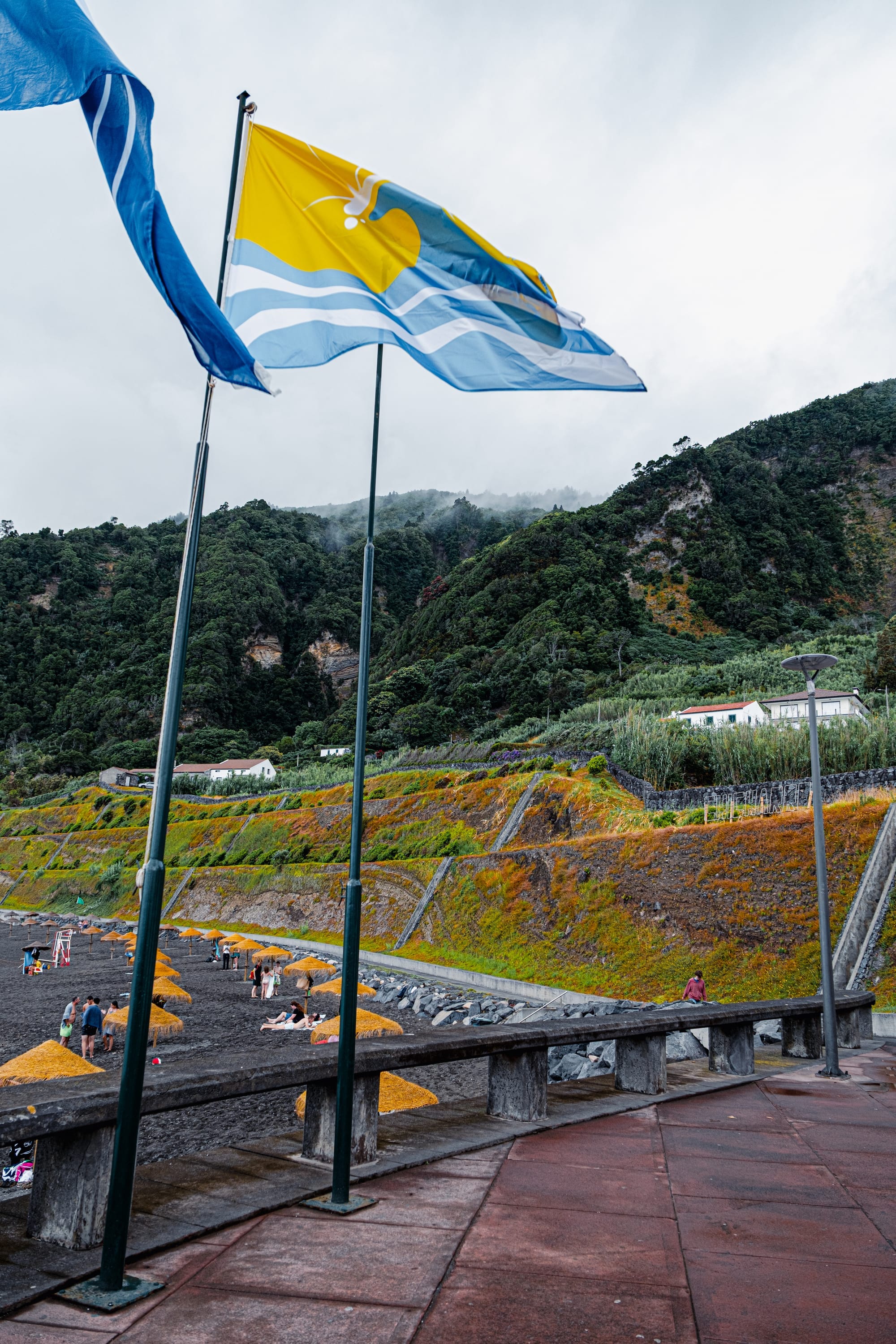
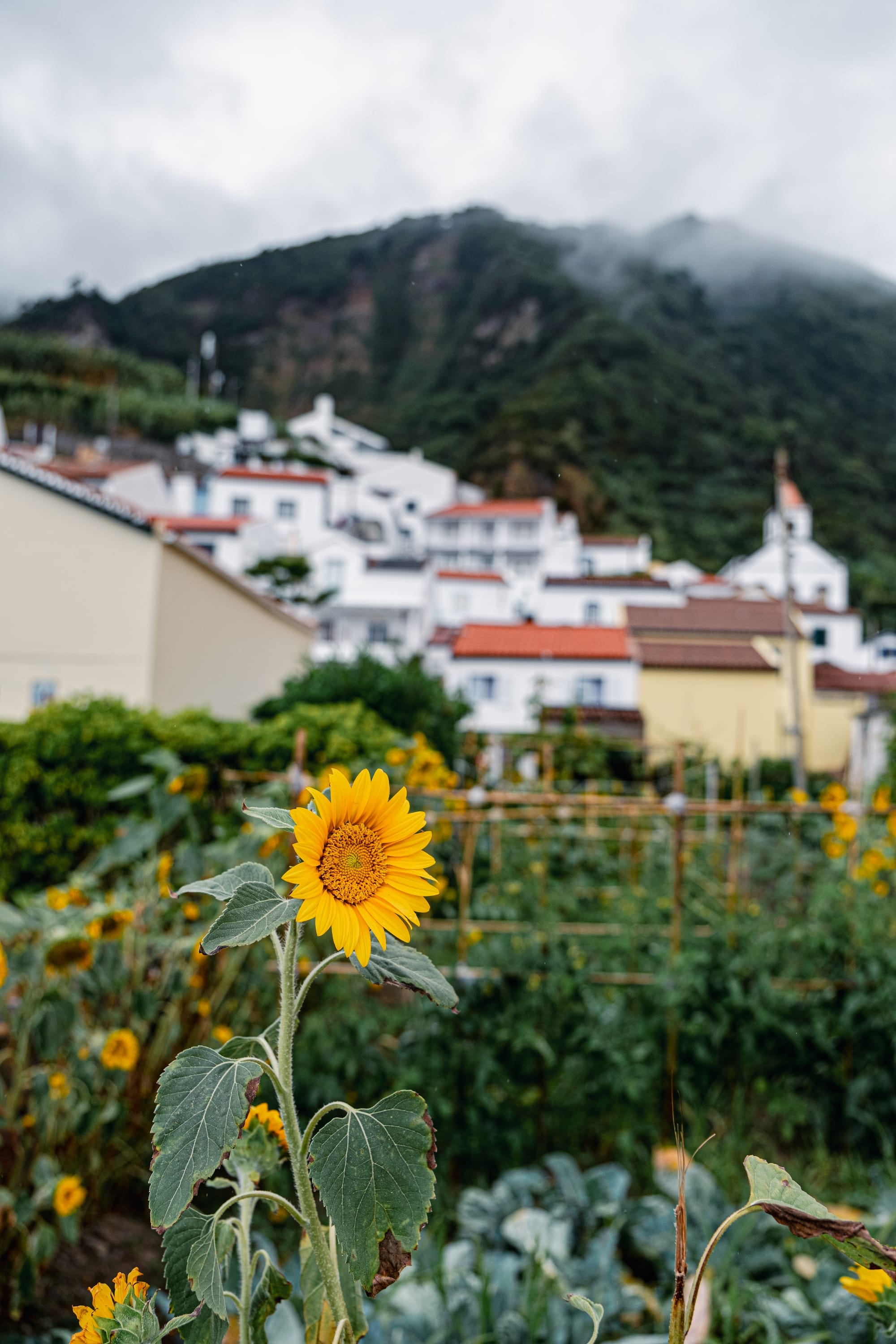
The town is home to a local market and excellent fruit stalls. With its warm water and friendly village feel, it’s worth a day trip or even a base for longer stays.
Essential tools for São Miguel
For nomads living and working from São Miguel, these tools made our stay smoother.
AllTrails+ (hiking trail discovery app)
The go-to app for discovering and navigating hikes on São Miguel (and elsewhere in the world), including lesser-known trails. The paid version lets you download offline maps, which is essential since signal often drops in remote or mountainous areas. You can also track your route in real time and bookmark hikes to plan your week around the weather.
Saily Global eSIM
Instant global mobile data without needing a local SIM. Saily global eSIM gives you mobile data in Portugal and dozens of other countries. No need to buy a separate local SIM when you arrive. Great for digital nomads who hop between places and want one seamless solution that works everywhere.
SafetyWing (global health & travel insurance)
An affordable, digital-nomad-friendly insurance plan that covers both travel hiccups and medical needs. We like that it runs month-to-month and can be started even if you’re already abroad. Helpful for peace of mind, especially on remote islands where care may require transfers or added costs.
NordVPN
A lightweight, fast VPN that lets you secure your connection on public wifi, especially important when working from colivings, cafes, or airports. It also lets you access content as if you were back home, which is helpful for banking, streaming, or logging into sensitive accounts.
Wise (multi-currency payments)
Our favorite banking solution for multi-currency payments and avoiding bad exchange rates. Wise lets you pay in Euro locally and manage funds across dozens of currencies. We used it to split group dinners, pay for tours, and withdraw cash without the large fees traditional banks charge.
Should you choose São Miguel?
The Azores doesn’t promise frictionless digital nomadism. You won’t find dozens of cafes with fiber internet. There aren’t coworking hubs on every corner or nightly meetups. But if you want to take things easier and have your workdays framed by wind, steam, and birdsong, there are few places more restorative. For areas and our hotel picks, see where to stay in São Miguel.
The pros?
- Nature at your doorstep: crater lakes, thermal pools, jungle trails
- A peaceful pace that helps with deep focus and calm
- Affordable compared to much of Europe
- Manageable time zone for both European and US / Americas work
- A growing ecosystem of colivings, especially for those seeking connection in small doses
- A landscape that changes how you pay attention
The tradeoffs?
- A small, diffuse nomad scene; not much in the way of organized community
- You’ll likely need a car to explore freely; we recommend renting one through DiscoverCars
- The weather is changeable, often damp
- Some places feel sleepy, especially in winter
- If you rely on buzzy energy to motivate your work, you might need to bring your own spark
But for many of us, that’s precisely the draw.
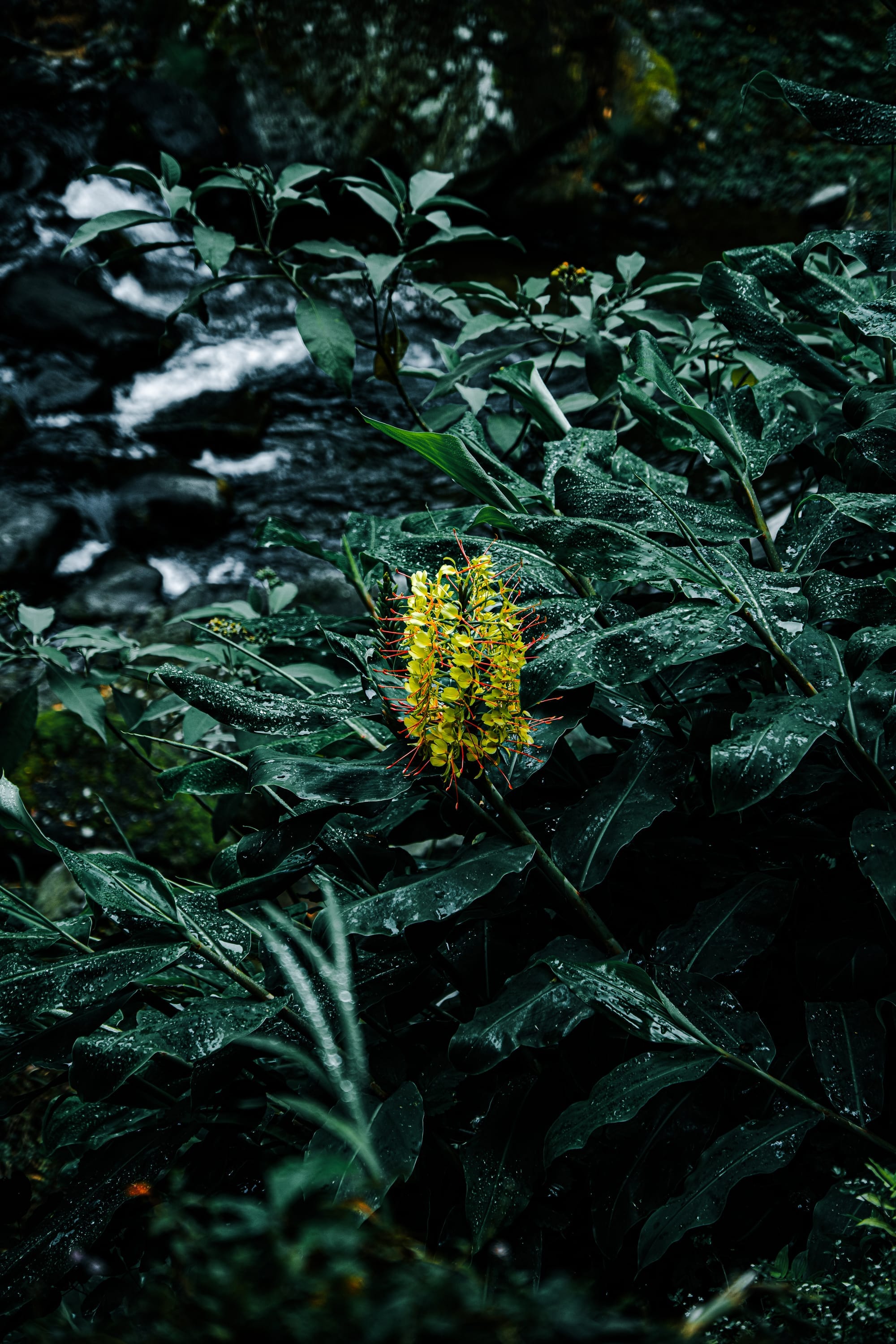
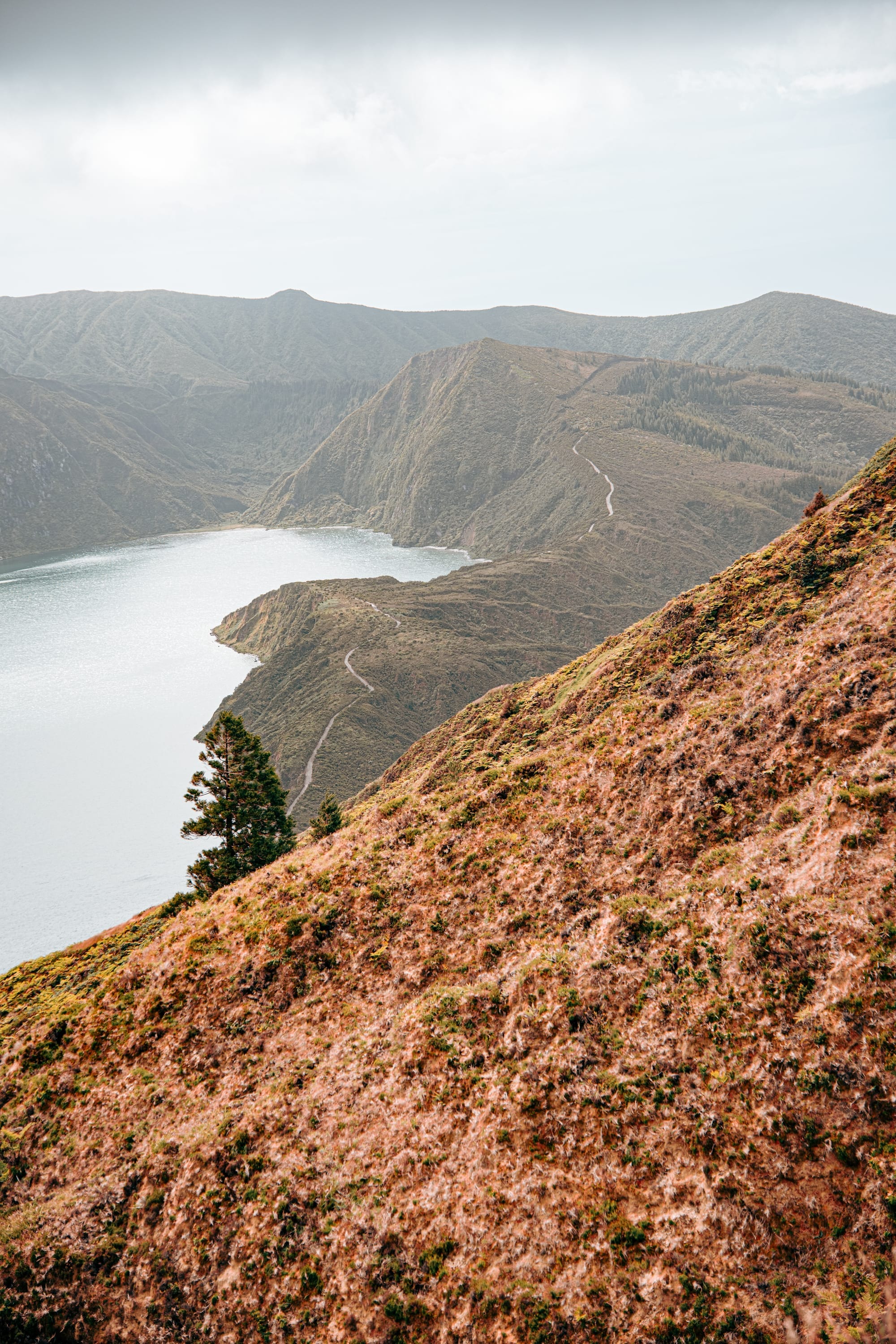
São Miguel is for the unhurried. For those looking to reorient. For those who work better when the air is clean and the evenings are spent soaking in warm mineral water beneath a canopy of green. For more ideas, see our list of things to do in São Miguel.
Read more
If you’re curious about how to make São Miguel work for you, we’ve written extensively about our experience. Check out our São Miguel travel guides for more information on what we enjoyed on the island. For the other places we've lived and worked, see our digital nomad guide.
Frequently asked questions about São Miguel
Is the Azores good for digital nomads?
Yes, the Azores can be a good destination for digital nomads, especially those looking for a calmer, nature-focused environment. São Miguel is the main hub, offering the best infrastructure, accommodation options, and connectivity for remote work in the Azores.
What is the cost of living in the Azores for digital nomads?
The cost of living in the Azores for digital nomads typically ranges from €1,500 to €2,500 per month. Accommodation is the biggest expense, especially in São Miguel. Prices can increase during peak travel seasons and in high-demand areas.
Which Azores islands are best for digital nomads?
São Miguel is the best island in the Azores for digital nomads due to its infrastructure and connectivity. Pico Island is an emerging option, with initiatives like Azores Digital Nomads supporting remote workers in São Roque do Pico. Other Azores islands are more limited in terms of remote work infrastructure and are generally better suited for shorter stays rather than long-term digital nomad living.
What is it like living in the Azores as a digital nomad?
Living in the Azores as a digital nomad is defined by its access to nature. On São Miguel, you are within short driving distance of volcanic lakes, hot springs, coastal cliffs, hiking trails, and ocean viewpoints. Outdoor activities like hiking, swimming, surfing, and thermal bathing are part of normal life rather than occasional trips. Compared to Lisbon and Porto, the Azores is significantly calmer and more rural, with fewer services, less nightlife, and a more relaxed pace overall. Compared to Madeira, it is less developed for digital nomads, with fewer coworking spaces and less built-up infrastructure, but offers a more raw and less commercialized natural environment.
Is it easy to get around the Azores without a car?
No, getting around the Azores without a car is difficult. Public transport is limited, especially outside main towns. Renting a car is strongly recommended for digital nomads who want to explore the islands.
Is the Azores safe for digital nomads?
Yes, the Azores is considered very safe. Crime rates are low, and it is generally safe for digital nomads to live and work across the islands.
Do you need a visa to work remotely from the Azores?
It depends on your passport. The Azores follow Portugal's visa rules. EU citizens can live there freely, and many other nationalities can visit for up to 90 days in any 180-day period. For longer stays, Portugal's D8 digital nomad visa needs income of at least four times the Portuguese minimum wage (about €3,680 a month in 2026). Check the current rules on the official visa portal.
Is the internet good enough for remote work in the Azores?
On São Miguel, generally yes. We had strong wifi at our coliving, and fiber is common in the towns. Speeds vary by address, though, and rural areas and smaller islands can be patchier, so ask for a speed test before you book a long stay and keep an eSIM as backup.
What time zone are the Azores in?
The Azores are on UTC-1 (UTC+0 in summer), one hour behind Lisbon and London and four hours ahead of New York. If you work US East Coast hours, your workday starts around 1 p.m. local time.
What is the best area to stay on São Miguel for digital nomads?
The north-central coast around Ribeira Grande and Santana, where Lava Coliving is, puts you close to hot springs, trails, and the farmers' market. Ponta Delgada has the most services and the airport, while Furnas, Sete Cidades, and Nordeste suit you if you want nature over convenience. Outside Ponta Delgada, you'll want a car.
What are the best coworking spaces on São Miguel?
Most remote work happens in colivings with their own workspaces, such as Lava Coliving & Coworking near Ribeira Grande and Dwell in Fenais da Luz. In Ponta Delgada, Solmar Alojamentos has a coworking office for guests. Laptop-friendly cafés are rare, so book somewhere with a proper desk.
When is the best time to live on São Miguel?
For remote work with weekend exploring, May, June, and September give the best balance of weather and crowds. June is our favorite, with the hydrangeas in bloom. July and August are the busiest months, and November to March is wetter, with some seasonal closures.


