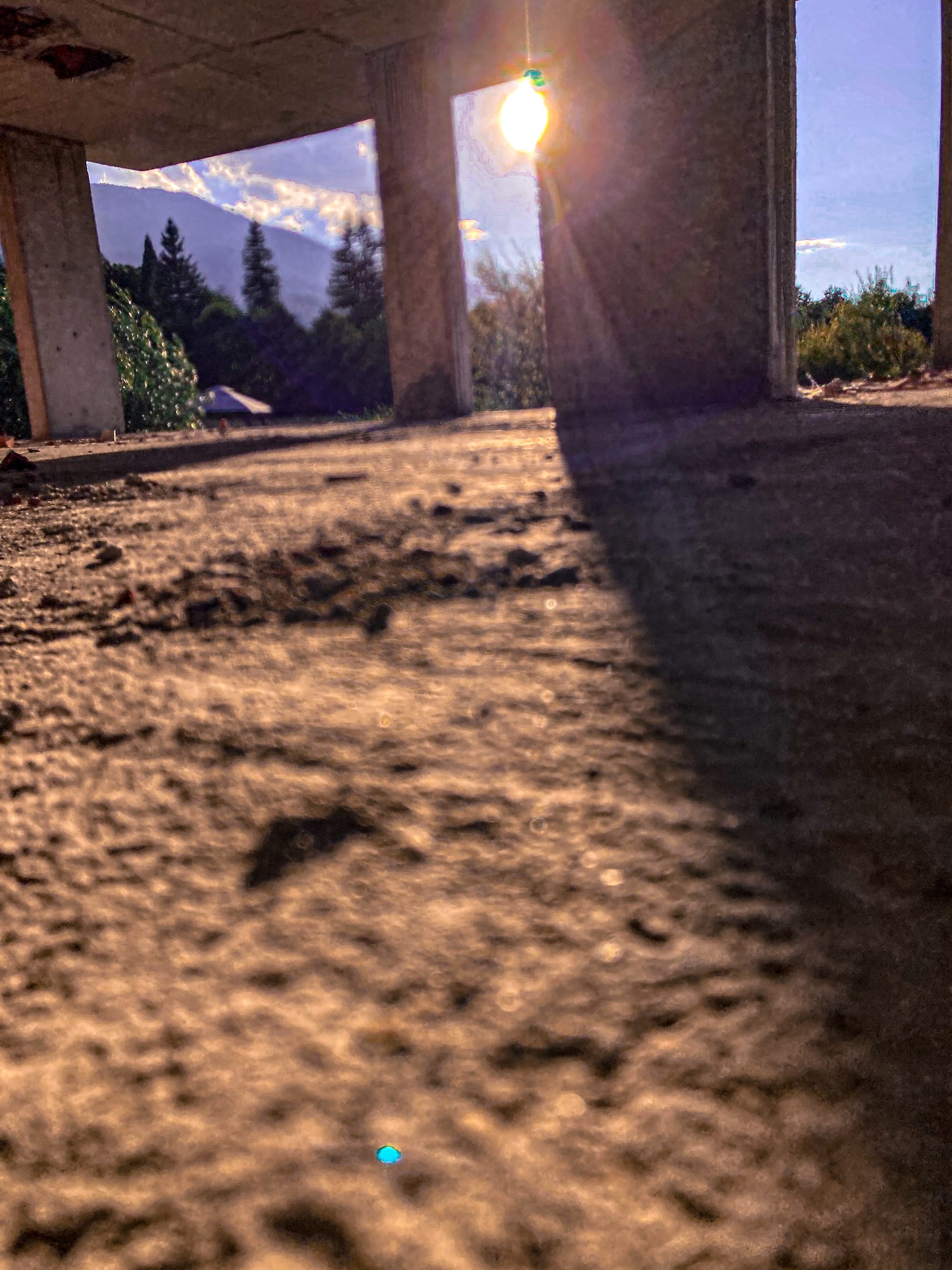


Travel photography, as beginners
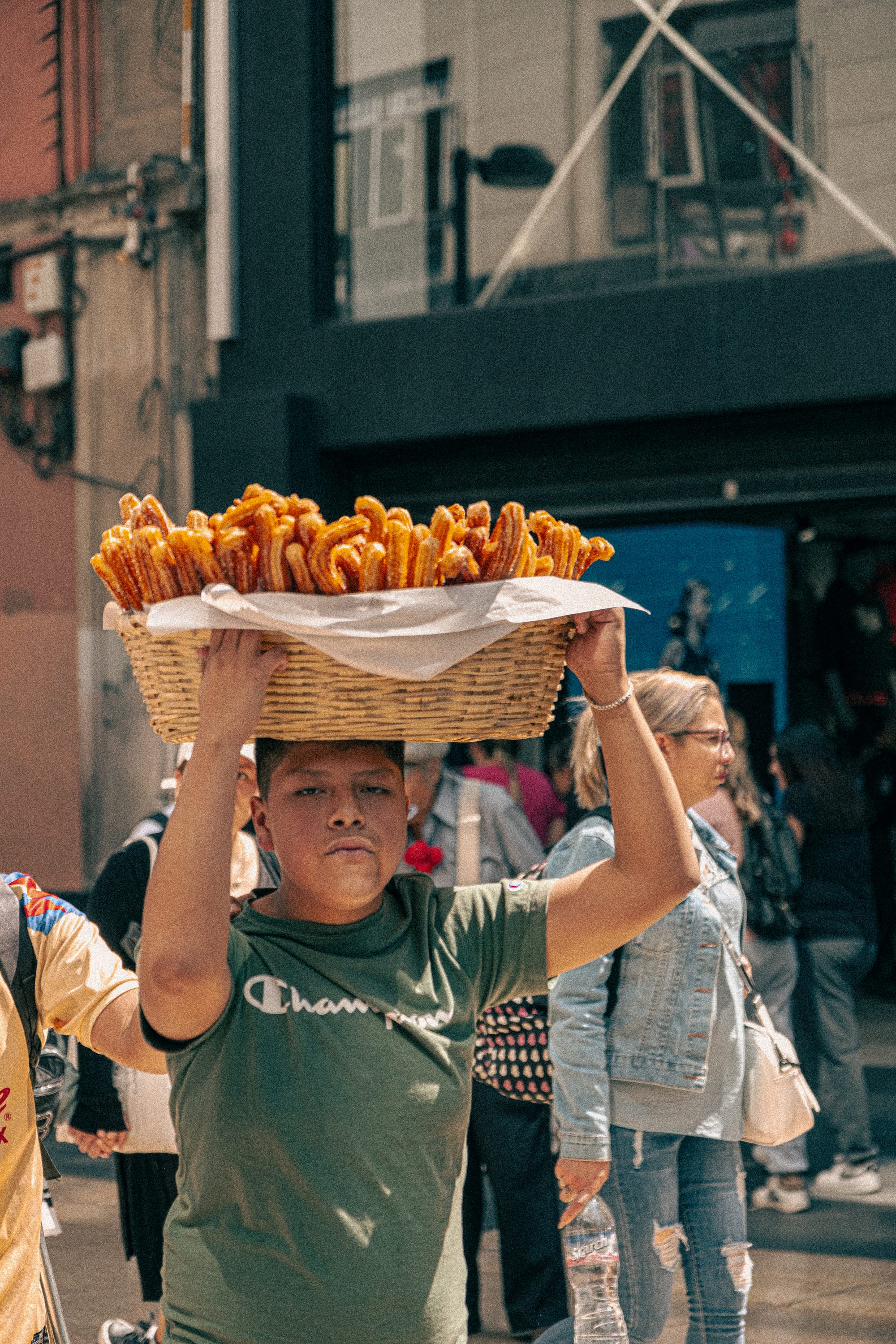
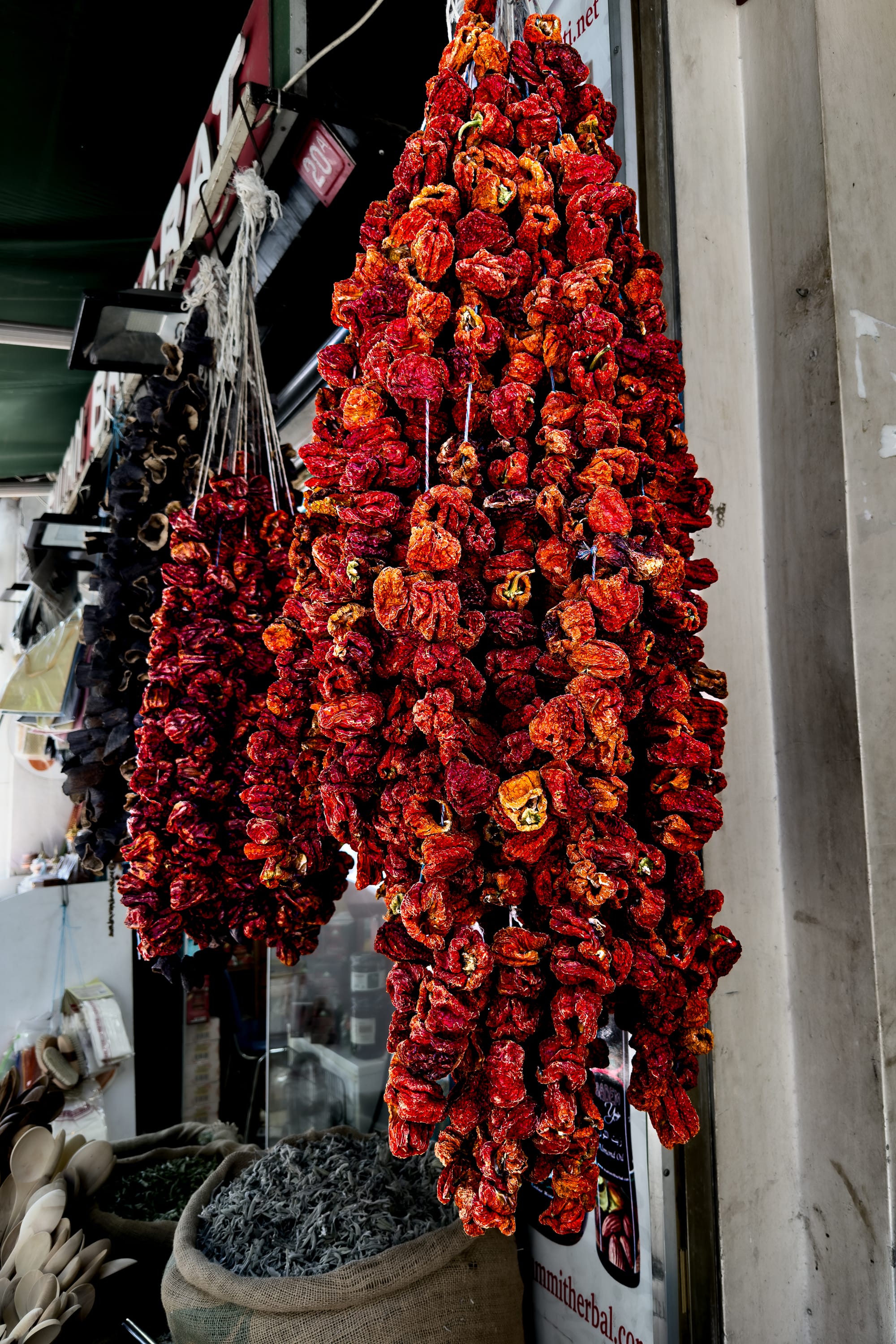
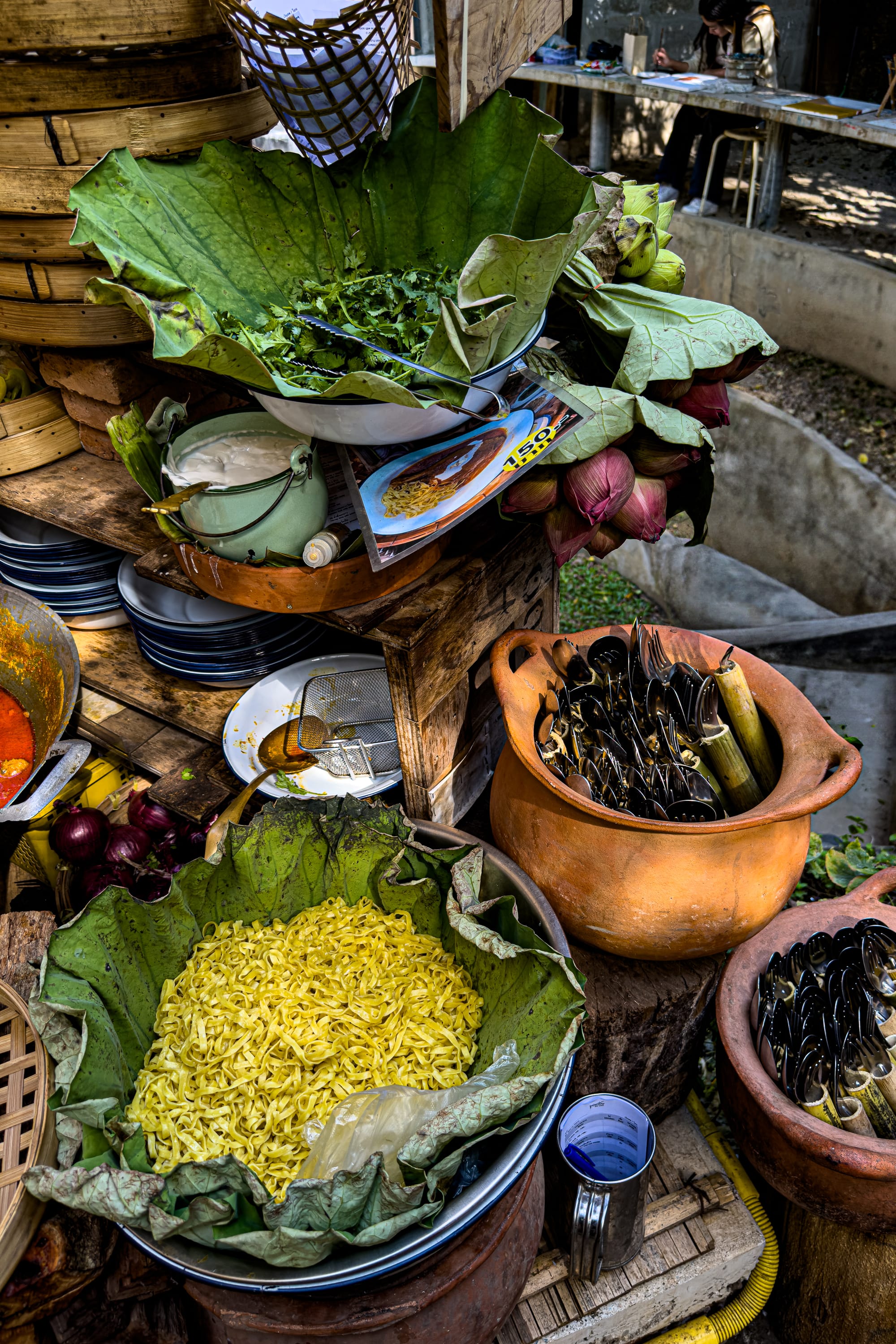
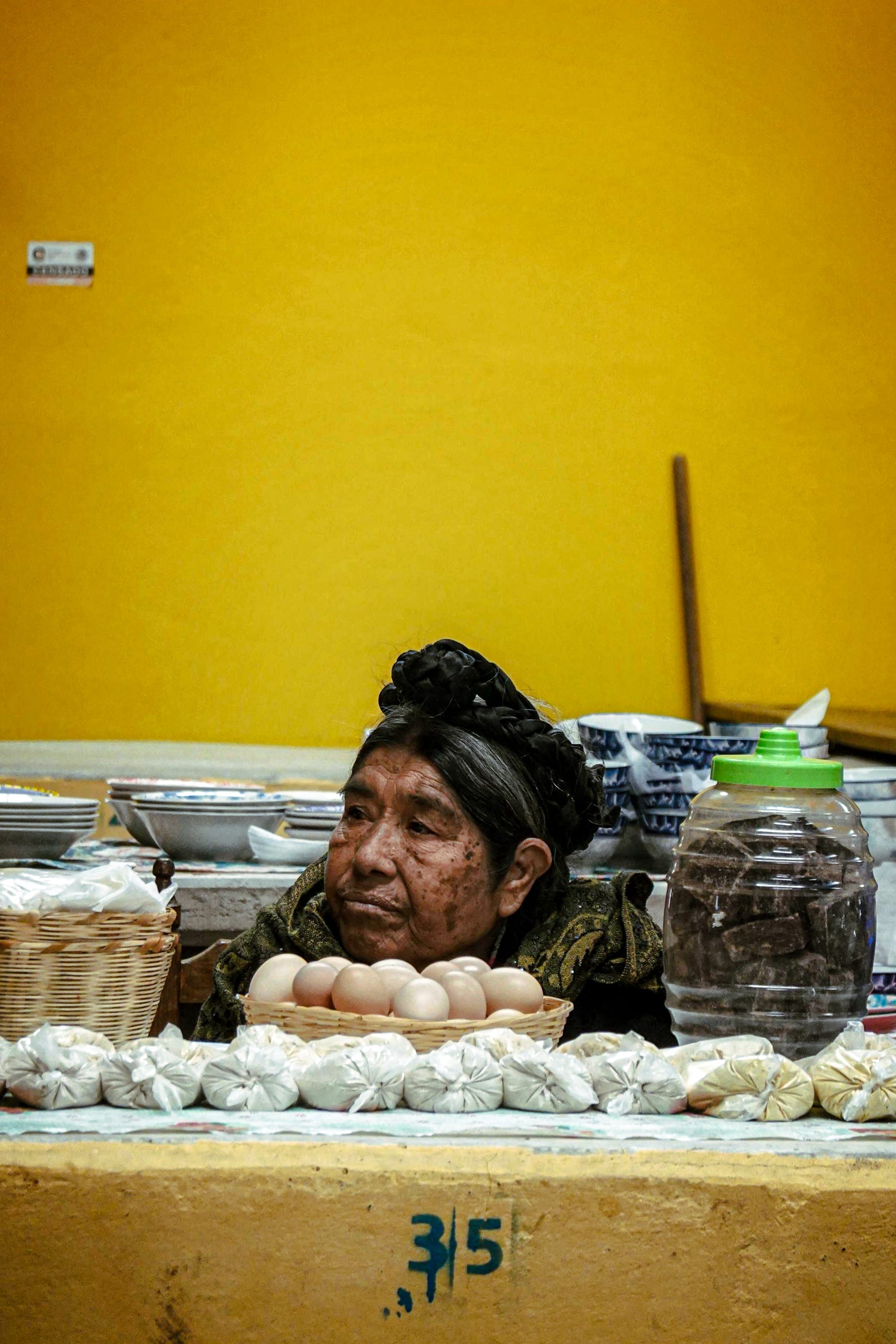
We're not lifelong photographers. We only bought our first proper camera recently. Since then, photography has changed how we travel: we walk slower, go out at first light, come back to the same street at different times of day, and notice far more.
Lately we've been getting into film photography too, which slows things down even more.
This page collects our photo essays, the photo spots we've found in the places we've lived and what we've learned so far. We're adding to it as we go.
Our photo essays
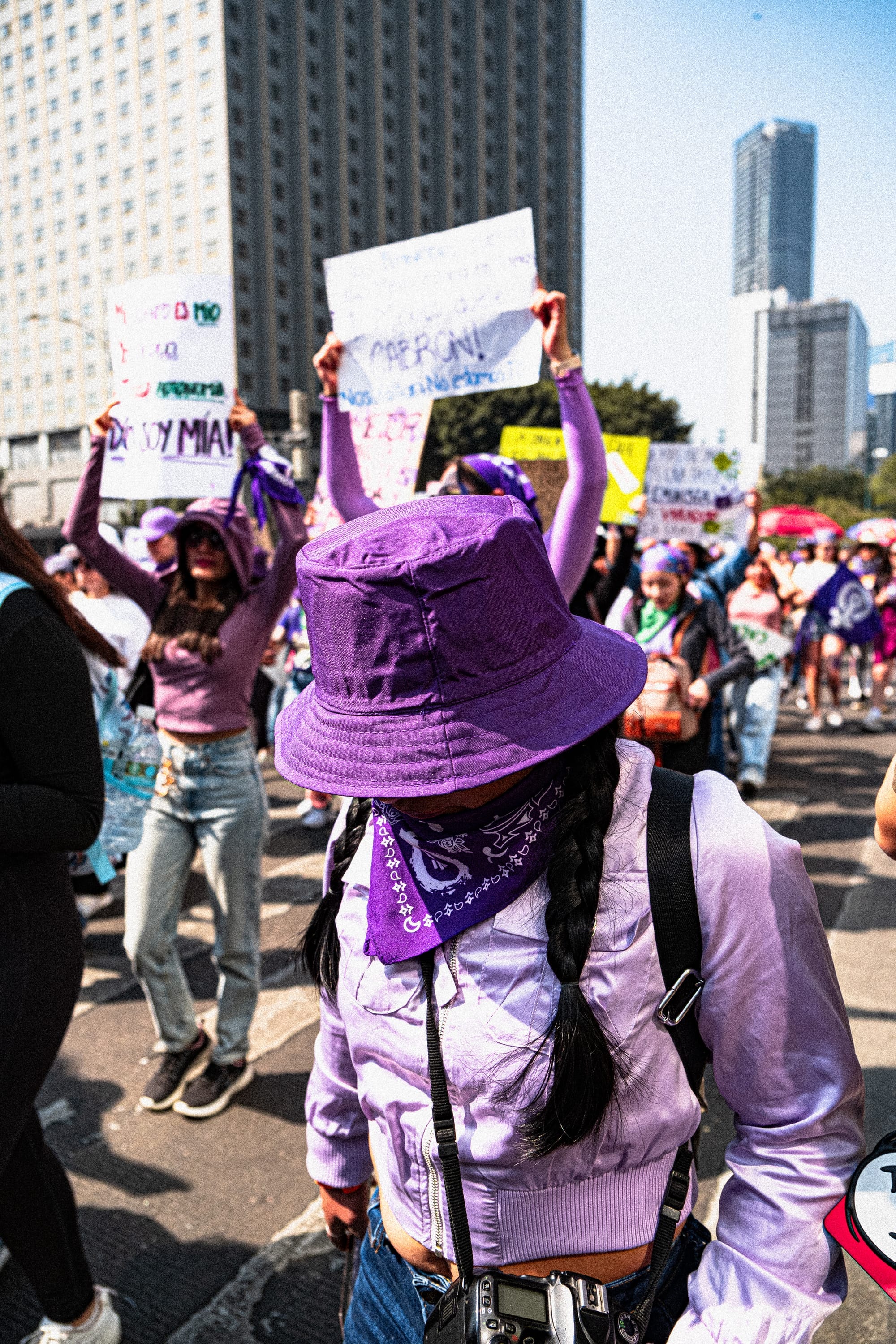
8M in Mexico City is our photo essay on the feminist march of March 8, International Women's Day: tens of thousands of women walking through the historic center, mothers at the front carrying photographs of daughters lost to femicide, purple and green paint on the walls.
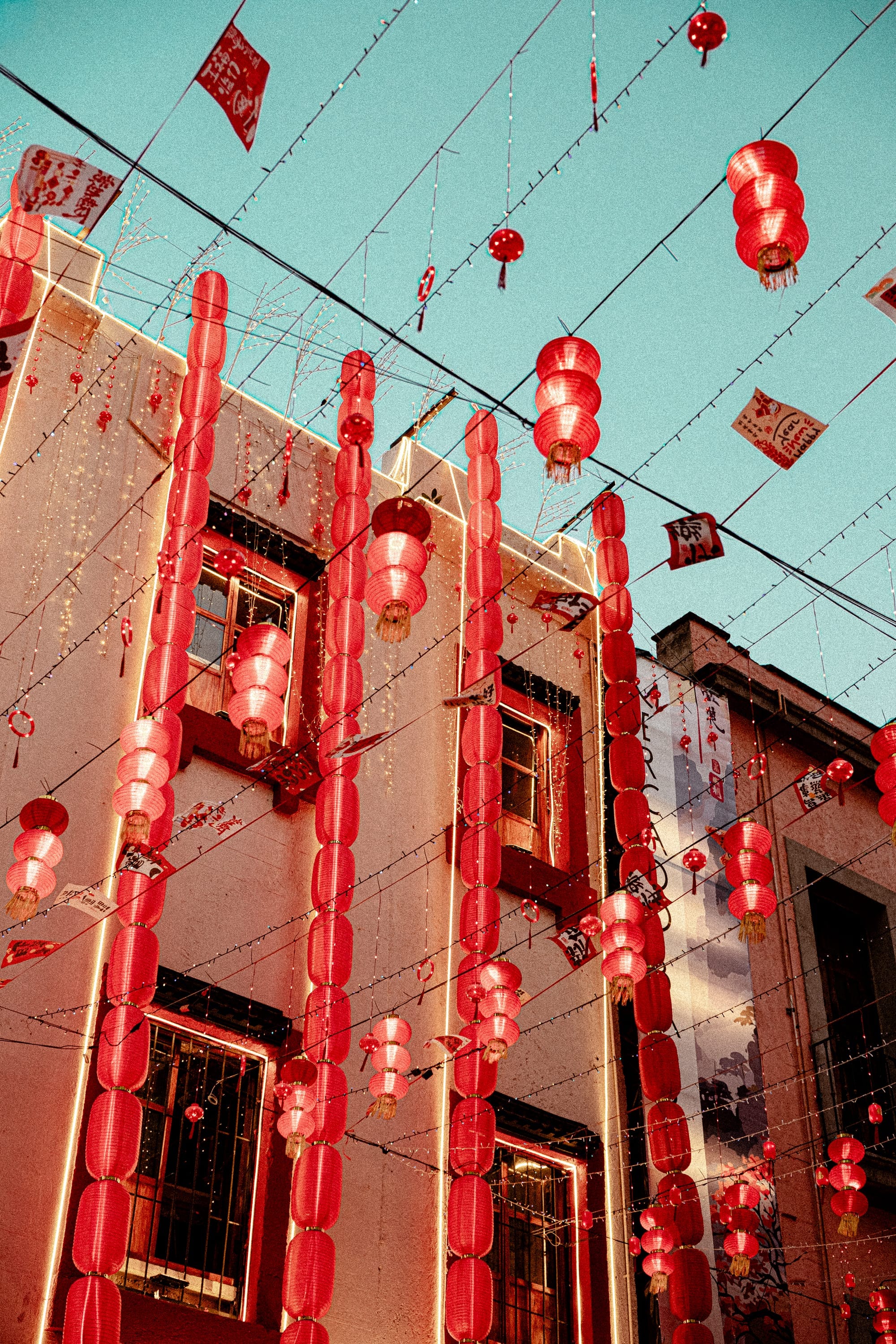
Barrio Chino is a quieter photo guide to Mexico City's small Chinatown on Calle Dolores, near Bellas Artes, where red lanterns hang low over a single street and the color changes with every hour of light.
More essays are on the way.
Spotlight
“We had seen photos of the lanterns before, bright red stretched across a narrow street, and that was enough of a reason to go. Barrio Chino is on Calle Dolores, a short walk from Bellas Artes. You turn onto the street and it starts to shift almost immediately.”
Read onWhat we shoot with
Our camera is the Fujifilm X-T5, almost always with the XF 16-55mm f/2.8 II zoom. It covers wide street scenes and closer portraits without changing lenses, which matters when you're walking all day, and the body is small and weather-resistant enough to carry everywhere.
Both our photo essays so far were shot on that combination. The rest of the camera gear we recommend, from lenses and filters to SD cards and a padded camera insert for a normal backpack, is in our Tools directory.
Film is new for us, and we'll write about what we use once we've shot enough of it to have opinions.
Photo spots in Cappadocia
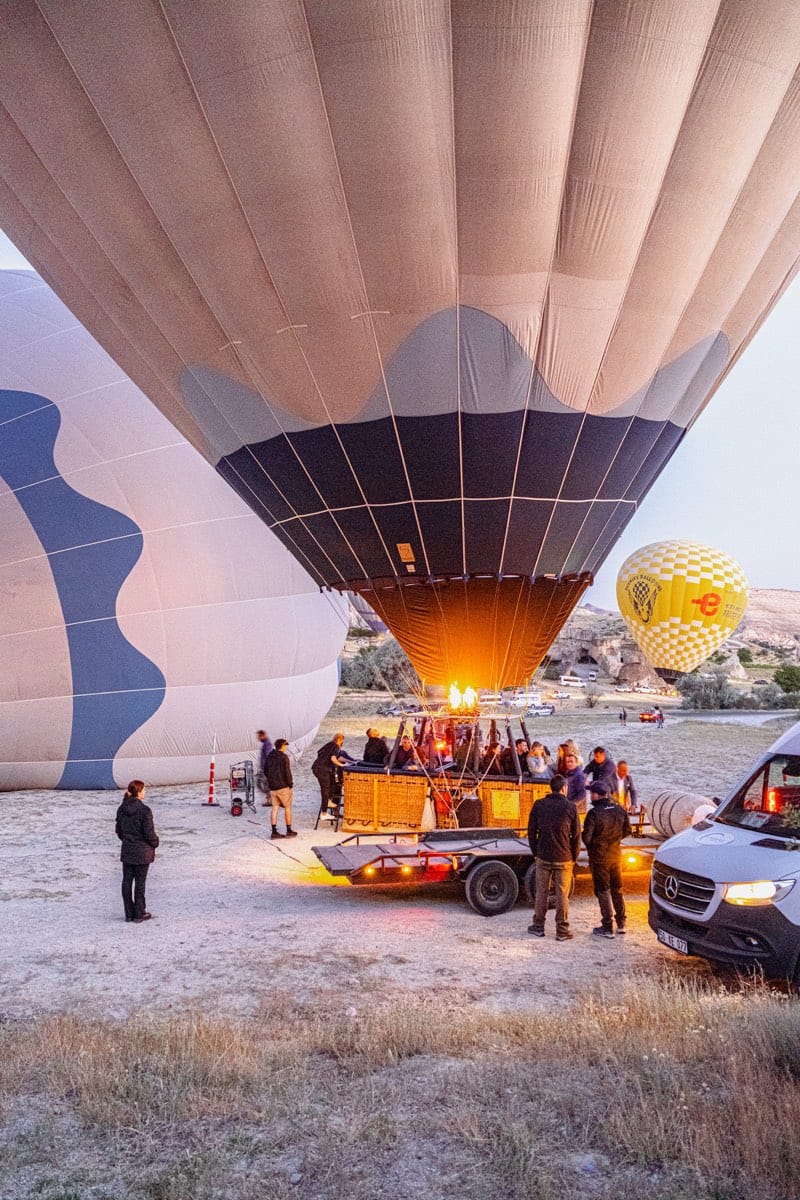
Cappadocia might be the most photographed place we've lived, mostly because of the hot air balloons. For sunrise we skipped the crowded viewpoints and watched from the ridges behind Uçhisar Castle, with the balloons rising over the valleys below. Göreme Panorama gives a 360-degree view over the town, and the Pigeon Valley lookout frames Uçhisar Castle above the valley.
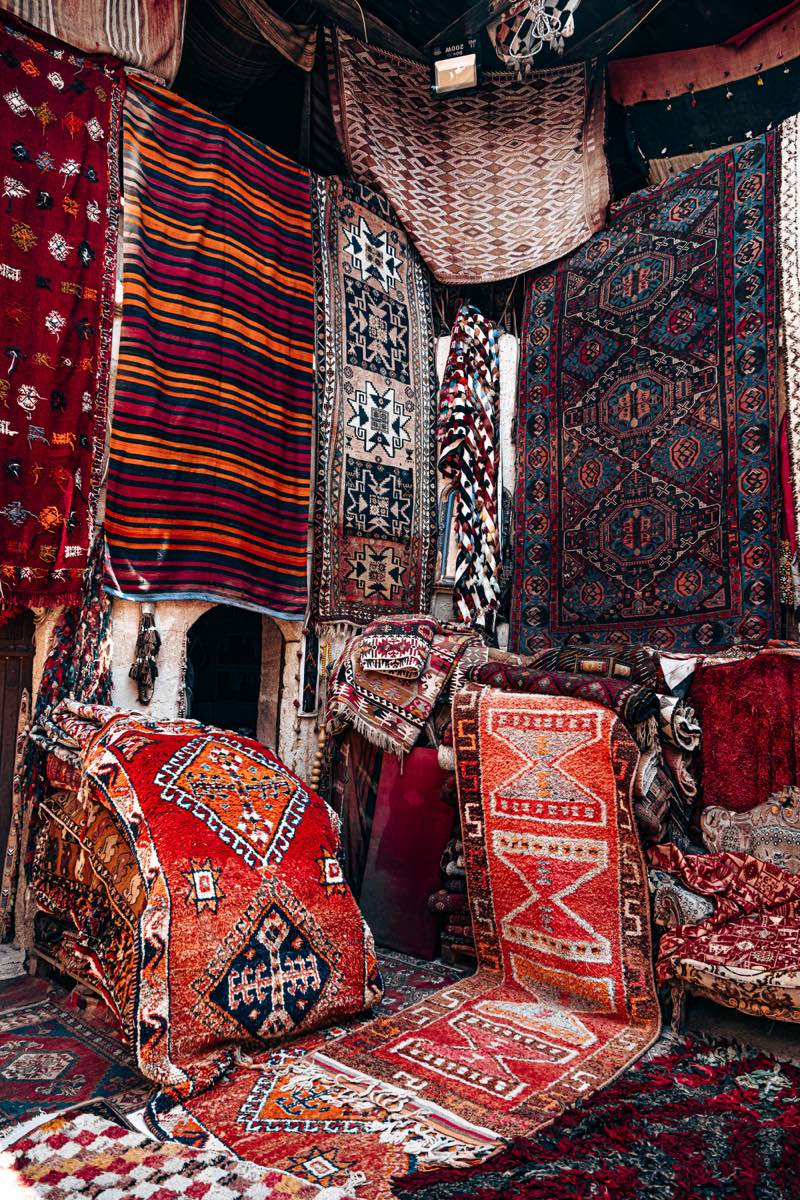
In Göreme, Galerie İkman is a carpet shop that became one of the region's most popular photo spots, with rugs and kilims covering every wall and staircase. For something less posed, the frescoed rock-cut rooms of Selime Monastery in late-afternoon light are hard to beat. More in our Cappadocia guide.
Photo spots in Mexico
Both our photo essays so far are from Mexico City. Beyond Barrio Chino and the 8M march, the city's streets, markets and murals give you something new on every walk. More in our Mexico City guide.
In San Cristóbal de las Casas, the yellow and red churches against the highland sky and the murals of El Cerrillo are our favorite subjects. Just remember that photography is banned inside the church at nearby San Juan Chamula.
Photo spots in Istanbul and the Turkish coast
In Istanbul, the painted houses and steep lanes of Fener and Balat are the city's most photographed streets, and the murals of Kadıköy on the Asian side give you color with far fewer tripods around. Our street art guide has more cities for murals. The tiled interior of the Blue Mosque rewards a wide lens, as long as you visit outside prayer times.
On the coast, Antalya's Karaalioğlu Park runs along the clifftops for golden hour over the sea, and in Side the columns of the Temple of Apollo turn gold at sunset.
Photo spots in the Azores, Bansko and Hội An
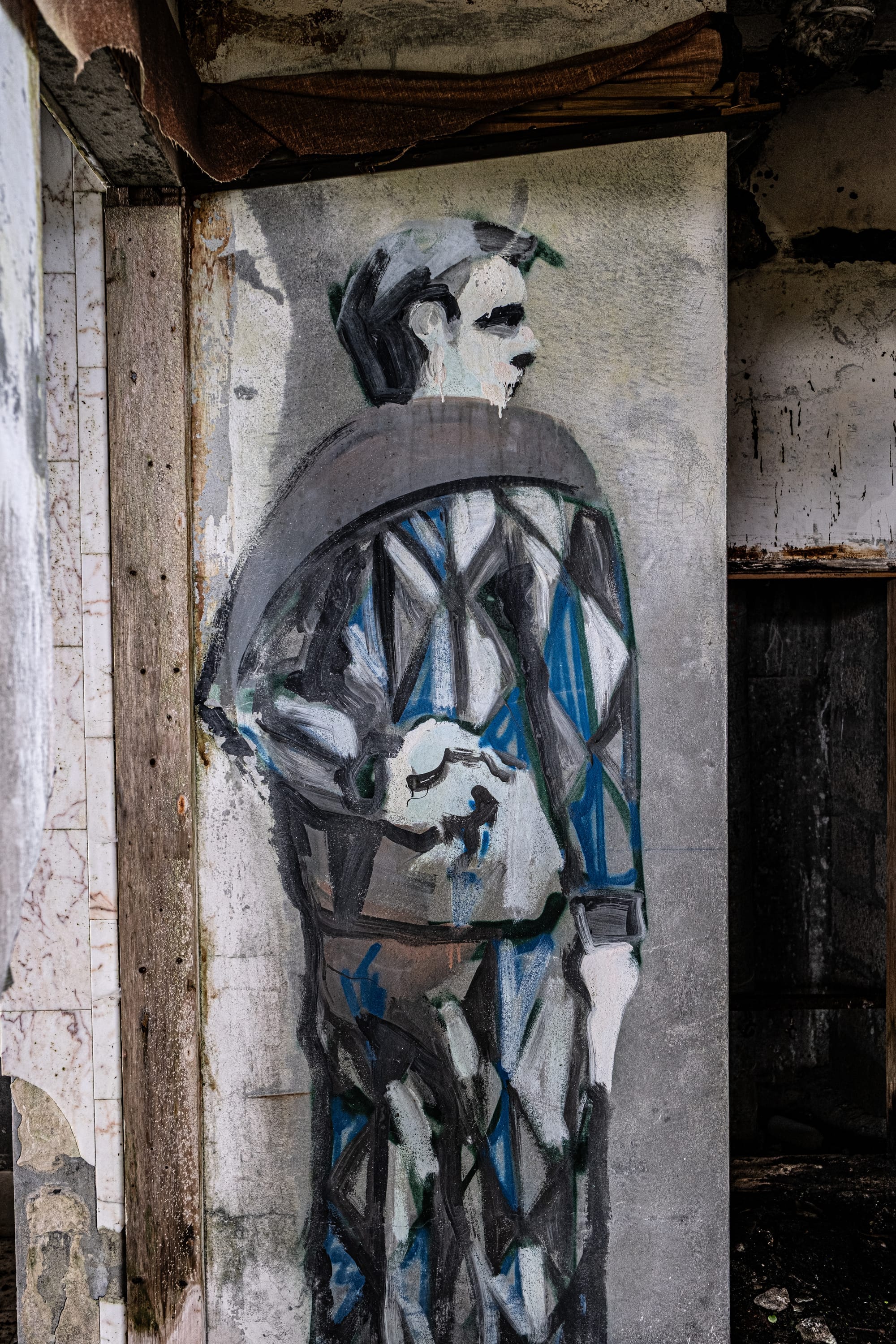
On São Miguel, the view from Vista do Rei over the twin lakes of Sete Cidades is the island's classic shot, and right beside it the abandoned Monte Palace Hotel is full of murals. The white zigzag staircase of Nossa Senhora da Paz above Vila Franca do Campo is another favorite.
In Bansko, one of the best things we did was a photography walk through abandoned buildings, organized through the town's digital nomad group. And in Vietnam, the lanterns of Hội An's Old Town after dark are worth staying up for.
How to photograph people respectfully
How do I start travel photography as a beginner?
Start with what you have, even a phone, and learn light before gear: go out at sunrise and in the last hour before sunset, and walk the same place at different times of day. When you buy a camera, one versatile zoom lens is enough to start. We bought our first camera recently and are still learning by shooting wherever we live.
What is the best camera for travel photography?
The best travel camera is one light enough that you'll actually carry it. Mirrorless cameras are a good balance of size and image quality. We use the Fujifilm X-T5, which is compact, weather-resistant and has a 40-megapixel sensor.
What is the best lens for travel photography?
A standard zoom covers most travel situations, from wide street scenes to portraits. We almost always use the Fujifilm XF 16-55mm f/2.8 II, which is equivalent to roughly 24-84mm on full frame.
Is film photography good for travel?
It can be. Film slows you down, makes you think about each frame and gives a look that's hard to copy digitally. The practical downsides are cost, finding labs to develop it, and airport X-ray: ask for your film to be hand-checked, especially fast film and with the newer CT scanners.
How do you take photos of people when traveling?
Ask first, with words or a gesture, and accept a no. Spend a few minutes talking or buying something before you lift the camera, avoid photographing rituals, graves or children without permission, and offer to send people their photo. See our section on photographing people respectfully above.
Can you take photos inside the church in San Juan Chamula?
No. Photography inside the church in San Juan Chamula, Chiapas, is strictly forbidden, and so is photographing rituals and healers. Read our Chamula and Zinacantán guide.
Where is the best place to photograph the balloons in Cappadocia?
Our favorite is the ridges behind Uçhisar Castle, which are less crowded than Göreme. Göreme Panorama and the Pigeon Valley lookout are also good. Get there before sunrise, and check the balloons are flying that morning, since flights are often cancelled for wind.
Where is Chinatown in Mexico City?
Mexico City's Barrio Chino is mostly on Calle Dolores in the historic center, a short walk from Bellas Artes. It's small, but its red lanterns make it one of the most photogenic streets in the city. Read our Barrio Chino photo guide.
Is it OK to photograph protests while traveling?
It depends on the protest and the country. Many marchers want to be seen, but some could face real risks if identified. Ask before close-up portraits, avoid publishing faces when in doubt, and follow local laws, which in some countries restrict photographing police or protests. Read our 8M photo essay.
What are the most photogenic places in Istanbul?
Our picks are the colorful streets of Fener and Balat, the murals of Kadıköy, the tiled interior of the Blue Mosque and the dome of Hagia Sophia. Go early to avoid the crowds.
What are the most photogenic places in the Azores?
On São Miguel: the twin lakes of Sete Cidades from Vista do Rei, the abandoned Monte Palace Hotel, the staircase of Nossa Senhora da Paz and the crater lakes along the island's hiking trails.
What time of day is best for travel photography?
The hour after sunrise and the hour before sunset, often called golden hour, give soft, warm light and longer shadows. Early mornings also mean fewer people at popular spots. Midday light is harsh, so use it for shaded streets, interiors and markets.
Can you take photos inside churches and mosques?
Often yes, but rules vary. Many churches and mosques allow photos without flash outside services, while some ban photography completely, including the church in San Juan Chamula. Look for signs, ask, and never photograph people praying without permission.
How do you back up photos while traveling?
Carry several smaller SD cards rather than one large one, copy photos to a laptop or drive every evening, and keep a second copy in the cloud when you have good wifi. Keep cards and drives in different bags.
What is a photo essay?
A photo essay tells a story or makes an argument through a series of photographs, usually with some writing alongside. Ours on 8M in Mexico City follows the march from start to finish.
Where is a good place to find abandoned buildings to photograph?
Look for local photography walks or nomad groups. In Bansko we joined a photography tour of abandoned buildings organized through the town's digital nomad group, and on São Miguel the abandoned Monte Palace Hotel is full of murals. Always check that a building is safe and that you're allowed in.