







Living in Bansko
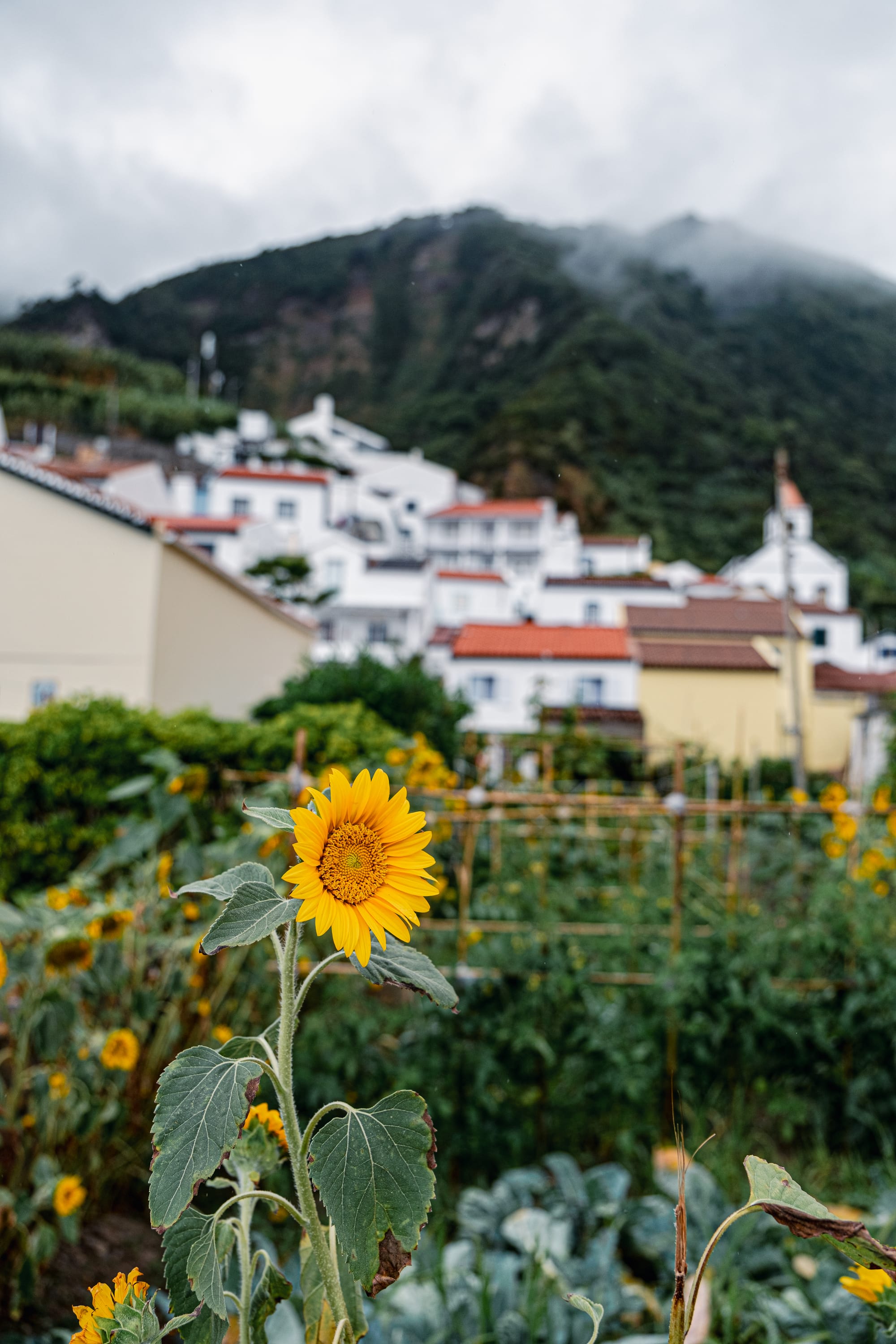
Living in Bansko in summer can feel a little like stumbling into a Garden of Eden. Fruit trees are everywhere. Plums, peaches, and apples. Town has a wholesome mountain rhythm, with gardens, stone houses, and the Pirin Mountains rising behind it.
Bansko also has an unusually large remote worker community for a town of its size, combined with a very low cost of living. For digital nomads who care more about mountains than nightlife, it’s an especially strong base: hiking and mountaineering in the warmer months, skiing and other winter sports once the snow arrives, and enough coworking and community infrastructure to make longer stays feel easy.
Defining moments
Taking a guided ATV tour out toward St. Nicholas Waterfall and spending the day riding through the forest and mountains around Bansko.
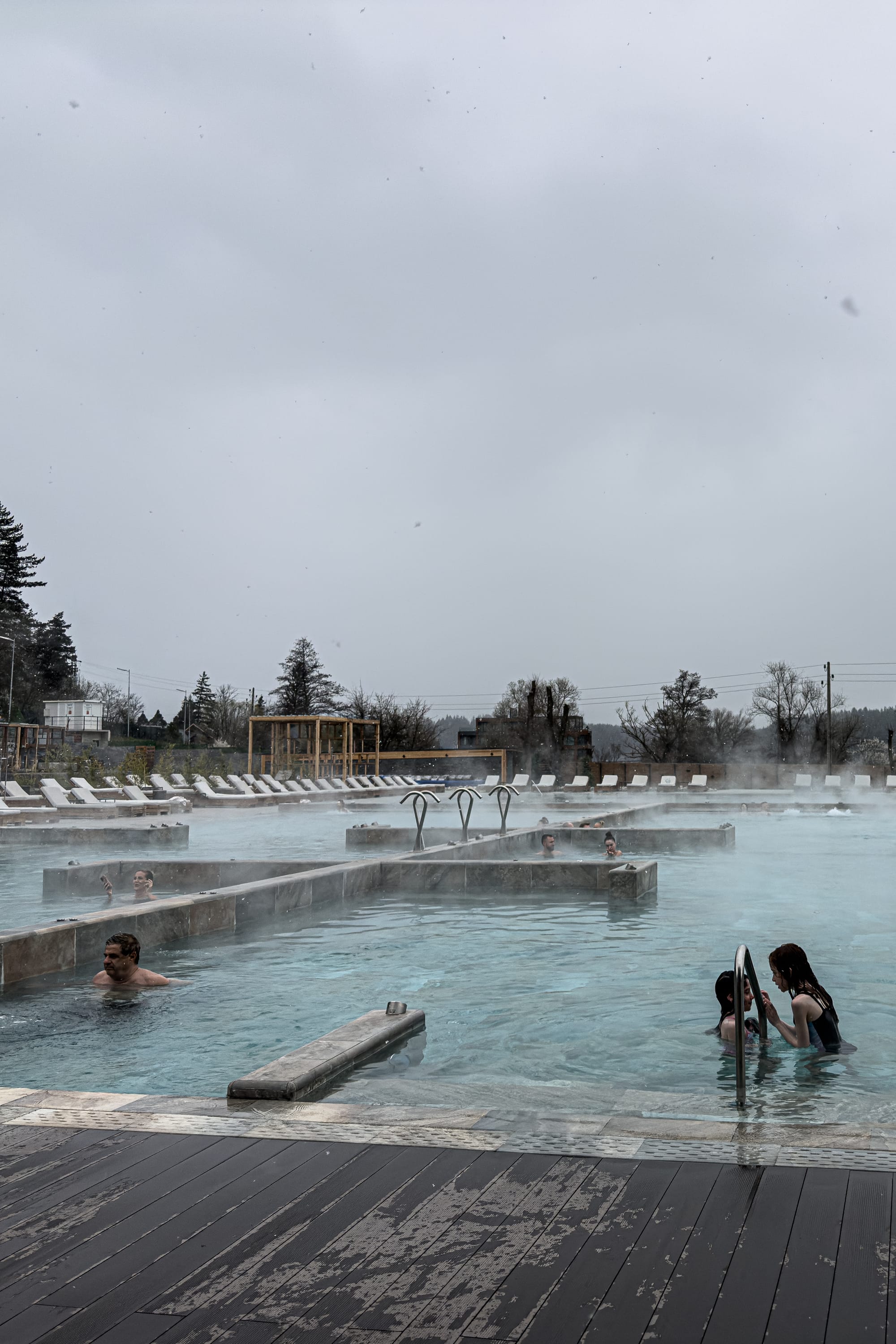
Relaxing in the hot outdoor mineral pools at Pulse Therme in the middle of a cold Bansko winter.
Joining a photography exploration of Bansko’s abandoned buildings in the evening, with the sunset light framing each photograph differently.
Digital nomad visa
Spotlight
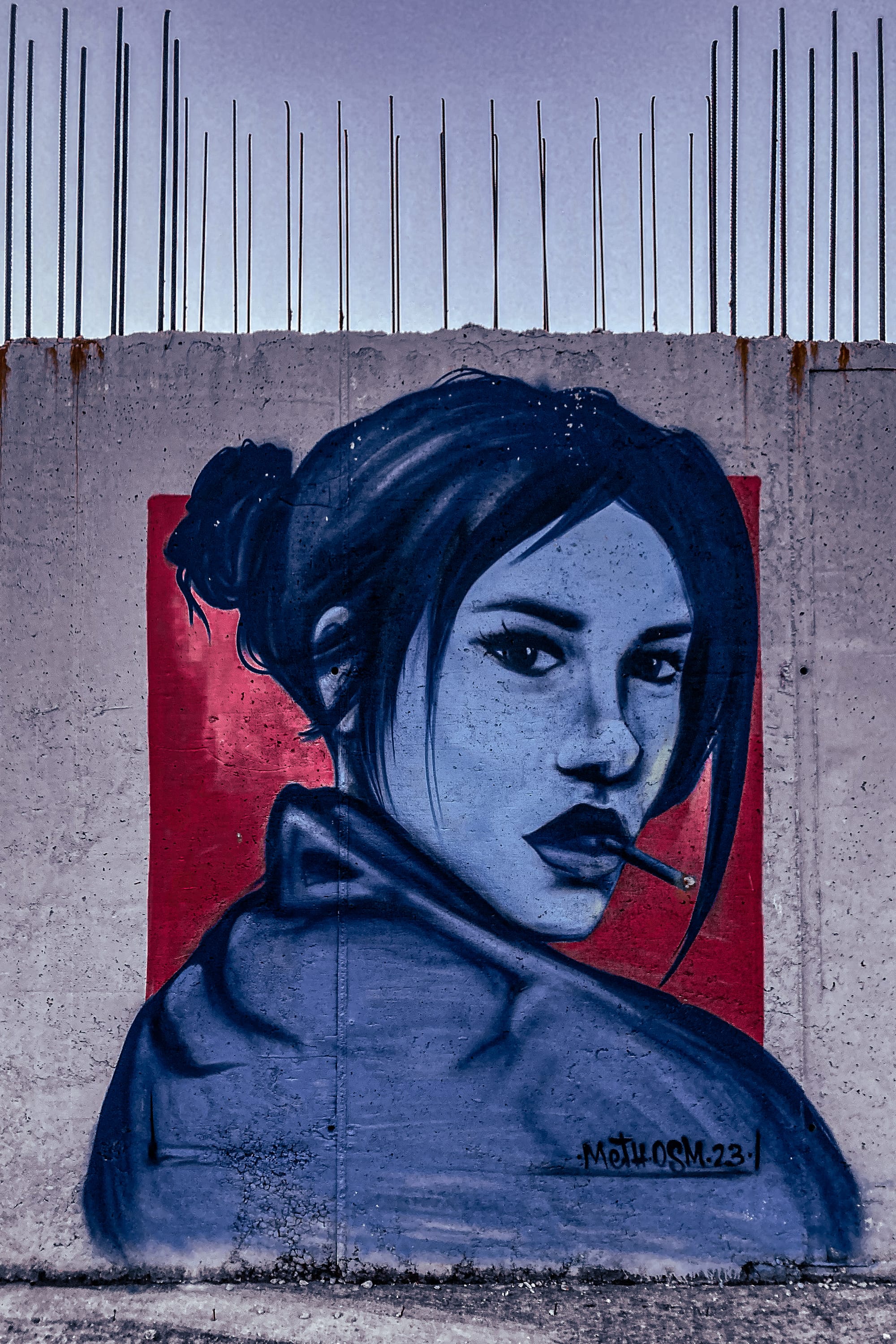
“These derelict structures have become part of Bansko’s landscape, a visible reminder of overreach and halted dreams. The early 2000s brought a surge of optimism to the region as Bulgaria joined the European Union and investors saw potential in transforming Bansko into a winter resort to rival the Alps. Hotels and apartment complexes began rising at a rapid pace. For a while, it looked as if Bansko might reinvent itself completely. But when the financial crisis of 2007 and 2008 hit, the speculative bubble collapsed. Funding dried up, buyers disappeared, and many of the projects stalled midway. Some of the buildings were left unfinished because of bankrupt developers; others became entangled in legal disputes that froze them in time.”
Read onBest time to go
Best areas to stay
Bansko is relatively small, so choosing where to stay is less about picking the right neighborhood and more about finding the coliving, apartment, or guesthouse that suits you. Digital nomads are particularly well catered for, with a large number of coliving spaces spread around town, many with their own coworking areas and built-in communities.
We stayed at Avalon Coliving and loved it. It’s the only coliving we’ve personally tried in Bansko, so we can’t compare it firsthand with the others, but it worked especially well for meeting people and settling into the digital nomad community. Its location is also convenient for reaching both the older part of town and the ski area on foot.
There are plenty of other options, though, and it’s worth checking the location before booking. Places such as Four Leaf Clover are slightly further out than some of the more central colivings. That isn’t necessarily a problem, as Bansko is compact and very walkable, but it is something to keep in mind if you want to be particularly close to the Old Town, restaurants, or the gondola.
Cost of living
Bansko is one of the cheapest places we’ve lived as digital nomads outside Southeast Asia. We know people who have found one-bedroom apartments for around €250 per month, while a nicer coliving setup will usually cost somewhere in the region of €450–600 per month, depending on the space and what is included.
Day-to-day life is inexpensive too. Eating out, groceries, cafés, hot springs, and local transport can all be kept relatively cheap, and a lot of what makes Bansko appealing costs nothing at all: hiking and simply spending time in the mountains.
The main exception is skiing. Prices have risen in recent years, so a winter stay can become considerably more expensive if you are skiing regularly. For the 2026/27 season, an adult season pass is currently available for €870 at the promotional rate. The latest published peak-season day pass, from winter 2025/26, was €59, while a return trip on the gondola is €27.
Even with that caveat, Bansko remains a very affordable place to base yourself, particularly in summer or if skiing isn’t a major part of your stay.
Getting around
Best experiences
One of our favorite experiences in Bansko was a photography tour through some of the town’s abandoned and unfinished buildings, concrete shells left behind by the property boom and crash, now slowly being reclaimed by weather, graffiti, and time. We joined through the local digital nomad community, and it ended up being one of the more unusual ways to understand the town beyond its ski-resort identity.
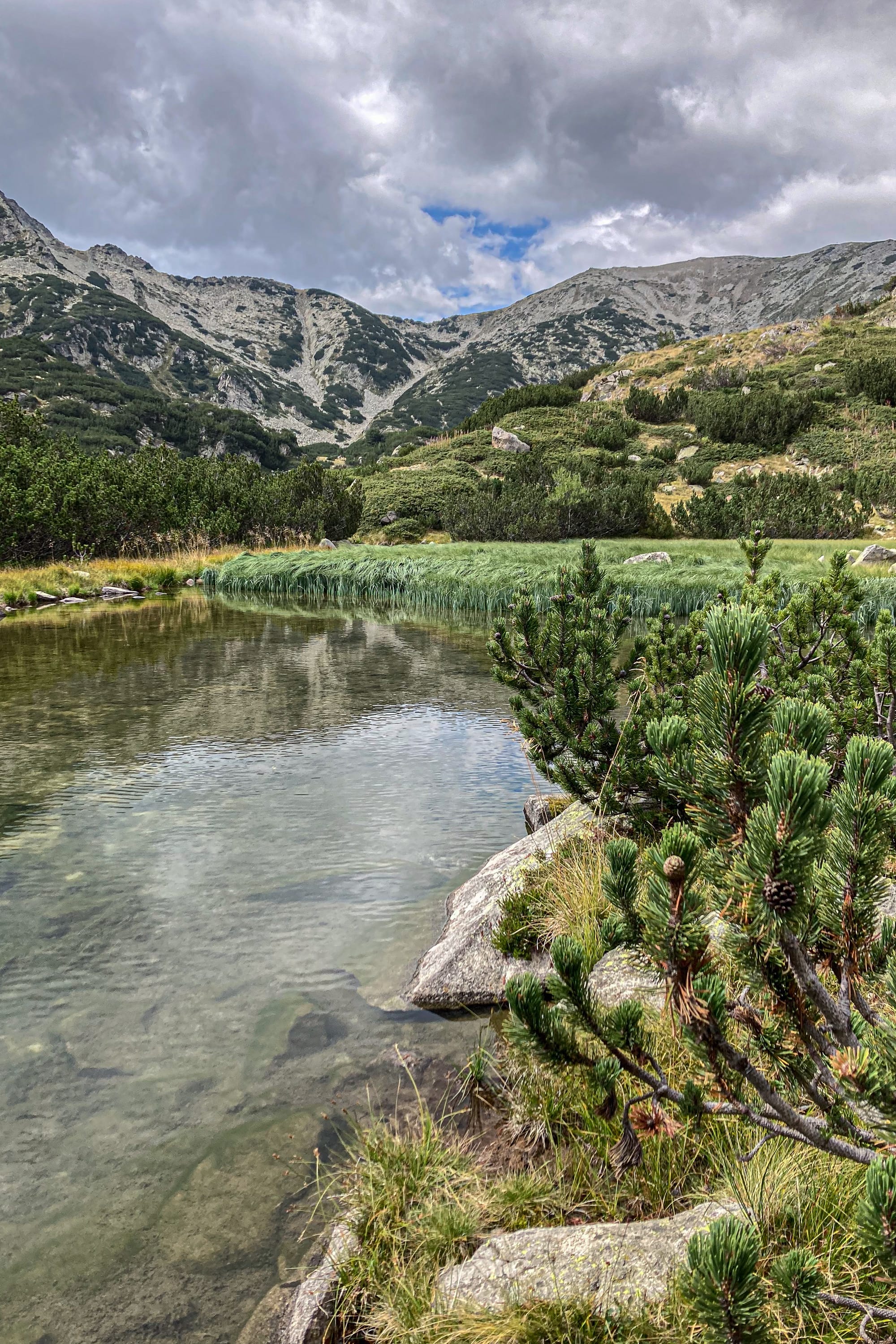
Hiking in the Pirin Mountains is easily one of the best things to do here in summer. There are routes leading from Bansko toward huts, glacial lakes, and higher peaks, with everything from shorter walks to full-day mountain hikes. Pirin National Park itself is UNESCO-listed and contains dozens of peaks above 2,500 meters, including Vihren, the highest in the range. If you prefer a higher adrenaline experience, we'd suggest taking an ATV out toward St. Nicholas Waterfall.
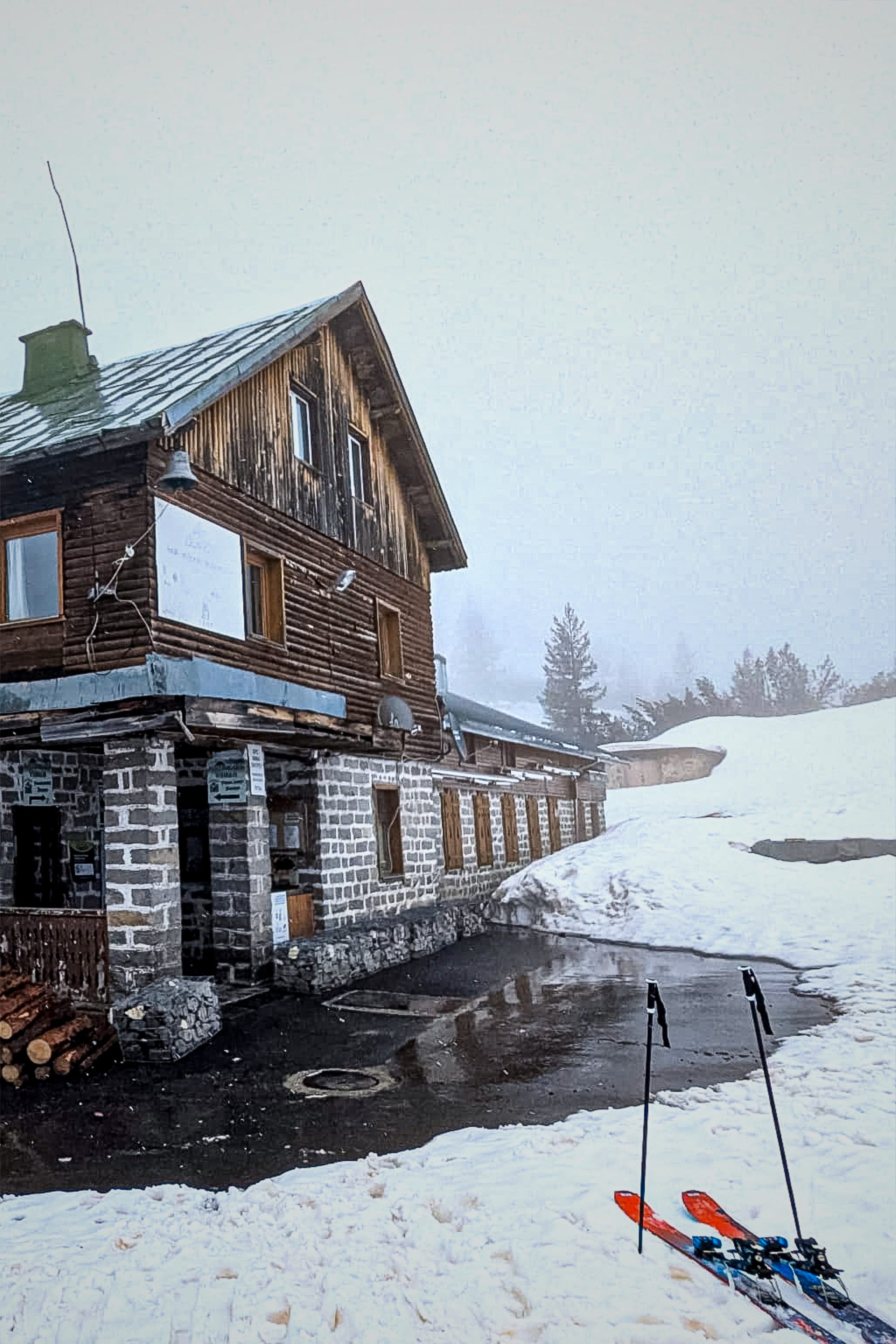
In winter, skiing naturally becomes a big part of life here, with around 75 kilometers of marked ski runs across the resort. After a day outside, we loved heading to Pulse Therme in nearby Banya for its mineral pools, saunas, and thermal areas. Banya is only a few minutes from Bansko, so it works especially well as an easy afternoon or recovery day.
Beyond Bansko, a weekend trip to Melnik, where you can hike through the strange sandstone formations of the Melnik Earth Pyramids, makes for a great getaway.
Between skiing, hiking, thermal bathing, and some more unusual excursions, Bansko makes it very easy to spend time outdoors.
Community & social life
Best places to work
Bansko has no shortage of places to work remotely. If you’re staying in a coliving, there’s a good chance you’ll already have a workspace included. We stayed at Avalon Coliving and almost always worked from there.
There are also plenty of dedicated coworking spaces around town. Nestwork is particularly good if you want somewhere quieter and more focused, while Altspace combines proper workspaces with a stronger community element. Cafés are another option for lighter workdays.
Internet & infrastructure
Internet in Bansko is generally very reliable for remote work, and we didn’t have any major issues during our stay. Coworking and coliving spaces are well set up for video calls and focused work, while most apartments and cafés also have dependable wifi. Given how established the digital nomad scene is, the basic infrastructure for working online is unusually strong for such a small mountain town.
That wider setup is a big part of why Bansko works so well for remote workers. There are plenty of coworking and coliving spaces, cafés, gyms, supermarkets, restaurants, and everyday services, and most of them are within walking distance. If your work depends on especially fast upload speeds or completely uninterrupted calls, it’s still worth checking the connection at your accommodation before booking.
Delights & frictions
One of Bansko’s biggest delights for us was how unexpectedly lush it felt. In summer, fruit trees seem to grow everywhere: apples, plums, and cherries. There’s something unusually wholesome about daily life here: quiet streets, gardens overflowing behind stone walls, mountains rising at the edge of town, and a kind of folkish, slightly magical atmosphere that occasionally feels like wandering through a Fleet Foxes album. Add to that how affordable and accessible everything is, and Bansko can feel remarkably easy to settle into.
The main friction for us was food, particularly as vegans. It’s certainly possible to eat vegan in Bansko, and there are a handful of places and dishes that work, but the choice is fairly limited and we found ourselves missing the variety and quality we’ve experienced in other countries. For a longer stay, cooking at home definitely helps, but if food is a major part of how you experience a place, Bansko can feel somewhat restrictive.
Safety
Top tips
If you have the choice, we’d personally pick summer over winter. Bansko feels especially good when the mountains are open for hiking, the days are long, and life in town slows down a little. Winter is obviously great if skiing is the priority, but for us the warmer months made it easier to enjoy the place as somewhere to live, not just somewhere to ski.
It’s also worth being realistic about how long you want to stay. Bansko is small, quiet, and very nature-oriented, which is part of its charm, but over a longer period that same simplicity can start to feel a little repetitive. We’d go with the intention of leaning into that slower rhythm rather than expecting endless stimulation.
Make the mountains the center of your stay. Hike, ski, walk, spend time outside, and use the town as a base for getting into the Pirin Mountains as often as you can. That proximity to nature is really what makes Bansko special.
And make time for the hot springs. Izgreva and Pulse Therme were two of our favorite places to relax, especially after a long hike or ski day. They’re an easy way to build a slower recovery rhythm into your stay.
Is Bansko good for digital nomads?
Yes. Bansko is one of Europe’s most established small-town digital nomad hubs, with numerous coworking and coliving spaces, an active international community, and easy access to the Pirin Mountains. It works particularly well for remote workers who want a social, affordable base built around hiking, skiing, and outdoor life.
When is the best time to visit Bansko as a digital nomad?
The best time to visit Bansko depends on whether you prefer hiking or skiing. June to September is best for hiking and a slower summer rhythm, while January and February sit at the heart of ski season. We personally prefer summer, when Bansko feels greener, quieter, and more relaxed.
What is Bansko Nomad Fest?
Bansko Nomad Fest is an annual gathering for digital nomads, remote workers, entrepreneurs, and people working in the nomad economy. It usually takes place in June and combines talks, workshops, community-led sessions, wellness activities, outdoor trips, and social events. The 2027 festival runs from June 20–27.
Does Bulgaria have a digital nomad visa?
Yes. Bulgaria now has a dedicated residence route for qualifying non-EU digital nomads working remotely for foreign employers, businesses, or clients. The residence permit is initially valid for one year and can be renewed once for another year, subject to income and other eligibility requirements.
How do you get from Sofia to Bansko?
Bansko is around two to three hours from Sofia by road. Most international visitors fly into Sofia Airport and continue by private transfer, shared shuttle, bus, or rental car. Once you arrive in Bansko, most everyday trips can be made on foot.
Is Bansko better in summer or winter for digital nomads?
Summer is better for hiking, long days outdoors, and a quieter pace, while winter is better if skiing is central to your stay. Both seasons have active digital nomad communities, but we personally prefer summer for its slower rhythm, greenery, and easier access to the Pirin Mountains.
What are the best things to do in Bansko?
The best things to do in Bansko include hiking in Pirin National Park, skiing, visiting nearby mineral hot springs, exploring the surrounding mountains, and taking day or weekend trips around southwest Bulgaria. More unusual experiences include ATV trips and photographing Bansko’s abandoned and unfinished buildings.
How long should digital nomads stay in Bansko?
A few weeks to a couple of months is a good length of stay for many digital nomads in Bansko. The town is small and intentionally slow-paced, making it easy to settle into a routine, meet people, and spend time outdoors. Longer stays work best if you actively enjoy mountain life and a quieter social rhythm.
Can you ski and work remotely from Bansko?
Yes. Bansko is well suited to combining remote work with skiing because the town is compact, coworking spaces and accommodation are close together, and the ski area is easy to access by gondola. It’s realistic to ski for part of the day and work around it, especially during a longer winter stay.