


Slow travel in Turkey
Turkey resists easy description. It is not Europe, not the Middle East, and not quite Asia. Though it has been all of these, and older than all of them.
What it is, on the ground, is layered in a way that rewards those who stay long enough to feel the layers shifting underfoot.
We have lived in Turkey across multiple cities and extended stays. We have spent months across Istanbul's neighborhoods, Antalya's old town and the coast beyond it, and Cappadocia's volcanic landscape.
What you'll find in this guide comes from that time: from coworking over tea in converted spaces, from standing in amphitheaters with no one else around, and from understanding slowly what it means to live alongside a culture this old and this alive.
Living in Turkey as a digital nomad
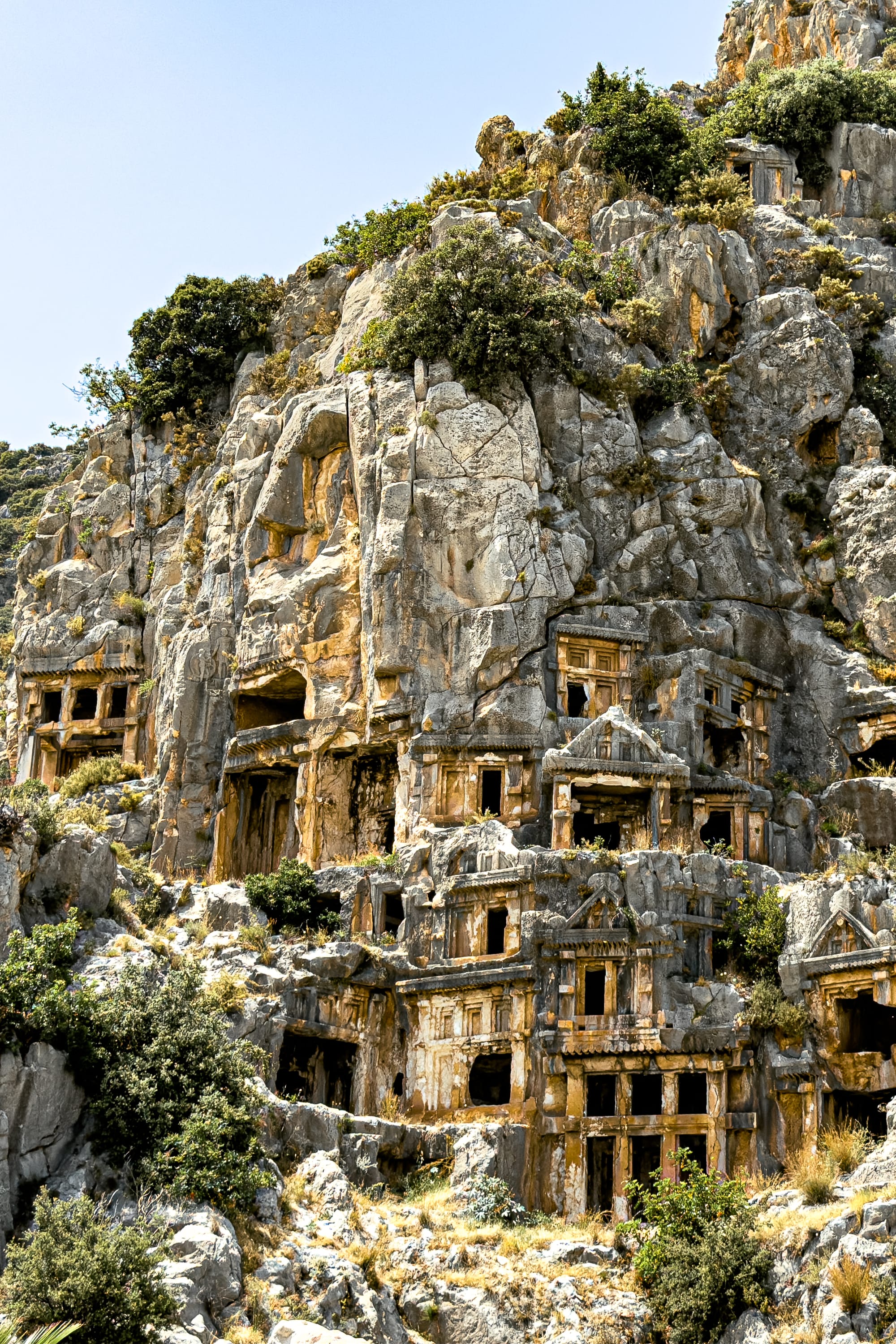
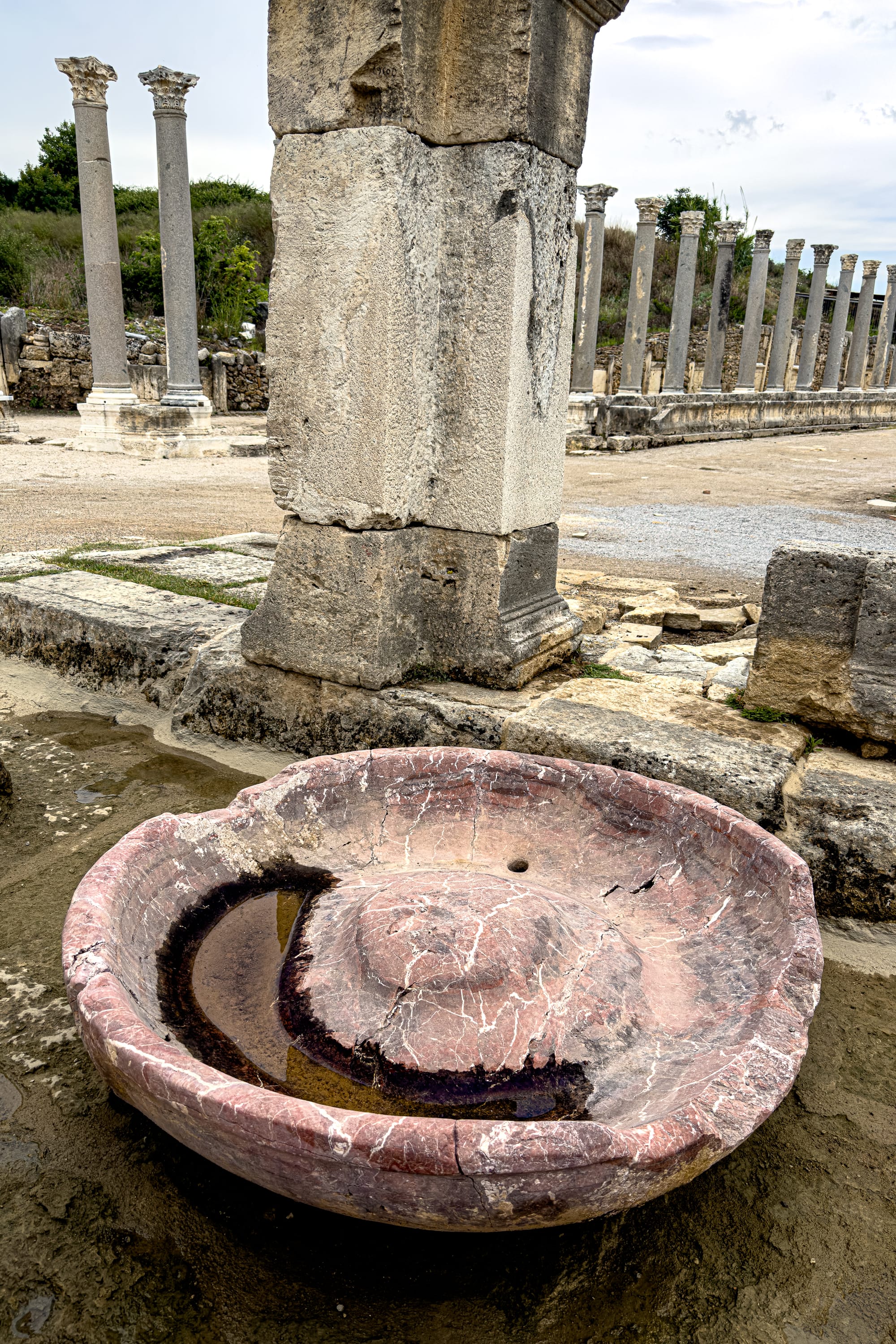
Turkey is where the ancient is present. You don't go out of your way to find ruins here. A stray column stands beside a bakery. The Byzantine wall runs behind a market. Lycian tombs appear carved into cliff faces above small harbor towns.
The country's archaeological density is staggering, and unlike many places where ancient sites feel cordoned off from daily life, in Turkey they are woven into it.
For digital nomads, Turkey offers something increasingly uncommon: affordability that does not come at the cost of infrastructure or culture. The lira (Turkish currency) has weakened considerably against major currencies, meaning that those earning in dollars or euros can live well while spending modestly. Istanbul has some of the best food in the world. Antalya has long coastlines with a well-developed nomad community. Cappadocia is like nowhere else on Earth.
Turkey also raises the harder questions that we are interested in, being there as a foreign worker with a strong passport, and able to move freely while Turks face significant visa restrictions in the other direction. It is a country with a complicated political present and a layered colonial and imperial past.
Turkey digital nomad visa
Turkey now has an official digital nomad visa route, although the process begins with a Digital Nomad Identification Certificate rather than the visa itself. Remote workers first apply through the GoTürkiye platform, then use the certificate to apply for the Turkey Digital Nomad Visa at a Turkish visa center or consulate. To qualify, applicants generally need to be between 21 and 55, hold a university degree, work remotely for a company or client outside Türkiye, and show income of at least $3,000 USD per month or $36,000 USD per year.
For shorter stays, many nationalities, including most Western passport holders, can still enter Turkey visa-free or with an e-Visa, but tourist stays are limited by the usual 90 days within 180 days rule.
Turkey has become one of the more compelling options for digital nomads working in European and Middle Eastern timezones, and its appeal is not hard to understand. Istanbul and Antalya both have developed coworking ecosystems, fast internet, and an abundance of cafés that work well for focused work. The cost differential for those earning in stronger currencies is significant: a comfortable apartment in Antalya costs a fraction of what a comparable space would cost in Western Europe.
Spotlight
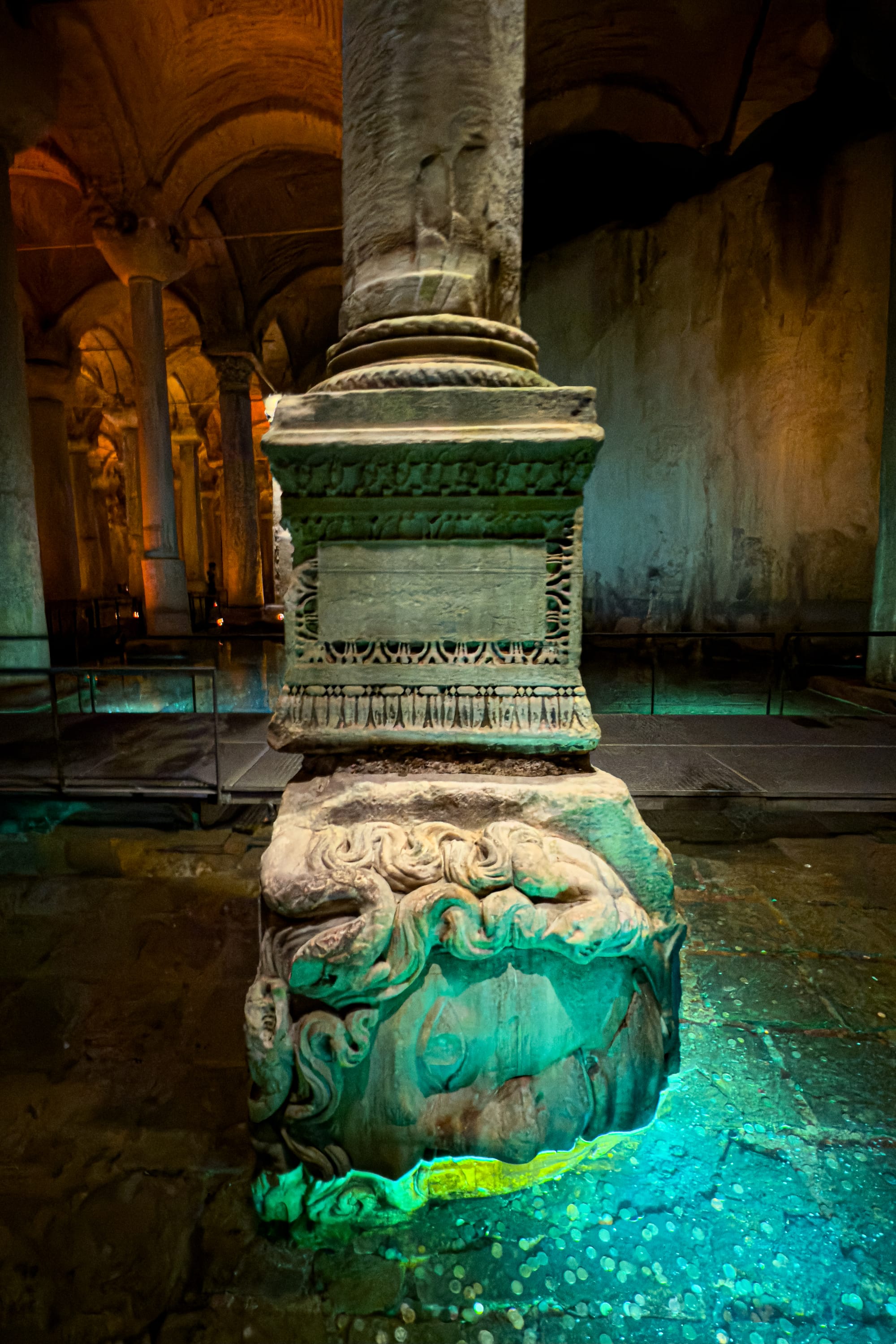
"Down a short set of stairs from the city’s surface, the noise of Istanbul dissolves into stillness. You step into a subterranean world of vaulted ceilings and mirror-still water, where light glows amber and green across endless rows of ancient columns."
Read onOur experience in Turkey
At first, our decision to go to Turkey was mostly practical, as it was the most logical place to pause en route from Europe to Asia.
We started in Istanbul, then went south to Antalya, then somehow ended up in Cappadocia for far longer than planned.
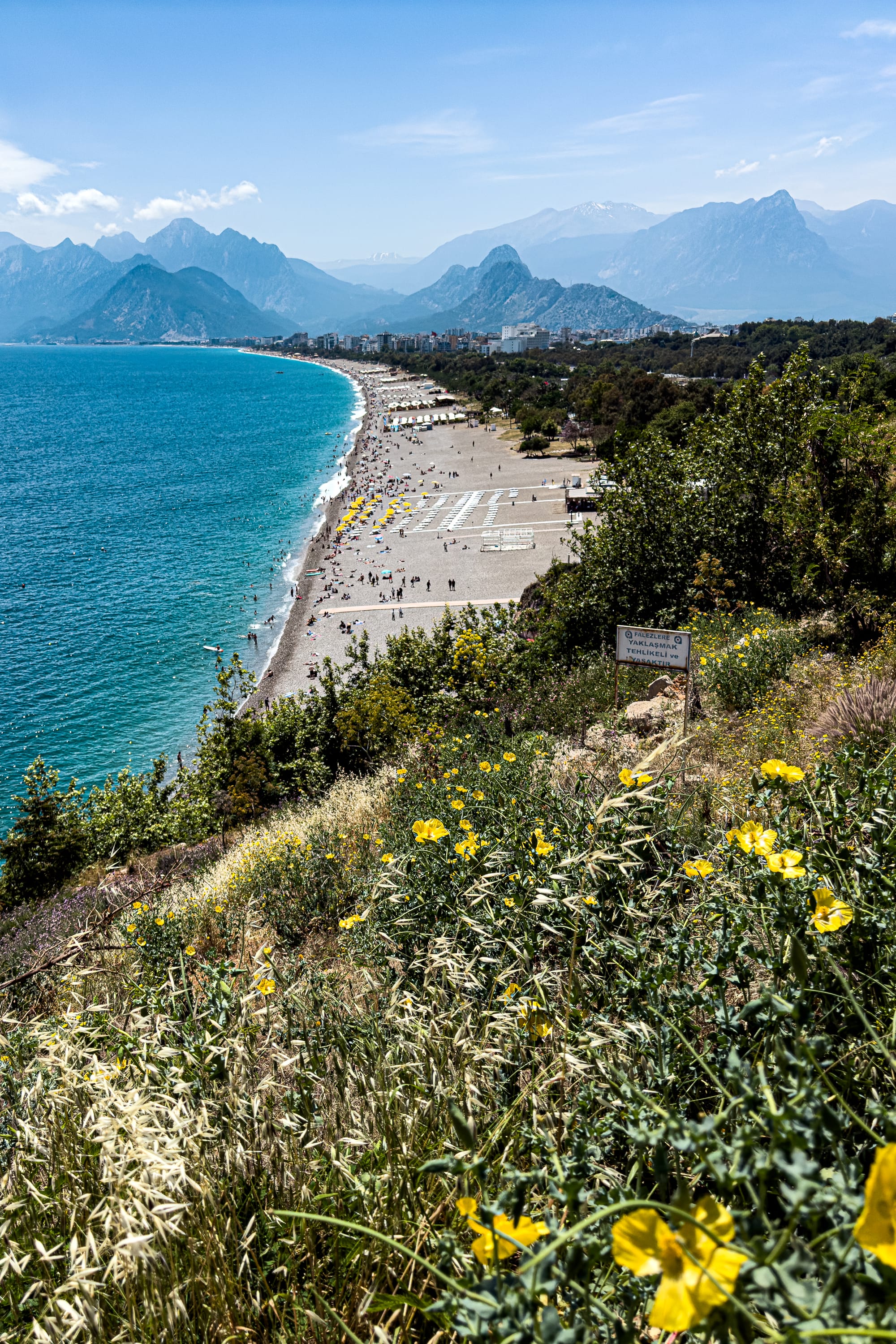
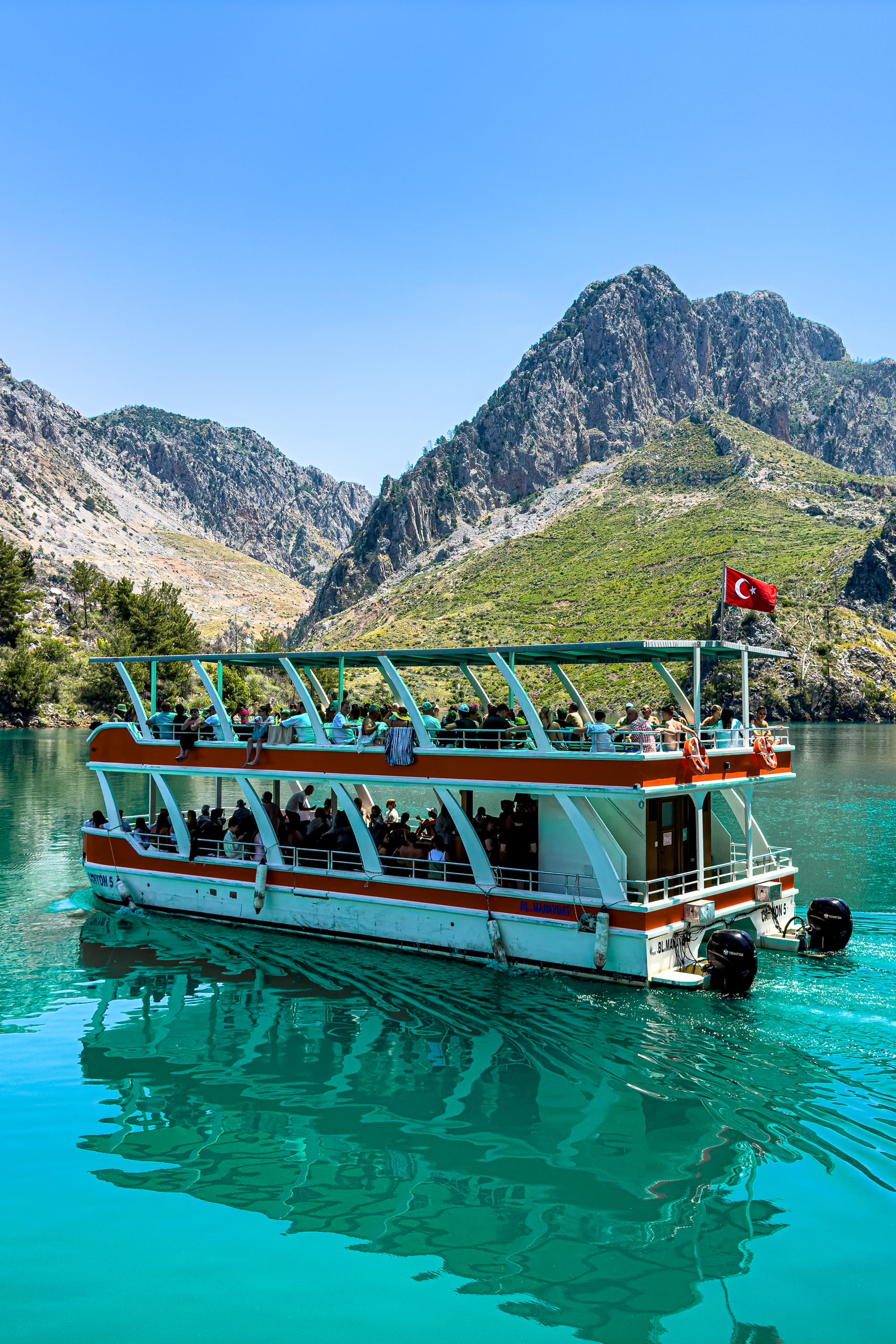
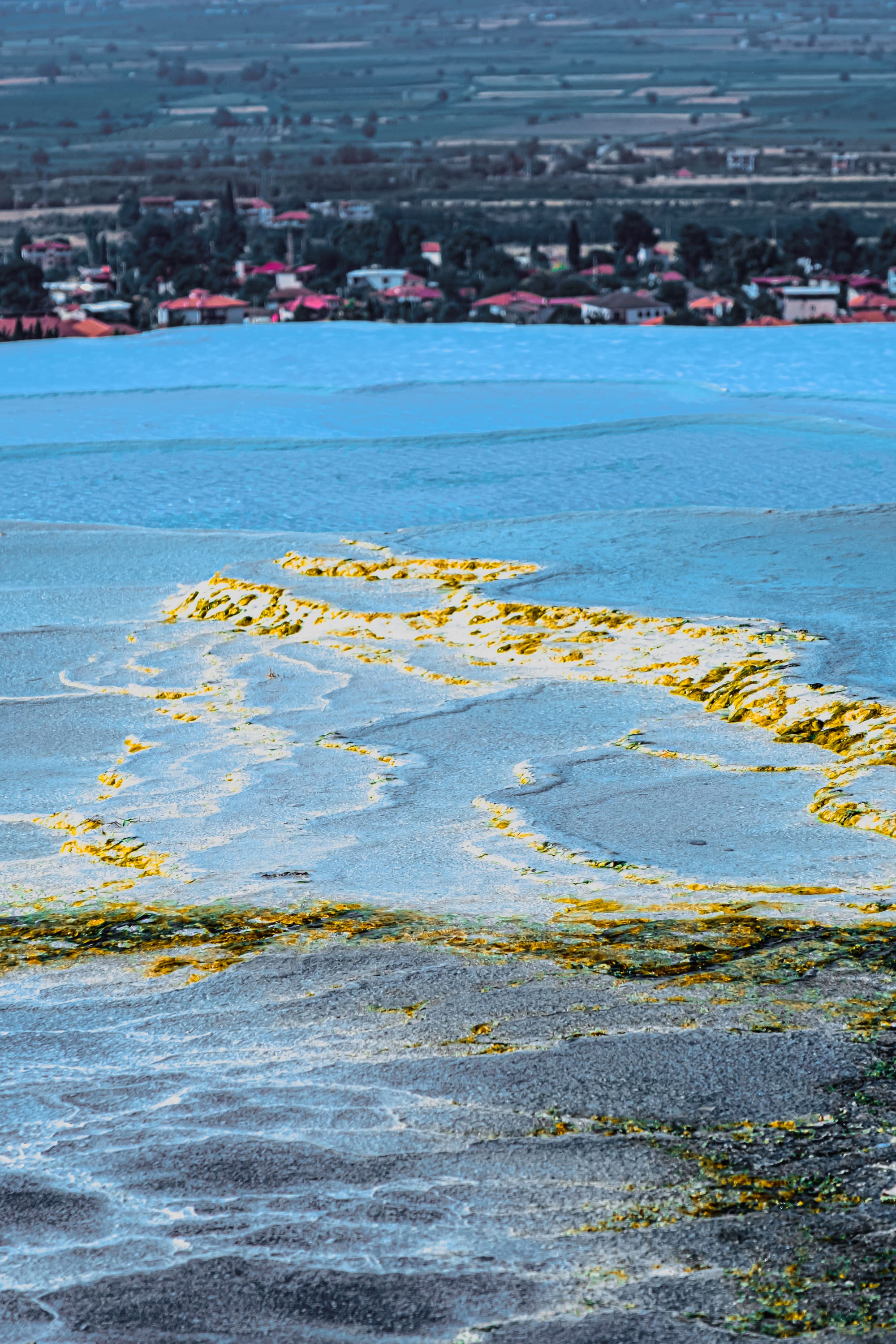
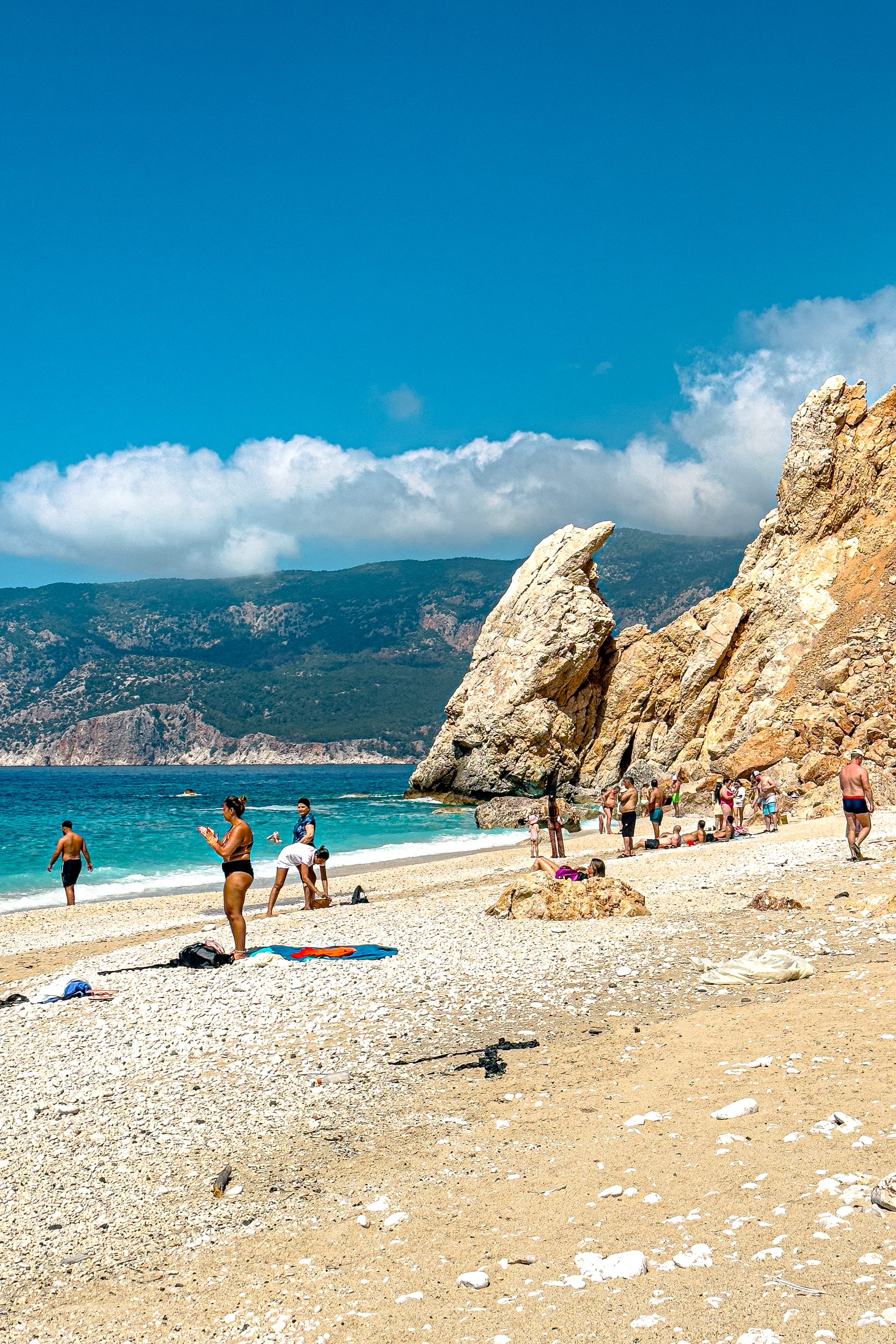
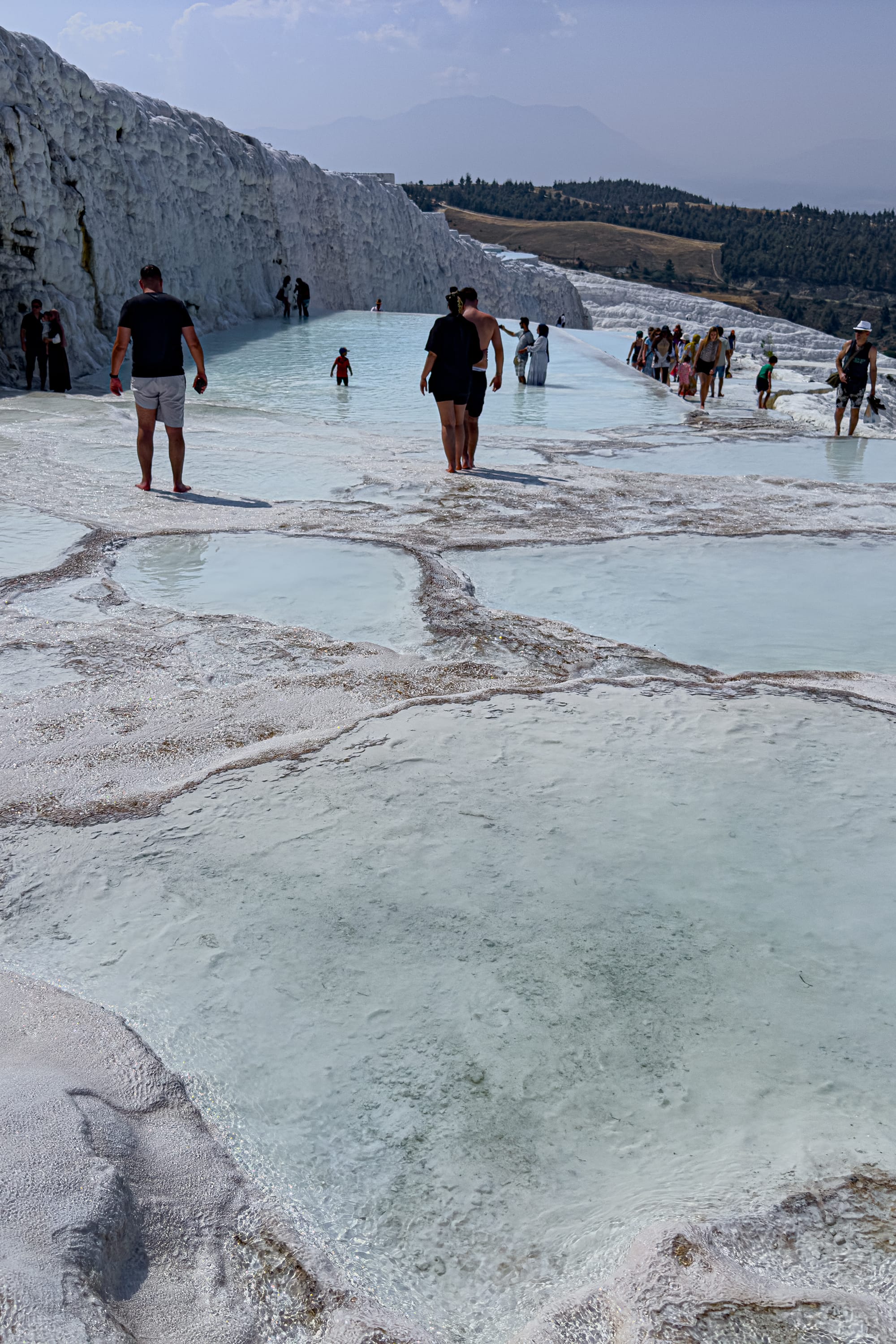
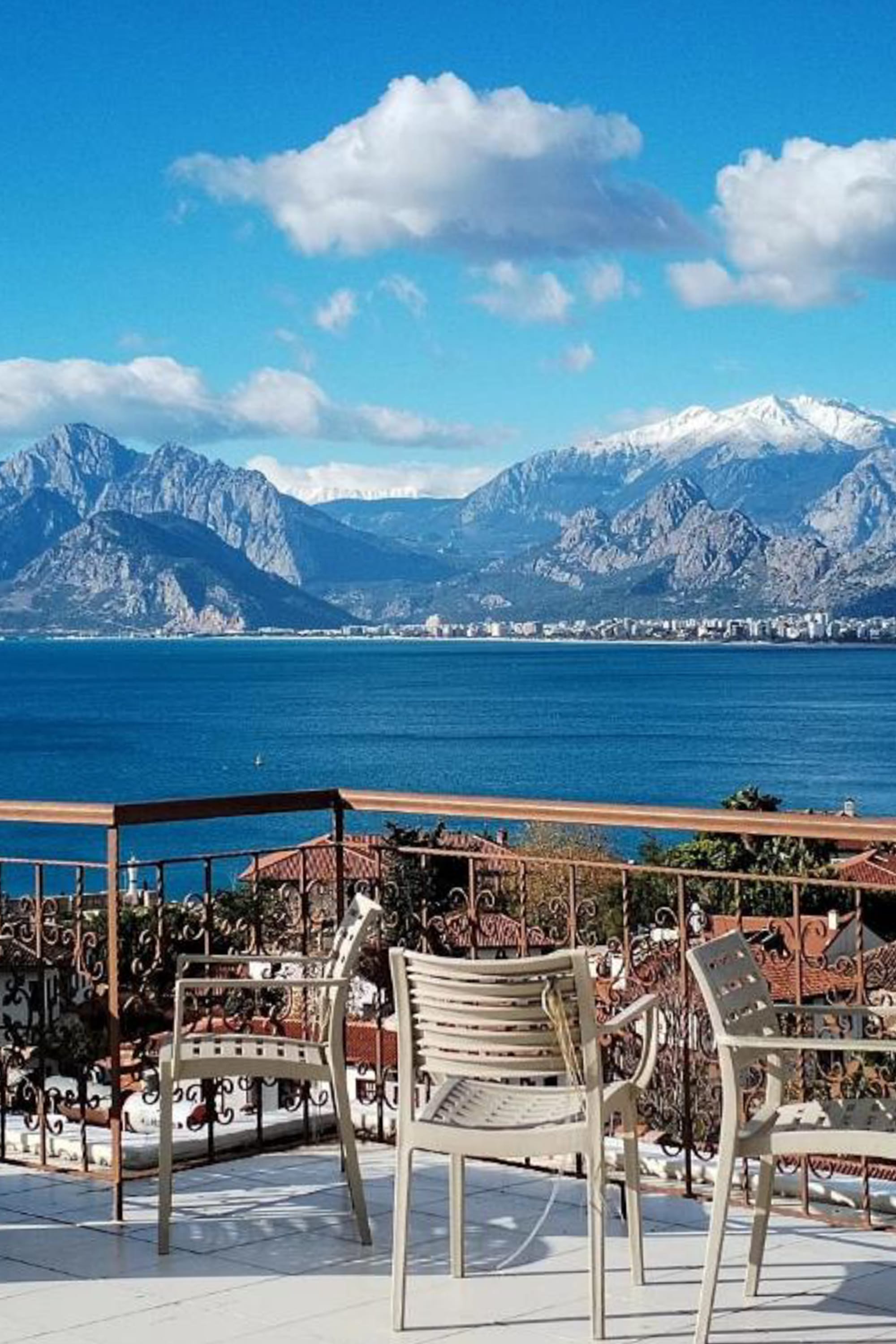
Antalya made sense as a base. The city has a gorgeous old town, excellent beaches (Konyaaltı Beach and İnciraltı Beach were our favorites), an outstanding archeological museum, mountains, ancient sites nearby, and Coworking Antalya. It also puts you close to the Turquoise Coast, the Lycian Way, and an almost absurd number of day trips: Suluada, Turkey's Green Canyon, Perge, Myra, the Church of Saint Nicholas in Demre, Termessos, Kekova, Side, Aspendos, Hierapolis, and of course, Pamukkale.
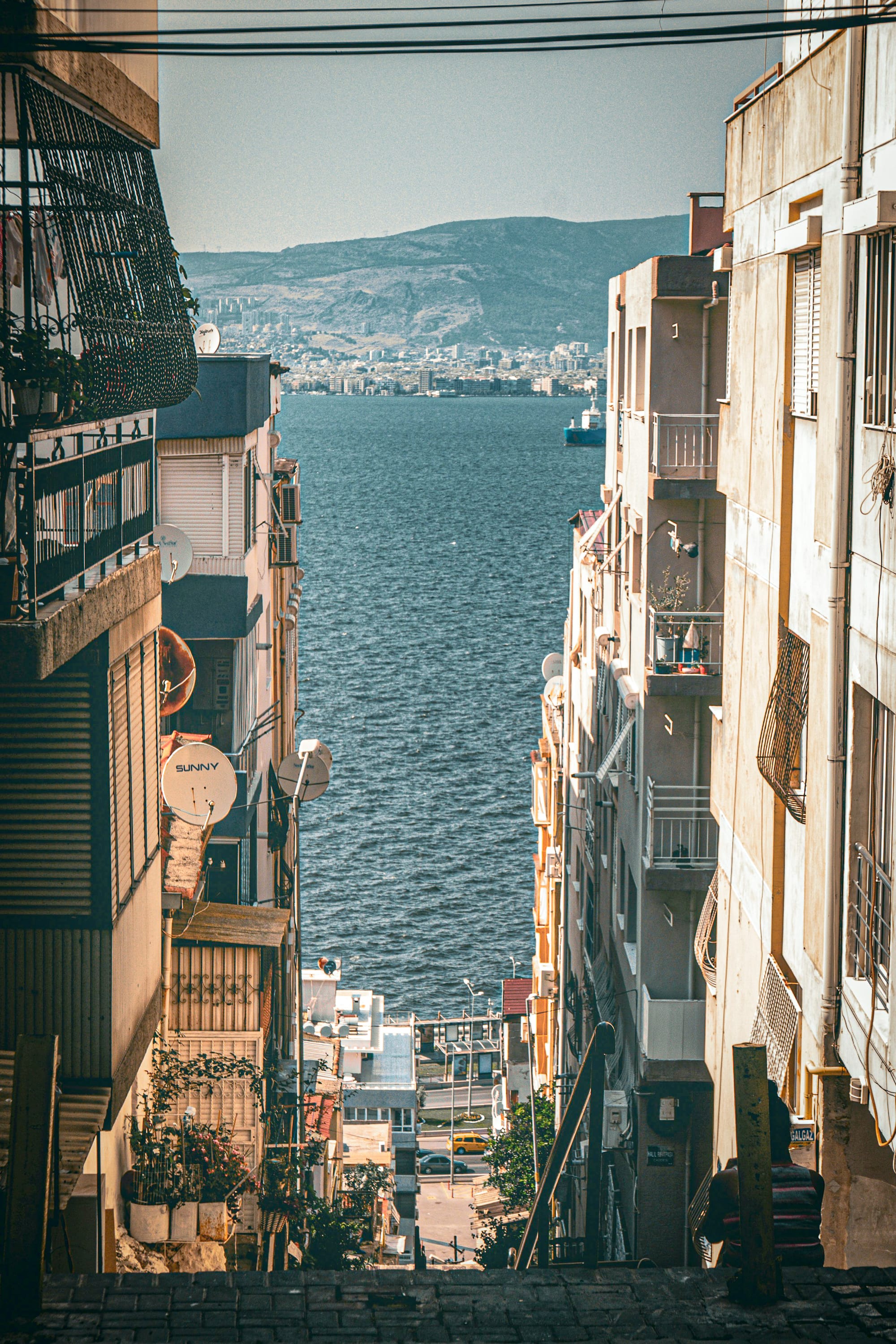
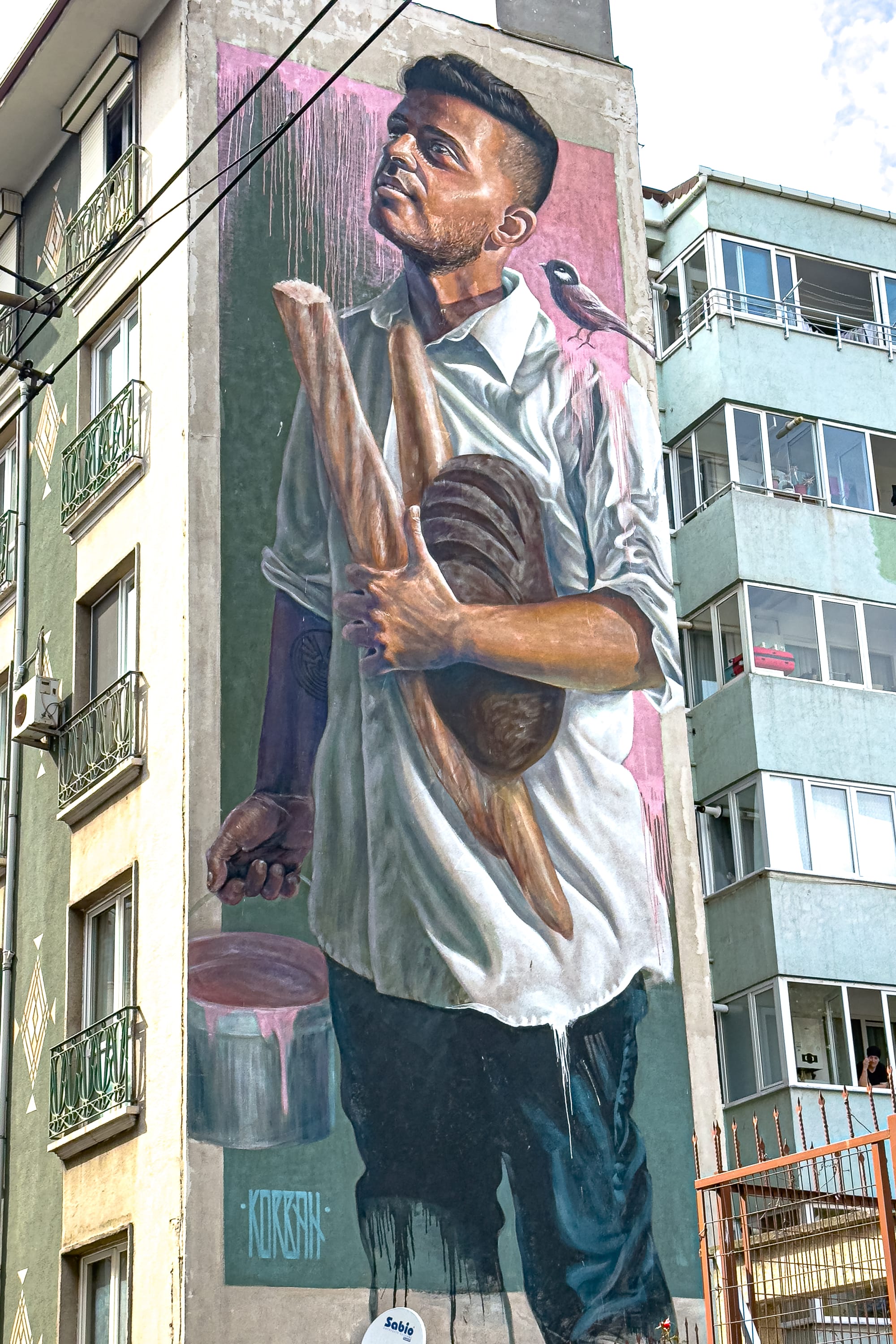
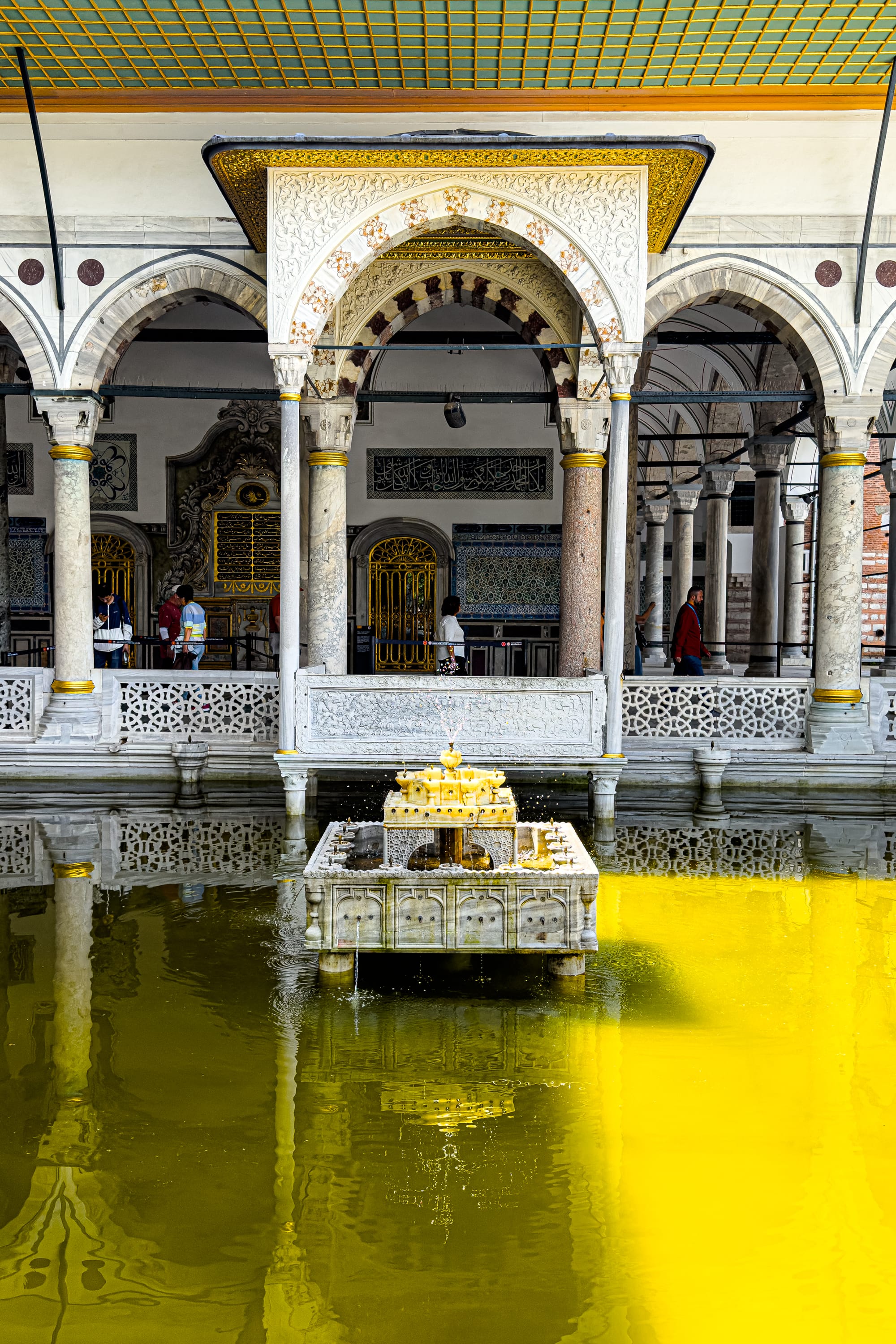
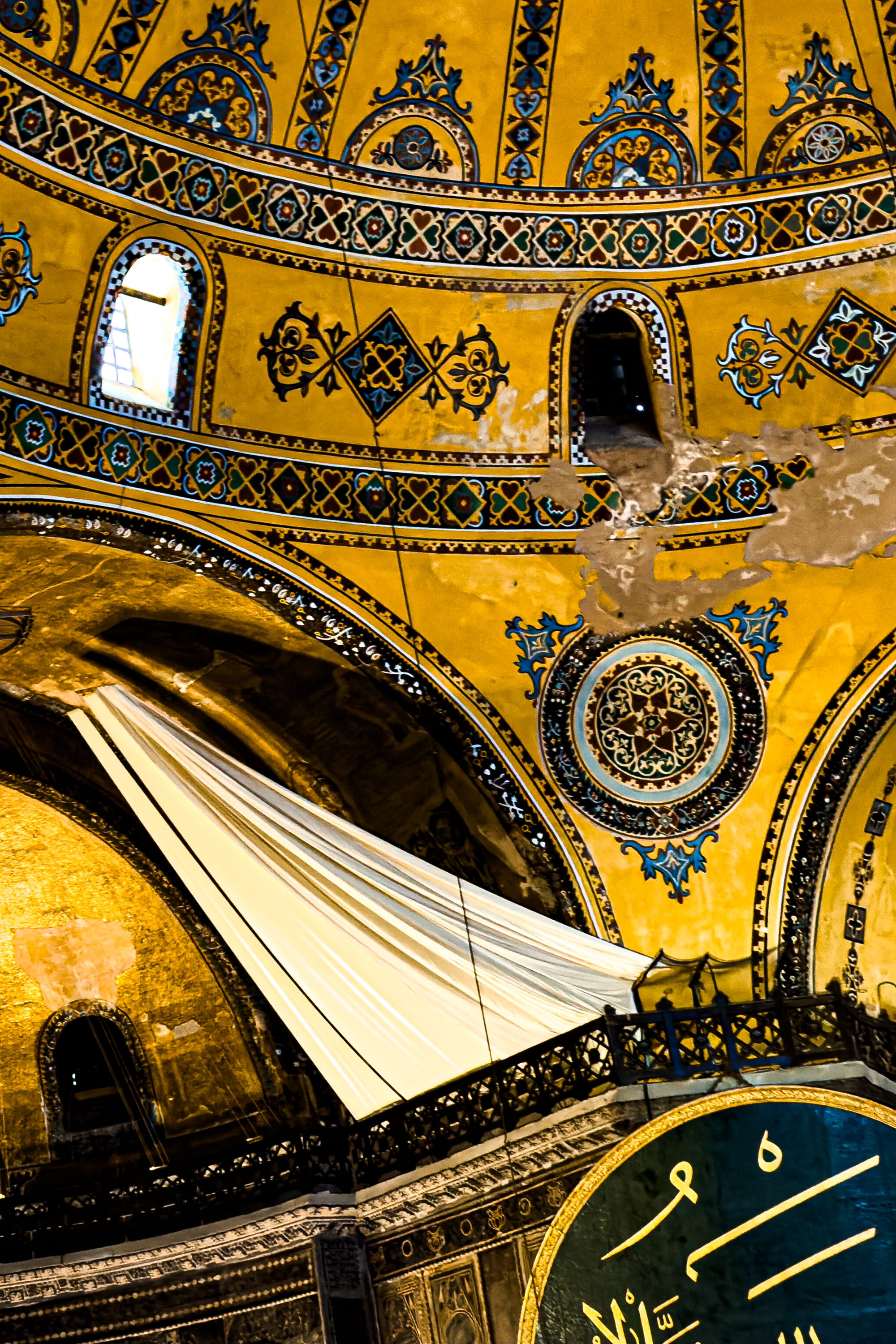
Istanbul is less simple. Kadıköy, with its bazaars, street art, and alternative energy, gives you one version of the city. Fener and Balat, with their layered Greek, Jewish, Armenian, and Ottoman histories, give you another. There is also the more monumental version of Istanbul: the Blue Mosque, Hagia Sophia, Basilica Cistern, Topkapı Palace, and the old waterfront architecture you see best from a cruise along the Bosphorus.
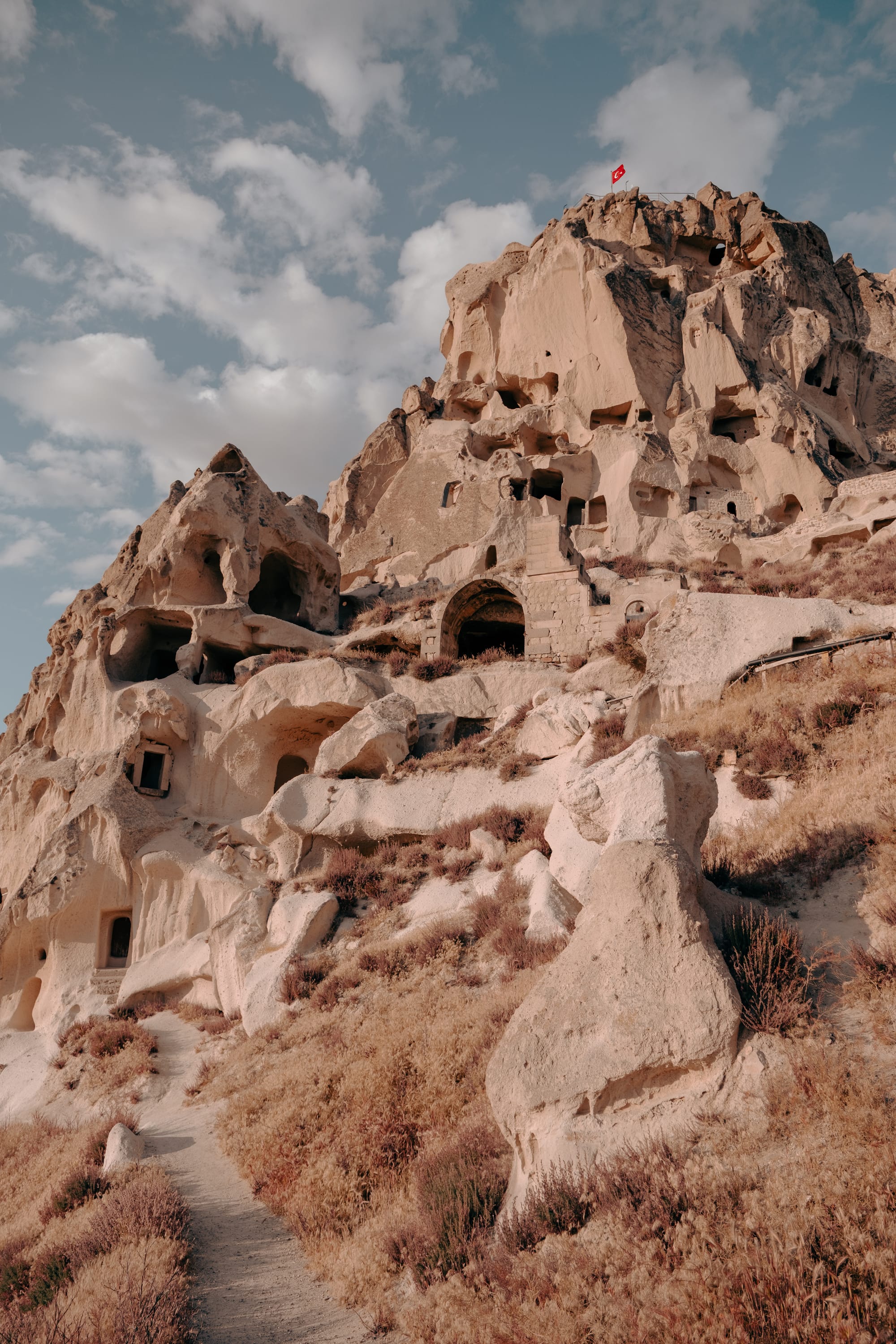
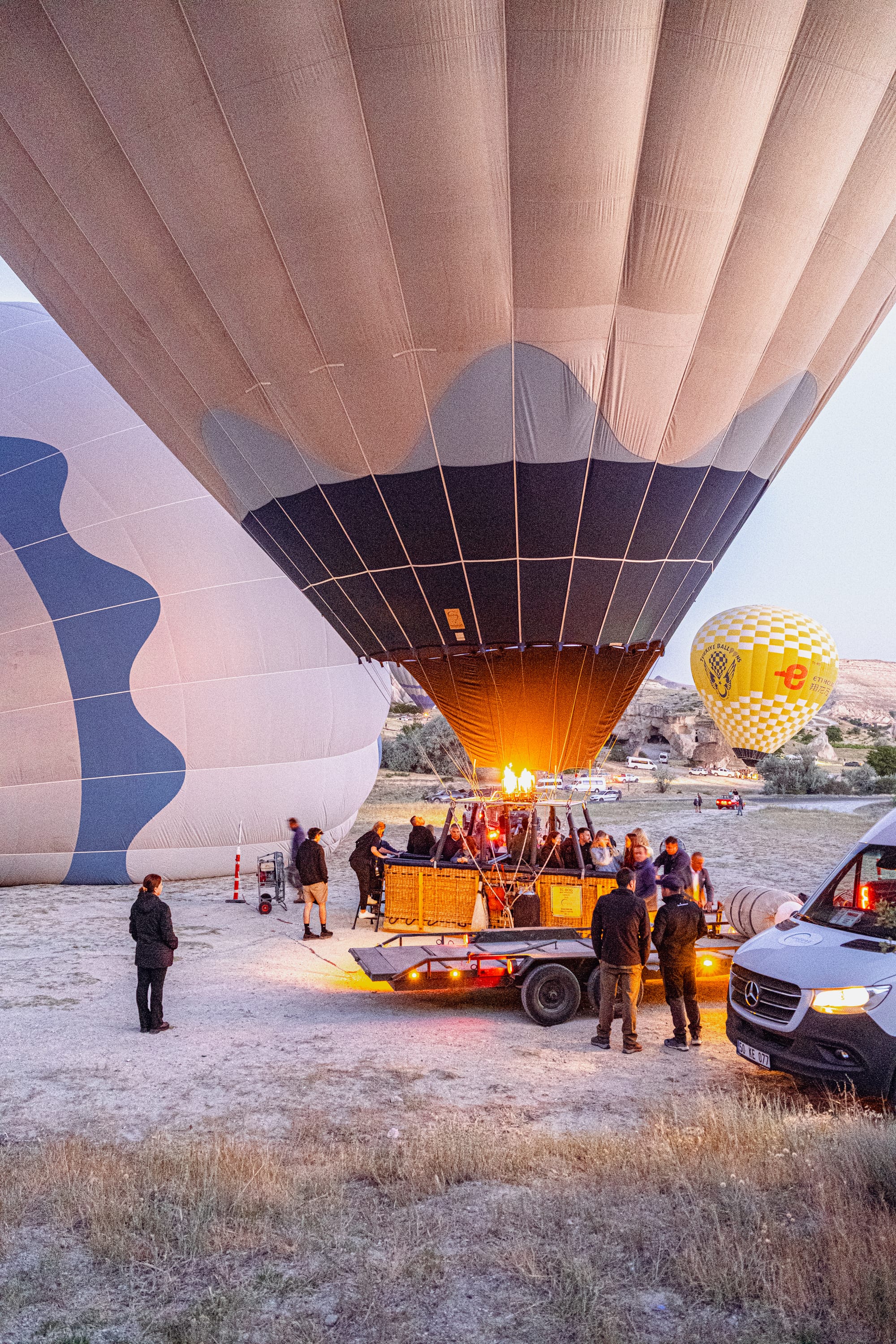
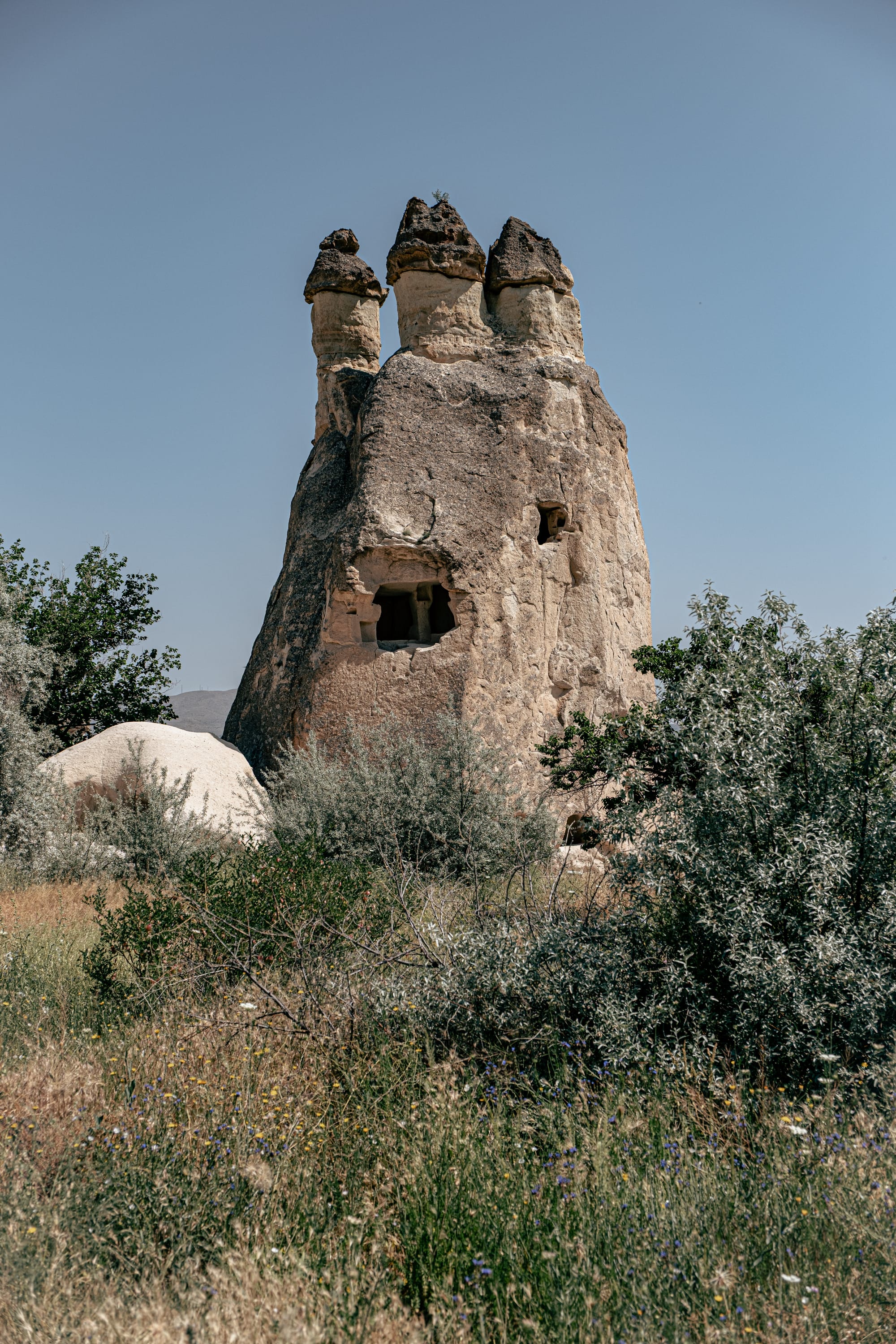
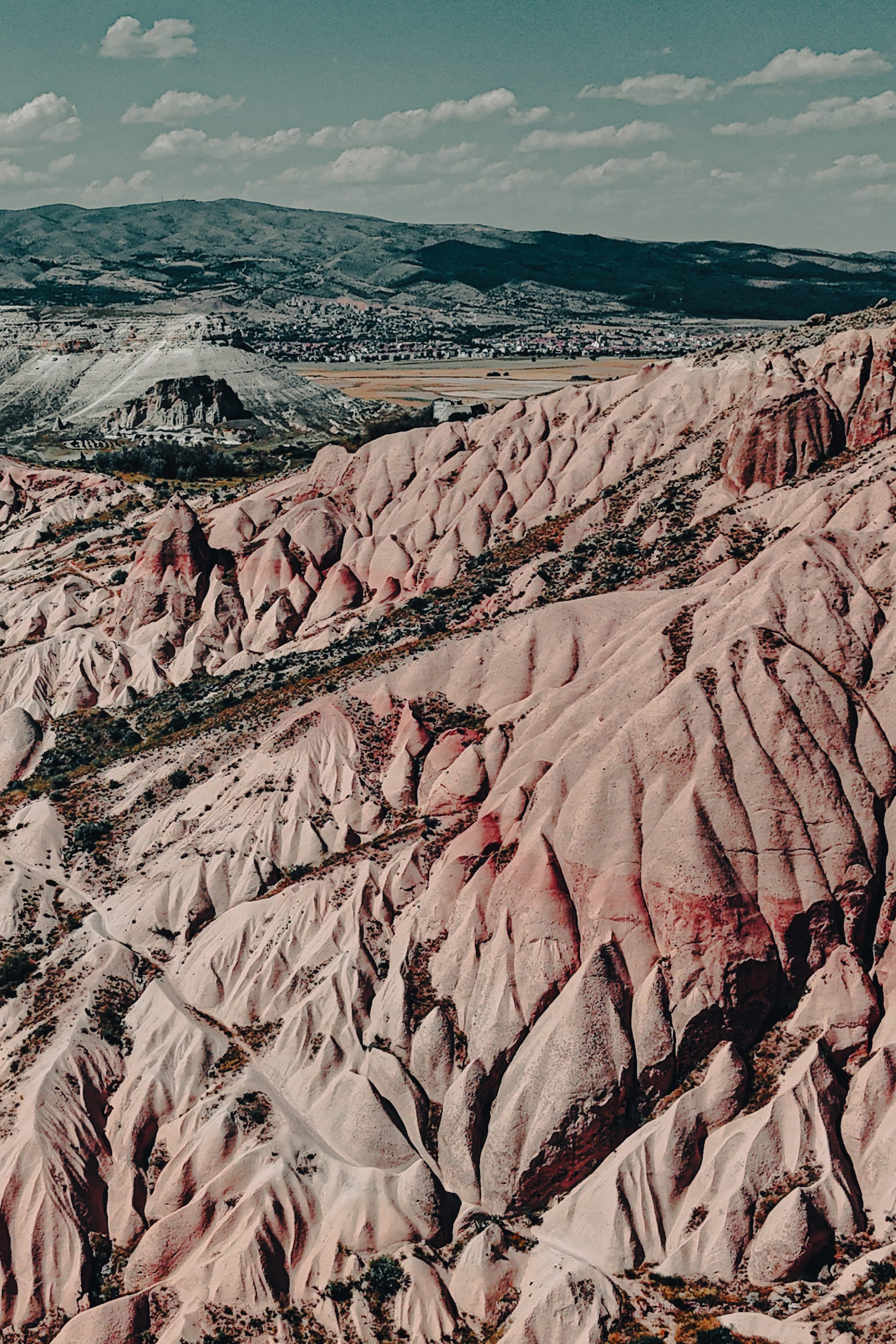
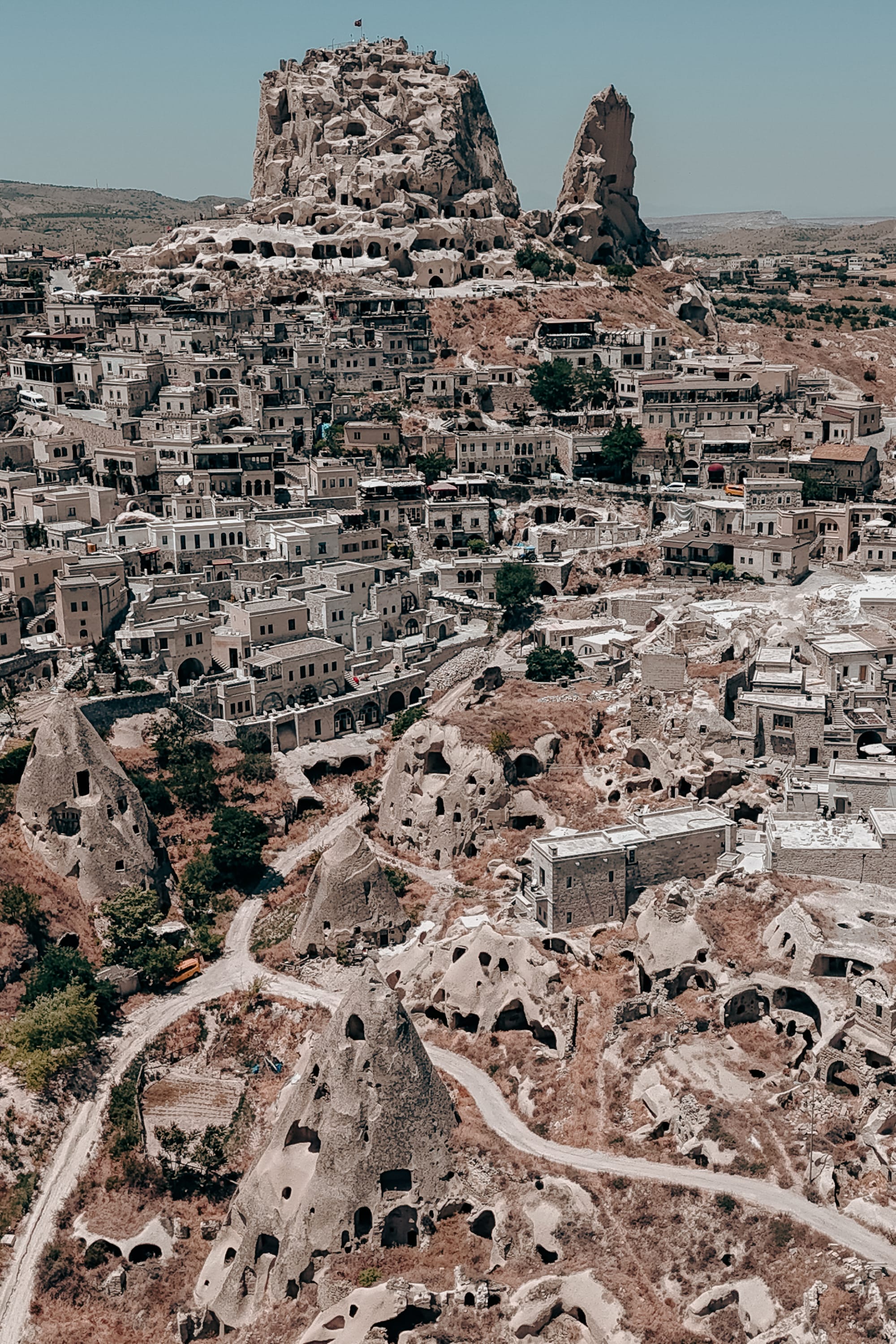
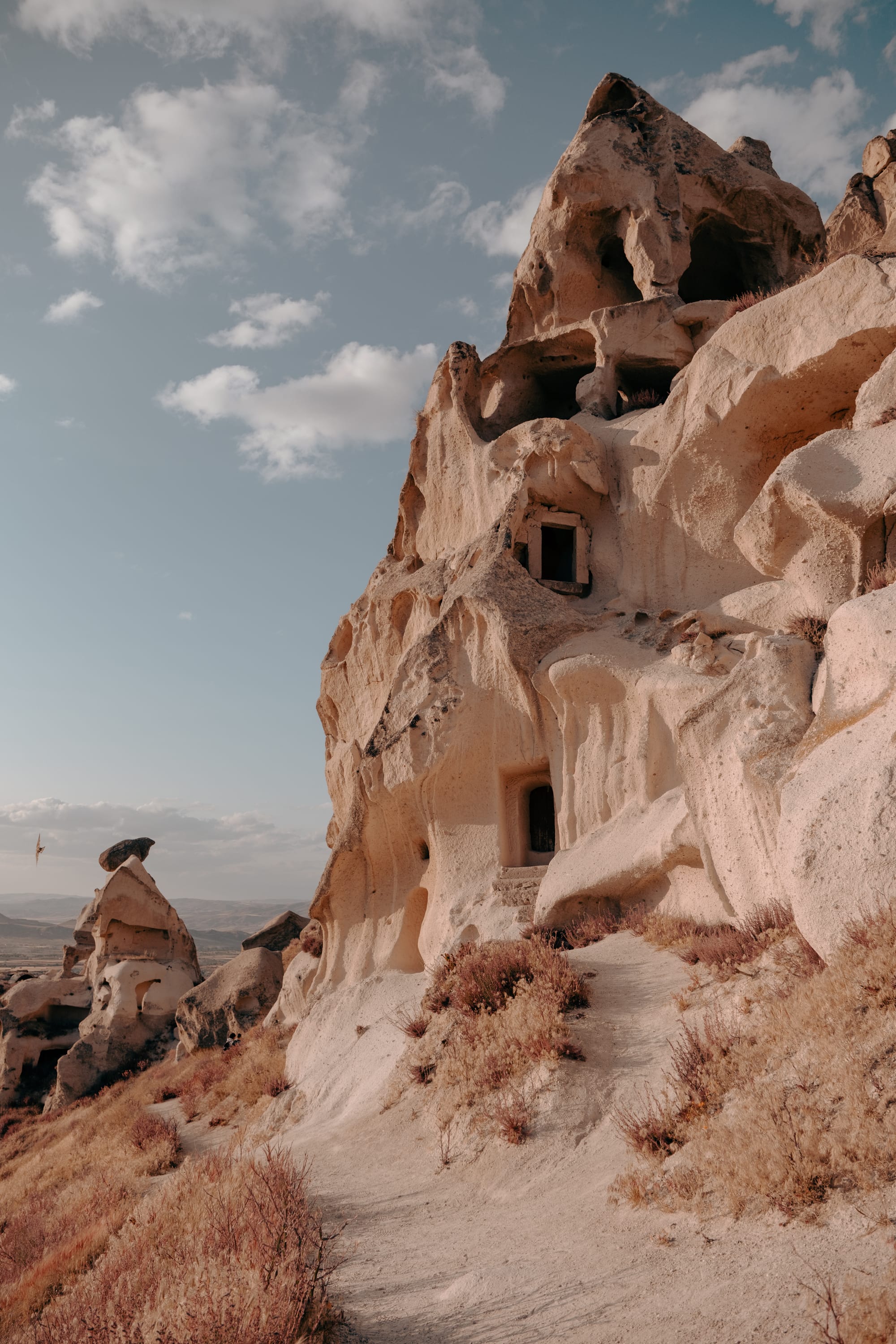
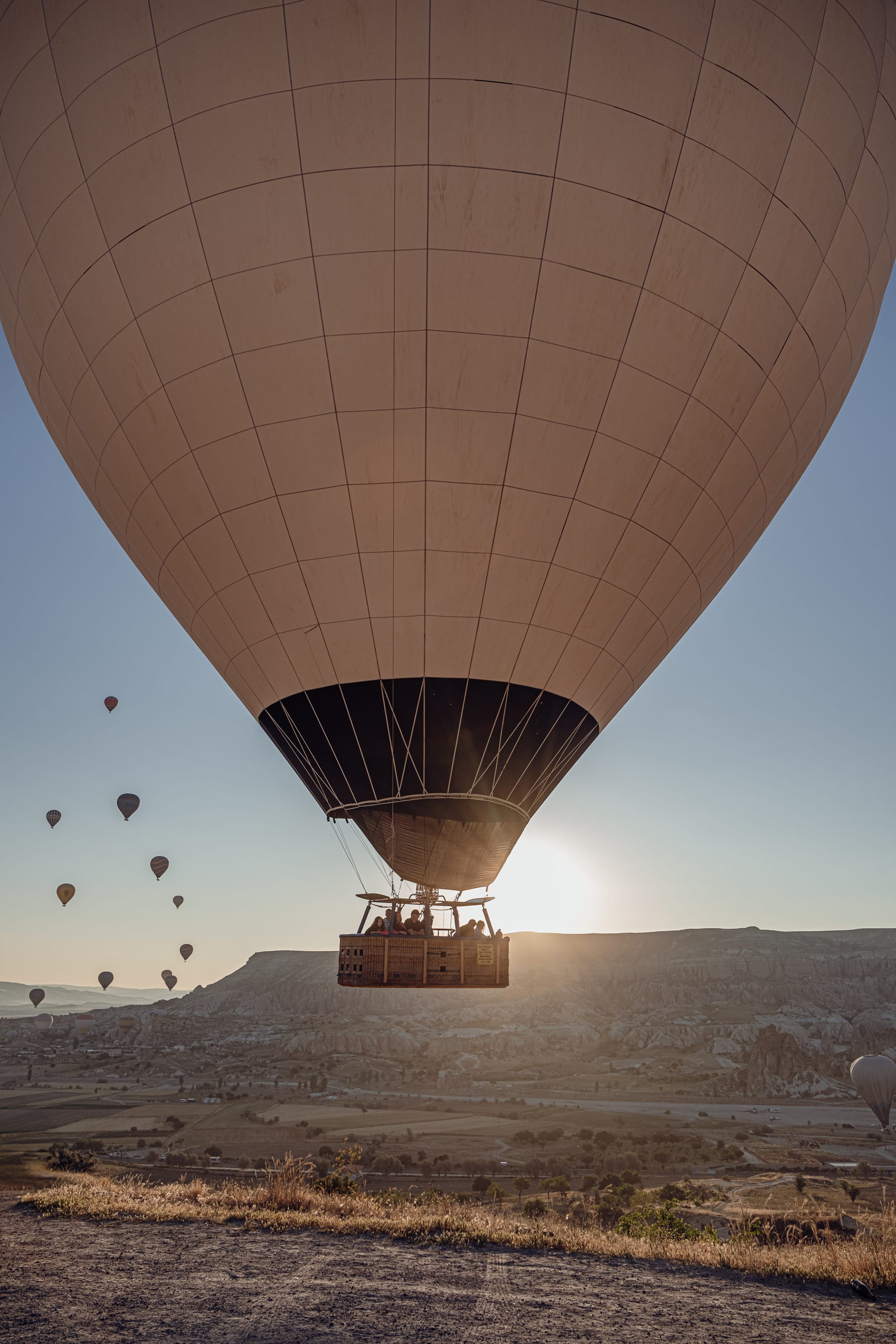
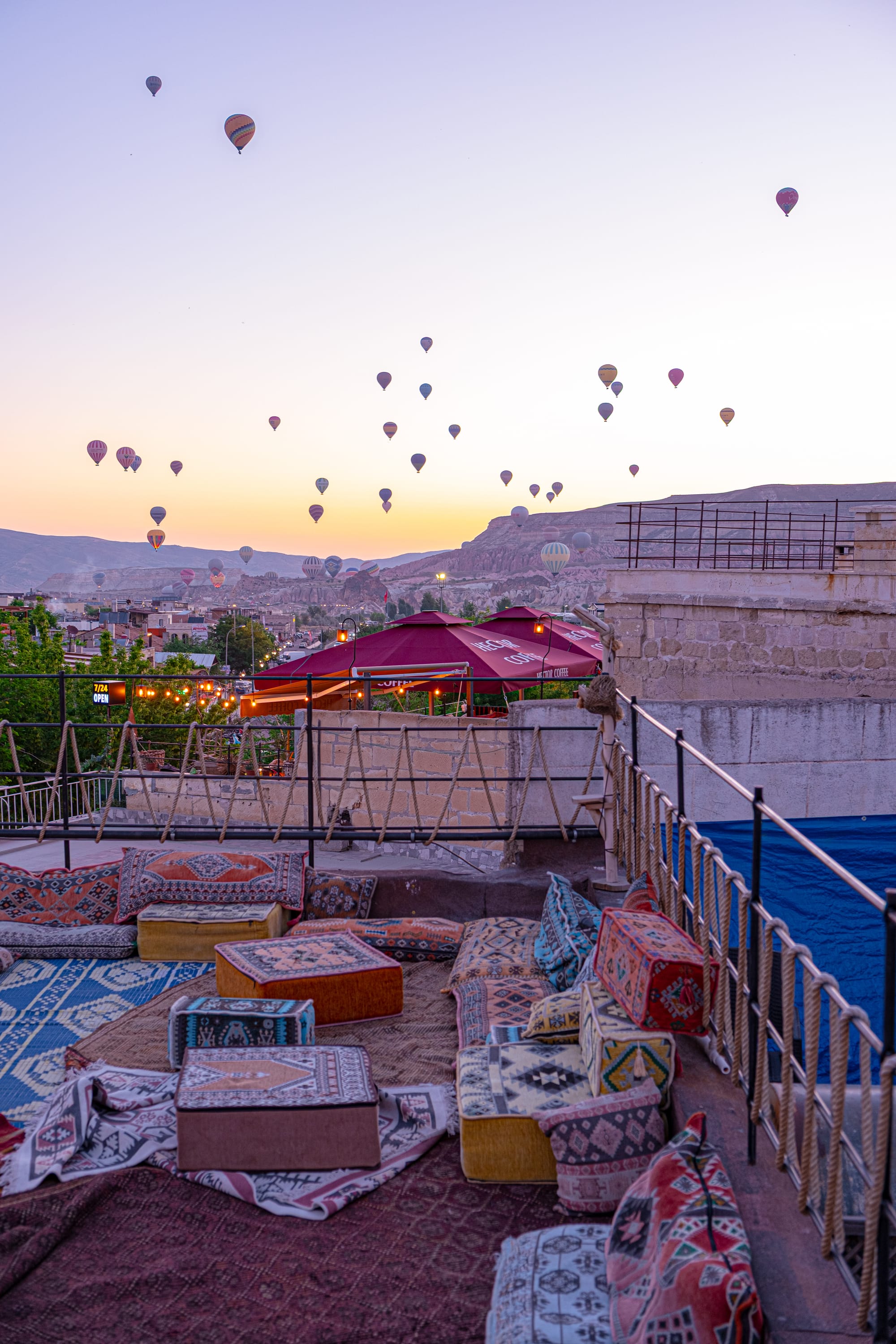
Cappadocia was the real surprise. Most people come for the hot air balloons and leave a day or two. Staying longer affords something else: exploring underground cities like Özkonak and Derinkuyu, hiking through valleys like Pigeon, White, Honey, and Love Valleys and Red and Rose Valleys, making gözleme with local women, and taking delight in one of the strangest, most otherworldly landscapes in Turkey (and indeed the world at large). The Red and Green tours offer a chance to see many of the best sites including Göreme Open Air Museum, Göreme Panorama, Pigeon Valley, Uçhisar Castle, Selime Monastery, Paşabağ (Monks Valley), Ihlara Valley, and Avanos (the pottery village) including an artisan demo at Sultan Ceramic. More adventurous options in the region include a sunset ATV ride or an early-morning jeep safari to see the balloons rise.
What we loved about Turkey, much like Mexico, is how incredibly varied the country is, and how completely different the experience can feel depending on where you go.
When to go
Turkey's size and geography make this a genuinely variable question.
The Aegean and Mediterranean coasts like Antalya, Bodrum, and the southeastern region are best in spring (April–May) and early autumn (September–October), when temperatures are warm without the intensity of high summer and the tourist volume is lower.
Istanbul is pleasant year-round, though the summer months can be crowded and humid; spring and autumn are the most comfortable.
Cappadocia has a specific cold-weather beauty in winter, when the volcanic formations frost over, though the hot air balloon season is year-round.
Getting around
Cost of living
Turkey has become substantially more affordable for those earning in foreign currencies following years of significant lira depreciation.
Istanbul is more expensive than Antalya or Cappadocia, and tourist-heavy areas within any city will be pricier than local neighborhoods. As a rough orientation, a comfortable furnished apartment in Antalya might run $800–1200 USD per month depending on neighborhood and season; daily food costs eating mostly from local restaurants are modest.
We include current cost estimates in each city guide, though these shift frequently.
Internet & infrastructure
Internet in Turkey is generally reliable for remote work. Istanbul has the strongest digital infrastructure, with widespread cafés, coworking spaces, and fast home wifi. Antalya is also a solid base for digital nomads, helped by Coworking Antalya and good urban connectivity. Cappadocia is more limited but workable.
Safety
Turkey is generally safe for travelers on the main routes, with Istanbul requiring the most urban awareness, Antalya feeling more relaxed and coastal, and Cappadocia offering the quietest, most rural-feeling base. In Istanbul, watch for pickpocketing, taxi issues, and crowded transport. In Antalya, ordinary beach-city caution is usually enough. In Cappadocia, safety concerns are more about terrain, late-night roads, and seasonal weather than crime. We recommend checking the US State Department's Turkey travel advisories before going.
Historical sites & ruins
The ruins are always near. Turkey has more ancient sites per square kilometer than almost anywhere else in the world; Greek, Roman, Byzantine, Seljuk, Ottoman layers stacked over one another in a country that has been continuously inhabited since the Neolithic.
We have written about specific sites in depth, such as Termessos, the mountaintop Pisidian city above Antalya's national park; Pamukkale and the Roman city of Hierapolis beside it; Myra and its cliff-face Lycian tombs; the Byzantine frescoes of Cappadocia's rock-cut valleys.
Top tips
After living in Turkey for three months, our strongest travel tip is this: make time for the ancient ruins. For us, they were one of the absolute highlights of traveling in Turkey. Some are not especially convenient to reach, and many sit outside the main city centers, but they are worth the extra effort.
Many digital nomads choose Istanbul because it is immense and inexhaustible: a city of seventeen million that has been a capital of empires, a crossroads of faiths, and a stage for every form of cultural collision the last two millennia have produced. And while we enjoyed Istanbul, we would also strongly recommend spending time on the coast. Turkey’s coastline is genuinely beautiful, and it gives a very different sense of the country. Antalya is especially good for this: not only for the beaches nearby, but for cliffside swimming and easy access to the wider Mediterranean landscape.
If you are visiting mosques or religious sites in Istanbul, bring something light to cover your shoulders, chest, or hair where required. Many major mosques provide coverings, but having your own scarf or layer makes things easier and more respectful. Shoes are removed before entering mosques, so wearing something easy to slip on and off is also helpful.
Turkey is larger than it looks on an itinerary, so don’t underestimate distances. Domestic flights can save time, buses are widely used, and a car can be useful for reaching ruins, beaches, valleys, and mountain areas outside the main cities. Istanbul does not need a car, Antalya sometimes benefits from one, and Cappadocia becomes much easier with one if you are staying longer.
Carry some cash, especially for smaller towns, markets, local buses, entrance fees, and family-run places. Cards are common in cities, but cash still makes travel smoother. We would also recommend checking museum opening days and seasonal hours before making long journeys to archaeological sites.
What is the best base in Turkey for digital nomads?
Having spent time in Istanbul, Antalya, and Cappadocia, we would choose Antalya as the best base in Turkey for digital nomads. Istanbul is far more culturally dense, and Cappadocia is easily the most unique, but Antalya works best as a day-to-day base. The main reason is Coworking Antalya. It gives the city a real center of gravity for remote workers, making it much easier to find community, routine, and familiar faces than you might expect from a coastal Turkish city.
What is the best thing to experience in Turkey?
Many people will say the hot air balloons over Cappadocia, and they are beautiful. But for us, the most extraordinary thing to experience in Turkey was Cappadocia’s landscape itself. The valleys, cave dwellings, soft volcanic rock, underground cities, and shifting colors of the stone felt far more powerful. Apart from that, the ancient city of Myra remains a highlight.
Where is the best area to stay in Istanbul?
For us, Kadıköy is one of the best areas to stay in Istanbul, especially if you want a lively neighborhood on the Asian side with excellent food, cafés, ferries, and street life. We’d look particularly around Yeldeğirmeni, a historic neighborhood near the ferry terminal that has become one of Kadıköy’s most creative pockets. Its old apartment blocks, multicultural traces, murals, studios, cafés, and small cultural spaces give it a different feeling from the more touristed parts of Istanbul. Kadıköy has long carried a reputation for left-leaning politics, student life, activism, and artistic energy, and Yeldeğirmeni concentrates much of that texture into a walkable area. It is also where we saw some of the best street art in the city.
Is Cappadocia worth staying in longer than two or three days?
Yes. Cappadocia is usually treated as a short stop on a Turkey itinerary, but it was probably the biggest standout of our three months in the country. Staying longer lets you experience the region beyond the balloon flights: hiking the many different valleys, visiting underground cities, and meeting some of the locals that call this place home.
Is Antalya just a resort destination?
No, though it can look that way if you only encounter the beach resorts. Antalya has two faces: the mass-tourism coast, and the older, more interesting city around Kaleiçi. The second is the Antalya we think is worth seeking out: Roman harbor walls, Ottoman wooden houses, stone lanes, and ruins folded directly into everyday urban life. Add Coworking Antalya, nearby mountains, Lycian ruins, and river canyons, and the city becomes much more than a sun-and-sea base.
What is the best thing to do in Istanbul if you only have one day?
If you only have one day in Istanbul, or even just a long layover, we’d recommend a cruise along the Bosphorus. It gives you the clearest sense of the city’s scale in the shortest amount of time: minarets, palaces, bridges, ferries, waterfront neighborhoods, and the strange beauty of moving between Europe and Asia by water.