








Living in Cappadocia
We were first drawn to Cappadocia after seeing its rock homes featured in Lloyd Kahn’s Shelter. Still, we were hesitant about spending a full month here. Cappadocia is one of the most heavily visited parts of Turkey, and we weren’t sure there would be enough everyday infrastructure, or much of a community beyond the constant turnover of visitors, to make a longer stay feel workable.
And in part, we were right. Community can indeed be hard to find, and most people you meet are passing through for only a few days. But we were pleasantly surprised by just how much the region offers to those who stay longer. There are enough valleys, villages, underground cities, and viewpoints to do something genuinely different almost every day for a month. While infrastructure definitely needs to catch up, we think it has many of the ingredients to become an emerging destination for slow travel.
Defining moments
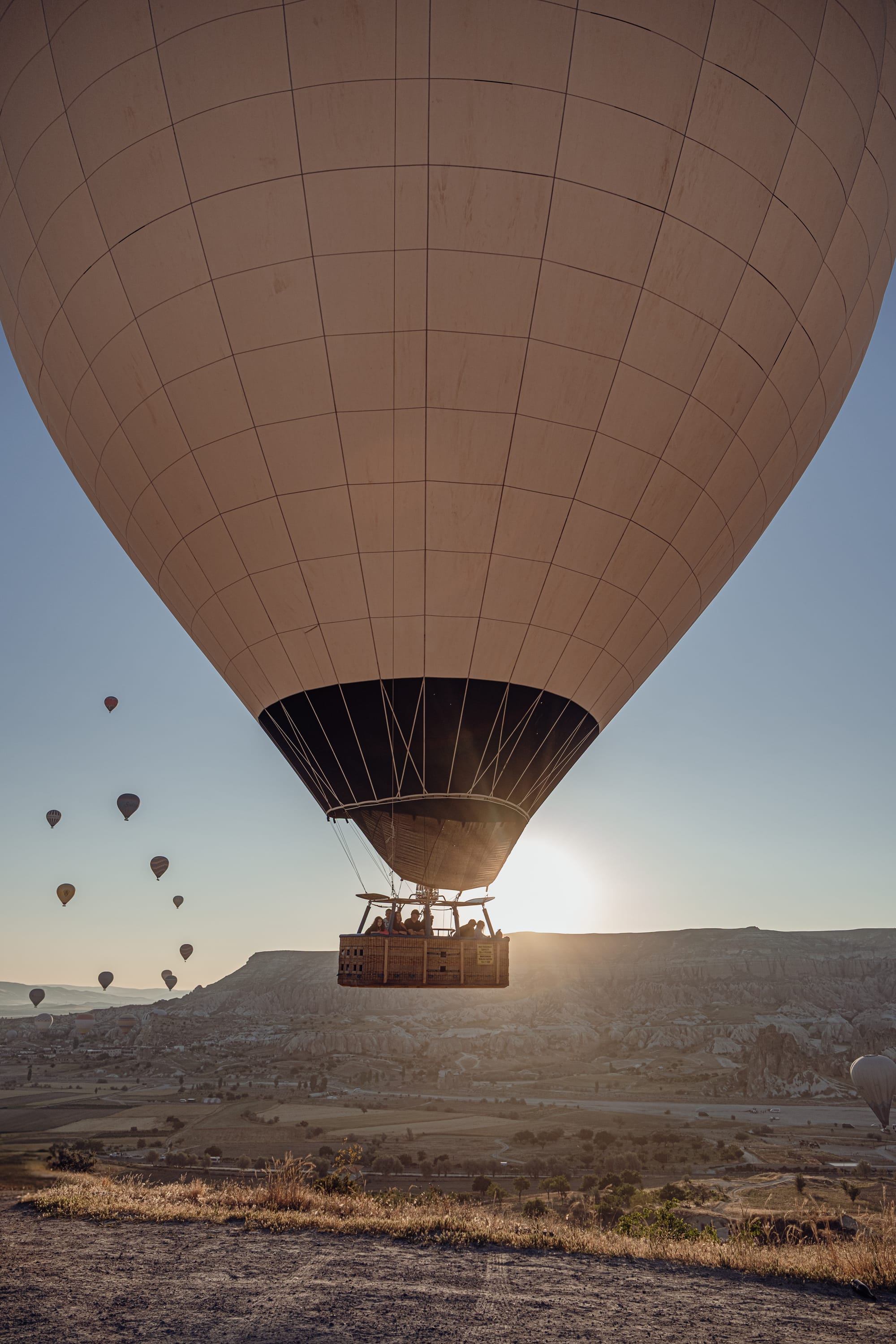
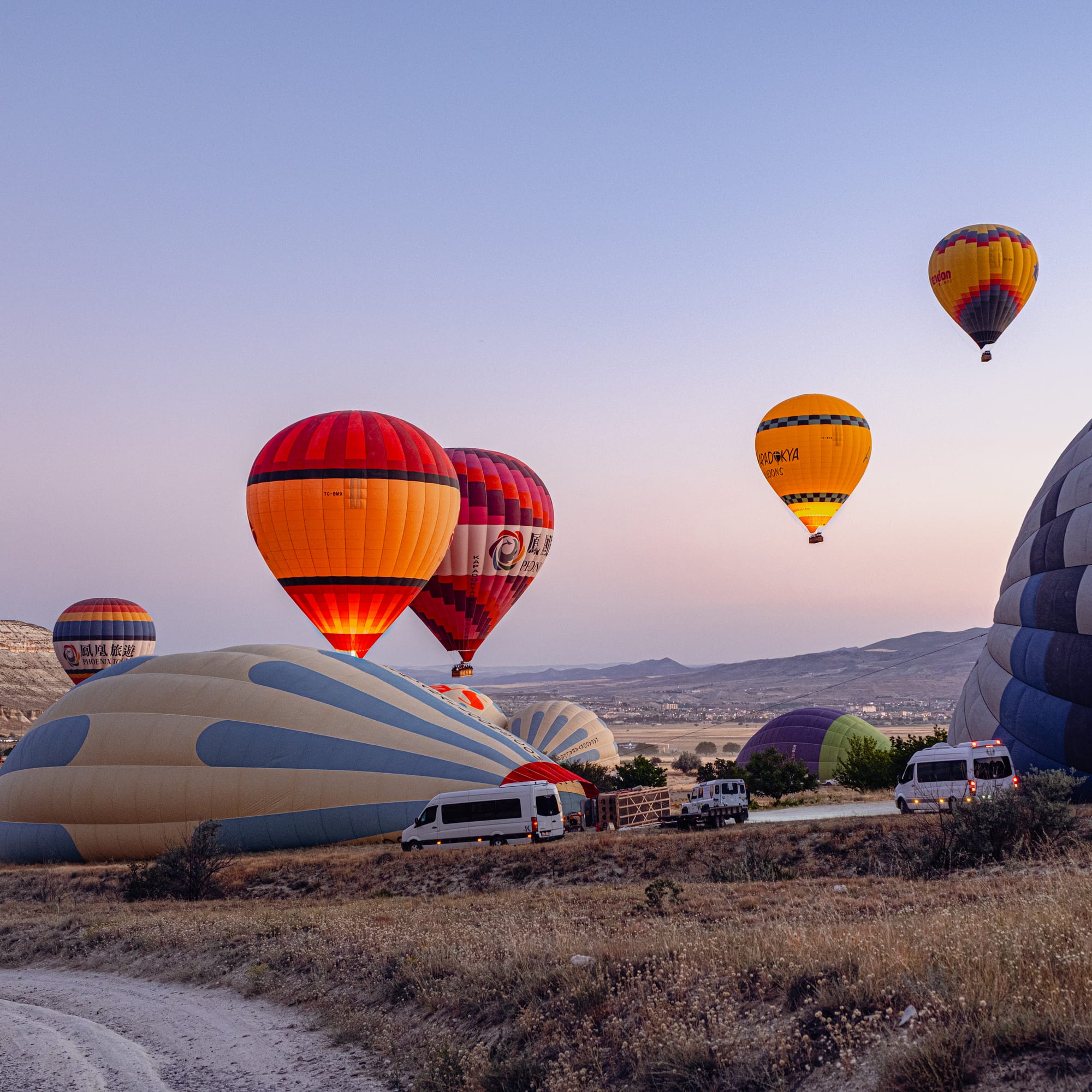
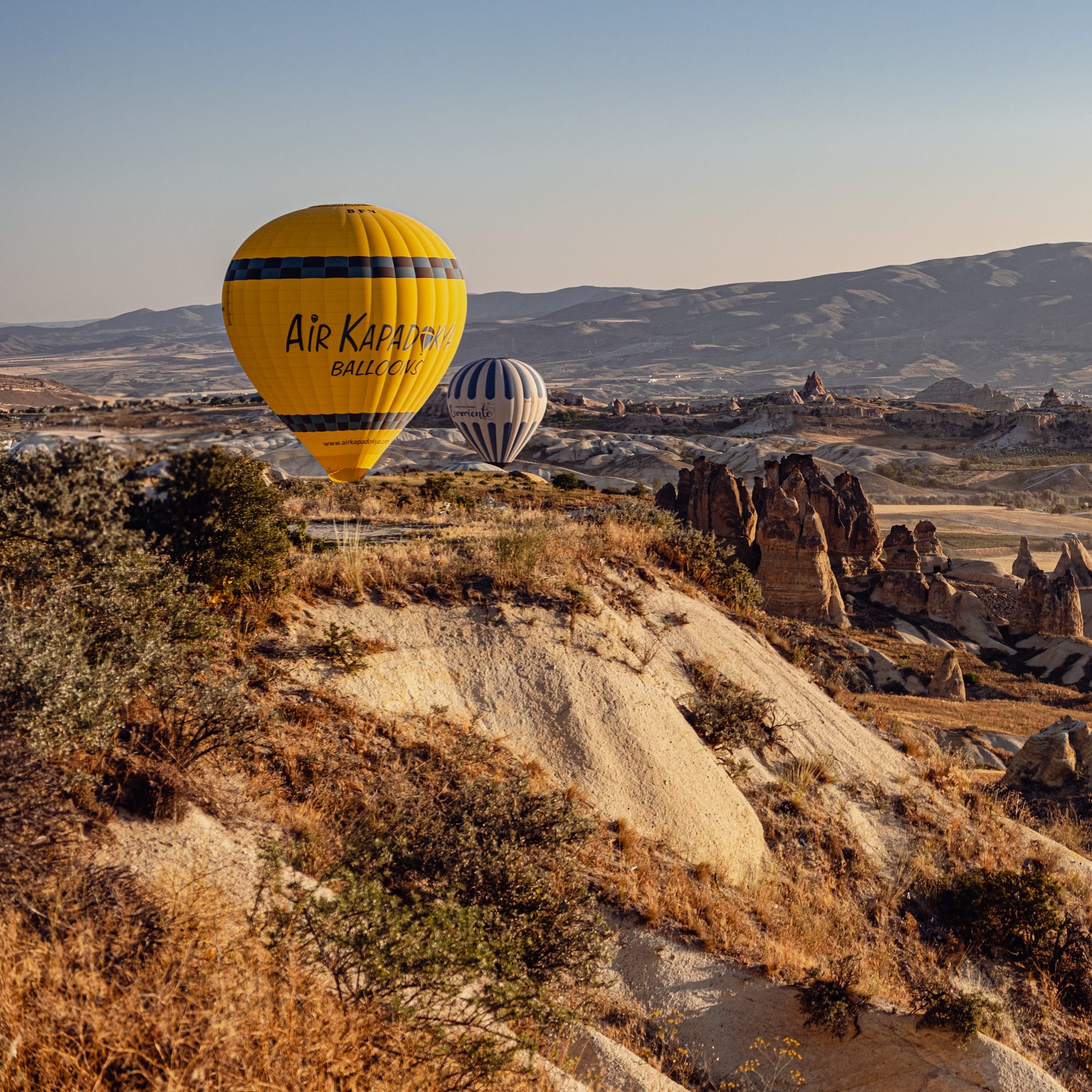
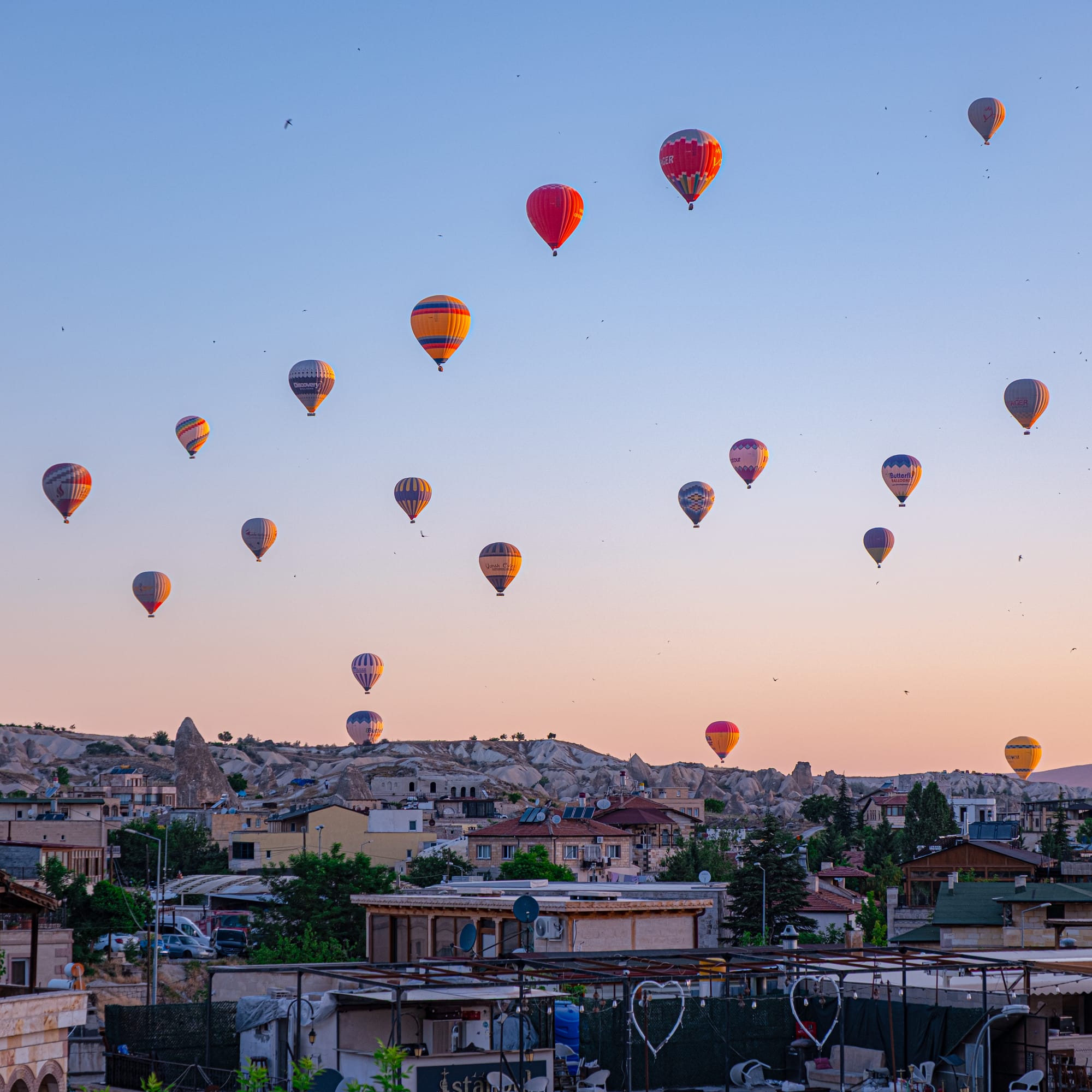
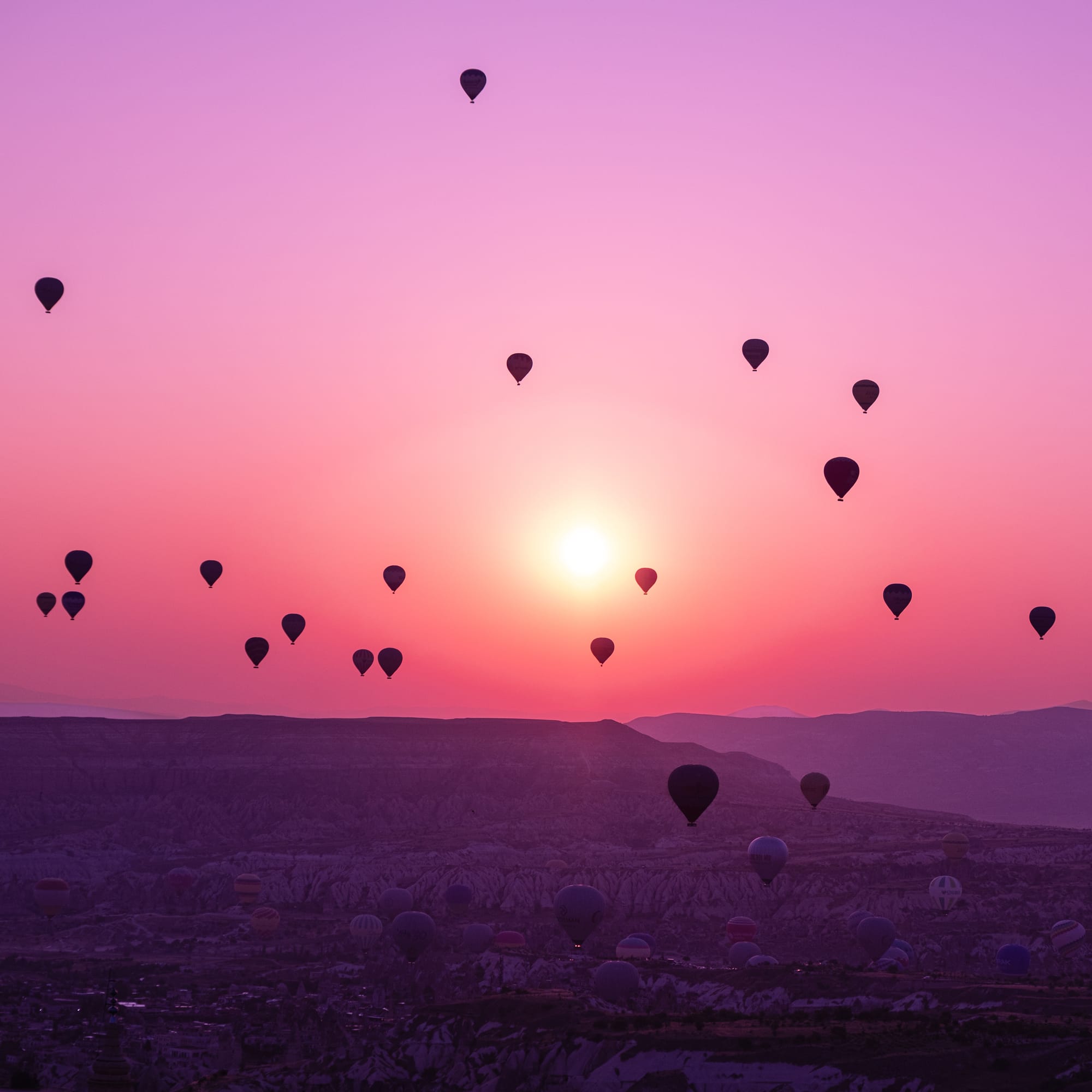
Watching Cappadocia’s hot air balloons rise at sunrise from a jeep safari, moving through the valleys as the sky slowly filled with color.
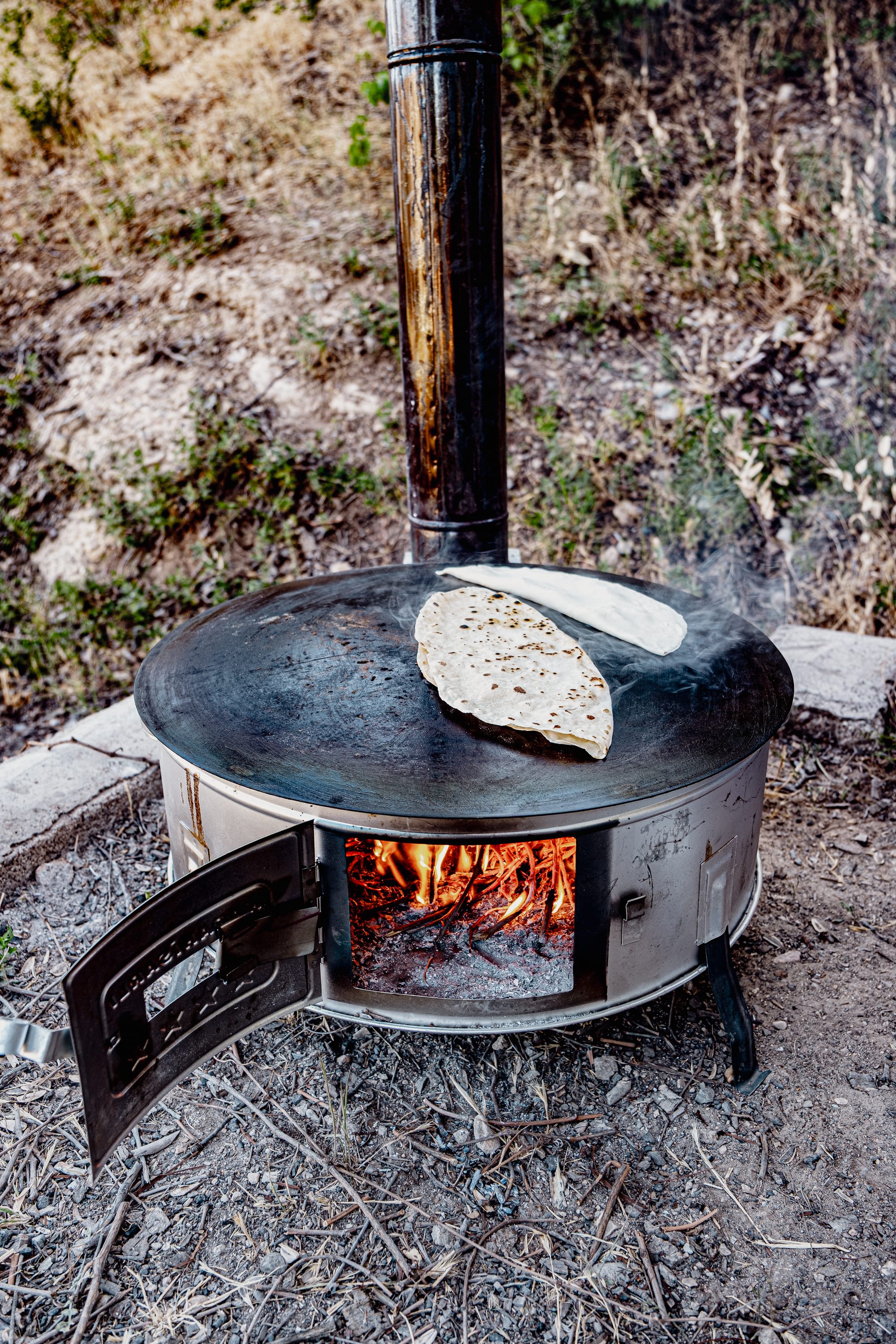
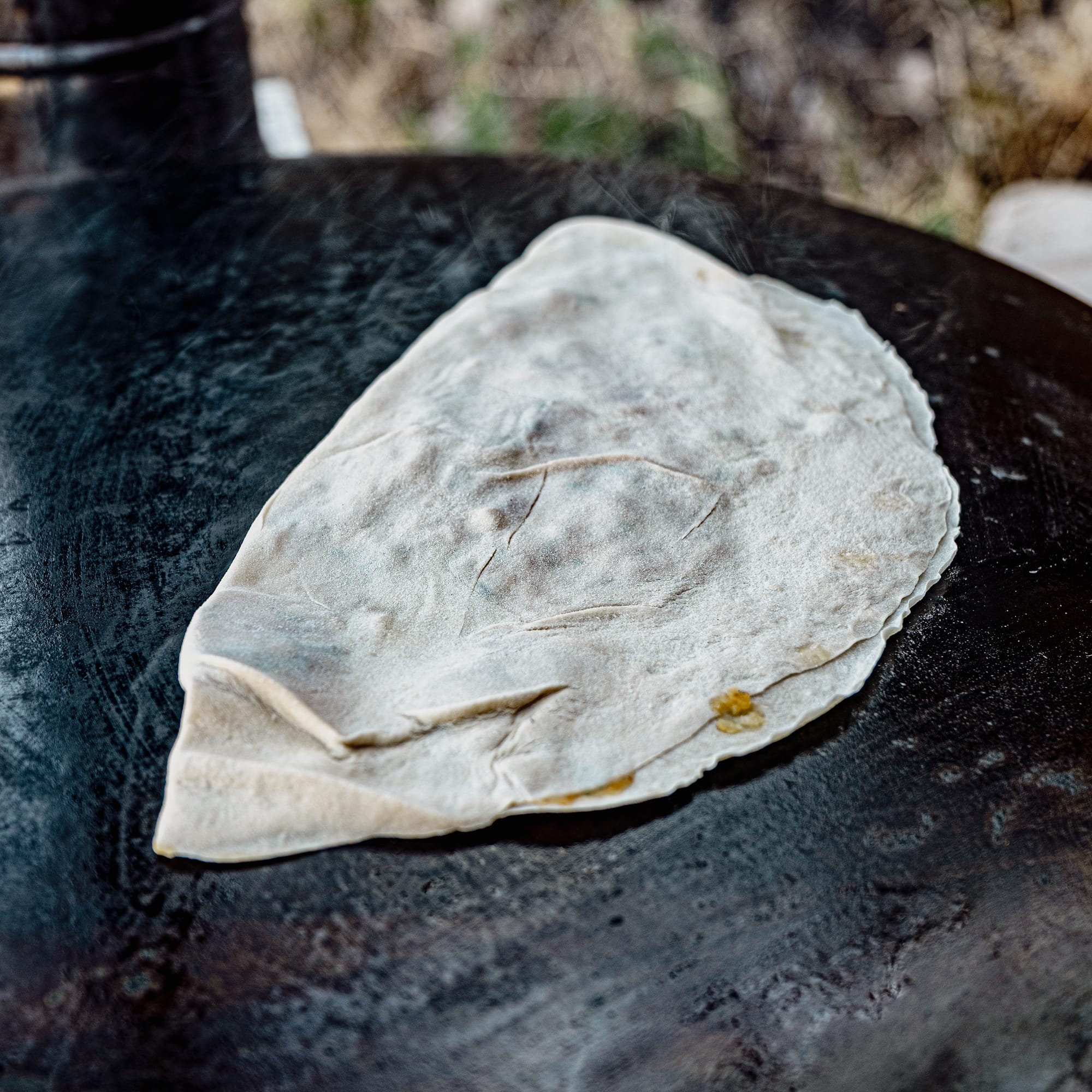
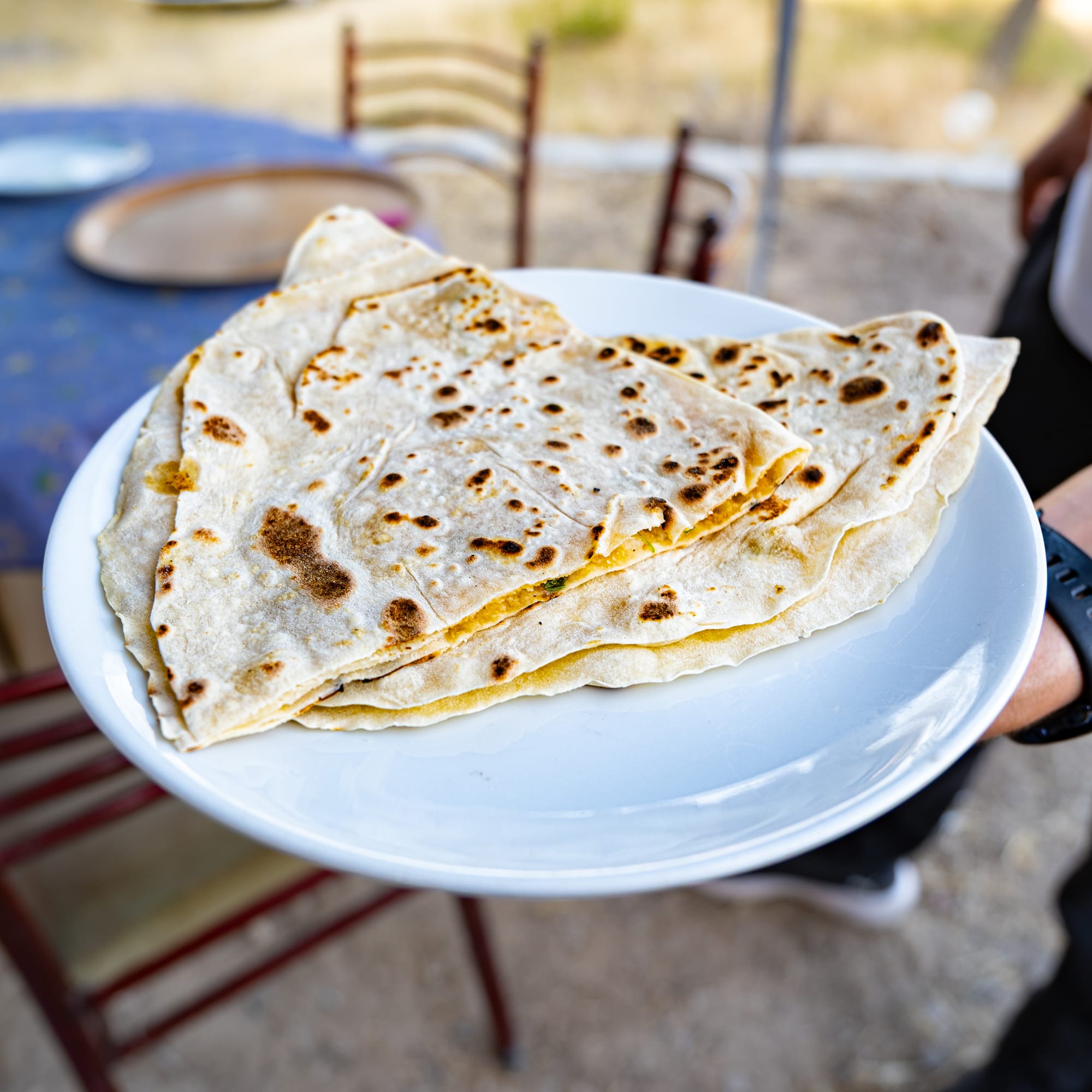
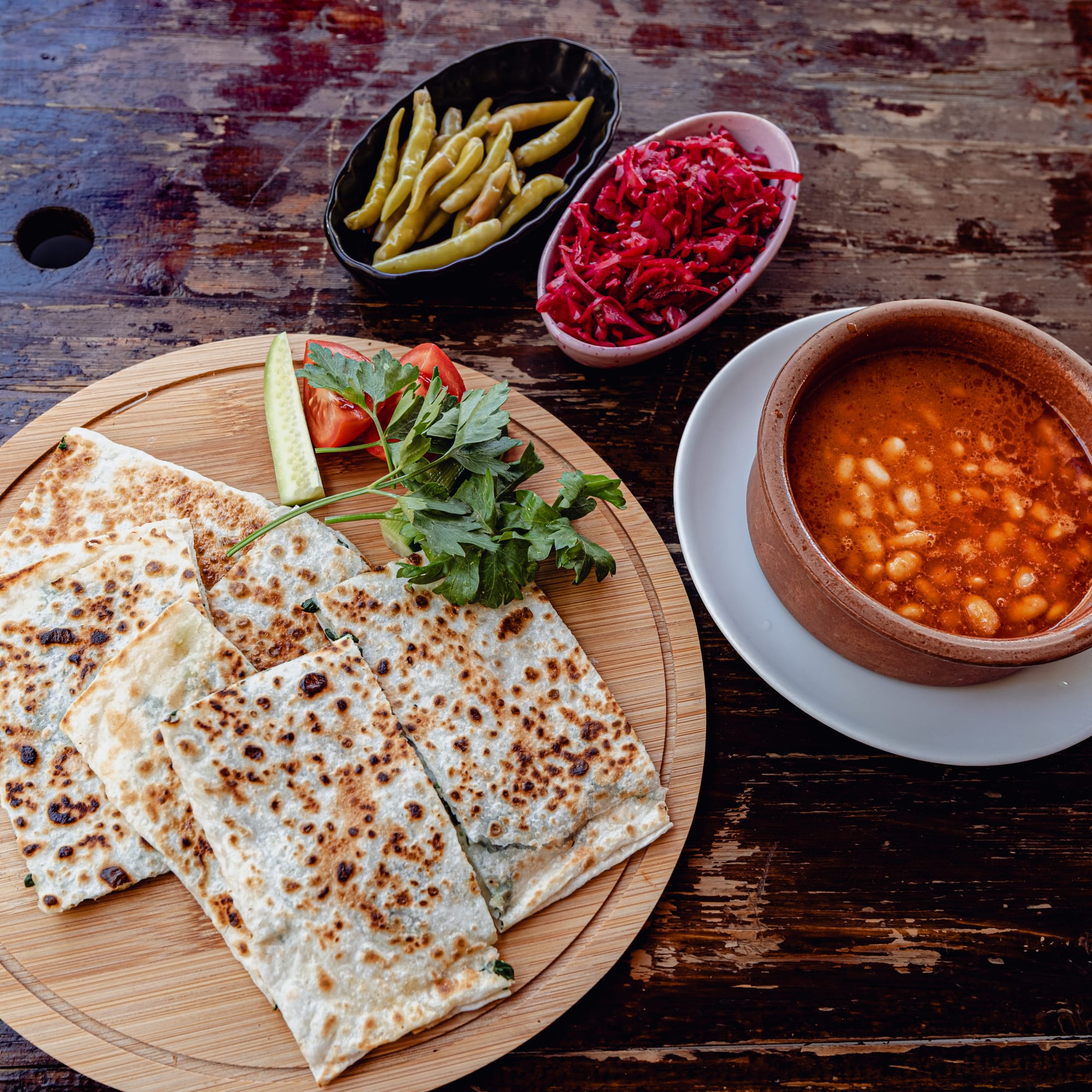
Making gözleme alongside local Turkish women, learning to roll, fill, and cook the traditional flatbread by hand.
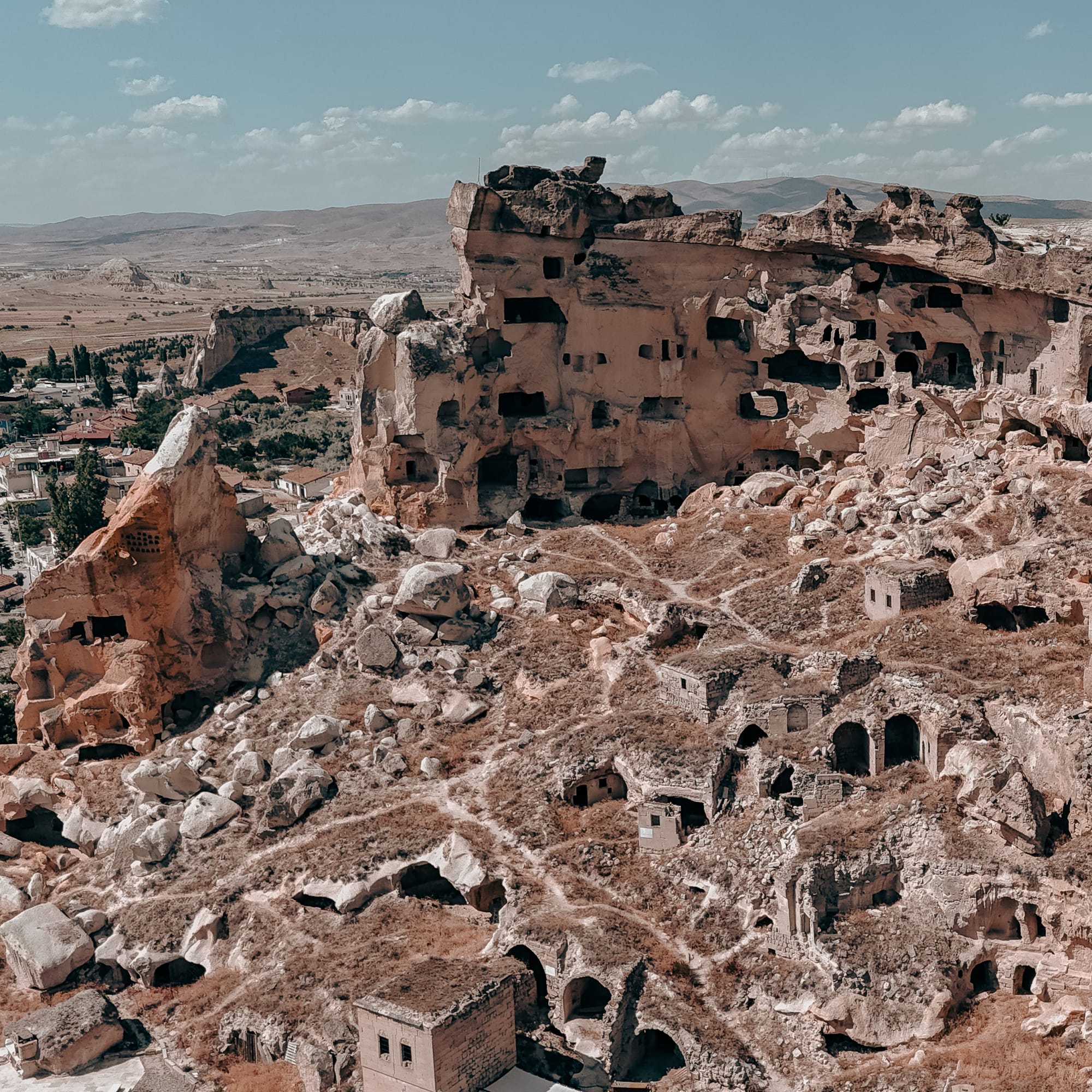
Joining Cappadocia’s Red and Green Tours, which link together many of the region’s most remarkable valleys, viewpoints, underground cities, and rock-cut sites.
Digital nomad visa
Turkey now has an official digital nomad visa route, although the process begins with a Digital Nomad Identification Certificate rather than the visa itself. Remote workers first apply through the GoTürkiye platform, then use the certificate to apply for the Turkey Digital Nomad Visa at a Turkish visa center or consulate. To qualify, applicants generally need to be between 21 and 55, hold a university degree, work remotely for a company or client outside Türkiye, and show income of at least $3,000 USD per month or $36,000 USD per year.
For shorter stays, many nationalities, including most Western passport holders, can still enter Turkey visa-free or with an e-Visa, but tourist stays are limited by the usual 90 days within 180 days rule.
Spotlight
“If you’ve just started researching a trip to Cappadocia, you’ll quickly run into a bit of local shorthand: the Red Tour, the Green Tour, and the Blue Tour. They sound almost abstract, as if you’re choosing a paint color or a subway line, but in Cappadocia they refer to a set of well-established day trips that cover the region’s highlights.”
Read onBest time to go
The best times to visit Cappadocia are spring and autumn, when the days are mild and the valleys are comfortable to explore on foot. April to June and September to October are especially well suited to hiking, sightseeing, and spending time outdoors. July and August are hotter and busier, while winter can be very cold and snowy. For digital nomads, May, June, September, and October offer the best balance of good weather, fewer crowds, and a more comfortable pace for living in Cappadocia.
Best areas to stay
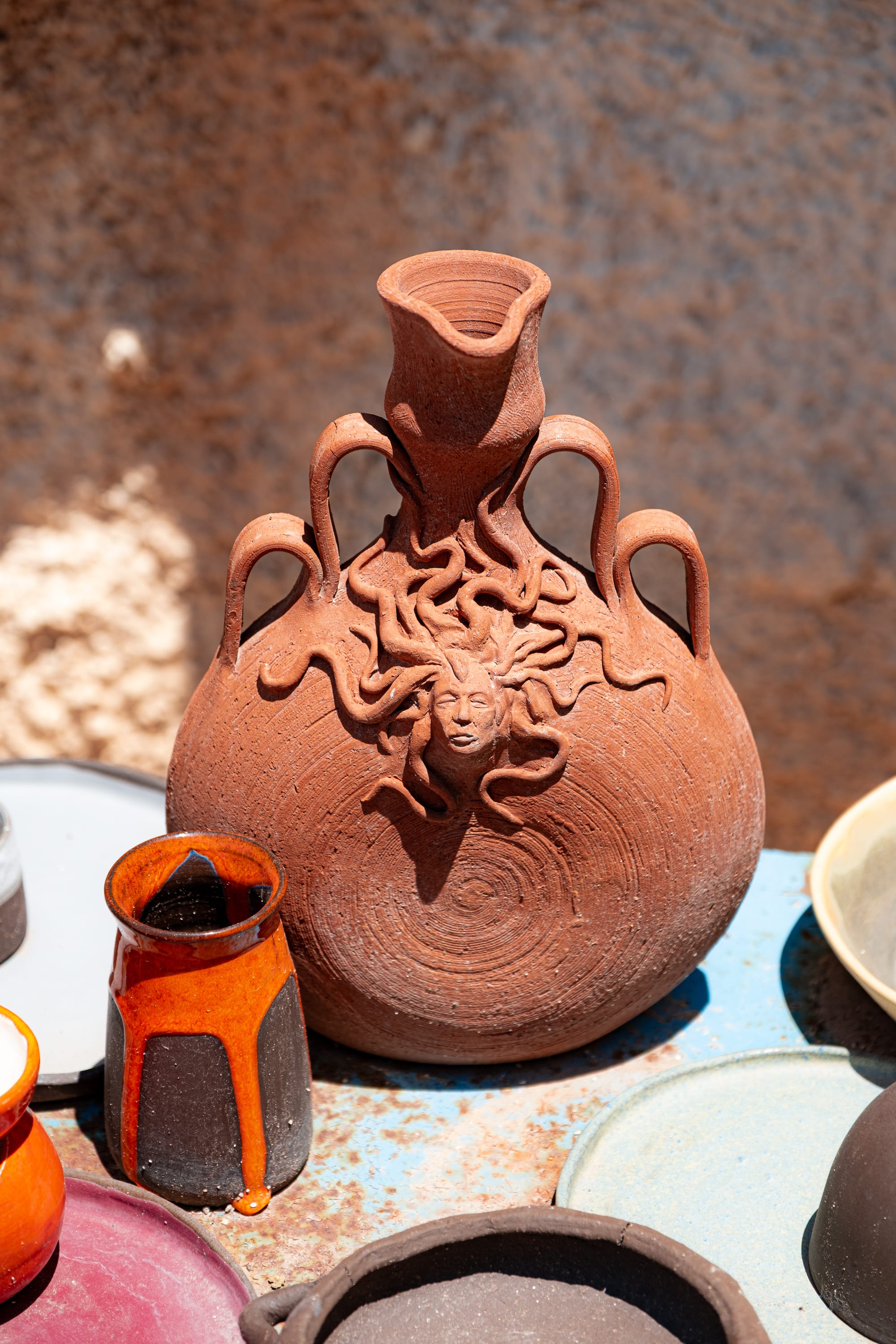
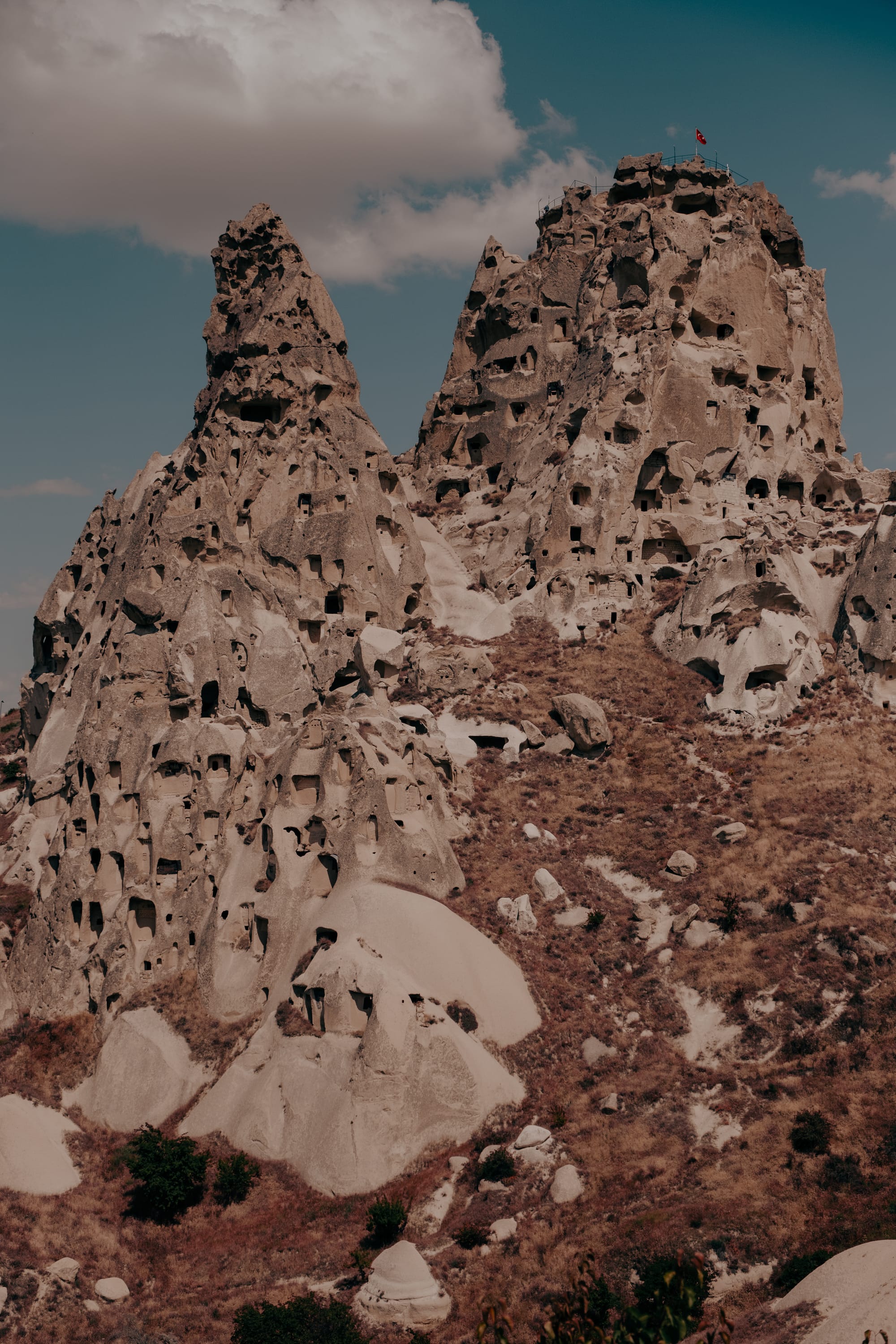
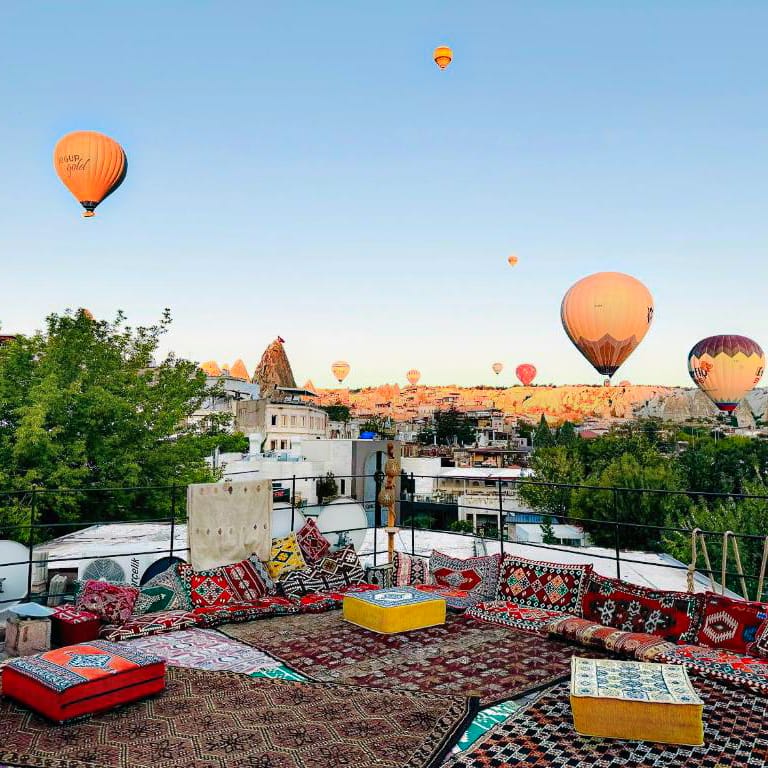
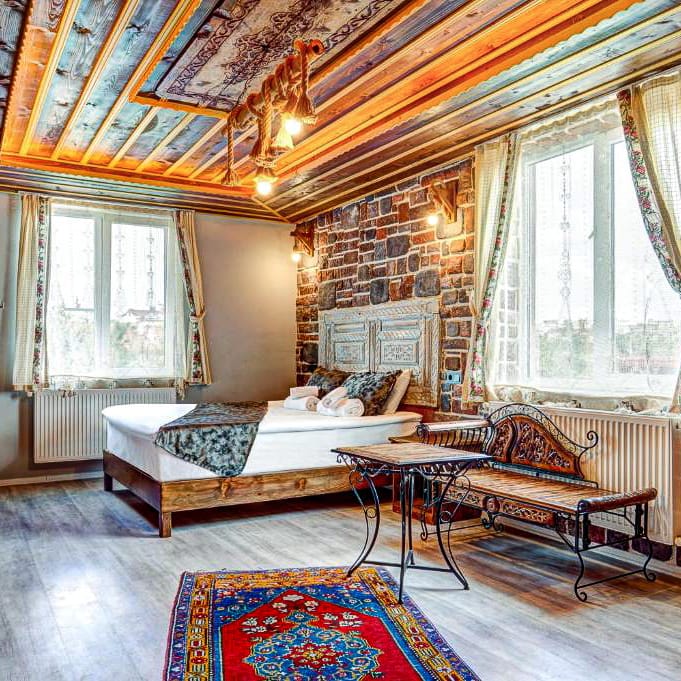
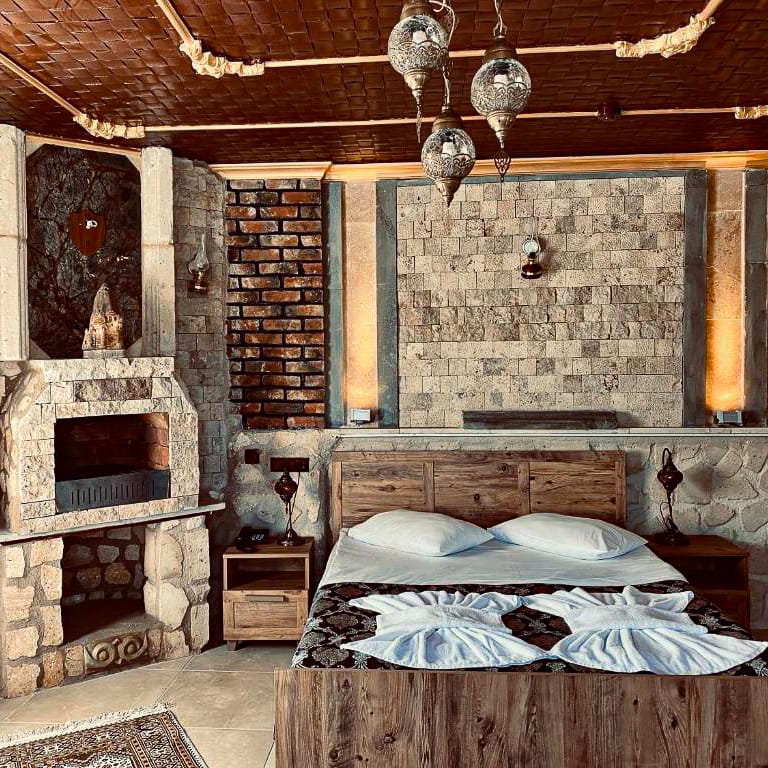
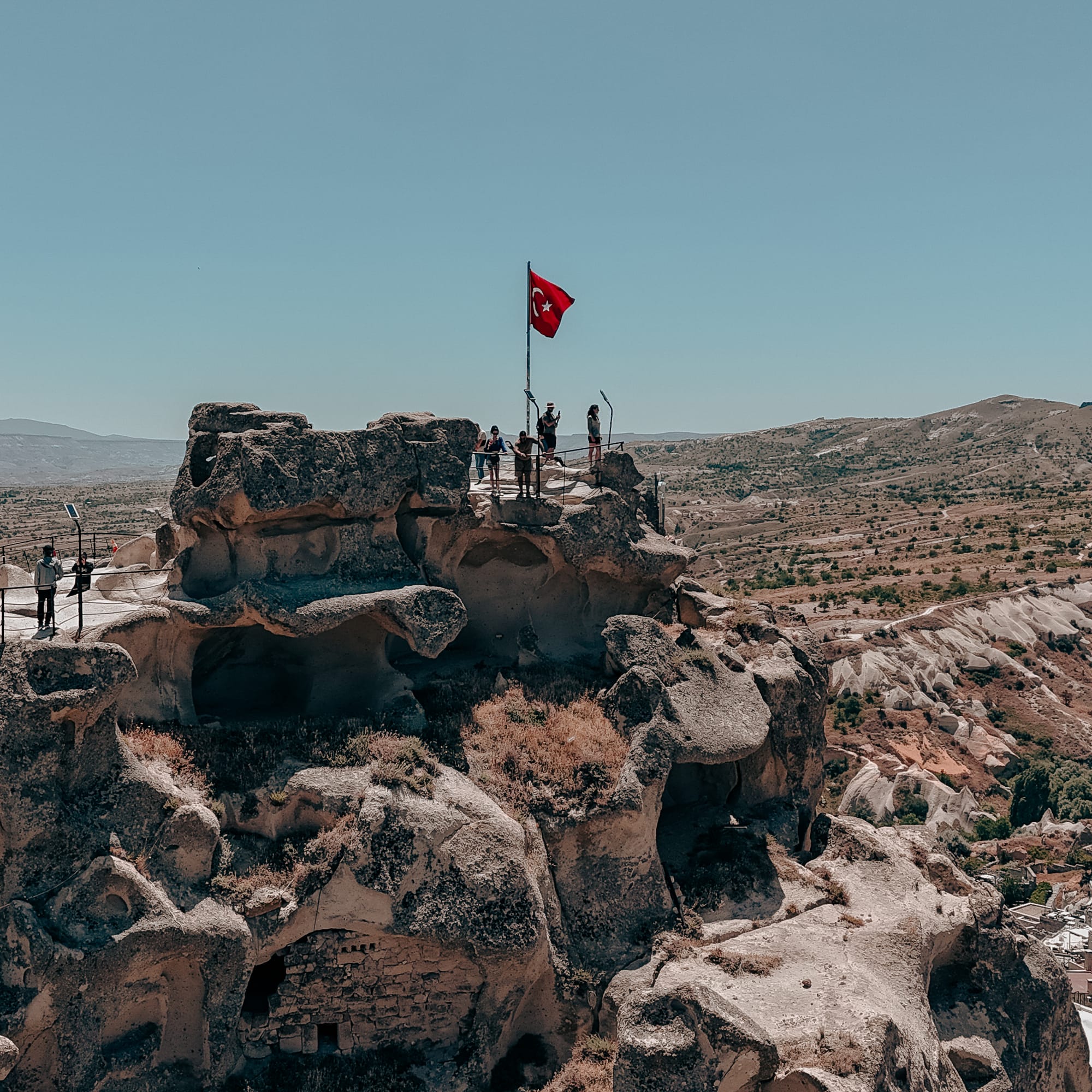
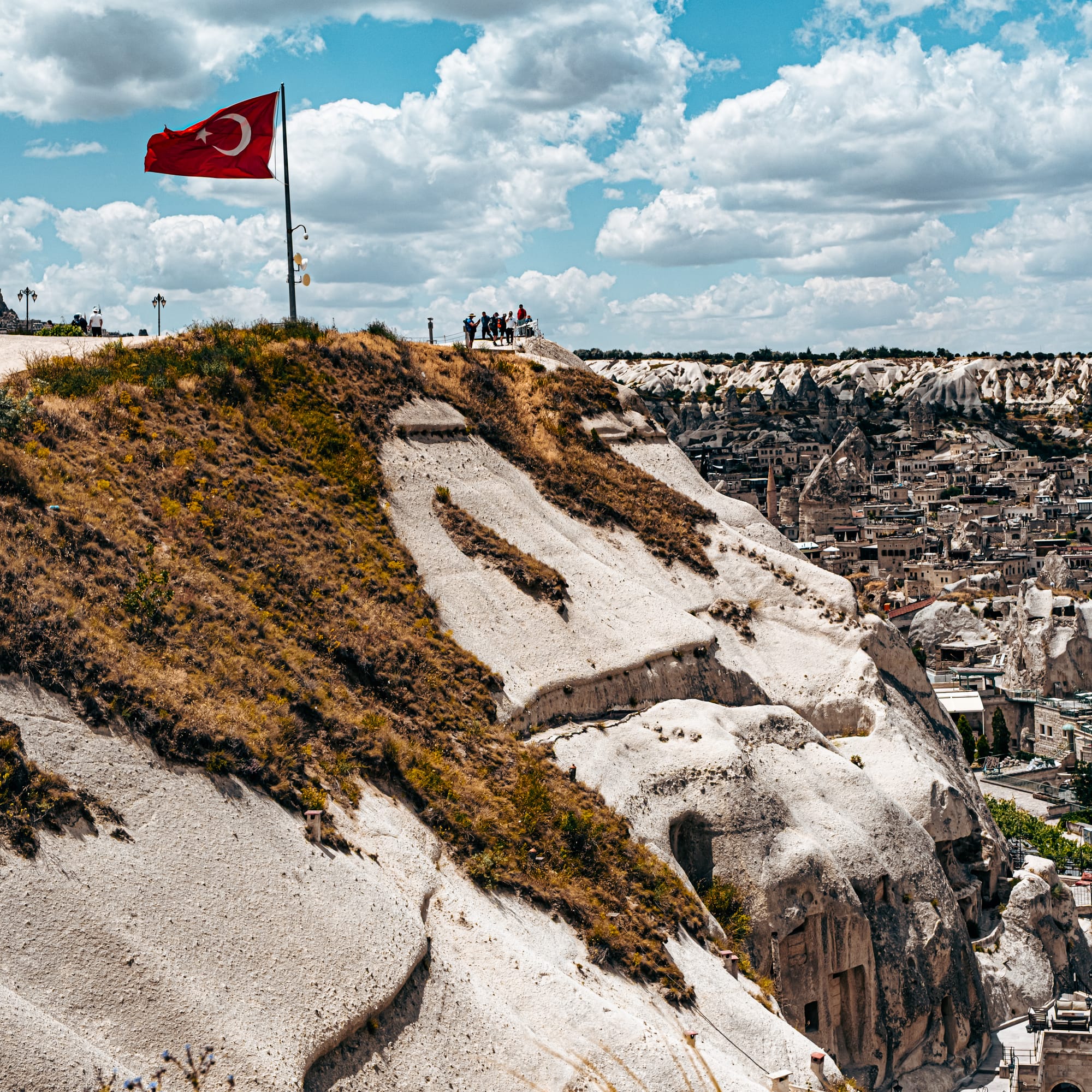
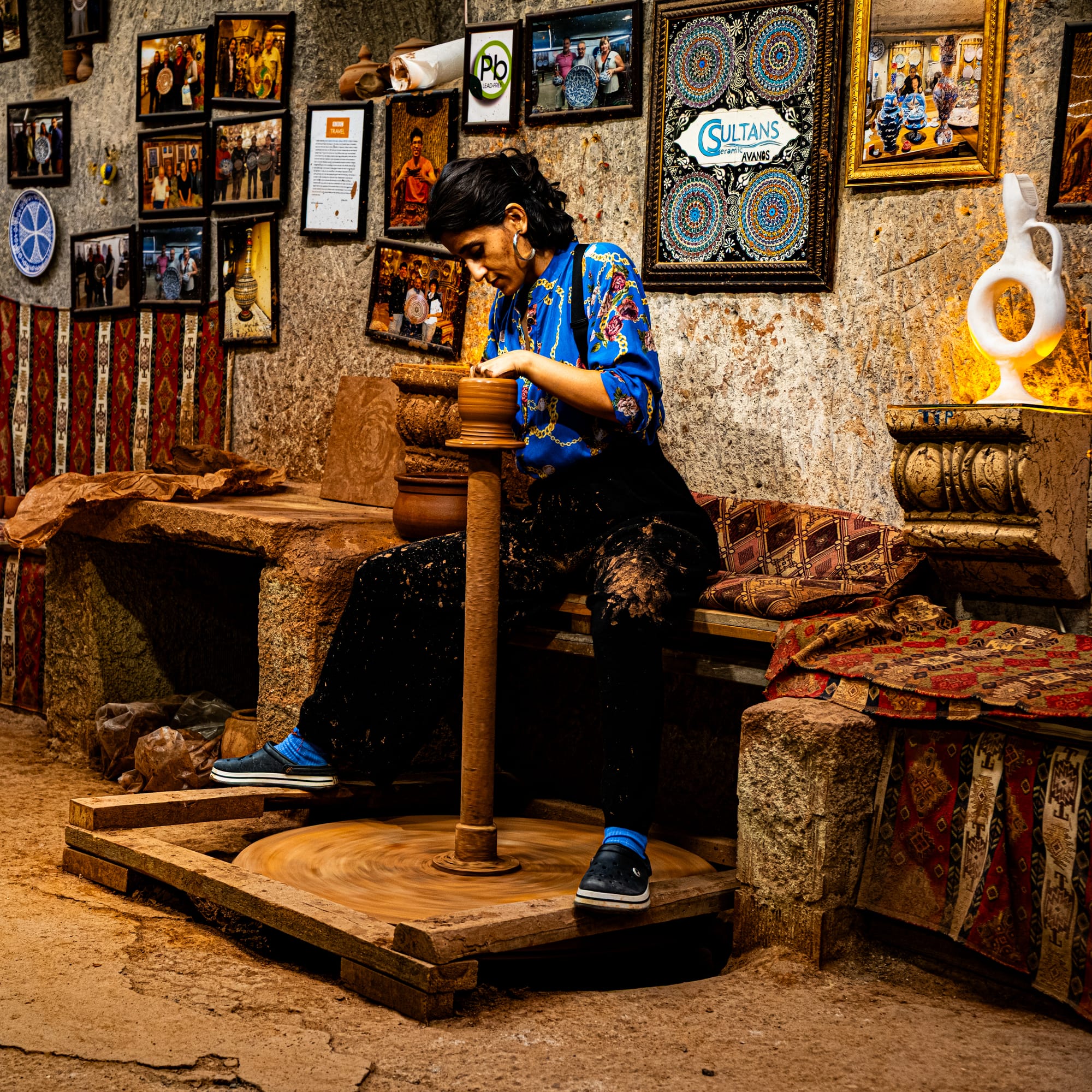
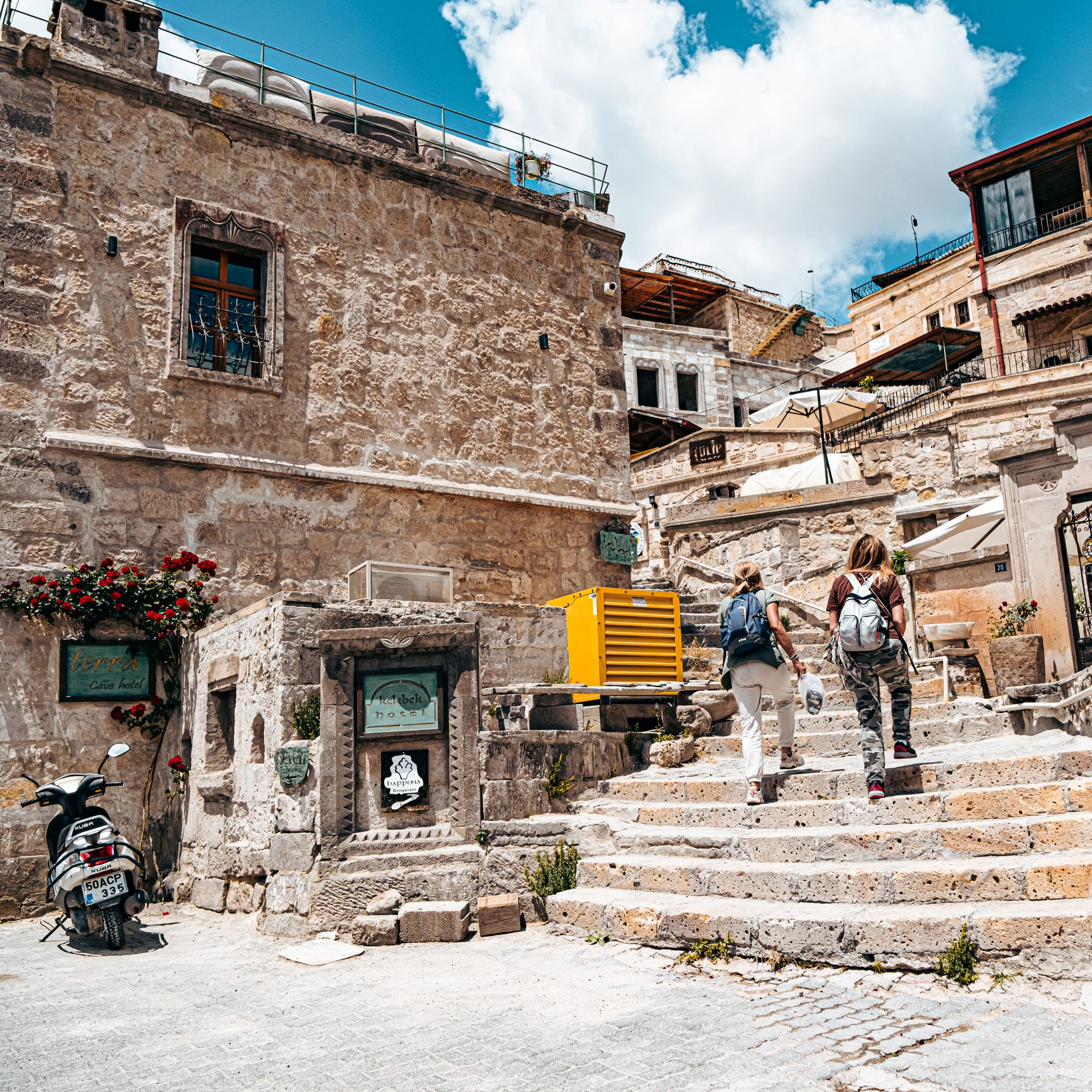
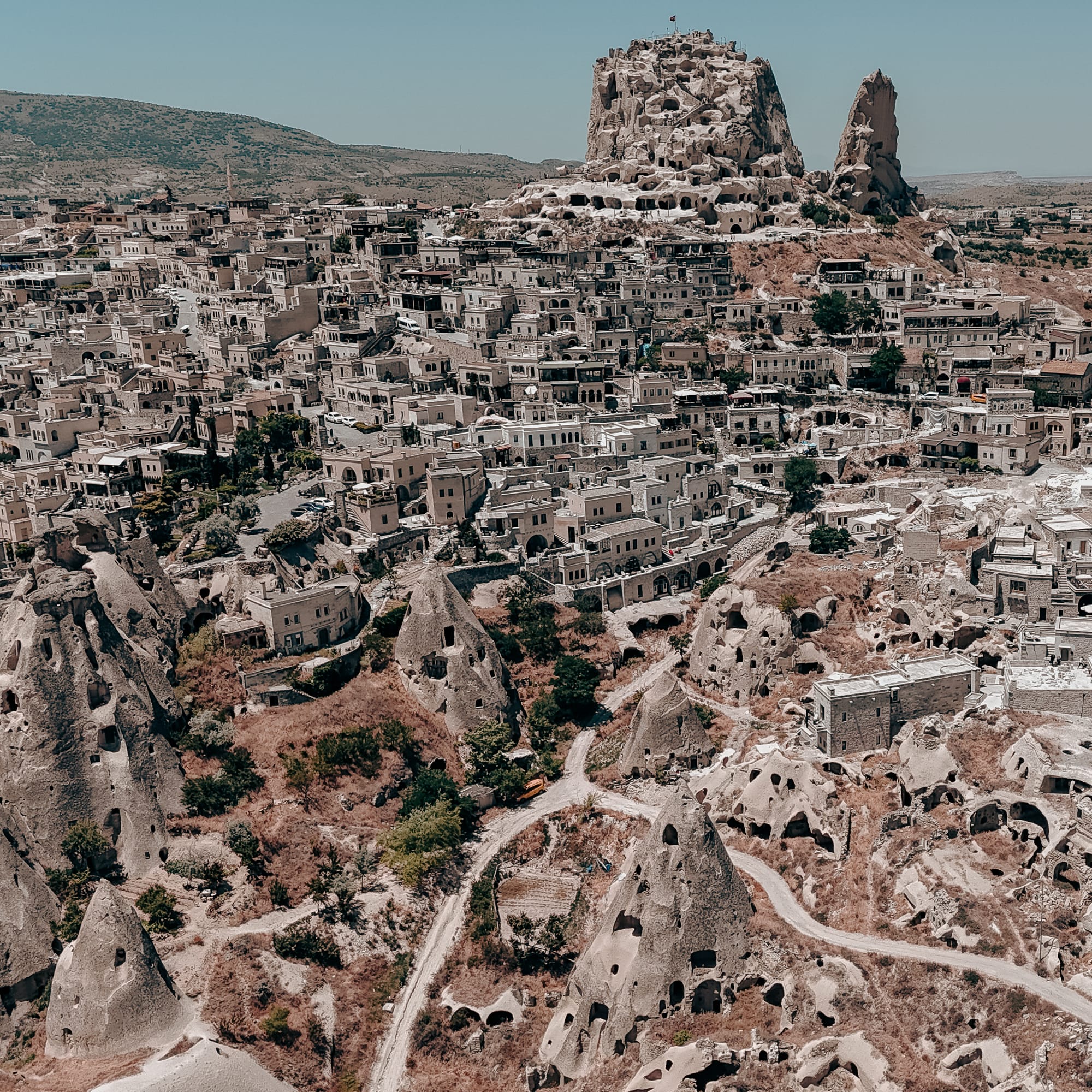
For most digital nomads deciding where to stay in Cappadocia, Göreme is the most obvious choice, with the widest range of cafés, restaurants, accommodation, and tours, but it is also the busiest and most touristy. We spent a night at Nomads Cave Hotel & Rooftop, and had an amazing sunrise view of the balloons rising directly over the hotel. We mostly stayed in Uçhisar and found it better value, quieter, and still well connected to the rest of the region. One of the best parts was walking up to Uçhisar Castle in the early morning to watch the balloons rise, which we ended up doing many times. Avanos is another good option, especially if you want somewhere calmer and more local-feeling. It sits a little farther from the main sights, but its pottery workshops and riverside setting give it a character of its own.
Cost of living
The cost of living in Cappadocia is often assumed to be high because of how touristy the region is, but we found that this can be misleading. If you visit outside the busiest seasons and stay somewhere other than Göreme, it is possible to live here quite cheaply. Accommodation in places like Uçhisar or Avanos can be much better value, while groceries and local meals remain relatively affordable.
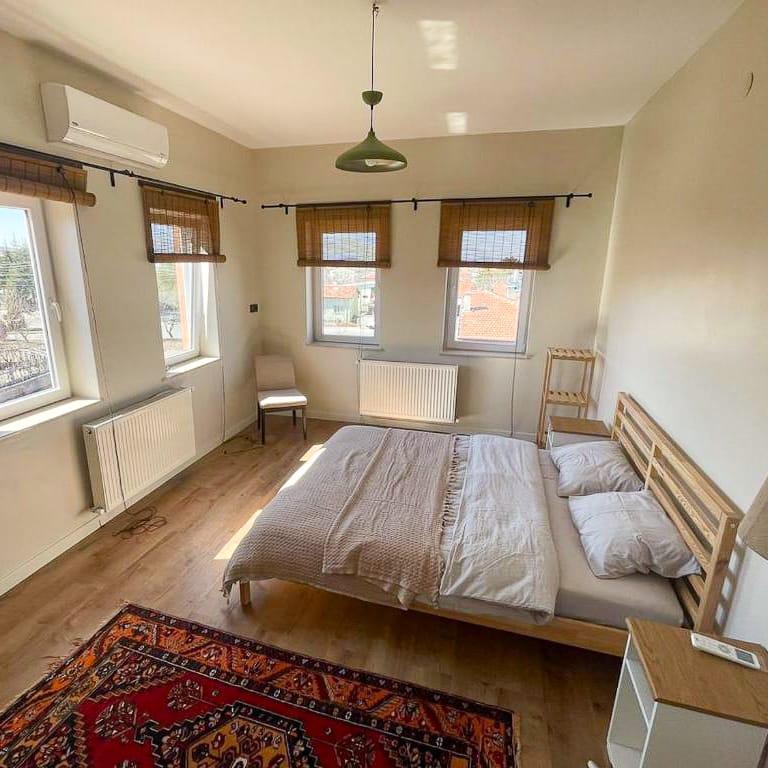
For digital nomads, Cappadocia can be surprisingly budget-friendly over a longer stay. Personally, we found it cheaper than Antalya. Costs rise quickly if you stay in central Göreme or book short-term tourist accommodation, but with a monthly rental and a quieter base, the region can be one of the more affordable places to spend time in Turkey.
Getting around
Getting around Cappadocia is a little less straightforward than in larger Turkish cities. If you plan to visit the major sights independently, we recommend renting a car, as many valleys, viewpoints, and underground cities are spread across the region. There are taxis and some local buses, but we found them less convenient in practice. Taxis are often stationed in particular areas rather than regularly passing by, and public transport can take more planning.
If you would rather not drive, the Red and Green Tours are an easy alternative. Both can be booked through GetYourGuide and cover several of Cappadocia’s major sights in a single day, with transport included. For a short stay, tours make getting around very simple. For a longer stay, having your own car gives you much more flexibility.
Best experiences
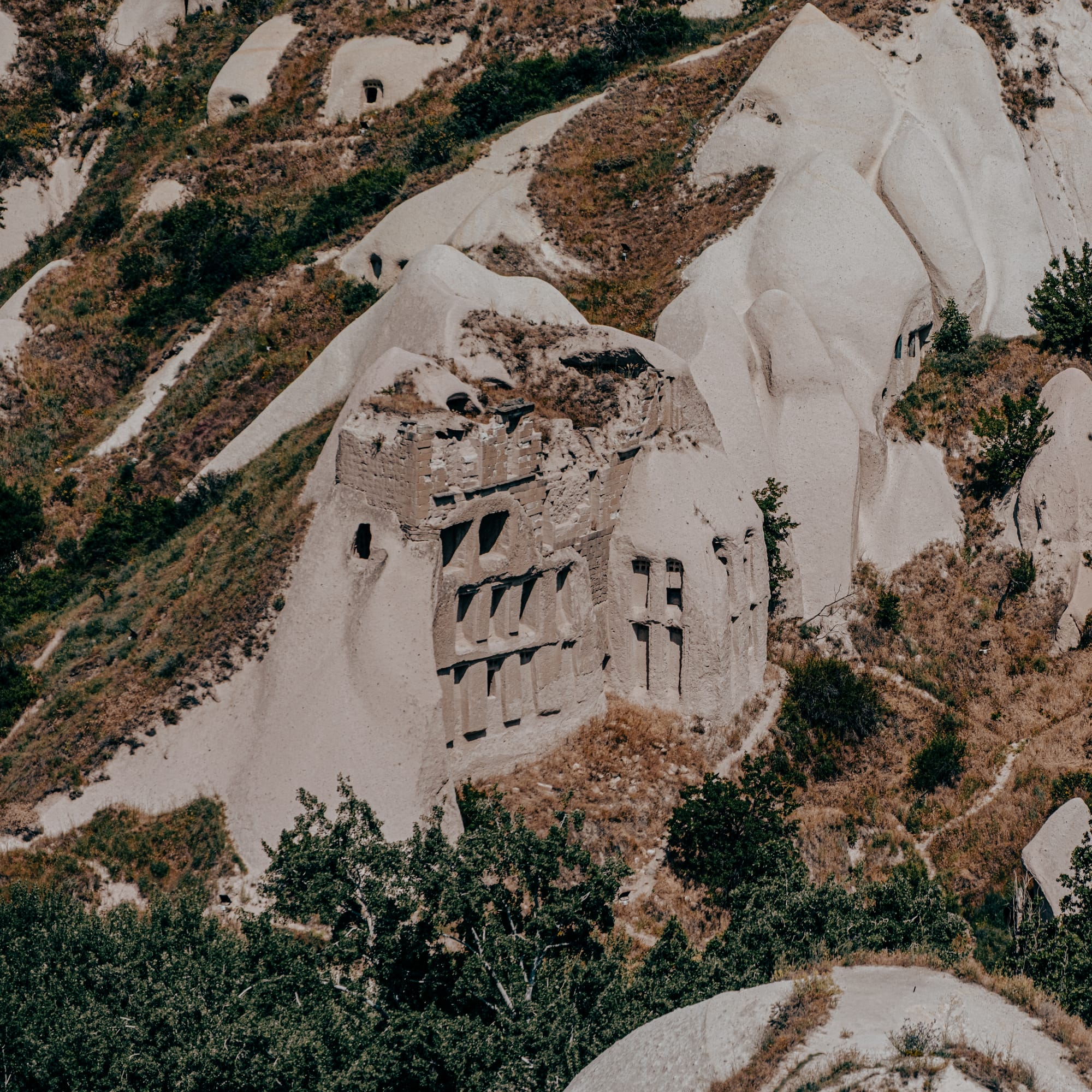
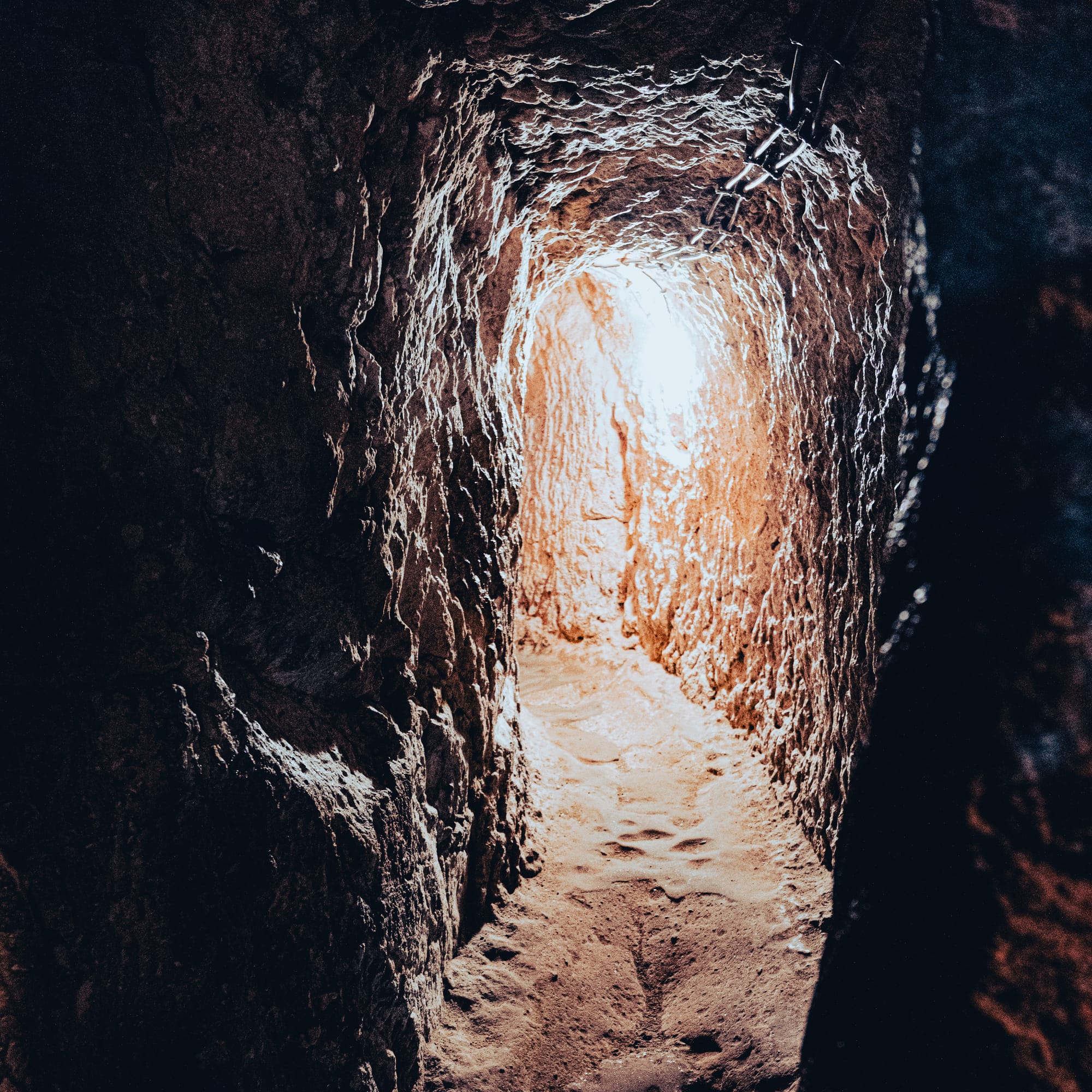
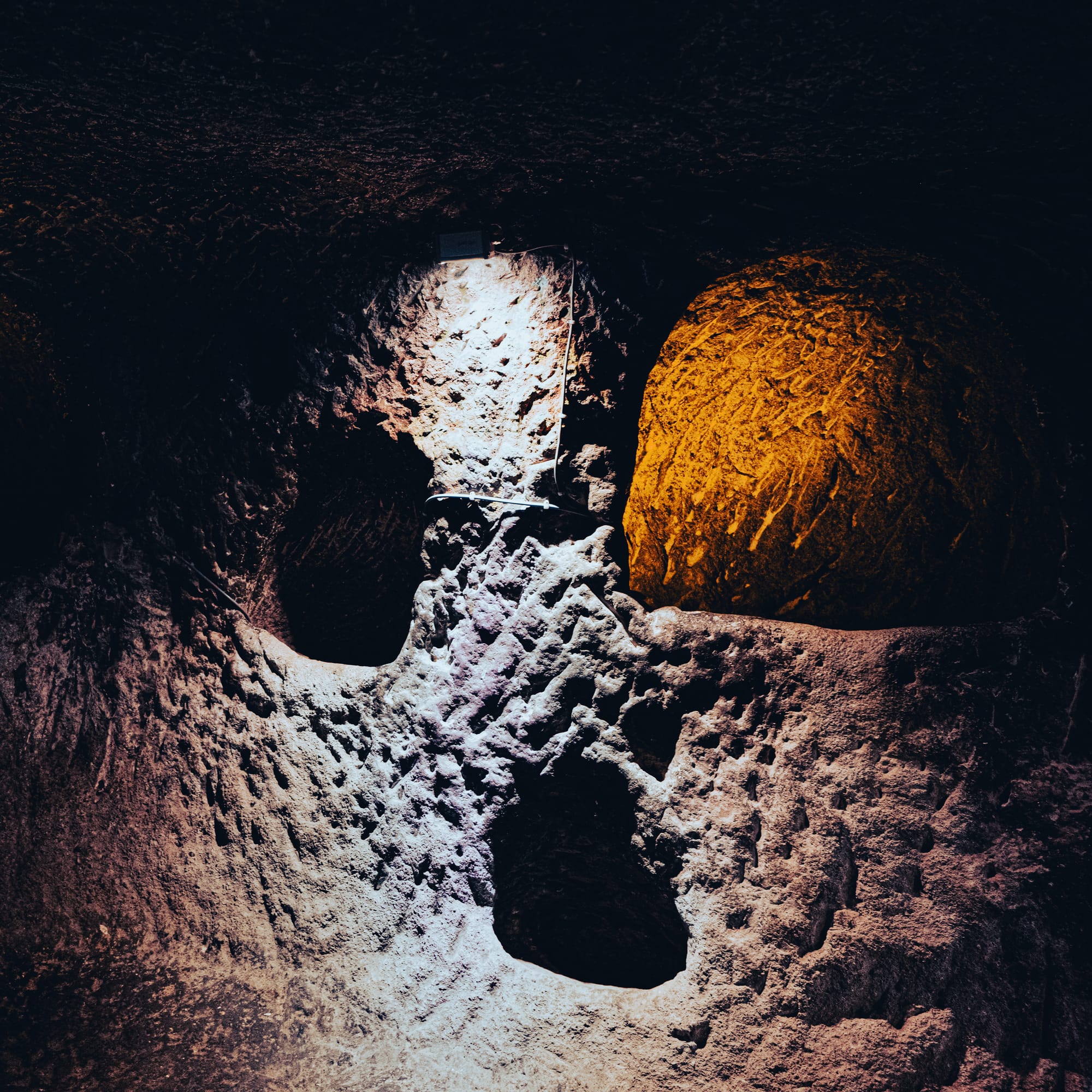
Cappadocia has enough variety to fill far more than a short stay. Derinkuyu and Özkonak offer a glimpse into Cappadocia’s subterranean history, while hikes through Pigeon, Honey, White, and Love Valleys, as well as Red and Rose Valleys bring you much closer to the landscape itself. A gözleme-making class with local women is also one of the more memorable ways to spend a few hours.
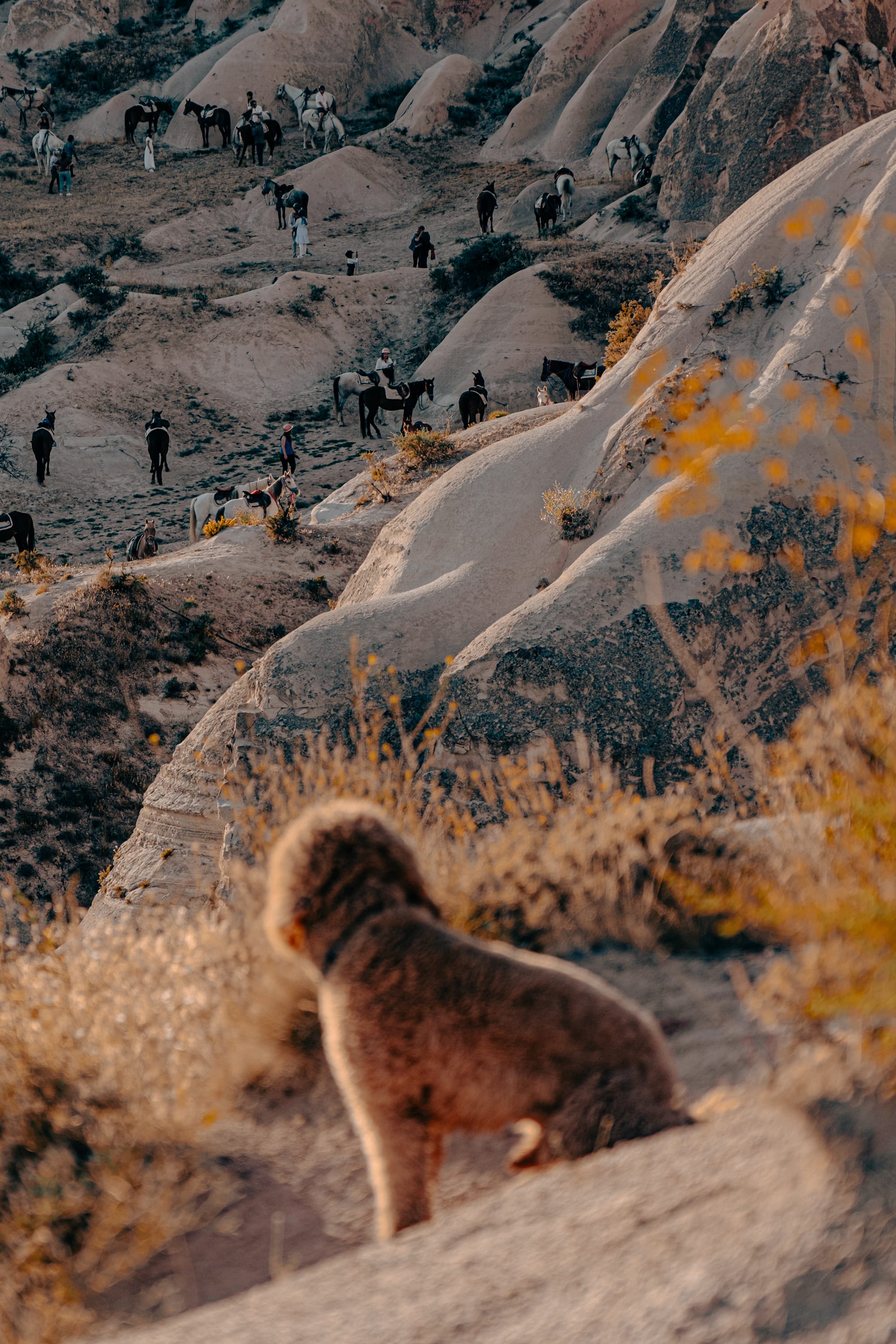
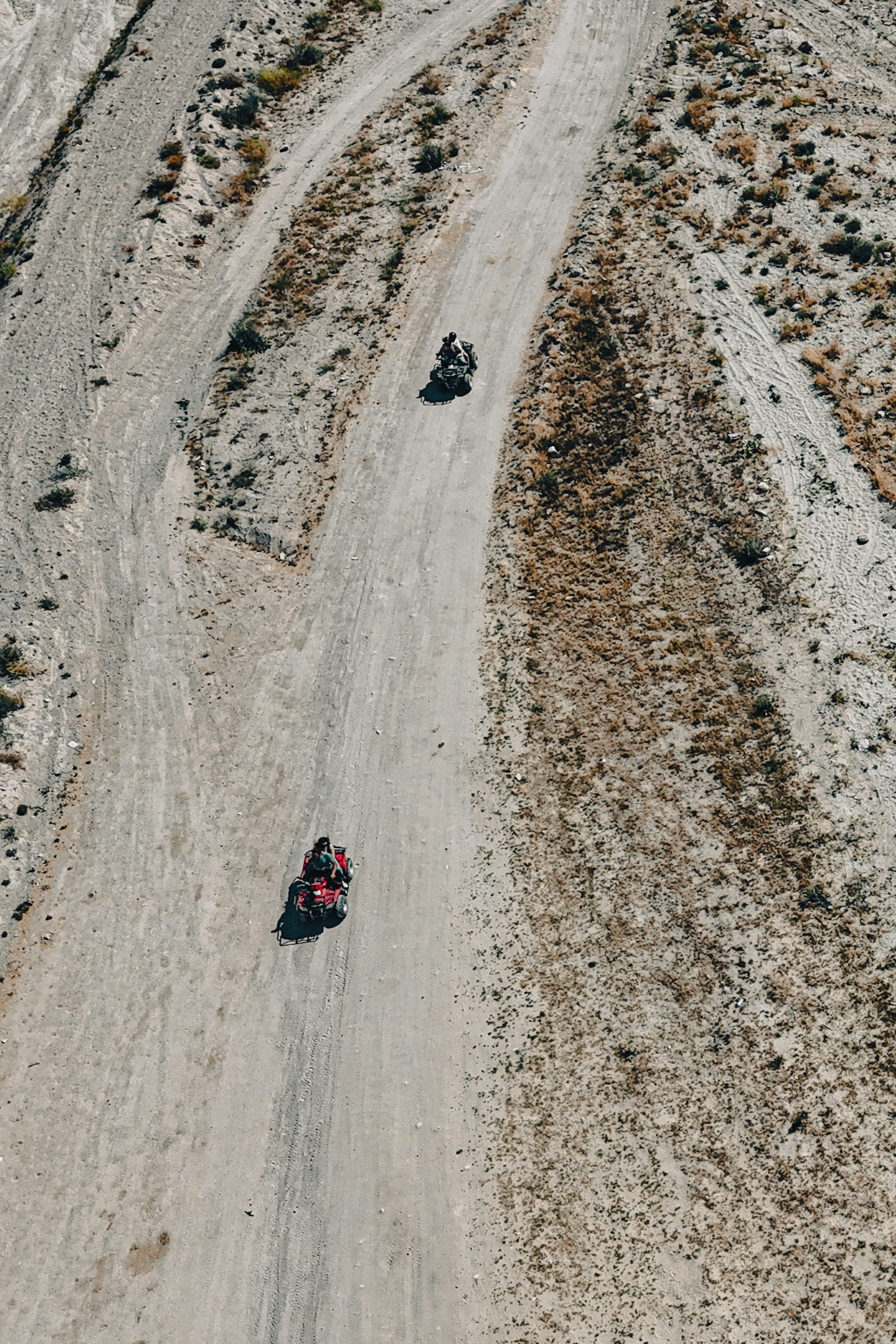
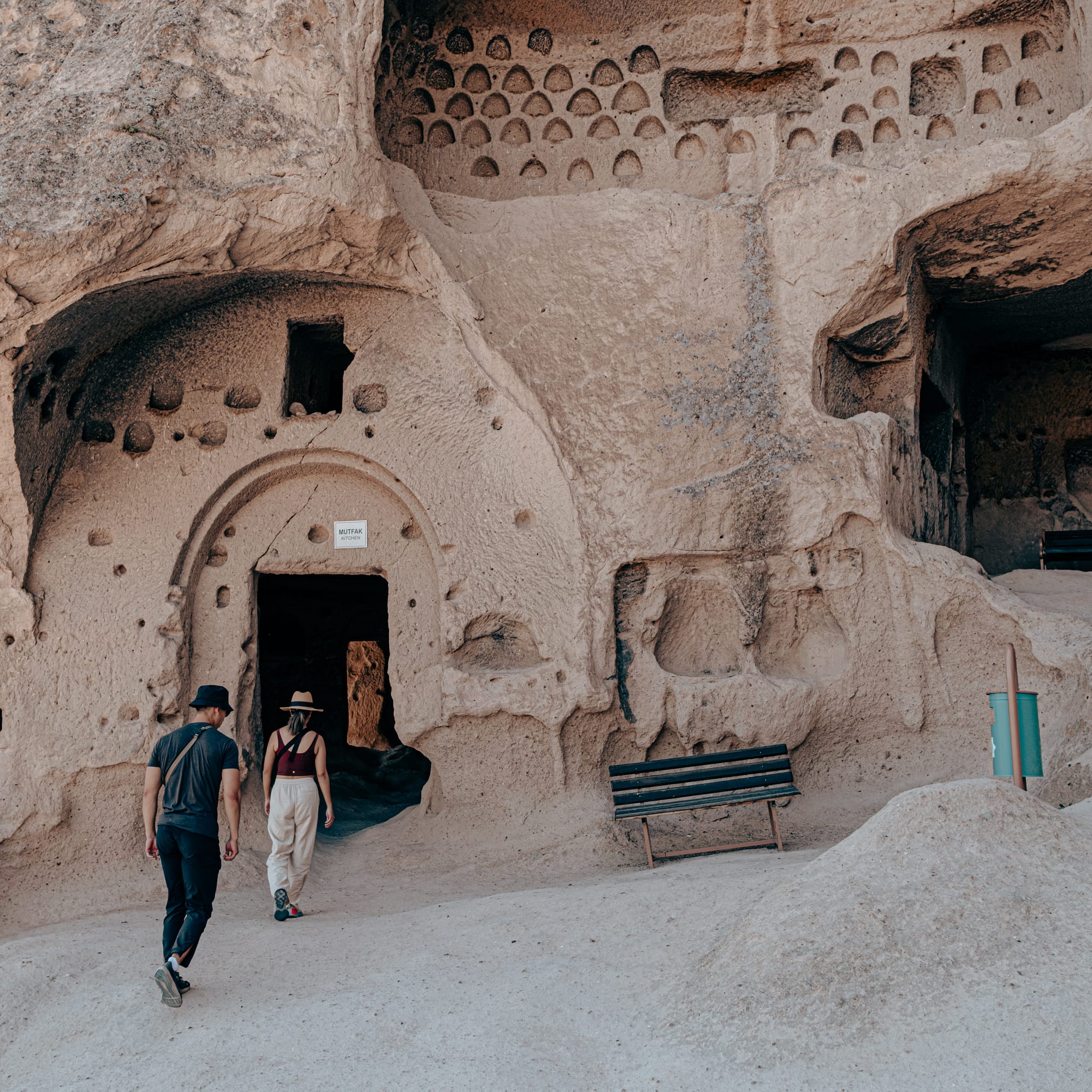
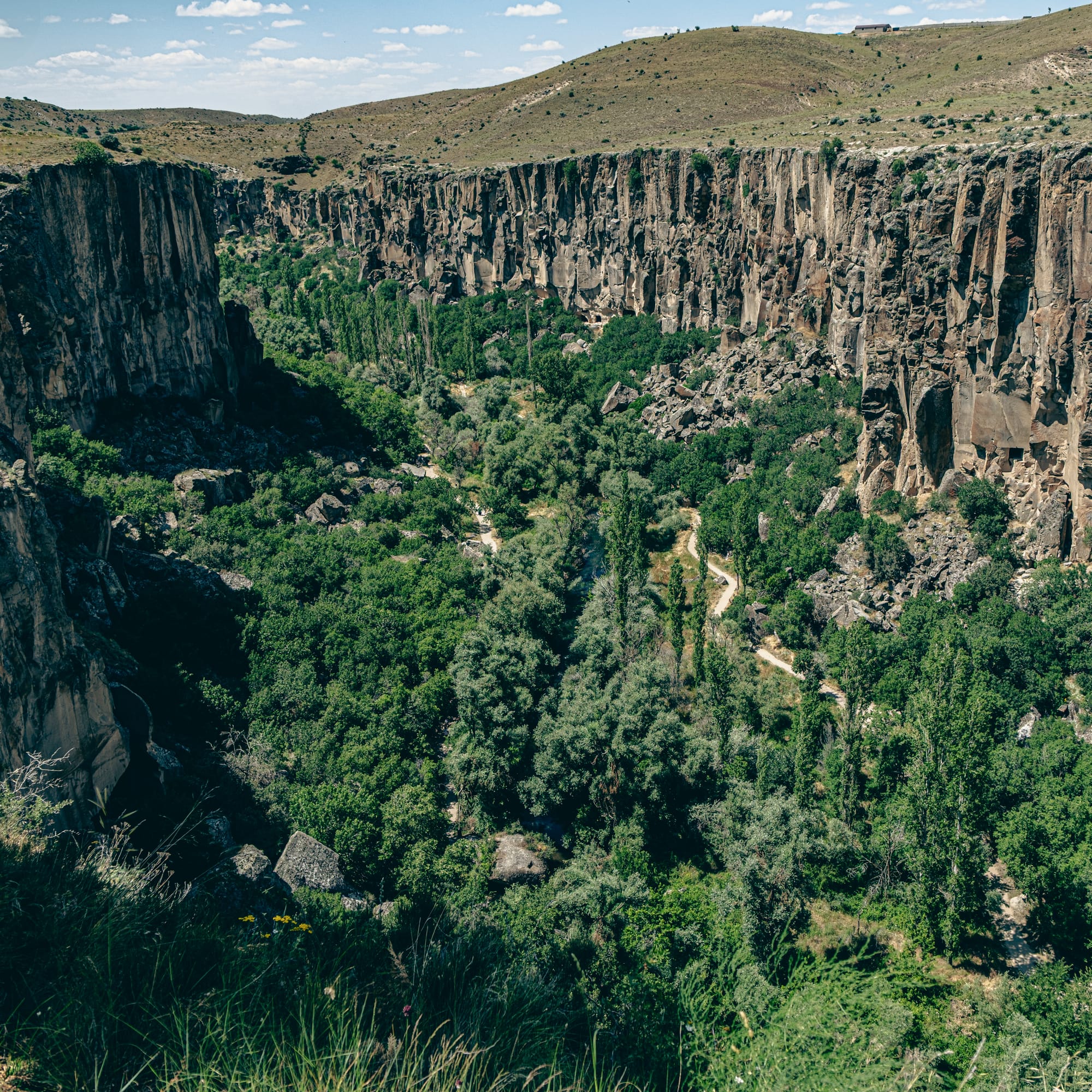
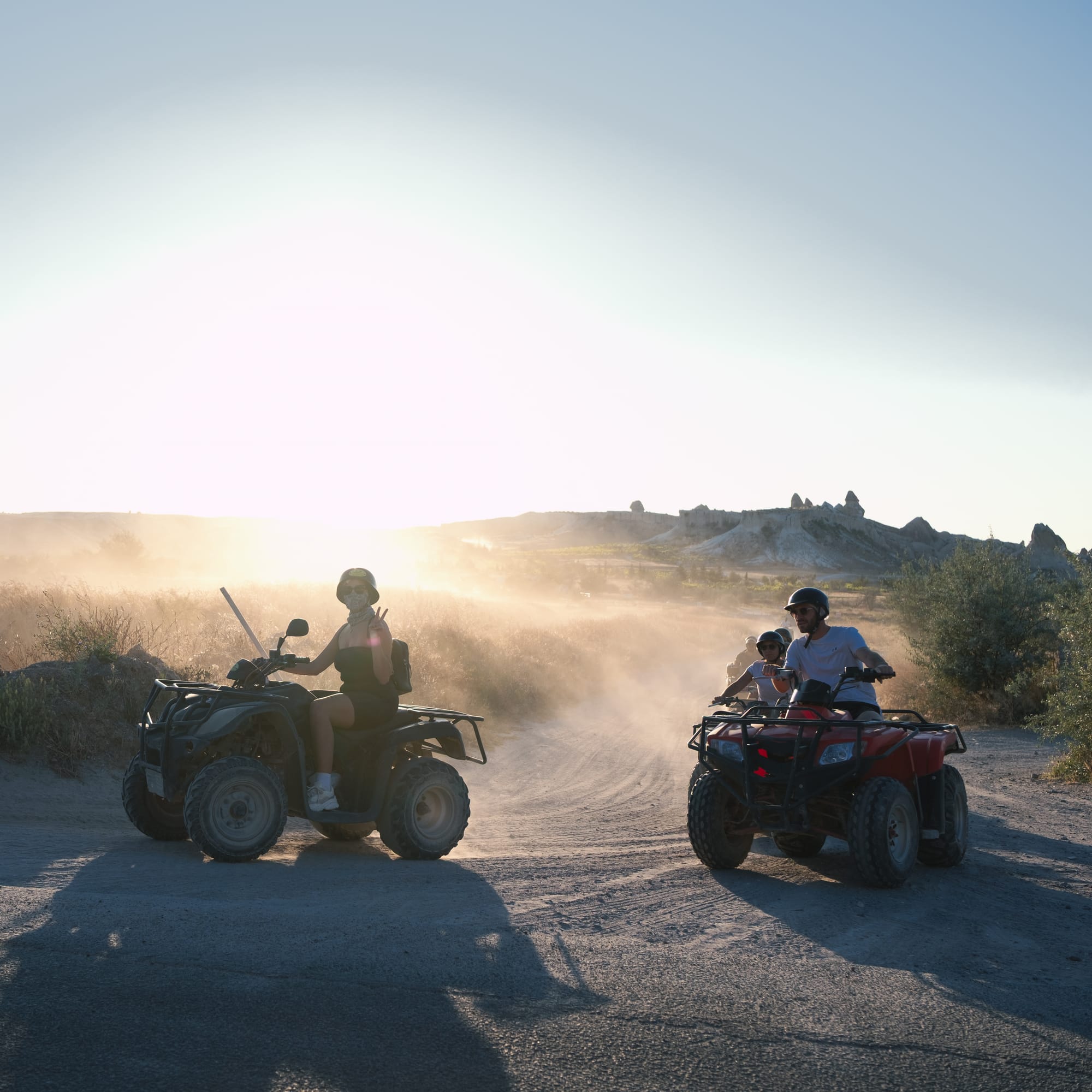
The Red and Green Tours are useful if you want to see several major sights without piecing together transport yourself. Depending on the route, they can include places like Göreme Open Air Museum, Göreme Panorama, Uçhisar Castle and its walking trails, Selime Monastery, Paşabağ, Ihlara Valley, Pigeon Valley, and Avanos, where pottery remains one of the town’s defining traditions. We also enjoyed some of the more kinetic ways of seeing the region, especially a sunset ATV ride and an early-morning jeep safari to watch the balloons rise.
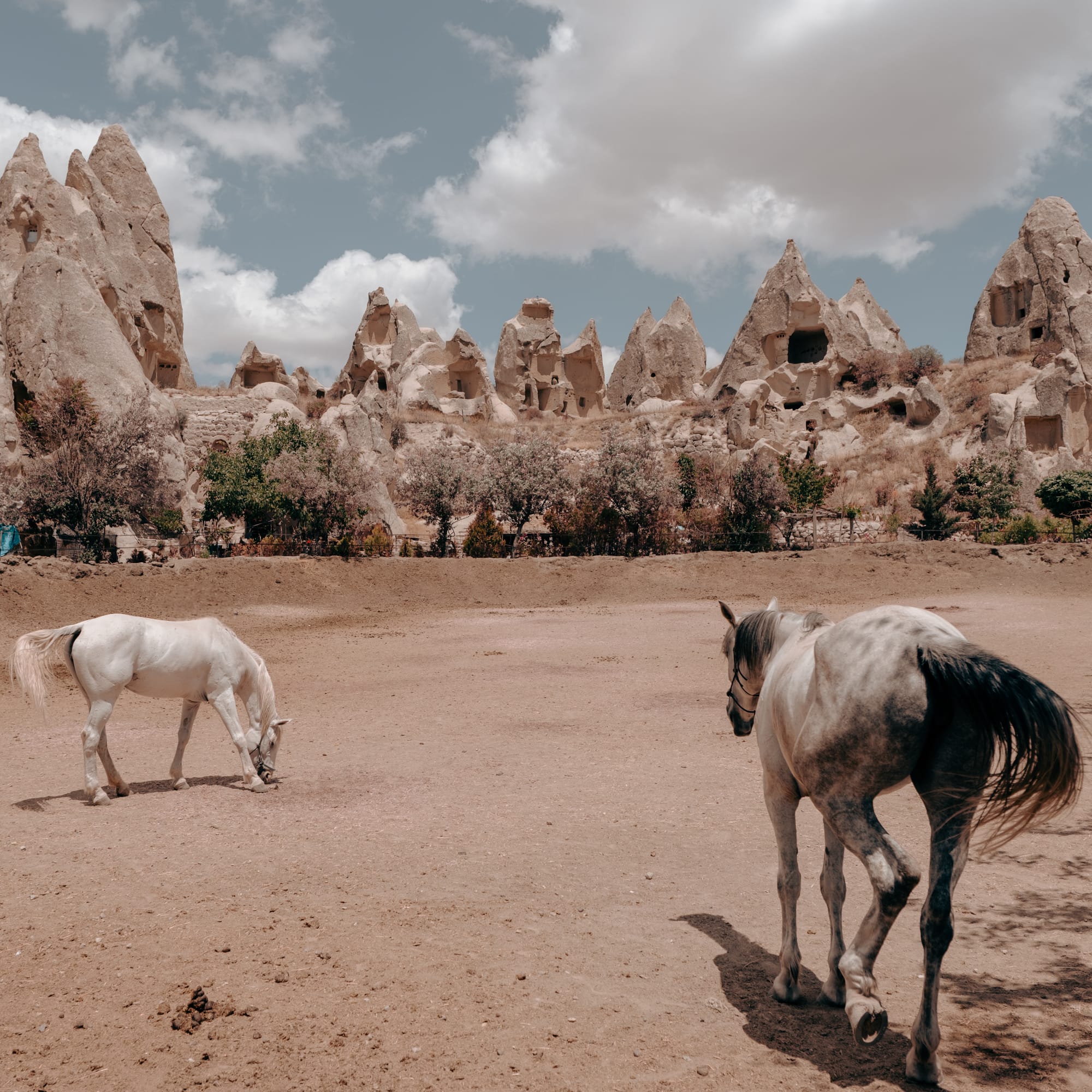
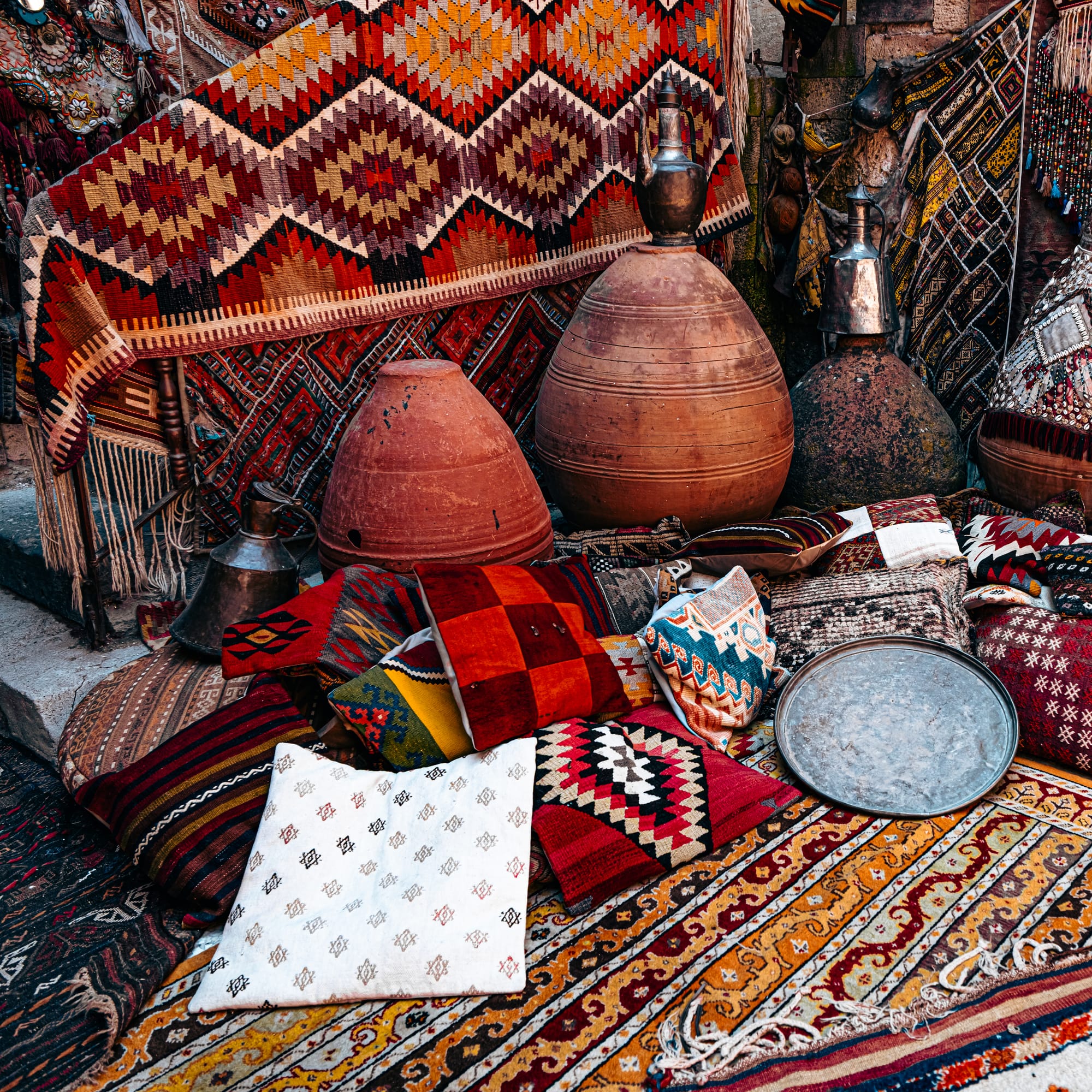
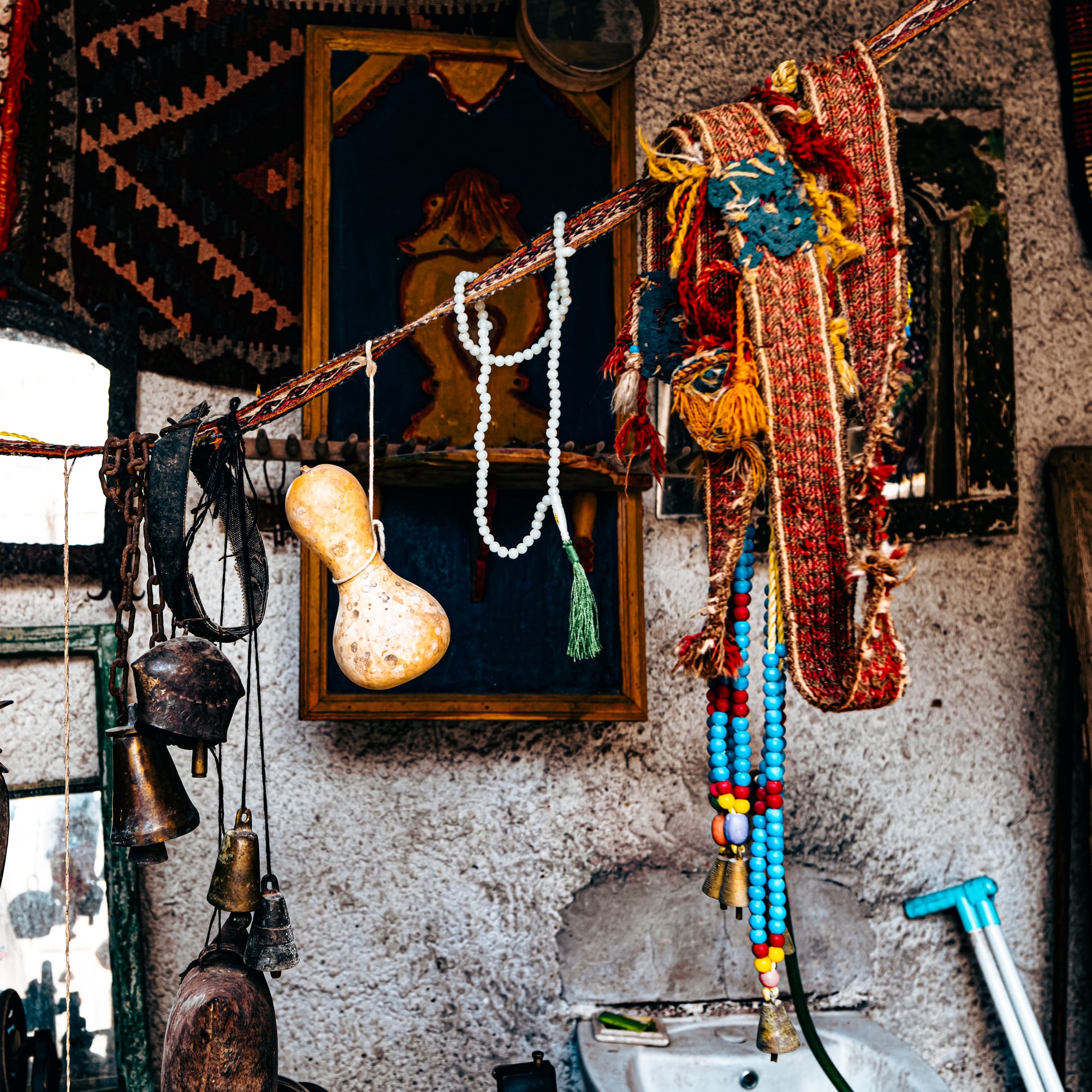
A few quieter stops are worth adding between the better-known sights: Dalton Brothers Ranch, Moonlight Ranch, Cappadocia Cultural Antique Collection, Galerie İkman in Göreme, and Tarihi Ev Historical House in Çavuşin, and Çavuşin in general.
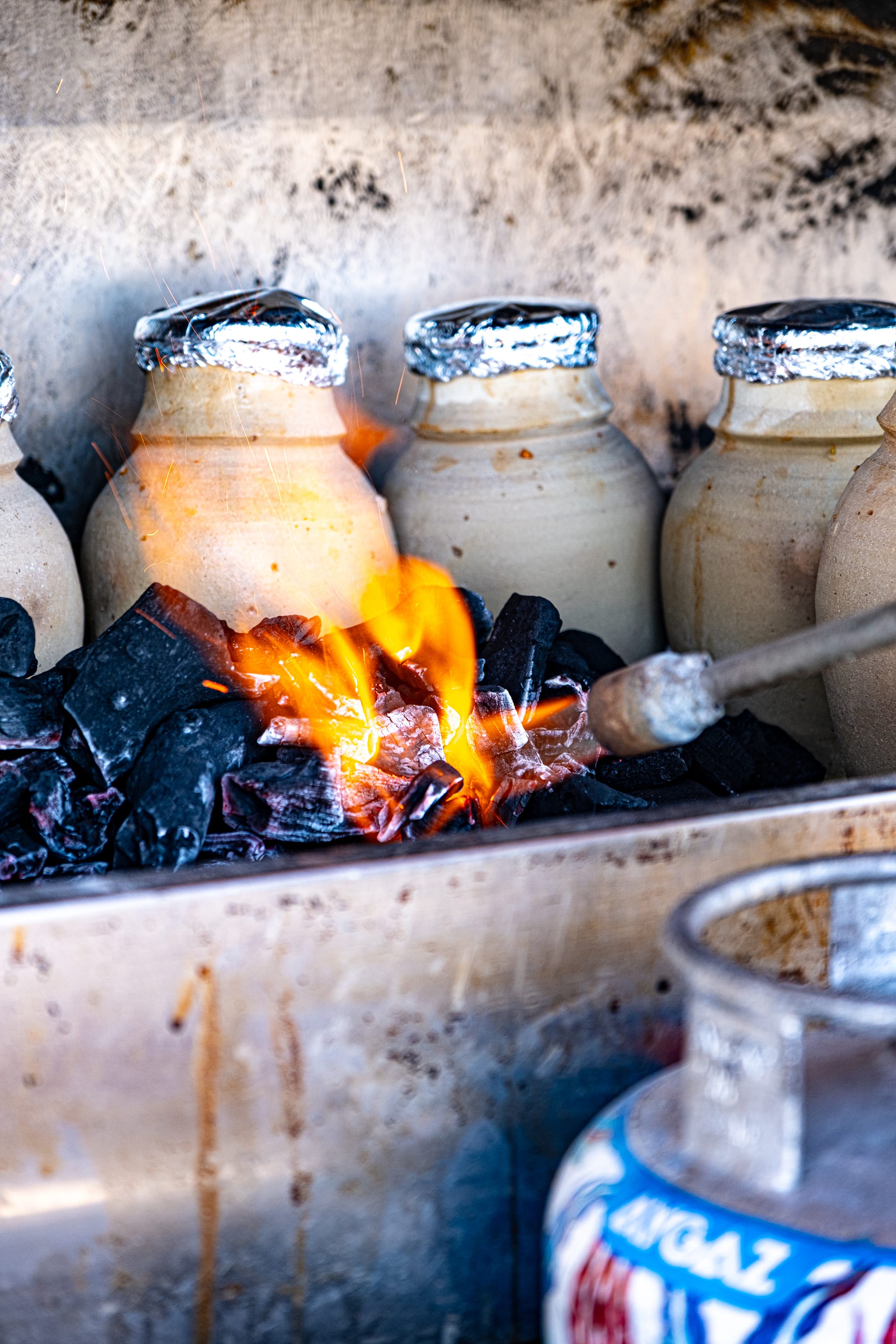
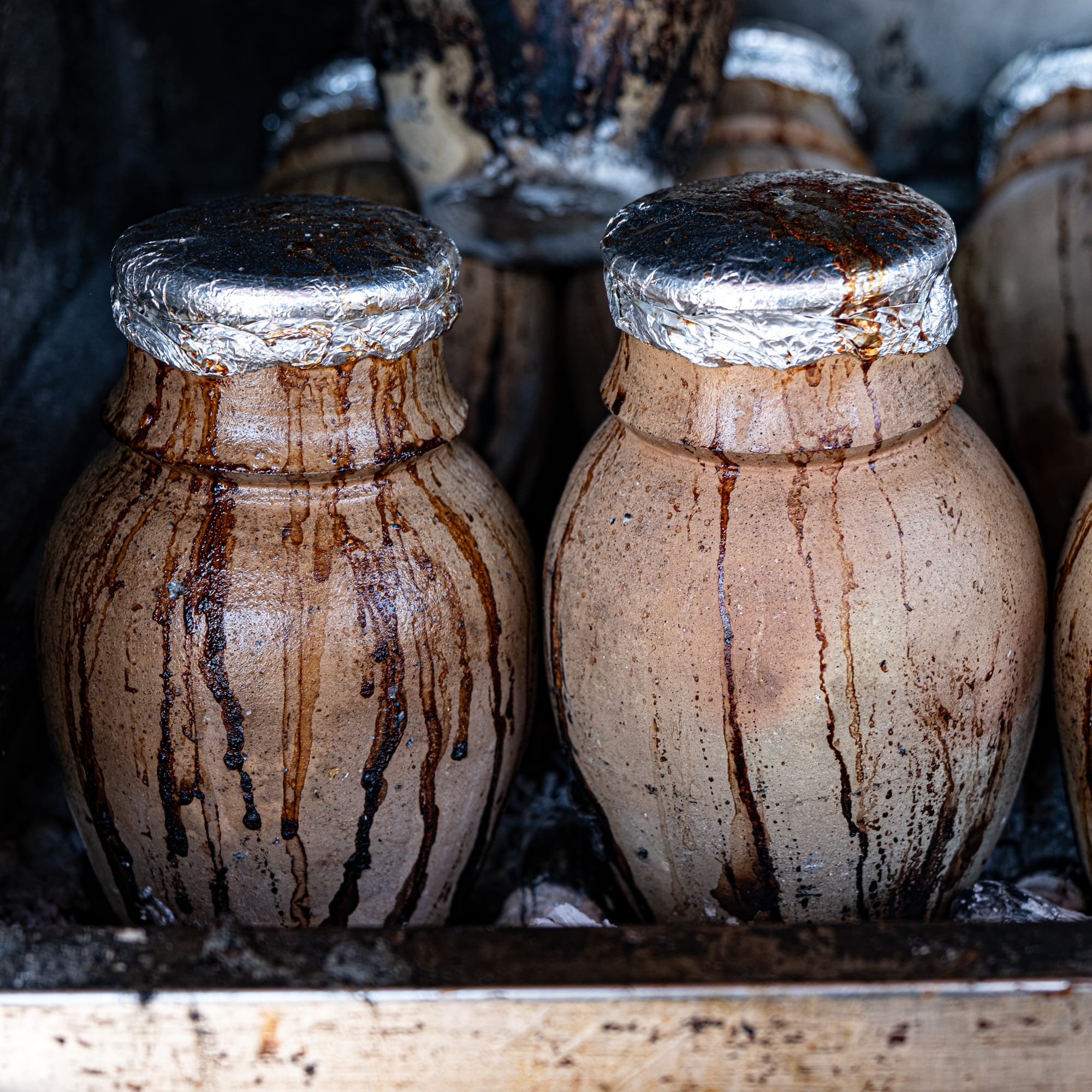
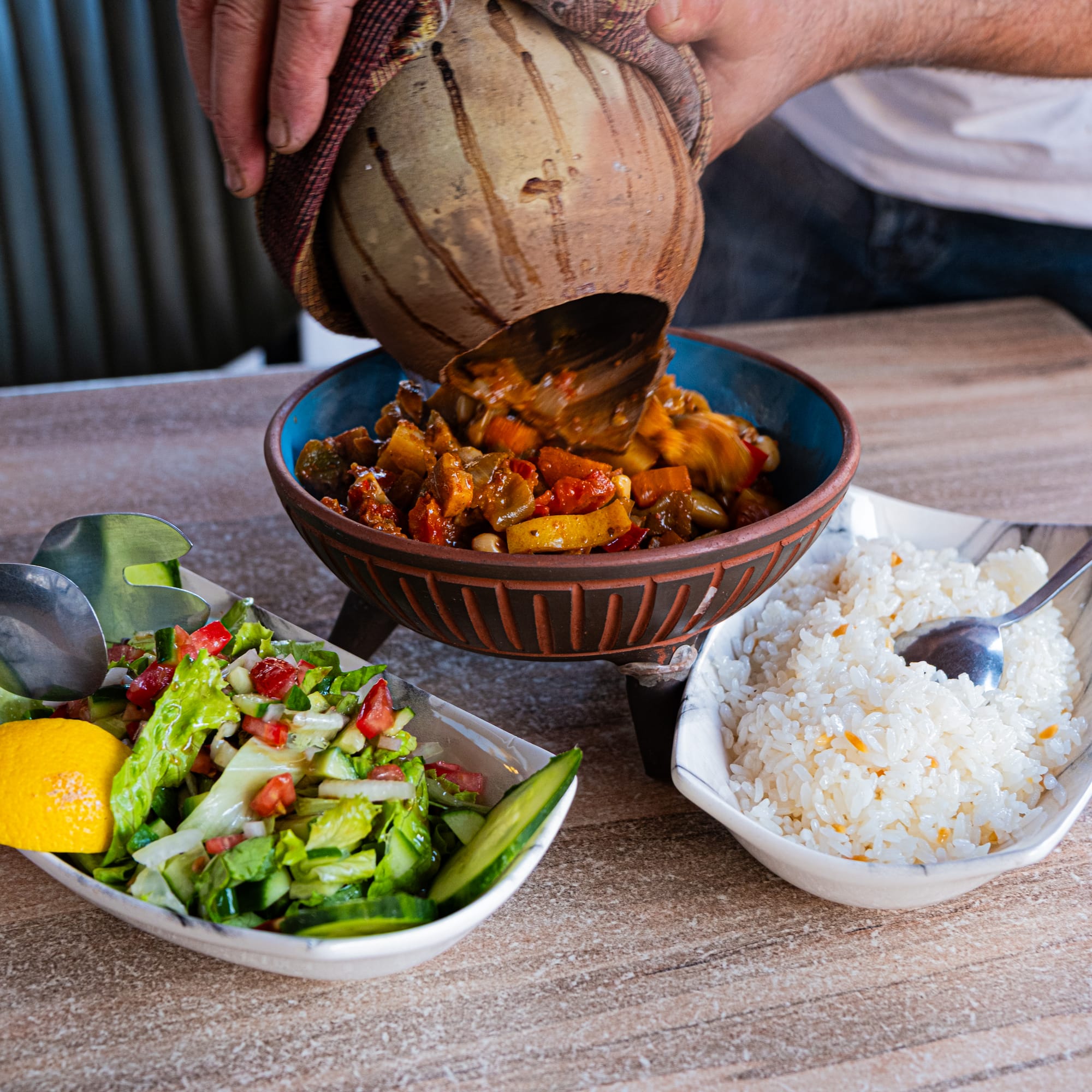
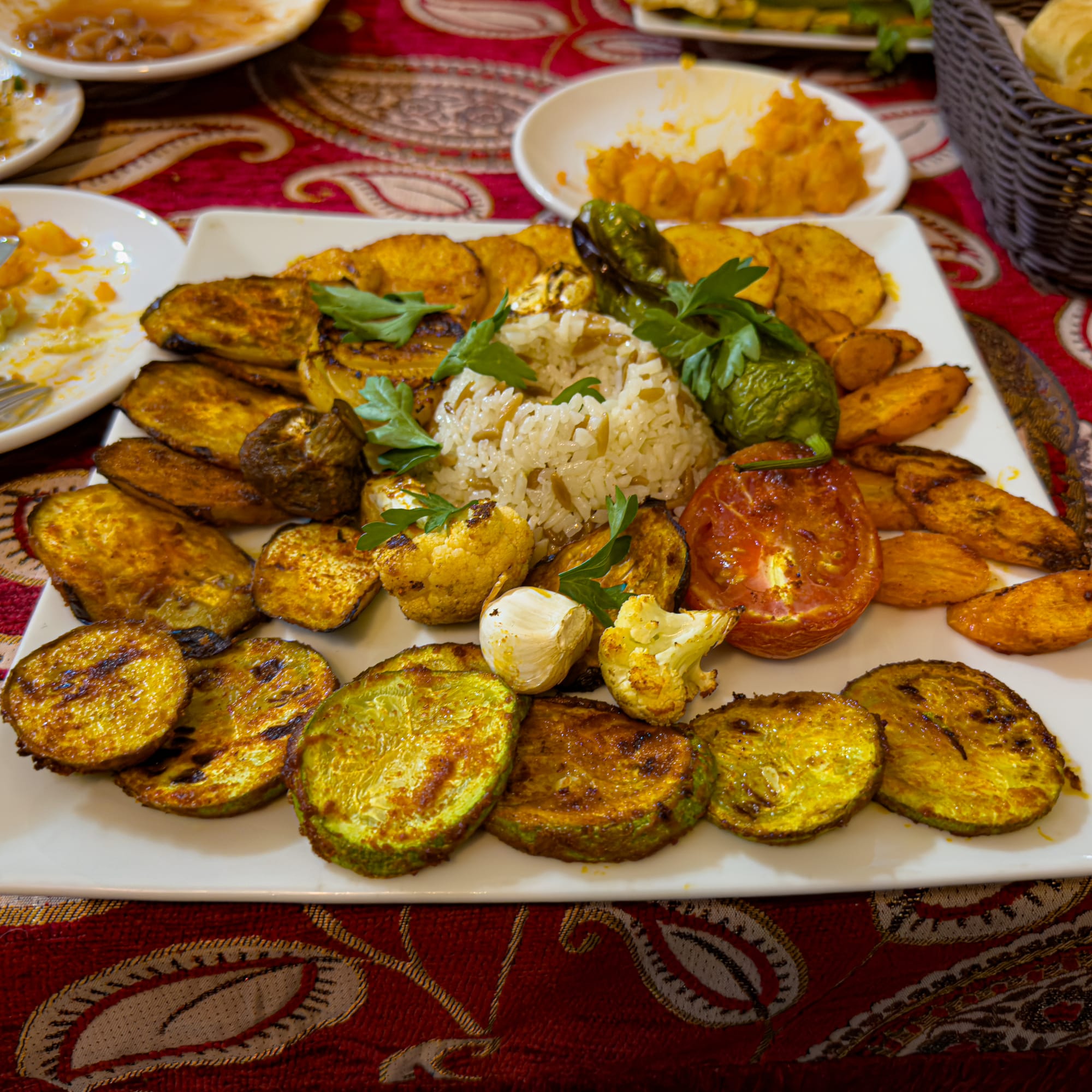
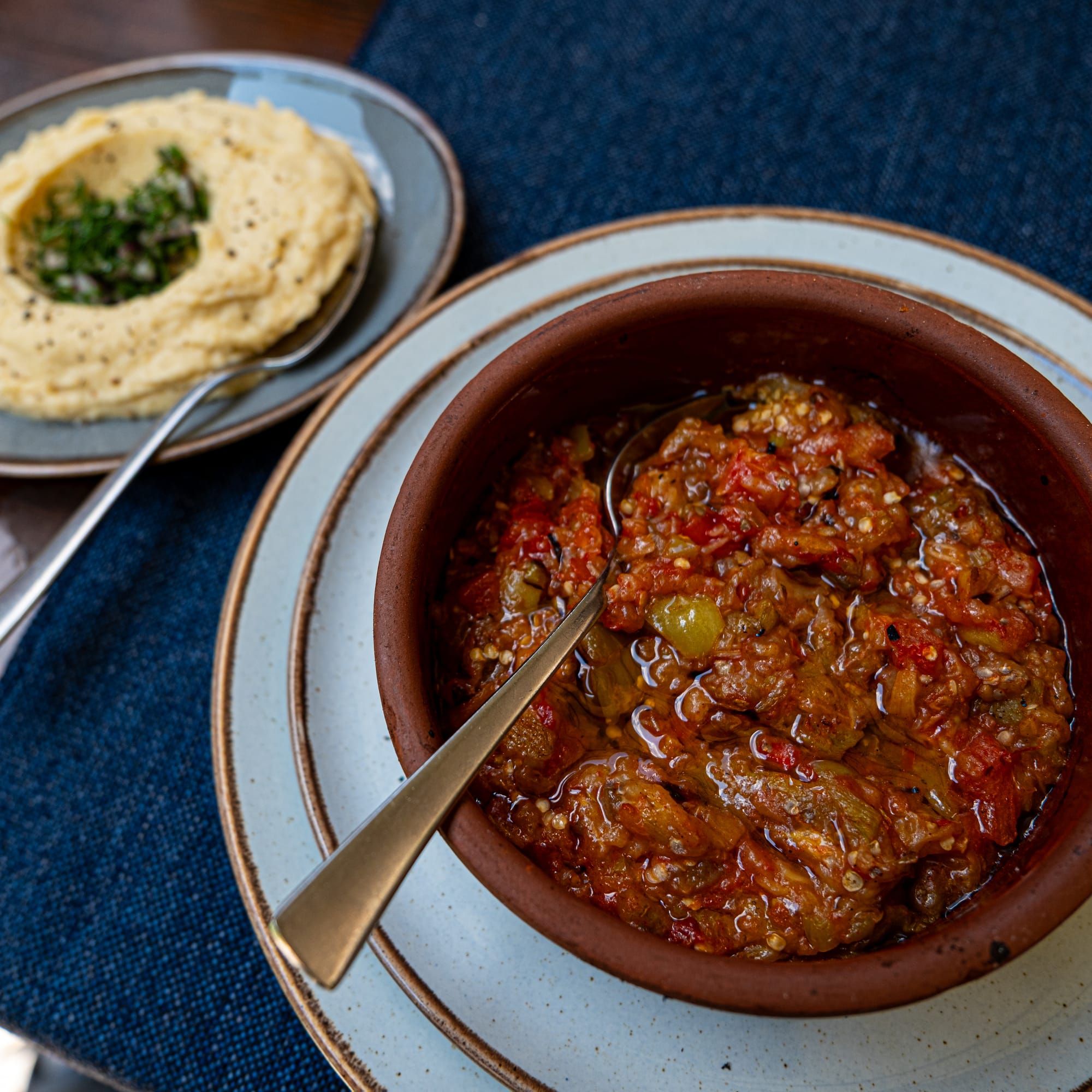
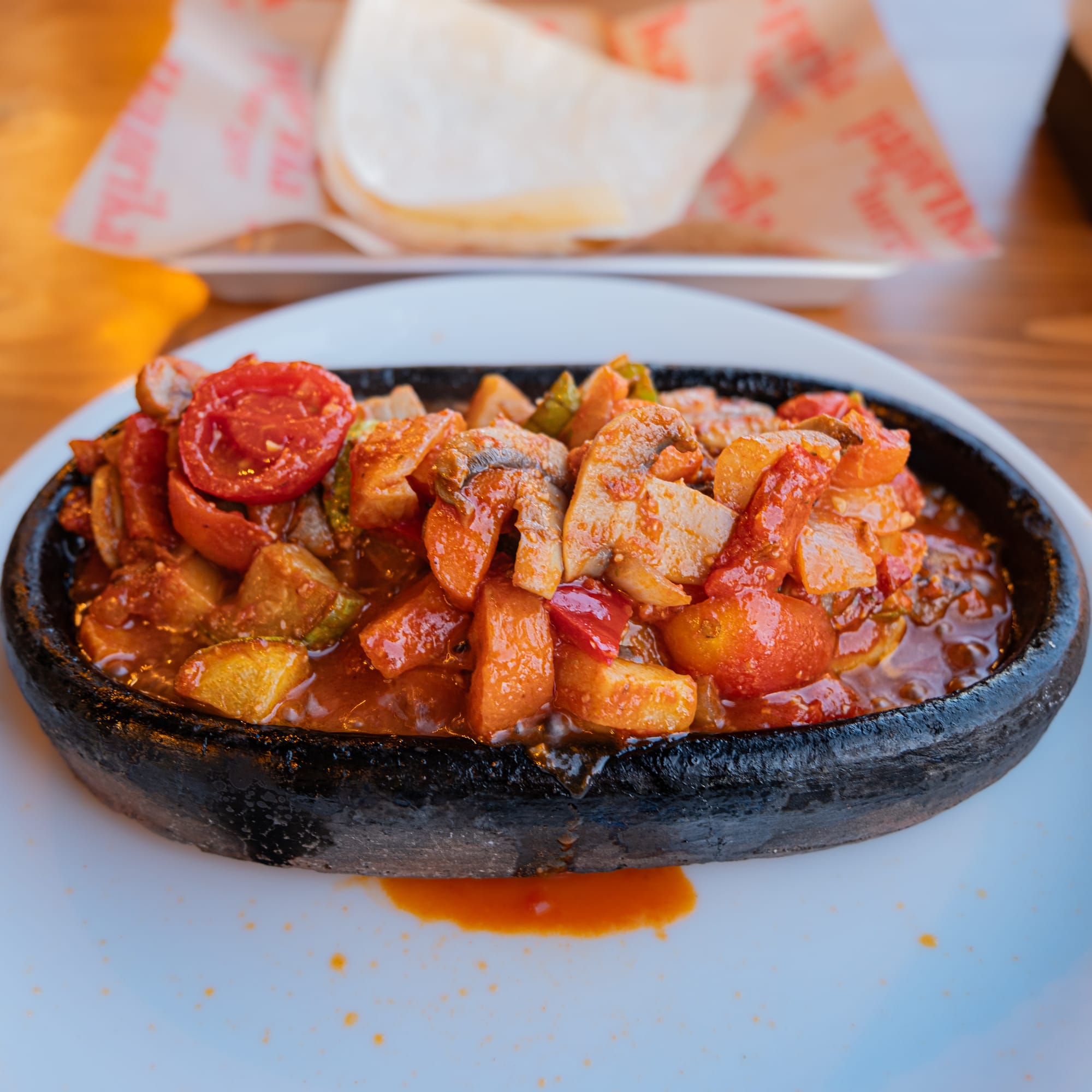
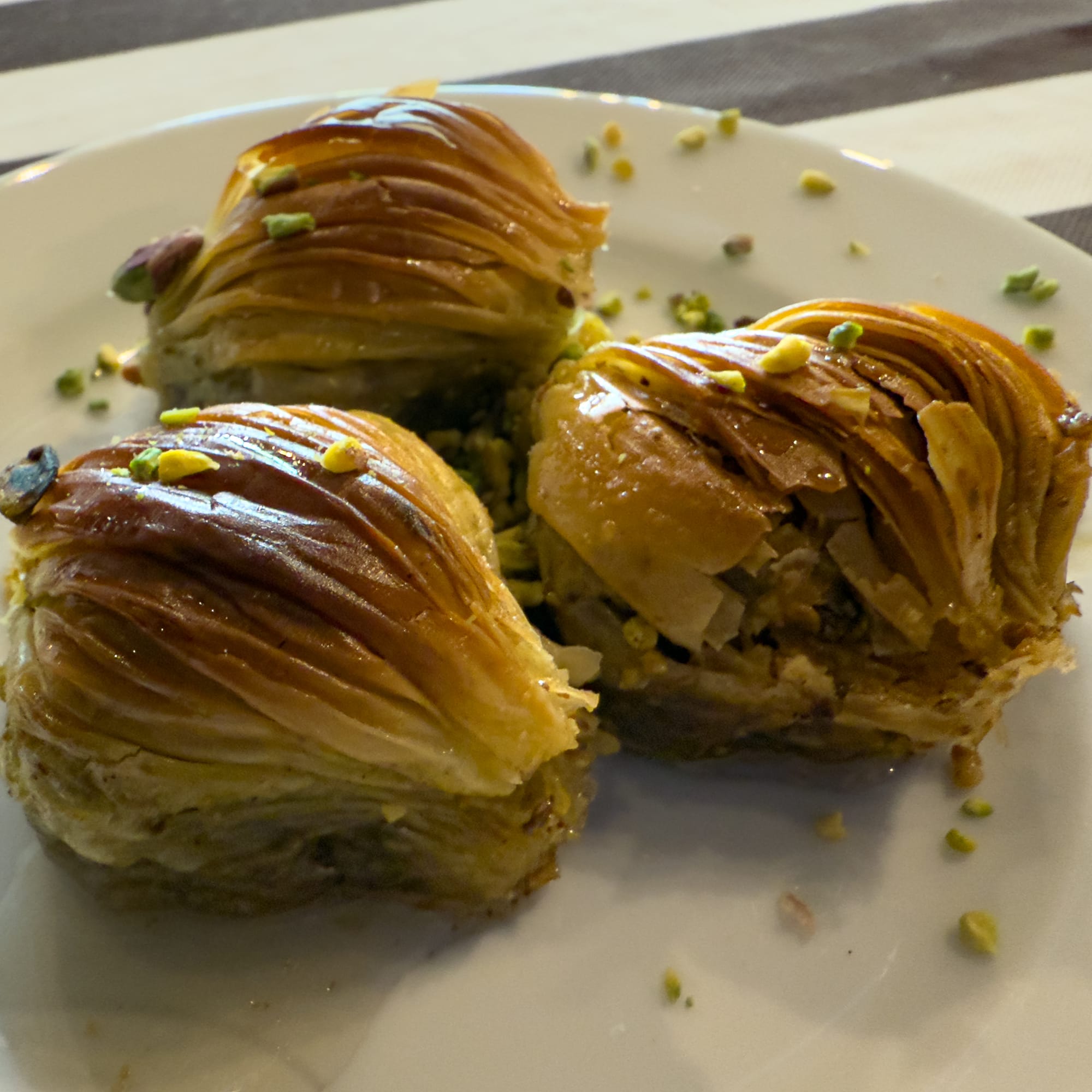
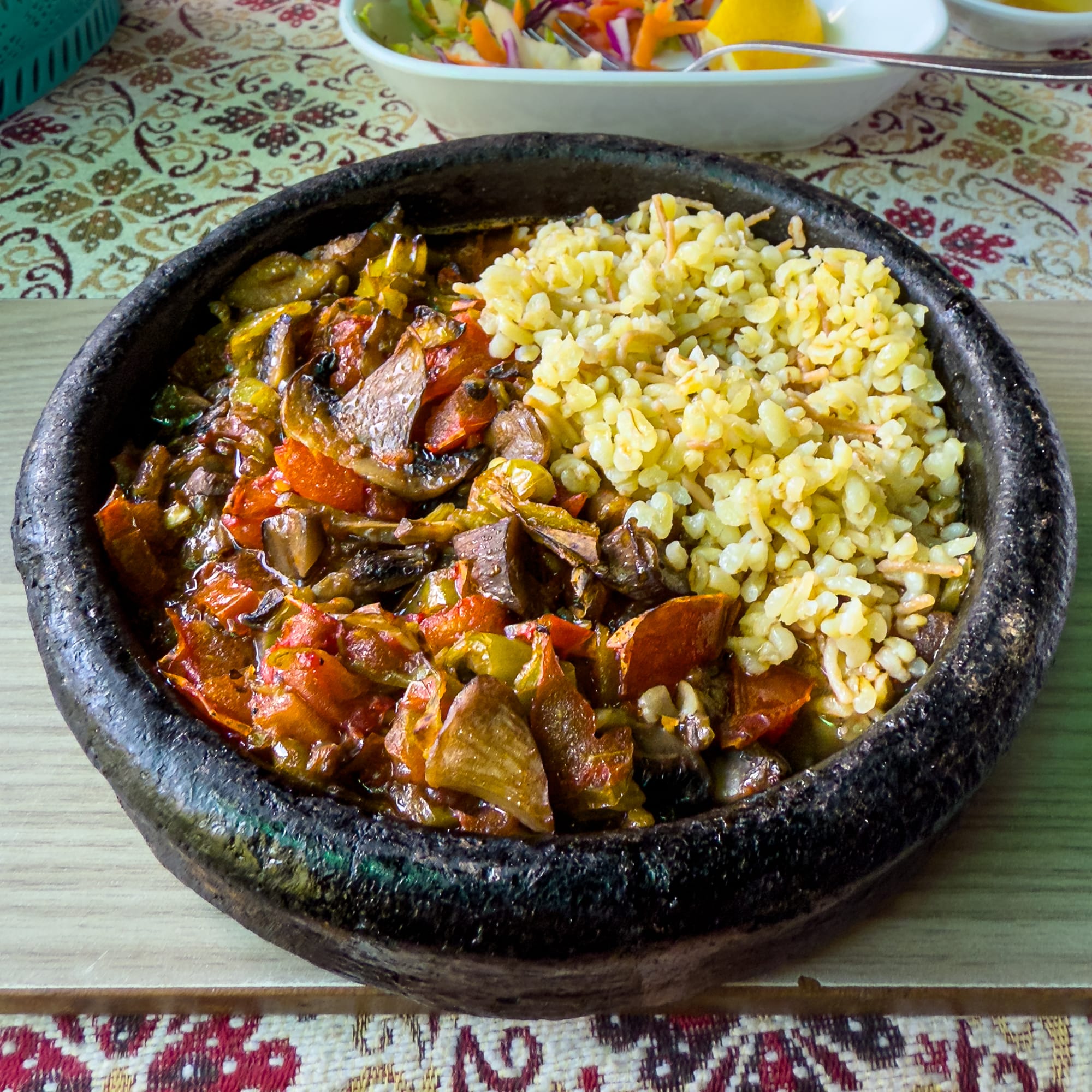
Vegan food in Cappadocia is rare but delicious, and we highly recommend getting a clay pot from House of Memories in Uçhisar.
Community & social life
Best places to work
There is very little dedicated coworking infrastructure in Cappadocia, so working remotely usually means relying on your accommodation. We found Nomads Cave Hotel & Rooftop in Göreme had decent wifi and was workable (plus it had amazing balloon views from its rooftop), but there is no equivalent of a proper coworking hub with a built-in community.
For a longer stay, it is worth prioritizing accommodation with reliable internet and a comfortable place to work. Cafés can be fine for the occasional change of scenery, especially in Göreme, but they are not always set up for spending a full workday on a laptop.
Internet & infrastructure
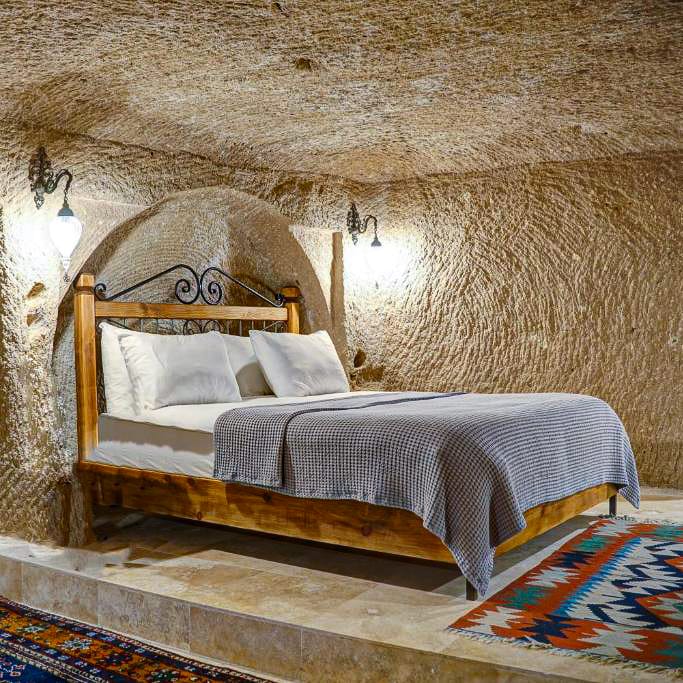
Internet in Cappadocia is generally good enough for remote work, particularly in Göreme, Uçhisar, and Avanos, where mobile coverage is strong and most hotels and guesthouses offer wifi. The bigger issue is consistency: speeds can vary considerably between properties, and cave hotels in particular can have weaker signals because of their thick stone construction.
Delights & frictions
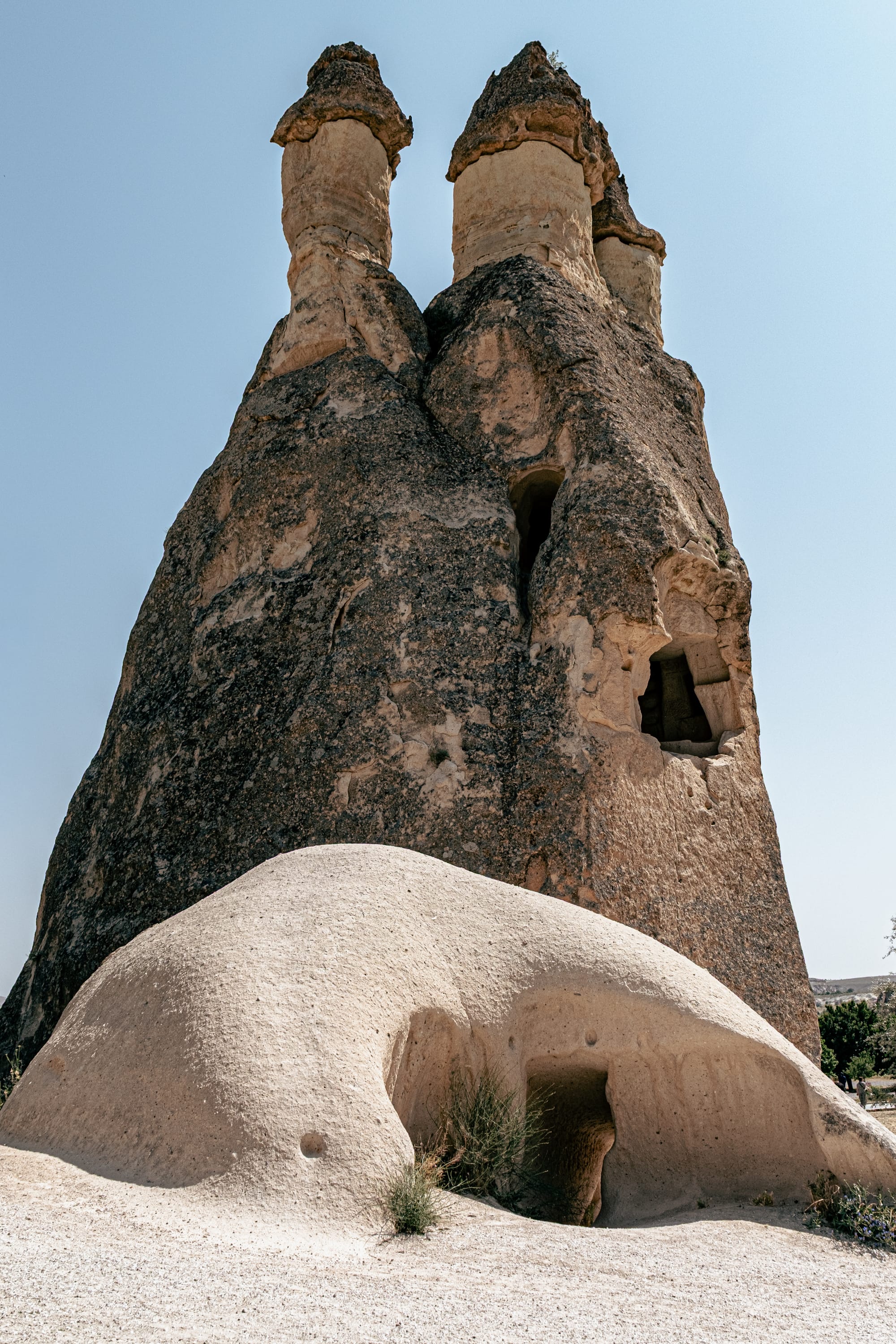
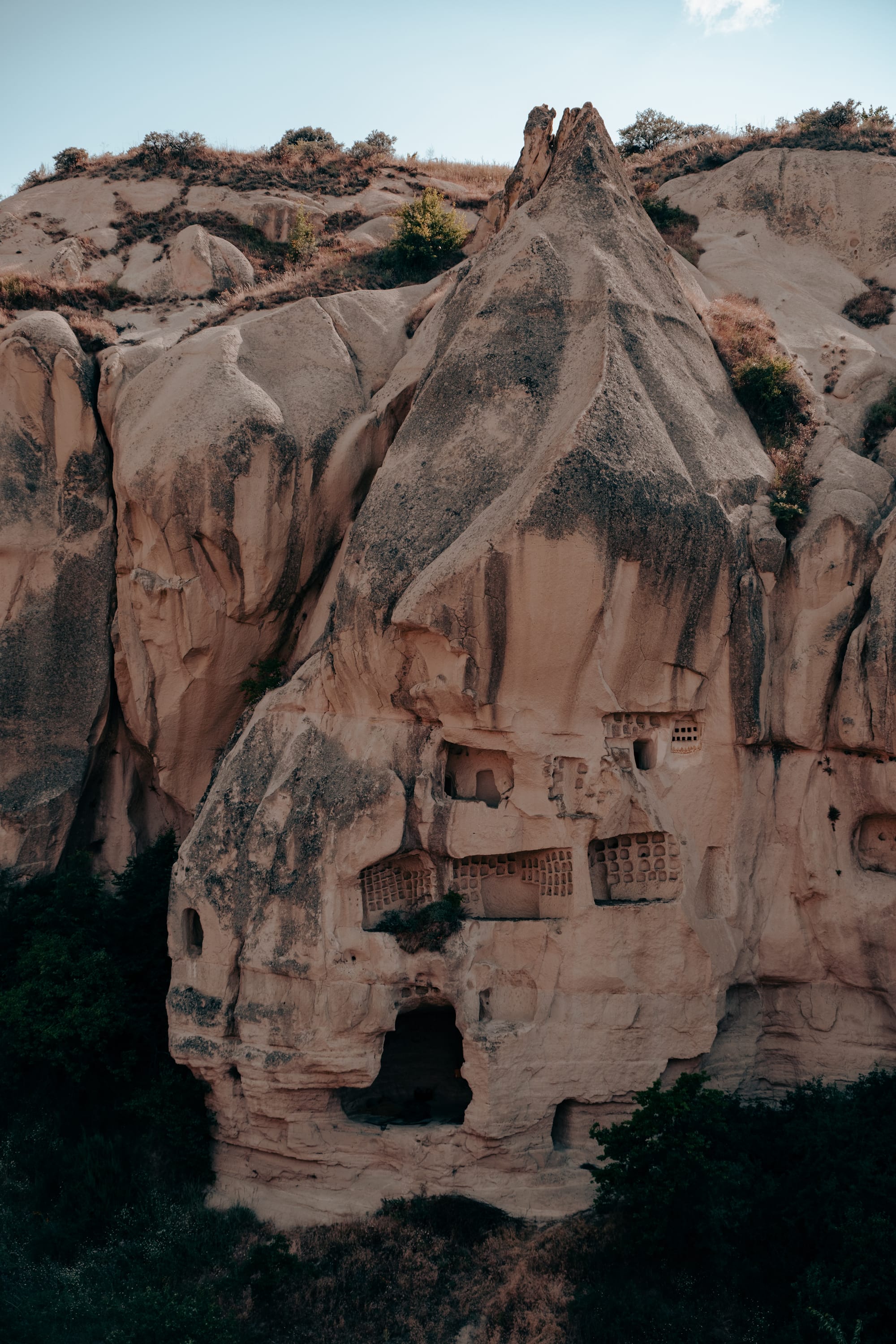
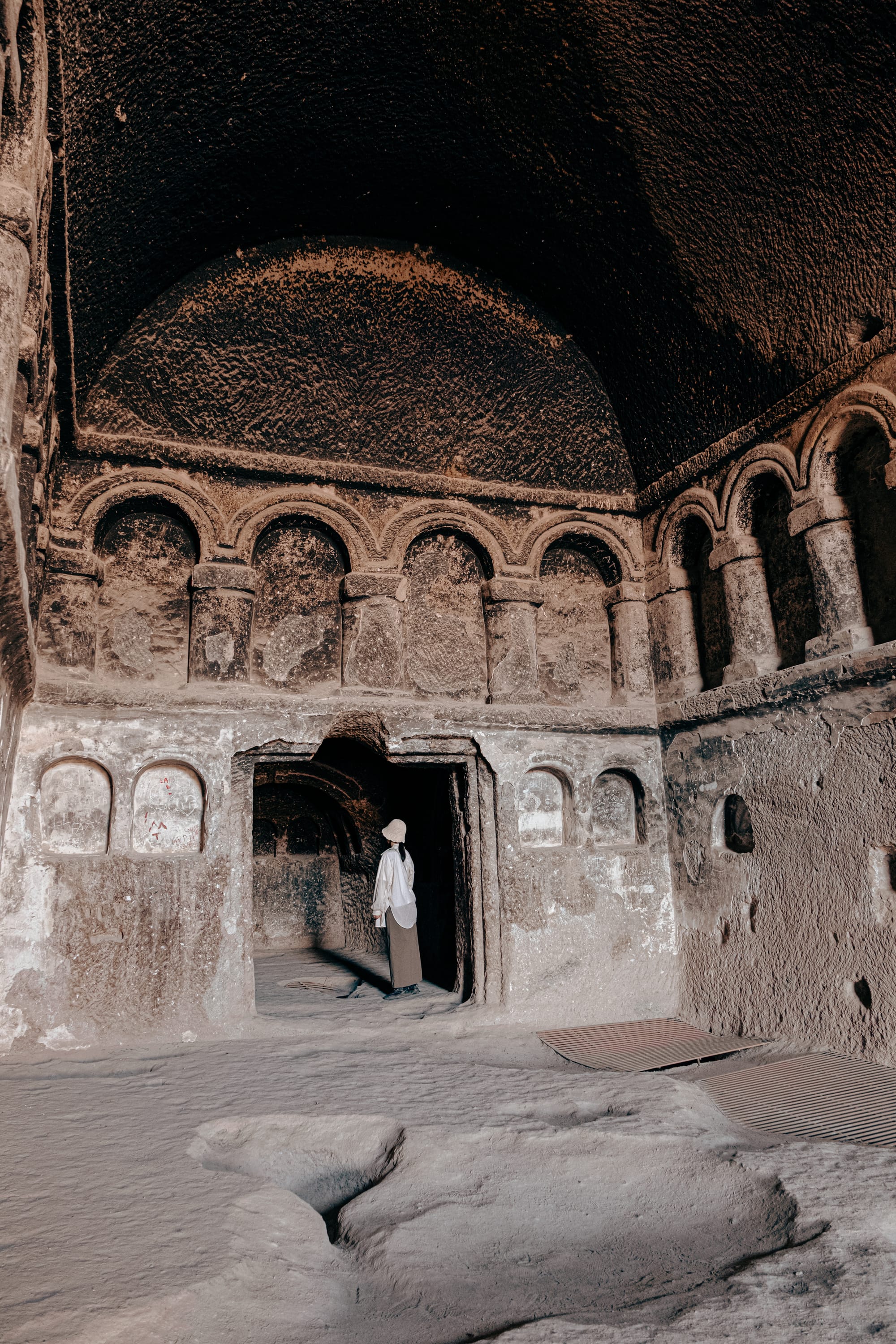
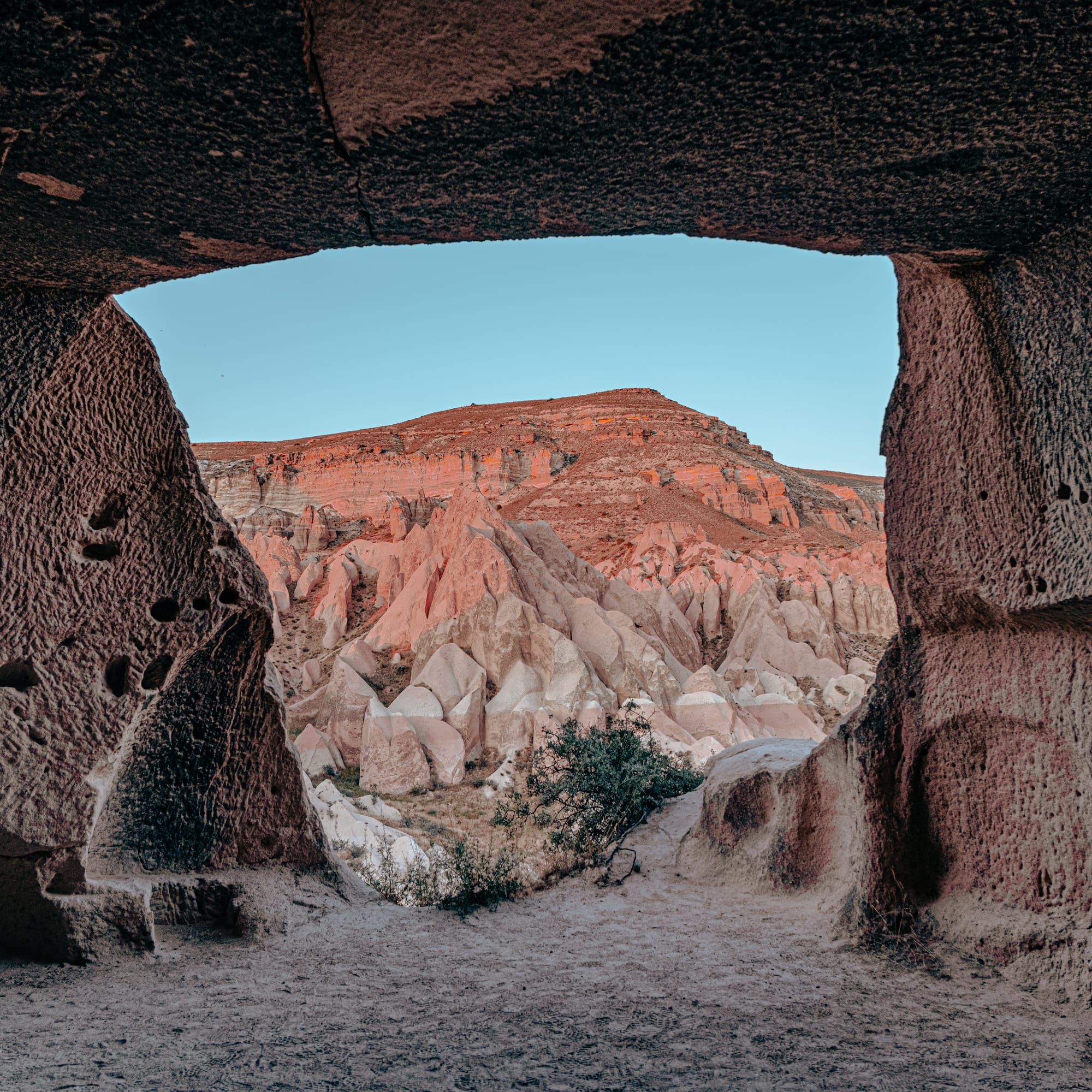
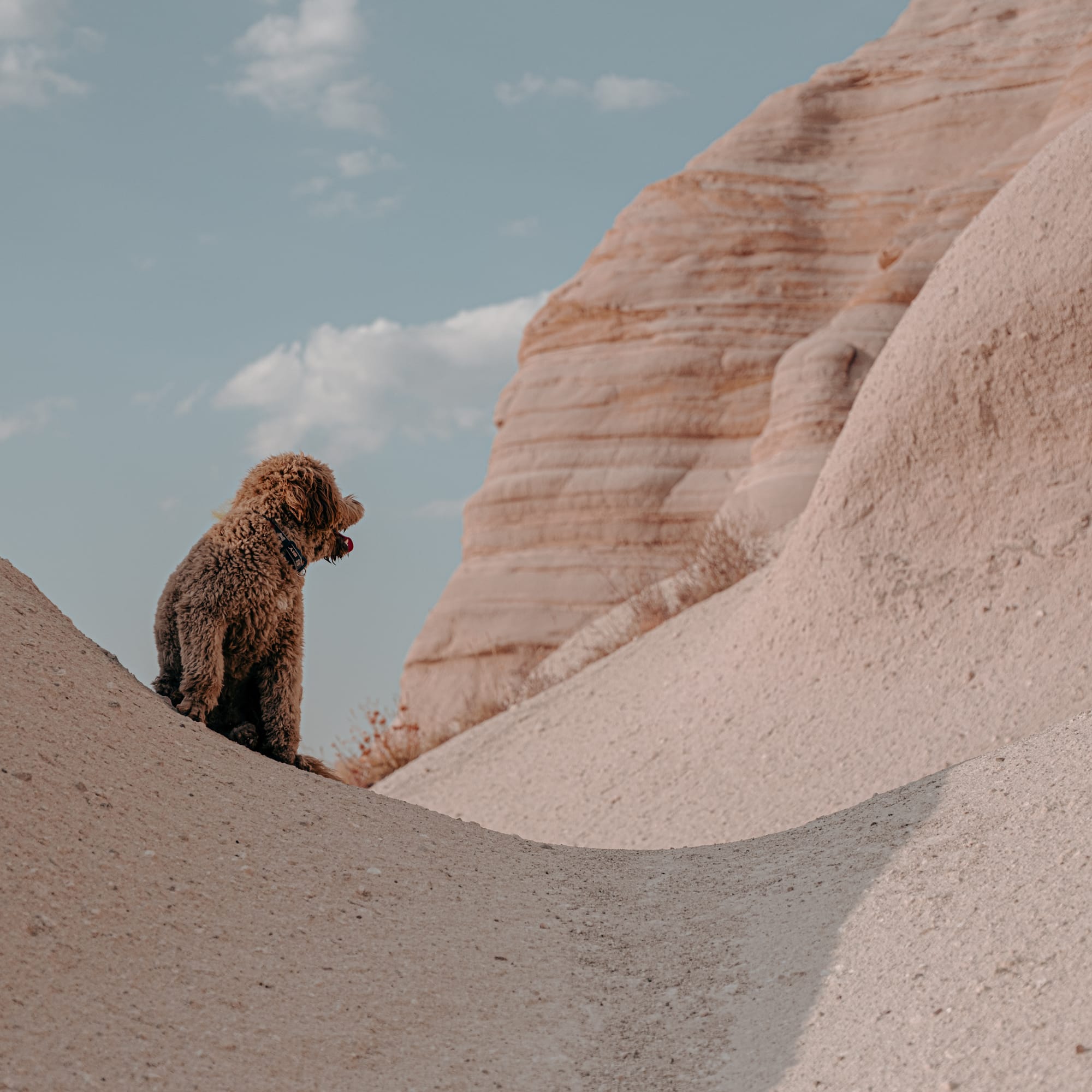
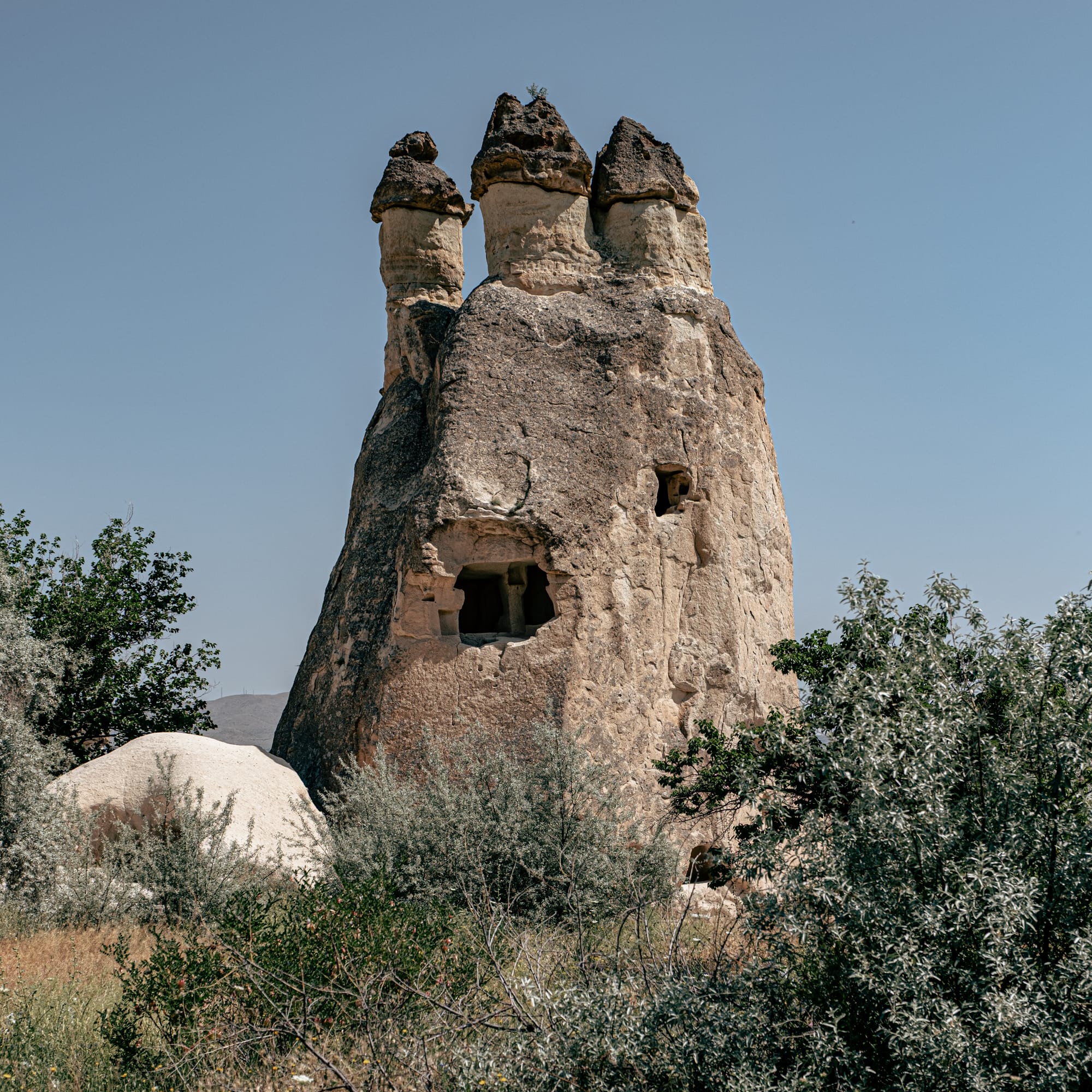
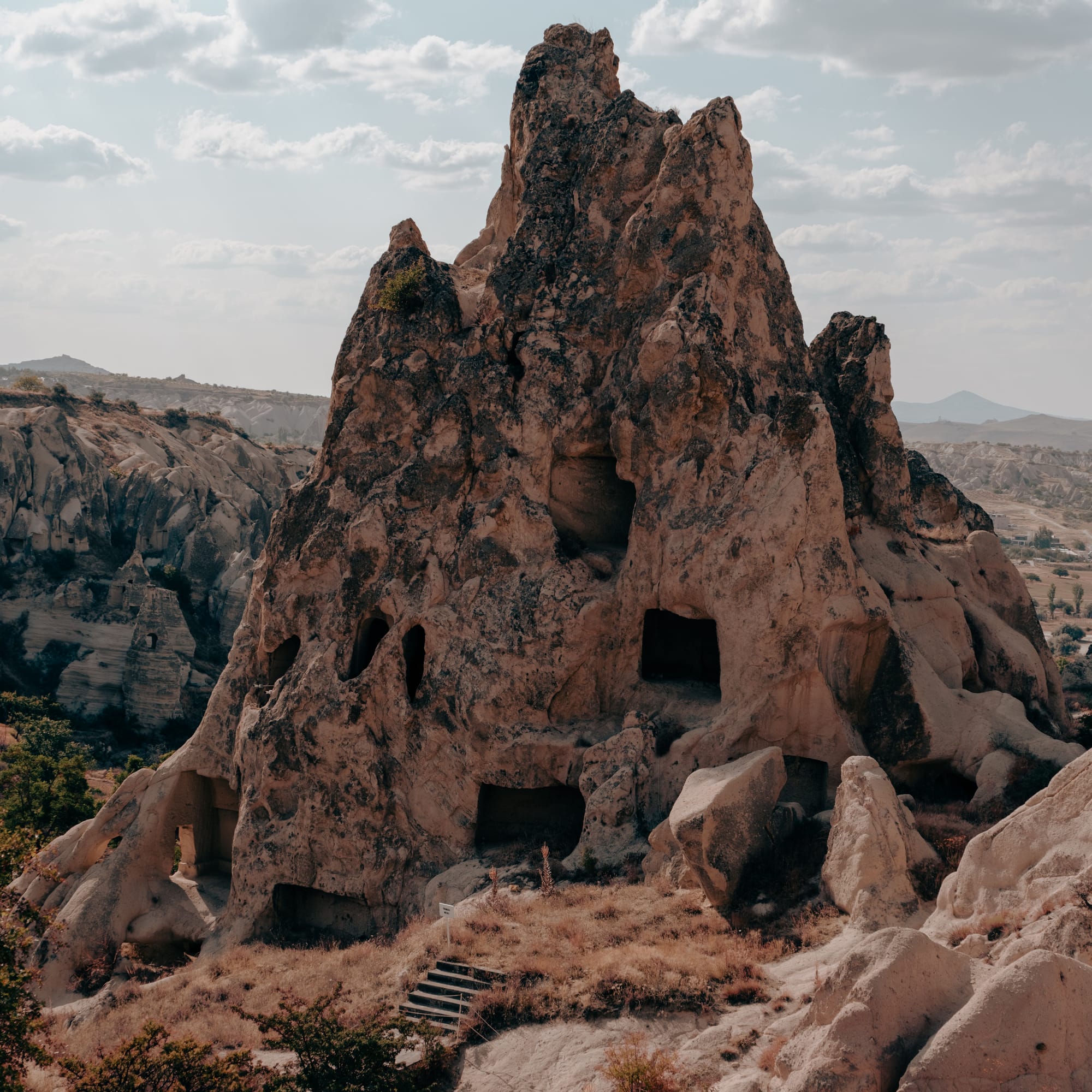
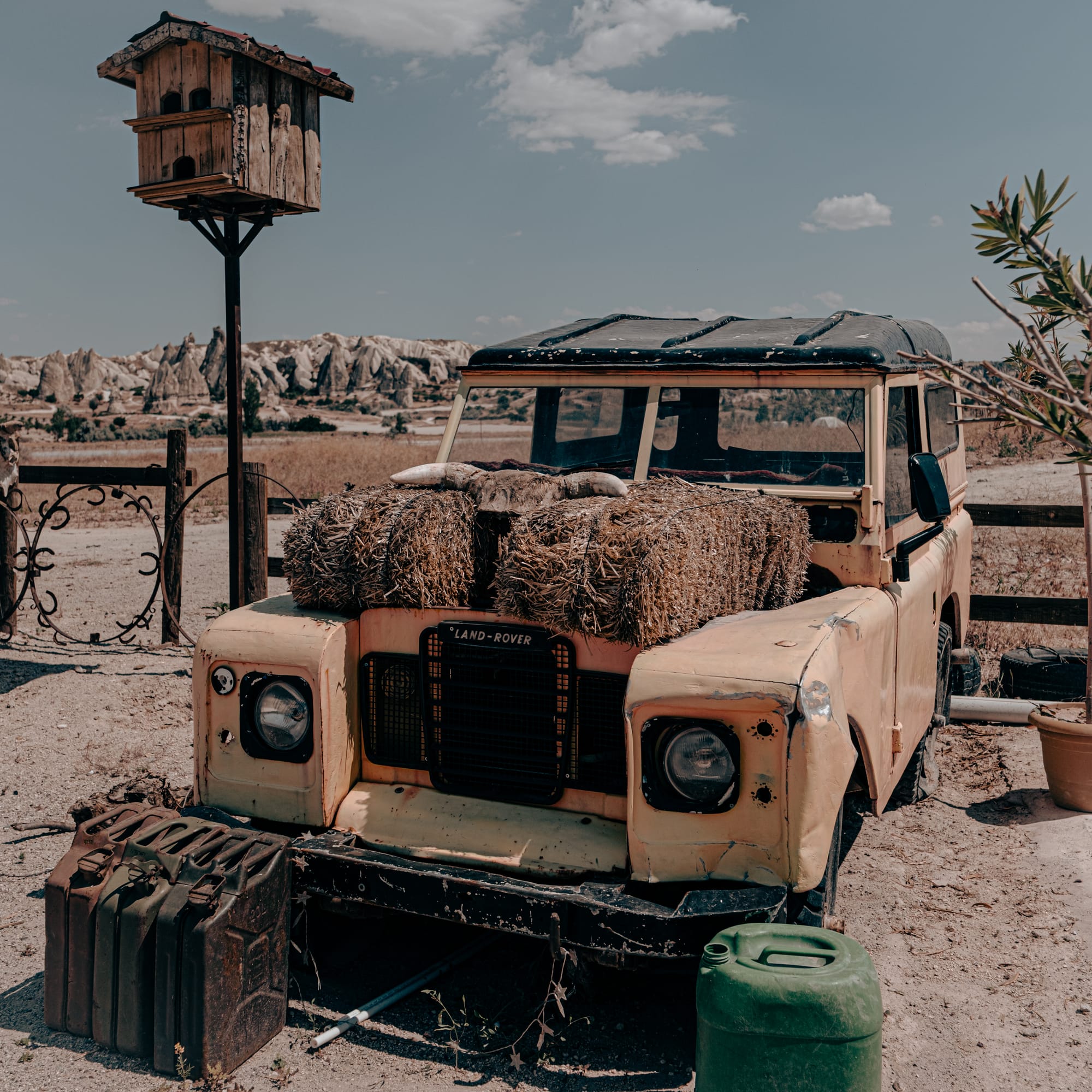
One of Cappadocia’s greatest delights is simply the landscape itself. The scale and strangeness of it can feel almost unreal: sculpted valleys, cave dwellings, and rock formations stretching in every direction. Places like Paşabağ (Monks Valley), Selime Monastery, and Göreme Open Air Museum make that surreal quality especially tangible.
The main friction in Cappadocia is that community is limited, coworking infrastructure is thin, and getting beyond Göreme, Uçhisar, or Avanos can be awkward without a car or an organized tour. The region offers more than enough to fill a month, but fitting those experiences around a work schedule takes a little more planning than in a larger and more connected city.
Safety
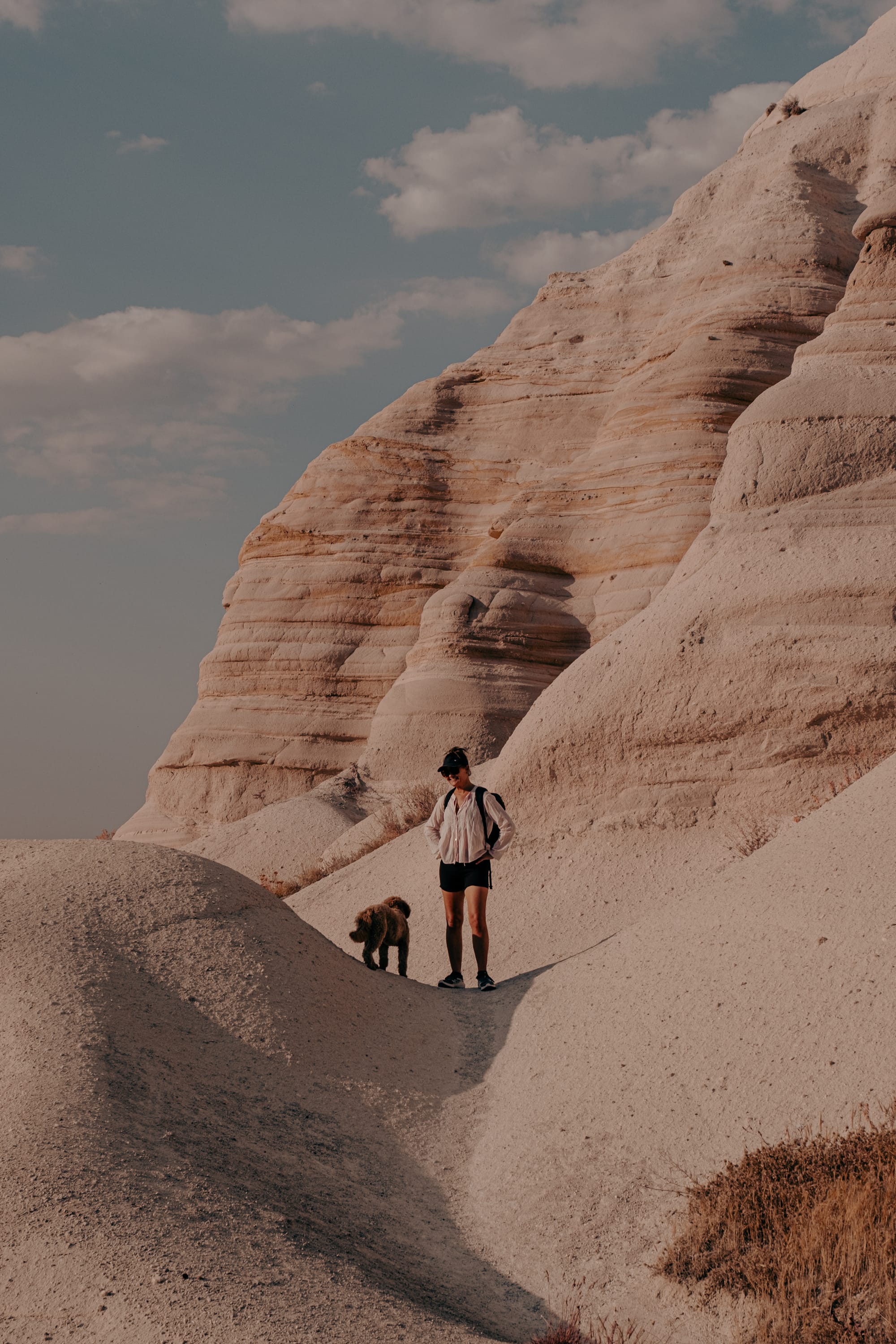
We felt safe during our time in Cappadocia, and the towns themselves generally felt quiet and relaxed. The greater risk, in our experience, is hiking without a guide. Trails are not always clearly marked, it is easy to lose your sense of direction, and some routes can lead unexpectedly onto steep or exposed sections. For that reason, we especially recommend the two guided hikes we did: one through Pigeon, White, Honey, and Love Valleys, and another through Red and Rose Valleys. Both made it much easier to move through the landscape safely while also understanding more of what we were seeing.
Top tips
Stay in Uçhisar or another town outside central Göreme if you want better value and a quieter base. Göreme has the most restaurants, tours, and tourist infrastructure, but it is also the busiest part of Cappadocia. We stayed in Uçhisar and loved being able to walk up to Uçhisar Castle in the early morning to watch the balloons rise. If you plan to explore independently, we recommend renting a car, as many of the region’s major sights are spread out and public transport is limited.
For covering more ground, the Red and Green Tours are practical options and can be booked through GetYourGuide with transport included. Between them, you can see many of Cappadocia’s major sights, including Göreme Open Air Museum, Paşabağ, Ihlara Valley, Selime Monastery, Pigeon Valley, Avanos, and several panoramic viewpoints. They are particularly useful if you do not want to rent a car or spend time coordinating taxis between widely scattered sites.
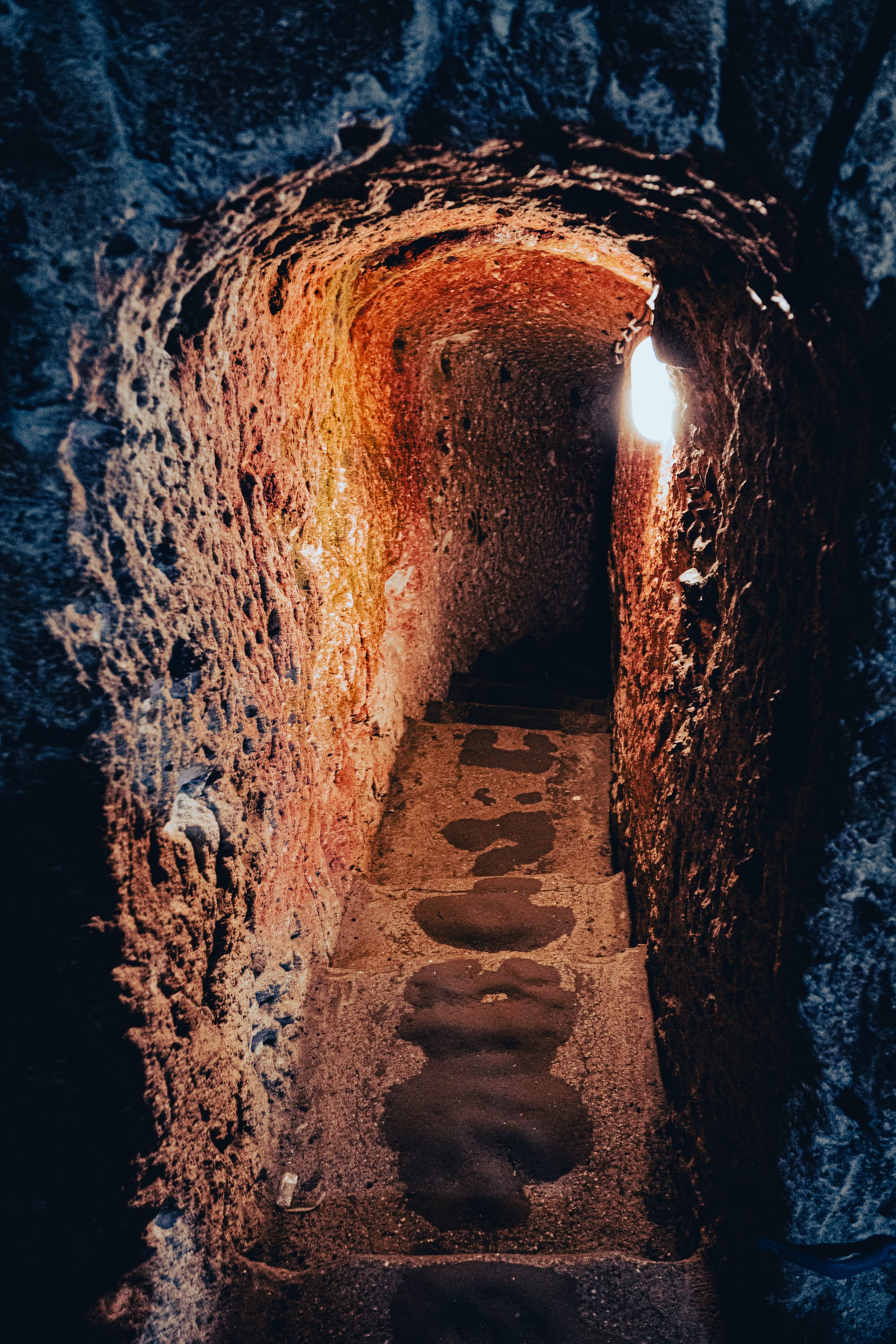
If you're claustrophobic, definitely skip the underground cities. Both Derinkuyu and Özkonak go far beneath the ground and have some narrow passageways.
Plan at least one very early morning around the balloons, even if you do not take a flight yourself. An early-morning jeep safari offers a grounded way to follow them through the valleys.
For remote work, prioritize accommodation with reliable wifi. Cave hotels can sometimes have inconsistent connections.
Bring proper hiking shoes. Cappadocia’s trails can be dusty, uneven, steep, and slippery underfoot, especially when moving between valleys or scrambling over loose rock. Lastly, because it's important to reiterate: don't hike alone!
How many days do you need in Cappadocia?
Most people spend only a few days in Cappadocia, which is enough to see several of the major sights and experience the balloons. We stayed much longer were surprised by how easily the region filled that time. Between the valleys, underground cities, and rock-cut castles and churches, there was enough to do something different almost every day. If you have the flexibility, we would recommend at least a week, if not a month, rather than treating Cappadocia as a quick stop.
Where is the best place to stay in Cappadocia: Göreme, Uçhisar, or Avanos?
Göreme is the easiest choice if you want to be close to restaurants, tours, and the main tourist infrastructure, but it is also the busiest and most visitor-oriented. We stayed in Uçhisar and preferred it for a longer stay. It was quieter, generally better value, and we loved being able to walk up to Uçhisar Castle in the early morning to watch the balloons rise. Avanos is farther from many of the main sights but has a calmer atmosphere, a riverside setting, and a long pottery tradition.
Is the Red Tour or Green Tour better in Cappadocia?
They cover very different parts of the region, so we think they complement each other rather than compete. The Red Tour generally focuses on sights closer to Göreme, such as Göreme Open Air Museum, Paşabağ, viewpoints, and Avanos. The Green Tour travels farther south and typically includes an underground city, Ihlara Valley, and Selime Monastery. If you only have time for one, we would choose based on whether you are more interested in rock formations (Red) or greenery and nature (Green).
Do you need to rent a car in Cappadocia?
Not necessarily, but we recommend renting a car if you want to explore independently. Cappadocia’s major sights are spread across the region, and we found taxis and local buses less convenient than expected. Taxis are often stationed in particular places rather than regularly passing by, which can make spontaneous trips awkward. If you do not want to drive, the Red and Green Tours are an easy way to reach multiple major sights in a single day with transport included.
Is Cappadocia worth visiting if you don’t take a hot air balloon ride?
Absolutely, and in fact, being afraid of heights, we did not take one ourselves! The balloons are spectacular, but they are only one part of Cappadocia. Some of our favorite experiences were hiking through Red, Rose, Pigeon, White, Honey, and Love Valleys, exploring Derinkuyu and Özkonak underground cities, visiting Göreme Open Air Museum and Selime Monastery, making gözleme with local women, and spending time in Avanos. You can also watch the balloons rise from the ground on a jeep safari, from a lookout point such as Uçhisar Castle or Göreme Panorama, or from a hotel rooftop (we recommend Nomads Cave Hotel & Rooftop).
Do hot air balloons fly every day in Cappadocia?
No. Balloon flights depend on weather conditions, particularly wind, and can be cancelled when conditions are considered unsafe. This is one reason it is worth staying for several days if seeing the balloons is important to you. Even without taking a flight, you can watch them rise from viewpoints around Göreme and Uçhisar or join an early-morning jeep safari that follows them through the valleys.
Can you hike Cappadocia without a guide?
Yes, but we don't recommend hiking alone. Trails are not always clearly marked, and we found it surprisingly easy to lose our sense of direction or end up on steep, exposed sections. For that reason, we especially recommend the two guided hikes we did: one through Pigeon, White, Honey, and Love Valleys, and another through Red and Rose Valleys. Having a guide also added considerably more context to the landscape.
Which underground city is best to visit in Cappadocia?
Derinkuyu is the most impressive of the underground cities we visited, particularly for its scale and depth. Its network of tunnels, chambers, storage spaces, and communal areas gives a strong sense of just how extensive underground life once was. We also visited Özkonak, which is smaller and generally quieter. If you have time for only one, we would choose Derinkuyu. If you are staying longer, seeing both makes the differences between them more interesting.
Is Cappadocia expensive?
It can be, but we think its reputation for being expensive is somewhat misleading. Cave hotels, balloon flights, and organized activities can add up quickly, especially in high season. But if you visit outside the busiest months and stay in Uçhisar, Avanos, or another town outside central Göreme, Cappadocia can actually be quite affordable. We personally found our month there cheaper than living in Antalya, particularly once we arranged longer-term accommodation rather than paying short-stay tourist rates.