









Living in Istanbul
Istanbul is one of the world's major air hubs and a common layover point between Southeast Asia and Europe, so many travelers pass through on their way elsewhere, but we think it's worth staying for a while.
Spread across the Bosphorus, Istanbul holds an extraordinary density of history, neighborhood life, food, art, and architecture. Few places in Turkey hold so much diversity from one district to the next.
Defining moments
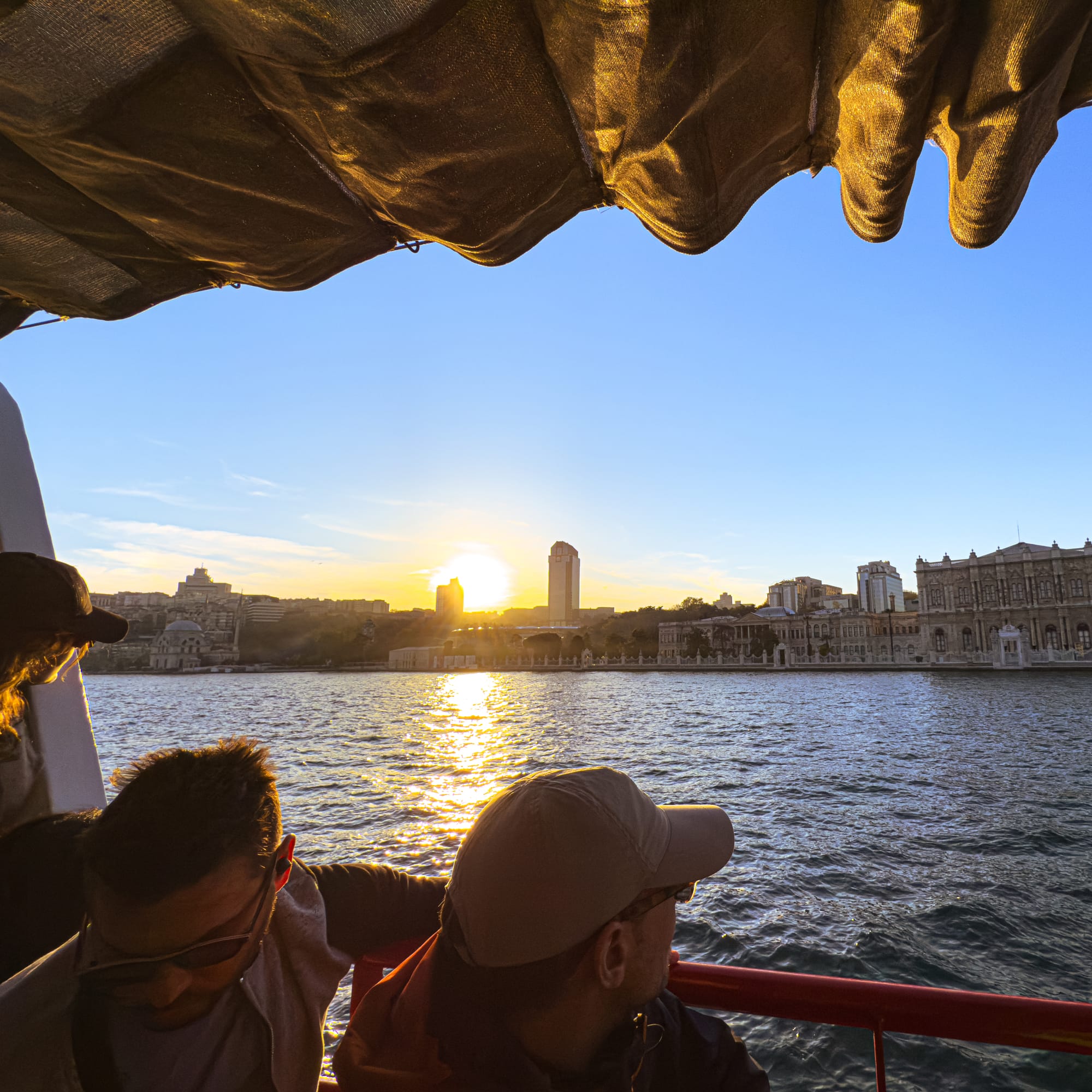
Cruising the Bosphorus between Europe and Asia, with palaces, mosques, ferries, and waterfront neighborhoods unfolding on both shores.
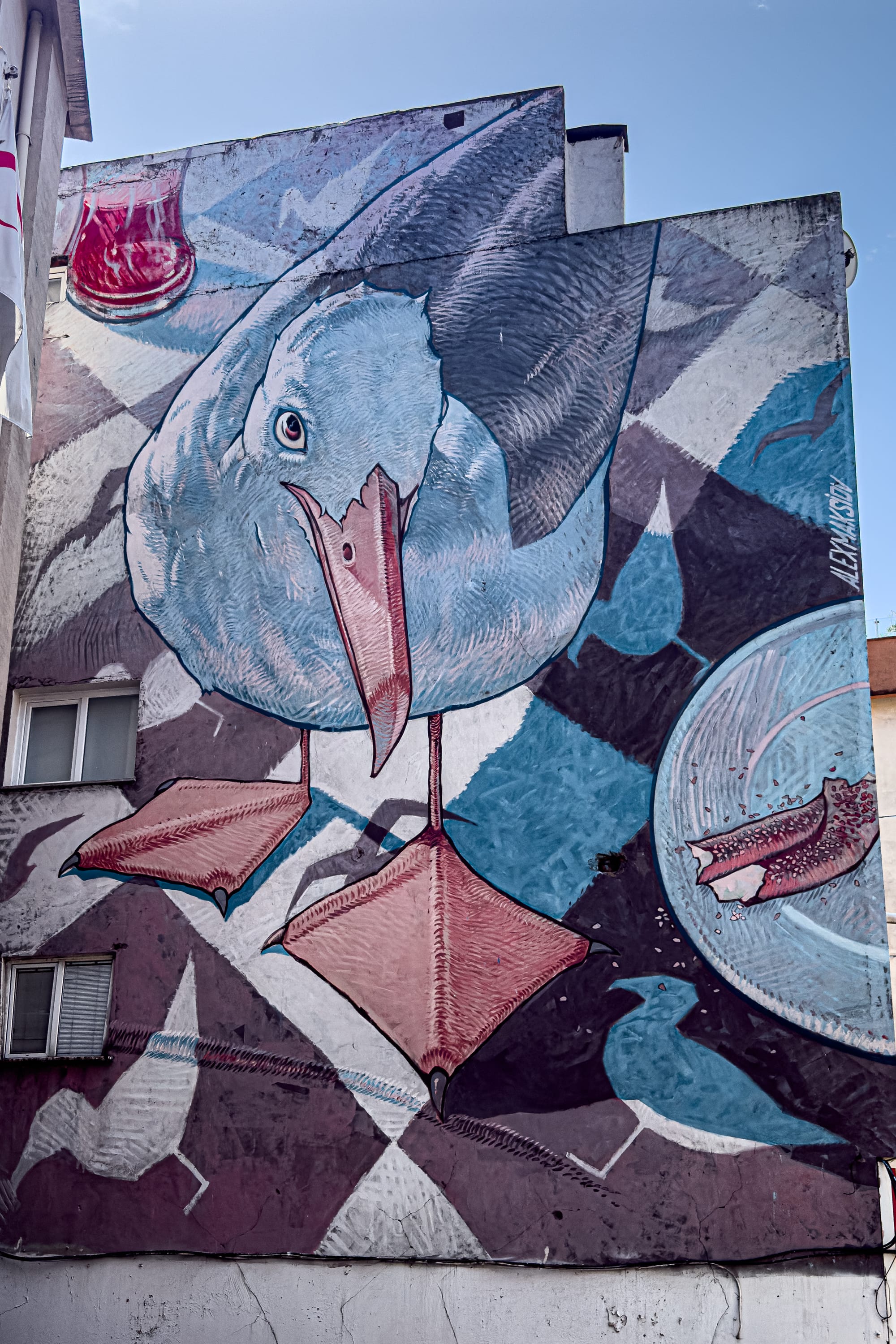
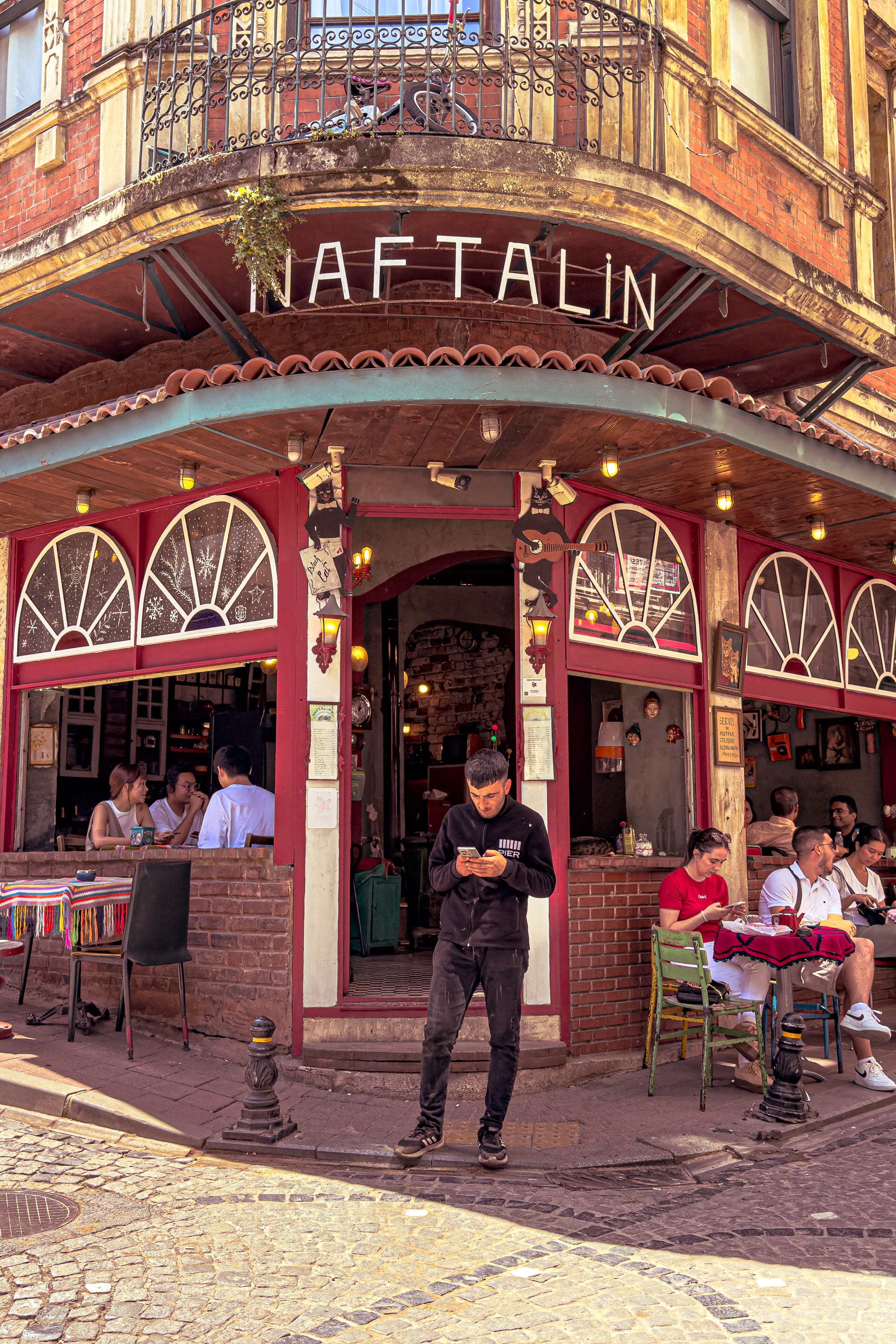
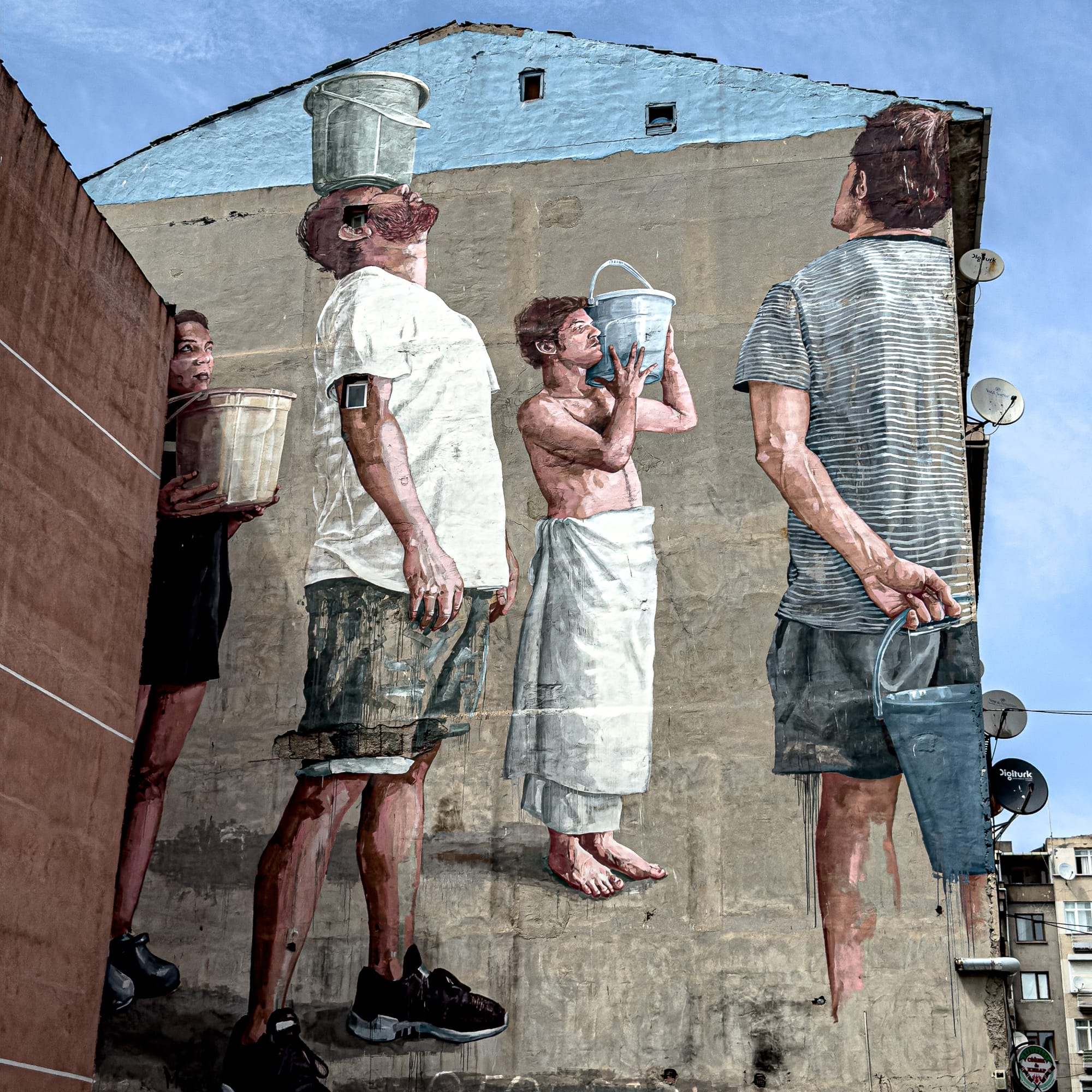
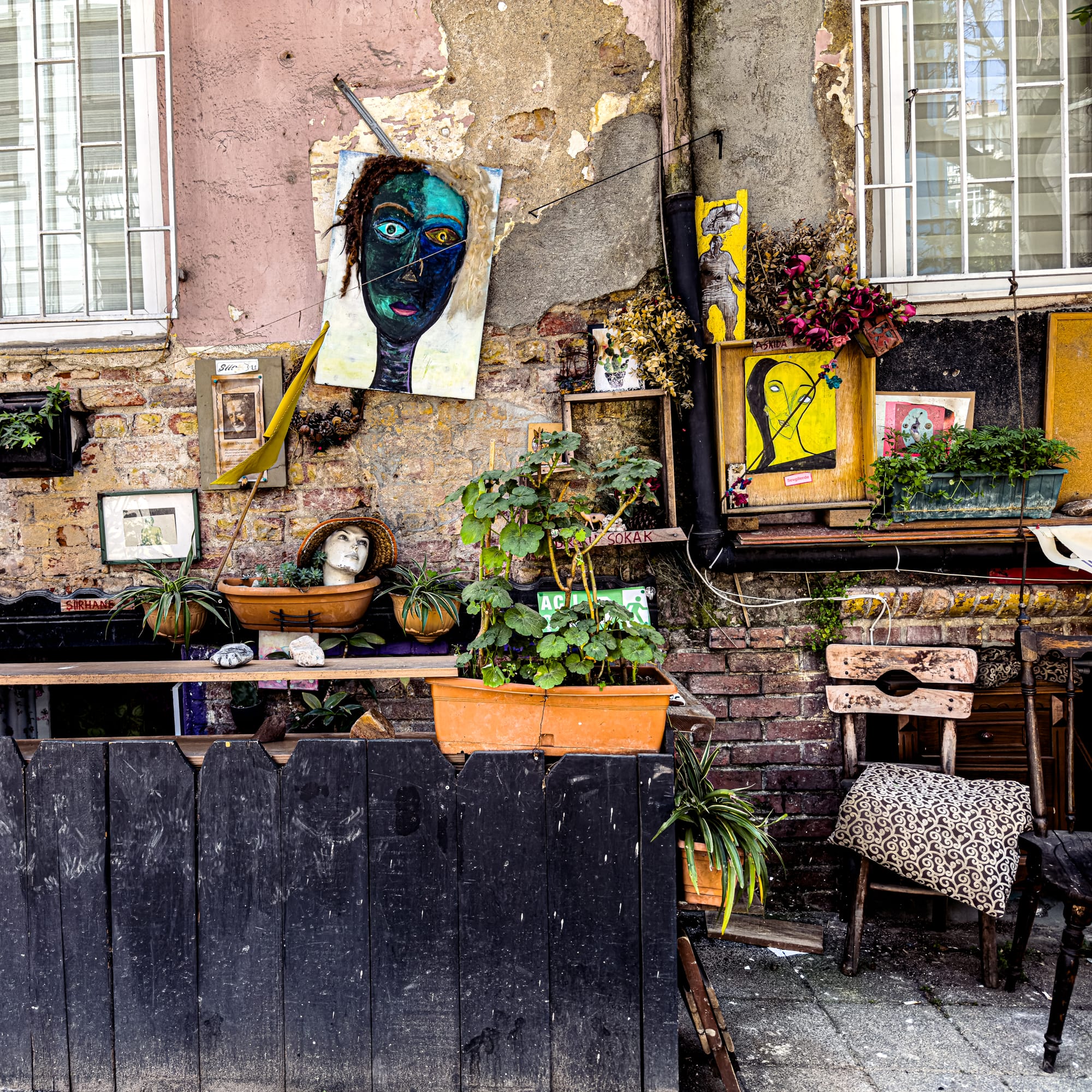
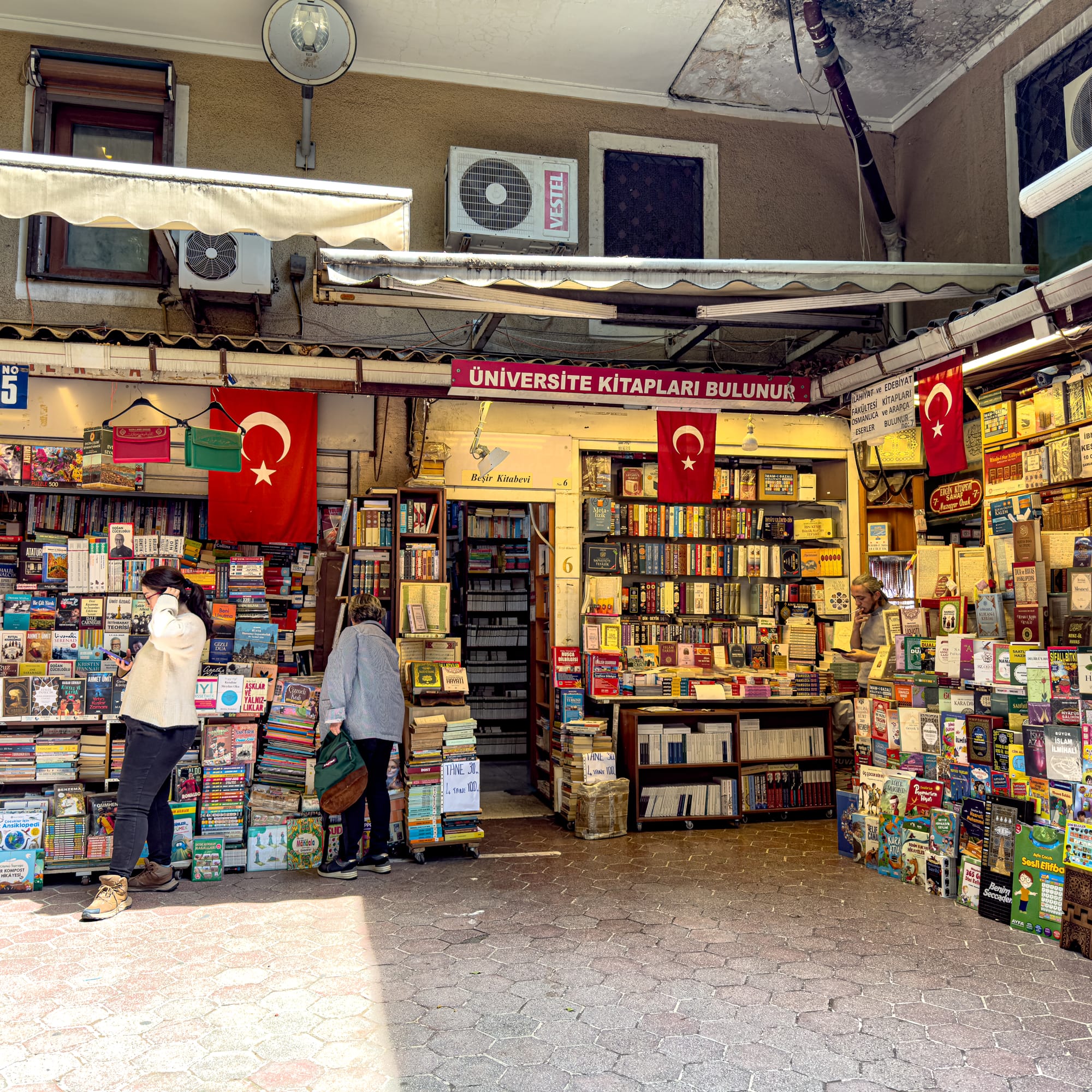
Exploring Kadıköy, Istanbul’s more alternative side, through street art, record shops, cafés, markets, and late-night bars.
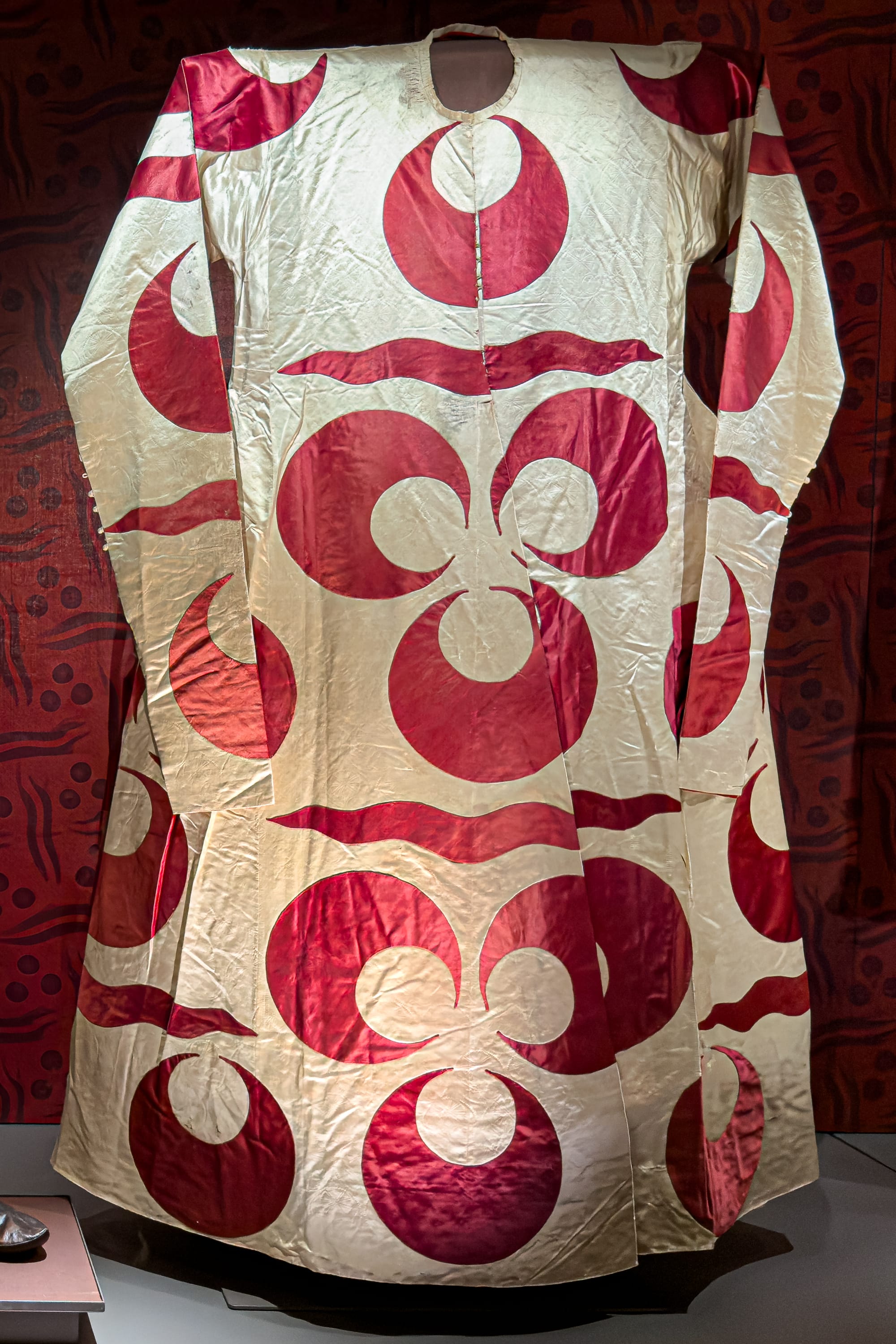
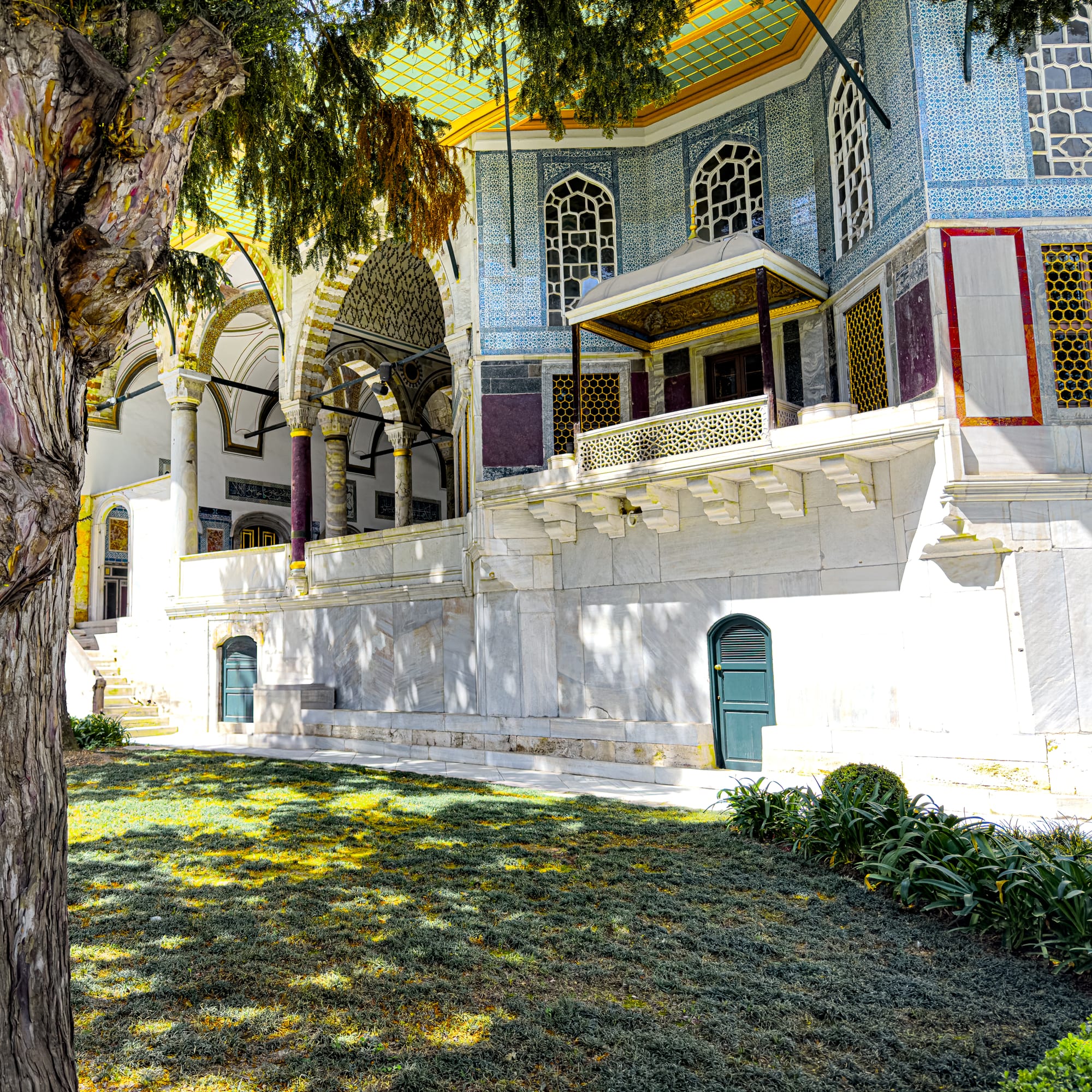
Wandering through Topkapı Palace and its Harem, the secluded imperial quarters where the sultan’s family and court lived behind richly tiled walls.
Digital nomad visa
Turkey now has an official digital nomad visa route, although the process begins with a Digital Nomad Identification Certificate rather than the visa itself. Remote workers first apply through the GoTürkiye platform, then use the certificate to apply for the Turkey Digital Nomad Visa at a Turkish visa center or consulate. To qualify, applicants generally need to be between 21 and 55, hold a university degree, work remotely for a company or client outside Türkiye, and show income of at least $3,000 USD per month or $36,000 USD per year.
For shorter stays, many nationalities, including most Western passport holders, can still enter Turkey visa-free or with an e-Visa, but tourist stays are limited by the usual 90 days within 180 days rule.
Spotlight
“Topkapi’s exterior is just as rich as its interiors. Gardens bloom with seasonal color, geometric lawns frame fountains, and quiet tree-lined paths invite rest. The Fourth Courtyard, in particular, feels like a palace within a palace, its marble terraces and pavilions opening onto sweeping Bosphorus views.”
Read onBest time to go
The best times to visit Istanbul are spring and autumn, when the weather is mild and the city is easier to explore on foot. April to June and September to October are especially pleasant for ferry rides, long neighborhood walks, and outdoor cafés. July and August can be hot, humid, and crowded, while winter is colder, wetter, and quieter. For digital nomads, May, June, September, and October offer the best balance of comfortable weather, fewer crowds, and a more livable pace.
Best areas to stay
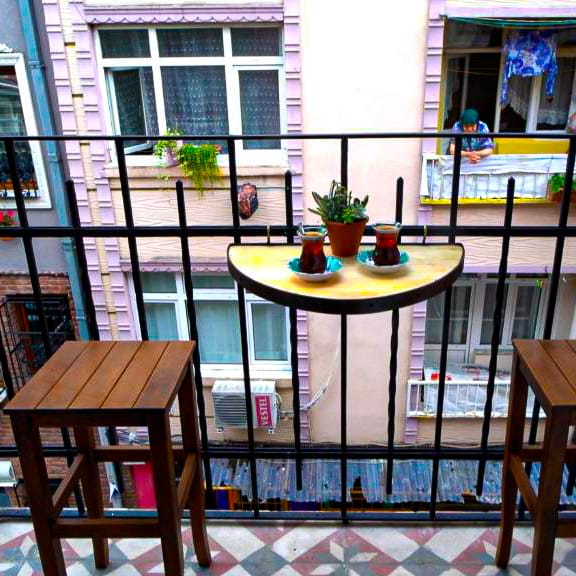
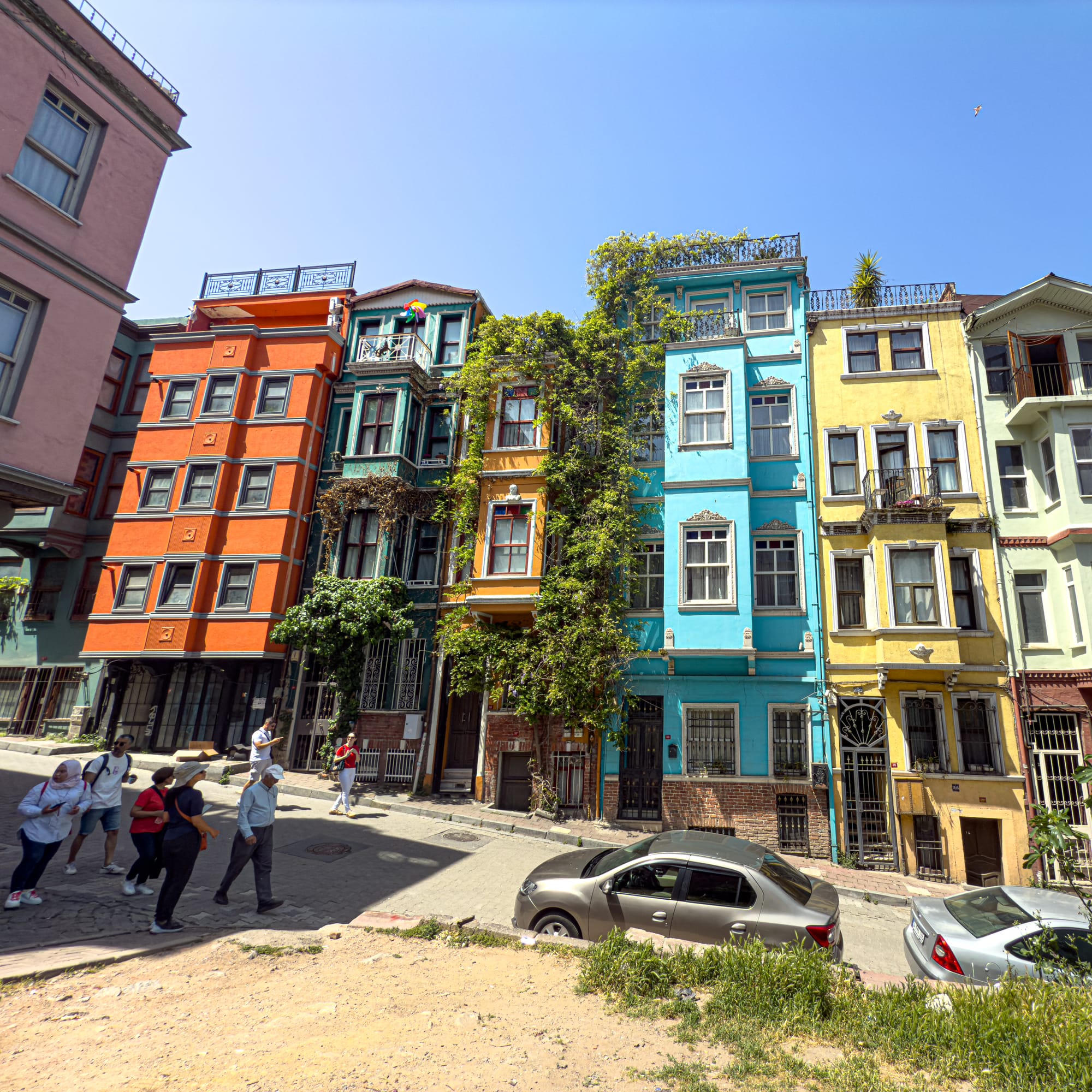
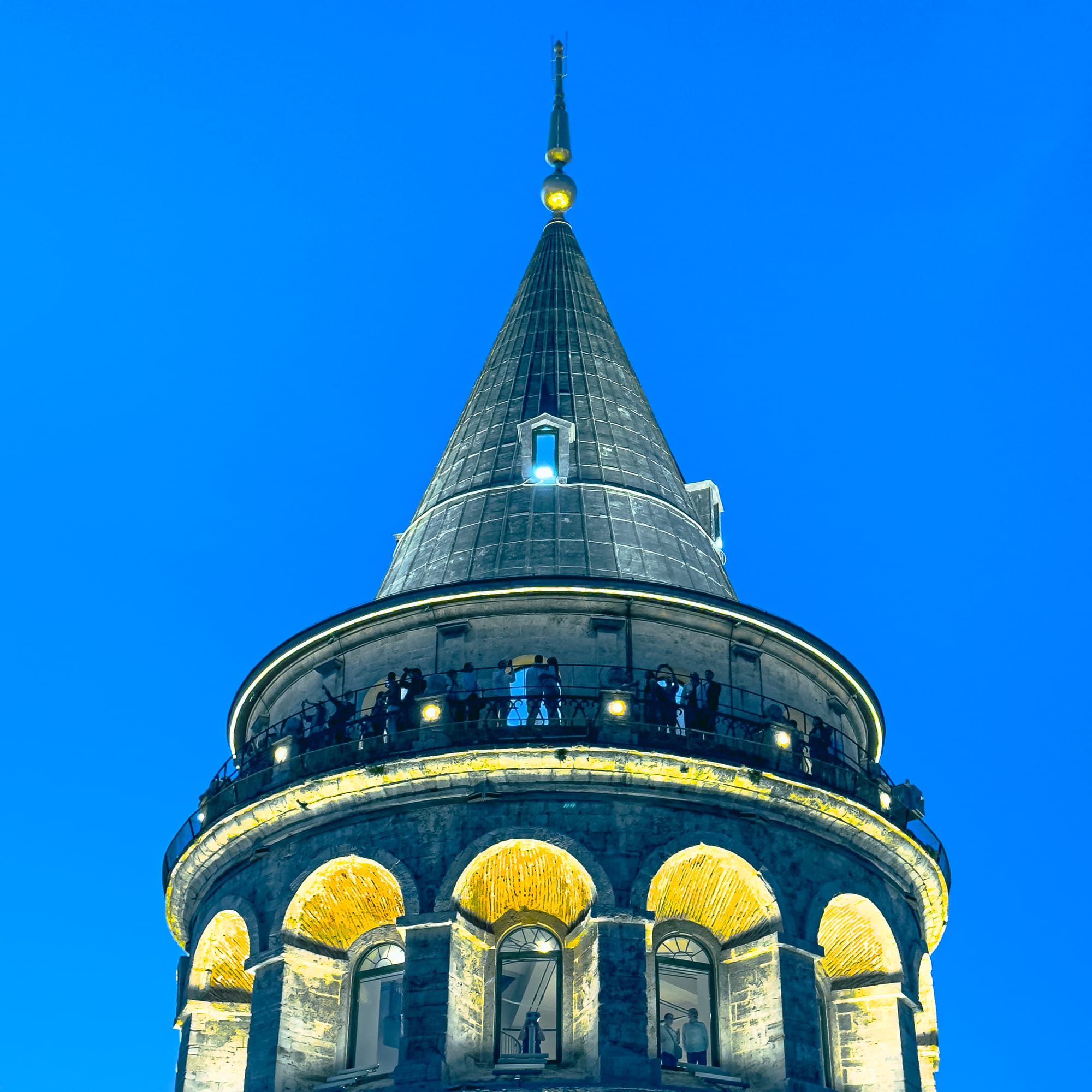
For most digital nomads deciding where to stay in Istanbul, Kadıköy is one of the best options. It has a more residential, alternative feel, with cafés, markets, bars, and regular ferries to the European side. Fener and Balat are quieter and more atmospheric, with colorful streets and layers of history, though they are less convenient for everyday transport and coworking.
On the European side, Beyoğlu, Galata, Karaköy, and Cihangir offer the easiest access to central sights, nightlife, cafés, and public transport. They are busier and often more expensive, but practical for a first stay. Sultanahmet is best for being close to Istanbul’s major historic landmarks, though it can feel more visitor-oriented than lived-in.
Cost of living
Getting around
Getting around Istanbul is exceptionally easy for a city of its size. The metro, trams, buses, ferries, and Marmaray rail line connect most major neighborhoods, while the Istanbulkart makes transfers simple across the network. Ferries are especially useful, linking the European and Asian sides while offering some of the best views of the Bosphorus.
You do not need to rent a car in Istanbul, and driving is usually more trouble than it is worth due to traffic and limited parking. Public transport is faster, cheaper, and better suited to everyday movement, while taxis and ride-hailing apps are useful for late nights or less accessible areas.
Best experiences
Some of the best experiences in Istanbul come from moving between its neighborhoods. Kadıköy offers bazaars, street art, record shops, cafés, and a more alternative energy, while Fener and Balat reveal another side of the city through their layered Greek, Jewish, Armenian, and Ottoman histories.
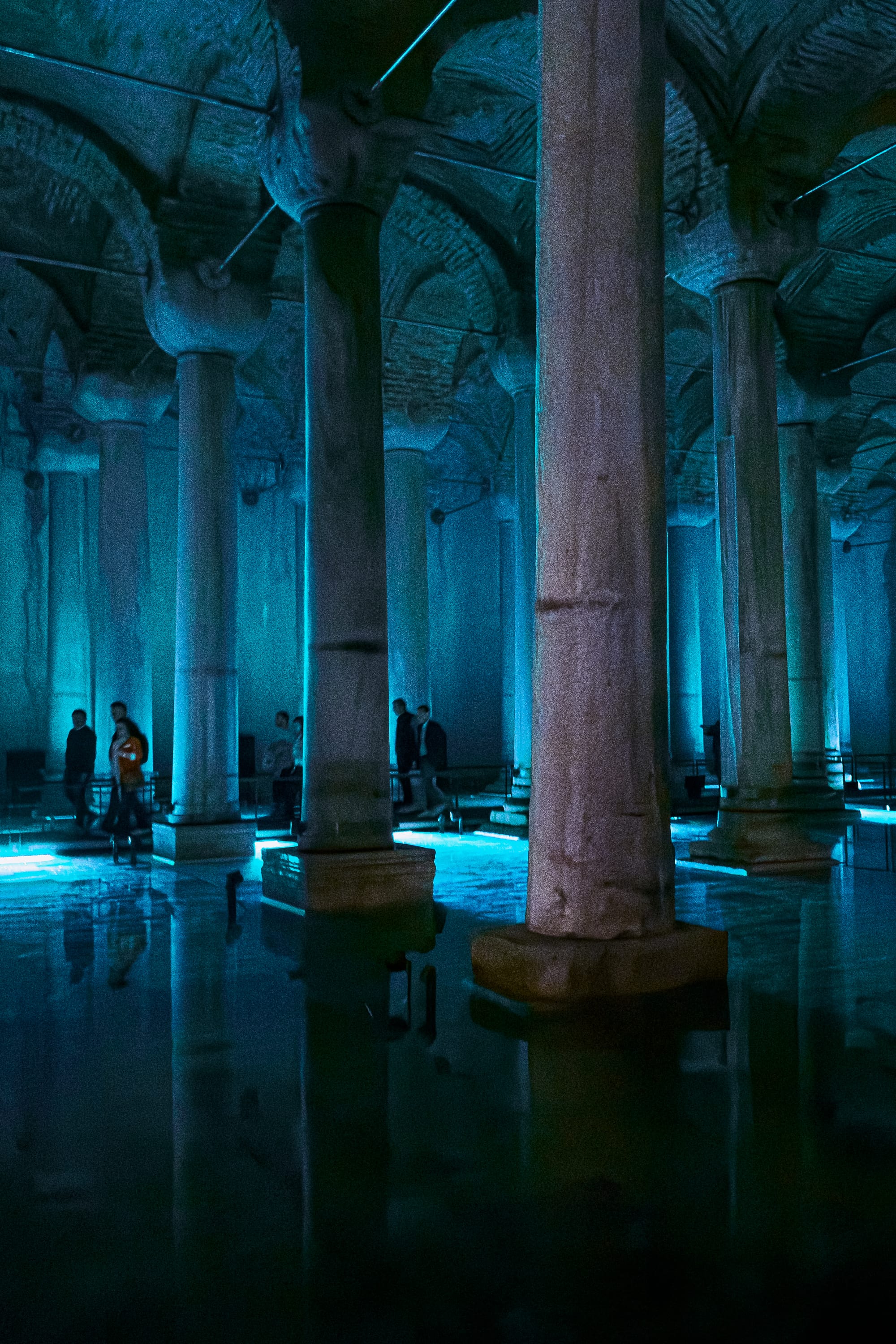
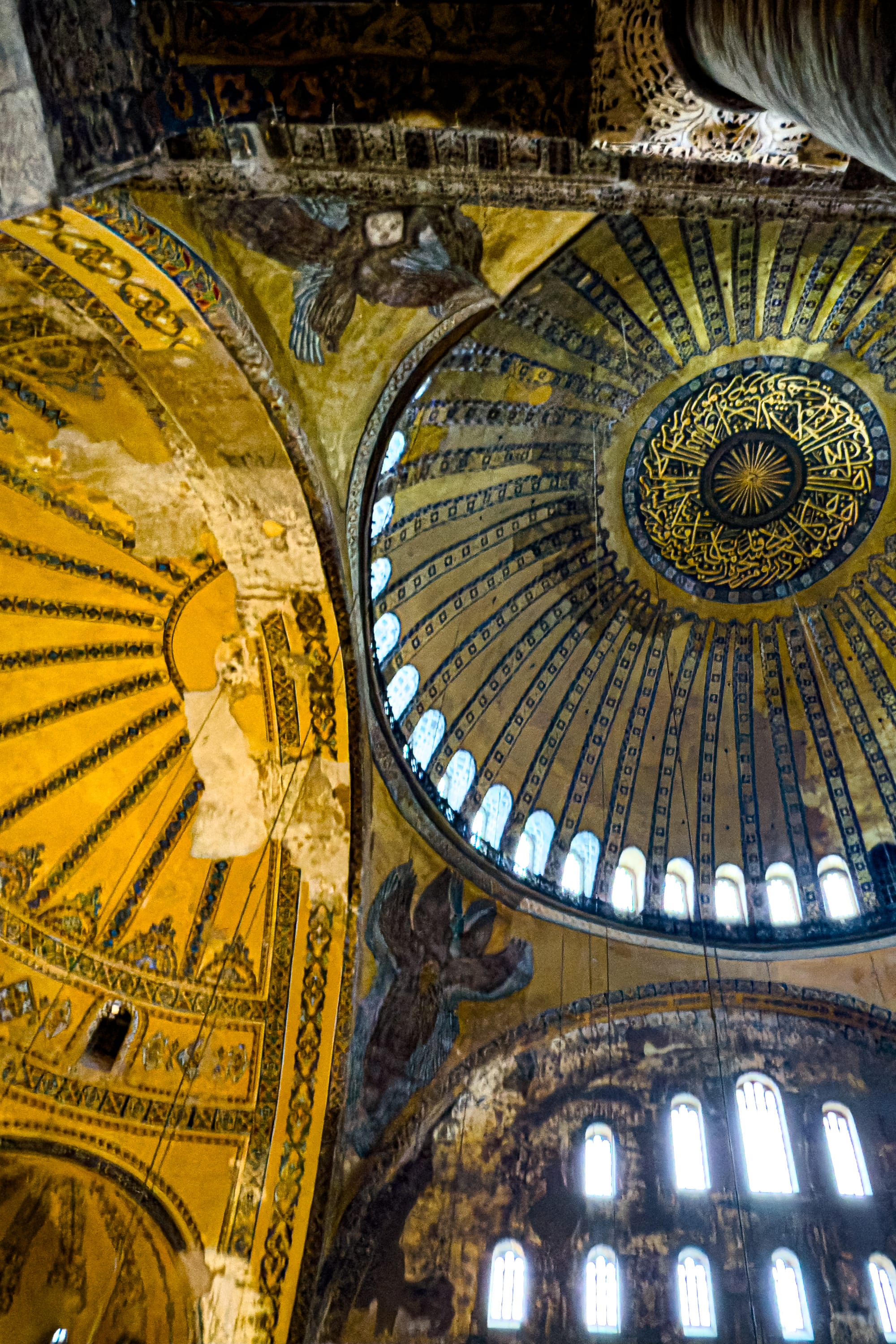
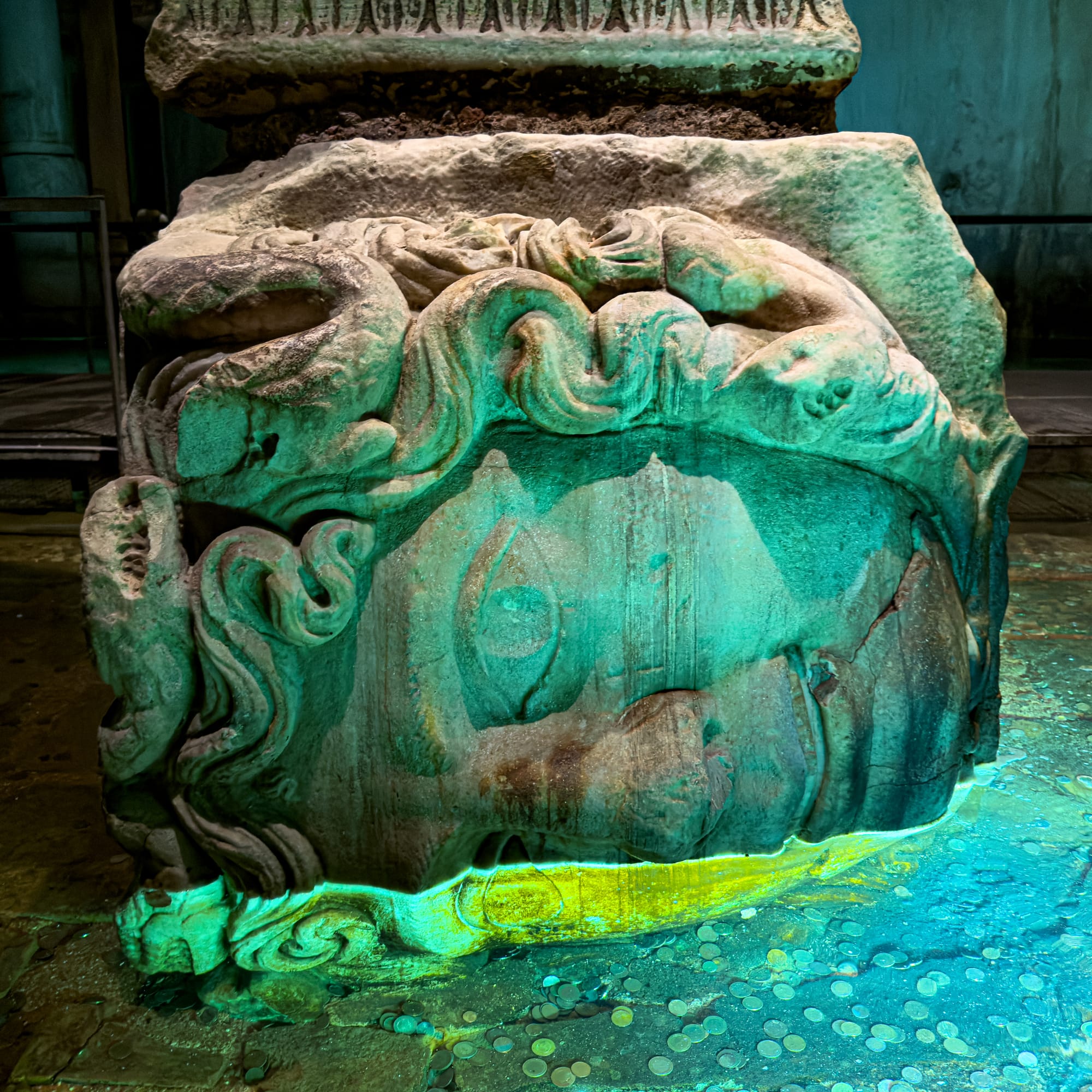
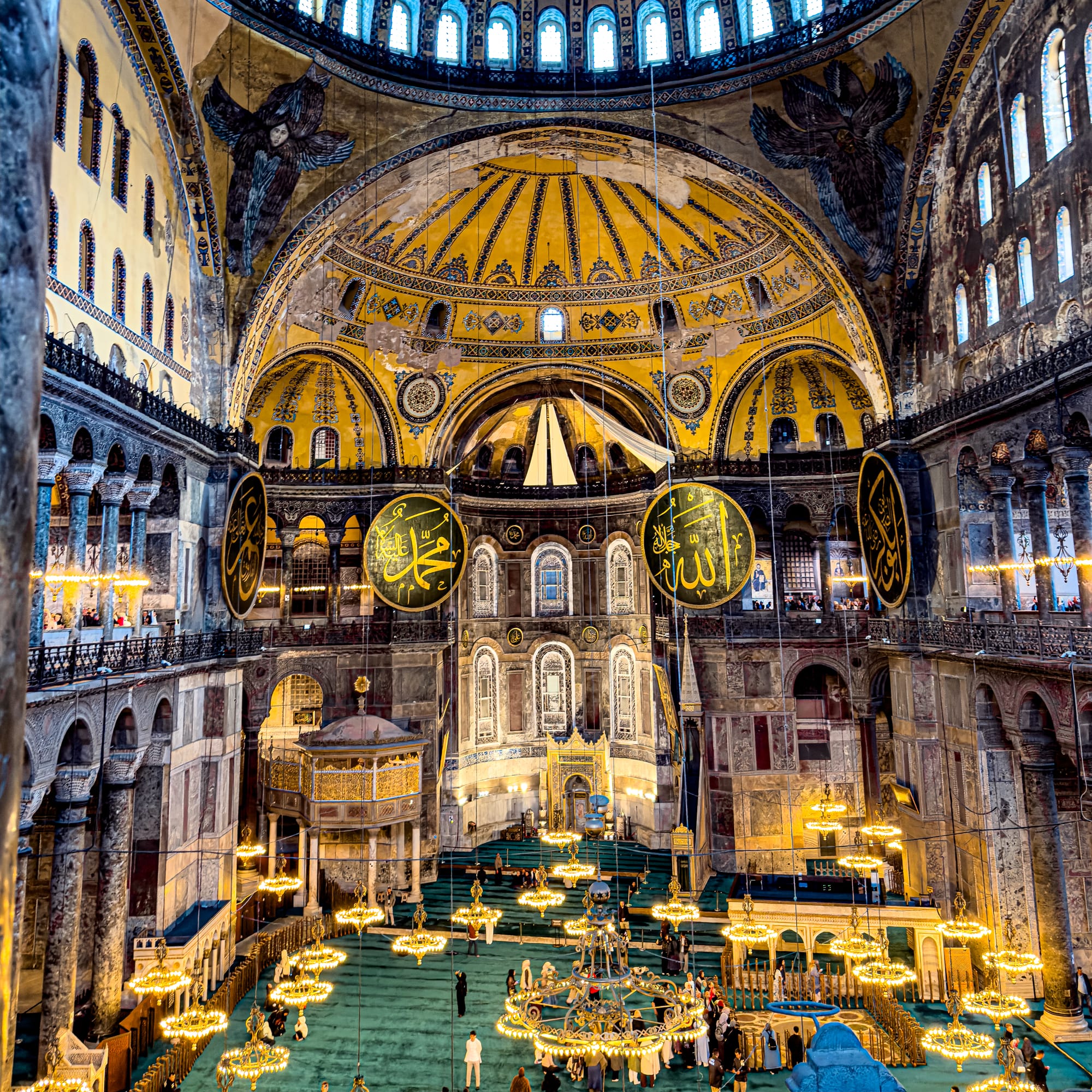
Then there is Istanbul at its most monumental: the Blue Mosque, Hagia Sophia, the Basilica Cistern, and Topkapı Palace. A cruise along the Bosphorus ties these different versions of the city together, passing palaces, mosques, ferries, and old waterfront architecture between Europe and Asia.
Community & social life
Best places to work
Istanbul has no shortage of places to work remotely, especially in Kadıköy, where laptop-friendly cafés are woven into everyday neighborhood life. Benazio is regularly frequented by students and digital nomads, while Cherrybean Coffee in Moda is often recommended for its wifi and quiet garden. Tasarım Bookshop & Cafe is another good option when you want a calmer, book-lined setting rather than a conventional coffee shop.
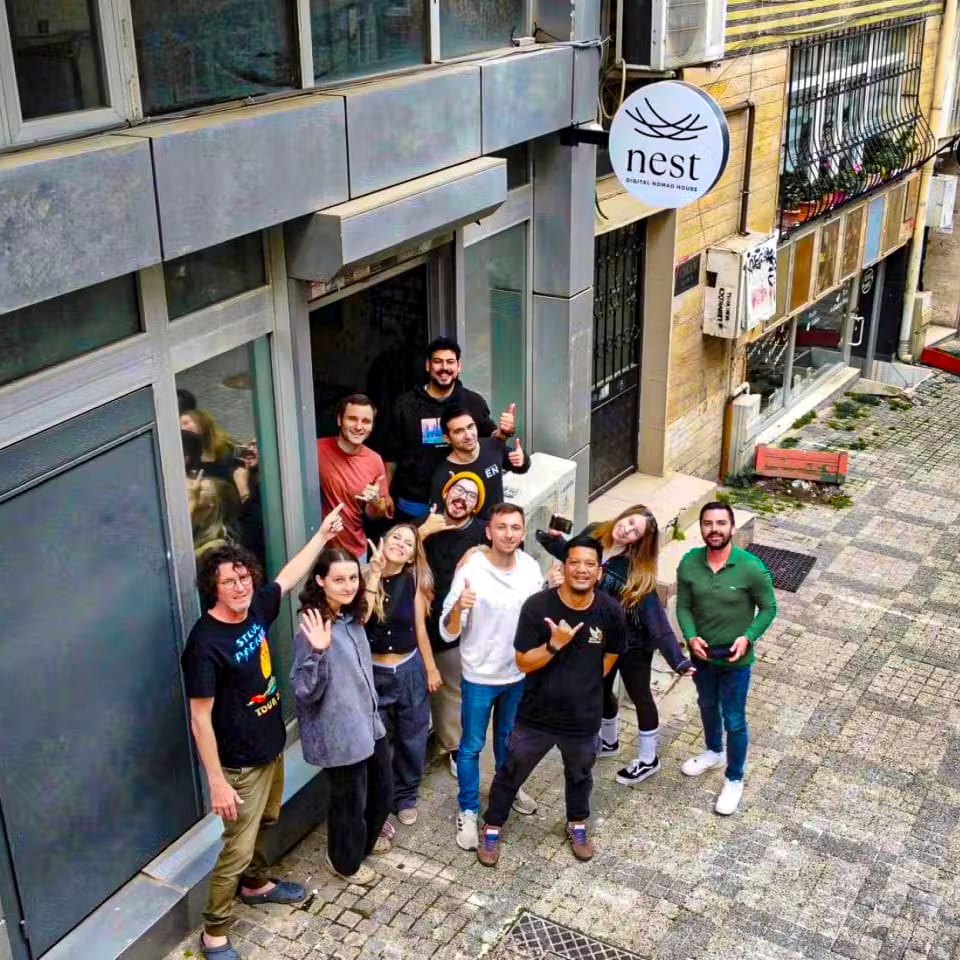
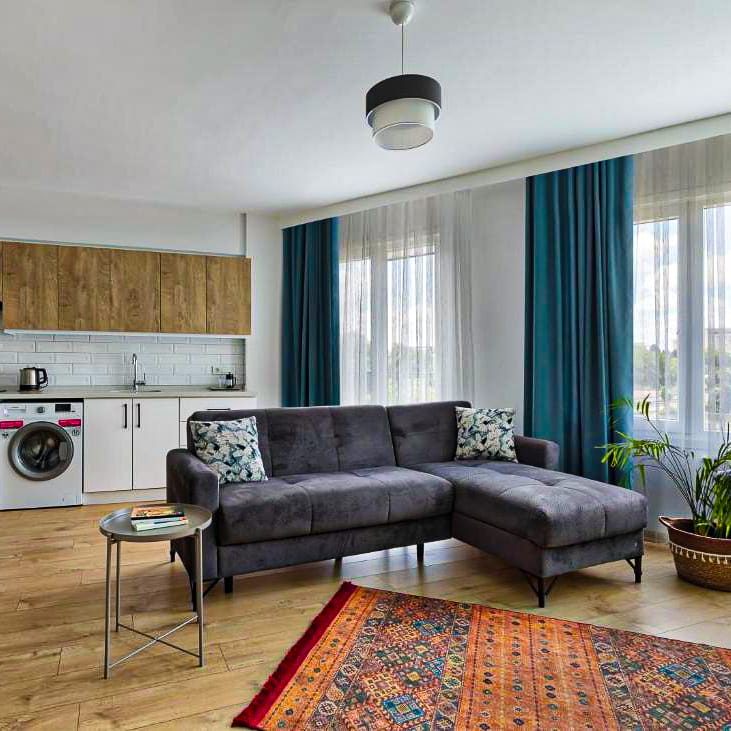
Cafés are useful for a few hours, but seating, noise, sockets, and laptop policies can vary, so a coworking day pass is the safer choice for calls or longer workdays. Nest Digital Nomad House in Kadıköy has great internet and work areas, but you need to stay there to access this space.
Internet & infrastructure
Delights & frictions
Safety
We generally felt safe during our time in Istanbul, but our experience was not entirely without incident: a friend we were with realized that a man had been following her, which was unsettling and a reminder to stay aware, particularly when walking alone. Petty theft, tourist scams, and inflated taxi fares are also among the more common concerns in crowded and heavily visited areas. Official guidance recommends monitoring local news and remaining alert in busy public spaces.
Top tips
Stay somewhere that supports everyday life, not just sightseeing. For a month or more, Kadıköy is easier to settle into than the most tourist-heavy parts of the European side, with markets, cafés, ferries, and a stronger neighborhood rhythm.
Book tickets to Istanbul’s most popular sites in advance where possible, especially for places like Topkapı Palace and the Basilica Cistern. Lines can be long, and timed entry makes it much easier.
Learn the public transport system early. The metro, trams, ferries, buses, and Marmaray are the fastest and most practical ways to move through the city, and an Istanbulkart makes transfers much simpler.
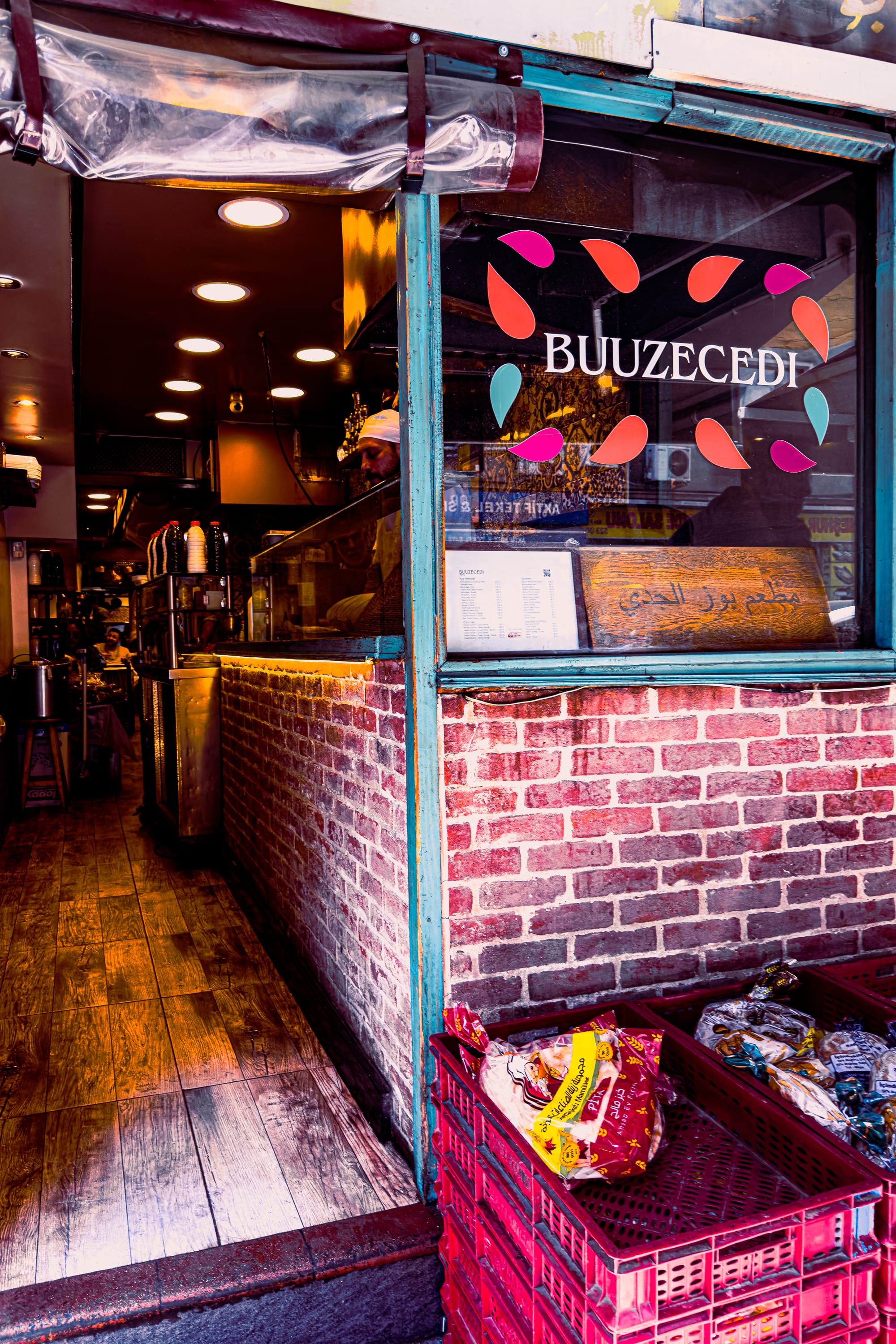
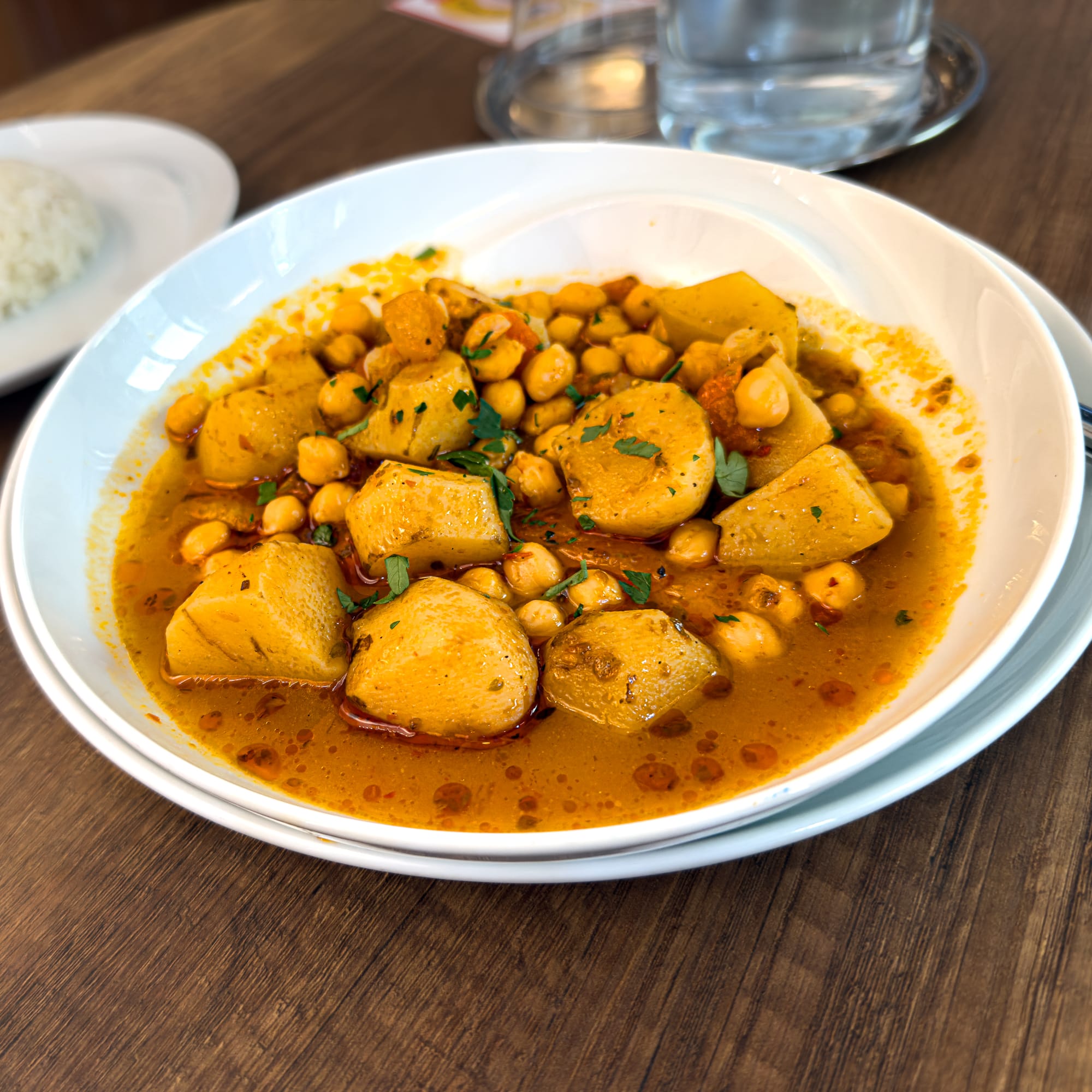
For affordable meals, eat at traditional Turkish lokantas. They are one of the easiest ways to keep daily food costs down while still eating well.
Finally, give the city time. Istanbul is too large and layered to approach as a checklist, so focus on a few neighborhoods at a time rather than trying to cross the city repeatedly in one day.
Is Istanbul good for digital nomads?
Yes. Istanbul is a strong choice for digital nomads who want dependable infrastructure, excellent public transport, abundant cafés and coworking spaces, and more culture than they could exhaust in a single stay. The tradeoffs are rising accommodation costs, heavy traffic, and a social scene that can feel dispersed unless you stay in a coliving space or actively seek community. Kadıköy is particularly well suited to longer stays because it combines everyday neighborhood life with fast ferry, metro, and Marmaray connections.
Which side of Istanbul is better to stay on: European or Asian?
The European side is better for a first visit centered on Istanbul’s major landmarks, while the Asian side is often better for a longer, more residential stay. Sultanahmet, Galata, Karaköy, and Beyoğlu place you closer to historic sites and nightlife; Kadıköy offers markets, cafés, street art, and fewer tourist crowds. Ferries and the Marmaray make it easy to move between both sides, so the choice is less restrictive than it initially appears.
Is Kadıköy a good neighborhood for digital nomads?
Yes. Kadıköy is one of Istanbul’s best neighborhoods for digital nomads, particularly for stays of several weeks or longer. It has laptop-friendly cafés, coworking options, local bazaars, restaurants, nightlife, and a more settled and artistic neighborhood rhythm than the historic center. It is also well connected to the European side by ferry and rail, although crossing the Bosphorus every day can become tiring if most of your plans are in Sultanahmet or Beyoğlu.
Is Topkapı Palace worth visiting, and should you pay extra for the Harem?
Yes, Topkapı Palace is worth visiting, and we recommend paying extra for the Harem. The palace grounds and collections convey the public scale of Ottoman court life, while the Harem reveals its more secluded domestic world through tiled chambers, courtyards, passageways, and private apartments. The Harem requires a separate ticket and is not covered by the standard MüzeKart, so allow several hours and check the current ticket options before visiting.
Can you visit Hagia Sophia, the Blue Mosque, and Topkapı Palace in one day?
Yes, but it will be a full and fairly rushed day. All three are close together in Sultanahmet, so begin early with Topkapı Palace, then visit Hagia Sophia and the Blue Mosque around their changing prayer schedules. The Blue Mosque is free but closes to non-worshippers during prayers, while Hagia Sophia has separate tourist access and is not included in the Istanbul Museum Pass.
What other parts of Turkey are worth visiting from Istanbul?
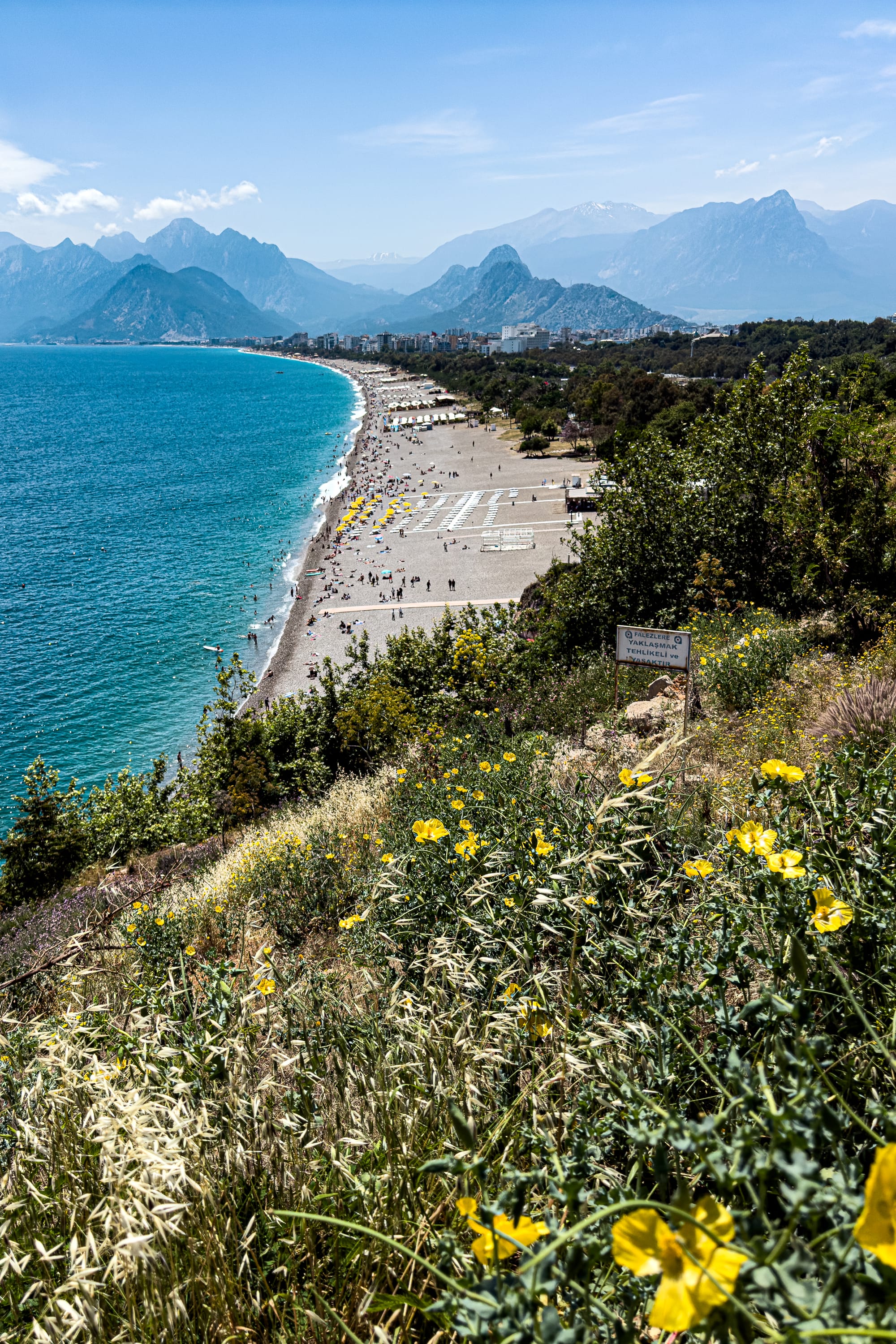
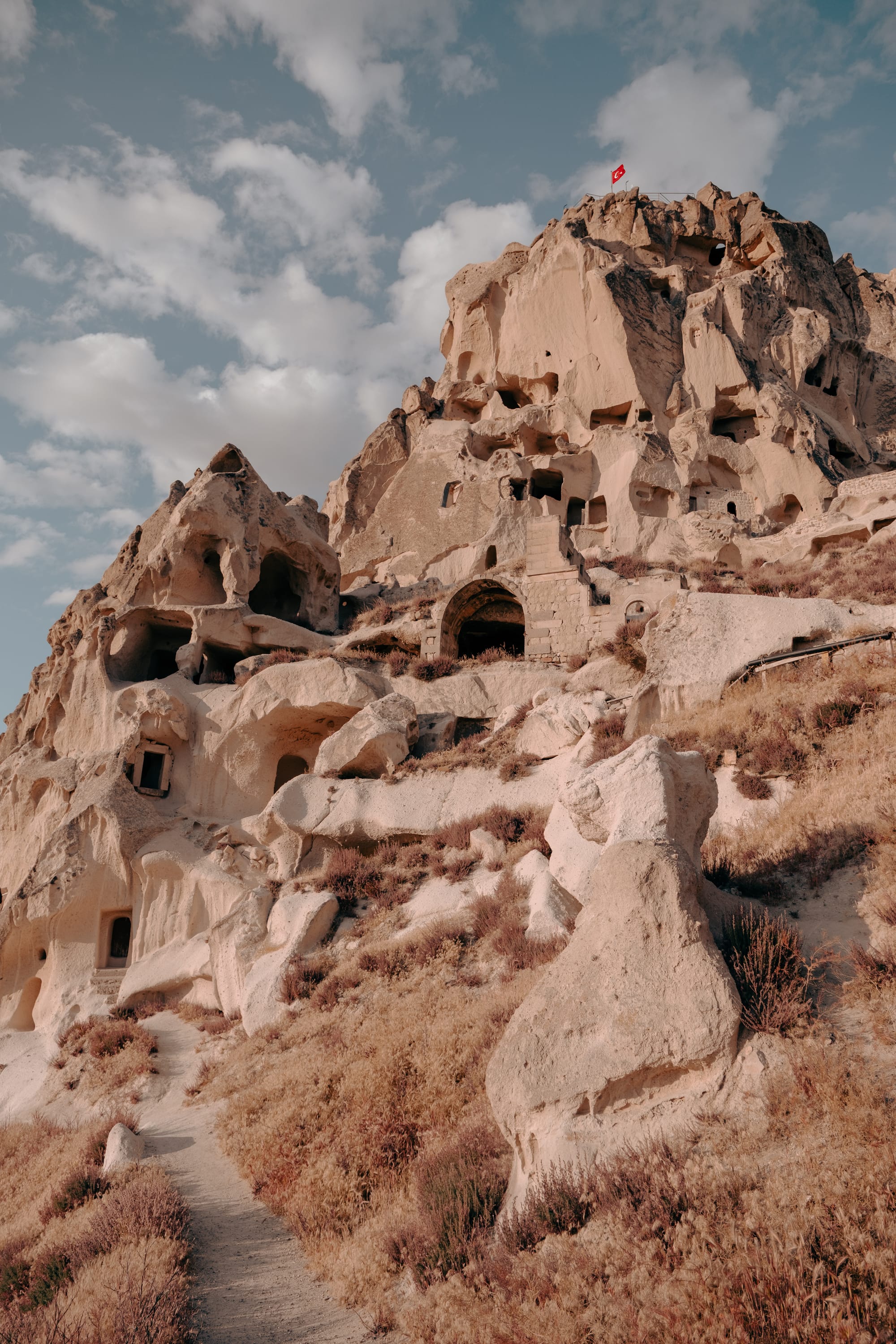
Cappadocia, Ephesus, Pamukkale, and Antalya are among the best places to combine with Istanbul. Cappadocia offers cave settlements and volcanic valleys; Ephesus holds one of Turkey’s most impressive ancient cities; Pamukkale pairs white travertine terraces with Hierapolis; and Antalya opens onto beaches, the Lycian Coast, and an extraordinary concentration of archaeological sites. Most are better reached by domestic flight or overnight travel than as day trips.
Is Istanbul safe for solo female travelers?
Many solo women visit Istanbul without incident, but normal big-city precautions are important. Pickpocketing is common in major tourist areas, demonstrations should be avoided, and unwanted attention or harassment can occur. During our own stay, a female friend realized that a man had been following her, so we would recommend trusting your instincts, moving into a busy place when something feels wrong, keeping accommodation details private, and using registered or app-based taxis.
Is the Istanbul Museum Pass worth it?
The Istanbul Museum Pass is worth it only when you plan to visit several included museums within five days. It currently costs €105 and covers one entry to 13 participating museums, so compare the pass price with the individual admission fees for your itinerary before buying. It does not cover every major attraction: Hagia Sophia is excluded, and the Harem at Topkapı Palace requires separate admission.
Which is better for a longer stay: Kadıköy or Beyoğlu?
Kadıköy is generally better for a longer stay, while Beyoğlu is better for immediate access to central nightlife, galleries, restaurants, and European-side attractions. Kadıköy feels more residential and offers markets, cafés, waterfront walks, and strong transport connections without being surrounded by visitors. Beyoğlu is more central to many sights, but it is busier, noisier, and often more expensive. For a month or longer, we would choose Kadıköy.