
















Living in Antalya
We first heard about Antalya from folks in Bansko who planned to head there after the summer season and work from Coworking Antalya. Curious, we followed the same route.
Set between the Mediterranean and the Taurus Mountains, Antalya offers more than its resort-city reputation suggests. With citrus-lined streets and bright coastal light, it's one of the best spots in Turkey.
Defining moments
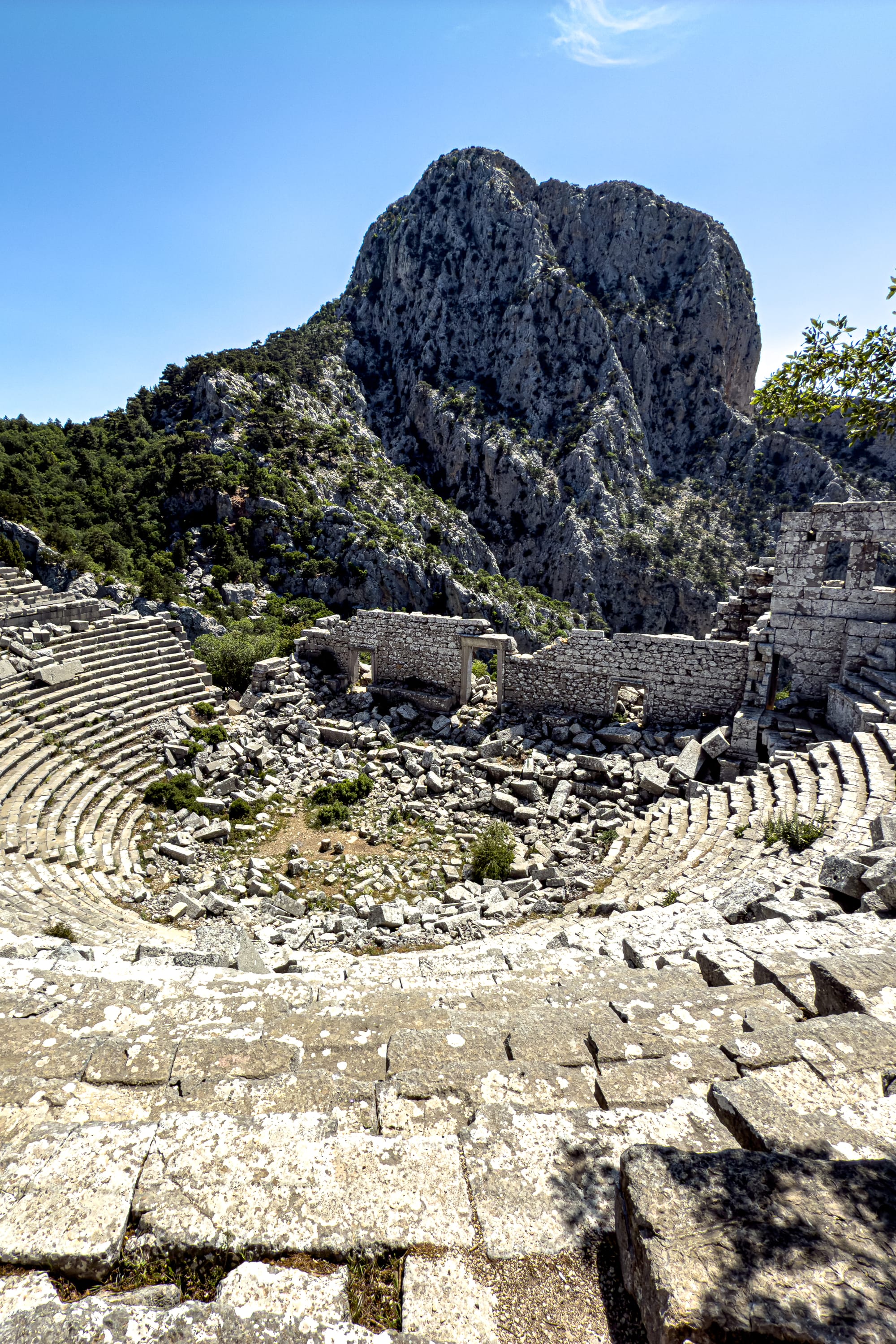
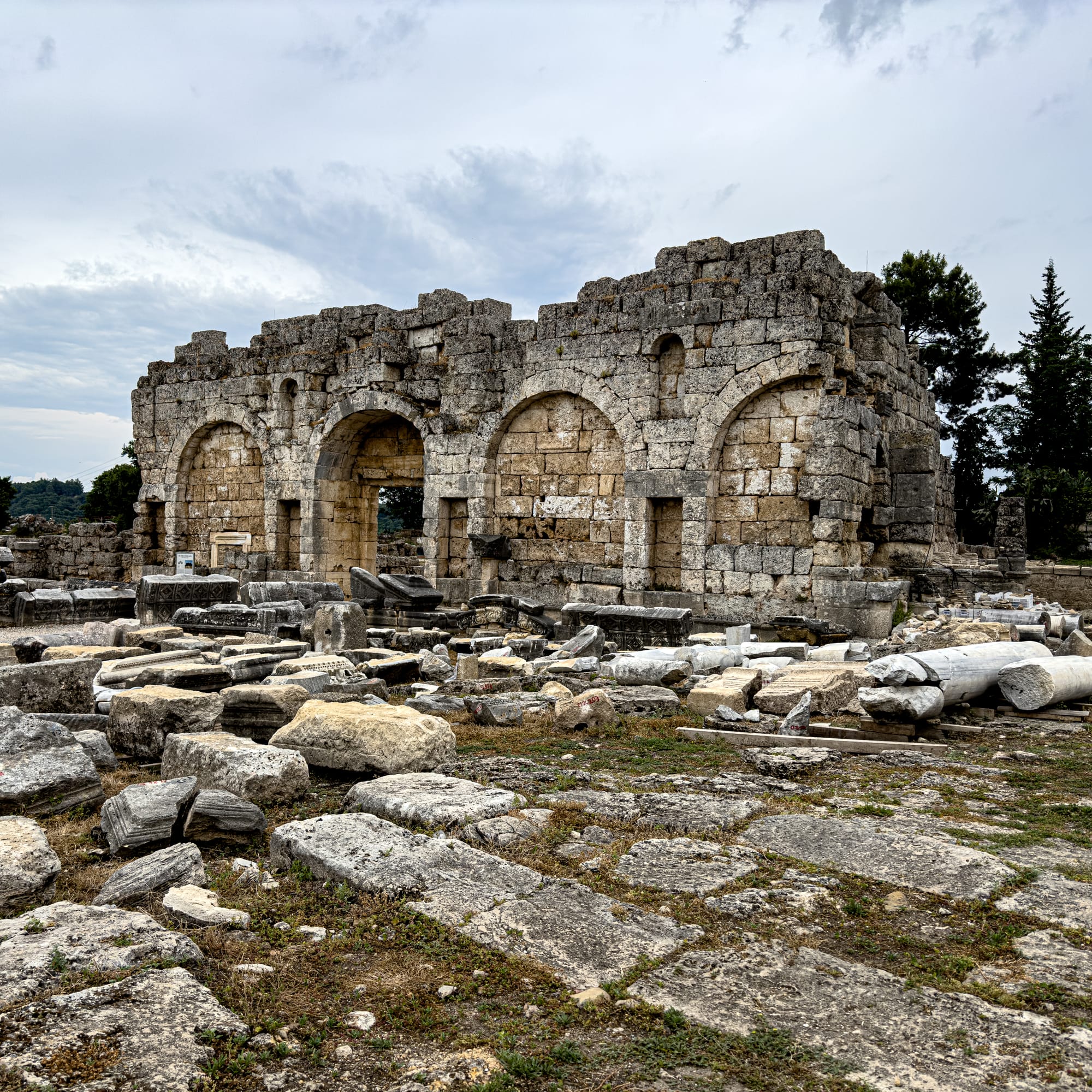
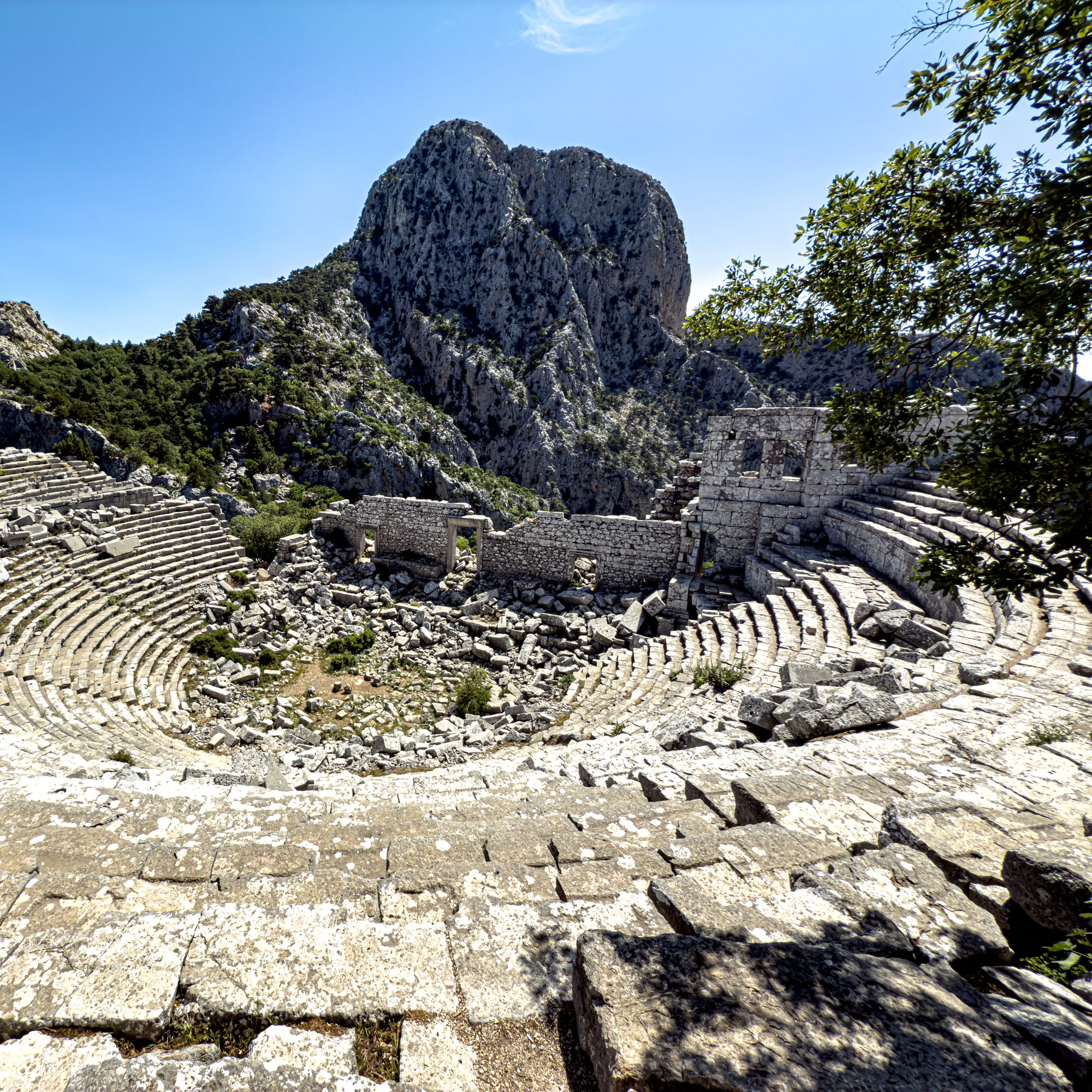
Hiking through the pine forests and remarkably preserved ruins of Termessos, an ancient city set high in the Taurus Mountains.
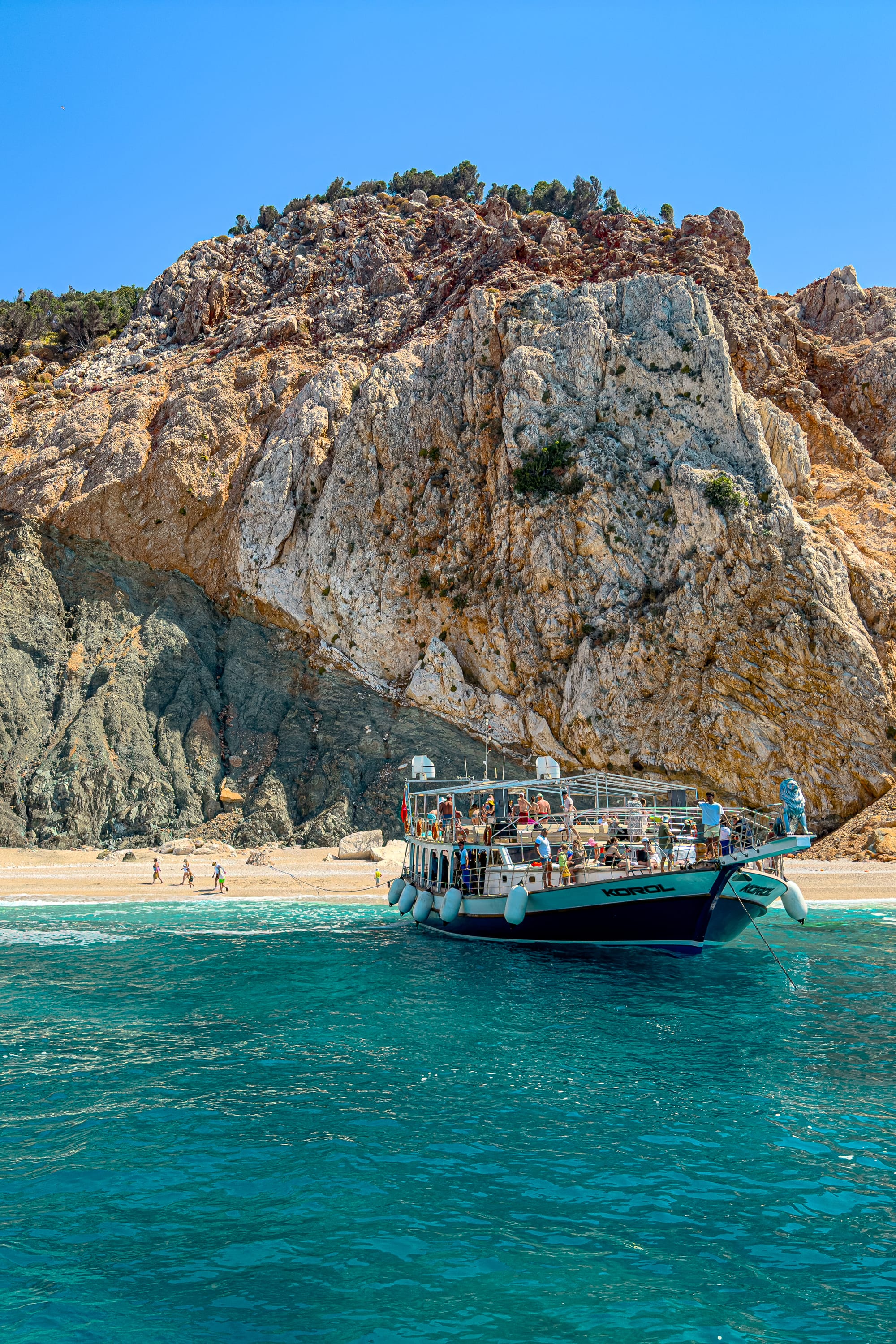
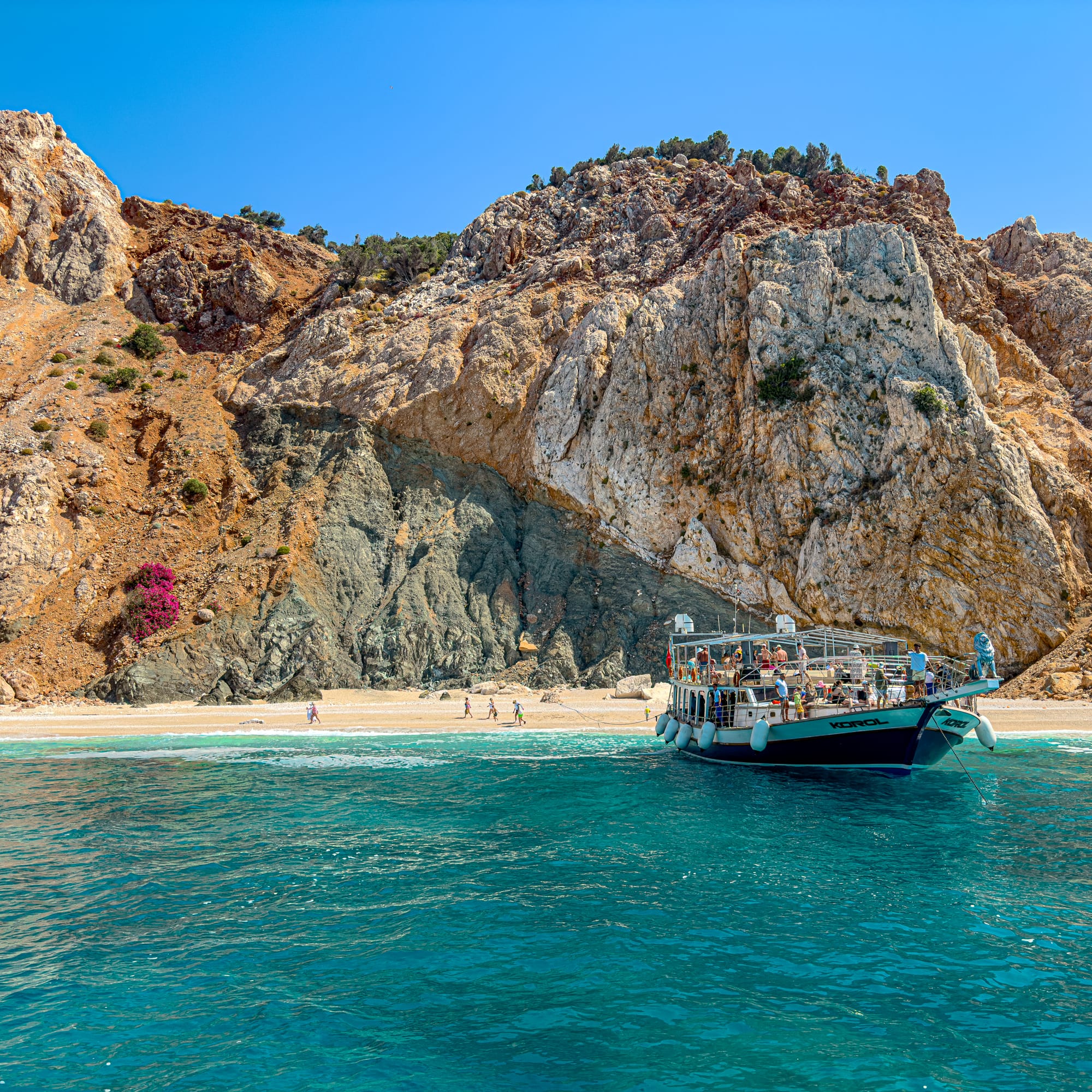
Soaking in the sun and swimming in the clear turquoise coves of Suluada, a small island near Adrasan often called “the Turkish Maldives.”
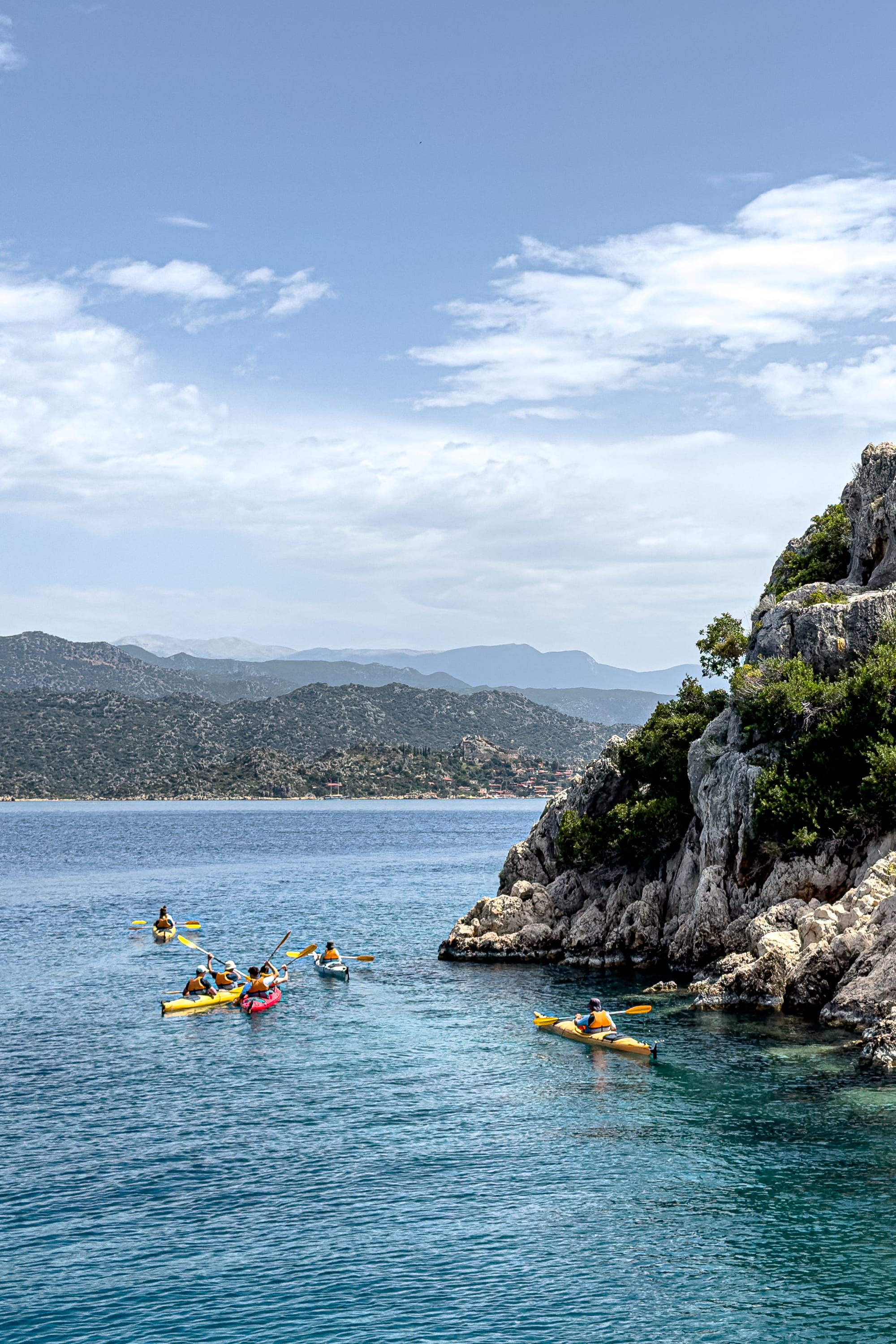
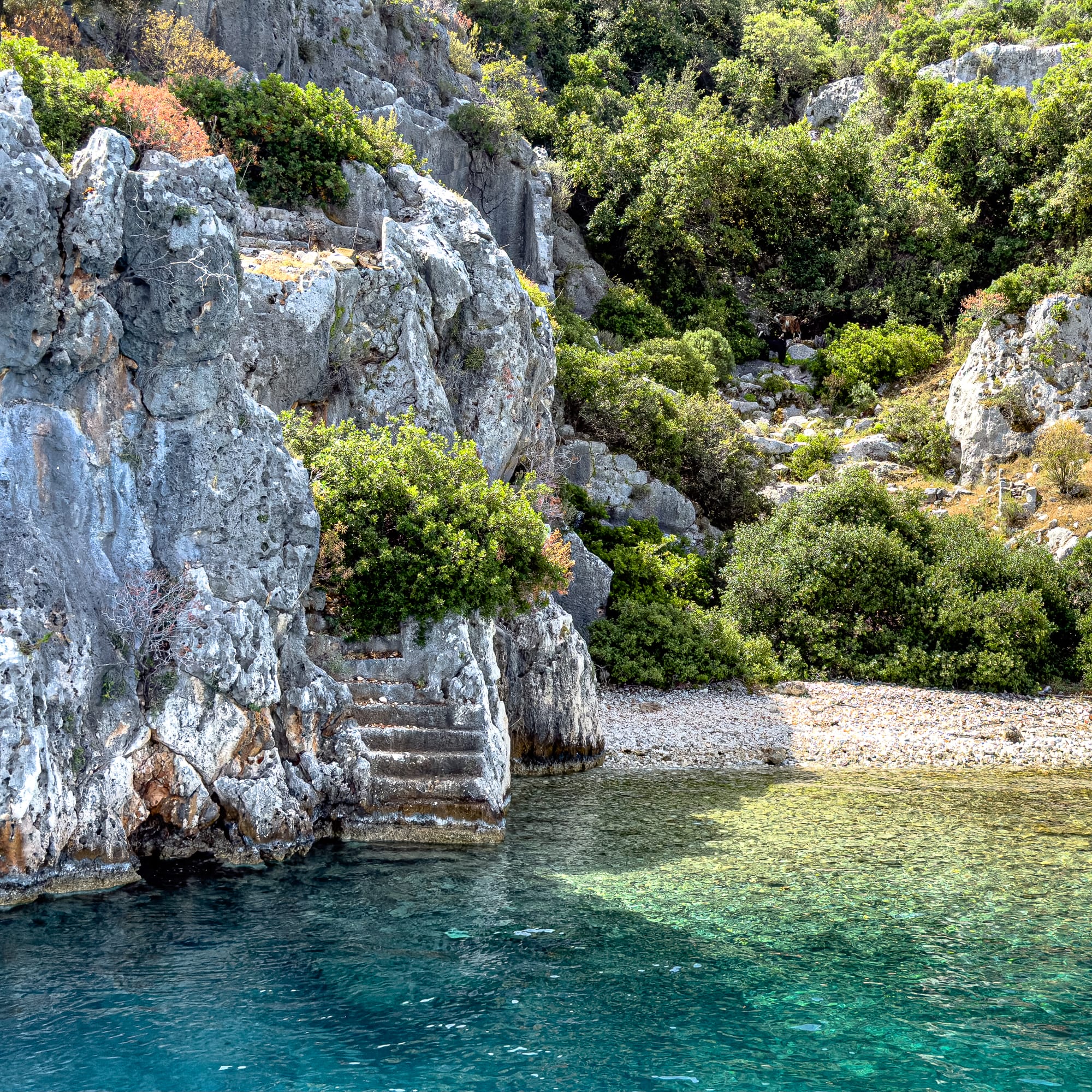
Sailing across the waters of Kekova, where the submerged ruins of an ancient Lycian settlement remain visible beneath the surface.
Digital nomad visa
Turkey now has an official digital nomad visa route, although the process begins with a Digital Nomad Identification Certificate rather than the visa itself. Remote workers first apply through the GoTürkiye platform, then use the certificate to apply for the Turkey Digital Nomad Visa at a Turkish visa center or consulate. To qualify, applicants generally need to be between 21 and 55, hold a university degree, work remotely for a company or client outside Türkiye, and show income of at least $3,000 USD per month or $36,000 USD per year.
For shorter stays, many nationalities, including most Western passport holders, can still enter Turkey visa-free or with an e-Visa, but tourist stays are limited by the usual 90 days within 180 days rule.
Spotlight
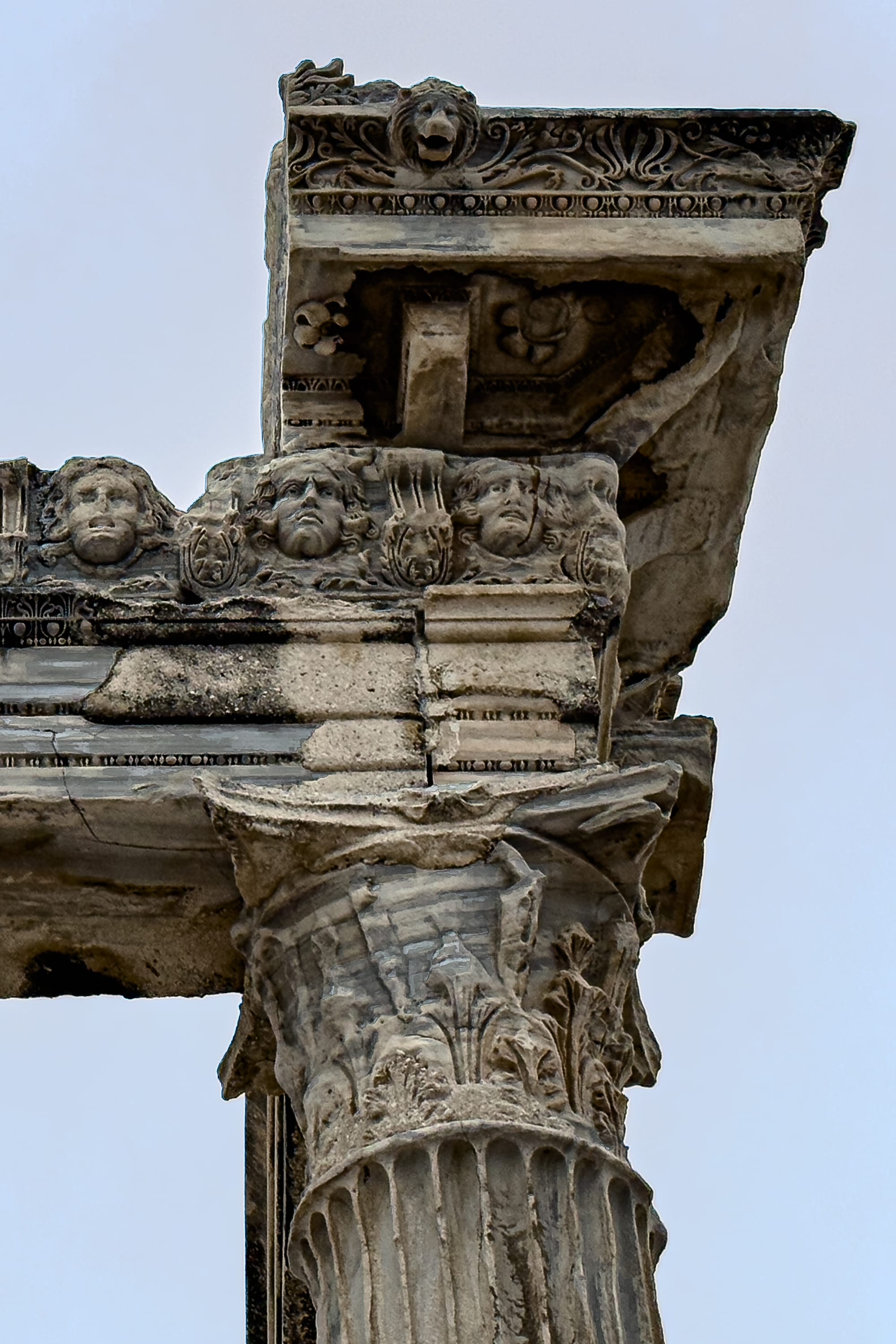
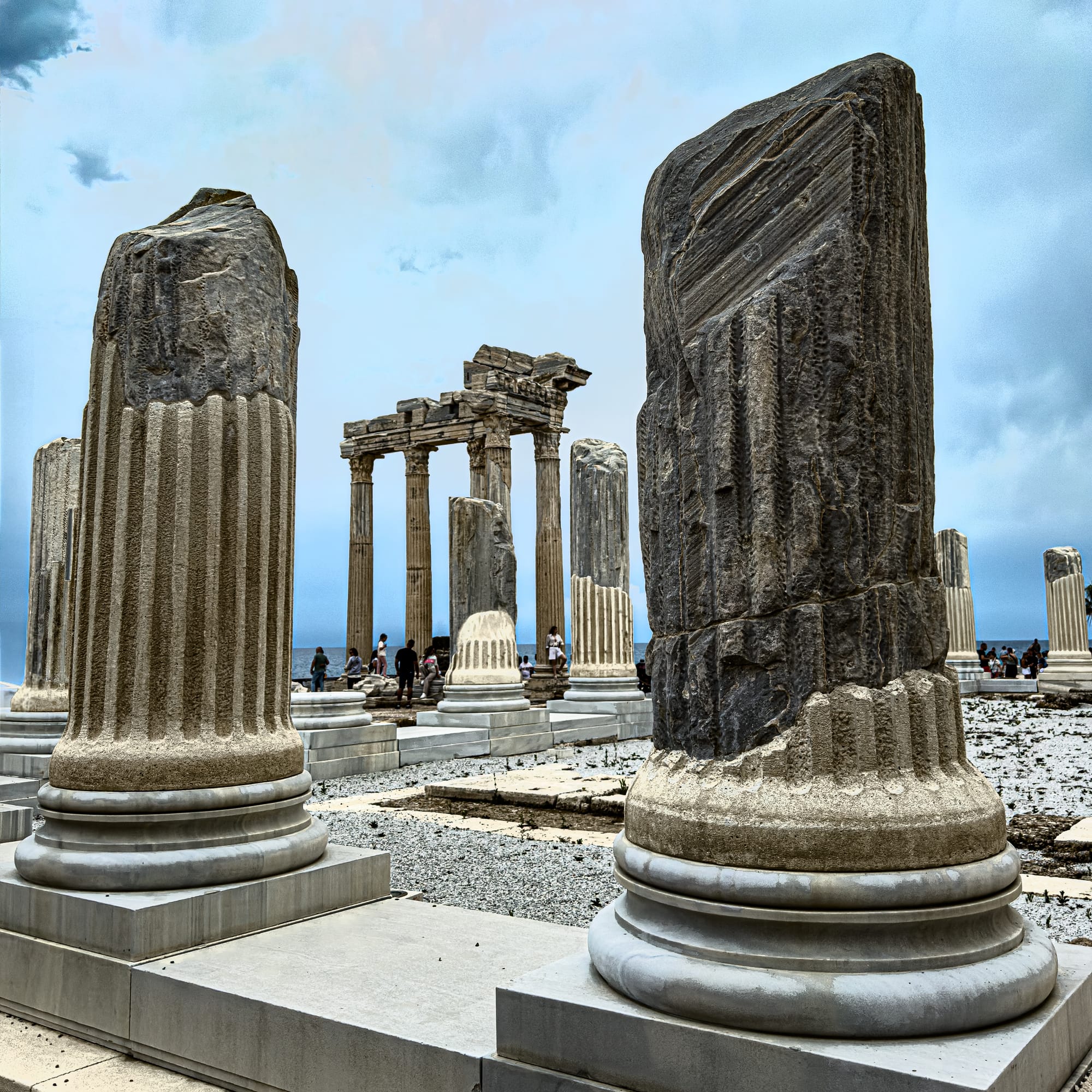
“The Temple of Apollo is easily Side’s most iconic structure. Built in the 2nd century CE and dedicated to the Greco-Roman god of light, music, and prophecy, the temple once stood at the tip of the peninsula, greeting sailors as they returned from sea. Legend has it that this is where Cleopatra and Mark Antony once walked together.”
Read onBest time to go
The best times to visit Antalya are spring and autumn, when the weather is warm without the intensity of midsummer. April to June and September to October are well suited to exploring the coast, the old city, and the surrounding mountains. July and August are the hottest and busiest months. For digital nomads, May, June, September, and October offer the best balance of sunshine, fewer crowds, and a more comfortable pace for working and living in Antalya.
Best areas to stay
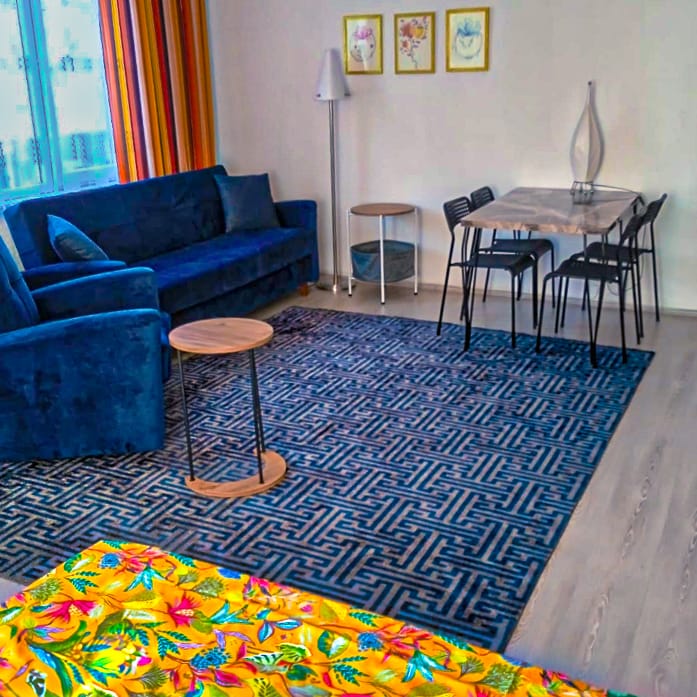
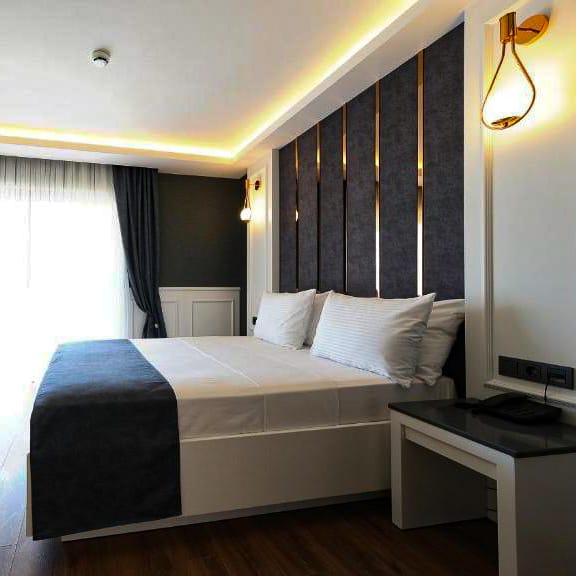
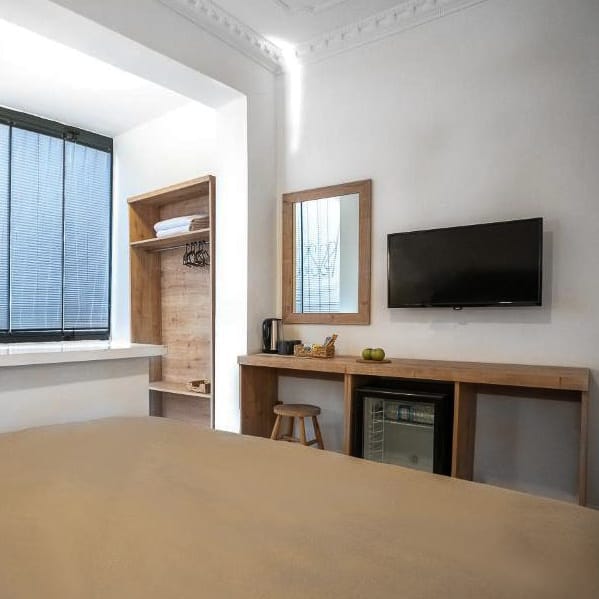
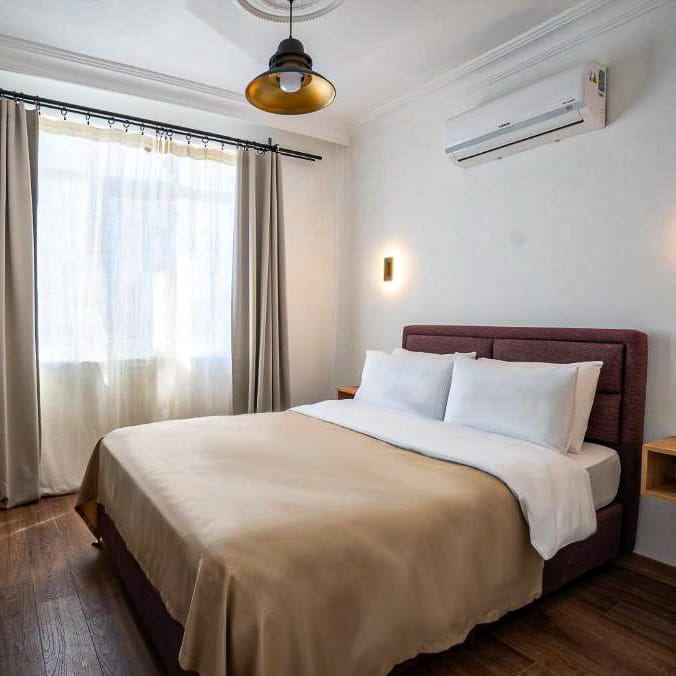
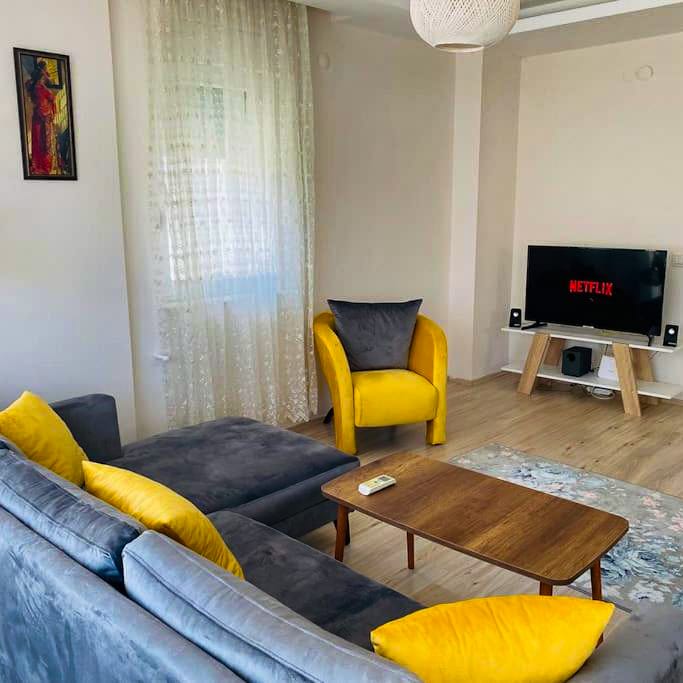
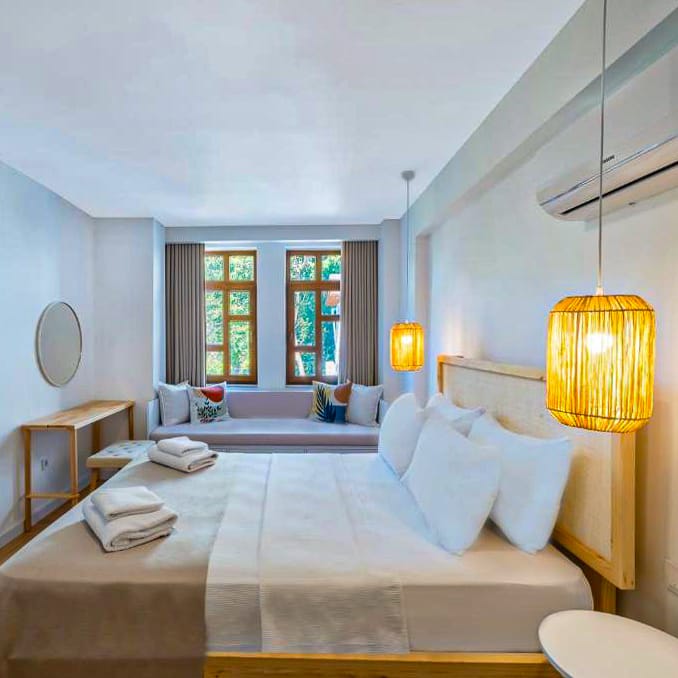
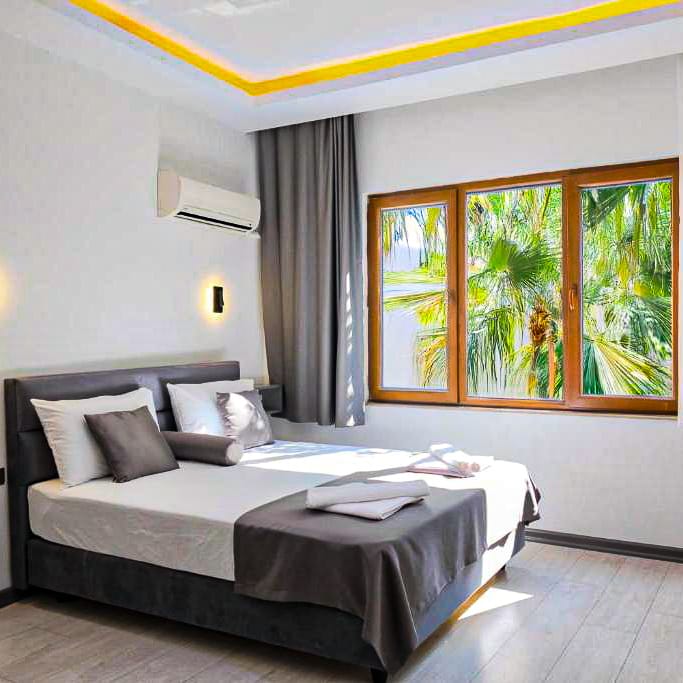
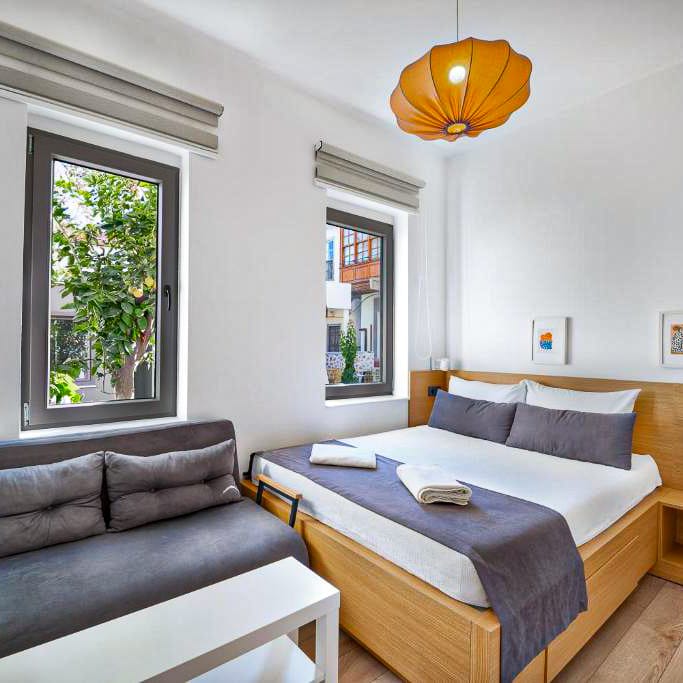
For most digital nomads deciding where to stay in Antalya, we recommend looking just outside Kaleiçi rather than inside the old town itself. Accommodation is usually better value, while still keeping the marina, cafés, restaurants, and Coworking Antalya within walking distance. Neighborhoods around the city center offer a more practical balance of price, quiet, and everyday convenience without feeling disconnected from the historic core.
Cost of living
Getting around
Getting around Antalya is relatively straightforward, especially within the city, where trams, buses, and taxis cover most central areas. Many popular day trips from Antalya can also be booked through GetYourGuide and usually include bus transport, making it easy to visit places like Pamukkale, the Green Canyon, or Aspendos without arranging your own vehicle.
You do not need to rent a car to enjoy Antalya, but it can be convenient if you want to explore the Lycian Coast independently. Having your own car gives you more freedom to stop in smaller coastal towns, reach quieter beaches, and move at your own pace rather than following a fixed tour schedule.
Best experiences
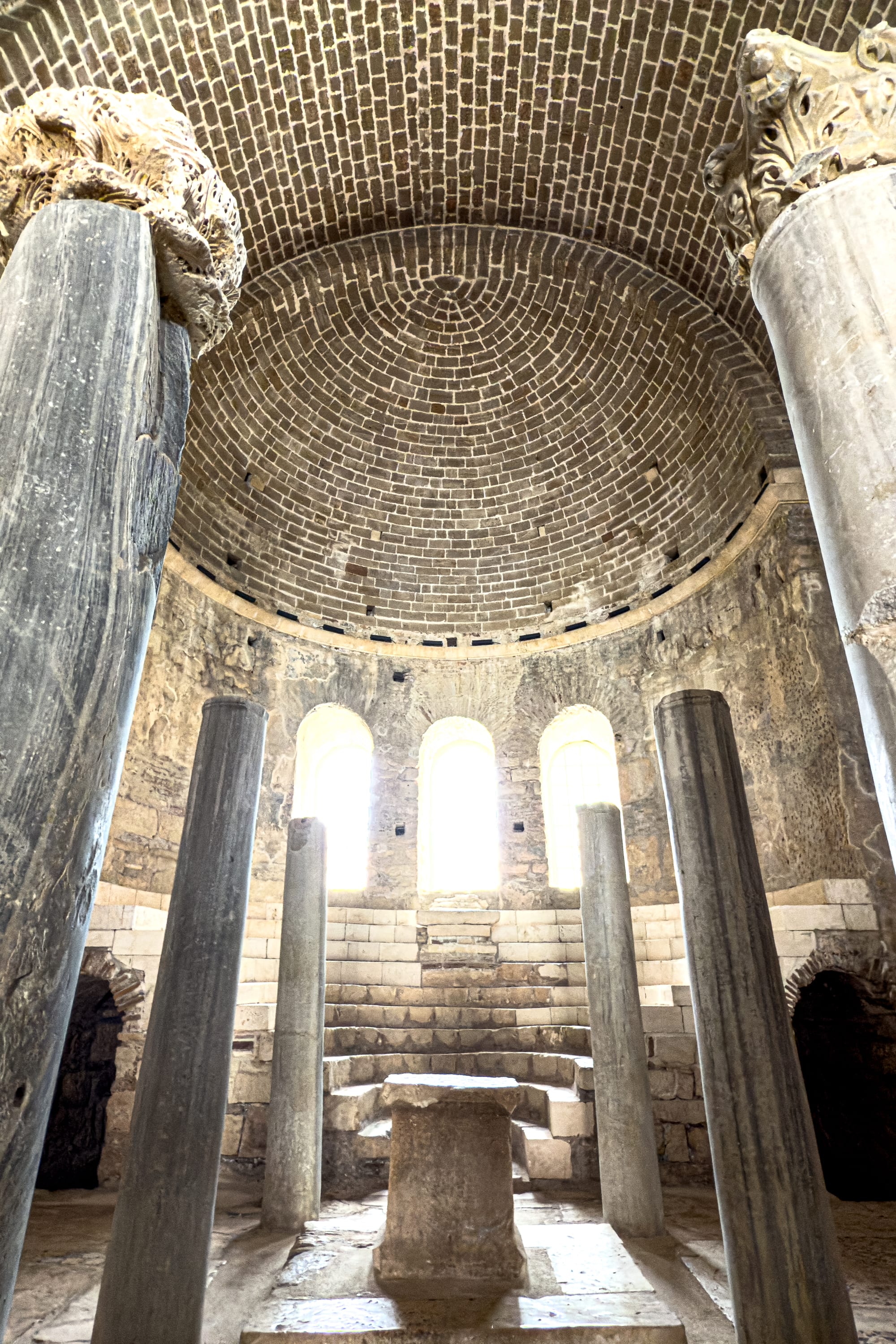
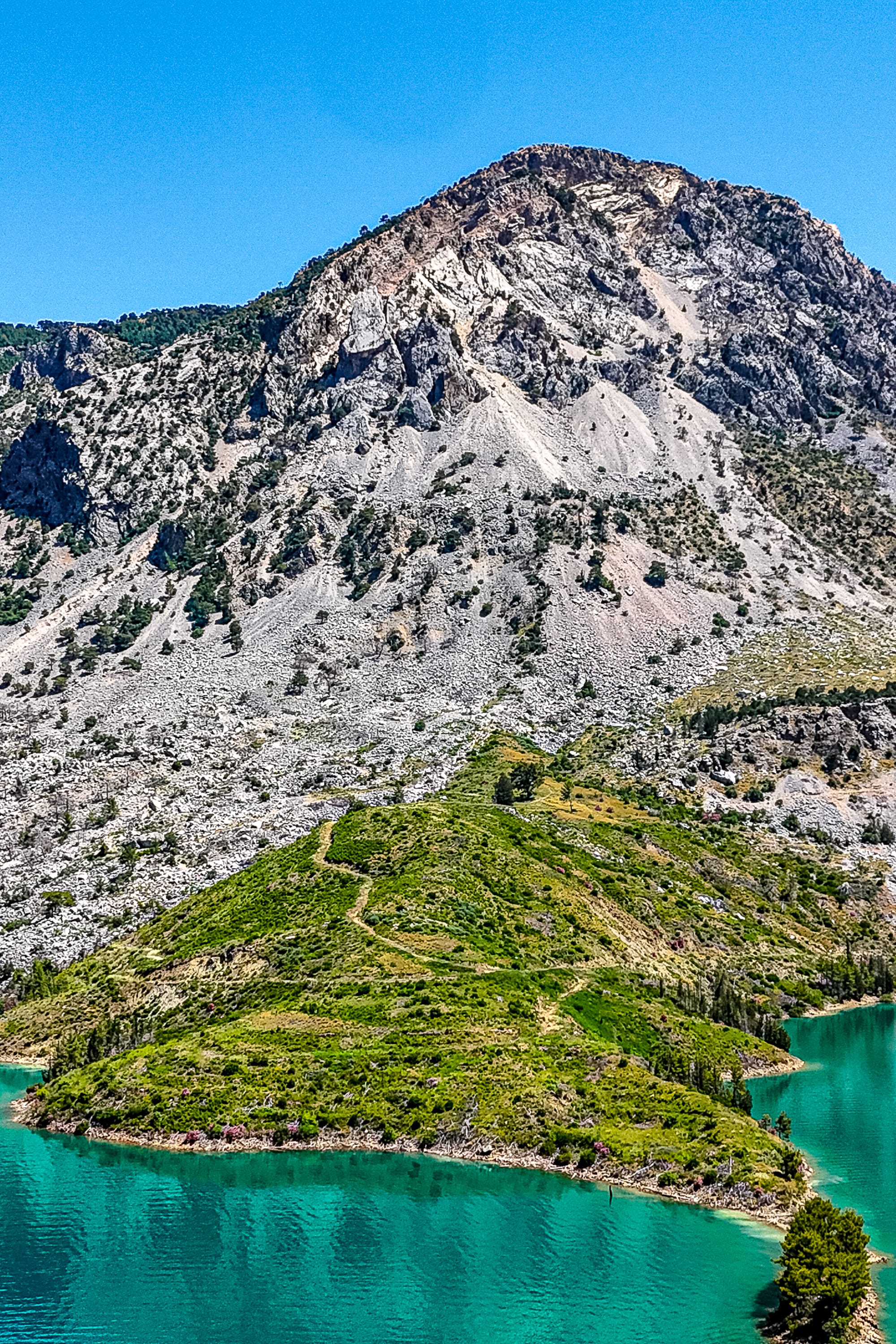
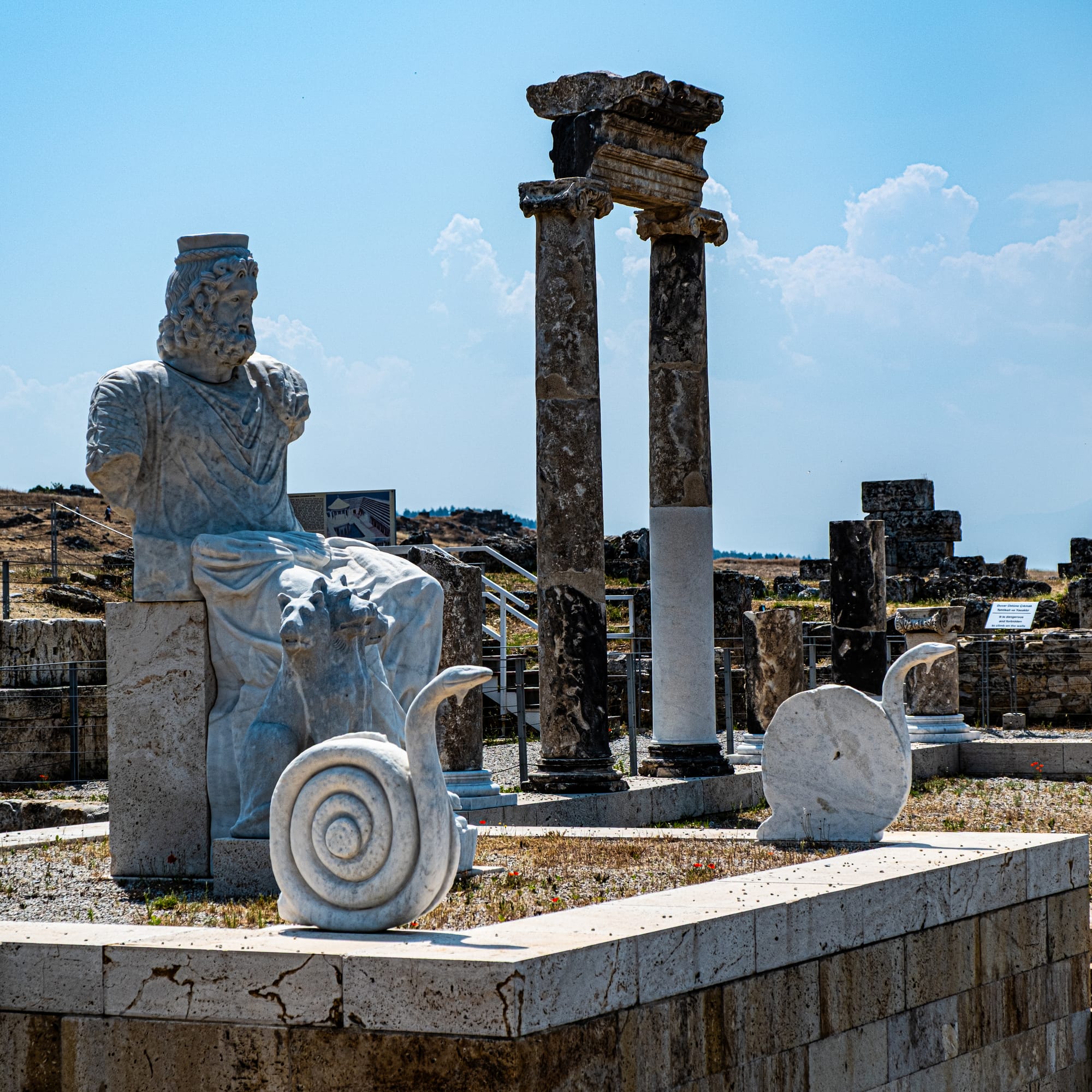
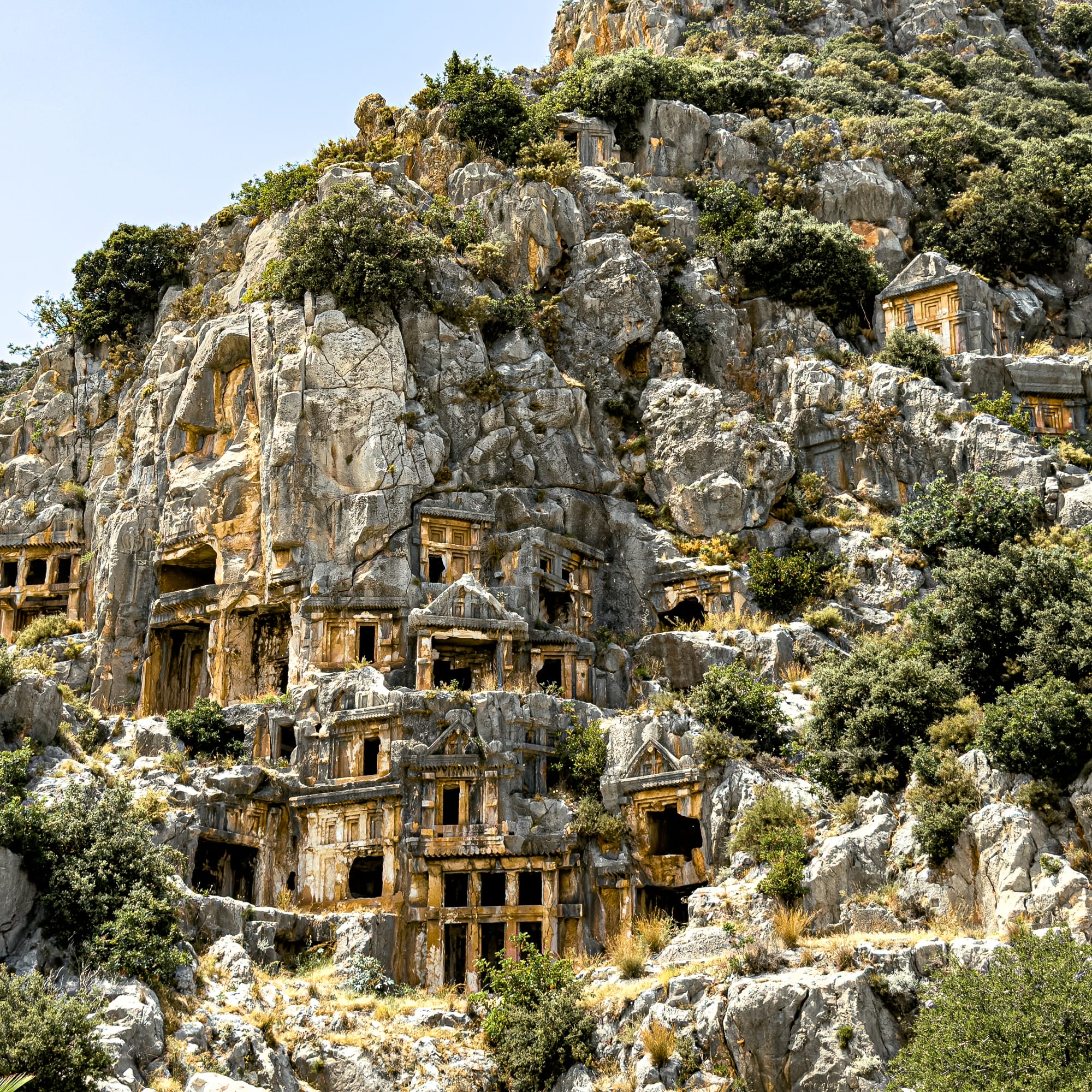
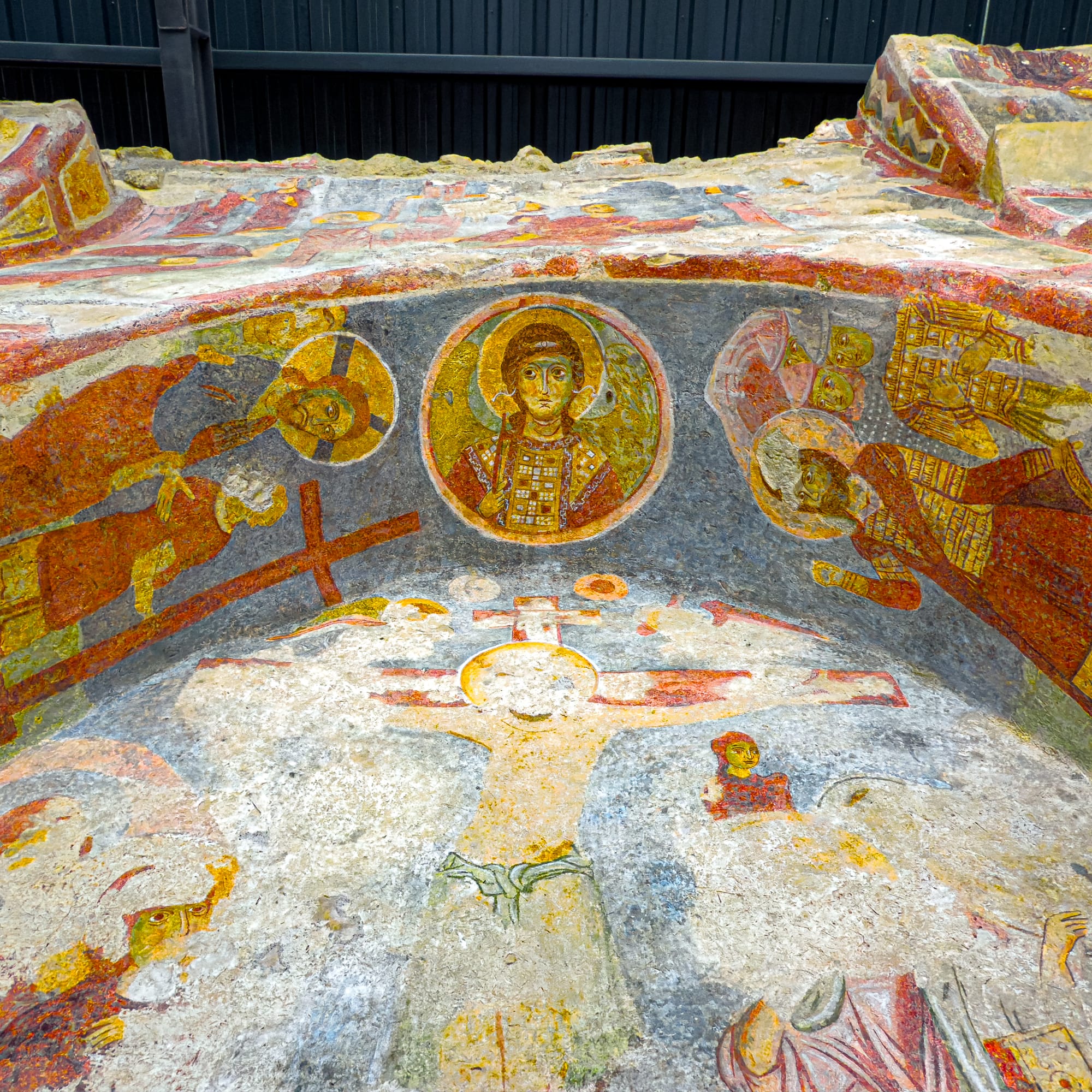
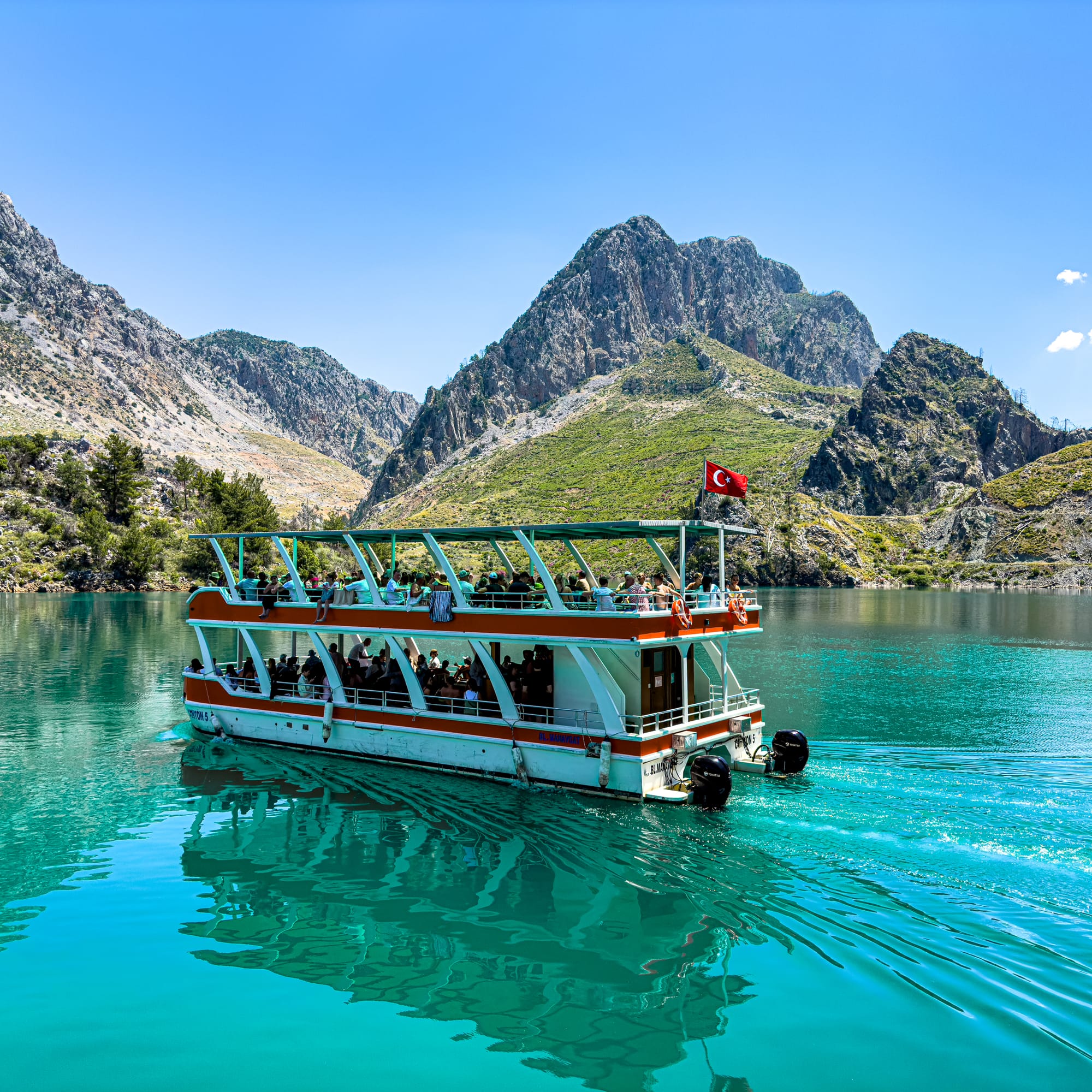
Some of the best experiences in Antalya lie beyond the city. You can sail to Suluada, explore the Green Canyon, walk through the ruins of Perge, Side, Aspendos, and Termessos, or continue along the coast to Myra, the Church of Saint Nicholas in Demre, and the submerged ruins of Kekova. Hierapolis and Pamukkale are also possible as a longer day trip, while the Turquoise Coast and sections of the Lycian Way are close enough for slower exploration.
Within Antalya itself, Kaleiçi is one of the most atmospheric old towns in Turkey, and Konyaaltı Beach and İnciraltı Beach were our favorite places to swim and spend a quieter afternoon. The Antalya Archaeology Museum is also excellent, especially for adding context to the ancient sites scattered across the region. With the mountains nearby and Coworking Antalya in the city, it is easy to balance work, history, and time outdoors.
Community & social life
Best places to work
Coworking Antalya is the main place to work remotely in the city and the clearest hub for digital nomads. It offers a reliable setup, a steady community, and regular events, making it far easier to settle into a working rhythm than relying on cafés.
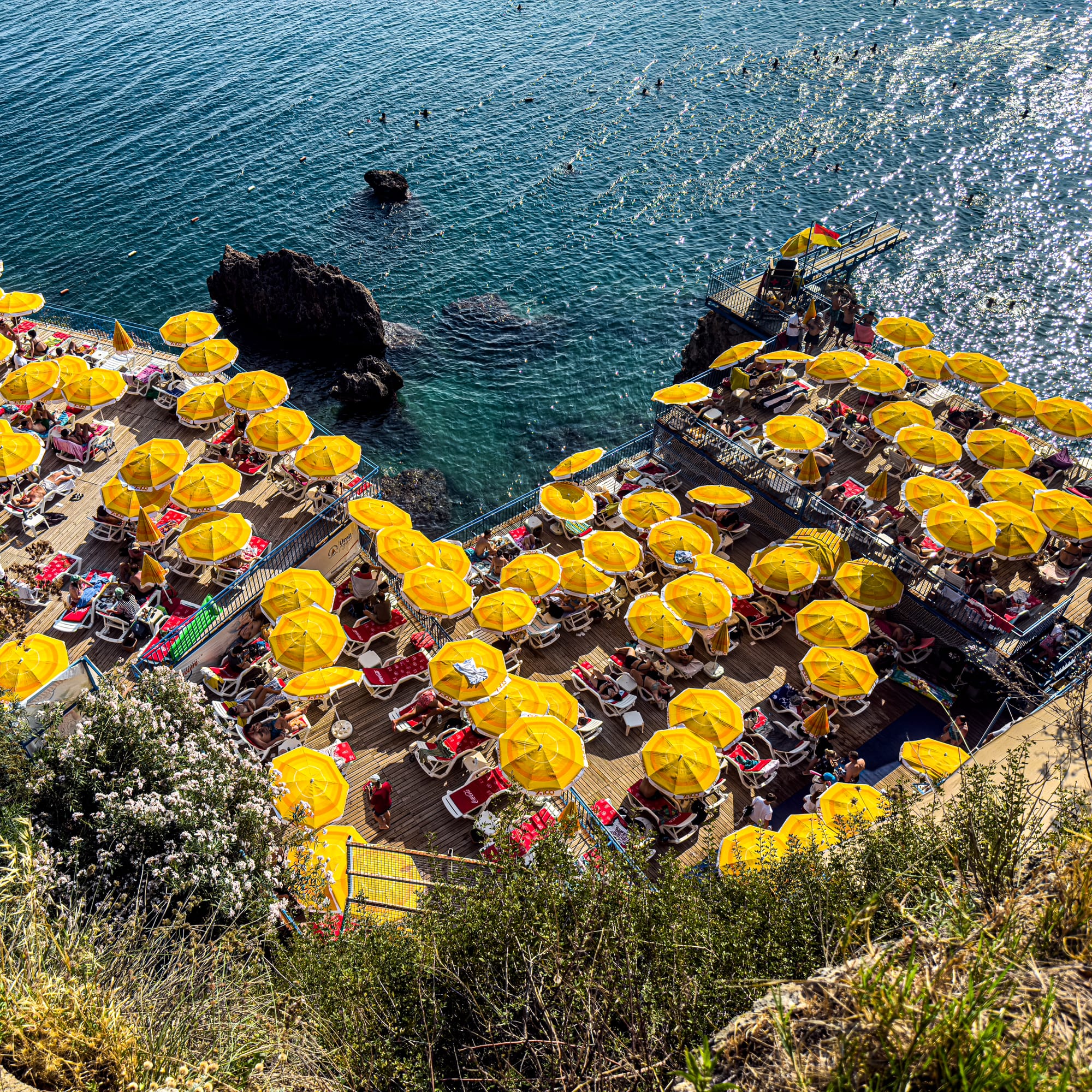
Working from cafés in Antalya is possible, but many do not have reliable wifi, enough power outlets, or a layout suited to spending several hours on a laptop. For a more occasional change of scenery, one of the beach clubs along Konyaaltı can work well for the day, though food, drinks, and entry costs make it a more expensive option than a dedicated coworking space.
Internet & infrastructure
Internet in Antalya is generally reliable for remote work, with stable wifi available in most modern apartments, hotels, and coworking spaces. Mobile data coverage is also strong across the city, though connection quality can vary in older buildings or farther from the center.
Coworking Antalya offers the most dependable setup for video calls and focused work. Outside of dedicated workspaces, internet quality depends heavily on where you stay, and cafés are not always designed for long laptop sessions. It is worth checking wifi speeds with your accommodation in advance, especially if your work involves frequent calls or large file uploads.
Delights & frictions
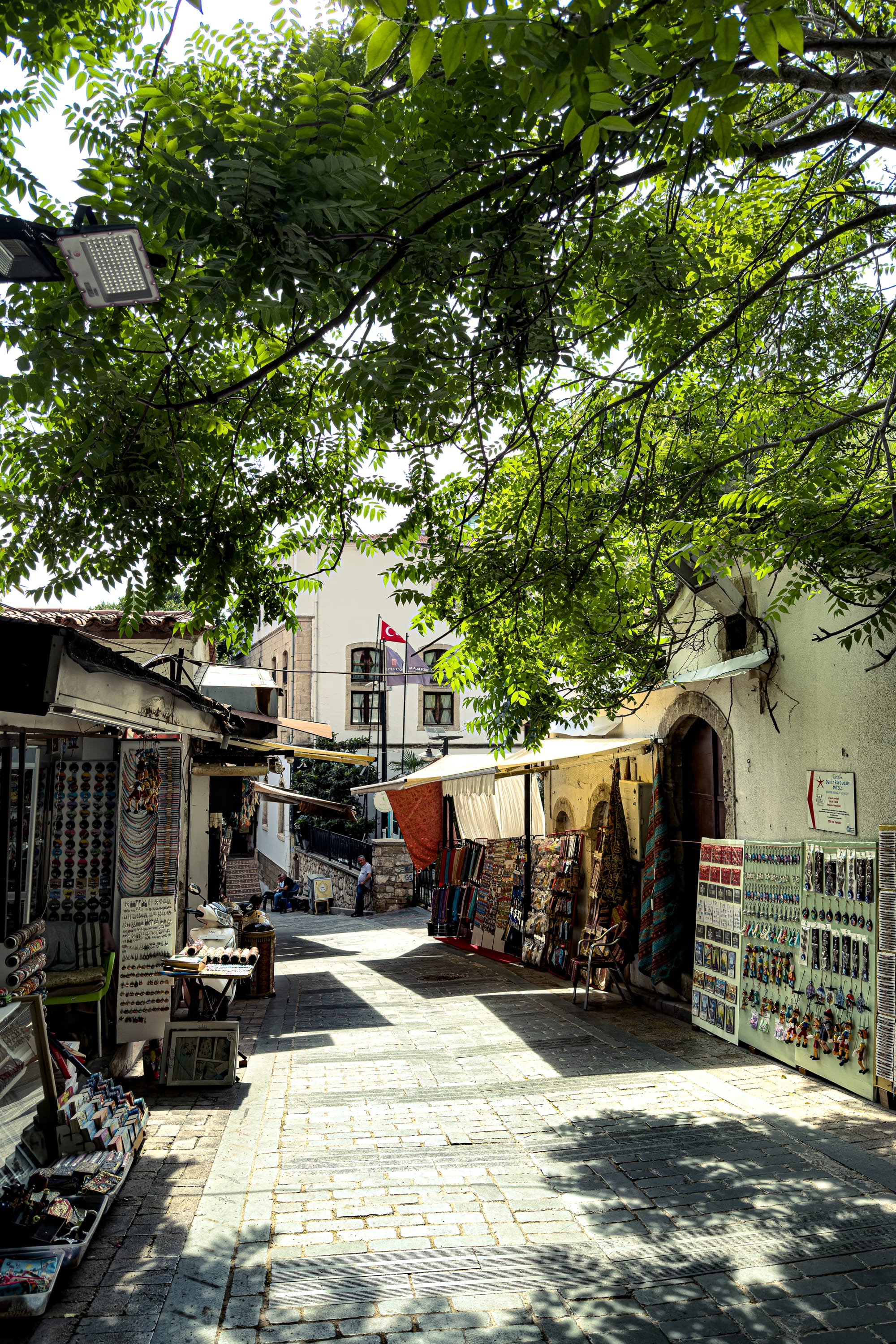
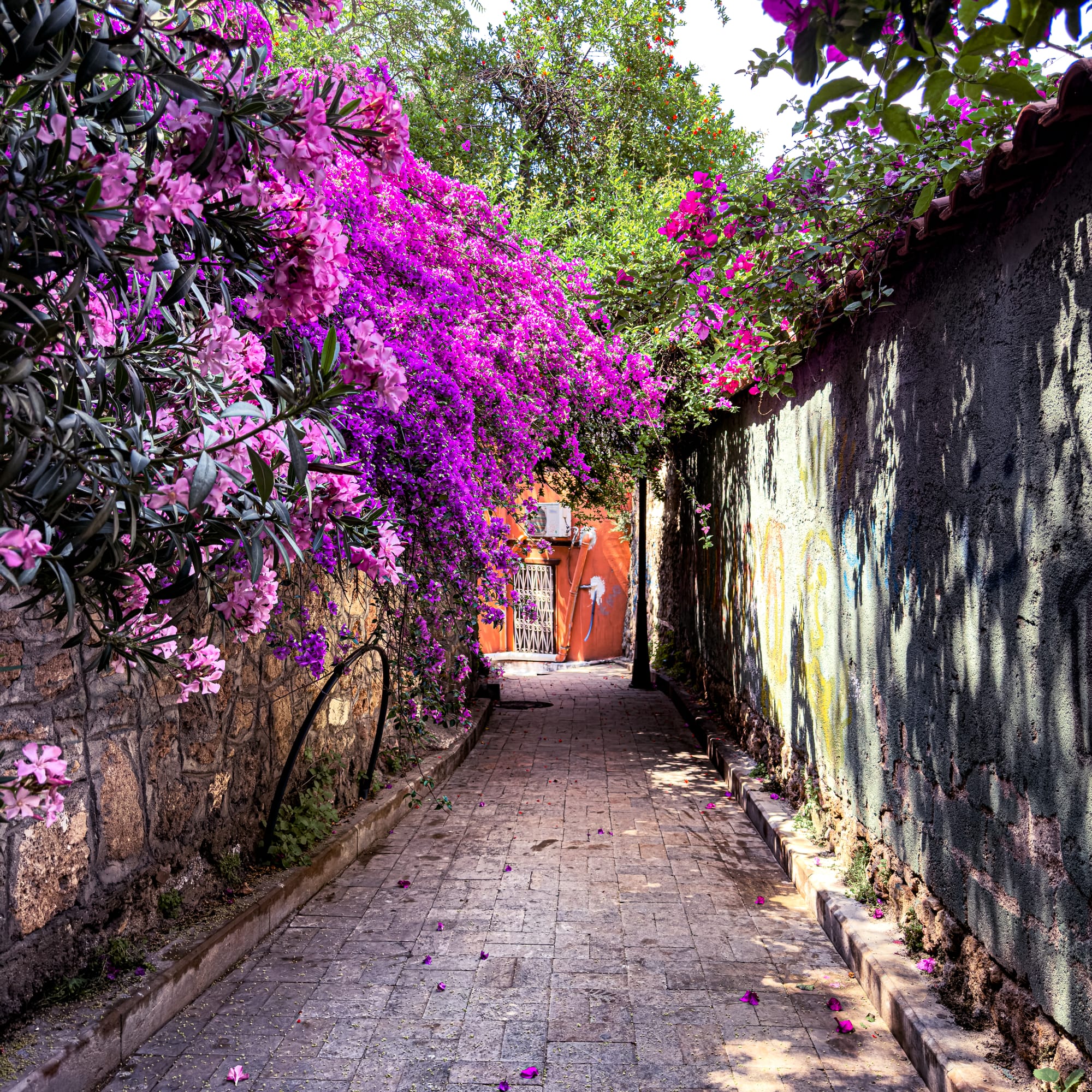
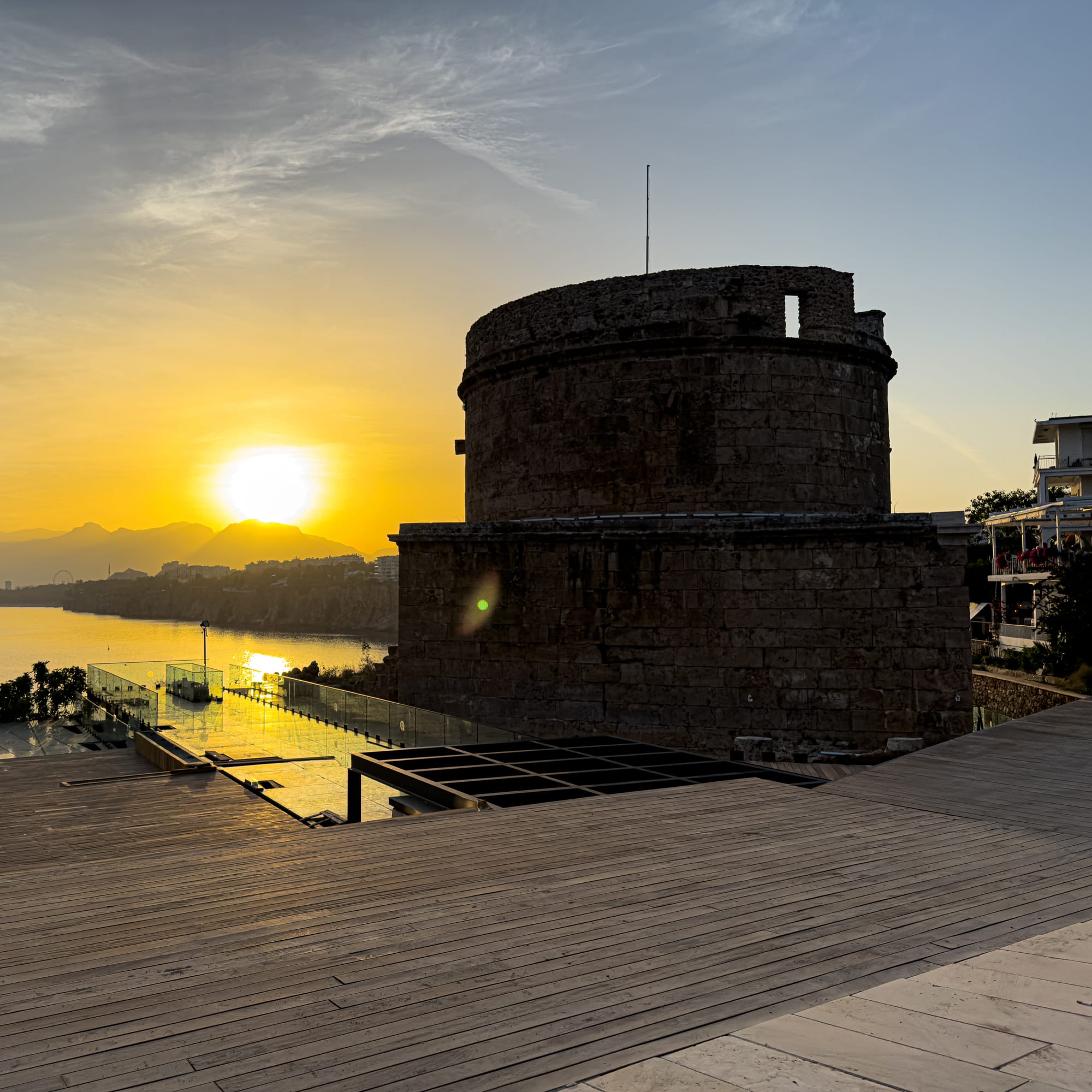
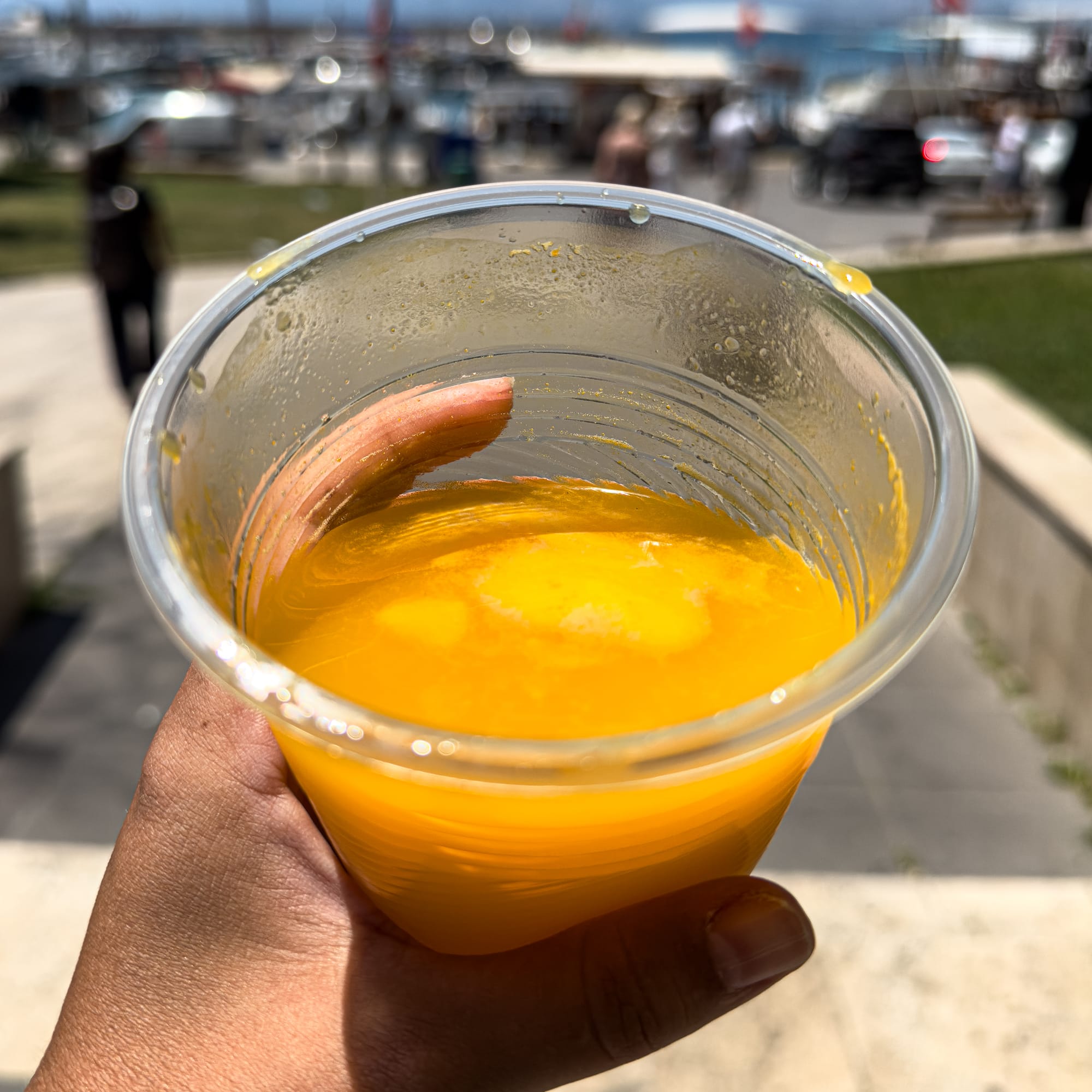
One of Antalya’s quiet pleasures is how the city opens onto the sea. The marina views are especially beautiful in the late afternoon, and viewing the sunset from Karaalioğlu Park quickly became one of our favorite rituals. Antalya is also pleasantly walkable, particularly around the photogenic center, Kaleiçi, and the waterfront. Add in daily fresh orange or pomegranate juice, and morning walks to Coworking Antalya were a daily delight.
The main friction is that Antalya can begin to feel smaller than expected once you’ve settled in. Many of the region’s most memorable experiences (ancient cities, mountain hikes, islands, and stretches of the Lycian Coast) sit outside the city and require a full day. That makes them harder to fit around a standard work schedule, so weekday life can feel fairly contained even when the wider region offers an enormous amount to explore.
Safety
Top tips
Stay close to central Antalya, but outside Kaleiçi, where accommodation is usually better value and everyday life is quieter while the old town, marina, and Coworking Antalya remain within walking distance. You do not need a car for daily life, though renting a car for a weekend makes it much easier to explore the Lycian Coast, smaller beaches, and the many ancient cities near Antalya.
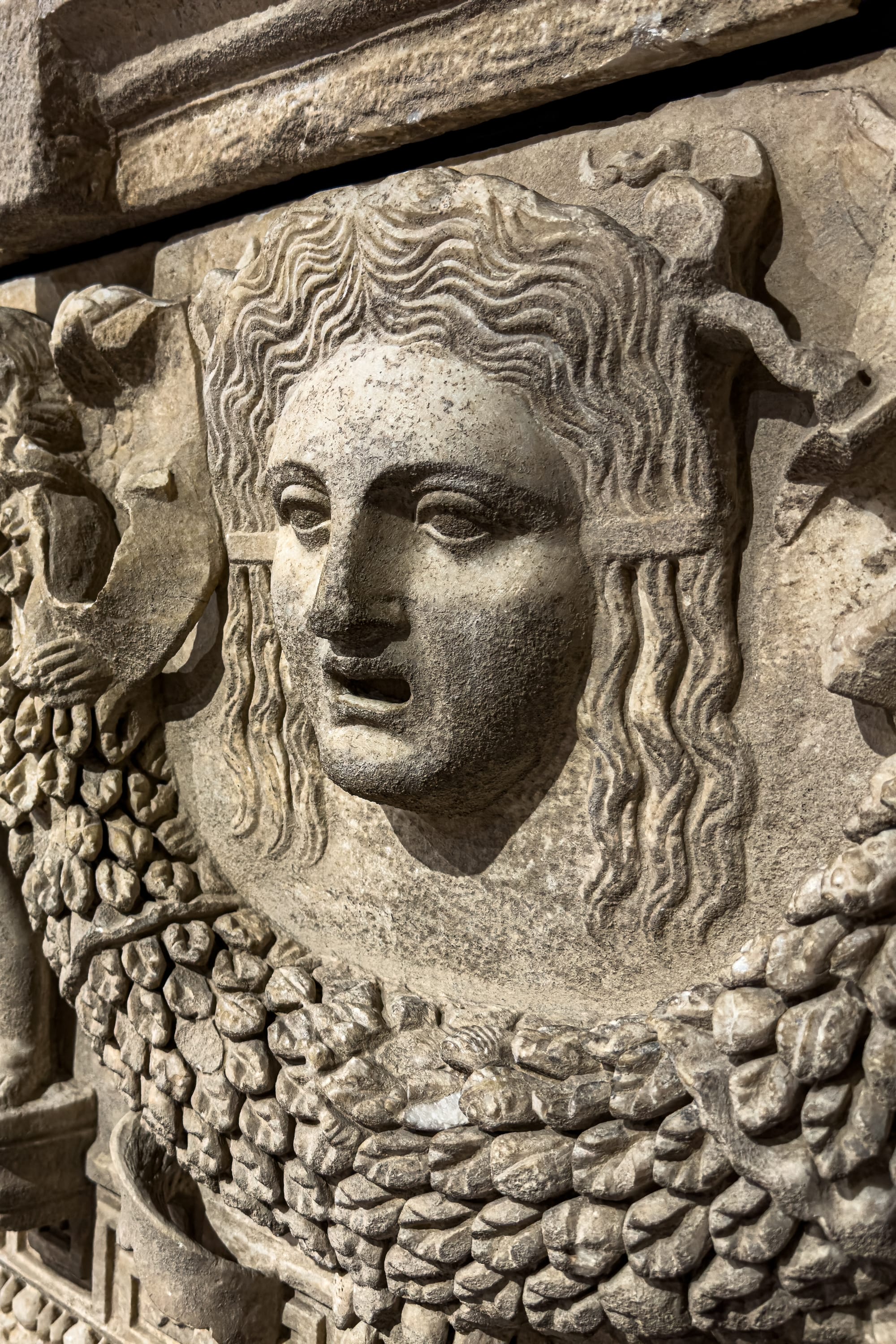
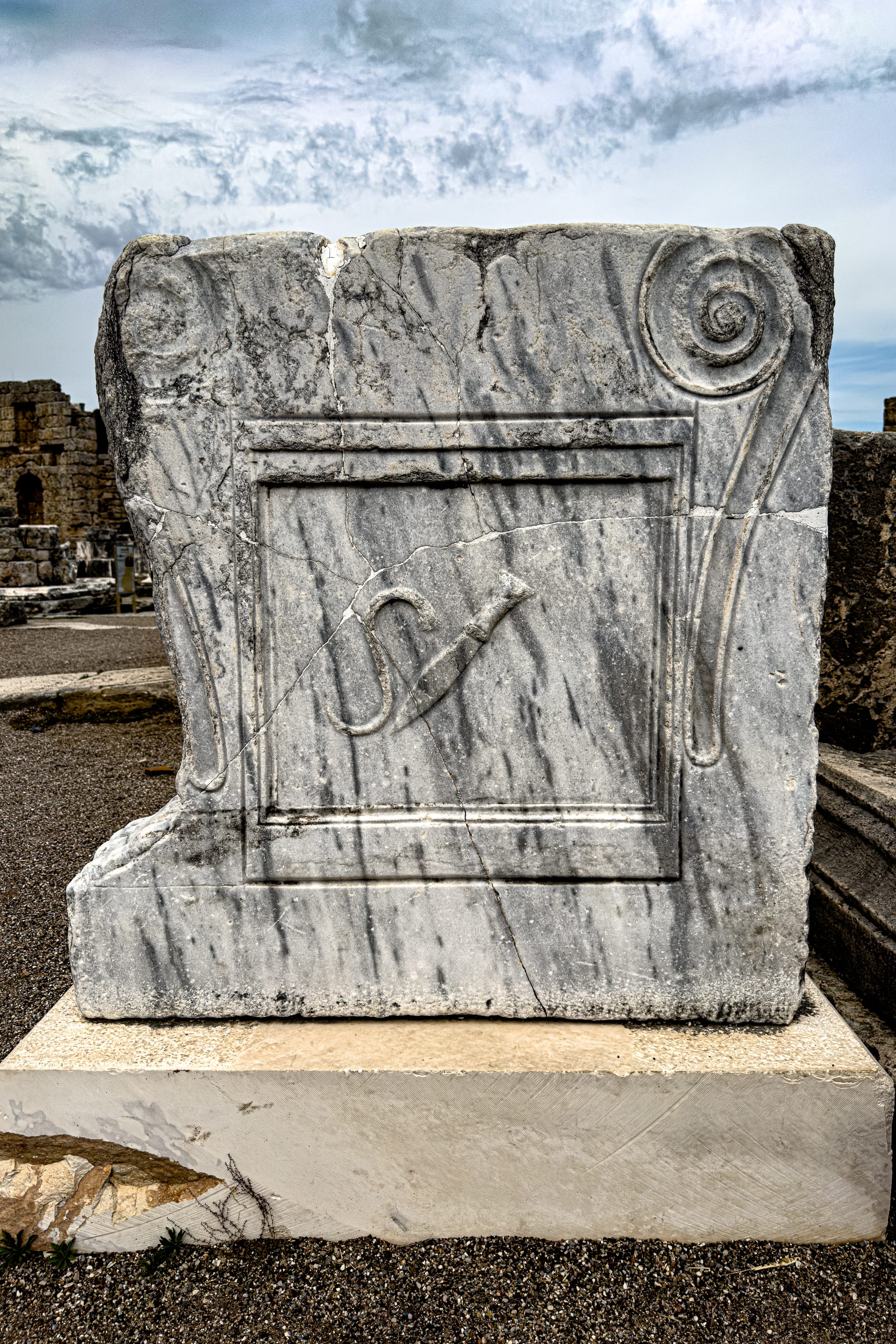
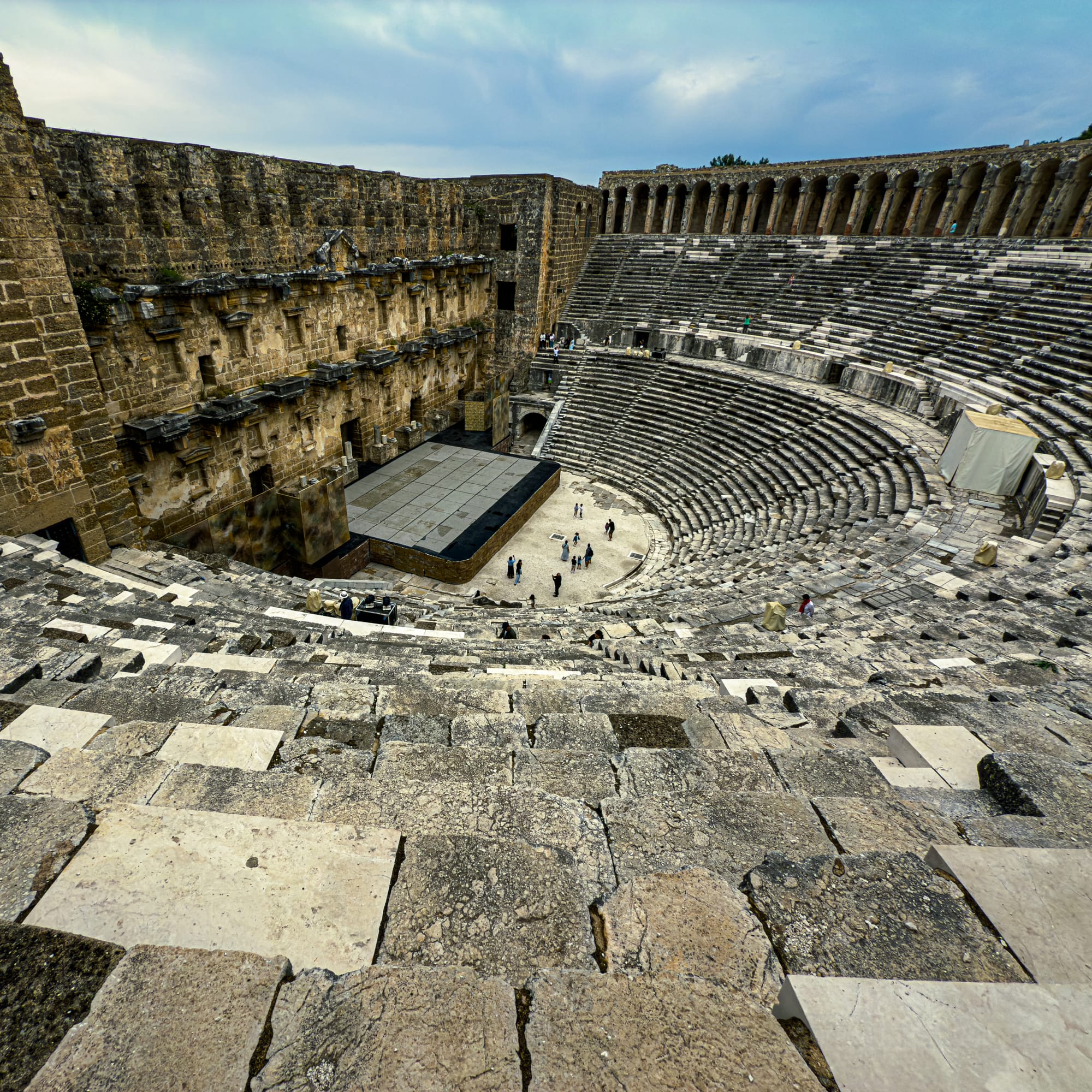
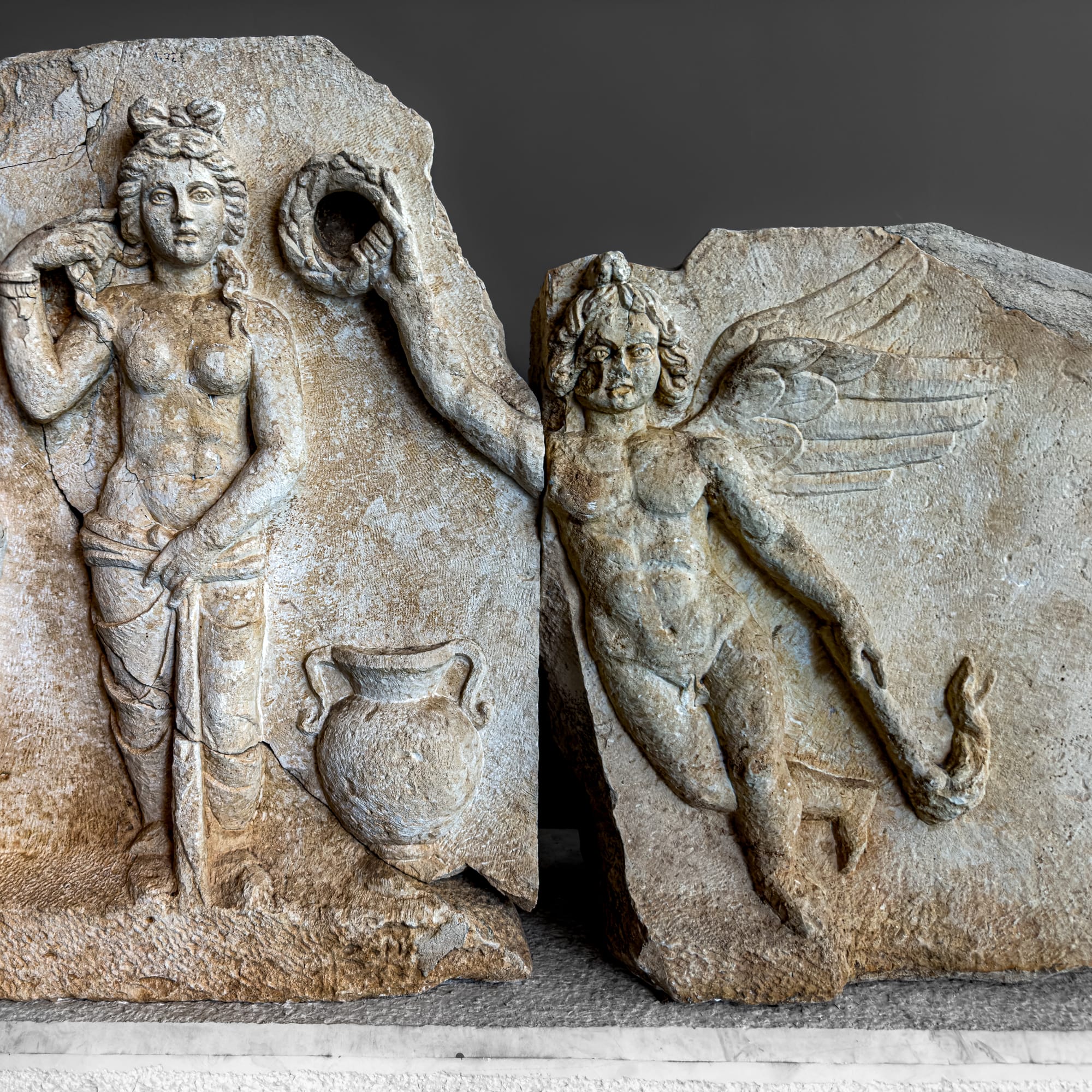
Visiting the region’s archaeological sites was one of the highlights of our time in Antalya. Perge, Side, Aspendos, Termessos, Myra, Hierapolis, and the submerged ruins of Kekova each reveal a different part of the region’s ancient history. Seeing the commonalities and differences between them made it easier to imagine how people once lived across this landscape. We recommend visiting Antalya's Archaeological Museum afterward, where many of the best-preserved sculptures, sarcophagi, and artifacts from these sites are displayed. Having already walked through the ruins gave us a much deeper appreciation for what we saw in the museum.
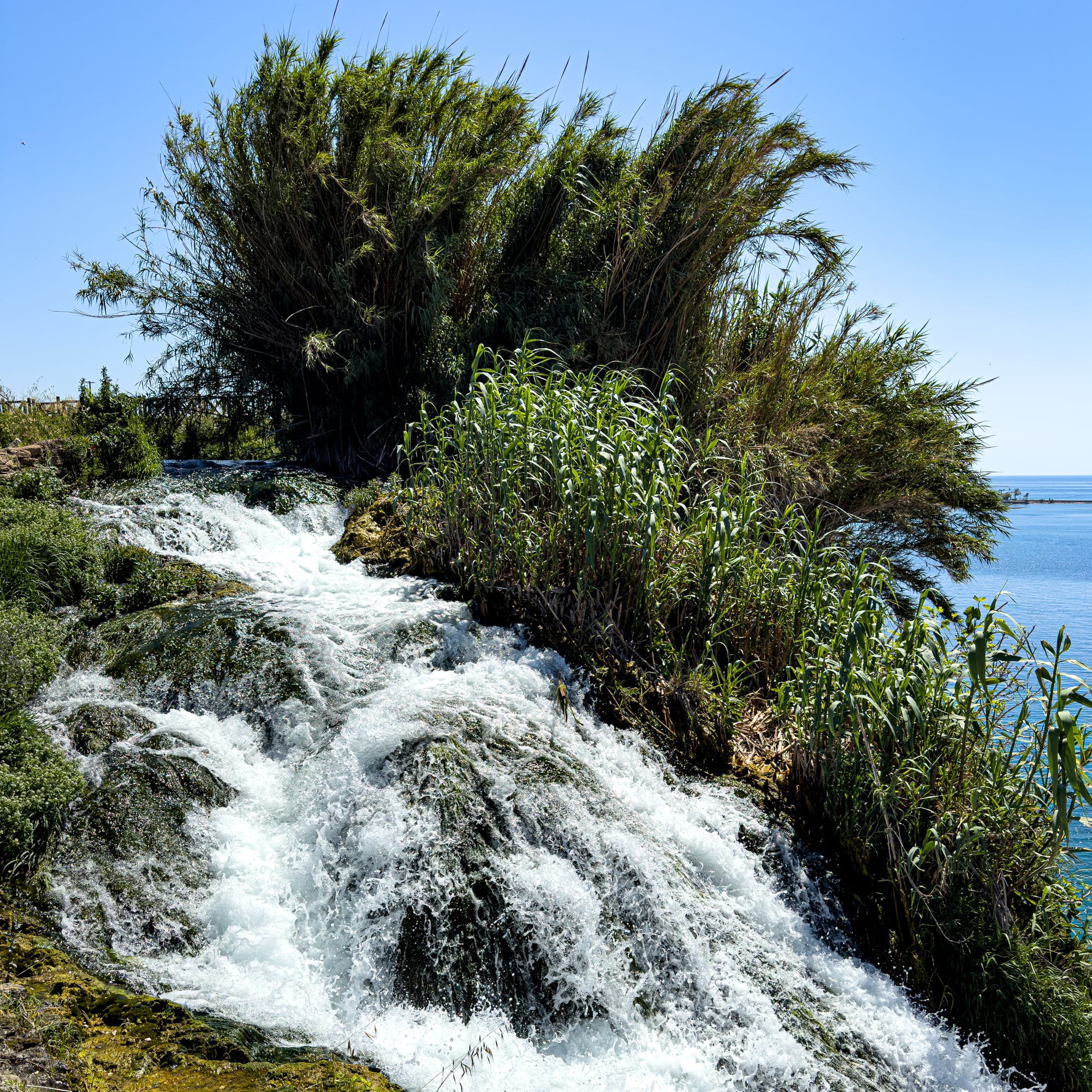
For organized day trips from Antalya, GetYourGuide is a practical option, as many tours include bus transport. Keep a separate list of the places that require a full day and save them for weekends rather than trying to fit them around work. Closer to the city, Düden Falls make for an easy local outing, while sunset at Karaalioğlu Park is one of the simplest and best ways to end the day.
In summer, plan outdoor activities for early morning or late afternoon, when the heat is less intense. And for remote work, do not assume every café will have reliable wifi or laptop-friendly seating. Coworking Antalya remains the most dependable setup.
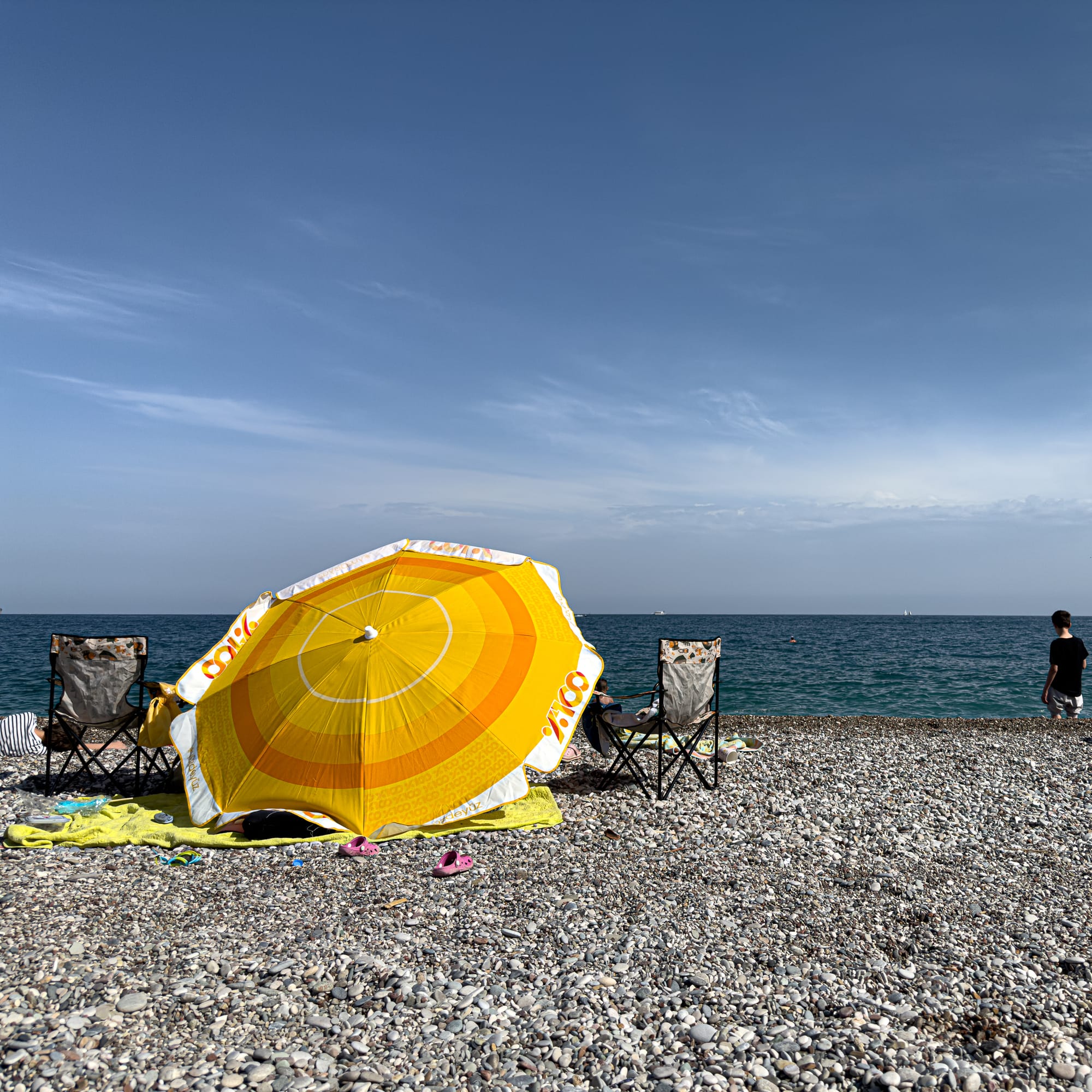
Be sure to pack water shoes! Konyaaltı Beach is pebbly and harsh on bare feet.
Is Antalya good for digital nomads?
Yes, Antalya is a strong option for digital nomads who want reliable infrastructure, easy access to the sea, and an unusually rich concentration of ancient sites nearby. During our time there, exploring ancient cities became our favorite activity. Few places we’ve visited offered so many within easy reach. Coworking Antalya is the main hub for work and community, and the city is walkable and easy to navigate without a car. The main drawbacks are rising accommodation costs, limited laptop-friendly café culture, and the fact that many of the best excursions require a full day.
Which Antalya day trip is best if you only have time for one?
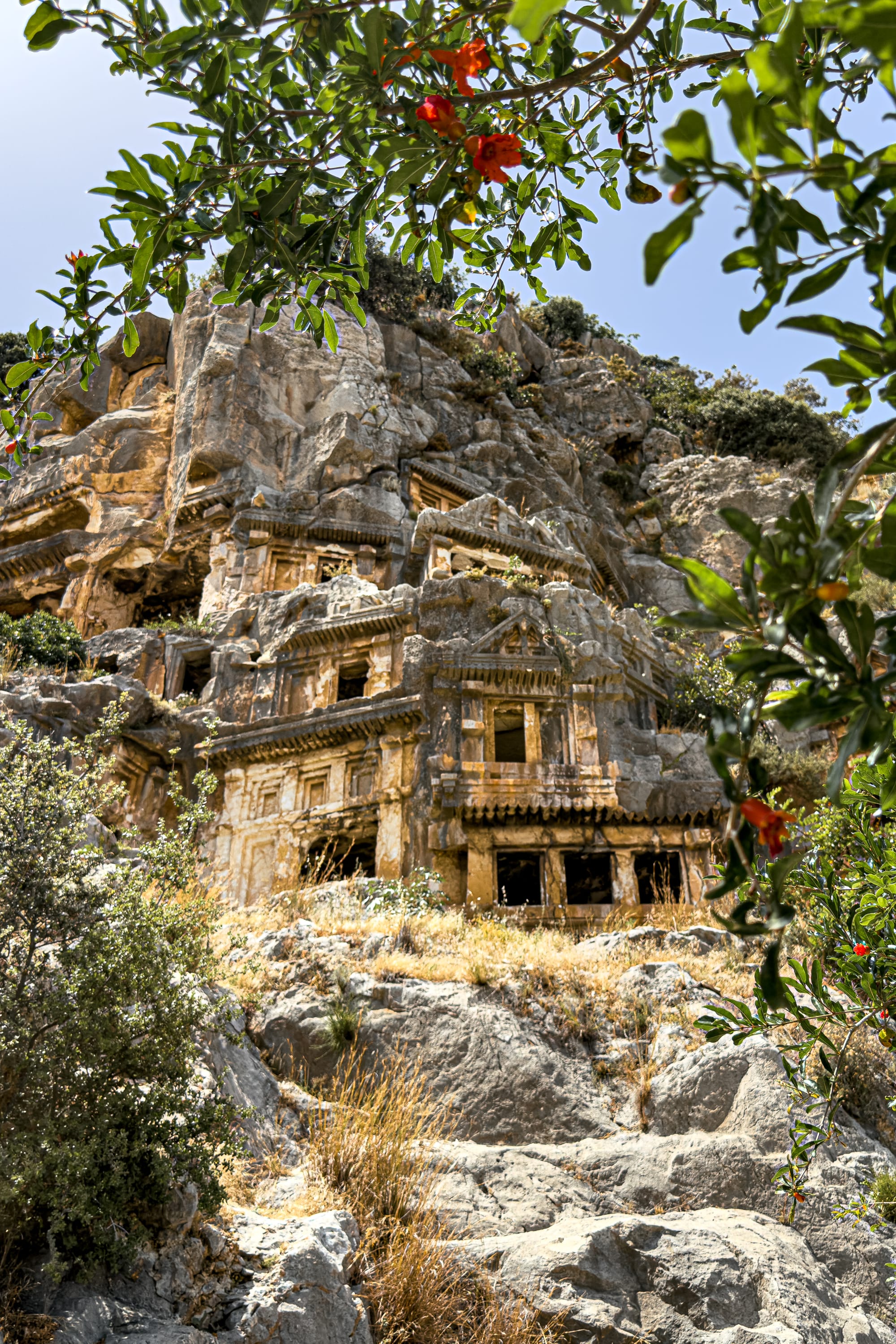
We would choose the combined Kekova, Myra, and Demre trip. It brings together several layers of the region in one day: Myra’s rock-cut Lycian tombs and Roman theater, the Church of Saint Nicholas in Demre, and a boat journey past Kekova’s submerged ruins. We enjoyed the variety of the experience.
Which is better for staying in Antalya: Kaleiçi or Konyaaltı?
Kaleiçi is better for atmosphere, historic streets, marina views, and being close to the center, but accommodation can be more expensive and the area is busier with visitors. Konyaaltı is better for beach access, modern apartments, and a more residential rhythm. For a longer stay, we would look just outside Kaleiçi, or between the old town and Konyaaltı, keeping both the center and waterfront within easy reach.
Is Antalya a good base for exploring the Lycian Coast?
Yes. Antalya gives you access to places such as Demre, Myra, Kekova, Çıralı, Olympos, and sections of the Lycian Way. Organized tours make several of these places accessible without a car, while renting one gives you greater freedom to stop in smaller coastal settlements and explore the coastline independently.
Should you visit Antalya’s ancient cities before or after the Antalya Archaeology Museum?
We recommend visiting at least a few ancient cities first, then going to the Antalya Archaeology Museum. Walking through Perge, Termessos, Side, or Aspendos makes it easier to imagine daily life across the region and notice the differences between each settlement. Seeing the sculptures and artifacts afterward gives them greater context, particularly the museum’s celebrated collection of Roman sculptures excavated at Perge.
Are Antalya’s beaches sandy or pebbly, and which beach is best?
Antalya has both sandy and pebbly beaches, though Konyaaltı Beach is largely pebbled. We enjoyed its mountain views, clear water, and easy access from the city. İnciraltı Beach, however, was our favorite. It's a smaller swimming spot beneath Antalya’s cliffs and feels more intimate.
Does Antalya still feel lively outside the summer season?
Antalya is a large working city rather than a purely seasonal resort, so restaurants, shops, and transport continue throughout the year. Spring and autumn are particularly pleasant, while winter is quieter but generally mild and sunny compared with much of Europe. The Mediterranean can remain warm enough for swimming into autumn, though some seasonal tours and beach businesses reduce their schedules outside the main summer months.
Is Pamukkale worth visiting from Antalya?
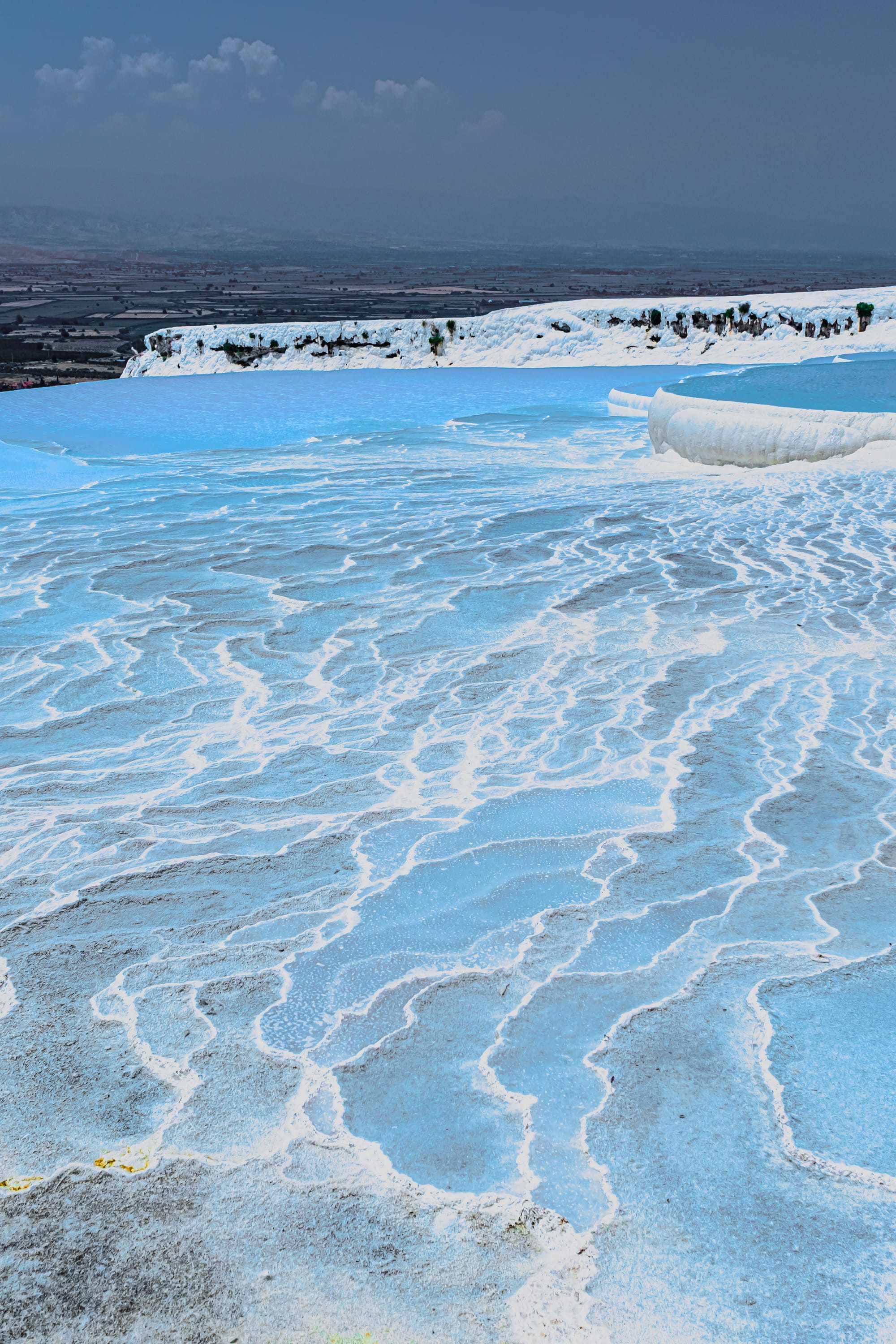
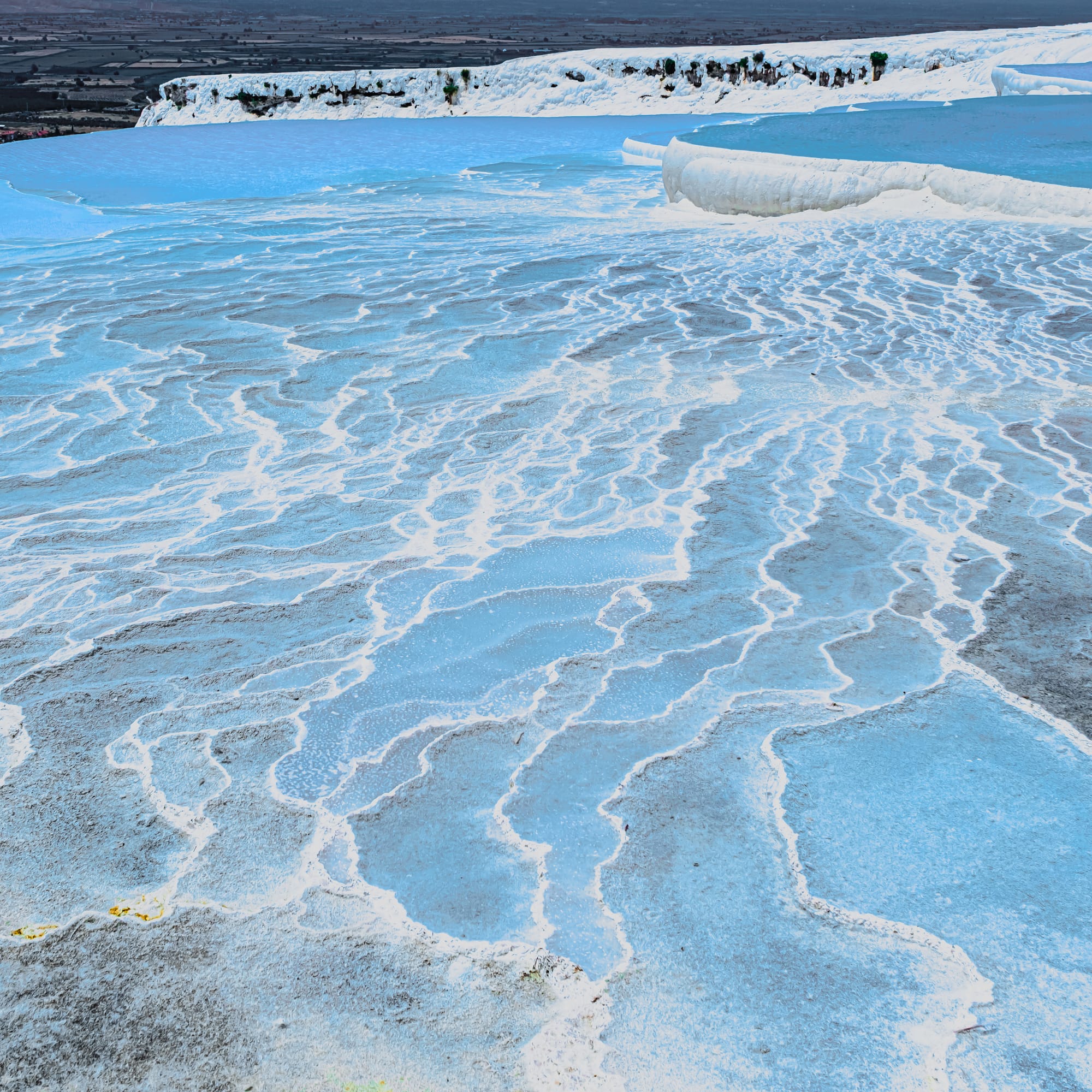
Yes, especially if you are interested in archaeology as much as the travertine terraces. Pamukkale itself can feel busy and highly photographed, but Hierapolis gives the trip much more depth. Walking through the ancient city, seeing the theater, necropolis, and thermal landscape together made the long journey feel worthwhile. It is possible as a day trip from Antalya.
What other parts of Turkey are worth visiting from Antalya?
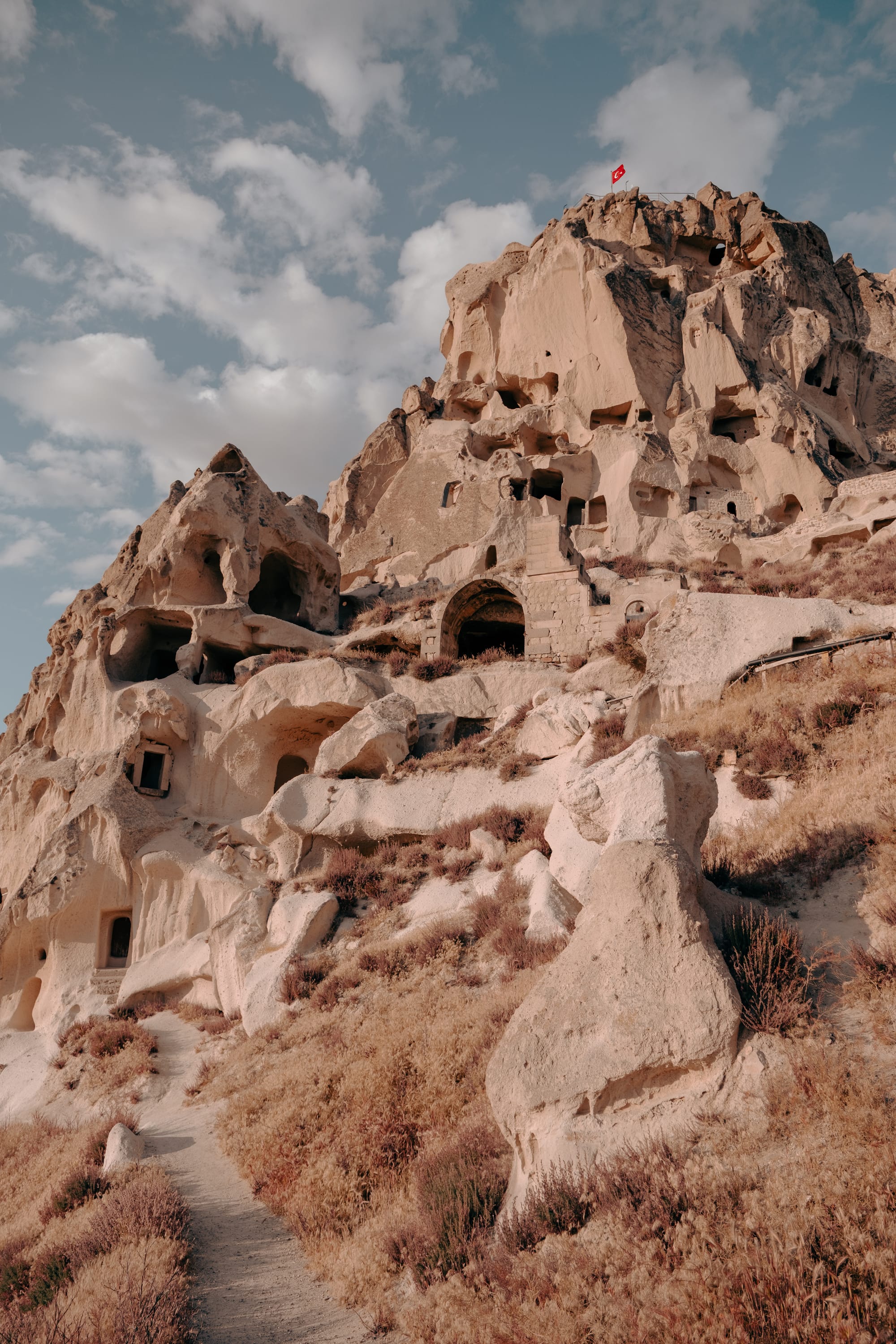
Antalya is well placed for continuing along Turkey’s Mediterranean coast. Kaş is one of the best next stops for swimming, boat trips, and a smaller coastal-town atmosphere, while Fethiye offers access to the Lycian Way, nearby beaches, and places such as Ölüdeniz and Kayaköy. Both work well as part of a slower journey along the Turquoise Coast. Cappadocia is much farther inland, but it is still one of the most worthwhile places to pair with Antalya if you have more time. Its cave settlements, valleys, and rock-cut churches offer a completely different landscape from the coast.