










Living in Hội An
When we were living in Đà Nẵng, Hội An kept coming up in conversations with other digital nomads, usually as part of the inevitable debate over which was better. Đà Nẵng has the bigger-city amenities and a more practical feel for long-term living. Hội An is smaller, slower, and inevitably more touristy. But it also has rice fields, An Bàng Beach, and Hub Hoi An, a coworking space set improbably among the paddies. Curious, we moved down the coast to see what living in Hội An was actually like.
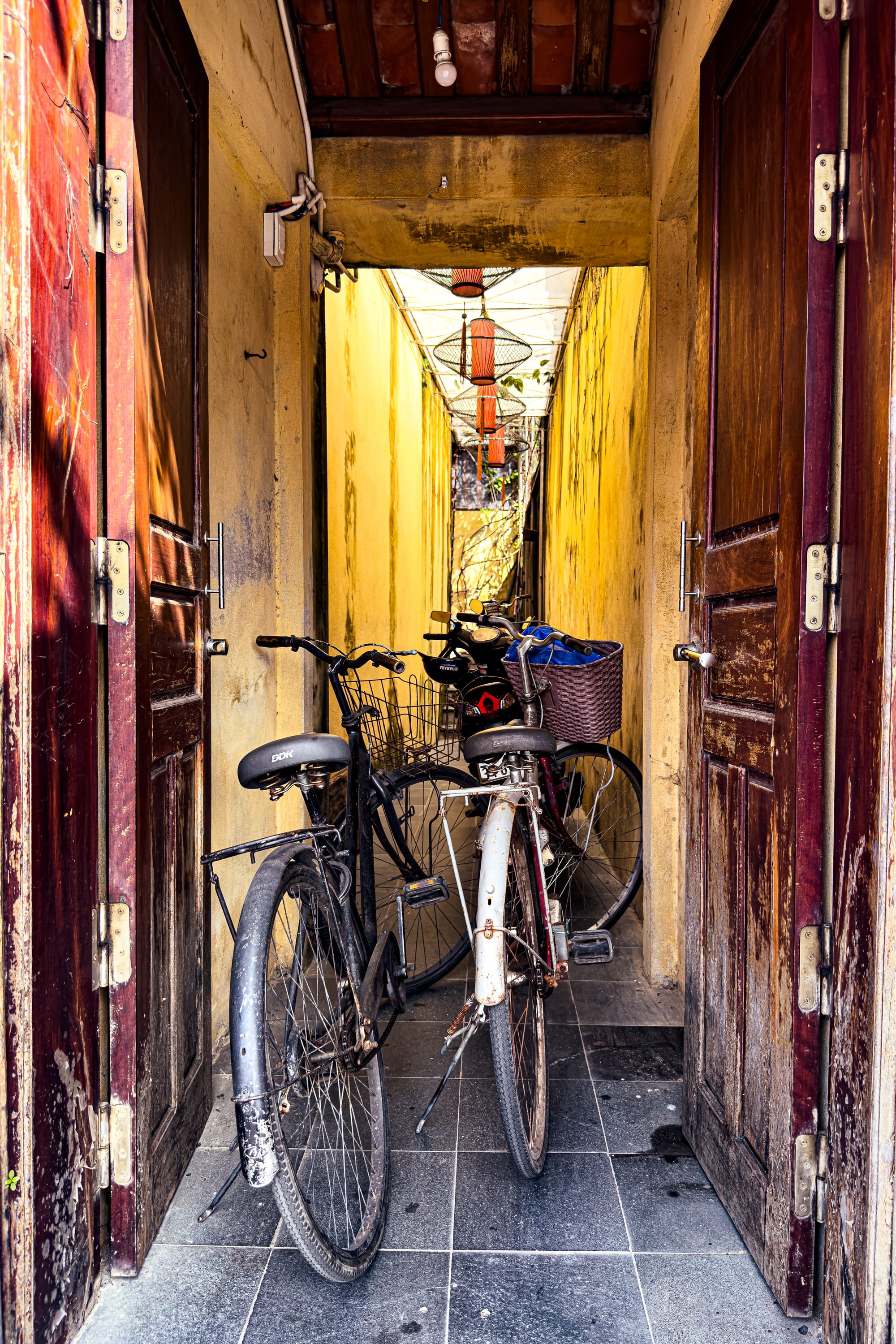
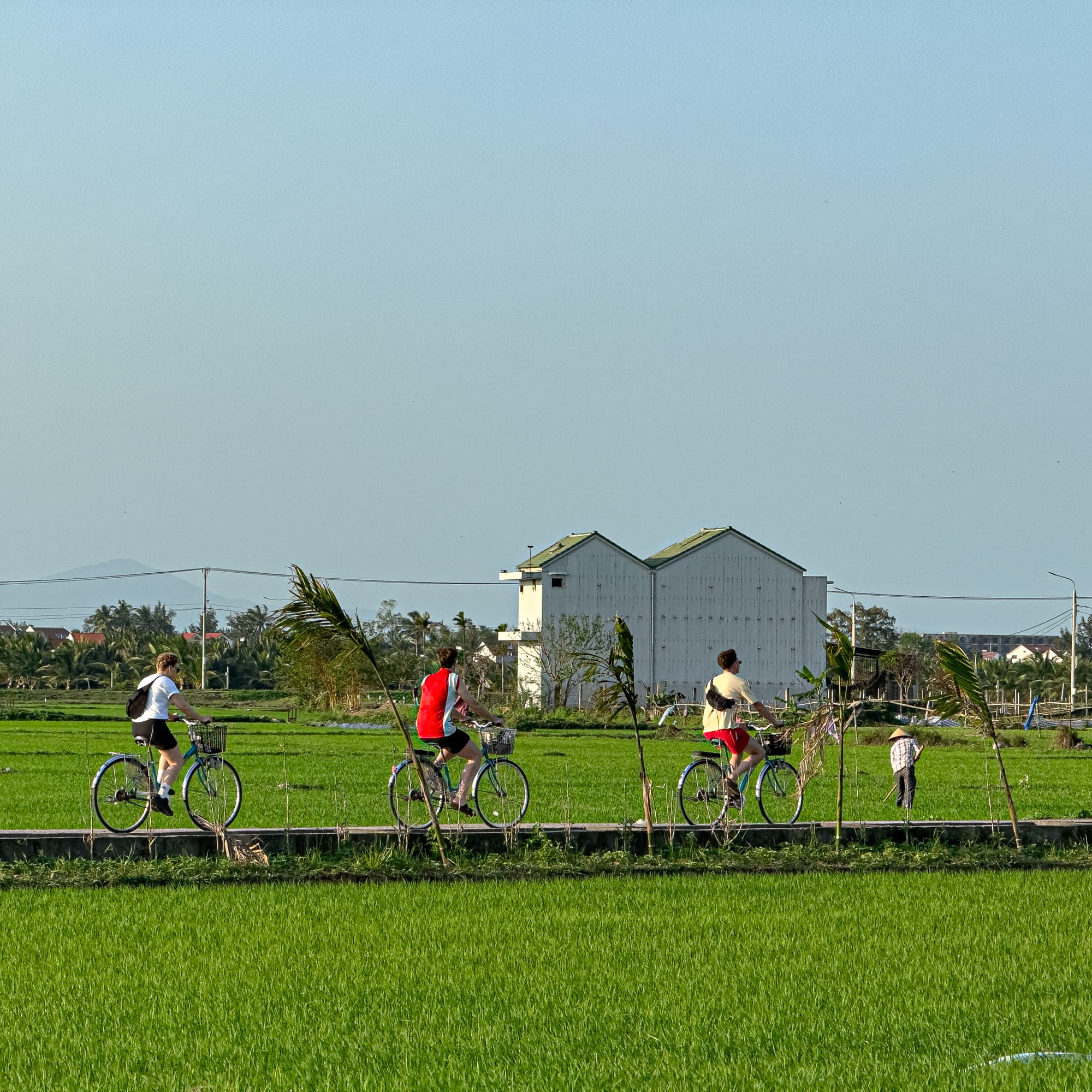
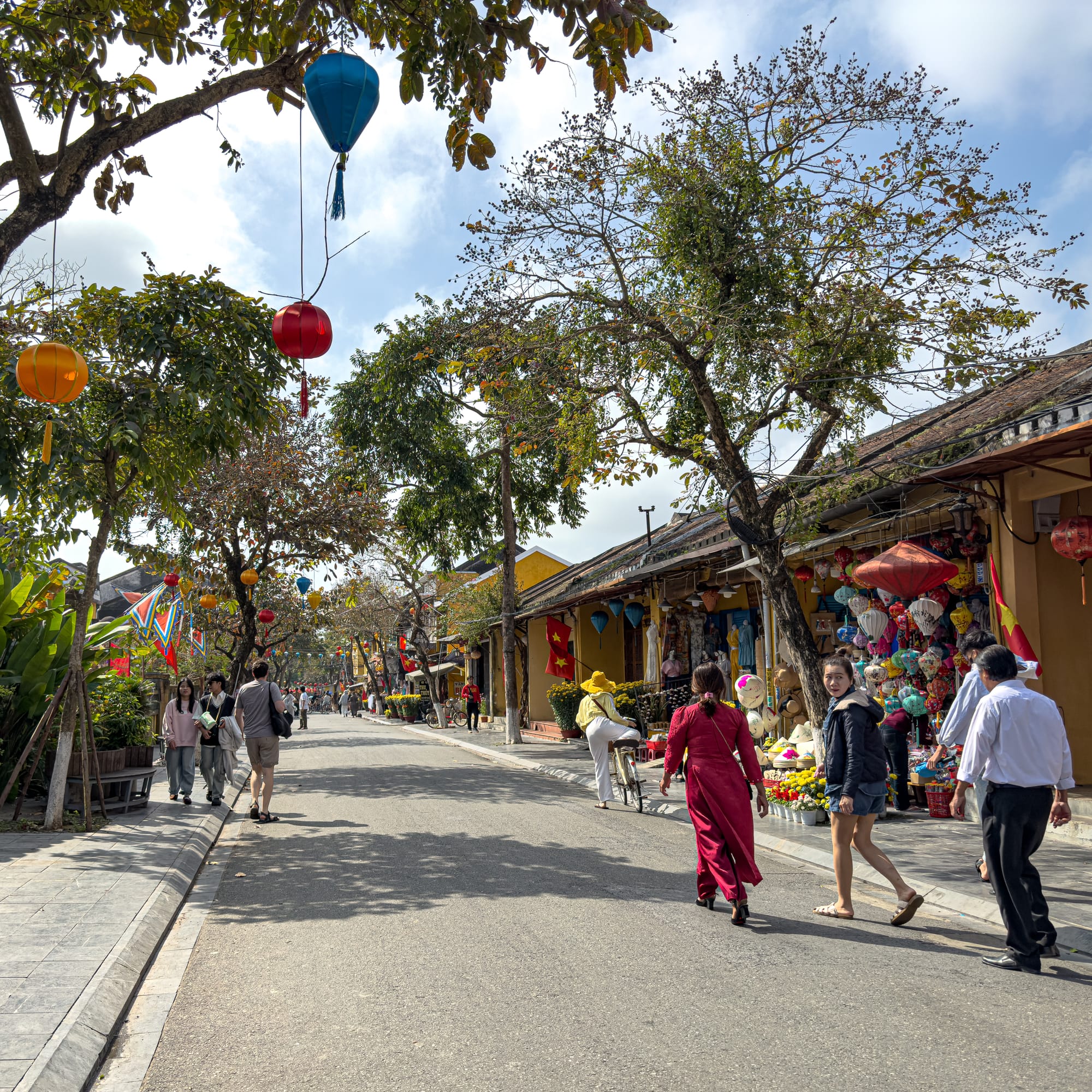
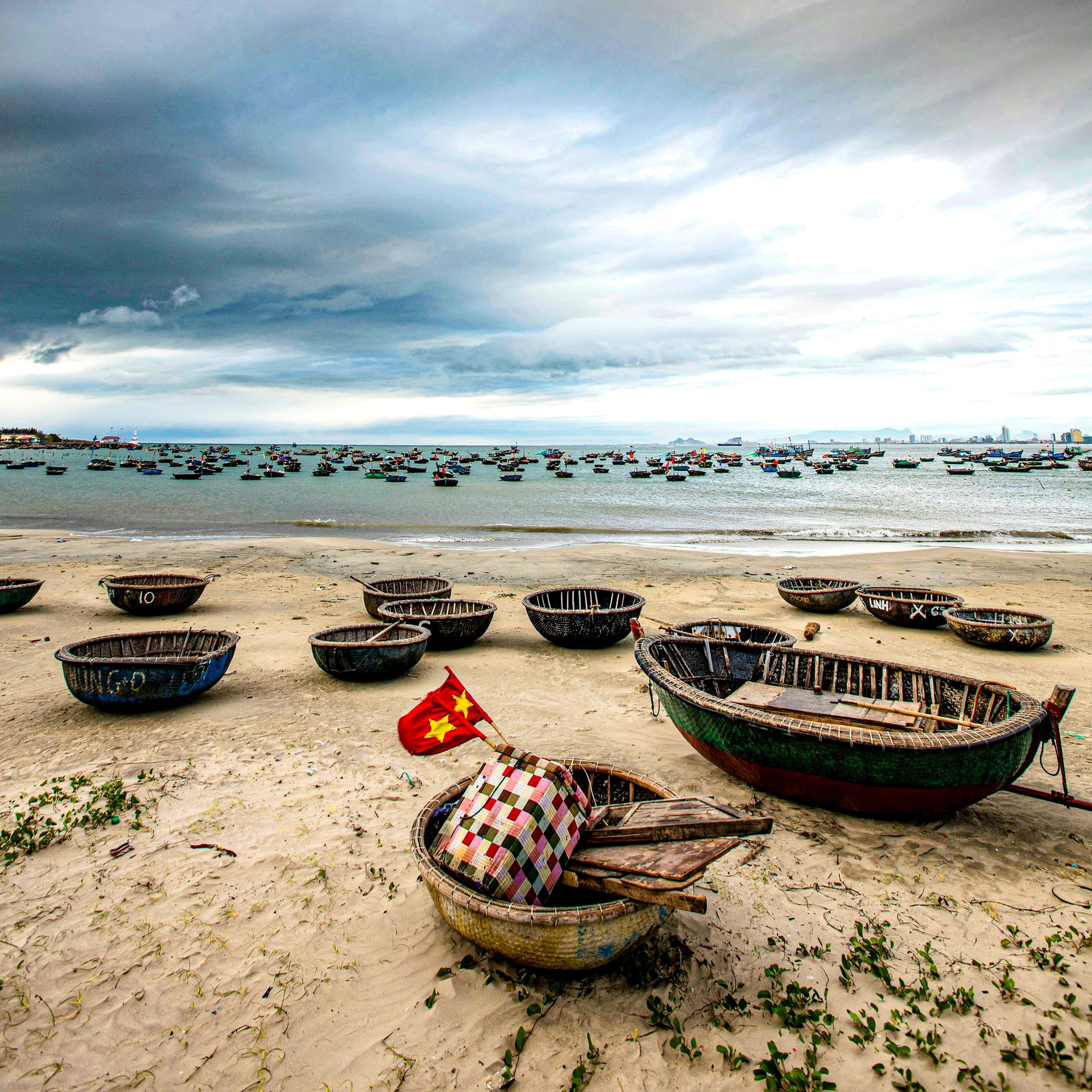
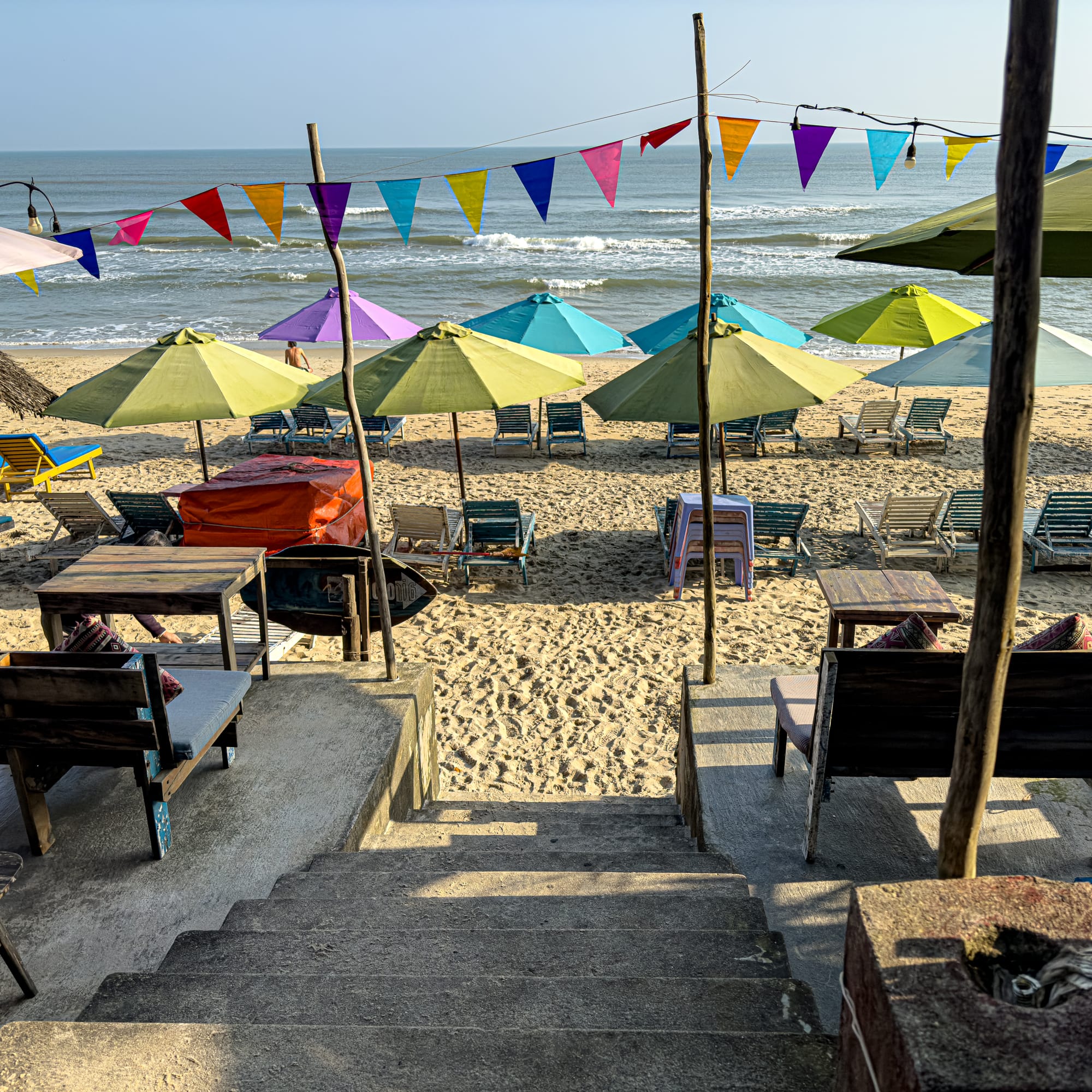
For us, the appeal of Hội An is the ease of everyday life. The cost of living is among the lowest we’ve encountered as digital nomads in Southeast Asia, getting around is simple by bicycle or Grab motorbike, and the landscape shifts quickly between old streets, vegetable gardens, rice fields, and the sea. Around An Bàng Beach, life feels particularly unhurried, while the Old Town is close enough to wander through in the evenings once the heat softens and the lanterns come on.
Hội An also works well as a base for exploring central Vietnam. Đà Nẵng is close enough for anything the smaller town lacks, while places like Huế, the former imperial capital, Mỹ Sơn Sanctuary, and the surrounding countryside are all within reach. The combination of low living costs, straightforward mobility, good coworking, beach access, and a quieter pace, is ultimately what made Hội An work for us. It doesn’t have the scale or convenience of Đà Nẵng, but for anyone looking for a slower digital nomad base in Vietnam, it's a great option.
Defining moments
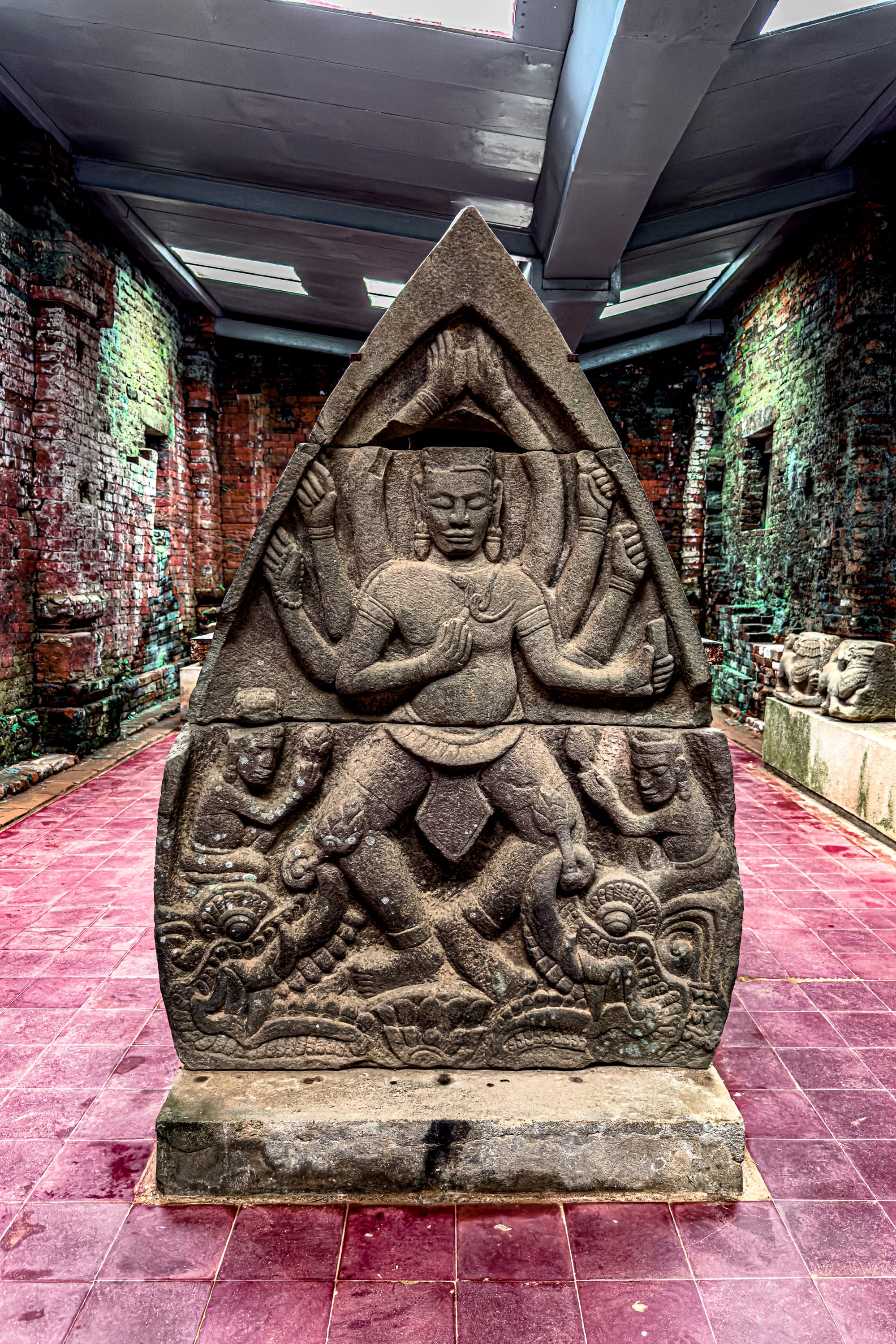
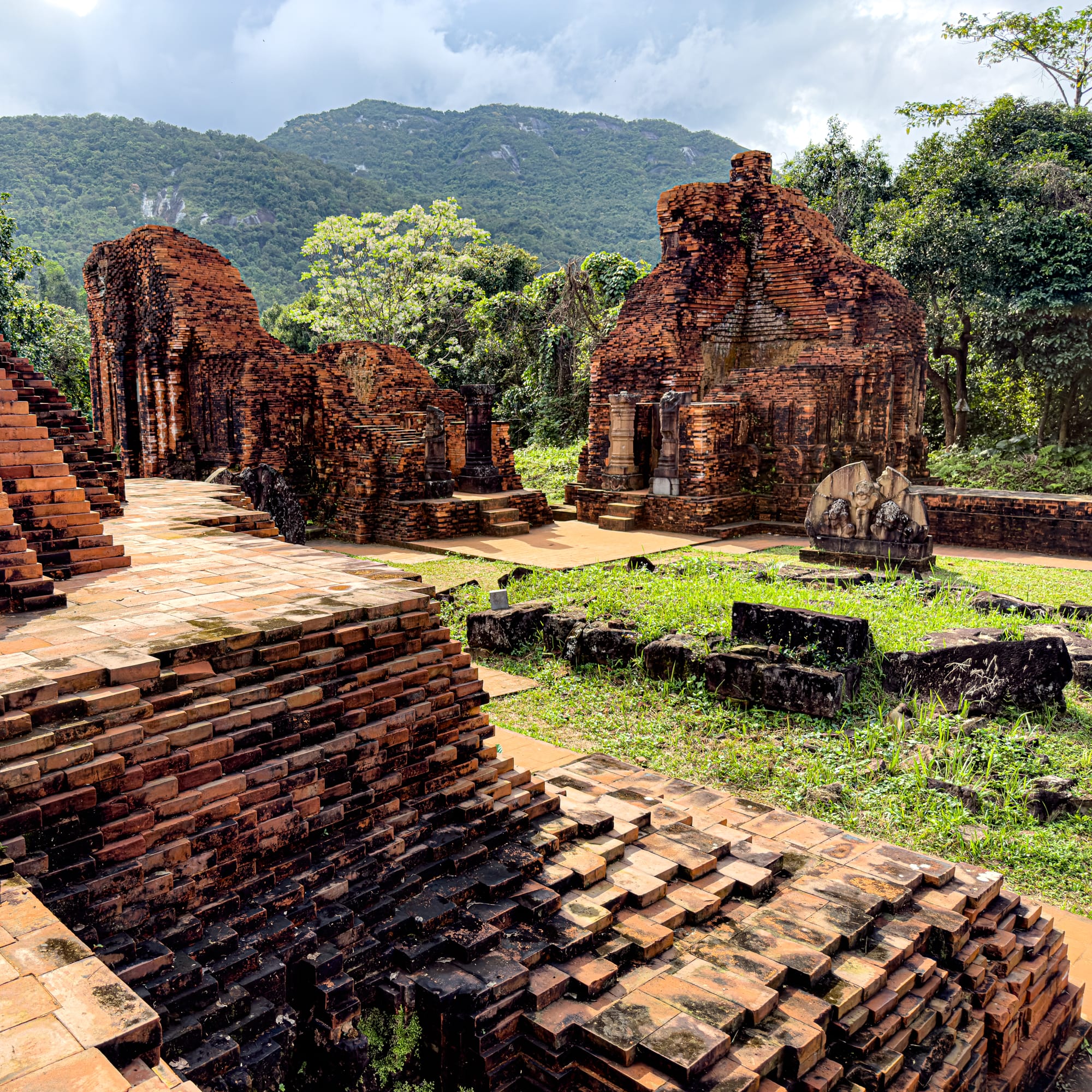
Walking among the red-brick tower temples of Mỹ Sơn Sanctuary, the former religious and political center of the Champa Kingdom, built and rebuilt over nearly a thousand years in a mountain-ringed valley outside Hội An.
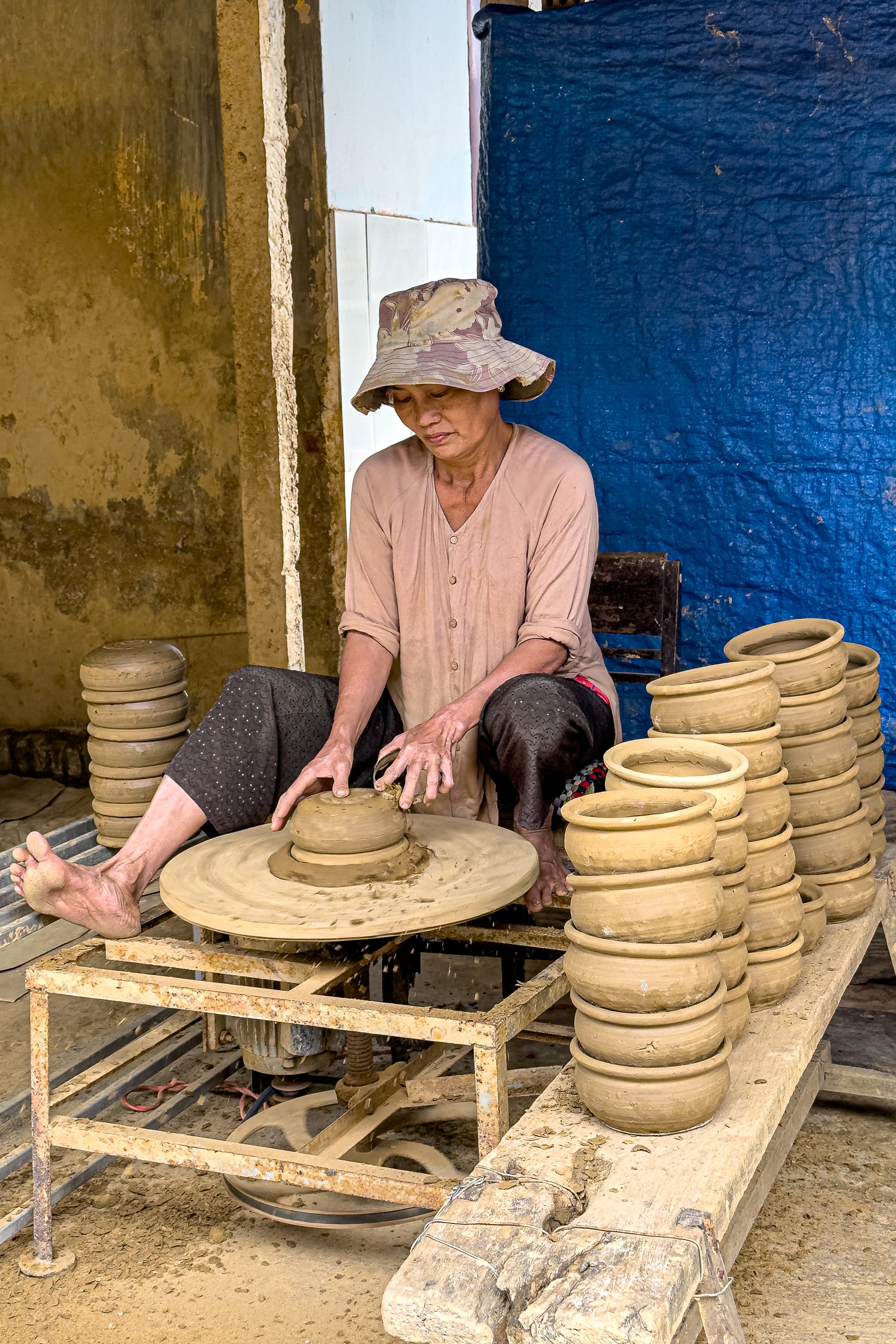
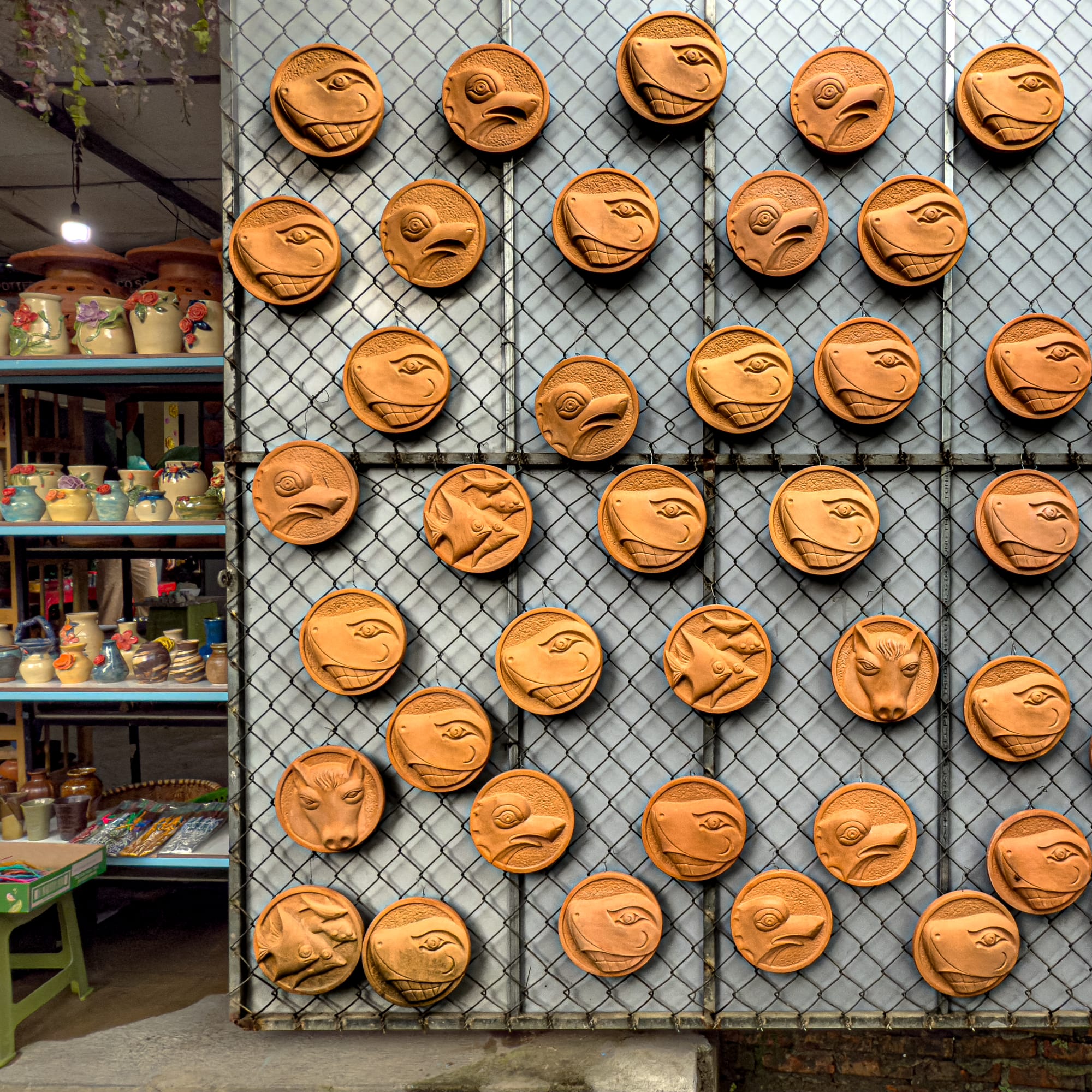
Watching artisans shape unglazed clay by hand and foot-powered wheel in Thanh Hà Pottery Village, a centuries-old craft tradition still practiced beside the Thu Bồn River, then tracing that history through the terracotta park and its pottery museums.
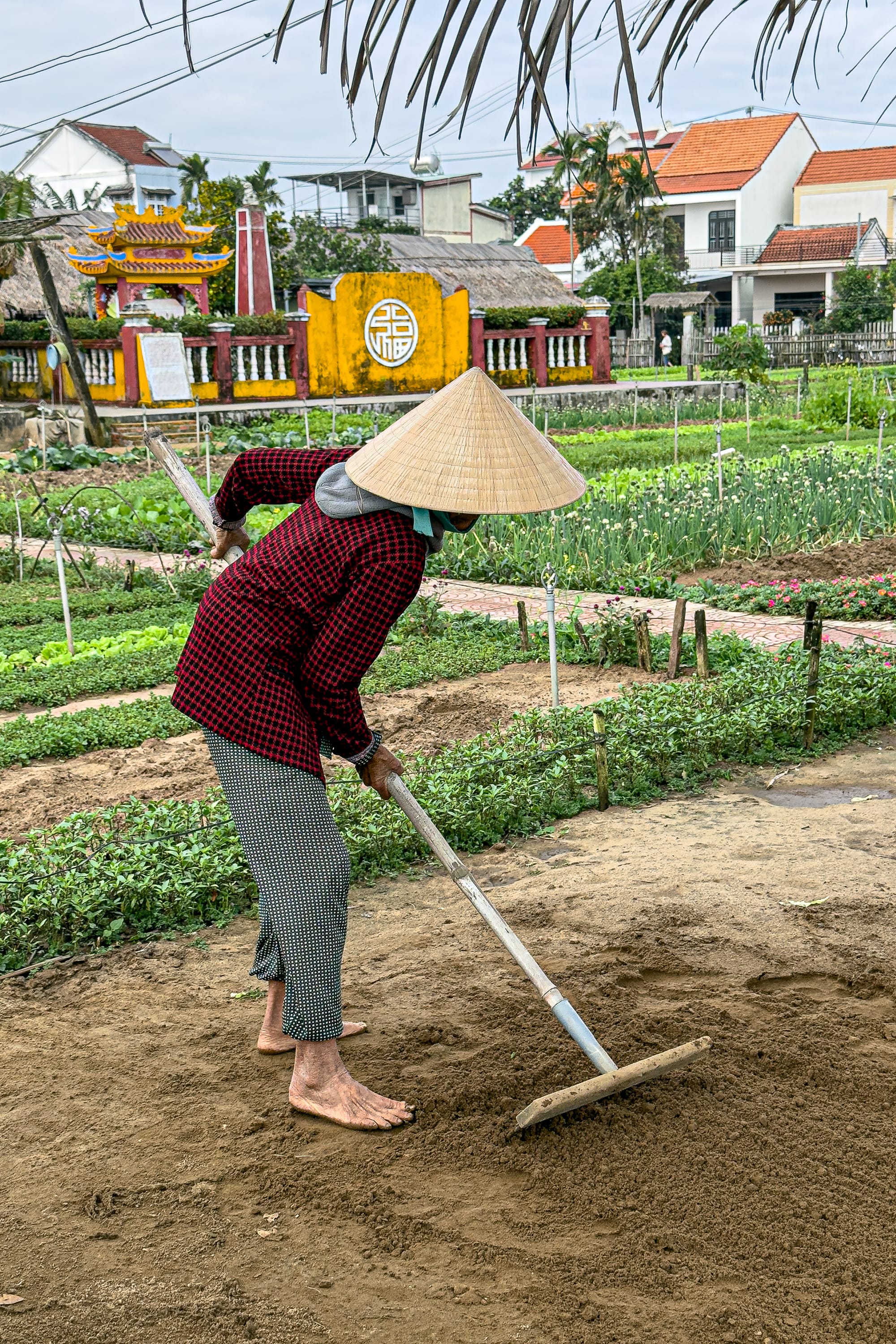
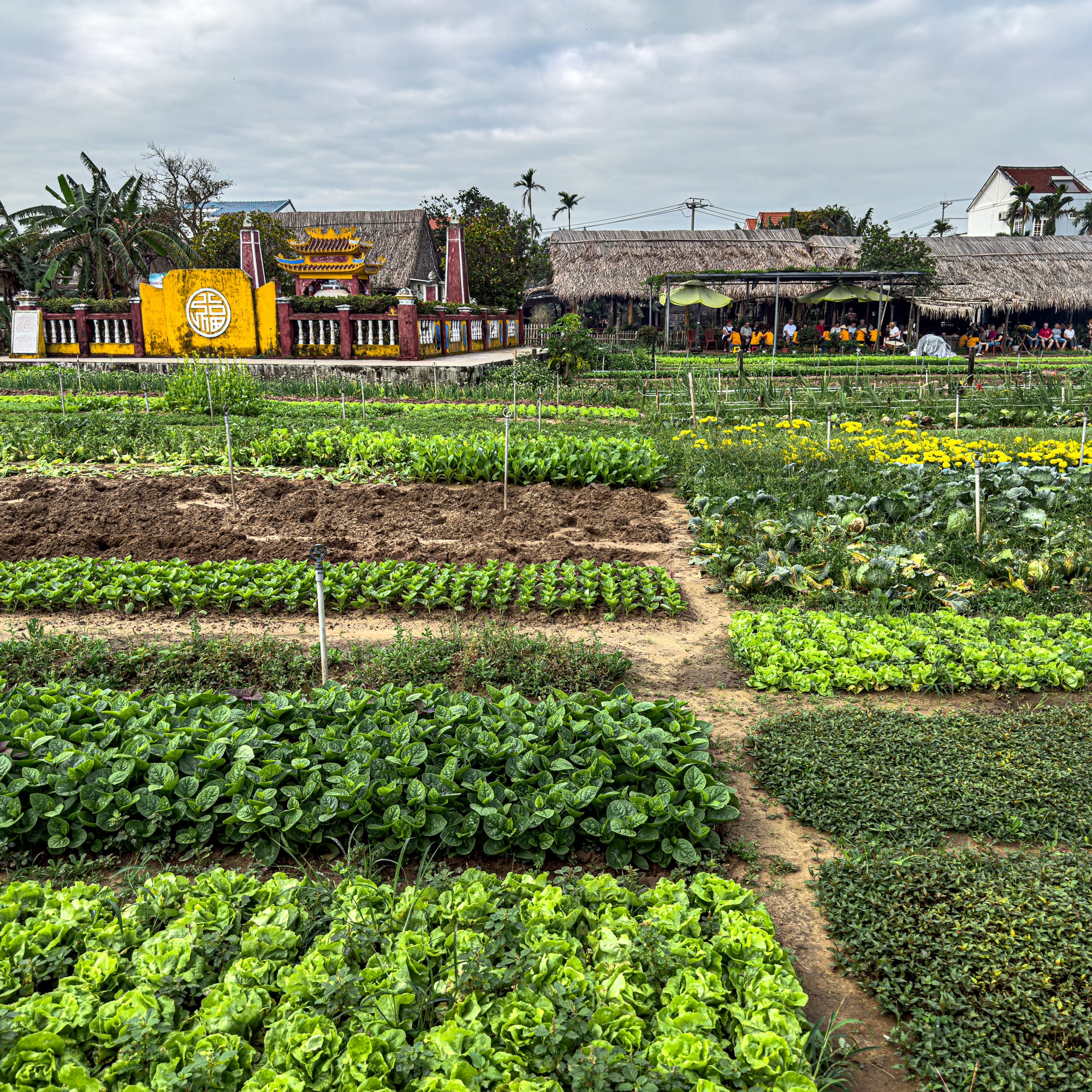
Watching a barefoot farmer fold seaweed into the soil at Trà Quế Vegetable Village, demonstrating the traditional methods used to cultivate the herbs and vegetables grown there.
Digital nomad visa
Spotlight
“The Champa were a seafaring people, connected by trade routes that stretched across Southeast Asia and into India. Their architecture reflects this blending of influences: Hindu cosmology translated into local forms, Indian deities reimagined in Cham stonework, and rituals shaped by both imported and indigenous traditions. Mỹ Sơn, in its heyday, was not an isolated sanctuary but a node in a vast cultural web.”
Read onBest time to go
The best time to visit Hội An is generally from March to April, when the rainy season has eased, the days are warm and sunny, and the summer heat has not yet fully arrived. March is particularly good for cycling through the rice fields, spending time at An Bàng Beach, and exploring the Old Town without the intensity of midsummer.
For digital nomads, Hội An also fits into a loose seasonal flow we’ve seen across Southeast Asia: Chiang Mai during the cooler months, Koh Lanta for part of the island season, then Hội An around March as northern Thailand gets hotter and smokier. From May onward, Hội An becomes increasingly hot and humid, while September to November brings heavier rain, storms, and occasional flooding, so March and April tend to offer the best balance for working and living here.
Best areas to stay
Cost of living
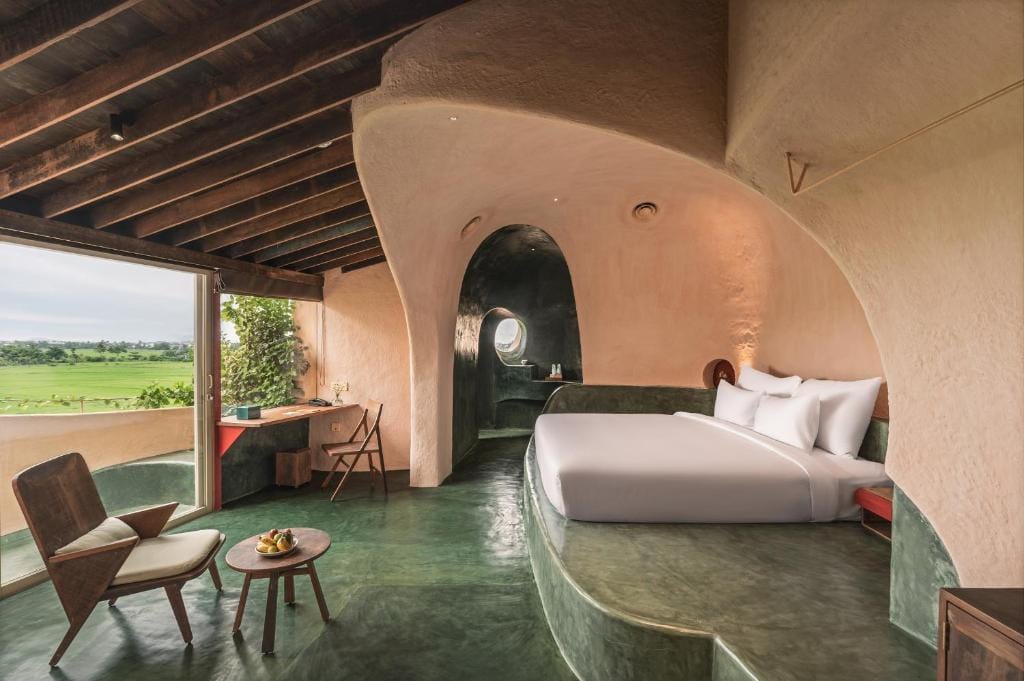
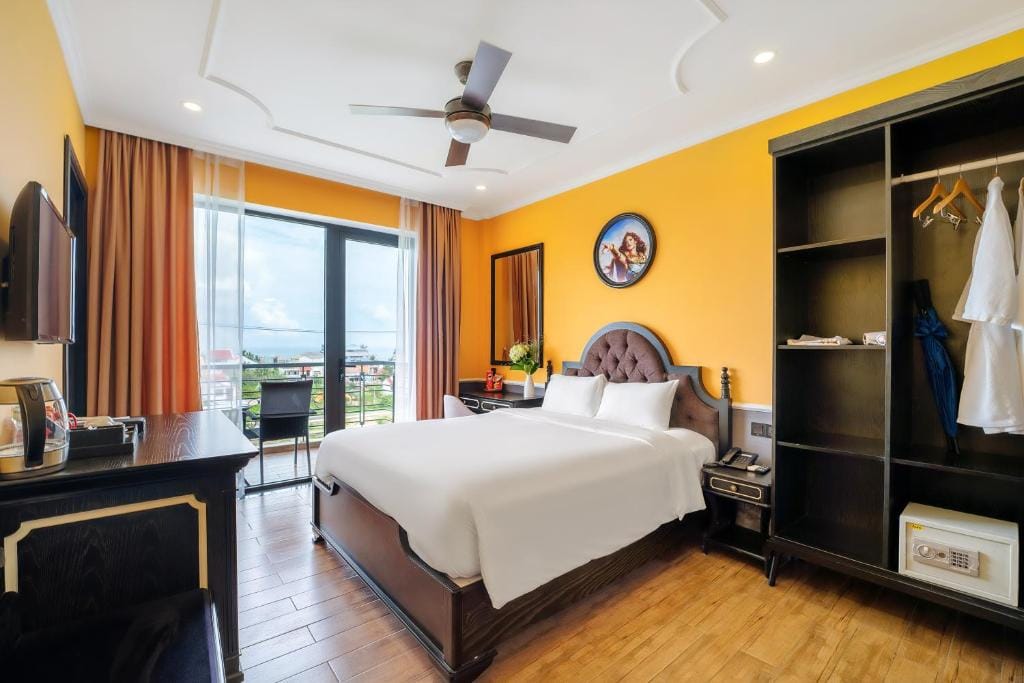
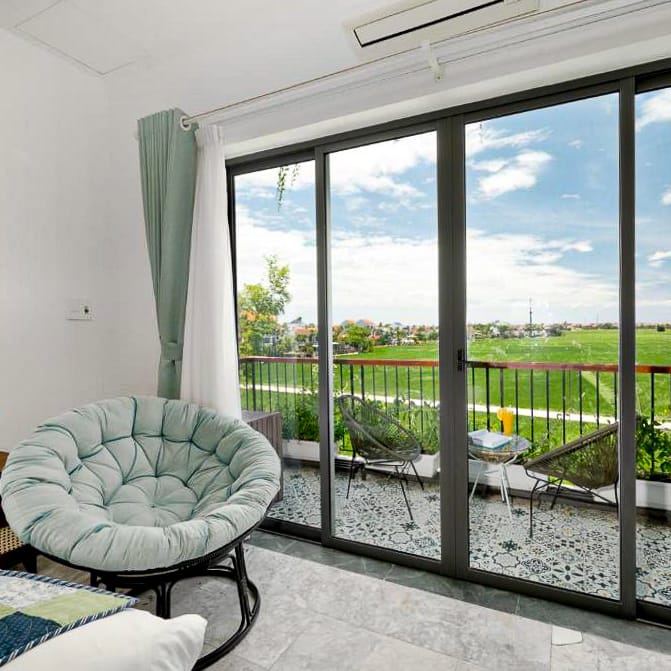
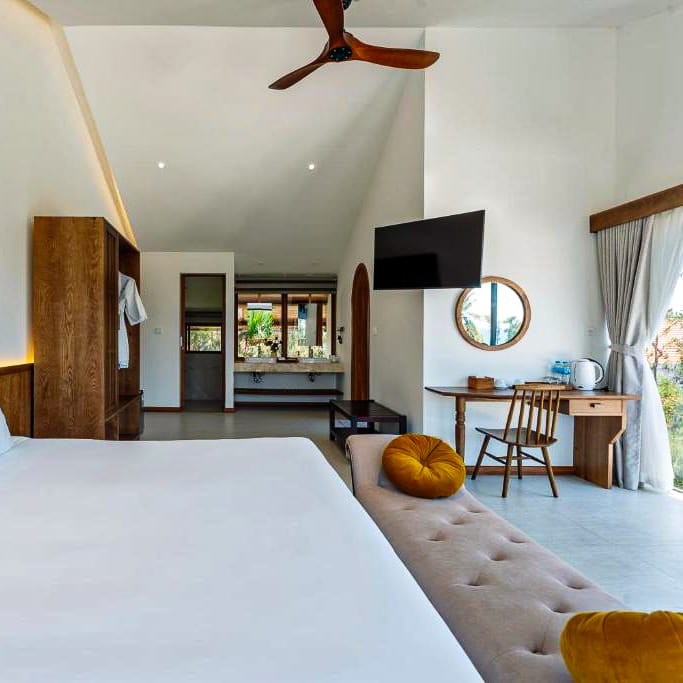
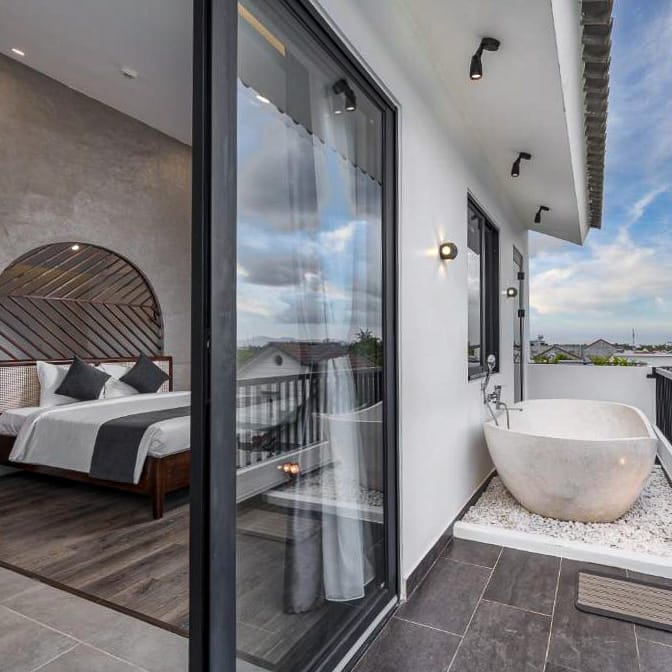
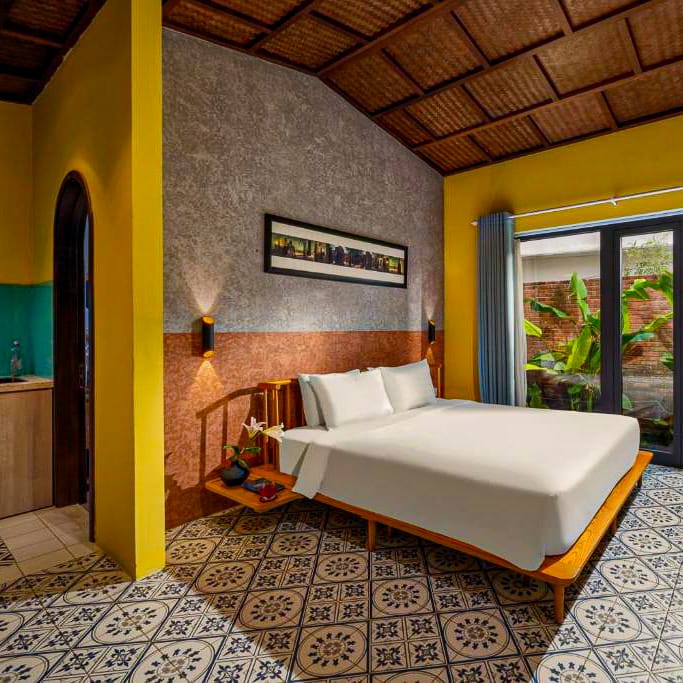
Hội An is one of the cheapest places we’ve lived as digital nomads, and Vietnam more broadly offers exceptional value for longer stays. A decent one-bedroom apartment can be found for around $300 USD per month, particularly if you’re renting locally or staying a little outside the most touristy areas. We paid around $800 USD per month for a hotel near An Bàng Beach with an ocean view and a bathtub, but you can easily spend far less if you’re looking for a simple apartment or committing to a longer rental.
Food is exceptionally cheap, whether you’re eating at local restaurants, cafés, or buying produce from markets, and day-to-day expenses stay remarkably low. Personally, we found Hội An better value than both Thailand and Bali for the quality of life you get in return. That makes it an especially good base if you’re trying to reduce your monthly expenses, whether you’re taking time away from employment, building your own business, or simply wanting more financial breathing room while living somewhere with the beach, rice fields, and a strong remote-work community.
Getting around
Best experiences
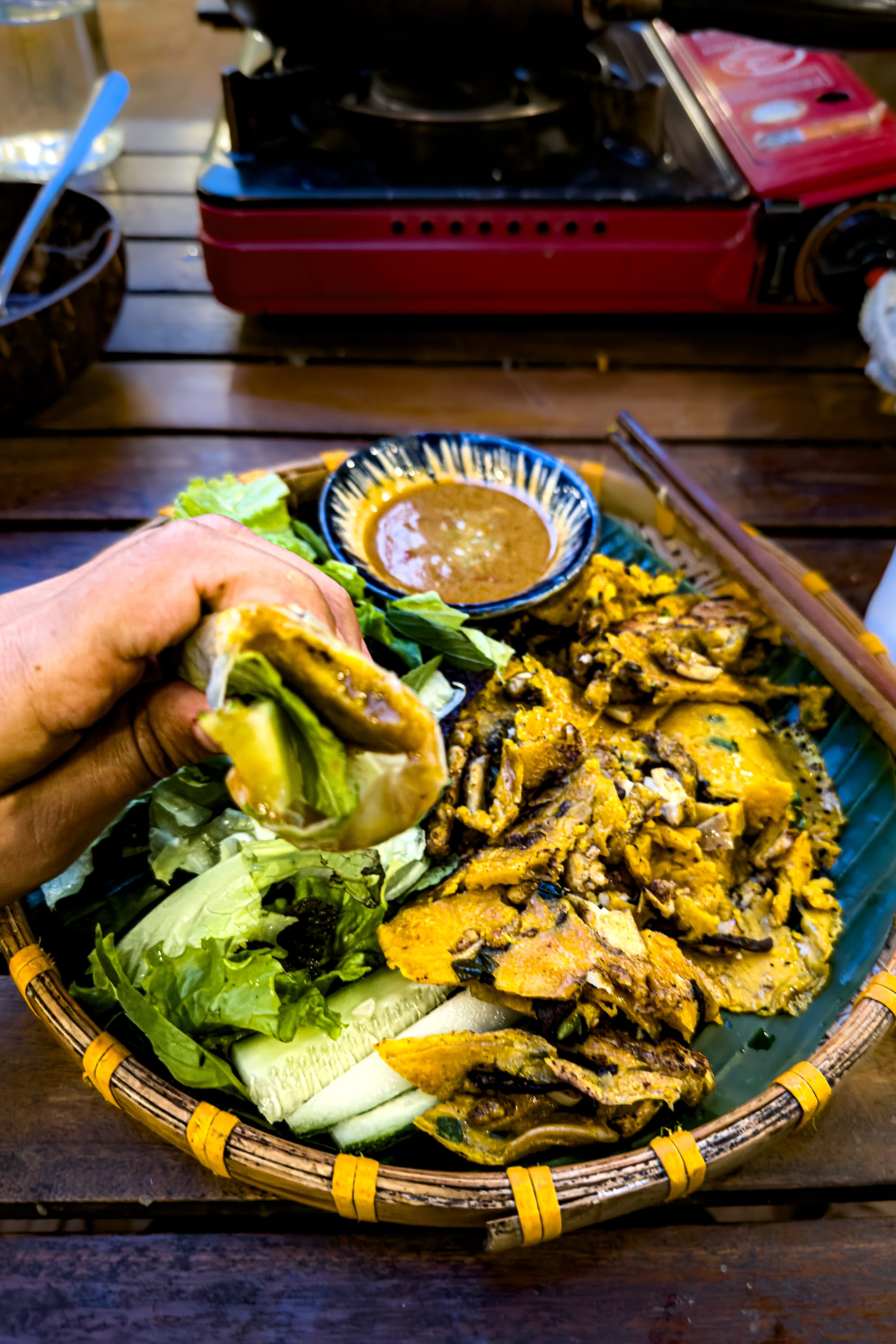
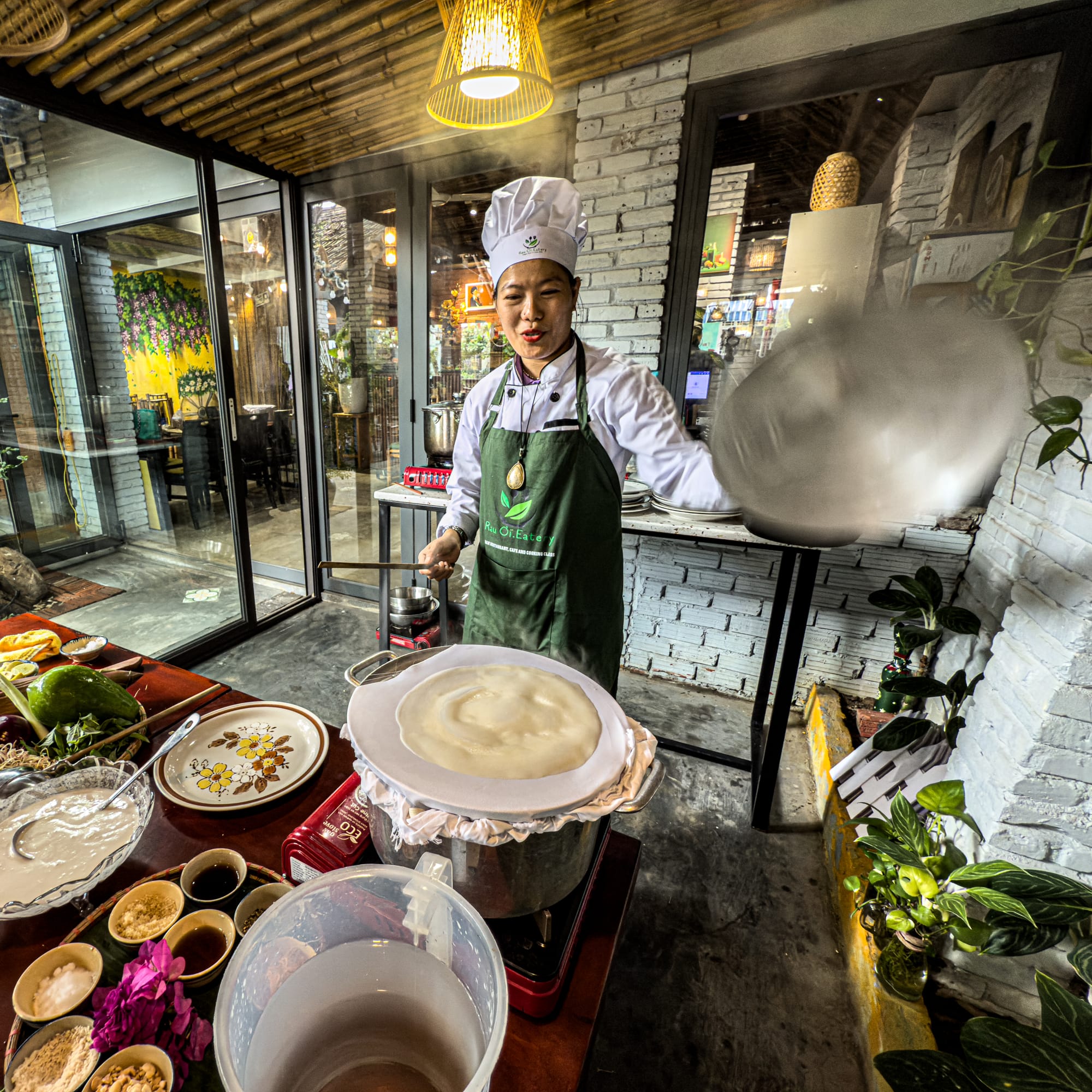
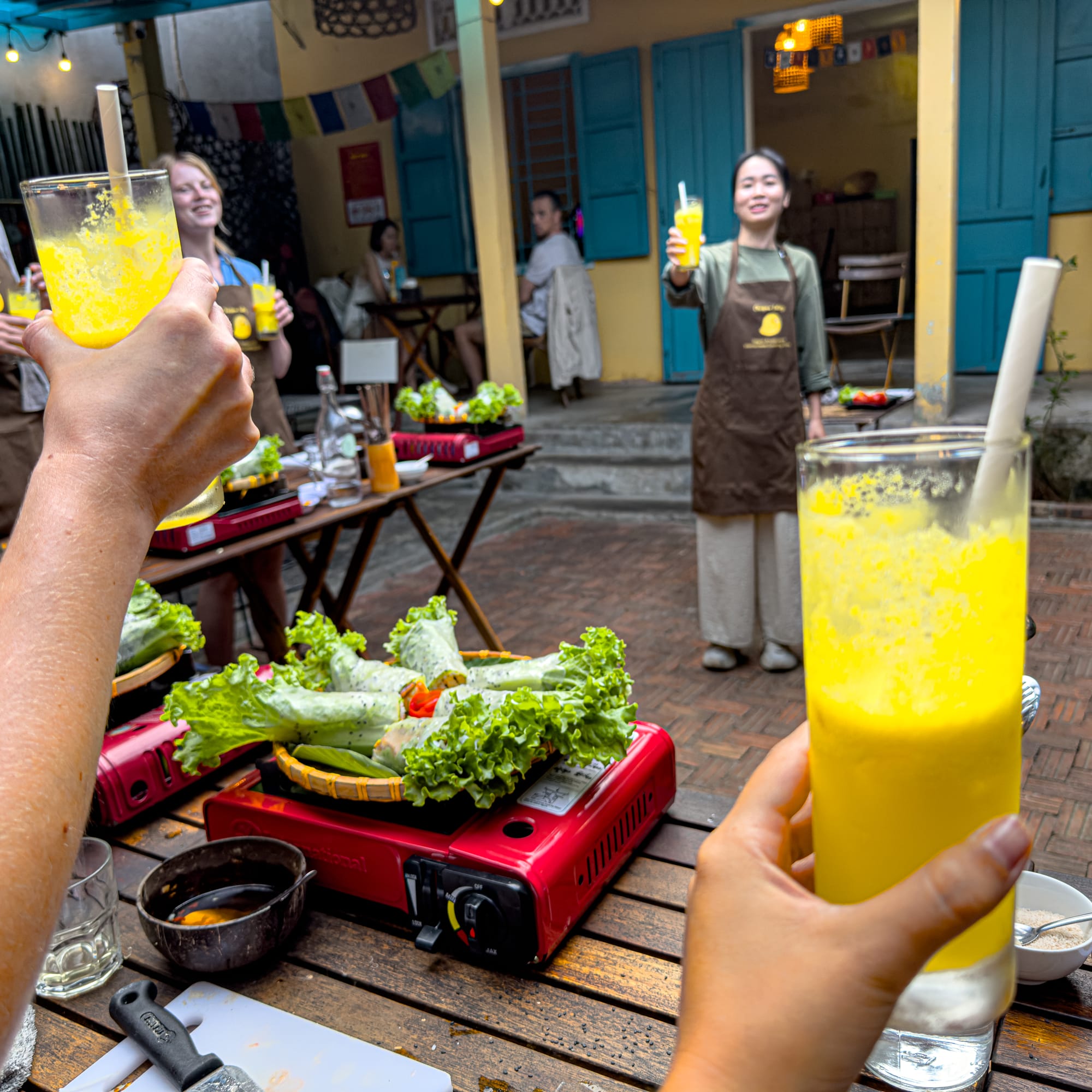
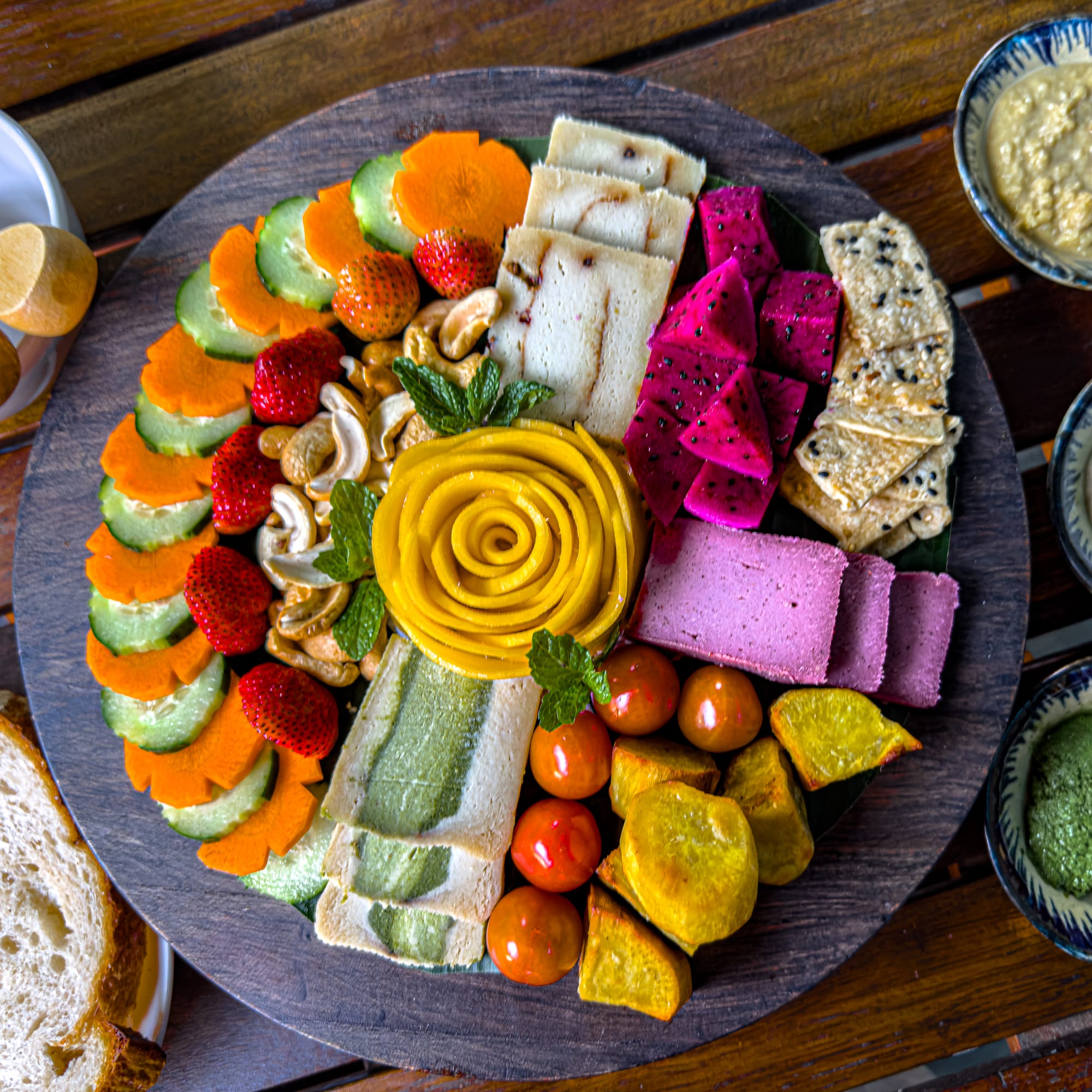
Some of our favorite experiences in Hội An were the ones that gave us a better sense of the landscape and history around the town. Mỹ Sơn Sanctuary was a clear highlight, with its ancient Cham temples set in a lush valley outside Hội An. Closer to town, we loved wandering through the Old Town, cycling among the rice fields, visiting Thanh Hà Pottery Village, and spending time in Trà Quế Vegetable Village. We first visited Trà Quế as part of Rau Ơi Eatery’s vegan cooking class, and also really enjoyed Chickpea Eatery’s vegan cooking class as another way of connecting food with place.
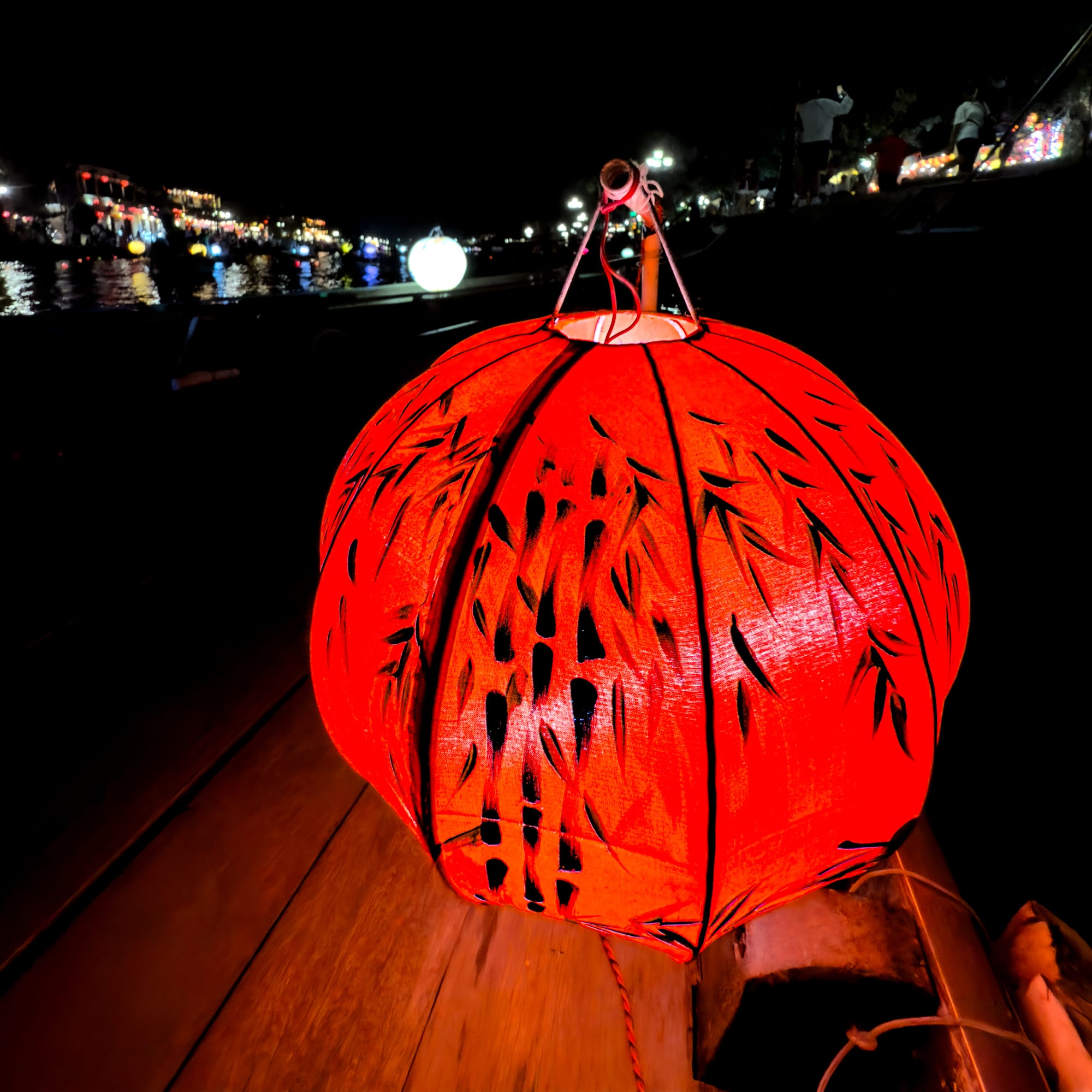
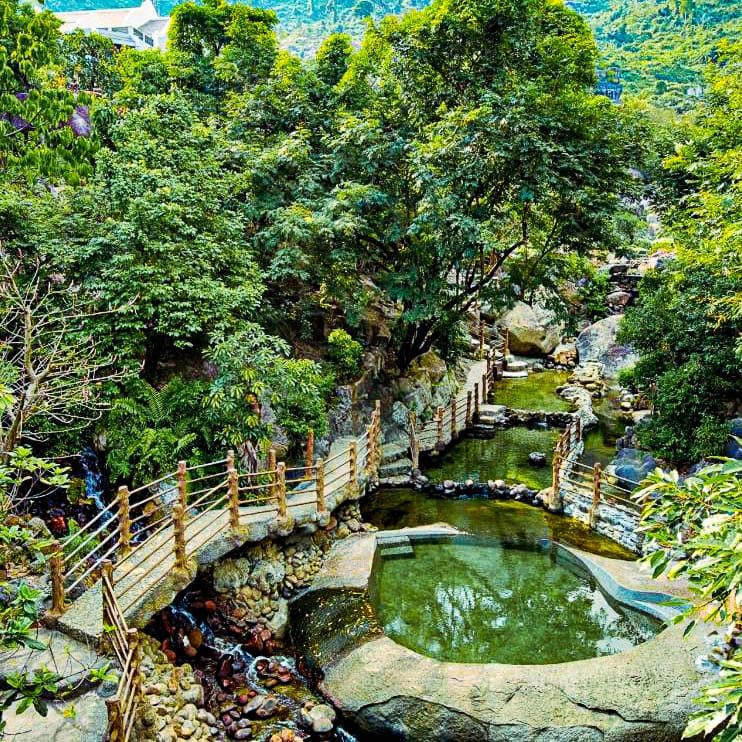
Beyond Hội An itself, there’s plenty to do across central Vietnam. We visited Huế and the Imperial City, spent time in Đà Nẵng, took a lantern boat ride through Hội An in the evening, and also made a trip to a nearby hot spring park. One of the best things about staying in Hội An is that you can balance slower days around the beach, rice fields, and Old Town with bigger cultural and historical day trips when you feel like venturing farther out.
Community & social life
Best places to work
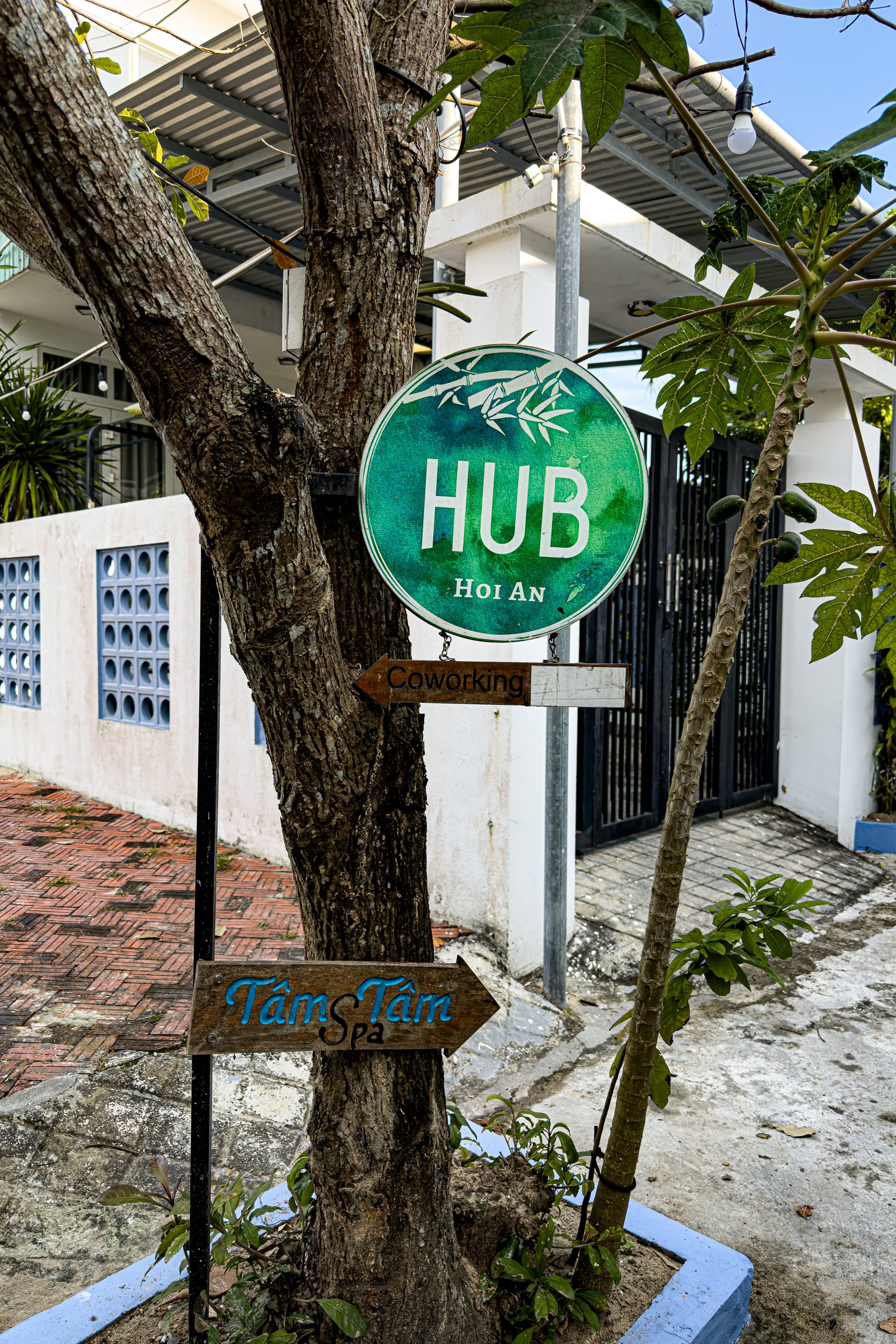
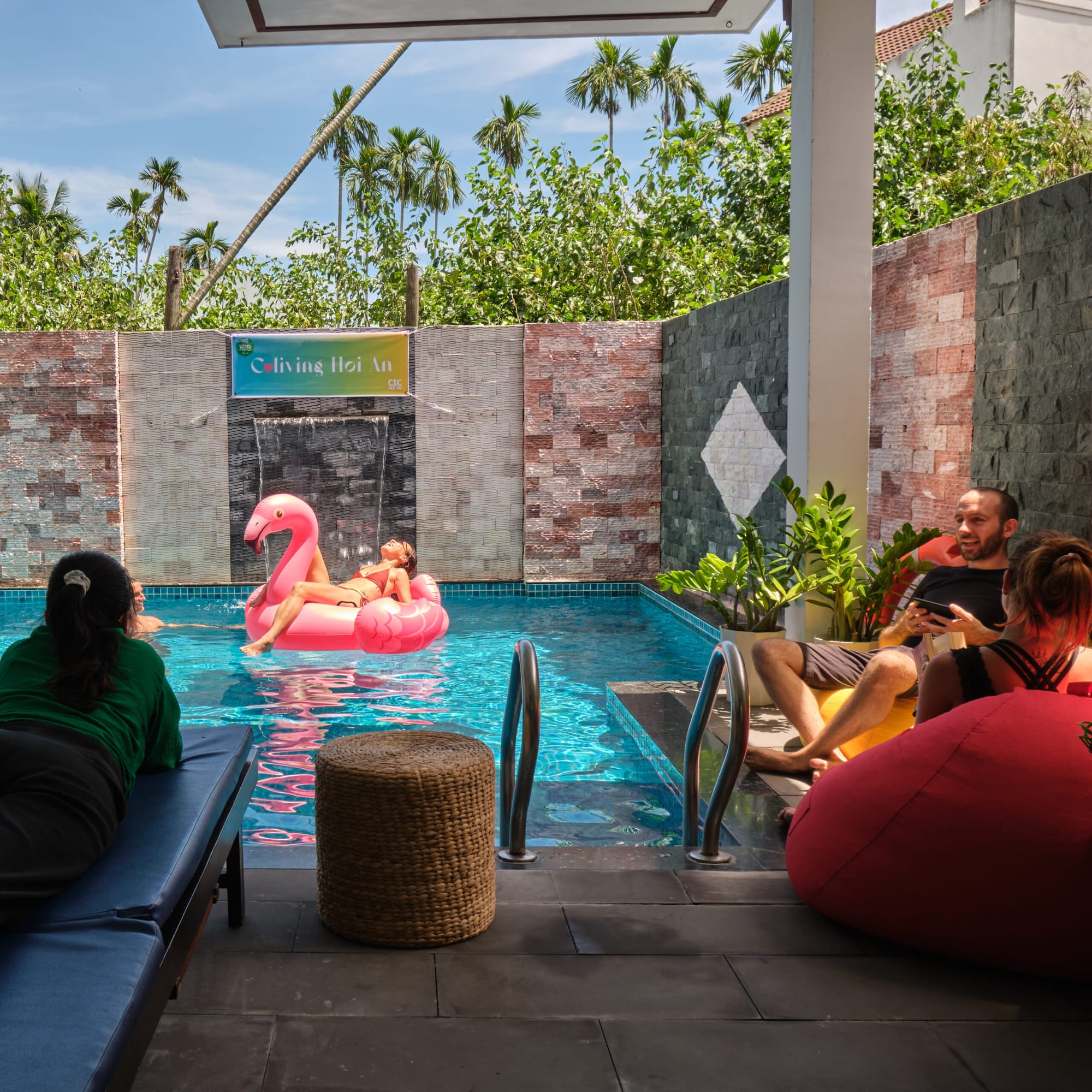
Hub Hoi An was our main place to work and, for us, the best coworking space in Hội An. Set among the rice fields between the Old Town and An Bàng Beach, it has fast internet, indoor and outdoor work areas, phone booths, and a strong community around it. We worked there most days, and it was easily the best option if we wanted a proper work setup rather than relying on cafés.
For a quieter change of scene, we also really liked Hít Hà Cafe, also known as Sniff, right on the beach. The upstairs coworking space has air conditioning, reliable wifi, and ocean views, and when we visited it was almost completely empty.
Internet & infrastructure
Internet in Hội An is generally very reliable for remote work, and we didn’t have any issues during our time there. Hub Hoi An was especially dependable for video calls, uploads, and focused work, while most hotels, apartments, and cafés we used also had stable wifi.
Infrastructure is straightforward overall. Grab works well, mobile data is inexpensive and widely available, and Đà Nẵng is close enough that you have easy access to a larger city if you need anything Hội An doesn’t offer. As always, if your work depends on consistently high speeds, it is still worth checking with your accommodation in advance rather than assuming every guesthouse or café will have the same setup.
Delights & frictions
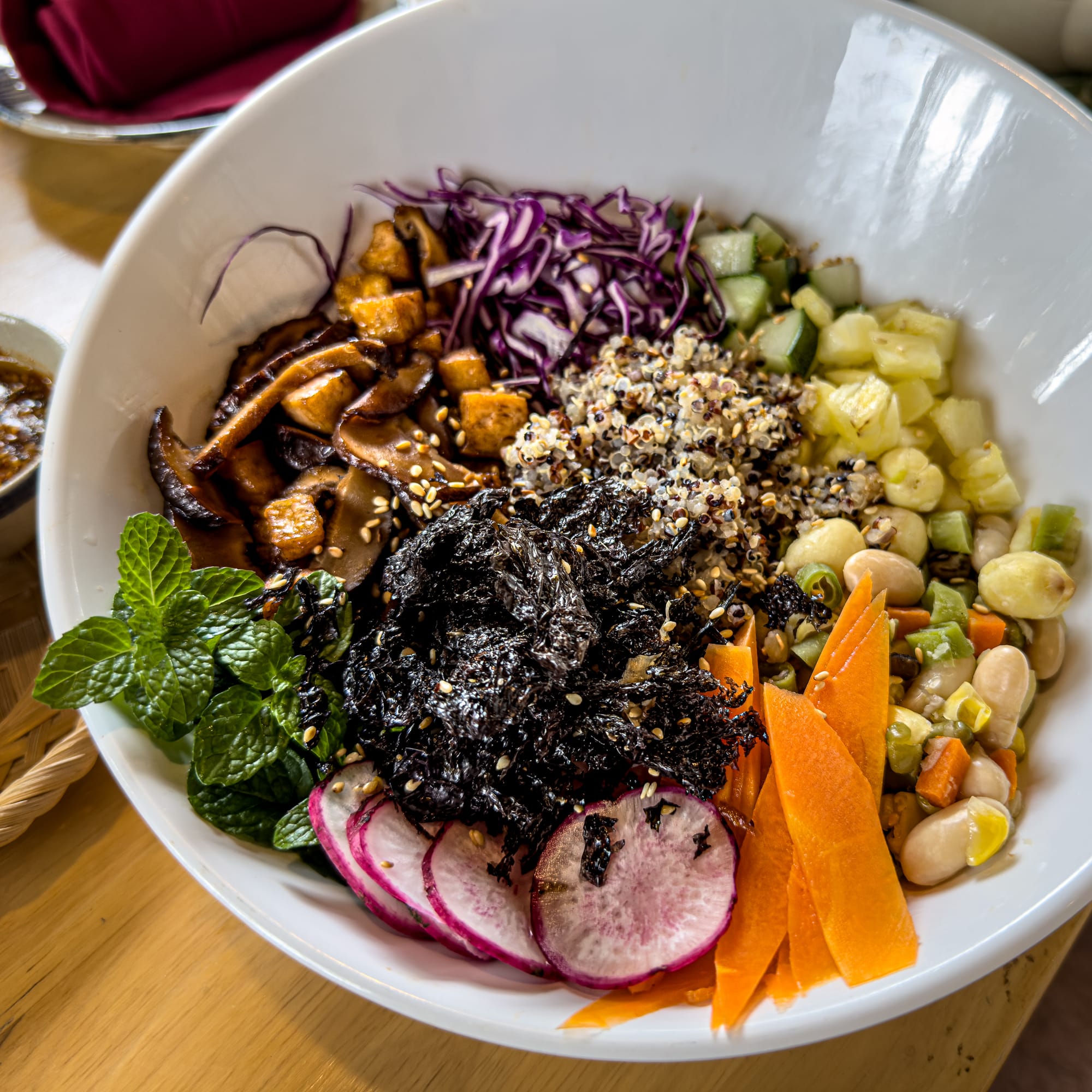
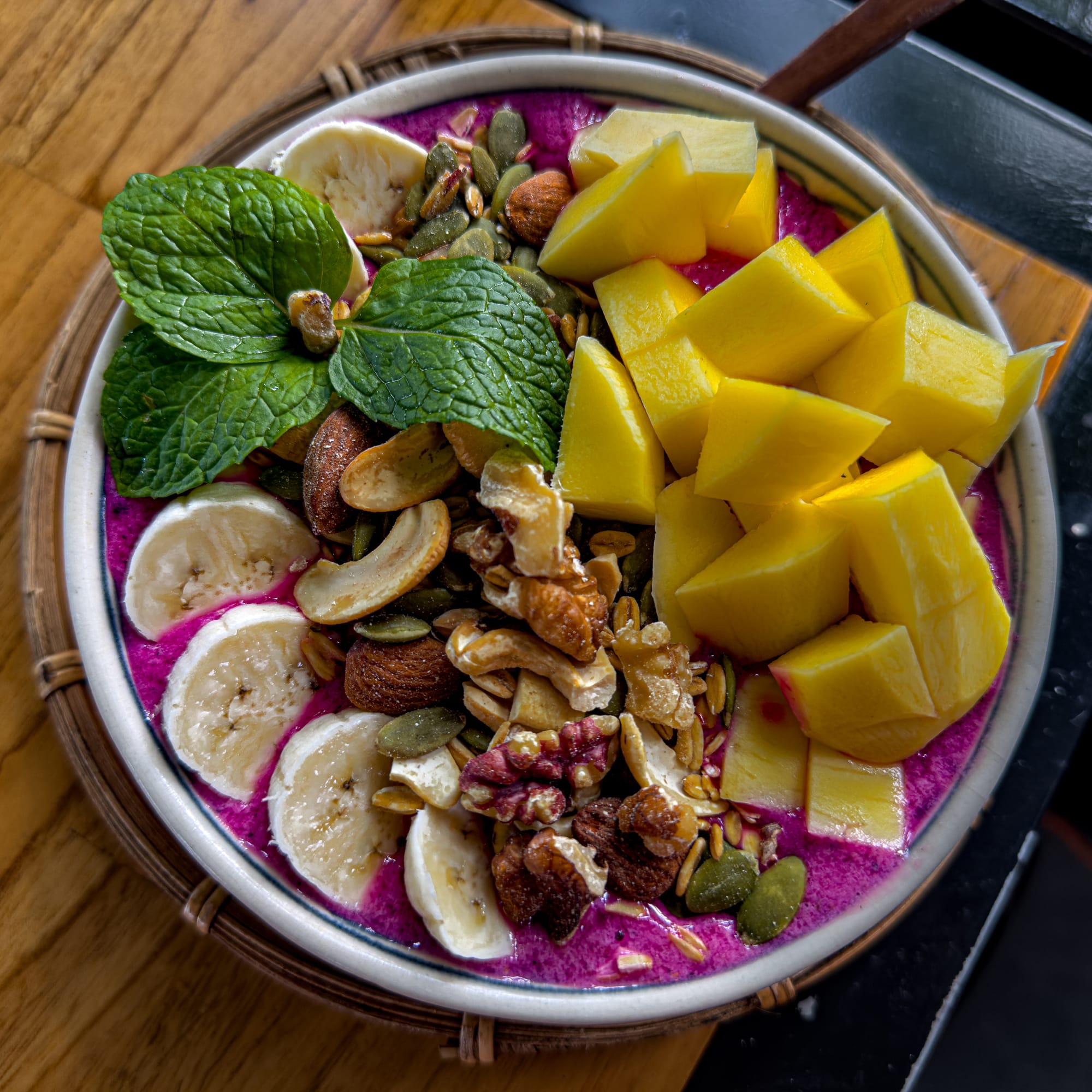
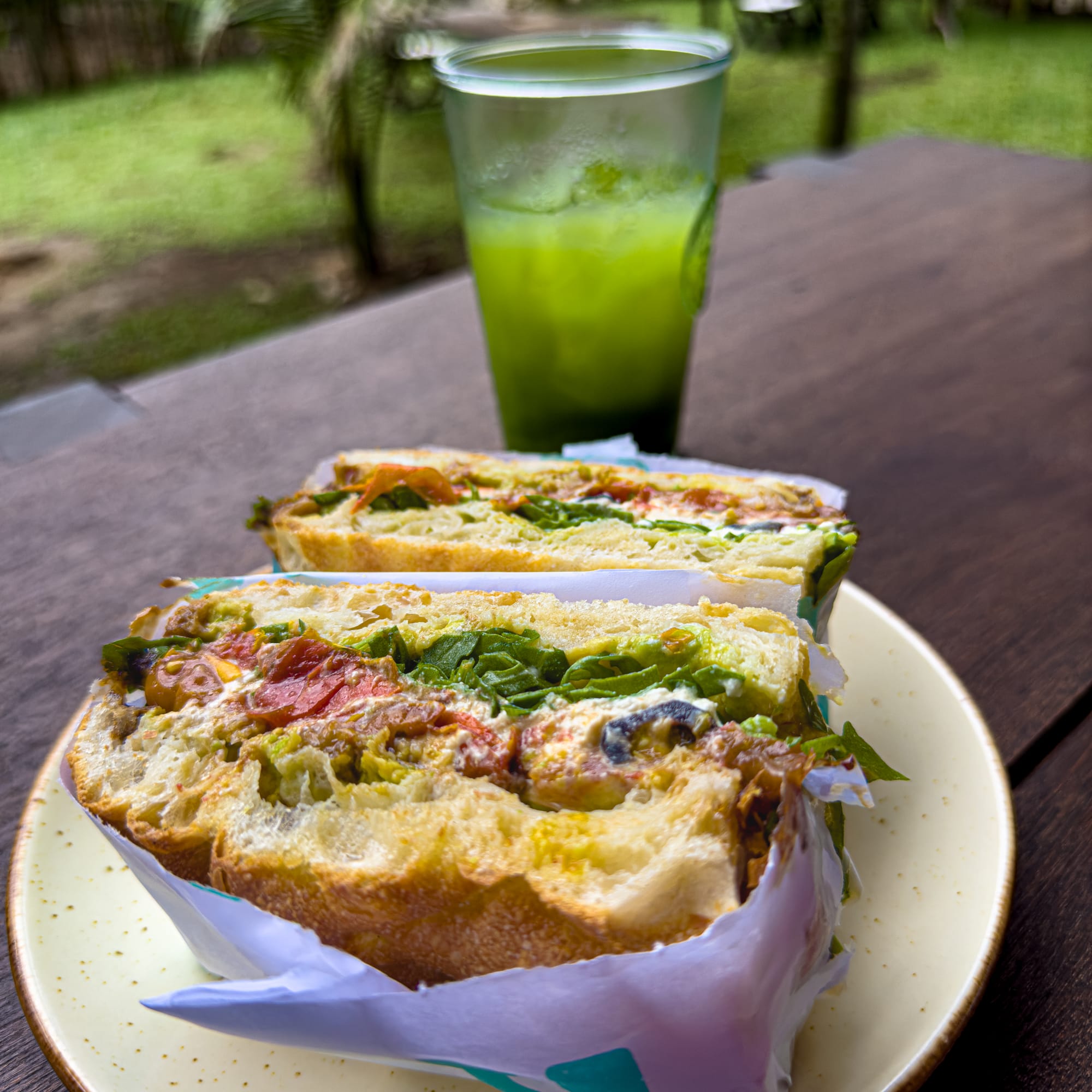
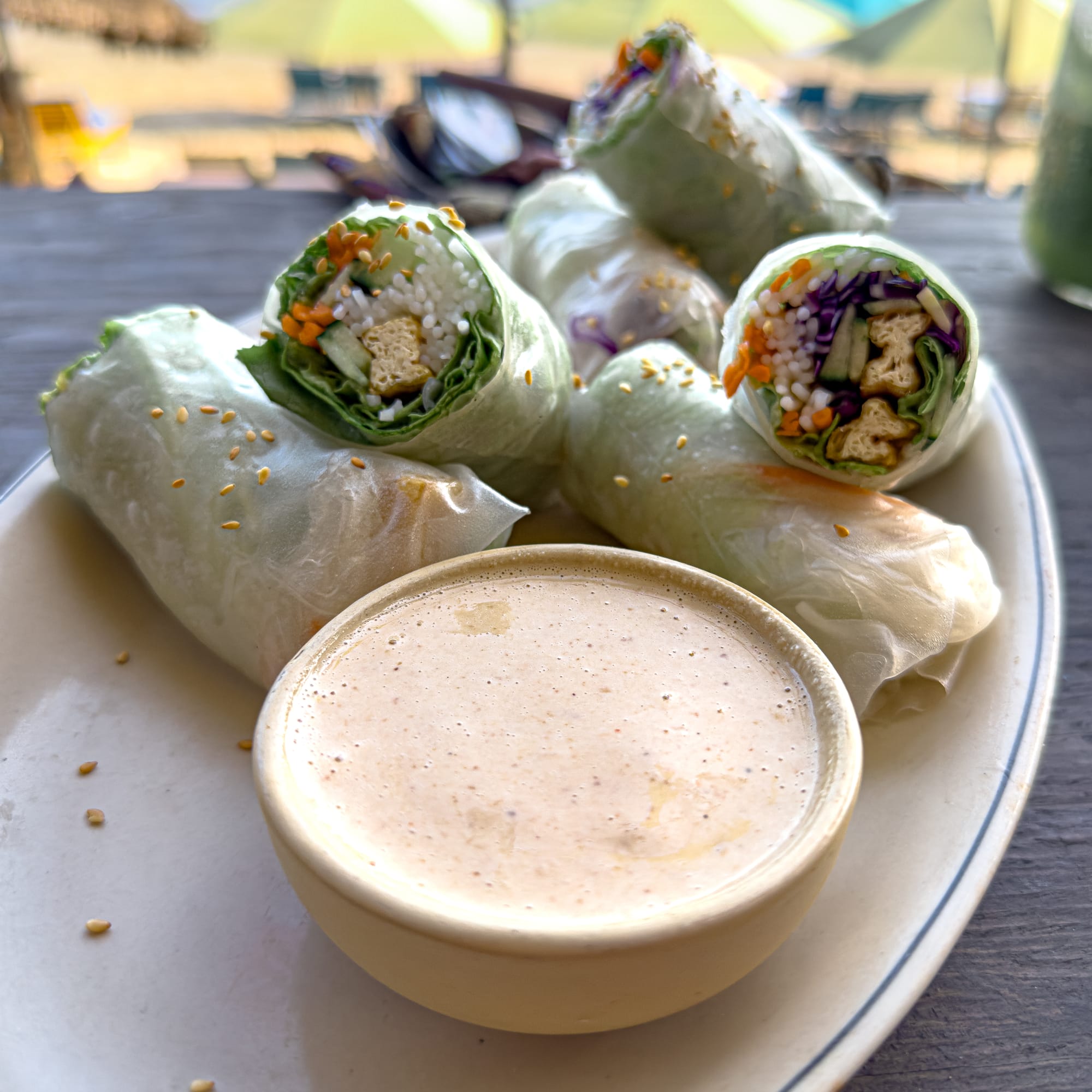
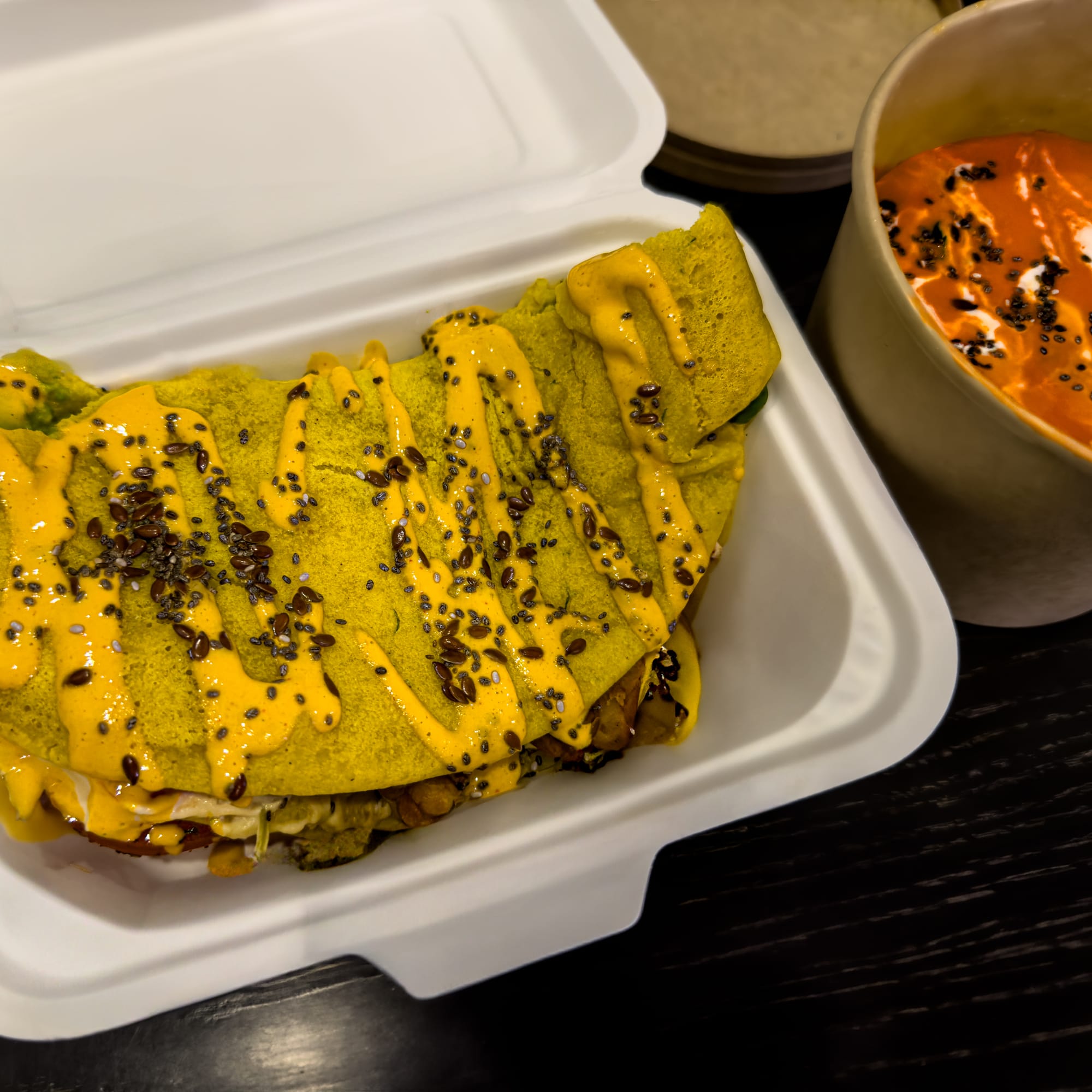
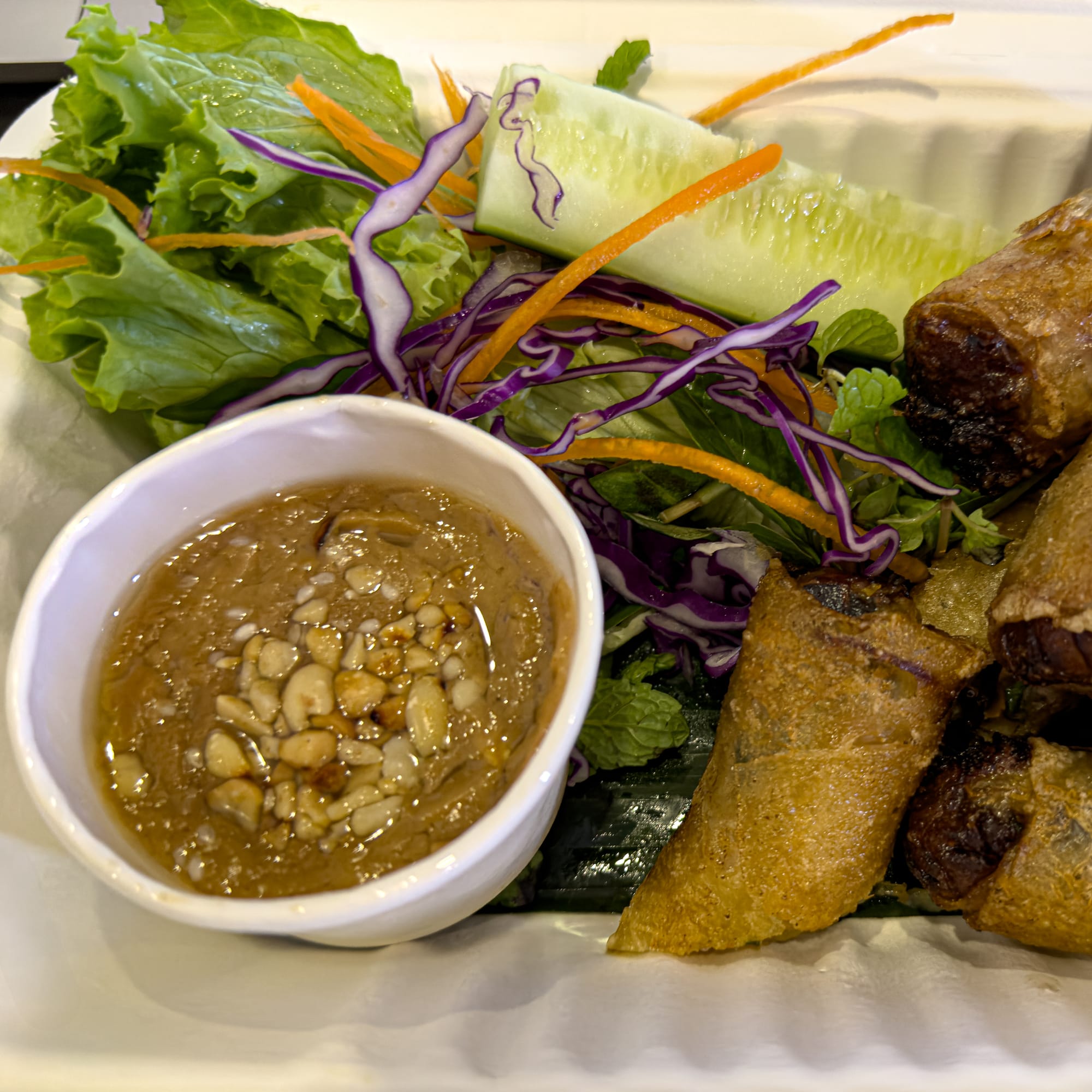
One of the best parts of living in Hội An was simply moving through the landscape every day. Cycling or riding through the rice fields on the way into town or to Hub Hoi An never really got old, especially in the softer light at the beginning and end of the day. We also loved watching the sunset from Miss Hoi An, eating the yummiest vegan food every day, and having places like Mỹ Sơn Sanctuary close enough to make the wider region feel historically and culturally rich without daily life feeling hectic.
We didn’t experience much friction living in Hội An. Compared with some other places we’ve stayed, there was a more noticeable language and cultural barrier at times, but day-to-day life still felt remarkably easy. Grab, cheap food, simple mobility, good coworking, and the slower pace all made Hội An one of those places where very little felt difficult.
Safety
We felt very safe during our time in Hội An, including when cycling through the rice fields, walking around the Old Town, and moving between An Bàng Beach and town after dark. The atmosphere generally felt relaxed, and we didn’t experience anything that made us feel uncomfortable.
As anywhere, it’s worth taking basic precautions with valuables and being especially careful on the roads, where scooters and motorbikes are part of everyday life. Overall, though, Hội An felt easy, calm, and comfortable to live in as digital nomads.
Top tips
For organized day trips from Hội An, GetYourGuide is a practical option, especially for places where transport is the most complicated part. We also recommend giving yourself permission to do very little. Some of our favorite days were simply spent moving between cafés, the rice fields, An Bàng Beach, and the Old Town without much of a plan.
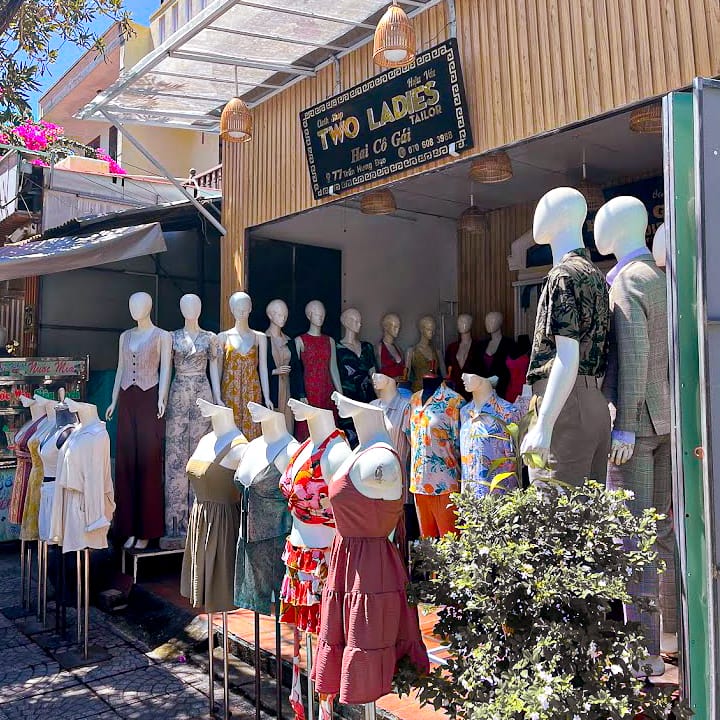
Hội An is famous for tailoring, and getting clothes made was one of the experiences we enjoyed most. We went to Two Ladies, where we had pieces made specifically to our measurements, and there’s something genuinely satisfying about wearing clothes that fit your body exactly. If you’re staying for a while, it’s worth leaving enough time for fittings and adjustments rather than trying to rush the process.
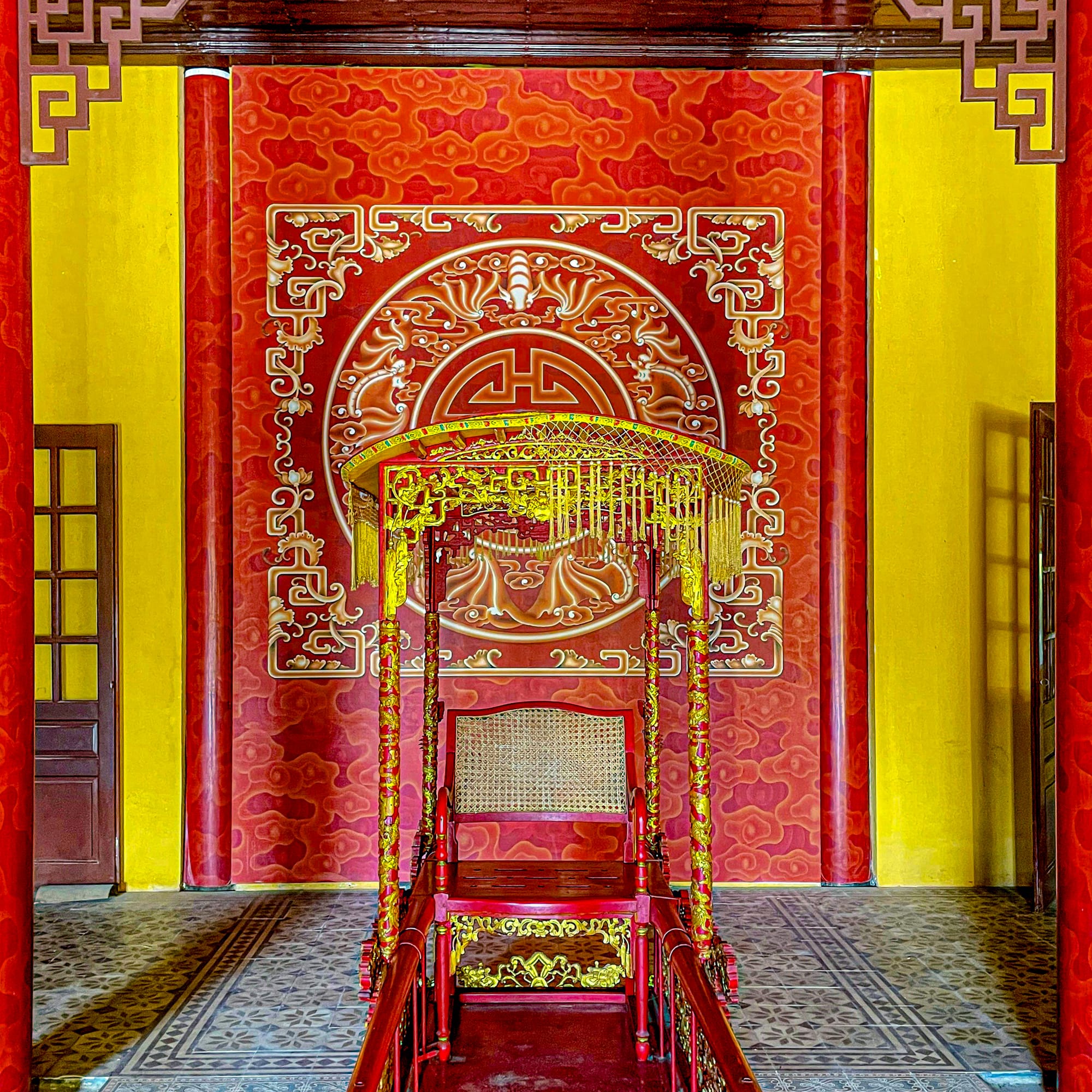
We’d also strongly recommend spending at least a weekend in Huế. The Imperial City is reason enough to go, but we also really loved the atmosphere of Huế itself and could easily imagine returning for a month or longer.
If you’re in Hội An during the wetter months, keep a lightweight poncho or rain jacket with you. The rain can arrive quickly, and having something packed on the scooter or in your bag makes daily life much easier.
Is Hội An worth visiting?
Yes. Hội An combines a UNESCO-listed Ancient Town with rice fields, beaches, excellent food, traditional crafts, and easy access to the wider landscapes of central Vietnam. The Old Town can become busy and touristy, but staying longer and spending time around An Bàng Beach, the rice fields, and surrounding villages reveals a much slower side of Hội An. For us, it was also one of the easiest and best-value places we’ve lived in Southeast Asia.
What are the best things to do in Hội An?
Some of the best things to do in Hội An are exploring the Ancient Town, cycling through the rice fields, spending time at An Bàng Beach, getting clothes made by one of the town’s tailors, taking a cooking class, and visiting Thanh Hà Pottery Village and Trà Quế Vegetable Village. Mỹ Sơn Sanctuary was one of our biggest highlights: its surviving Cham tower-temples date from between the 4th and 13th centuries and once formed an important religious and political center of the Champa Kingdom.
How many days do you need in Hội An?
Three or four days is enough to see the main sights in Hội An, but we think the town works much better at a slower pace. If you’re travelling while working remotely, staying for a few weeks gives you time to develop a routine around the beach, rice fields, cafés, and coworking while saving places like Mỹ Sơn, Huế, and Đà Nẵng for days off. For digital nomads, we could easily see Hội An working as a base for a month or longer.
When is the best time to visit Hội An?
March and April are our favorite months to visit Hội An. The wetter season has eased, the weather is warm enough for An Bàng Beach, and it has not yet reached the intensity of midsummer. February through April is also widely considered one of the most comfortable periods for Hội An, while the heavier rain and flood risk is concentrated particularly around October and November.
Where is the best area to stay in Hội An?
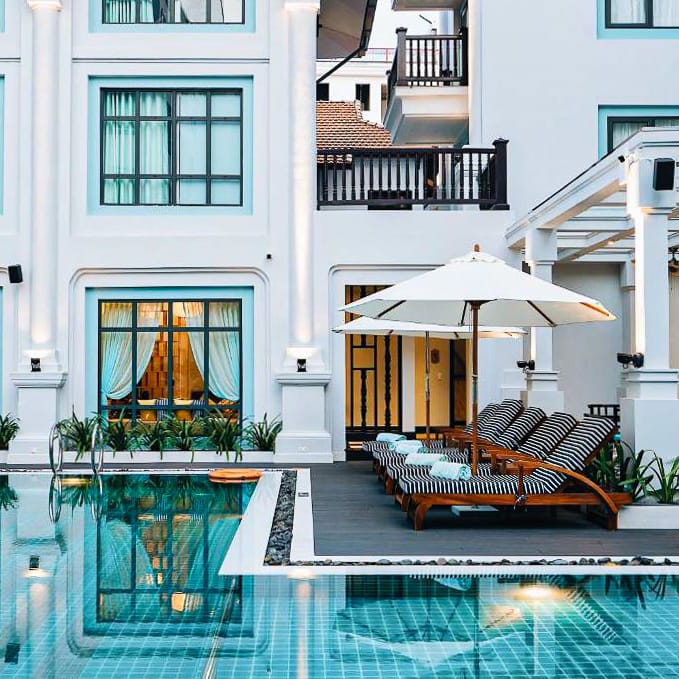
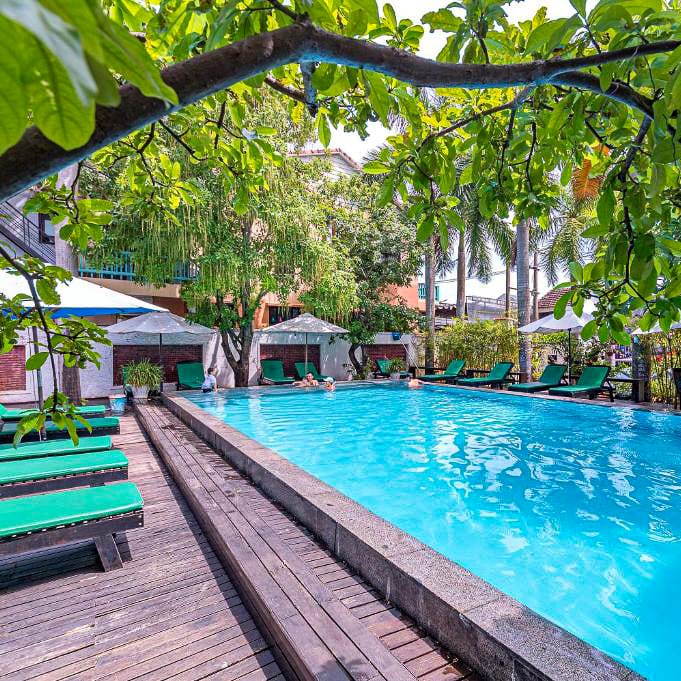
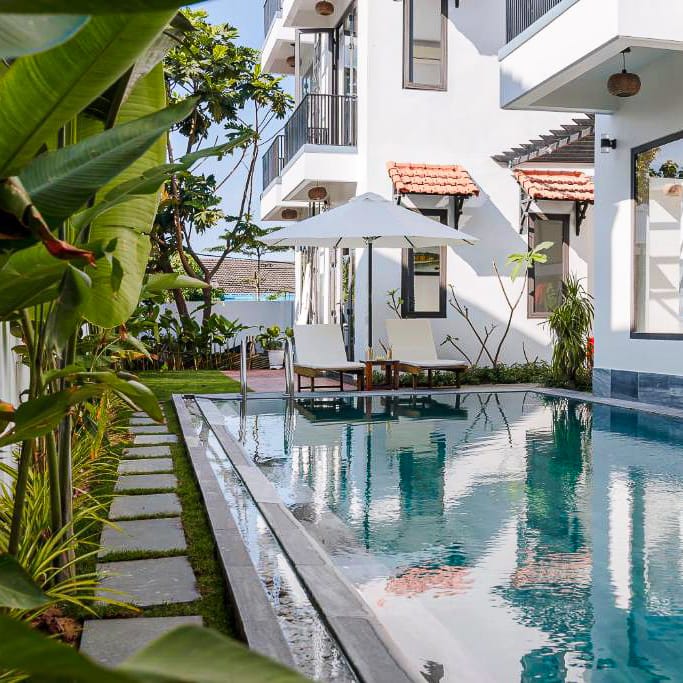
For a longer stay, we prefer An Bàng Beach or the rice-field areas between the beach and the Ancient Town rather than staying directly inside the Old Town. An Bàng works well if you want the sea and cafés nearby, while areas around Cẩm Châu and the surrounding paddies offer a quieter setting with easy bicycle or motorbike access to both town and beach. Which works best really comes down to whether you would rather wake up beside the sea or among the rice fields.
Is Hội An good for digital nomads?
Yes. Hội An is particularly good for digital nomads who prefer a smaller, slower base rather than a large city. Living costs are low, getting around by bicycle or Grab is easy, internet is generally reliable, and Hub Hoi An provides both a proper coworking setup and one of the main social hubs for remote workers. The tradeoff is that the digital nomad community is considerably smaller than in nearby Đà Nẵng.
How much does it cost to live in Hội An as a digital nomad?
Hội An is one of the cheapest places we’ve lived. It is possible to find simple one-bedroom accommodation from around $300 USD per month, although location, season, and the length of your rental make a big difference. We paid around $800 USD per month for a hotel near An Bàng Beach with an ocean view and bathtub. Food, Grab rides, cafés, and other daily expenses are also exceptionally affordable, making Hội An a particularly great base if you’re trying to keep your monthly costs low.
Does Vietnam have a digital nomad visa?
Vietnam does not currently have a dedicated digital nomad visa. Many remote workers instead use Vietnam’s e-Visa, which can be issued for single or multiple entry and is valid for a maximum of 90 days. Some long-term travelers leave Vietnam at the end of their permitted stay and subsequently apply for another e-Visa, but this is not an official digital nomad or residency pathway and each visa and entry remains subject to immigration approval.
Where can digital nomads work in Hội An?
Hub Hoi An was our favorite place to work remotely in Hội An and the center of much of the digital nomad community we encountered. Set among the rice fields, it offers a much more dependable work environment than relying entirely on cafés. We also liked Hít Hà Cafe, also known as Sniff, near An Bàng Beach, which has an upstairs coworking area overlooking the sea. There are plenty of laptop-friendly cafés around Hội An, but these were the two places we returned to most.