









Living in Diani Beach
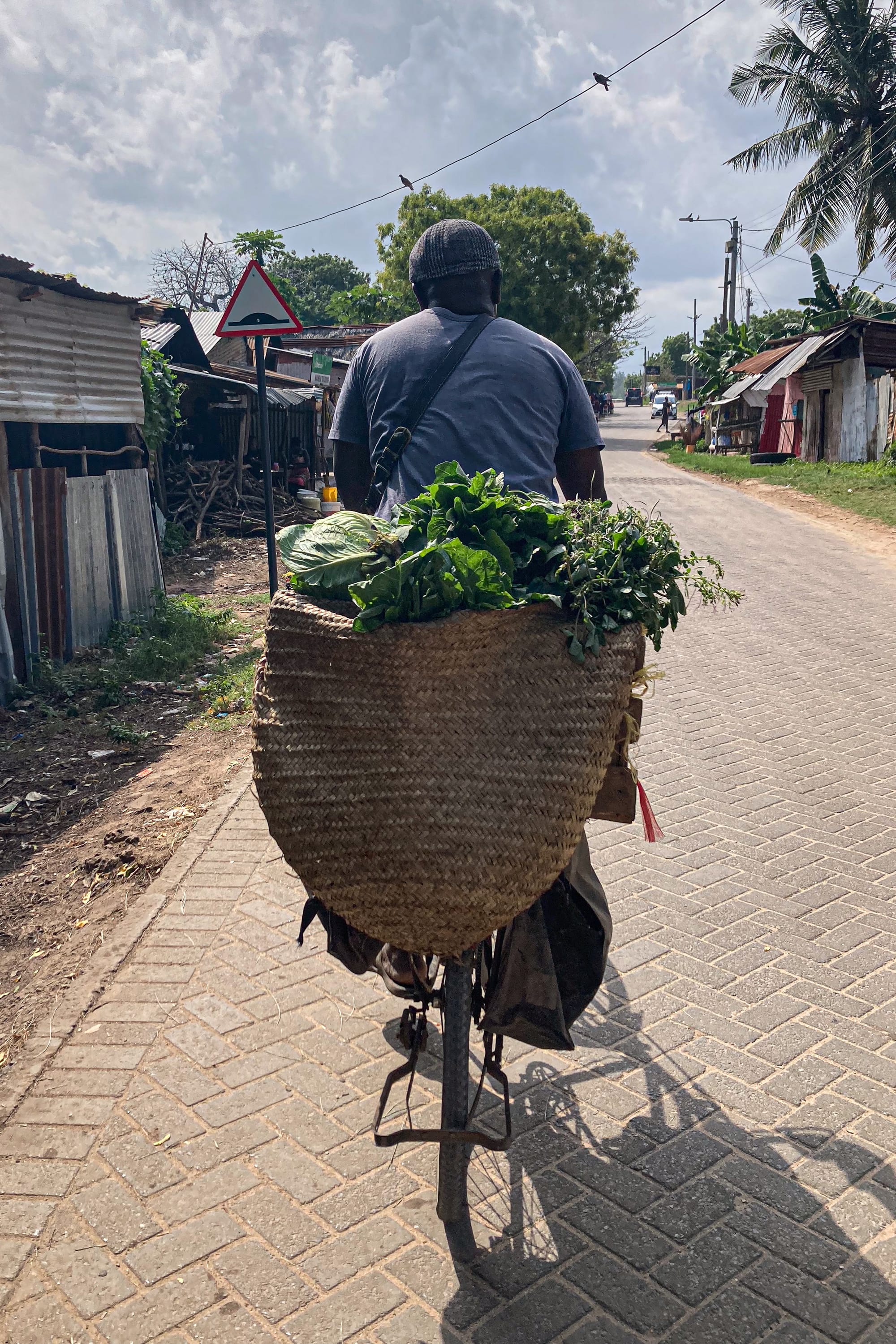
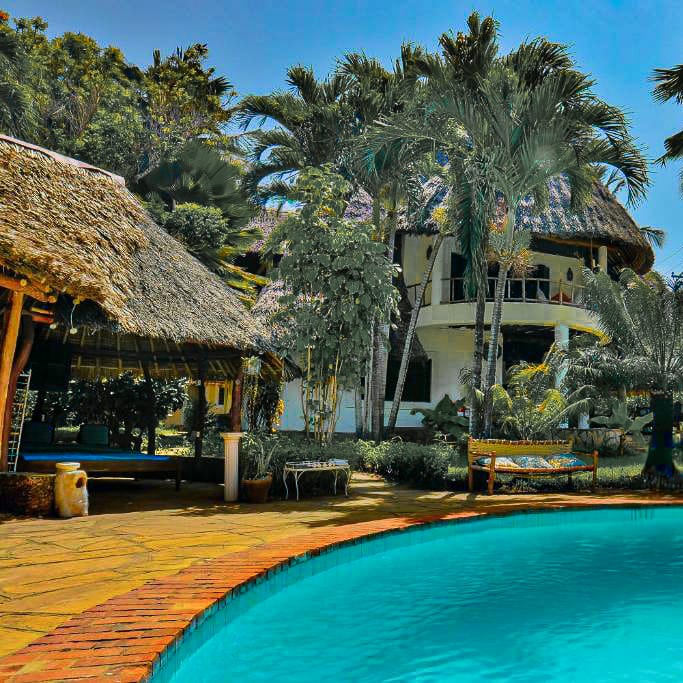
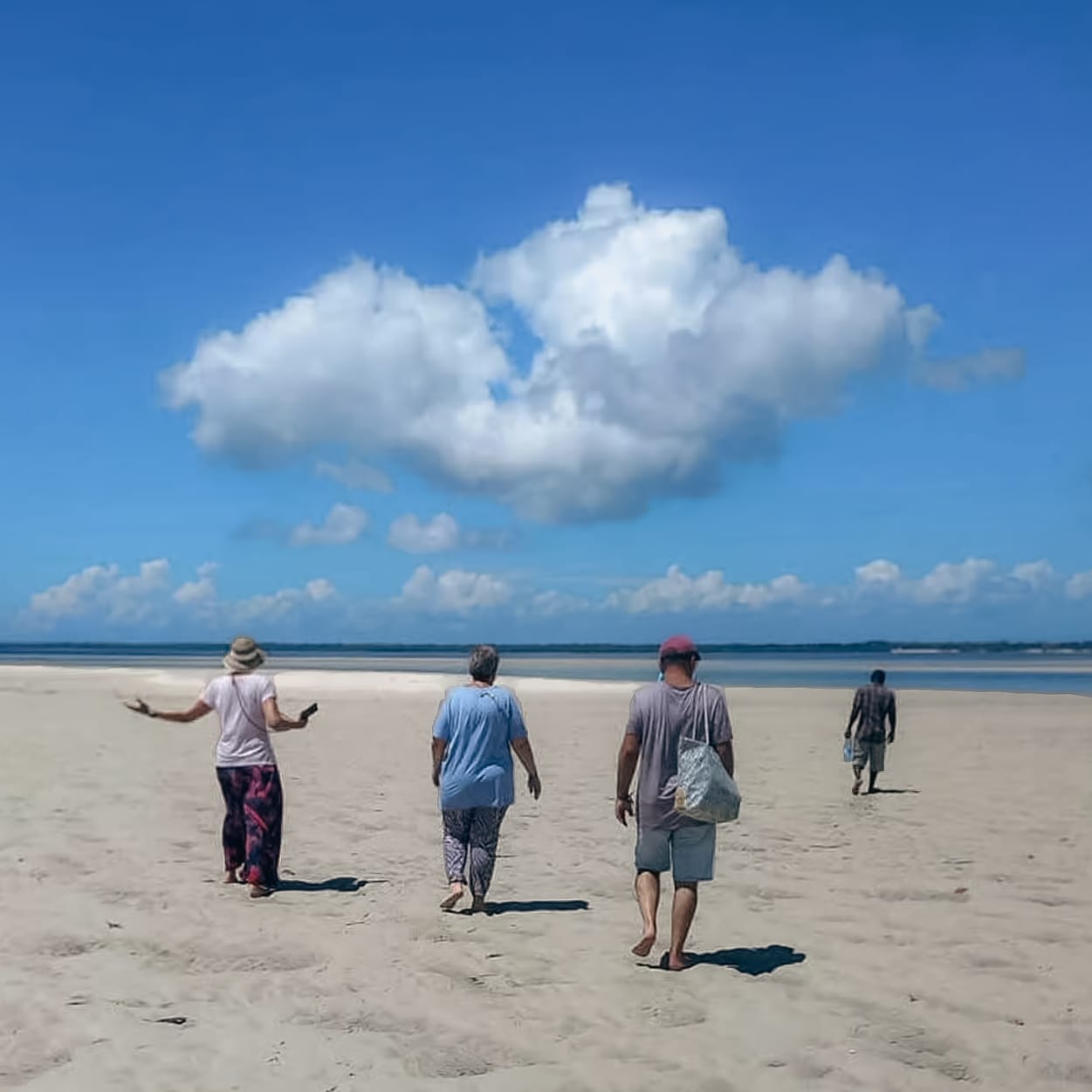
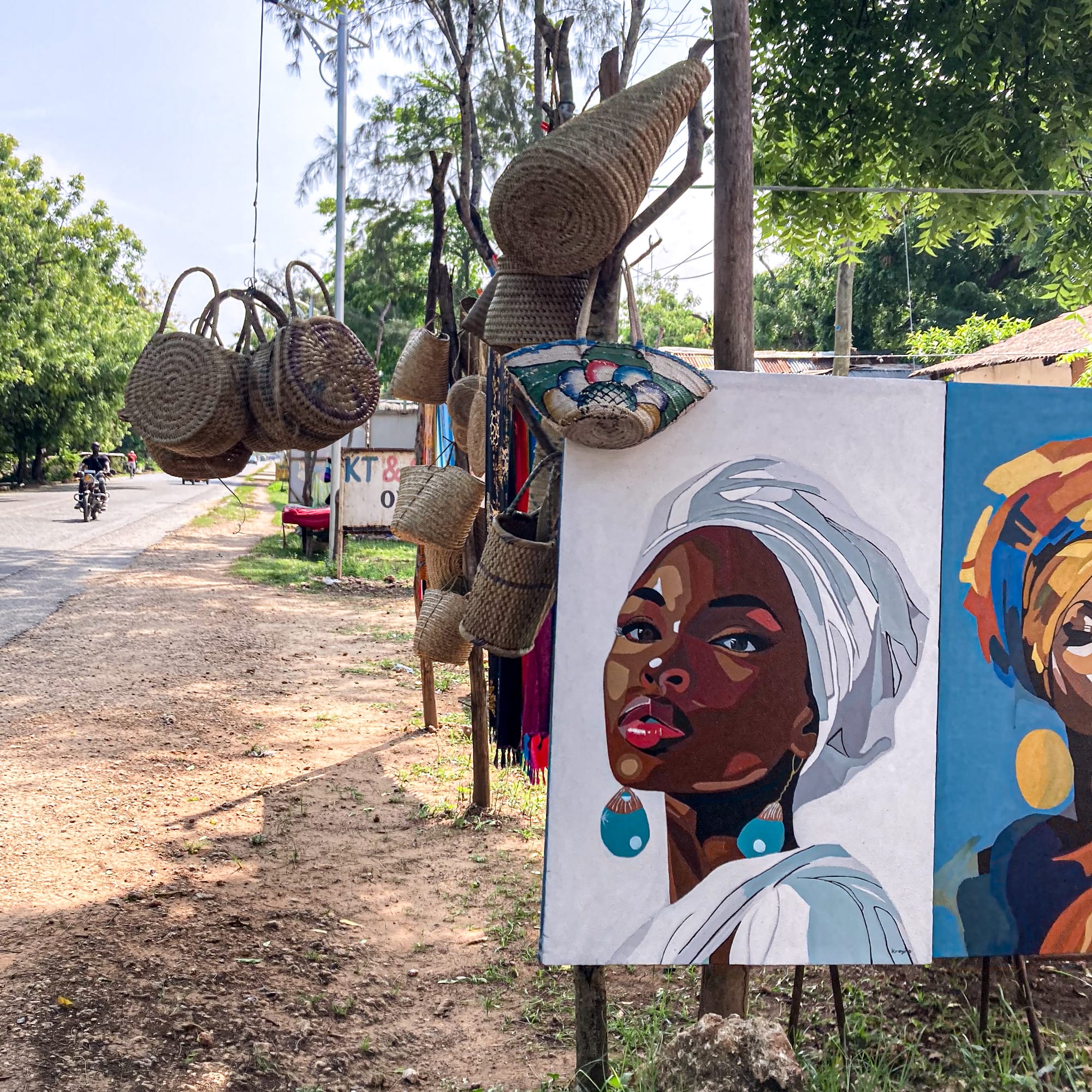
Living in Diani Beach is really about the coast. The beach is long, white, and open, the Indian Ocean is warm and intensely blue. Away from the resorts, Diani still feels distinctly local, with sandy roads, small shops, and roadside stalls.
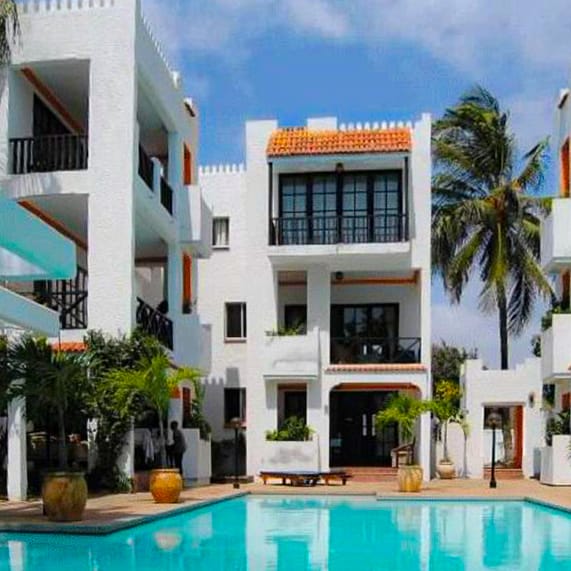
There’s also a noticeable contrast between the built-up beachfront hotels and the much more basic infrastructure just a short distance inland, which can make Diani feel both developed and very bare at the same time. For us, part of the appeal is that you can spend the week by the sea and still be close enough to take off on a weekend safari, making it easy to move between beach life and some of Kenya’s wider landscapes.
Defining moments
Sitting around a bonfire with our fellow coliving mates at Skippers.
Seeing lions up close in Tsavo East National Park.
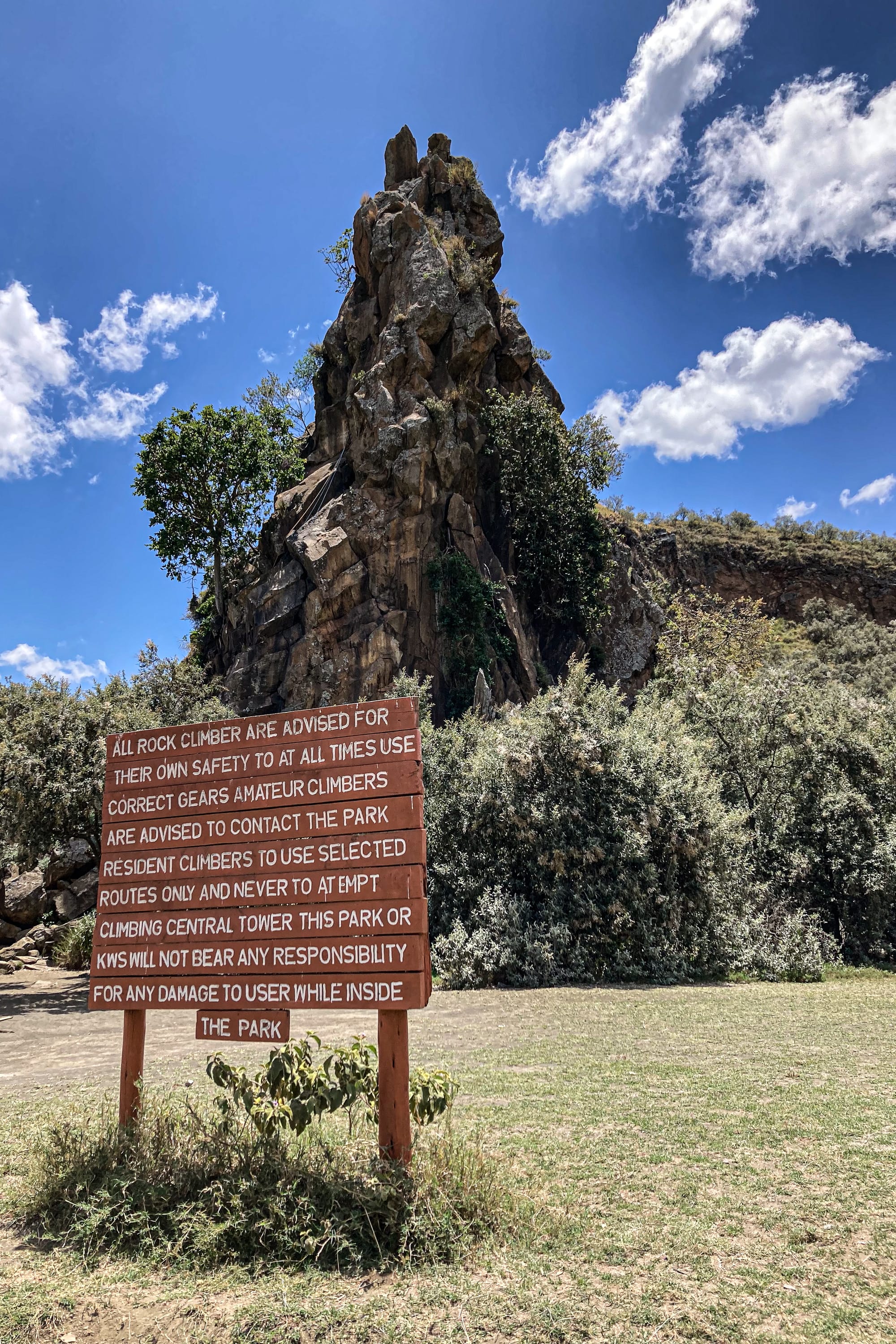
Traveling inland (from Nairobi) to Lake Naivasha and Hell’s Gate National Park, moving through a completely different landscape and seeing an extraordinary amount of wildlife along the way.
Digital nomad visa
Spotlight
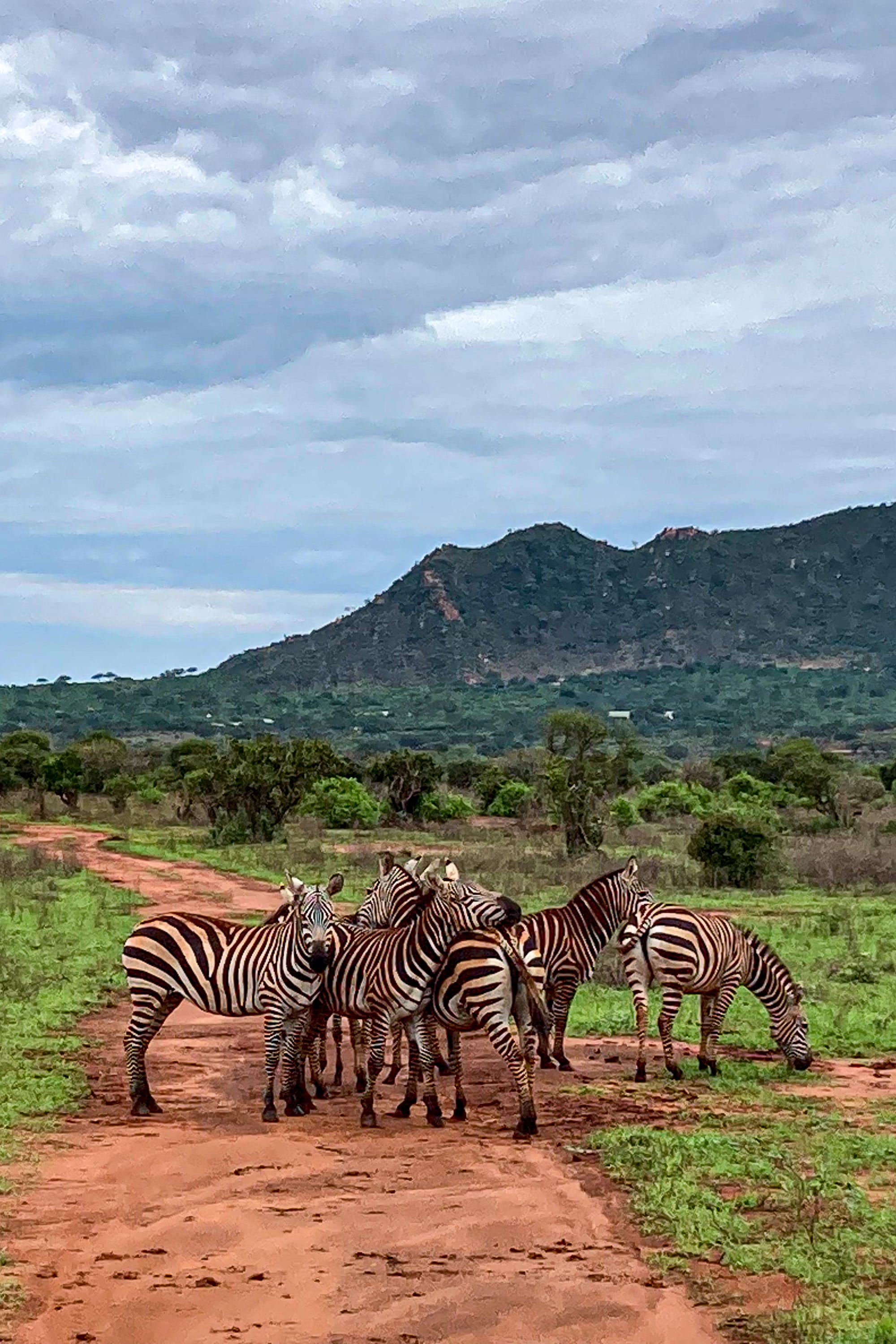
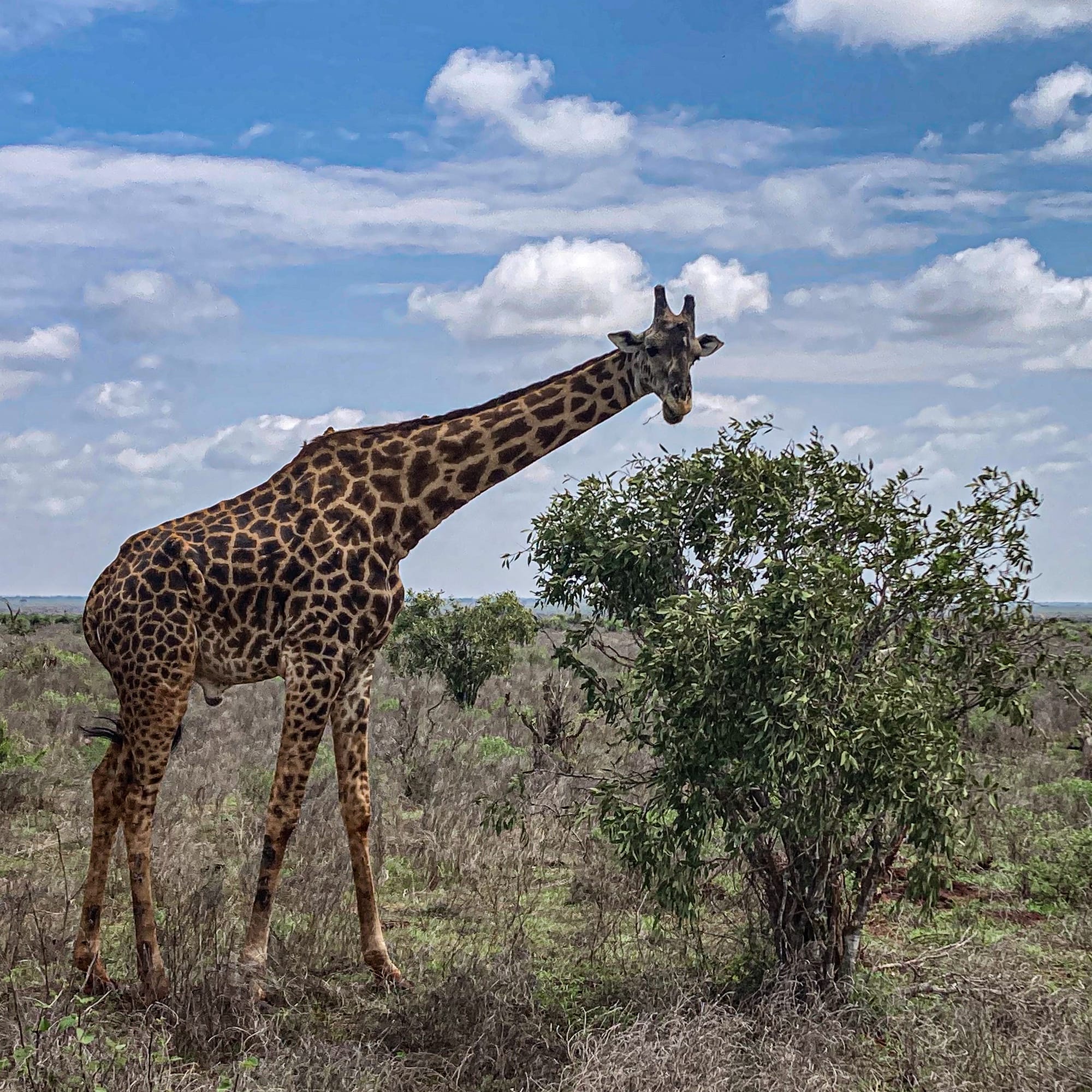
"There is only one real objective: to find the animals. It is a kind of focused stillness, a meditative state in motion. You scan the horizon, the treeline, the ground ahead. Sometimes minutes pass with nothing, and sometimes everything happens at once: zebras crossing the road, giraffes feeding nearby, elephants appearing suddenly in the distance."
Read onBest time to go
The best time to visit Diani Beach is generally from December to March, when the weather is hot and dry and the Indian Ocean is at its calmest and clearest. January and February are particularly good for swimming, snorkeling, and diving. Another good window runs from July to September, when conditions are cooler and breezier, and this period also pairs well with safari season.
The main period to be aware of is the long rains, usually around April and May, when the Kenyan coast becomes wetter, more humid, and less predictable; Kenya’s Meteorological Department identifies March-May as the country’s long-rains season, with coastal rainfall typically peaking later in the period. October and November can also bring shorter rains, but they are generally less disruptive. For a longer digital nomad stay, we’d probably choose January to March if beach weather is the priority, or July to September if you want slightly cooler temperatures and the option of combining Diani with a safari.
Best areas to stay
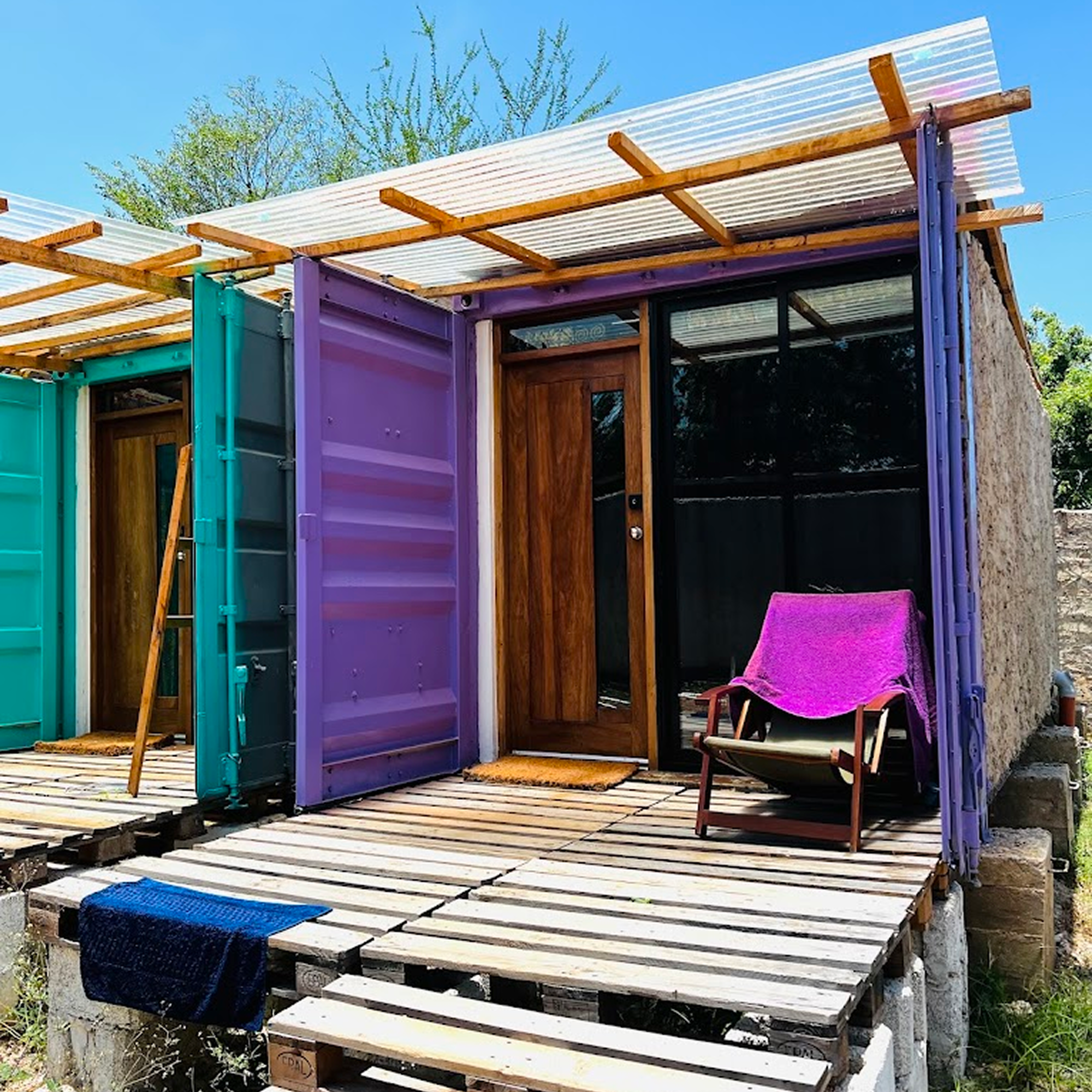
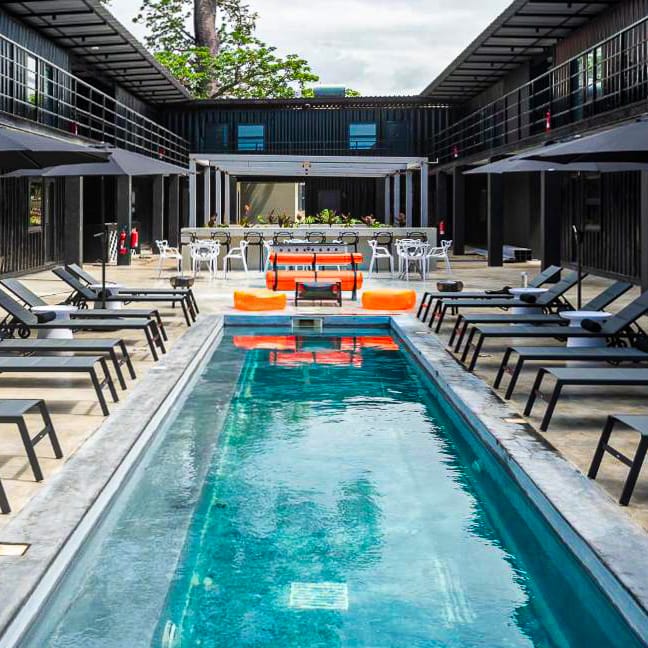
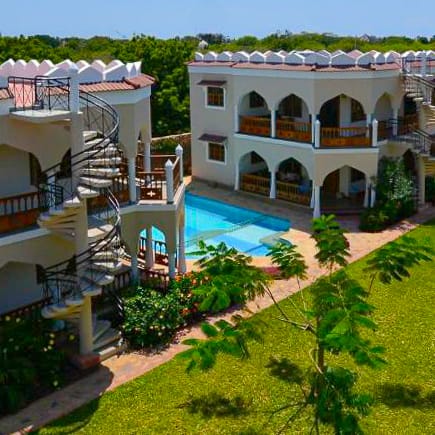
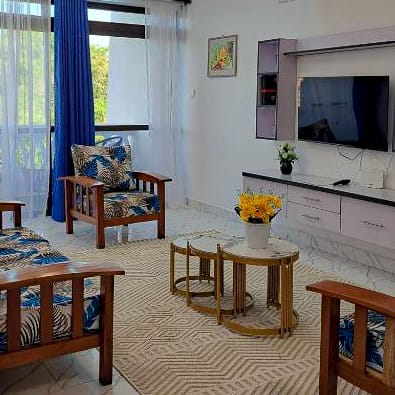
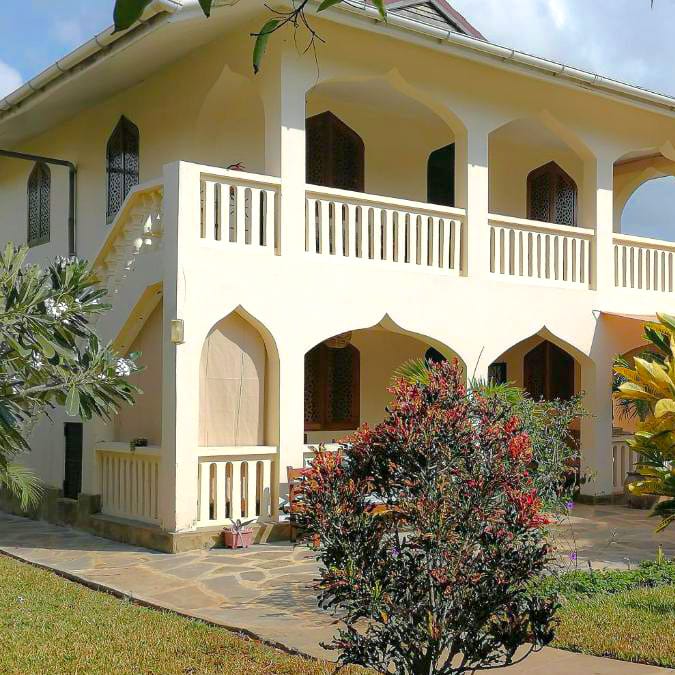
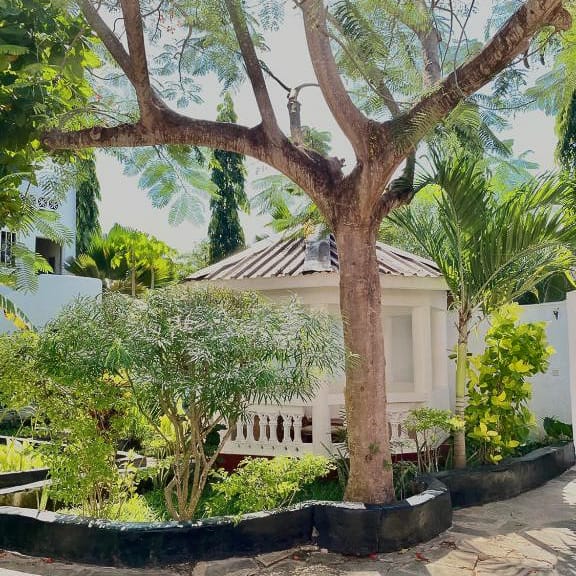
For digital nomads in Diani Beach, we’d honestly only recommend staying at Skippers Coliving. Outside of the larger resorts and a few purpose-built stays, infrastructure can be inconsistent, so having reliable wifi, a comfortable place to work, and a built-in community makes a big difference.
Cost of living
Diani Beach, and Kenya more broadly, was more expensive than we expected. Accommodation alone can easily reach around €1,000 per month if you want somewhere comfortable with reliable infrastructure, good wifi, or a beachfront setting, especially compared with what the same budget gets you in places like Thailand or Vietnam.
Food also felt relatively expensive, particularly once you move beyond very local options. And then there are the bigger-ticket experiences: safaris, national park fees, transfers, and organized trips can add up quickly. Diani can still work well for a longer stay, but we definitely wouldn’t think of it as a particularly cheap digital nomad destination.
Getting around
Getting around Diani Beach usually means taking tuk-tuks. They’re everywhere and make short trips along the coast relatively easy, although fares are rarely fixed, so you’ll usually need to agree on a price before getting in. We found this added a little friction at times, as the first price quoted to foreigners could be significantly higher than the usual fare. If you’re staying at Skippers Coliving, they can give you a good idea of what a particular journey should normally cost before you head out.
It’s also worth setting up M-PESA, Kenya’s widely used mobile payment system. Many drivers, shops, and small businesses accept M-PESA, so you don’t always need to carry cash. For longer excursions or safaris, organized transfers are usually easier than trying to arrange transport independently.
Best experiences
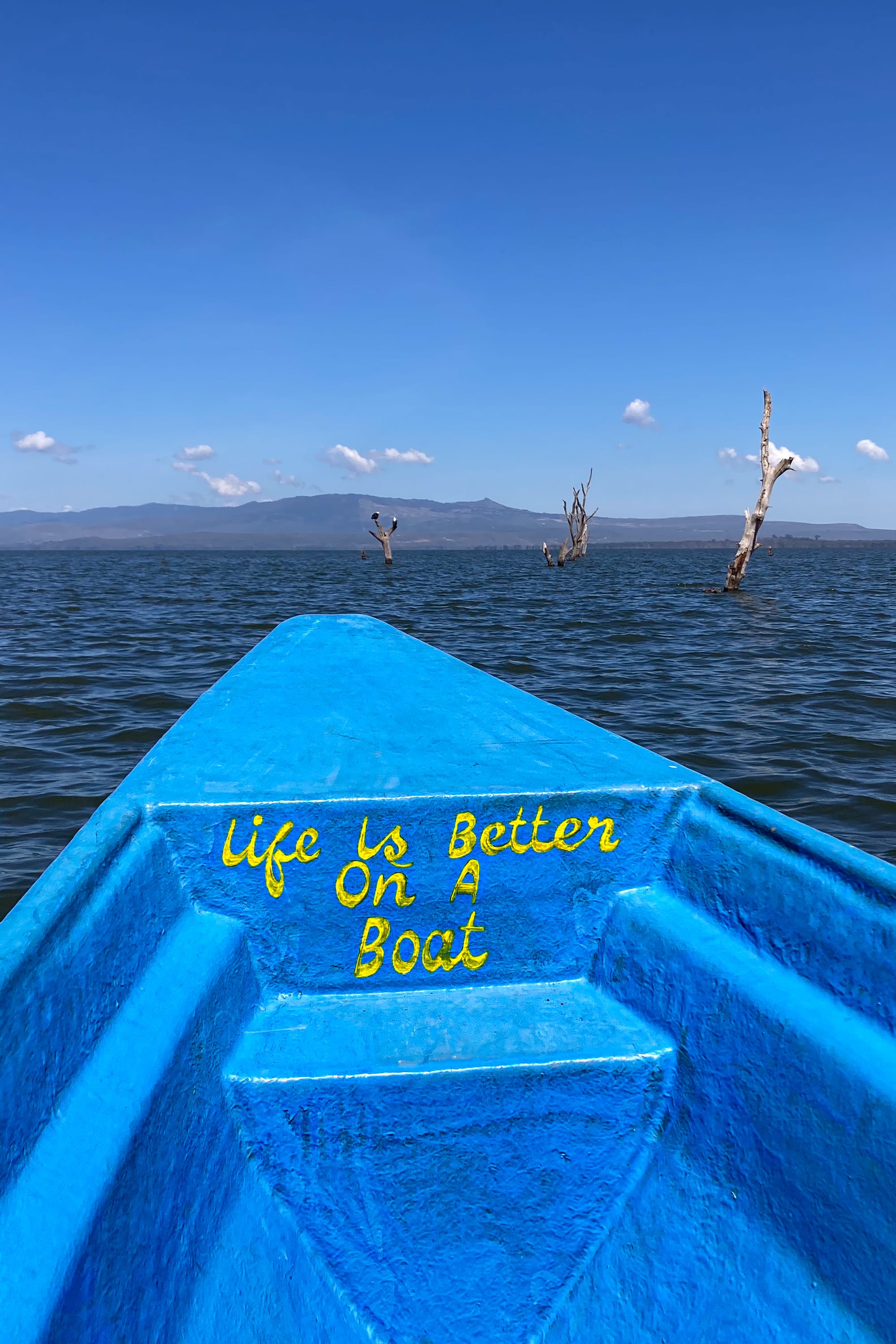
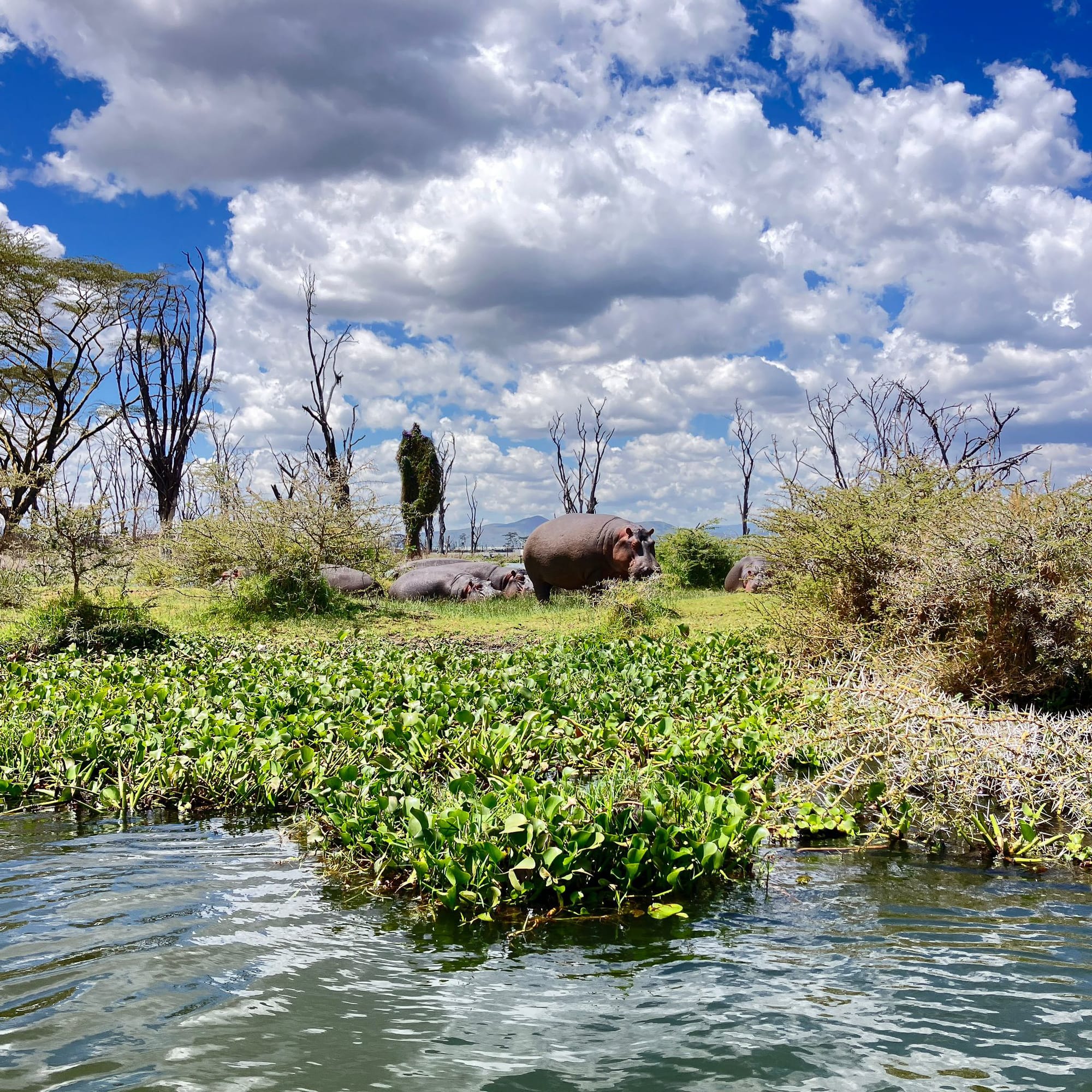
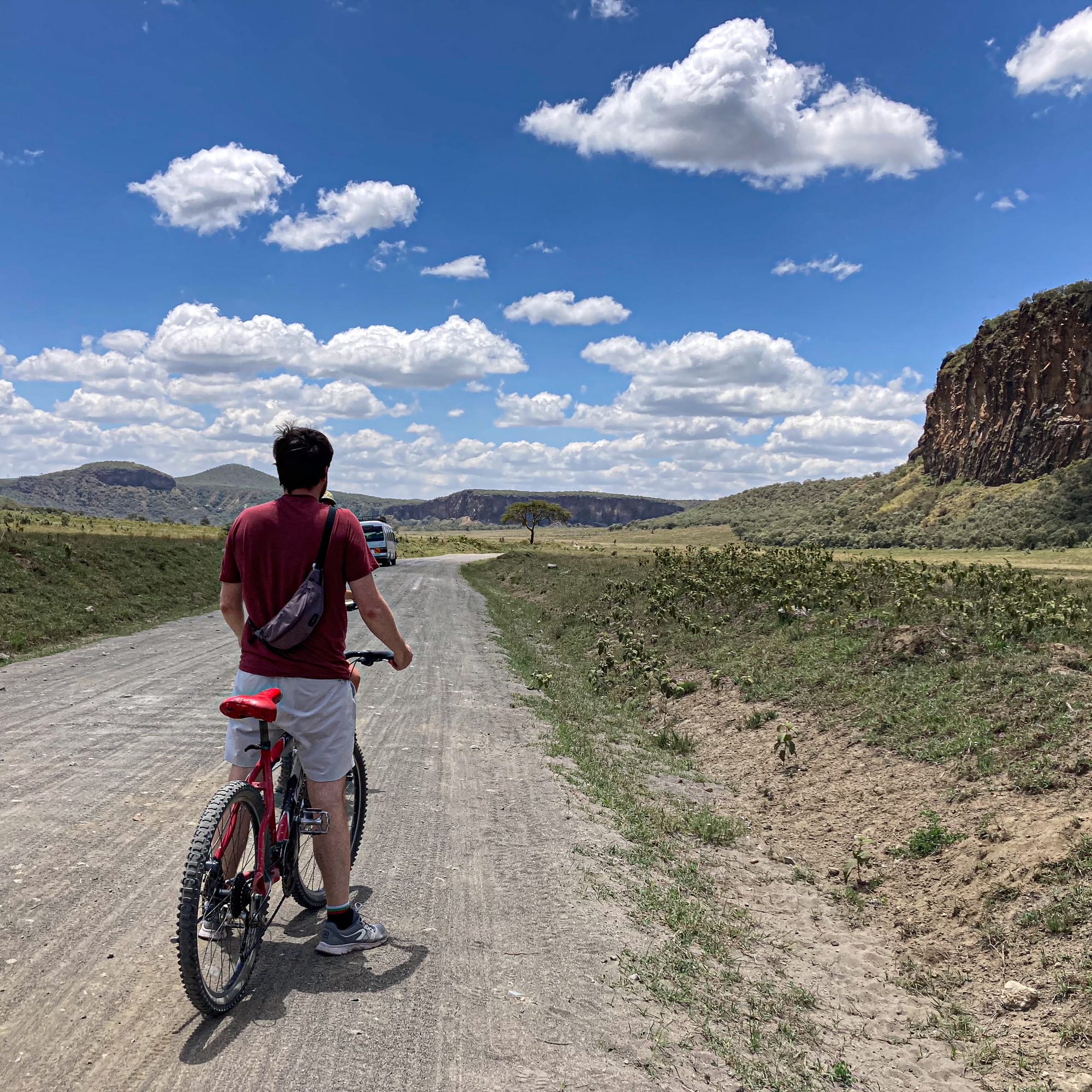
Some of our favorite experiences in Kenya actually began before we reached Diani Beach. From Nairobi, we took a trip to Lake Naivasha and Hell’s Gate National Park, where we cycled through the park and later took a boat across the lake, seeing an incredible amount of wildlife along the way. It was one of the standout experiences of our time in Kenya.
From Diani itself, the biggest highlight was spending several days on safari in Tsavo East National Park, where we saw elephants, giraffes, lions, and plenty more across a vast, red-earth landscape.
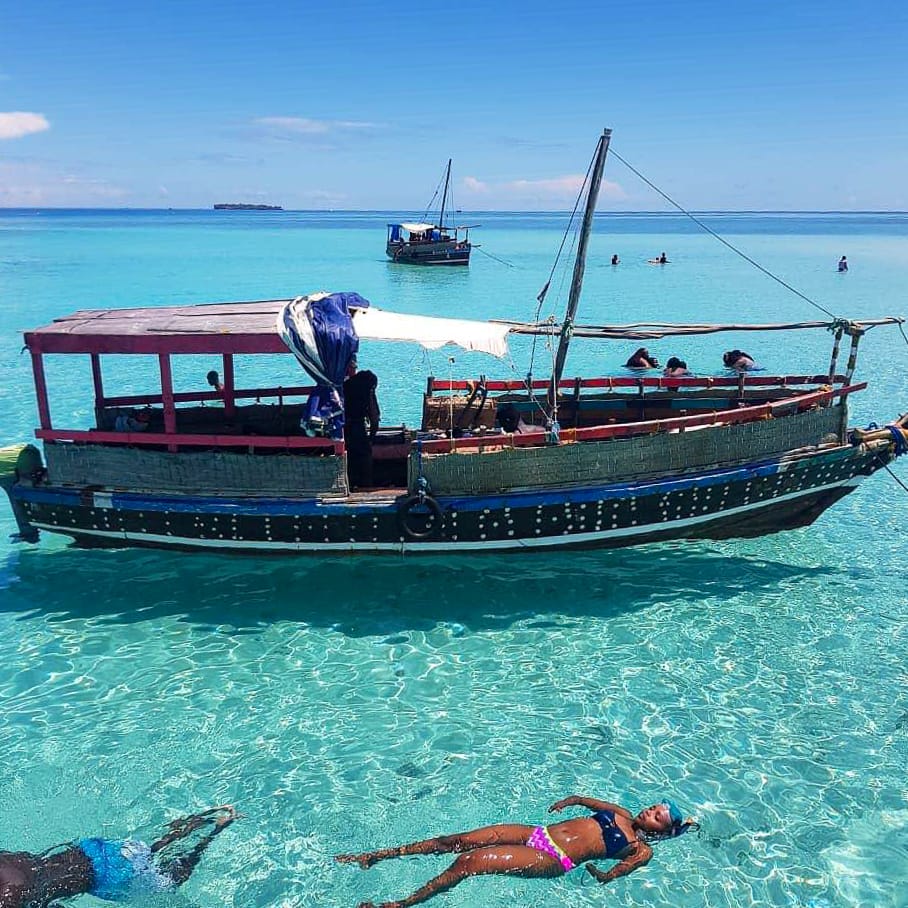
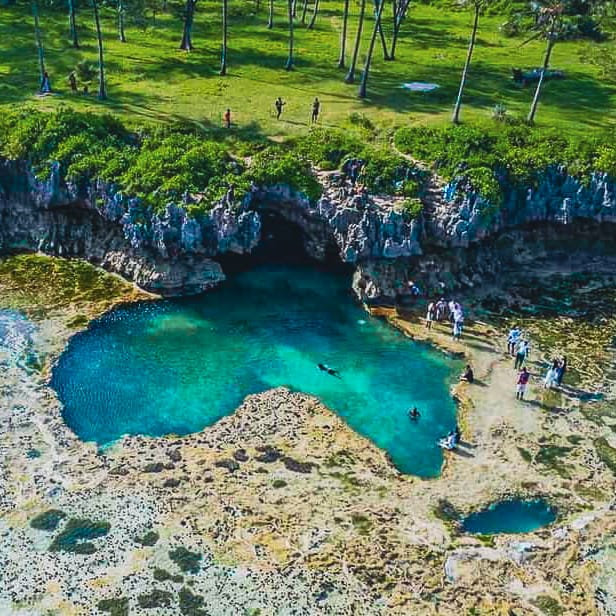
Closer to the coast, there are also great day trips for swimming and snorkeling, including the natural Africa Pool and excursions around Wasini Island. Diani works especially well as a base if you want to alternate between slower beach days and bigger wildlife-focused trips inland.
Community & social life
Best places to work
For remote work in Diani Beach, we would honestly recommend only working from Skippers Coliving. Reliable internet can be inconsistent elsewhere, and one of the biggest advantages of Skippers is that they have Starlink as well as backup connectivity, which makes it much easier to work without worrying about outages.
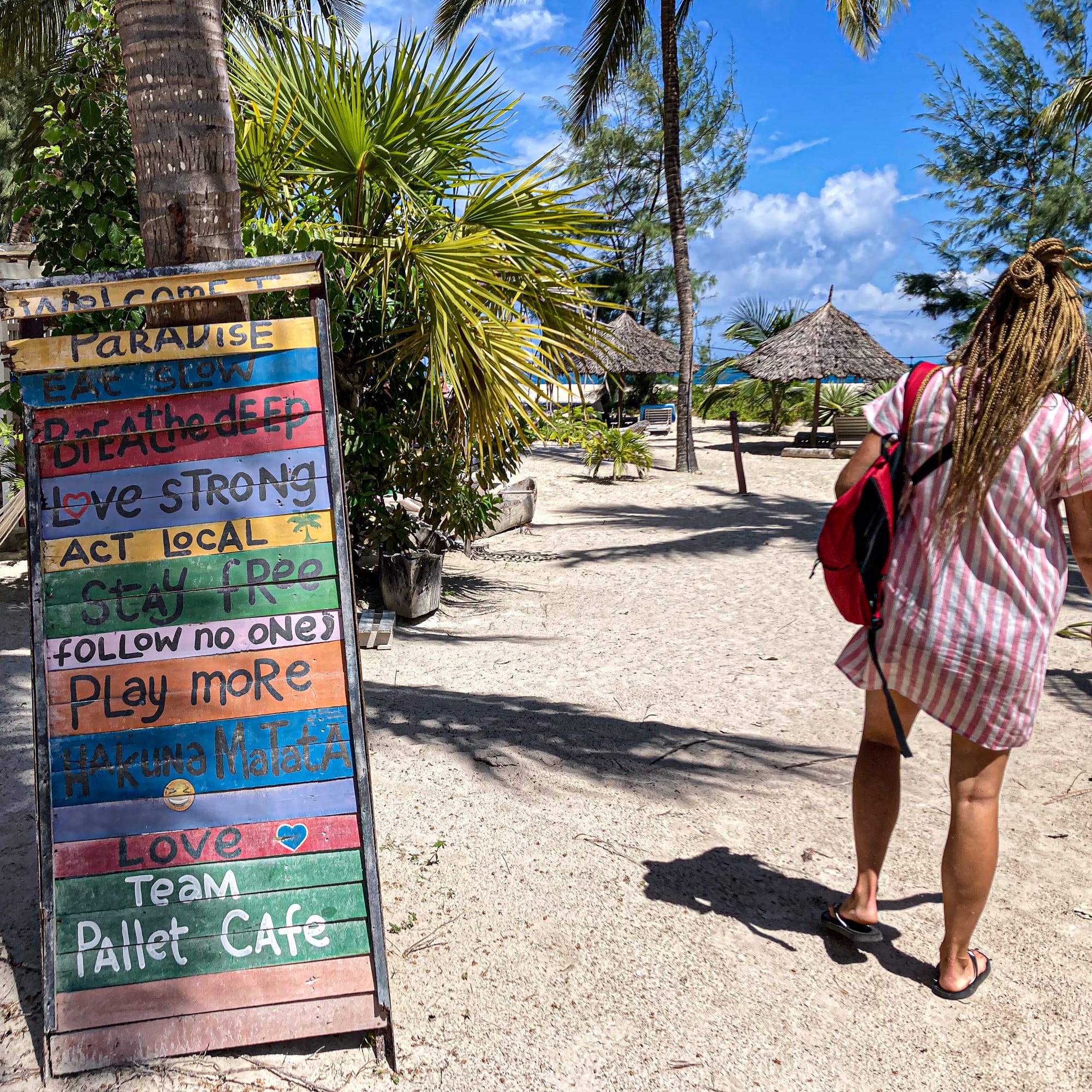
Cafés are a less dependable option in Diani. We found that many simply weren’t set up for long work sessions or consistent internet, although Pallet Cafe was probably the most reliable alternative we came across.
Internet & infrastructure
Internet in Diani Beach can be inconsistent, so having a reliable setup matters if you’re working remotely. We were comfortable at Skippers Coliving, where the internet was dependable, but we wouldn’t assume the same level of connectivity across cafés, hotels, or independent rentals.
Infrastructure more broadly can feel quite uneven. Some areas are well set up for tourism, while others are much more basic, with rough roads and fewer everyday services than you might be used to. If you arrive expecting something a little more rustic and flexible, rather than highly polished or seamless, Diani Beach is much easier to settle into.
Delights & frictions
Safety
We felt safe during our time in Diani Beach and didn’t experience any problems personally. Compared with Nairobi, Diani felt much calmer and less intense, particularly around the beach and the areas where we spent most of our time.
That said, Kenya does have higher levels of crime than many of the other destinations we’ve lived in, and official travel advice recommends increased caution. Petty theft, robbery, and other incidents can occur in coastal resort areas as well as larger cities, so it’s worth avoiding isolated areas after dark, keeping valuables out of sight, and using trusted transport rather than walking long distances at night. Overall, though, our own experience in Diani was relaxed and comfortable.
Top tips
Come with cash, and withdraw enough that you’re not constantly looking for an ATM. Tuk-tuks, smaller shops, and day-to-day purchases are often easier with cash, and we’d also strongly recommend setting up M-PESA as soon as you arrive. It’s used widely across Kenya and makes paying drivers, shops, and other local services much easier.
For safaris, get multiple quotes before booking. Prices can vary a lot, and the first quote you receive may be significantly higher than what you actually need to pay. If you’re staying at Skippers Coliving, ask them what a reasonable price should be before committing; having a local reference point helps a lot.
We’d also recommend spending at least a week in Nairobi either before or after Diani. It gives you a completely different sense of Kenya, and it also makes it easier to add experiences like Lake Naivasha and Hell’s Gate National Park rather than treating the coast as your only point of reference.
Is Diani Beach worth visiting?
Yes. Diani Beach is one of the most beautiful stretches of the Kenyan coast, with white sand, warm Indian Ocean water, and a much slower rhythm than Nairobi or Mombasa. What made it particularly memorable for us was the contrast between beach life and the landscapes farther inland. You can spend several days by the ocean and then leave for a safari in places like Tsavo East. Diani still feels relatively under-the-radar among digital nomads, which was also part of its appeal.
What are the best things to do in Diani Beach?
Some of the best things to do in Diani Beach are swimming and spending time on the beach, snorkeling around Wasini Island and Kisite-Mpunguti, visiting the Africa Pool, and exploring the wider Kenyan coast. We’d also strongly recommend using Diani as a starting point for a safari. Our trip to Tsavo East National Park was the highlight of our stay, where we saw elephants, giraffes, lions, and plenty of other wildlife.
How many days do you need in Diani Beach?
For a holiday, around five to seven days gives you enough time to enjoy the beach without rushing and still fit in a boat trip or safari. If you’re working remotely, we’d stay longer: a few weeks gives you time to settle into the slower rhythm of the coast and save bigger trips like Tsavo for weekends.
When is the best time to visit Diani Beach?
December to March is one of the best periods for Diani Beach, with hot, relatively dry weather and good conditions for swimming, snorkeling, and diving. July to September is another good window, with slightly cooler weather and conditions that pair particularly well with safari travel. April and May bring the long rains and are generally the least predictable months for a beach stay.
Where is the best place to stay in Diani Beach?
For digital nomads in Diani Beach, we’d recommend Skippers Coliving. Reliable internet and infrastructure can be inconsistent around Diani, so having somewhere designed around remote work removes a lot of friction and also gives you a built-in community. If you’re visiting primarily for a holiday rather than working, one of the beachfront resorts may make more sense. Diani itself stretches along a long section of coast, with central Diani generally livelier and areas farther south around Galu quieter.
Can you go on safari from Diani Beach?
Yes, and we think you absolutely should. Diani is particularly well positioned for combining the Kenyan coast with safari. Shimba Hills is the closest option, while Tsavo East and Tsavo West are better suited to an overnight or multi-day trip. We spent several days in Tsavo East and it was easily one of the defining experiences of our time in Kenya.
Is Diani Beach a good destination for digital nomads in Africa?
Diani Beach is an interesting option for digital nomads in Africa, particularly if you want to work somewhere coastal rather than base yourself in a major city like Nairobi or Cape Town. The digital nomad scene is still relatively small and emerging, which can make it feel more intimate but also means there is less infrastructure to fall back on. We found Skippers Coliving made remote work straightforward, with reliable internet and a community around it, but we wouldn’t assume that every accommodation or café in Diani will be equally well set up.
How much does it cost to live in Diani Beach as a digital nomad?
Diani Beach was more expensive than we expected. Accommodation with reliable infrastructure can easily reach around €1,000 per month, particularly if you want somewhere comfortable or close to the beach. Food also felt more expensive than in other digital nomad destinations, and safaris, national park fees, transfers, and organized activities can add substantially to your overall budget. We wouldn’t consider Diani a particularly cheap digital nomad destination, despite some online guides presenting it that way.
Does Kenya have a digital nomad visa?
Yes. Kenya now offers the Class N Digital Nomad Permit for eligible remote workers, freelancers, and people working for companies based outside Kenya. It can be issued for one or two years and is renewable. For shorter visits, many travellers instead enter using Kenya’s Electronic Travel Authorisation system, depending on nationality and exemption status. If you plan to live and work remotely from Diani for a longer period, the Class N permit is the route specifically created for that purpose.