














Living in San Cris
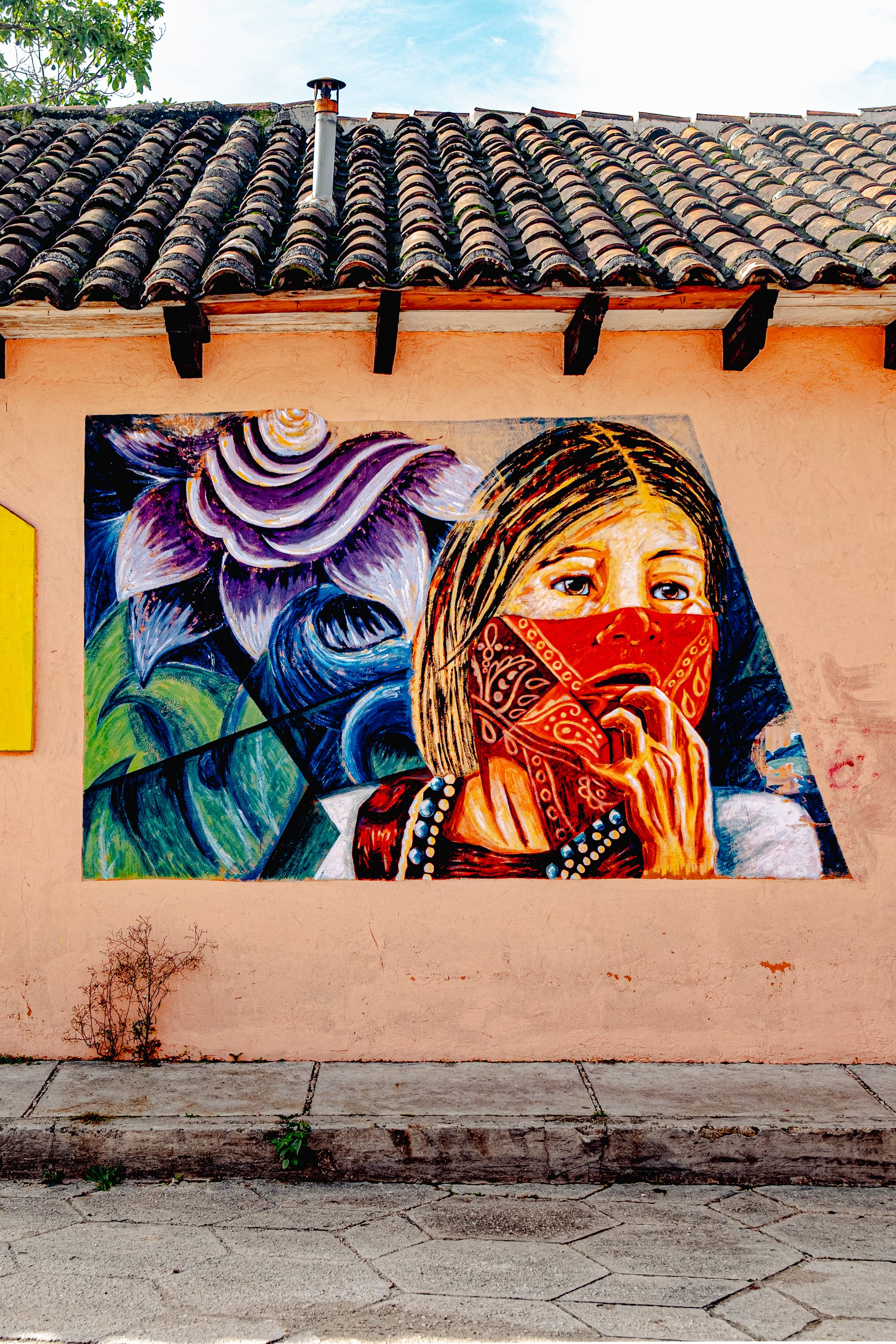
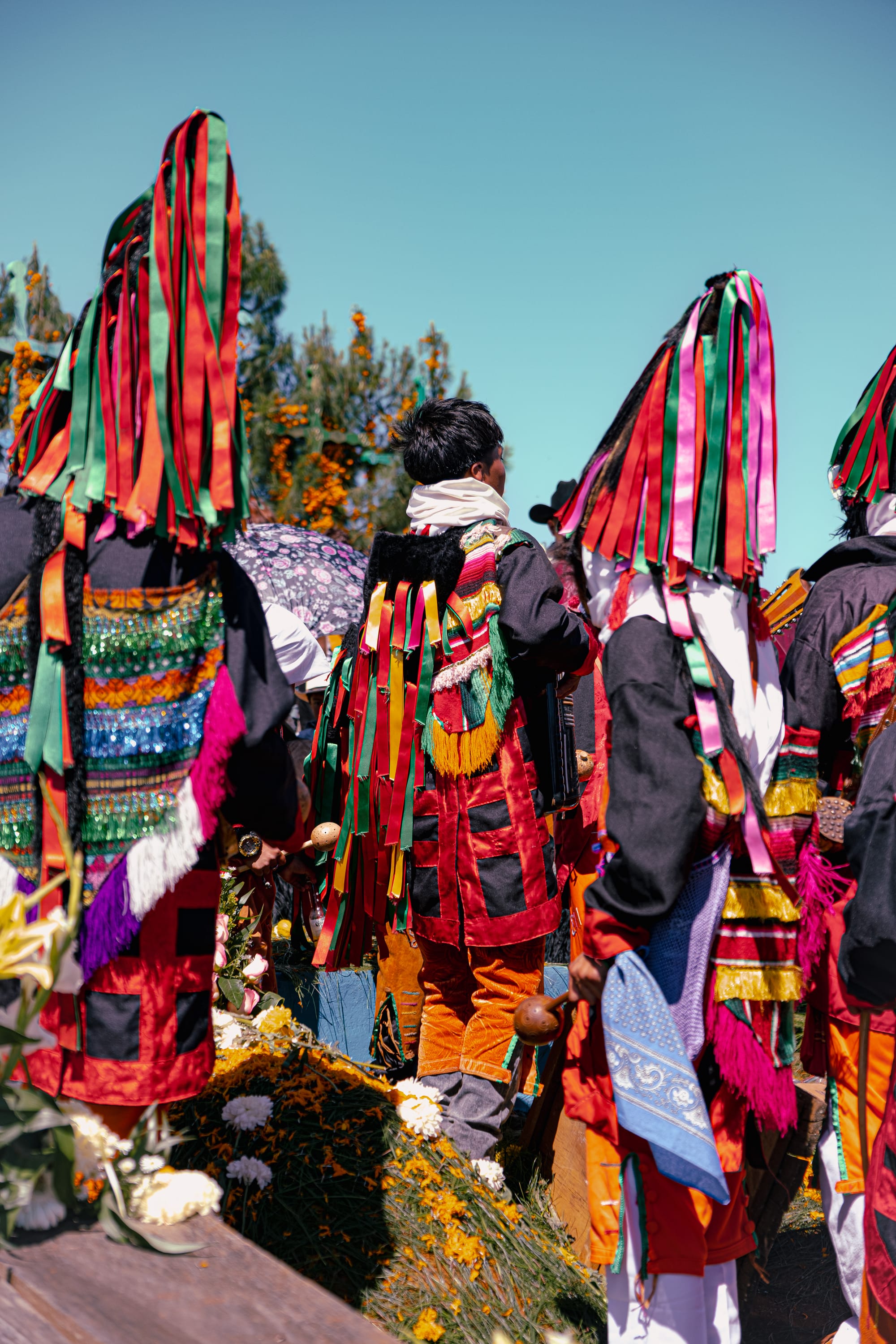
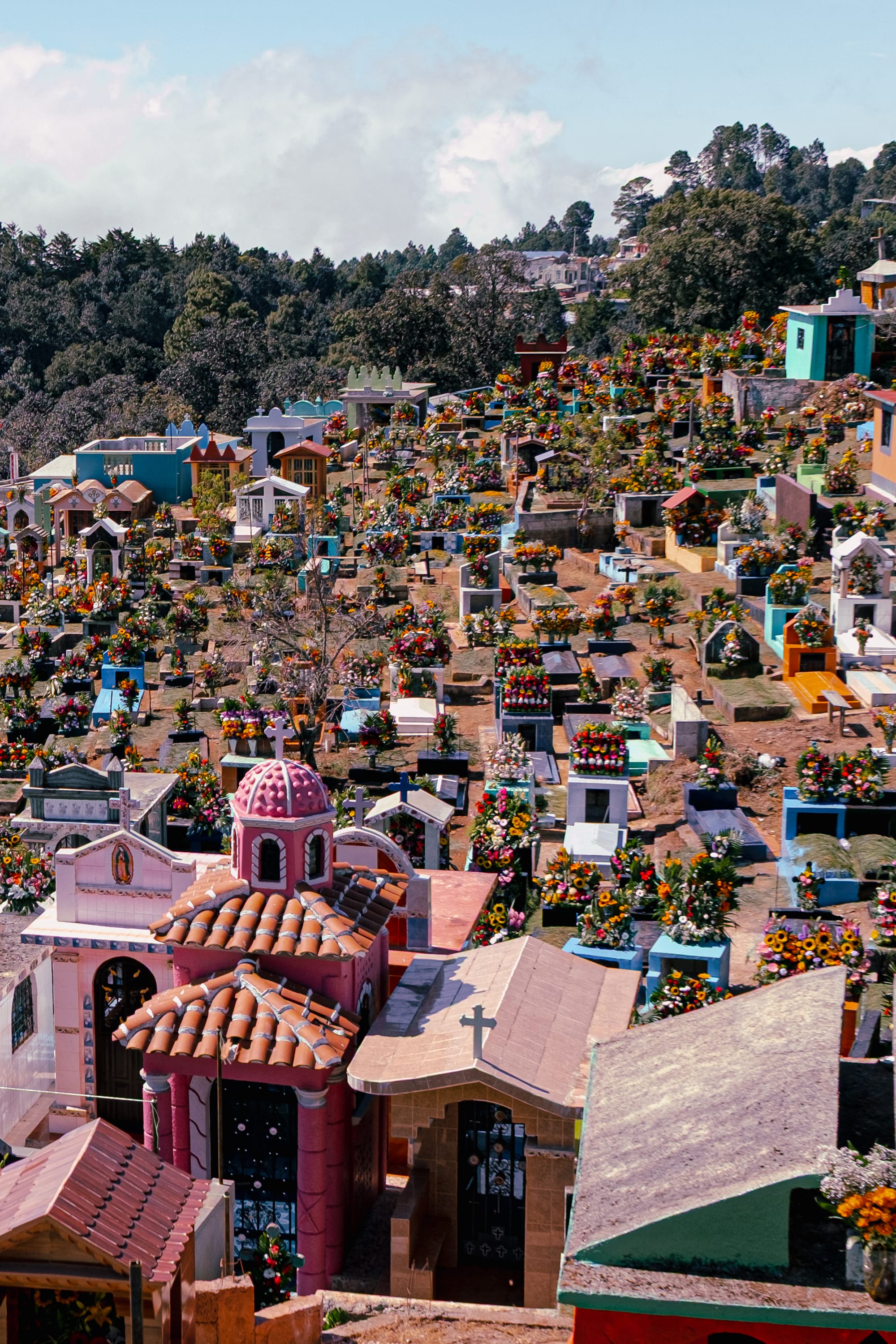
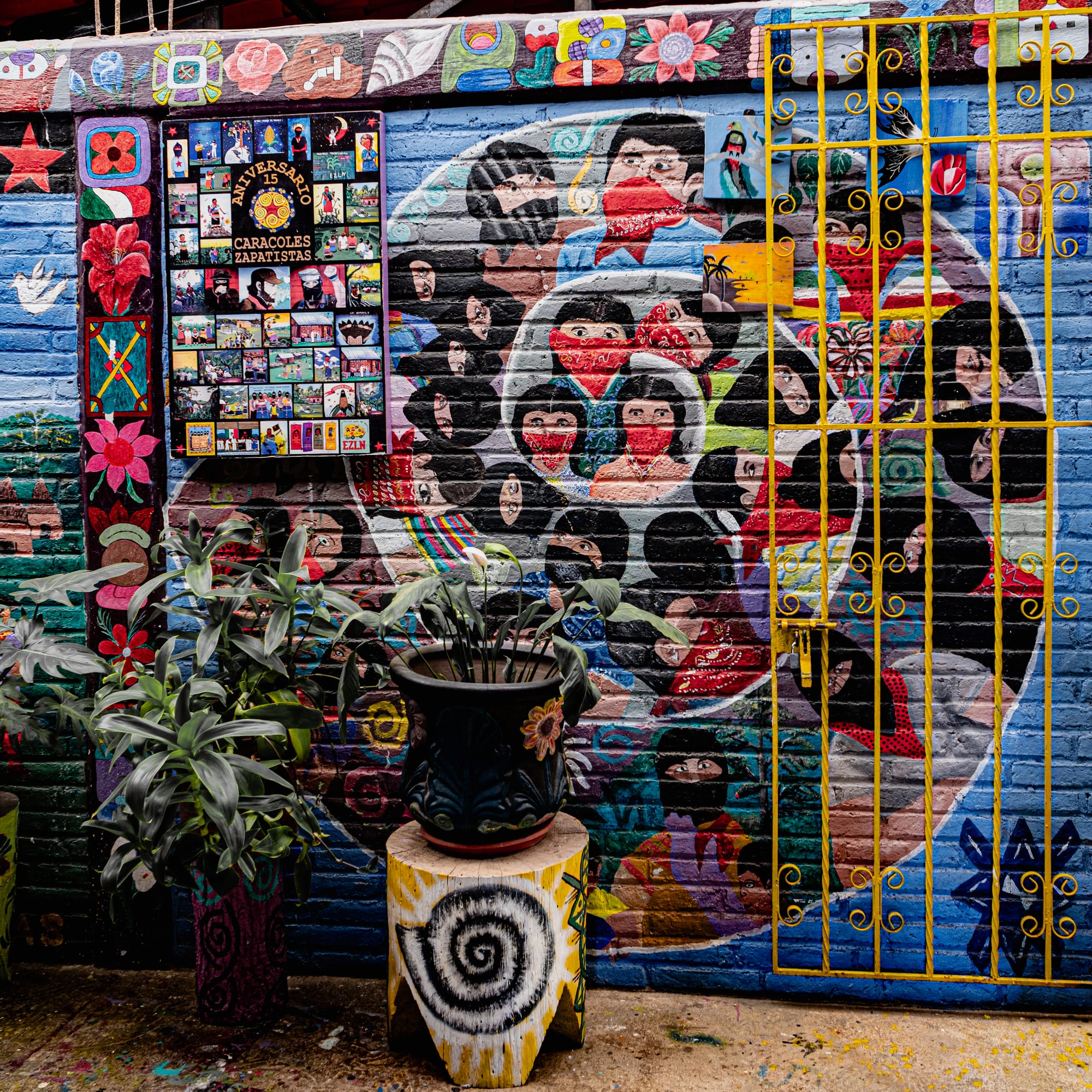
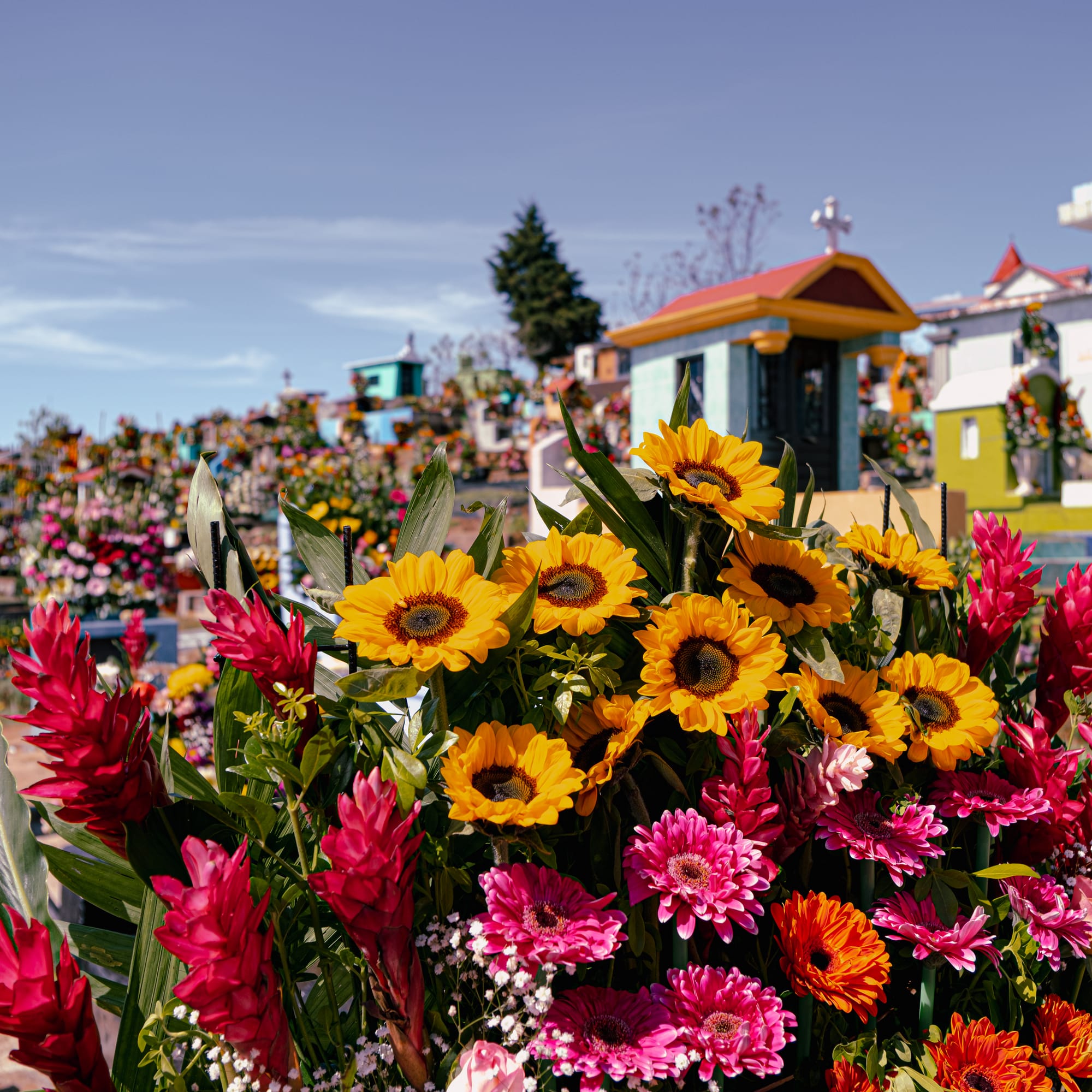
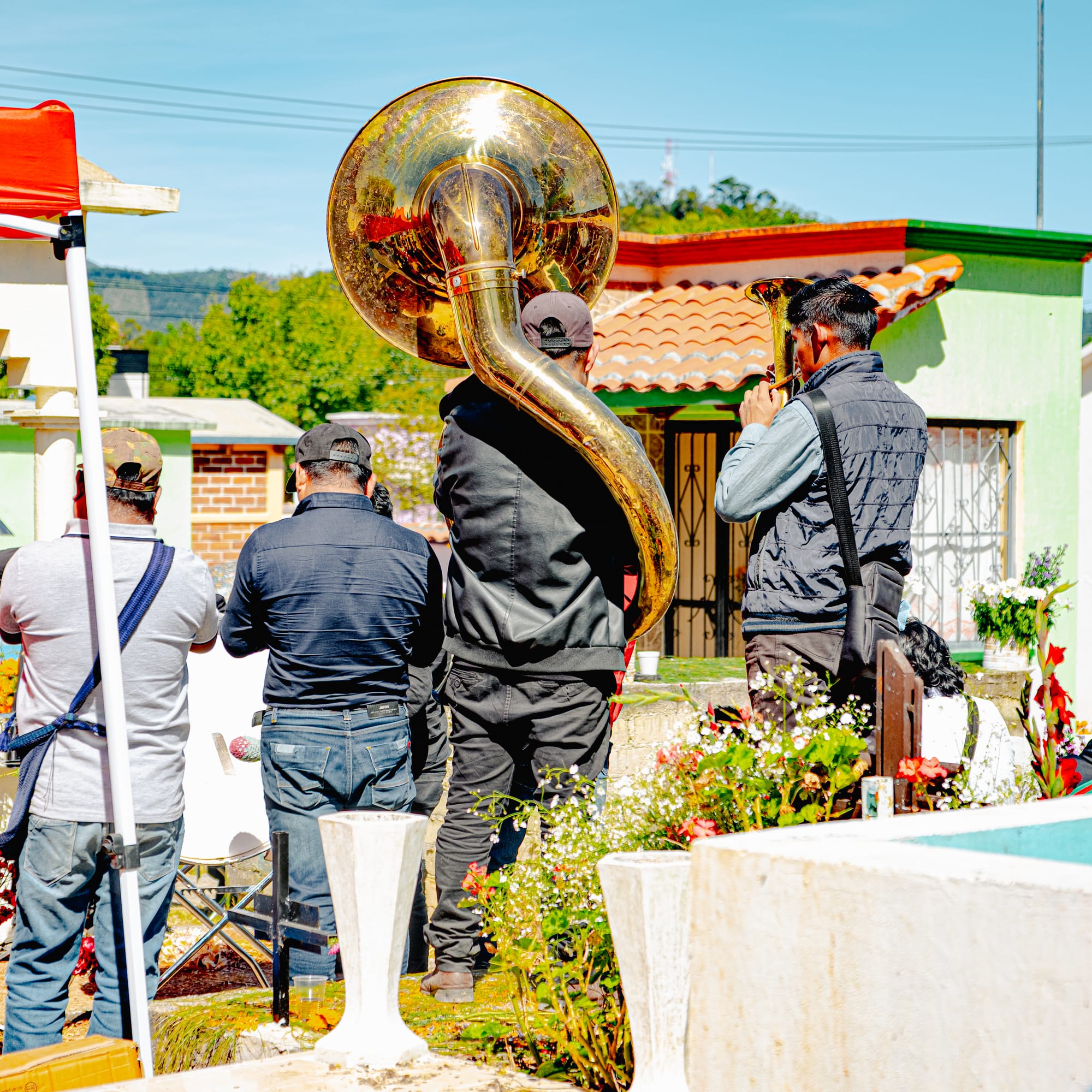
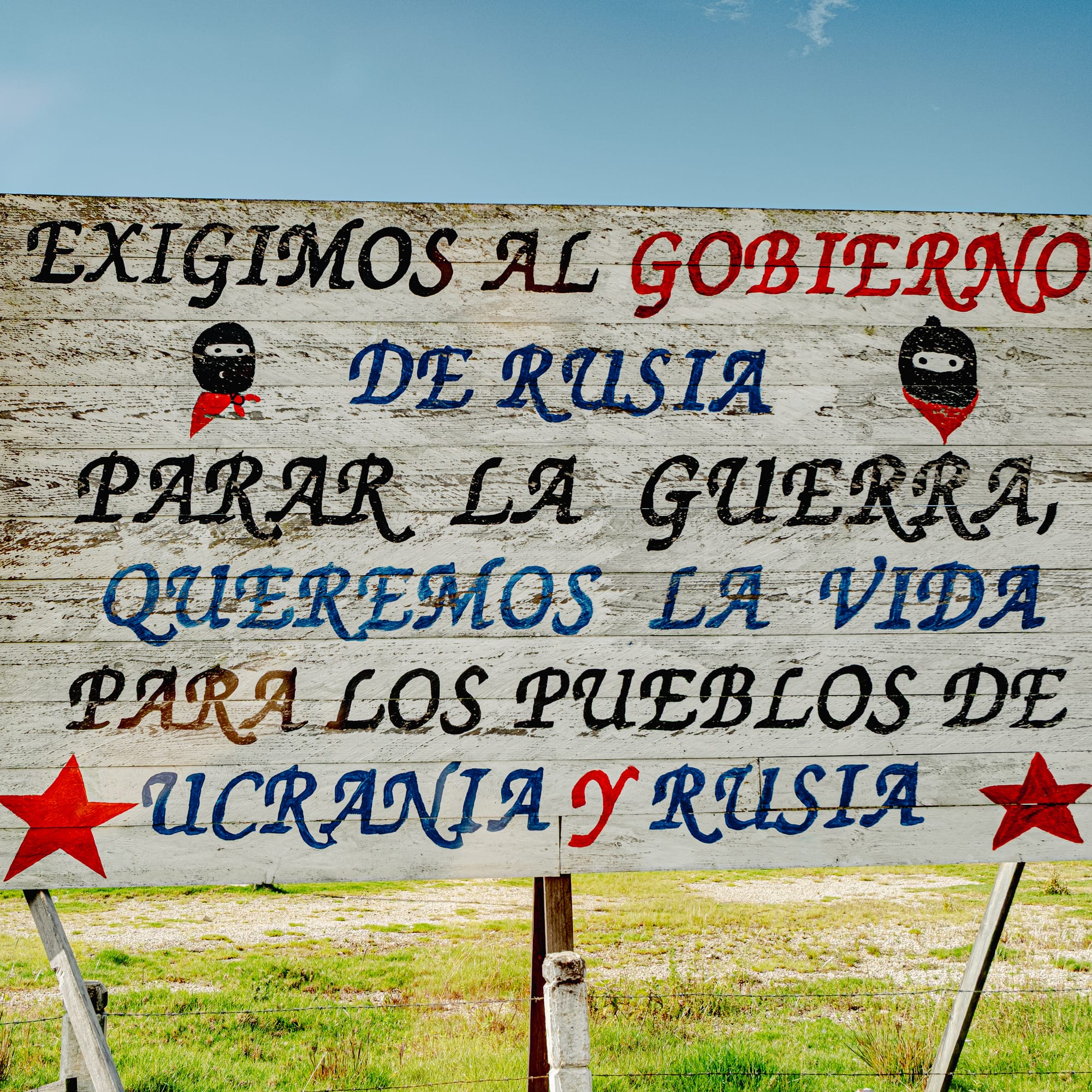
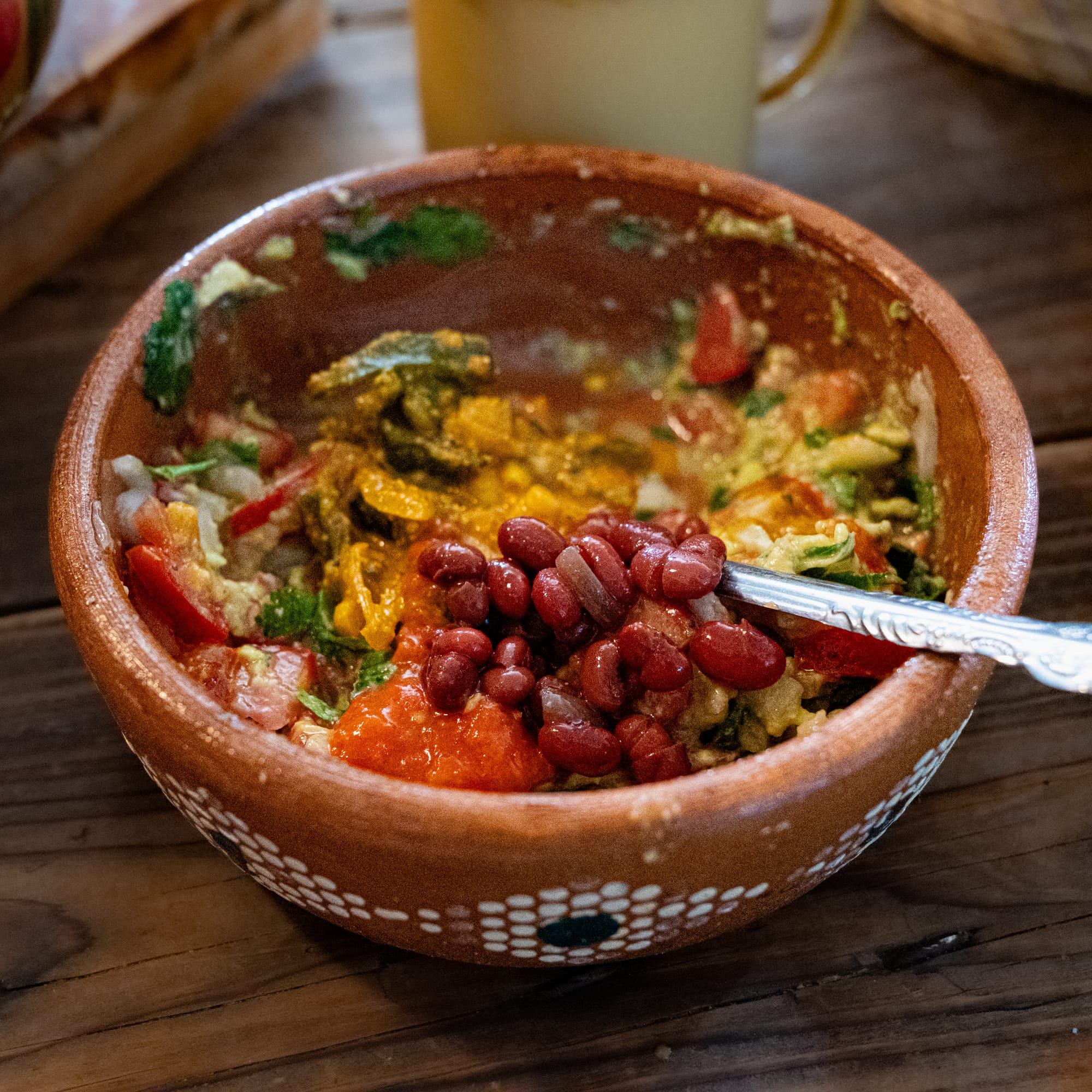
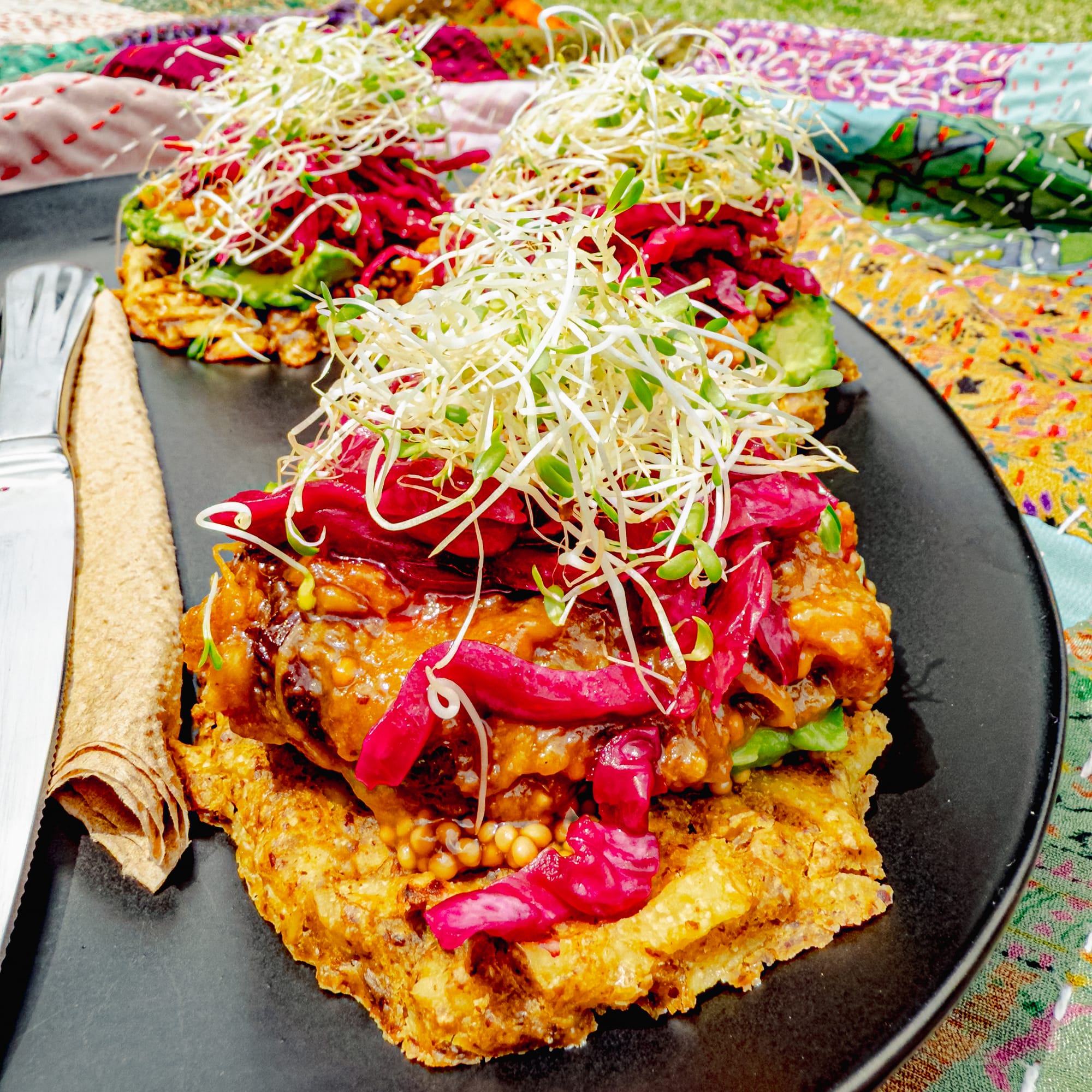
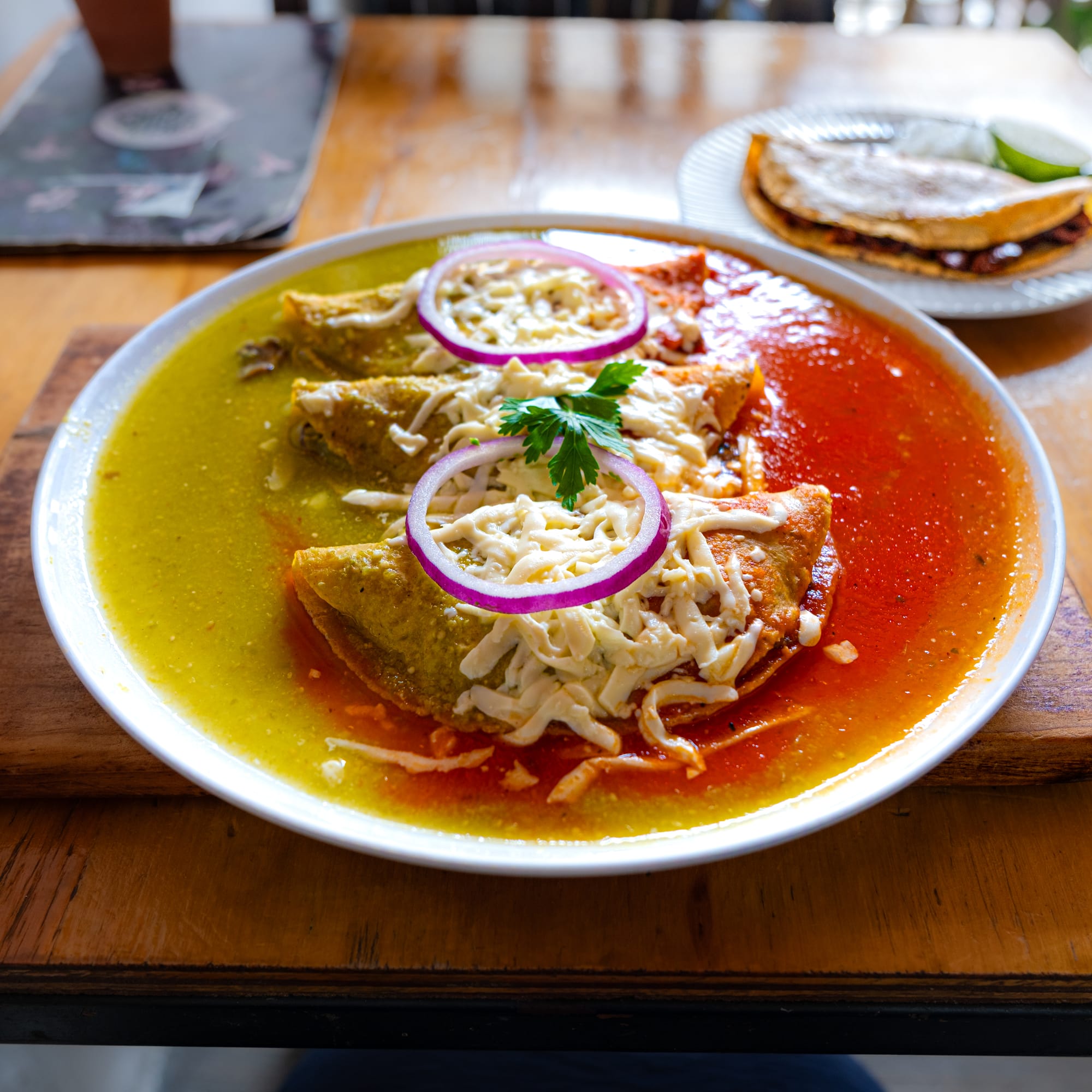
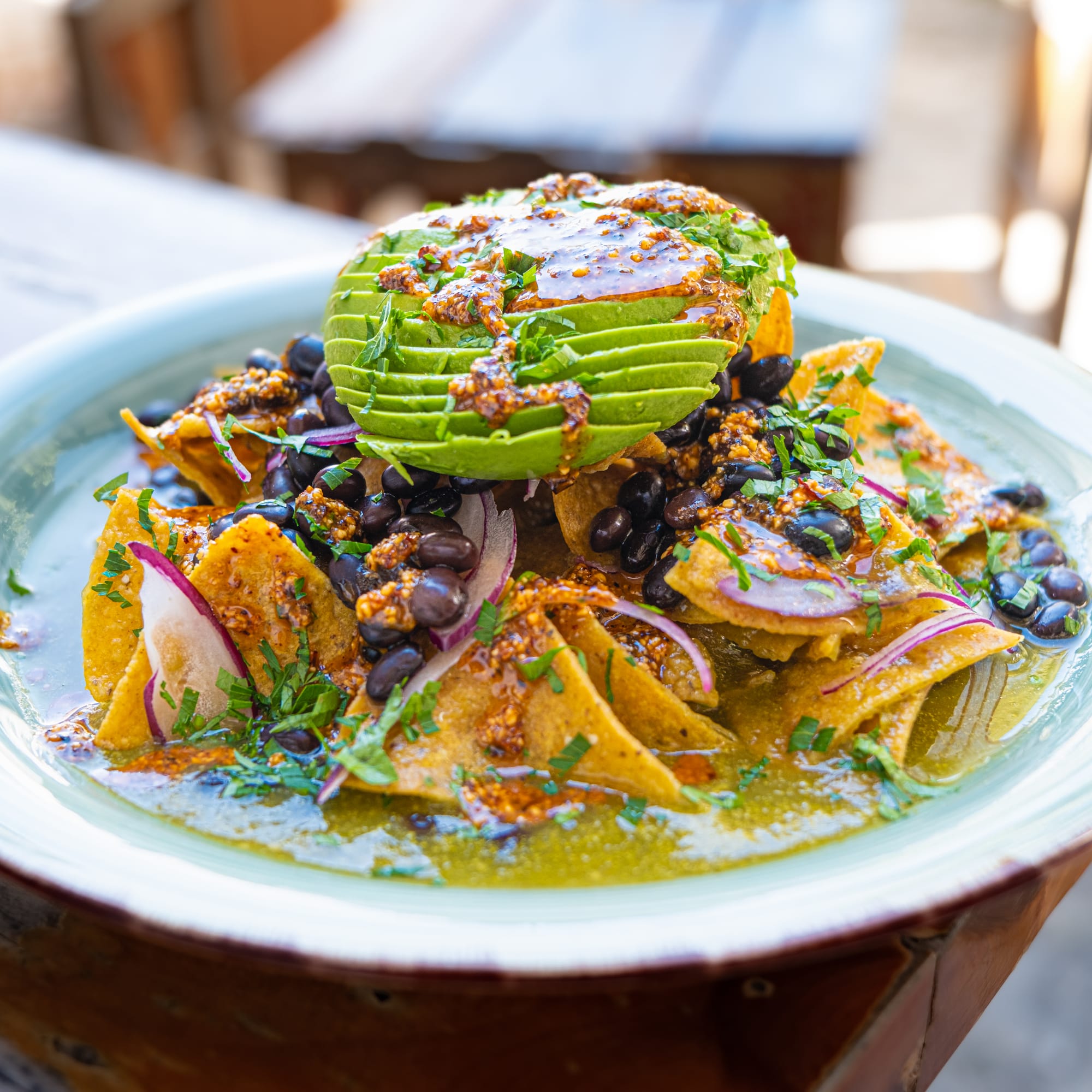
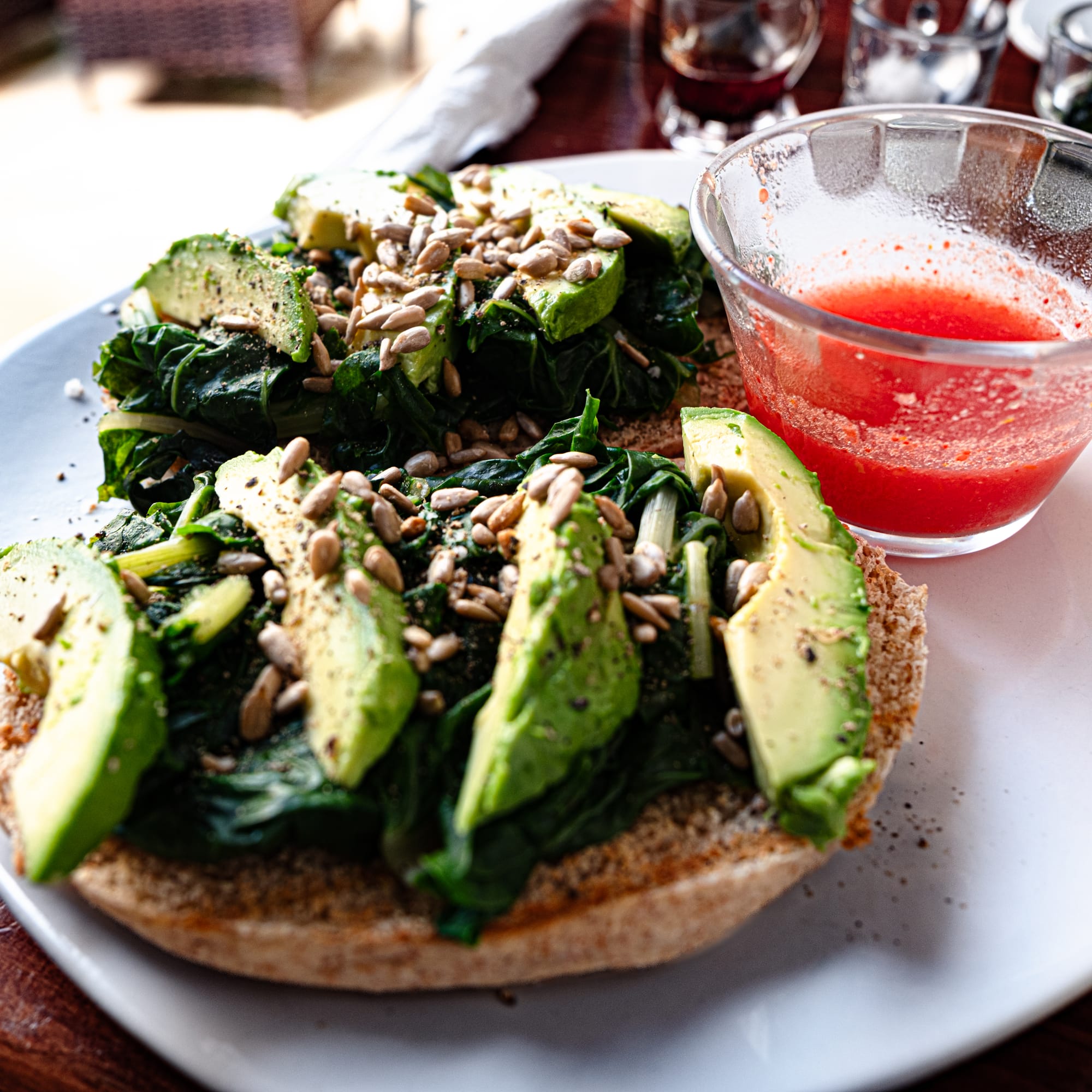
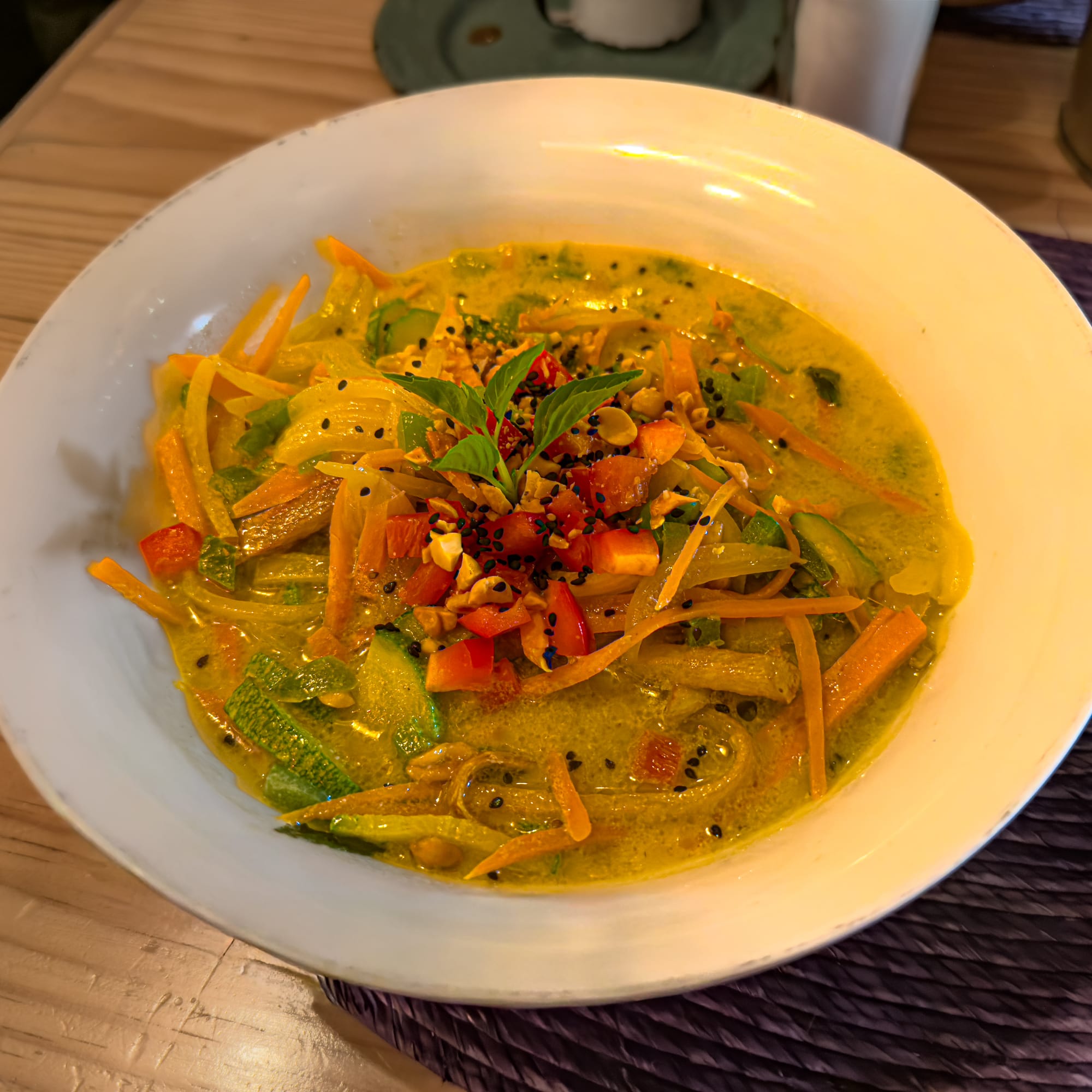
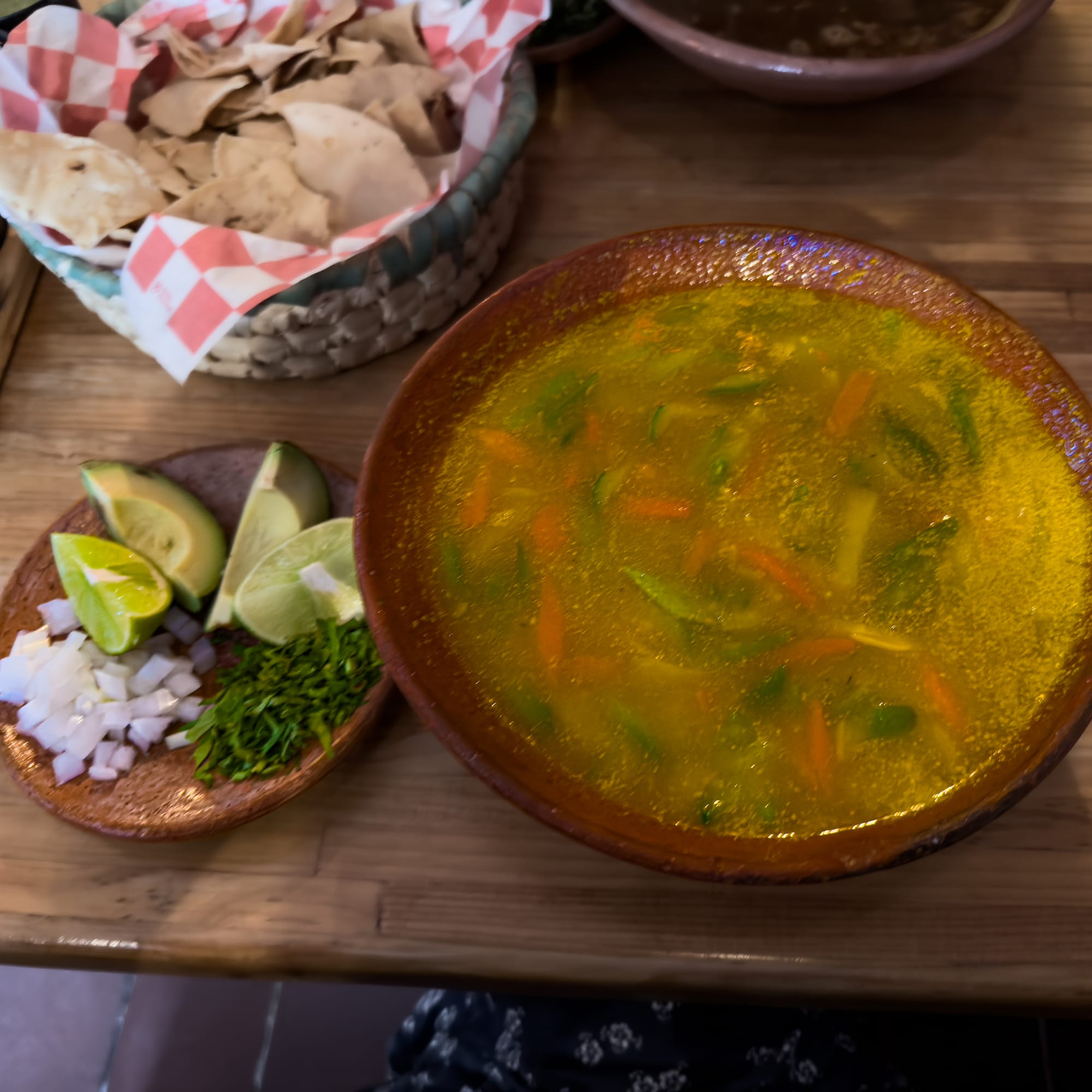
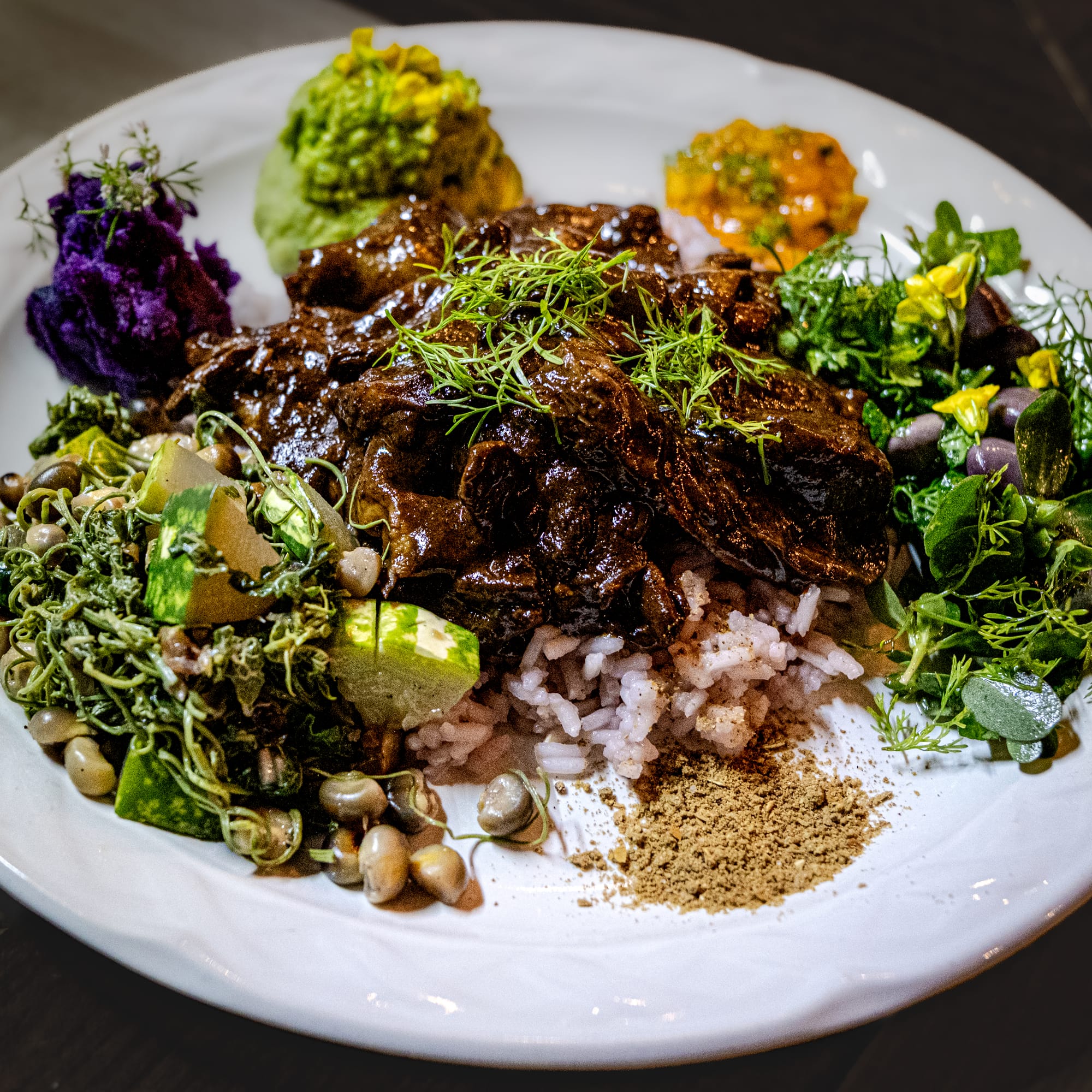
Digital nomad friends of ours had told us San Cristóbal de las Casas was their favorite spot in Mexico, so we arrived with high expectations, and somehow, they were exceeded. There’s a strong Indigenous presence here, particularly from Tzotzil and Tzeltal communities, and the town feels distinctly political. The influence of the Zapatista movement is still visible, and it stands as one of the most compelling examples of a decolonial, anti-capitalist worldmaking movement. Walking through neighborhoods like El Cerrillo, you’ll see street art that reflects that history and ongoing resistance. Around Día de los Muertos (Day of the Dead), the atmosphere shifts again, with deeply spiritual celebrations and cemetery rituals that vary noticeably from place to place, from the hilltop, amusement-park-adjacent Romerillo Cemetery to the flower-adorned Zinacantán. At the same time, San Cristóbal has a creative, slightly bohemian feel, with great food (especially vegan), a strong café culture, and an artsy energy, all set against a beautiful mountain backdrop.
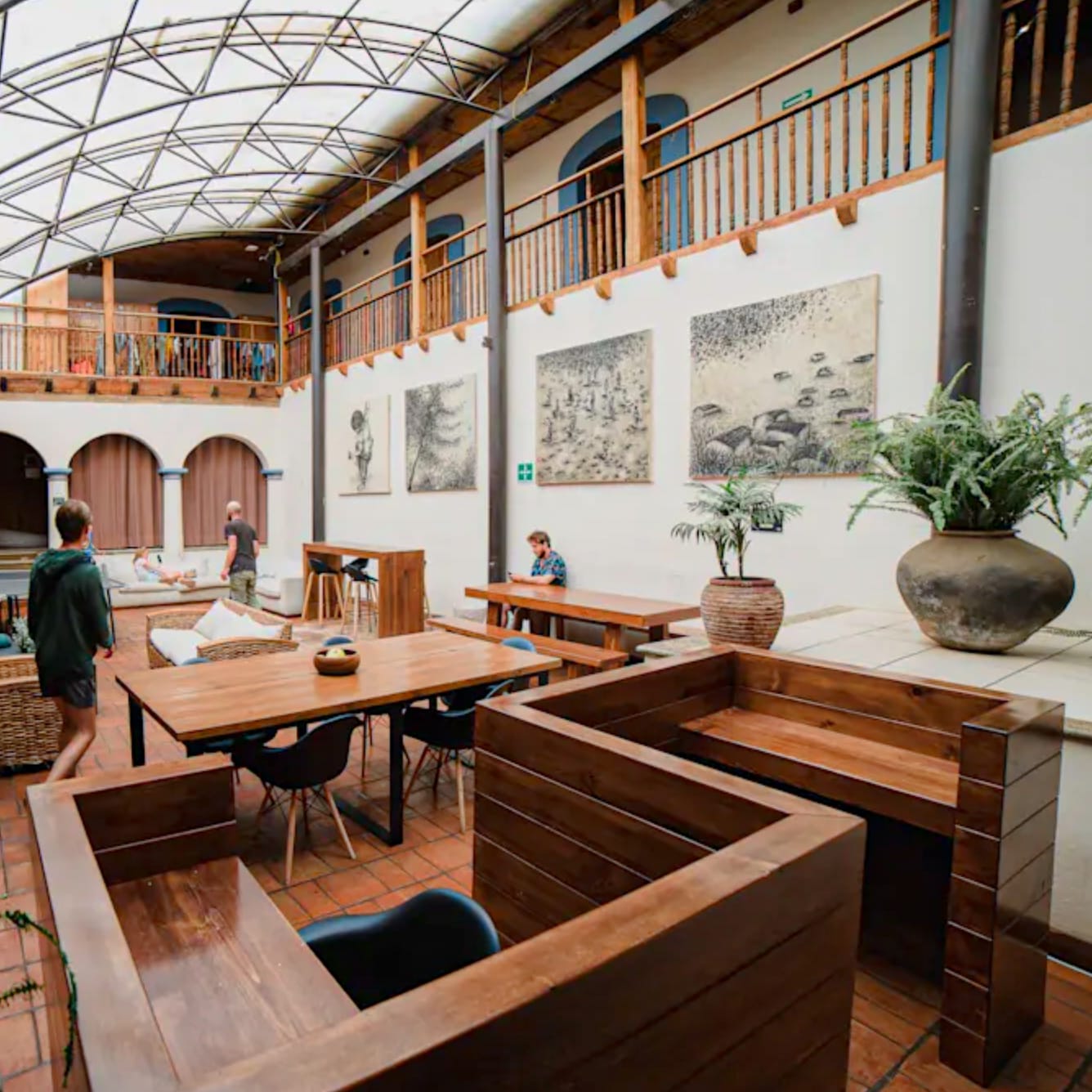
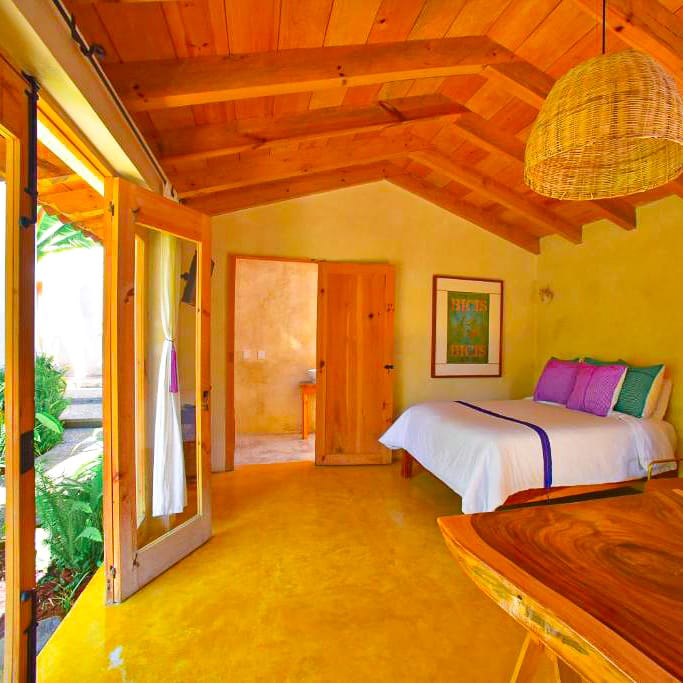
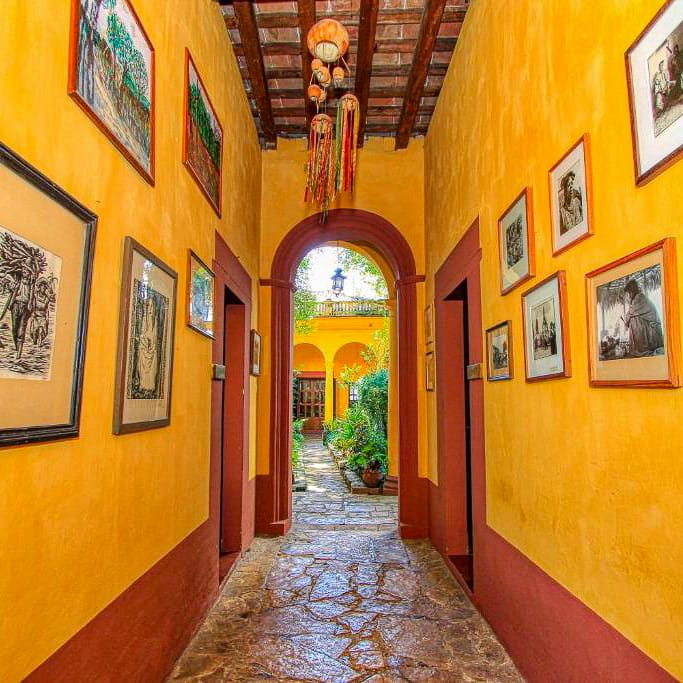
Living in San Cristóbal as a digital nomad is very straightforward. The town is highly walkable, and most things are within easy reach. It also works well as a base, with day trips to places like Sumidero Canyon, the Mayan ruins at Palenque, nearby waterfalls, and the Montebello Lakes near the Guatemala border. Staying somewhere like Co404, a small, tight-knit, family-style coliving with a garden and terrace, makes it easy to settle in for a month or longer and really experience daily life in San Cristóbal de las Casas.
Defining moments
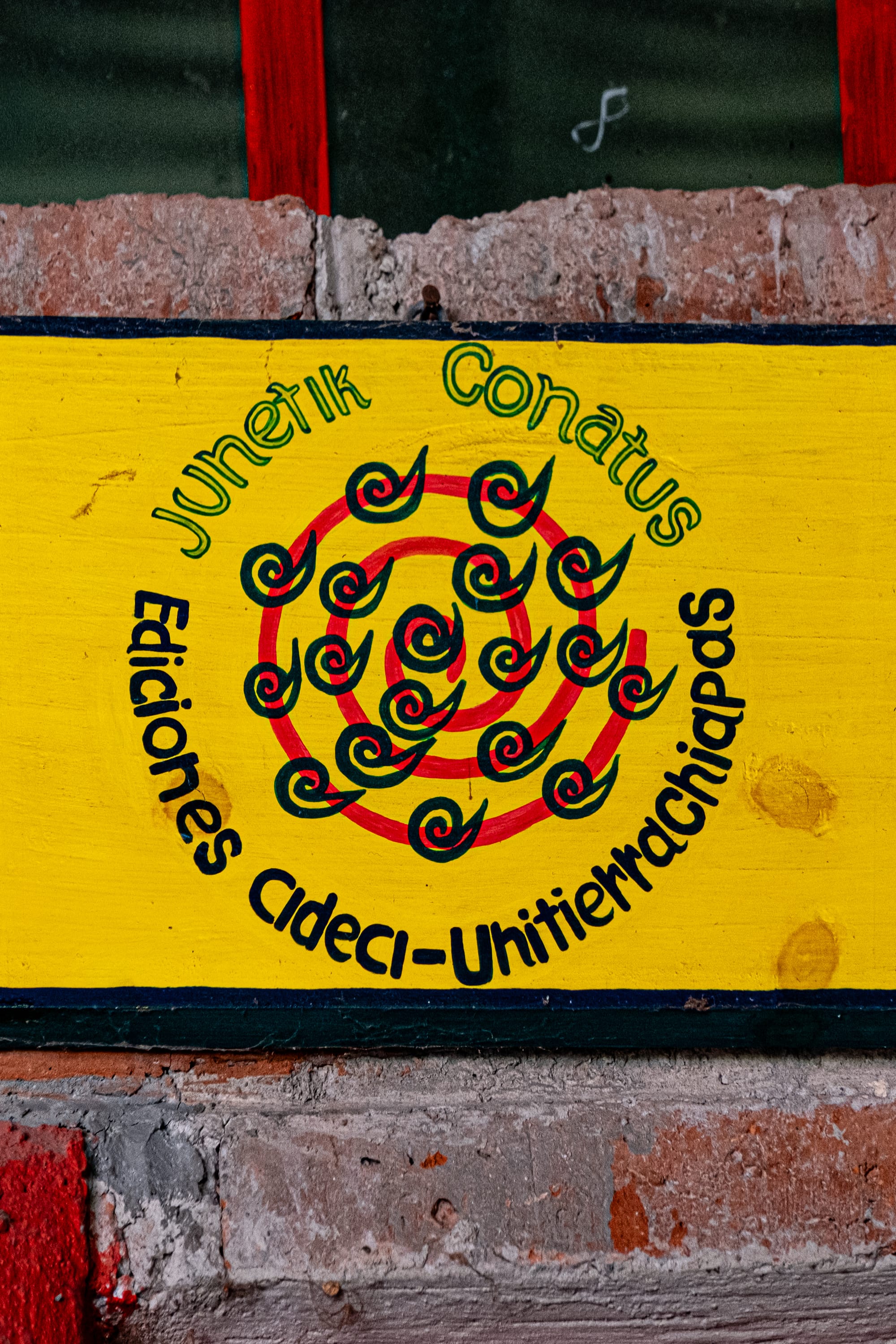
Sitting in a rustic, art-filled room at CIDECI-UniTierra, talking to “The Doctor” about Zapatismo.
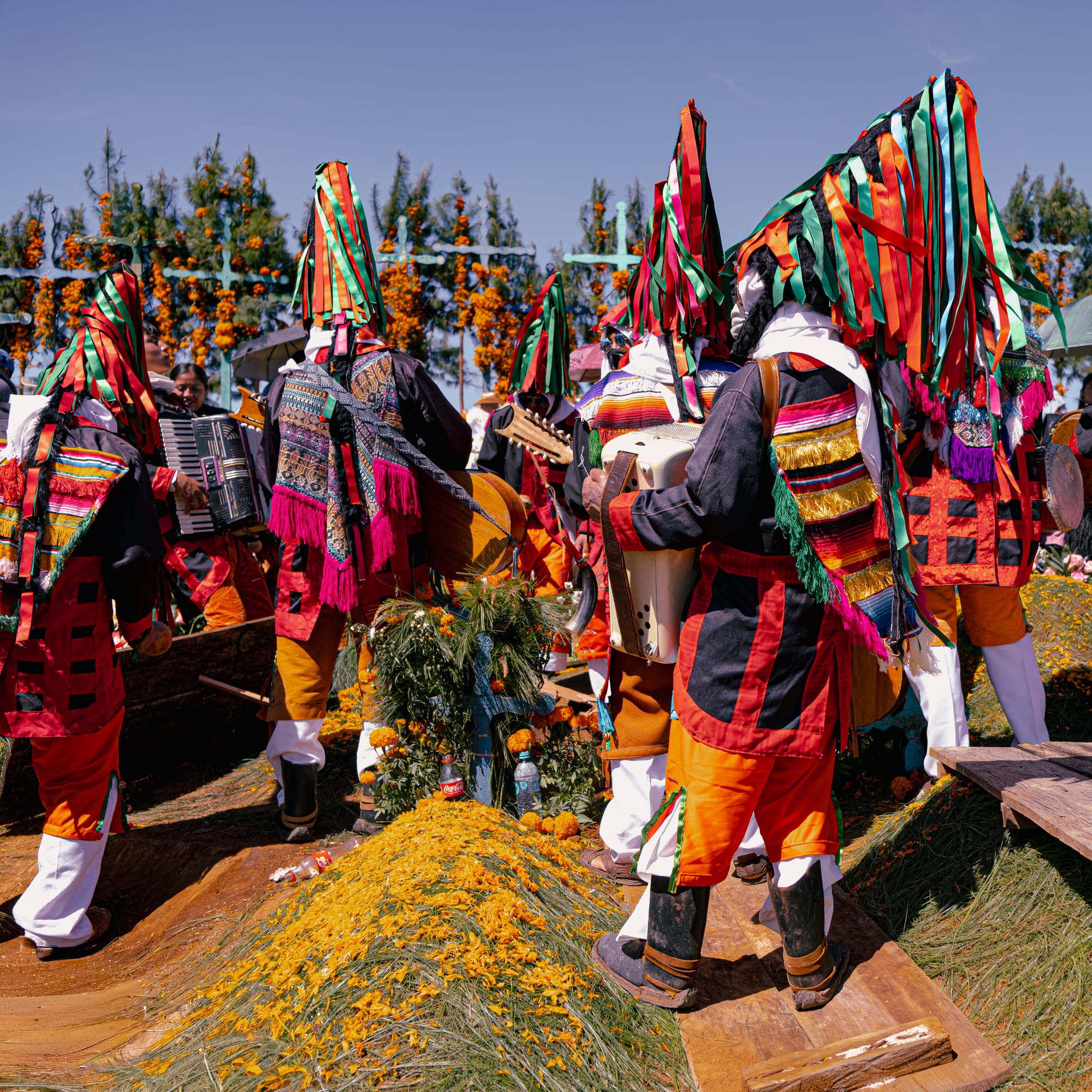
Indigenous women in thick black wool skirts kneeling beside the graves of their loved ones on Día de los Muertos, placing fruit and Coca-Cola.
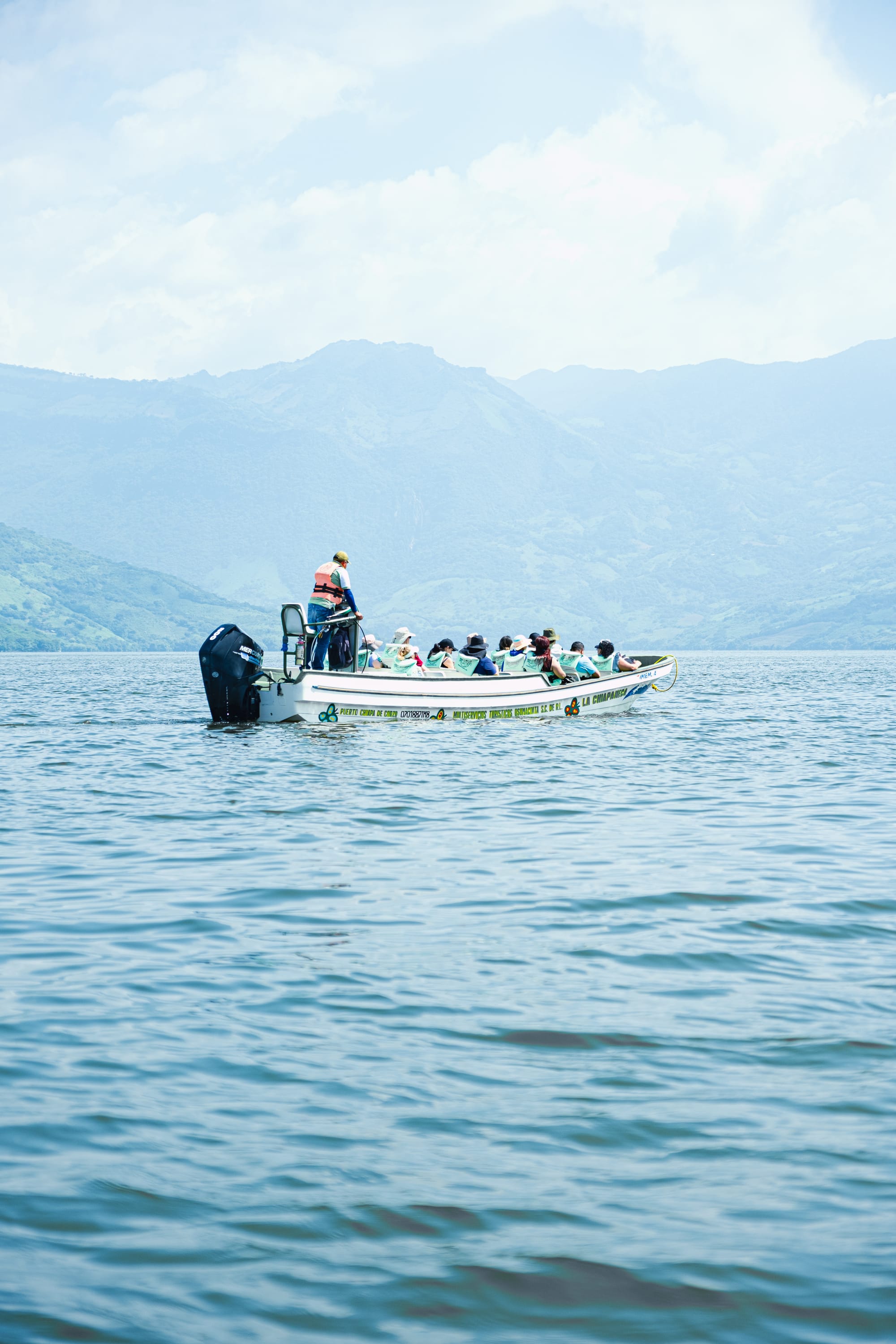
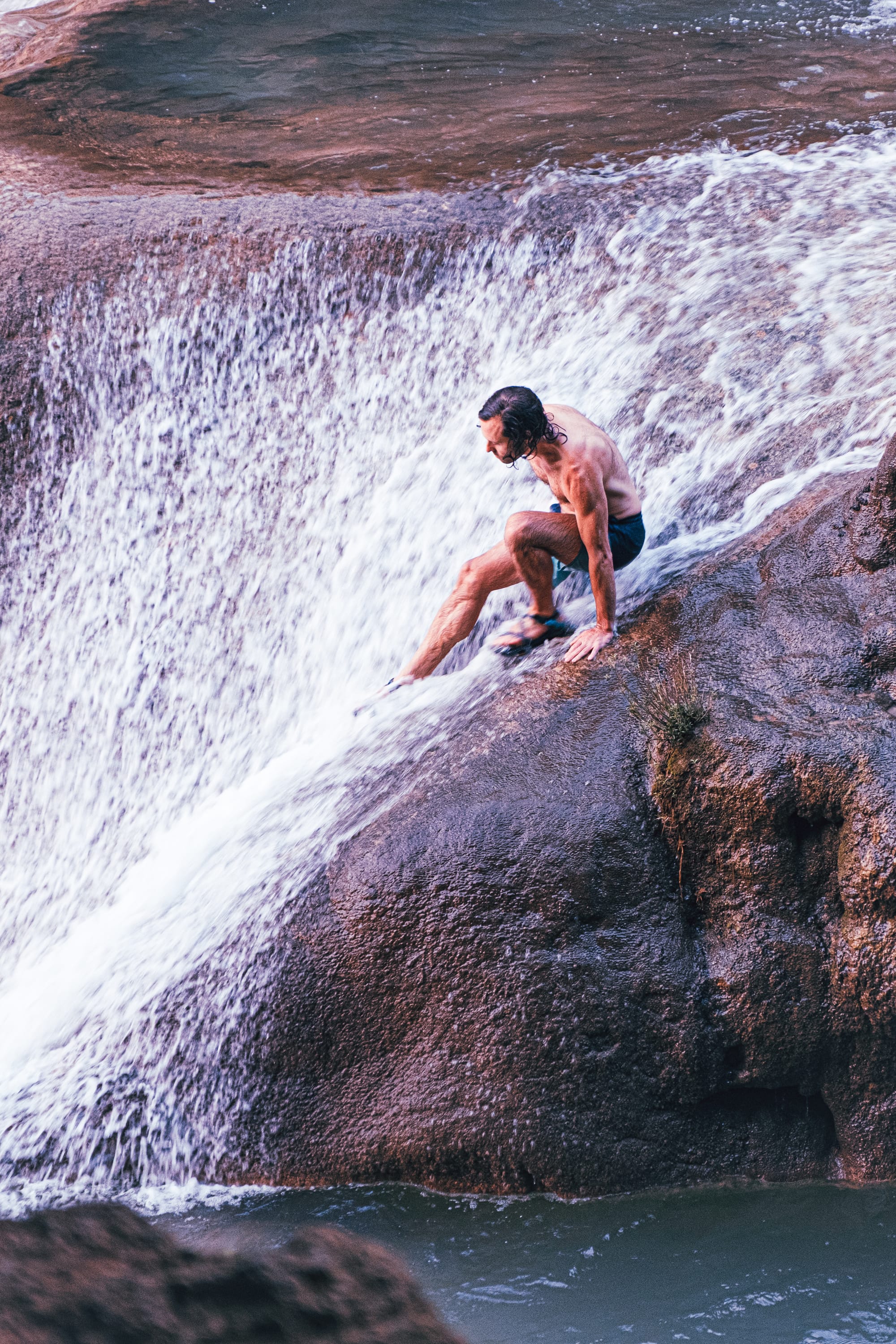
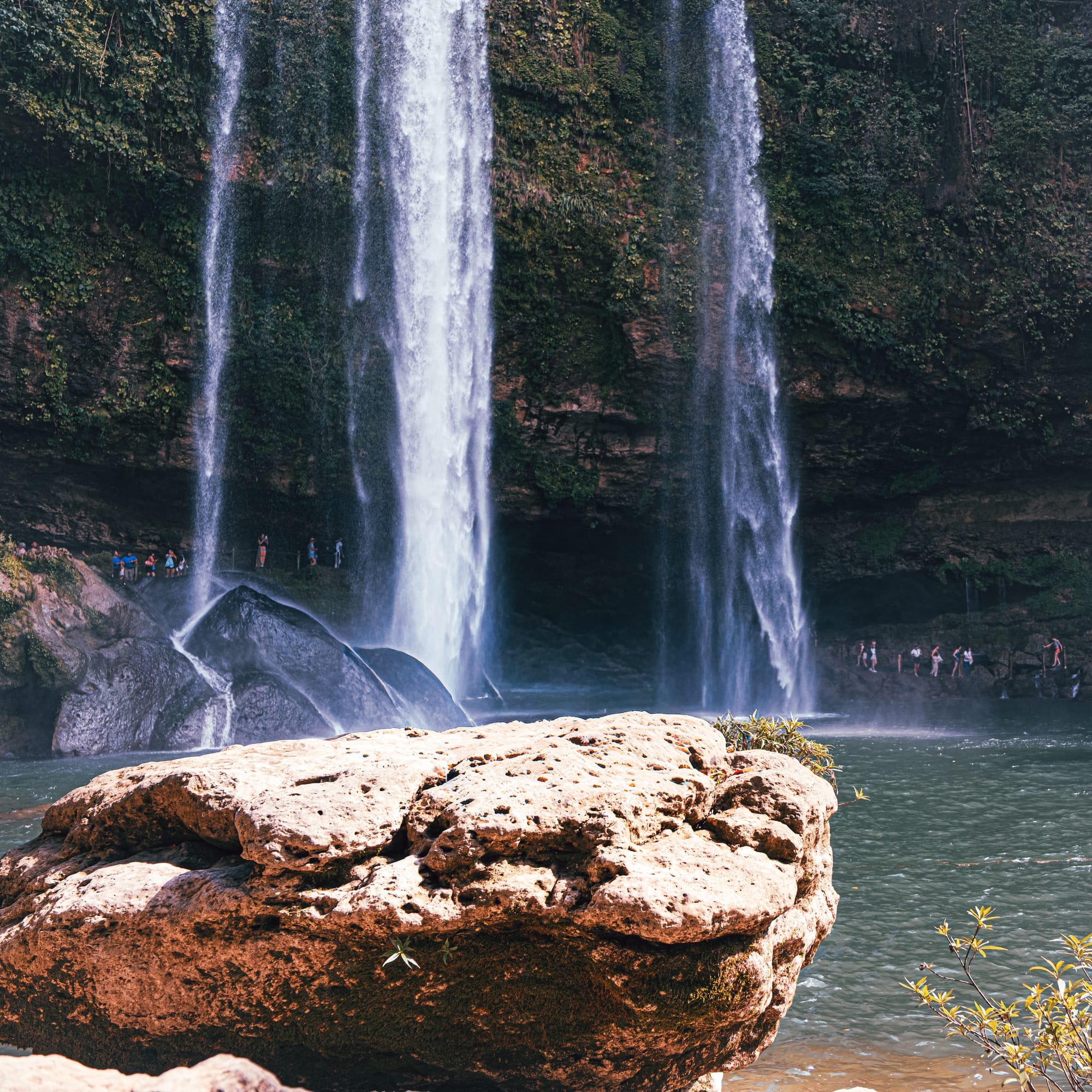
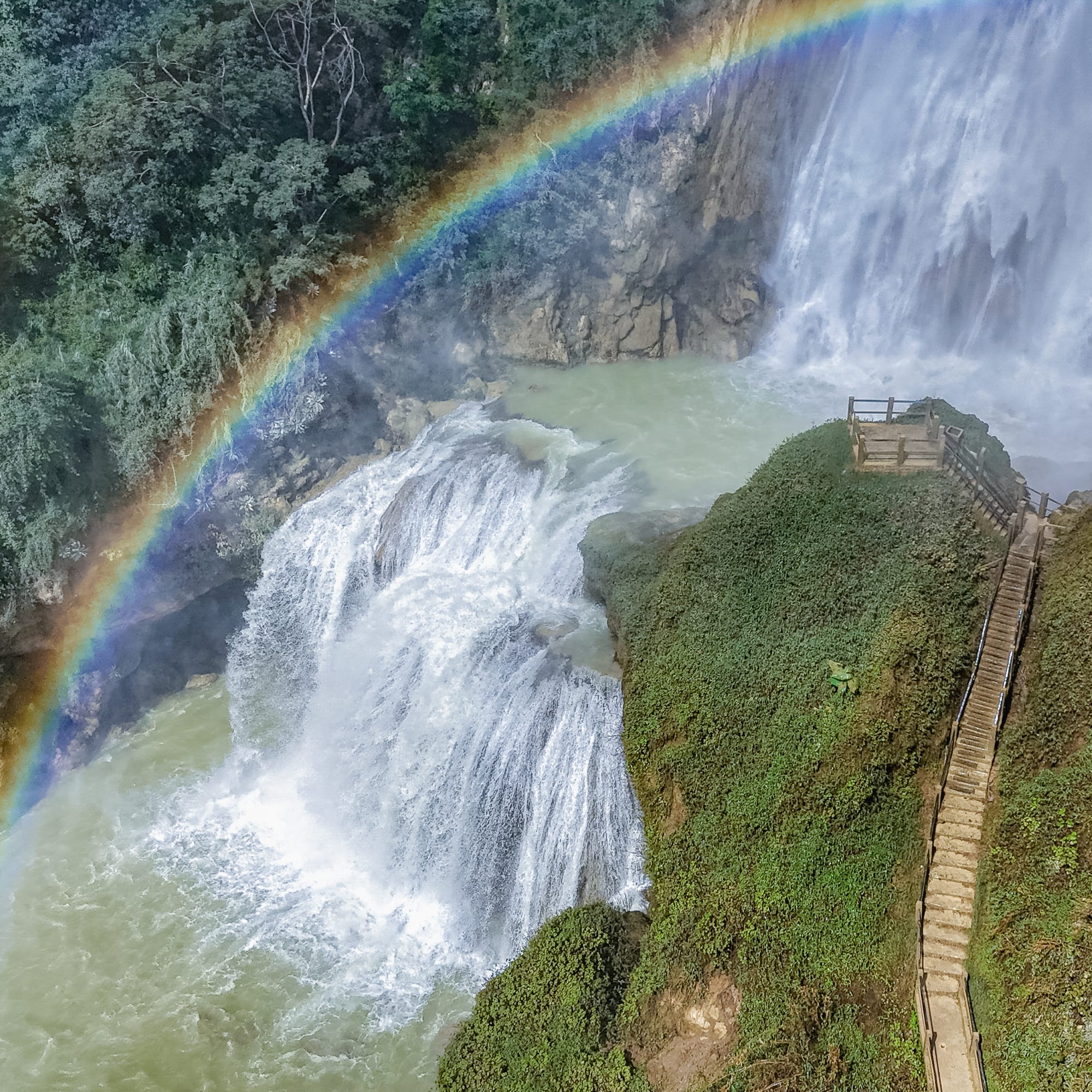
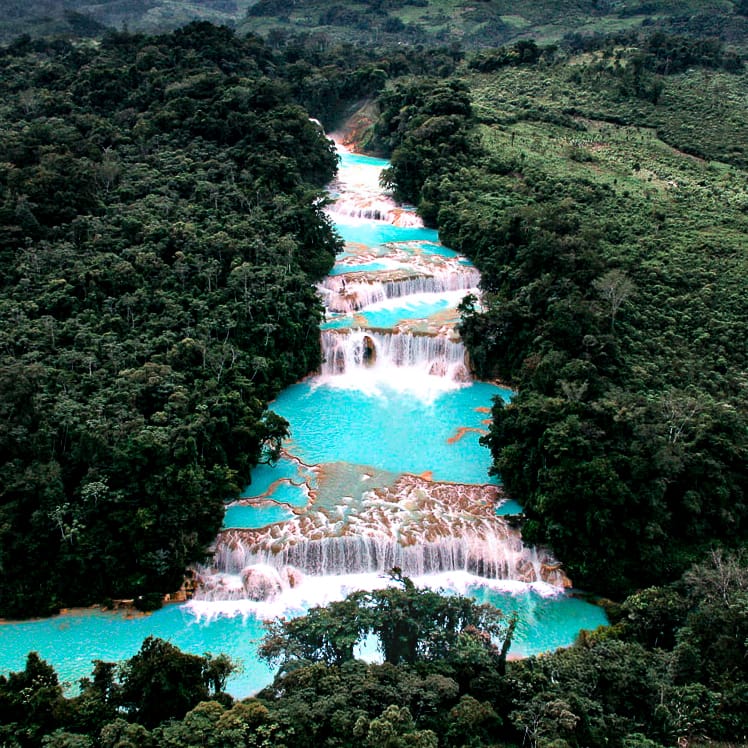
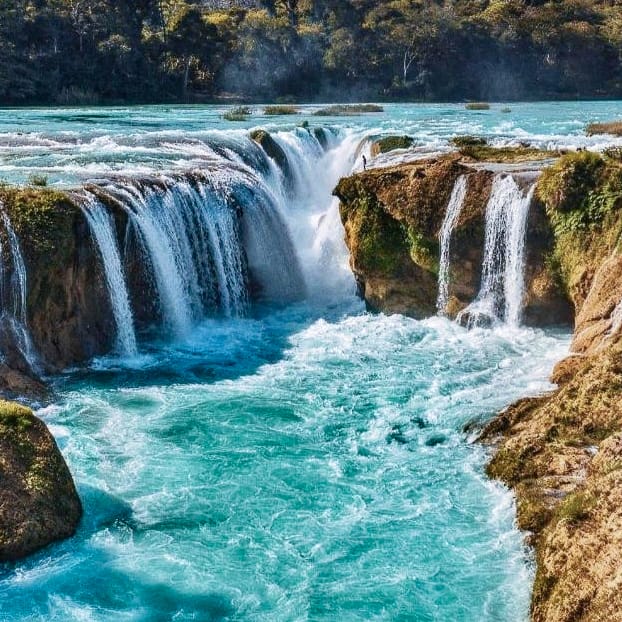
Approaching a mushroom-shaped waterfall in Sumidero Canyon that looked like it had been pulled straight from a Roger Dean sketch.
Digital nomad visa
Mexico is one of the easiest countries to stay in as a digital nomad, and San Cristóbal de las Casas fits well within that. Many digital nomads enter Mexico on a standard tourist visa, which allows stays of up to 180 days depending on what you’re granted on arrival. For those planning to stay longer or live in Mexico more permanently, the Temporary Resident Visa is the most common route, allowing stays of one to four years.
For digital nomads in San Cristóbal de las Casas, the process itself is straightforward, and the town is a popular base for longer stays in Mexico. Compared to more transient destinations, San Cristóbal works particularly well for those looking to settle into a routine, with a lower cost of living and a strong community of remote workers already based there.
Spotlight
"What makes the Zapatista movement so compelling, even beyond Chiapas, is that it does not imagine 'the future' as a singular path. Instead, it embraces pluriversality, a worldview that welcomes many futures, many knowledges, and many forms of life. This stands in direct opposition to the universalizing, homogenizing narrative of Western modernity, which presumes that all societies must follow the same developmental arc. In the Zapatista imagination, diversity is not something to be tolerated; it is the foundation of freedom. This is why their rallying cry, 'a world where many worlds fit,' has echoed far beyond Mexico and into global movements for climate justice, Indigenous sovereignty, and anti-capitalist organizing."
Read onBest time to go
The best time to visit San Cristóbal de las Casas is generally from November to April, when the weather is drier and more comfortable for exploring the town and surrounding areas. For digital nomads in San Cristóbal, this period also makes day-to-day life easier, especially if you’re walking between cafés, markets, and work spots.
If you can, we would strongly recommend visiting San Cristóbal de las Casas during Día de los Muertos (Day of the Dead) at the start of November. It’s one of the most powerful times to experience the town, with deeply rooted traditions, cemetery rituals, and a noticeably different atmosphere across communities. For many, it ends up being one of the most memorable times to visit San Cristóbal, whether you’re traveling through or living there as a digital nomad.
Best areas to stay
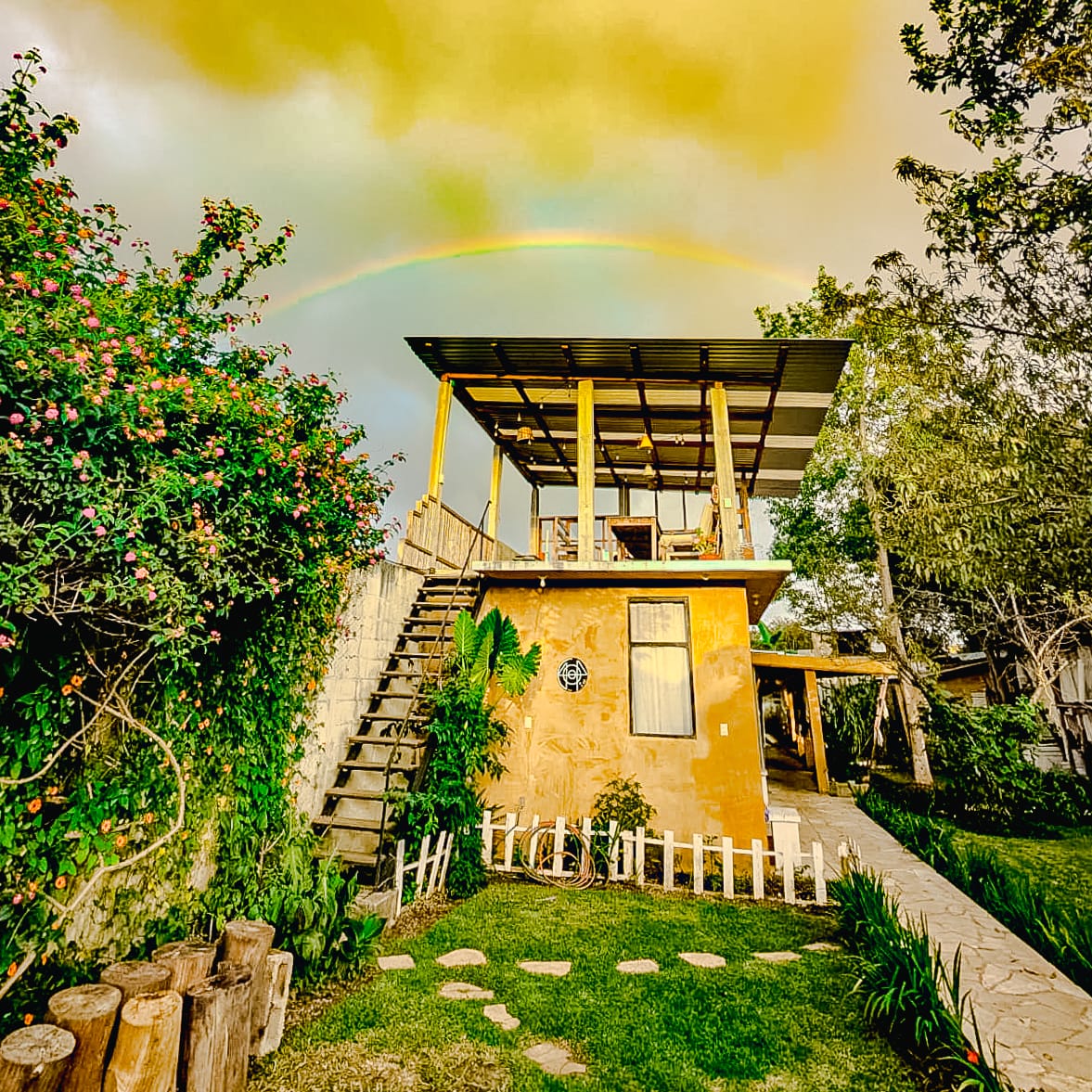
For digital nomads in San Cristóbal de las Casas, we’d strongly recommend staying at Co404. It’s a small, tight-knit, family-style coliving located just outside the center, about a 15-minute walk into town. They host regular events, have a beautiful workspace, and the garden and terrace are genuinely special. It’s one of the best places to stay in San Cristóbal if you’re working remotely, as it makes it easy to meet other digital nomads and settle into a routine.
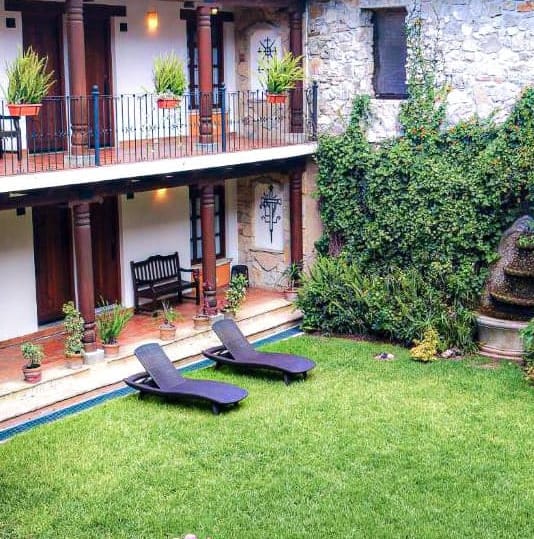
If you prefer staying independently, there are a few areas in San Cristóbal de las Casas that work well. The historic center is the most convenient and walkable, with cafés, restaurants, and everything close by. Neighborhoods like El Cerrillo and Guadalupe tend to attract creatives, with a slightly quieter feel while still being within walking distance of the center. Wherever you stay, being central makes a big difference, as daily life in San Cristóbal is very much lived on foot.
Cost of living
Out of all the places we traveled in Mexico, San Cristóbal de las Casas was the cheapest. It consistently felt like things were about half the price compared to other destinations we’ve spent time in, especially when it comes to food, cafés, and day-to-day living. For digital nomads, San Cristóbal, and Chiapas more broadly, are among the best-value places we’ve found in Mexico, especially for longer stays.
If you’re looking to save money, it’s very easy to do here. You can comfortably eat out for every meal without it adding up too quickly compared to most of the places we’ve spent time in across Mexico, and if you want to keep costs even lower, local markets offer a huge range of fresh produce at very affordable prices. Overall, the cost of living in San Cristóbal de las Casas is hard to beat for the quality of life you get.
Getting around
Best experiences
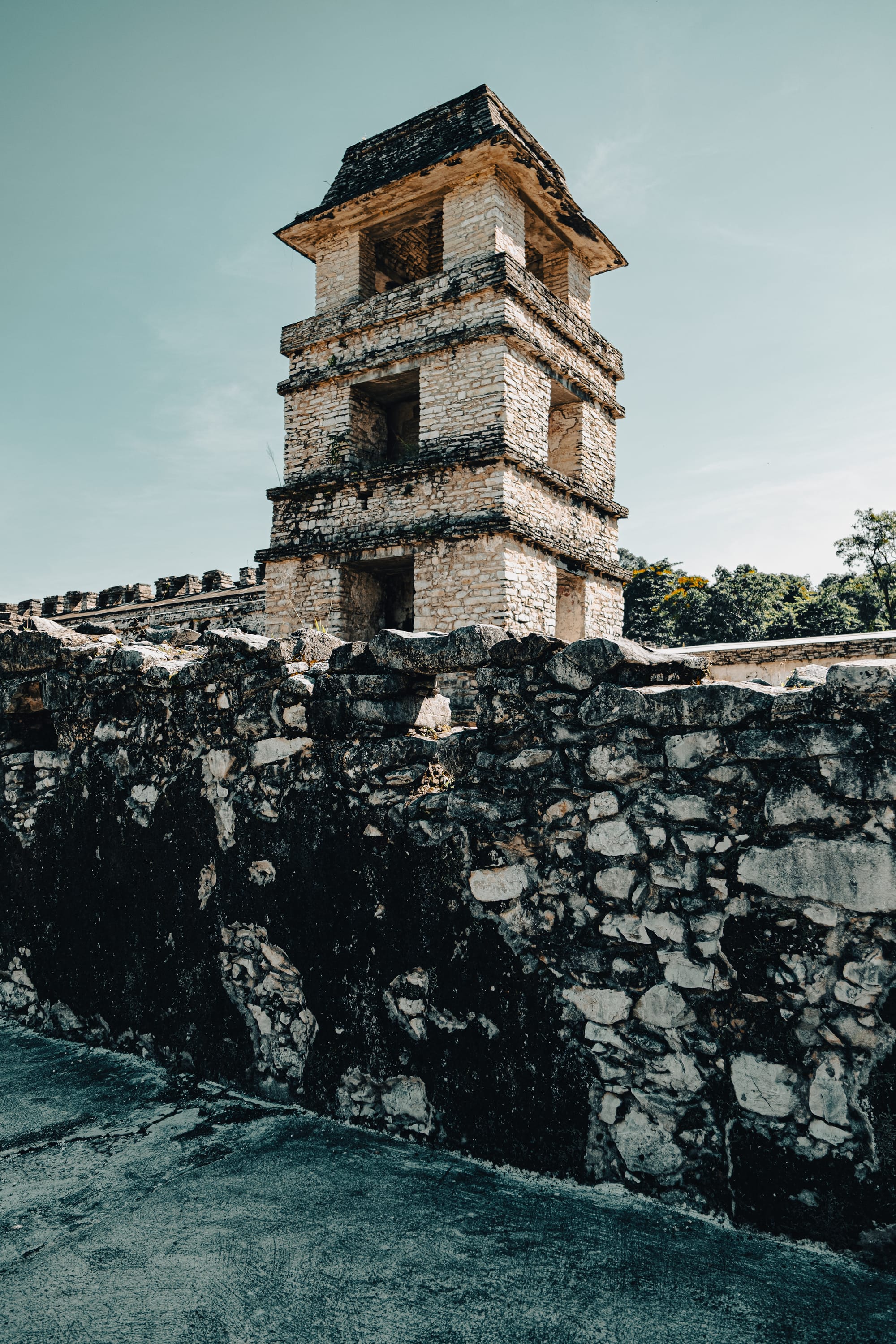
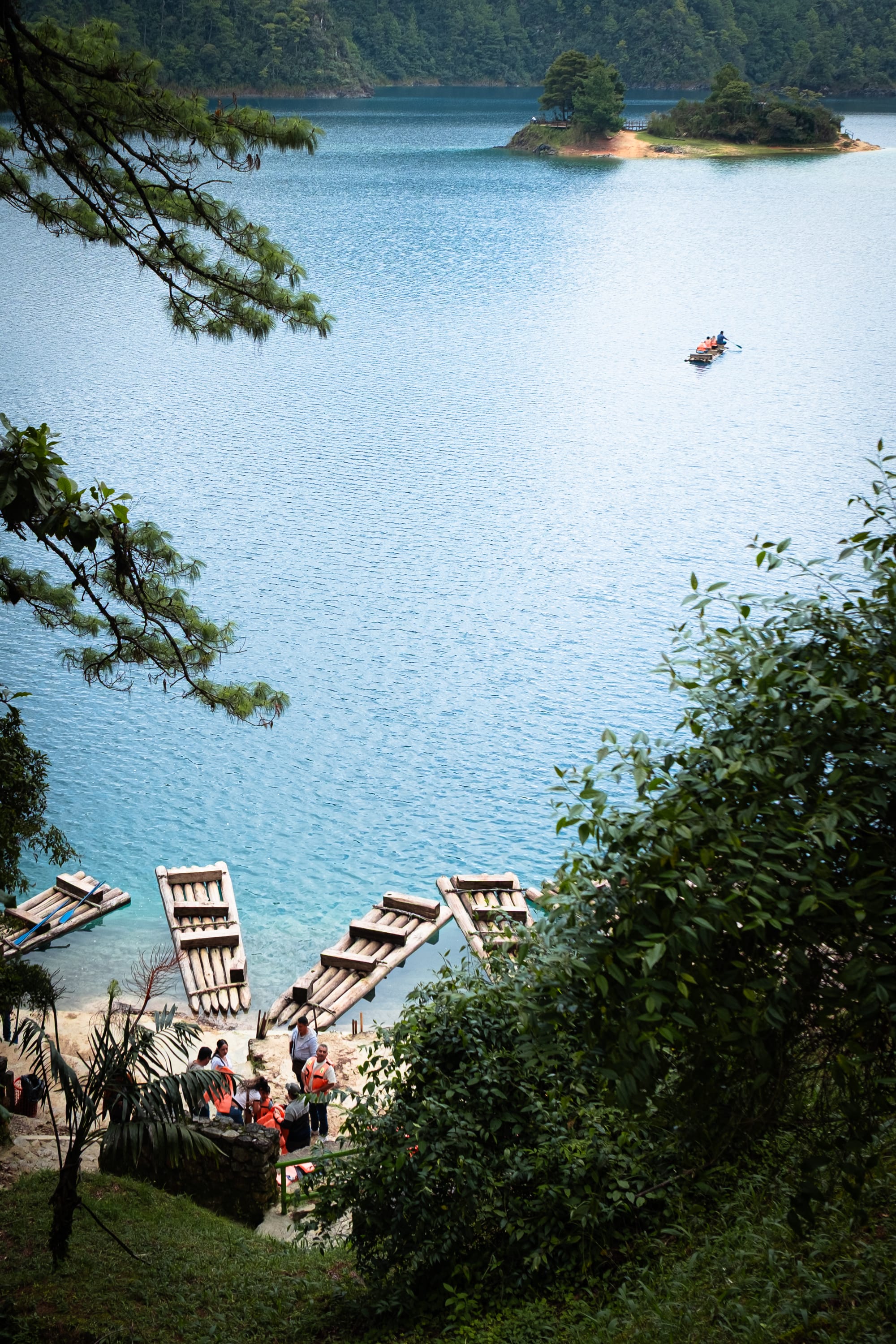
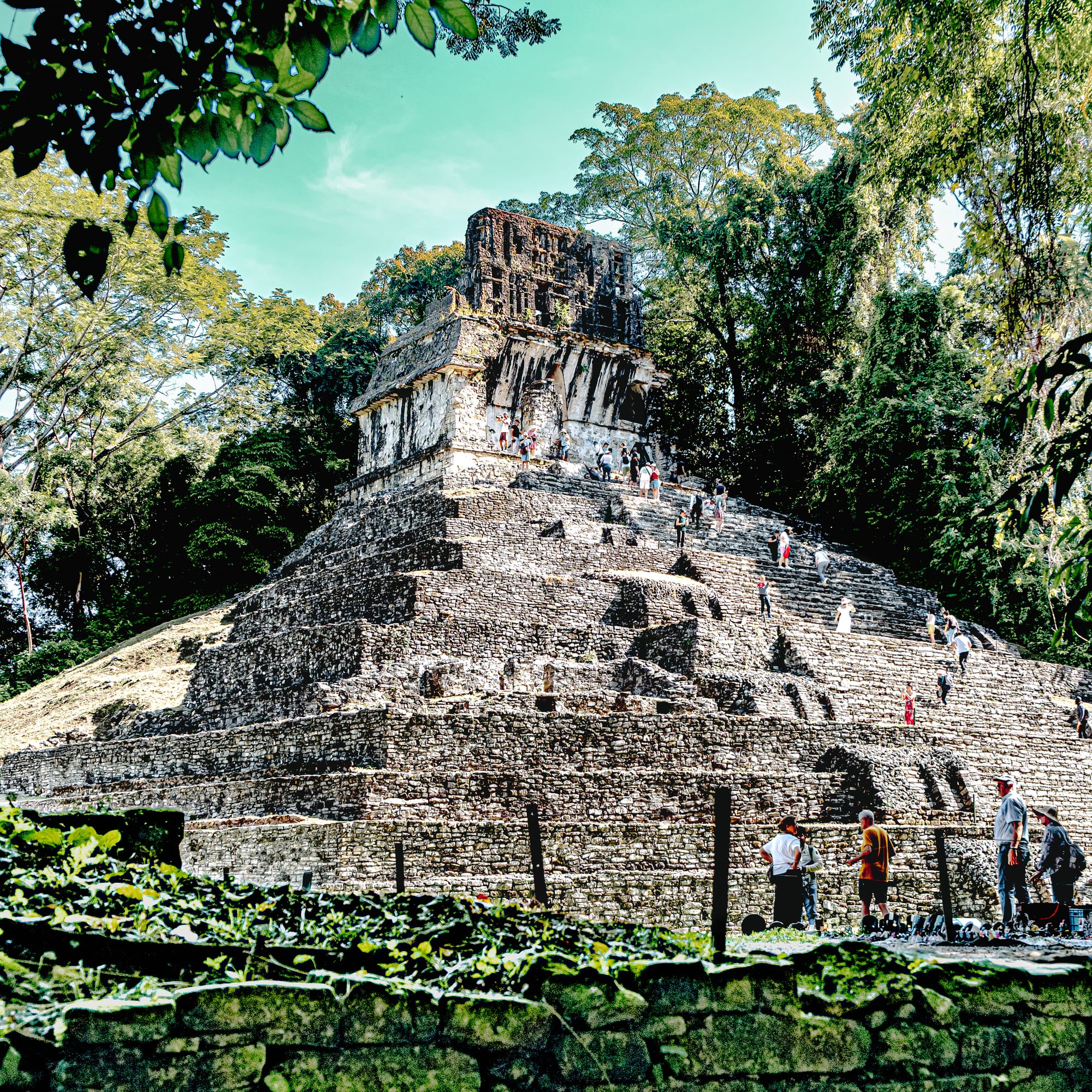
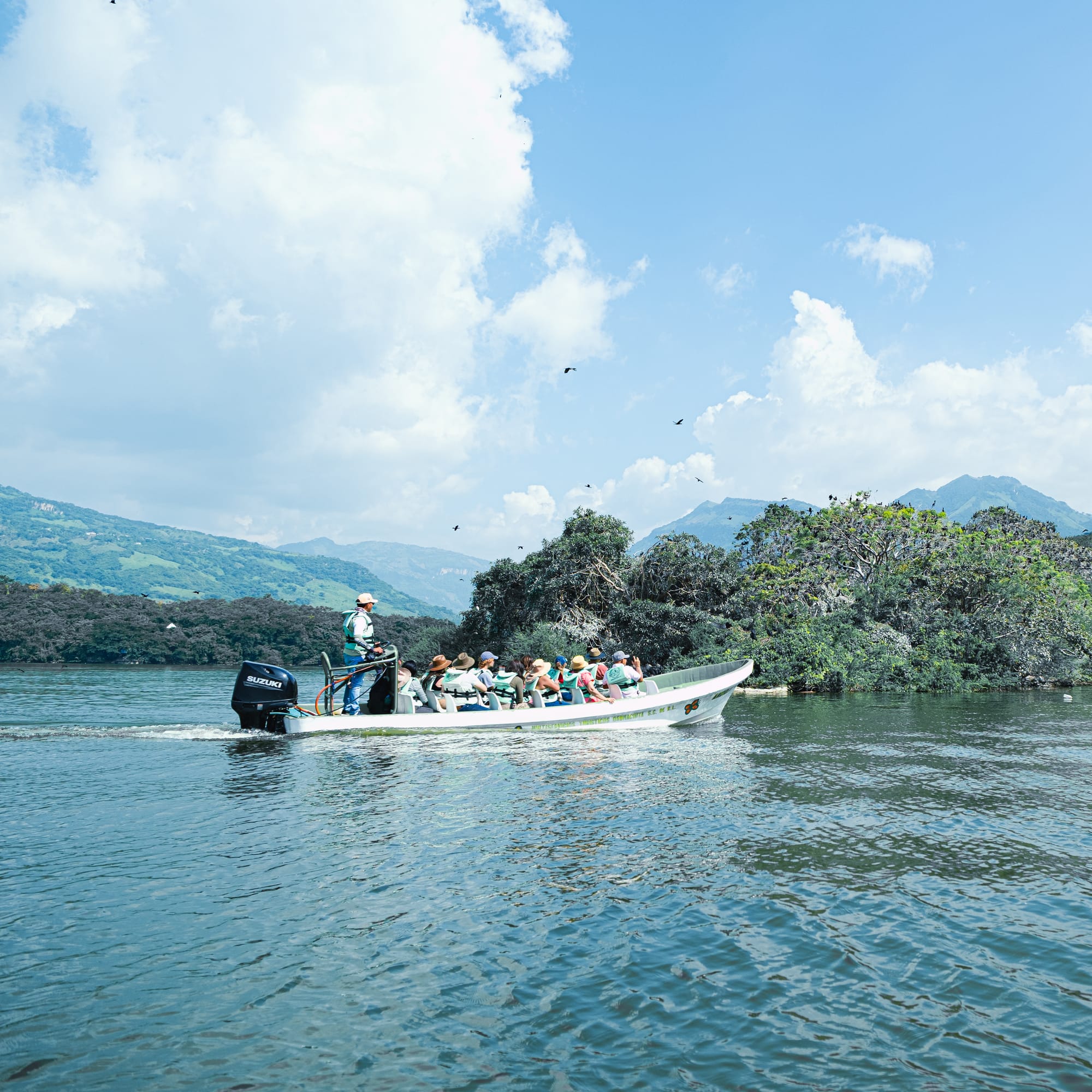
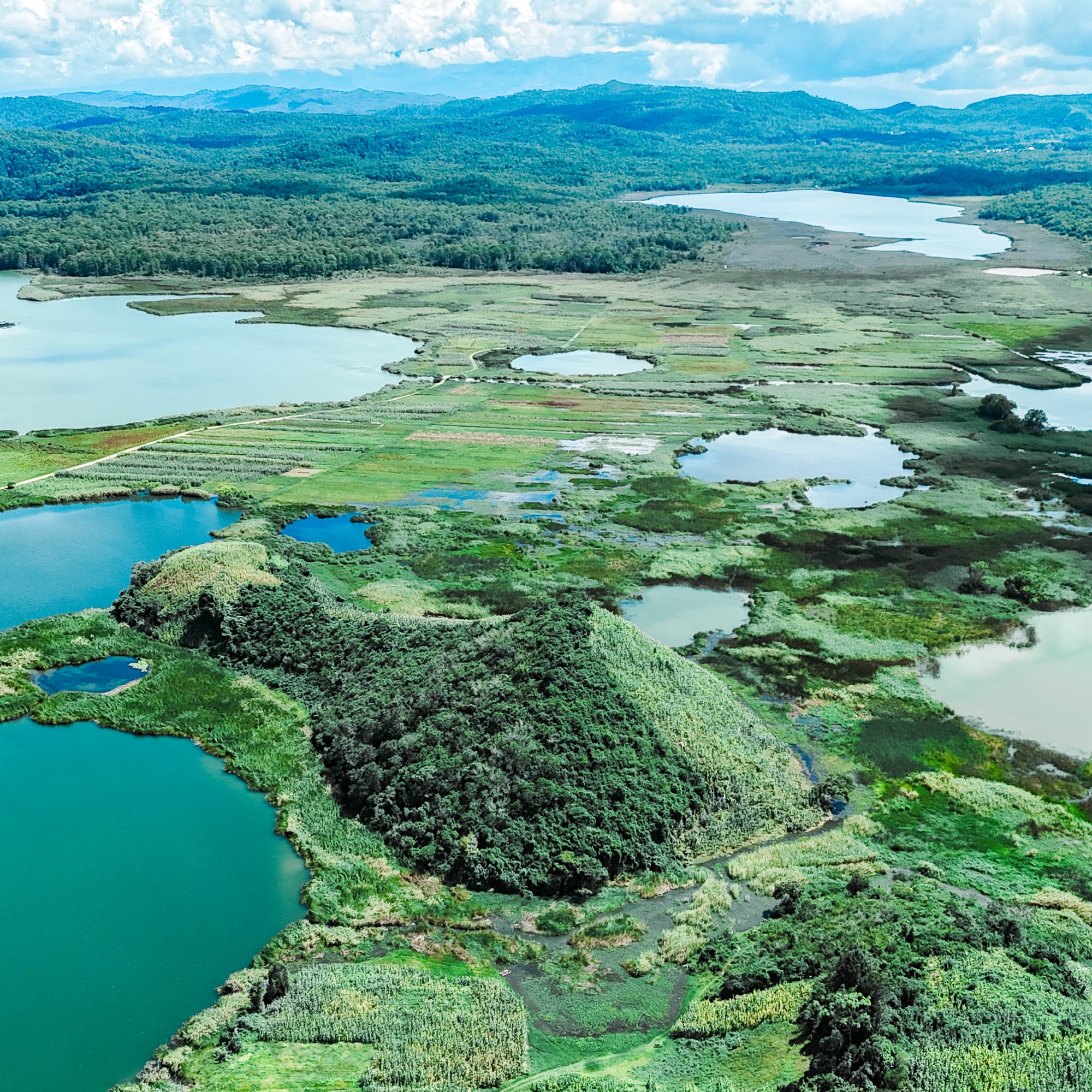
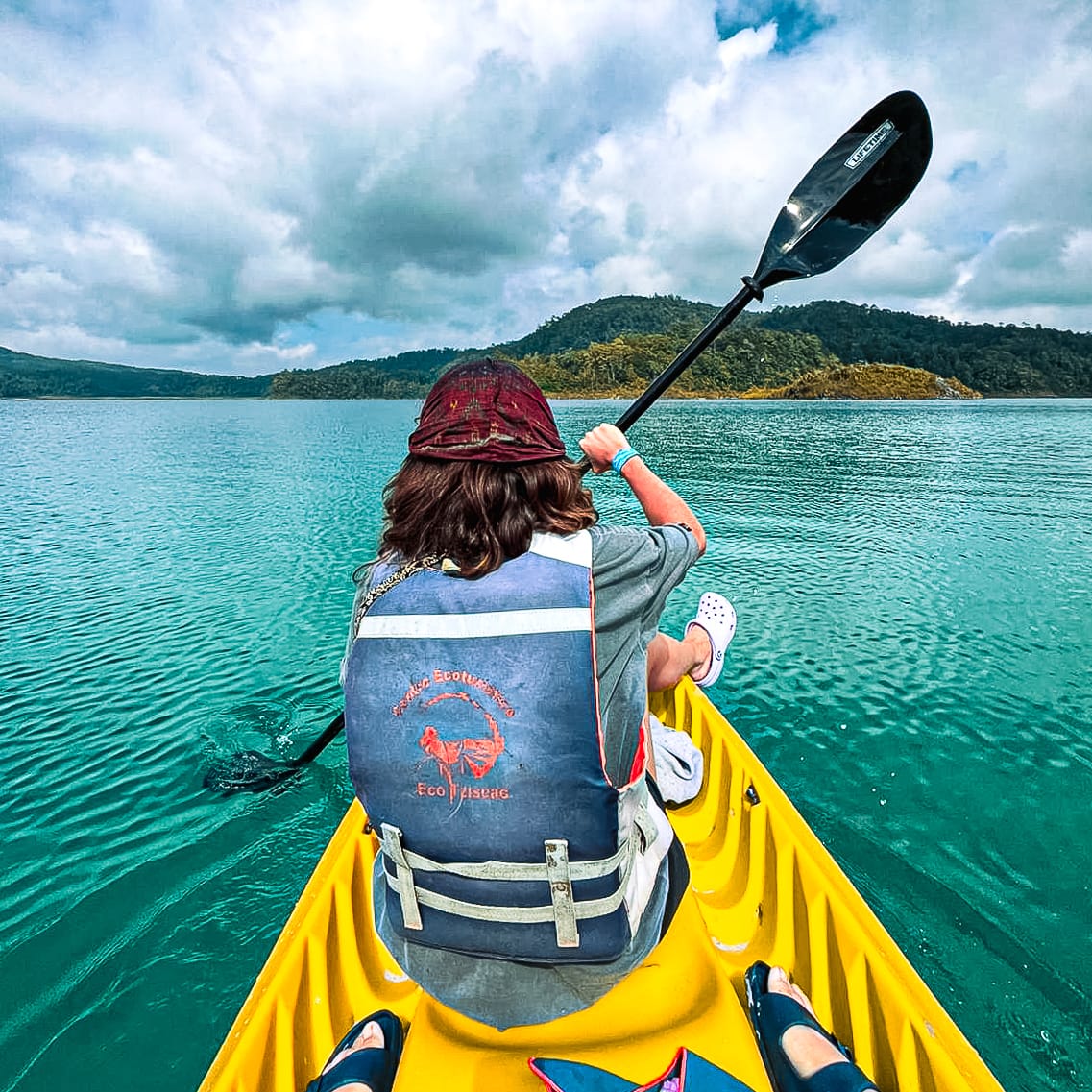
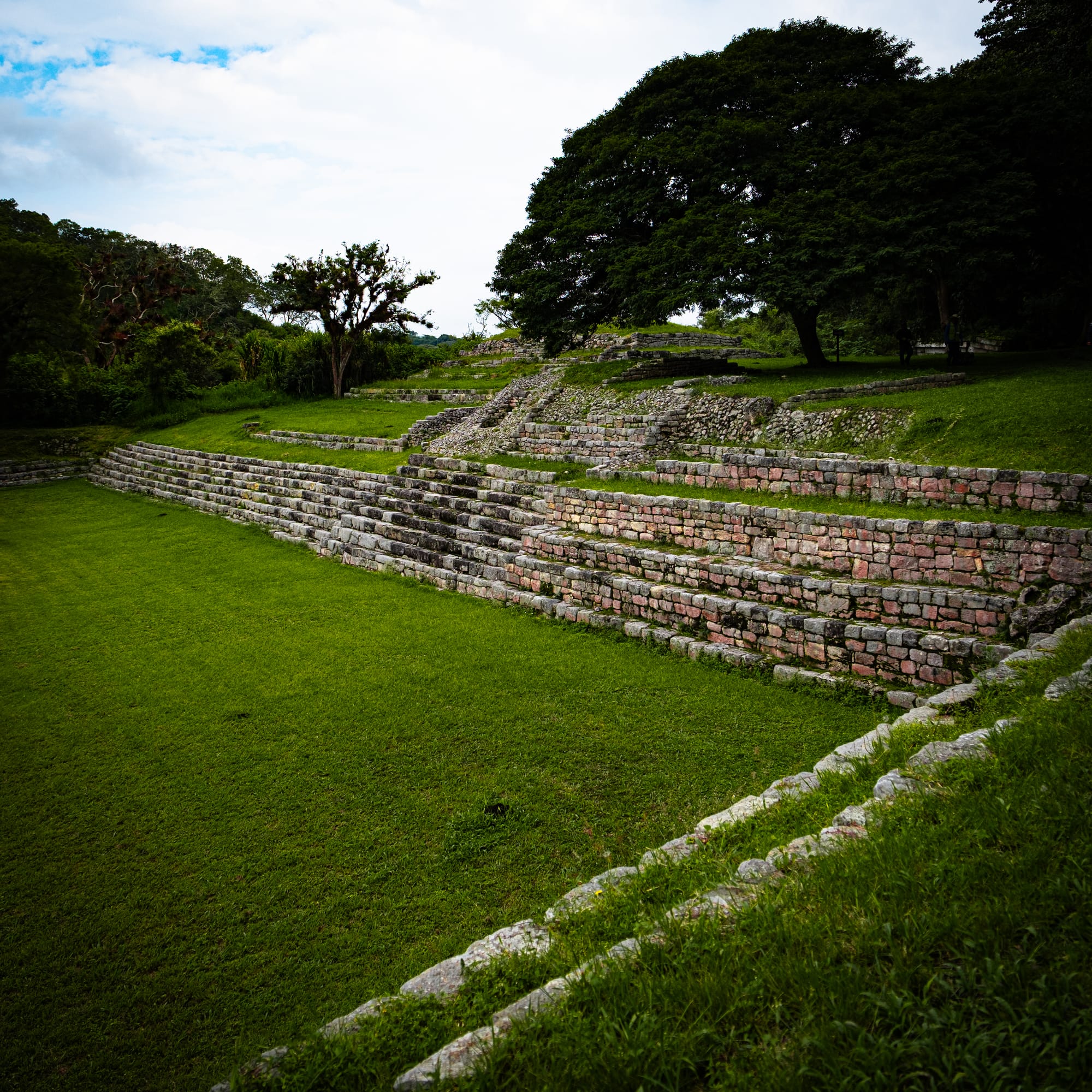
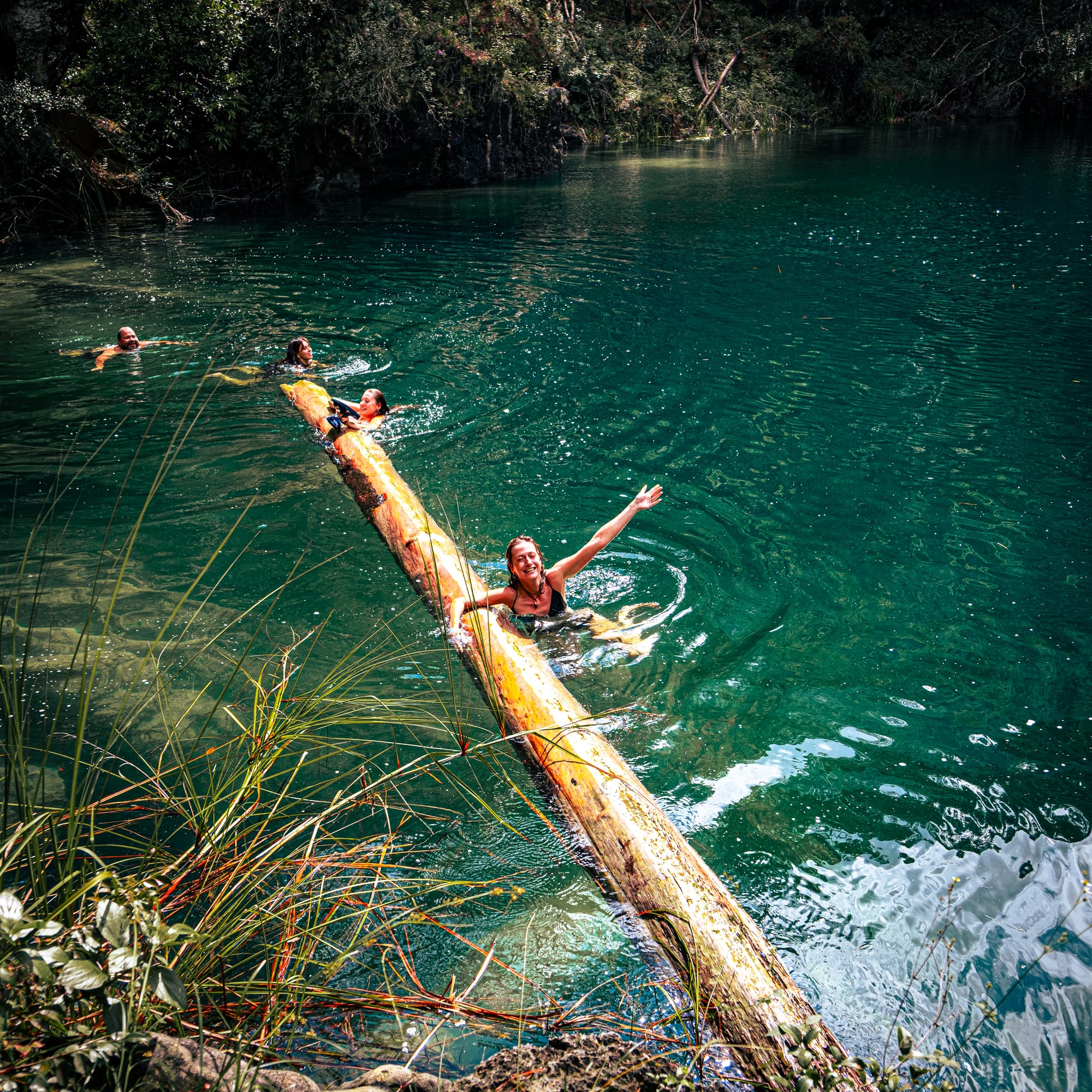
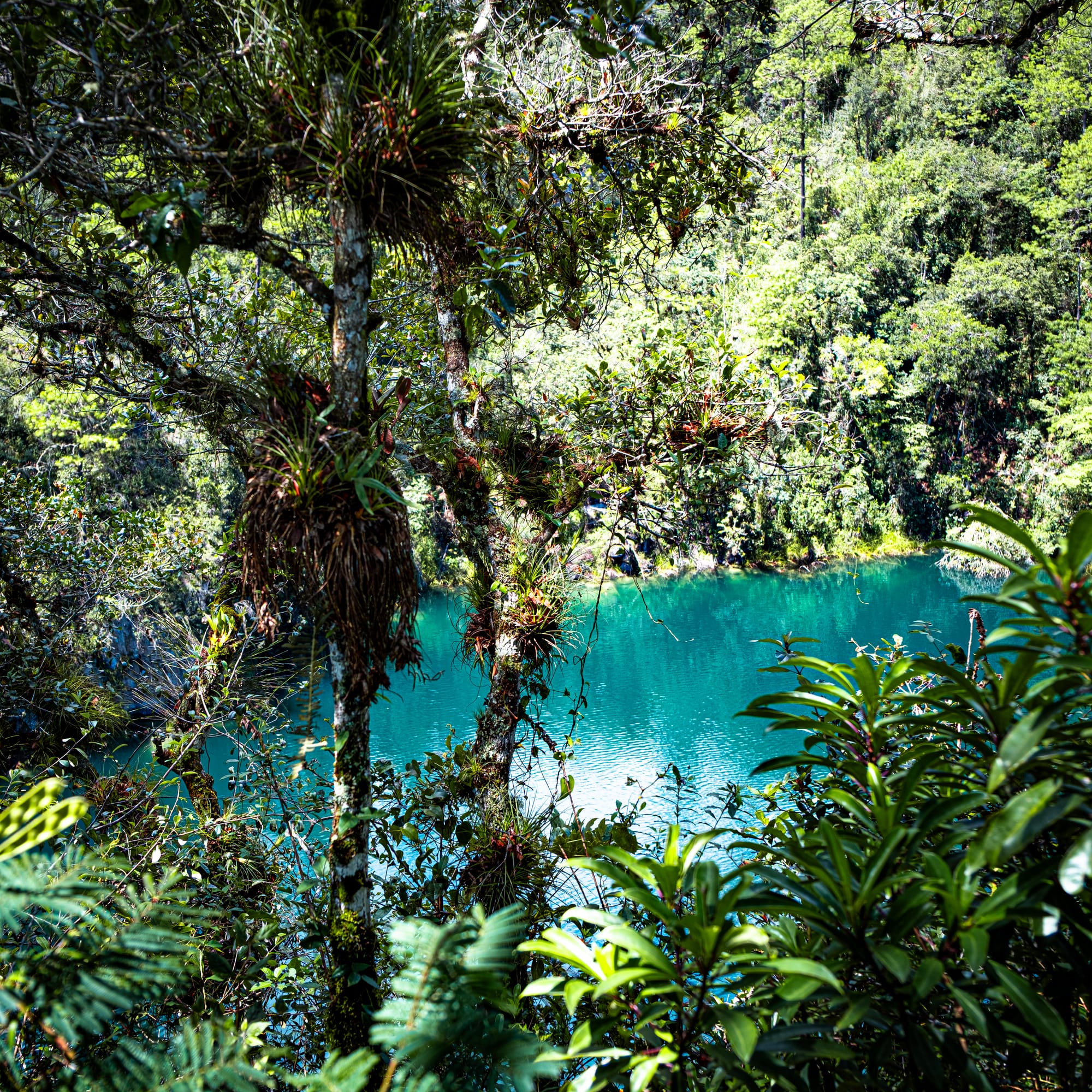
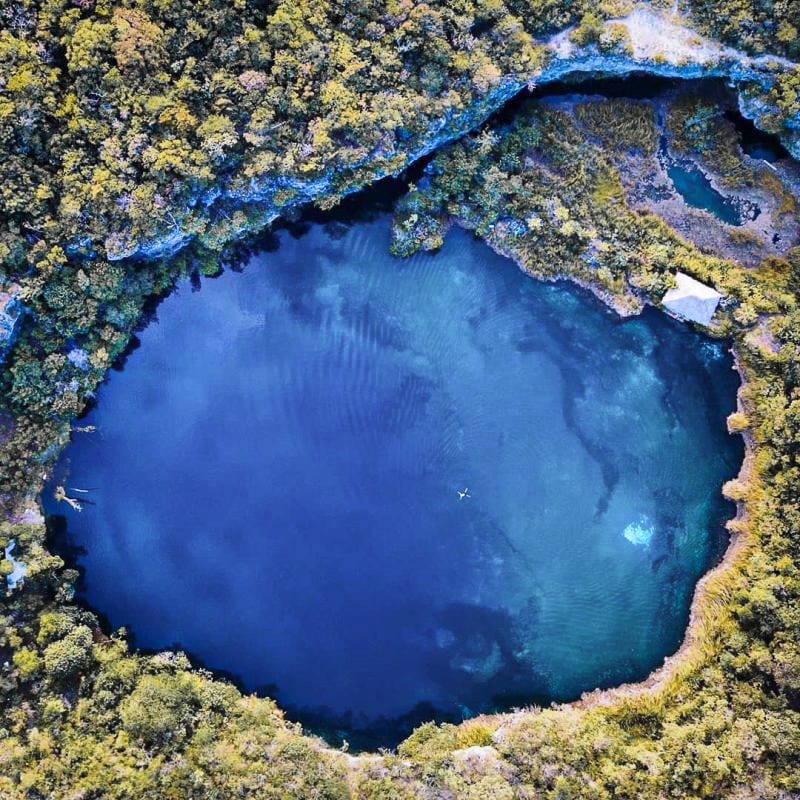
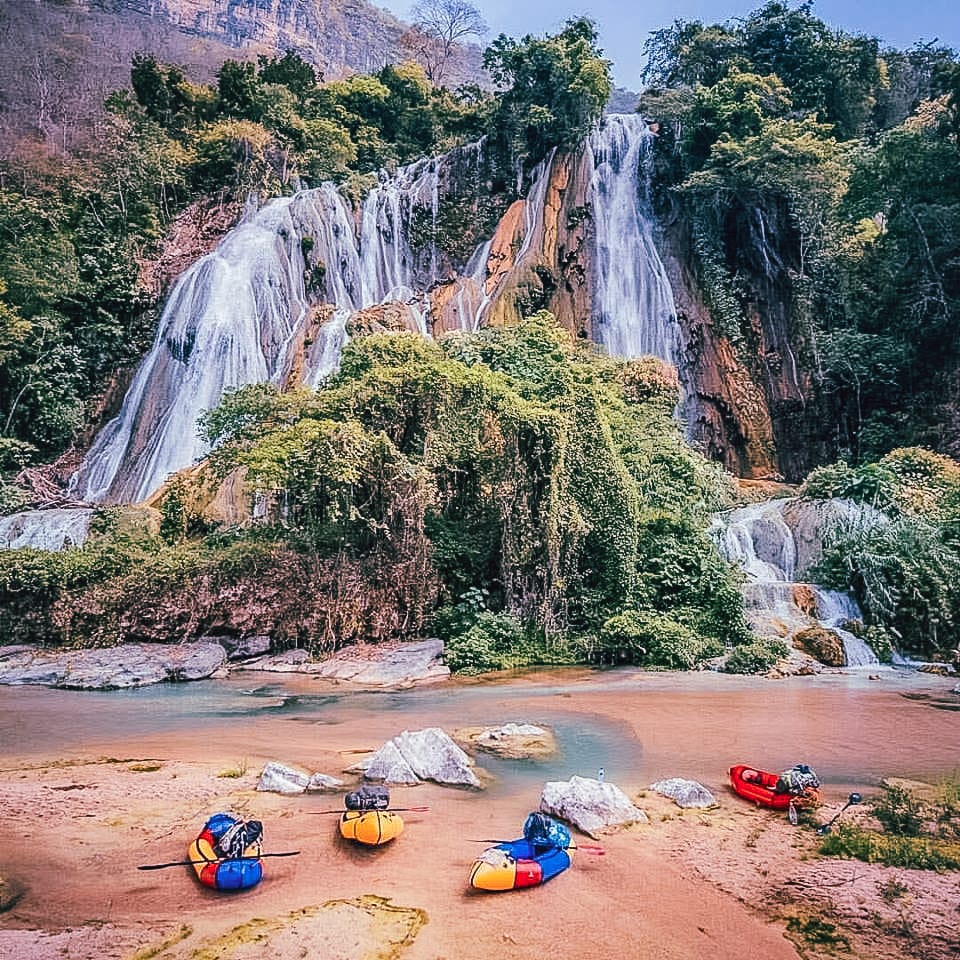
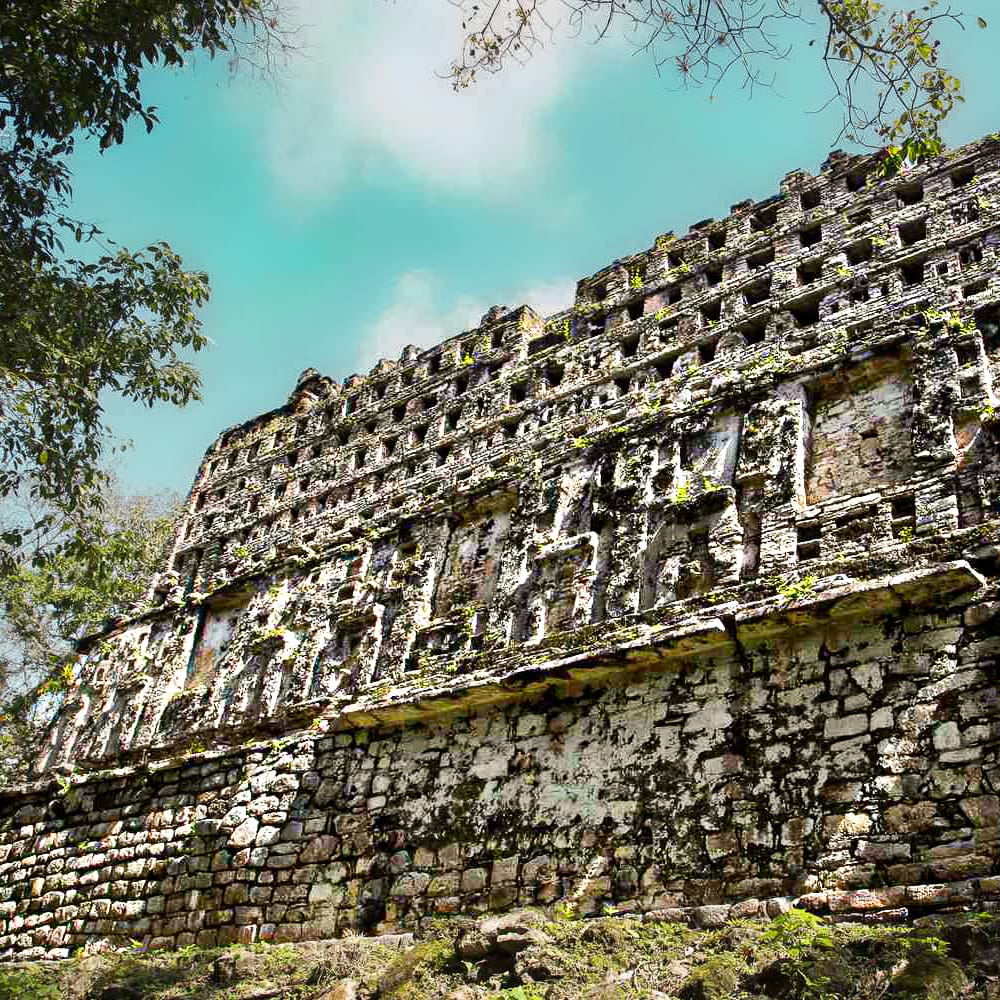
Some of the best things to do in San Cristóbal de las Casas are actually outside the town itself. Visiting the Mayan ruins at Palenque is one of the most memorable day trips, set deep in the jungle and very different from other archaeological sites in Mexico. Sumidero Canyon is another standout, especially seeing it from the water, where the scale of the cliffs becomes more apparent. The Montebello Lakes near the Guatemala border offer a completely different landscape again, with bright blue water and a quieter, more remote feel.
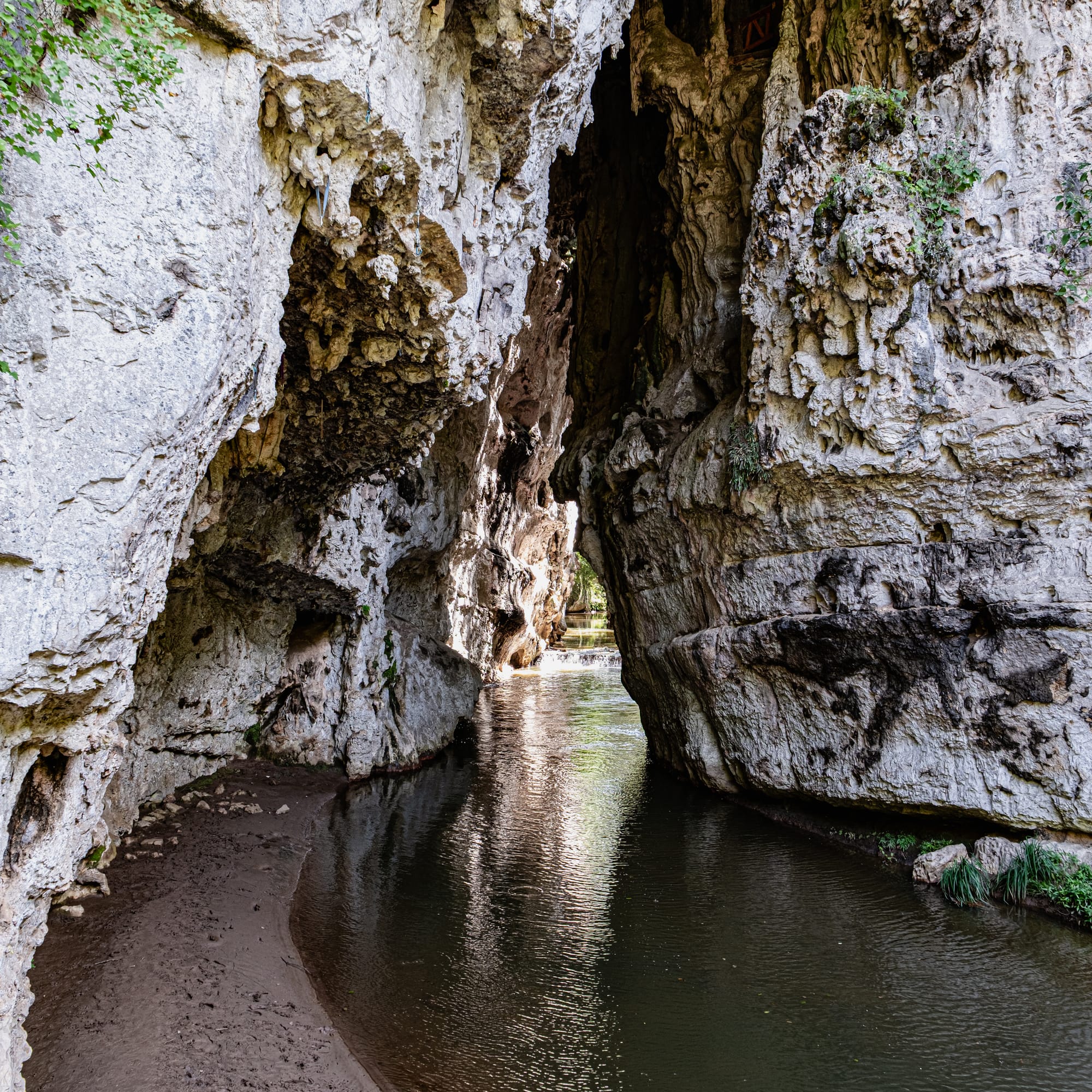
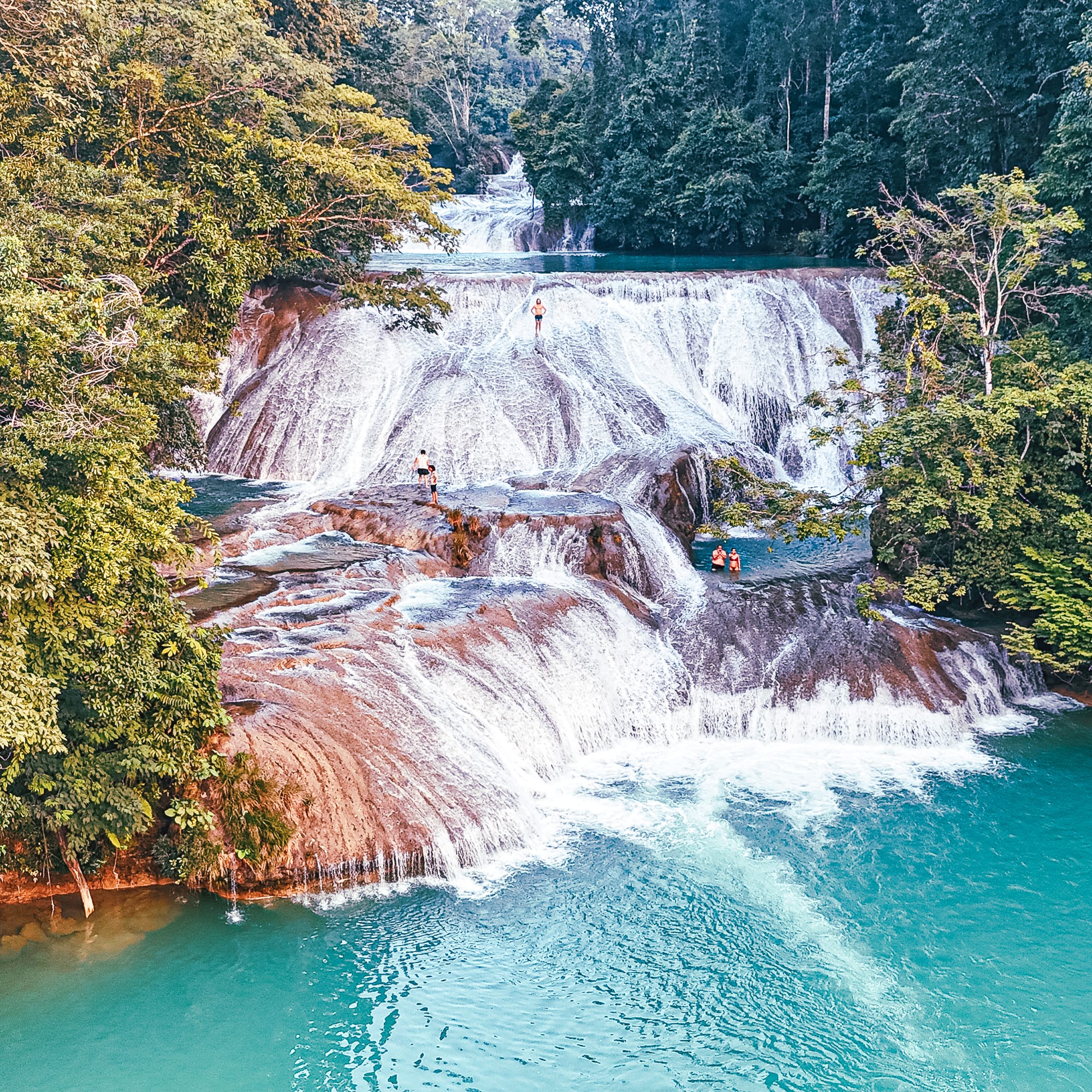
Closer to San Cristóbal, there’s a lot to explore in the surrounding highlands. Visiting Chamula and Zinacantán gives a deeper look into local traditions and Indigenous communities, though it’s something to approach with awareness and respect. There are also several waterfalls worth seeing, like El Chiflón, Roberto Barrios, and Misol-Há, each with a slightly different setting. And then there are the smaller moments, like going on a fungi hike in the forests around San Cristóbal, or visiting El Arcotete, a natural stone arch just outside town set within a forested park with caves and walking trails.
By far, the top experience for us in San Cristóbal was Día de los Muertos. Across all of our travels in Mexico, and honestly even beyond that, it stood apart. There was nothing quite like the energy of that day.
Community & social life
Best places to work
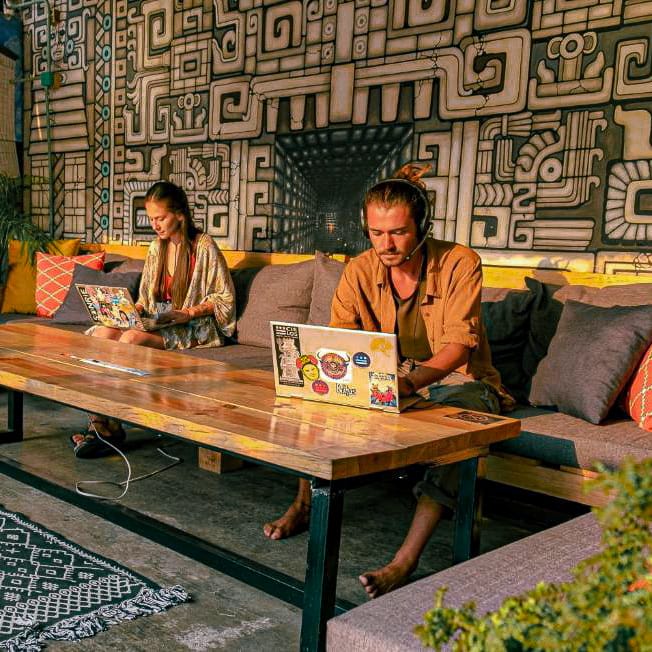
If you’re working remotely in San Cristóbal de las Casas, Co404 has one of the best coworking setups we found, with a workspace that opens out onto a lush garden. It’s a really pleasant place to work from and a great option for digital nomads, though it’s only available if you’re staying there as a guest. Beyond that, most digital nomads in San Cristóbal tend to work from cafés, and the town has a strong café culture that makes remote work feel very easy day to day.
We ended up working from cafés most days, and a few spots stood out. Astro Café was our favorite, mainly for its proximity to Co404, its calm courtyard space, and its plentiful vegan options. Other reliable places to work included Kinoki’s rooftop terrace with city views, Histórico Café, Kukulpan, Sweetbeat, Frontera, and Inina. Overall, if you’re looking for cafés to work from in San Cristóbal de las Casas, you’ll have no shortage of options, and it’s one of the easiest places we’ve found to settle into a remote work routine without needing a dedicated coworking space.
Internet & infrastructure
Internet in San Cristóbal de las Casas is generally reliable for remote work, and we didn’t run into any issues during our time there. At Co404, the connection was stable and well set up for digital nomads, and it was easy to take video calls and work without interruptions. Across the town, most cafés and accommodations offer decent wifi, which makes working remotely in San Cristóbal feel relatively straightforward.
That said, infrastructure in San Cristóbal is more laid-back than in larger cities. Speeds are usually good enough for everyday work, but not something you’d rely on for heavy uploads or more demanding setups without checking first.
Delights & frictions
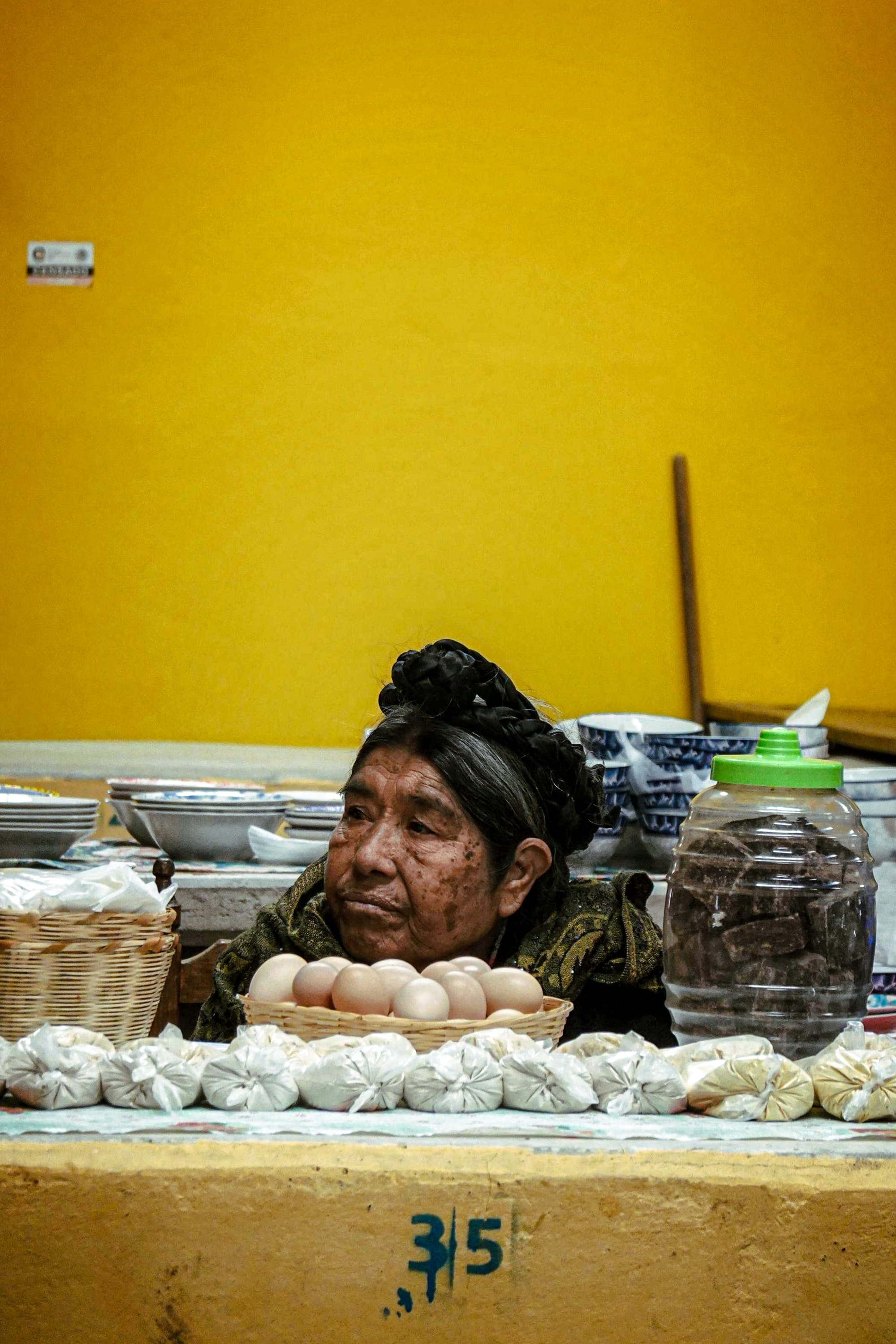
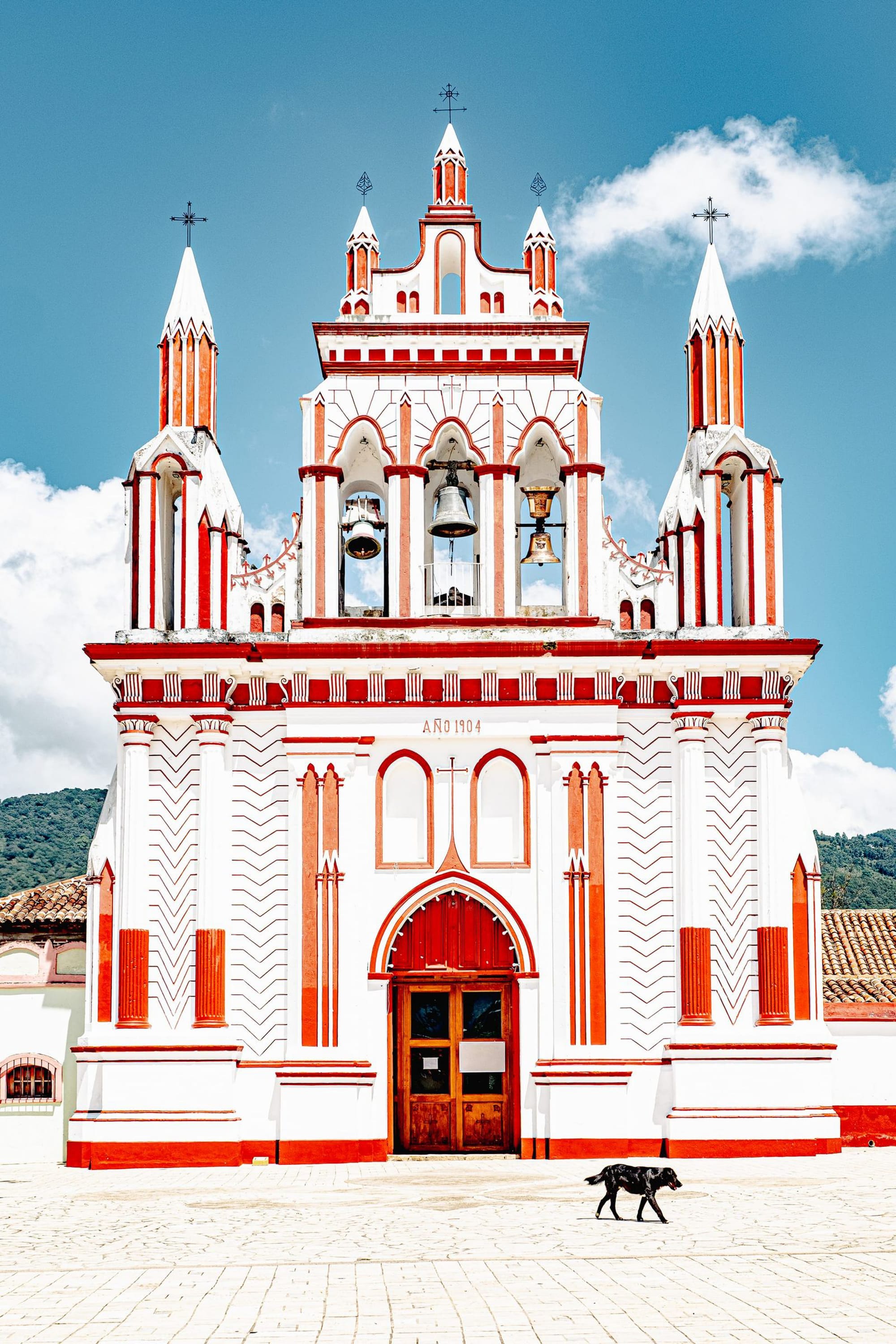
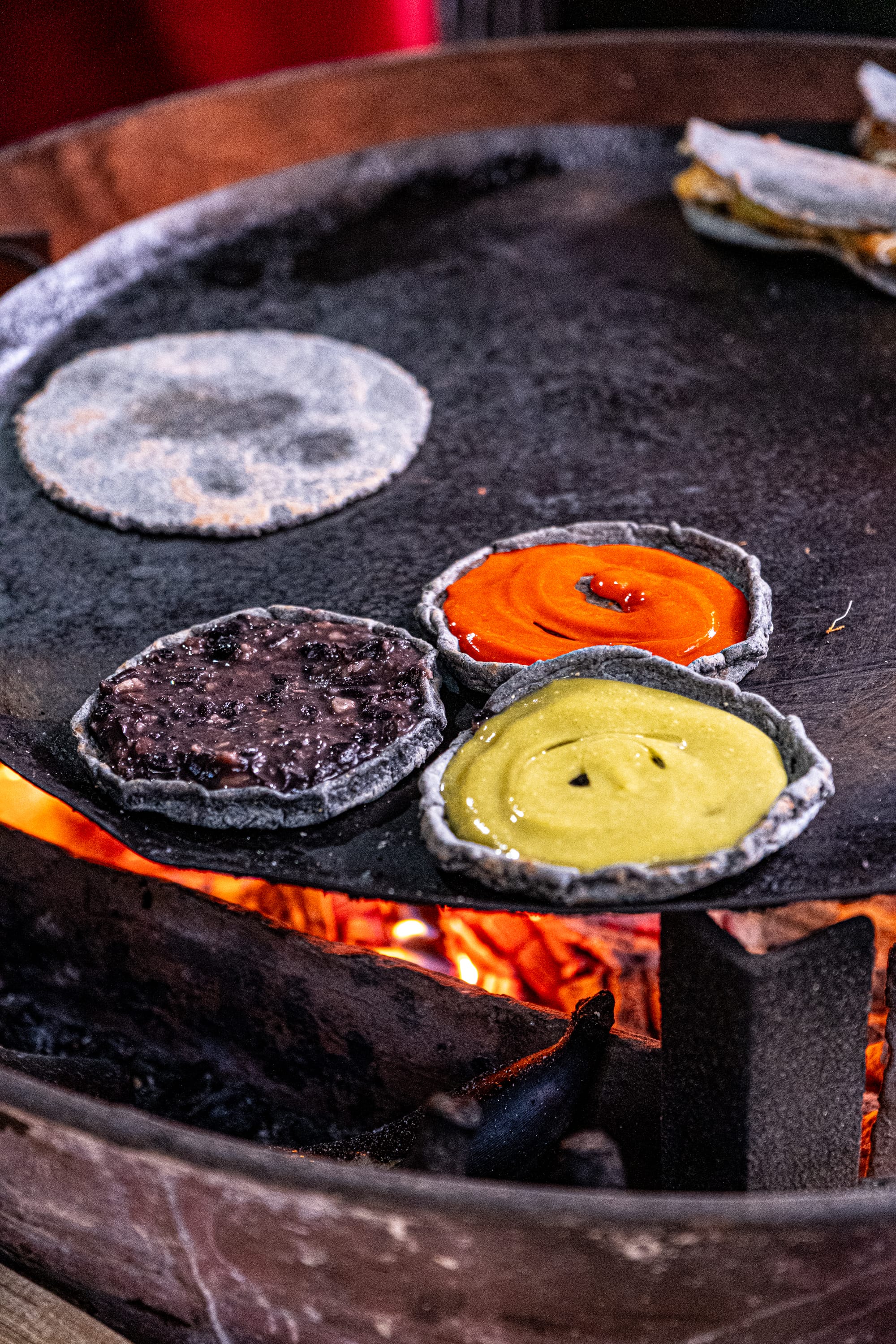
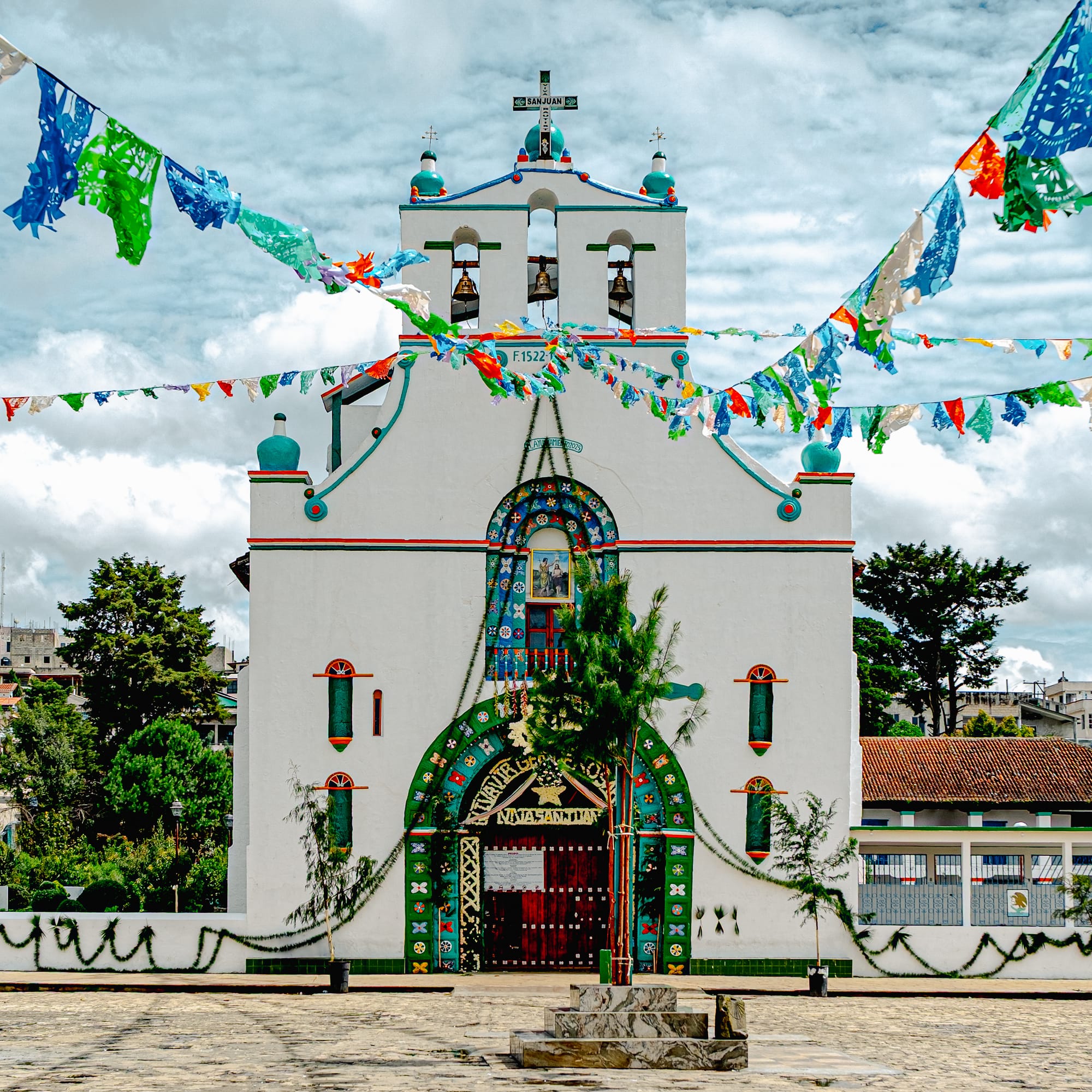
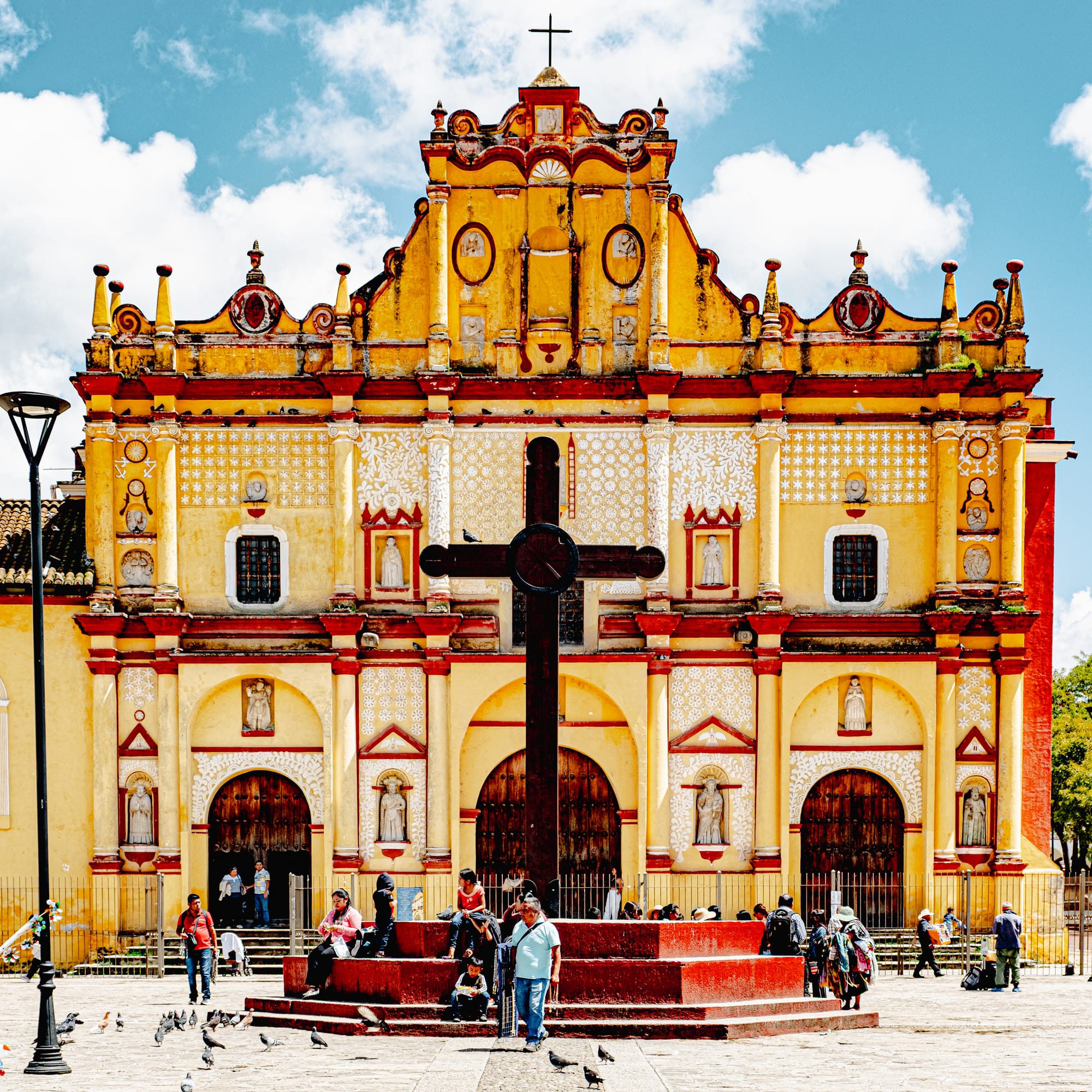
The smell of freshly steamed tamales in the morning. Women with long braided hair and thick black wool skirts moving through the streets alongside everything else. The churches, with their intricate facades. There’s a sense of spirit here that feels distinct from larger, more globalized cities, something more rooted, less mediated, and harder to replicate.
But it’s not without its tradeoffs. The streets aren’t great for running, and there isn’t much in the way of gyms if that’s part of your routine. The altitude can hit you when you first arrive. And while the town itself is easy to move through, getting in and out is less so, with the nearest airport in Tuxtla a bit of a drive away.
Safety
San Cristóbal de las Casas is widely considered one of the safest places in Mexico, and we felt very comfortable during our time there. The town has a calm, community-oriented atmosphere, and it’s easy to walk around both during the day and at night, especially in the central areas. As with anywhere, it’s still worth taking basic precautions, but overall San Cristóbal feels far more relaxed and low-risk than many other destinations in Mexico, particularly for digital nomads and longer stays.
Top tips
If you can, stay longer than you initially planned. San Cristóbal de las Casas works best at a slower pace, and many of the best places in Chiapas, like Palenque or Montebello Lakes, are far enough away that they’re better suited for weekend trips. If you’re working a standard week as a digital nomad in San Cristóbal, giving yourself enough time to explore both the town and the wider region makes a big difference. or renting a house with friends, as it can feel quite quiet if you’re on your own.
Bring a warm layer. San Cristóbal sits at a higher altitude, and the temperature drops noticeably at night. Even if the days feel mild, evenings can be quite crisp. If you’re staying at Co404, there are blankets, a fireplace, and even an outdoor bonfire area, which makes for very good nights, but you’ll still want something of your own to stay comfortable.
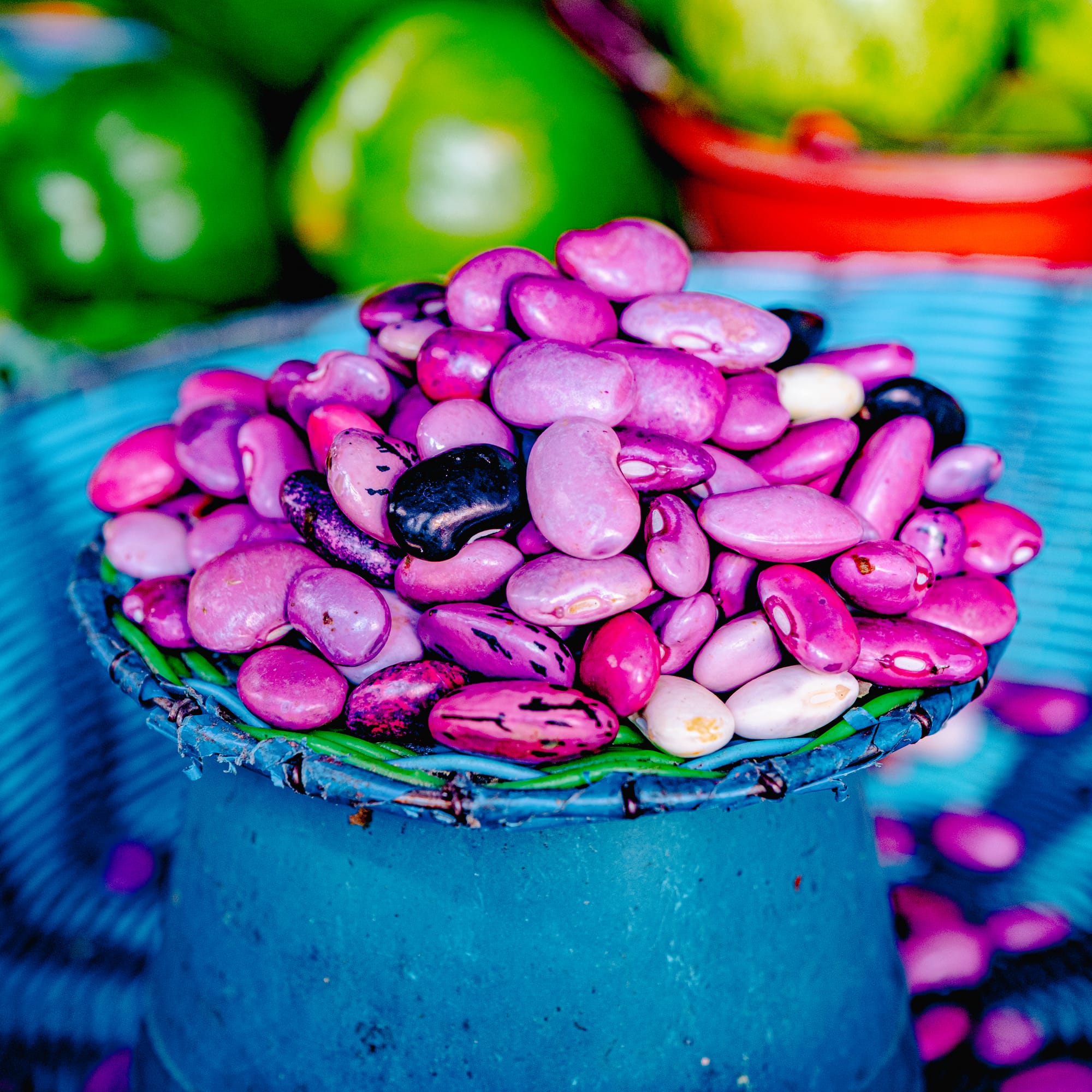
Cash is also important to have on hand. Many smaller places don’t take card, and you’ll need it for markets, colectivos, and day-to-day purchases. Santo Domingo Market in particular is worth spending time in, especially for fresh fruit and vegetables. We found ourselves going back often, picking up things like guavas and rambutans and building that into our routine.
San Cristóbal vs Oaxaca: which is better for digital nomads?
They offer very different experiences. Oaxaca is more developed, more polished, and has a larger food and cultural scene that’s easier to access as a visitor. San Cristóbal de las Casas feels more grounded and less mediated, with a slower pace and a stronger connection to local life. Both have coliving options, including Co404, which has locations in both cities, but the day-to-day experience differs quite a bit. We personally preferred San Cristóbal, as it felt like a more special and layered place to spend time, and the overall energy resonated more with us.
Is Día de los Muertos in San Cristóbal de las Casas worth experiencing?
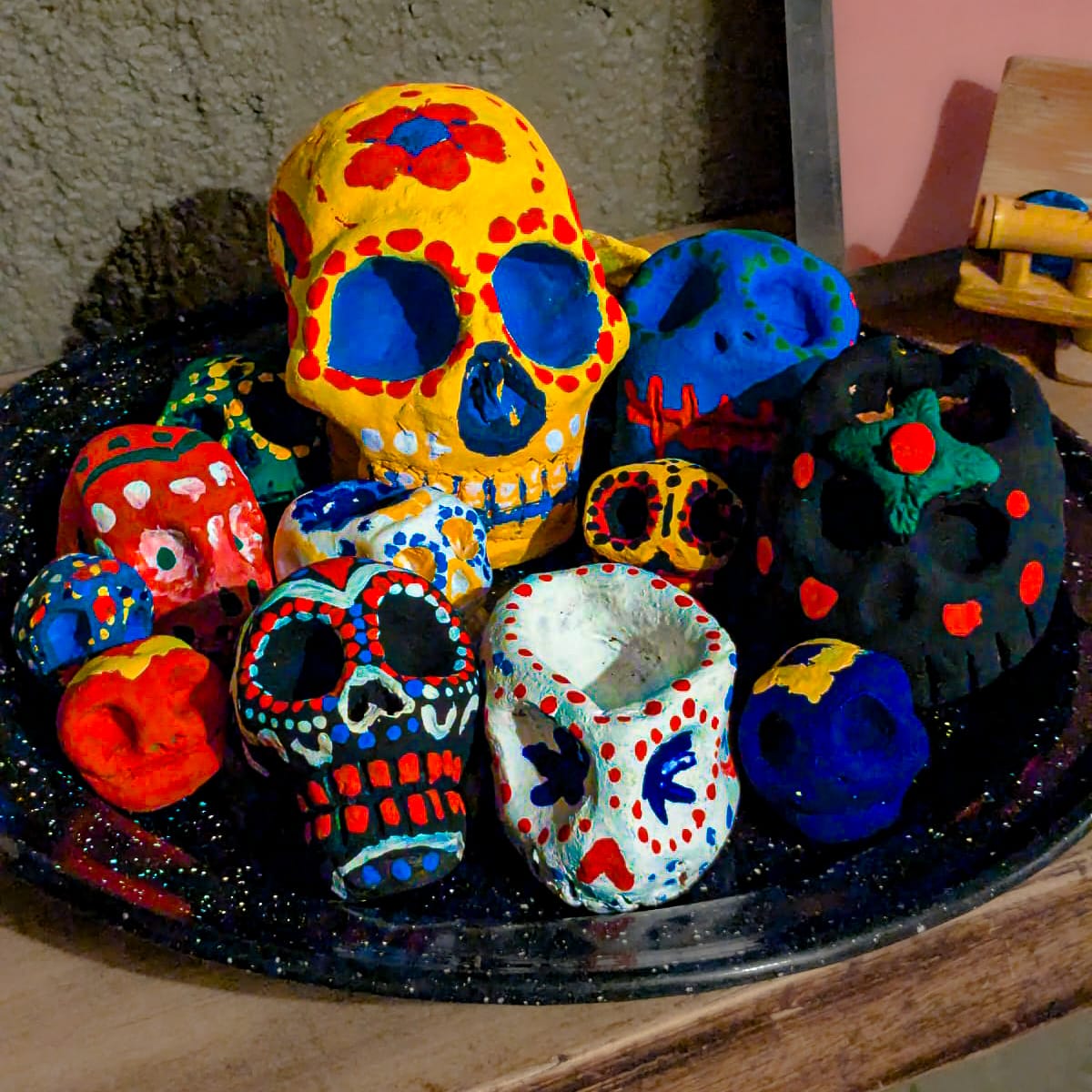
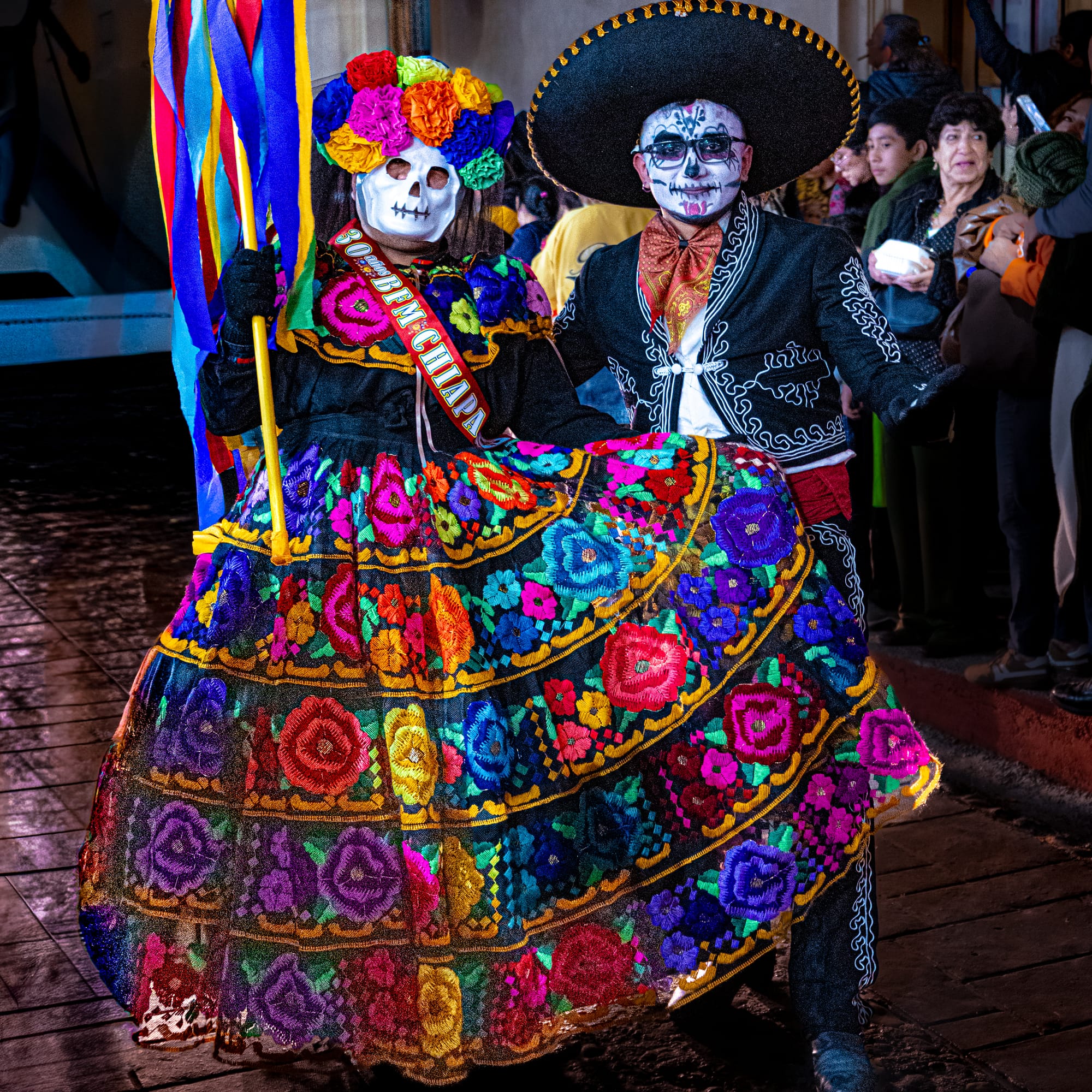
Yes, and it’s one of the most powerful times to visit San Cristóbal. Día de los Muertos here feels very different from how it’s often portrayed, with a stronger focus on local traditions and community rituals rather than spectacle. Visiting cemeteries in nearby towns like Zinacantán or Romerillo, as well as San Cristóbal’s Municipal Pantheon, gives a clearer sense of how the day is observed, and how practices vary across communities.
How are the Palenque ruins different from other Mayan ruins in Mexico?
Palenque stands out from other Mayan ruins in Mexico because of how closely it’s integrated into the jungle. The site is surrounded by dense forest, and structures like The Temple of the Inscriptions and The Palace emerge gradually as you move through it. Compared to more open and heavily trafficked sites like Chichén Itzá, Palenque feels quieter and more immersive, with the landscape playing a much bigger role in the experience.
Is San Cristóbal de las Casas a good destination for digital nomads?
Yes, especially for longer stays. San Cristóbal works well for digital nomads who want an affordable, walkable place with a strong café culture and a consistent daily rhythm. It’s less optimized than larger hubs, but easier to live in, and there’s a steady presence of remote workers, particularly around colivings like Co404.
What role does the Zapatista movement play in San Cristóbal?
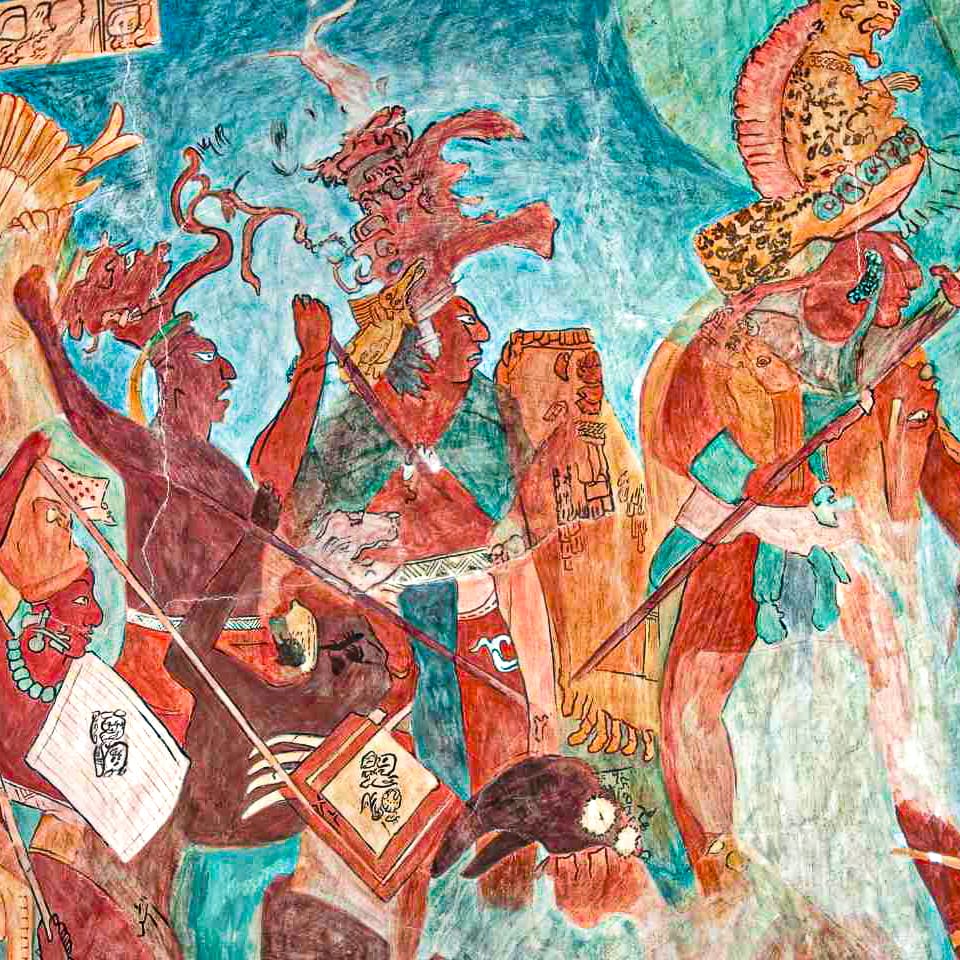
The Zapatista movement is an important part of the region’s identity and continues to shape how people think about autonomy, land, and community. Emerging in the 1990s as an Indigenous-led resistance to neoliberal policies, it proposed alternative ways of organizing education, governance, and community life. While San Cristóbal itself is not a Zapatista territory, its influence is visible in the surrounding region and in spaces like CIDECI-UniTierra. There are also Caracoles, autonomous Zapatista communities, located within reach of San Cristóbal, though most are not open to visitors.
What Indigenous cultures and languages are present in San Cristóbal?
San Cristóbal de las Casas sits within a region shaped by Indigenous communities, particularly Tzotzil and Tzeltal groups. These cultures remain very present in everyday life, from language and dress to markets and religious practices. In places like San Juan Chamula, religious ceremonies blend Catholic elements with pre-colonial traditions, including rituals where chickens are sacrificed as part of healing practices. Traditional clothing, such as the thick black wool skirts worn by many Tzotzil women in nearby towns like Zinacantán, is still widely used and carries both cultural and practical significance.
Can you drink tap water in San Cristóbal de las Casas?
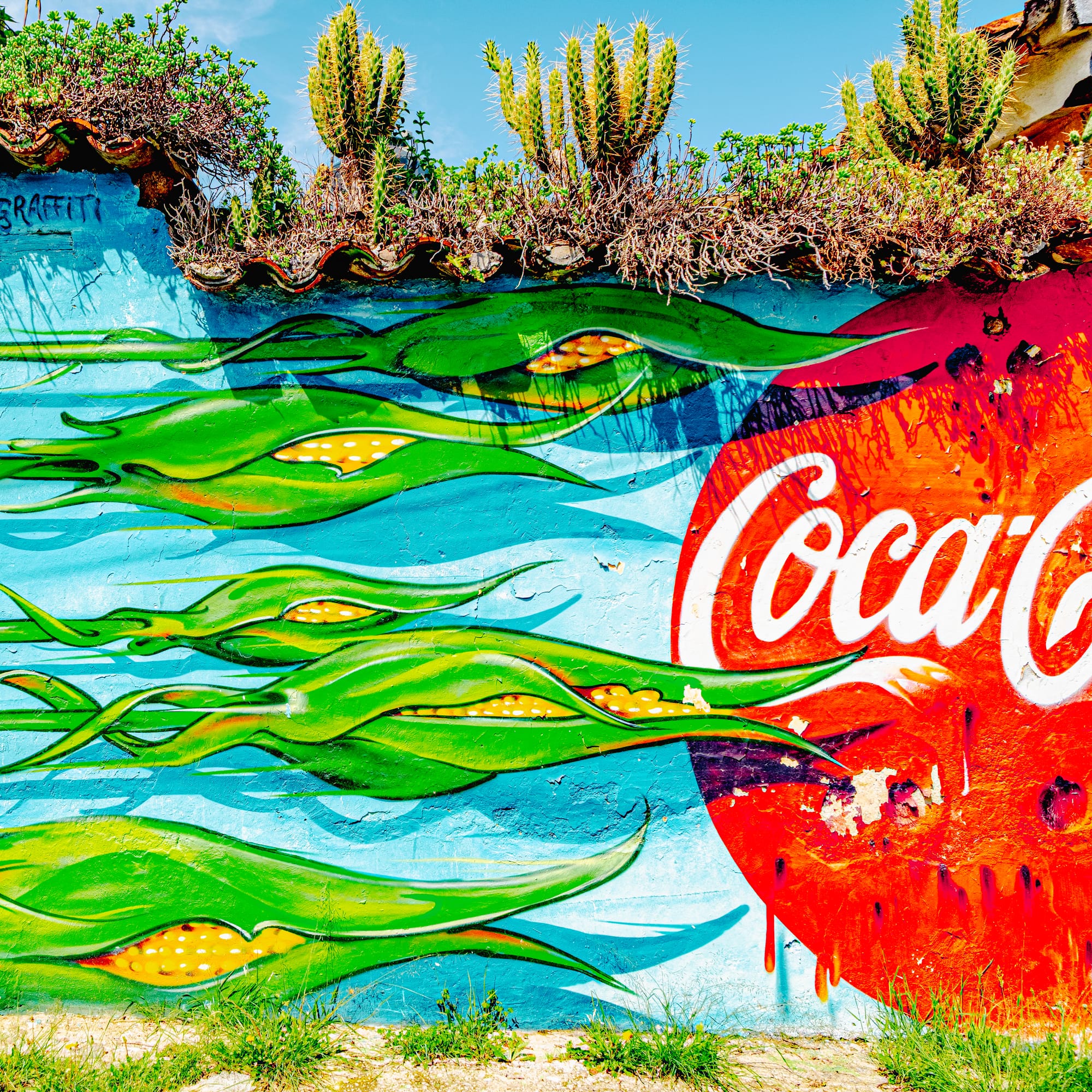
No, it’s generally not recommended to drink tap water in San Cristóbal de las Casas. Most people rely on bottled or filtered water for drinking and cooking, and it’s something you’ll adjust to quickly. Many accommodations, colivings, and cafés provide filtered water, so it’s usually easy to access. At the same time, water access in the region is a more complex issue. San Cristóbal has faced ongoing water shortages, and there are well-documented tensions around industrial use and extraction of local water resources, particularly tied to Coca-Cola’s bottling operations in Chiapas. It’s not something that directly affects day-to-day travel in an immediate way, but it does shape the broader context of how water is used and understood in the region.
Is San Cristóbal de las Casas worth visiting?
Yes. It’s one of our favorite places we’ve been, and we genuinely think it’s one of the most special places in Mexico. It’s not defined by major attractions or fast-paced travel, but by how it feels to spend time there, the culture, the pace, and the way daily life unfolds. It’s a place that stays with you.