


El Chiflón (Cascadas El Chiflón) is a chain of five waterfalls on the San Vicente River near Comitán, in southern Chiapas, Mexico. The tallest, Velo de Novia, drops about 120 meters. A paved trail with plenty of stairs climbs about 1 km to it, and a rougher path continues to two more falls. Entry is cheap (around 50 to 80 pesos in recent reports, cash only), and the park is open daily from about 8 am to 5 pm. Plan a half to full day, and go in the dry season (roughly November to April) for turquoise water. We spent several hours here and swam in the river.
El Chiflón is a series of waterfalls in southern Chiapas, often visited together with Lagos de Montebello. From San Cristóbal de Las Casas, it works well as a long day trip, either on its own or combined with the lakes if you're short on time.
We visited El Chiflón and Montebello Lakes on separate days, but logistically they pair well. The distances line up, the roads are manageable, and the timing works for a single outing if you want to see both without rushing too much. For many people, this combination ends up being one of the easier nature trips from San Cristóbal.
El Chiflón at a glance
Here are the basics before you plan the day. Prices change, so treat these as a rough guide and check with the park before you go.
Where: in the municipality of Tzimol, about 40 km by road southwest of Comitán and roughly 100 km from San Cristóbal de las Casas.
Getting there: about 2.5 to 3 hours by car from San Cristóbal, or a bus to Comitán plus a colectivo (about 3 to 3.5 hours in total).
Entrance fee: around 50 to 80 pesos per person in recent visitor reports (80 pesos in 2025). Cash only.
Hours: daily, about 7:30 or 8 am to 5 pm.
The hike: about 1 km and 20 to 45 minutes uphill to Velo de Novia, or about 4.3 km out and back to see all five falls.
Extras: three ziplines, a designated swimming area, a restaurant, and cabins if you want to stay the night.
Best time: the dry season, roughly November to April, early in the day and on a weekday.
How much does a day at El Chiflón cost?
Here's what to budget for a day at El Chiflón, so you know how much cash to bring. These are 2025 and 2026 figures from visitor reports, the park's own listings, and booking sites, not an official price list, so check before you go.
| Item | Approximate cost | Notes |
|---|---|---|
| Entry to the main park | 80 pesos per adult | Young children free, cash only, wristband at the booth |
| One zipline | 200 to 300 pesos | Three lines of about 300, 400, and 600 m |
| All three ziplines | 550 to 650 pesos | Optional; pay at the ticket booth before the hike |
| Riverside cabin | 500 to 1,400 pesos a night | Book through the park's WhatsApp or Facebook |
| Bus, San Cristóbal to Comitán | 80 to 100 pesos | OCC or ADO, about 2 hours |
| Colectivo, Comitán to the turnoff | 30 to 50 pesos | About 45 minutes |
| Mototaxi, turnoff to the entrance | 10 to 20 pesos | Or walk the 1 km |
| Day tour from San Cristóbal | about US$35 to US$60 | Usually with Montebello; check whether entry fees are included |
For an independent day trip from San Cristóbal, that adds up to roughly 300 to 400 pesos per person for transport and entry, before food or ziplines. A tour costs more but saves you three changes of vehicle each way.
| Details | |
|---|---|
| Where | Tzimol, about 20 km southwest of Comitán and 100 km from San Cristóbal |
| Getting there | 2.5 to 3 hours by car, or 3 to 3.5 hours by bus and colectivo |
| Entrance fee | About 50 to 80 pesos (80 pesos in 2025), cash only |
| Hours | Daily, about 7:30 or 8 am to 5 pm |
| The hike | About 1 km and 20 to 45 minutes to Velo de Novia; 4.3 km out and back for all five falls |
| Extras | Three ziplines, a swimming area, a restaurant, and cabins |
| Best time | November to April, early in the day, on a weekday |

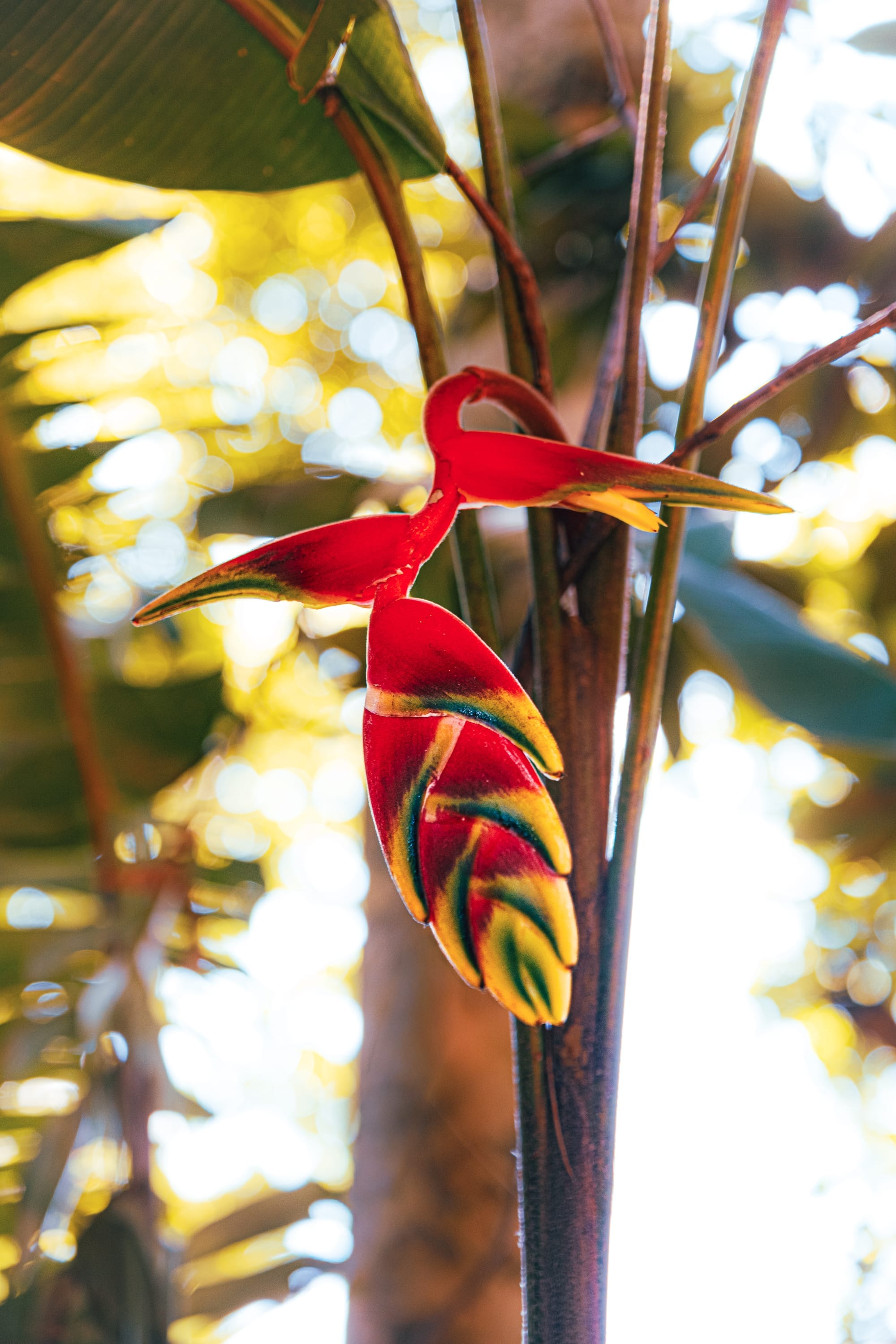
Along the trail at El Chiflón
El Chiflón itself is easy to get around once you arrive. A maintained walking trail follows the river uphill, passing several waterfalls before reaching the largest one, Velo de Novia. You don't need a guide on site, but getting there without a car can be a hassle, which is why many people choose a day tour that includes both stops.
If you want the simplest option, there's this well-established day trip from San Cristóbal that covers both Montebello Lakes and El Chiflón in one loop.
What to expect at El Chiflón
El Chiflón isn't a single waterfall but a sequence of cascades along the Río San Vicente. The visit is a gradual uphill walk, and each section of the trail opens onto a different fall or pool. The path is well maintained, clearly marked, and used by a mix of local visitors and travelers.
The five waterfalls of El Chiflón
The falls are spread along one stretch of the river, so you meet them in order as you climb. According to Visit Mexico's El Chiflón page, the five are El Suspiro, Ala de Ángel, Velo de Novia, Arcoíris, and Quinceañera. The name El Chiflón comes from the wind that whistles through the valley in the afternoons. The heights below are rough figures from visitor guides, apart from Velo de Novia, which official sources put at about 120 m.
El Suspiro (The Sigh): the first fall, about 10 to 15 minutes from the entrance. A wide, low curtain of water (roughly 25 m) over a turquoise pool.
Ala de Ángel (Angel's Wing): a short detour off the main path, around 30 m, with water running over limestone and tree roots.
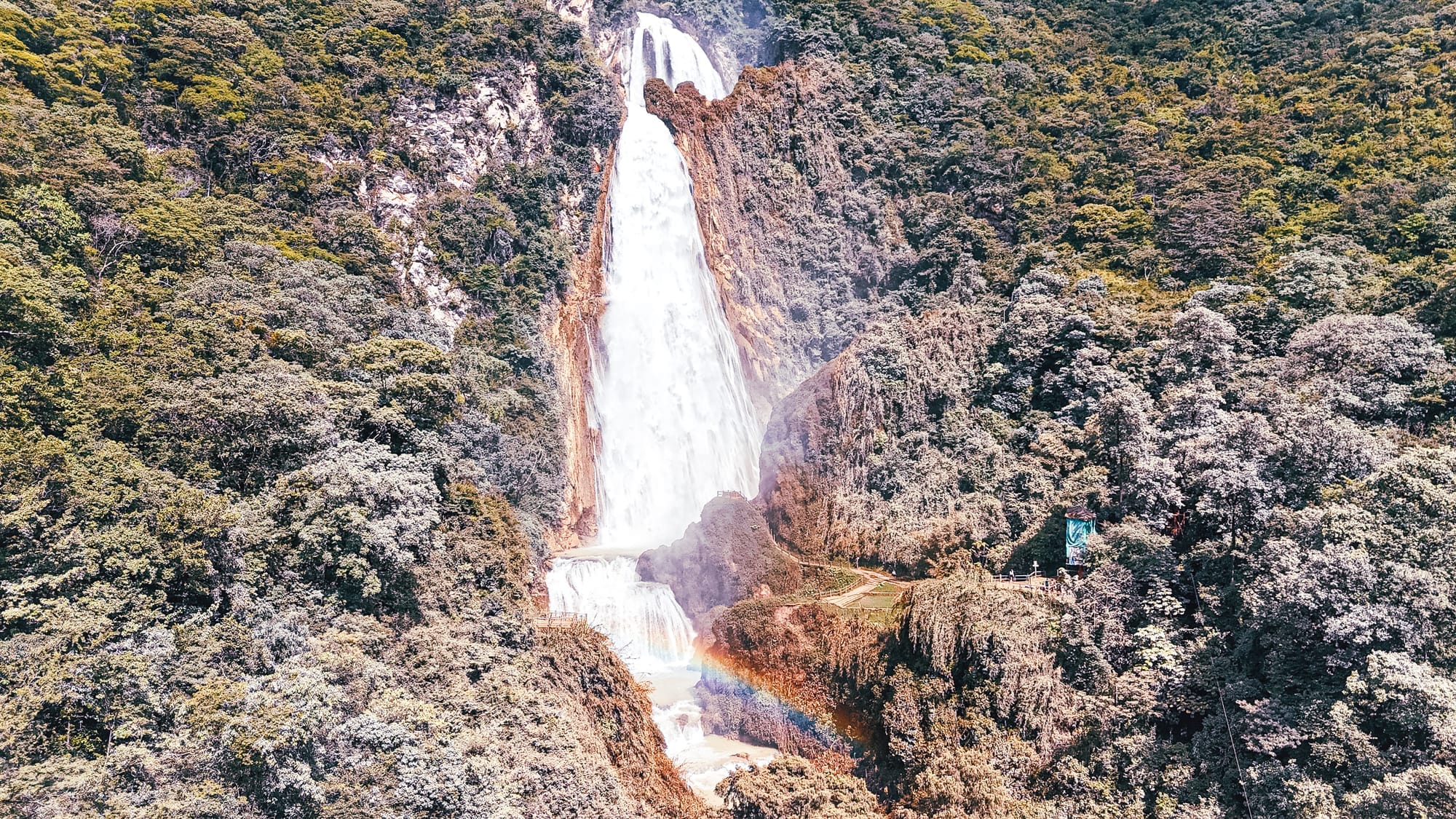
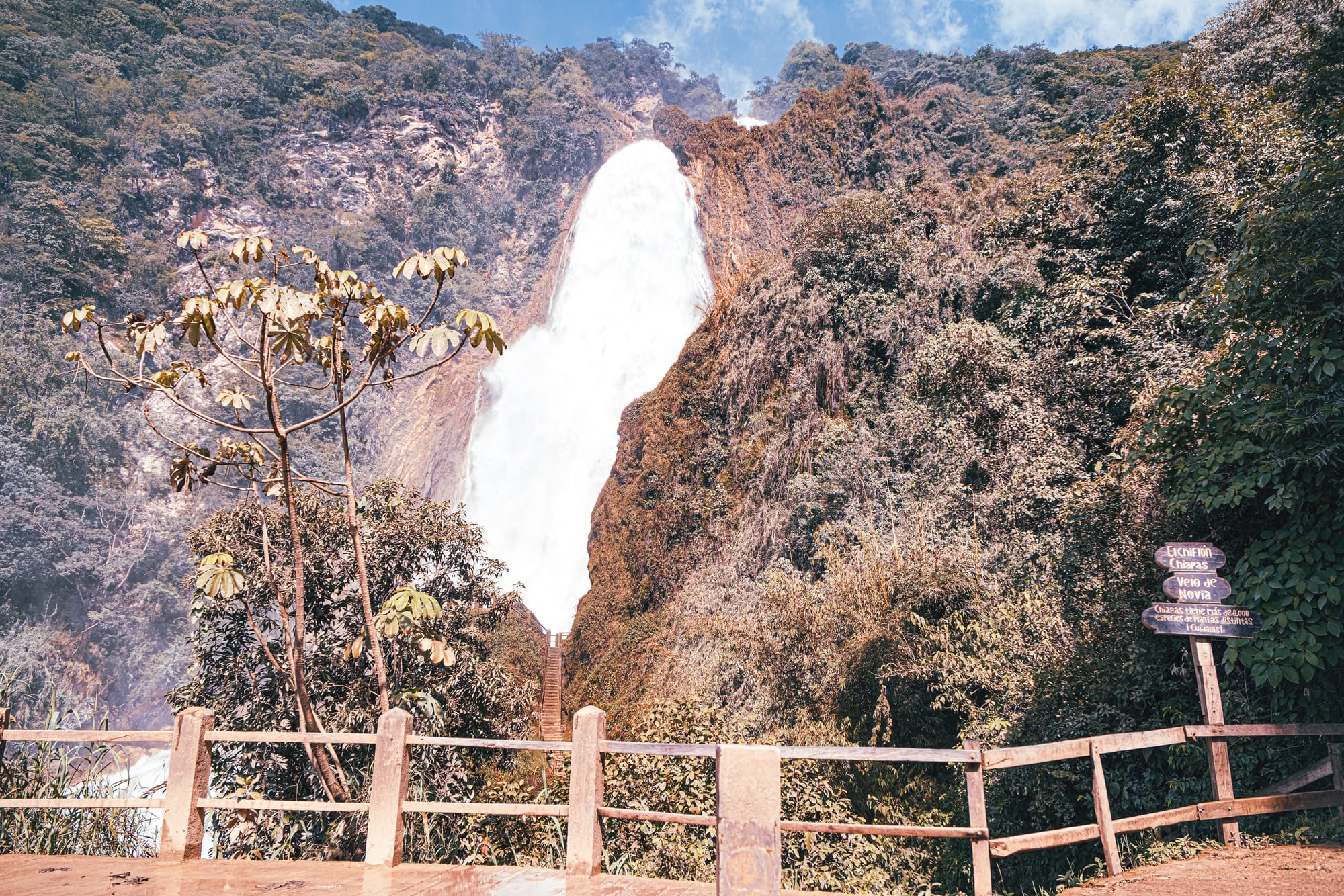
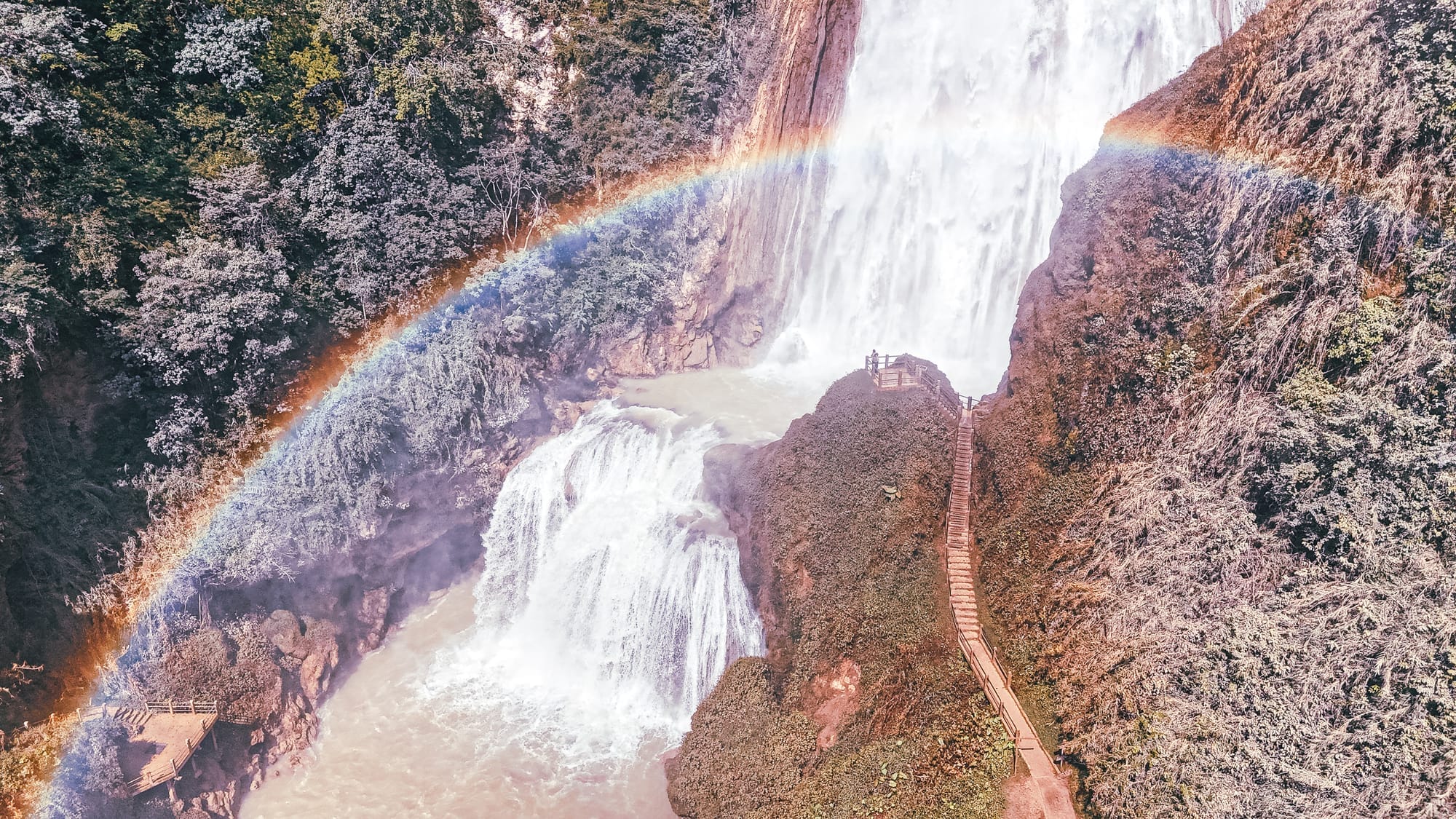
Velo de Novia (Bridal Veil): the main event, about 120 m high. There are several viewpoints, and the closest one, up a slippery concrete staircase, will soak you in spray.
Arcoíris (Rainbow): about 15 minutes past Velo de Novia on a dirt trail, around 50 m. It's named for the rainbows that form in its mist.
Quinceañera: the last fall, around 60 m and about 10 minutes further up. Far fewer people make it this far.
If you only want a quick reference for the climb, here are the five falls in the order you reach them. Heights are rough figures from visitor guides, apart from Velo de Novia.
| Fall | Height (approx.) | Time from the entrance | Path |
|---|---|---|---|
| El Suspiro | 25 m | 10 to 15 minutes | Paved, gentle |
| Ala de Ángel | 30 m | Short detour off the main path | Paved |
| Velo de Novia | 120 m | 20 to 45 minutes | Paved steps and ramps, wet near the falls |
| Arcoíris | 50 m | About 15 minutes past Velo de Novia | Dirt, steeper, muddy after rain |
| Quinceañera | 60 m | About 10 minutes past Arcoíris | Dirt, narrow |
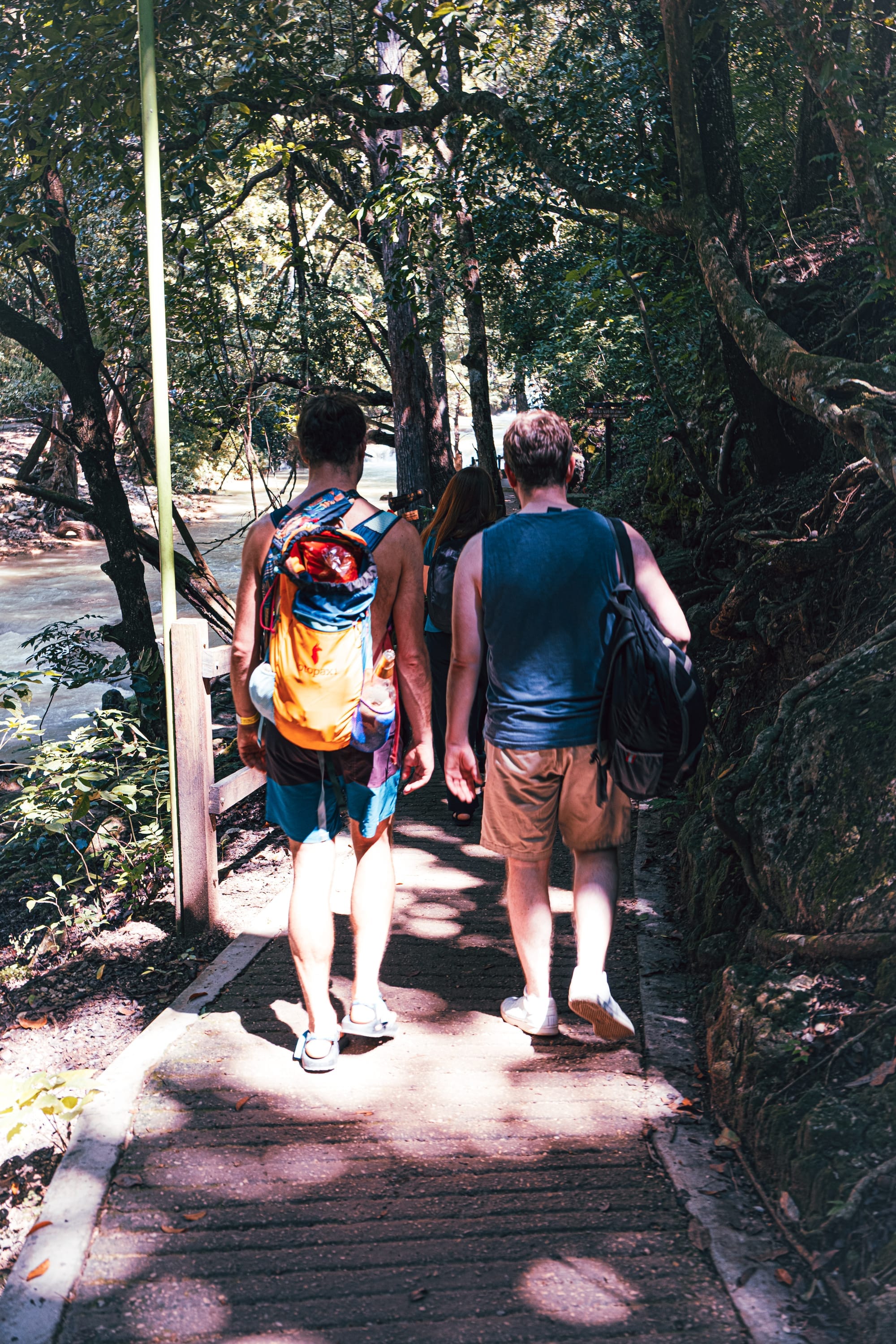
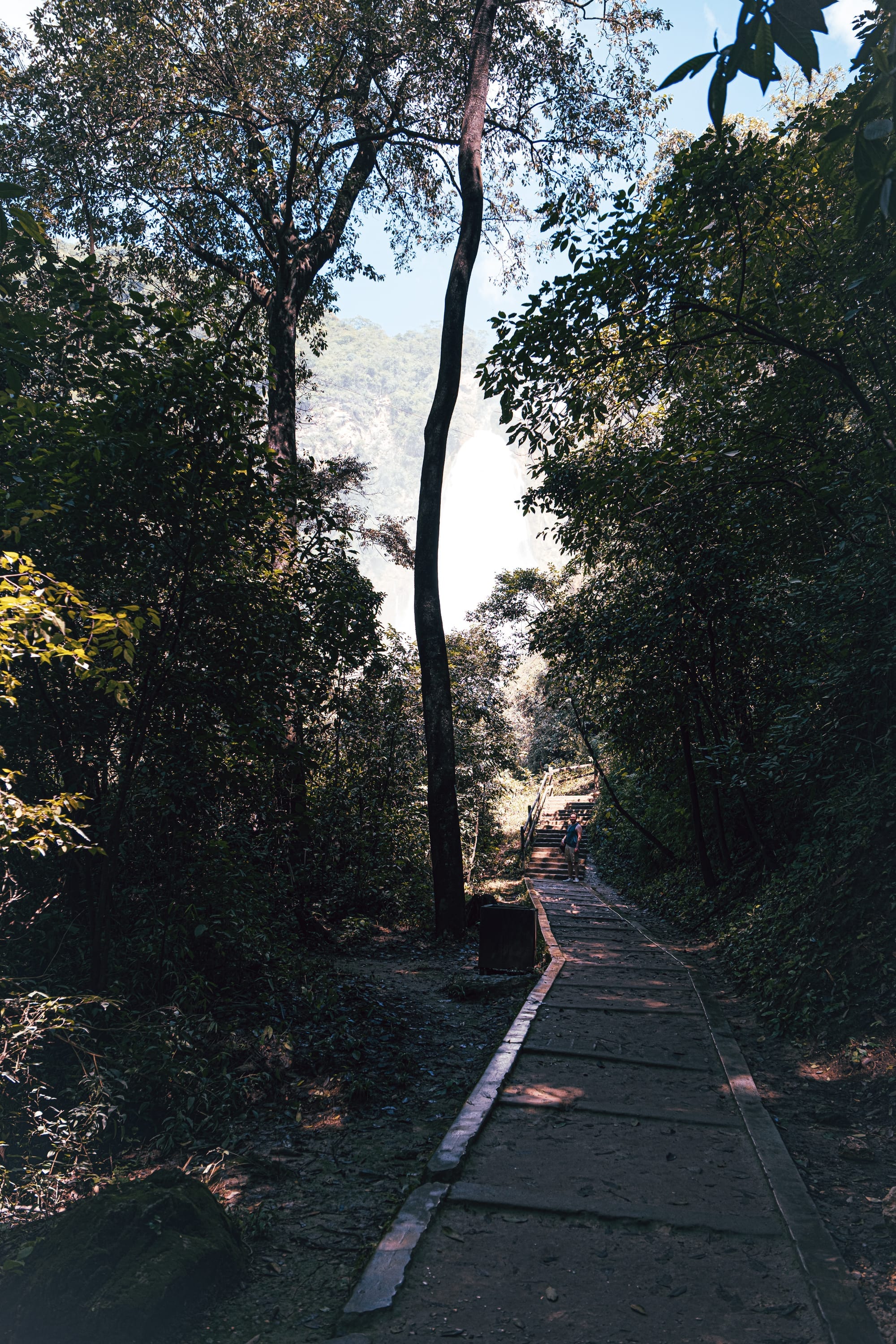
Walking the shaded trail at El Chiflón
The walk is not difficult, but it is steady. There are stairs in places, and the humidity can make it feel warmer than you might expect, especially if you're visiting in the middle of the day. That said, it's doable for most people with a reasonable level of mobility, and you can turn around at any point if you don't feel like continuing to the top.
How long is the El Chiflón hike?
The main trail to Velo de Novia is a little over 1 km and takes most people 20 to 45 minutes, depending on how often you stop. It's concrete paths, ramps, and stone steps with handrails, always going up. Coming back down takes about 20 minutes.
The trail to Arcoíris and Quinceañera is a different matter. It starts behind the zipline platform (ask the staff there if you can't see it), and it's a steeper, narrower dirt path that gets muddy after rain. Allow an extra 15 to 30 minutes each way. If you walk to the top and back, you'll cover about 4.3 km, so give yourself at least half a day to see all five falls with stops.
At Velo de Novia the path splits. Visitors report that the right-hand branch takes you up the stairs to the platform right in the spray, where you will get soaked, while the left-hand side has the drier viewpoints that are better for photos. If you want both, do the photo viewpoints first and the spray platform last, then dry off on the way down.
Is El Chiflón good for kids and less mobile visitors?
Mostly, yes, as long as you pick the right section. The swimming area and the river near the entrance are close to the car park and need very little climbing, so younger kids can have a good day without going far. The trail to Velo de Novia is a steady climb on steps and ramps with handrails, which most school-age kids manage with stops. The dirt path to Arcoíris and Quinceañera is steeper and slippery after rain, so it's better left out with small children or anyone unsteady on their feet. Strollers are only practical on the lowest stretch.
The trail is well signed, and you don't need hiking boots: trainers or sturdy sports sandals are fine. Flip-flops are a bad idea on the wet steps by Velo de Novia. For more walks like this, see our hiking page.
The final and most impressive waterfall, Velo de Novia, is where most people stay the longest. It drops sharply into a wide basin, throwing mist into the air with a constant low roar. On the day we visited, the conditions were right for a visible rainbow in the spray. Don't expect or plan around it, but it's a good example of how the falls change depending on light, weather, and season.
One thing worth noting is that the water color varies. In many photos, El Chiflón looks bright turquoise, but when we visited, the water was more green than blue. It didn't spoil the day at all, but it's useful to know so your expectations match reality.
Why is El Chiflón turquoise, and when?
The blue comes from minerals that the river picks up from the limestone it runs over. It's at its brightest in the dry season, roughly November or January to April, when the water is low and clear. In the rainy season (about May to October), runoff can turn the river green or a muddy brown, even though the falls themselves are bigger. Our green-not-blue visit is a good example of how much it varies.
If you're going near the start or end of the rainy season, check recent visitor photos on Google Maps before you commit to the long drive.
Swimming at El Chiflón
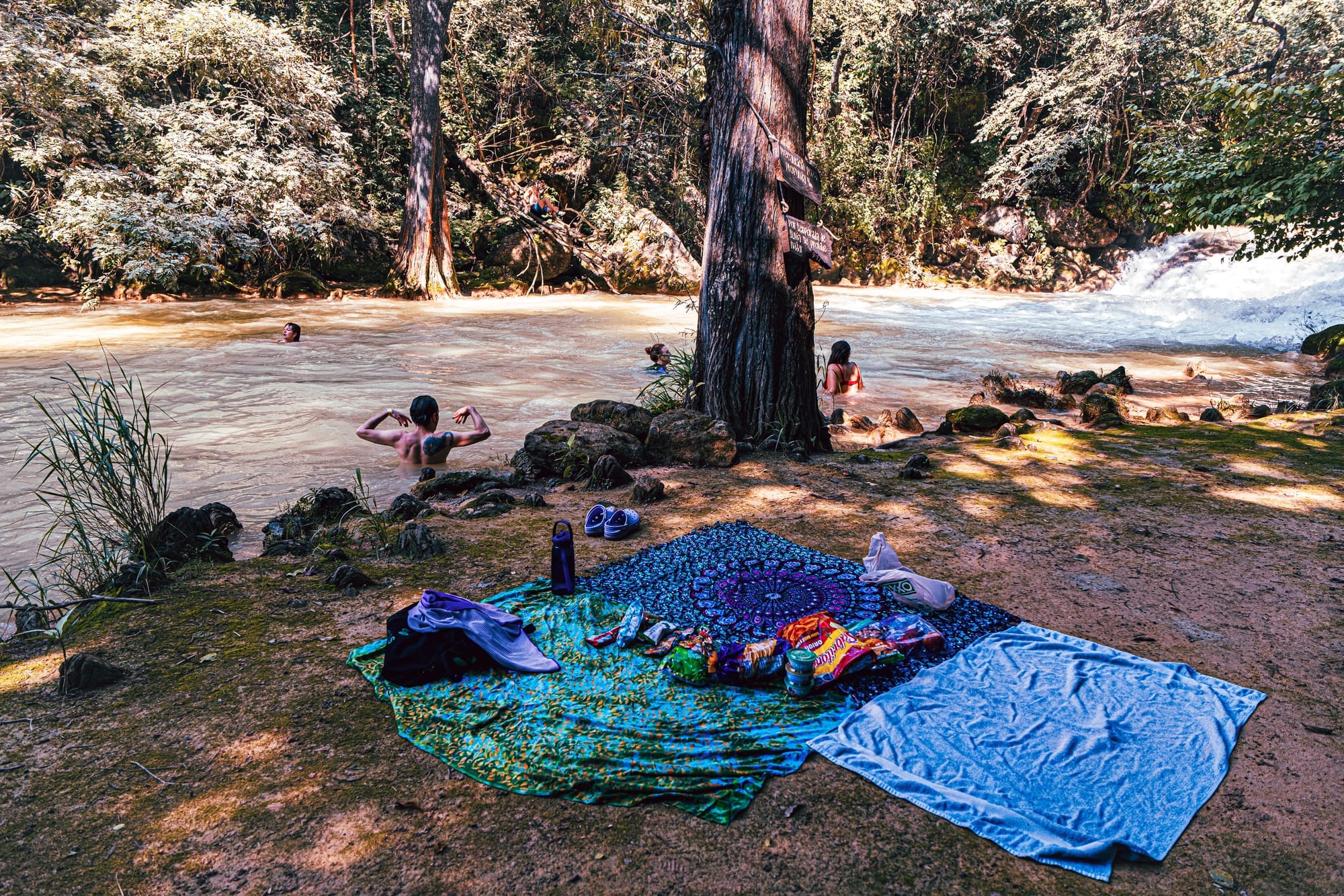
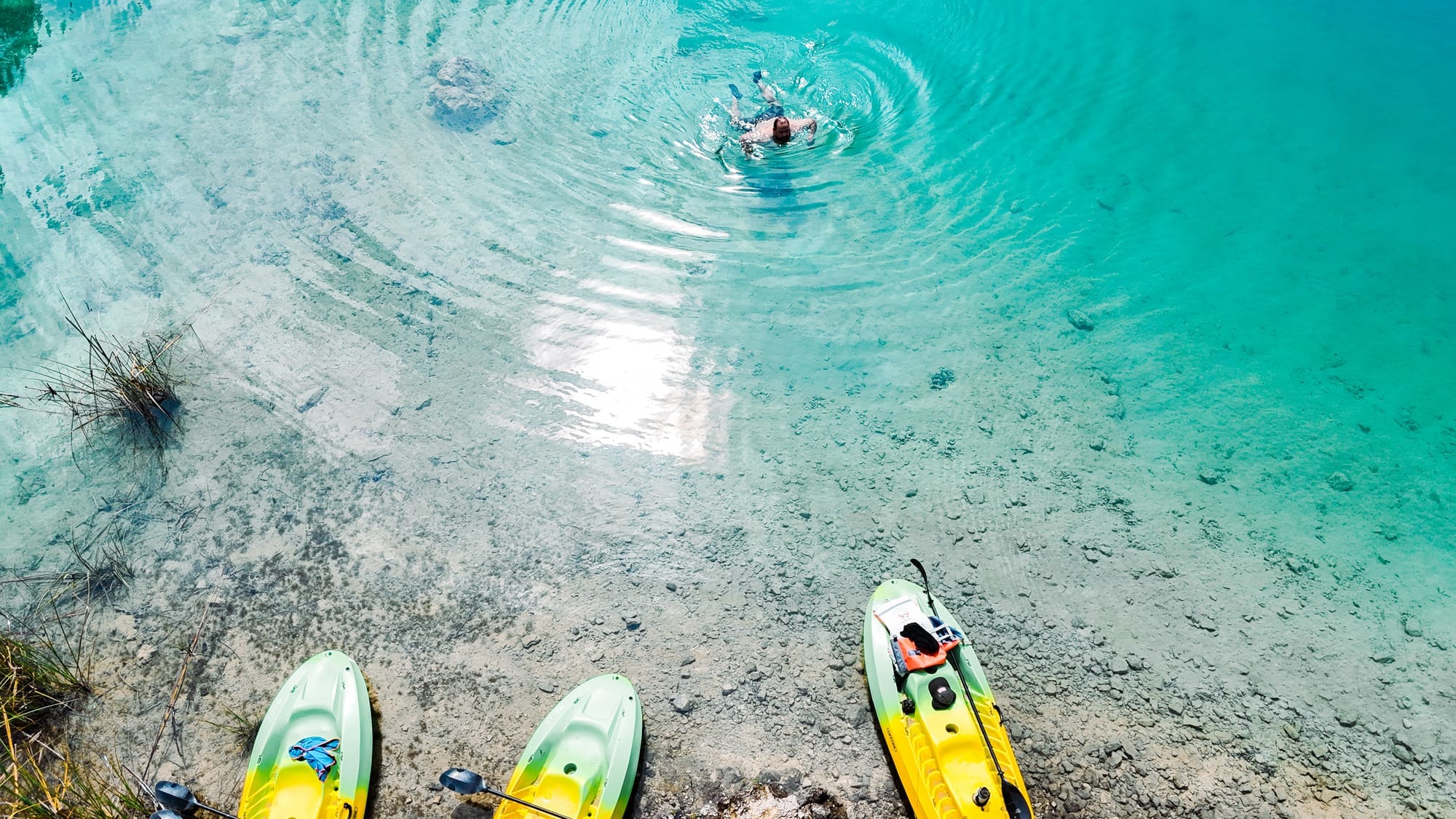
There are designated areas along the trail where swimming is allowed. These sections are calmer and clearly signed, and they're a chance to cool off after the walk. The water is refreshing rather than warm, and we ended up spending more time here than expected.
The swimming area is the calm stretch of river near the entrance, before El Suspiro, with small cascades, pools, and covered picnic tables nearby. You can't swim under the falls or in the pools at their base: the currents are strong, and lifeguards enforce this. The river is fairly cold, which feels good after the climb in the heat. El Chiflón sits much lower than San Cristóbal, so expect it to be hot and humid.
El Chiflón zipline (tirolesa)
The main park runs three ziplines. Recent prices were about 200 pesos for the 300 m line, 250 pesos for the 400 m line that starts beside Velo de Novia and crosses the river, and 300 pesos for the 600 m line through the forest, or around 550 to 650 pesos for all three. Some visitors say you have to pay at the ticket booth before you start the hike, so decide at the entrance. It's a fun way down, but it isn't essential.
We visited with friends from our digital nomad co-living space, Co.404, and the day ended up being a long one. We swam, sat around talking, and took our time moving between sections of the trail. El Chiflón is great for that kind of pace. There's no pressure to keep moving, and no feeling that you're meant to “see it all” as quickly as possible.
In total, we spent several hours at El Chiflón without feeling bored or rushed. If you're combining it with Montebello Lakes in the same day, you'll likely spend a bit less time here, but it's still enough to walk the full trail and stop along the way.
Prefer to go with a guide? One popular option is a day tour to the Montebello Lakes and El Chiflón from San Cristóbal. You can check dates and prices here:
Combining El Chiflón with Montebello Lakes
El Chiflón is often paired with Lagos de Montebello, a national park near the Guatemalan border known for its scattered lakes in different shades of blue and green. Doing both in one day is common, especially for visitors with limited time in Chiapas.
From El Chiflón, the drive to the Lagos de Montebello is about 1.5 to 2 hours, back through Comitán and then southeast towards the border. Tours from San Cristóbal usually do El Chiflón in the morning and Montebello in the afternoon. That's a 12-hour day with around six hours in a van and about two hours at the falls, so you won't have time for the upper falls or a long swim.
If you have time, a better plan is to split them: stay a night in Comitán or at the falls, do El Chiflón properly, and go to Montebello the next day. That's what we ended up doing by visiting on separate days.
A two-day plan: El Chiflón, Comitán, Montebello, and Chinkultic
If you have two days and a car (or patience with colectivos), this order works well. Day one: leave San Cristóbal early, be at El Chiflón when it opens, walk to all five falls, swim, and drive the 45 minutes to Comitán for the night. Day two: head to the Lagunas de Montebello, stopping at the Maya ruins of Chinkultic on the way in. INAH lists Chinkultic as open every day from 8 am to 5 pm, and the turnoff is about 1.5 km off the Montebello road at the Miguel Hidalgo ejido. Then spend the afternoon at the lakes and either sleep in the cabins at Tziscao or drive back to San Cristóbal (about three hours).
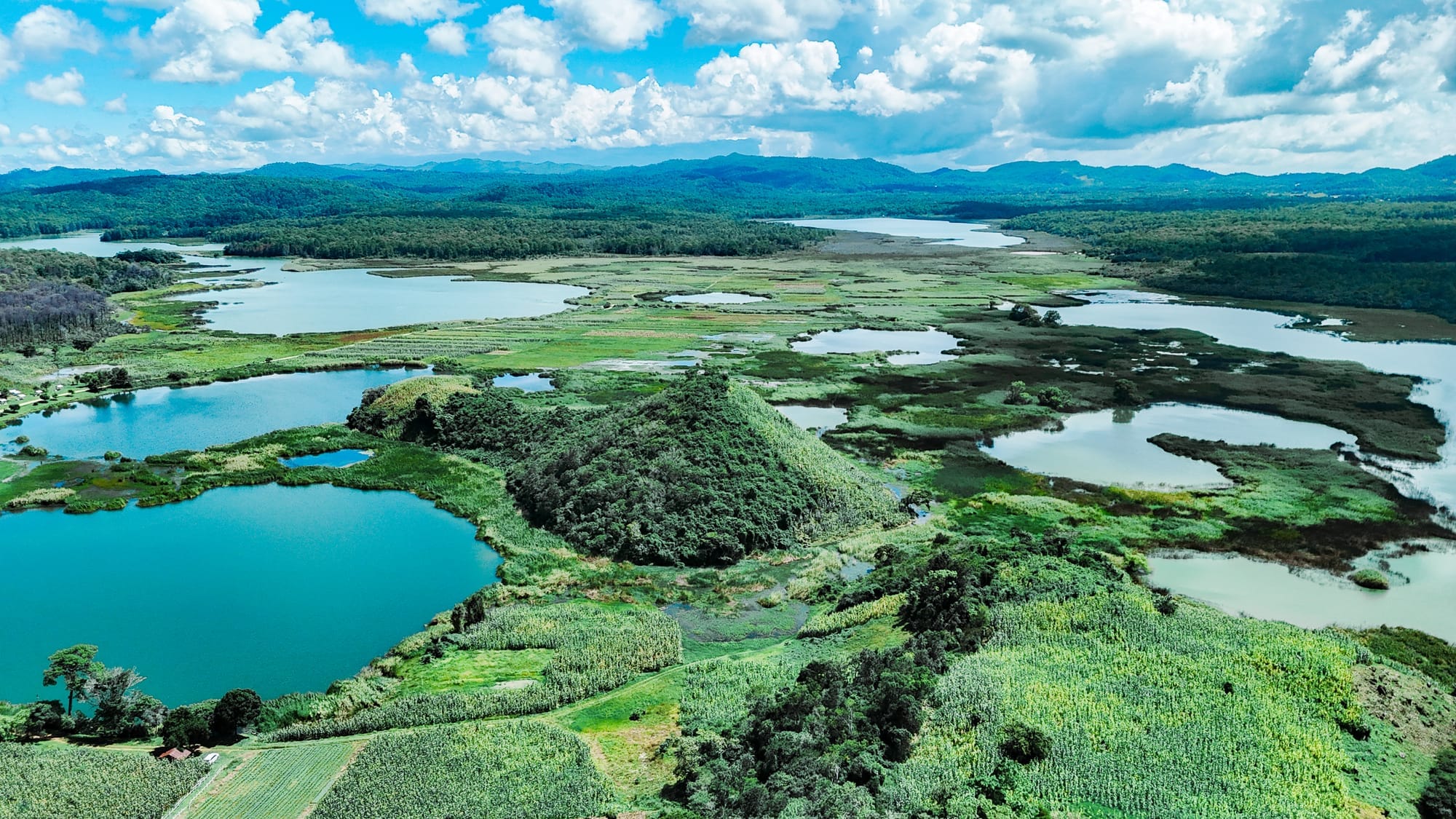
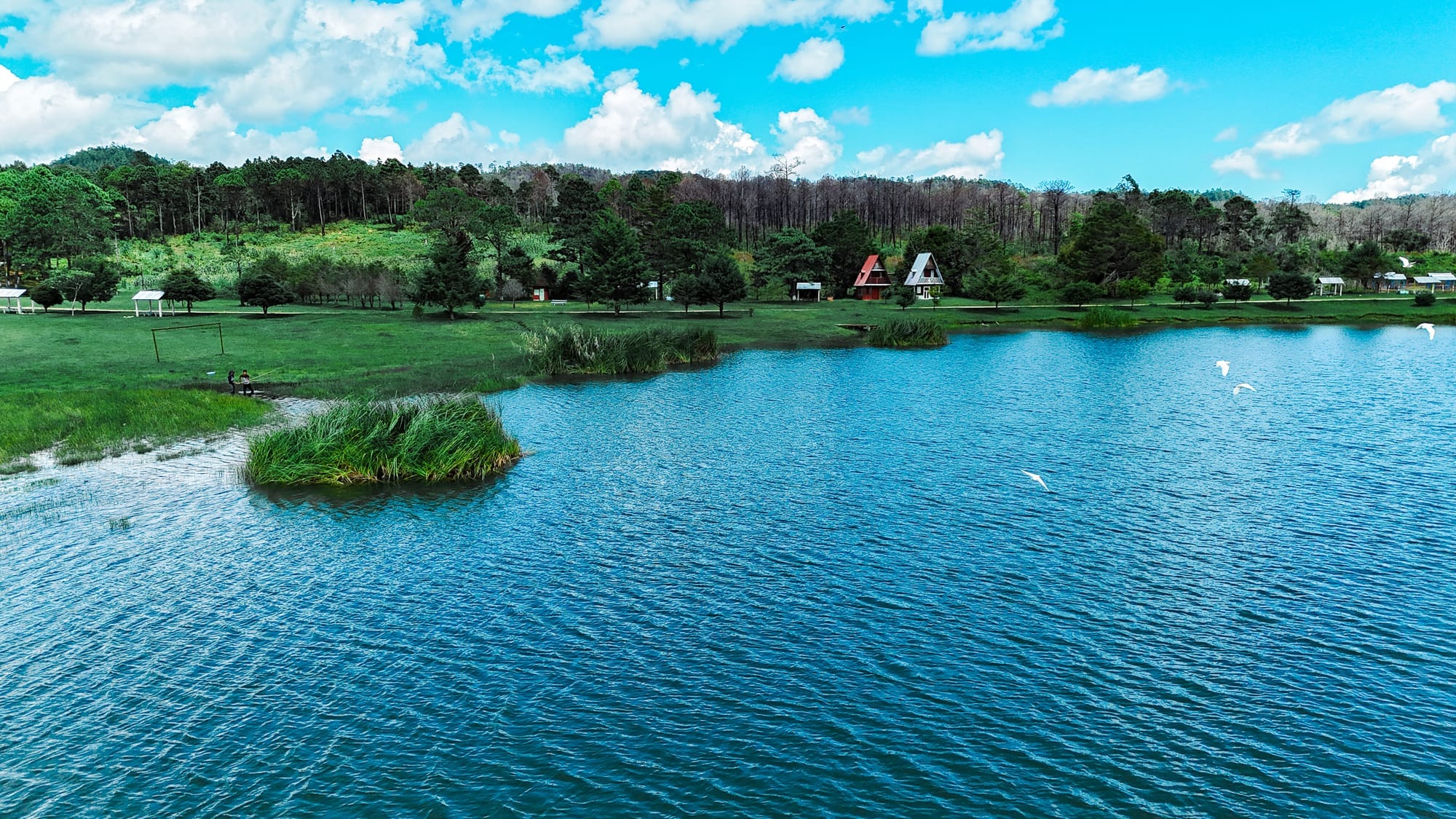
If you prefer to travel independently and have a car, you can plan the day yourself, though it needs an early start and careful time management. If you don't have your own transport, joining a day tour is often the most practical option.
The combined day trip is well paced. El Chiflón is more active, with walking and swimming, while Montebello is calmer and more about the views. Ending the day at the lakes is a nice way to wind down after the walk up the waterfalls.
Again, if you want an easy option that handles transport and timing, this tour covers both stops from San Cristóbal de las Casas.
Getting there independently
El Chiflón is roughly a three-hour drive from San Cristóbal de Las Casas, depending on traffic and road conditions. The route passes through smaller towns and rural areas, and while the roads are generally fine, the drive is long enough that many people decide not to do it solo unless they're comfortable with Mexican highways and signage.
How to get to El Chiflón from San Cristóbal by bus and colectivo
You can get to El Chiflón without a tour, and it's cheap. The route always goes through Comitán.
Here's how the main ways of getting there compare from San Cristóbal.
| Option | Time each way | Approximate cost | Best for |
|---|---|---|---|
| Day tour (with Montebello) | About 3 hours | US$35 to US$60 per person | One day only, no driving; about 2 hours at the falls |
| Bus plus colectivo via Comitán | 3 to 3.5 hours | About 120 to 170 pesos each way | Budget trips and an overnight in Comitán |
| Own or rental car | 2.5 to 3 hours | Fuel, plus parking at the entrance | Arriving at opening time and seeing all five falls |
| Taxi from Comitán | About 45 minutes | Agree the fare first | Groups based in Comitán |
San Cristóbal to Comitán: take an OCC or ADO bus from the first-class bus station (about 2 hours, roughly 80 to 100 pesos), or a colectivo van. Leave early.
Comitán to El Chiflón: walk a few blocks from the bus station to the colectivo stop on the highway and ask for "El Chiflón". Vans run about every 30 to 60 minutes from early morning, take about 45 minutes, and cost around 35 to 50 pesos.
The last kilometer: colectivos drop you at the turnoff on Highway 226, about 1 km from the entrance. Walk it in 15 minutes or take a mototaxi for about 10 to 20 pesos.
Getting back: flag a colectivo on the highway back to Comitán, then a bus to San Cristóbal. Don't leave it too late, as services thin out by early evening.
If you miss the last colectivo, the villages at the entrance, San Vicente la Mesilla and Francisco Villa, are where to look for a ride. According to Visit Mexico, Francisco Villa has a large taxi stand with cars back to Tzimol and Comitán. Agree the fare before you get in.
If you drive, it's about 2.5 to 3 hours from San Cristóbal on Highway 190 via Teopisca and Comitán, then Highway 226 towards Tzimol. Watch out for topes (speed bumps) the whole way, and expect the final stretch to be rough. There's parking at the entrance.
The Chiapas tourism board gives the route from Comitán like this: take the Pan-American Highway (190) for about 5 km, turn right onto state highway 226 toward Tzimol, and drive about 35 km to the bridge over the San Vicente River, where the first entrance is. So by road, the falls are roughly 40 km from Comitán. Coming from Tuxtla Gutiérrez instead, you head toward Venustiano Carranza and Pujiltic, join highway 226, and reach the park's second entrance via the village of Francisco Villa.
Two things to know about the road. Roadblocks happen on the San Cristóbal to Comitán highway, sometimes for hours, and there are immigration checkpoints in the area because it's close to Guatemala, so carry your passport and entry record. Check the UK foreign travel advice for Mexico for current advice on Chiapas before you go.
Is it safe to visit El Chiflón?
El Chiflón is a busy, staffed park, and most visits pass without trouble. The things to plan around are on the road. The UK government's regional advice singles out Federal Highway 199 between San Cristóbal and Palenque and the area within 40 km of the Guatemalan border (from the Pacific coast up to the Gracias a Dios crossing), not the San Cristóbal to Comitán road. The US State Department advisory for Mexico rates each state separately, so read the Chiapas entry before you go. Travel by day, keep your passport with you for the immigration checkpoints, and if you hit a roadblock, wait or turn back rather than trying to get round it.
Which entrance should you use?
El Chiflón has two separate parks, one on each side of the river. The main one is the Centro Ecoturístico Cadena de Cascadas El Chiflón in Tzimol, with the most trails, the swimming area, the ziplines, and the best view of Velo de Novia. Across the river, the Velo de Novia tourist center (in the municipality of Socoltenango) is smaller and less busy, with its own restaurant, cabins, and viewpoints. If you only have time for one, go to the main park. Most colectivos and tours use it.
If you do go independently, aim to arrive earlier in the day. Late mornings and early afternoons tend to be busier, especially on weekends and holidays, and arriving early makes the walk more pleasant in terms of both temperature and crowds.
There is an entrance fee, and you'll want to bring cash for that, as well as for food or small purchases near the entrance. Facilities are basic but functional.
El Chiflón entrance fee and opening hours
Entry to the main park was reported at 80 pesos per person in 2025 (older reports say 50 pesos), with young children free. You'll get a wristband at the ticket booth. Ziplines, food, and cabins cost extra. The park is open every day from about 7:30 or 8 am to 5 pm. These figures come from recent visitor reports rather than an official price list, so bring extra cash and confirm with the park (it posts updates on its Facebook page). There are no ATMs at the falls.
Facilities at El Chiflón
For a waterfall park, it's well set up. There are toilets and changing rooms near the entrance, by the swimming area, and partway up the trail, plus covered picnic tables, souvenir stalls, and small kiosks selling drinks and snacks along the path. Restaurante El Paraíso, just outside the entrance, serves Chiapas food at fair prices. Ask for bean, rice, and vegetable dishes if you're vegan, or bring your own lunch. You'll probably see iguanas around the restaurant.
The official listing for the main park also mentions riverside cabins, a restaurant that seats about 120 people, family palapas (thatched shelters) you can use for a picnic, a crafts shop, internet, and a car park. The park's WhatsApp numbers and Facebook page are on the Visit Chiapas page, which is the easiest way to ask about cabins or check whether the ziplines are running.
What to bring to El Chiflón
Swimwear, a quick-dry towel, and a change of clothes (you'll get wet at Velo de Novia)
Trainers or sturdy sandals with grip
A dry bag or waterproof phone pouch for the spray
Sunscreen, a hat, and insect repellent
A refillable water bottle and snacks
Cash in small notes for entry, the colectivo, and the mototaxi
Your passport for the checkpoints
Two small things help the river. Use a mineral or biodegradable sunscreen if you plan to swim, and go light on bug spray before you get in the water. Long, light sleeves and trousers are a good alternative to repellent, especially toward evening, when the mosquitoes come out near the river.
Best time to visit El Chiflón
For the bluest water, go in the dry season, roughly November to April. February to April is usually the clearest. The rainy season, from about May to October, brings more water but often brown or green pools and muddier trails. Time of day matters too. Tours from San Cristóbal arrive late morning, so get there when it opens (or come in the late afternoon), and avoid weekends and Mexican holidays if you can.
| Season | Months | Water | Crowds |
|---|---|---|---|
| Early dry season | November to January | Clearing, often green-blue | Busy around Christmas and New Year |
| Late dry season | February to April | Usually the bluest and lowest | Very busy in Semana Santa (Easter week) |
| Rainy season | May to October | Bigger falls, often brown or green; muddy upper trail | Fewer visitors on weekdays, busy in the July and August holidays |
Nearby, see Sumidero Canyon.
More to see near El Chiflón
If you have a car or a spare half day, two stops pair well with the falls. Cenote Chukumaltik is a cenote near Comitán, off the road to Tzimol, nearly 70 m deep and about 200 m across. Visit Mexico rates it one of the country's best spots for high-altitude diving, and local operators also run paddleboard and snorkel trips. And Comitán itself, one of Mexico's Pueblos Mágicos, has a colonial center that is worth an evening stroll if you're staying the night before heading to the lakes.
Before a day at the waterfalls, make sure you have travel insurance. Wet rocks are slippery, the water can be stronger than it looks, and the nearest hospital is often a long drive away. We'd recommend SafetyWing Nomad Insurance. It covers medical emergencies abroad, you can buy it even after you've left home, and it renews every four weeks, so it works for a short trip or months on the road.
Where to stay near El Chiflón
Comitán is the best base: it's 45 minutes from the falls and about an hour from Montebello, with plenty of mid-priced hotels in its colonial center. Staying there means you can be at El Chiflón when it opens. If you'd rather sleep at the falls, the main park rents basic riverside cabins with private bathrooms (reported at about 500 to 1,400 pesos a night, booked through the park's WhatsApp or Facebook), and there's a camping area. You'll have the trails almost to yourself in the early morning and evening, but there's no kitchen. For a base in the highlands, see our San Cristóbal guide.
Well-reviewed places to stay, all rated 9 or more on Booking:
- Hotel Nak'An Secreto Maya: a small hotel in Comitán, rated 9.4.
- La Casa del Marqués: a colonial house hotel in Comitán's center, rated 9.0.
- Cabañas Paraíso Tziscao: basic cabins by Laguna Tziscao inside the Montebello area, rated 9.1.
Plan your visit
If you're already in San Cristóbal and looking for a nature day trip that doesn't need technical hiking or an overnight stay, El Chiflón is an easy recommendation. It's well organized without feeling overdeveloped, and it works for different energy levels and travel styles.
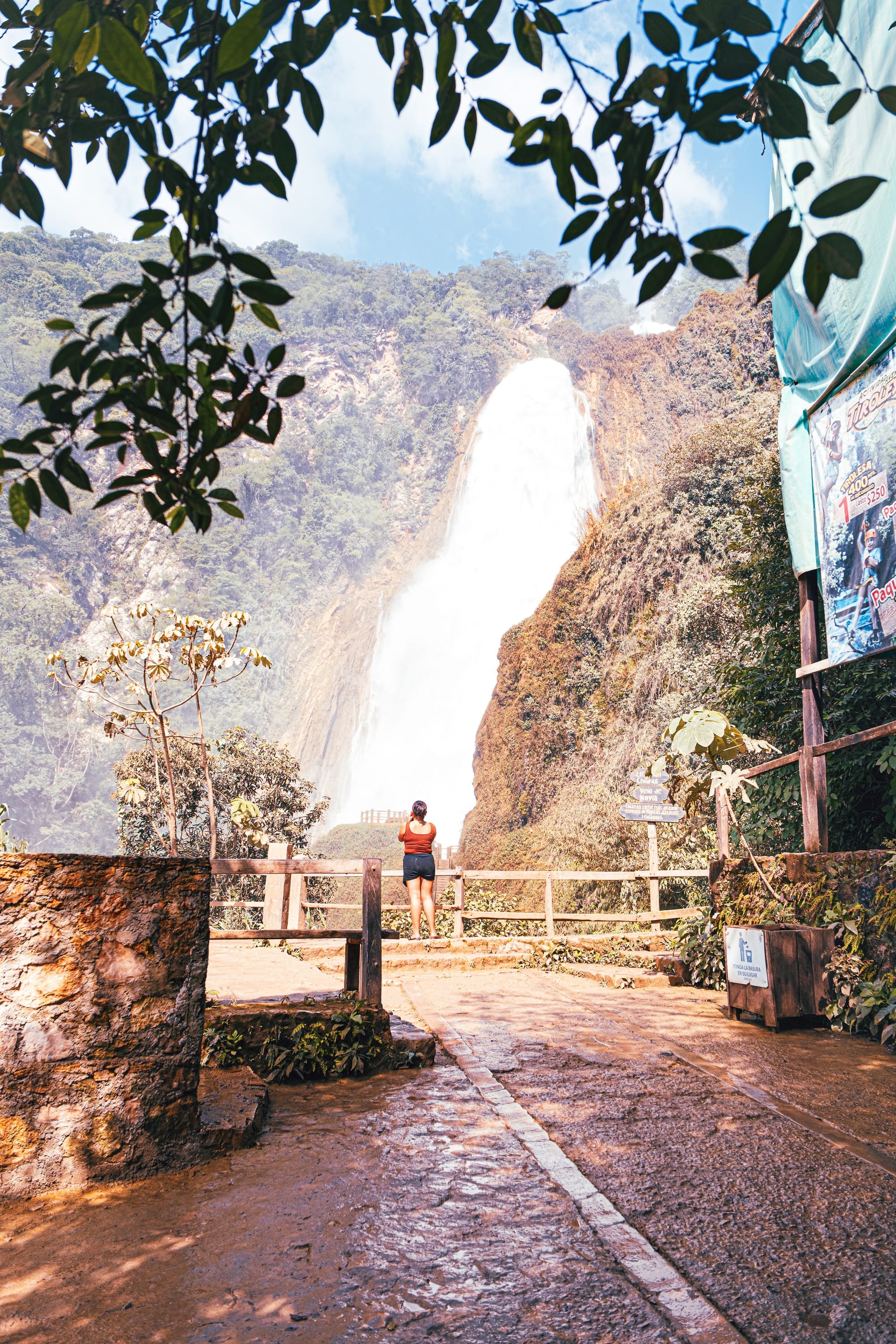
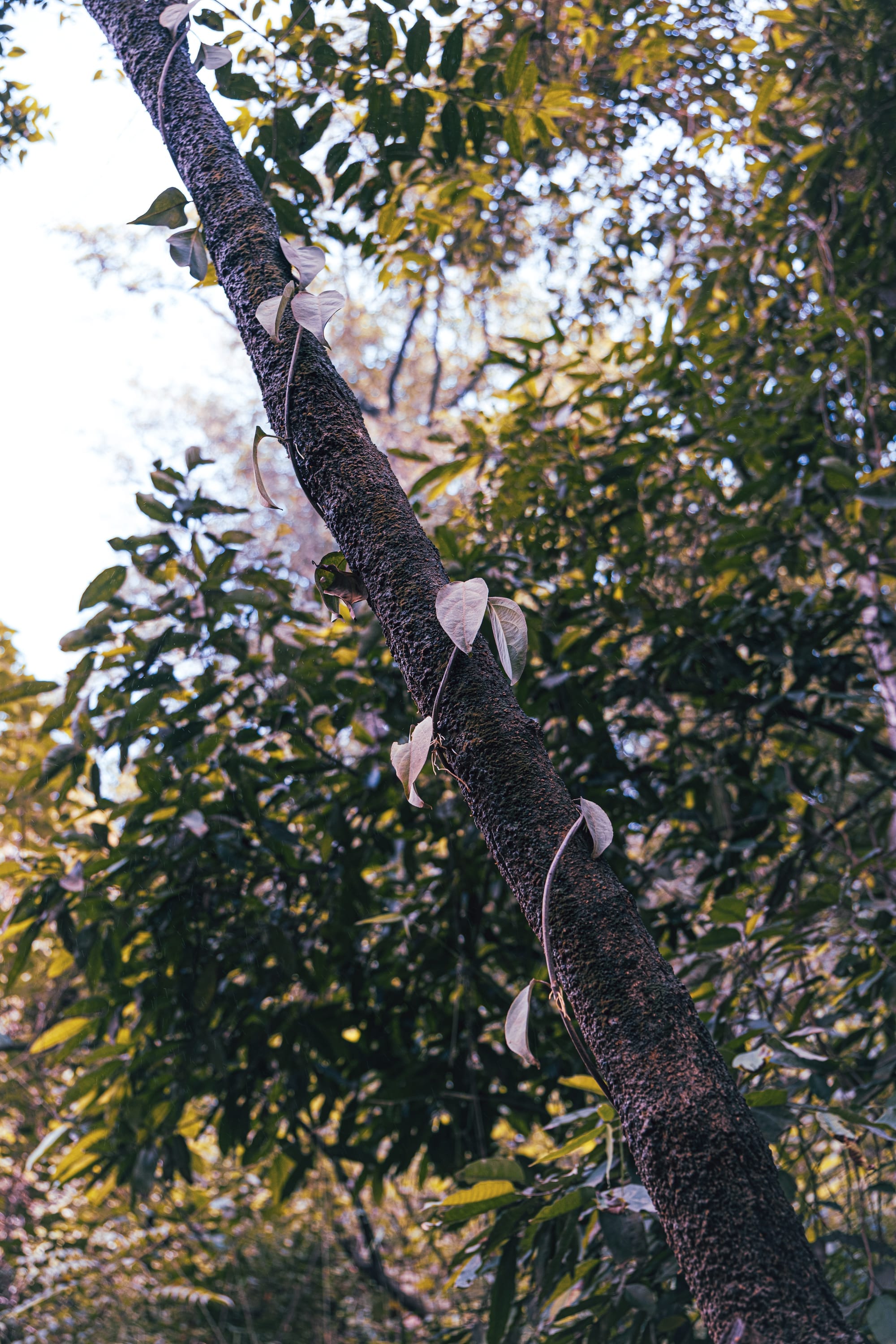
The base of Velo de Novia
El Chiflón is especially good for travelers who want something straightforward: clear paths, defined swimming areas, and enough space to spend time without having to keep moving on. Combined with Lagos de Montebello, it makes for a full but manageable day outside the city.
Frequently asked questions
How tall is the El Chiflón waterfall?
The tallest fall at El Chiflón, Velo de Novia, is about 120 m high according to Visit Mexico and the Chiapas tourism board. Some guides give 70 m, which likely measures only the main vertical drop. The other four falls are smaller, roughly 25 to 60 m.
How much is the entrance fee to Cascadas El Chiflón?
Recent visitors paid about 80 pesos per person (2025), up from 50 pesos a few years earlier. Ziplines, food, and cabins are extra. Bring cash, as there's no ATM on site, and check the park's Facebook page for current prices.
Can you swim at El Chiflón?
Yes, but only in the designated swimming area on the river near the entrance. Swimming under the waterfalls and in their pools is not allowed because of strong currents, and lifeguards enforce it.
How long does it take to hike El Chiflón?
About 20 to 45 minutes up to Velo de Novia, which is a little over 1 km. To reach all five falls and come back, you'll walk about 4.3 km. Allow half a day, or a full day with swimming.
How do you get to El Chiflón from San Cristóbal without a tour?
Take a bus to Comitán (about 2 hours), then a colectivo towards Tzimol to the El Chiflón turnoff (about 45 minutes), and walk or take a mototaxi the last kilometer. Driving takes about 2.5 to 3 hours.
Can you do El Chiflón and Montebello Lakes in one day?
Yes. Most day tours from San Cristóbal do both, but it's a 12-hour day with limited time at each. Staying a night in Comitán lets you see both Lagos de Montebello and El Chiflón without rushing.
When is El Chiflón turquoise?
In the dry season, roughly November to April, when the water is low and clear. Heavy rain from about May to October often turns it brown or green.
Is El Chiflón worth it?
We think so. It's one of the easiest nature day trips from San Cristóbal, with clear trails and a proper swimming area. Go in the dry season and allow more than the two hours most tours give you.
Is El Chiflón open every day?
Yes. The main park opens daily, from about 7:30 or 8 am until around 5 pm for the trails. If you're staying in the cabins, you can be on the trail when it's nearly empty.
How far is El Chiflón from Comitán?
About 40 km by road: roughly 5 km on Highway 190, then about 35 km on highway 226 toward Tzimol. It takes around 45 minutes by car or colectivo.
Can you stay overnight at El Chiflón?
Yes. The main park and the smaller Velo de Novia center across the river both rent basic cabins, and there's a camping area. Book through the park's WhatsApp or Facebook, as they're often hard to find on booking sites.
What else is there to do near El Chiflón?
Most people combine it with Lagos de Montebello. Closer by, Cenote Chukumaltik is known for diving, paddleboarding, and snorkeling, and Comitán's colonial center is a pleasant place to spend the evening.
How much is the zipline at El Chiflón?
Recent visitors paid about 200 to 300 pesos for one of the three lines, or around 550 to 650 pesos for all three. You pay at the ticket booth at the entrance before you start the hike. It's optional, and the falls are just as good on foot.
How much does an El Chiflón tour from San Cristóbal cost?
Shared day tours that combine El Chiflón with Montebello Lakes were listed at roughly US$35 to US$60 per person on booking sites in 2026. Check whether park and lake fees are included, as some tours charge them on the day.
Is El Chiflón good for kids?
Yes. The swimming area near the entrance needs very little walking, and most school-age kids can manage the stairs up to Velo de Novia with breaks. Skip the steep dirt path to the top two falls with small children.
Can you visit El Chiflón from Tuxtla Gutiérrez?
Yes. According to Visit Chiapas, you drive toward Venustiano Carranza and Pujiltic, join highway 226, and reach the park's second entrance through the village of Francisco Villa. Many tours from Tuxtla also combine the falls with Montebello Lakes.
Is El Chiflón safe to visit?
The park itself is staffed and busy. The main risks are road ones: occasional roadblocks and immigration checkpoints. Travel by day, carry your passport, and check the latest UK or US advice for Chiapas before you go.
Is there food at El Chiflón?
Yes. There are snack kiosks along the trail and restaurants by the entrance. Vegan options are limited to beans, rice, and vegetables, so many people bring their own lunch for the picnic tables.
Useful links: Visit Mexico: El Chiflón, Visit Chiapas: El Chiflón Waterfall Chain Tourist Center, Visit Chiapas: Velo de Novia Tourist Center, and UK foreign travel advice for Mexico.
More from San Cristóbal and Chiapas: the Palenque ruins, San Cristóbal digital nomad guide, and our San Cristóbal guide. For another big waterfall, see Misol-Há near Palenque.


