

What is cultural travel?
Put simply, cultural travel is travel where the culture is the whole point, not the backdrop. You go to learn how people in a place live: what they eat, what they believe, how they celebrate and how they grieve. You'll also hear it called immersive travel or cultural immersion travel. UN Tourism, the United Nations' tourism agency, describes it as travel where your main motivation is to learn about, discover and experience a place's culture, both the tangible kind, like buildings and art, and the intangible kind, like traditions and ways of life.
The idea goes back a long way. In 1977, a 21-year-old budget traveler named Gary Langer wrote in the very first issue of Transitions Abroad magazine that tourists bring their homes with them wherever they go, while travelers "leave home at home, bringing only themselves and a desire to learn."
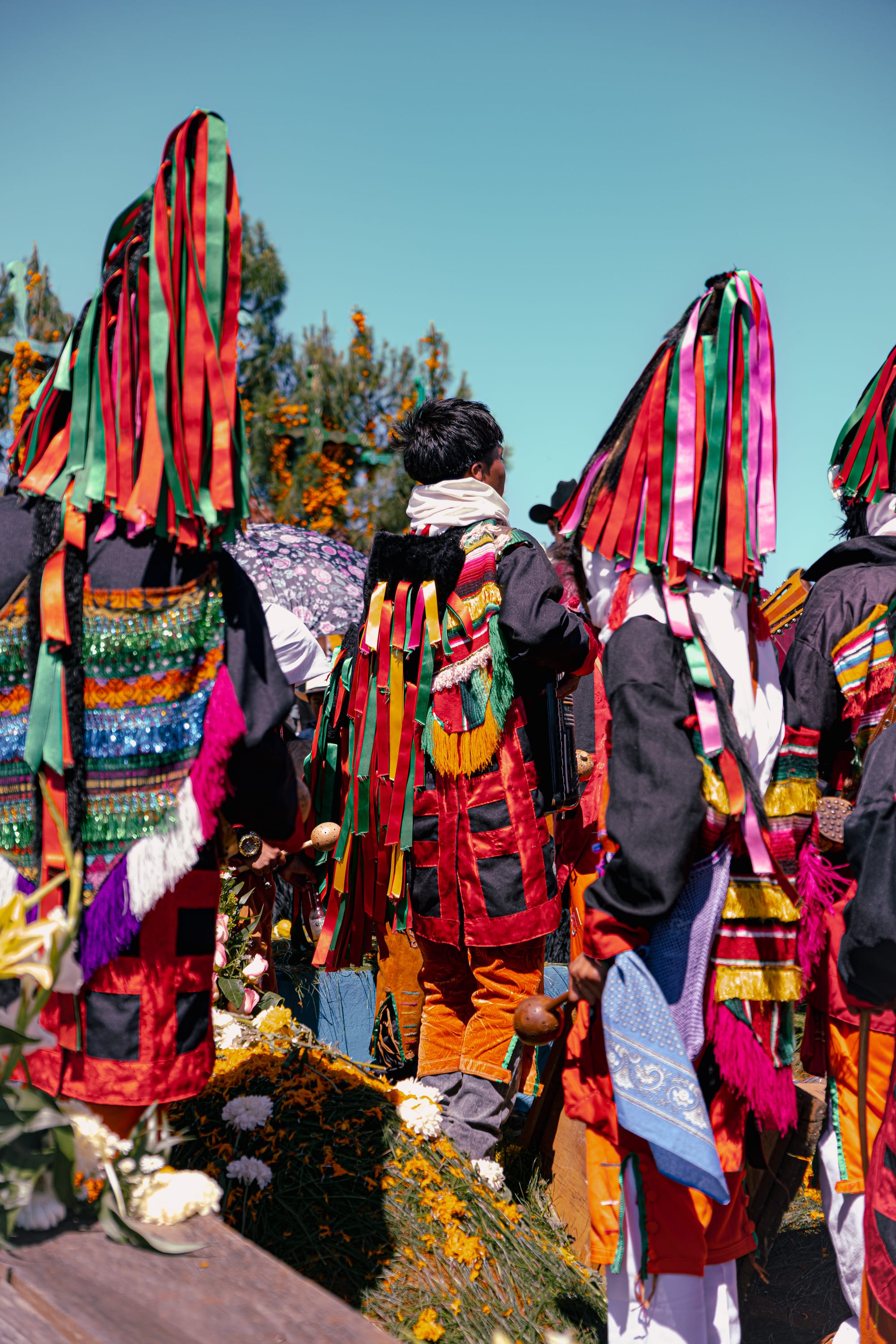
One of our best cultural travel experiences was Day of the Dead at Romerillo Cemetery, up in the hills outside San Cristóbal de las Casas. On November 1, the whole hillside was carpeted in pine needles and marigolds. Families sat beside their relatives' graves eating and talking, bands of Tzotzil musicians wandered from grave to grave, and an amusement park spun away at the bottom of the hill. Mexican cultural traditions around death and remembrance are like nothing we've ever experienced before.
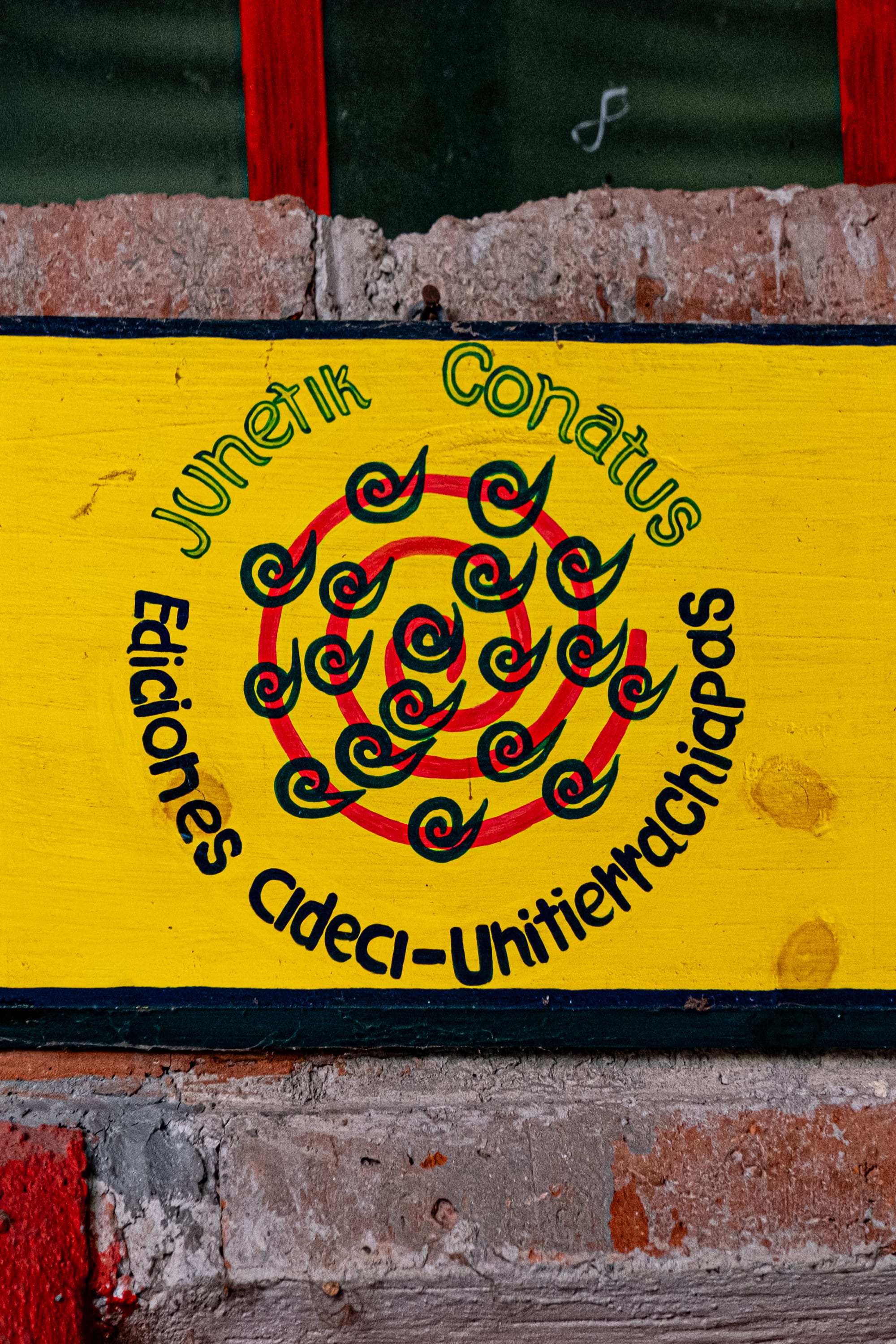
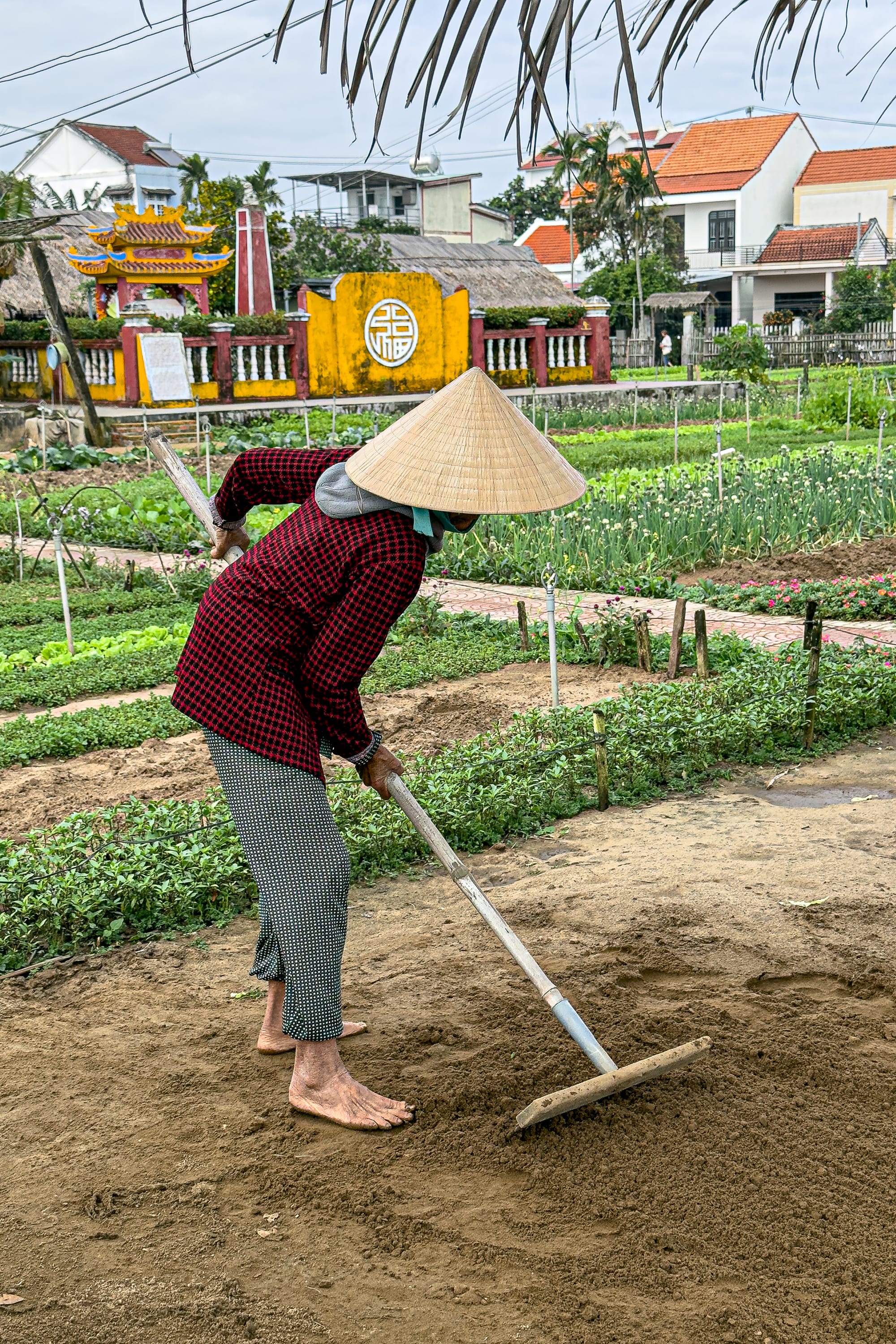
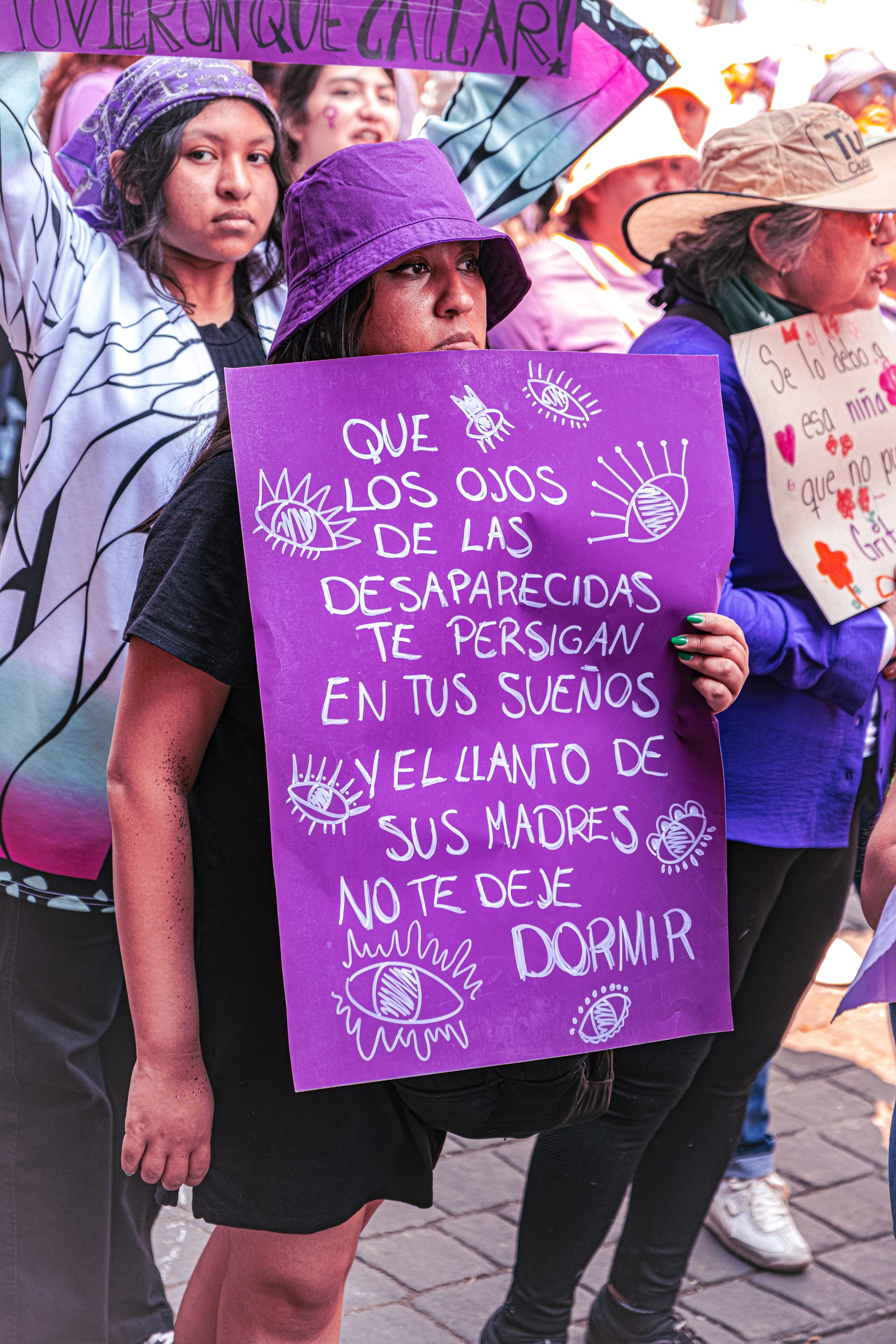
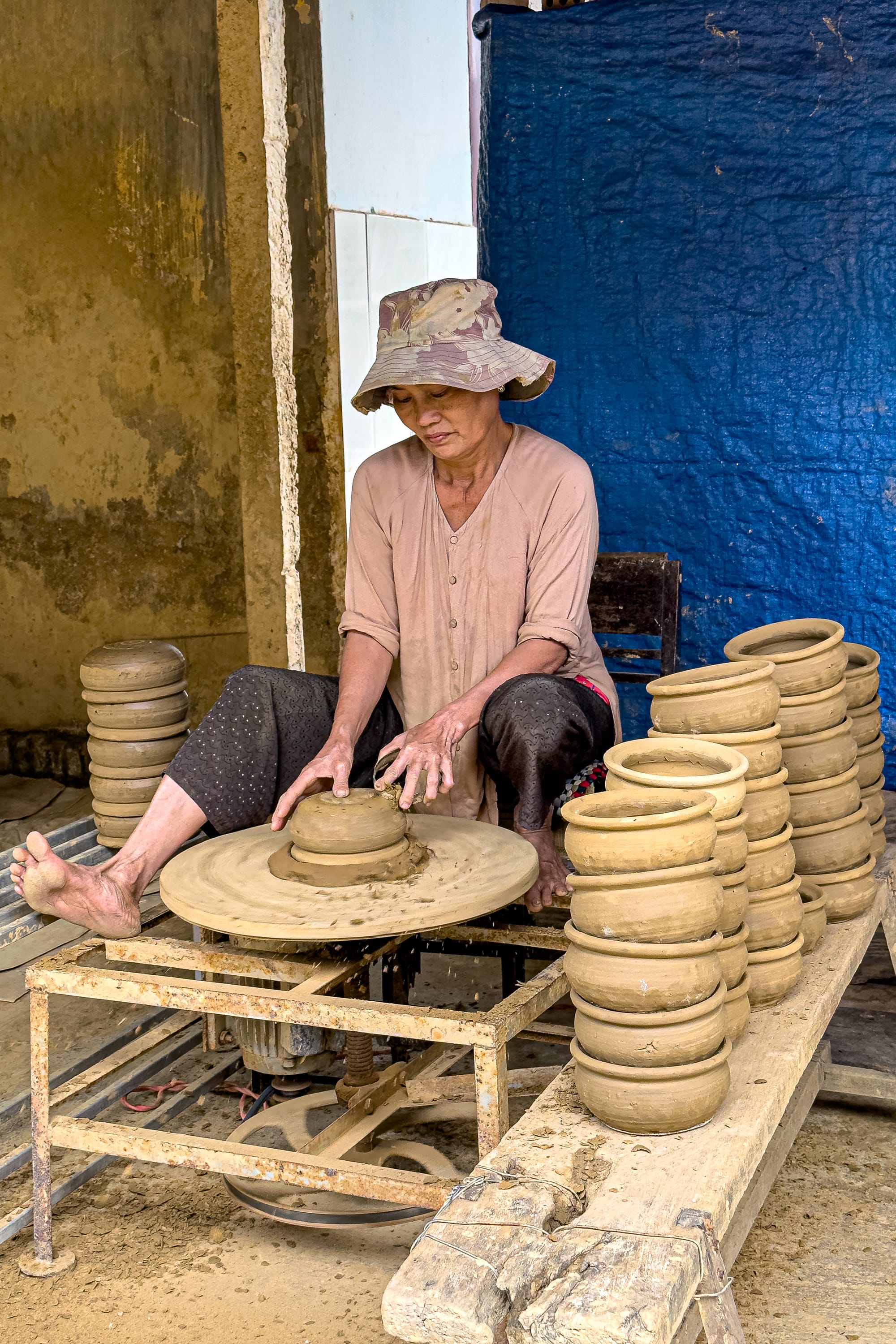
We've had quieter versions of that feeling too. Listening to our guide walk us through the organizing principles of the Zapatista movement at CIDECI-UniTierra. Watching river clay turn into bowls on kick wheels at Thanh Hà Pottery Village in Hội An. Photographing the grief and fury of the 8M march in Mexico City.
Day of the Dead in Chiapas
If you plan one cultural trip around a date, make it Día de Muertos in Chiapas. We spent it in San Cristóbal de las Casas, where altars go up in homes and shops, an evening parade fills the streets, and families spend November 1 and 2 at the graves of their relatives. Our guide to Day of the Dead in San Cristóbal de las Casas covers the town itself and what the holiday means in Chiapas.
Each cemetery marks it differently, so we visited three. Romerillo was dense, loud and crowded on November 1, and almost empty when we went back the next day. Zinacantán, a collectivo and a tuk-tuk ride up a mountain, was calm and covered in flowers: the town grows many of the flowers sold around San Cristóbal for the holiday. San Cristóbal's Municipal Pantheon is built like a small town of painted mausoleums, with lanes, corners and brass bands moving between graves.
Our tip: go before the big days too. We visited the Pantheon a few days early and watched families scrub headstones and repaint tomb walls while a band tuned up nearby. Then go to more than one cemetery on November 1, and remember you're a guest at a family's remembrance.
Spotlight
“Each year, tens of thousands gather for the 8M march in Mexico City, one of the largest feminist protests in Latin America. Women, mothers, daughters, students, activists, and entire families take to the streets demanding justice for the victims of femicide in Mexico, a country where gender violence remains a daily reality.”
Read onIndigenous communities of the Chiapas highlands
San Cristóbal de las Casas is surrounded by Tzotzil and Tzeltal Maya towns, and it's where we learned the most about traveling as a guest.
San Juan Chamula and Zinacantán sit about ten kilometers apart and feel completely different. In the church at Chamula there are no pews: the floor is covered in pine needles, hundreds of candles burn directly on it, and families kneel and pray in Tzotzil, sometimes with a healer. Photography inside is forbidden, and that rule is the point: this is a working church, not a museum. Zinacantán is greener and more open, known for its flowers and its woven textiles. We'd go with a local guide, who can explain what you're seeing and make sure you visit the way the communities ask.
The Zapatista movement is part of why we came to Chiapas at all. We hoped to visit the caracol at Oventic, but it was closed to visitors while we were there, so we went to CIDECI-UniTierra, an Indigenous learning center on the edge of the city, at the end of a colectivo route and a short walk down a dirt path. Its walls are covered in hundreds of murals.
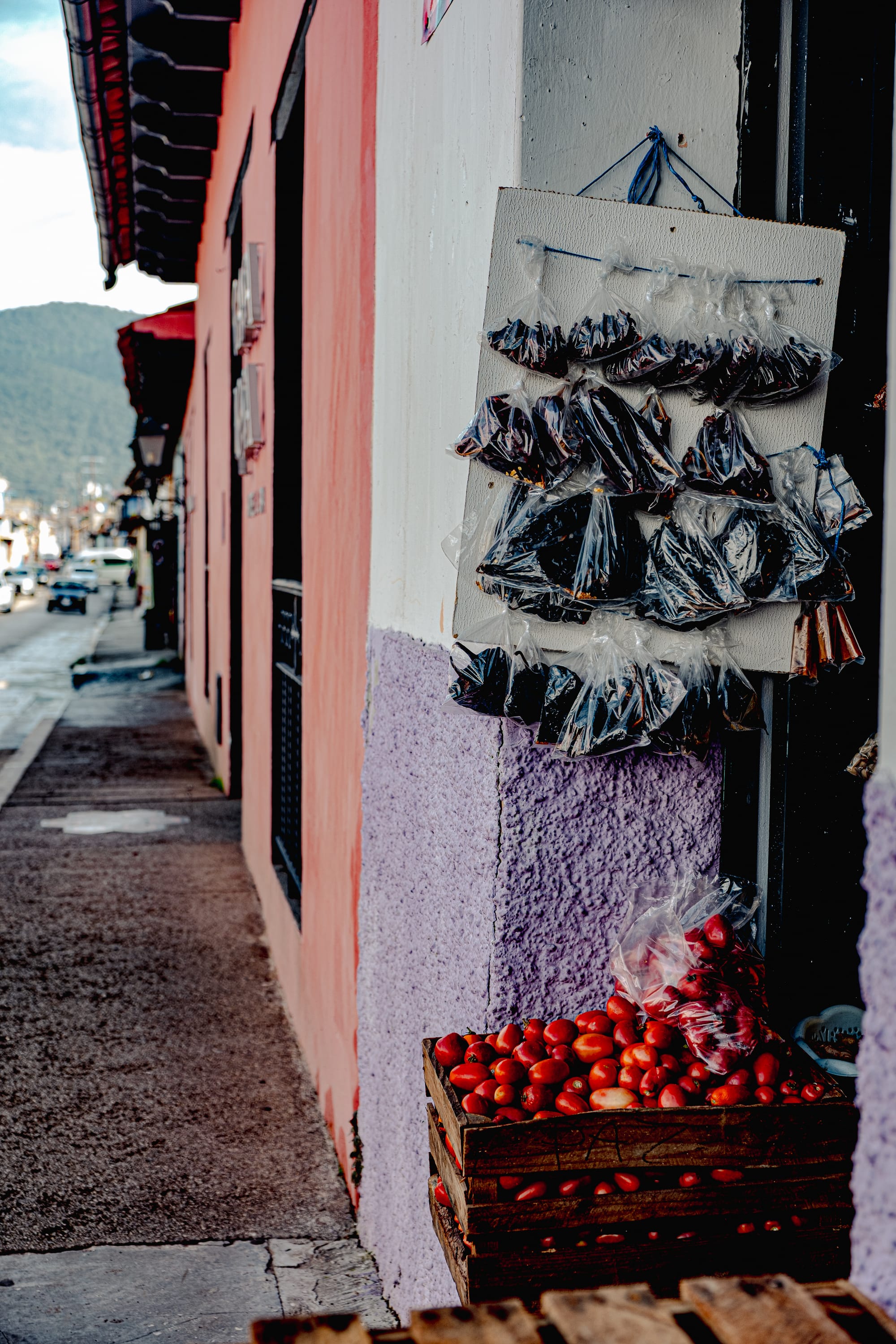
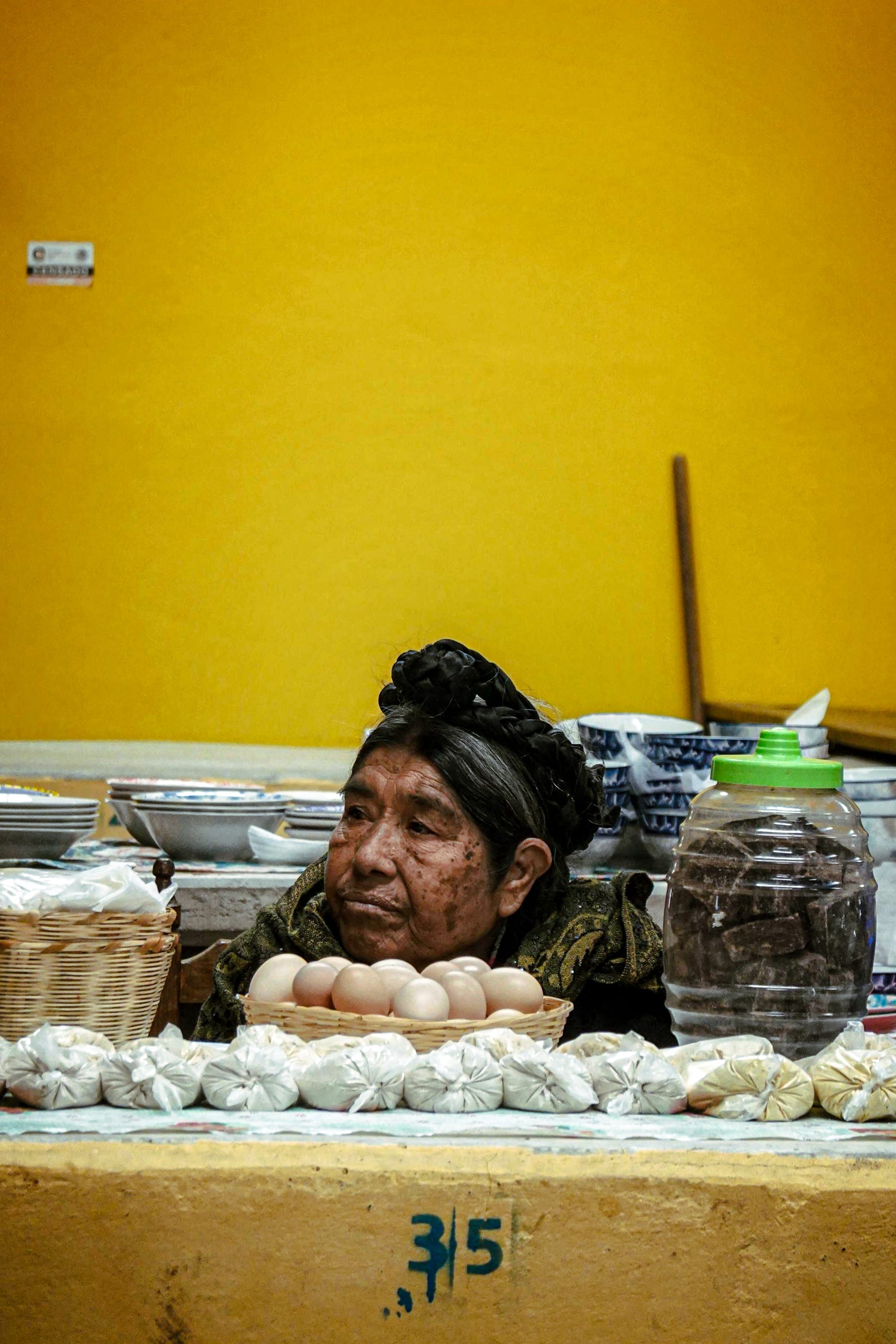
Back in town, the Santo Domingo market is where you hear Spanish, Tzotzil and Tzeltal at the same stalls. And Gerardo at Art Libreria, who came to Chiapas in 2000 to learn about the Zapatistas and stayed, told us his story over cacao. More in our San Cristóbal guide.
The craft villages of Hội An
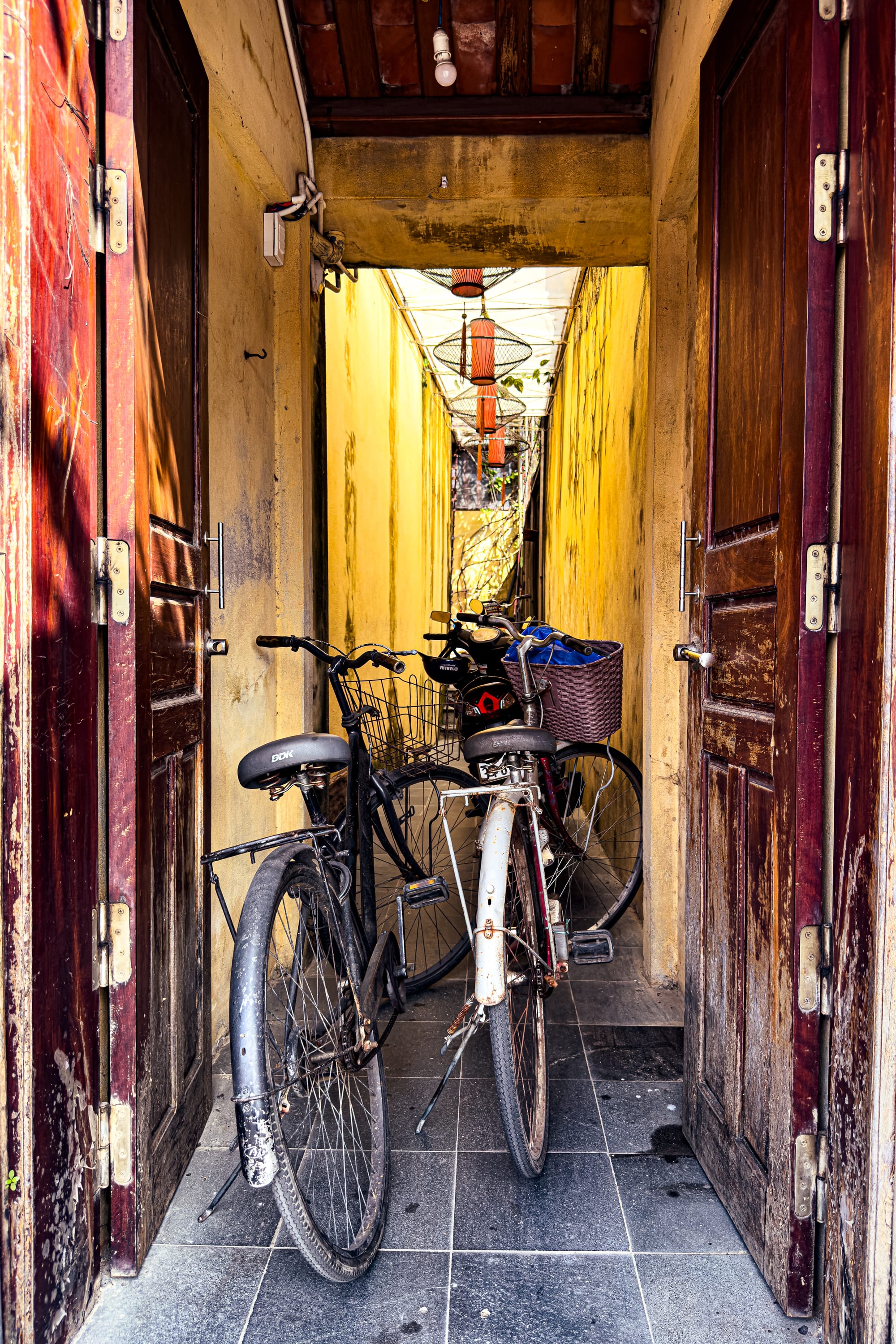
Hội An's Old Town is a UNESCO World Heritage Site because of the merchants who traded here between the 15th and 19th centuries, from Japan, China, India and later Europe. Their houses, assembly halls and lanterns are still there. The villages around it are where traditional work carries on.
At Thanh Hà Pottery Village, a few kilometers west of town, potters who came from the north in the 16th century found the clay they needed on the banks of the Thu Bồn River. Families still mix and cut the clay outside their houses, and you can try the wheel yourself.
At Trà Quế Vegetable Village, Vietnamese families farm herbs and greens. We spent a morning there with Rau Ơi Eatery, working a small plot ourselves before cooking with what we'd picked. More in our Hội An guide.
Food as a way in
Cooking with someone in their own kitchen is the easiest way we know to learn how people live. In a village courtyard in Cappadocia, a group of local women taught us to make gözleme, thin stuffed flatbreads cooked on a domed sac griddle over a wood fire. In San Cristóbal we cooked in Itzel's mountain home, made rajas con queso at Art Libreria and truffles at a cacao workshop. In Chiang Mai, May Kaidee, who grew up cooking on her family's farm in northeastern Thailand, taught us her recipes.
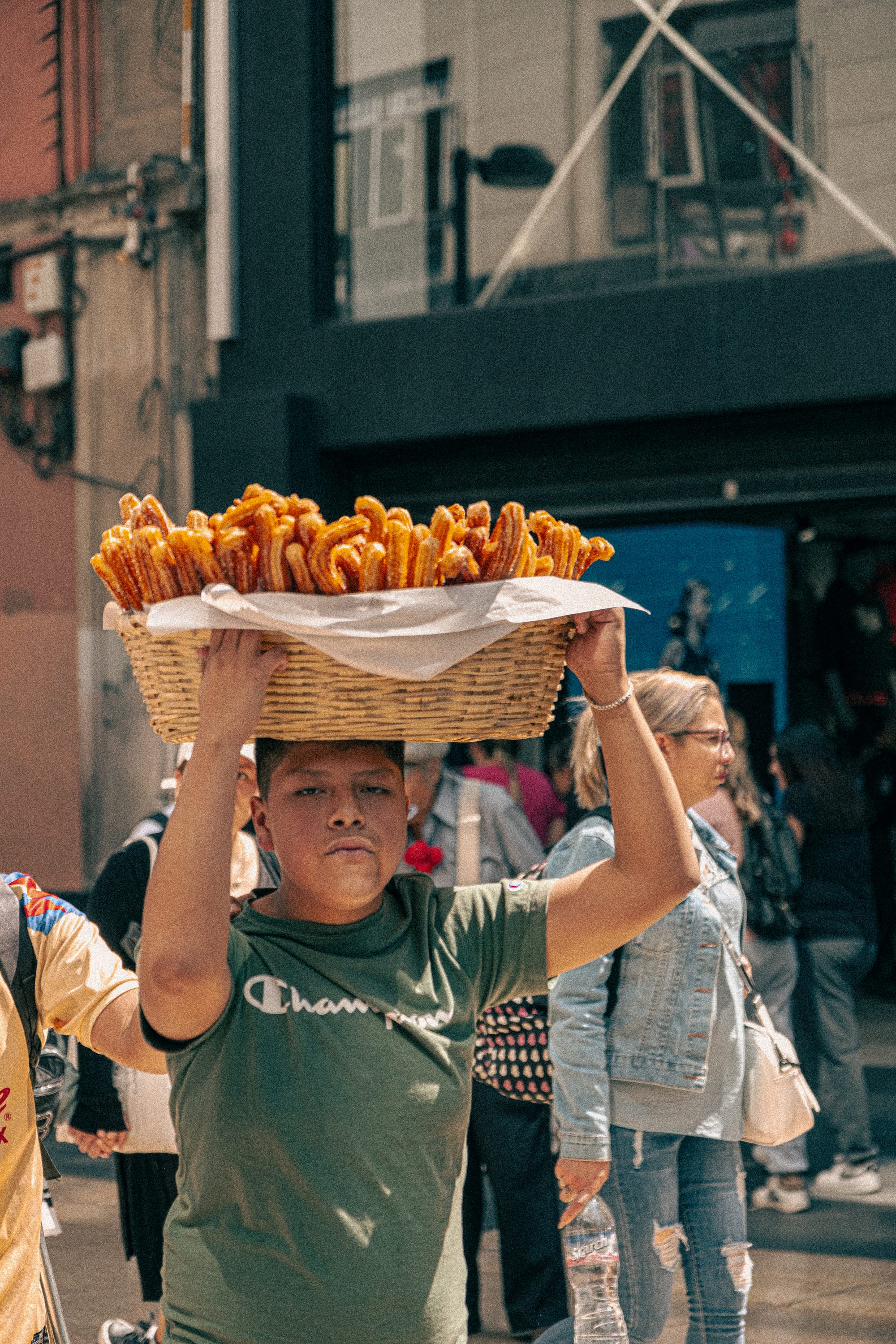
Markets come a close second. Antalya's Friday Market fills a lot between apartment blocks in Muratpaşa, and Kadıköy's Tuesday and Friday Bazaar has stalls selling 20 kinds of olives next to secondhand denim. Neither is set up for tourists, which is why we like them.
We're vegan, so every class we've taken was plant-based. Our vegan travel guide has the rest.
Living traditions in Turkey
In Cappadocia, the town of Avanos has made pottery from the red clay of the Kızılırmak River for centuries. We watched a master potter at work in Sultan's Ceramic, a workshop carved into the rock. In Çavuşin, Tarihi Ev is a village house kept by the same family for generations and opened to visitors, and in Göreme the Cappadocia Cultural Antique Collection fills cave rooms with farm tools, woven hangings, ceramic jugs and old carved doorframes.
In Istanbul, Fener and Balat on the Golden Horn show how many communities the city has held: the Greek Orthodox Patriarchate, synagogues and Armenian churches within a few streets of each other. We saw them on a half-day walking tour with a local guide, which we'd recommend over wandering alone. More in our Turkey guide.
Temples and craft in Chiang Mai
Chiang Mai has more than 300 temples, and they're not museums: people come to pray, meditate, make merit and celebrate. A walking tour with a local guide helps you read what you're looking at, from the naga serpents on the staircases to the meaning of each Buddha posture. For a different side, the Monk's Trail to Wat Pha Lat is the forest path monks still walk up Doi Suthep.
Baan Kang Wat was set up by local artists as a creative village, where artisans live, work and sell what they make, from ceramics to handmade soap. More in our Chiang Mai guide.
Protest, memory and public space
Culture isn't only tradition. Sometimes it's anger in the street. On March 8, International Women's Day, tens of thousands of women march through Mexico City for 8M, one of the largest feminist protests in Latin America. Mothers walk at the front carrying photographs of daughters whose cases are still open. Around ten women are murdered every day in Mexico, according to official figures, and the march is both a demand for justice and a public act of mourning.
Walls tell the same stories. In San Cristóbal, the murals of El Cerrillo are about water, land and Indigenous resistance, and in Istanbul the street art of Kadıköy talks back to the city. Our street art guide covers more.
Cultural festivals worth planning a trip around
Some of our best cultural travel happened because our dates lined up with a festival. These are the ones worth planning around in places we've lived, followed by the ones still on our list.
Día de Muertos, Chiapas (November 1 and 2). Altars in homes and shops, families at the graves, and an evening parade through the center of San Cristóbal. Read about Day of the Dead in San Cristóbal.
8M, Mexico City (March 8). The International Women's Day march, one of the largest feminist protests in Latin America. Read our 8M photo essay.
Yi Peng and Loy Krathong, Chiang Mai (November). Thousands of lanterns rise over the city and temples fill with candles and offerings. In April, Songkran turns the streets into a citywide water fight for Thai New Year. See Chiang Mai's temples and the best time to visit Chiang Mai.
Lantern nights, Hội An. On festival nights, people float small paper lanterns down the Thu Bồn River, and September and October bring the Mid-Autumn Festival. See our Hội An Old Town guide.
Kukeri, Bansko (winter). Men in sheepskins and horned masks parade with heavy bells to chase away evil spirits. In August, the Bansko Jazz Festival fills the town square. See our Bansko digital nomad guide.
Senhor Santo Cristo, São Miguel (May). The Azores' biggest religious festival brings processions to Ponta Delgada and Azoreans home from abroad. See our São Miguel guide.
Festivals on our own list. We haven't been to these yet, but they're among the great cultural festivals of the world, and worth building a trip around:
Inti Raymi, Cusco, Peru (June 24). The Inca Festival of the Sun, held at the winter solstice and re-enacted at the fortress of Sacsayhuamán above the city.
Guelaguetza, Oaxaca, Mexico (the last two Mondays of July). Dance, music and dress from Oaxaca's Indigenous regions, performed on the Cerro del Fortín. See our Oaxaca guide.
Holi and Diwali, India. Holi, the festival of colors, falls in March. Diwali, the festival of lights, falls in October or November.
Esala Perahera, Kandy, Sri Lanka (July or August). Nights of processions with drummers, dancers and elephants, honoring the Sacred Tooth Relic of the Buddha.
Naadam, Mongolia (July 11 to 13). The "three games of men": wrestling, horse racing and archery, held across the country.
Timkat, Ethiopia (January 19). Orthodox Epiphany, when replicas of the Ark of the Covenant are carried through the streets in white-robed processions.
Gion Matsuri, Kyoto, Japan (July). A month-long festival whose giant wooden floats parade through the city on July 17 and 24.
Semana Santa, Antigua, Guatemala (Holy Week). Processions walk over carpets of colored sawdust, flowers and pine needles that families make in the streets overnight.
How to be a good guest
Cultural travel can go wrong when the culture becomes the show. These are the rules we try to keep.
Ask before you photograph people, and accept a no. Never photograph inside the church in San Juan Chamula, at rituals, or at a family's grave unless they invite you to.
Go with local guides, ideally people from the community you're visiting, and pay them properly. They know what's welcome and what isn't, and the money stays where it should.
Accept that some places are closed. Oventic was closed to visitors when we were in Chiapas. A community choosing who comes in is part of what you've come to respect.
Buy directly from the people who make things, whether that's a bowl in Thanh Hà, embroidery in Zinacantán or a ceramic in Avanos, and don't haggle hard over a few pesos or lira.
Dress for where you're going. Cover shoulders and knees in temples, mosques and churches, and take your shoes off where others do.
Read before you go. Context changes what you see. We understood the Zapatista murals at CIDECI far better for having read about the movement first.
Remember people live there. A ceremony, a market or a march is part of someone's life, not a backdrop.
What is cultural travel?
Cultural travel is travel where the main reason for going is to learn how people in a place live: their food, beliefs, crafts, festivals and history. UN Tourism defines cultural tourism as travel motivated by learning about, discovering and experiencing a place's tangible and intangible culture. For us it means cooking classes, markets, festivals, craft villages and conversations with the people who live there.
What is cultural immersion travel?
Cultural immersion means taking part in local life rather than watching it from outside: staying longer, eating where locals eat, learning a few words of the language, cooking in someone's kitchen or joining a community event. It works best when it's done on the community's terms, through local guides, hosts and businesses.
How do you travel respectfully in another culture?
Ask before photographing people, dress for religious sites, go with local guides, buy directly from makers, read about the history before you arrive and follow local cues. Accept that some places and ceremonies aren't open to visitors. Our section on how to be a good guest, above, has the details.
What are the best places for cultural travel?
From our own trips: San Cristóbal de las Casas in Chiapas for Tzotzil and Tzeltal Maya culture and Day of the Dead, Hội An in Vietnam for its Old Town and craft villages, Cappadocia and Istanbul in Turkey, Chiang Mai in Thailand for its temples and crafts, and Mexico City. See our guides to San Cristóbal, Hội An, Cappadocia, Istanbul, Chiang Mai and Mexico City.
When is Day of the Dead in Mexico?
Día de Muertos is celebrated mainly on November 1 and 2. In many places preparations start in the last days of October, with families cleaning and painting graves and setting up altars at home. Read about Day of the Dead in San Cristóbal de las Casas.
Where is the best place to experience Day of the Dead?
Oaxaca and Michoacán are the best known, but we'd recommend the Chiapas highlands around San Cristóbal de las Casas, where each cemetery marks it differently. We spent it at Romerillo, Zinacantán and the Municipal Pantheon.
Is it respectful to visit cemeteries on Day of the Dead?
Generally, yes. Cemeteries are open and families often welcome visitors, but behave as a guest at someone's remembrance. Keep your voice down near families, don't step on graves or offerings, and ask before taking photos of people. We visited three cemeteries around San Cristóbal.
Can you take photos inside the church in San Juan Chamula?
No. Photography inside the church of San Juan Chamula is forbidden, and so is photographing rituals and healers. Leave your camera and phone away inside. Outside the church, ask before photographing anyone. Read our guide to Chamula and Zinacantán.
Do you need a guide to visit Chamula and Zinacantán?
You can visit on your own by colectivo or taxi from San Cristóbal, but we recommend a local guide. They explain the rituals and history, speak with the community, and make sure your visit follows local rules. Most tours visit both towns in half a day. See our Chamula and Zinacantán guide.
What is San Juan Chamula known for?
San Juan Chamula is a Tzotzil Maya town near San Cristóbal de las Casas, known for its church, where the floor is covered in pine needles and candles, and where Catholic saints and Maya beliefs are practiced together. Healing ceremonies there can involve candles, prayer, soft drinks and live chickens. Read our Chamula guide.
Can tourists visit the Zapatistas?
Sometimes. The Zapatista caracoles, their self-governing centers, occasionally open to visitors, but not always: Oventic was closed when we were in Chiapas. In San Cristóbal you can visit CIDECI-UniTierra, an Indigenous learning center connected to the movement.
What is 8M in Mexico City?
8M is the feminist march held in Mexico City every March 8, International Women's Day. Tens of thousands of women march against gender violence and femicide, and mothers of murdered and disappeared women lead it with photographs of their daughters. Read our 8M photo essay.
What are the craft villages near Hội An?
The best known are Thanh Hà Pottery Village, where families have made pottery from river clay since the 16th century, and Trà Quế Vegetable Village, where farmers grow herbs and greens. Both are a short bike ride from the Old Town.
Is a cooking class a good way to learn about a culture?
Yes, when it's run by local people in their own homes or kitchens. You learn about ingredients, family recipes and how people live, and the money goes straight to the host. Our favorites were making gözleme with local women in Cappadocia and cooking in Itzel's home in San Cristóbal.
What are the biggest cultural festivals in the world?
Some of the best known are Día de Muertos in Mexico (November 1 and 2), Inti Raymi in Cusco, Peru (June 24), Holi and Diwali in India, the Guelaguetza in Oaxaca (July), Yi Peng and Loy Krathong in Chiang Mai (November), Naadam in Mongolia (July), Esala Perahera in Kandy, Sri Lanka (July or August) and Gion Matsuri in Kyoto (July). We spent Day of the Dead in San Cristóbal de las Casas.
Is it ethical to visit Indigenous communities as a tourist?
It can be, if the community wants visitors and you visit on their terms. Go with local guides, follow the rules on photography and sacred spaces, spend money with local people rather than outside tour companies, and accept it when a place is closed. Learning the history first helps. We wrote about our visits to Chamula and Zinacantán and CIDECI.