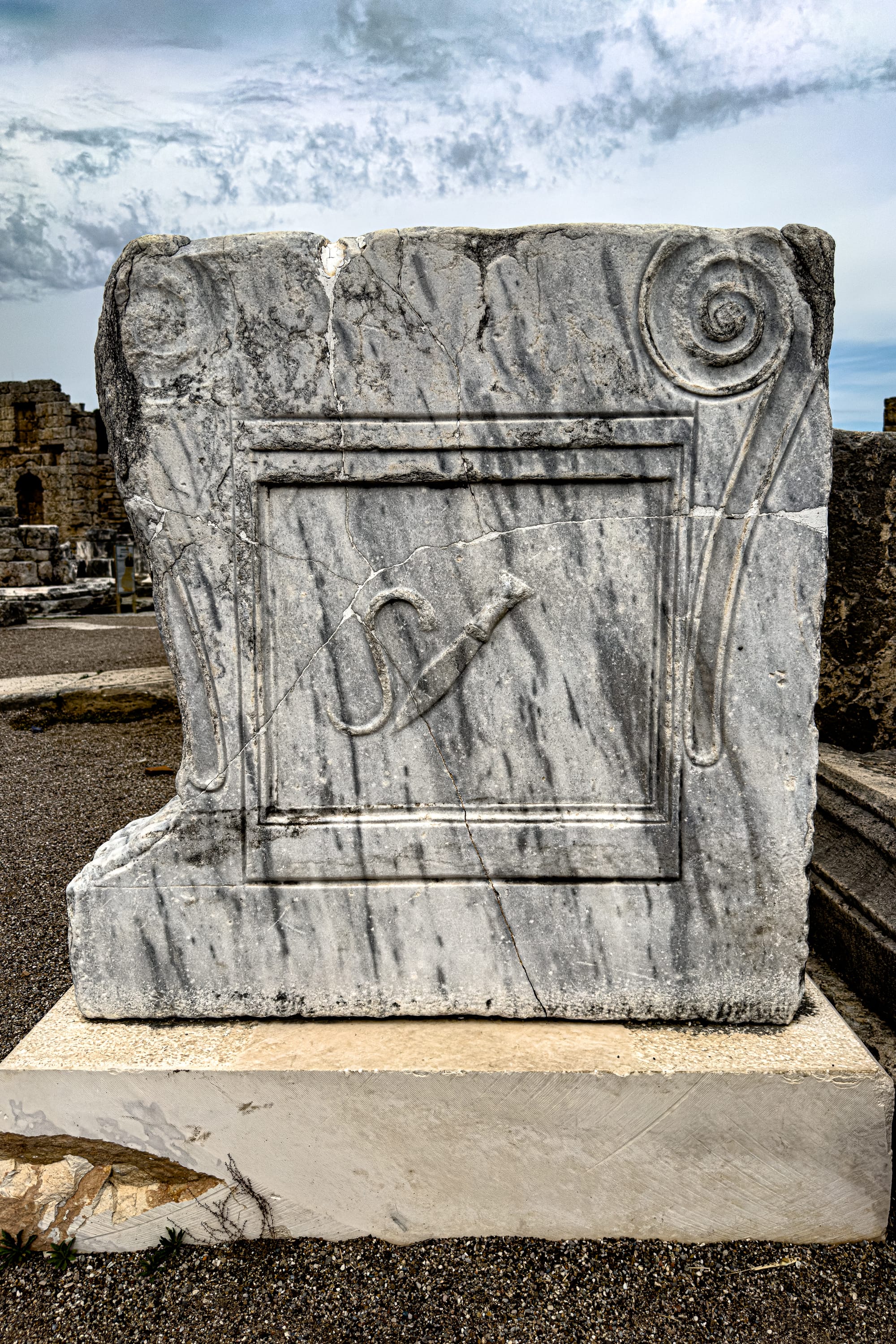


Traveling for ancient ruins
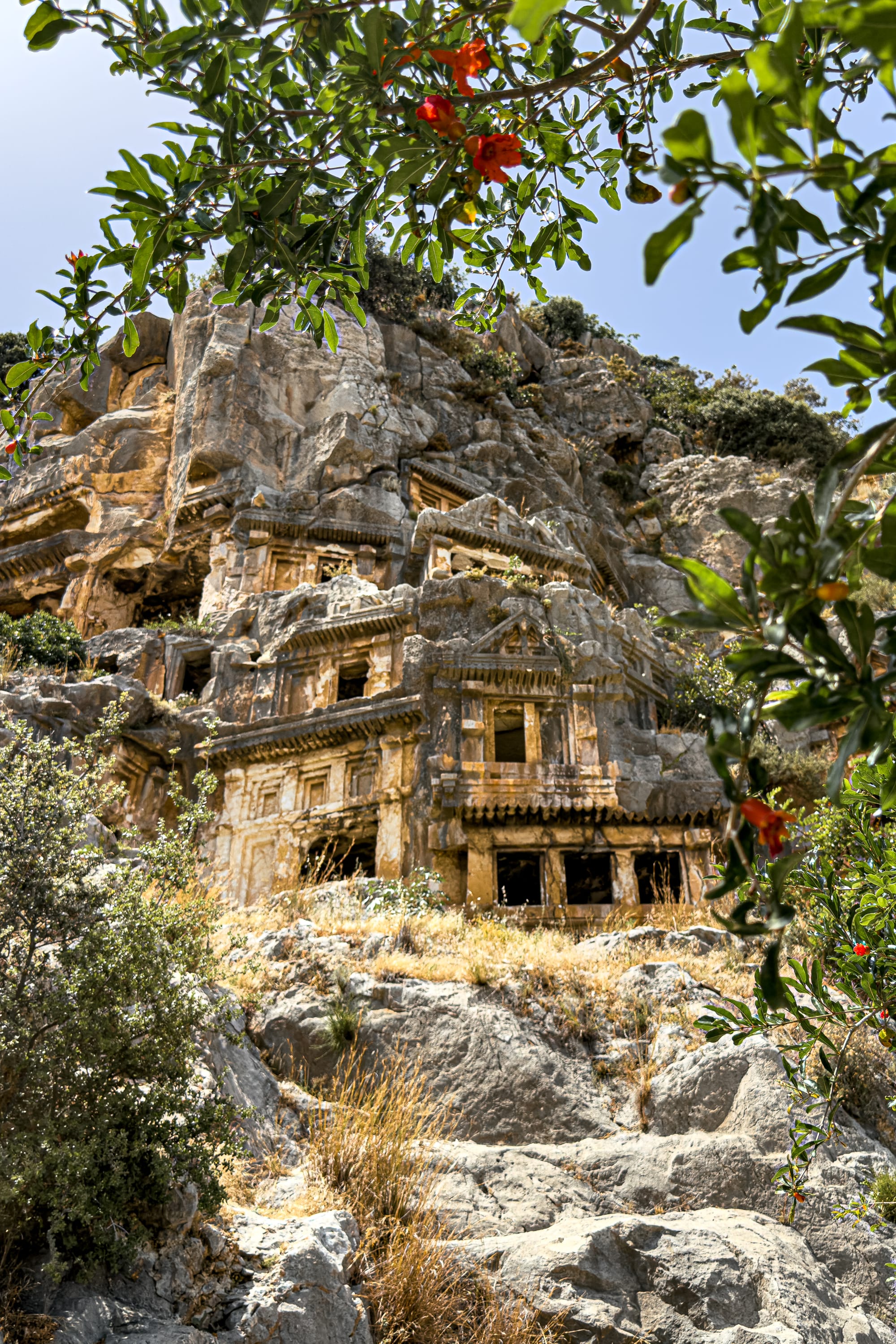
Ruins are where we go to understand how a place got to be the way it is. A Roman theater still standing on a hillside in Turkey, a Maya temple coming out of the jungle in Chiapas, a Byzantine church carved into a rock in Cappadocia: they're the oldest evidence of how people lived, worshipped and governed there.
Most of the sites on this page are in Turkey, where we spent the longest and where almost every road seems to pass an ancient city. The rest are in Mexico and Vietnam. We visit more every time we move somewhere new, so this list keeps growing.
Below, the sites are grouped by region, with how we visited each one and what we'd do differently.
How we visit ancient sites
Go early. Most ruins have little shade. At Mỹ Sơn the tours run in the morning for exactly that reason, and in Antalya the summer heat makes midday visits hard work.
Use a guide for the big sites. At the Göreme Open Air Museum our guide walked us through the churches and then gave us an hour on our own, which was the right mix. Around Demre we joined a day tour that combined Myra, the sunken city of Kekova and the Church of Saint Nicholas, three sites that are awkward to link up without a car.
Stay overnight when the drive is long. Palenque is a long, winding drive from San Cristóbal, so we made a weekend of it with friends from our coliving and stayed near the ruins.
Check passes before you buy single tickets. In Cappadocia the Museum Pass covers most of the big sites, including the Göreme Open Air Museum (but not its Dark Church) and Ihlara Valley.
Read a little history first. Sites like Termessos and Perge have few signs, and knowing who built them changes what you see.
Spotlight
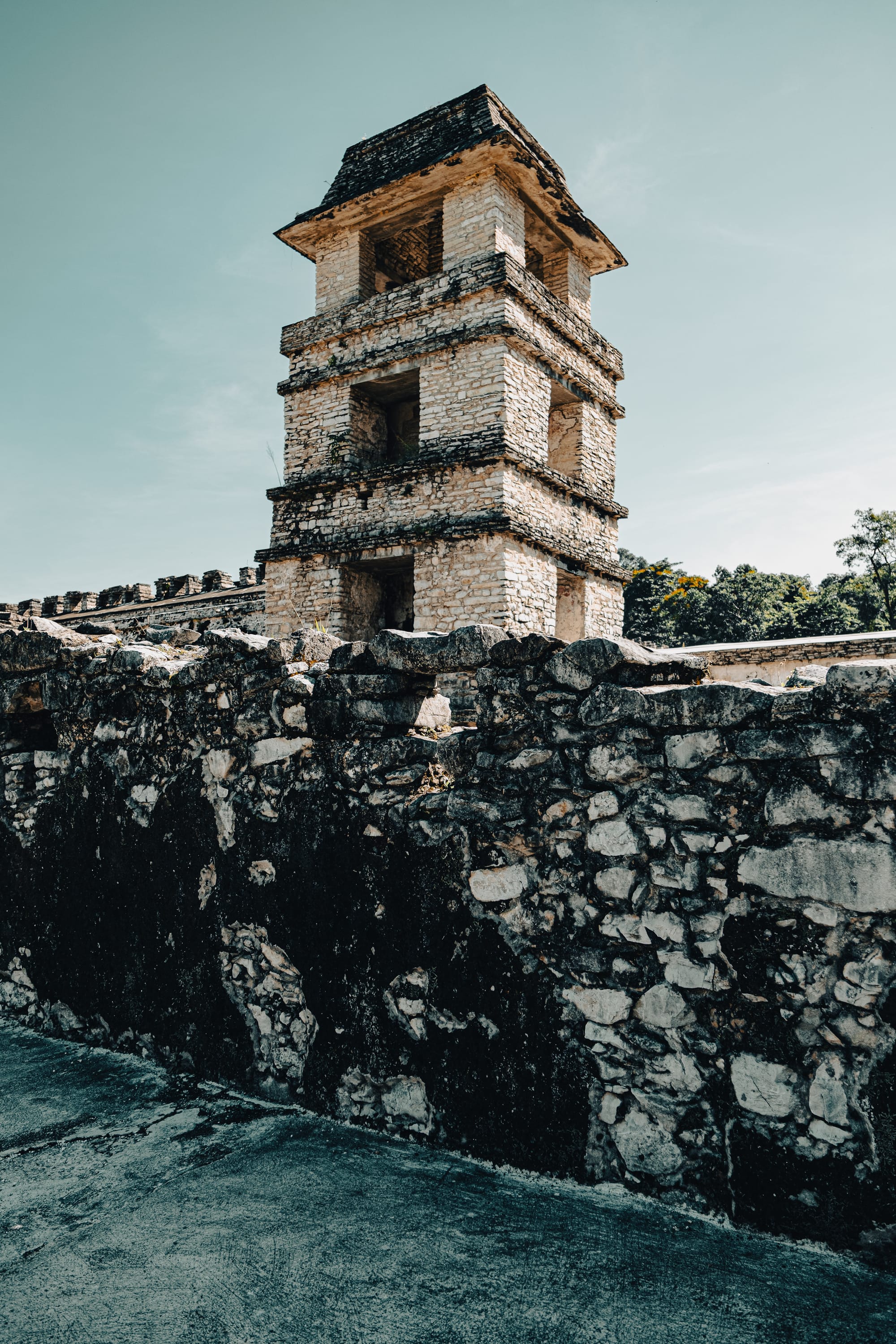
“Visiting Palenque was by far the most memorable experience we had in Chiapas. A UNESCO World Heritage Site embedded in the Chiapas jungle, the Palenque ruins are among the most significant Mayan archaeological sites in Mexico. If you only have room for one weekend trip from San Cristóbal de las Casas, this is the one we would recommend, without hesitation.”
Read onLycian, Greek and Roman ruins around Antalya
Cave churches, castles and underground cities in Cappadocia
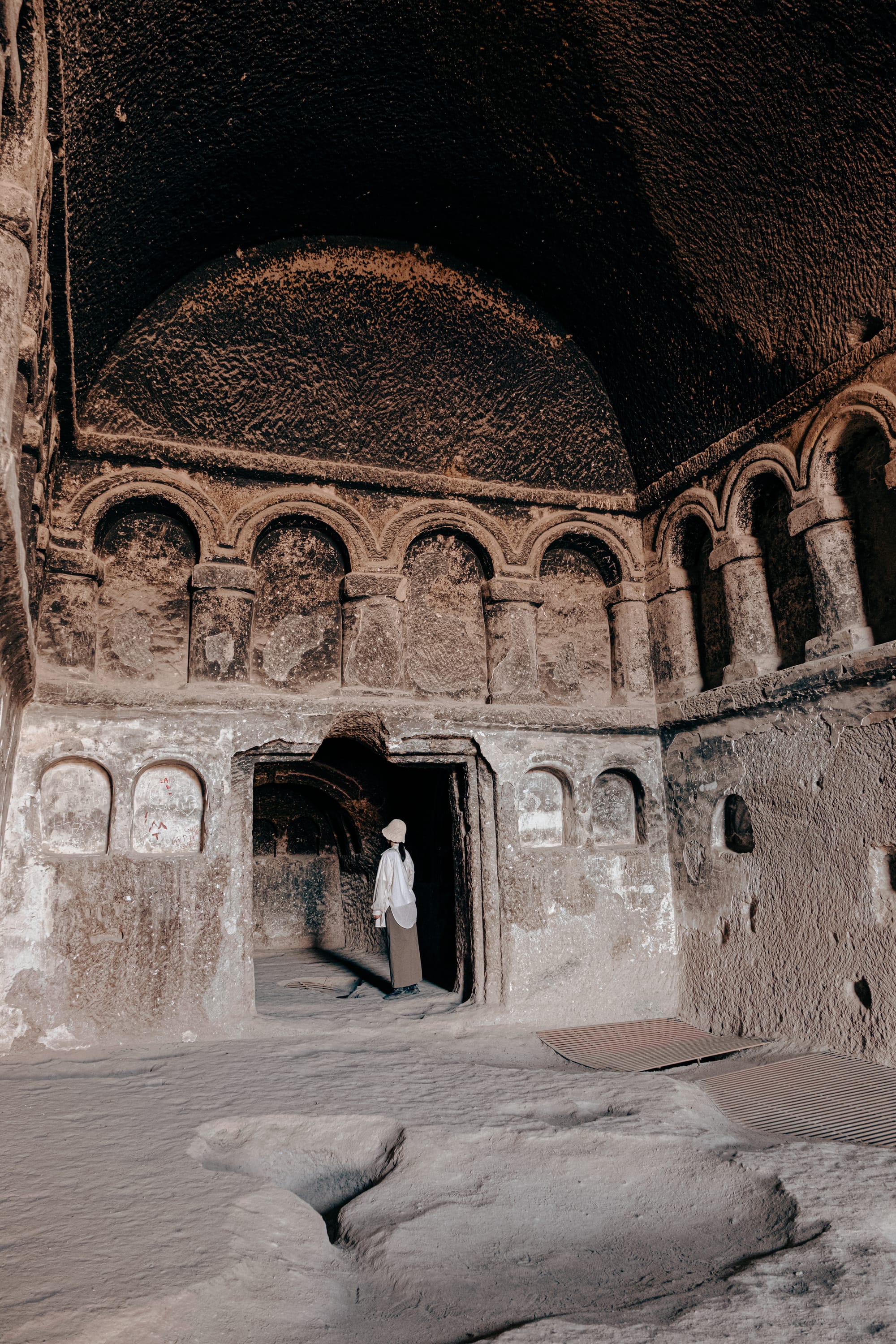
Cappadocia's history is carved rather than built. Byzantine monks cut churches and monasteries into the soft volcanic rock, and many are still painted with frescoes.
The Göreme Open Air Museum is the best place to start, with a cluster of rock-cut churches inside a UNESCO-listed national park. Selime Monastery, at the end of Ihlara Valley, is often described as the largest rock-cut monastery in Cappadocia, carved between the 8th and 11th centuries. Uçhisar Castle is a 60-meter rock hollowed out into rooms and tunnels, and Çavuşin is an abandoned cave village that most tours drive straight past.
Underground, Derinkuyu goes down about 85 meters, with room for thousands of people, their animals and their food, though only around 10% is open today. Özkonak is smaller and less visited, with rolling stone doors almost two meters tall.
More in our Cappadocia guide.
Byzantine Istanbul
Istanbul was Constantinople for over a thousand years, and two of its greatest Byzantine buildings are a short walk apart.
Hagia Sophia was finished in 537 under Emperor Justinian I, and its 32-meter dome was an engineering breakthrough that shaped buildings for centuries. It has been a cathedral, a mosque, a museum and a mosque again, and some of its Byzantine mosaics are still visible.
About 150 meters away, the Basilica Cistern is a 6th-century underground reservoir held up by more than 300 marble columns, many of them taken from older Roman buildings. More in our architecture guide and our Istanbul guide.
Maya ruins in Mexico
Palenque was the highlight of our time in Chiapas. It's a UNESCO World Heritage Site in the rainforest, one of the most important Maya cities in Mexico, and the temples come out of thick jungle.
We'd stay at least one night nearby rather than doing it as a day trip from San Cristóbal, and pair it with the waterfalls at Misol-Há and Roberto Barrios. With more time, the jungle sites of Yaxchilán and Bonampak are a day trip further.
On the Caribbean side, the ruins at Tulum sit on a cliff above the sea. More in our San Cristóbal guide.
Mỹ Sơn and the Champa kingdom in Vietnam
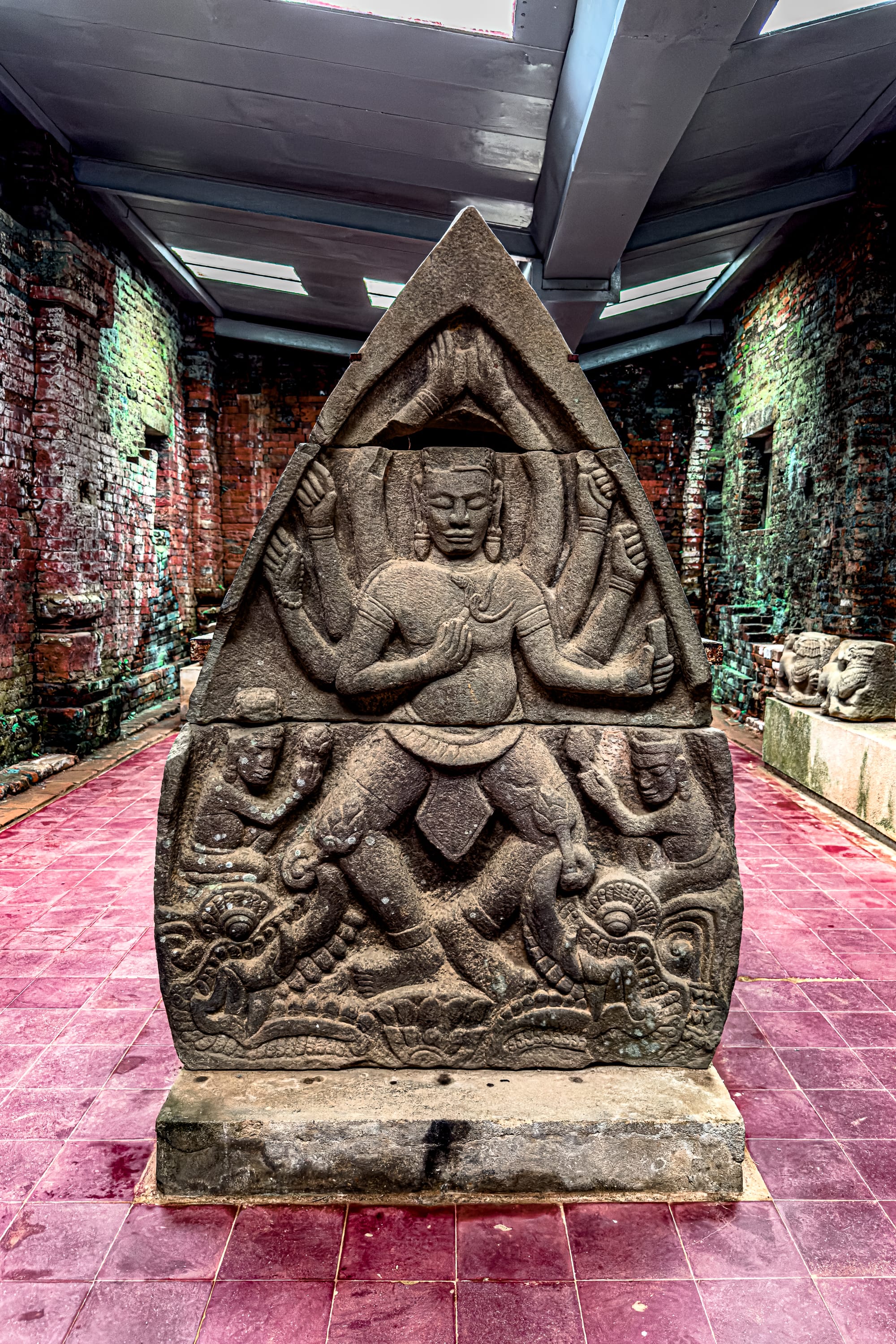
Mỹ Sơn Sanctuary was the spiritual and political center of the Champa kingdom, which ruled central Vietnam between the 4th and 13th centuries. Its red-brick Hindu temples sit in a green valley about an hour from Hội An, and became a UNESCO World Heritage Site in 1999.
Go on a morning tour to beat the heat. More in our Hội An guide.
How to visit ruins respectfully
Don't climb on what isn't meant to be climbed. Walls, columns and tombs that have stood for two thousand years can be damaged by one visitor's weight.
Don't touch the frescoes, and turn off your flash. The paintings in Cappadocia's churches are fragile, and many sites ban photography inside for that reason.
Leave everything where it is. No stones, tiles or pottery shards as souvenirs, even small ones.
Stay on the paths and out of roped-off areas. At Kekova the sunken ruins are protected, so boats keep their distance and swimming happens in the coves.
Bring water and wear proper shoes. Most sites are uneven, exposed and a long way from the nearest shop.
Pay for local guides and site tickets. Ticket money and local guiding are what keep these places protected and studied.
What are the best ancient ruins in Turkey?
From our own trips: Termessos, Perge, Aspendos, Side, Myra and Kekova on the Antalya coast, Hierapolis beside Pamukkale, the rock-cut churches of the Göreme Open Air Museum and Selime Monastery in Cappadocia, and Hagia Sophia in Istanbul.
Where is the best-preserved Roman theater in Turkey?
Aspendos, east of Antalya, has one of the best-preserved Roman theaters in the world. It was built in the 2nd century, during the reign of Marcus Aurelius, and held 15,000 to 20,000 spectators. Its stage wall still stands almost to full height.
Is Termessos worth visiting?
Yes. Termessos is a Pisidian city above 1,000 meters in the Taurus Mountains, about 30 km from Antalya, and it's one of the least crowded ancient sites in Turkey. Its theater sits on a cliff edge. Expect uneven paths and a few climbs. Read our Termessos guide.
What is the sunken city of Kekova?
Kekova is an island off the Lycian coast near Demre where part of an ancient town sank under the sea after a 2nd-century earthquake. You see the foundations, stairs and harbor walls from a boat. Tours usually stop at the village of Kaleköy (ancient Simena). Read our Kekova guide.
Was Santa Claus from Turkey?
The saint behind Santa Claus, Saint Nicholas, was bishop of Myra, near modern Demre on Turkey's Lycian coast, in the 4th century. The Church of Saint Nicholas in Demre was built in the 6th century over his original burial place, close to the ruins of Myra.
How deep is Derinkuyu Underground City?
Derinkuyu goes down about 85 meters, cut level by level into the rock, with a ventilation shaft about 55 meters deep. Only around 10% of the city is open to visitors. It's about 35 minutes by car south of Göreme. Read our Derinkuyu guide.
Is the Göreme Open Air Museum worth it?
Yes, especially with a guide. It's a cluster of Byzantine rock-cut churches, many with frescoes, inside a UNESCO World Heritage Site. Entry is €20 (official price, checked November 2026), and the Dark Church needs a separate ticket. Plan on about an hour. Read our Göreme Open Air Museum guide.
Can you visit Hierapolis and Pamukkale together?
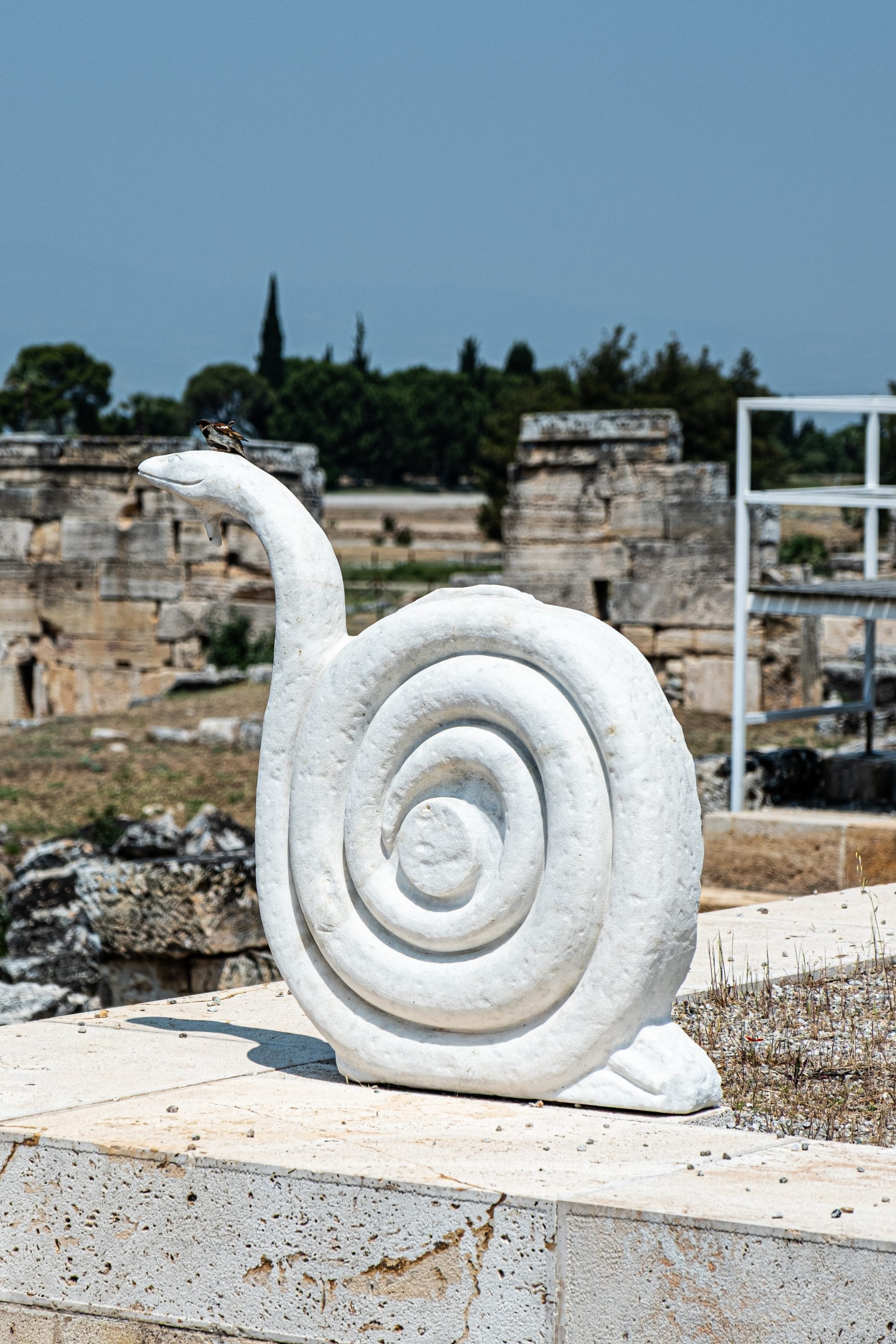
Yes. They share one site and one ticket, and they were listed together as a UNESCO World Heritage Site in 1988. Hierapolis is the Greco-Roman city on top of the white travertine terraces of Pamukkale. Read our guides to Hierapolis and Pamukkale.
Why is Hagia Sophia famous?
Hagia Sophia was completed in 537 under the Byzantine emperor Justinian I, and its 32-meter dome was one of the great engineering achievements of its time. It has been a cathedral, a mosque, a museum and a mosque again. Read our Hagia Sophia guide.
Is Palenque worth visiting?
Yes. Palenque was the most memorable thing we did in Chiapas. It's one of the most important Maya sites in Mexico, set in the rainforest. We recommend staying overnight nearby rather than doing a long day trip from San Cristóbal. Read our Palenque guide.
How do you get to Palenque from San Cristóbal de las Casas?
By road. The drive is long and winding, so most people take a tour or a bus and stay at least one night. Many tours combine the ruins with the waterfall at Misol-Há. Read our Palenque guide.
What is Mỹ Sơn Sanctuary?
Mỹ Sơn is a group of red-brick Hindu temples that was the spiritual center of the Champa kingdom between the 4th and 13th centuries. It's about an hour from Hội An and has been a UNESCO World Heritage Site since 1999. Read our Mỹ Sơn guide.
What is the Museum Pass Cappadocia?
It's a single pass from Turkey's Ministry of Culture and Tourism that covers most of Cappadocia's state-run sites, including the Göreme Open Air Museum (not its Dark Church) and Ihlara Valley. If you plan to visit three or more sites, it usually works out cheaper than single tickets. Check the current price before you buy.
Do you need a guide to visit ancient ruins?
Not always, but it helps at large or poorly signposted sites. A guide explains what you're looking at and the history behind it. We found guides most useful at the Göreme Open Air Museum and on the Myra and Kekova day tour.
What is the best time of day to visit ancient ruins?
Early morning. Most ruins have little shade, crowds build from mid-morning, and the light is better for photos. Late afternoon is the next best option, especially at coastal sites like Side at sunset.
What should you bring when visiting ruins?
Water, sun protection, a hat and shoes with grip. Most sites are uneven, exposed and some distance from shops. Bring cash for tickets at smaller sites, and a scarf or shirt for churches or temples where you need to cover your shoulders.