















Living in the Azores
We’d heard a lot about Madeira in digital nomad circles, but almost nothing about the Azores. We ended up going somewhat randomly, looking for a place to stop for a month en route to the Americas, and were most pleasantly enchanted.
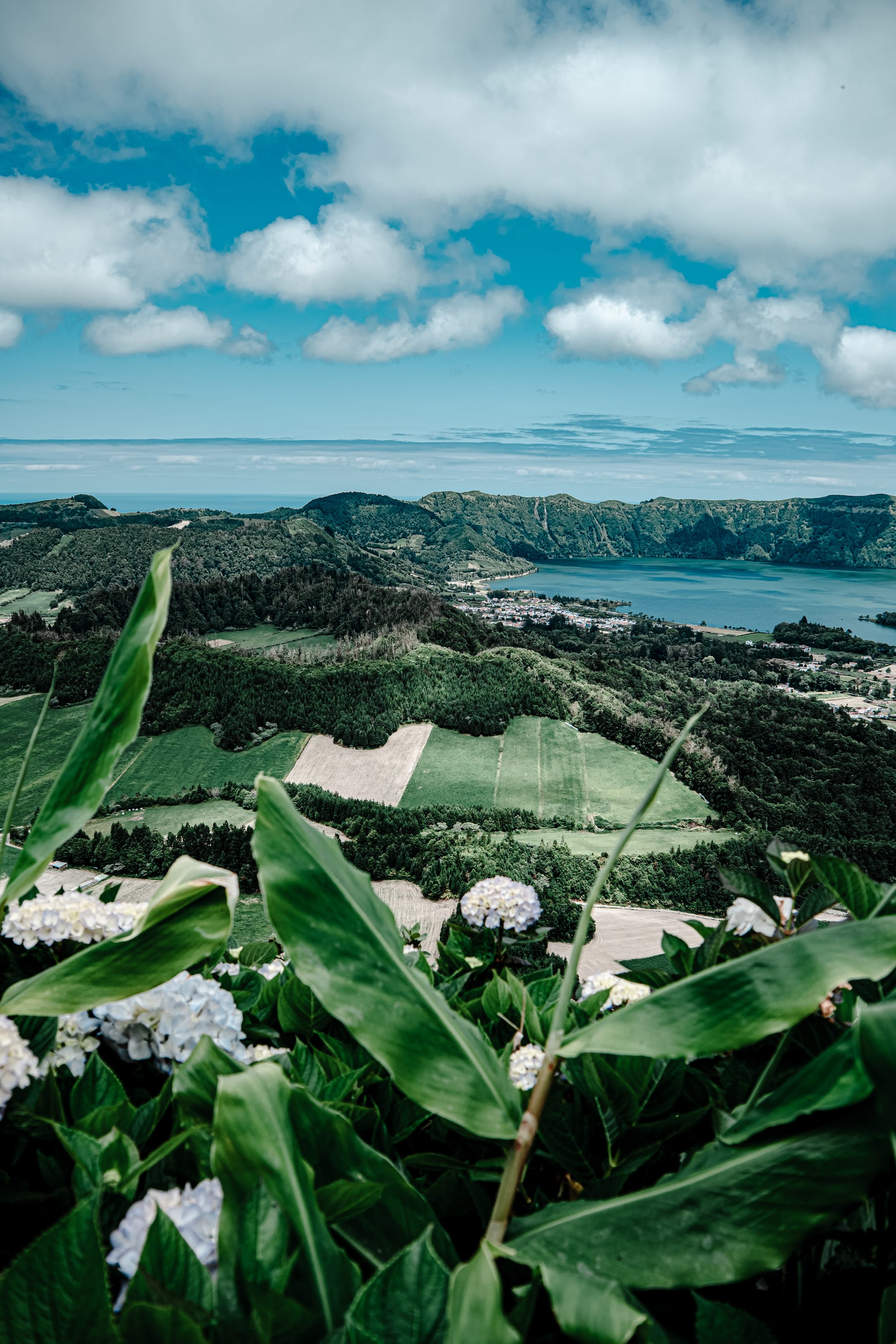
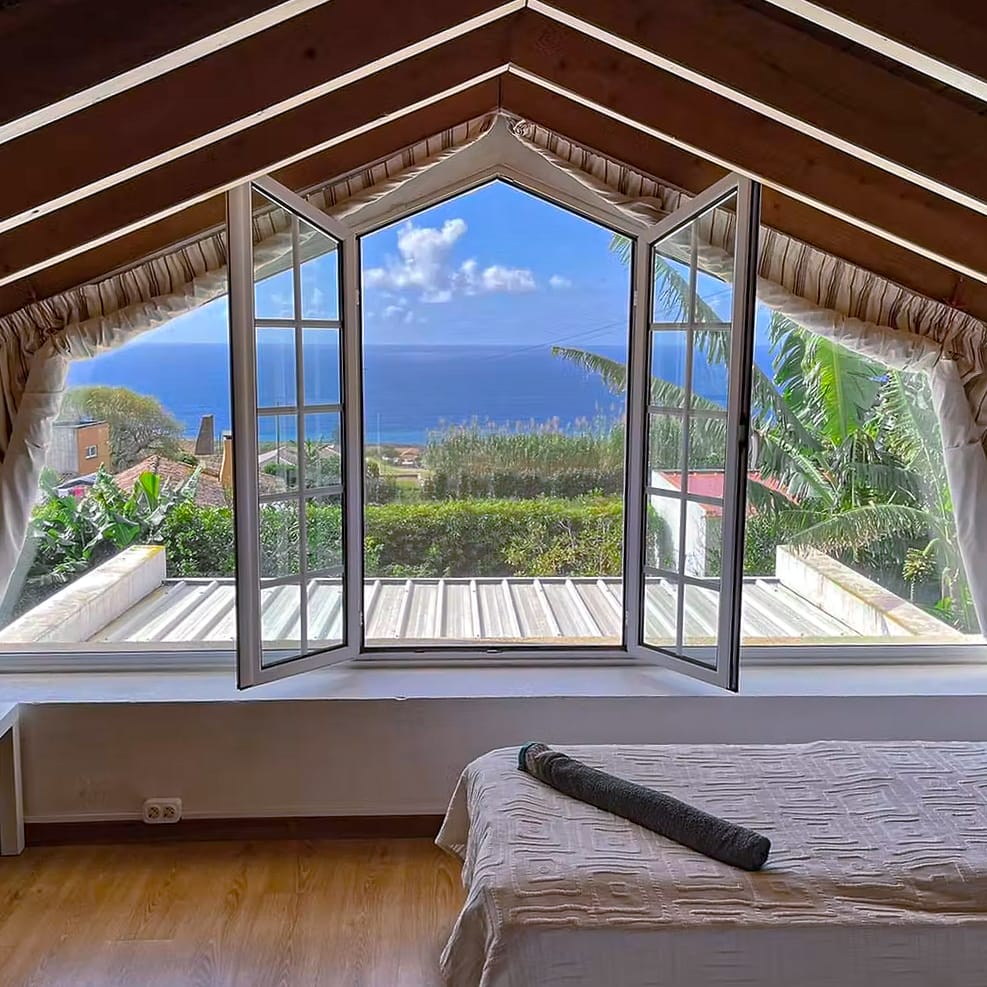
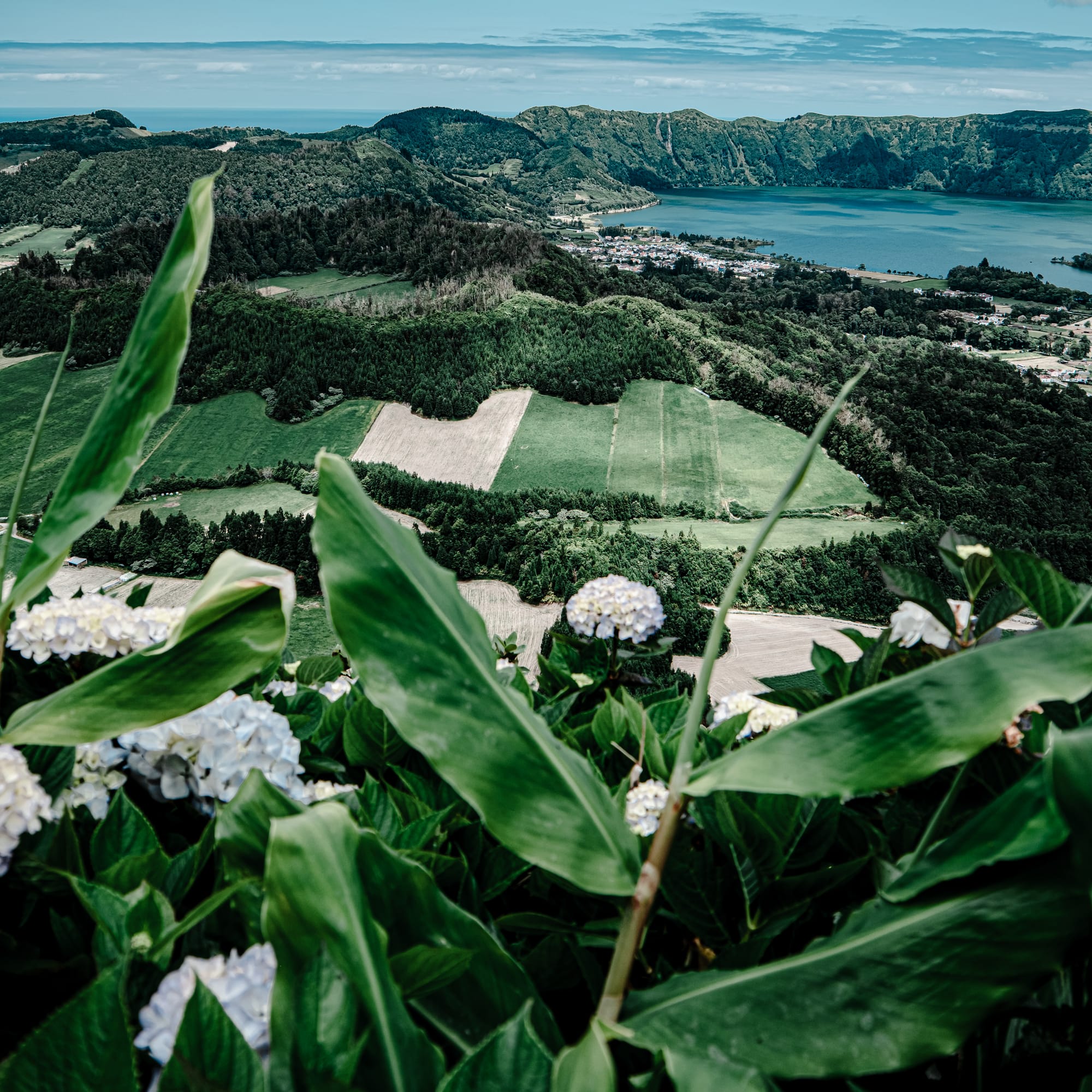
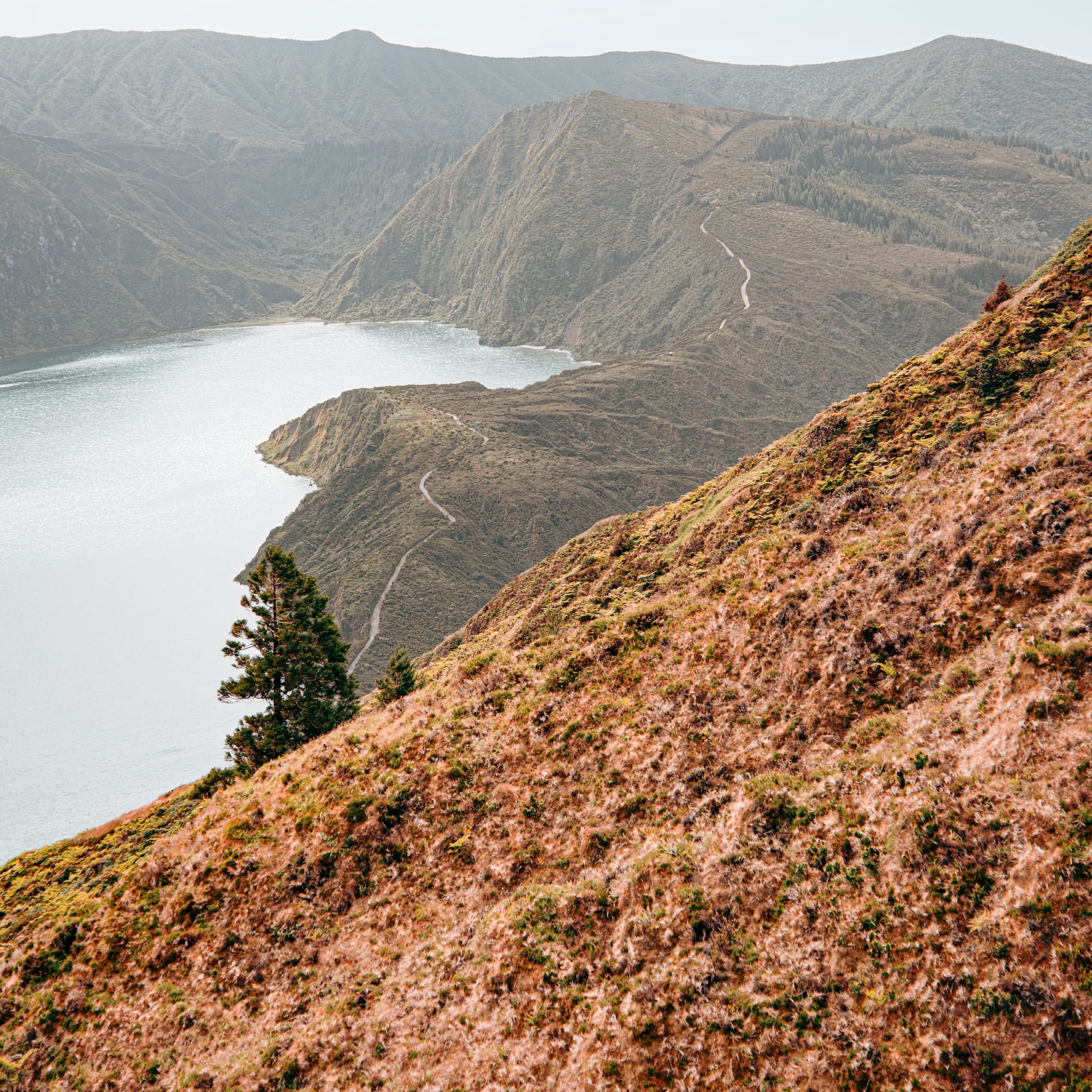
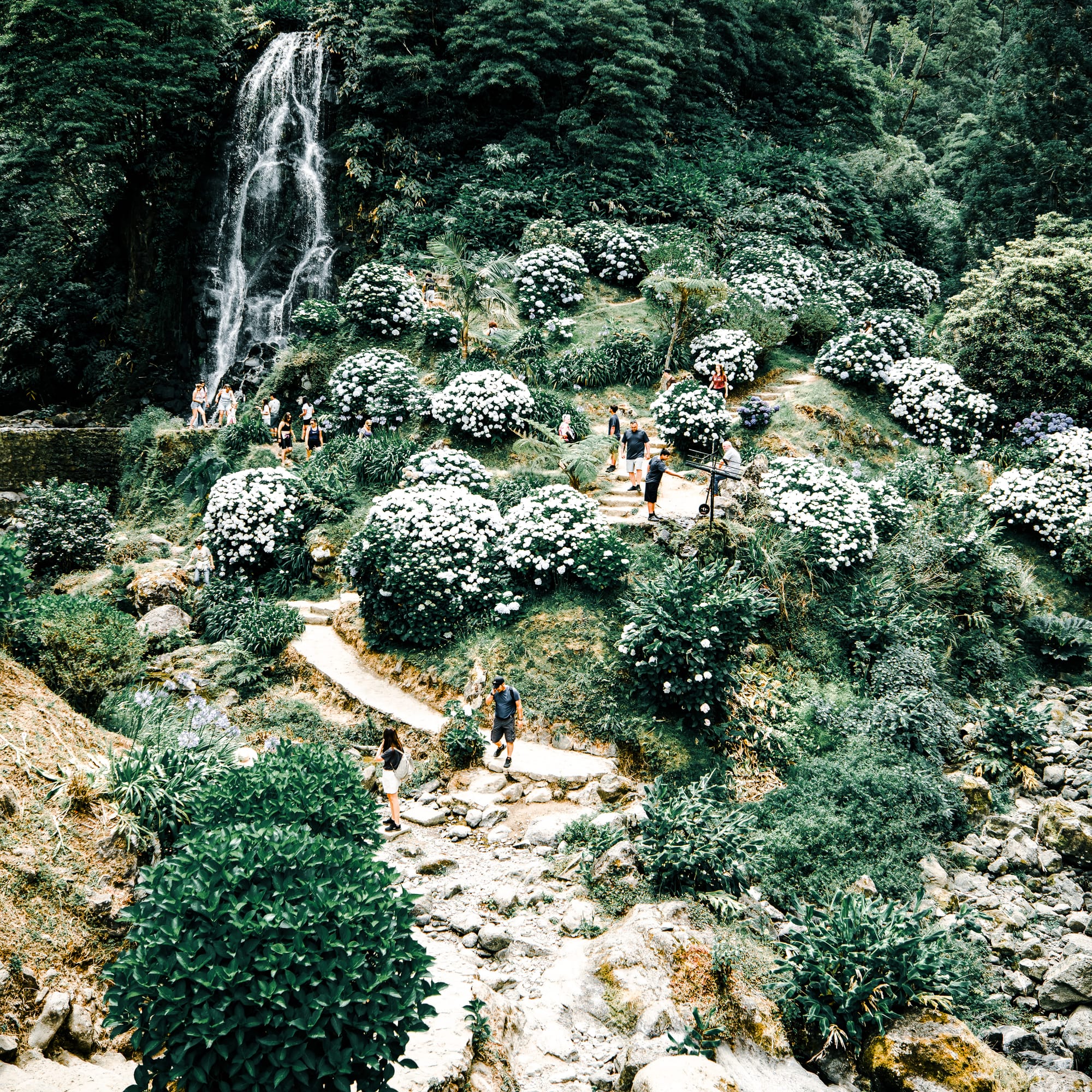
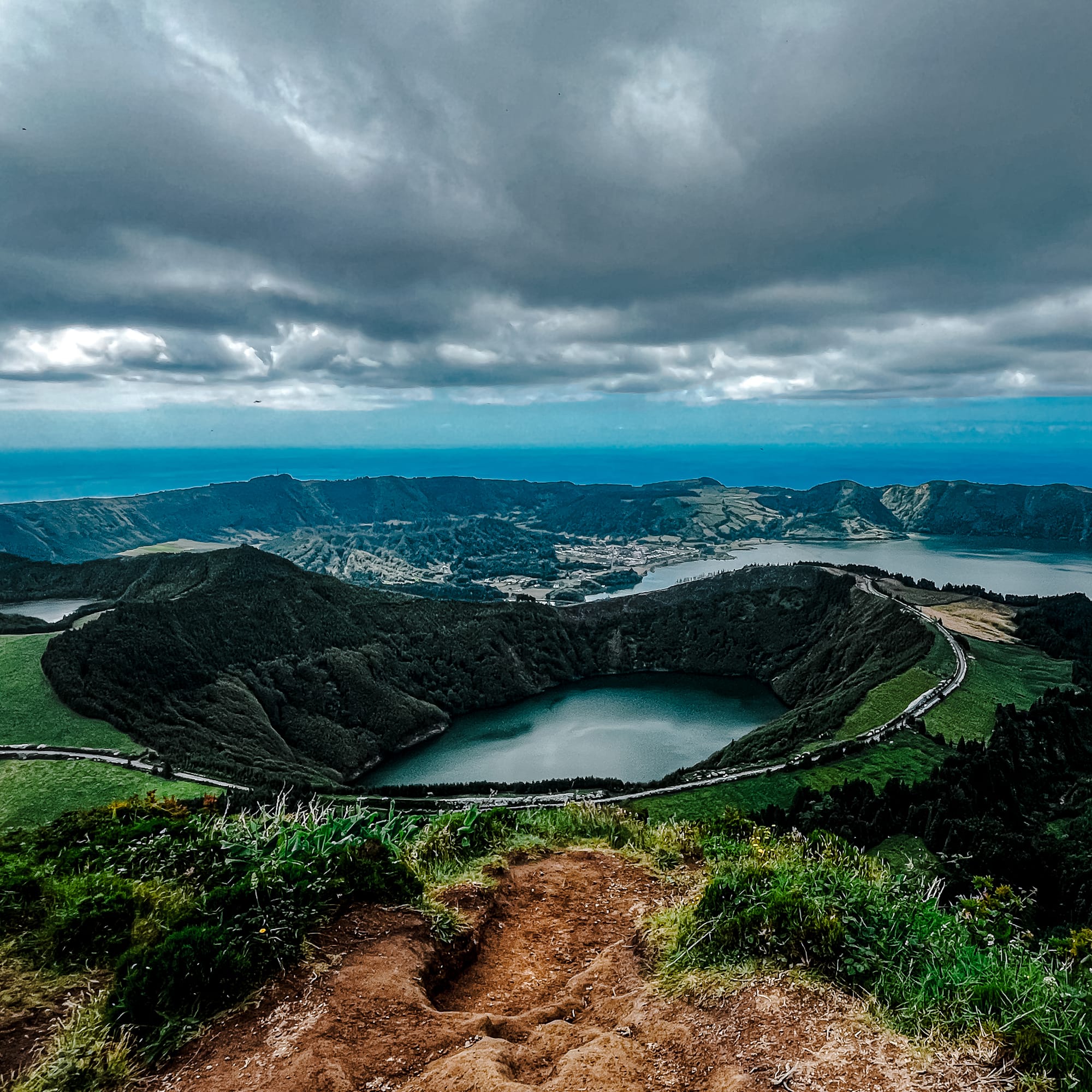
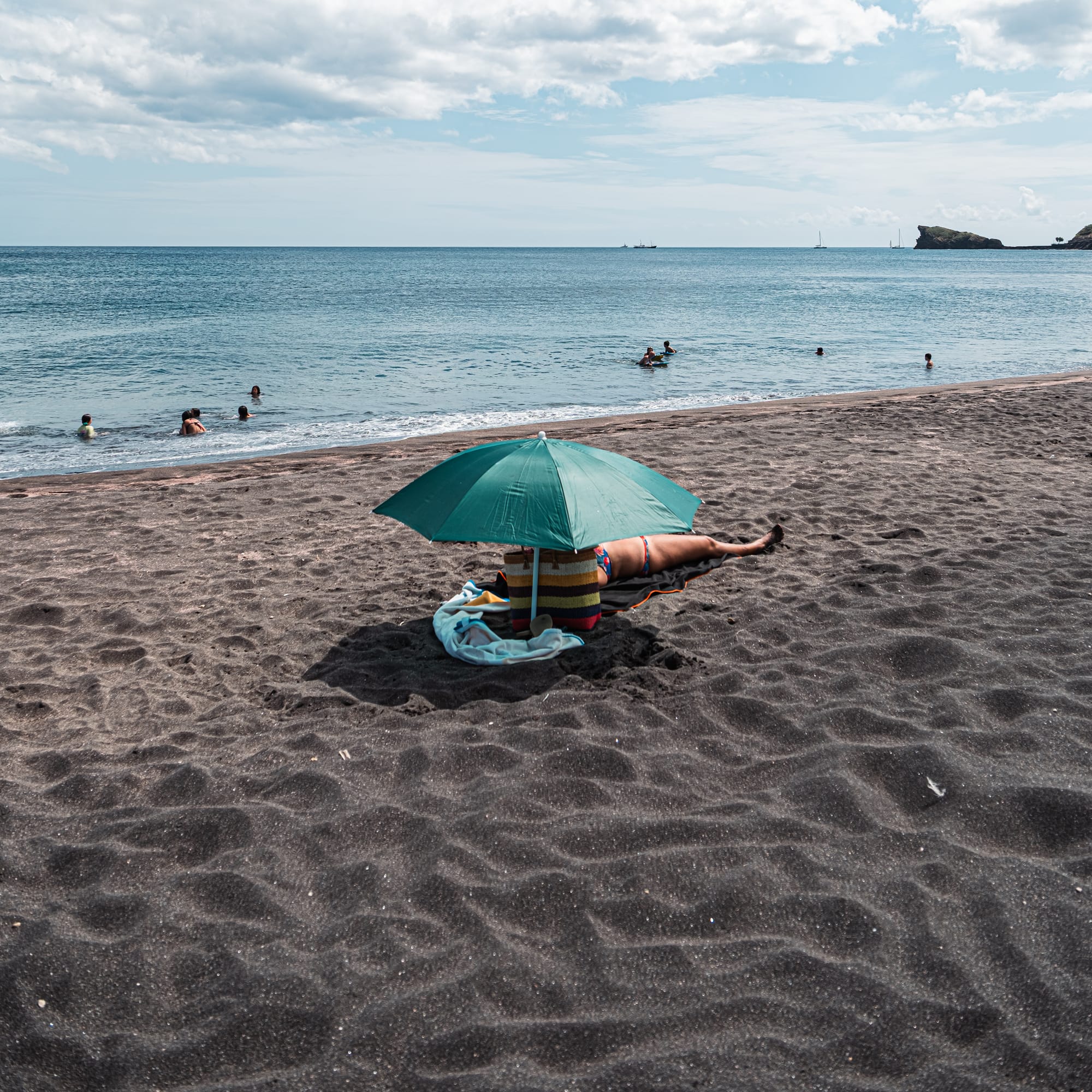
Bright green fields stretch in every direction, dotted with rows of corn and grazing cows. Small, quiet coastal towns sit along the water. Roads wind along cliffs or cut inland, sometimes disappearing into fog.
Defining moments
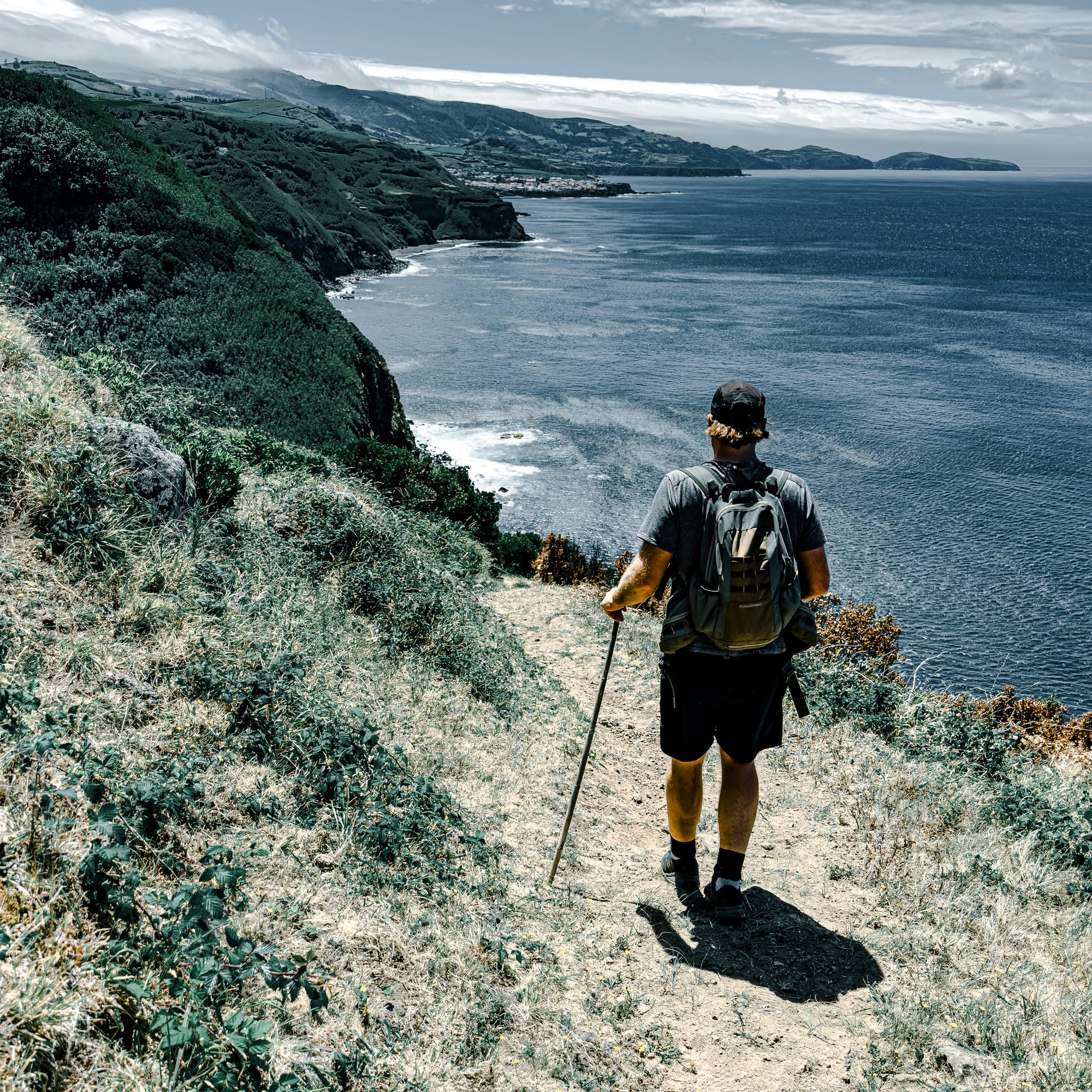
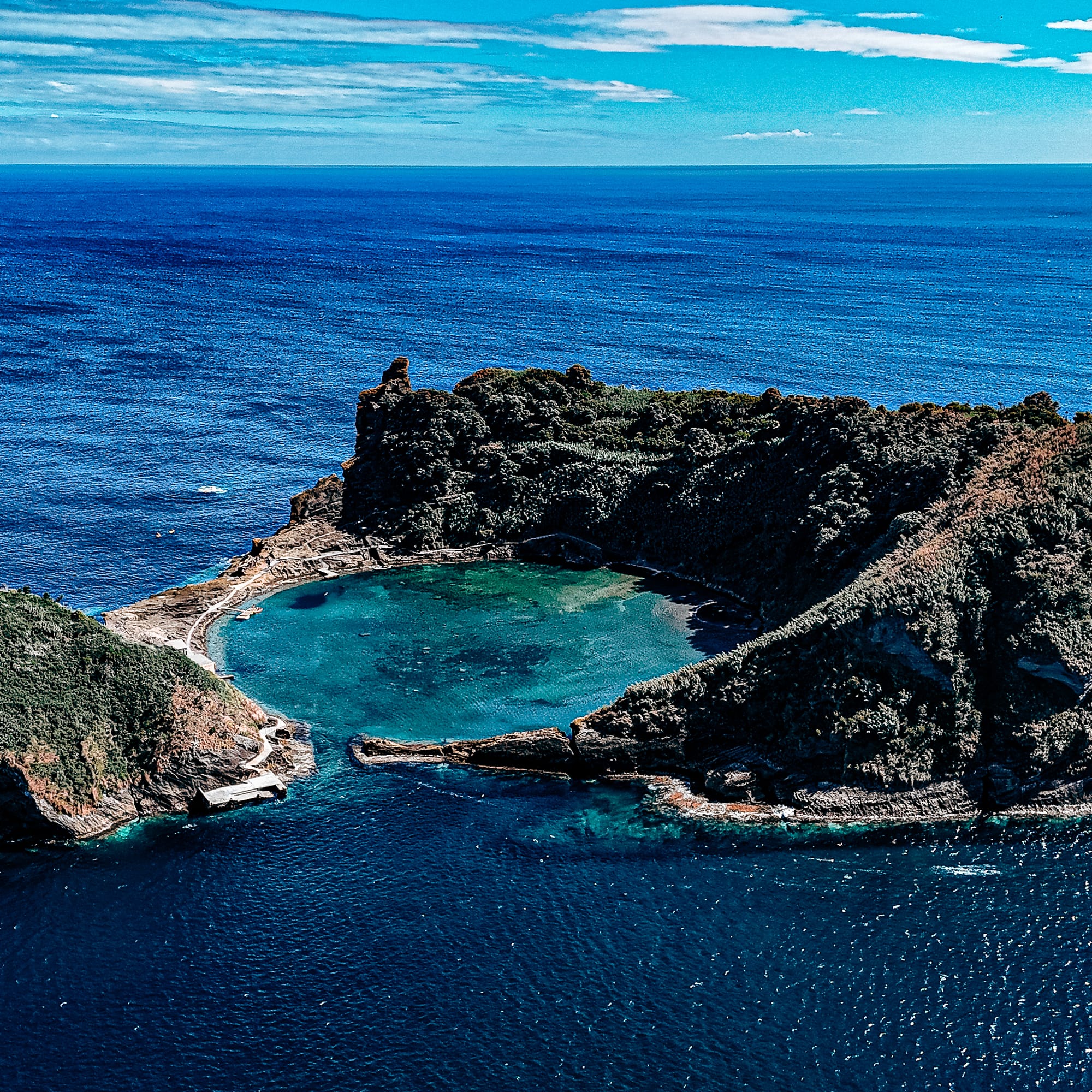
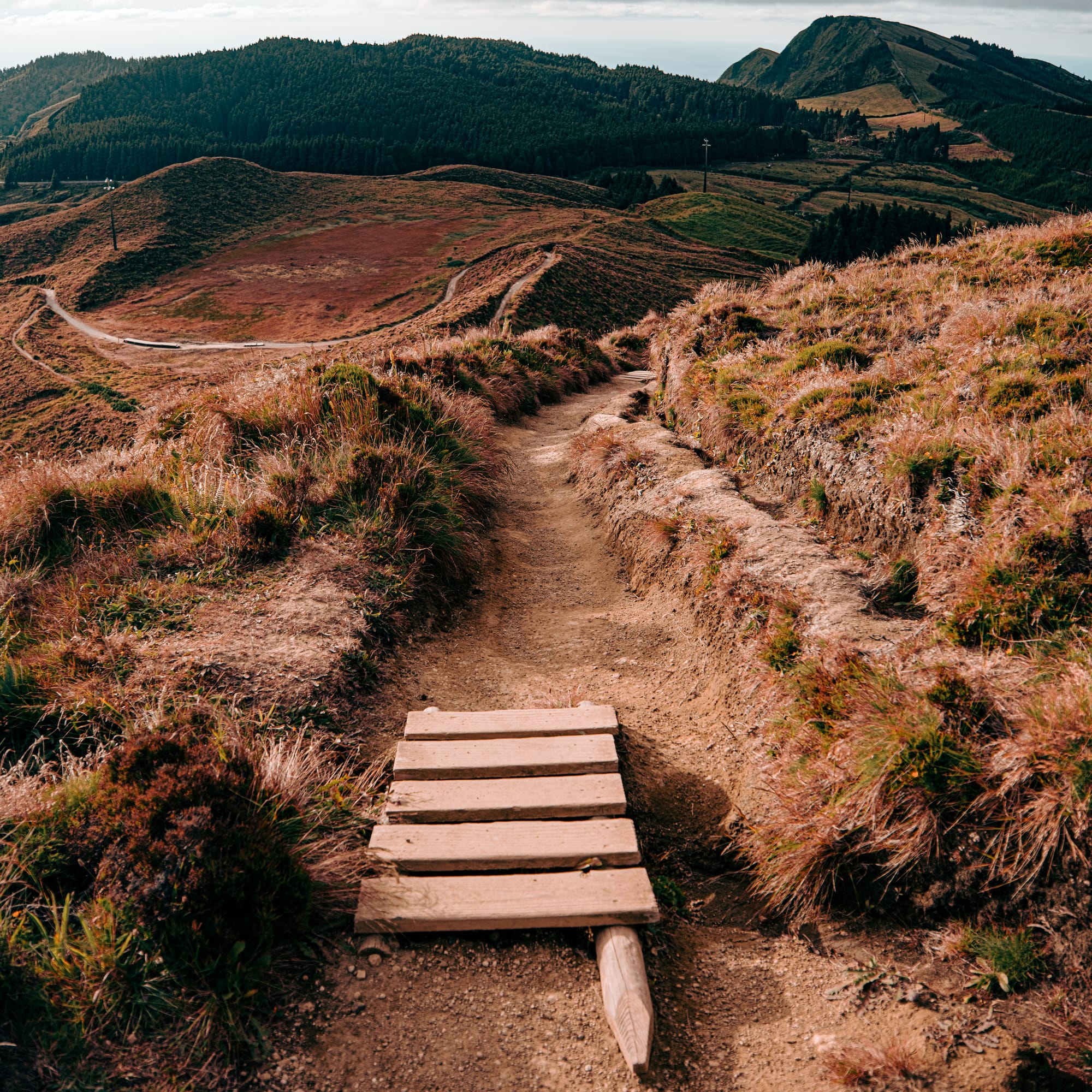
Hiking along a path that seemed to dissolve straight into the ocean, part of the Moinhos da Ribeira Funda trail.
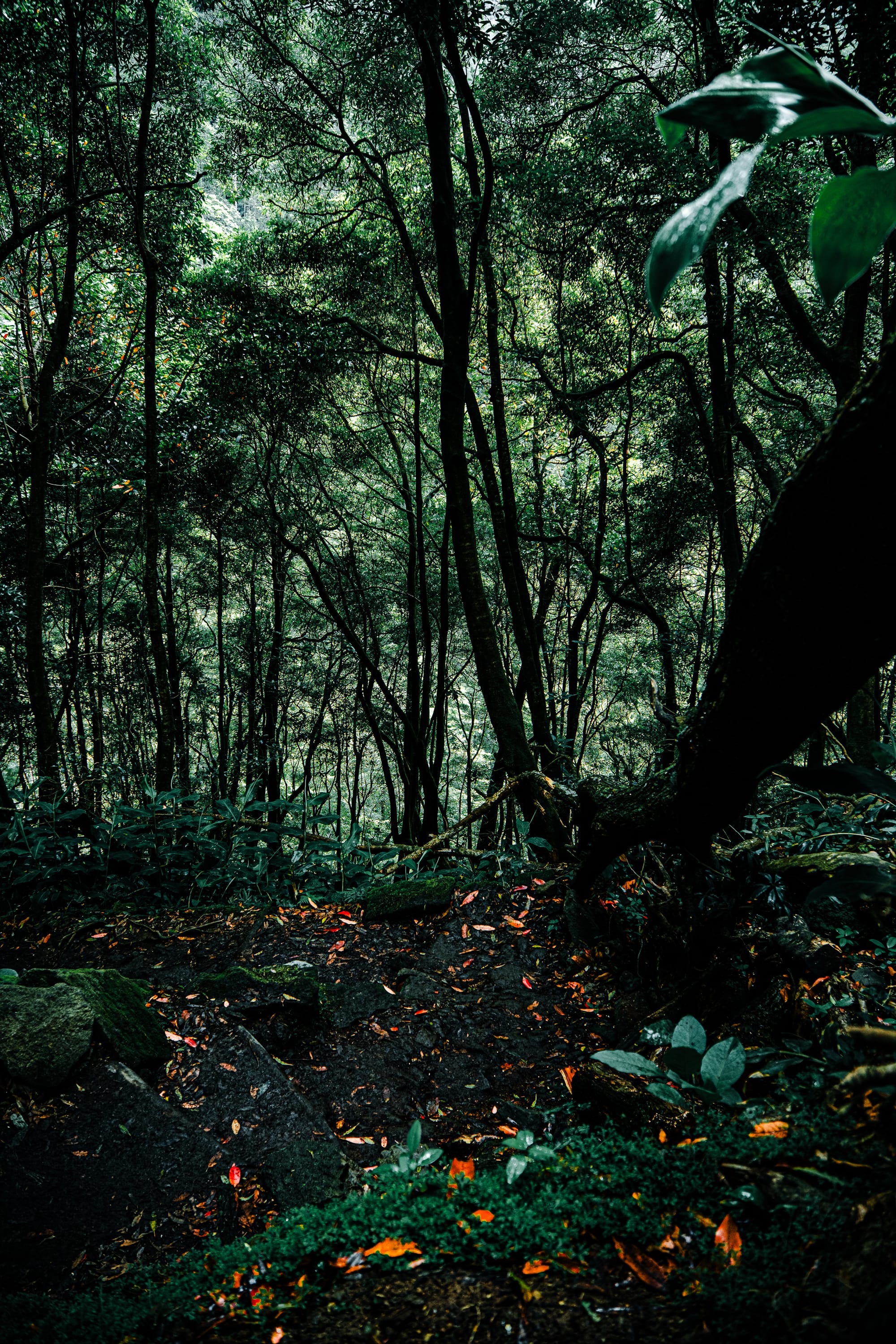
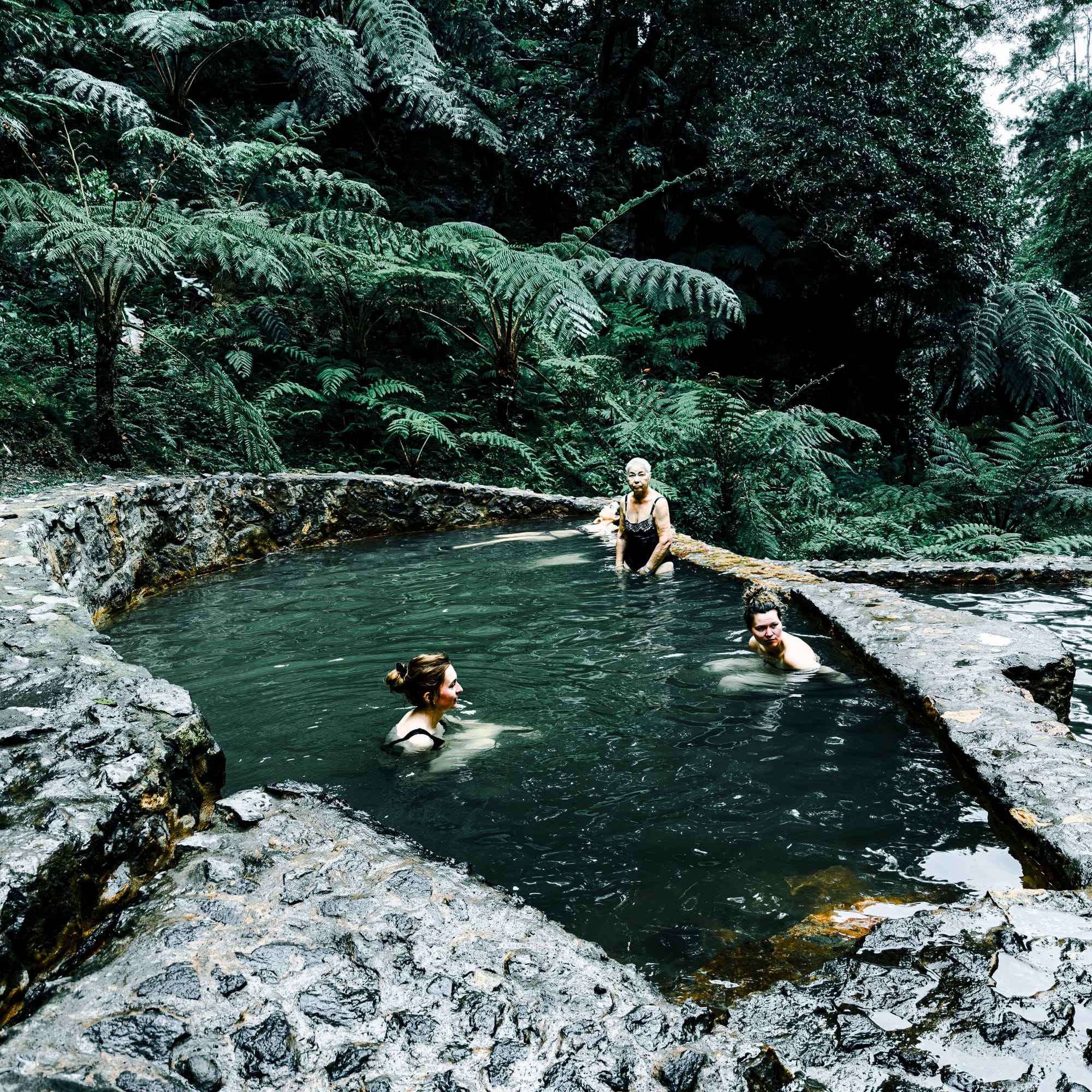
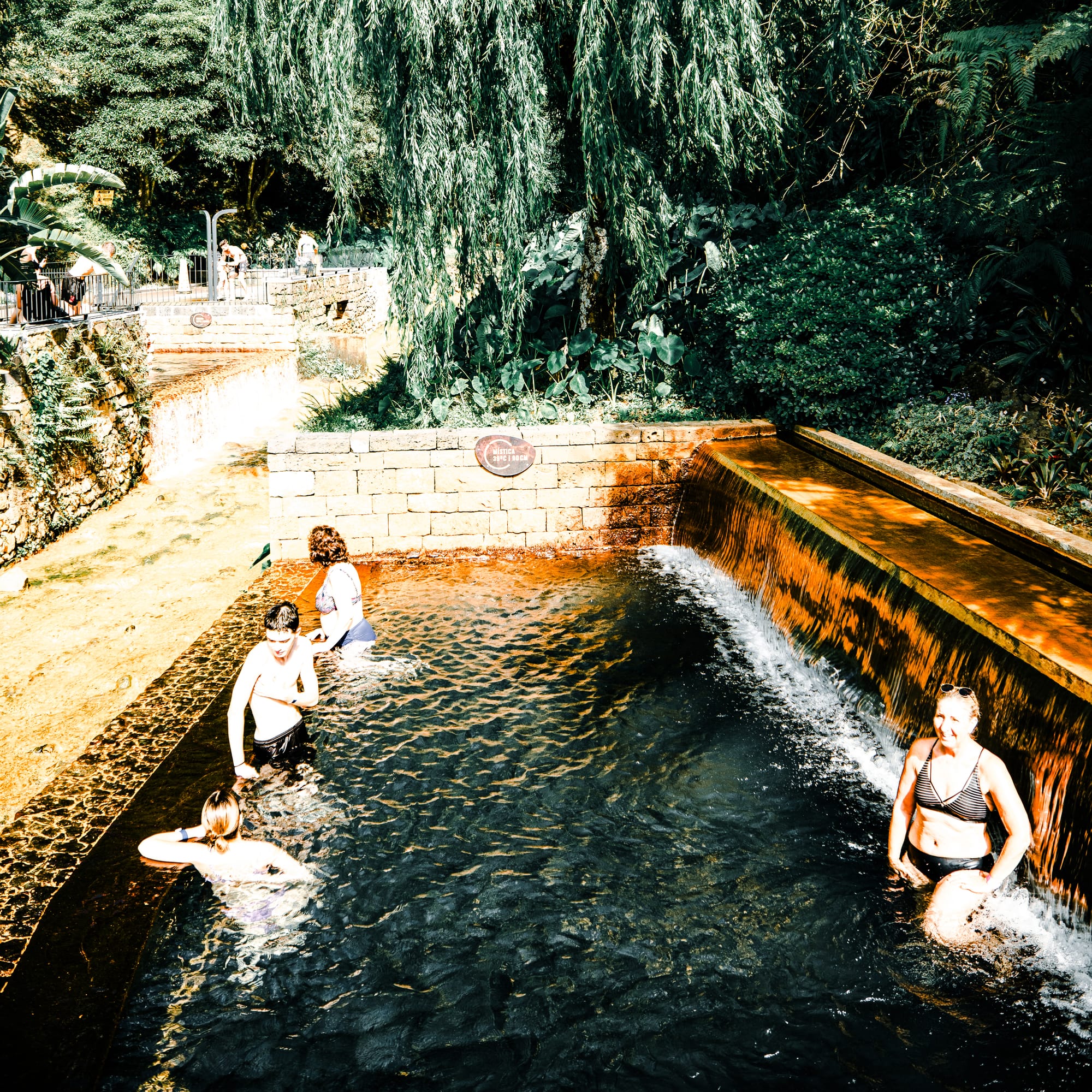
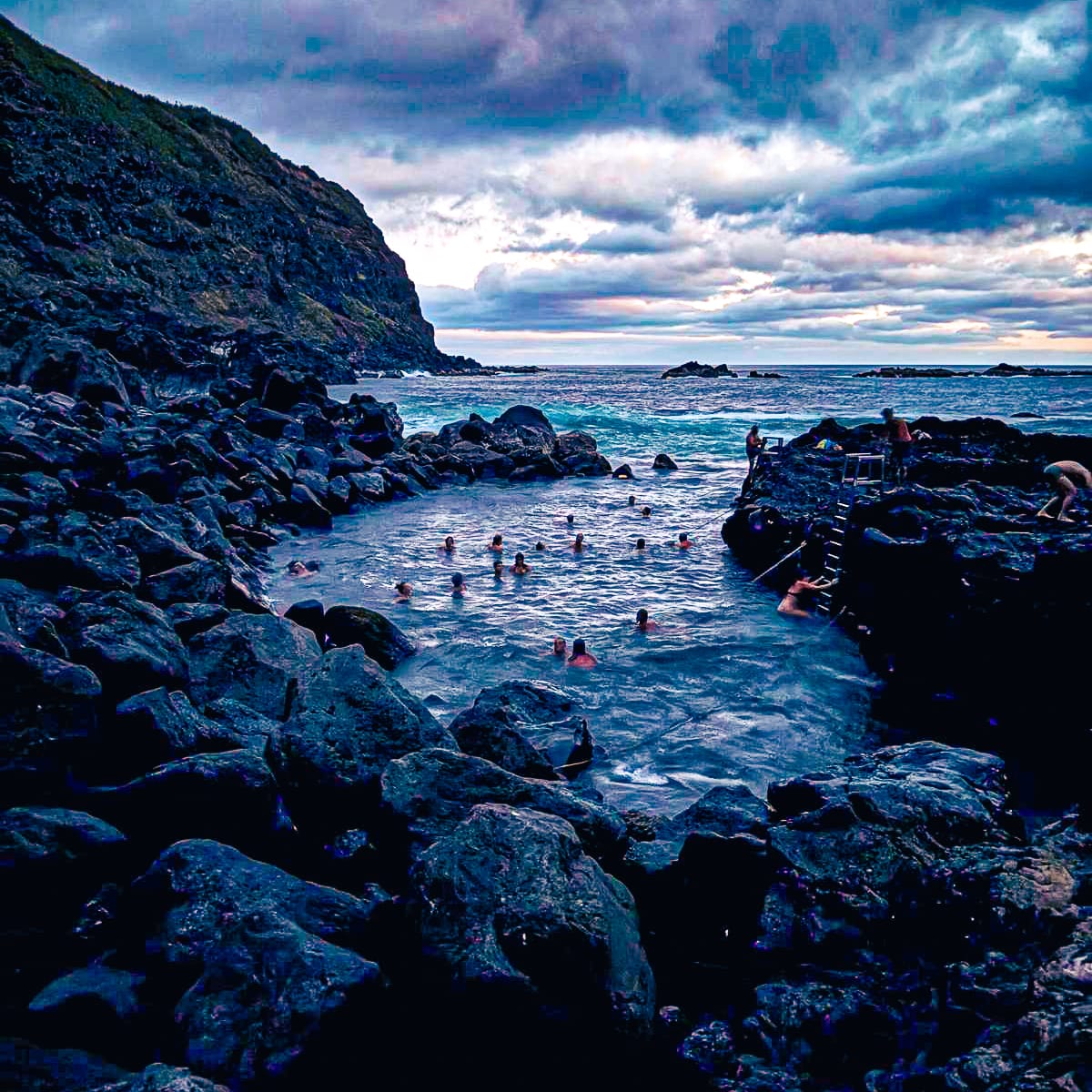
Soaking in hot geothermal water at Caldeira Velha, surrounded by dense rainforest.
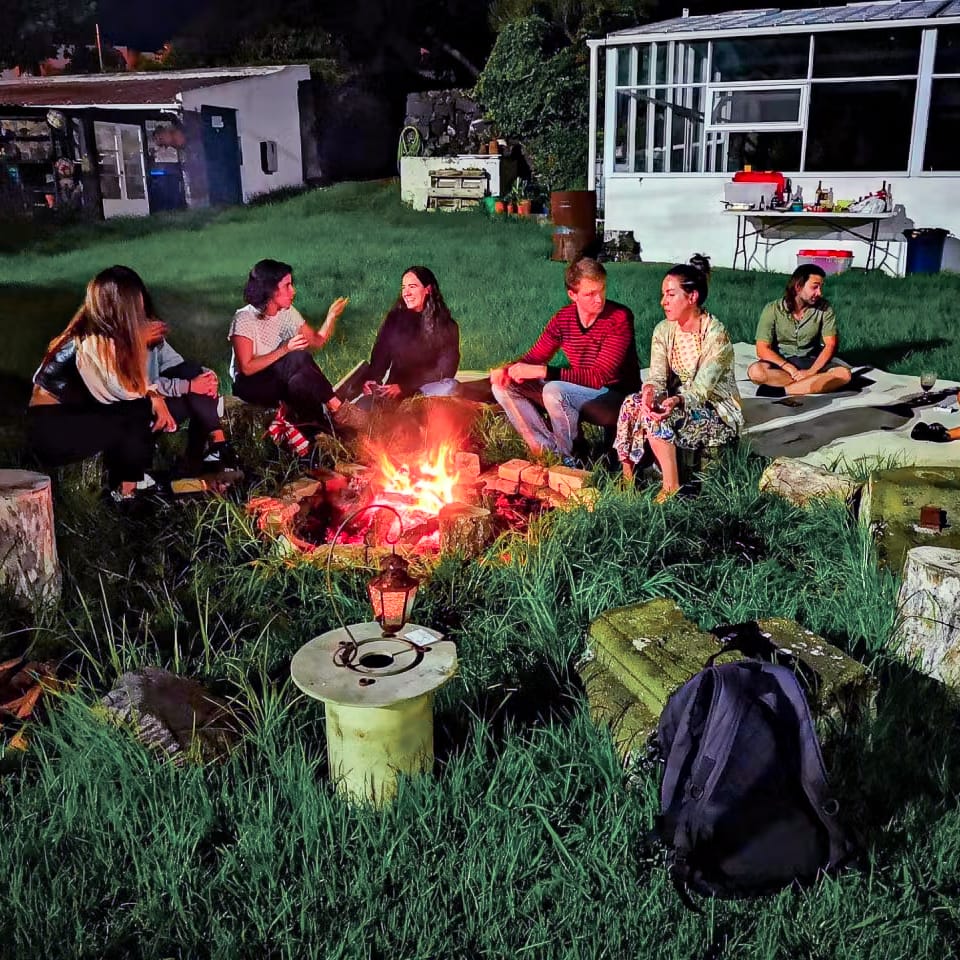
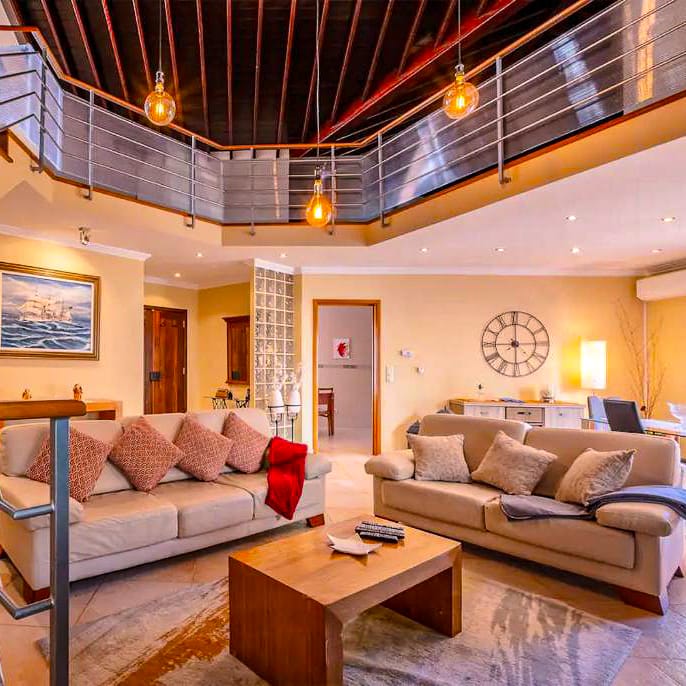
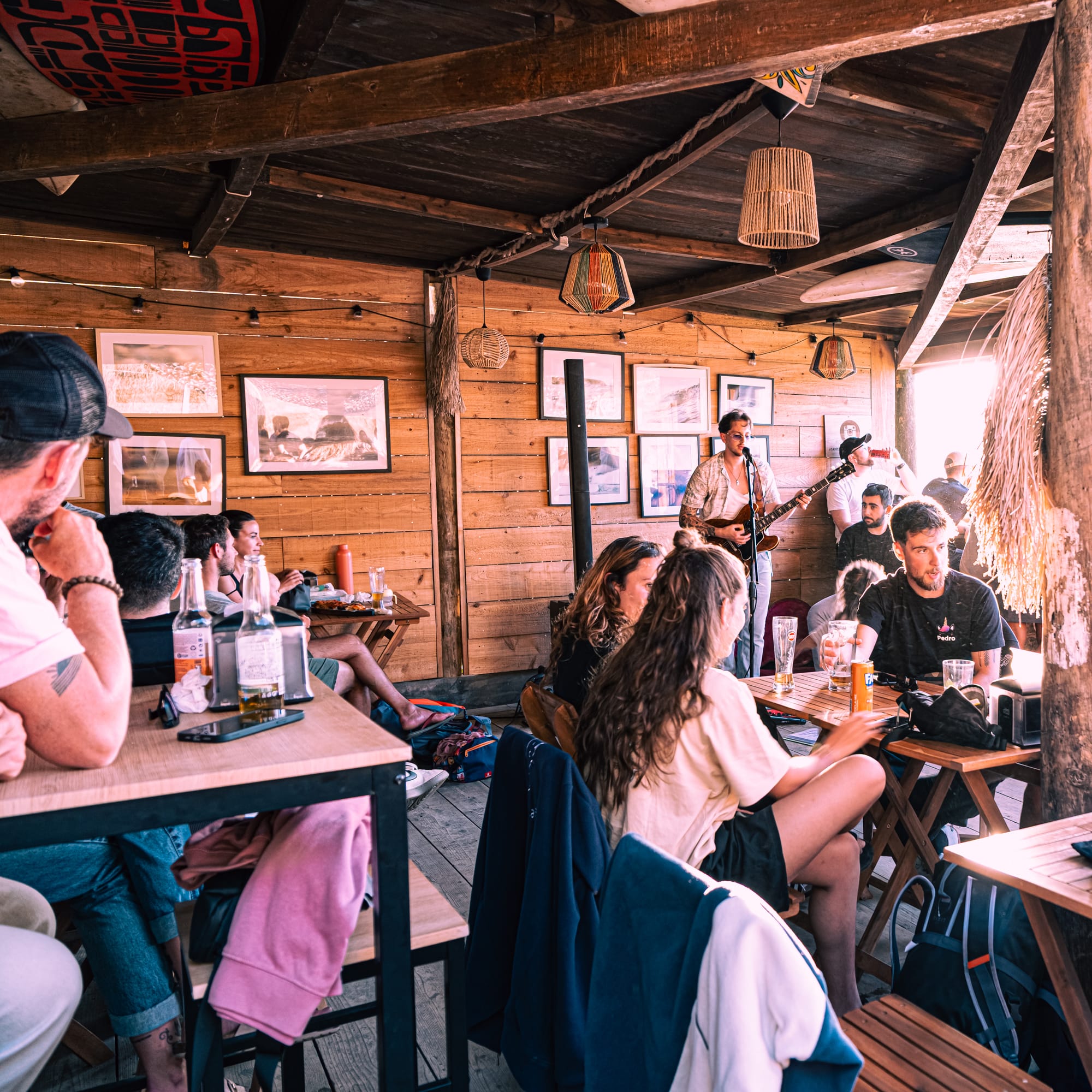
Evenings with our friends at Lava Coliving, sharing dinner, watching movies, and making art.
Digital nomad visa
Portugal offers one of the easiest pathways for digital nomads in Europe, and the Azores follow the same visa system. Most remote workers choose between the Portugal Digital Nomad Visa (D8) and the D7 visa, depending on whether their income is active or passive. Both allow longer stays beyond the 90-day Schengen limit and can lead to residency. If you are planning a shorter stay, many nationalities can enter visa-free and stay in the Azores for up to 90 days.
For digital nomads moving to the Azores, the process is the same as mainland Portugal, but the experience is quite different. São Miguel offers a quieter, less saturated alternative to Lisbon or Madeira, with fewer crowds and a slower pace of life.
Spotlight
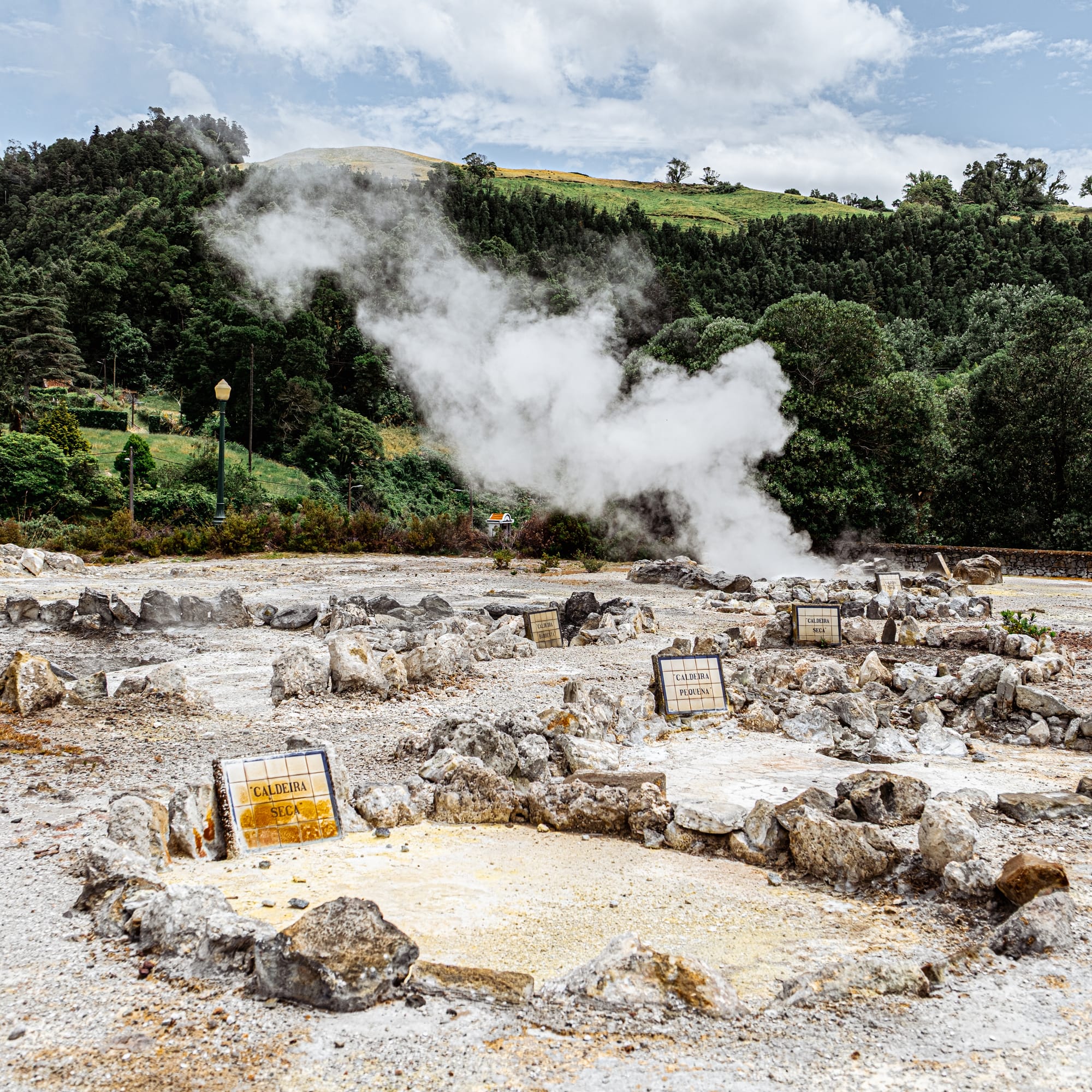
“The air is thick with the faint scent of minerals and warm earth, a hint of sulfur softened by the fragrance of ginger lilies and wet ferns. You can hear the constant rush of flowing water, the low murmur of voices, the gentle rustle of palm fronds overhead.”
Read onBest time to go
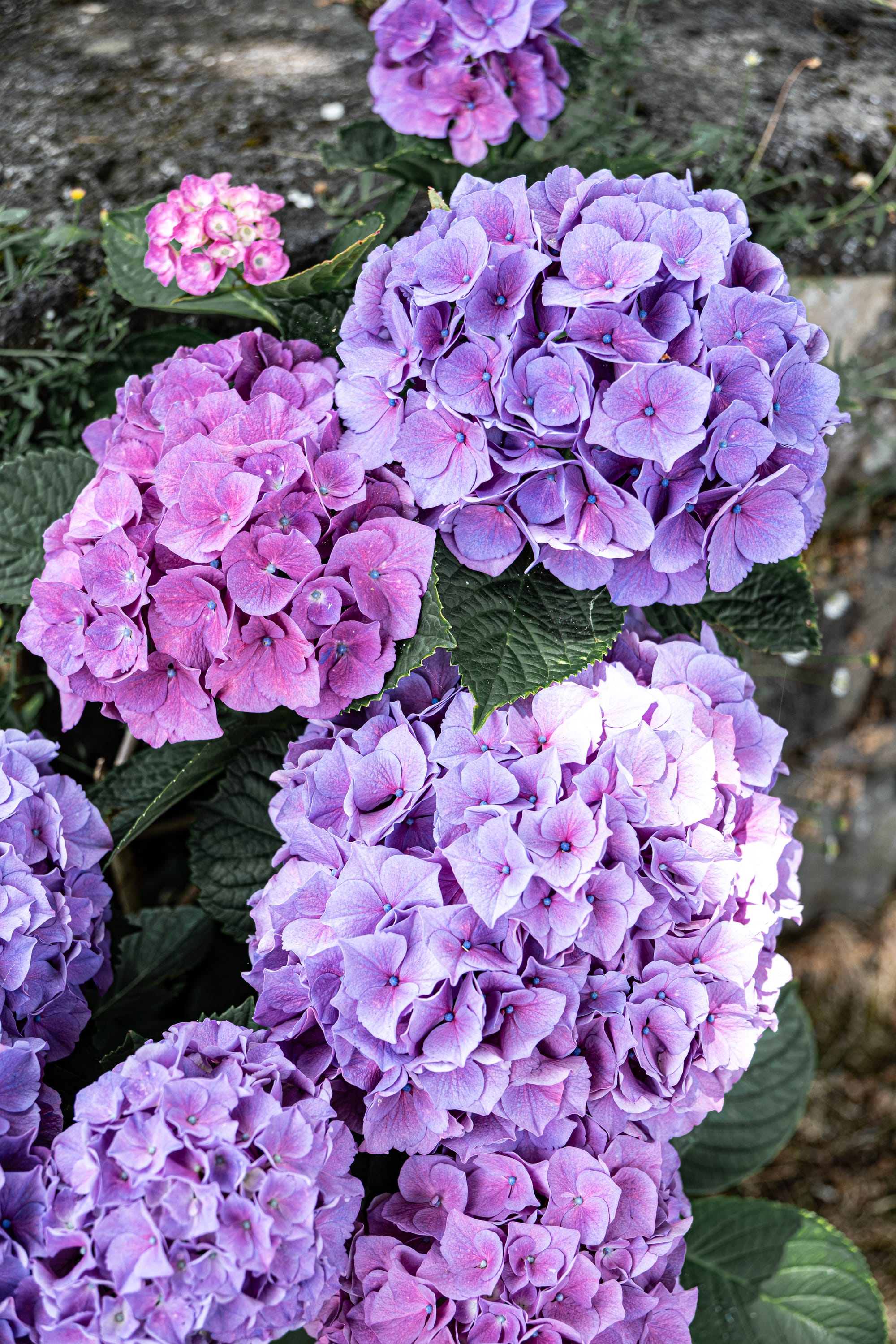
The best time to visit the Azores is from May to September, when the weather is warmer and more stable, making it ideal for exploring São Miguel. Hydrangea season typically peaks between June and August, when the island’s roads and hillsides are lined with vibrant blue and purple blooms. For digital nomads, the shoulder months of May, June, and September offer a strong balance of good weather, fewer crowds, and a more relaxed pace.
Best areas to stay
Cost of living
The cost of living in the Azores is not cheap, especially compared to many other digital nomad destinations. While it’s more affordable than major Western European cities, accommodation, car rentals, and tours can add up quickly. Food costs are generally reasonable, though in practice many people end up cooking more often than eating out regularly.
For digital nomads in the Azores, a comfortable monthly budget typically ranges from around €1,500 to €2,500 (approximately $1,600 to $2,700 USD), depending on your setup. Renting a car isn’t the cheapest, but it makes a big difference. With a car, you can explore São Miguel freely and avoid relying on expensive tours, which often end up costing more overall.
Getting around
Getting around the Azores, and especially São Miguel, is one of the most important things to plan in advance. Public transport in the Azores is limited and not reliable enough for most travelers or digital nomads, especially if you want to explore beyond the main towns. Many of the best things to do on São Miguel, including viewpoints, hikes, and hot springs, are spread across the island and not easily accessible without your own vehicle.
For that reason, renting a car in the Azores is the best way to get around São Miguel. While car rental in the Azores isn’t the cheapest, it gives you full flexibility and often works out better value than booking multiple tours. We recommend using DiscoverCars to compare prices and find the best car rental options in São Miguel. Having your own car allows you to explore the island at your own pace and see far more than you would relying on tours or public transport.
Best experiences
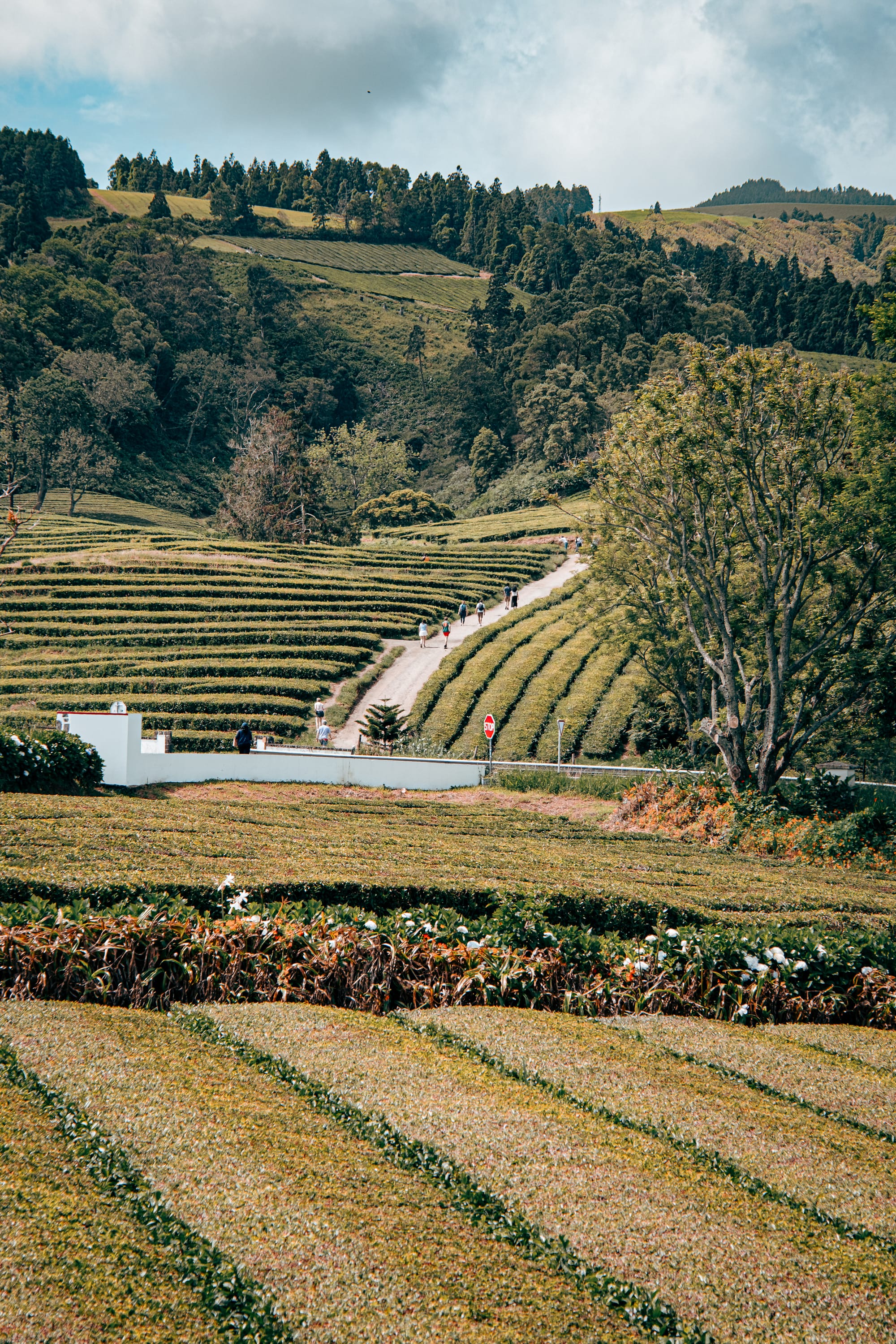
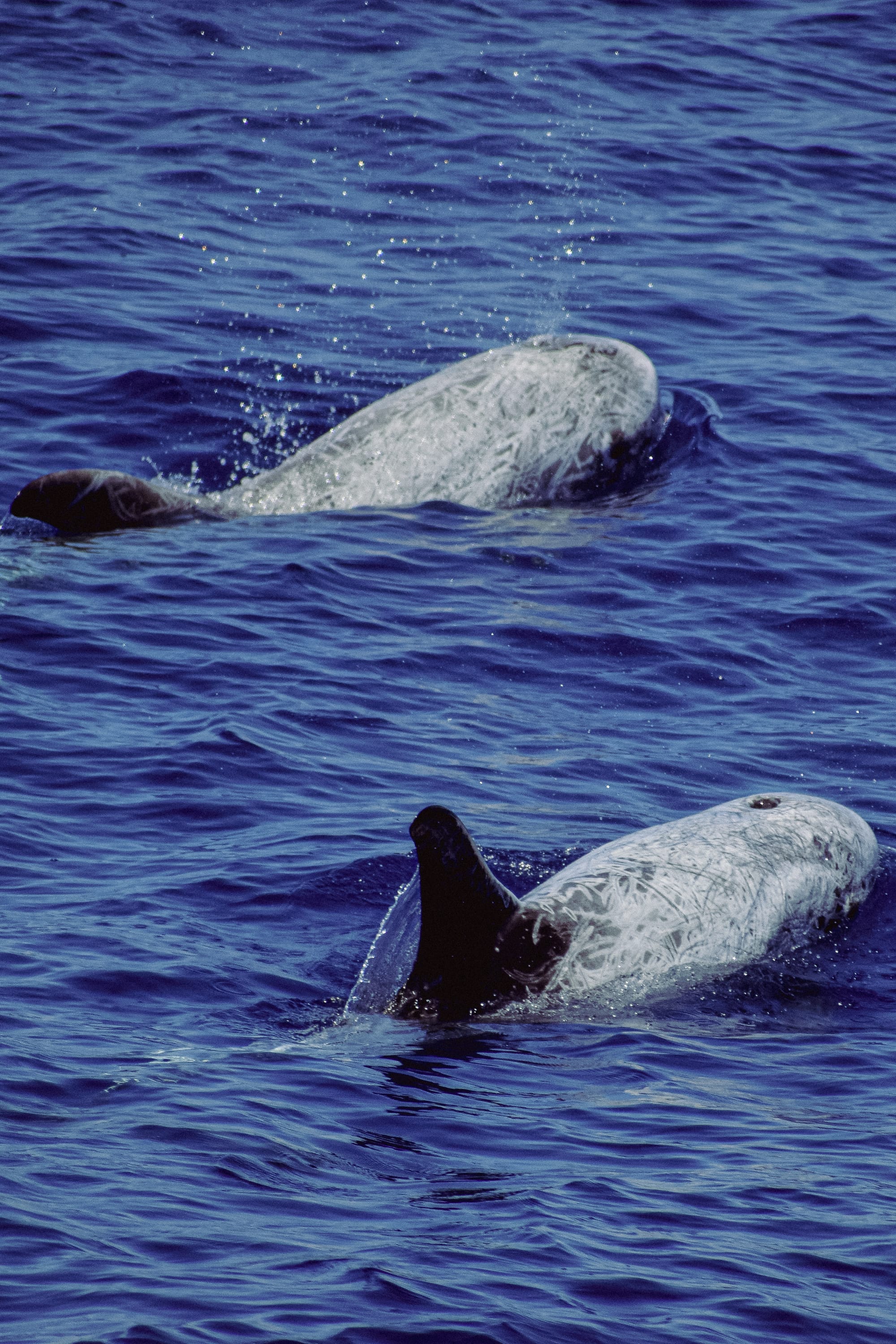
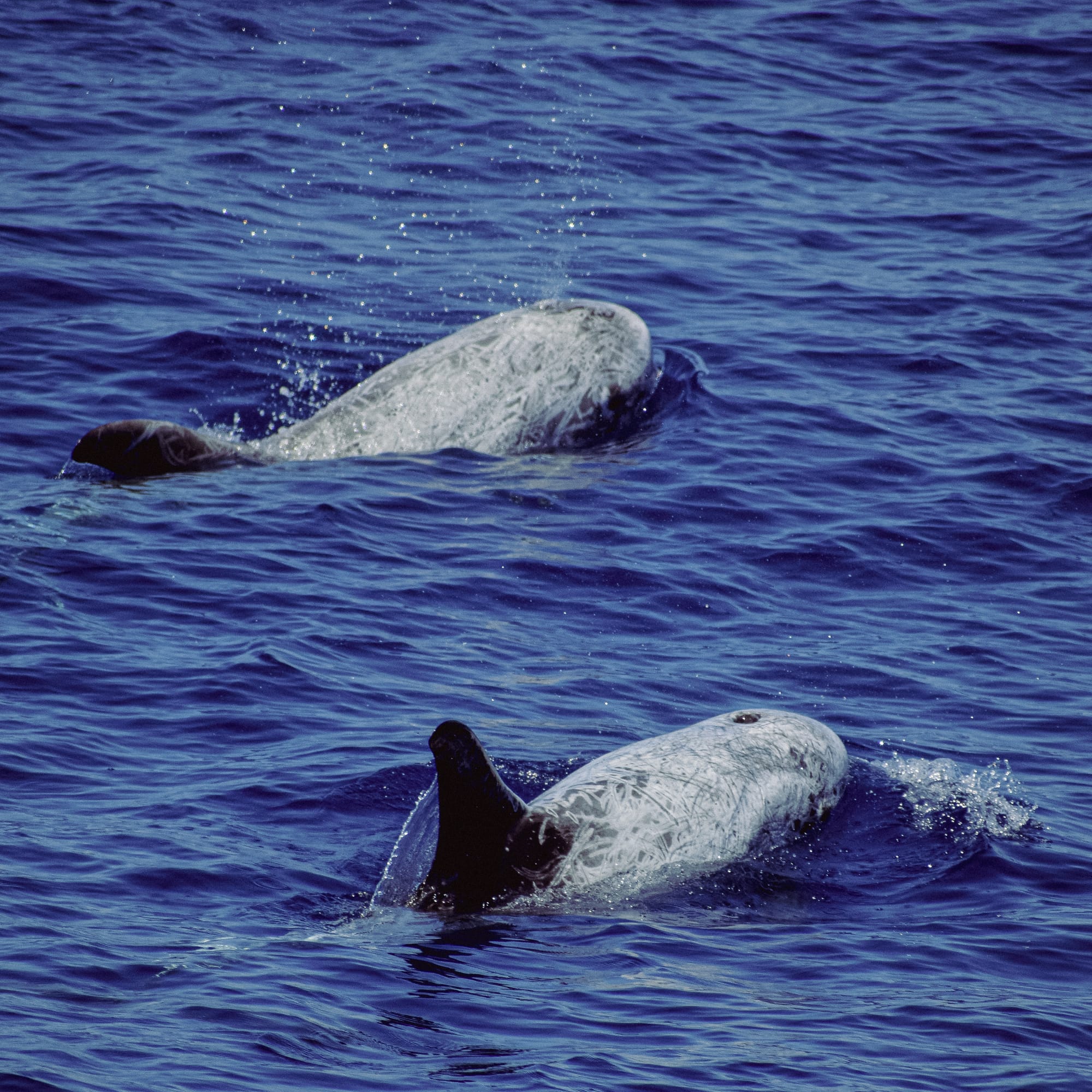
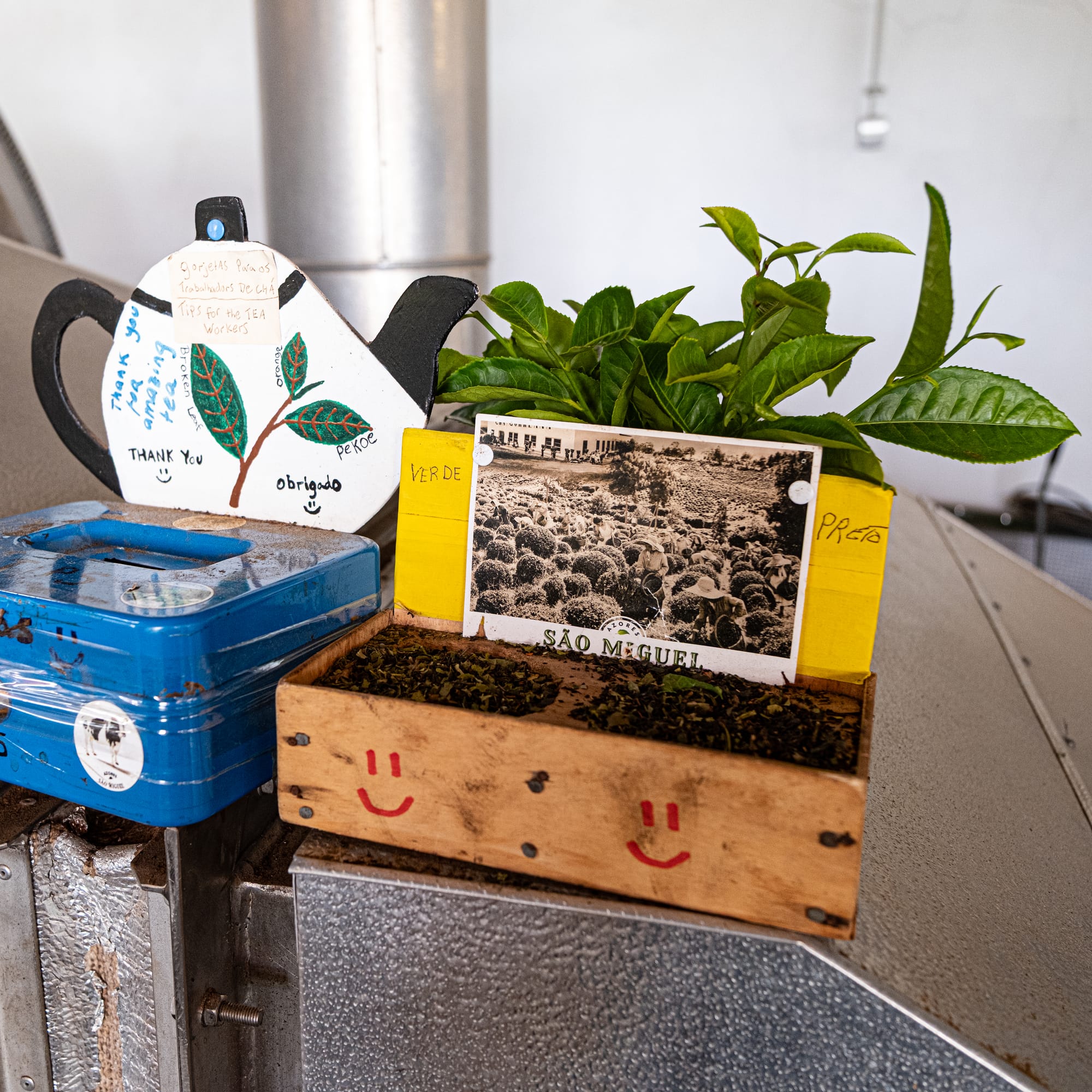
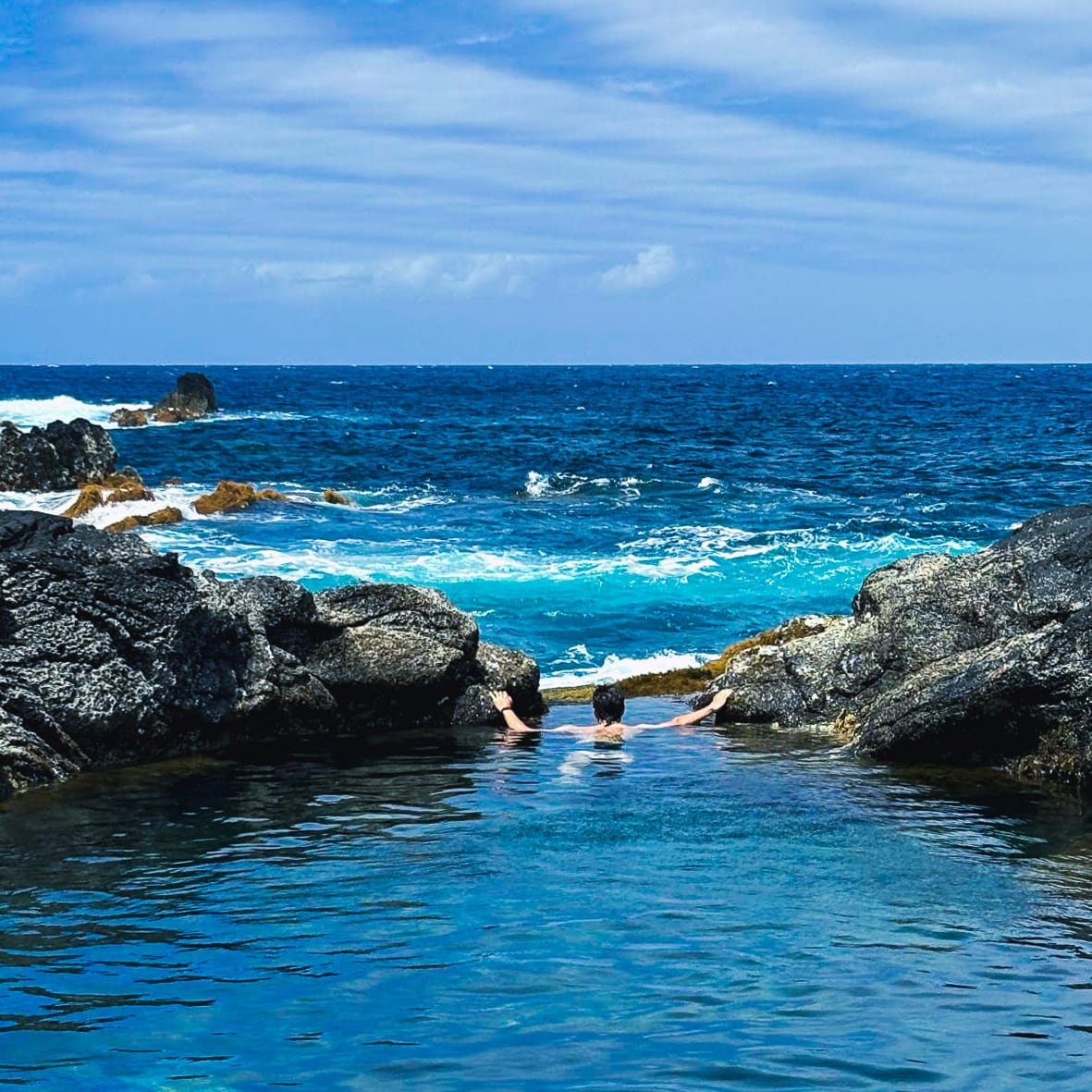
Soaking in the hot springs at Poça da Dona Beija in Furnas is one of the highlights and one of the best things to do on São Miguel. It’s especially good at night, when the geothermal water feels even warmer and the atmosphere is a bit quieter. Visiting Chá Gorreana, the tea plantation, is another one we’d really recommend. You can walk through the fields at your own pace, and it’s one of the only places in Europe where tea is still grown this way. Whale and dolphin watching is also worth considering if conditions are good, as the Azores are one of the best regions in Europe to see them in the wild.
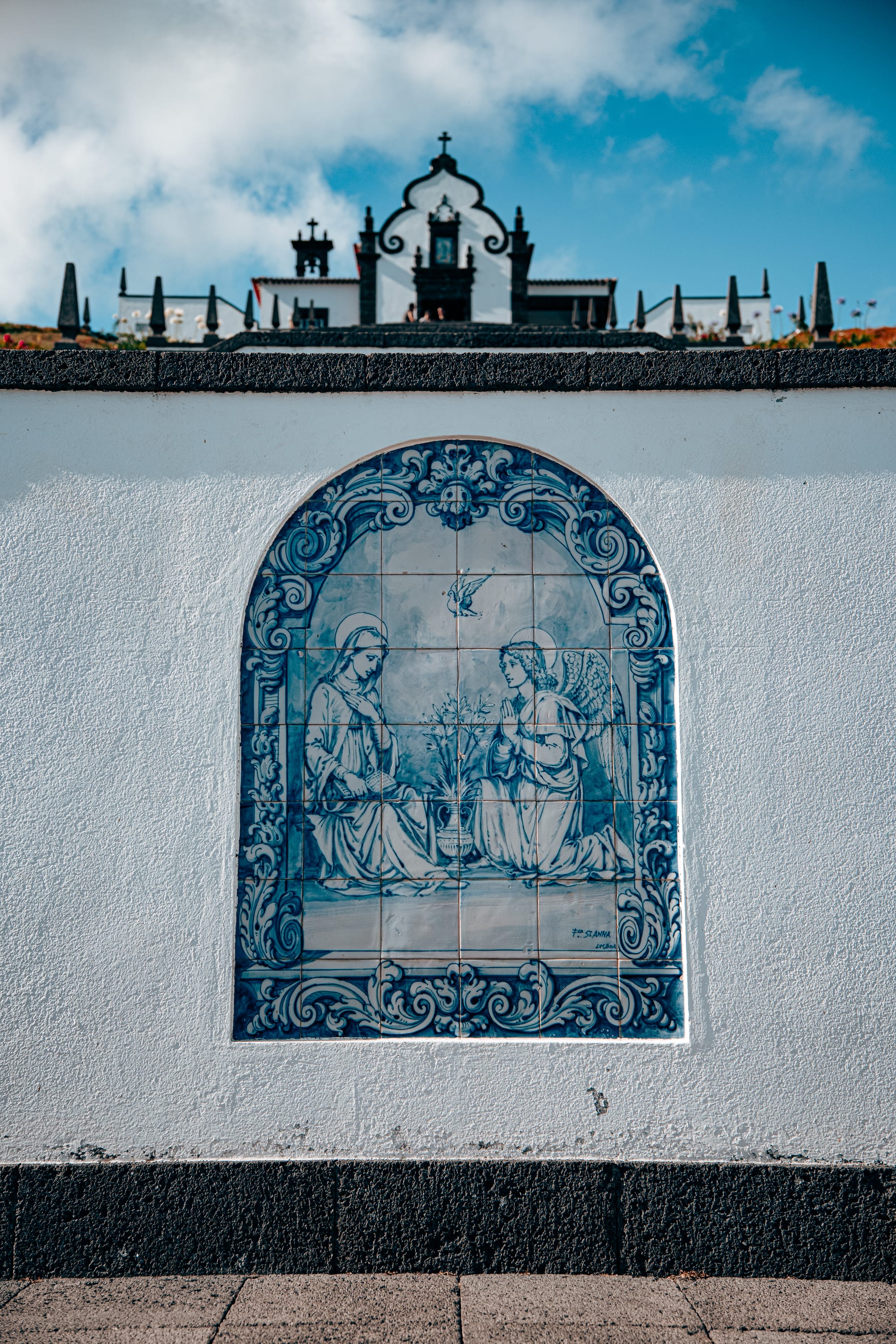
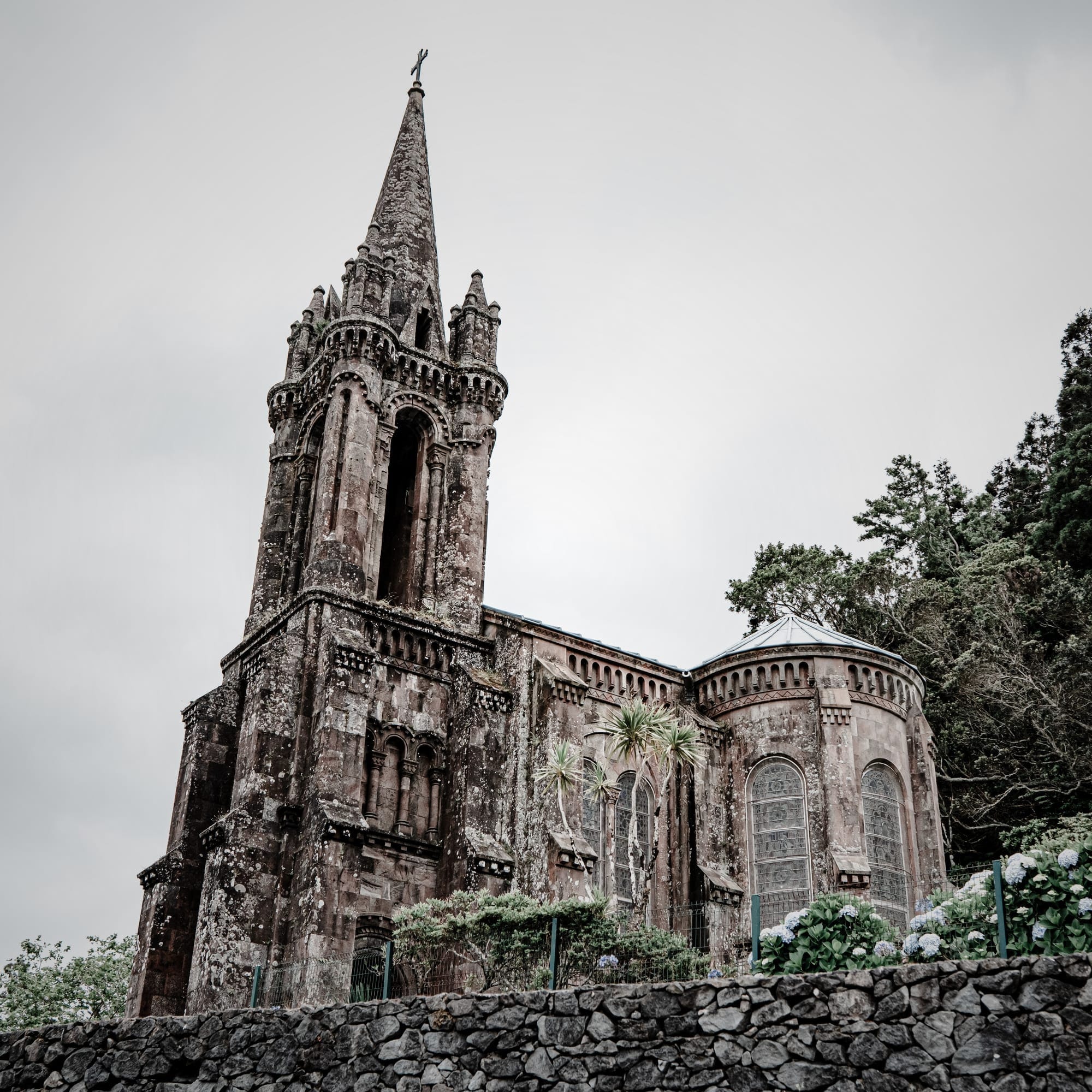
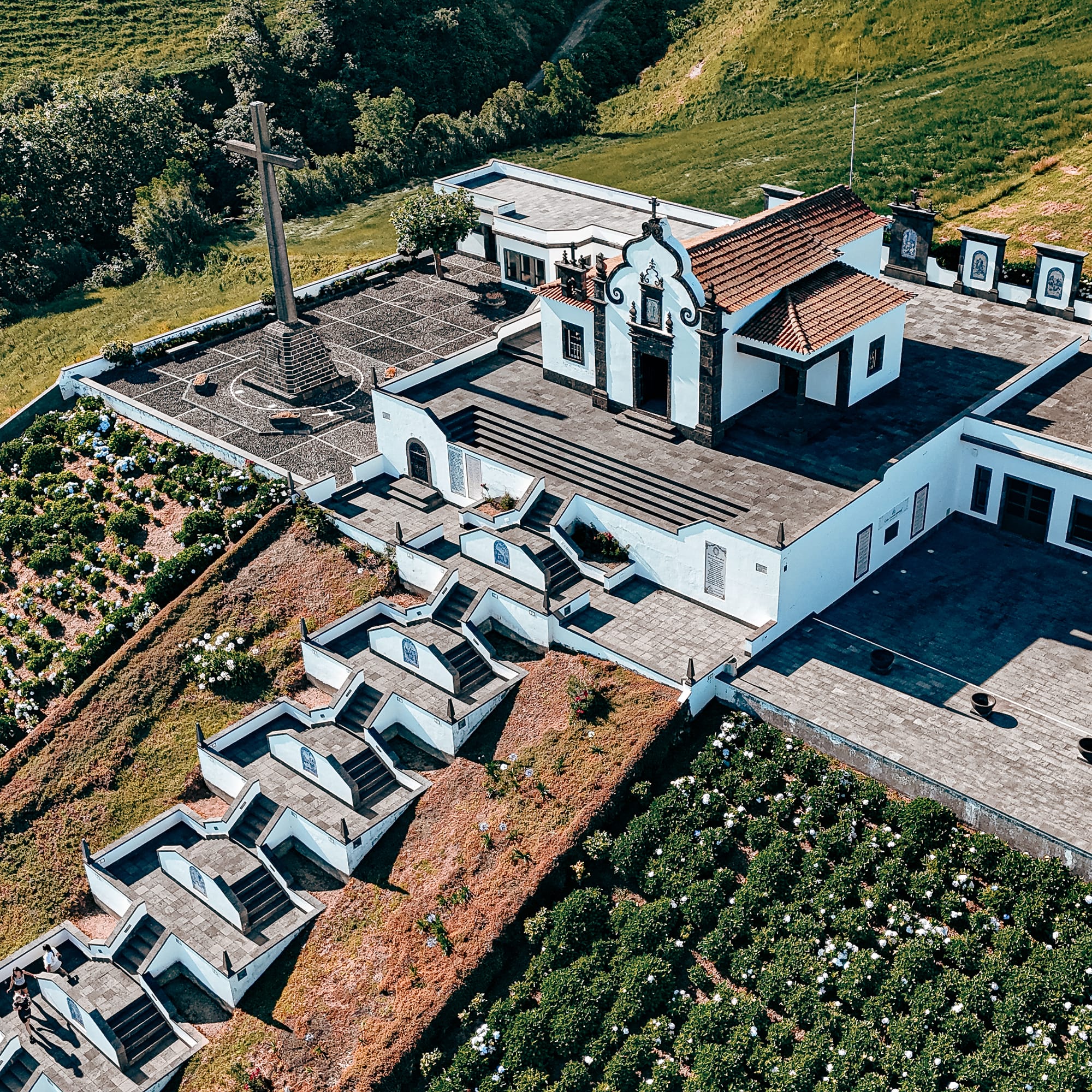
A lot of what makes the island special, though, comes from simply moving around. The miradouros, or viewpoints, are scattered across São Miguel, and you’ll find yourself stopping often without planning to. If you like hiking, some of the best hikes in the Azores, like PR3-SMI and Trilha do Sanguinho, give you a deeper sense of the landscape. And one place that surprised us was the Santuário de Nossa Senhora da Paz, a church set into the hillside that feels almost unreal when you see it in person.
Community & social life
Best places to work
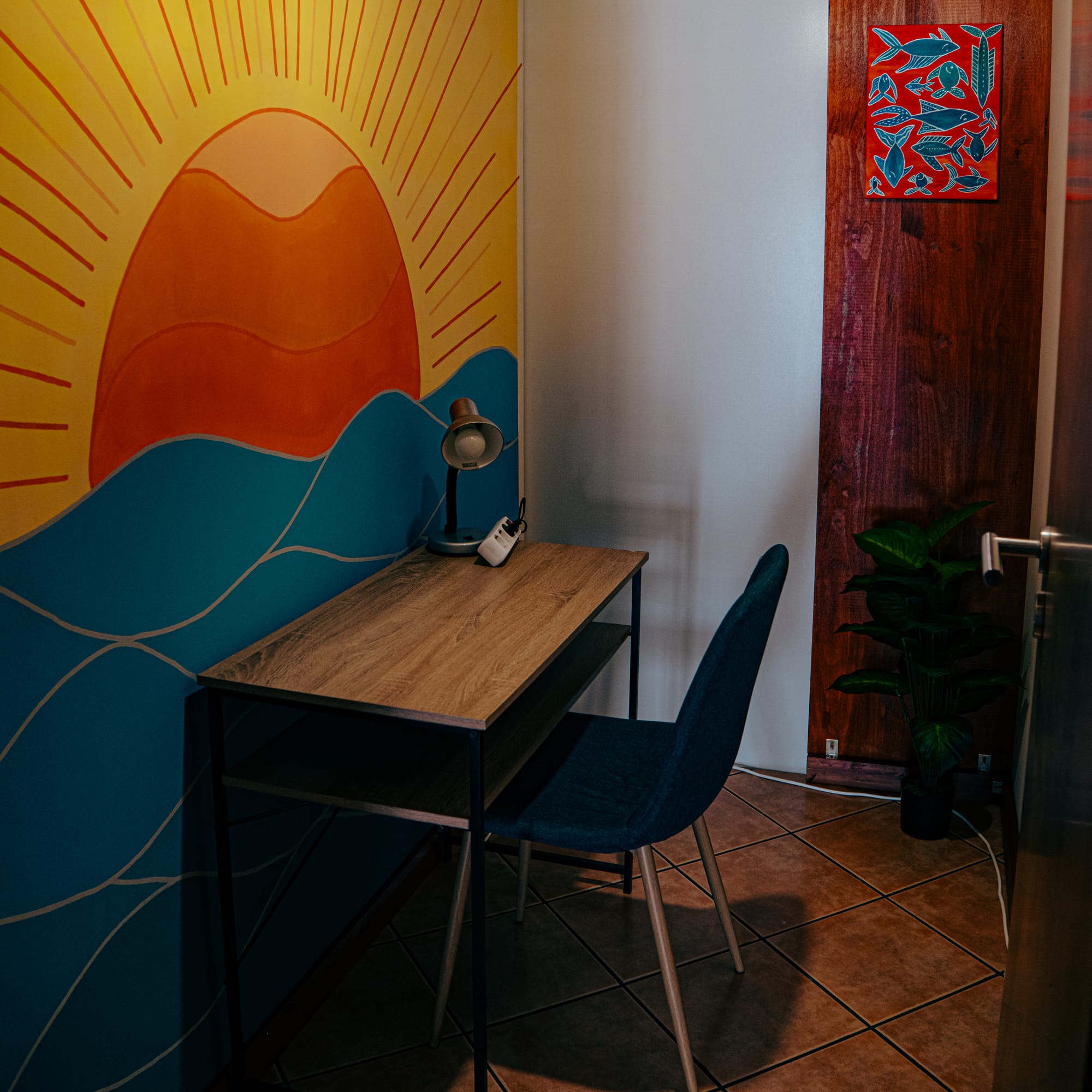
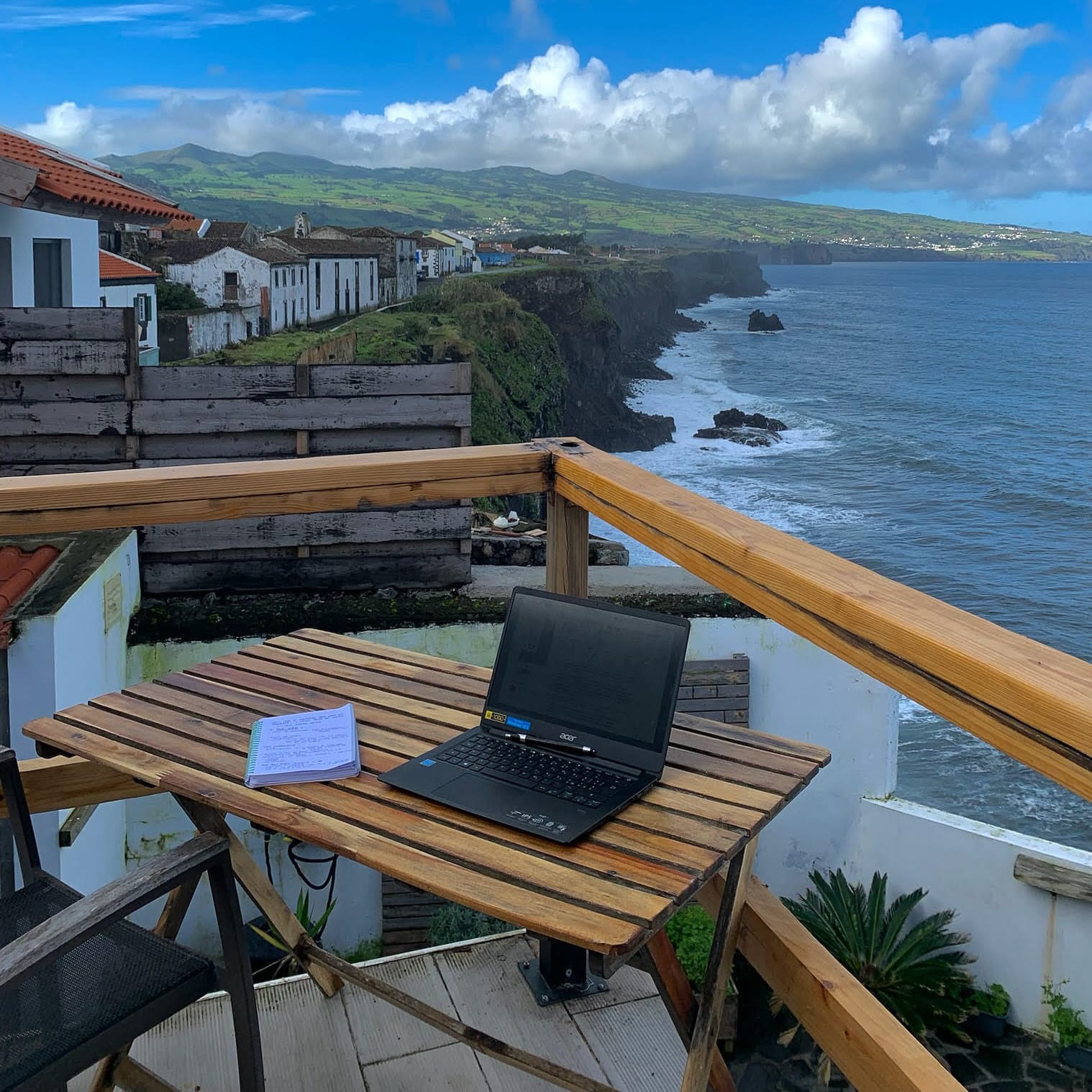
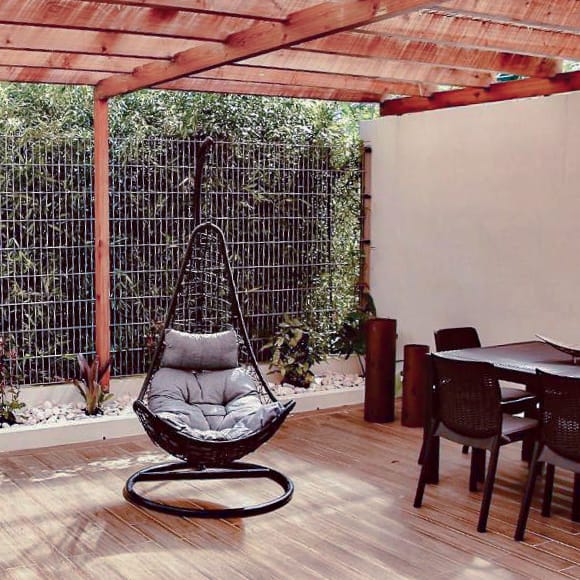
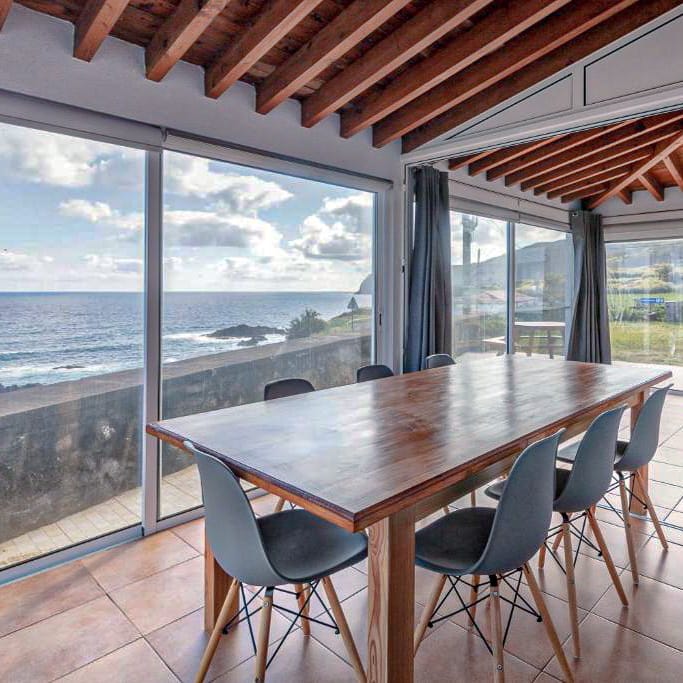
If you’re planning on working remotely on São Miguel, most of your setup will revolve around where you’re staying. We worked primarily from Lava Coliving’s coworking space, which was well set up and had a terrace with sea views. Dwell Coliving also has a coworking space and is another solid option, though it’s a bit more compact.
There aren’t many dedicated coworking spaces in São Miguel beyond these, and working from cafés in the Azores isn’t as common as in other digital nomad destinations. Because getting around without a car is difficult, most digital nomads end up working from their accommodation or coliving space rather than moving between different work spots.
Internet & infrastructure
Internet in the Azores, and especially on São Miguel, is generally reliable for remote work, but it’s not exceptional. Most accommodations offer stable wifi that is sufficient for video calls and everyday online work, and mobile data coverage is solid across most of the island, though speeds can vary slightly in more remote areas.
If you’re staying in coliving spaces like Lava or Dwell, you’ll be well set up, as both are designed with remote work in mind and have dependable internet. Outside of those, infrastructure is more basic compared to larger digital nomad hubs, so your experience will depend heavily on your accommodation.
Delights & frictions
Safety
We felt incredibly safe during our time in the Azores. São Miguel has a very relaxed and calm atmosphere, and we didn’t experience anything concerning while staying there. Like anywhere, it’s still worth taking basic precautions, but overall the Azores are considered a very safe destination for travelers and digital nomads alike.
Top tips
Azores vs. Madeira: which is better for digital nomads?
If you want something easy, social, and set up for remote work, Madeira is the better choice, with a more established digital nomad scene, more coworking spaces, and a built-in community. The Azores, and São Miguel specifically, feel very different. It’s quieter, less developed, and more nature-focused. It depends on whether you want stimulation or space.
Do you really need a car in the Azores?
Honestly, yes. You can get around São Miguel without a car, but it’s limiting and frustrating if you actually want to experience the island. Public transport in the Azores isn’t set up for exploration, and many of the best places are spread out. Renting a car in the Azores isn’t cheap, but it completely changes your experience, and without one, you’ll miss a lot.
Is São Miguel actually worth visiting?
Yes, but not in the way people usually mean. If you’re expecting a packed itinerary or a long list of activities, São Miguel might feel underwhelming. But if you’re drawn to landscapes, atmosphere, and slower days, it’s one of the most distinctive places we’ve been. It’s less about what you do and more about how it feels to be there: calm, healing, and a good reset.
Is the Azores a good destination for digital nomads?
It can be, but it’s not a typical digital nomad destination. Remote work in the Azores is very doable, especially if you stay somewhere set up for it like a coliving, but you won’t find a big coworking scene or a highly social environment. It works best for digital nomads who are comfortable working independently and don’t need constant activity around them.
How long should you stay on São Miguel?
Longer than you think. You can see the main highlights in a few days, but the island doesn’t really reward rushing. Staying for at least a week gives you time to explore properly, and a few weeks or a month feels much more natural if you’re working remotely.
Does São Miguel feel quiet or isolated?
It can, especially if you’re used to busier destinations. Outside of nature and a few social pockets, there isn’t a huge amount going on. For some people, that’s exactly the appeal, but for others, it can start to feel a bit repetitive over time. It really depends on whether you see quiet as a feature or a limitation.
Is whale watching in the Azores worth it, and when is the best time?
Yes, if conditions are right. The Azores are one of the best places in Europe for whale and dolphin watching, and seeing them in the wild feels very different from anything more curated. The best time for whale watching is usually between April and June, when larger species are more commonly seen, though sightings are possible throughout much of the year.
Where do digital nomads stay on São Miguel?
Most digital nomads on São Miguel stay in colivings. Colivings are the easiest option because they combine accommodation, workspace, and community in one place, while staying independently requires more planning, especially if you don’t have a car. There isn’t one central digital nomad area in the Azores, so your base matters more than usual.
Is it easy to meet people or befriend locals in the Azores?
Meeting other digital nomads is fairly easy if you’re staying in a coliving, as that’s where most of the social activity is centered. Outside of that, it’s more subtle. The Azores feel more local and less transient than most nomad destinations, and social life isn’t really built around newcomers. You can connect with people, but it tends to happen more slowly and with more intention.