


San Cristóbal's Panteón Municipal is the city's main cemetery, and on Día de Muertos (November 1 and 2) it fills with families who spend the whole day at their relatives' tombs with flowers, food, and hired musicians. It sits in Barrio de Fátima, a long walk or a short taxi ride from the center, and is normally open from about 7 am to 6 pm. Give it two hours. We went twice, about a week before Day of the Dead and again on the morning of November 2, and it's the cemetery that best shows how the holiday works inside San Cristóbal de las Casas itself.
We visited San Cristóbal’s Municipal Pantheon twice.
The first time was about a week before Día de Muertos, as October was coming to an end. The second was on the morning of November 2nd, the day after the official Día de Muertos, but the cemetery was still very much alive.
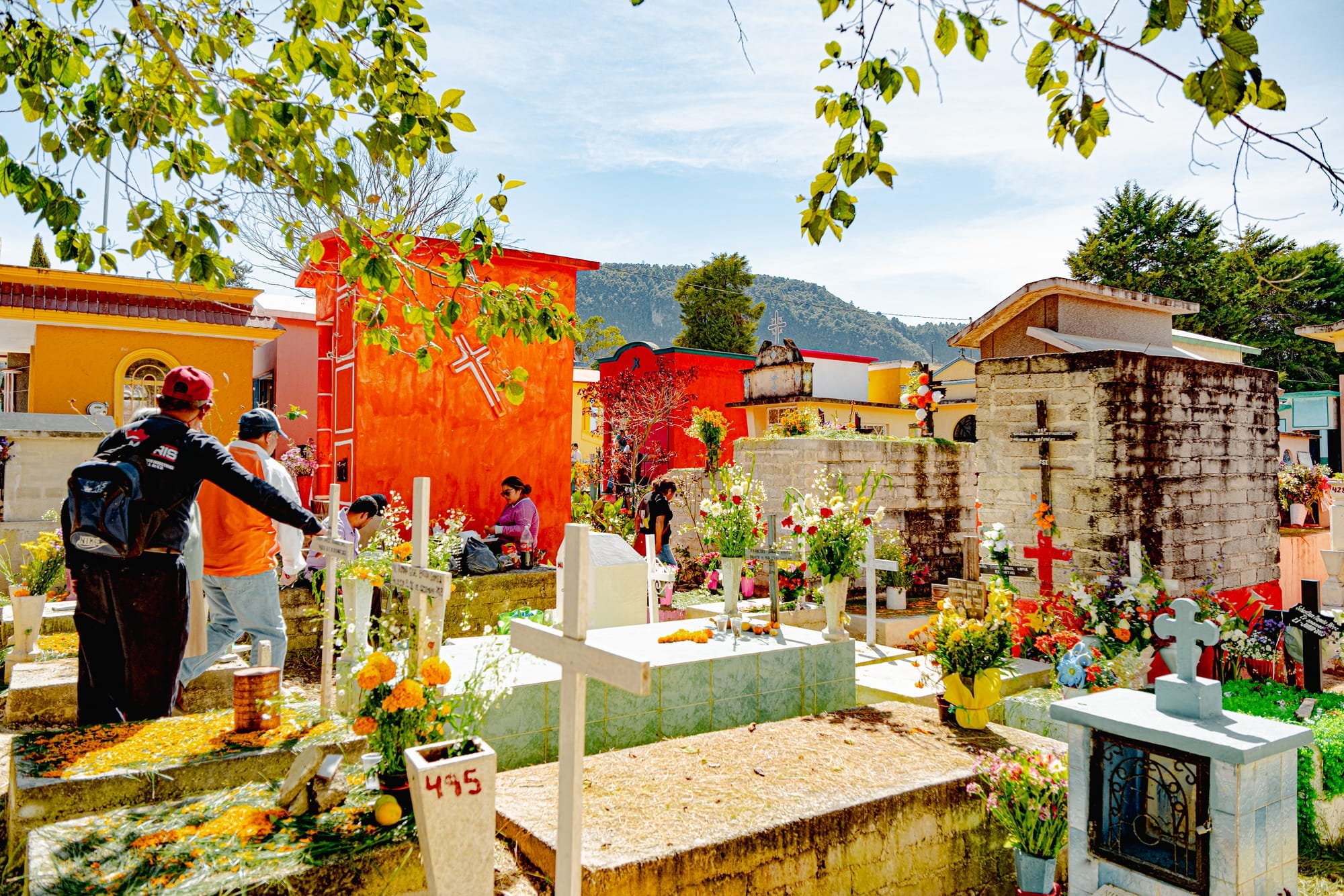
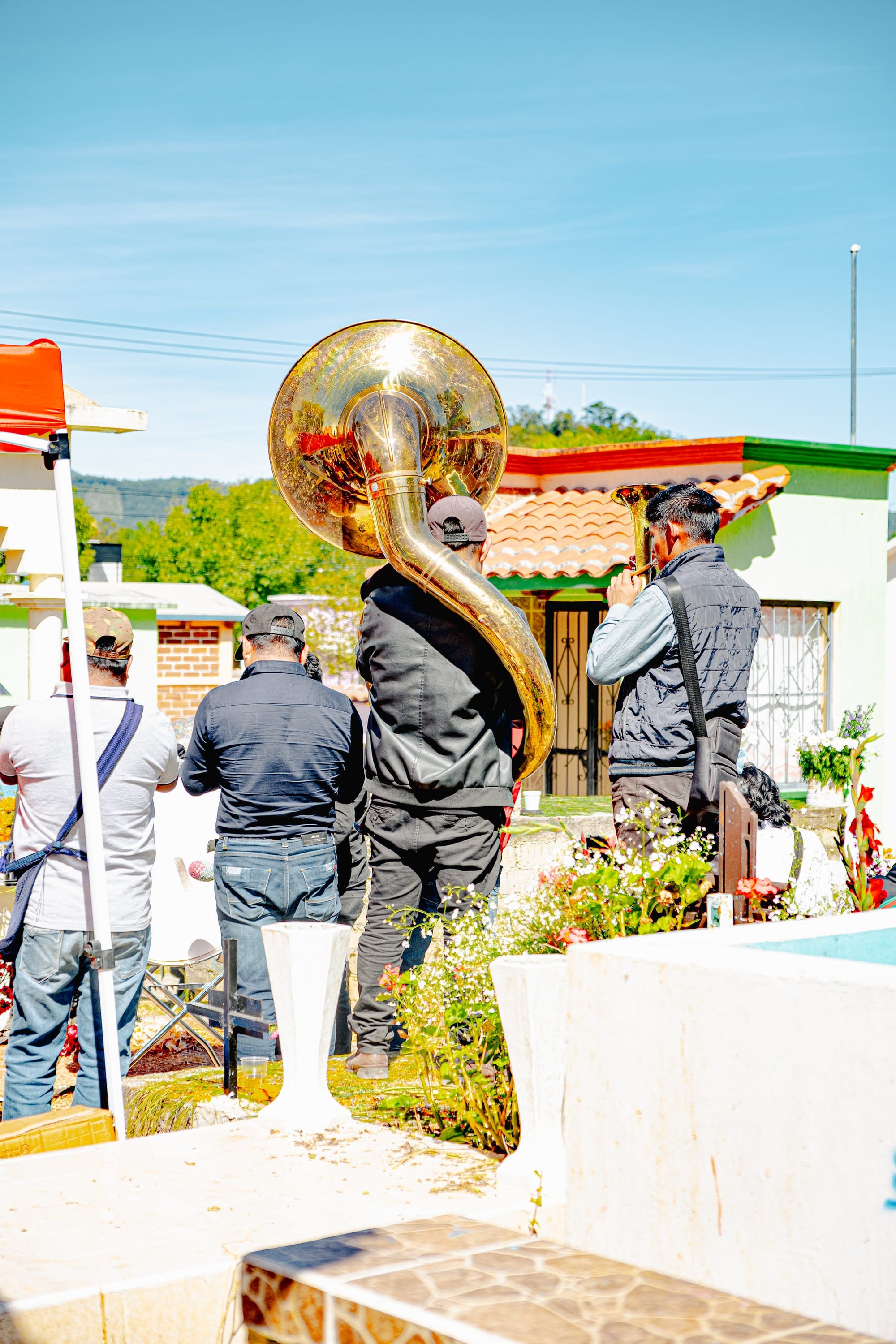
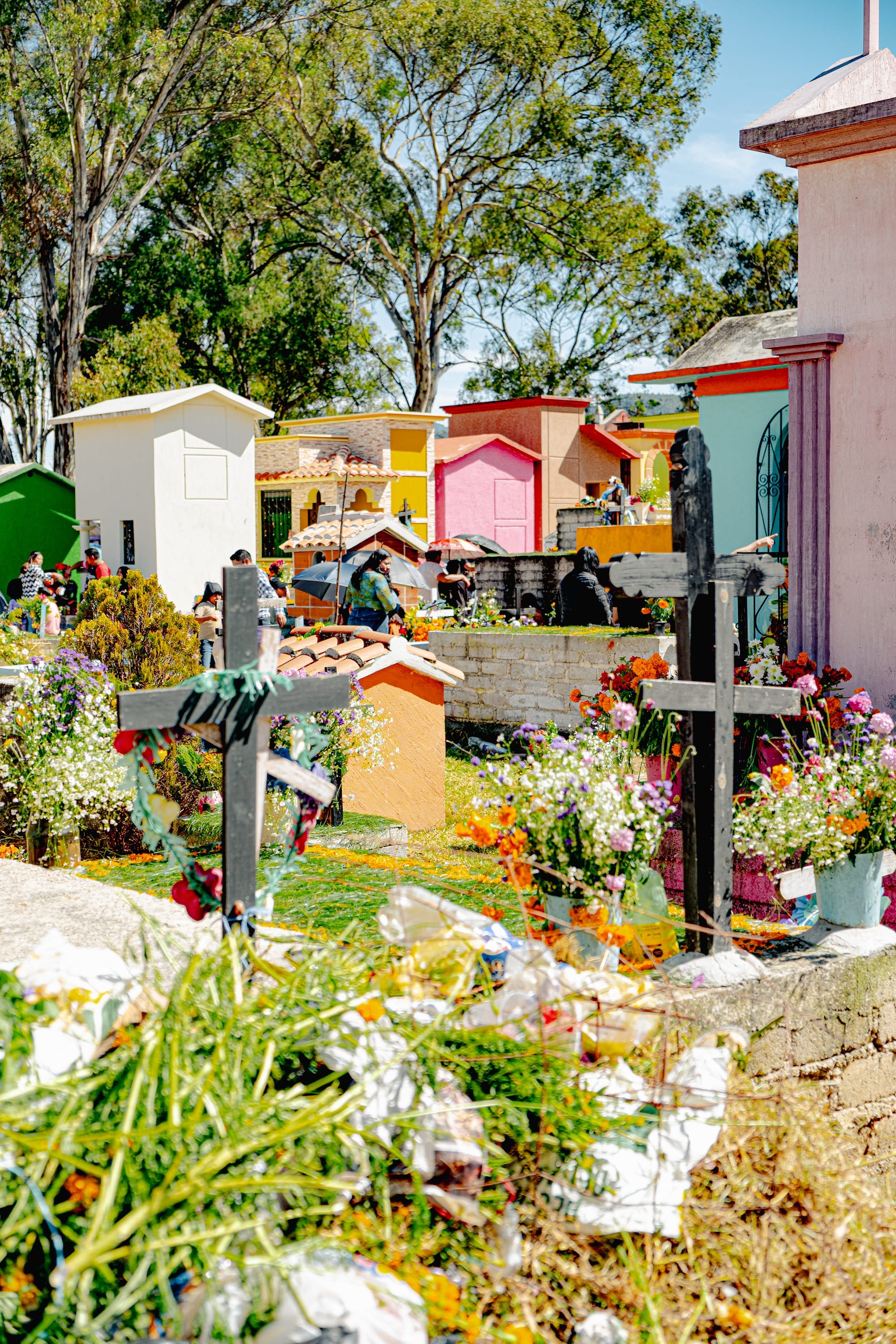
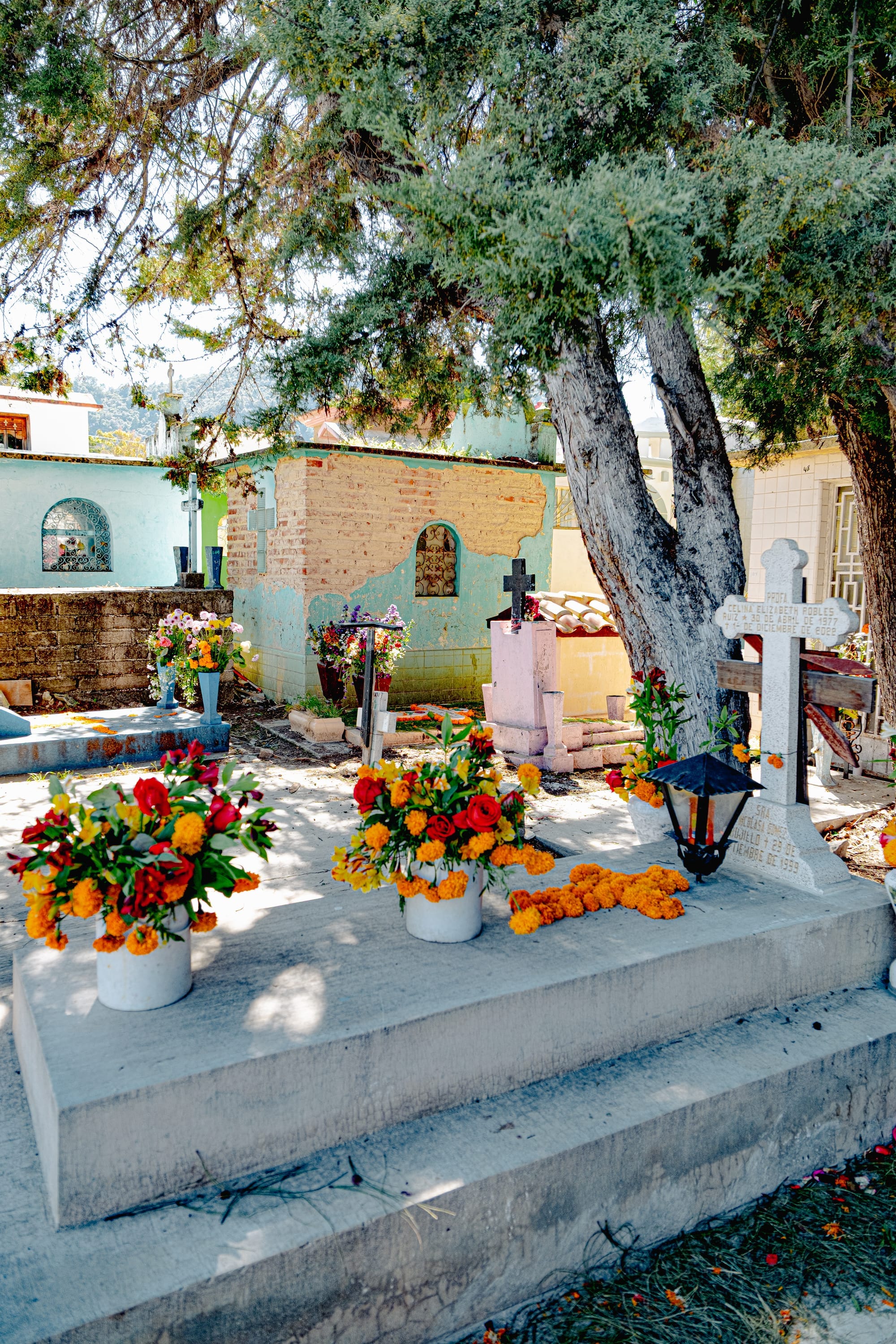
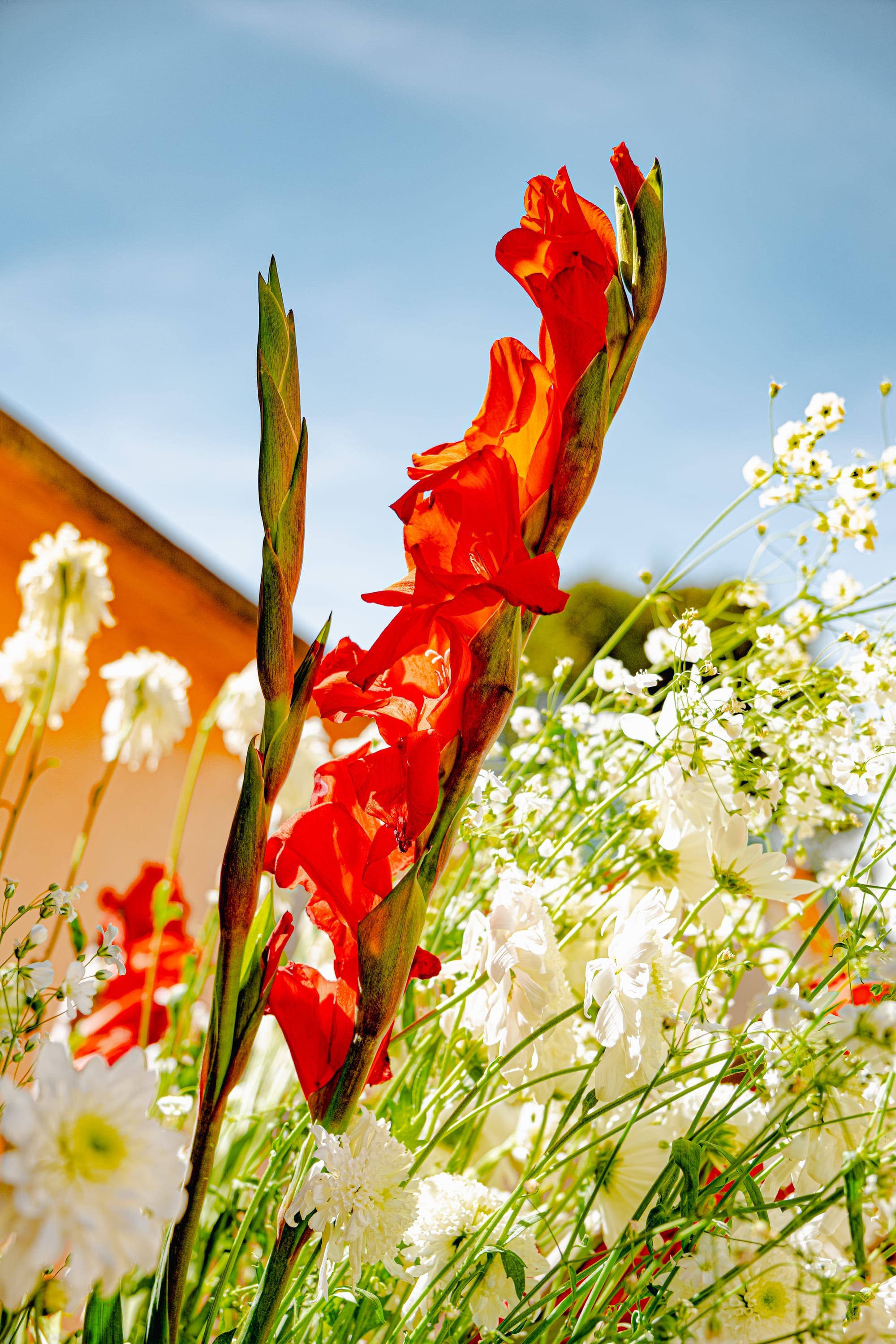
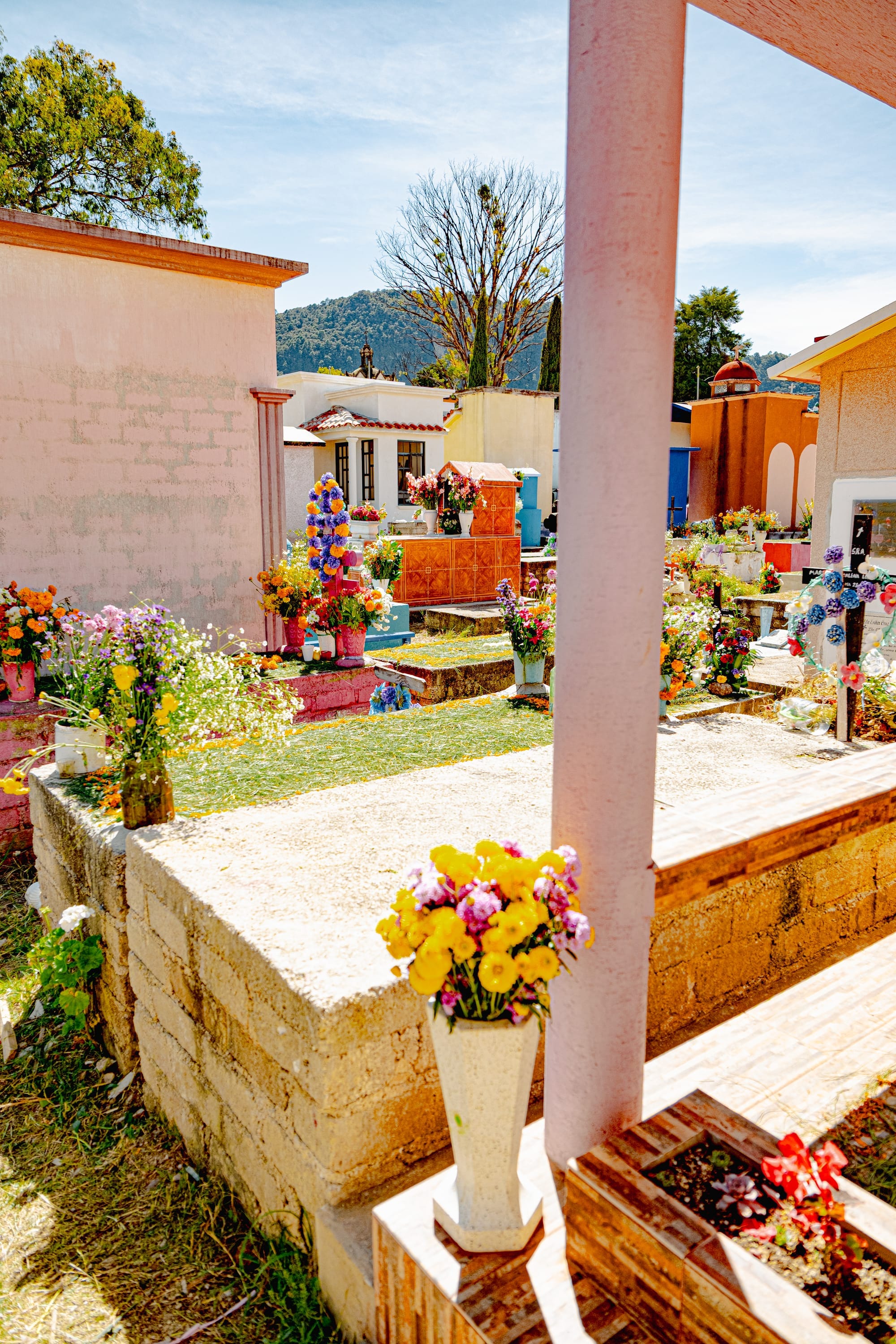
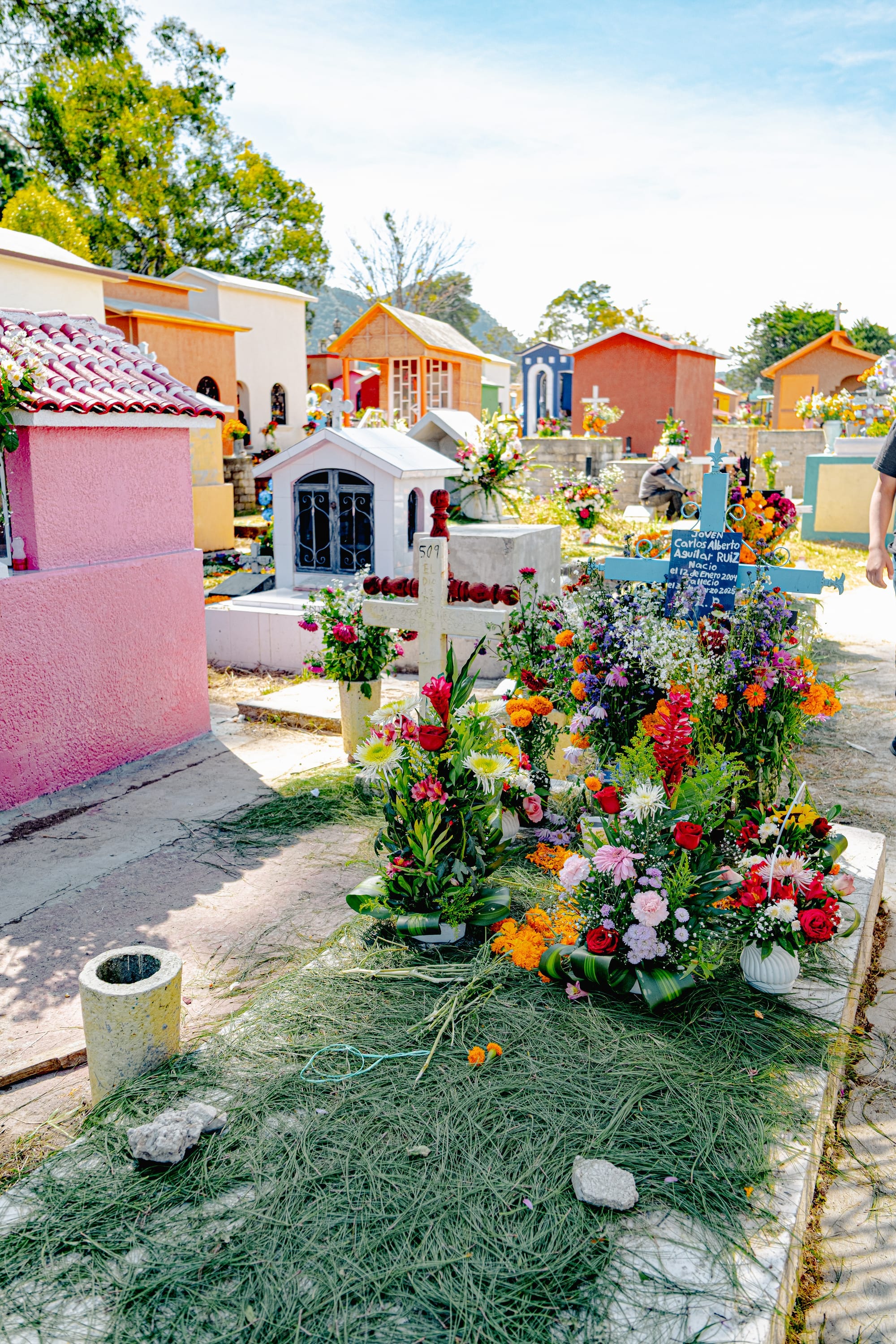
Flowers resting among the graves
Seeing the Pantheon both before and after Día de Muertos gave us an unusual view. We saw the peak of the celebration, but also the less visible work around it: the preparation, the build-up, and the gradual winding down afterward. Together, those visits made it one of the most memorable and meaningful places we saw during Day of the Dead in San Cristóbal de las Casas.
If Romerillo feels wide open and raw, and Zinacantán feels full of flowers and high up, the Municipal Pantheon feels like something else entirely.
It feels like a town.
Panteón Municipal San Cristóbal at a glance
Here's the practical side before we get to what we saw. Details come from the local guide Descubre San Cris, so check hours locally around the holiday, when they can change.
Where: Panteón Municipal, Barrio de Fátima, San Cristóbal de las Casas, Chiapas.
Opening hours: about 7 am to 6 pm in a normal week (2026). Around November 1 and 2 families stay all day.
Getting there: it's further from the center than most visitors expect. Walk if you don't mind a long stroll, or take a taxi, but expect a wait on November 2, the busiest day of the year for the city's drivers.
Best days: the last week of October for cleaning, painting, and the first flowers; November 1 and 2 for the celebration itself; the morning of November 2 if you want it full but not yet packed.
Time needed: one to two hours.
Bring: cash for flowers, drinks, and snacks at the gates, comfortable shoes, and a warm jacket. At 2,200 m, November nights in San Cristóbal average around 8°C, according to Wikipedia's climate data for the city.
Day of the Dead at the Panteón, day by day
The holiday at the Panteón Municipal isn't one day. It builds over about a week, and each day looks different. This is the usual pattern, which matches what we saw in late October and on November 2, and follows how the holiday is traditionally split across Mexico:
| When | What happens at the Panteón | Good for visitors? |
|---|---|---|
| Last week of October | Families clean, sweep, repaint, and fix tombs; the first marigolds arrive; murals go up on the outer wall | Yes: easier to see the architecture and the preparation |
| October 31 | Final decorating; flower and candle stalls fill the streets outside | Yes, but stalls and traffic build up |
| November 1 | Families return for the children who have died (Todos Santos); music starts | Yes: busy, more family time at the graves |
| November 2 | The main day for adults: families stay for hours with food, flowers, and hired bands | The busiest day; go in the morning |
| November 3 (some years) | Depending on the day of the week, some families stay another day | Worth a look if you missed the 2nd |
In 2026, November 1 falls on a Sunday and November 2 on a Monday. In 2027, November 1 is a Monday and November 2 a Tuesday, so expect the cleaning and painting to fill the last weekend of October.
Walking to the Panteón Municipal from the center
The Panteón Municipal is about 2 km southwest of the zócalo in a straight line, which works out at roughly 2.5 km and 30 to 40 minutes on foot through the streets. Put it in your map app before you set off, as the route zigzags through residential streets with few signs. On foot is the most reliable option on November 1 and 2, when taxis are hard to find and the streets around the gates fill with stalls and parked cars.
If you take a taxi, agree on the fare before you get in (San Cristóbal taxis don't use meters), and get dropped a few blocks away if the traffic near the gates has stopped. For the walk back, leave before it gets dark: early November sunsets are around 5:30 pm, and the cemetery normally closes at about 6 pm.
| Details | |
|---|---|
| Where | Barrio de Fátima, San Cristóbal de las Casas |
| Hours | About 7 am to 6 pm in a normal week (2026); families stay all day on November 1 and 2 |
| Getting there | A long walk or a taxi; expect a wait on November 2 |
| Best days | Last week of October for preparations; November 1 and 2; the morning of November 2 |
| Time needed | One to two hours |
| Weather | About 2,200 m; November nights average around 8°C |
| Bring | Cash, comfortable shoes, and a warm jacket |
A cemetery that feels like a town
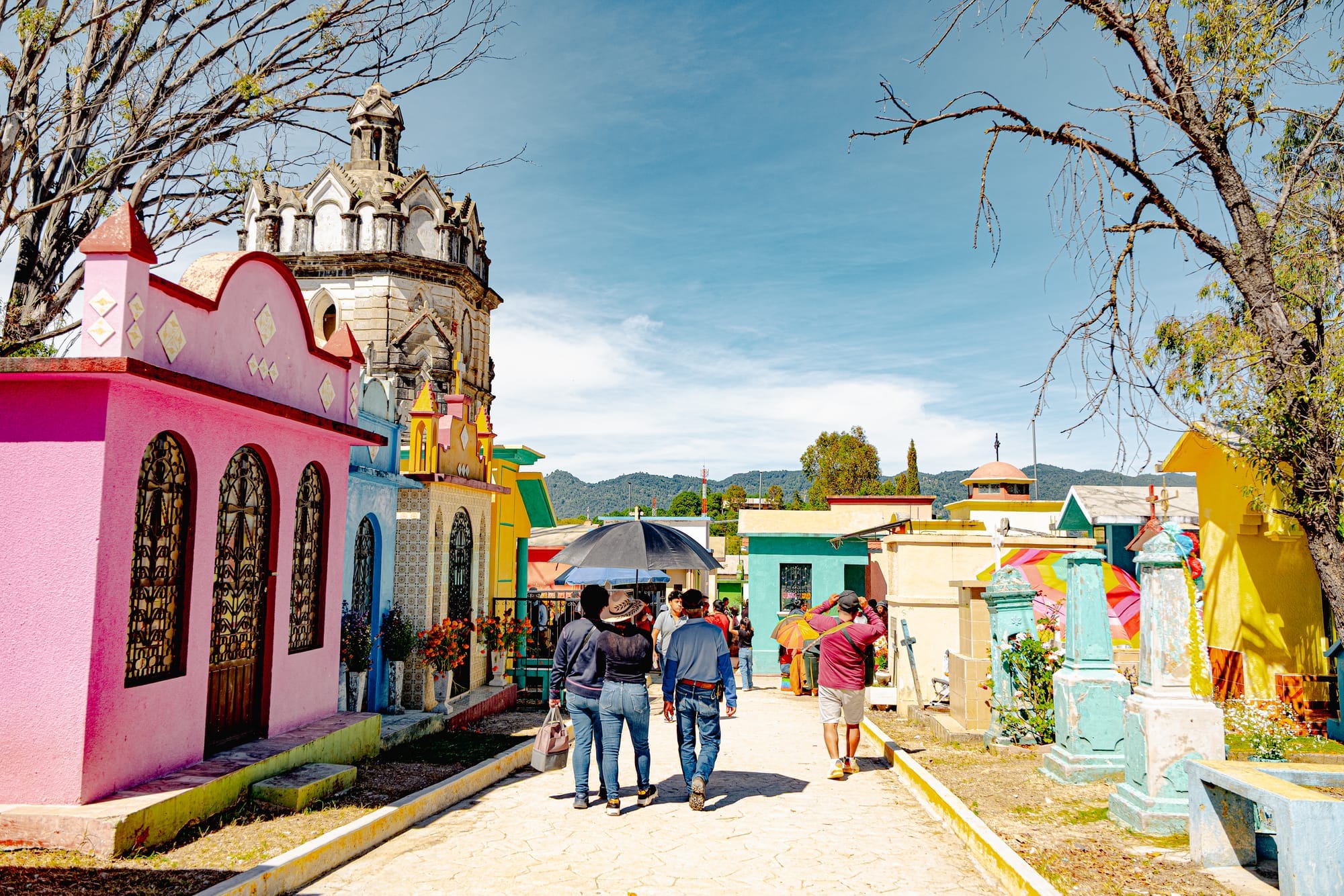
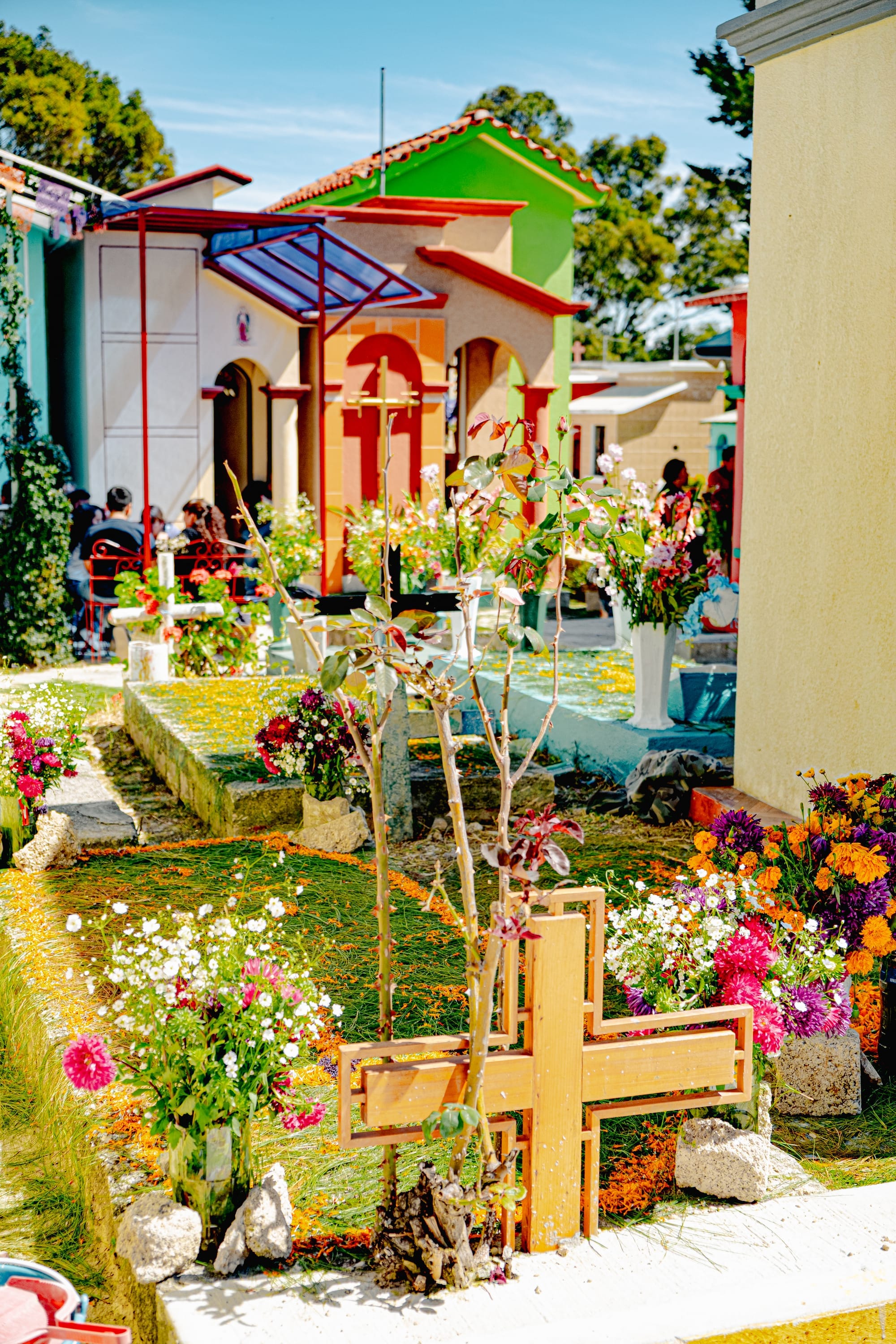
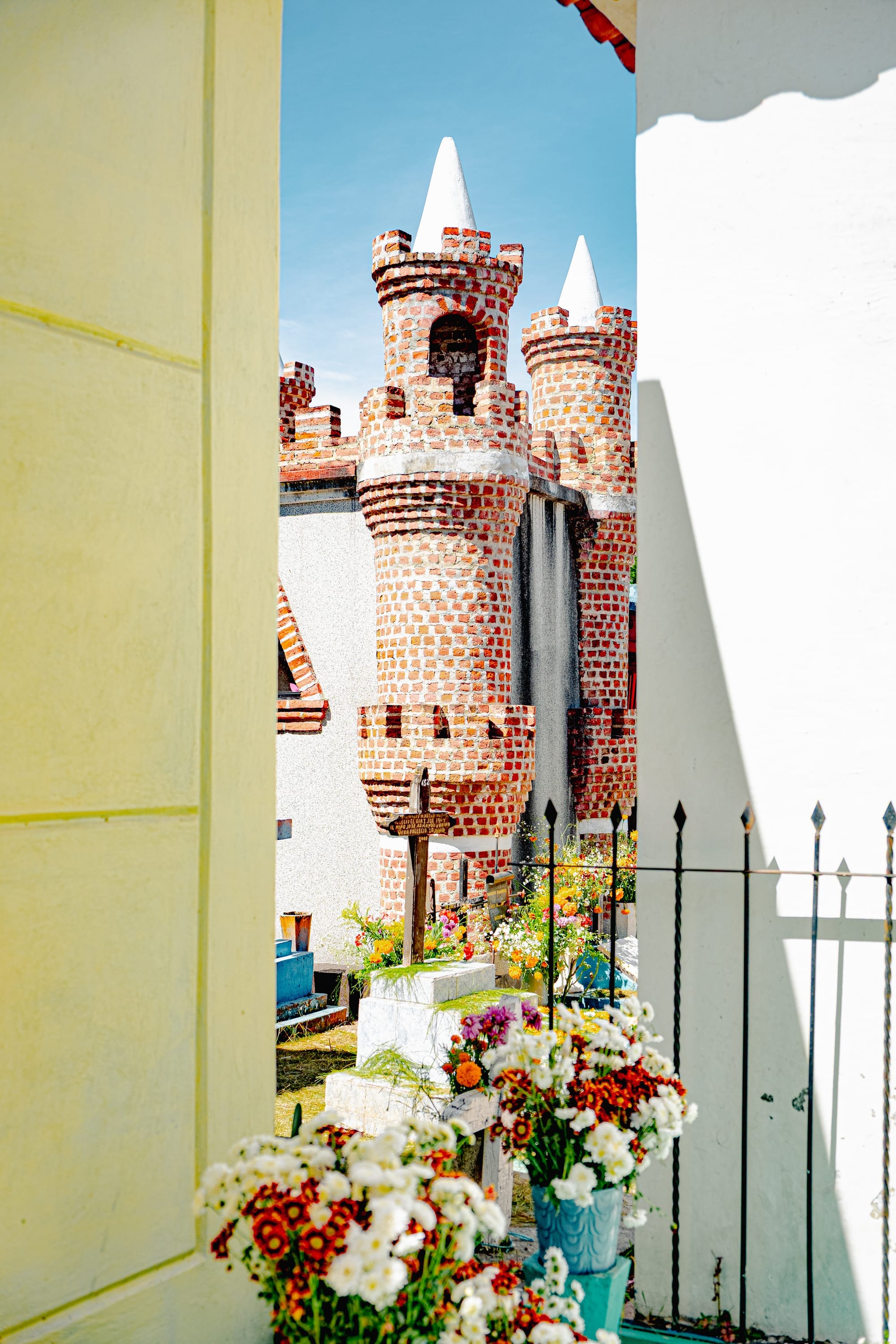
Unlike many cemeteries where graves lie flat in the ground, San Cristóbal's Municipal Pantheon is built upward, with real architecture. Graves here are more than markers. They're buildings.
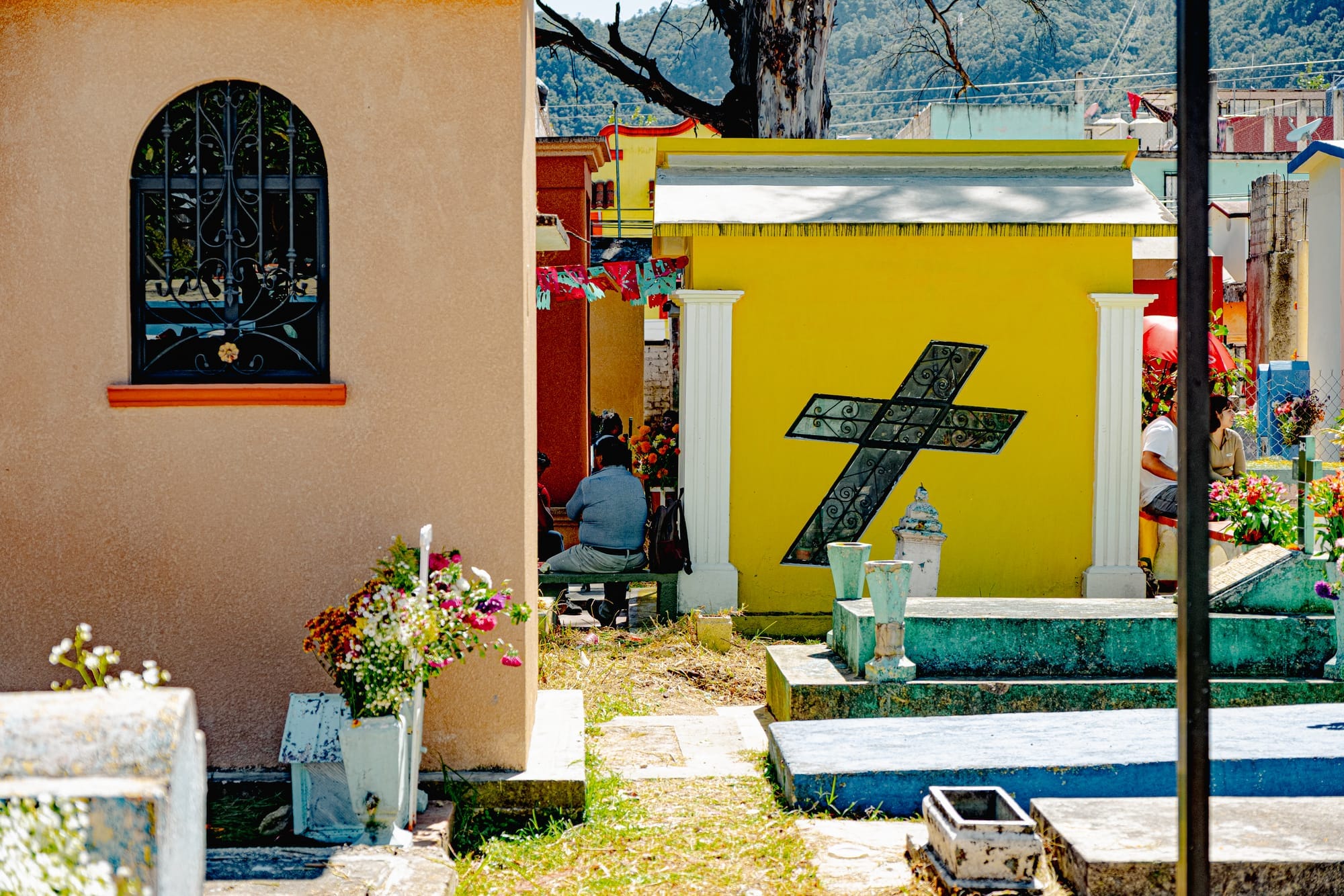
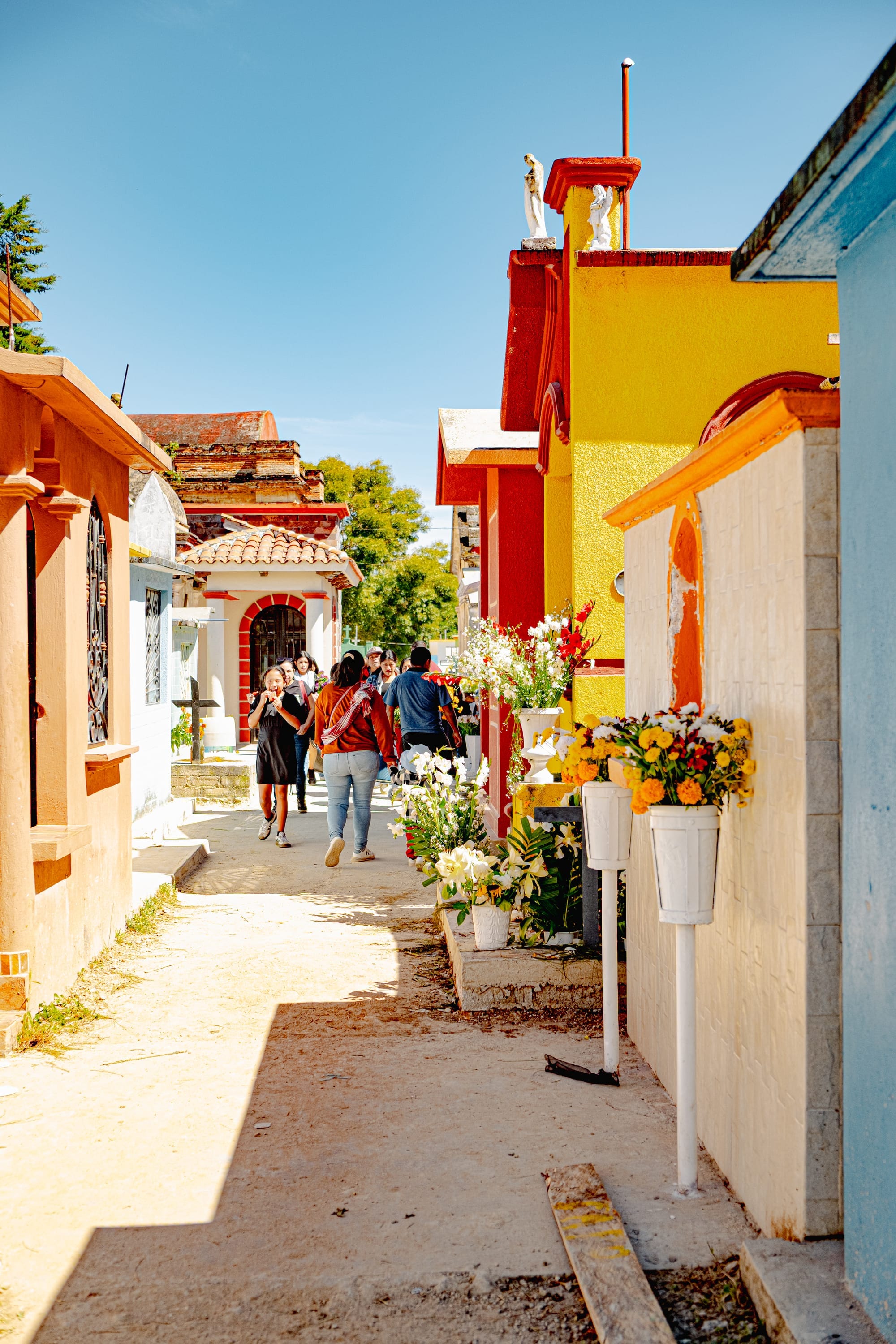
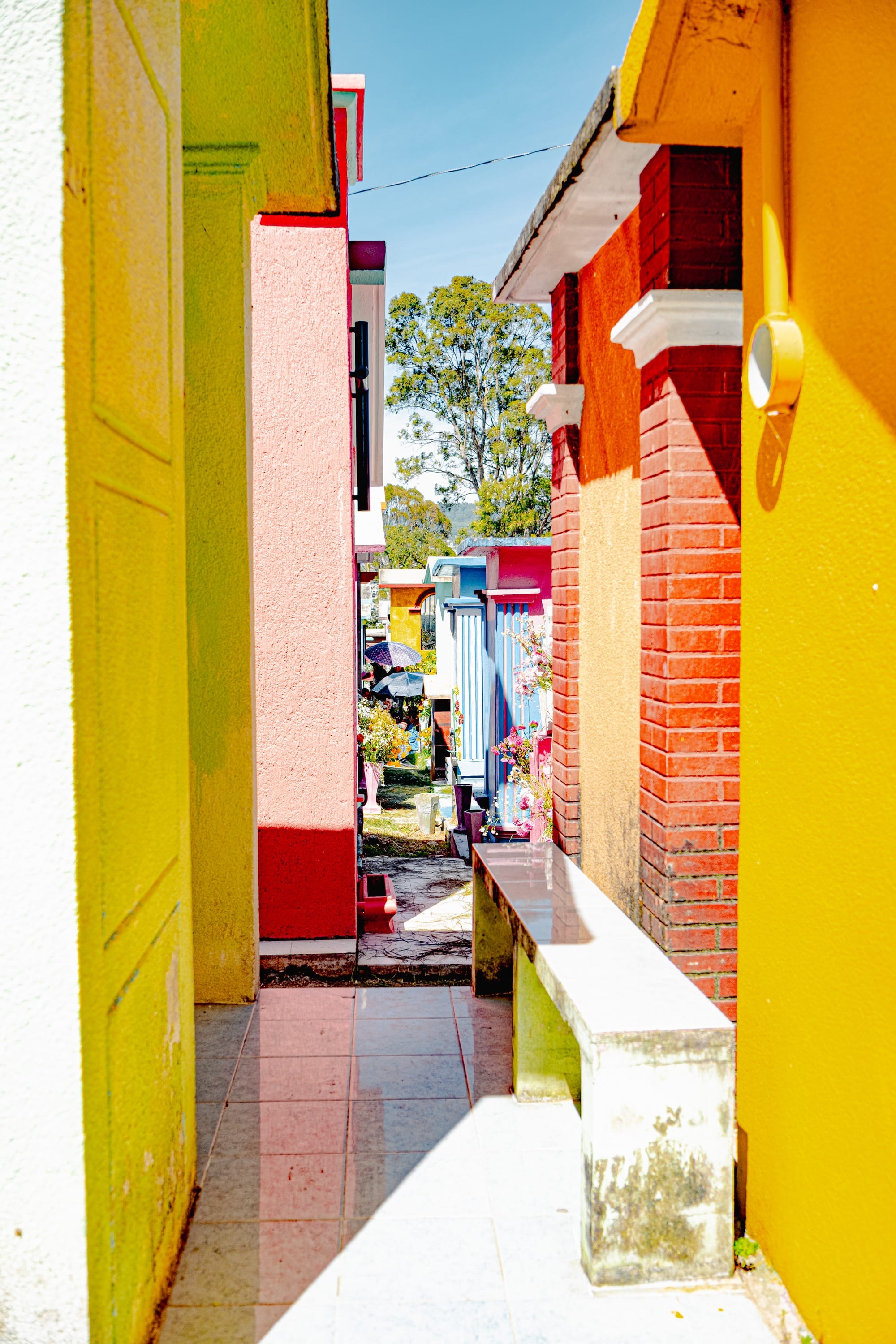
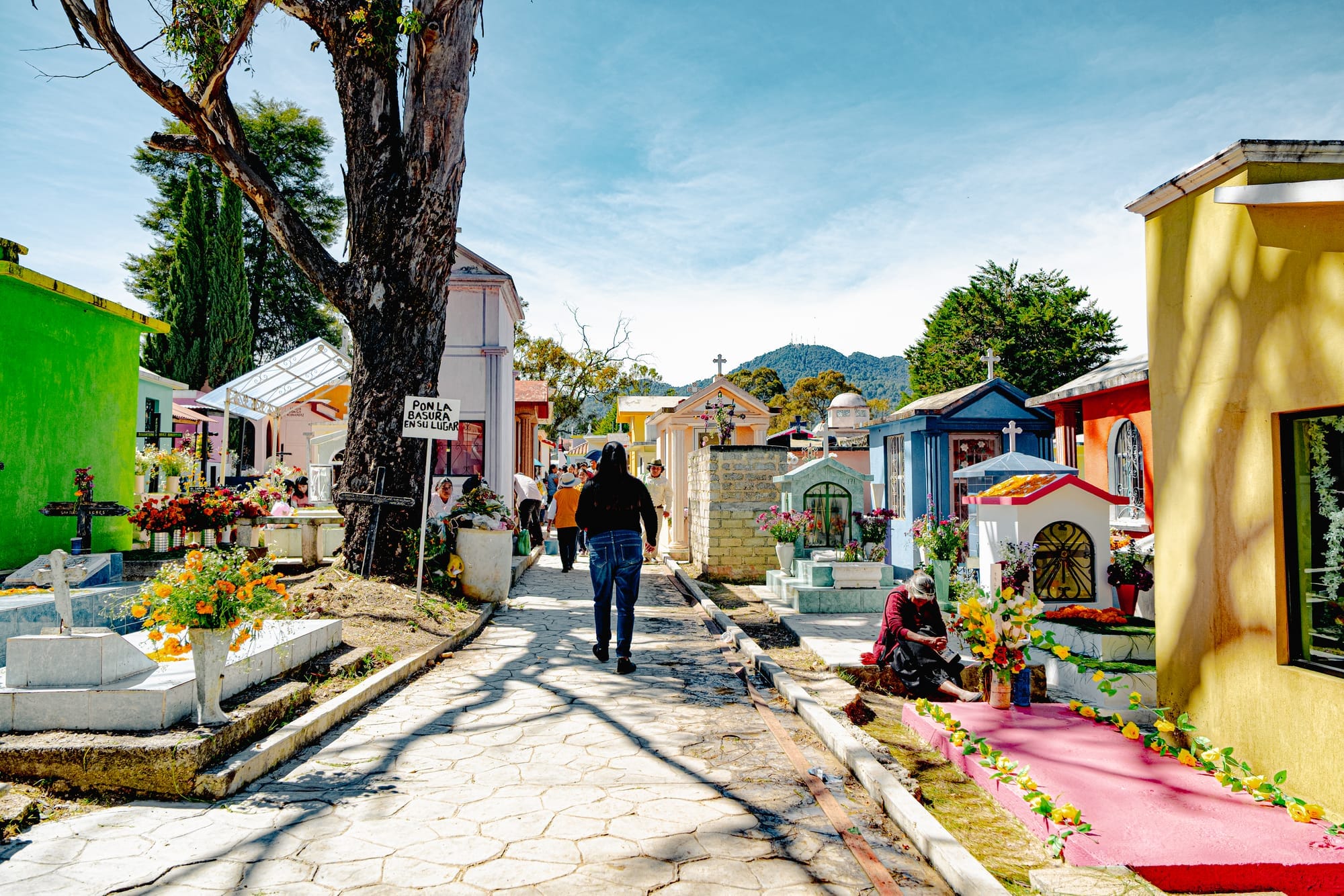
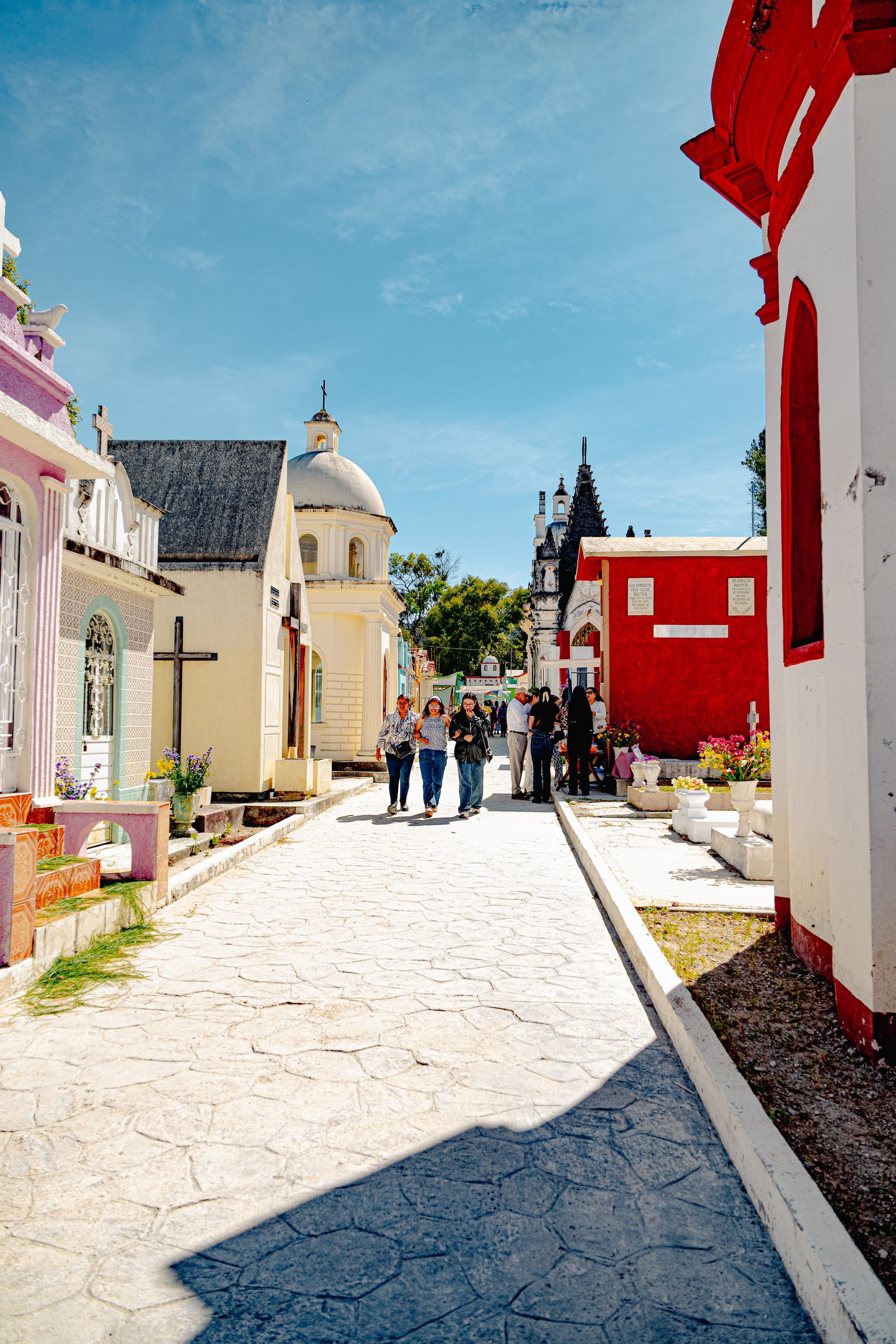
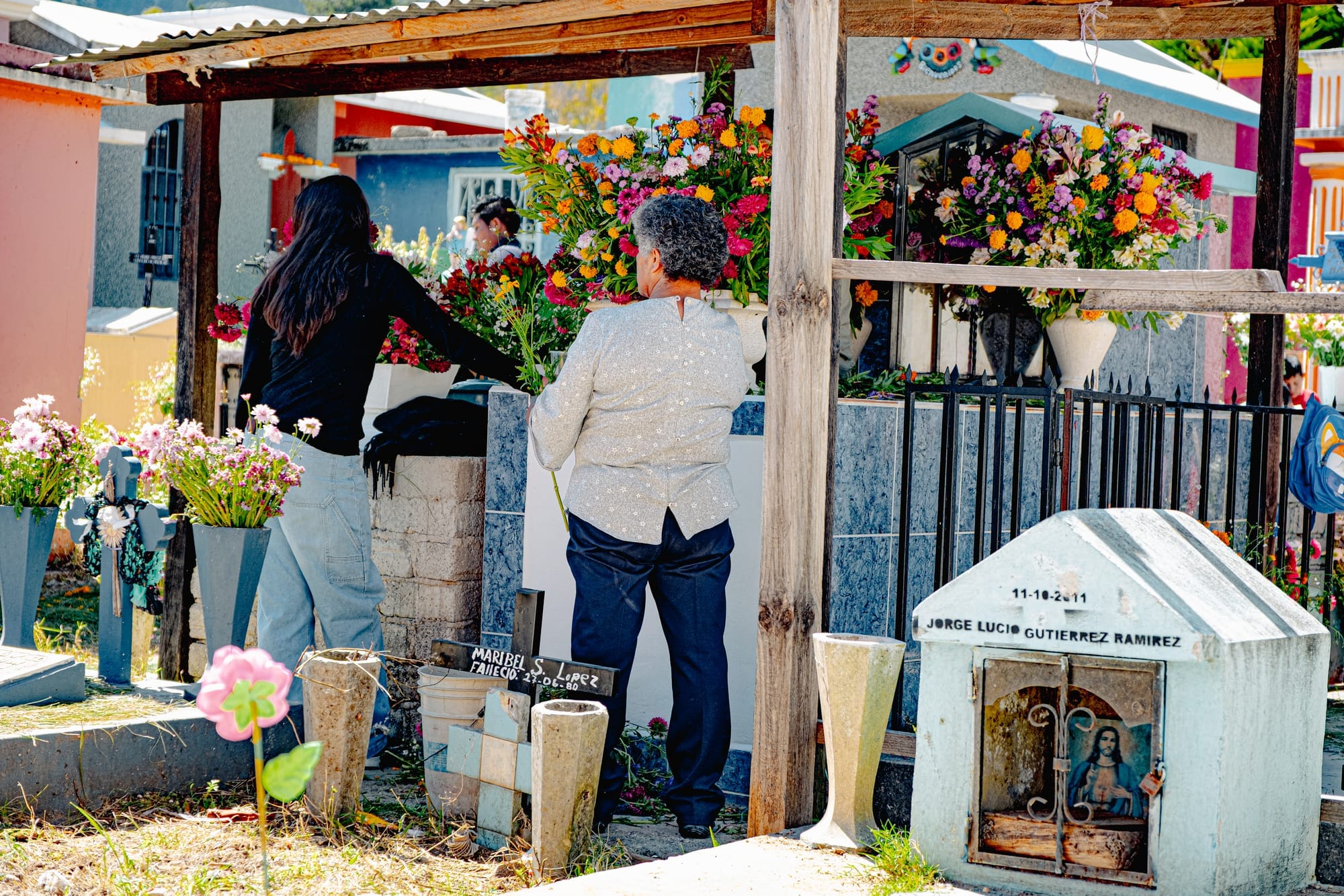
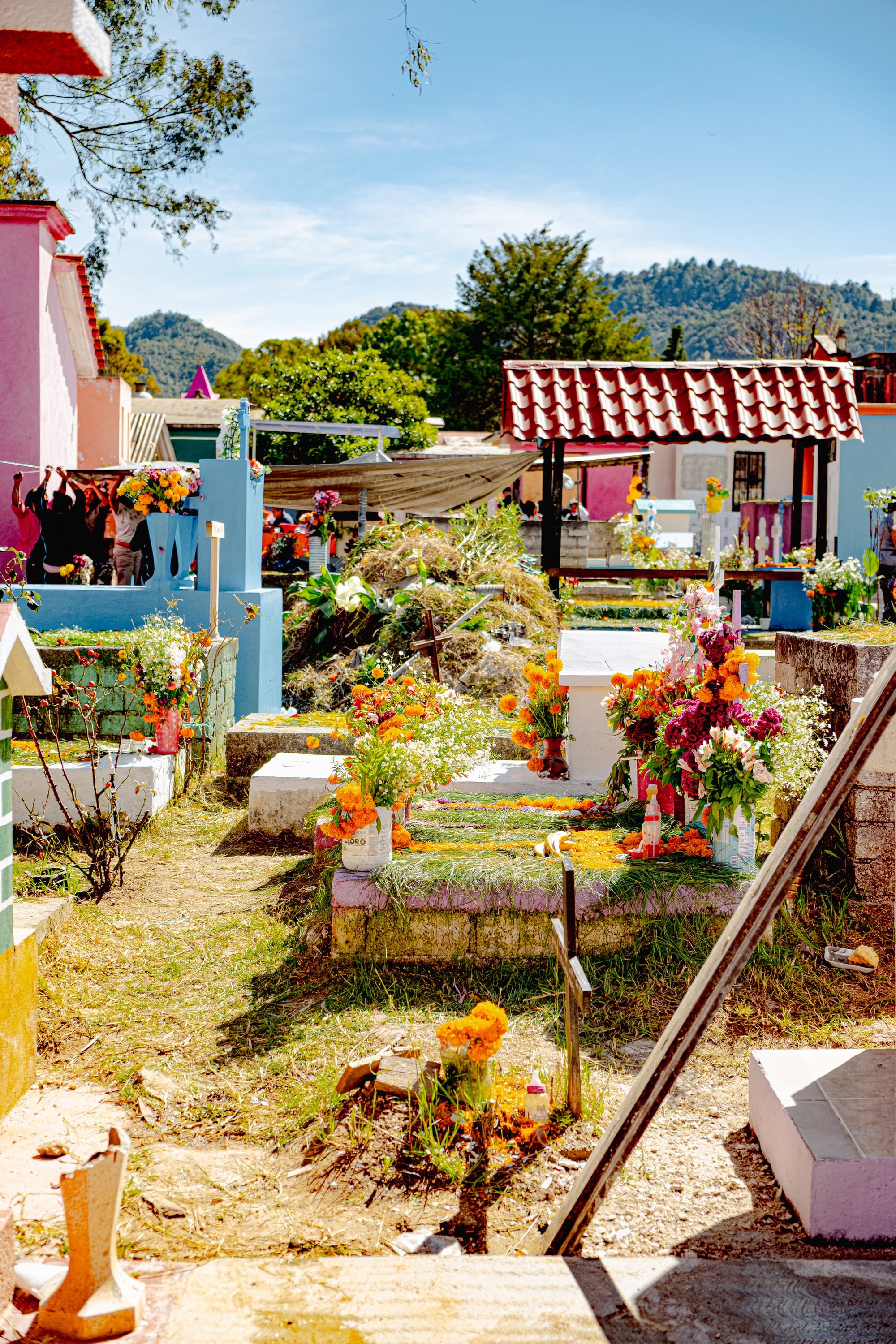
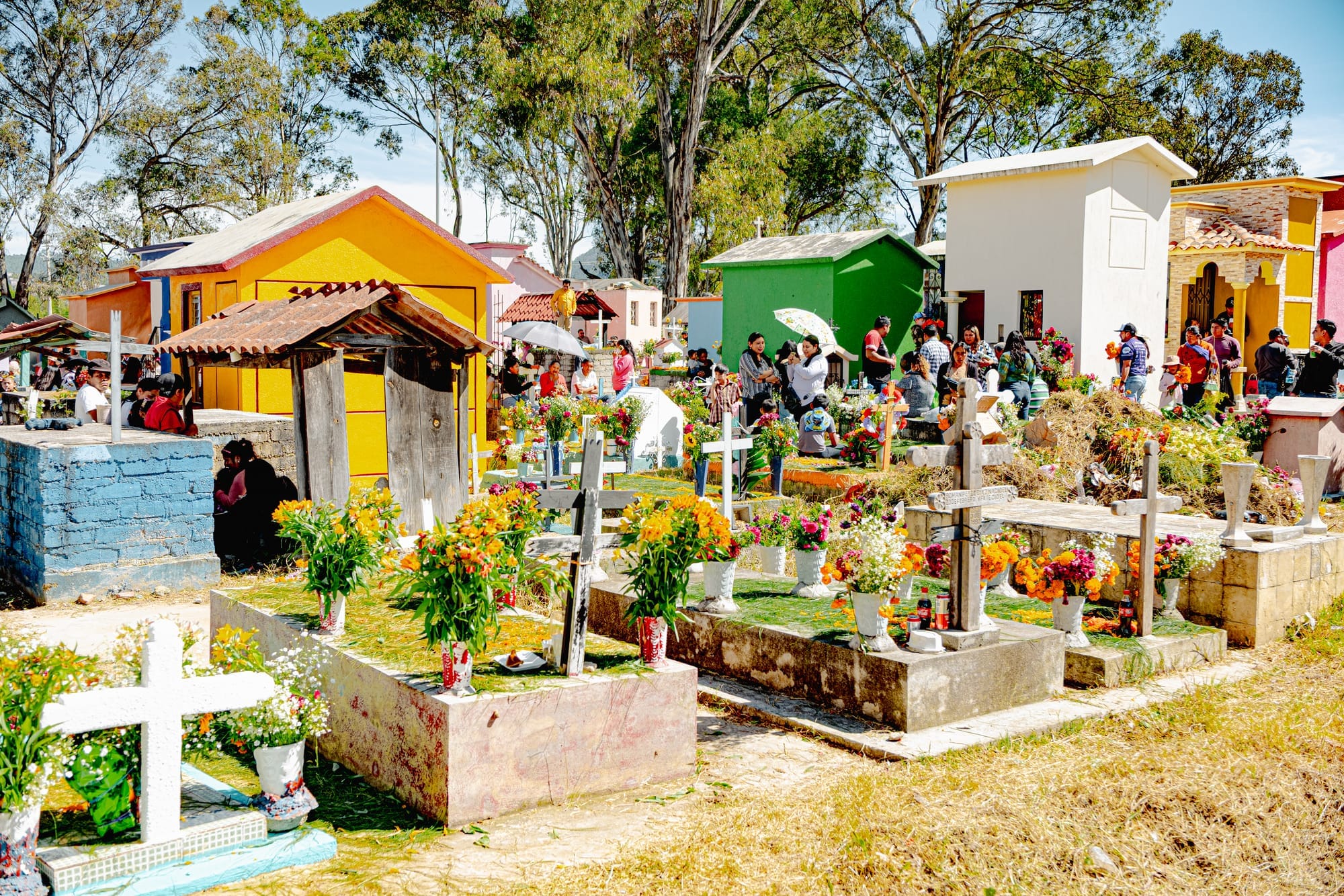
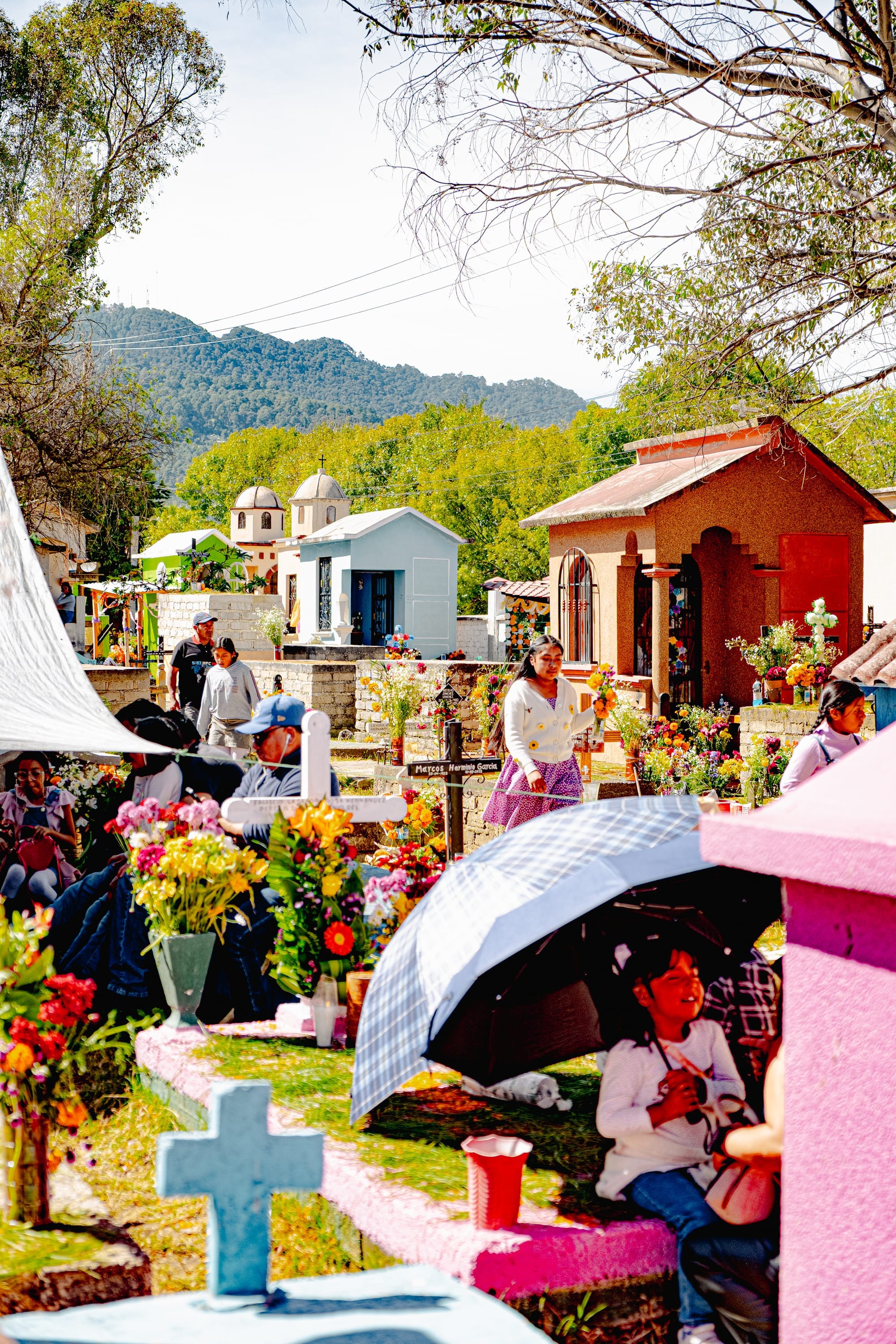
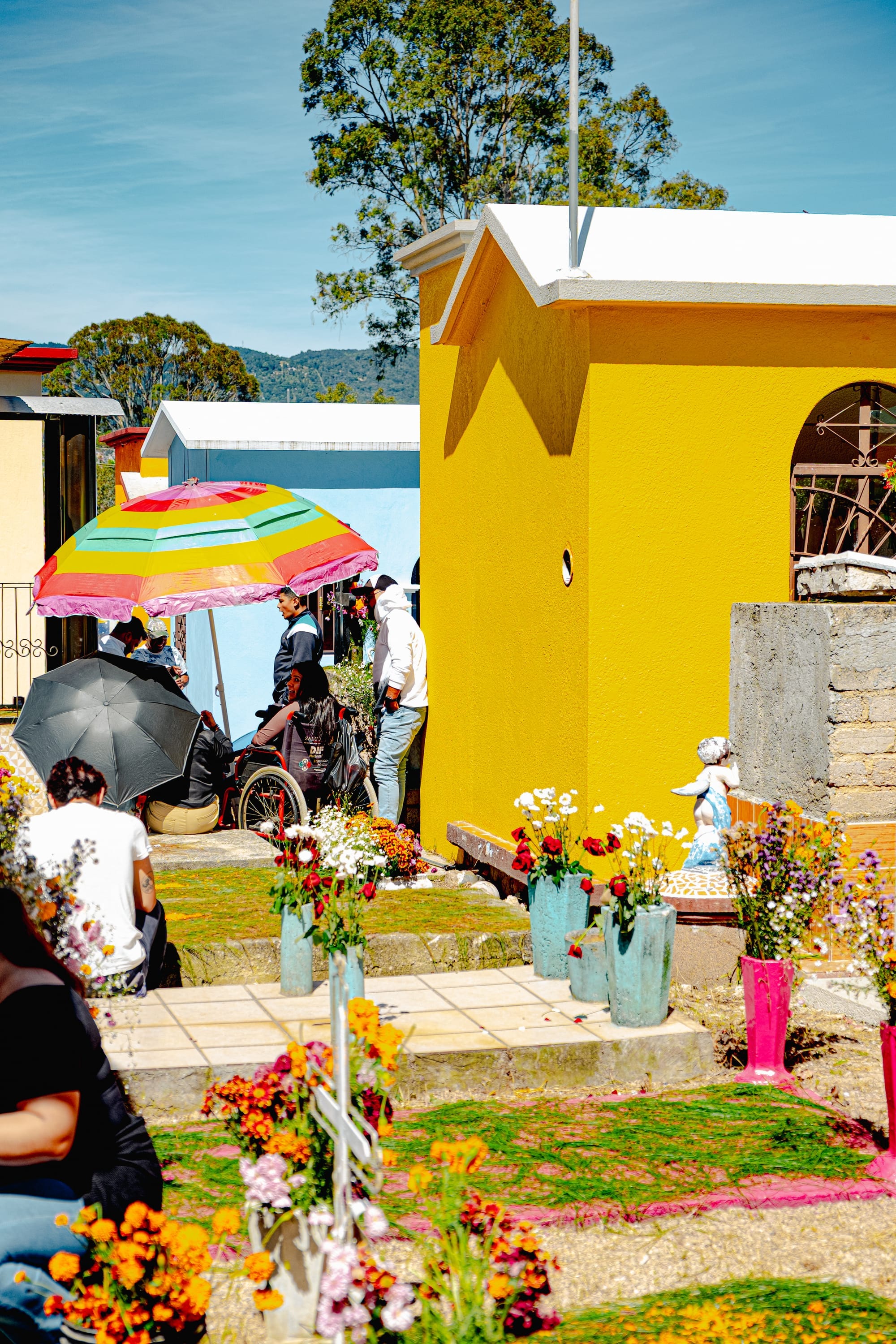
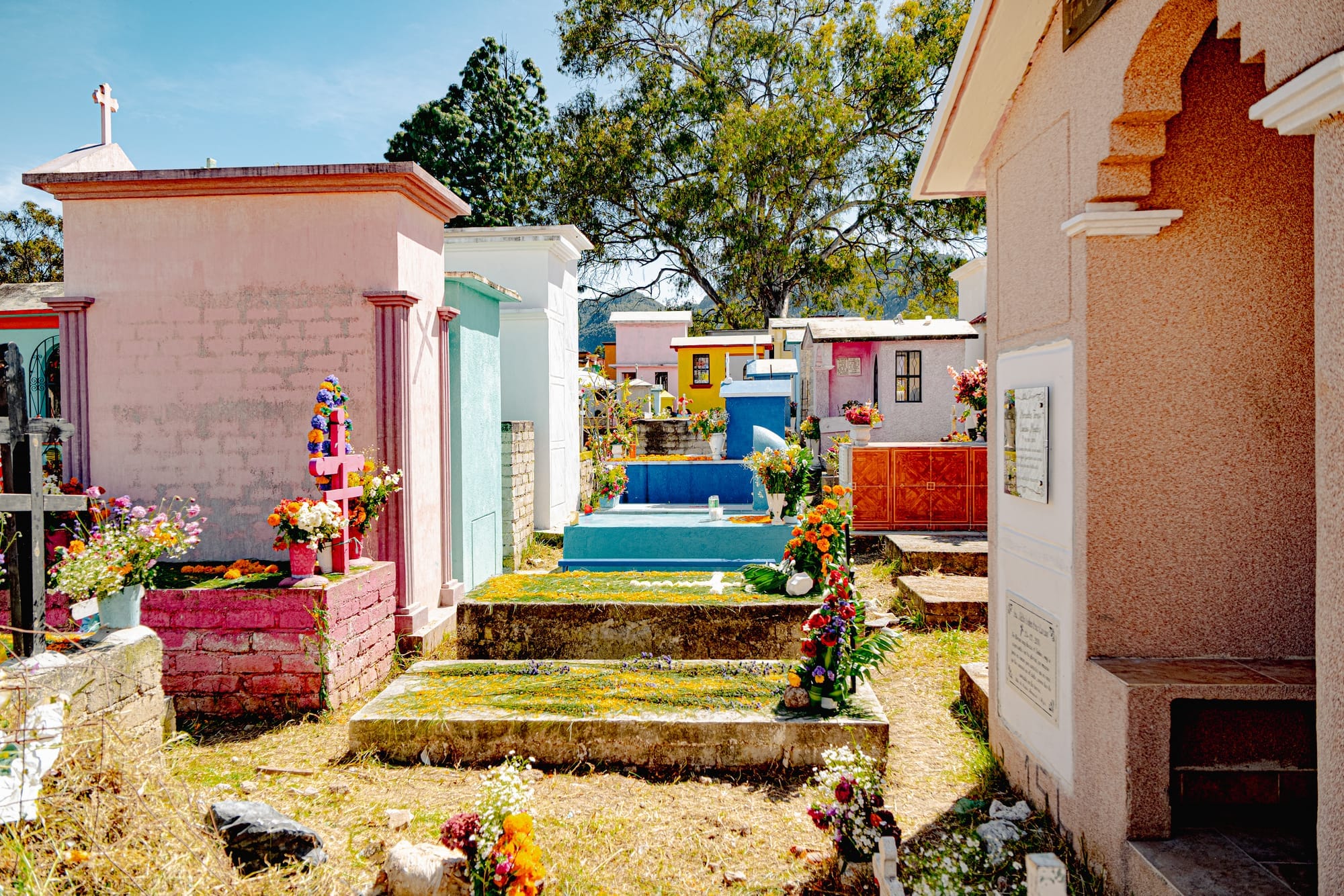
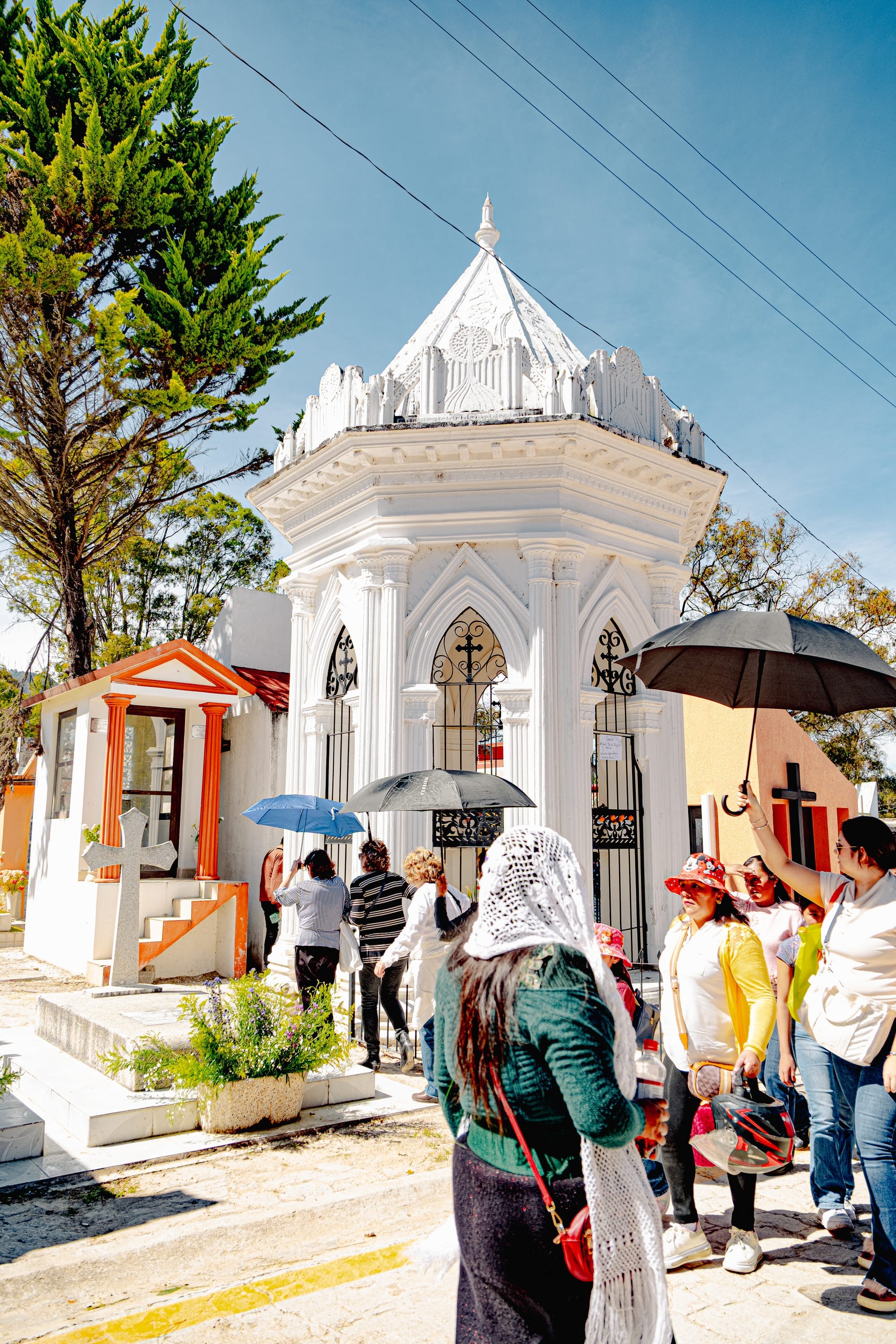
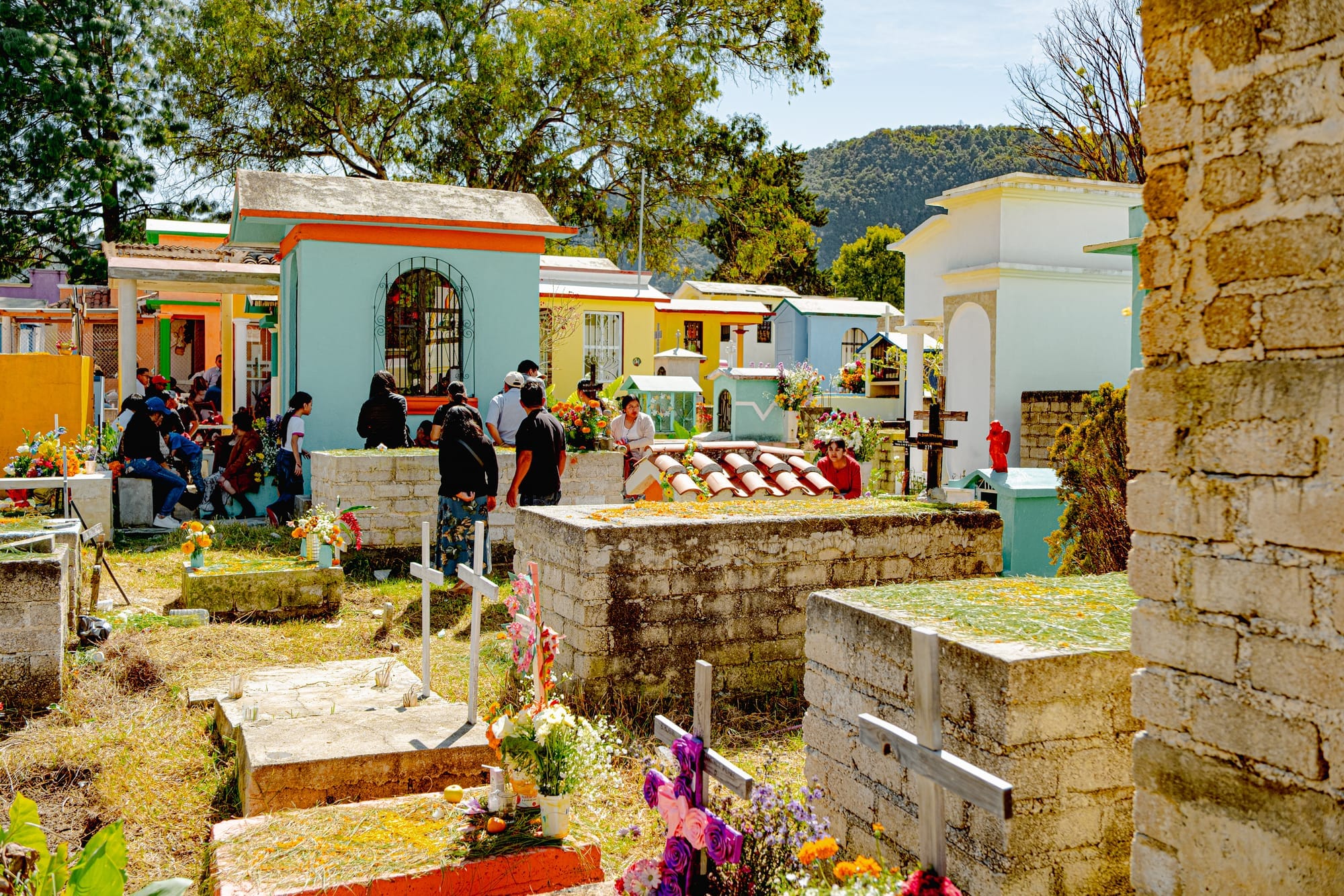
Small, brightly painted mausoleums line the cemetery's internal streets. Some look like miniature houses. Others look like chapels, complete with doors, windows, crosses, and decorative trim. Blues, yellows, pinks, and greens make it almost playful, especially under the highland sun.
Walking the cemetery streets like a small town
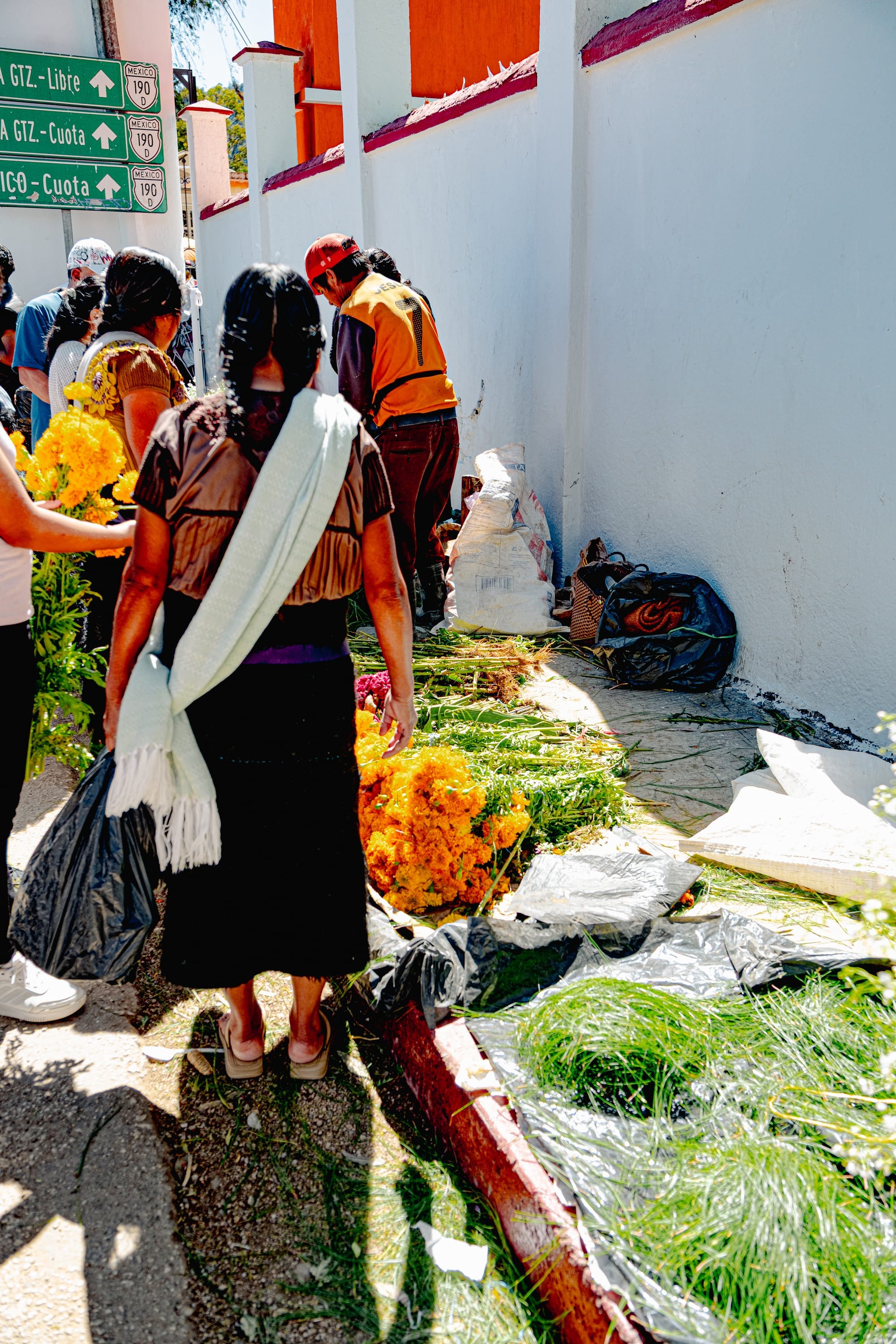
Walking through the Pantheon, it's easy to forget you're in a cemetery at all. The layout feels planned and urban. There are pathways like streets, corners where people stop to talk, and shady spots where families sit for hours at a time. Vendors walk through selling flowers and drinks. Musicians move between the graves.
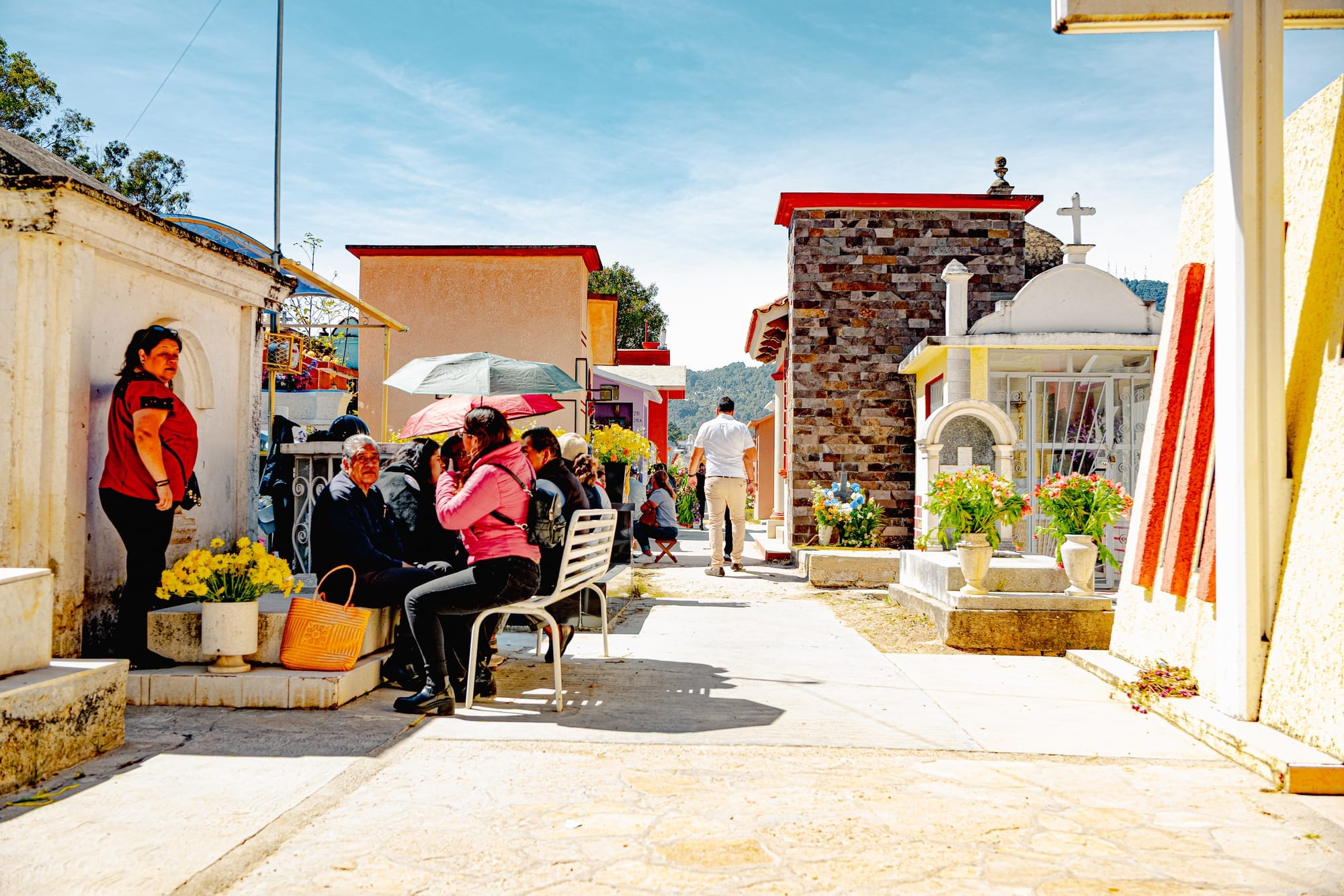
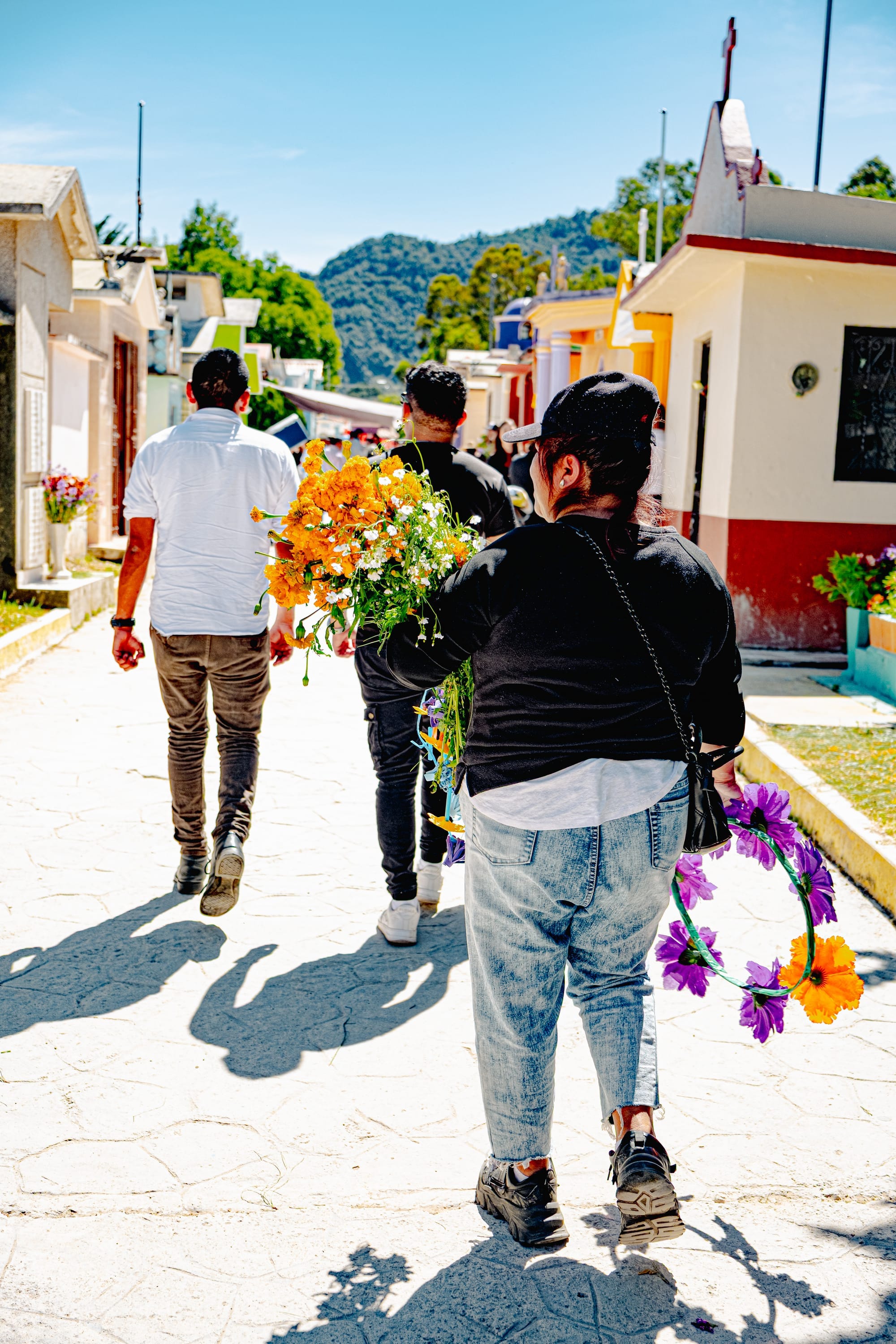
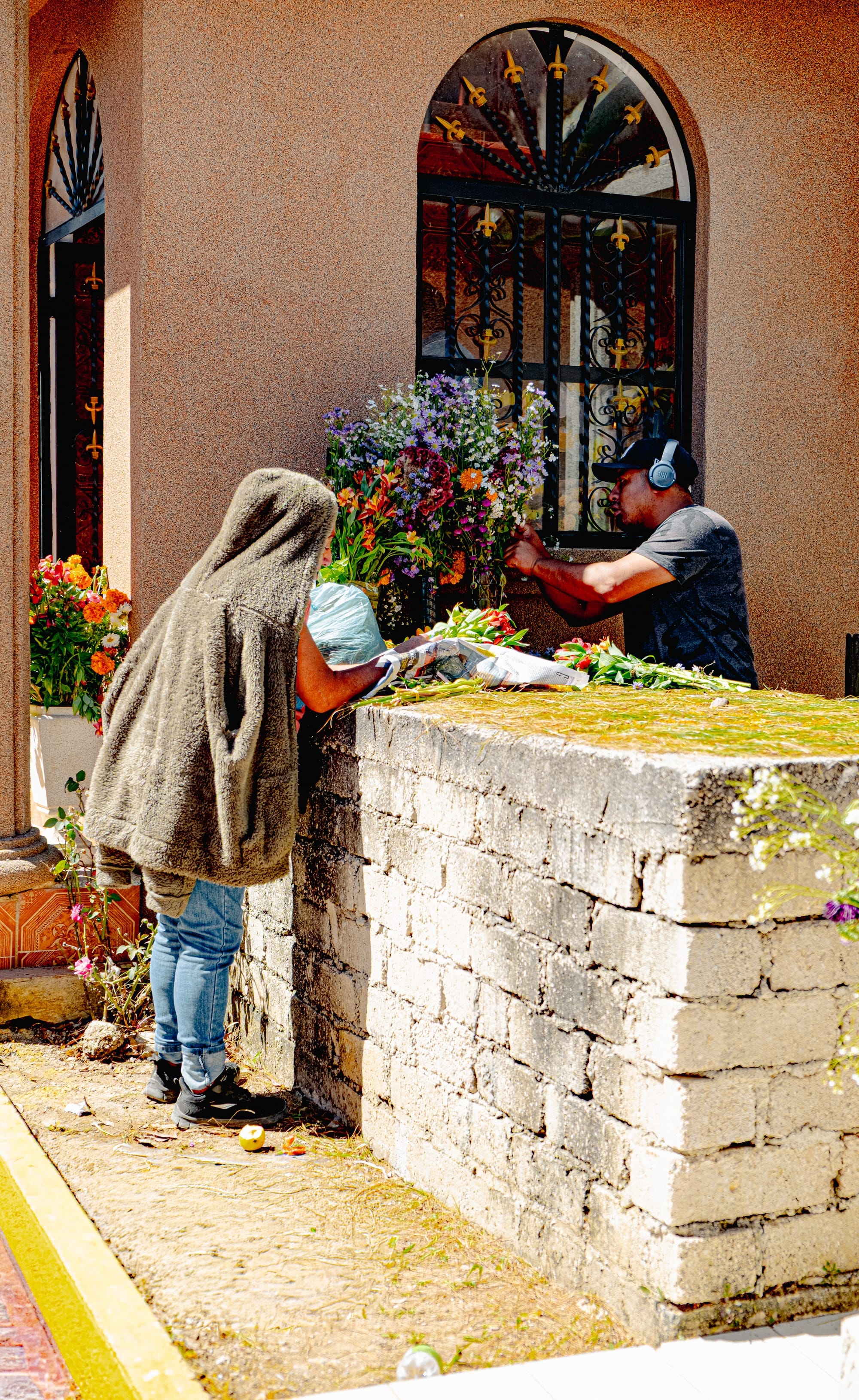
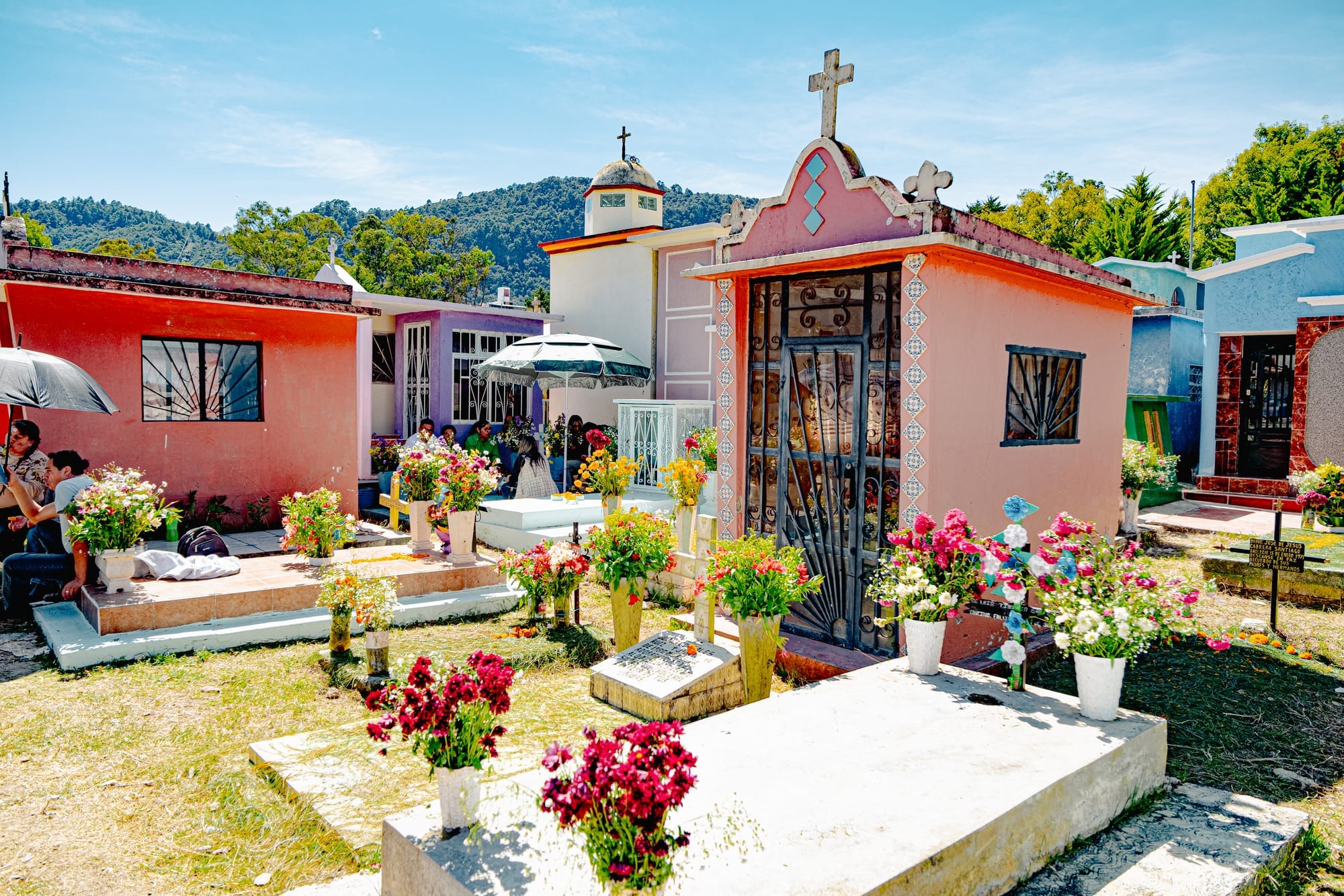
Families lingering among colorful mausoleums
Being enclosed is part of what makes the Municipal Pantheon different. Unlike Romerillo Cemetery, which spreads across a hillside beside an amusement park, the Pantheon has clear boundaries. Walls mark its edges. Gates mark its entrances. Once you're inside, you're fully in its world.
Old stone graves beside brightly tended family plots
That gives it a different emotional feel. It's more subdued than Romerillo, but no less alive.
Visiting before Día de Muertos
When we first visited the Municipal Pantheon in late October, things were already starting to happen.
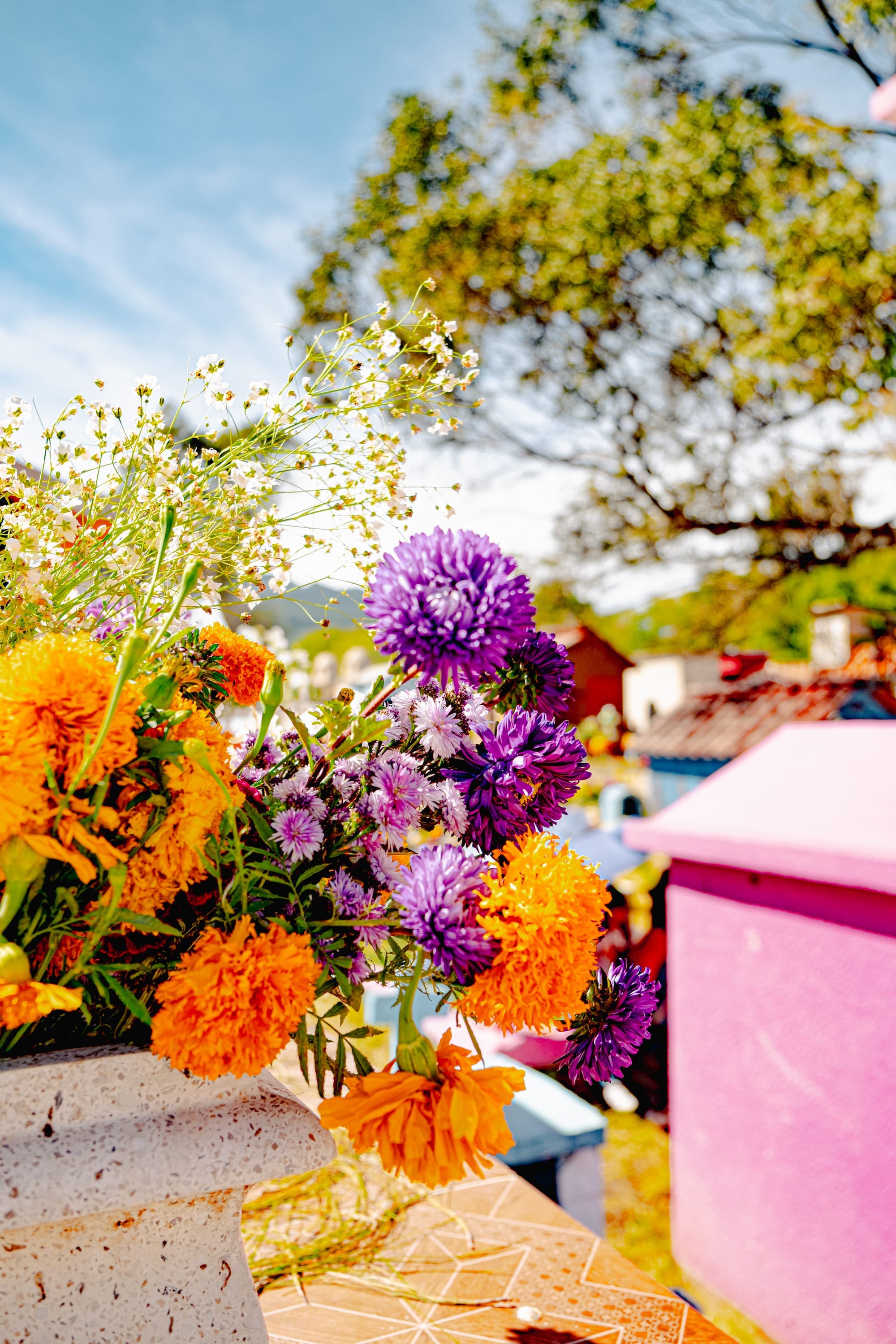
Some graves were partly decorated. Others were still bare, waiting. Families moved calmly through the cemetery, cleaning tombs, repainting walls, trimming grass, and bringing in the first flowers. You could tell everyone was getting ready, and that they all knew something important was coming.
Careful arrangements passed between generations
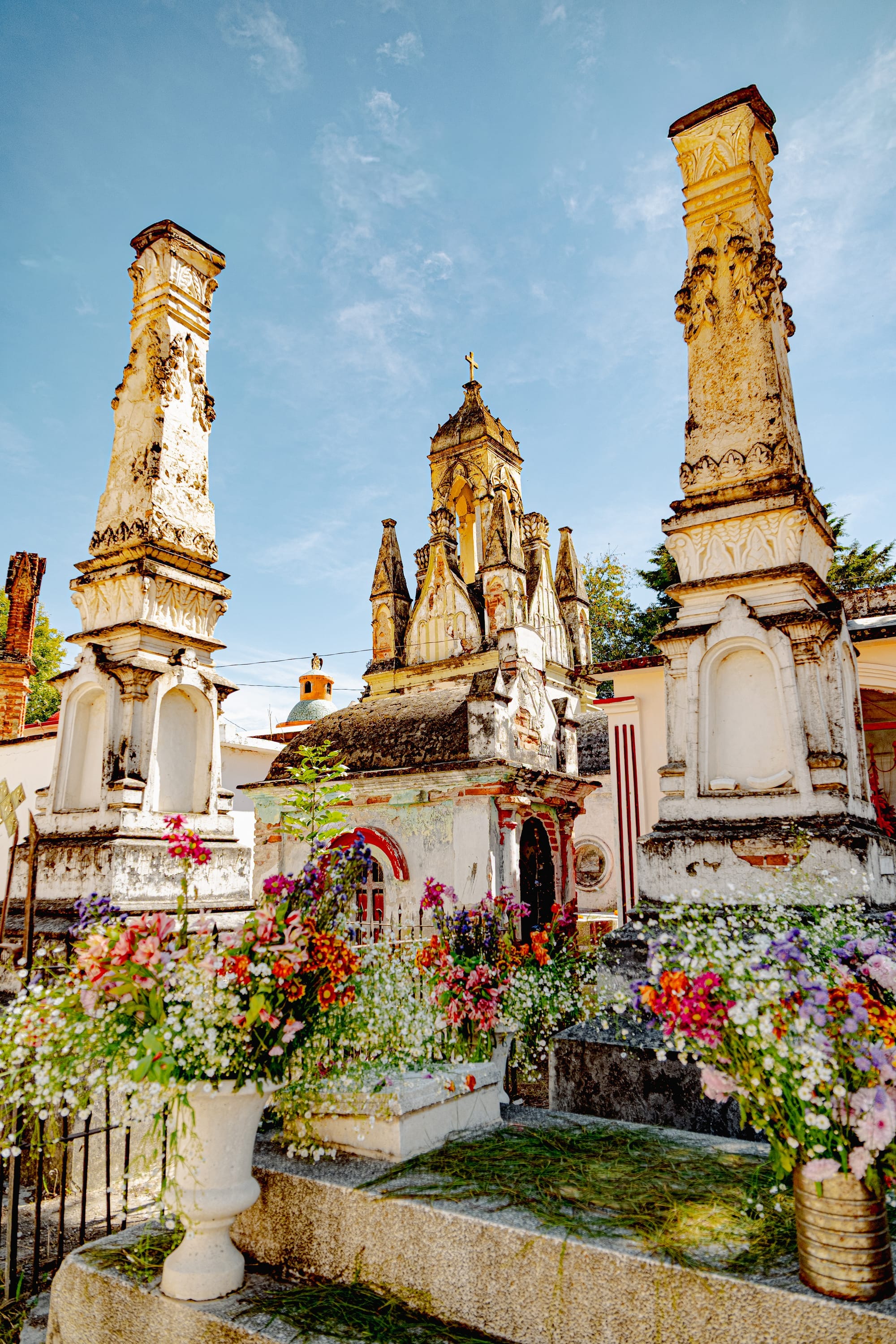
This visit taught us a lot. Without the crowds, the Pantheon's architecture stood out more clearly. The details of the mausoleums (carved edges, hand-painted lettering, and aging plaster) felt intimate and personal. Each structure had its own personality, shaped by many years of family care.
Fresh flowers marking graves across the cemetery
There was a real tenderness to this time before the holiday. No music yet. No parades. Just preparation, done gently and with care.
We wrote a full post on our first visit before Day of the Dead. Read it here.
What happens on Day of the Dead in San Cristóbal
Día de Muertos runs from late October into early November, and it's built around one idea: the souls of the dead come back to visit their families for a short time. UNESCO added it to its intangible heritage list in 2008, describing how families mark a path for the souls with flower petals, candles, and offerings, and cook the dishes the dead person loved.
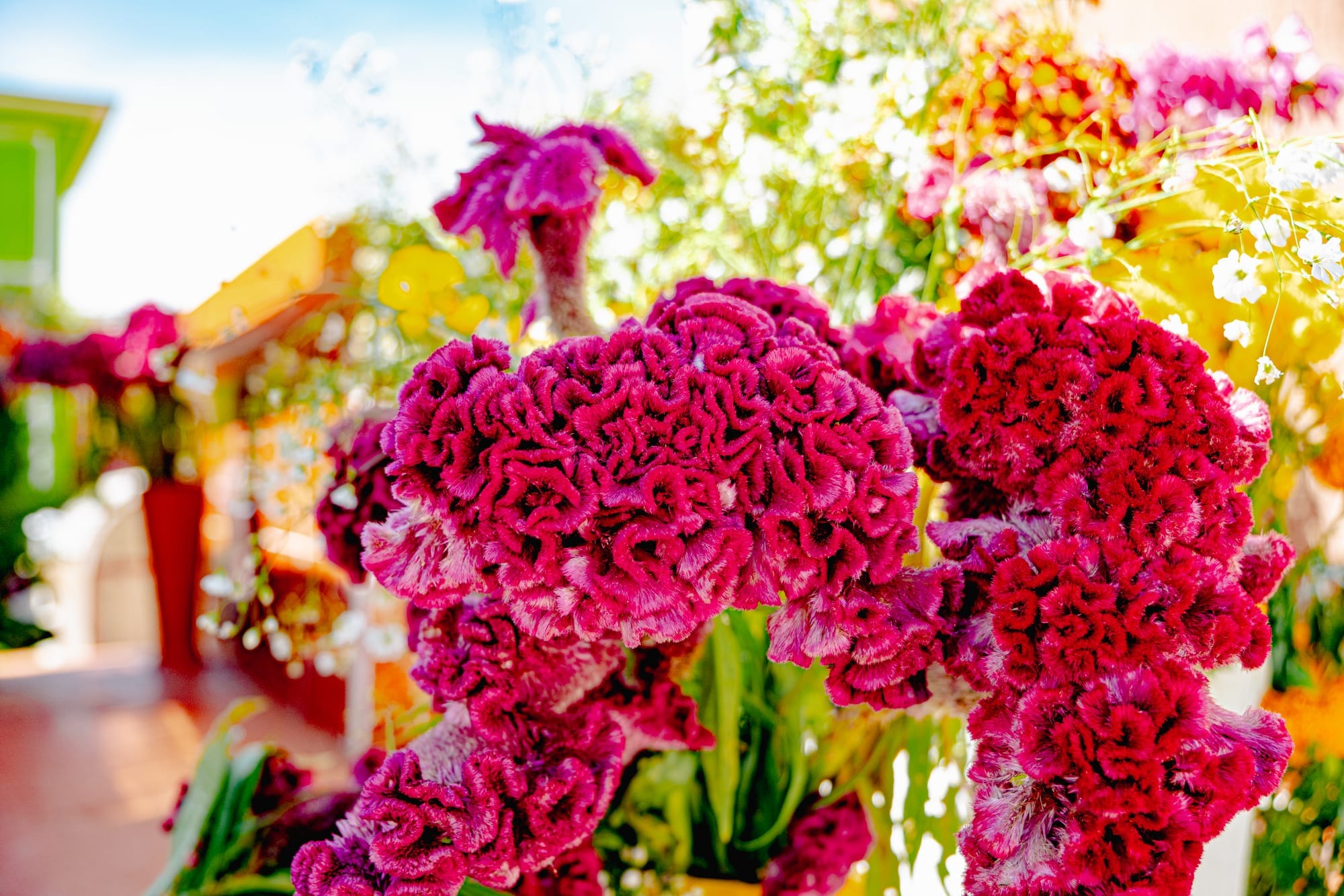
In most of Mexico, November 1 is for children who have died and November 2 is for adults. That's why the Panteón fills up on both days: families clean and decorate the tomb, then come back to sit with their dead, eat, and listen to music. Orange cempasúchil (marigolds) are everywhere, both on the graves and in the stalls outside the gates.
For more on the marigolds, candles, and food families bring, see our guide to Day of the Dead altars and flowers.
Outside the entrances, rows of temporary food stands and drink stalls appear for the holiday, and musicians wait to be hired by families who want songs played at a grave. In town, there are parades and people in Catrina face paint in the evenings, which is a separate, much more public side of the celebration.
If you want to see the holiday at the Panteón at its fullest, go on the morning of November 2, when families have already set up but the crowds are still manageable. November 1 is calmer and more family-centered, and the days before are best for the architecture.
The morning of November 2nd
Going back on the morning of November 2nd, we thought things might have died down.
Instead, the Pantheon was full.
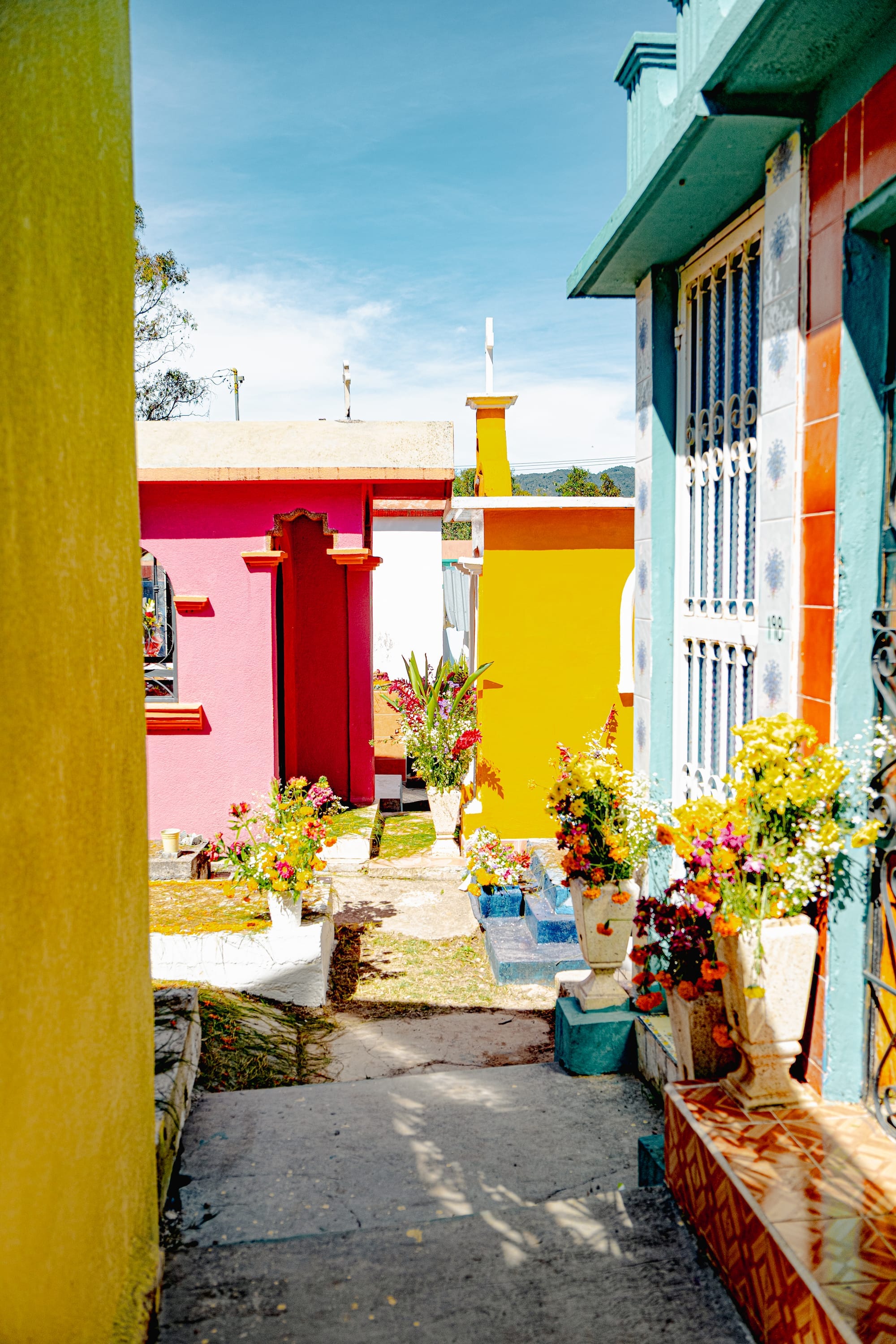
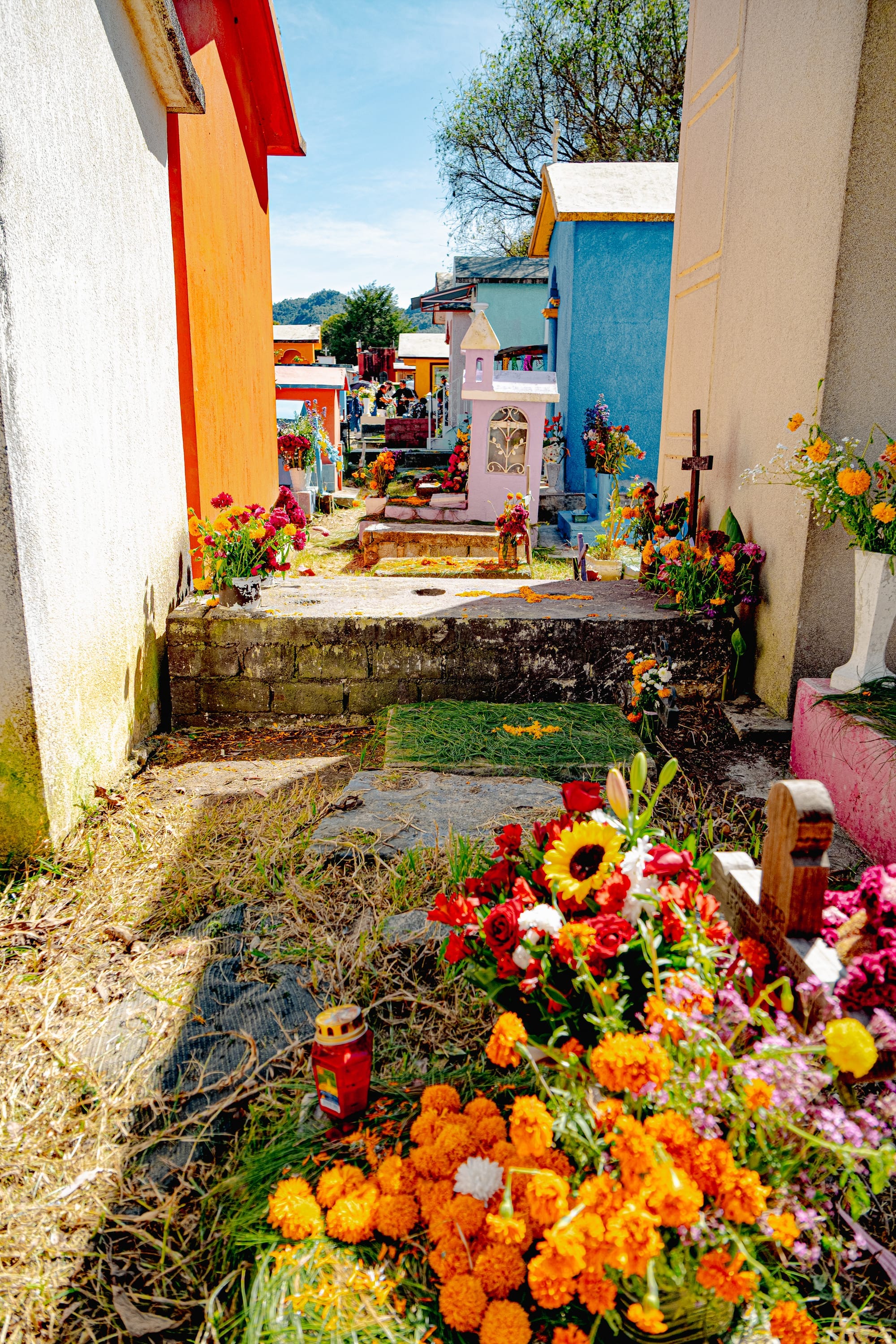
Colorful pathways between graves and family mausoleums
We were told that because of the day of the week Day of the Dead fell on, the portal between the living and the dead would stay open for another day, before closing the following day.
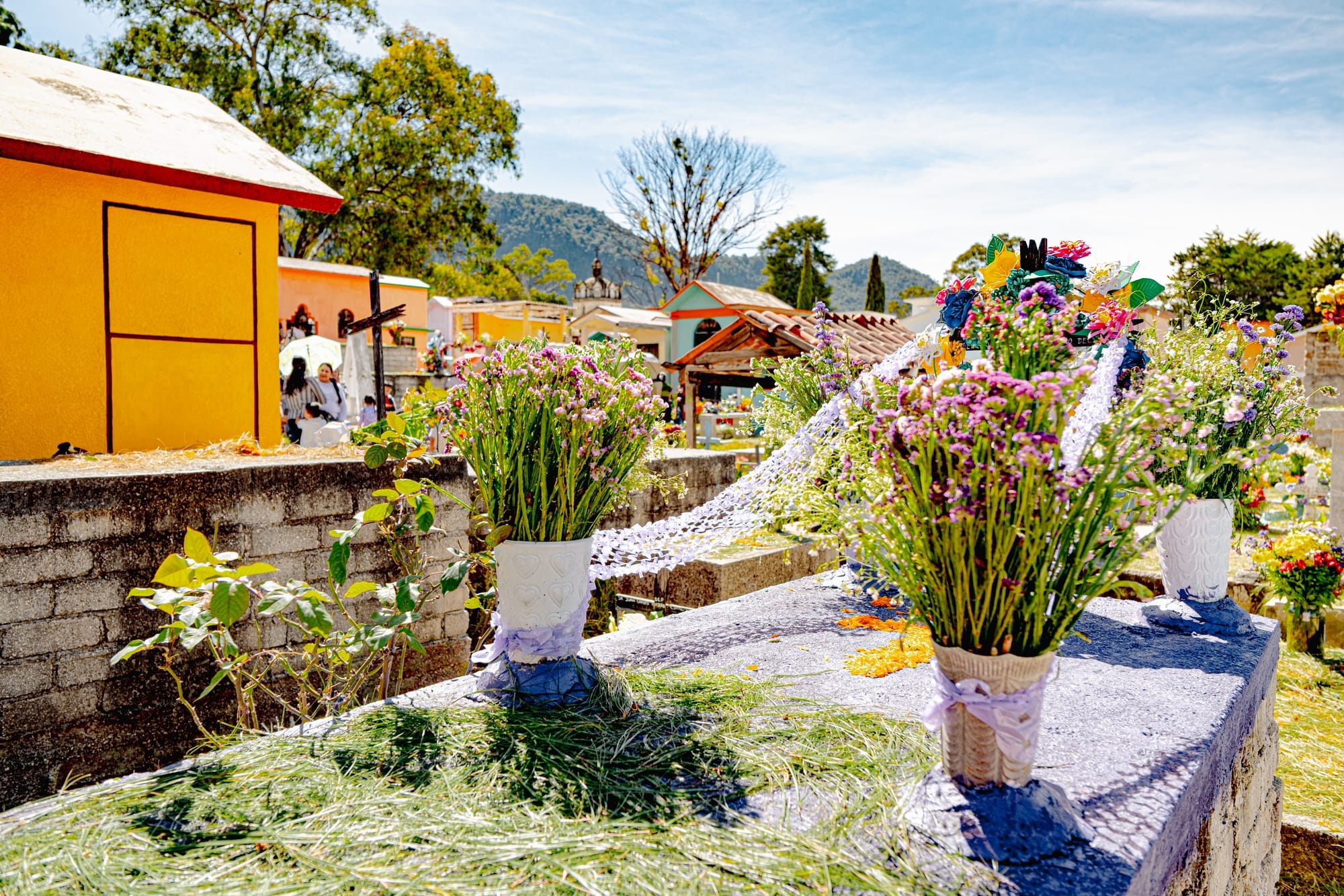
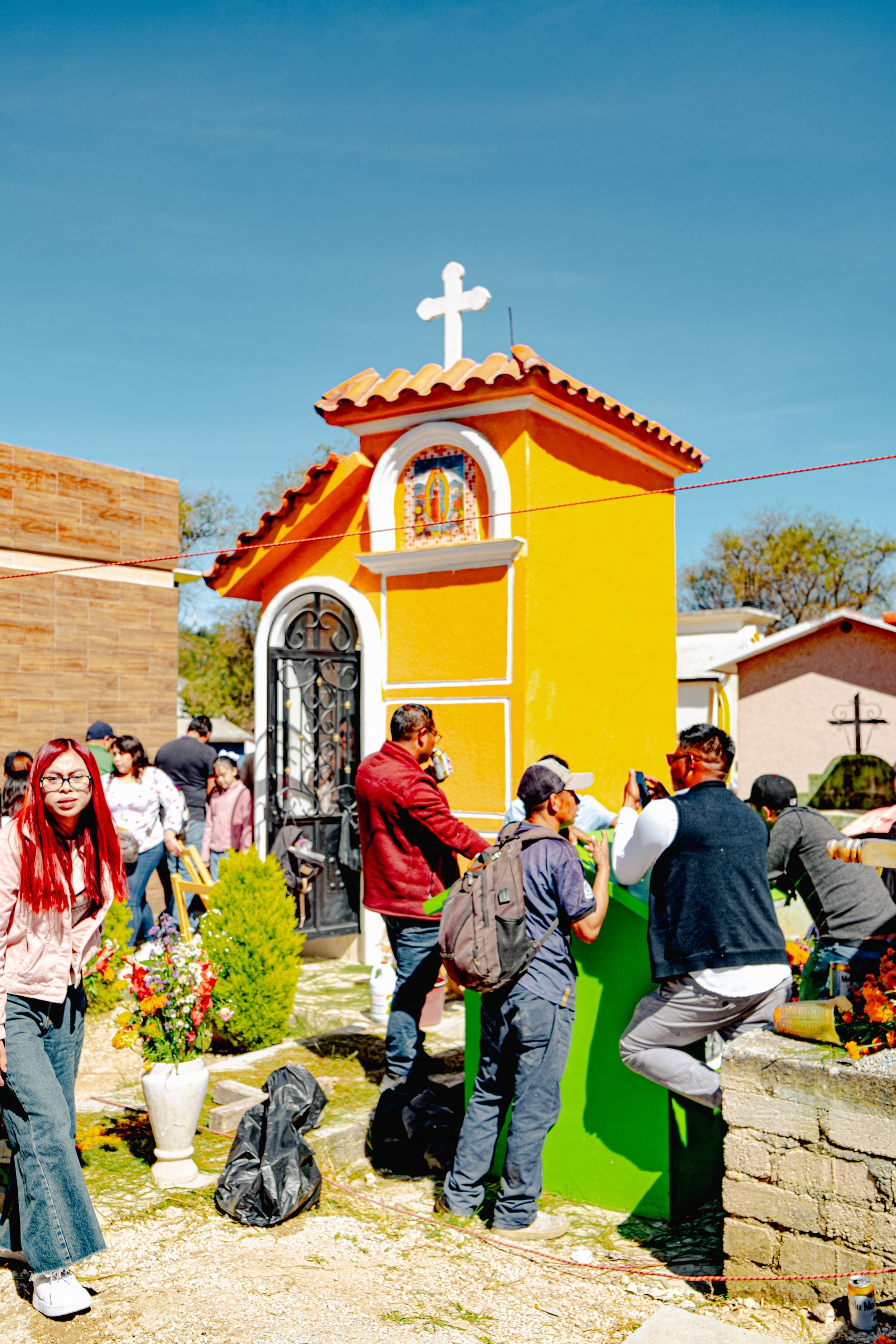
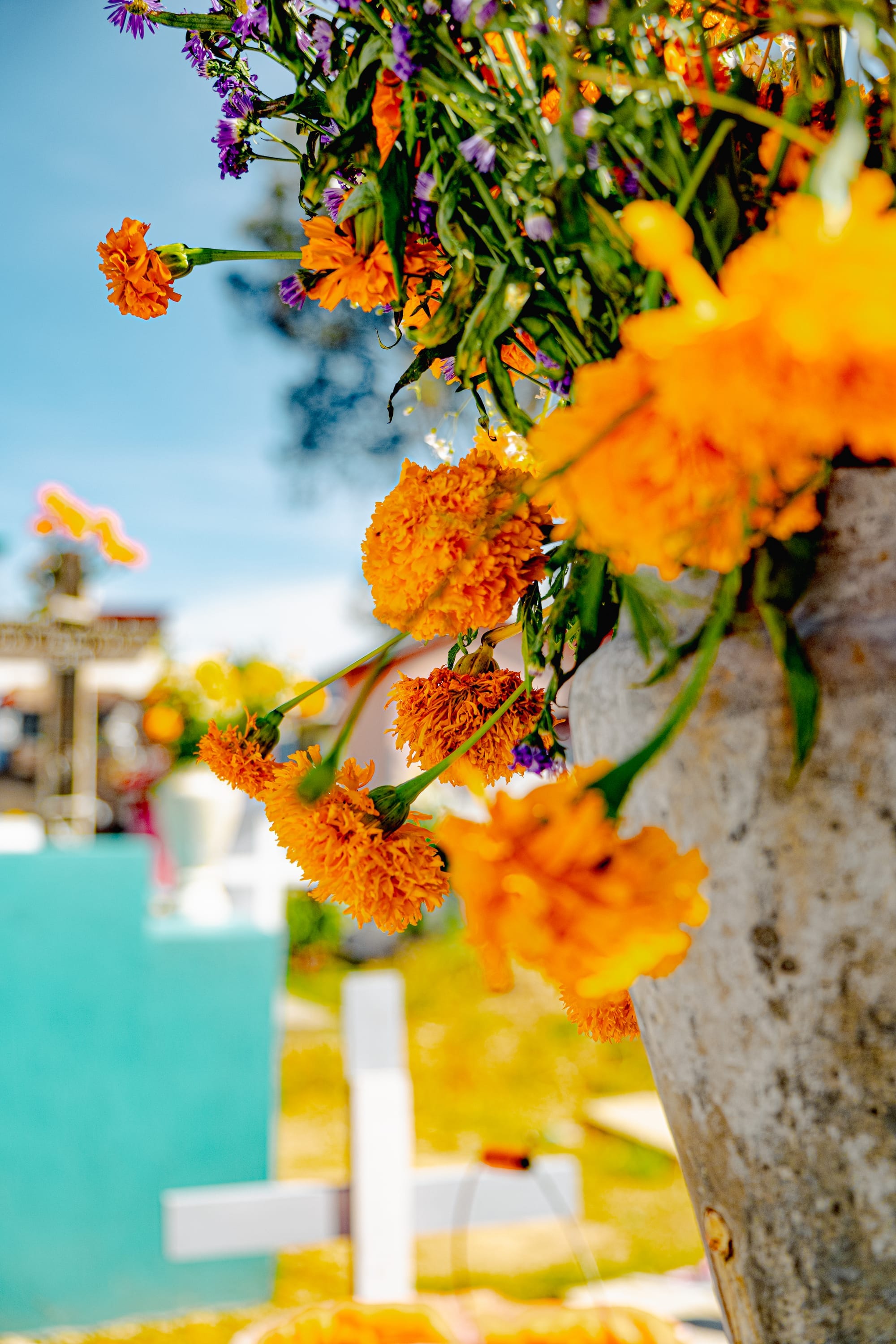
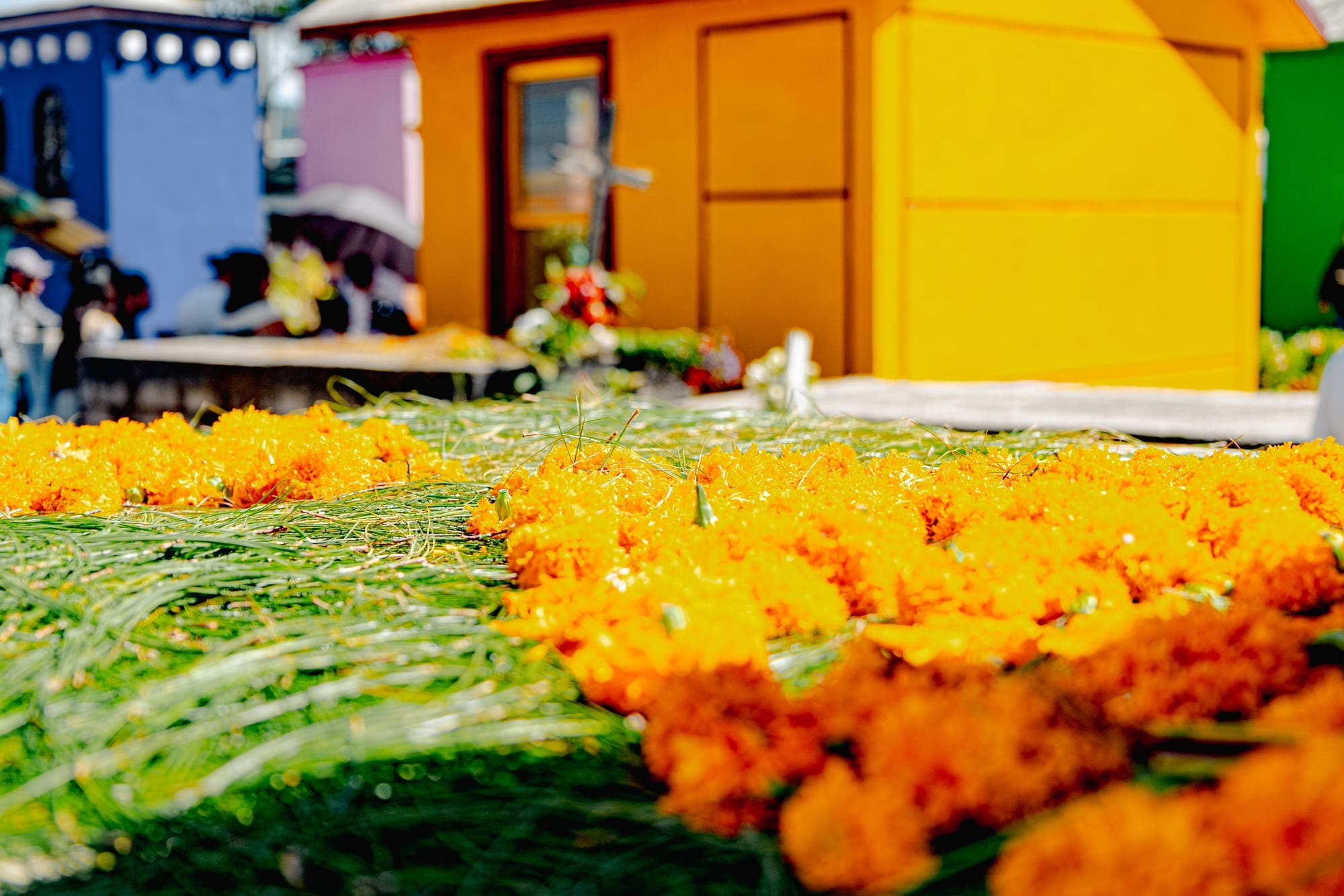
Marigolds and color brightening the cemetery paths
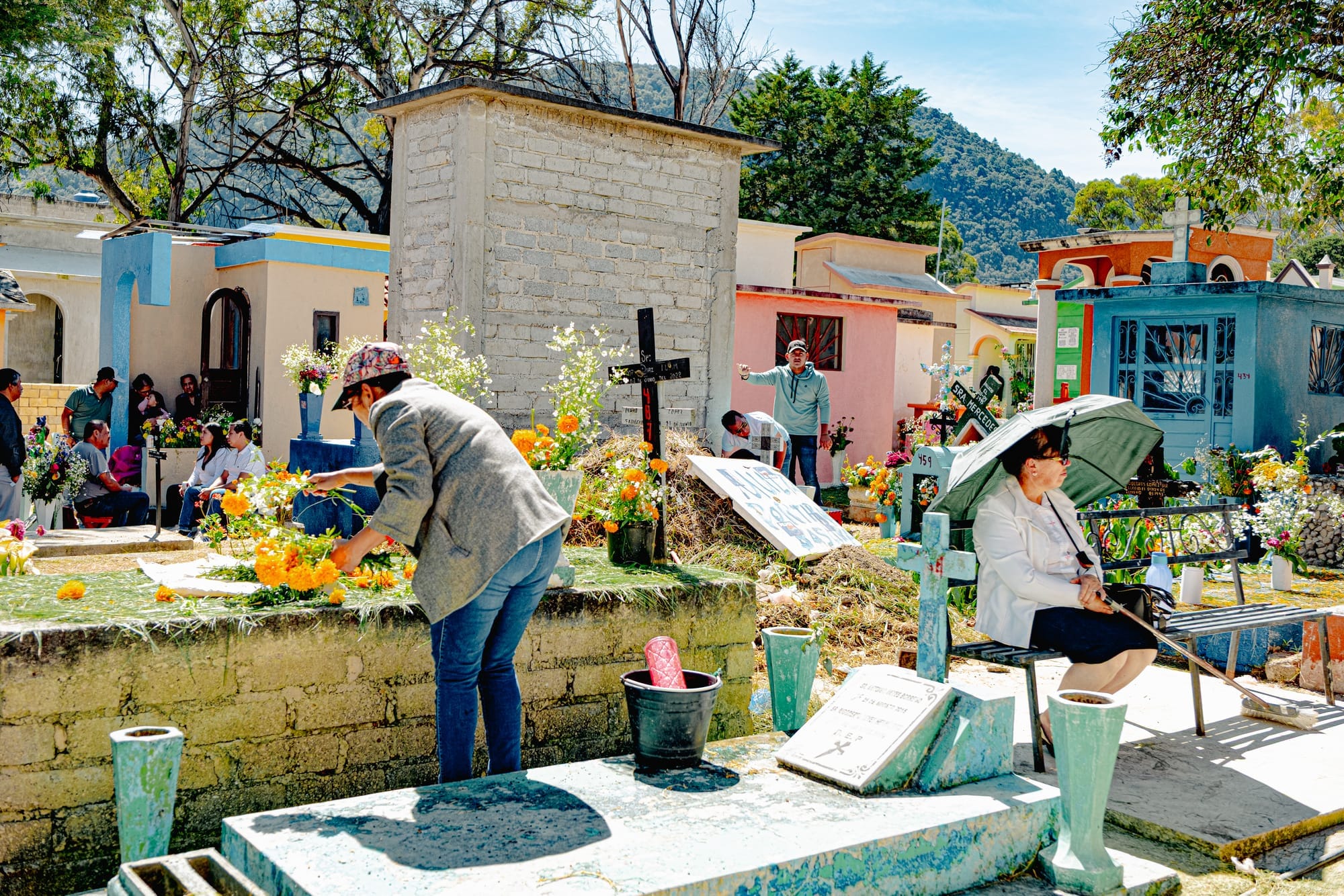
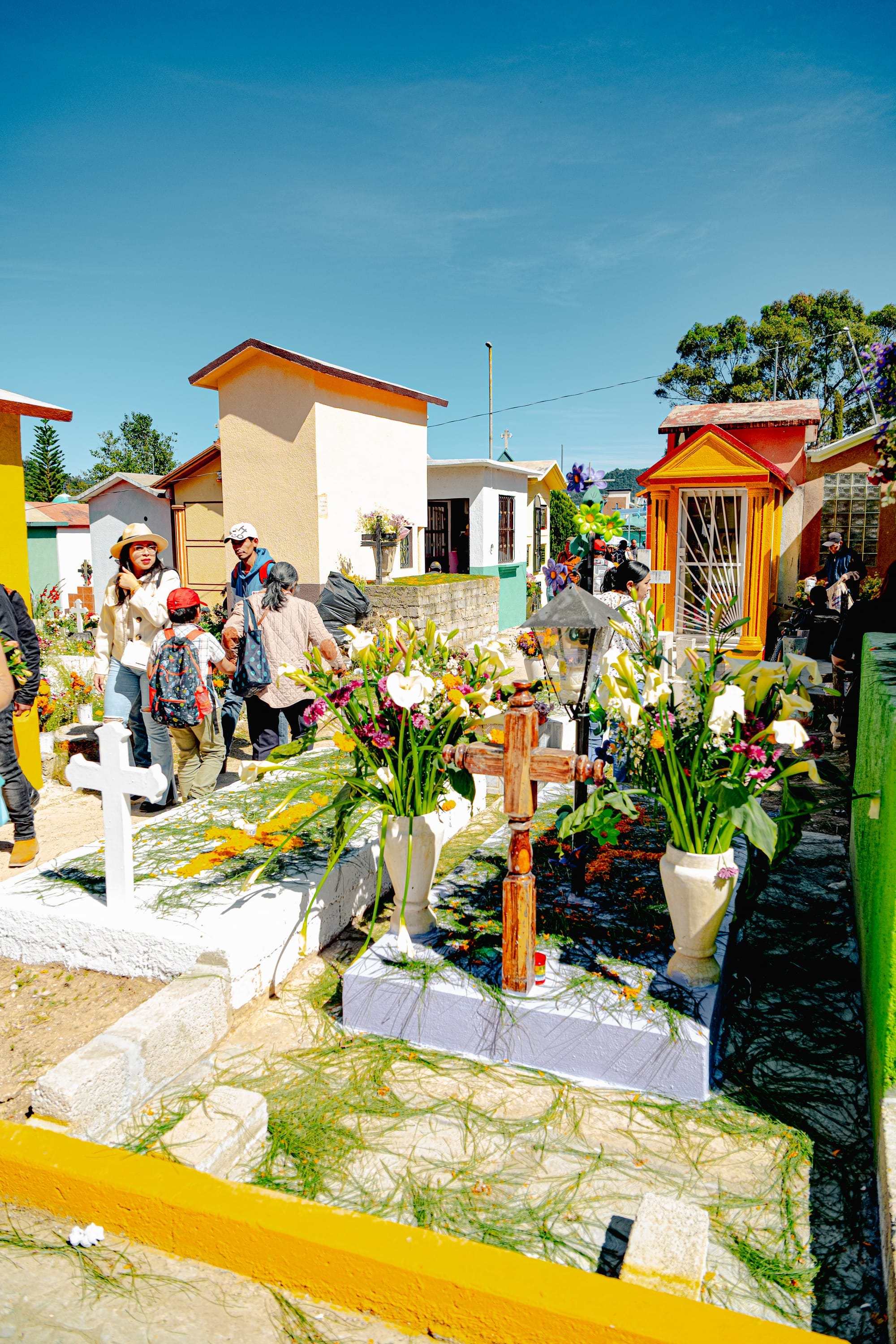
Families were everywhere: sitting on chairs beside graves, sharing food, talking, laughing, and playing music. Some had clearly been there since early morning. Others looked like they had never left. The flower arrangements were more elaborate now, carefully arranged and freshly tended.
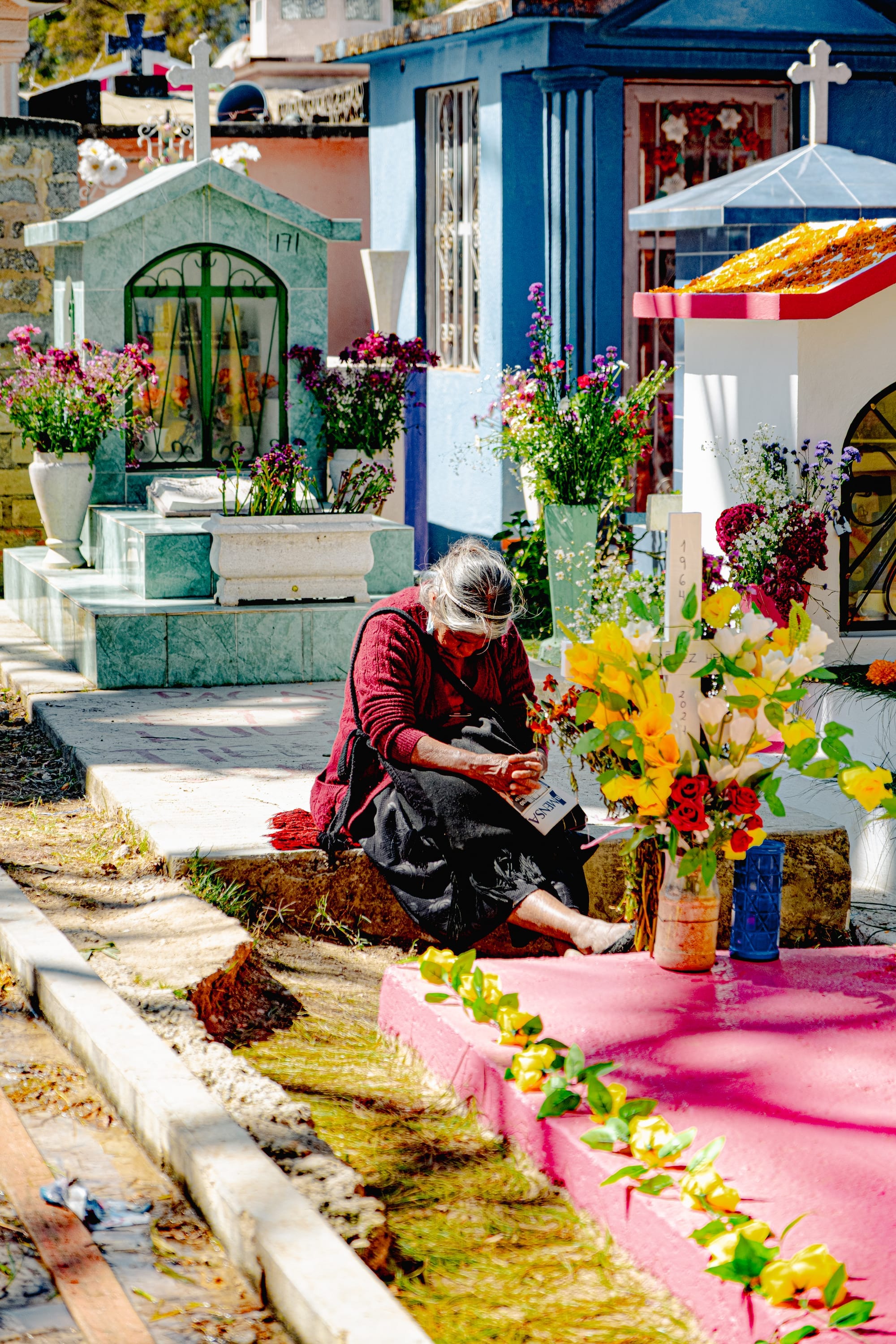
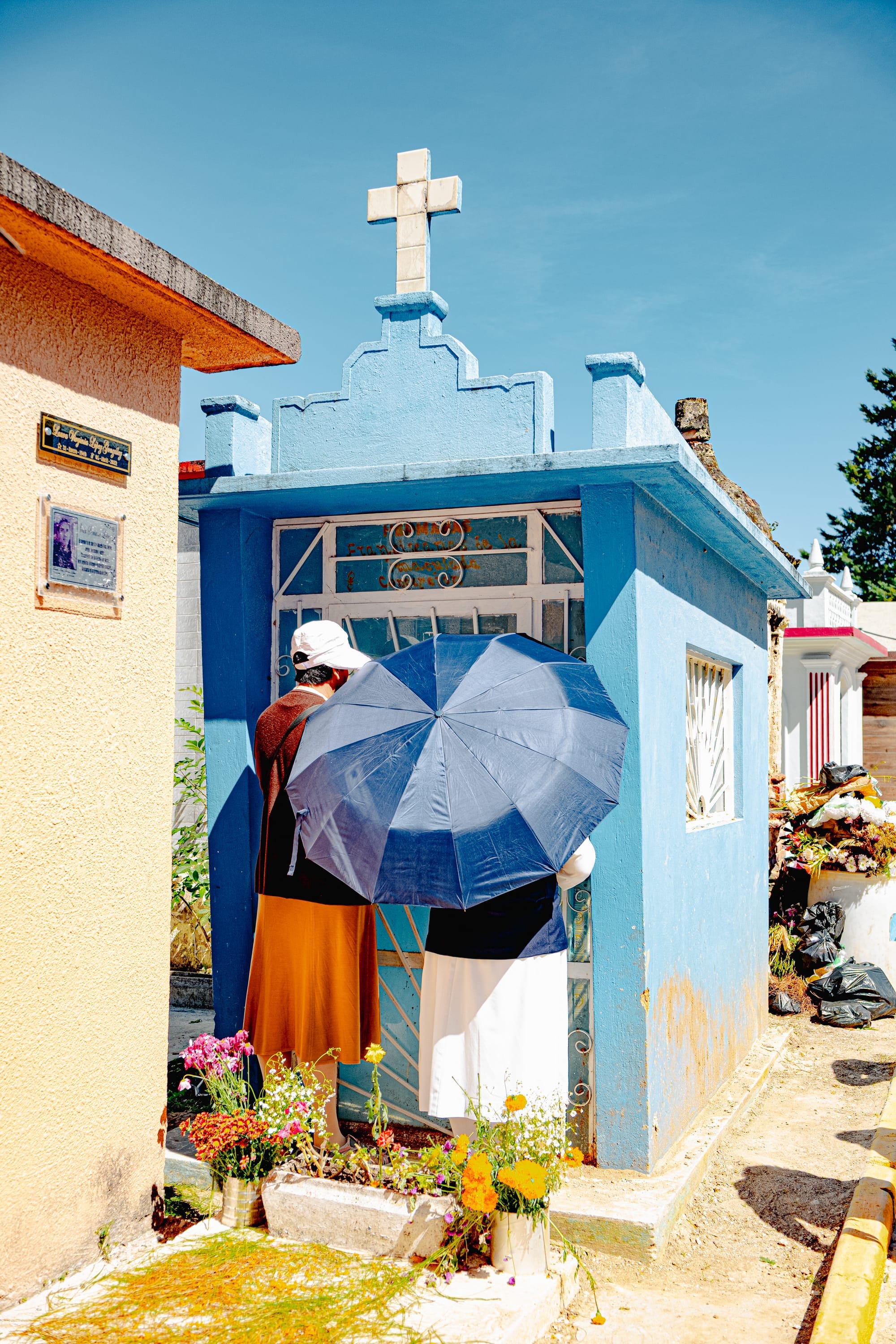
Small rituals of care beside painted mausoleums
What stood out most was how long people stayed. This wasn't a short visit to pay respects. People settled in. Chairs were unfolded. Children played between the mausoleums. Conversations went on and on. Nobody was watching the clock.
Families gathering, resting, and sharing time among the graves
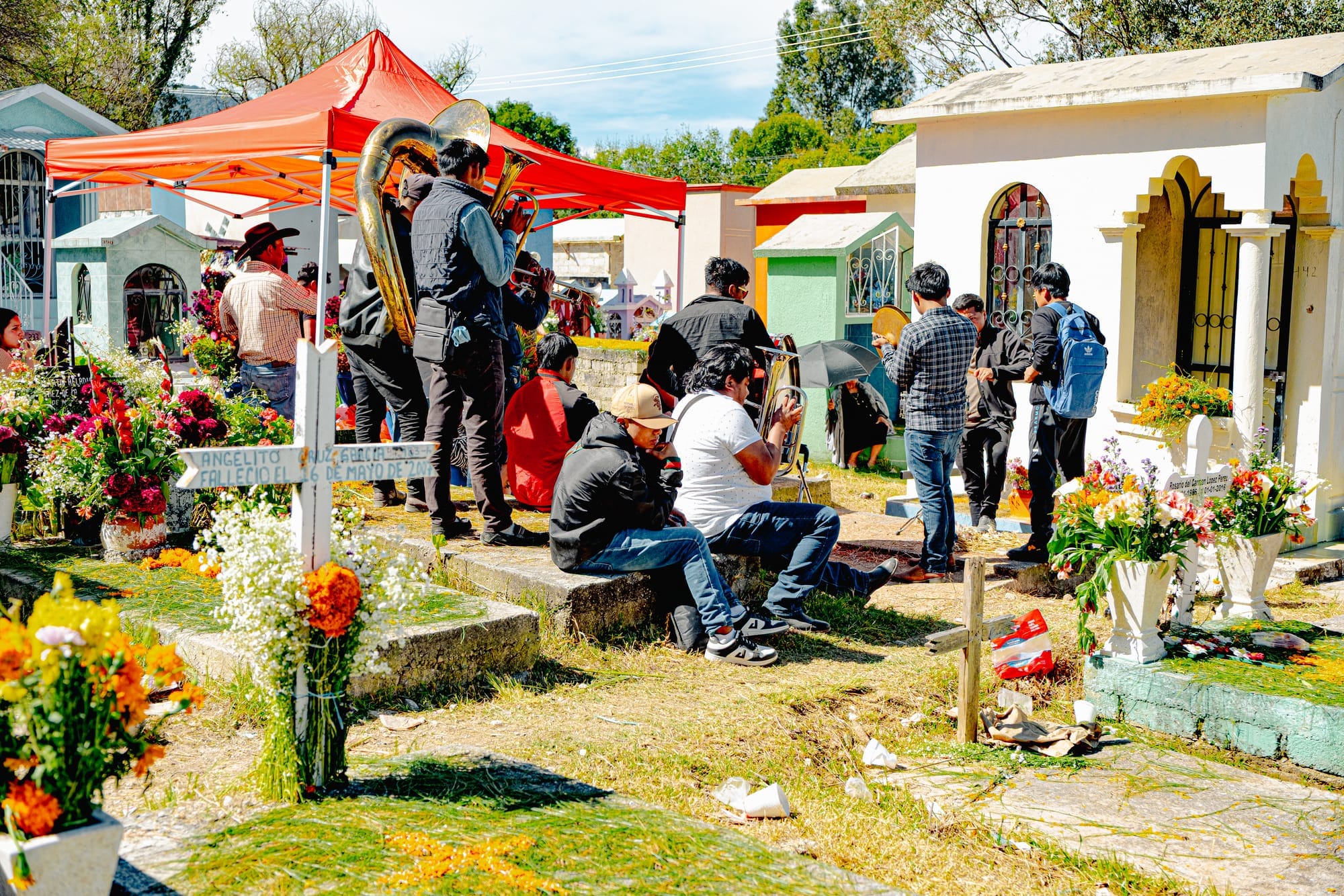
Musicians moved through the cemetery (brass instruments, drums, and small bands), the sound echoing softly off the painted walls. The music didn't take over the space. It drifted through it.
This felt different from Zinacantán, where we saw fewer people and the mood was calmer and more reflective, even with all those beautiful flowers. It also felt different from Romerillo, which had a more intense, almost festival-like energy.
The Municipal Pantheon was somewhere in between.
It was lively, but not overwhelming. Social, but not chaotic. Public, yet deeply personal.
Architecture that keeps the dead close
One of the most interesting things about the Municipal Pantheon is how its architecture supports the main idea of Día de Muertos: that the dead are still part of the world of the living.
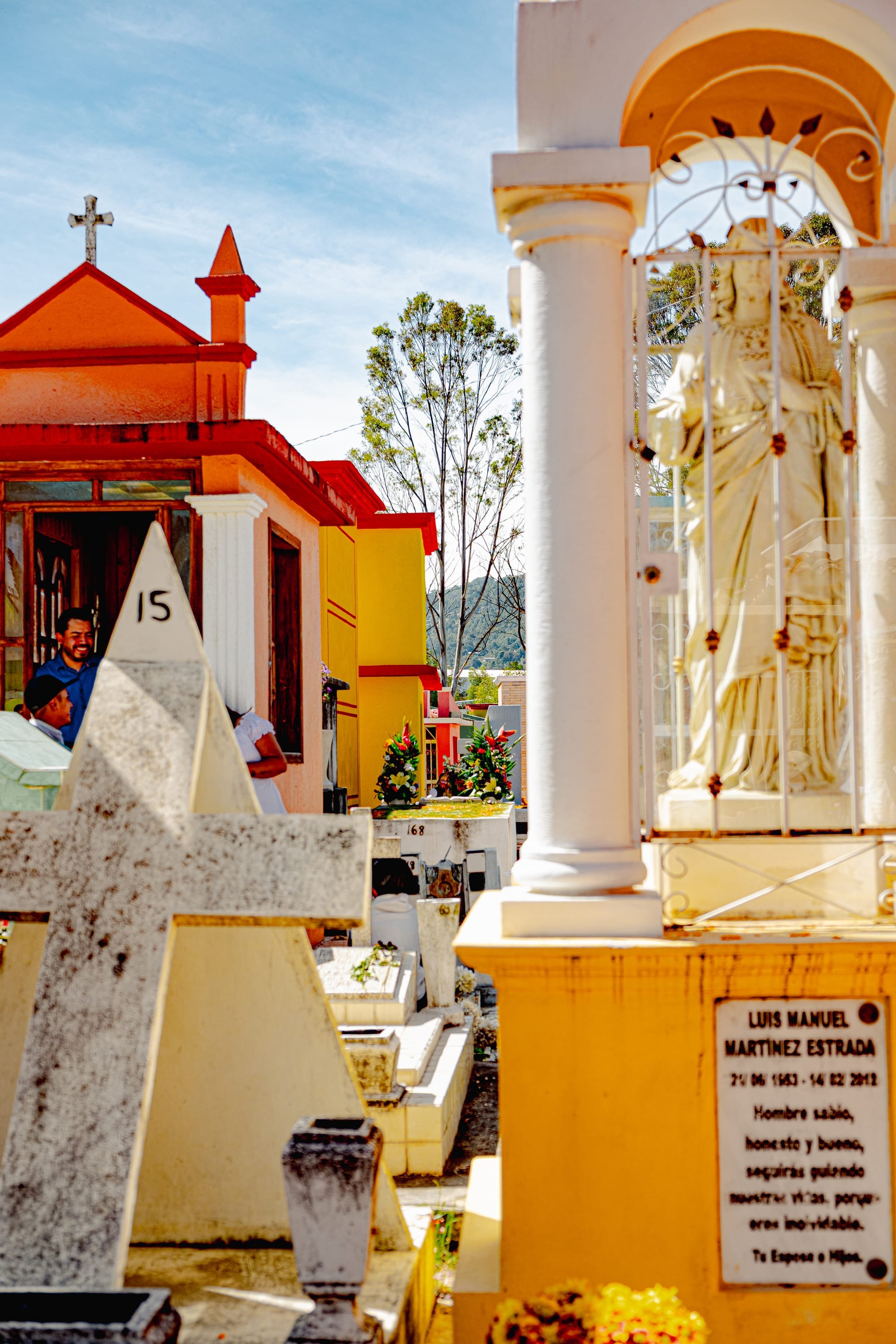
Here, the dead aren't buried out of sight beneath the earth. They have homes. Names. Visitors. Their spaces are looked after like houses: repainted, repaired, decorated, and visited year after year.
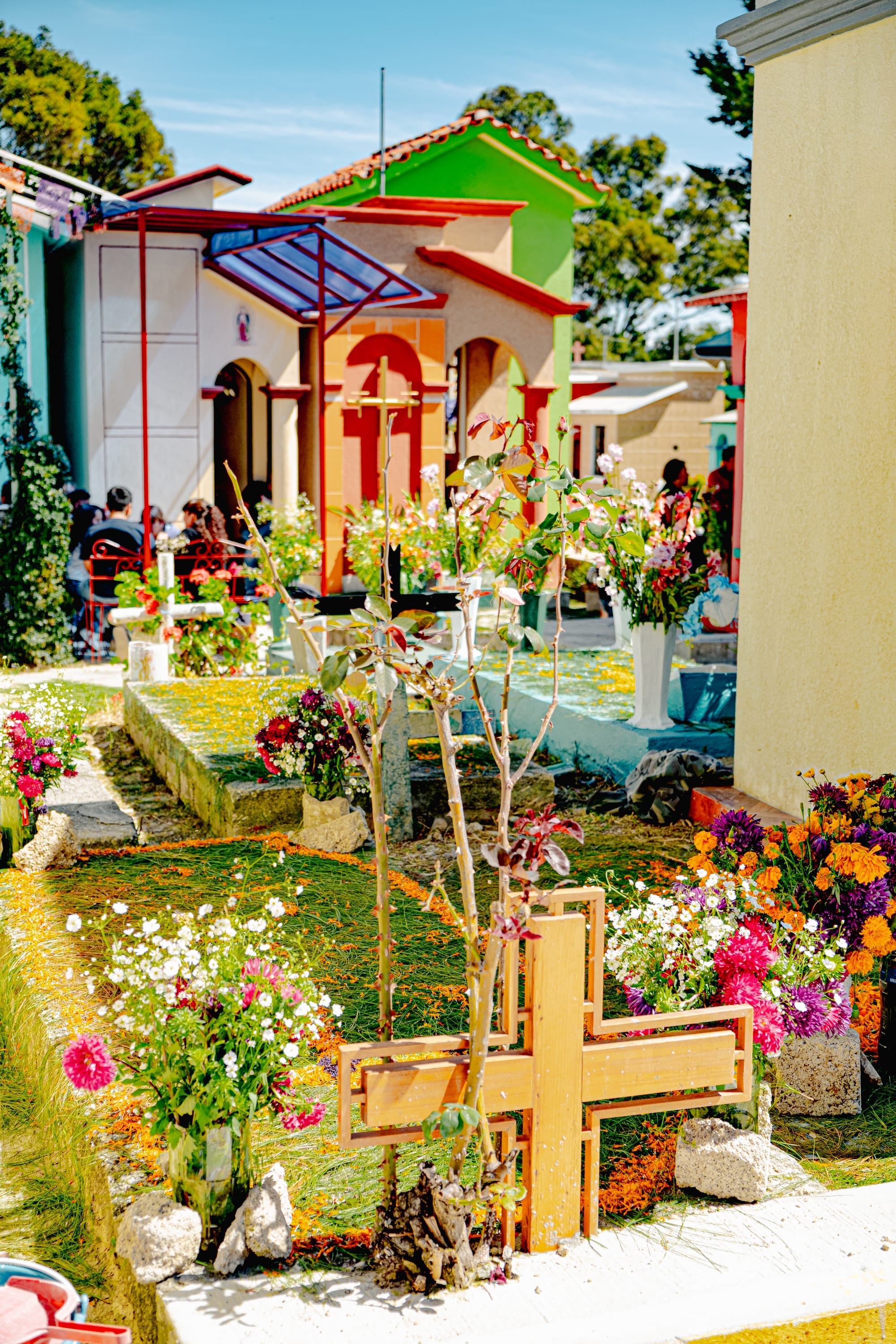
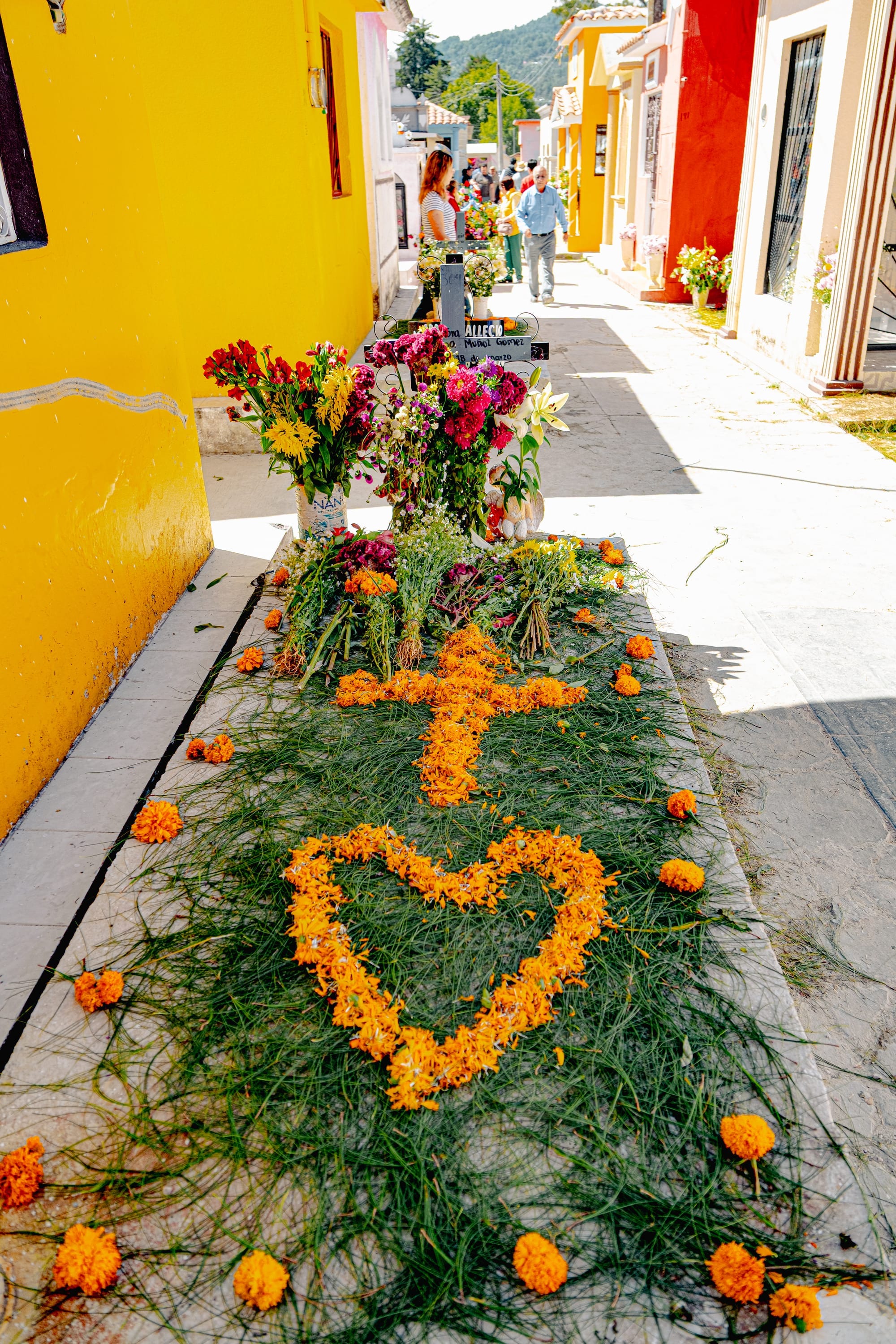
Marigold patterns marking pathways of remembrance
Many of the mausoleums look like the buildings of San Cristóbal itself. The cemetery mirrors the city outside its walls. Death isn't pushed to the edges here. It's part of the city.
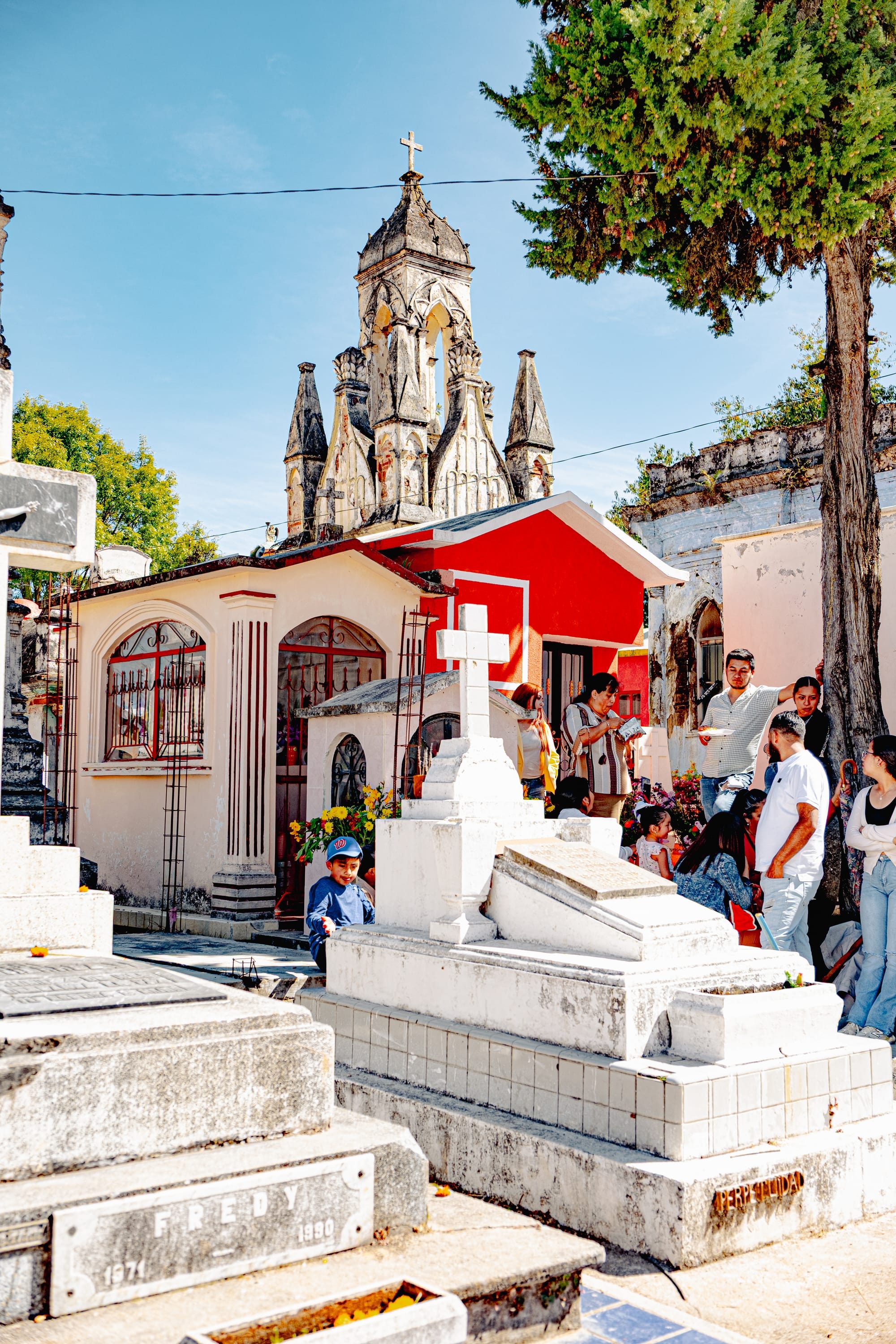
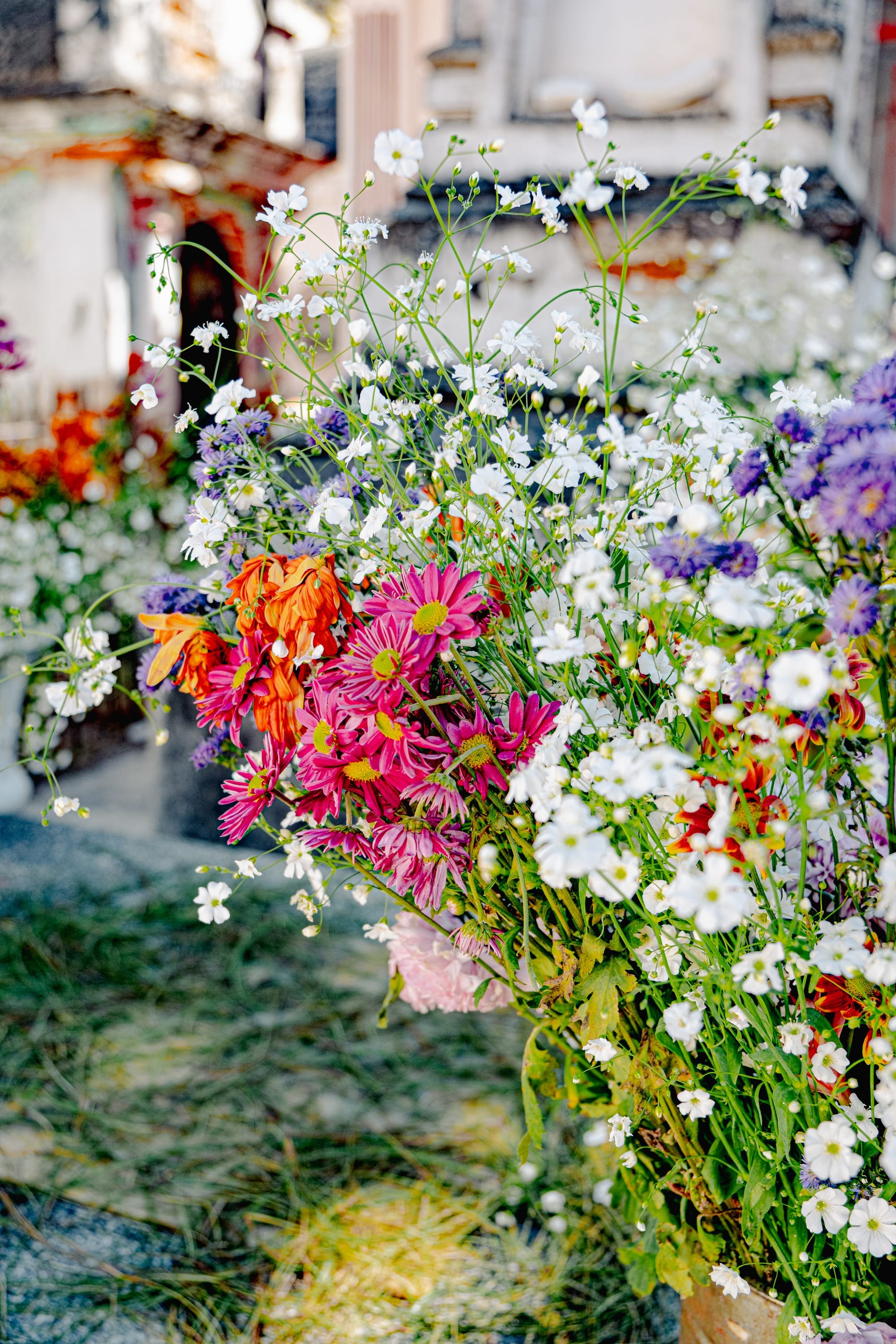
Family gatherings unfolding between graves and flower offerings
This changes how you walk through the cemetery. You don't look down at graves; you look around.
It changes, just a little, how you relate to the memory of the people buried here.
A truly local cemetery
The Municipal Pantheon felt truly local. We didn't see any obvious tour groups here. That may be because many Día de Muertos tours focus on Romerillo or Zinacantán Cemetery. Those places are spectacular too, but the Pantheon offers something just as important.
This cemetery shows how Día de Muertos lives within the city itself.
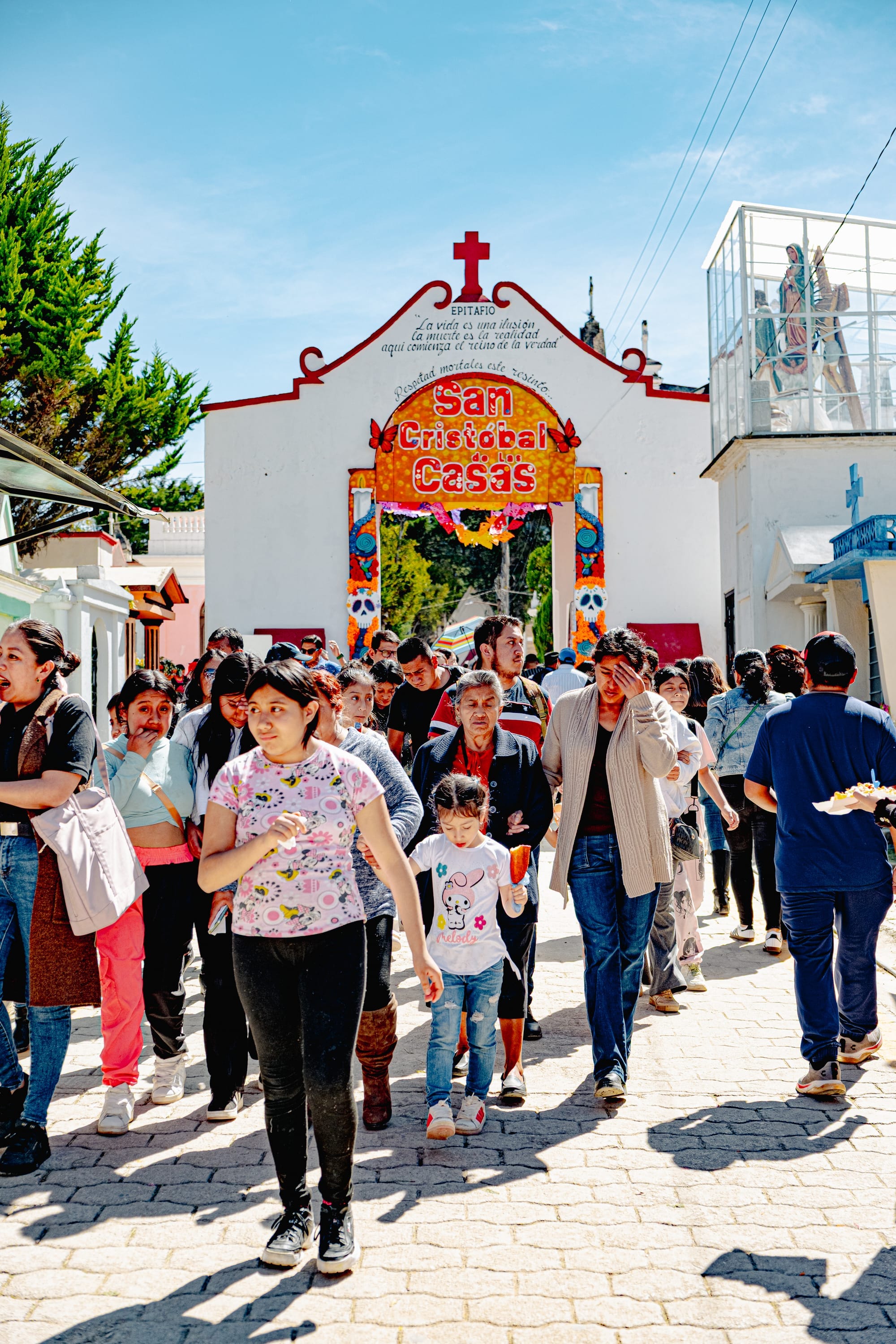
The Municipal Pantheon filling with families throughout the day
Locals visit this cemetery often. The rituals aren't squeezed into a single moment. They happen gradually and naturally, as a normal part of life.
Combining the Panteón with Romerillo and Zinacantán
Most visitors in San Cristóbal for Day of the Dead want to see more than one cemetery, and the three we visited are very different. If you have two days, a plan that works well is a village cemetery on November 1 and the Panteón Municipal on the morning of November 2.
Zinacantán and Romerillo are both Tsotsil communities outside the city, reached by colectivo from the streets around the municipal market or on a tour. Their photo rules are stricter than in the city, and the cemeteries are on hillsides with earth graves rather than mausoleums. Romerillo is on the road to San Juan Chamula, so you can combine the two on the same morning. Then come back to town for the Panteón, which is easy to reach on foot from the center.
| Cemetery | Where | Graves | Getting there | Photos |
|---|---|---|---|---|
| Panteón Municipal | Barrio de Fátima, in the city | Painted mausoleums like small houses | On foot (30 to 40 min) or taxi | Mausoleums fine; ask before photographing people |
| Zinacantán | Tsotsil town about 11 km away | Earth graves covered in flowers | Colectivo, taxi, or tour | Stricter; ask first, and often not allowed |
| Romerillo | Chamula hamlet on the road out of town | Tall blue and green crosses on earth mounds | Colectivo toward Chamula, taxi, or tour | Stricter; never photograph people without a clear yes |
Sound, movement, and care
Throughout the day, the Pantheon remained active.
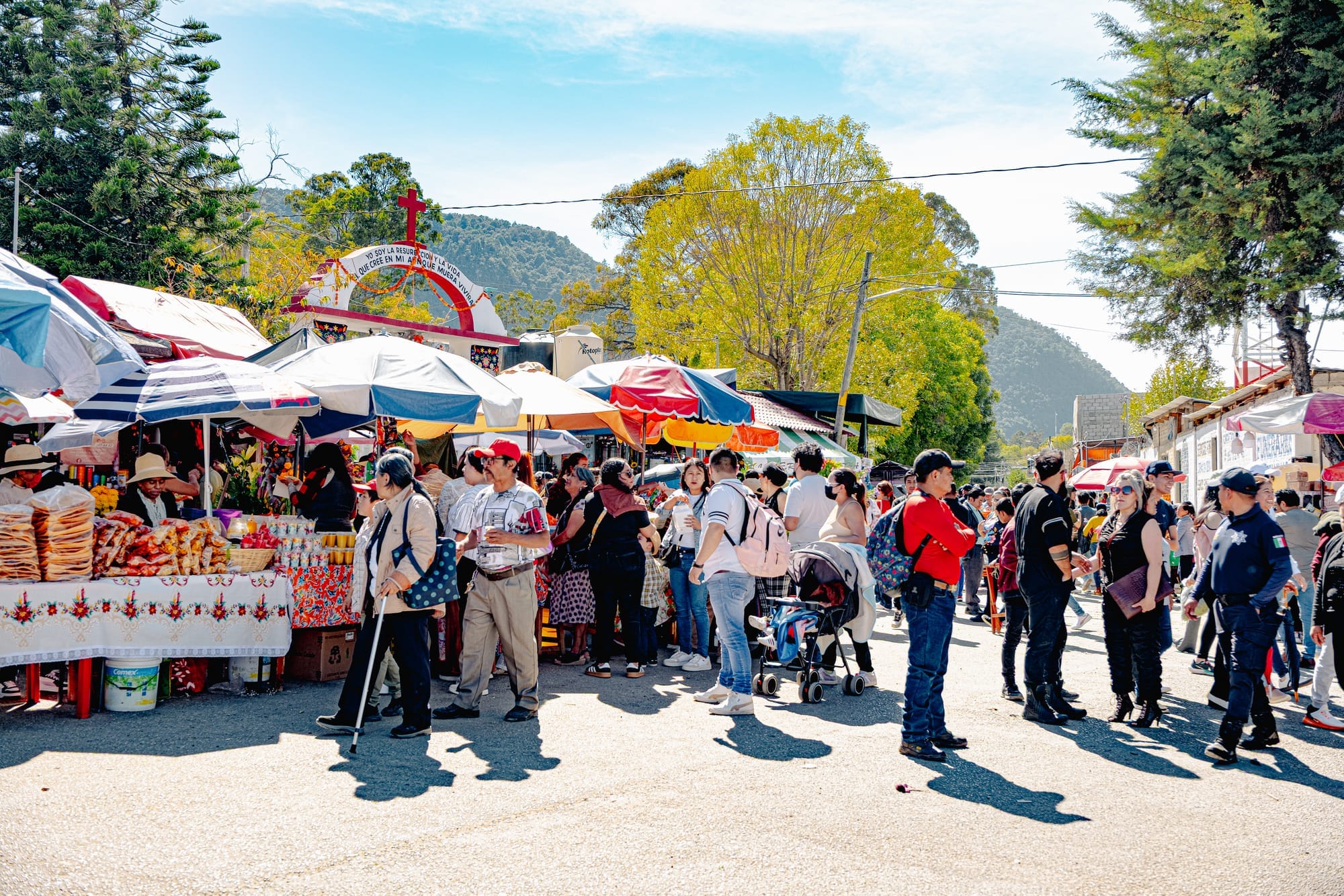
The Pantheon alive with movement, vendors, and visitors
People arrived carrying flowers: armfuls of marigolds, mixed bouquets, and carefully tied arrangements. Others brought food and drinks. Some spent hours carefully arranging graves, adjusting petals, sweeping pine needles, and repainting faded sections of stone.
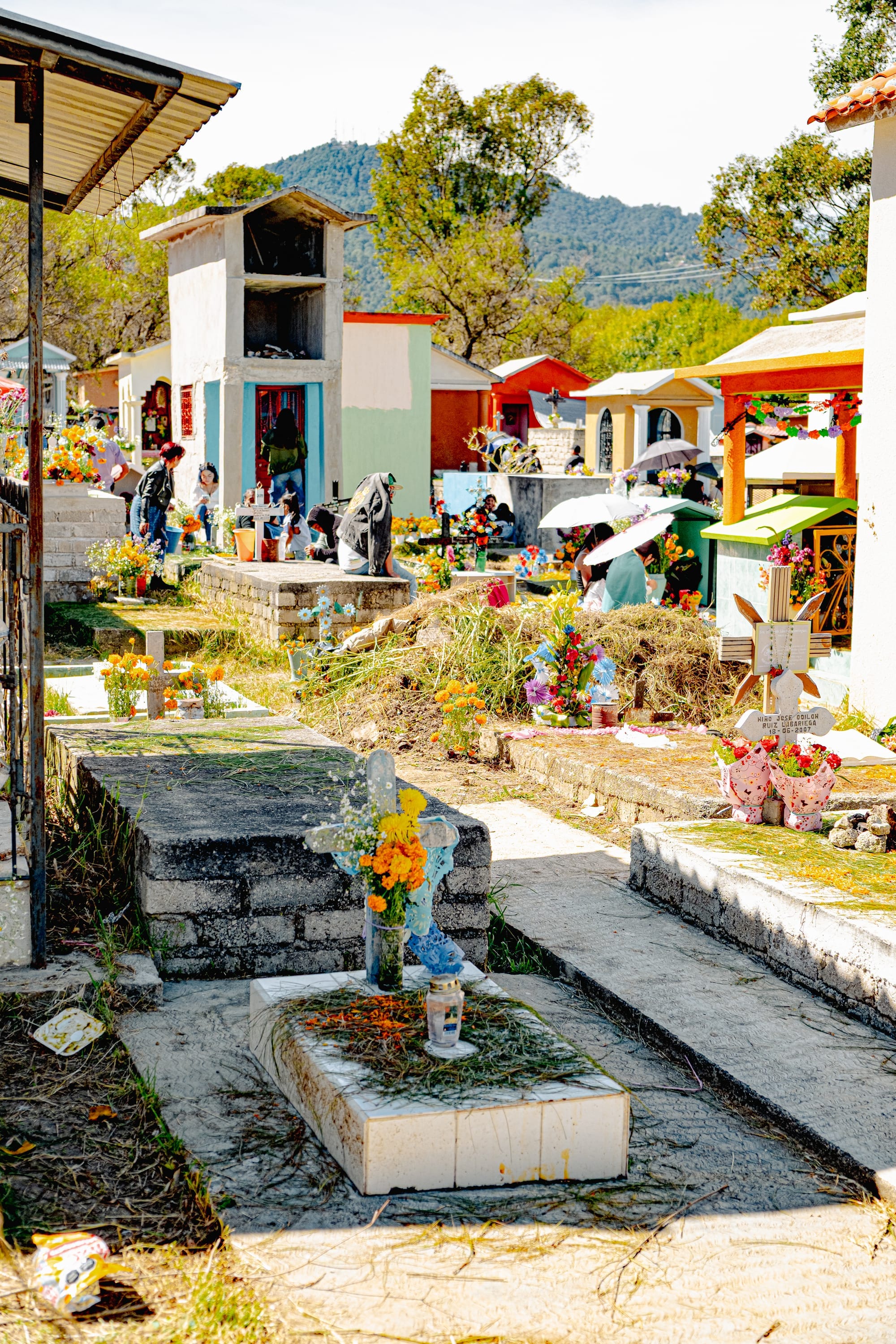
Music came and went. At times, a brass band would gather near a group of mausoleums. At others, a single instrument carried across the cemetery.
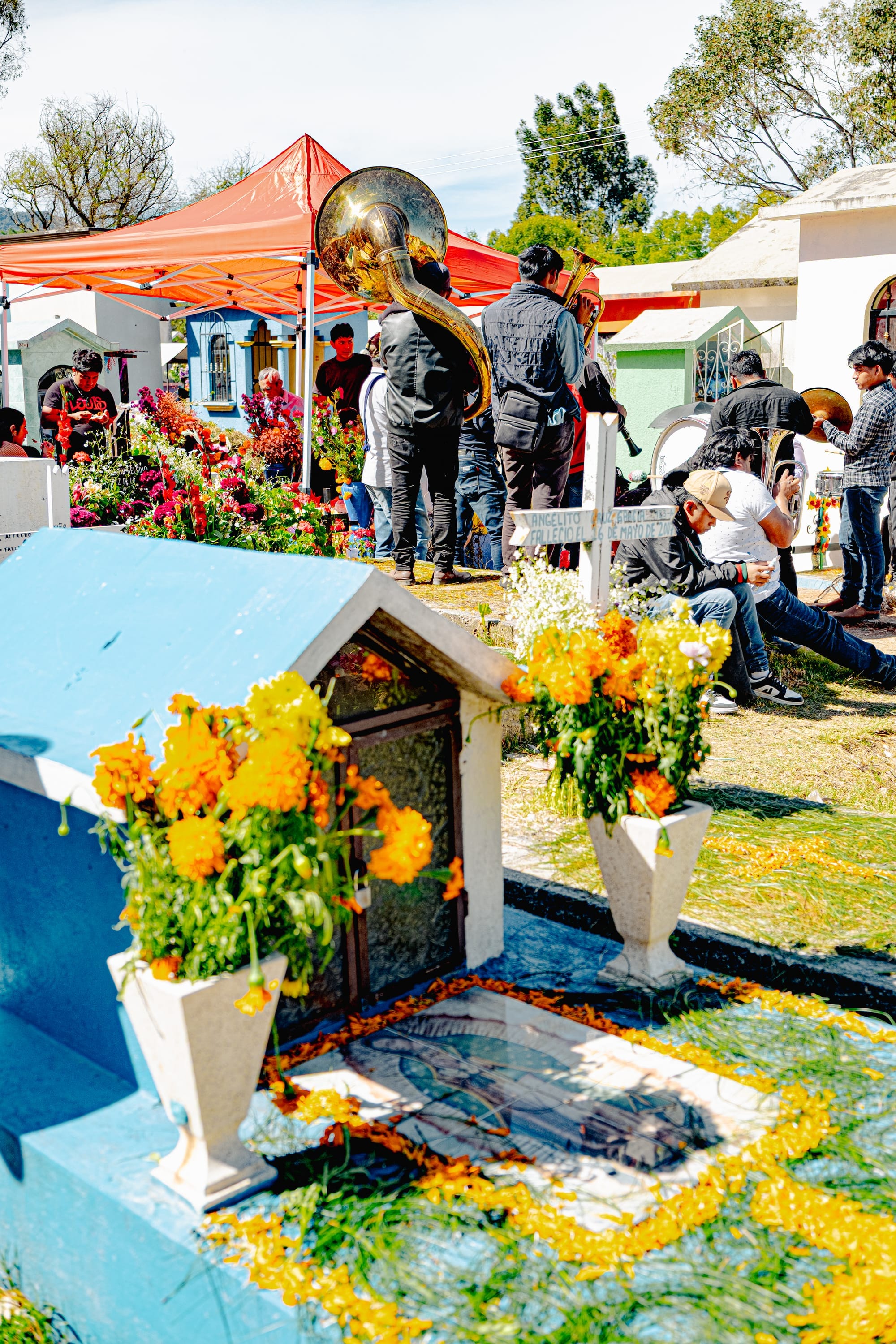
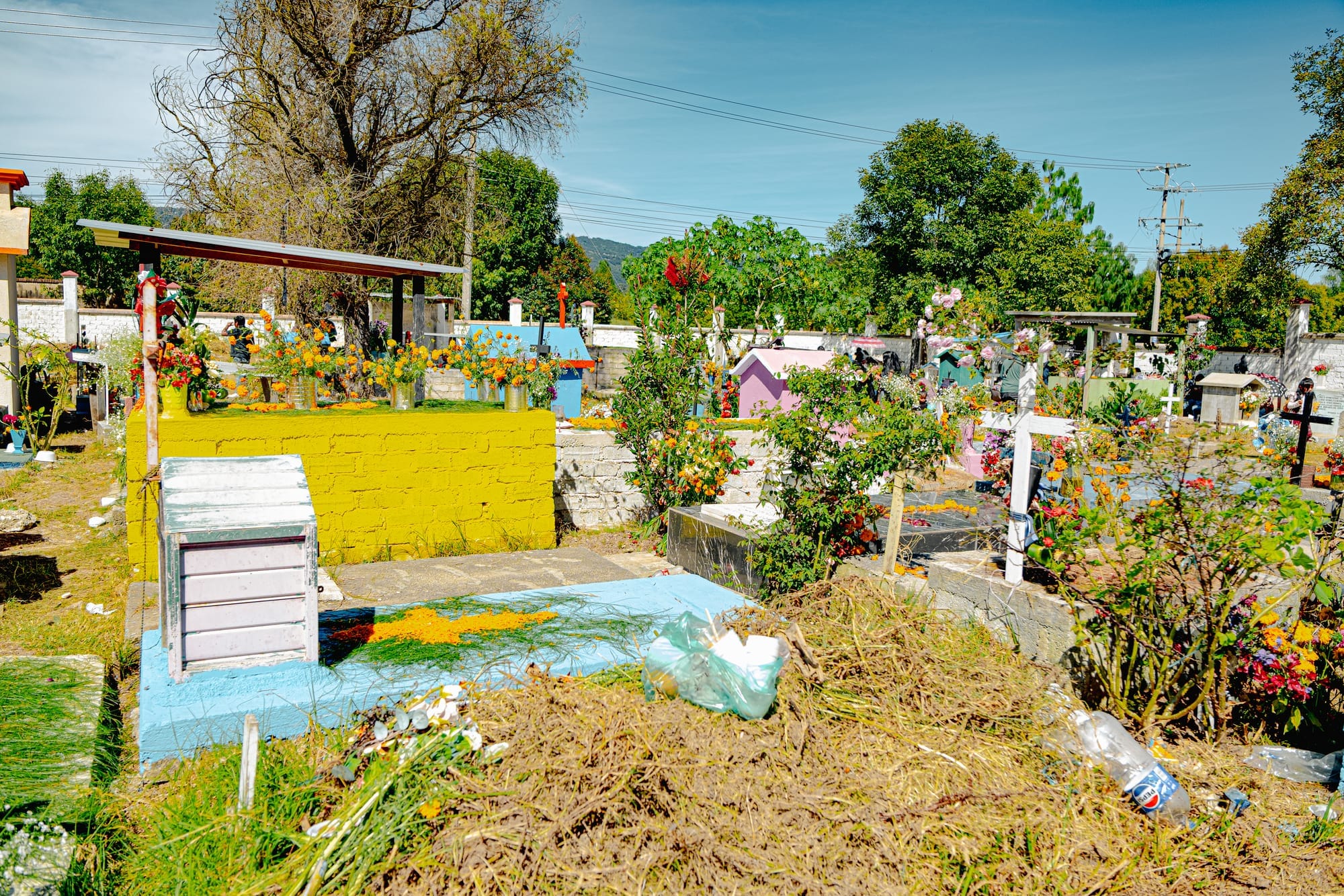
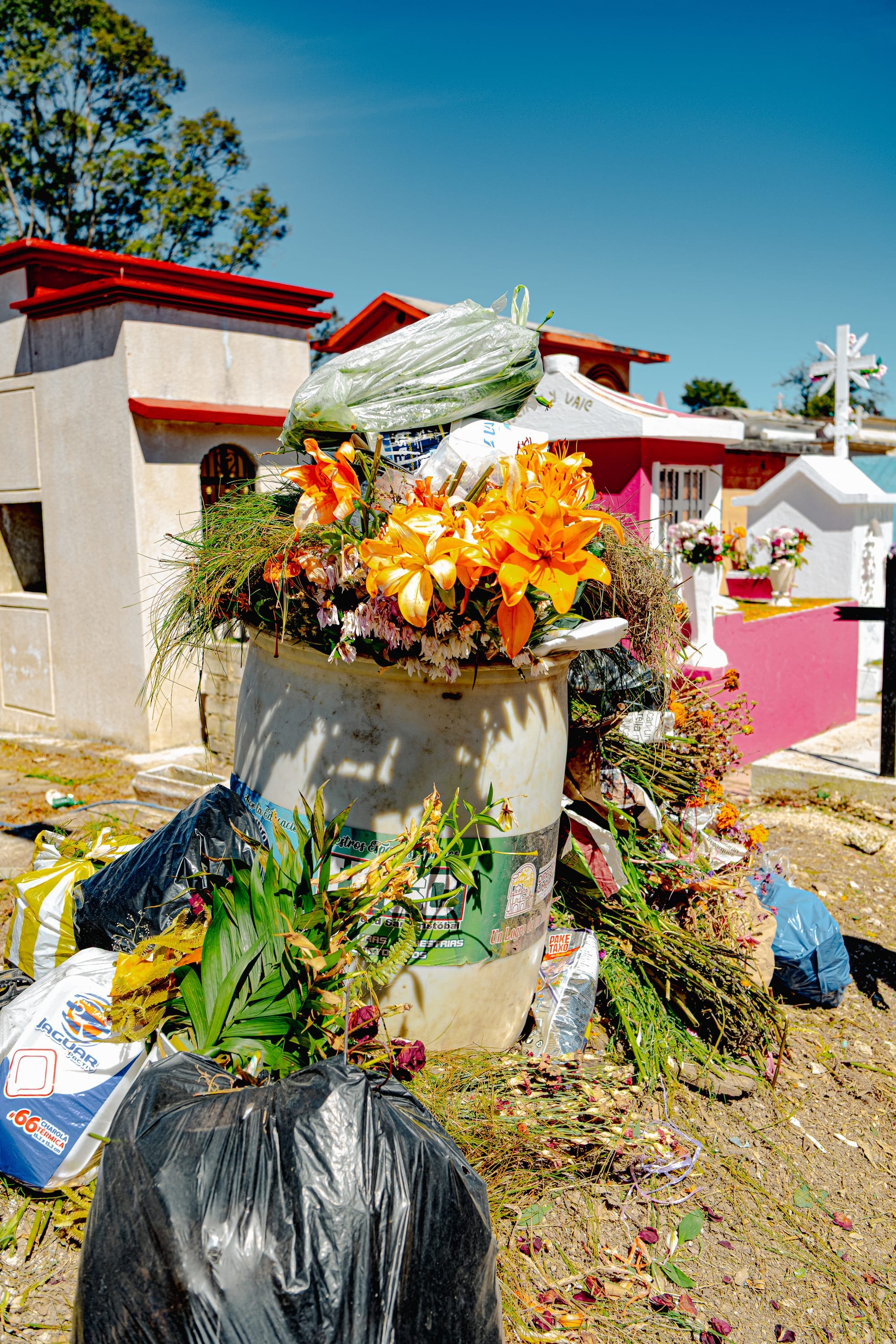
After the music fades, flowers and traces remain
Children ran between adults. Elders rested in chairs. Conversations went on at an easy pace.
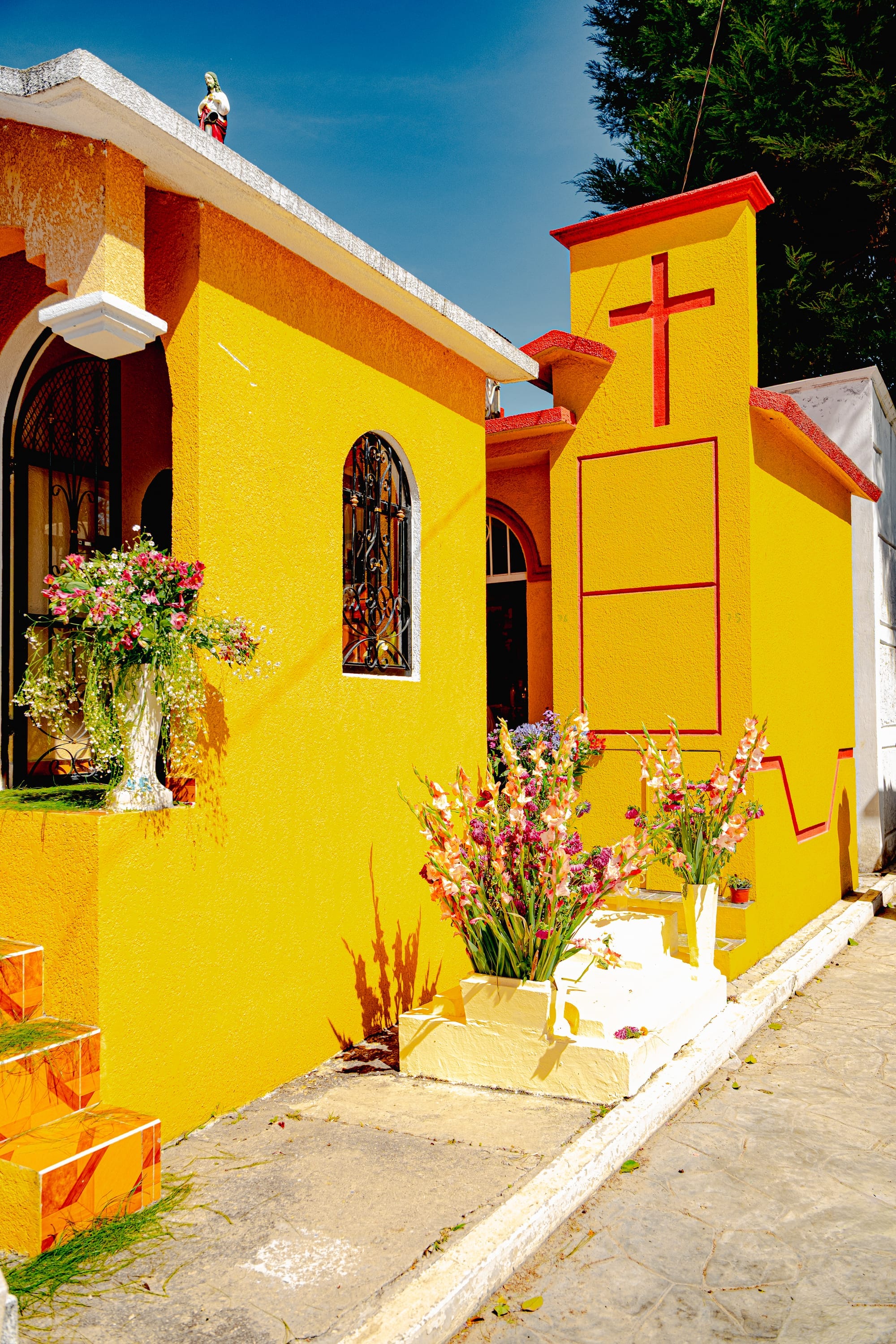
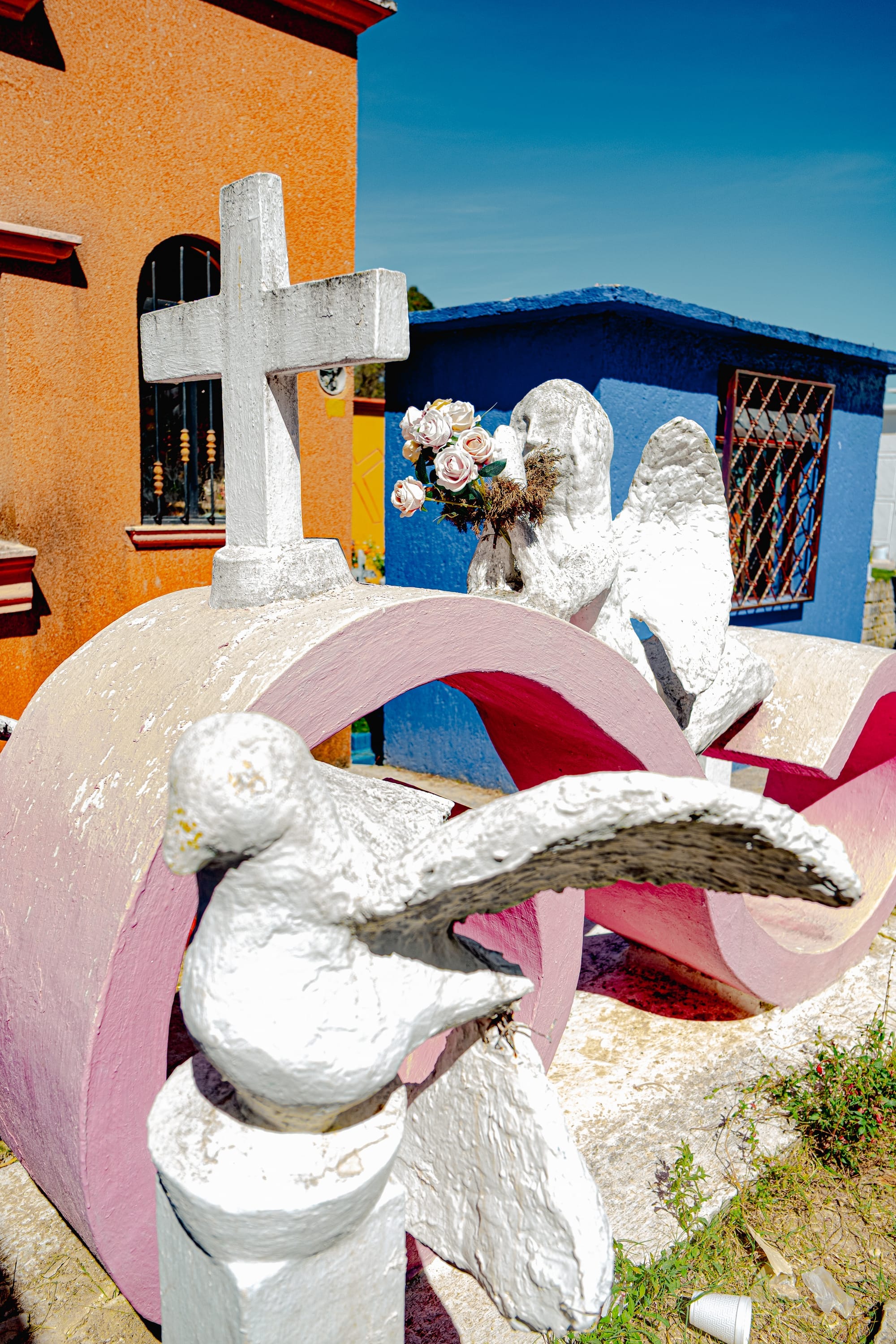
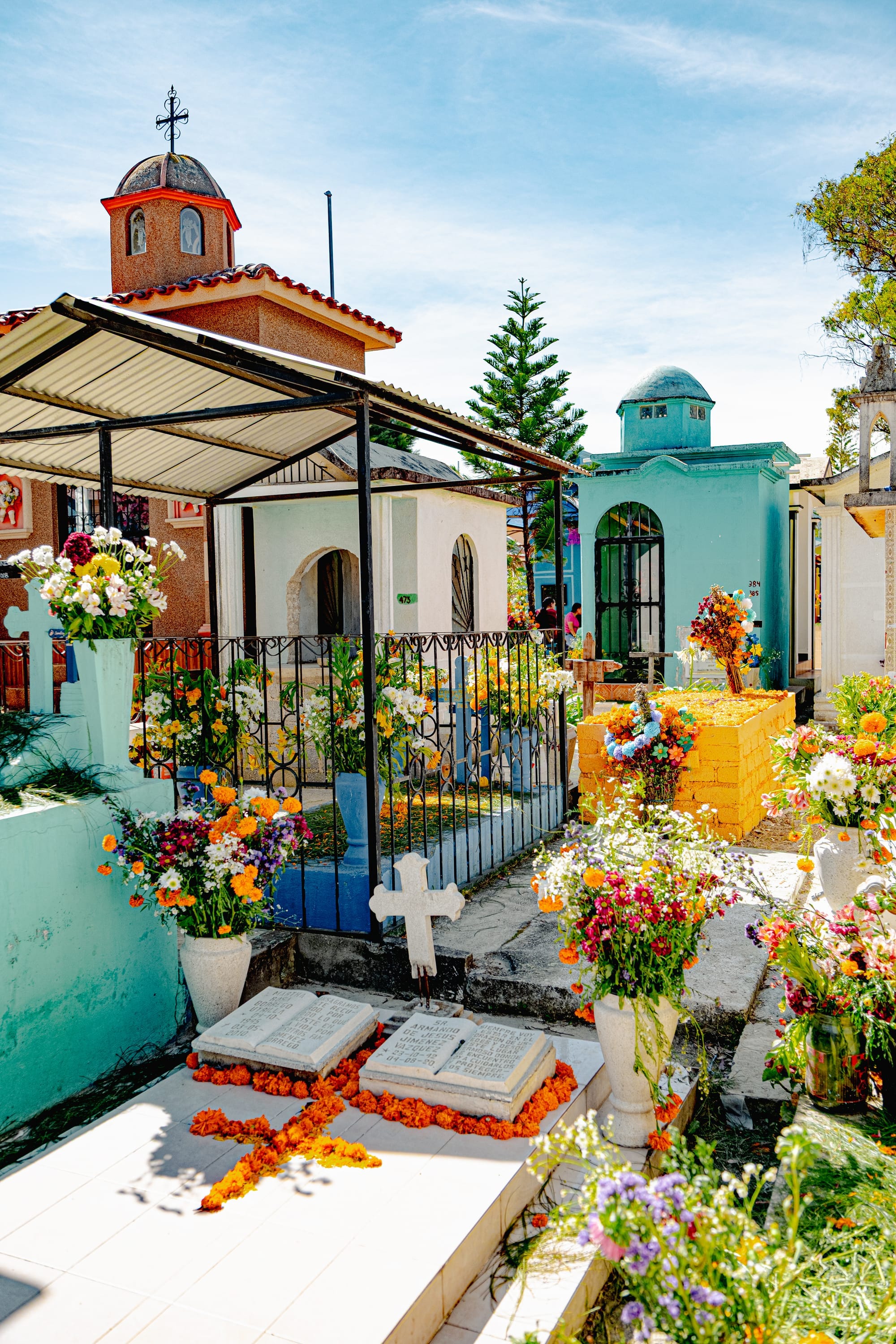
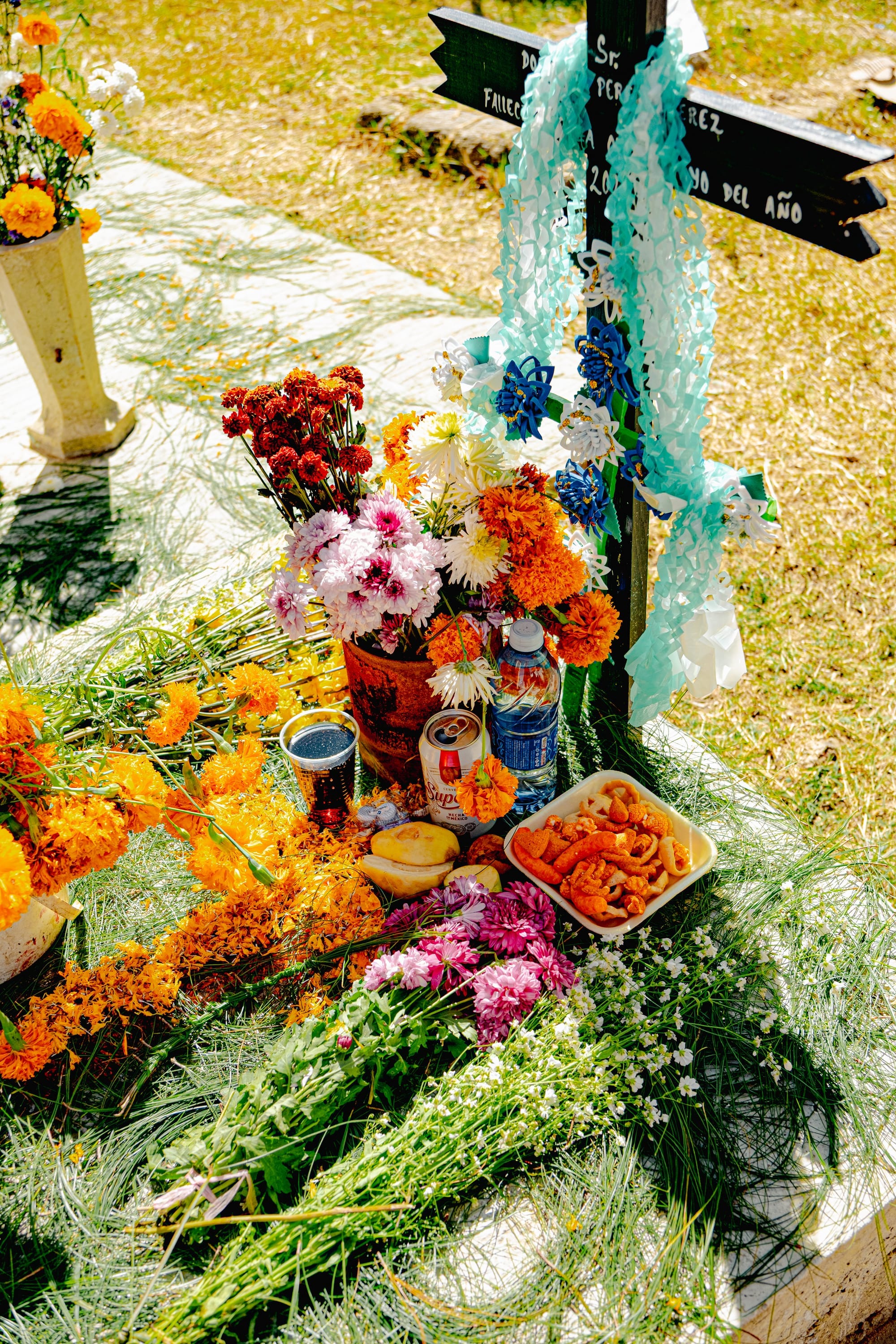
Food and flowers offered with care and intention
What struck us most was the absence of urgency. No one seemed in a rush to leave.
How to visit the Panteón Municipal respectfully
This is a family occasion, not a show put on for visitors. Some families are celebrating, and others are grieving someone they lost this year. A few simple rules go a long way:
Ask before photographing people. Wide shots of the painted mausoleums are one thing, a family eating at a grave is another. If someone says no, or looks uncomfortable, put the camera away.
Stay on the paths. Don't sit on, lean against, or climb tombs, and step around flowers, candles, and pine needles laid on the ground.
Take your cues from locals. Keep your voice down near families who are mourning, and don't stand at the edge of a family gathering watching.
Save the Catrina face paint for the parades in town. Mexico News Daily's etiquette guide makes the same point: it's about knowing where and when.
Spend locally. Buying flowers, a drink, or a snack from the stalls at the gates supports the families who run them.
Leave the drone at home and the flash off. A drone over a family gathering at a grave is intrusive, and flash in someone's face is worse. Phones and small cameras draw far less attention than big lenses.
Don't touch the offerings. Flowers, candles, food, and drinks on a grave belong to the dead person and their family. Never pick up petals or move a candle for a photo.
Be extra careful around children's graves on November 1. That day is for children who have died, and some families are mourning a very recent loss.
Watch your things in the crowds. The lanes get packed around midday on November 2. Keep your phone and wallet in a front pocket or zipped bag, carry small bills, and agree a meeting point if you're in a group, as phone signal can be patchy in the busiest areas.
For more on the holiday across town and in the nearby Tsotsil villages, see our San Cristóbal guide.
Why you shouldn’t skip the Municipal Pantheon
Many people visiting San Cristóbal for Día de Muertos never make it to the Municipal Pantheon. That’s a mistake.
If you're in San Cristóbal during Day of the Dead, this cemetery shows you something you won't find elsewhere. It shows how remembrance lives inside the city itself, and not only on its outskirts. It shows how architecture, community, and ritual have grown together over time. For areas and our hotel picks, see where to stay in San Cristóbal.
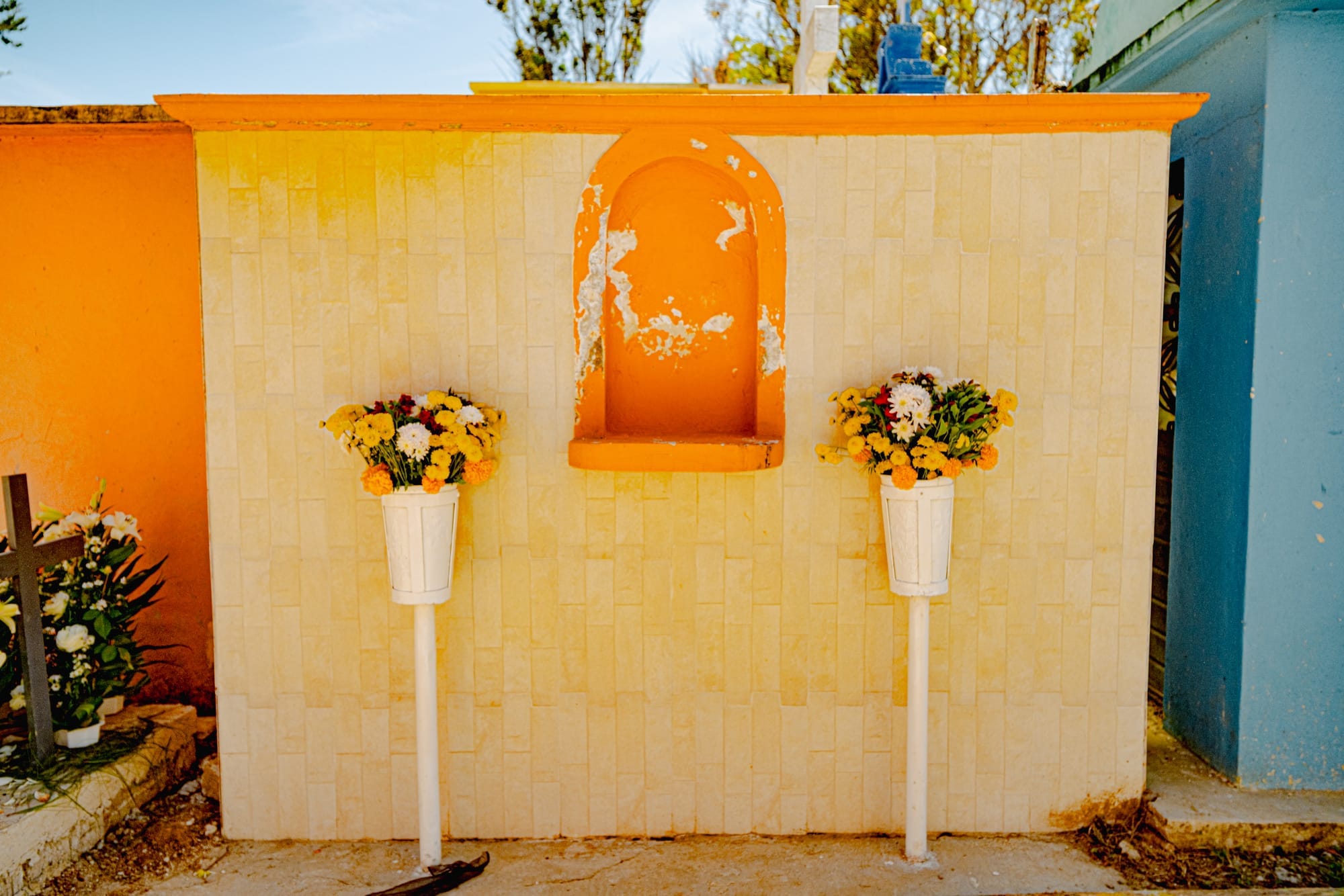
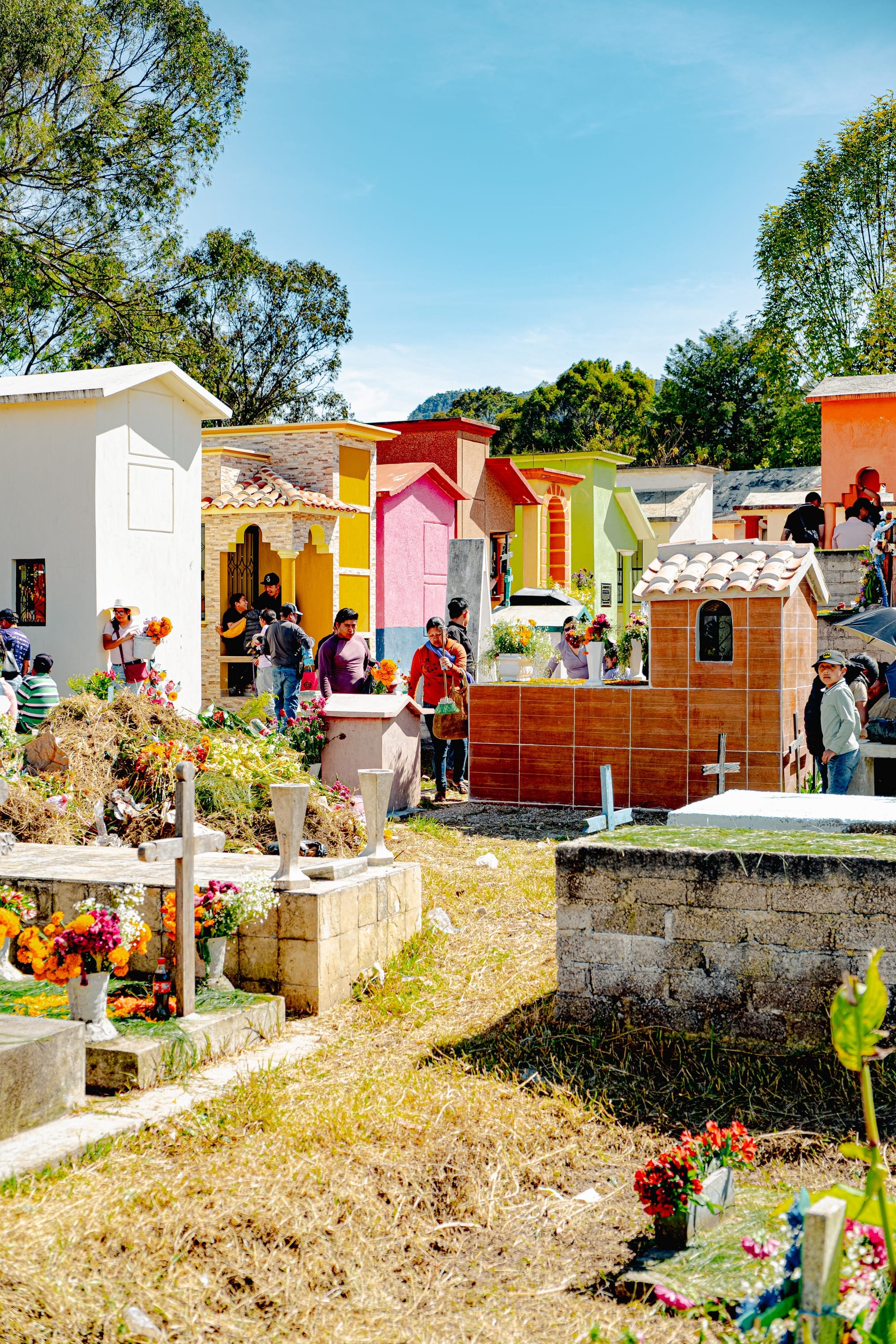
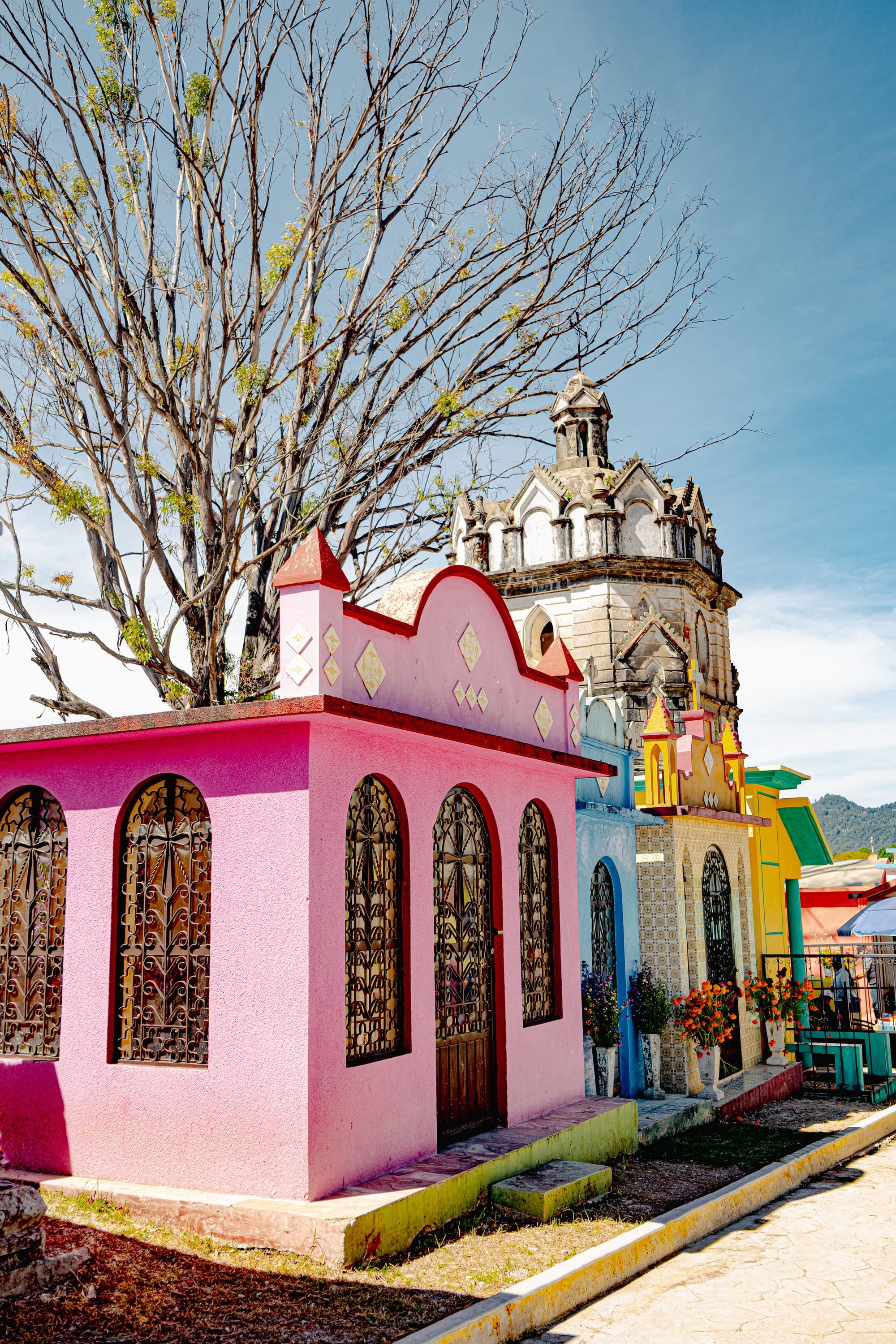
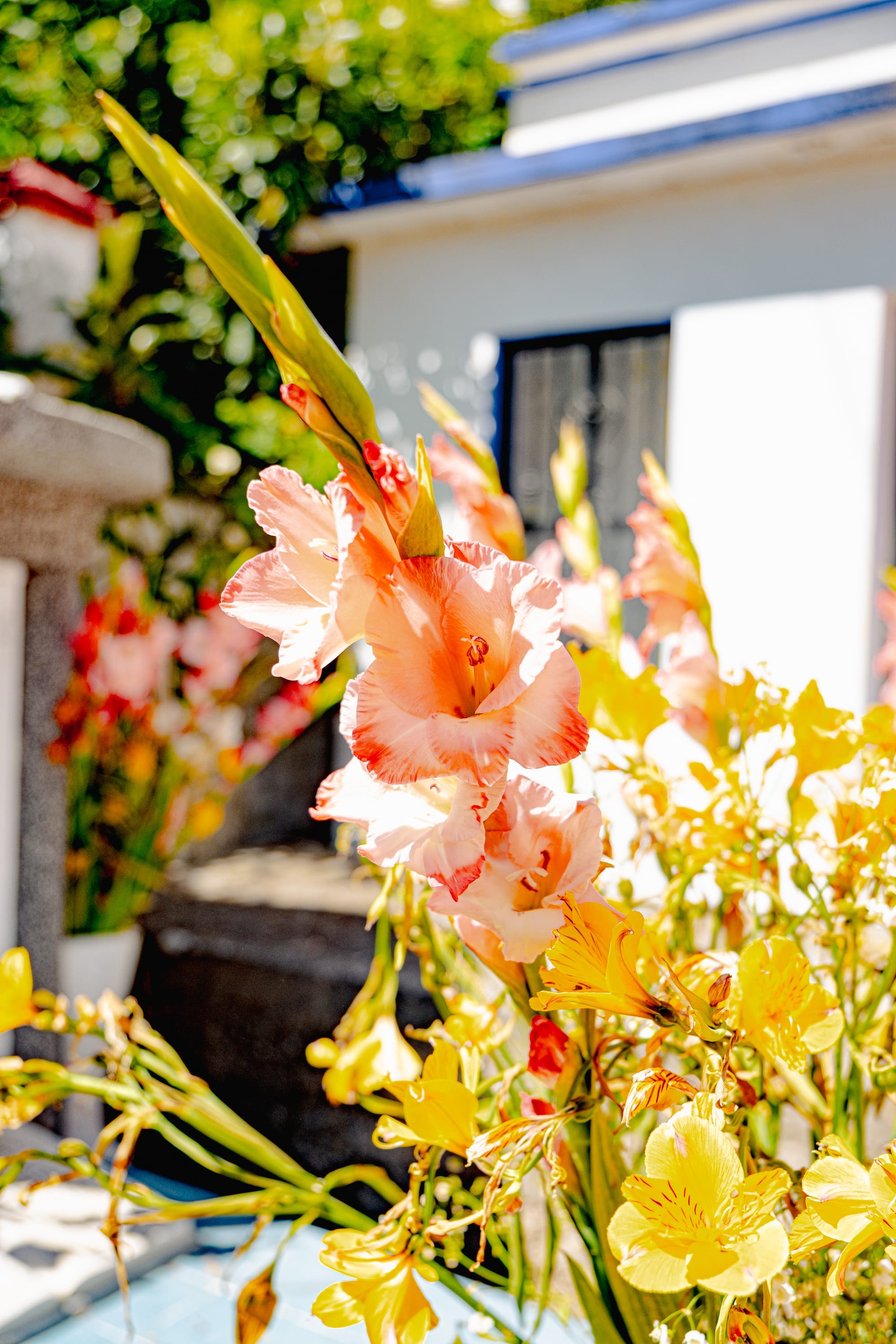
Bright mausoleums and flowers catching the midday light
For us, the Municipal Pantheon helped us understand Día de Muertos as a living practice.
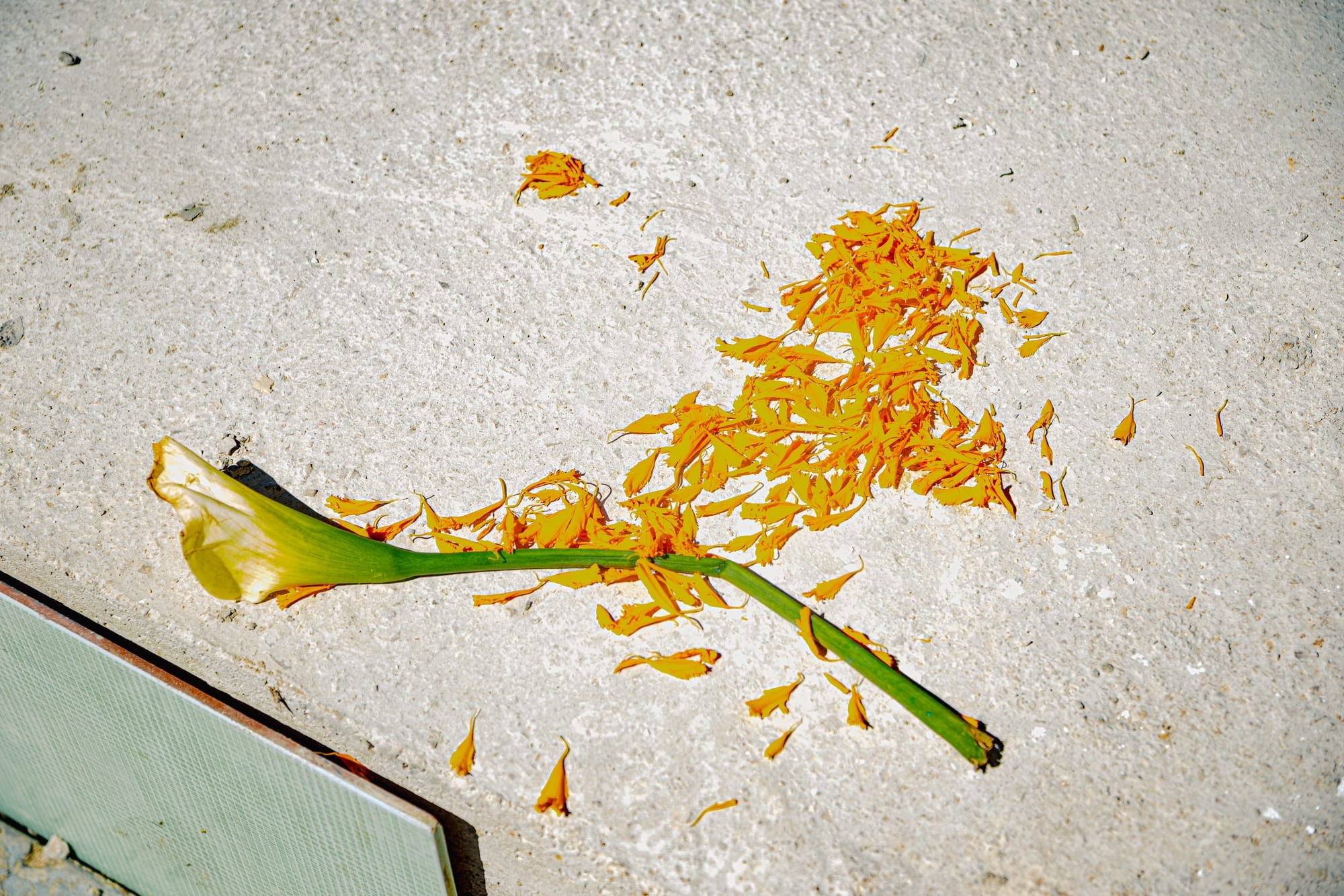
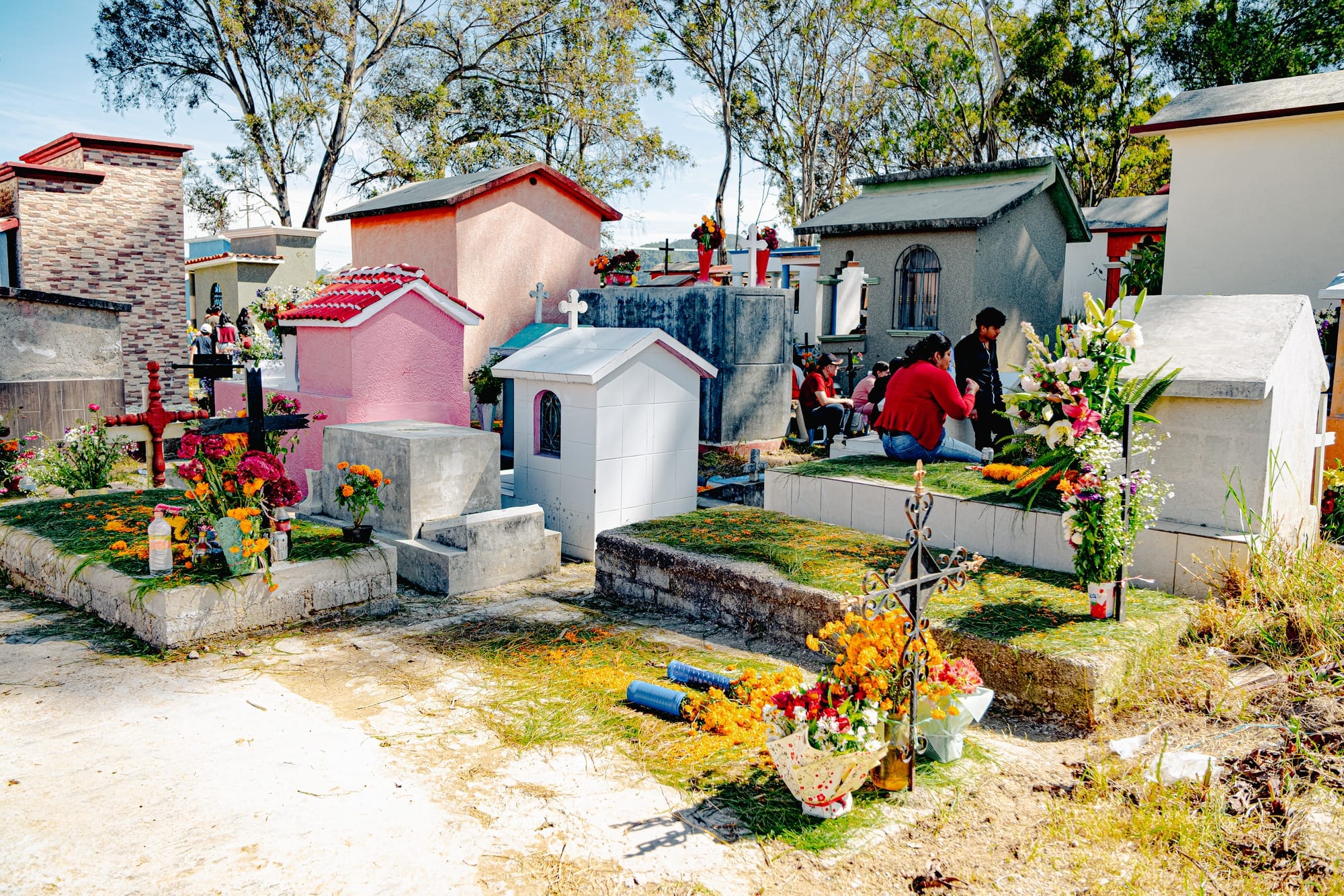
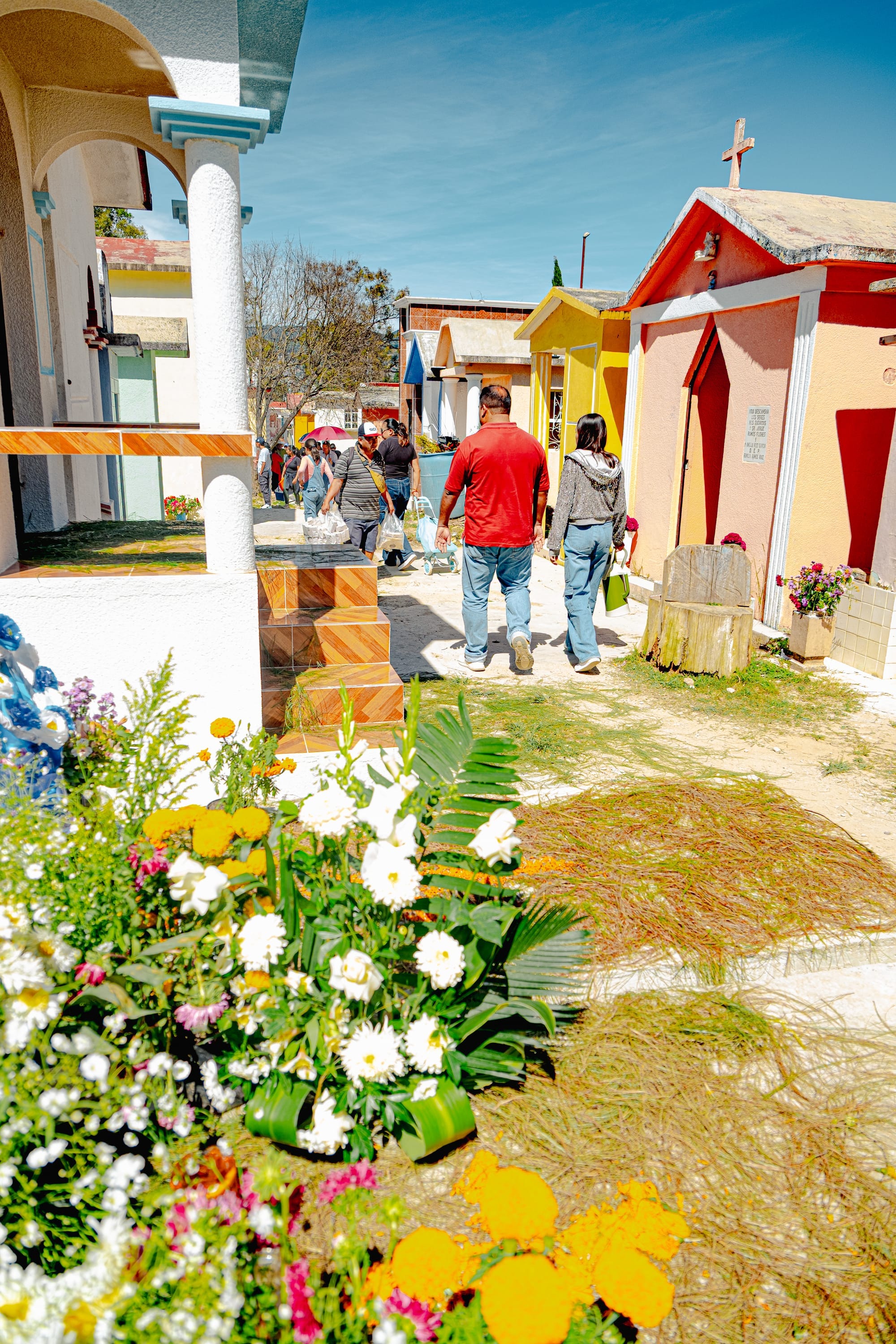
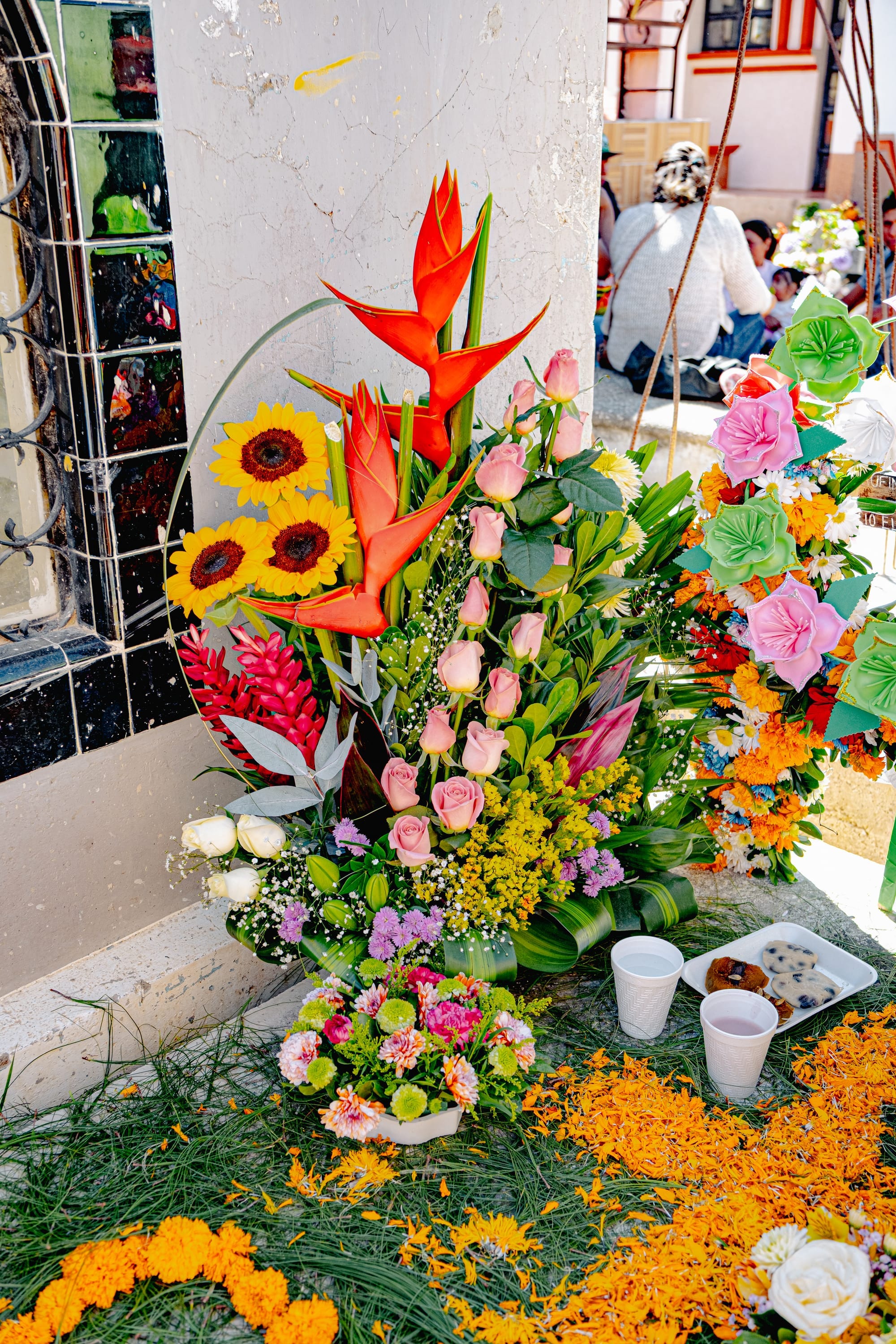
Offerings laid with care
If you can only visit one cemetery, Romerillo may still be the most dramatic. But if you want to understand how Día de Muertos is part of life in San Cristóbal itself, don't miss the Municipal Pantheon. It's still one of the low-key highlights of our time in San Cris. For more ideas, see our list of things to do in San Cristóbal. For more experiences like this, see our cultural travel guide.
Whatever your plans, travel with insurance. Stomach bugs, a fall on a cobbled street, or a stolen phone can happen anywhere, and it's much easier to enjoy the trip when you know you're covered. We'd recommend SafetyWing Nomad Insurance. It covers medical emergencies abroad, you can buy it even after you've left home, and it renews every four weeks, so it works for a short trip or months on the road.
Where to stay in San Cristóbal de las Casas
San Cristóbal de las Casas is the base for this, with the most places to stay and eat. These are well-reviewed options, all rated 9 or more on Booking:
- Parador Margarita: a well-run, good-value hotel a few blocks from the center, rated 9.1 from over 1,400 reviews.
- Casa Carmen: a small guesthouse with a courtyard, rated 9.6.
- Casa Santa Lucía: a colonial-style boutique stay in the center, rated 9.5.
Frequently asked questions
When is Day of the Dead at the Panteón Municipal in San Cristóbal?
The main days are November 1 and 2. Families start cleaning and painting tombs in the last week of October, and in some years, depending on the day of the week, the cemetery stays busy into November 3.
Can tourists visit the Panteón Municipal San Cristóbal on Day of the Dead?
Yes. It's a public municipal cemetery and visitors are welcome, as long as you're respectful. Stay on the paths, don't intrude on family gatherings, and ask before taking photos of people.
What are the Panteón Municipal's opening hours?
Normally about 7 am to 6 pm (2026). Around November 1 and 2 families stay for most of the day, but check locally if you plan to go late.
Can you take photos in the Panteón Municipal on Day of the Dead?
Photos of the mausoleums and flowers are generally fine. Always ask before photographing people, and skip it entirely if a family is mourning. Photography rules are much stricter in Indigenous communities like San Juan Chamula, where you should never take photos inside the church.
How do you get to the Panteón Municipal from the center of San Cristóbal?
It's in Barrio de Fátima, a longer walk from the center than most people expect. Taxis are the easiest option, but on November 2 they're in high demand, so leave extra time or walk.
Which cemetery is best for Day of the Dead near San Cristóbal de las Casas?
It depends on what you want to see. Romerillo is the most dramatic, with its blue crosses and fair, and Zinacantán is the one full of flowers. The Panteón Municipal is the one inside the city, with painted mausoleums and families staying all day. If you have two days, see one village cemetery and the Panteón.
Is the Panteón Municipal free to visit on Day of the Dead?
Yes. It's a public municipal cemetery with no ticket and nothing to book. Bring cash if you'd like to buy flowers, a drink, or a snack from the stalls outside the gates.
How far is the Panteón Municipal from the zócalo in San Cristóbal?
About 2.5 km by road, southwest of the center. That's a 30 to 40 minute walk, and walking is often faster than a taxi on November 1 and 2, when traffic builds up around the gates.
When is Day of the Dead in San Cristóbal de las Casas in 2027?
The main days are Monday, November 1 and Tuesday, November 2, 2027. Families start cleaning and painting the tombs in the last week of October, which in 2027 includes the weekend of October 30 and 31.
Should visitors bring anything to the Panteón on Day of the Dead?
You don't need to bring offerings, as the graves belong to local families. Bring cash for the stalls, a warm jacket for the late afternoon, and comfortable shoes. If a family invites you to share food or a drink, accept it politely.
Is the Panteón Municipal crowded on Day of the Dead?
Yes, especially from late morning on November 2, when families, vendors, and musicians fill the lanes. Go early in the morning or on November 1 if you'd rather walk around with more space.
Useful links: UNESCO: Indigenous festivity dedicated to the dead, Day of the Dead (Wikipedia), San Cristóbal de las Casas (Wikipedia), and Panteón Municipal (Descubre San Cris).
More from San Cristóbal and Chiapas: Chamula and Zinacantán, the Palenque ruins, San Cristóbal digital nomad guide, Sumidero Canyon, and our San Cristóbal guide.


