


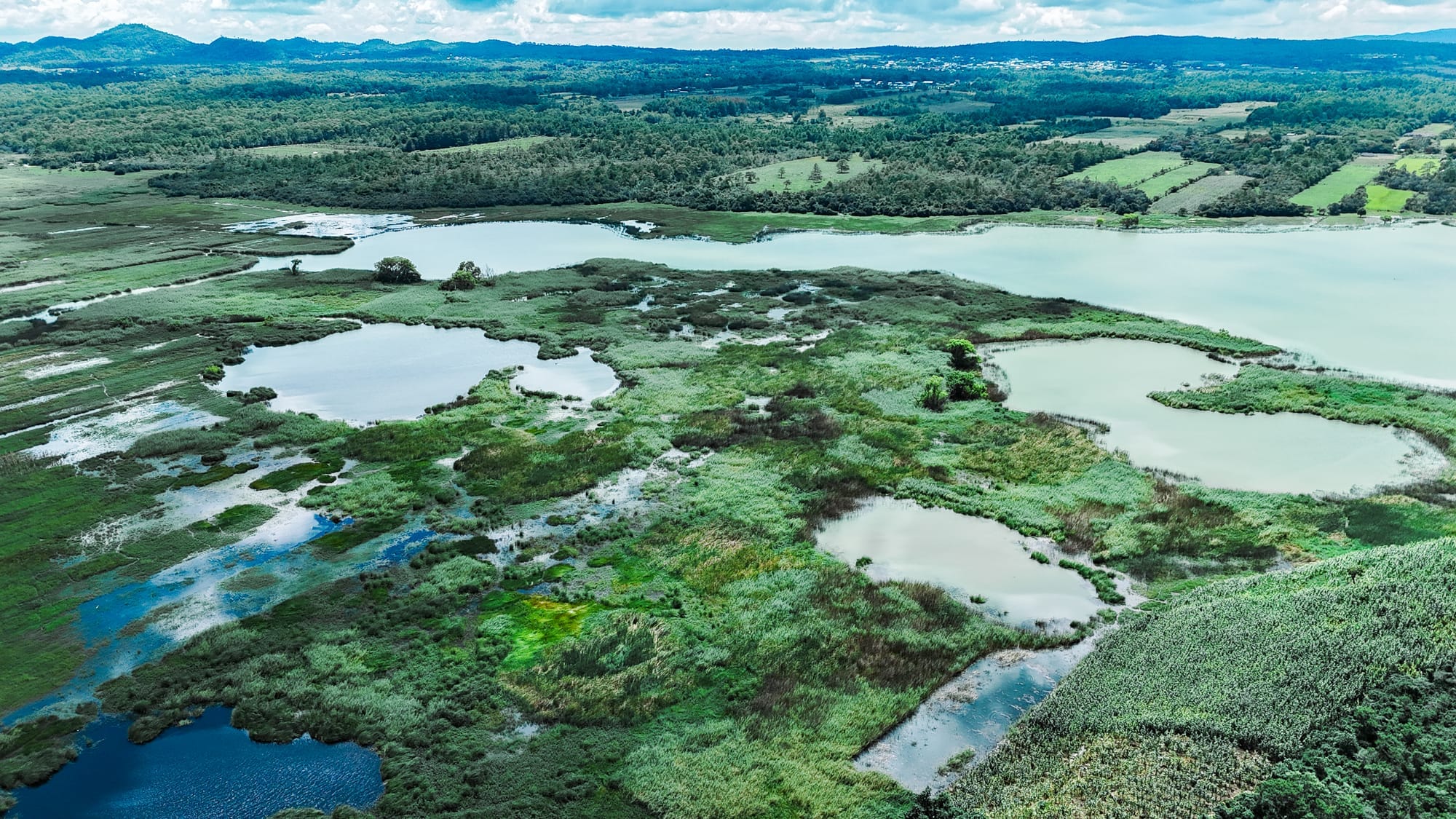
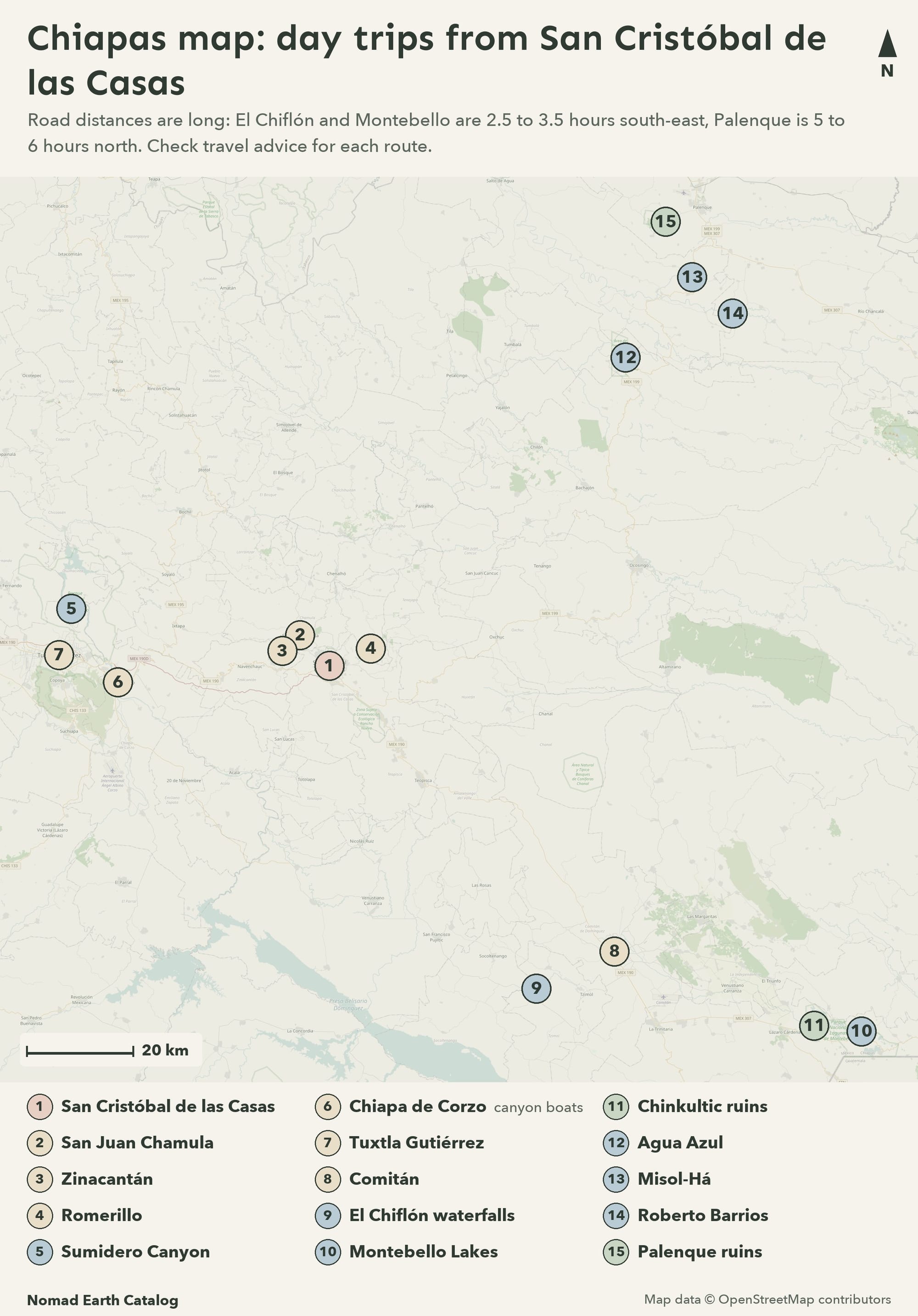
Lagos de Montebello, also called Lagunas de Montebello or the Montebello Lakes, is a national park of 59 lakes in pine forest in southeastern Chiapas, Mexico, right on the Guatemala border. It's about an hour from Comitán and three hours from San Cristóbal de las Casas. Expect a small CONANP park fee plus separate community fees of roughly 25 to 50 pesos per site, and carry cash. One long day covers the main lakes, but one or two nights lets you swim, raft, and see them without the tour crowds. Go in the dry season, November to April, for the clearest colors. We spent a weekend there with friends, staying in lakeside cabins.
Some trips feel like an extension of the city you’re staying in. Others take you somewhere completely different for a while, and Lagos de Montebello is one of those. We’d heard about it from almost everyone who had stayed in San Cristóbal de las Casas longer than a few days: a cluster of lakes scattered along the southeastern edge of Chiapas, near the Guatemalan border, in blues and greens that look slightly unreal from photographs alone.
It felt too far for a day trip, though plenty of people manage it. For us, it made more sense as a short weekend away, a chance to swap mountains and cobblestones for water and peace. We went with friends from Co404, our digital nomad coliving space.
We piled into the car long before the city had fully shaken off its morning chill. The road out of San Cristóbal took us past pines, small communities, long valleys, and the occasional clearing that showed how high we still were. Over time the light changed, the temperature warmed, and the landscape opened up so gradually that we hardly noticed how far we had come.
If you’d rather go with a group or don’t want to manage transport yourself, there are guided options from San Cristóbal de las Casas that cover the lakes and several stops along the way. Here is the tour we recommend, which also stops at El Chiflón waterfalls: Montebello Lakes and El Chiflón Day Tour.
Lagos de Montebello at a glance
Here are the basics in one place. Prices are what visitors and official pages reported in 2025 and 2026, so treat them as a guide and check locally.
Where: Parque Nacional Lagunas de Montebello, in the municipalities of La Trinitaria and La Independencia, Chiapas, on the border with Guatemala.
Distance: about 145 km (3 hours by road) from San Cristóbal de las Casas, and about 56 km (around an hour) from Comitán.
Lakes: 59 in total, of which about 14 or 15 are easy to reach by road or short trails.
Hours: roughly 7 or 8 am to 5 pm. The park isn't staffed after dark.
Fees: a CONANP national park fee plus separate ejido (community) fees at the lakes they run. Budget 150 to 250 pesos per person for entry, more for rafts or kayaks.
Time needed: one long day for the highlights, two or three nights to enjoy it properly.
Best time: November to April, the dry season.
Bring: cash (there are no ATMs at the lakes), warm clothes for the evenings, insect repellent, and shoes with grip for muddy trails.
Lagos de Montebello fees and costs in 2026
Here's every fee you're likely to pay at Montebello, in one place. CONANP's standard fee for the federal parks it runs was 125 pesos per person per day in 2026 (the same rate it lists for Sumidero Canyon, according to ADN40). The rest are community prices from 2025 and 2026 visitor reports, so check on the day.
| Item | Approximate cost | Who collects it |
|---|---|---|
| National park fee (Lagunas de Colores) | 125 pesos per person per day | CONANP |
| Ejido ticket (Internacional, Tziscao, Pojoj, Cinco Lagos, Montebello) | About 50 pesos per person | Tziscao ejido |
| Single lake gate, where charged | About 25 pesos | Local community |
| Balsa raft to Isla de las Orquídeas, Pojoj | 150 to 250 pesos per person | Local guides |
| Kayak | From about 200 pesos | Cabins and lake stands |
| Moto-taxi for the day | About 700 pesos per group | Drivers in Tziscao |
| Colectivo, Comitán to Tziscao | 50 to 60 pesos each way | Transporte Montebello |
| Chinkultic ruins | No standard fee shown on INAH's listing | INAH |
Budget about 250 to 400 pesos per person for a day of fees and one raft or kayak, plus transport and food. Pay in cash and keep every paper ticket until you leave.
| Details | |
|---|---|
| Where | La Trinitaria and La Independencia, on the border with Guatemala |
| Distance | About 145 km (3 hours) from San Cristóbal; 56 km (about an hour) from Comitán |
| Lakes | 59 in total, about 14 or 15 easy to reach |
| Hours | Roughly 7 or 8 am to 5 pm, not staffed after dark |
| Fees | CONANP fee plus ejido fees: 150 to 250 pesos per person, more for rafts or kayaks |
| Time needed | One long day, or two or three nights |
| Best time | November to April, the dry season |
| Bring | Cash (no ATMs), warm clothes, insect repellent, and shoes with grip |
The first overlook above Cenote Bartolo
Our first stop was a viewpoint reached by hiking above Cenote Bartolo. The trail to reach it wasn’t long, but it climbed steadily through a forest full of unexpected color: fungi in small orange clusters, moss trailing over stone, and flowers in bright, almost electric tones under the filtered light of the canopy. The air was cool where the trees grew close and warm where the path opened to the sky.
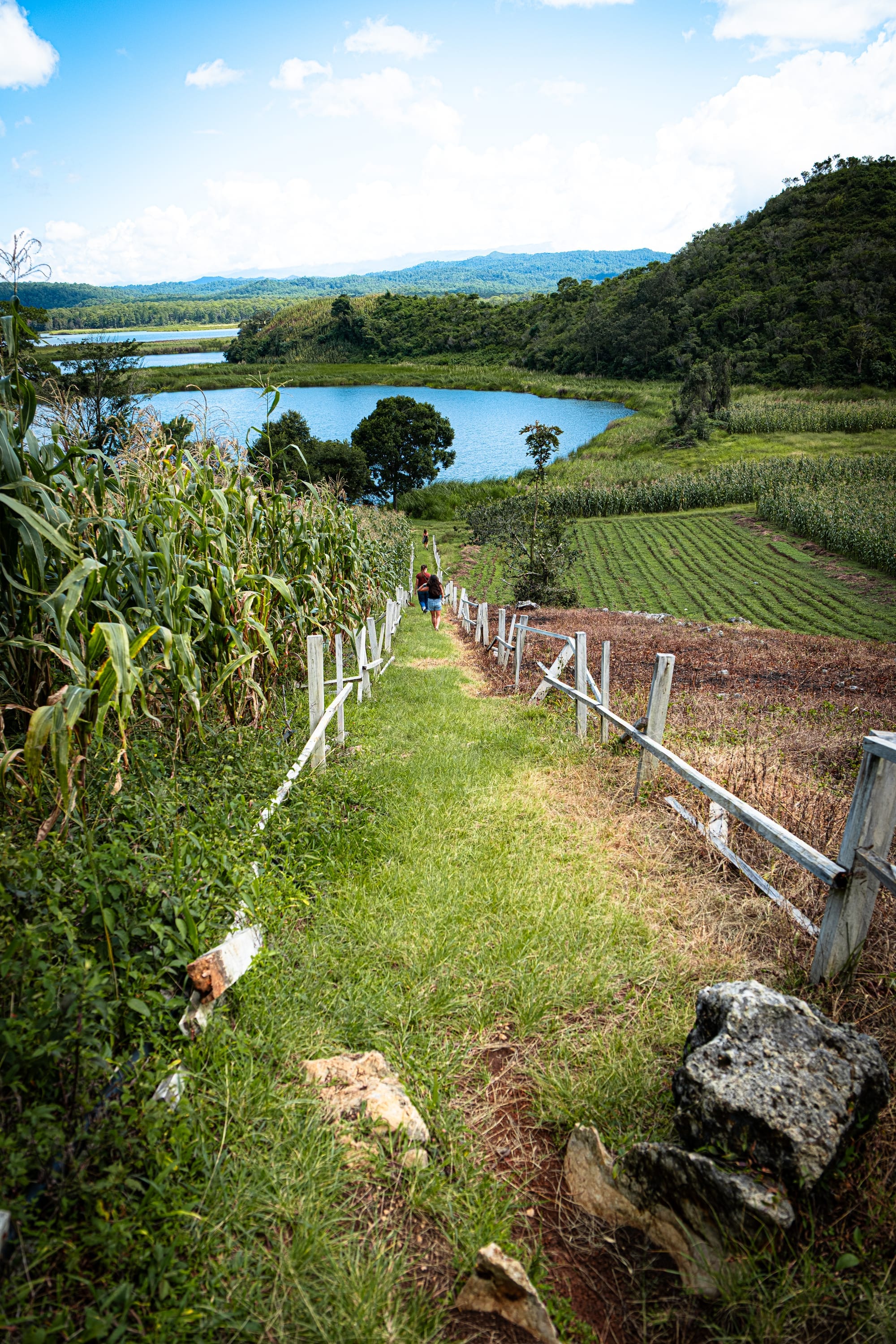
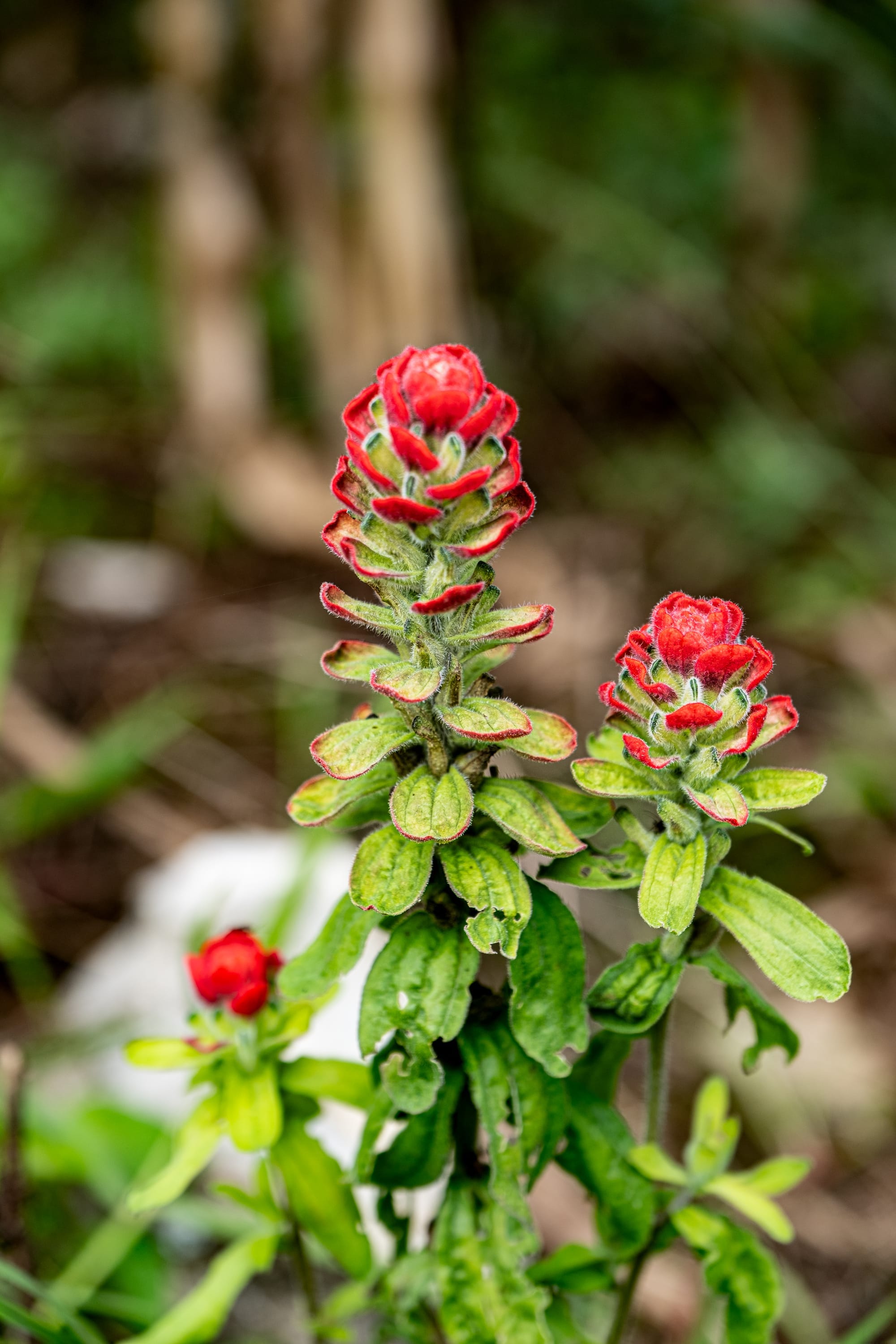

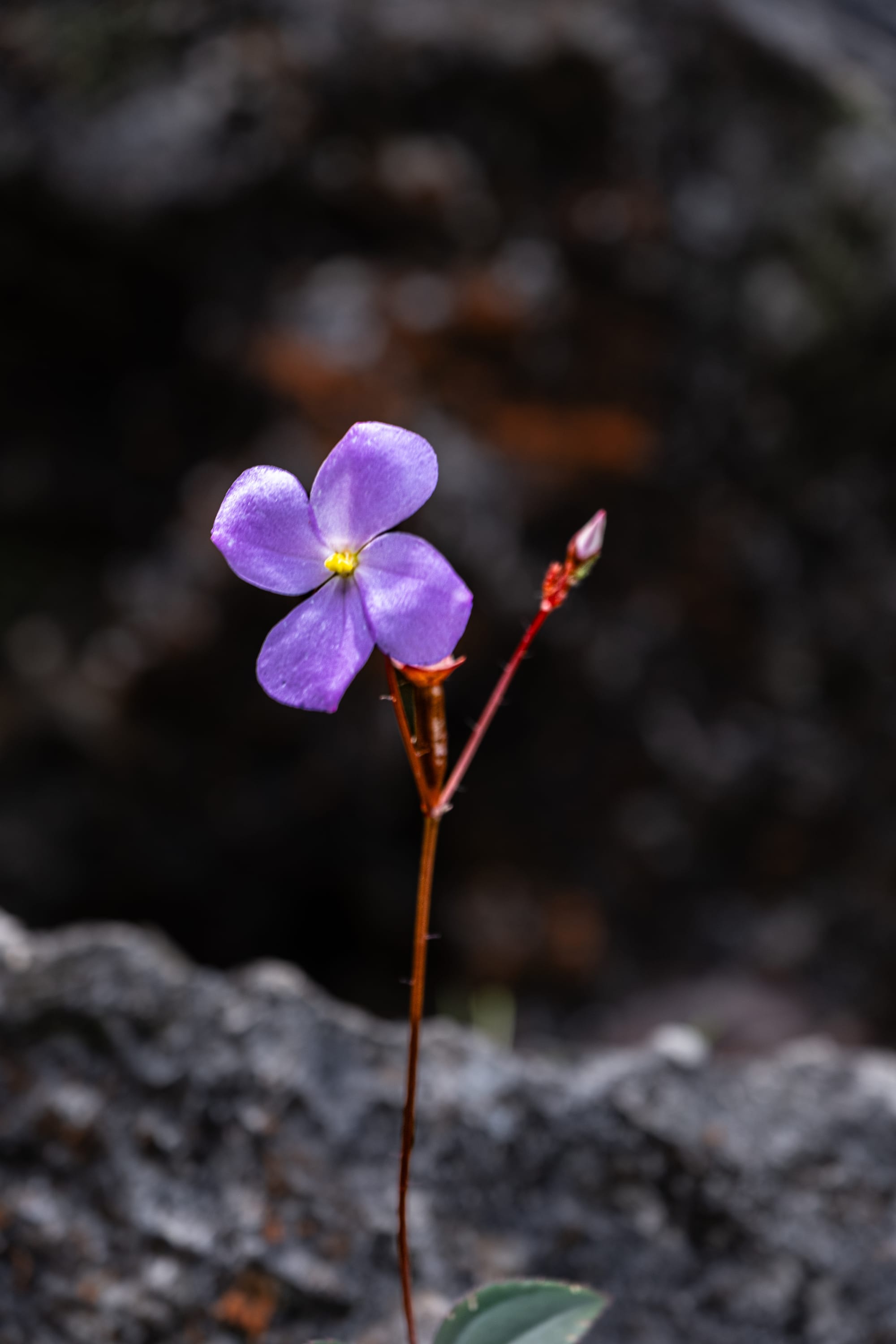
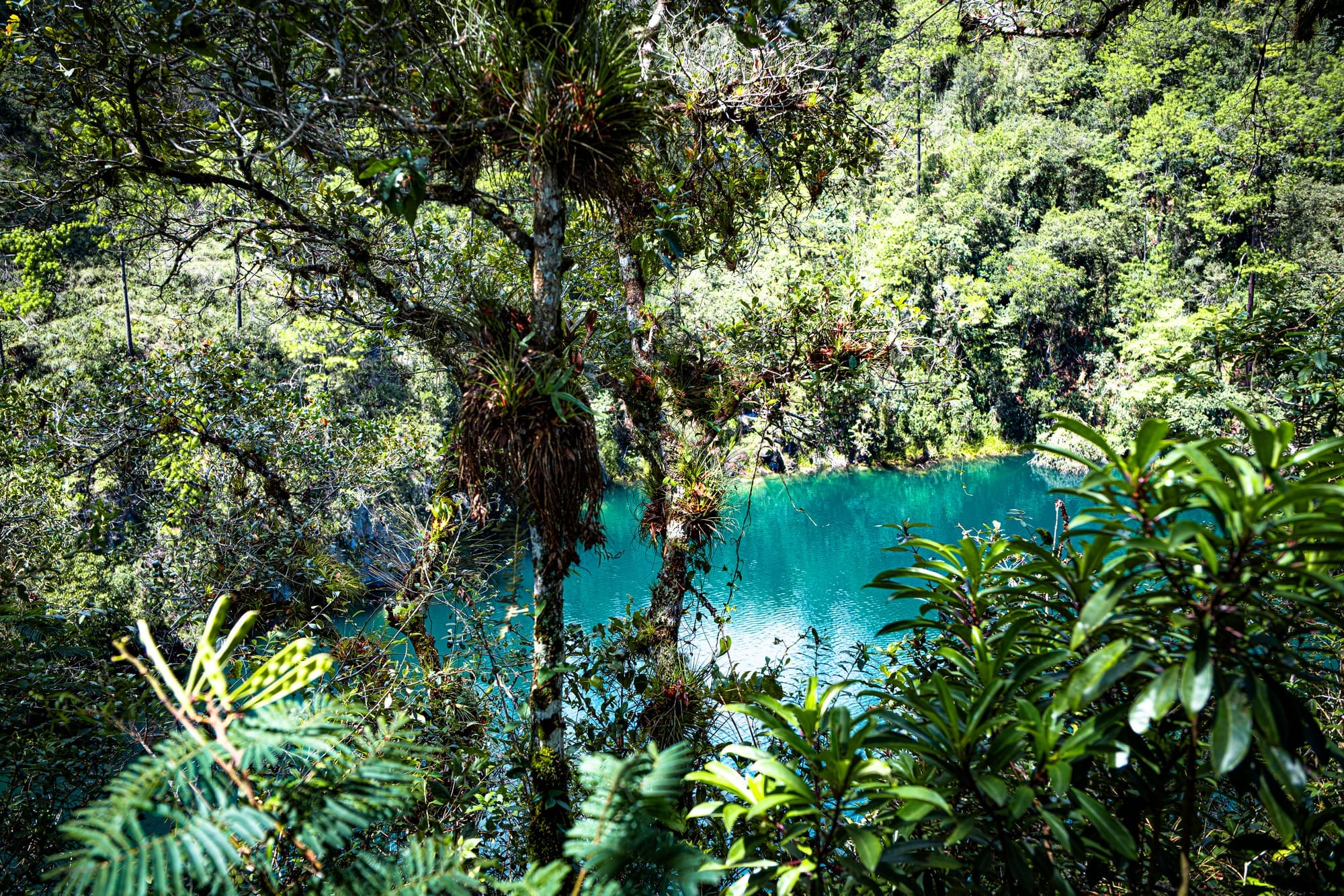
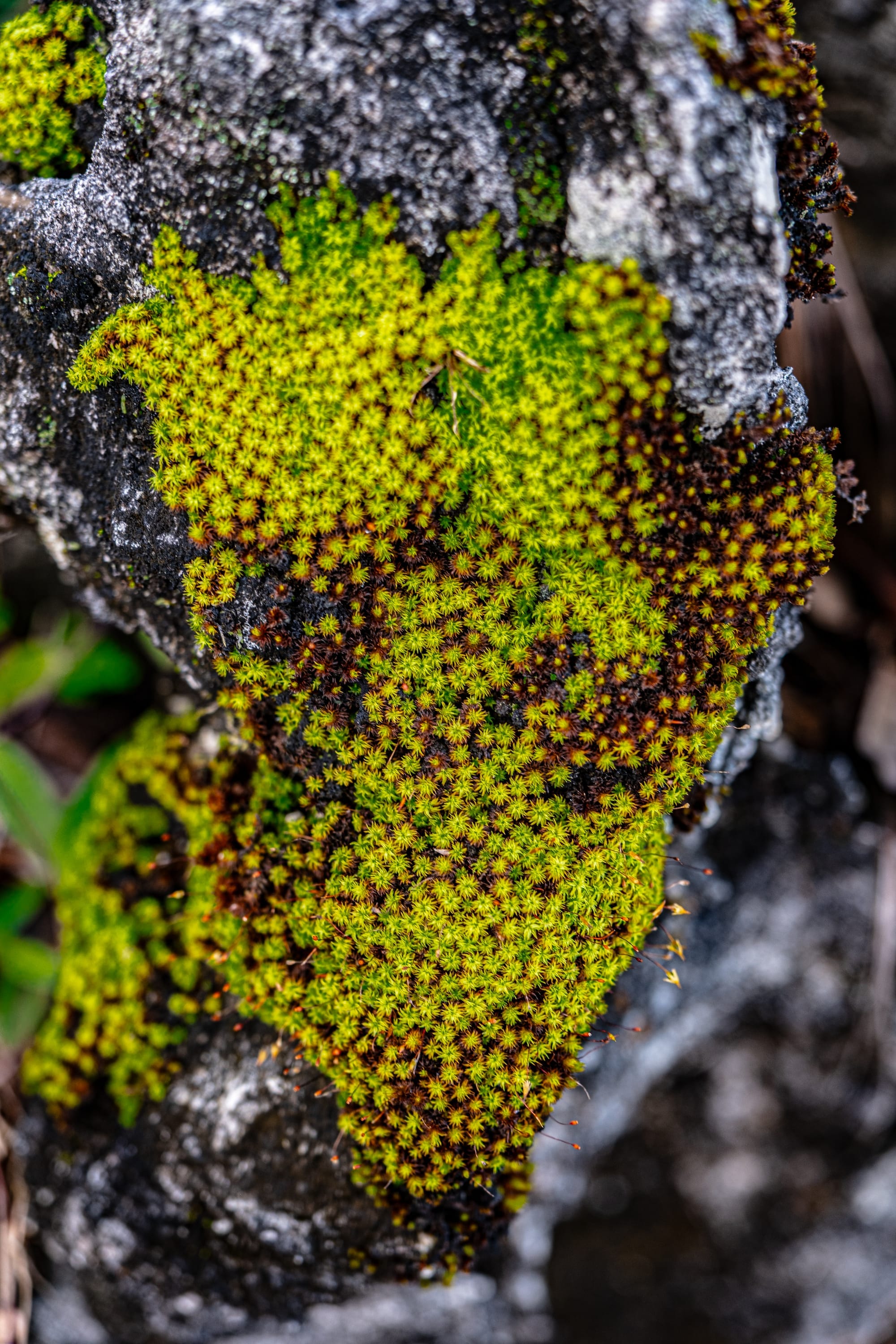
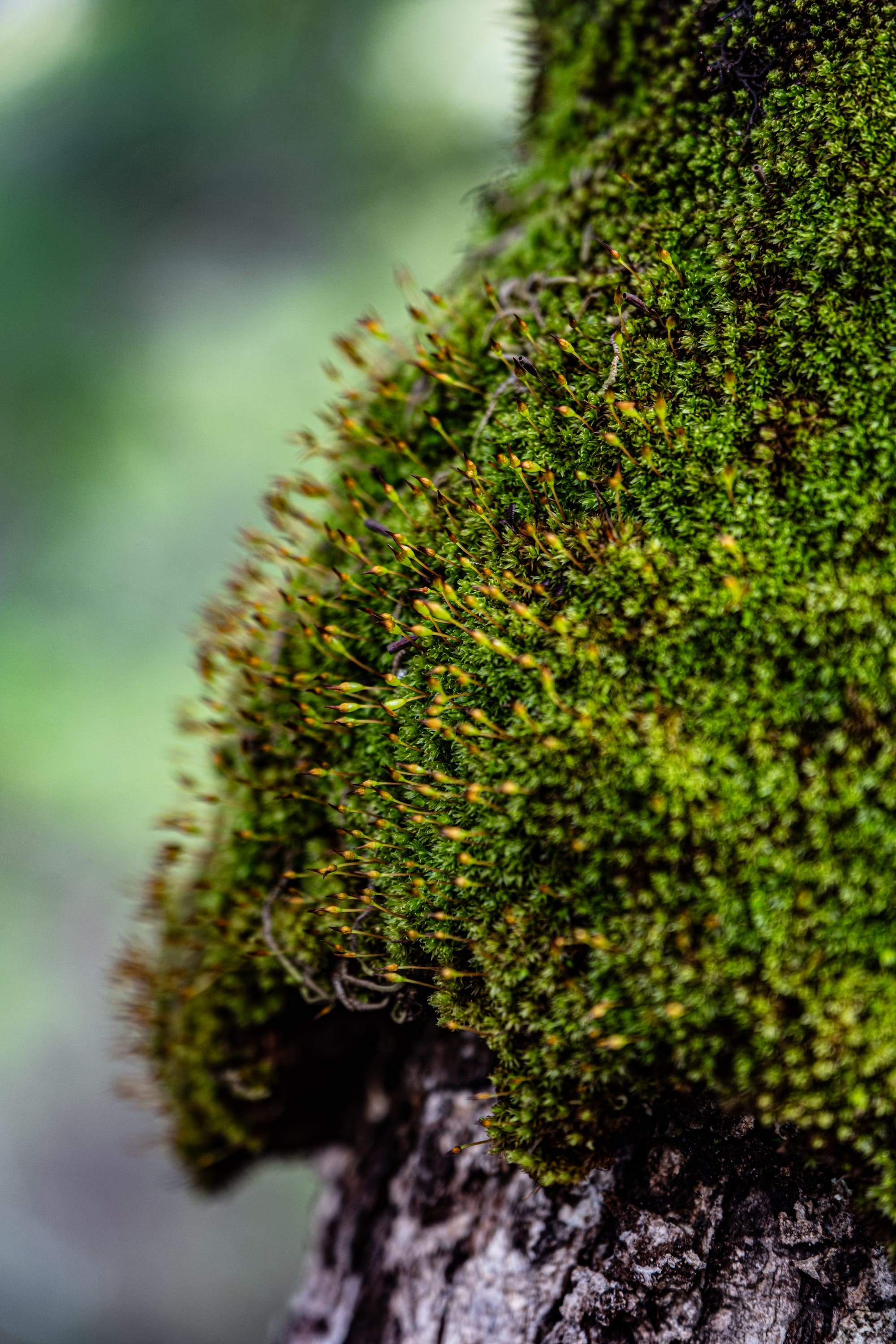
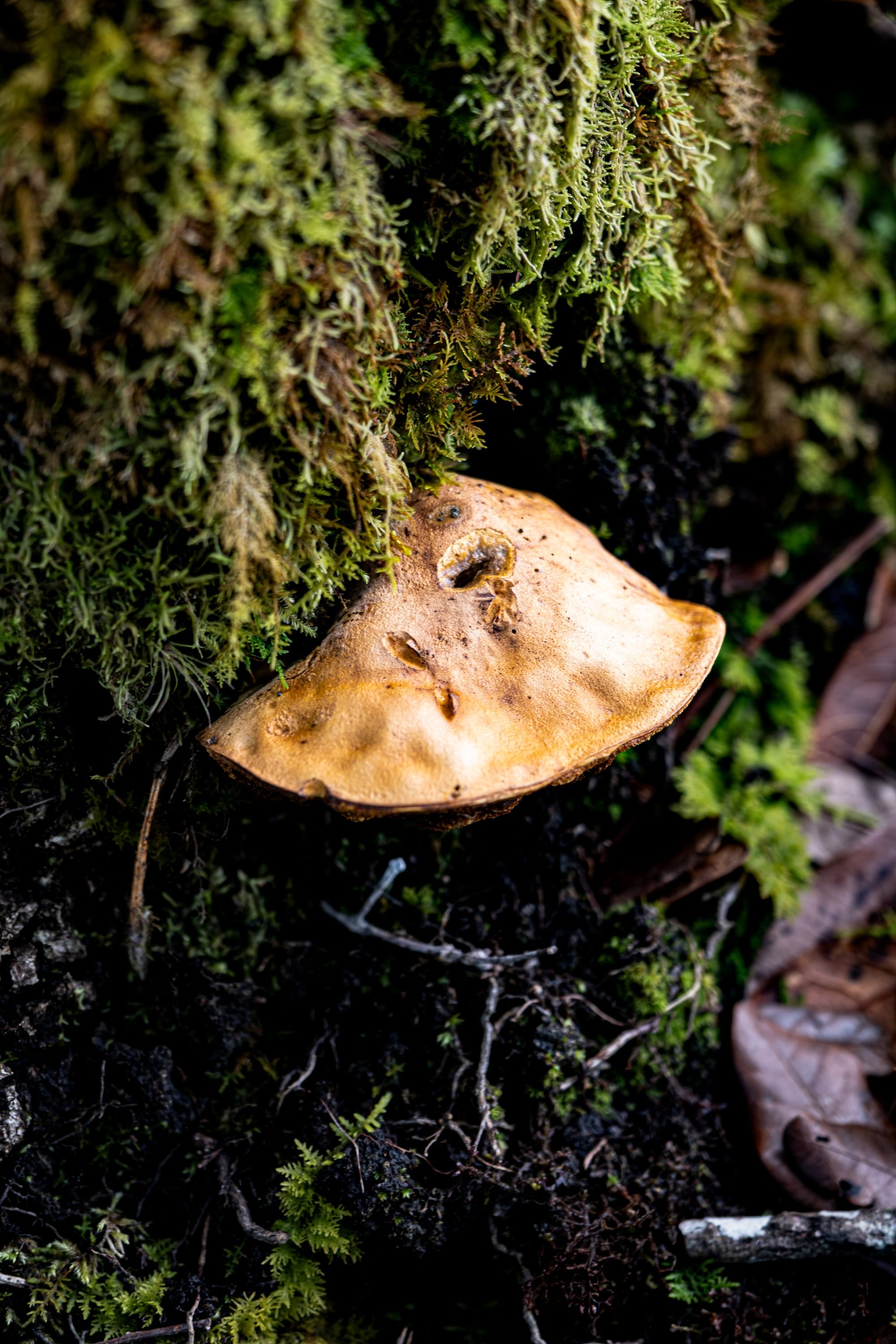
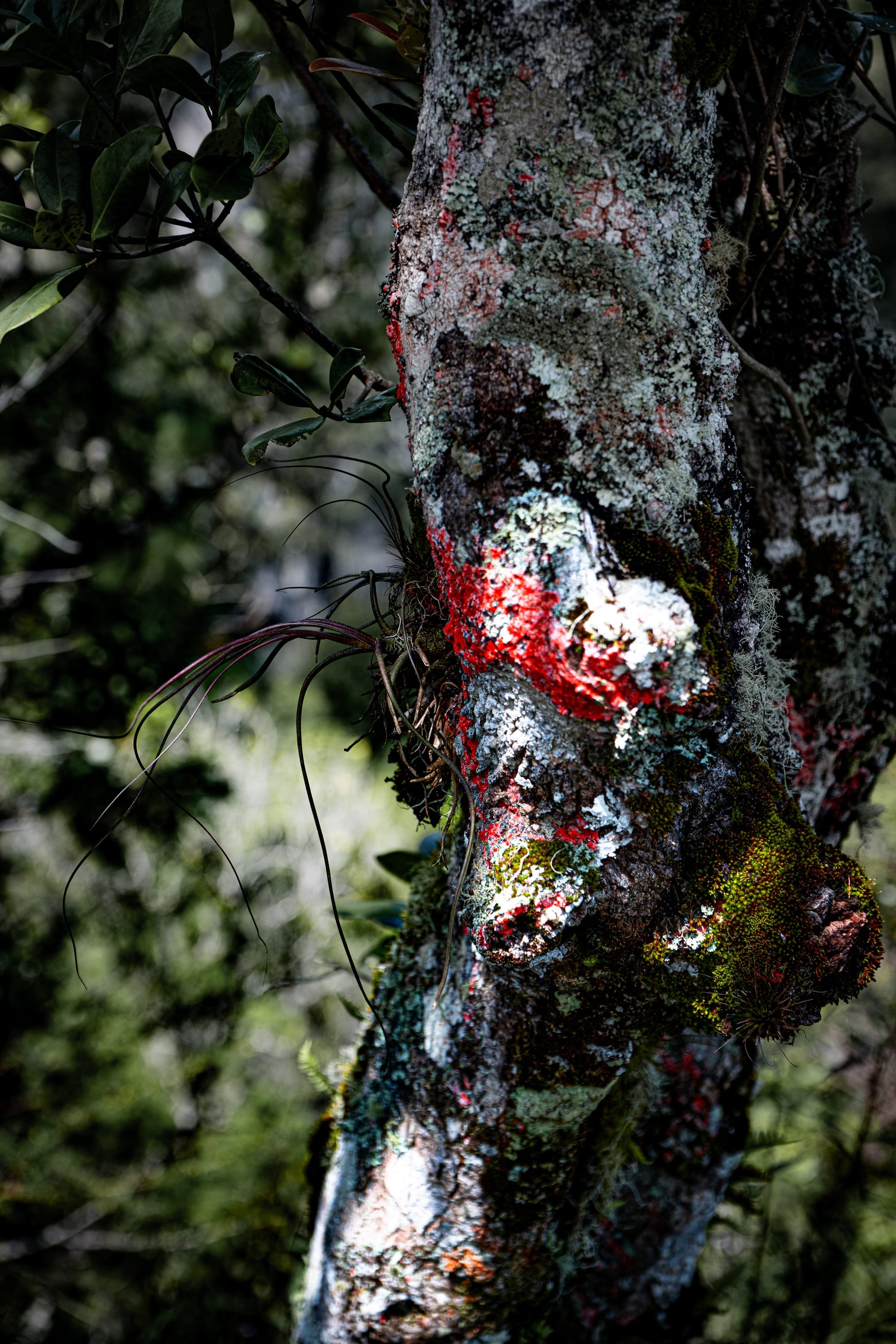
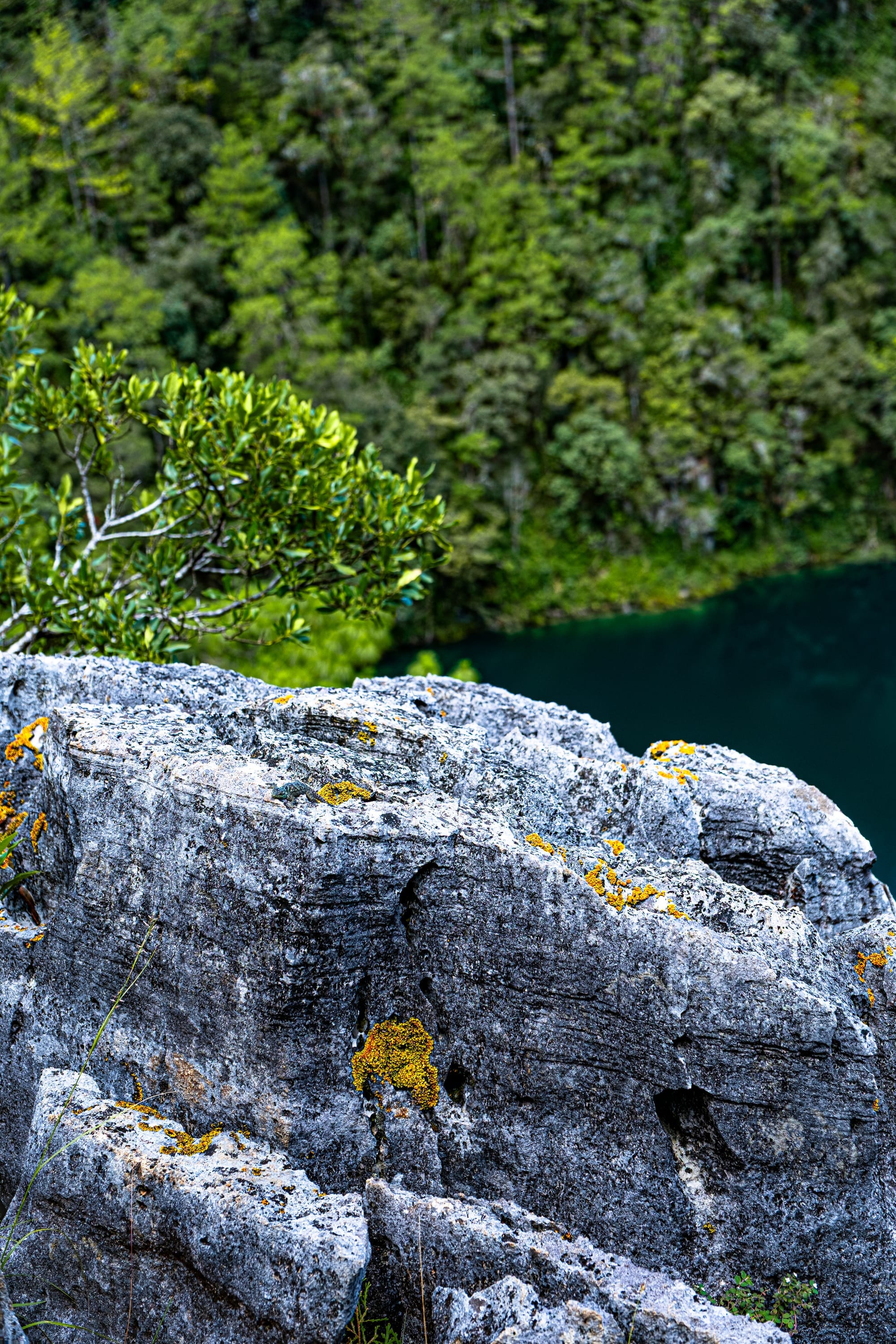
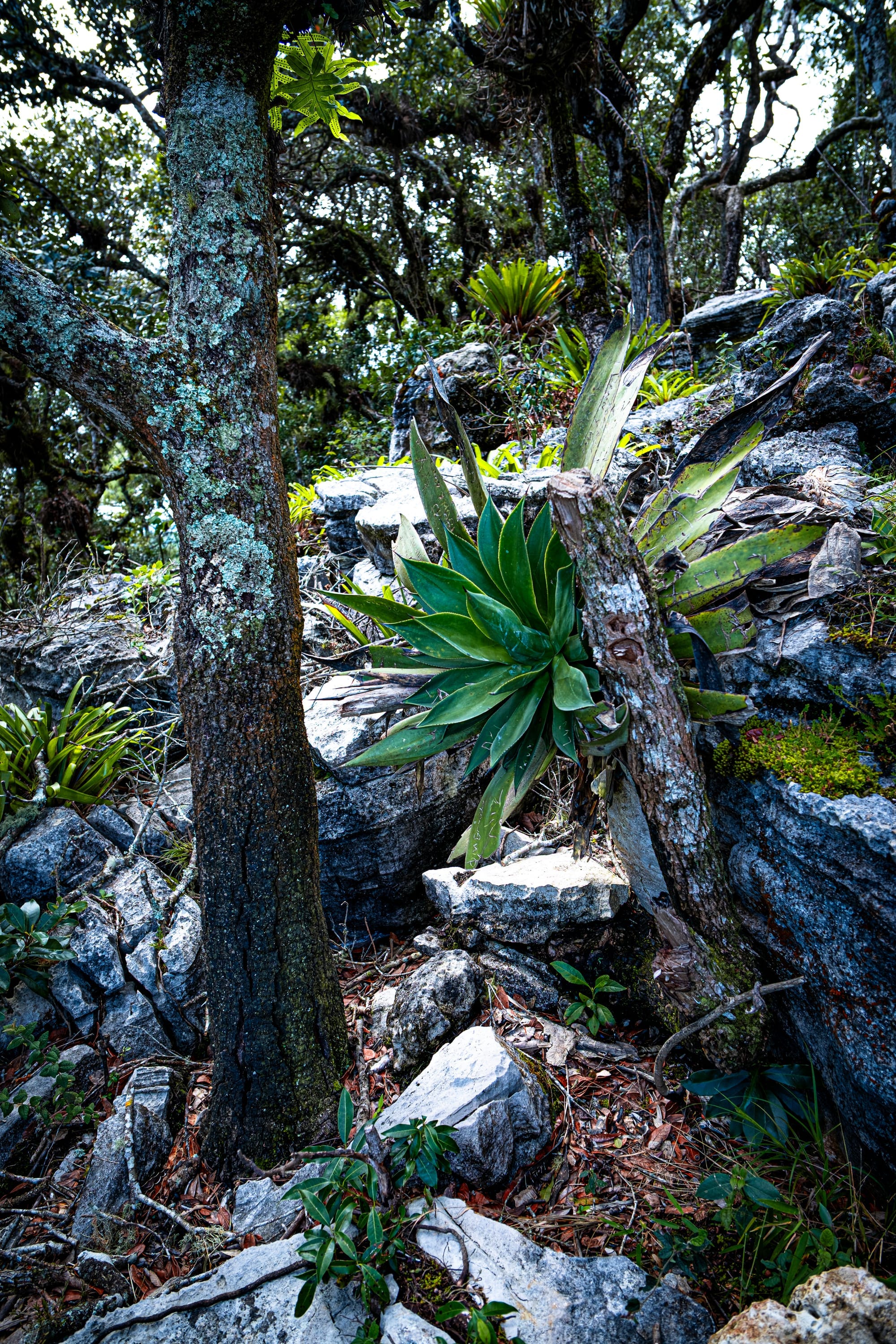
Scenes from the hike to the viewpoint near Cenote Bartolo
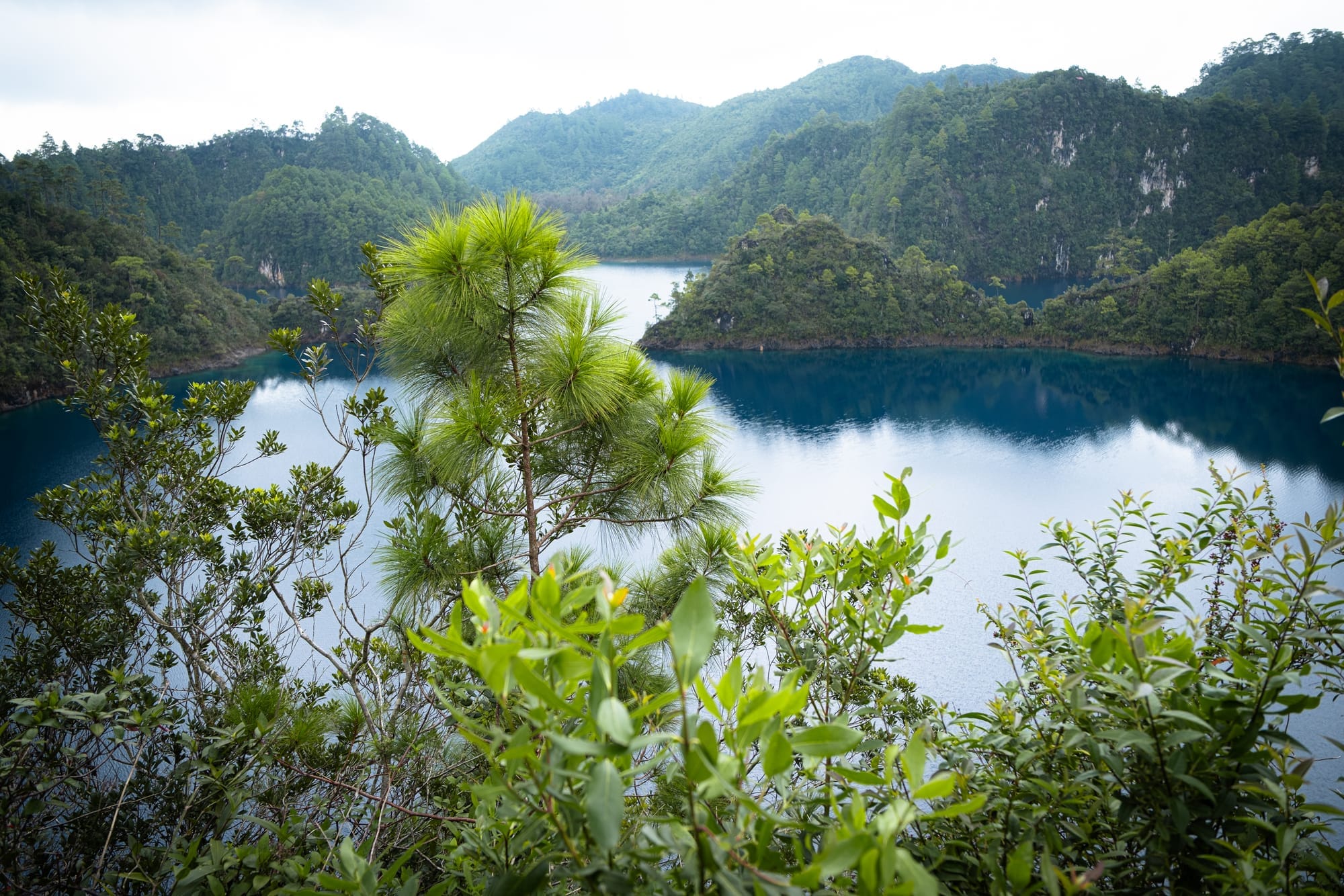
By the time we reached the ridge, the forest dropped away into a huge view: several of the lakes visible at once, their surfaces catching the sun in slightly different shades.
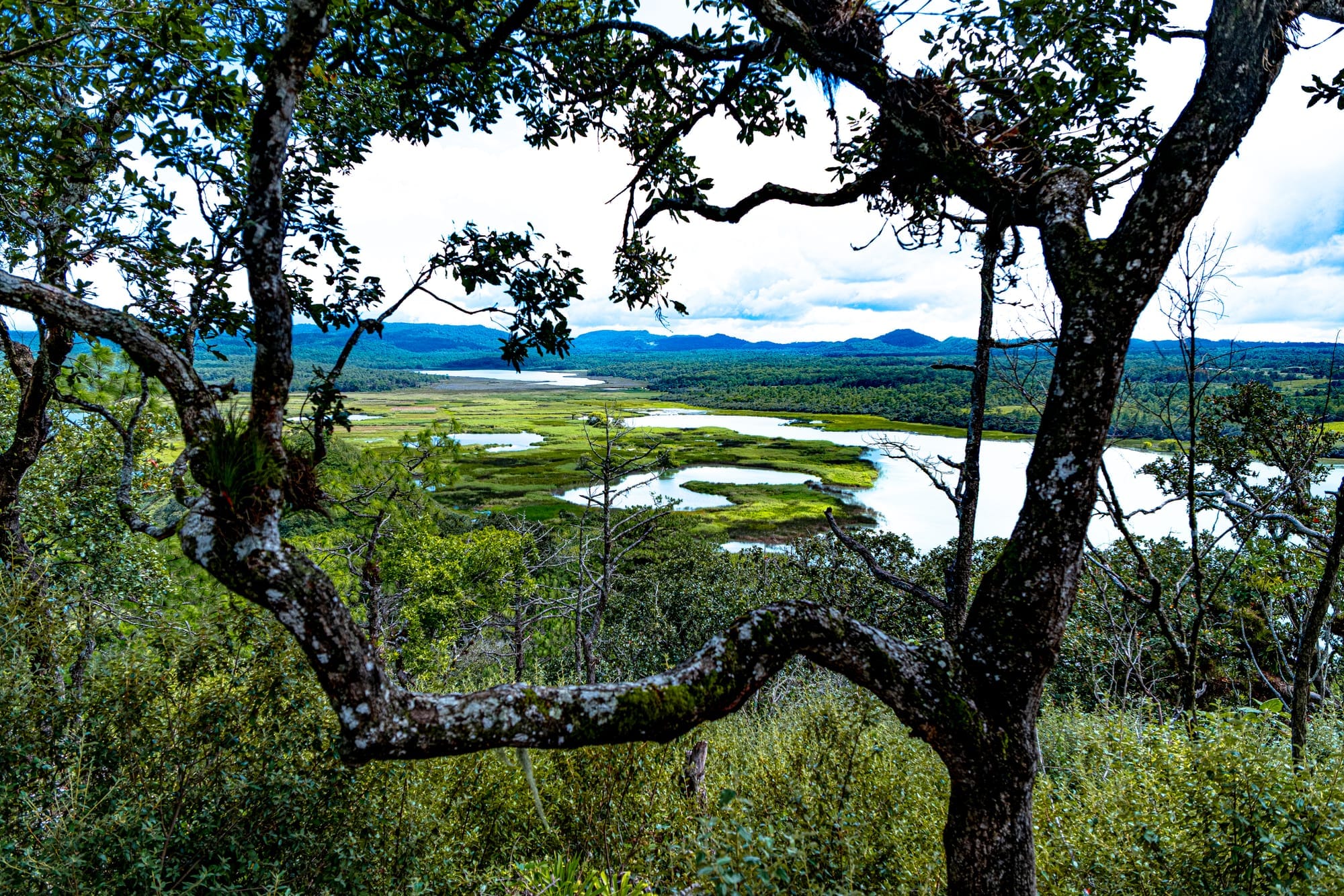
These lakes, part of the Montebello region, sit across a karst landscape shaped over thousands of years by water dissolving and re-forming limestone. From above, the shapes of the basins made sense: long, irregular, and scooped out by time rather than carved by human hand.
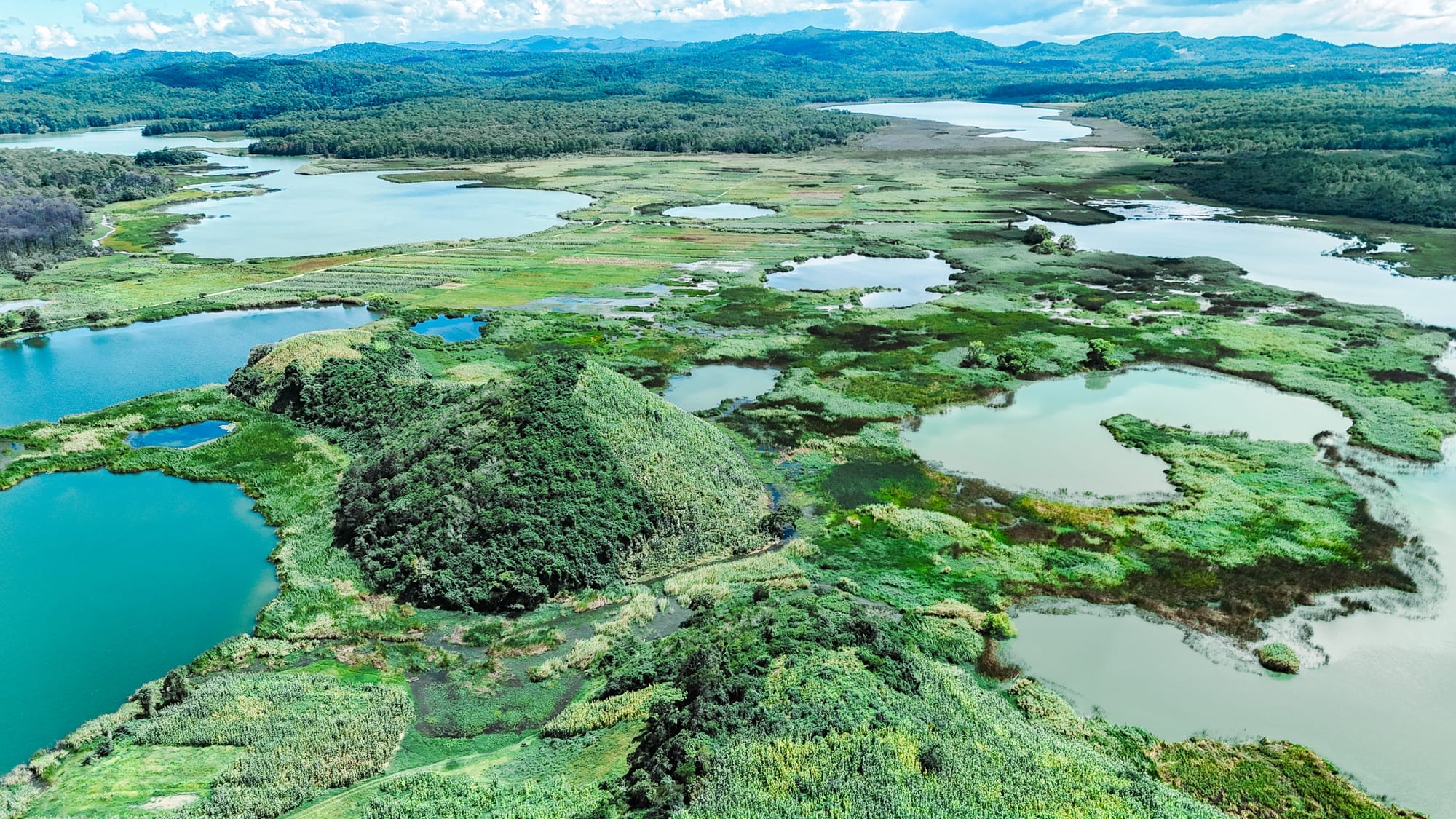
We stood there for a while, saying very little. The place had a calming, grounding effect on us, and everything in our heads felt less rushed.
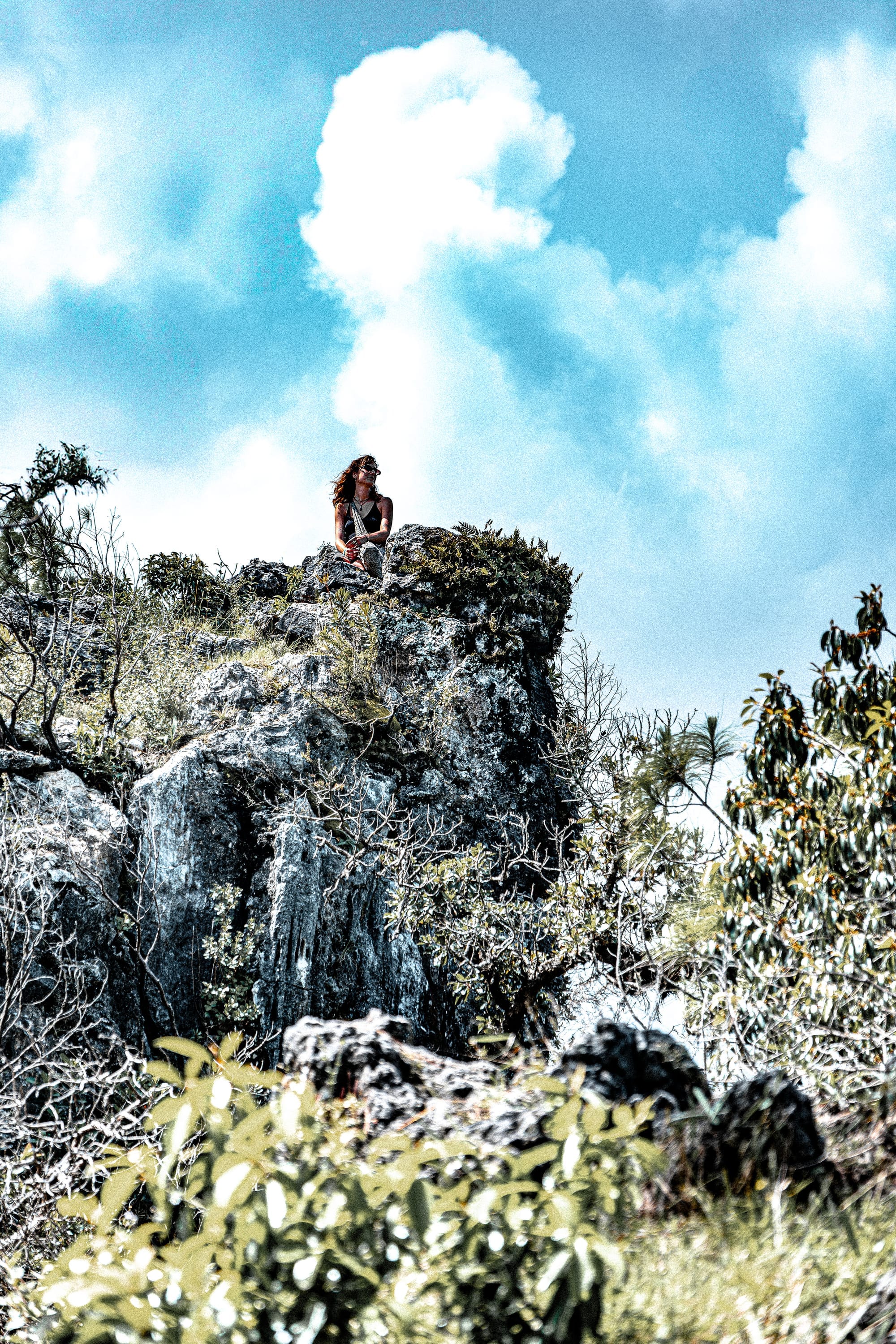
Cliffside moments above Montebello Lakes
From this spot, we flew our drone and got some excellent shots of the lake-filled valley.
Cenote Bartolo: what to expect on the trail
The path up to the Cenote Bartolo lookout is short, around 20 minutes, but steep, rocky, and muddy after rain, so wear proper shoes rather than sandals. The cenote itself sits between high rock walls and its water is darker than the bright lakes around it. The reward is the view from the top, where you can see several lakes at once. If you're short on time, this is one of the best viewpoints for the effort.
A landscape made of lakes
The lakes of Montebello are famous for their changing colors: deep blue, turquoise, jade, and sometimes almost black, depending on the minerals, vegetation, depth, and angle of light. Some are large enough to feel like small inland seas. Others are compact, hidden between folds of forest. Their names vary: Laguna La Encantada, Laguna Bosque Azul, Laguna Pojoj, Laguna Tziscao, and Laguna Internacional, the last of which straddles the border with Guatemala, marked only by a line of signs and small boats.
The main lakes of Lagos de Montebello
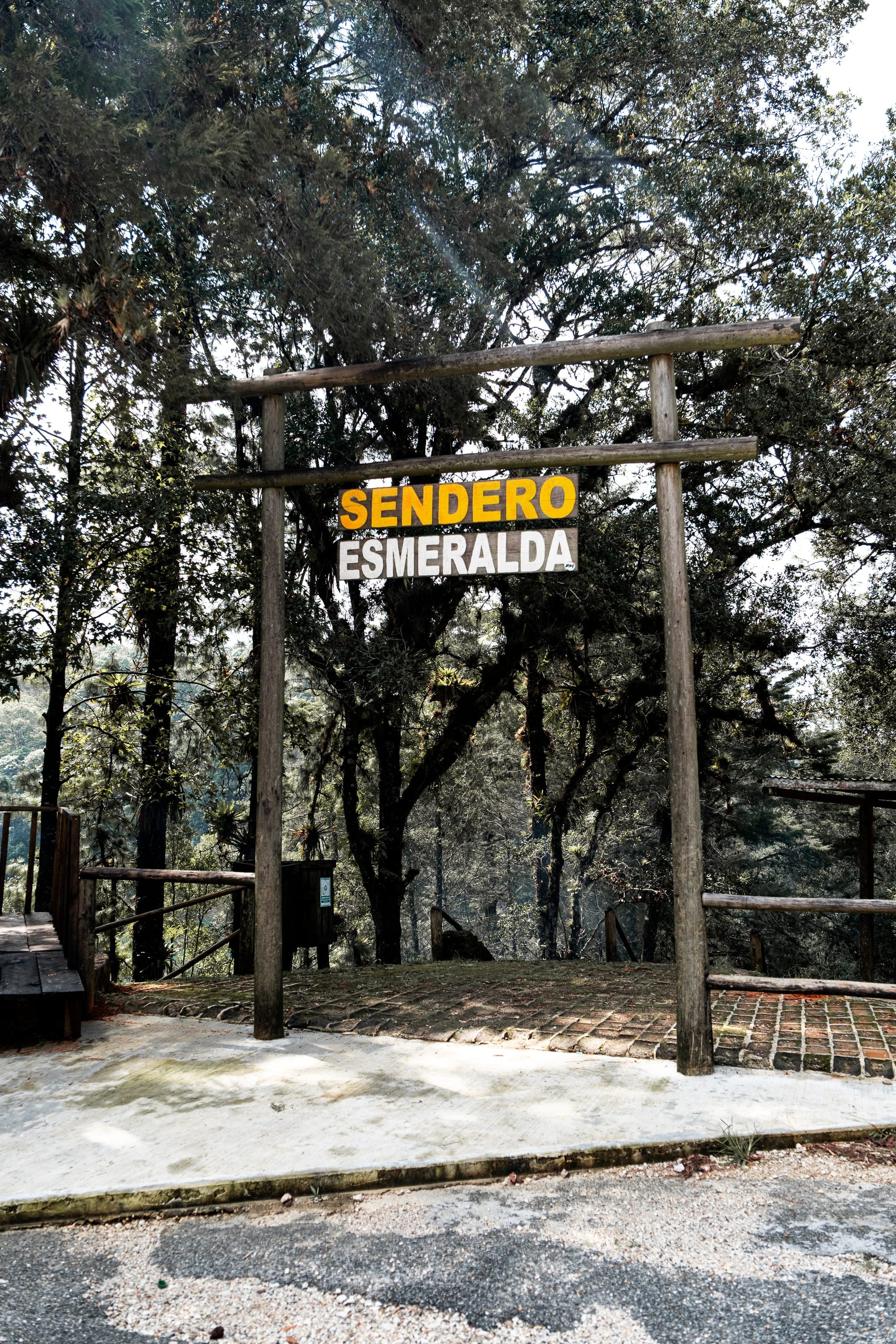
The lakes split into two groups. Carry straight on after the entrance booth for the Lagunas de Colores, run by the national park. Bear right along the main road for Laguna Montebello, Cinco Lagos, Pojoj, Tziscao, and Laguna Internacional, most of which are run by the local ejido. Here's what each one is like.
Lagunas de Colores and Laguna Bosque Azul
Five lakes sit close together near the entrance: Agua Tinta, Ensueño, Esmeralda, La Encantada, and Laguna Bosque Azul. Each looks a slightly different color because of its depth and mineral content. Bosque Azul is the largest of the group, with a parking area, food stalls, and boats for hire. From the far end of the car park, an easy walk of about 1.5 km leads down to the Grutas San Rafael del Arco, limestone caves with a natural arch and a river running through it. Several visitors rate small, clear Ensueño as their favorite here.
Laguna Montebello
The park's namesake is a large lake at the end of a short dirt road, with a sandy shore, rowboats, and a restaurant. It's a good place for a swim, though some visitors find it less colorful than the others when the water is low.
Cinco Lagos
Cinco Lagos is a chain of five connected lakes, seen best from the roadside viewpoint, which many people rate as the finest view in the park. You can also explore them on a wooden raft with a local guide or by kayak. Swimming isn't allowed at Cinco Lagos. If you like hiking, the El Perol trail runs about 3 km one way through the forest from near Laguna Pojoj to Cinco Lagos, with viewpoints and a small beach at the end. Allow around 3 hours there and back, and check whether a guide is needed when you pay at the gate (the state tourism board lists it as a guided route).
Laguna Pojoj
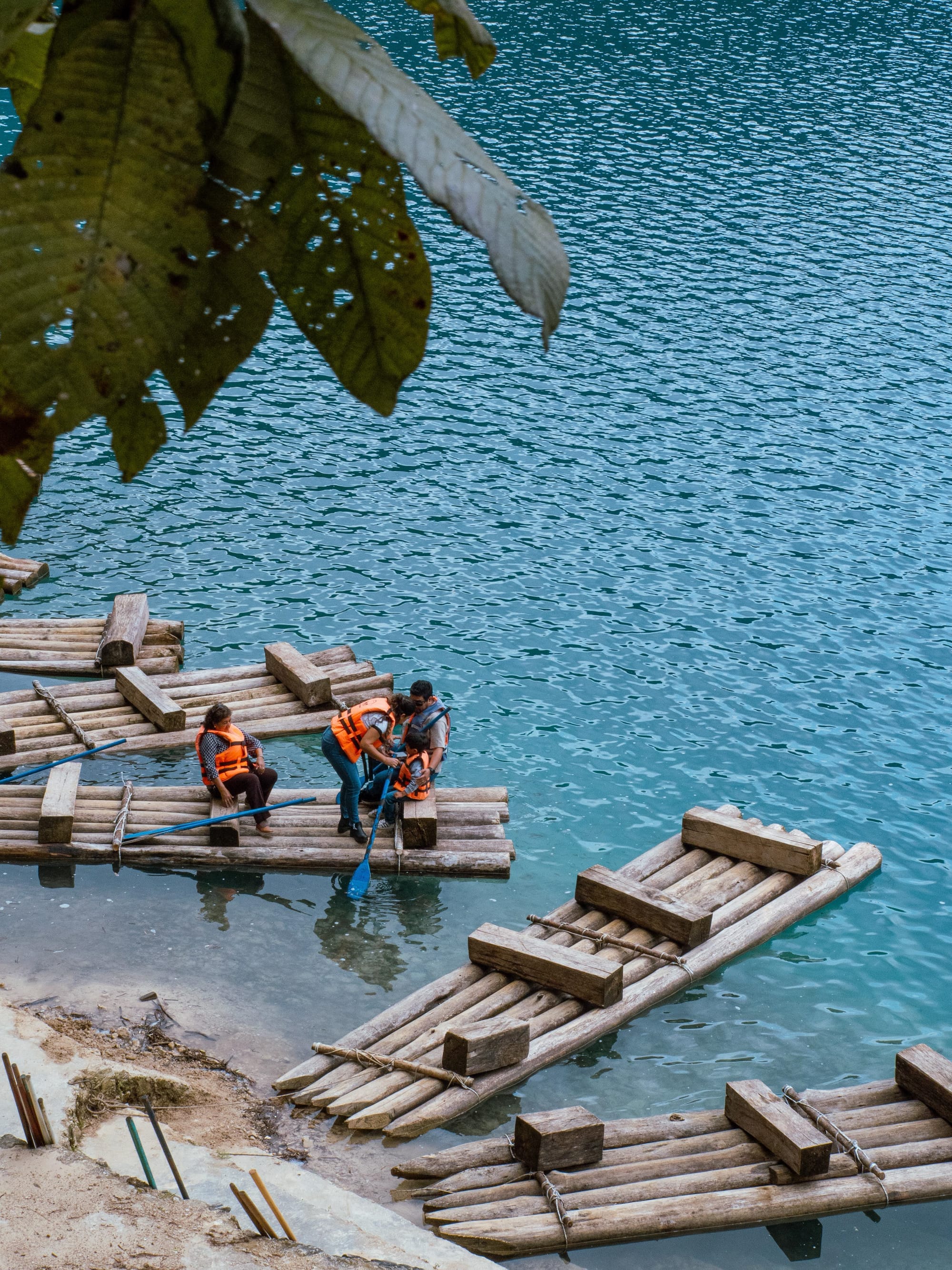
Pojoj is bright blue and has a tiny island in the middle, Isla de las Orquídeas, with a small greenhouse of orchids and bromeliads. Most people reach it on a traditional balsa raft, and you can swim off a platform by the island. There are food stalls and toilets (small fee) at the entrance.
Lago Tziscao
Tziscao is the largest lake in the park and one of the deepest, and the village of the same name on its shore is where most cabins, restaurants, and kayak rentals are. Swimming is allowed in much of it, so ask your cabin which spots they recommend.
Laguna Internacional
This lake straddles the Mexico and Guatemala border, marked by white posts and a line of buoys. You can walk a few steps onto the Guatemalan side among craft stalls and food stands without any formalities, but treat it as a short visit, not a border crossing. It's walkable from Tziscao.
Lagos de Montebello compared
Use this table to choose which lakes to prioritize if you only have a day. Fees are the 2025 and 2026 figures above.
| Lake | Run by | Entry | What to do | Swimming |
|---|---|---|---|---|
| Lagunas de Colores (incl. Bosque Azul) | CONANP | National park fee, 125 pesos | Short walks between five lakes, rowboats at Bosque Azul, Grutas San Rafael del Arco | Ask at the booth; rules vary by lake |
| Laguna Montebello | Tziscao ejido | Ejido ticket | Sandy shore, rowboats, restaurant | Yes |
| Cinco Lagos | Tziscao ejido | Ejido ticket | Roadside viewpoint, rafts, kayaks, El Perol trail | No |
| Laguna Pojoj | Tziscao ejido | Ejido ticket or about 25 pesos | Raft to Isla de las Orquídeas and its orchid greenhouse | Yes, from the island platform |
| Lago Tziscao | Tziscao ejido | Ejido ticket or about 25 pesos | Kayaks, cabins, restaurants | Yes, in much of the lake |
| Laguna Internacional | Tziscao ejido | Ejido ticket | Border markers, craft and food stalls | Not a swimming stop |
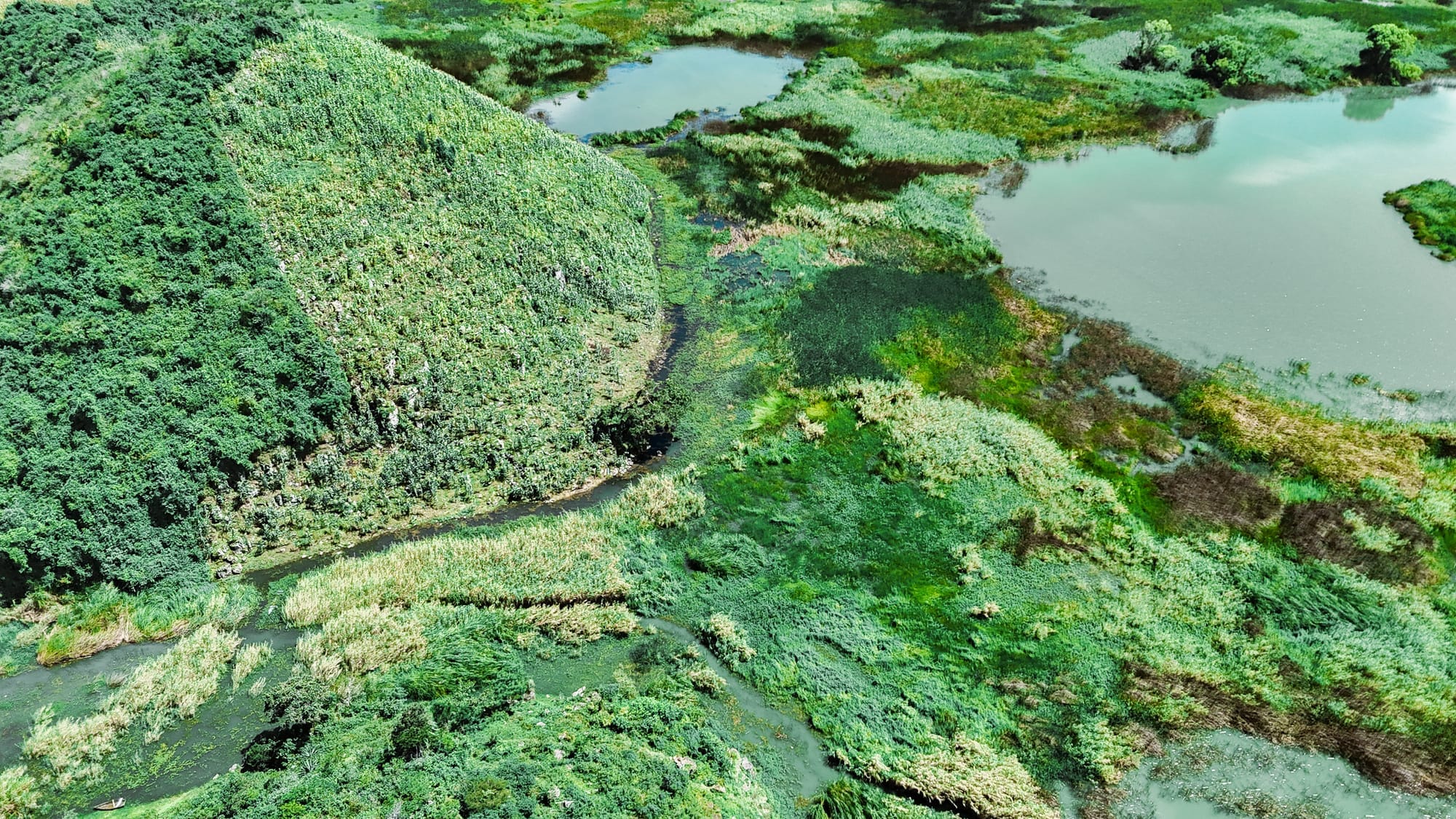
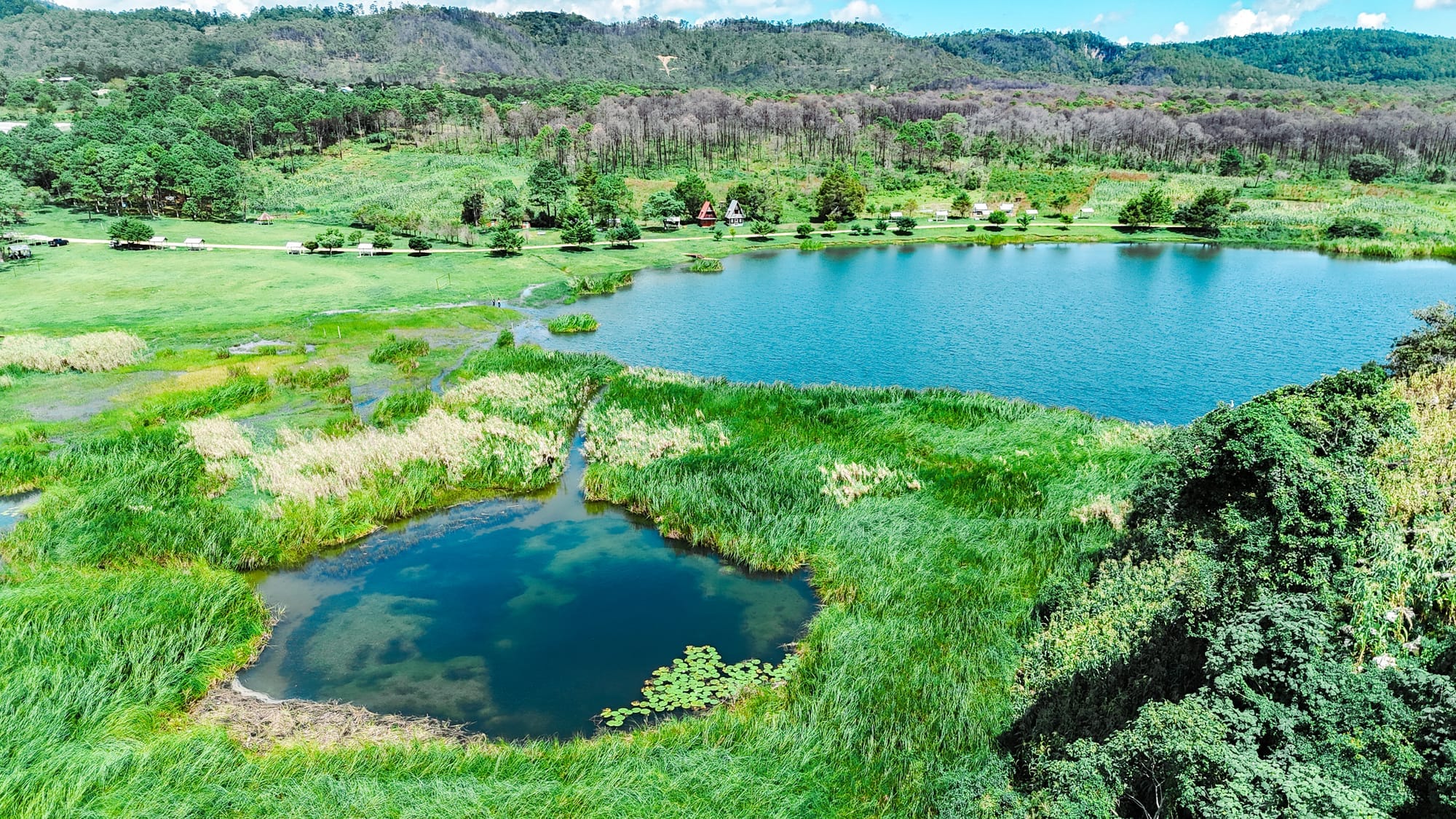
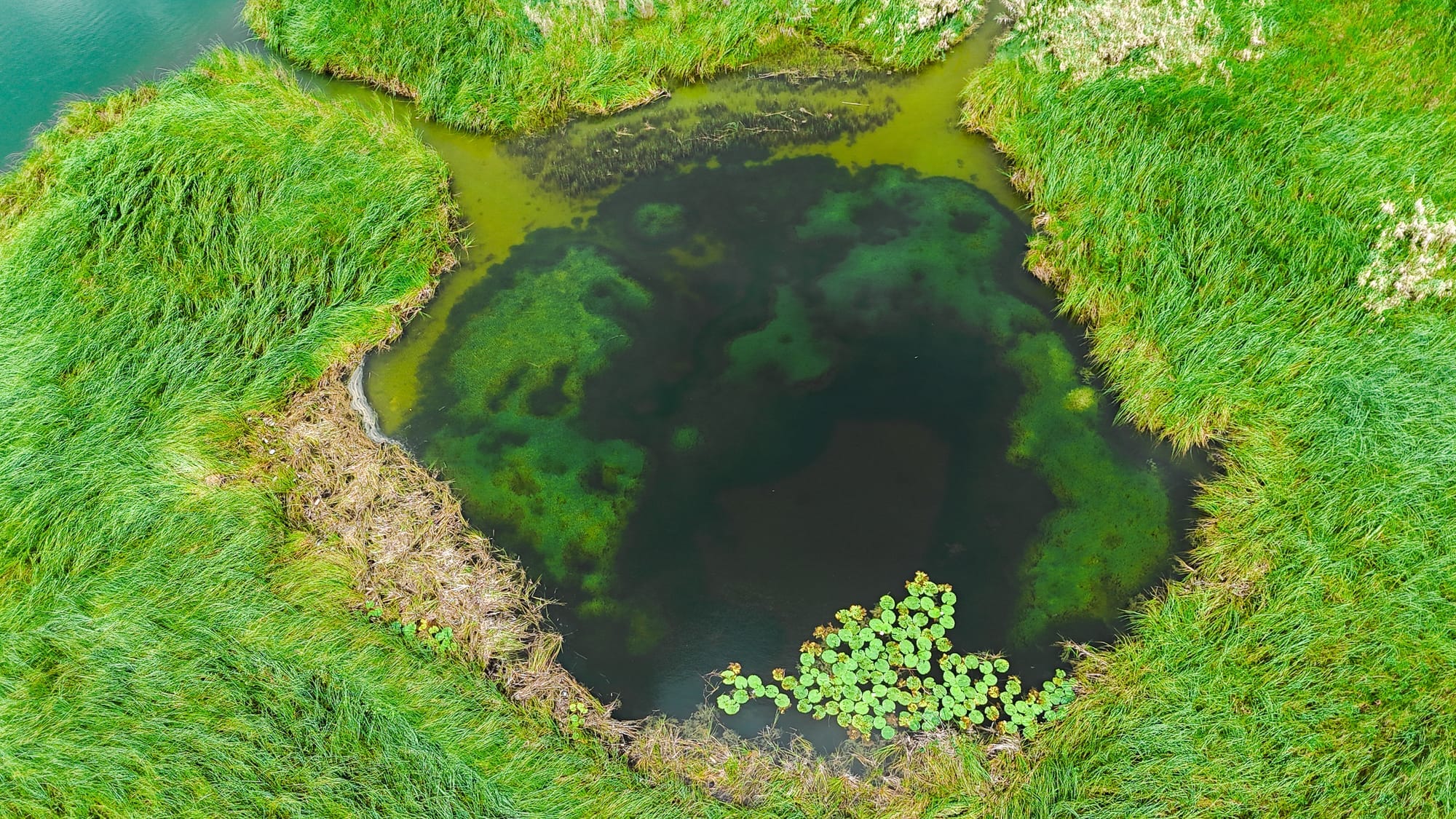
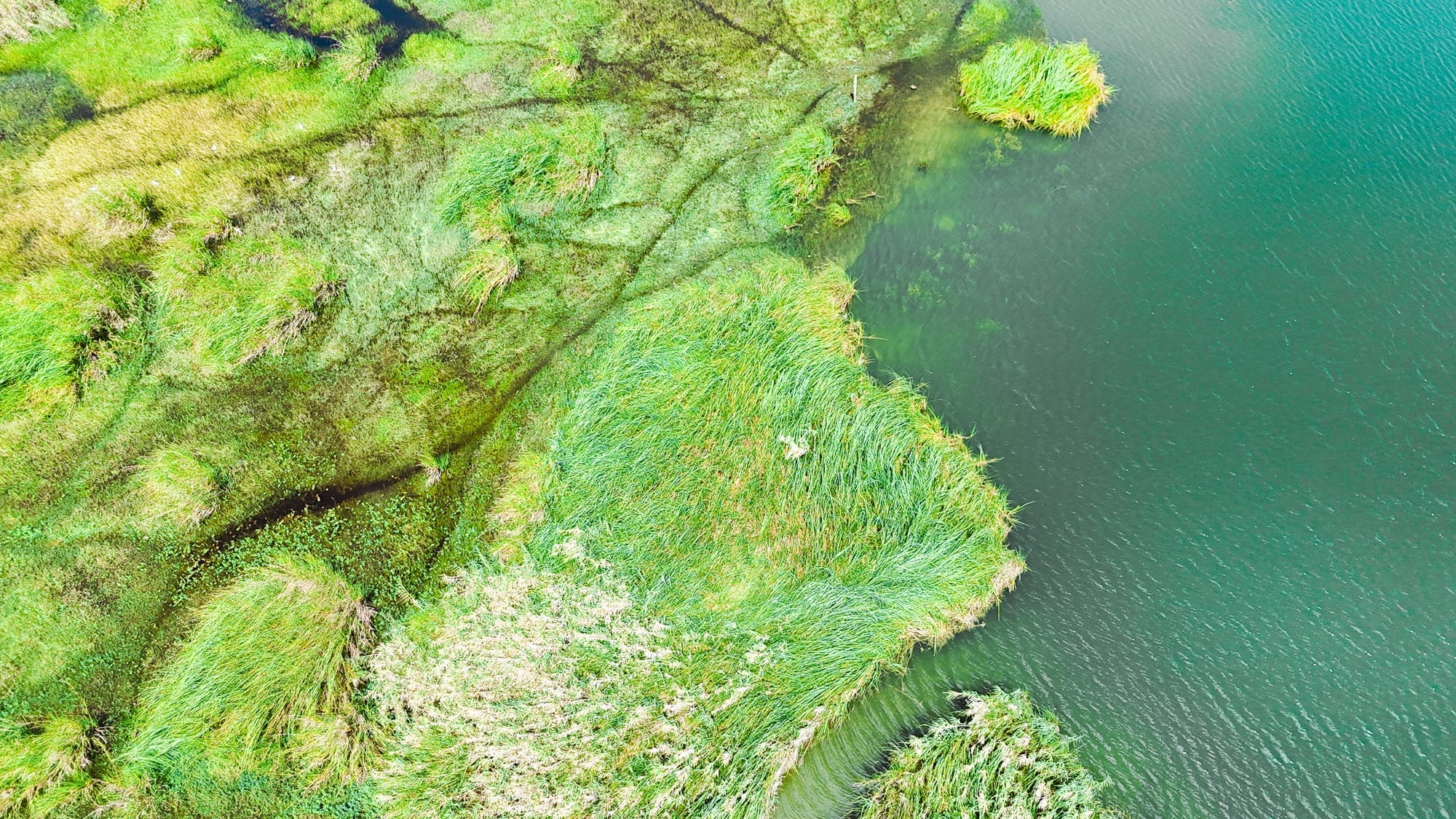
A closer look at the wetlands around Montebello Lakes
Driving between them, you start to understand that the lakes are less a single destination and more a loose group of water bodies spread across protected land. The park’s official designation, Parque Nacional Lagunas de Montebello, was established in the late 1950s, in part to preserve the region’s hydrological systems and the forests that protect them. Pines dominate the upper slopes. Oaks and broadleaf trees fill the lower reaches. Beneath it all sit limestone, carbonates, sediments, and a very long geological history.
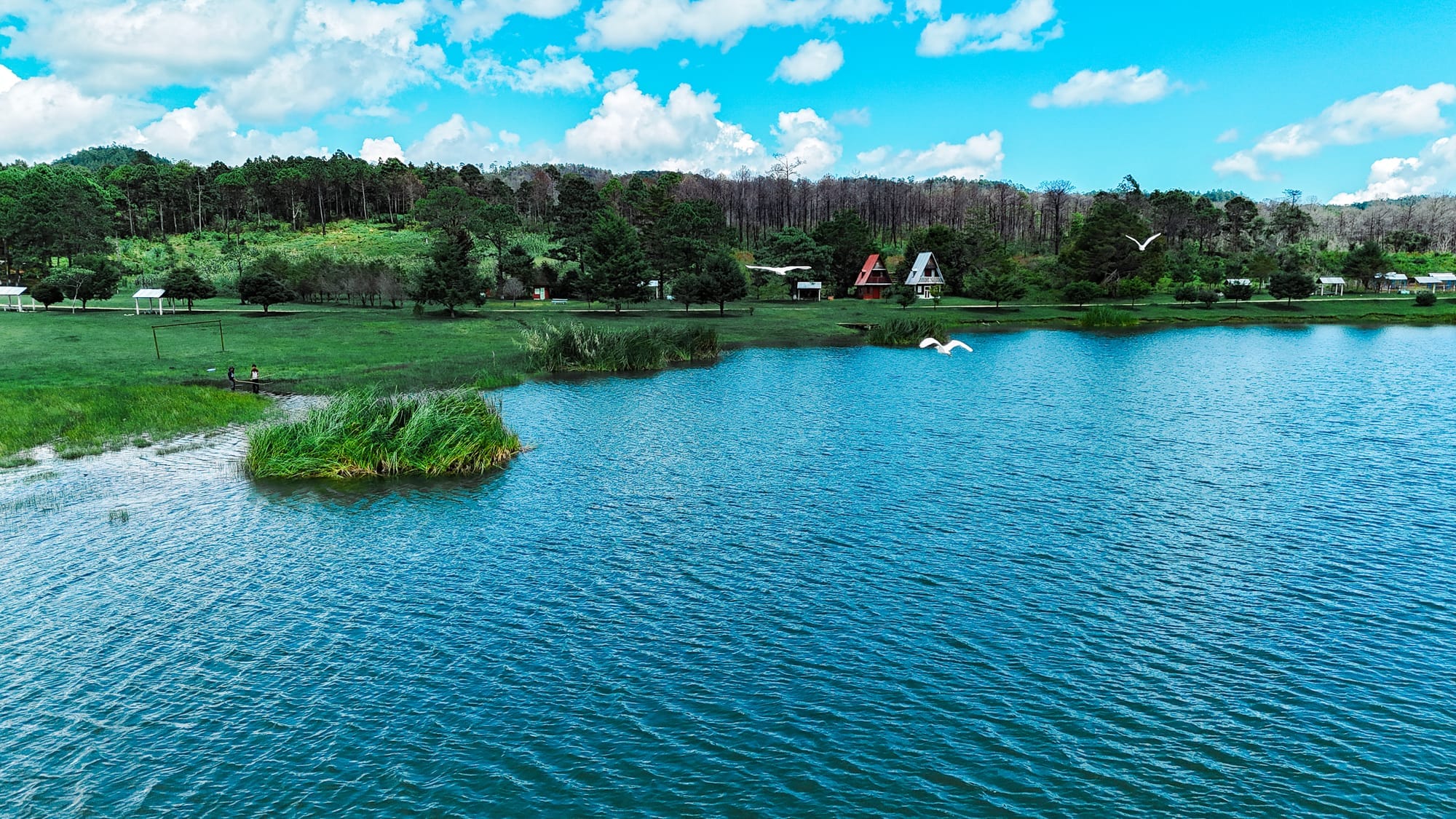
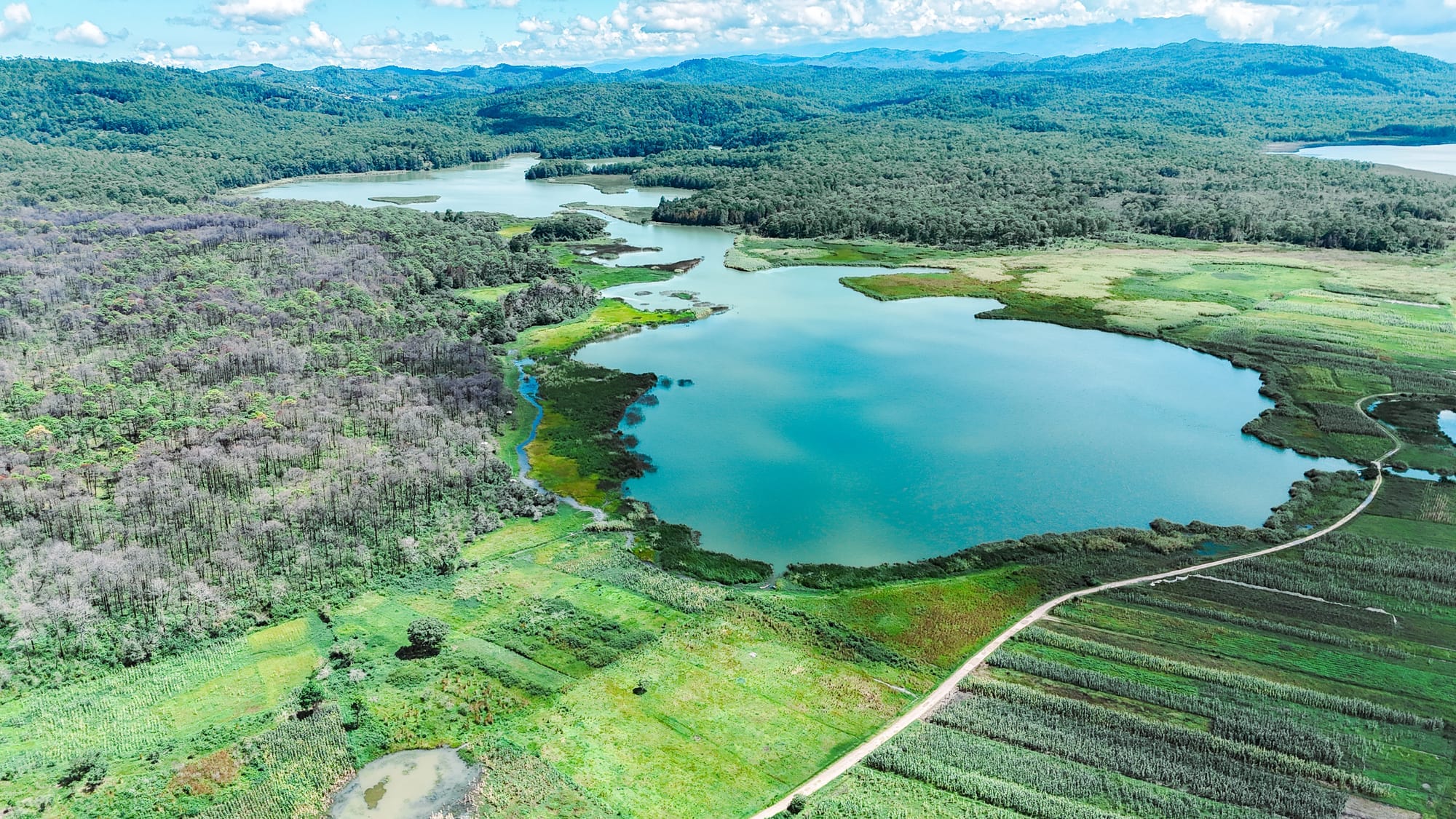
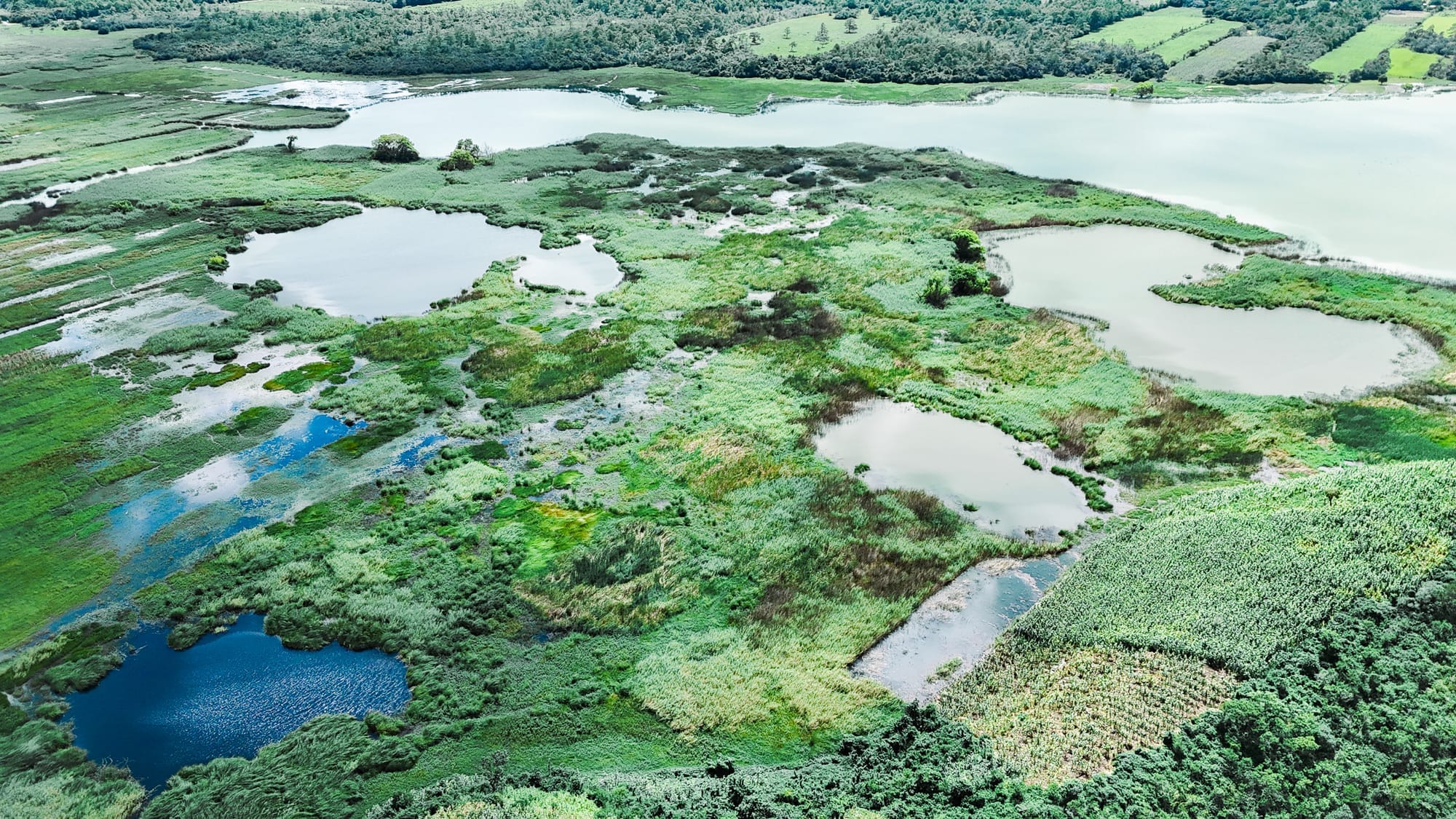
Even if you aren’t looking for a history or geology lesson, the lakes make the story easy to see. Some lakes curve sharply into cliffs, while others spread into gentle shallows where grasses sway. The land, the forest, and the water all fit together.
About Lagunas de Montebello National Park
Montebello was declared Chiapas's first national park in 1959. It covers about 6,000 hectares (Wikipedia gives 6,411) at 1,500 to 1,800 metres above sea level, and it's managed by the federal protected areas agency, CONANP. The lakes were listed as a Ramsar wetland in 2003, and in 2009 UNESCO made the wider area a biosphere reserve of about 13,700 hectares, including the surrounding communities, where the Chuj are the main Indigenous group.
UNESCO counts at least 277 bird species and around 50 orchid species here, along with cloud forest and pine and oak woods. The lakes are under real pressure, though. As the Wikipedia entry explains, wastewater and farm runoff carried in by the Río Grande have dulled the color of some lakes, and drought dried out Laguna Metzabok in 2019. That's why the park asks you not to wear sunscreen in the water and to take your rubbish with you.
Cenote El Camarón
Later that afternoon, we turned off at a small wooden sign. Cenote El Camarón, not part of the official lake circuit but within the wider region, was our next stop. It was empty when we arrived, with the trees casting soft shadows across the water.
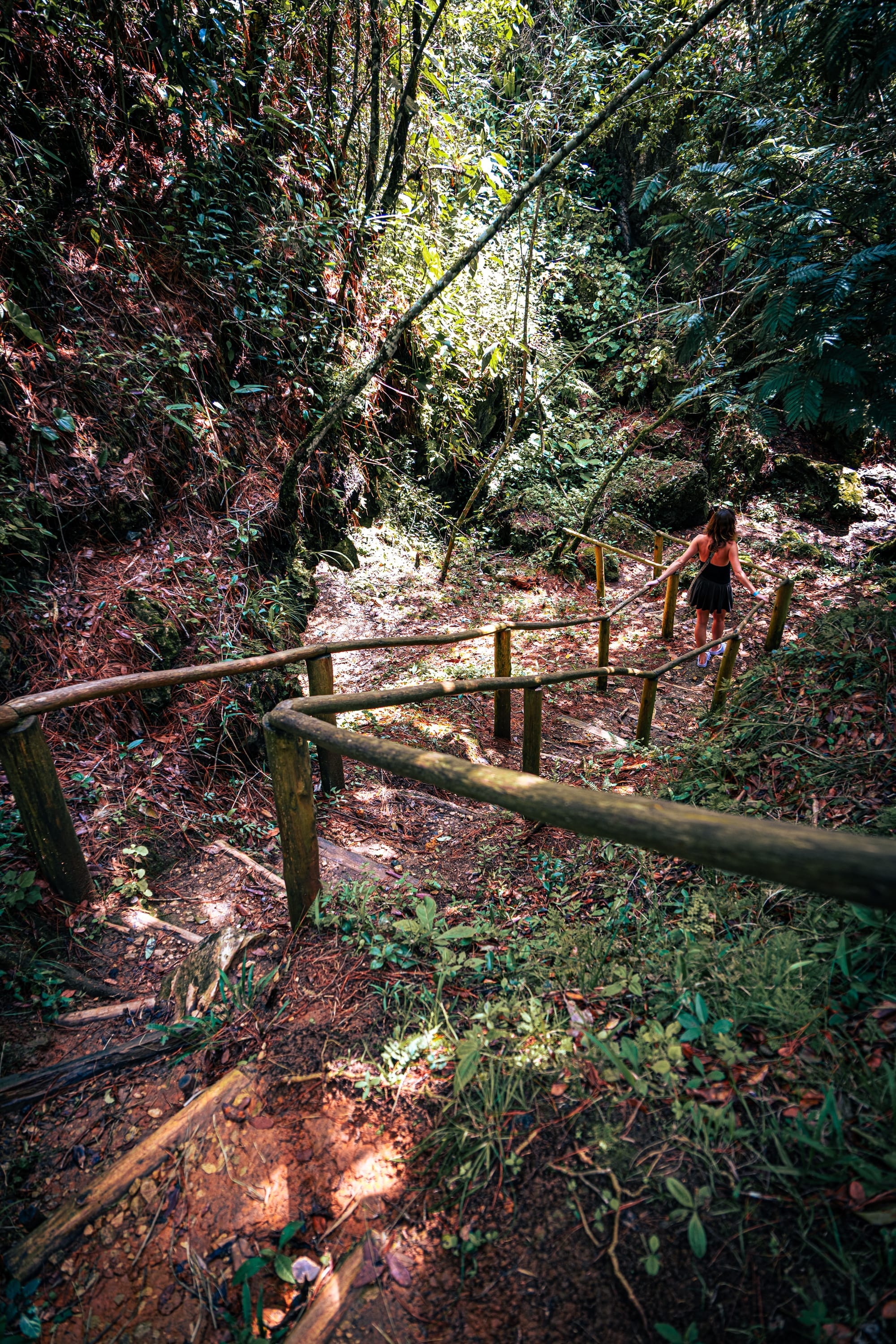
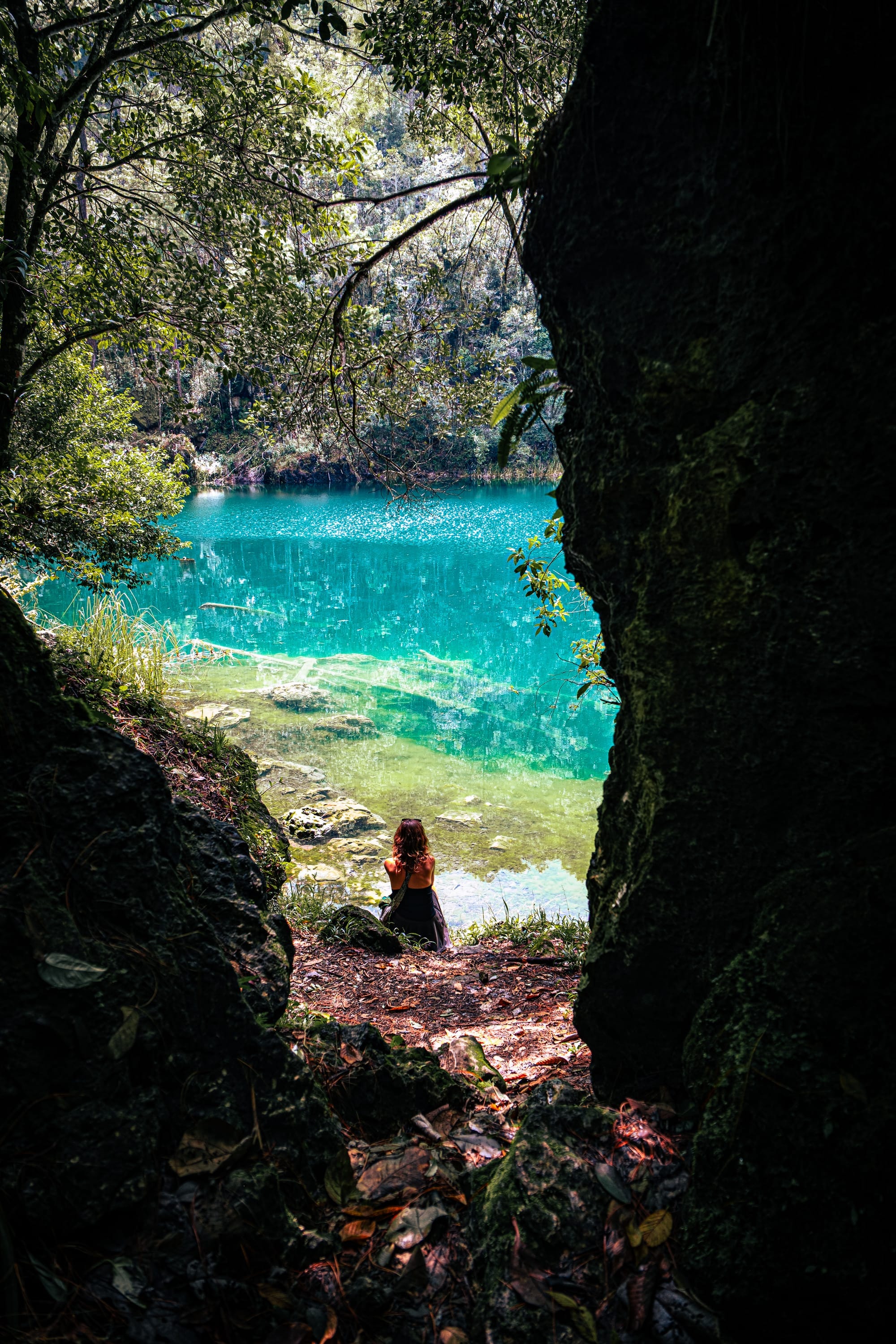
The trail down to Cenote El Camarón, and the bright turquoise water waiting below
The cenote itself was a bright turquoise, nearly opaque at its deeper points. The surface was glassy, disturbed only by our own feet on the wooden platform. The water was cold enough to wake you up fully, and it was completely silent around us. No tour groups. No crowds. Just us, the light filtering through the branches, and total stillness.
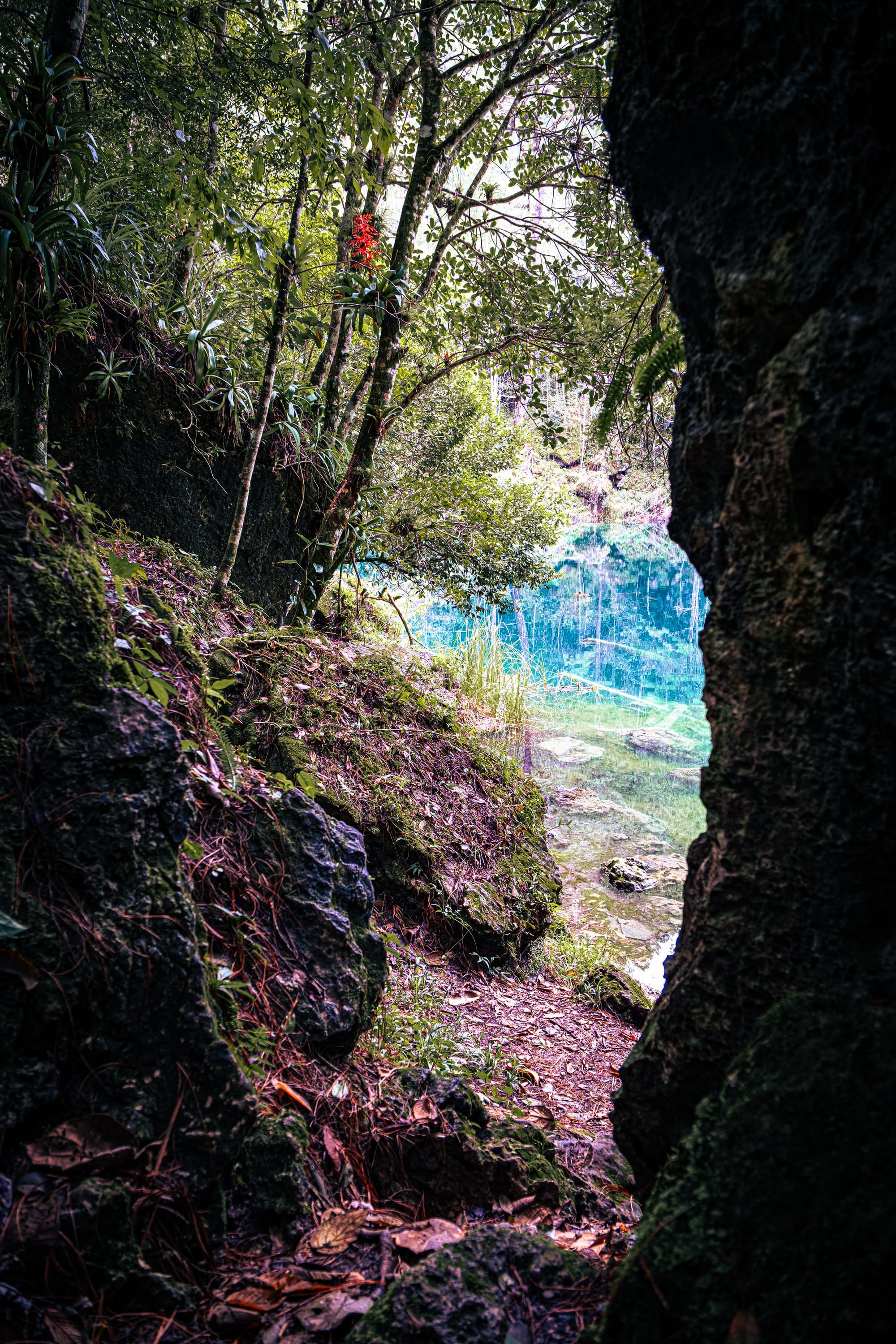
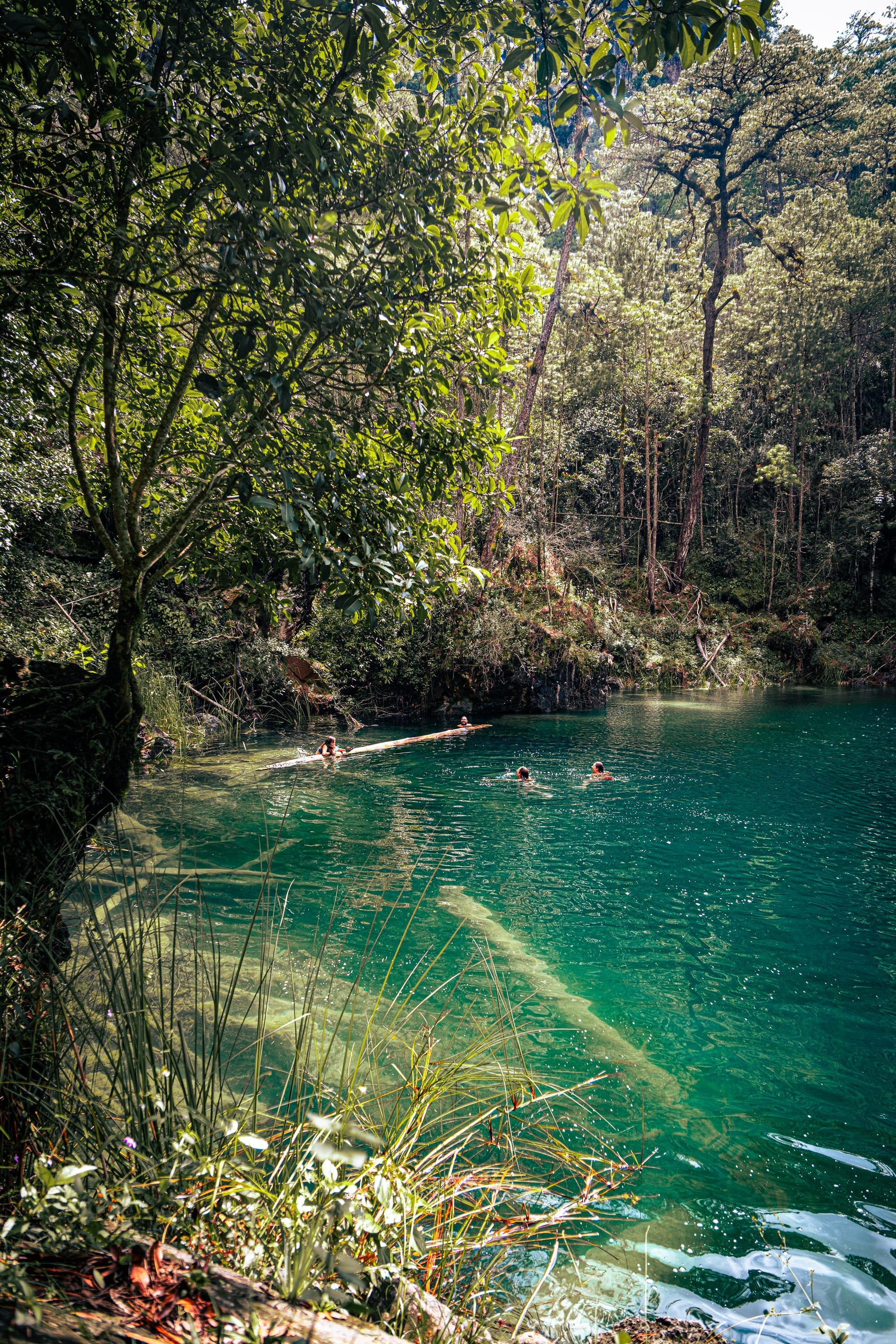
Cenote El Camarón, seen from the shaded trail above and from the water’s edge
Swimming there felt like a private break in the middle of the trip, a pause that let everything else (the drive, the laughter, the forest) sink in.
Lakeside cabins
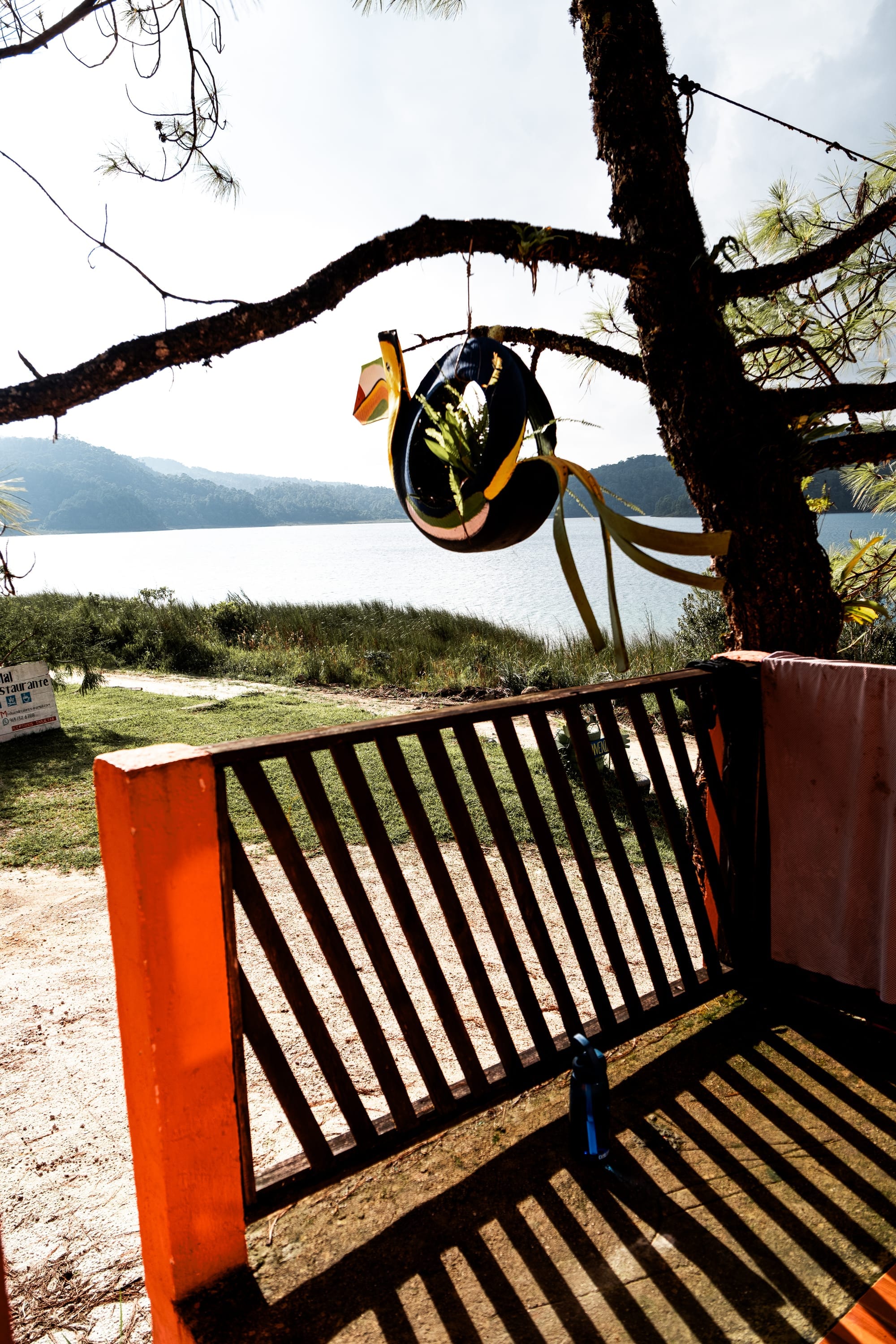
We stayed overnight in a set of lakeside cabins: simple wooden buildings close to the water.
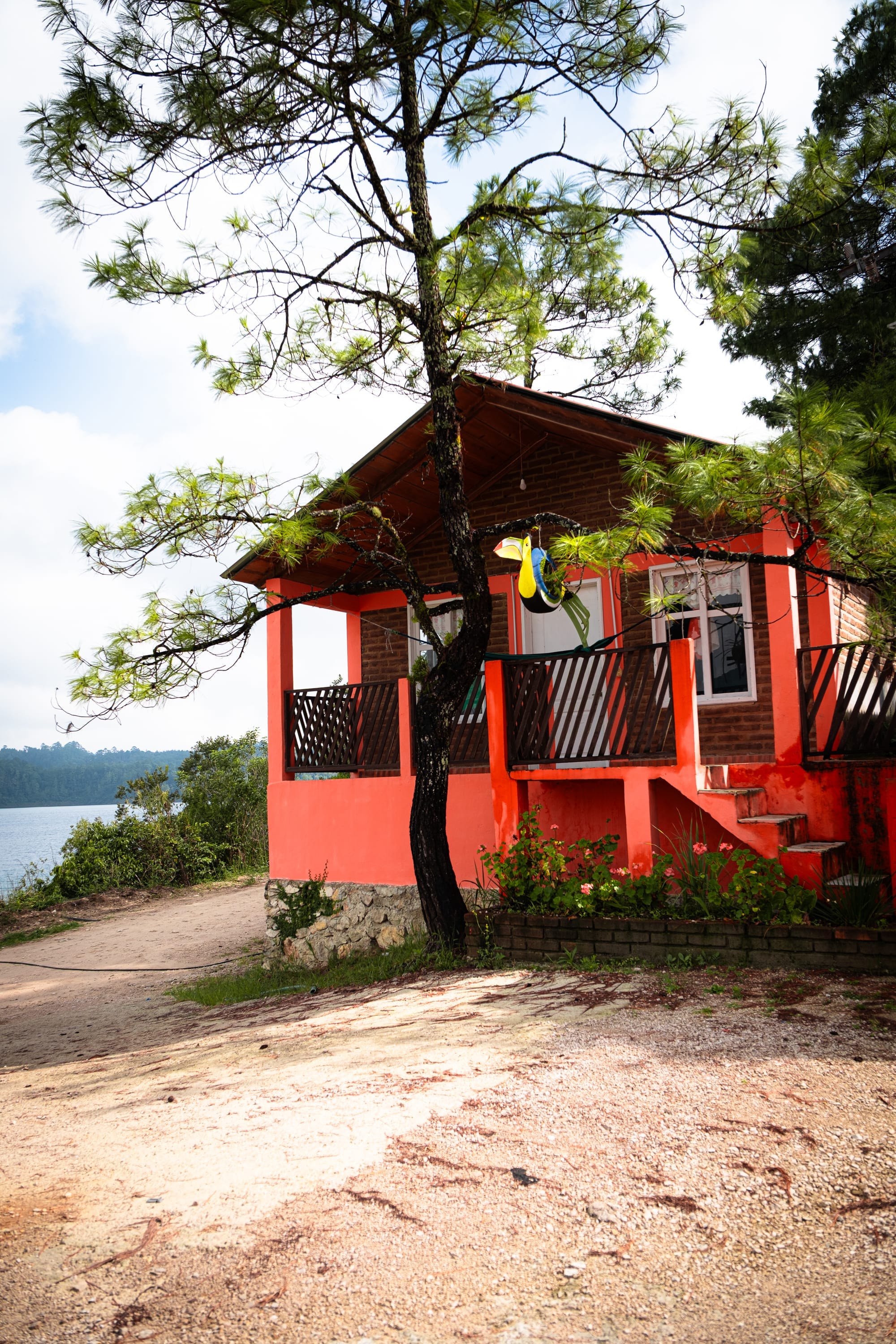
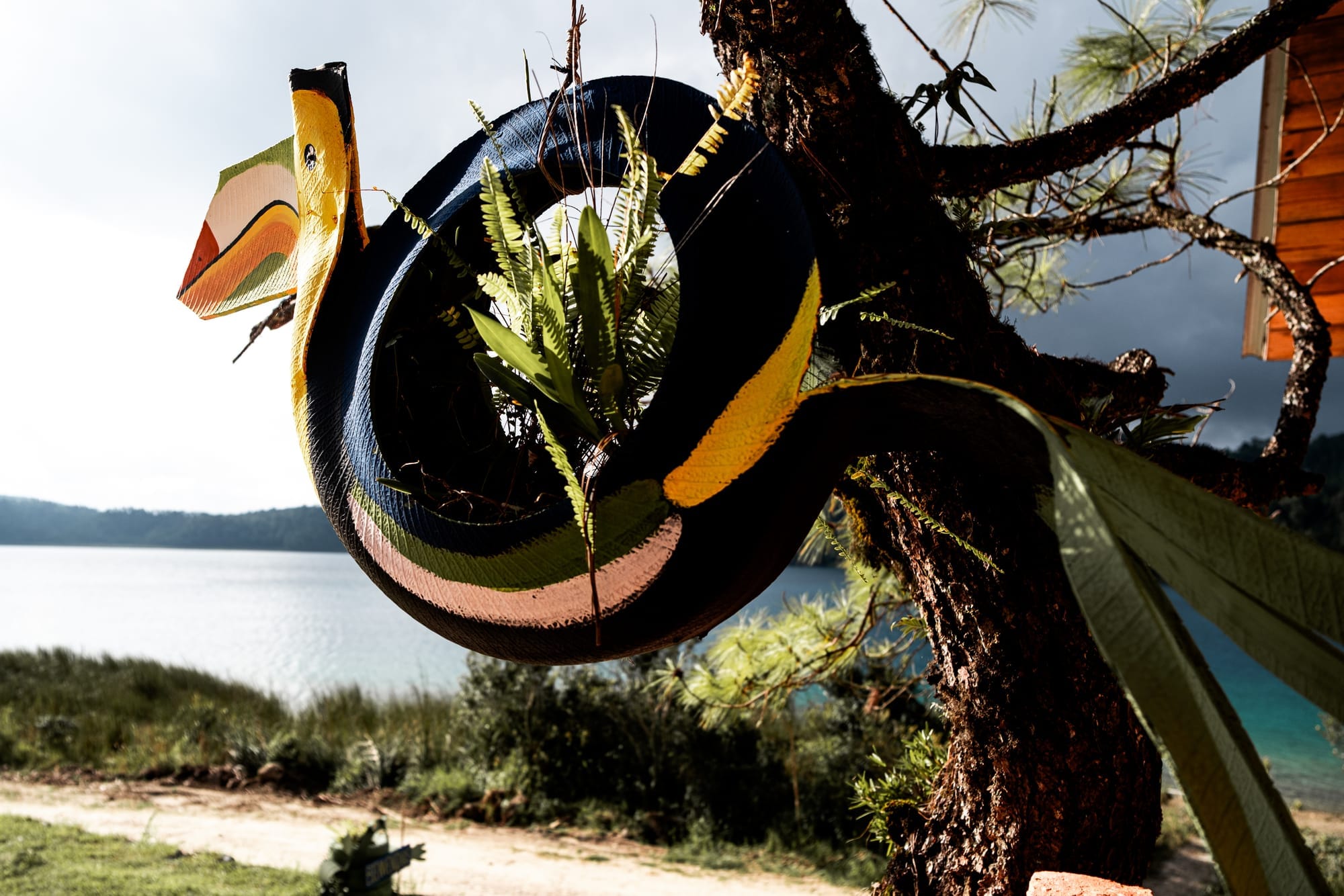
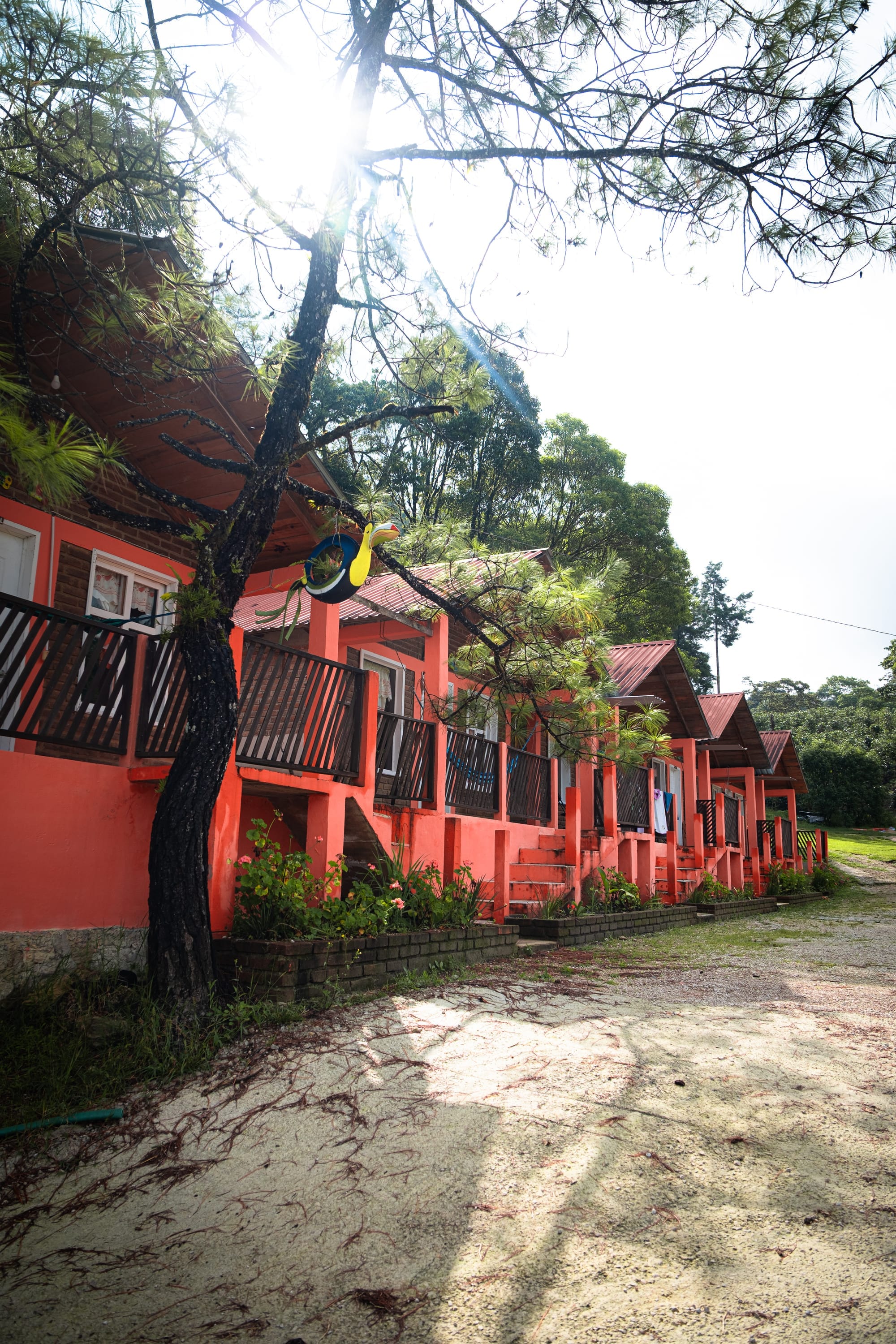
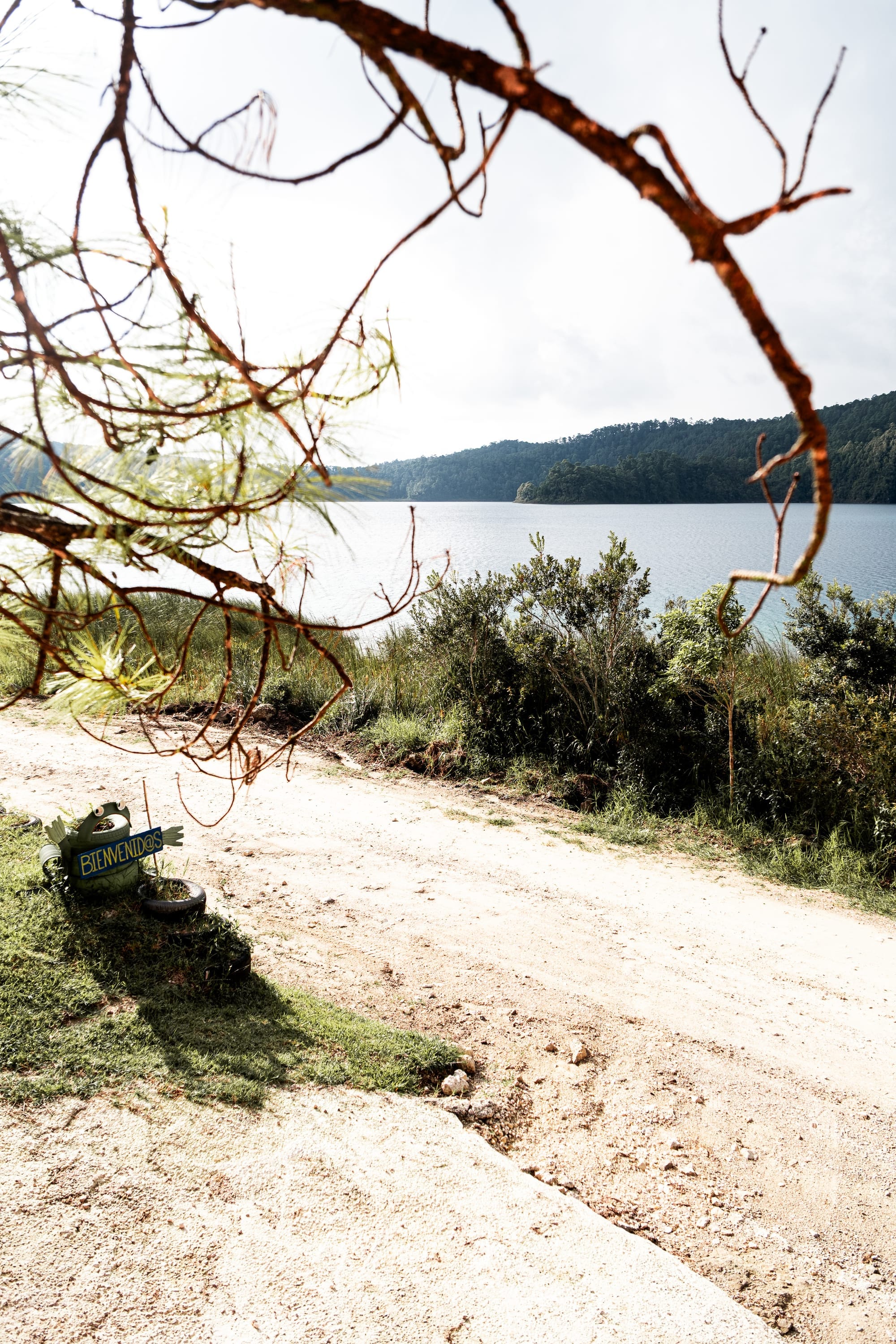
Lakeside cabins
As evening came in, a rainbow stretched across the lake, brief but bright, arching between clouds that were gathering as dusk approached. The temperature dropped, logs cracked in the stoves inside the cabins, and the whole lakeside went still. We noticed small sounds we’d normally miss: insects, water, and wind sliding between the boards of the cabin porch.
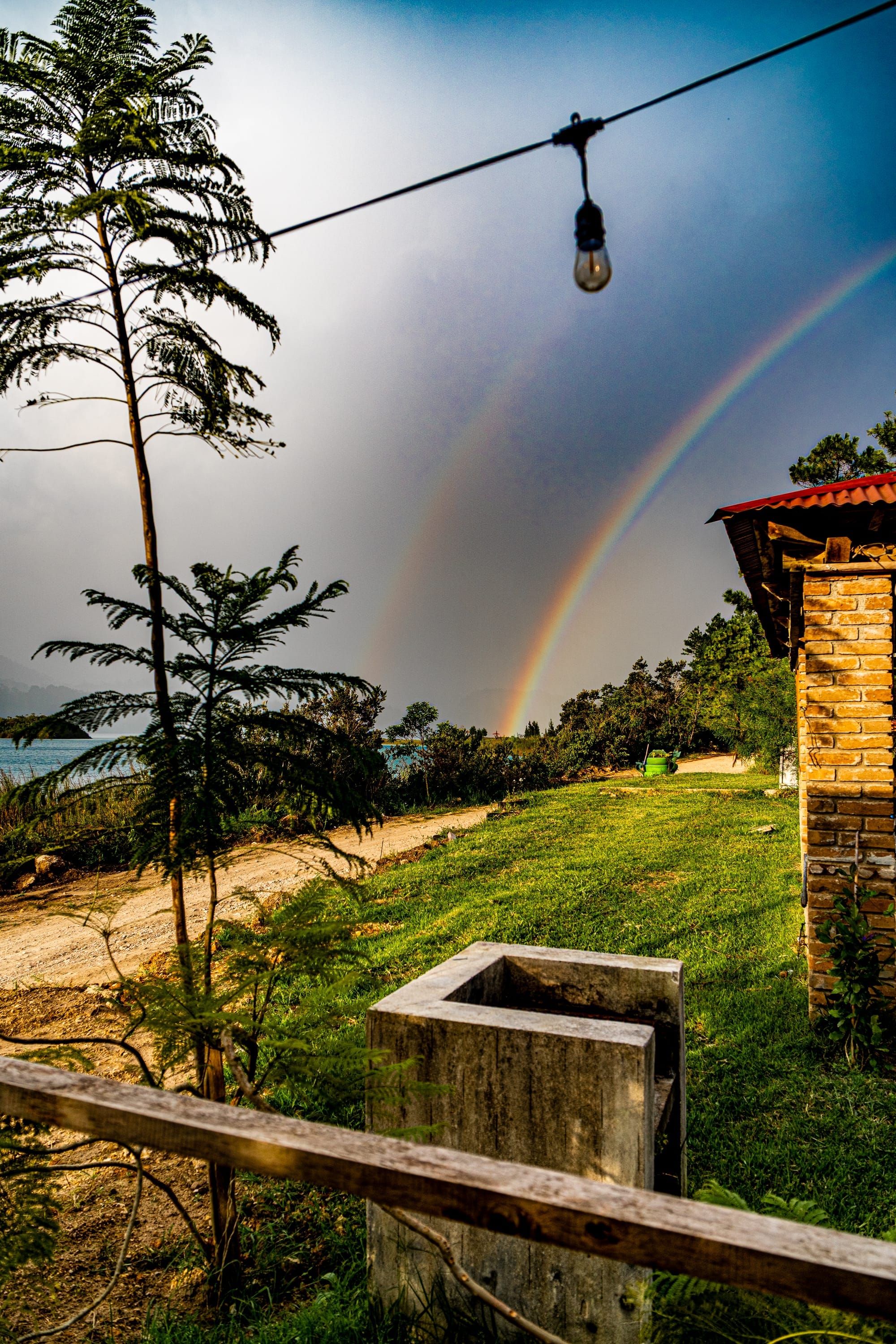
Rain clouds lifting into a double rainbow
Night at Lagos de Montebello feels a little outside of time, not because it’s remote, but because there’s so little to distract you from the stillness and the sounds of the lake.
Toward the Guatemala border
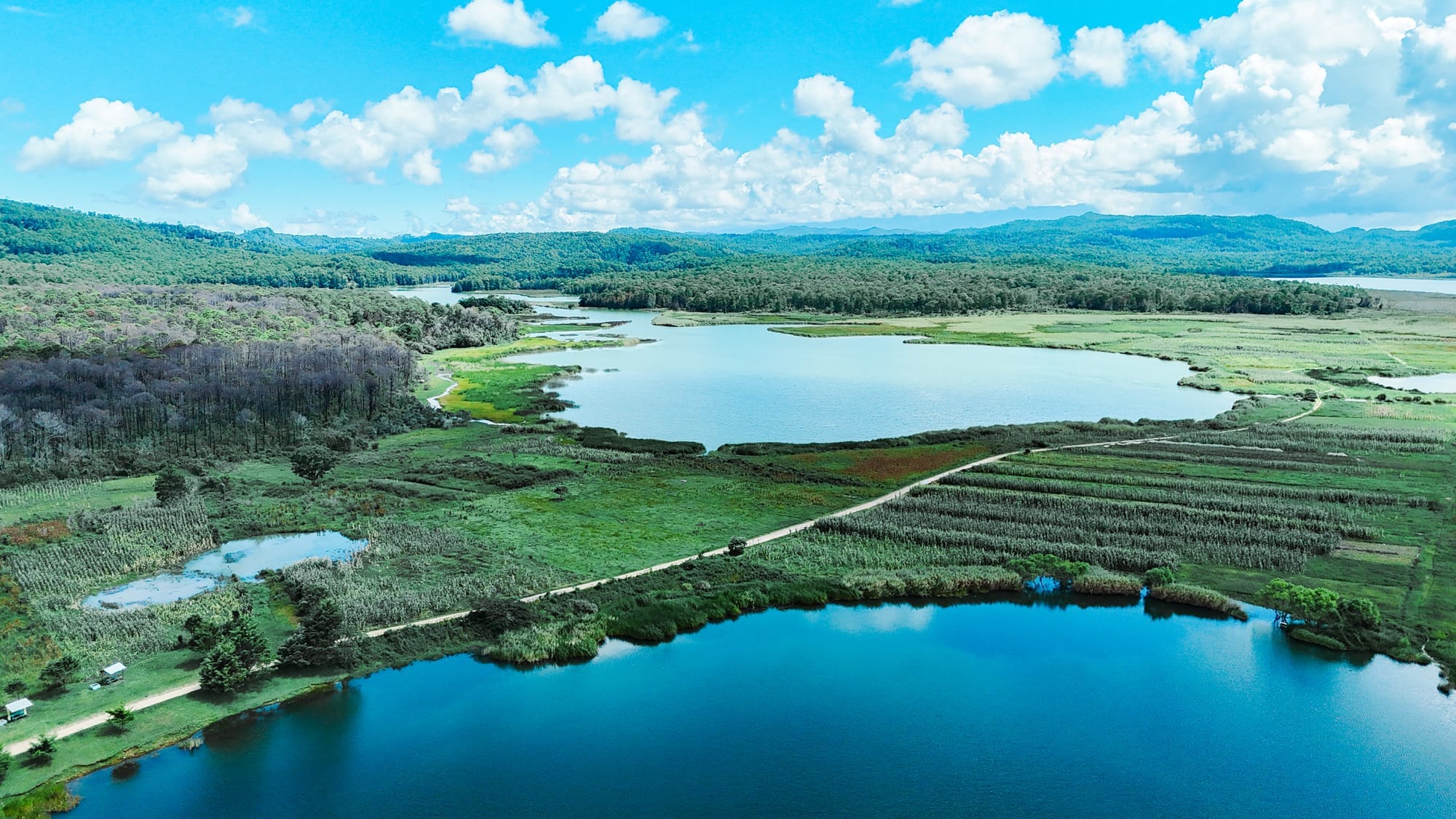
That night, after dinner, we made our way toward the Guatemala border. The road narrowed and dipped, moving through stretches of tall grass and farmland. The lakes near the border were smaller and more irregular in shape, bordered by reeds and edged by thin slices of shoreline where the forest began again.
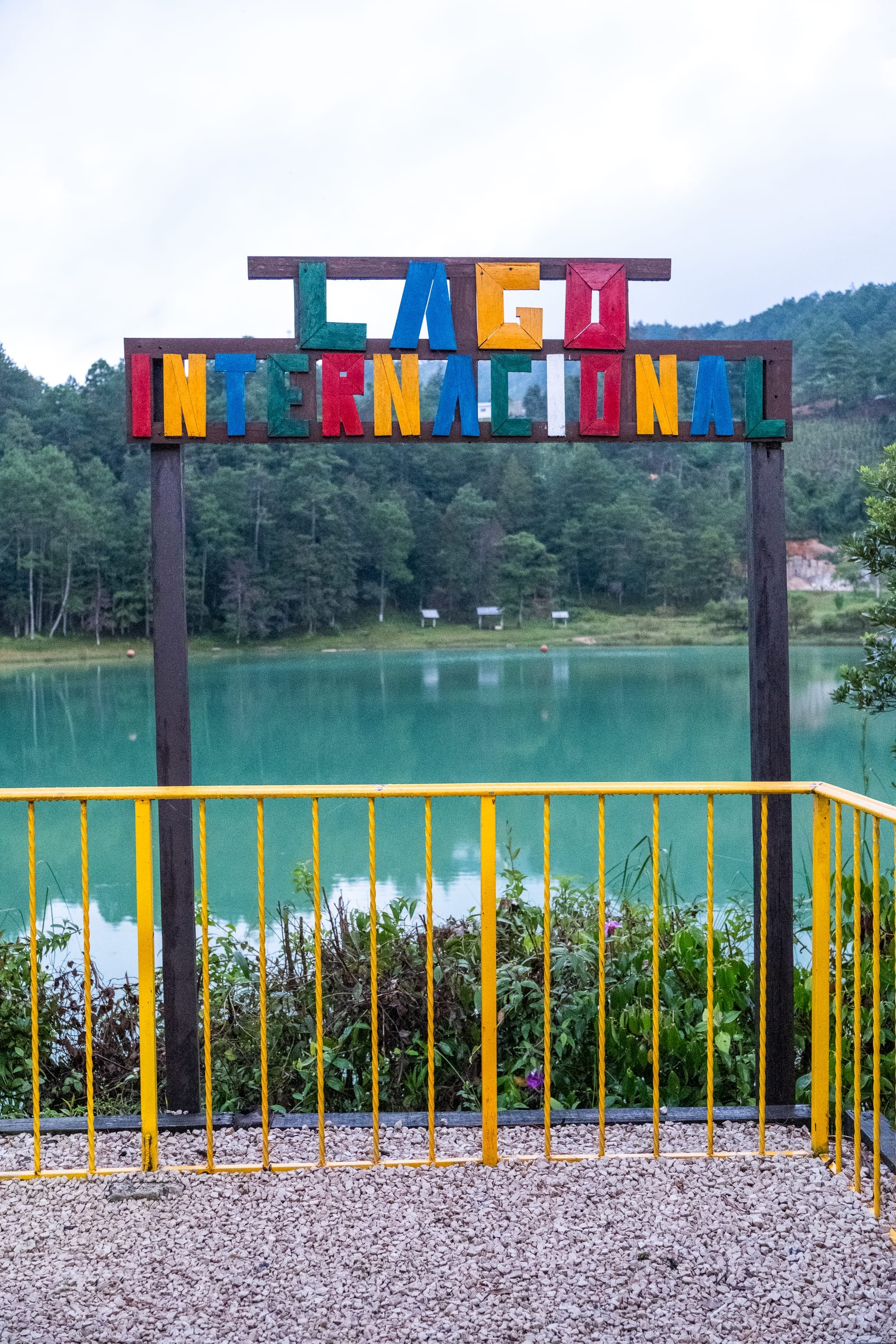
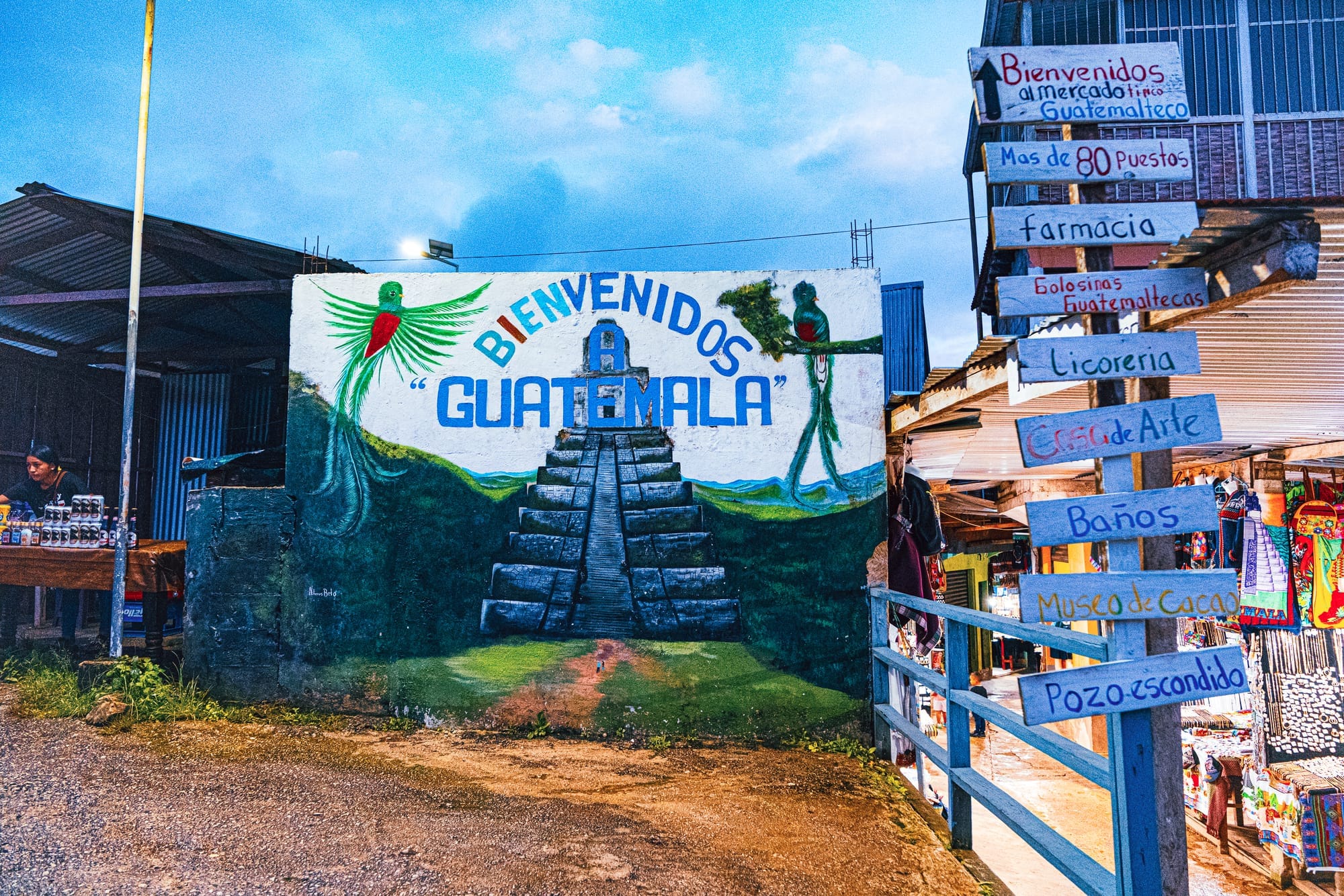
Where the Montebello waters meet the Guatemala border
Laguna Internacional, the lake shared between Mexico and Guatemala, sits right at the frontier. Local boats cross the water while the border line itself is marked by a simple post and a scattering of signs. People come here as much for the lakes as for the novelty of looking across a body of water into another country.
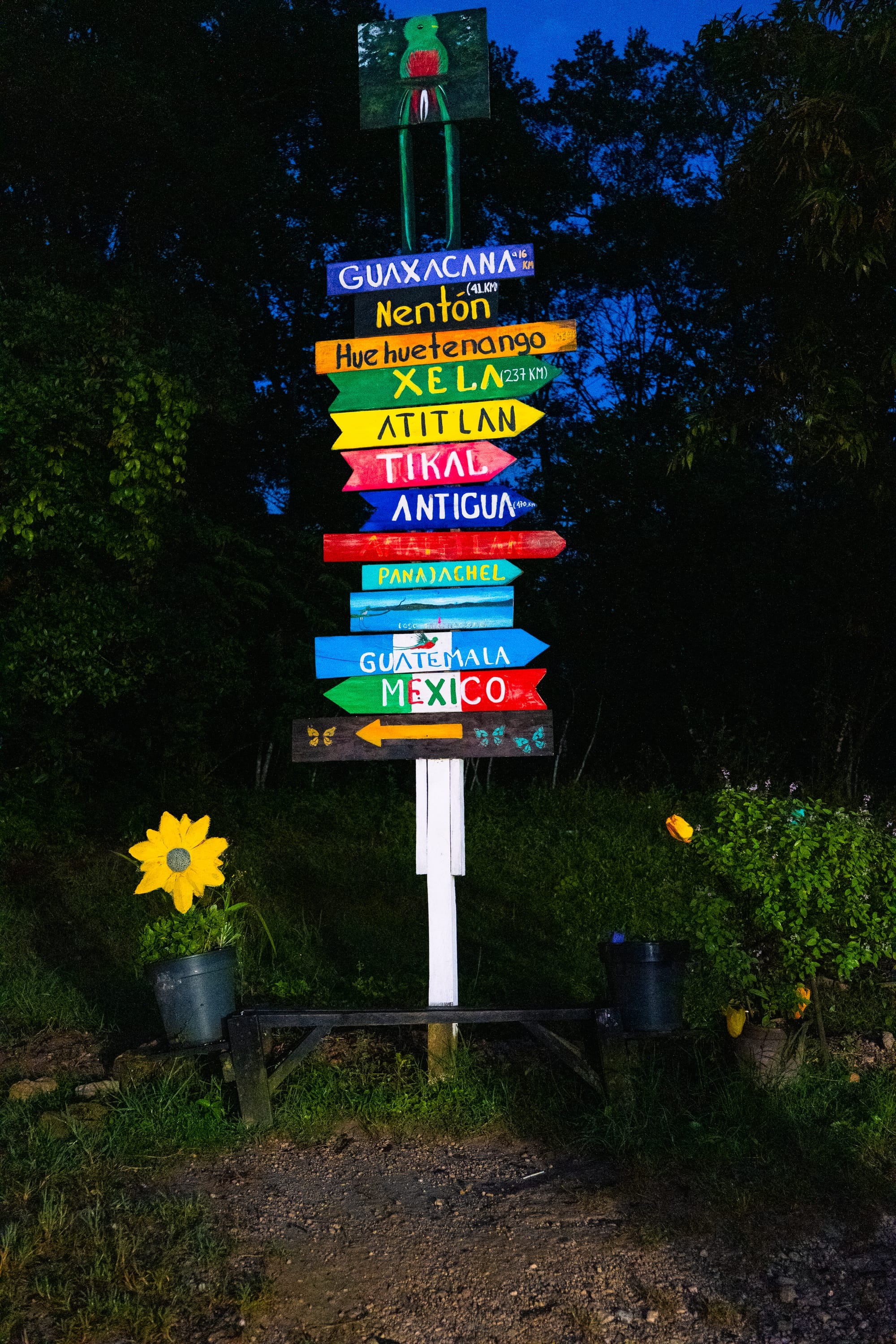
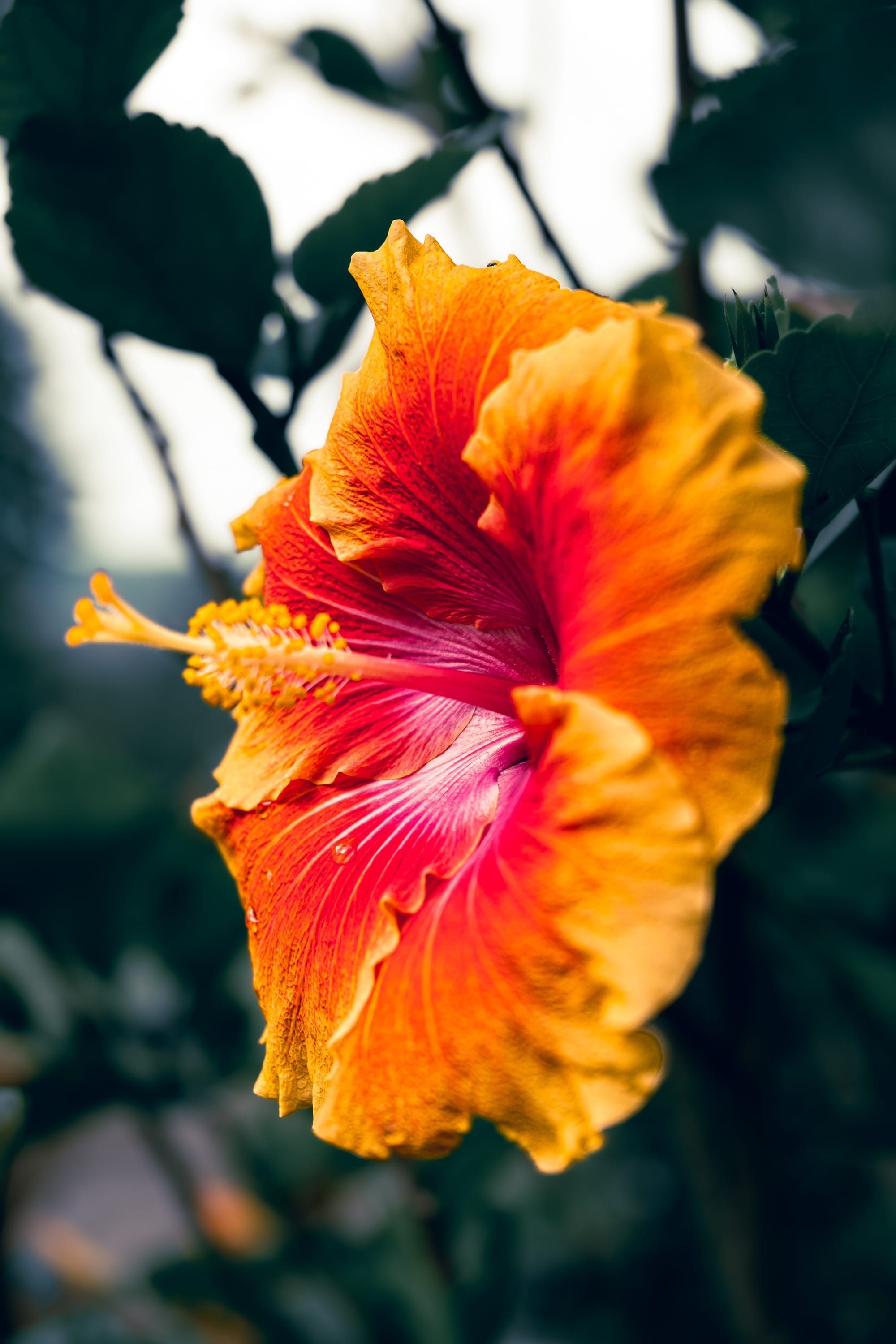
A colorful border sign pointing toward nearby towns and landmarks, and a bright hibiscus
The air felt different here too: slightly warmer and slightly heavier. Even within the highlands, microclimates change quickly.
Kayaking on the lake
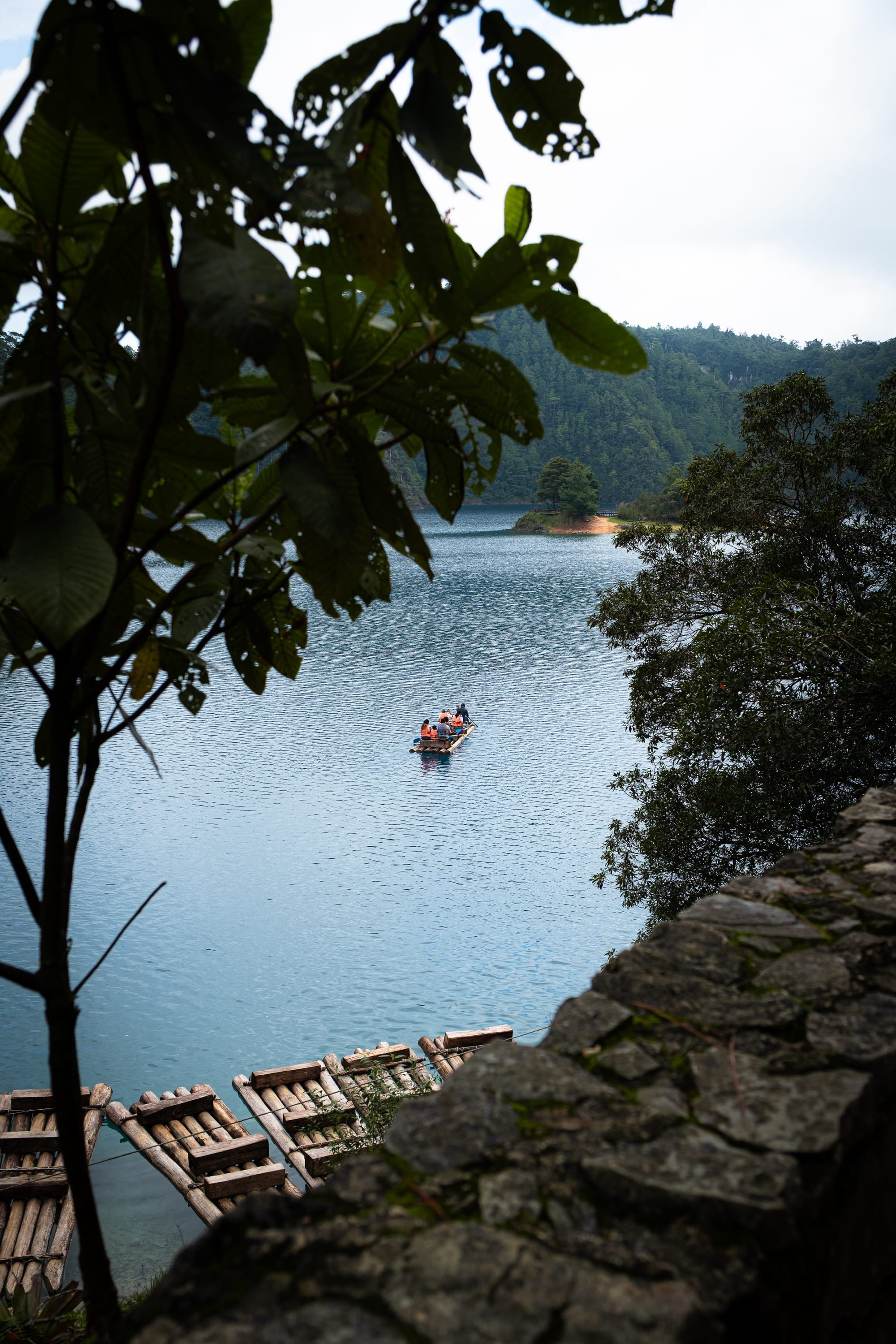
The following morning, we rented kayaks and paddled out onto another of the lakes. The water was calm, the air almost completely still. In the distance, a small island rose from the lake bed: nothing large, just a patch of land with shrubs and a small clearing at the top.
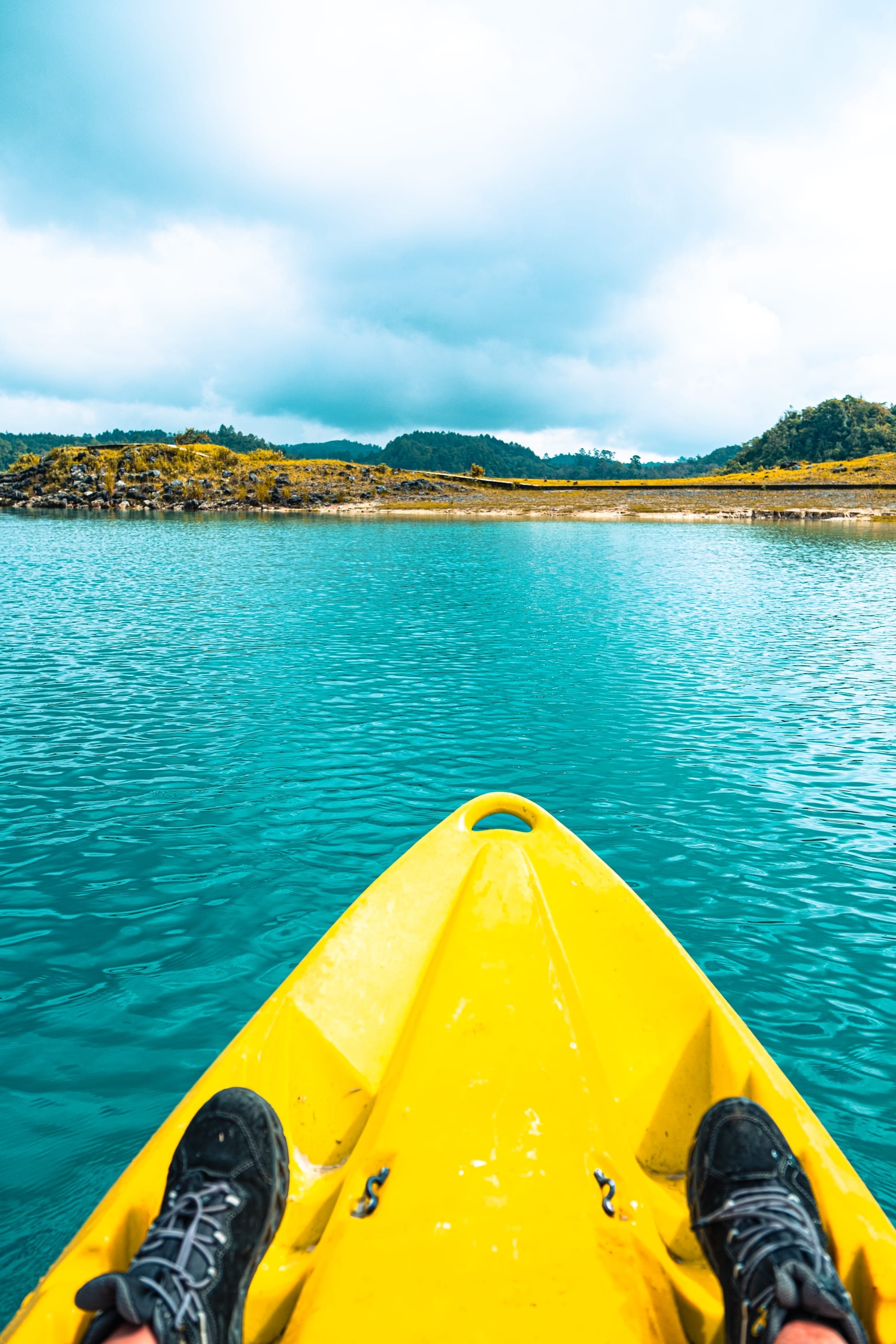
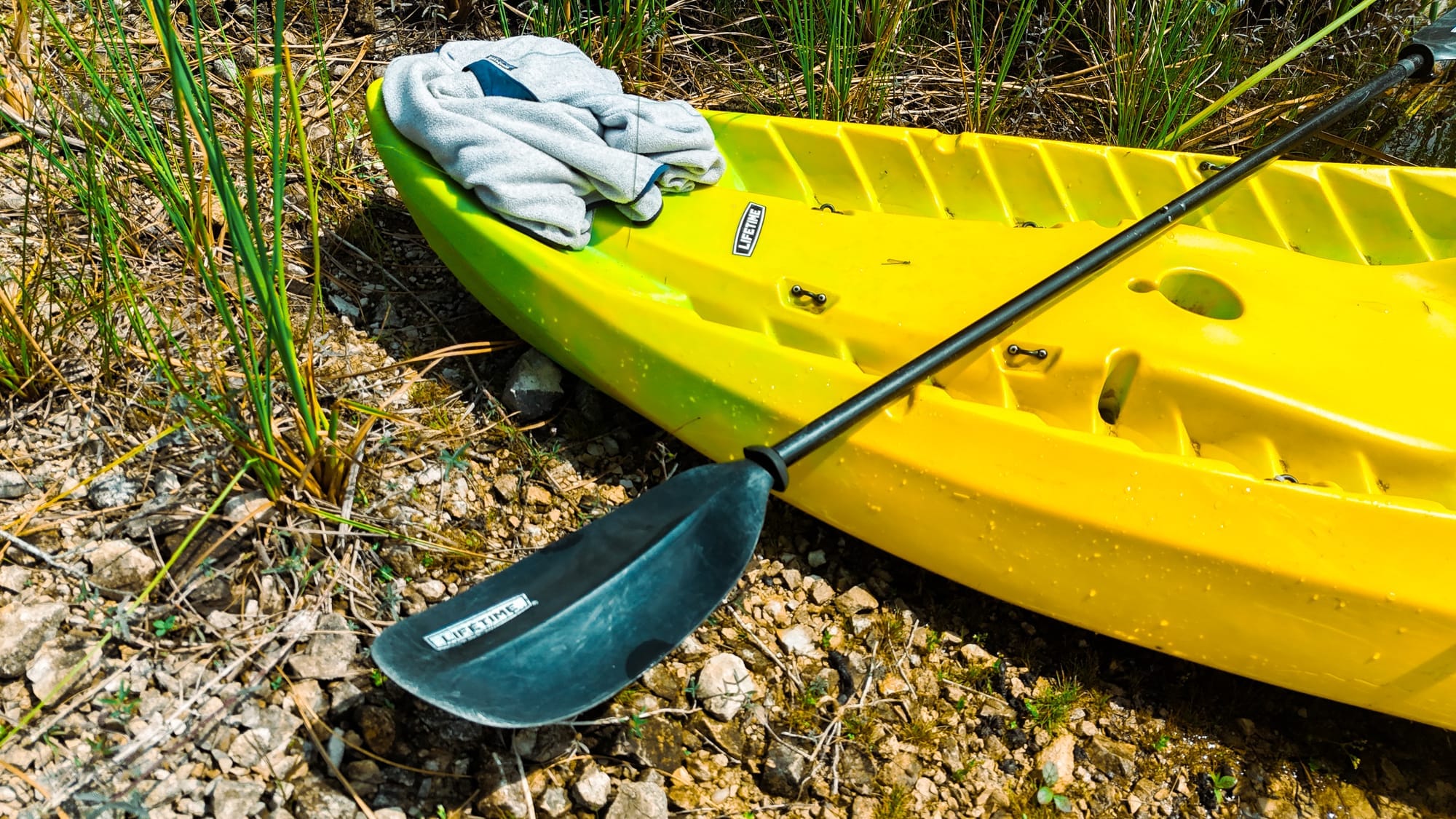
Kayaking across the still water at Lagos de Montebello
We paddled toward it at an easy pace, letting the kayak drift at times so we could look beneath the surface where the light allowed. Reaching the island, we pulled the kayaks onto a shallow bank and climbed up the slope. From the top, the lake stretched outward in every direction, bordered by forest that looked soft and green from above.
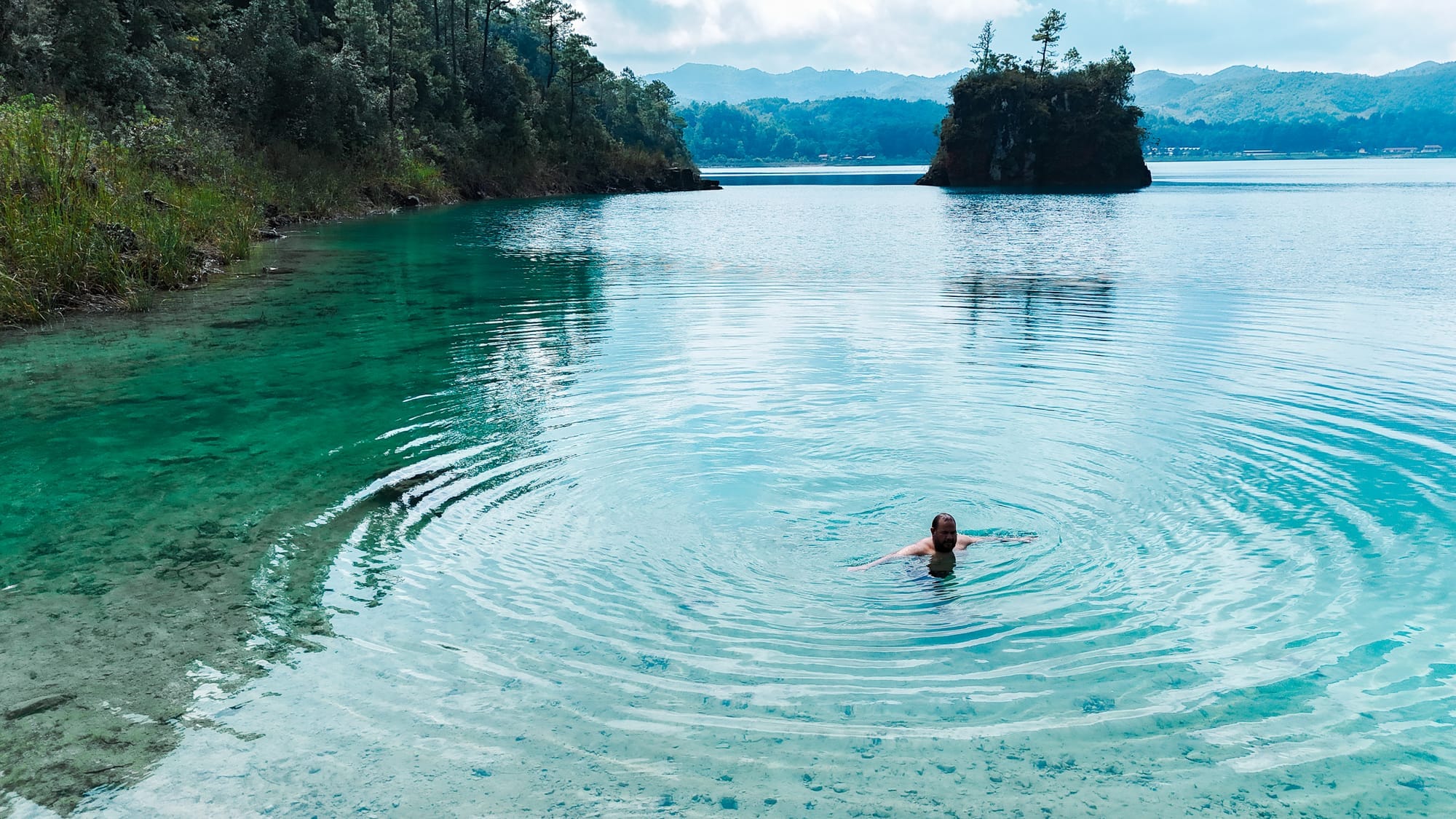
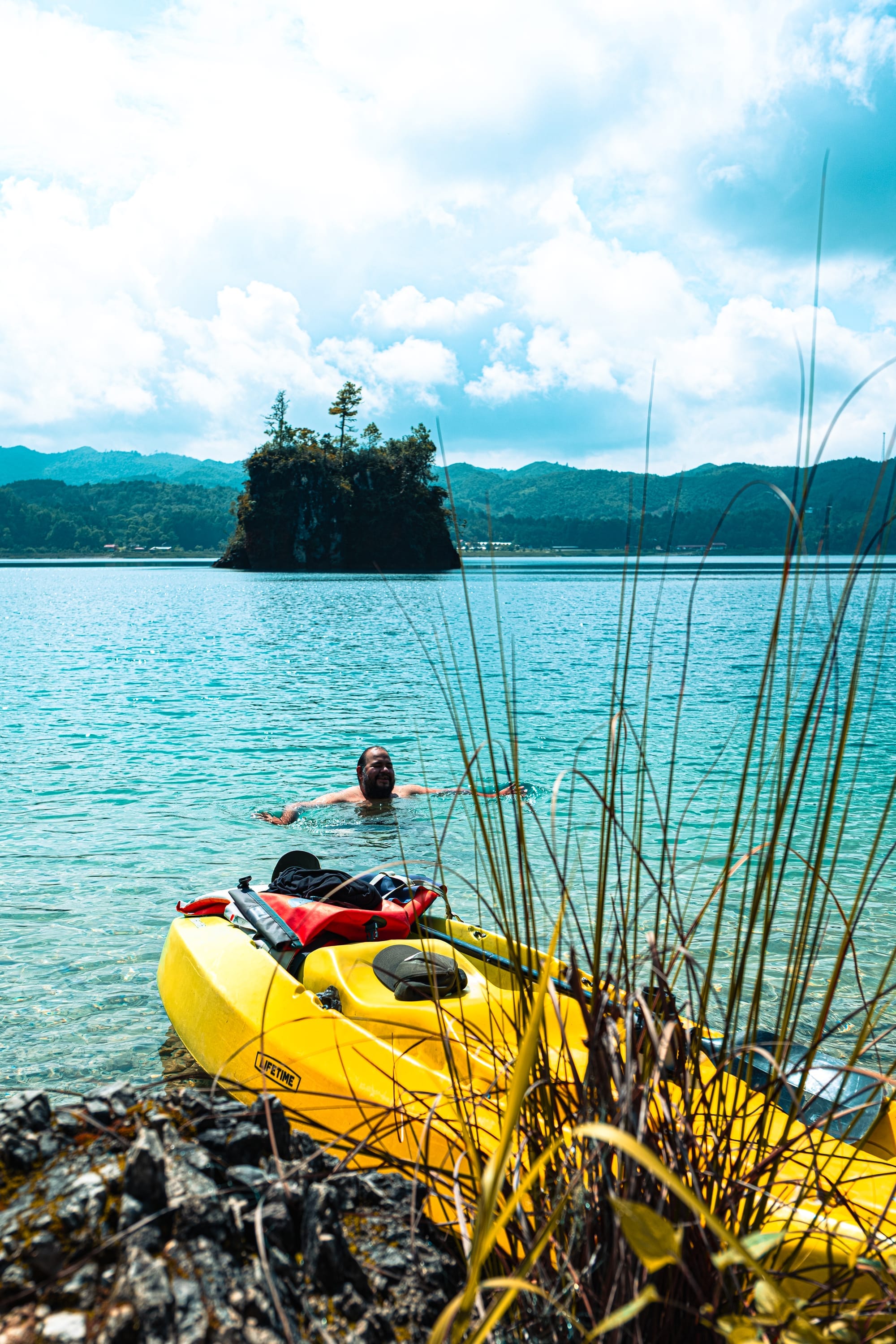
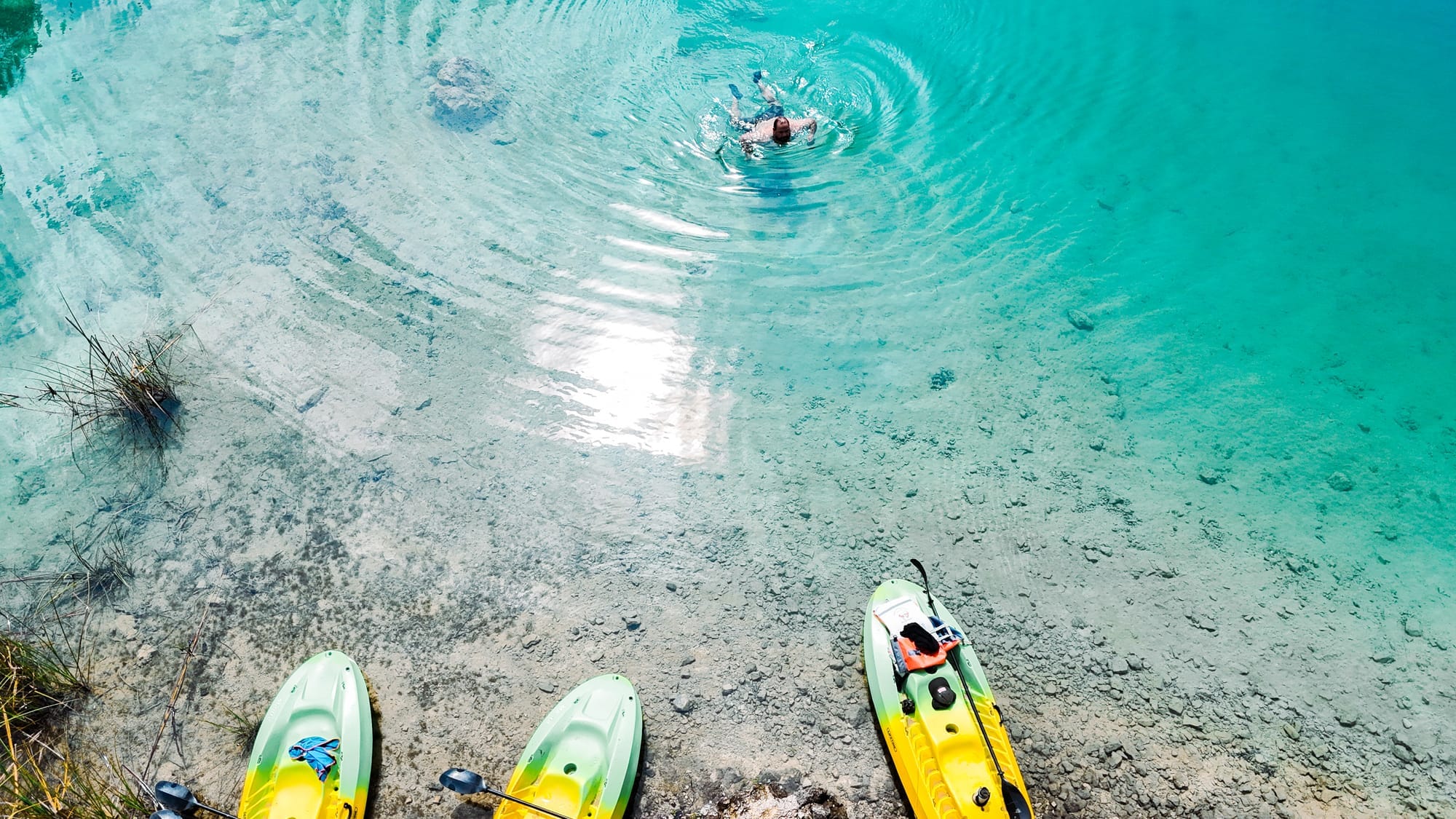
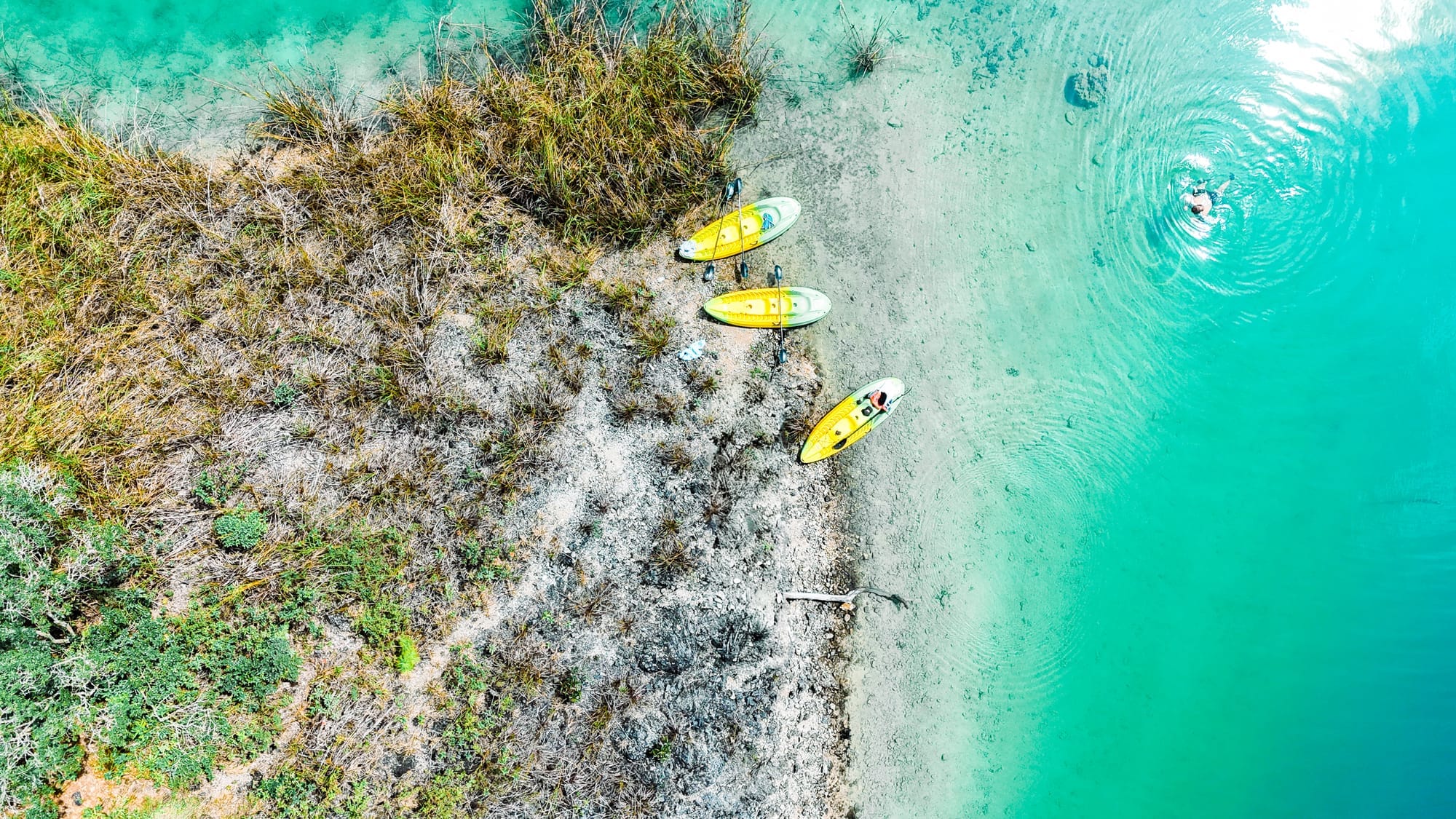
We sat there for a long while, with no sound but the occasional movement of water against the hulls of the kayaks below. Moving from the earlier viewpoints to this one felt natural: from high ridge to water level to a small rise above the lake itself. Each stage shows you the landscape from a new angle.
Prefer to go with a guide? One popular option is a day tour to the Montebello Lakes and El Chiflón from San Cristóbal. You can check dates and prices here:
Rafts, kayaks, and swimming rules
Getting out on the water is the best part of a Montebello visit, and it's cheap. The options:
Balsa rafts: simple log rafts poled by a local guide, mainly at Pojoj (to Orchid Island) and Cinco Lagos. Expect about 150 to 250 pesos per person, depending on the route.
Kayaks: for rent at Tziscao (through the cabins), Pojoj, and Cinco Lagos, from about 200 pesos.
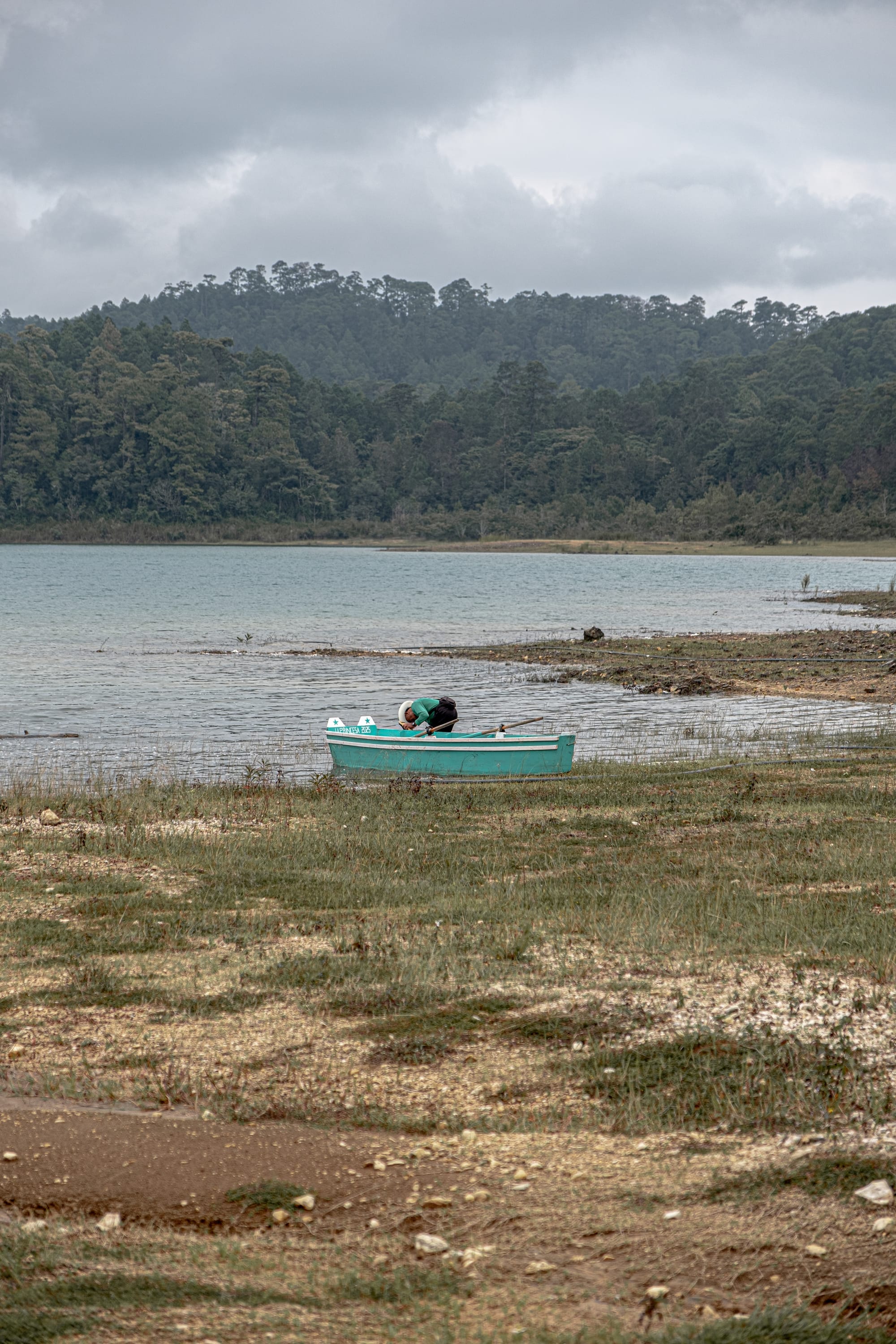
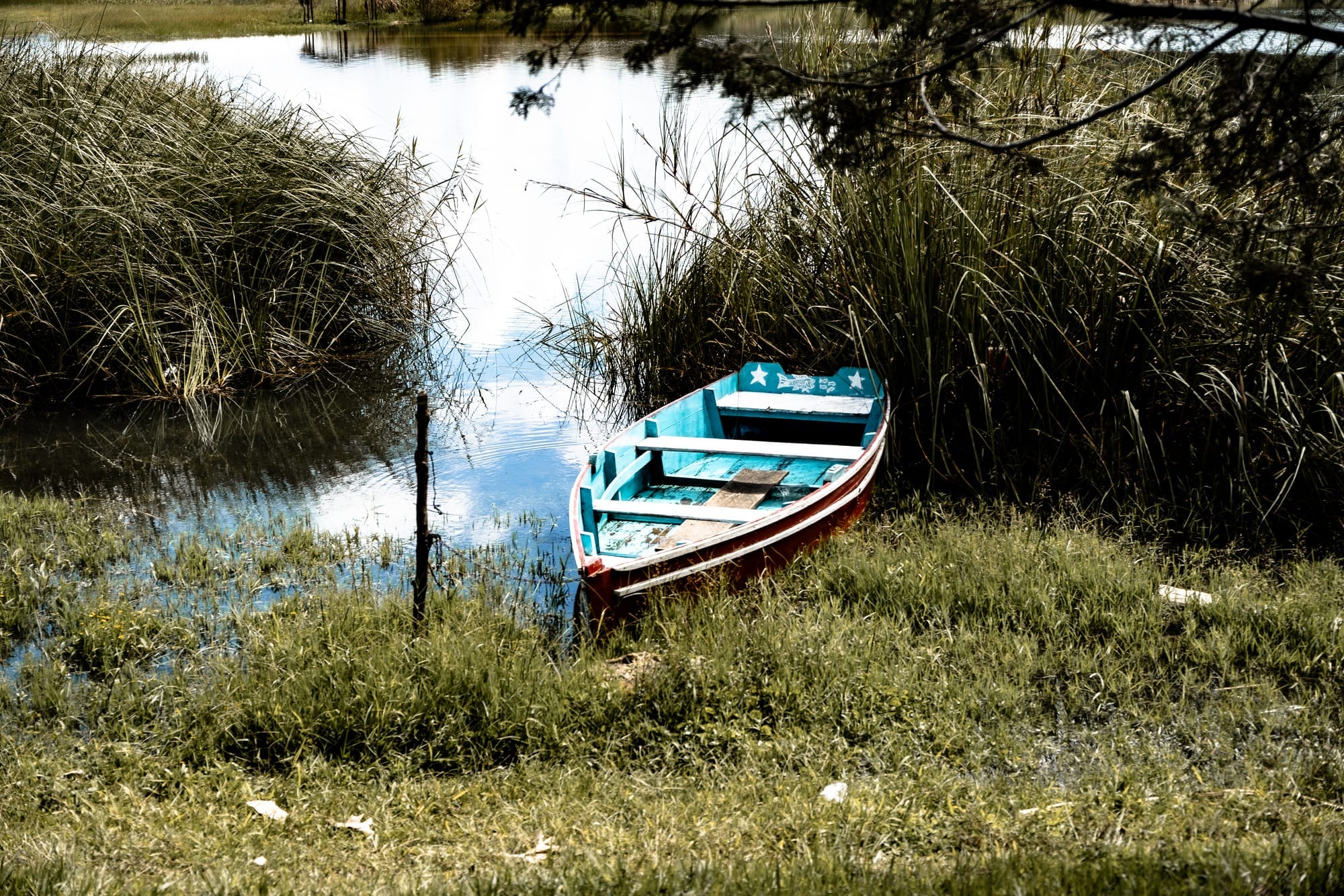
Rowboats and pedal boats: at Bosque Azul and Laguna Montebello. Prices aren't fixed, so agree on one before you set off.
Swimming is allowed in many lakes, including much of Tziscao, Laguna Montebello, and the platform at Pojoj's island, but not at Cinco Lagos or in lakes that supply local drinking water. There are no lifeguards, and some lakes are very deep, so keep a close eye on children. Fishing, motorboats, and jet skis aren't allowed. Put sunscreen on well before you arrive, or skip it and cover up, since park rules ban it in the lakes and cenotes. Changing rooms are few, so wear swimwear under your clothes.
More viewpoints, more water
After returning from the island, we began visiting more of the lakes spread across the park, each one slightly different in color, depth, shape, and mood. Some lakes offered gentle slopes where people waded. Others were bordered by cliffs that dropped abruptly into deep water. Many of the most popular lakes had small stands selling food or renting boats, but it was easy to find calmer corners.
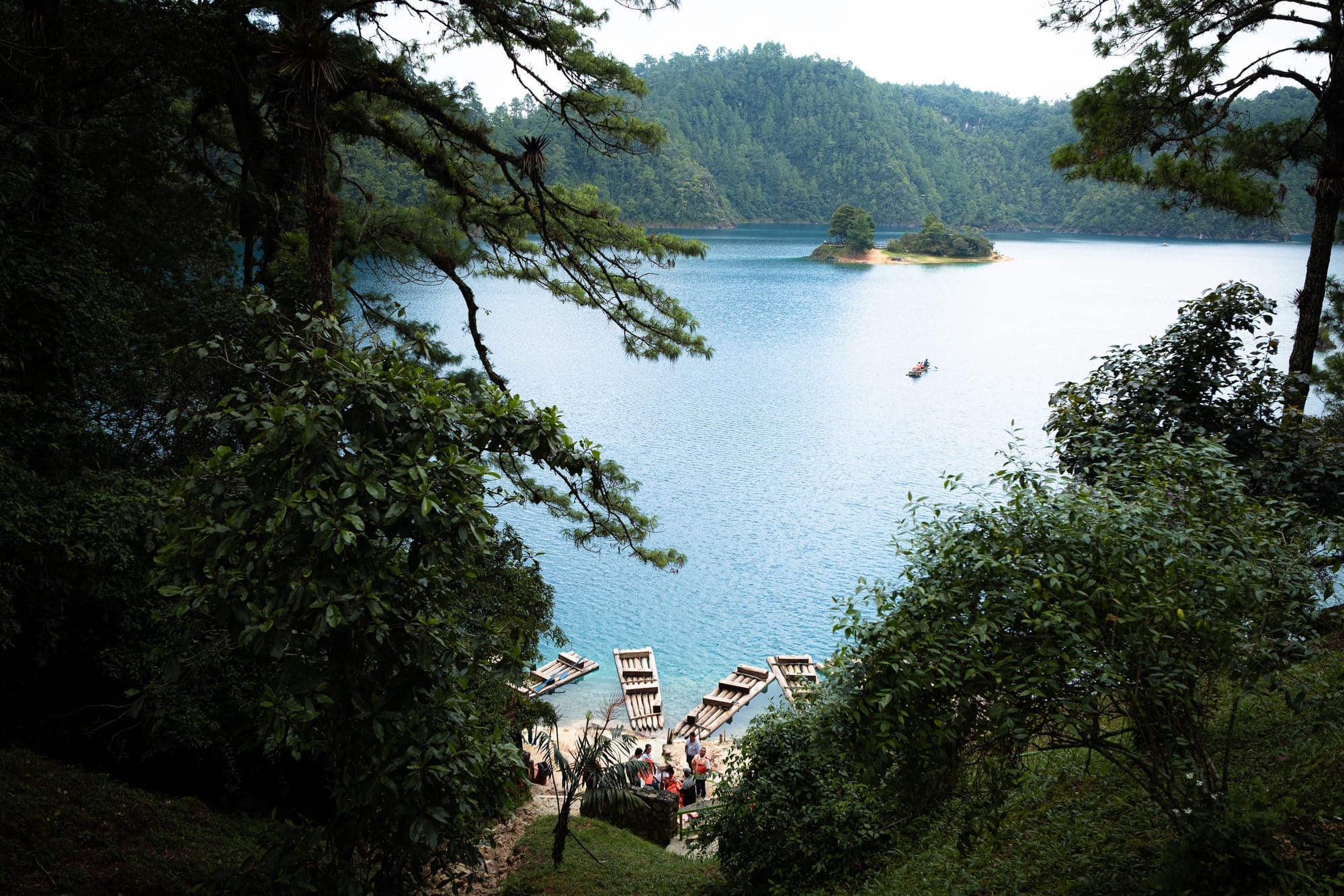
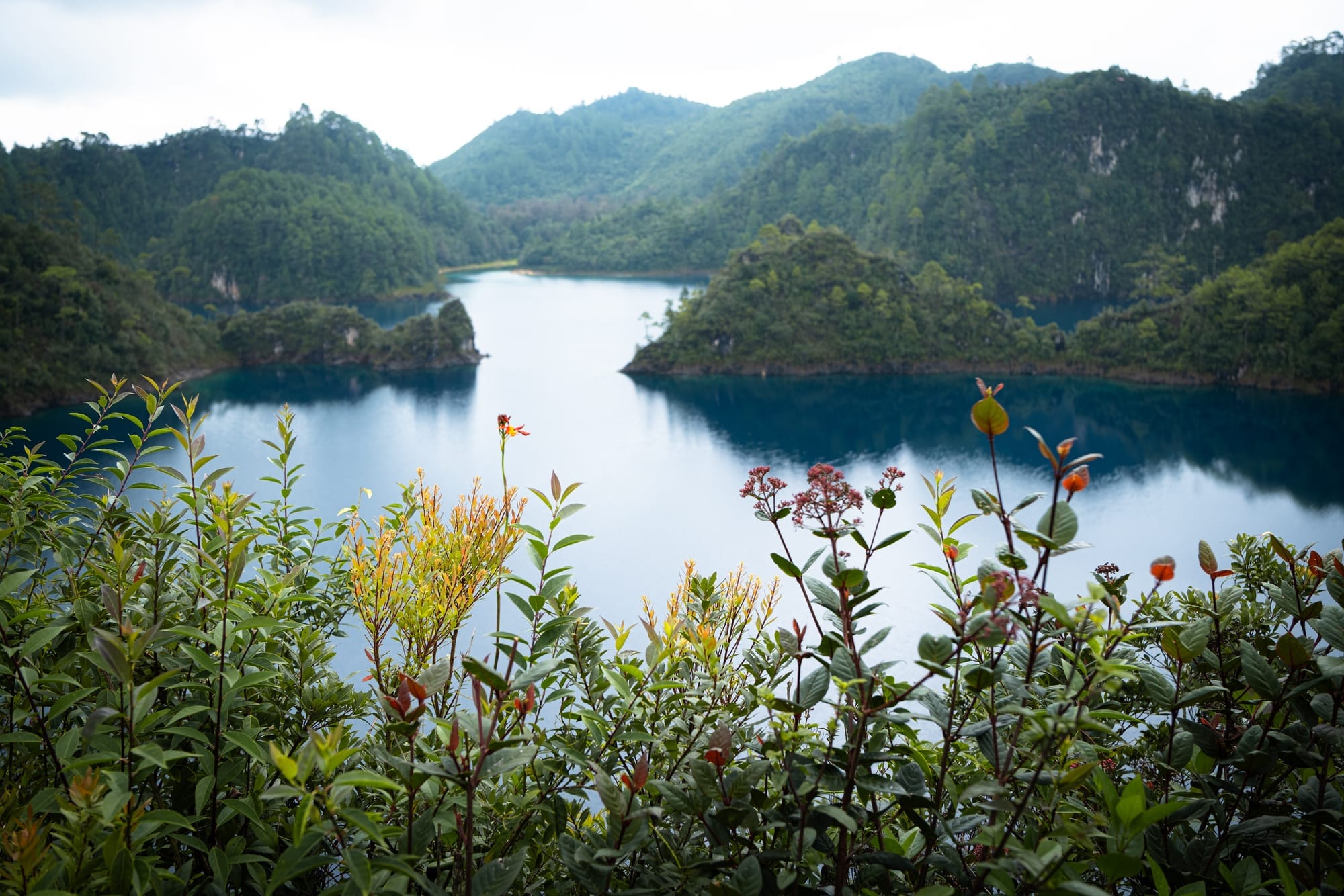
Looking out over the deep blue water of Montebello Lakes from a high ridge
One of the most striking things about the region is how different each lake feels. Some are bright and open, others shaded and enclosed. The forest plays a role in this: its density, its angles, and how close it grows to the shoreline.
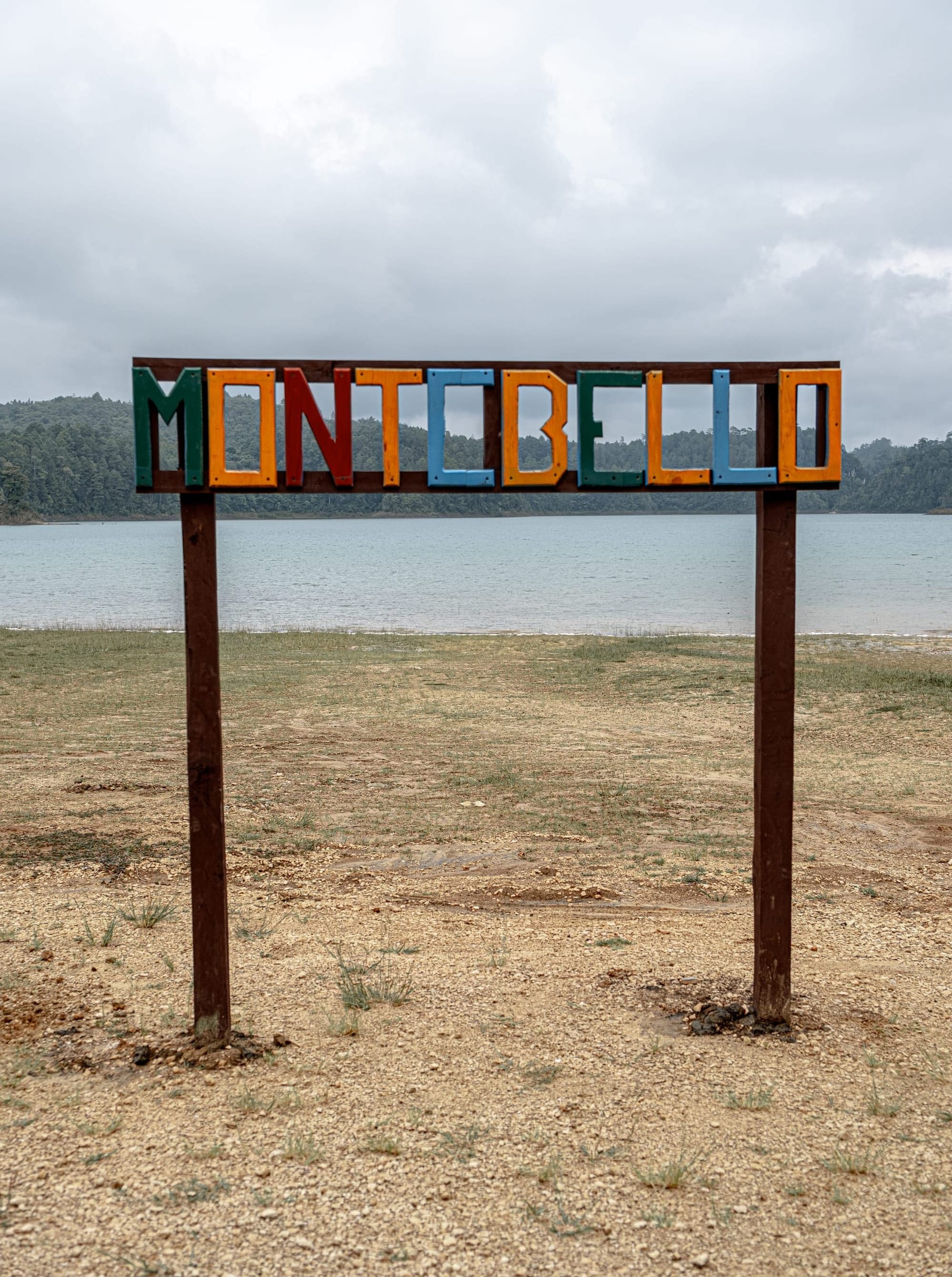
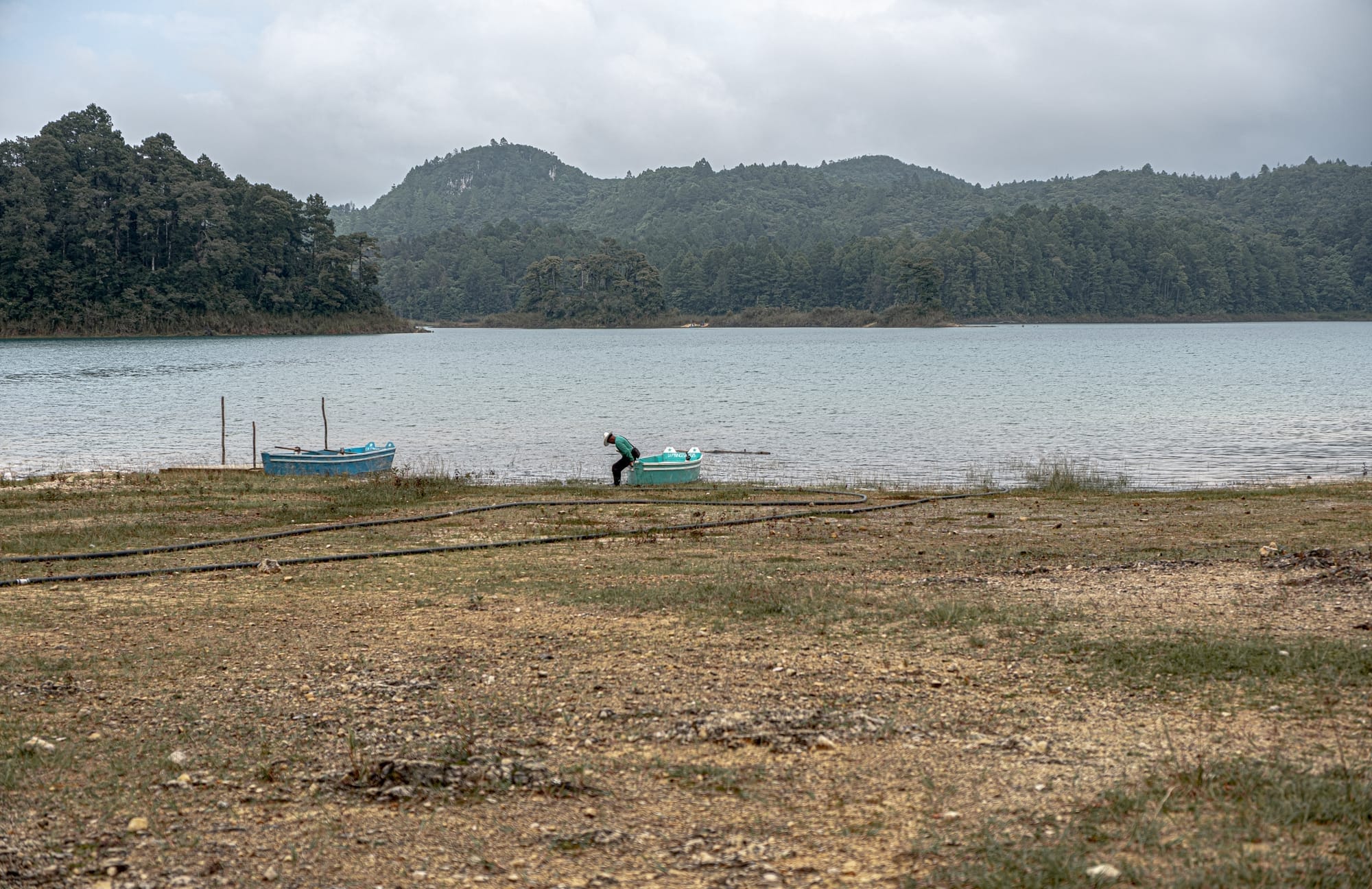
A calm stretch of shoreline at Montebello Lakes
Around lunchtime, we stopped at a small lakeside comedor, where we were able to get some vegan food.
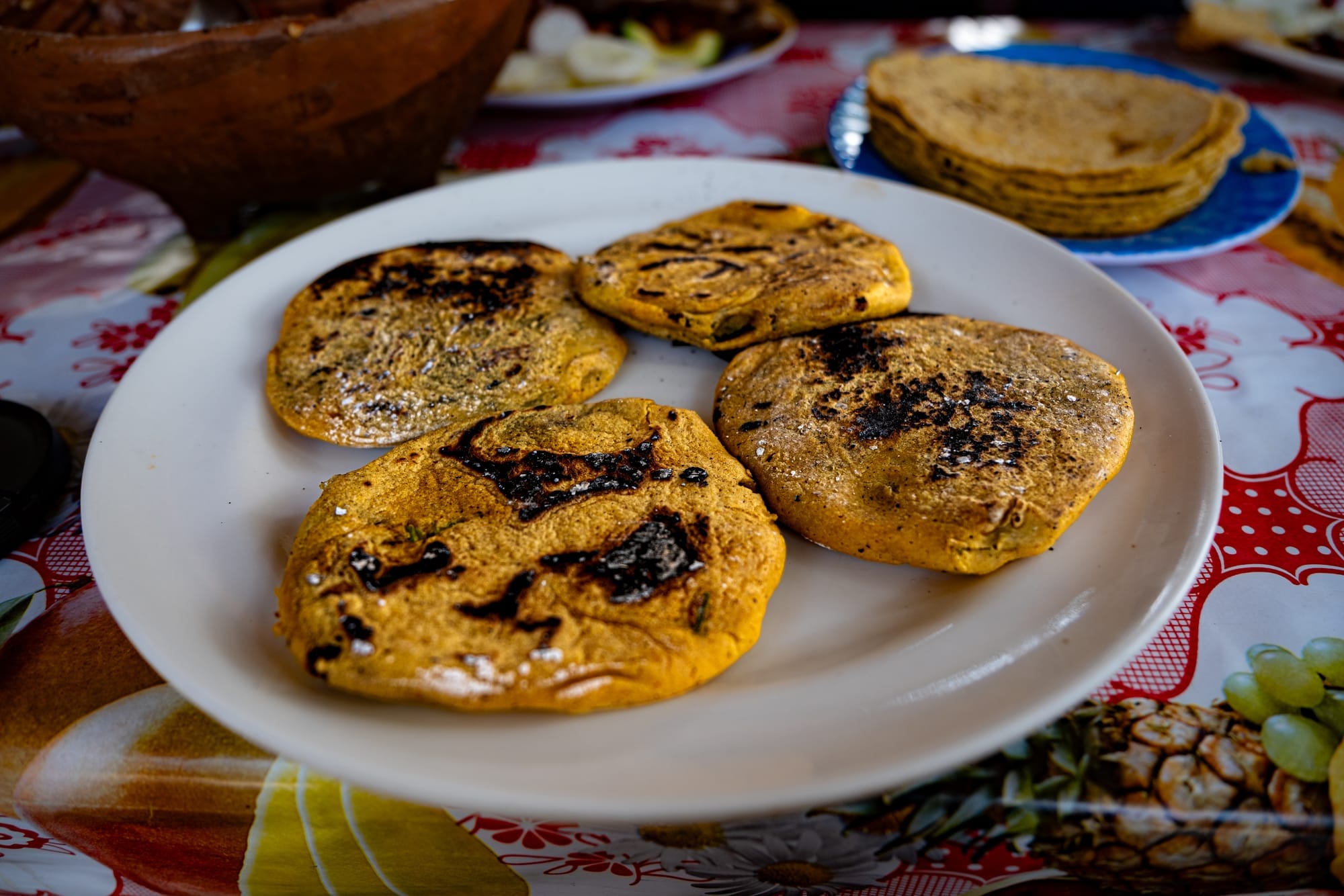

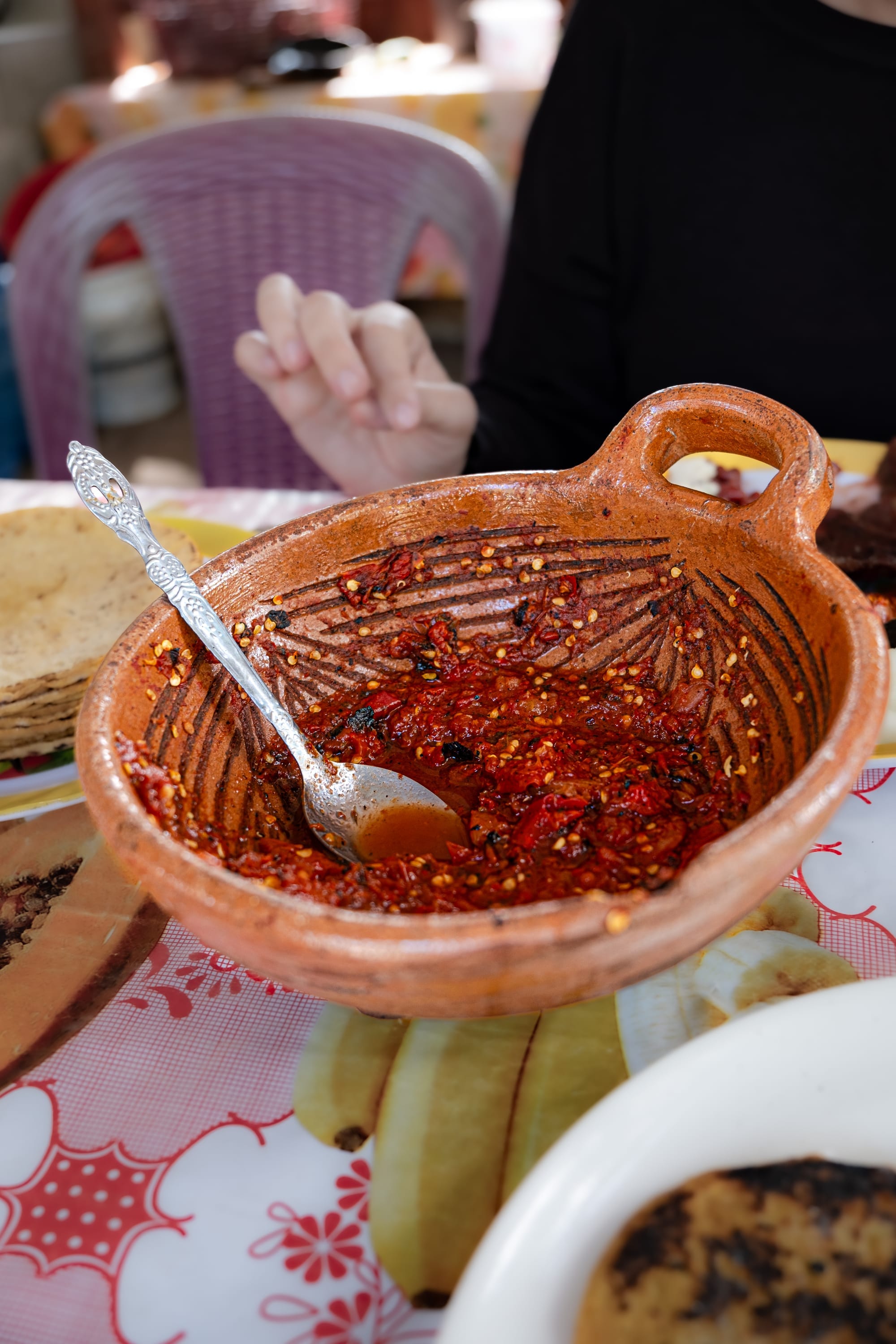
A simple lunch
The meal was simple (corn stuffed with beans and zucchini flowers) but tasted better for being eaten beside the water after a long morning on the move.
Chinkultic: ruins across the water
In the late afternoon, we drove toward the archaeological site of Chinkultic. The ruins here are not as widely known as those in Palenque or Yaxchilán, but they sit in a landscape closely tied to the lakes: a cluster of structures built around natural elevation.
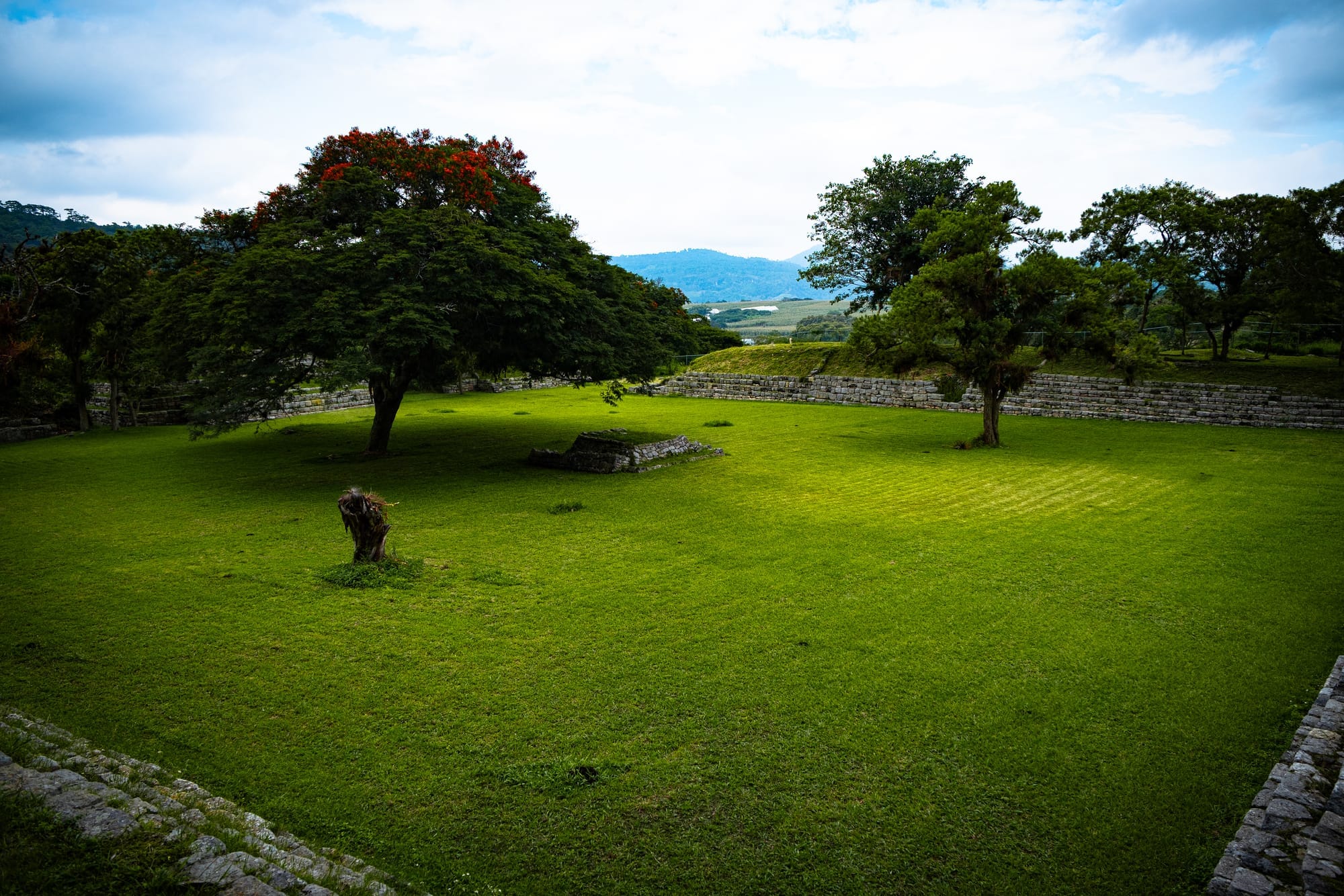
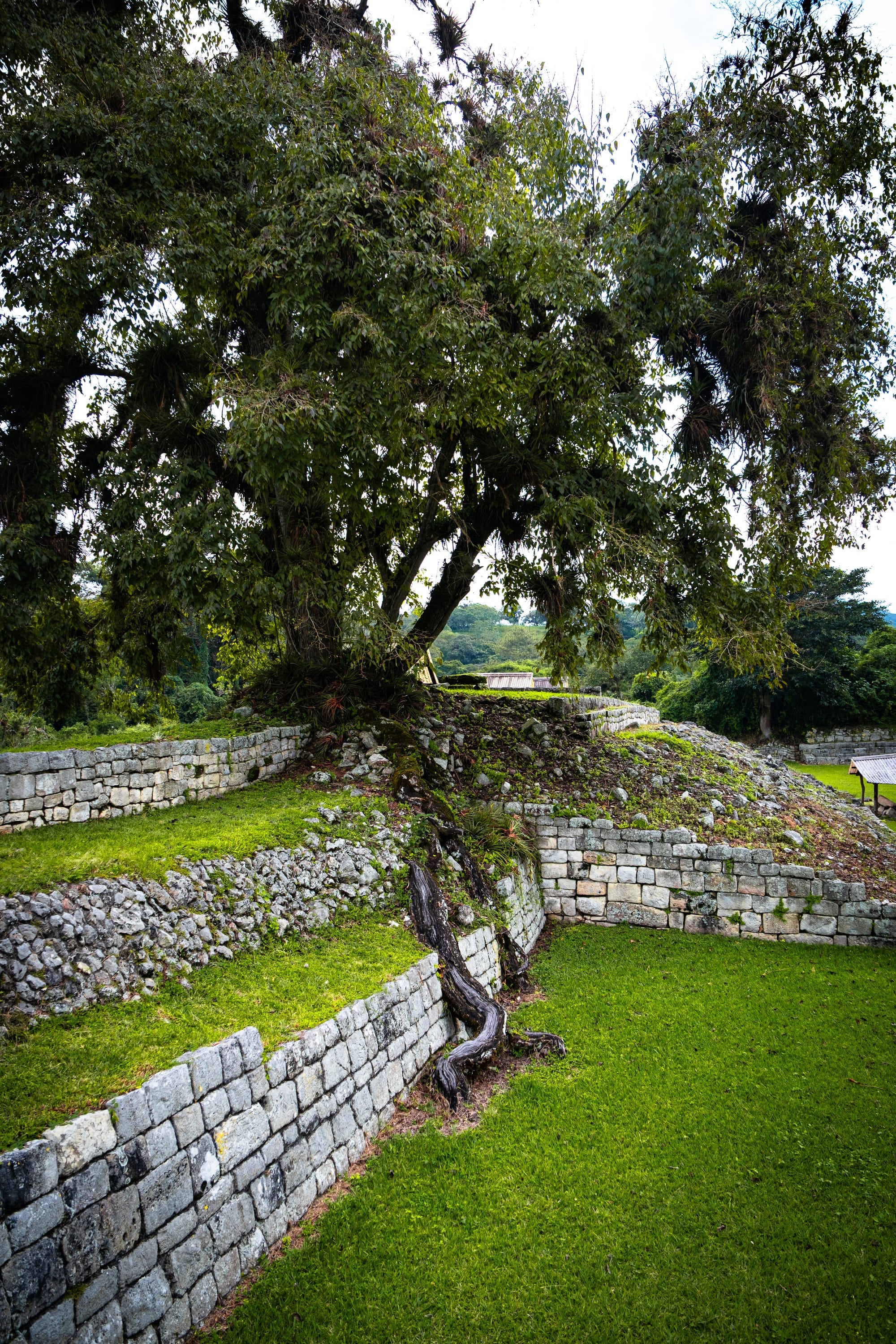
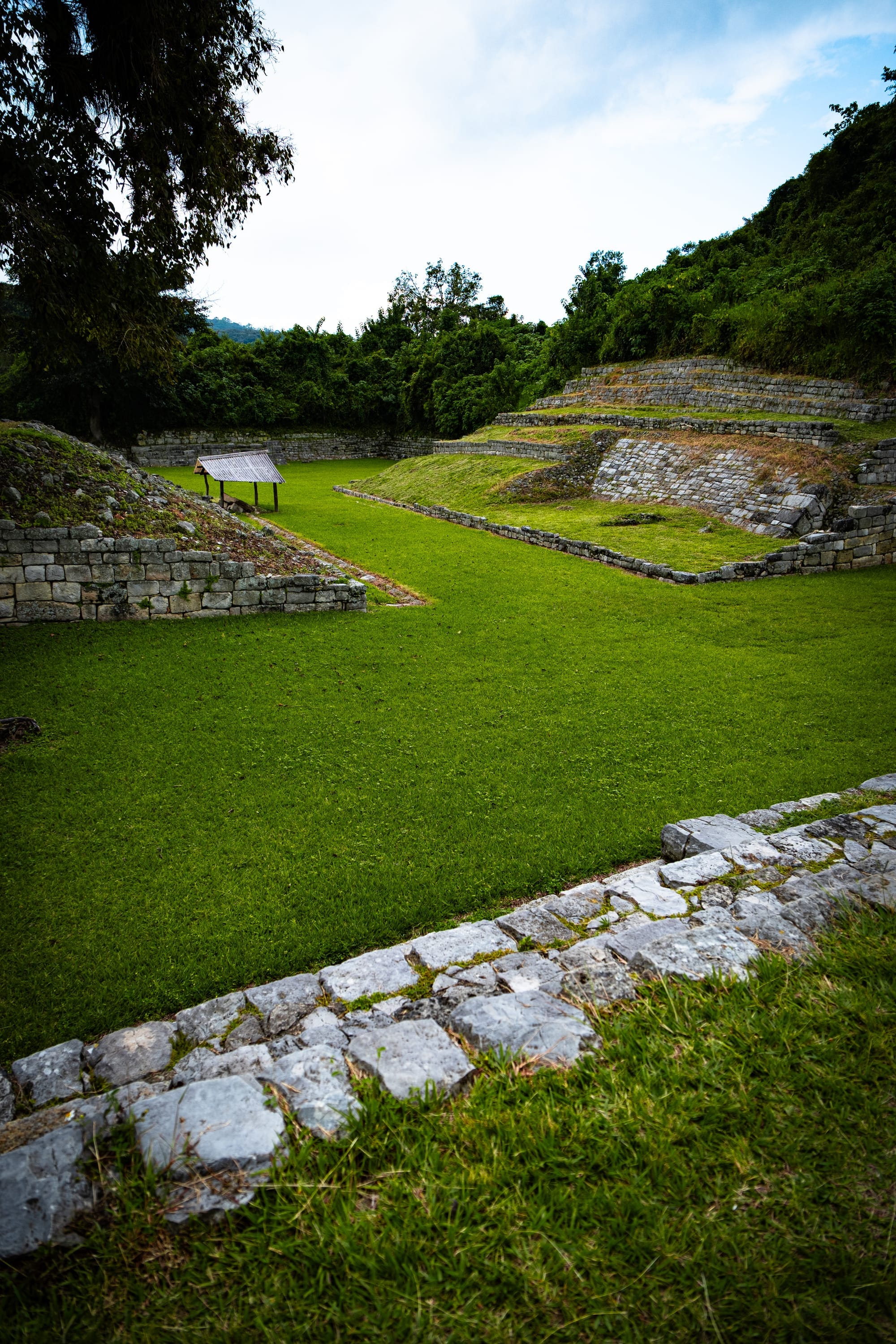
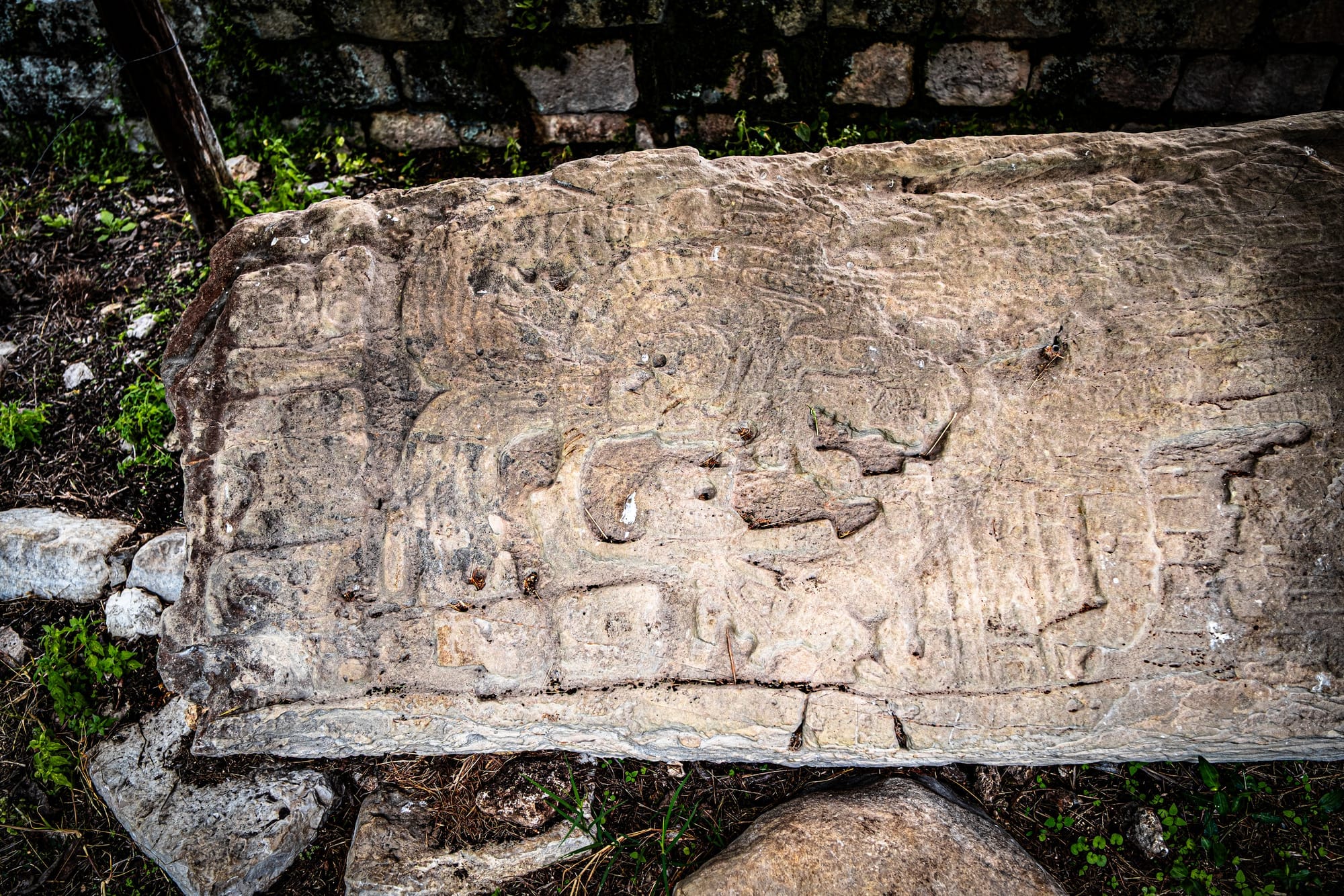
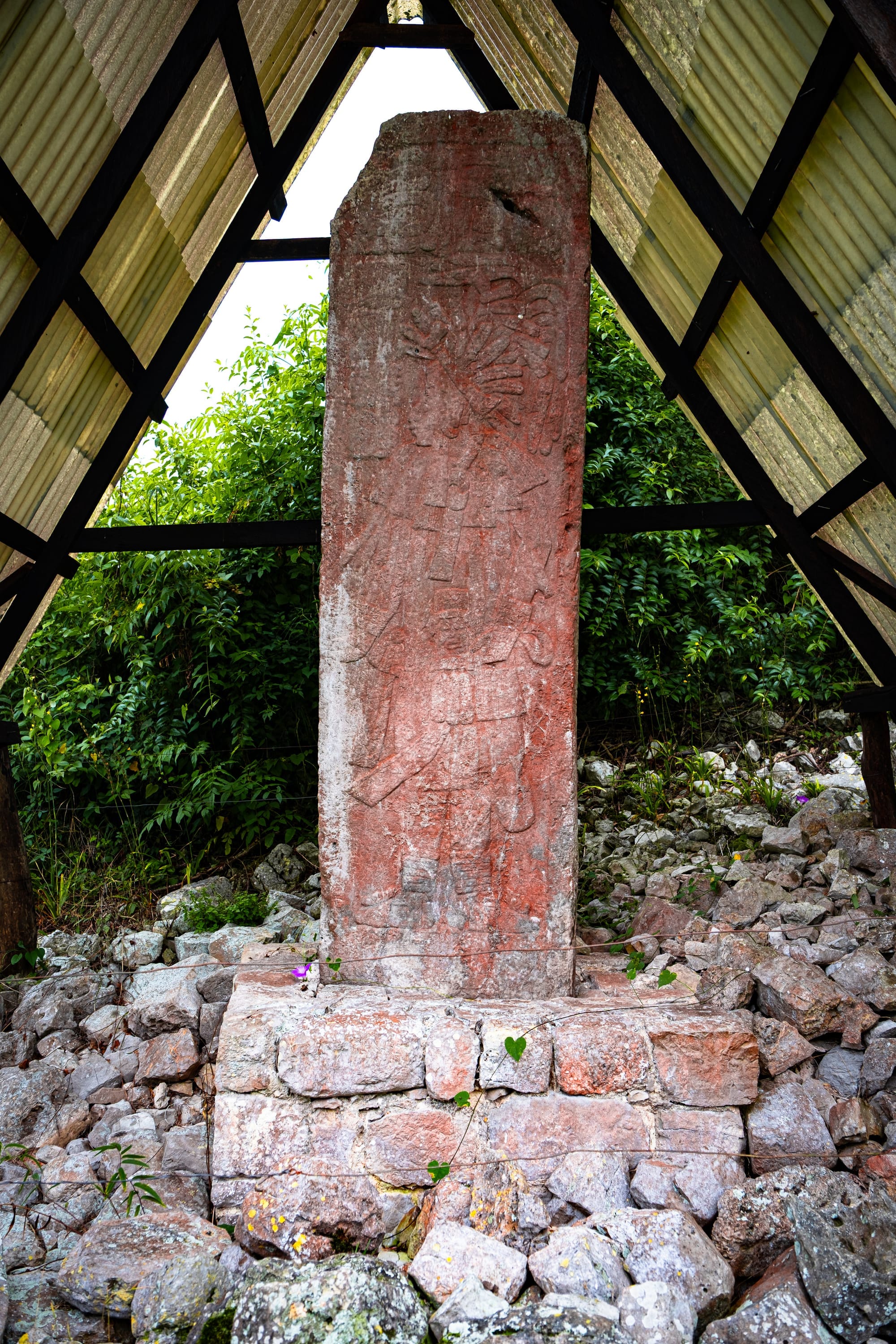
Carved stones at the Chinkultic archaeological site
We could see one of the pyramids rising in the distance, and from certain angles, it framed itself perfectly against the lake below. But when we reached the river crossing that leads to the main site, the water was too high from seasonal rain. The current was fast, and even the staff at the entrance shook their heads: no safe crossing today.
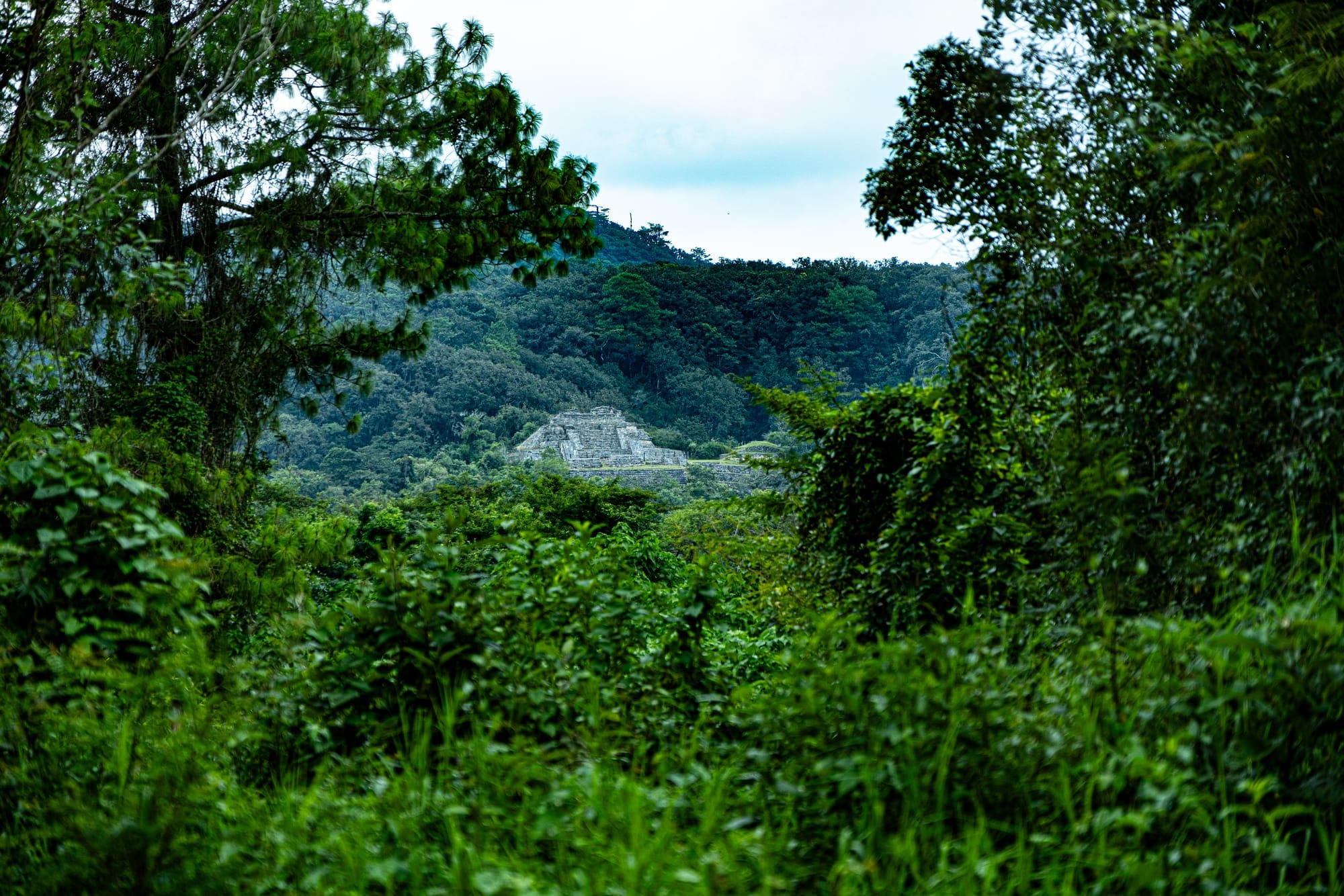
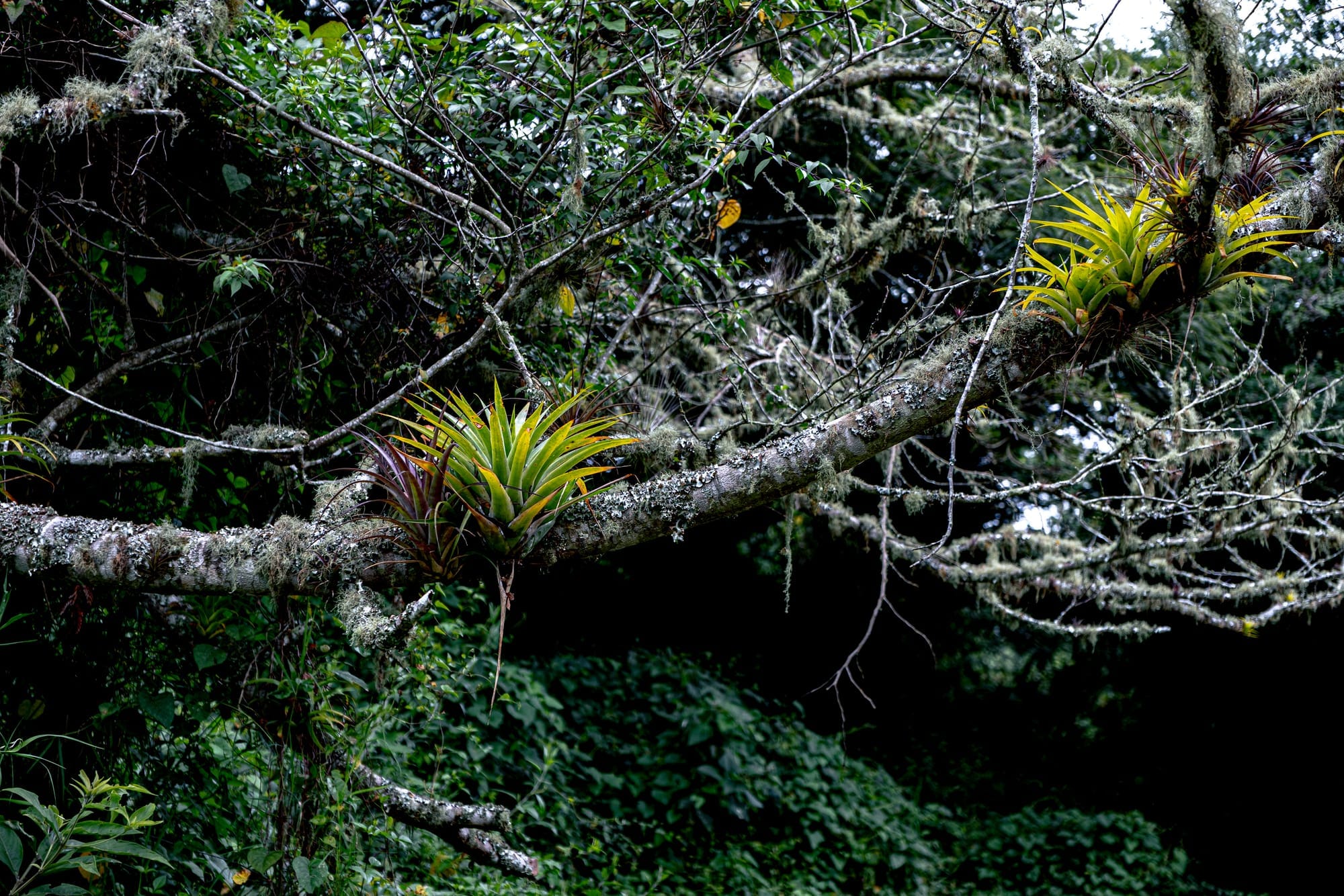
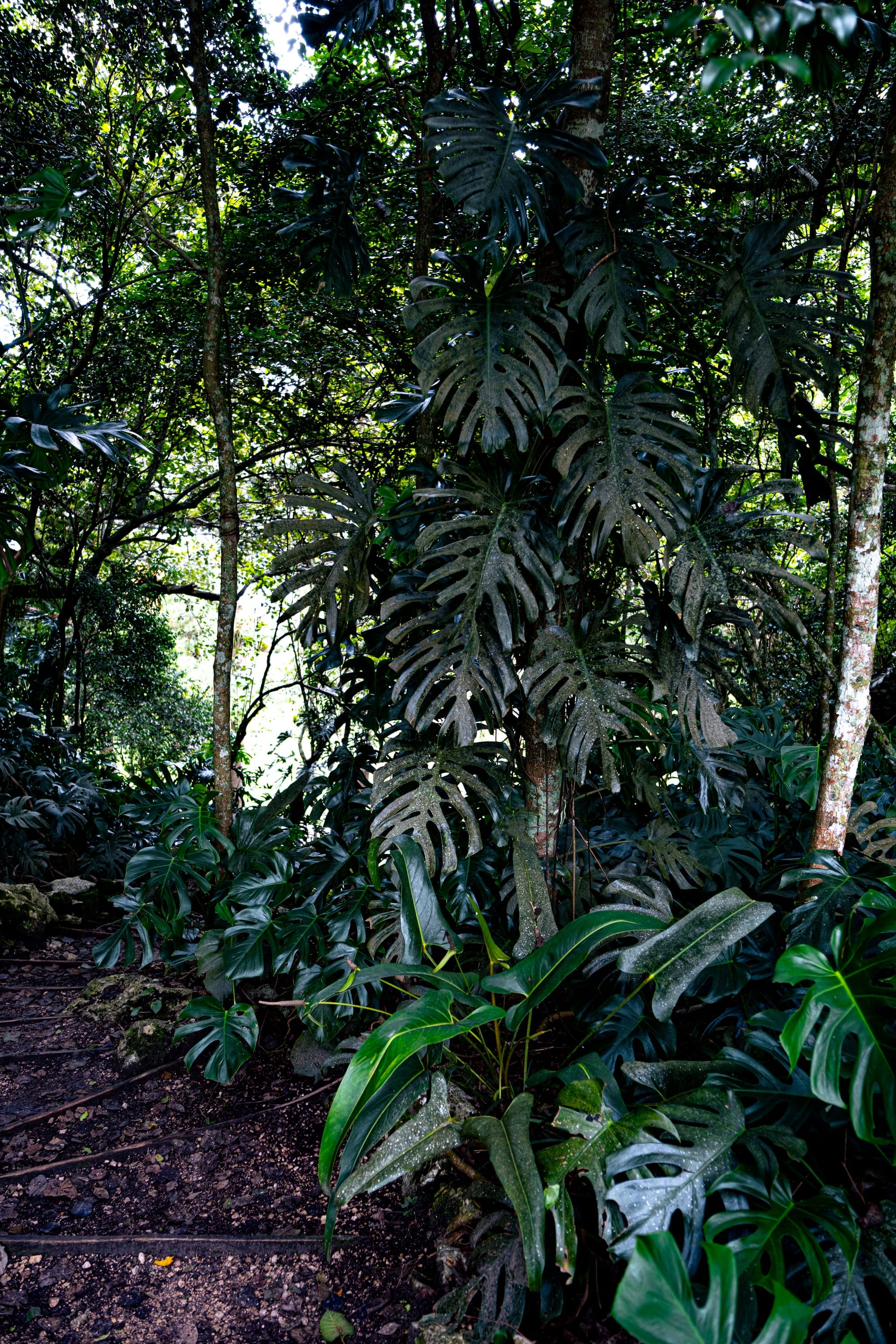
Epiphytes clinging to branches
We walked the accessible section of the site, stood near the water, and looked across at the pyramid in the afternoon light. Sometimes just getting close is enough. Seeing the structure from across the river, near but out of reach, still left a strong impression on us.
Visiting Chinkultic: hours and what's there
Chinkultic was a mid-sized Maya city, settled by the 3rd century and abandoned around the 13th. It has close to 200 structures, many still under the forest, including a ball court and an acropolis with a pyramid temple that looks out over the lakes. It's usually open from about 8 am to 5 pm according to INAH, it's rarely busy, and facilities can be closed outside the high season. In the rainy months the low ground floods and can cut off the acropolis, as we found, so the dry season is the time to see all of it. For more Maya sites in the region, see our ancient ruins page and our guide to Palenque.
According to INAH's listing for Chinkultic, the site opens every day from 8 am to 5 pm, with toilets and guided visits. To drive there from Comitán, take Highway 190 toward La Trinitaria, turn off toward the Lagos de Montebello at kilometer 12, and continue about 42 km. At the Miguel Hidalgo ejido, turn left onto a 1.5 km side road to the site. That puts it on the way to the lakes, so it's easiest to stop on the way in, in the morning, before the lakes get busy.
Why Lagos de Montebello is worth the trip
The Montebello region feels more grounded than other parts of Chiapas. It’s the mix of ridges and water, the silence inside the forest, the clear colors of the lakes, and how easy it is to move between viewpoints.
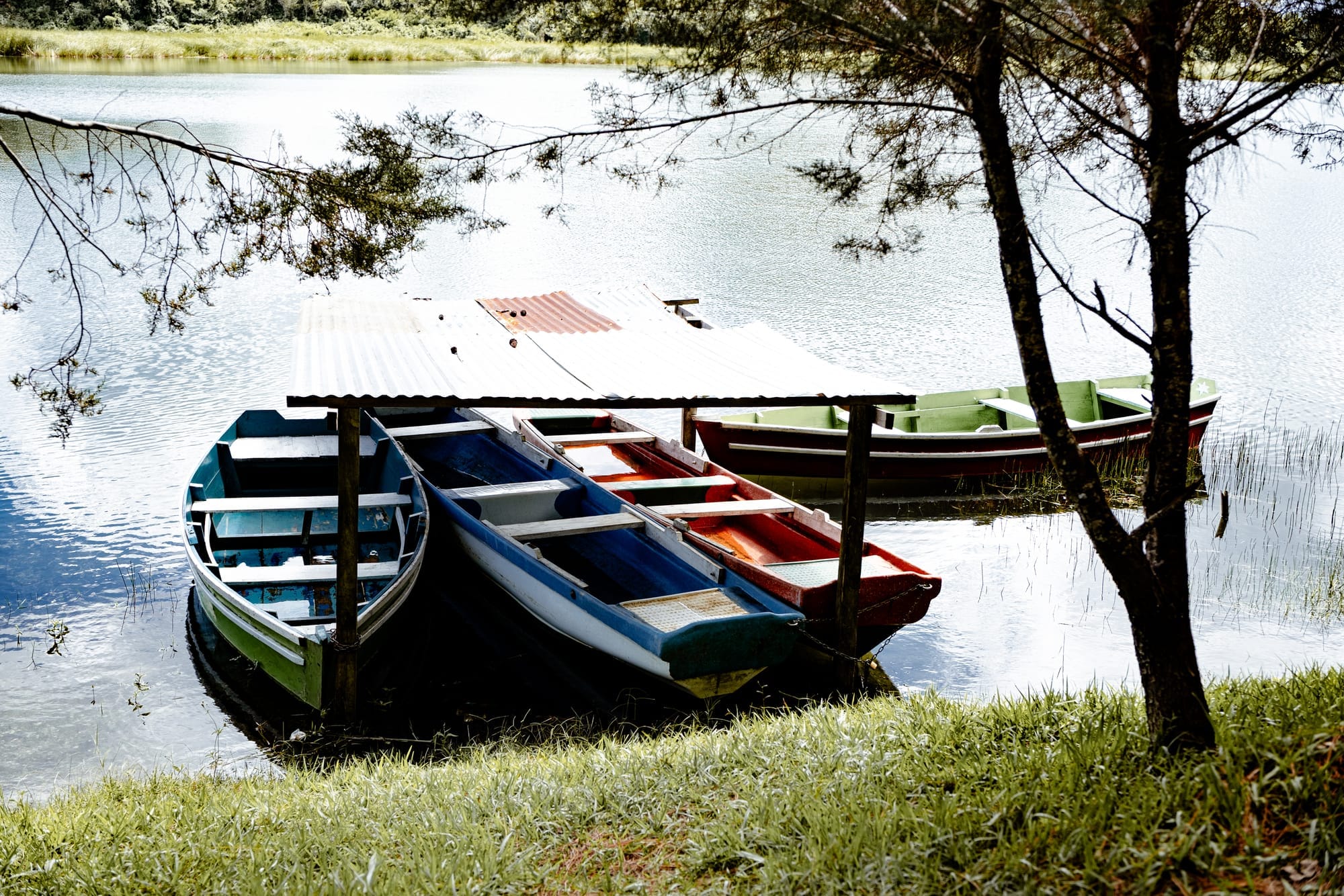
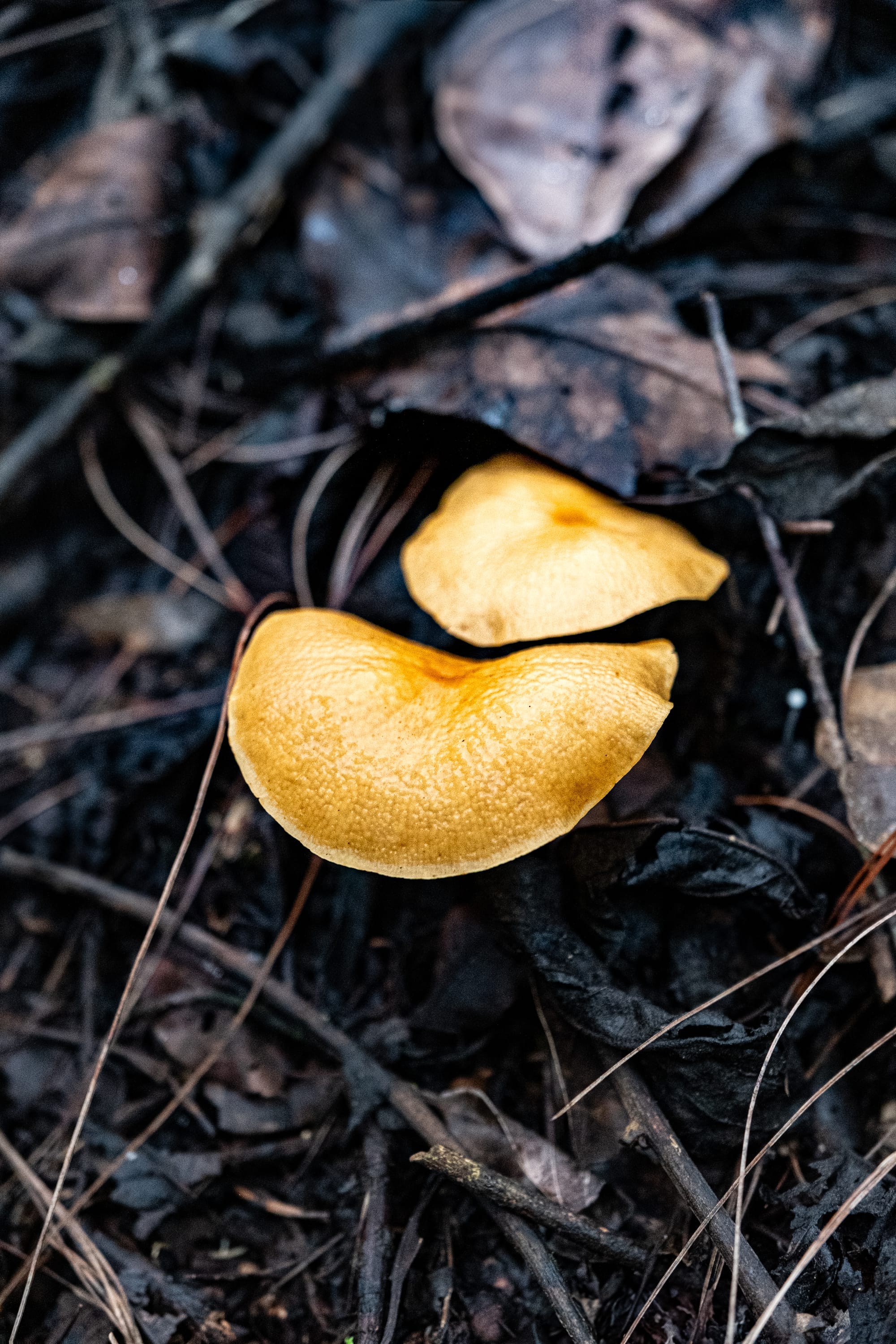
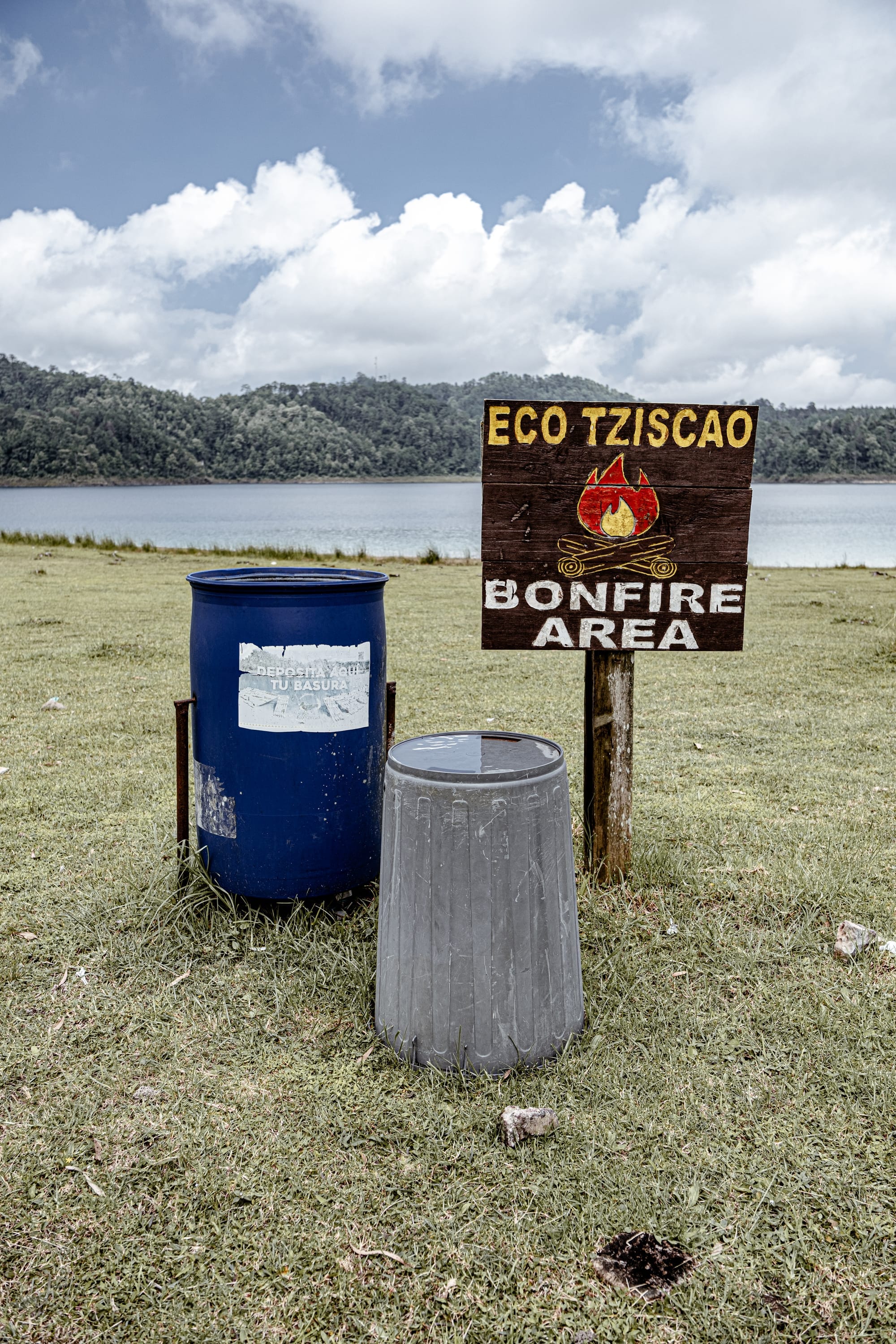
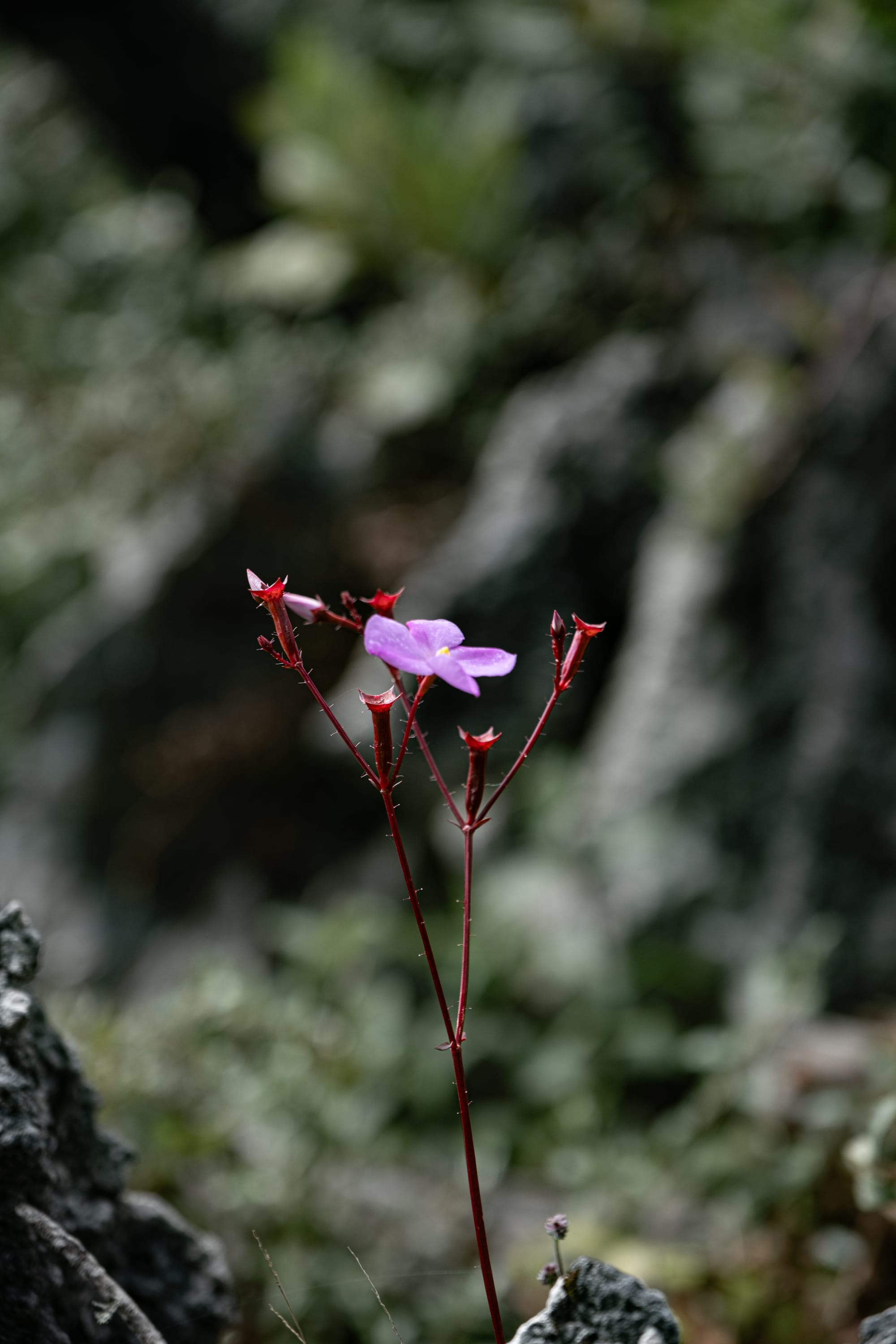
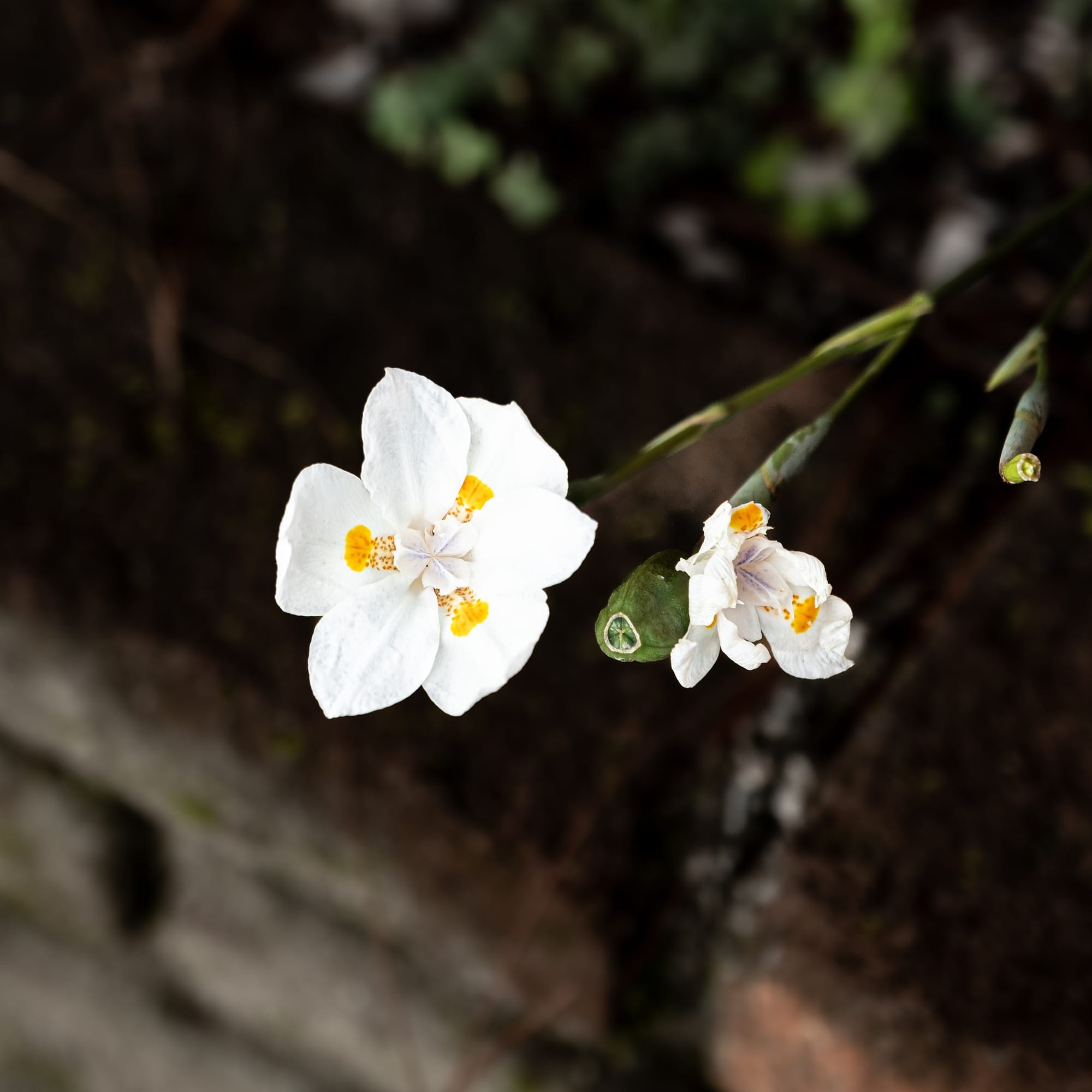
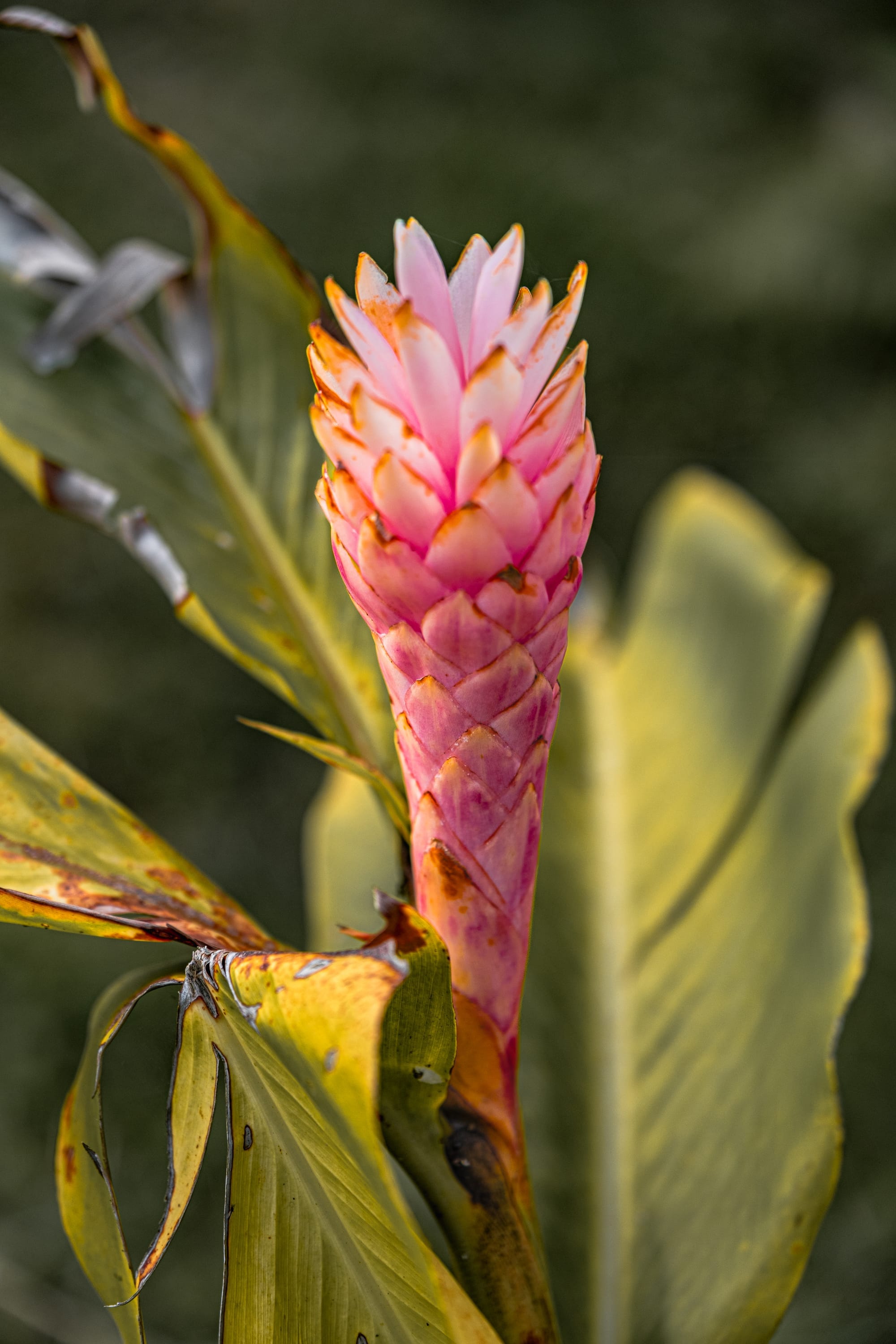
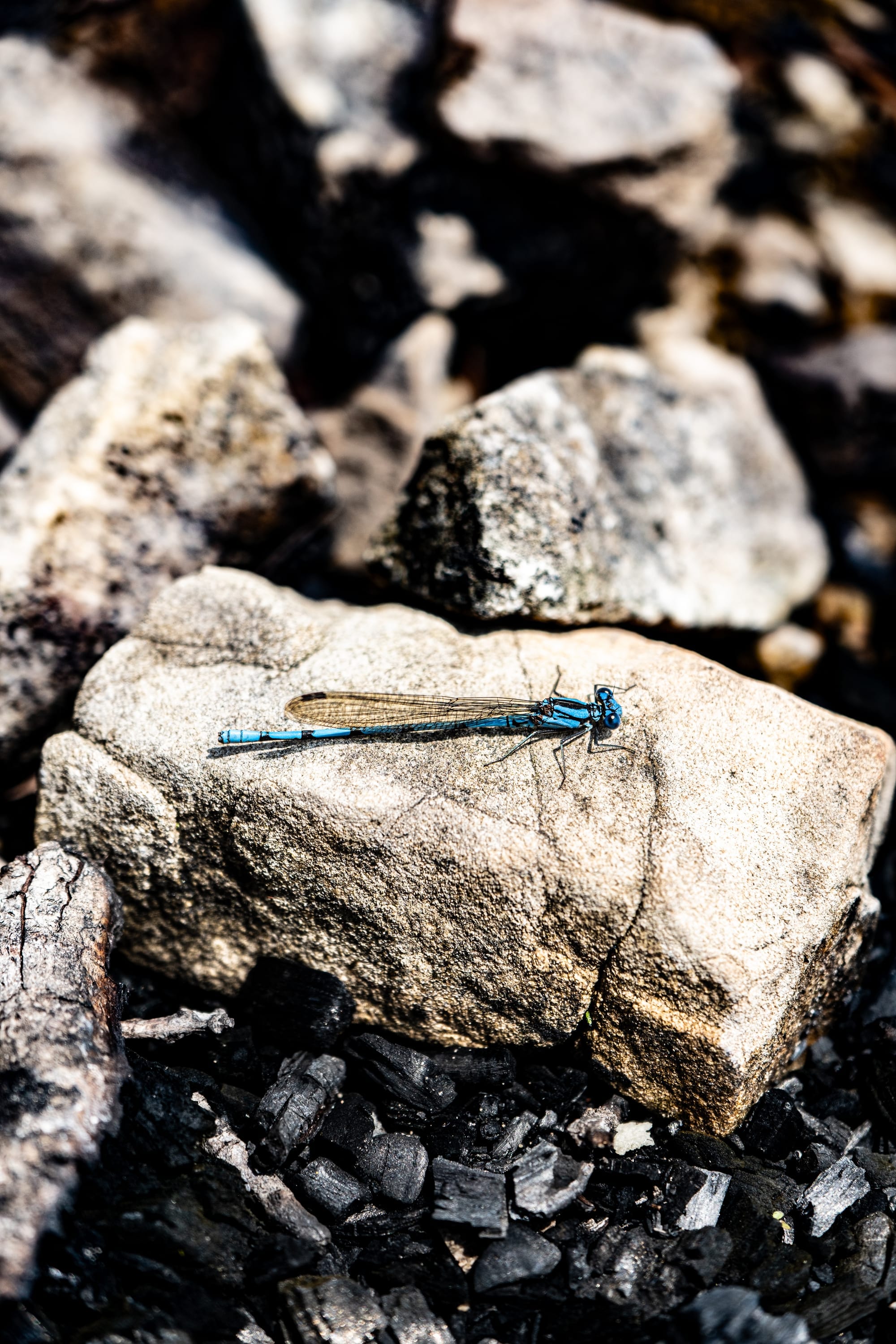
A flash of color in the undergrowth near Montebello Lakes, and the bonfire area at Tziscao
As a getaway from San Cristóbal de las Casas, it offers both space and calm. You can do it in a single long day with a guided tour, but you get much more out of the lakes when you stay a night or two and take your time.
Plan your visit
Lagos de Montebello lies roughly two and a half to three hours from San Cristóbal de las Casas, depending on stops and traffic. The road is straightforward once you leave the city, weaving through small communities and stretches of pine forest before dropping into the gentler hills of the Montebello region.
How to get to Lagos de Montebello from San Cristóbal and Comitán
Everything goes through Comitán. From San Cristóbal, take Highway 190 south to Comitán, carry on toward La Trinitaria, and turn east onto Highway 307 toward the lakes. The park entrance is around kilometre 36 on that road, with the Chinkultic turn-off on the way.
By car
Driving is the most flexible way to see the lakes, since they're spread over several kilometres and signposted from the road. Allow about 3 hours from San Cristóbal and an hour from Comitán. The roads in the park are paved and generally in good condition. Drive in daylight.
By bus and colectivo
Take an OCC or ADO bus, or a shared van, from San Cristóbal to Comitán, which takes about 2 hours. In Comitán, go to the Transporte Montebello stop (Líneas Comitán-Lagos de Montebello) and catch a colectivo marked Lagos de Montebello. They leave often during the day, cost around 50 to 60 pesos, and take 1 to 1.5 hours to reach Tziscao. Ask the driver to drop you at a specific lake if you want to get off early. Head back by mid-afternoon, as the last vans leave fairly early.
Getting around the park
Without a car, you'll rely on your feet and moto-taxis (tuk-tuks). Drivers wait in Tziscao and will take you around the main lakes for the day, waiting at each stop. Agree on the price and the lakes first. One visitor paid about 700 pesos for a whole group.
If you prefer not to rent a car, guided day trips are common and cover the major lakes, cenotes, and border viewpoints. They move quickly, which is convenient if you’re short on time, but if you want to swim, kayak, linger, or stay overnight in lakeside cabins, a multi-day trip gives you more space.
From San Cristóbal, the region can be surprisingly affordable. Entry fees at individual lakes and cenotes are modest, food is accessible, and local accommodations range from simple cabins to more comfortable lodges. Nights can be cold, so bringing warm clothes is essential even in warmer months. Weekends draw more visitors, but there are always calm spots if you explore beyond the most photographed lakes.
Lagos de Montebello entrance fees: CONANP and the ejido sites
Paying for Montebello can be confusing, because the park is run by two different groups. CONANP manages the national park and collects its fee at the Lagunas de Colores. Most of the lakes along the main road sit on land belonging to the Tziscao ejido (a community that owns and manages its land together), which charges its own small fees. Reported prices for 2025 and 2026:
CONANP national park fee: 125 pesos per person in 2026. Recent reports point to the higher figure, and the booth is sometimes unstaffed. Check the CONANP site or ask at the entrance.
Tziscao ejido ticket: about 50 pesos per person, covering Laguna Internacional, Tziscao, Pojoj, Cinco Lagos, and Laguna Montebello. Keep the paper ticket, as you'll show it at each lake.
Individual lake gates: about 25 pesos at Pojoj or Tziscao where they're charged separately, according to Visit Chiapas.
Toilets, parking, and certified guides: small extra fees, so carry coins and small notes.
Bring enough cash for the whole trip. There are no ATMs at the lakes and very few places take cards, so take out money in Comitán.
The best times to visit are during the dry season when the water clarity is highest and access to sites like Chinkultic is more likely. During the rainy season, the landscape becomes greener and moodier, but water crossings and certain trails can close temporarily.
Best time to visit Lagos de Montebello
November to April is the dry season and the best time to go: the colors are brightest, trails are firmer, and the Chinkultic crossing is more likely to be open. It's also the busiest time, especially around Christmas and Semana Santa (Easter week), when Mexican families fill the cabins. May to October brings heavy afternoon rain (UNESCO puts the yearly total at over 1,800 mm), muddier trails, and duller water, though it's greener and less crowded. Whatever the month, nights are cool at this altitude. Arrive early in the morning to have the most popular lakes to yourself before the tour vans get in around midday.
Combining Montebello with El Chiflón
Montebello and Cascadas El Chiflón are both on the Comitán side of San Cristóbal, so most tours combine them in one day. The catch is the length: these tours leave San Cristóbal very early and often get back 12 to 14 hours later, with limited time at each lake and only around half an hour at Laguna Internacional. If you go independently, stopping at El Chiflón on the way breaks up the drive, and you can sleep at Montebello and do the waterfall the next morning or on the way back. A tour still makes sense if you only have one day and don't want to drive or change between buses and colectivos.
For the rest of the region, see our list of things to do in Chiapas.
A one-day route through the park
If you're driving yourself and only have one day, this order keeps backtracking to a minimum. Leave Comitán early and stop at Chinkultic when it opens. Then drive into the park and do the Lagunas de Colores first (Bosque Azul and the short walks between the five lakes), before the tour vans arrive around midday. Head back to the main road and bear right for the Cinco Lagos viewpoint, a raft at Pojoj, and lunch in Tziscao, then finish at Laguna Internacional. Leave the park by about 4 pm so you drive back to Comitán in daylight.
With two days, add El Chiflón on the first day, sleep in Comitán, and do the route above on the second, ending with a night in a Tziscao cabin if you can.
Whatever your plans, travel with insurance. Stomach bugs, a fall on a cobbled street, or a stolen phone can happen anywhere, and it's much easier to enjoy the trip when you know you're covered. We'd recommend SafetyWing Nomad Insurance. It covers medical emergencies abroad, you can buy it even after you've left home, and it renews every four weeks, so it works for a short trip or months on the road.
Where to stay near Lagos de Montebello
You have two good options. Staying inside the park, in one of the cabin sites around Lago Tziscao, means you can be on the water early and at dusk when the day-trippers have gone. We stayed in lakeside cabins ourselves. Cabins are simple and wooden, usually with hot water and blankets rather than heating, and several have their own restaurant and kayaks. Cabañas Paraíso and Cabañas Islas de Tziscao are two well-rated options by the lake. Camping is possible at some cabin sites too.
Comitán, about an hour away, is the other base. It has more hotels, restaurants, and ATMs, and it suits you if you want to see Montebello, El Chiflón, and Chinkultic as separate day trips by car or colectivo. For everything else in the region, see our San Cristóbal guide.
Here's how the main bases compare.
| Area | Good for | Downsides |
|---|---|---|
| Tziscao lakeshore (inside the park) | Early and evening swims and kayaks, no driving after dark | Simple cabins, few shops, no ATM, cold nights |
| Near the park entrance (Bosque Azul end) | Being first at the Lagunas de Colores | Very few options; check recent reviews |
| Comitán | Hotels, restaurants, ATMs, and an easy base for El Chiflón and Chinkultic | About an hour each way to the lakes |
| San Cristóbal de las Casas | A day tour only | About 6 hours in a vehicle in one day |
Well-reviewed places to stay, all rated 9 or more on Booking:
- Hotel Nak'An Secreto Maya: a small hotel in Comitán, rated 9.4.
- La Casa del Marqués: a colonial house hotel in Comitán's center, rated 9.0.
- Cabañas Paraíso Tziscao: basic cabins by Laguna Tziscao inside the Montebello area, rated 9.1.
Is Lagos de Montebello safe?
Most visitors have no problems at the lakes, and the tourist areas around Tziscao are busy with Mexican families at weekends. The bigger picture in southern Chiapas needs some attention, though. Cartel conflicts have affected areas near the Guatemala border, mostly further south around Frontera Comalapa and Tapachula, and the UK government advises against all but essential travel within 40 km of the Guatemalan border from the Pacific coast up to the Gracias a Dios crossing. Check the latest UK travel advice for Mexico and your own government's advice before you go, and ask your cabin or in Comitán about the current situation.
Sensible habits help: travel by day, don't wander deep into the forest alone near the border, keep your phone charged (it may switch to a Guatemalan network, so check your roaming settings), and be ready for the occasional road protest or roadblock in Chiapas, which can delay you for hours.
For the official picture, read both governments' advice. The UK's regional advice warns against all but essential travel within 40 km of the Guatemalan border from the Pacific coast up to and including the Gracias a Dios crossing, and on Federal Highway 199 between San Cristóbal and Palenque. The lakes sit right on the border, so look at a map against that line and ask locally before you go. The US State Department advisory rates Chiapas separately from the rest of Mexico, so expand the Chiapas entry for the latest. Expect immigration checkpoints on the road from Comitán, and carry your passport and entry record.
Roadblocks by local groups happen on Chiapas highways, including the San Cristóbal to Comitán road, sometimes for hours. If you meet one, stay calm, don't try to drive round it, and either wait or turn back. Leaving early, keeping water and snacks in the car, and asking your hotel or cabin that morning are the best ways to avoid losing a day.
For those who want to see the lakes without worrying about transport, this guided trip is an easy option: Montebello Lakes and El Chiflón Day Tour.
Montebello Lakes is truly such a peaceful place where you can switch off. For a weekend away from San Cristóbal de las Casas, we think it's the perfect spot to relax and unwind.
Nearby, see El Arcotete.
Frequently asked questions
How much does it cost to visit Lagos de Montebello?
Entry is cheap but split between fees. Expect a CONANP national park fee (125 pesos per person in 2026) plus a Tziscao ejido ticket of about 50 pesos that covers five lakes, and small gate fees of around 25 pesos at some sites. Rafts and kayaks cost about 150 to 250 pesos. Bring cash, as there are no ATMs.
How many lakes are there in Lagunas de Montebello?
The park has 59 lakes, according to UNESCO and the Chiapas tourism authorities. About 14 or 15 of them are easy for visitors to reach by road or short trails.
Can you swim at Lagos de Montebello?
Yes, in many of them, including Tziscao, Laguna Montebello, and off the island at Pojoj. Swimming isn't allowed at Cinco Lagos or in lakes that supply drinking water. There are no lifeguards, and sunscreen isn't allowed in the water.
How do I get to Lagos de Montebello from San Cristóbal de las Casas?
Drive about 3 hours via Comitán and Highway 307, or take a bus to Comitán (about 2 hours) and a colectivo marked Lagos de Montebello to Tziscao (1 to 1.5 hours, around 50 to 60 pesos). Day tours from San Cristóbal also run, usually combined with El Chiflón.
Is Lagos de Montebello worth visiting as a day trip?
You can do it in a day, but it's a long one: about 6 hours of driving from San Cristóbal, so you'll see the lakes in a rush. We think it's much better as a weekend with a night or two in the cabins at Tziscao.
Can you cross into Guatemala at Laguna Internacional?
You can step a few metres onto the Guatemalan side at the lake, where there are stalls and a welcome sign, without border formalities. It isn't an official border crossing, so don't go further into Guatemala from there.
Is Lagos de Montebello safe to visit?
Most visits pass without problems, but the park sits on the Guatemala border, where cartel violence has affected parts of southern Chiapas. Travel by day, check your government's latest advice, and ask locals in Comitán or Tziscao about current conditions before you go.
Can I fly a drone at Lagos de Montebello?
Rules differ by site. The CONANP-run areas, such as the Lagunas de Colores, generally require a permit, while some ejido lakes are more relaxed. Ask at the entrance before you fly, and keep away from people and wildlife.
What is the best time to visit Lagos de Montebello?
November to April, the dry season, when the water is clearest and the trails are firmer. Weekends and holidays are busiest, so go early in the day.
Do you need a passport to visit Lagos de Montebello?
You don't need it to enter the park, but carry it anyway. There are immigration checkpoints on the roads near the Guatemalan border, and officers may ask to see your passport and Mexican entry record.
Which is the most beautiful lake at Lagos de Montebello?
Many visitors rate the Cinco Lagos viewpoint as the best view in the park. For swimming and color, Pojoj and Tziscao are the favorites, and several visitors pick small, clear Ensueño at the Lagunas de Colores as their favorite.
How much does Chinkultic cost, and when is it open?
INAH lists Chinkultic as open every day from 8 am to 5 pm and doesn't show a standard admission fee on its listing. Bring a little cash in case, and check whether the low ground near the acropolis is flooded in the rainy season.
Do you need a guide at Lagos de Montebello?
Not for the main lakes, which you can reach by car, colectivo, or moto-taxi. Rafts come with a local guide, and the state tourism board lists the El Perol trail as a guided route, so ask at the gate if you want to hike it.
Which Montebello lakes can you swim in?
Tziscao, Laguna Montebello, and the platform at Pojoj's island are the usual swimming spots. Swimming isn't allowed at Cinco Lagos. There are no lifeguards, and sunscreen isn't allowed in the water.
Is Lagunas de Montebello a UNESCO site?
Yes, in part. UNESCO made the wider area a biosphere reserve in 2009, and the lakes are also a Ramsar wetland. It isn't a UNESCO World Heritage Site.
Where is Lagos de Montebello?
Lagos de Montebello is in southeastern Chiapas, Mexico, in the municipalities of La Trinitaria and La Independencia, right on the Guatemala border. It's about an hour from Comitán and about three hours from San Cristóbal de las Casas.
Useful links: Lagunas de Montebello National Park (Wikipedia), Lagunas de Montebello Biosphere Reserve (UNESCO), Lagunas de Montebello (Visit Mexico), El Perol trail (Visit Chiapas), and UK travel advice: Mexico regional risks.
More from Chiapas: Cañón del Sumidero, vegan food in San Cristóbal, and our favorite hikes. Heading to Palenque? Stop at Misol-Há waterfall on the way.


