


San Cristóbal de las Casas is best visited from November to April, the dry season, when days are sunny and around 21 to 24°C, it hardly rains, and the waterfalls and lakes around it are at their clearest. November and late February to early March are the sweet spots: dry weather without the Christmas and Holy Week crowds. The catch is the cold. The city sits at about 2,200 m, so nights drop to about 5°C from December to February, and most rooms have no heating. For Day of the Dead, come from October 31 to November 2. For mushrooms, full waterfalls, green hills, and the fewest visitors, come in the rainy season, from about May or June to October, and plan your outdoor time for the morning.
The temperature barely changes through the year: average highs stay between 20 and 24°C in every month. What changes is the rain, the cold at night, and how many people are in town. We lived in San Cristóbal for a season at Co404 in Barrio de Mexicanos, arriving at the end of the rainy season and staying through Day of the Dead. The figures below come from Mexico's national weather service (SMN), official tourism sites, and our own guides to the city and the trips around it.
Best time to visit San Cristóbal de las Casas at a glance
- Best weather: November to April (dry, sunny days, cold nights)
- Best overall: November, and late February to early March
- Coldest nights: December to February (average lows of about 5 to 6°C)
- Wettest months: June and September (about 230 mm each)
- Day of the Dead: October 31 to November 2
- Busiest: Holy Week and the Spring Fair, Day of the Dead, and Christmas to New Year
- Fewest visitors: May, June, and September
San Cristóbal de las Casas weather month by month
Temperatures and rain are the official 1991 to 2020 averages from SMN's La Cabaña station in San Cristóbal, the same data Wikipedia uses. Rain days are the average number of days with rain. Crowds are a general guide based on Mexican holidays and festivals, not measured visitor numbers.
| Month | High / low | Rain (days) | Season | Crowds | Festivals and events |
|---|---|---|---|---|---|
| January | 20.9 / 5.1°C | 10 mm (2.5) | Dry | High at New Year, then low | New Year holidays |
| February | 22.0 / 5.3°C | 9 mm (3) | Dry | Medium | Chamula Carnaval (five days before Ash Wednesday) |
| March | 23.2 / 6.6°C | 16 mm (3) | Dry | Medium, high at Holy Week | Holy Week in 2027 (21 to 28 March) |
| April | 24.0 / 8.5°C | 37 mm (6) | Dry | High around Easter, then medium | Spring and Peace Fair from about Easter Sunday; orchids flowering |
| May | 23.1 / 10.5°C | 140 mm (13) | Rains start | Low | None major |
| June | 22.0 / 11.9°C | 236 mm (19) | Rainy | Low | A Chamula feast; mushroom season starts |
| July | 22.4 / 10.8°C | 142 mm (15) | Rainy | Medium (Mexican summer holidays) | Fiesta de San Cristóbal, 25 July |
| August | 22.5 / 11.2°C | 183 mm (16) | Rainy | Medium | A Chamula feast |
| September | 21.9 / 11.5°C | 232 mm (20) | Rainy | Low | Independence Day, 15 and 16 September |
| October | 21.5 / 10.4°C | 106 mm (13) | Rains ending | Low, high from the last days | Day of the Dead preparations; costumes on 31 October |
| November | 21.0 / 7.9°C | 33 mm (6) | Dry | High at the start, then medium | Day of the Dead, 1 and 2 November |
| December | 20.4 / 6.3°C | 9 mm (2) | Dry | Medium, high from Christmas | Guadalupe fiesta, 1 to 12 December |
Across the year, San Cristóbal gets about 1,150 mm of rain, and about 90% of it falls between May and October. December, January, and February each get less than 10 mm. The station sits at 2,113 m, a little below the center, so the old town can feel slightly colder.
Dry season: November to April
The dry season is the easiest time to visit. You get blue skies most days, highs of about 21 to 24°C, and almost no rain from December to March. It's the best time for walking the city, climbing to the churches on the hills, and taking day trips, because the roads are drier and the water at the lakes and waterfalls is clear. Our things to do in San Cristóbal guide has the full list.
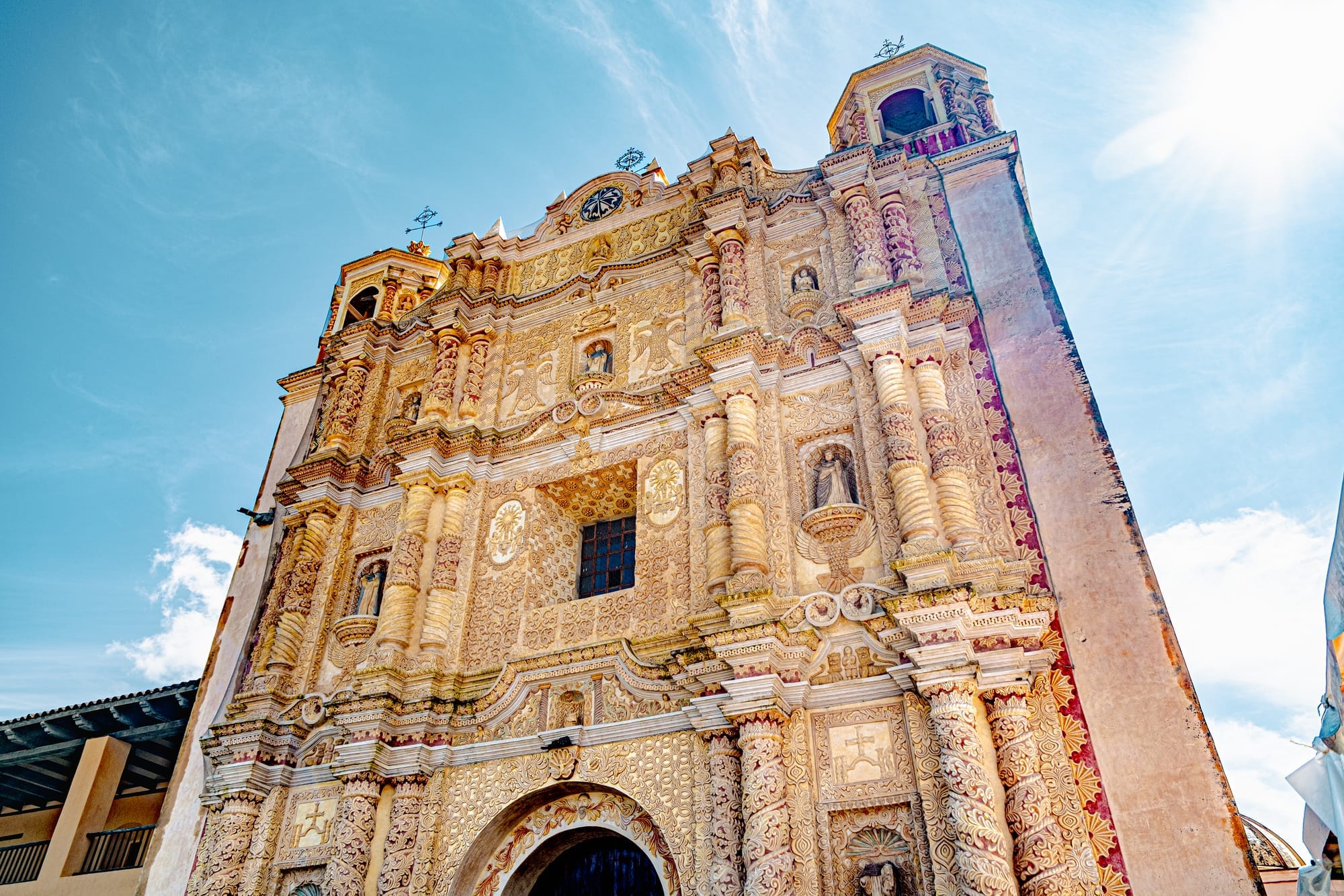
The trade-off is the cold. Dry air and clear skies mean the temperature drops fast after sunset, and the coldest months, December to February, average lows of about 5°C. Frost is rare, but a few nights a year drop below freezing, and the lowest readings on record are around minus 7 to 8°C. Mornings often start with fog or mist that burns off by mid-morning.
The dry season is also the busy season. Prices jump and rooms fill for Christmas to New Year, Holy Week, and the Spring Fair, so book early for those dates. November (after Day of the Dead), January after the first week, and late February to early March are the calmer dry months.
Wildfire season at the end of the dry season
The last months of the dry season are also wildfire season. In southern Mexico, the forest fire season runs from about January to June, and Chiapas's civil protection office runs a special program for it every year. In bad years, like the drought year of 2024, fires burn across much of Mexico, and smoke can drift over the highlands and dull the mountain views. How much you notice varies a lot from year to year. If you have asthma or plan big hikes in April or May, check the air quality on IQAir before you go.
Rainy season: about May or June to October
The rains usually start in May and build through June, which, along with September, is the wettest month, at about 230 mm and close to 20 rain days. They ease off in October and mostly stop by November. Some of our guides start the rainy season in May and some in June, because it depends on the year: May is often a mix of hot, dry days and the first storms.
It rarely rains all day. Rainy-season days usually start cool and misty, clear up by late morning, and turn wet in the afternoon, often with a heavy downpour. So plan hikes, markets, and trips for the morning, and keep afternoons for cafés, museums, and cooking classes. Nights are milder than in winter, with lows of about 11 to 12°C, but the damp makes them feel colder.
The rainy season has its own reasons to come. The hills turn green, there are fewer visitors outside July and August, and it's the only time for a fungi hike, when the pine and oak forests around the city fill with mushrooms, roughly June to October. You'll also see wild mushrooms for sale at the market.
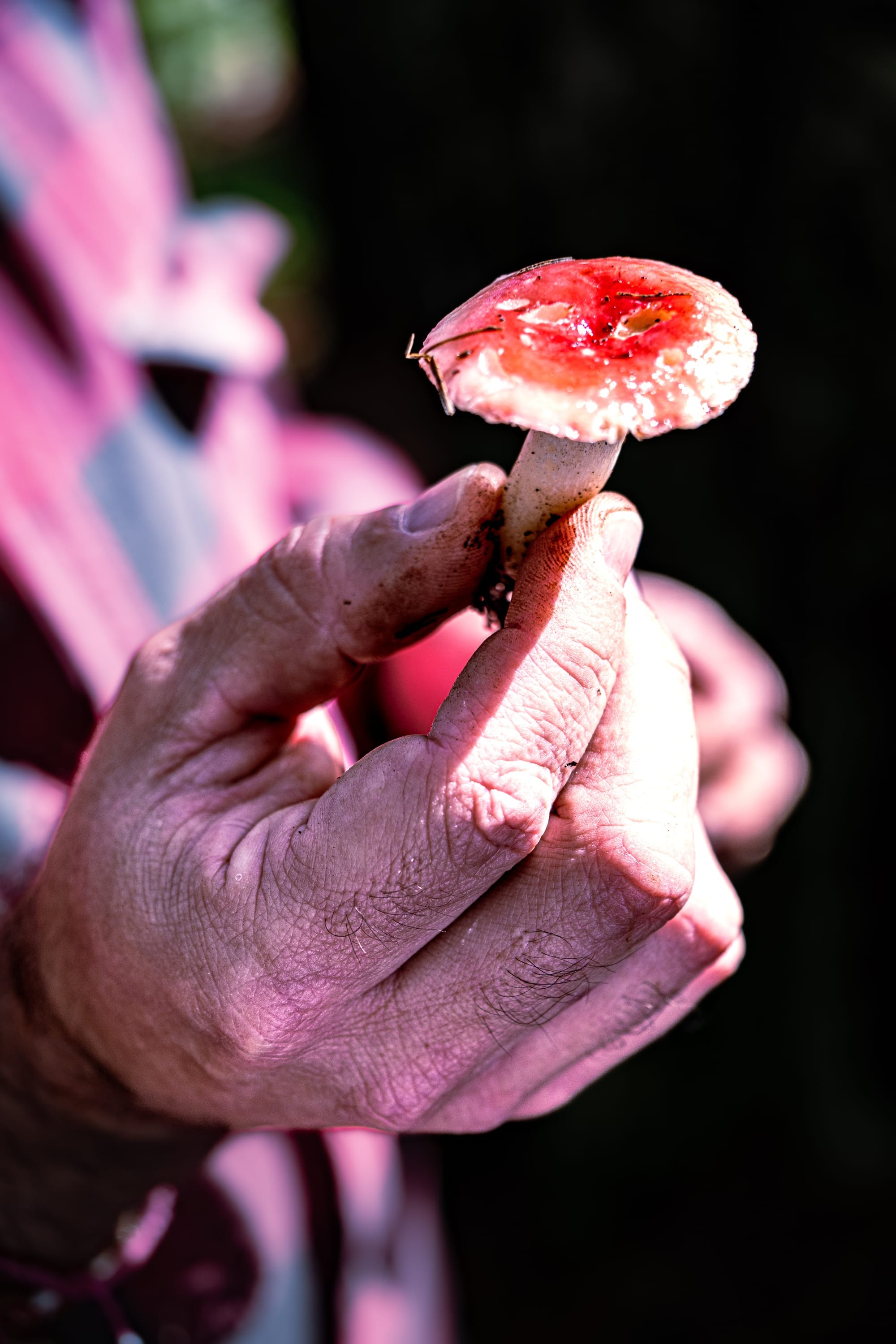
The downsides are practical. Trails get muddy at places like El Arcotete, the waterfalls turn brown with sediment, and swimming is often banned at Misol-Há. Low ground floods at Montebello: in the rainy months it can cut off the acropolis at Chinkultic, as we found. Road trips take longer, and road blockades happen in Chiapas from time to time in any season, so check local news and the UK's travel advice for Mexico before long drives.
Cold nights at 2,200 m: how to stay warm
San Cristóbal is much colder than most people expect from southern Mexico. Days are mild all year, but nights are cold all year, and coldest from December to February. Thick colonial walls keep rooms cold, and central heating is rare. Pack an extra sweater and carry it everywhere: the temperature drops fast after sunset.
- Before you book, ask whether the room has a fireplace (chimenea), an electric or gas heater, or extra blankets. It matters most from November to February.
- Ask how hot water works. Most places use a gas water heater, which can run out or take a while to warm up.
- For a longer stay, budget for a portable heater, or look for a rental with a fireplace.
- Bring warm socks for indoors, even in summer.
Our guide to where to stay in San Cristóbal compares the neighborhoods, and living in San Cristóbal covers renting for a month or more.
What to pack for San Cristóbal by season
Pack for warm days and cold nights in every month. The sun is strong at this altitude once the morning mist lifts, even when the air feels cool.
| Season | Days and nights | Pack |
|---|---|---|
| December to February | About 21°C by day, 5 to 6°C at night | A warm jacket or down jacket, a fleece, a hat for the evenings, warm socks, sunscreen, and sunglasses |
| March and April | About 23 to 24°C by day, 7 to 9°C at night | T-shirts, a fleece, a light jacket, a sun hat, and sunscreen |
| May to October | About 22°C by day, 10 to 12°C at night | A proper rain jacket, waterproof shoes with grip, a fleece, and a small umbrella |
| November | About 21°C by day, 8°C at night | A warm jacket, a rain jacket for early November, and shoes with grip for the cemeteries |
For trips down to the lowlands, add light clothes, insect repellent, and swimwear: Sumidero is hot at midday, and Palenque is hot and humid all year.
Festivals and events in San Cristóbal
Festival dates move with the church calendar and change a little each year, so check the dates for your year before you book.
Day of the Dead (October 31 to November 2)
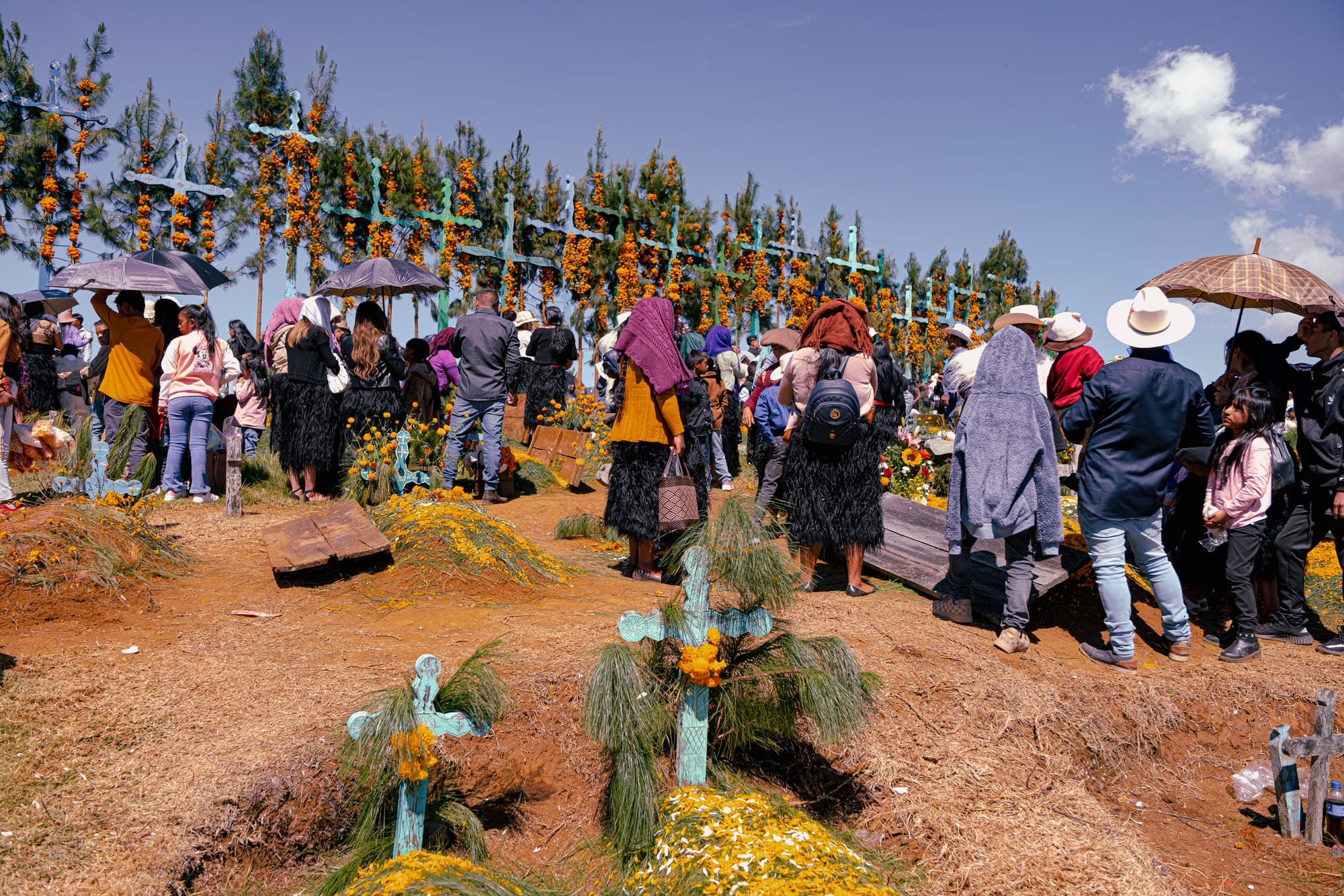
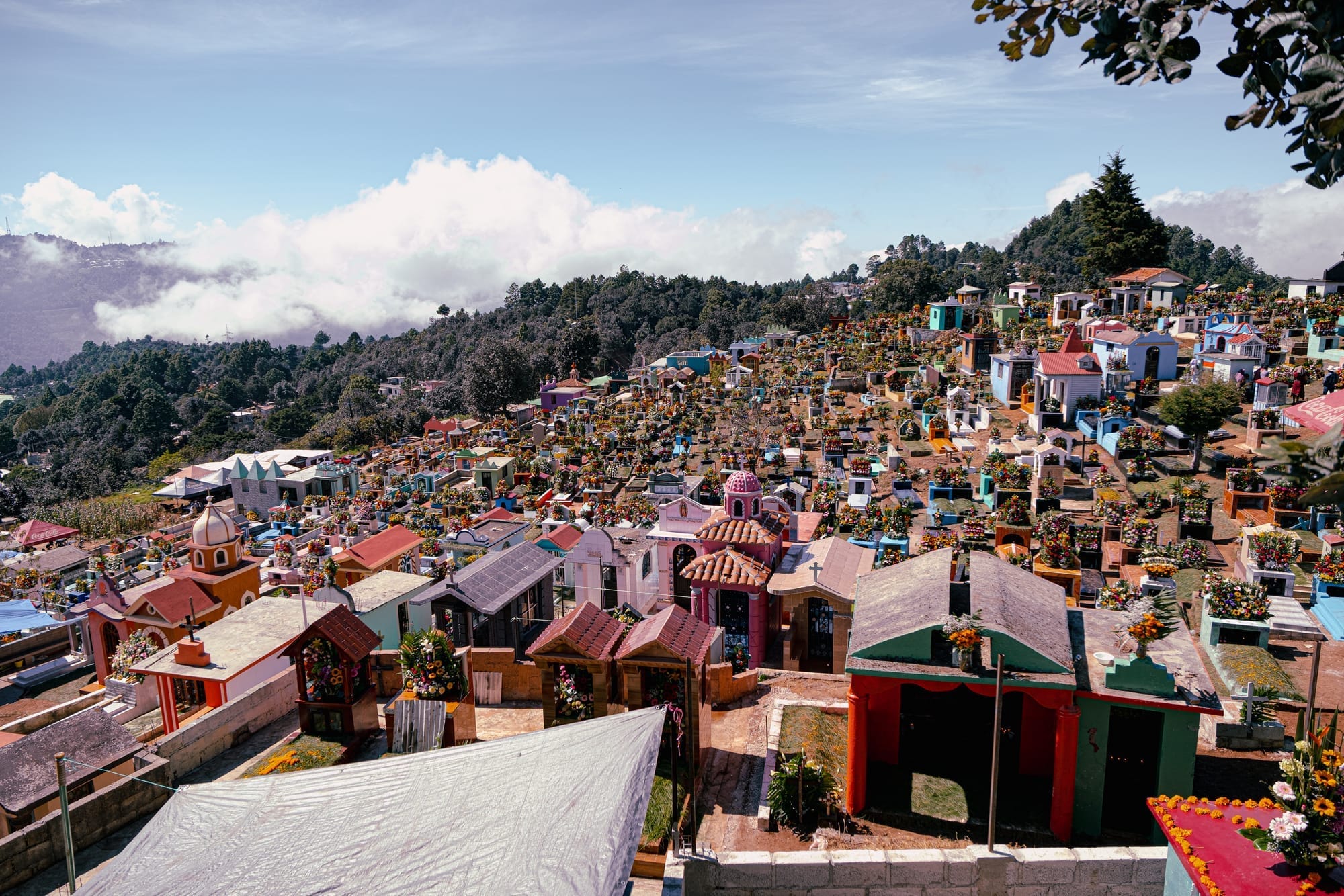
This is the city's best-known festival. Costumes and trick-or-treating start on the evening of October 31, and families gather at the cemeteries on November 1 and 2. We spent the days around Día de Muertos in San Cristóbal and visited three cemeteries: the Panteón Municipal in town, and the Tsotsil cemeteries of Romerillo and Zinacantán in the hills. Late October is the tail end of the rainy season and early November is usually drier, but mornings in the hills are cold and misty, so bring a warm jacket and a rain jacket. Our Day of the Dead in San Cristóbal guide has the plan, and the Panteón Municipal guide covers the preparations in the last week of October.
Chamula Carnaval (February)
San Juan Chamula's Carnaval, K'in Tajimoltik in Tsotsil, runs over the five days before Ash Wednesday. VisitMexico listed the main days in 2026 as February 15 to 17. Ash Wednesday falls on February 10 in 2027, so expect it in the days just before. It's crowded, and the usual rules apply: no photos inside the church, and always ask before photographing people.
Holy Week and the Spring and Peace Fair (March or April)
Holy Week (Semana Santa) brings processions and lots of Mexican visitors. In 2027 it runs from Palm Sunday, March 21, to Easter Sunday, March 28. The Feria de la Primavera y de la Paz (Spring and Peace Fair) follows around Easter week, with crafts markets, concerts, rides, and food stands at the fairground. VisitMexico listed it for April 5 in 2026, which was Easter Sunday, and entry is free. Rooms fill and prices jump for both, so book well ahead. The orchids at Orquídeas Moxviquil are at their best from about April too.
Fiesta de San Cristóbal (July 25)
The city's patron saint's day falls in the rainy season and the Mexican summer holidays. The feast of Saint Christopher centers on the Templo de San Cristóbal, up a long zigzag staircase on Cerro de San Cristóbal, just southwest of the center. Chamula also holds feasts in June and August.
Guadalupe fiesta (December 1 to 12)
The fiesta of the Virgin of Guadalupe runs from December 1 and peaks on December 12, centered on the Templo de Guadalupe, at the top of a long, straight staircase on the hill east of the center. Our guide to the churches of San Cristóbal has more on it. On the same day, many boats make a pilgrimage to the Guadalupe shrine in the walls of Sumidero Canyon.
Best time for day trips from San Cristóbal
Most of the big trips from San Cristóbal are lakes, rivers, and waterfalls, and their color depends on the rain. In the dry season, the water is clear and turquoise. In the rainy season, the falls are bigger but often brown or green.
Once you've picked your dates, our San Cristóbal itinerary splits 3, 5, or 7 days between the city and the trips around it.
| Day trip | Best months | Rainy season |
|---|---|---|
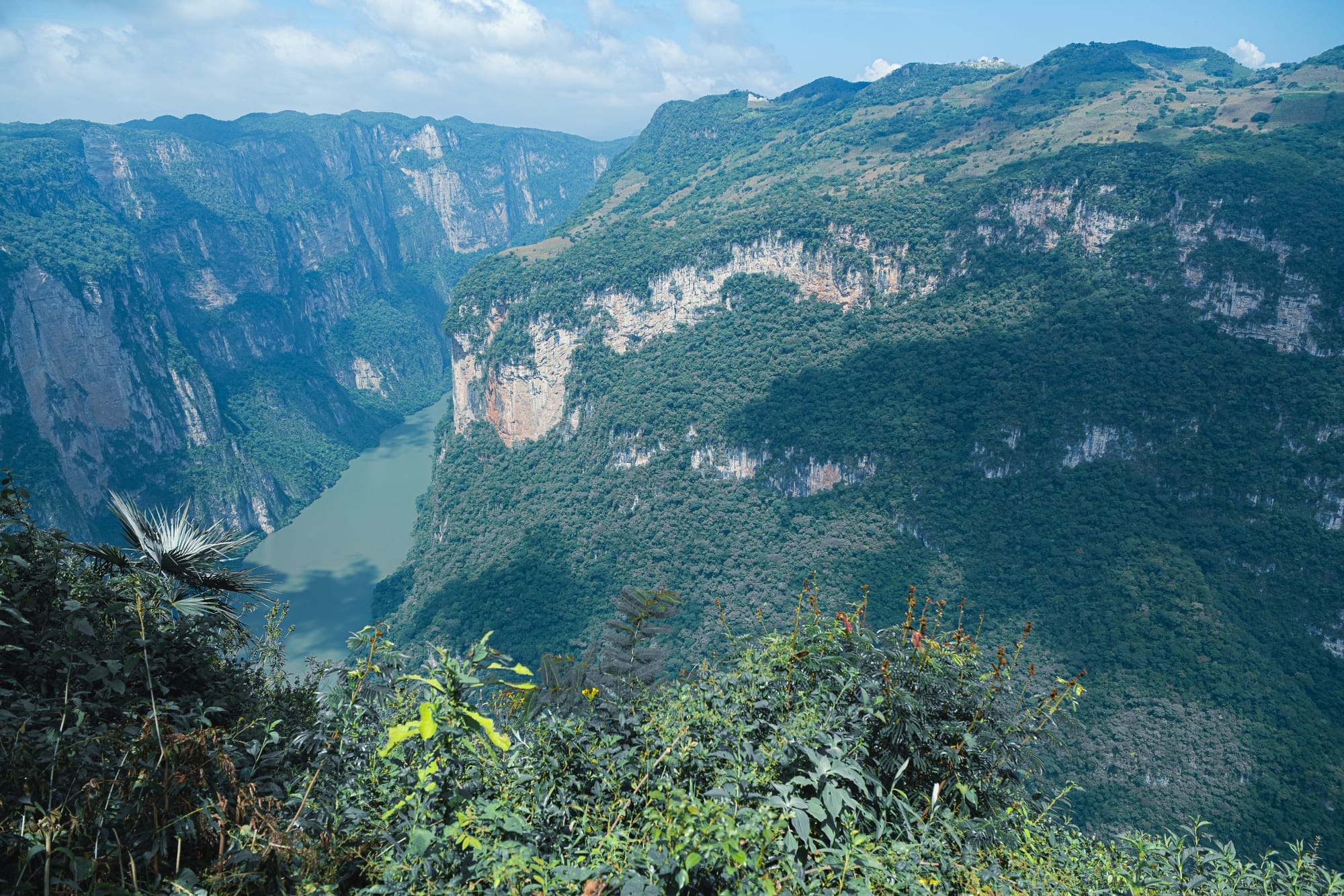
| Cañón del Sumidero | November to April, for clear views and calmer boat rides | Greener, with a fuller Christmas Tree waterfall, but wet afternoons; the river can close for a few days after very heavy rain |
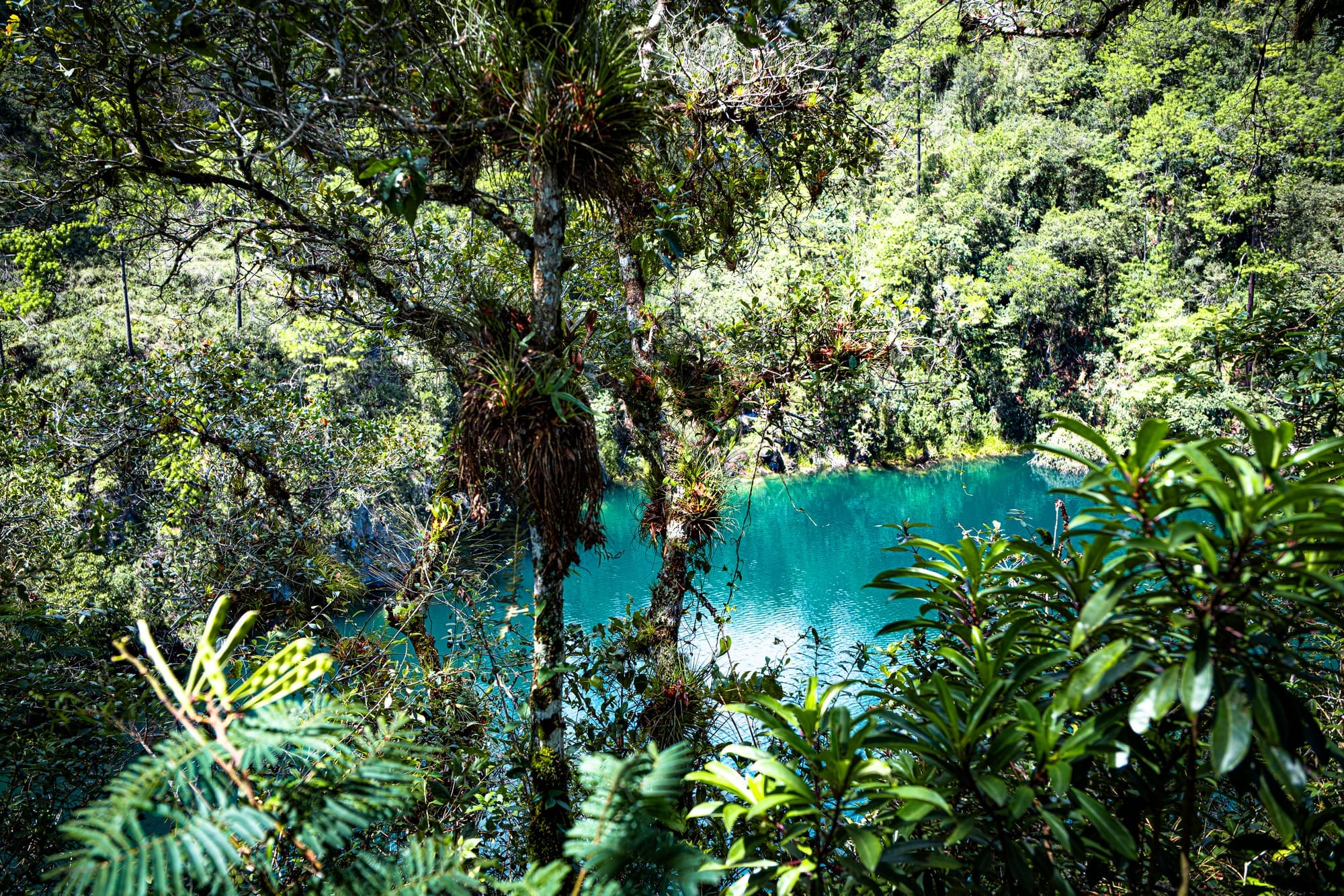
| Lagos de Montebello | November to April, for the brightest colors (busy at Christmas and Holy Week) | Low ground floods, and the Chinkultic crossing and some trails can close |
| Cascadas El Chiflón | Roughly November or January to April, for turquoise water | Bigger falls, but often brown or green pools and muddy trails |
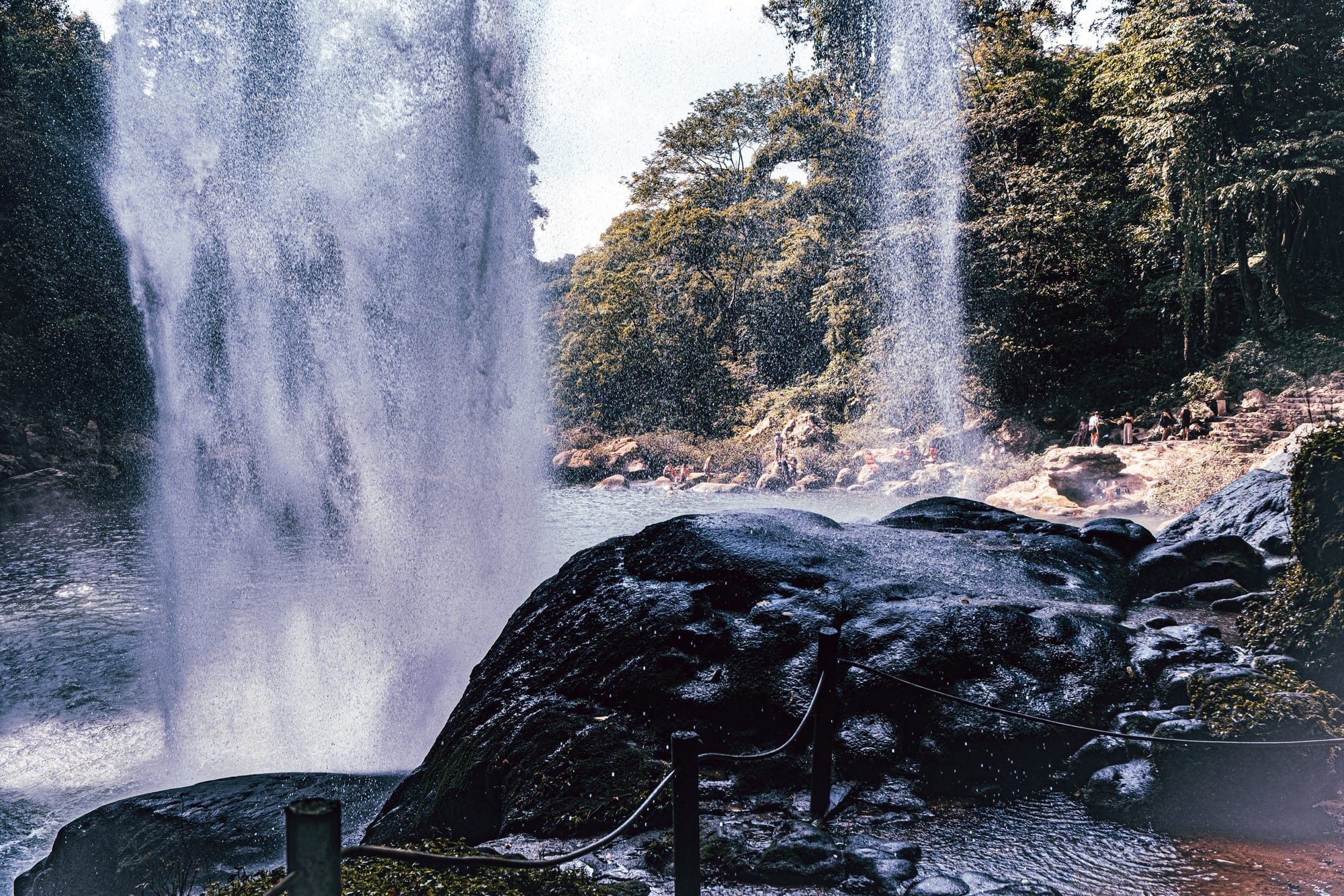
| Misol-Há and Agua Azul | November to April, when the pools are clear and swimming is allowed | Brown water, and swimming is often banned |
| Palenque | November to April; January is the coolest, at about 24°C | About 2,100 mm of rain a year, afternoon showers, and more mosquitoes; March to May are the hottest months |
| Roberto Barrios | November to April, for clearer water | Murkier water |
| Chamula and Zinacantán | All year; dry-season mornings are clear but close to freezing | Bring a rain jacket; festival days are the busiest |
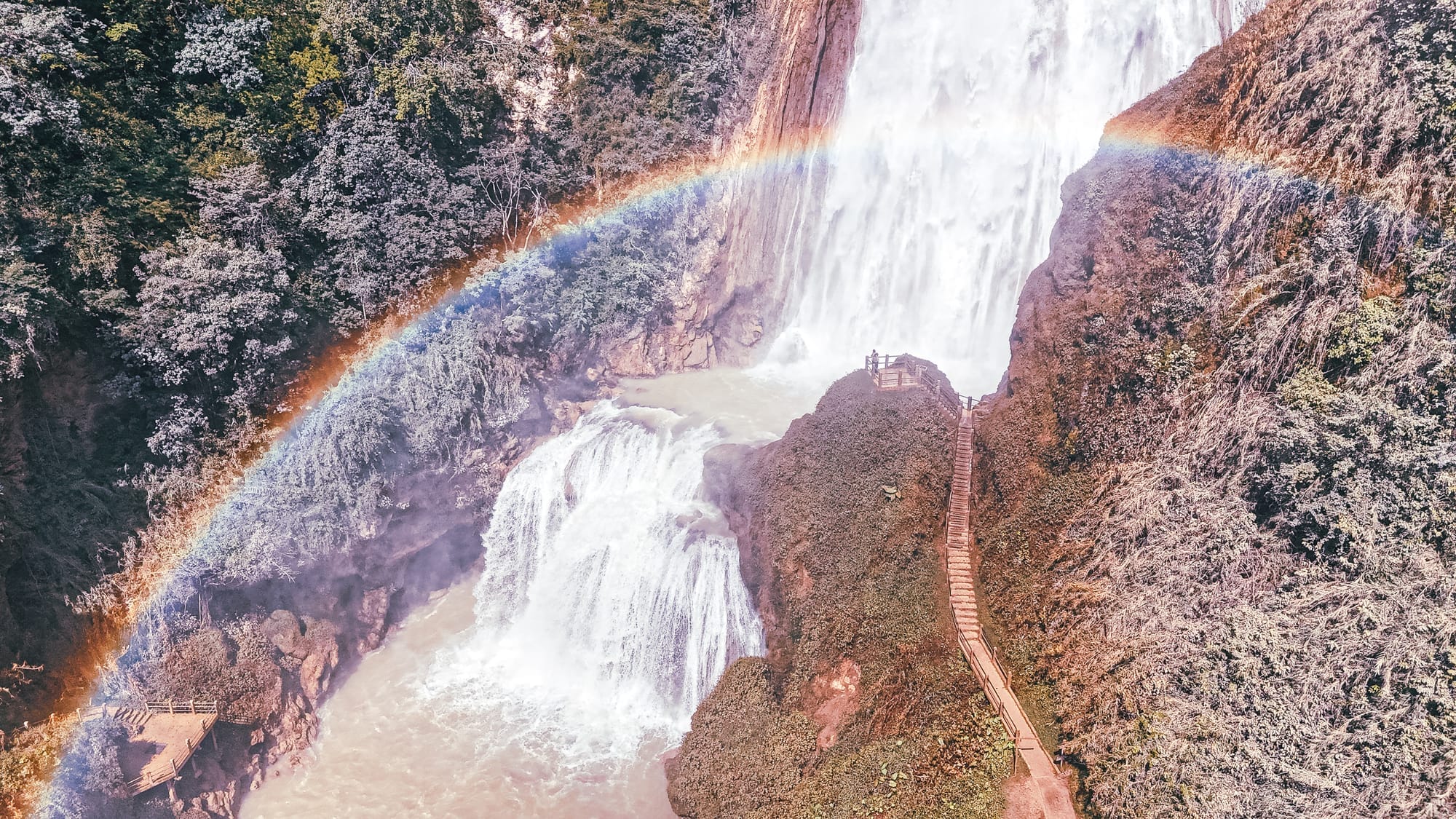
If you're going near the start or end of the rainy season, check recent visitor photos on Google Maps before a long drive to El Chiflón, Misol-Há, or Agua Azul, because the color can change within days. Palenque is about 150 m above sea level, so plan around heat and rain there rather than cold: be at the gate when the site opens at 8 a.m. For trips without a car, our San Cristóbal digital nomad guide has a day-trip list.
Best time to visit San Cristóbal for a longer stay
For a month or more, November to March is the easiest stretch. The weather is dry, the days are comfortable for working, and weekends are good for trips. Just plan for cold evenings and a room with a heater. The rainy season works too, especially if you mostly work during the day: mornings are usually clear, and there are fewer visitors outside July and August. We arrived at the end of the rainy season, stayed through Day of the Dead, and found it an easy place to live.
Tips for any time of year
- Do outdoor plans in the morning, especially from May to October.
- Pack for 20°C days and 5 to 10°C nights in every month.
- Take it easy on the first day: 2,200 m is high enough to feel on stairs and hills.
- Book early for Holy Week, the Spring Fair, Day of the Dead, and Christmas to New Year.
- Check road conditions before long trips, and leave a spare day in case of a blockade.
Useful links: SMN forecasts and warnings, SMN climate normals for San Cristóbal, VisitMexico on the Chamula Carnaval, and the UK's travel advice for Mexico.
Frequently asked questions
What is the best time to visit San Cristóbal de las Casas?
November to April, the dry season, when days are sunny and it rarely rains. November and late February to early March are the best balance of good weather and fewer crowds.
What is the weather like in San Cristóbal de las Casas?
Mild days and cold nights all year. Average highs stay between about 20 and 24°C, and lows range from about 5°C in January to 12°C in June. Most rain falls from May to October.
How cold does San Cristóbal de las Casas get at night?
Average lows are about 5 to 6°C from December to February, and a few nights a year drop below freezing. Most rooms have no heating, so ask for a heater or fireplace when you book.
When is the rainy season in San Cristóbal de las Casas?
From about May or June to October. June and September are the wettest months. Rain usually comes in the afternoon, so mornings are often dry.
Is San Cristóbal de las Casas worth visiting in the rainy season?
Yes, if you plan your outdoor time for the morning. It's greener and less busy, and it's the only time for a fungi hike, but the waterfalls turn brown and swimming is often banned.
When is Day of the Dead in San Cristóbal de las Casas?
From October 31 to November 2, with the main cemetery days on November 1 and 2. See our Day of the Dead in San Cristóbal guide.
When is the best time to see the Montebello lakes and El Chiflón?
The dry season, roughly November to April, when the water is clear and turquoise. In the rainy season, the water often turns green or brown.
Is San Cristóbal de las Casas cold in December?
The days aren't: December averages highs of about 20°C and is one of the driest months. The nights are cold, at about 6°C on average, so bring a warm jacket and check that your room has a heater or extra blankets.
More from San Cristóbal: our San Cristóbal guide, things to do in San Cristóbal, where to stay, vegan food, Day of the Dead, Sumidero Canyon, Lagos de Montebello, and Palenque.


