


San Cristóbal de las Casas is safe for most visitors who take ordinary city precautions. The historic center is busy until late, petty theft is the main crime risk, and violent crime against tourists in town is rare. The bigger risks are on the roads around it: protests and roadblocks (bloqueos) are common in Chiapas, the UK government advises against all but essential travel on Highway 199 between San Cristóbal and Palenque, and the area near the Guatemala border has organized crime. So is Chiapas safe? Most of the places visitors go are fine with some planning, but you need to check the road and the official advice before every long trip.
We lived in San Cristóbal for a season, at the Co404 coliving in Barrio de Mexicanos, from the end of the rainy season through Day of the Dead, and found it an easy place to live. This guide combines that experience with the official advice from the UK and US governments, checked in November 2026.
San Cristóbal de las Casas safety at a glance
- In the city: generally safe with normal care. Watch for pickpockets in crowds and markets, and take a taxi home late at night.
- Roads: roadblocks can close roads for hours. Travel in daylight and keep a spare day in your plans.
- Palenque: the UK advises against all but essential travel on Highway 199 via Ocosingo. The longer bus route via Villahermosa avoids it.
- Guatemala border: the UK advises against all but essential travel within 40 km of the border, which takes in the Montebello lakes.
- Indigenous towns: no photos inside the church in San Juan Chamula, and always ask before photographing people.
- Emergencies: call 911.
What the official travel advice says (November 2026)
Government advice is written for the worst case, and it changes, so read the latest version yourself before you go. Here is where it stood when we checked on 28 November 2026.
UK (FCDO): the UK's regional advice for Mexico has two warnings for Chiapas, both "against all but essential travel", and none against all travel. The first covers Federal Highway 199 between Rancho Nuevo, just outside San Cristóbal, and the Chancalá junction near Palenque, where Highway 199 meets Highway 307. The FCDO reports frequent illegal roadblocks and checkpoints on this stretch, road closures caused by protests, and a kidnapping risk. The second covers the area within 40 km of the Guatemala border, from the Pacific coast up to and including the Gracias a Dios crossing, because of organized crime groups fighting over trafficking routes. The FCDO notes that these gangs don't usually target tourists, but that visitors can get caught up in violence. San Cristóbal itself is not inside either zone.
US (State Department): the US travel advisory for Mexico, reissued on 29 May 2026, rates Mexico as a whole at Level 2, "Exercise increased caution". It gives each state its own entry with a map of the areas where US government employees may not travel, and it strongly advises US citizens to follow the same restrictions. Chiapas is not one of the Level 4 "Do not travel" states. The advisory gives Chiapas its own entry, so read its current level and wording before you go. Open the Chiapas entry and its map before you book. Some of the US rules for its own staff are good general advice anywhere in Mexico: don't travel between cities after dark, use taxis from a regulated stand or an app rather than flagging one down in the street, and avoid traveling alone in remote areas.
| Area | UK advice (Nov 2026) | What it means for you |
|---|---|---|
| San Cristóbal city | No specific warning | Normal city precautions |
| Chamula, Zinacantán, Sumidero Canyon, El Chiflón | No specific warning | Go by day; roadblocks possible |
| Highway 199, Rancho Nuevo to Chancalá (via Ocosingo, Agua Azul, and Misol-Há) | All but essential travel | Take the Villahermosa route or check your insurance |
| Within 40 km of the Guatemala border (includes Montebello) | All but essential travel | Ask locally, travel by day, check your insurance |
| Palenque town and ruins | No specific warning | The risk is the road there, not the site |
One practical point: some travel insurers won't cover you in an area your government advises against, so read your policy before you plan a trip to Palenque by Highway 199 or to the border lakes.
Is San Cristóbal de las Casas safe in the city itself?
For most visitors, yes. San Cristóbal is a small, walkable city of cobbled streets, and every central neighborhood is within about 15 minutes' walk of the main square. Most of the eating and drinking happens on the two pedestrian streets, Real de Guadalupe and the Andador Eclesiástico, which makes them the liveliest part of town after dark.
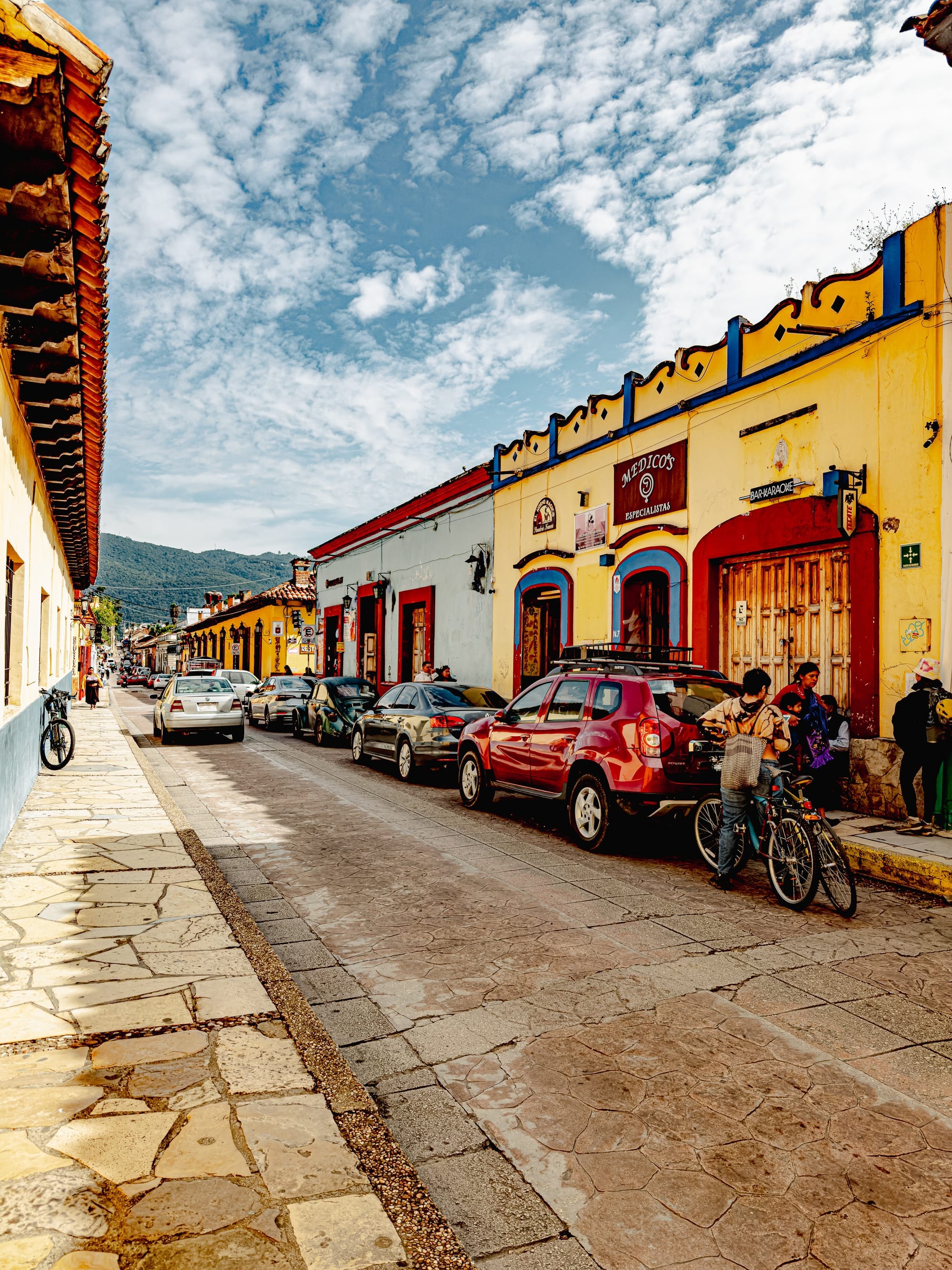
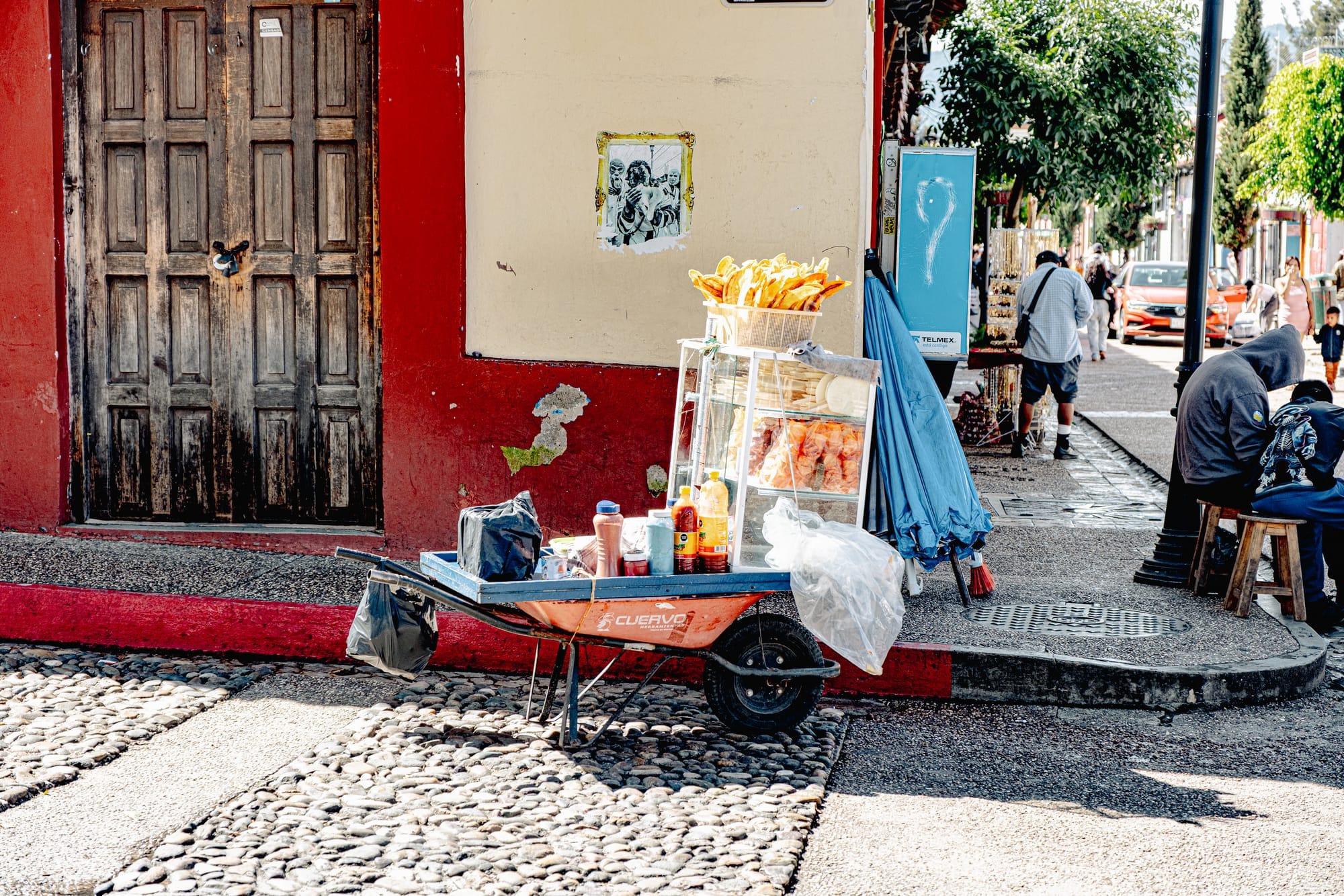
The crime you're most likely to meet is petty theft. The UK's safety advice for Mexico warns that "pickpocketing and theft are common, including on public transport." In San Cristóbal, that means the crowded markets, the colectivos, festivals, and the bus station. Keep your phone in a front pocket, carry only the cash you need for the day, and keep your bag on your lap in a van.
At night: the center and the pedestrian streets are fine to walk in the evening. The emptier streets toward the outskirts are a different matter after dark, so take a taxi home if you're out late or staying outside the center. Keep your phone out of sight on empty streets. Use ATMs inside banks or shops during the day, and don't take out large amounts at once.
Centro vs the outskirts: the Centro Histórico, Barrio de Guadalupe, Barrio de Mexicanos, and El Cerrillo are where most visitors stay, and they're the easiest areas to walk around. The neighborhoods on the edge of town, where many families displaced from Chamula and other highland towns have settled since the 1970s, are residential and poorer, with nothing much for visitors and fewer people on the street at night. You'll pass through them in a taxi or colectivo, and there's no reason to wander them on foot after dark. Our guide to where to stay in San Cristóbal compares the central areas.
Drinks and nightlife: the UK warns that "sexual offences have been reported in tourist areas" and advises not to leave food or drinks unattended. San Cristóbal's bars are relaxed, but the usual rules apply: watch your drink, and go home with people you know.
Roadblocks (bloqueos) in Chiapas and what to do
Roadblocks are the thing most likely to disrupt a trip in Chiapas. Protest groups and local communities block roads, sometimes for an hour and sometimes for a day or more. Some communities also set up their own checkpoints and ask passing vehicles for a small payment, which the FCDO describes as an unofficial toll. Most blockades are about local politics, not tourists, and most travelers who meet one are simply delayed.
What to do:
- Ask your host, hotel, or tour company about the roads the night before a long trip. Local WhatsApp groups and news usually know about blockades before you do.
- Leave early, travel by day, and keep a spare day before a flight out of Tuxtla.
- If you reach a blockade, stay calm and stay in the vehicle unless told otherwise. Let your driver handle it.
- If you're asked for a small toll at a community checkpoint, paying is usually the quickest way through. Keep small notes separate from your main cash.
- If a road is closed, don't try to walk around a blockade or take an unknown back road. Wait, or turn back.
- Carry water, snacks, and a charged phone on every long journey.
- Avoid demonstrations in town too: the UK advises avoiding all demonstrations and moving away if you come across one.
The Palenque road: Highway 199 vs the Villahermosa route
This is the most common safety question about Chiapas. Palenque is about 200 km from San Cristóbal, and there are two main ways to get there by road.
Highway 199 via Ocosingo: the direct road, about five to six hours. It passes Ocosingo, Agua Azul, and Misol-Há, and it's the route nearly all shuttle tours take, leaving San Cristóbal very early in the morning. This is the stretch the UK advises against, from Rancho Nuevo to the Chancalá junction. Most tours and shuttles still use it, and most travelers get through without trouble, but blockades and unofficial tolls on this road are frequent.
Via Tuxtla and Villahermosa: the long way round, about eight to nine hours on an OCC or ADO bus, with a few departures a day, including an overnight bus. It stays on the main highways and avoids Highway 199 completely. You miss the waterfalls on the way, but you can see Misol-Há and Roberto Barrios from Palenque town instead.
Flying or the train: Palenque has a small airport with a few flights a week from Mexico City, and Villahermosa airport is about two hours from Palenque. Palenque is also the western end of the Tren Maya.
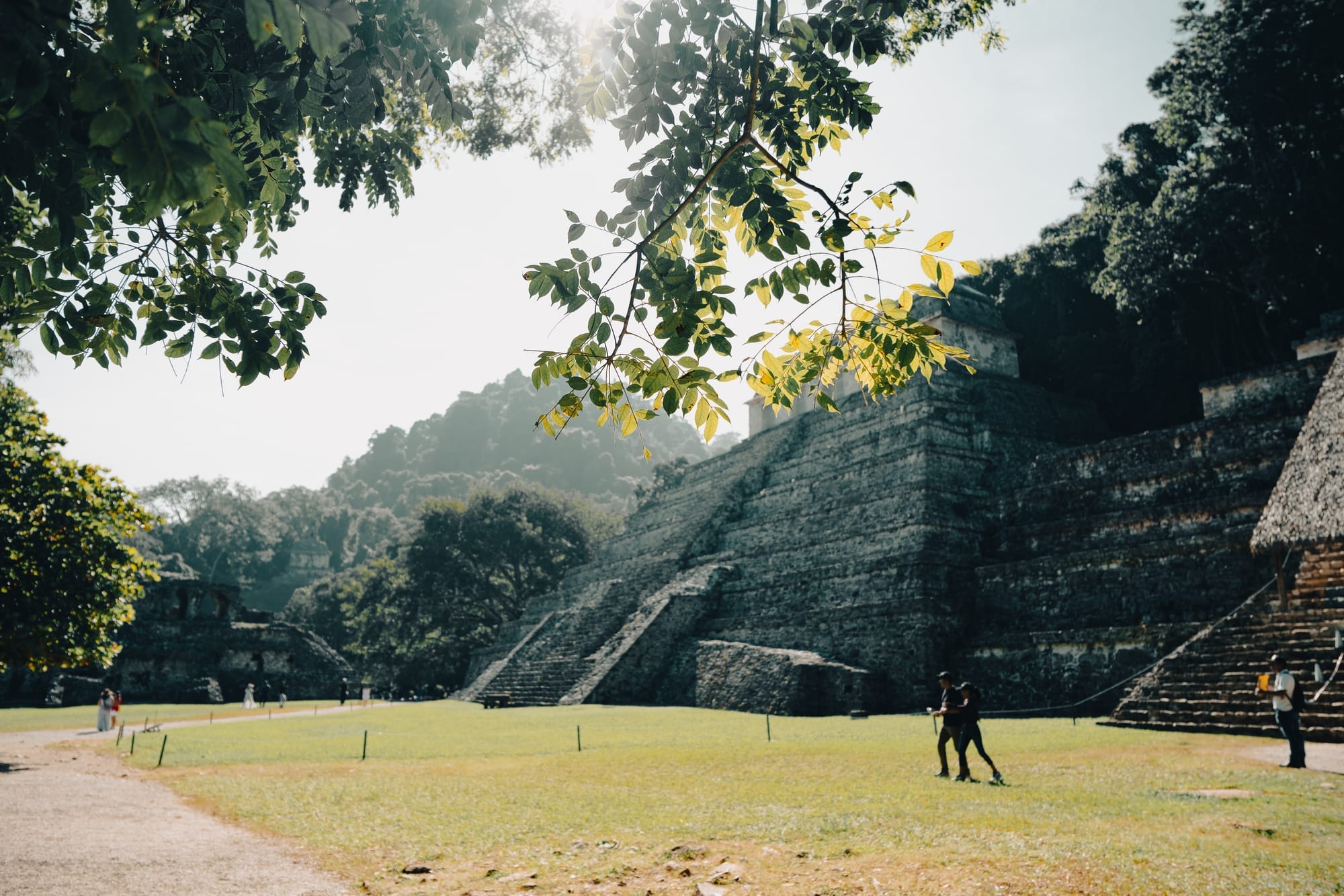
Our take: if you want the waterfalls in one day and you're comfortable with the advice on Highway 199, a shuttle tour is the easiest option. If you'd rather avoid that road, take the bus via Villahermosa. Either way, don't take a colectivo or drive on Highway 199 after dark. Our Palenque guide has the full transport details.
The Guatemala border and the Montebello lakes
The UK's 40 km border warning runs from the Pacific coast up to the Gracias a Dios crossing, and that includes the Lagos de Montebello, a national park right on the border. Most of the violence has been further south, around Frontera Comalapa and Tapachula, and the lakes around Tziscao fill up with Mexican families at weekends. We spent a weekend at Montebello with friends, staying in lakeside cabins.
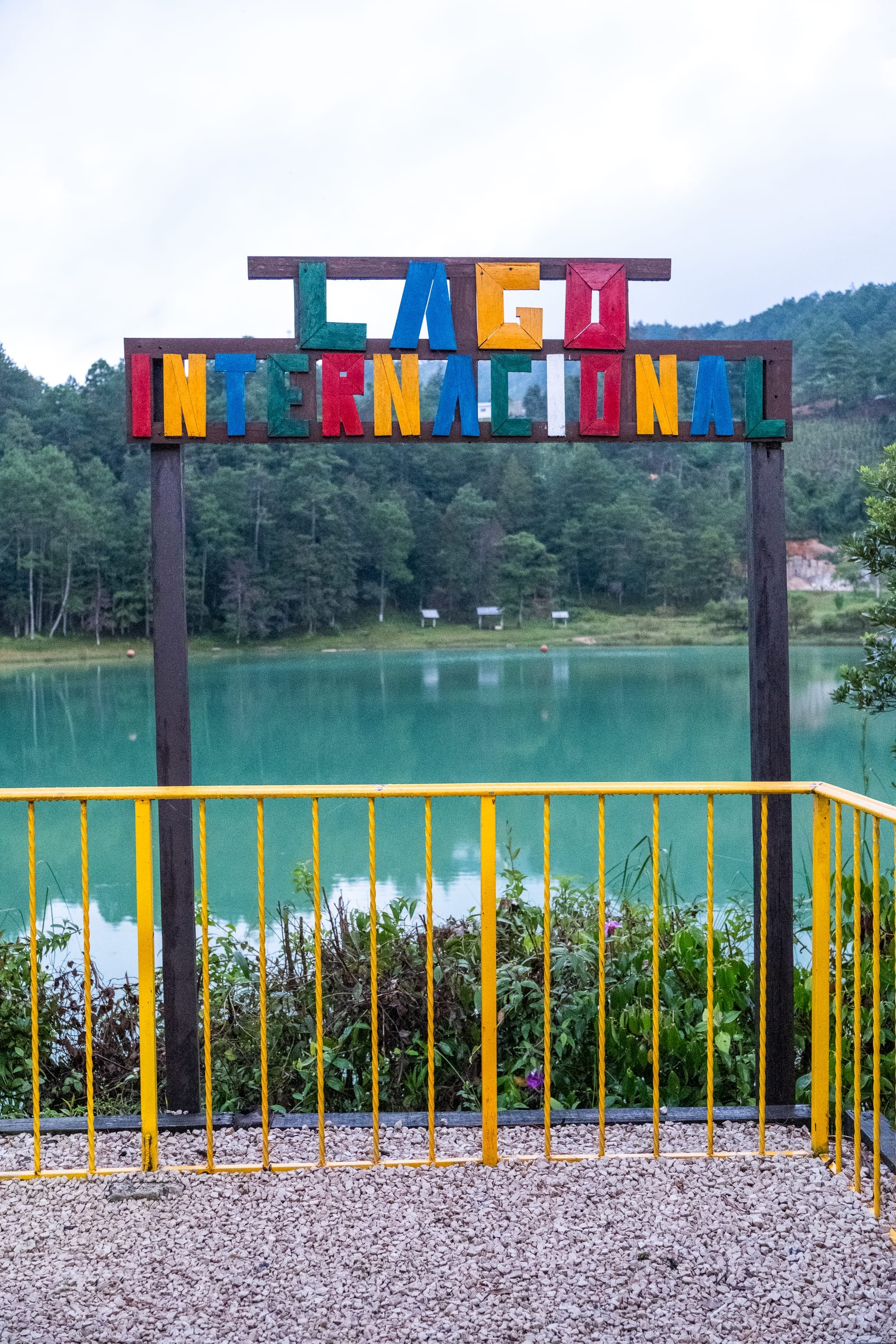
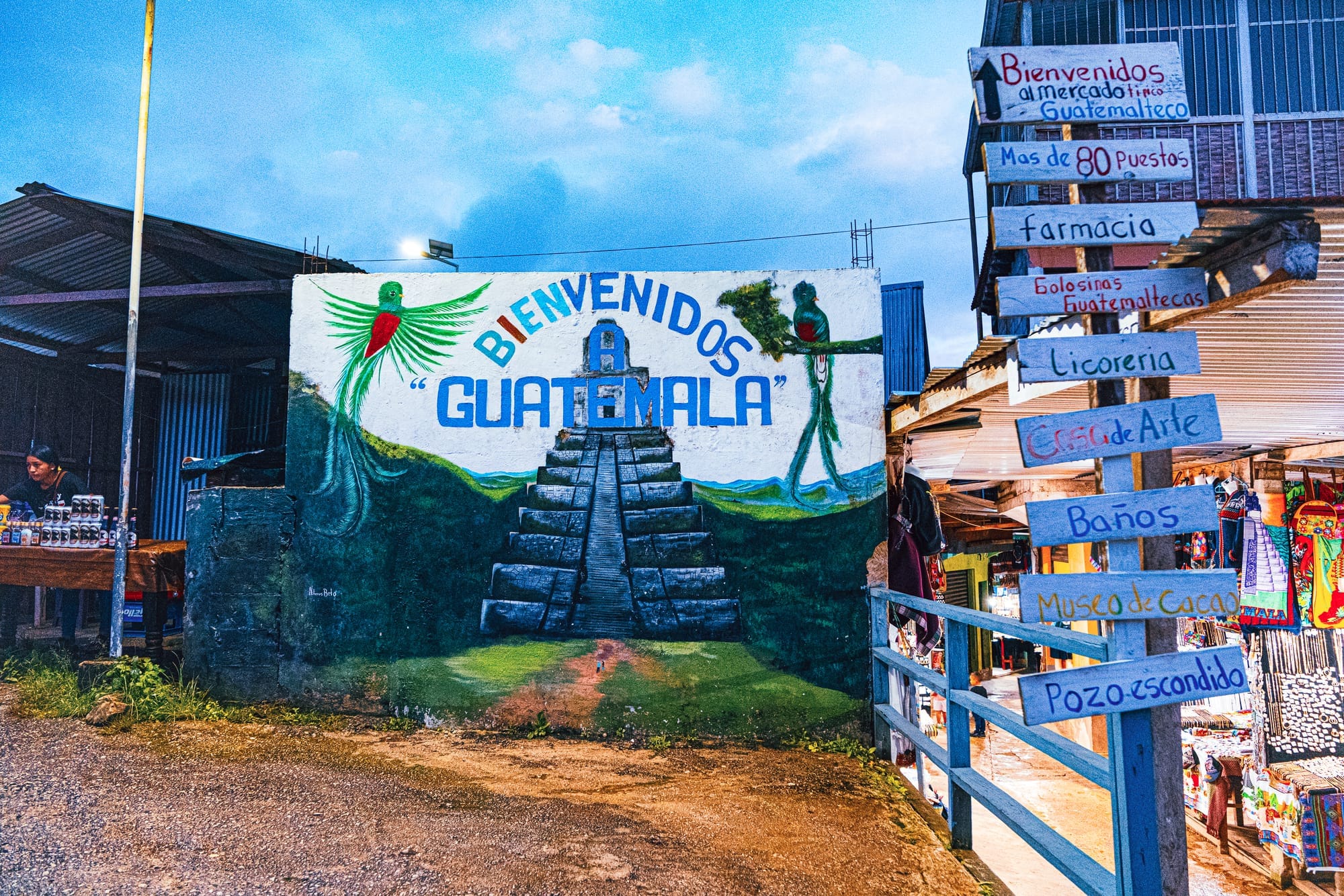
Still, it's a border zone, so plan sensibly. Travel there and back by day (the last colectivos from the lakes to Comitán leave fairly early), don't wander far into the forest alone near the border, ask your cabin or people in Comitán about the current situation, and check your insurance. Your phone may switch to a Guatemalan network, so check your roaming settings. At Laguna Internacional you can step a few meters onto the Guatemalan side among the stalls, but treat it as a short look, not a border crossing.
Colectivos and taxis
Taxis are cheap and the easiest way home at night. A ride across town cost about 30 to 50 pesos in 2026. They don't use meters, so agree the fare before you get in by asking "¿cuánto cuesta?". The UK advises using sitio taxis from an official rank or asking your hotel or restaurant to call one, and the US advises its staff not to flag taxis down in the street. At Tuxtla airport, use the authorized airport transport or a shuttle you've booked.
Colectivos (shared vans) run to Chamula, Zinacantán, and most nearby towns from stops near the market, for about 20 to 25 pesos to Chamula. They're safe for short trips by day, and they're how most locals travel. Keep your bag on your lap, have small change ready, and don't ride long routes in a colectivo after dark. For longer trips, OCC and ADO buses from the main bus station are the safer and more comfortable choice.
| Transport | Good for | Safety tip |
|---|---|---|
| Walking | The center and nearby barrios | Taxi home late at night or from the outskirts |
| Taxi | Across town, late nights | Use a rank or call one; agree the fare first |
| Colectivo | Chamula, Zinacantán, nearby towns | Daytime only; bag on your lap |
| OCC or ADO bus | Tuxtla, Comitán, Palenque via Villahermosa | Book ahead at holidays; keep valuables with you |
| Shuttle tour | Palenque, Sumidero Canyon, Montebello, El Chiflón | Ask which road it uses and check your insurance |
Is San Cristóbal safe for solo women?
Many women travel alone in San Cristóbal, and the city has a large community of long-stay foreigners, language students, and volunteers, many of them women. The same precautions as anywhere in Mexico apply, and the official advice is frank about the risks. The UK government notes that "women travelling alone on public transport have been harassed, robbed and sexually assaulted", and it links to its general advice for women traveling abroad. The US advises avoiding travel alone in remote areas.
In practice: take taxis from a rank or ask a café or hostel to call one at night, share your live location with a friend on day trips, use buses rather than colectivos for long journeys, and choose group tours or go with friends for remote places like Montebello or hikes outside town. Staying in a coliving or a well-reviewed guesthouse is an easy way to meet people to go out with.
Respect and photography in Chamula and Zinacantán
San Juan Chamula and Zinacantán are Tsotsil Maya towns a short ride from San Cristóbal, and they're among the most visited places in the area. They're safe to visit by day, but they run on their own rules, and breaking them is the most likely way for a visitor to get into real trouble.
Chamula is self-governing: the community has its own police, and state police don't normally operate in town. The church of San Juan Bautista charges an entry fee of about 30 to 35 pesos (2026), and photos and video inside are strictly banned. Wikipedia's Chamula page notes that people who break the rule can be fined and expelled from town, and visitors and guides report cameras being confiscated. Photos of the outside of the church and the plaza are fine.
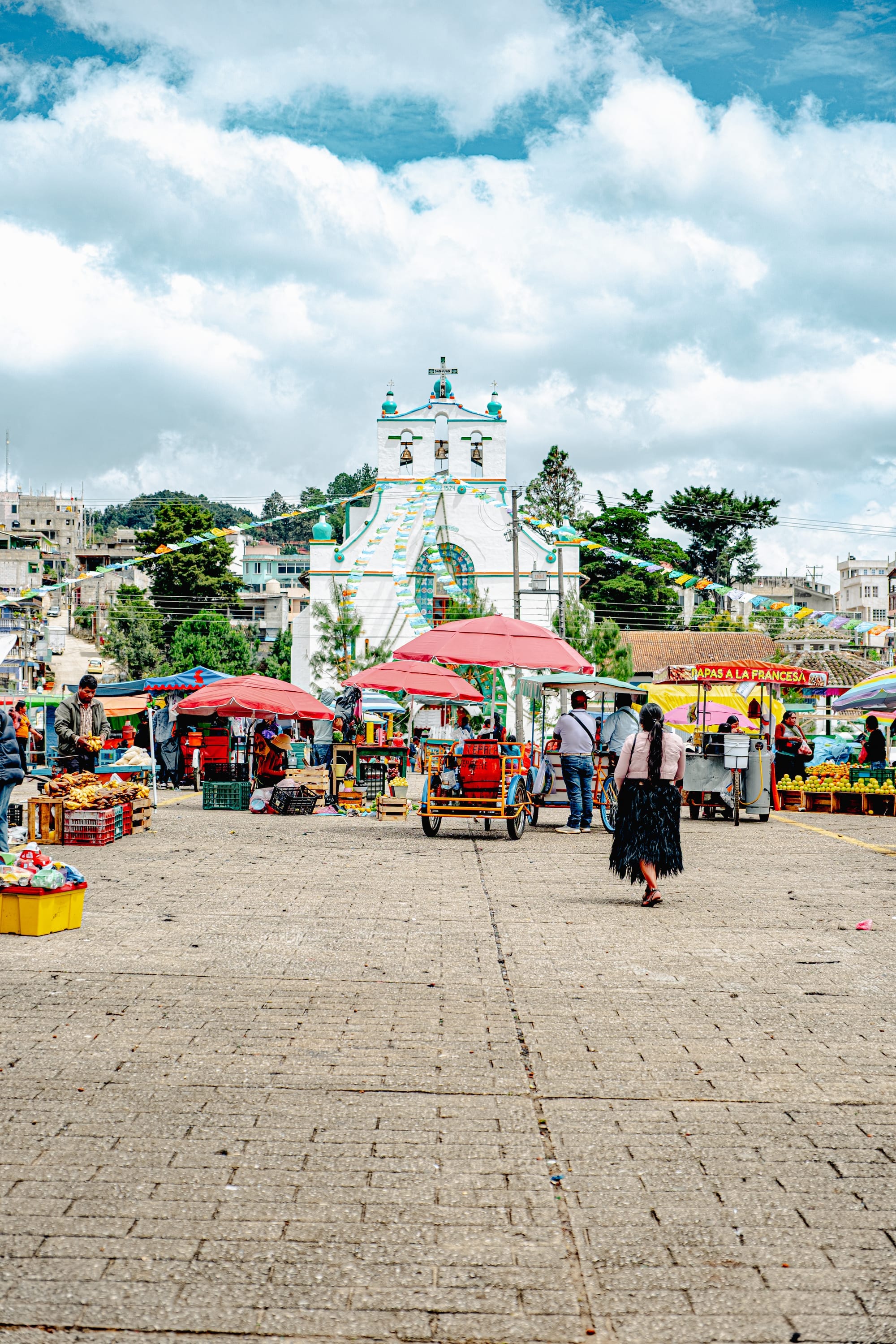
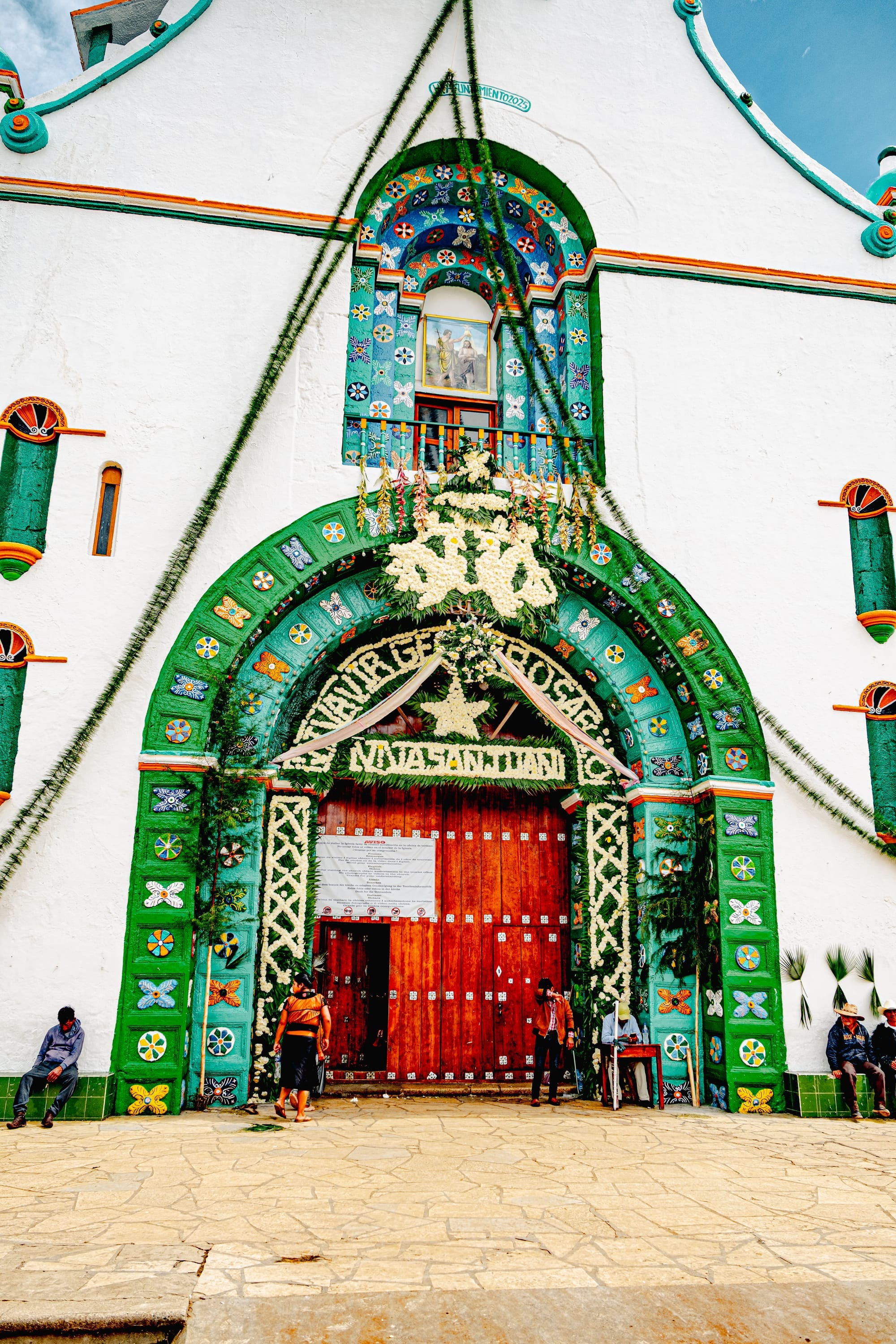
The rules to follow in both towns:
- Put your phone and camera away before you enter the Chamula church, take your hat off, and keep your voice down.
- In Zinacantán, photography inside the church of San Lorenzo is generally not allowed, so check for signs or ask before you raise your phone, even in the churchyard.
- Always ask before photographing a person, and accept a no.
- Don't photograph children, rituals, or community officials without clear permission.
- Don't walk into homes or greenhouses without an invitation.
- Dress modestly and watch rituals from the side, without interrupting.
A local guide helps a lot here, both for context and for knowing what's allowed on the day. Our guide to San Juan Chamula and Zinacantán has the details, and the same rules apply at the cemeteries at Day of the Dead.
Altitude and health basics
San Cristóbal sits at about 2,200 meters. Most people only notice it as shortness of breath on the steep streets and stairs for the first couple of days, so take it easy on arrival, drink plenty of water, and go easy on alcohol at first. The sun is strong even on cool days, so wear sunscreen and a hat. Nights are cold, especially from November to February, and many houses have no heating, so bring warm clothes.
The tap water isn't safe to drink. Most people buy large refillable jugs (garrafones) or use filtered water, and it's worth being careful with ice and raw salads in cheap places. Pharmacies are everywhere for minor problems. Health care in town is fine for routine issues, but many residents go to Tuxtla Gutiérrez, about an hour away, for specialist care.
Travel insurance
Get travel insurance that covers medical care for your whole stay, and read the small print about areas your government advises against, since that can matter for Highway 199 and the border lakes. A fall on a cobbled street, a stomach bug, or a stolen phone are the realistic risks here, and a hospital visit gets expensive quickly when you're paying yourself. We'd recommend SafetyWing Nomad Insurance, which you can buy after you've left home and renew every four weeks.
Emergency numbers in San Cristóbal
- 911: Mexico's national emergency number for police, ambulance, and fire, free from any phone, 24 hours a day.
- 089: anonymous reports, including extortion attempts.
- 078: the tourism ministry's tourist assistance line (Ángeles Verdes), which also helps drivers on federal highways.
- Your embassy: save the number of your country's embassy or nearest consulate before you go.
Operators may only speak Spanish, so learn your address in Spanish or keep it written down, and save a pinned location you can share.
Risks and practical tips
| Risk | How likely | Practical tip |
|---|---|---|
| Pickpocketing and bag theft | The most common problem | Front pockets, bag on your lap in colectivos, extra care in markets and at festivals |
| Walking at night | Low in the center, higher on the outskirts | Stay on busy streets; taxi home late |
| Roadblocks (bloqueos) | Common across Chiapas | Ask about roads the night before, leave early, keep a spare day |
| Highway 199 to Palenque | UK advises against all but essential travel | Bus via Villahermosa, or a daytime shuttle after checking your insurance |
| Guatemala border area | UK advises against all but essential travel within 40 km | Daytime only, ask locally, check your insurance |
| Taxis | Low with rank or called taxis | Use a rank or have one called; agree the fare first |
| Photos in Indigenous towns | Serious if you break the rules | No photos in the Chamula church; ask before photographing anyone |
| Drink spiking | Reported in tourist areas | Never leave a drink unattended |
| Altitude and sun | Mild for most people | Easy first days, water, sunscreen |
| Stomach bugs | Common | Bottled or filtered water only |
For everything else, see our guides to living in San Cristóbal de las Casas and the best things to do in San Cristóbal.
Useful links: UK foreign travel advice for Mexico, US travel advisory for Mexico, and Ángeles Verdes tourist assistance.
Frequently asked questions
Is San Cristóbal de las Casas safe for tourists?
Yes, for most visitors who take normal precautions. Petty theft is the main risk in town. The bigger concerns are roadblocks and the roads to Palenque and the Guatemala border, so check the official advice before day trips.
Is Chiapas safe to visit?
Most of the places visitors go in Chiapas, including San Cristóbal, Chamula, Sumidero Canyon, and Palenque, are visited safely by many travelers every year. The UK advises against all but essential travel on Highway 199 between San Cristóbal and Palenque and within 40 km of the Guatemala border, so plan your routes around those warnings.
Is it safe to walk around San Cristóbal at night?
The center and the pedestrian streets are busy and fine to walk in the evening. Take a taxi home late at night, especially to or from the outskirts.
Is the road from San Cristóbal to Palenque safe?
The UK advises against "all but essential travel" on Highway 199 via Ocosingo because of roadblocks, checkpoints, and a risk of kidnapping. Most shuttle tours still use it. The bus via Villahermosa takes longer but avoids it.
Is San Cristóbal safe for solo female travelers?
Many women travel alone here without problems. Use called taxis at night, take buses rather than colectivos for long trips, share your location on day trips, and join a group for remote places.
Can you take photos in San Juan Chamula?
Not inside the church: photos and video are strictly banned, and cameras can be confiscated. Photos of the outside and the plaza are fine, but always ask before photographing people.
What should I do if I hit a roadblock in Chiapas?
Stay calm, stay in the vehicle, and let your driver handle it. Small community tolls are usually quickest to pay. Don't try to get around a blockade on foot or by back roads.
Can you drink the tap water in San Cristóbal?
No. Drink bottled or filtered water. Most residents buy refillable garrafones.
What is the emergency number in Mexico?
911, for police, ambulance, and fire. It's free from any phone.
More from San Cristóbal: things to do in San Cristóbal, where to stay in San Cristóbal, living in San Cristóbal de las Casas, Palenque, Lagos de Montebello, San Juan Chamula and Zinacantán, and our San Cristóbal guide.


