
The best time to visit the Azores is June to September, when São Miguel is at its warmest and driest, the sea is warm enough to swim, and the hydrangeas flower along the roads from about June to August. June and September are the sweet spots: the same good weather as high summer, with fewer people and lower prices than July and August. For blue and fin whales, come in April or May. For the lowest prices and the emptiest hot springs, come between November and March, and bring a good rain jacket.
The Azores never get very hot or very cold. In Ponta Delgada, the average high runs from about 17°C in winter to 26°C in August, so the real difference between the seasons is rain, cloud, and how many other visitors you share the viewpoints with. We spent a month living on São Miguel, and the figures below come from Portugal's weather service (IPMA), the regional statistics office, and our own guides to the island.
Best time to visit the Azores at a glance
- Best weather: July to September (warmest, least rain, sea at about 22 to 23°C)
- Best overall: June and September
- Hydrangeas: about June to August
- Whales: April and May for blue, fin, and sei whales; sperm whales all year
- Cheapest and least crowded: November to March
- Wettest month: December
The Azores month by month
Air temperatures and rain are the 1991 to 2020 averages for Ponta Delgada on São Miguel, from IPMA's climate normals. Sea temperatures are approximate averages near Ponta Delgada. The crater rims are higher, so expect them to be cooler, wetter, and windier than the coast.
| Month | Air (high / low) | Sea | Rain (days) | Crowds | Prices | Whale season | Hydrangeas |
|---|---|---|---|---|---|---|---|
| January | 17.5 / 12.7°C | About 17°C | 102 mm (13) | Low | Lowest | Sperm whales, dolphins | No |
| February | 17.4 / 12.1°C | About 16°C | 87 mm (11) | Low | Lowest | Sperm whales, dolphins | No |
| March | 17.9 / 12.6°C | About 16°C | 97 mm (12) | Low | Low | Baleen whales start arriving | No |
| April | 18.8 / 13.3°C | About 17°C | 80 mm (10) | Medium | Medium | Peak for fin and sei whales | No |
| May | 20.2 / 14.6°C | About 18°C | 61 mm (9) | Medium | Medium | Peak for blue whales | Not yet |
| June | 22.4 / 16.8°C | About 20°C | 44 mm (7) | High | High | Last baleen whales, more dolphins | In flower |
| July | 24.7 / 18.9°C | About 22°C | 26 mm (5) | Highest | Highest | Sperm whales, dolphins | In flower |
| August | 26.0 / 19.9°C | About 23°C | 46 mm (7) | Highest | Highest | Sperm whales, dolphins | In flower |
| September | 25.0 / 19.1°C | About 23°C | 78 mm (9) | High | High | Sperm whales, dolphins | Mostly over |
| October | 22.6 / 17.1°C | About 21°C | 118 mm (14) | Medium | Medium | Sperm whales, dolphins | No |
| November | 19.9 / 14.9°C | About 20°C | 95 mm (12) | Low | Low | Sperm whales, dolphins | No |
| December | 18.3 / 13.4°C | About 18°C | 153 mm (15) | Low | Low | Sperm whales, dolphins | No |
Rain days are the average number of days with at least 1 mm of rain. Crowds and prices are a general guide: the island is busiest from June to September and peaks in July and August, when car hire and rooms cost the most. In 2025, Azores hotels recorded about 318,000 guest nights in August, roughly three times February's 101,000, according to the regional statistics office (SREA).
Summer: June to September
Summer is the easiest time to visit. It's the warmest and driest part of the year, with only about five rain days in July, and the crater viewpoints are clear more often. The sea warms up to about 22 to 23°C by August, warm enough for long swims at the beaches of Vila Franca do Campo and Praia do Fogo in Ribeira Quente.
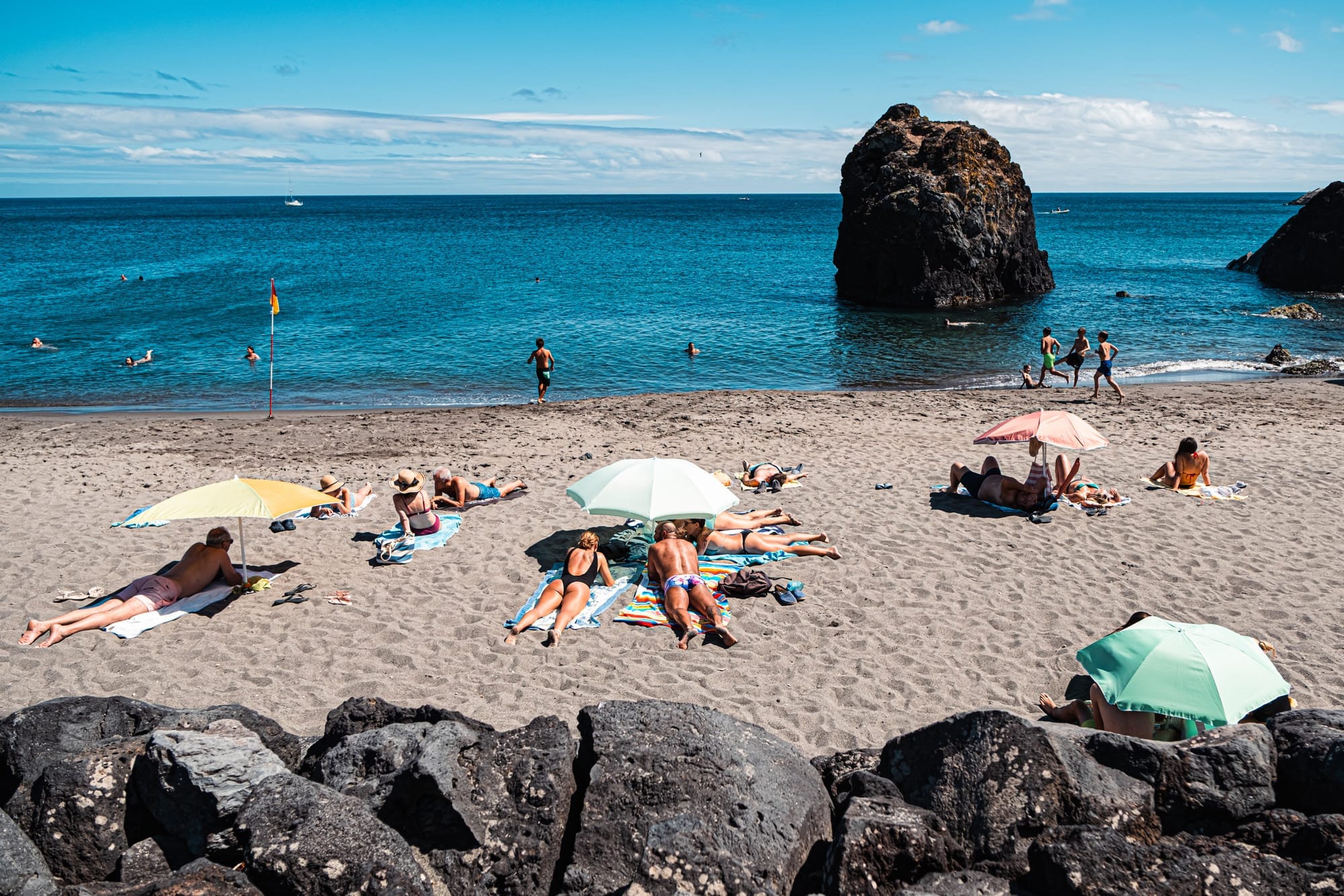
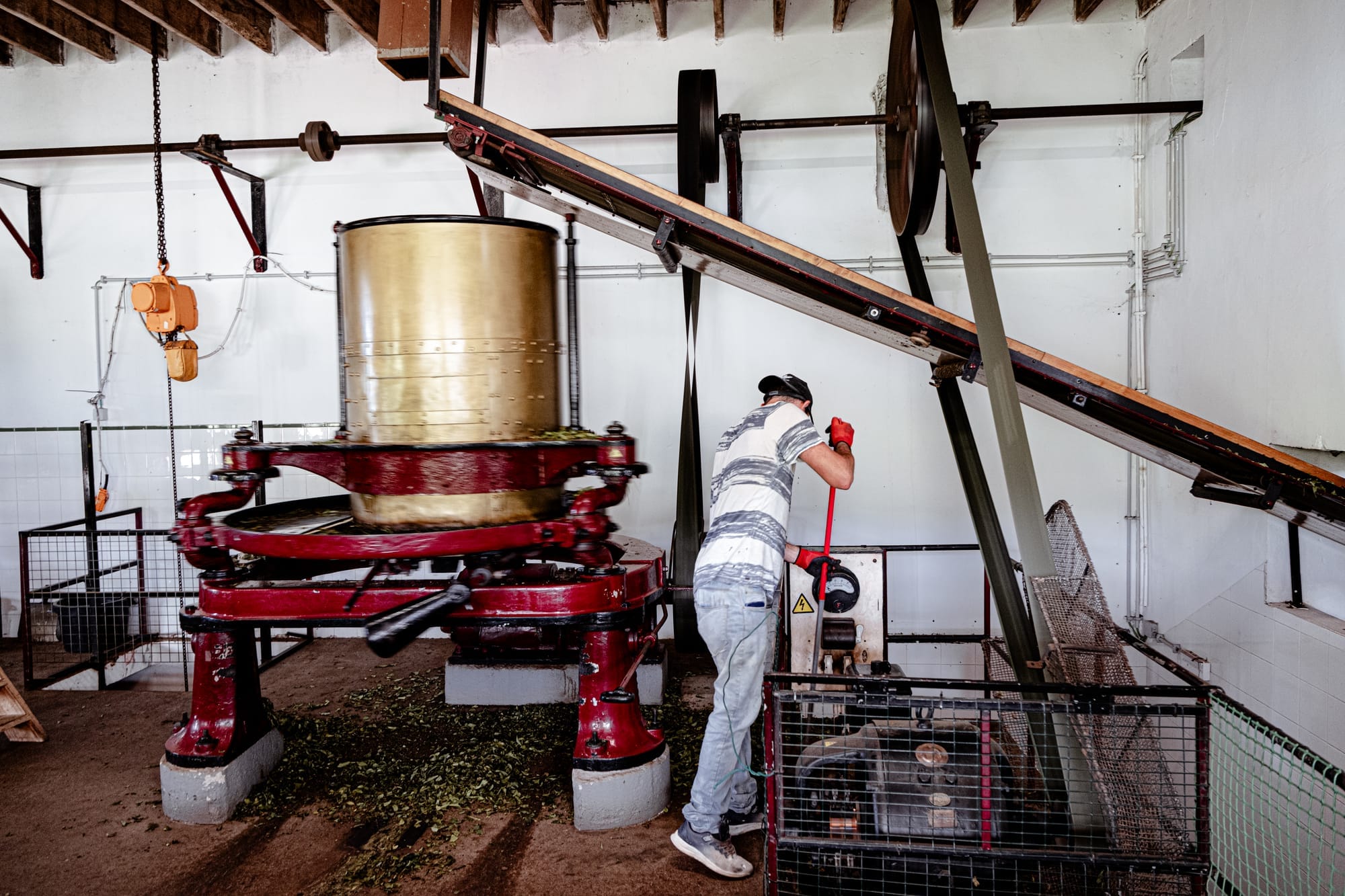
Some things only happen in summer. The boat to the Ilhéu de Vila Franca do Campo runs in the bathing season only (12 June to 11 October in 2026), and Chá Gorreana's harvest season runs from about April to September, when you're most likely to see the machines working. On the other hand, the road to Lagoa do Fogo has been closed to private cars during the day from mid-June to the end of September in recent years, with a shuttle instead.
The downside is the crowds. July and August are school holidays across Europe, and Caldeira Velha, Poça da Dona Beija, the islet boat, and whale watching trips all sell out. Book them and your car as early as you can.
Spring: March to May
Spring is greener and cooler, with highs from about 18 to 20°C and rain on roughly one day in three. It's the best time for big whales: blue, fin, and sei whales pass the Azores mainly from March to June, and more than 90% of blue whale records off São Miguel fell between March and May, with a peak in May. Our whale watching in the Azores guide has the details.
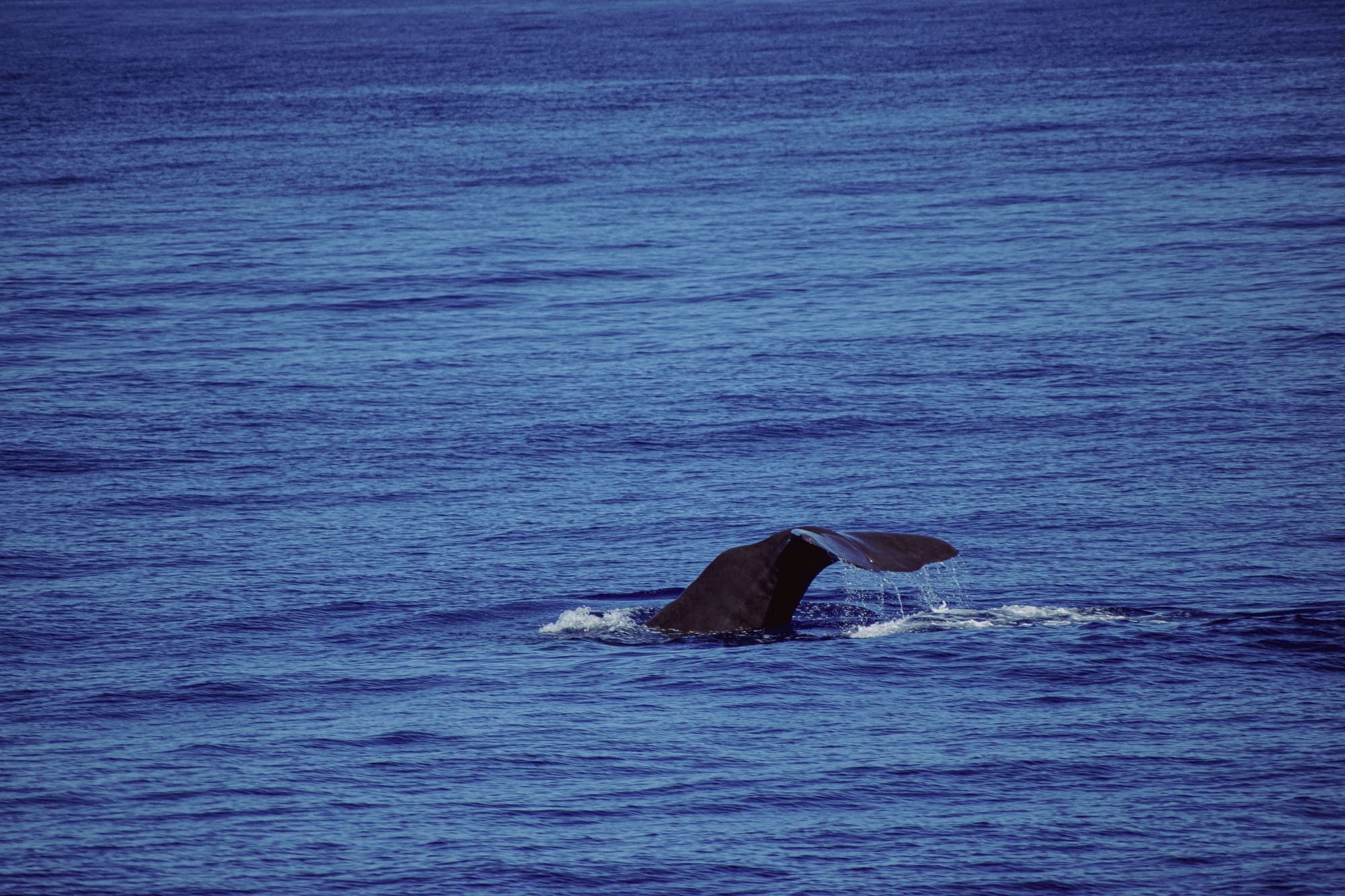
May is a good compromise month: the days are long, the island is green, and the summer crowds haven't arrived yet. The sea is still cold for swimming, at about 18°C.
Autumn: October and November
Early autumn holds on to summer: September is nearly as warm as August, and the sea stays at about 23°C. October is when the rain comes back, with about 118 mm on 14 days in Ponta Delgada, but the sea is still about 21°C, the crowds have gone, and prices drop. From 15 October to 15 November, the upper areas of the Vila Franca islet can close while young Cory's shearwaters are still in their nests.
Winter: December to February
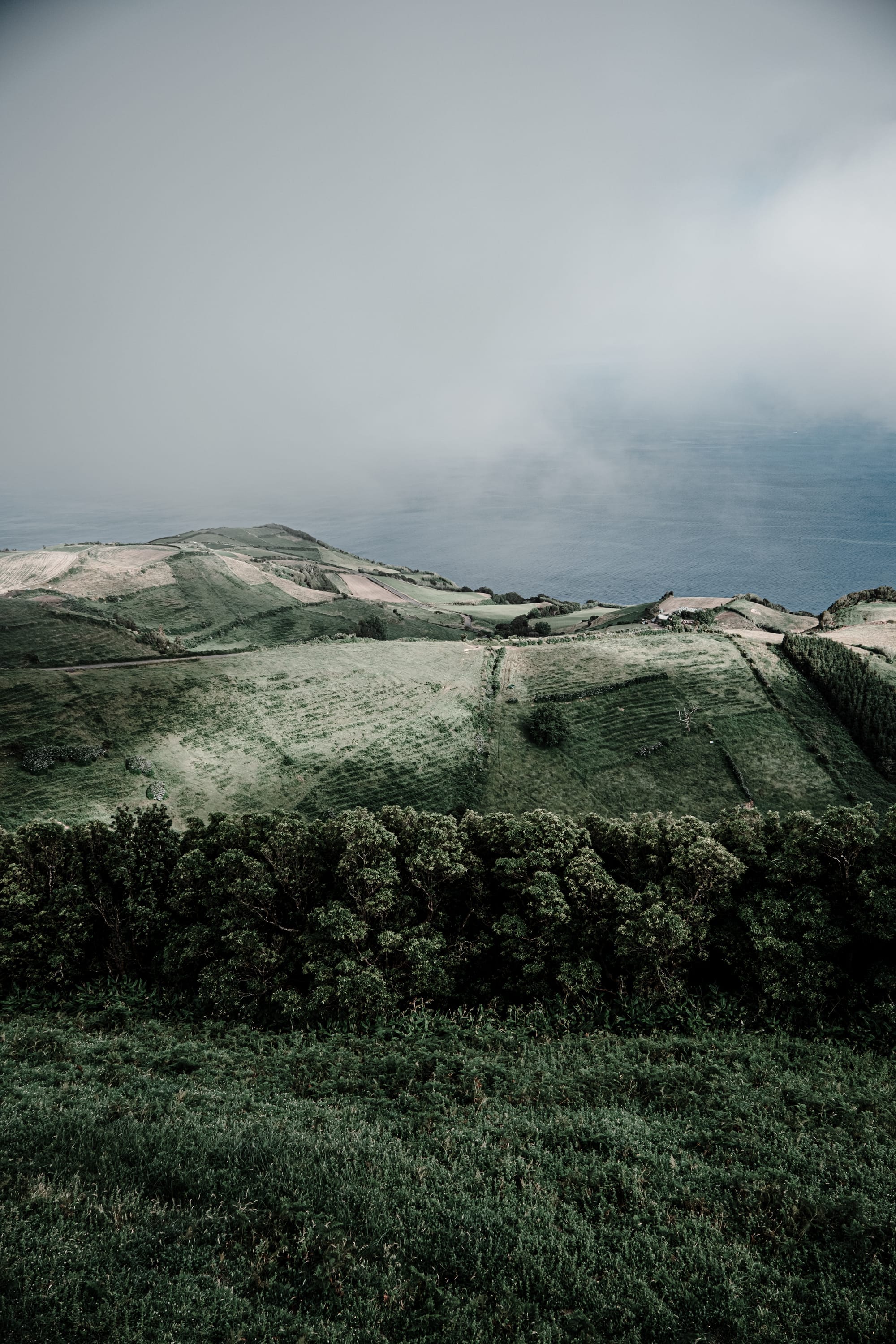
Winter is mild, with highs around 17 to 18°C and no frost on the coast, but it's the wettest and cloudiest time of year. December averages about 153 mm of rain over 15 days. Atlantic storms can cancel boat trips, close trails after landslides, and hide the crater lakes in cloud for days.
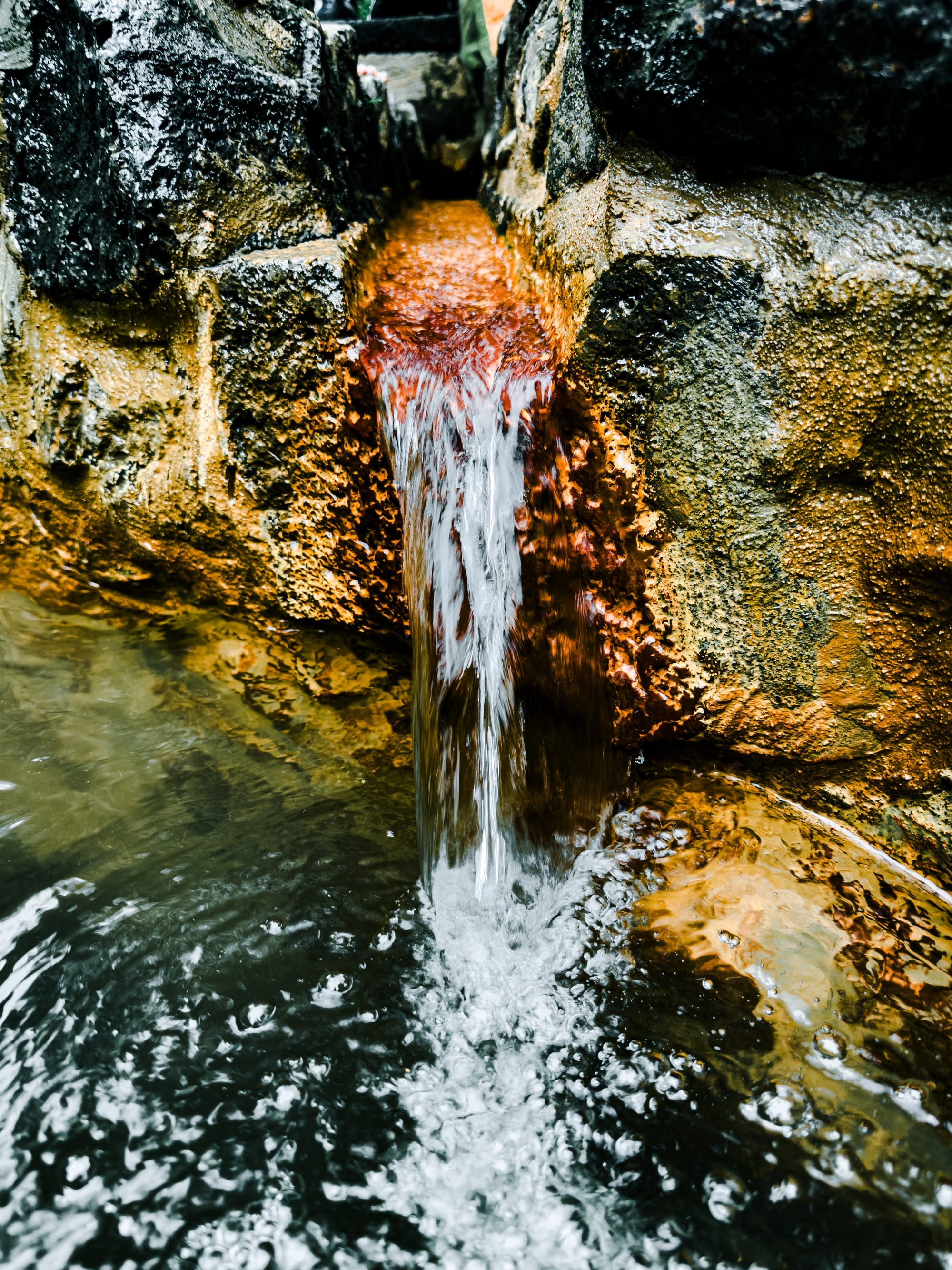
It's still a good time for some trips. The island is at its greenest and emptiest, rooms and cars are cheapest, and the hot springs in São Miguel make the most sense when the air is cool. Furnas is often misty or wet in winter, and that's when its thermal pools are at their best. Plan flexible days and keep each morning free to chase the clear weather.
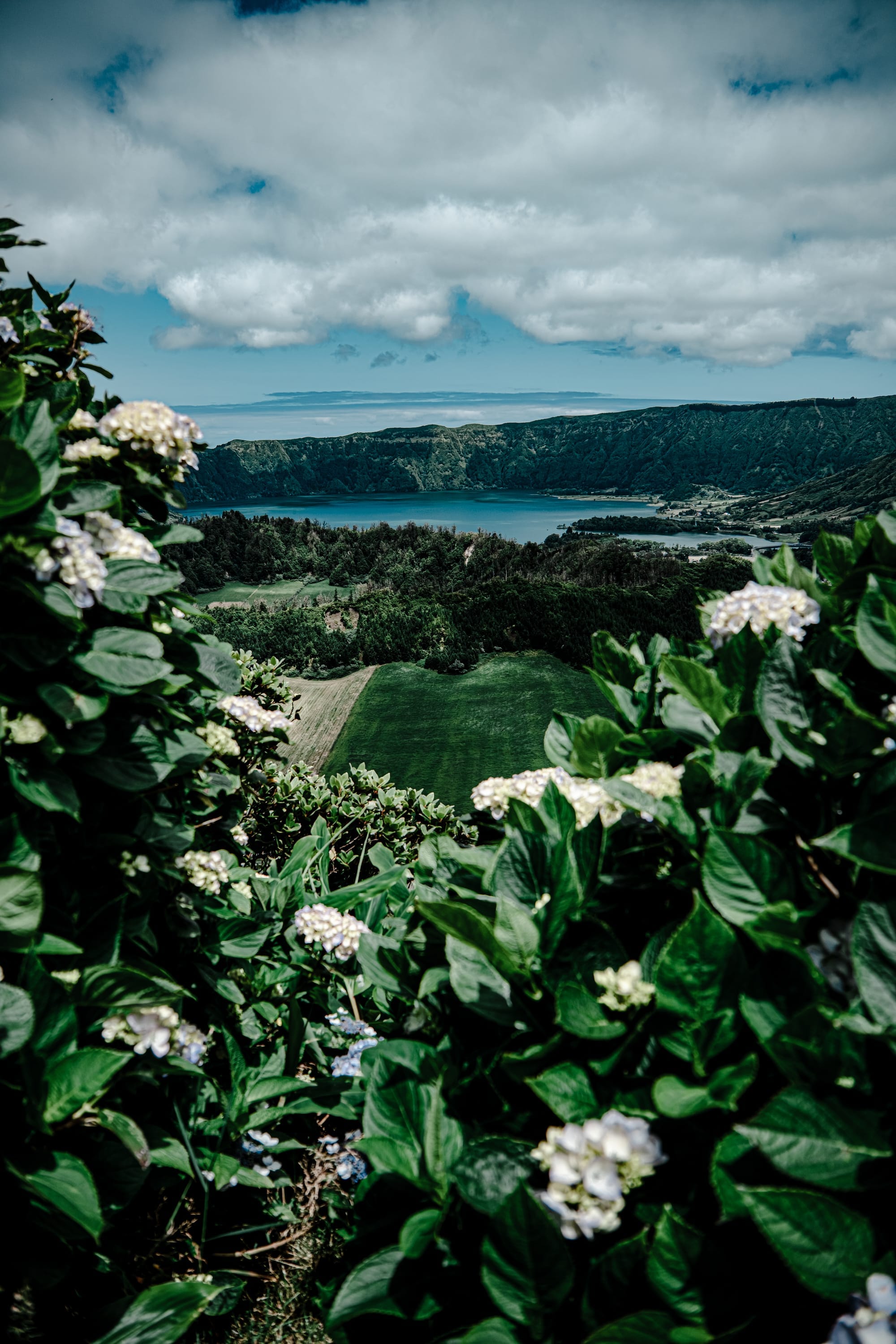
Hydrangea season in the Azores
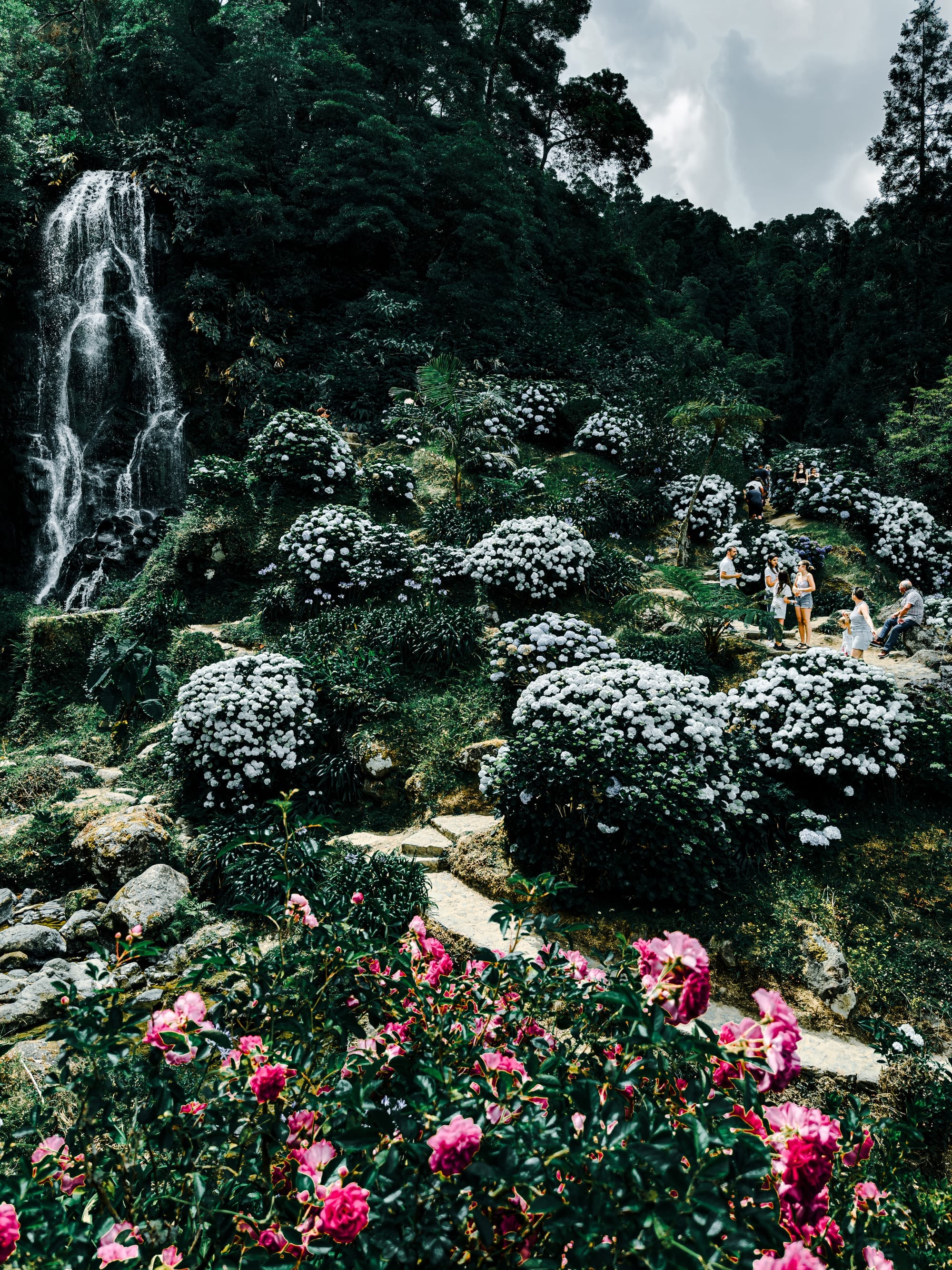
The hydrangeas usually flower from about June to August. They line the roads, field edges, and trails all over São Miguel, in blue, violet, pink, and white. Some of the best places to see them are the path down from Vista do Rei on the Sete Cidades hike, the paths at Ribeira dos Caldeirões, and the hillside below Nossa Senhora da Paz above Vila Franca do Campo. The color depends on the soil, which is why the same road can show blue on one side and pink on the other.
Best time for whale watching in the Azores
Whale watching runs all year from Ponta Delgada, weather permitting. Sperm whales live in Azores waters year-round, and dolphins turn up on most trips. If you want to see the big baleen whales, come from March to June: blue whales peak in May, and fin and sei whales in April and May. For calm seas and big dolphin pods, June to September is best. In winter, more trips are cancelled when the swell makes it unsafe. Choose an operator with a marine biologist on board that stays at least 50 m from the animals and never chases them.
Best time for hiking in São Miguel
For hiking, May, June, and September are the best months. Temperatures are comfortable for climbing out of a crater, the trails are drier than in winter, and the views are clear more often than in spring. July and August work too, but start early, because the crater rims cloud over by late morning and the popular trails fill up. From October to April, expect mud, slippery steps, and the odd closed trail after a storm. The Sete Cidades and Lagoa do Fogo trails are higher and wetter than the coast, so check the official trail status the day before and turn back if the cloud comes down. Our Sete Cidades lakes and Sete Cidades hike guides have the routes, and the waterfall walks in the northeast are at their best after a few dry days.
What is the cheapest month to visit the Azores?
January and February are usually the cheapest months, along with November and early December. Flights, rooms, and car hire all drop outside the summer, and the paid sights cost the same all year (Caldeira Velha was about €10 and Poça da Dona Beija €12 before 5:30 pm in 2026). The trade-off is the weather: these are among the wettest months, the sea is too cold for most people, and the islet boat doesn't run. If you want lower prices with decent weather, go in May or October.
Madeira vs the Azores: which is better when?
They're both Portuguese Atlantic islands, but Madeira is much further south, and it shows in winter. Funchal averages about 20°C highs in January and 574 mm of rain over 53 days a year, against 17.5°C and 988 mm over 122 days in Ponta Delgada (IPMA, 1991 to 2020). So for winter sun, Madeira is the safer bet. From June to September the gap narrows, and the Azores win on crater lakes, hot springs, and whale watching. For more on what to do once you're here, see our things to do in São Miguel guide.
Tips for any time of year
- Pack a rain jacket and a warm top, even in August. The weather changes several times a day.
- Do the crater viewpoints first thing in the morning, and check a webcam before driving up.
- Plan at least one spare day for every five, so a cloudy day doesn't cost you a crater lake.
- Check the official trail status before hiking, especially after rain.
- Book timed hot springs and boat trips ahead from June to September.
Our São Miguel itinerary has day-by-day plans for 3, 5, or 7 days, and our guide to where to stay in the Azores compares the best areas.
Useful links: IPMA climate normals, IPMA forecasts and warnings, Visit Azores, and official Azores trails and trail status.
Frequently asked questions
What month has the best weather in the Azores?
August is the warmest, with average highs of about 26°C in Ponta Delgada, and July is the driest, with about 26 mm of rain over five days. July to September has the most reliable weather overall.
What is the cheapest month to go to the Azores?
January and February are usually the cheapest, along with November. Expect more rain and cloud, and no islet boat.
When is hydrangea season in the Azores?
The hydrangeas usually flower from about June to August, so any summer trip will catch them along the roads and trails.
When is the best time for whale watching in the Azores?
April and May for blue, fin, and sei whales. Sperm whales and dolphins can be seen all year, and summer has the calmest seas.
Can you swim in the Azores in winter?
The sea is about 16 to 18°C from December to April, which is cold for most people. The hot springs are the better winter swim, and they're open all year.
Is 3 days in the Azores enough?
Three days covers São Miguel's highlights, but bad weather can cost you a viewpoint. Five days is better. See our São Miguel itinerary.
Which is nicer, Madeira or the Azores?
Madeira is warmer and drier, especially in winter. The Azores have crater lakes, hot springs, and some of the best whale watching in Europe, and they're best from June to September.
Does it rain a lot in the Azores?
Yes, compared with mainland Portugal. Ponta Delgada averages about 988 mm a year, with rain on about 122 days. Showers often pass quickly, though, and July has only about five rain days.
More from São Miguel: things to do in São Miguel, São Miguel itinerary, hot springs in São Miguel, whale watching in the Azores, where to stay in the Azores, living in the Azores, miradouros, and the São Miguel guide.


