
Digital nomad accommodation comes down to three main options: colivings, monthly rentals, and small hotels or guesthouses. We stay in a coliving whenever there's a good one, because it's the easiest way to make friends and the work setup is already there. Where there isn't, we look for a monthly place within walking distance of a coworking space. To find colivings, we ask the people we meet at other colivings first, since that's how we found our best ones, and then search directories like Coliving.com. This guide covers how we choose, the sites we use to find colivings, and what we check before booking, from a month or more in each of the places we've lived.
The main types of digital nomad accommodation
| Coliving | Monthly rental | Small hotel or guesthouse | |
|---|---|---|---|
| Best for | Meeting people fast | Privacy and longer stays | A few nights, or while you look for something longer |
| Workspace | Included, often with a call room | Up to you | Check for a desk |
| Community | Built in | Up to you (a coworking space helps) | Rarely |
| Typical stay | A week to a few months | A month or more | Nights to weeks |
Colivings. Shared houses built for remote workers, with private rooms, a kitchen, a workspace, reliable internet, and a community, usually for a week to a few months at one price. Best for meeting people fast. Read our coliving guide.
Monthly rentals. A furnished apartment for a month or more. More privacy and often cheaper for longer stays, but you sort out the internet, the desk and the social life yourself.
Small hotels and guesthouses. Easy for a few nights or while you look for something longer, and in some places the only practical option. Check for a proper desk and good wifi. To compare them, search Booking.com, filter for a work desk, and read the most recent reviews for what they say about the wifi.
"Nomad" hotels. Some hotels market themselves to digital nomads. We stayed two nights at the Nomads Cave Hotel in Göreme, Cappadocia. It was a good cave room and we'd recommend it, but we expected it to be more social, and we didn't meet any other nomads. A name doesn't make a community.
Why we choose colivings when we can
Every coliving we've stayed in gave us friends within the first week, and most of our best trips came from them. Some we'd recommend:
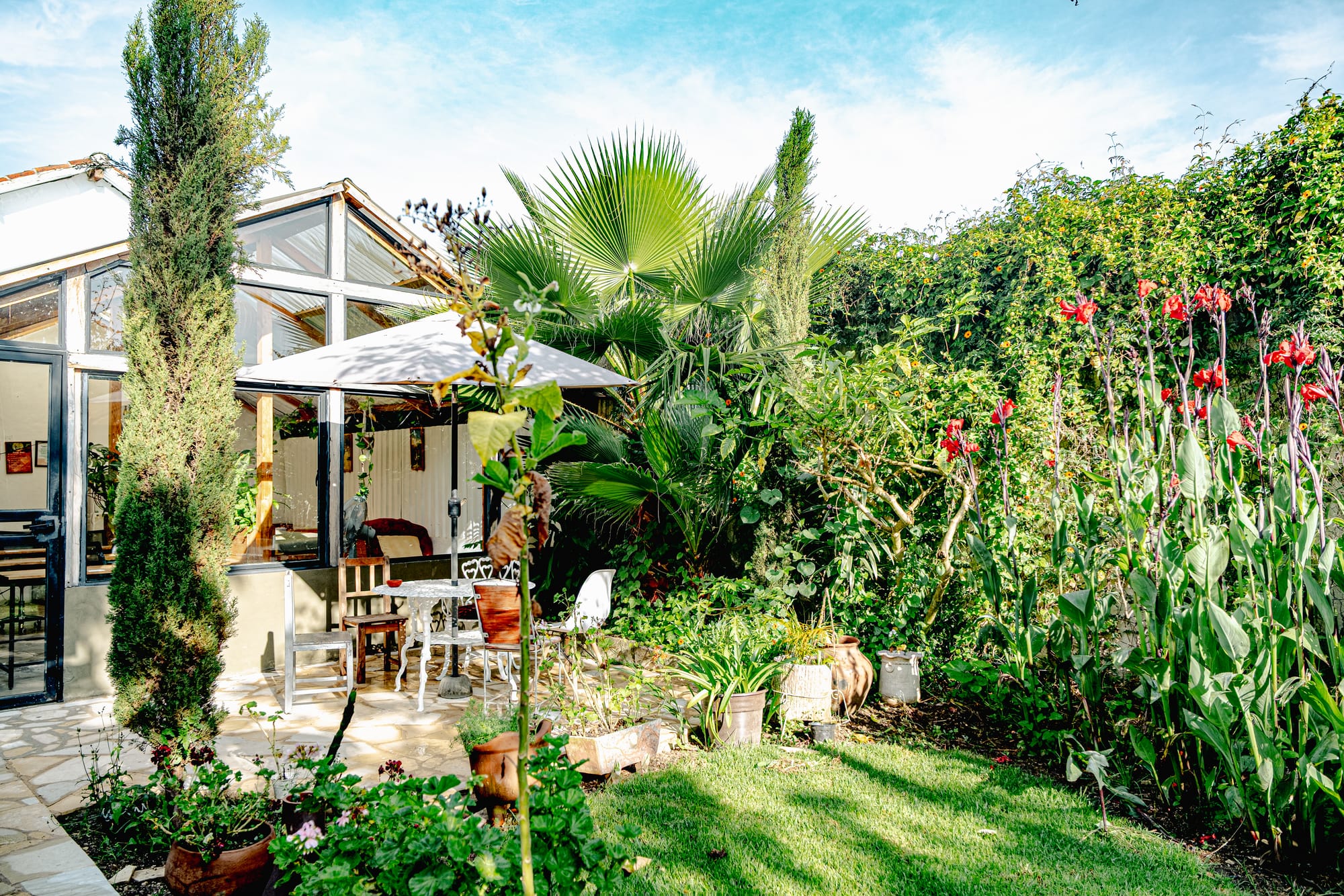
Co404 in San Cristóbal de las Casas, Mexico, which a friend told us about: about a dozen rooms around a big garden, and wifi that held up through every video call.
Avalon Coliving in Bansko, Bulgaria: around a dozen rooms, group dinners, and weekend trips like our hike at the Melnik Earth Pyramids.
Skippers in Diani Beach, Kenya's first coliving, with solar-powered rooms built from shipping containers.
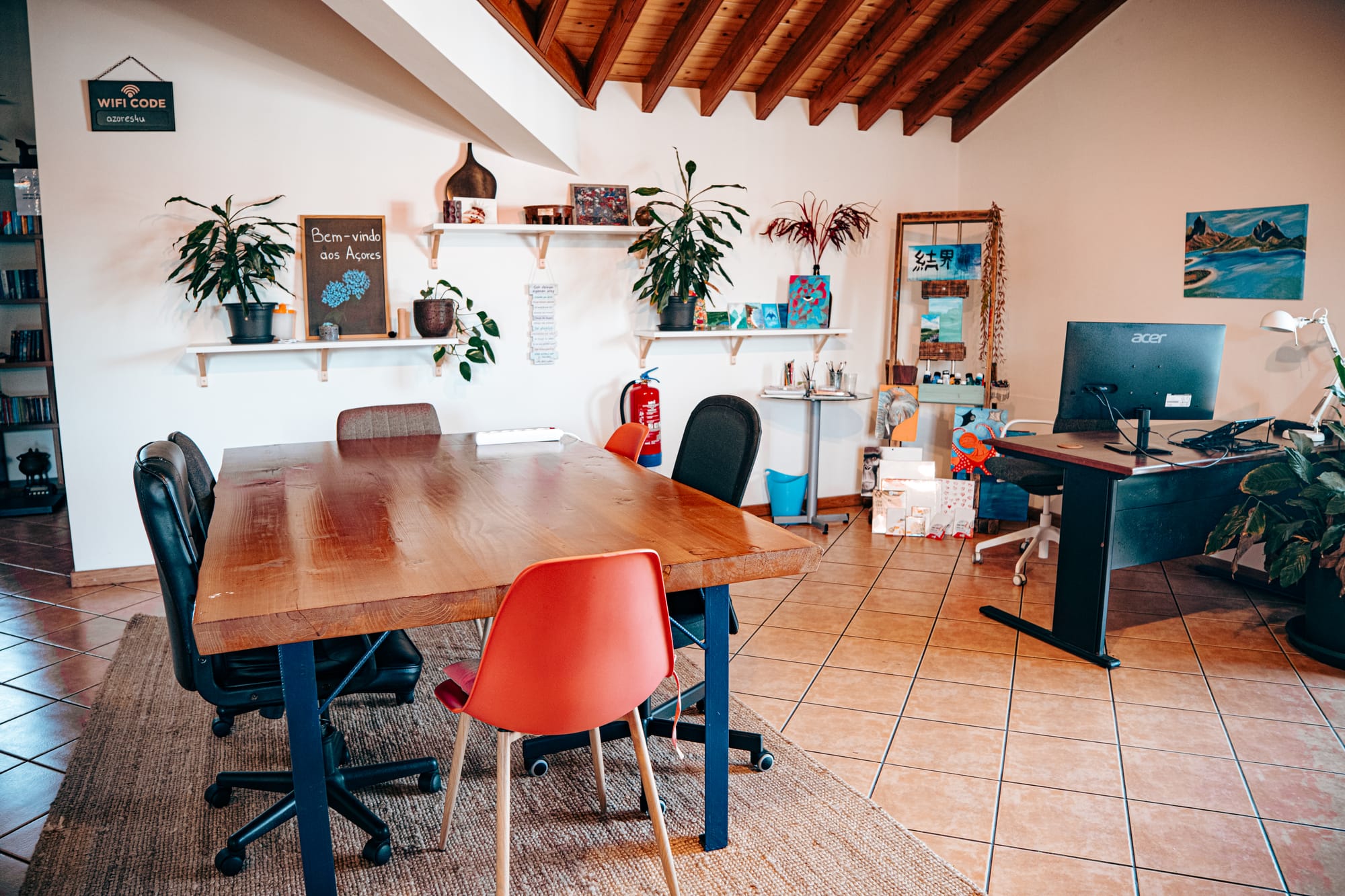
Lava Coliving on São Miguel in the Azores, where we spent a month. We arrived without a car, and our housemates took us to hikes, hot springs, and waterfalls we'd never have reached alone.
When a coliving isn't the answer
Not every place has a good coliving, and sometimes another option simply works better.
In Cappadocia, Göreme is where everything happens, but it's pricier. For a long stay we based ourselves in Uçhisar, a short drive away, got a much better price, and loved it.
In Antalya, finding a place within walking distance of our coworking space was the hardest part, and prices were tricky. Coworking Antalya ended up being our social life there, which made Antalya the most social place we lived in Turkey even without a coliving.
How to find a coliving: the sites worth checking
Ask people first. Our best colivings all came from word of mouth. A friend told us about Co404, and we heard about both Avalon in Bansko and Skippers in Kenya from people we'd met at another coliving. Lava is the only one we found online. Once you've stayed in one coliving, the people you meet there become the best directory you'll have: ask everyone where they've stayed and where they'd go back to. Local nomad groups help too: in Bansko, the town's digital nomad WhatsApp group is where we found out about events like our photography walk.
Then search the coliving directories. These are the ones worth knowing:
- Coliving.com. The biggest coliving marketplace, with listings in dozens of countries. It's where we'd start: filter by city, dates, and budget, then compare what's there.
- Outsite. A network of its own coliving houses for remote workers. It sits at the pricier end, but you know what you're getting from one house to the next.
- Mapmelon. A curated directory of community-focused colivings. Its best feature: you can see who'll be staying at a coliving during your dates and connect before you arrive.
- coliving.love. A smaller, curated list of around 100 colivings in nearly 40 countries, easy for comparing prices and locations side by side.
- Coliving Community. Verified listings and recommendations from other nomads, plus a WhatsApp community where you can ask about a place before you book.
- Coliving Compass. A directory focused on colivings for digital nomads who want a local community.
- Nomadago. A travel planning app for nomads with a map of coliving and coworking spaces, useful for seeing who else is heading where you are.
- Nomads.com (formerly Nomad List). Not a coliving directory, but useful earlier on for comparing cities on cost, internet, and safety before you look for a place to stay.
Directories show you what exists, but they won't tell you what the community is like right now. Use them to make a shortlist, then check the rest yourself.
Message someone who stayed recently. Ask how many people were there, whether the community was active, and how the wifi held up.
Read the place's own channels. Recent photos of group dinners and trips tell you more than a polished website.
What to check before you book
Internet. Ask for a recent speed test and whether there's a backup connection.
Workspace. A real desk, a good chair, and somewhere to take calls. Lava had a separate call room.
Location. Can you walk to food, a coworking space and transport? If not, check if you'll need a car. On São Miguel, we'd recommend renting one.
Room. Private or shared, private bathroom or not, and how hot or cold it gets. In the Chiapas highlands, thick blankets mattered.
Price and minimum stay. What's included (cleaning, utilities, events), and whether there's a discount for longer stays.
Community. Is there someone organizing events, and do residents actually join in?
For where to go in the first place, see our digital nomad guide.
Digital nomad accommodation FAQ
Where do digital nomads stay?
Mostly in colivings, furnished monthly rentals, or small hotels and guesthouses. Colivings are the easiest way to meet people, monthly rentals give more privacy, and hotels work for short stays.
How do digital nomads find accommodation?
Through word of mouth, coliving directories like Coliving.com, nomad groups, and monthly rental listings. Our best ones came from people we met at other colivings, and we always read recent reviews and message someone who stayed recently before booking.
Is coliving worth it for digital nomads?
For us, yes. It's the fastest way to make friends in a new place and the work setup is ready from day one. The downside is less privacy and the risk of only meeting other travelers.
What is the best website to find colivings?
Coliving.com is the biggest coliving marketplace and a good place to start. Outsite runs its own network of colivings, and Mapmelon, coliving.love, Coliving Community, and Coliving Compass are smaller, curated directories for nomads. Still, word of mouth from other nomads is the most reliable way to find a good one. That's how we found our best colivings.
Should digital nomads stay near a coworking space?
If you'll use one, yes. In Antalya, our coworking space was our social life, and being within walking distance of it mattered more than the apartment itself.
How long do digital nomads stay in one place?
It varies, but we usually stay at least a month. Longer stays often get monthly discounts and give you time to settle in.
What should you check before booking digital nomad accommodation?
Internet speed and backup, a proper workspace and somewhere for calls, walkability or the need for a car, the room type, what the price includes, and whether there's an active community.


