

Luc Schuiten is a Belgian visionary artist known for his organic and free-flowing designs that depict built environments in harmony with nature.
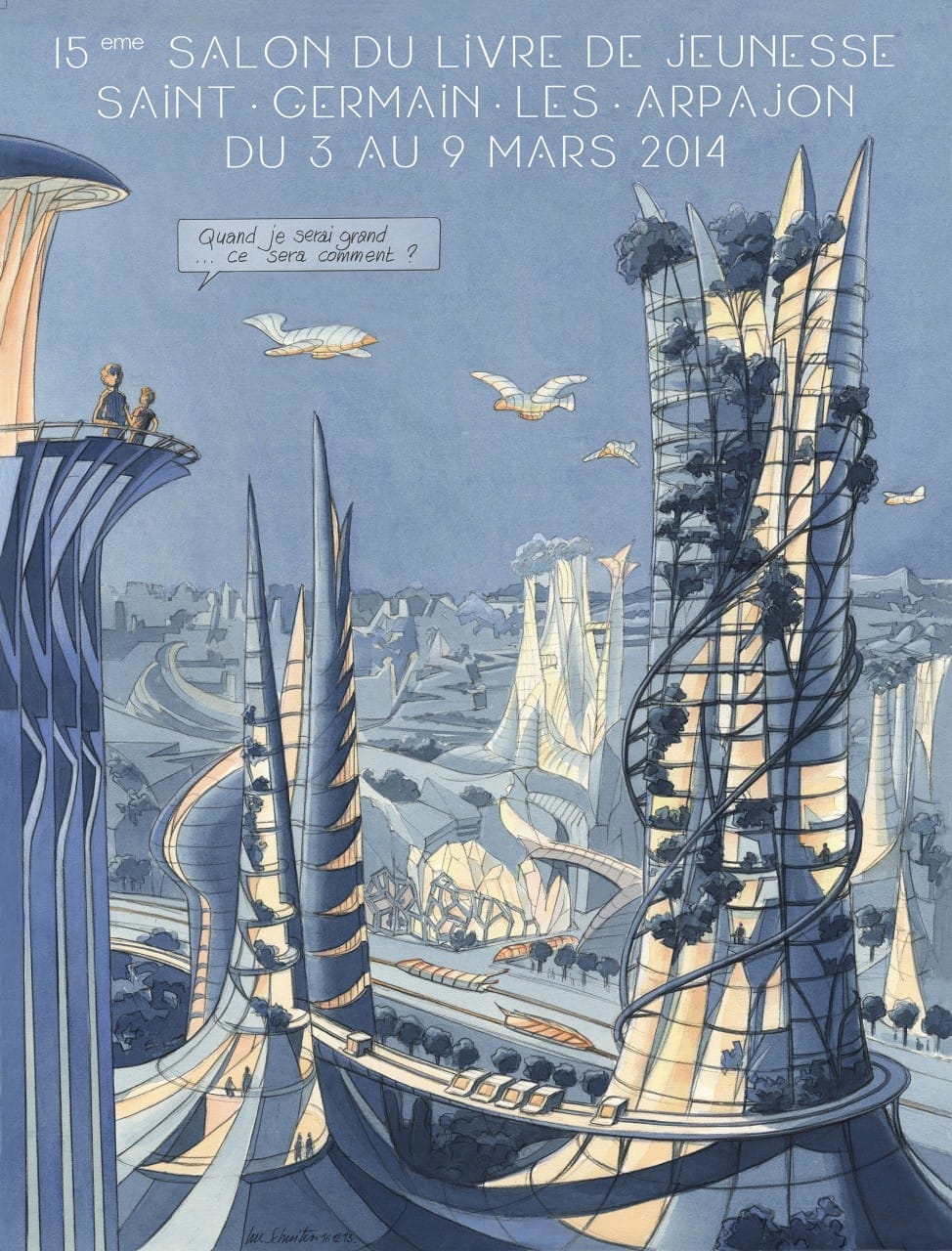
Parallels have been drawn between Schuiten’s work and the ethos of solarpunk, suggesting his architecture is an excellent depiction of the ecological futures the aesthetic movement imagines.
From his planes like birds and trains like caterpillars to his speculative series of futuristic renditions of existing cities, Schuiten presents an original and fantastical take on urban mobility, the built environment, and the sense of wonder ecological alternatives can evoke.
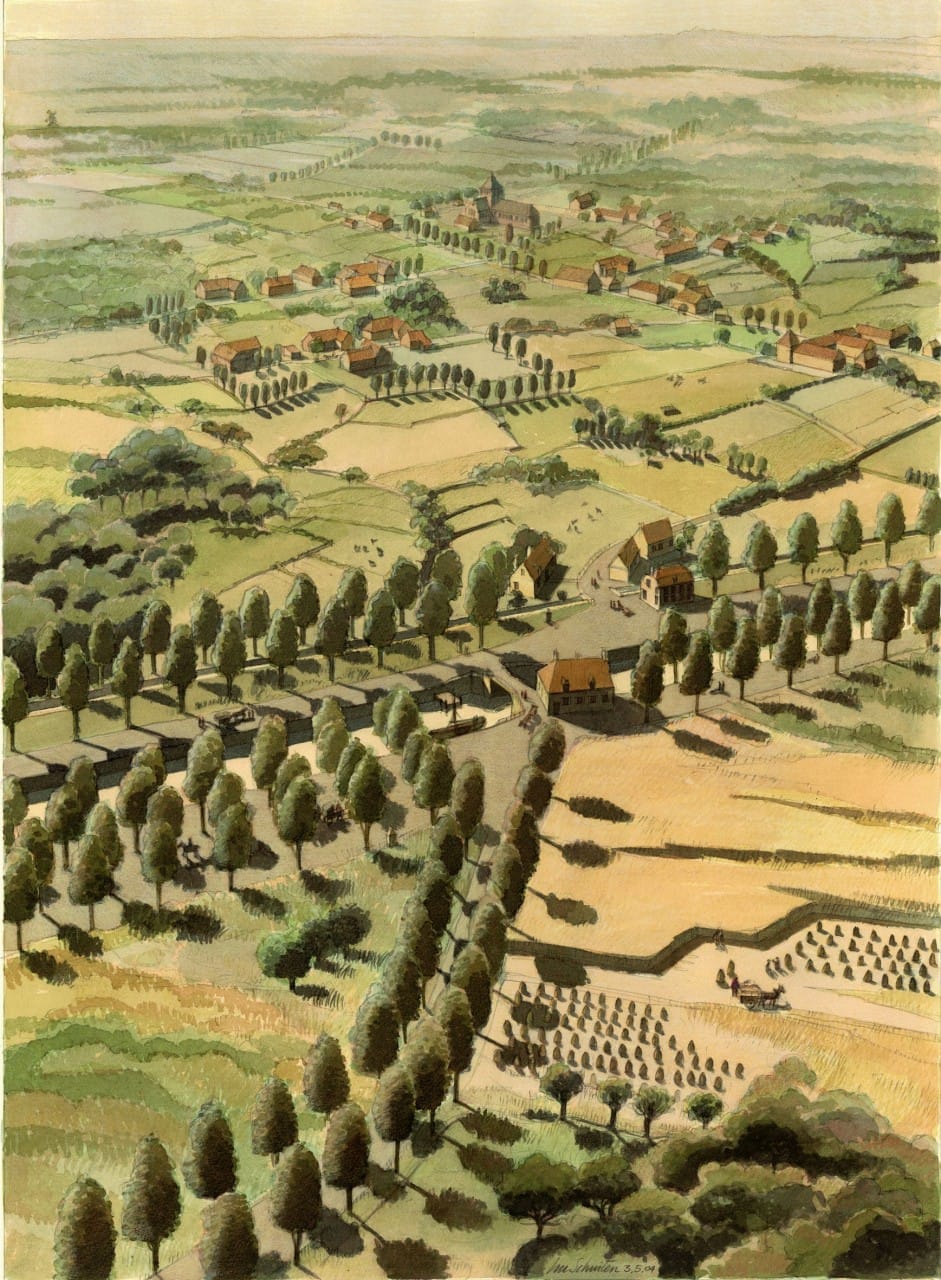
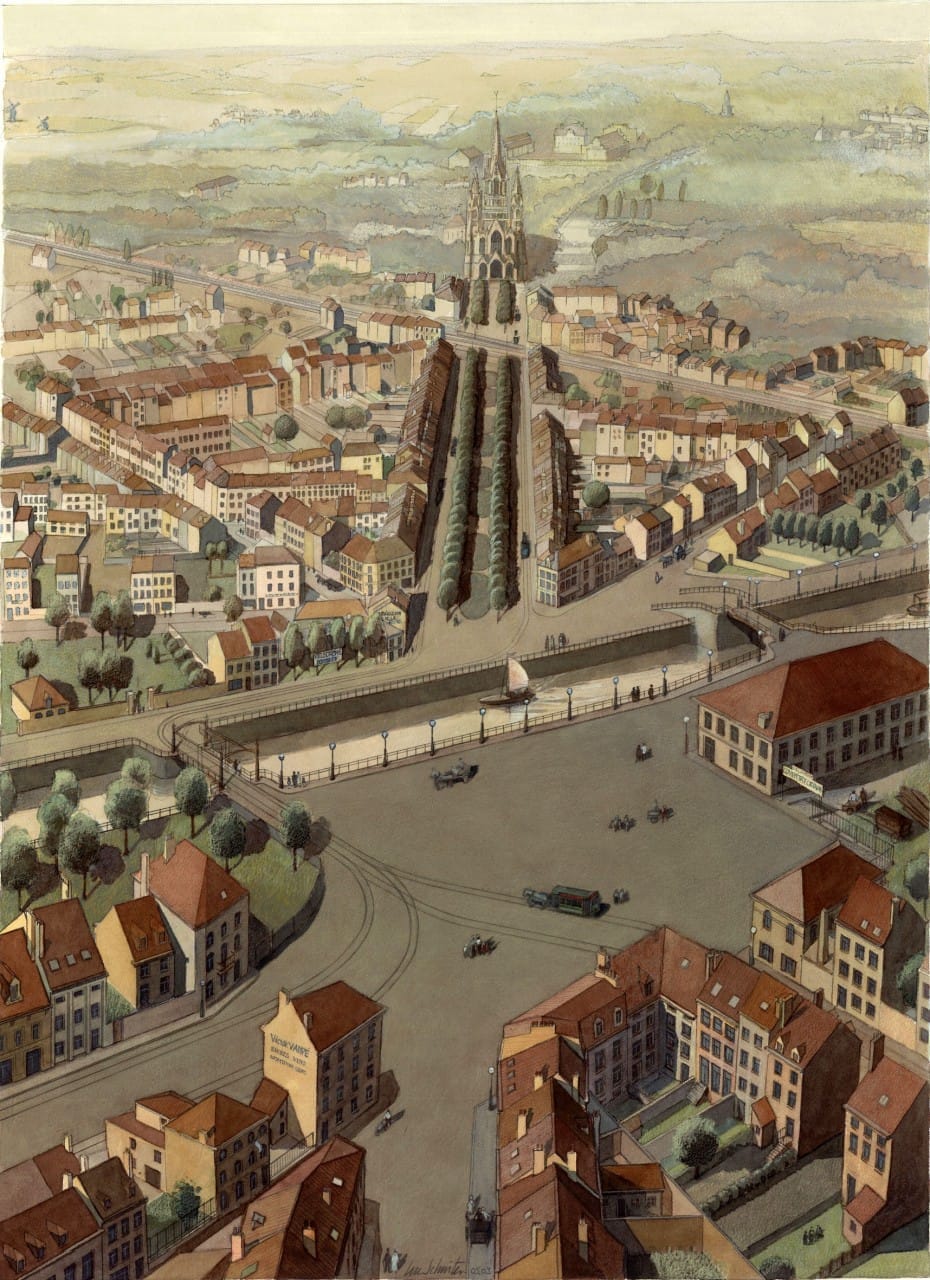
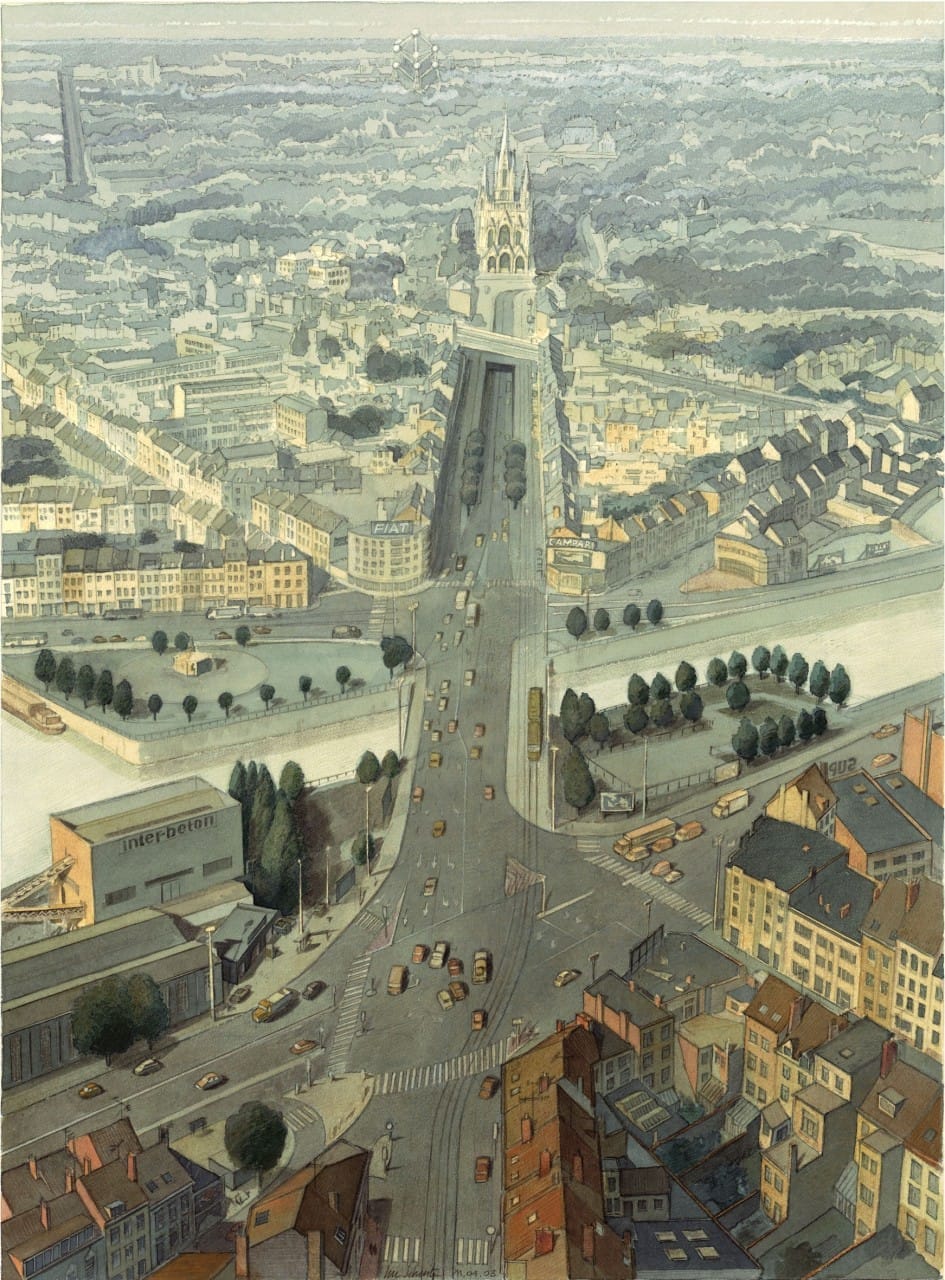
Schuiten is an architect based in Brussels. He calls his method archiborescence: building with living organisms, mainly trees, grown and shaped into structures instead of cut and assembled. He began on the idea in the 1970s with the Maison des cerisiers (1977), a concept house made from living matter, and set it out as archiborescence in 1999, along with a series of drawings showing a single street changing over time.
His best-known project is the Vegetal City (Cité végétale), drawings of real cities such as Brussels, Strasbourg, Nantes, and São Paulo remade with living architecture. It was shown at the Cinquantenaire Museum in Brussels in 2009.
He has worked often with his brother, the comic artist François Schuiten, co-creator of Les Cités obscures, and wrote the series Terres creuses with him.
See also: Solarpunk
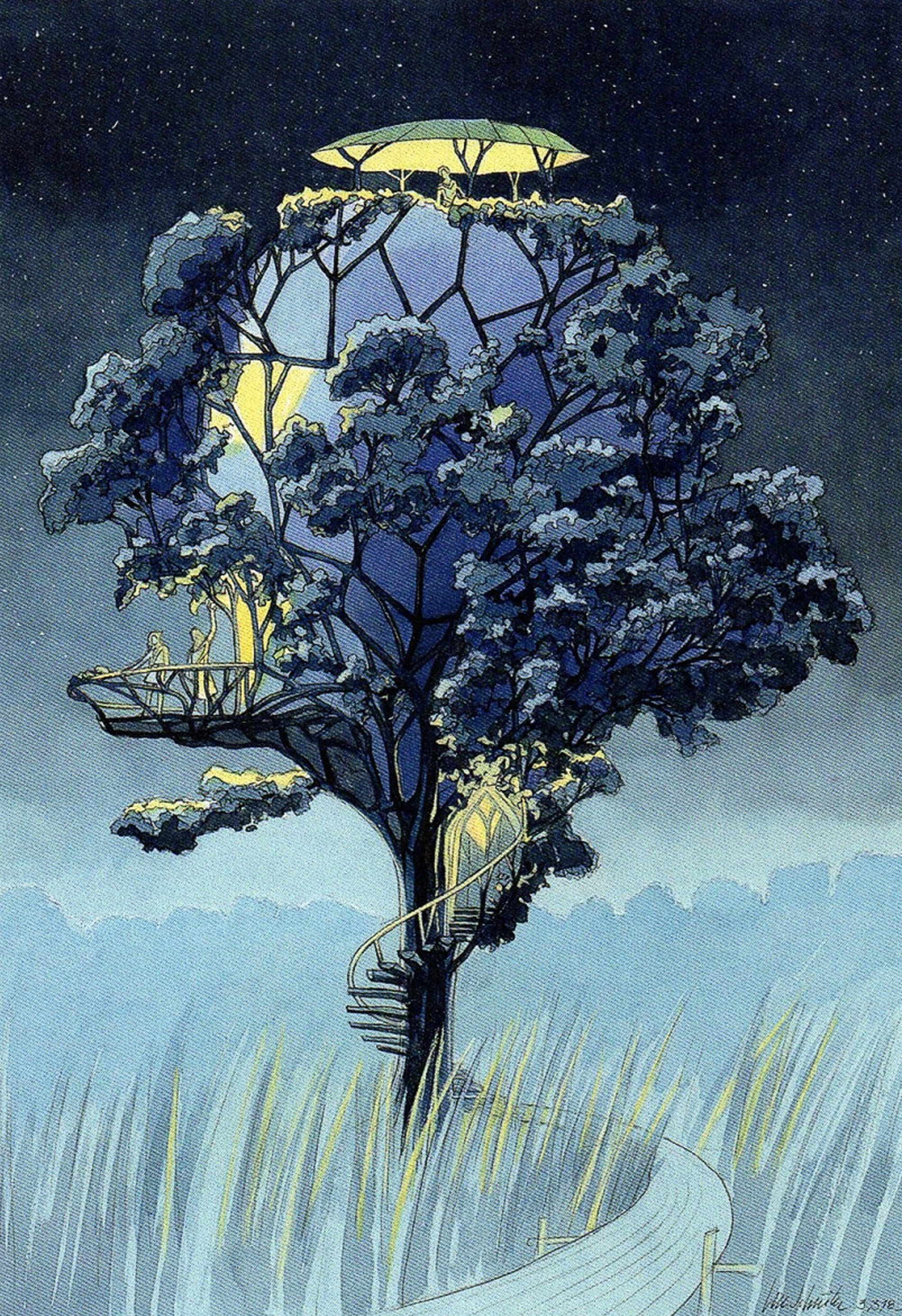
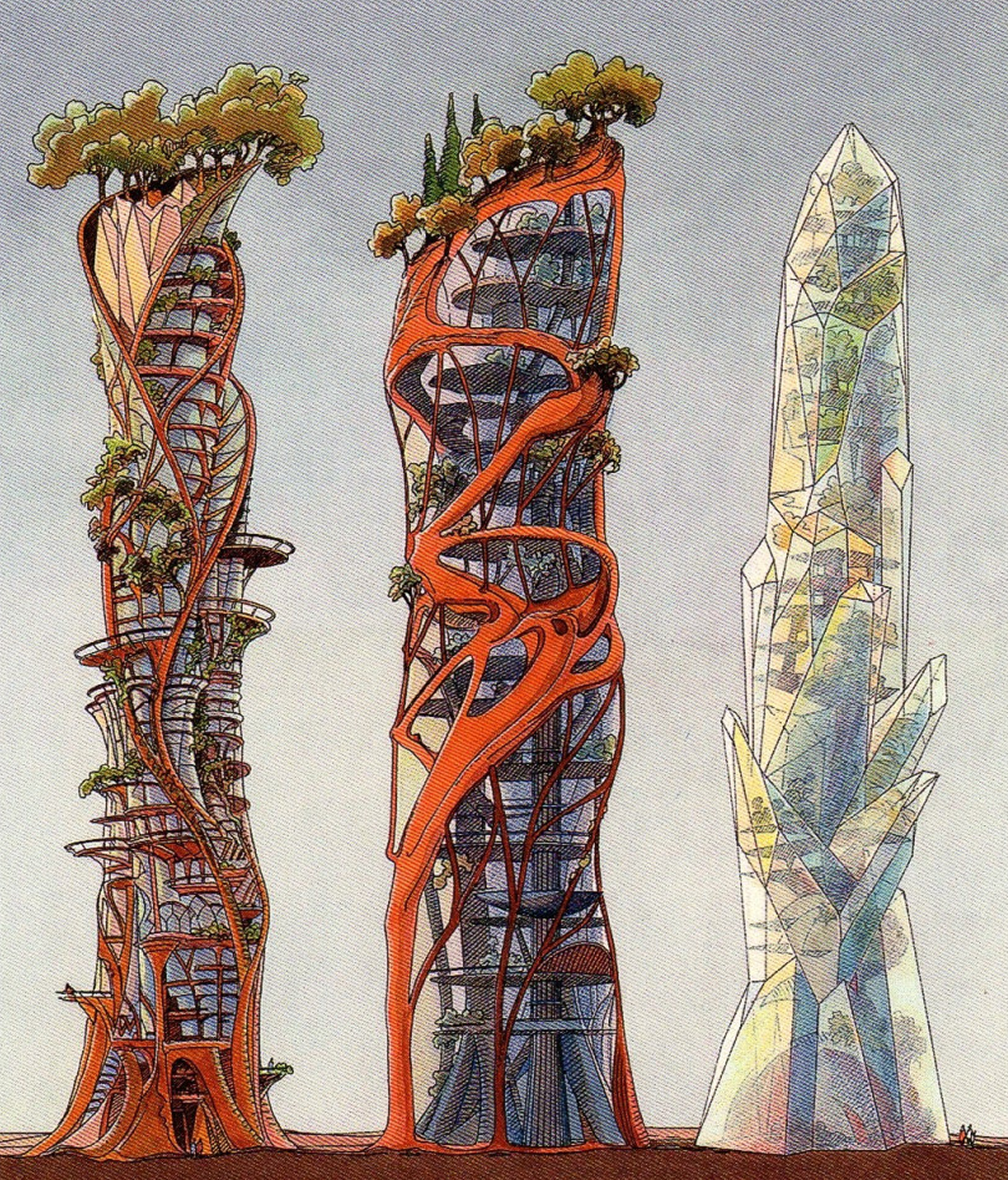
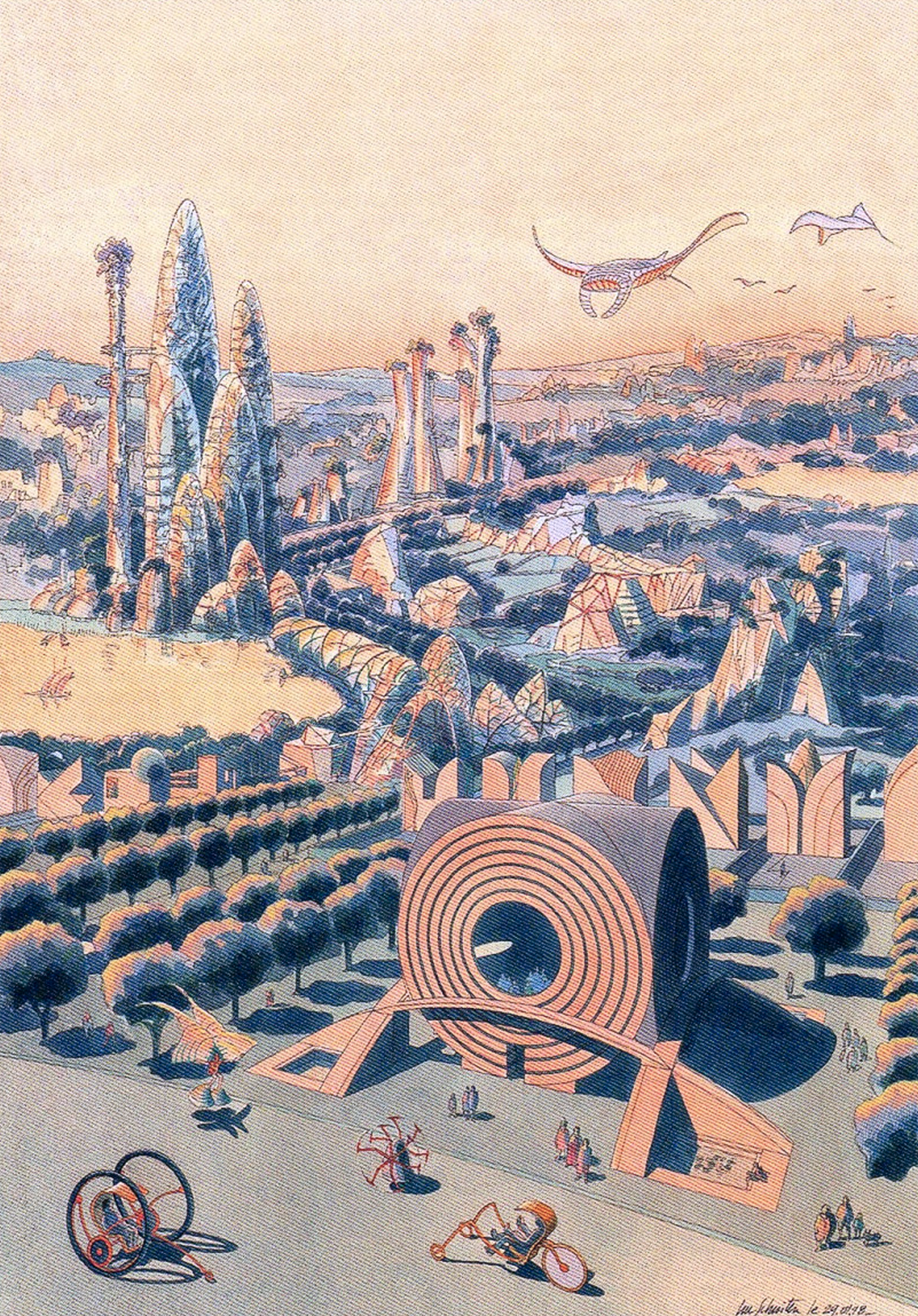
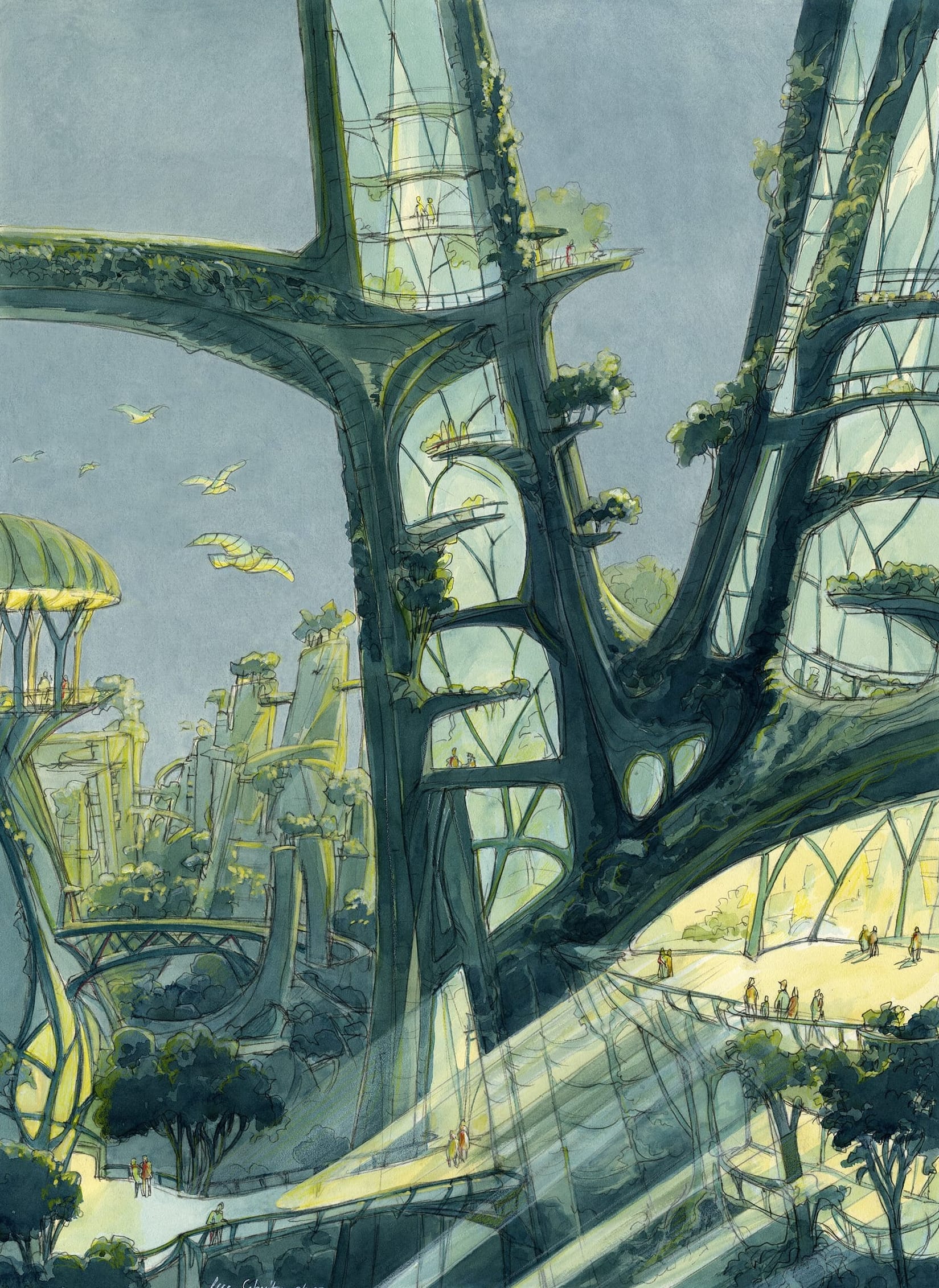
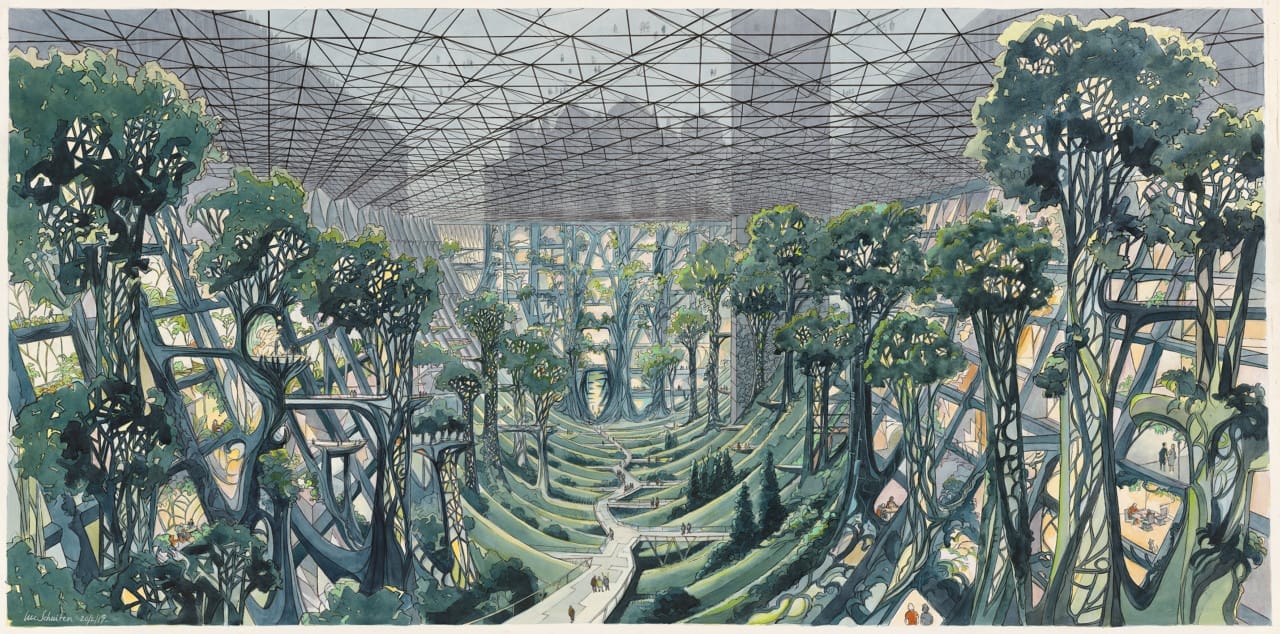
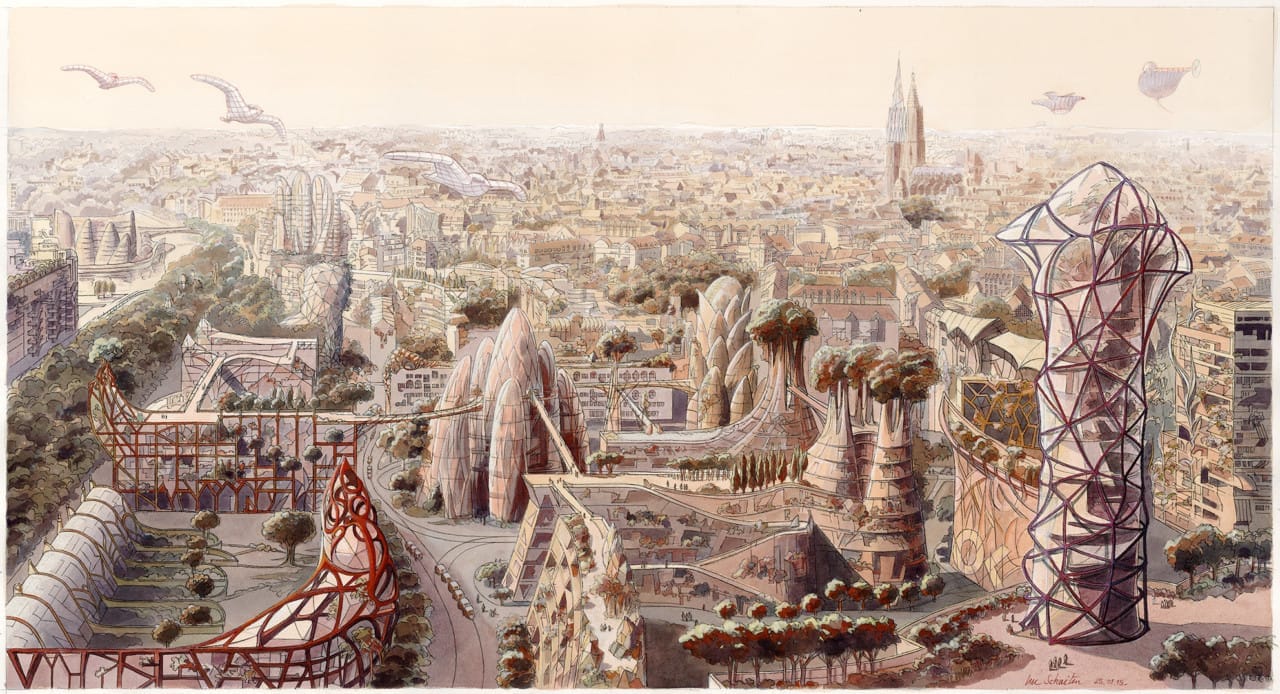
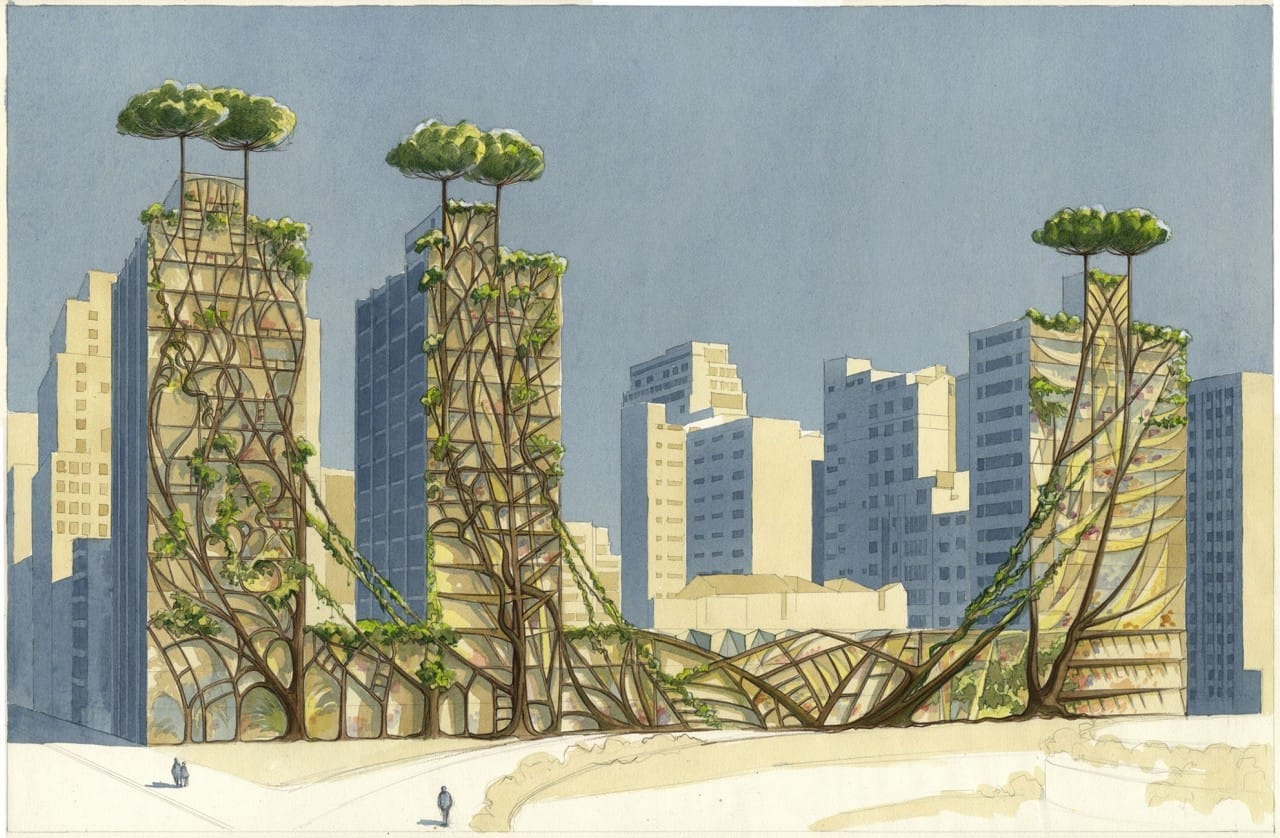
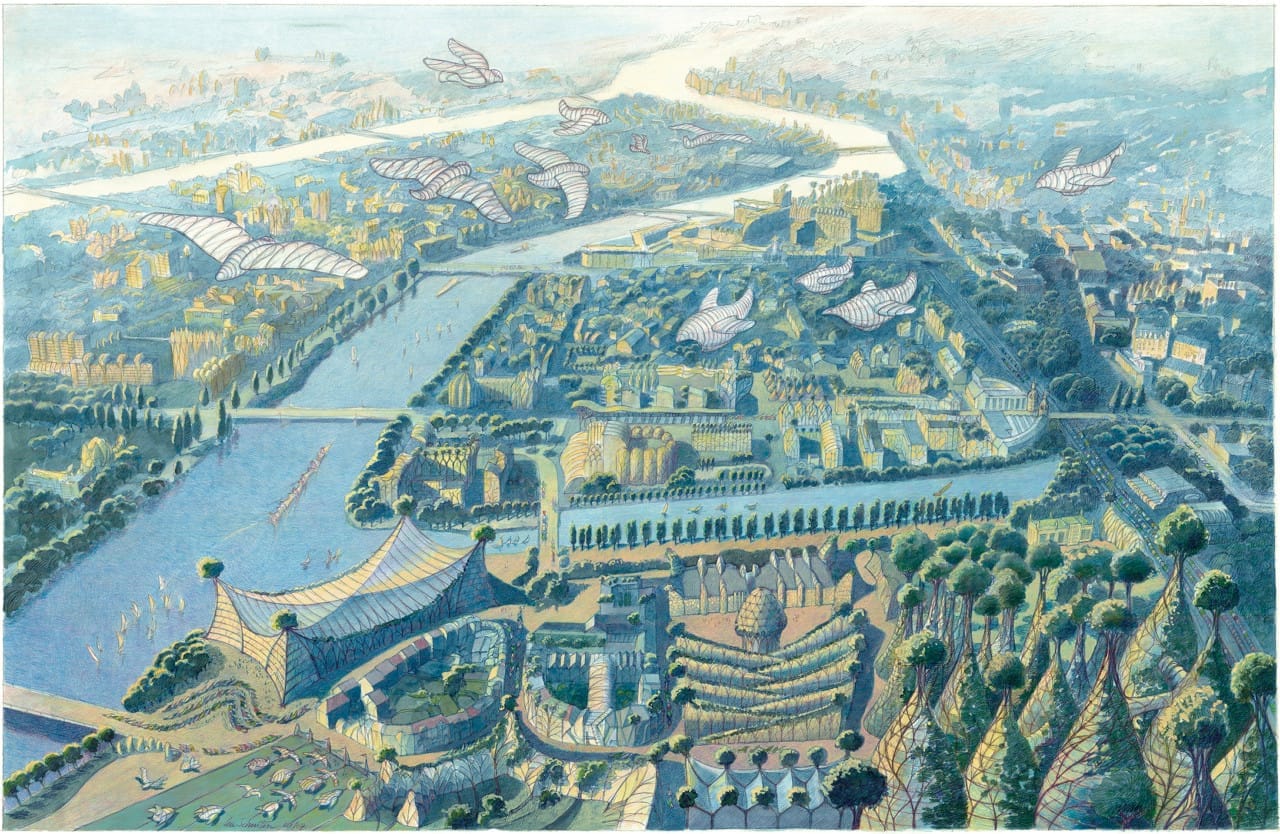
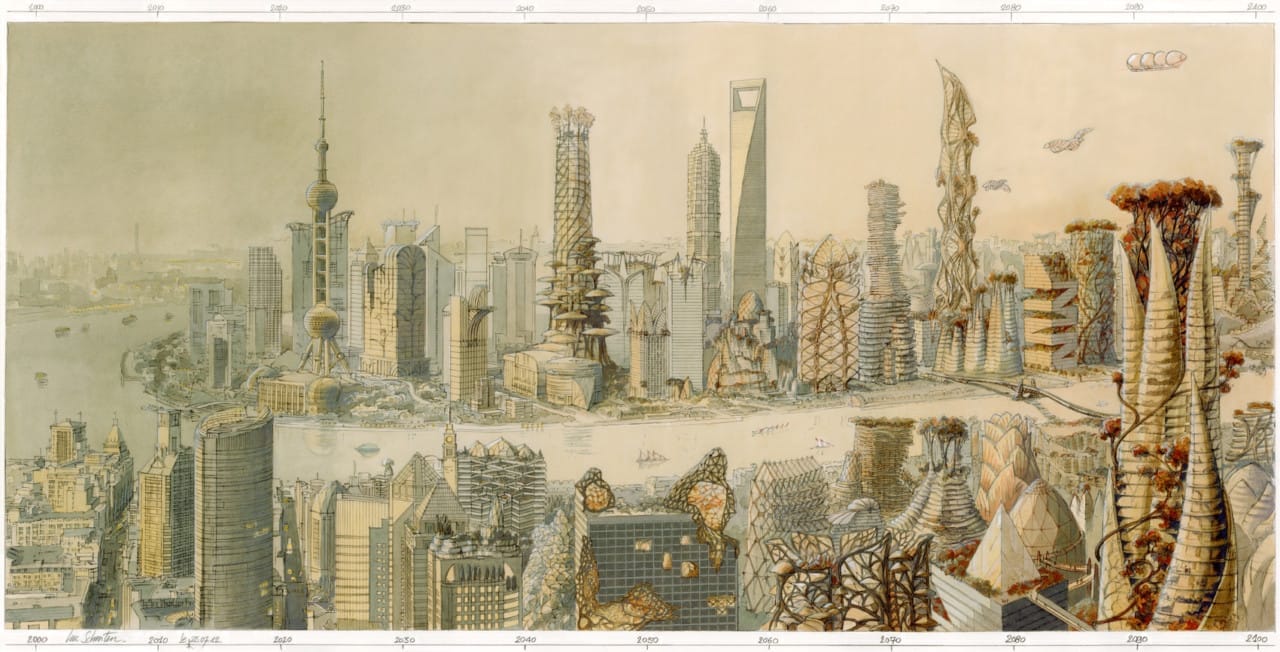
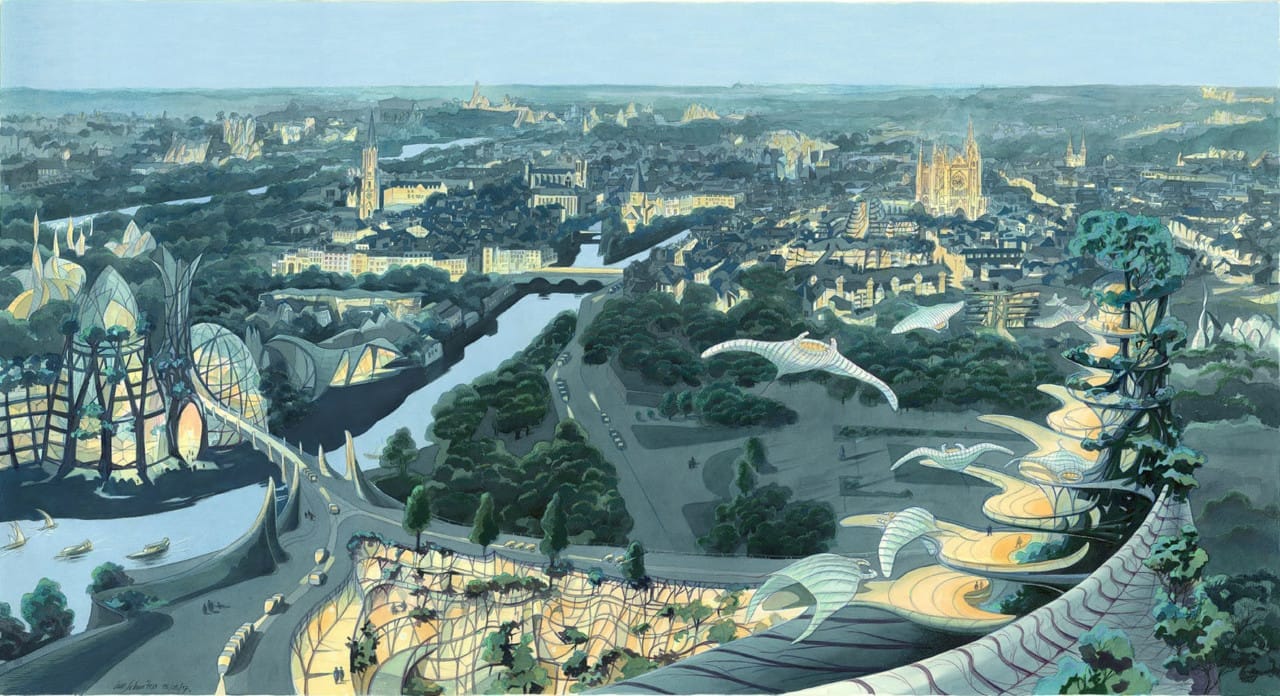
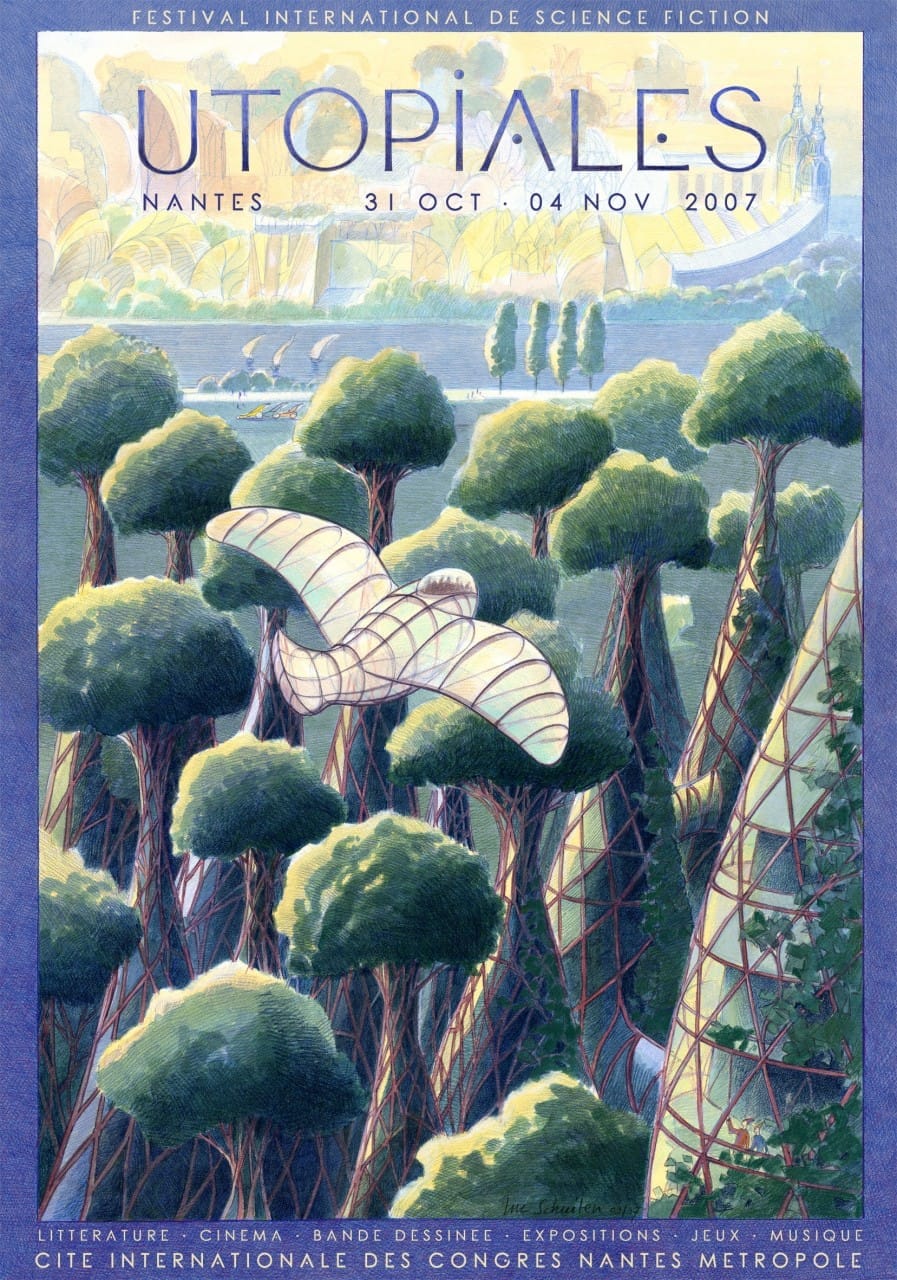
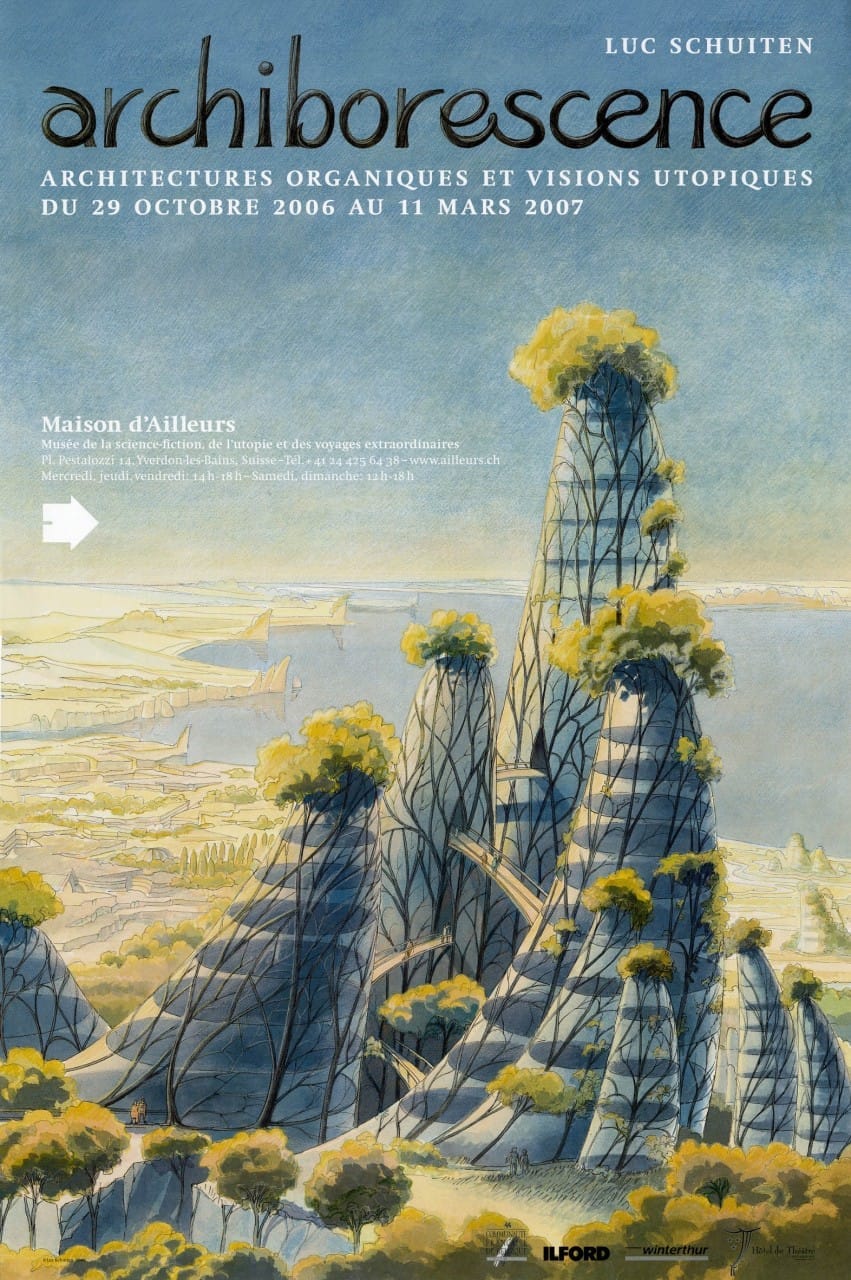
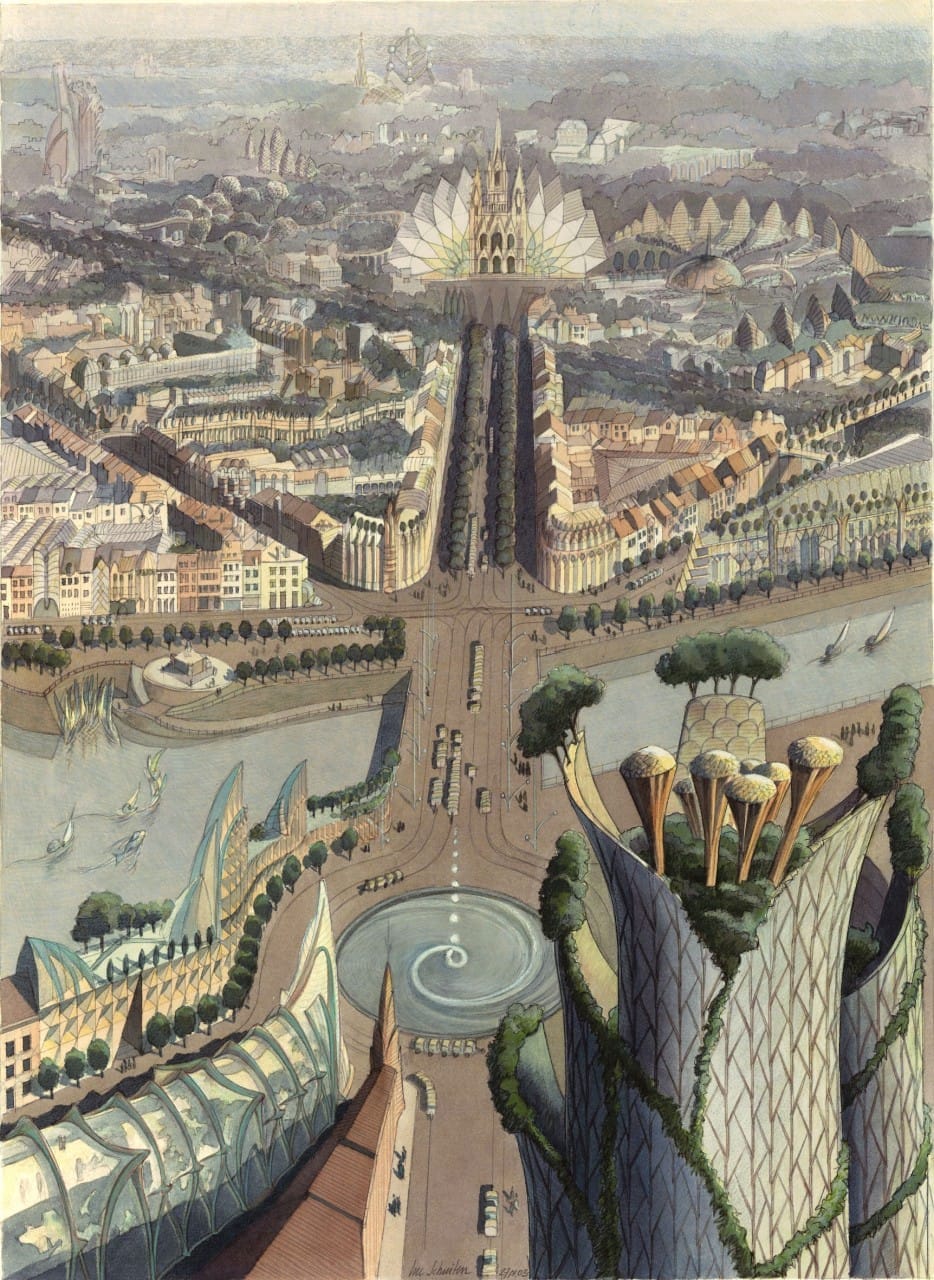
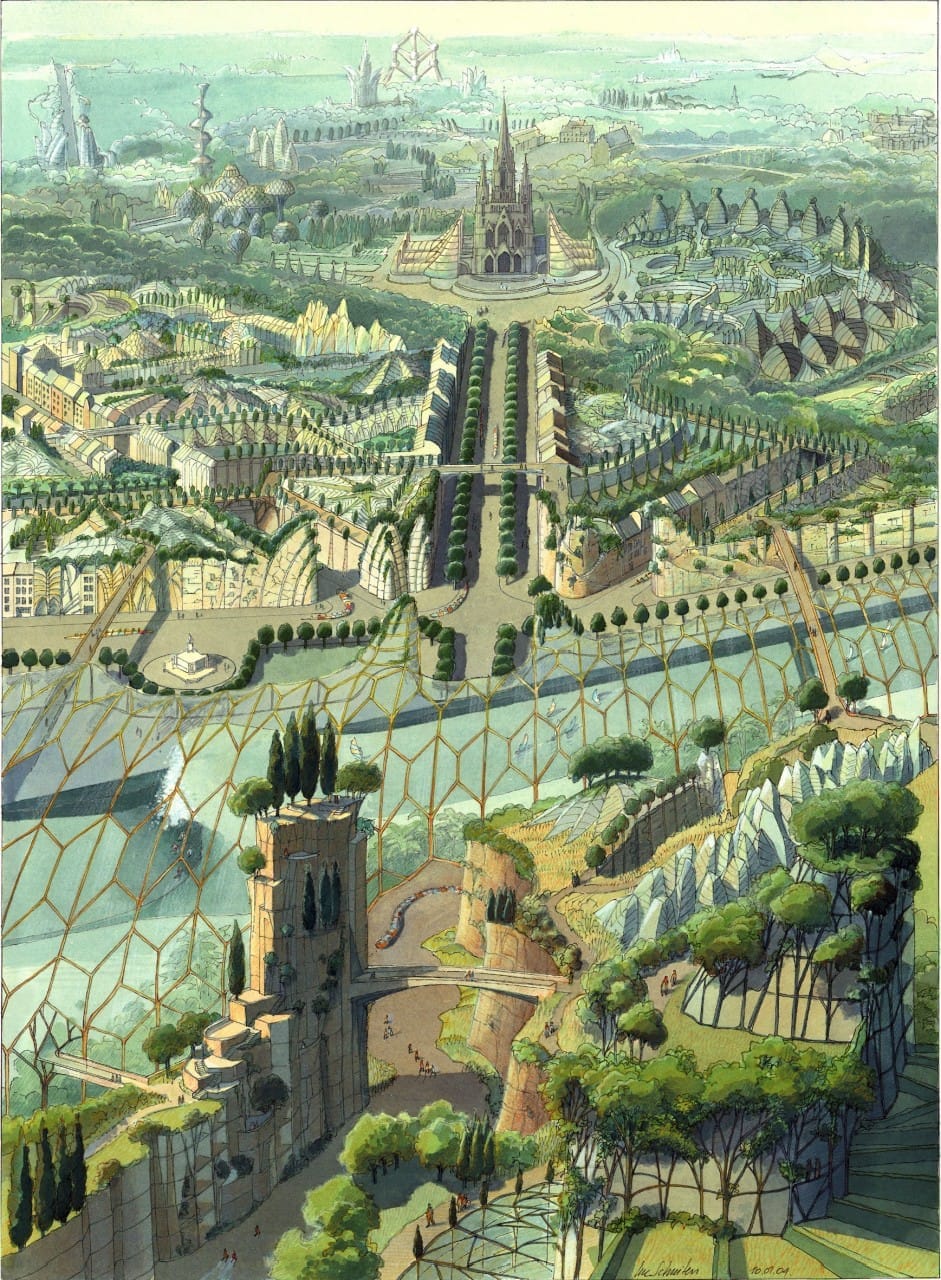
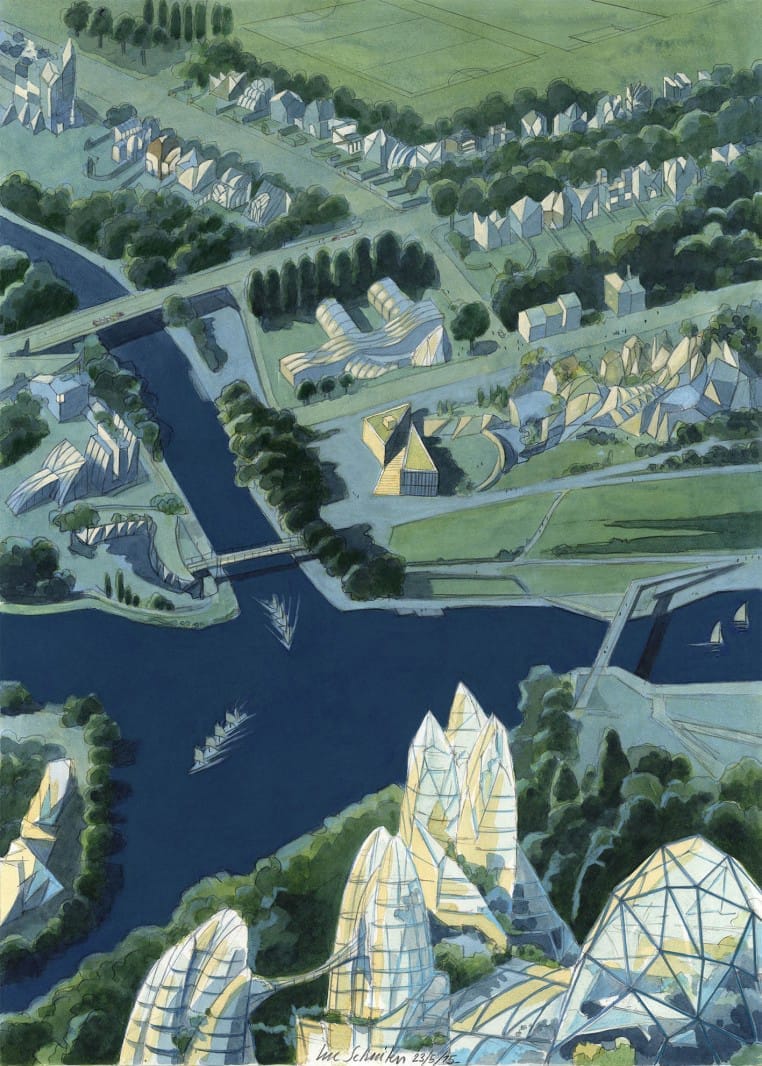
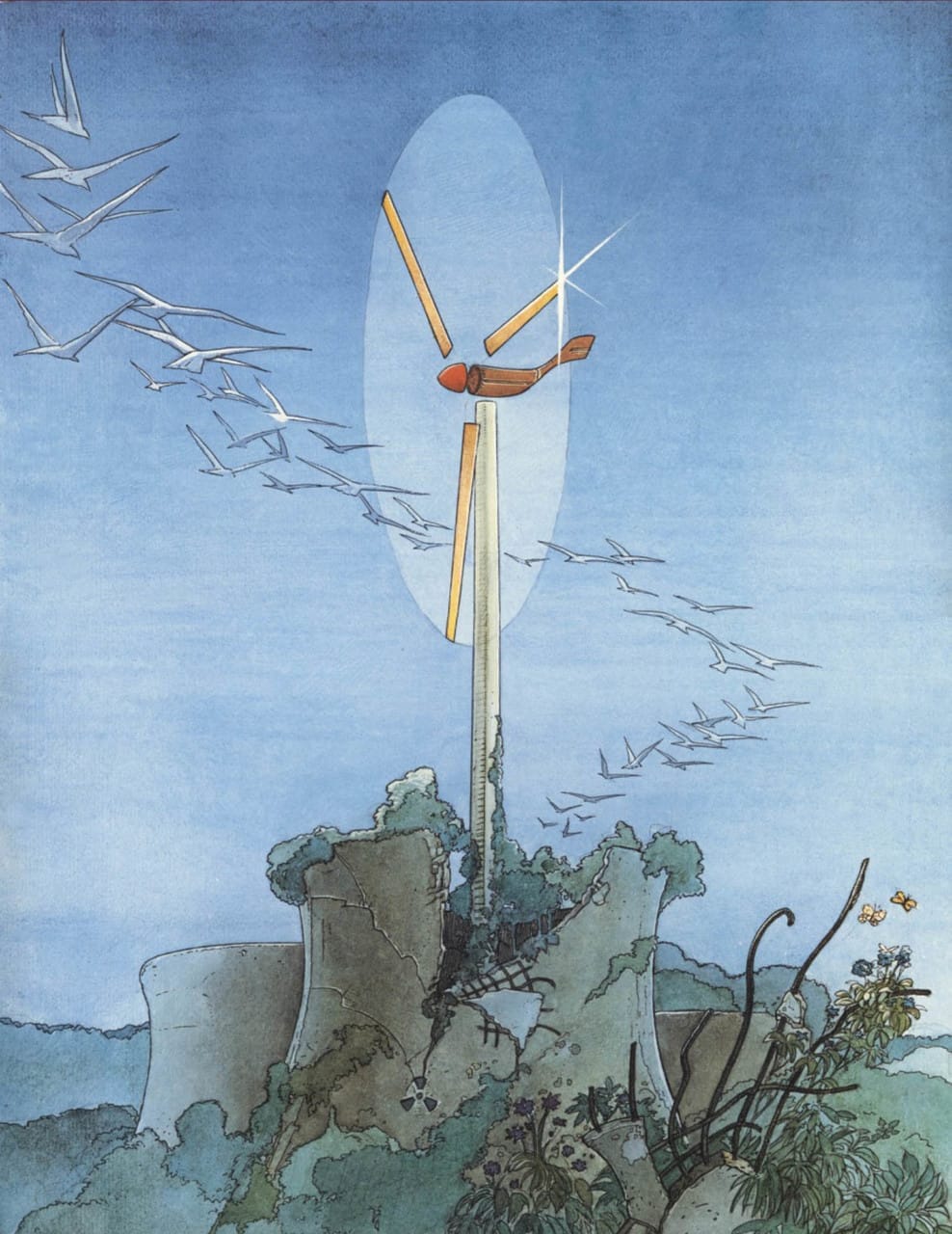
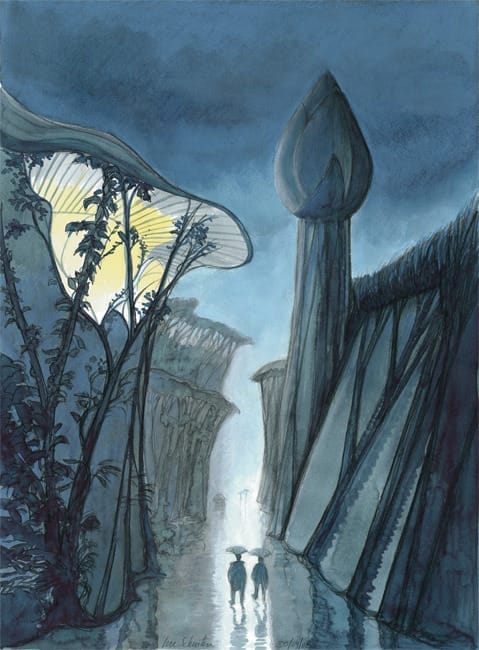
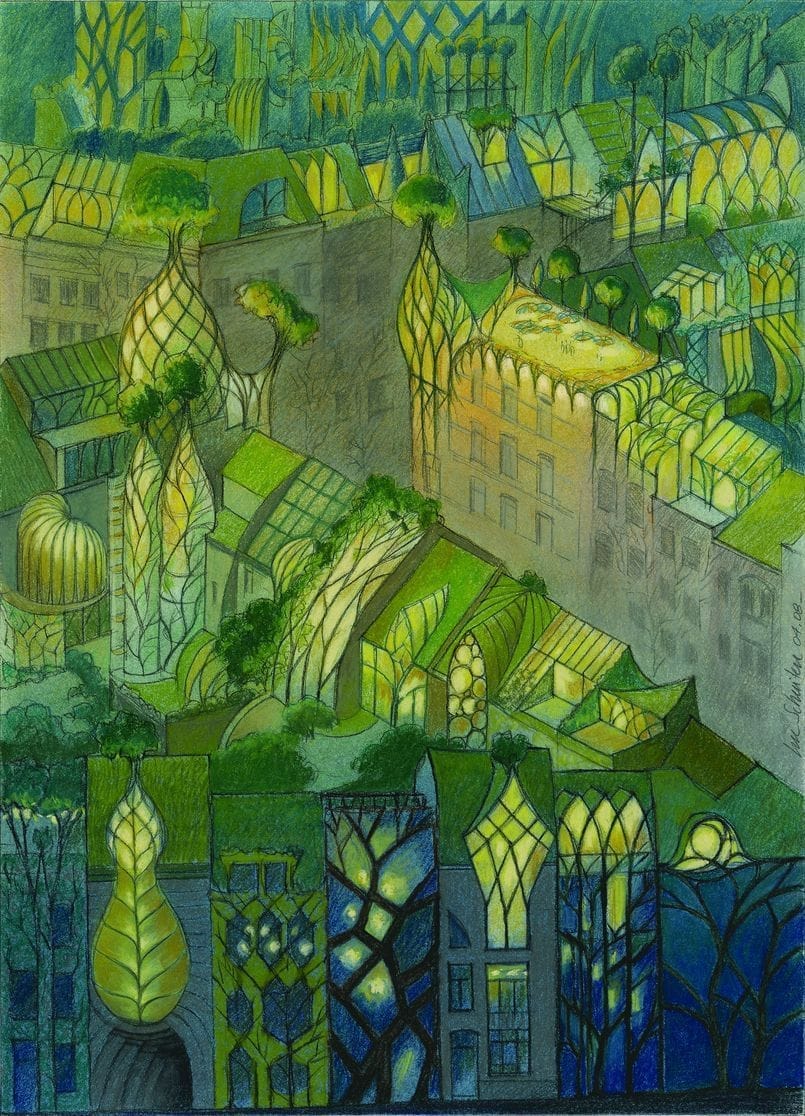
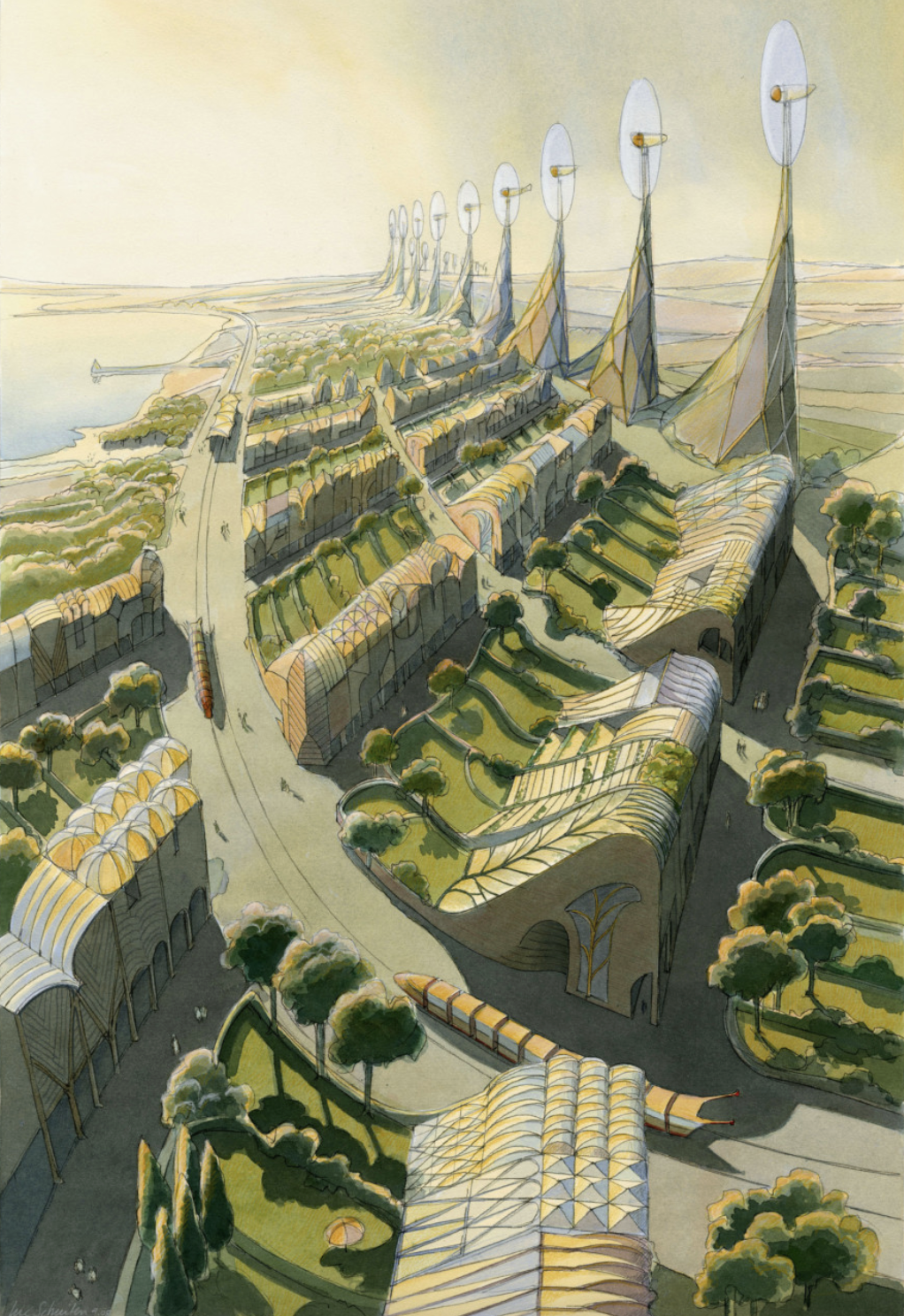
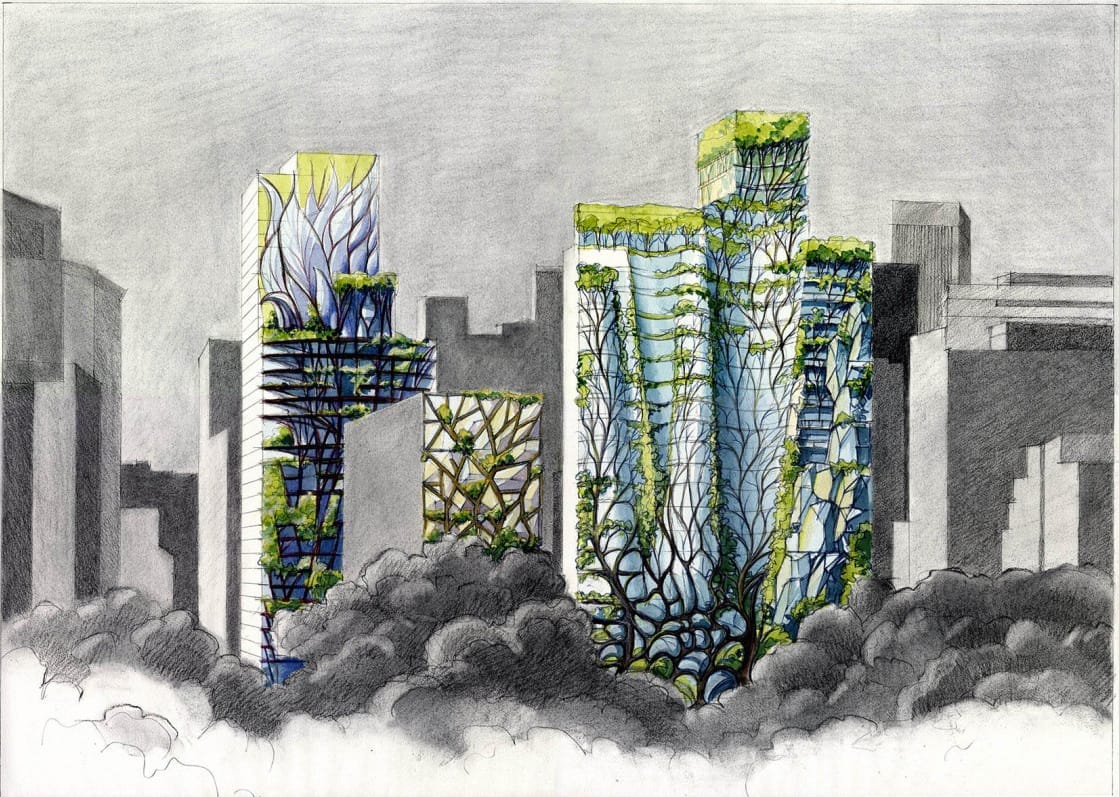
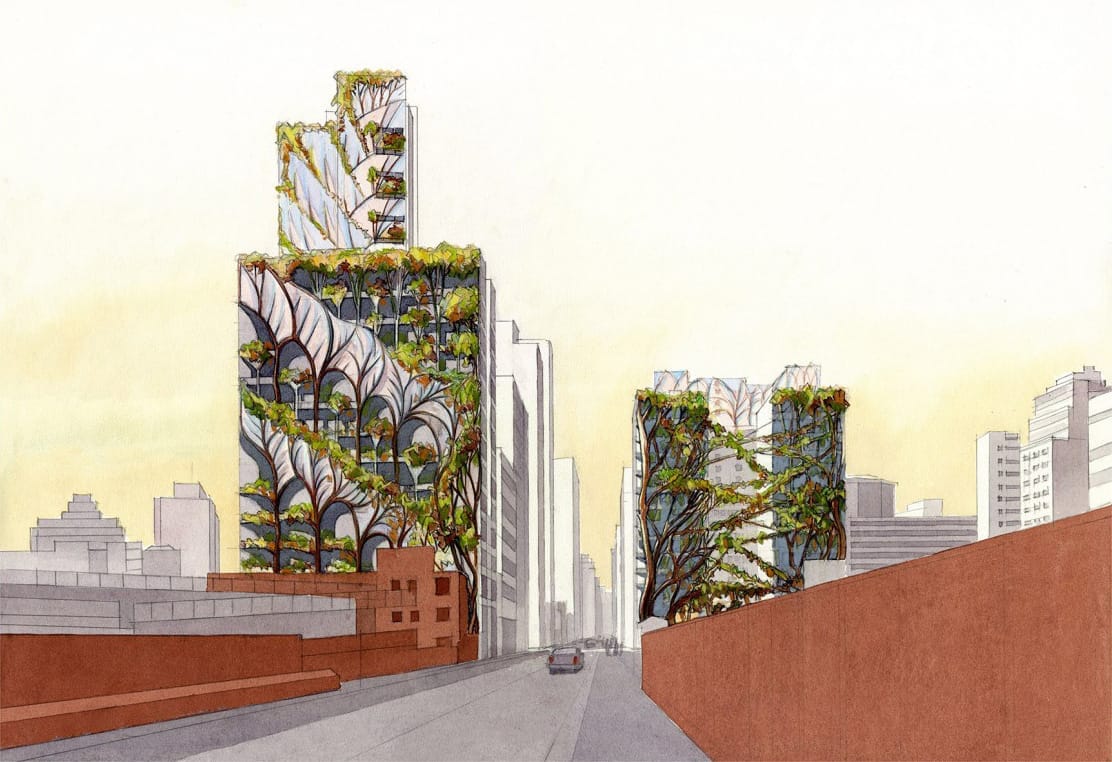
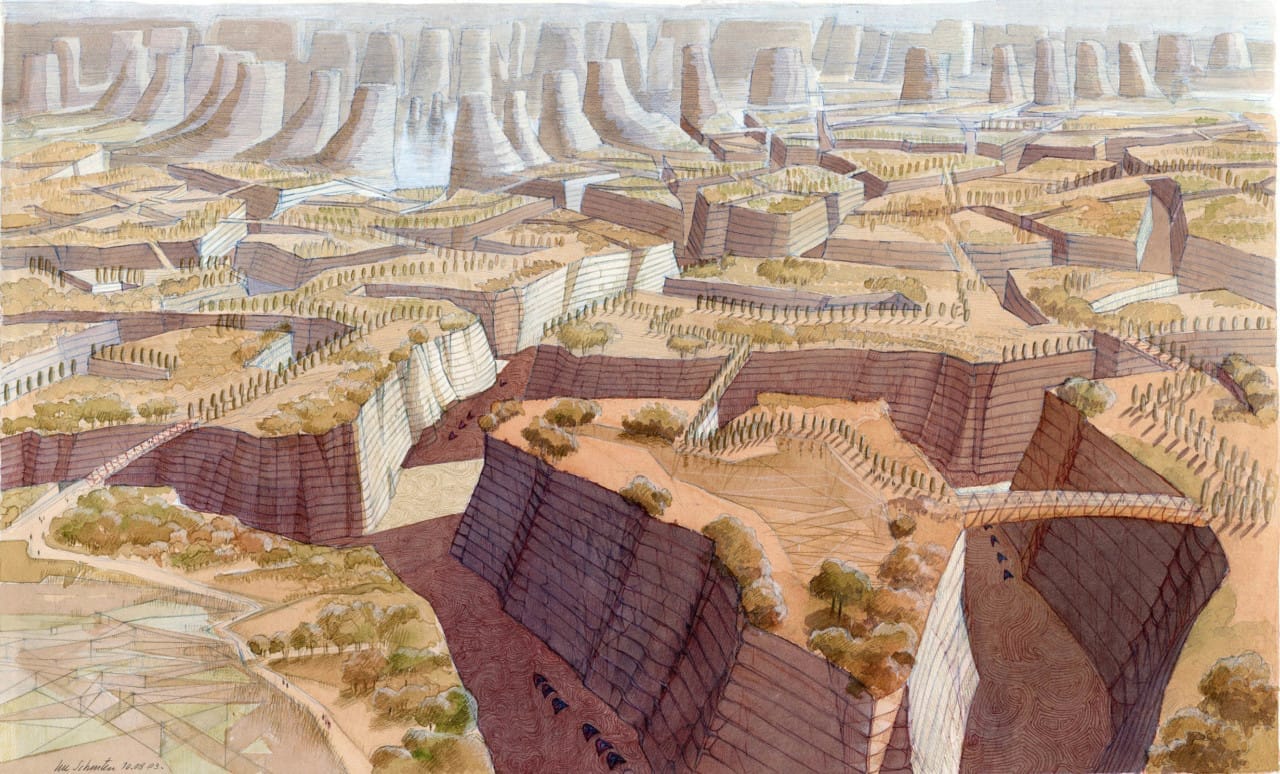
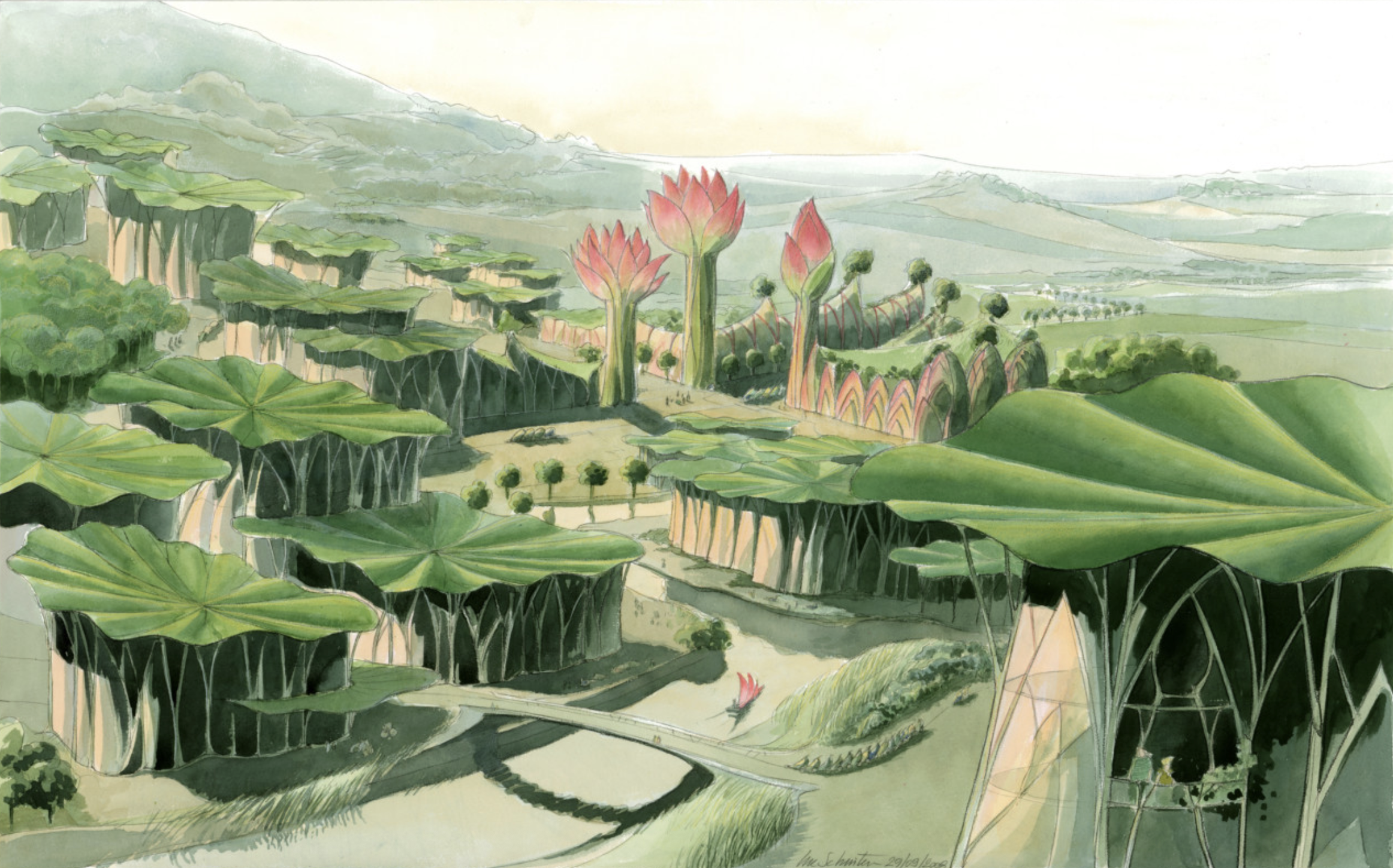
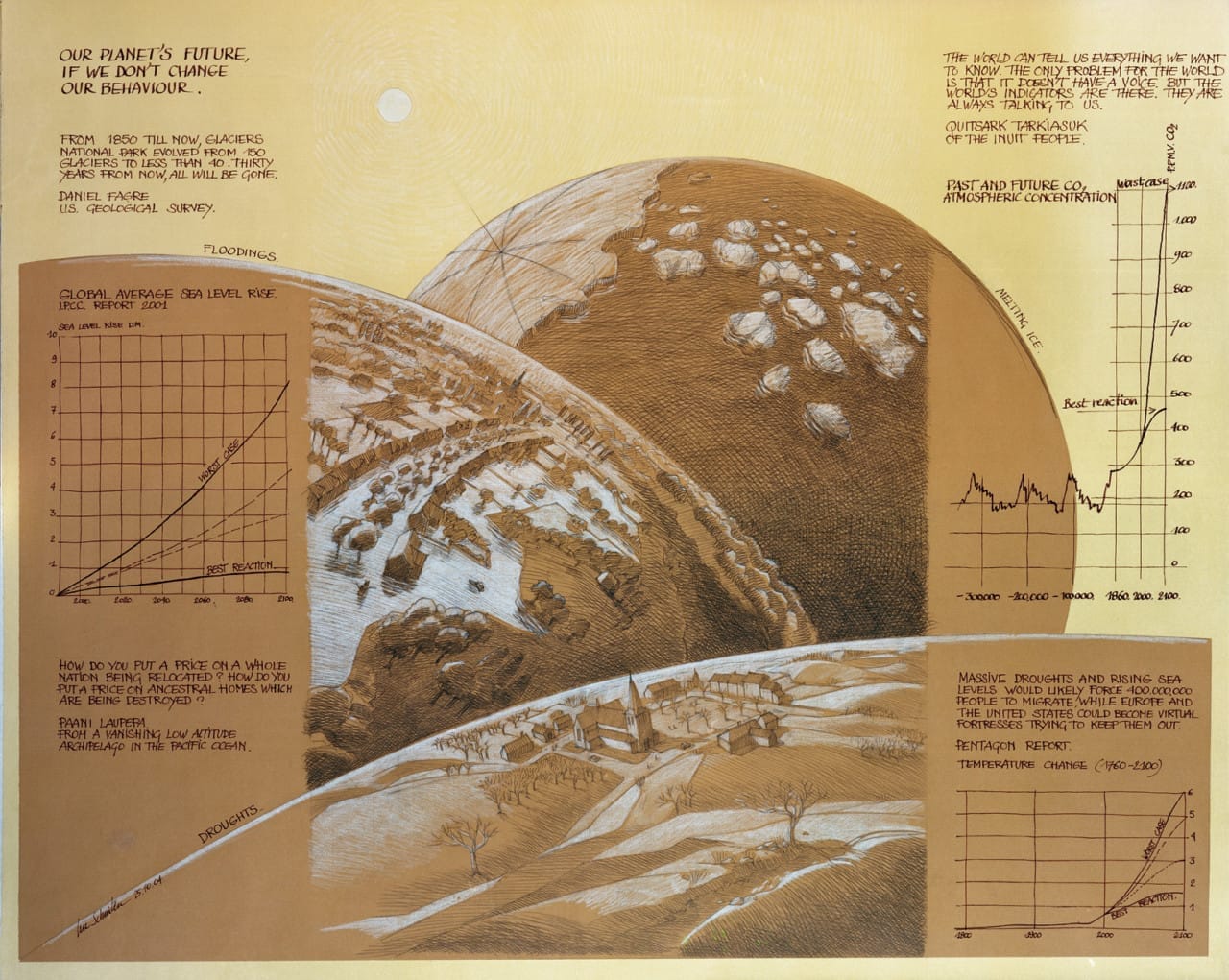
Images from Luc Schuiten.
