

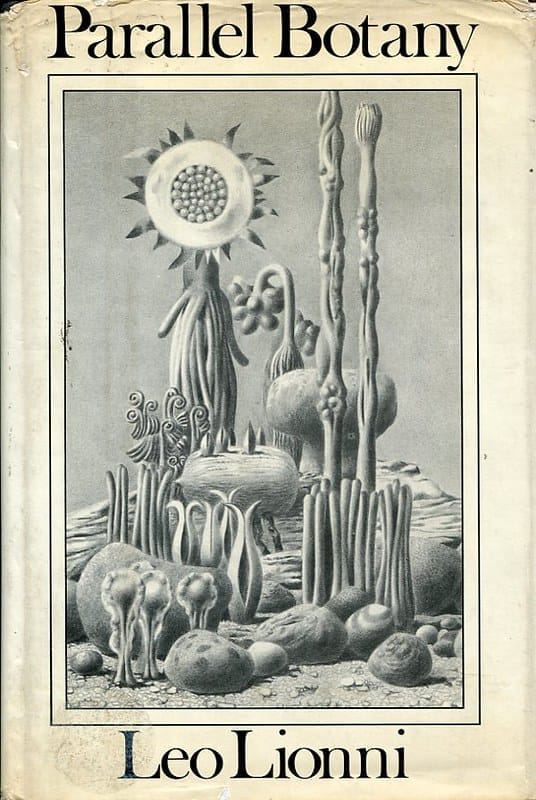
Parallel Botany chronicles a world of plants that do not exist. Framed with the language of scientific taxonomy, the book introduces readers to a hidden flora invisible to conventional botany: plants that stretch the boundary between the real and the imagined.
Originally published in 1976, Parallel Botany reads like a surreal natural history text, where plants exhibit strange morphologies, elusive behaviors, and metaphysical properties. Lionni’s work invites readers to question the epistemologies of knowledge itself: how we decide what’s real, what’s recognized, and what lies just outside scientific reach.
The book remains a quiet cult classic, resonating with artists, ecologists, and speculative thinkers drawn to the potential of nonhuman worldbuilding and alternate natures.
Leo Lionni (1910 to 1999) was an Amsterdam-born designer, painter, and author. He was art director of Fortune magazine for over a decade and worked for Olivetti before turning to children's books with Little Blue and Little Yellow (1959), followed by titles such as Swimmy and Frederick.
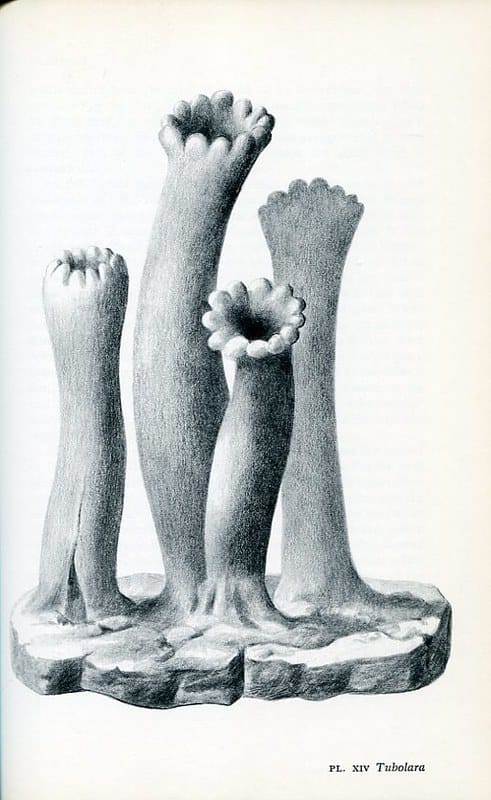
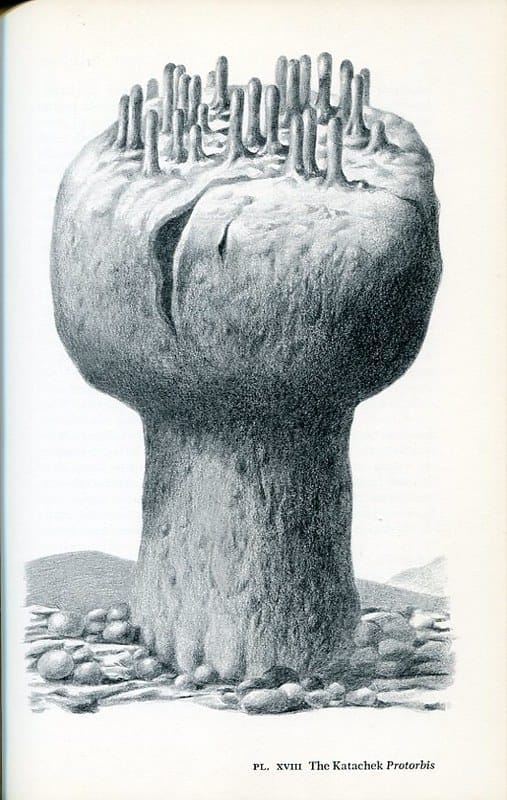
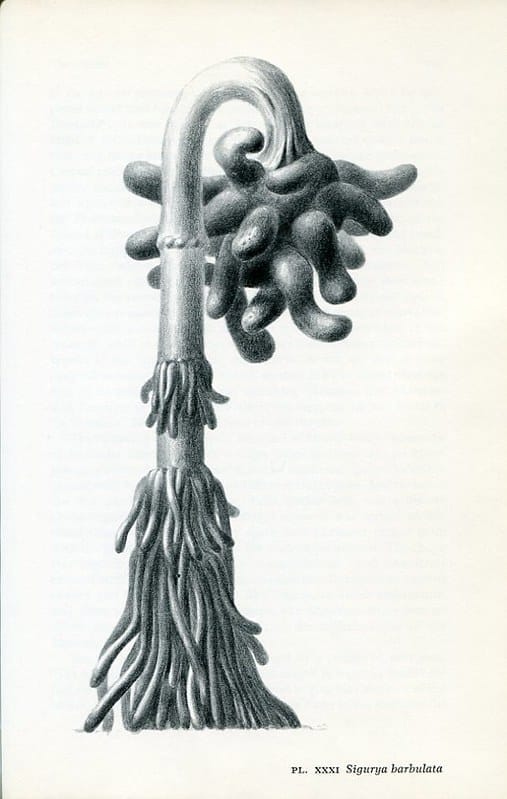
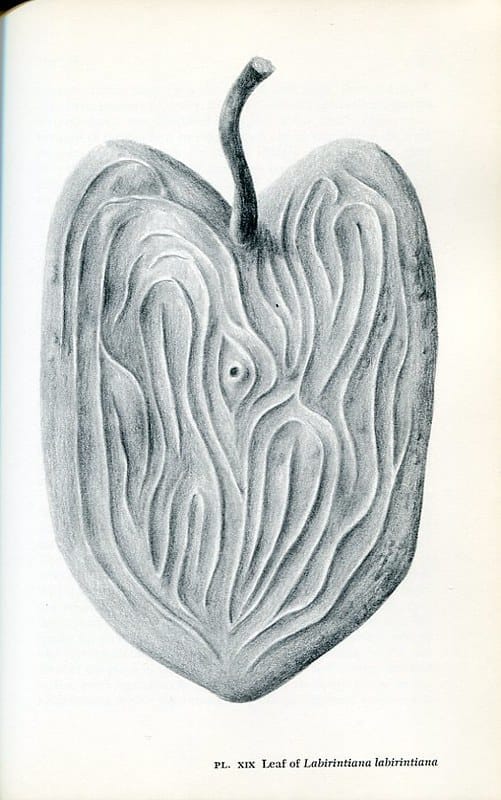
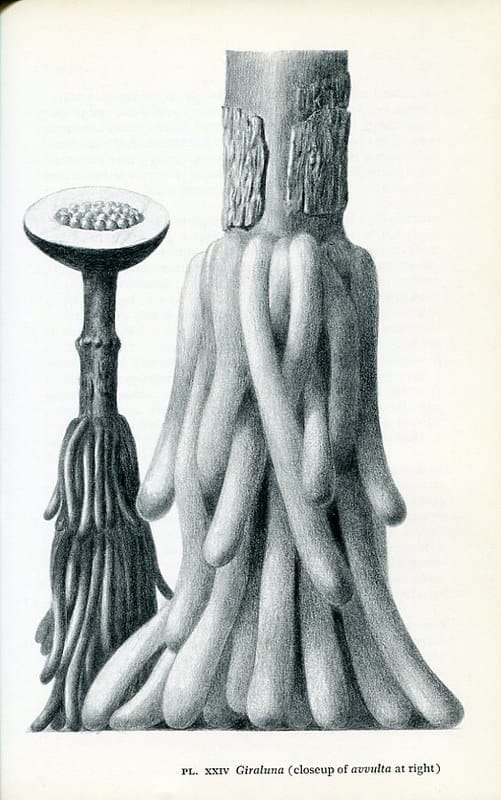
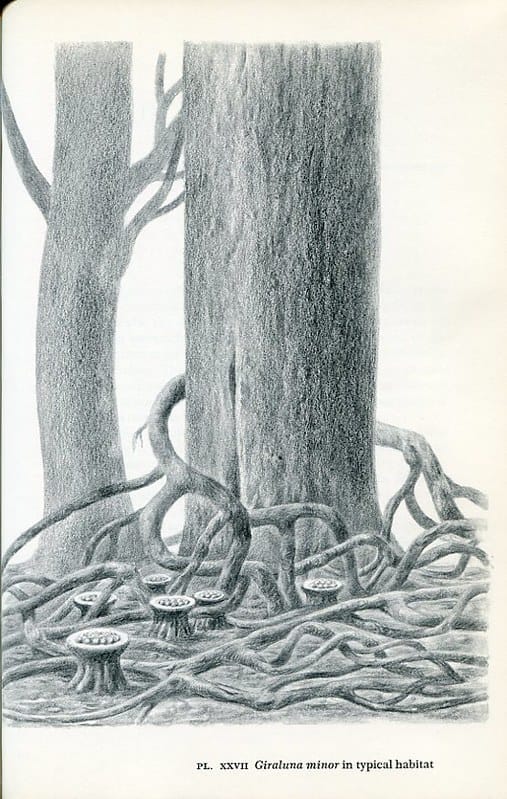
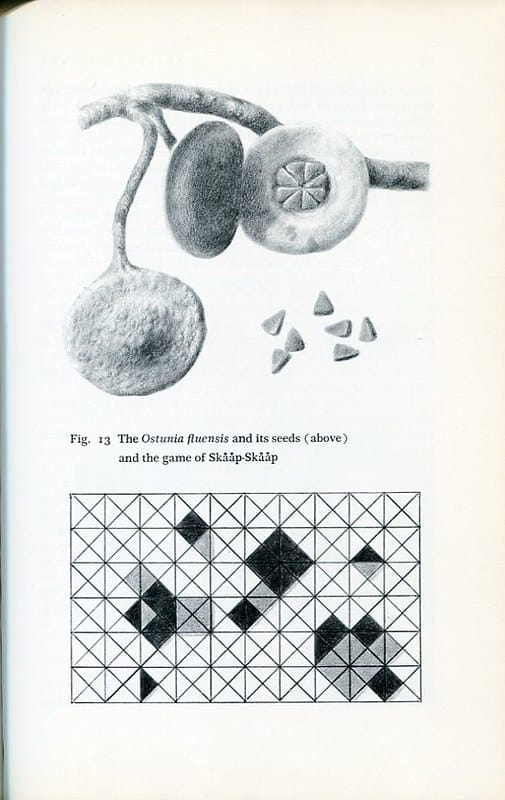
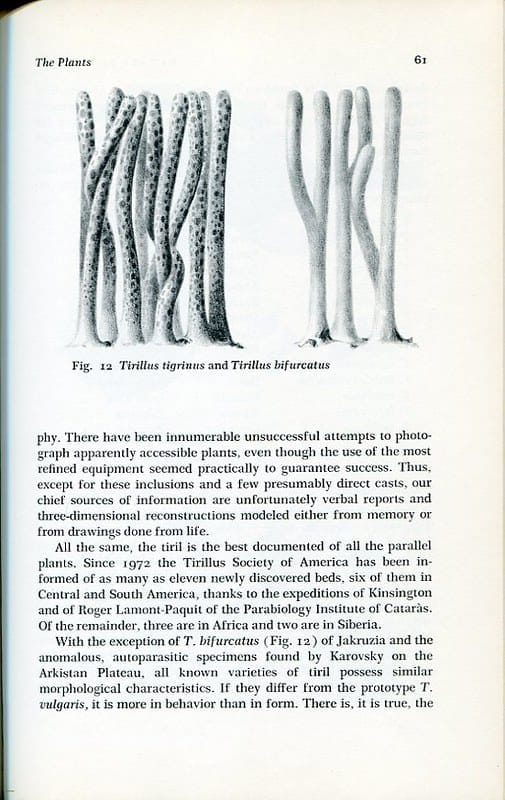
Parallel Botany came out in Italian as La botanica parallela in 1976 and in English from Knopf in 1977, translated by Patrick Creagh. It was written for adults, and Lionni drew each plant as a precise pencil plate in the style of a scientific monograph (Kirkus reviewed it).
See also: Pataphysics

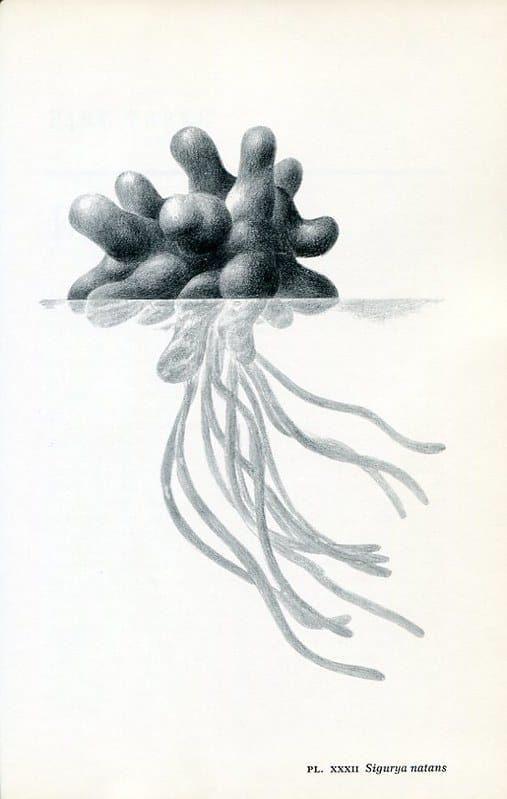
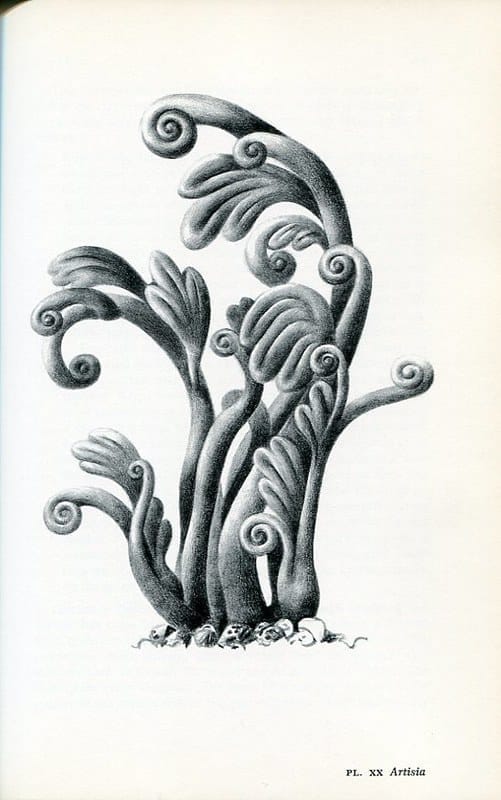
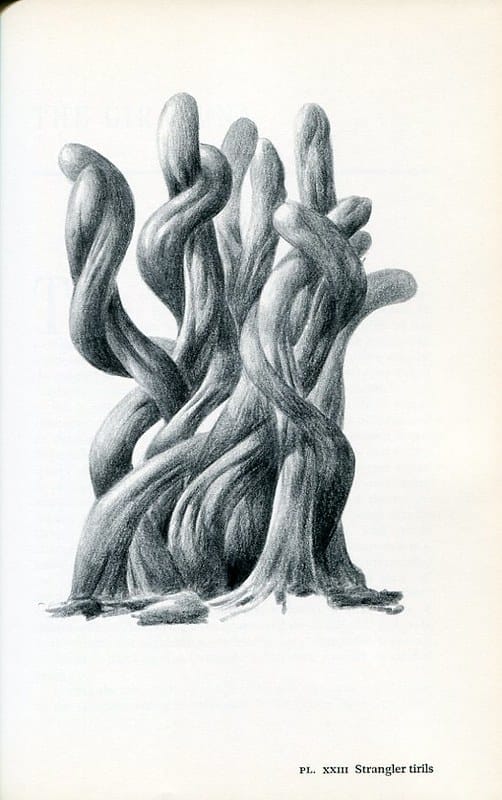
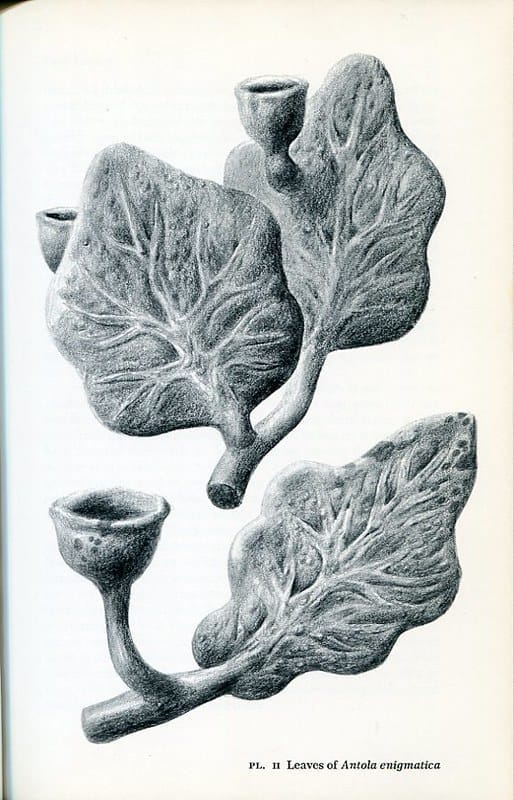
Images from Ariel S. Winter.
