

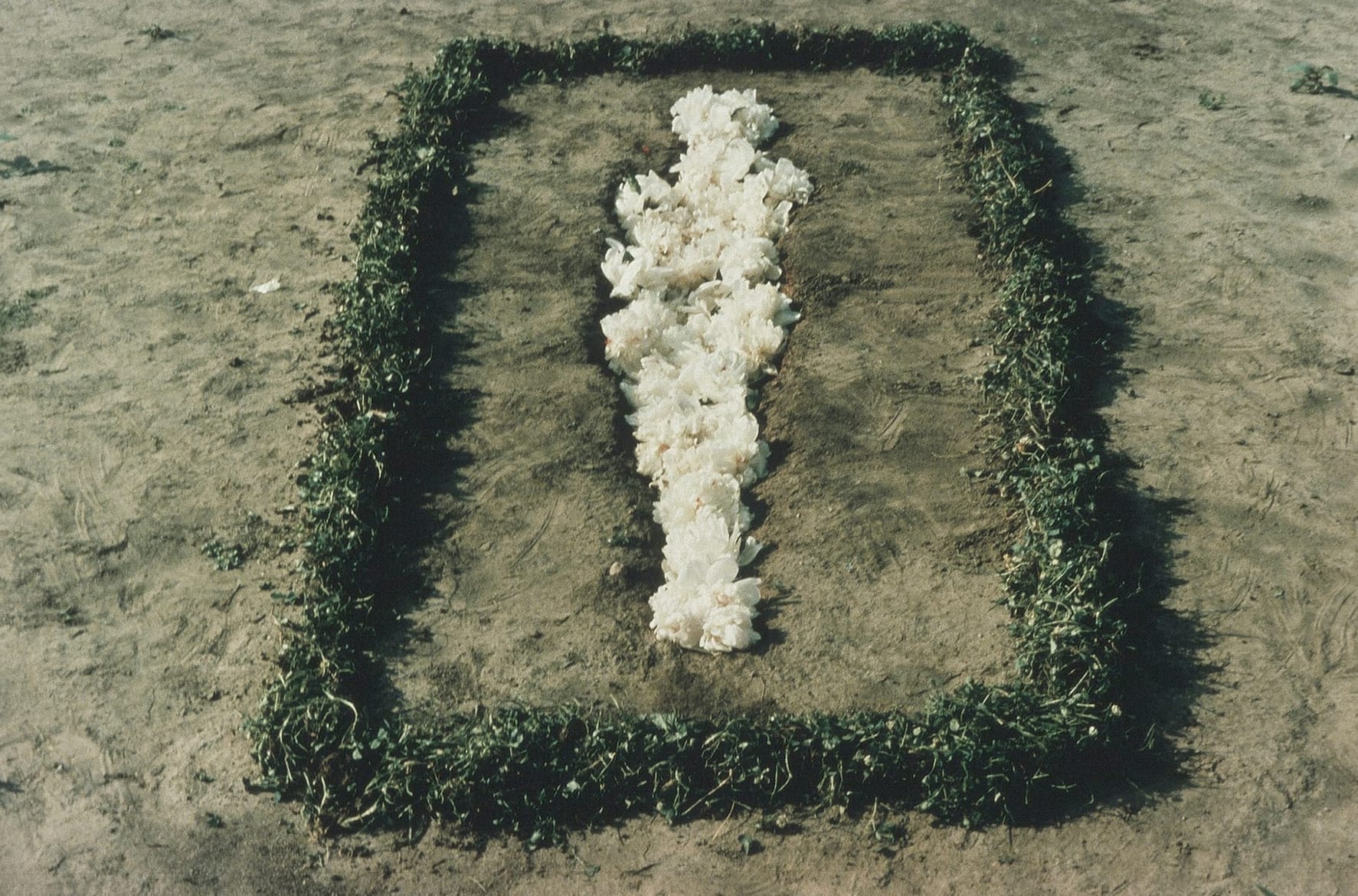
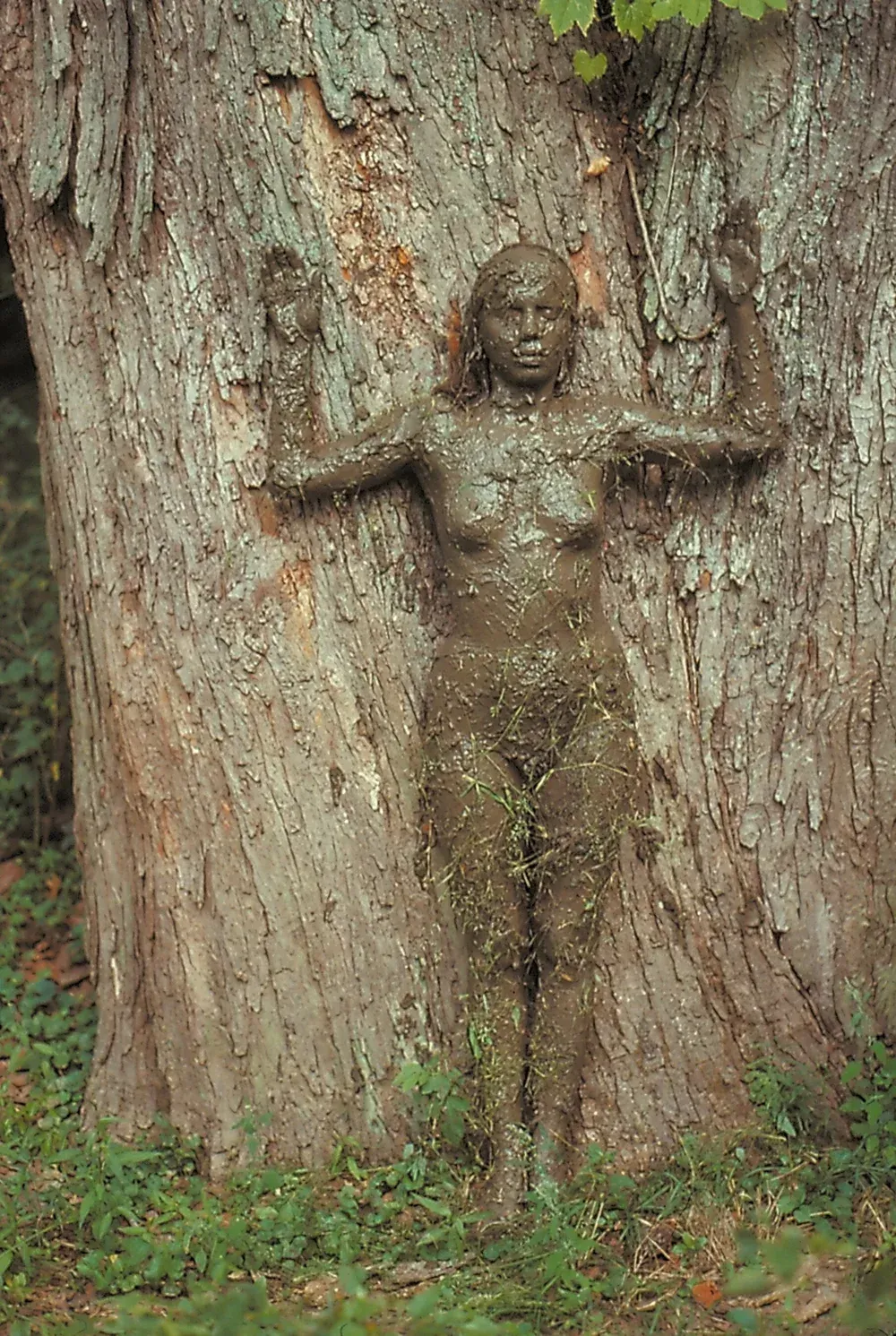
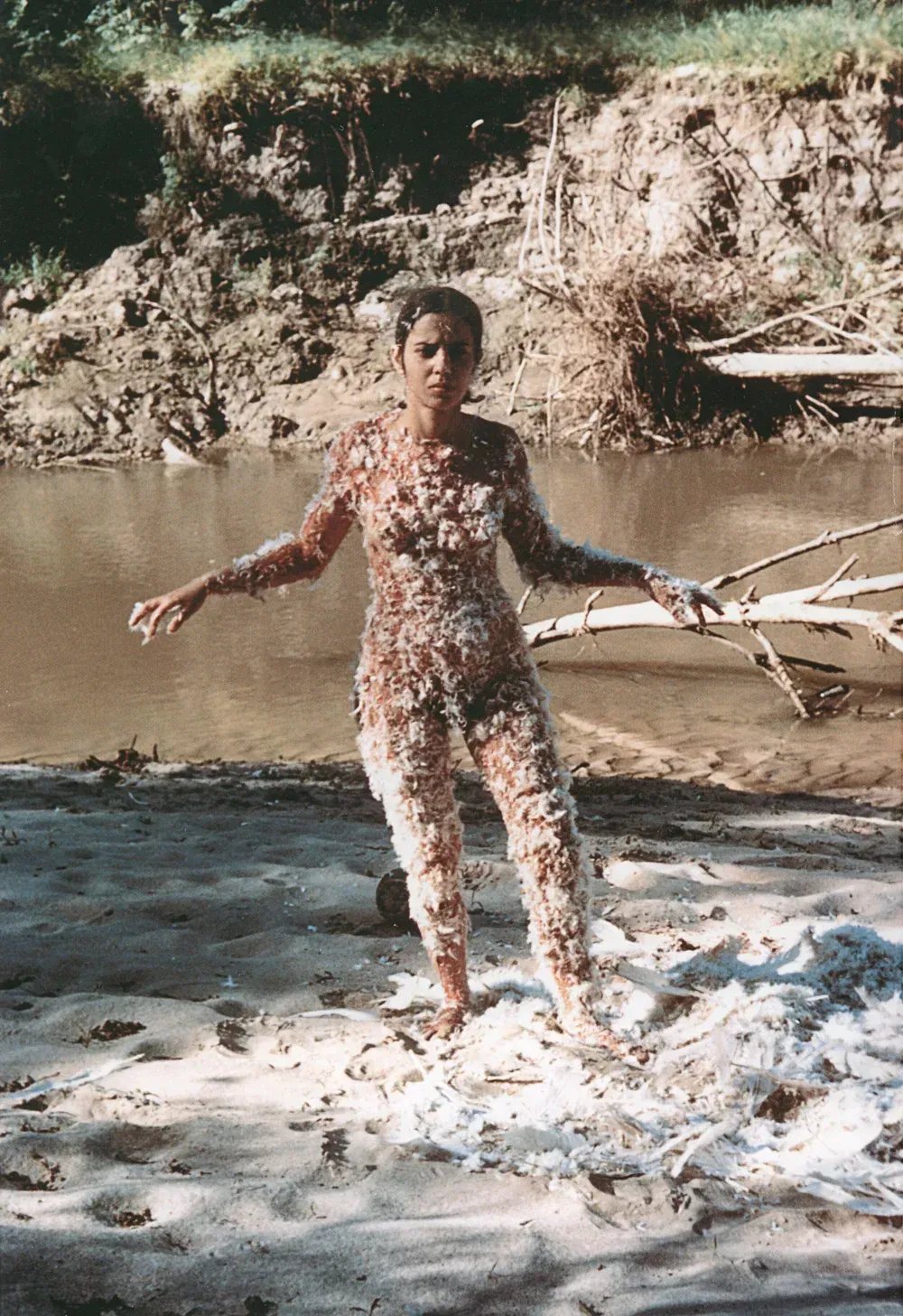
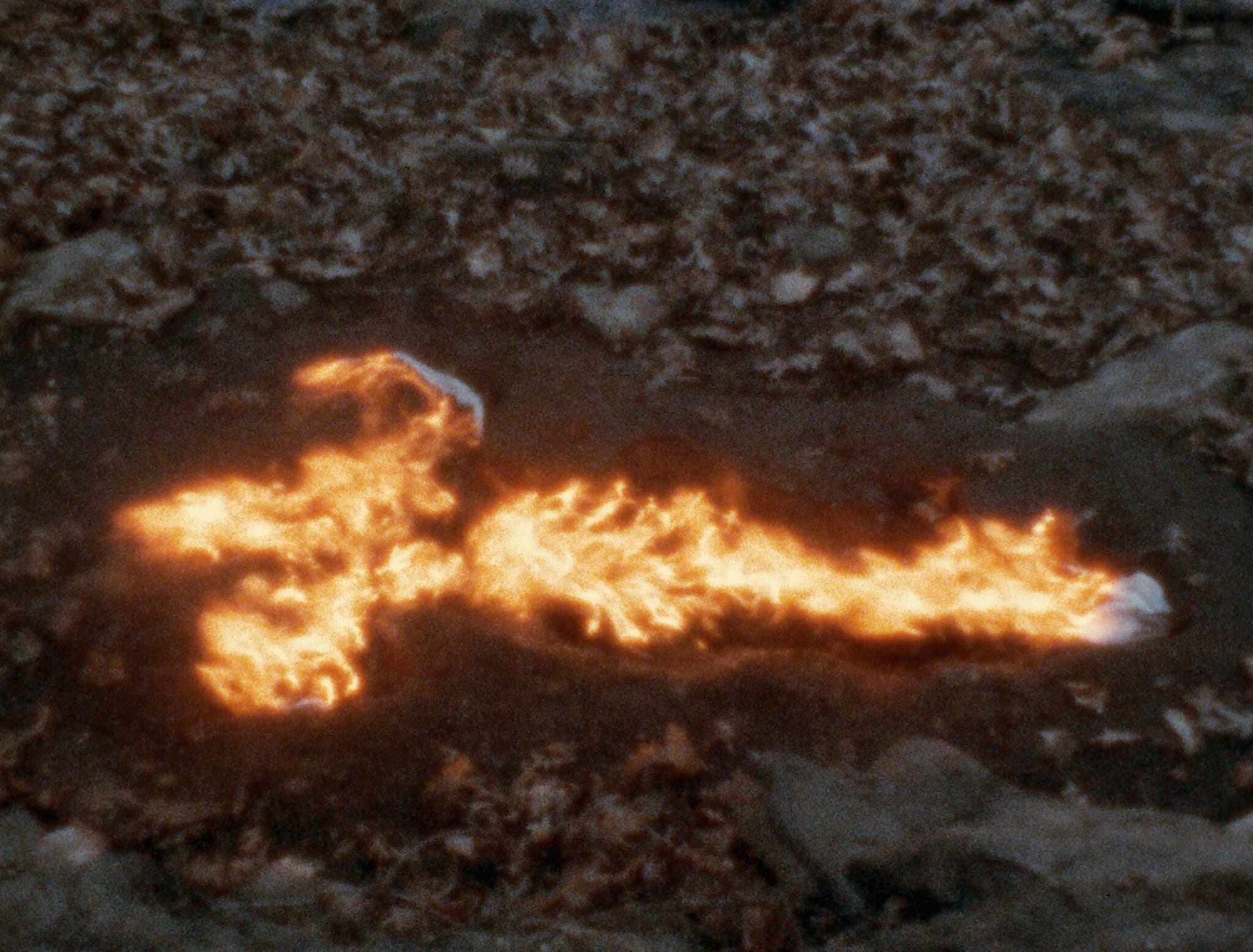
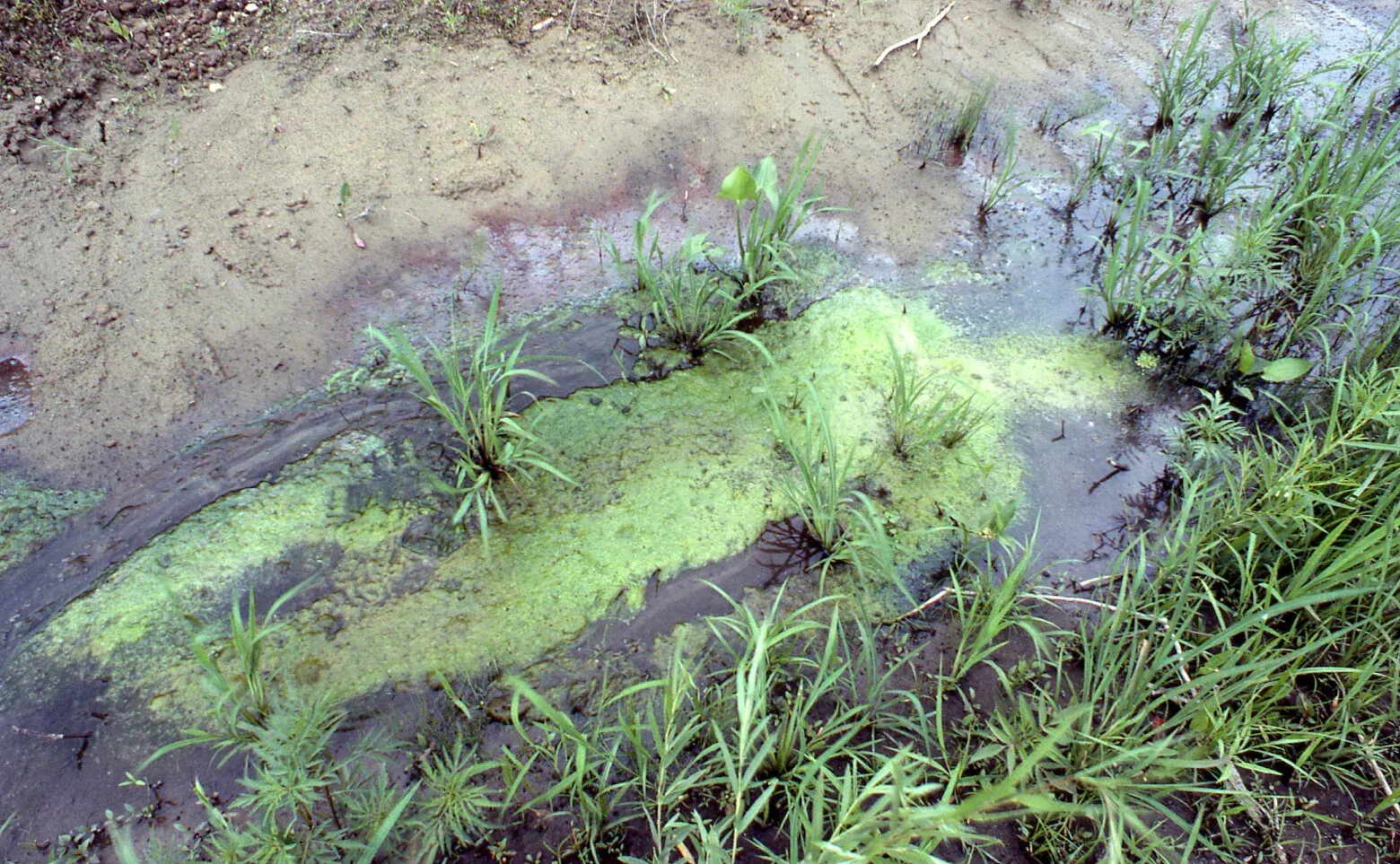
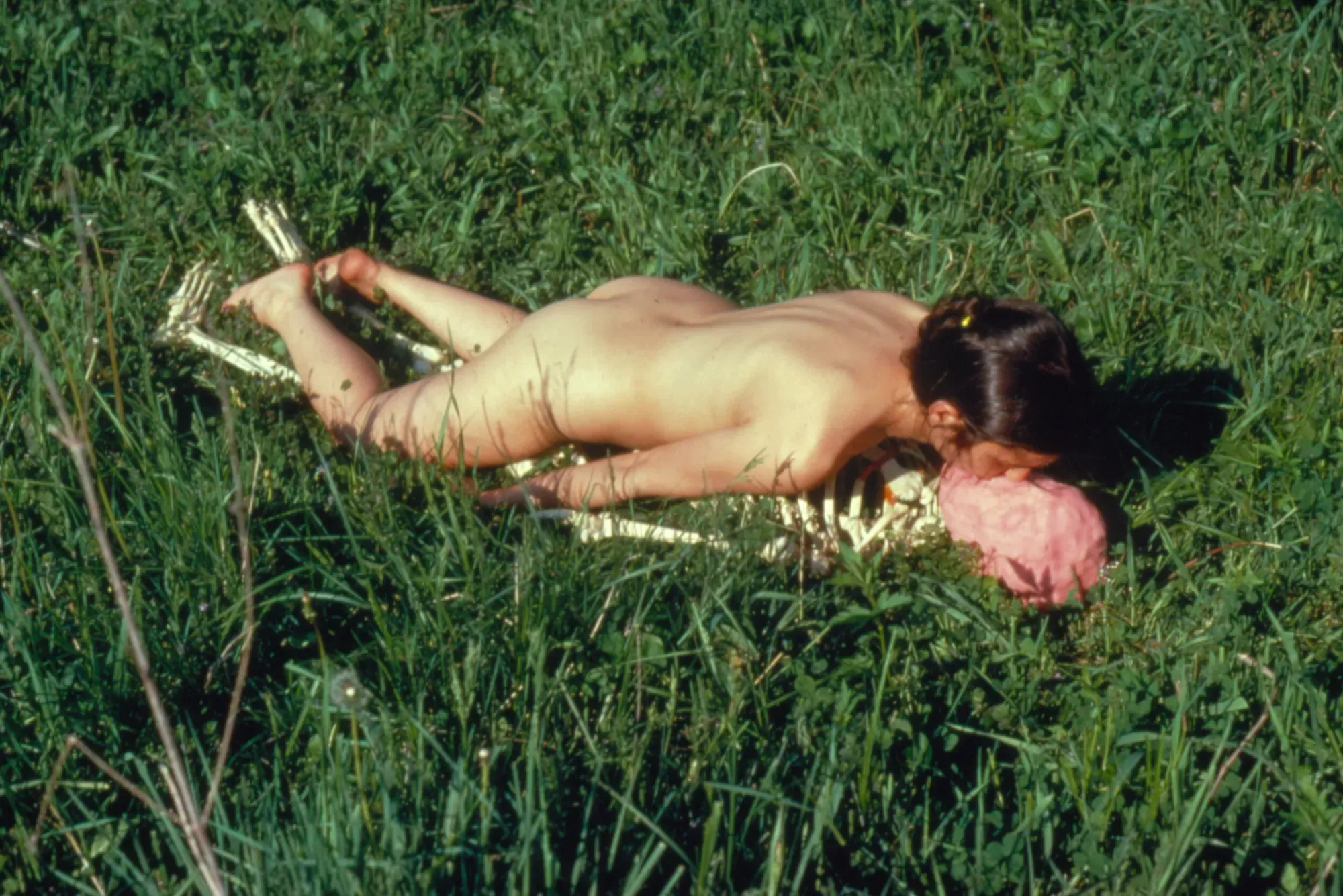
Silueta Series (1973–80) is a body of earth-body works by Cuban-born artist Ana Mendieta. Created after her exile from Havana and during her years in Iowa and Mexico, the series stages her own silhouette within landscapes, leaving imprints, hollows, and traces in mud, sand, fire, leaves, and stone.
Mendieta pressed her body into the earth, or carved its outline, sometimes filling it with flowers, sometimes burning it, sometimes letting it erode back into soil. The gestures were brief and ephemeral. What remains are photographs and films that document a presence already vanished.
The themes of Silueta Series are displacement, belonging, and the longing for rootedness. The female body is both vulnerable and elemental, a marker of absence and of return. By fusing figure and landscape, Mendieta created a ritual language for exile, ancestry, and loss.
About Ana Mendieta
Ana Mendieta was born in Havana in 1948. In 1961, at 12, she and her sister were sent to the United States through Operation Pedro Pan, which flew Cuban children out of the country after the revolution. They grew up in an orphanage and foster homes in Iowa.
She studied at the University of Iowa, earning a BA in art in 1969 and an MA in painting in 1972, then joined the university's new multimedia and video art program, where she moved into performance, film, and work in the land. The first Siluetas were made in Mexico in 1973. Over the following years she made more than 200 of them, in Mexico and in Iowa.
Mendieta moved to New York in 1978 and received a Guggenheim Fellowship in 1980. She died in New York in 1985, at 36, after a fall from the apartment she shared with her husband, the sculptor Carl Andre. He was charged with her murder and acquitted in 1988.
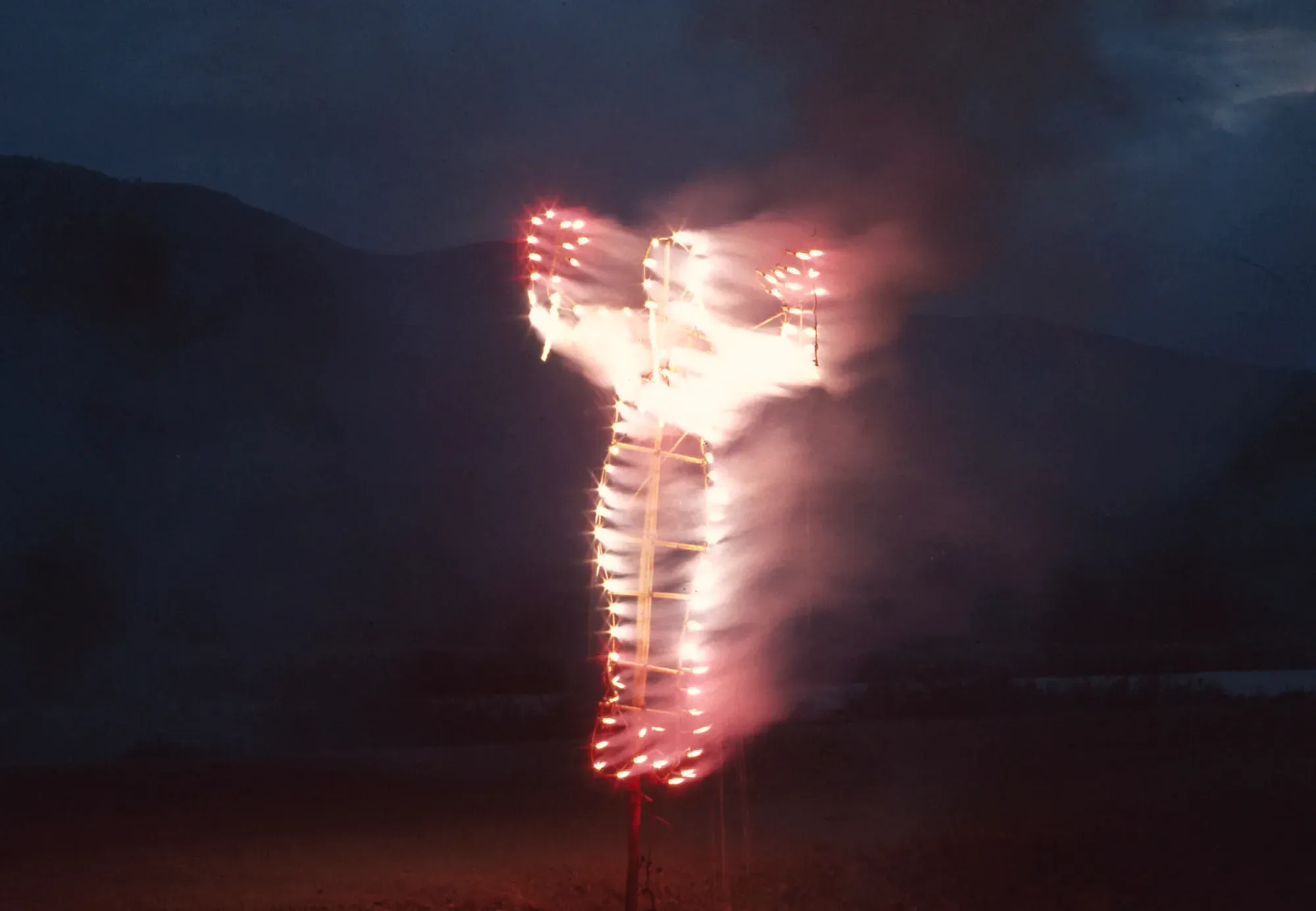
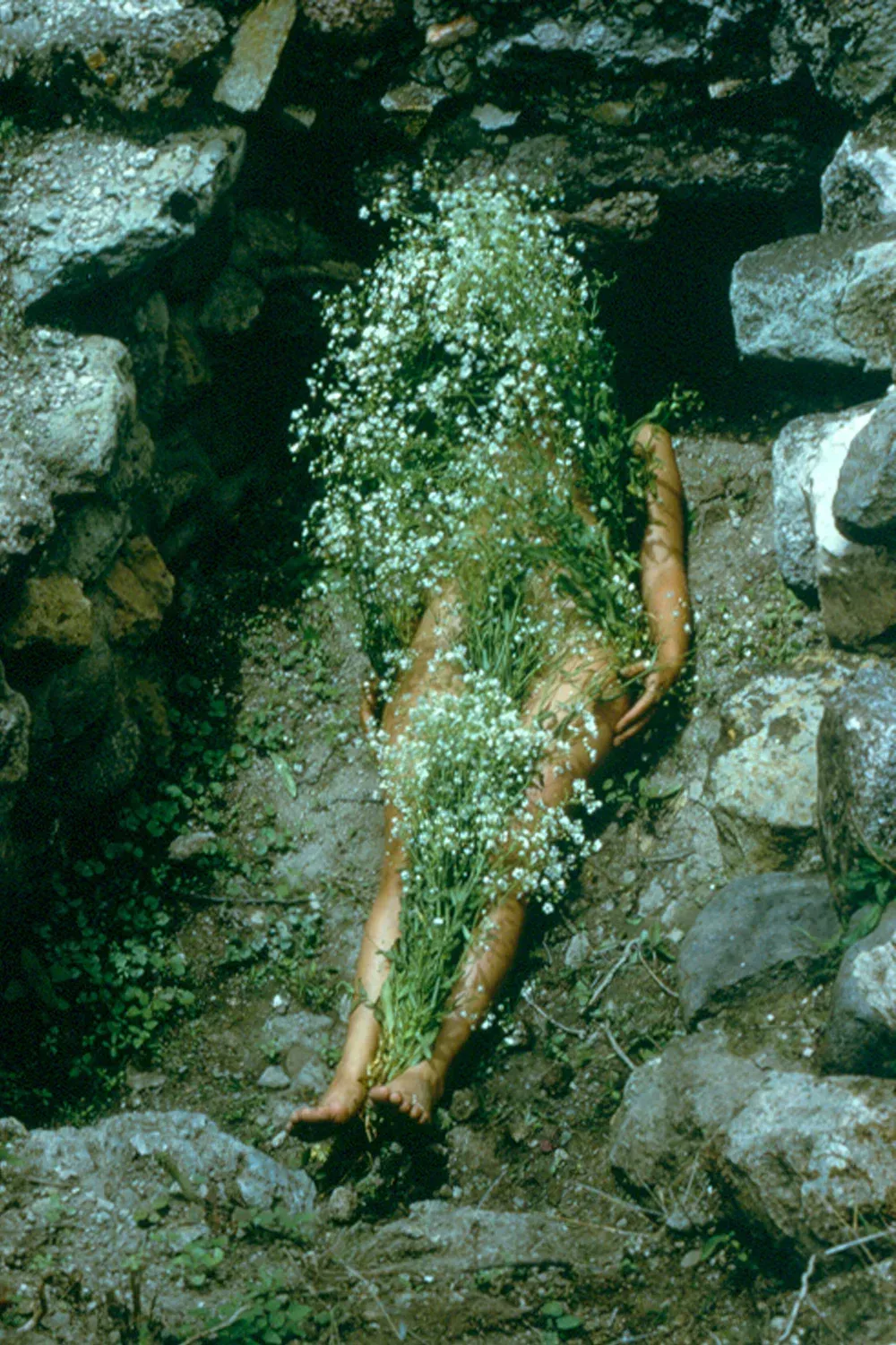
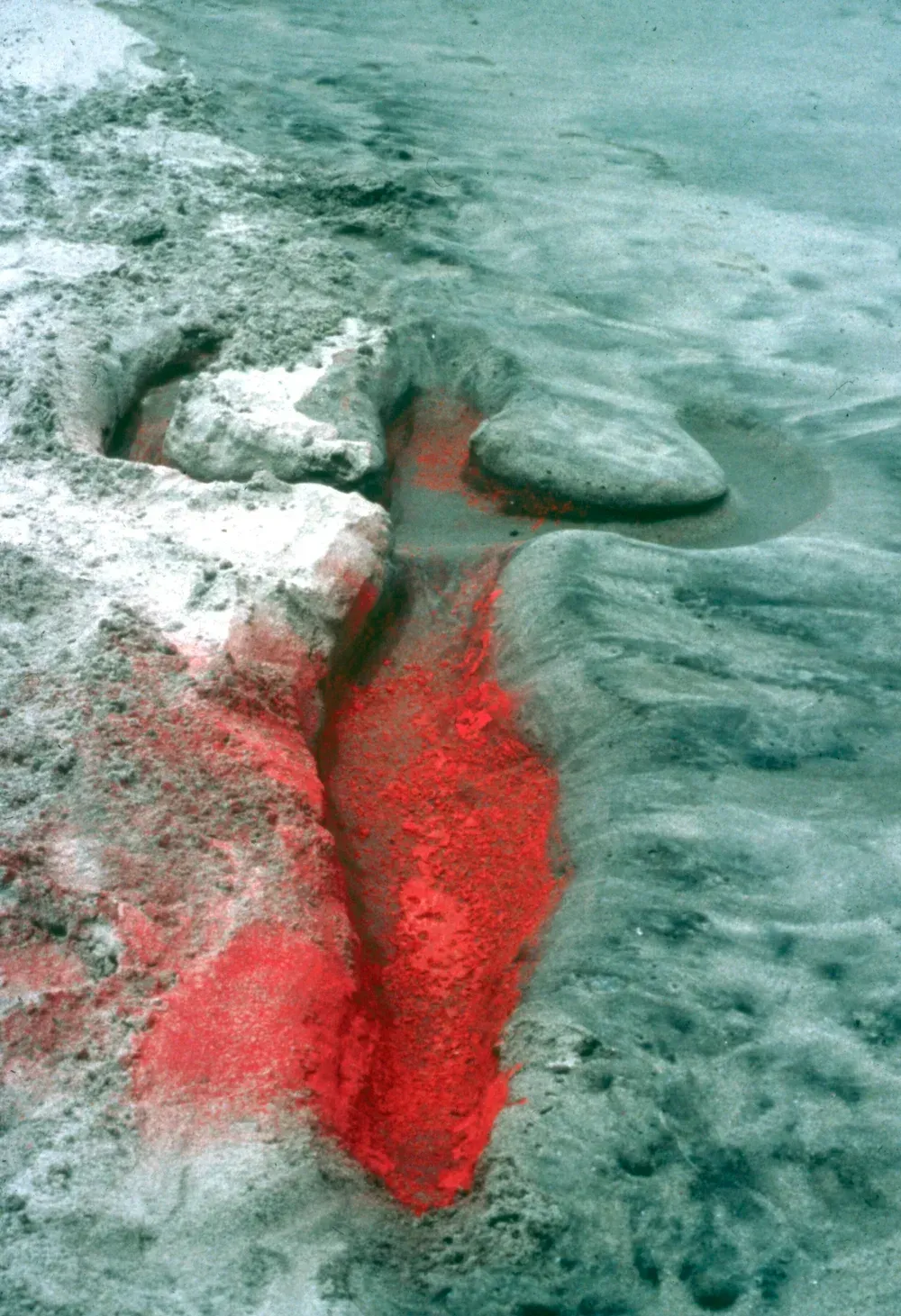
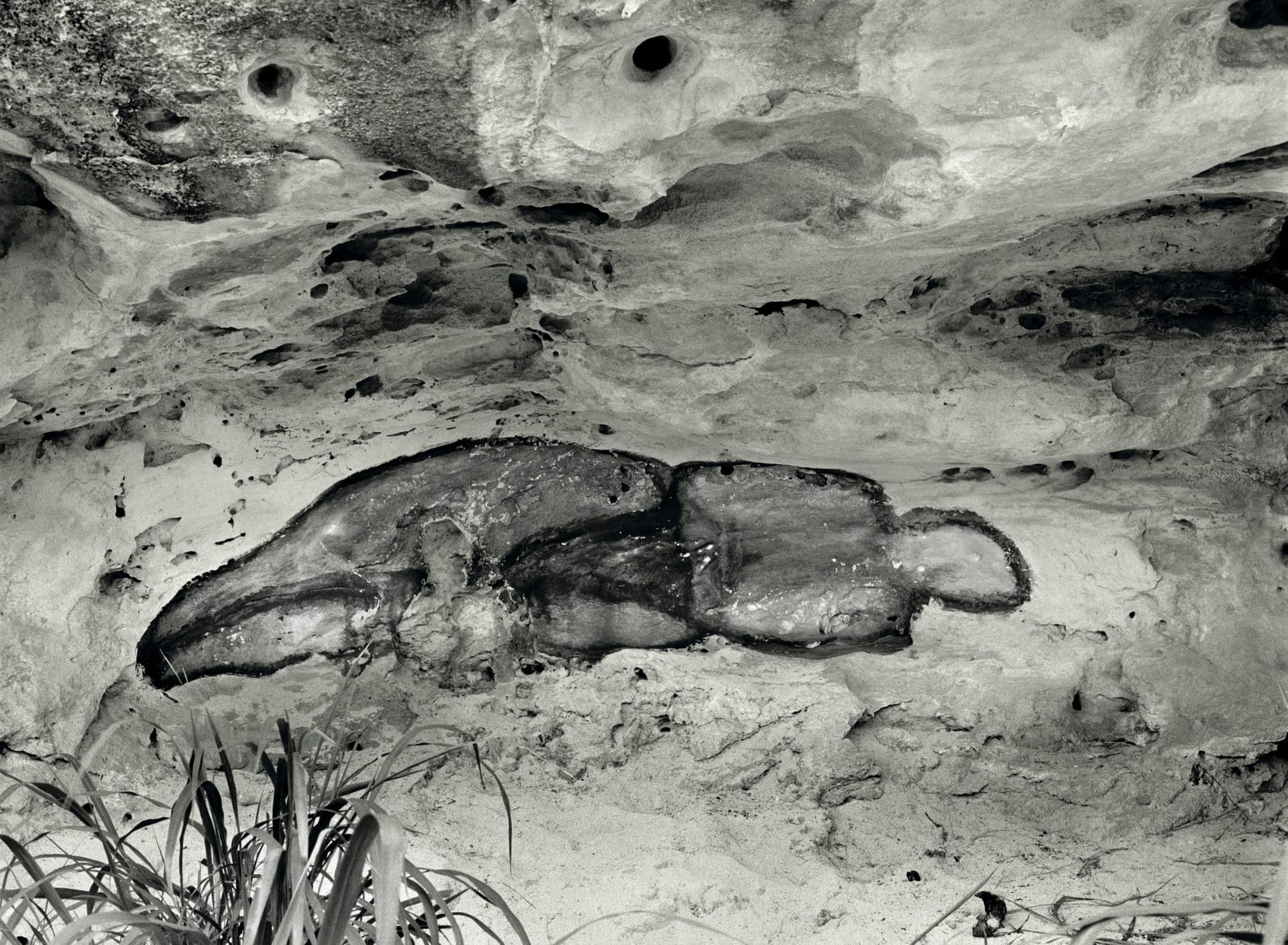
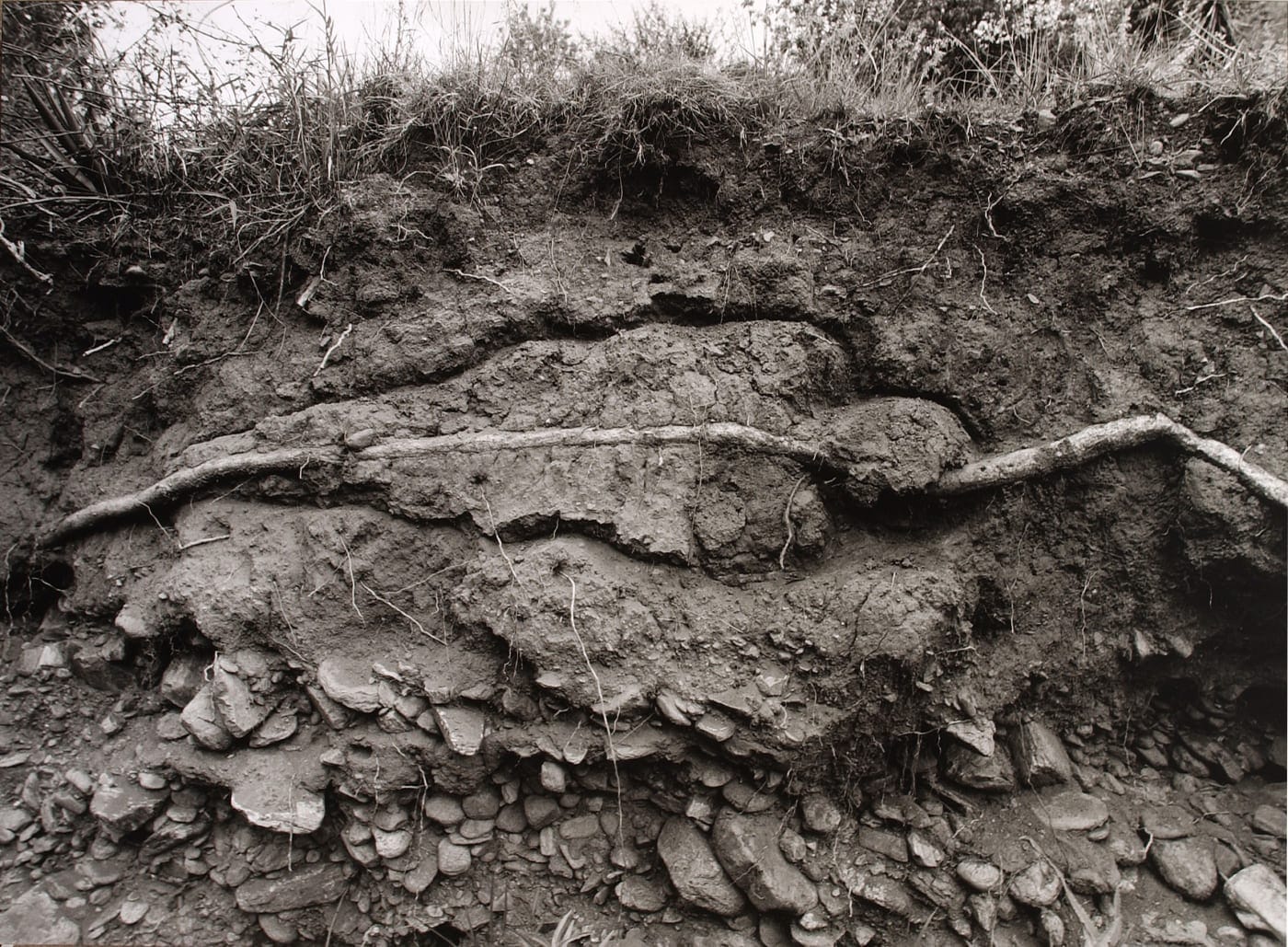
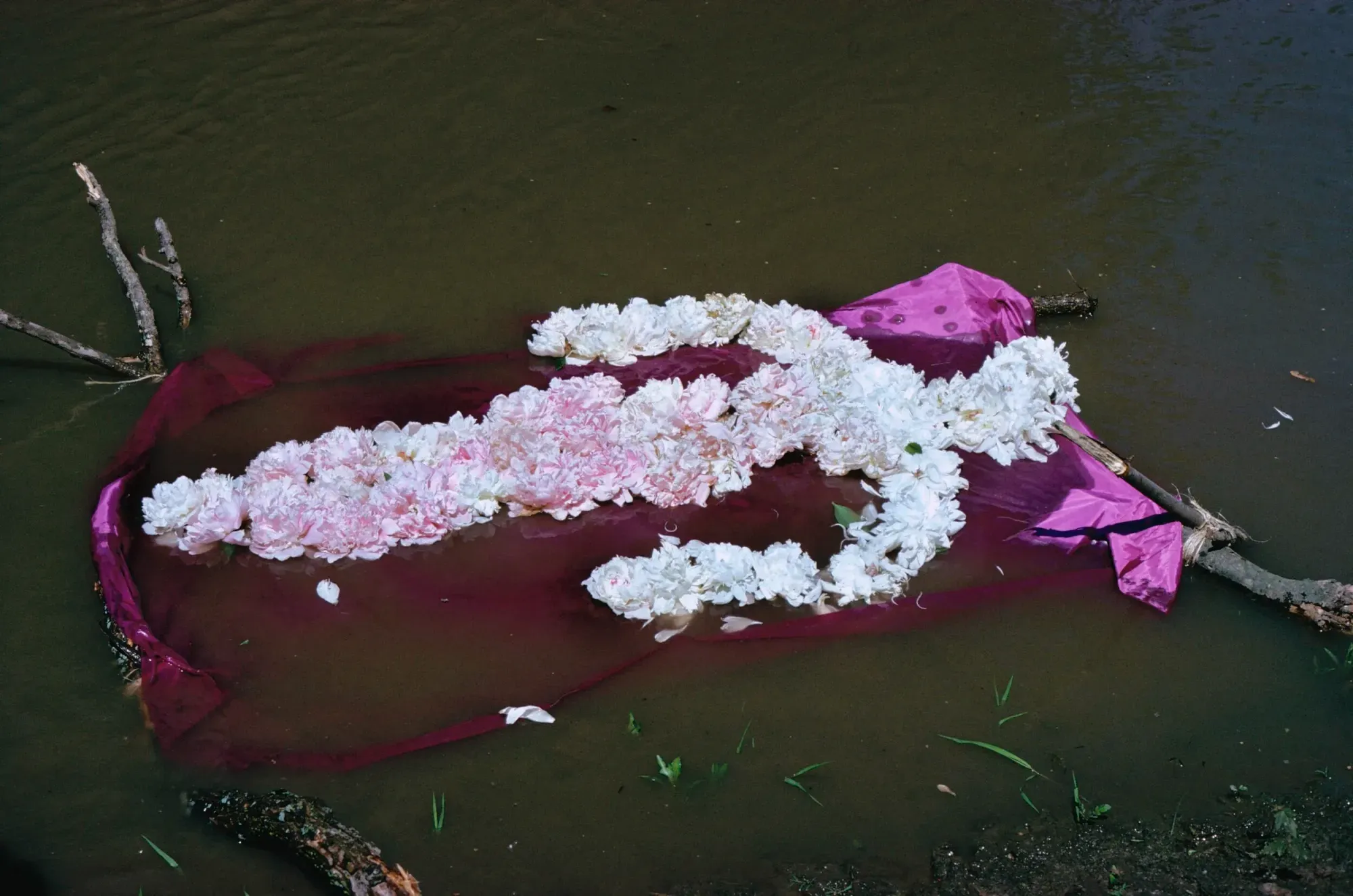
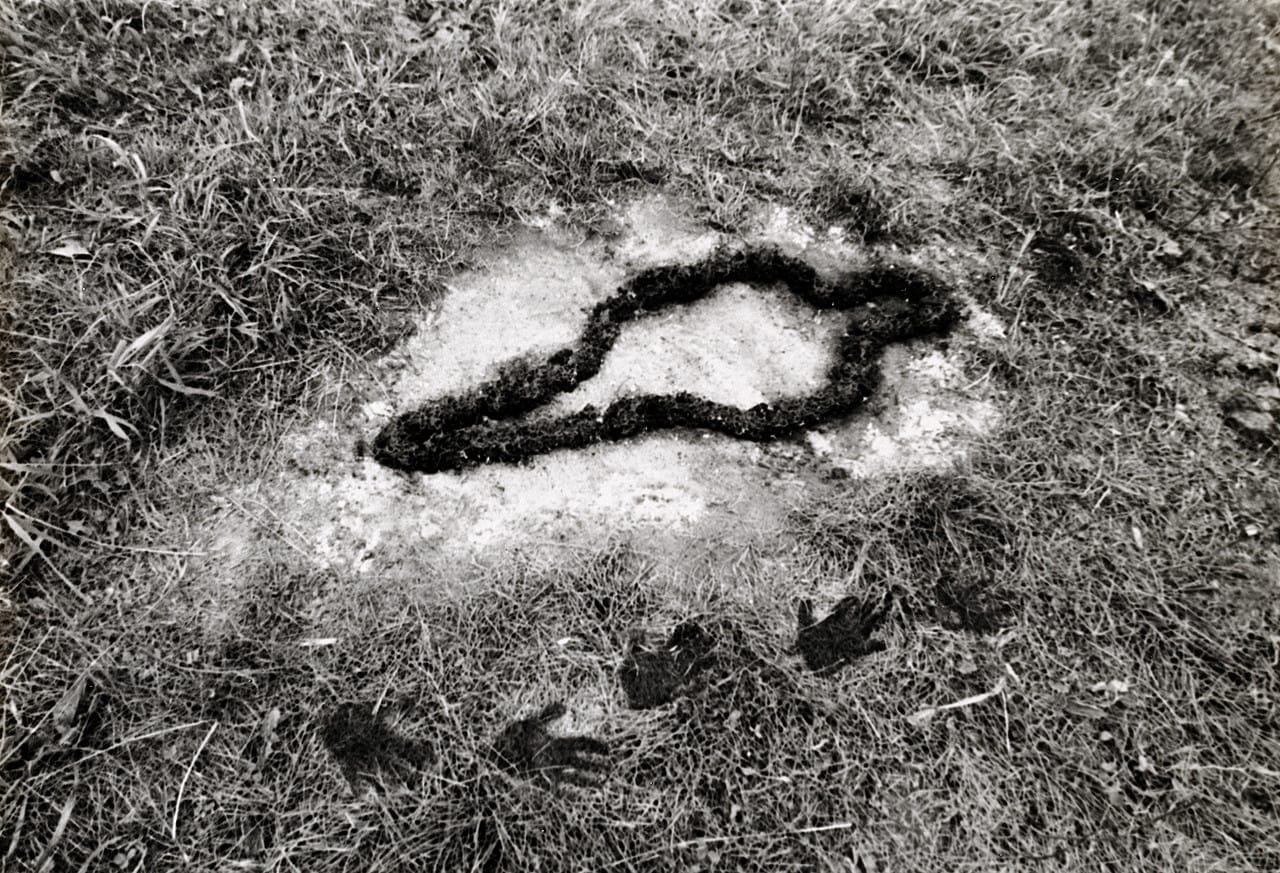
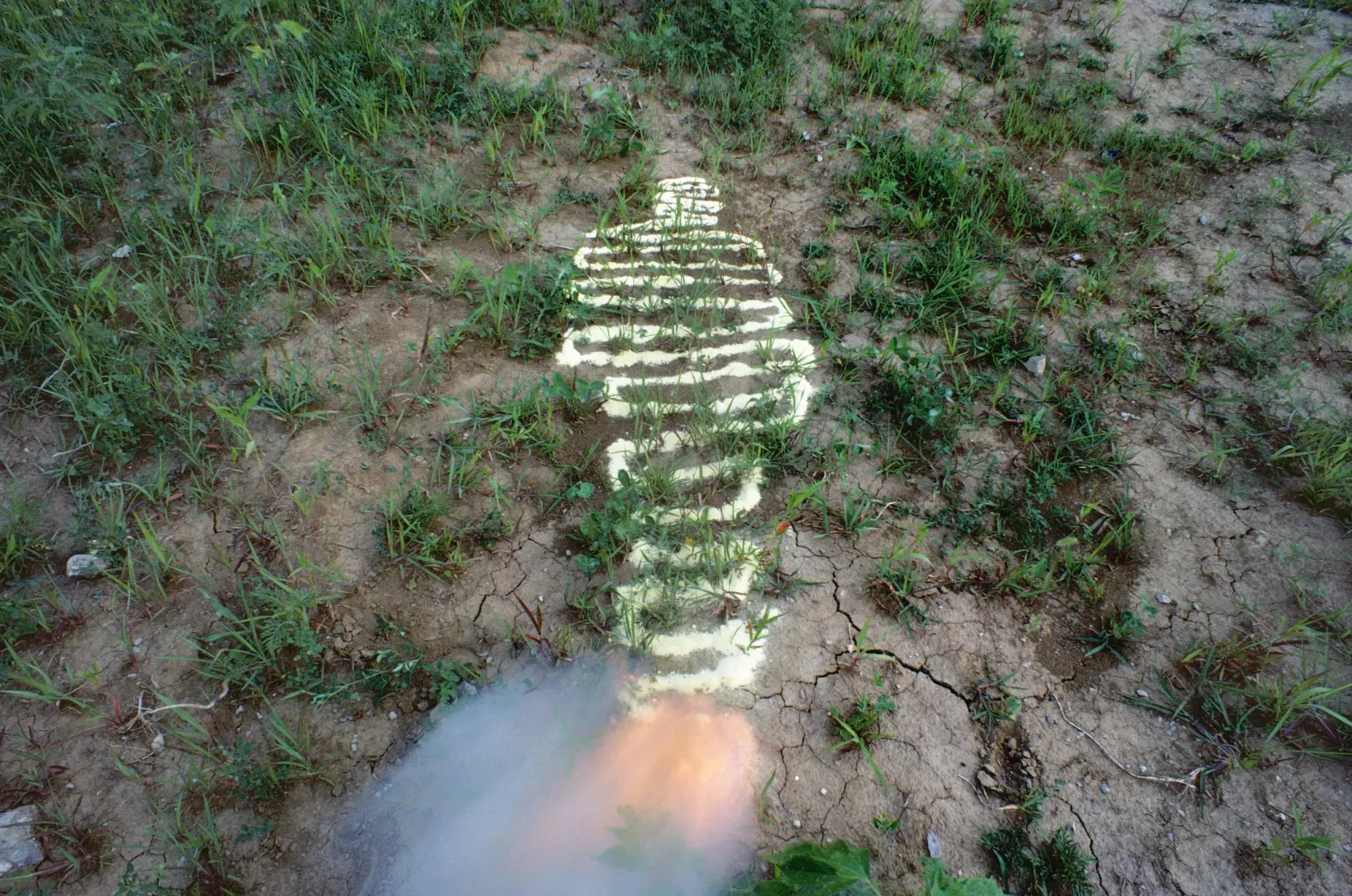
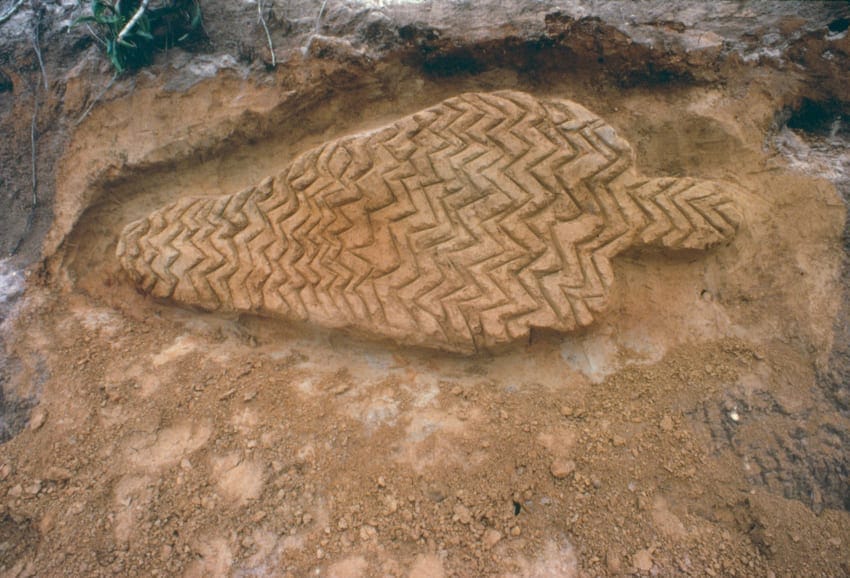
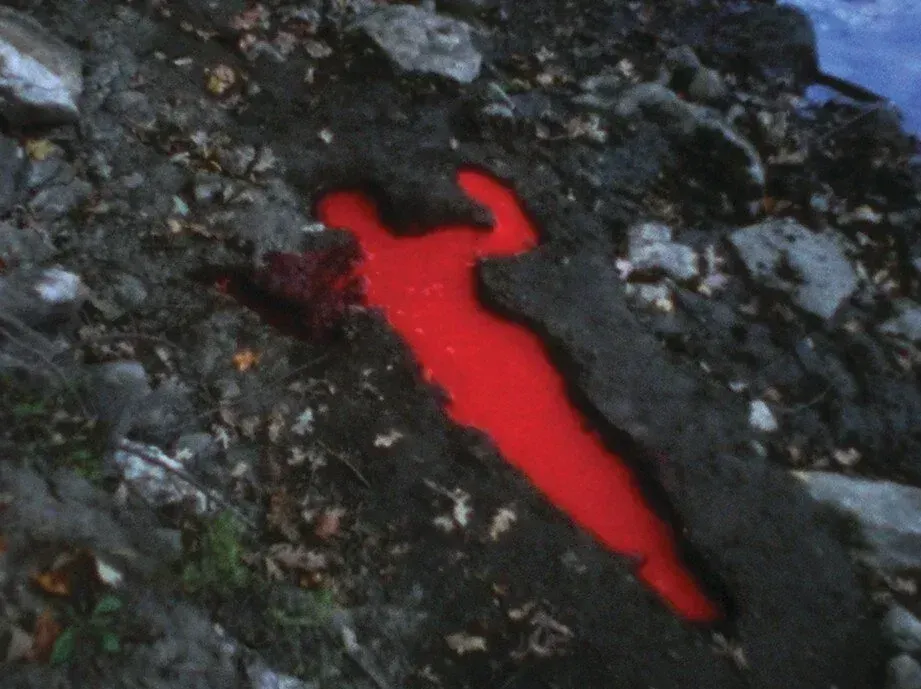
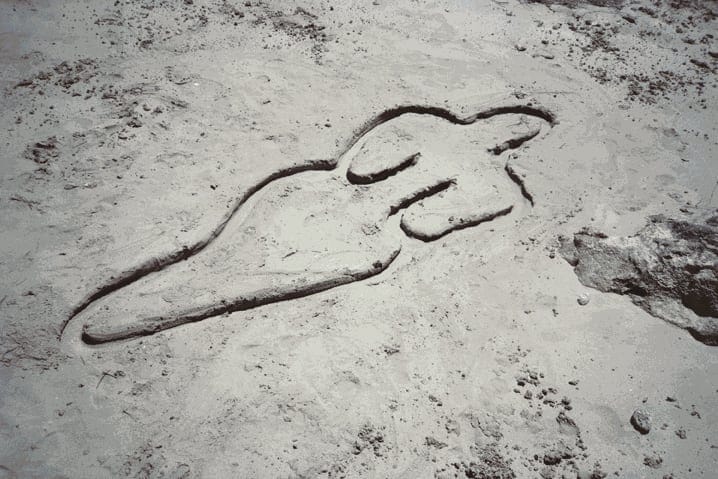
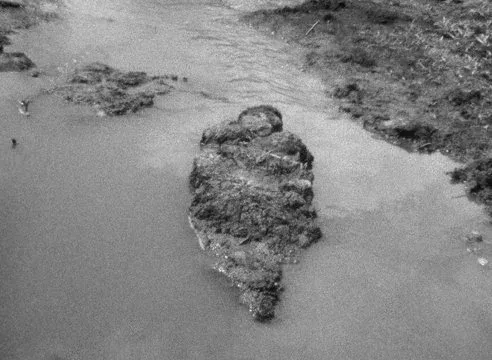
Images from The Estate of Ana Mendieta, Smith College Museum of Art, Artsy, The Guggenheim, and Whitney Museum of American Art.
