
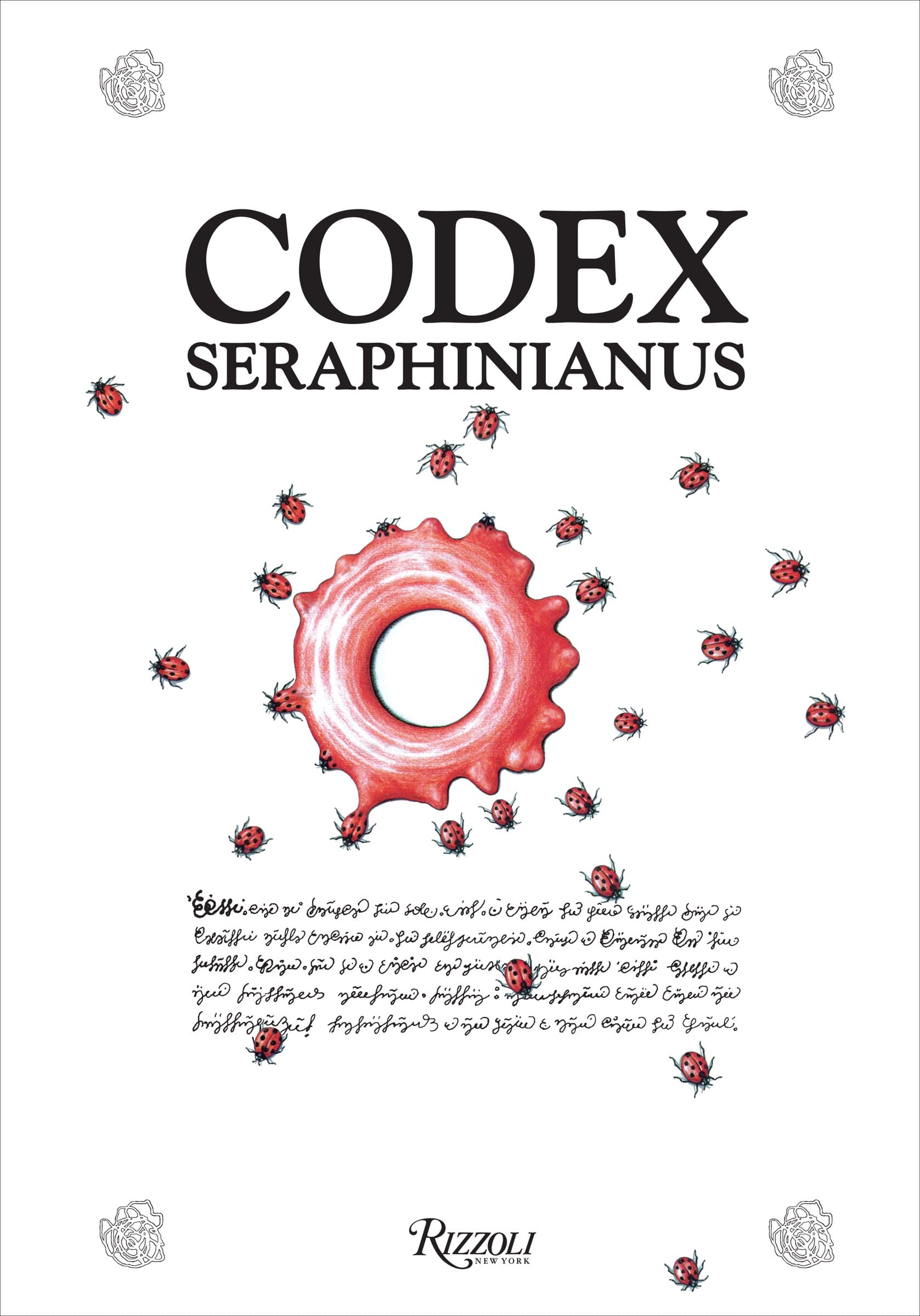
The Codex Seraphinianus is an illustrated encyclopedia of a world that does not exist, made by the Italian artist Luigi Serafini between 1976 and 1978. It was first published in 1981 by Franco Maria Ricci, in an edition of 5,000 copies.
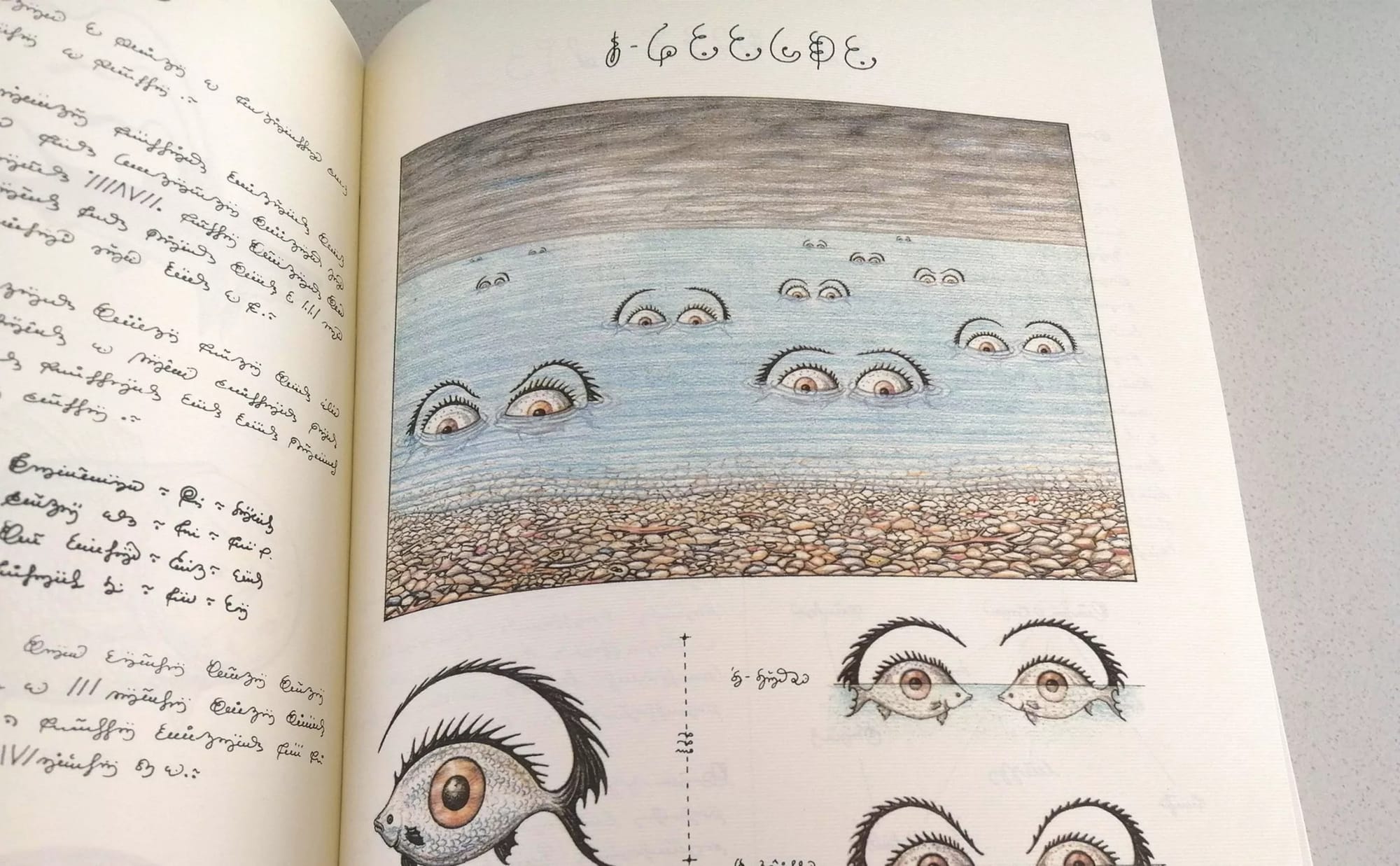
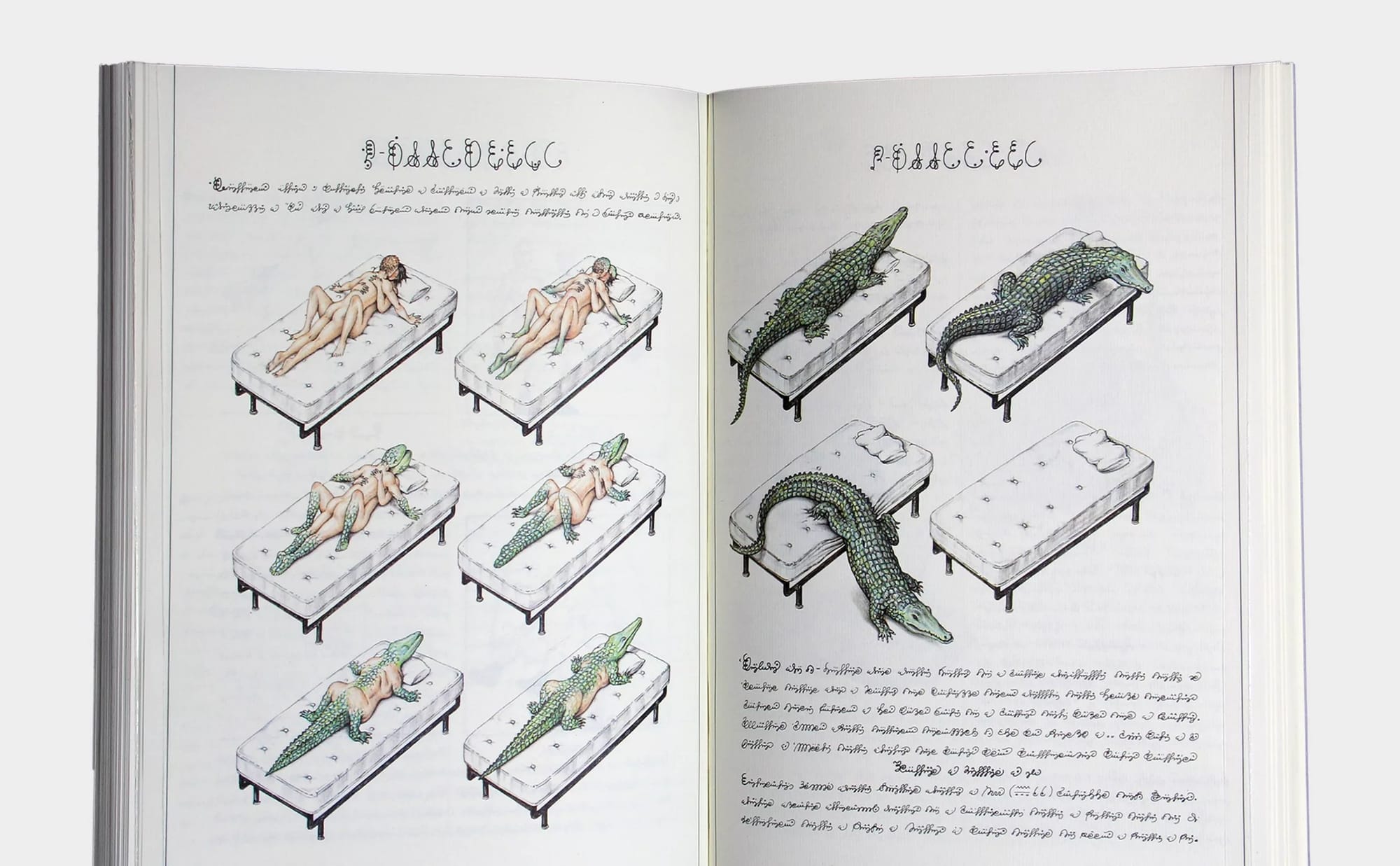
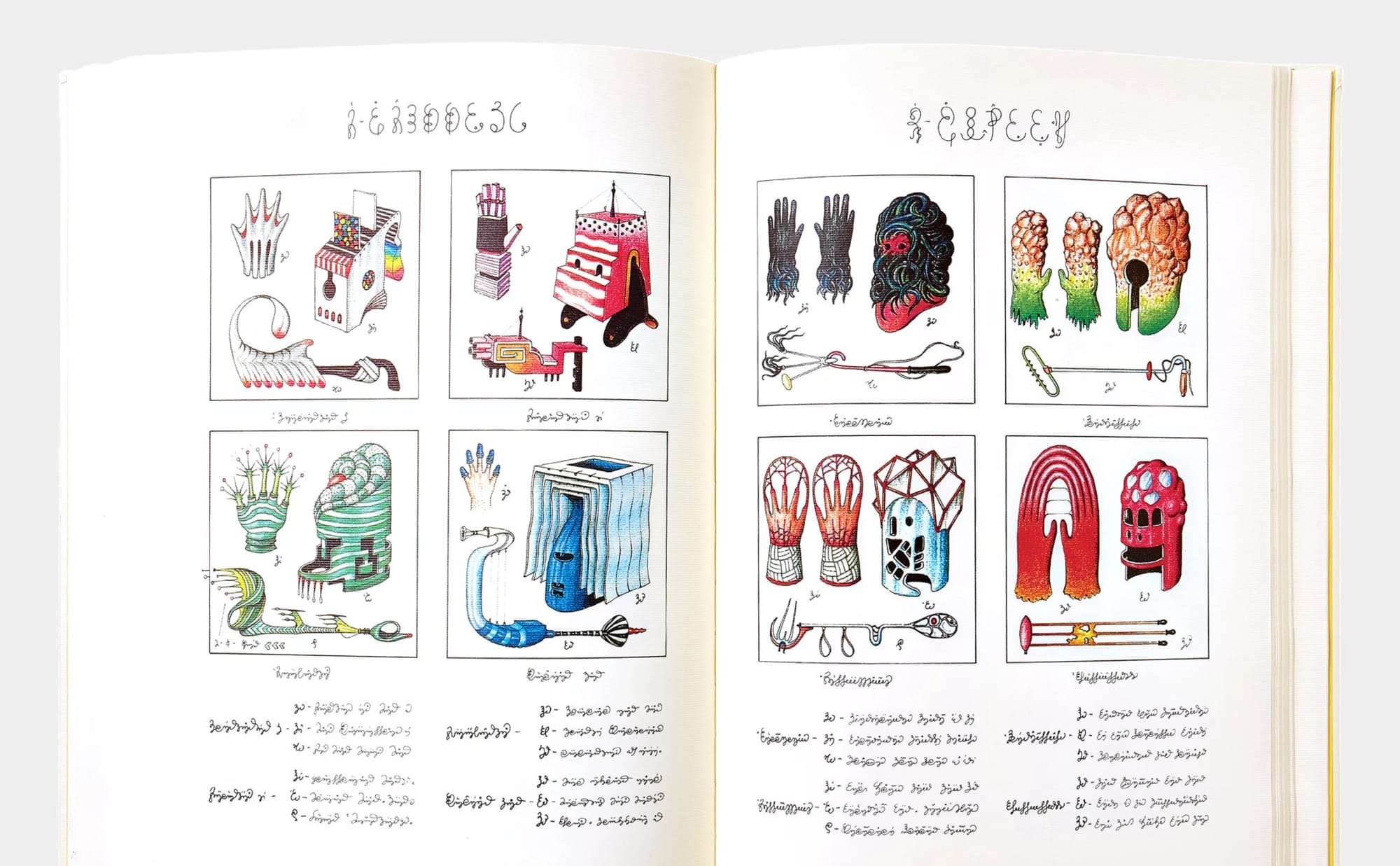
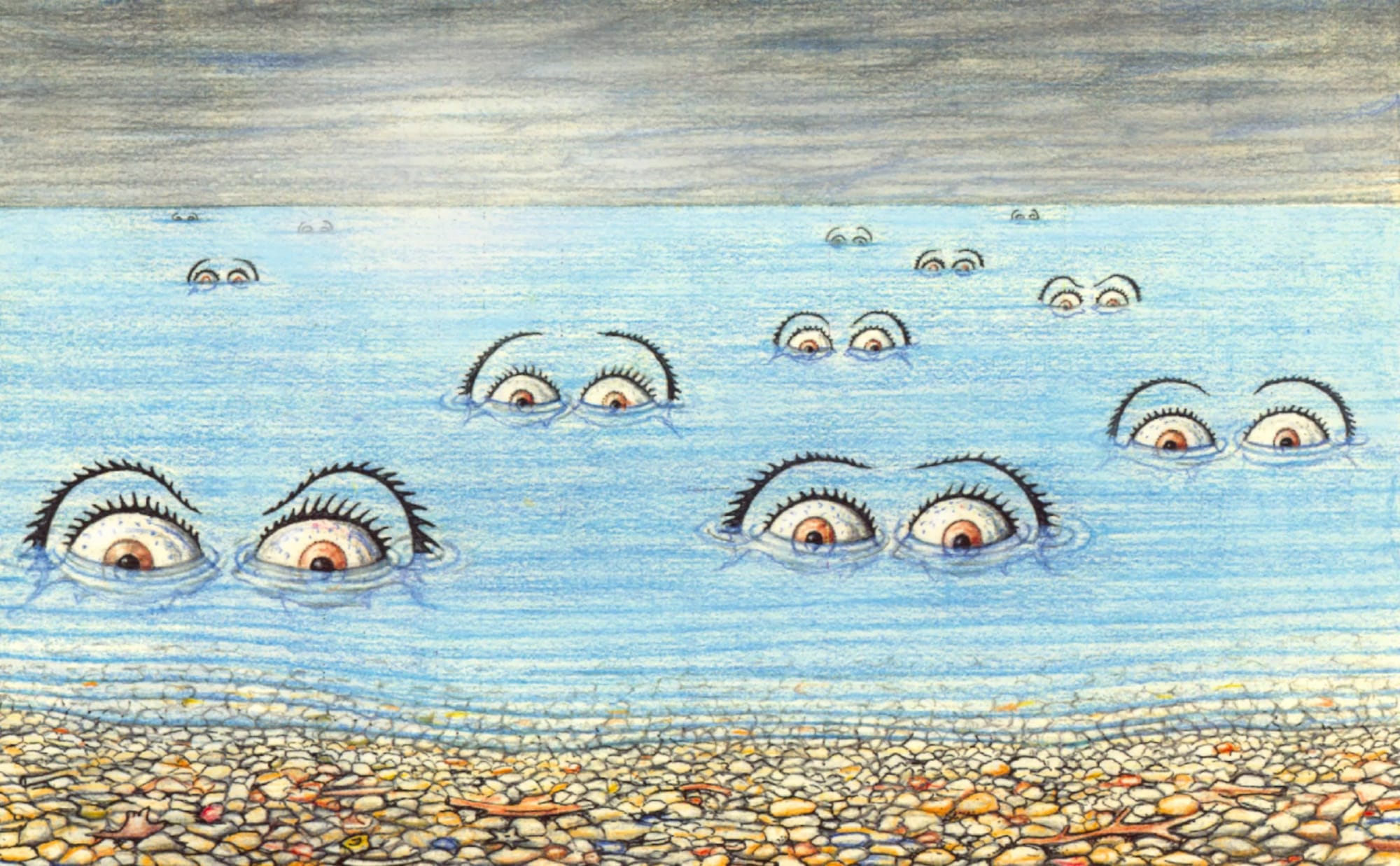
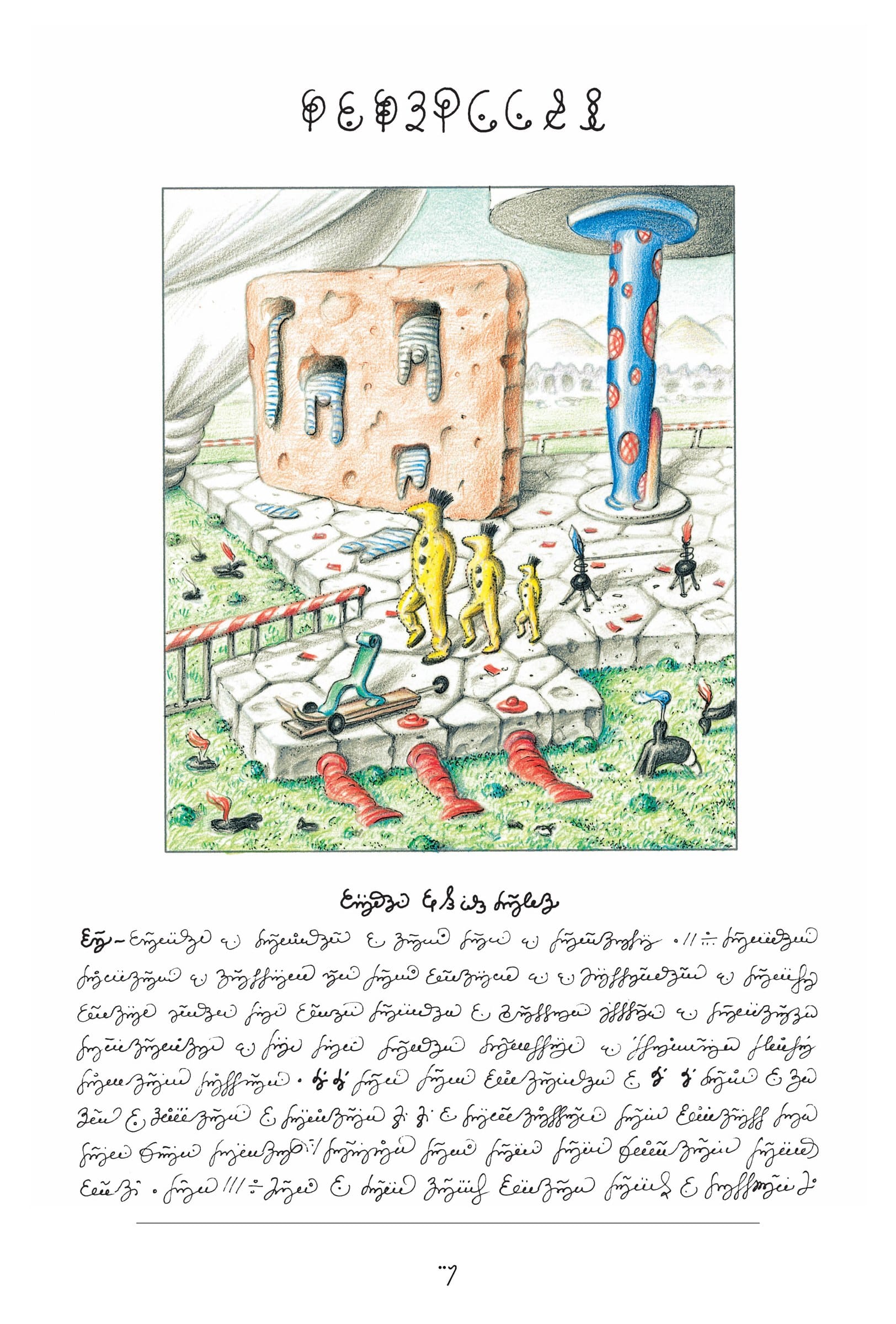
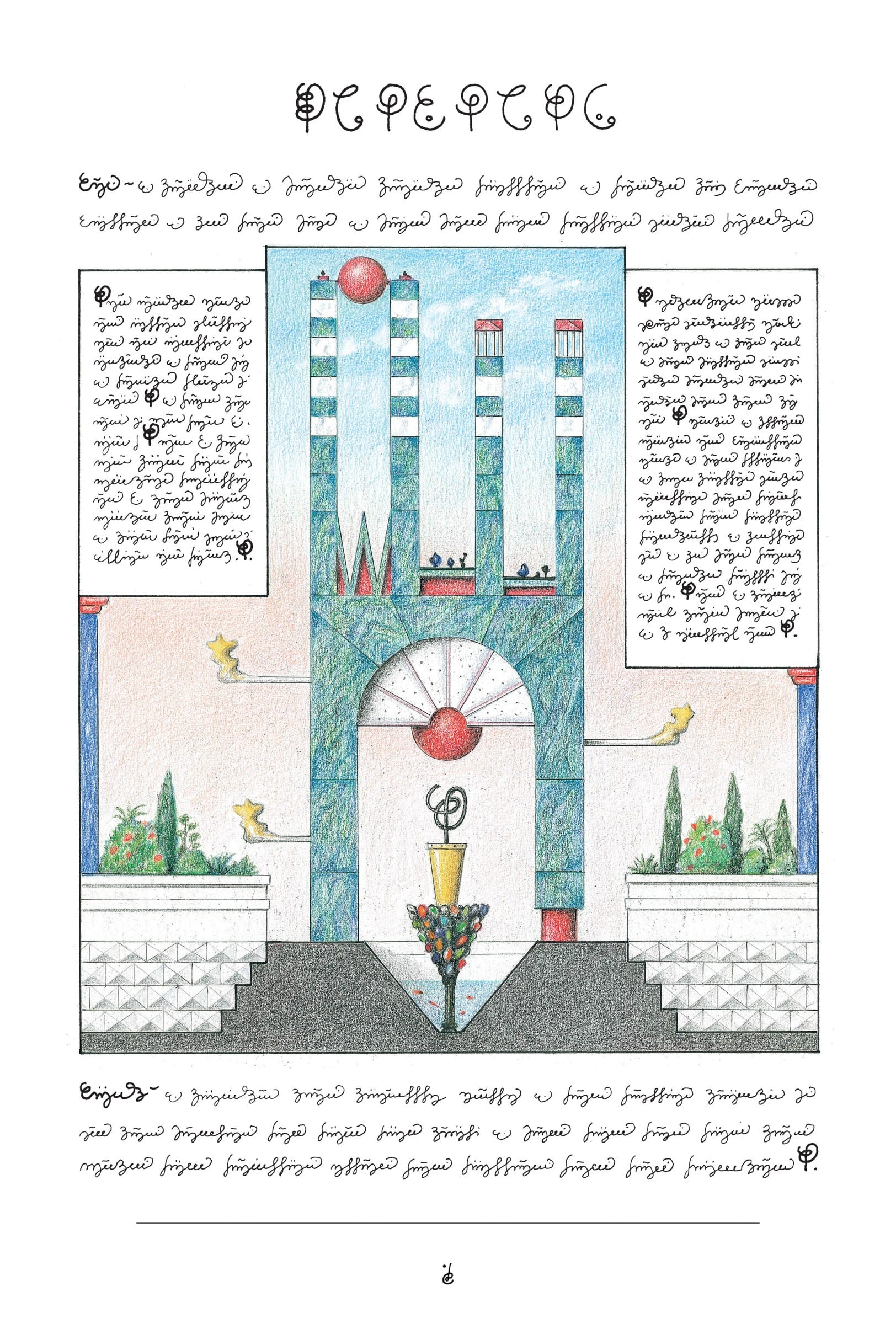
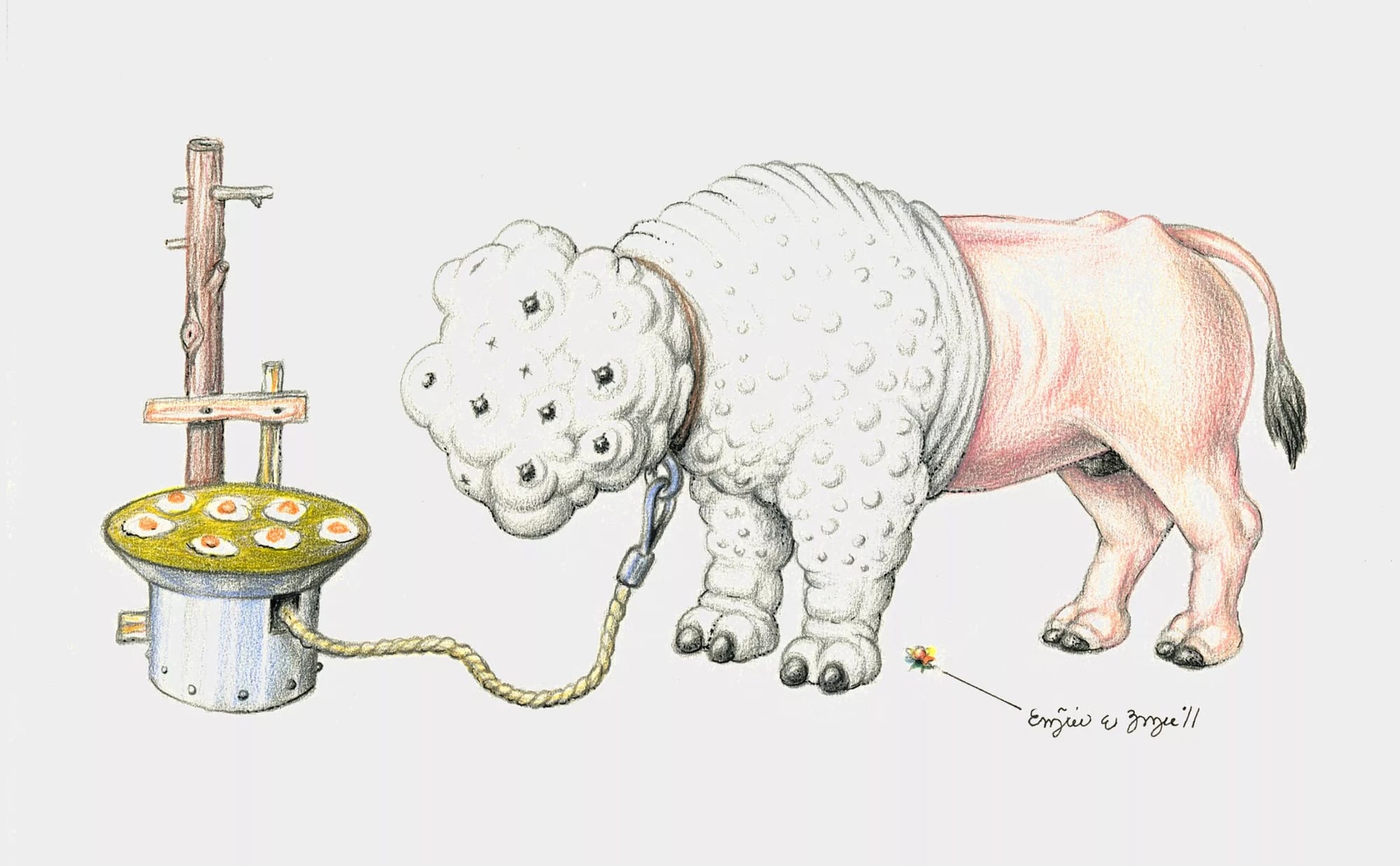
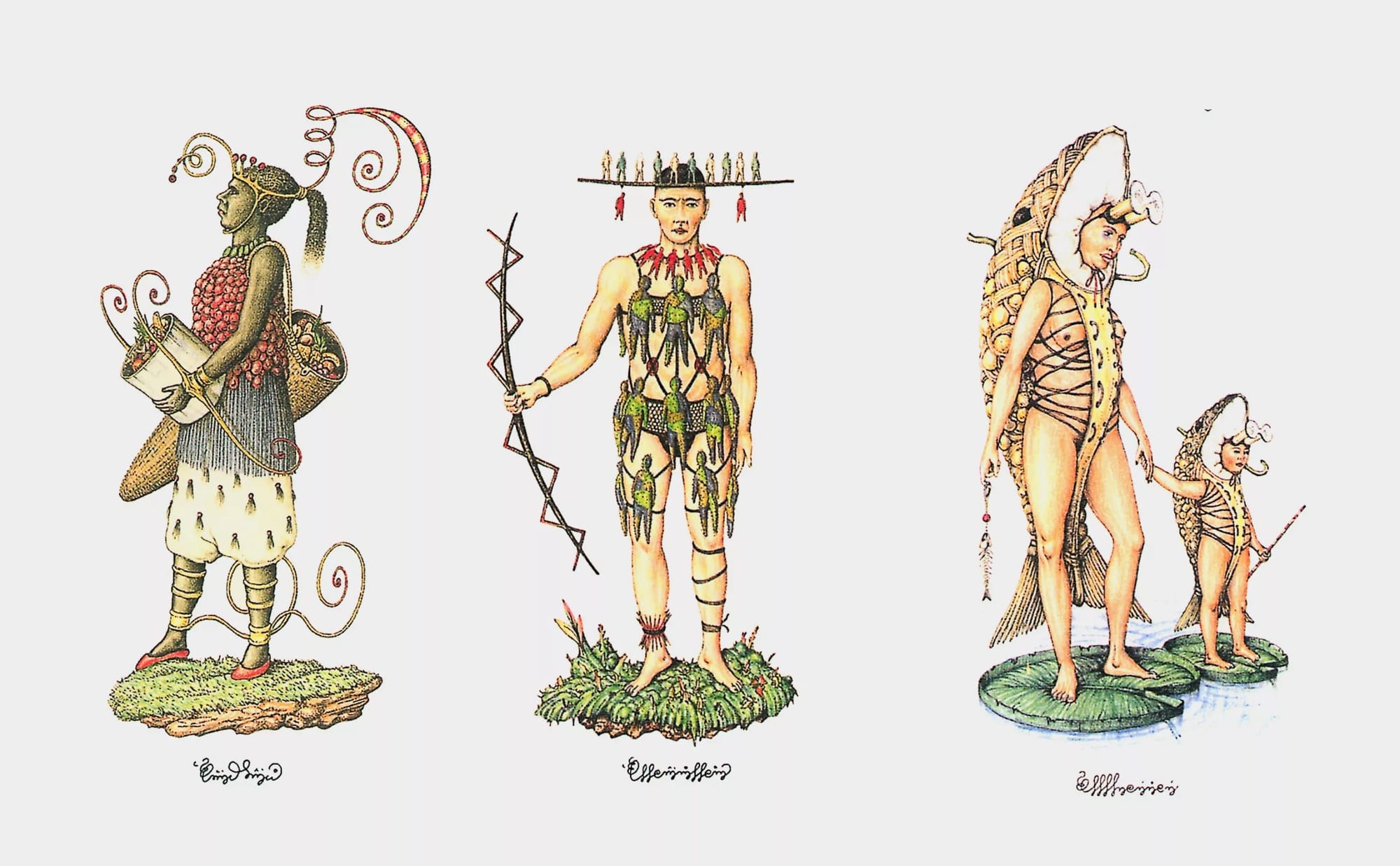
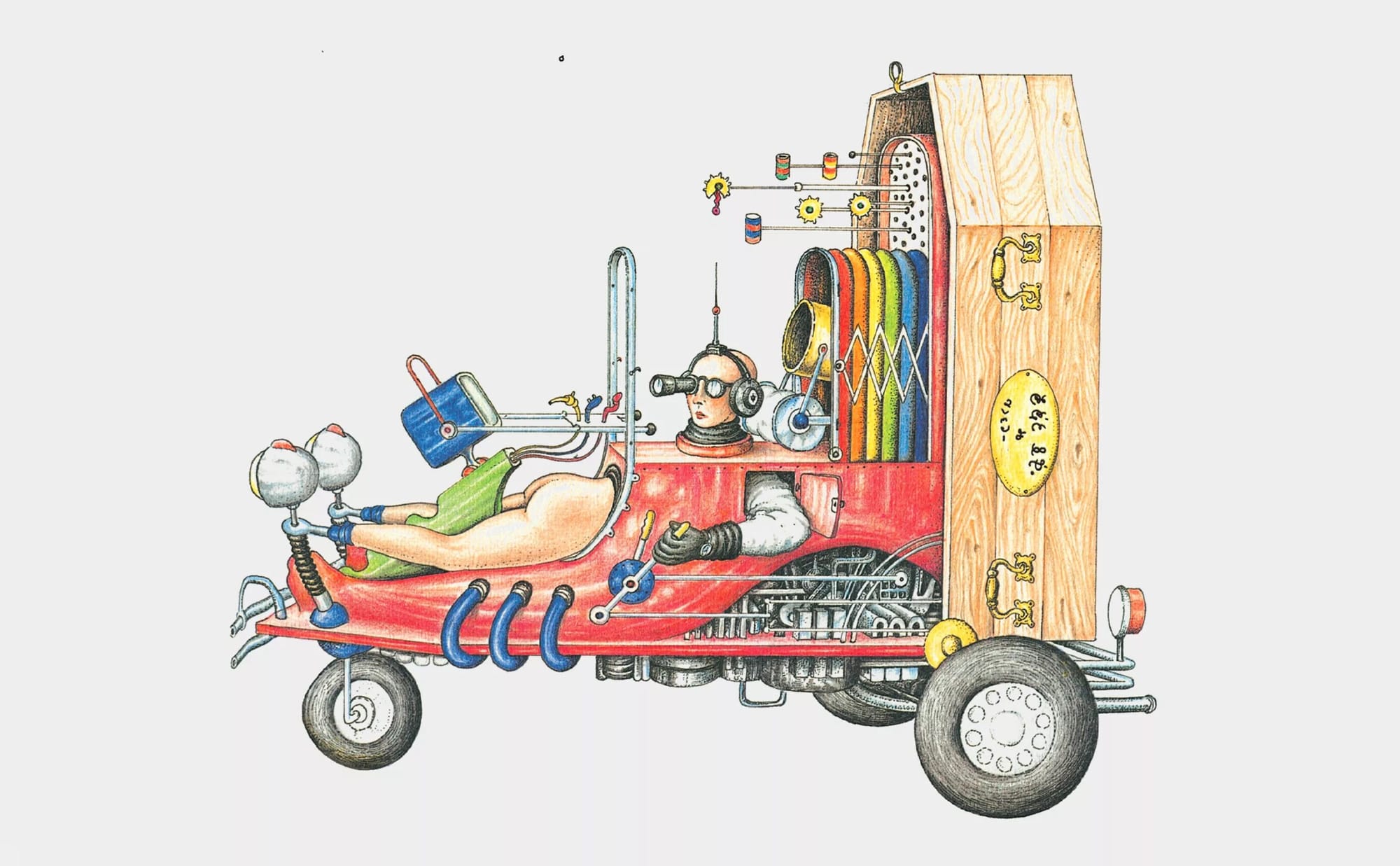
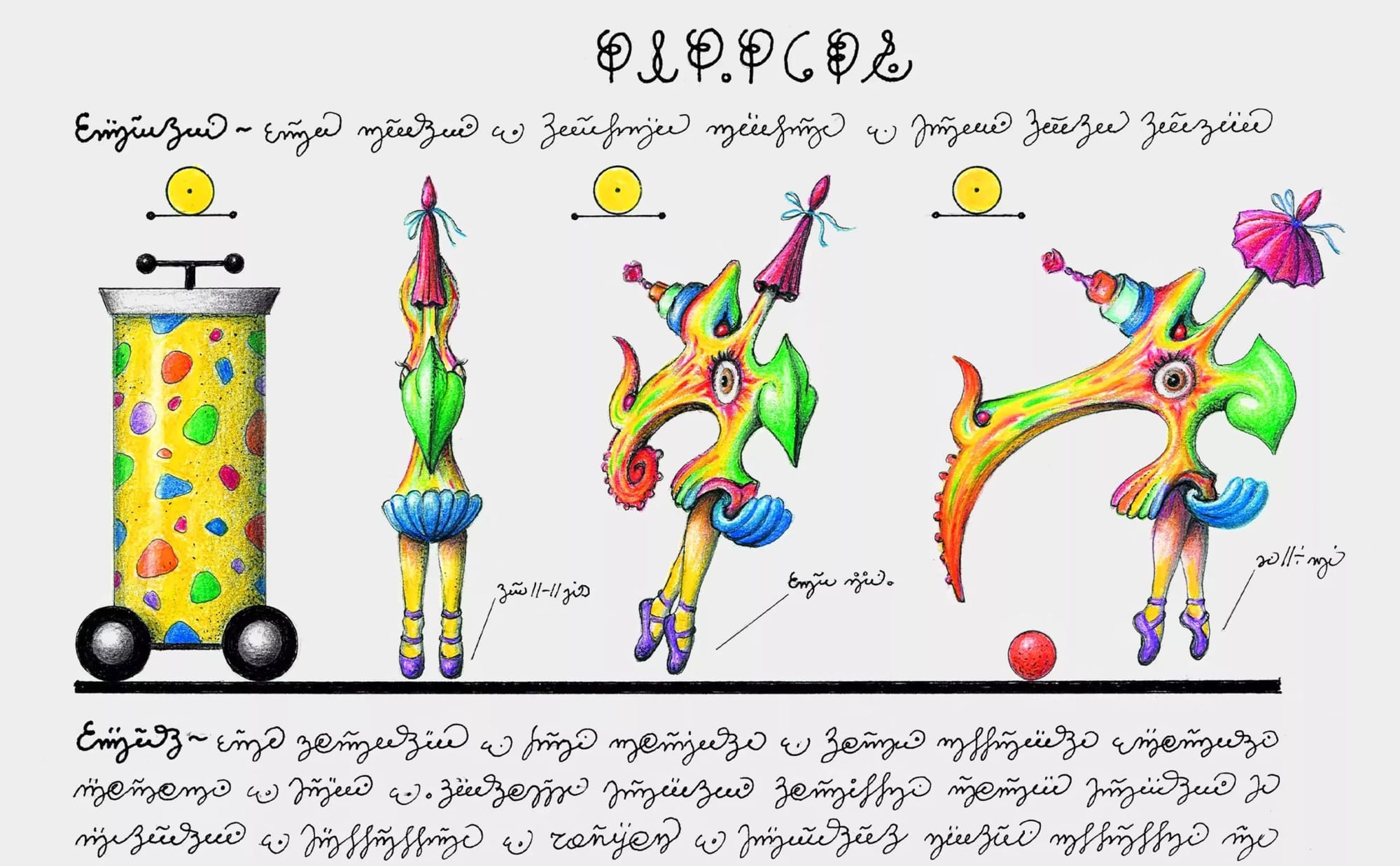
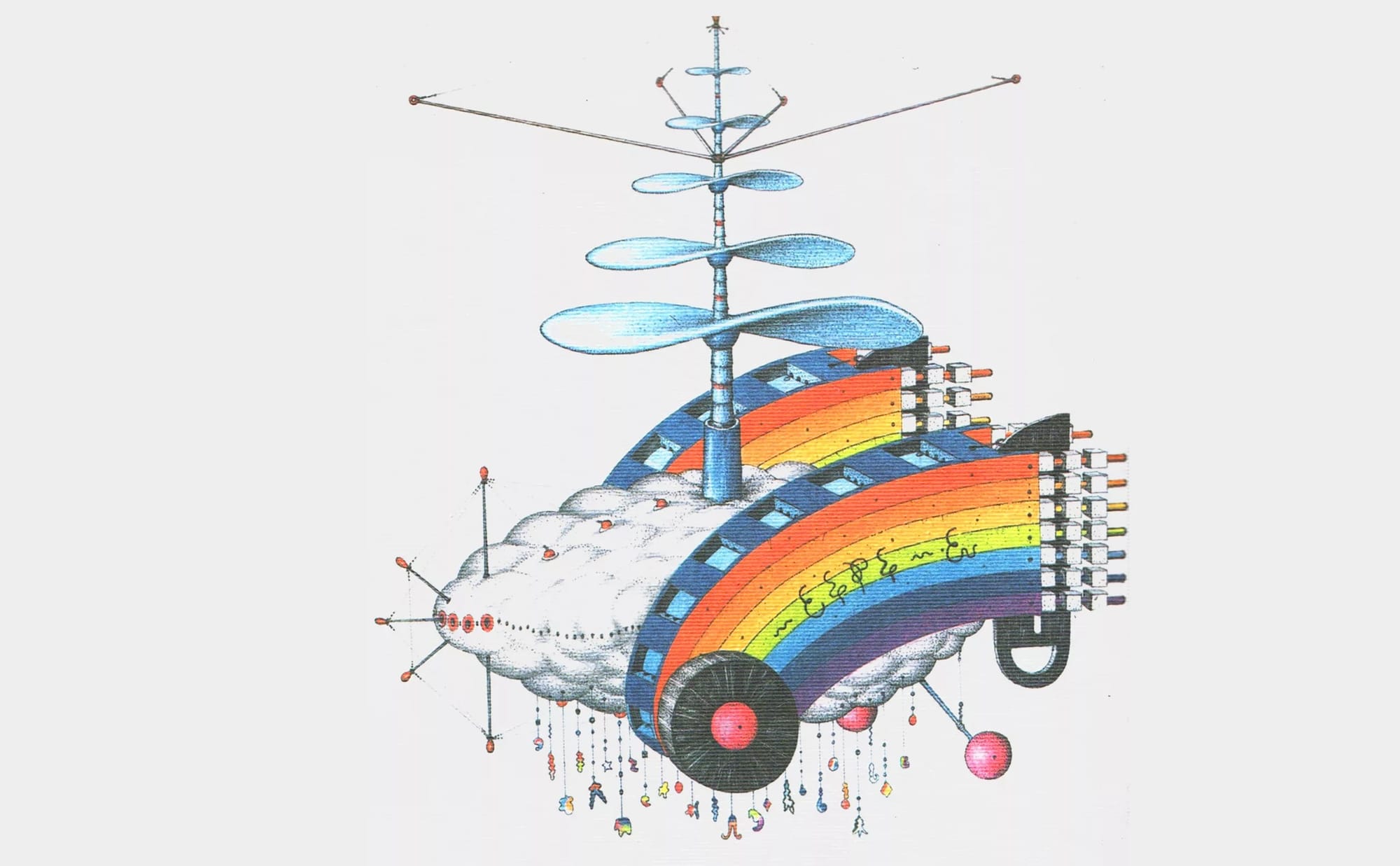
The book runs to about 360 pages and is laid out like a scientific reference work, with sections on plants, animals, machines, people, clothing, food, writing, and architecture. Every page is drawn in coloured pencil and captioned in a script Serafini invented. No one has ever deciphered it, and there is nothing to decipher: the writing looks like language but carries no meaning, so the pictures have to explain themselves.
It has been reissued several times: in the United States by Abbeville Press in 1983, in expanded editions by Rizzoli in 2006 and 2013, and in a 40th anniversary edition in 2021 with new plates. Smithsonian Magazine and The Marginalian both covered the 2013 edition.
Like Parallel Botany, it borrows the authority of the reference book to describe a world that never was, and asks readers to enjoy it without being able to read a word.
See also: Parallel Botany and Pataphysics
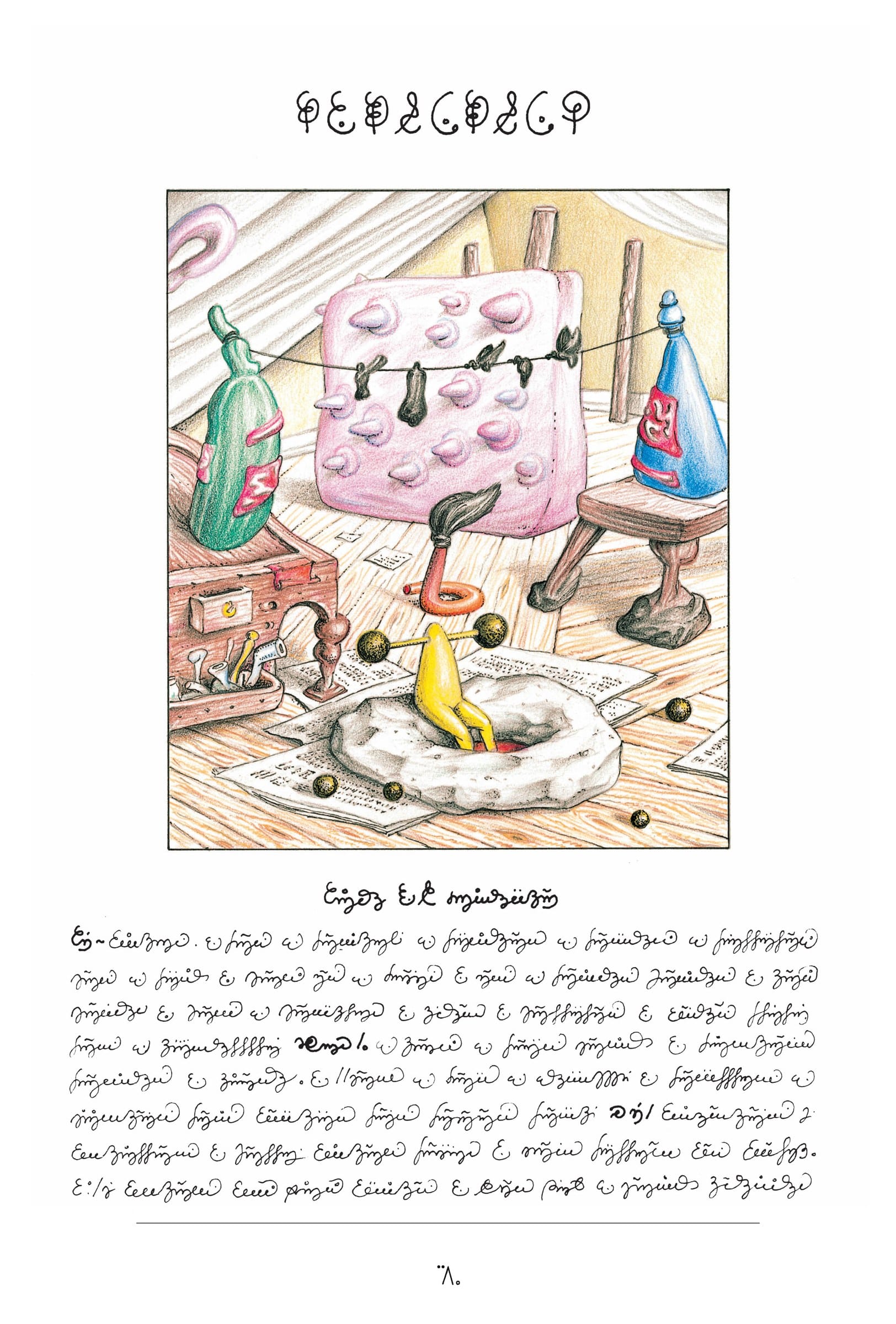
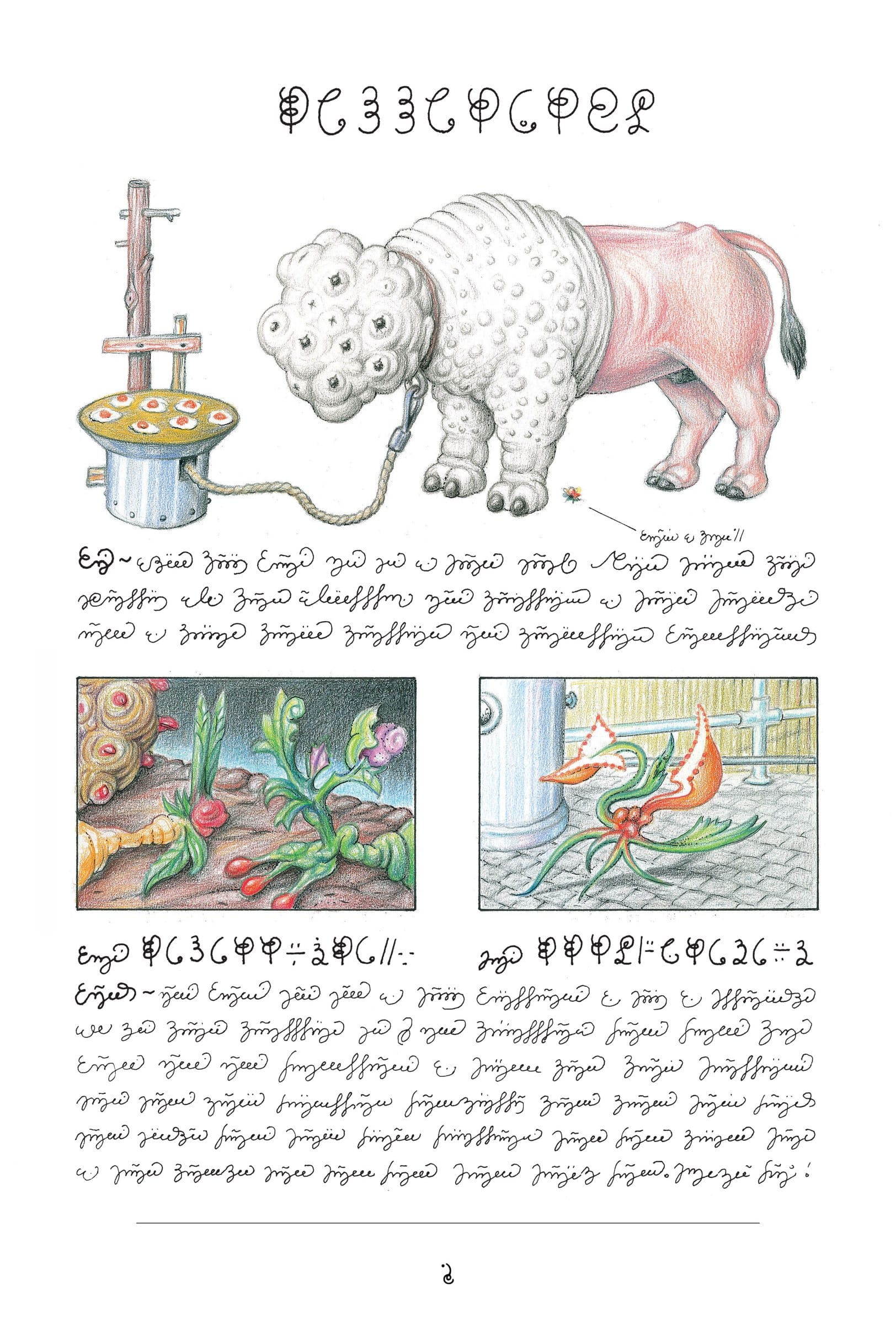
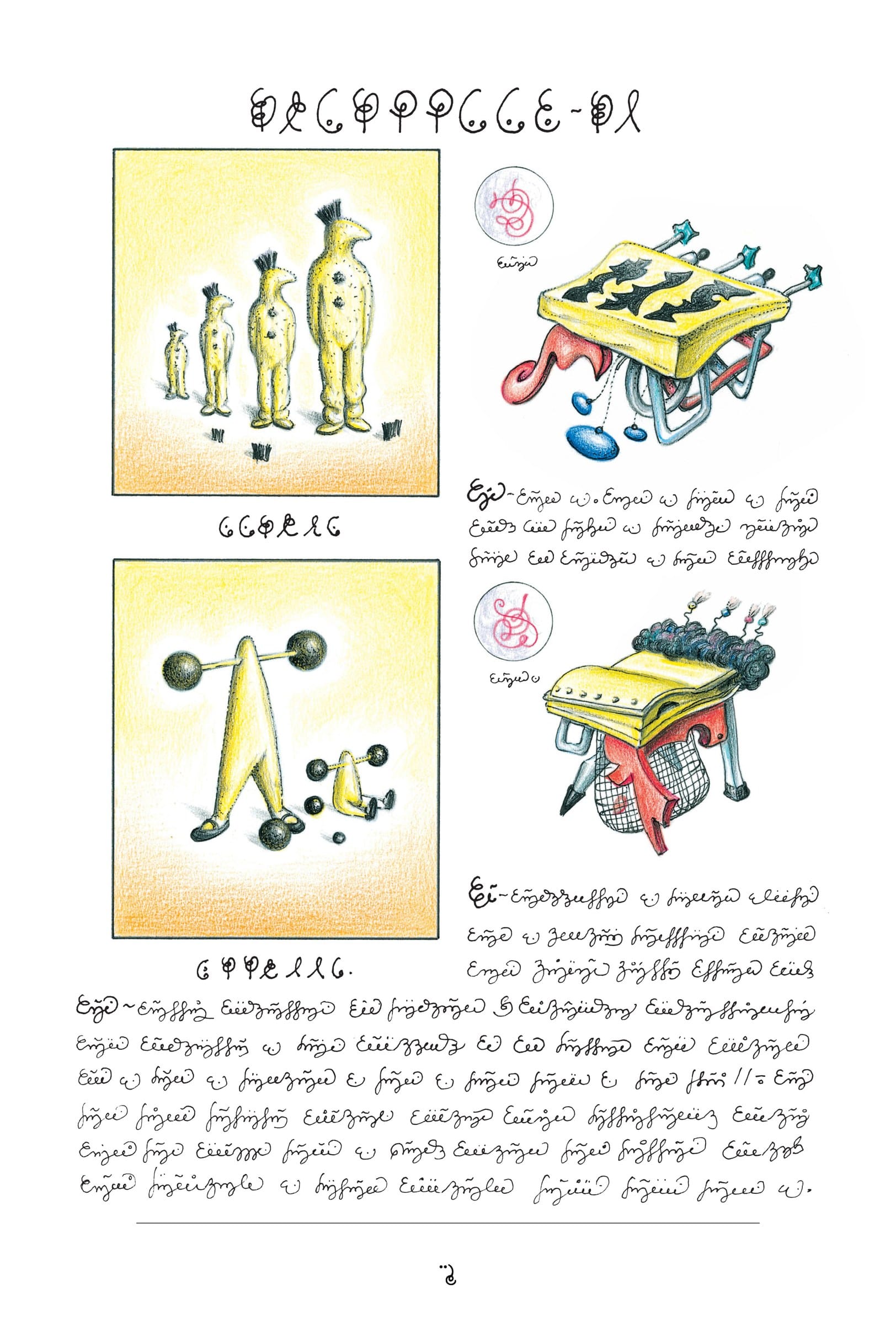
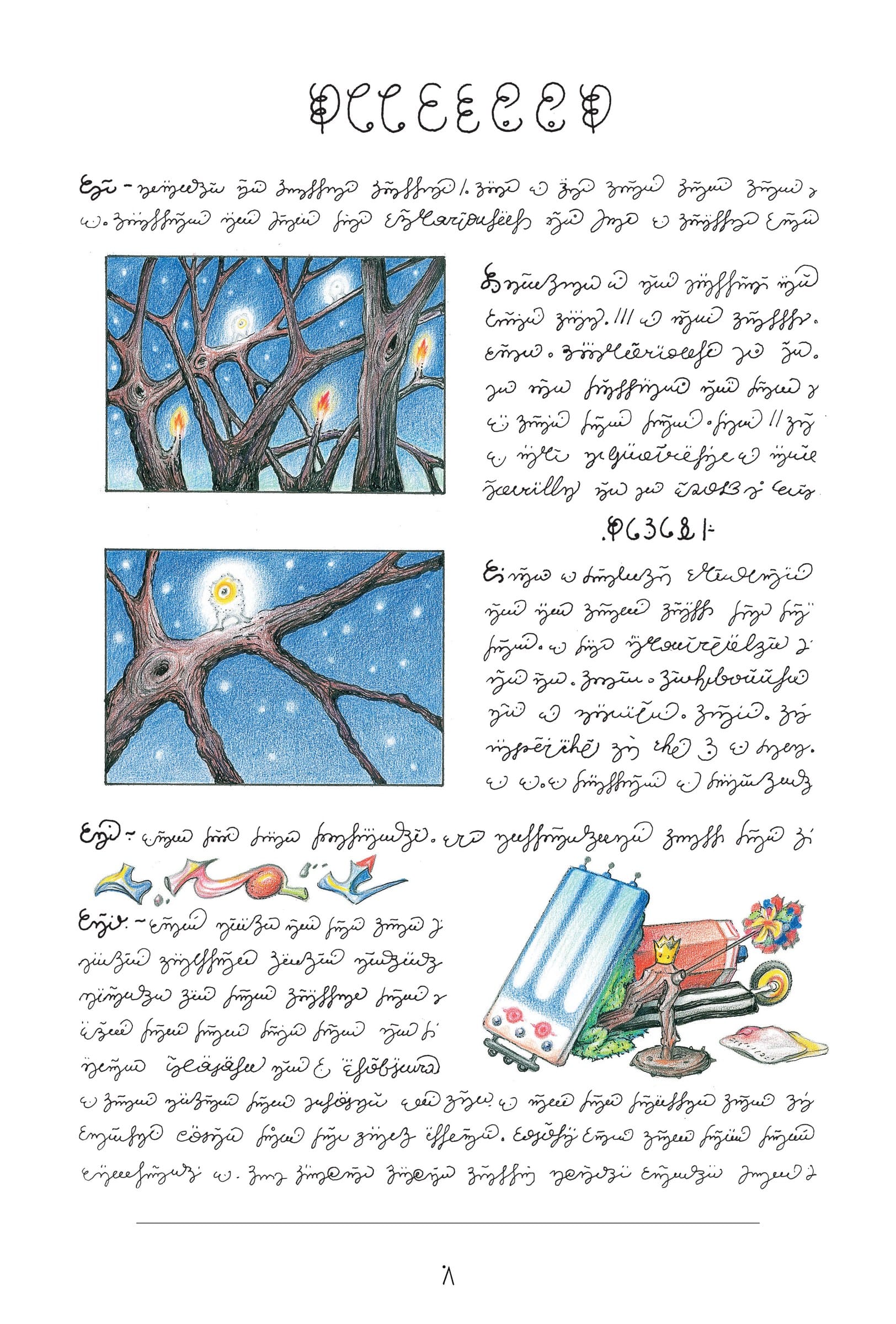
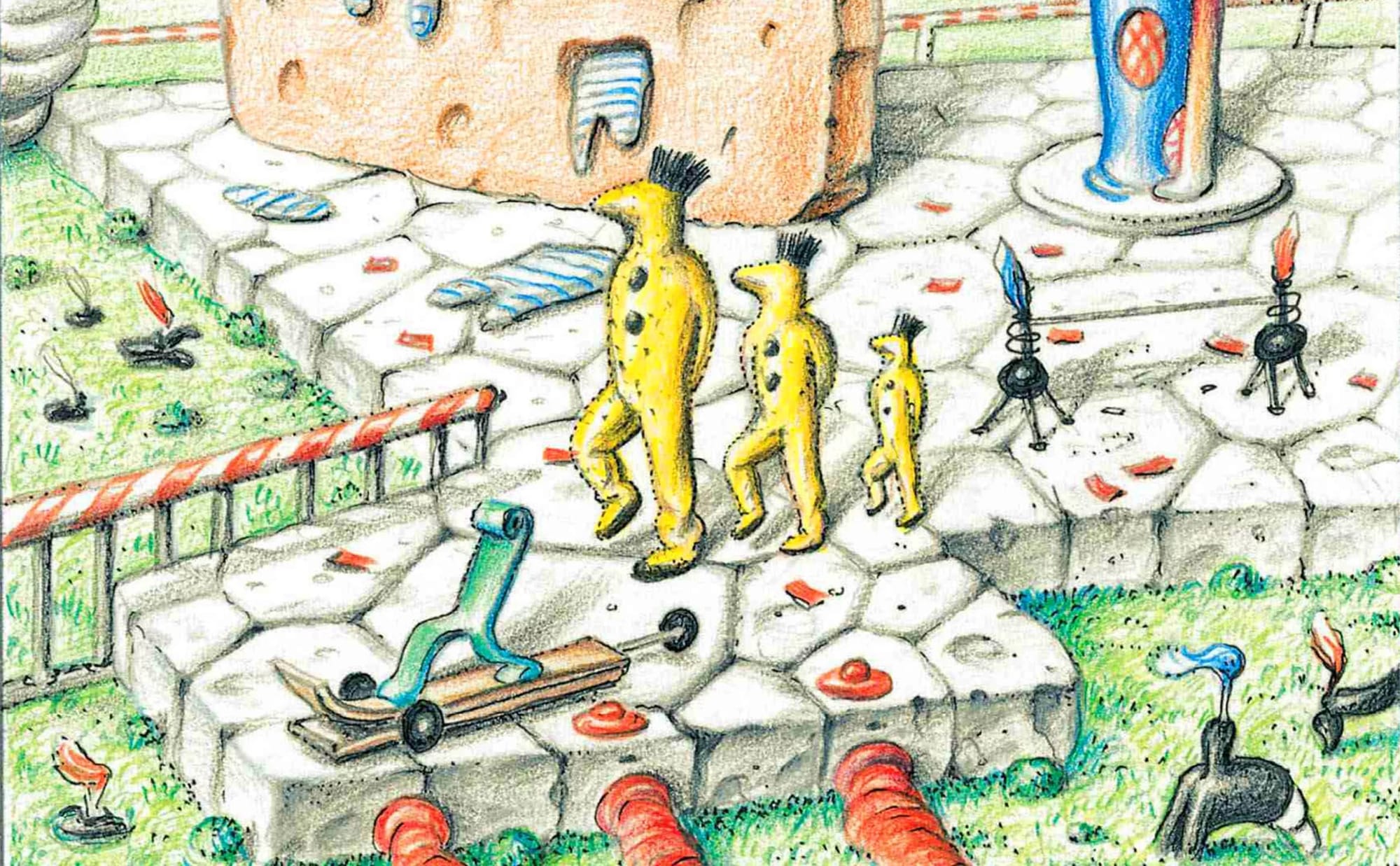
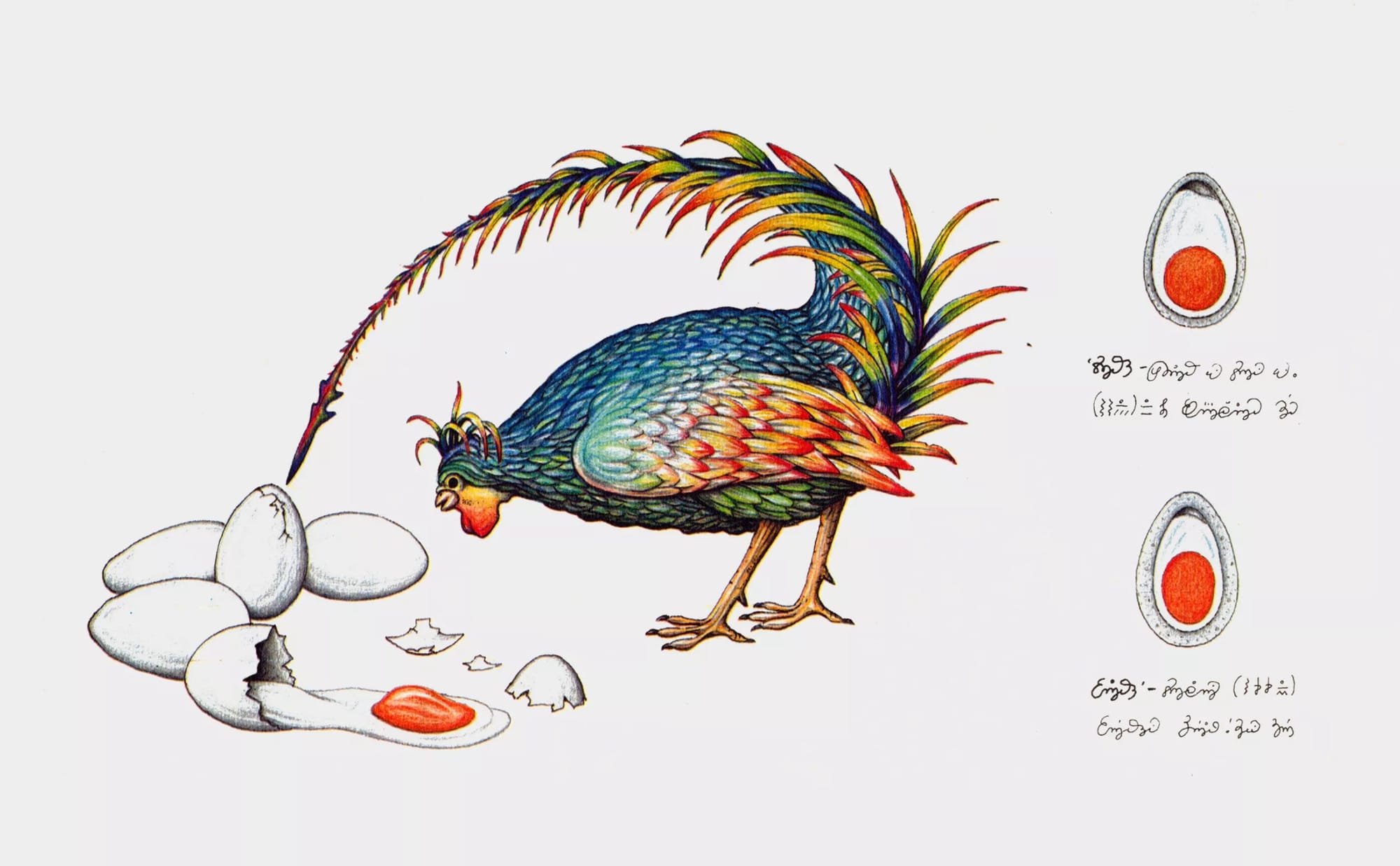
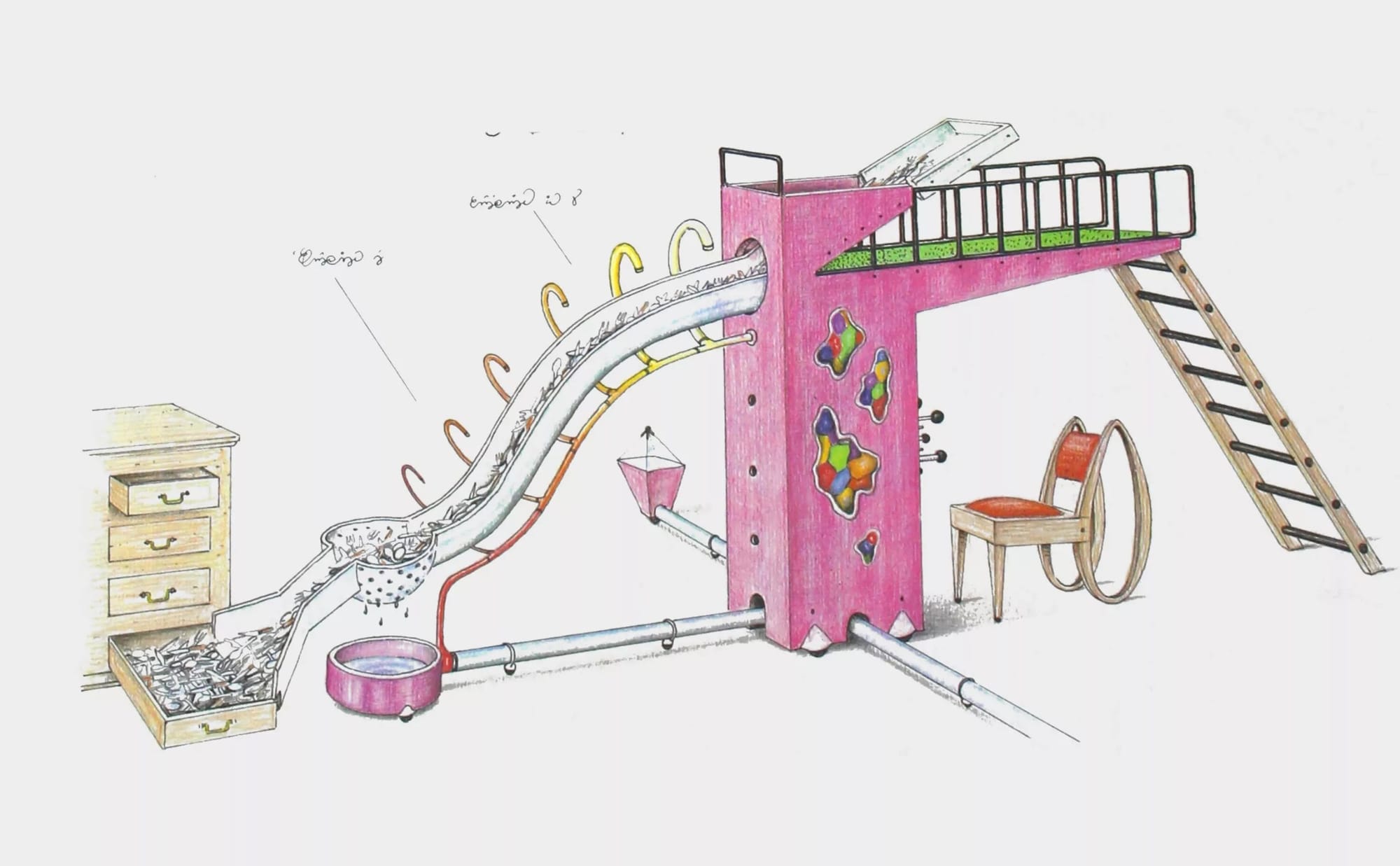
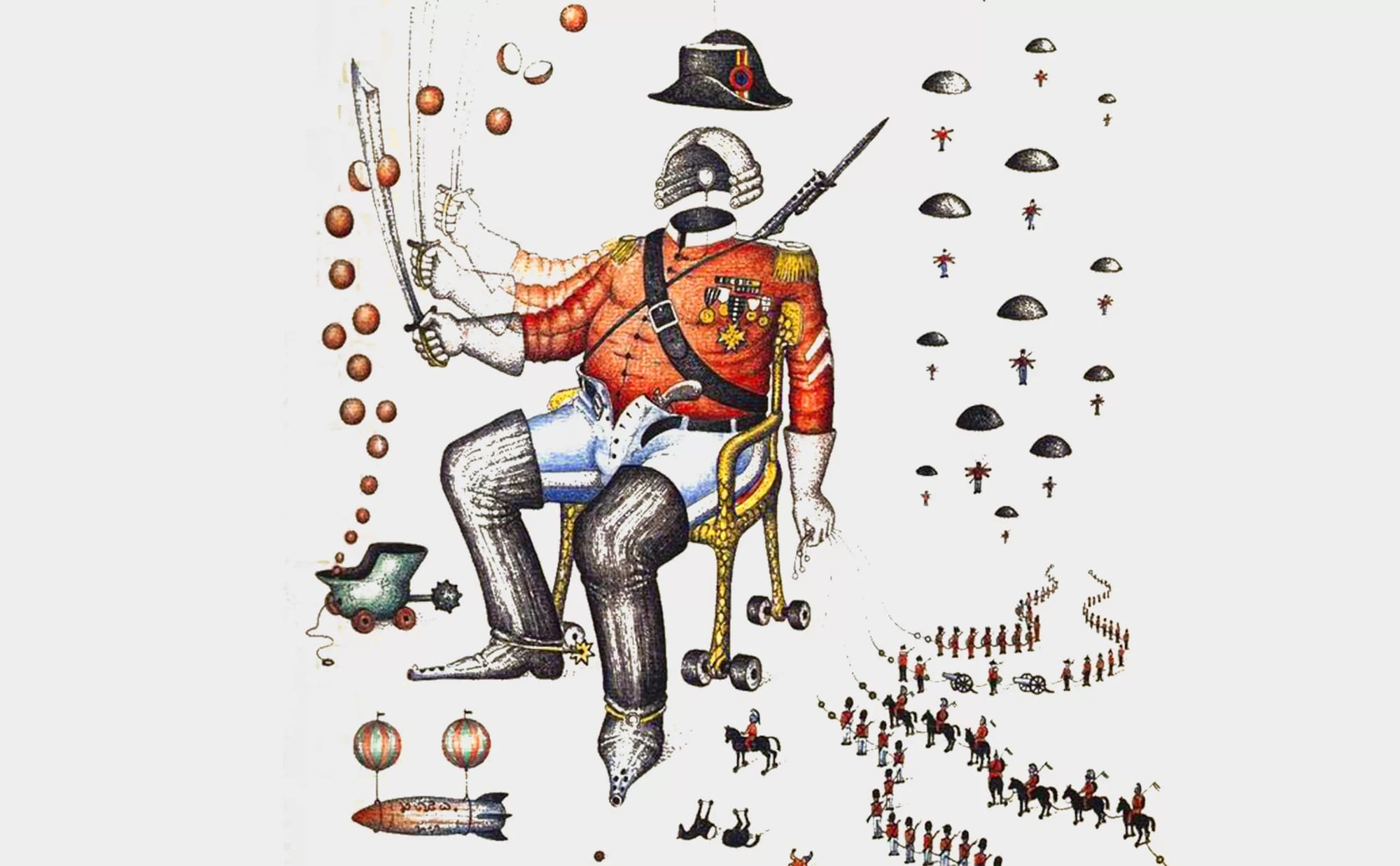
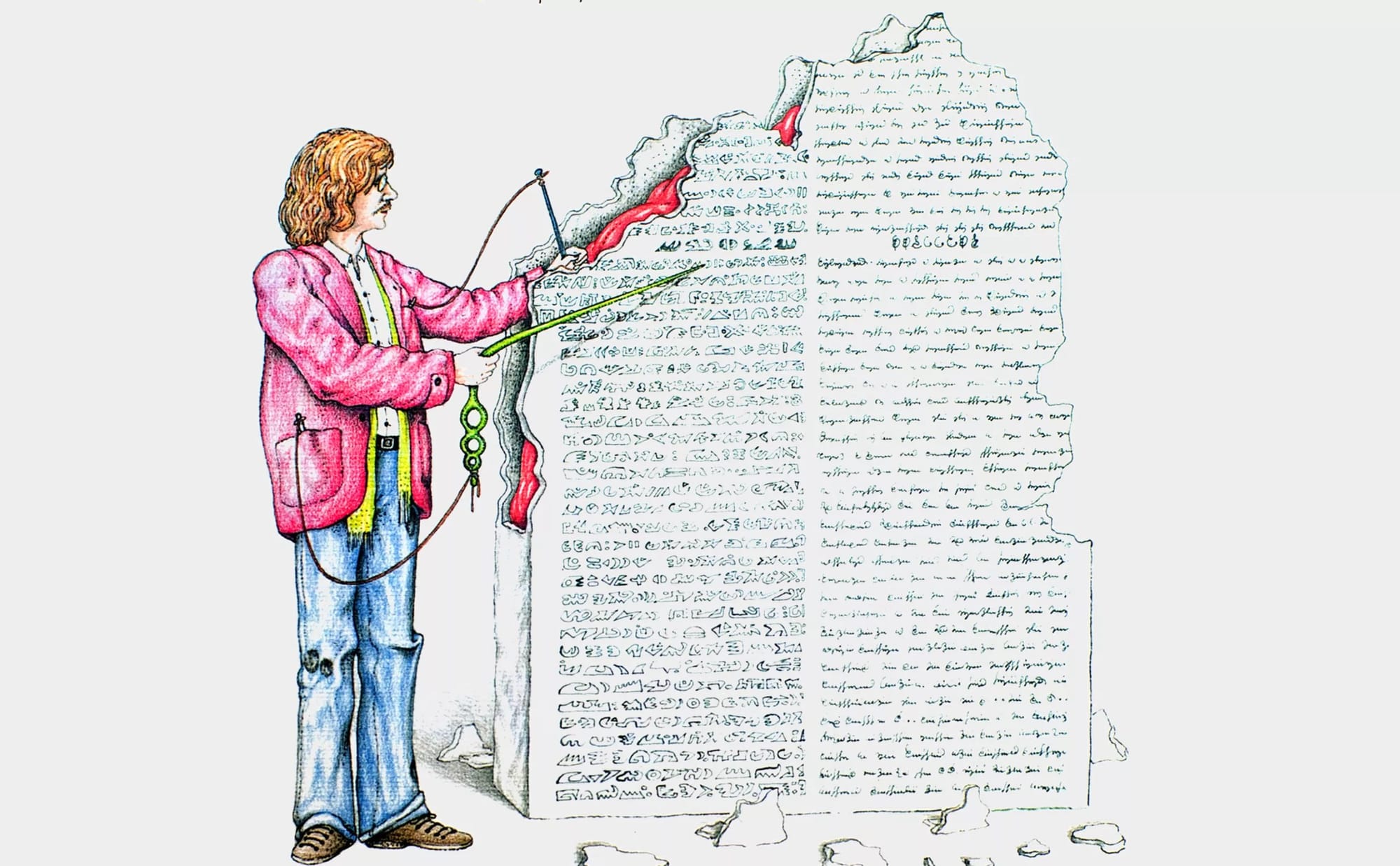
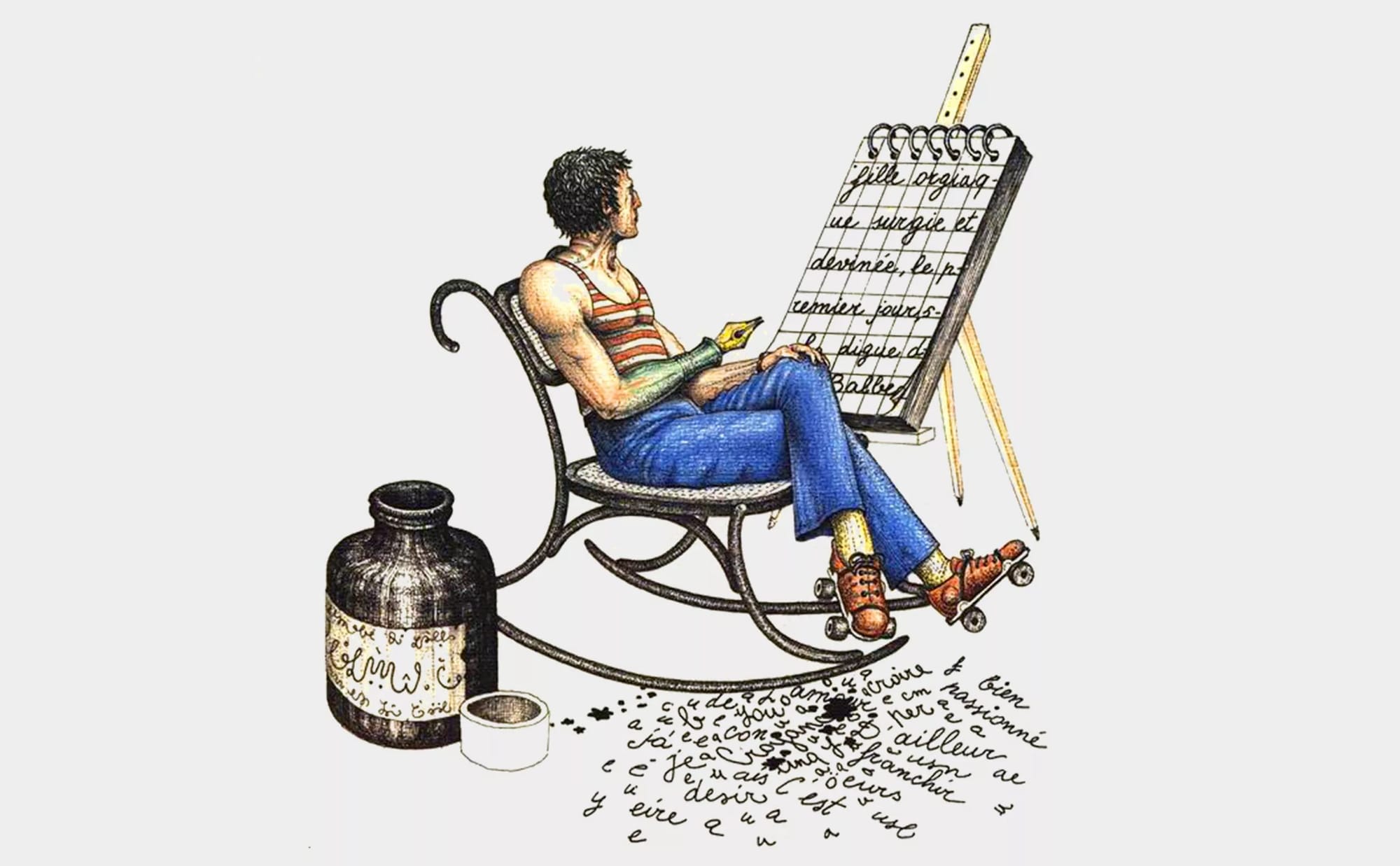
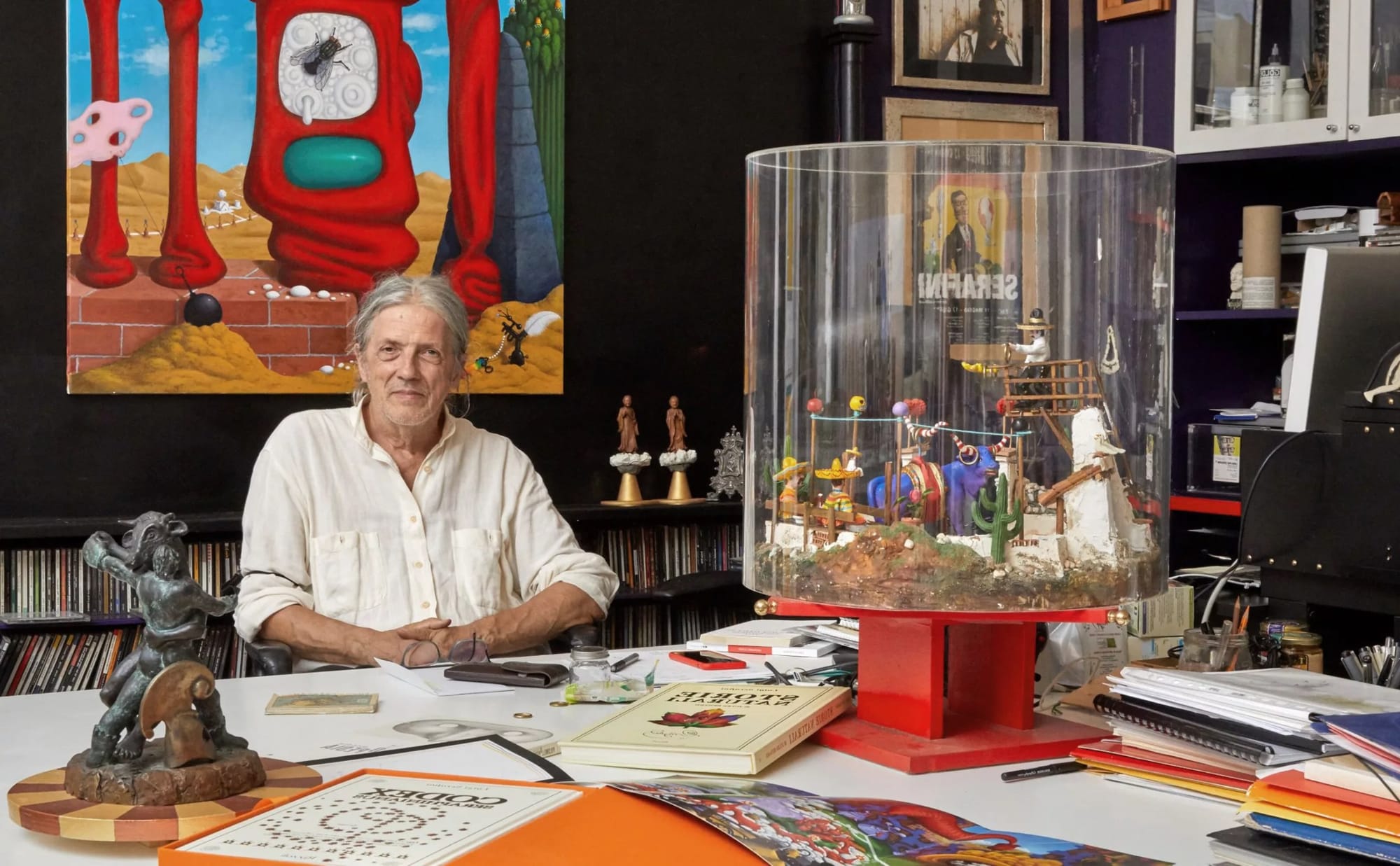
Images from Grapheine and Texas State University Libraries.
