

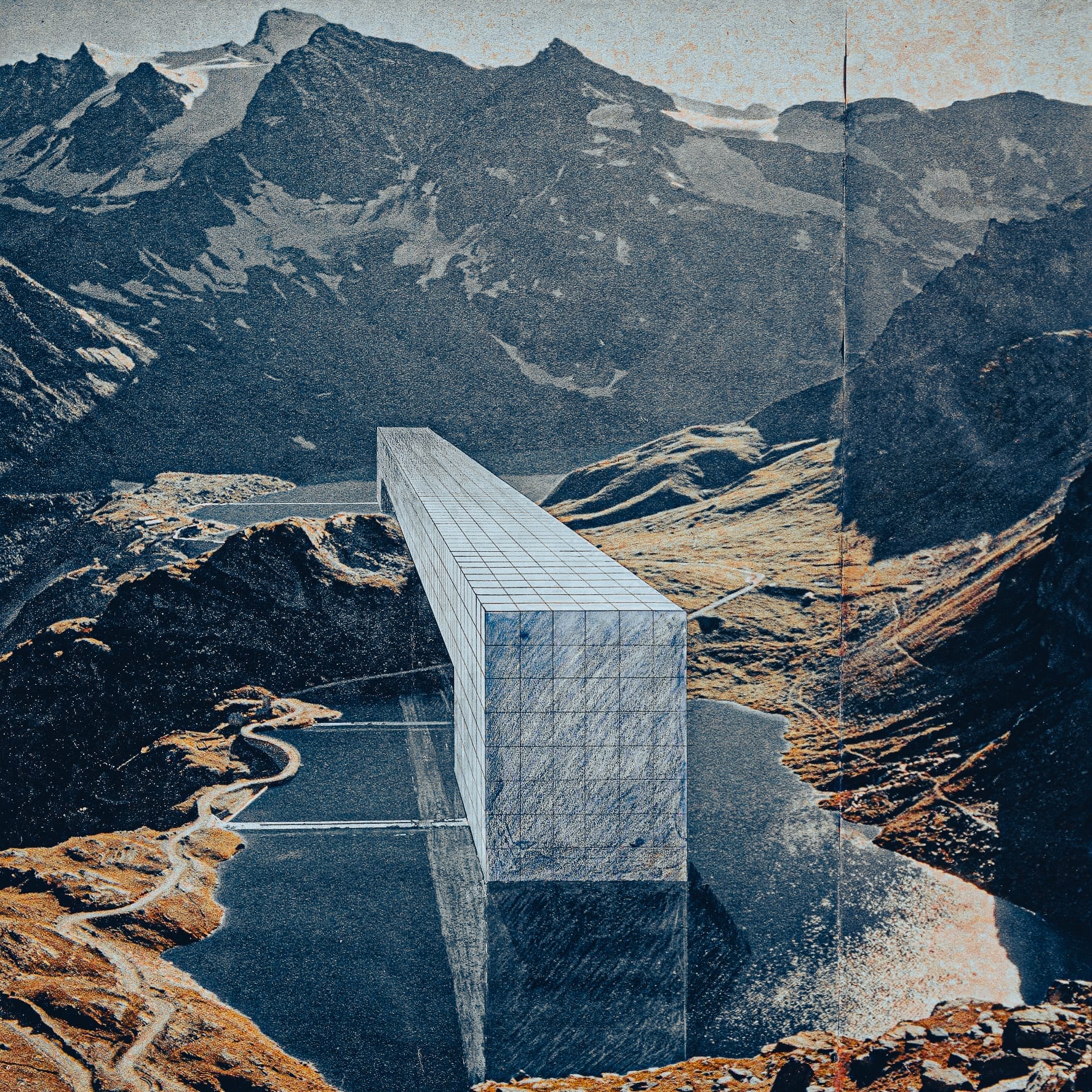
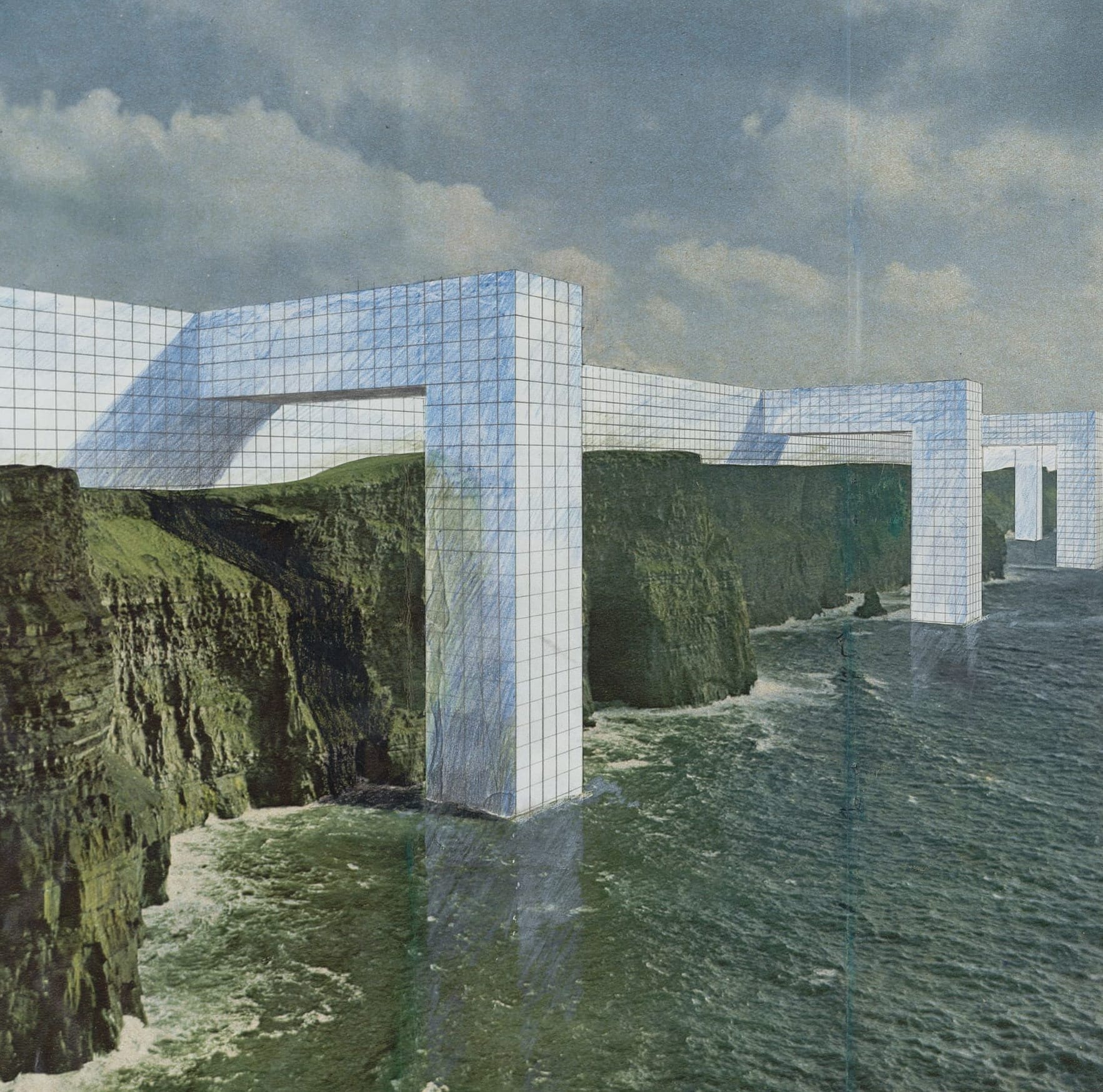
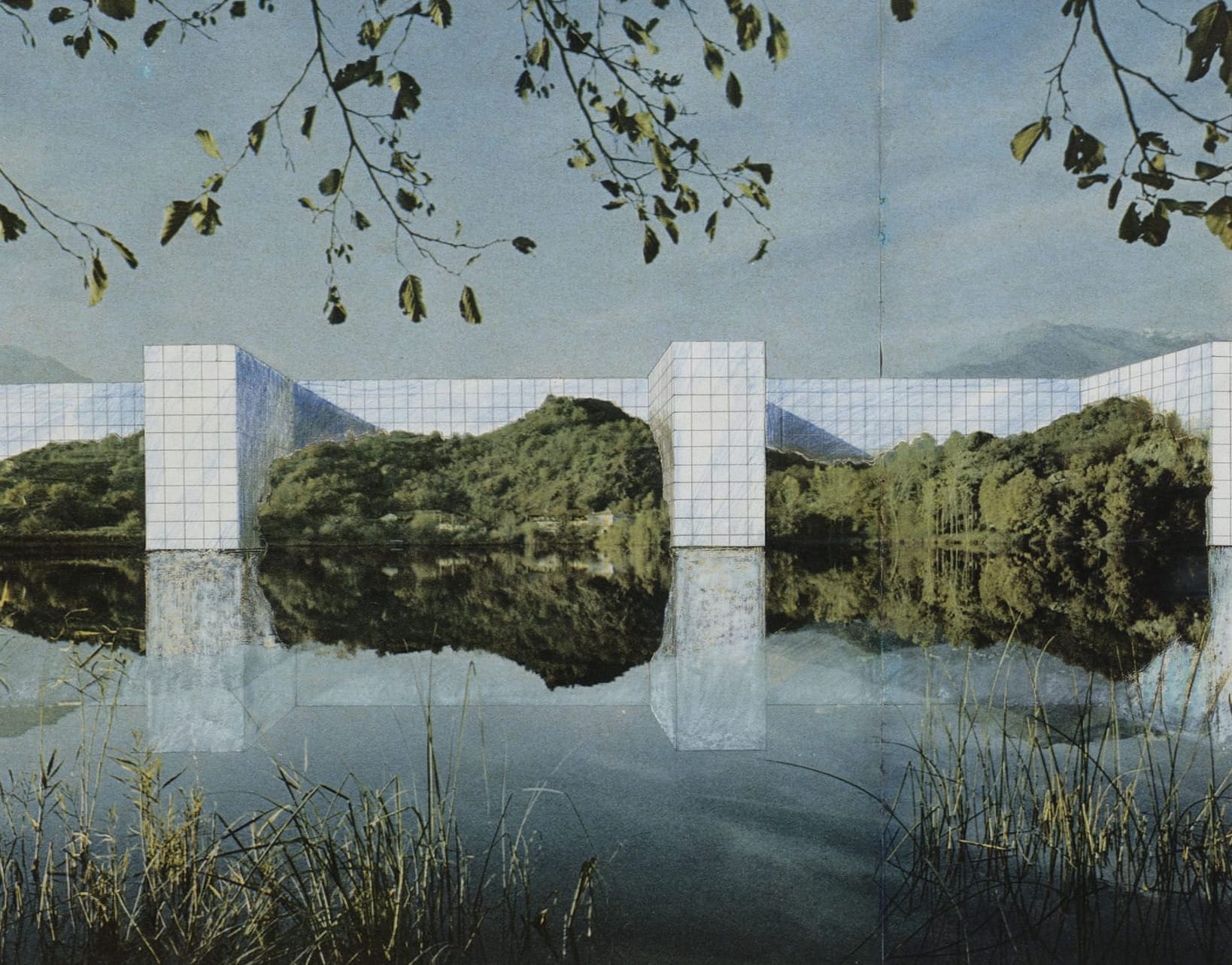
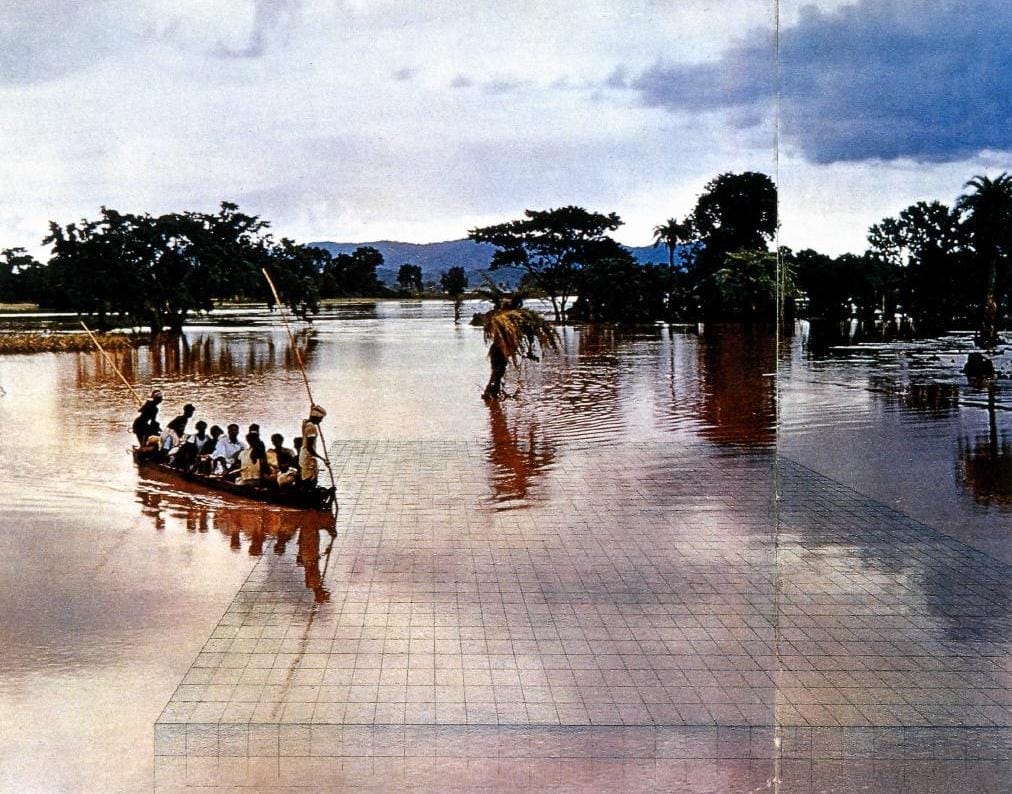
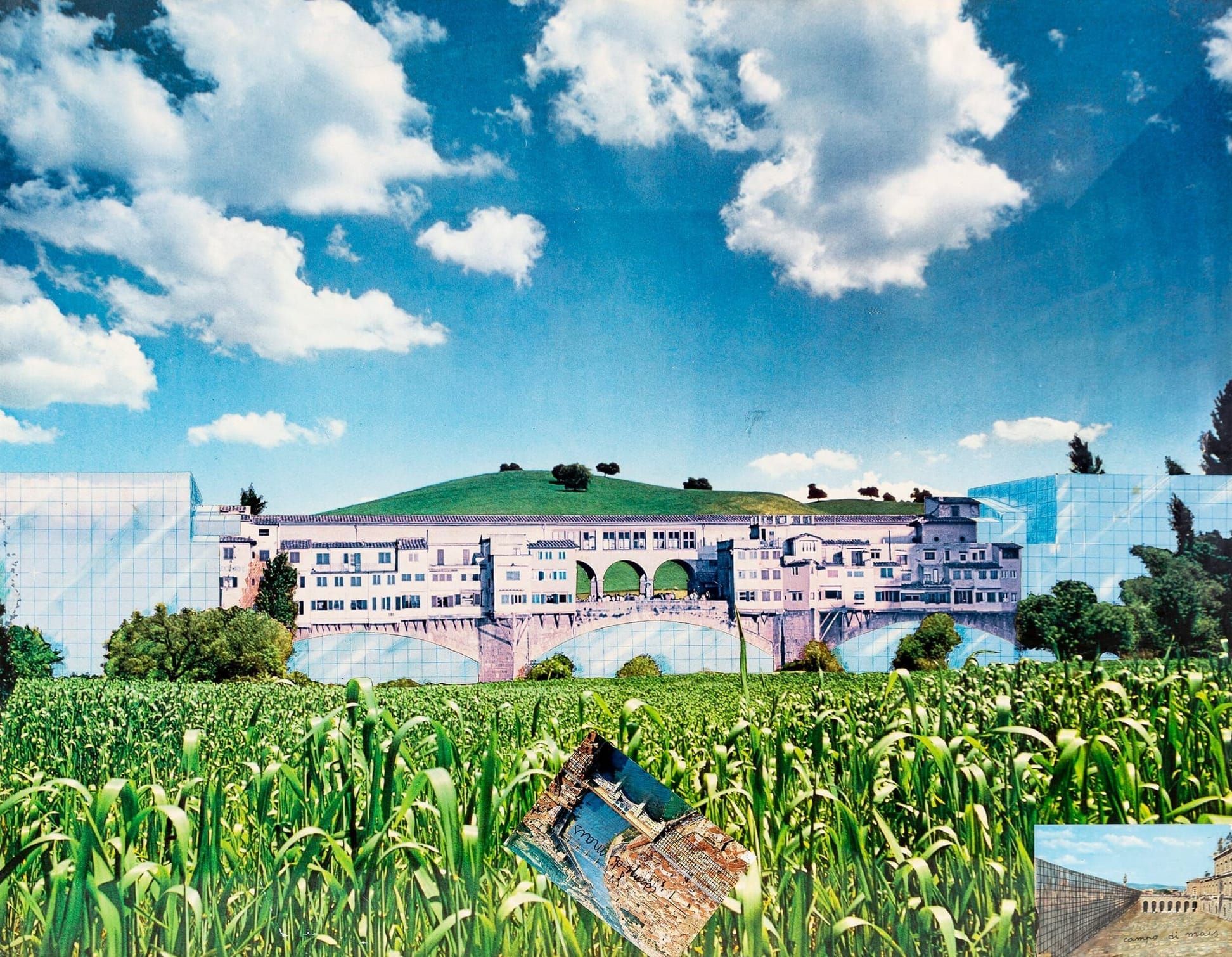
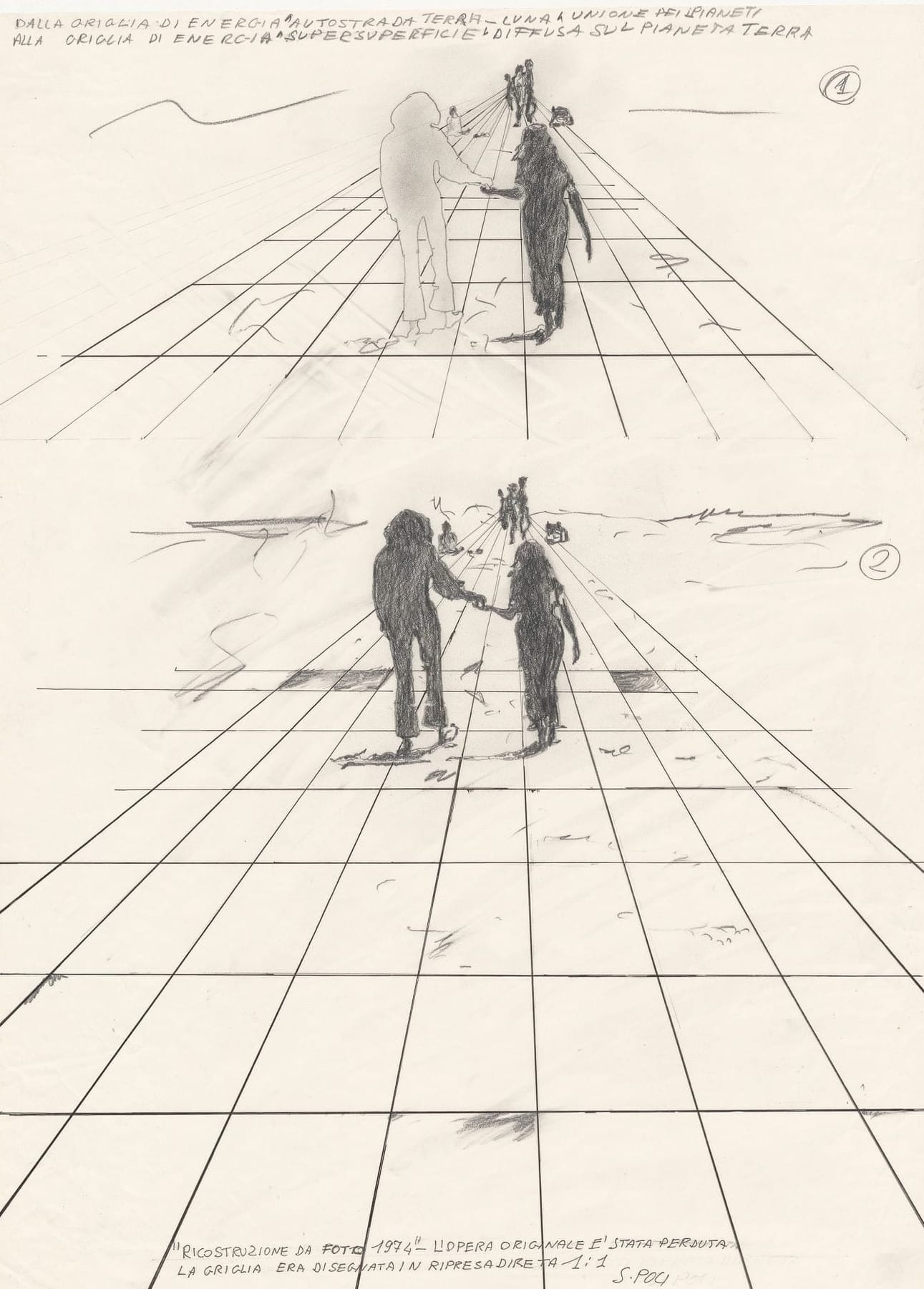
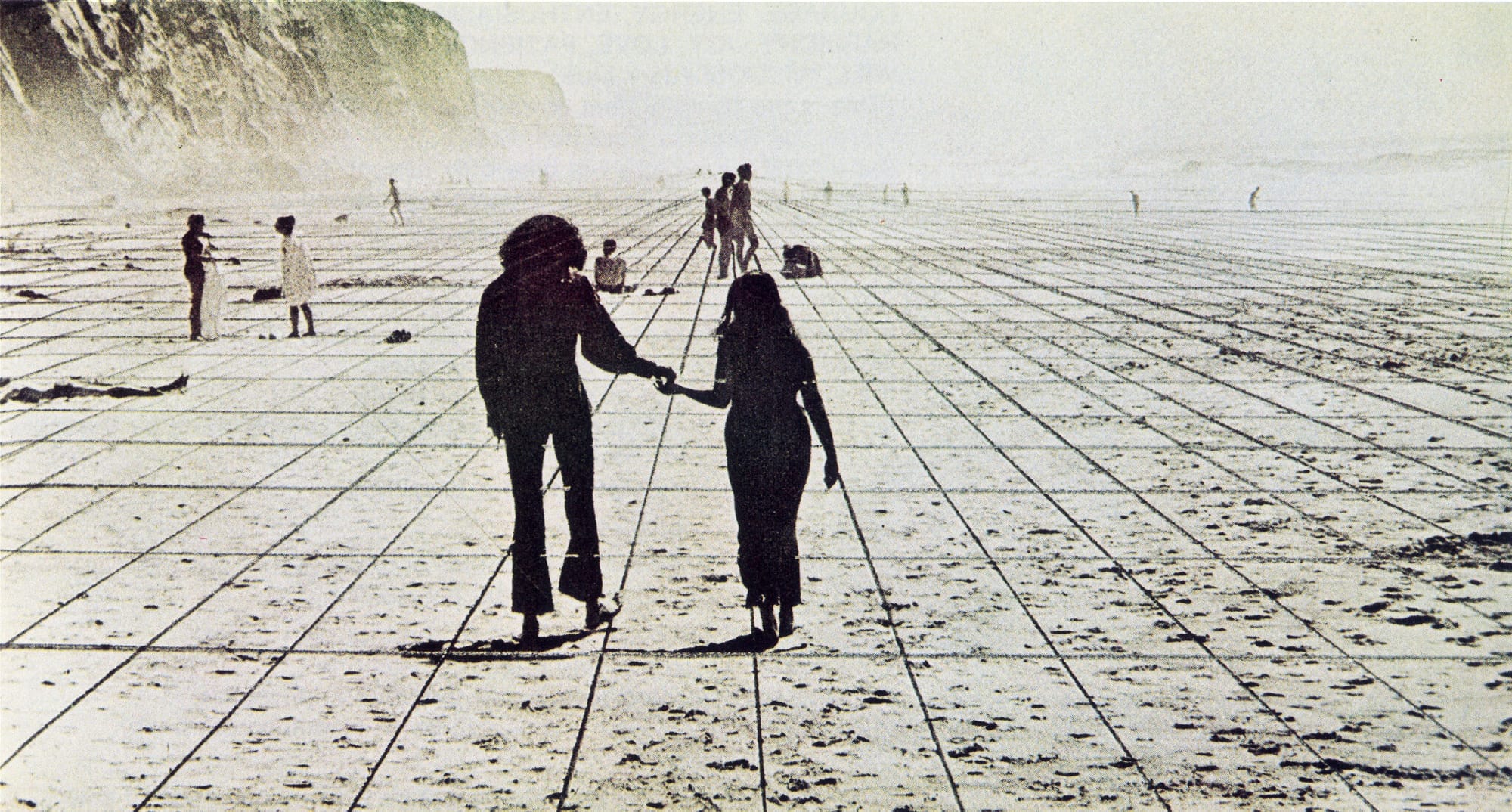
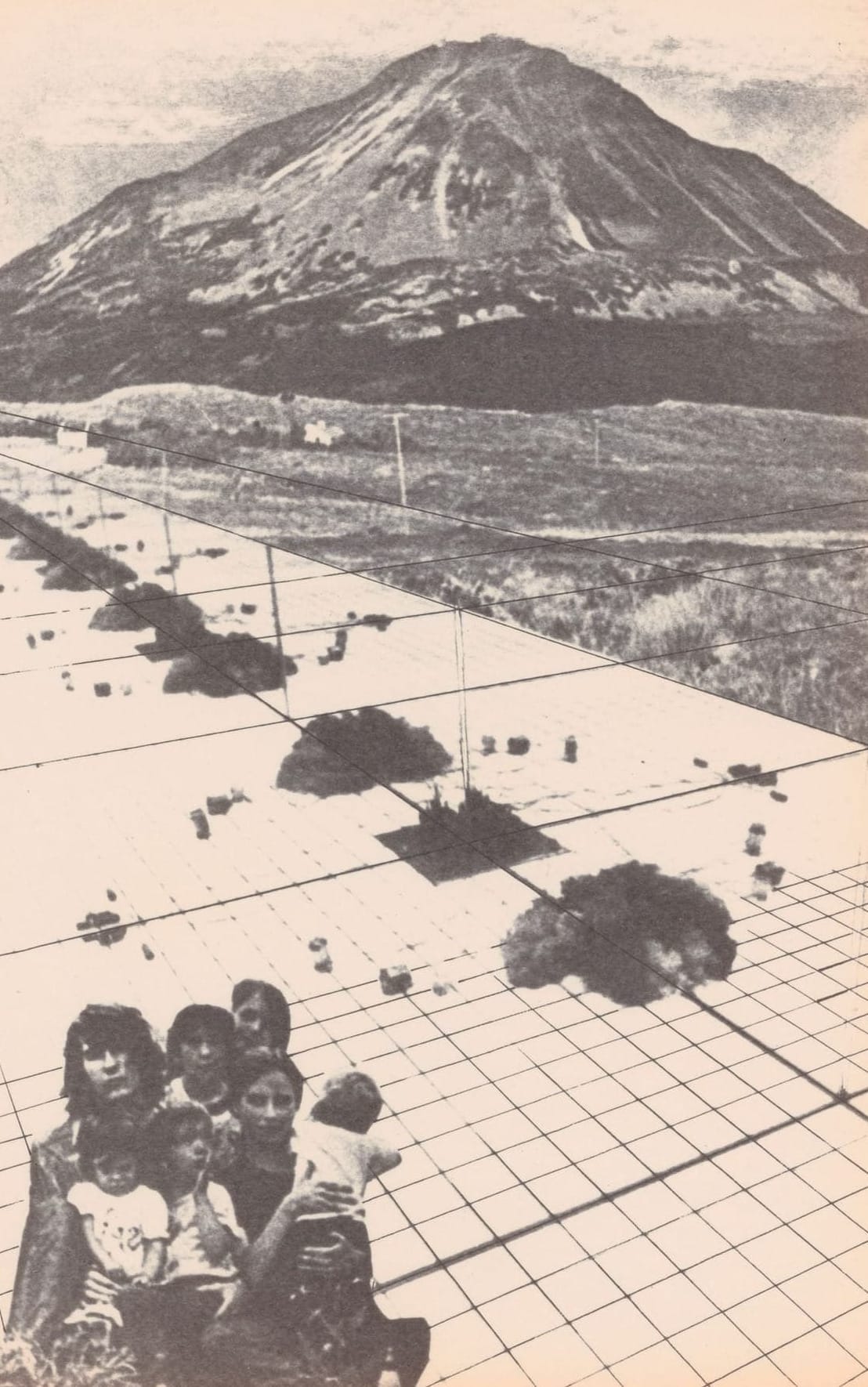
Superstudio’s Continuous Monument (1969) is a series of conceptual architectural montages envisioning a single, endless grid structure wrapping the entire Earth in a seamless architectural skin.
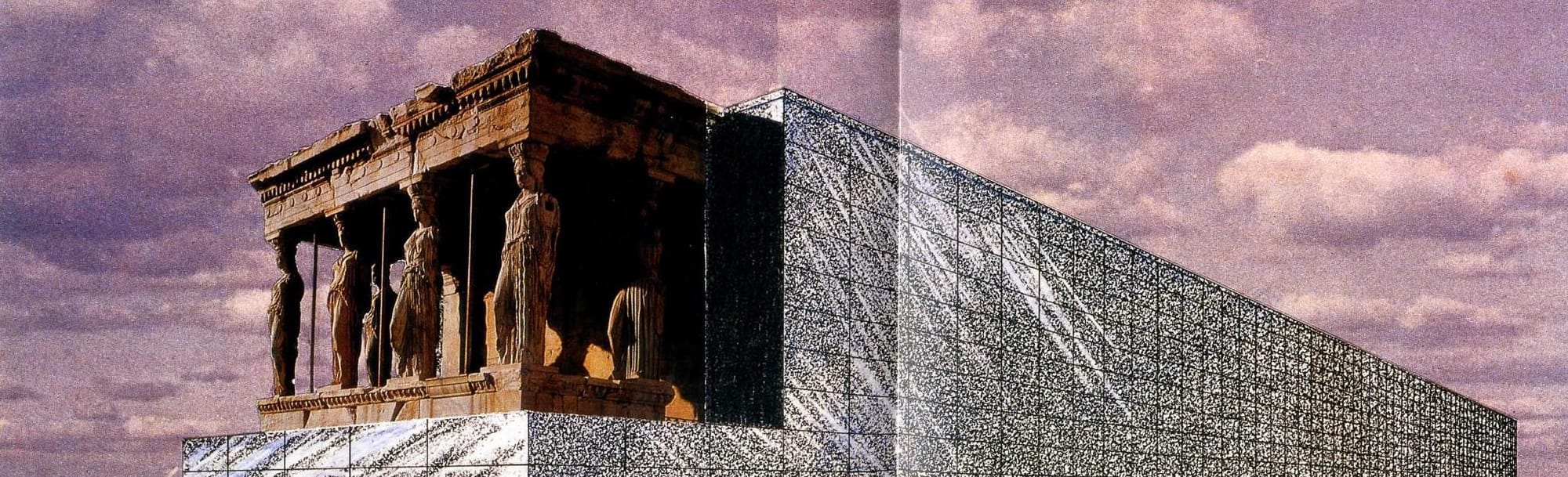
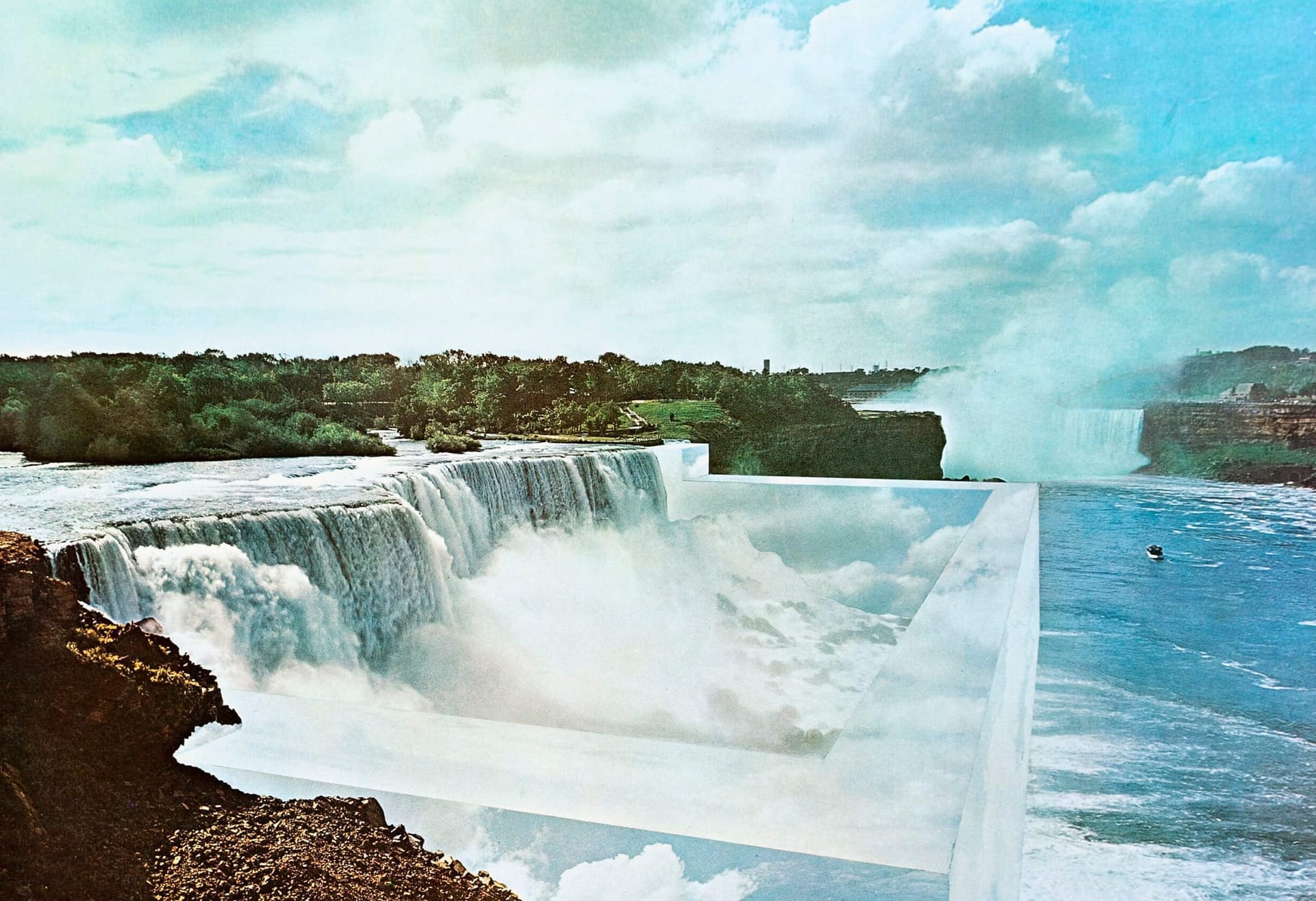
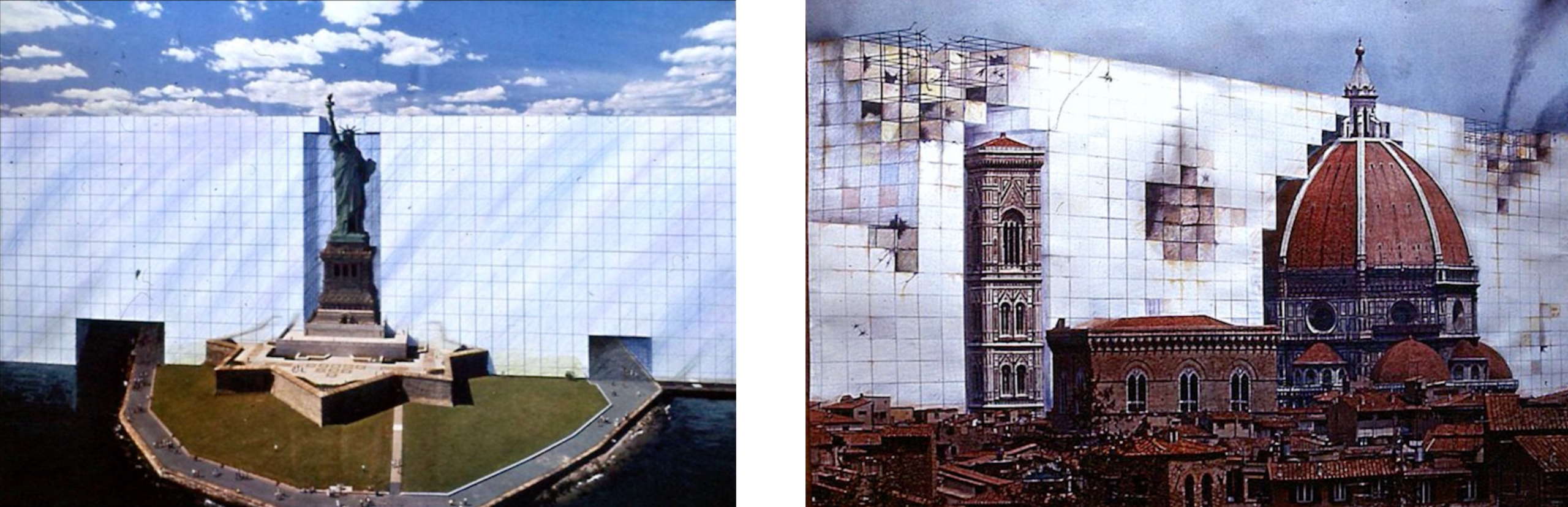
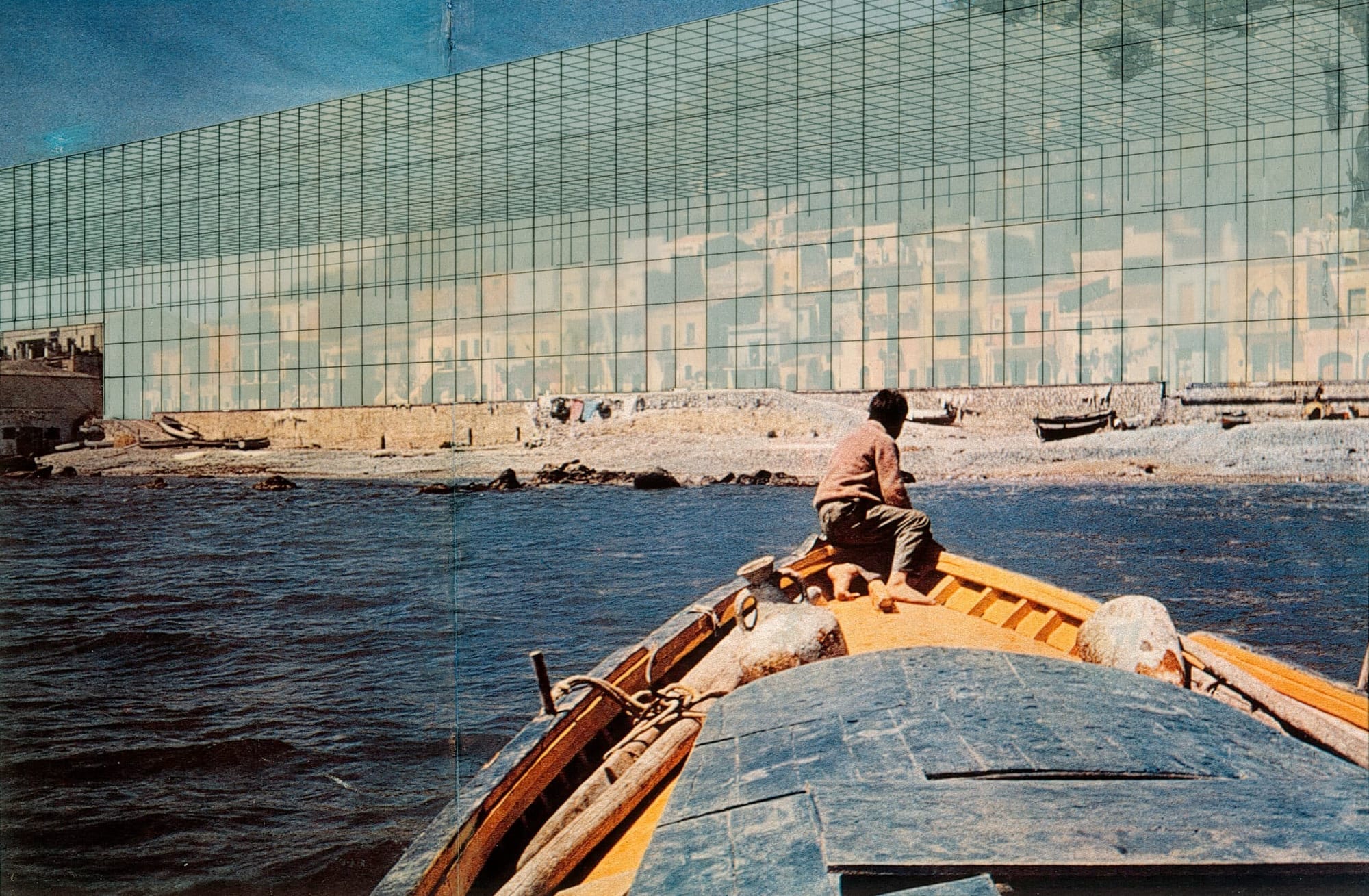
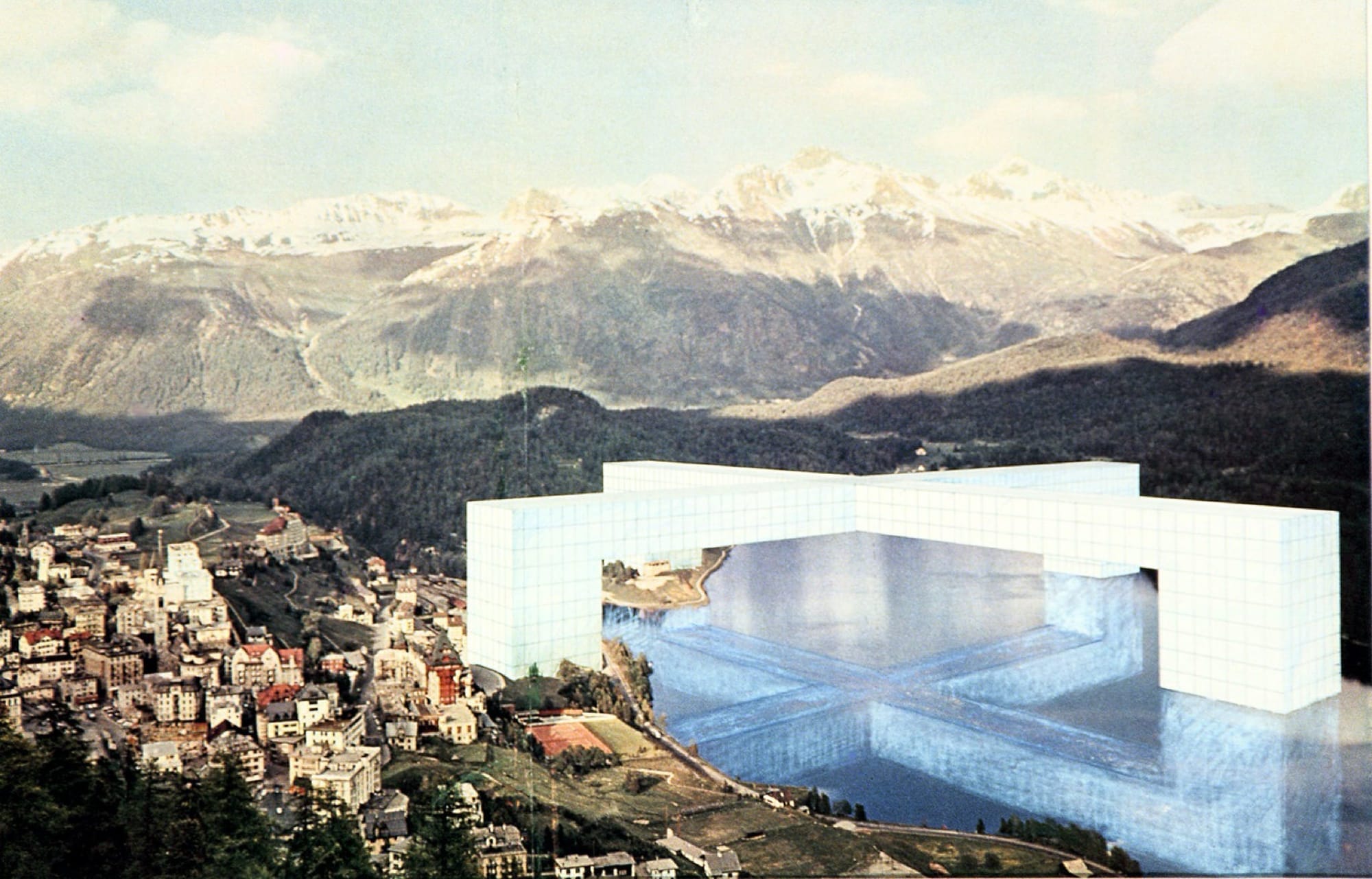
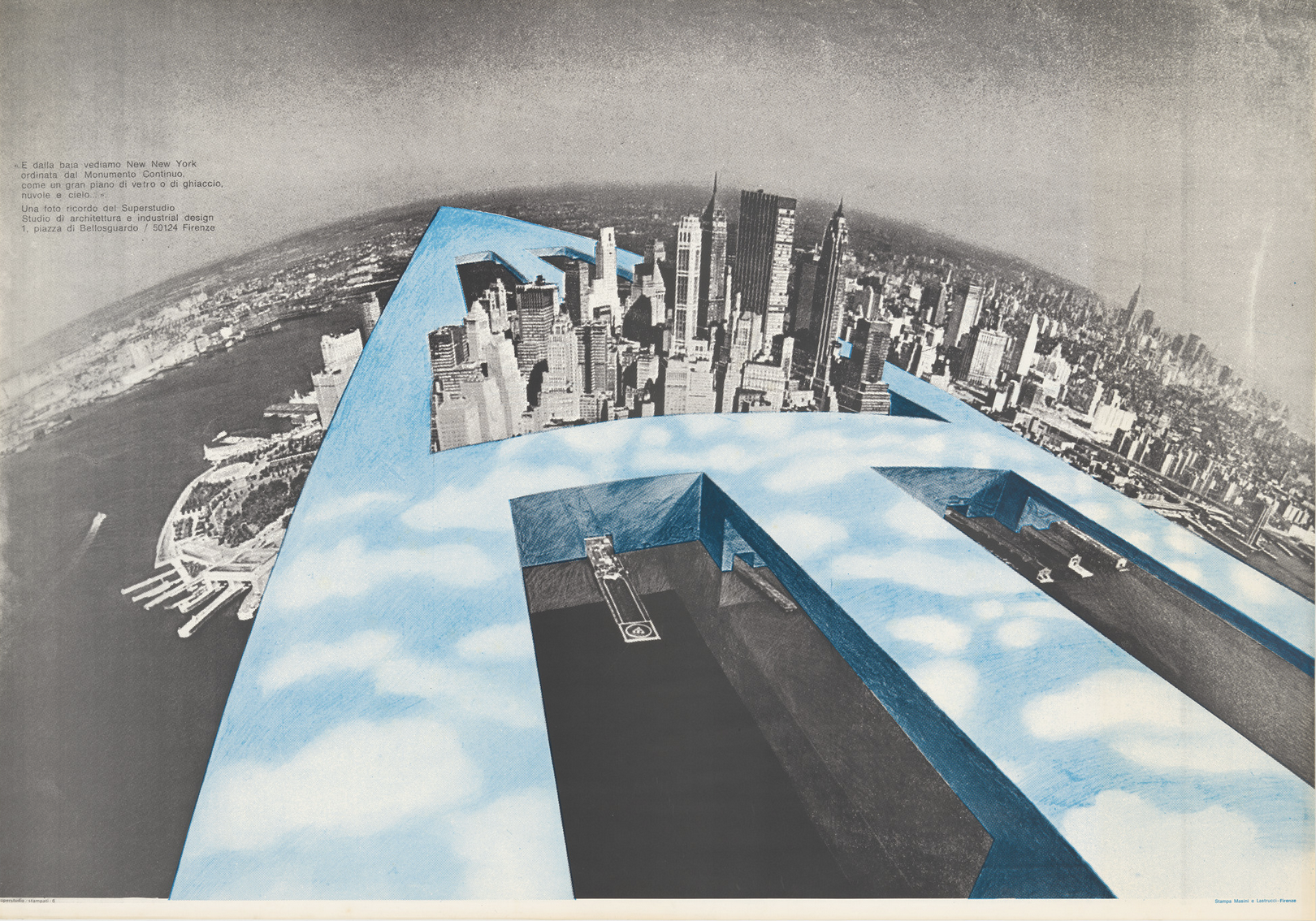
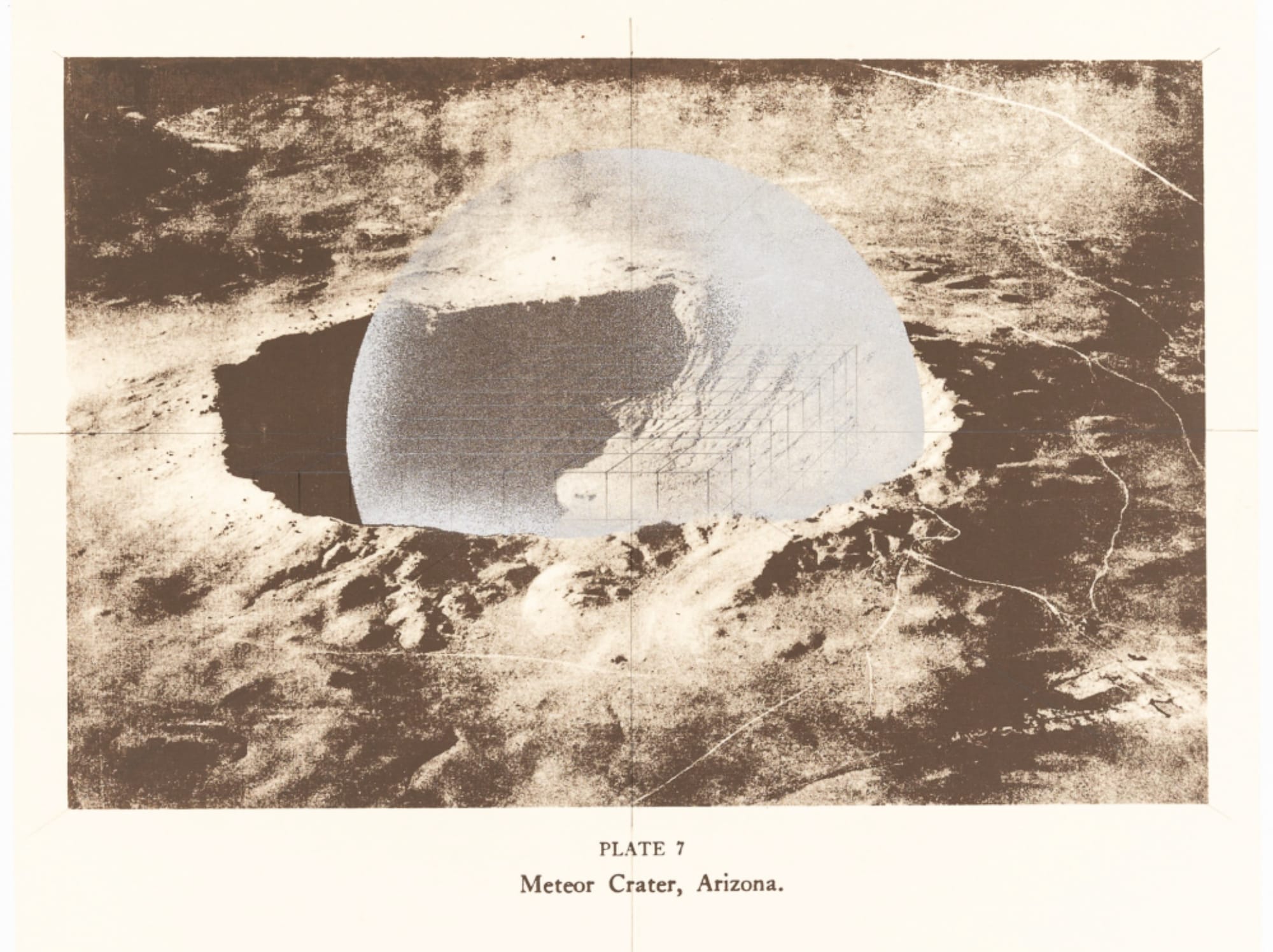
The images show vast rectilinear forms cutting through deserts, mountains, and cities, their reflective surfaces erasing difference in favor of total homogeneity. At once austere and sublime, the project critiques modernism’s obsession with order and rationality by exaggerating it to an absurd extreme: a world reduced to pure geometry, where every landscape is subsumed under a single system.
Both parody and prophecy, Continuous Monument asks whether architecture, in its drive toward universal solutions, risks annihilating the very diversity and contingency that give life meaning. Its unsettling beauty lies in this tension between the allure of order and the violence of total design.
From its stark grids to its planetary scale, Continuous Monument remains one of Superstudio’s most influential provocations, a radical refusal of architecture-as-object.
Superstudio was founded in Florence in 1966 by the architects Adolfo Natalini and Cristiano Toraldo di Francia, later joined by Gian Piero Frassinelli, Alessandro and Roberto Magris, and Alessandro Poli. With Archizoom, another Florence group, they were at the centre of what became known as Italian Radical Architecture. Both groups first showed their work together in the 1966 exhibition Superarchitettura in Pistoia.
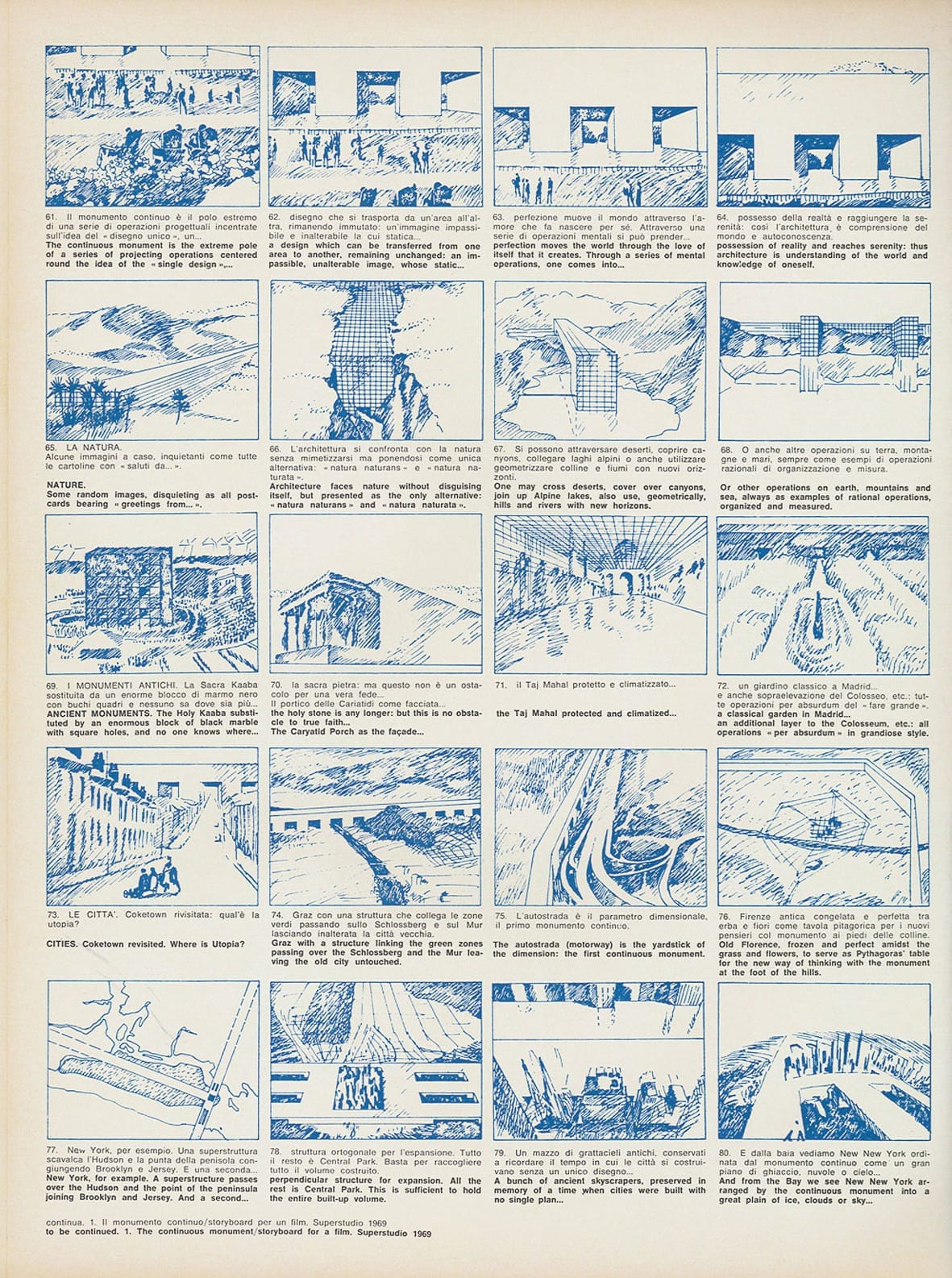
The project's full title is Continuous Monument: An Architectural Model for Total Urbanization. Superstudio presented it through collages, drawings, a storyboard, and texts, setting the white grid over Manhattan, the Alps, a Greek temple, and Meteor Crater in Arizona. Several of the collages, including The Continuous Monument: New York Extrusion Project, are in the collection of the Museum of Modern Art in New York.
See also: Supersurface and Ceremonia

Images from MoMA and Drawing Matter.
