
Friedensreich Hundertwasser (1928 to 2000) was an Austrian painter and architect who argued that the straight line was godless and that functional modern architecture harmed the people who lived in it. Born Friedrich Stowasser in Vienna, he made his name as a painter of spirals and bright colour before turning to buildings.
In 1958 he read his Mould Manifesto against Rationalism in Architecture at Seckau Abbey in Austria. He later argued for a "window right", the right of tenants to reshape the facade around their own windows, and for "tree tenants": trees planted inside buildings, each with its own soil, growing out of the windows.
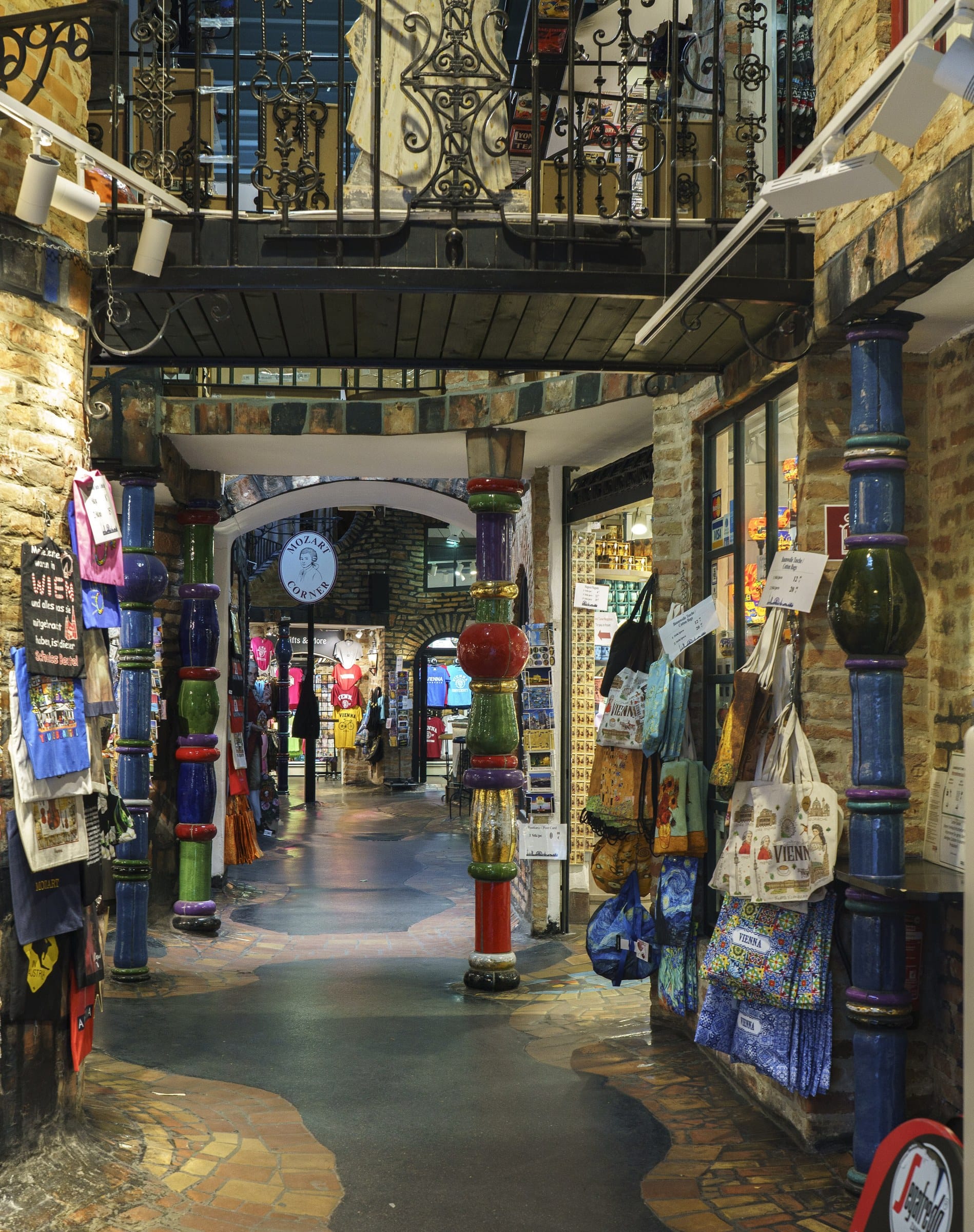
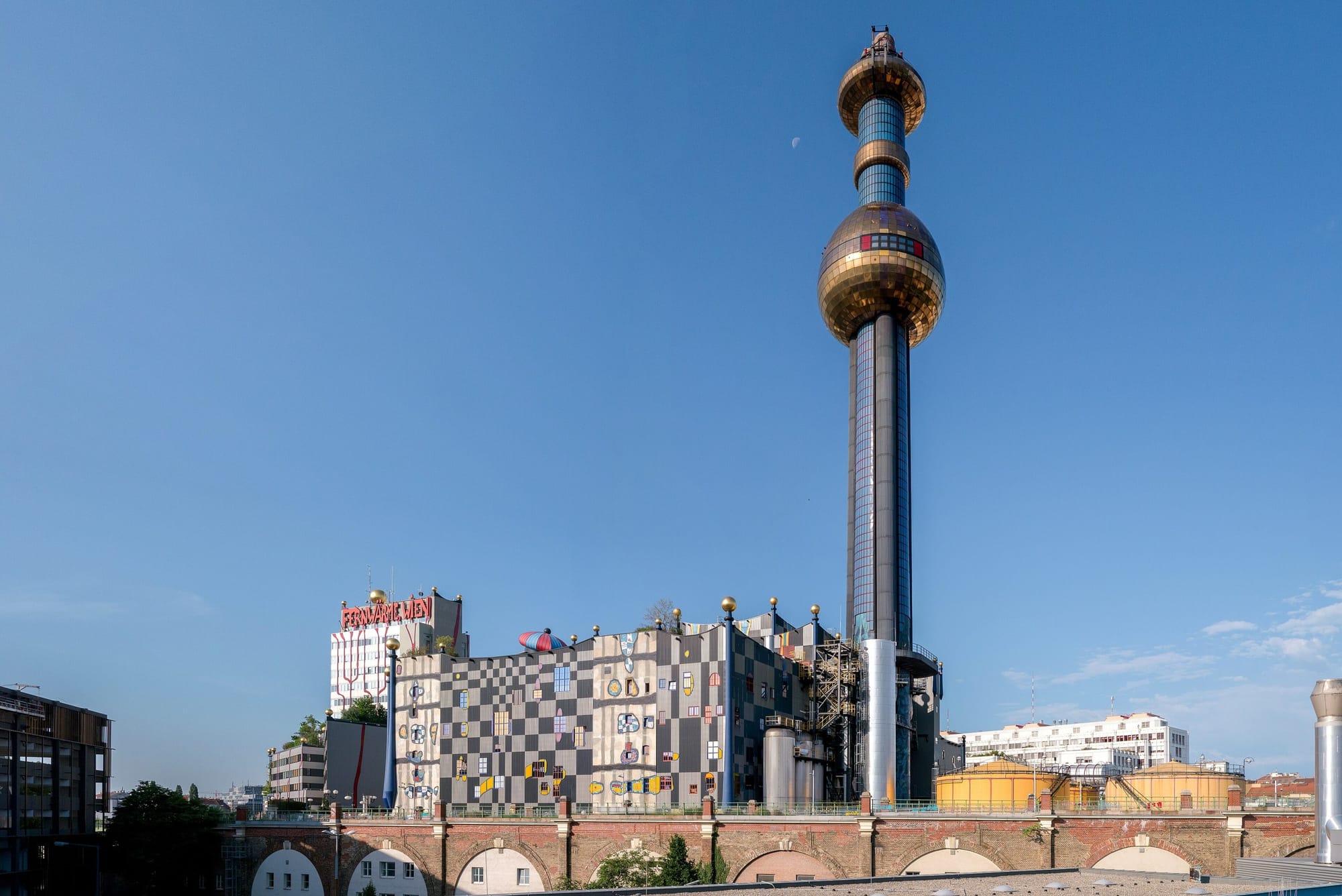
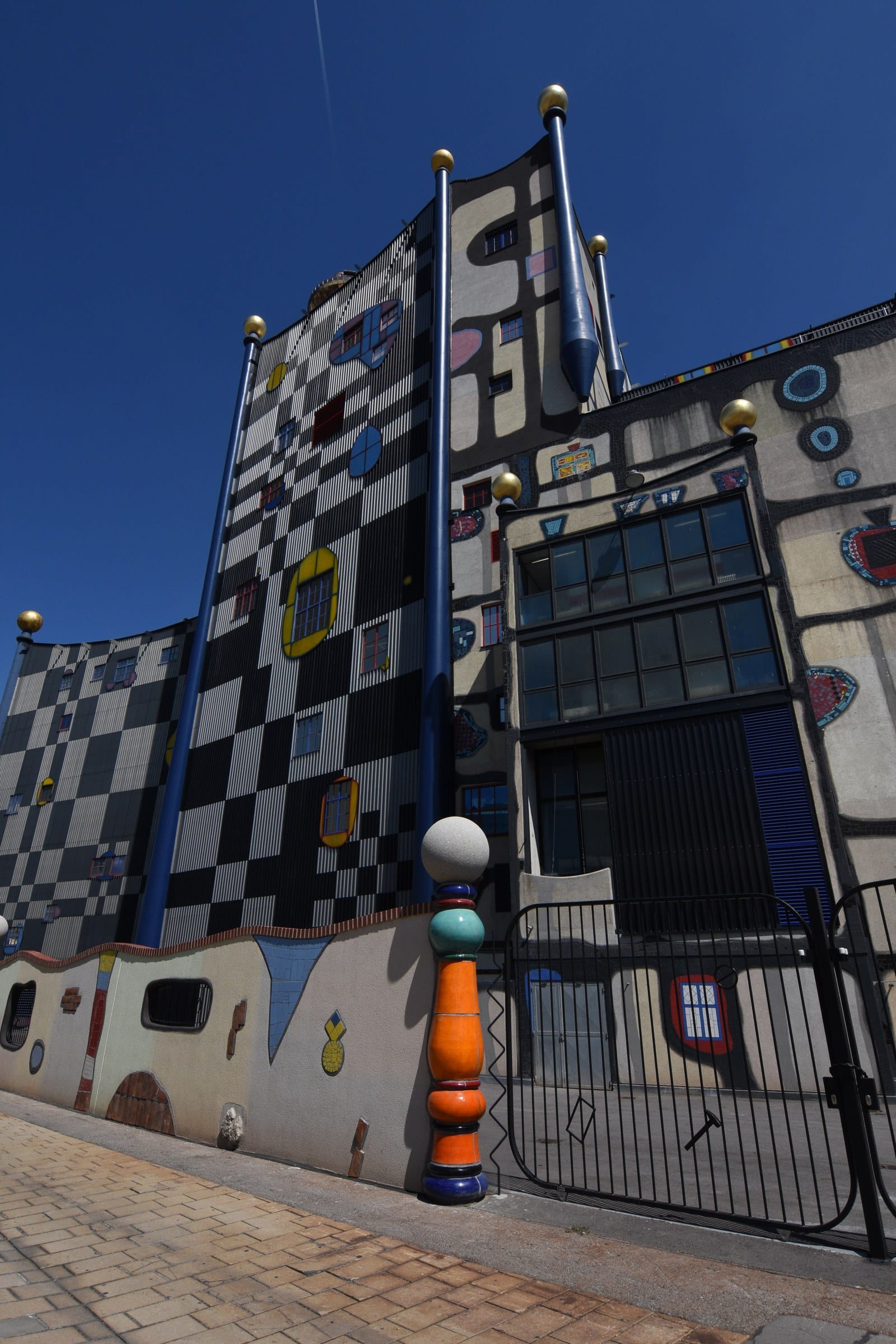
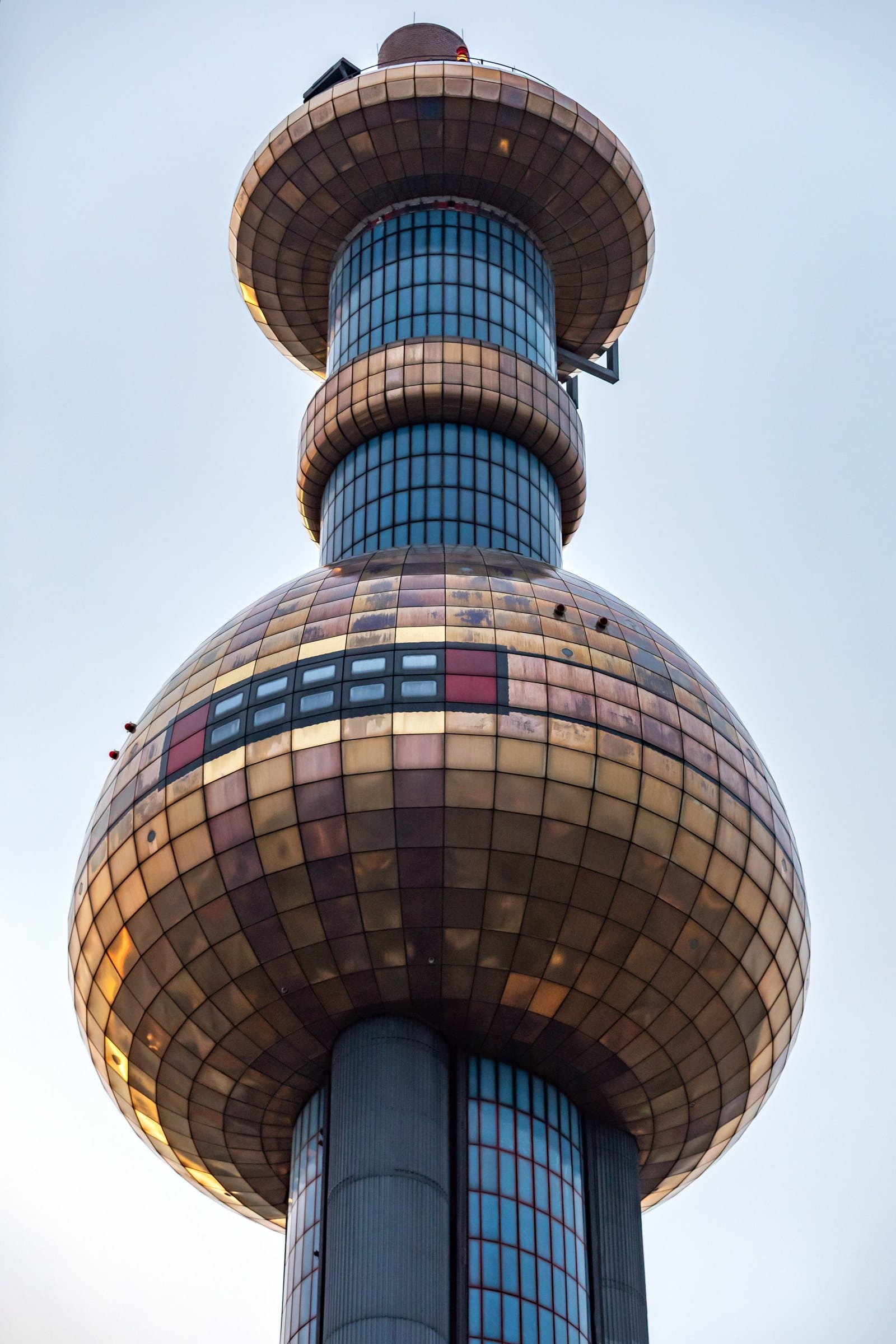
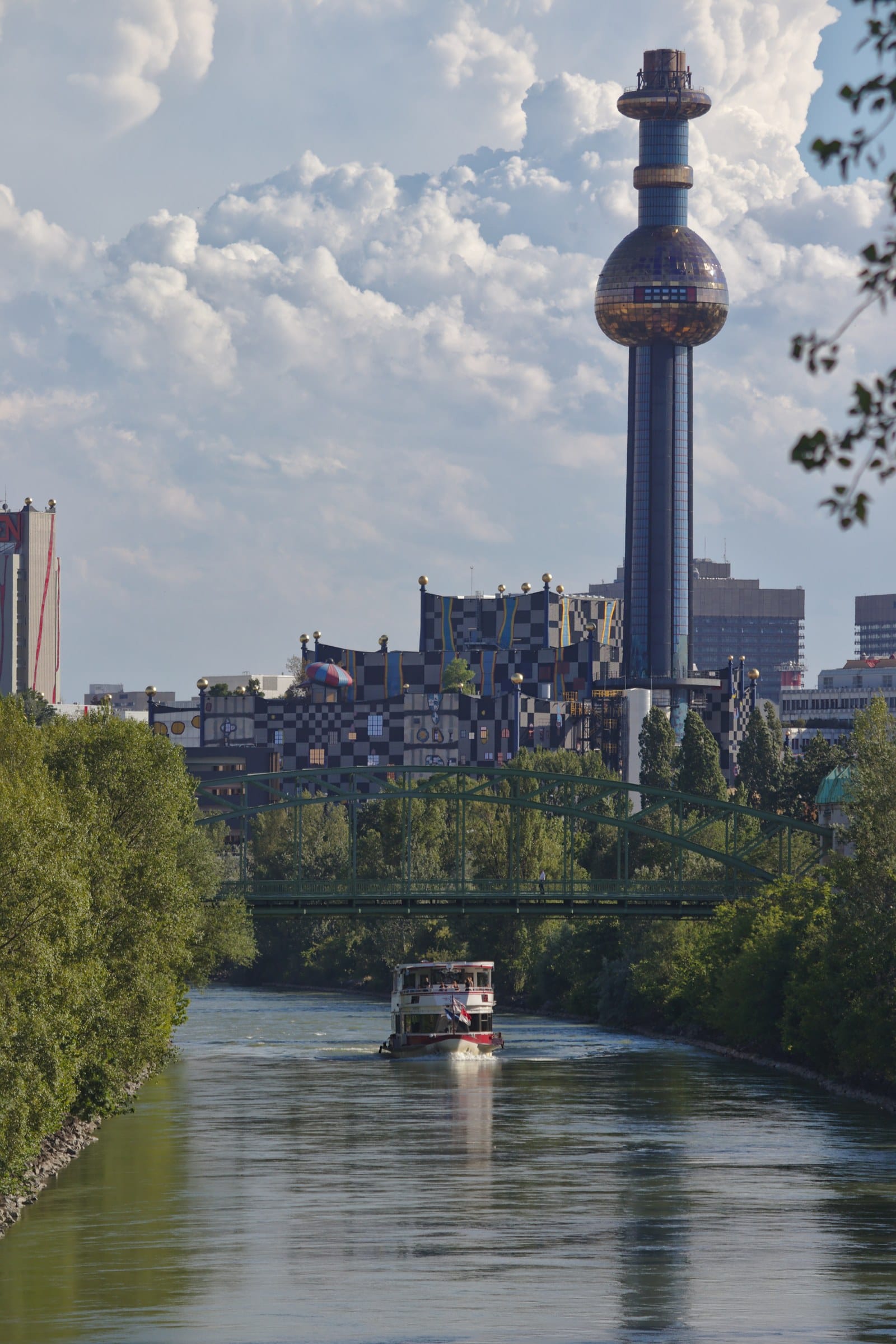
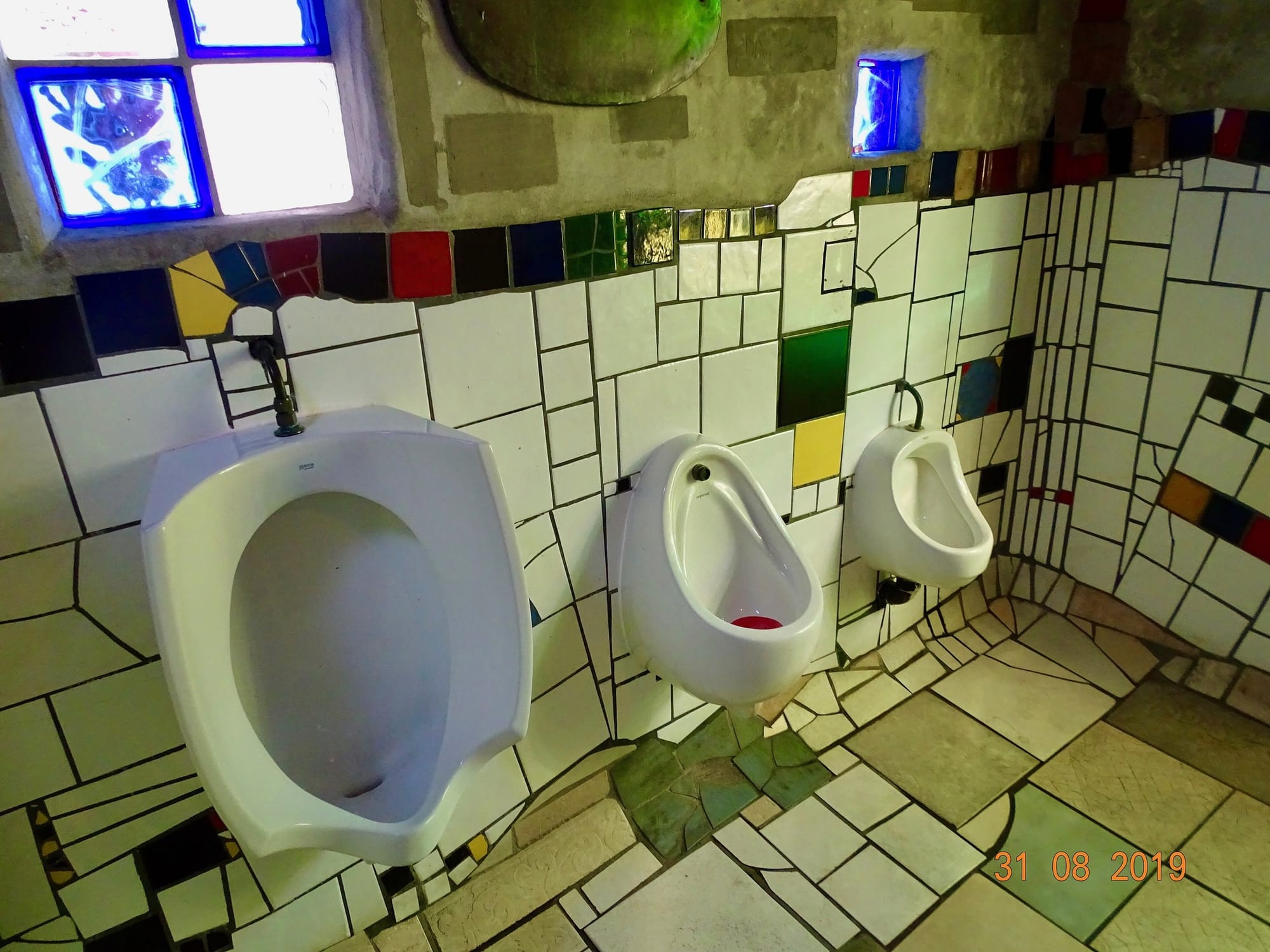
His best-known building is the Hundertwasserhaus in Vienna, a block of public housing completed in 1985 with uneven floors, coloured facades, onion domes, and trees on the roofs and in the windows. He redesigned the facade of Vienna's Spittelau waste incineration plant after a fire there in 1987, and his last project was a set of public toilets in Kawakawa, New Zealand, opened in 1999. He died in 2000 on board the Queen Elizabeth 2.
See also: Archiborescence and Earthships
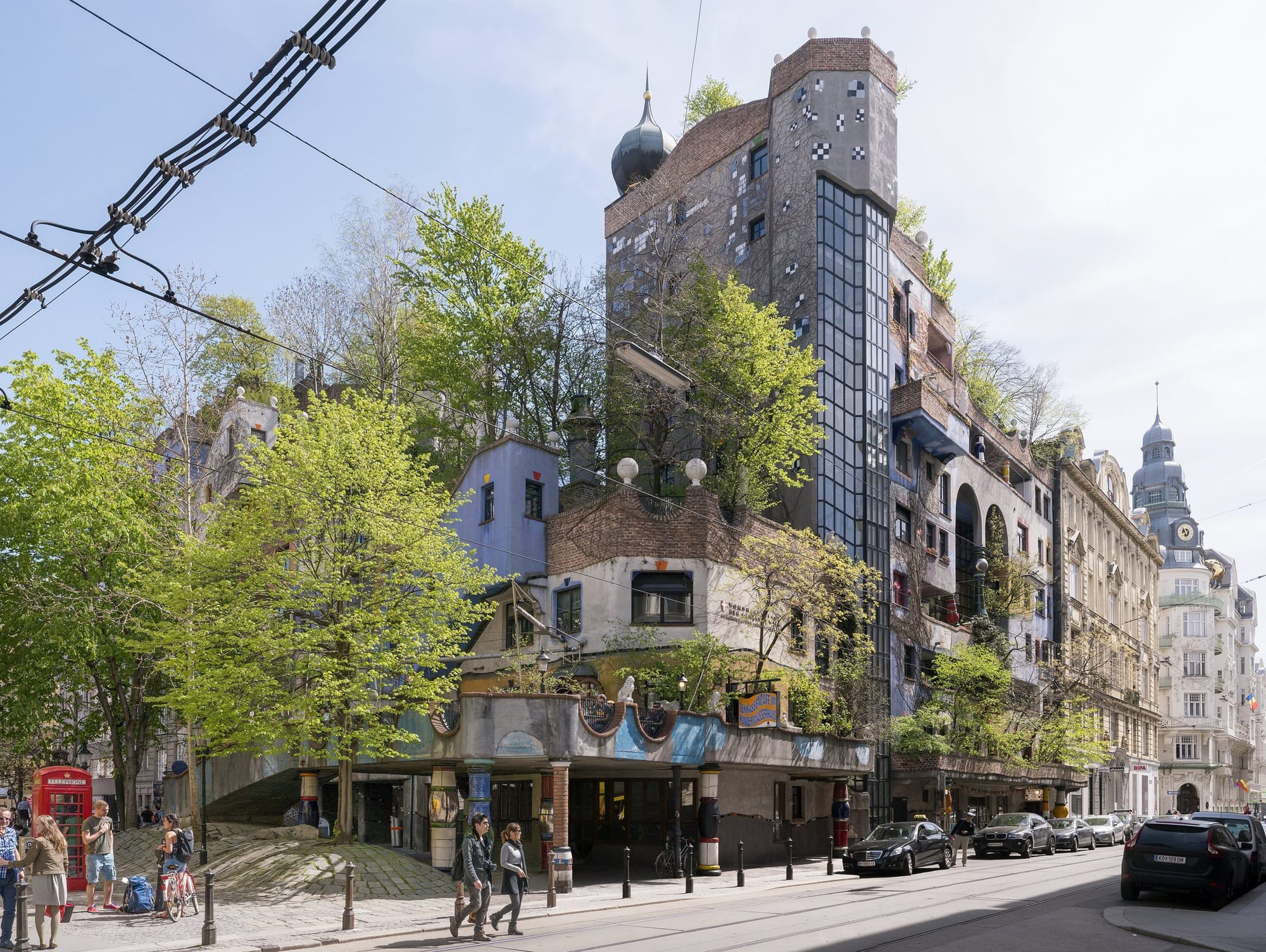
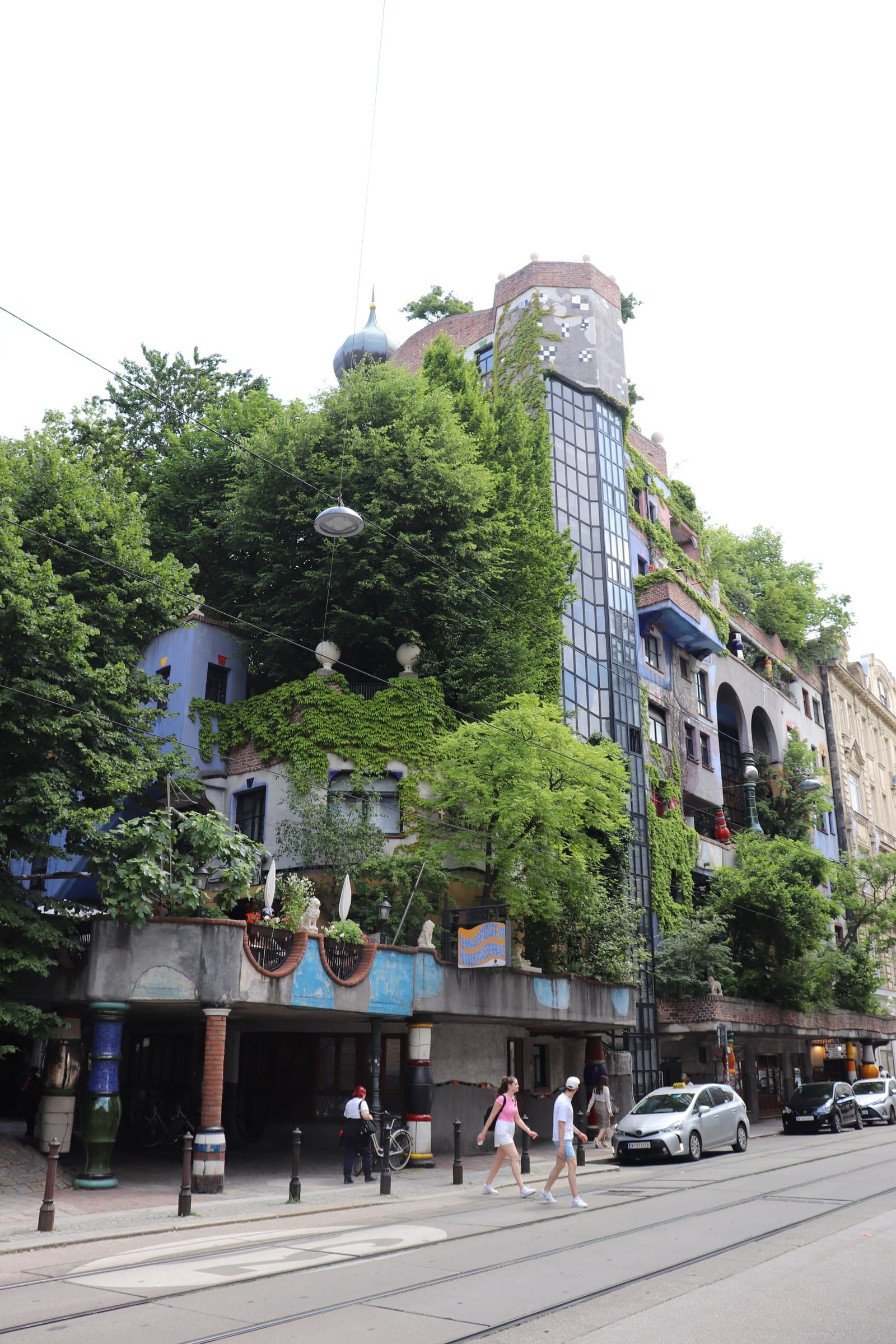
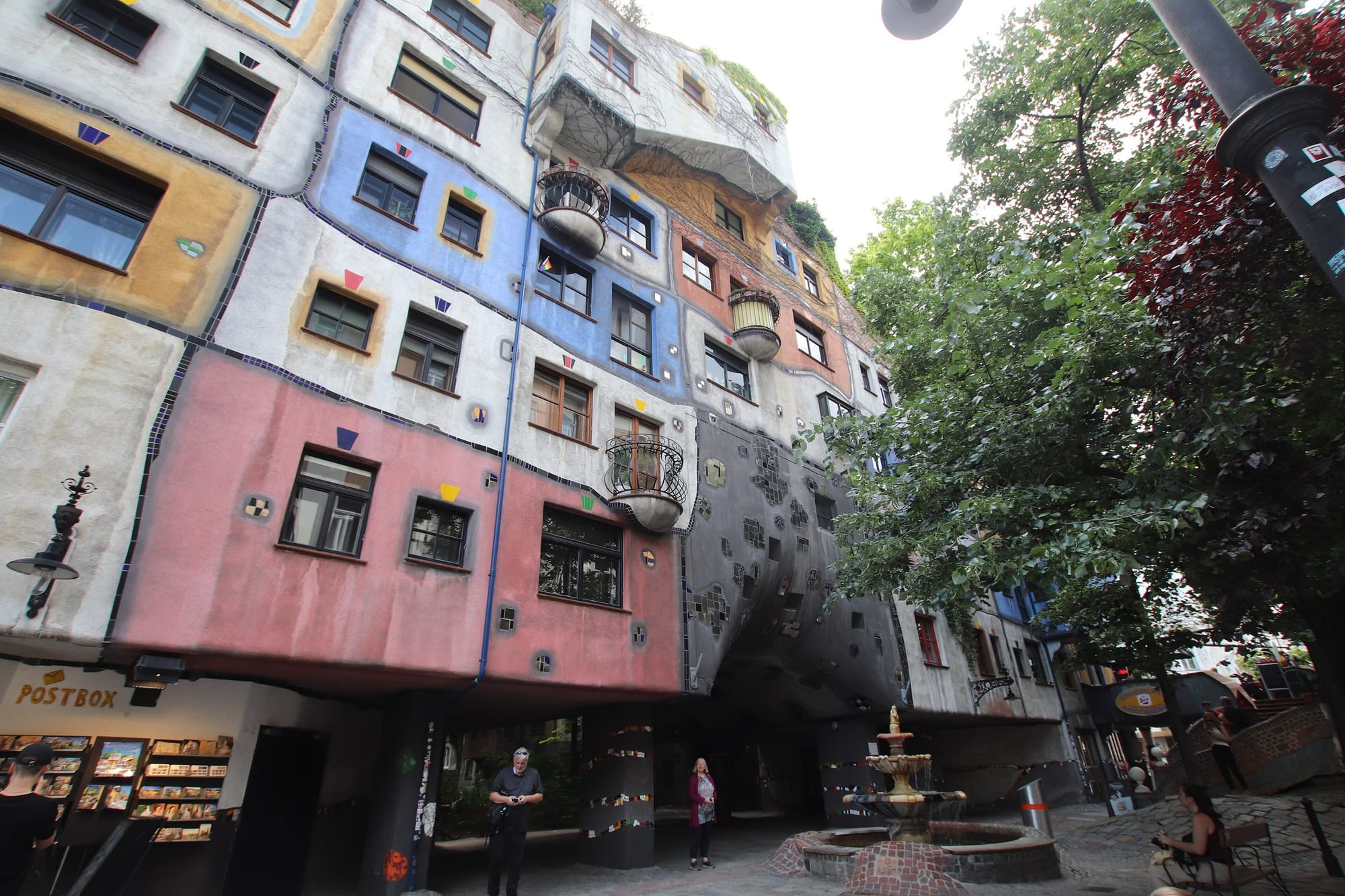
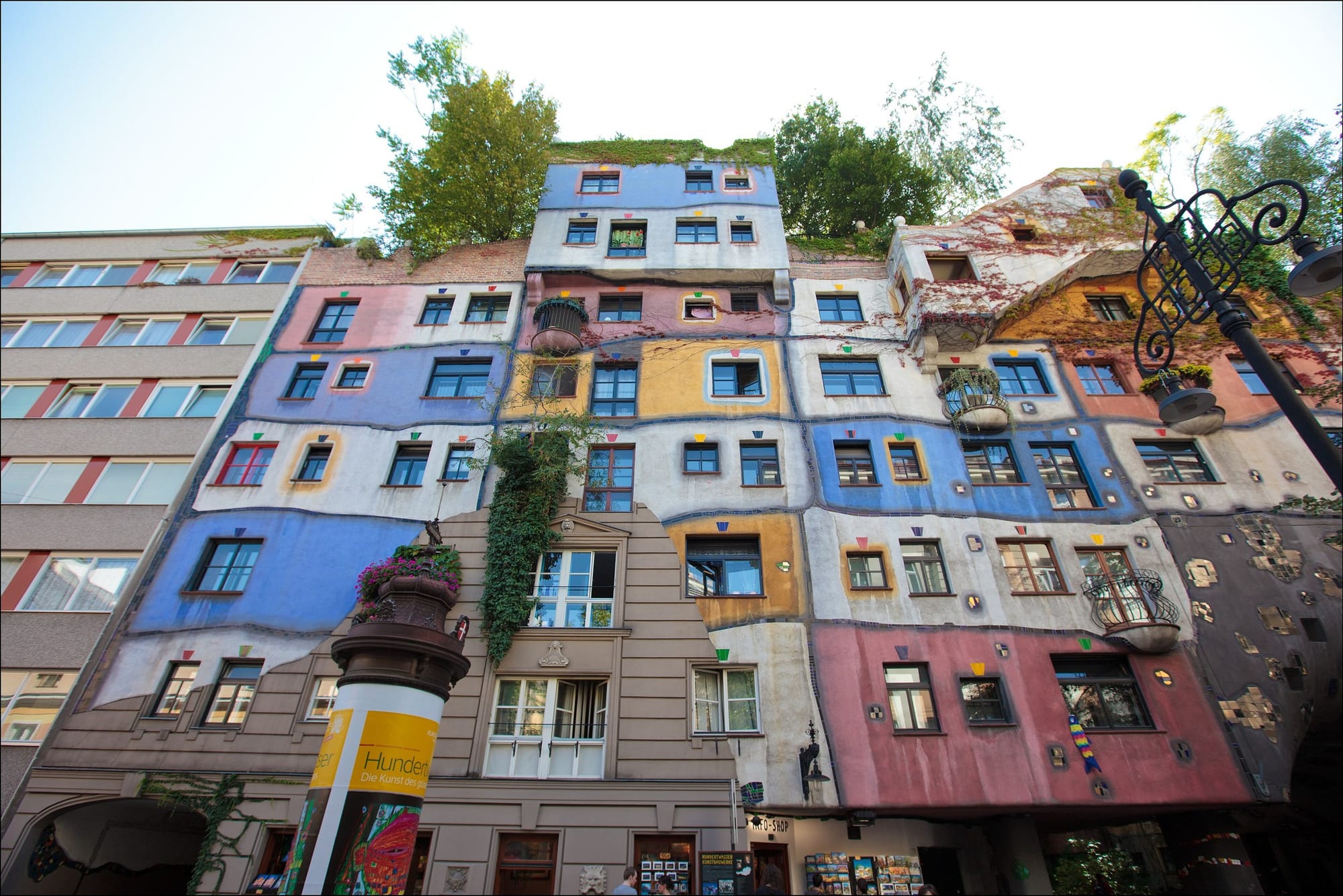
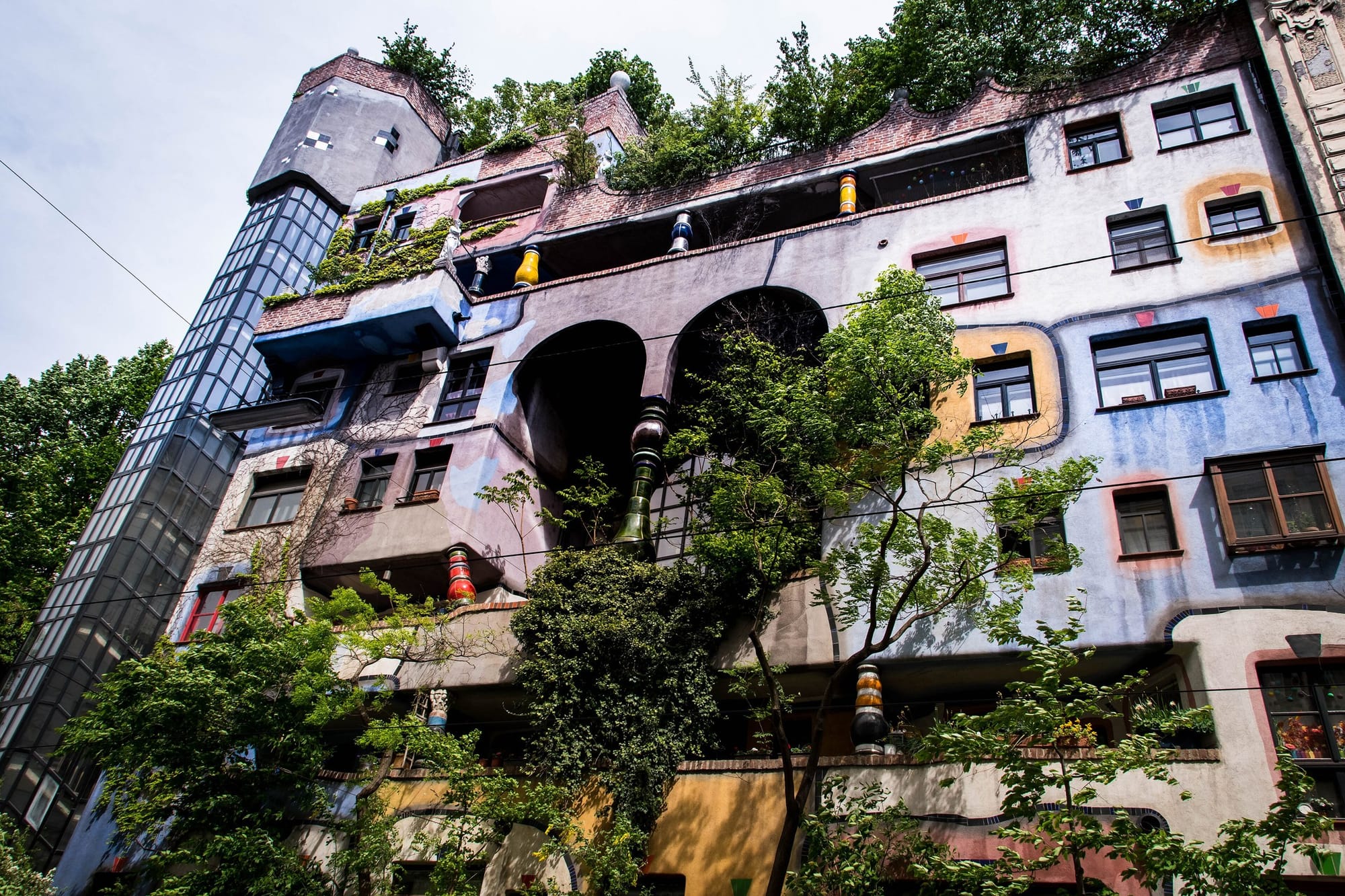
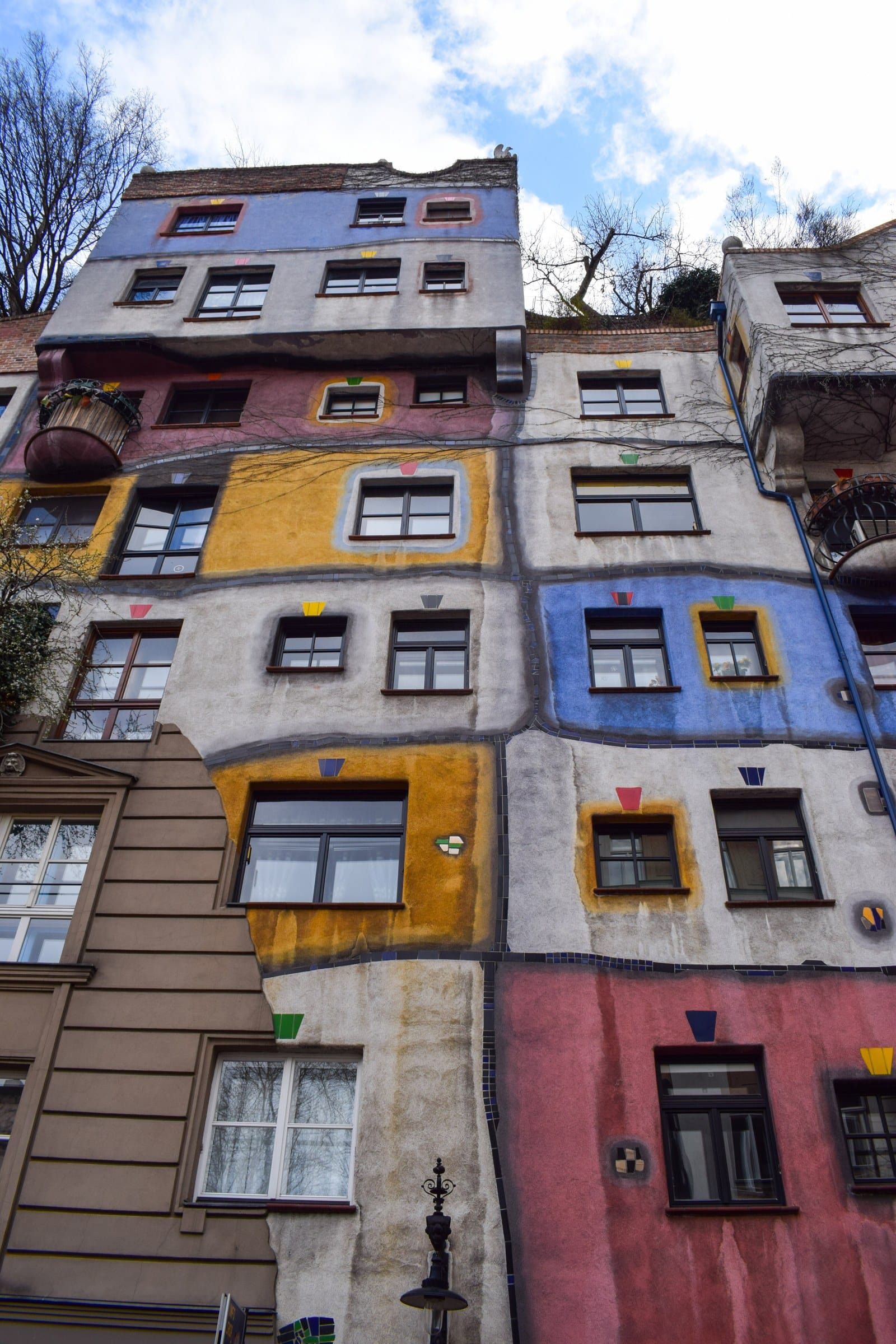
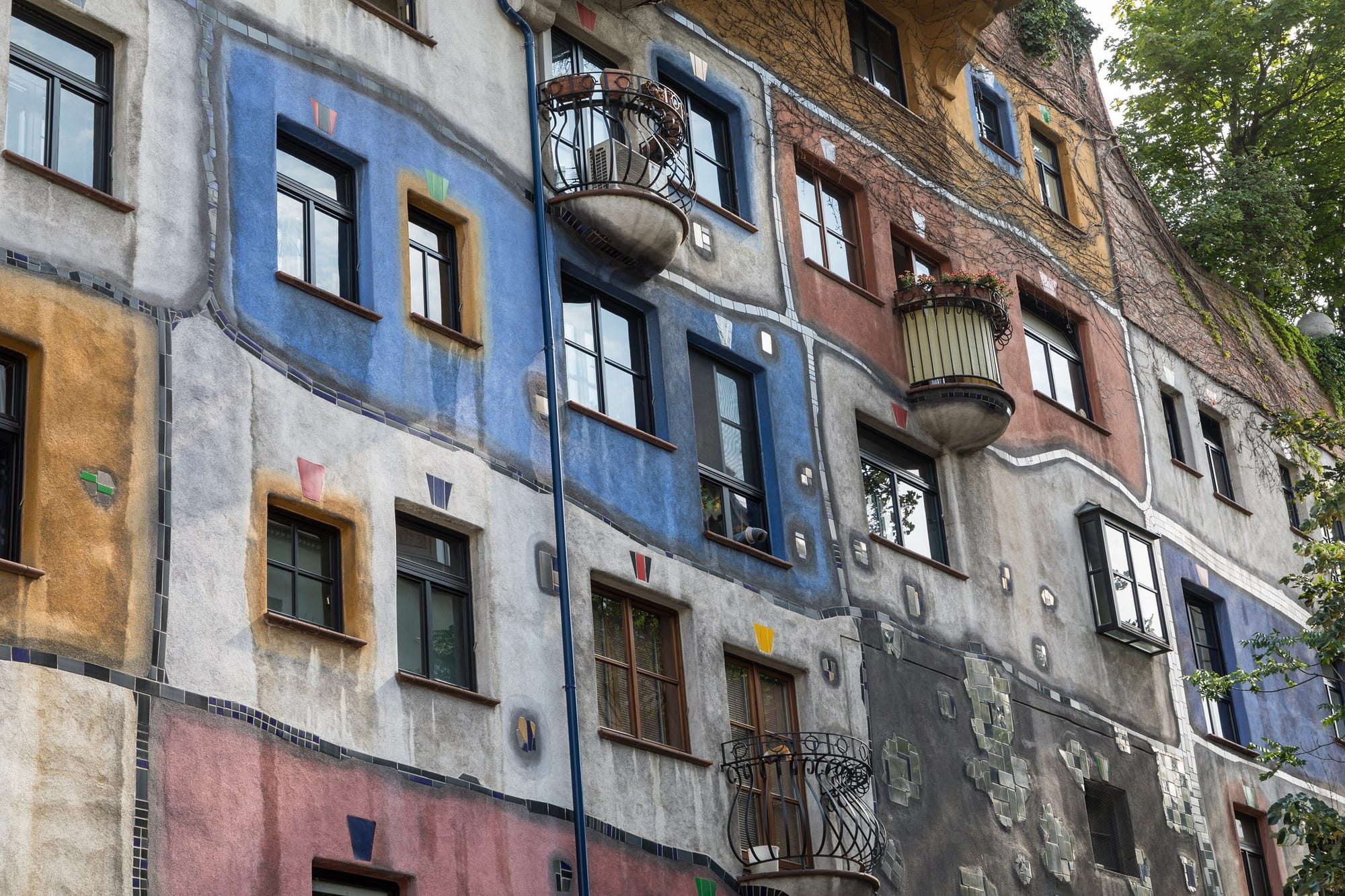
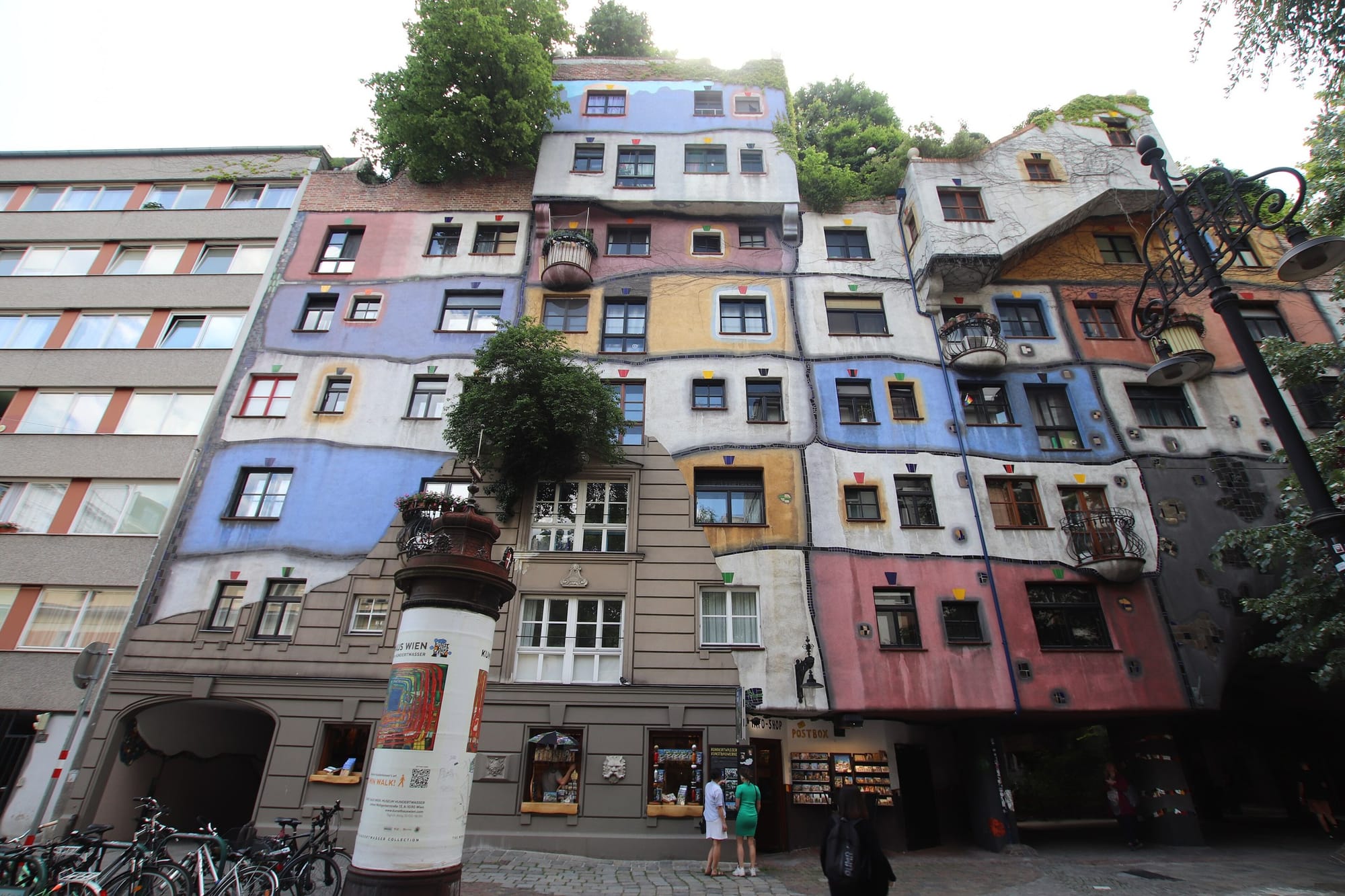
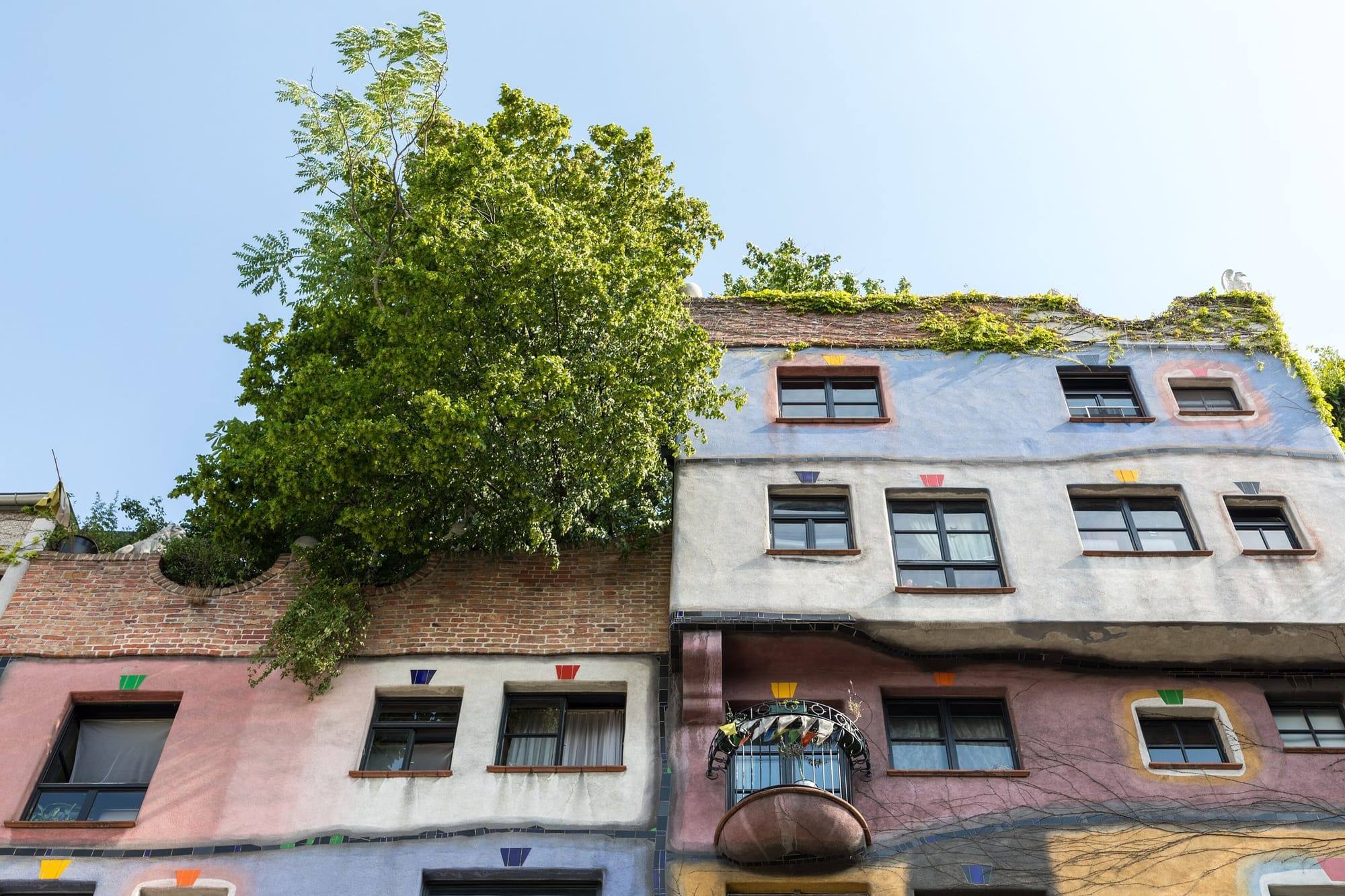
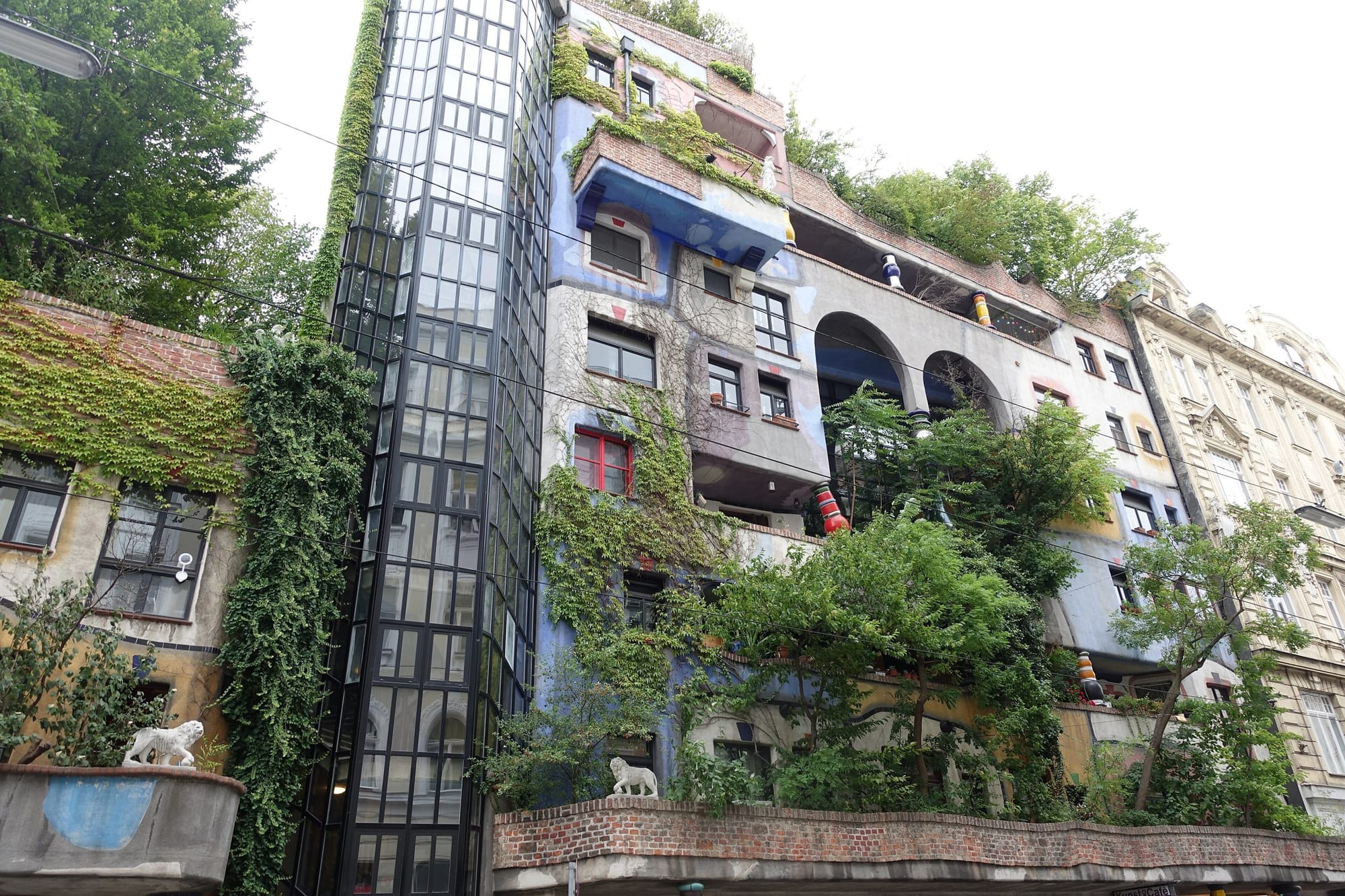
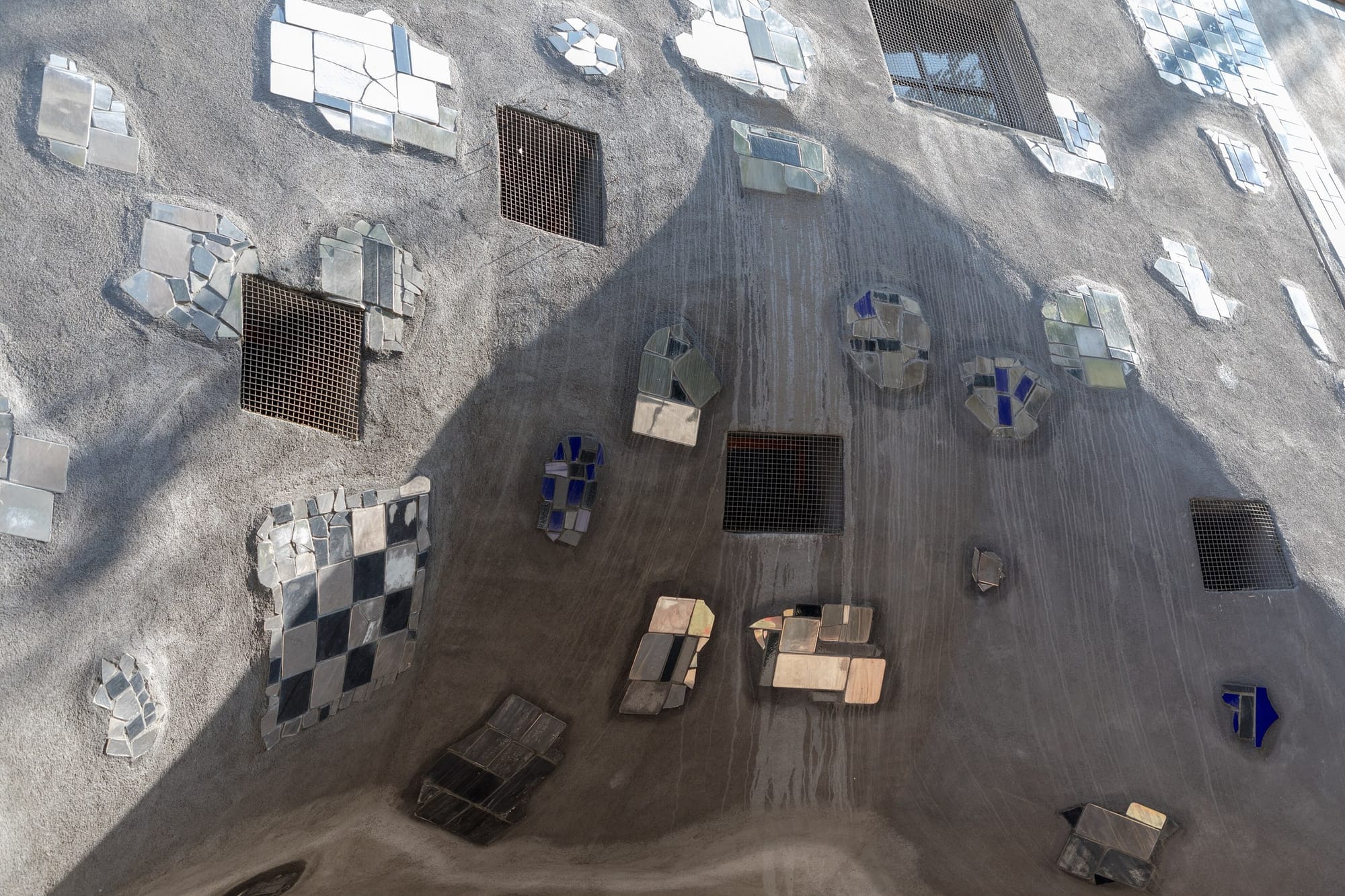
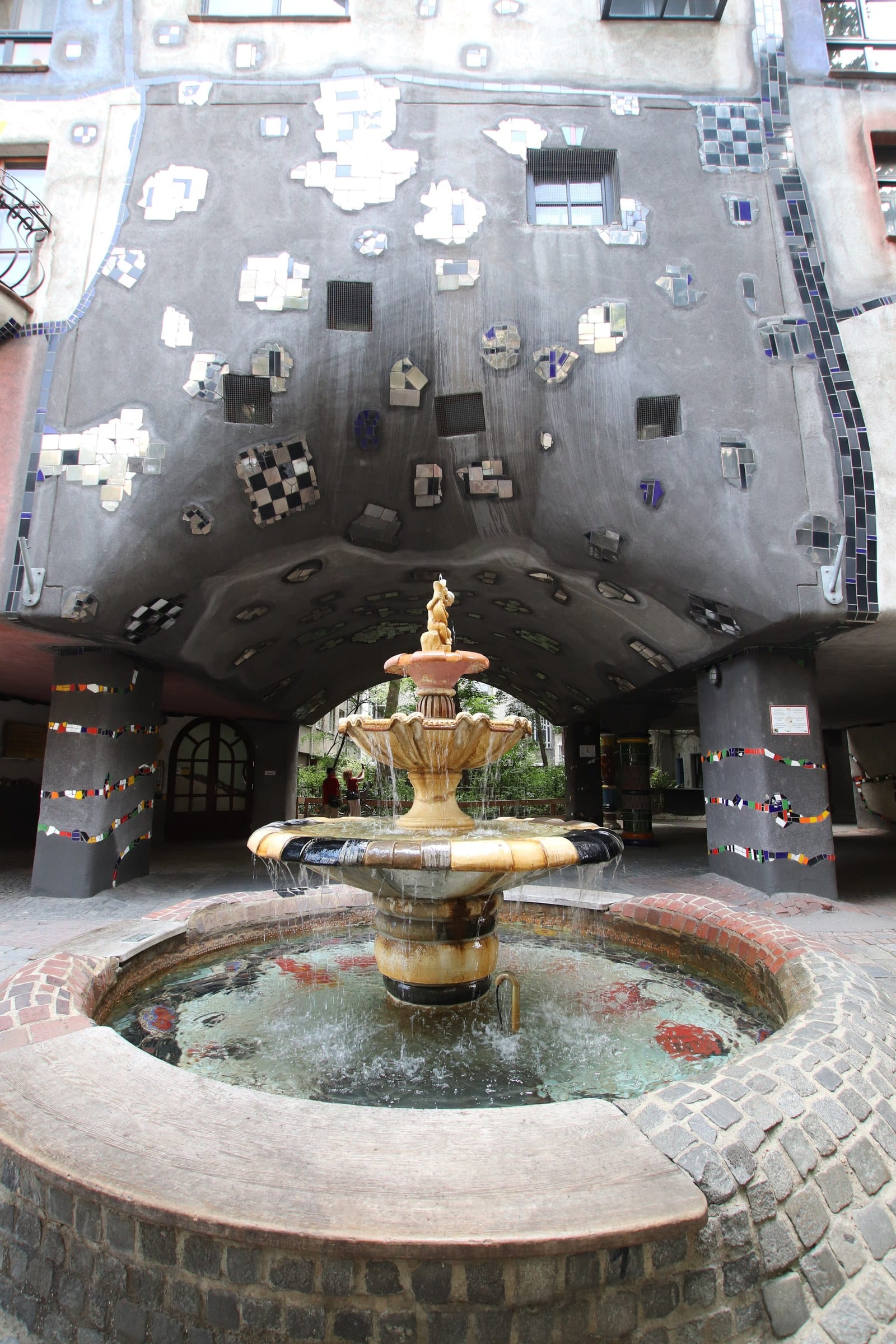
Images from Wikimedia Commons. Photos by Andrzej Otrębski, Liridon, Dietmar Rabich, Joseolgon, Jules Verne Times Two, Nxr-at, and Tsui (CC BY-SA 4.0); Ludovic Hirlimann, Maria Eklind, and Paul Korecky (CC BY-SA 2.0); Thomas Ledl (CC BY 4.0, CC BY-SA 4.0).
