Istanbul's street cats are everywhere: on café chairs, in shop doorways, on mosque steps, and curled up on the ferry piers. Official counts put them at roughly 125,000 to 165,000 in a city of more than 16 million people, and most belong to no one and everyone at once. Shopkeepers put out food and water, neighbors build little wooden houses, and the city runs free neutering and vet care. We spent more than a month in Istanbul and got used to sharing our lunch spots with them. This guide covers why there are so many, where to see them, the famous ones, whether it's safe to pet them, and how to help.
Istanbul cats at a glance
How many: About 125,000 to 165,000 by official counts, with some guesses far higher
Who owns them: Mostly nobody. They're community cats, fed and looked after by locals
Best areas to see them: Kadıköy and Moda, Cihangir, Balat, Sultanahmet, and the ferry piers
Famous cats: Tombili (a statue in Kadıköy) and Gli of Hagia Sophia
Can you pet them: Usually yes, if the cat comes to you. Get any bite or scratch checked the same day
Watch before you go: the 2016 documentary Kedi
Why are there so many cats in Istanbul?
There's no single reason. It's a mix of history, religion, and the way neighborhoods work.
A port city full of ships and rats
Istanbul has been one of the world's great ports for well over a thousand years, and ships carried cats to keep the rats off the cargo. Plenty of those cats stayed. In the Ottoman city, tightly packed wooden houses, food stores, and open markets meant a lot of rodents, so cats earned their keep guarding homes, shops, and granaries.
Feeding them became a trade of its own. Street sellers called mancacı went around with offal and liver, and residents bought from them to feed the neighborhood animals, or paid them to do it as an act of charity.
Cats in Islamic tradition
Istanbul is a majority Muslim city, and in Islam cats are considered clean animals, so they're welcome in homes and in mosque courtyards. You'll often hear a popular story that the Prophet Muhammad had a cat called Muezza and cut off his sleeve rather than wake her. It's a well-loved tale, but it doesn't appear in any verified hadith, so treat it as folklore. A better-attested hadith tells of a woman punished for locking up a cat and letting it starve, and that idea of a duty of care runs deep.
A city that shares the job
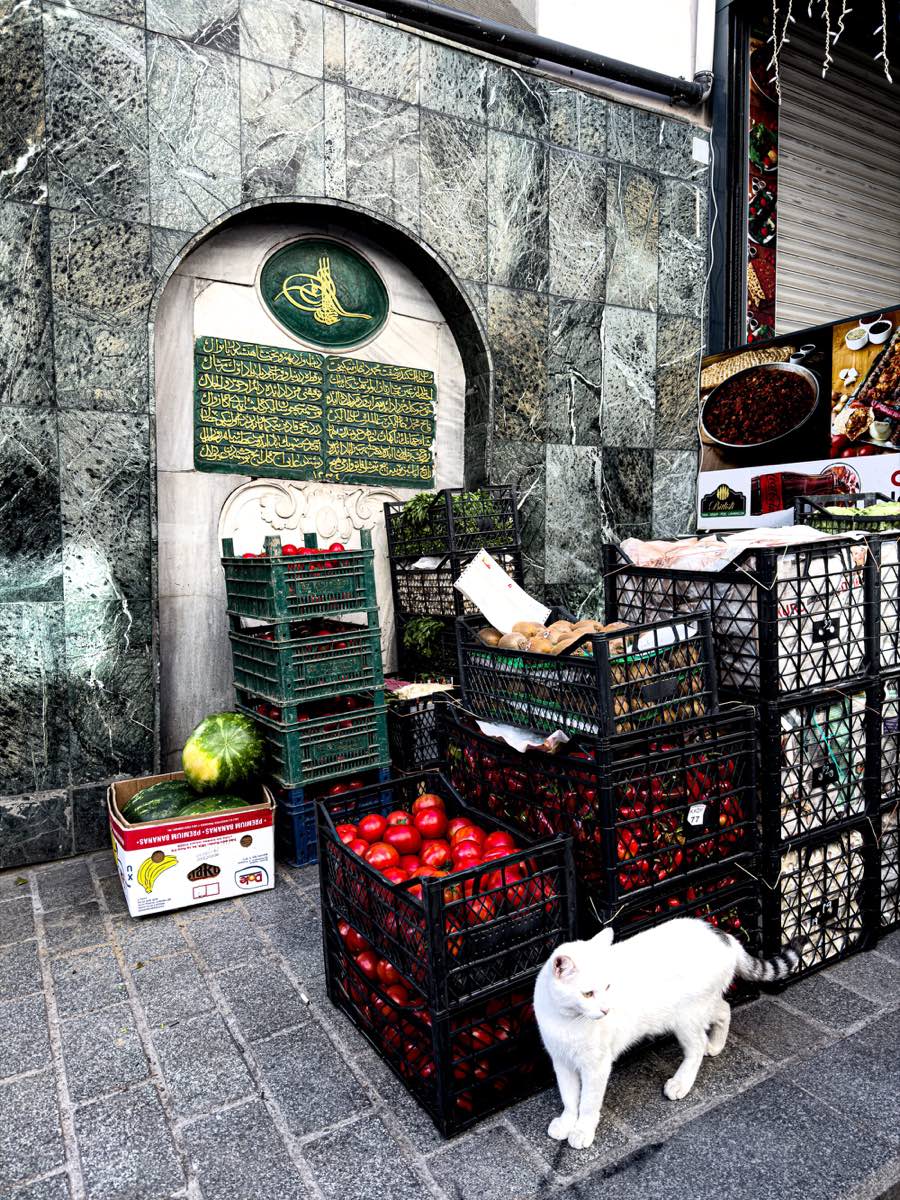
The care is organized without anyone being in charge. A cat might be fed by the grocer in the morning, the café owner at lunch, and someone's grandmother in the evening, and still belong to none of them. People leave out bowls of water and dry food, build shelters from wood or plastic crates, and chip in for vet bills.
It hasn't always been kind
The love story has dark chapters too. There were mass campaigns against street cats and dogs in the 1830s, cats were poisoned in large numbers in the late 1930s and early 1940s over fears they spread disease, and street animals were killed before a UN conference in the city in 1996. Today's care culture grew partly out of the backlash against that.
How many cats live in Istanbul?
Nobody has counted them properly. In 2019 the city municipality told AFP there were about 165,000 cats, and other reports from the same time put it nearer 125,000. More recent figures from city officials are in the same range, at around 160,000. Travel sites that say "a million" are guessing. Whatever the real number, in central neighborhoods you'll rarely walk a block without seeing one.
Who looks after Istanbul's street cats?
Since a 2004 animal protection law, Turkish municipalities have had to care for street animals. Istanbul runs animal health centers and mobile vet clinics, and the city's vets examine, vaccinate, neuter, and microchip tens of thousands of animals a year before returning them to the street where they were found.
If you see a cat with the tip of one ear clipped, it has usually been neutered under one of these programs. In 2021, Turkey's parliament changed the law so that animals count as living beings rather than property, with prison terms for killing or torturing them. A 2024 law on stray animals was aimed mainly at street dogs, not cats, and it was hugely controversial.
In November 2025, the Istanbul governor's office also restricted "uncontrolled feeding" of strays in places like parks, playgrounds, schools, hospitals, and around places of worship. The rules were mostly aimed at dogs, but if you want to feed cats, use the existing bowls outside shops and homes rather than leaving food in a park.
Famous Istanbul cats
Tombili, the cat with a statue
Tombili was a chubby street cat in Ziverbey, in Kadıköy, who became an internet meme thanks to a photo of him lounging against a step with one arm propped up like a man watching the world go by. He died on 1 August 2016. A petition for a memorial got about 17,000 signatures, the Kadıköy municipality backed it, and a bronze statue in his famous pose was unveiled on the same spot on 4 October 2016, World Animal Day. It was stolen a month later and returned within days. People still leave food and flowers next to it.
Gli of Hagia Sophia
Gli lived at Hagia Sophia for 16 years and became world famous after Barack Obama was filmed stroking her during a 2009 visit. When the building was turned back into a mosque in 2020, officials made a point of saying she would stay. She died of old age on 7 November 2020, and her passing was announced by the Istanbul governor. Other cats have taken up residence since, and you may still meet one on the visitor gallery.
Where to see cats in Istanbul
You'll see cats all over the city, but these areas have the most, along with the best places to stop for a coffee while you watch them.
Kadıköy and Moda
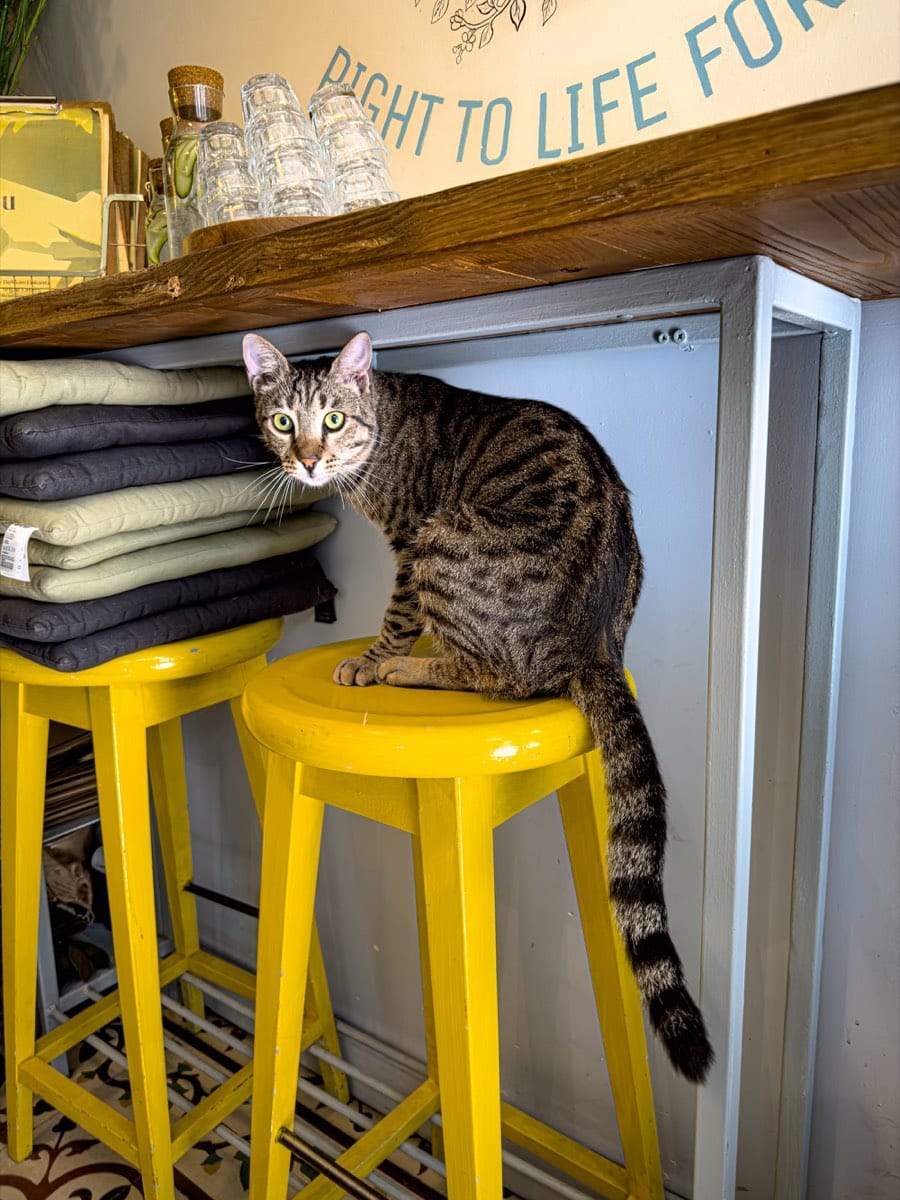
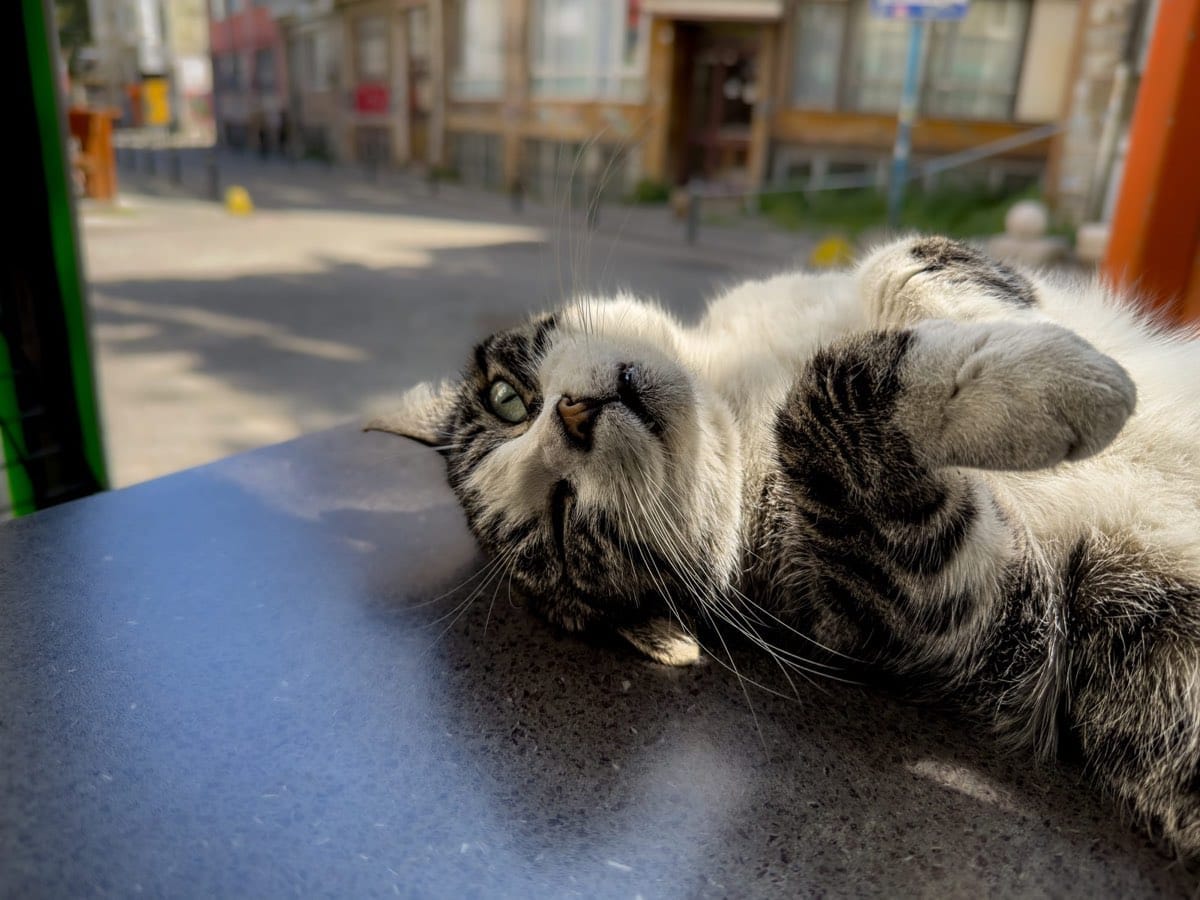
On the Asian side, Kadıköy was where we spent most of our time, and it's full of cats: in the market streets, outside the bookshops, and on the seafront rocks and benches in Moda. Tombili's statue is a short walk away in Ziverbey. Restaurants have their regulars too: at Vegan Dükkan Lokanta, a tabby had claimed one of the stools as its own.
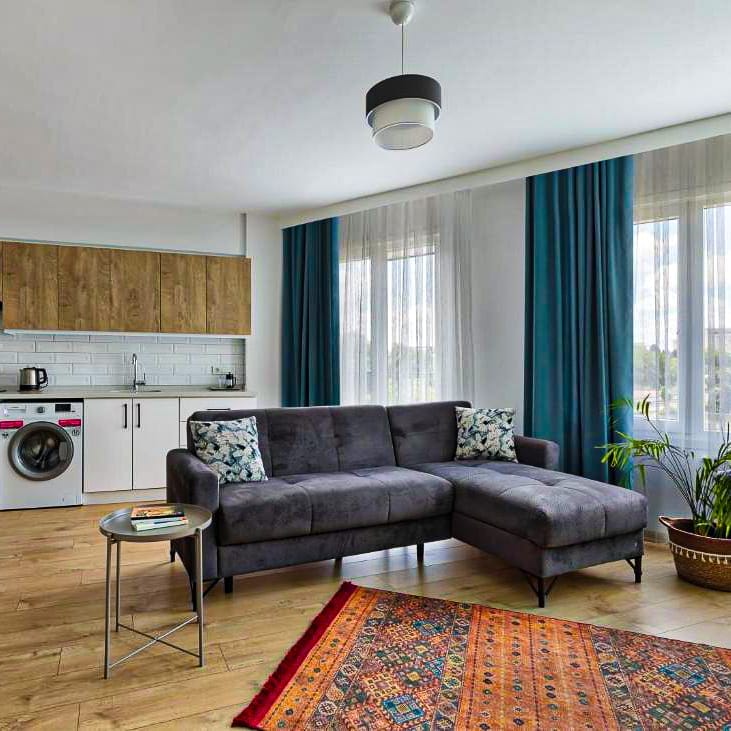
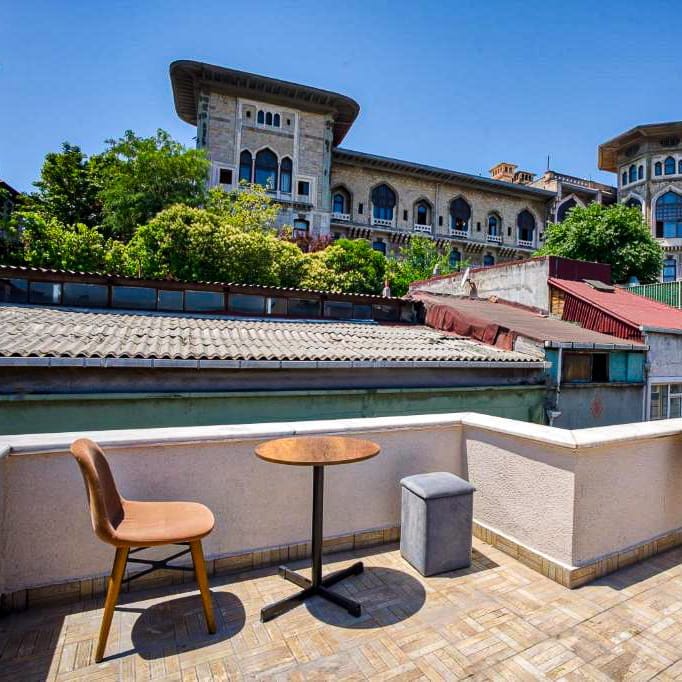
If cats and good food are your plan, our vegan Istanbul guide has the places we went back to, and many of them come with a resident cat. Kadıköy is also where we'd stay: it's cheaper than the old city, it's lively in the evenings, and the ferry gets you across the Bosphorus in about 20 minutes. Tilas, in a 150-year-old wooden townhouse in Yeldeğirmeni, is rated 9.7 on Booking, and you can check prices at Tilas or compare hotels in Kadıköy.
Cihangir
This hilly neighborhood above Karaköy, near Taksim, is known for cats sleeping on café chairs, water bowls on doorsteps, and volunteers who keep an eye on the local strays. It's an easy walk from Istiklal Street.
Balat and Fener
The steep lanes of Fener and Balat, above the Golden Horn, have colorful houses, small shops, and plenty of cats waiting by doorways for the morning bowls. We did a walking tour here and it was one of our favorite days in the city.
Sultanahmet and the old city
Around Hagia Sophia, the Blue Mosque, and Topkapı Palace, cats nap in the gardens, mosque courtyards, and café terraces. They're used to crowds, so they're often the most relaxed cats you'll meet.
The ferry piers and the Bosphorus villages
Karaköy and Eminönü piers, Beşiktaş market, and the Bosphorus villages like Kuzguncuk all have their regulars, often hanging around fish stalls and tea gardens. Riding the ferry is one of the best things to do in Istanbul anyway, and our Bosphorus cruise guide covers the trips on the water.
If you'd like a local to show you around the Asian side, a half-day Kadıköy walking tour with a ferry crossing covers the market, Moda, and the neighborhoods where the cats hang out.
Is it safe to pet street cats in Istanbul?
Mostly, yes. The cats are used to people, and most of them are friendly. A few simple rules keep it that way:
- Let the cat come to you. Don't pick it up, corner it, or wake it.
- Leave cats with patchy fur, crusty skin, or runny eyes alone, and wash your hands after petting.
- Keep an eye on children, who tend to grab.
The one thing to take seriously is a bite or a scratch that breaks the skin. Istanbul hasn't had a confirmed human rabies case since 2007, but locals still go straight to a hospital for preventive shots, and so should you. In 2025, more than 123,000 people in Istanbul sought this care after contact with animals, and cats were involved in about 83% of cases, according to the city's health directorate. Wash the wound with soap and running water for several minutes, then go to a hospital emergency department the same day. The CDC's Türkiye page has the full advice, and it's one more reason to have travel medical insurance before you go.
How to help Istanbul's cats
You don't need to do much, but a few things make a real difference:
- Top up water bowls. In summer, water matters as much as food.
- Feed at existing stations. Buy a bag of dry food at a corner shop and add it to the bowls outside shops and homes, following what locals do. Skip parks and playgrounds, where feeding is now restricted.
- Support local groups. HAYTAP, the Istanbul-based animal rights federation, and the UK charity Help a Stray Cat, which funds neutering in Istanbul, both take donations.
- Don't take one home on a whim. Adopting a cat from Turkey is possible, but it takes vet visits, a microchip, rabies shots, and, for the EU, a blood test and waiting period. Talk to a local rescue group first.
Watch Kedi before you go
Kedi (Turkish for cat) is a 2016 documentary by Ceyda Torun that follows seven Istanbul street cats and the people who feed them. It's 79 minutes long, it was a surprise hit in cinemas, and it's the best introduction to how the city lives with its cats. If you like it, Stray (2021) does the same for Istanbul's street dogs.
Cats in the rest of Turkey
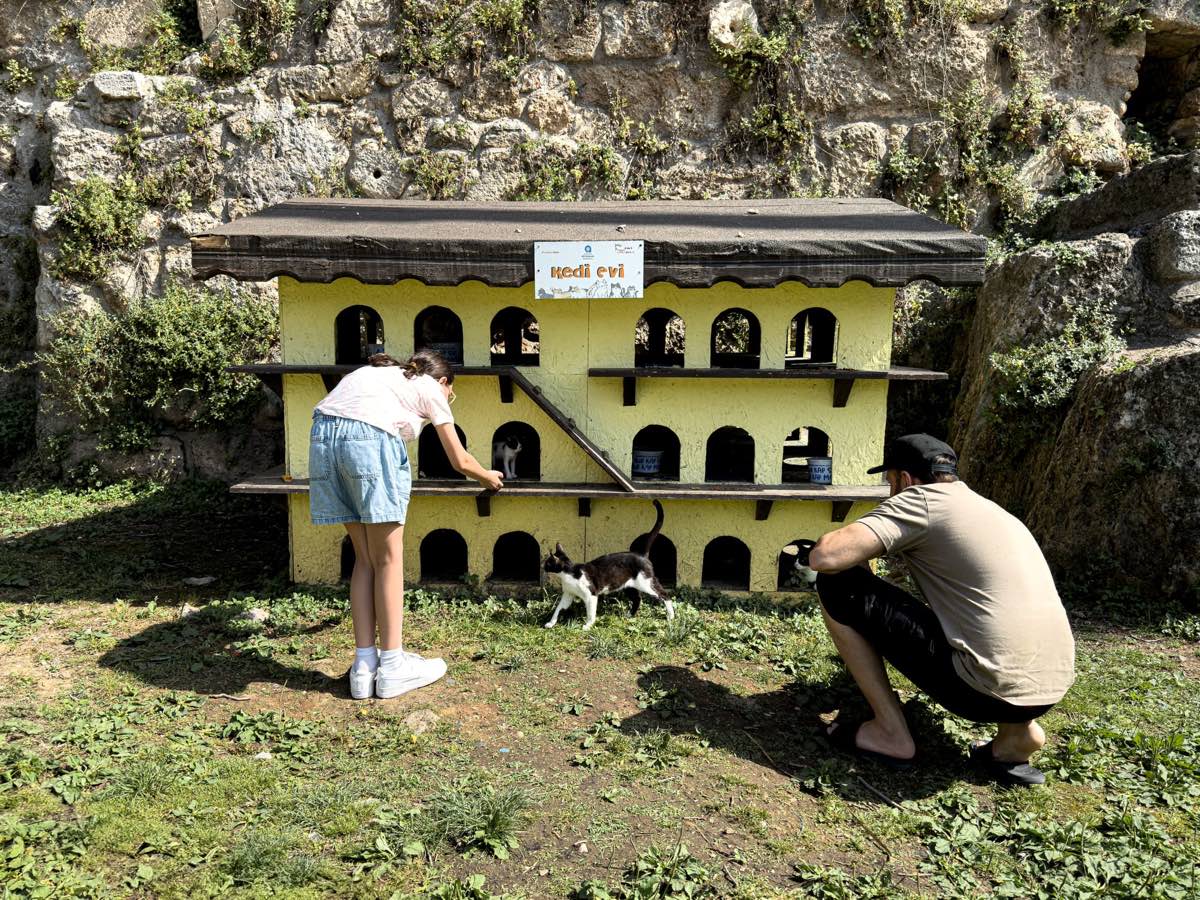
Istanbul is the famous one, but the cat culture is the same all over the country. In Antalya's old town, Kaleiçi, we watched locals feeding cats at a row of wooden cat houses, and at Karaalioğlu Park the cats join families and musicians on the cliff-top walls at sunset.
Frequently asked questions
Why are there so many cats in Istanbul?
Cats came on ships to the port, kept rats down in the crowded Ottoman city, and are seen as clean animals in Islam. Today, neighbors and shopkeepers feed them and the city provides free vet care, so they thrive on the street.
Who owns the cats in Istanbul?
Mostly nobody. They're community cats, fed by several shops and homes in their area and looked after by city vets.
How many cats are in Istanbul?
Official counts put it at about 125,000 to 165,000. Nobody has done a full census, so treat any bigger number as a guess.
Are Istanbul's street cats vaccinated and neutered?
Many are. The city's vets neuter, vaccinate, and microchip tens of thousands of animals a year. A clipped ear tip shows a cat has been neutered.
Is it safe to pet cats in Istanbul?
Usually, yes, if the cat approaches you. If you're bitten or scratched and the skin breaks, wash it well and go to a hospital the same day for preventive rabies shots.
Where is the Tombili statue?
In Ziverbey, a residential part of Kadıköy on the Asian side, on the spot where Tombili used to lounge. Search "Tombili Heykeli" on a map app.
What happened to the Hagia Sophia cat?
Gli, the famous Hagia Sophia cat, died of old age in November 2020 at 16. Other cats live at Hagia Sophia now.
Can I feed the cats in Istanbul?
Yes, at the bowls and feeding spots locals already use. Since late 2025, feeding strays in parks, playgrounds, and similar public places has been restricted.
What is the documentary about Istanbul cats?
Kedi (2016), directed by Ceyda Torun, follows seven street cats and the people who care for them.
Useful links: Cats in Istanbul on Wikipedia, Tombili on Wikipedia, Kedi (2016 film), CDC travel health advice for Türkiye, and donating to HAYTAP.
More from Istanbul: Istanbul guide, Kadıköy, Kadıköy market, Kadıköy street art, vegan Istanbul, Fener and Balat, Hagia Sophia, living in Istanbul, and cultural travel.