Istanbul, Turkey's biggest city, is too big to see in a few days, so the trick is to group things by neighborhood. After living there, this is the three or four-day itinerary we'd follow on a first visit: the big monuments in Sultanahmet, a sunset on the Bosphorus, a day on the Asian side in Kadıköy, and the colorful streets of Balat.
Each day links to our full guide for that place. For the bigger picture, see our Istanbul guide.
If a friend asked us for the short version, we'd say: walk around Kadıköy and look for street art, see Topkapı Palace, don't miss Hagia Sophia and the Blue Mosque, and book the Fener and Balat walking tour, our favorite tour in the city.
How many days in Istanbul?
Three or four days is the sweet spot for a first visit. That covers the big monuments, a cruise, and at least one neighborhood beyond the old city. Five days lets you add a palace on the Bosphorus or a day on the islands without rushing. We spent a month or more there and still left with a list, so don't worry about seeing everything.
| Time | What you can see |
|---|---|
| 1 day | Hagia Sophia, the Blue Mosque, the Basilica Cistern, and a ferry across the Bosphorus at sunset |
| 2 days | All of Sultanahmet, Topkapı Palace, the Spice Bazaar, and a sunset cruise |
| 3 days | Add Kadıköy on the Asian side, its market, and its street art |
| 4 days | Add Fener, Balat, and Galata (the itinerary below) |
| 5 days | Add Dolmabahçe Palace and Ortaköy, or a day on the Princes' Islands |
| 1 week or more | Museums, hamams, Rumeli Fortress, Üsküdar, and time to sit in cafés |
If Istanbul is one stop on a longer trip around Turkey, three days is enough to see the highlights before you move on to Cappadocia or Antalya.
Istanbul itinerary at a glance
Day 1: Sultanahmet: Hagia Sophia, the Blue Mosque, the Basilica Cistern
Day 2: Topkapı Palace, the Spice Bazaar, and a Bosphorus cruise at sunset
Day 3: Ferry to Kadıköy for markets, murals, and vegan food
Day 4: Fener and Balat, then Galata
Getting around: Tram, metro, and ferries with an Istanbulkart
Book ahead: Topkapı Palace and the Basilica Cistern, to skip the queues
Day 1: Sultanahmet
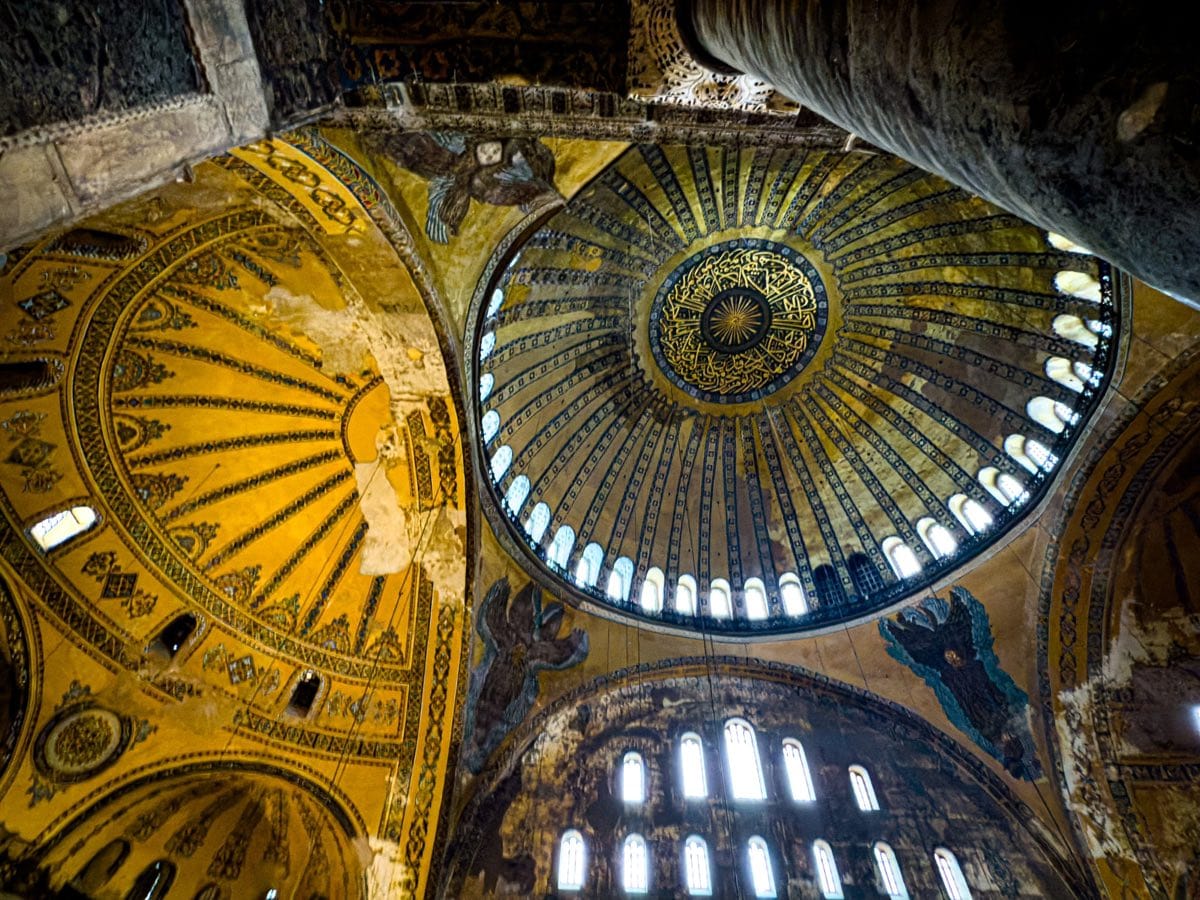
Start early at Hagia Sophia, before the queues. Foreign visitors pay to enter and see it from the upper gallery, and a skip-the-line ticket saves time.
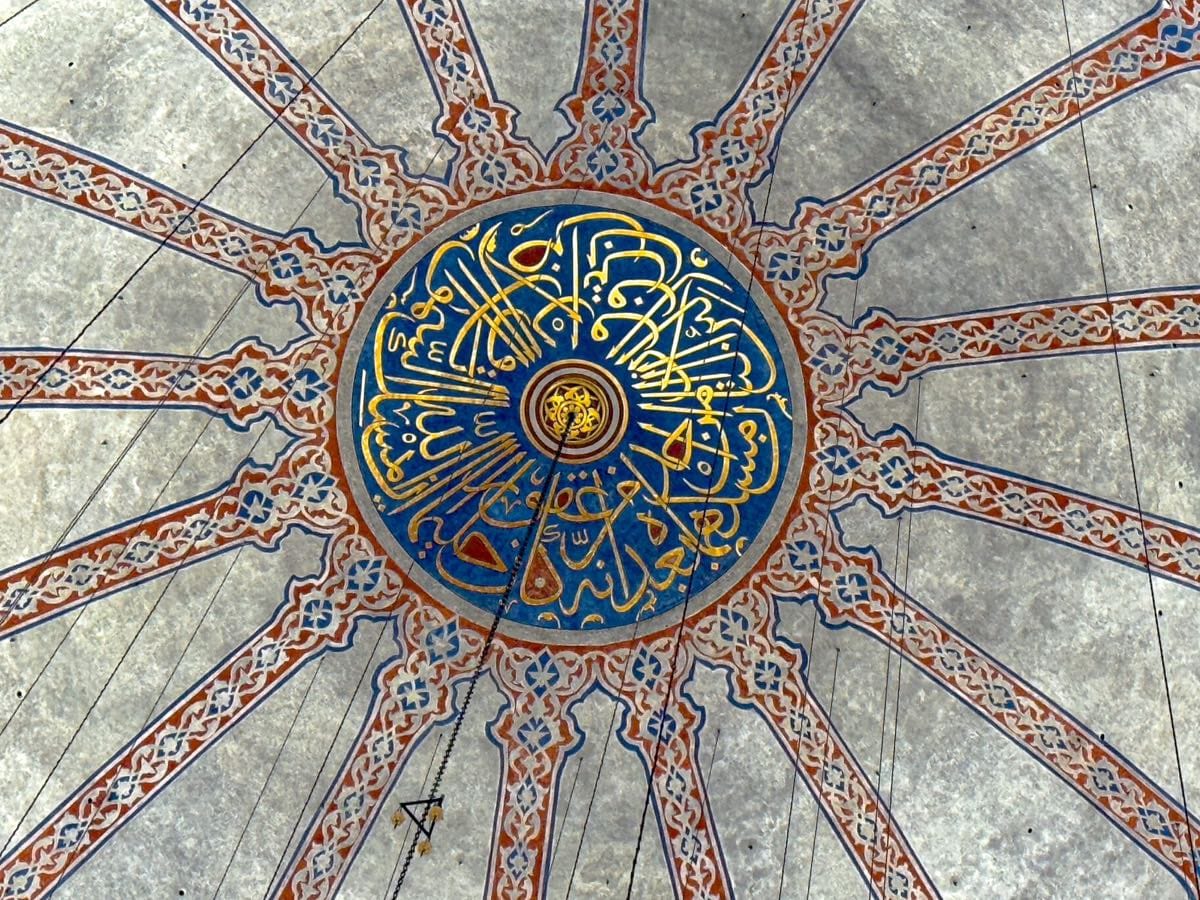
Then cross the square to the Blue Mosque, which is free but closes to visitors around prayer times. Cover your head, shoulders, and legs.
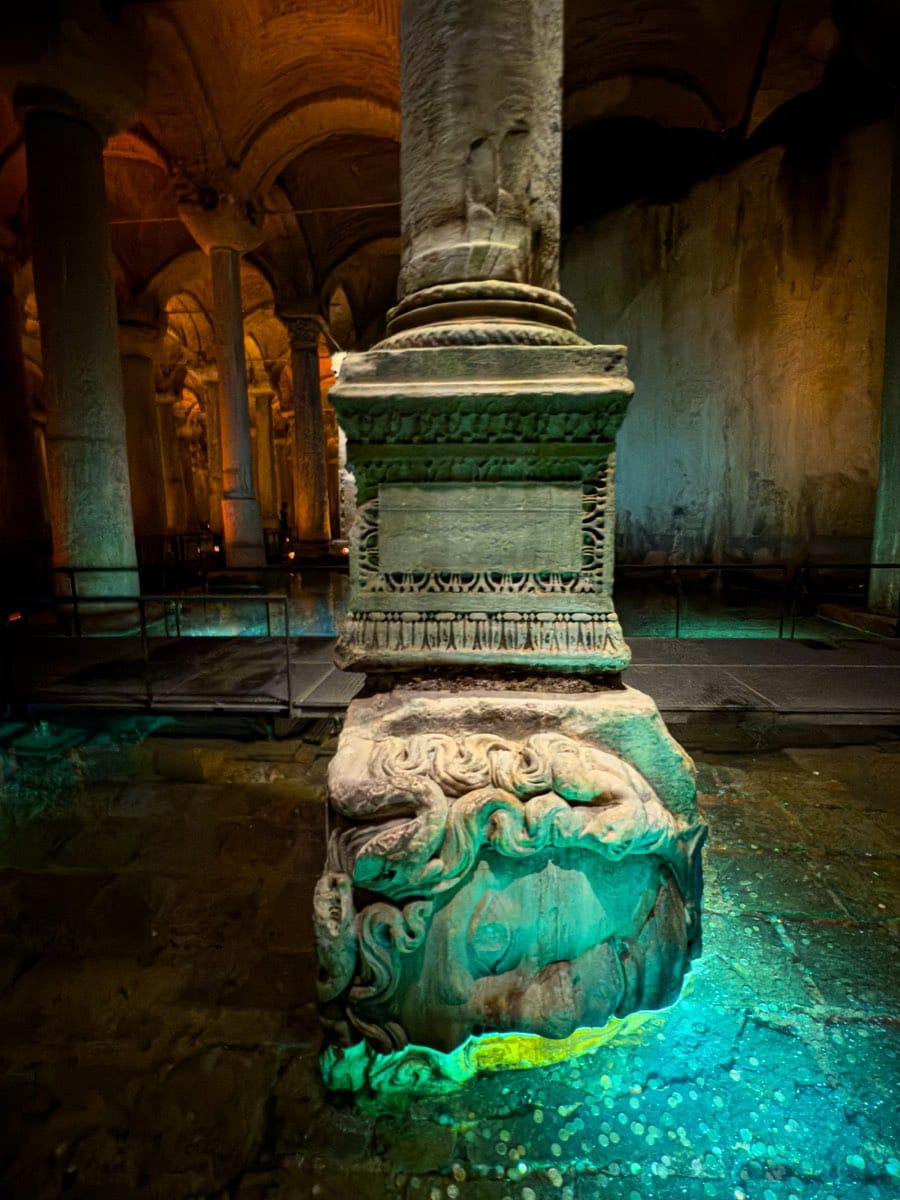
In the afternoon, go underground to the Basilica Cistern, with its 336 columns and Medusa heads. The queue can be long, so book ahead if you can.
Finish the day with dinner near the square, or a walk through Gülhane Park.
If you have energy left, walk the old Hippodrome next to the Blue Mosque. The Egyptian obelisk in the middle was carved around 1490 BC and brought here in 390 AD, and it's free to see.
Day 2: Topkapı Palace and the Bosphorus
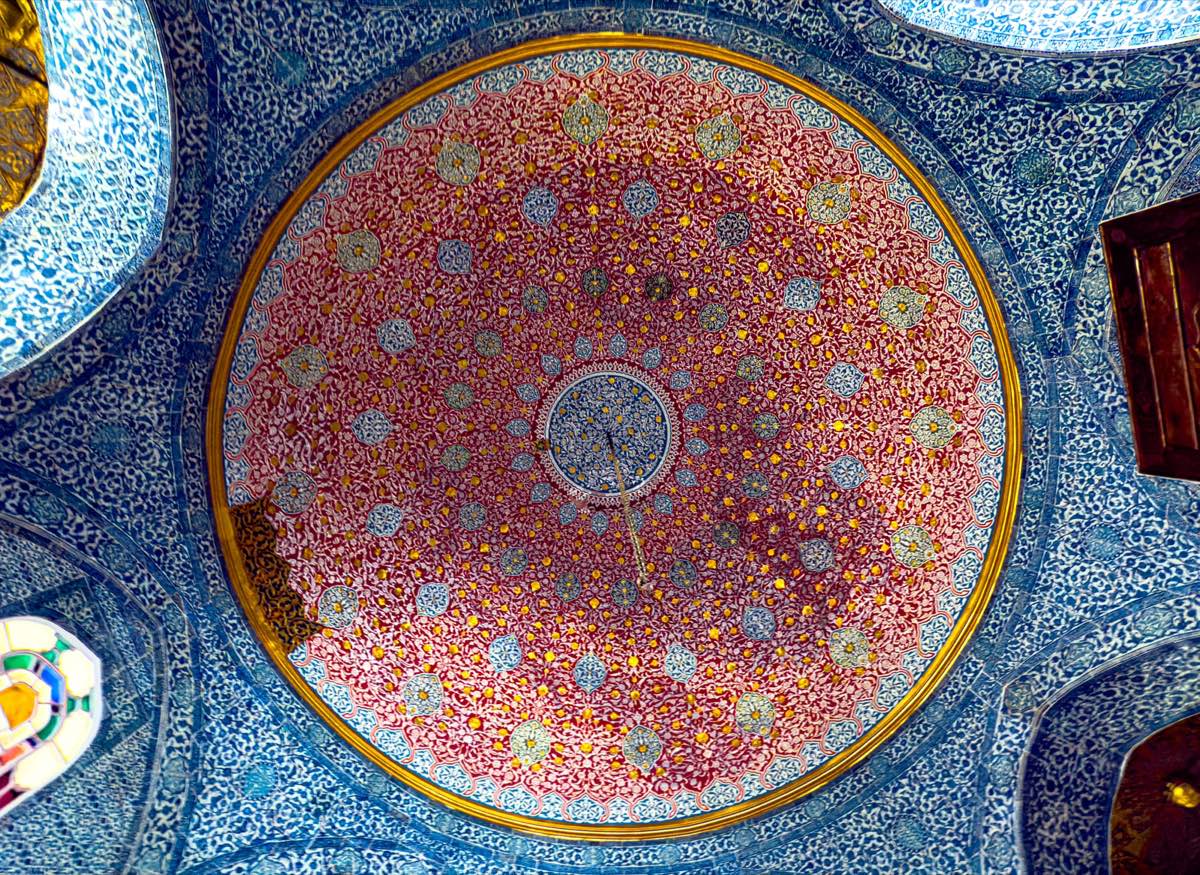
Spend the morning at Topkapı Palace, the Ottoman sultans' home, with its Harem, Treasury, and tiled rooms. It's huge, so allow at least half a day, and book skip-the-line tickets.
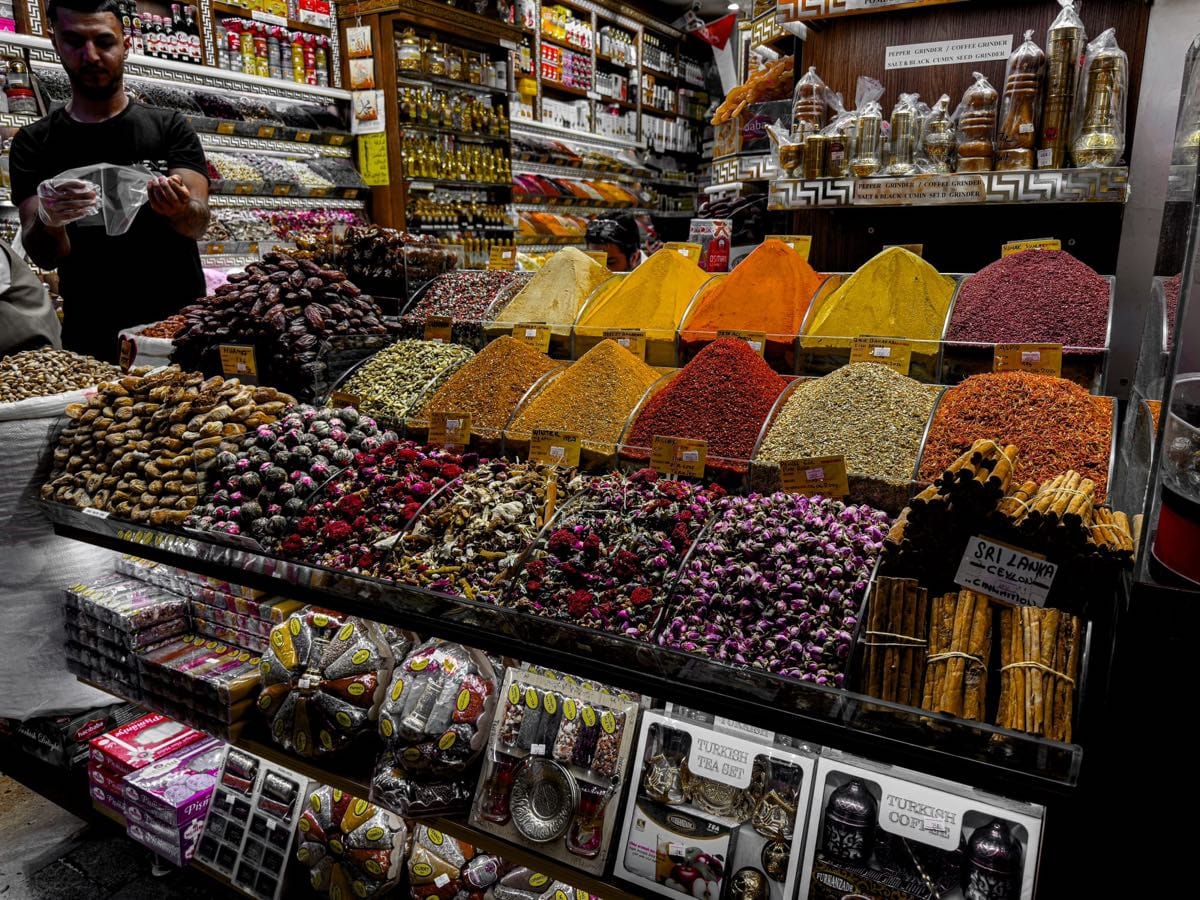
Walk down to Eminönü and the Spice Bazaar for lunch and spices.
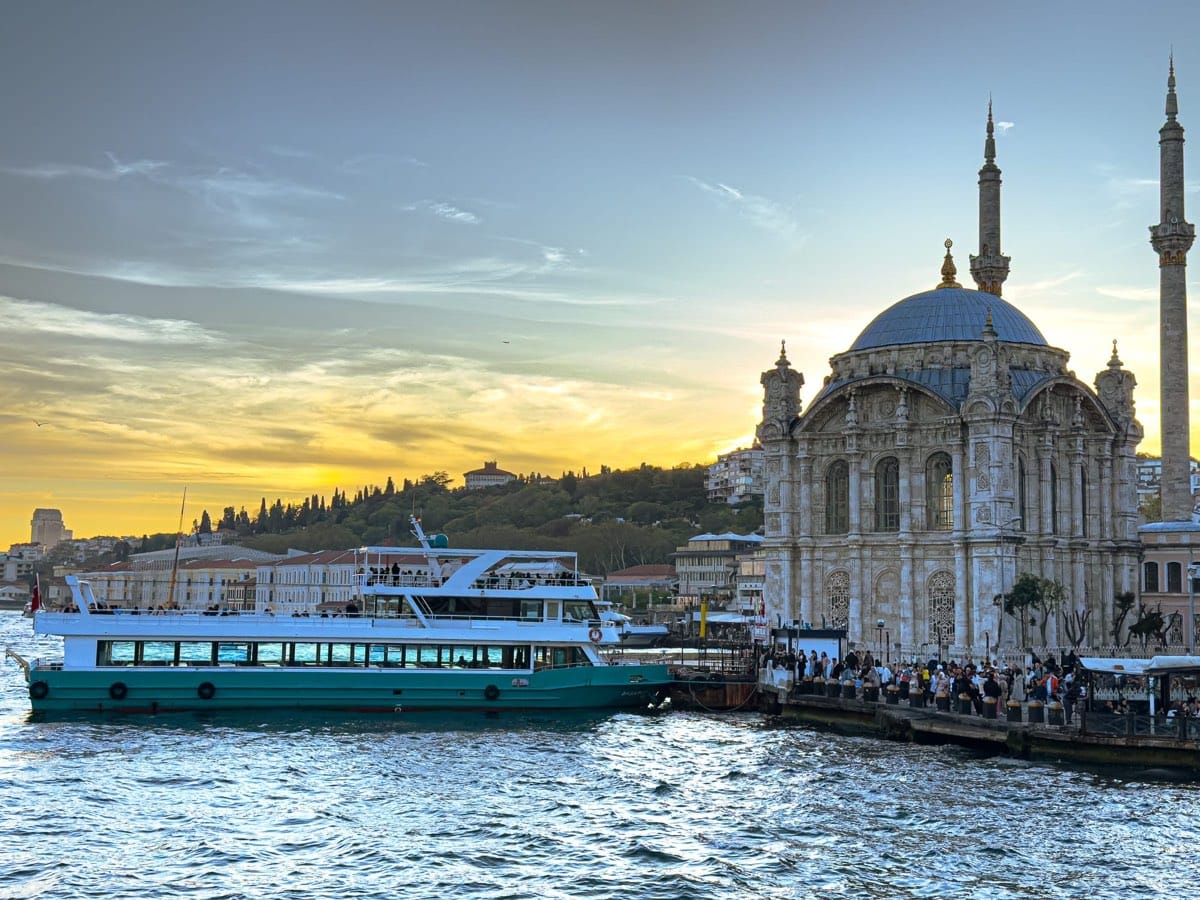
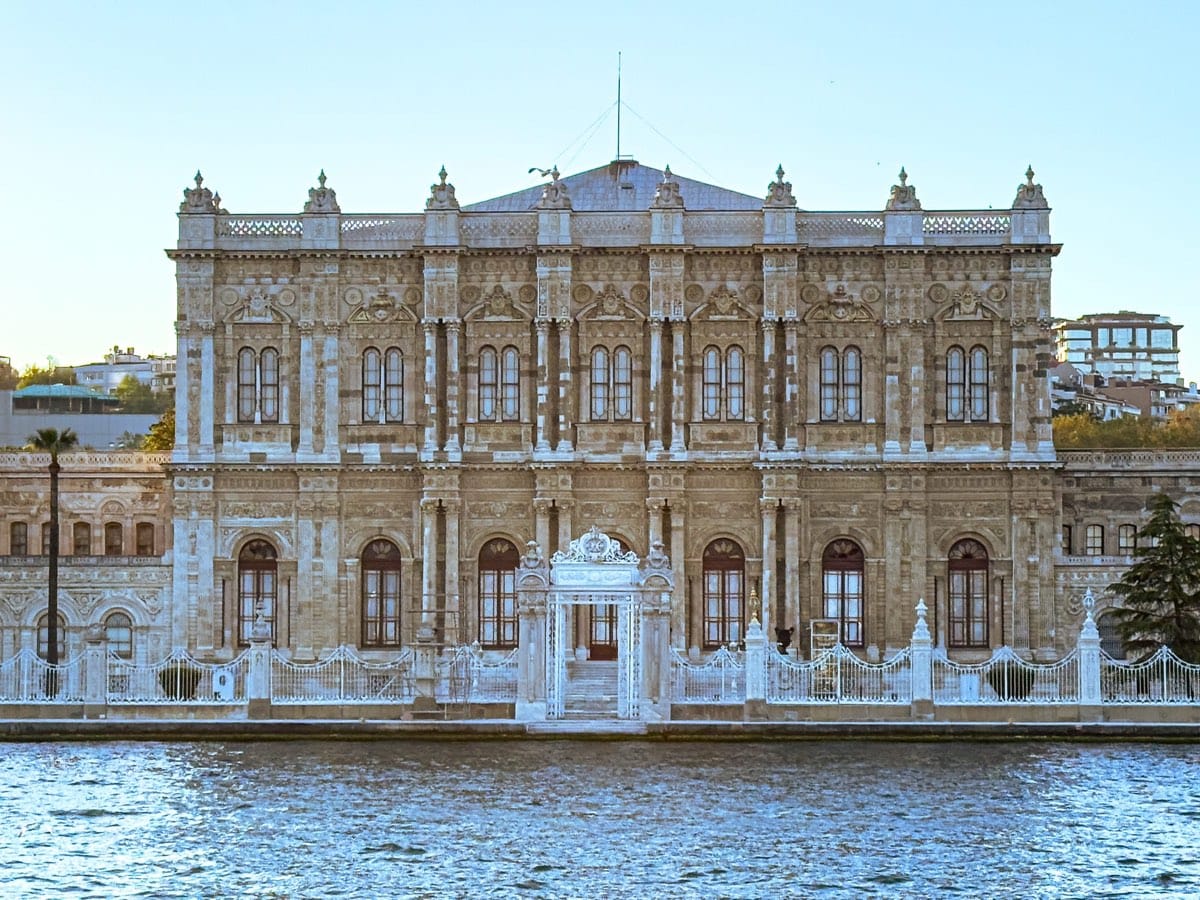
End the day on a sunset Bosphorus cruise, past Dolmabahçe Palace, Ortaköy Mosque, and the Bosphorus Bridge. Read our Bosphorus cruise guide.
Bring a jacket: it's windy on the water.
Day 3: Kadıköy on the Asian side
Take the ferry across to Kadıköy, our favorite neighborhood. Spend the day in its cafés and bookshops, hunt for murals in Yeldeğirmeni, and, on a Tuesday or Friday, browse the Kadıköy market.
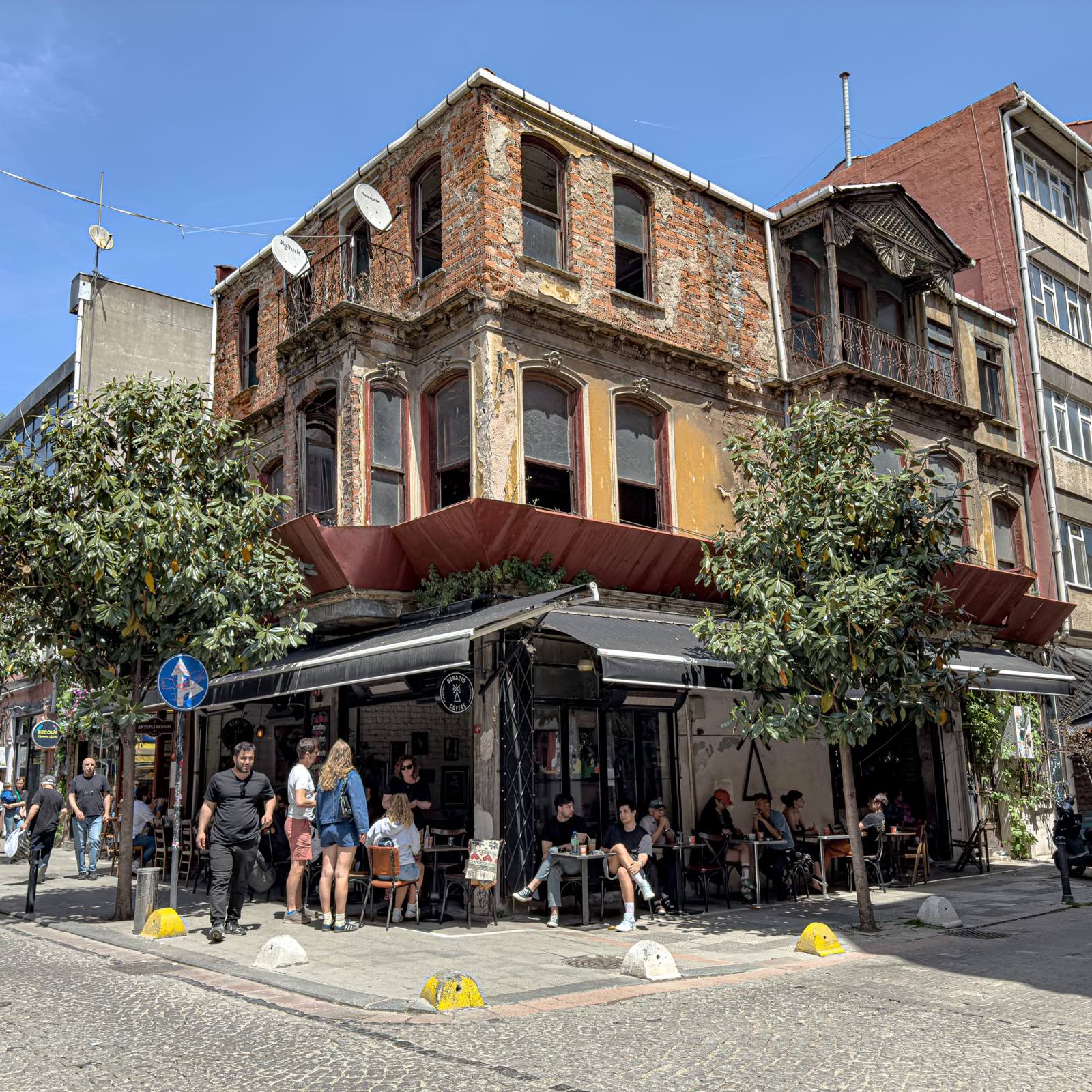
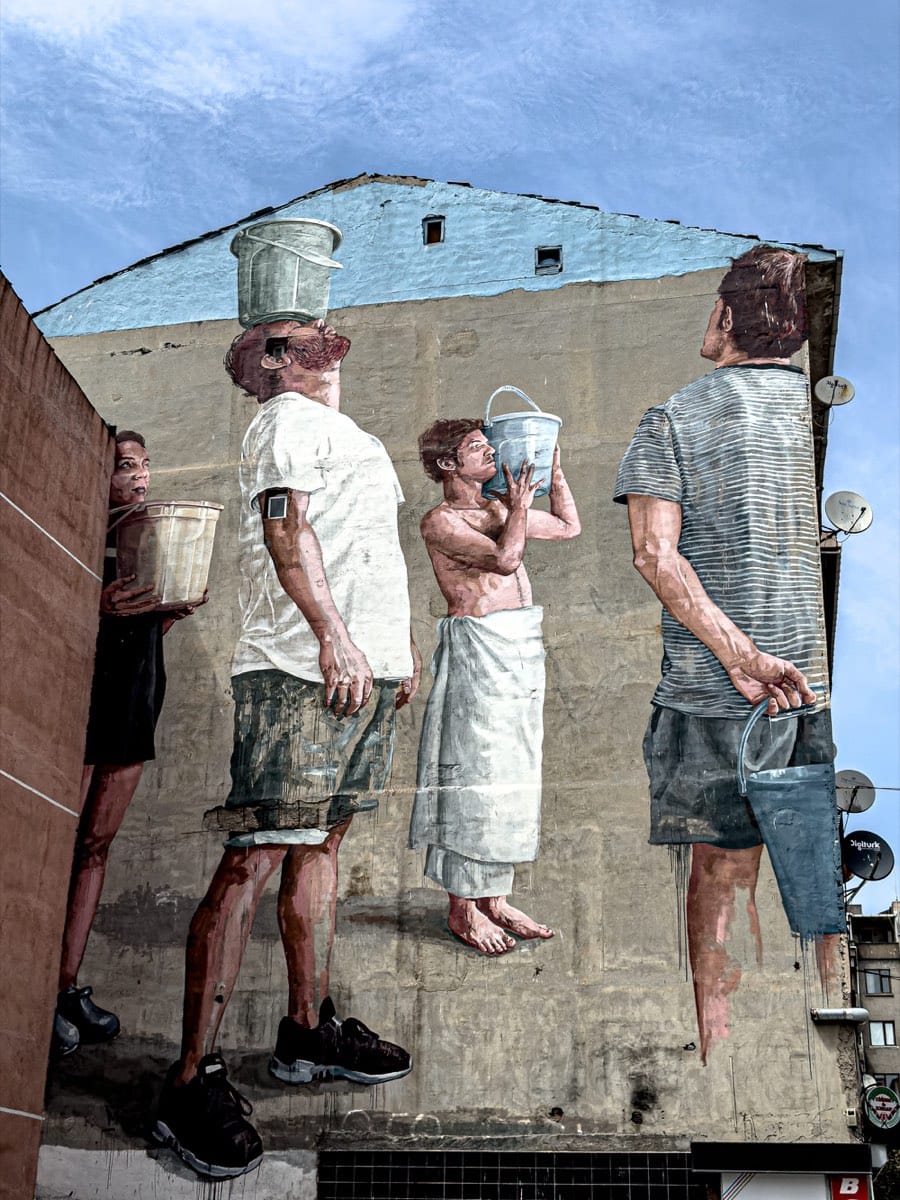
Kadıköy is also the best place for vegan food in Istanbul. Read our guide to street art in Kadıköy to find the murals.
Day 4: Fener, Balat, and Galata
On your last day, explore Fener and Balat on the Golden Horn: colorful houses, old churches and synagogues, antique shops, and cafés. We took a half-day walking tour, which explained a lot.
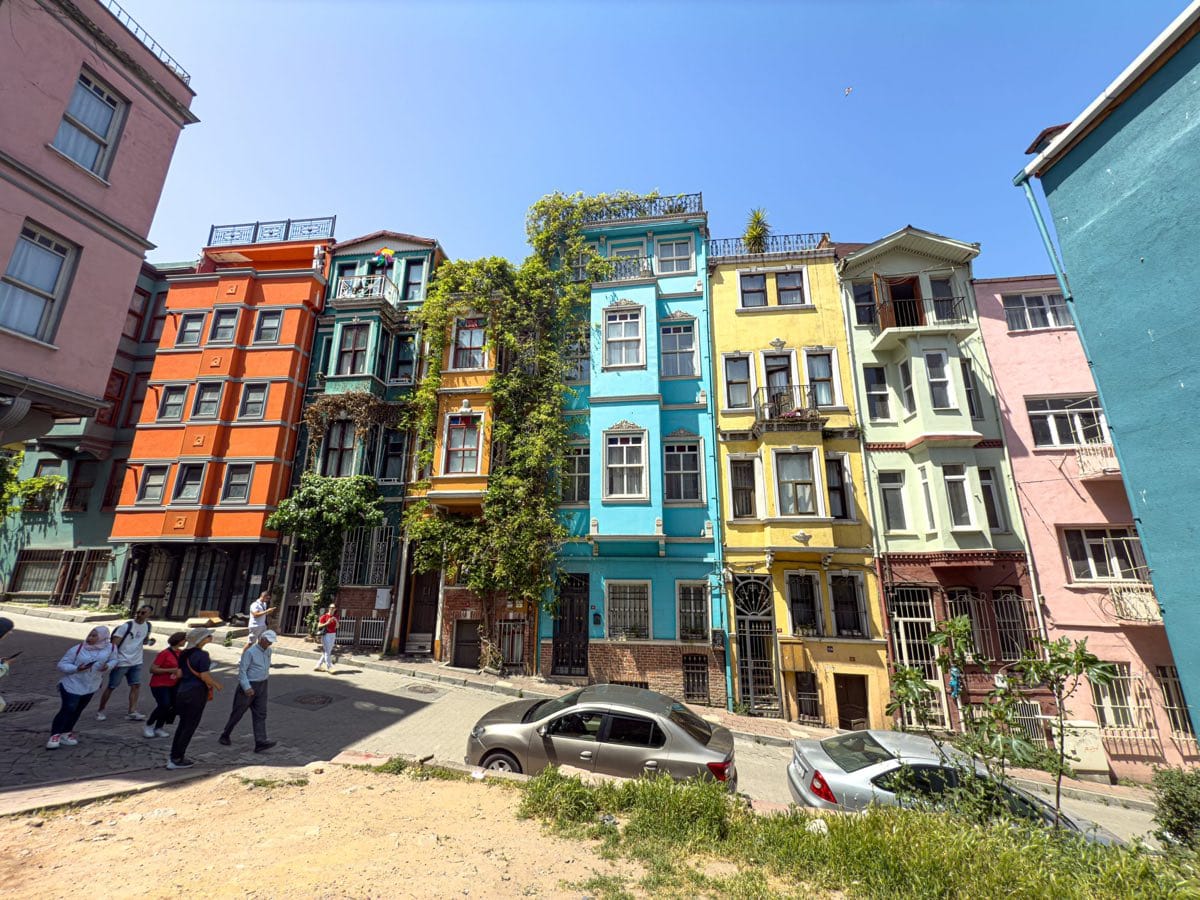
In the evening, head to Galata and Karaköy for dinner and views over the Golden Horn.
Day 5: Dolmabahçe Palace and Ortaköy, or the Princes' Islands
With a fifth day, pick one of two options. The first stays on the European shore of the Bosphorus: Dolmabahçe Palace in the morning (closed on Mondays; tickets on the National Palaces site), lunch in Beşiktaş, then a walk along the water to Ortaköy for its mosque under the bridge and a vegan kumpir, a baked potato with the butter and cheese left out.
The second is a day on the Princes' Islands, a car-free group in the Sea of Marmara. Public ferries call at Kınalıada, Burgazada, Heybeliada, and Büyükada, in that order, and you can walk or cycle around Büyükada, the biggest. Go on a weekday in summer, as weekend boats are packed.
If you only have 2 days
Combine Days 1 and 2: Hagia Sophia, the Blue Mosque, and the Basilica Cistern in the morning, then Topkapı and a sunset cruise. Save Kadıköy and Balat for your next trip.
If you only have 1 day
Stay in Sultanahmet. Start at Hagia Sophia when it opens, cross to the Blue Mosque, and go down into the Basilica Cistern before lunch. In the afternoon, walk down to Eminönü through the Spice Bazaar, then take the public ferry to Kadıköy for dinner. The ride is about 20 minutes, it's paid with an Istanbulkart, and it gives you the old city skyline at sunset for the price of a bus fare. Topkapı needs half a day on its own, so save it for a longer trip.
Tips for your Istanbul itinerary
Get an Istanbulkart for the tram, metro, and ferries. Book Topkapı and the Cistern ahead, start each day early, and plan around prayer times at the mosques. And don't try to cross the city several times a day: stick to one area at a time.
Getting from the airport to the city
Istanbul has two airports, one on each side of the city, so check which one you're flying into before you book a hotel.
Istanbul Airport (IST) is on the European side, well north of the center. The M11 metro runs from the airport to Gayrettepe, where you change to the M2 for Taksim, and from there you can reach Karaköy and Sultanahmet. Airport buses and taxis also go to the main areas.
Sabiha Gökçen (SAW) is on the Asian side. The M4 metro runs from the airport to Kadıköy in about 50 minutes, which makes it the easy choice if you're staying in Kadıköy. From Kadıköy, the ferry takes you across to Eminönü and Karaköy.
Both metros take the Istanbulkart. One card can pay for up to five people if you tap it once per person, so a group or couple only needs one (details).
Best time to visit Istanbul
Late spring and early autumn are the most comfortable for long days of walking. May, June, September, and October are usually warm and dry, and April brings tulips to Gülhane Park. July and August are hot and humid, with highs around 28 to 30°C, and the sights are at their busiest. Winter is the wettest season, with wind and the odd snowy day, but hotels are cheaper and the queues are shorter (climate data).
Opening days to plan around
A few closures can throw off an itinerary, so check them before you fix your days:
- The Grand Bazaar is closed on Sundays.
- Dolmabahçe Palace is closed on Mondays. Check Topkapı's hours on the National Palaces site too.
- Mosques close to visitors at each prayer time, and for longer at Friday midday prayer.
- Ministry of Culture museums, such as the Istanbul Archaeology Museums, list their hours and tickets on muze.gov.tr.
Hours change by season, and lira prices go up often, so check the official sites the week before you travel.
Don't forget travel insurance when you plan your trip. It's the one thing you hope you never use, and the peace of mind is worth it. We'd recommend SafetyWing Nomad Insurance. It covers medical emergencies abroad, you can buy it even after you've left home, and it renews every four weeks, so it works for a short trip or months on the road.
Where to stay
For this itinerary, Sultanahmet or Karaköy make Days 1 and 2 easy. You can compare hotels in Sultanahmet, or read our guide to where to stay in Istanbul.
Frequently asked questions about an Istanbul itinerary
How many days do you need in Istanbul?
Three or four days for the main sights and a couple of neighborhoods. A month or more to really get to know it.
What should I not miss in Istanbul?
Hagia Sophia, Topkapı Palace, the Basilica Cistern, a Bosphorus cruise, and an afternoon in Kadıköy.
Is 2 days enough for Istanbul?
Enough for the main sights in Sultanahmet and a cruise, but not for the neighborhoods.
How do you get around Istanbul?
By tram, metro, Marmaray, and ferry, all with an Istanbulkart.
Is 3 days enough for Istanbul?
Yes, for a first visit. Three days covers Sultanahmet, Topkapı Palace, a Bosphorus cruise, and a day in Kadıköy. Add a fourth for Fener and Balat.
Is 5 days in Istanbul too much?
No. Five days lets you add Dolmabahçe Palace, Ortaköy, or the Princes' Islands, and gives you breathing room between the big sights.
What is the best month to visit Istanbul?
May, June, September, and October are the most comfortable. July and August are hot and crowded, and winter is wet but cheaper.
Which airport is closer to the old city?
Neither is close. Istanbul Airport is on the European side and Sabiha Gökçen on the Asian side. If you're staying in Kadıköy, Sabiha Gökçen is easier, thanks to the M4 metro.
Useful links: Istanbul on Go Türkiye, the official tourism site, National Palaces (Topkapı, Dolmabahçe): tickets and hours, Ministry of Culture museums and MuseumPass, and Historic Areas of Istanbul (UNESCO World Heritage Site).