
The best ancient ruins in Turkey, from our own trips, are Termessos, Perge, and Myra on the Antalya coast, and Selime Monastery and the Göreme Open Air Museum in Cappadocia. We spent about three months in Turkey, with at least a month each in Antalya, Cappadocia, and Istanbul, and visited ancient sites in all three. This is our honest ranking, including the one site that underwhelmed us.
Our favorite ancient ruins in Turkey
1. Termessos, near Antalya
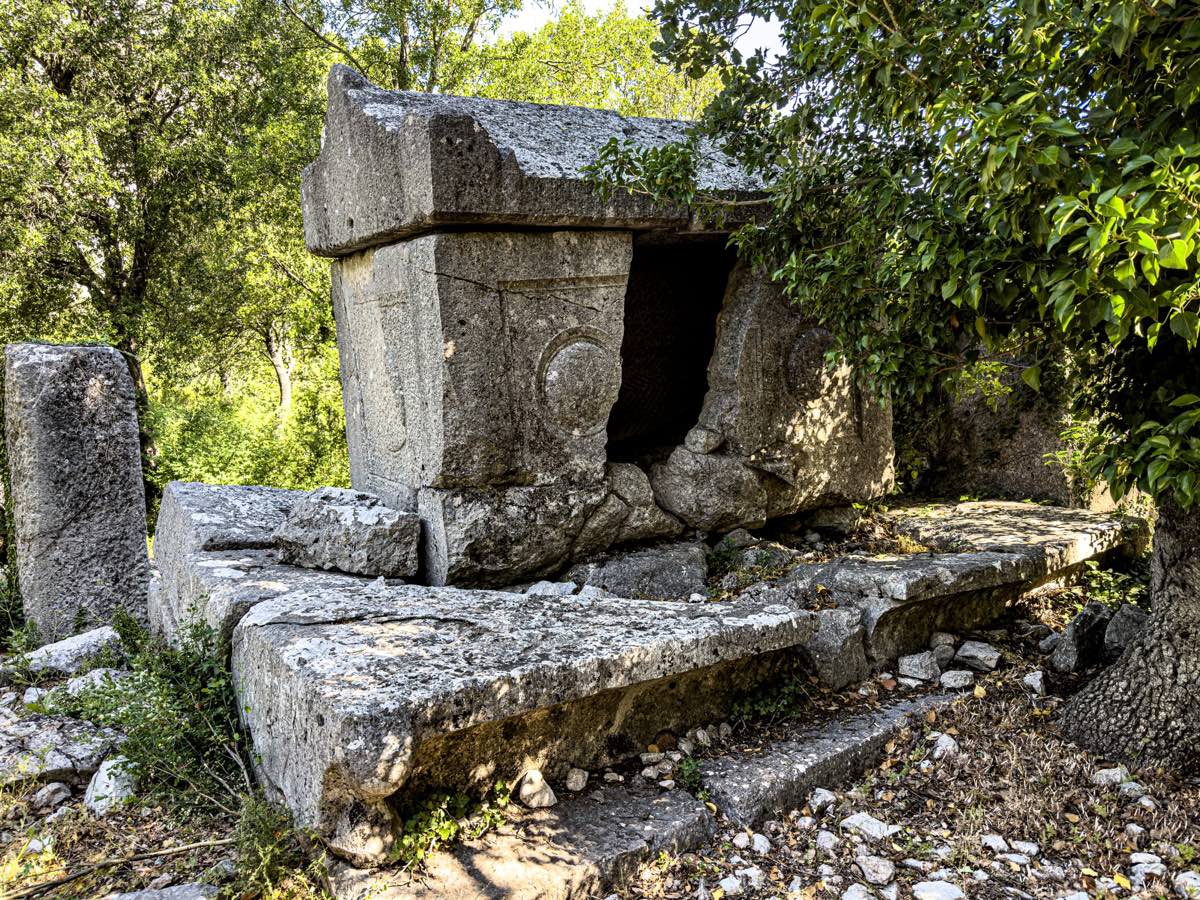
Termessos was one of our favorite sites in Turkey. It's a Pisidian city above 1,000 meters in the Taurus Mountains, about 30 km from Antalya, and so well defended that Alexander the Great chose not to attack it. You walk up through pine forest past tombs and broken sarcophagi, and then a huge theater opens up on the edge of a cliff. Hiking in the mountains and coming across that theater is something we still talk about.
The climb isn't long, and it's fine even if you're not very fit. Our guide made sure nobody fell behind. Read our Termessos guide.
Check availability for the Termessos tour from Antalya
2. Perge, near Antalya
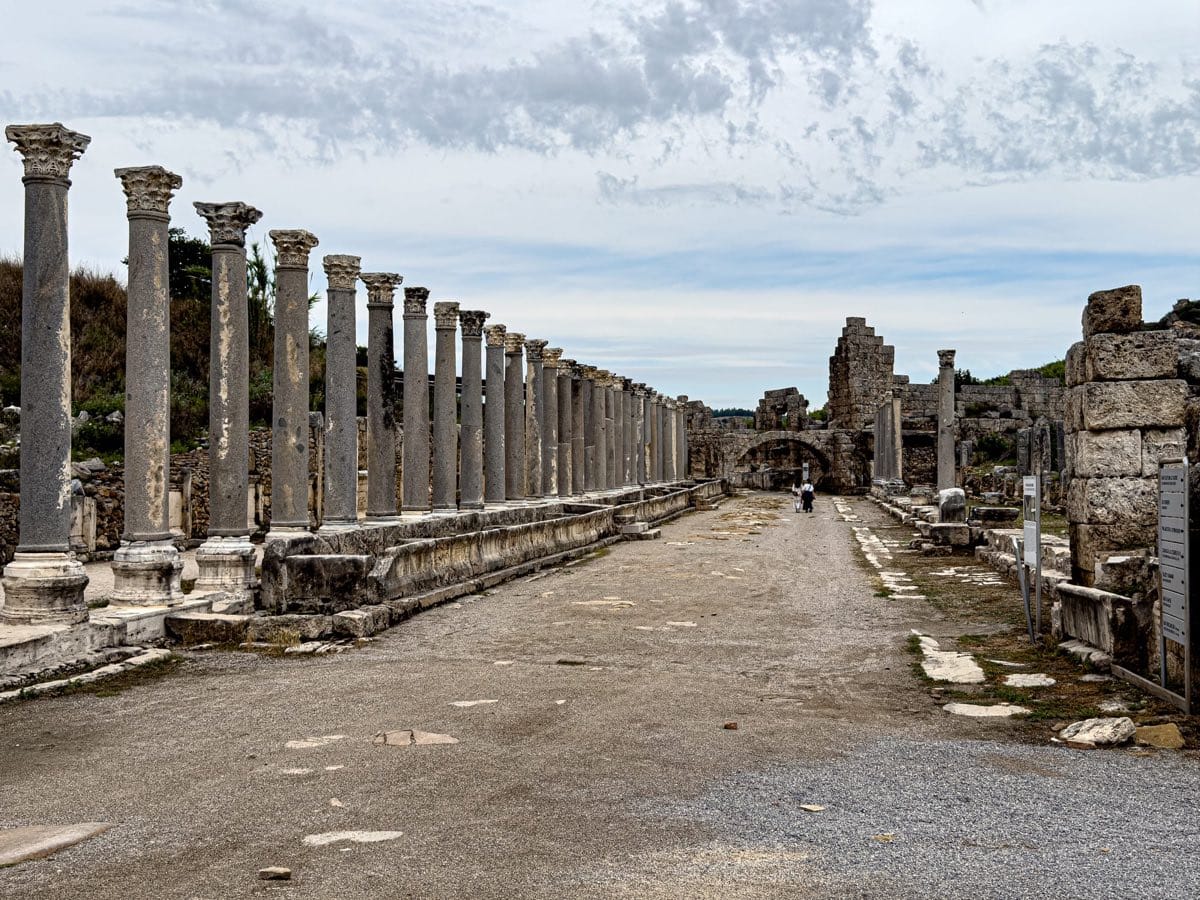
We loved Perge, and it's very close to Antalya, which makes it the easiest big site to visit from the city. Its long colonnaded main street, Hellenistic gate, Roman baths and a stadium that held about 12,000 people give you a real feel for how a Greco-Roman city worked. Read our Perge guide.
Check availability for the Perge, Aspendos, and Side day tour
3. Myra and Kekova, near Demre
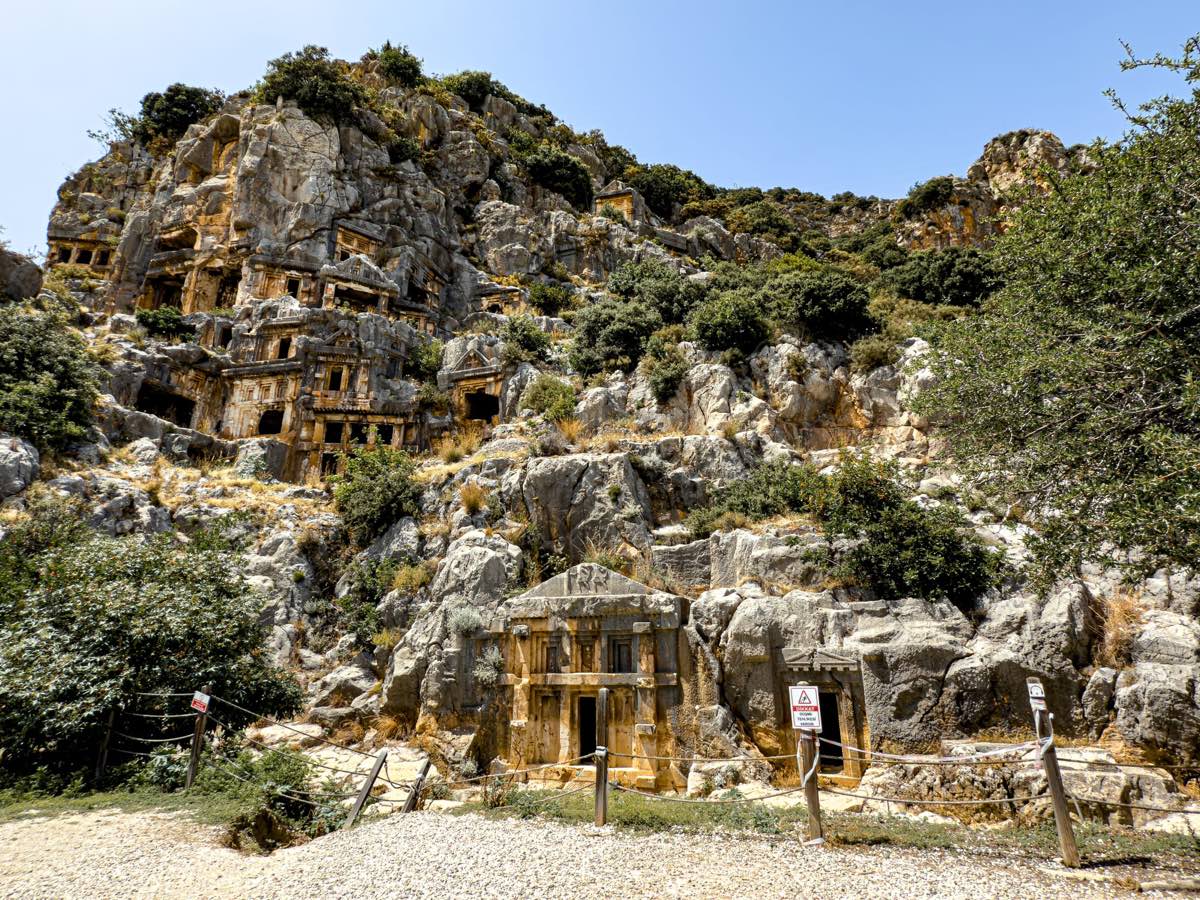
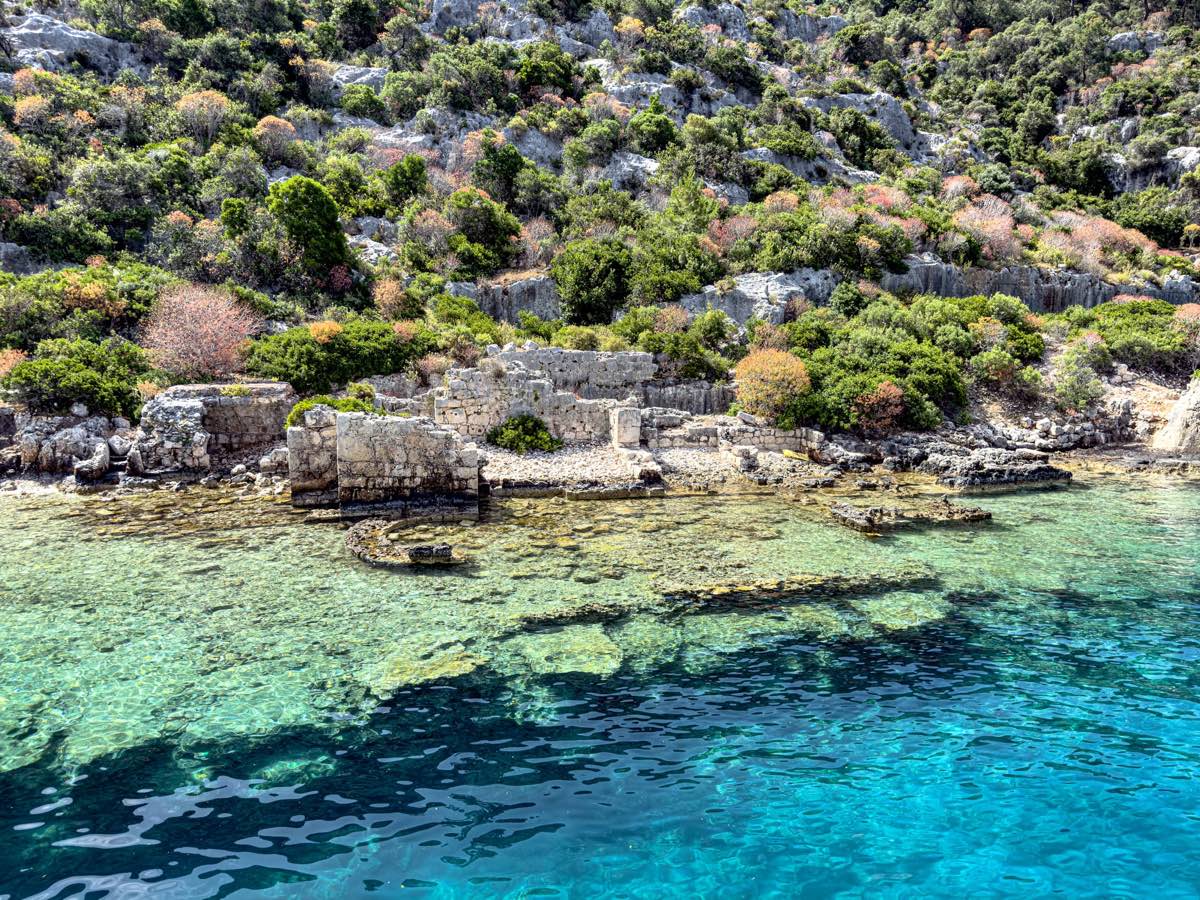
Myra is unique: a cliff face cut with Lycian rock tombs above a Roman theater. We visited it on a small day tour, with only about five people, that also took in the Church of Saint Nicholas in Demre, built over the original burial place of the bishop who became Santa Claus, and a boat trip over the sunken city of Kekova, where a Lycian town slipped under the sea after a 2nd-century earthquake. We swam at the bay stop. Read our Myra guide.
Check availability for the Myra, Saint Nicholas, and Kekova tour
4. Selime Monastery, Cappadocia
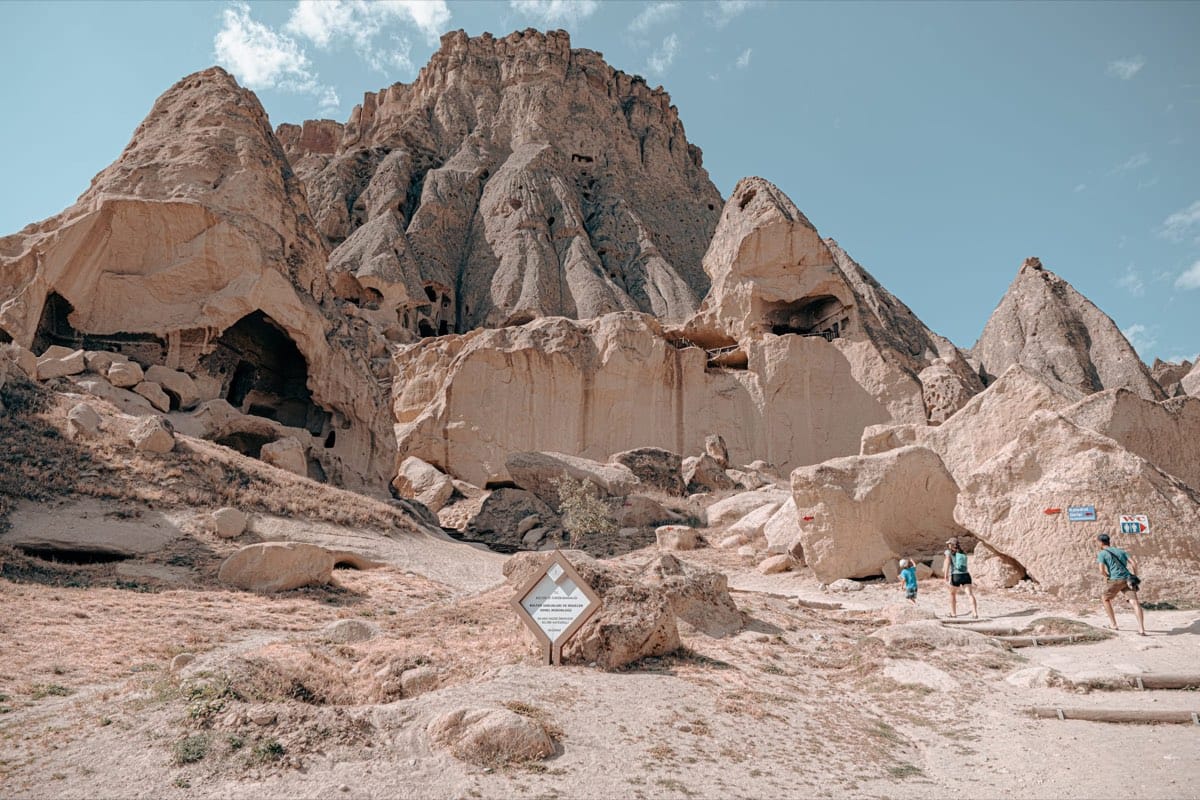
Selime was the standout of Cappadocia's Green Tour for us. It's often described as the largest rock-cut monastery in Cappadocia, carved between the 8th and 11th centuries at the end of Ihlara Valley, with a church, kitchen and rooms cut into the cliff. Read our Selime Monastery guide.
Check availability for the Green Tour with Selime Monastery
5. Göreme Open Air Museum, Cappadocia
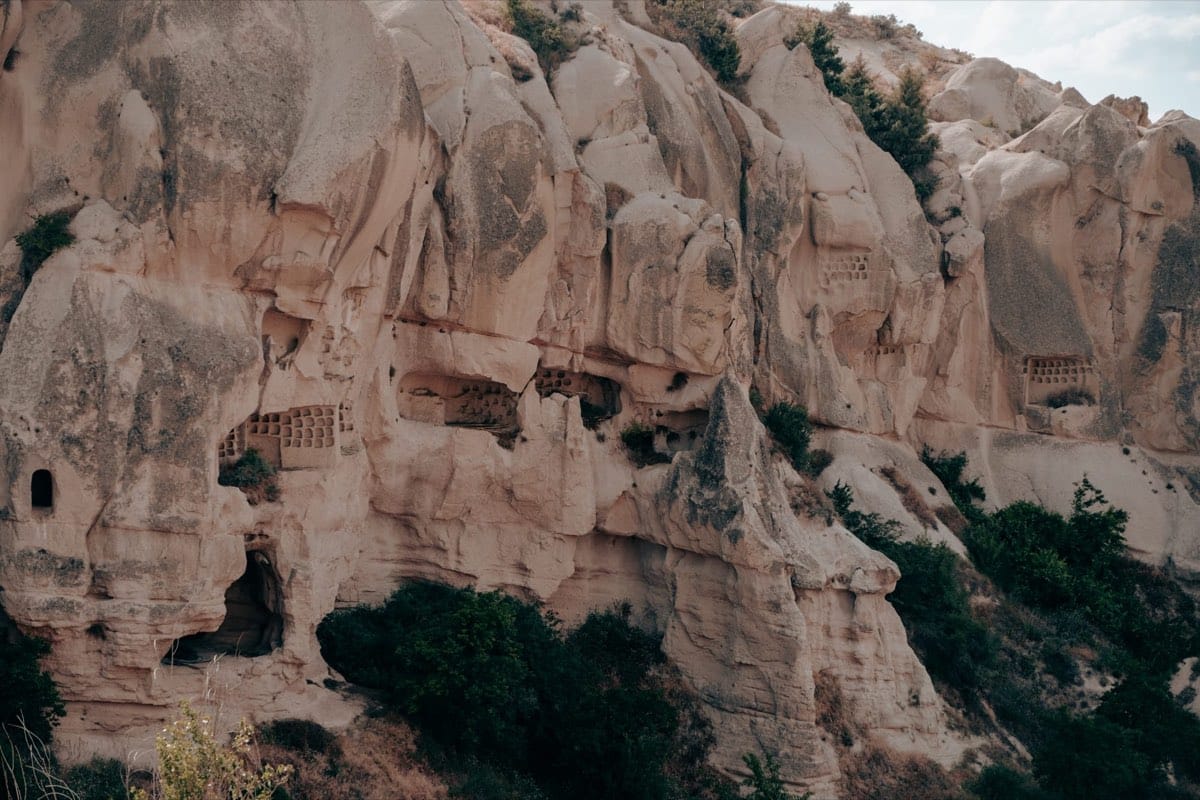
A cluster of Byzantine rock-cut churches, many still painted with frescoes, inside the UNESCO-listed Göreme National Park. We saw all the churches and paid extra for the Dark Church, which has the best-preserved frescoes (no photos allowed inside). Read our Göreme Open Air Museum guide.
6. Side, near Antalya
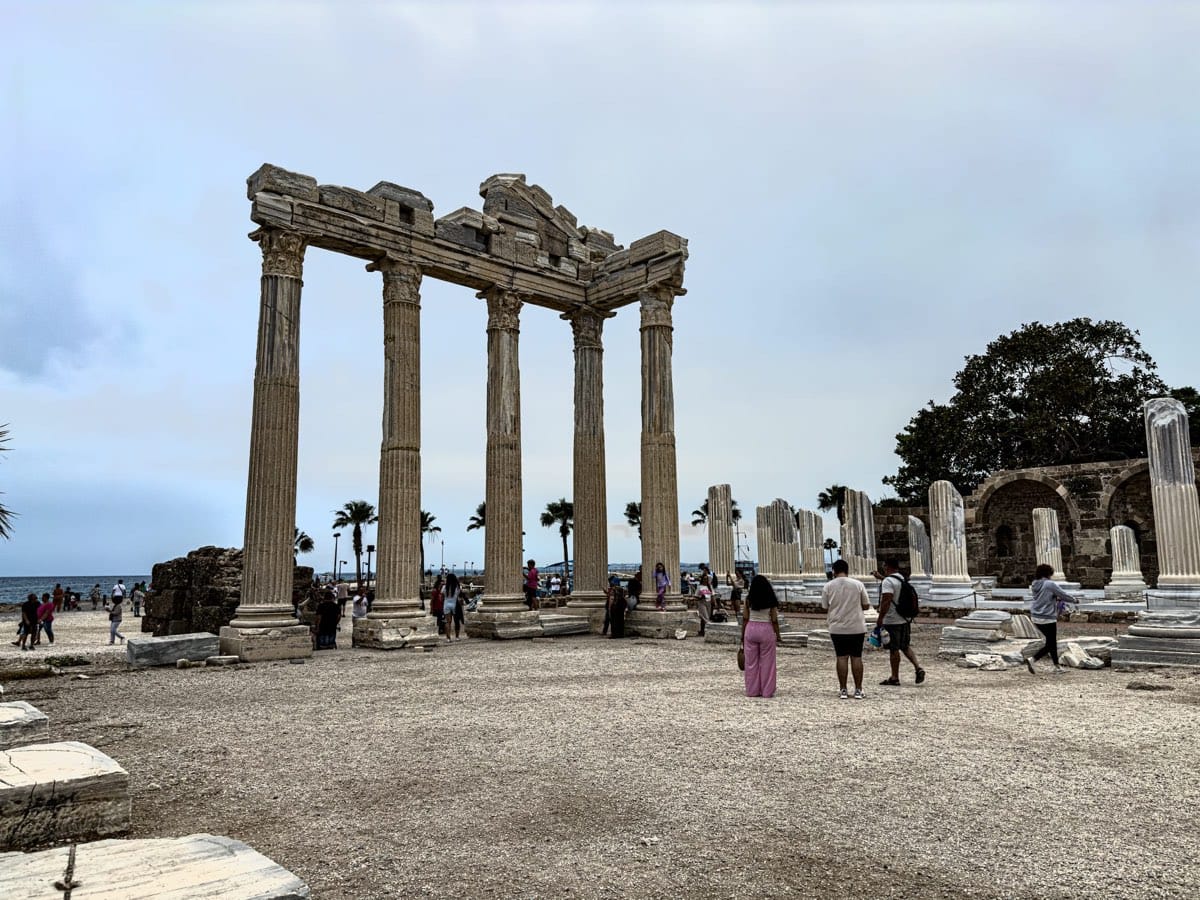
Side is a small seaside town built among Greek and Roman ruins, and the columns of the Temple of Apollo stand right on the tip of the peninsula. It's best late in the day, when the stone turns gold. Read our Side guide.
Underground cities and rock castles in Cappadocia
Derinkuyu Underground City goes down about 85 meters, and only around 10% of it is open. It's very narrow: some passages are so tight you wait for people coming the other way, and the staircases go a long way down. We were a bit nervous before going in and were completely fine, but skip it if you're claustrophobic.
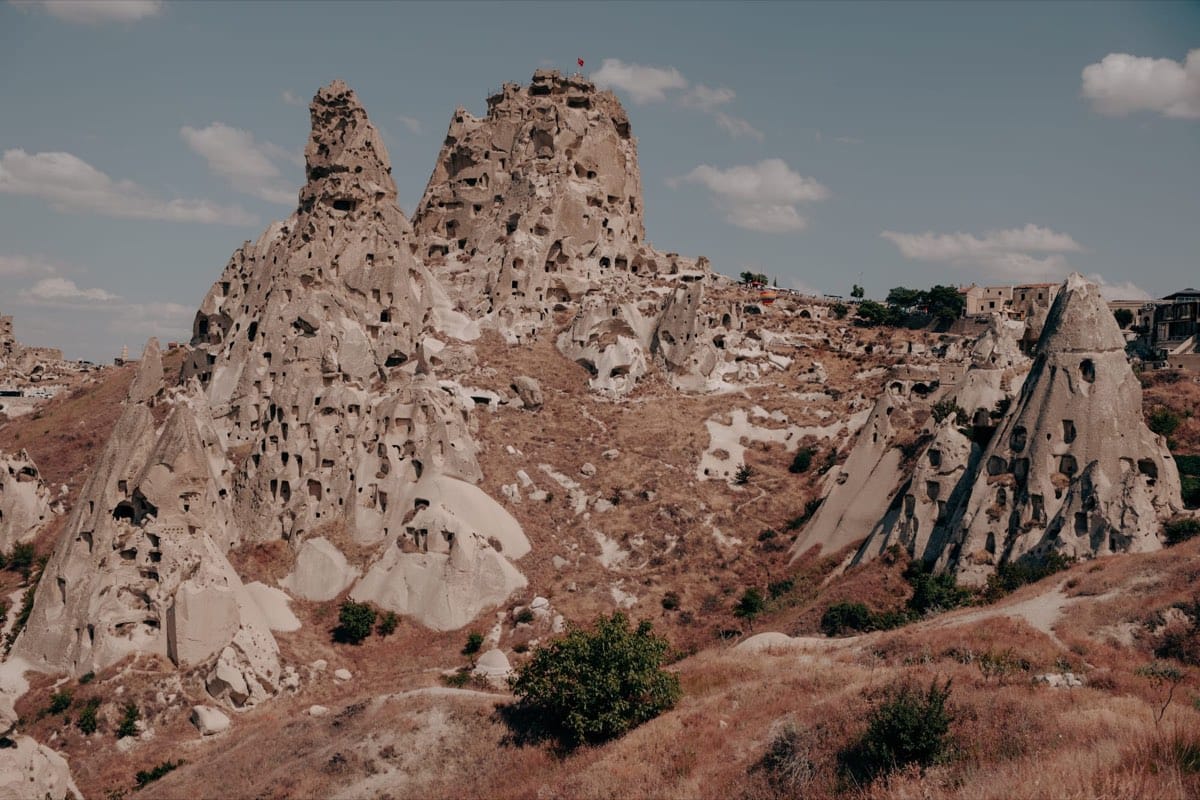
Above ground, Uçhisar Castle is a 60-meter rock hollowed into rooms and tunnels, with one of the best views of the balloons in the morning. We stayed in Uçhisar. Nearby, the old cave village of Çavuşin is worth a stop, as most tours drive straight past it.
Good, but not essential
Aspendos. Its Roman theater is one of the best preserved in the world, built in the 2nd century for 15,000 to 20,000 spectators. But after Perge and Termessos we found it a bit underwhelming: the theater is impressive, and there isn't much else to see. If you're short on time, choose Perge. Read our Aspendos guide.
Hierapolis and Pamukkale. The Greco-Roman city on top of Pamukkale's white travertine terraces is worth seeing, but from Antalya it's a long bus ride there and back in one day. We went on a tour without staying overnight. Cleopatra's Pool was closed when we visited, which we were sorry to miss. Read our Hierapolis guide and Pamukkale guide.
Check availability for the Pamukkale and Hierapolis day trip from Antalya
Byzantine Istanbul. Hagia Sophia and the Basilica Cistern are two of Istanbul's busiest sights, so book tickets ahead and go early.
Famous ruins in Turkey we haven't visited (yet)
To be clear: we haven't been to any of the sites in this section. Our three months were spent around Antalya, Cappadocia, and Istanbul, so the Aegean coast and the southeast are still on our list. These are the most famous ancient sites in the rest of the country, with the basic facts, so you can decide if they fit your route. Turkey has 22 UNESCO World Heritage Sites in total, most of them archaeological (Wikipedia).
- Ephesus (İzmir Province, Aegean coast): the best-known Greco-Roman city in Turkey, next to the town of Selçuk. Highlights are the Library of Celsus, built around 125 AD, and the Great Theatre, which held about 24,000 people. Only one column is left of the Temple of Artemis, once one of the Seven Wonders of the Ancient World. UNESCO-listed in 2015 (Wikipedia).
- Troy (Çanakkale Province, near the Dardanelles): the site at Hisarlık has nine main settlement levels, from about 3000 BC to around 500 AD, first dug by Heinrich Schliemann from 1870. Expect foundations and walls rather than grand monuments. UNESCO-listed in 1998 (Wikipedia).
- Göbekli Tepe (Şanlıurfa Province, southeast): carved T-shaped stone pillars from around 9500 BC, among the oldest known monumental structures in the world. The excavated area is roofed, with walkways for visitors. UNESCO-listed in 2018 (Wikipedia).
- Mount Nemrut (Adıyaman Province, southeast): the hilltop tomb of King Antiochus I of Commagene, from the 1st century BC, at about 2,134 meters, with giant stone heads of gods and kings scattered on its terraces. Most visits are from April to October, from Adıyaman, Kahta, or Malatya. UNESCO-listed in 1987 (Wikipedia).
- Also on the UNESCO list: Hattusa, the Hittite capital (Çorum Province, listed in 1986), and Aphrodisias, a Roman city known for its marble sculpture (Aydın Province, listed in 2017).
If you're planning a longer trip, Ephesus pairs well with Pamukkale on the way between the Aegean and Antalya, while Göbekli Tepe and Nemrut make a separate trip to the southeast. Check opening hours and ticket prices for state-run sites on the official museum site before you go.
How to visit Turkey's ancient ruins
From Antalya, tours make sense. We visited Perge, Aspendos, and Side on one day tour, and Myra, Saint Nicholas, and Kekova on another. Termessos and Pamukkale were separate days. More in our day trips from Antalya guide.
In Cappadocia, do the Red and Green tours on separate days. The Red Tour shows more of the region's landscape; the Green Tour's highlight is Selime. We didn't have a car, and would recommend renting one if you want to see the sites at your own pace. See our Red or Green tour guide.
Check availability for the Red Tour
Plan for heat. We were in Turkey from May, and Cappadocia was hot. Most sites have little shade, so bring sun protection and water, and start early.
Check the Museum Pass. Turkey's Museum Pass covers many state-run sites, including the Göreme Open Air Museum (but not its Dark Church). Check the current price on the official museum site before you buy.
For more ruins beyond Turkey, see our ancient ruins guide.
Ancient ruins in Turkey by region
A quick way to plan, by where you're based:
| Region | Sites | Have we been? |
|---|---|---|
| Antalya coast | Termessos, Perge, Aspendos, Side, Myra, Kekova | Yes |
| Inland from Antalya | Hierapolis (Pamukkale) | Yes, as a long day trip |
| Cappadocia | Göreme Open Air Museum, Selime Monastery, Derinkuyu, Uçhisar Castle | Yes |
| Istanbul | Hagia Sophia, Basilica Cistern | Yes |
| Aegean coast | Ephesus, Troy, Aphrodisias | Not yet |
| Southeast Turkey | Göbekli Tepe, Mount Nemrut | Not yet |
| Central Anatolia | Hattusa | Not yet |
If you only have a week or two, the Antalya coast gives you the most ruins for the least travel: you can see four or five major sites on day tours without changing hotels.
Frequently asked questions
What are the best ancient ruins in Turkey?
From our trips: Termessos, Perge, and Myra on the Antalya coast, and Selime Monastery and the Göreme Open Air Museum in Cappadocia. Side is a lovely extra, and Hagia Sophia is the big one in Istanbul.
Is Aspendos worth visiting?
Its Roman theater is one of the best preserved in the world, but there isn't much else at the site. We found it a bit underwhelming after Perge and Termessos. If you only have time for one, choose Perge.
Can you visit Perge, Aspendos, and Side in one day?
Yes. We visited all three on one day tour from Antalya. Perge is closest to the city, and Side works well at the end of the day.
Is the Termessos hike hard?
No. The climb isn't long and is fine even if you're not very fit, though the paths are uneven. Wear proper shoes and bring water.
Is Derinkuyu Underground City claustrophobic?
It can be. Some passages are so narrow you wait for people coming the other way, and the stairs go far down. We were nervous beforehand and were fine, but skip it if tight spaces bother you.
What is the best way to see ancient ruins near Antalya?
Day tours. Perge, Aspendos, and Side fit in one day, and Myra, the Church of Saint Nicholas and Kekova in another. Termessos and Pamukkale each need their own day.
What is the oldest ancient site in Turkey?
Göbekli Tepe, in Şanlıurfa Province, dates from around 9500 BC and is one of the oldest known monumental sites in the world. We haven't visited it yet.
Is Ephesus better than the ruins near Antalya?
We haven't been to Ephesus, so we can't compare first-hand. It's the most famous Greco-Roman site in Turkey, but around Antalya you can see Perge, Termessos, Aspendos, Side, and Myra from one base, which we'd happily recommend.
How many UNESCO World Heritage Sites does Turkey have?
22, as of the 2025 additions, most of them archaeological. They include Ephesus, Troy, Göbekli Tepe, Mount Nemrut, Hierapolis-Pamukkale, and Göreme National Park in Cappadocia.
Useful links: Official Turkish museums and sites (muze.gov.tr), World Heritage Sites in Turkey (Wikipedia), Ephesus (Wikipedia), and Göbekli Tepe (Wikipedia).


