

A manual for the modern nomad
Travel guides, critical essays, and resources for nomads navigating place, work, and culture.
15 city guides · 200+ guides and essays · written from where we lived
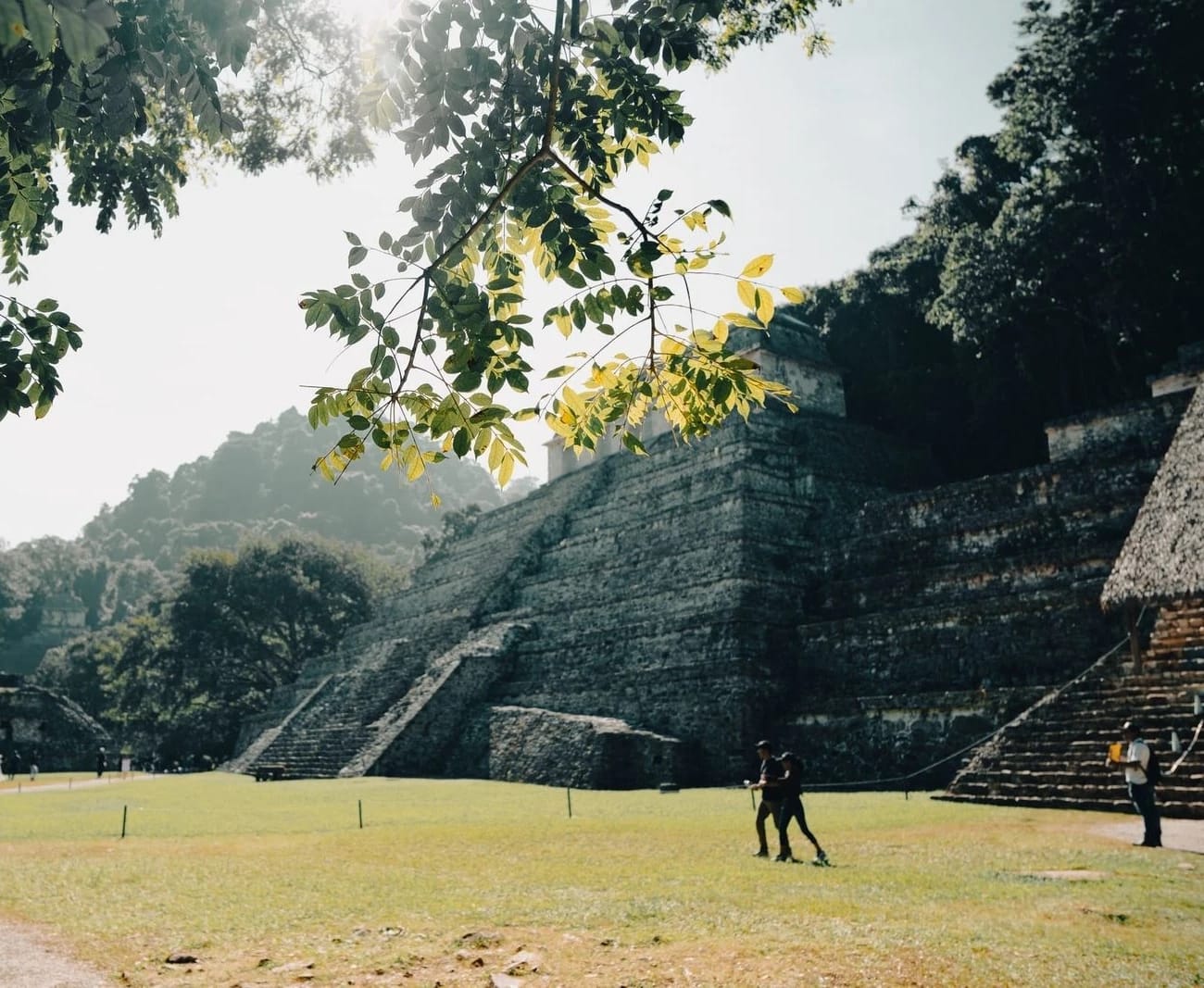

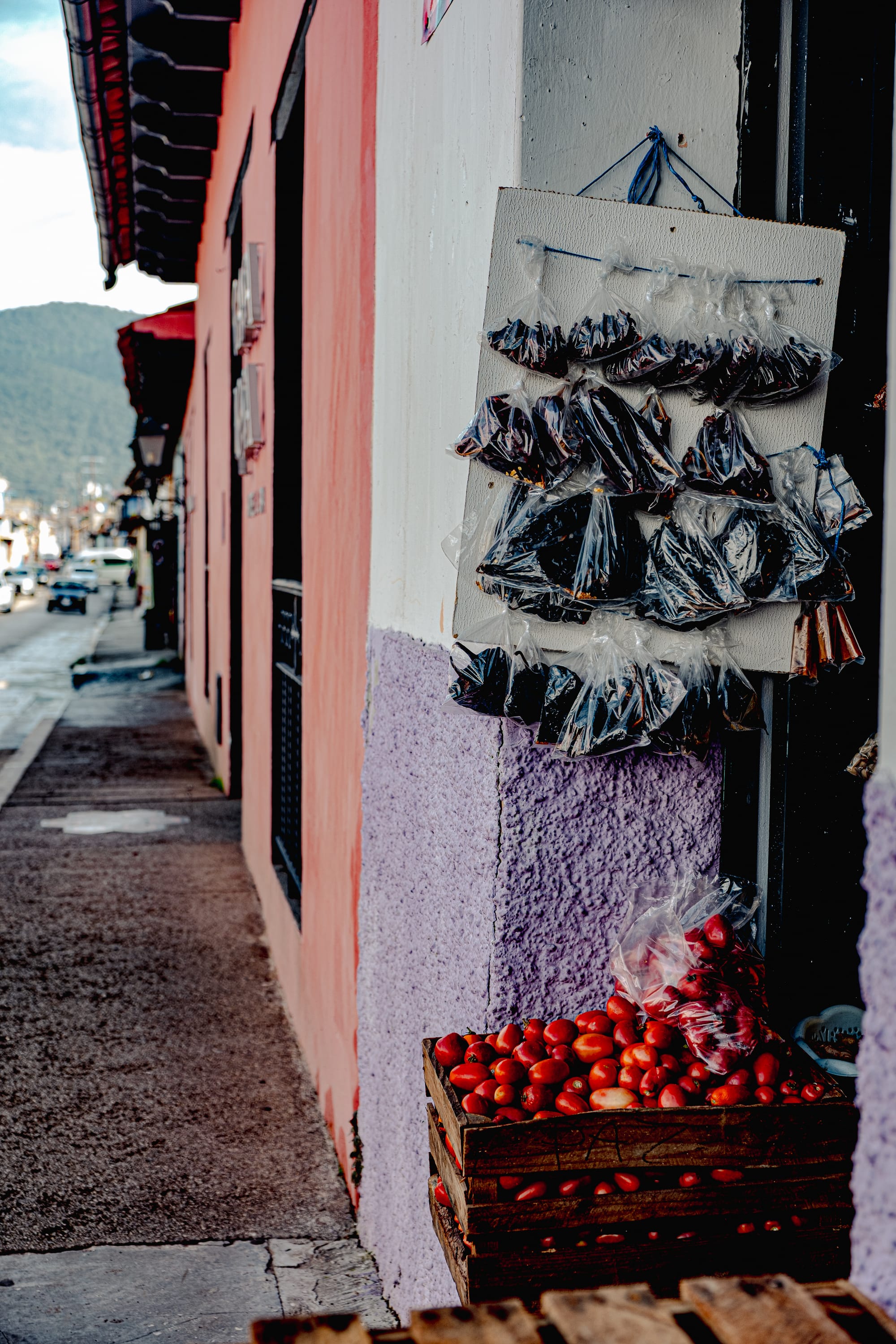
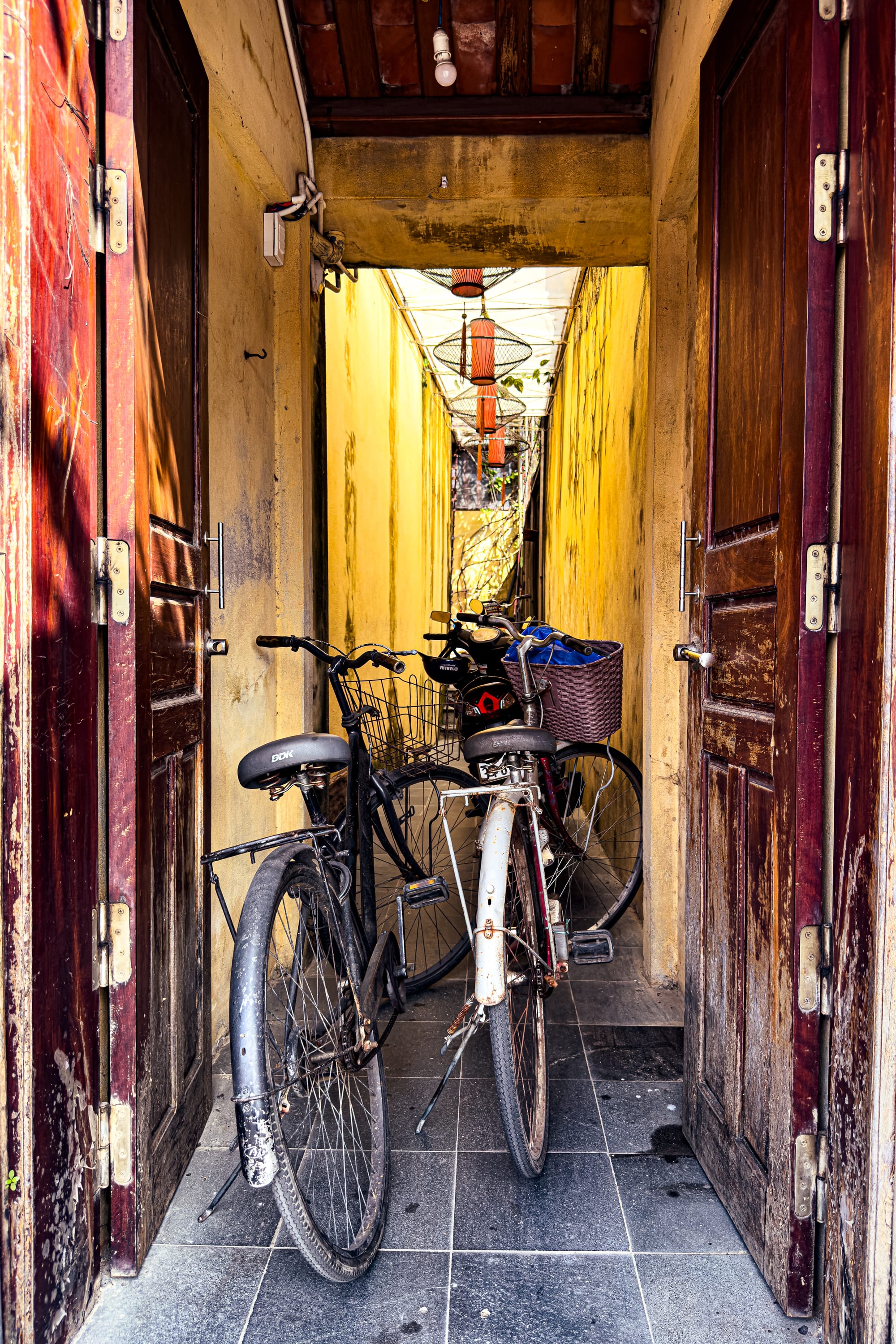
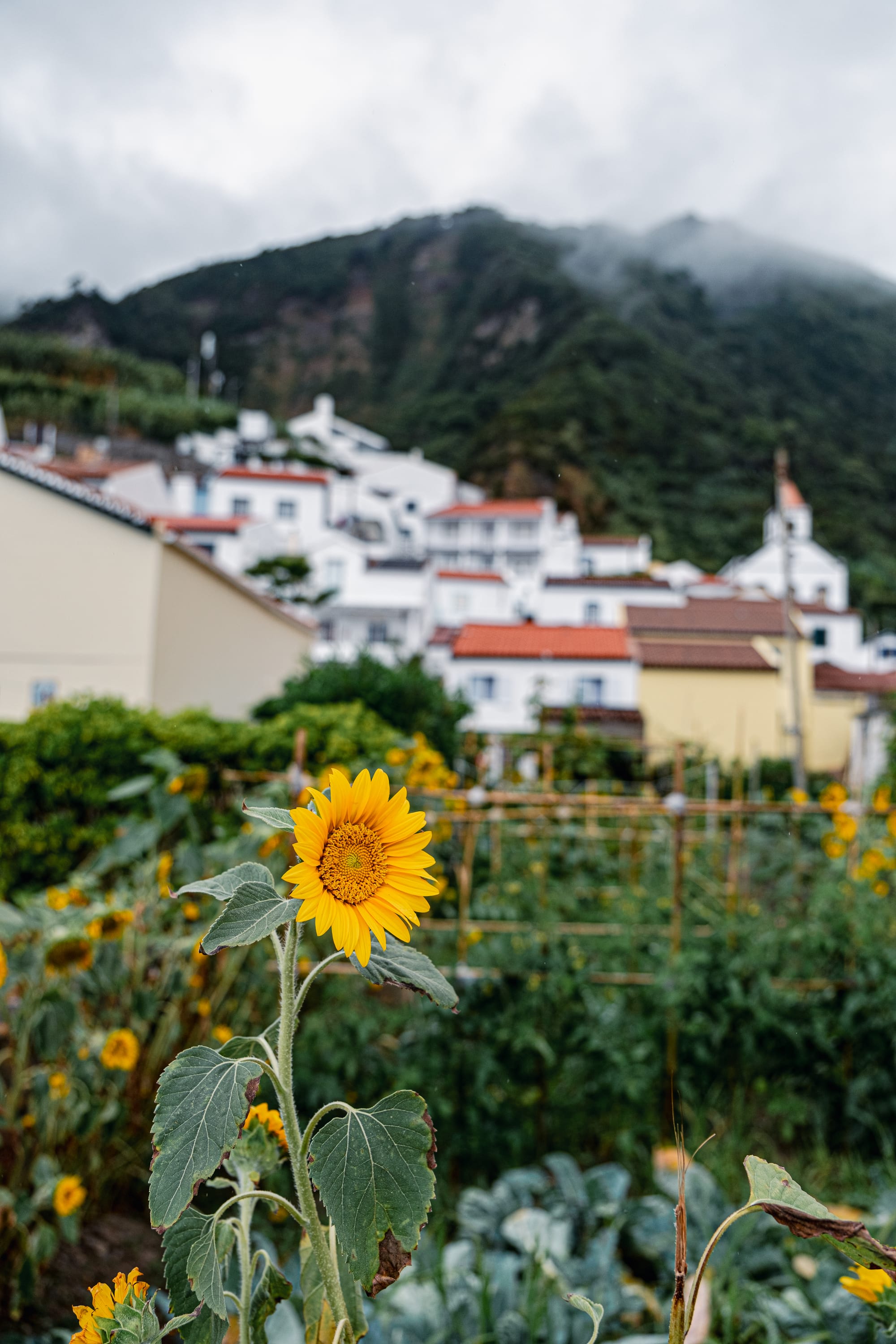
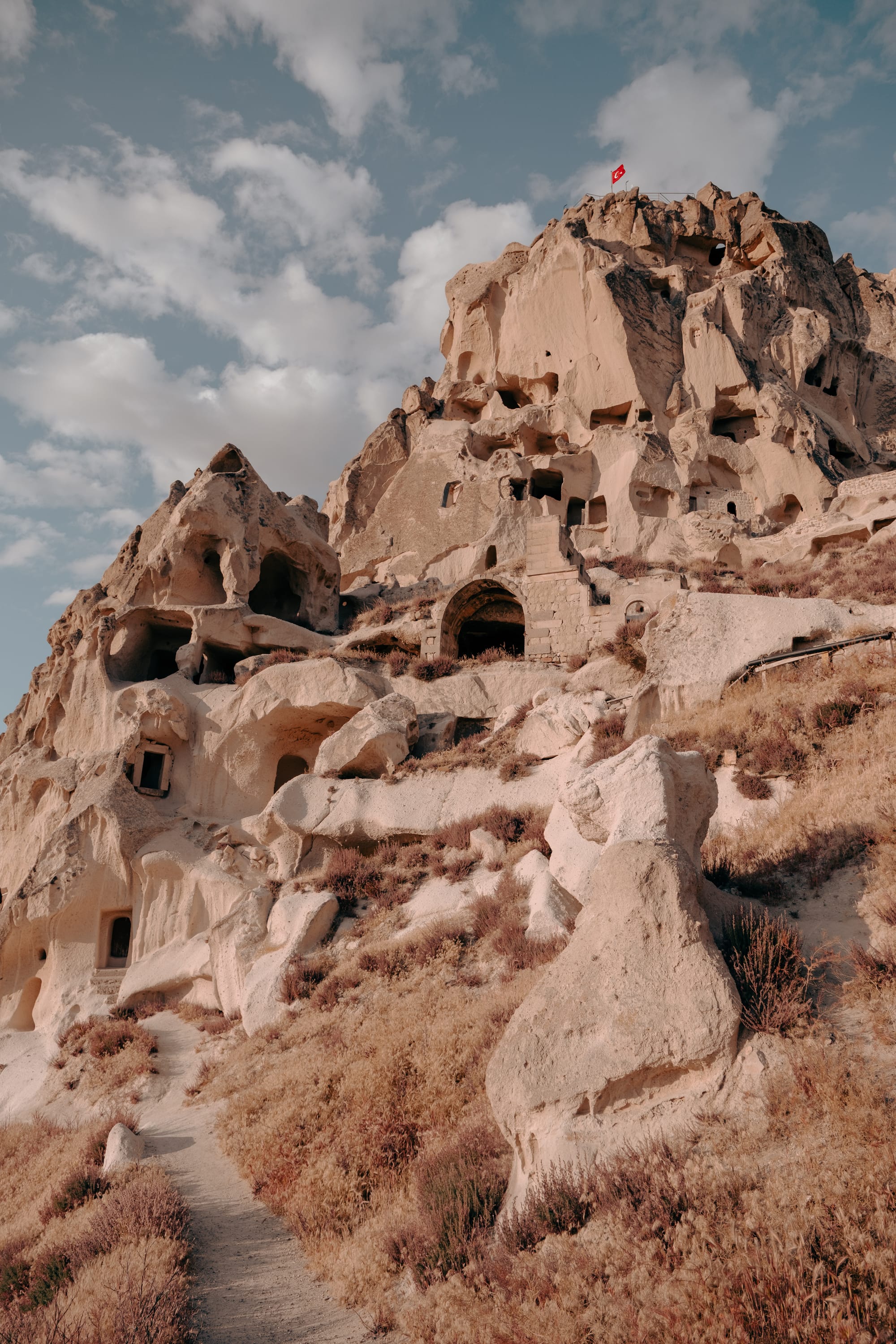

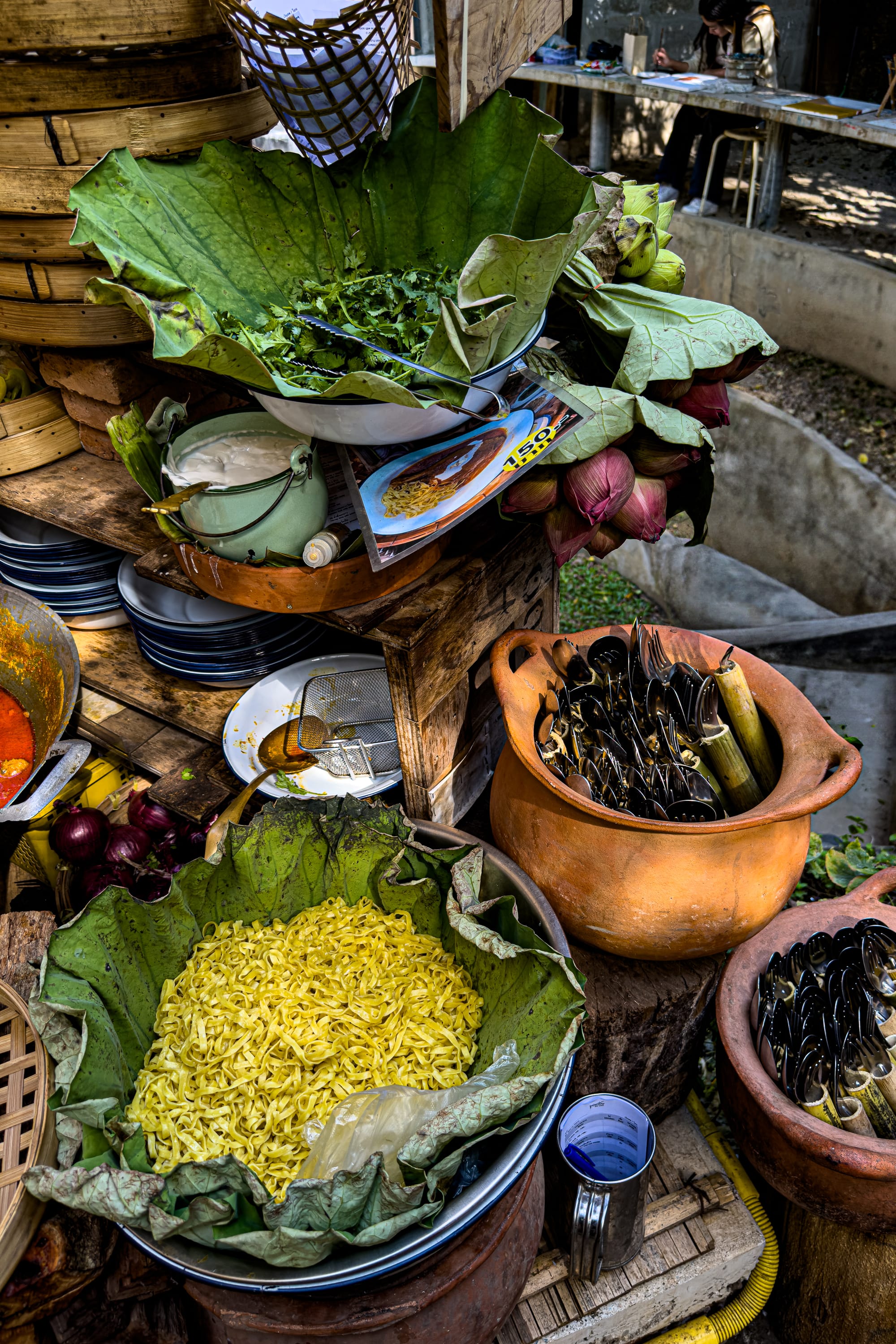
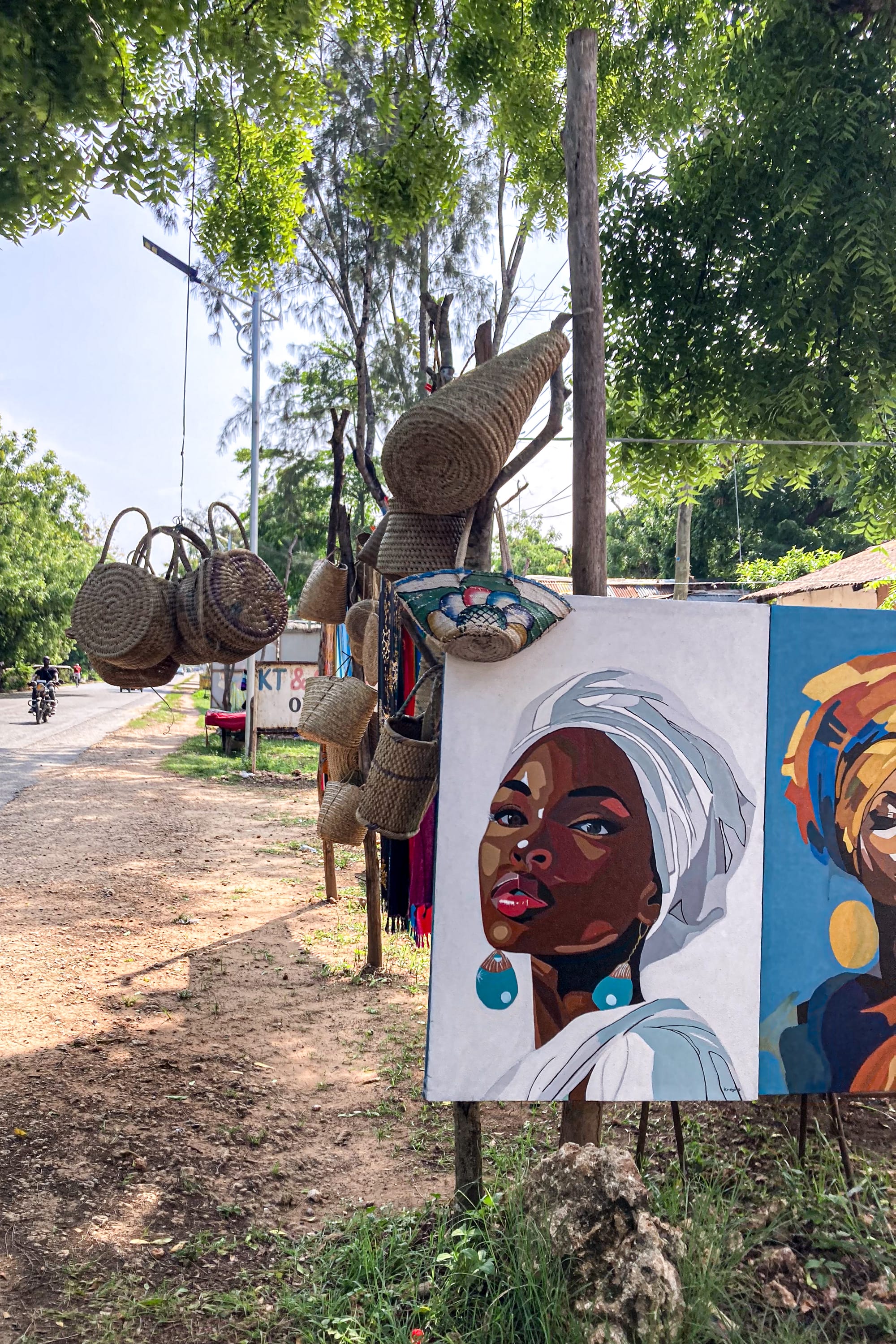
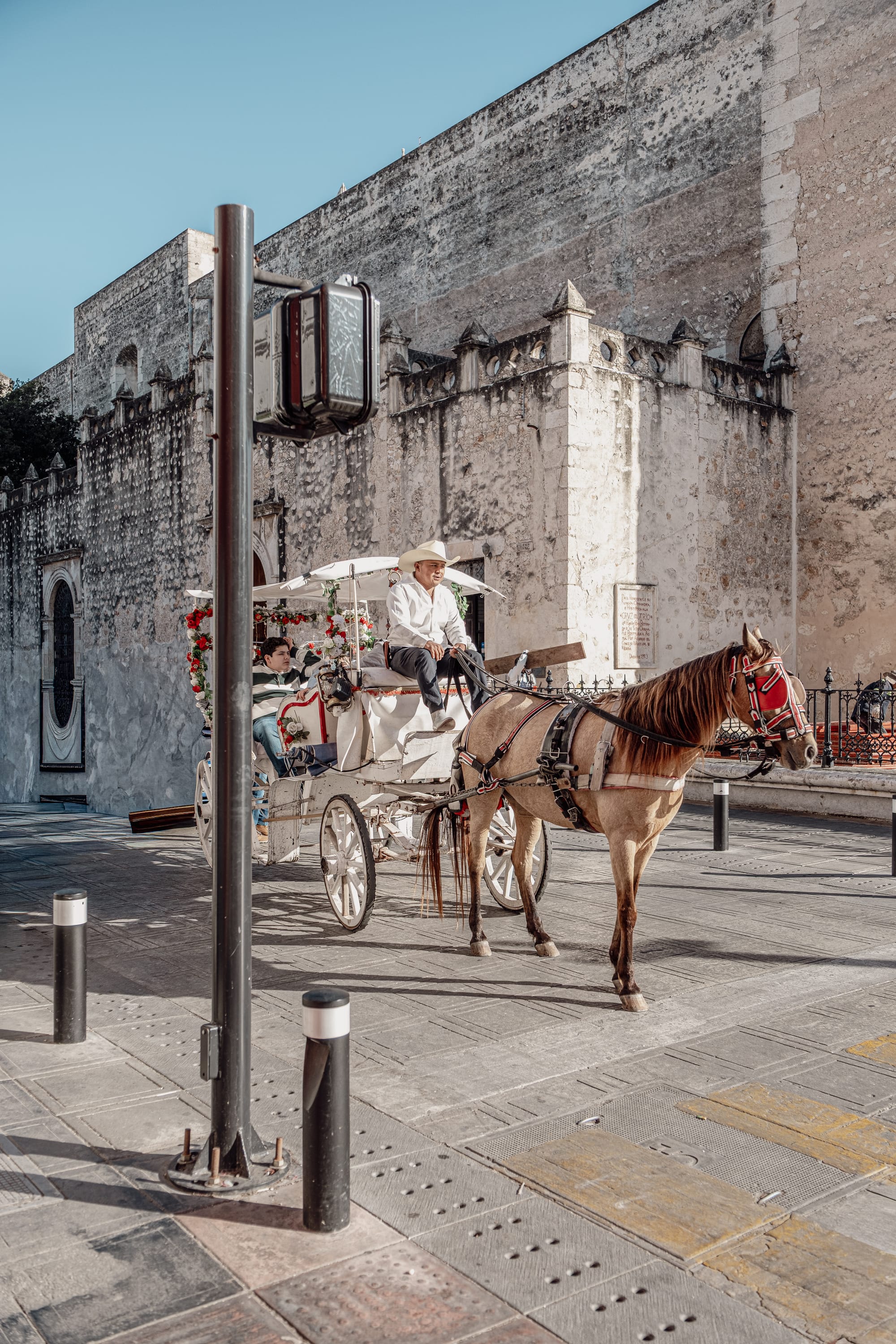

Metropolises
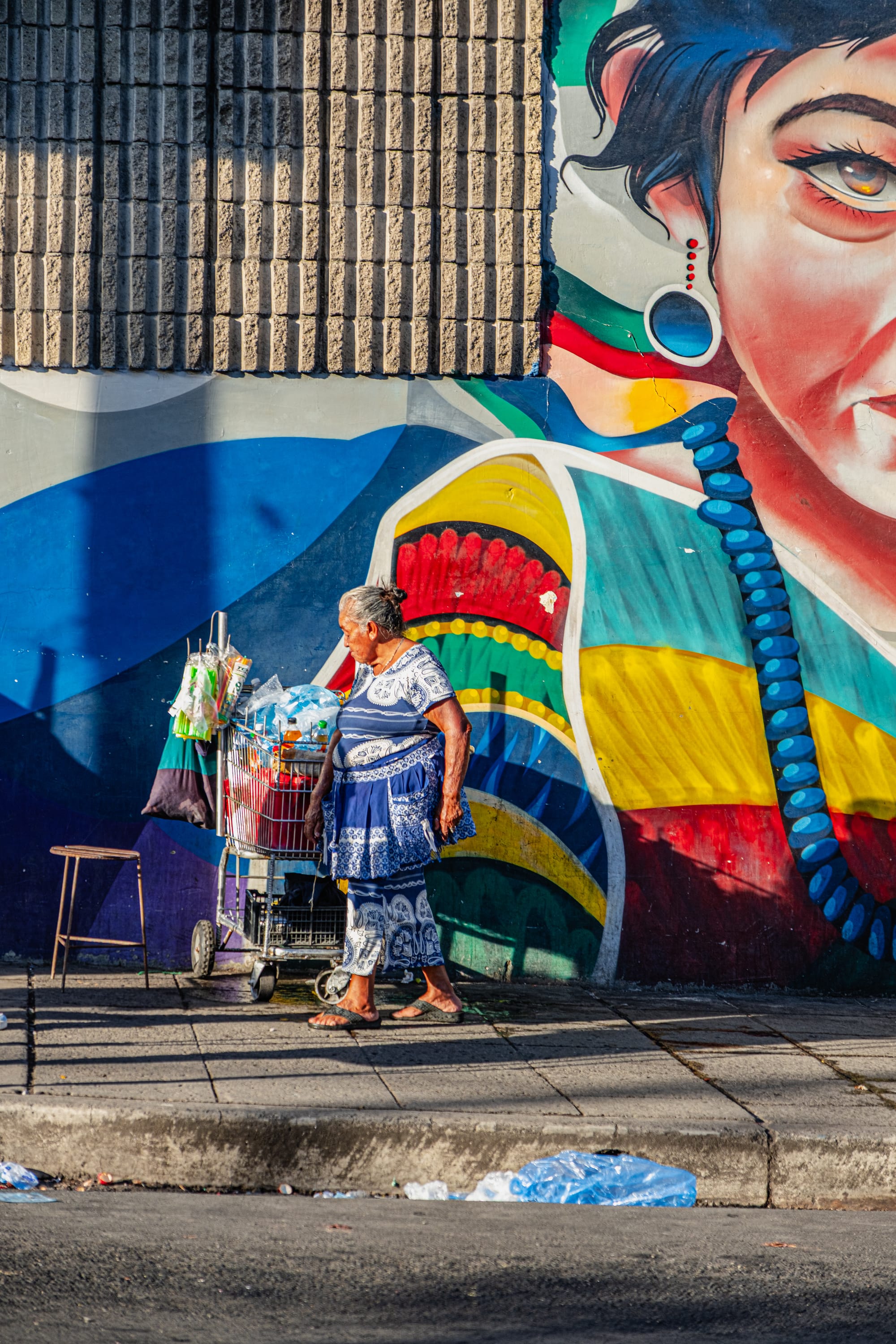
Inexhaustible theaters of friction.
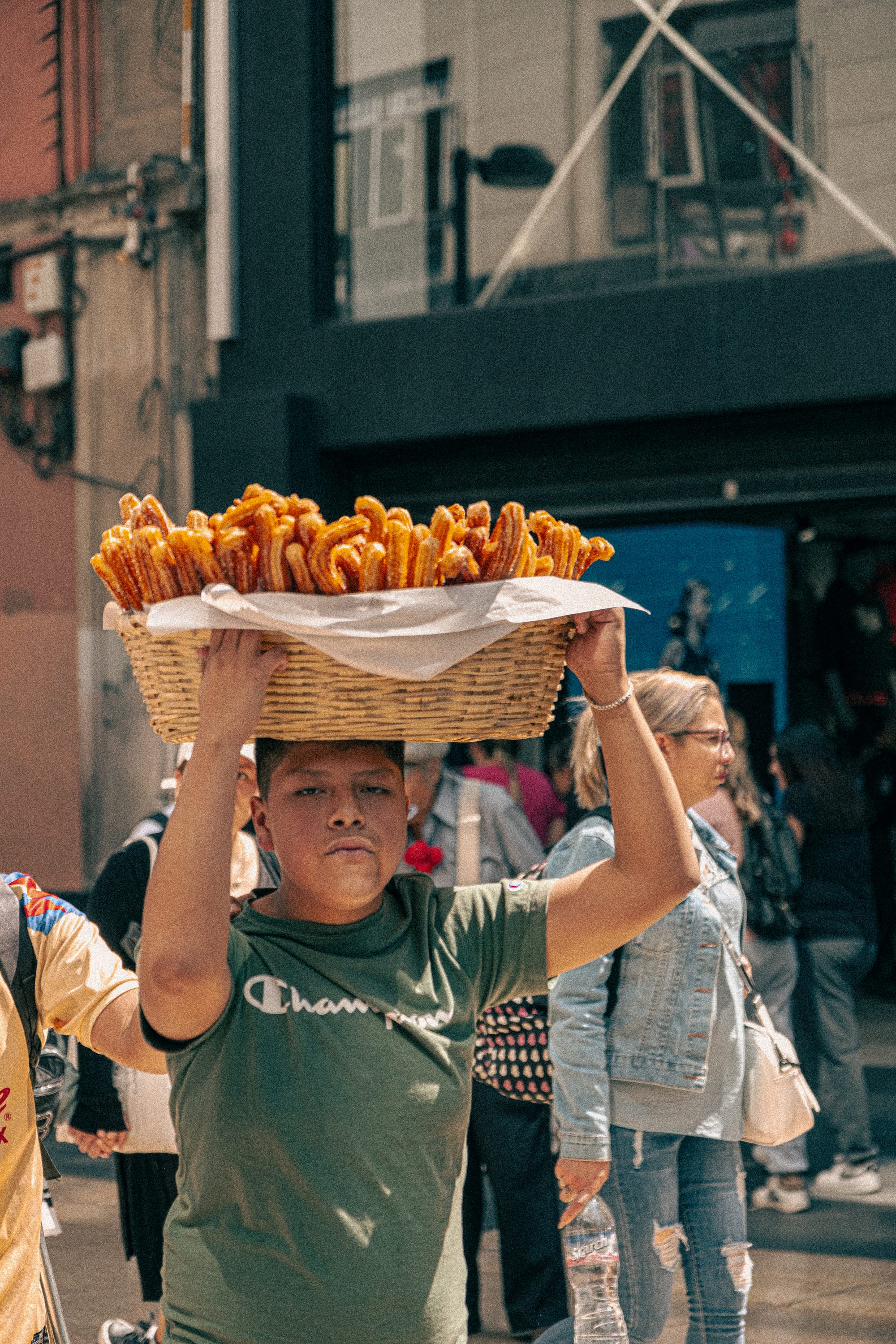
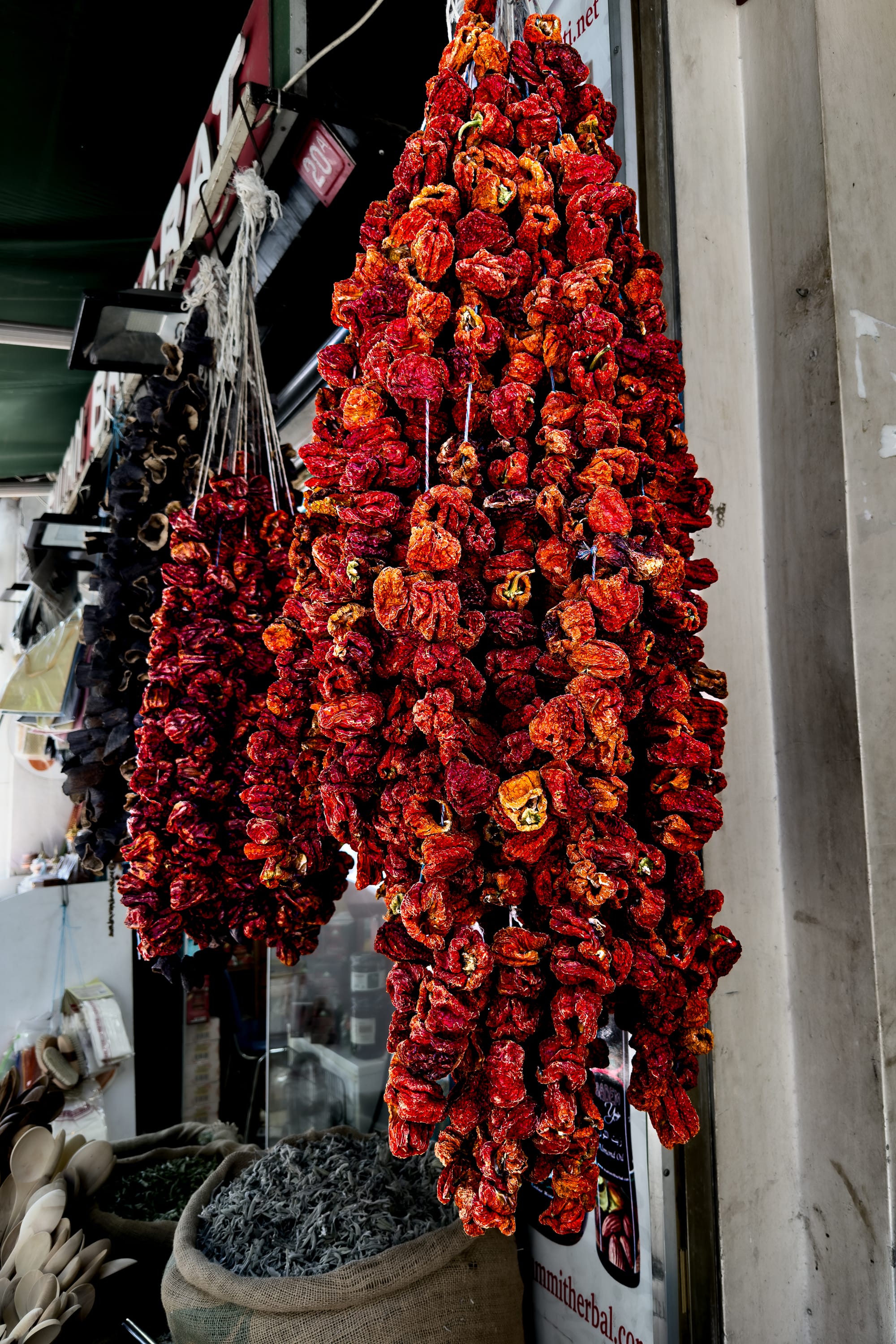

Buenos Aires
Coming soon.

Beach life
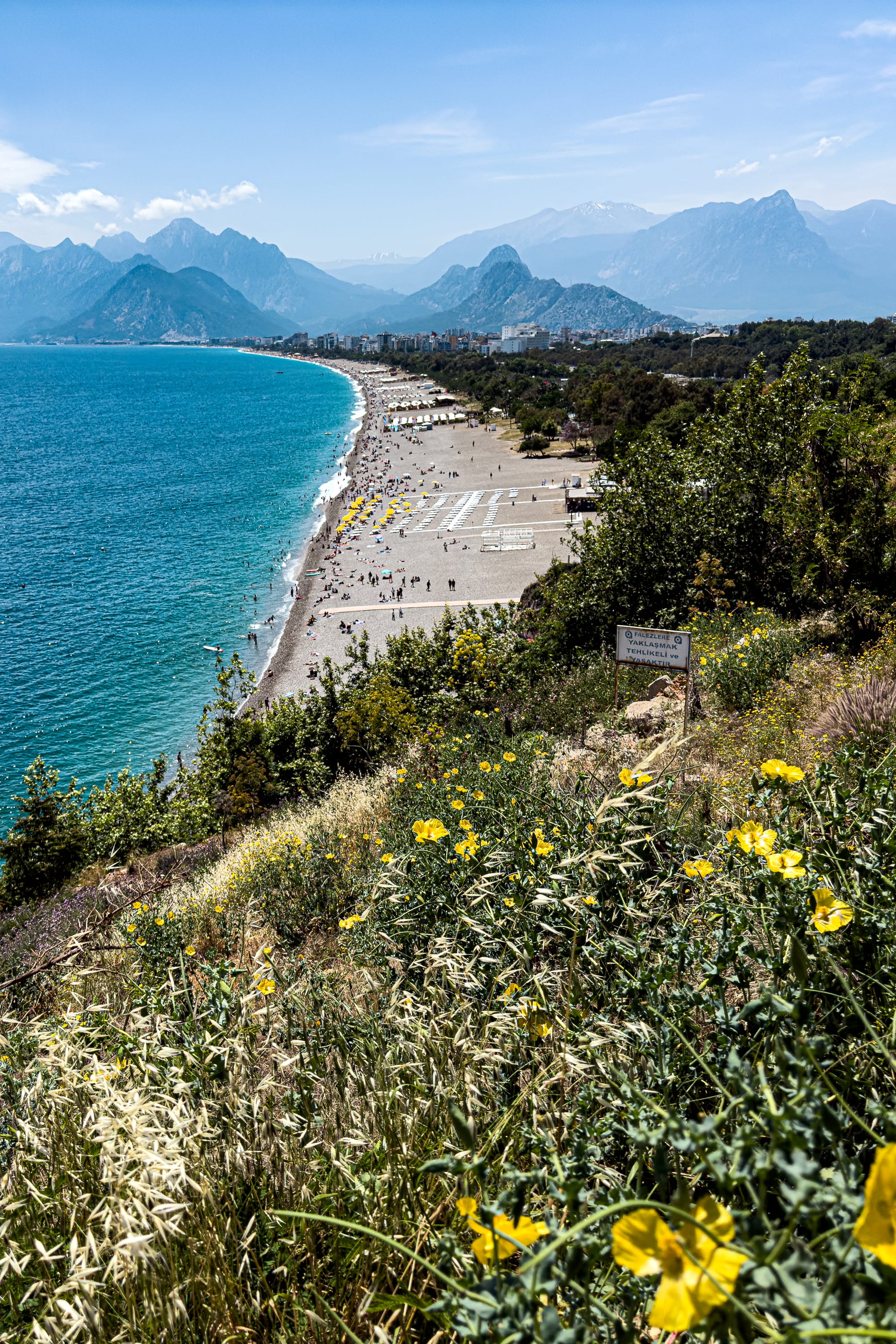
Contained by blue.
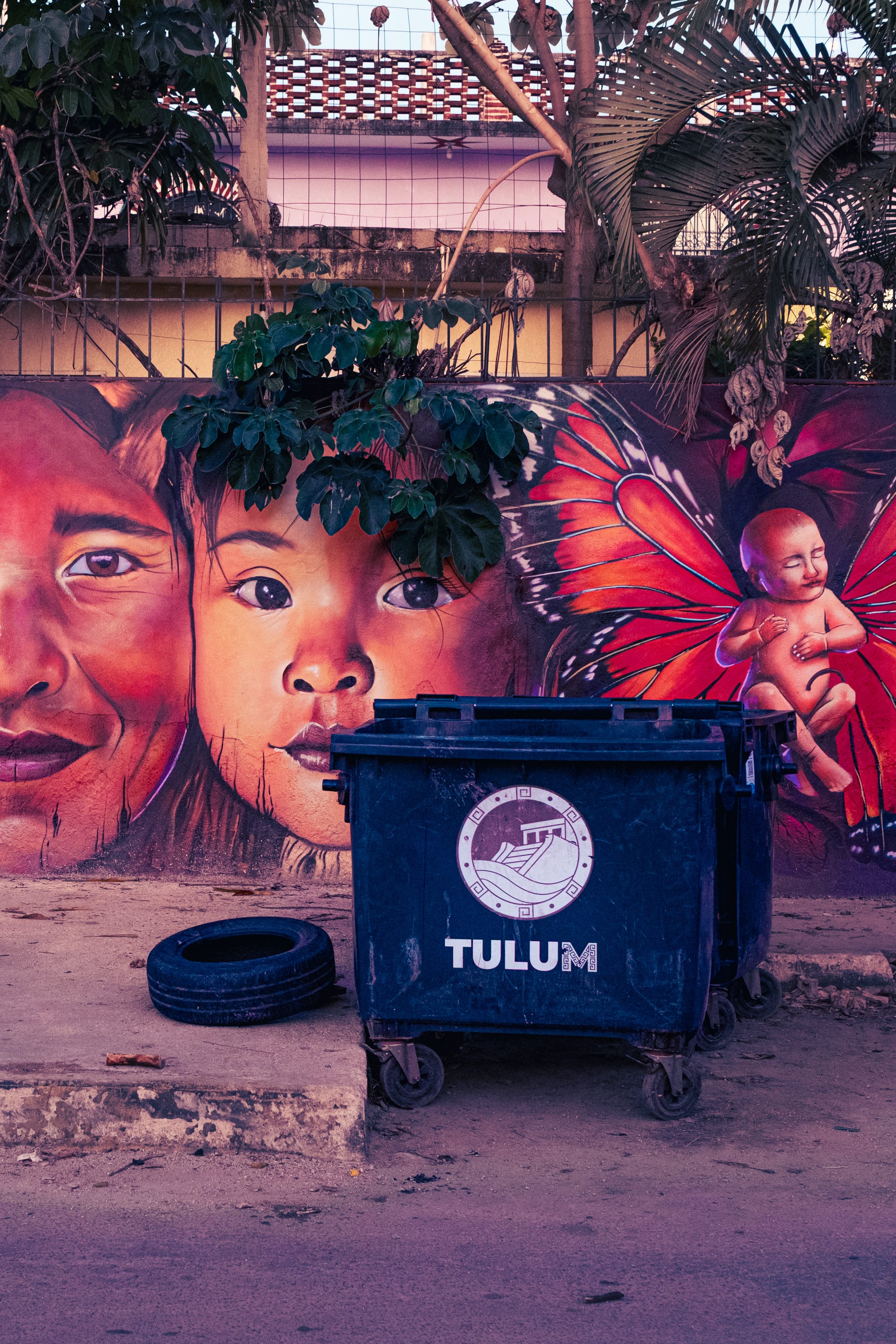
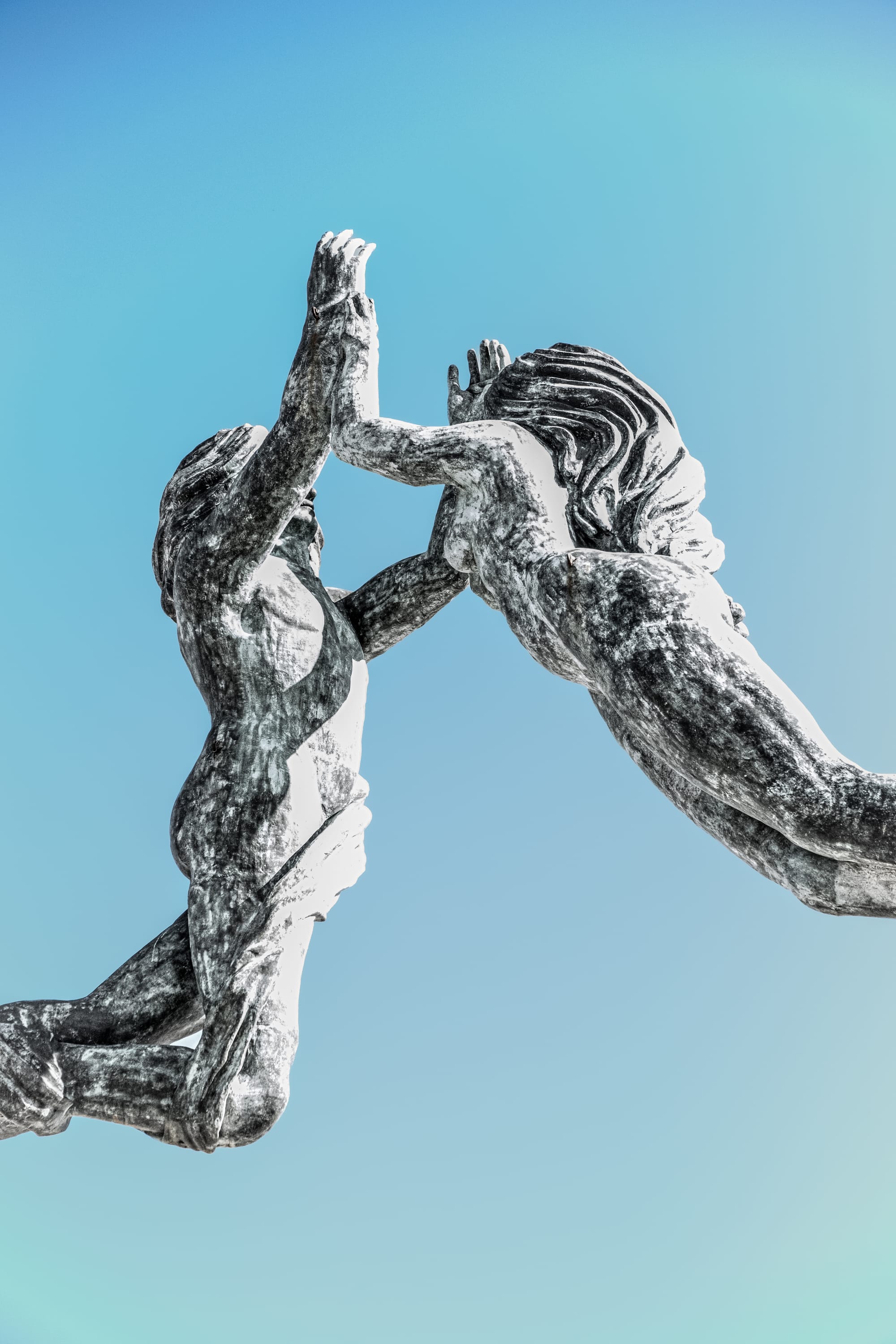



The nomad trail
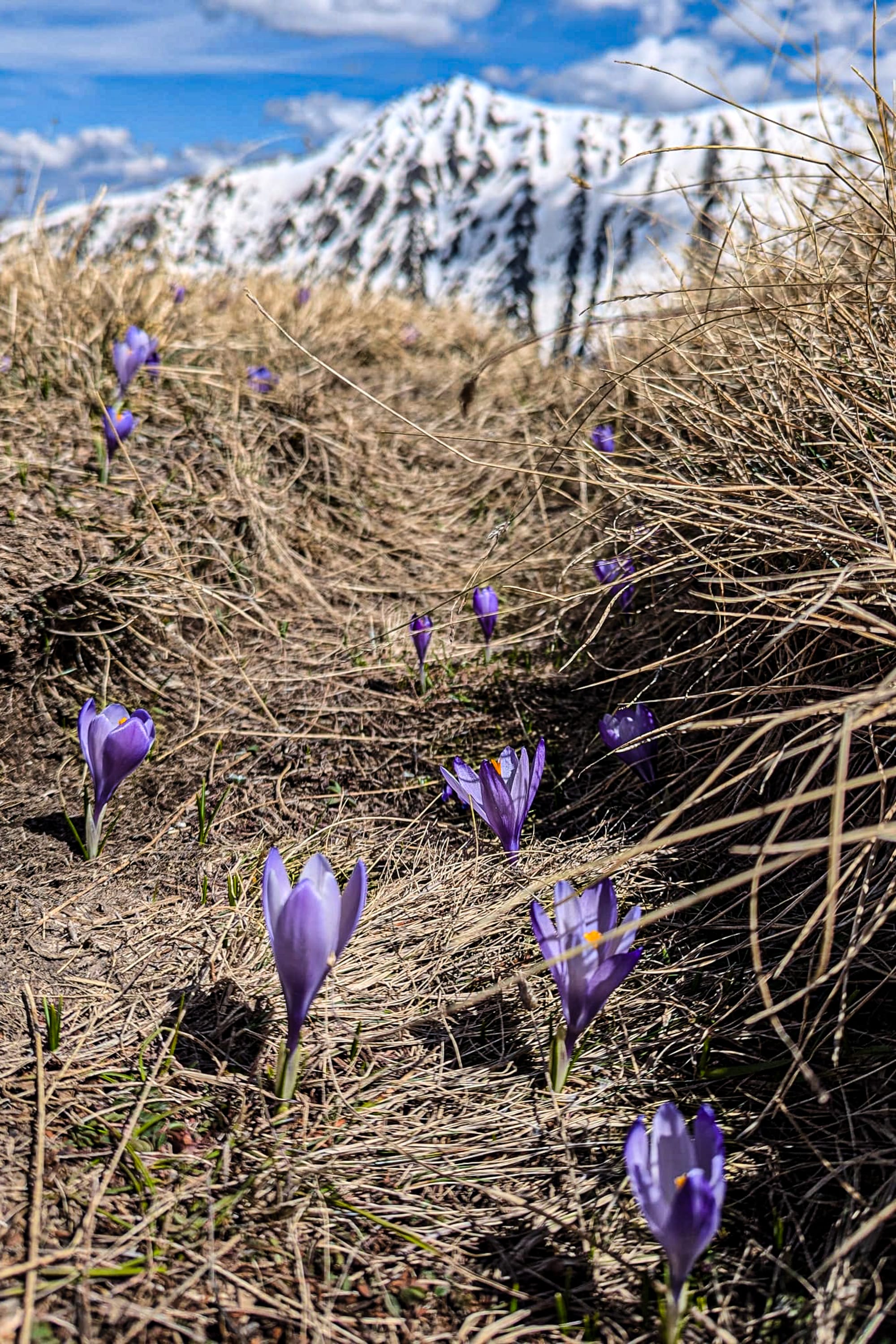
The familiar frontier.
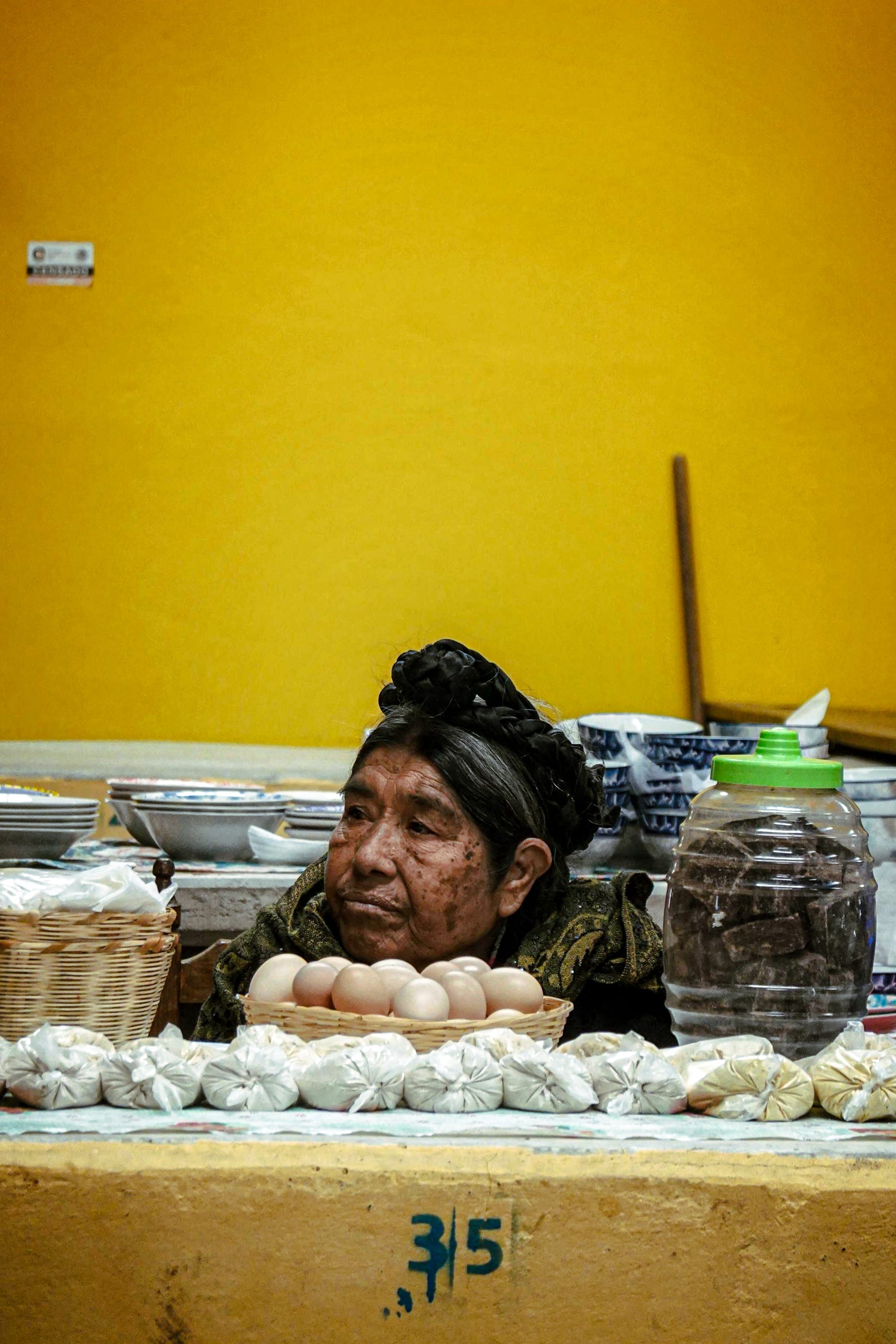
Featured stories
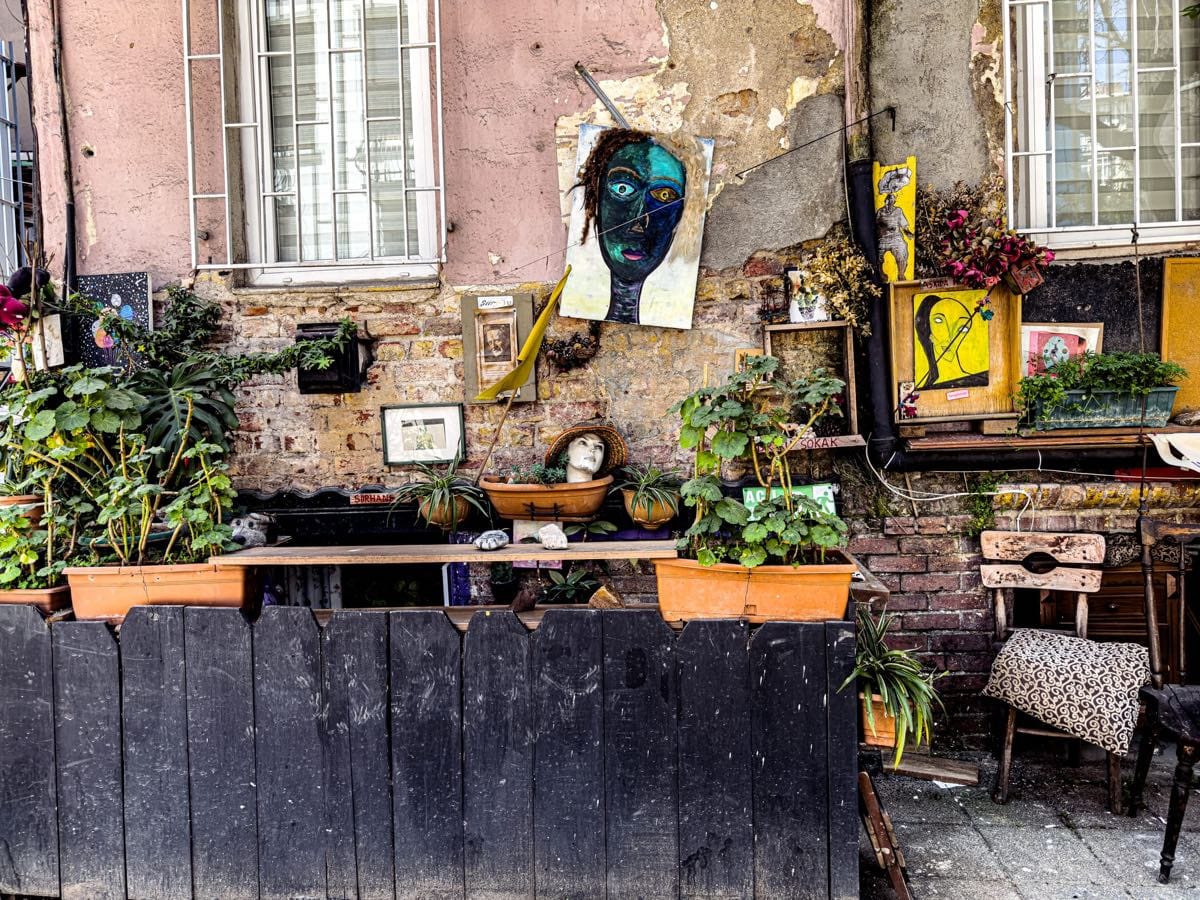
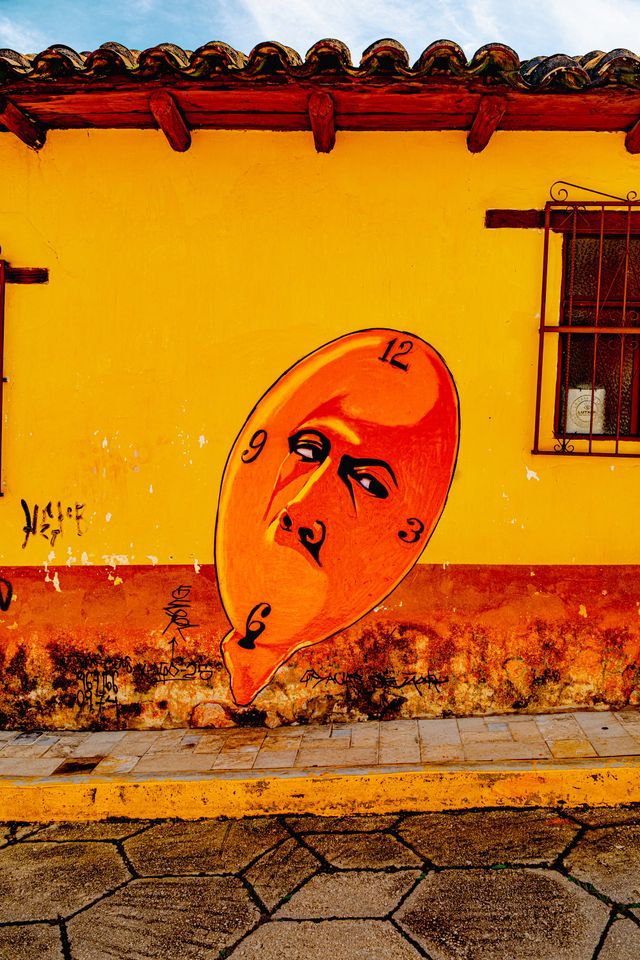
Kadıköy, Istanbul: cafés, murals, and the city's Asian side
Istanbul's Asian side: cafés in old buildings, big murals, a bazaar, and good vegan food.
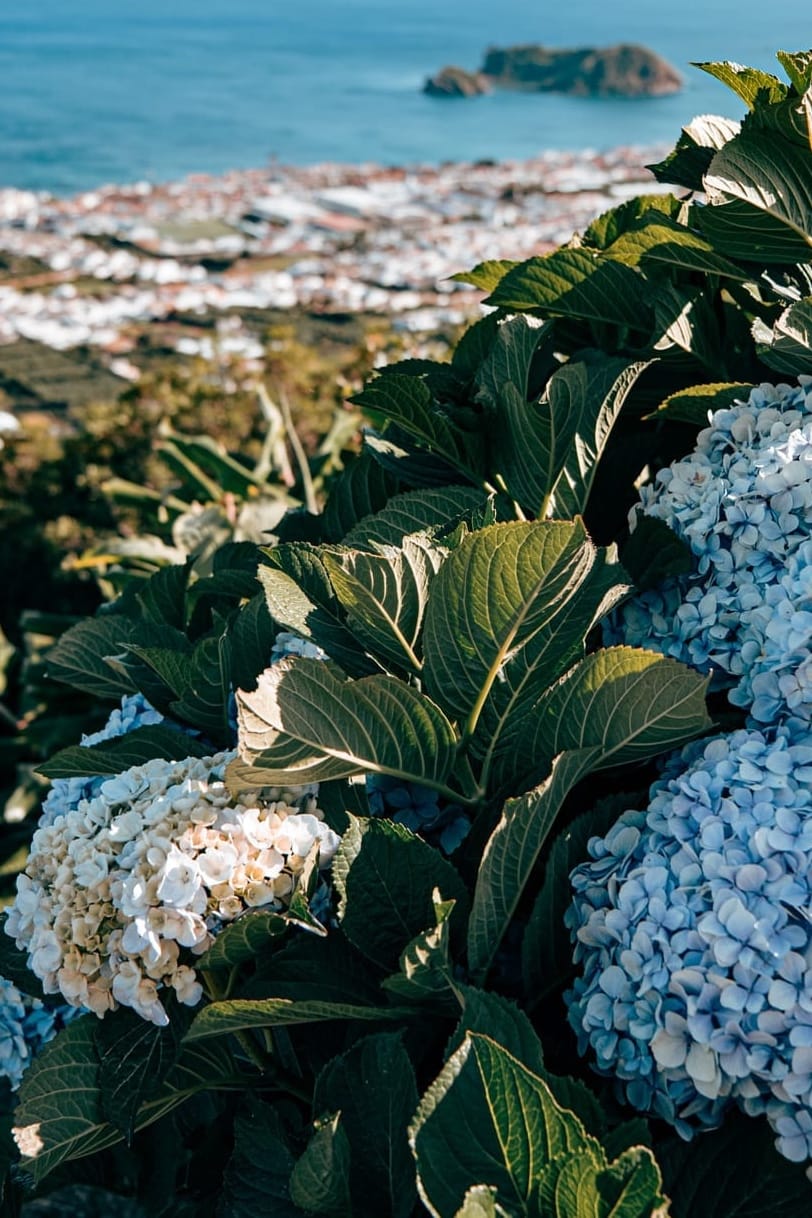
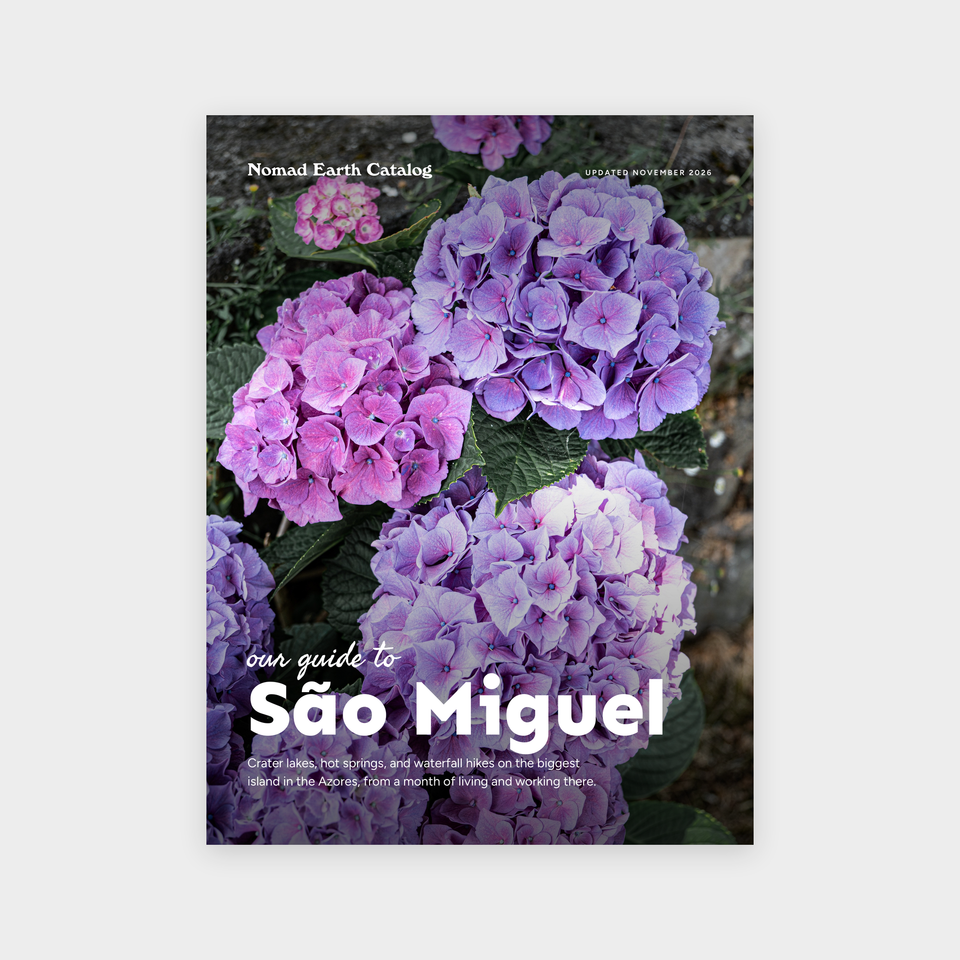
Vila Franca do Campo: the islet, beaches, and things to do
São Miguel's old capital: south-coast beaches, a hilltop chapel, and the islet offshore.
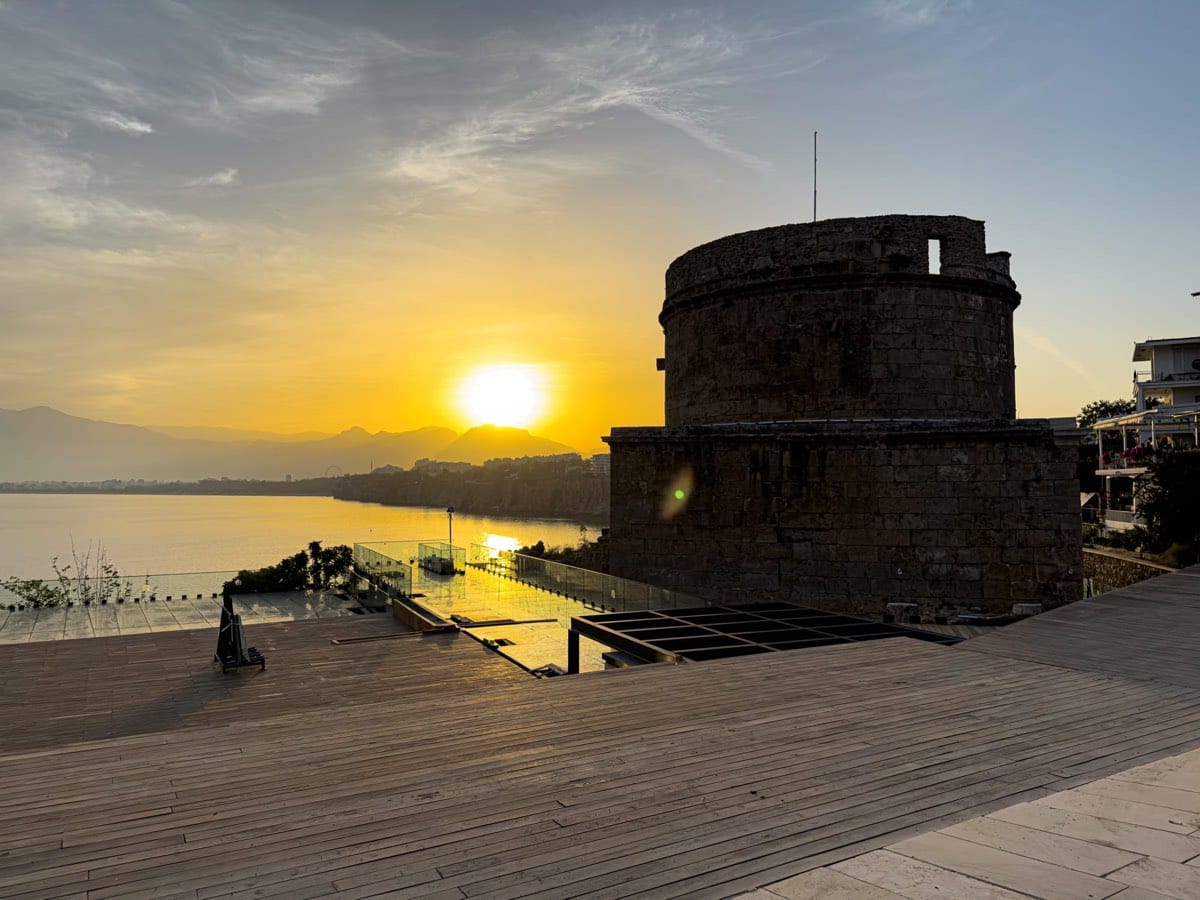
Kaleiçi: our guide to Antalya's old town
Antalya's walled old town: Hadrian's Gate, lanes of old houses, and a marina below.
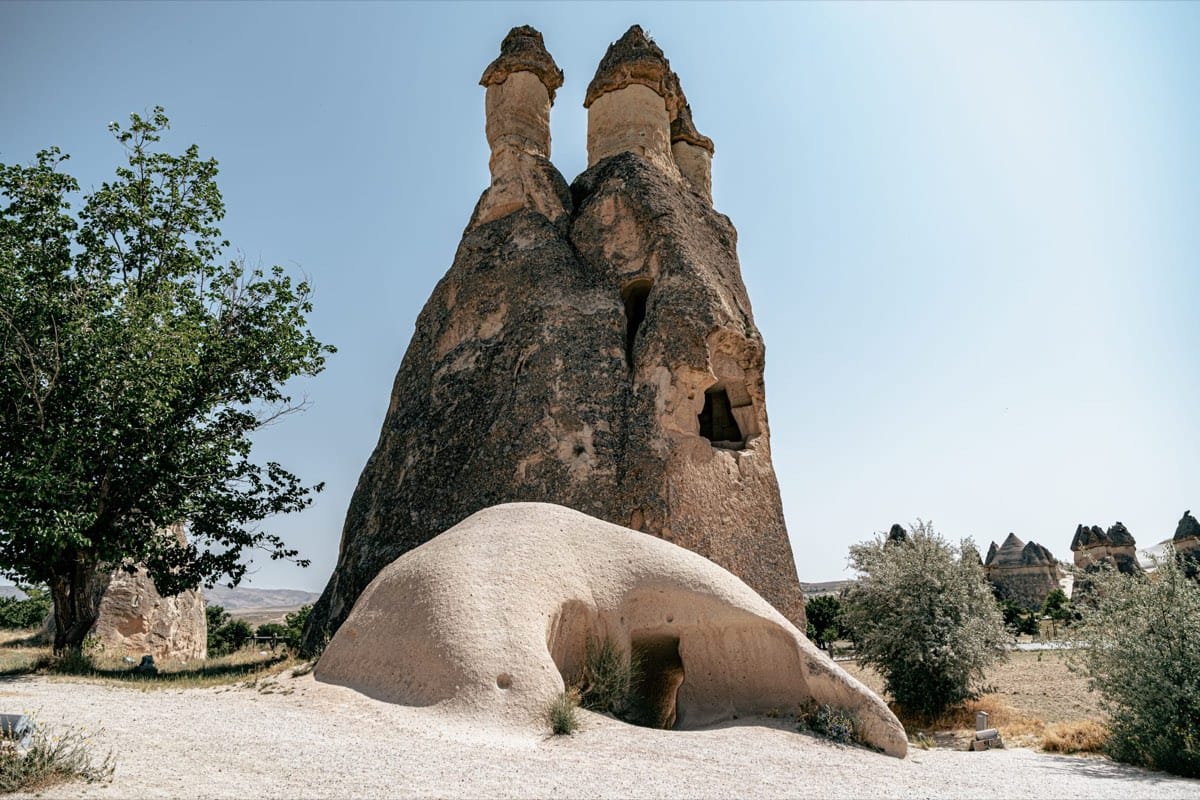
Red or Green tour in Cappadocia? The Red, Green, and Blue tours compared
Cappadocia's Red and Green day tours compared: what each covers and which to choose.
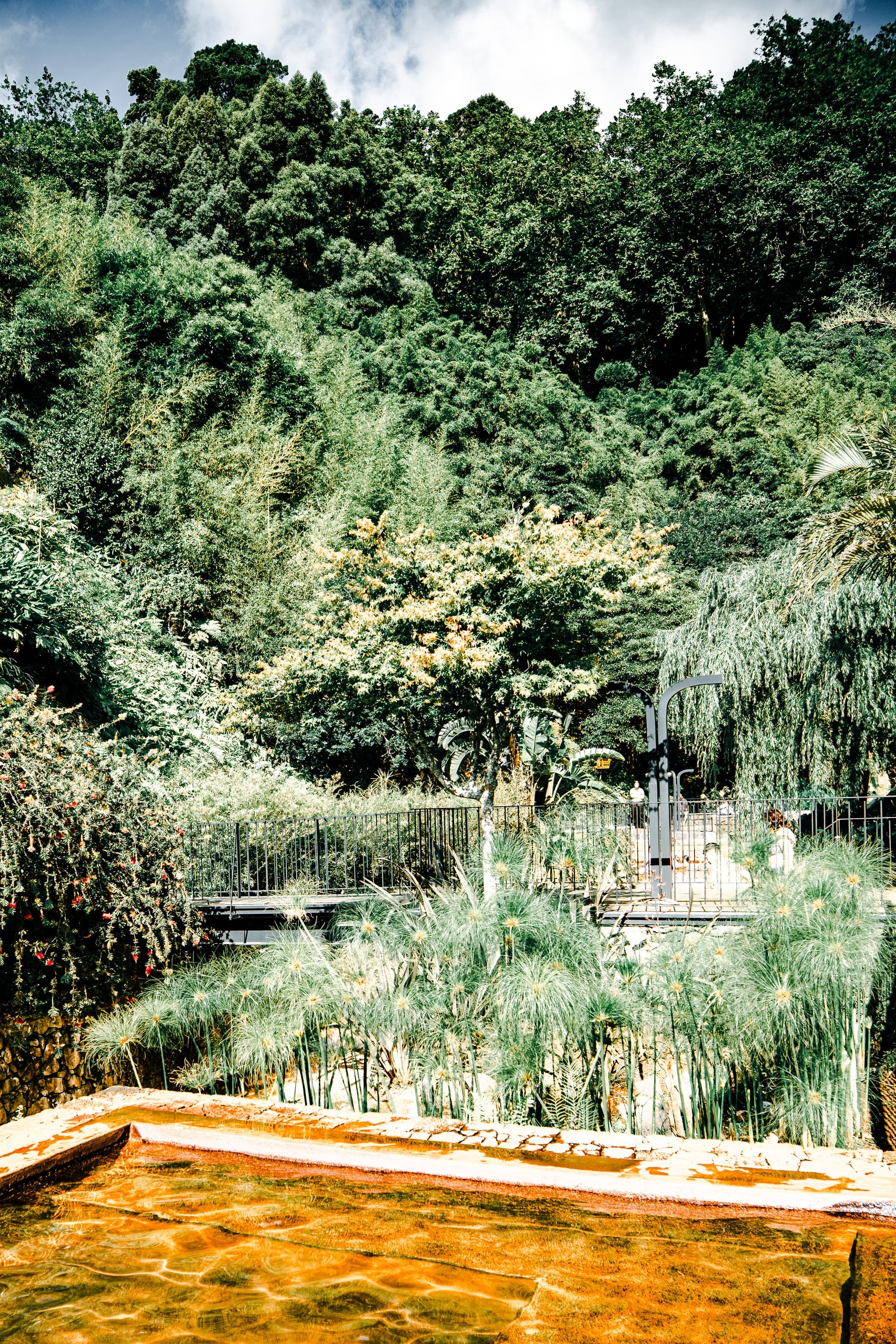
Poça da Dona Beija: relaxing in Furnas’ most iconic hot springs
Warm mineral pools edged in red clay and tropical gardens, our pick for an evening soak.
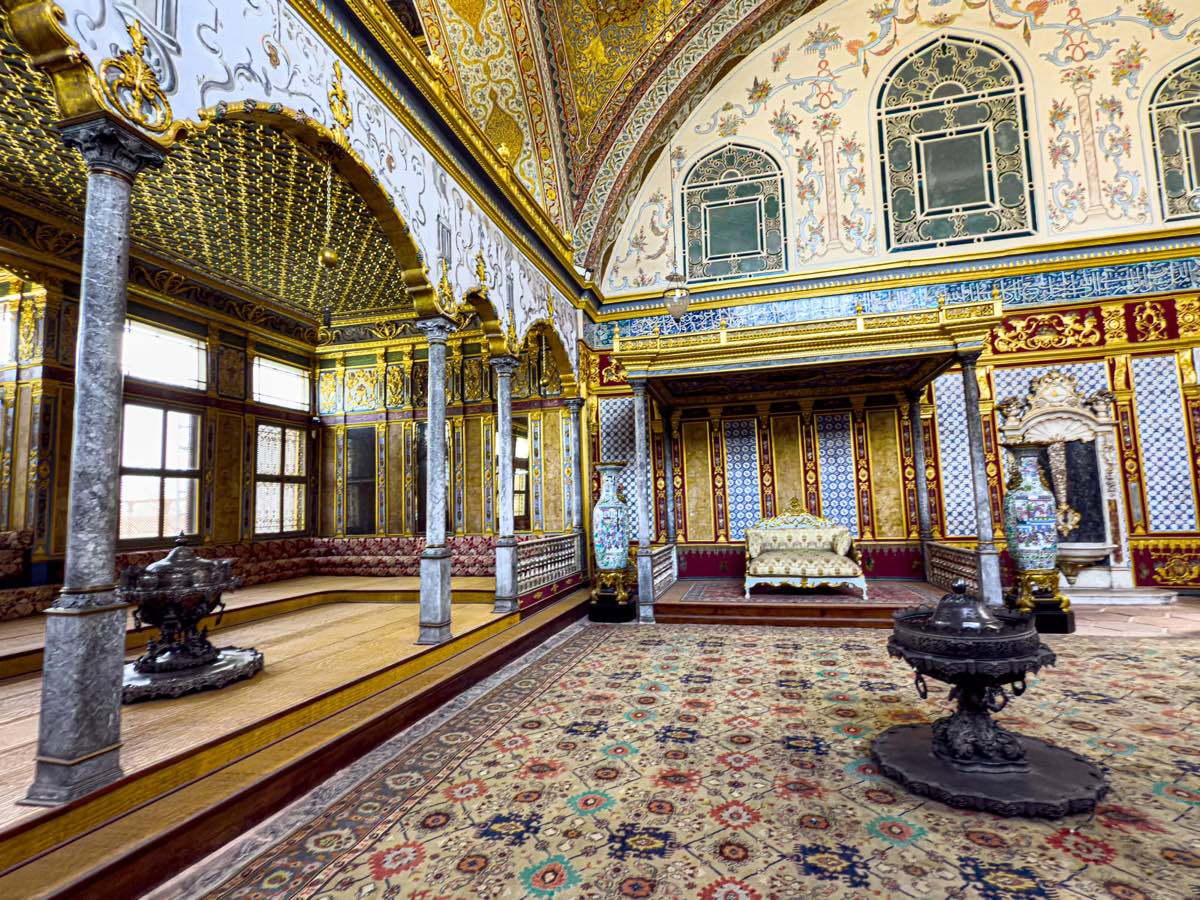
Topkapi Palace, Istanbul
Home of the Ottoman sultans for 400 years: the Harem, the treasury, and the tiled rooms.
Local voices
Spoken from the ground up.

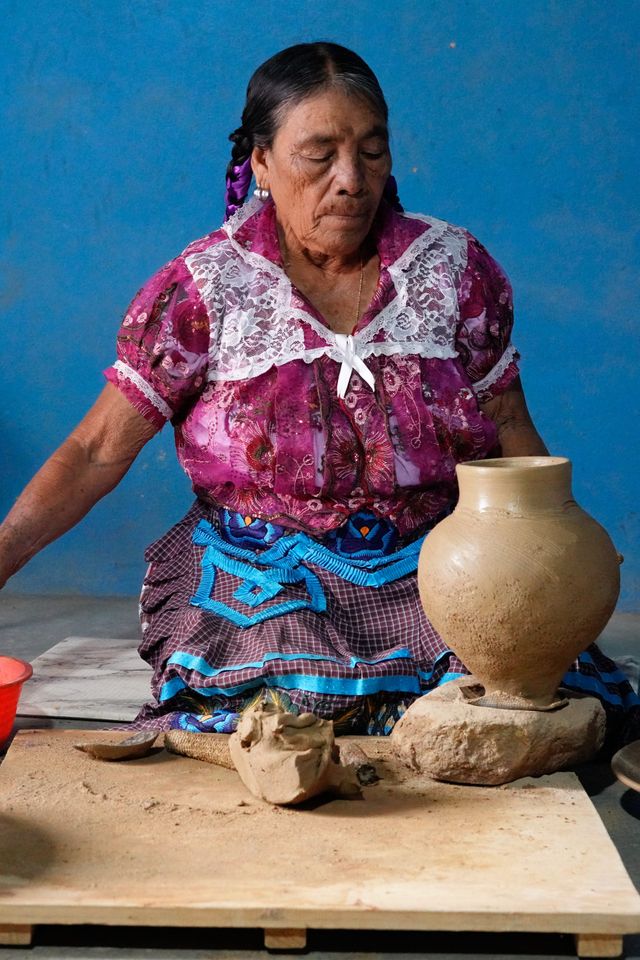
“[The leaders of San Juan Chamula] receive salaries from Coca-Cola, but most of the people in Chamula are angry because the Chamulas are artists. They play heavy metal. They’re painters, extraordinary painters from San Juan Chamula.”
Most memorable
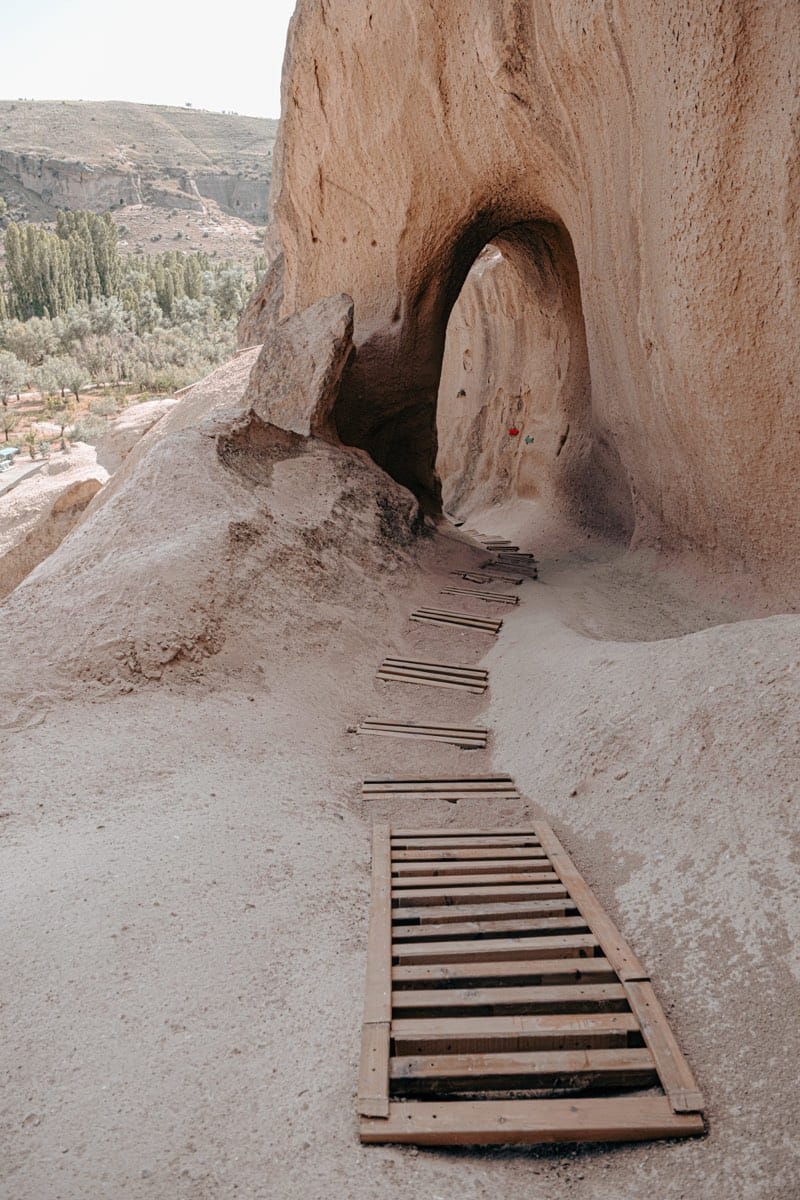
Selime Monastery: what to see, tickets and how to visit
Often called Cappadocia's largest rock-cut monastery, in a cliff at the end of Ihlara Valley.
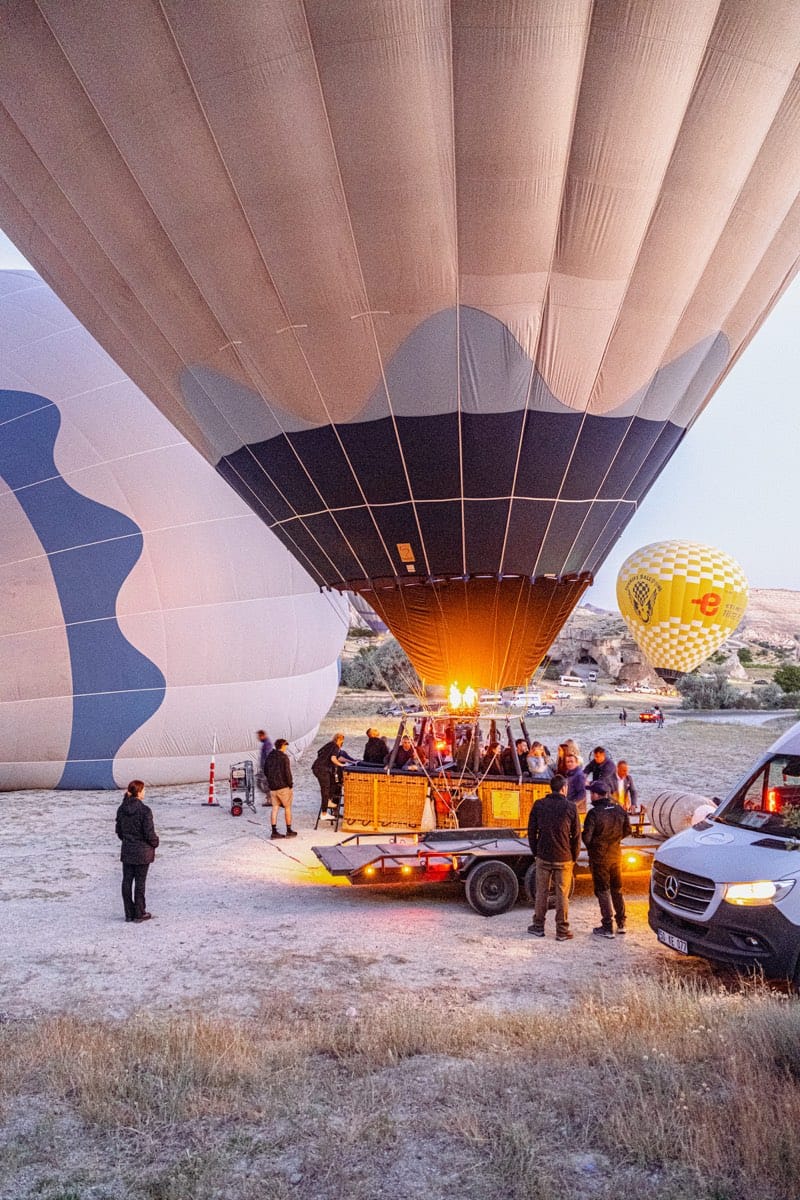
Cappadocia hot air balloons: how to see them, from the ground or the sky
Seeing Cappadocia's balloons from the ground, a rooftop, or the sky, and how to book.
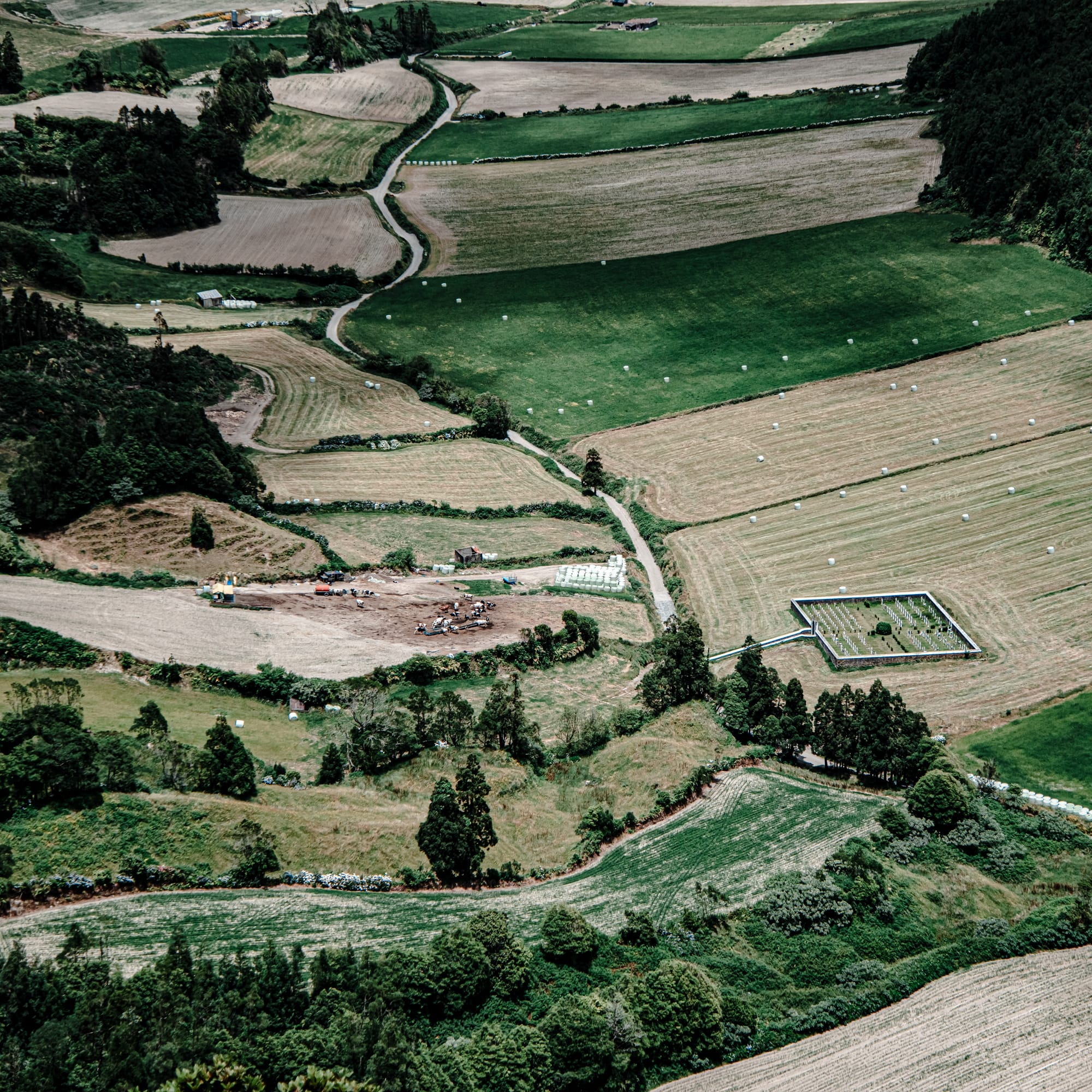
Hiking the PR3-SMI trail: from mountaintop miradouro to lakeside village
The PR3-SMI trail from the Vista do Rei lookout down to Sete Cidades, past crater lakes.
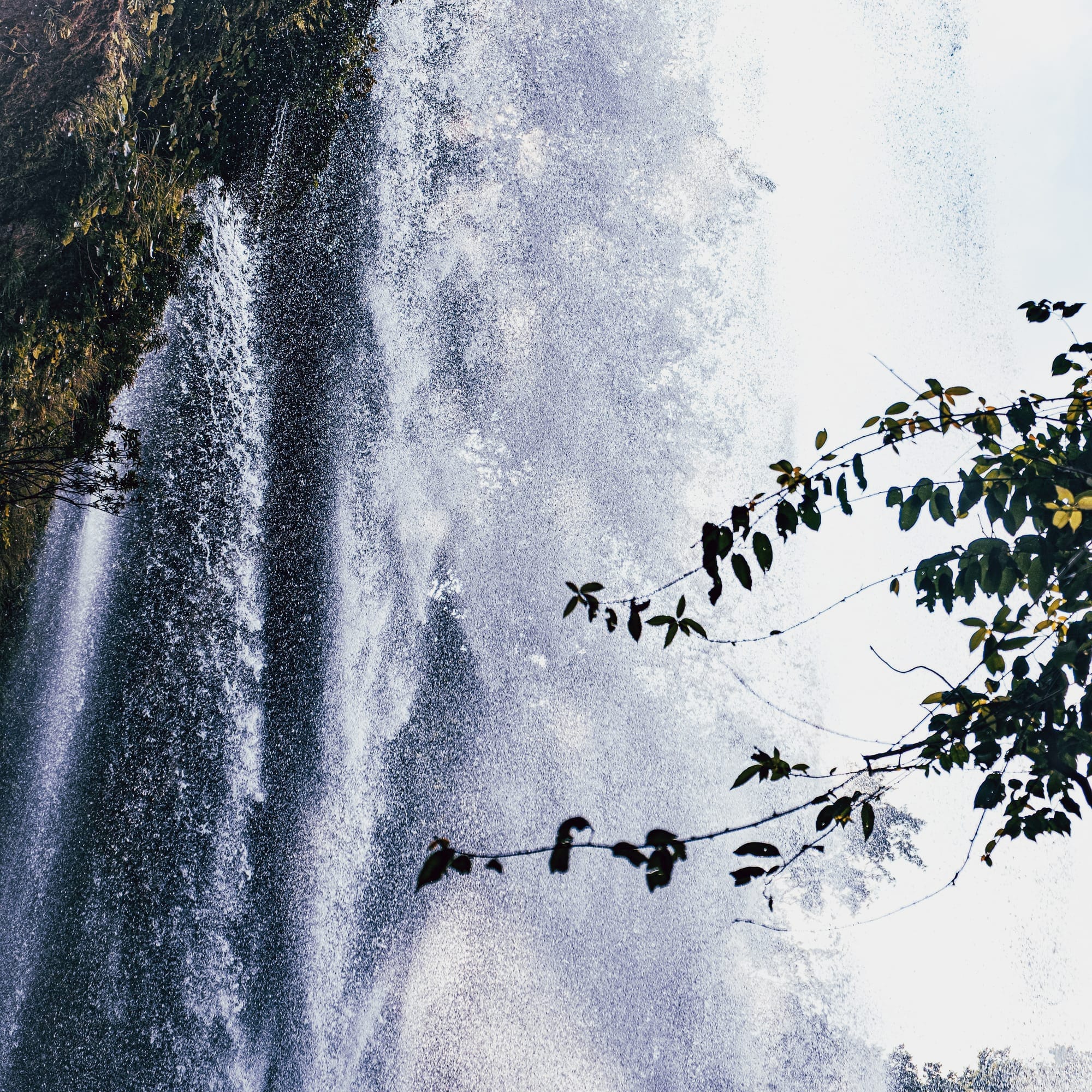
Misol-Há waterfall near Palenque: entry fee, the cave, and how to get there
A waterfall on the road from San Cristóbal to Palenque, with a swim and a cave behind it.
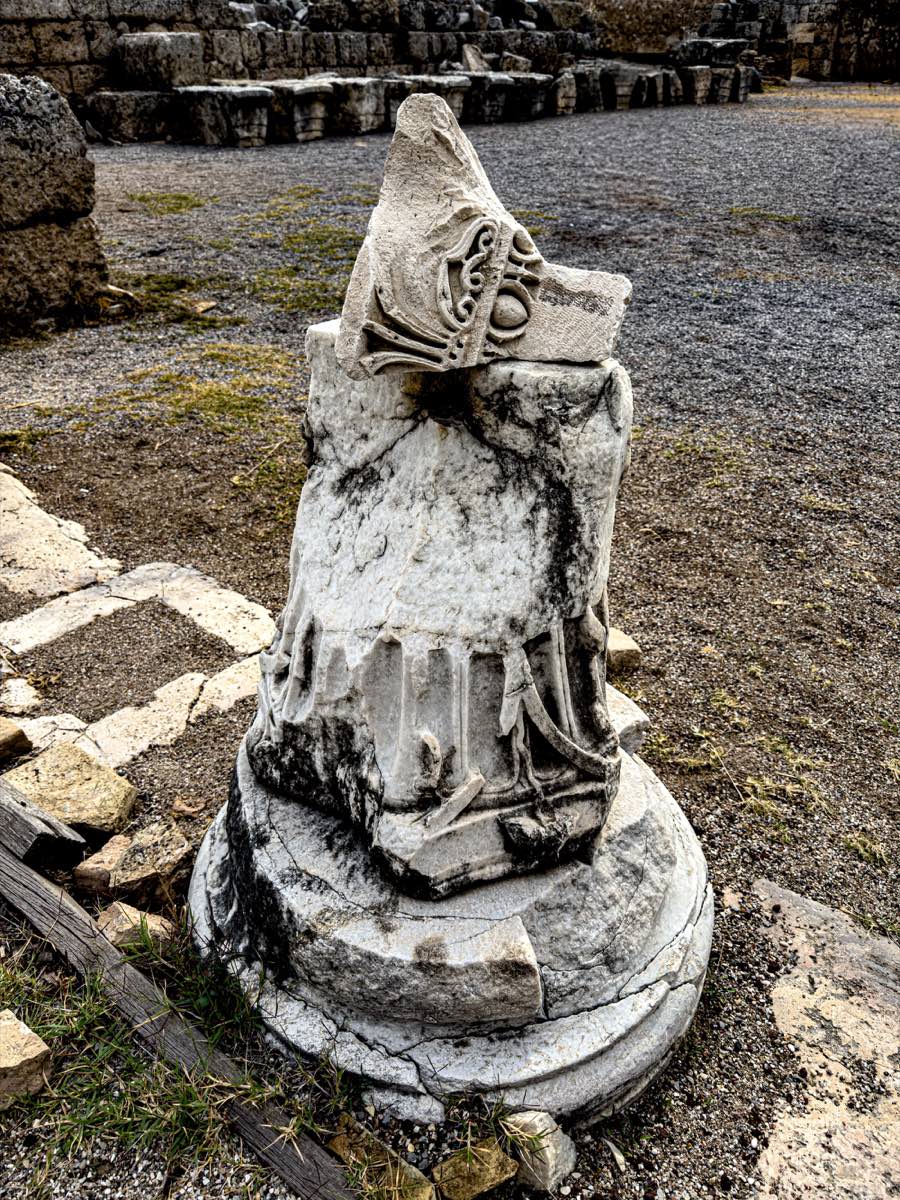
Perge ancient city, Turkey: a half-day trip from Antalya
A Greek and Roman city near Antalya: a towering gate, a colonnaded street, and baths.
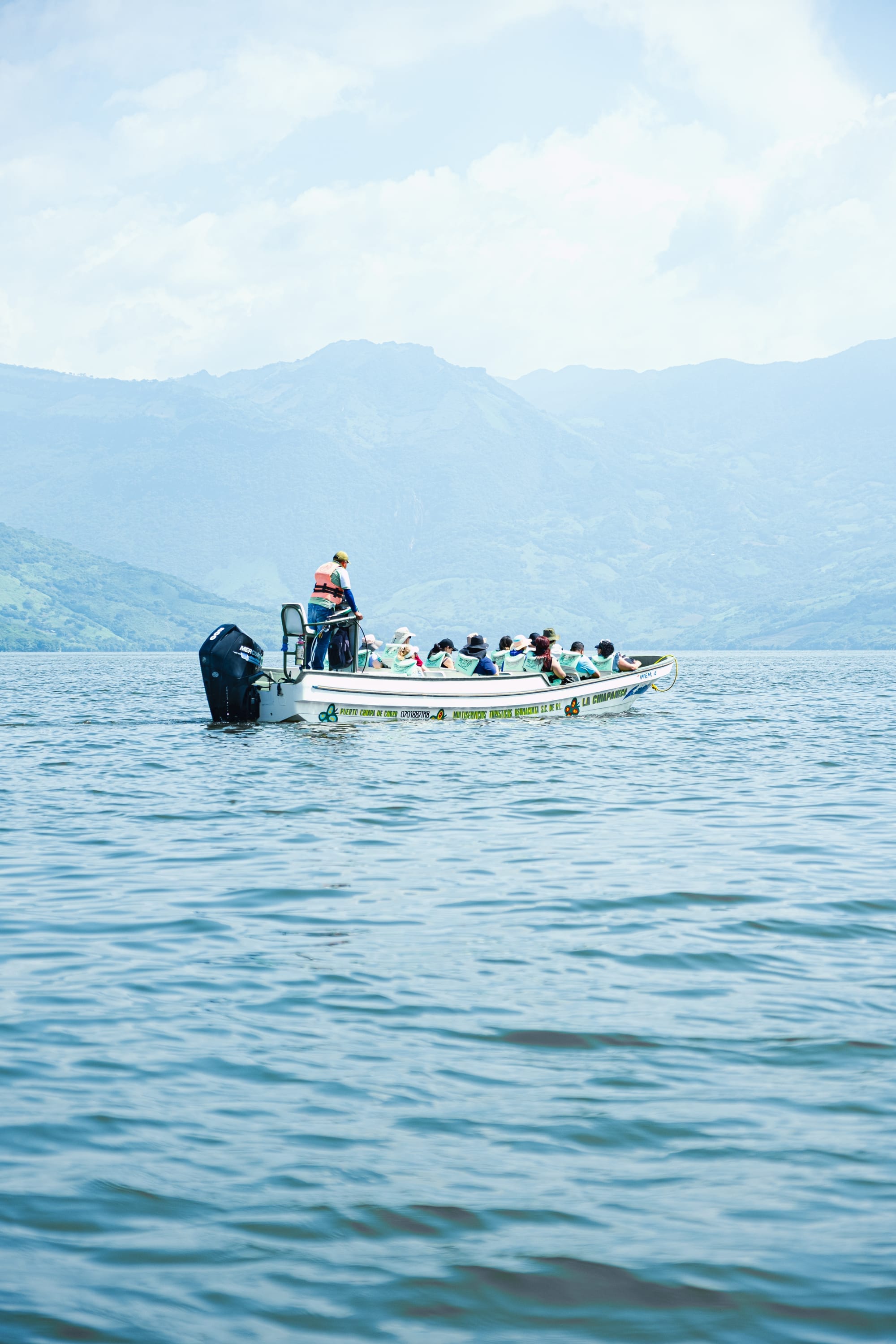
Cañón del Sumidero: a boat tour from San Cristóbal de las Casas
A boat trip through the canyon from Chiapa de Corzo, a day out from San Cristóbal.
Nomadics
Thinking beyond the itinerary.

“The visual economy of digital nomadism operates less as persuasion than as pedagogy, a quiet education of desire. Through repetition and beauty, certain lives are made visible, legible, and aspirational, while others recede from view, not through prohibition but through neglect. What emerges is not a command, but a conditioning: an image-world that trains us to recognize some ways of being as vibrant and modern, and others as background, residual, or already past.”

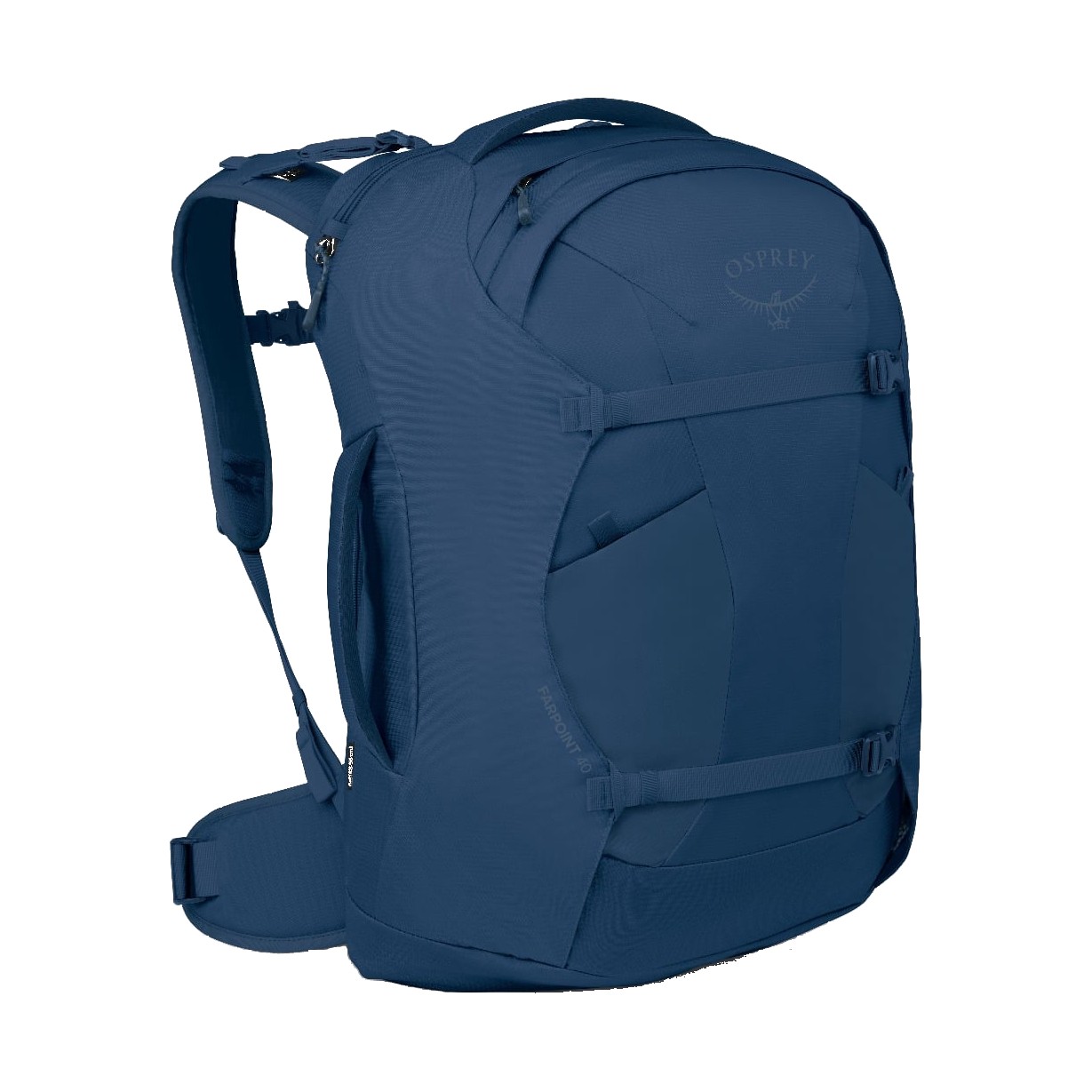
Inside our camera bag
The hardware of paying attention.

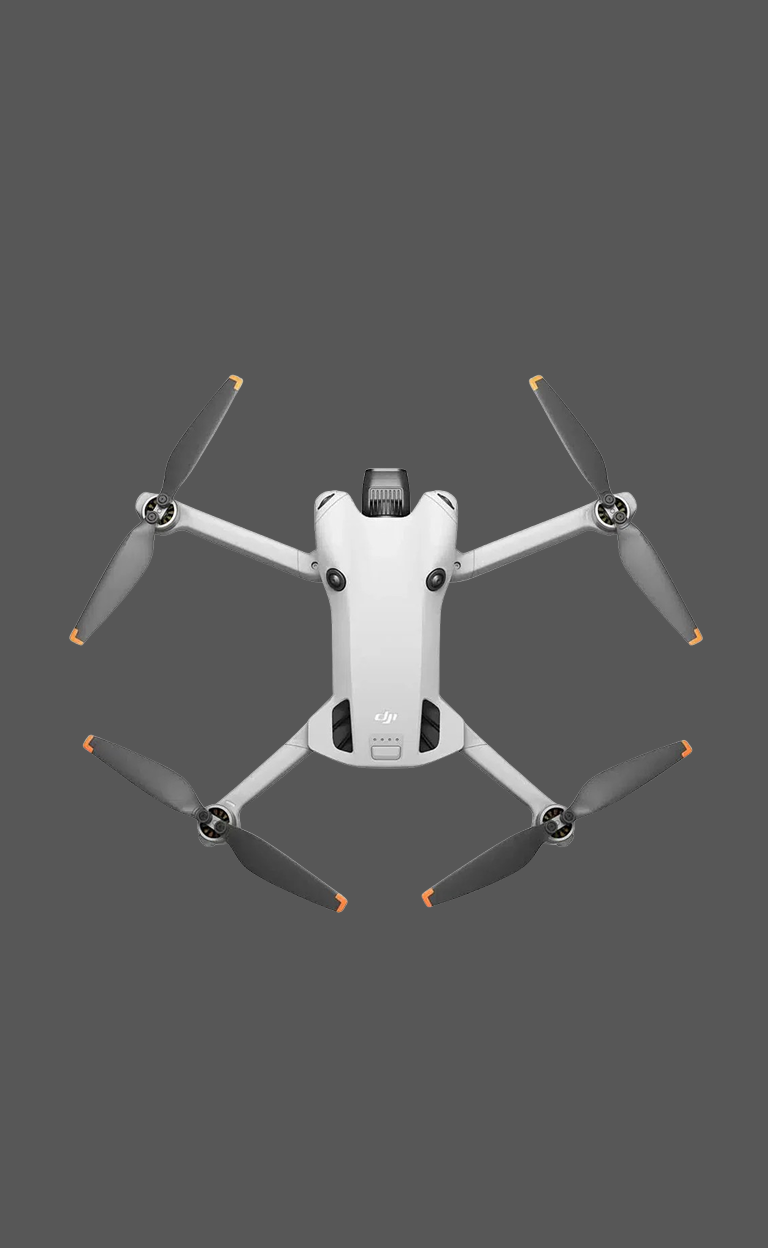
Fujifilm X-T5
Most of the photos on this site have been taken with our Fujifilm X-T5. Besides its tactility and color science, we love its portability. It's surprisingly lightweight, which makes it highly practical for travel and everyday use.

Everyday lens
Fujifilm's XF16-55mmF2.8 R LM WR II is our go-to everyday lens. It lives on our Fujifilm X-T5 about 90% of the time, and for good reason. It’s powerful, versatile, and takes excellent photos in all kinds of situations.
Back matter
Infrastructure for the curious.

Nomad Earth Catalog is an independent editorial publication on slow travel and long-term life abroad. The Catalog publishes travel guides, place-based and critical essays, documentary photography, and resources for nomads navigating place, work, and culture. Everything here comes from places we have lived in ourselves.
We’re long-term travelers who work remotely, and we stay for months at a time. That changes what you notice. Our guides answer what a friend would ask before moving somewhere for a while: where to stay for a month or more (apartments and coliving spaces included), what things actually cost, where to work, what to do, where to eat vegan, and which gear makes remote work easier. They run from street art in alternative neighborhoods and social and political movements to ancient ruins and archaeological sites, and from corner cafés and coworking spaces to hiking trails. We don’t try to cover every destination. If we haven’t lived somewhere, we don’t write a guide to it.
Alongside the city guides, we write cultural analysis on mobility, community, work, power, freedom, and meaning: the systems that shape how we live, relate, and imagine what a good life might be.
“We should long ago have got into the habit of moving about, of moving about freely, without it being too much trouble.
But we haven’t done so, we’ve stayed where we were; things have stayed as they were.
We haven’t asked ourselves why it was there and not somewhere else, why it was like this and not otherwise.”