
The best time to visit Turkey is April to June or September to October. It's warm enough for the beach on the coast, cool enough to walk around Istanbul all day, and good hiking weather in Cappadocia, without the July and August crowds and heat.
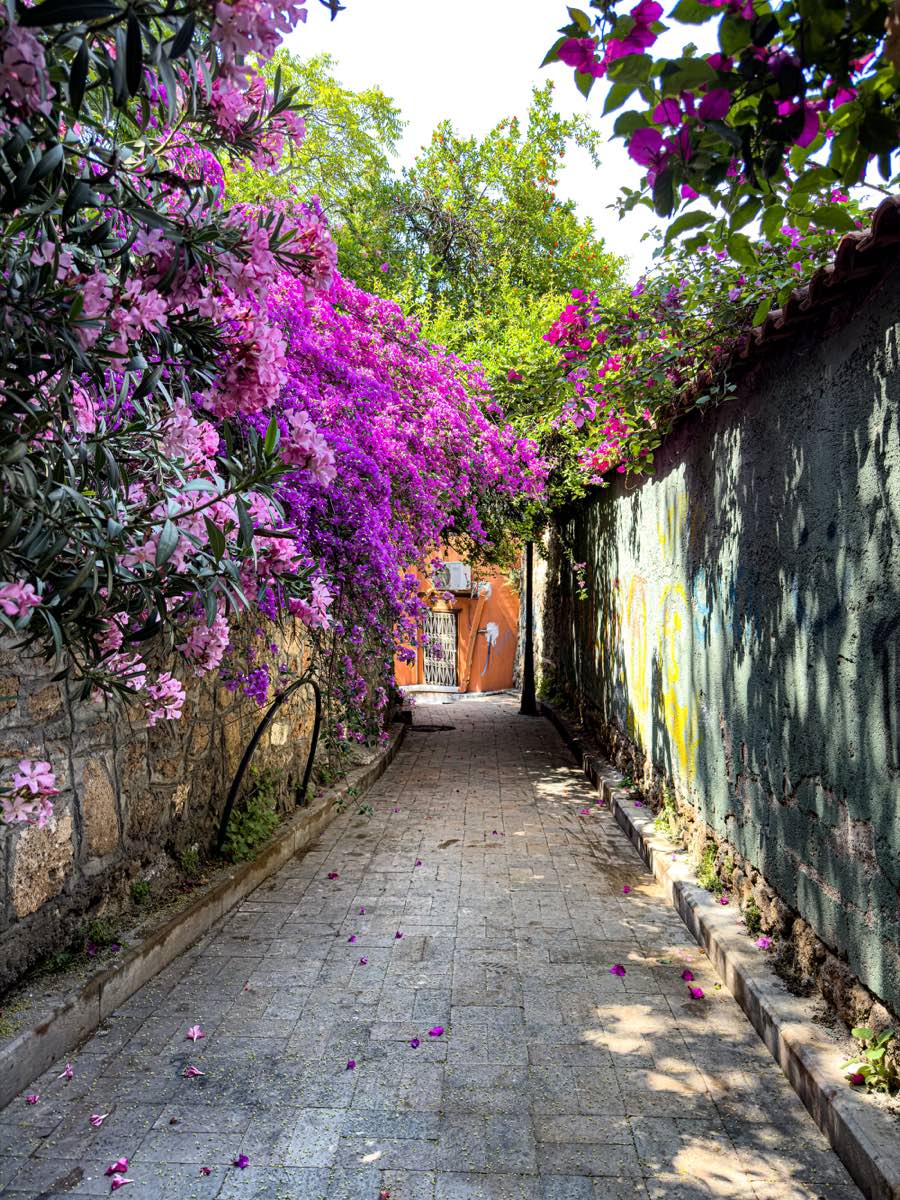
The longer answer depends on where you're going, because Turkey is big and its regions have very different weather. We spent about three months in Istanbul, Antalya, and Cappadocia, starting in May, so we saw late spring and the heat of summer. Here's what to expect in each region, season by season. To plan the trip itself, see our Turkey itinerary.
Best time to visit Turkey at a glance
Best overall: April to June and September to October
Best for the beach: June to September (the sea is warmest in August, around 28°C)
Hottest: July and August, with highs around 35°C in Antalya
Cheapest, fewest crowds: November to March, except around Christmas and New Year
Cold and snowy: Cappadocia in winter, with nights below freezing
Busy holidays: Kurban Bayramı (expected 16 to 19 May 2027) and the European summer holidays
Turkey by season
Spring (April to June)
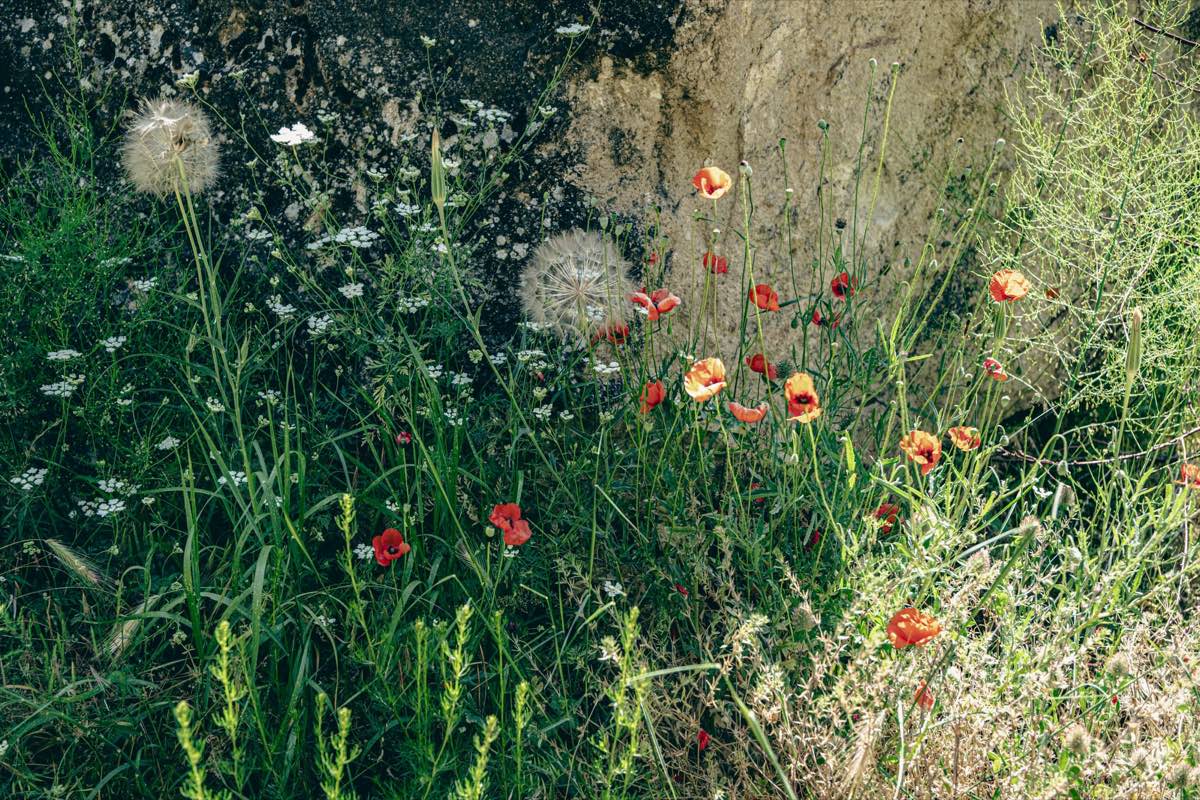
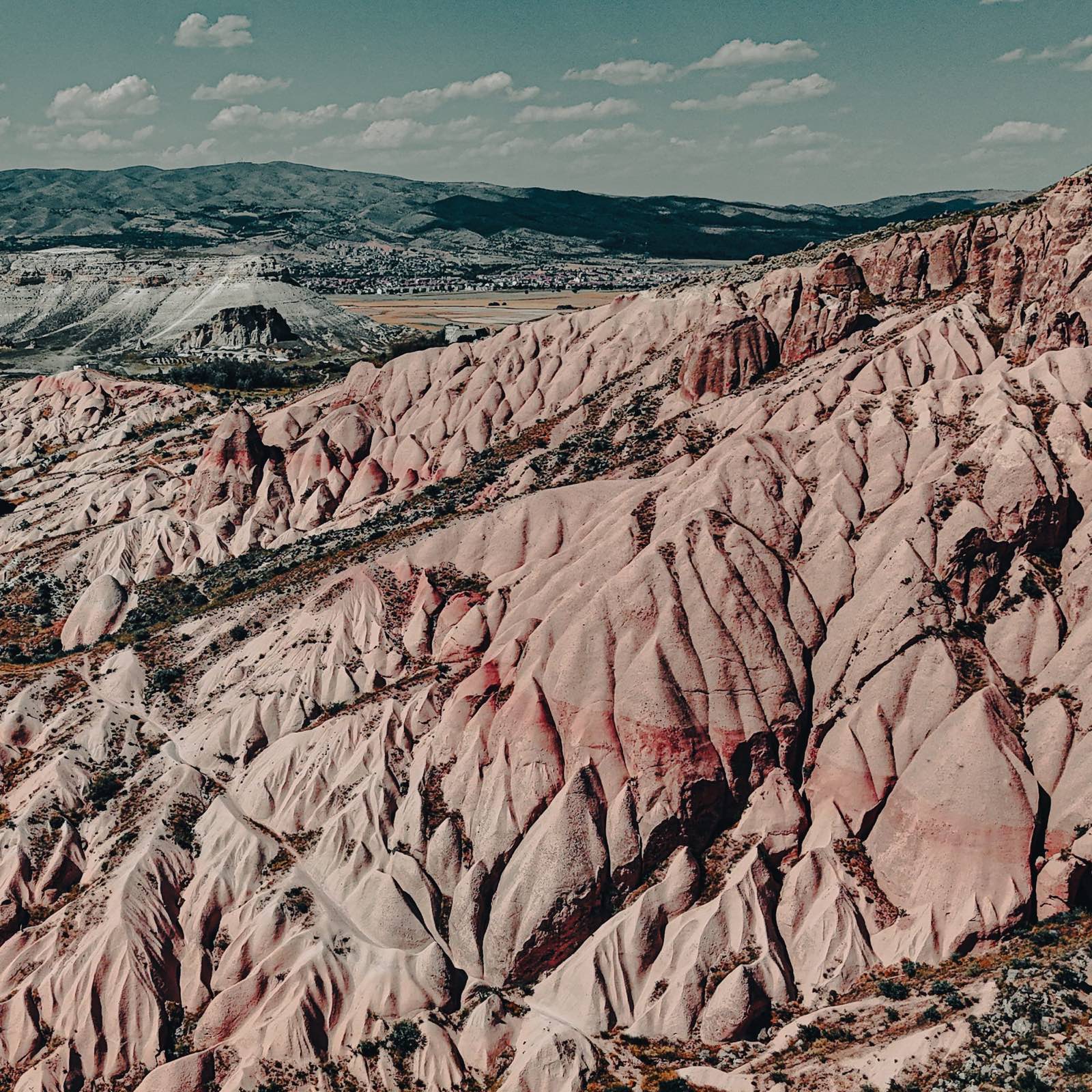
Our favorite season, and the one we'd pick for a first trip. Istanbul is mild and sunny, and its parks fill with tulips in April. The sea on the coast is still cool in April but good for swimming by June. In Cappadocia, the valleys are green and full of wildflowers, which makes it the best time for hiking.
Prices start climbing in late May and June, so book ahead for those months.
Summer (July and August)
Summer is peak season, and it's hot. Antalya and the coast often reach the mid-30s°C, and the sea is at its warmest, around 28°C in August. Istanbul is hot and humid, and the big sights have their longest lines. Cappadocia has hot, dry days and cool nights.
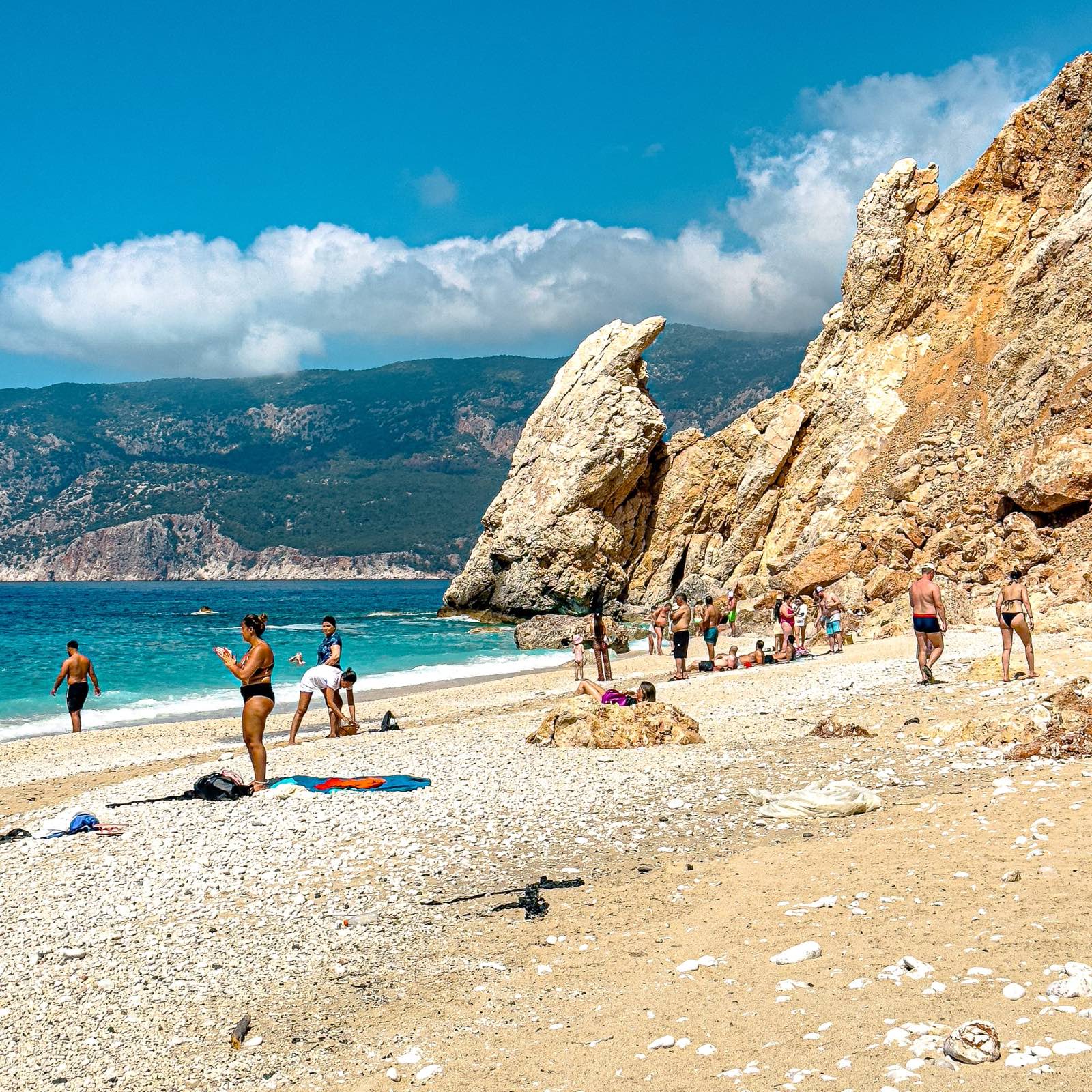
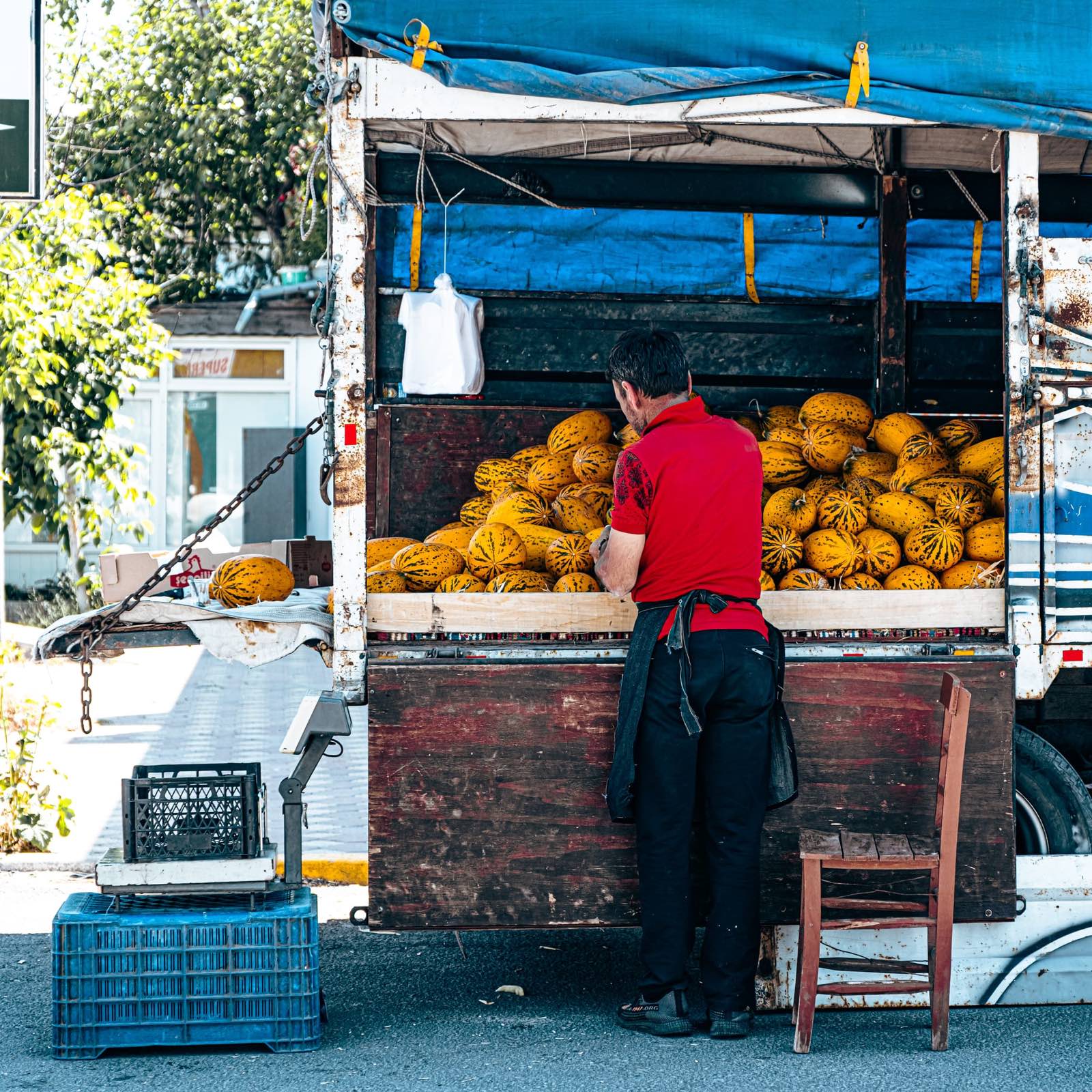
We were in Cappadocia when it was hot, and it was fine as long as we hiked early or late and took sun protection seriously. If you're coming mainly for beaches and boat trips, like Kekova or Suluada, summer is great. For sightseeing, it's the hardest time to come.
Autumn (September and October)
Autumn is just as good as spring, and maybe better for beach lovers, because the sea is still warm in September and October after a whole summer of sun. Istanbul cools down, the crowds thin out, and Cappadocia's valleys turn golden, which makes it a good time for hiking and balloon flights.
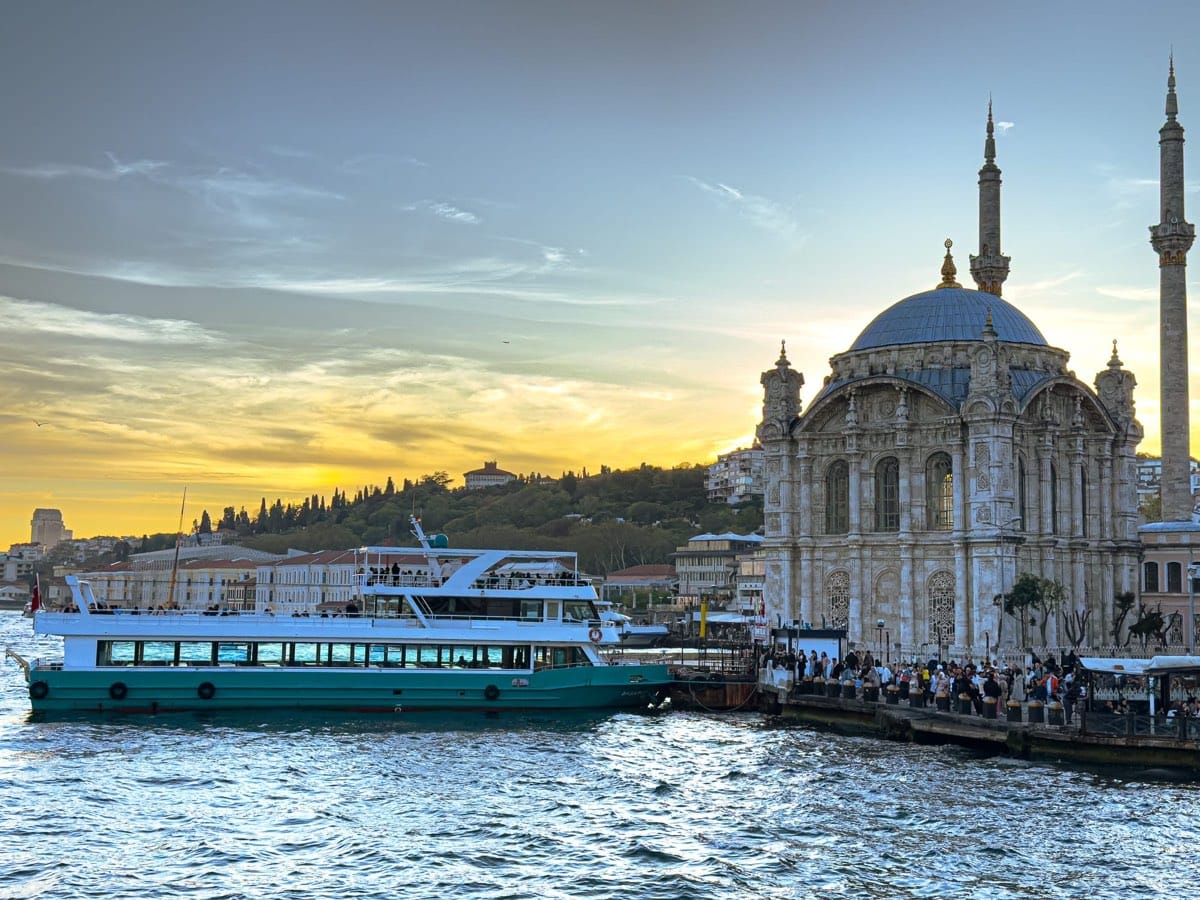
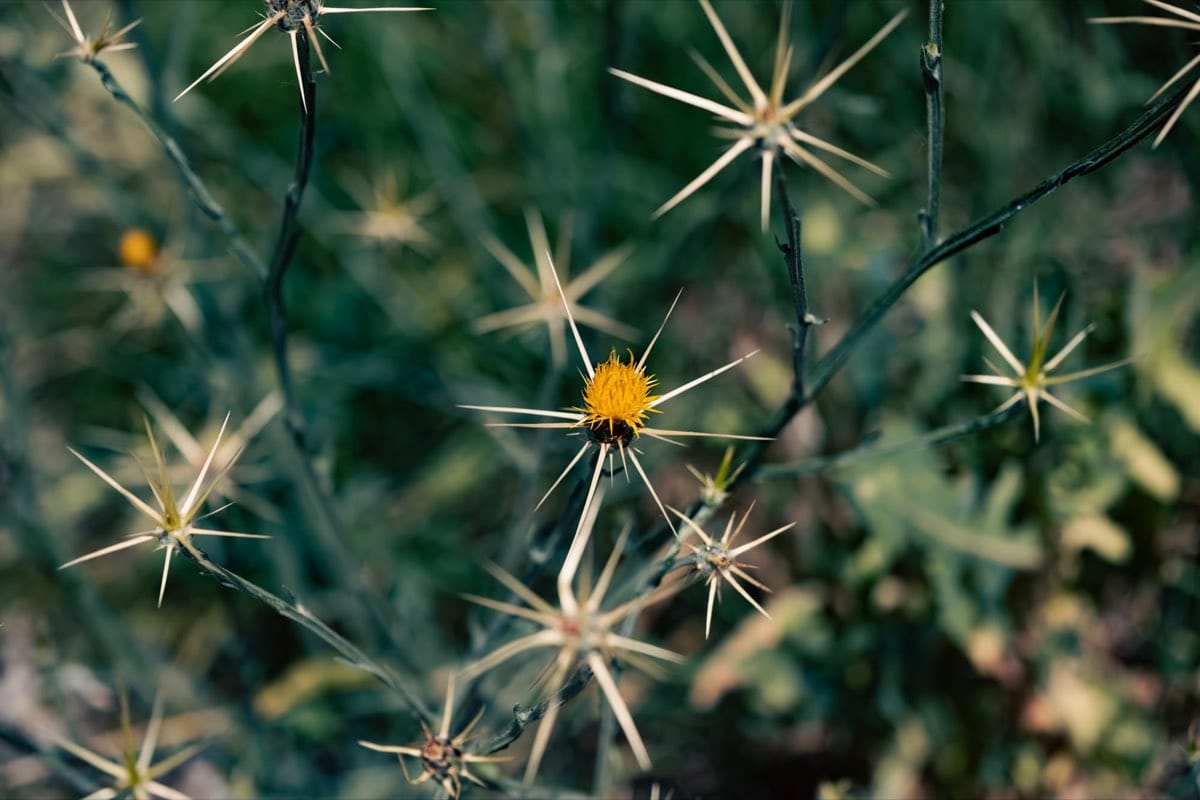
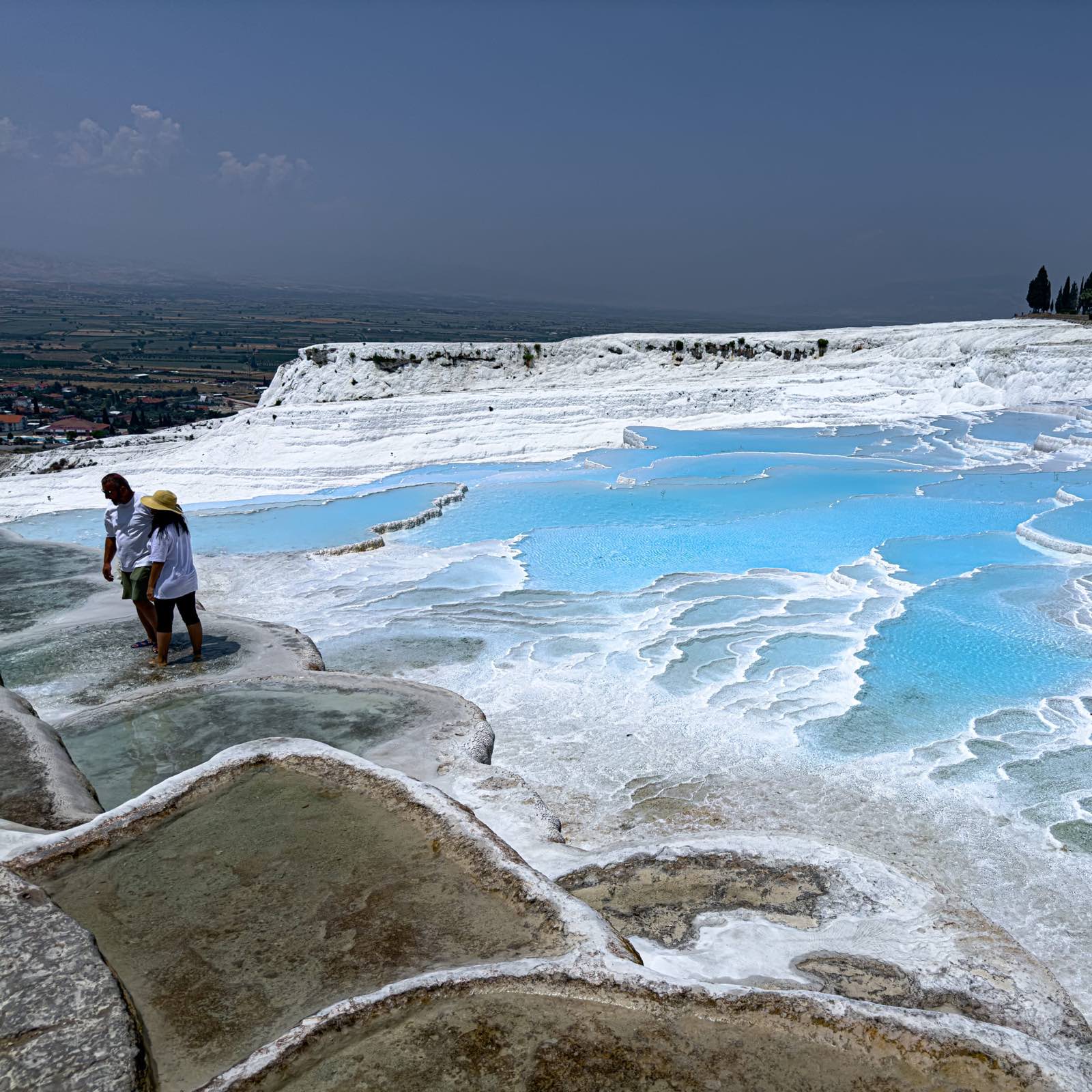
It's also a good time for long day trips that are tiring in the heat, like Pamukkale and Hierapolis from Antalya.
Winter (November to March)
Winter is the cheapest time to visit, with the fewest crowds. Istanbul is cool and rainy, with highs around 9°C in January and the odd snowy day, but its mosques, palaces, and museums are indoors and much less crowded. Antalya stays mild, with highs around 15°C in January, though it's too cold for most people to swim. Cappadocia gets cold and snowy, with nights below freezing.

If you don't mind the cold, a snowy Cappadocia with balloons overhead is a sight a lot of people come for. Just plan for more cancelled flights, as winter weather grounds them more often.
Best time to visit Istanbul
April to June and September to October. Summer works, but go to the big sights early, and take a sunset Bosphorus cruise to cool off on the water. See our Istanbul itinerary and our guide to where to stay in Istanbul.
Best time to visit Antalya and the coast
June to October for swimming, with September and October the best balance of warm sea and fewer crowds. Spring is better for the ancient sites like Aspendos and Termessos, which are hard work in the summer heat. See our day trips from Antalya and where to stay in Antalya.
Best time to visit Cappadocia
April to June and September to October for hiking and comfortable days. The balloons fly all year when the wind is calm, so you can see them in any season. Our full guide to the best time to visit Cappadocia goes month by month.

Whenever you go, give yourself two or three mornings in Cappadocia in case a balloon flight is cancelled. Read our guide to the Cappadocia hot air balloons.
Best time to visit Turkey, region by region
We only know Istanbul, Antalya, and Cappadocia first-hand, but plenty of people add another region, and the weather changes a lot across the country. These notes use the long-term averages from Turkey's state weather service, the Turkish State Meteorological Service (MGM).
Aegean coast (İzmir, Ephesus, Bodrum)
Go from April to June or in September and October. İzmir's averages show highs of about 21°C in April and 29°C in September, against 33°C in July, when it almost never rains. Ephesus is a big open site with little shade, so in summer go when it opens or in the late afternoon.
Black Sea coast (Trabzon, Sumela Monastery)
This is the green, rainy side of Turkey, and summer is the time to go. Trabzon gets rain on 11 or 12 days a month for most of the year, and October is its wettest month. July and August are the driest, with highs of only about 26°C, which makes the region a good escape from the heat on the south coast. The high mountain trails in the Kaçkar range are usually free of snow only from about June to mid-September.
Eastern Anatolia (Erzurum, Kars, Lake Van)
Go from June to September. Winters are severe: Erzurum averages a high of -4°C and a low of -14°C in January, and its record low is -37°C. That makes it a ski destination in winter, at Palandöken, and pleasant in summer, with highs around 27°C.
Southeast (Şanlıurfa, Göbekli Tepe, Gaziantep, Mount Nemrut)
Go in April and May or in October and November. Summer is fierce: Şanlıurfa averages 39°C in July, with a record of almost 47°C, and almost no rain from June to September. Mount Nemrut is high and cold at sunrise even in summer, and its summit gets snow in winter, so check access before you plan it outside the warmer months.
Holidays and Ramadan
Turkish holidays can mean full buses, flights, and hotels, especially Kurban Bayramı (Eid al-Adha), when many people travel. In 2027 it's expected from 16 to 19 May. Ramazan Bayramı, at the end of Ramadan, is expected from 9 to 11 March 2027.
Visiting during Ramadan is easy. In the tourist areas, most restaurants and cafés stay open in the daytime, and the evenings, when families break the fast together, are lively. Just be respectful about eating in public in more conservative areas.
Ramadan 2027 in Turkey
According to the official calendar of the Presidency of Religious Affairs (Diyanet), Ramadan (Ramazan in Turkish) starts on Monday 8 February 2027, with the first fast that day, and the last fast is on 8 March. During the month, restaurants fill up right at sunset for iftar, the meal that breaks the fast, and some people book a table for it. In some neighborhoods, a drummer walks the streets before dawn to wake people for sahur, the pre-dawn meal, so earplugs help if you're a light sleeper.
Turkey public holidays in 2027
Banks, offices, and some museums close or keep shorter hours on public holidays, and buses, flights, and hotels book up around the two bayrams. The bayram dates below follow the Diyanet calendar. Other sites, like timeanddate, list Ramazan Bayramı a day later as a tentative date, so check closer to the time. The government sometimes adds bridge days to turn a bayram into a longer break, announced a few months ahead.
| Date (2027) | Holiday |
|---|---|
| 1 January (Friday) | New Year's Day |
| 8 March (afternoon) | Eve of Ramazan Bayramı (half day) |
| 9 to 11 March (Tuesday to Thursday) | Ramazan Bayramı (Eid al-Fitr), end of Ramadan |
| 23 April (Friday) | National Sovereignty and Children's Day |
| 1 May (Saturday) | Labour and Solidarity Day |
| 15 May (afternoon) | Eve of Kurban Bayramı (half day) |
| 16 to 19 May (Sunday to Wednesday) | Kurban Bayramı (Eid al-Adha) |
| 19 May (Wednesday) | Commemoration of Atatürk, Youth and Sports Day (same day as the last day of Kurban Bayramı) |
| 15 July (Thursday) | Democracy and National Unity Day |
| 30 August (Monday) | Victory Day |
| 28 October (afternoon) | Eve of Republic Day (half day) |
| 29 October (Friday) | Republic Day |
Turkish school holidays add to the crowds too. According to the Ministry of National Education's 2026 to 2027 calendar, reported by Cumhuriyet, the winter break runs from 25 January to 5 February 2027, the spring break from 8 to 12 March (the same week as Ramazan Bayramı), and the school year ends on 25 June 2027. Expect the coast to fill up with Turkish families from late June.
Turkey weather by month
Average daytime highs, to give you an idea. Nights in Cappadocia are much colder, especially in spring and autumn.
| Month | Istanbul (high) | Antalya (high) | Cappadocia (high) |
|---|---|---|---|
| January | 9°C | 14°C | 2°C |
| February | 9°C | 15°C | 5°C |
| March | 12°C | 18°C | 9°C |
| April | 16°C | 21°C | 15°C |
| May | 21°C | 26°C | 19°C |
| June | 26°C | 31°C | 24°C |
| July | 28°C | 34°C | 27°C |
| August | 28°C | 34°C | 27°C |
| September | 25°C | 31°C | 23°C |
| October | 19°C | 26°C | 17°C |
| November | 14°C | 21°C | 11°C |
| December | 11°C | 16°C | 5°C |
The sea on the Mediterranean coast is warm enough for most people from June, at around 22°C, peaks at about 27 to 28°C in August, and stays around 22°C into October. Rain falls mostly from November to March, with Istanbul wettest in December and January.
Average highs and lows around Turkey
The month table above gives daytime highs. This one adds the night-time lows and four more regions, which matters most in Cappadocia and the east, where nights get cold. Figures are long-term averages from the MGM, rounded, in °C (high / low).
| City | January | April | July | October |
|---|---|---|---|---|
| Istanbul | 10 / 4 | 17 / 9 | 30 / 21 | 21 / 14 |
| Antalya | 15 / 6 | 21 / 11 | 34 / 23 | 27 / 15 |
| Nevşehir (Cappadocia) | 4 / -4 | 16 / 5 | 29 / 14 | 18 / 7 |
| İzmir (Aegean) | 13 / 6 | 21 / 11 | 33 / 23 | 24 / 15 |
| Trabzon (Black Sea) | 11 / 5 | 16 / 9 | 26 / 20 | 20 / 14 |
| Erzurum (east) | -4 / -14 | 11 / 0 | 27 / 11 | 15 / 2 |
| Şanlıurfa (southeast) | 10 / 2 | 22 / 10 | 39 / 24 | 27 / 15 |
One thing the averages show: spring is Cappadocia's rainiest time, with rain on about 13 days in May, while July and August get only two or so. Pack a light rain jacket for a spring trip, and a fleece for the early balloon mornings in any season.
Turkey month by month
January and February: cold and wet in Istanbul, snow in Cappadocia, few visitors and lower prices everywhere. Good for city breaks and snowy balloon photos.
March: still cool, but the first sunny days arrive on the coast.
April: one of the best months. Tulips in Istanbul, green valleys in Cappadocia, and comfortable sightseeing everywhere.
May: warm and dry, perfect for ruins and hiking, and the sea starts to warm up.
June: hot on the coast and beach season begins. Still good in Istanbul.
July and August: peak season and peak heat. Best for beaches and boat trips, hardest for sightseeing.
September: our favorite for a mixed trip: the sea is at its warmest, and the crowds start to thin.
October: mild, golden, and less crowded. Great for Cappadocia, and still warm enough to swim in the south.
November: cooler and rainier, with many coastal hotels closing.
December: winter again, with Christmas lights in Istanbul and the Mevlana Festival in Konya.
Festivals and events in Turkey
Istanbul Tulip Festival (April): millions of tulips in Emirgan Park, Gülhane Park, and Sultanahmet Square.
Hıdırellez (5 and 6 May): a spring festival with bonfires, music, and wishes tied to rose trees.
Istanbul Music Festival (June): classical concerts in historic venues.
Kırkpınar Oil Wrestling (early summer, Edirne): one of the oldest sporting events in the world, on UNESCO's intangible heritage list.
Aspendos Opera and Ballet Festival (summer): performances in the Roman theatre at Aspendos.
Ürgüp Grape Harvest Festival (late September or early October, Cappadocia).
Republic Day (29 October): flags, parades, and fireworks across the country.
Mevlana Festival (10 to 17 December, Konya): whirling dervish ceremonies marking the death of the poet Rumi.
Turkey's crowd and price seasons
Put the weather, the holidays, and the school calendar together and you get three seasons for crowds and prices:
- Peak season (late June to August, plus the bayrams): the highest hotel prices and the longest lines, especially on the coast and at the big Istanbul sights. In 2027, Kurban Bayramı (16 to 19 May) and Ramazan Bayramı (9 to 11 March) are the busiest weeks for domestic travel outside summer. Book flights, buses, and hotels early for these dates.
- Shoulder season (April to early June, September to October): good weather everywhere and fewer crowds. Prices climb from late May, and September is still busy on the coast because the sea is at its warmest.
- Low season (November to March): the cheapest time, with the shortest lines in Istanbul and Cappadocia. Many beach hotels on the coast close for the winter, and Christmas and New Year are busier and pricier in Istanbul and Cappadocia.
We started our three months in Turkey in May. By the time we got to Cappadocia it was hot, and a full day outside was hard going without serious sun protection. If you're going in summer, plan the outdoor days around early mornings and evenings.
Our pick
For a first trip that covers Istanbul, the coast, and Cappadocia, we'd go in May or late September. You get warm weather everywhere, a sea you can swim in, and none of the summer crowds. Then see our best things to do in Turkey to plan your days.
Don't forget travel insurance when you plan your trip. It's the one thing you hope you never use, and the peace of mind is worth it. We'd recommend SafetyWing Nomad Insurance. It covers medical emergencies abroad, you can buy it even after you've left home, and it renews every four weeks, so it works for a short trip or months on the road.
Frequently asked questions about the best time to visit Turkey
What is the best month to visit Turkey?
May or September, for warm weather, a swimmable sea, and fewer crowds.
What is the rainy season in Turkey?
November to March, especially on the coast and in Istanbul, where December is the wettest month.
When is the best time to see the balloons in Cappadocia?
Spring and autumn, when the weather is most stable. Balloons fly all year, but winter flights are cancelled more often.
What is the cheapest time to visit Turkey?
November to March, outside Christmas and New Year.
Is Turkey too hot in summer?
It's hot, especially on the coast, with highs in the mid-30s°C in July and August. Plan sightseeing for mornings and evenings.
When is beach season in Turkey?
From June to October on the Mediterranean coast, with the warmest sea in August.
Is it worth visiting Turkey in winter?
Yes, for Istanbul and Cappadocia, if you don't mind the cold. It's cheap and uncrowded, but too cold to swim.
When is Ramadan in 2027 in Turkey?
From 8 February to 8 March 2027, according to the Diyanet calendar. Ramazan Bayramı follows from 9 to 11 March.
When is Kurban Bayramı in 2027?
From 16 to 19 May 2027, with a half day on the afternoon of 15 May. It's one of the busiest times to travel in Turkey.
What is the hottest month in Turkey?
July, closely followed by August. Antalya averages highs of about 34°C and Şanlıurfa about 39°C in July, according to the MGM.
When is the best time to visit the Black Sea coast?
July and August, the driest and warmest months, with highs of about 26°C in Trabzon. The rest of the year is much rainier.
Useful links: Turkish State Meteorological Service: climate averages by city, Diyanet: official 2027 religious days calendar (in Turkish), and Turkey public holidays 2027 (timeanddate).


