
We spent three months in Turkey, at least a month each in Istanbul, Antalya, and Cappadocia, flying between them. These are the 21 things we'd tell a friend to do, grouped by region so you can plan a route around them, plus seven more that are on our own list for next time.
Each one links to our full guide. For planning, see our Turkey itinerary and our Turkey travel guide.
Things to do in Turkey at a glance
Where we went: Istanbul, Antalya and the coast, and Cappadocia, over three months
Best for history: Hagia Sophia, Topkapı Palace, Aspendos, and Hierapolis
Best for landscapes: Cappadocia's valleys, Pamukkale, and the Lycian coast
Best free things: The Blue Mosque, the Kadıköy ferry, and walking Kaleiçi and the valleys
Best seasons: April to June and September to October
Things to do in Istanbul
Most trips start in Istanbul, and it deserves at least three days.
1. Visit Hagia Sophia
Built as a church in the sixth century, then a mosque, then a museum, and a mosque again since 2020, Hagia Sophia is the building to see in Istanbul.
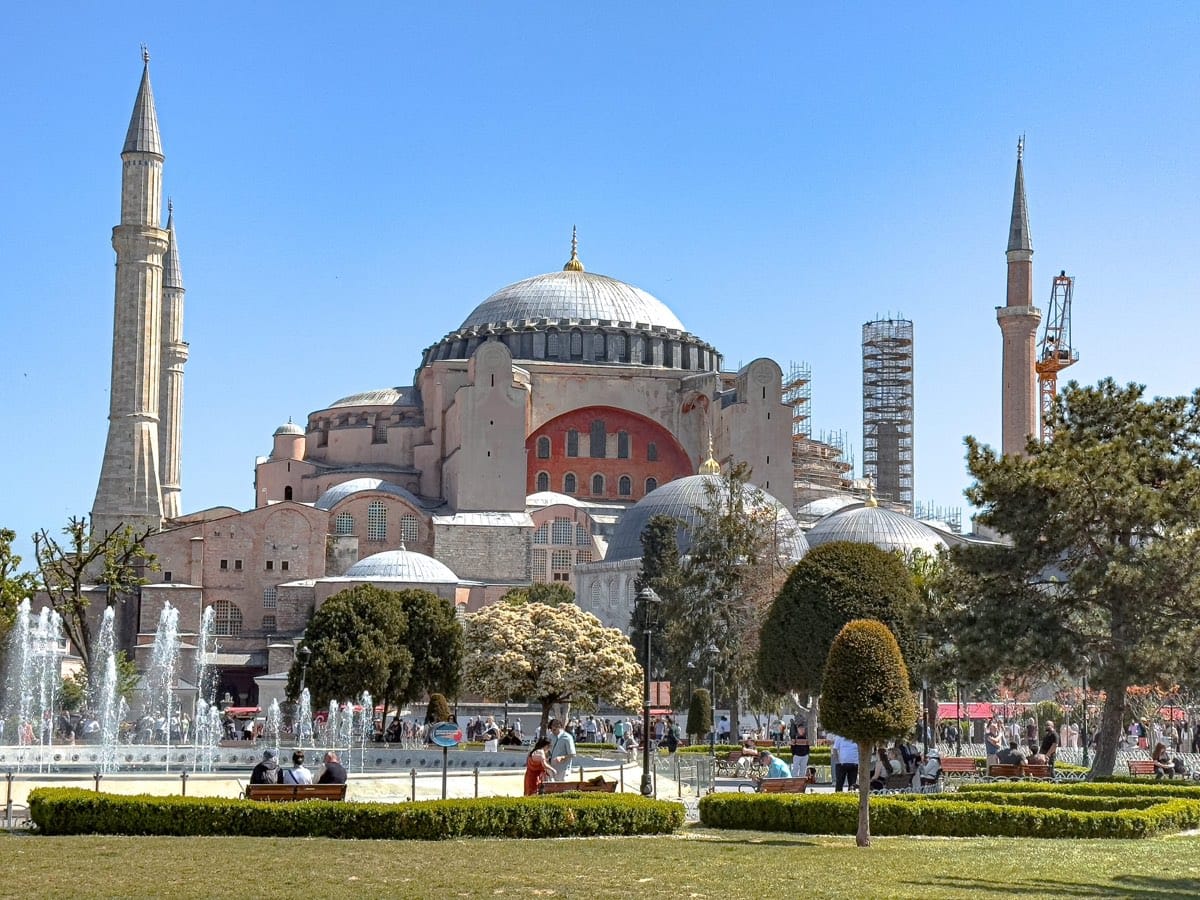
Foreign visitors now pay to enter the upper gallery route, so check the current arrangement before you go.
2. Step inside the Blue Mosque
Across the square, the Blue Mosque is free to enter outside prayer times.
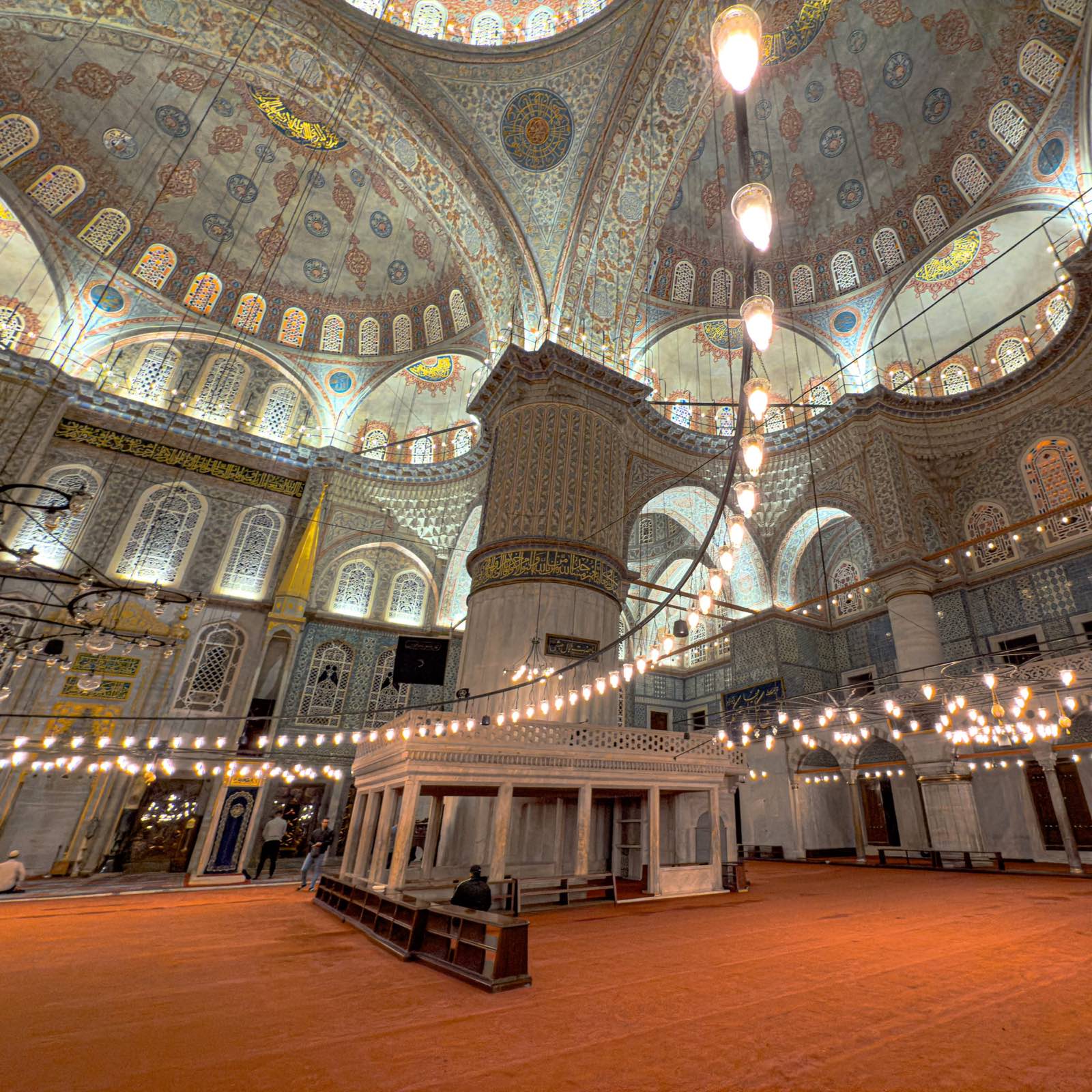
Cover your shoulders and knees, and women should bring a scarf for their hair.
3. Spend a morning at Topkapı Palace
The Ottoman sultans lived at Topkapı Palace for centuries, and its courtyards, pavilions, and Harem take half a day.
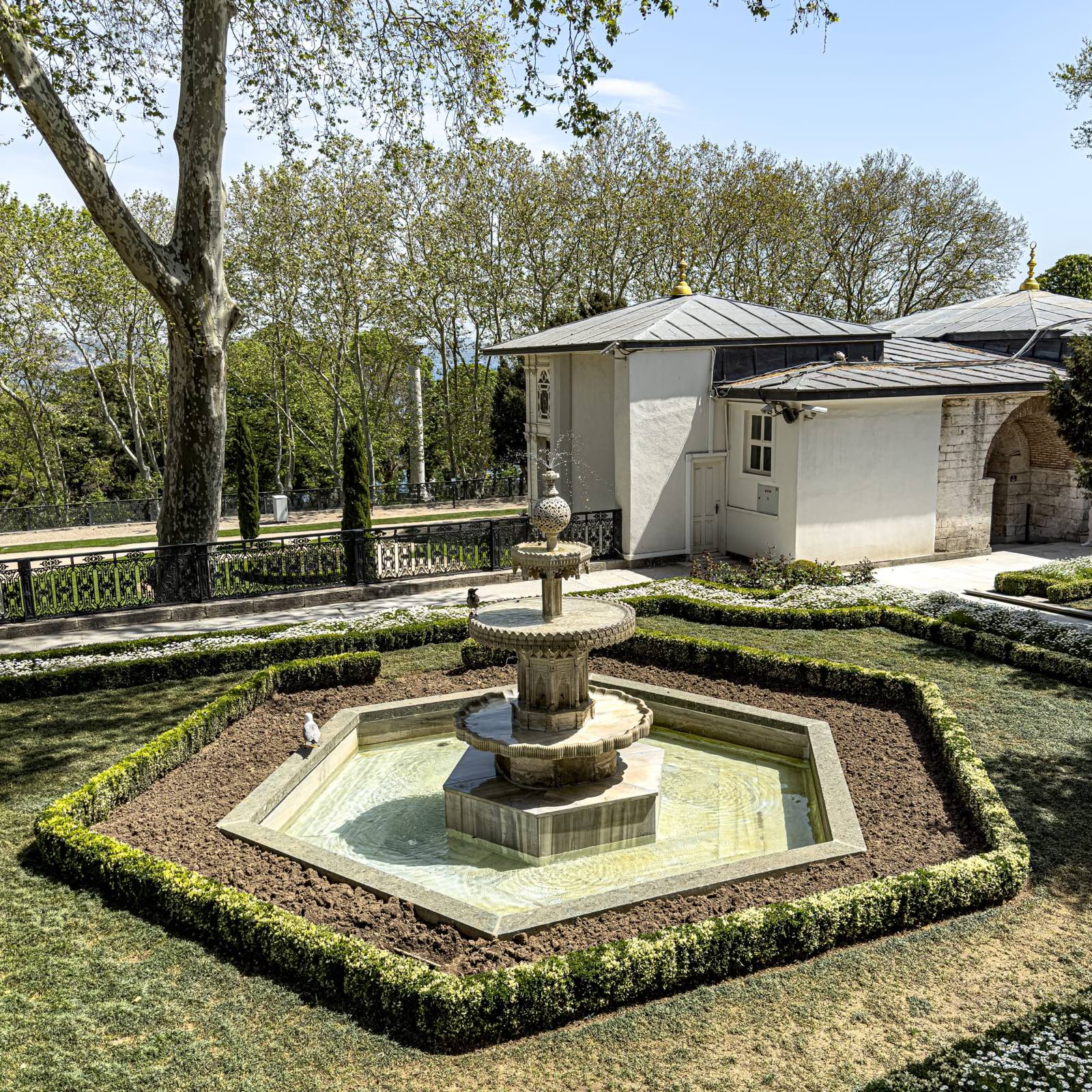
Go early, or book a guided tour to skip the ticket line.
4. Go underground at the Basilica Cistern
The Basilica Cistern is a huge underground reservoir held up by 336 columns, with two Medusa heads at the far end.
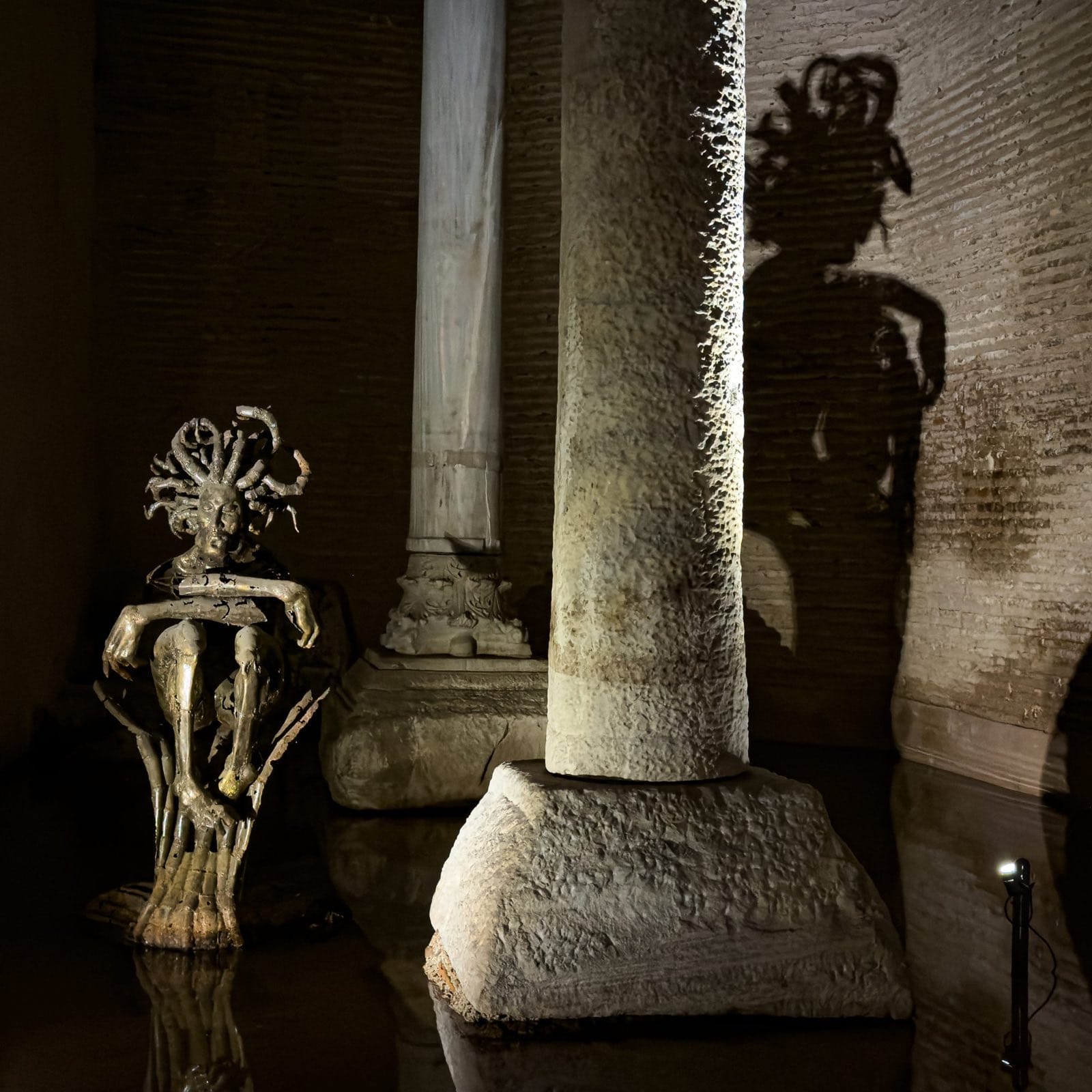
It was built in the sixth century, under Justinian, to store water for the Great Palace.
5. Cruise the Bosphorus
Seeing Istanbul from the water, between Europe and Asia, is a highlight.
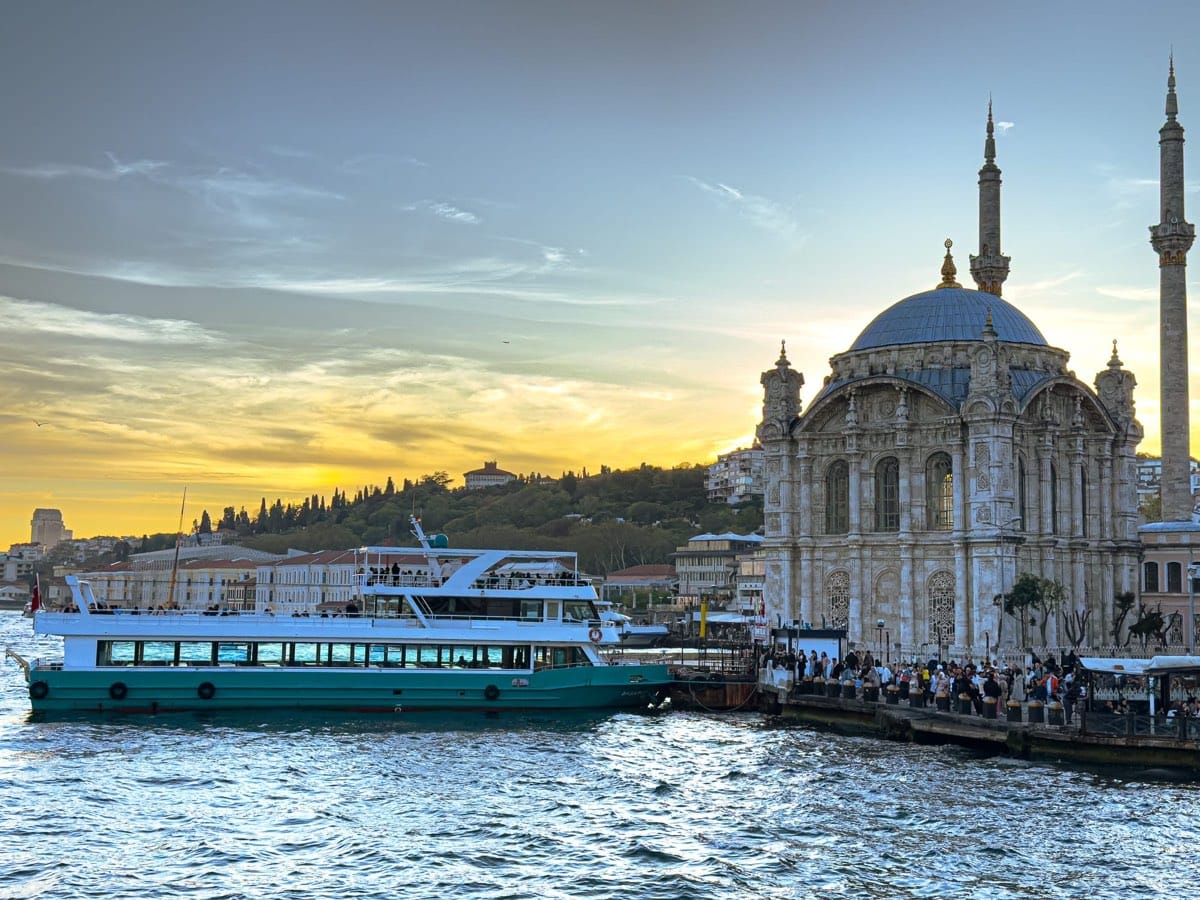
Take a public ferry, or a sunset Bosphorus cruise past the palaces and the Ortaköy Mosque. See our Bosphorus cruise guide.
6. Take the ferry to Kadıköy
A cheap ferry crosses to Kadıköy on the Asian side, where we'd stay for a longer trip. Browse the market streets and look for the street art.
7. Wander Balat
The old neighborhoods of Fener and Balat, on the Golden Horn, have steep lanes of painted houses, antique shops, and cafés.

For a day-by-day plan, see our Istanbul itinerary and our guide to where to stay in Istanbul.
Things to do in Cappadocia
We stayed a month in Cappadocia and could have stayed longer. Give it at least three days.
8. Watch the hot air balloons at sunrise
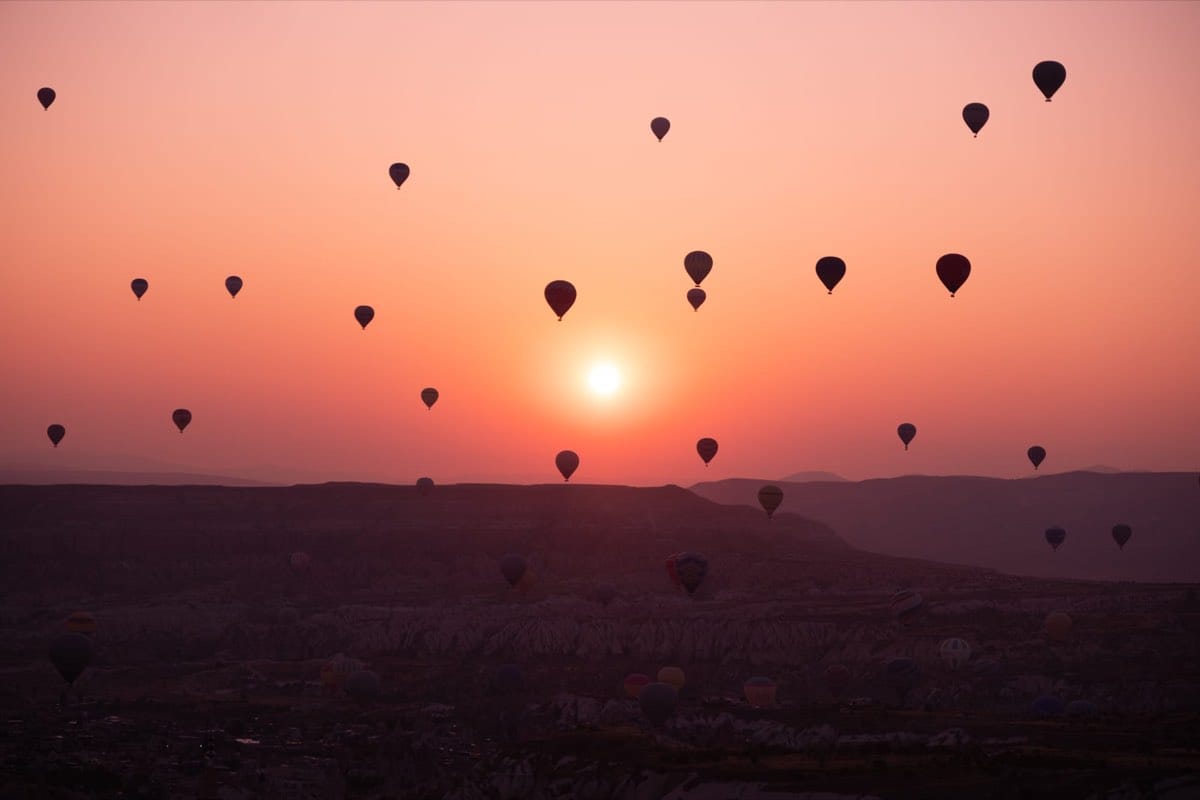
On calm mornings, a hundred or more balloons rise over the valleys at dawn. You can fly in one, or watch from a viewpoint, a rooftop, or a jeep safari, which was one of our favorite tours in Cappadocia. See our guide to the Cappadocia hot air balloons.
9. See the frescoes at the Göreme Open Air Museum
The Göreme Open Air Museum is a valley of rock-cut churches and monasteries, some still painted with Byzantine frescoes.
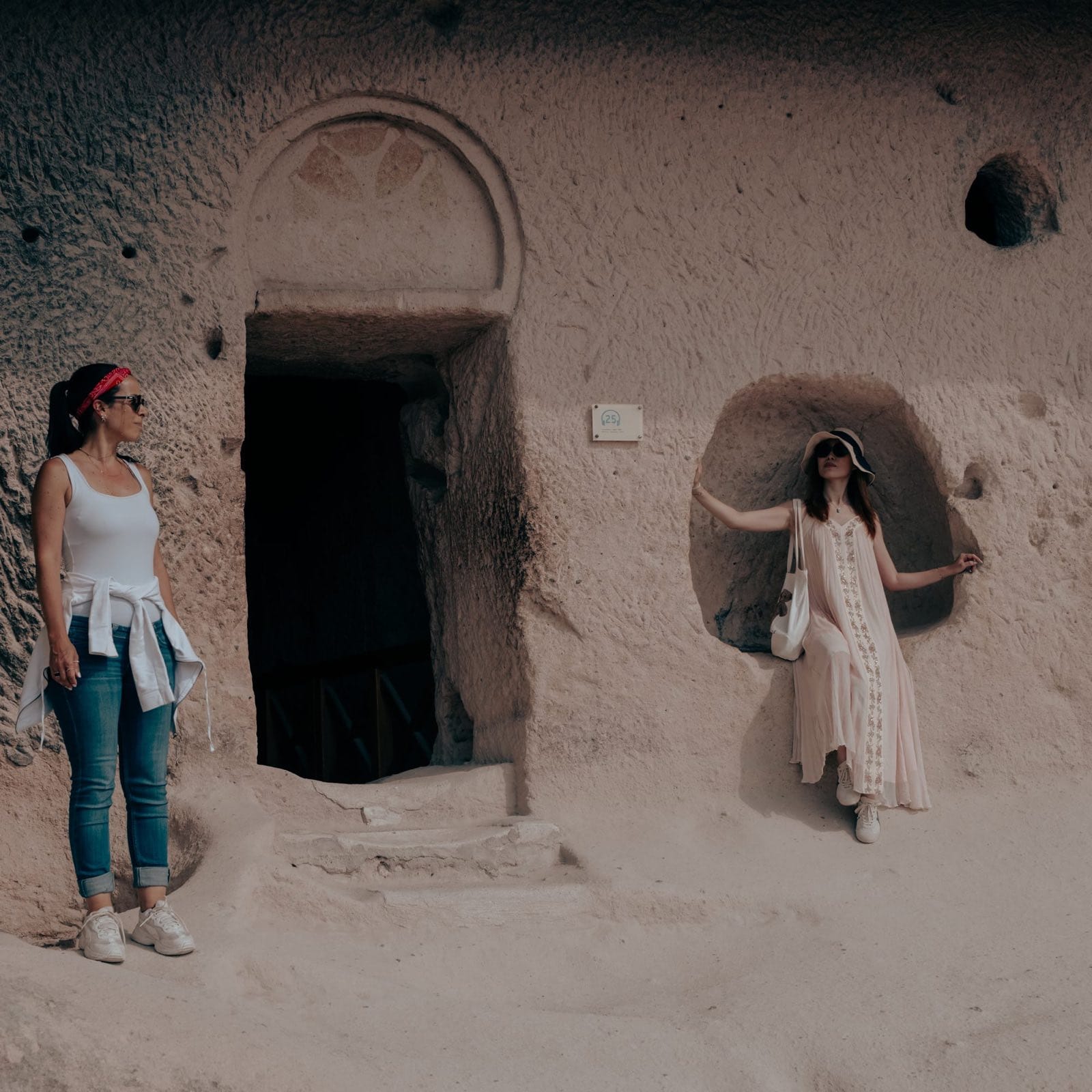
It's part of the Göreme National Park UNESCO World Heritage Site, so arrive early to beat the tour groups.
10. Explore an underground city
Derinkuyu goes down several levels, with tunnels, stables, chapels, and rolling stone doors carved to hide whole communities.
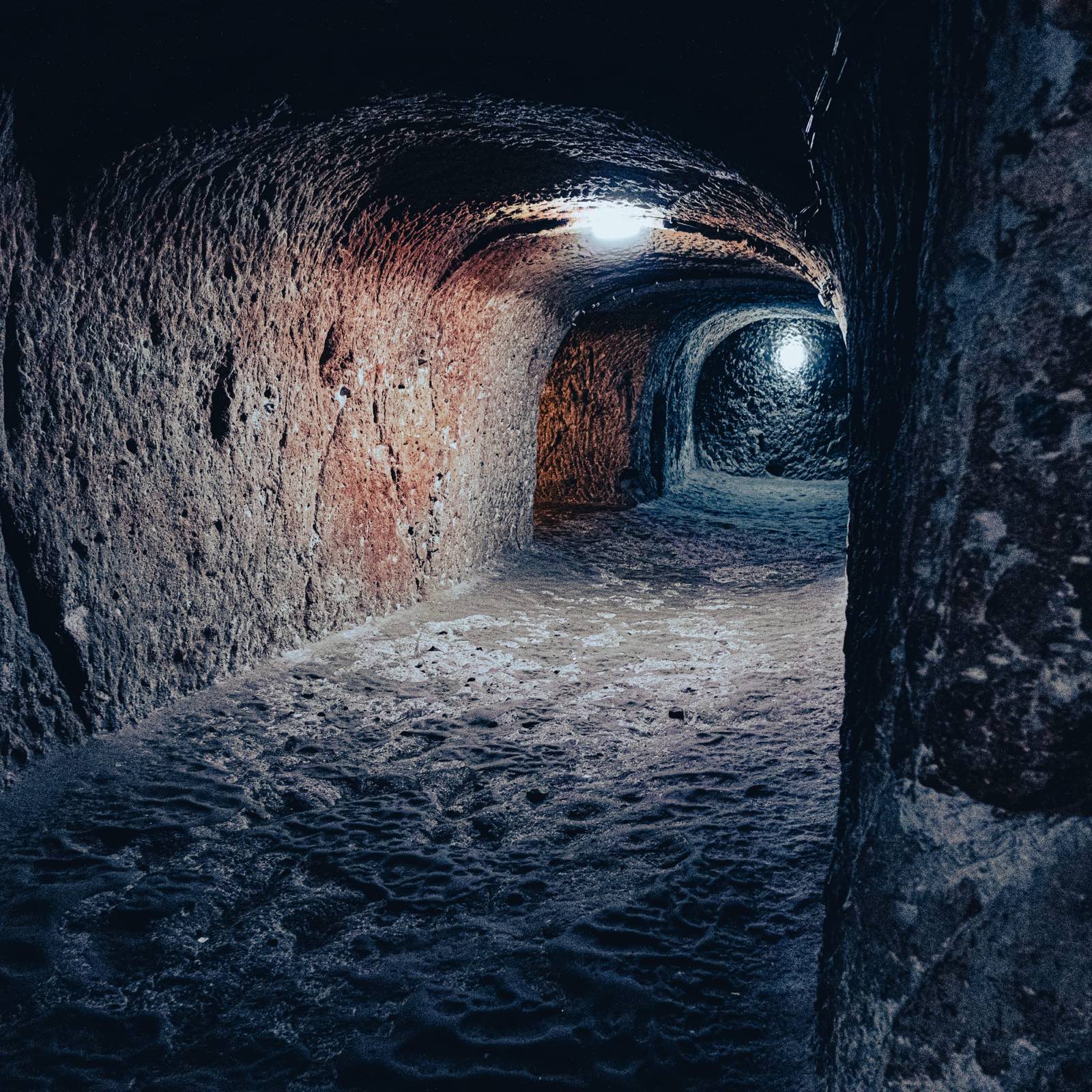
Kaymaklı, nearby, is another underground city, smaller and often less crowded.
11. Walk among the fairy chimneys at Paşabağ
Paşabağ, or Monks Valley, has the classic mushroom-capped fairy chimneys, some with hermit cells cut inside.
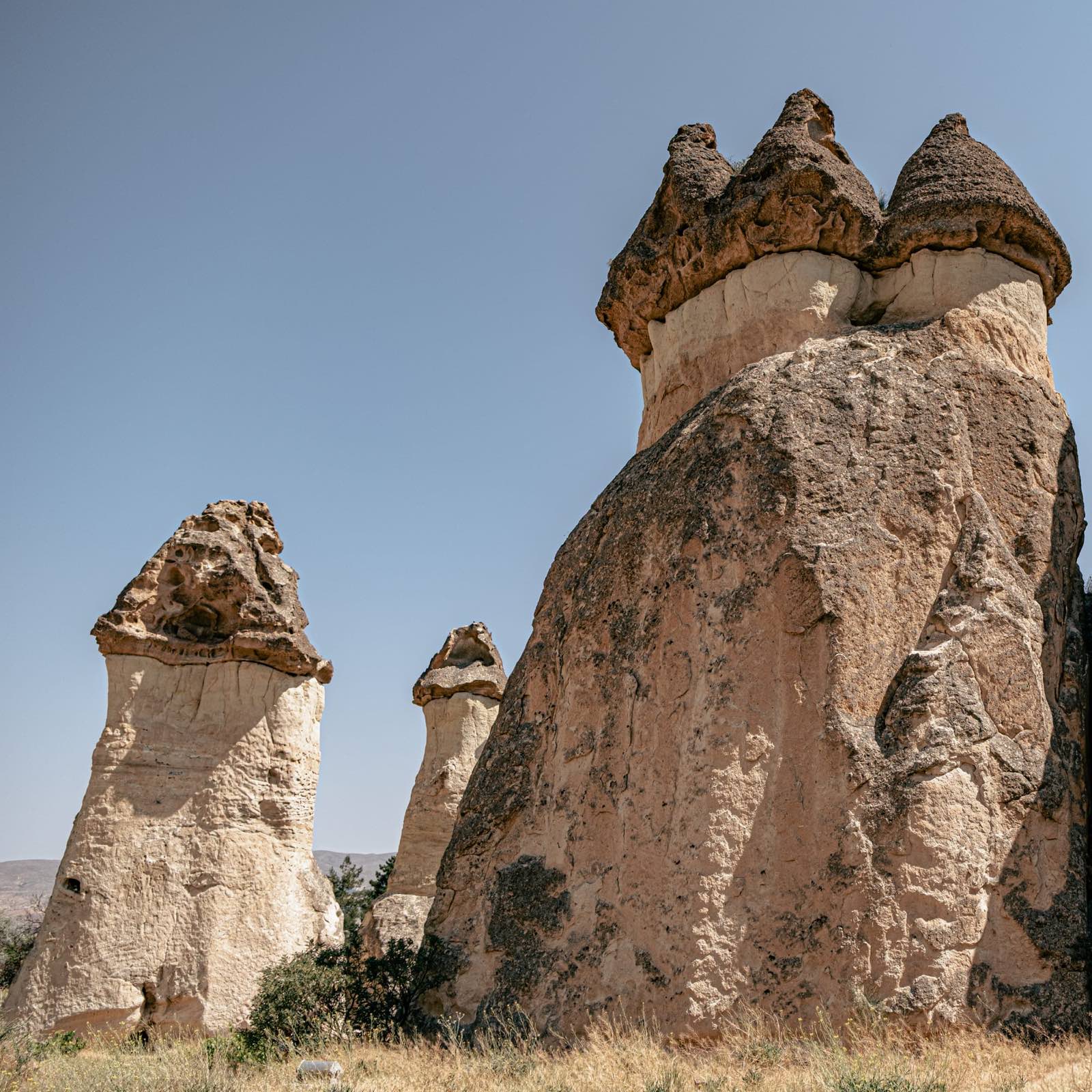
The Red and Green combined tour covers the open air museum, an underground city, and Paşabağ in one day. Our Red or Green tour guide compares them.
12. Hike the Red and Rose Valleys
The pink and red ridges of the Rose and Red Valleys are best at sunset.
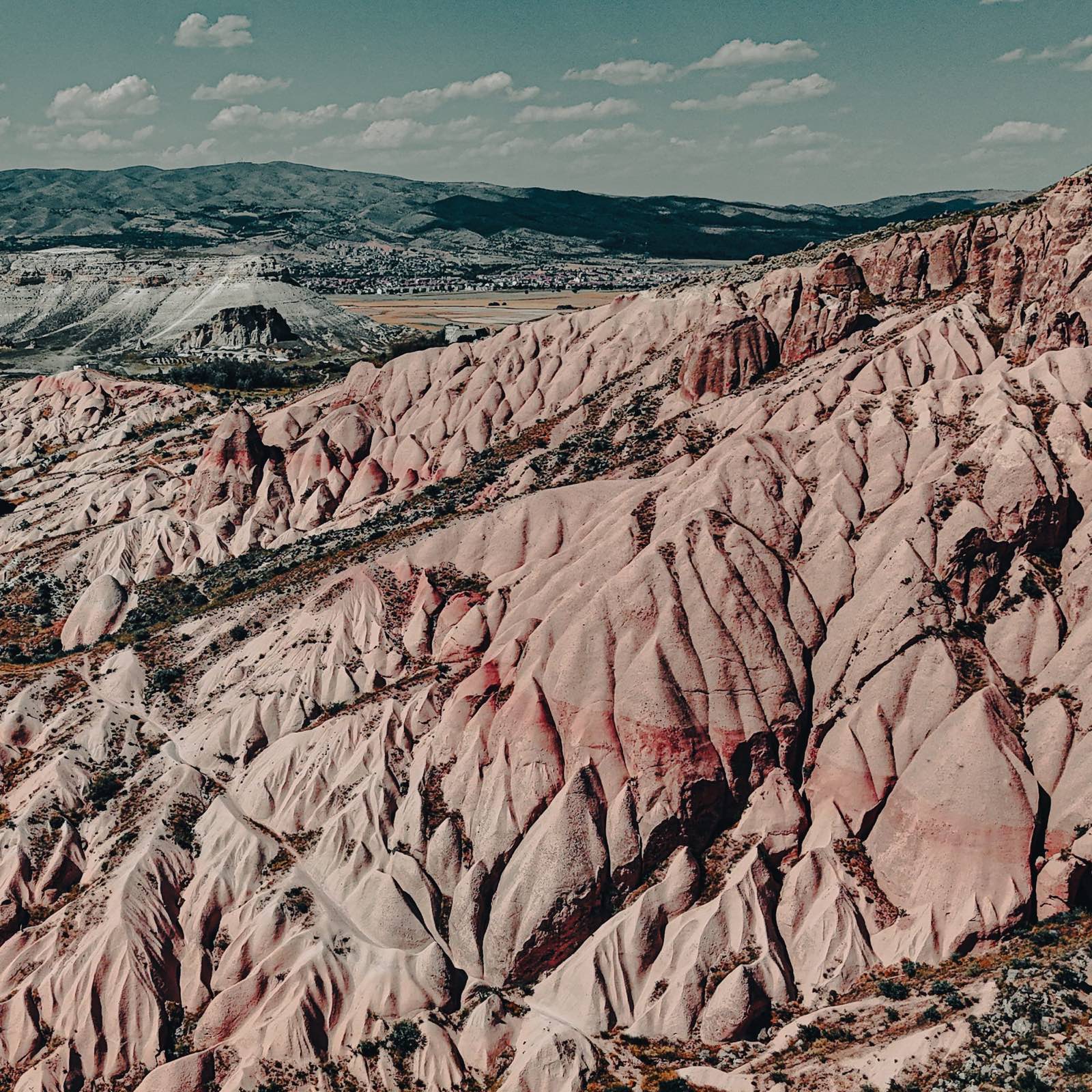
Pigeon Valley, from Uçhisar to Göreme, is another easy walk.
13. Walk the Ihlara Valley
An hour or so from Göreme, Ihlara Valley is a green canyon with a riverside path and churches cut into its walls.
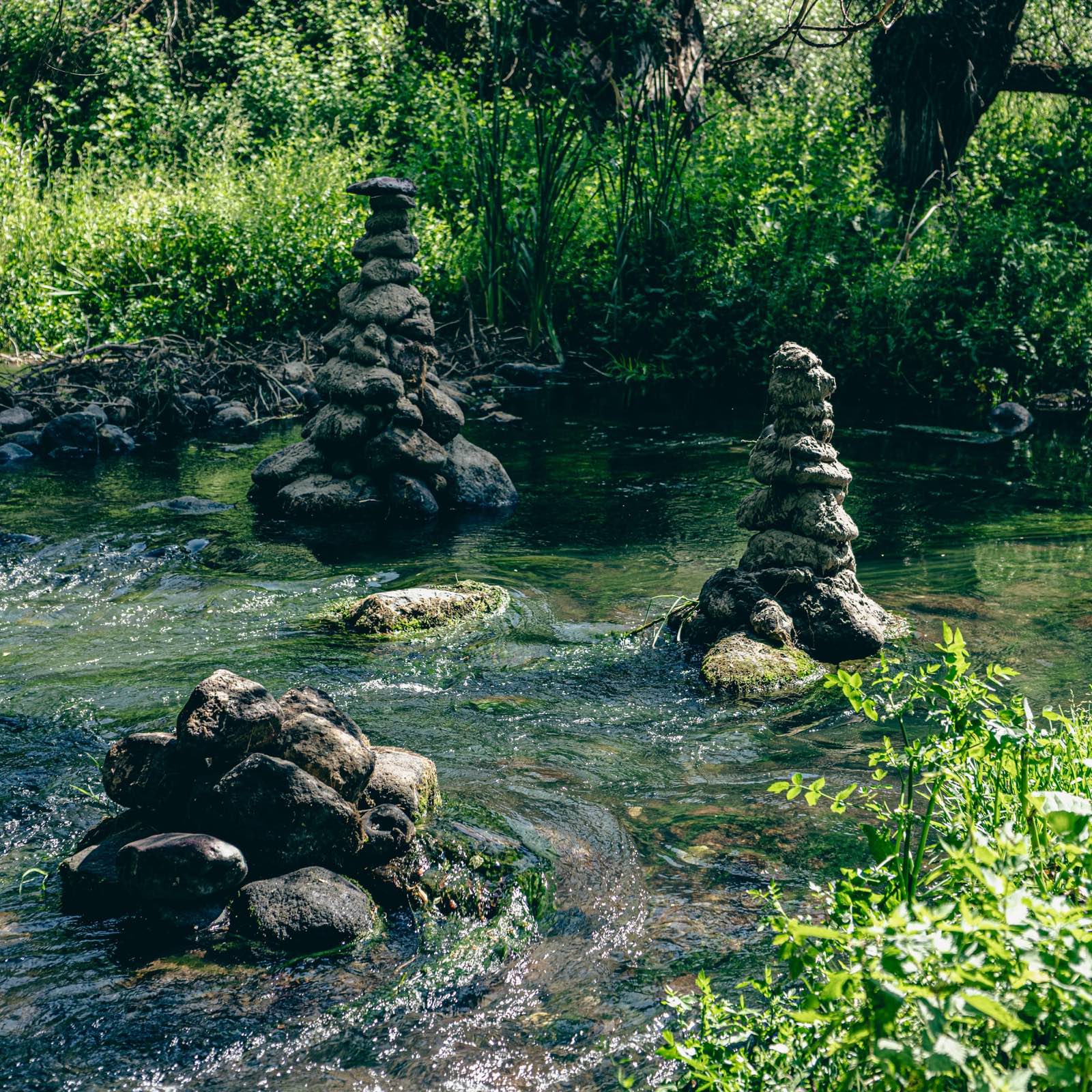
The full path runs about 14 km to Selime, but most visitors walk the stretch from Ihlara village to Belisırma.
14. Try the pottery in Avanos
Avanos, on the Kızılırmak River, has made pottery from its red clay for centuries. Watch a potter at the wheel, or try it yourself at one of the workshops.

For more, see our guides to where to stay in Cappadocia and the best time to visit.
Things to do in Antalya and on the coast
The Mediterranean coast around Antalya mixes beaches with some of Turkey's best ancient cities.
15. Walk the lanes of Kaleiçi
Antalya's old town, Kaleiçi, is a maze of Ottoman houses, bougainvillea, and the old Roman harbor.
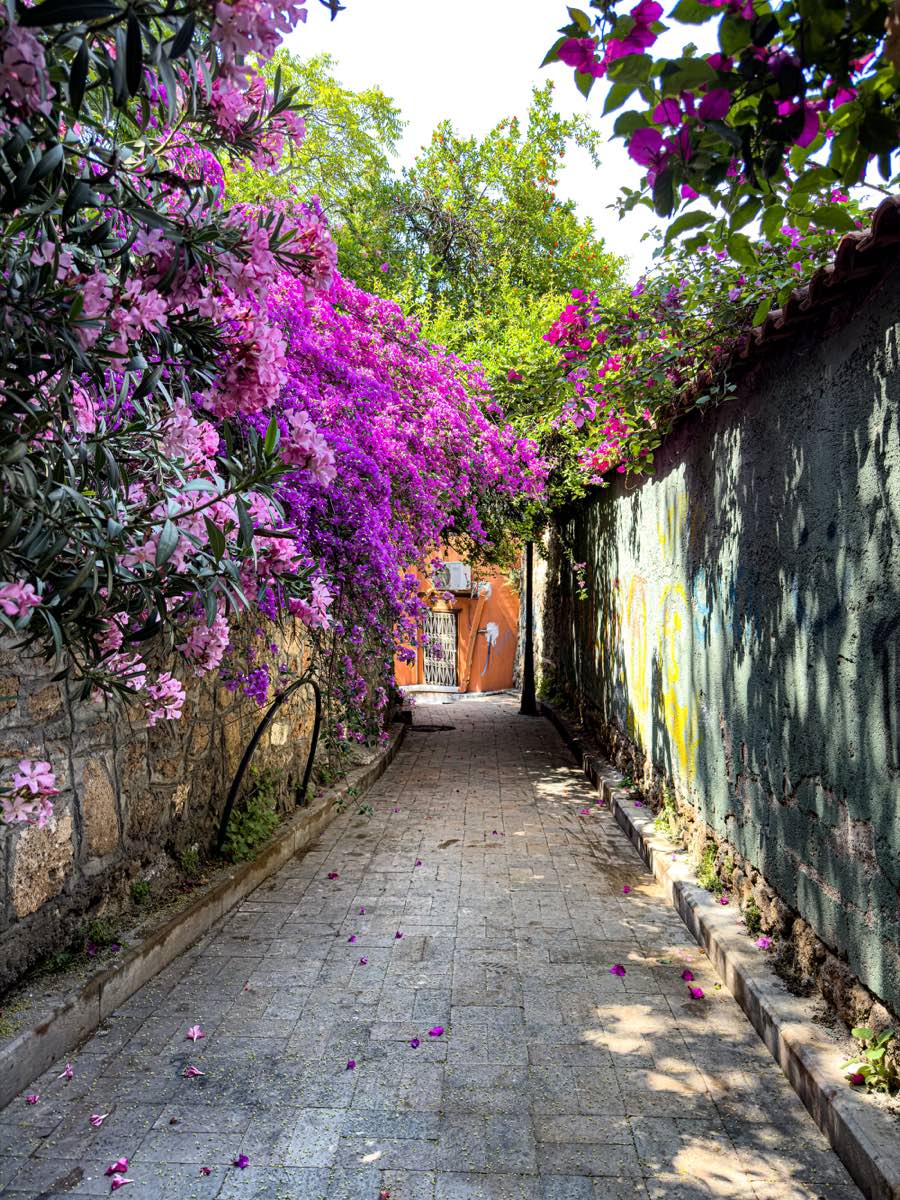
We stayed just outside it.
16. See the Düden Waterfalls
At the Lower Düden Waterfall, the river pours off the cliffs straight into the sea.
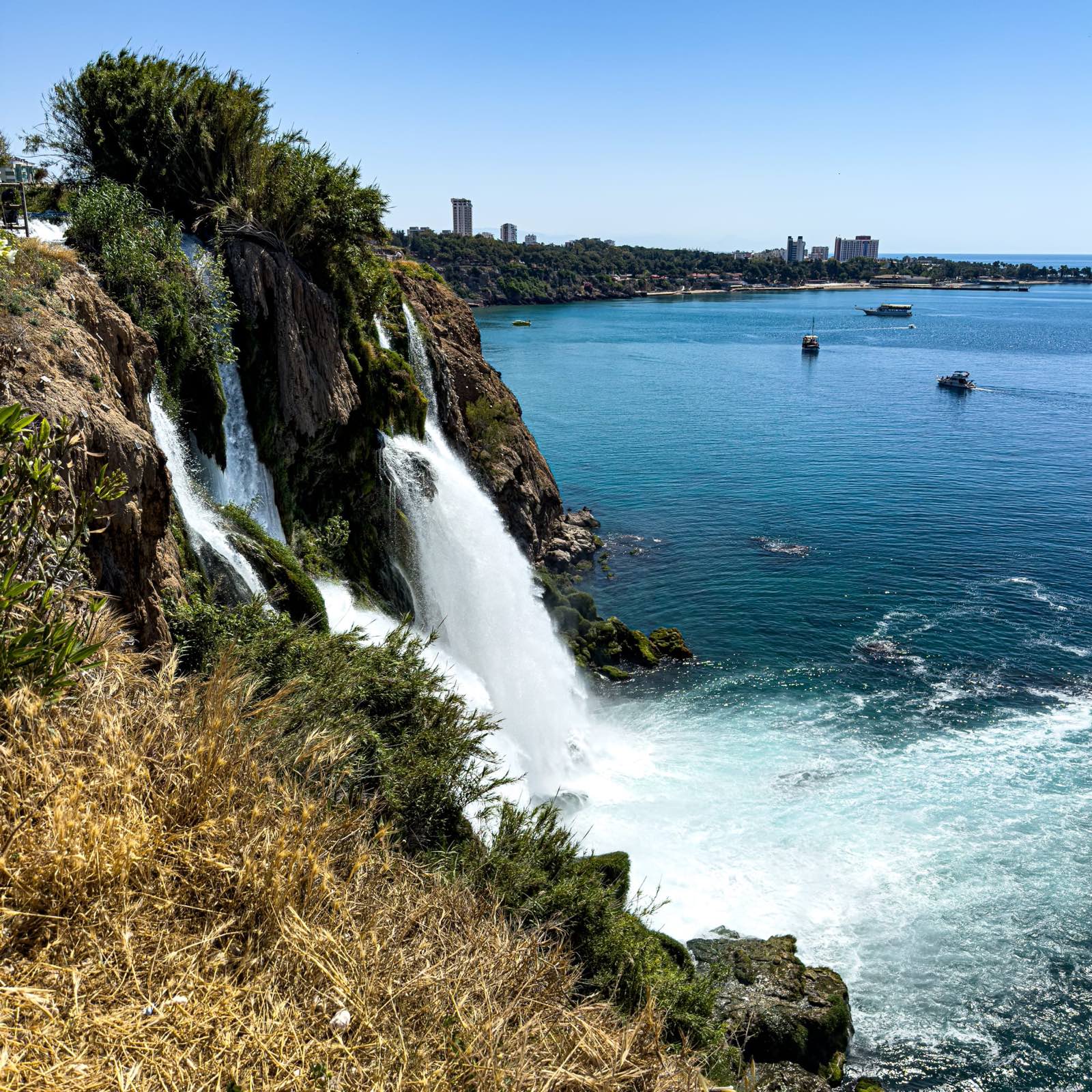
The Upper Düden Waterfall, inland, sits in a park where a path runs behind the falls.
17. Visit Pamukkale and Hierapolis
The white travertine terraces of Pamukkale sit below the ruins of Hierapolis, with its Roman theatre.
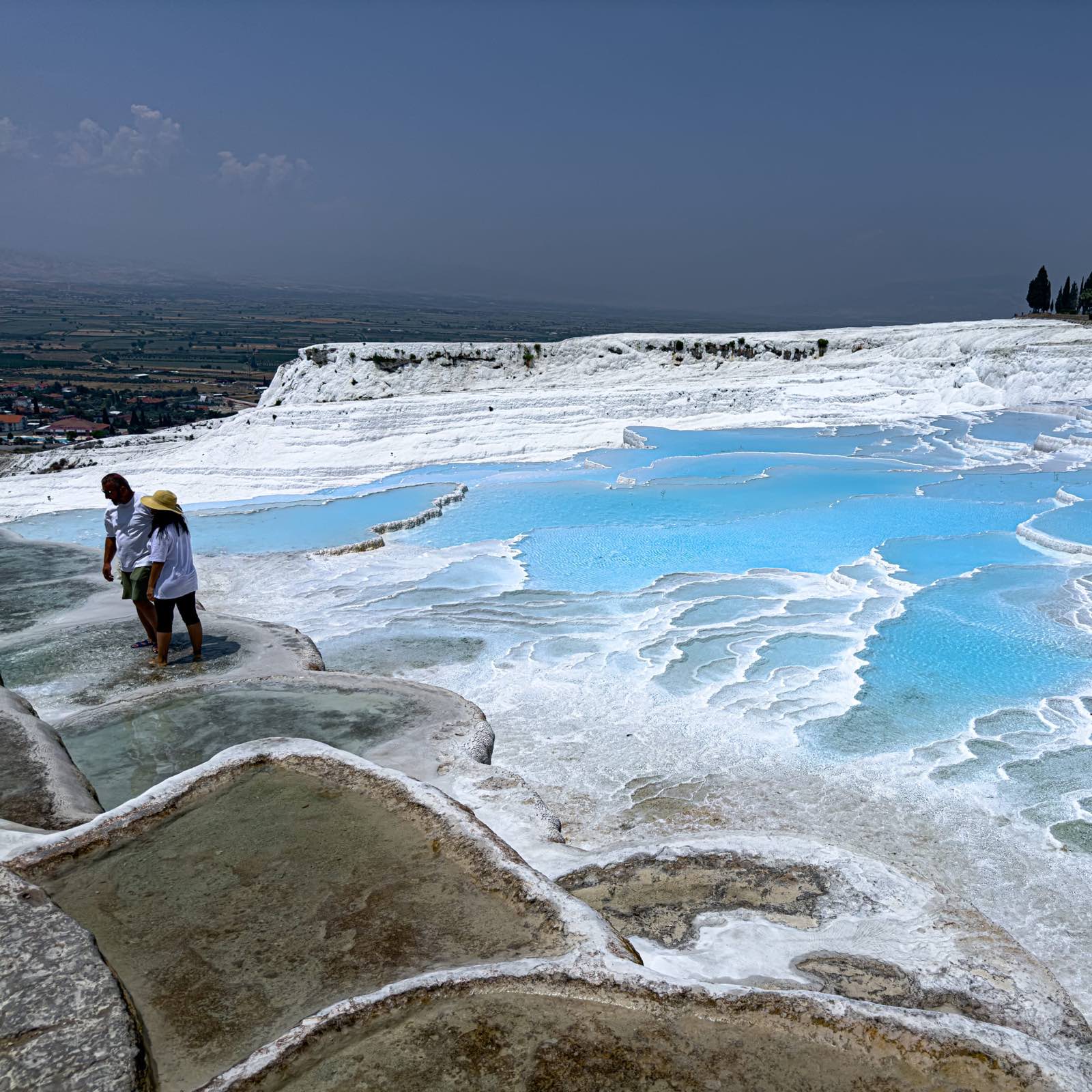
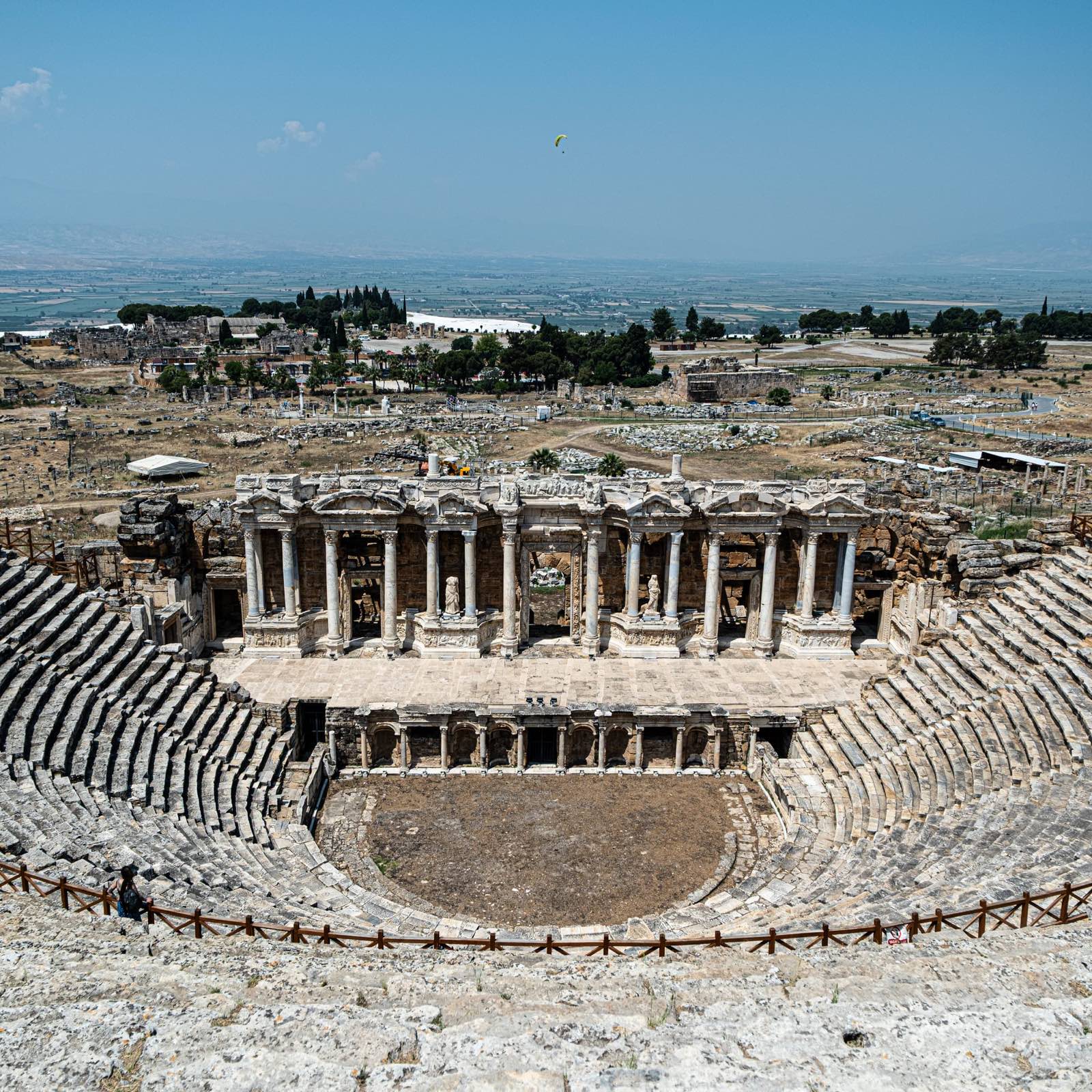
It's a long day from Antalya, so a tour with transport is the easy way to do it.
18. Take a boat to Kekova and visit Myra
At Kekova, boats pass over the ruins of a sunken Lycian city (swimming over it isn't allowed).
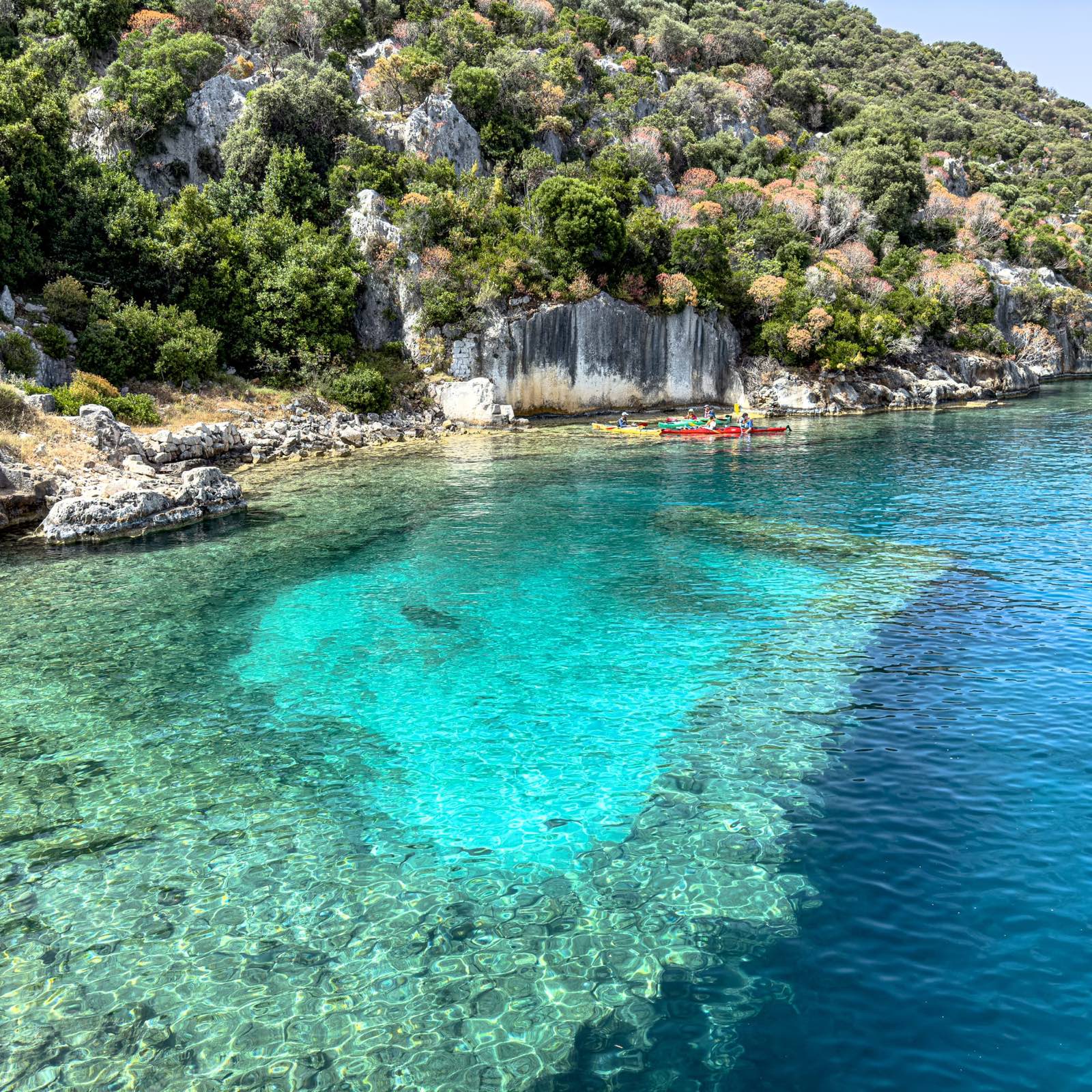
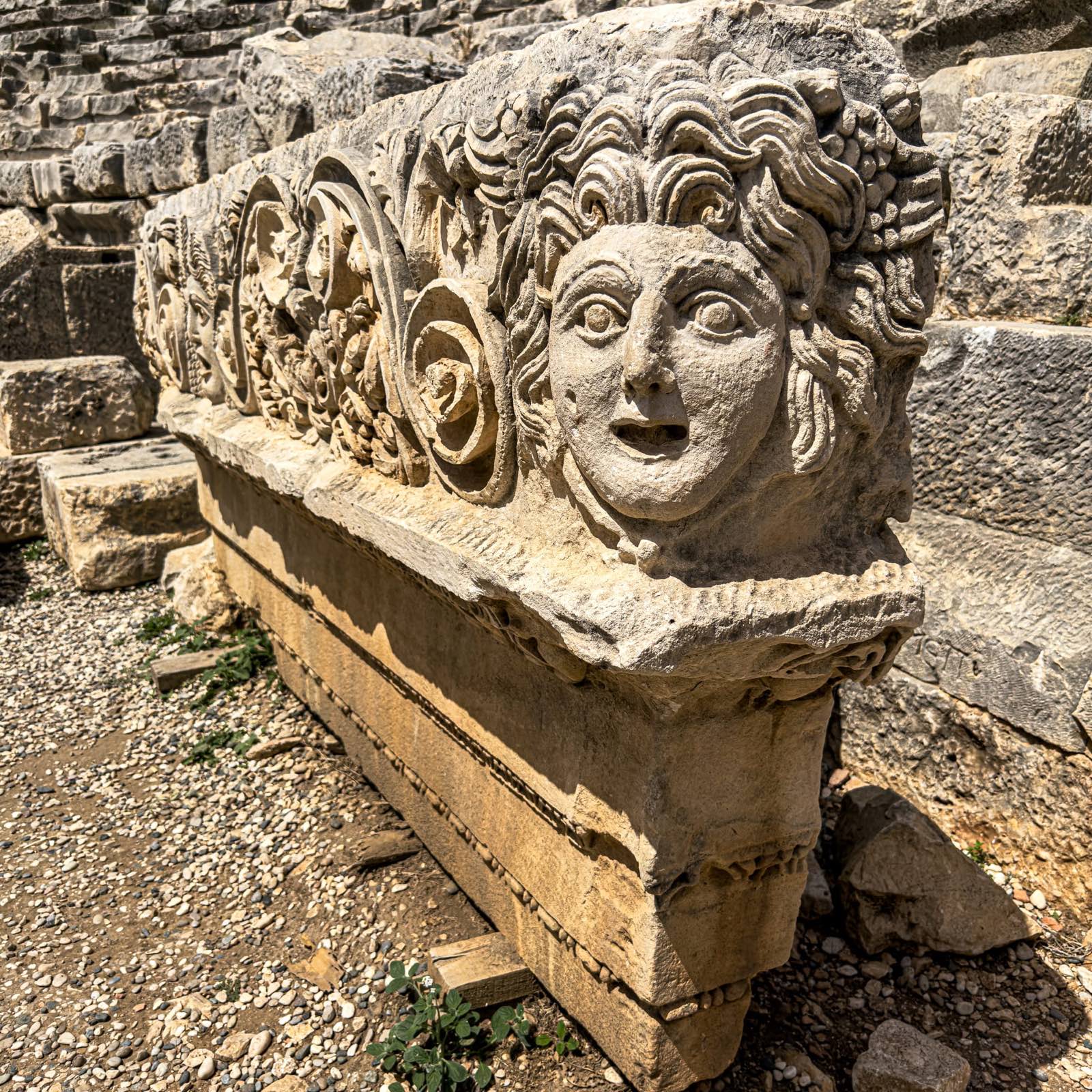
Day trips usually add Myra's rock tombs and the Church of Saint Nicholas.
19. Sit in the theatre at Aspendos
Aspendos has one of the best-preserved Roman theatres anywhere.
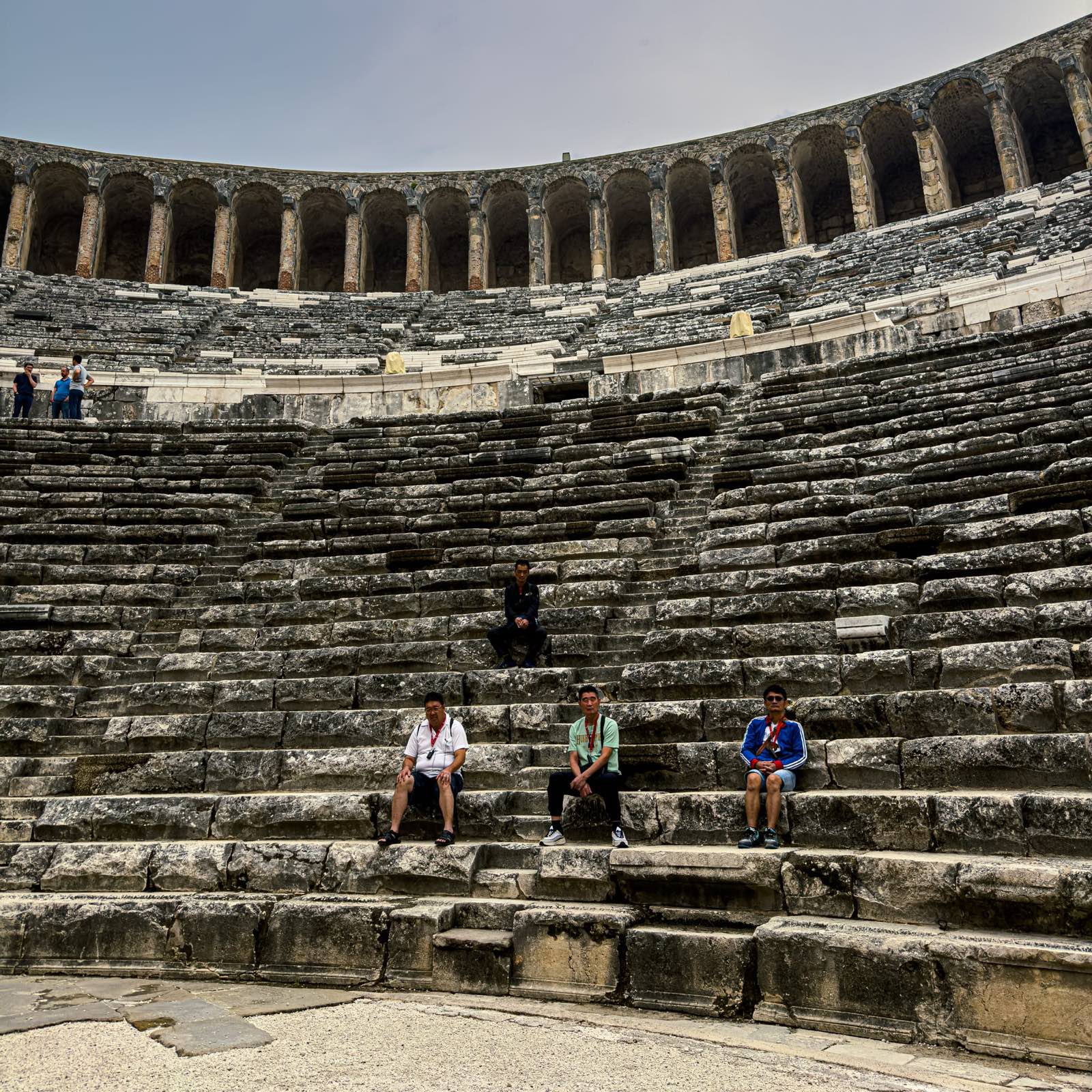
Combine it with Perge and Side.
20. Climb to Termessos
High in the Taurus Mountains, Termessos is a ruined city among pine forest that Alexander the Great never took.
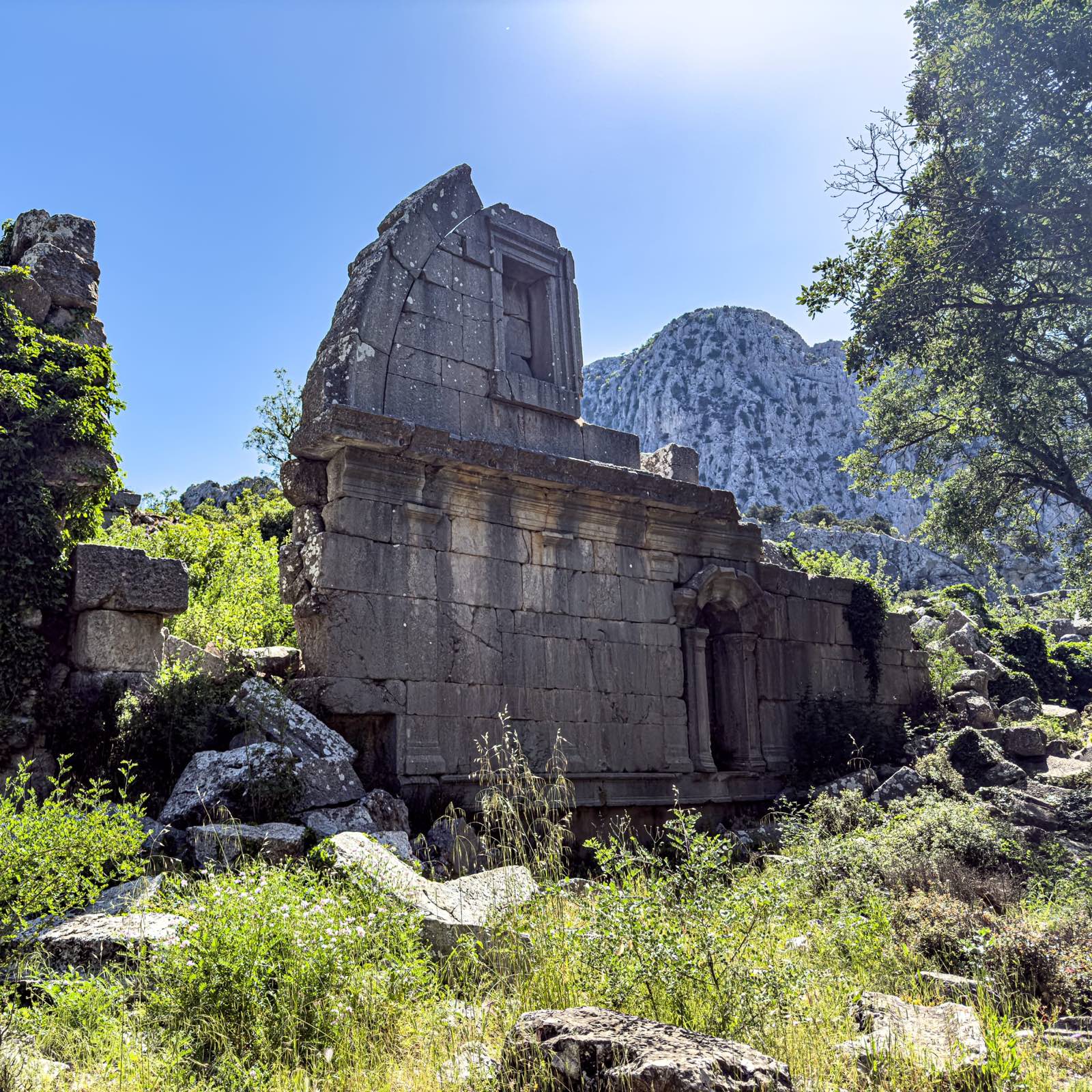
Bring good shoes for the climb.
21. Swim at Suluada
Off Adrasan, the island of Suluada has white sand and clear turquoise water, reached by boat.
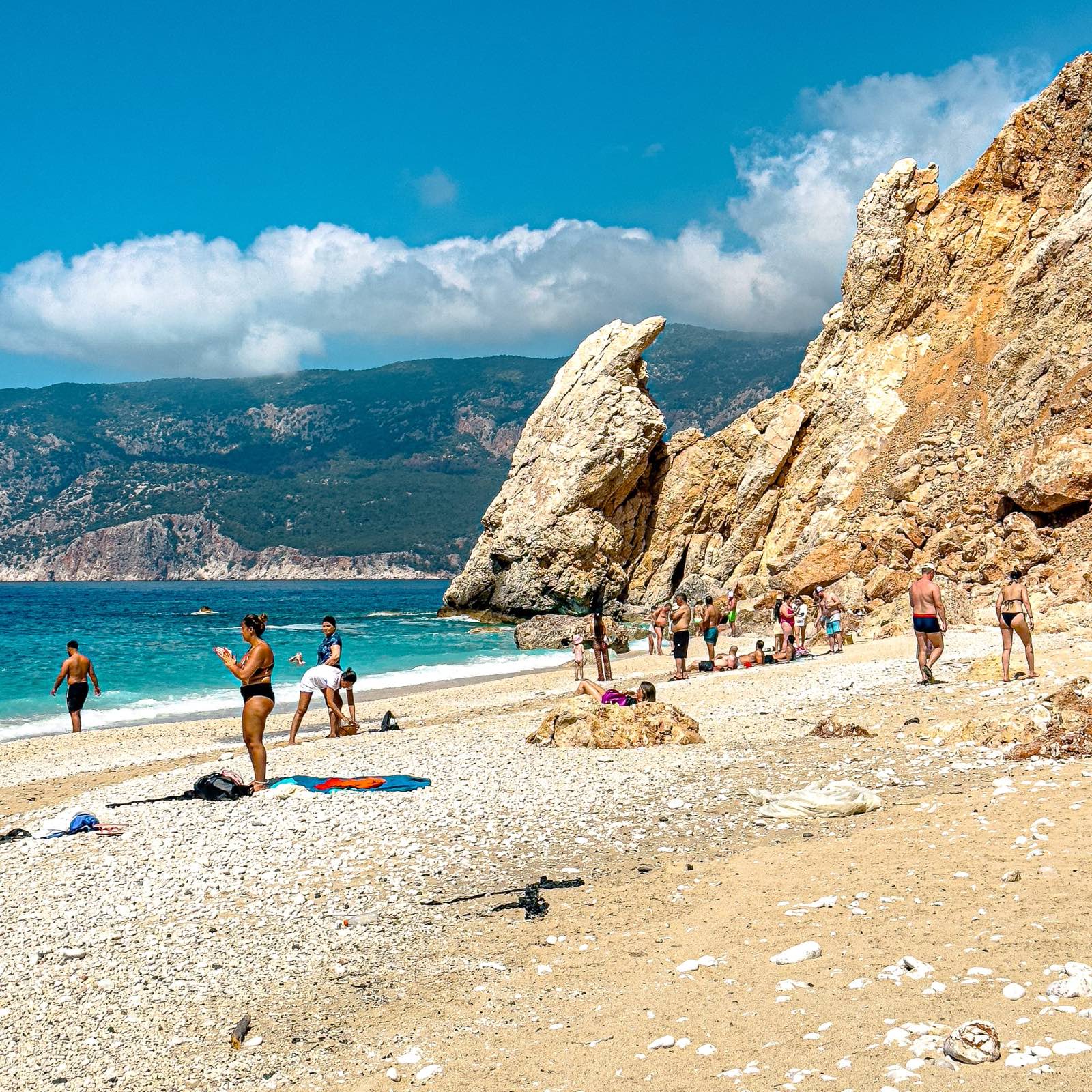
Our guide to day trips from Antalya ranks them all, and our guide to where to stay in Antalya helps you choose a base.
More of Turkey, beyond our route
We spent our time in Istanbul, Antalya, and Cappadocia, so these are places we haven't been yet. They're on almost every list of the best things to do in Turkey, so here's what to know.
Turkey has 22 UNESCO World Heritage Sites, according to Wikipedia's list of World Heritage Sites in Turkey, and the newest was added in 2025. Our route took in three of them: the Historic Areas of Istanbul, Göreme National Park and the Rock Sites of Cappadocia, and Hierapolis-Pamukkale. Ephesus and Mount Nemrut, below, are two more.
22. Shop the Grand Bazaar in Istanbul
One of the oldest covered markets in the world, founded in 1461, with more than 60 streets of carpets, lamps, ceramics, and jewelry. It's closed on Sundays, and bargaining is expected. See our list of things to do in Istanbul.
23. Walk through Ephesus
Near Selçuk on the Aegean coast, Ephesus is one of the best-preserved Roman cities in the Mediterranean, with the two-story facade of the Library of Celsus, a theatre for about 25,000 people, and marble streets. It's a UNESCO World Heritage Site, and most visitors come on a day tour from Kuşadası or İzmir.
24. Swim at Kaputaş Beach near Kaş
Between Kaş and Kalkan, Kaputaş is a small cove of pale sand and bright turquoise water at the bottom of about 180 steps from the coast road. Kaş itself is a lovely small town for diving, kayaking to Kekova, and boat trips. See our guide to the best beaches in Antalya.
25. Paraglide over Ölüdeniz
From Babadağ, almost 2,000 m above the Blue Lagoon at Ölüdeniz, tandem paragliding flights glide down to the beach, one of the most popular adventures in Turkey. Book ahead in summer. You can see paragliding flights here. Nearby, Butterfly Valley is a cove reached by boat from Ölüdeniz.
26. Hike a stretch of the Lycian Way
The Lycian Way is a waymarked trail of about 540 km along the coast between Fethiye and Antalya, past ruins, beaches, and mountain villages. Walking all of it takes about a month, but day sections, like the stretch near Kekova, are easy to fit in. See our guide to Kekova.
27. Wade through Saklıkent Gorge
Near Fethiye, Saklıkent is a narrow canyon about 300 m deep that you explore by wading through ice-cold water. Bring shoes you don't mind getting wet.
28. See sunrise on Mount Nemrut
In the southeast, the summit of Mount Nemrut is topped by giant stone heads from the tomb of King Antiochus I of Commagene, from the 1st century BCE, a UNESCO World Heritage Site. It's far from the usual routes, and people go up for sunrise.
Things to do anywhere in Turkey
Some of the best things to do in Turkey aren't tied to one place. You can do all of these in Istanbul, Antalya, or Cappadocia, and most of them in an afternoon.
Have a Turkish bath (hamam)
A hamam is a public steam bath, and the Ottomans built them all over their empire. You warm up in the hot room and lie on a heated marble platform called the göbek taşı (navel stone). Then an attendant scrubs you with a rough mitt called a kese, soaps you down, and rinses you with warm water. Wikipedia's hammam page has the history. The famous historic hamams in Istanbul cost a lot more than neighborhood ones, and many have separate sections or hours for men and women, so check before you go.
Drink Turkish tea and Turkish coffee
Tea (çay) comes in small tulip-shaped glasses, black, all day long. Turkish coffee is made from very finely ground beans, brewed in a small pot with cold water and sugar, and served in a small cup with a glass of water. Its culture and tradition have been on UNESCO's intangible heritage list since 2013. The sugar goes in while it brews, so order it sade (plain), orta (medium sweet), or şekerli (sweet). Both are vegan as they're usually served, with no milk.
See a whirling dervish ceremony (sema)
The sema is the whirling ceremony of the Mevlevi, a Sufi order founded in Konya in 1273, and it has been on UNESCO's intangible heritage list since 2008. You can see performances in Istanbul and Cappadocia, but UNESCO notes that many shows for visitors are shortened and simplified. For the full ceremony, Konya holds its Mevlana commemoration every December.
Eat your way through Turkish food
Food is one of the best reasons to come. Start with mercimek çorbası (red lentil soup), which we ate more than any other dish in Turkey. Then grab a simit (a sesame bread ring) from a street cart, point at olive oil vegetables in a lokanta (a canteen-style restaurant), and try a çiğ köfte wrap. Shops have only sold the meatless version, made with bulgur, nuts, and spices, since a 2008 Health Ministry ban, as Wikipedia's çiğ köfte page explains.
Tips for Turkey
Fly between regions to save time. Book Topkapı and the Basilica Cistern ahead. Plan two or three mornings in Cappadocia in case the balloons are cancelled. Carry cash for small shops and dolmuş minibuses. For food, see our guide to vegan food in Turkey.
Save money with a Turkey museum pass
If you plan to visit lots of state-run museums and ruins, look at the MuseumPass cards sold through the Ministry of Culture and Tourism's site, muze.gov.tr. There's a Türkiye-wide card, plus regional cards for Istanbul, Cappadocia, the Mediterranean, and the Aegean, each valid for a set number of days from the first time you use it. Prices change often, so add up the single tickets for the sites you'll actually visit and compare. Hagia Sophia and the Basilica Cistern aren't run by the ministry and sell their own tickets.
How to get around Turkey
Distances are long, so most visitors fly between regions, as we did. From Istanbul, the flight takes about an hour to Antalya and about 1 hour 25 minutes to Kayseri, for Cappadocia, according to Pegasus (Antalya, Kayseri). Overnight buses are the cheap option, at around 10 to 12 hours between the big three. In Istanbul, a rechargeable İstanbulkart works on the trams, metro, and ferries, and the T1 tram stops right by the Sultanahmet sights. Public transport to many ruins is limited, so day trips from Antalya and Göreme are easiest on a tour or with a rental car.
Don't forget travel insurance when you plan your trip. It's the one thing you hope you never use, and the peace of mind is worth it. We'd recommend SafetyWing Nomad Insurance. It covers medical emergencies abroad, you can buy it even after you've left home, and it renews every four weeks, so it works for a short trip or months on the road.
Frequently asked questions about things to do in Turkey
What is Turkey best known for?
Istanbul's mosques and palaces, Cappadocia's fairy chimneys and balloons, ancient cities like Ephesus and Aspendos, and the Mediterranean coast.
What should you not miss in Turkey?
Hagia Sophia, a Bosphorus cruise, a balloon sunrise in Cappadocia, and Pamukkale.
How many days do you need in Turkey?
A week for Istanbul and Cappadocia, and ten days or more to add the coast.
What are the best free things to do in Turkey?
The Blue Mosque, walking Kaleiçi and Balat, hiking Cappadocia's valleys, and watching the balloons from a viewpoint.
How many UNESCO World Heritage Sites are in Turkey?
22, according to Wikipedia's list, including the Historic Areas of Istanbul, Göreme National Park and the Rock Sites of Cappadocia, Hierapolis-Pamukkale, and Ephesus.
Is there a museum pass in Turkey?
Yes. The Ministry of Culture and Tourism sells MuseumPass cards for the whole country and for Istanbul, Cappadocia, the Mediterranean, and the Aegean. Check current prices and covered sites on muze.gov.tr before you buy.
What is the best way to get around Turkey?
Fly between regions and use tours, taxis, or a rental car locally. We flew between Antalya, Cappadocia, and Istanbul. Overnight buses are cheaper but take 10 hours or more.
Useful links: GoTürkiye, the official Turkey travel guide, World Heritage Sites in Turkey (Wikipedia), MuseumPass and MüzeKart (Ministry of Culture and Tourism), and Turkish coffee culture and tradition (UNESCO).


